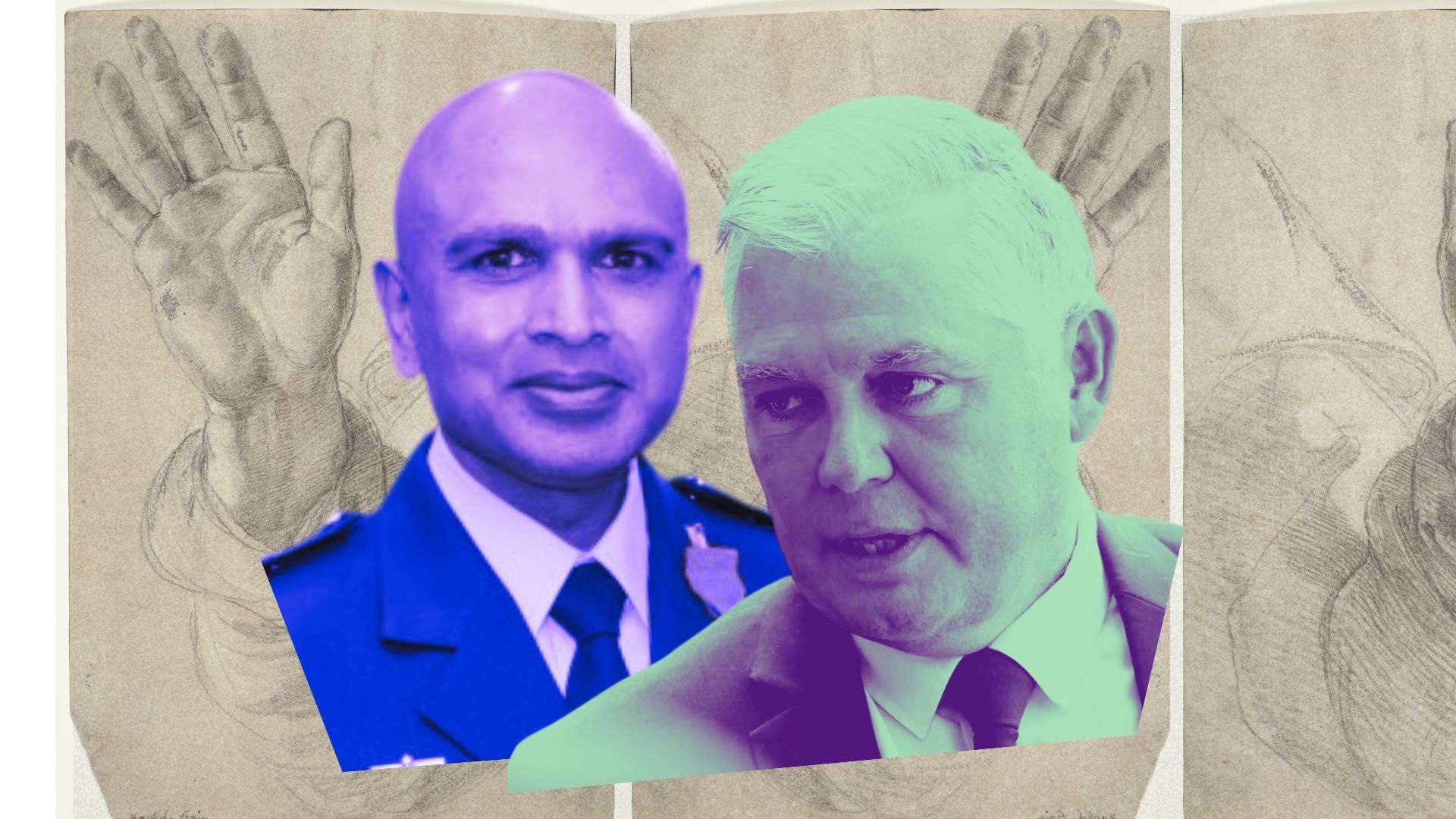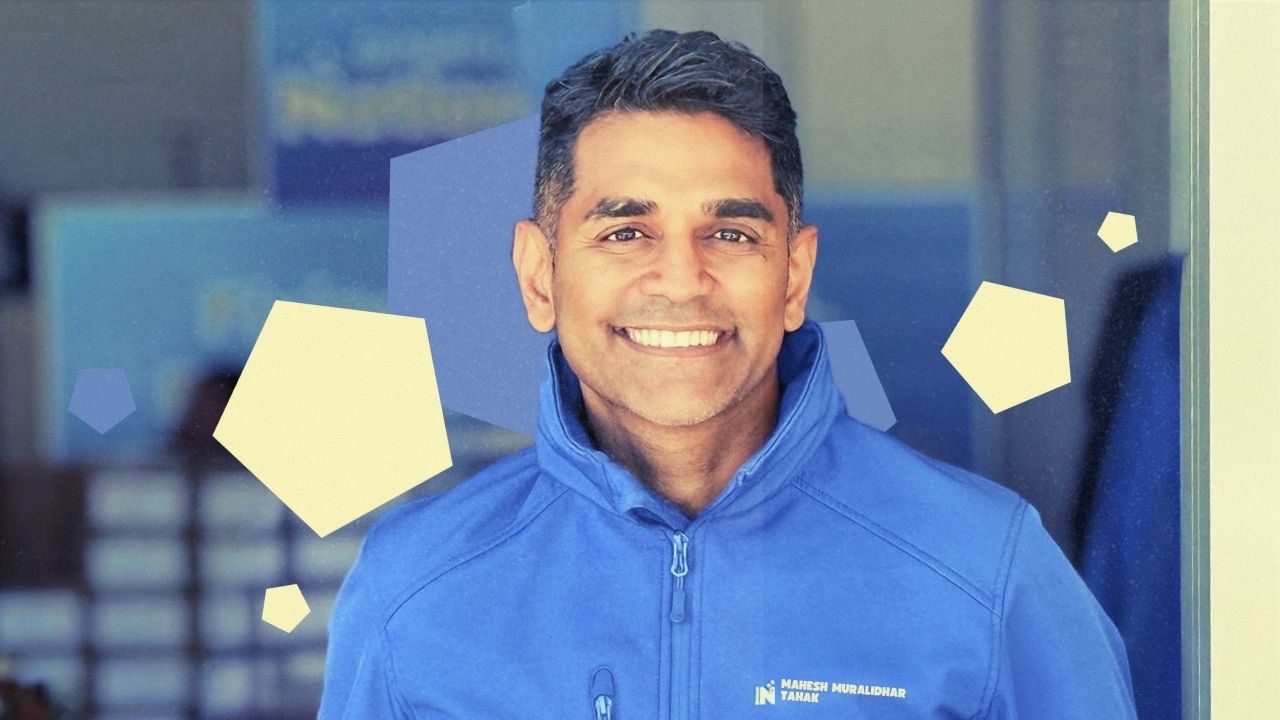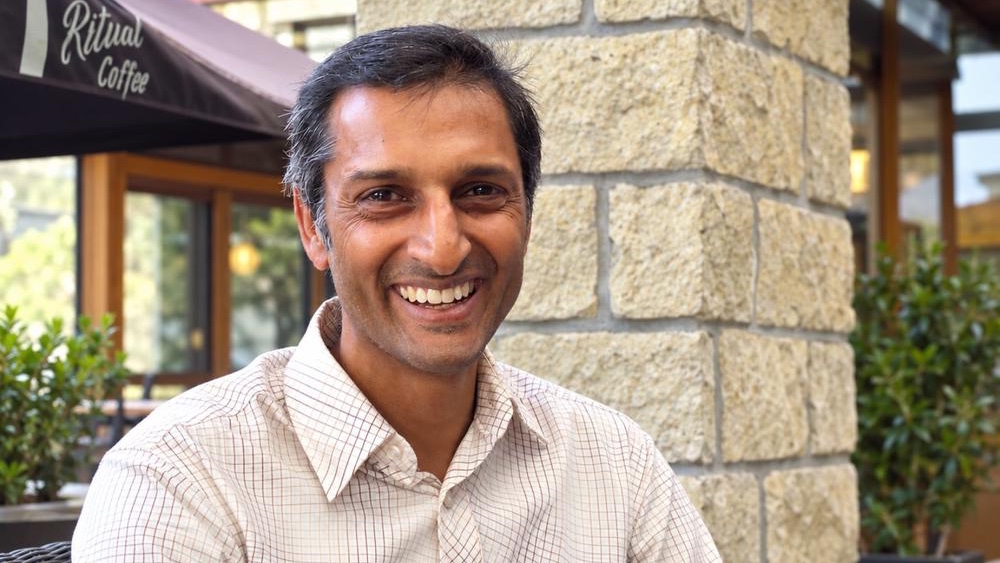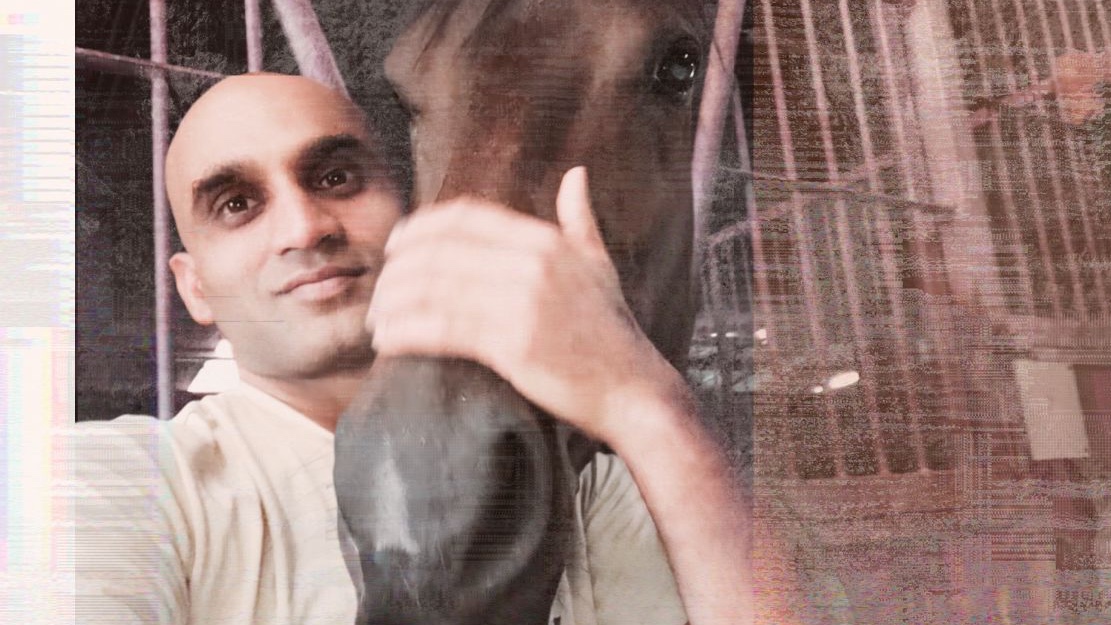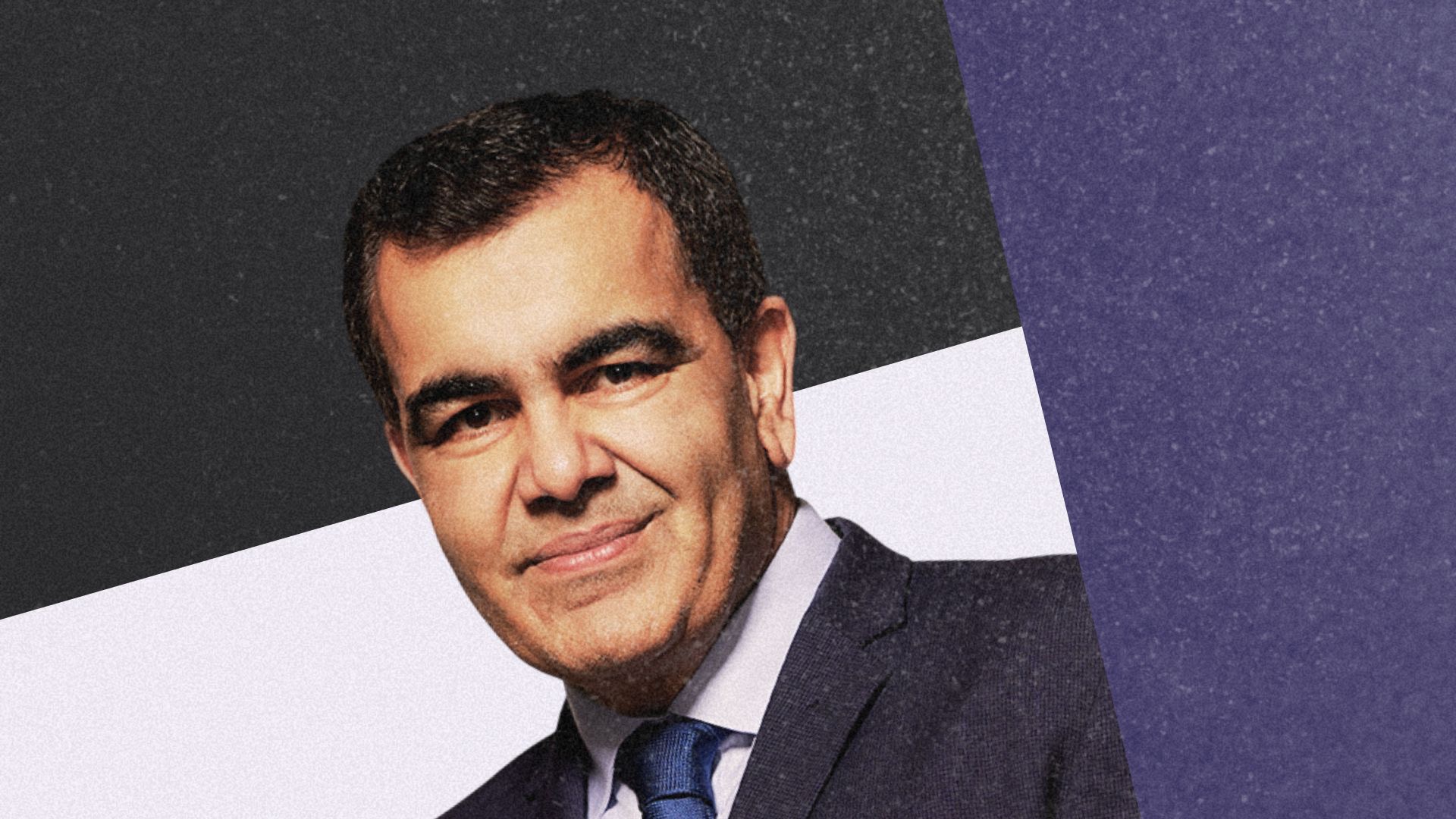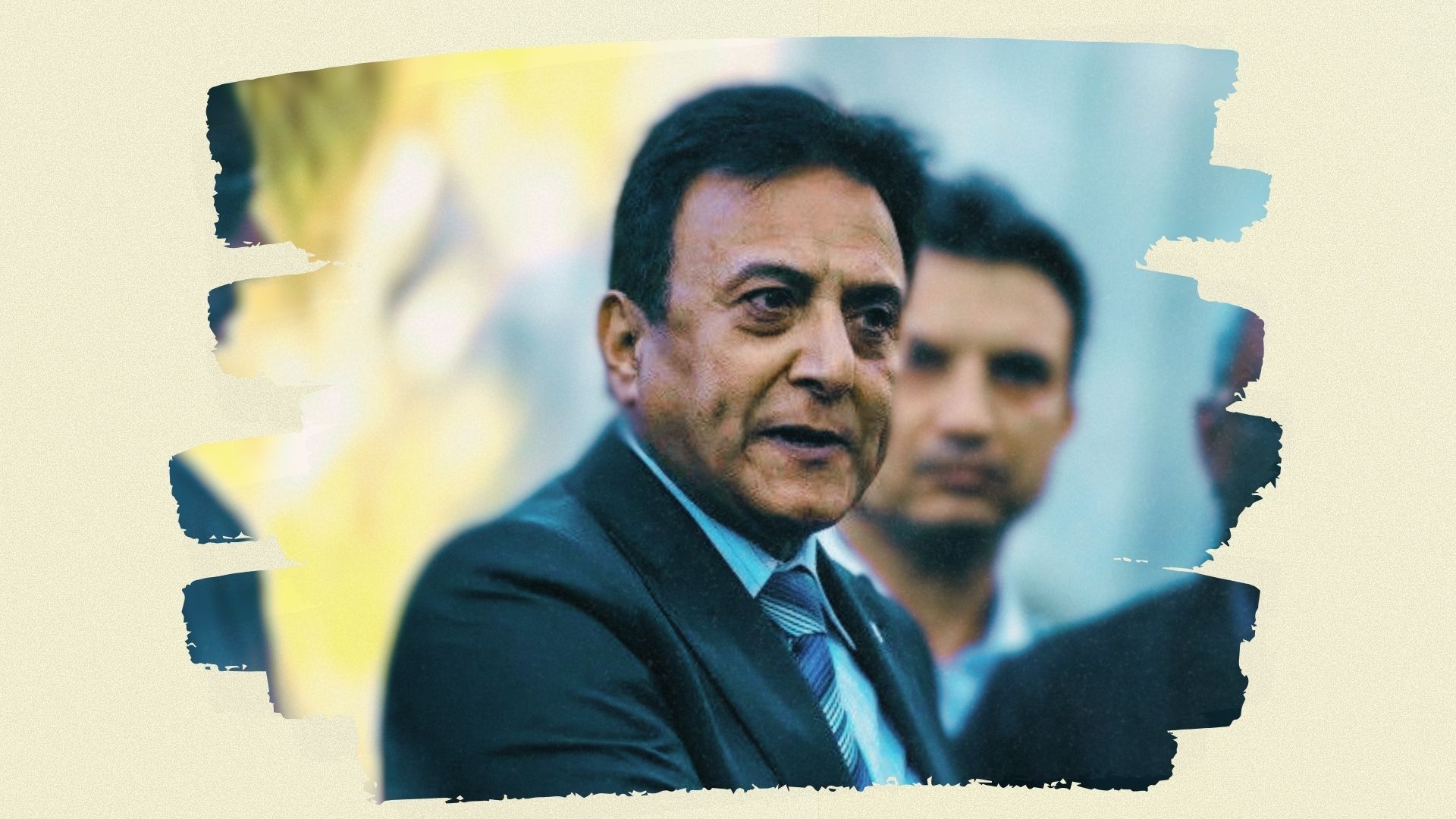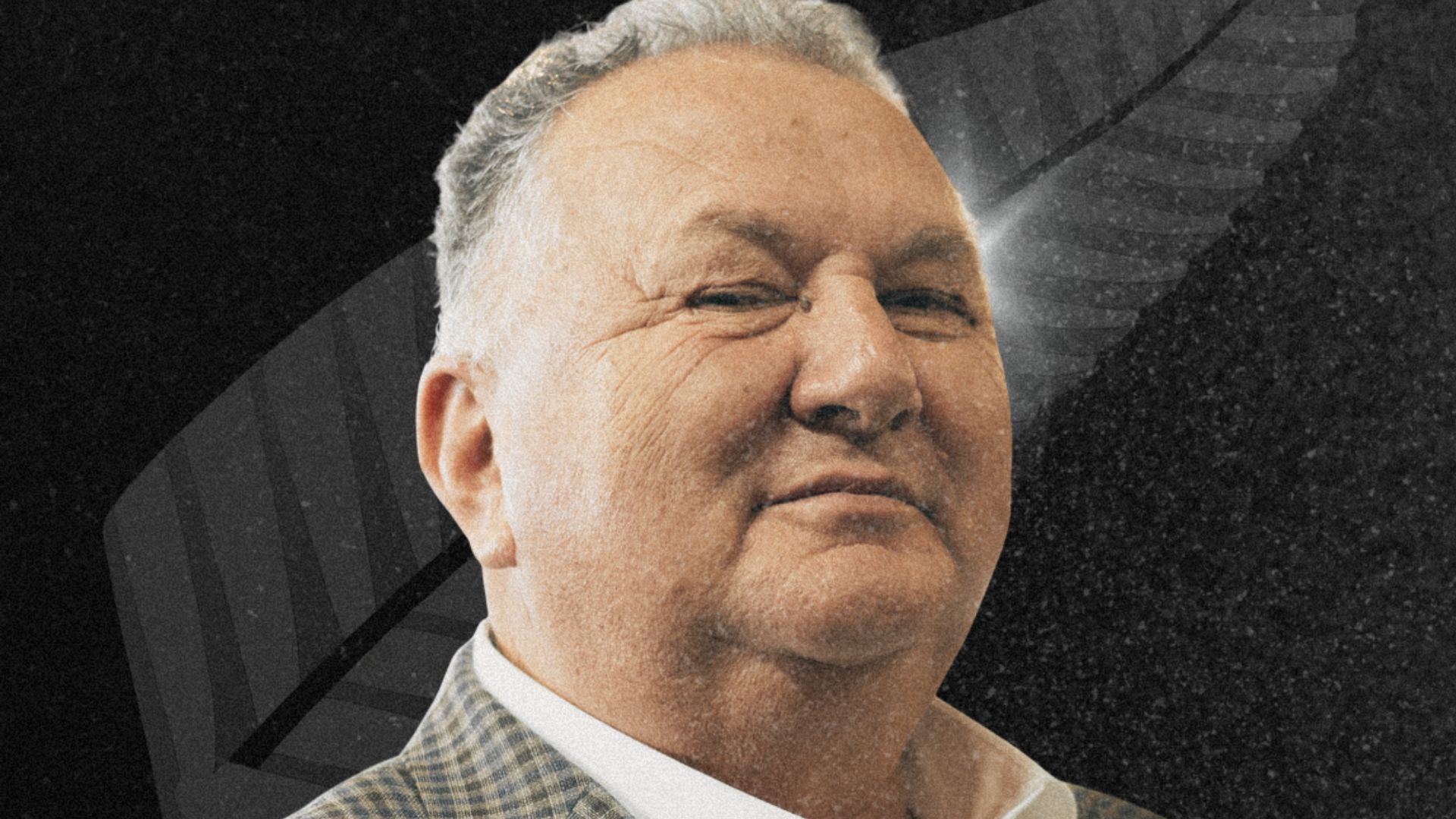
Mahesh Muralidhar makes history as National's first Indian-origin electorate MP
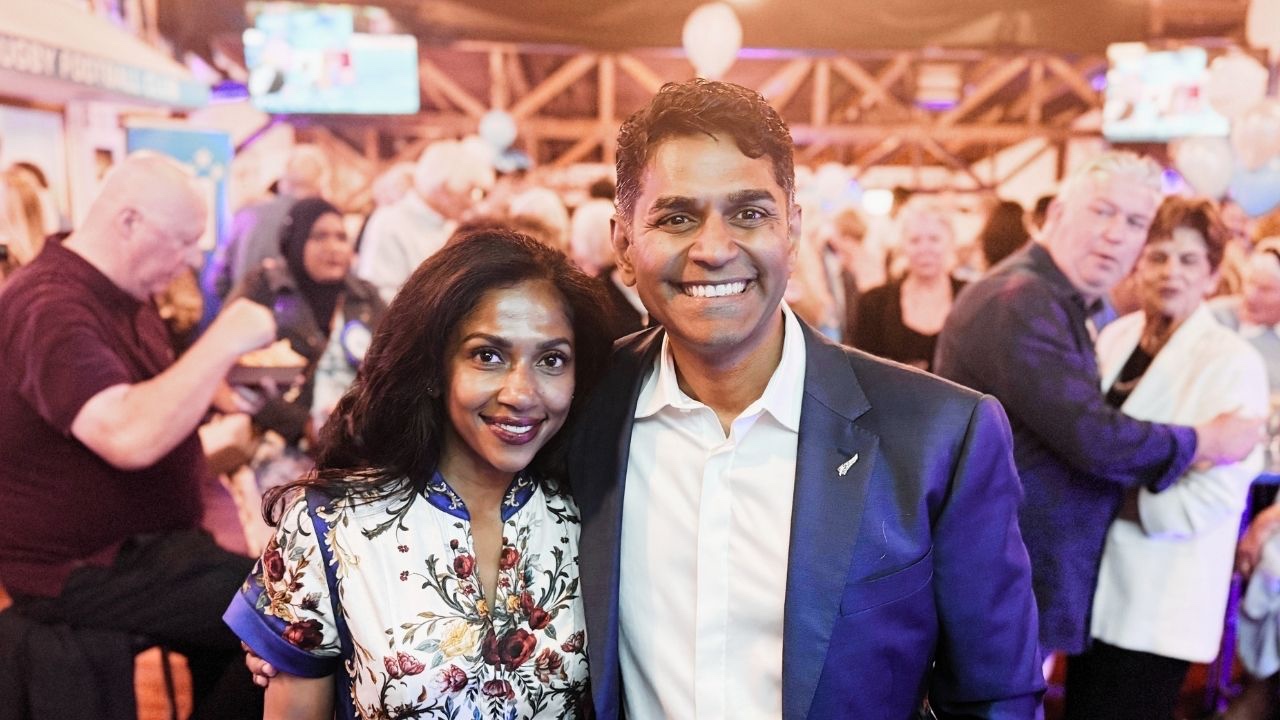
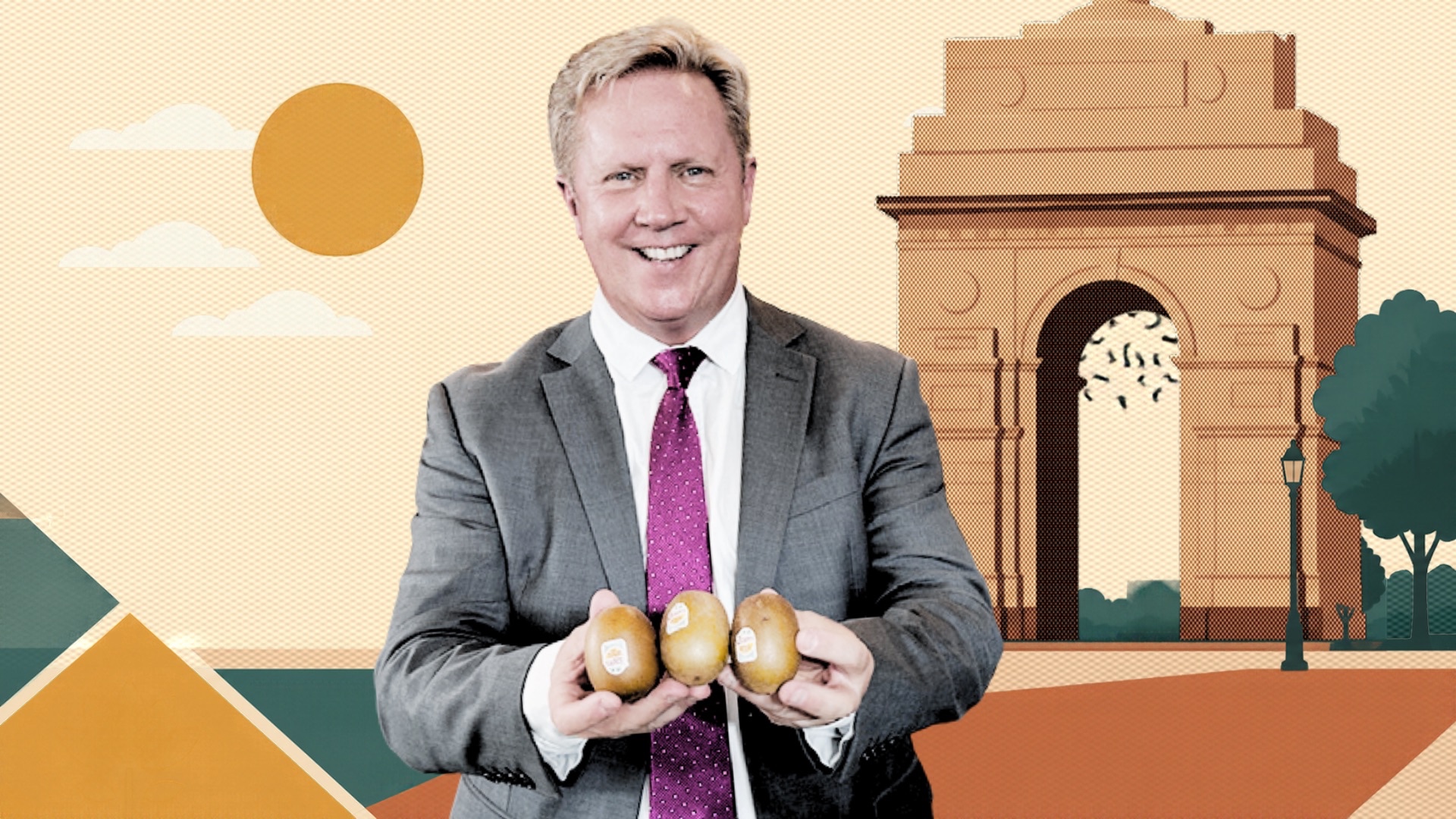
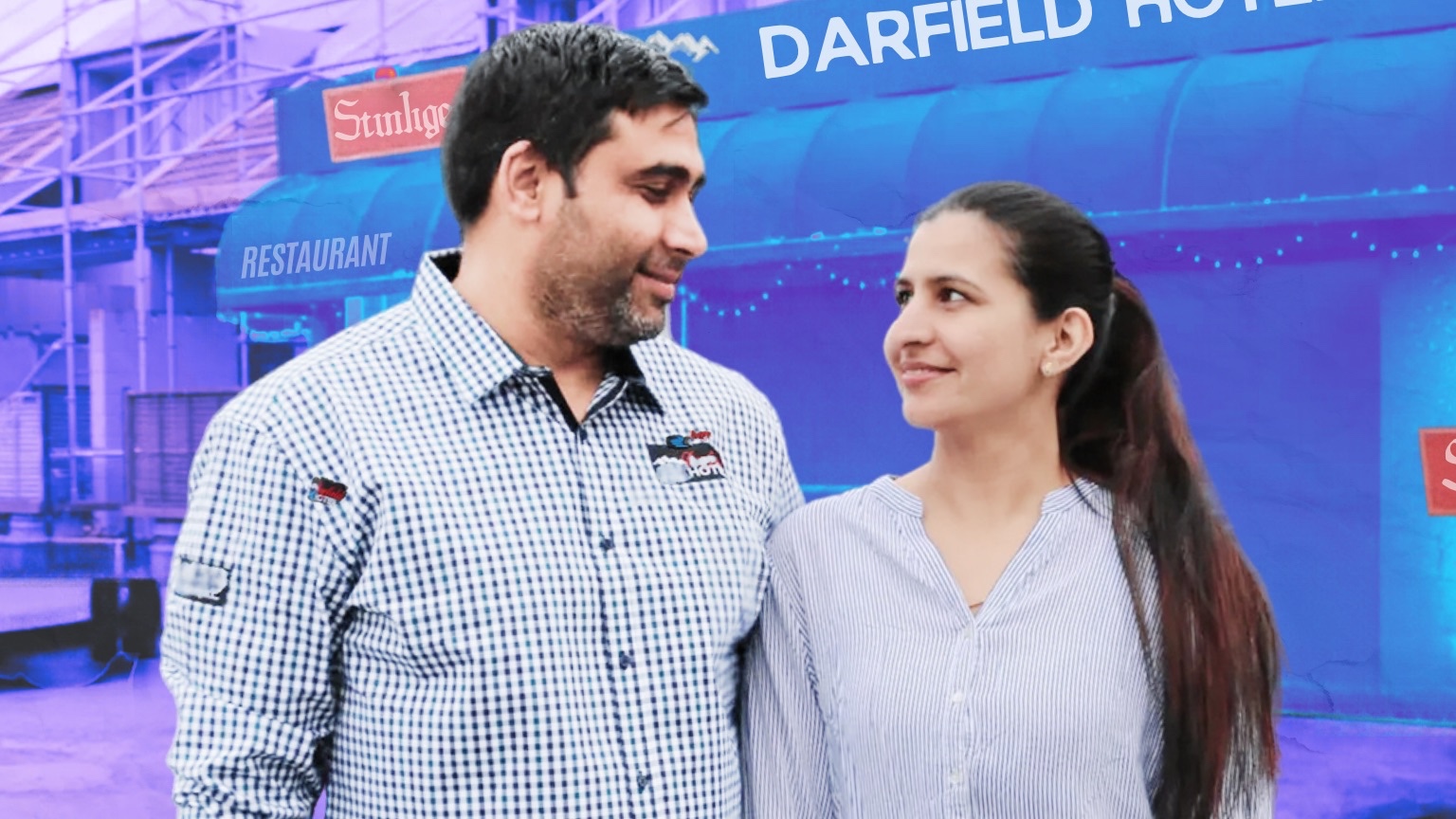
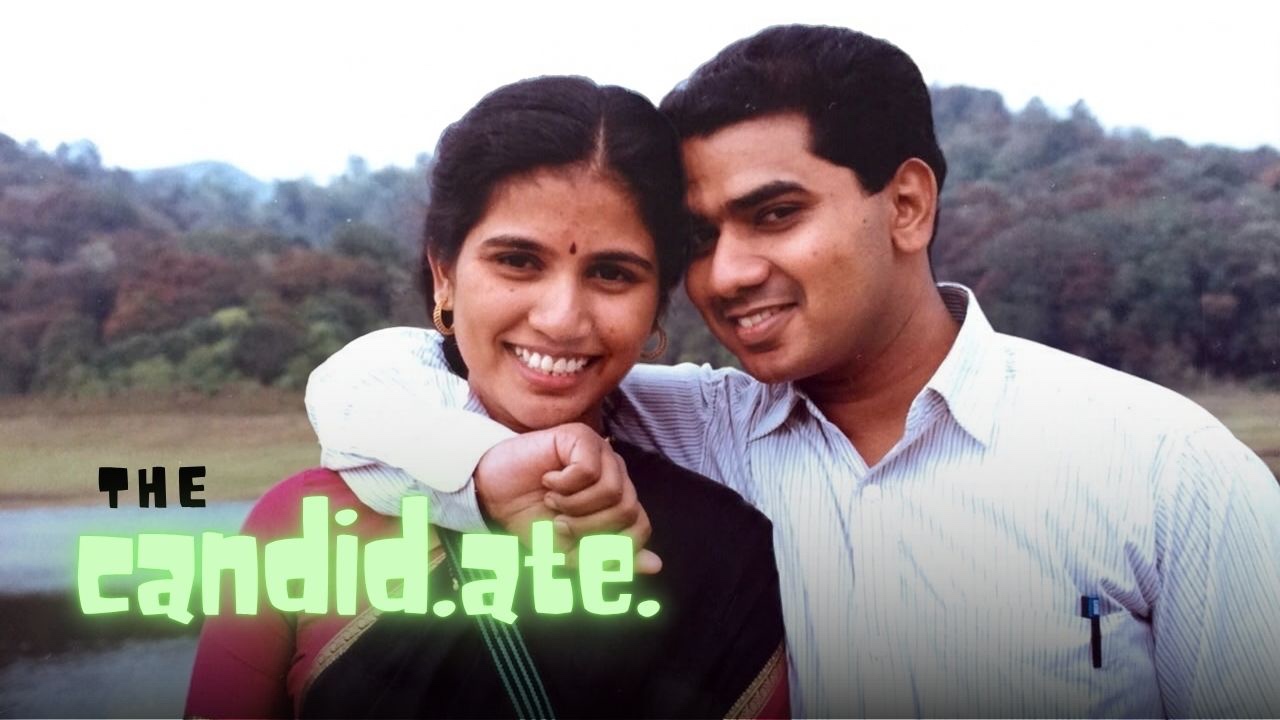
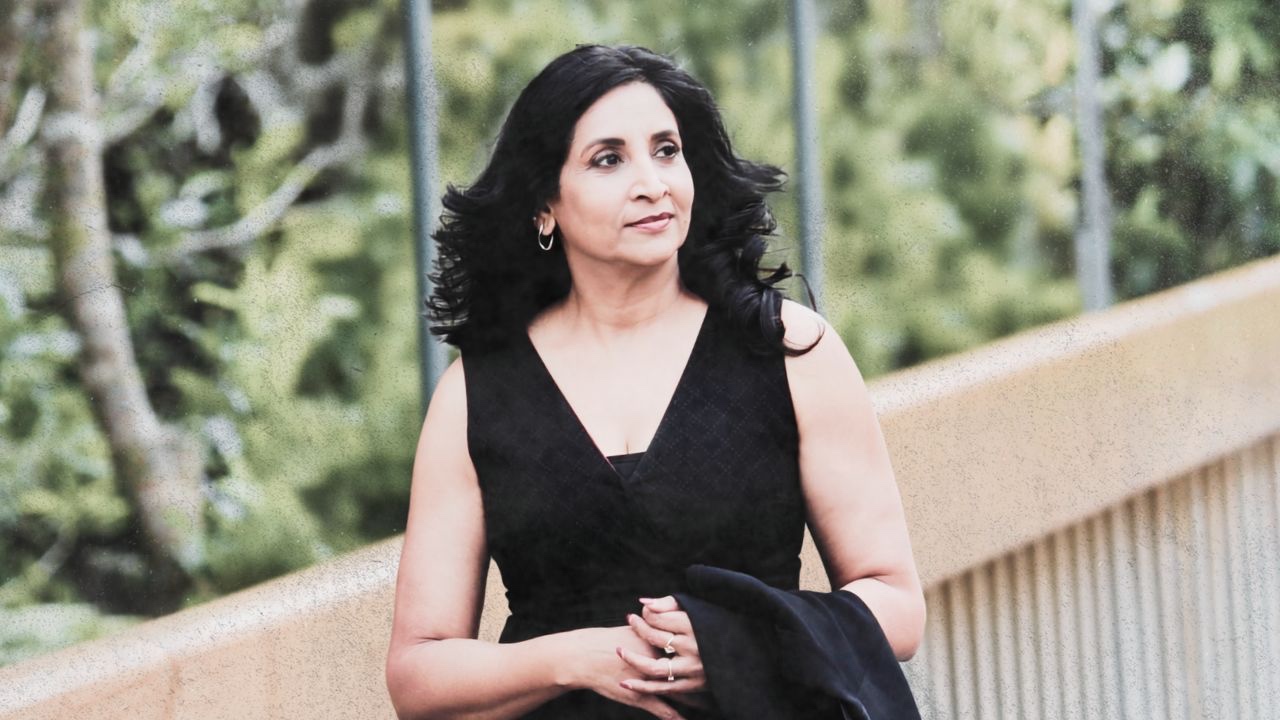
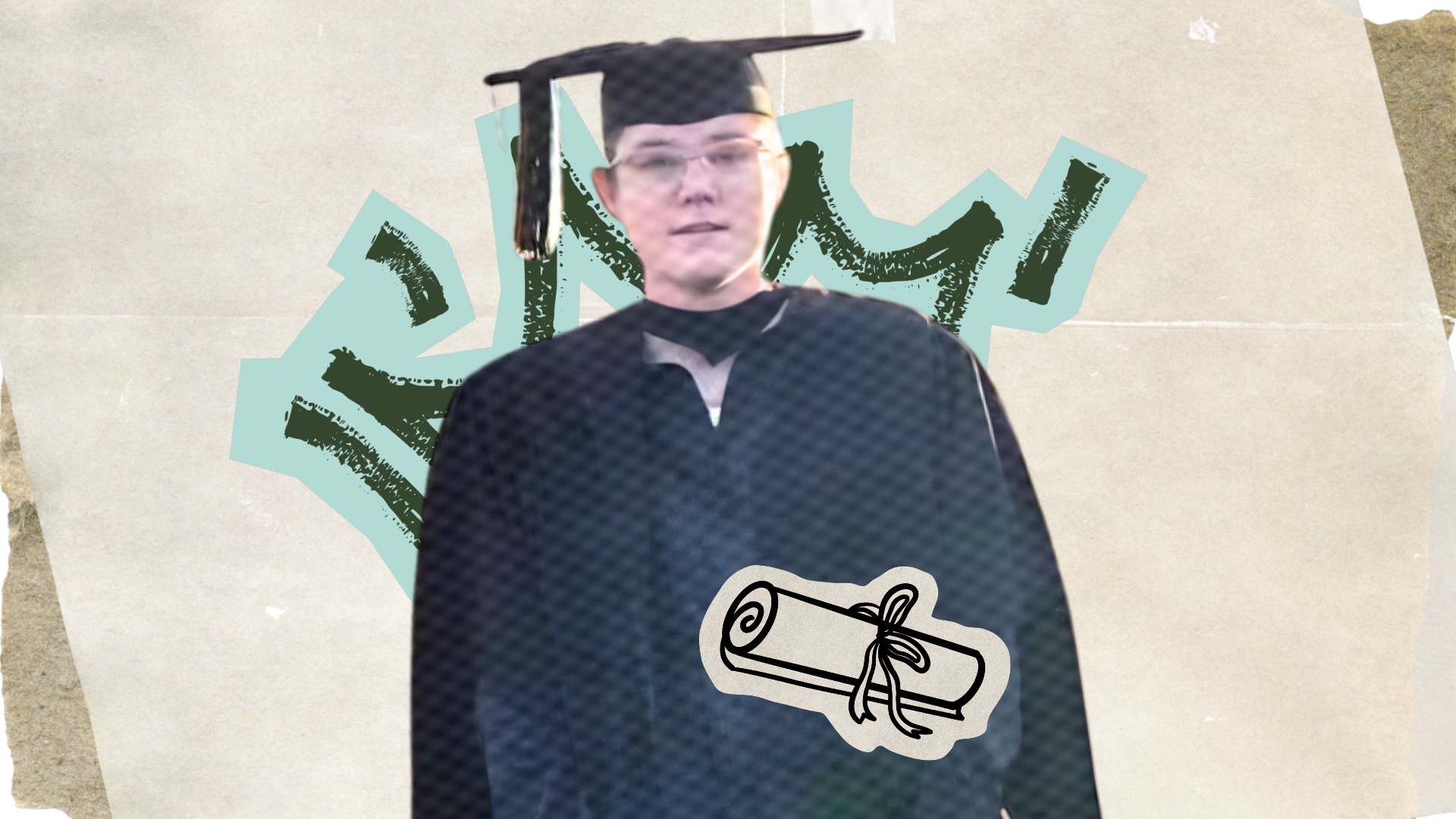
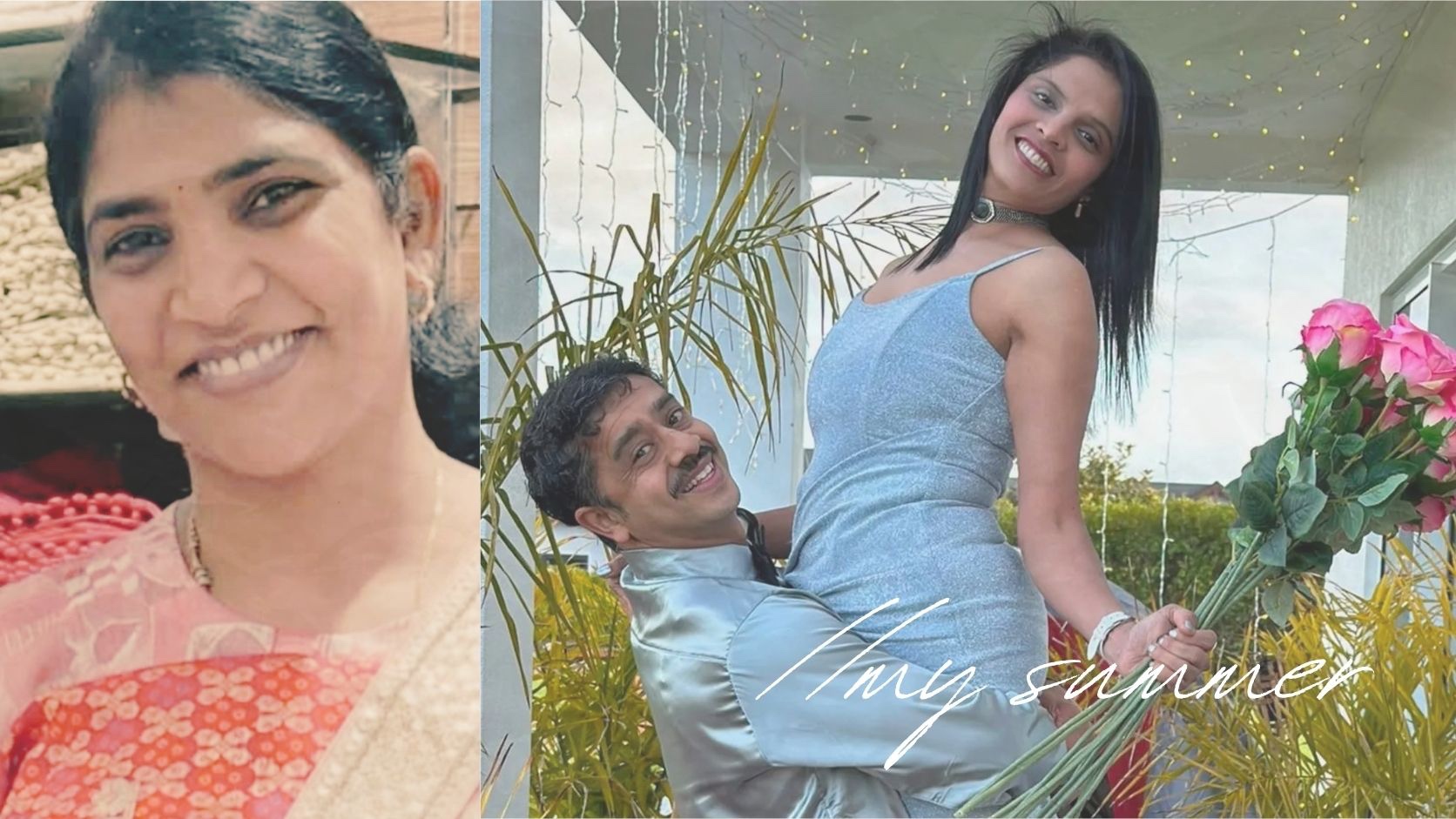
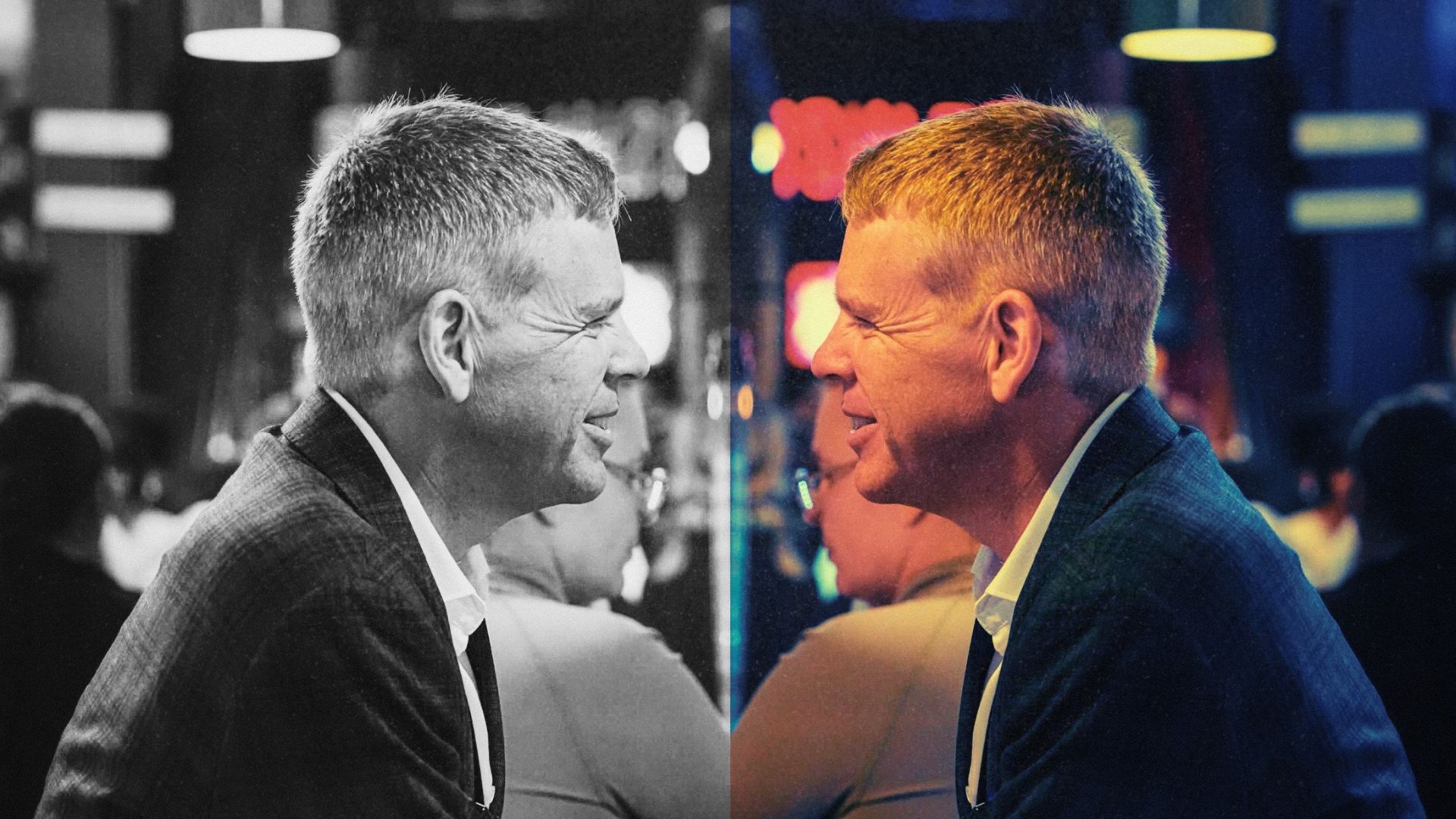
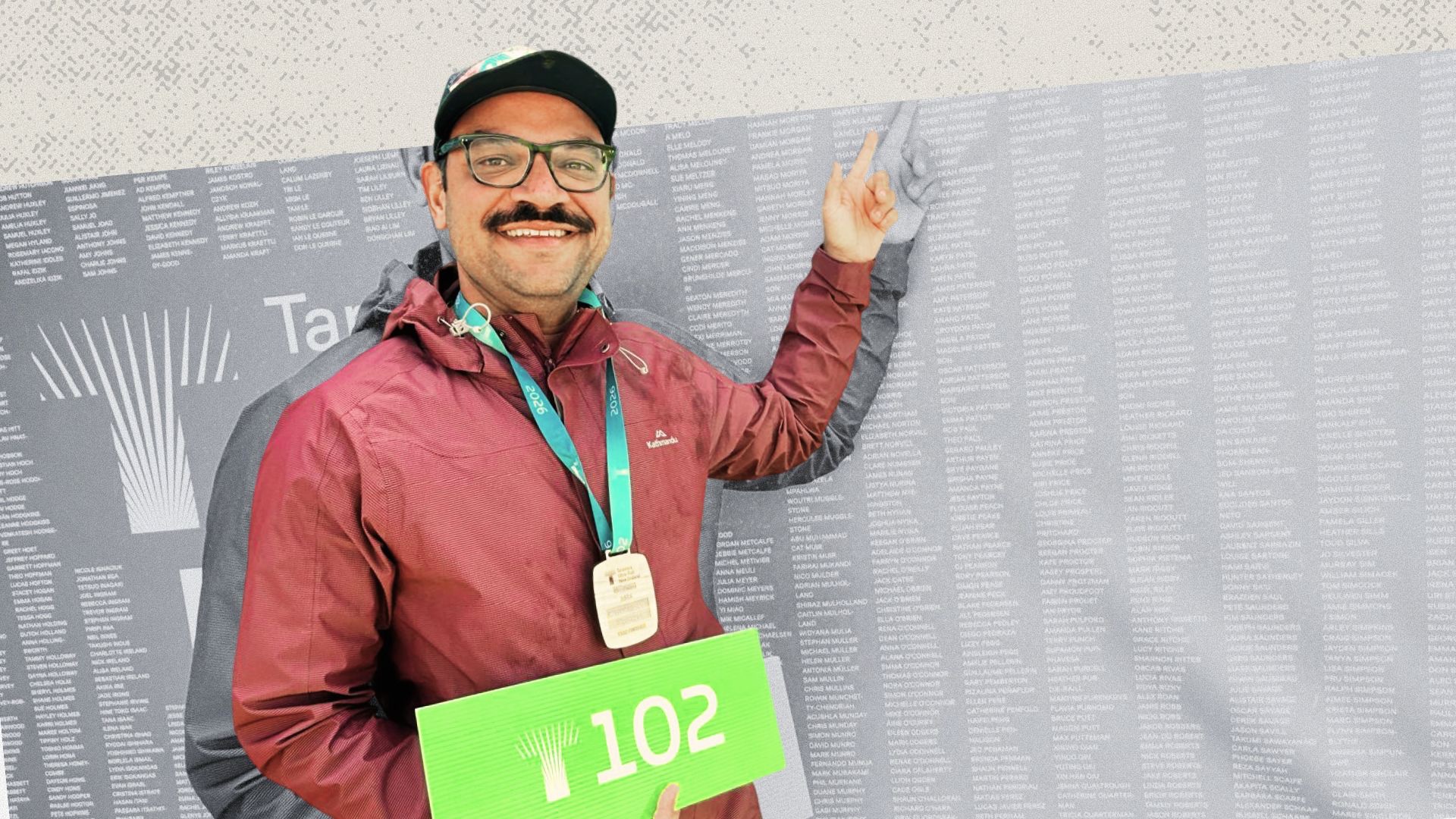
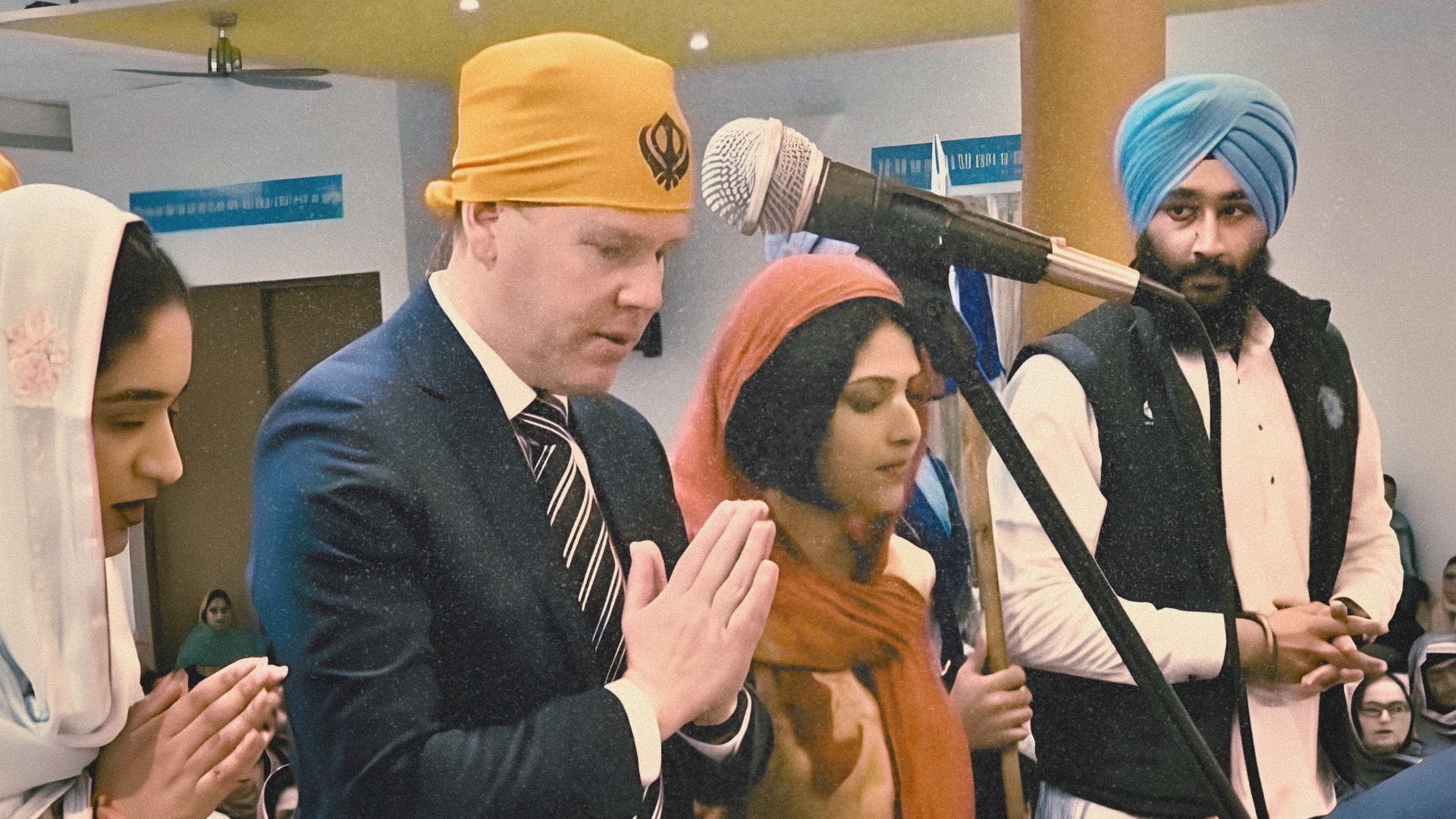
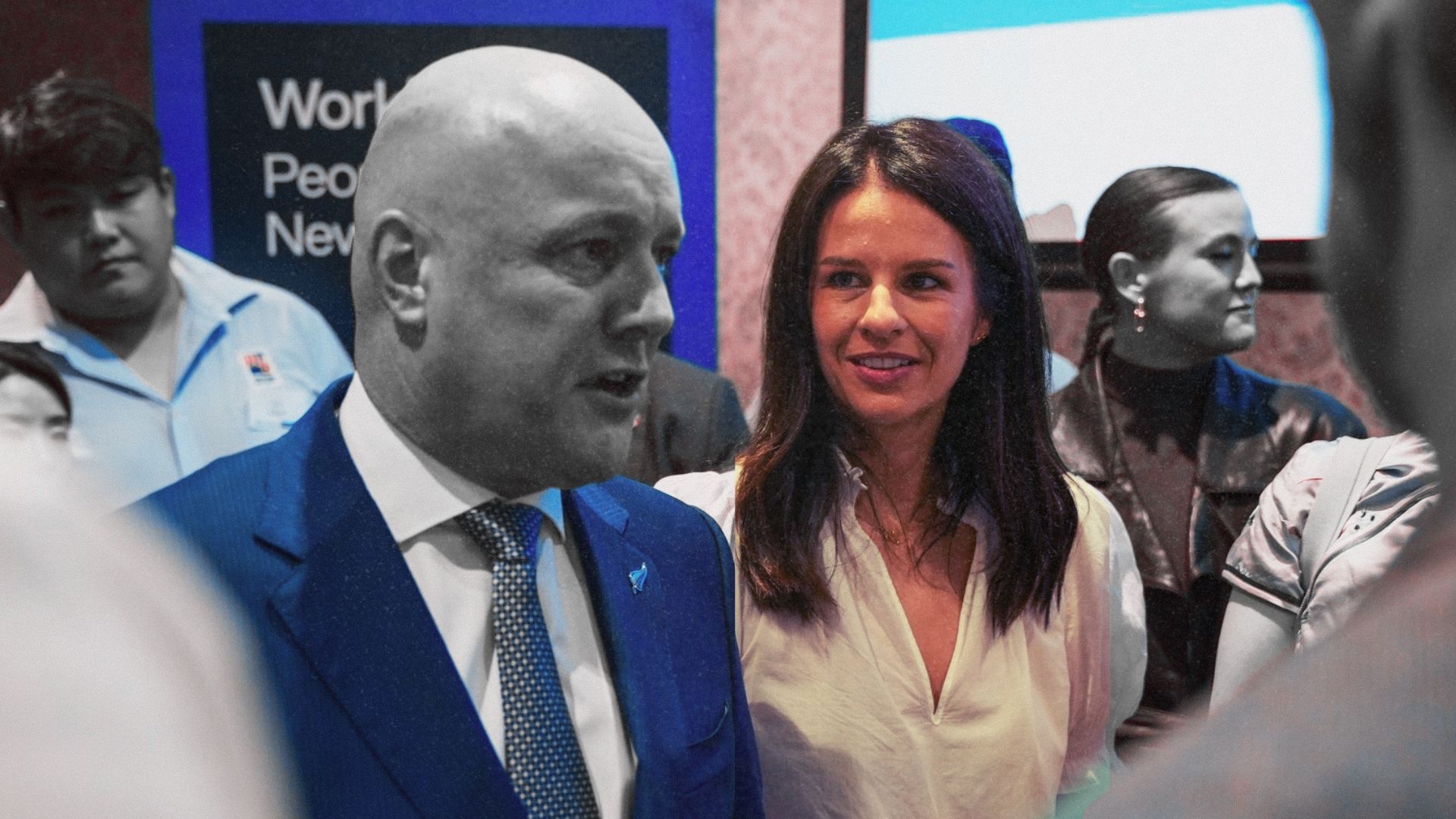
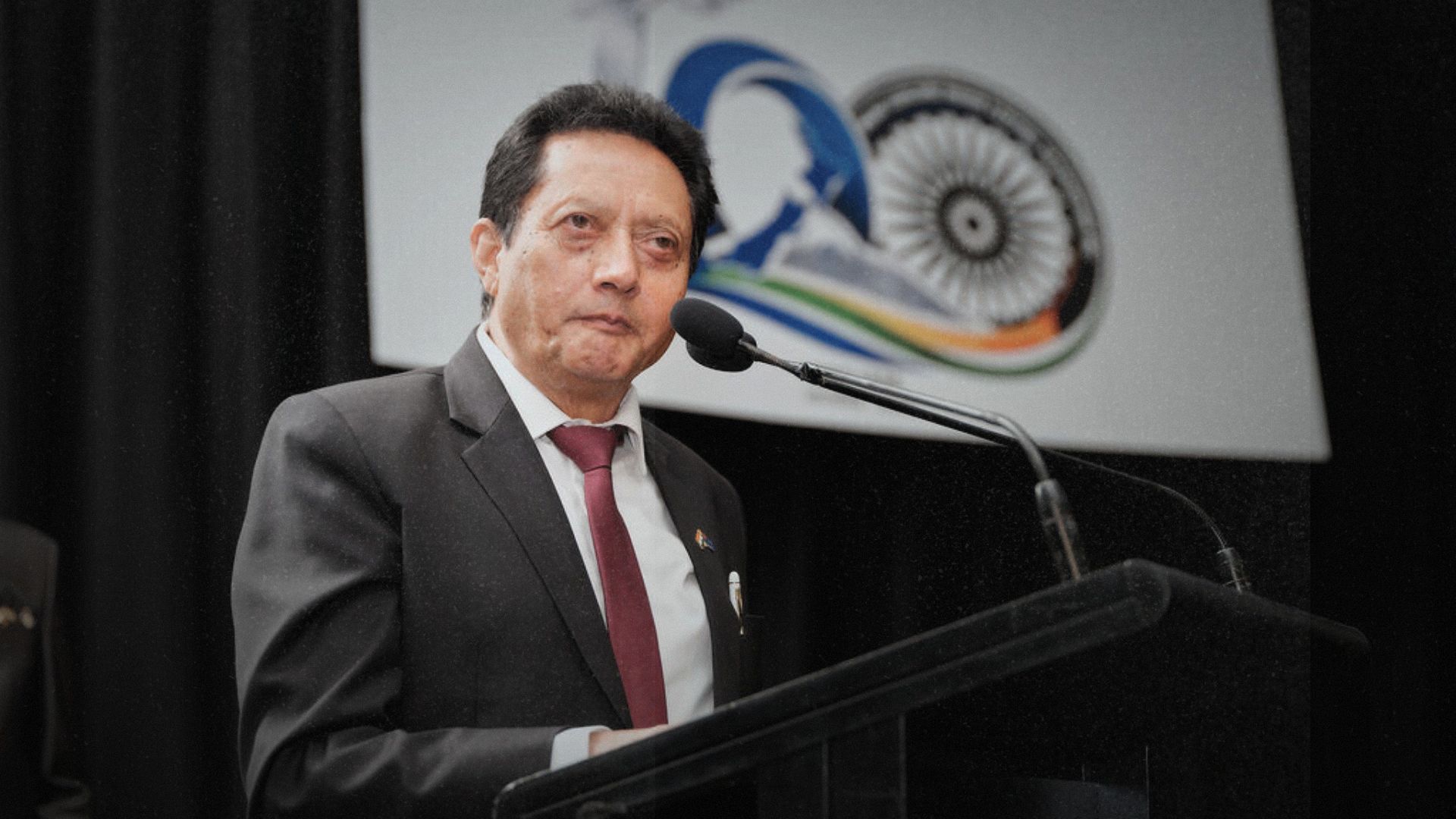
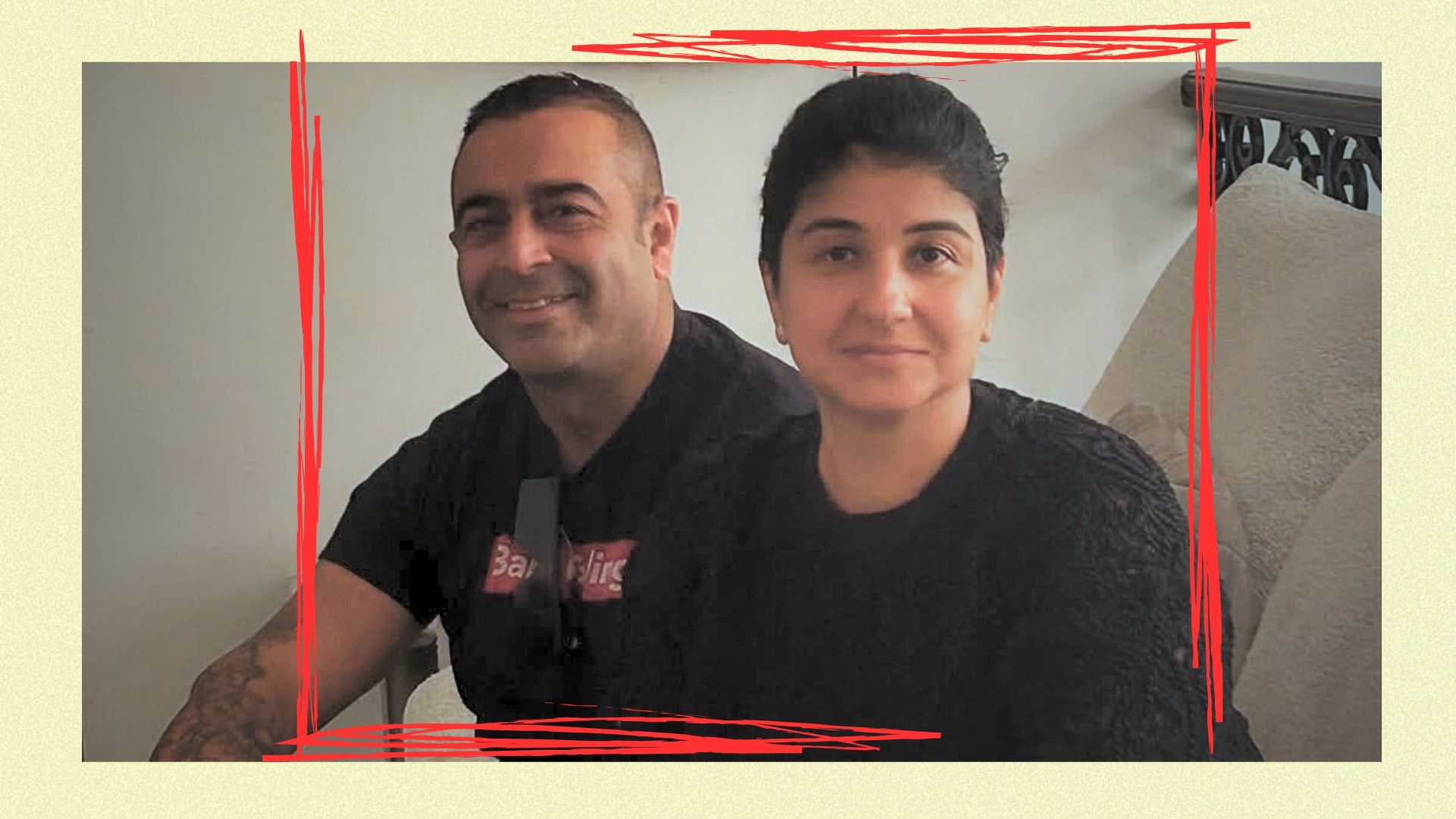
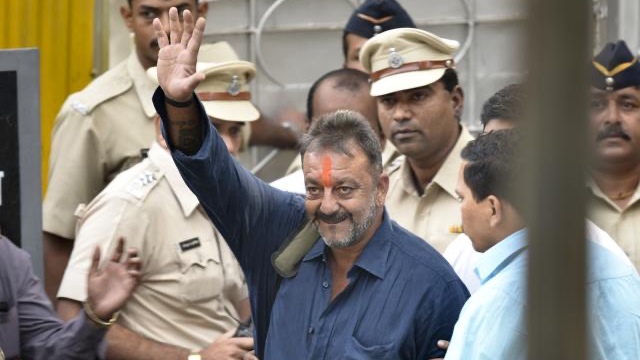
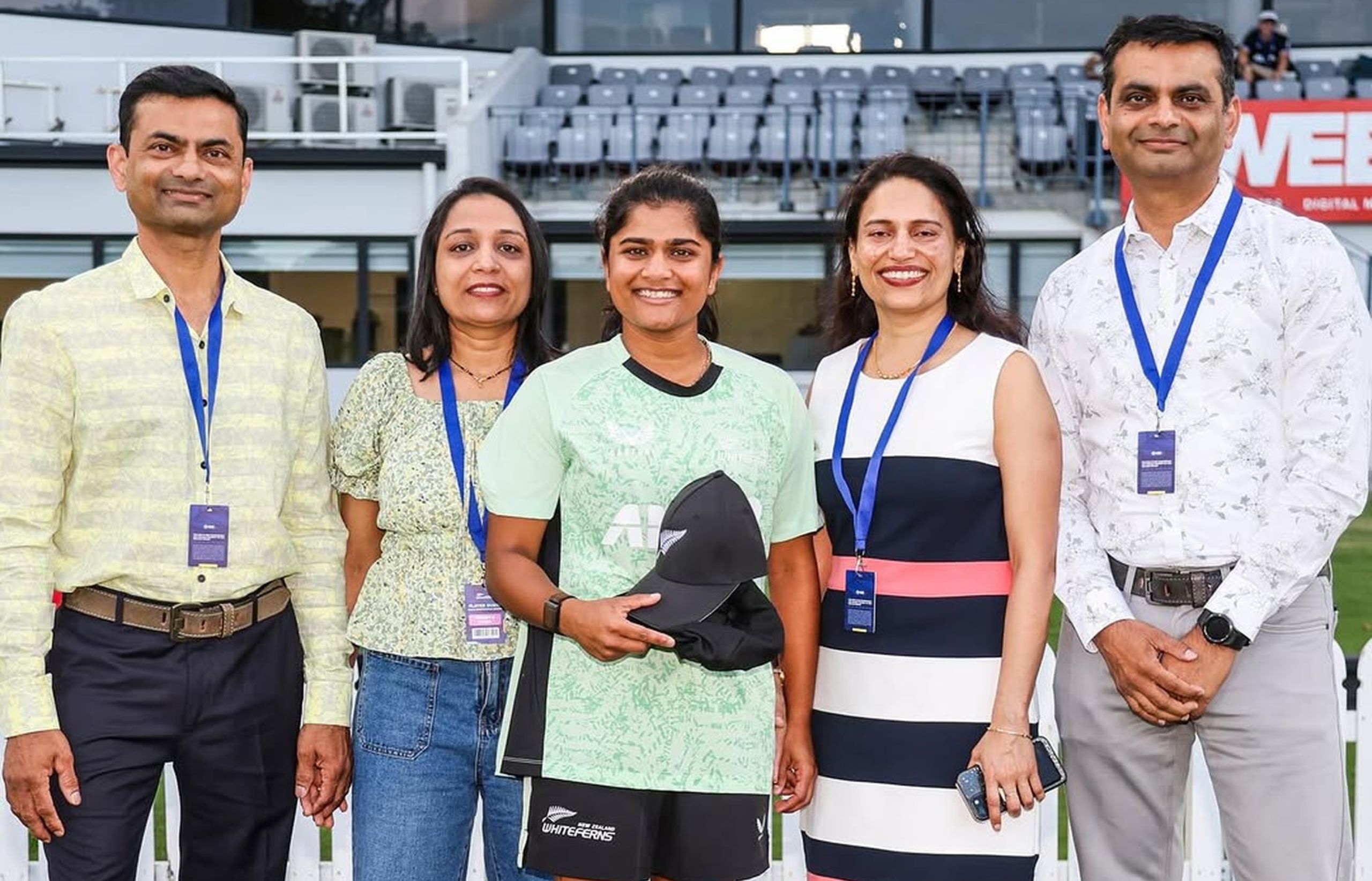
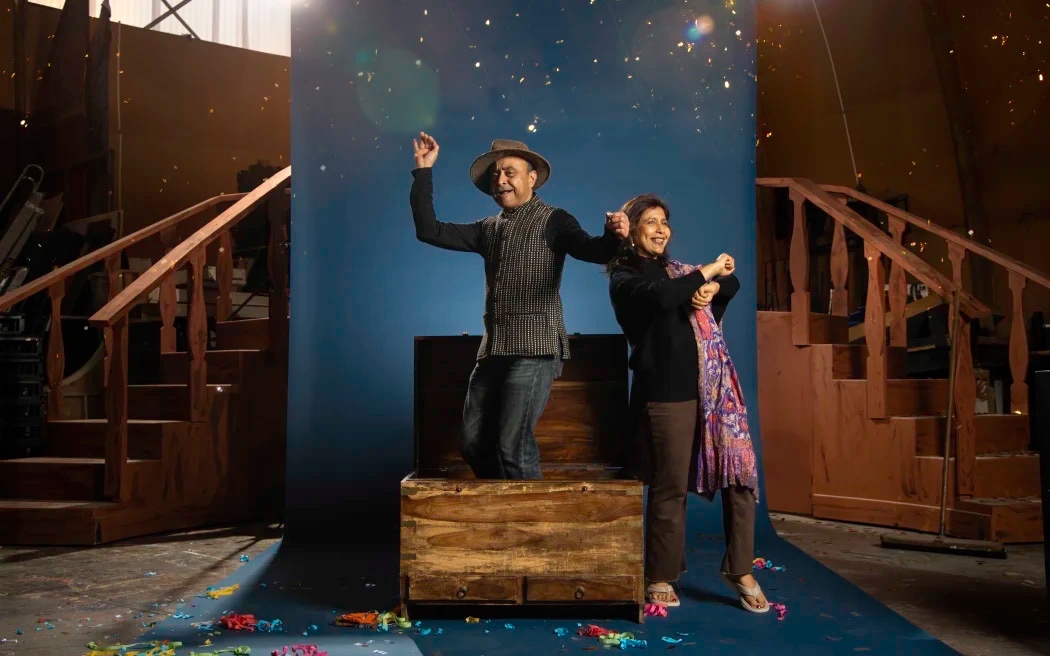
Mahesh Muralidhar with wife Praveena at the election night watch party in Tamaki electorate on November 7. (Ravi Bajpai)
A calculated move to Tāmaki, years of groundwork and a campaign backed by National's top leadership have paid off.
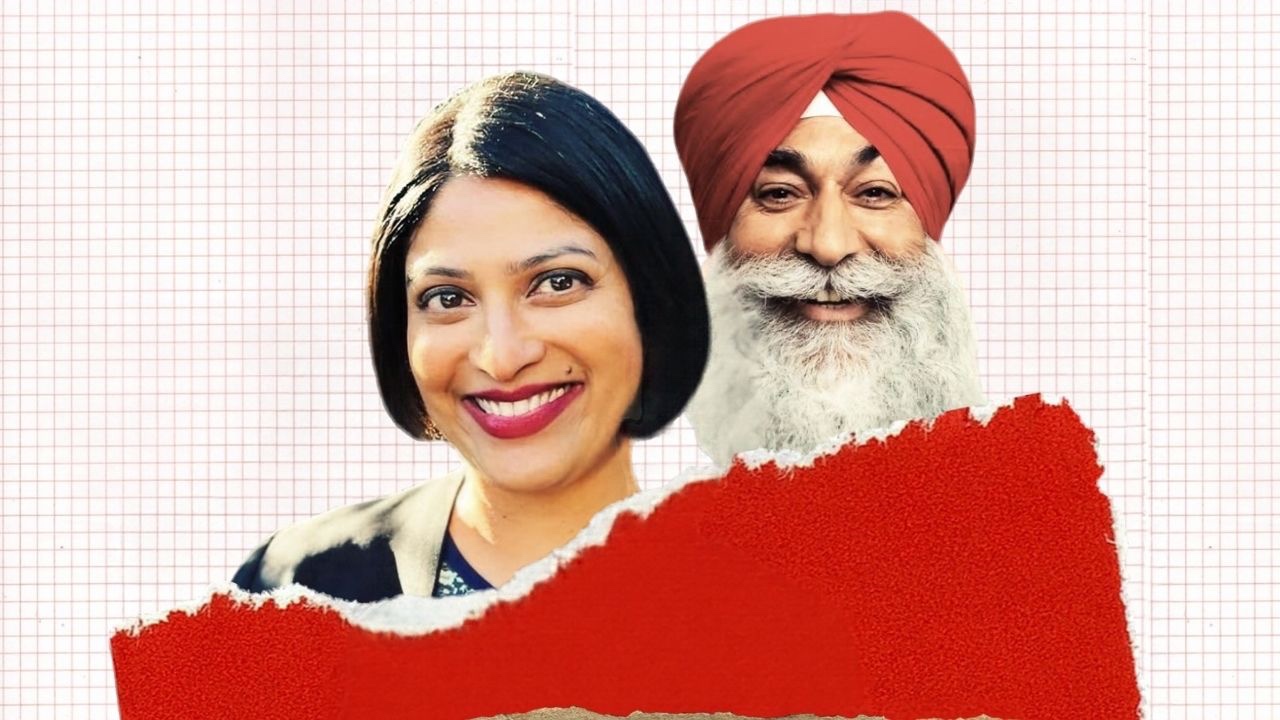
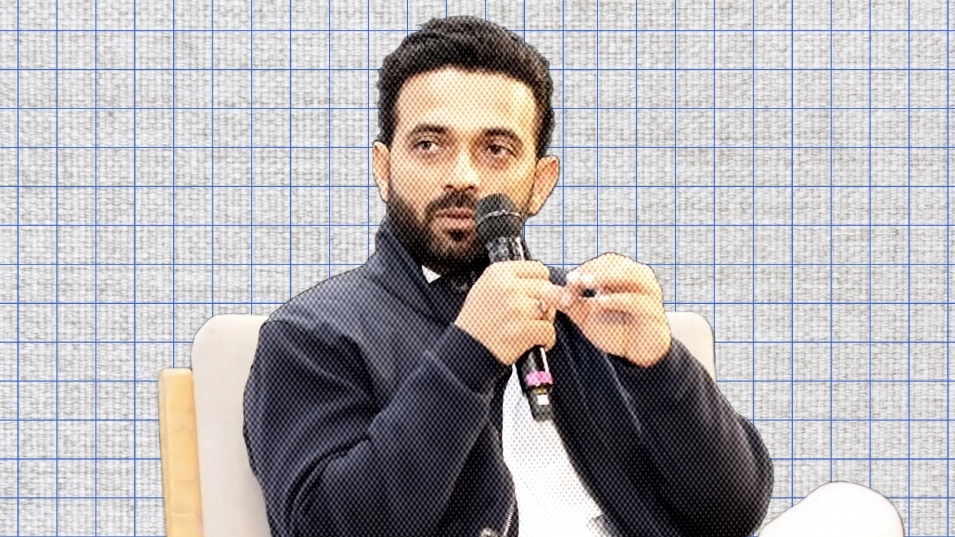
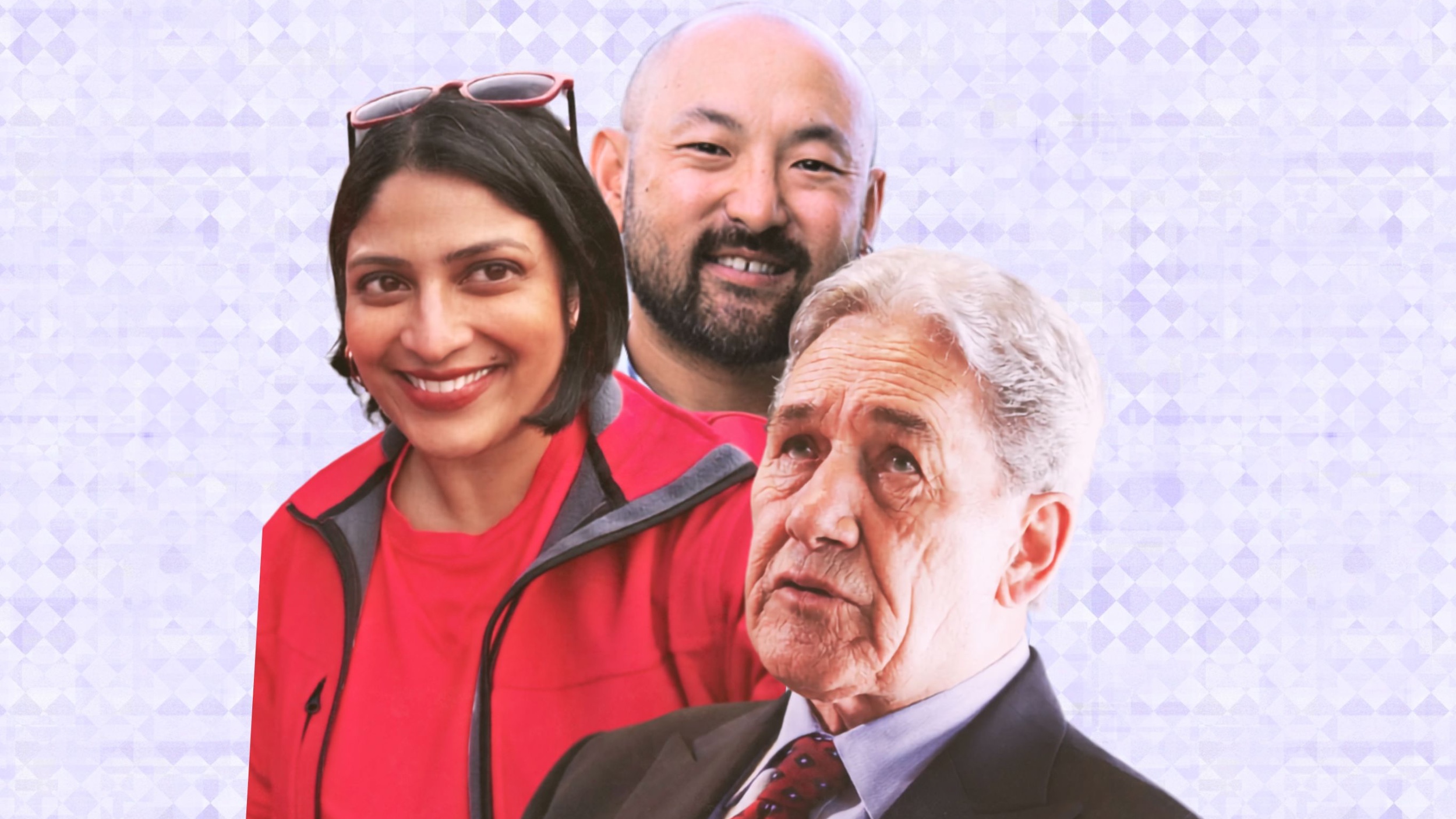
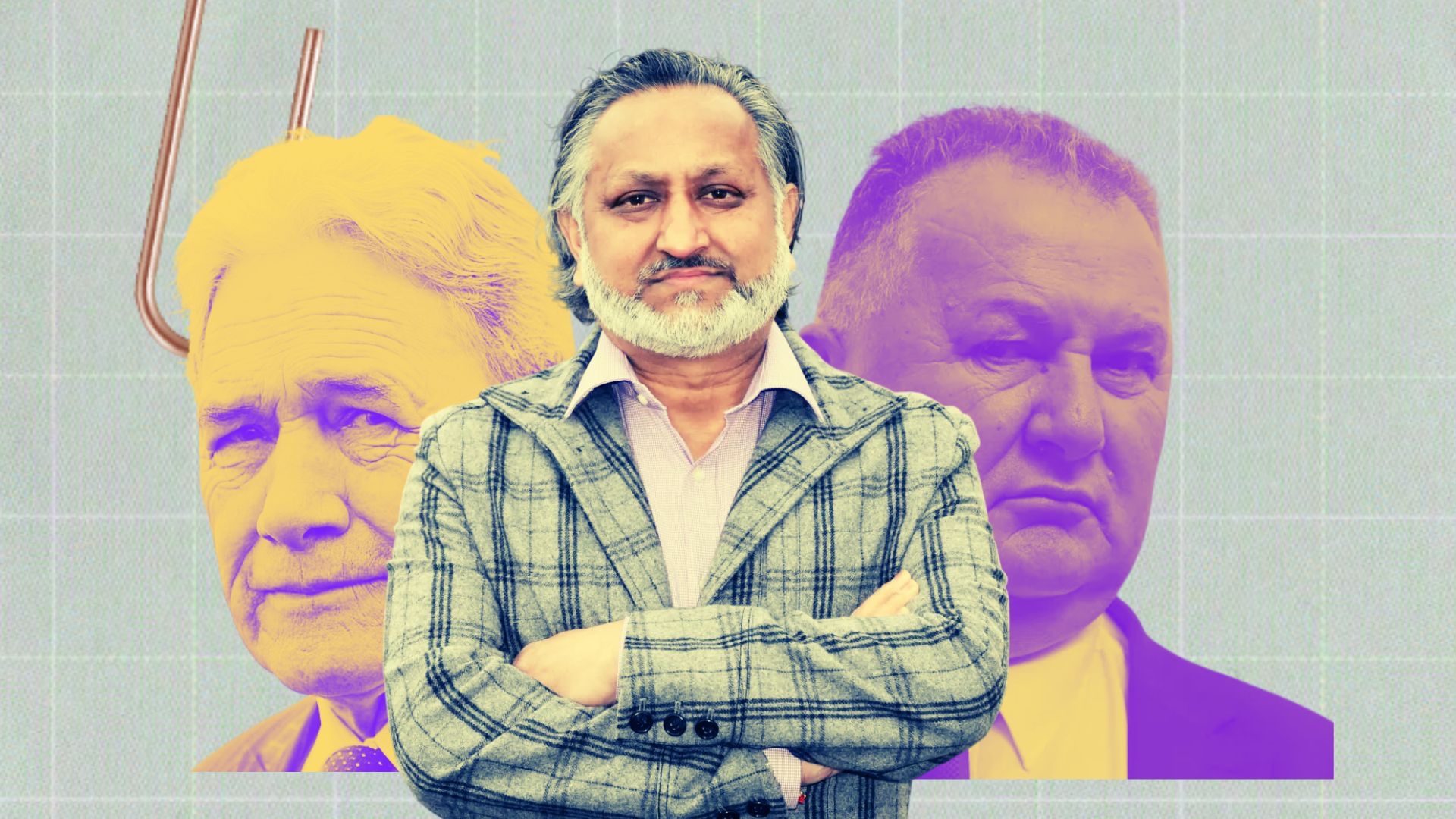
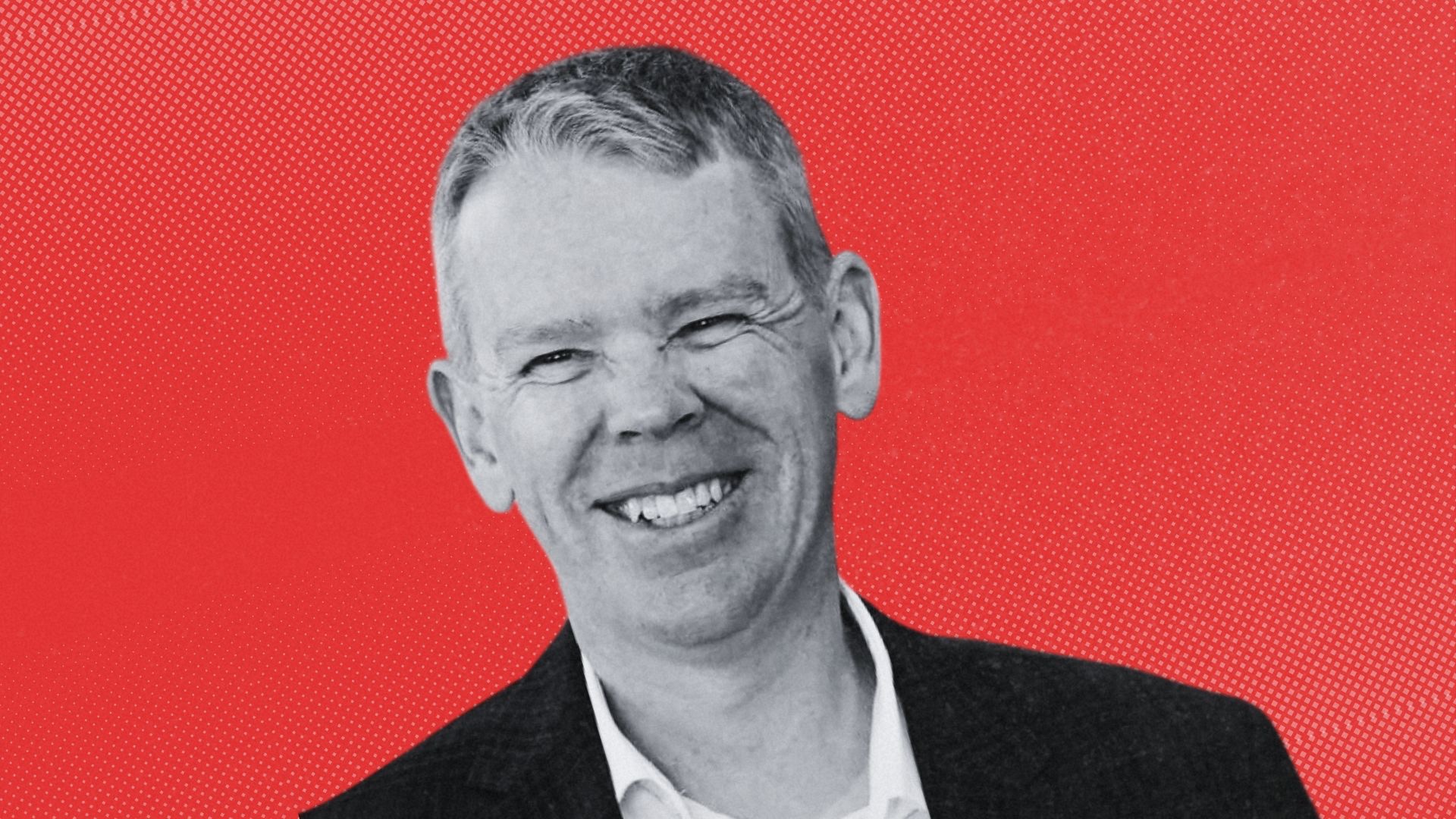
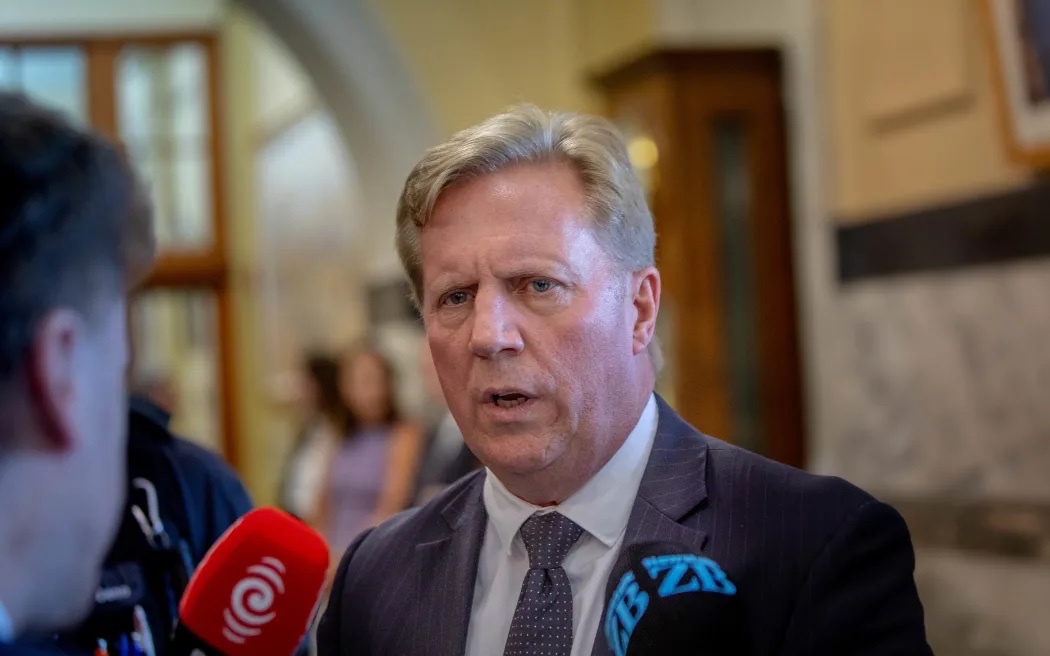
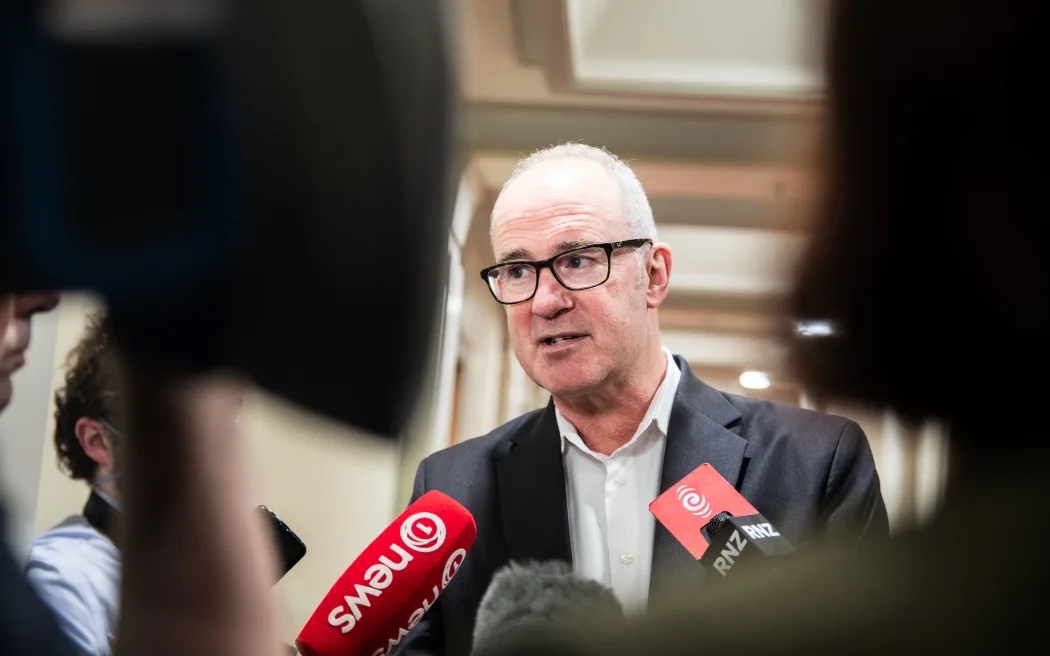
National's Mahesh Muralidhar has all but won the Tamaki electorate, and is projected to make political history as the party's first Indian-origin candidate to win an electorate seat.
As at 10pm on Saturday night, the technology entrepreneur and venture capitalist had secured 11,769 votes, ahead of Labour's Max Harris on 7,715, a lead of 4,054 votes, with about 66 per cent of votes counted.
"It's a historic day for this community. It's a historic day for Tamaki. I am looking forward to making the country win," Muralidhar told Awaaz.


Muralidhar will become National's first Indian-origin electorate MP. The party's two previous Indian-origin MPs, Kanwaljit Singh Bakshi and Parmjeet Parmar, entered Parliament through the party list.
The result also returns Tāmaki, one of National's most historic strongholds, to the party after ACT deputy leader Brooke van Velden wrested it from National in a major upset three years ago.
INZ sends imam wrong visa twice, leaves family of six struggling to make ends meet INZ apologised for the mistake but the department declined his application later.
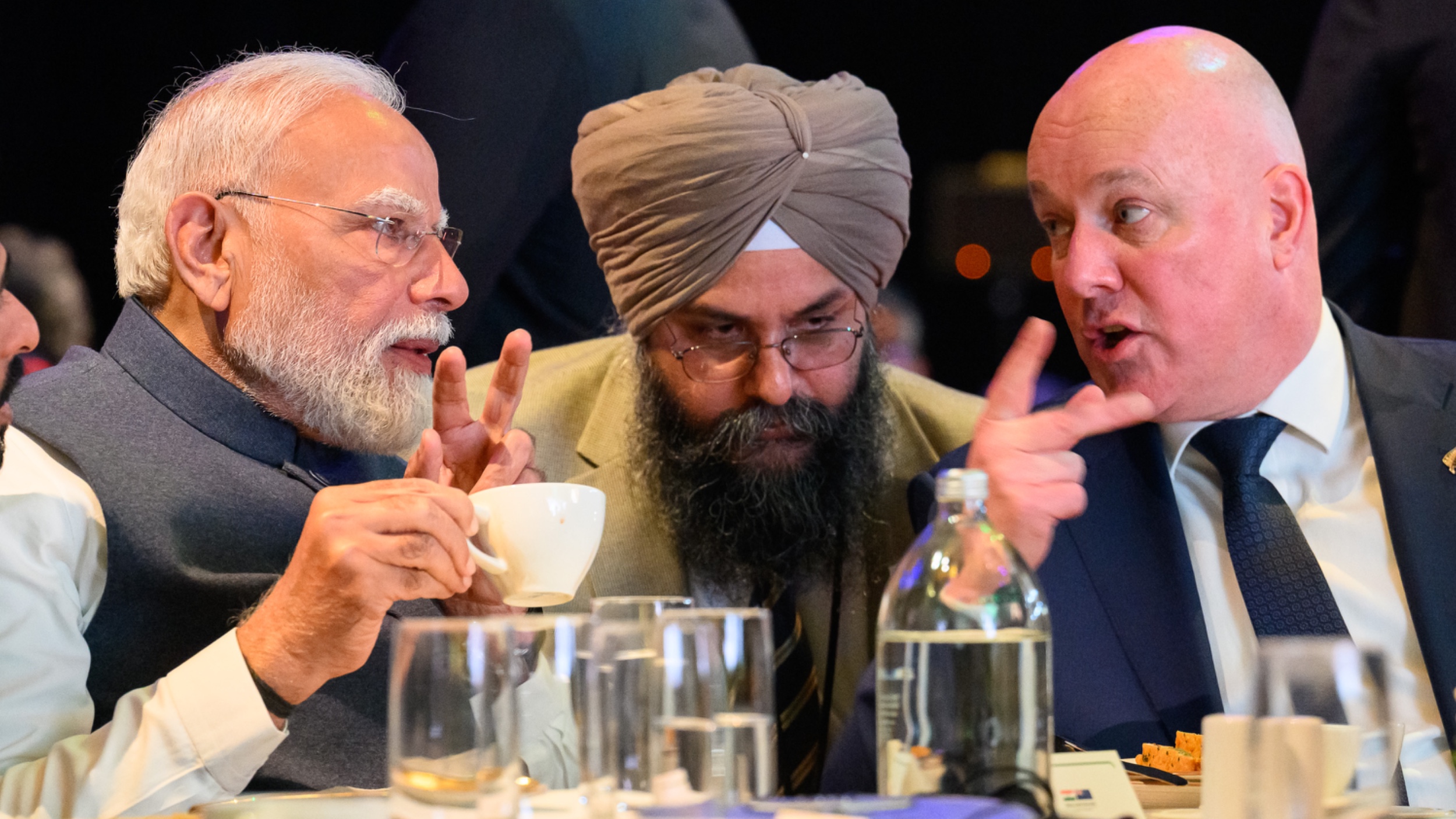
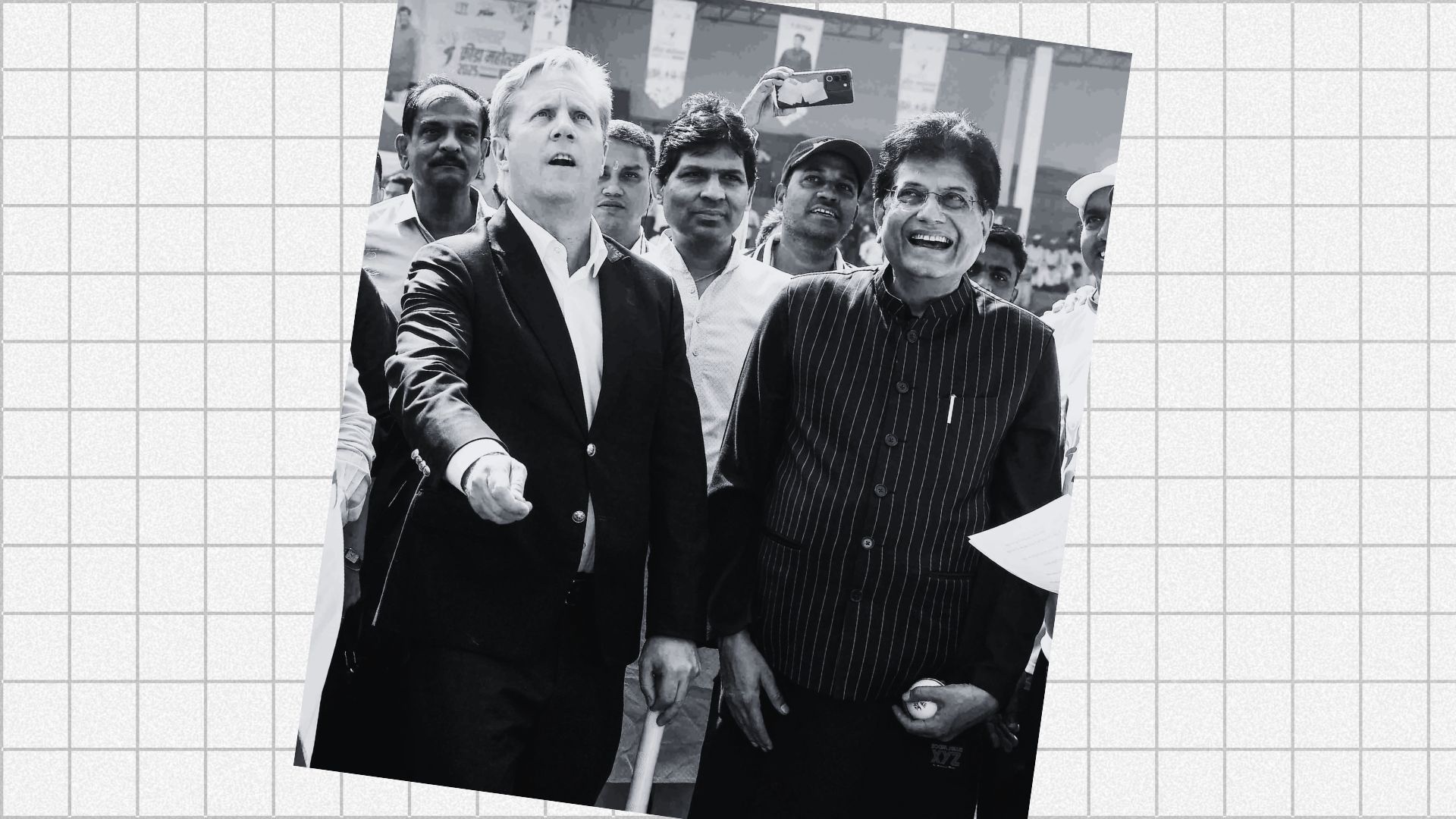
The Auckland bedding company backing India's historic hockey return to New Zealand A Kiwi-Indian businessman who joined Luxon's historic India delegation is now backing a sporting milestone.
Indian man in Bay of Plenty dies on his birthday in mysterious circumstances Lovedeep Singh suffered severe burns after reportedly being at a farm with three friends.
A calculated move to Tāmaki
For Muralidhar, the victory is the culmination of a political journey that began with defeat in Auckland Central in 2023, followed by a deliberate move to Tāmaki and a campaign built around establishing himself in the local community.
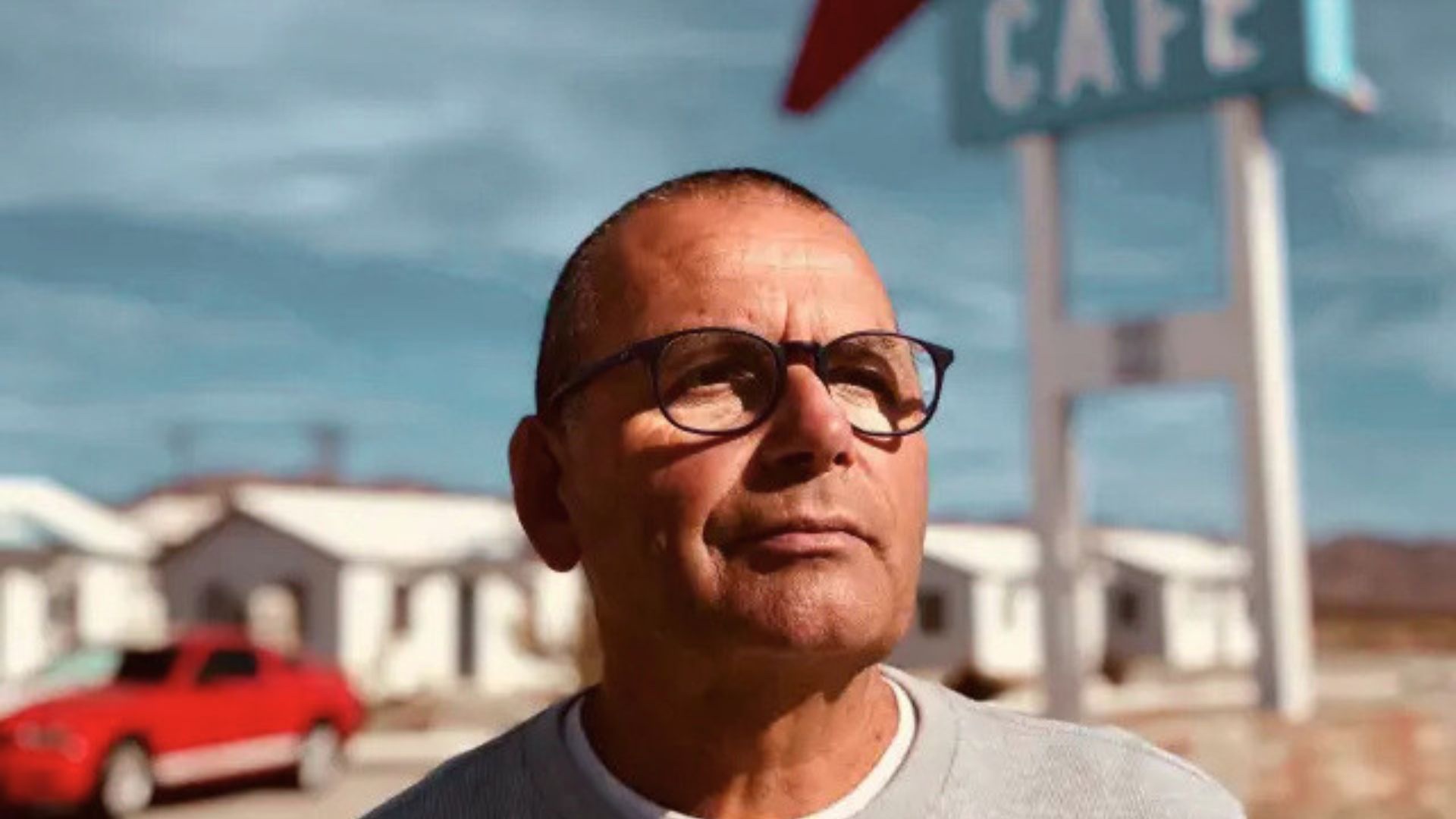
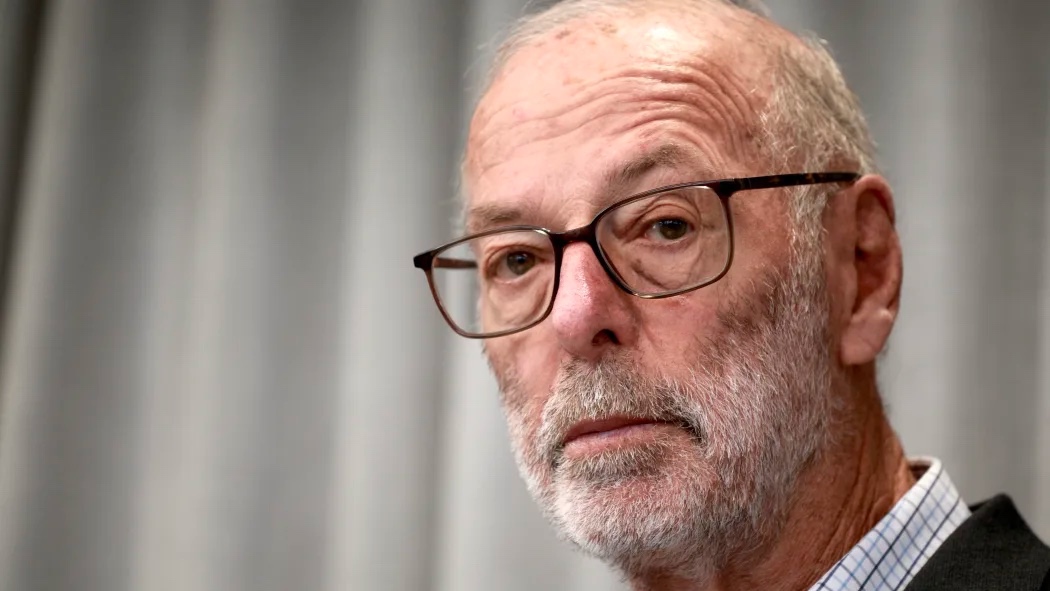
Former National Party president Peter Goodfellow, who has known Muralidhar for six years and lives in Tamaki, told Awaaz the candidate had decided to move into the electorate well before National selected him to contest the seat.
Goodfellow recalled an extraordinary coincidence when Muralidhar told him in 2024 that he was moving into an apartment in Mission Bay. It turned out to be the same apartment where Goodfellow's late parents had lived, which the family had subsequently sold.
"He wanted to be a part of this community, and then to obviously put his name forward to be a candidate for this community," Goodfellow said.
The selection itself would not happen until February 2026, when local National Party members chose Muralidhar to contest the electorate. Goodfellow said he had agreed to help Muralidhar campaign after he secured the nomination.
He attributed the candidate's success to the relationships he had built across the electorate. "He's made all the connections in the local community," Goodfellow said.
"He's got around the local board. He got around the residents' associations. He got around the business association. He's knocked on all those doors."
The former party president said it was not unusual for candidates to lose their first electorate contest before gaining experience and eventually winning elsewhere.
Muralidhar had also made clear that he wanted to enter Parliament with a direct mandate from voters rather than depend entirely on the party list.
National ultimately ranked him 23rd on its 2026 list, making him its highest-ranked Indian-origin candidate, but his likely victory in Tāmaki will secure his place in Parliament independently of that ranking.
Reclaiming Muldoon's old seat
Tāmaki has been synonymous with the National Party for decades. Former prime minister Robert Muldoon represented the electorate for 31 years from 1960, and National continued to hold it long after his retirement.
That dominance ended in 2023 when ACT's Brooke van Velden defeated sitting National MP Simon O'Connor by 4,158 votes.
Yet National retained a commanding lead in the party vote, highlighting a striking split between voters' preferences for their local MP and their choice of governing party.
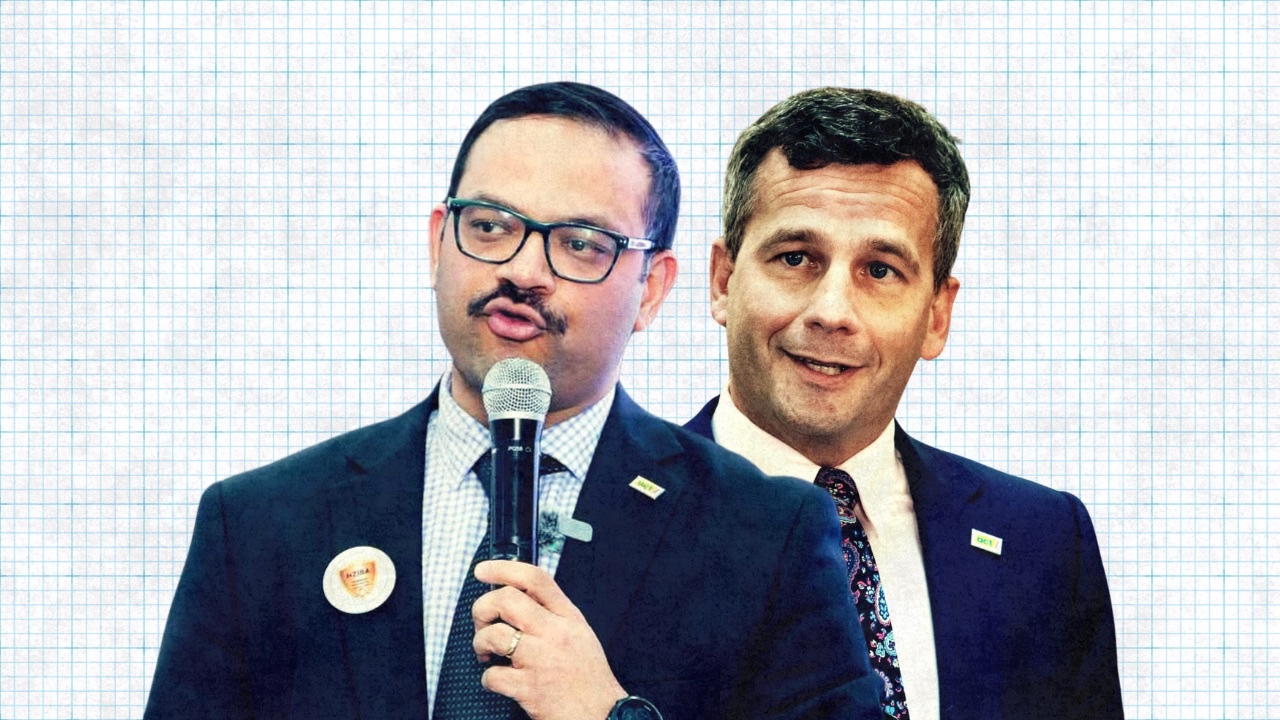
With van Velden retiring from politics, ACT selected James Christmas to defend the electorate, while National chose Muralidhar.
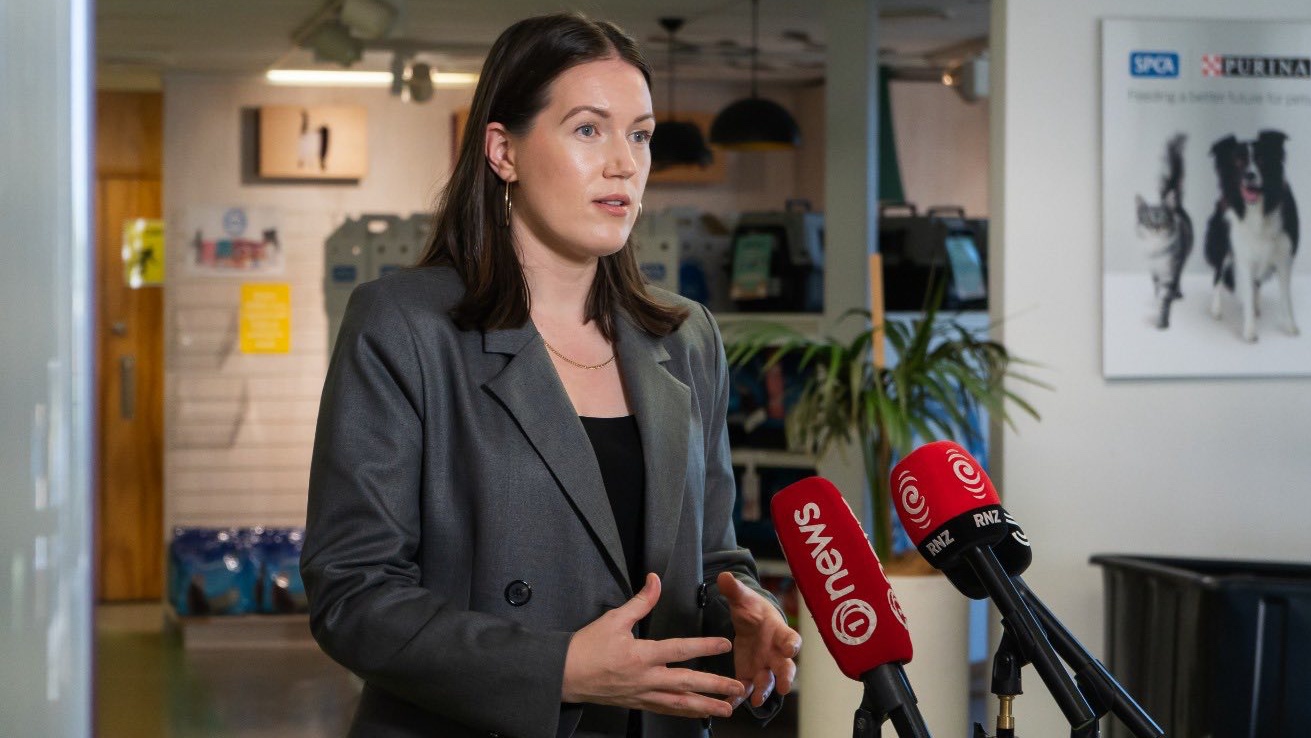
The contest also became a test of whether the personal following van Velden had built could transfer to another ACT candidate.
A Curia poll released on November 3 had shown Muralidhar ahead of Christmas and Labour's Max Harris. It found that former van Velden supporters were divided between returning to National and remaining with ACT.
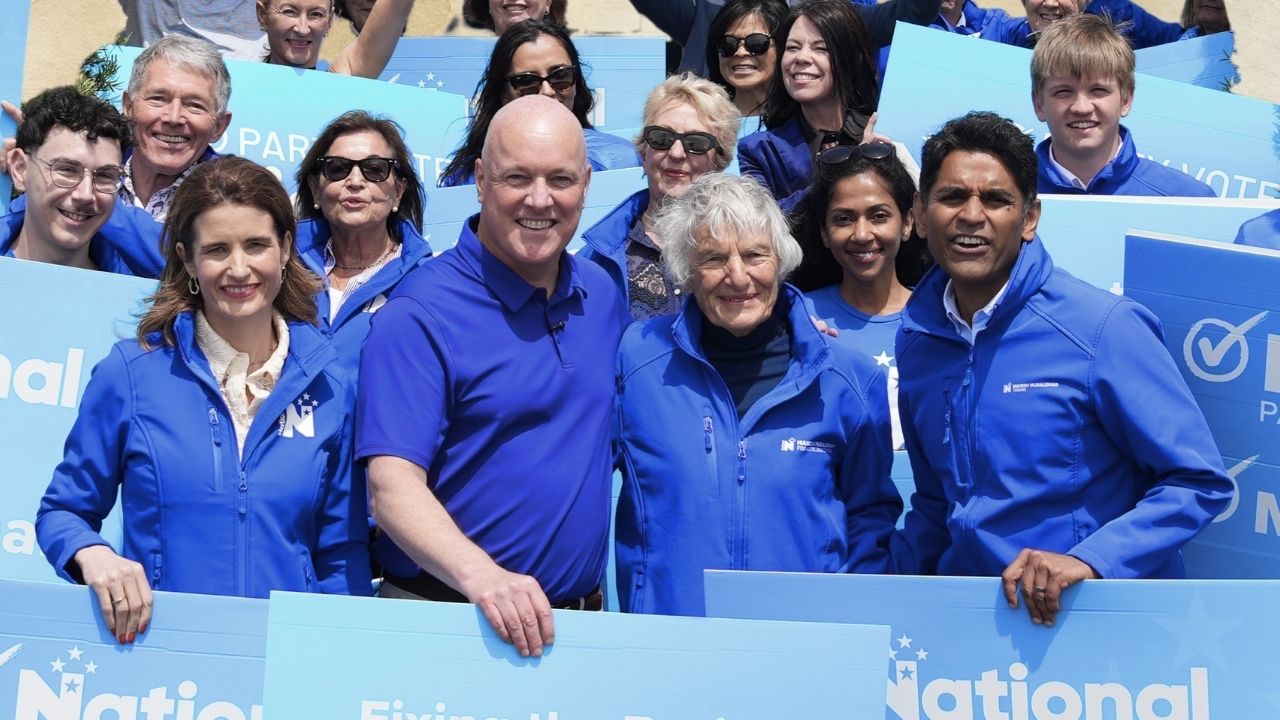
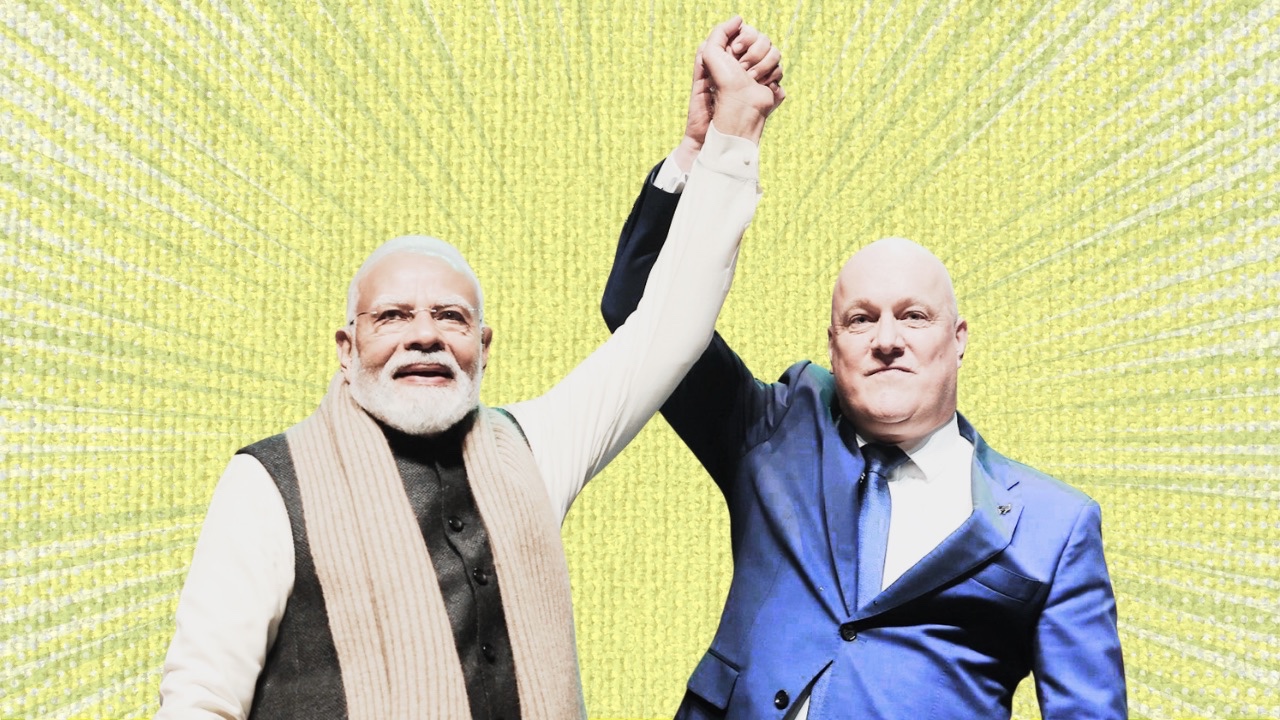
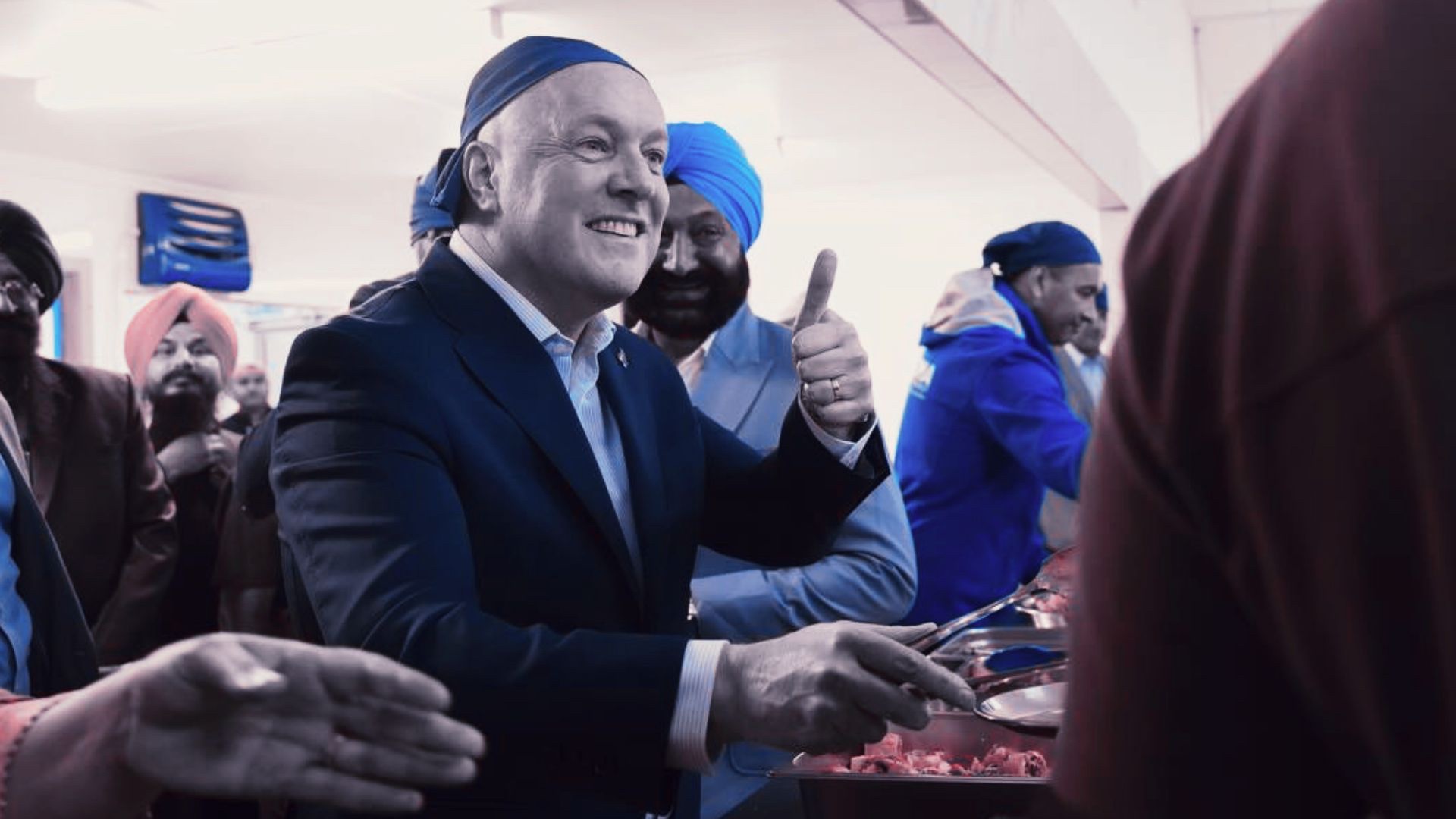
Muralidhar's campaign received strong backing from National's senior leadership, including prime minister Christopher Luxon, who had earlier presented him as a voice for a new generation of business talent.
From Kerala to Parliament
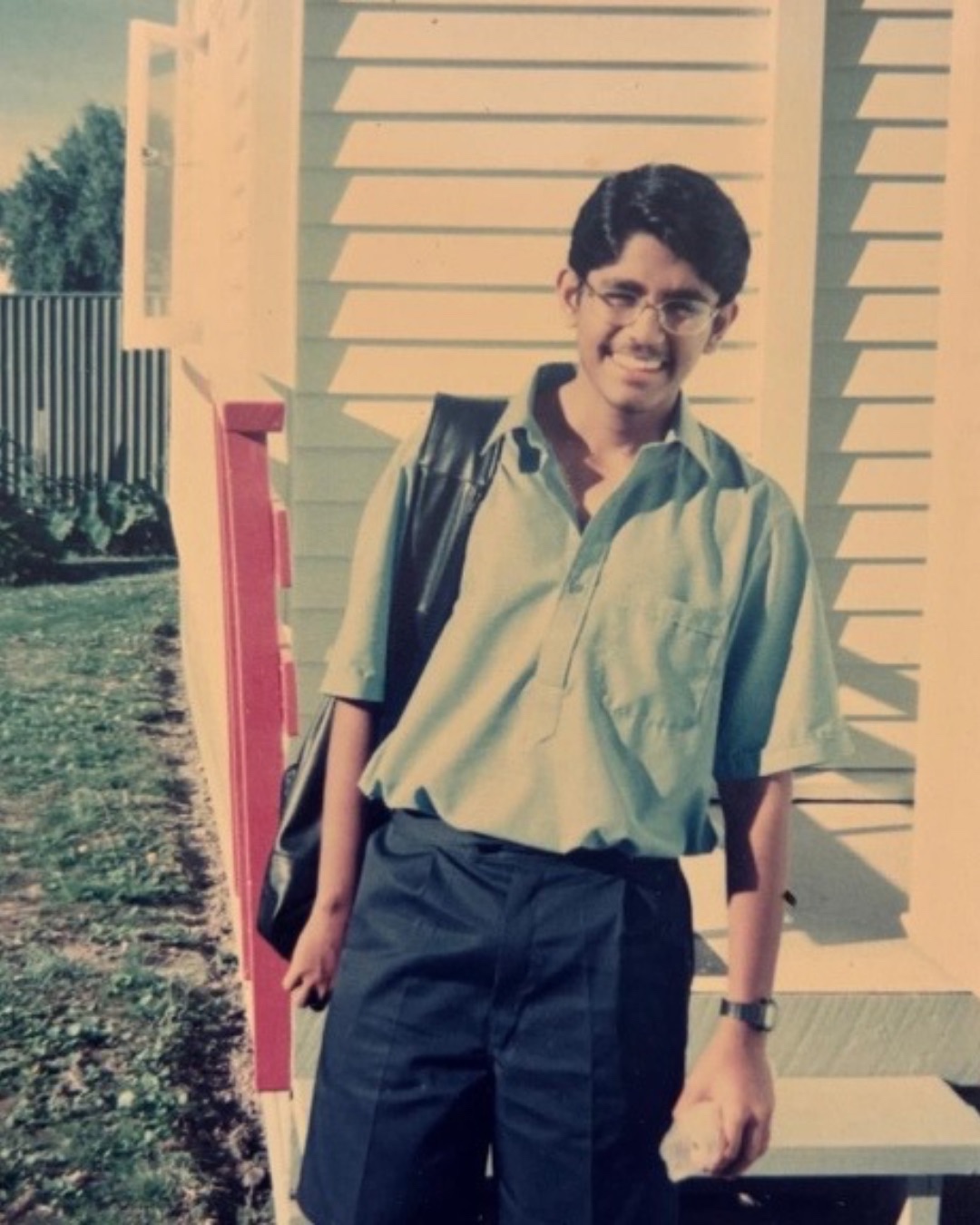
Originally from Kerala in southern India, Muralidhar grew up in Singapore before moving to New Zealand at 14.
He attended Napier Boys' High School before pursuing a career in the technology sector, including a senior role at Canva, the global design platform.
He later founded Auckland-based Phase One Ventures, investing in early-stage New Zealand technology businesses.
His first attempt at entering Parliament came in 2023, when he stood against Green Party MP Chlöe Swarbrick in Auckland Central.
Despite losing that contest, he remained determined to pursue an electorate seat rather than seek entry to Parliament solely through National's list.
In an interview with Awaaz during the campaign, Muralidhar spoke about growing up between cultures, his understanding of patriotism and what it meant to belong to New Zealand.
"What's important for New Zealand is for New Zealanders to get along," he said. "And I think, to get along, you need some representation. But the priority is to get along."
He argued that ethnic representation was important because it could help governments understand different communities, but insisted that political outcomes mattered more than the ethnicity of elected representatives.
His own understanding of national identity evolved after arriving in New Zealand as a teenager. He recalled crying when the All Blacks lost the 1995 Rugby World Cup final to South Africa, a moment that made him realise how emotionally attached he had become to his adopted country.
"This is my country," he told Awaaz.