INZ sends imam wrong visa twice, leaves family of six struggling to make ends meet
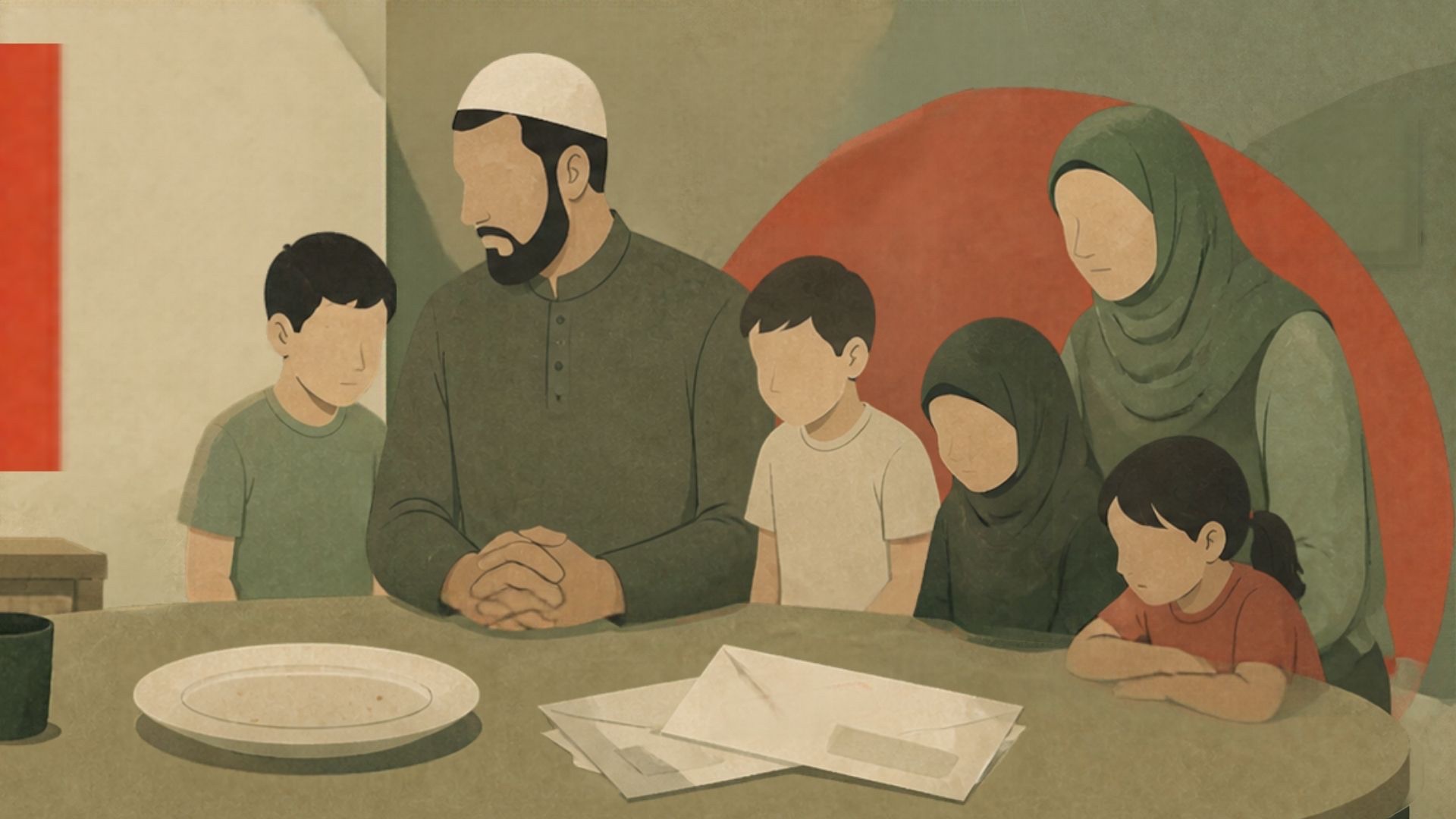
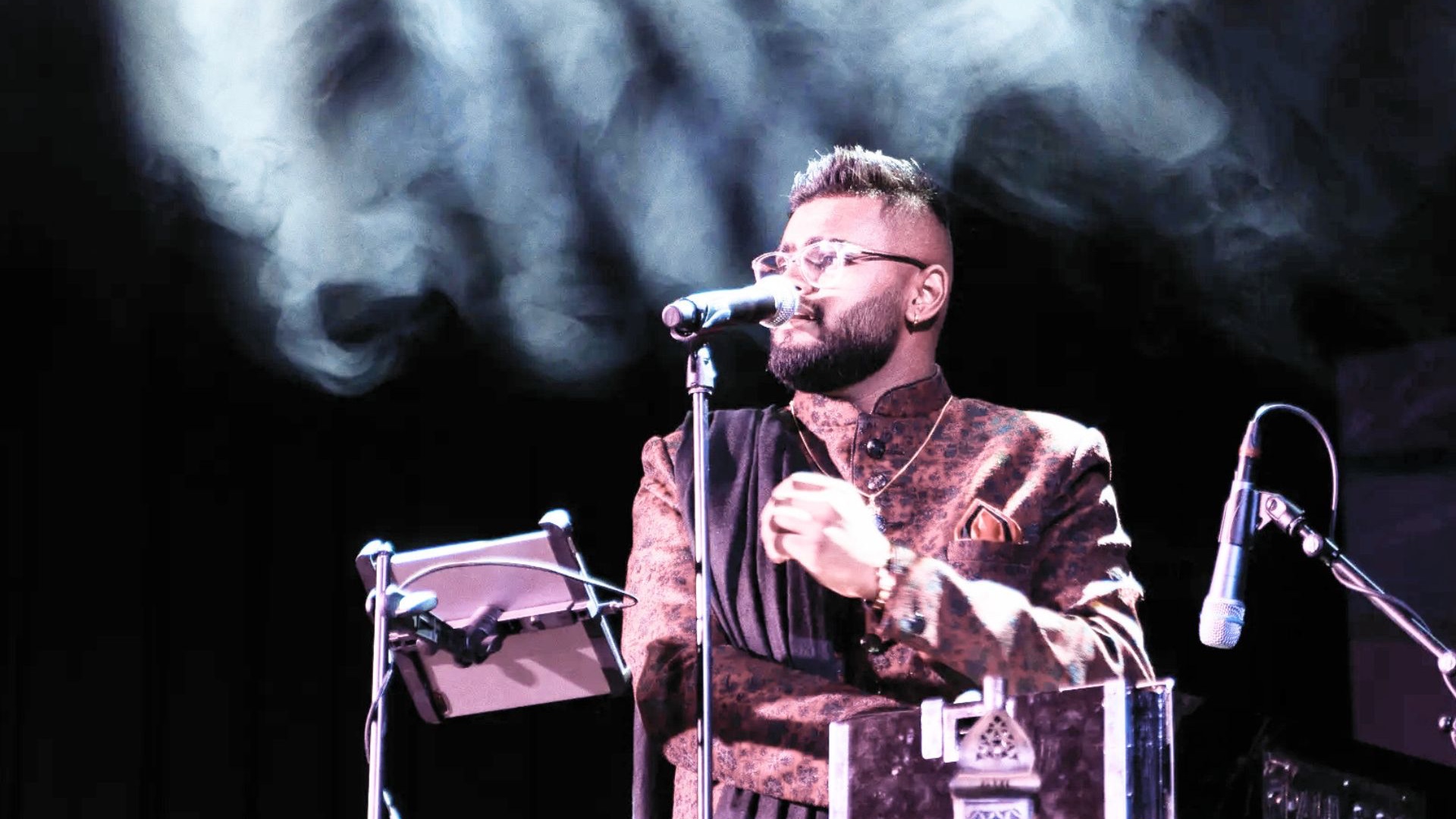
The imam arrived on a work visa for a religious organisation.
INZ apologised for the mistake but the department declined his permanent residence application later.
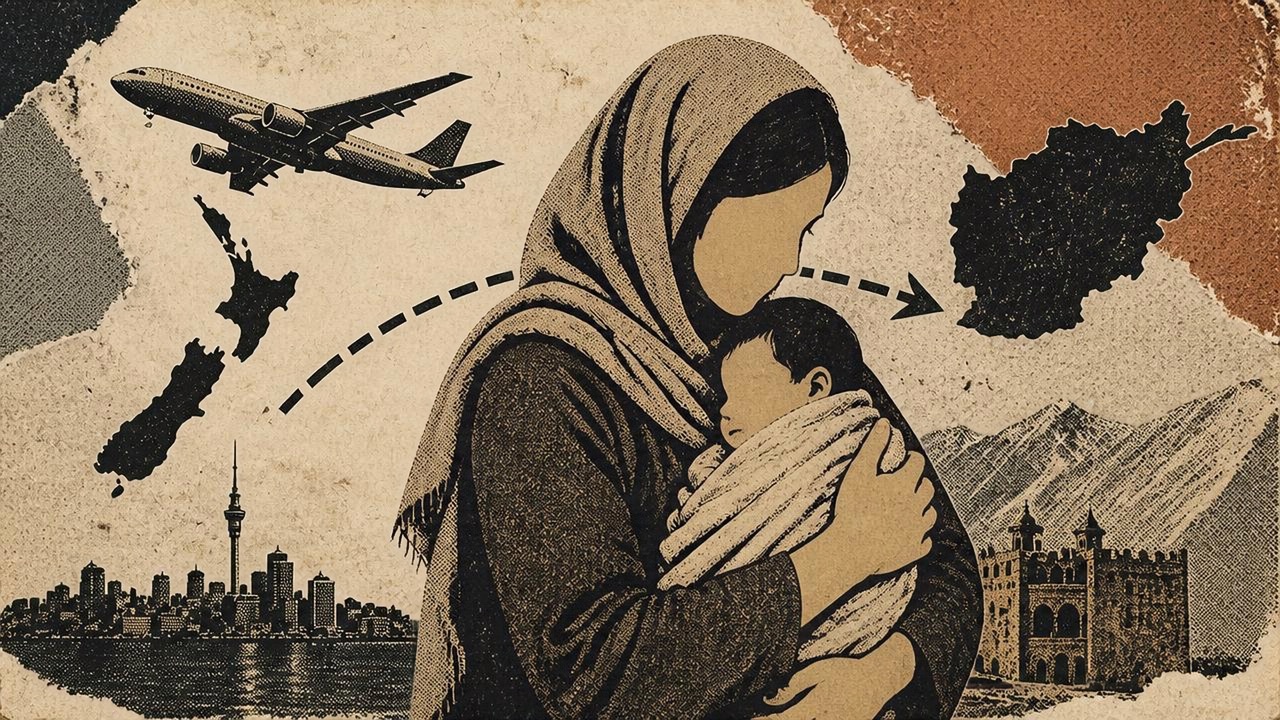
An Egyptian imam and his family of six have been left facing financial hardship after Immigration New Zealand (INZ) twice issued incorrect visa documents, assured them the conditions were correct, and then rejected his application for permanent residence.
The 42-year-old religious worker, who has lived in New Zealand since 2016, was told he needed to work for his sponsoring Islamic organisation for two years before becoming eligible for permanent residence.
But when he applied in June 2025, INZ informed him that the two-year condition stated on his visa was an administrative error and that he was actually required to complete five years of sponsored religious work.


By then, his wife had resigned from her job overseas, their eldest daughter had given up tuition-free university education, their younger children had left their schools, and the family had sold its home and belongings to relocate to New Zealand.
The country's appellate immigration body, the Immigration and Protection Tribunal (IPT), has now found that although INZ was legally entitled to decline the application, the family's circumstances warranted consideration of an exception to immigration rules.
INZ sends imam wrong visa twice, leaves family of six struggling to make ends meet INZ apologised for the mistake but the department declined his application later.
The Auckland bedding company backing India's historic hockey return to New Zealand A Kiwi-Indian businessman who joined Luxon's historic India delegation is now backing a sporting milestone.
Indian man in Bay of Plenty dies on his birthday in mysterious circumstances Lovedeep Singh suffered severe burns after reportedly being at a farm with three friends.
In a decision dated October 20, 2026, tribunal member M Avia acknowledged the family had made significant decisions relying on incorrect information supplied by immigration authorities.
How the mistake happened
The imam obtained residence in June 2023, with a condition requiring him to work for his sponsoring organisation for five years, until June 2028.
However, when his immigration adviser requested copies of the family's visas the following month, INZ reissued documents specifying a sponsorship period of just two years.
The adviser sought clarification, and on July 27, 2023, an immigration officer confirmed that the reissued visas contained the correct conditions.
"I have checked again with the Support Staff who issues the E-Visas and can confirm that the E-visas sent to you on 24 July have the correct conditions," the officer wrote.
Relying on those assurances, the imam arranged for his wife and four children to join him in November 2023. When he applied for permanent residence in June 2025, INZ said the five-year condition had always applied, regardless of what appeared on the reissued documents.
An INZ operations manager apologised for the mistake in July 2025, but the department declined his application on August 6.
Family faces financial hardship
The tribunal heard the imam earned about $50,000 annually and was supporting his wife and four children on that income.
The family had expected to manage on savings and his modest wages for two years, after which he hoped to move into better-paid employment. Instead, the longer sponsorship requirement meant another three years of financial constraints.
The tribunal accepted that the family might have delayed relocating had they known the actual conditions, allowing the imam's wife to continue working overseas and the family to accumulate more savings.
It also considered the imam's contribution to New Zealand, including almost eight-and-a-half years of religious service and involvement in community and interfaith activities.
The tribunal found that INZ's repeated errors, the family's financial hardship and the imam's community contributions amounted to special circumstances.
It recommended that the immigration minister considers granting permanent residence as an exception to immigration instructions. Such a recommendation is not binding, and the minister is not obliged to approve the application.
Without an exception, the imam would have to complete the five-year sponsorship period ending in June 2028 before becoming eligible to apply again.