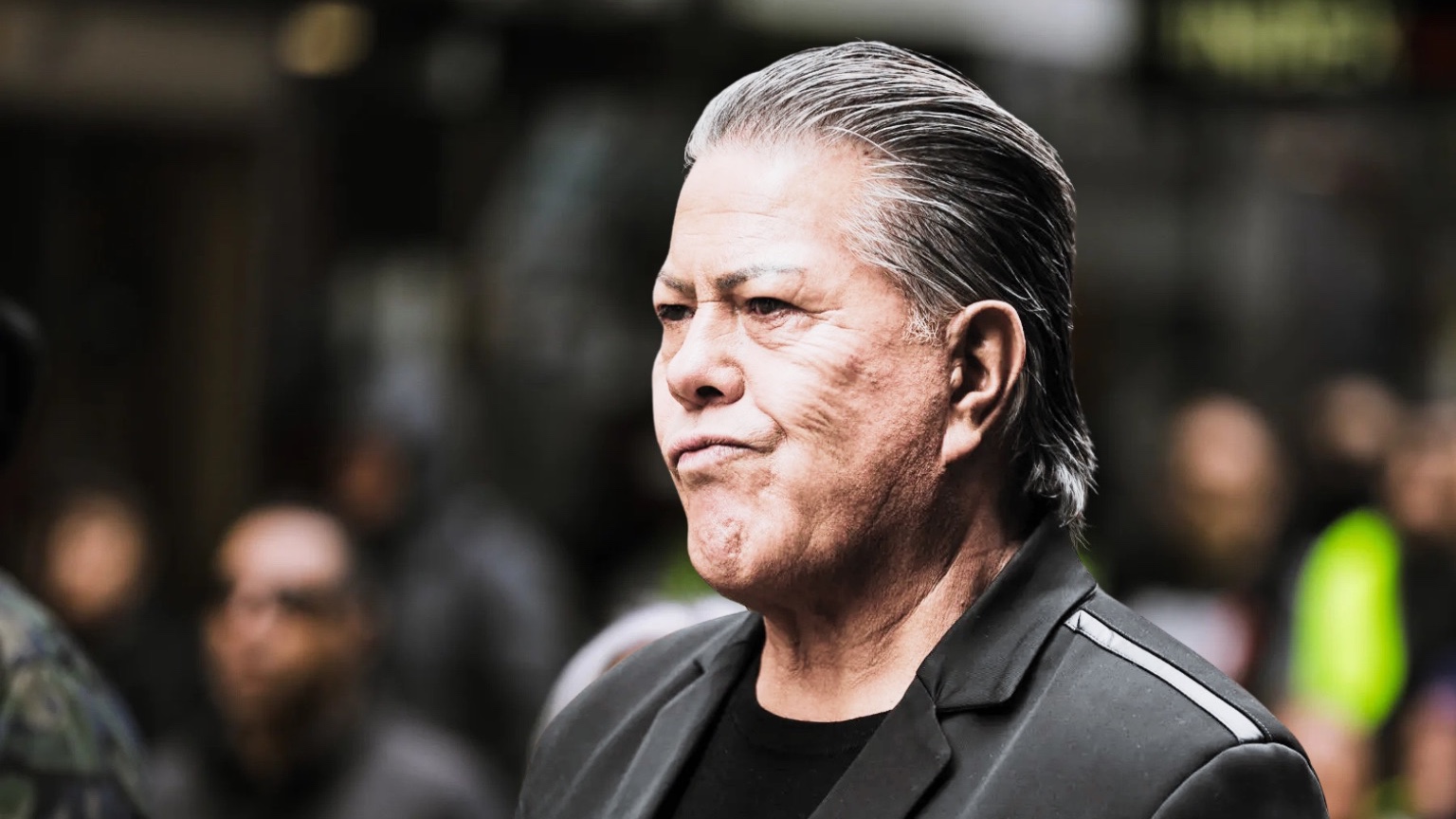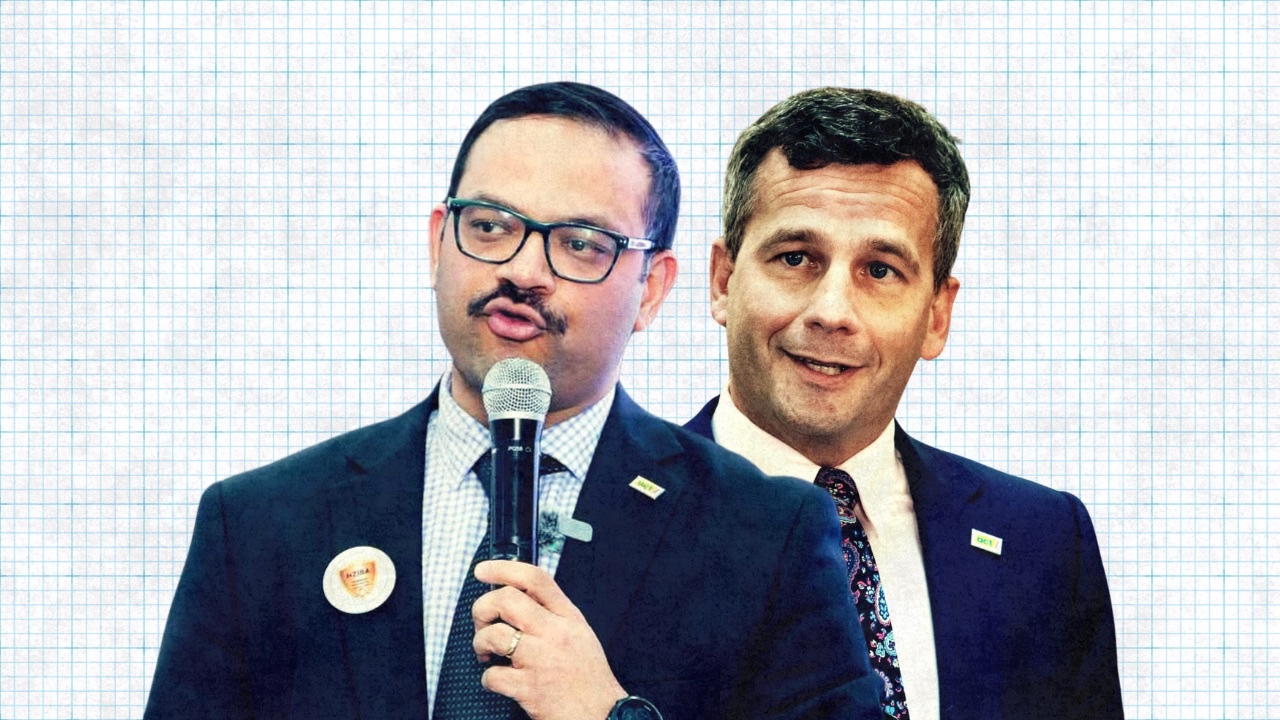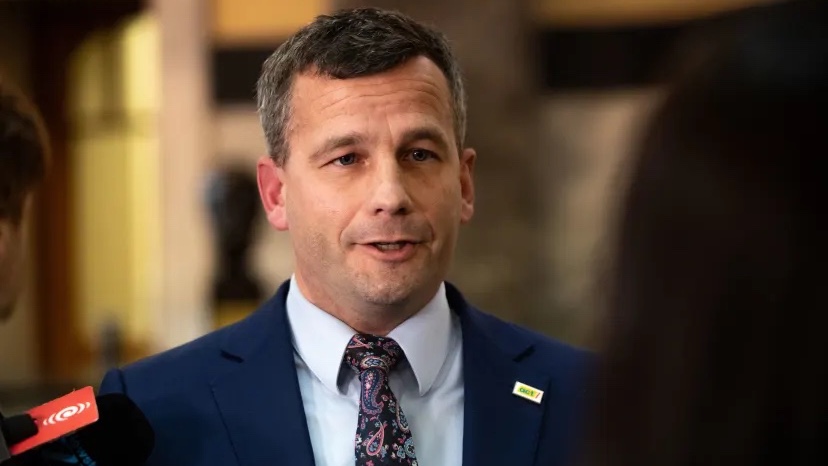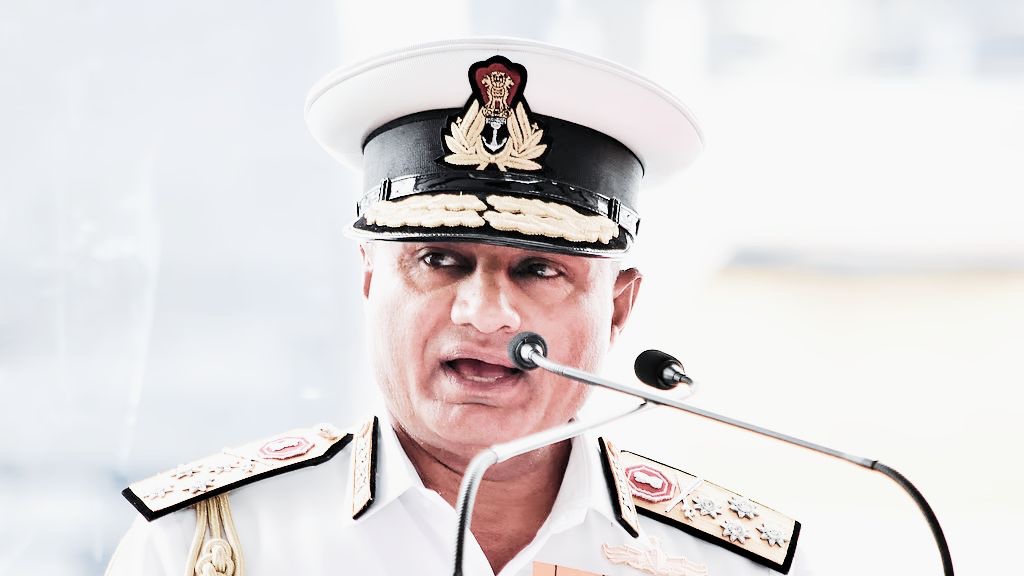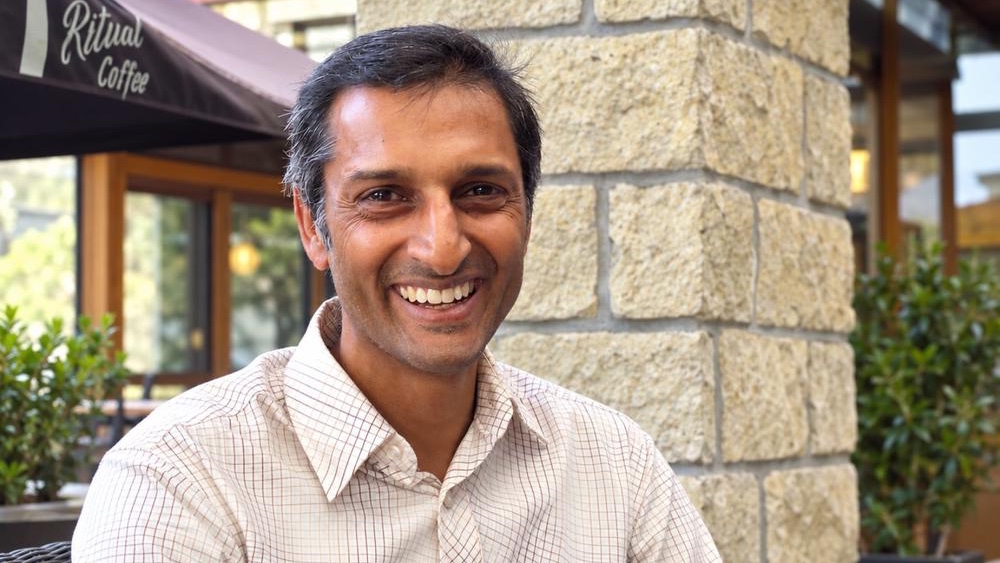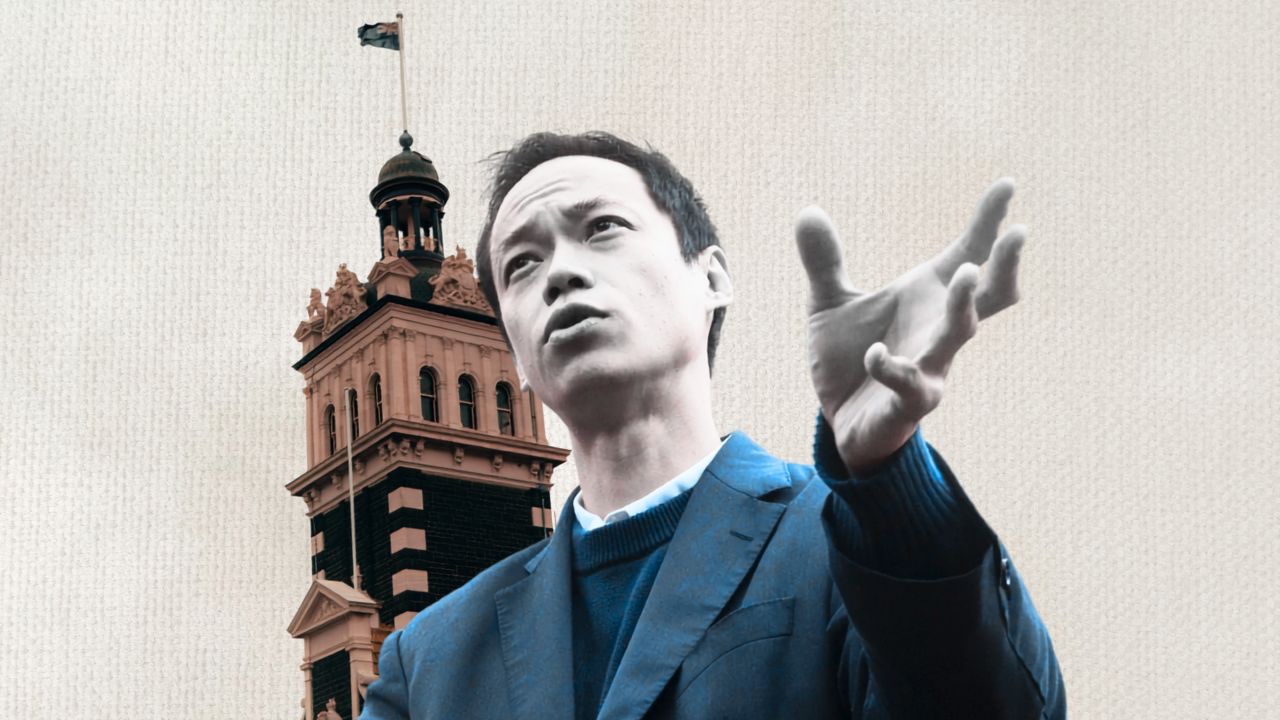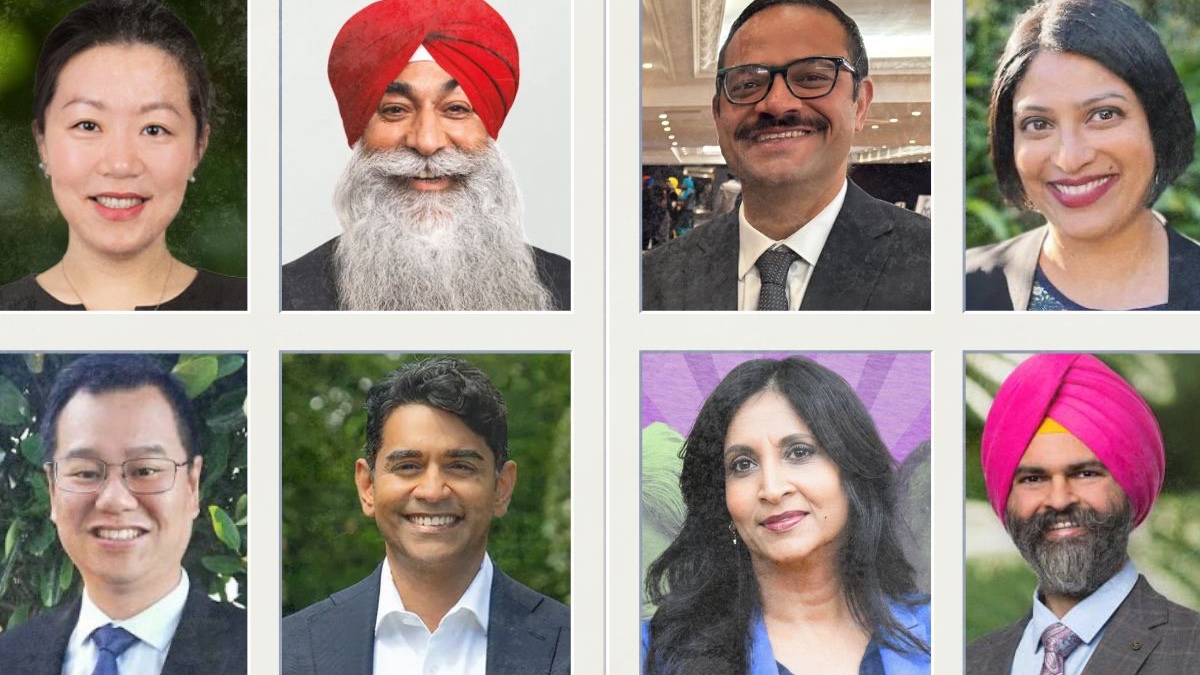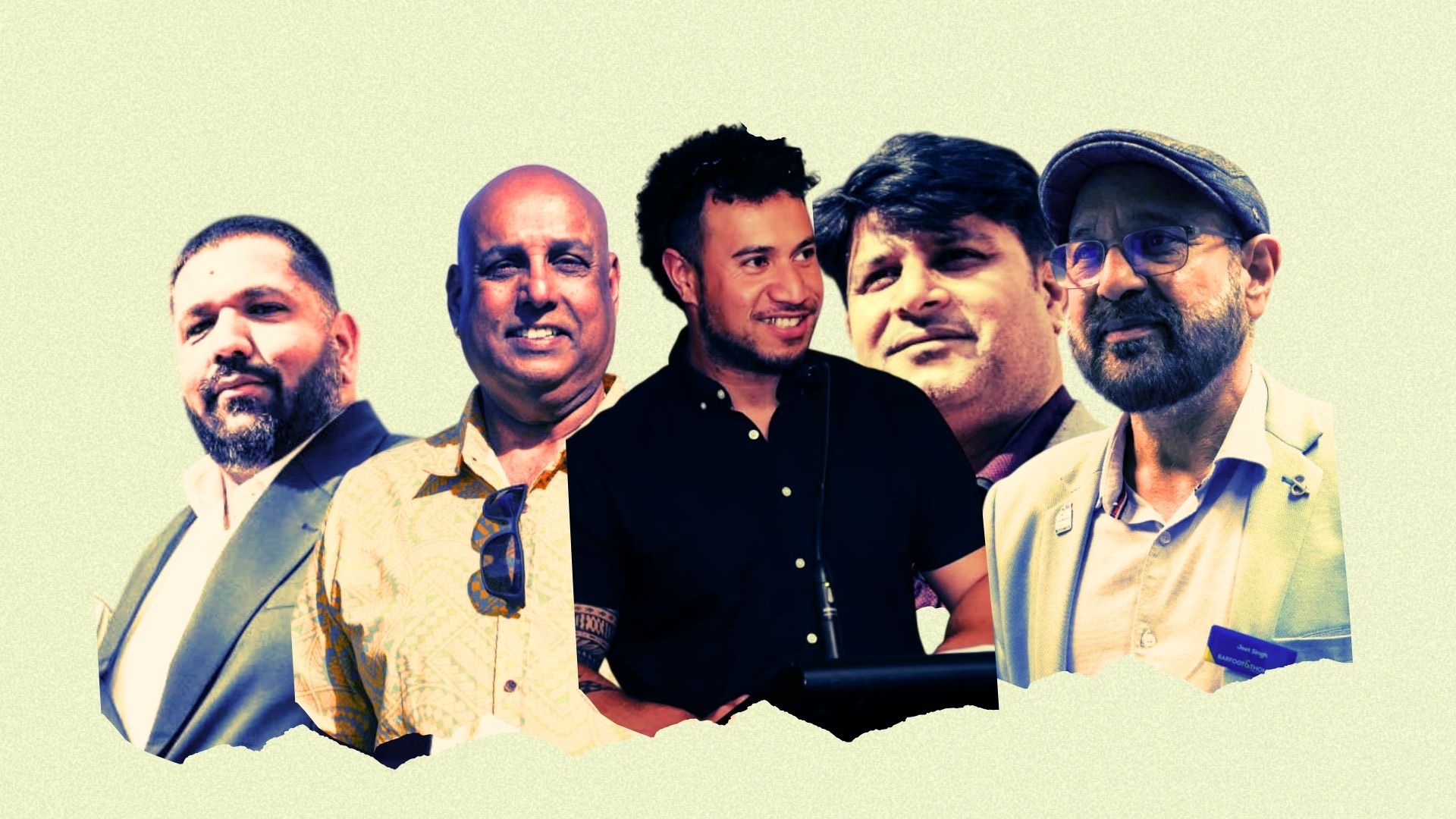

Who won, who lost, who came close: How Kiwi-Indian candidates fared on election night

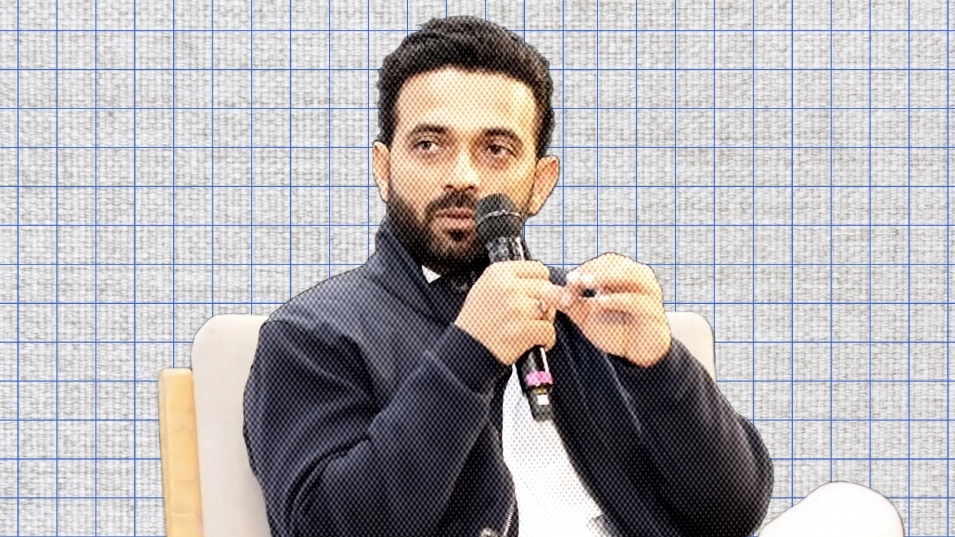
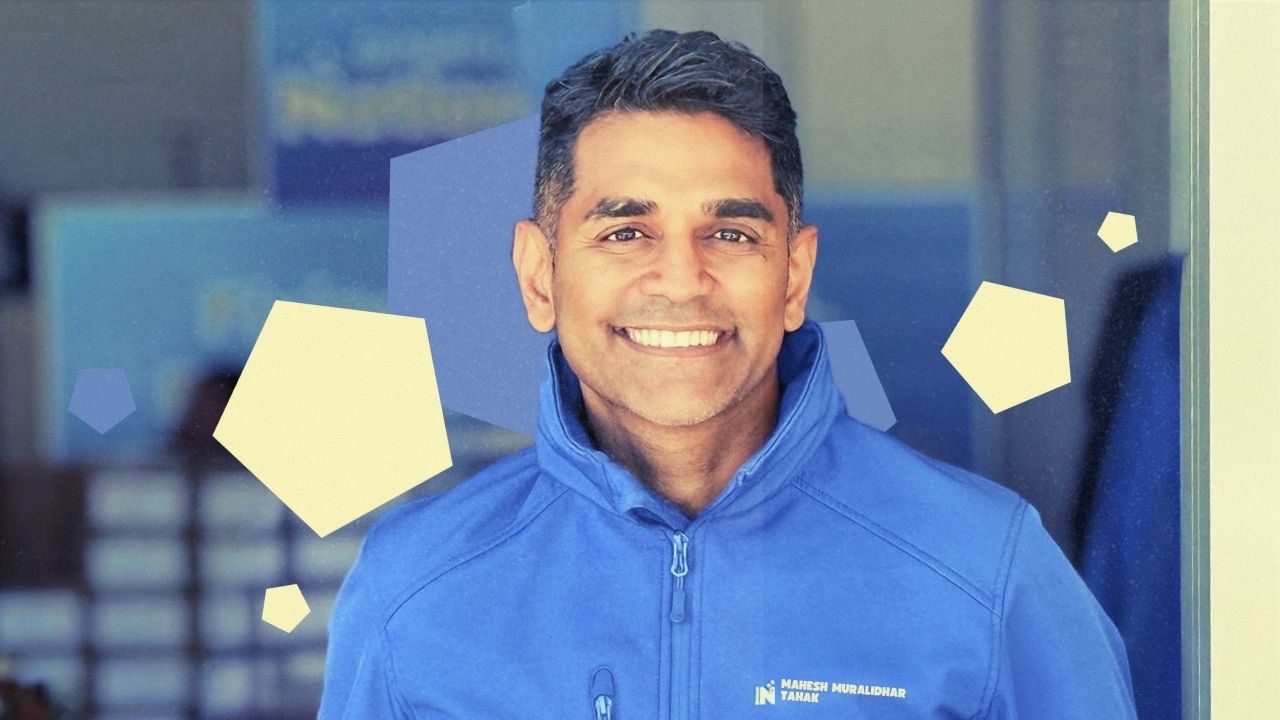
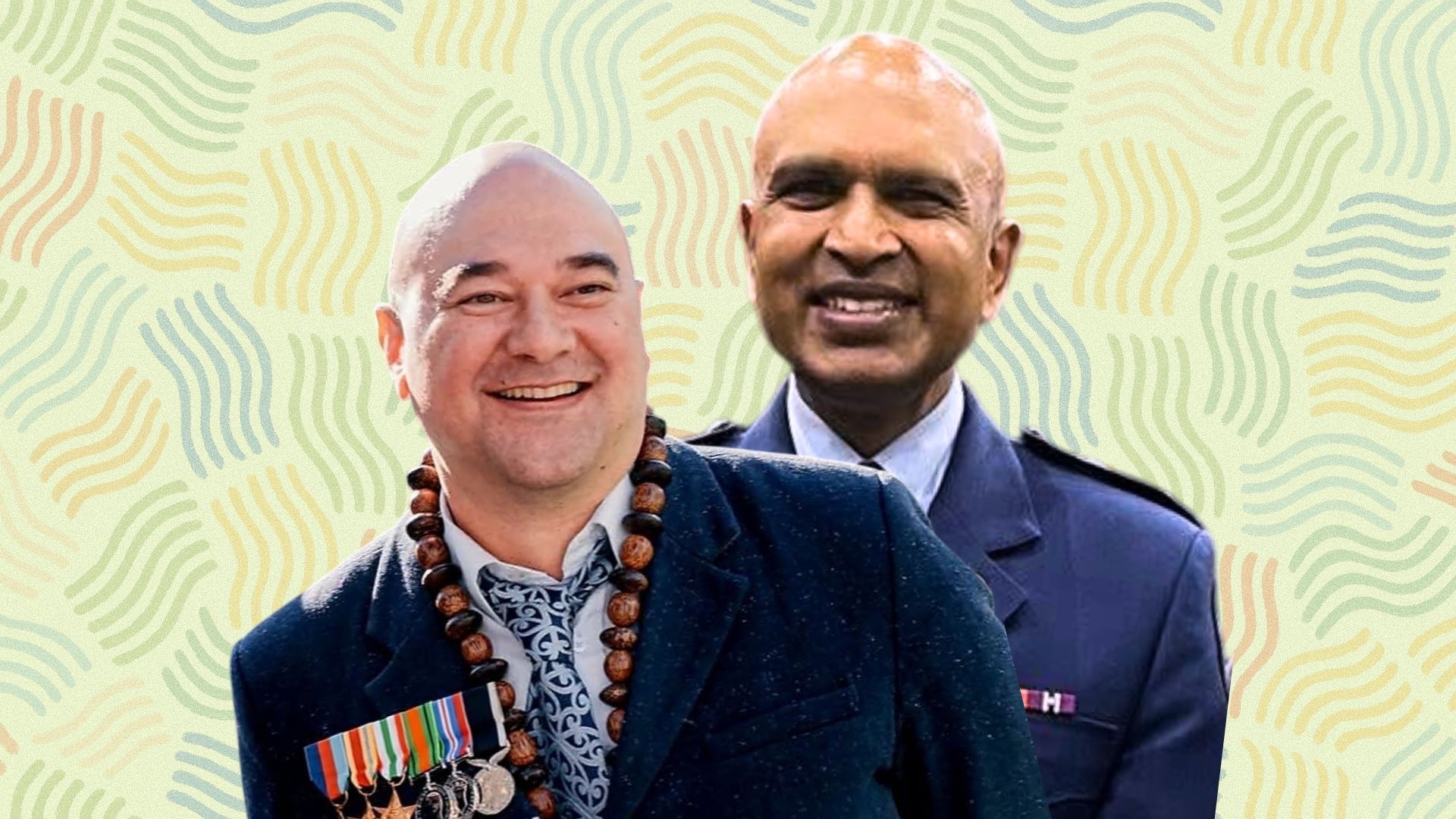
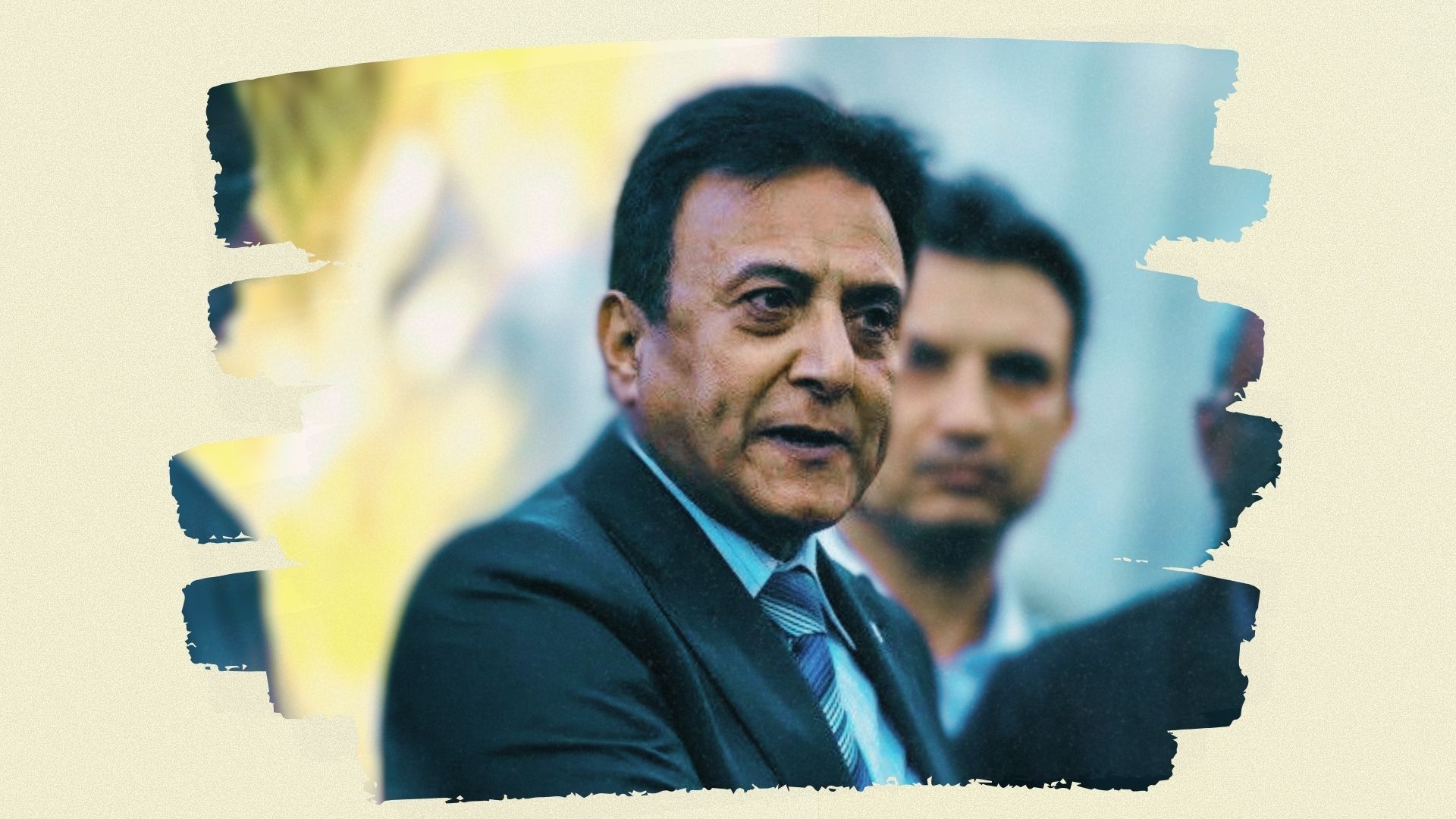
National's Mahesh Muralidhar has been the standout performer in the electorate races.
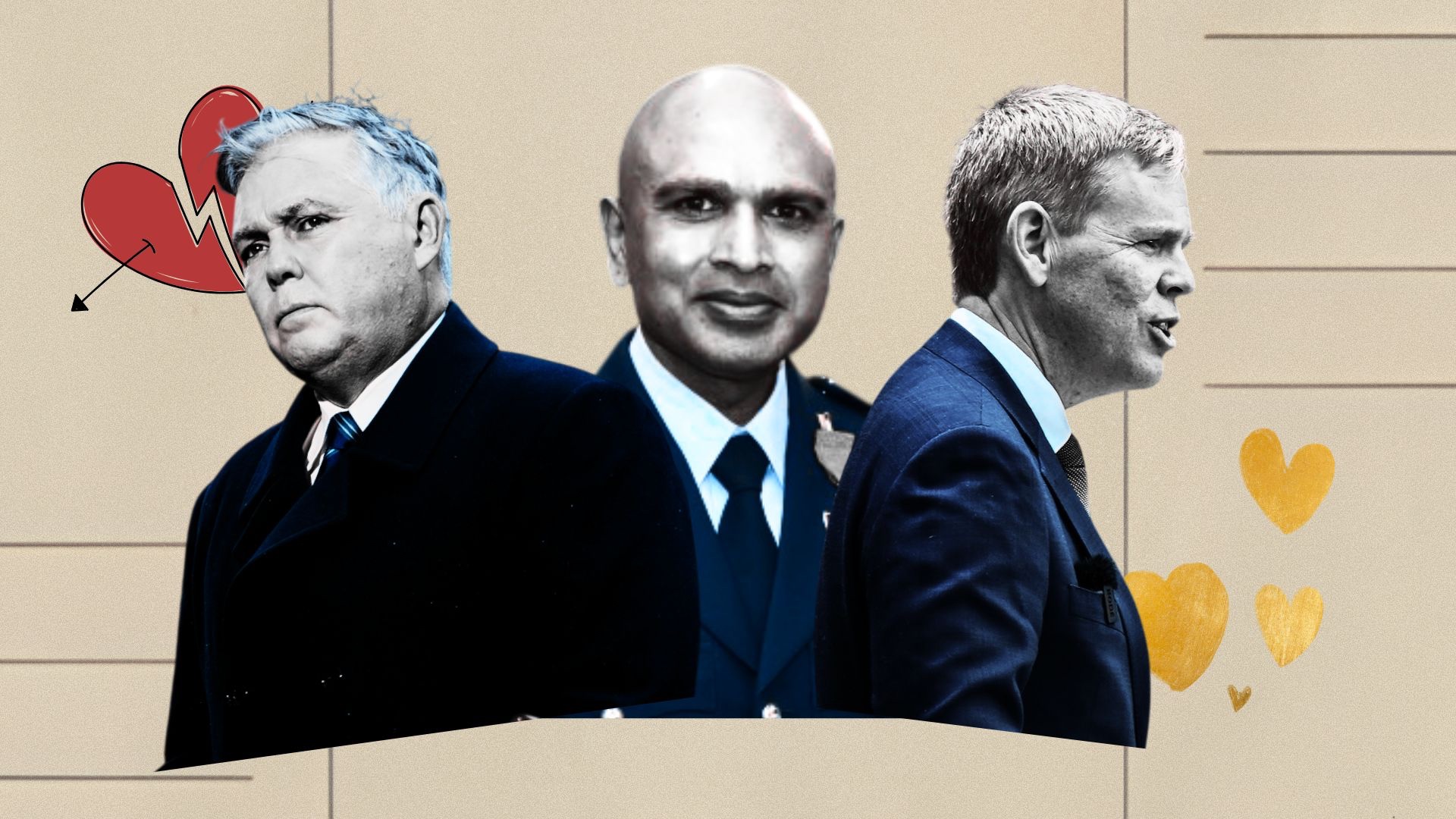
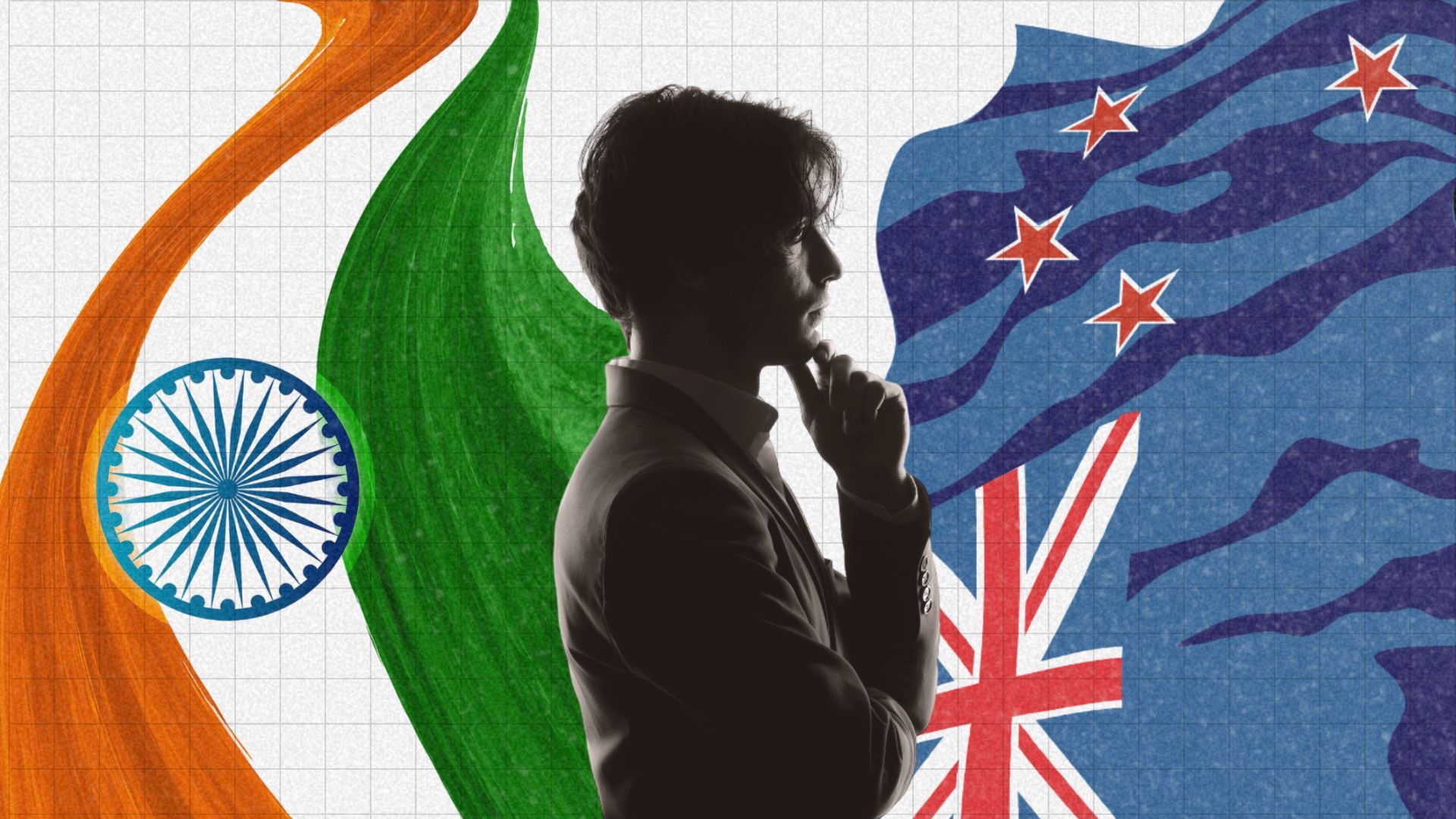
Narrow margins and political setbacks as Kiwi-Indian candidates battle for Parliament.
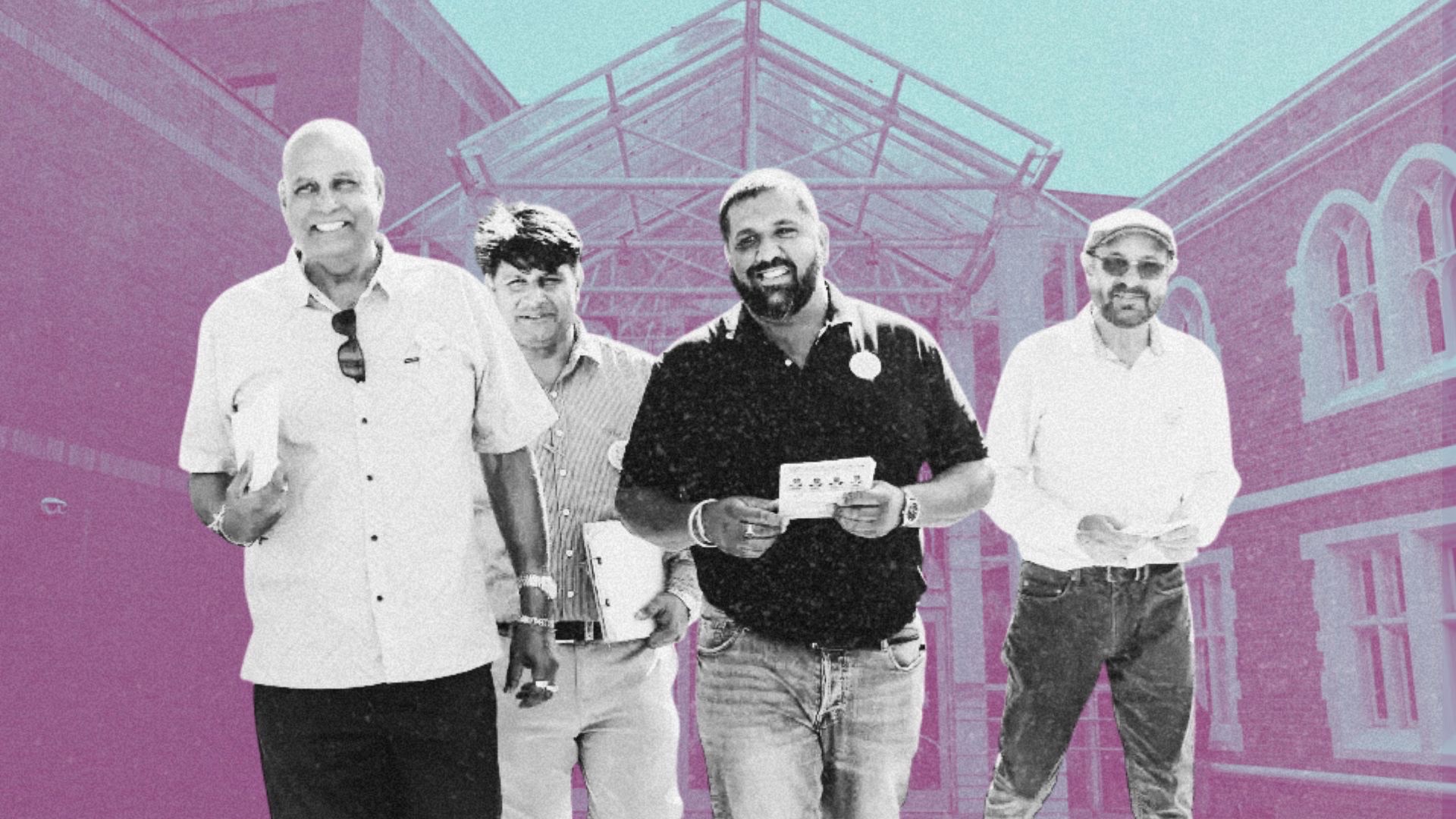
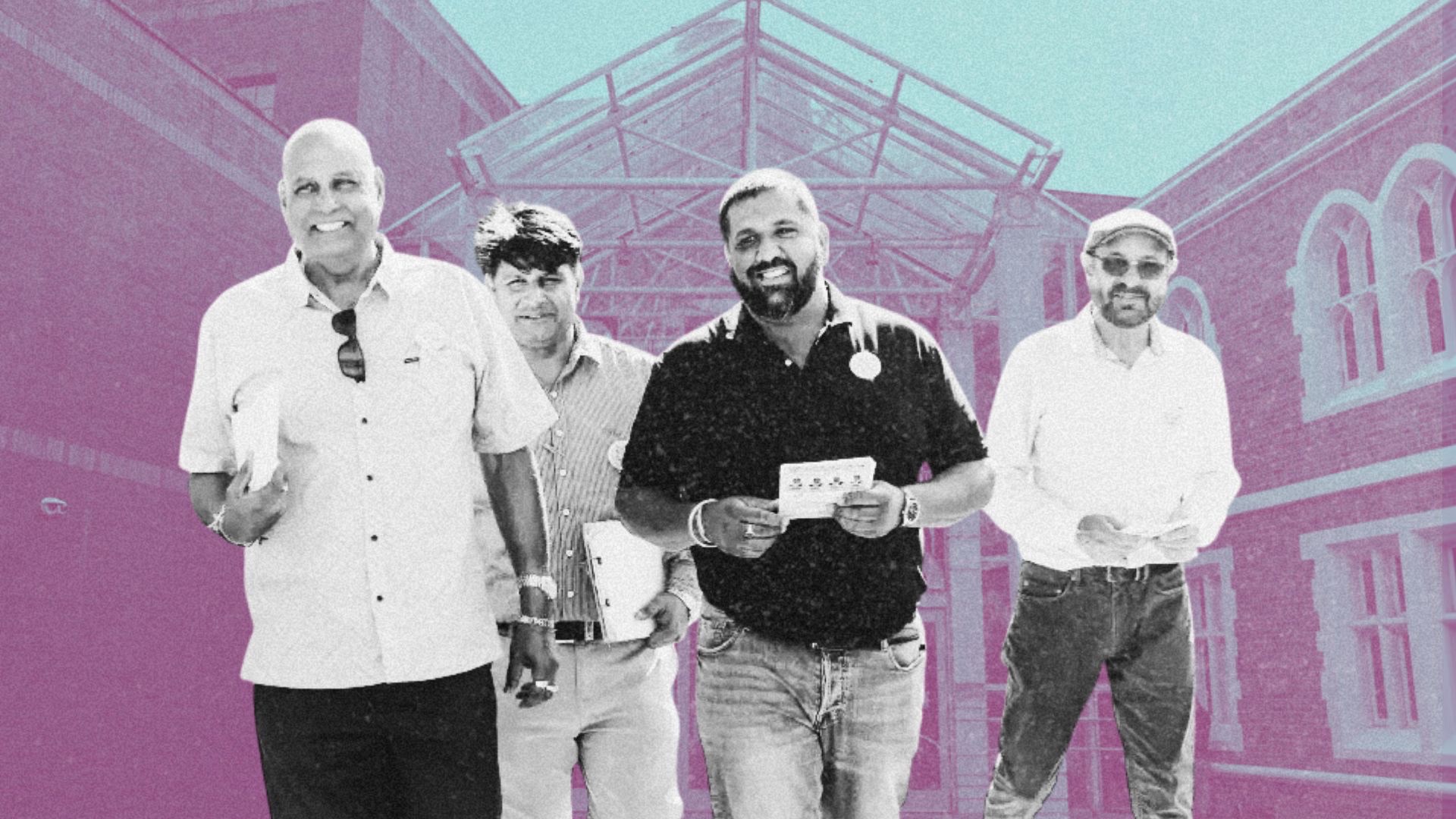
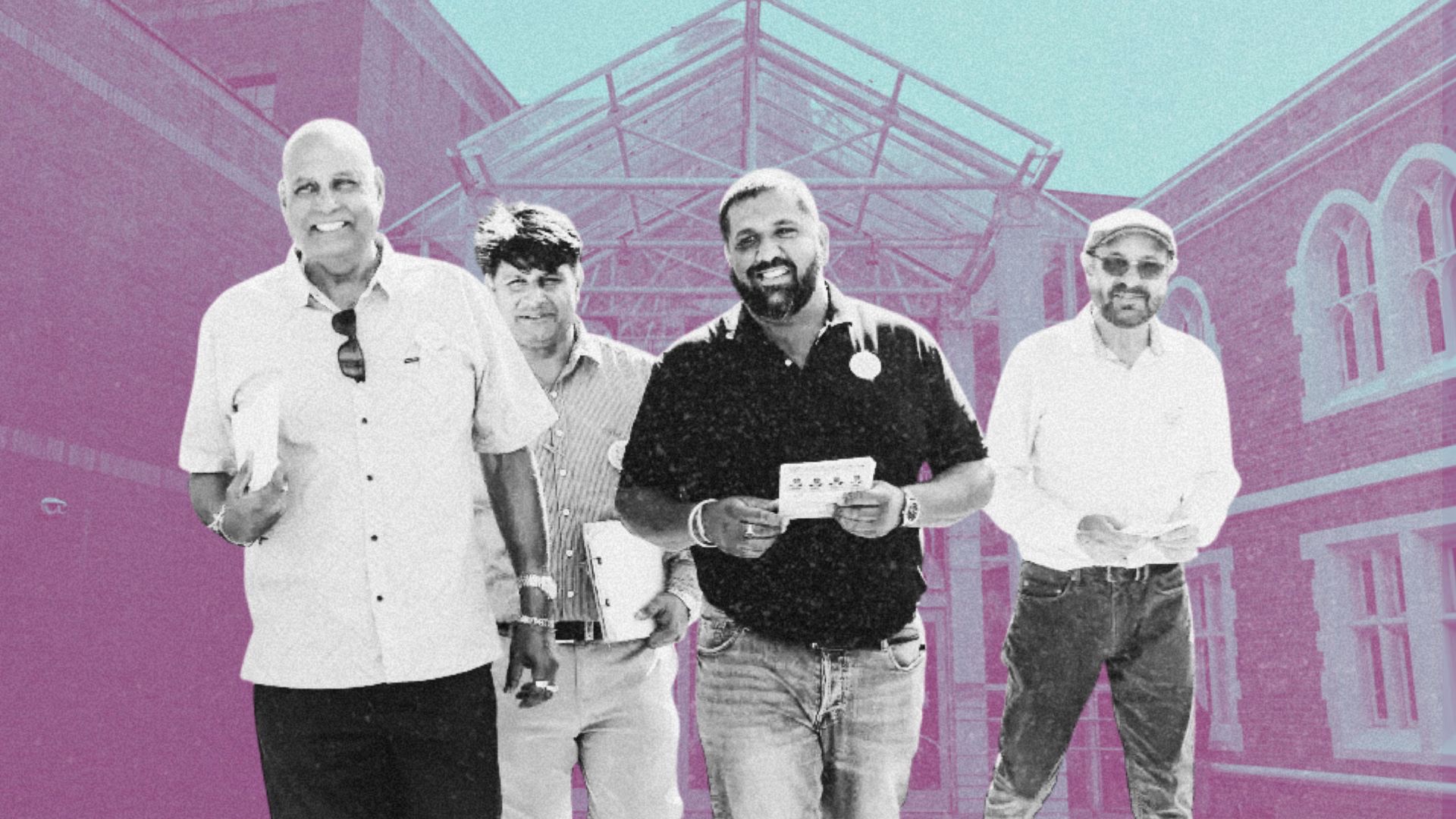
A new face heading to Parliament, familiar names struggling to reclaim lost ground, and some contests still too close to call – Saturday's election produced sharply contrasting results for Kiwi-Indian candidates.
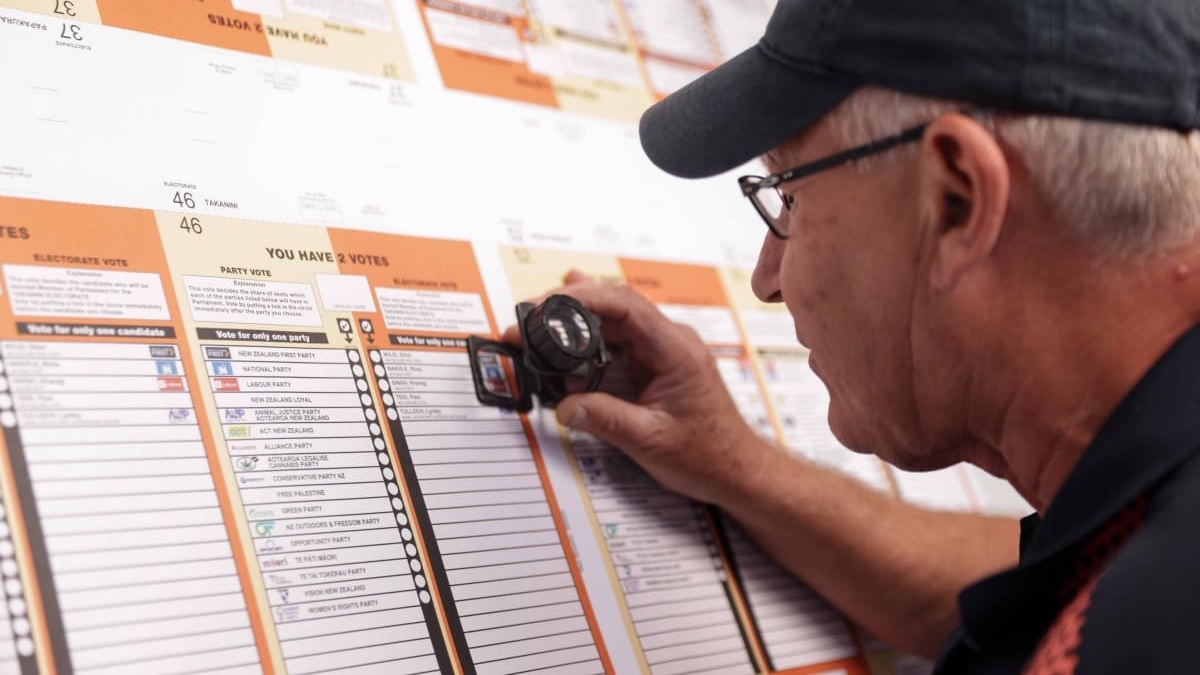
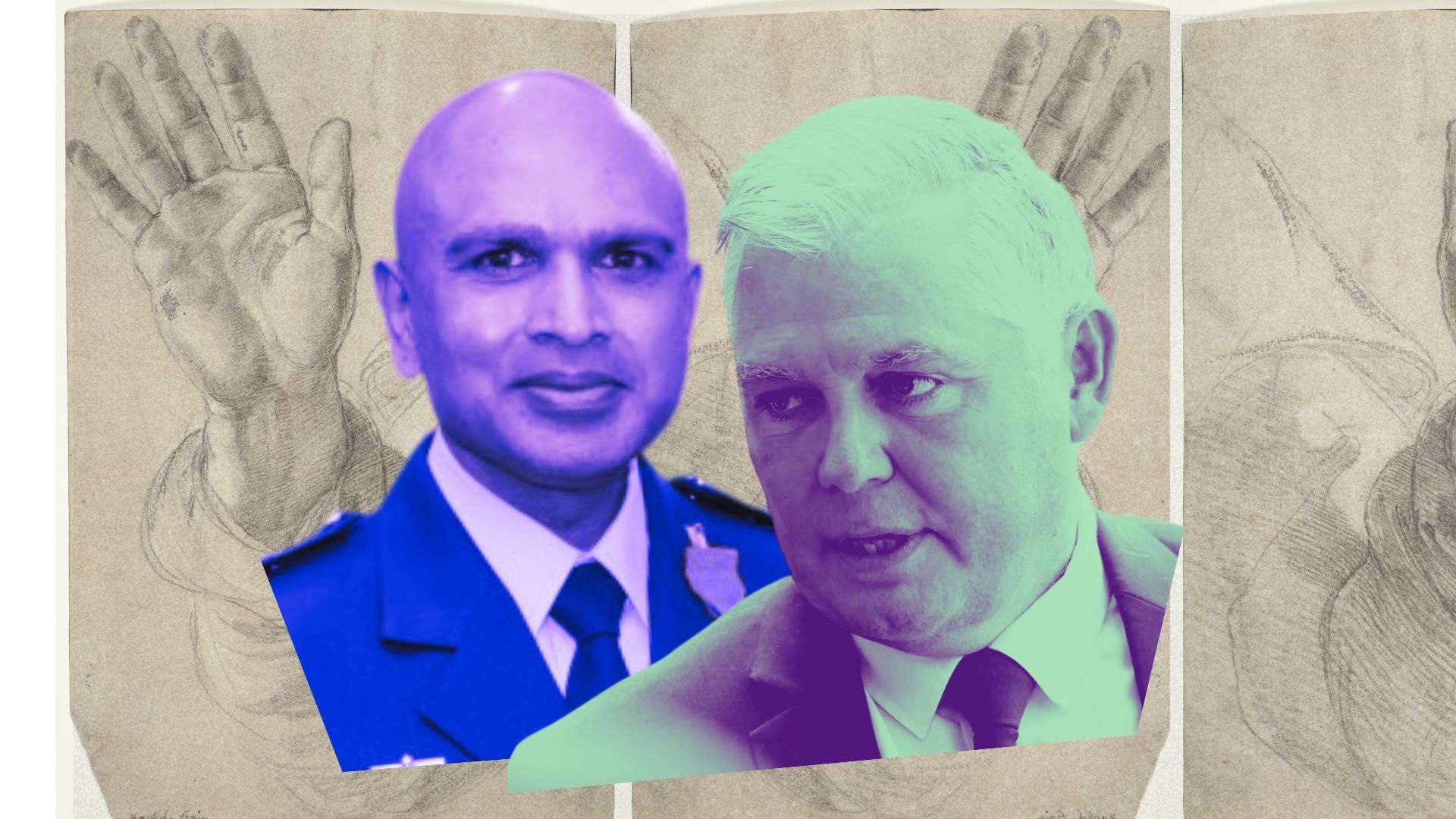
From National's Mahesh Muralidhar in Tāmaki to Labour's Kharag Singh in Takanini, the preliminary results reveal a mix of electoral gains, setbacks and contests that could still change when special votes are counted.
One pattern emerging from the preliminary results is that several National candidates attracted considerably more electorate votes than their party. This could partly reflect voters splitting their party vote between National and ACT or New Zealand First.
This analysis is based on Saturday's preliminary election results, with all polling-place returns counted but special votes still outstanding. These include ballots cast by people who enrolled late, voted outside their electorates or voted overseas.
Special votes can make a significant difference in close contests. Takanini alone recorded more than 10,000 special votes in 2023. The official results will be released on November 27.
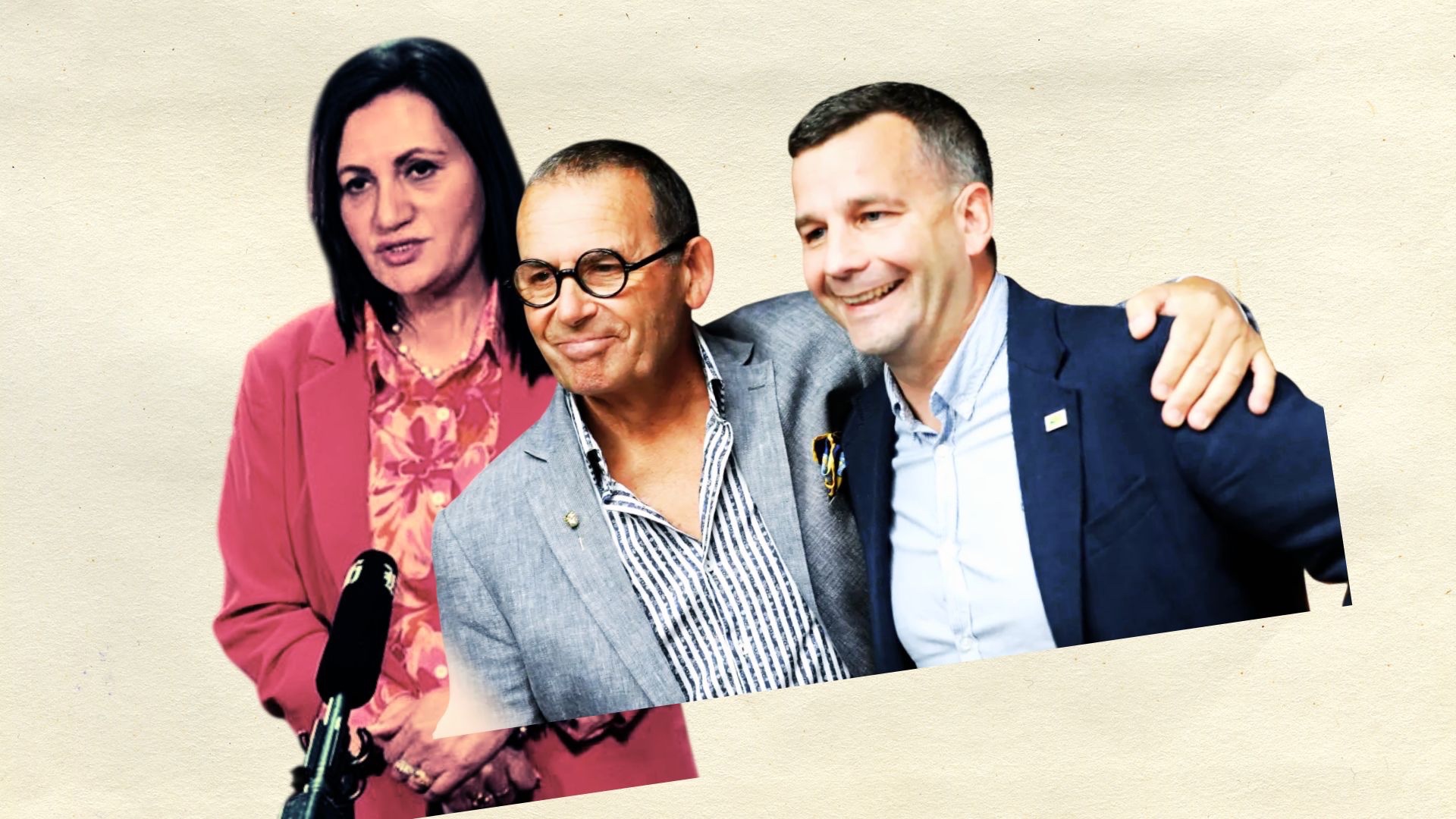
Who won, who lost, who came close: How Kiwi-Indian candidates fared on election night Narrow margins and political setbacks as Kiwi-Indian candidates battle for Parliament.
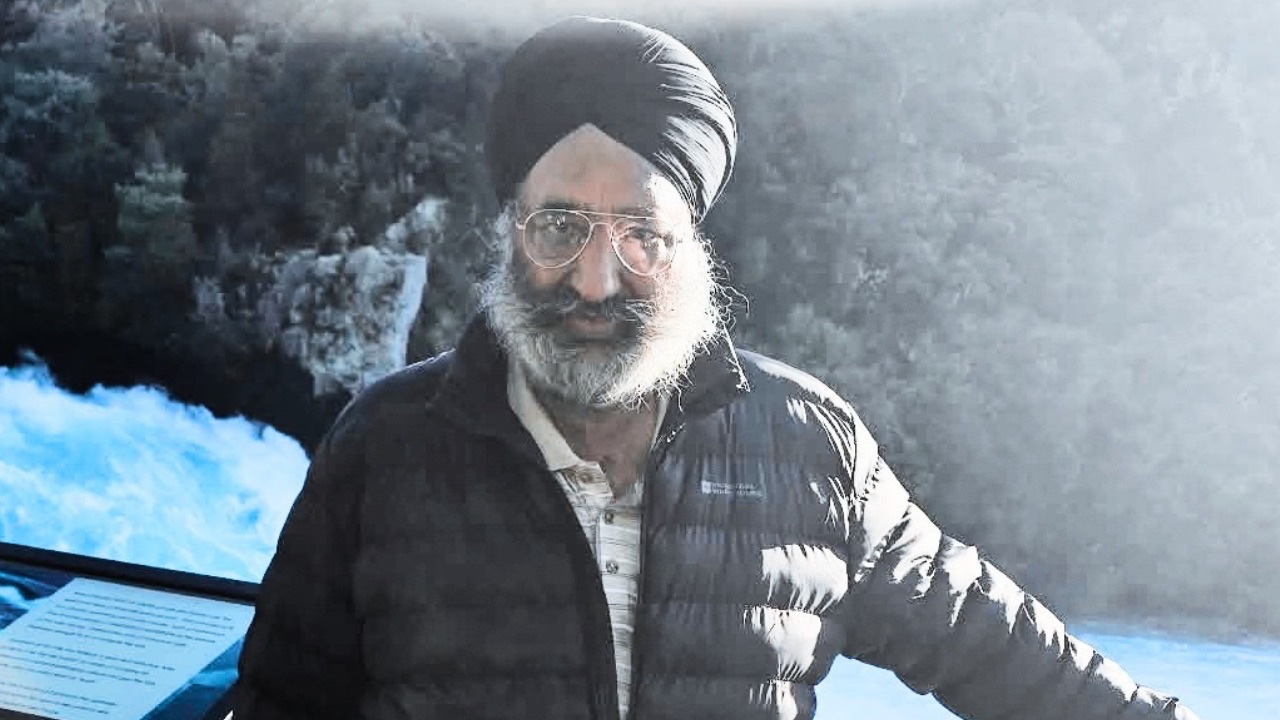
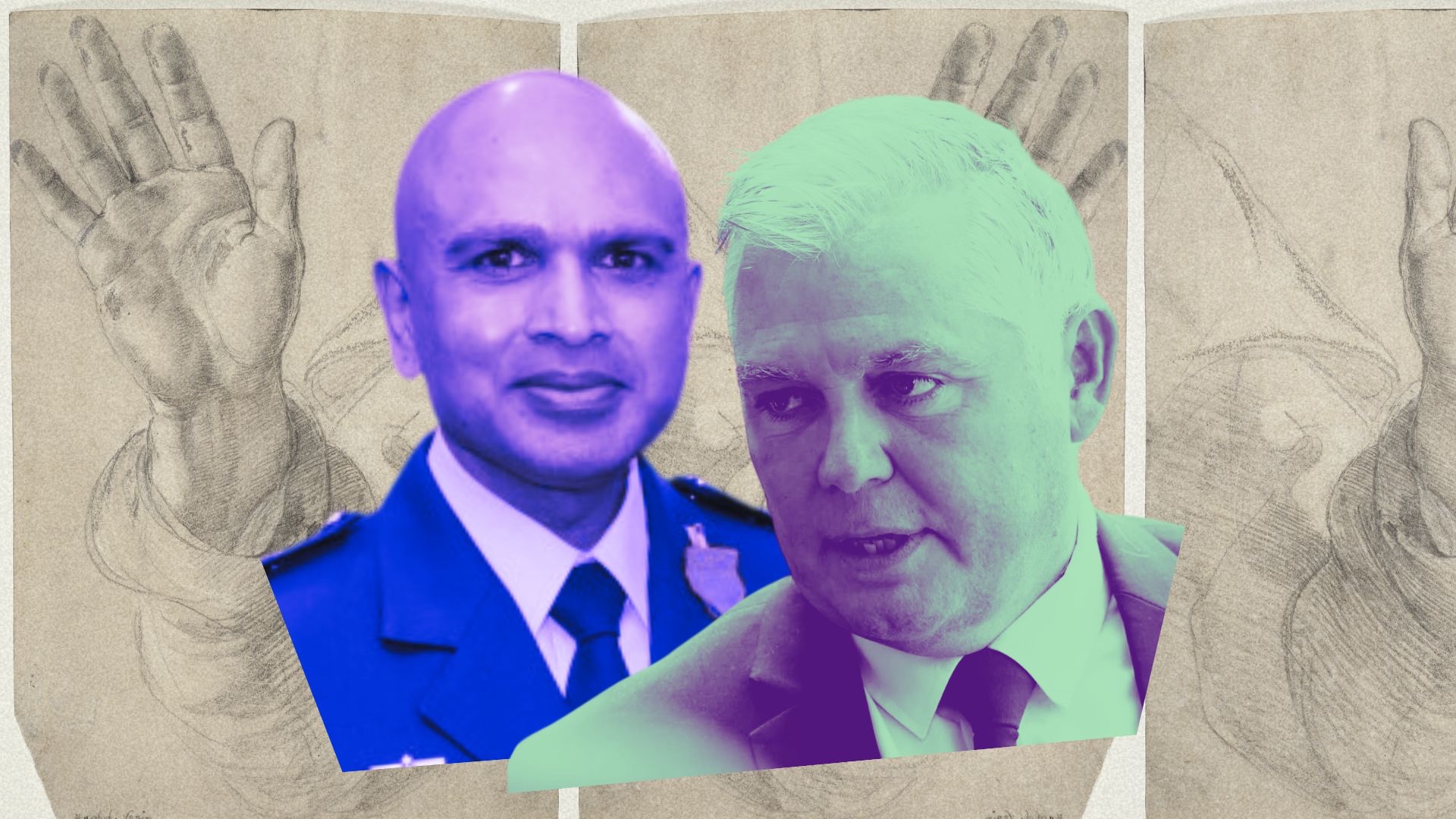
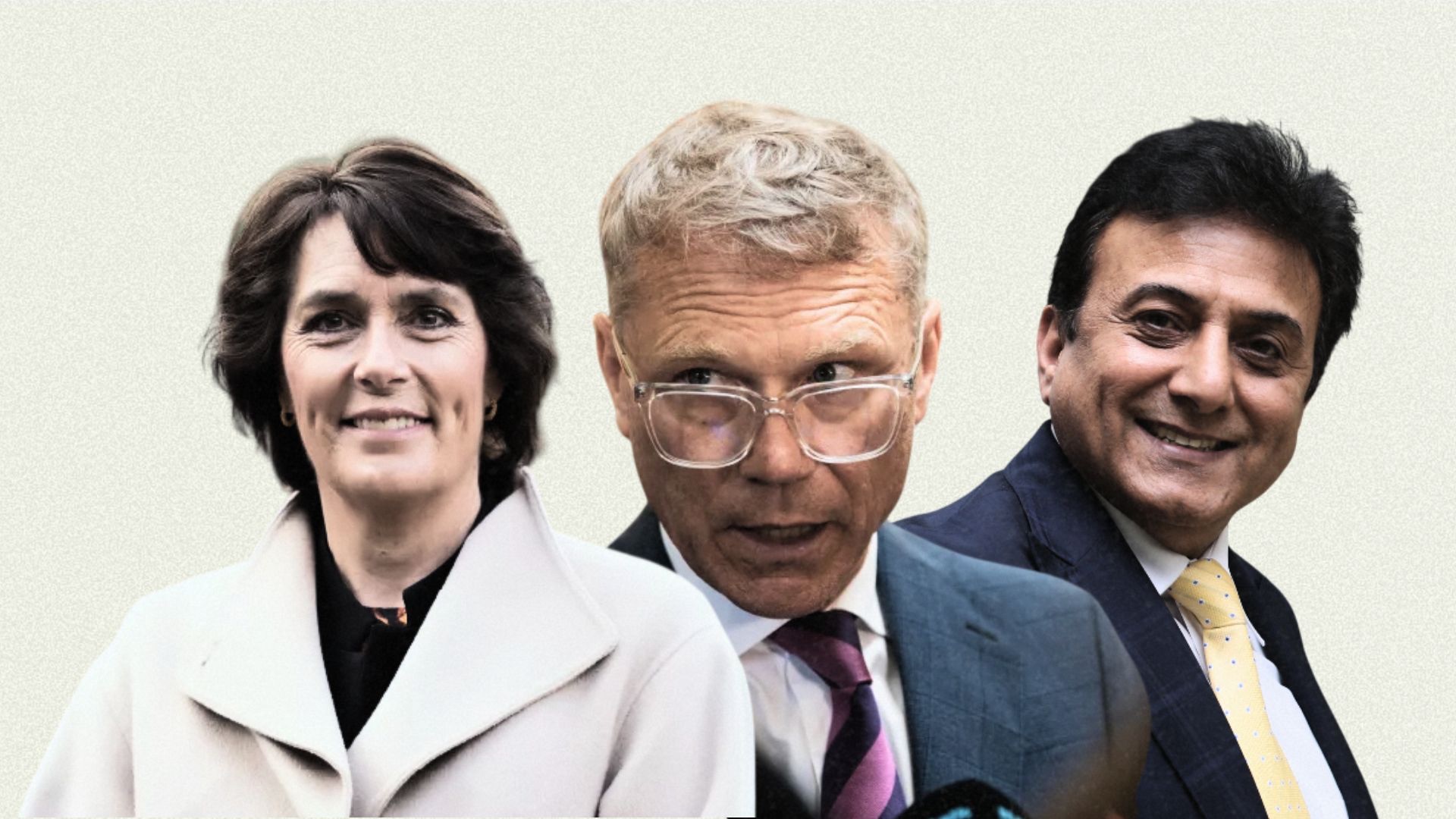
Kharag Singh trails in Takanini cliffhanger as Radhakrishnan struggles in Maungakiekie Just 796 votes separate Singh from victory in Takanini, while former minister Radhakrishnan trails by 2,746 in Maungakiekie.
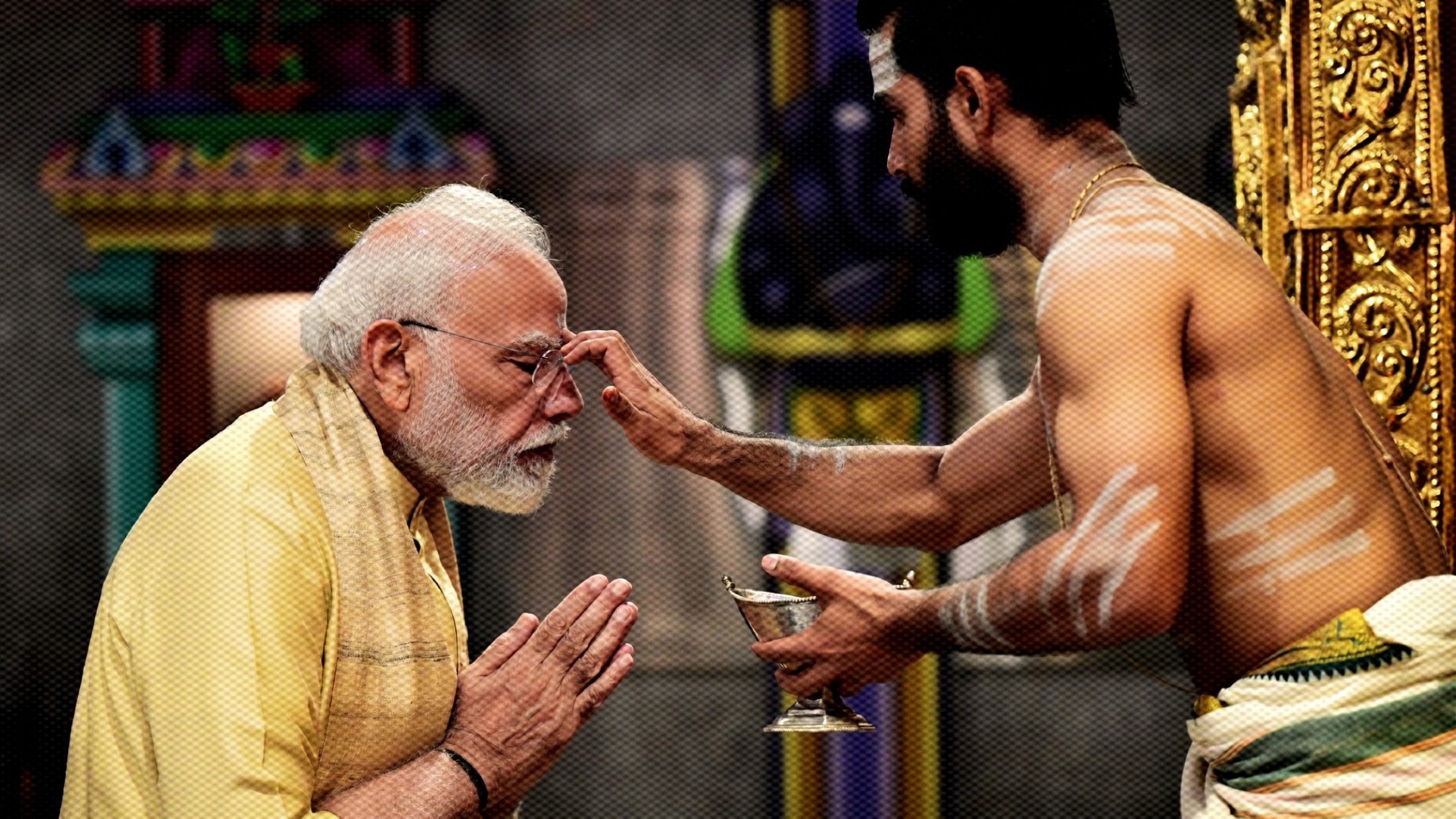
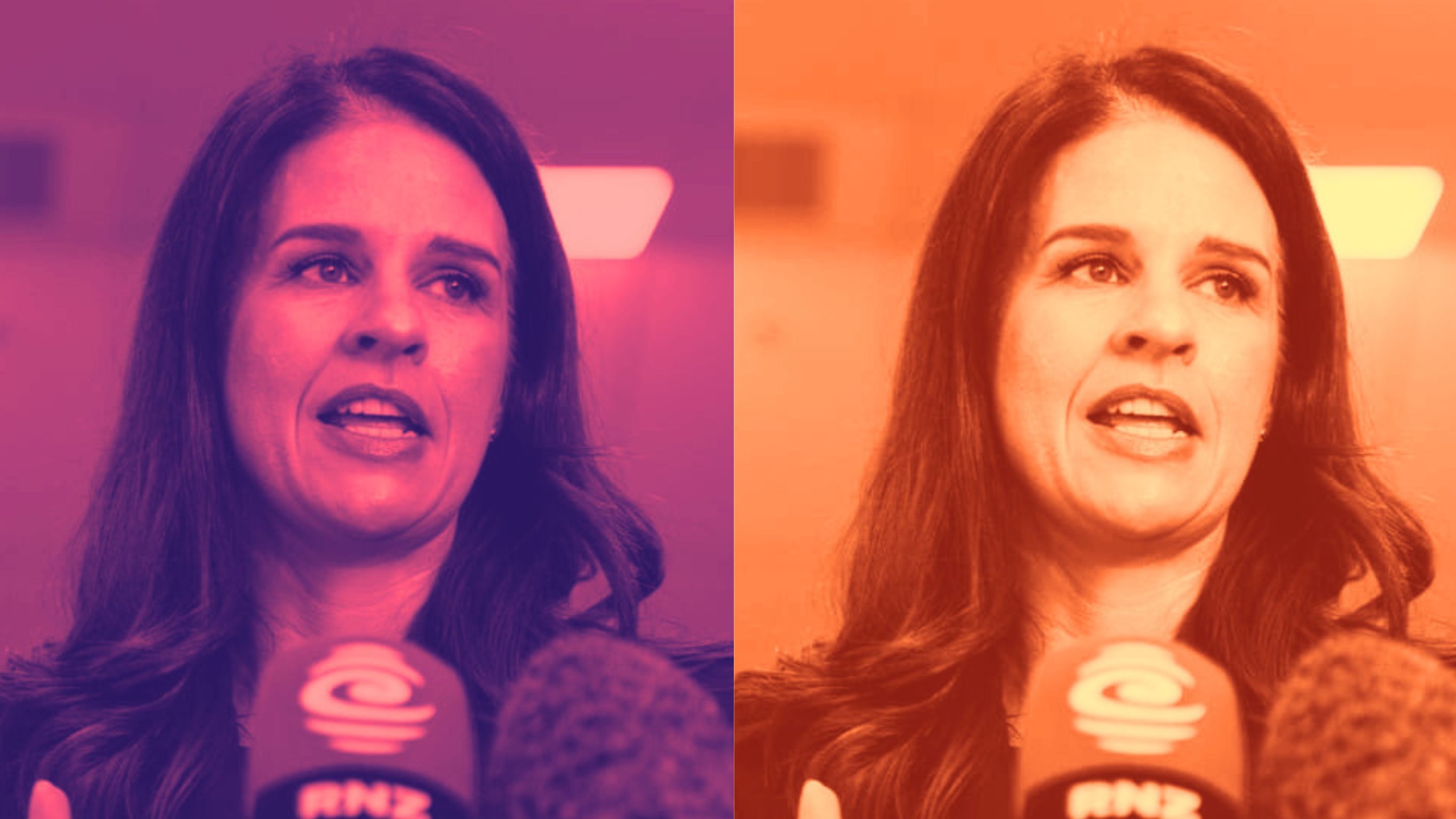
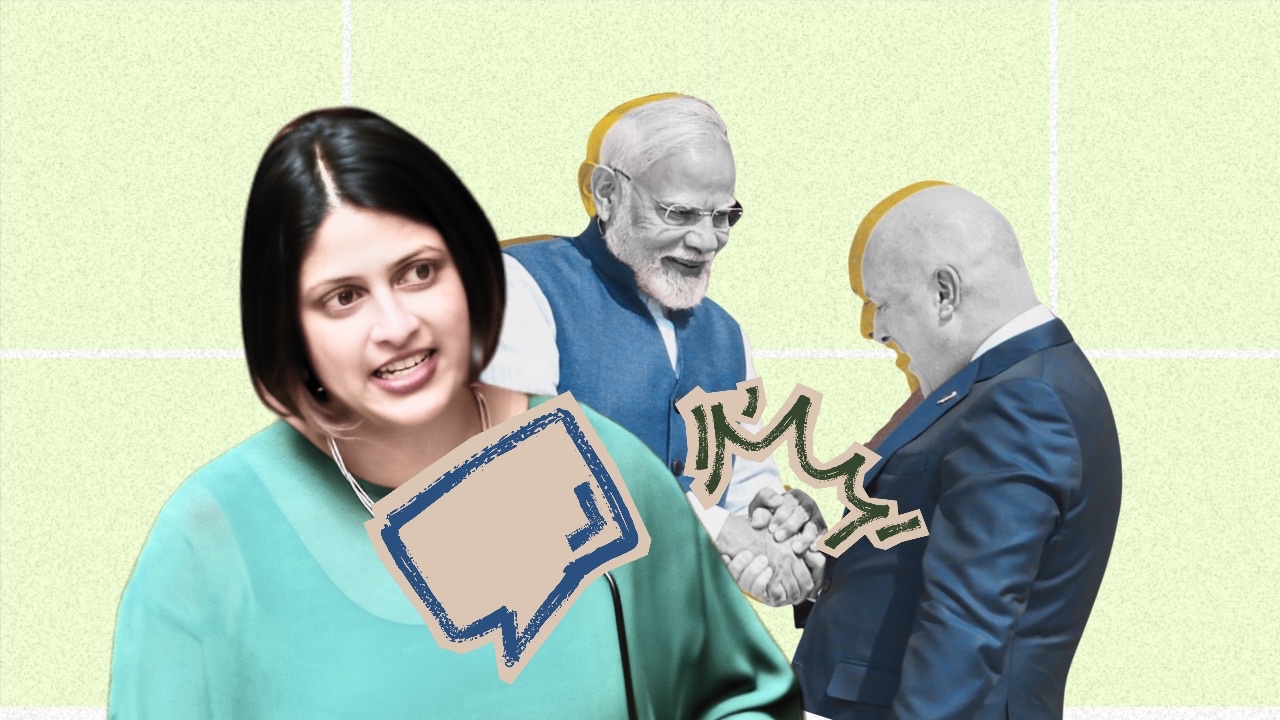
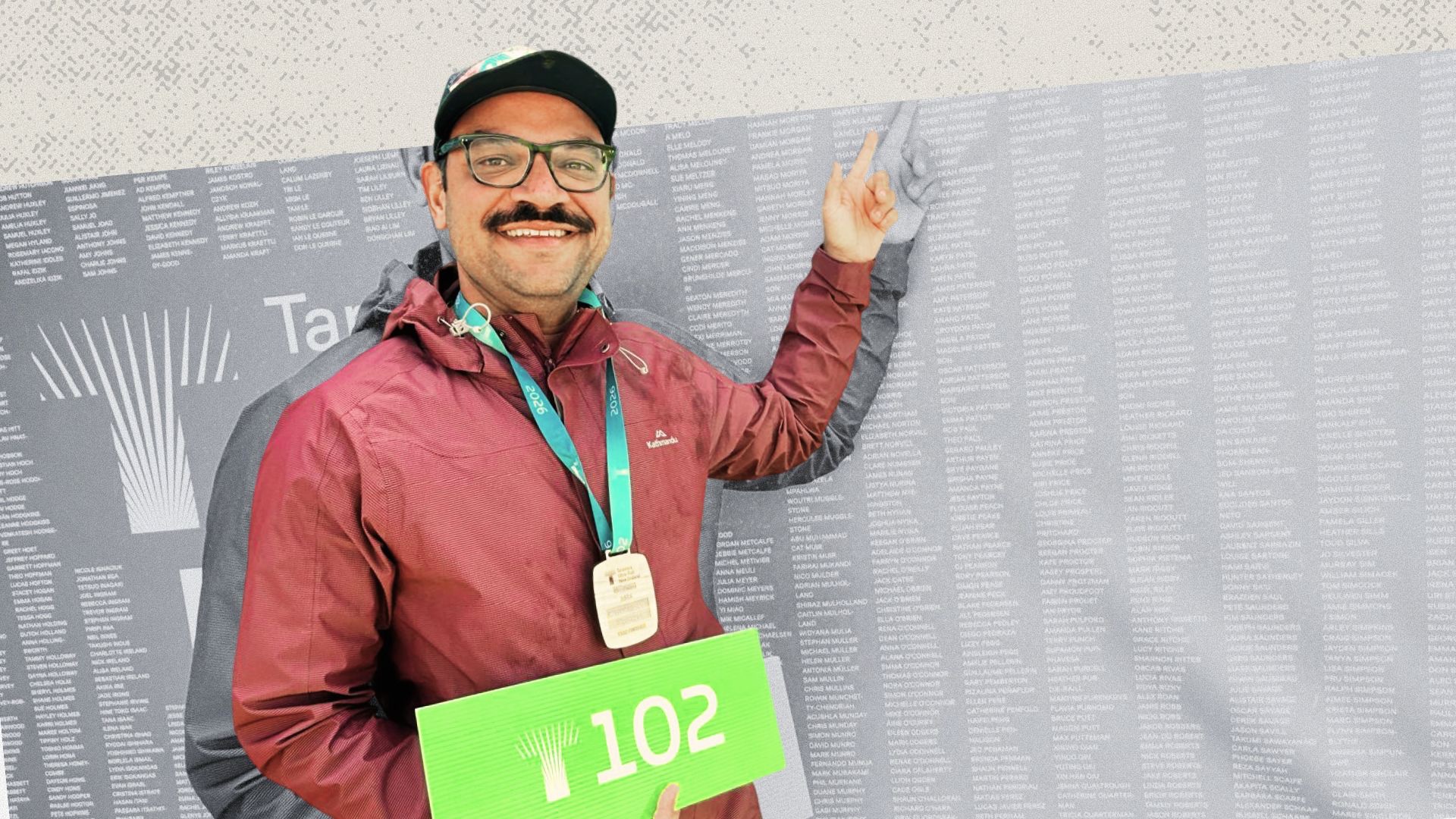
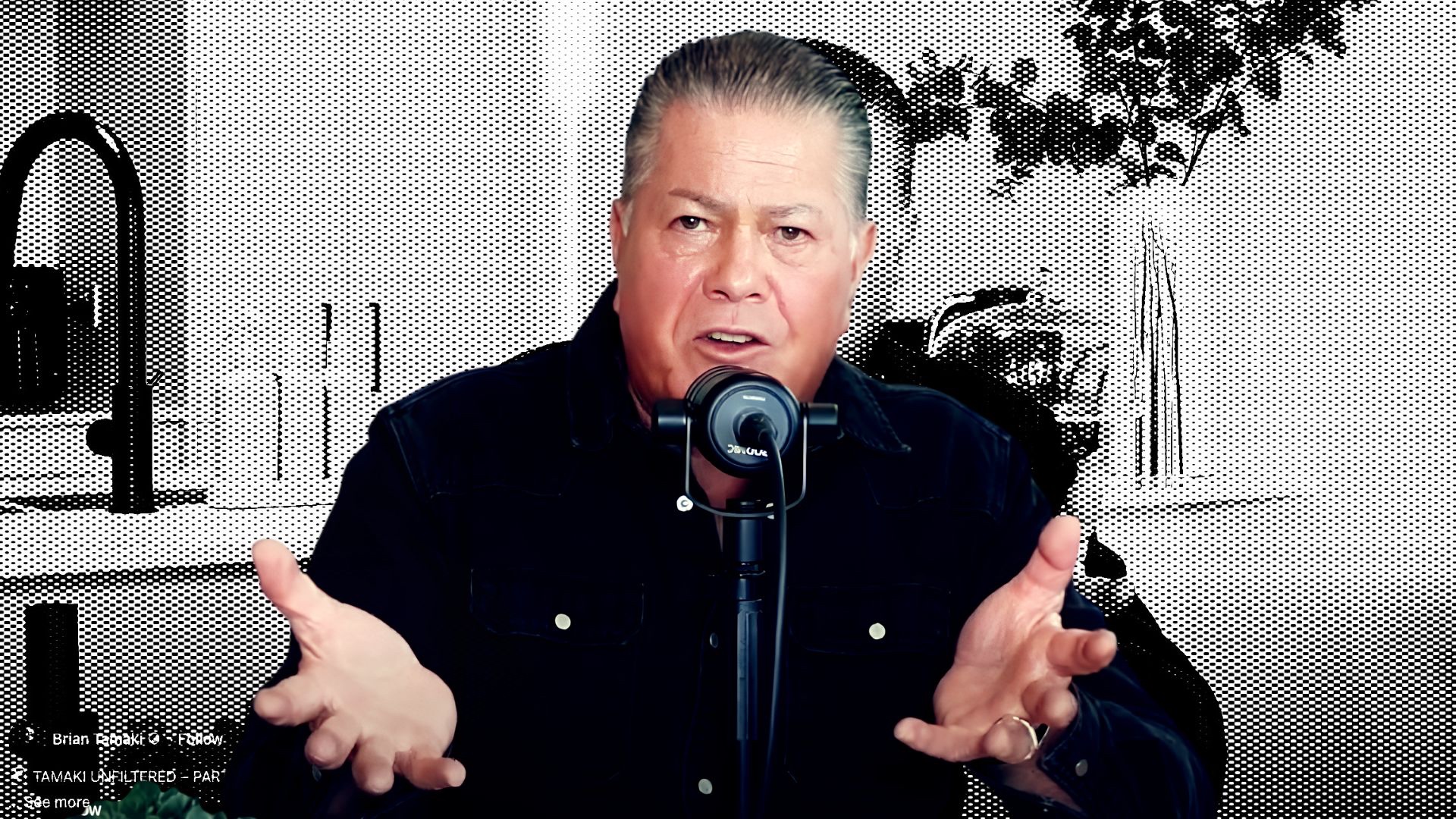
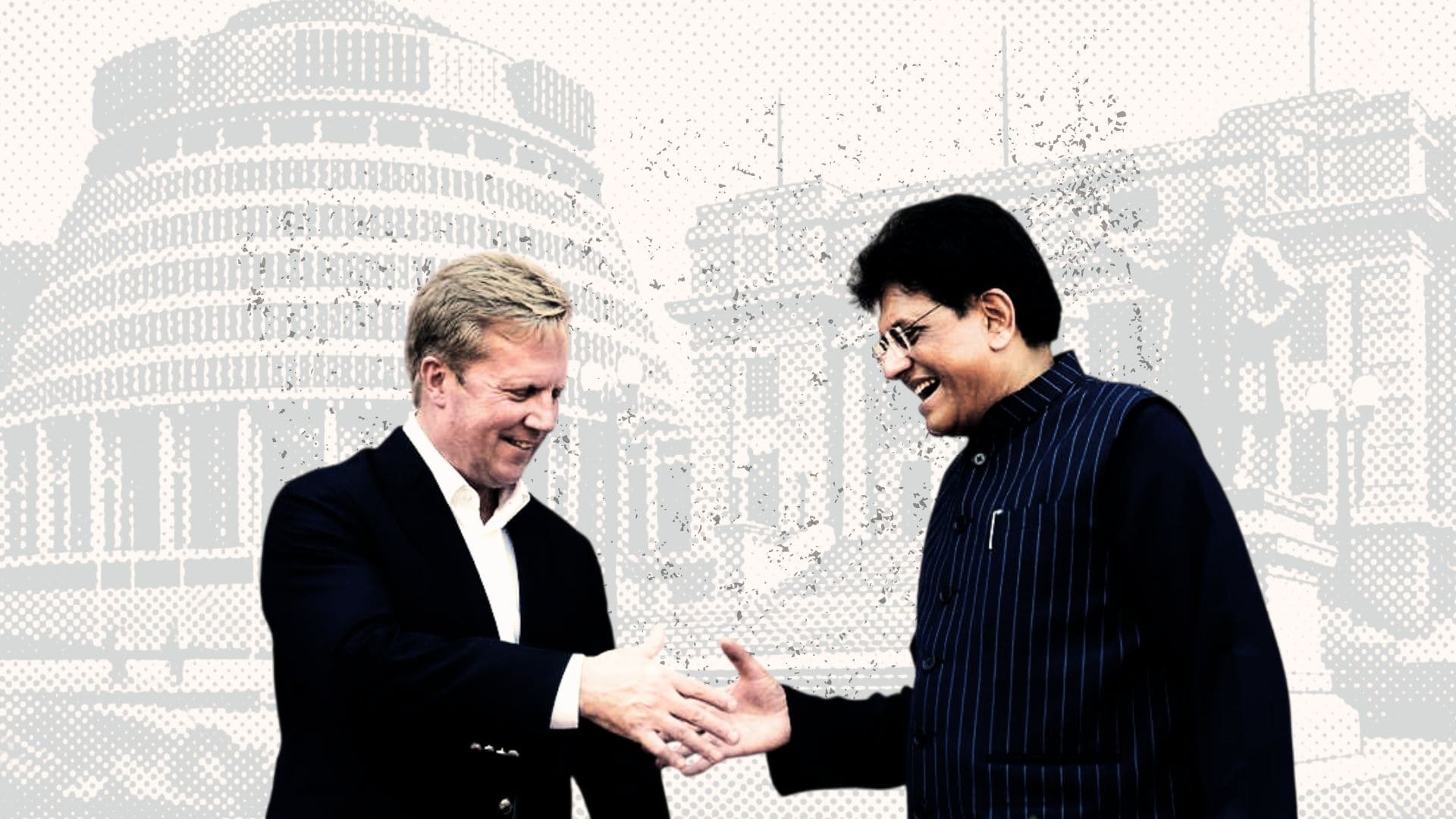
Mahesh Muralidhar makes history as National's first Indian-origin electorate MP A calculated move to Tāmaki, years of groundwork and a campaign backed by National's top leadership have paid off.
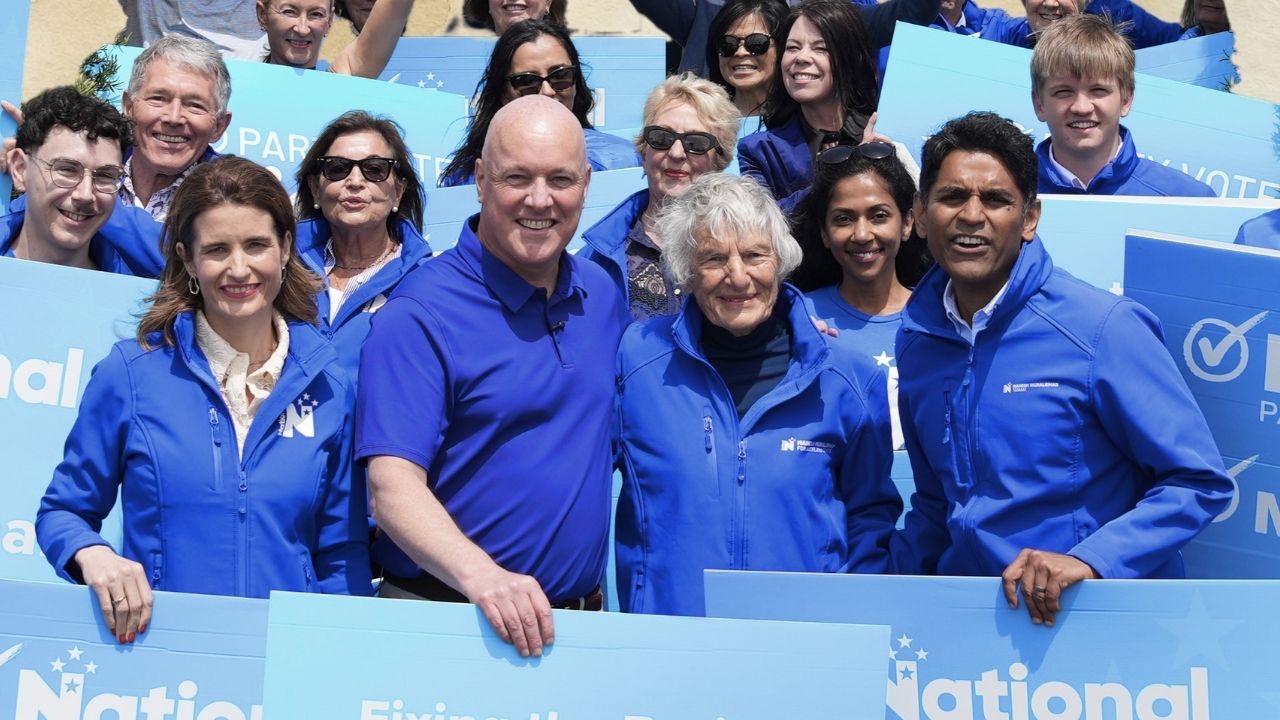
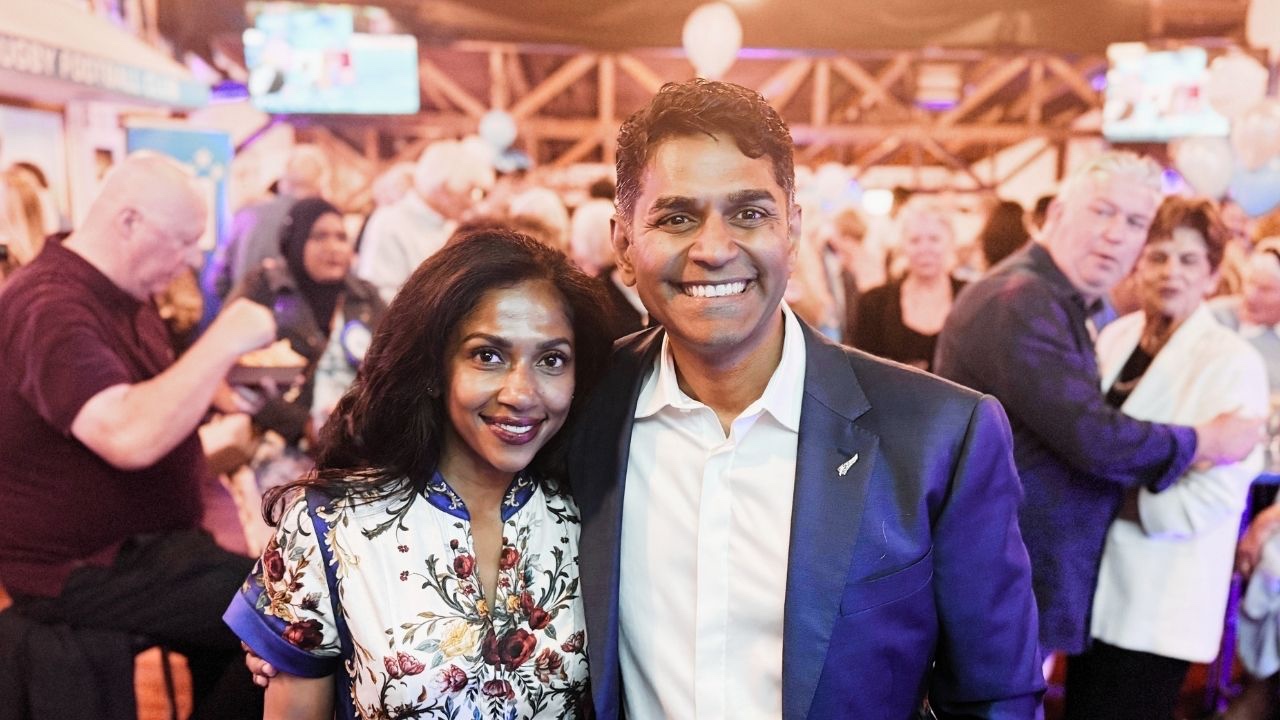
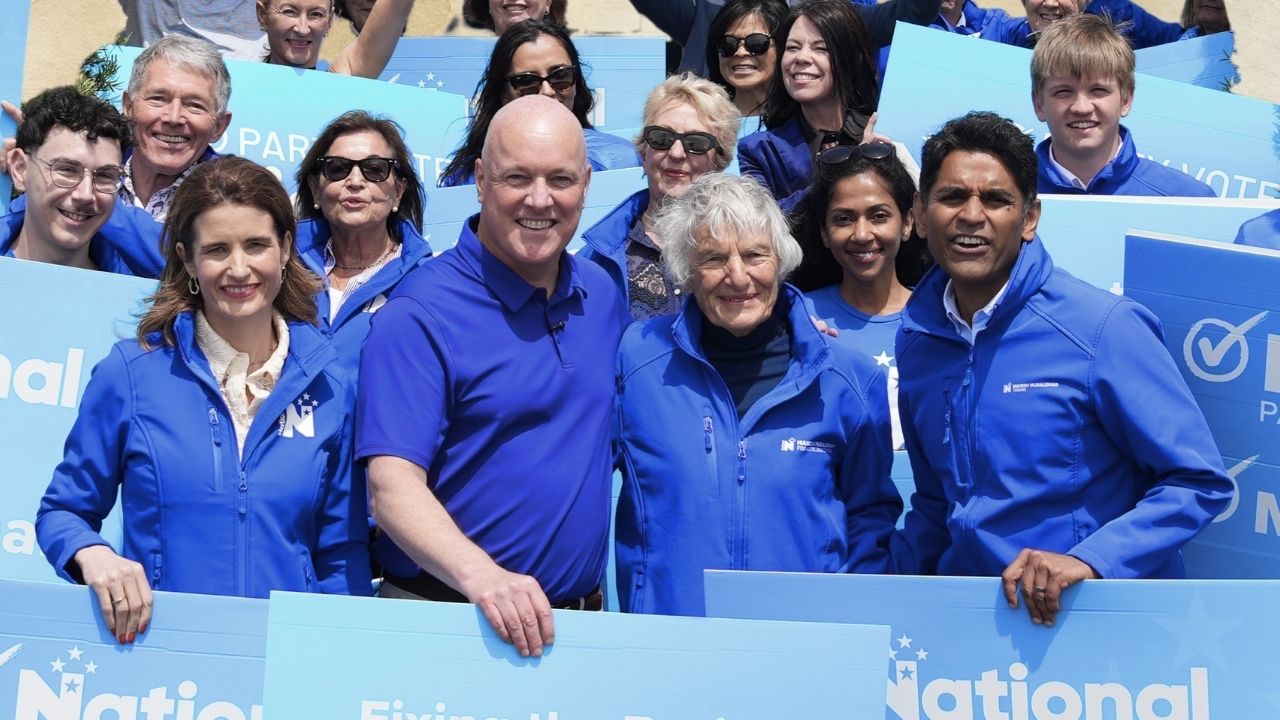
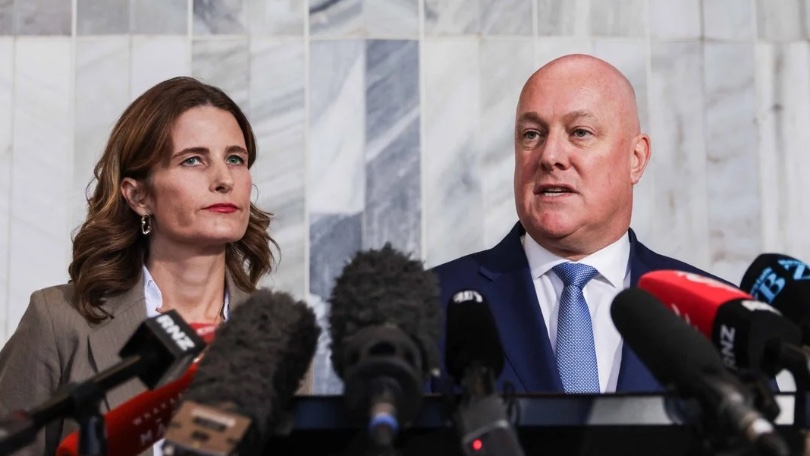
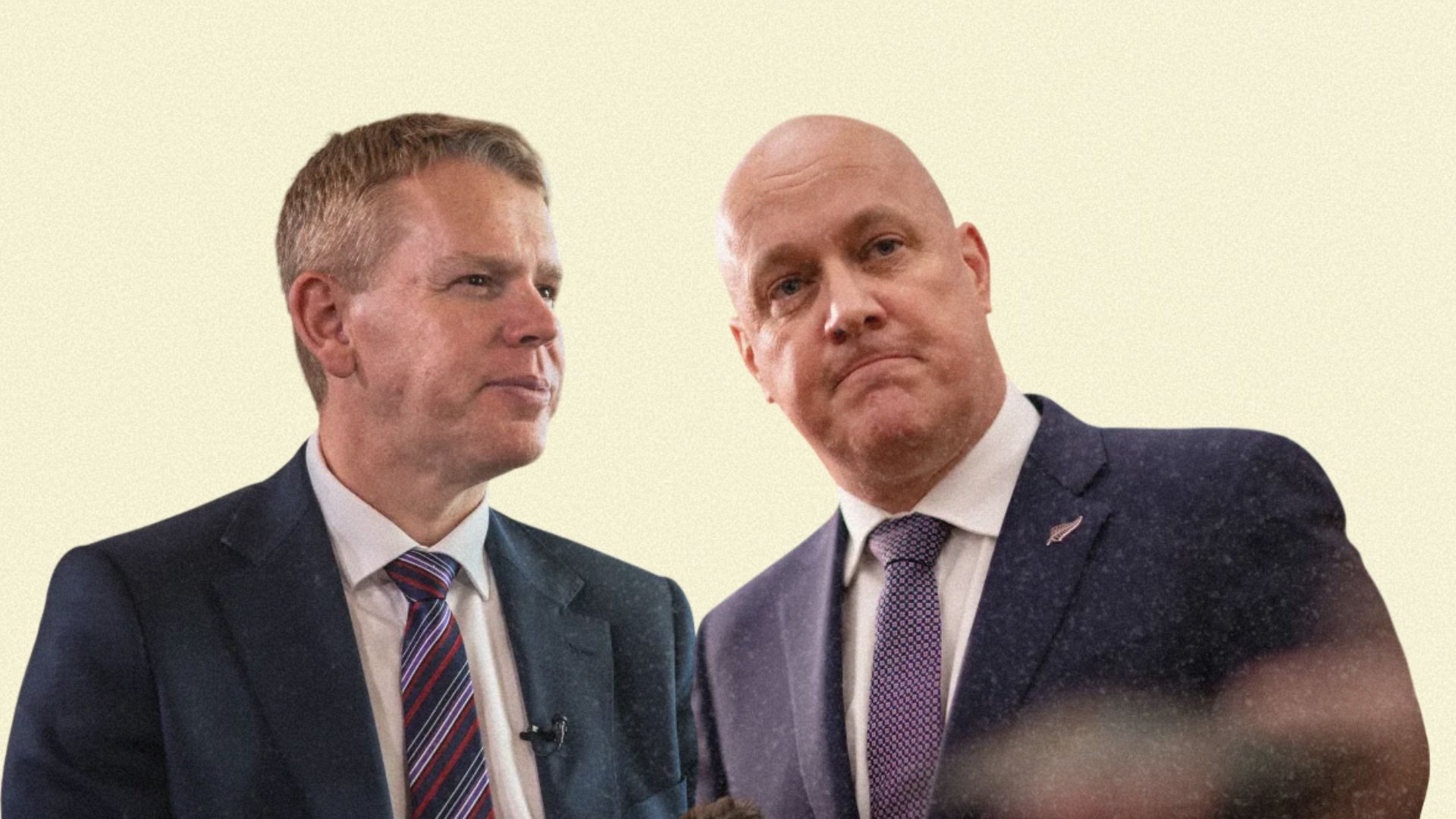
National party leader Christopher Luxon and deputy leader Nicola Willis campaign for Mahesh Muralidhar (extreme right) in Tamaki. (Supplied photo)
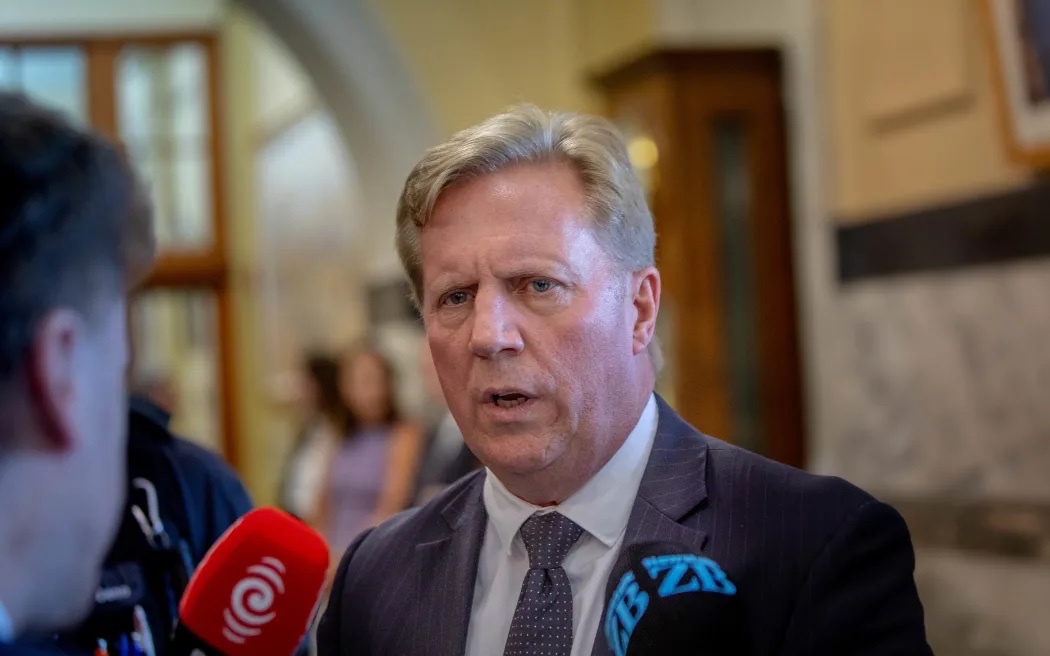
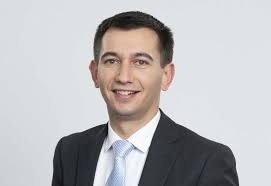
Mahesh Muralidhar
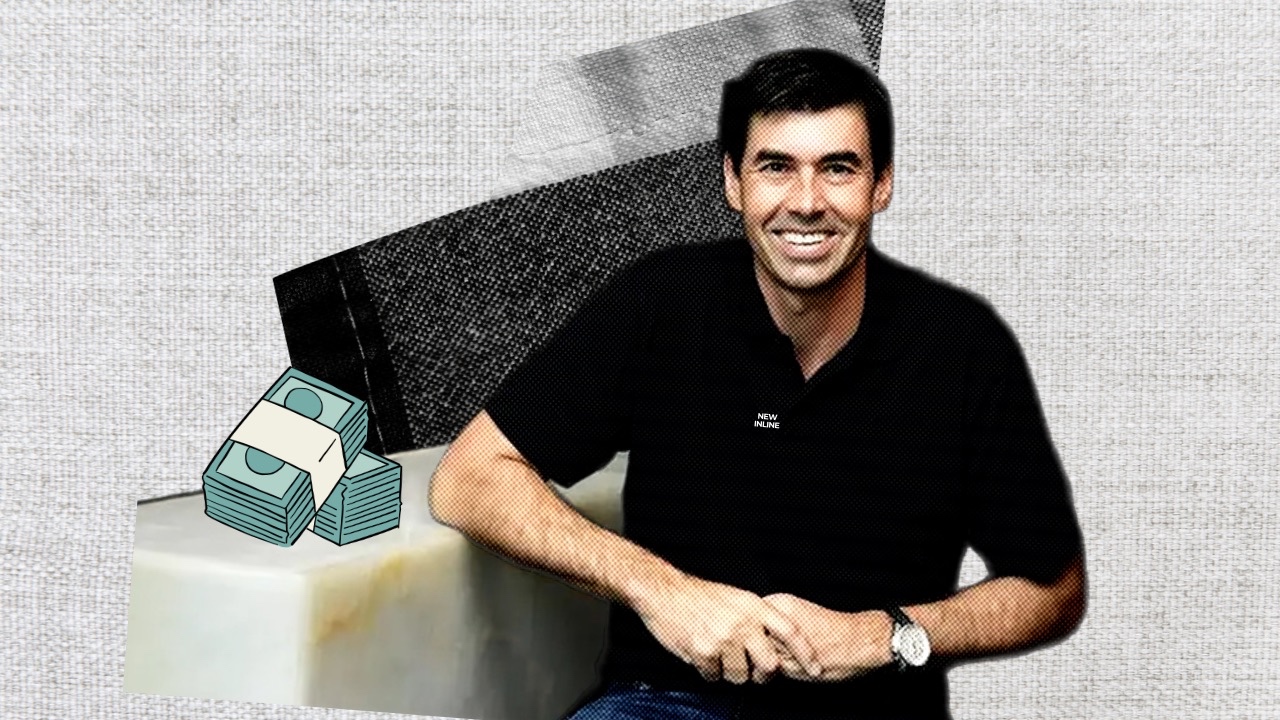
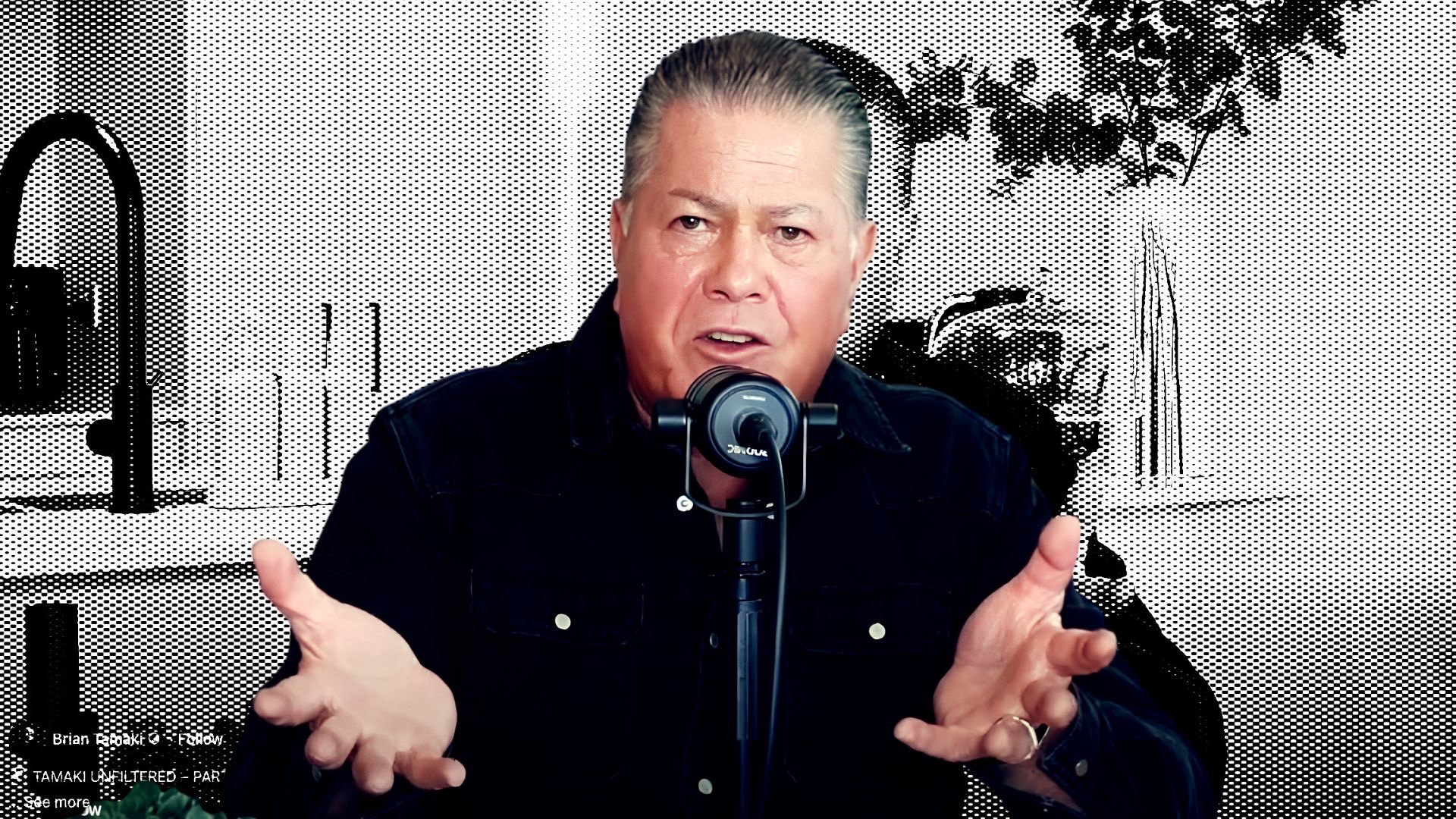
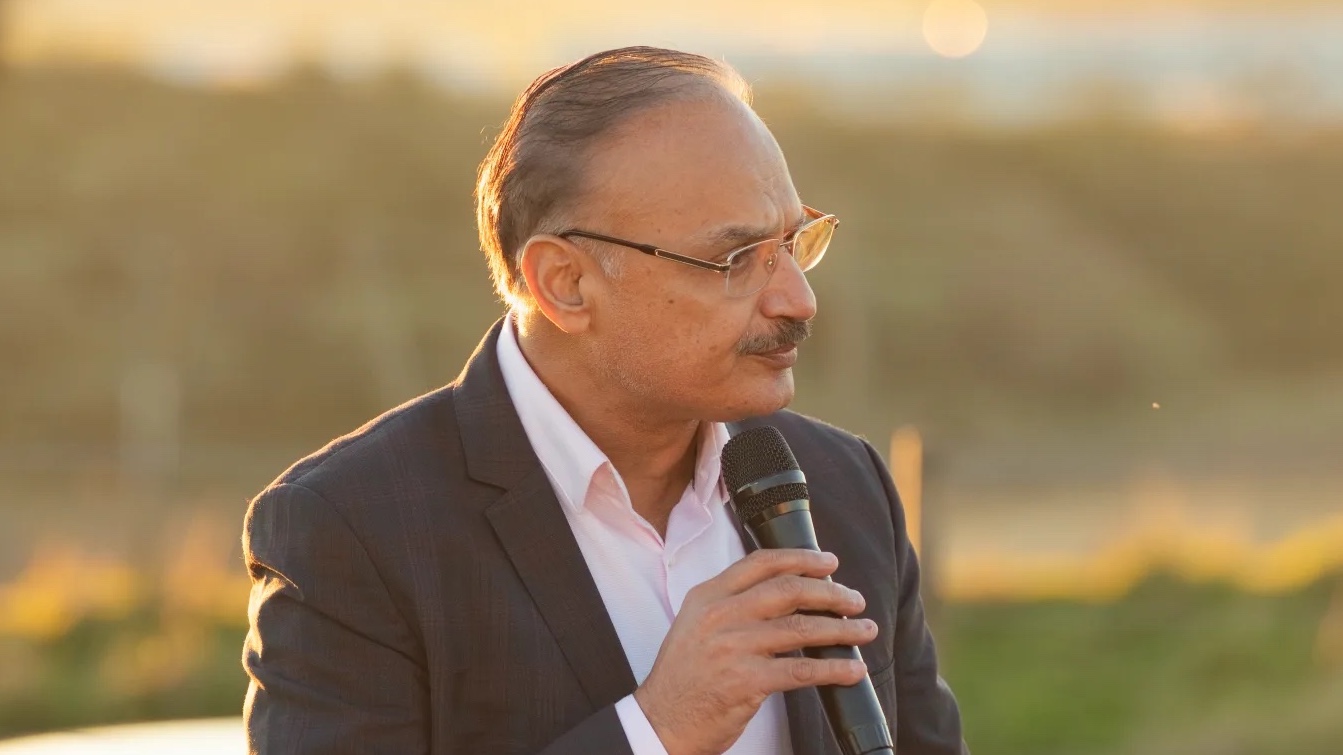
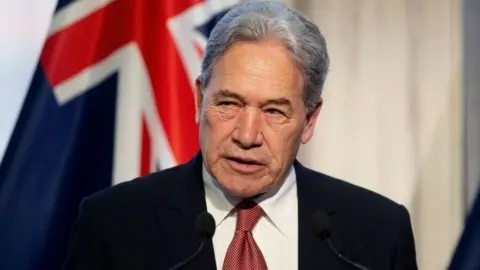
National's Kiwi-Indian candidate Mahesh Muralidhar holds a 5,356-vote lead in Tāmaki, putting him on course to becoming the party's first Indian-origin MP elected directly from an electorate.
The technology entrepreneur and venture capitalist secured 15,330 votes against Labour's Max Harris on 9,974, while ACT's James Christmas finished third with 7,670 votes.
The result marks a reversal from 2023, when ACT's Brooke van Velden won Tāmaki despite National securing 54.07 per cent of the party vote. This time, National leads the electorate contest even as its party vote has fallen to 40.93 per cent.
Muralidhar, who unsuccessfully contested Auckland Central against Green MP Chloe Swarbrick in 2023, is now positioned to enter Parliament as an electorate MP.

Out campaigning in Maungakeikei in August this year. (Supplied photo)
Priyanca Radhakrishnan
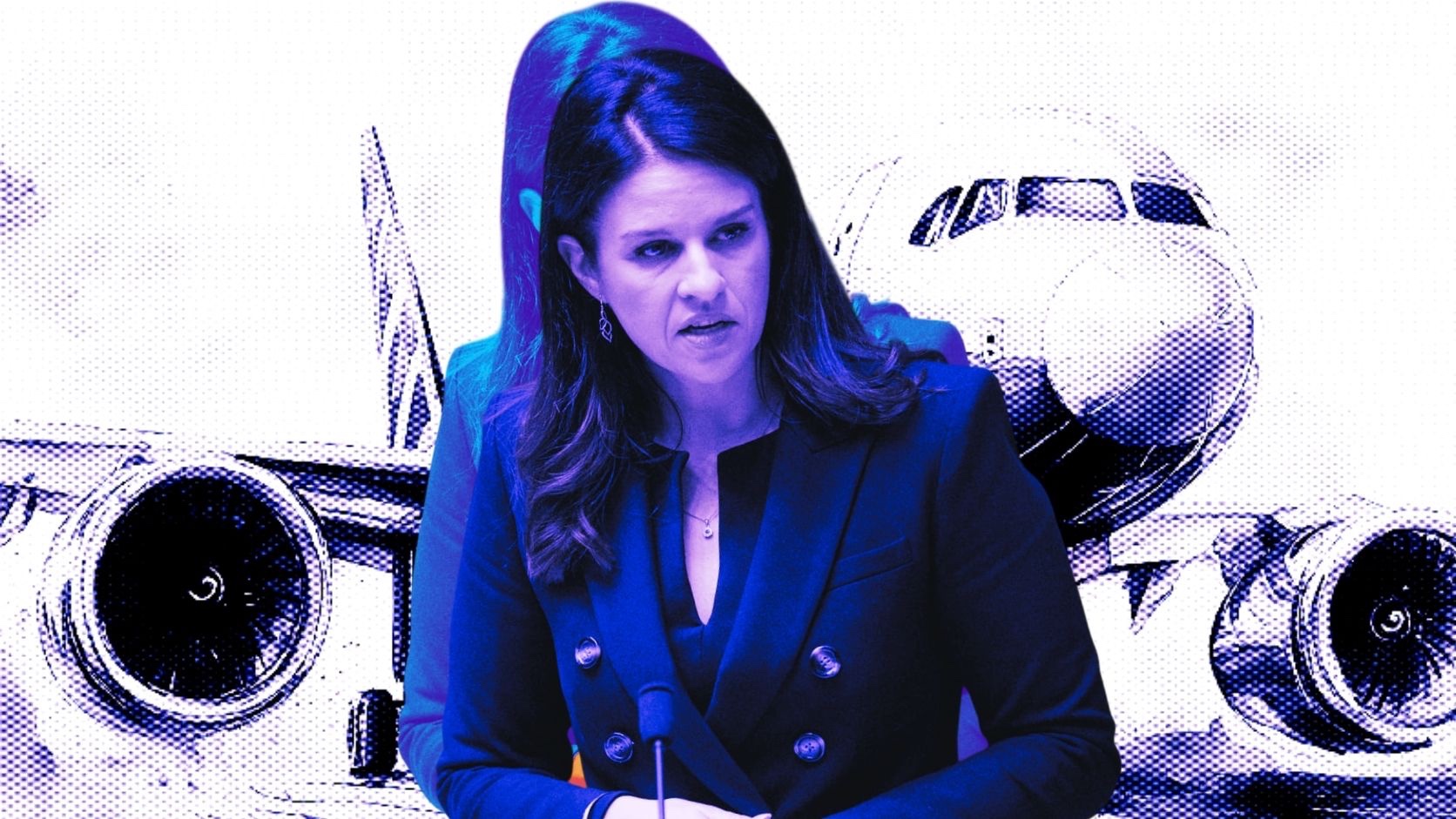
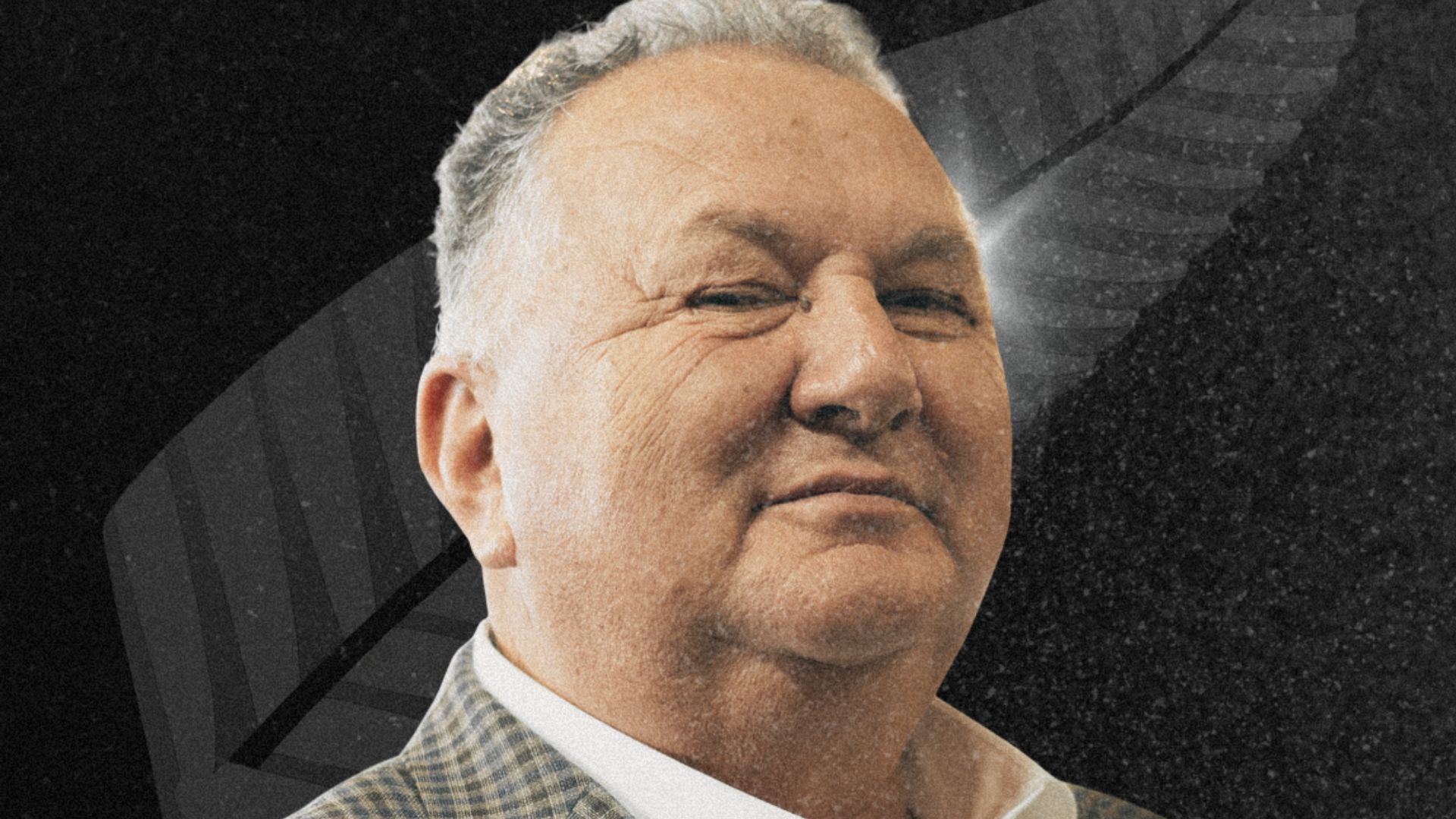
Former Labour minister Priyanca Radhakrishnan trails National MP Greg Fleming by 2,952 votes in Maungakiekie, despite Labour finishing ahead of National in the electorate's party vote.
Radhakrishnan secured 11,674 votes against Fleming's 14,626 in Saturday's preliminary count. Labour received 32.26 per cent of the party vote, compared with National's 30.41 per cent, suggesting a significant difference between voters' preferences for the local MP and their choice of party.
Her deficit is almost twice the 1,487-vote margin separating Labour's Kharag Singh from National's Rima Nakhle in neighbouring Takanini, where National also narrowly leads the party vote.
Radhakrishnan won Maungakiekie in 2020 before losing it to Fleming in 2023, when he secured a 4,617-vote majority. She is ranked 18th on Labour's party list, providing another route back to Parliament if she fails to regain the electorate.

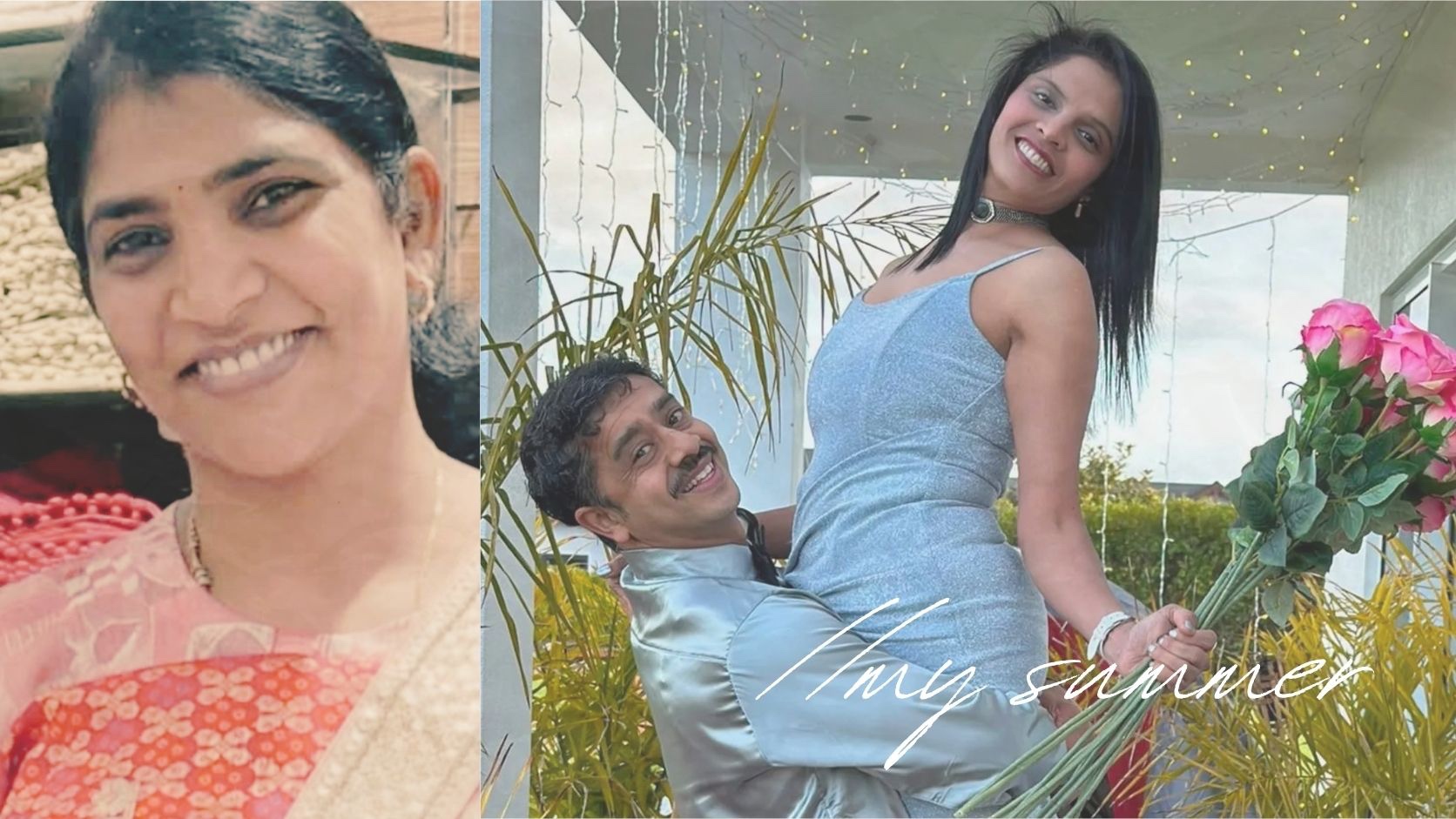
Parmar is set to return to Parliament via party list.
Parmjeet Parmar
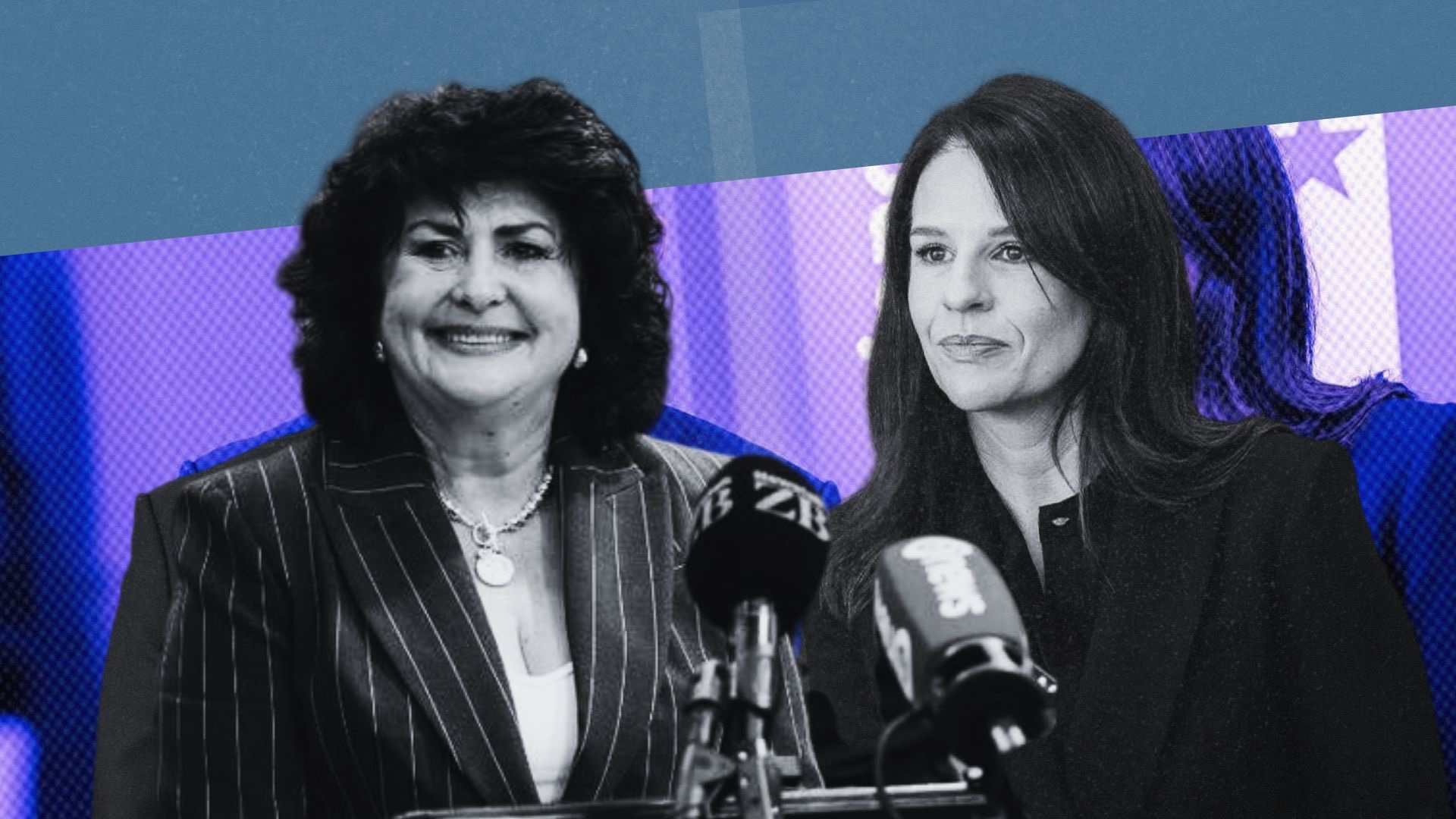
ACT's Parmjeet Parmar is set to return to Parliament through the party list, despite securing just 981 electorate votes in Pakuranga, eight fewer than she received on election night in 2023.
While Parmar's personal vote remained largely unchanged, ACT's party vote in Pakuranga increased from 10.46 per cent in 2023 to 12.67 per cent in Saturday's preliminary count.
National's Simeon Brown maintained a commanding lead in the electorate, securing 21,264 votes against Labour's Campbell Matthews on 7,573.
Parmar, who previously served as a National MP before switching to ACT, is ranked 10th on her party's list. With ACT provisionally allocated 13 parliamentary seats, she is set to return to Parliament.
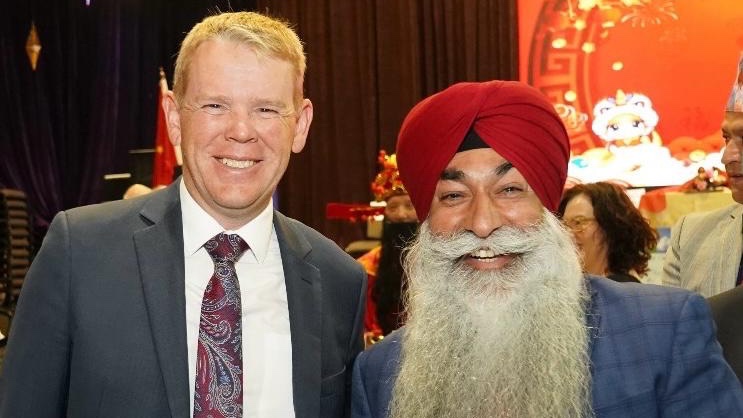
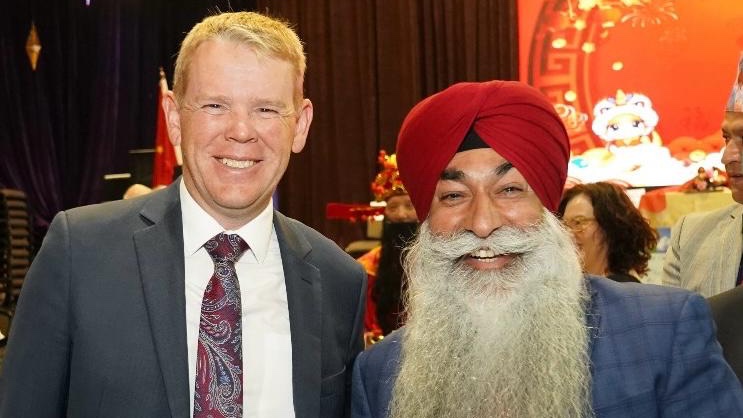
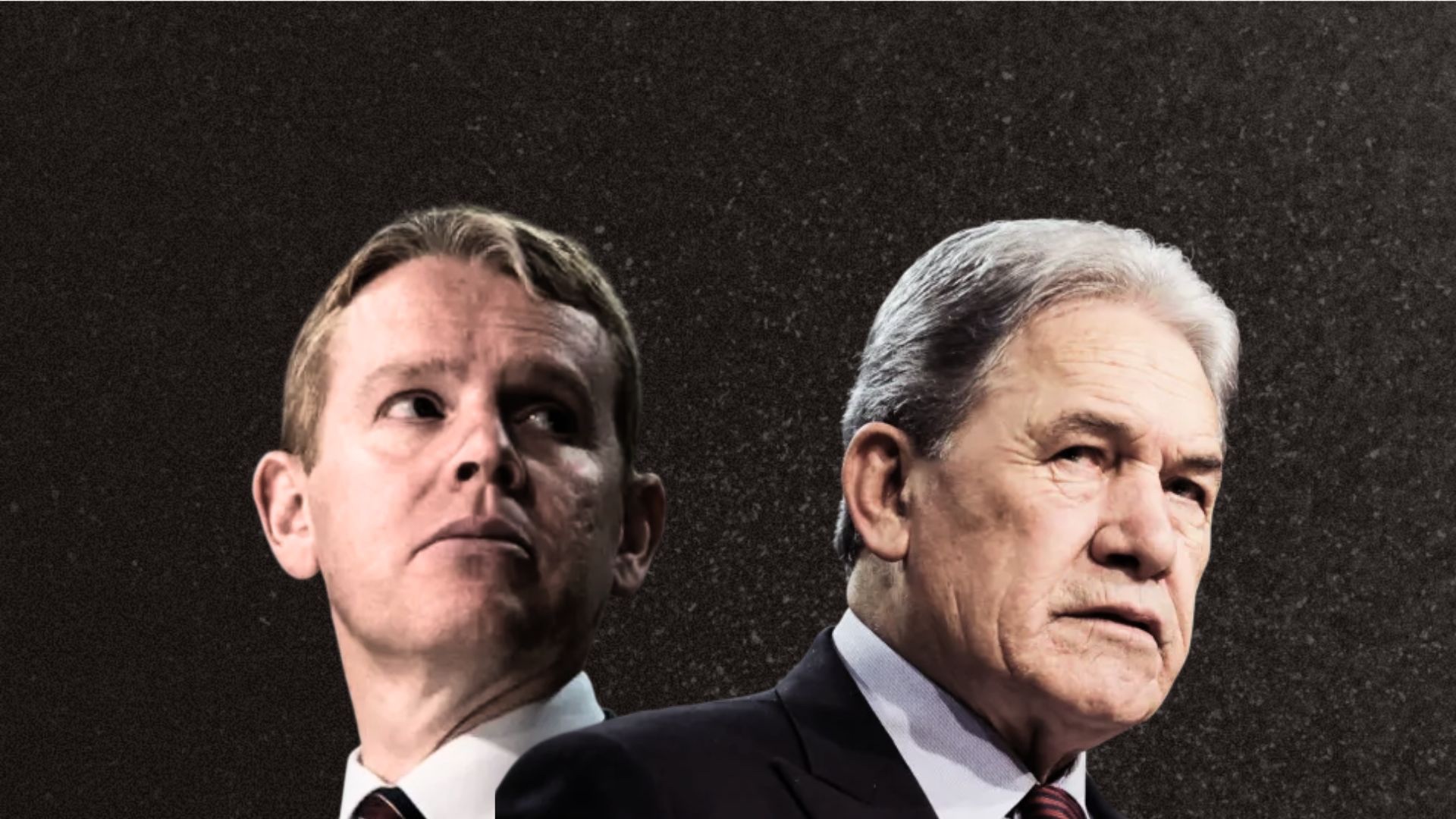
Kharag Singh with Labour leader Chris Hipkins. (Supplied photo)
Kharag Singh
Labour's Kharag Singh came within 1,487 votes of unseating National MP Rima Nakhle in Takanini, considerably narrowing the gap between the two major parties compared with the 2023 election.
Singh secured 10,633 votes against Nakhle's 12,120 in Saturday's preliminary count. Three years earlier, National had led Labour by 6,949 votes on election night.
Labour's party vote in the electorate also rose from 26.8 per cent in 2023 to 36.78 per cent, while National's fell from 53.35 per cent to 37.27 per cent, leaving just 0.49 percentage points separating the two parties.
The result marks a much closer contest in Takanini, although Singh remains behind Nakhle as the electorate awaits the final count. In 2023, nearly 11,000 special votes were counted in the days after election night.
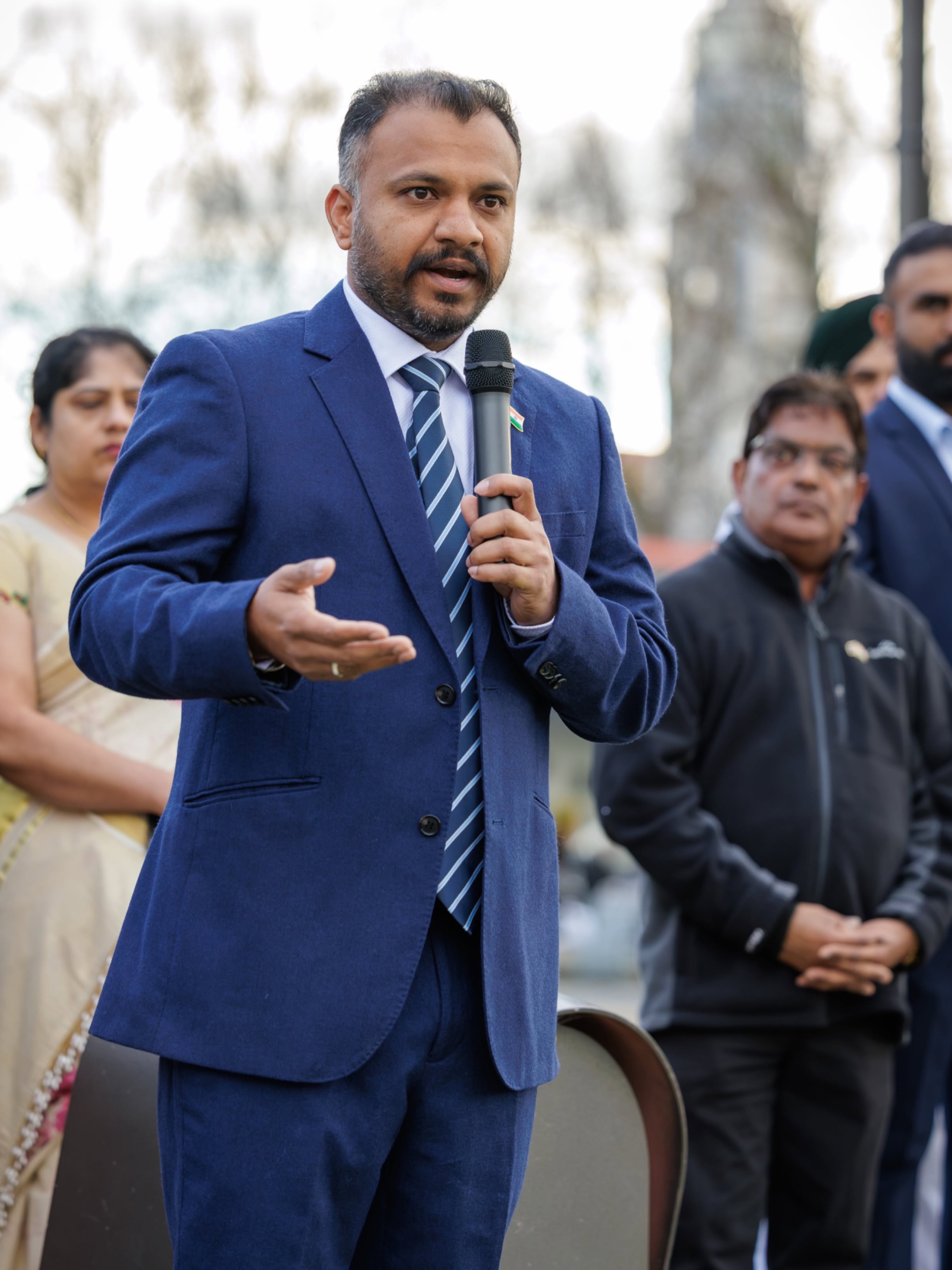
Ankit Bansal during his election campaign in August 2026. (Supplied photo)
Ankit Bansal
Bansal attracted substantially more electorate votes than his party received in Palmerston North, despite trailing Labour incumbent Tangi Utikere by 2,933 votes.
Bansal secured 14,196 votes, representing nearly 40 per cent of valid candidate votes, while National received just 26.57 per cent of the party vote. The difference of more than 13 percentage points indicates that his electorate support extended beyond National's party-vote base.
However, Bansal was unable to close the gap with Utikere, who received 17,129 votes. The Labour MP's election-night lead was slightly larger than the 2,725-vote margin he held over Bansal in 2023.
National also lost its party-vote lead in Palmerston North, with its share falling from 34.29 per cent in 2023 to 26.57 per cent, while Labour's rose to 32.70 per cent.
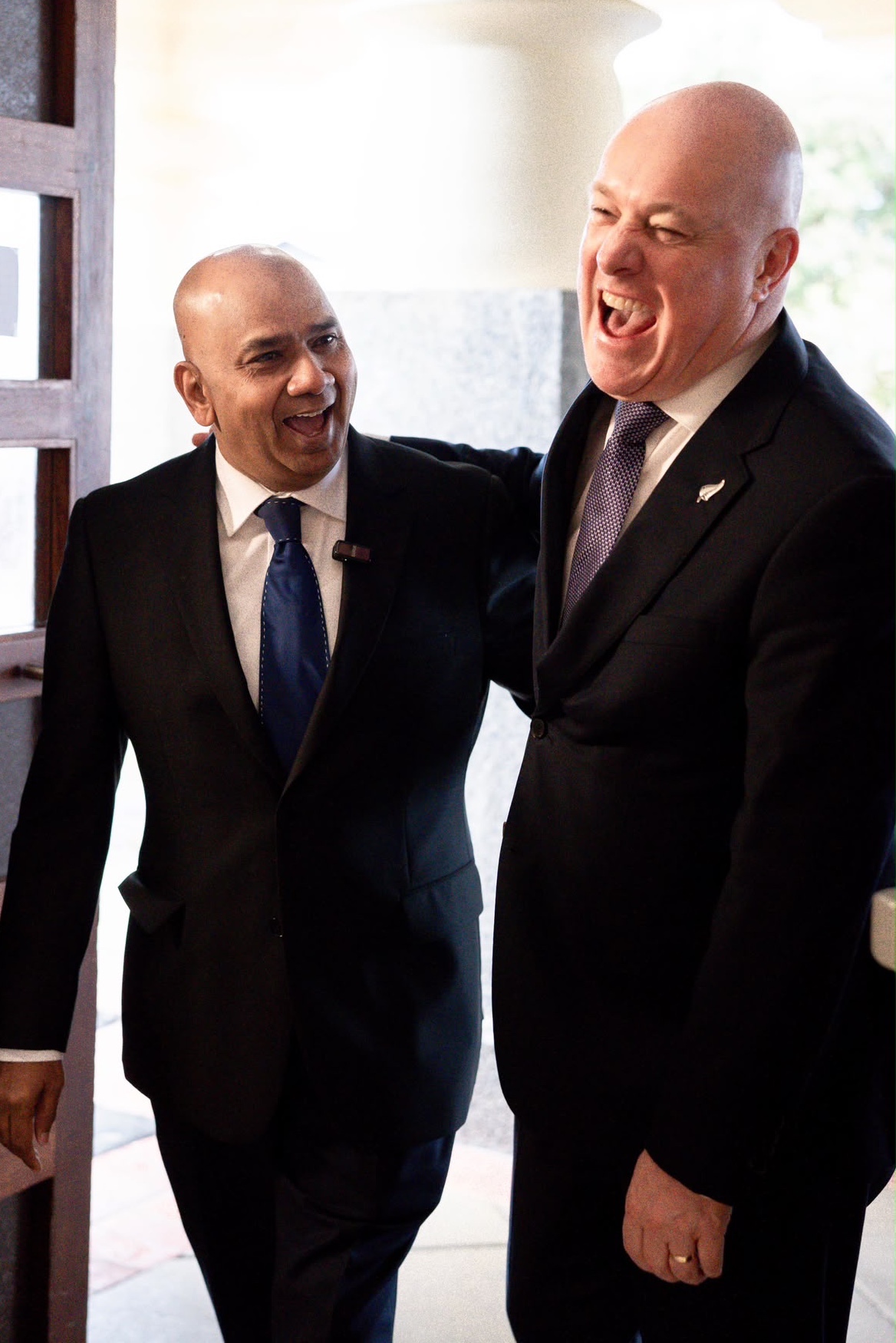
Muthu shares a light moment with prime minister Christopher Luxon. (Supplied photo)
Karuna Muthu
Muthu secured 5,550 votes in Wellington Bays, finishing third behind Labour's Craig Renney and the Greens' Julie Anne Genter in Saturday's preliminary count.
Muthu received approximately 13.60 per cent of the electorate vote, compared with 20.70 per cent when he contested the former Rongotai electorate in 2023. National's party vote also declined, from 21.30 per cent to approximately 14.90 per cent.
Wellington Bays was formed from a redrawing of Rongotai's boundaries, making the comparison indicative rather than directly equivalent. The electorate itself remains closely contested, with Labour's Renney leading Genter by just 140 votes ahead of the final count.
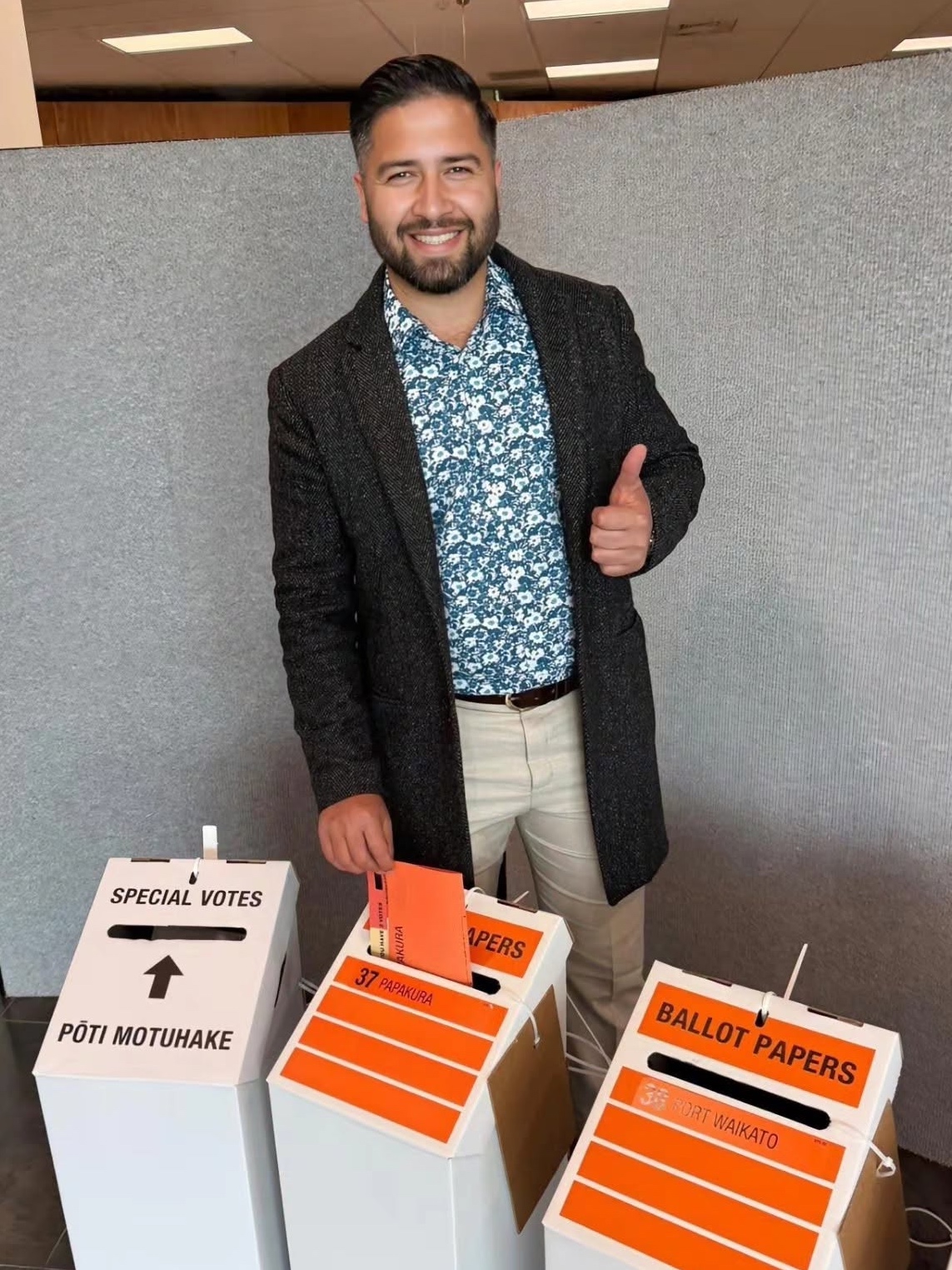
Debutant Lalit Arya casts his vote on October 29, 2026. (Supplied photo)
Lalit Arya
Arya secured 3,268 votes in Ōtāhuhu, finishing a distant second to Labour MP Jenny Salesa, who received 13,826 votes.
Arya attracted approximately 16 per cent of the electorate vote, compared with 25 per cent secured by National's previous Kiwi-Indian candidate, Navtej Randhawa, in the corresponding electorate in 2023.
National's party vote also fell from 25.92 per cent to 15.38 per cent, while Labour increased its share to 62.69 per cent.
The electorate was previously known as Panmure-Ōtāhuhu, and its boundaries were redrawn ahead of the 2026 election, limiting direct comparisons between the two results.

Hamilton-based retailer and ACT's candidate from Waikato Himanshu Parmar. (Supplied photo)
Himanshu Parmar
ACT's Himanshu “Ash” Parmar saw his party's vote share rise in Waikato, from 12.56 per cent in 2023 to 16.85 per cent in Saturday's preliminary count, an increase of 4.29 percentage points.
Parmar secured 2,074 electorate votes, finishing fourth behind National's Tim van de Molen, Labour's Jamie Toko and New Zealand First's Robert Cookson. His campaign, however, had focused primarily on securing party votes for ACT rather than winning the electorate.
Parmar, who contested Hamilton East in 2023, had earlier paused his election campaign after expressing dissatisfaction with ACT's candidate-ranking process. He slipped from 13th on the party's list in 2023 to 16th this year.
With ACT provisionally allocated 13 parliamentary seats, Parmar remains outside Parliament pending the final count.
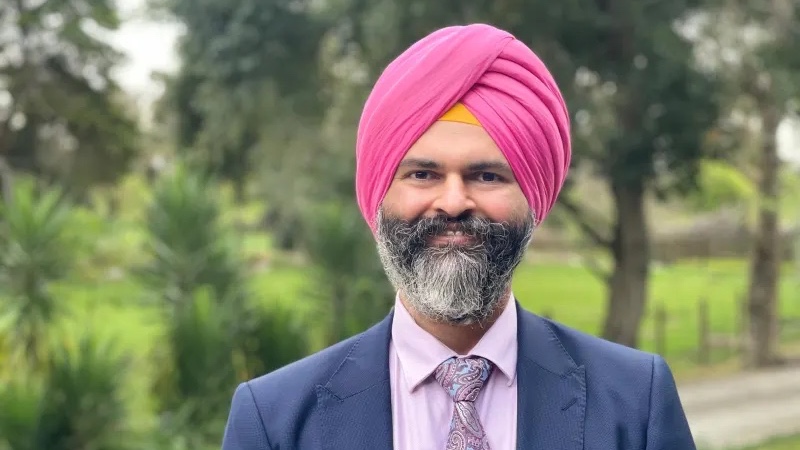
ACT's Malkiat Singh.
Malkiat Singh
ACT's Singh secured 1,286 electorate votes in Papakura, finishing fourth behind National, Labour and the Greens in Saturday's preliminary count.
ACT received 11.91 per cent of the party vote in the electorate, compared with 10 per cent in 2023. Singh's campaign focused on increasing ACT's party vote rather than winning the electorate, encouraging voters to support their preferred local candidate while giving their party vote to ACT.
National's Emma Chatterton led the contest with 16,118 votes, ahead of Labour's Anahila Kanongata'a on 7,724. Singh is ranked 29th on ACT's party list, outside the party's preliminary allocation of 13 parliamentary seats.