
As Greens poll record high, a survey reveals what New Zealand voters really care about

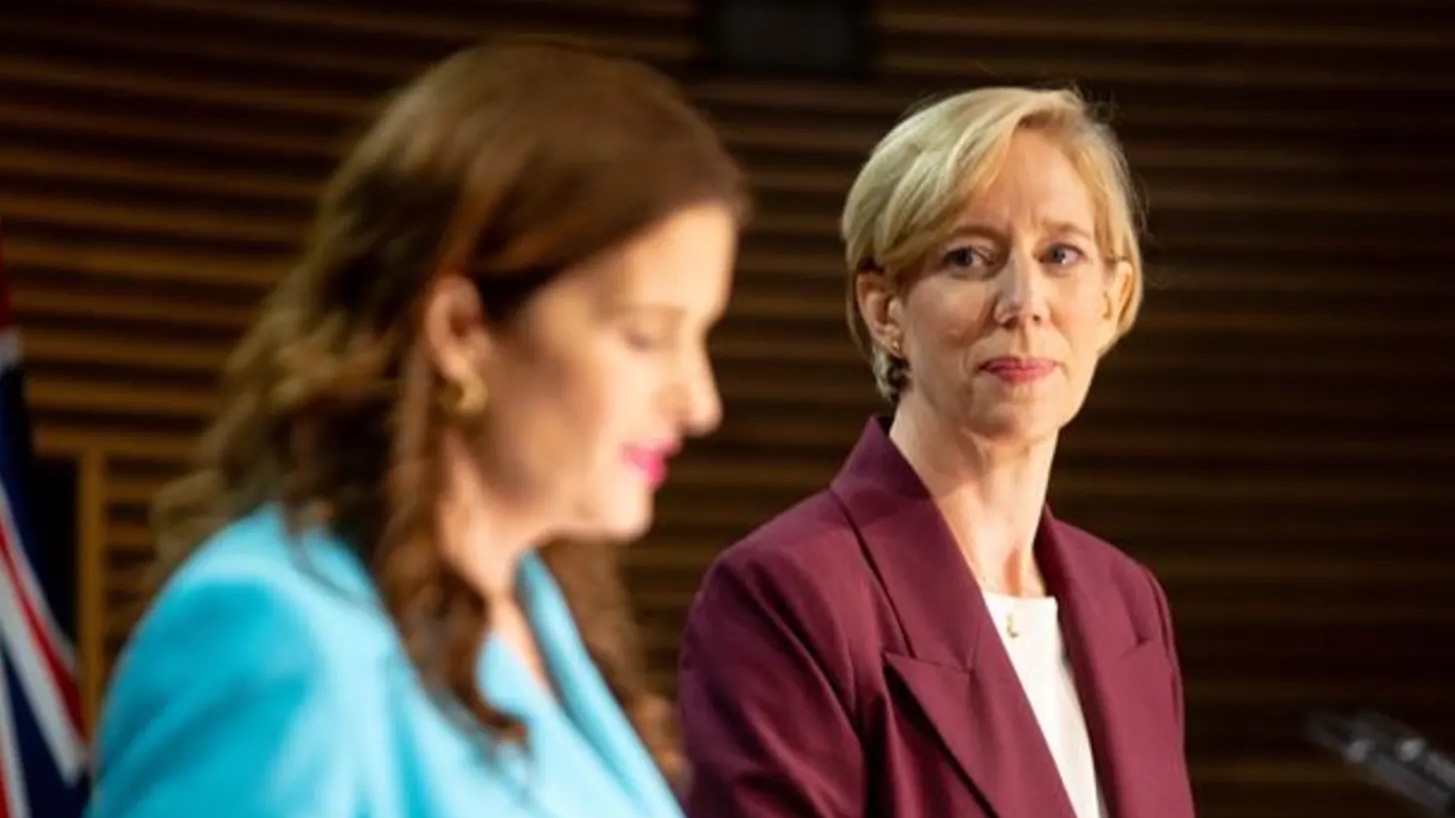
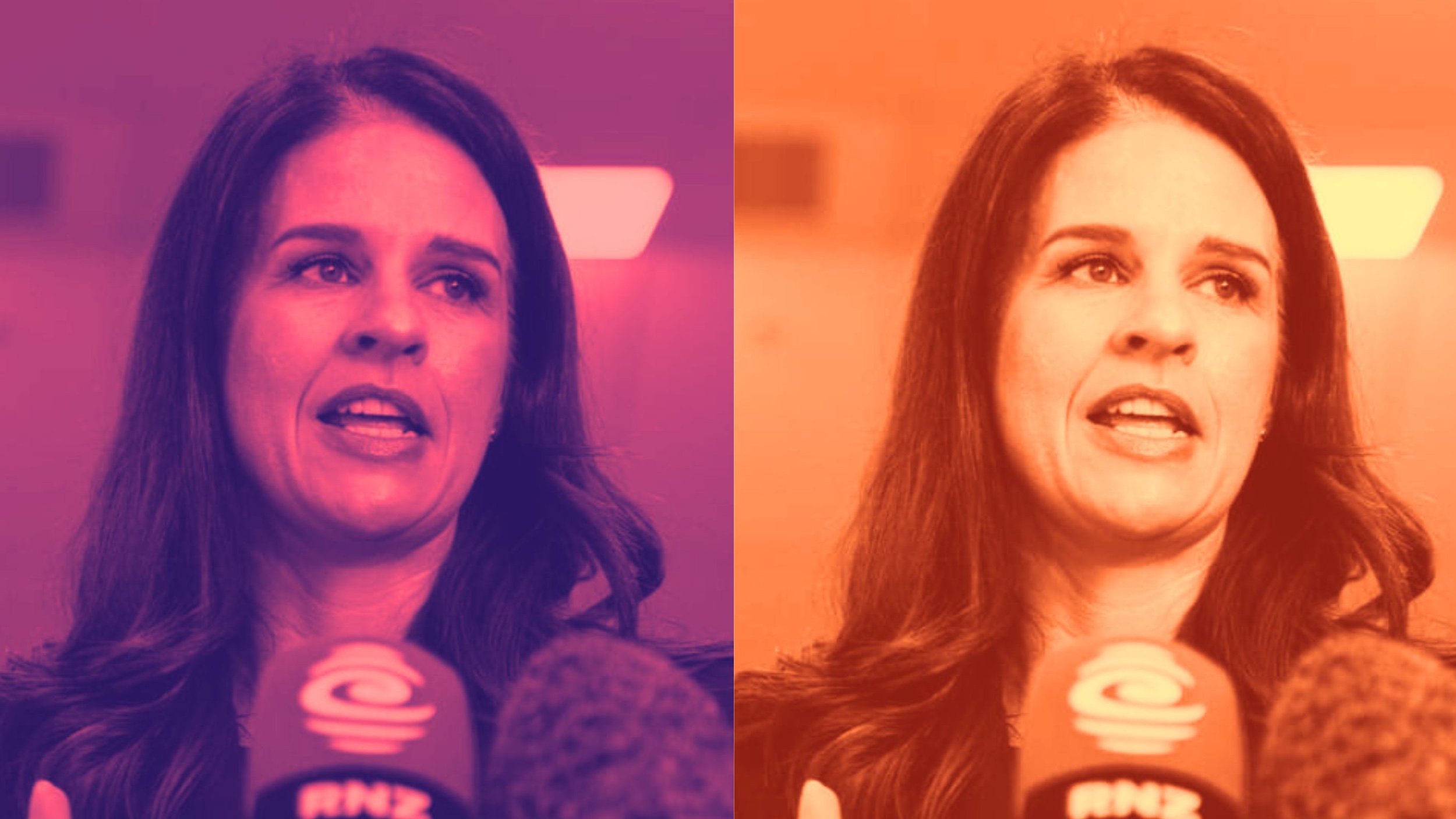
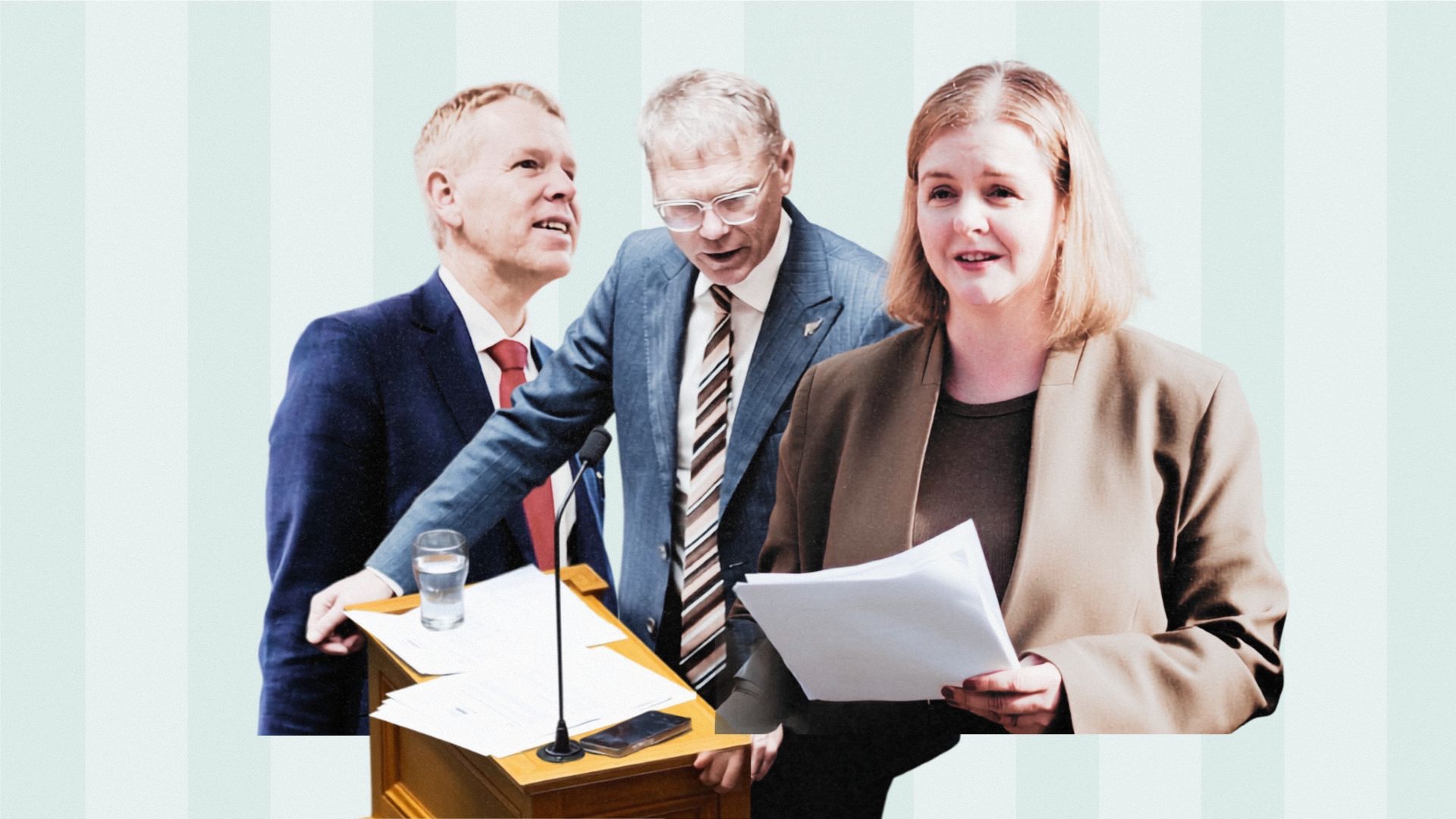
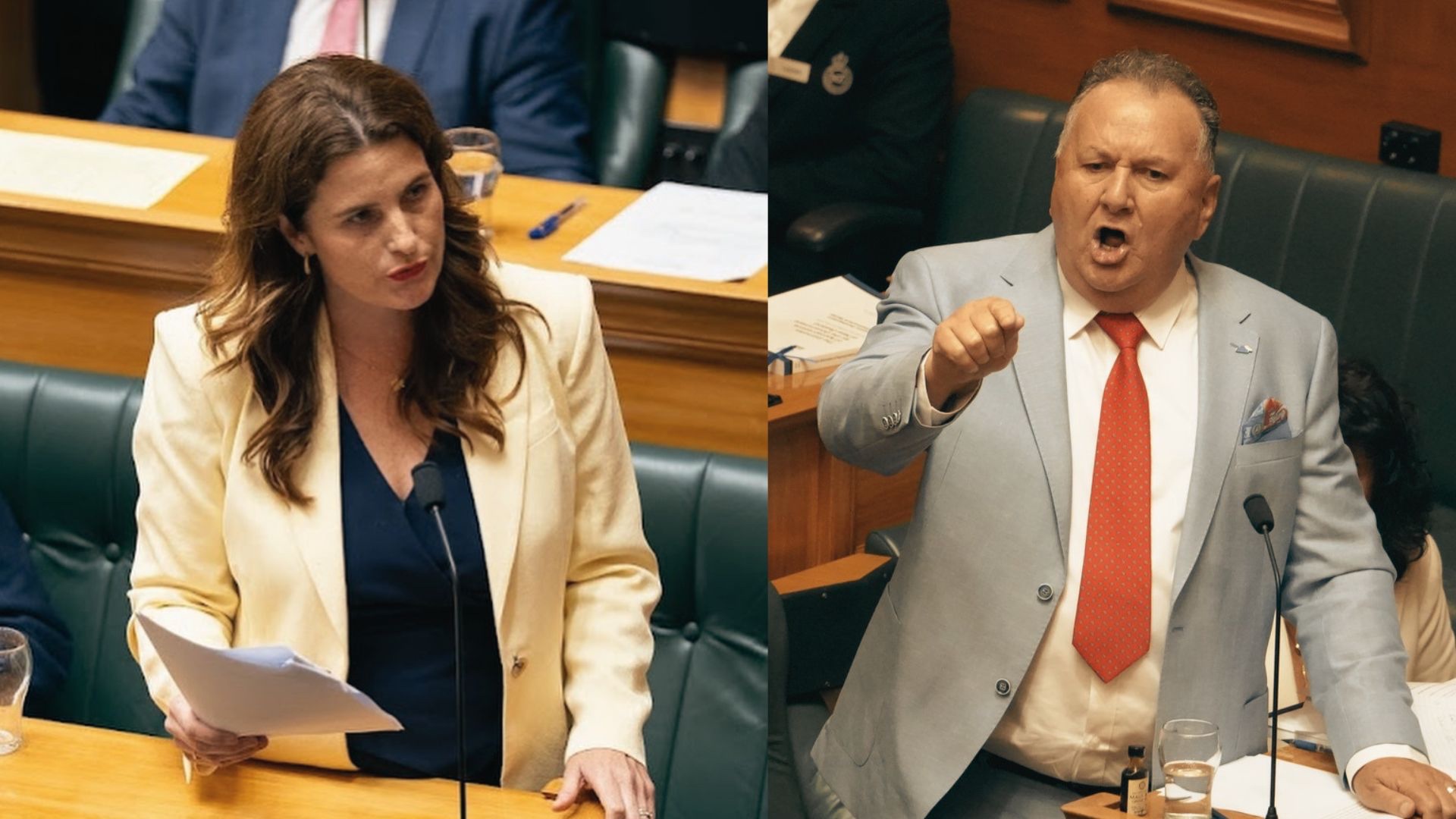
From left: Green Party co-leaders Chloe Swarbrick and Marama Davidson. (Supplied photo)
With a projected 19 MPs, the Greens have recorded their highest ever result in the 1News Verian poll.
(This story was published before the 1News Verian poll results for September were announced on September 28.)
As New Zealand heads toward a general election, political parties are setting out their priorities and candidates are making their pitches, all hoping to focus on the issues they believe will resonate the most.
But there’s another way to approach the question of what matters to New Zealanders – ask them directly.
The Gallup polling and analytics company did just that in its 2025 World Poll, giving people the opportunity to answer this one simple question: "According to you, what is the most important problem your country is facing currently?"
The result is a useful international snapshot of public concerns at that time. While it wasn’t specifically about New Zealand’s 2026 election, and the world is always changing, the survey still presents an interesting global comparison.
South Asian diaspora raises over $200,000 for New Zealanders missing in Nepal flood "I'm so proud of the Indian community here who...supported us, saying it is not a Nepal problem but our problem."
Tamakis launch Indian-origin candidate for Epsom who surrendered passport and has ‘assimilated’ “I know a whole lot of people are going to be like shocked,” says Hannah Tamaki.
Priyanca Radhakrishnan tries to puncture Luxon’s FTA victory, says India was already sold “Things have changed quite dramatically on the Indian government side,” says the Indian-origin Labour MP.
As Gallup headlined its poll report, the findings represent “what people need leaders to hear in 2026”.
New Zealanders’ concerns are strikingly concentrated
In the survey of 1,000 New Zealanders, the economy (which Gallup defined as living standards, high prices or low wages) was the most common concern. Almost three in ten respondents (29.4%) identified it as the country’s most important problem.
Given the cost-of-living pressures, that is not particularly surprising. But respondents’ other most pressing concerns were more revealing.
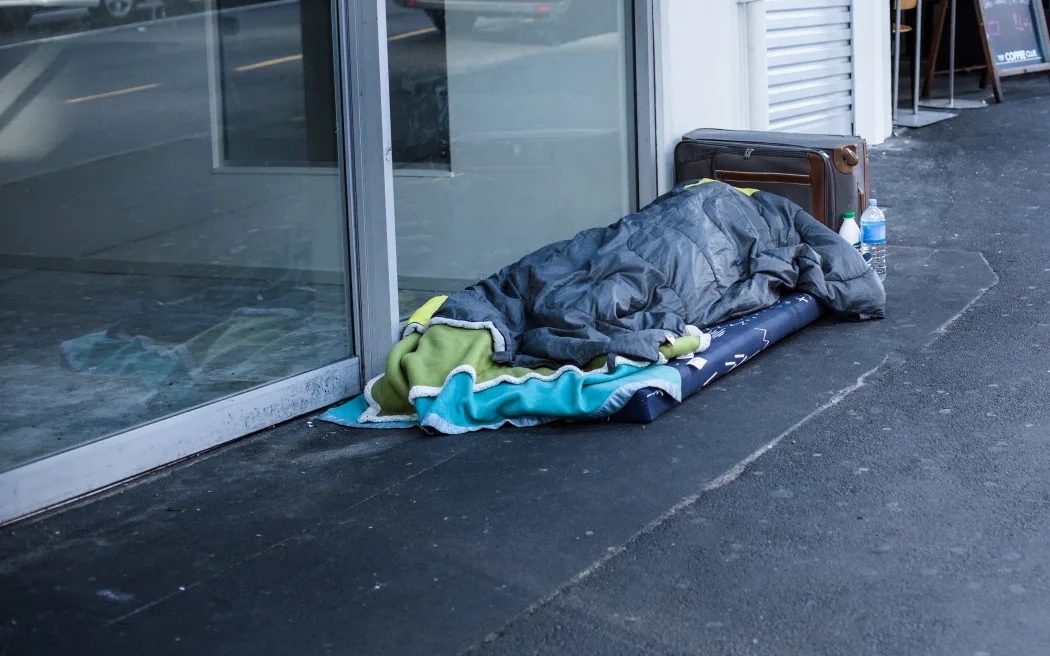
Social issues (discrimination, racism, poverty, inequality) came second at 19.9%, far ahead of most other categories.
Healthcare (cost and quality) was next at 9.5%, followed by food and housing at 8.6%, politics and government at 7.4%, and the environment (pollution, air, water, climate change, weather) at 5.2%. Only 3.4% nominated crime, violence or public safety.
The pattern suggests New Zealanders are not simply concerned about the economy in the narrow sense. Affordability matters, but so do questions about social cohesion, health and access to basic services.
Meanwhile, issues that receive considerable political and media attention barely register. Only 0.6% identified immigration or refugees as the country’s most important problem, with infrastructure at 1.2%, and media and press issues at 1%.
From the cost of living and a health system under extreme pressure to the role of the Treaty of Waitangi and how best to tackle climate change, the coming election involves some big choices.
Australia looks quite different
Across the Tasman, the economy again came near the top, but the Australian pattern diverges sharply from New Zealand’s.
Food and shelter, including housing availability and affordability, was Australia’s most frequently identified problem, at 28.7%.
The economy itself was next, at 21.8%. The environment was also substantially more prominent in Australia at 11.1%, compared with 5.2% in New Zealand. Politics and government accounted for 7.6%, while crime and public safety reached 6.6%.
New Zealand’s unusually high figure (nearly 20%) for social issues stands out by comparison. Australia’s figure was 6.2%.
The world has an economic preoccupation
The broader global results put both countries into a much larger story.
Across the sample, the economy was the most frequently cited problem, accounting for 28.5% of responses. Work came next at 13.5%, followed by law and order at 12.5% and politics and government (spending and debt, corruption, taxes) at 11.2%.
Food and shelter accounted for 6.1%, environment 4.0%, social issues 3.7% and health 3.2%.
The common thread is affordability and economic security. People are talking about whether ordinary life is affordable, whether wages keep up, and whether there are good jobs.
Where you live changes the issues
The regional data reveal different patterns. In Europe, the economy was the leading concern at 25.7%, followed by politics and government at 15.4%. Crime and public safety accounted for 9.9%, while the environment was 6.1% and immigration 5.6%.
In Asia, economic concerns reached 30.7%, with politics and government at 14.4% and work at 13.5%. Immigration, by contrast, was just 0.6%.
The Americas (including North and South American countries) showed a stronger focus on law and order, with 21.5% identifying crime, violence, trafficking, public safety, and war or conflict as the biggest problem, although the economy remained top at 30.1%.
In the Middle East and North Africa, the economy led at 29.5%, followed by work at 17.0% and law and order at 14.1%. In Sub-Saharan Africa, the economy accounted for 28.4%, while work (unemployment, working conditions) reached 20.8% and food and shelter 12.3%, highlighting the greater emphasis on material insecurity.
Income changes the hierarchy
The development-level results tell a similar story. The economy was the top concern across low-, middle- and high-income countries, but priorities varied.
In lower-income countries, work and basic necessities featured more prominently, while higher-income countries placed relatively more emphasis on politics, law and order, the environment, social issues and immigration.
The broader picture is not one universal set of priorities, but a common economic concern shaped by different circumstances.
What the numbers tell us
Perhaps the most interesting finding is not that the economy ranks first, but that the meaning of “the economy” changes depending on where people live.
For some, it means high prices and inadequate wages. For others, it means unemployment. Elsewhere it is the inability to afford housing or food.
And beneath those economic concerns are very different national stories: social cohesion in New Zealand, housing affordability in Australia, public safety in parts of the Americas, political governance in Europe and material insecurity in parts of Africa.
The value of this kind of survey is that it doesn’t tell us what politicians or the media say should matter most. It tells us what people themselves put first.
(This was first published in The Conversation. The writer is Associate Professor, Department of Economics, University of Otago)
(About the Author : Associate Professor, Department of Economics, University of Otago)