
MPs pull back from handing retailers sweeping trespass powers

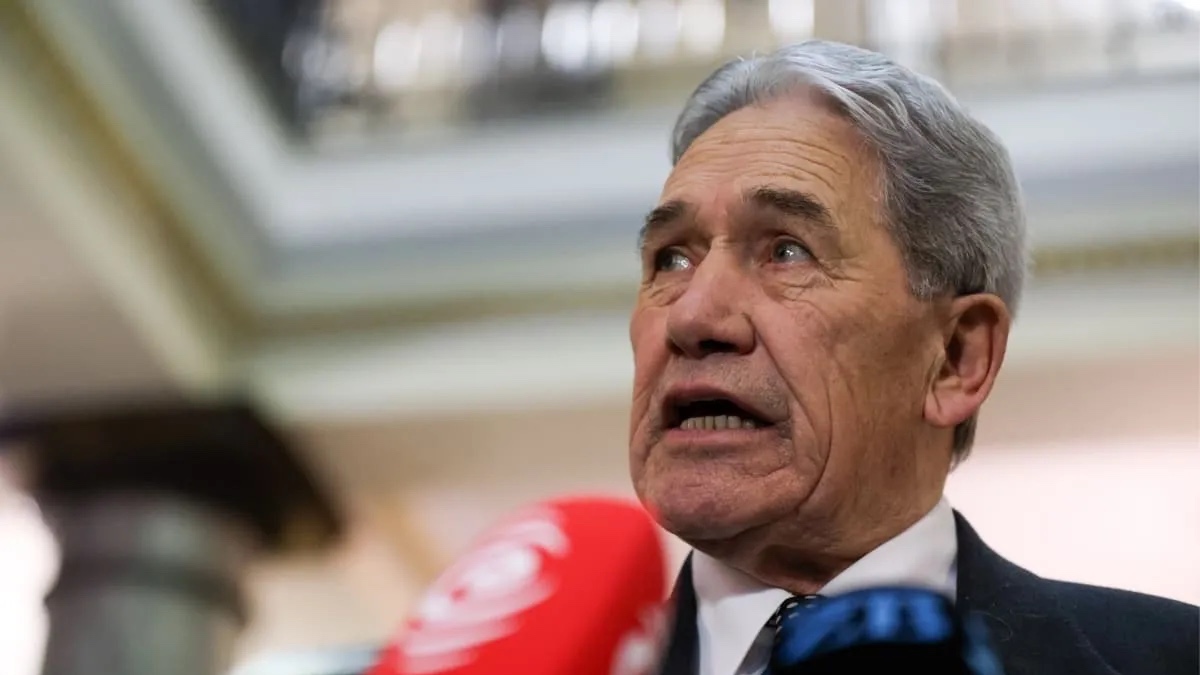
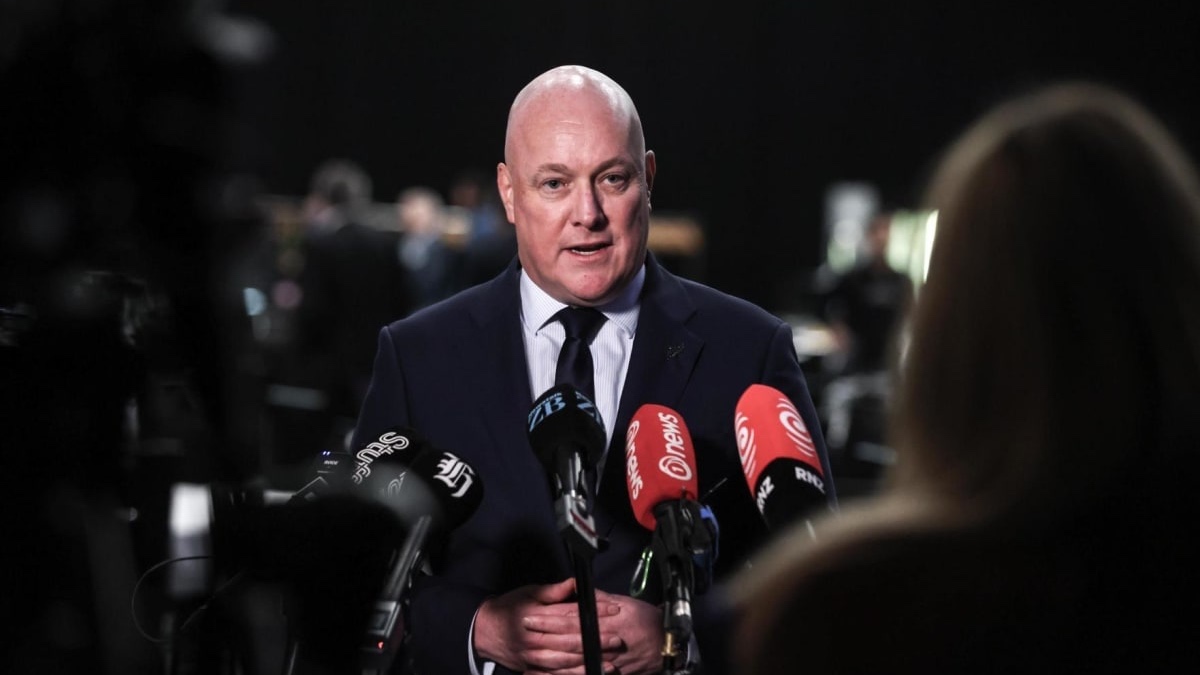
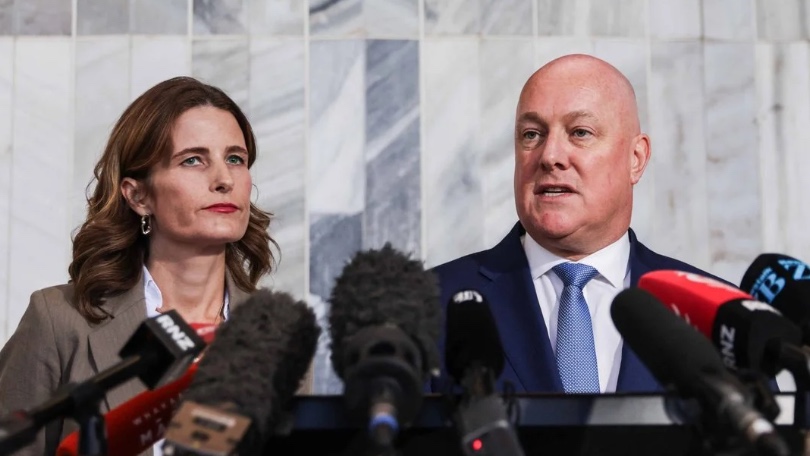
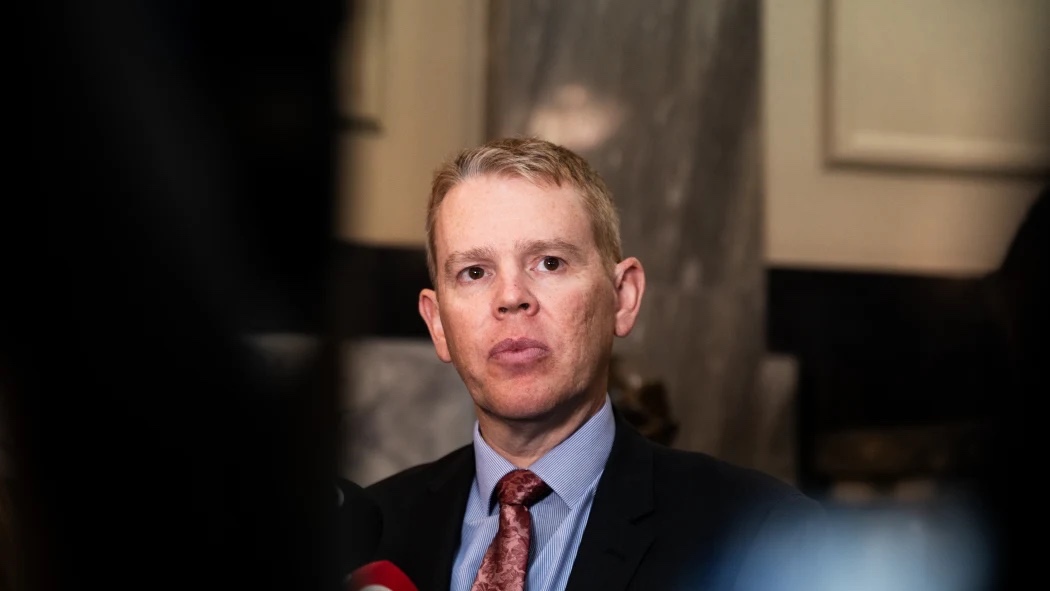
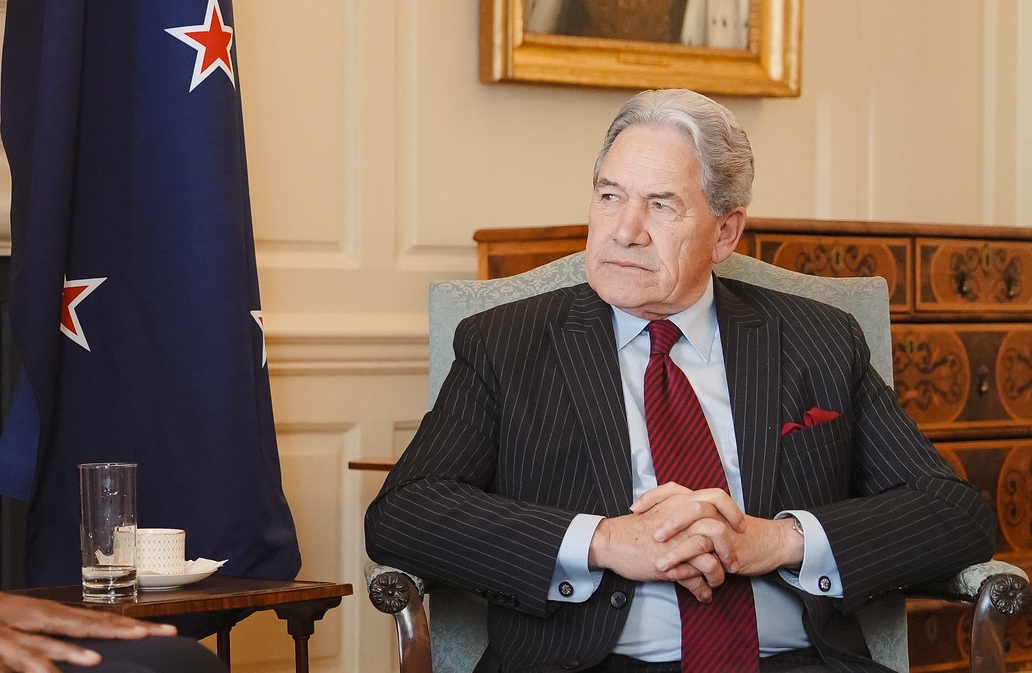
Justice minister Paul Goldsmith.
The cutback follows warnings the bill could allow someone to be barred nationwide over disproportionately minor offending.
Parliament’s justice committee has moved to constrain proposed powers that could allow retailers to ban a person from stores across New Zealand for up to three years.
The committee has added a statutory reasonableness test to the Trespass (Specified Retail Premises and Other Matters) Amendment Bill after raising concerns that its original wording gave retailers an excessively broad ability to impose multi-location bans.
Under the bill, a retailer, supermarket chain, franchise group or group of businesses could trespass someone from multiple premises even if the person had never visited or offended at the other locations.


The bill as introduced placed no geographical limit on those notices and did not require the retailer to show that the person intended to visit the other stores.
The bill was introduced in March this year following recommendations from the Ministerial Advisory Group (MAG) for Victims of Retail Crime led by Sunny Kaushal. It will now return to Parliament for its second reading.
South Asian diaspora raises over $200,000 for New Zealanders missing in Nepal flood "I'm so proud of the Indian community here who...supported us, saying it is not a Nepal problem but our problem."
Tamakis launch Indian-origin candidate for Epsom who surrendered passport and has ‘assimilated’ “I know a whole lot of people are going to be like shocked,” says Hannah Tamaki.
Priyanca Radhakrishnan tries to puncture Luxon’s FTA victory, says India was already sold “Things have changed quite dramatically on the Indian government side,” says the Indian-origin Labour MP.
In its final report submitted on Friday, July 31, the justice committee warned that the proposed power could have allowed a supermarket operator in a small town to ban someone from every outlet in the country for the maximum three years simply because the legislation permitted it.
It said such a response could be disproportionate to the offending.
MPs were particularly concerned that people in isolated areas could be prevented from obtaining essential goods, such as food. They noted that alternatives such as online shopping would not be available to everyone.
The committee has now recommended that a multi-location warning be permitted only when it is “reasonable in the circumstances”.
Retailers would have to consider the person’s conduct, including any actual or threatened violence, use of a weapon or suspected offending such as theft, burglary, robbery or assault.
They would also have to consider any previous behaviour, the cumulative impact of repeated incidents, the loss or harm caused, and the reach of the proposed ban – including its geographical range and the number of premises covered.
The test would apply both when one business operates multiple locations and when several occupiers, such as businesses within a mall, high street or franchise network, act together.
The committee considered three possible ways of narrowing the original proposal.
One was to retain the existing requirement that an occupier have reasonable cause to suspect a person was likely to trespass at every location covered by a notice. Another was to limit multi-location bans to one year rather than three. The third was the new reasonableness test ultimately adopted.
Retail NZ supported the third option, provided the sector was involved in developing guidance on how it should operate.
The organisation had earlier told MPs the new powers could address “store-hopping behaviour”, in which offenders move between branches, but warned that strong safeguards were needed to ensure the powers were exercised consistently and proportionately.
It called for a tiered framework, documentation of decisions and clearer thresholds for serious and lower-level conduct.

Sunny Kaushal, who headed the ministerial group that wrapped up two months back, told Awaaz it was a win for retailers that the trespass bill had moved to its second reading.
"This Bill is an important and overdue modernisation of the Trespass Act. It provides retailers with practical tools that are workable, enforceable and aligned with the realities businesses face today."
But another member of the erstwhile ministerial group isn't happy with the clawback. Himanshu Parmar, who is now ACT's candidate from Waikato for this year's general elections, says retail crime isn't a one-off mistake.
"It’s often repeat offending by the same small group of people who move from store to store, leaving businesses and their staff to pick up the pieces," he told Awaaz.
"If someone repeatedly chooses to steal from businesses, they should also expect to face meaningful consequences for those choices. The priority should be protecting law-abiding New Zealanders, not making life easier for repeat offenders."

The select committee has now urged the justice ministry to work with the retail sector on guidance covering the evidence retailers should retain, the proportionality of notices and the appropriate geographical reach of multi-store bans.
However, it noted that courts would ultimately determine how the reasonableness test should be interpreted. Any guidance would therefore need to be updated as case law developed.
The bill would still make several significant changes to the Trespass Act. It would close a loophole identified by retailers involving people who deliberately avoid receiving a warning.
A person could be deemed to have been warned if they intentionally refused to accept a notice, or knew or ought to have known a warning was being given but deliberately obstructed its delivery.
Woolworths previously told the committee that offenders sometimes ran away, hid their hands or became aggressive to avoid being formally served with a notice.
It said disputes over whether a warning was properly received had caused some prosecutions to fail on technical grounds.
The committee unanimously agreed to the amendments, although its recommendation that the bill be passed was made by majority.
Labour welcomed the addition of the reasonableness test but said it remained concerned that vulnerable people could lose access to essential goods and services.
It also warned people might not realise they had been trespassed from multiple premises, leading them to breach a notice inadvertently. Labour was not convinced the higher fines would deter offending.
The Green Party opposed the bill. It said the reasonableness safeguard improved the multi-location provisions, but argued that doubling fines would be ineffective for people whose offending was linked to poverty and the cost-of-living crisis.