
Papatoetoe polls: Ex-winners tell HC their reputation is at stake, question standard of proof in voiding election

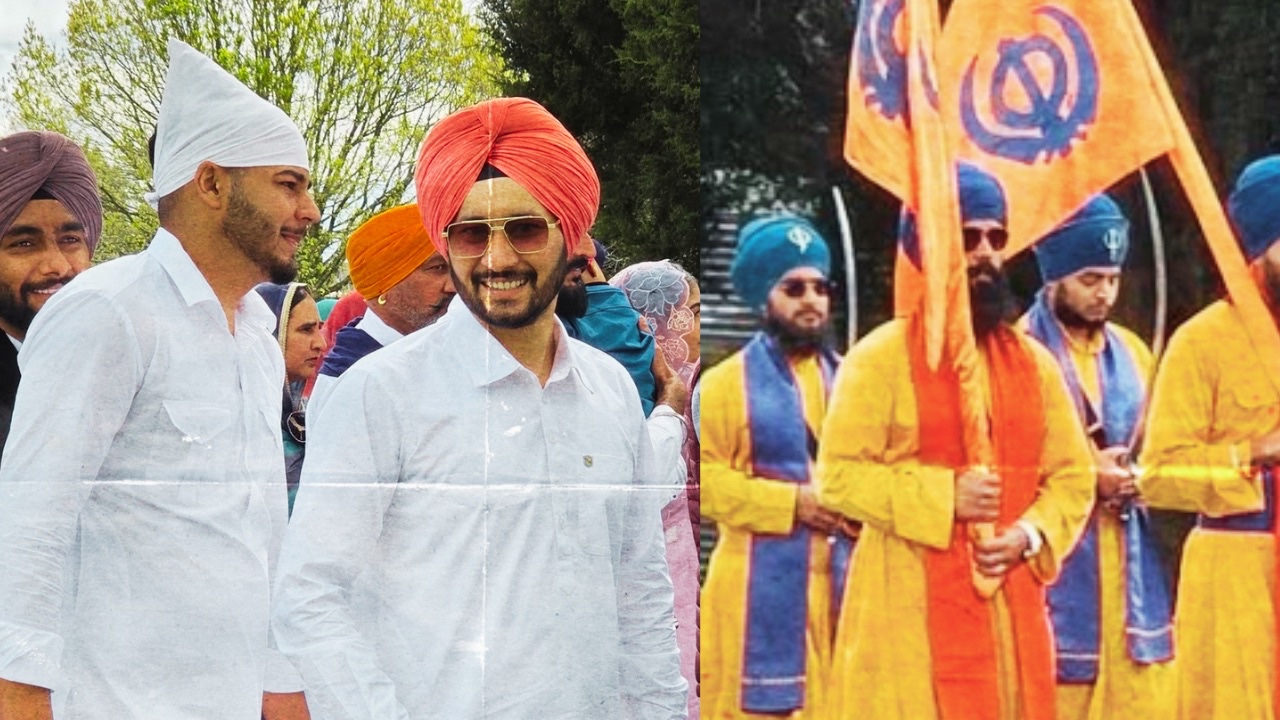
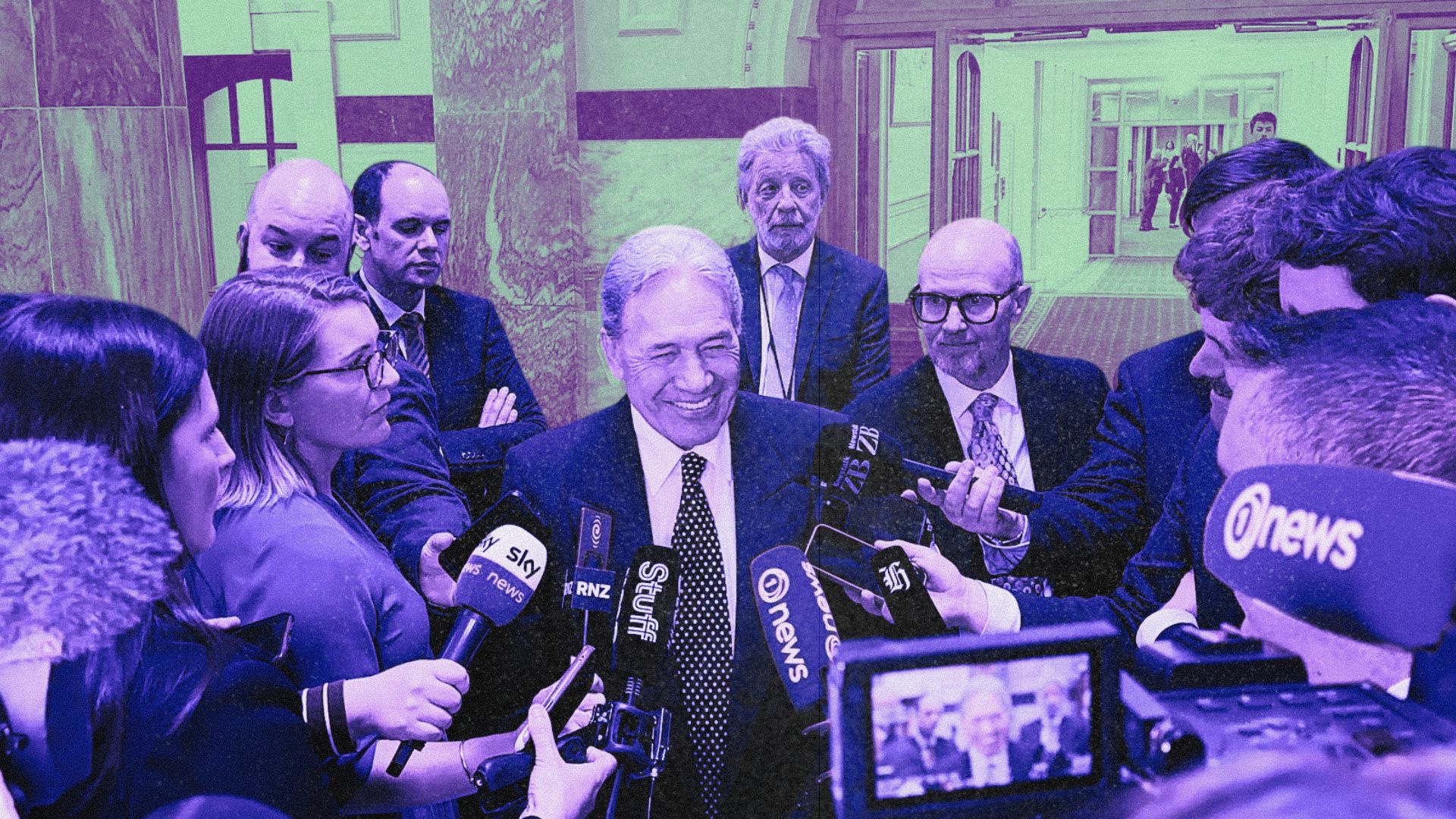
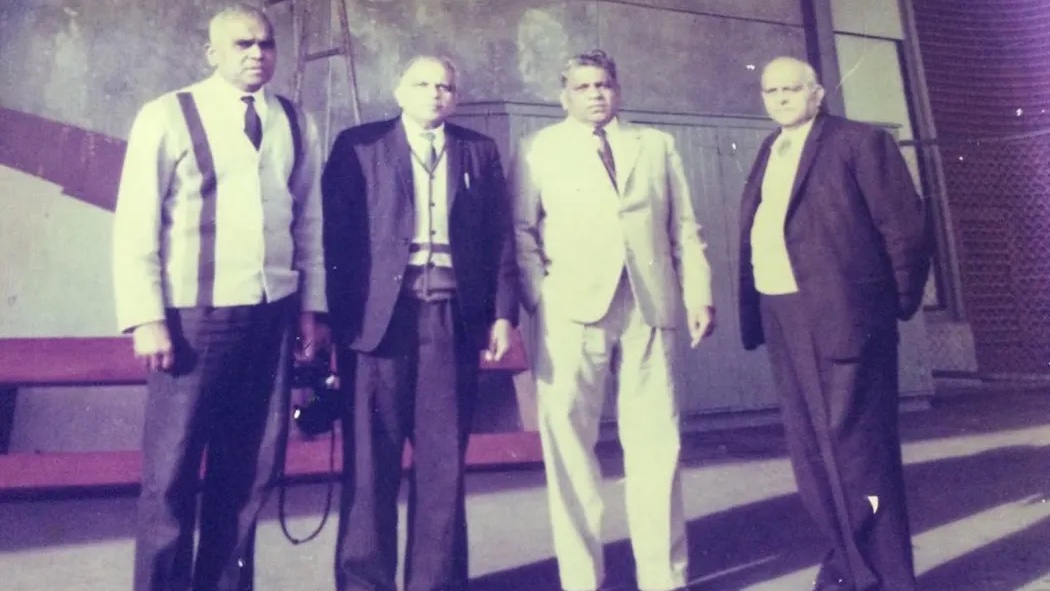
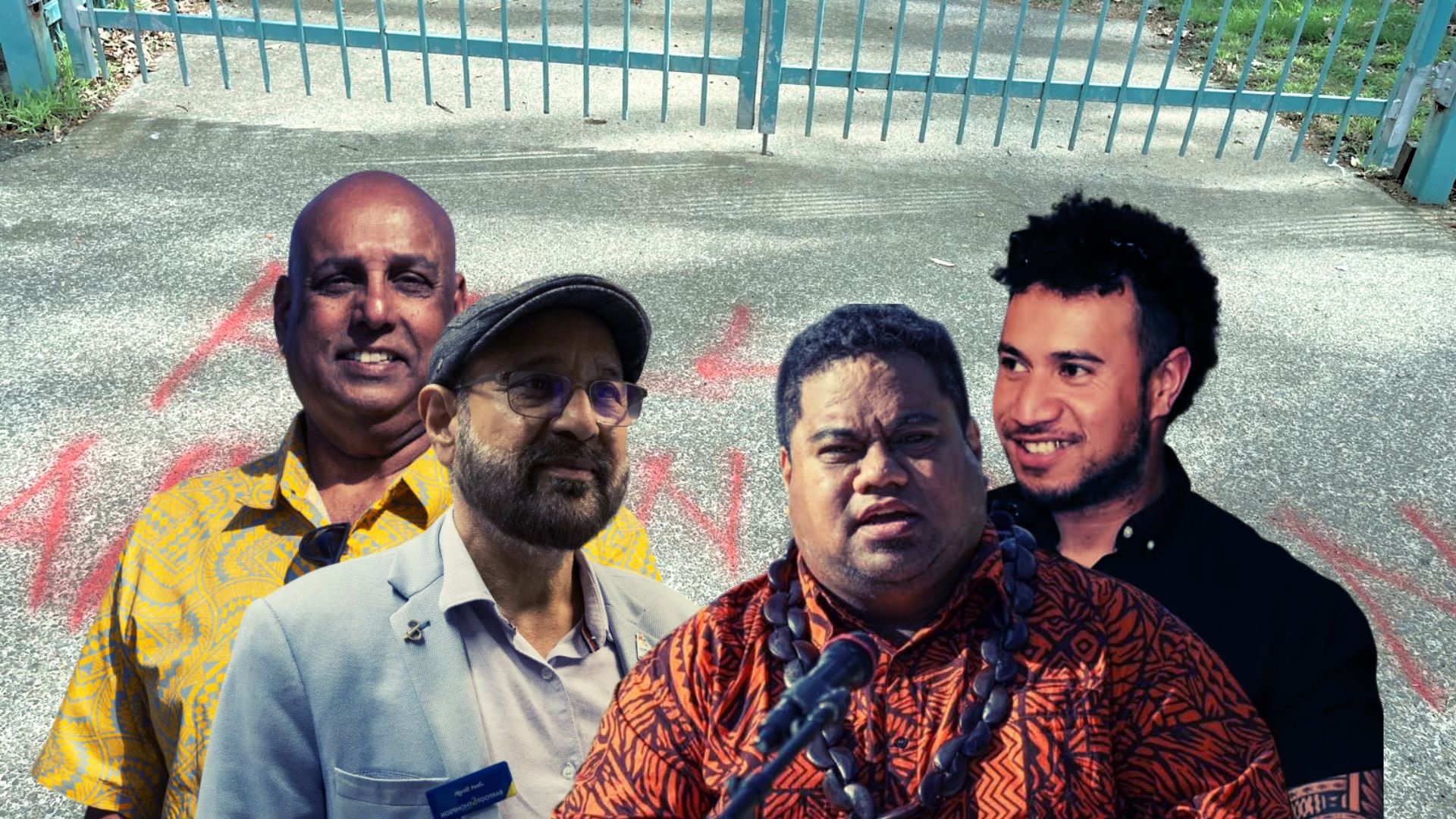
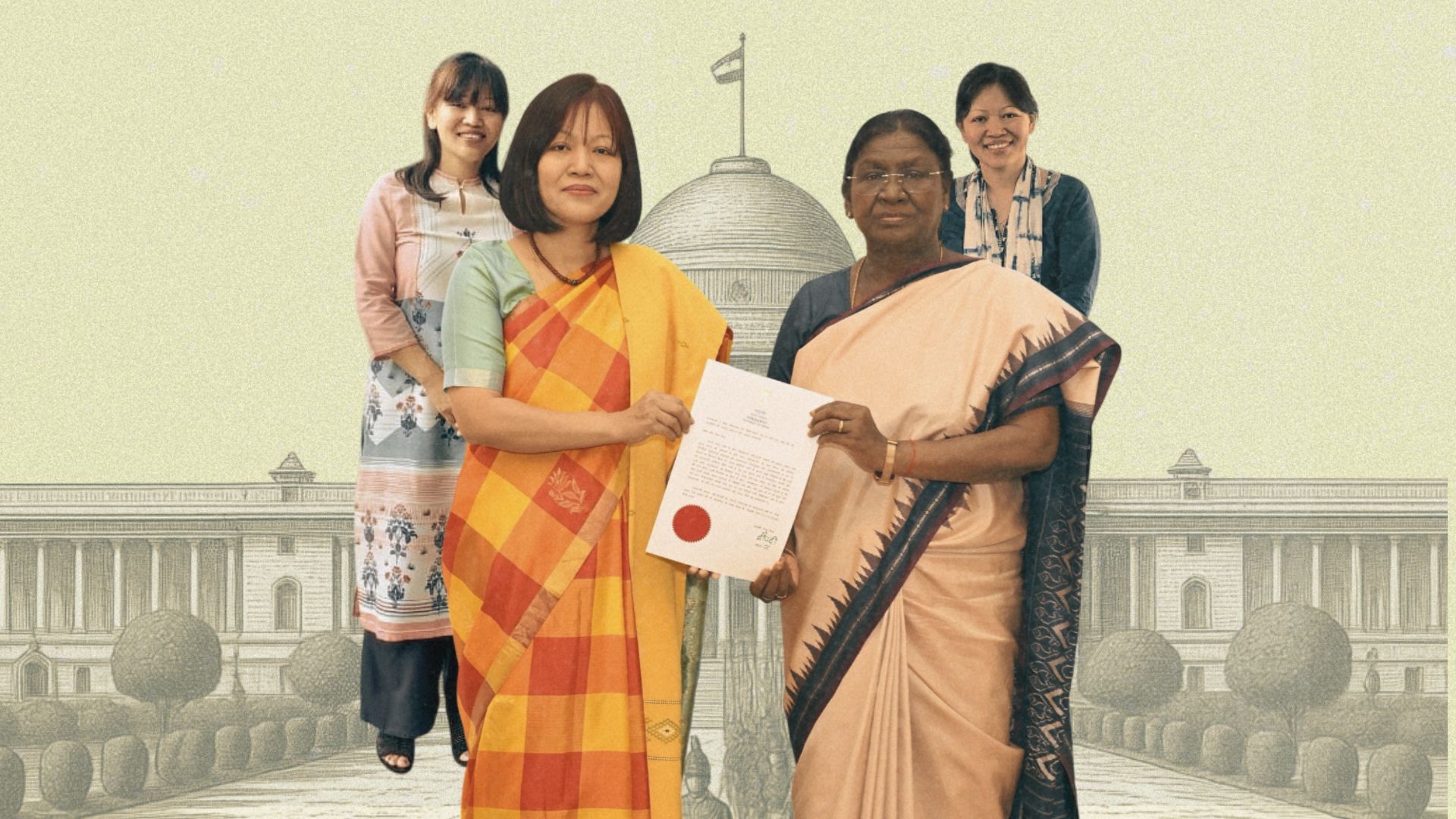
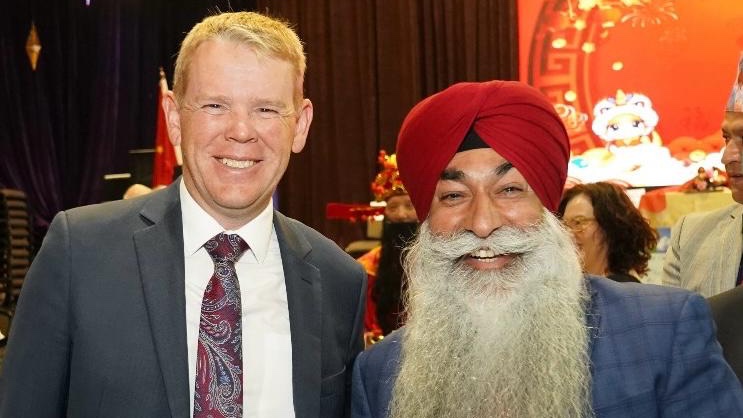
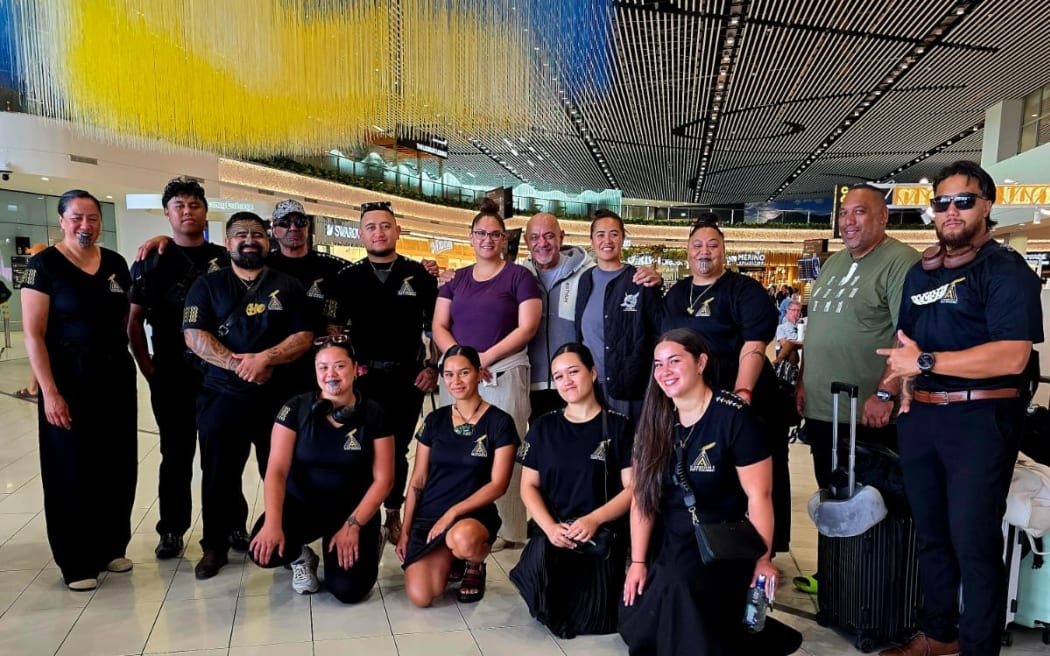
The four candidates of Papatoetoe-Otara Action Team at the High Court on Tuesday.
The candidates of the Papatoetoe-Otara Action Team have argued a court order annulling their victory relied on lavish statistical extrapolation and assumed that an increase in voter turnout indicated fraud.
The candidates who won last year's election for the Otara-Papatoetoe Local Board told the High Court on Tuesday the lower court judgment that annulled the election over voting fraud was lacking in adequate inquiry, relied on evidence that didn't live up to appropriate standard of proof, and violated principles of natural justice.
On February 17, the Auckland High Court began hearing an application for a judicial review to ascertain if fraud in last year's election for the Papatoetoe subdivision of the local board was widespread enough to merit a re-election (scheduled to begin next month). A more foundational question before the high court is whether it has jurisdiction for a judicial review into a judgment on local elections taken by a district court. Justice Jane Anderson reserved her judgment at close of day one.
In December last year, the Manukau district court ruled in favour of a petition by a losing candidate who contested that irregularities materially affected the election result. Ben Keith – the counsel for the Papatoetoe-Otara Action Team that has petitioned the high court – made the case that the earlier ruling relied on statistical extrapolation, assumed malfeasance from an increase in voter turnout, and never assembled adequately informed record necessary to set aside an entire election.
Voting for re-election in the sub-division begins next month. Keith questioned the judgment on the grounds of natural justice, arguing that having the lower court's judgment stand "is not a neutral hat" for the candidates who won earlier. He argued the judgment has portrayed that something wrong took place, and people may be discouraged to vote in the re-election next month.
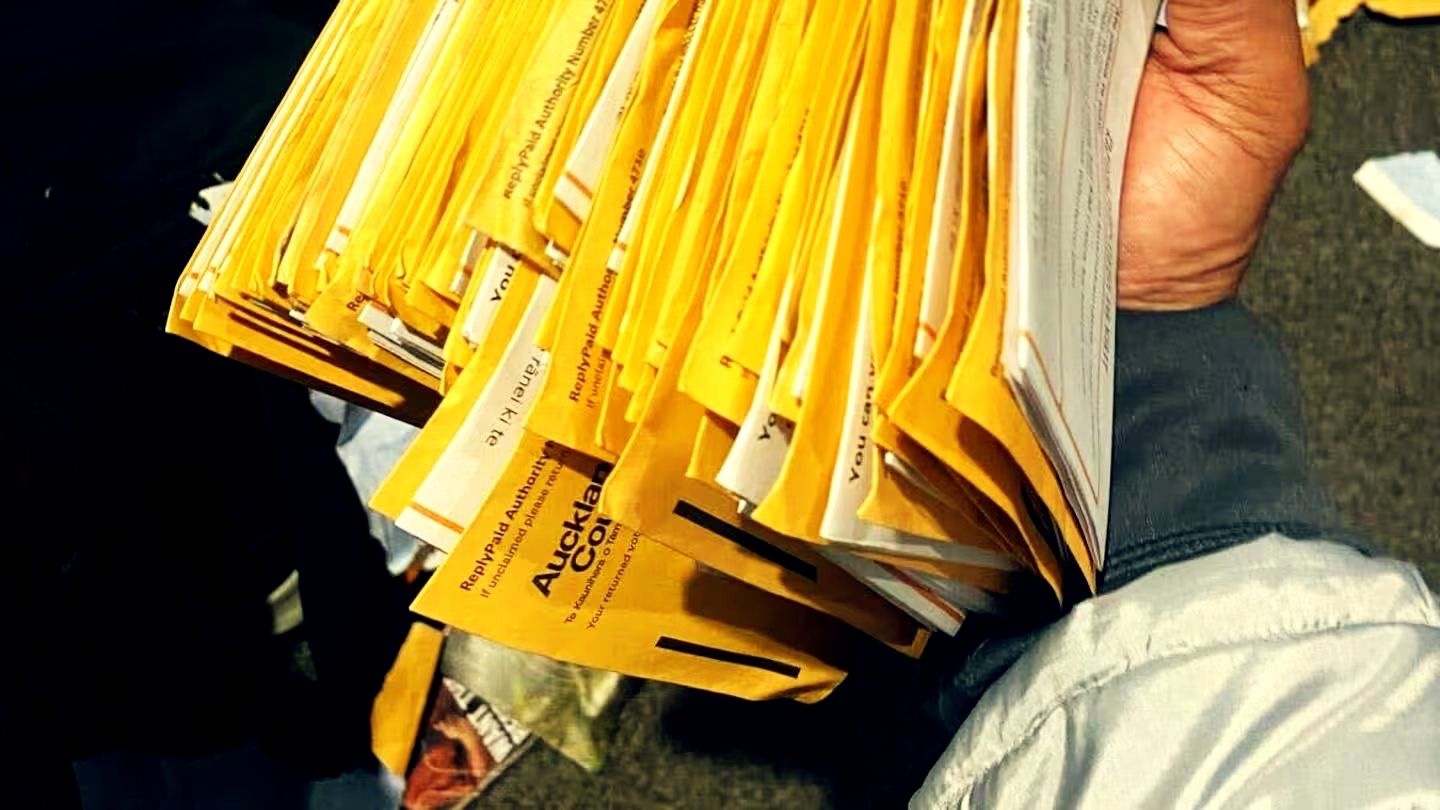
He pointed to the lower court's findings that 79 ballots were wrongfully cast. He said that fact wasn't in doubt. But what is under scrutiny is how the lower court extrapolated from that number far beyond the evidence, and concluded that this was just the tip of the iceberg, and that it was substantial enough to assume widespread fraud.
From designing restaurants to running Auckland Diwali: The many lives of Arnav Taode Taode brings his passion for Indian arts and culture to his first year managing BNZ Auckland Diwali 2026.
Winston Peters says ‘diversity is disunity’. What does the evidence tell us? Evidence from business, sport and social policy suggests diversity can strengthen economies and cohesion but on one condition.
Baby born in Sri Lanka to New Zealand residents caught in limbo after Down syndrome diagnosis Immigration tribunal orders fresh residence assessment after finding a “serious mistake” by immigration officials.
The petitioner also argued the lower court's judgment assumed a spike in the voter turnout in Papatoetoe could only be explained by a fraud. While turnout dropped across Auckland, voting numbers in Papatoetoe increased by nearly seven per cent. All four seats in the sub-division went to first-time candidates from the Papatoetoe-Otara Action Team.
The petitioner's counsel said a high turnout alone proves nothing. He argued Papatoetoe is unlike the city's typical electorates, saying more new voters enrolled in the electoral roll in the southern Auckland suburb than in any electorate across Auckland, on an average.
In Papatoetoe, the counsel argued, community groups, Vote On The Go campaign, and first-time candidates poured resources into enrolling residents and removing barriers. The counsel pointed out a specific complaint by the losing candidate that voting counts in one street went up drastically, arguing that electoral commission's own electoral data shows the number of new voters in that street also increased substantially.
The petitioners challenged the district court’s method of scaling from 79 ballots to a wholesale conclusion. The legal test, they stress, requires proof that irregularities were so extensive they could have changed the outcome.
Process is another cornerstone of their case. The Papatoetoe-Otara Action Team contend they never appeared in the district court to argue their side of the case because due process wasn't followed. They say since the original case didn't accuse anyone specifically, the court's original mandate was to provide minutes of the day's proceedings to all the candidates. They say they never got those memos.
Simon Mitchell represented the losing candidate, Vi Hausia, who had brought the original case in the district court. Mitchell made the point that the applicants did read about the ongoing case in the press and that they could have put forward their arguments in court then. The fact they didn't, he argued, shows principles of natural justice weren't violated.
The applicant's counsel, Ben Keith, went on to argue that before depriving voters of their chosen representatives, the district court judge was obliged to take all possible evidence and consider the full picture before reaching a conclusion.
He also pointed out if the district court ruling was kept intact, it would impede principles of natural justice by tarnishing the reputations of the four winning candidates despite no adverse finding against them. It would, he argued, also skew the imminent re-election campaign.
Hausia's counsel Mitchell contended the law didn't require the district court to have run a broad inquiry. Under the local electoral act, he said, the task is simply to weigh the evidence in front of the judge and decide whether the irregularities could have affected the result.
He framed the legal threshold as a “could–would” test: the judge doesn’t need certainty that the result would have changed, only that enough irregularities existed that the outcome could realistically be different.
He pointed out the number of fraudulent special votes cast in Papatoetoe were significantly higher than anywhere else in Auckland. He also asked the court to consider how many residents are engaged enough to notice missing voting papers or impersonated ballots. Most won’t detect the fraud, he argued, which is why a modest sample of known irregularities can justify voiding the whole election.
Justice Jane Anderson reserved her judgment, acknowledging the public interest in the case and the need for a timely order.