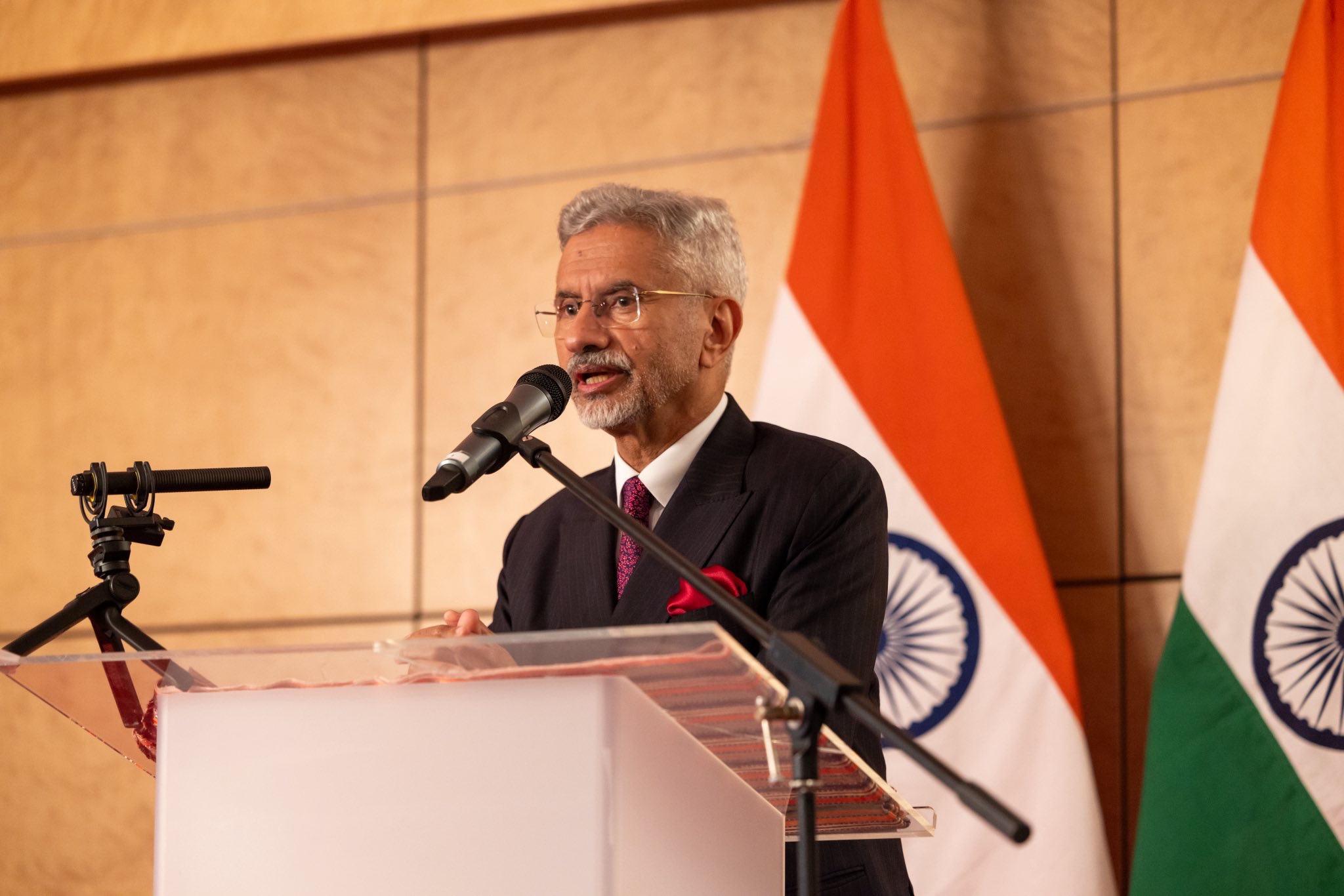

Migrants aren't just cheap labour: Former NZ First minister takes on Luxon

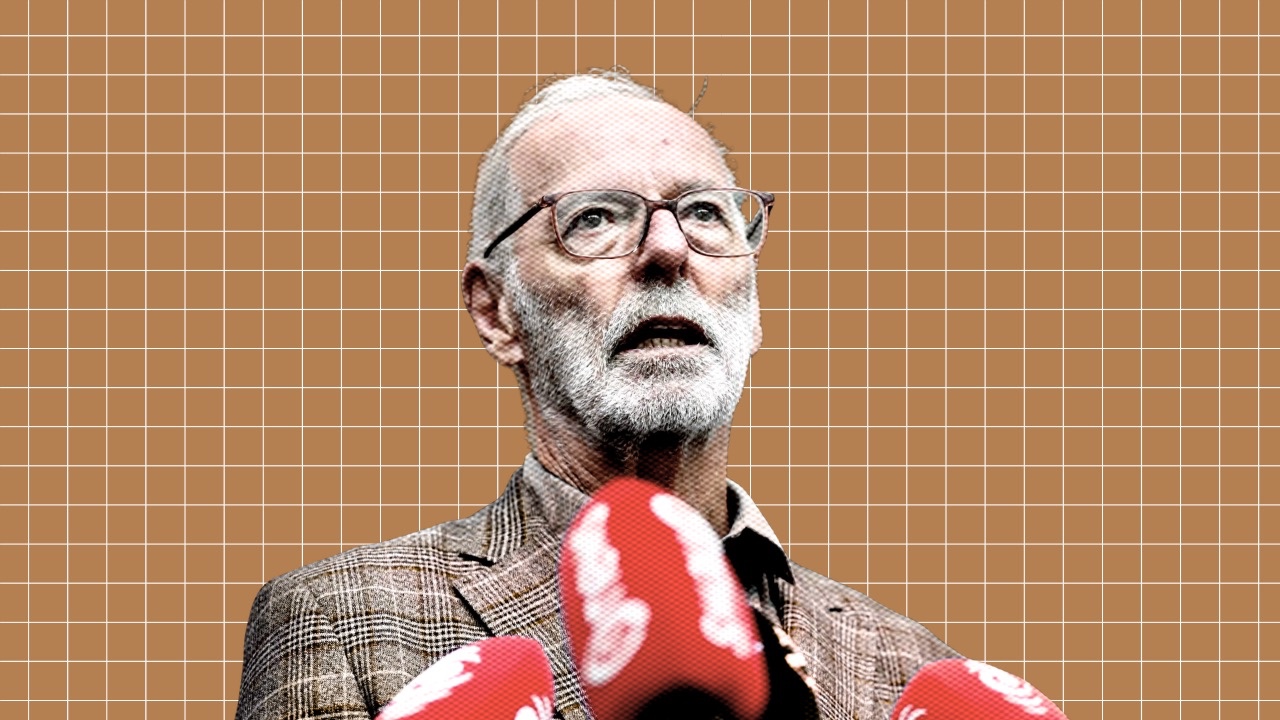
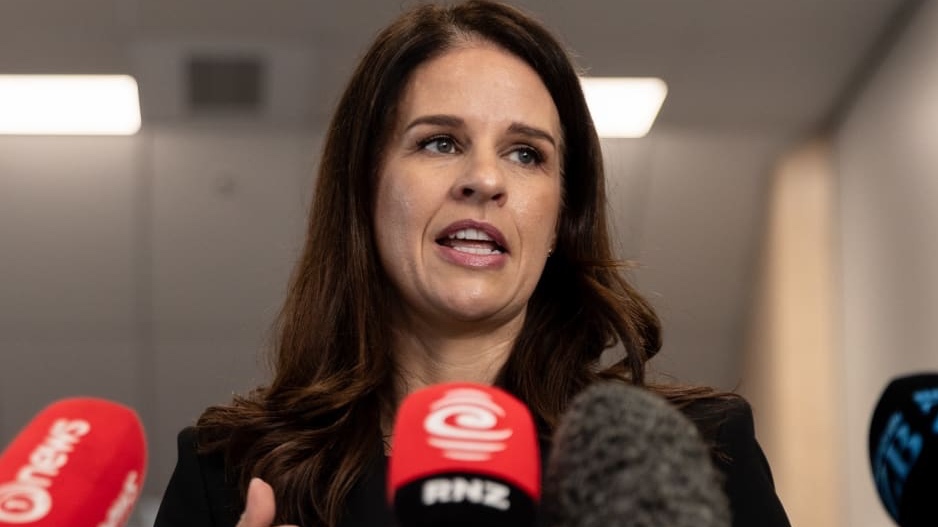
Tracey Martin is the head of a leading aged residential care group.
"We are exceptionally reliant upon highly skilled migrants because they are highly skilled."
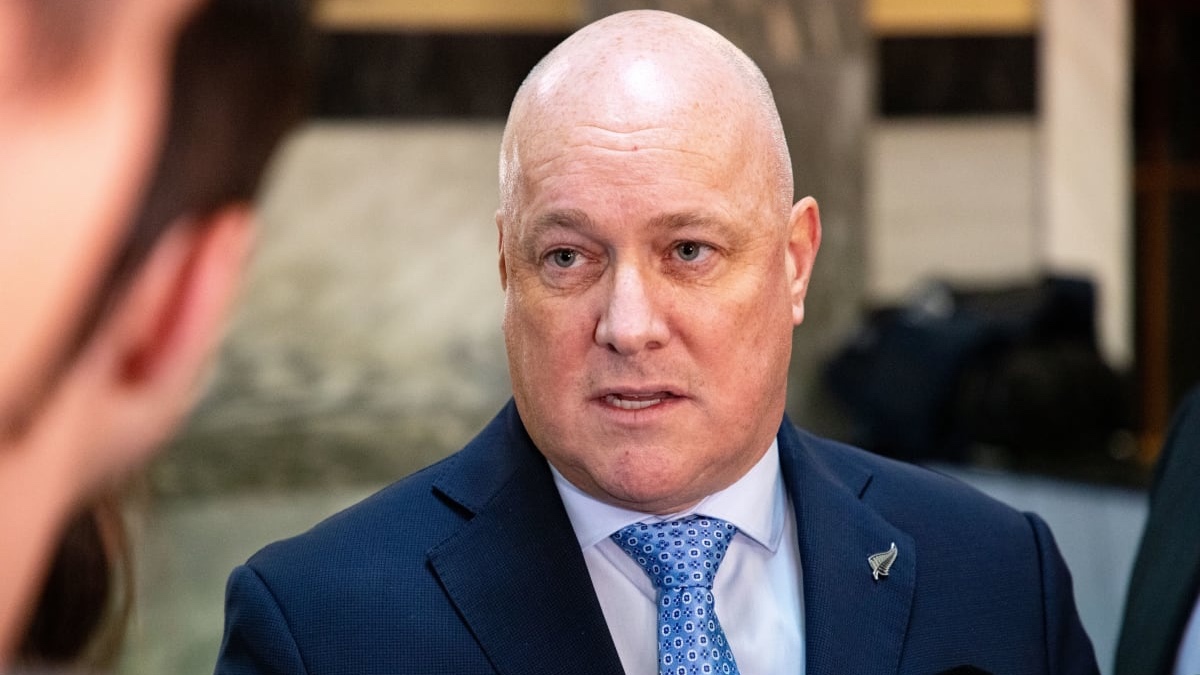
Analysis: When Christopher Luxon told businesses this week that he would choose “social stability” over “your bottom line” on immigration, the line was designed to draw a clear boundary.
Migration, he implied, may serve economic interests but it cannot come at the cost of cohesion.
That framing has now triggered a sharp pushback from within one of the sectors most dependent on migrant labour, the aged residential care.
Tracey Martin, now chief executive of the New Zealand Aged Care Association, says the prime minister’s interpretation risks distorting what migrant labour actually means in essential services.
Martin was a New Zealand First MP from 2011 to 2020, holding ministerial portfolios including seniors, children and internal affairs, and was also deputy leader of the party.
Selfie: ‘Daddy, please don’t take me to an India-NZ cricket match’. A migrant's dilemma Can a migrant embrace a new home without abandoning old loyalties? Sports often offers a reckoning for migrants.
Migrant prison guards in Auckland accused of drug smuggling can't work, can't go home Two fathers facing serious corruption charges have been unable to work elsewhere because of their visas and awaiting criminal trials in 2028.
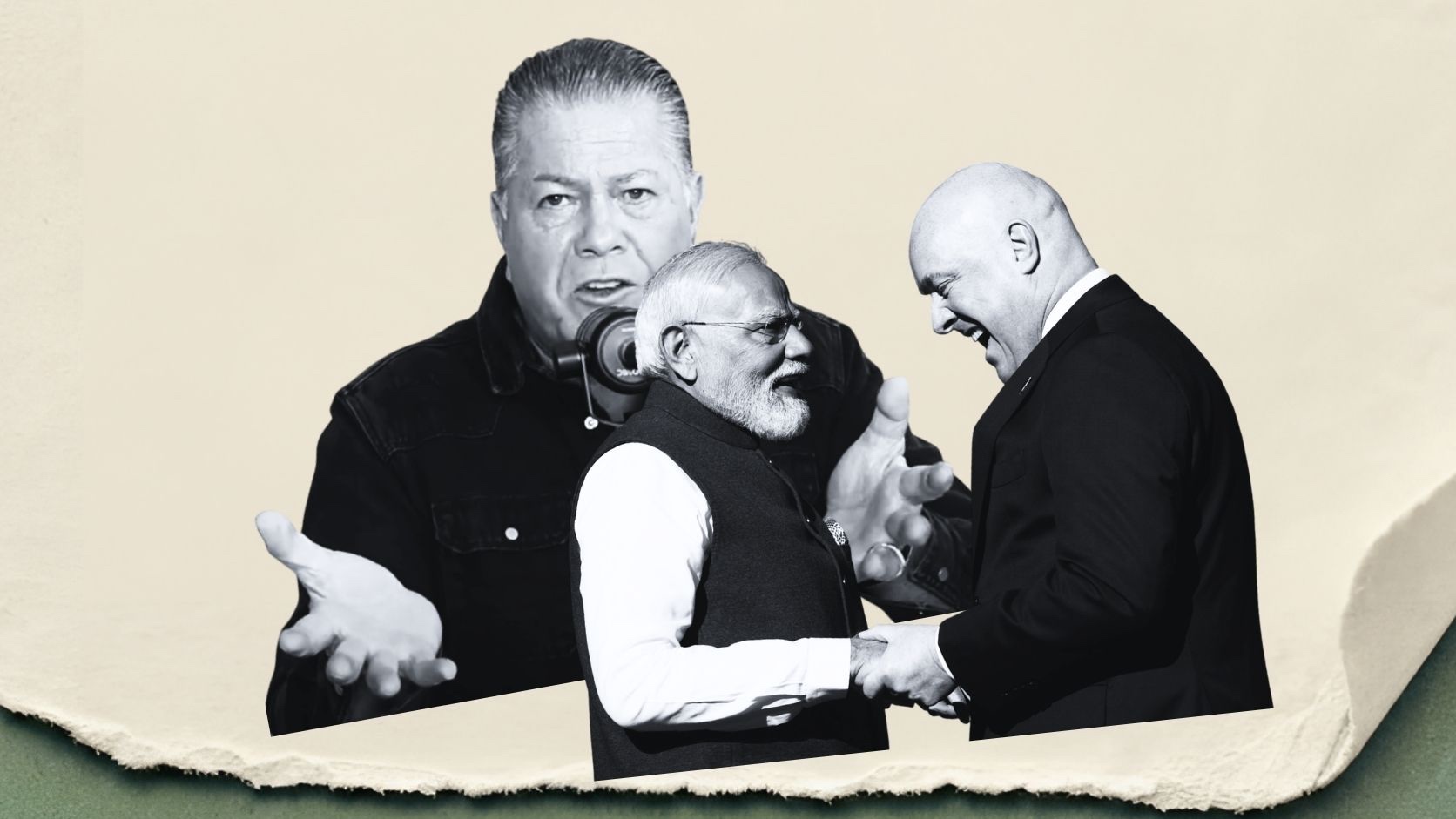
Can you be Indian and Kiwi? National's Mahesh Muralidhar on patriotism, racism and belonging National's big ticket Indian-origin candidate on what ethnic representation really achieves and why New Zealanders still struggle to get along.
She quit the party in 2021, saying NZ First was no longer the party she had been closely involved with for the past decade.
“I guess the suggestion is that those sectors that rely on migrant labour are doing so just because it’s cheap and they want to make money,” she said in an RNZ interview on May 14.
“That is categorically untrue for the aged residential care sector.”
The association Martin heads represents nearly all of the country's providers across rest home, hospital, dementia, psychogeriatric, and short-term care.
Her comments are a direct rebuttal to the idea embedded in Luxon’s speech. That migration decisions are fundamentally a trade-off between economic gain and social cohesion.
Martin argues the reality in aged care is the opposite. The sector is not using migrant workers to maximise profit margins, but to keep essential health services running.
Around 43 per cent of registered nurses in aged residential care are on visas, along with roughly a third of healthcare assistants, she noted, a level of dependence she described as structural, not optional.
“We are exceptionally reliant upon highly skilled migrants because they are highly skilled,” she said. “I think that’s what people don’t seem to understand.”
She questioned the assumption that employers could easily recruit from the jobseeker register, arguing it is unrealistic to expect people without relevant healthcare training or experience to step directly into aged care roles.
The exchange is unfolding in an election-year where immigration has again become politically charged, with coalition partners ACT and New Zealand First both pushing harder rhetoric around migration, cohesion, and labour market pressure.
Against that backdrop, Luxon’s framing lands not just as policy positioning, but as part of a broader political tightening of the immigration debate.
Luxon’s broader argument in his pre-budget speech was that immigration policy must be weighed against national cohesion. He pointed to “political fracturing” in Europe and warned that “holding our society together under those pressures will be challenging.”
Only a small portion of the speech focused on immigration directly, but the language carried weight precisely because of its timing in a year when migration is increasingly being used as a political wedge issue.
Martin, however, rejects the premise that migrant workers are a destabilising force.
Asked directly on RNZ whether the workforce she represents is a threat to social cohesion, she was blunt: “No, it’s not.”
Instead, she argued the opposite risk is underestimating the consequences of not having migrant labour in place.
“Without it, I’m not quite sure what would happen to our social stability with regard to looking after our elderly,” she said.
For her, the issue is not about choosing between migrants and cohesion, but about recognising that aged care itself depends on a workforce that New Zealand has not sufficiently trained or planned for domestically.
She pointed to what she sees as a long-standing policy gap: the absence of coordinated population and workforce planning for an ageing society.
“The way to stop having this political conversation is to have a population plan,” she said, arguing that immigration debates repeatedly become “political football” in the absence of long-term strategy.
Behind the disagreement lies a deeper tension: whether migration is primarily an economic lever that must be tightly managed to protect cohesion, or an essential component of sustaining core public services.