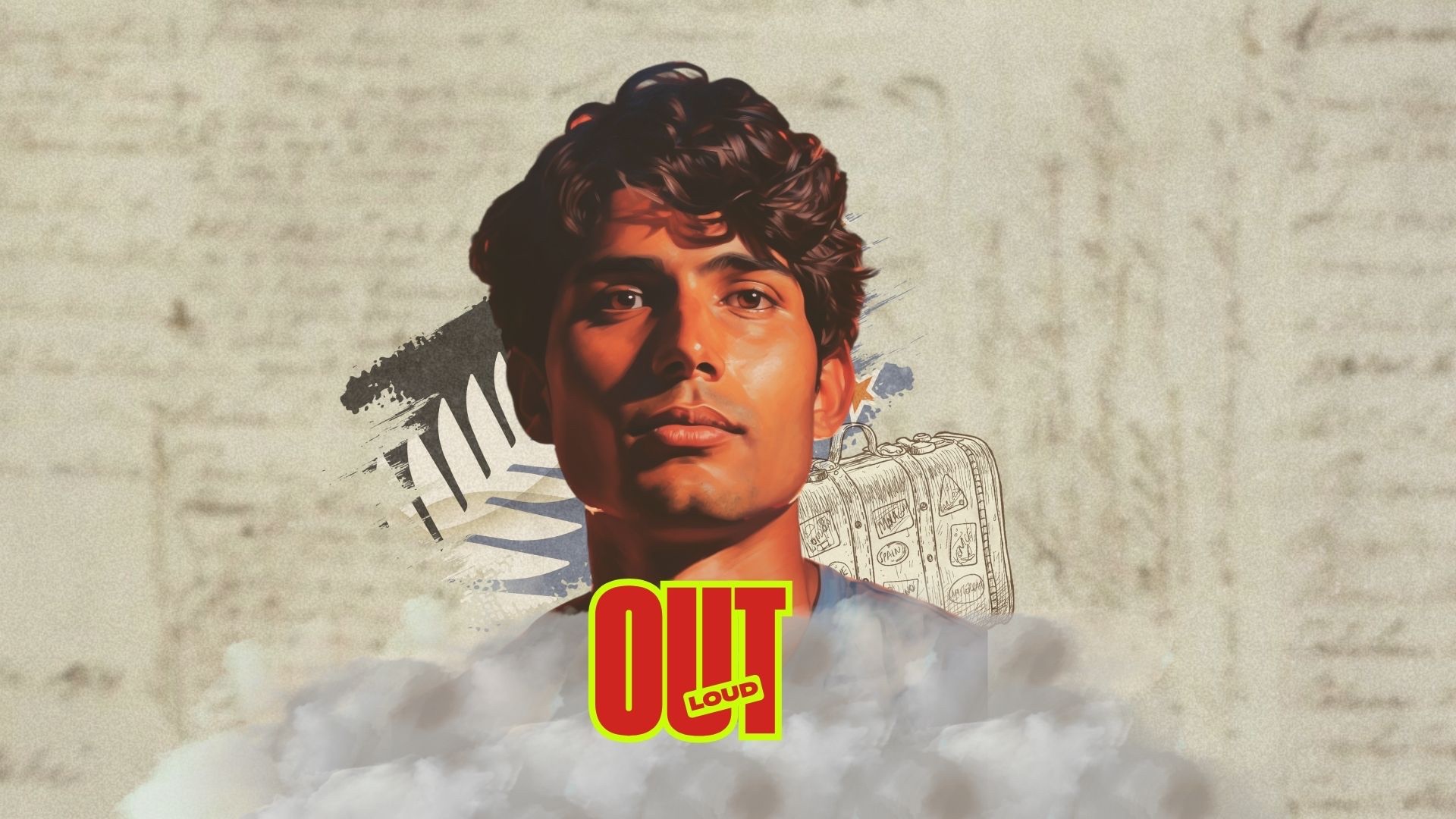

Out Loud: Migrants must understand Te Tiriti, but they need a long rope
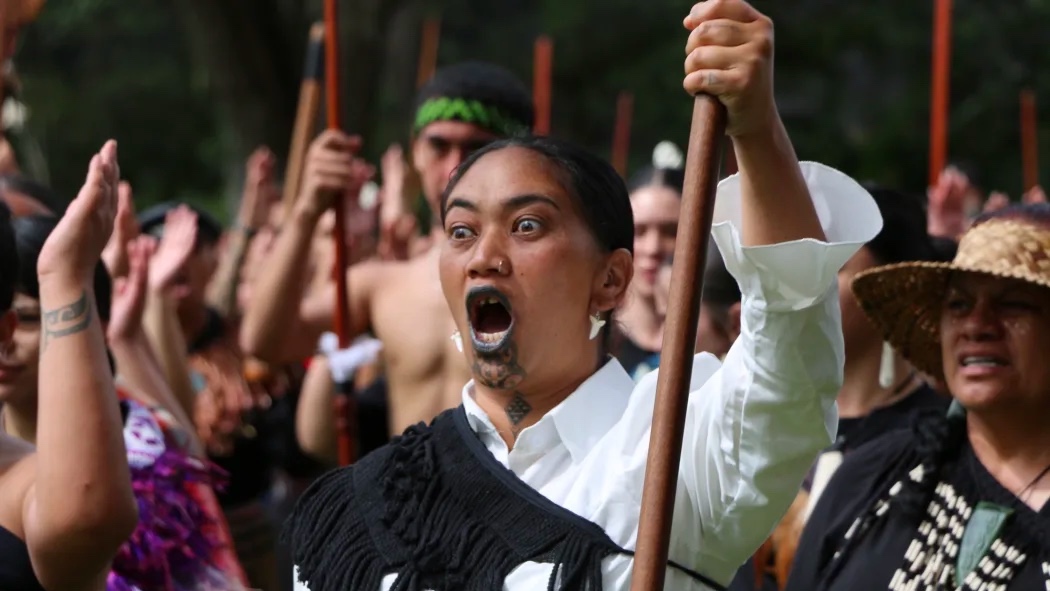
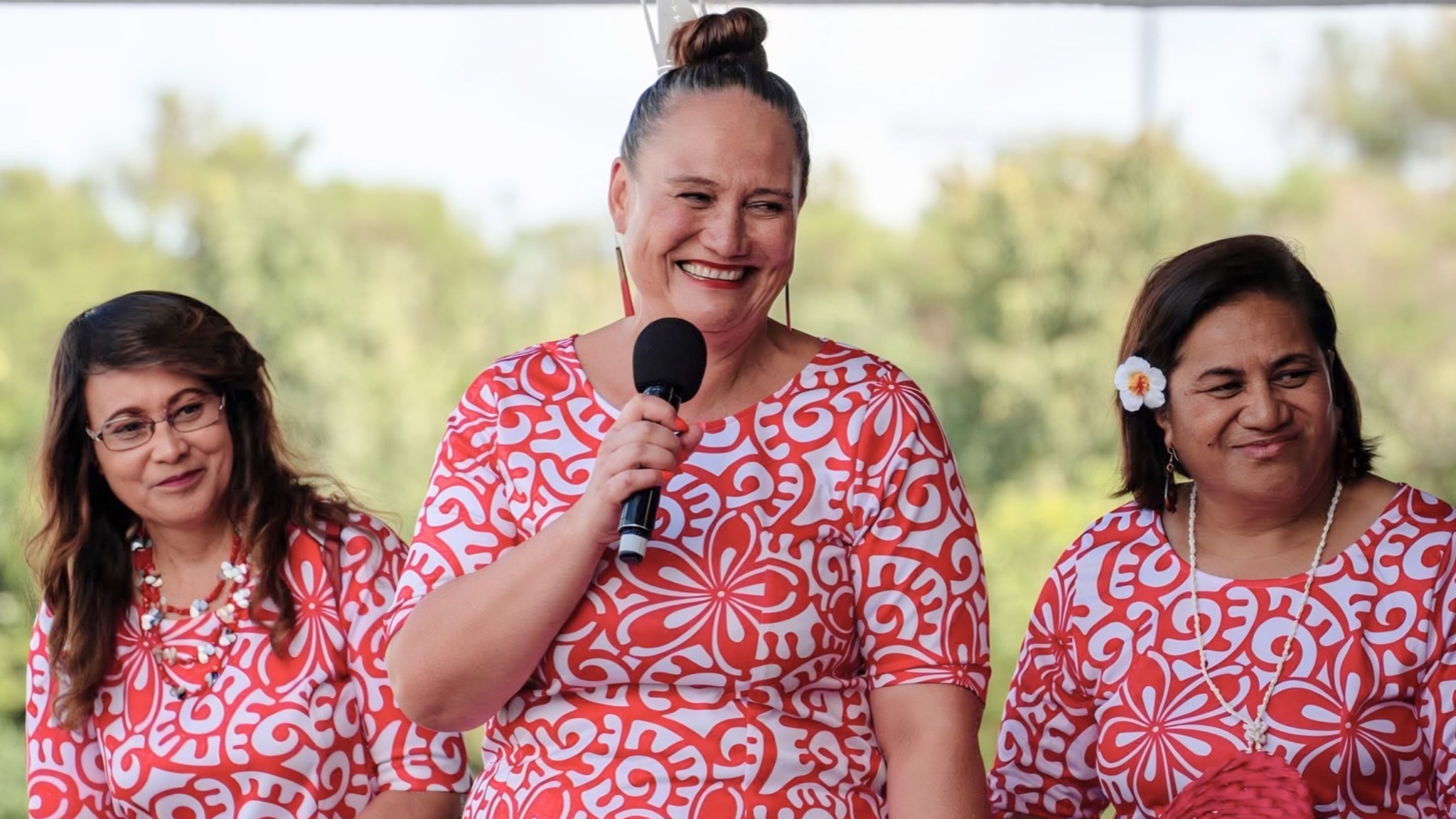
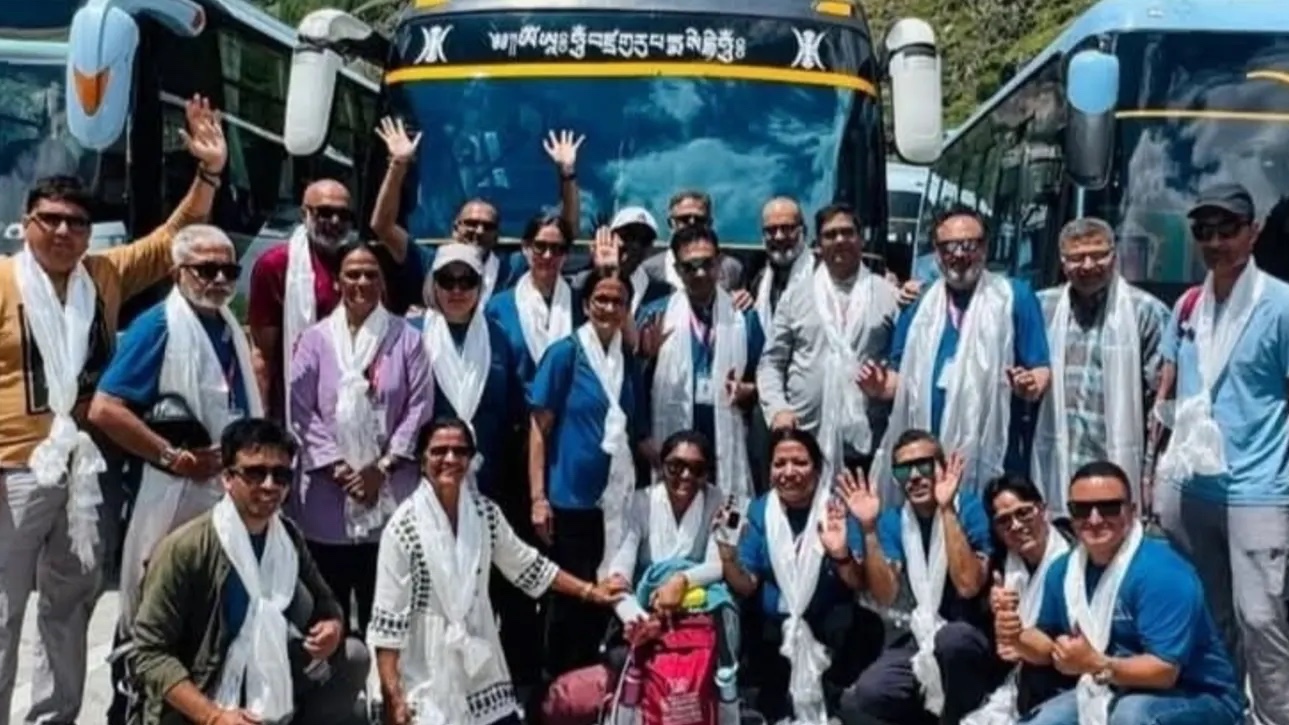
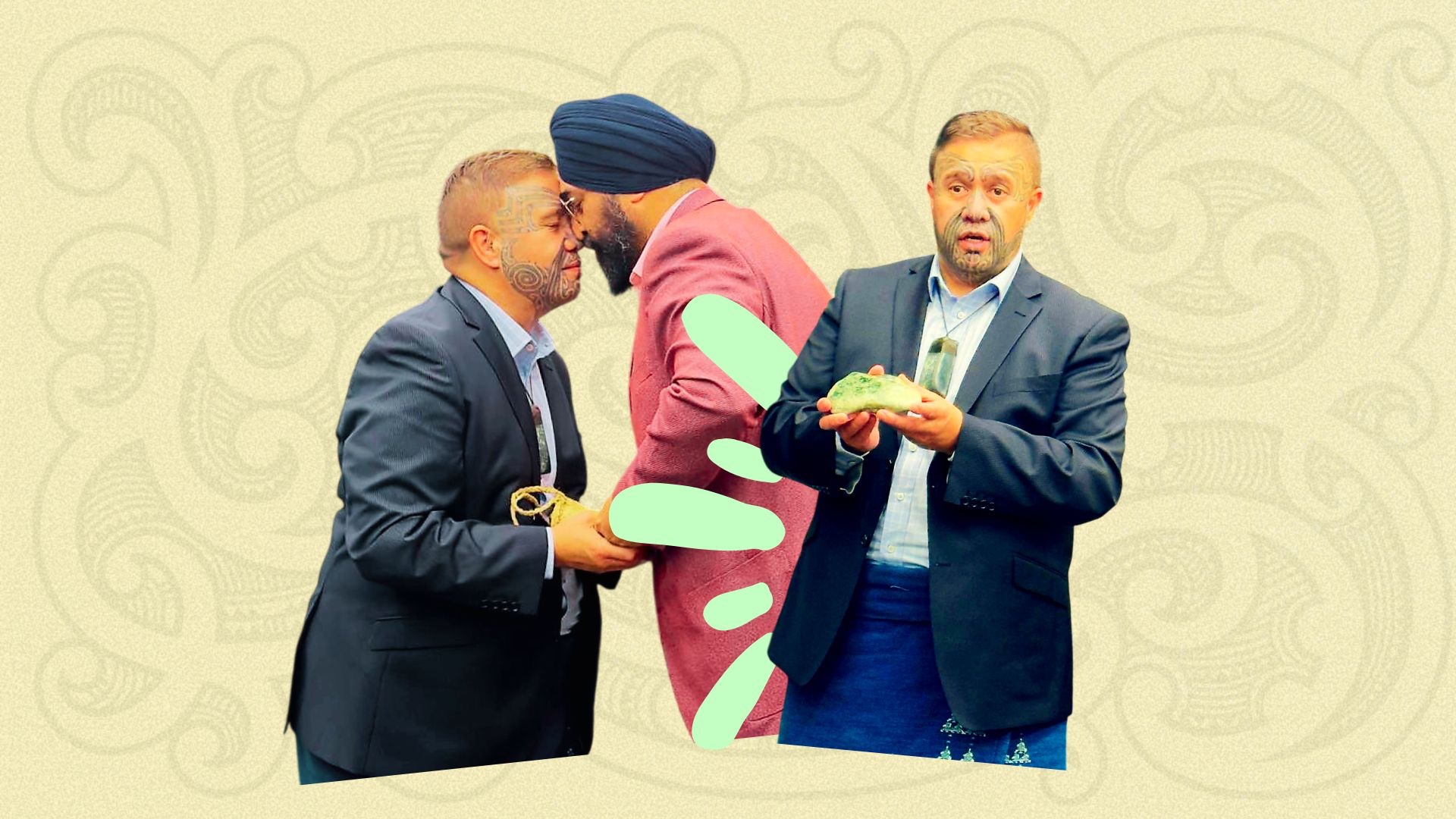
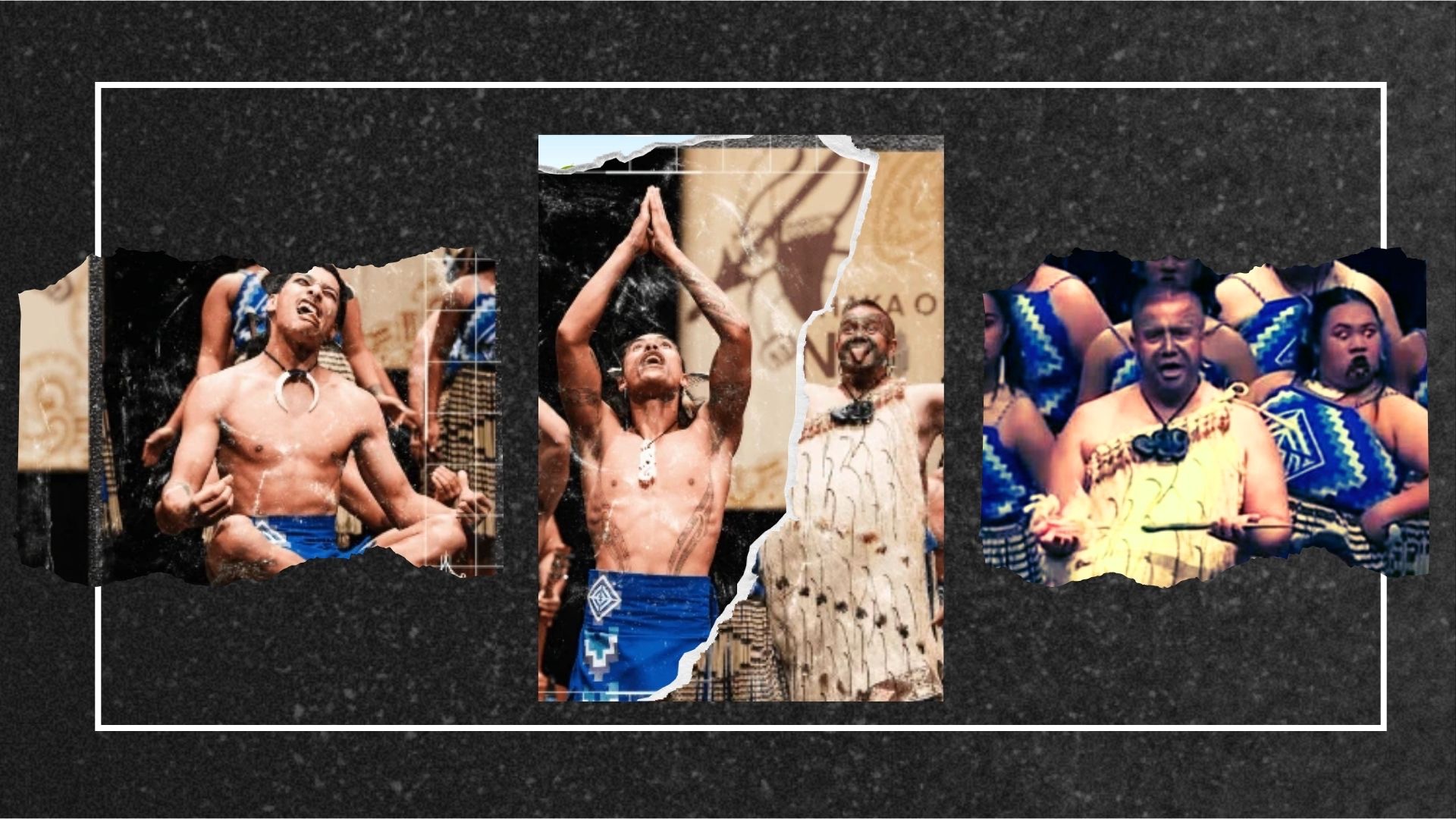
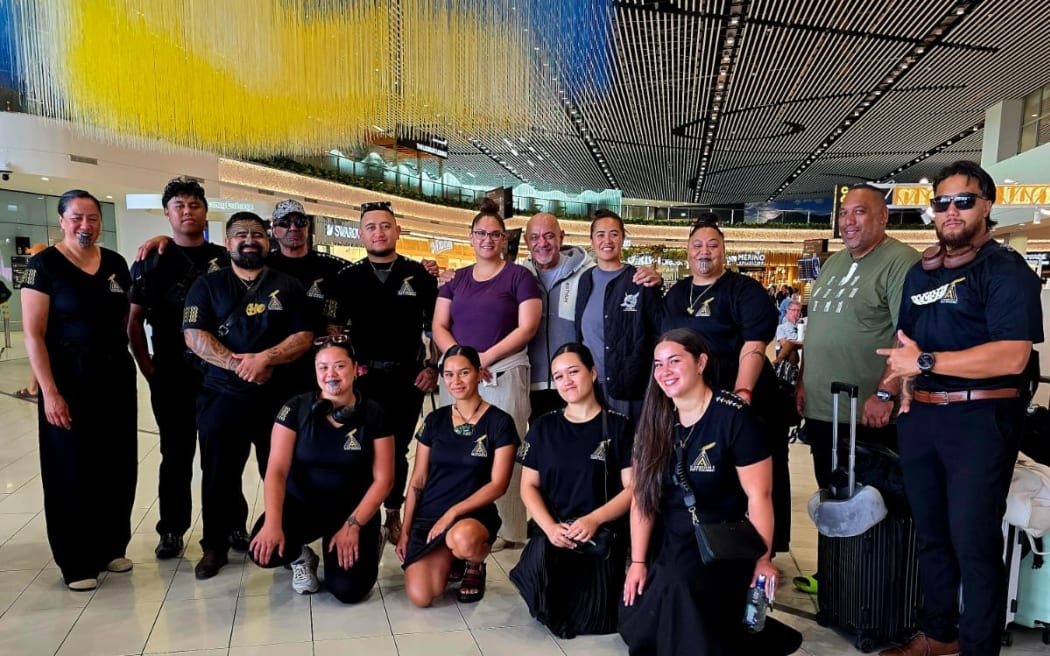
The people of Ngāpuhi deliver a powerful haka, welcoming parliamentarians onto the upper Waitangi Treaty Grounds on February 5, 2026. (Layla Bailey-McDowell/RNZ)
Te Tiriti demands respect but it also demands room to learn. If curiosity is met with judgment or cancellation, we guarantee silence.
('Out Loud' is an opinion column that takes the political, cultural and social debates Indian migrant households save for home and says them out loud, consequences pending.)
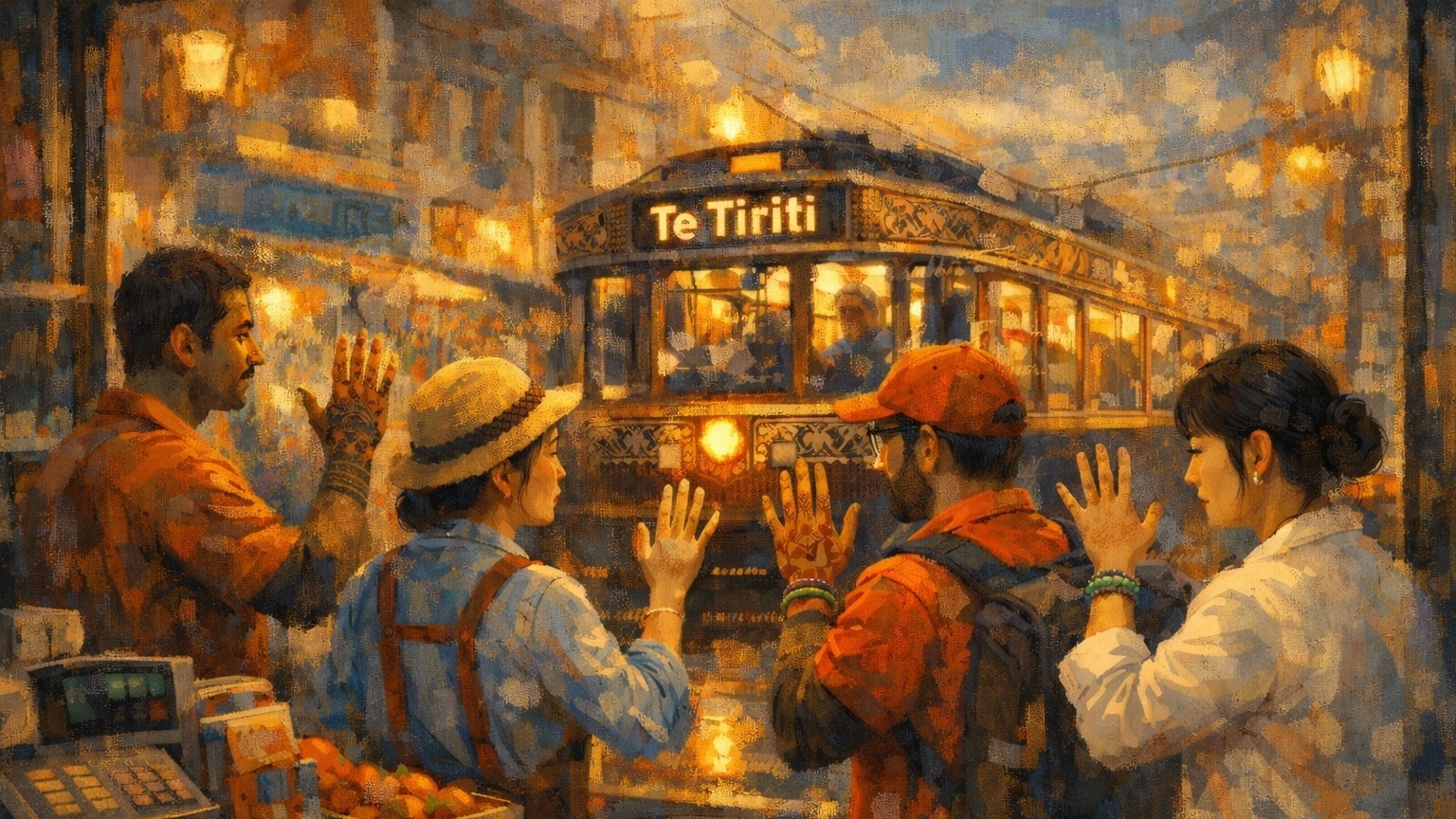
Waitangi Day returns with an annual reminder that if you call New Zealand home, Te Tiriti isn’t optional reading material. It’s a fact that shapes the landscape, whether you study it or look away at your own peril.
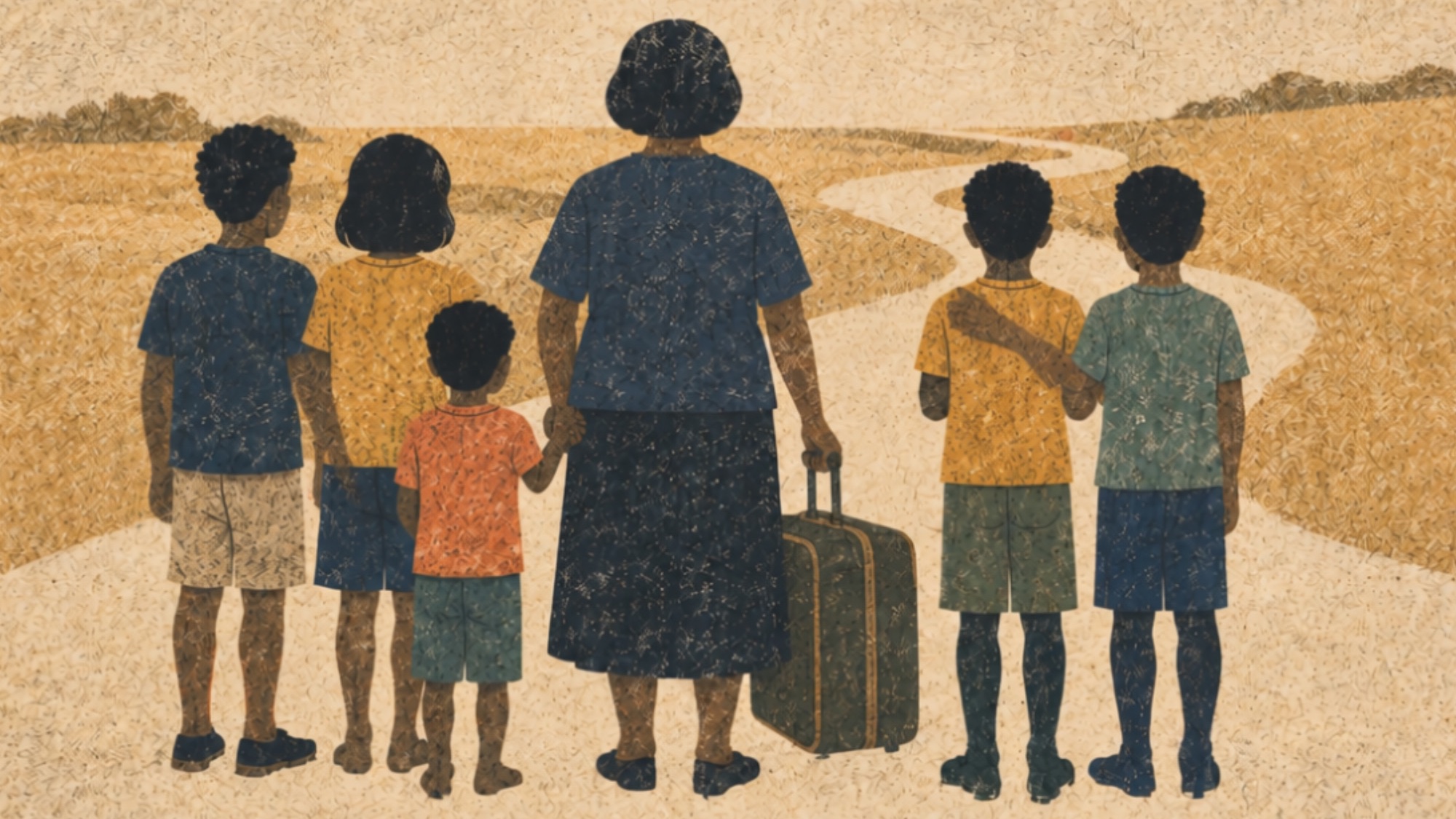
As historian William Dalrymple often points out, not knowing history is like being in a valley without knowing which direction you came from and in which you are headed. Knowing New Zealand's history is not just critical for its collective future; that knowledge also provides each individual the context to navigate the present.
On February 6, 1840, a group of Maori chiefs signed the agreement with the British Crown for mutual cohabitation and prosperity. It provided the foundation for New Zealand as we know it today. Te Tiriti is surprisingly brief by word count, in both te reo Māori and English. But that brevity is deceptive. The two texts aren’t the same thing; the agreement was literally lost in translation. So you end up with documents short on word count but not short on interpretations.
An observation on religion by 18th century British historian Edward Gibbon fits quite well in the context of Te Tiriti. If you were to draw that analogy to New Zealand's founding document, arguments of such political weight are all considered by believers as equally true; by critics as equally false, and by politicians as equally useful.
From designing restaurants to running Auckland Diwali: The many lives of Arnav Taode Taode brings his passion for Indian arts and culture to his first year managing BNZ Auckland Diwali 2026.
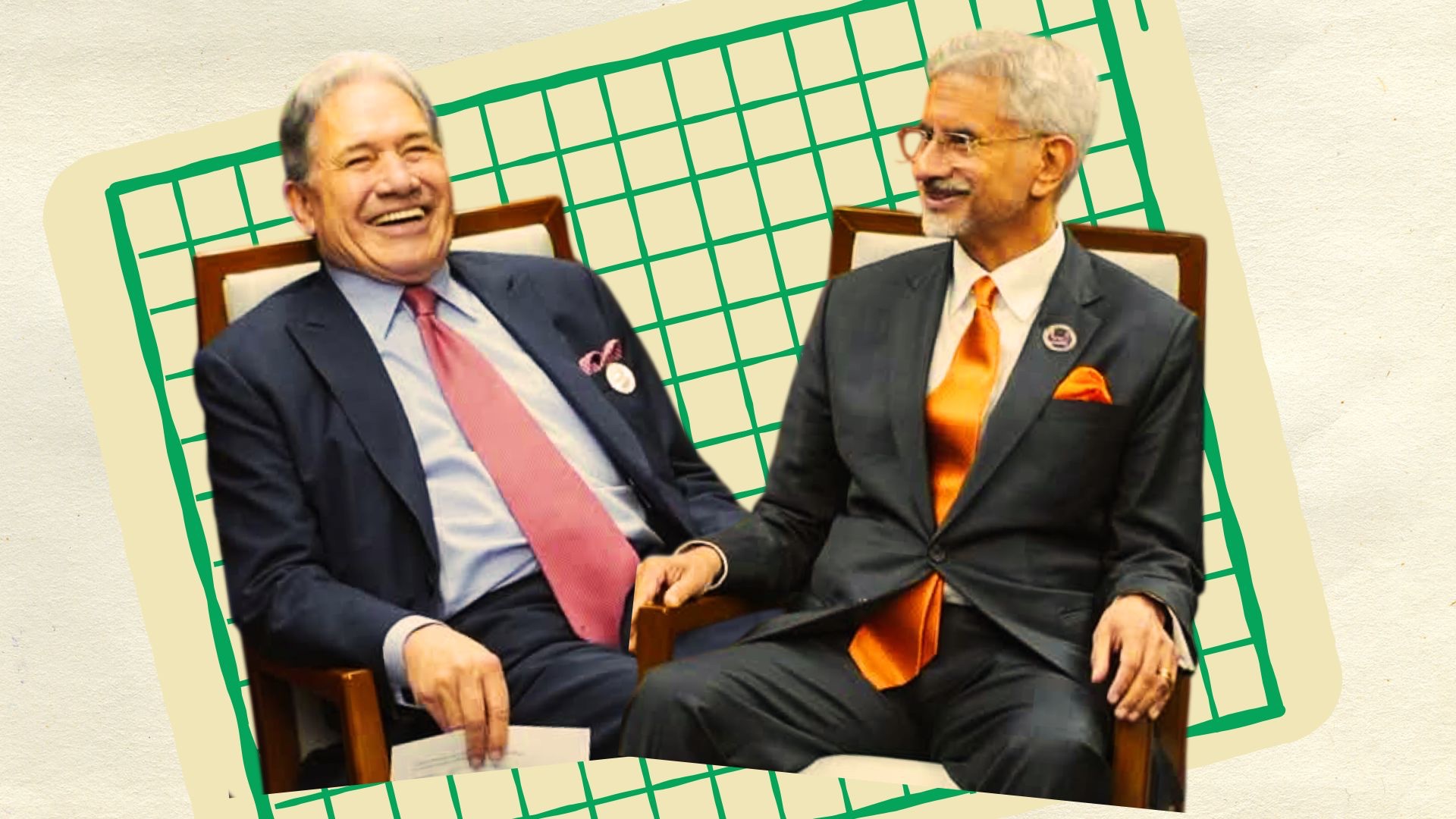
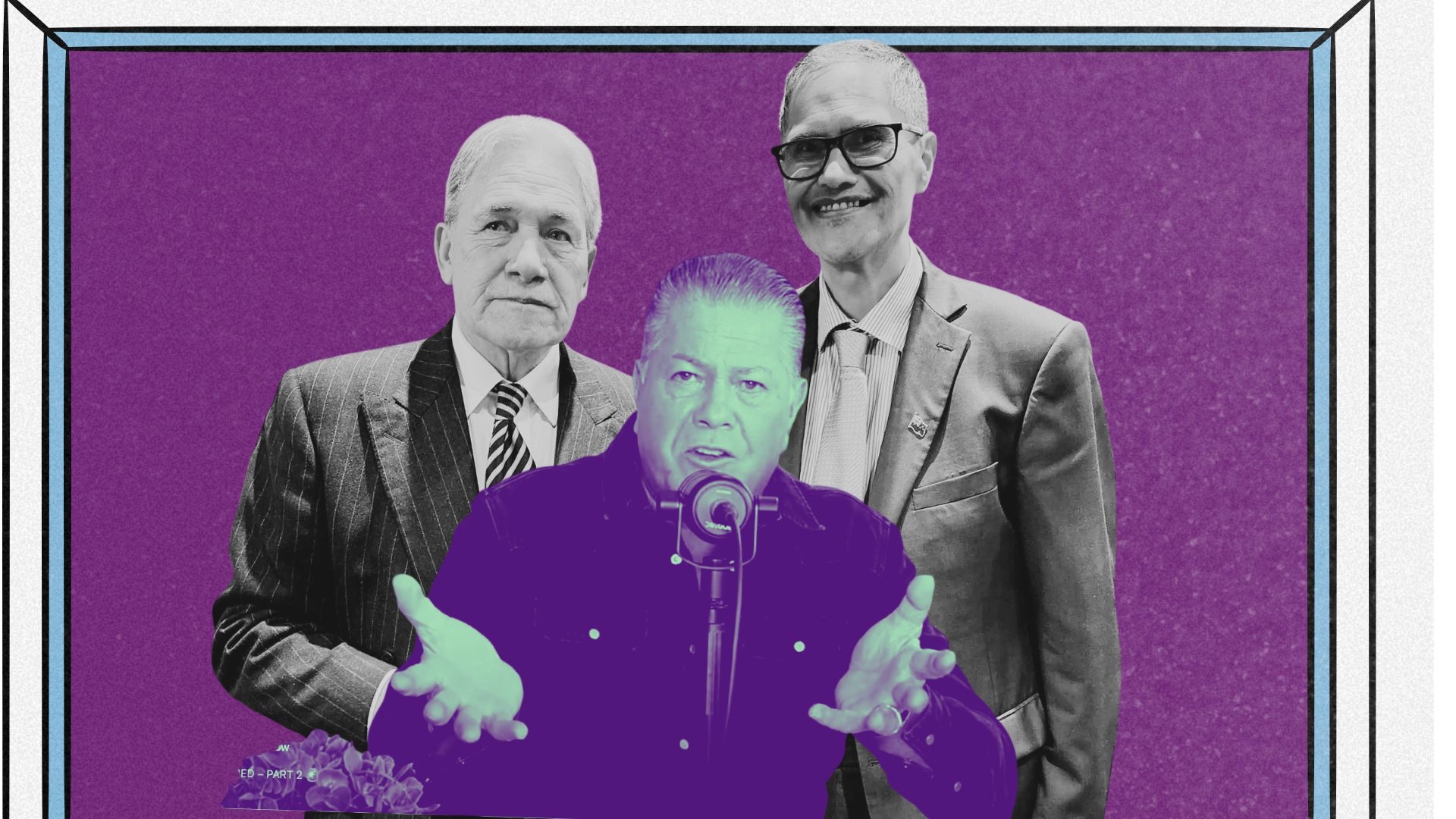
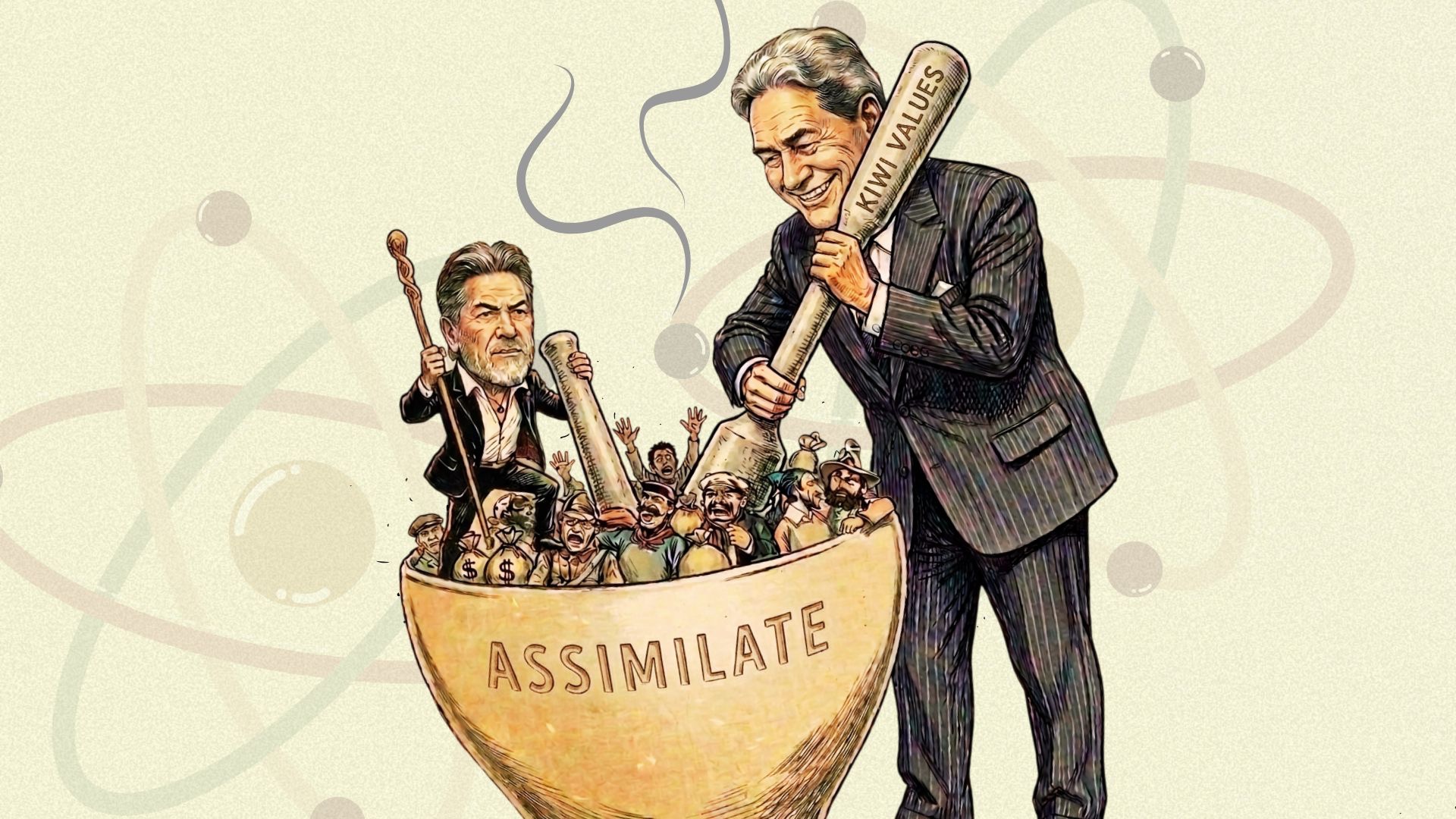
Winston Peters says ‘diversity is disunity’. What does the evidence tell us? Evidence from business, sport and social policy suggests diversity can strengthen economies and cohesion but on one condition.
Baby born in Sri Lanka to New Zealand residents caught in limbo after Down syndrome diagnosis Immigration tribunal orders fresh residence assessment after finding a “serious mistake” by immigration officials.
Te Tiriti has been repurposed across decades as conviction, error, or instrument depending on who is speaking and why. That fluidity intimidates newcomers, especially migrants juggling jobs, bills, and children in a foreign land. Learning Te Tiriti ranks low in the queue of urgent tasks, not because it lacks importance but because it feels like a conversation waiting to pounce on any misstep.
Last year, I was invited for tea by an Indian New Zealander in Auckland who is quite up in the social ladder, someone invited to government ceremonies and ministerial events routinely. I was explaining my attempts as a journalist to write about Te Tiriti, when they leaned in with a knowing smile: “And you are afraid to write?” They completed the sentence I was trying not to say out loud.
More recently, an Auckland academic who studies racism and human rights told me that understanding Te Tiriti is a journey and that I had only just begun. The observation wasn’t wrong, but the tone left me wondering if I were meant to stay silent until I reached some undefined endpoint? Or was the journey only complete once I agreed with her view?
Migrants need a long rope in this conversation. Te Tiriti demands respect but it also demands room to learn. Engagement can’t be reserved for those already fluent in every clause. If curiosity is met with judgment or cancellation, we guarantee silence.
As we mark Waitangi Day today, we must remember Te Tiriti isn’t a test you either pass or fail; it’s the map of the valley we all walk. Reading it, wrestling with it, even disagreeing about it are the steps that keep us from being permanently lost.
PS: The academic I referred to earlier was kind enough to later share with me some resources she believed "will inspire you to learn more through building relationships this Waitangi Day". Reproducing them here in case you are keen:
1. https://asians4tino.weebly.com/resources.html
3. https://e-tangata.co.nz/reflections/being-part-of-moanas-legacy/