
Khalistan, asylum and bad faith: What NZ's new immigration bill really changes
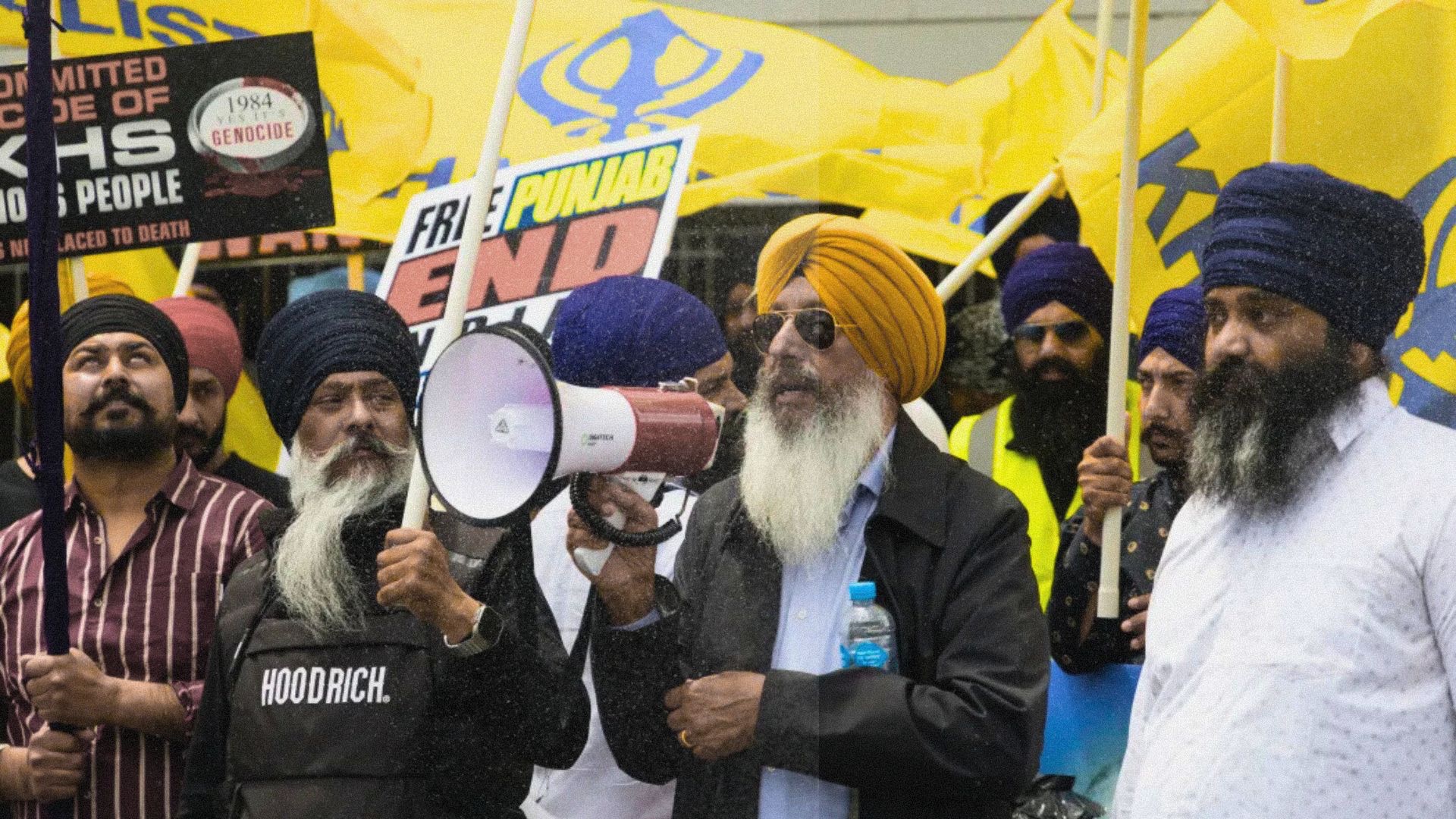
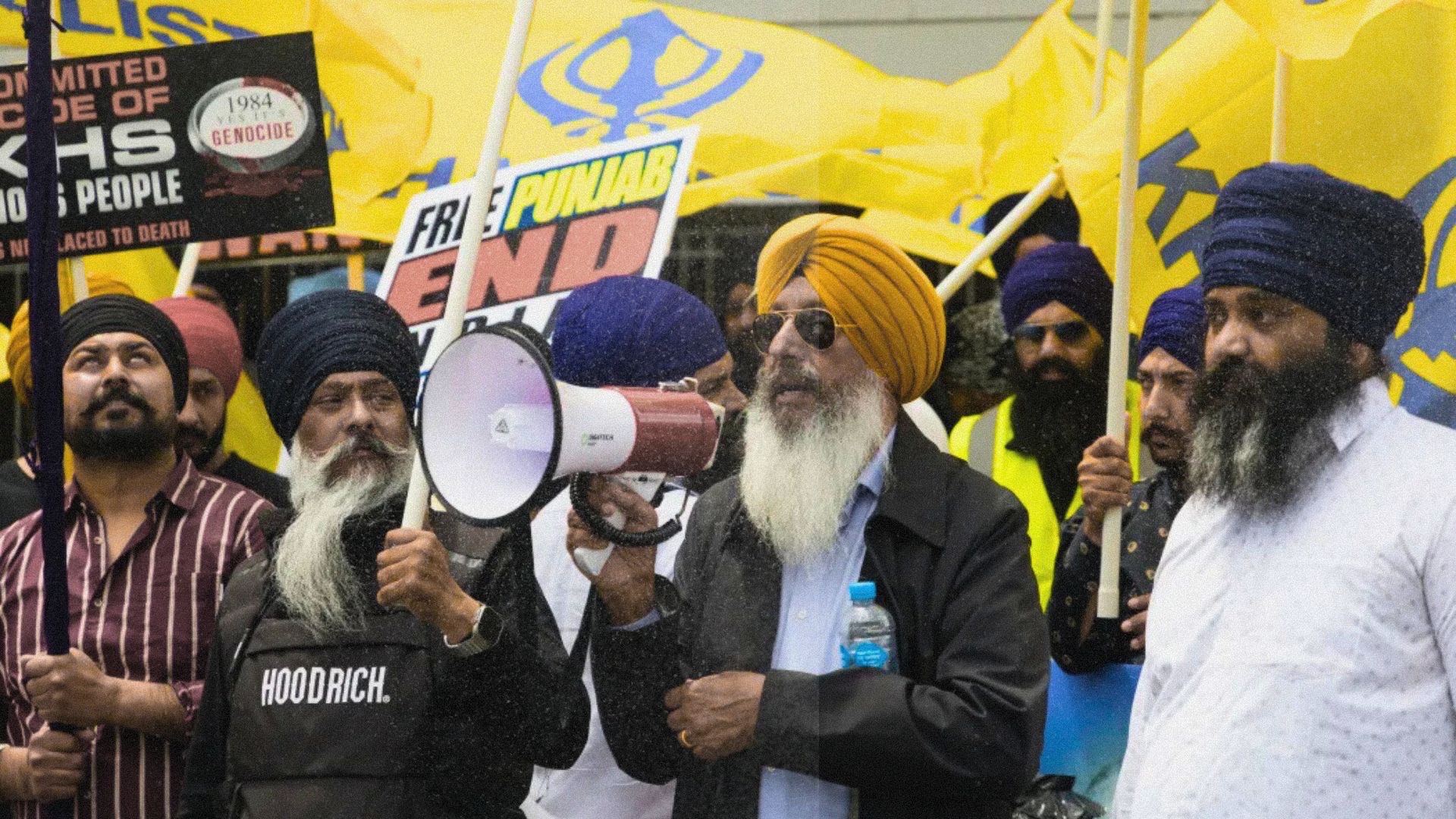
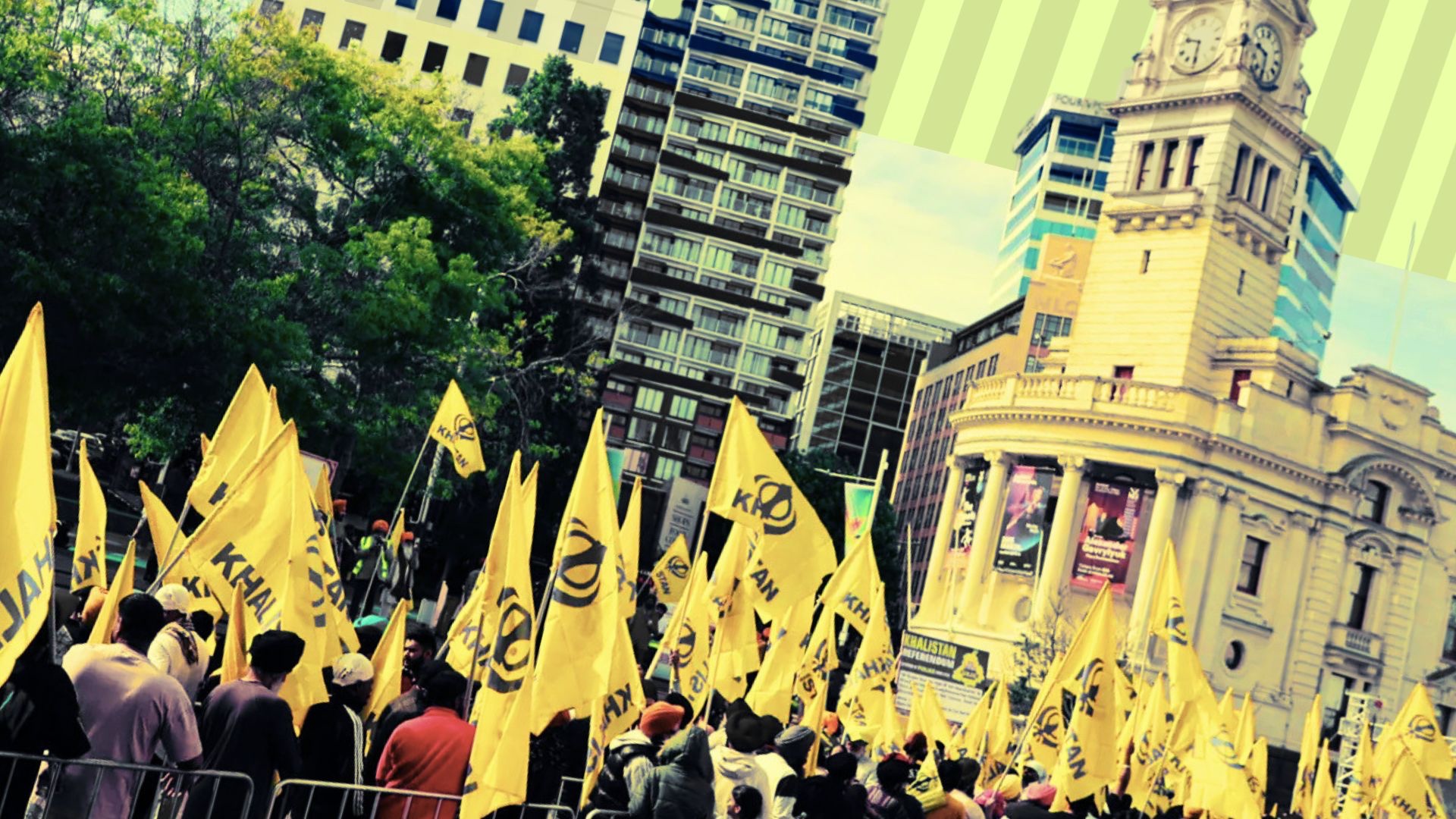
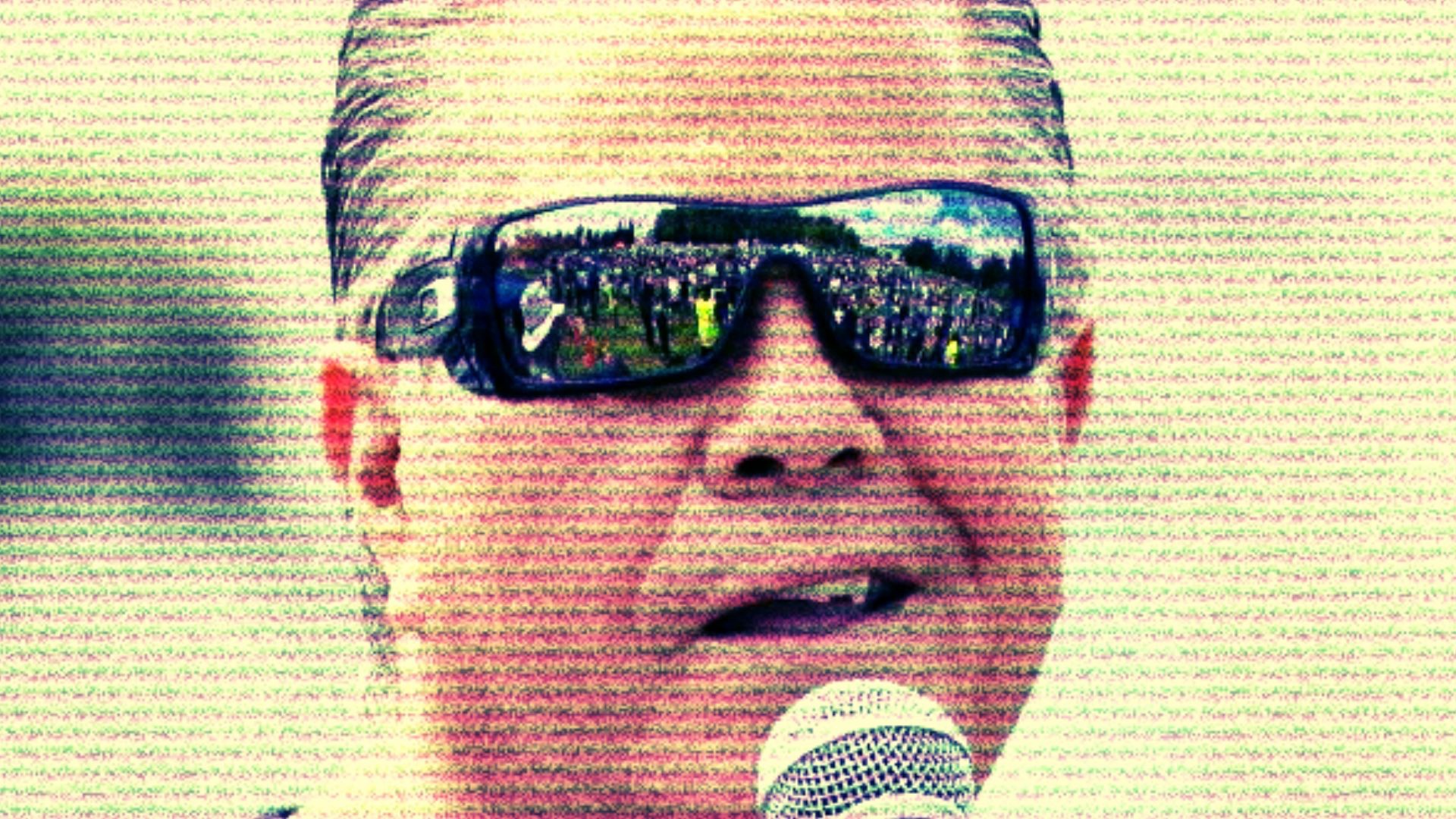
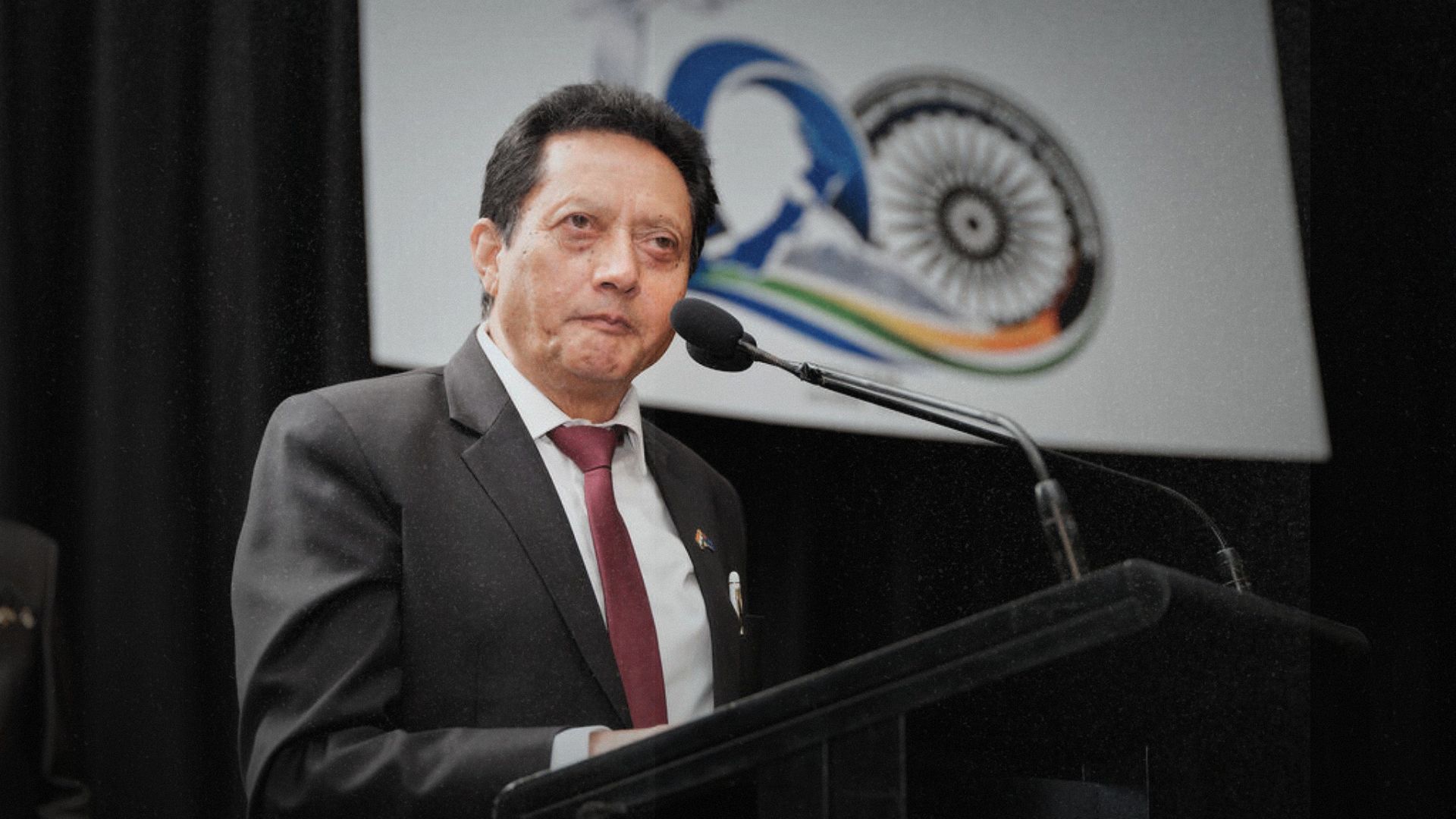
Avtar Singh Pannun, president of Sikhs for Justice, addressing a Khalistan rally outside the Mahatma Gandhi Centre in Auckland on November 2, 2024.
Aggressively targeting perceived abuse of asylum pathways risks excluding those who are genuinely in need of protection.
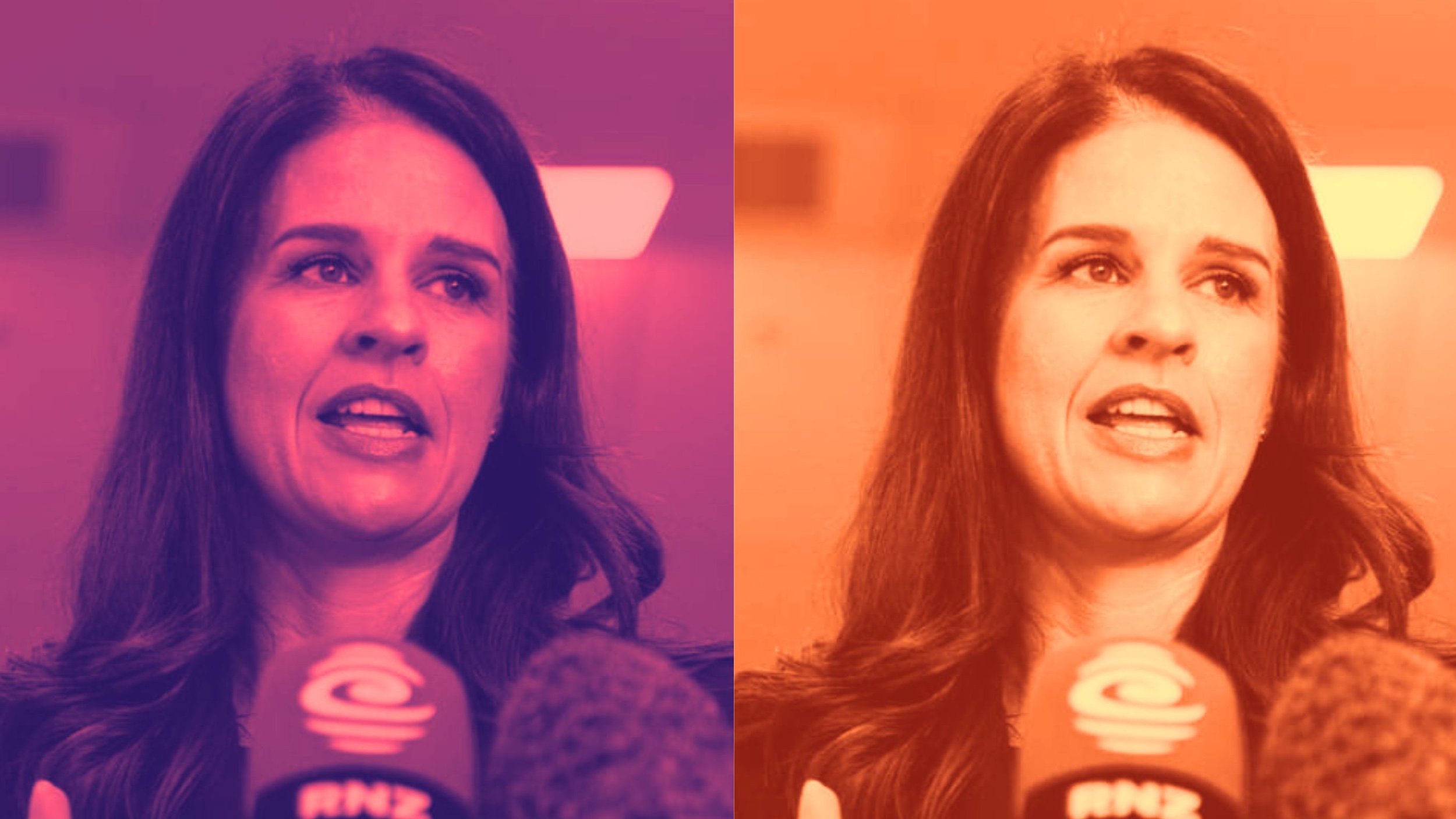
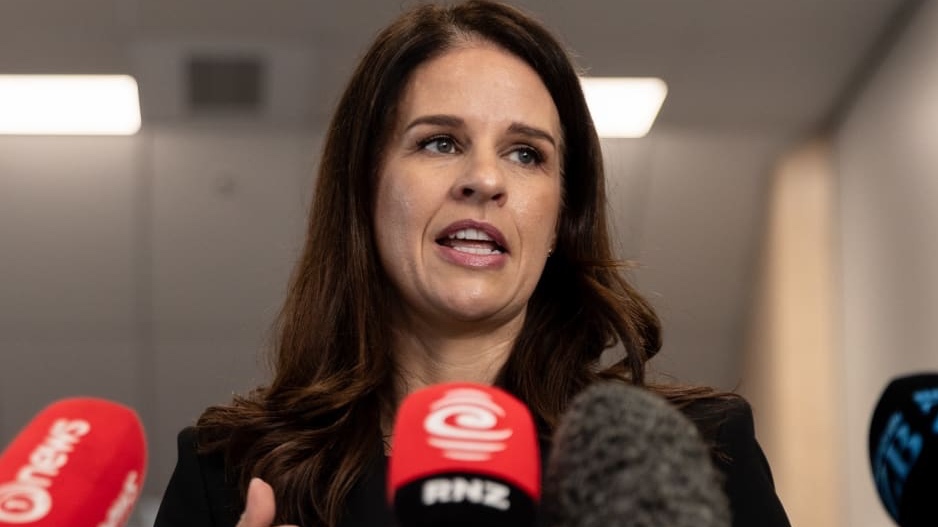
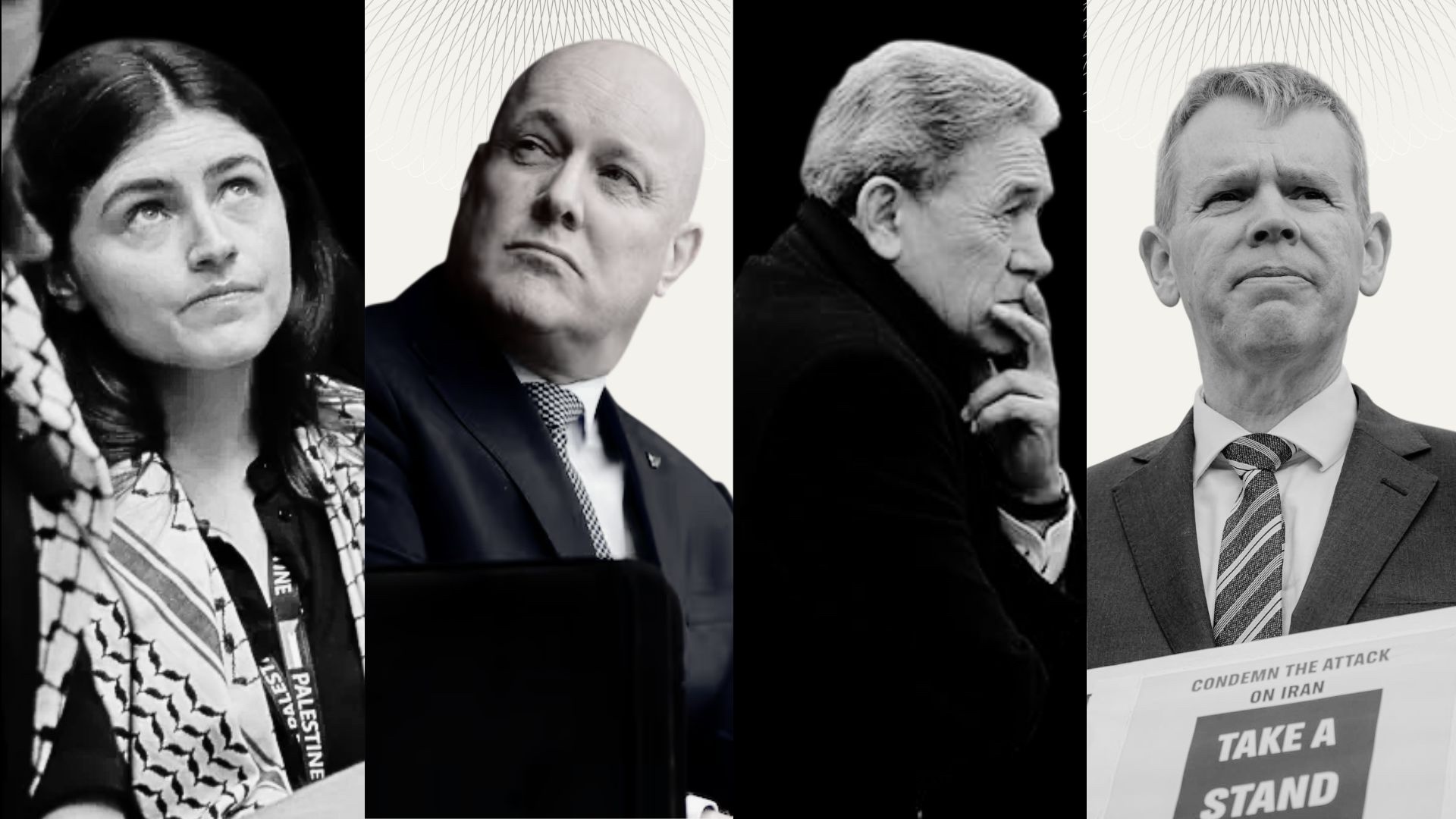
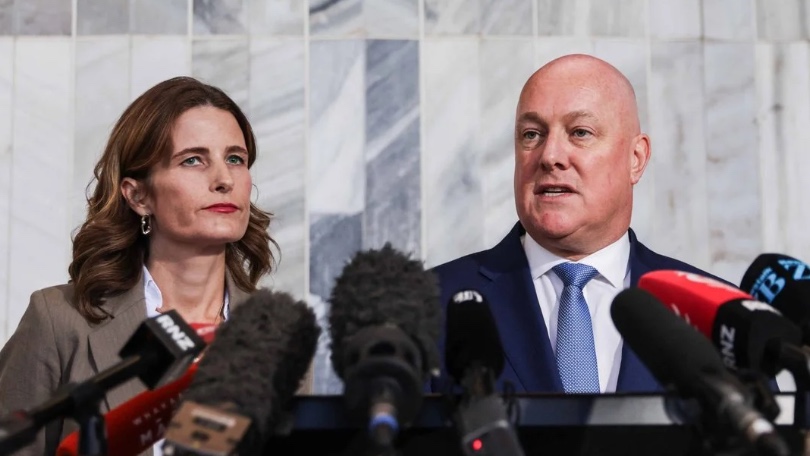
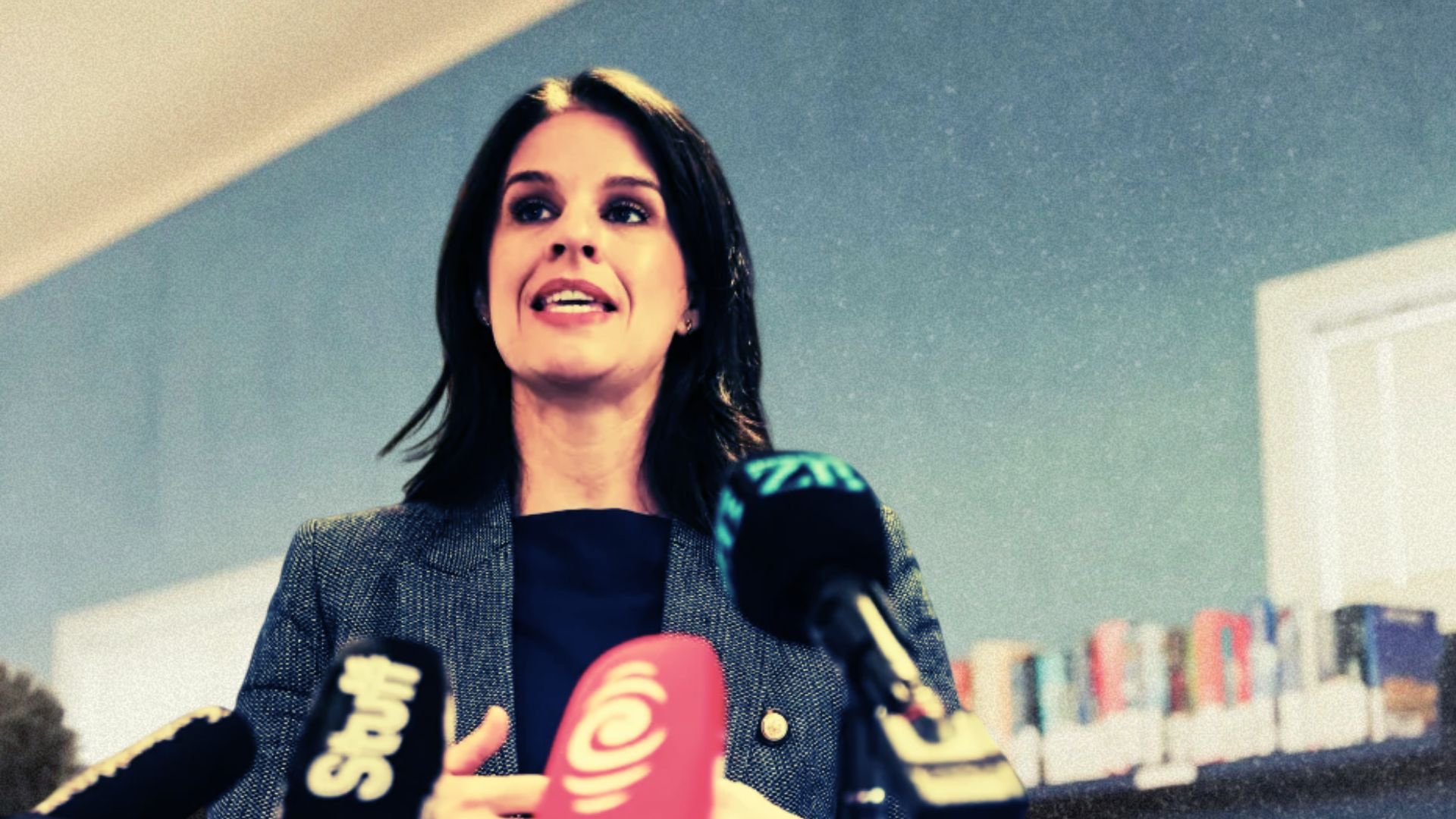
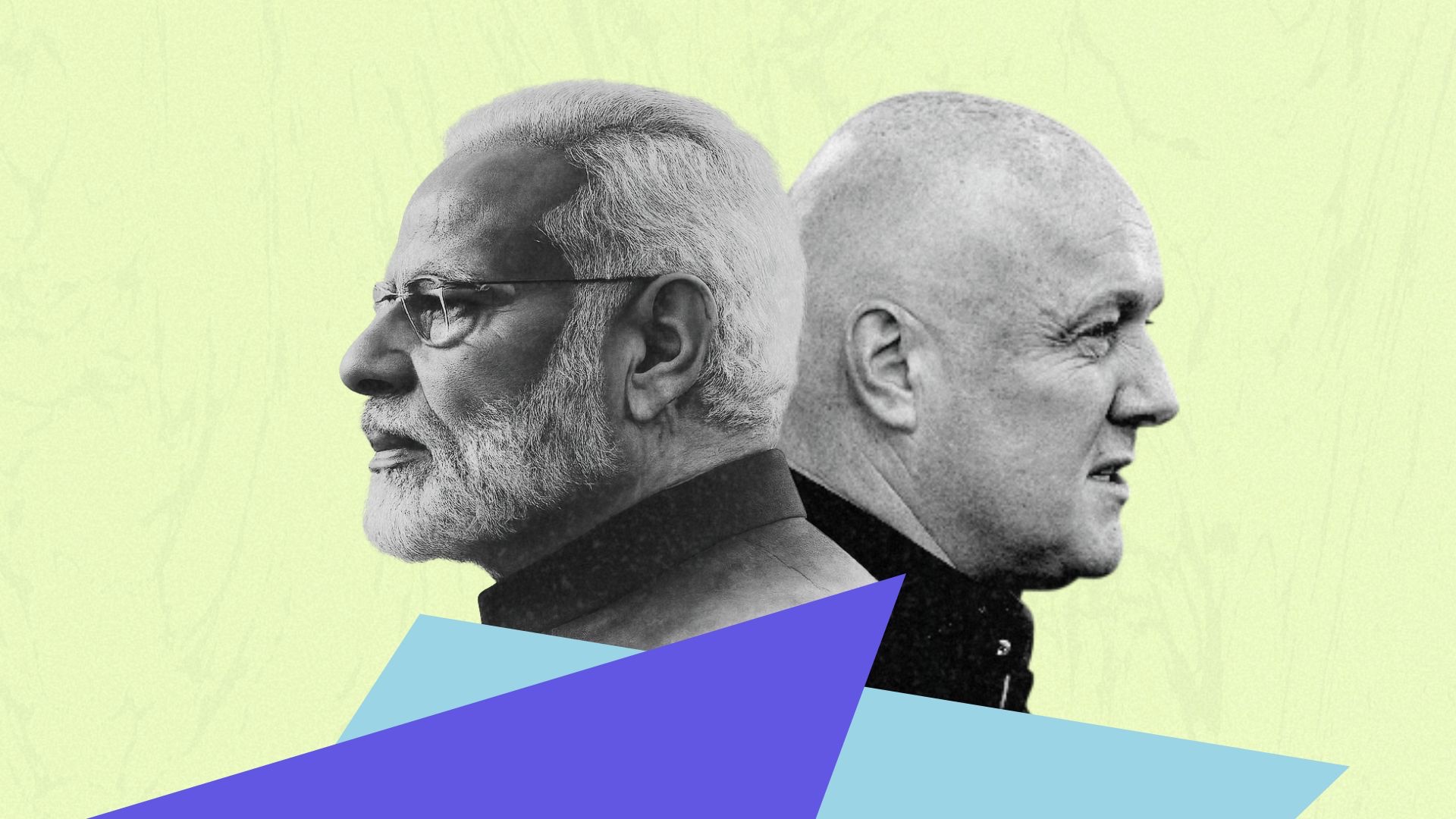
Erica Stanford has put into motion a new proposal to amend the country's immigration framework. Some of the changes are technical. Others are presented as necessary to protect the integrity of the system. But among them sits a proposal that deserves far closer attention than it has yet received.
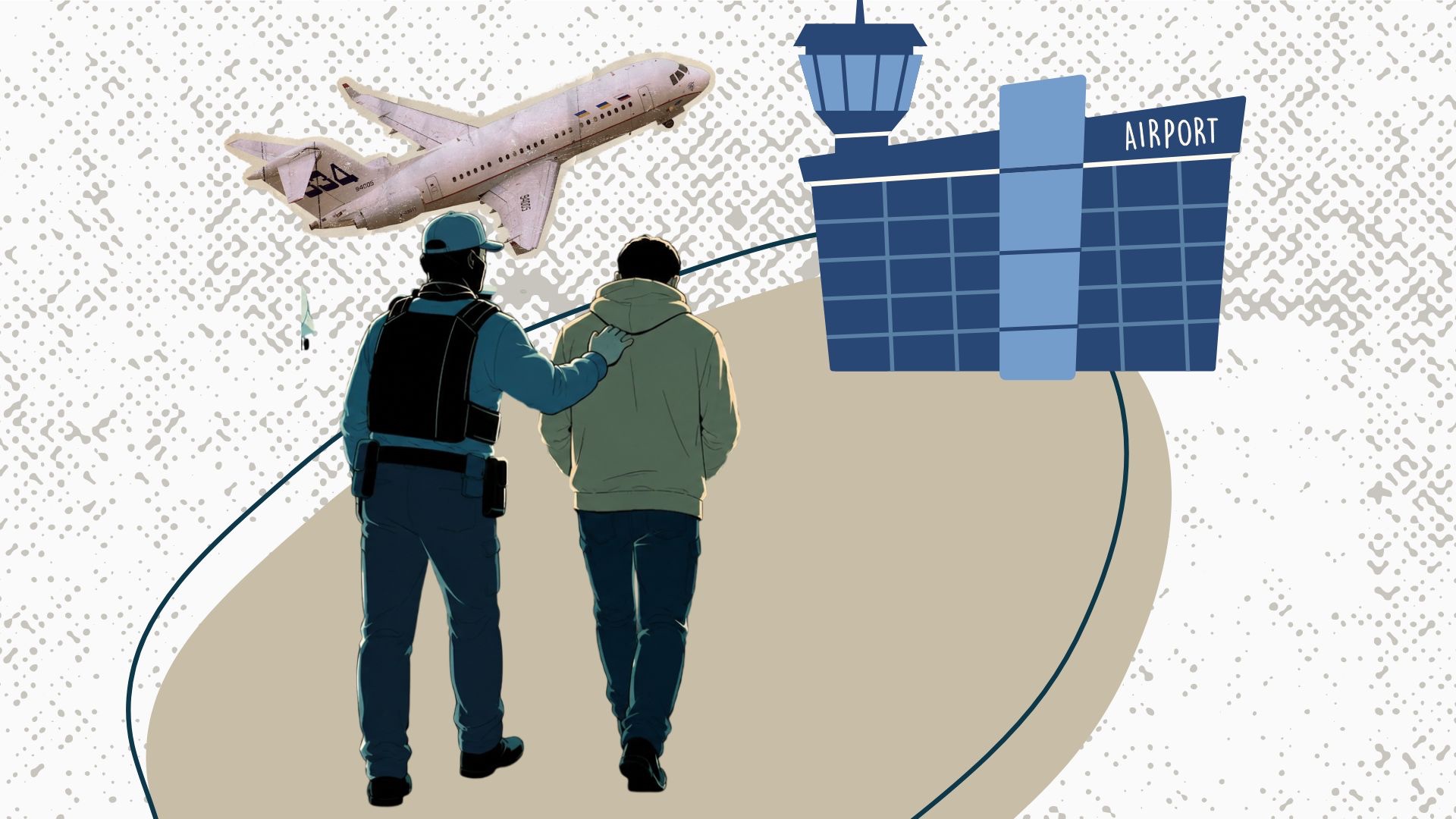
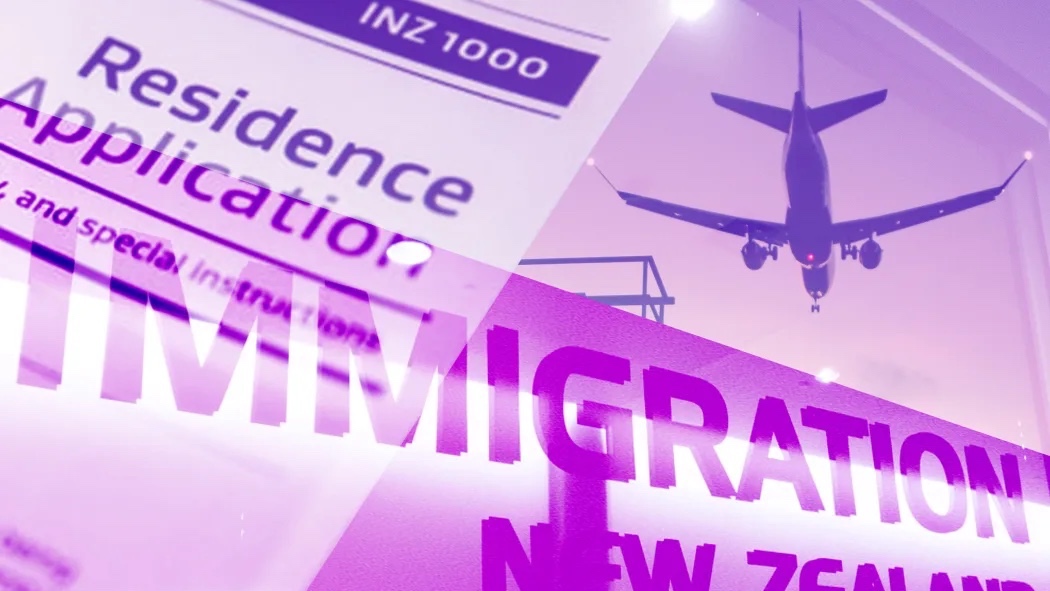
The Immigration (Enhanced Risk Management) Amendment Bill was introduced in Parliament on Wednesday. Among other things, it would allow refugee claims to be declined where an applicant has engaged in political speech critical of their home country, where that speech is considered to have been adopted in bad faith to support a claim.
A common example in the context of Indians would be those in New Zealand who have voiced support for an independent Sikh state of Khalistan. Such asylum seekers often cite the risk of persecution if they were to return home.


At first glance, the objective appears uncontroversial. No government is obliged to tolerate the abuse of its asylum system. "Manufactured claims" are a legitimate concern, and any functioning refugee regime must have tools to distinguish between genuine need and opportunistic behaviour.
But the mechanism matters. And this one cuts closer to the foundations of refugee protection than it might first appear.
South Asian diaspora raises over $200,000 for New Zealanders missing in Nepal flood "I'm so proud of the Indian community here who...supported us, saying it is not a Nepal problem but our problem."
Tamakis launch Indian-origin candidate for Epsom who surrendered passport and has ‘assimilated’ “I know a whole lot of people are going to be like shocked,” says Hannah Tamaki.
Priyanca Radhakrishnan tries to puncture Luxon’s FTA victory, says India was already sold “Things have changed quite dramatically on the Indian government side,” says the Indian-origin Labour MP.
What refugee protection is really about
The Convention Relating to the Status of Refugees is often described as a humanitarian instrument. That is true, but incomplete. It is also a legal expression of a set of values that came to define post-war liberal democracies. Individuals should not be persecuted for what they believe, what they say, or who they associate with.
Refugee protection exists precisely because some states punish political dissent, suppress religious belief, and criminalise association. The convention represents a collective recognition that when a state fails in that most basic obligation, others must step in.
In that sense, refugee law is not simply about compassion. It is about the outward projection of liberal democratic principles – freedom of thought, expression, and dissent – beyond national borders.
From credibility to suspicion
The bill moved on Wednesday does not openly reject these principles. Instead, it quietly reframes them.
Refugee systems already contain mechanisms to deal with bad faith claims. Decision-makers assess credibility every day. They examine timing, consistency, plausibility, and supporting evidence. Late-emerging political activity can, and often does, attract scrutiny.
But crucially, those assessments are about whether a claim is genuine. They do not treat the exercise of political expression itself as something that counts against an applicant. This proposal risks crossing that line.
It shifts the focus from evaluating credibility to treating political expression, specifically criticism of a home government, as inherently suspect. It invites decision-makers to look at speech not as evidence of risk, but as a potential indicator of manipulation.
That is a subtle shift. But it is a significant one.
The reality of how refugees behave
The difficulty with this approach is that it sits uneasily with the lived experience of those it seeks to assess.
Many refugees do not speak freely about their political views while still within reach of the regimes they fear. They remain silent out of concern for family members, uncertainty about their own safety, or simply the enduring effects of intimidation and trauma.
It is often only after arrival in a genuinely safe country that they begin to express those views openly. To treat that expression as evidence of bad faith is not simply harsh. It risks being wrong.
Any system that seeks to filter out opportunistic claims must confront a basic trade-off: the more aggressively it targets perceived abuse, the greater the risk of excluding those who are genuinely in need of protection. In the refugee context, those are not minor errors. They are decisions with potentially life-altering consequences.
A broader international context
These amendments do not exist in a vacuum. They sit within a broader international shift in which refugee protection is increasingly subordinated to the language of security, deterrence, and control.
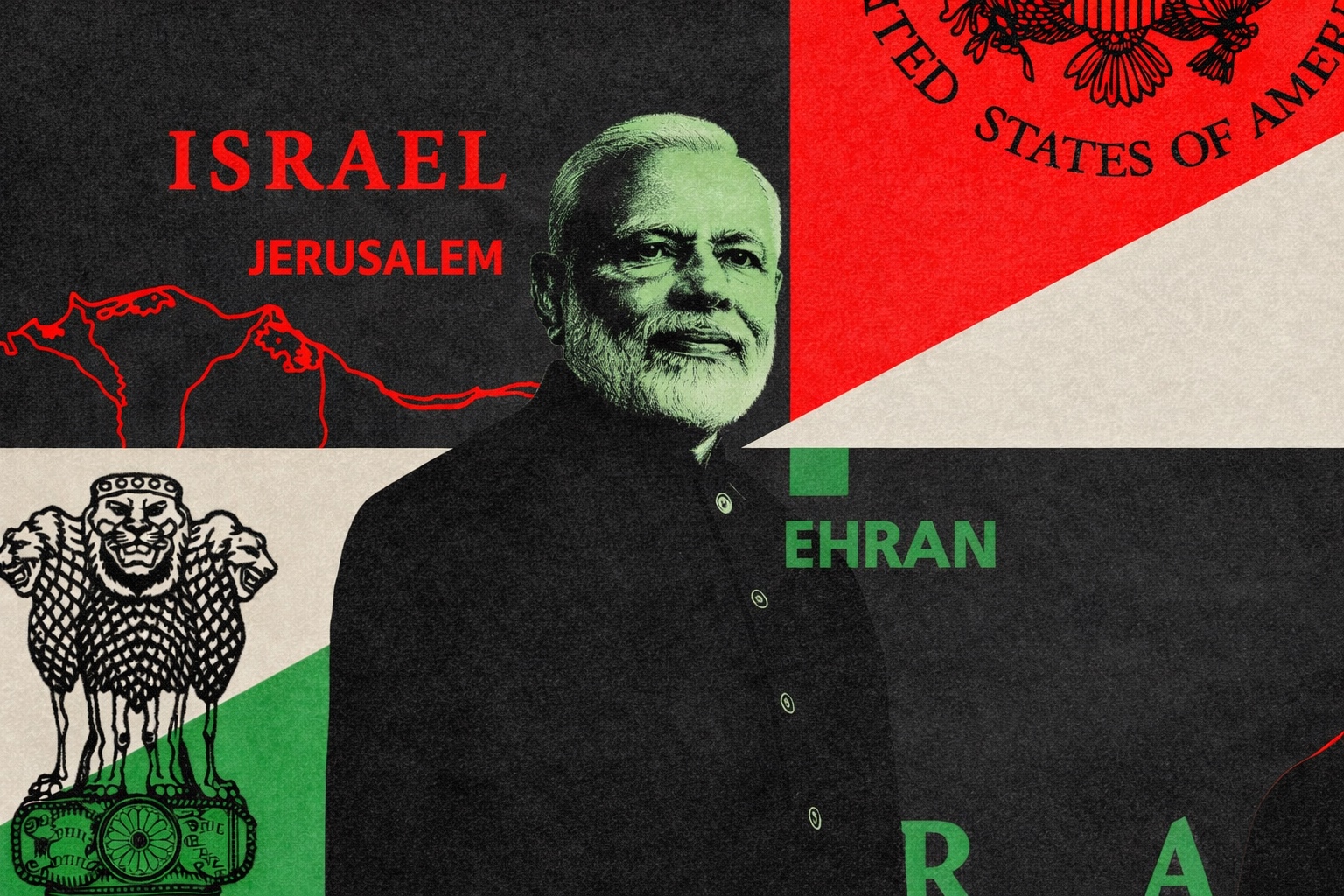
Nowhere is this shift more visible than in the United States. In recent years, the US has moved well beyond tightening its asylum system. It has, in practice, stripped back access to protection to such an extent that many commentators argue it has abandoned any meaningful commitment to the principles underpinning the Convention Relating to the Status of Refugees.
Barriers to asylum, policies of deterrence, and the externalisation of protection obligations have combined to produce a system where the right to seek refuge exists increasingly in theory rather than in reality.
The 2025 National Security Strategy does not disguise this shift, it codifies it. Migration is framed not as a humanitarian or rights-based issue, but as a strategic risk to be managed. And crucially, it calls on allied nations to align with this approach.
This matters for New Zealand. Not because it is replicating American policy in any direct sense, but because it risks absorbing the same underlying logic.
When refugee protection begins to be shaped by suspicion rather than principle, when political expression is treated as a warning sign rather than the very reason protection exists, we are no longer simply adjusting policy settings. We are adopting a different set of assumptions about what the system is for.
When protection becomes conditional
At its core, refugee protection rests on a simple idea. Individuals should not be punished for exercising fundamental freedoms. What this proposal risks introducing is a form of conditionality. Protection becomes something that may depend not only on the existence of risk, but on how and when an individual has exercised those freedoms.
That is a quiet but profound shift. It moves the system away from recognising refugees as individuals entitled to protection because of the violation of their rights, and toward treating them as cases to be filtered based on behavioural indicators.
In doing so, it raises a deeper question about the values that underpin New Zealand’s immigration regime.
The question we should be asking
The question, then, is not whether bad faith claims should be addressed. It is whether the tools used to address them remain consistent with the principles that justify refugee protection in the first place.
If the refugee convention represents a commitment to protecting freedom of thought, expression, and dissent, then any measure that treats those very acts with suspicion demands careful justification.
Once protection becomes conditional on silence, we are no longer simply refining the system, we are changing what it stands for.
(Alastair McClymont is an immigration lawyer with nearly 30 years’ experience working with migrant communities in New Zealand. He has recently taken the position of Immigration Principle at Righteous Law, a large multi-disciplined Auckland Law Firm.)