
"Shame on you, Shane Jones": Willis escalates 'butter chicken tsunami' row
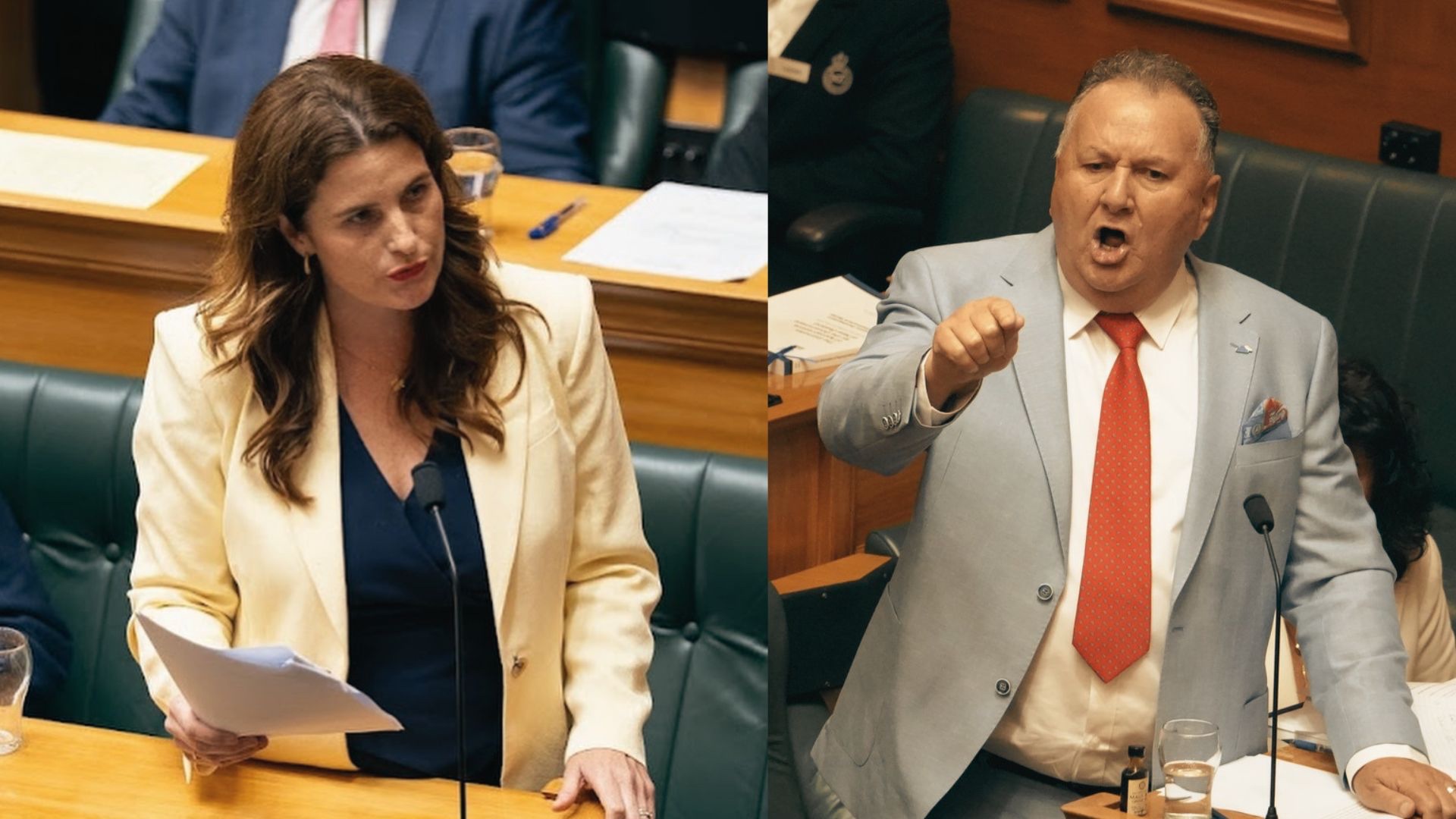
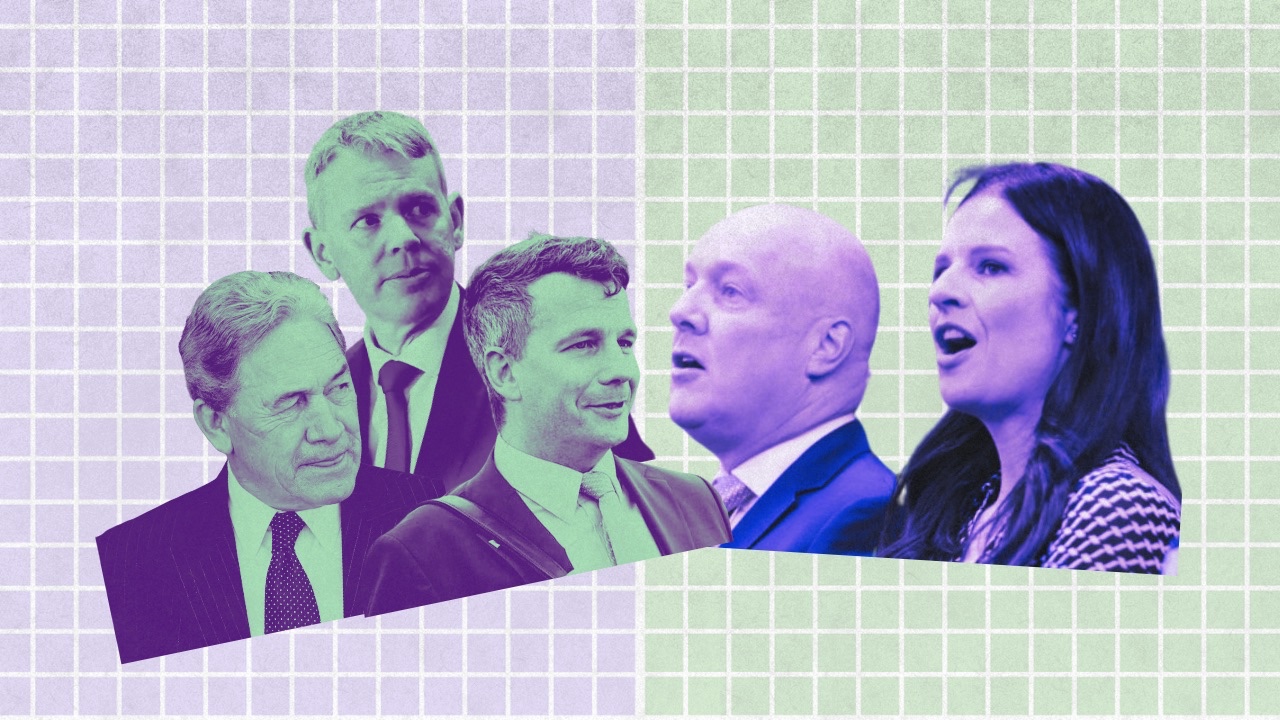
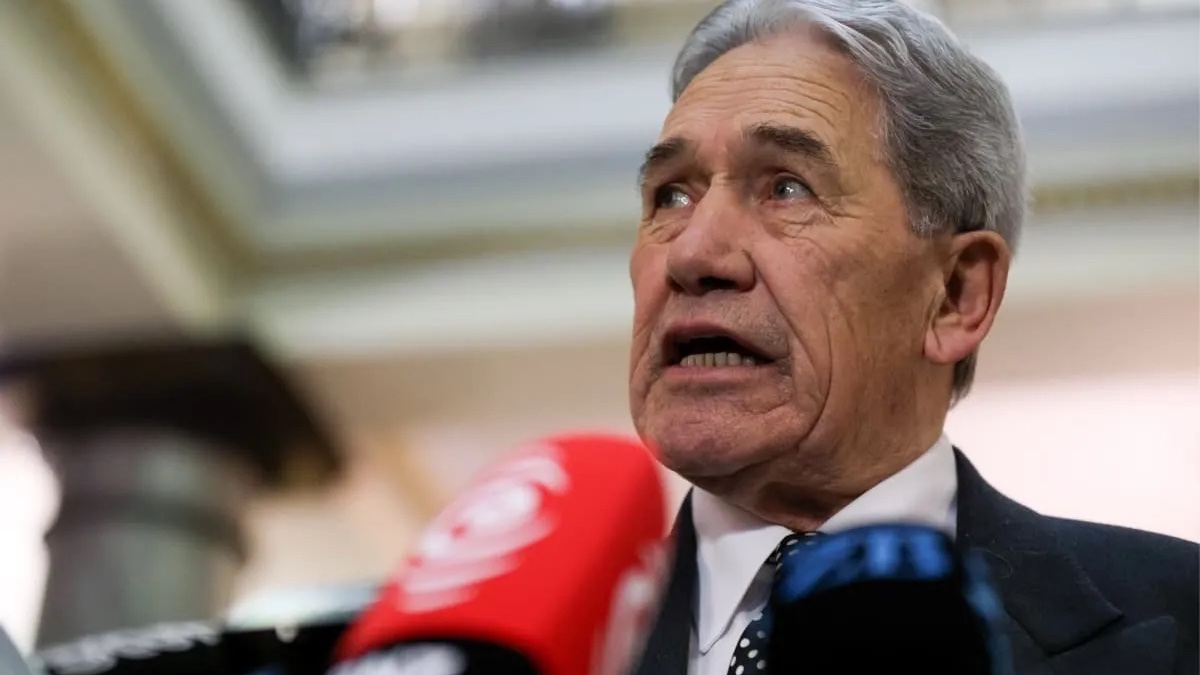
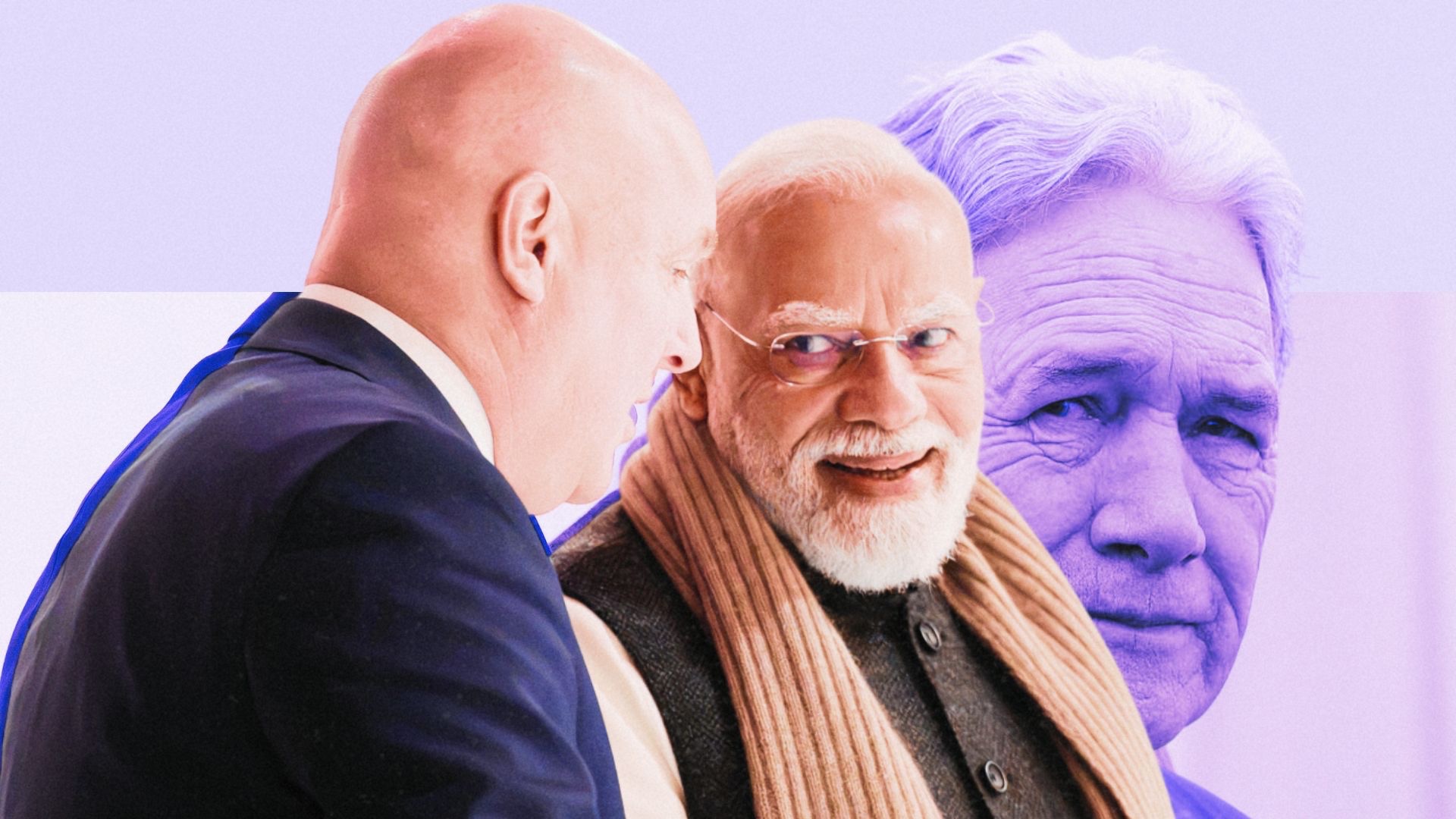
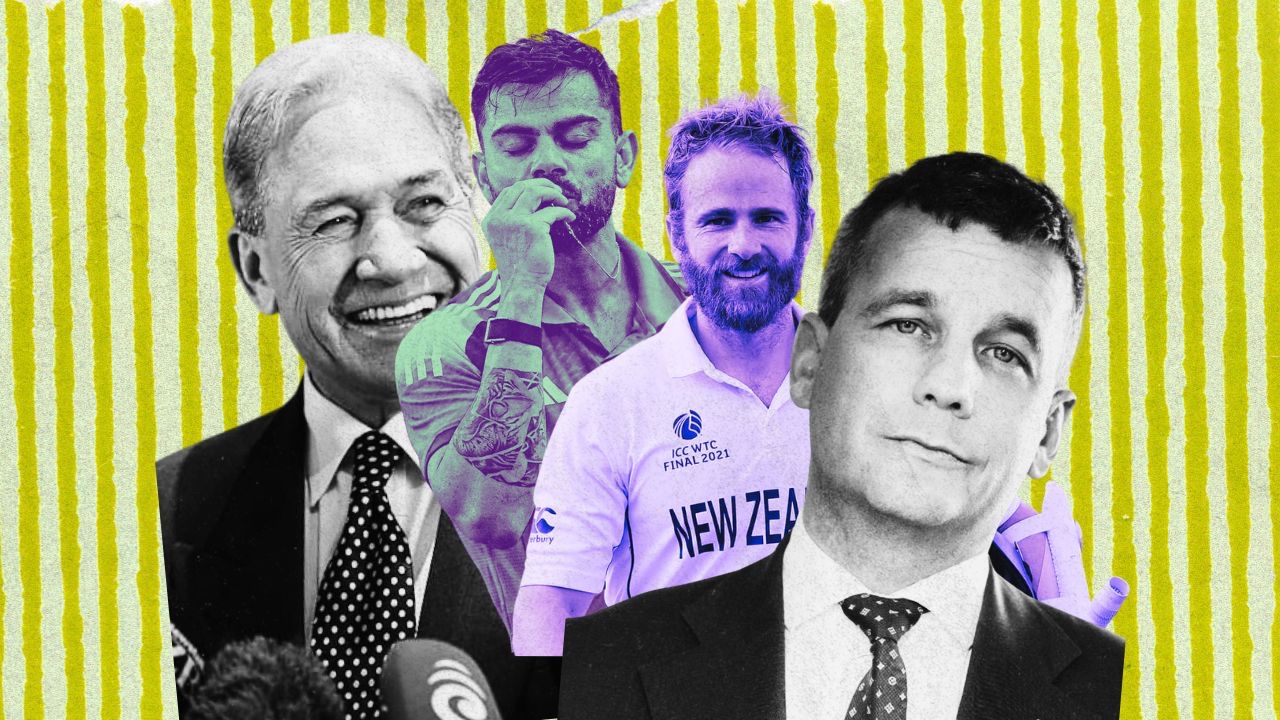
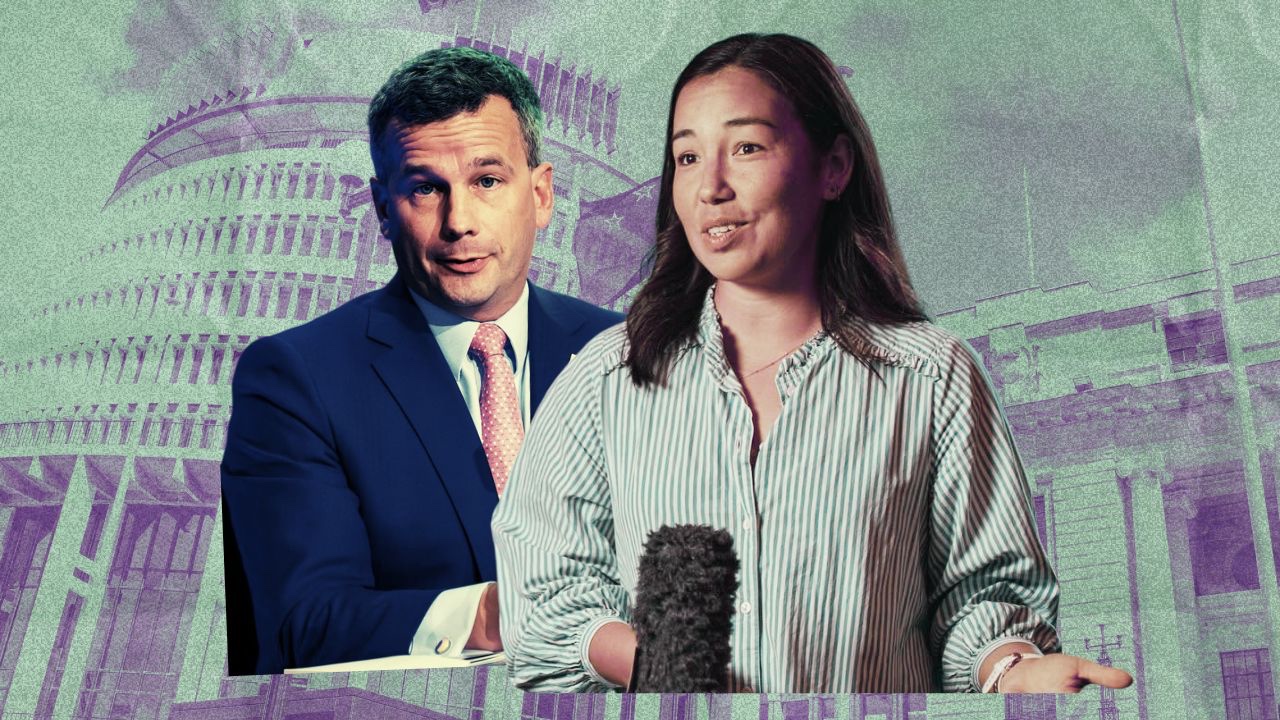
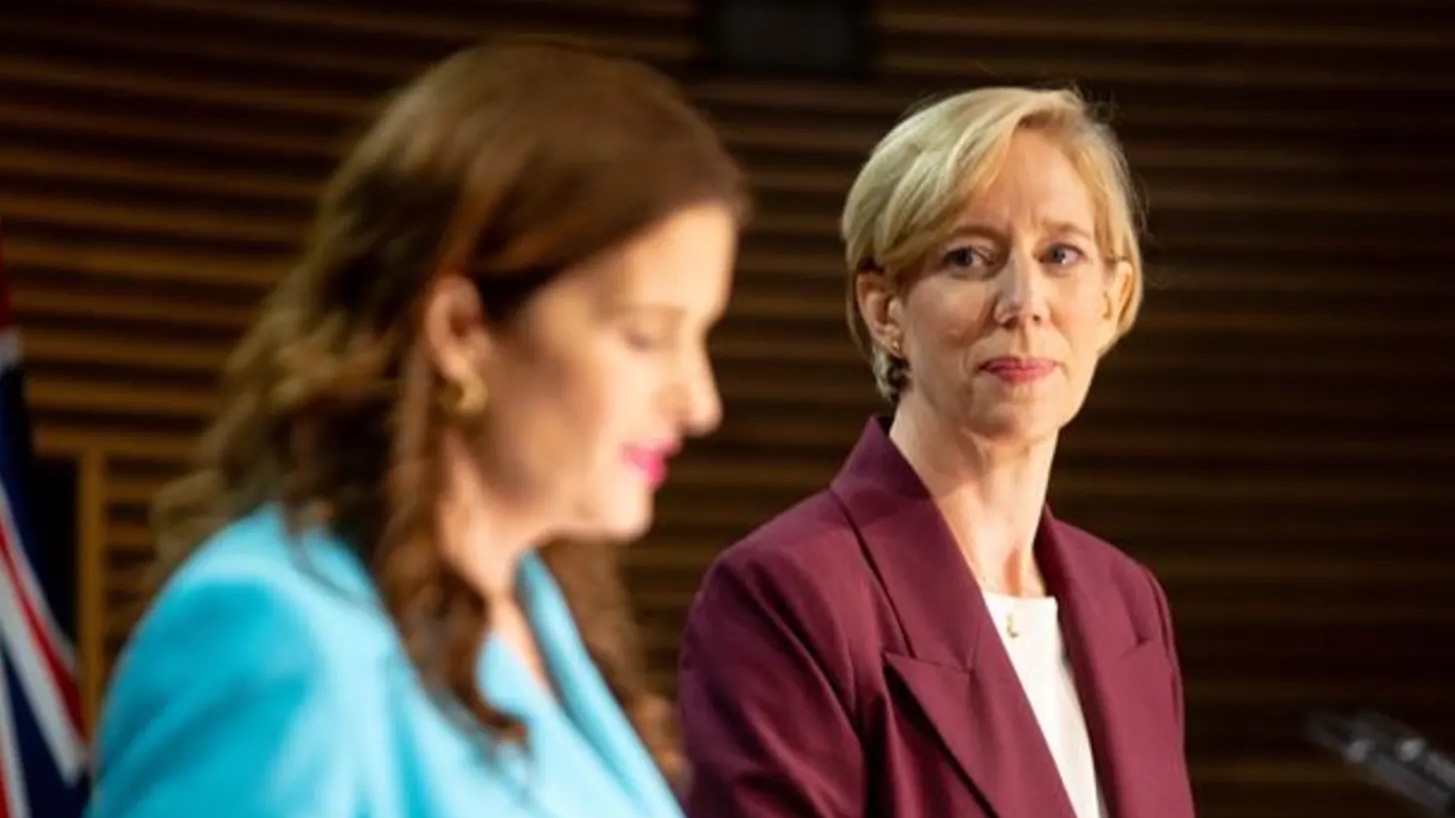
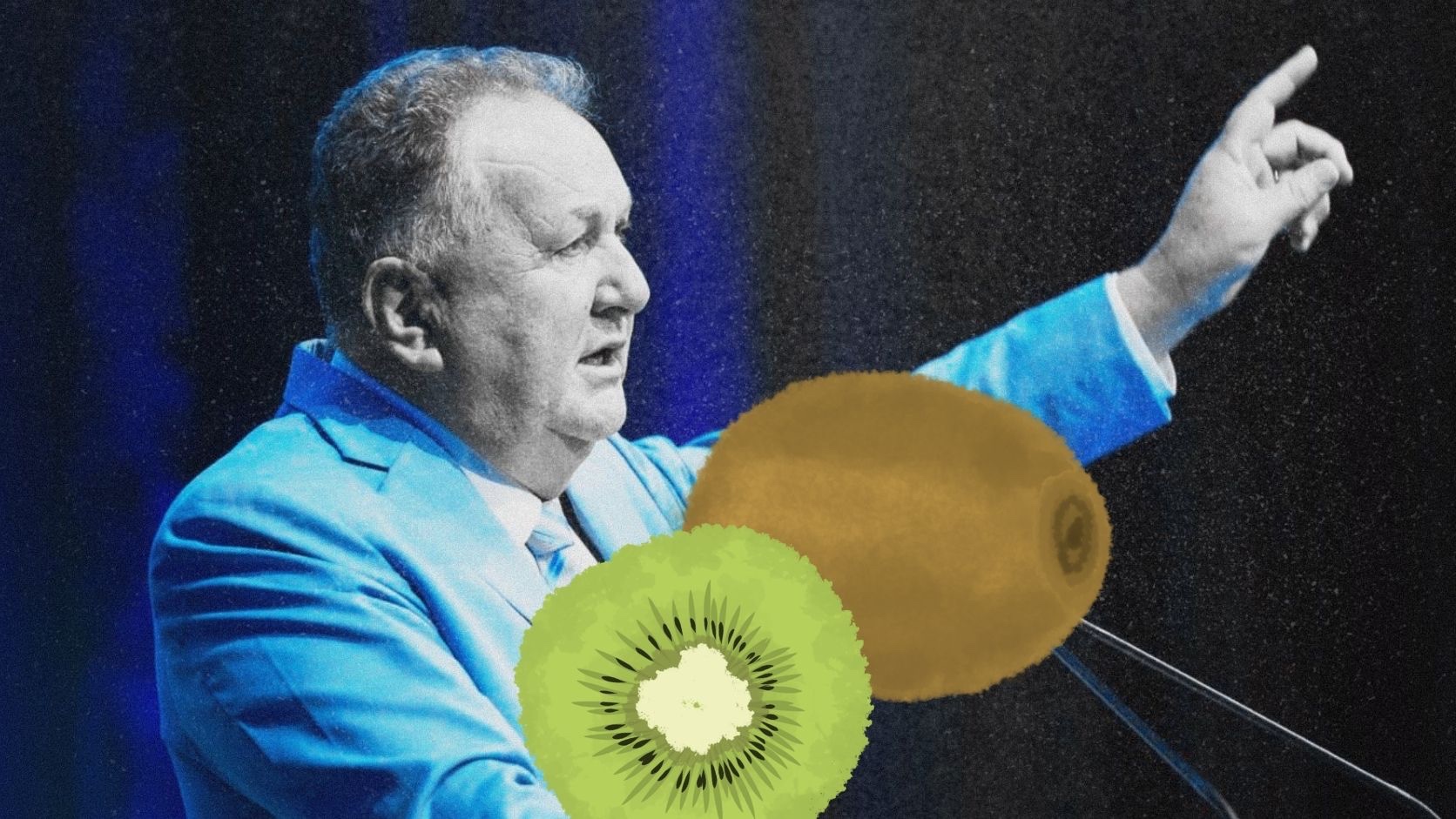
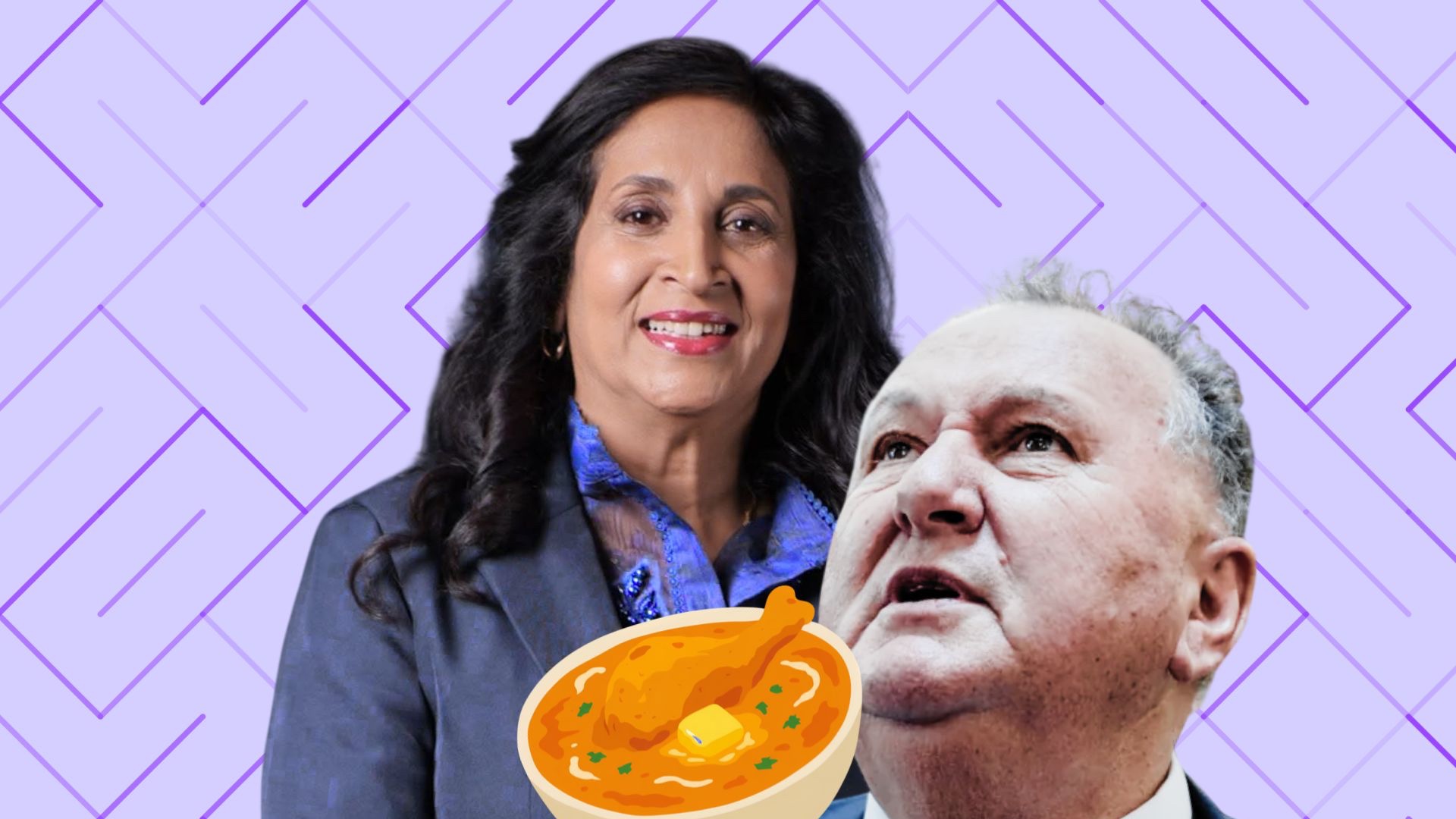
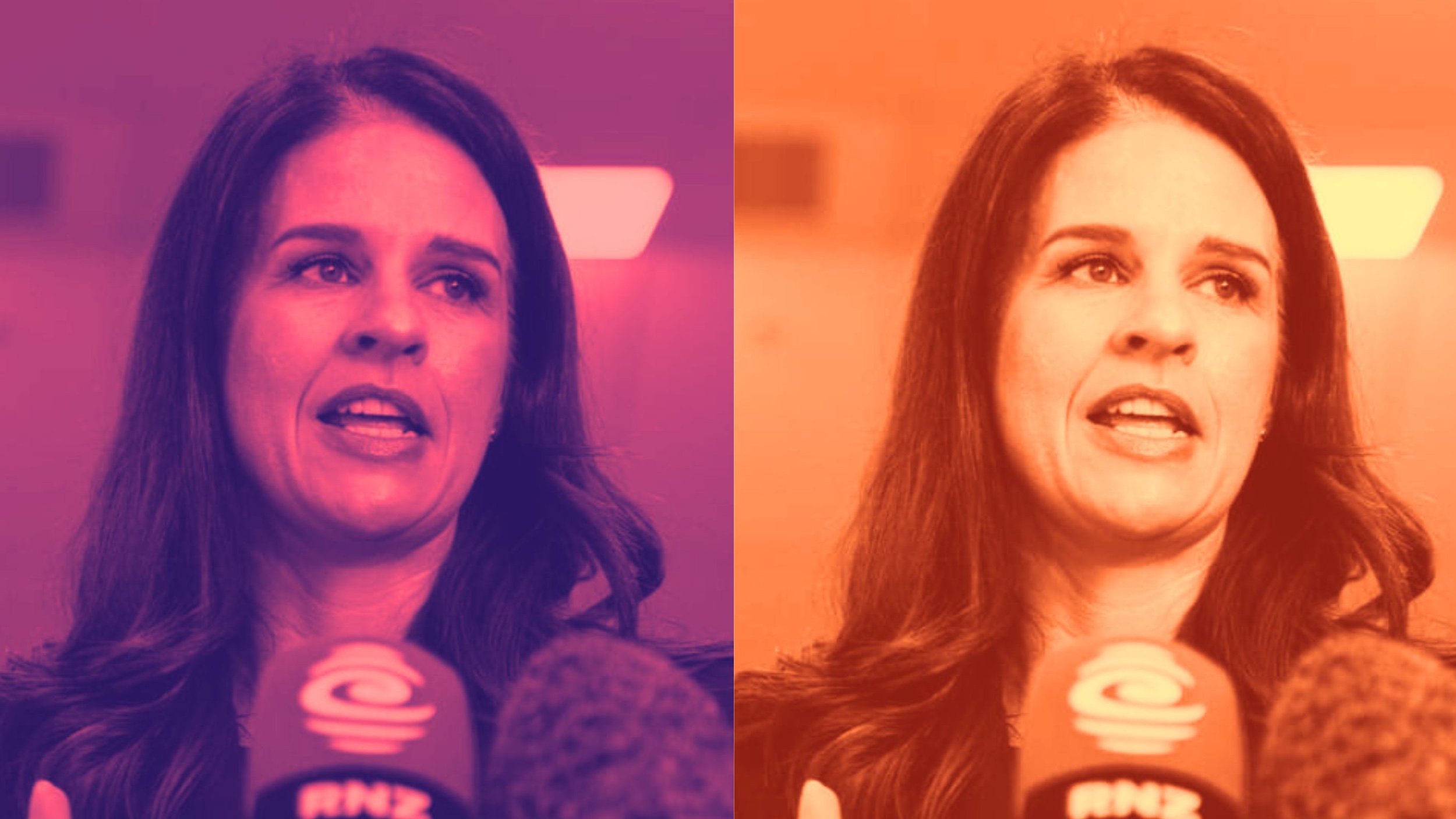
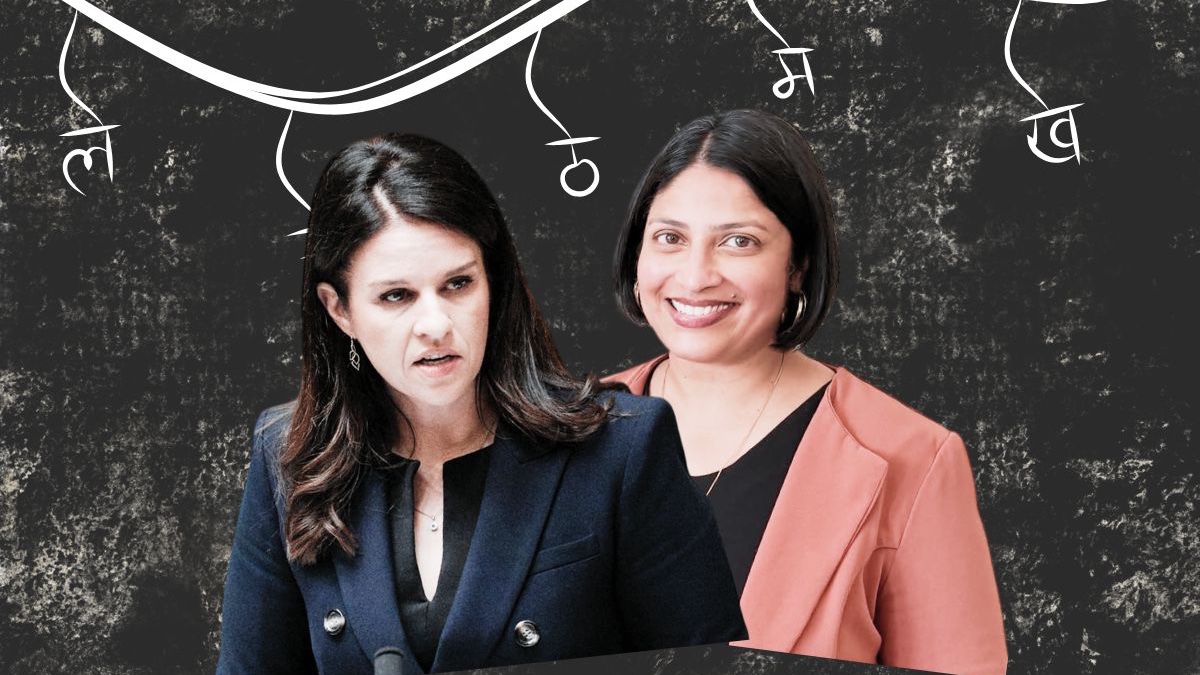
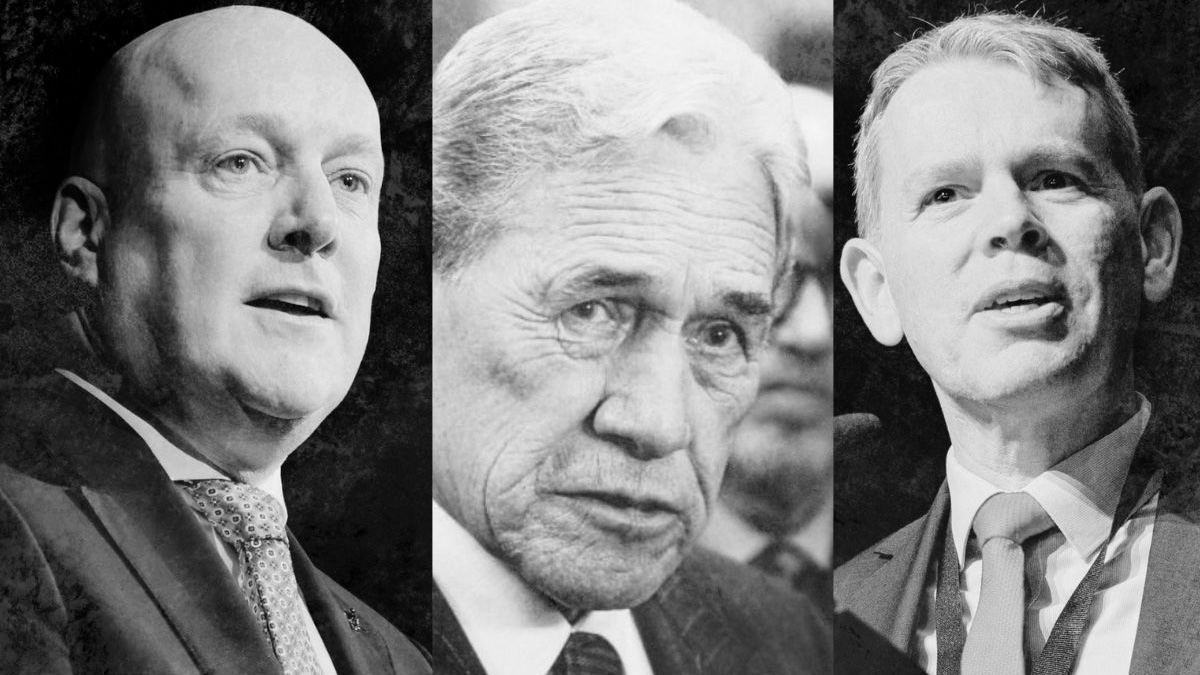
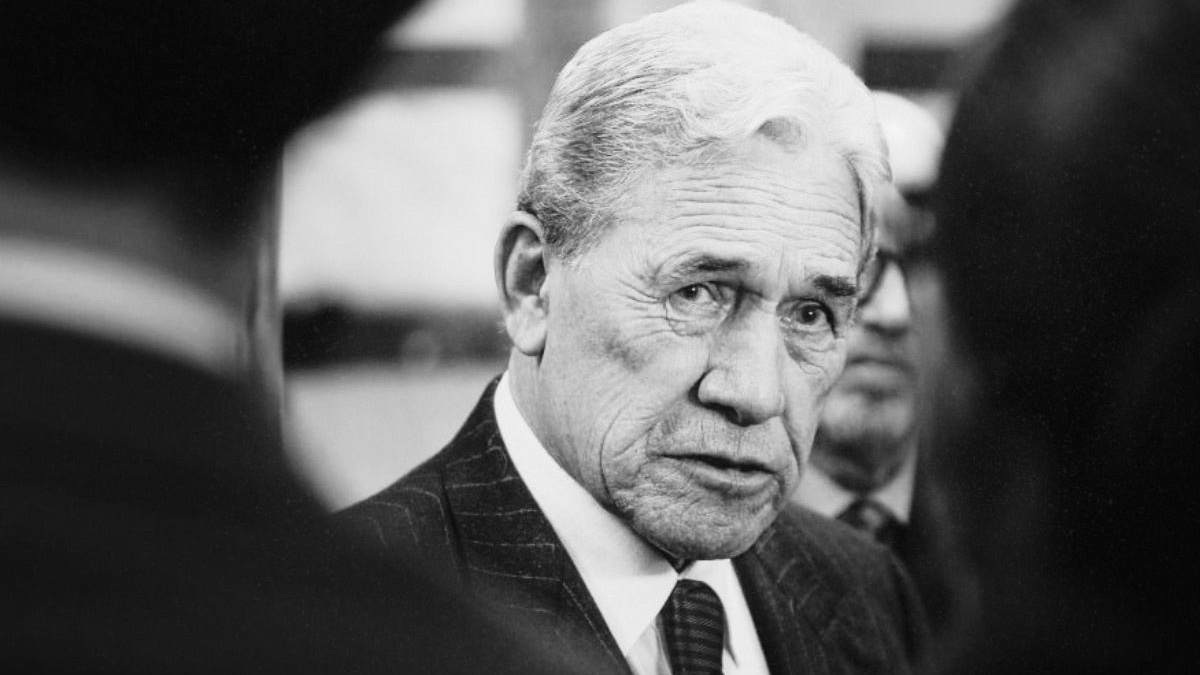
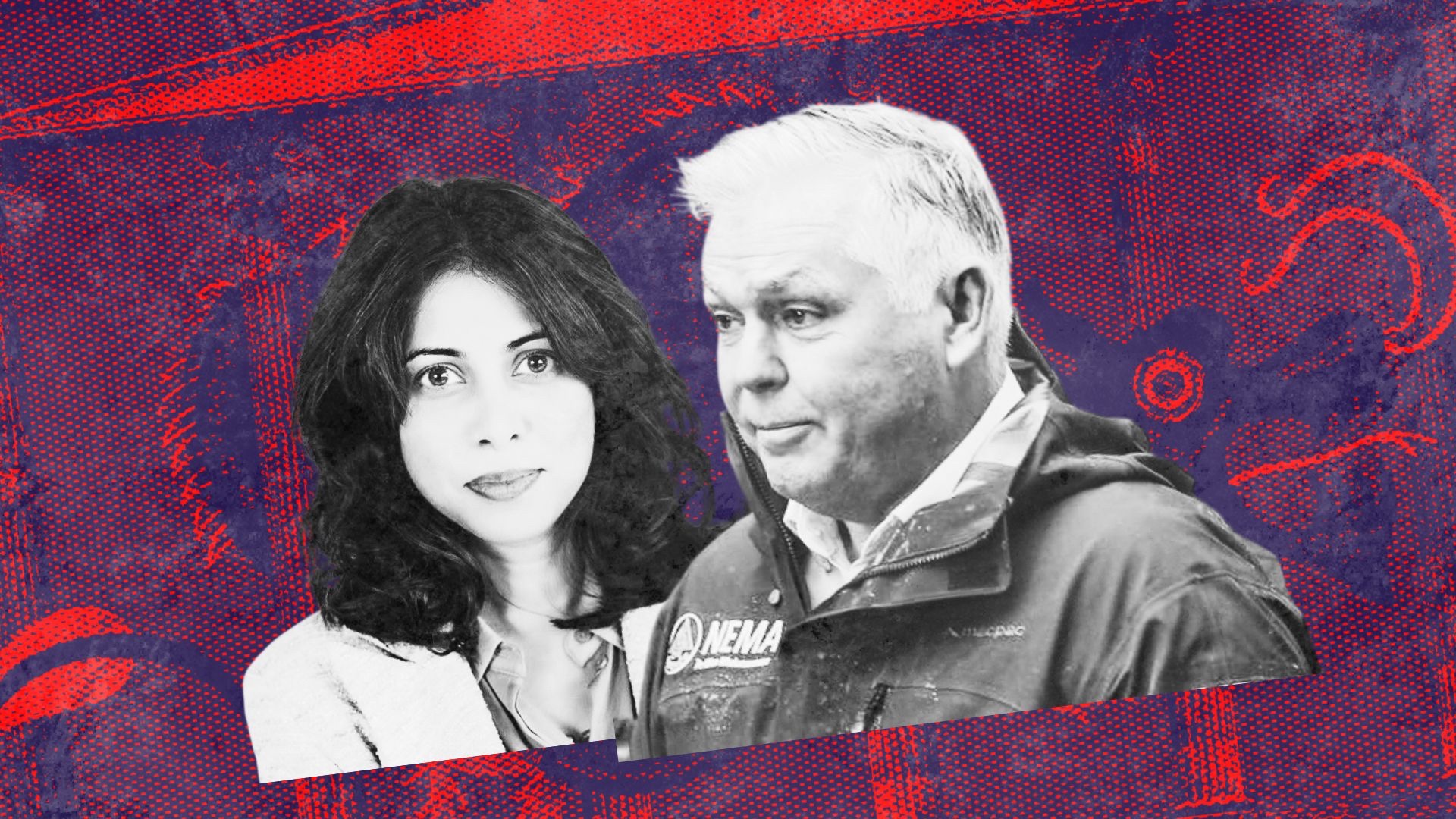
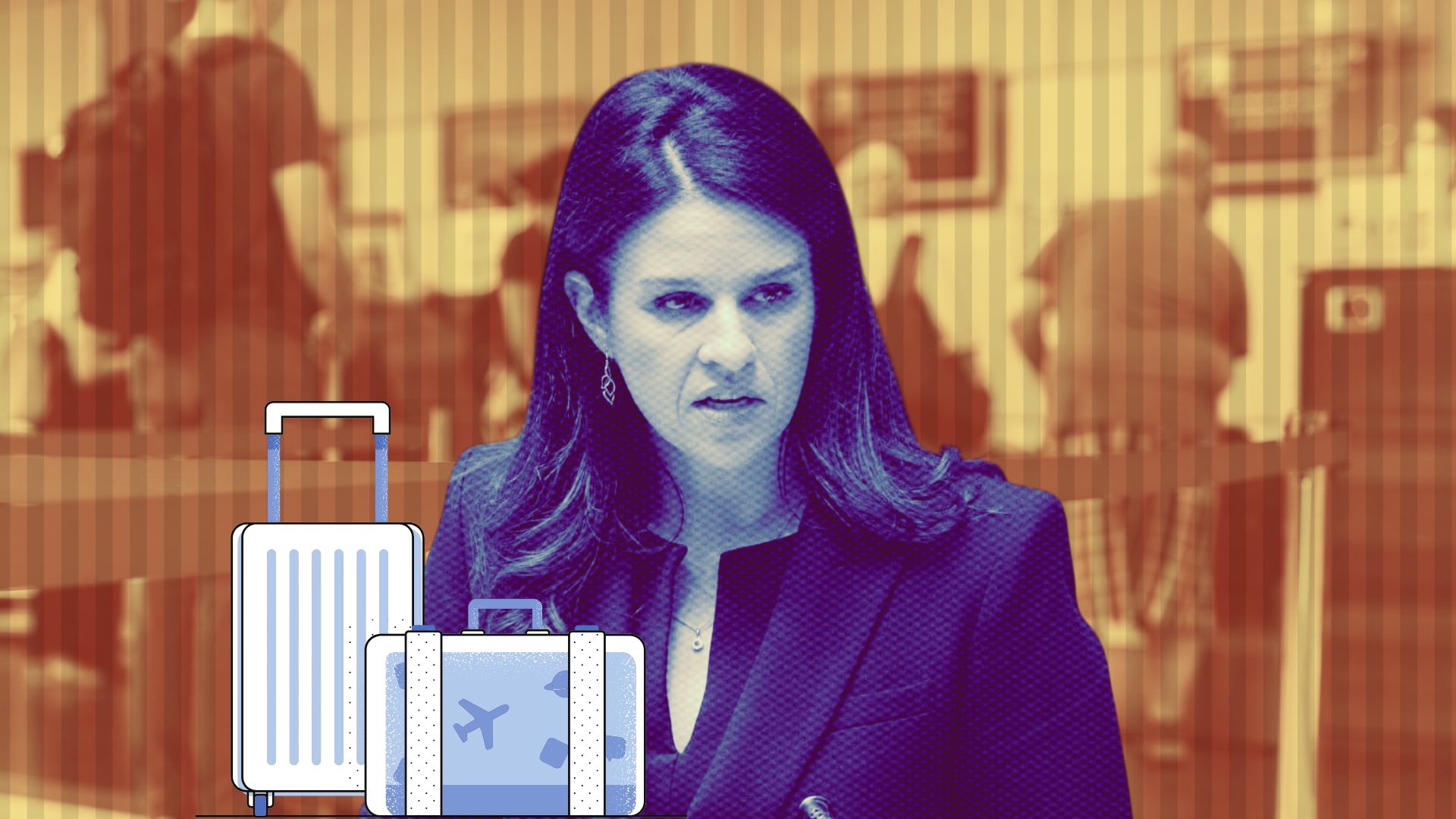
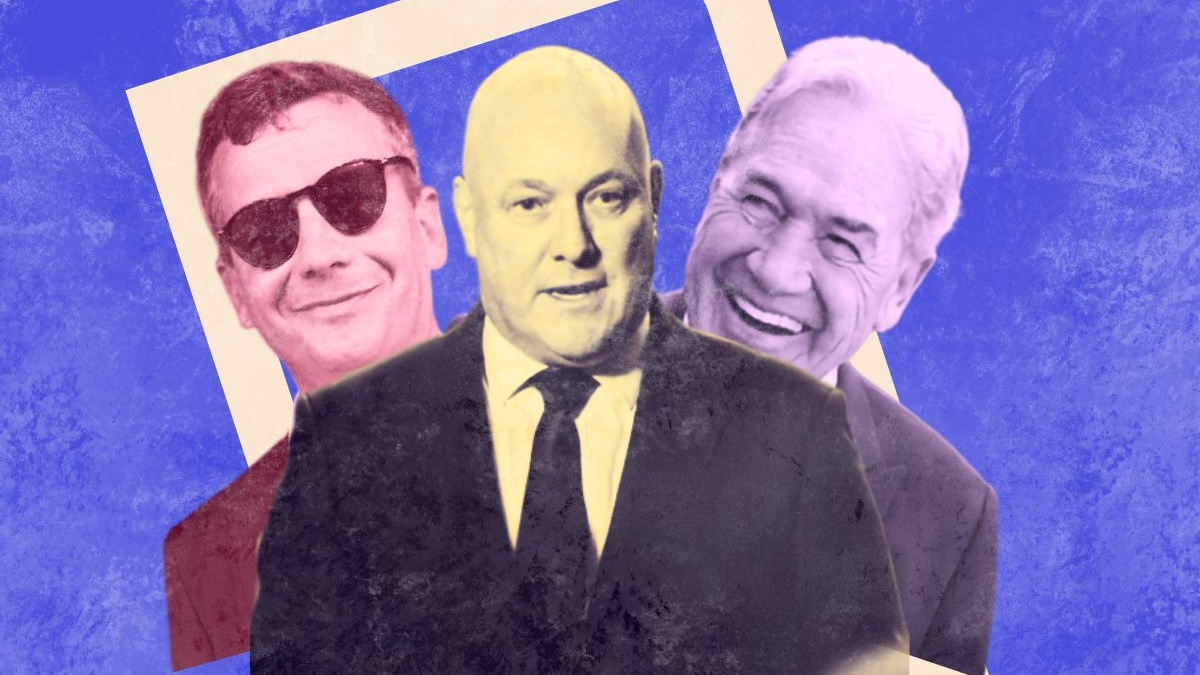
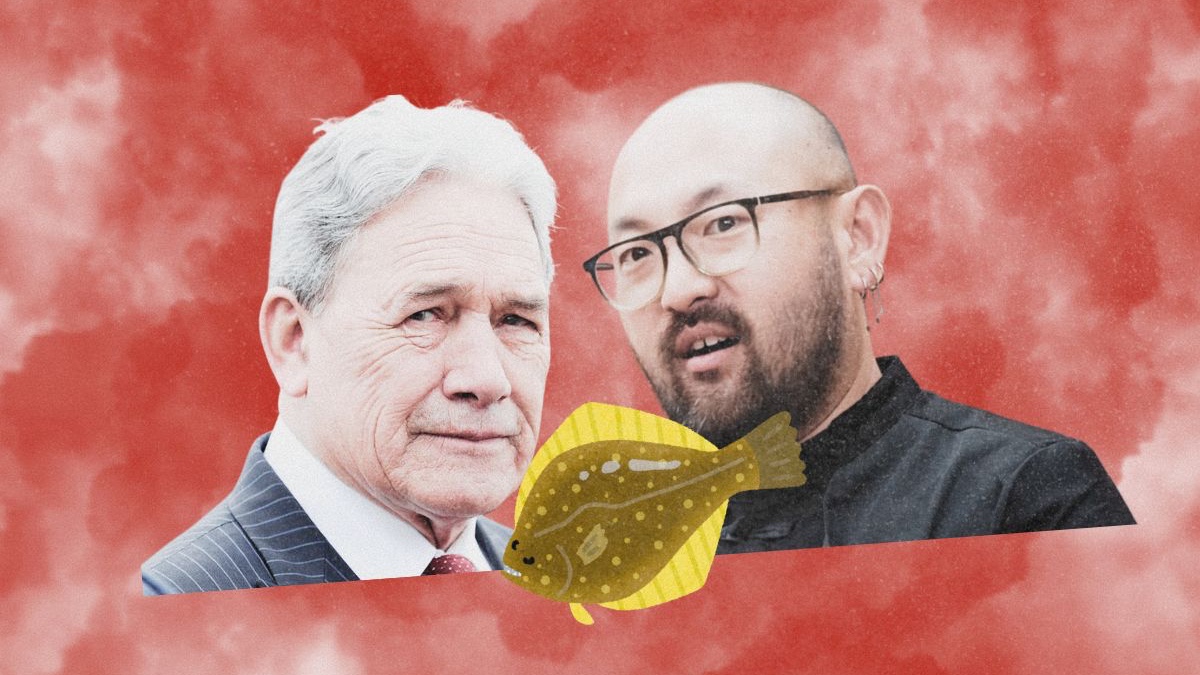
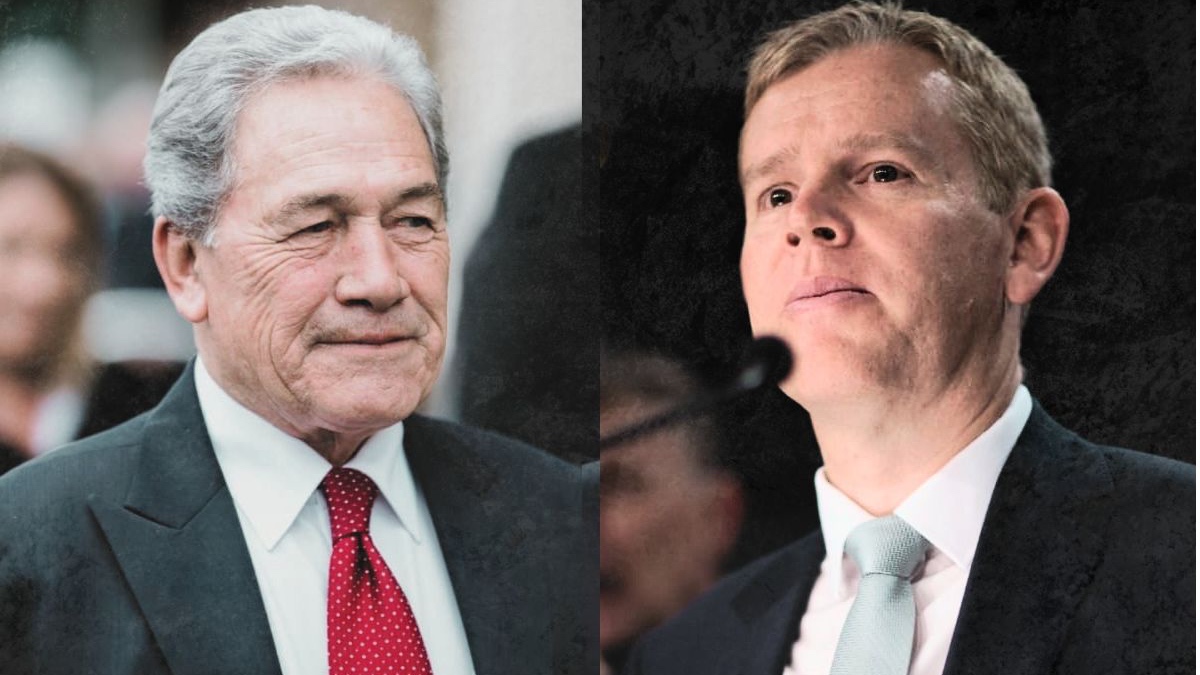
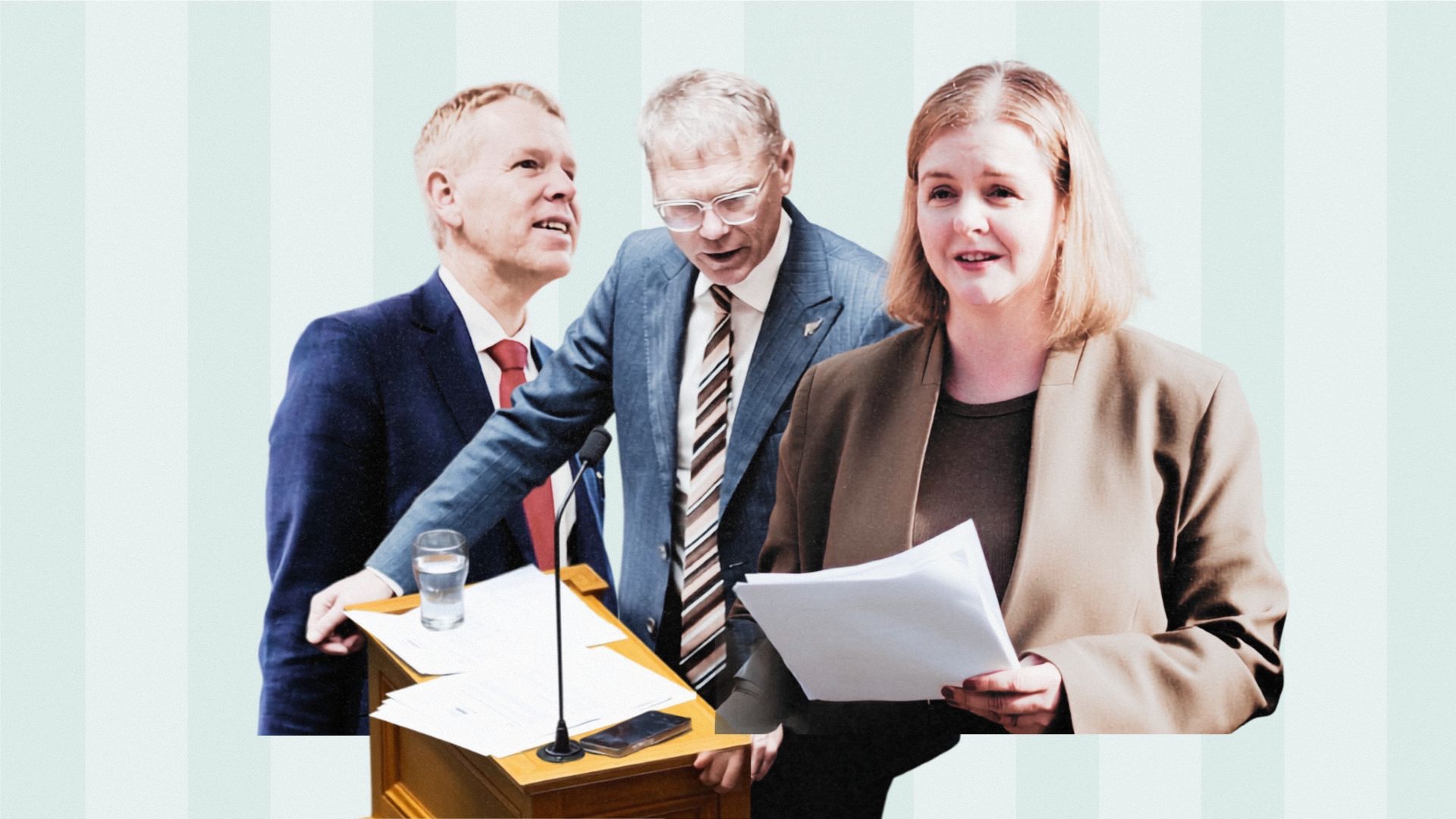
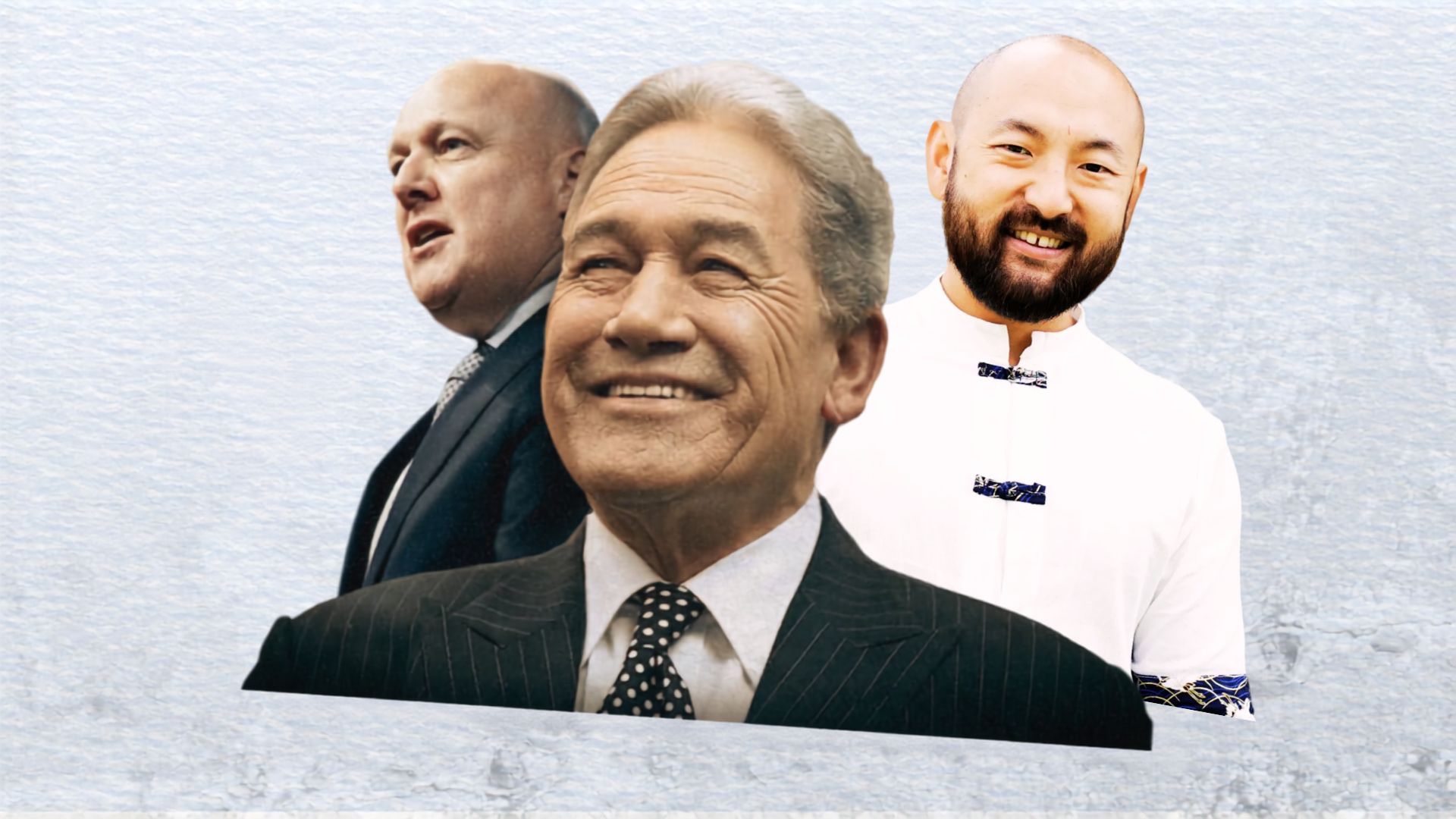
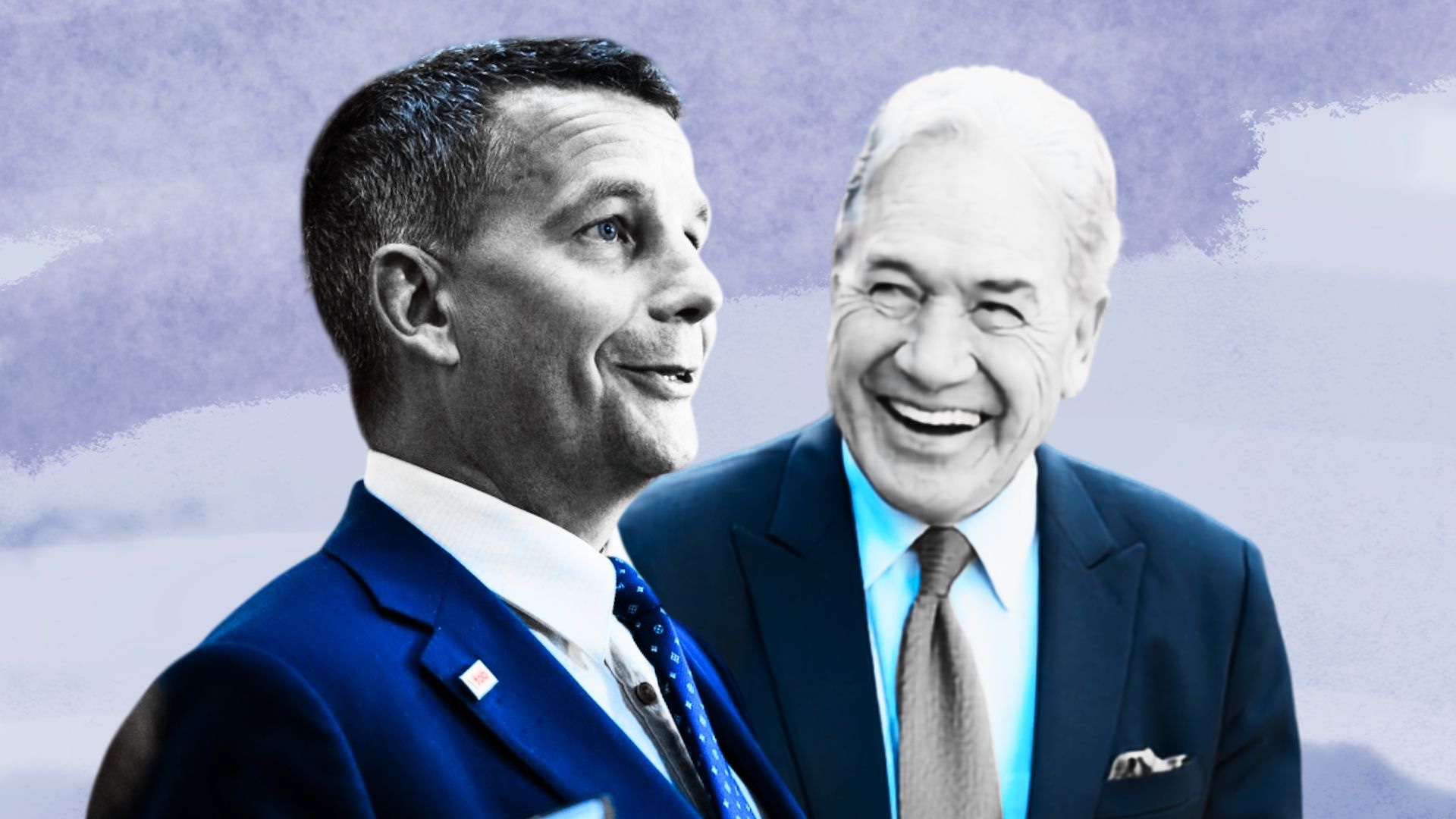
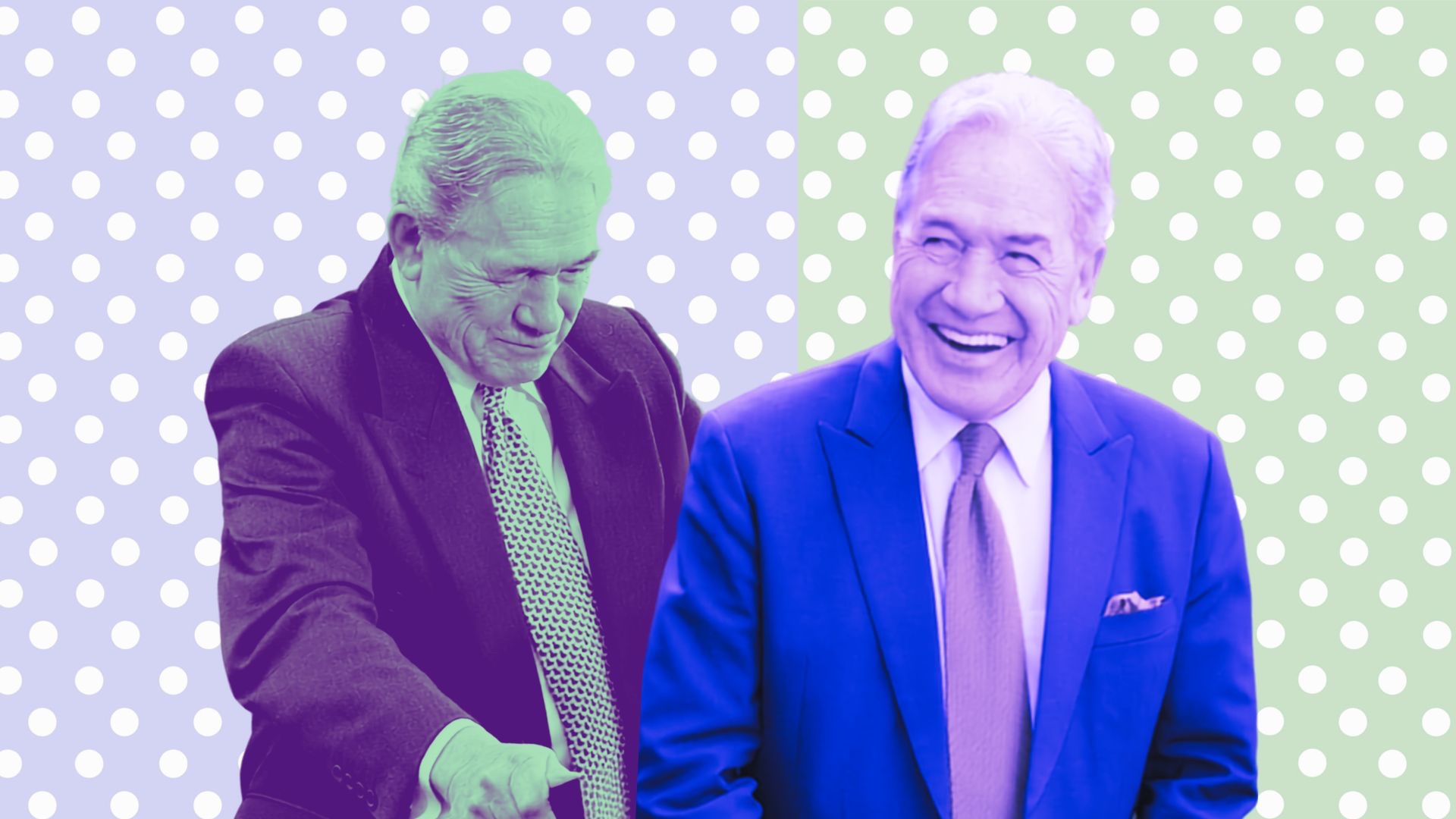
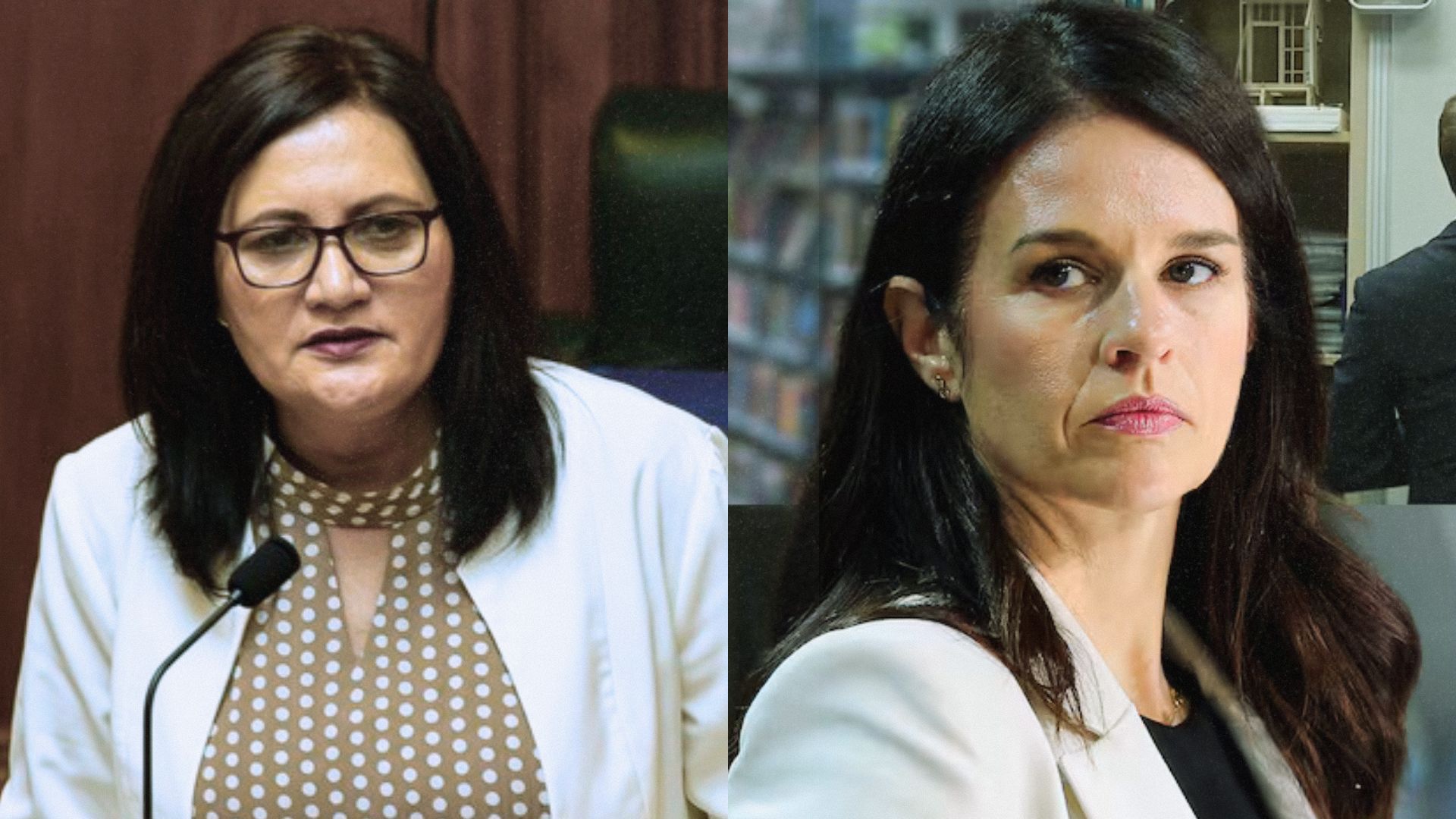
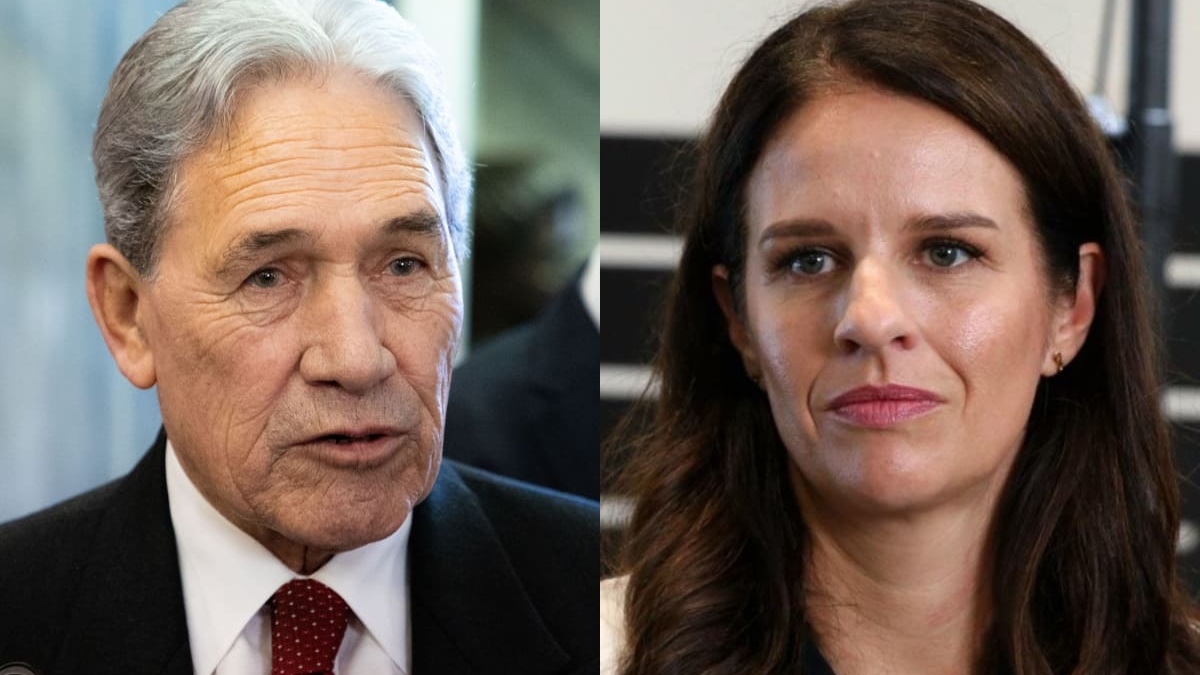
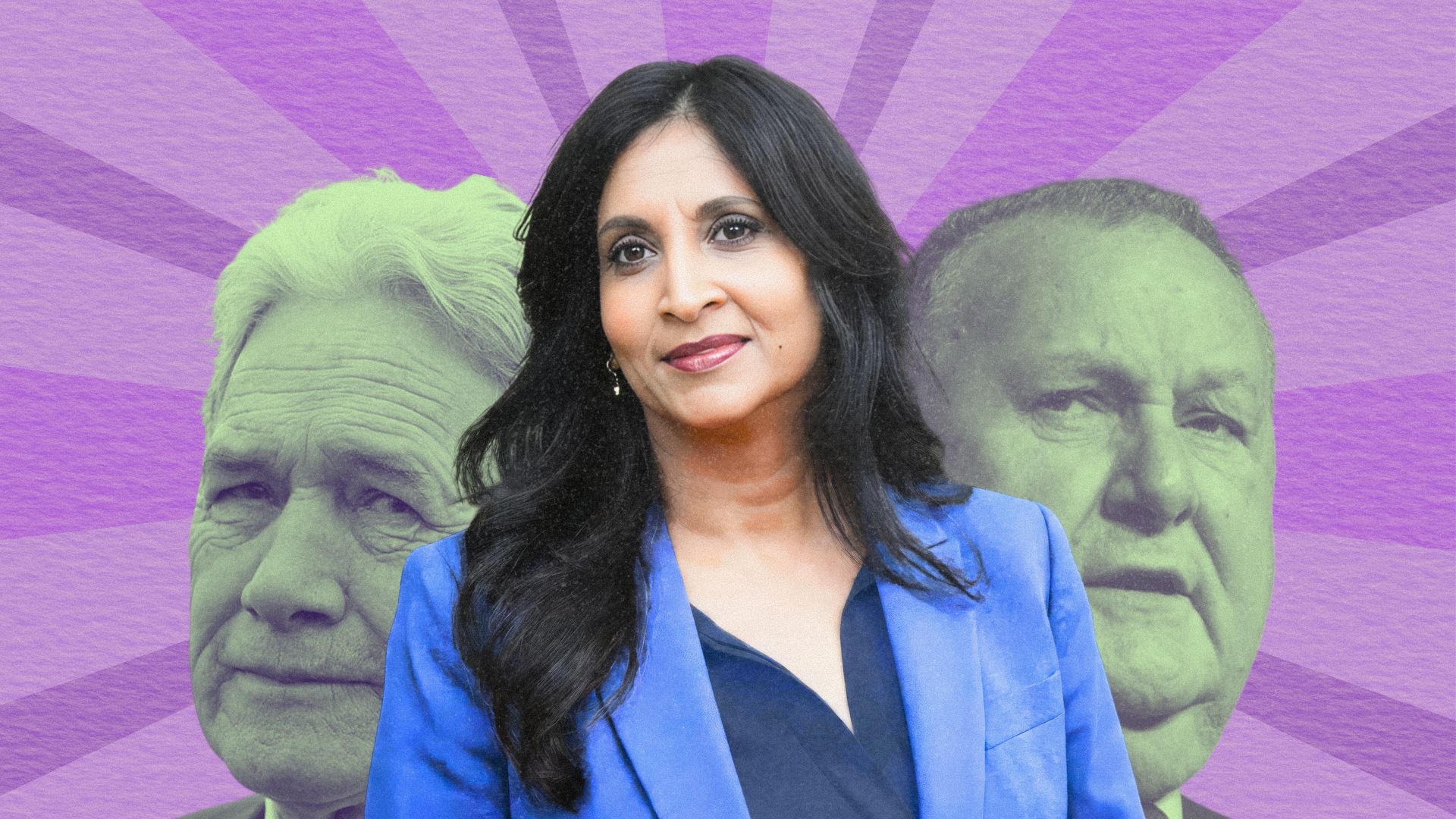
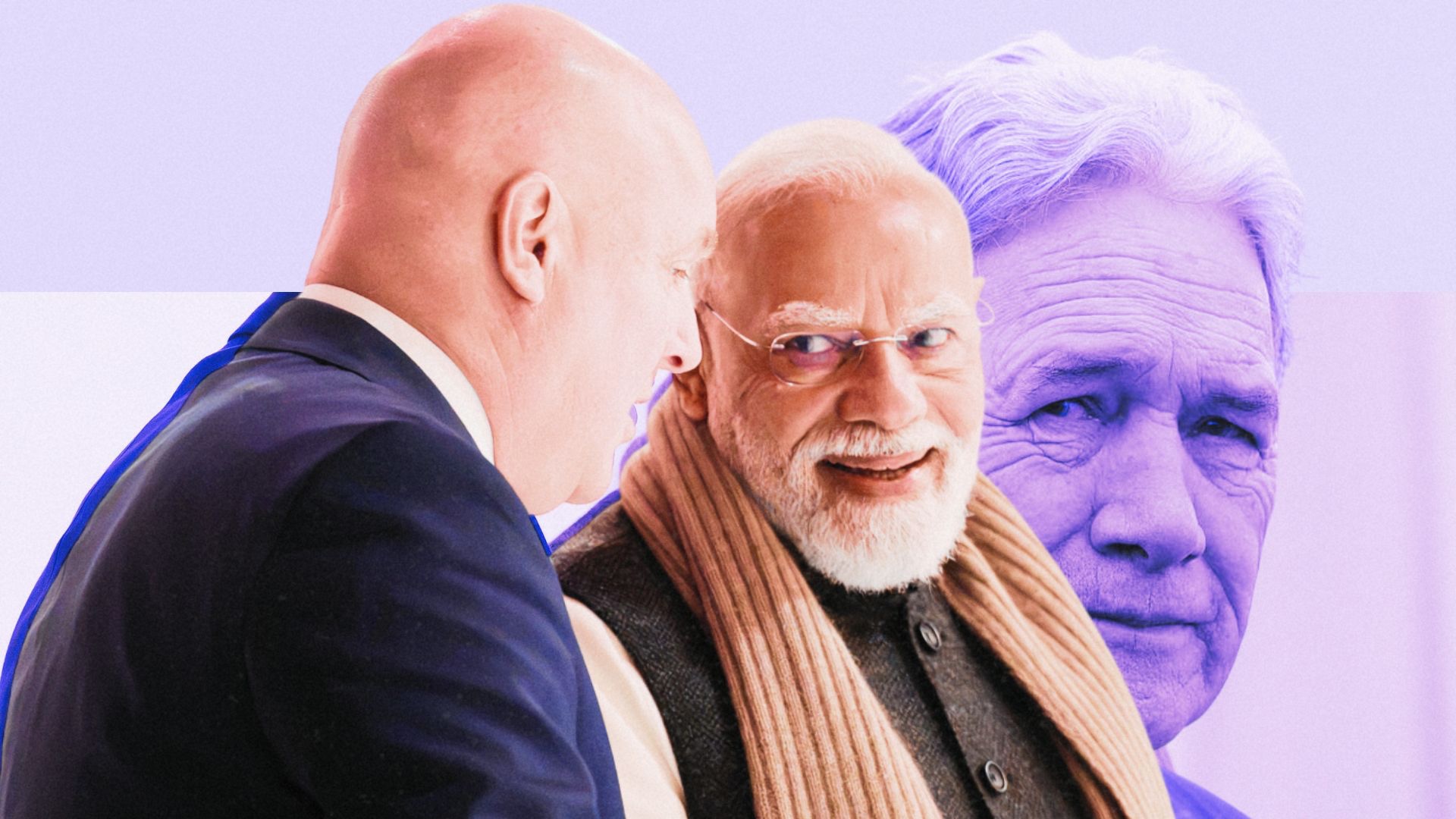
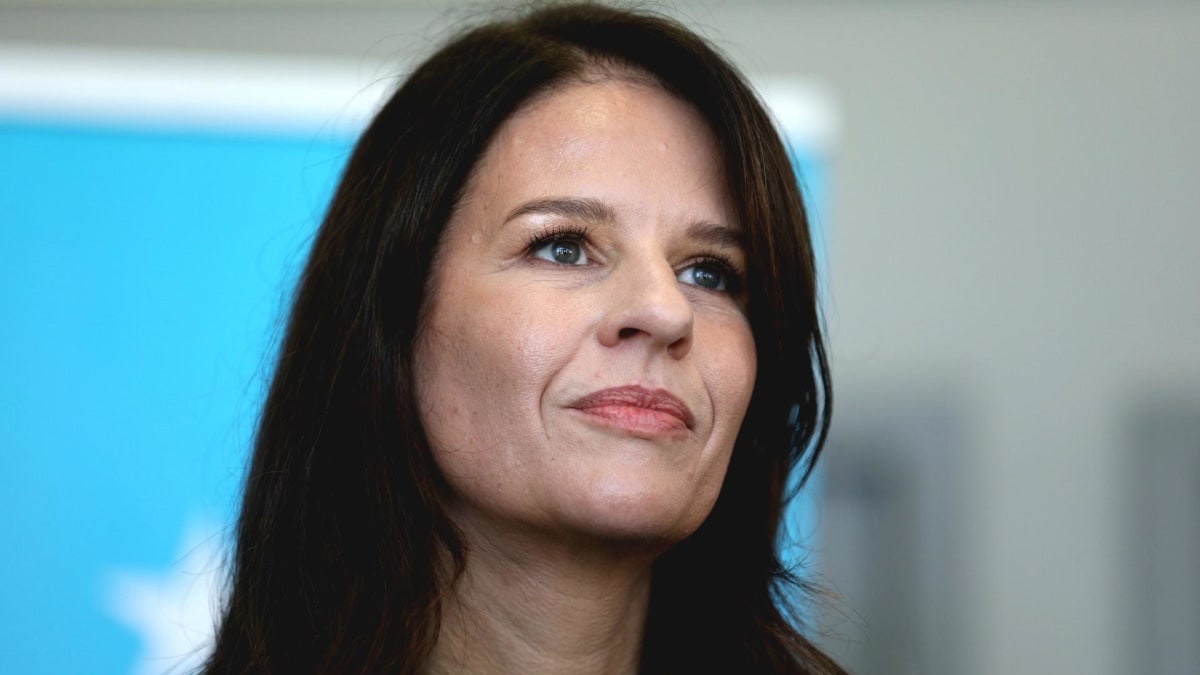
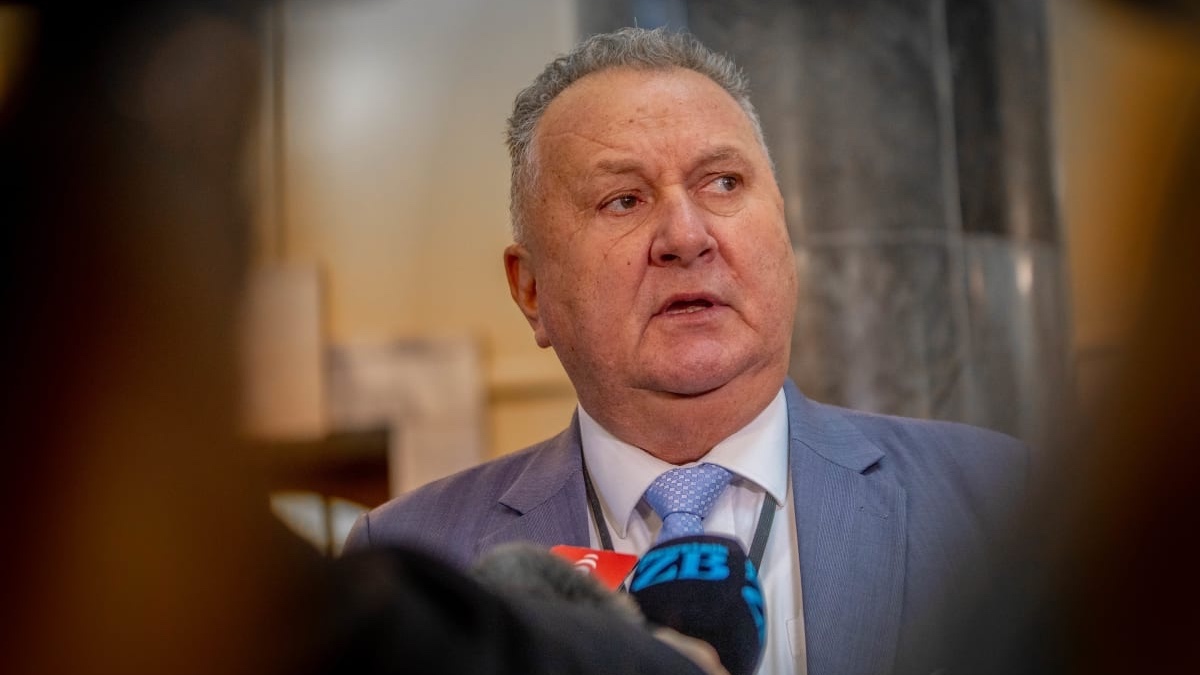
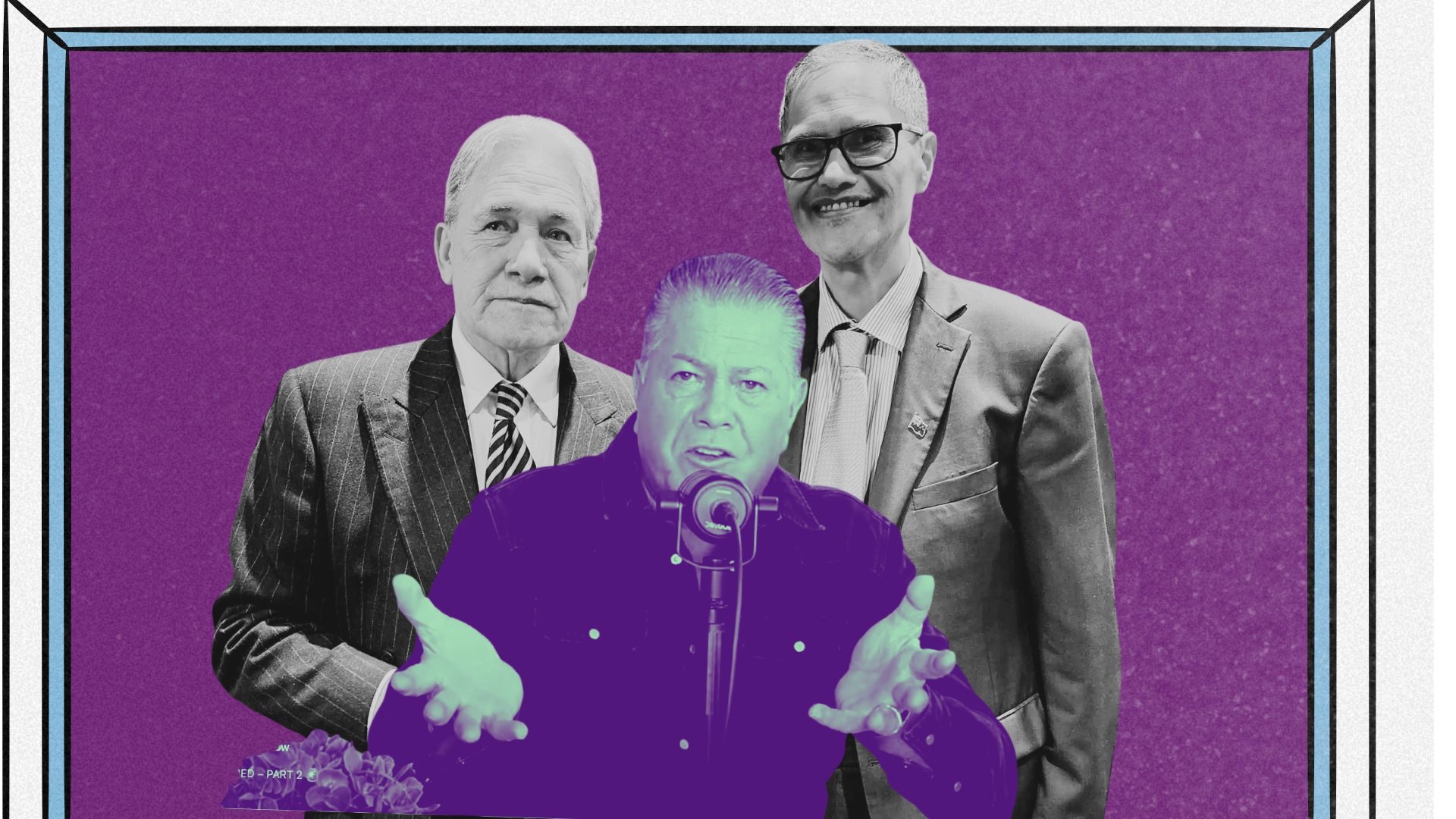
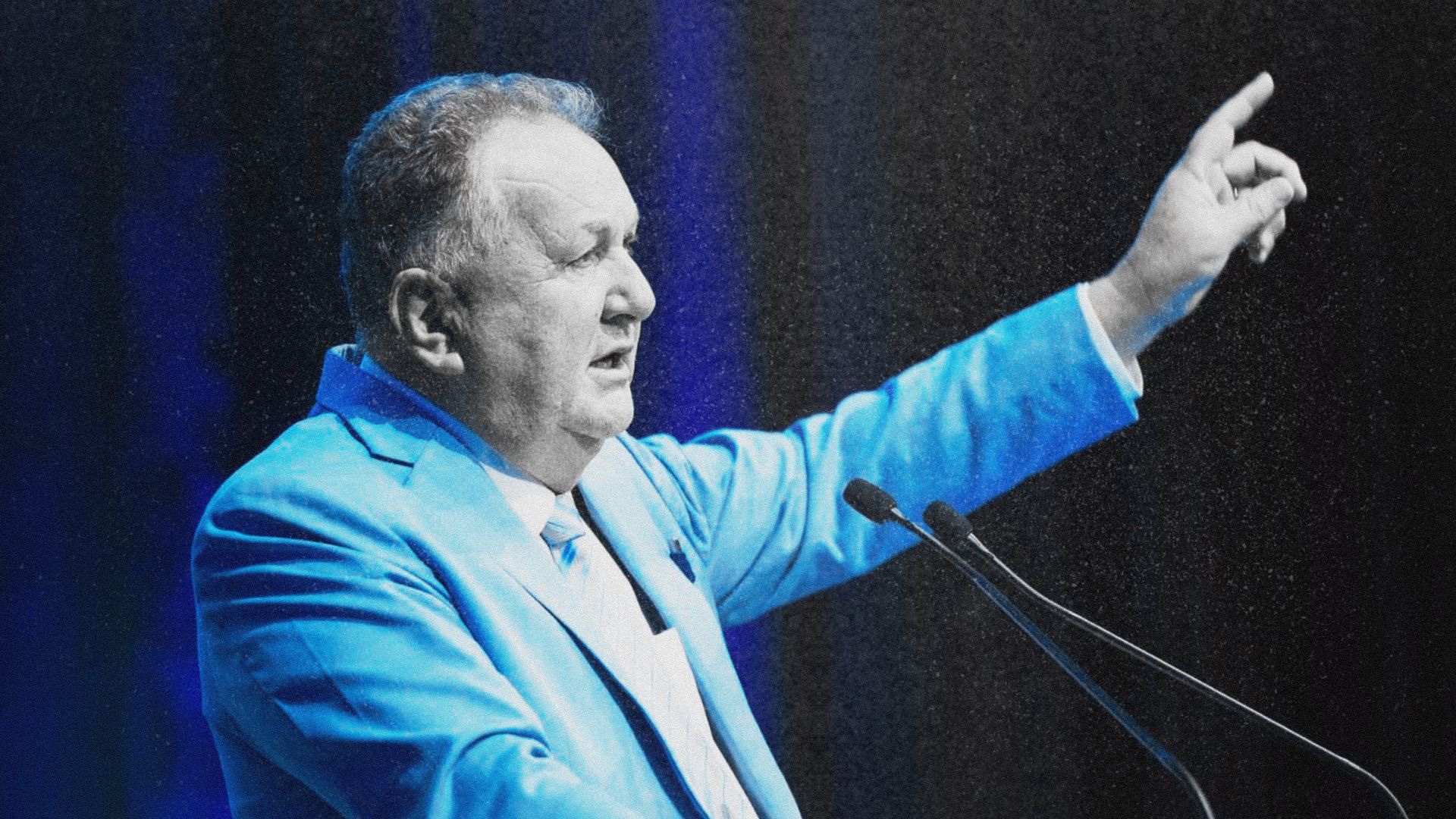
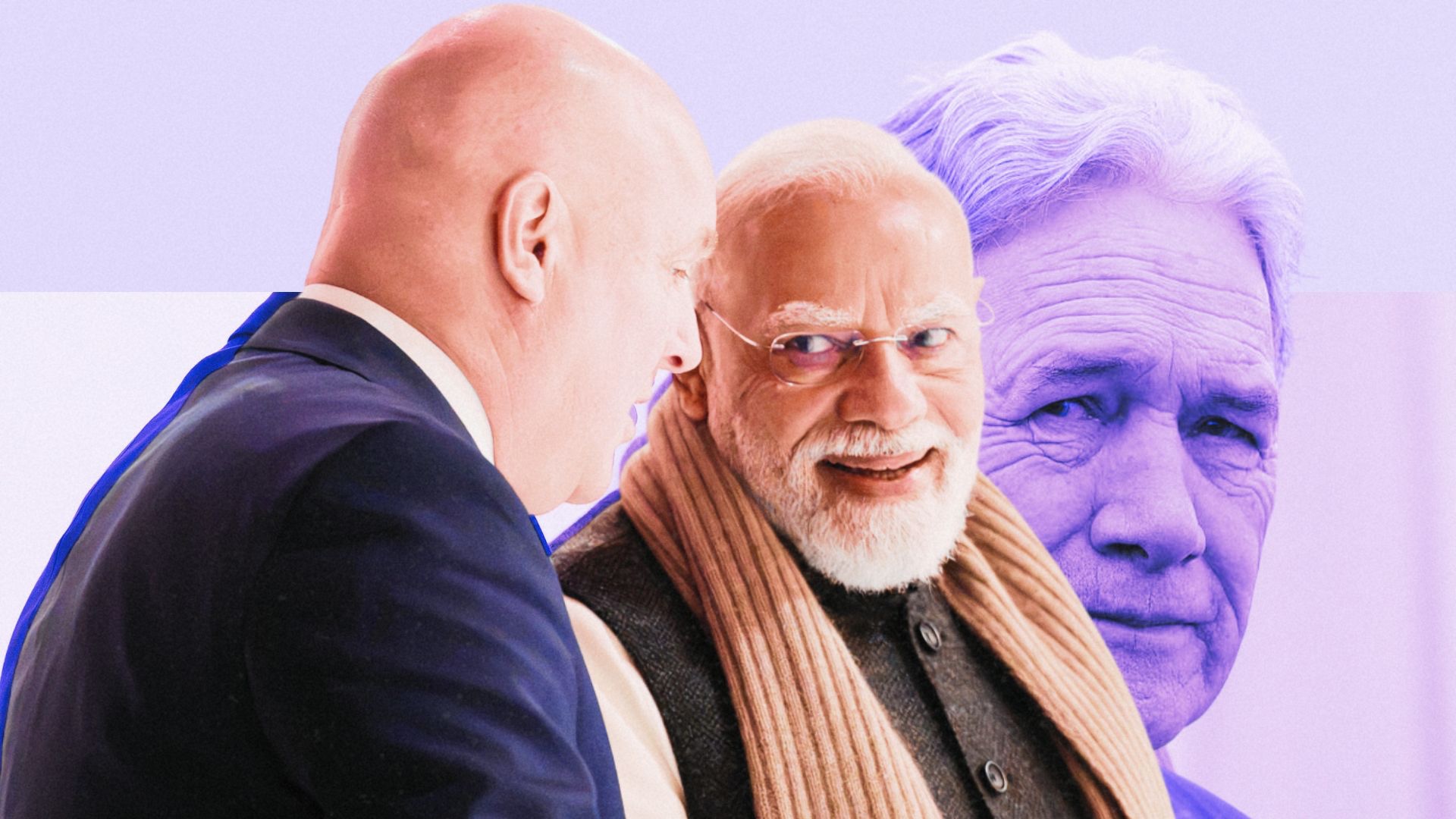
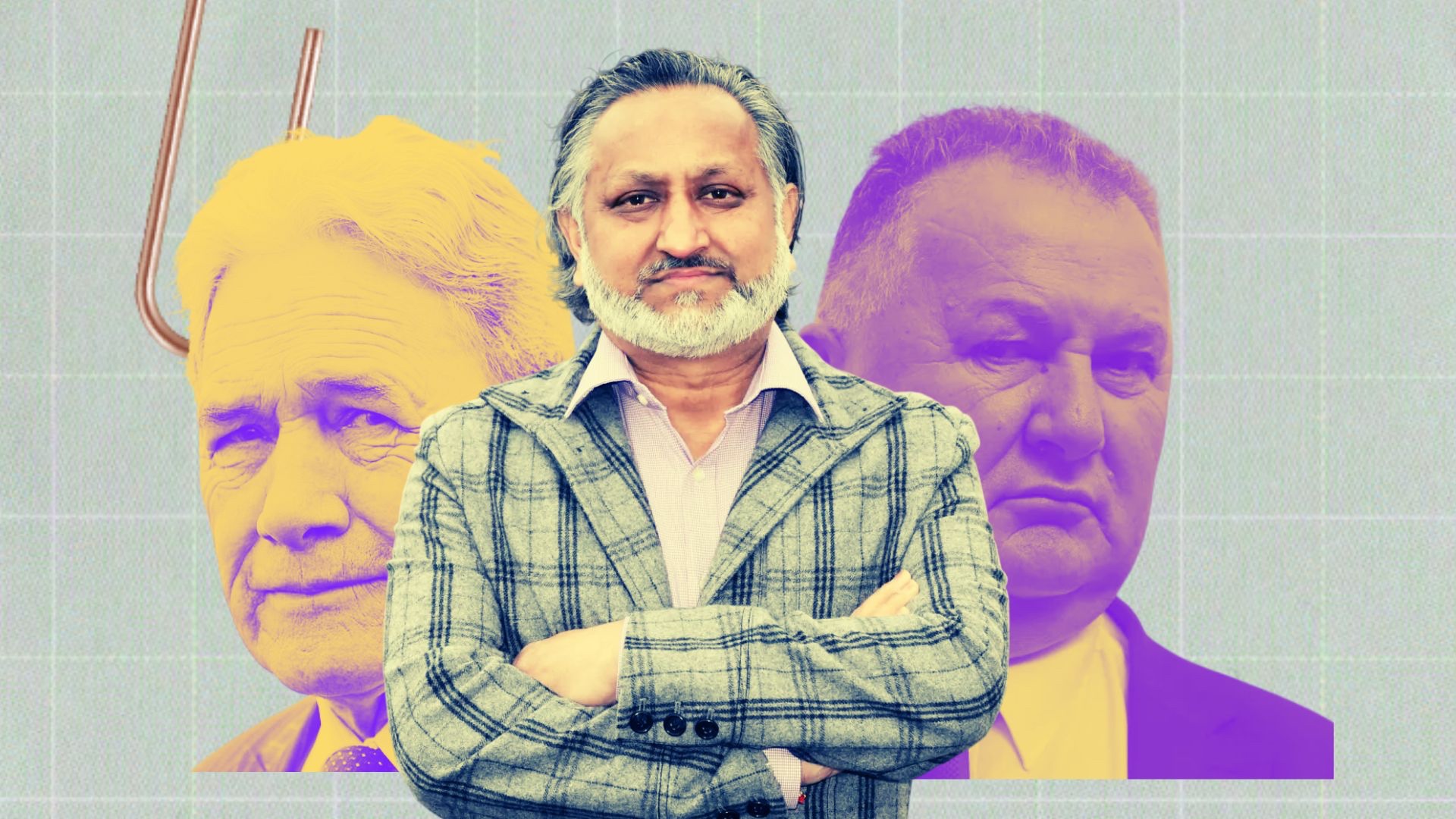
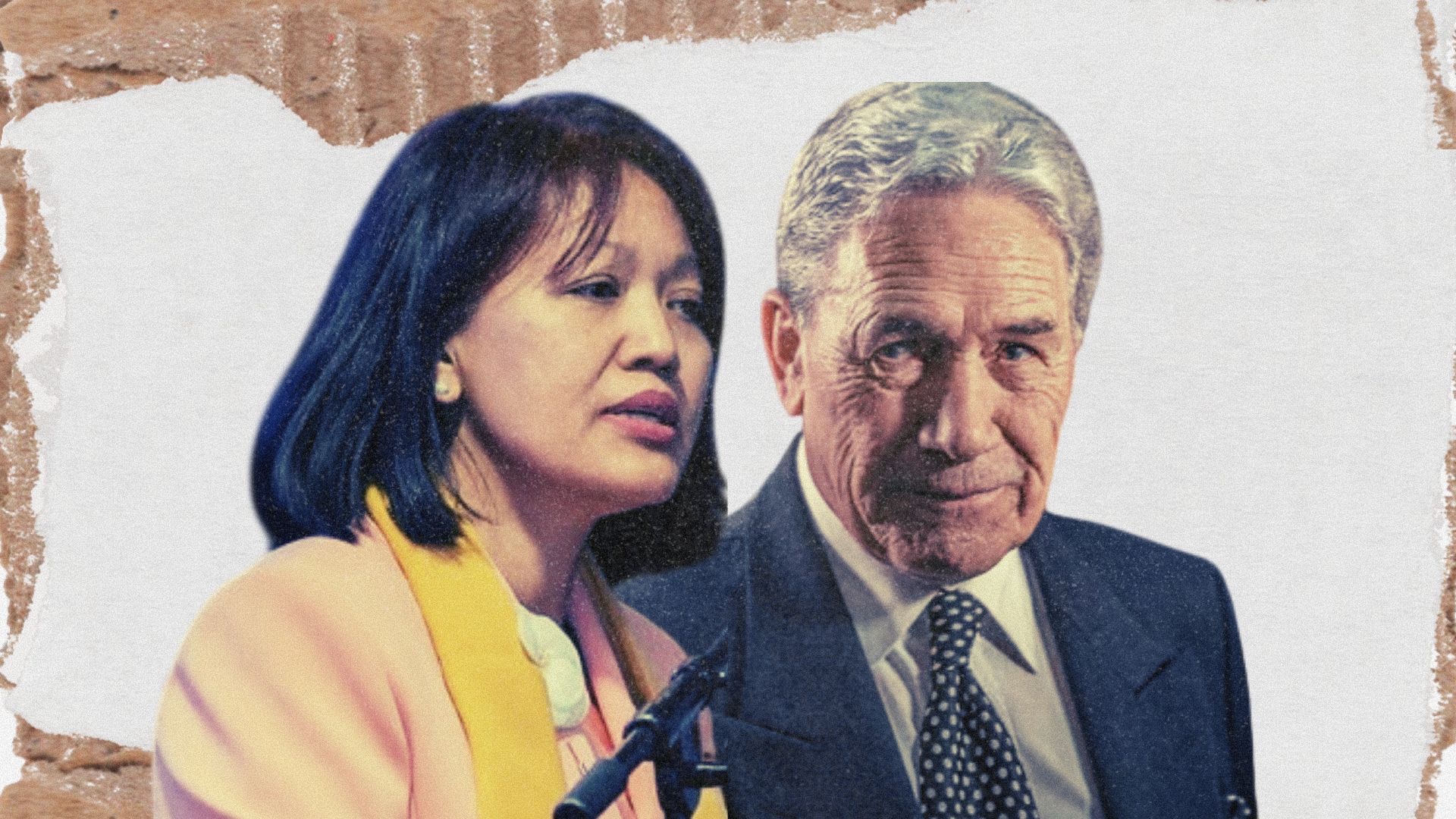
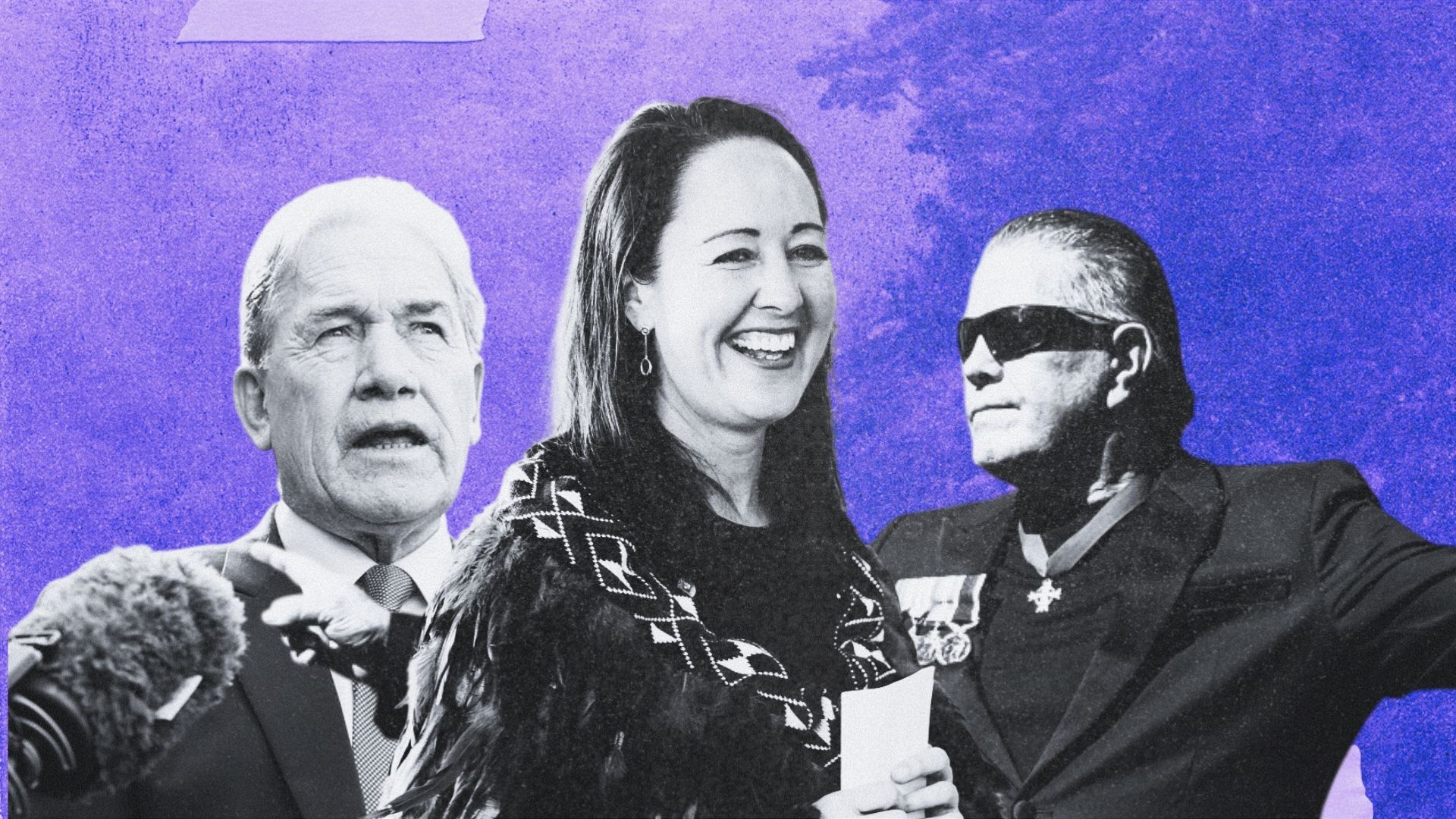
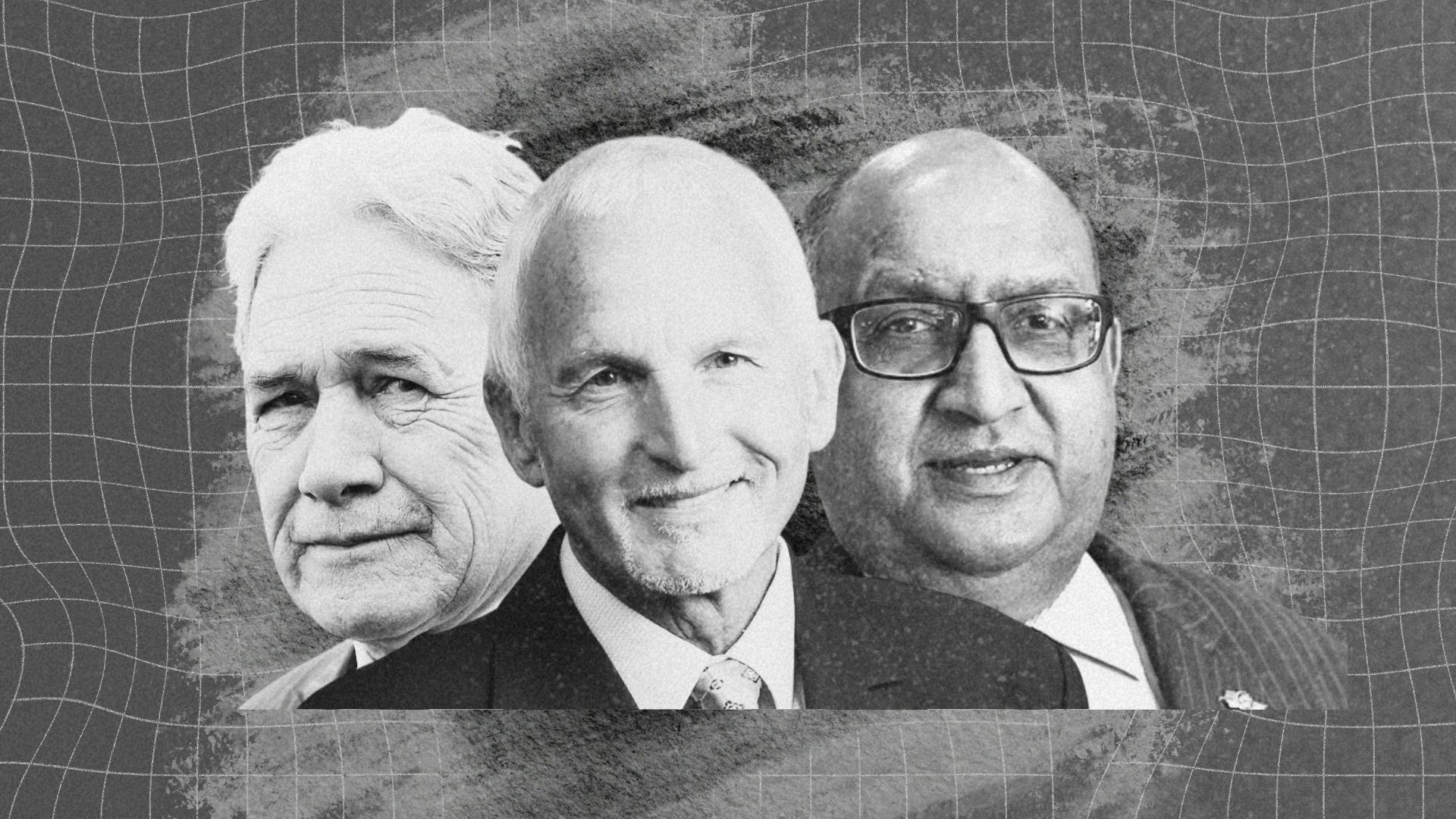
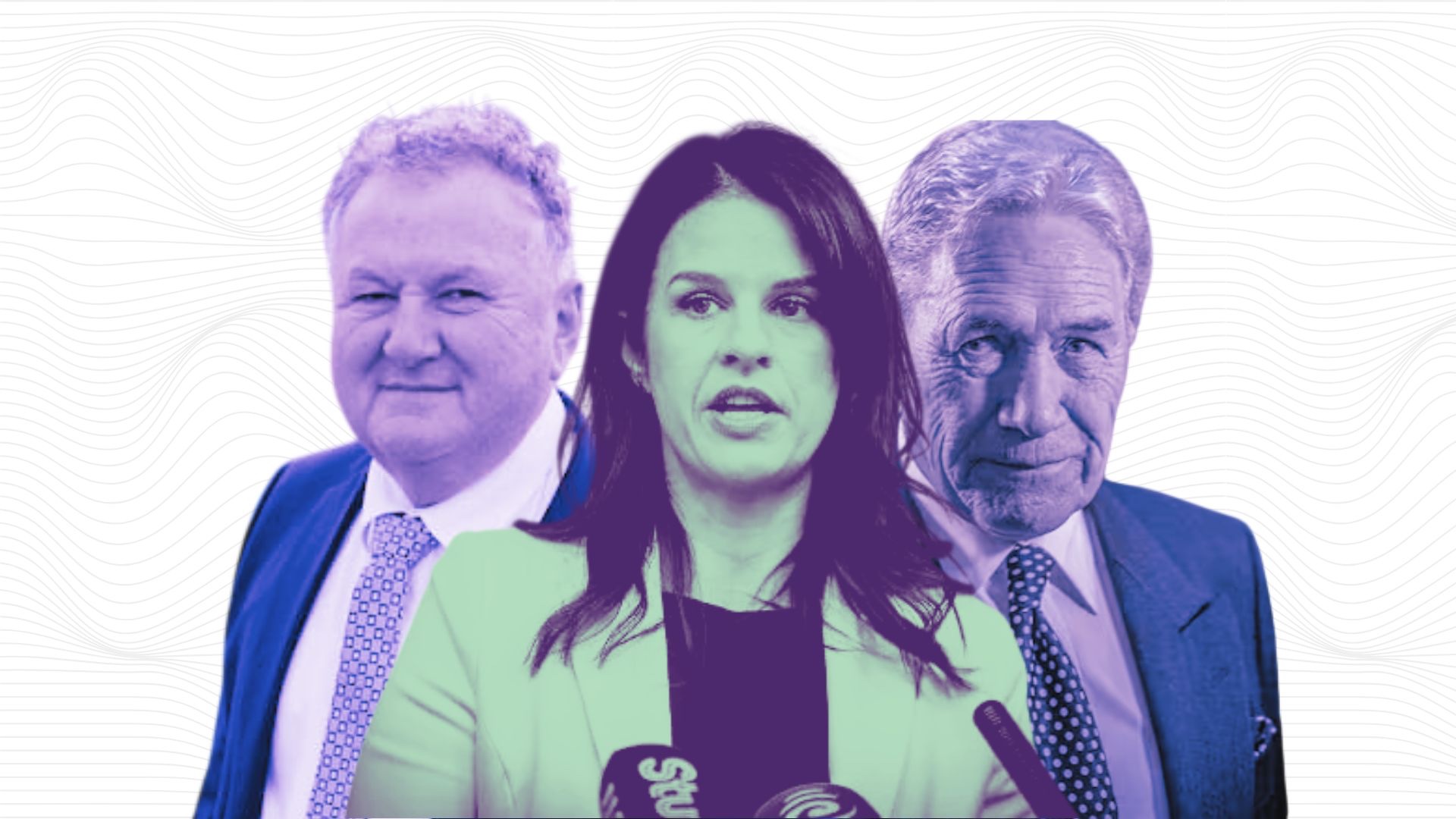
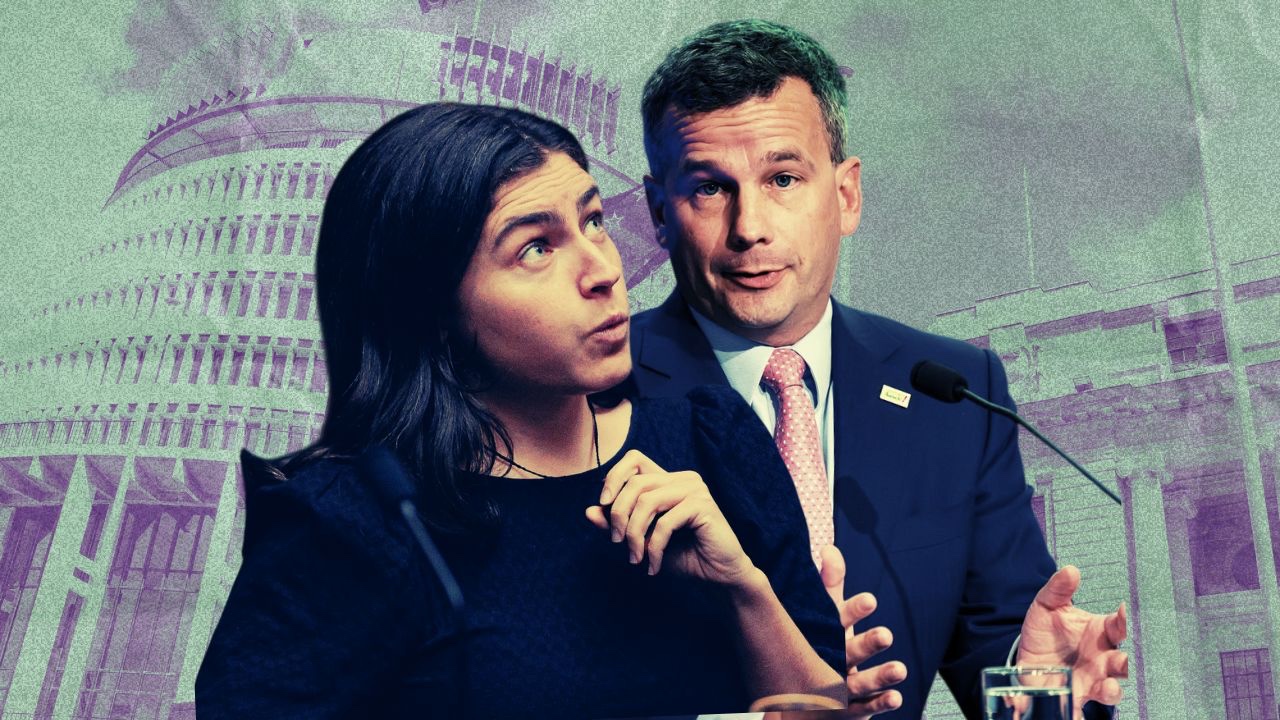
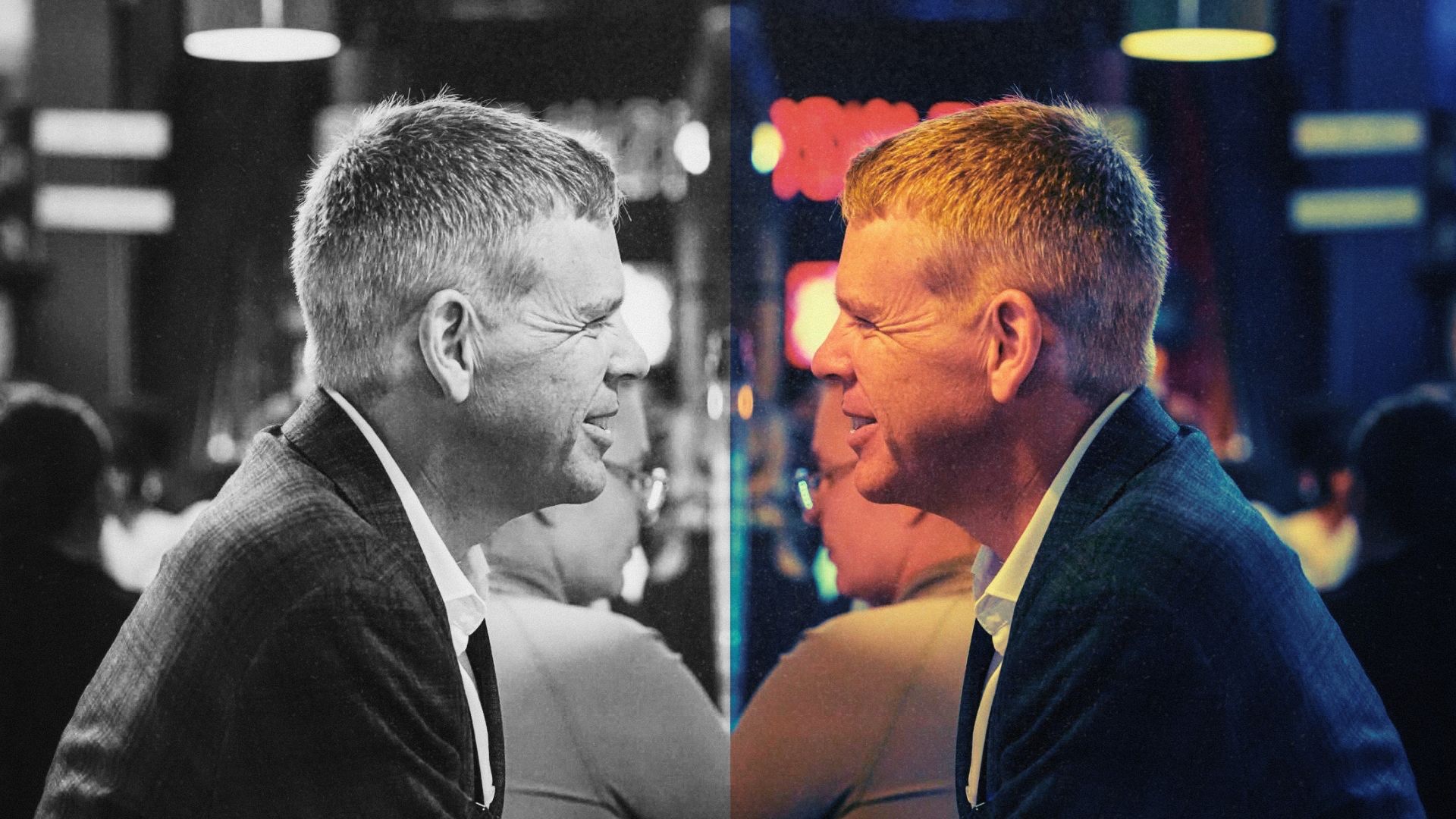
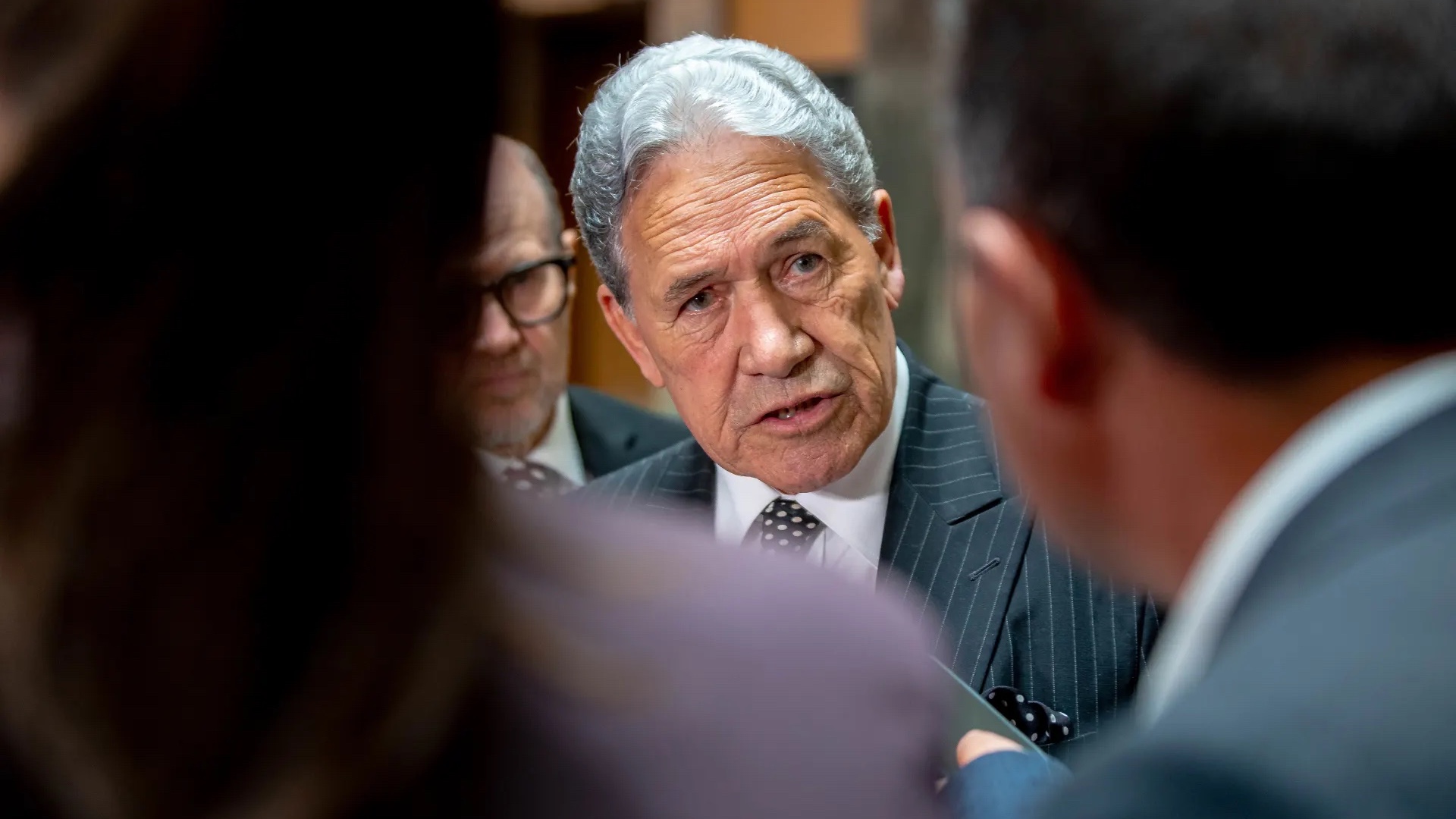
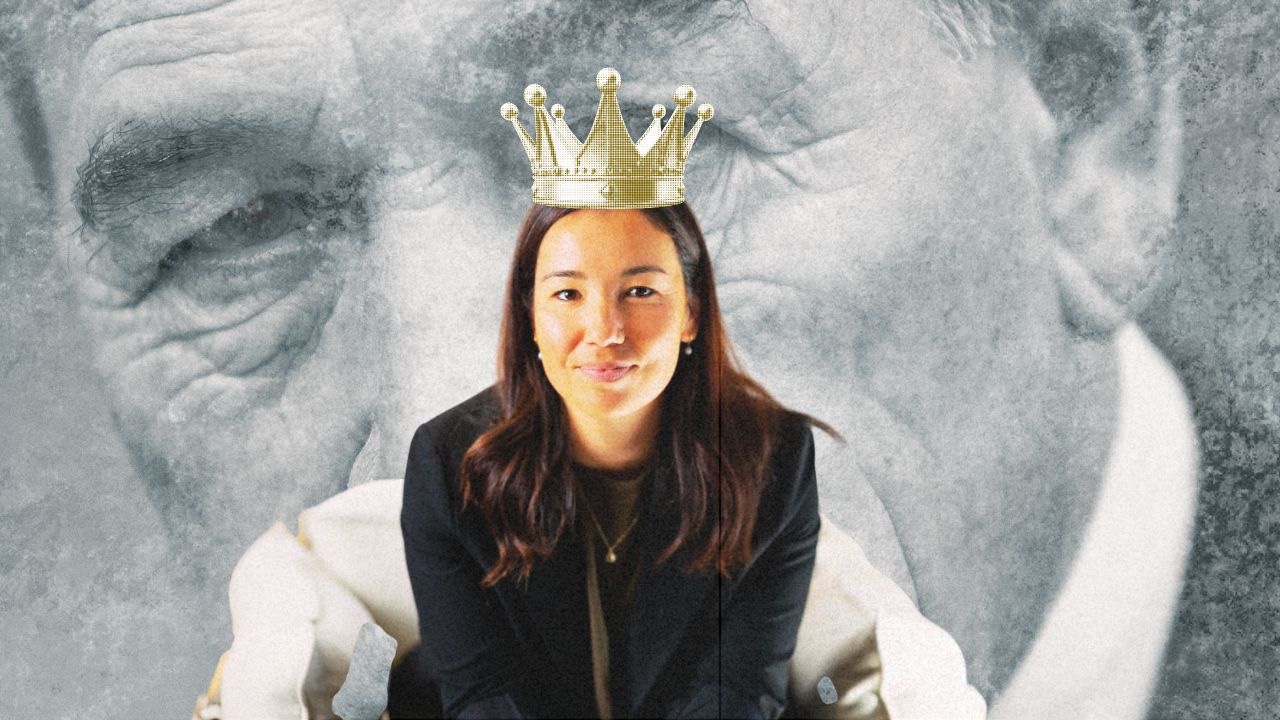
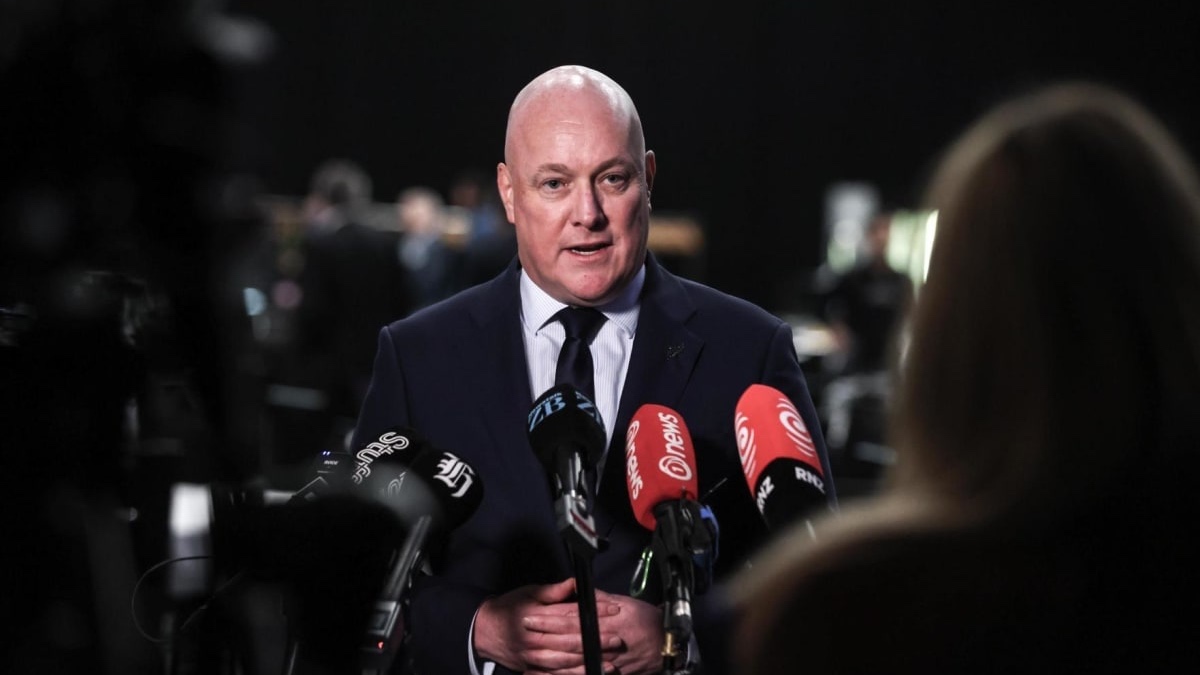
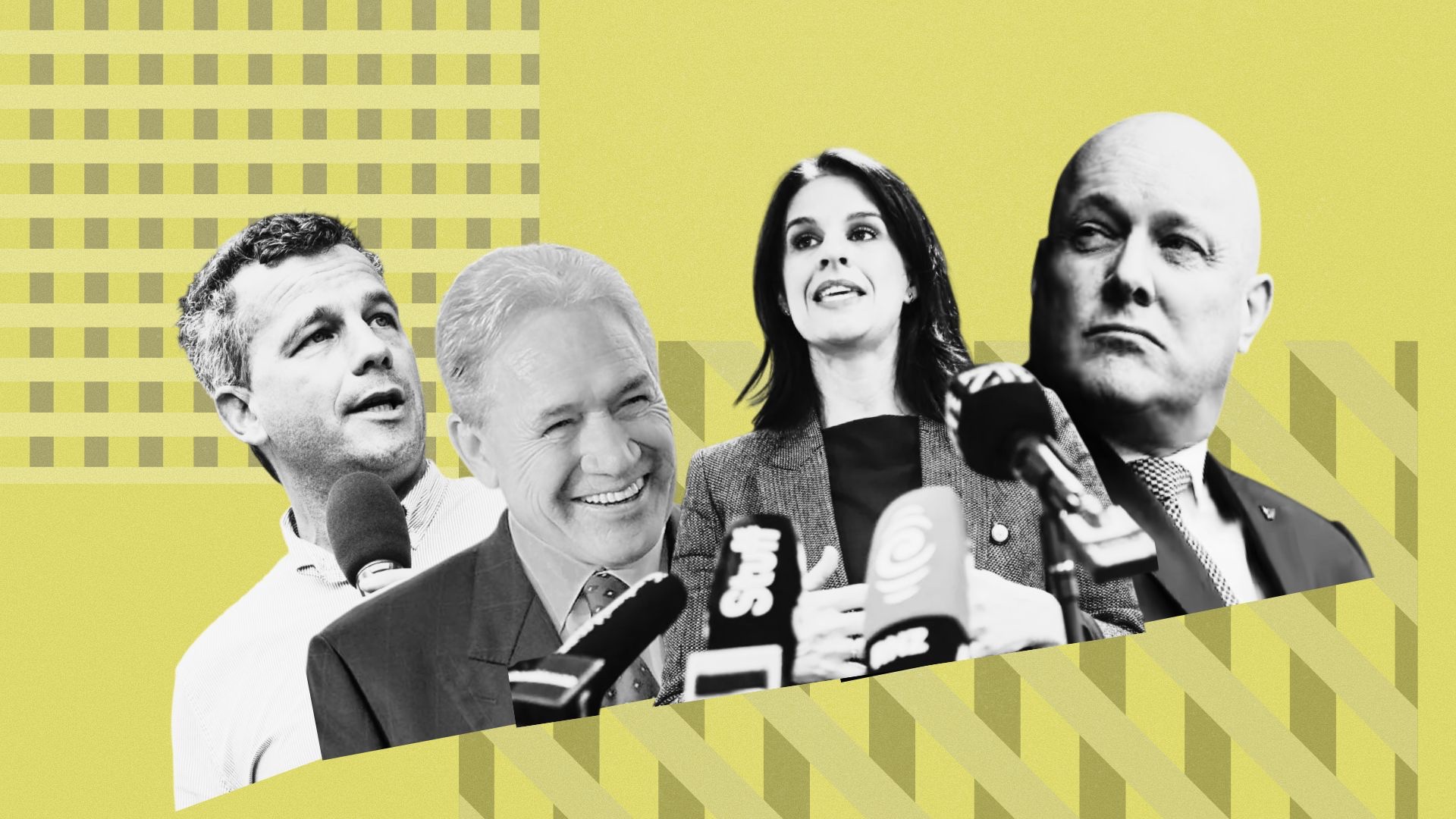
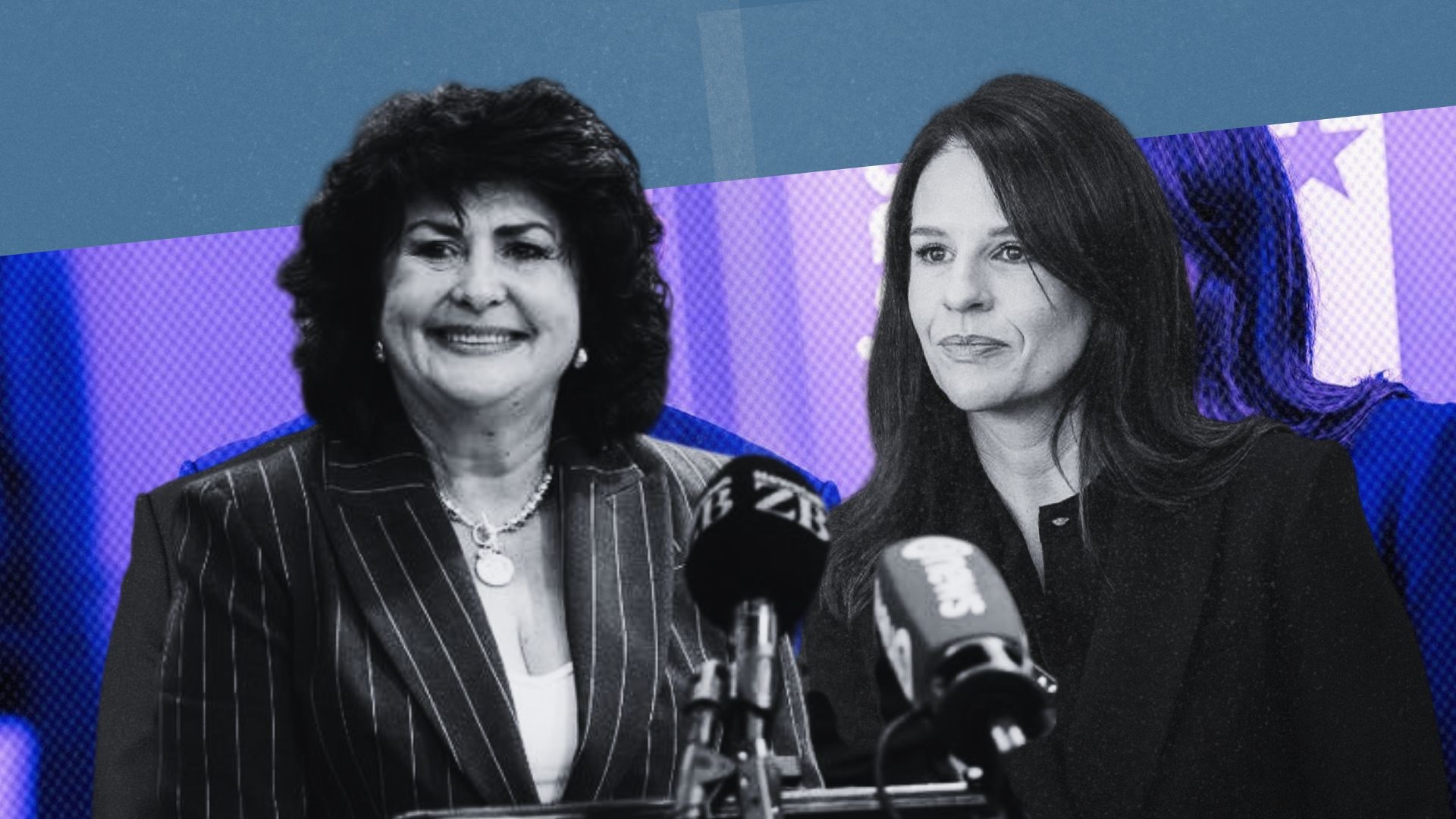
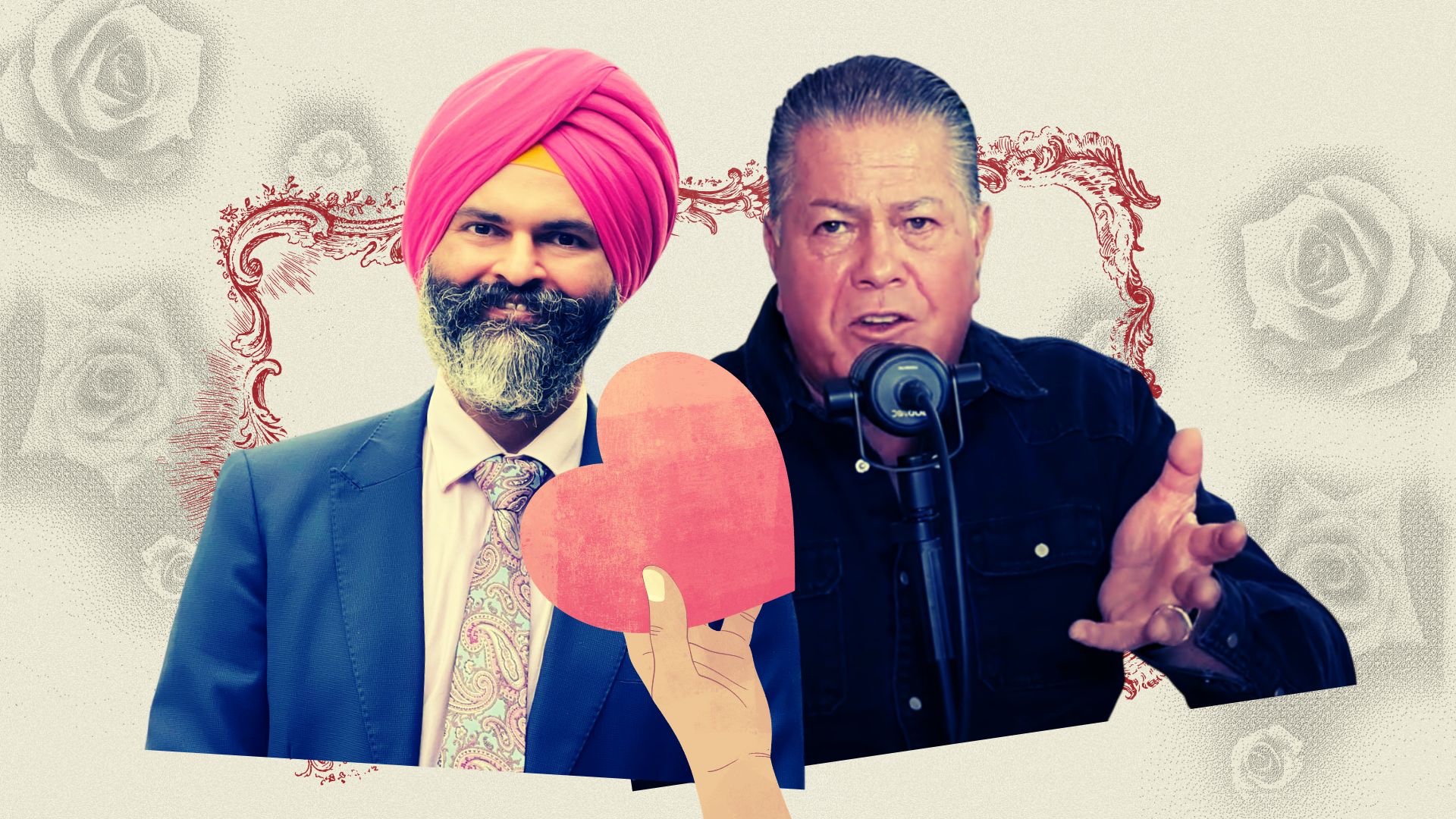
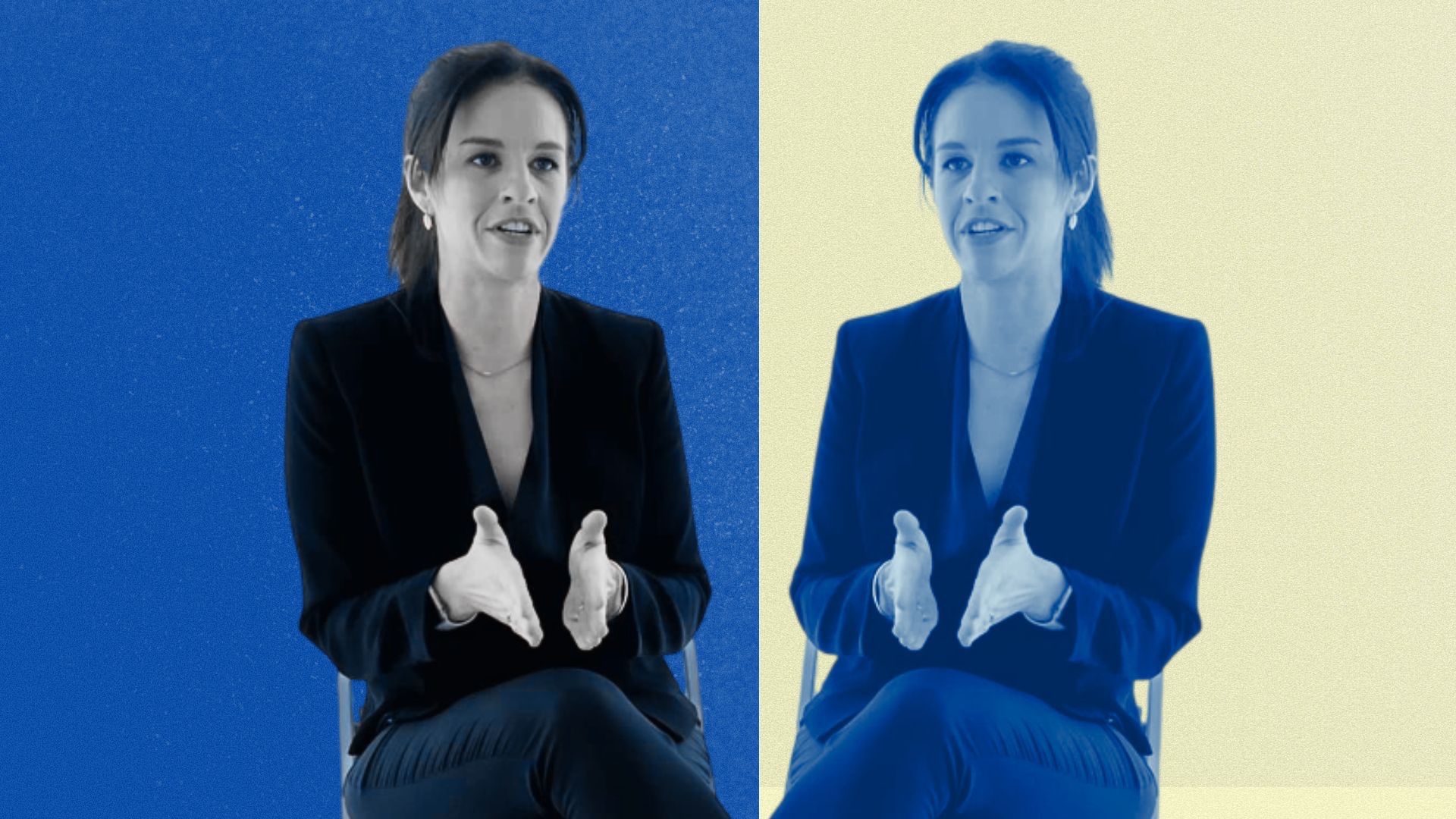
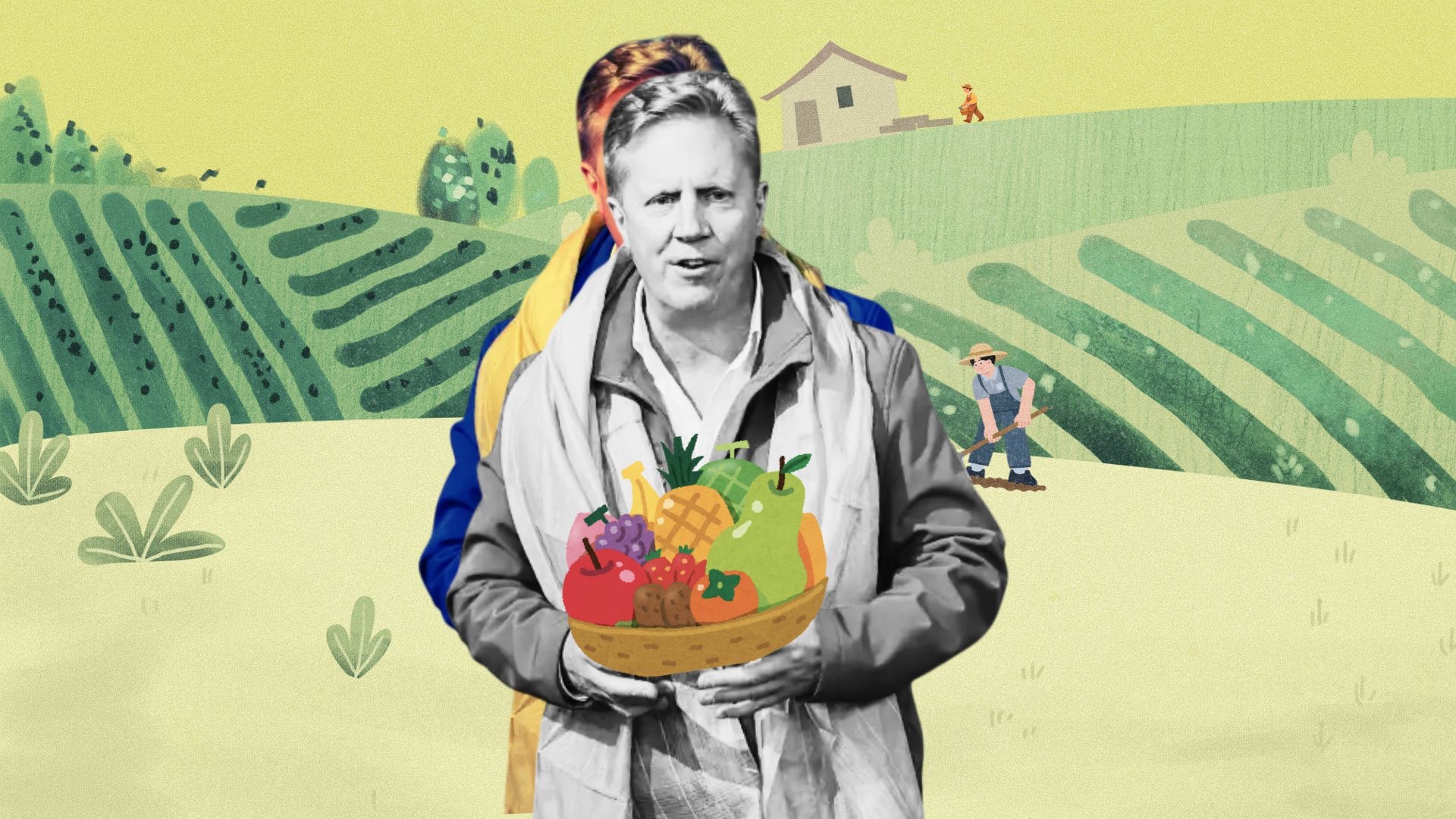
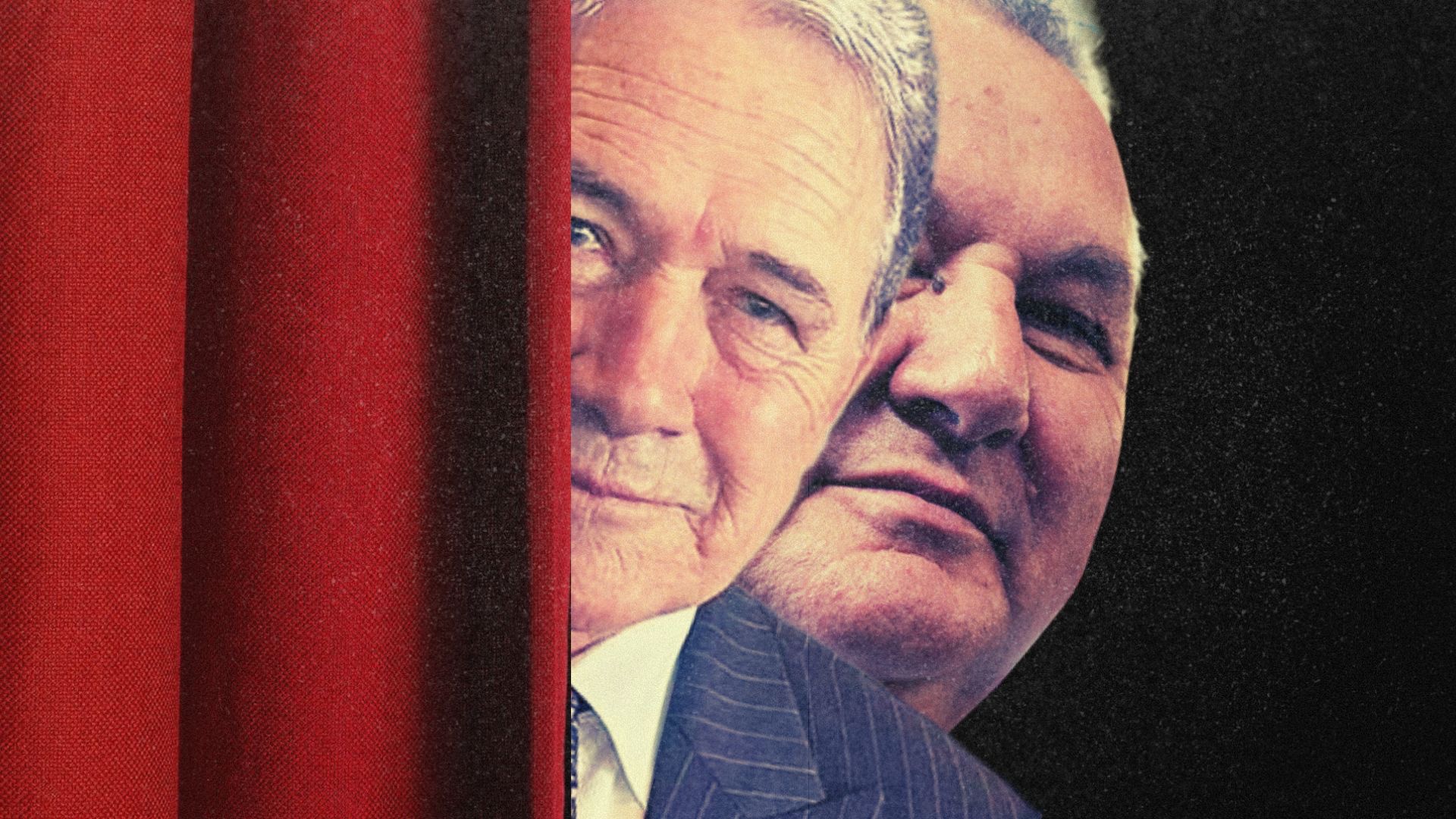
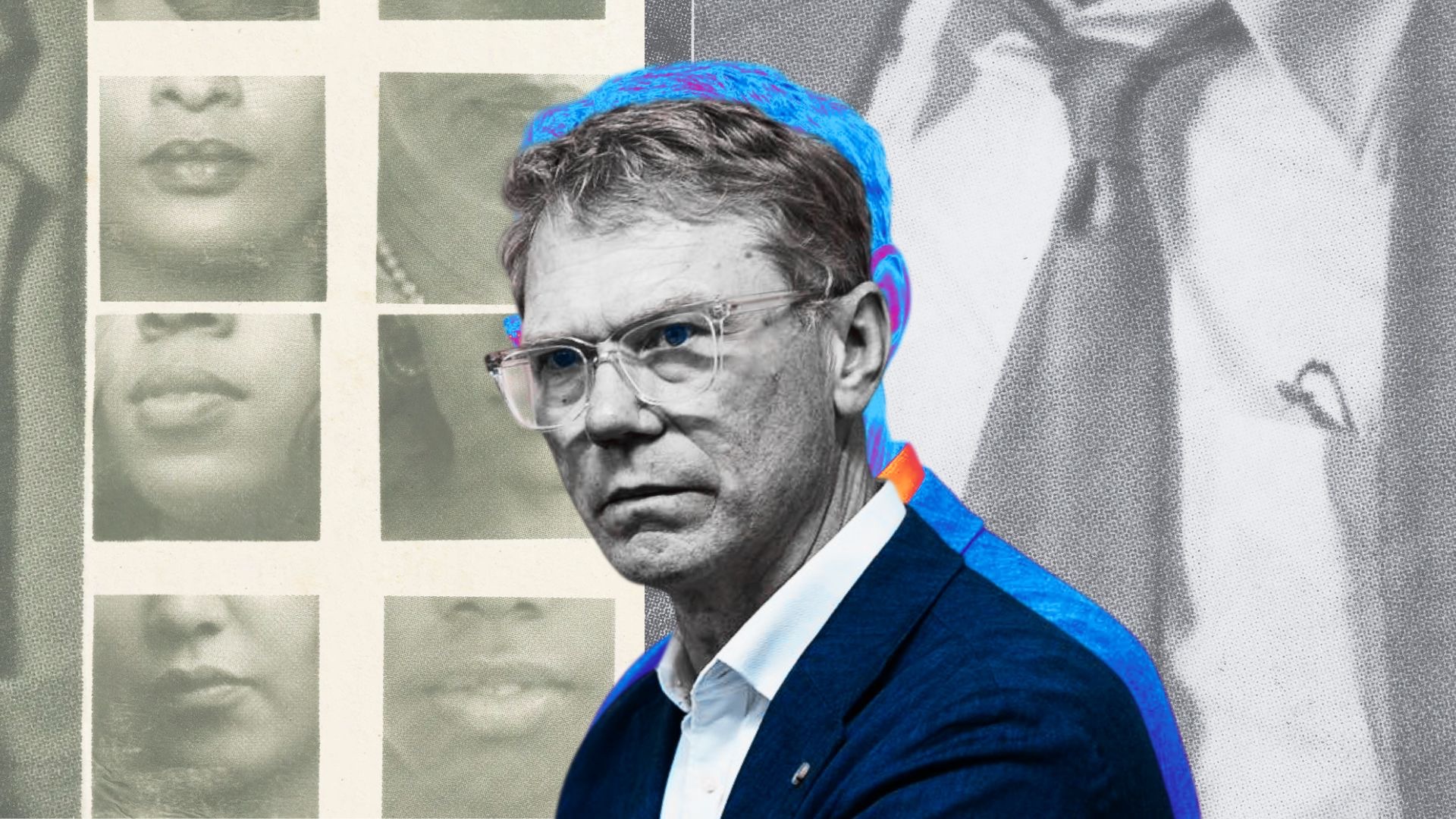
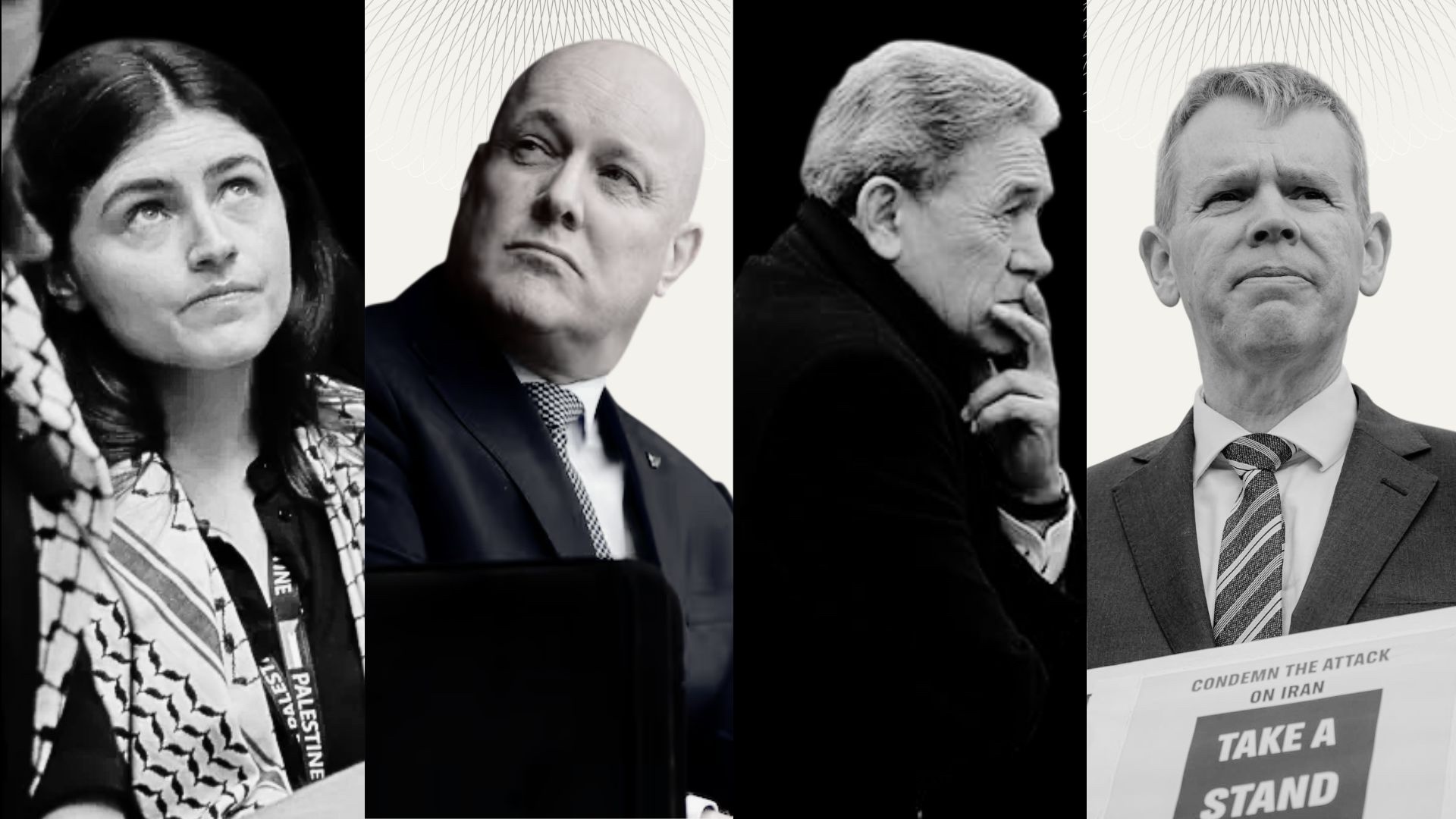
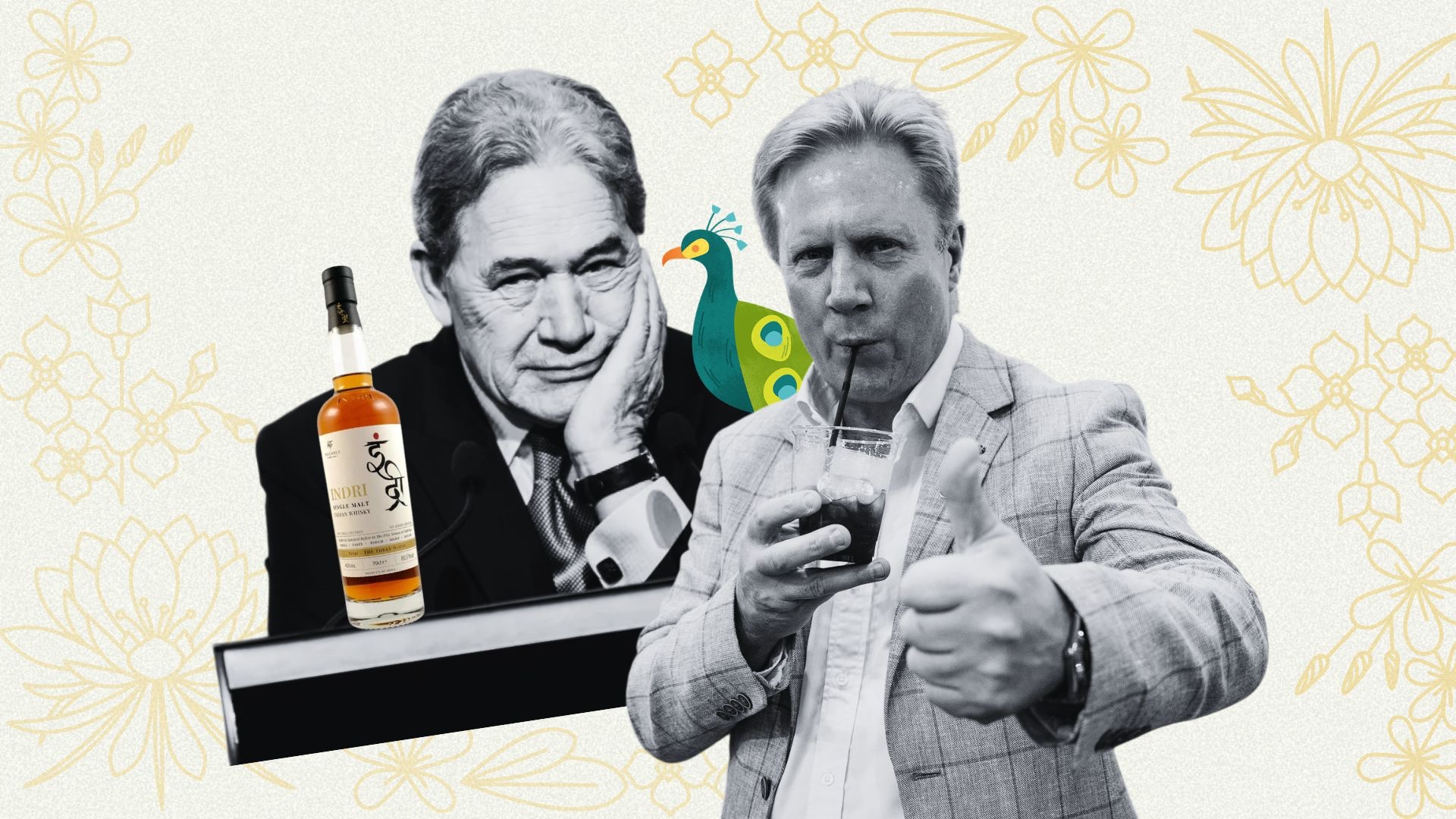
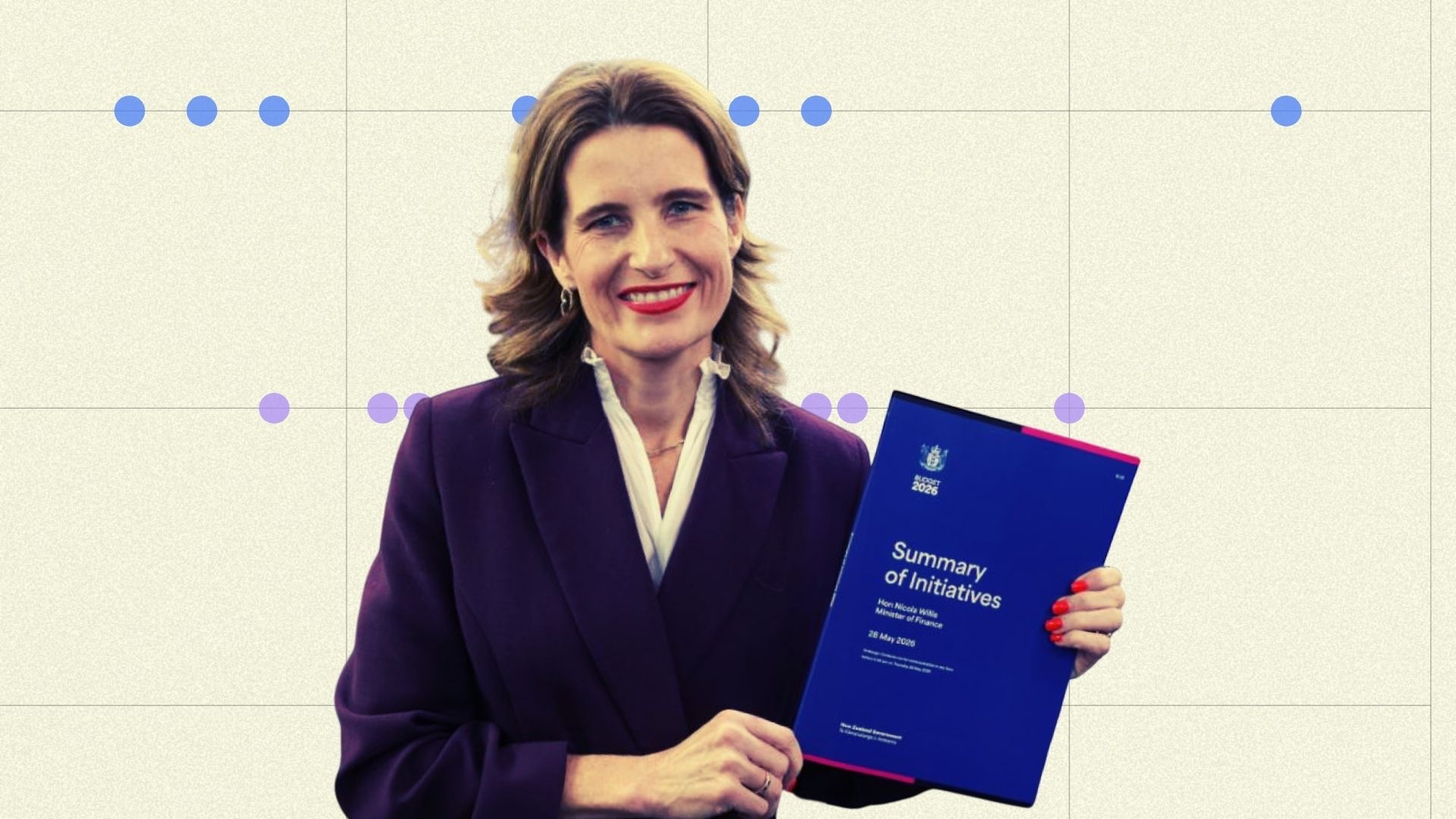
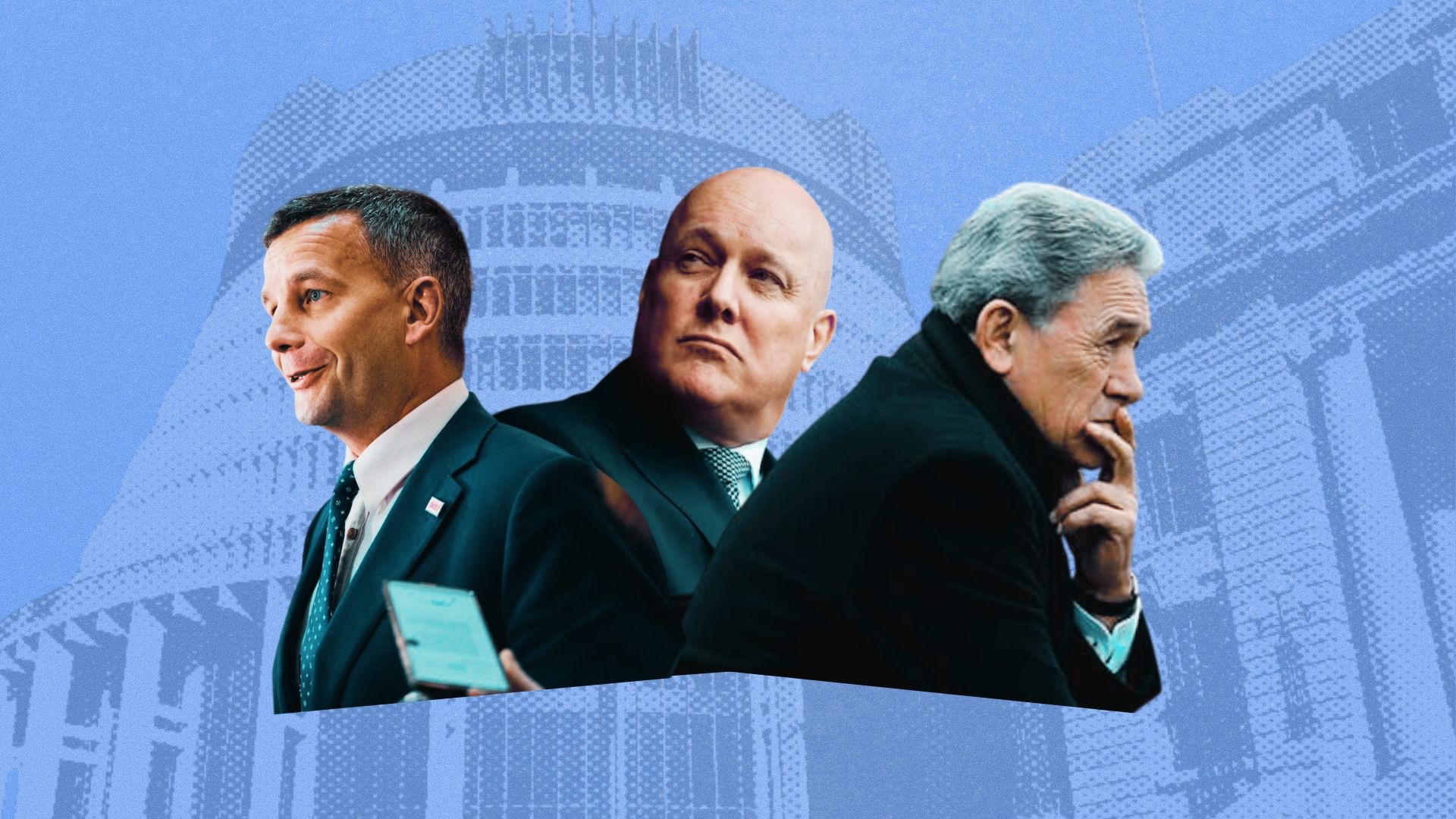
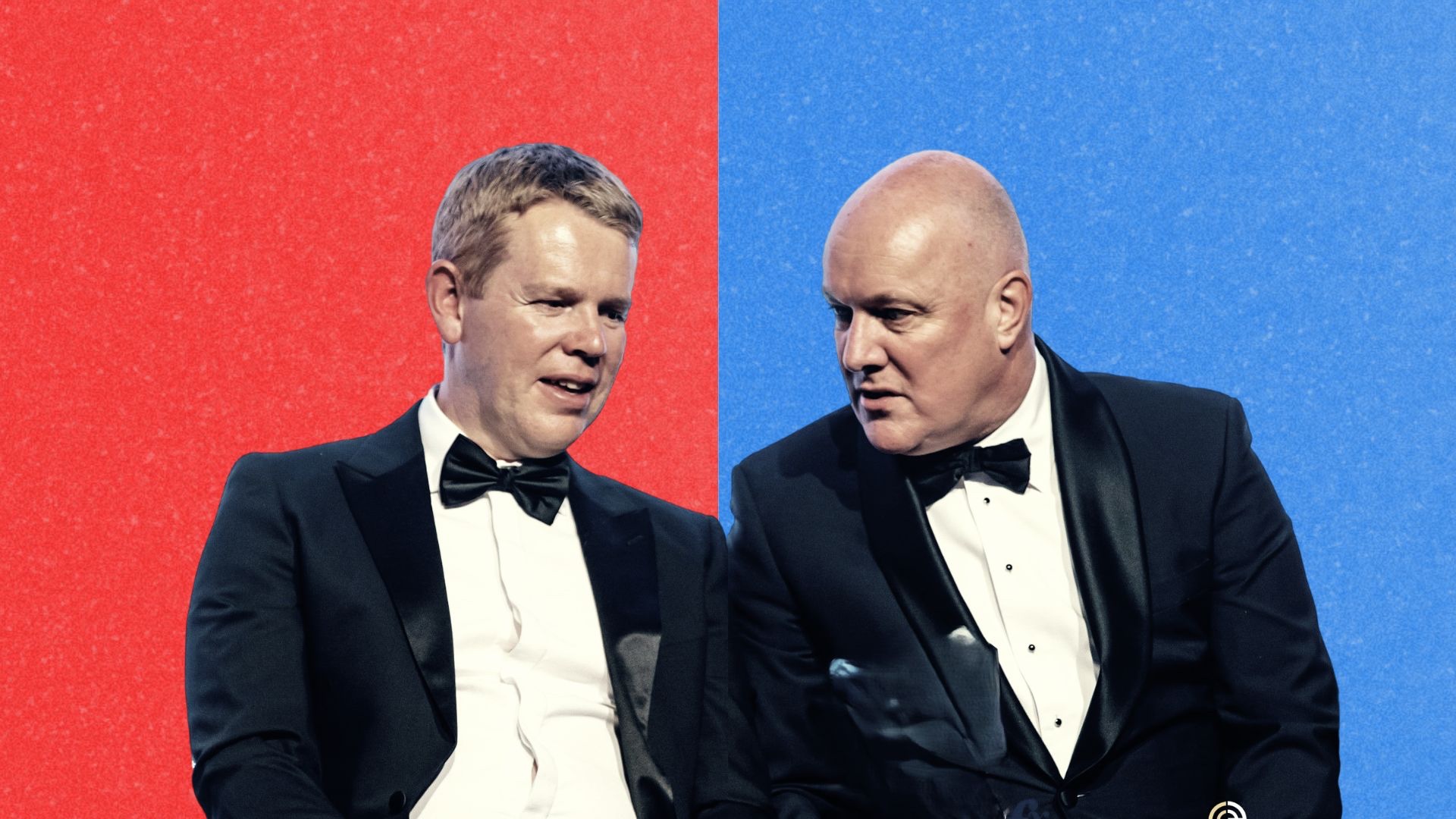
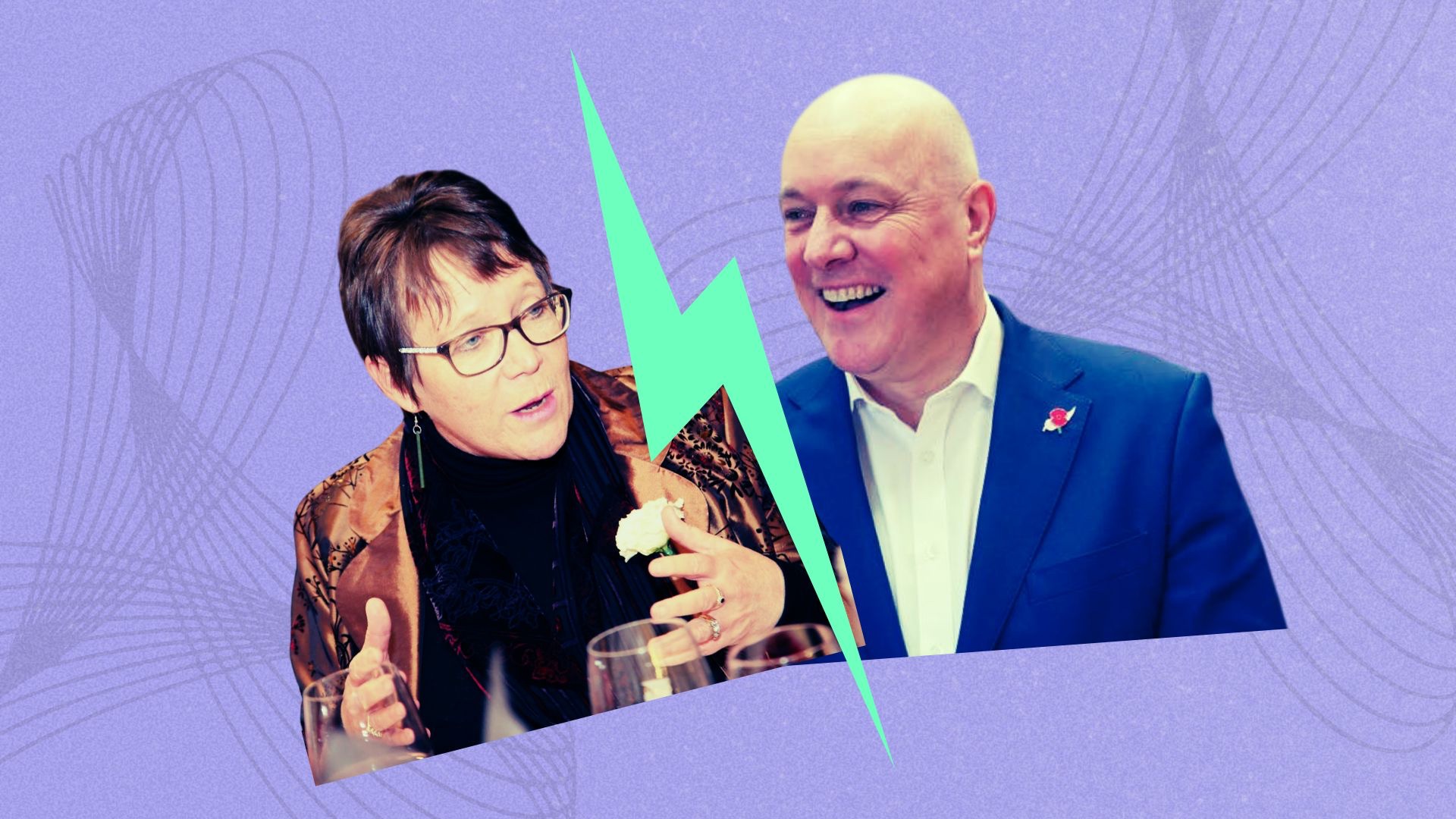
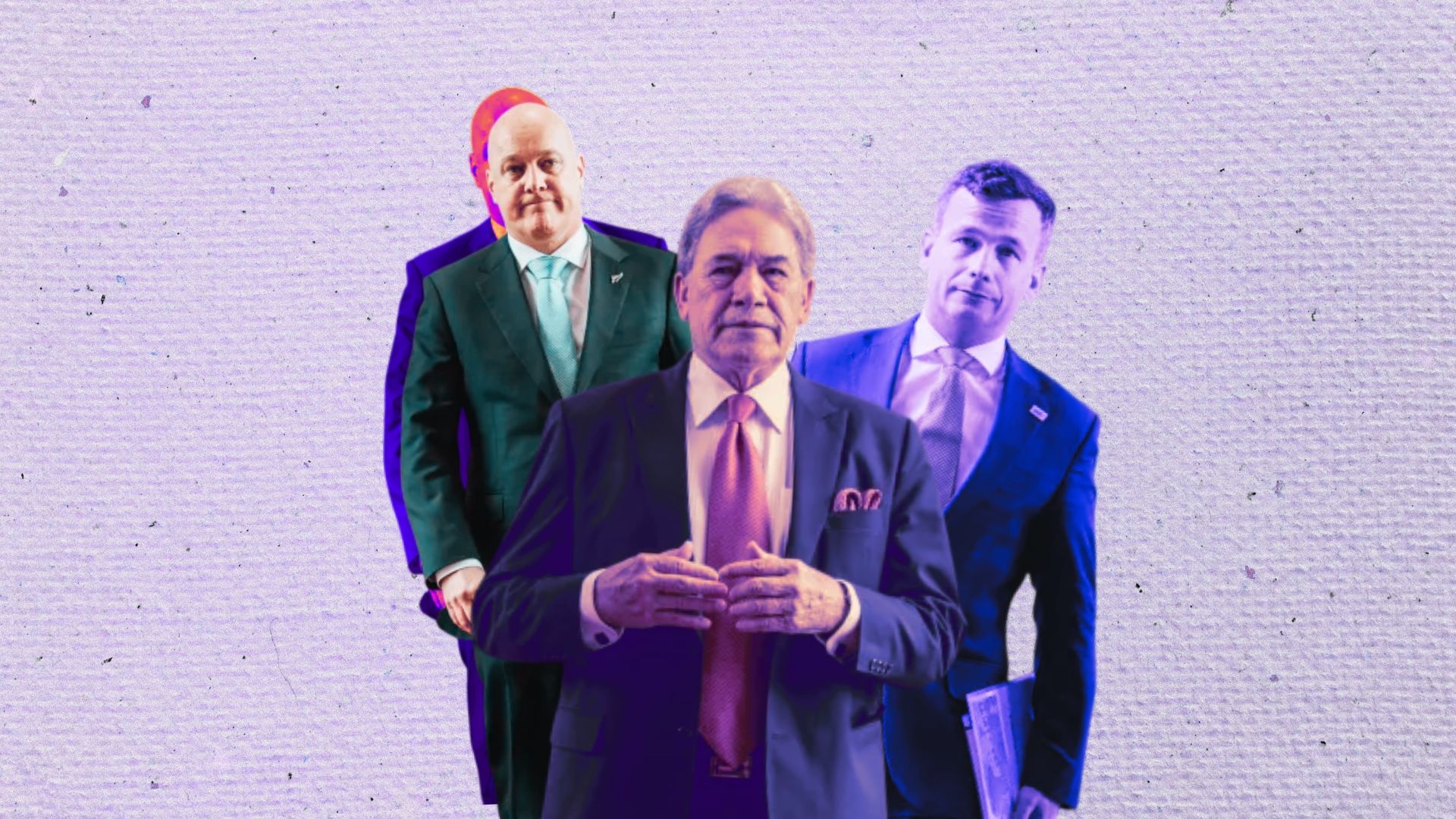
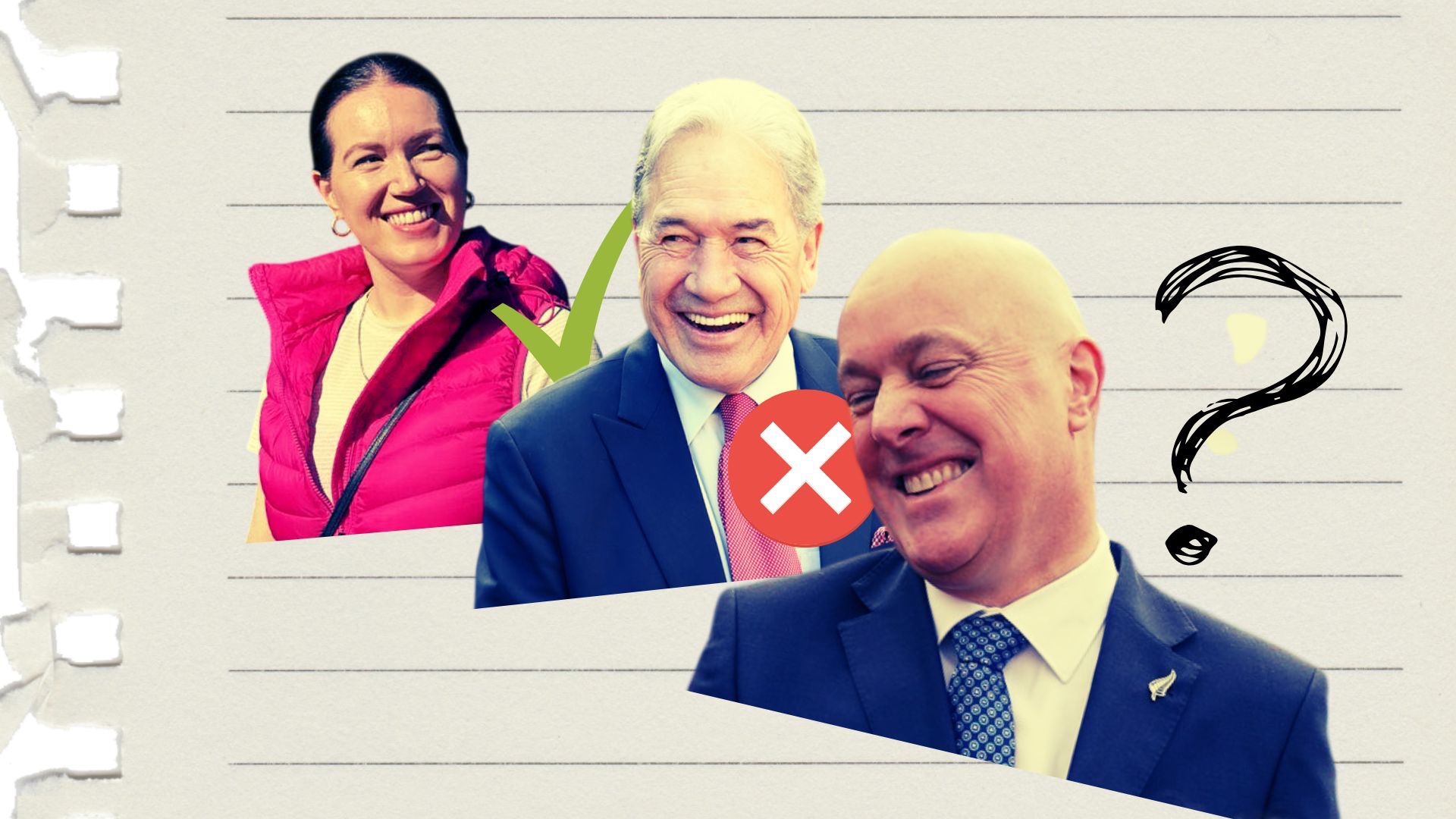
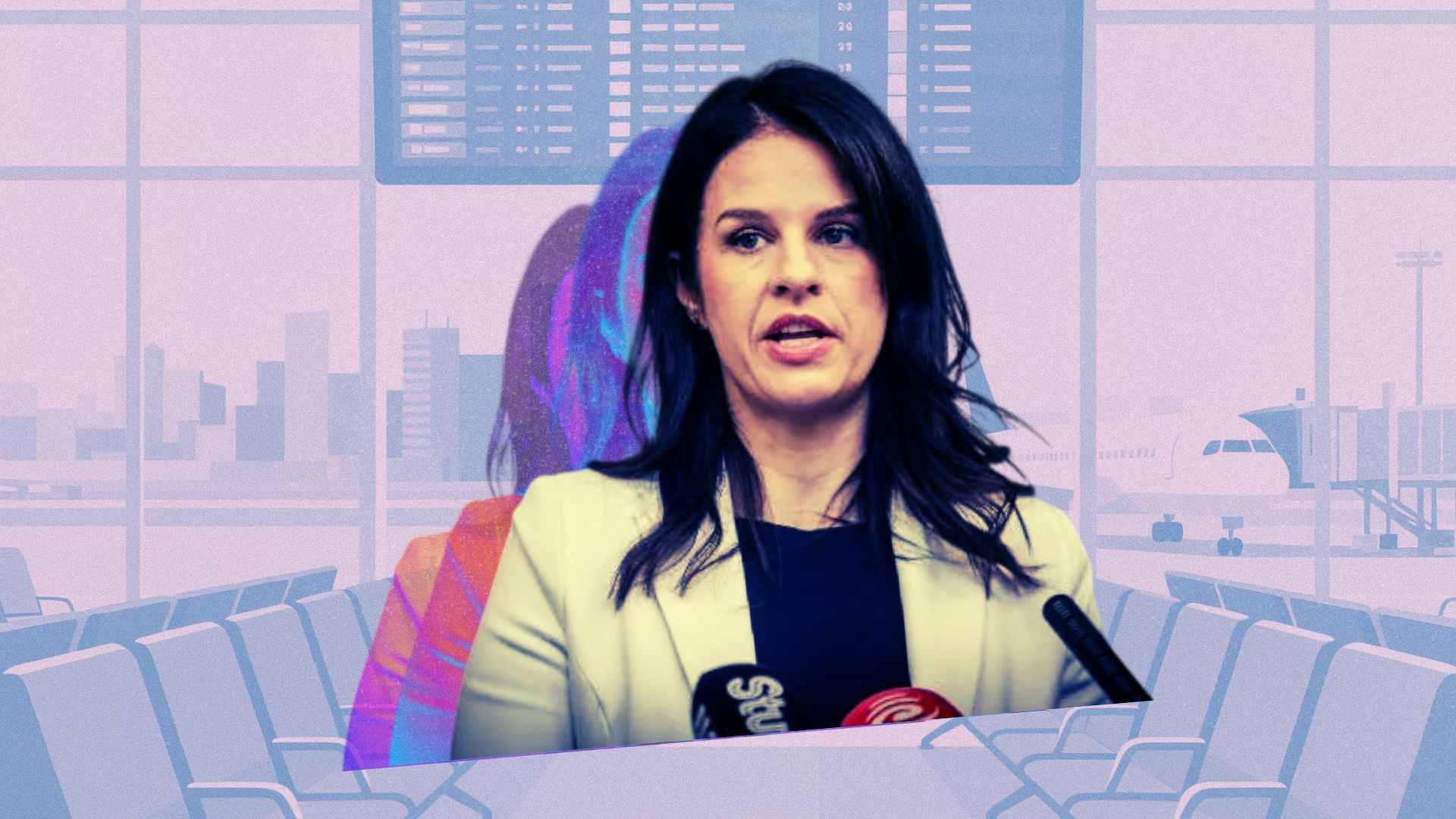
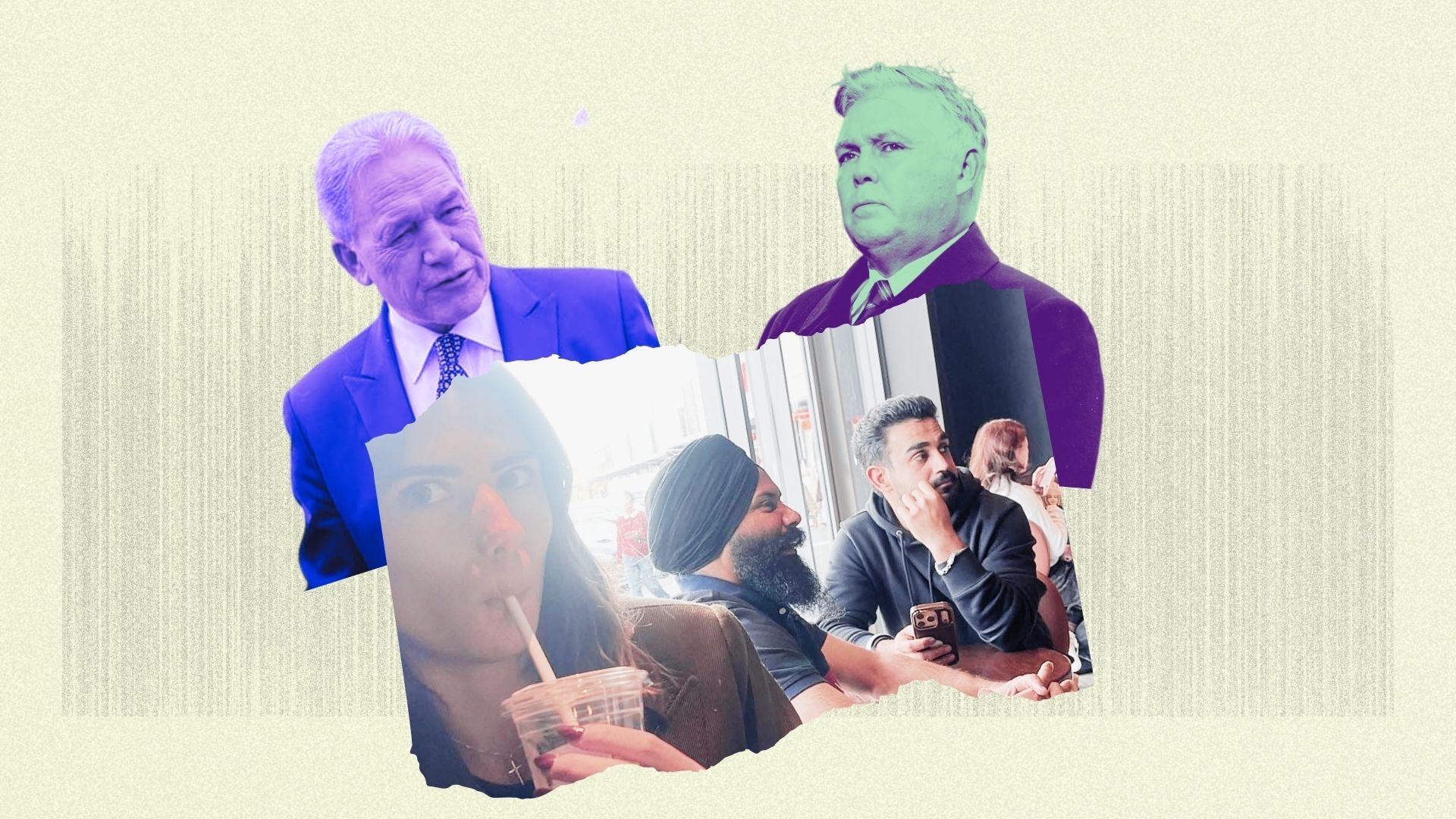
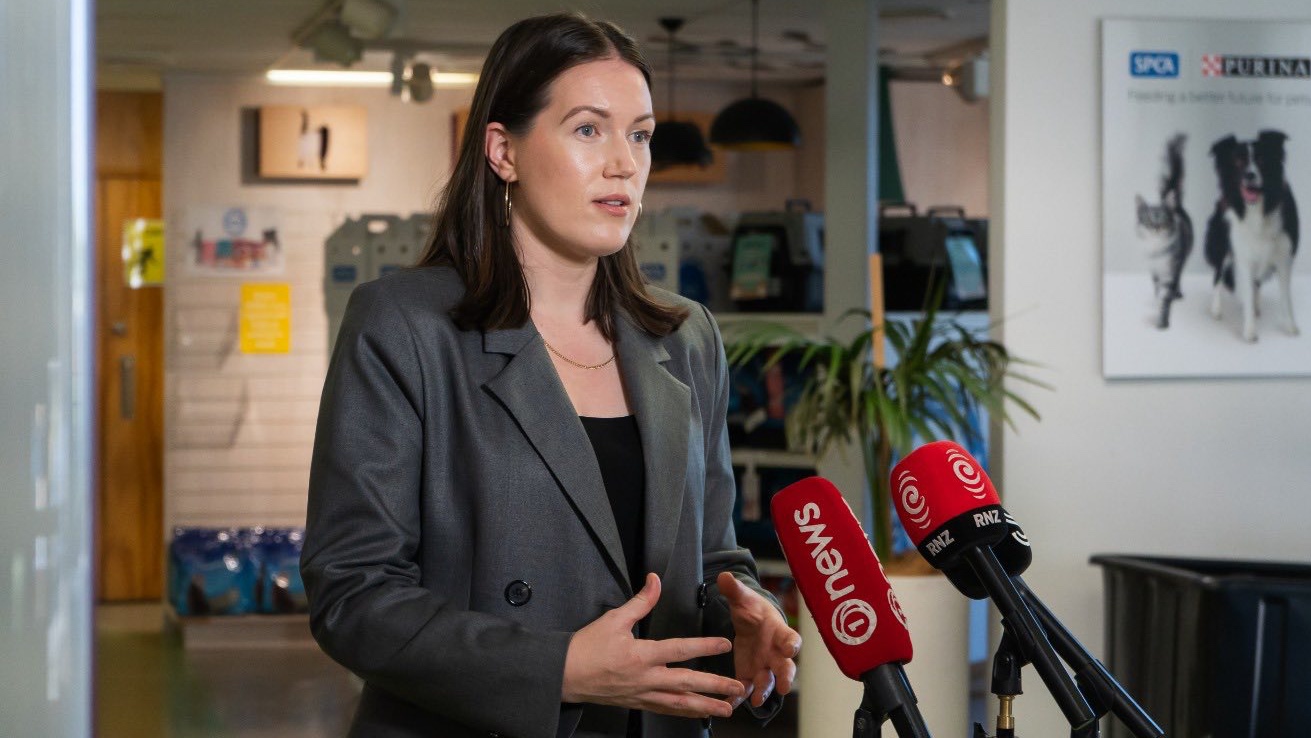
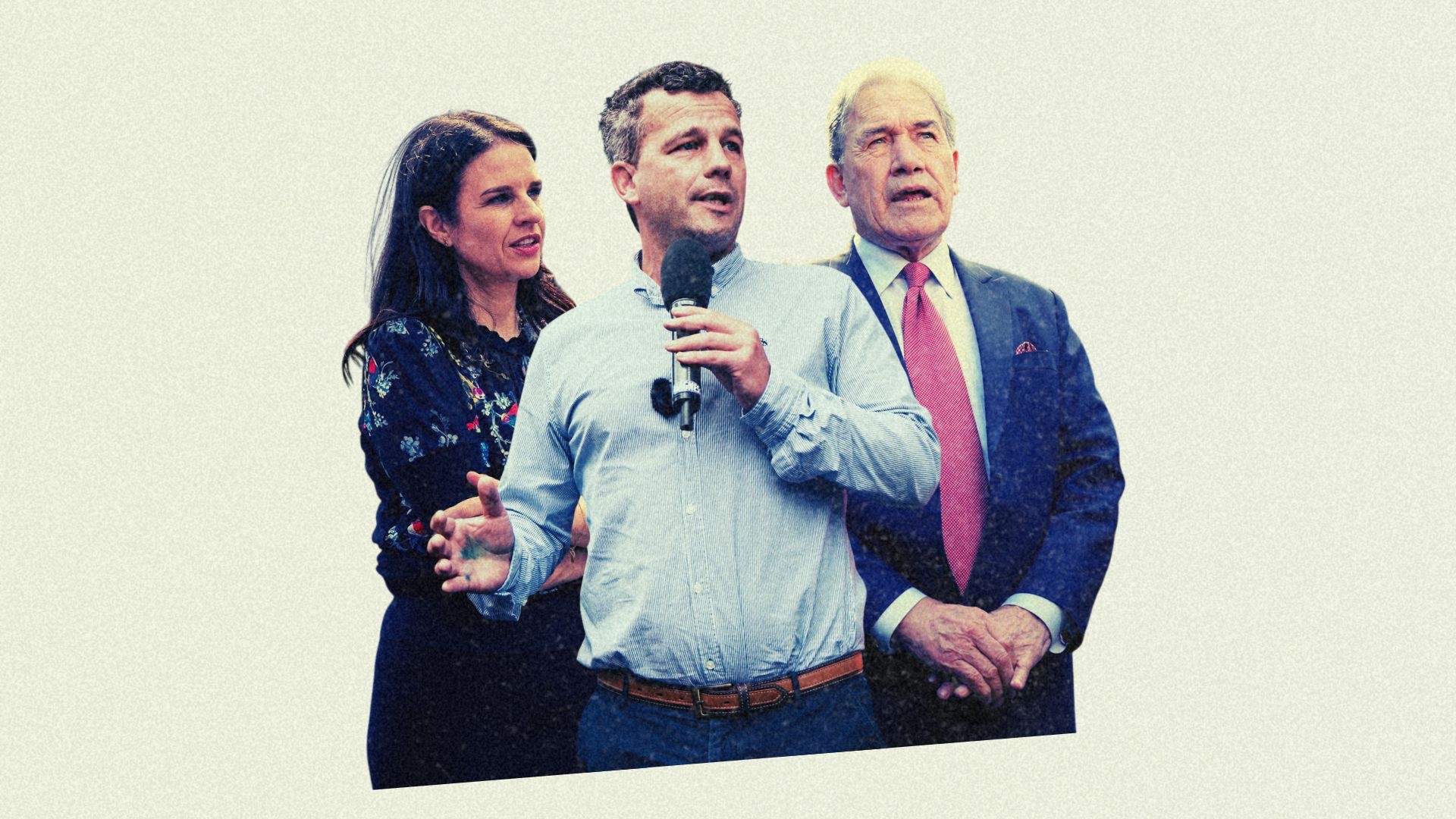
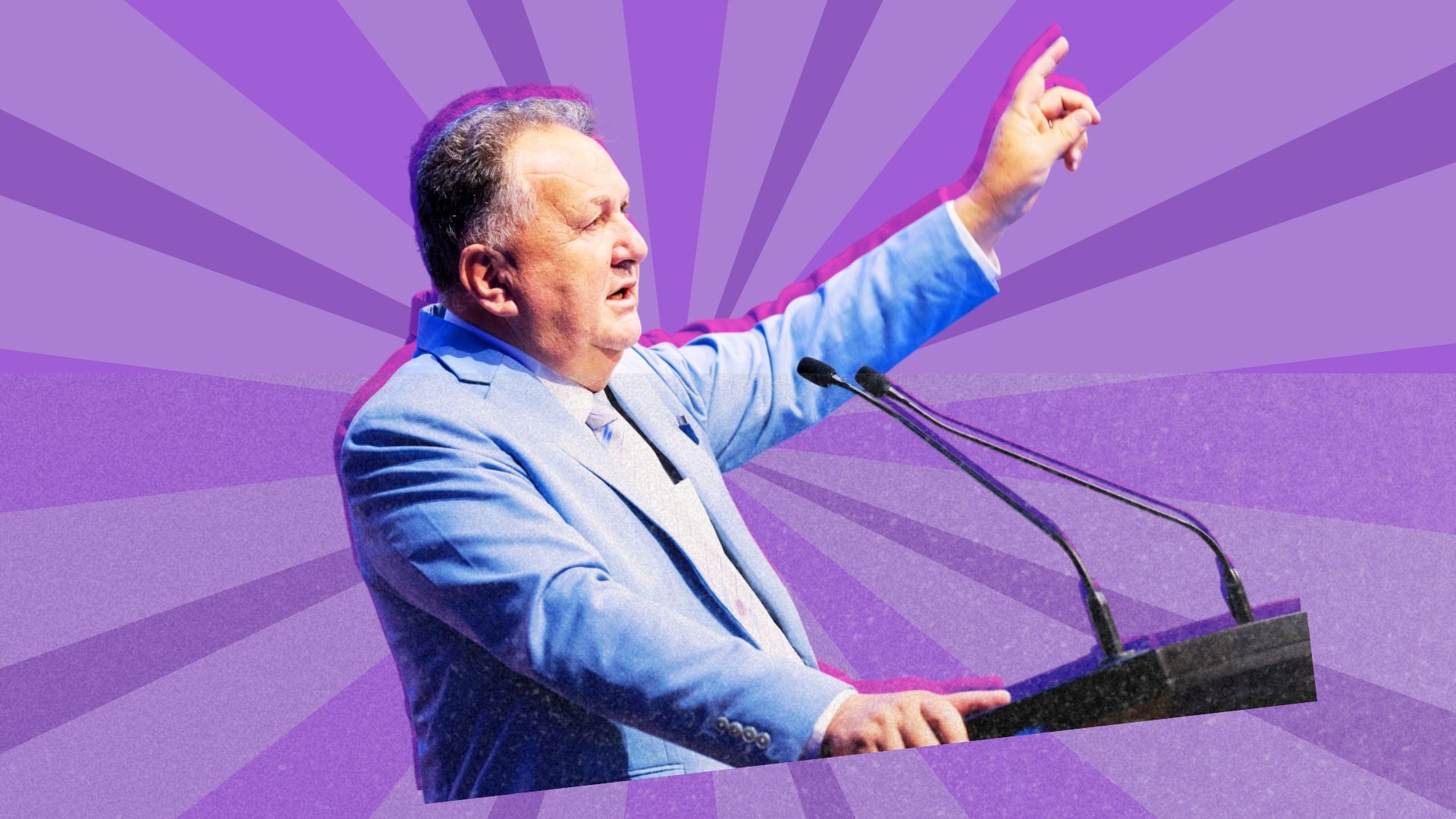
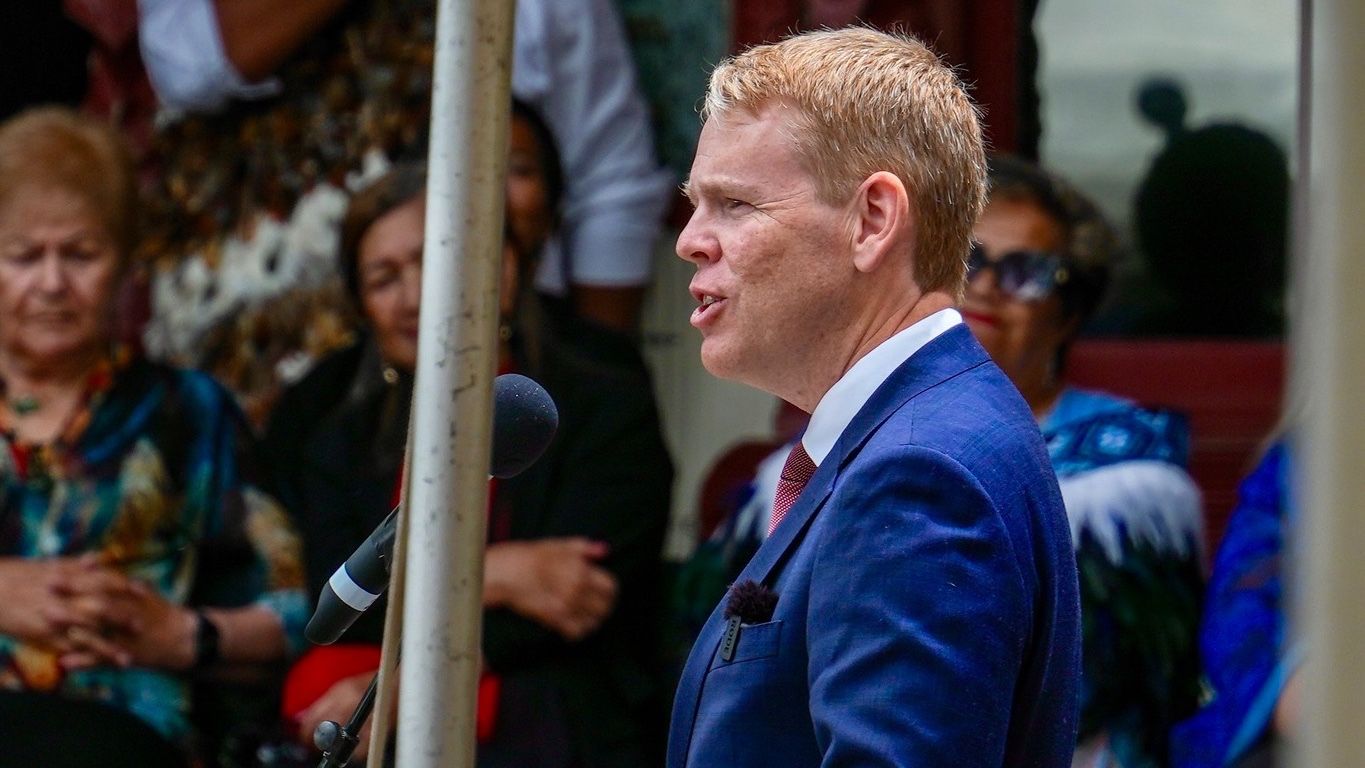
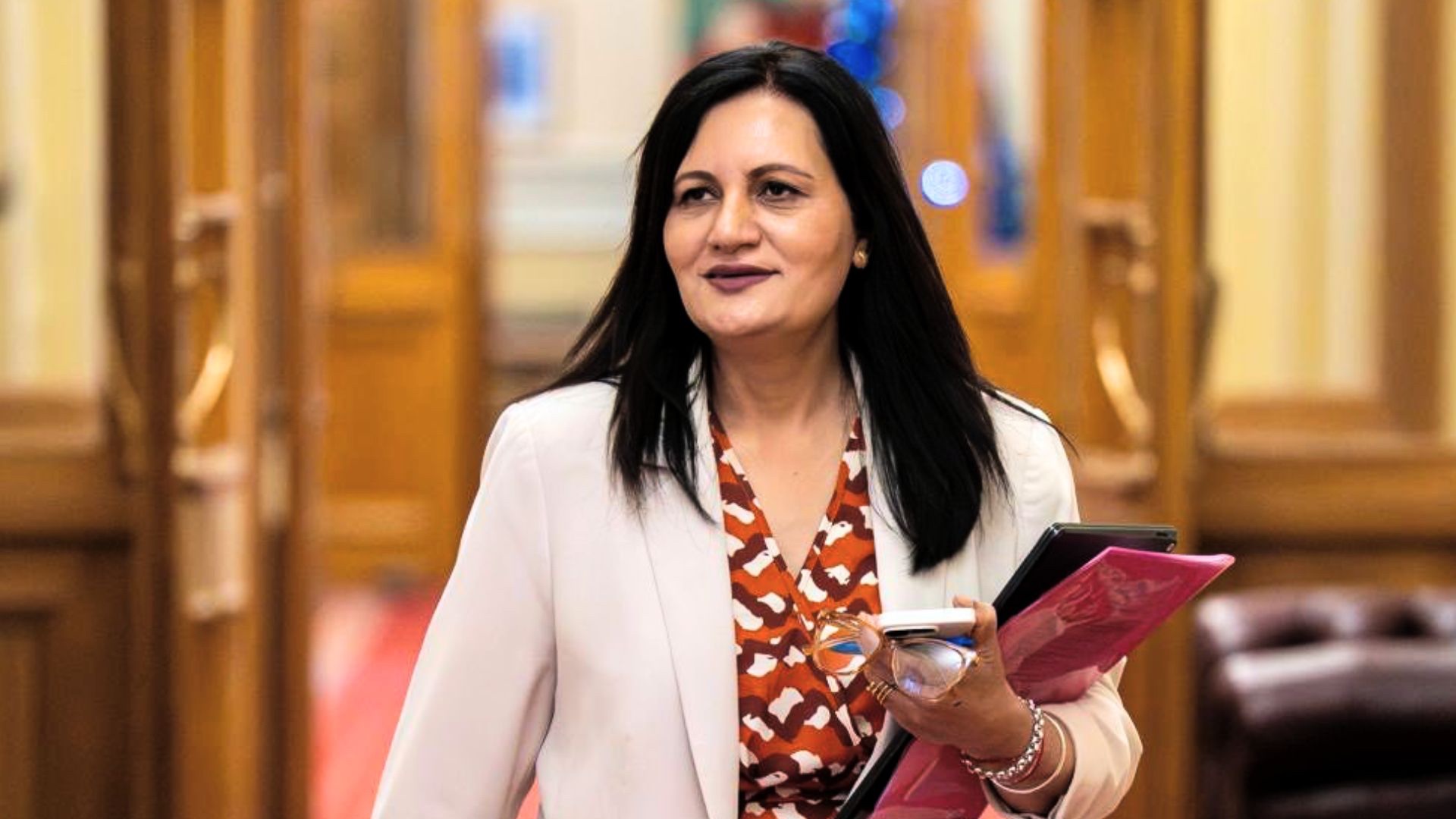
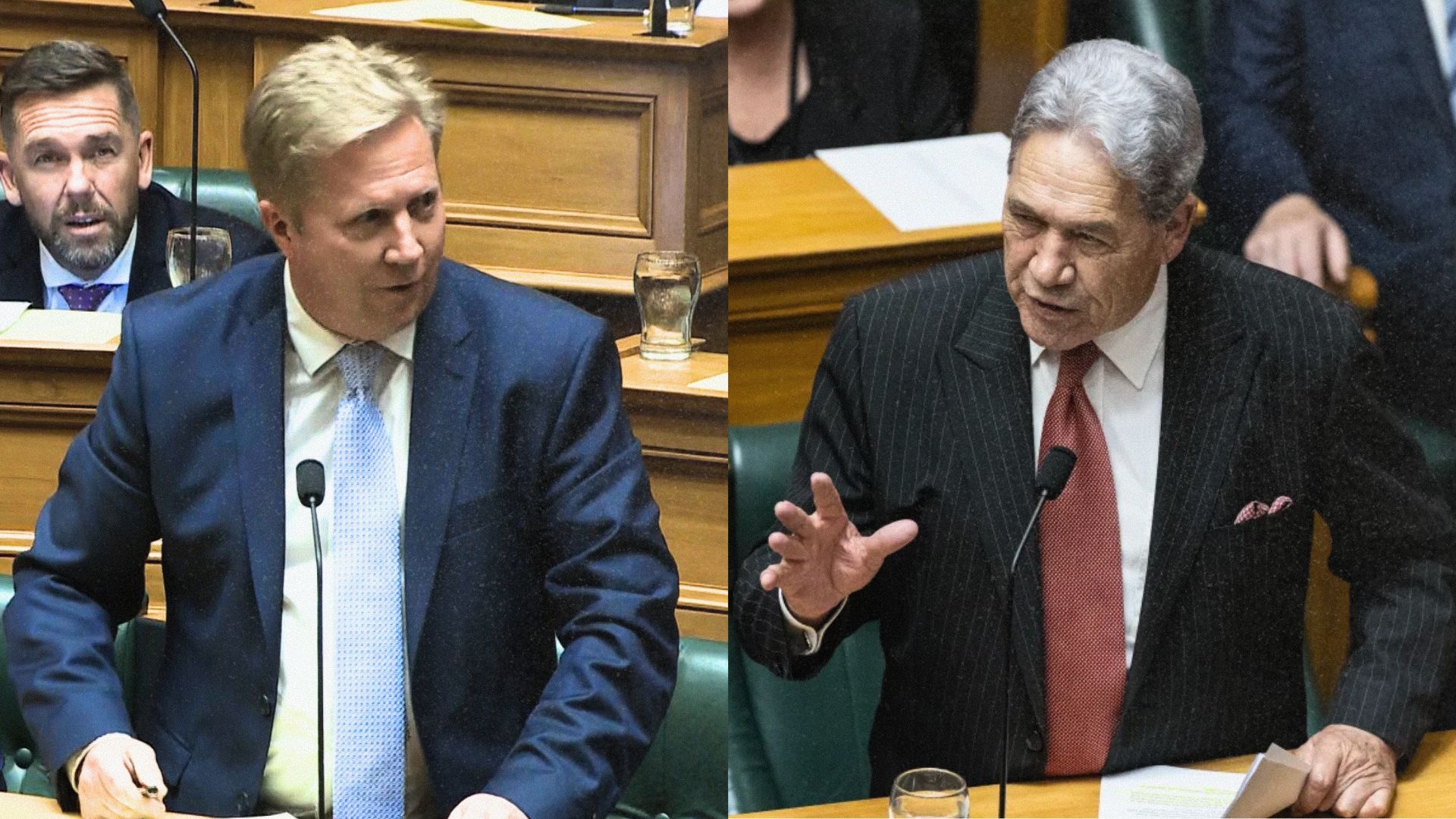
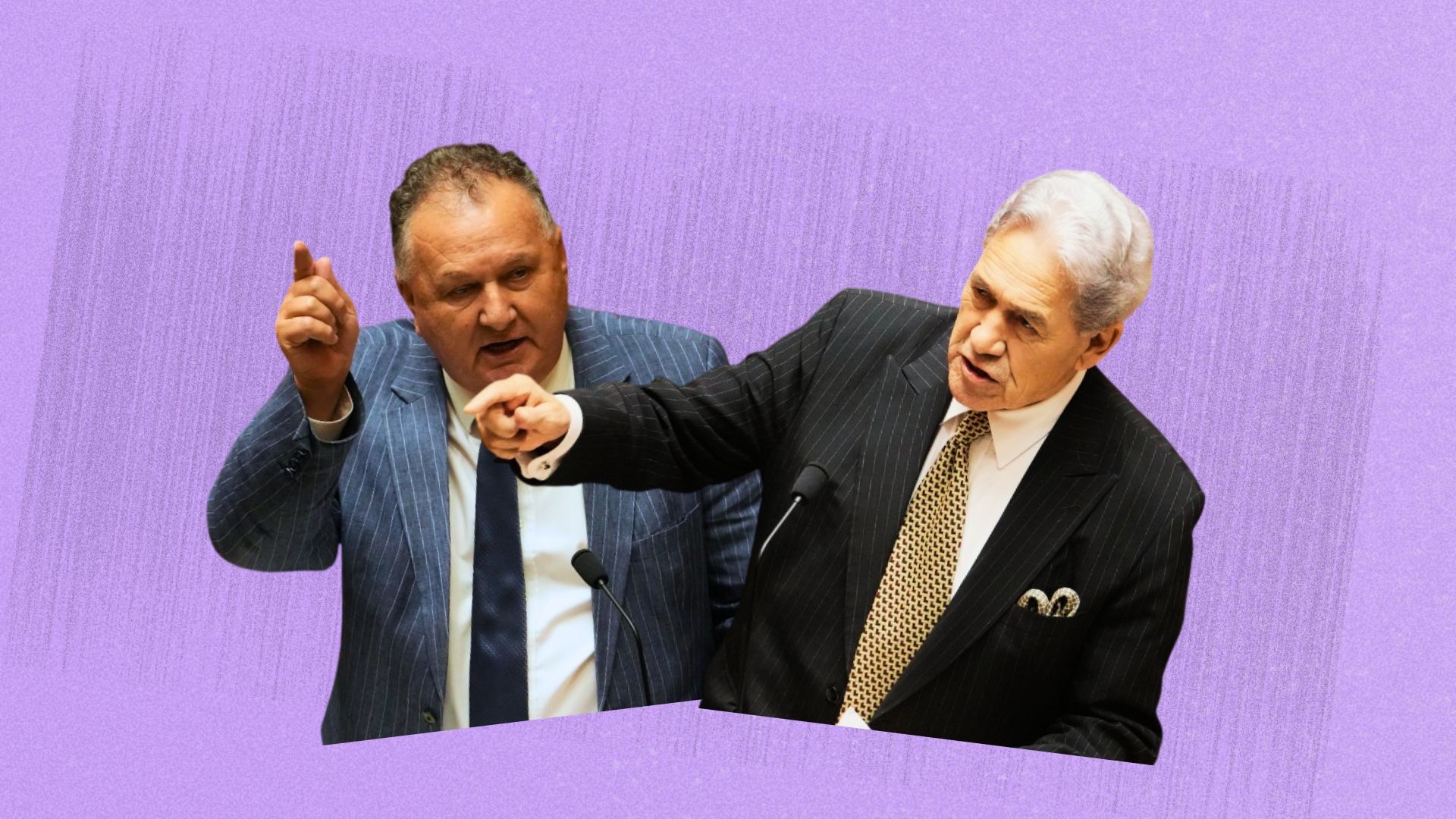
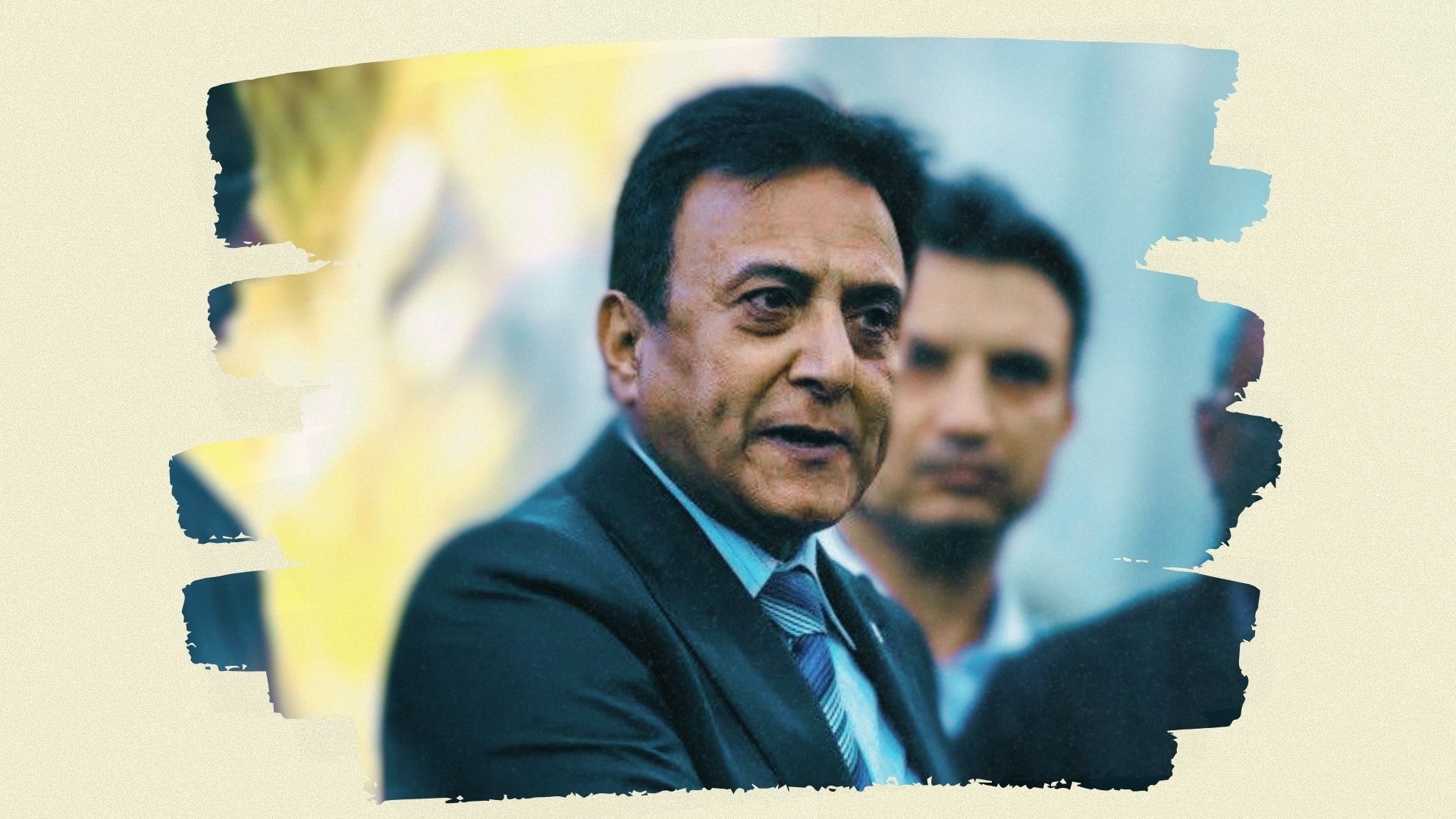
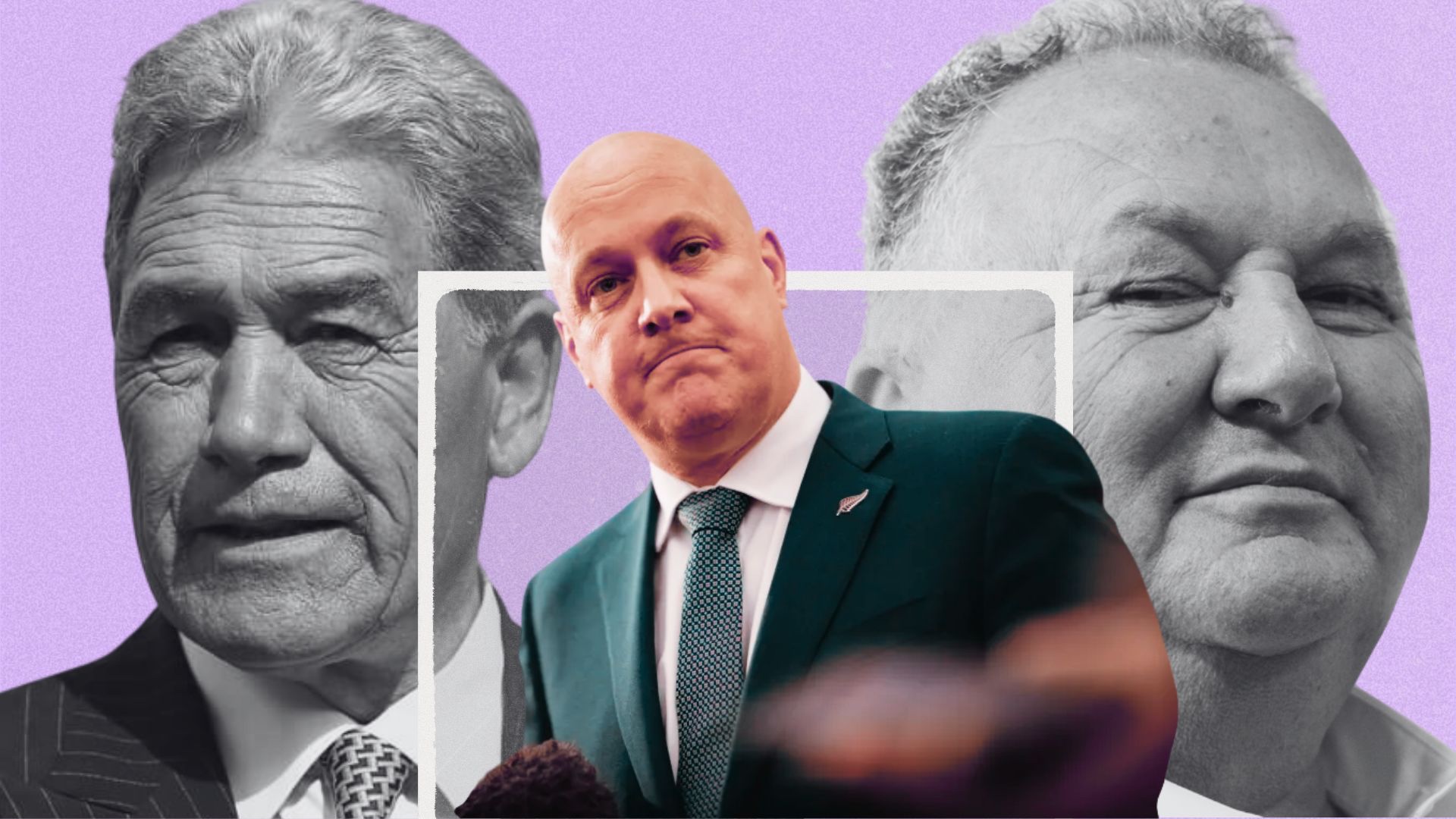
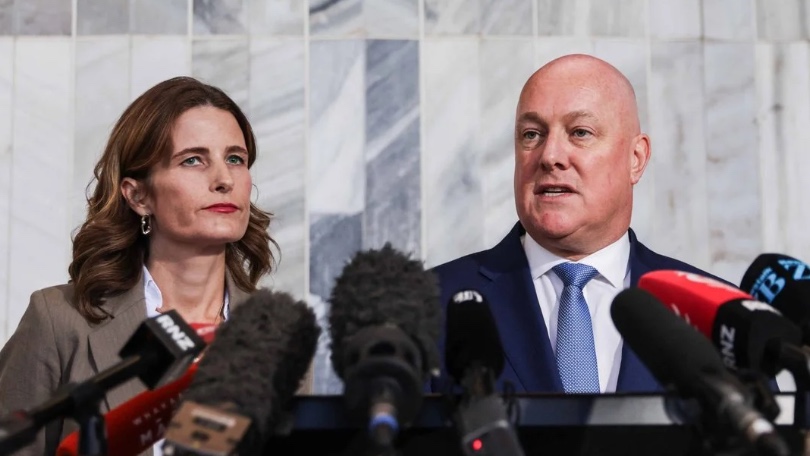
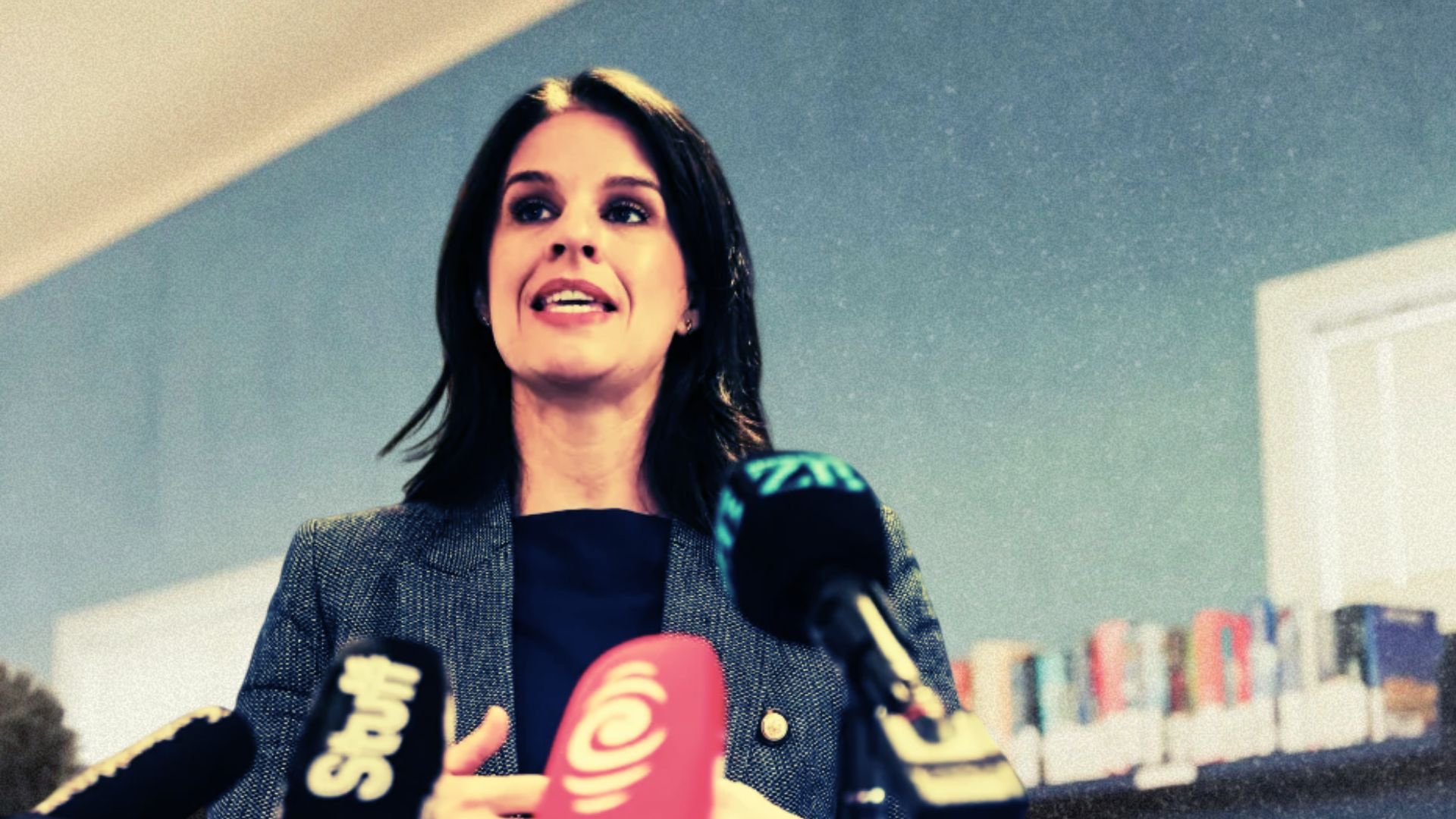
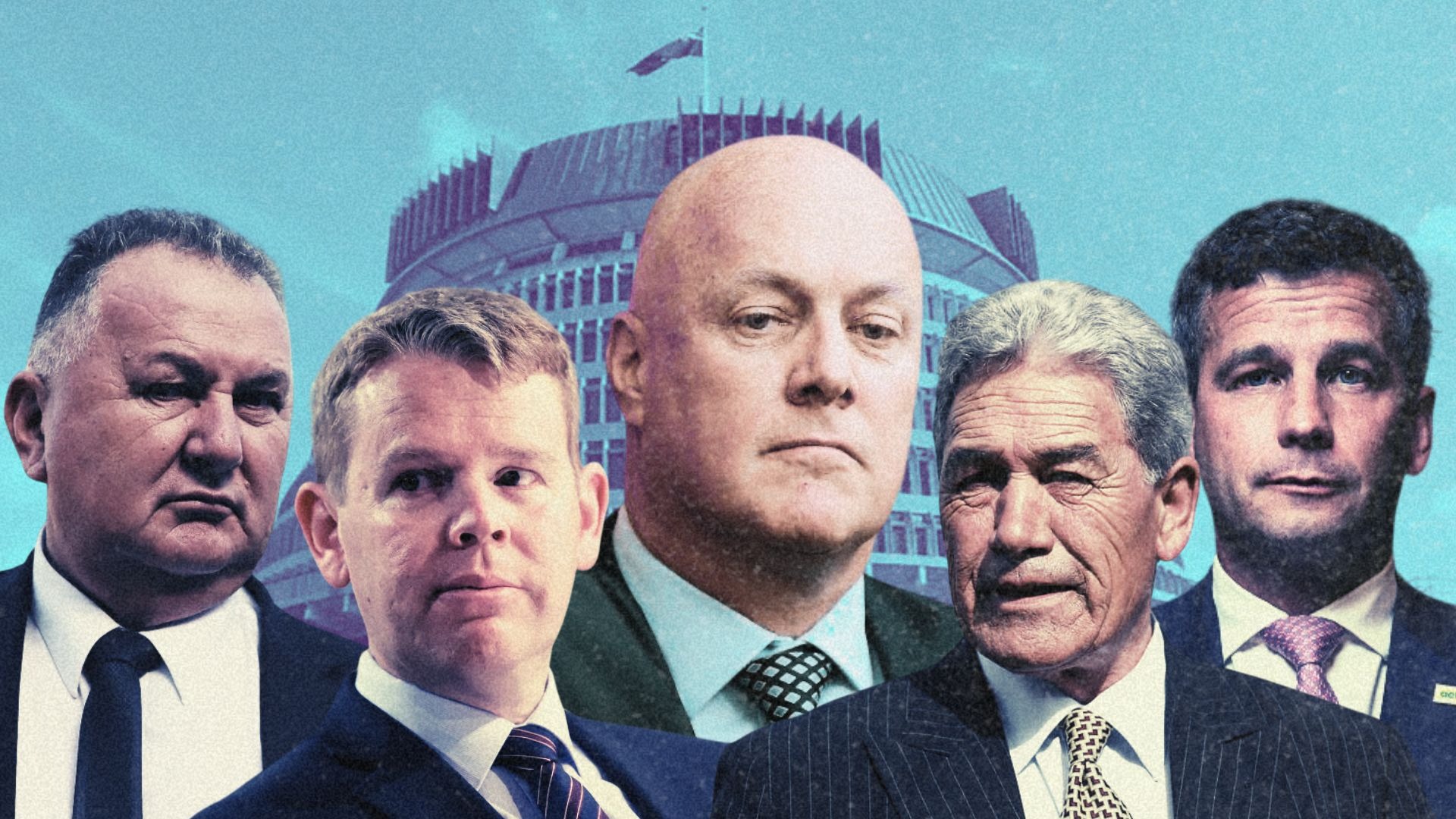
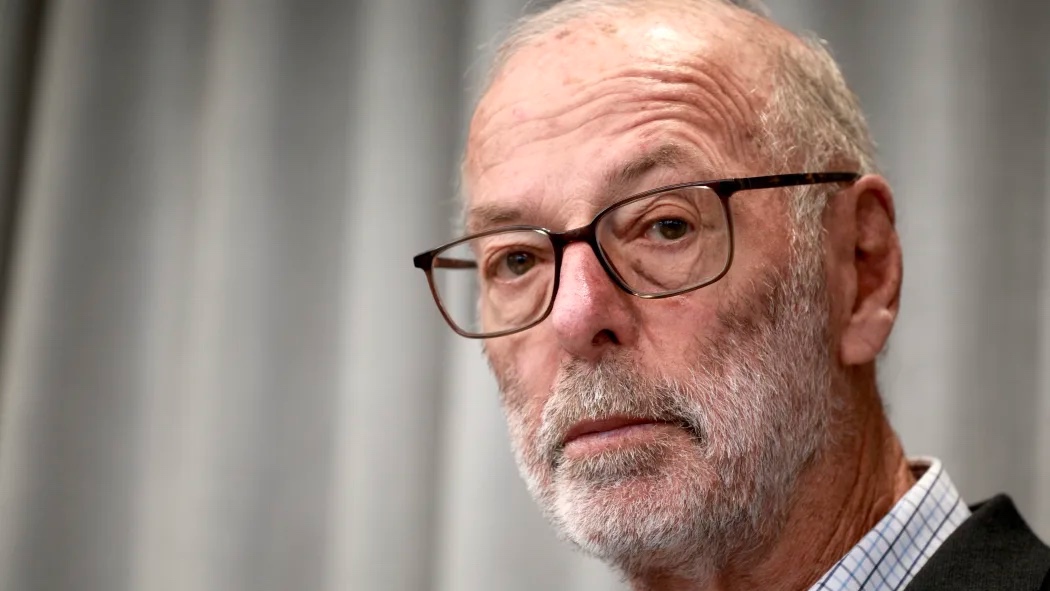
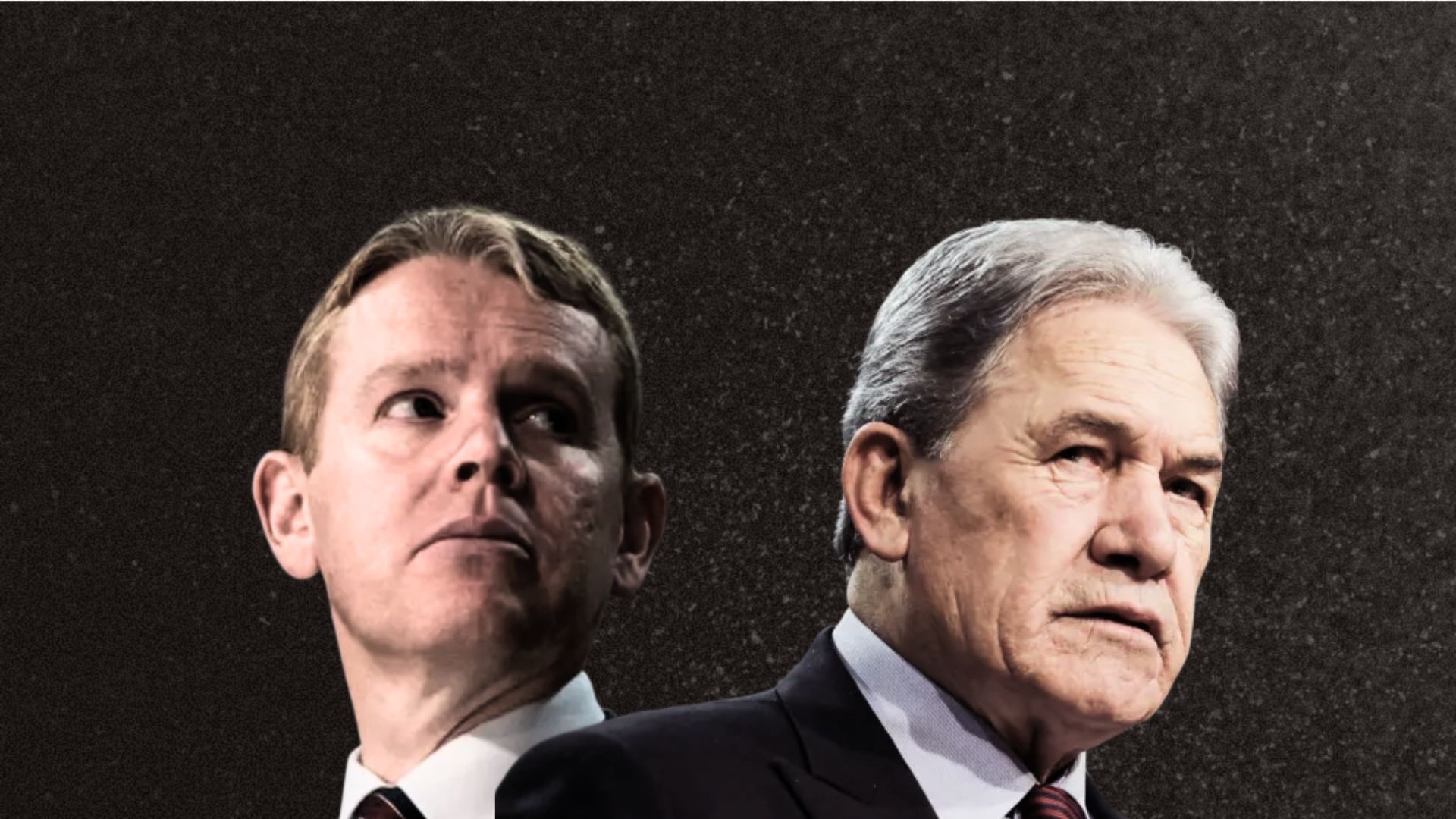
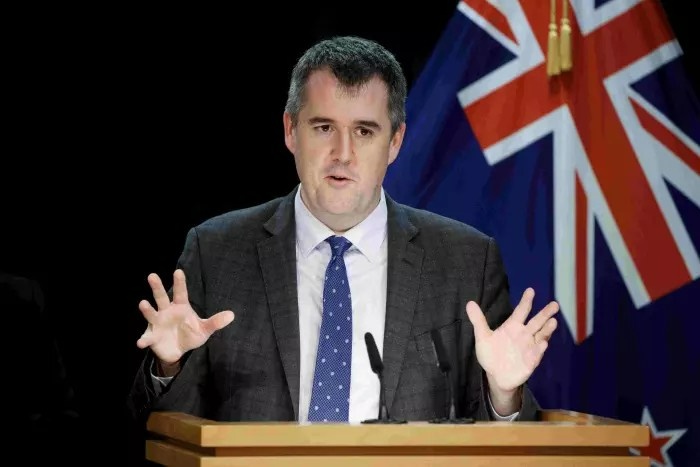
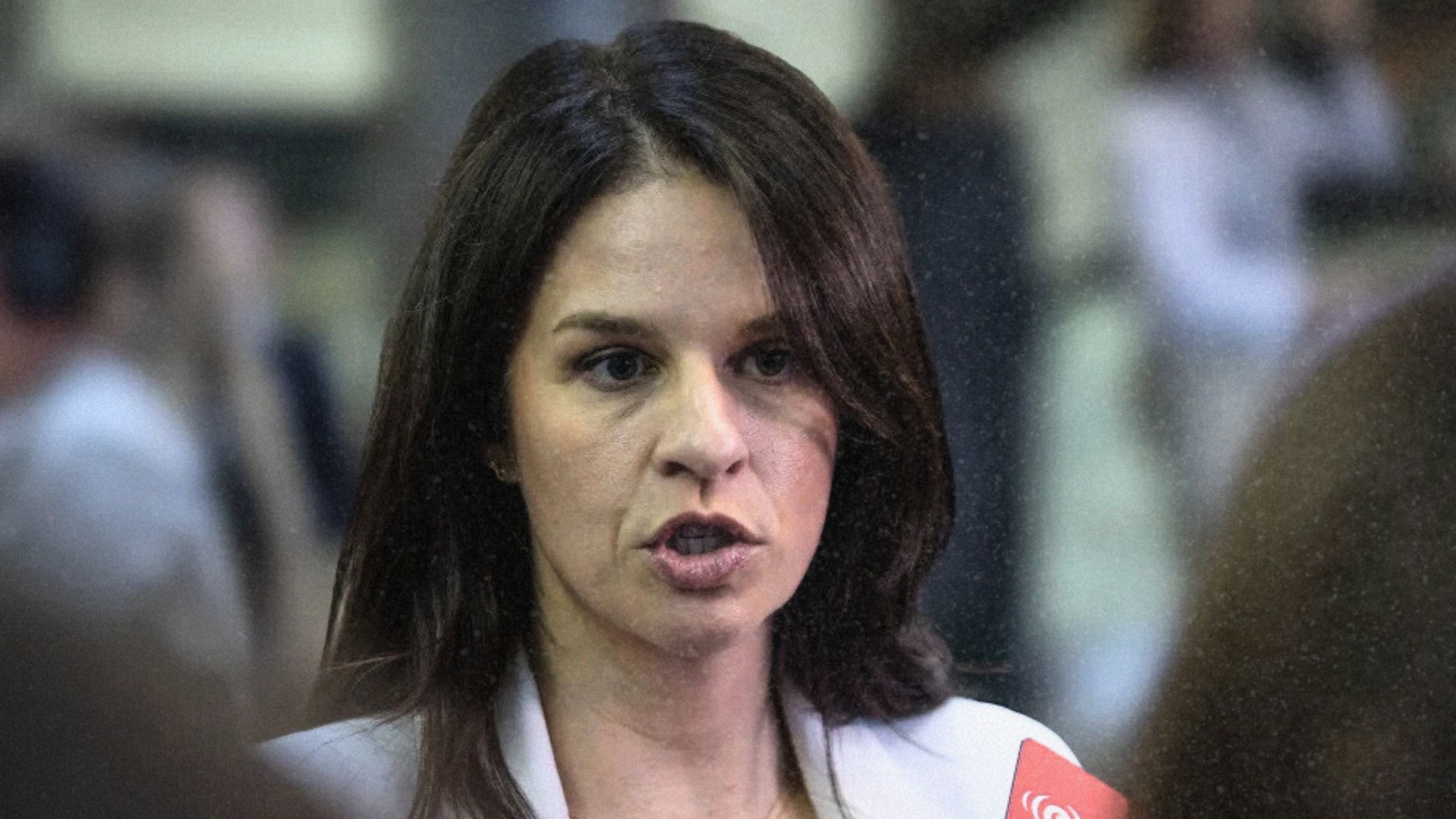
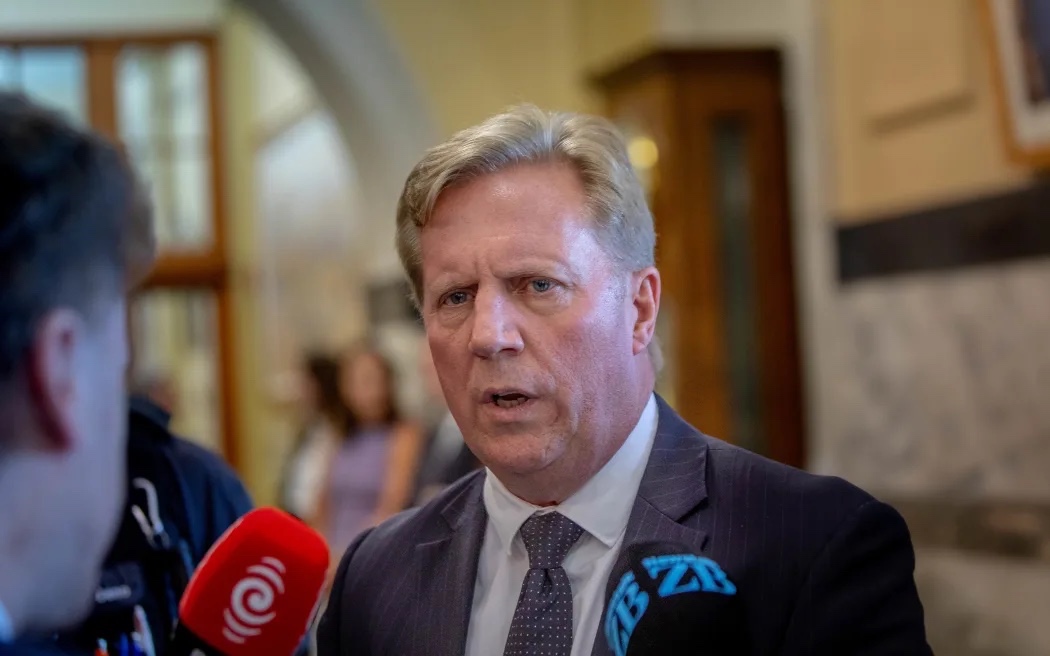
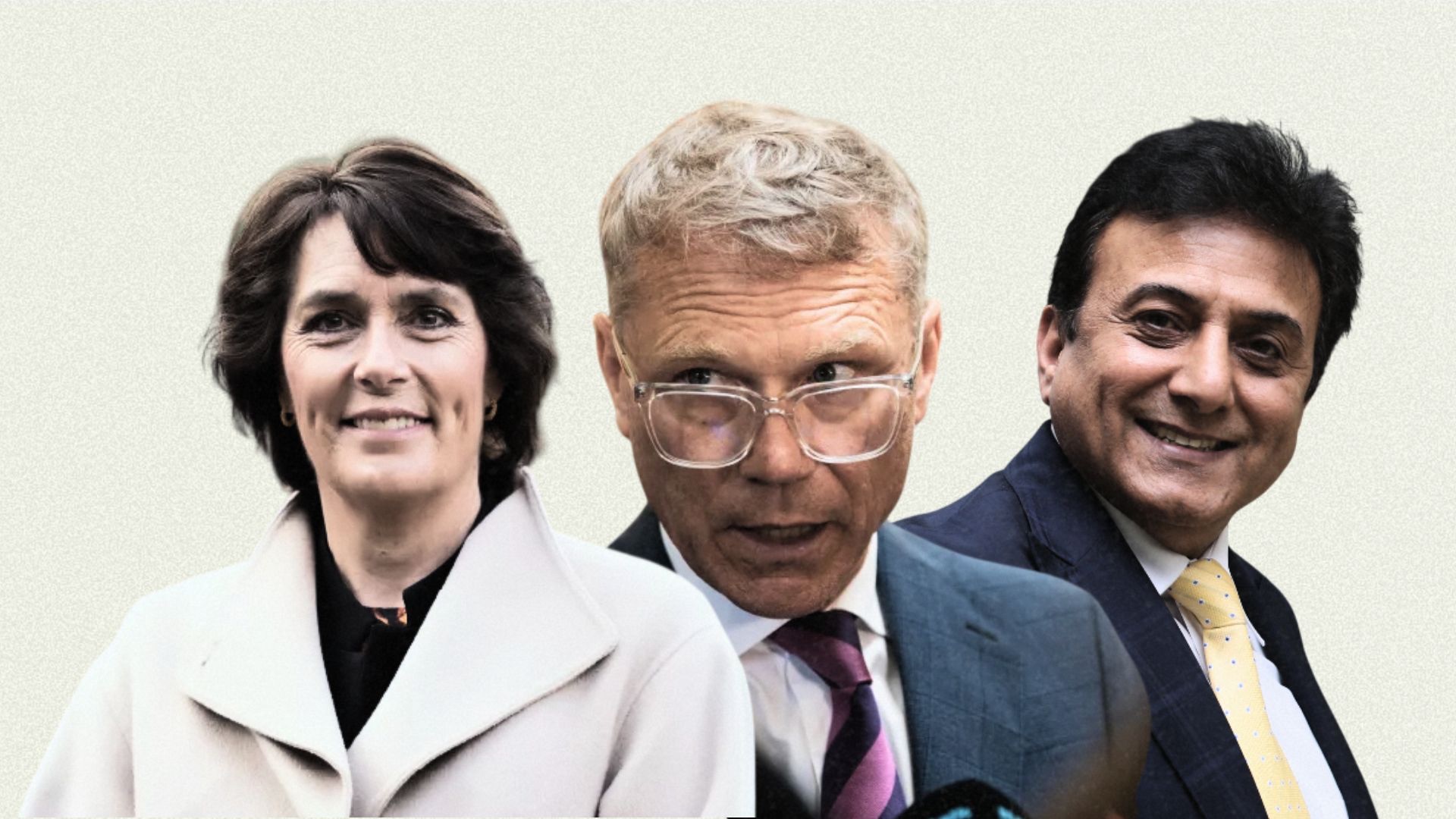
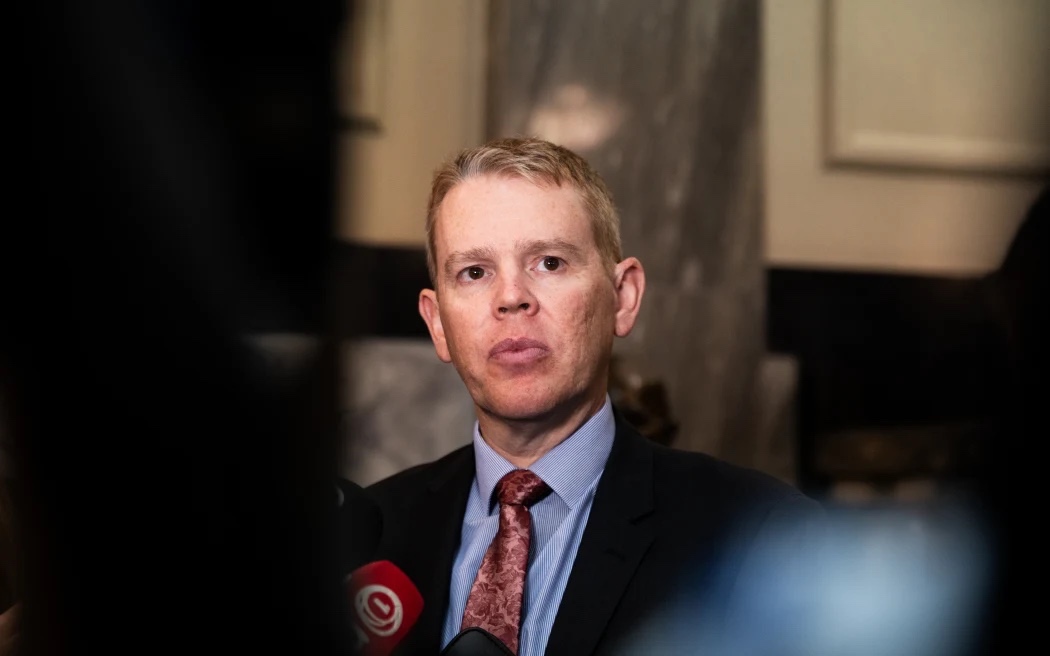
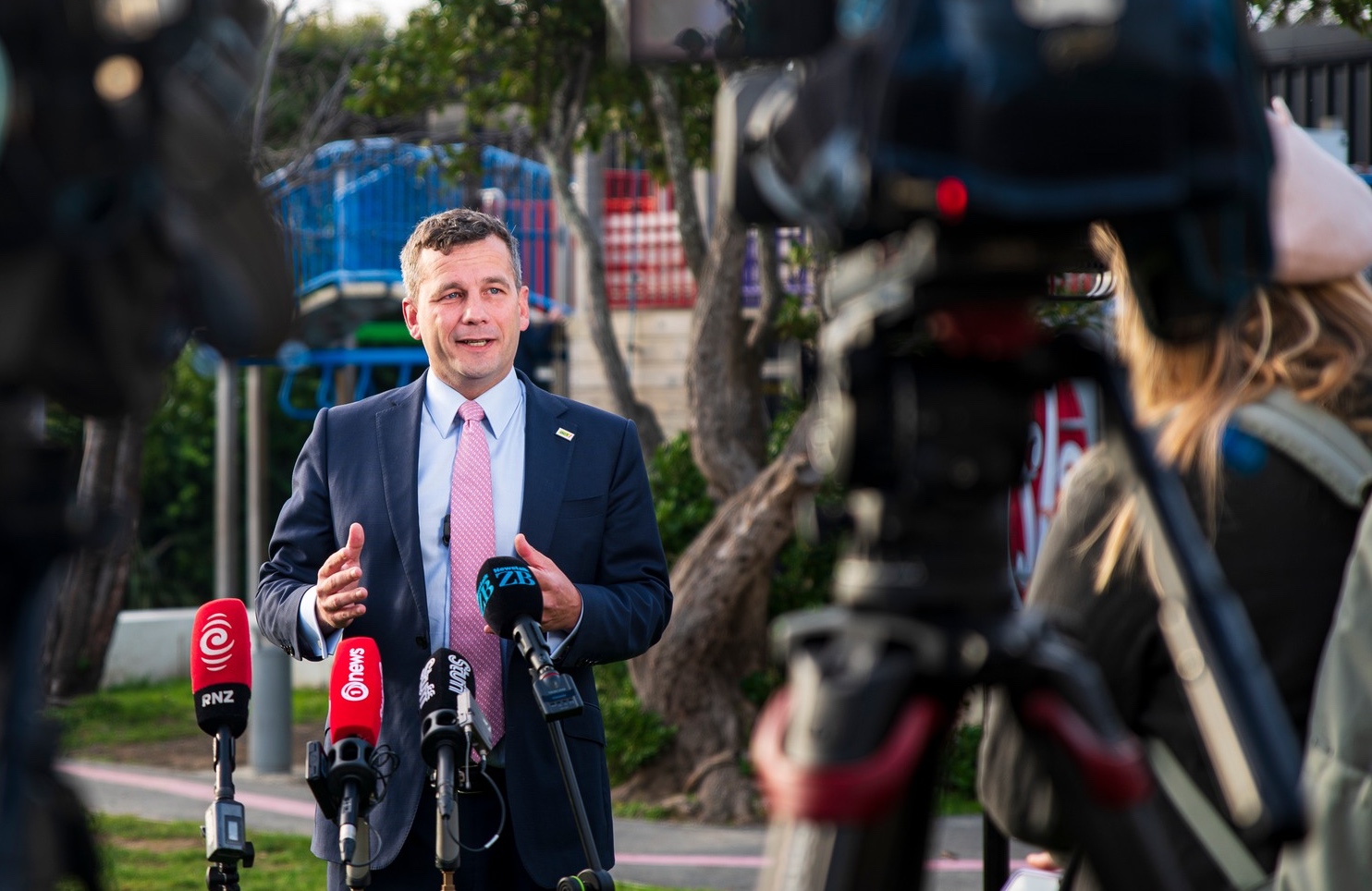
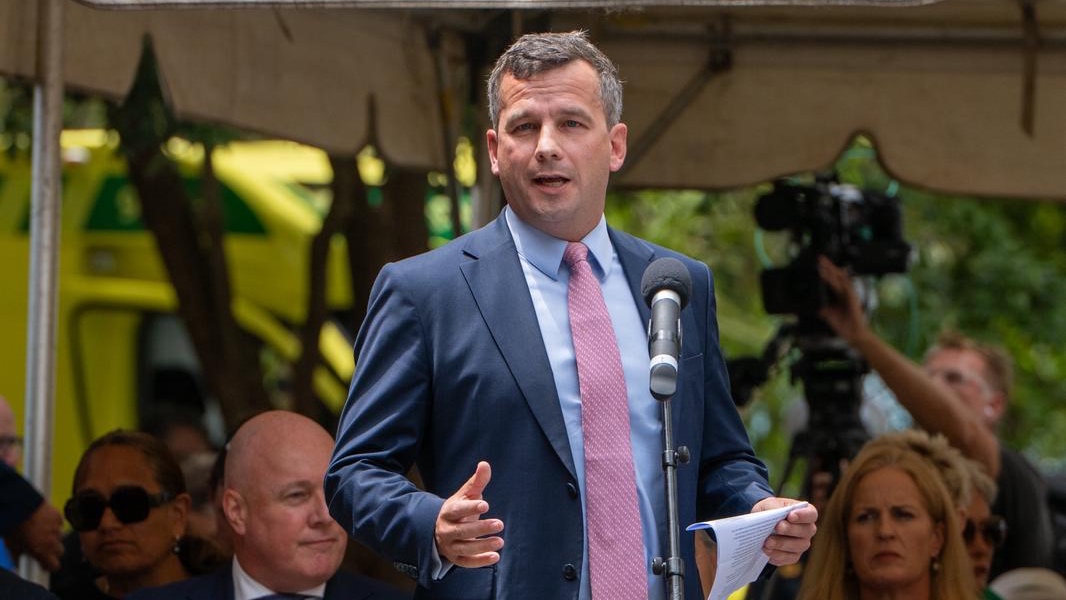
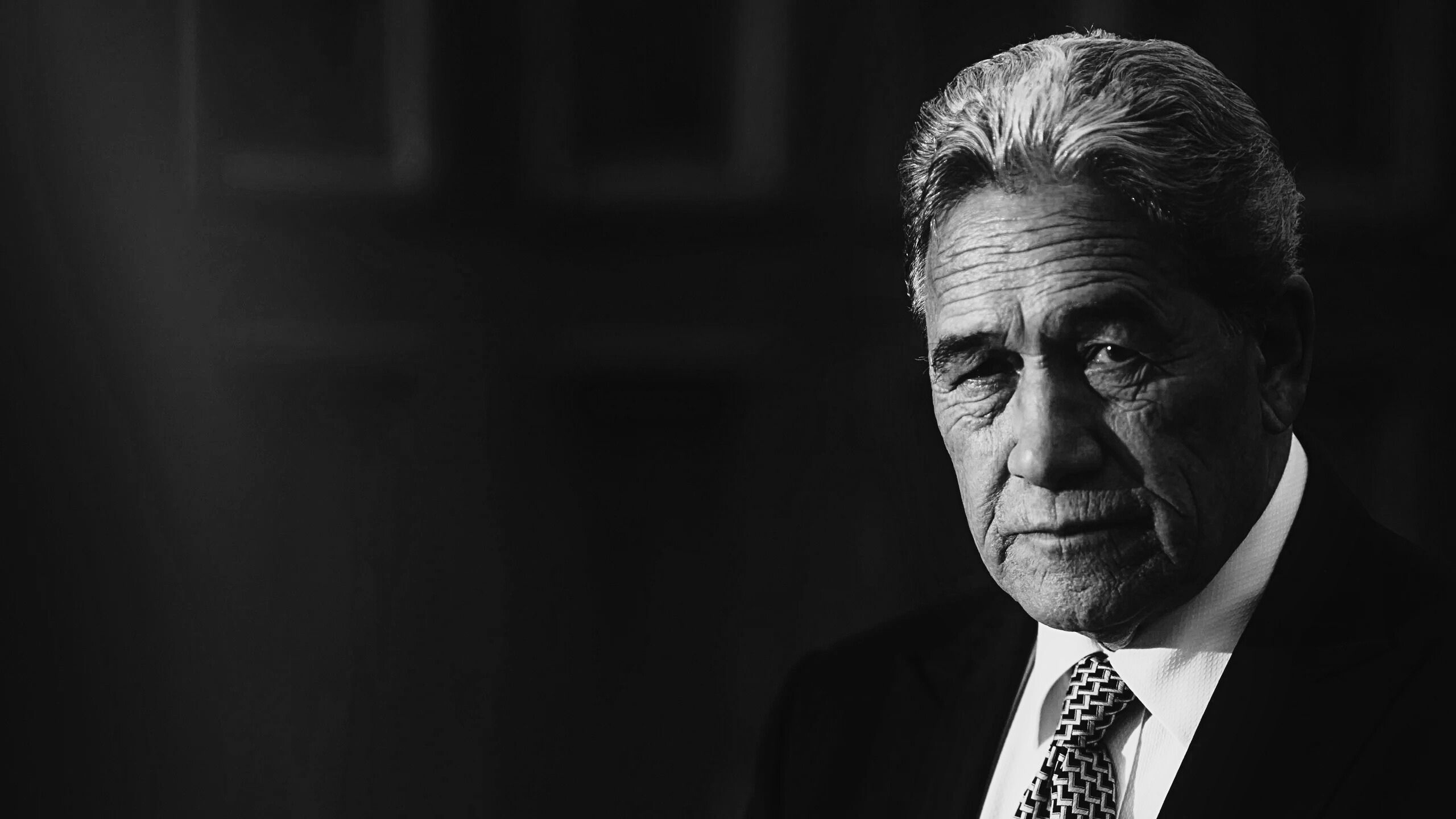
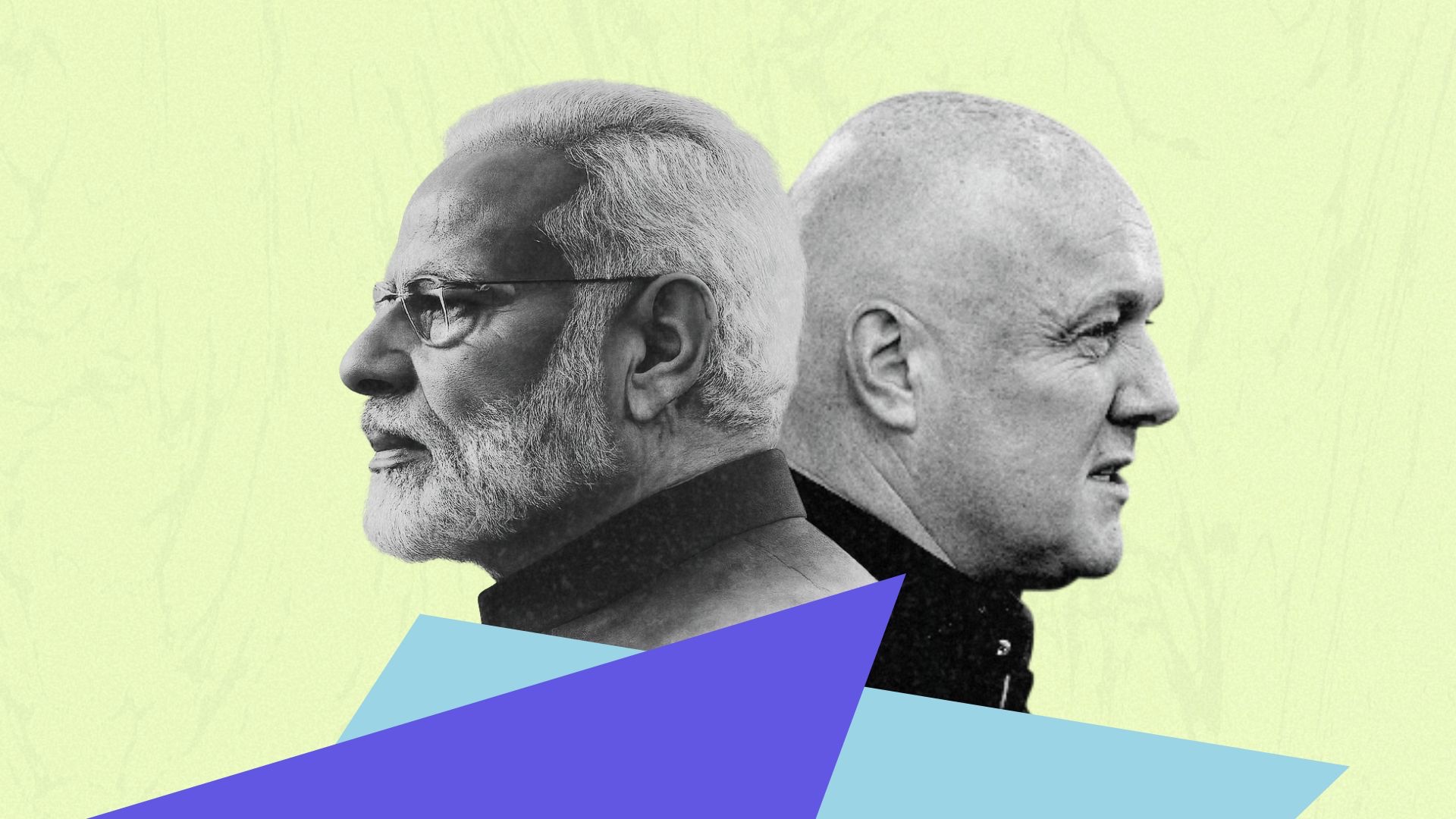
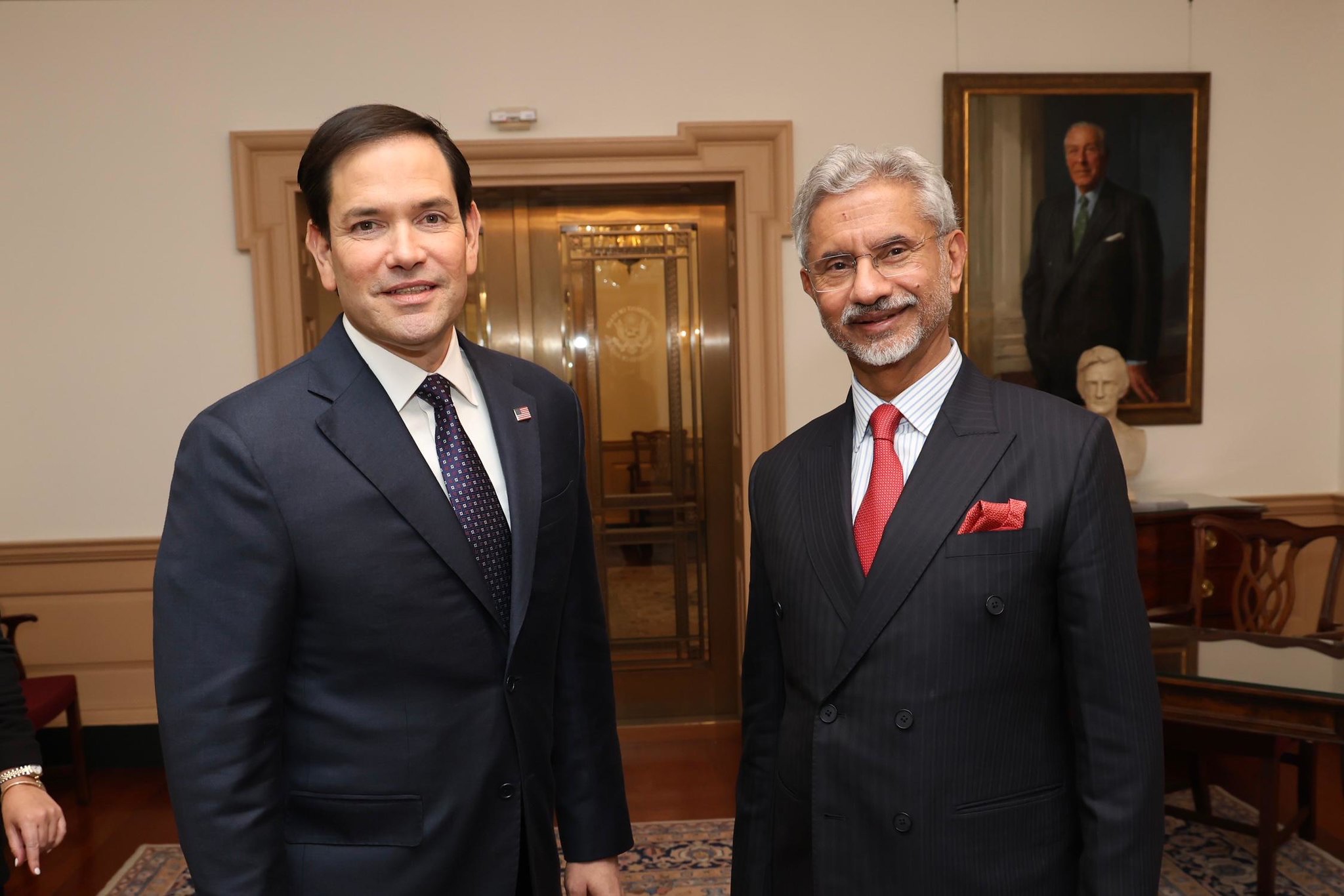
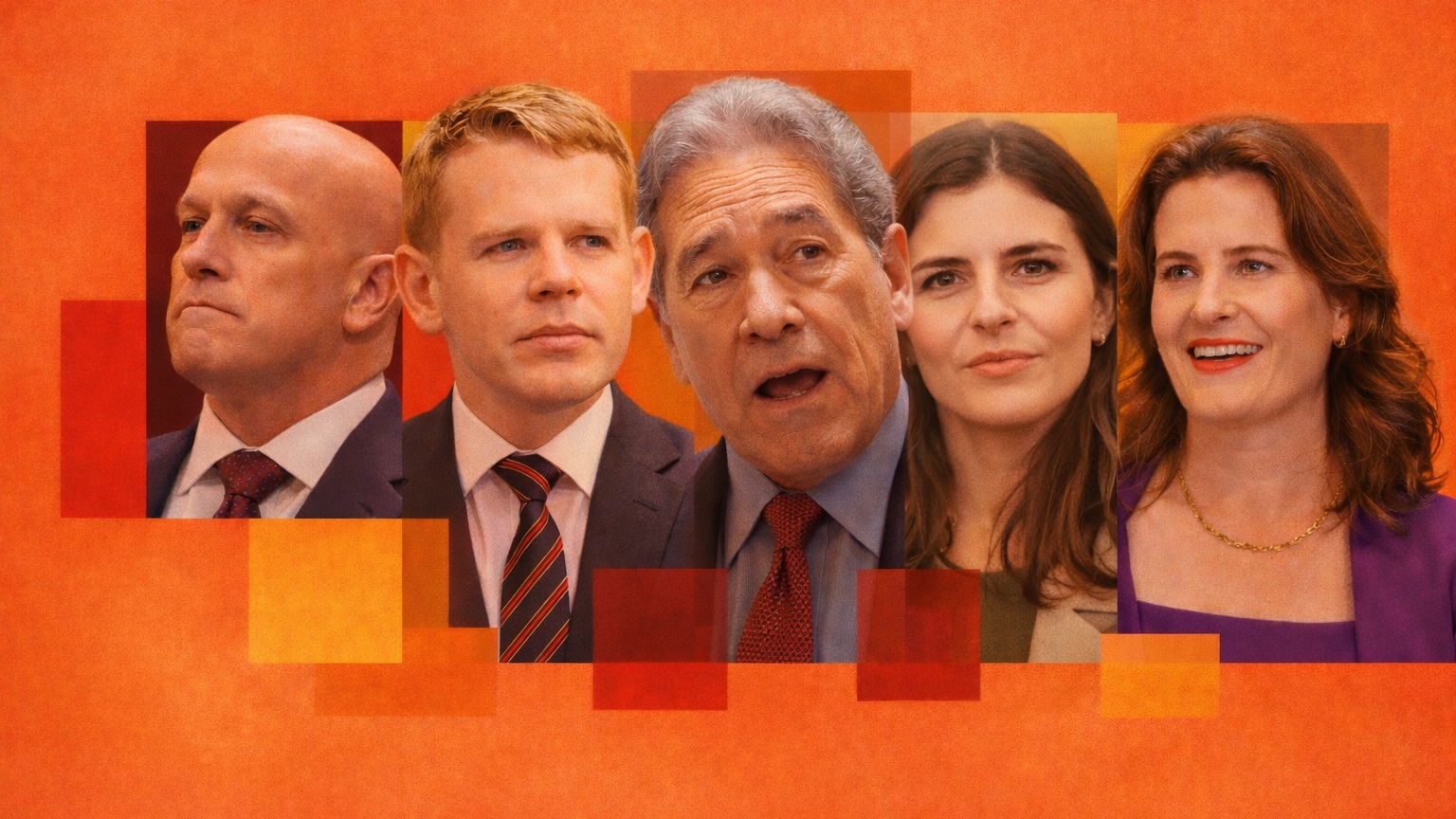
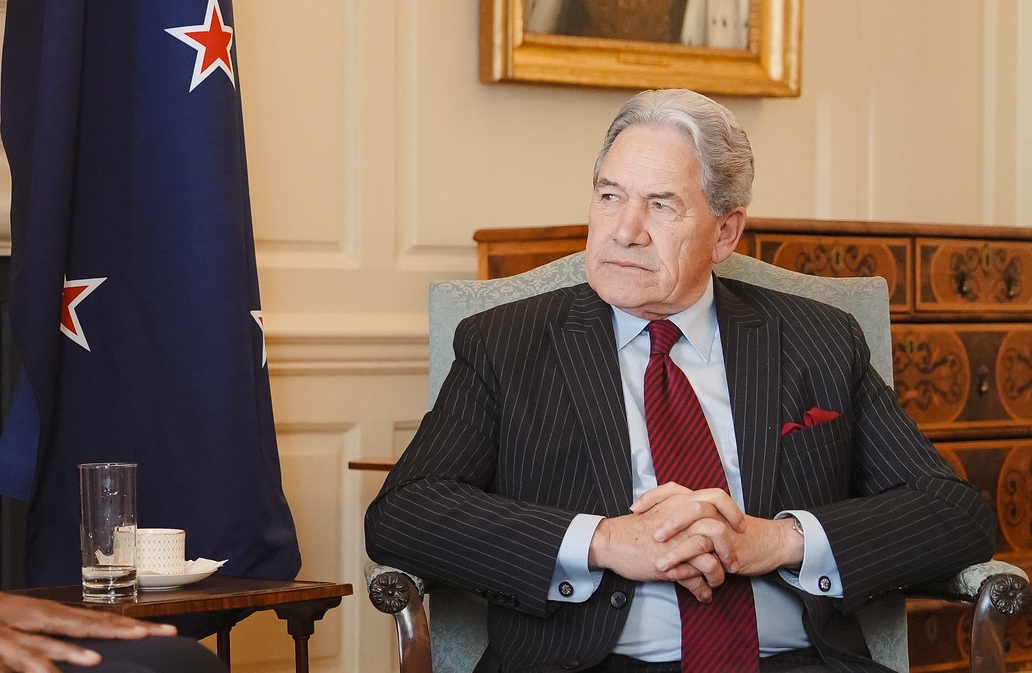
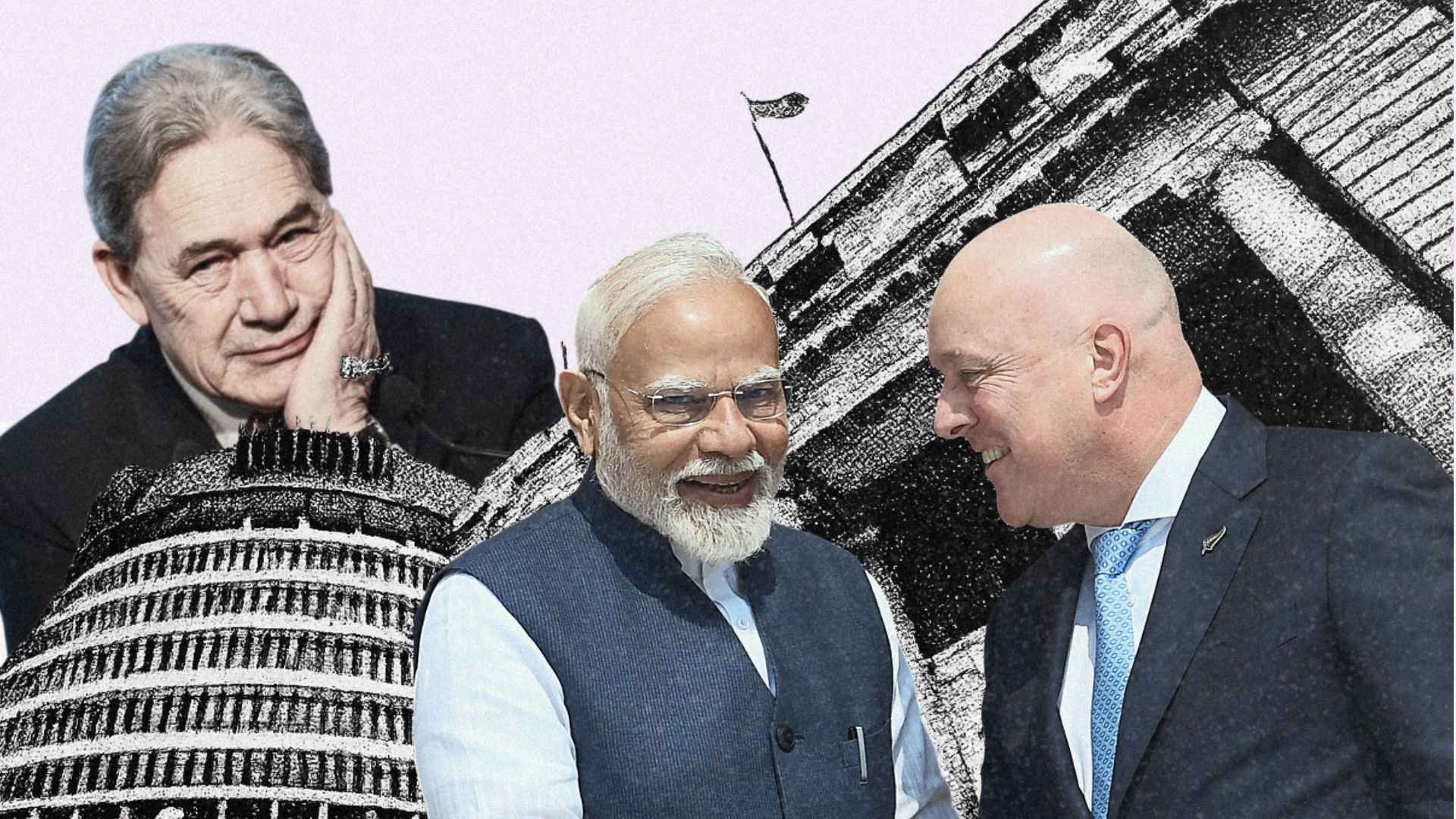
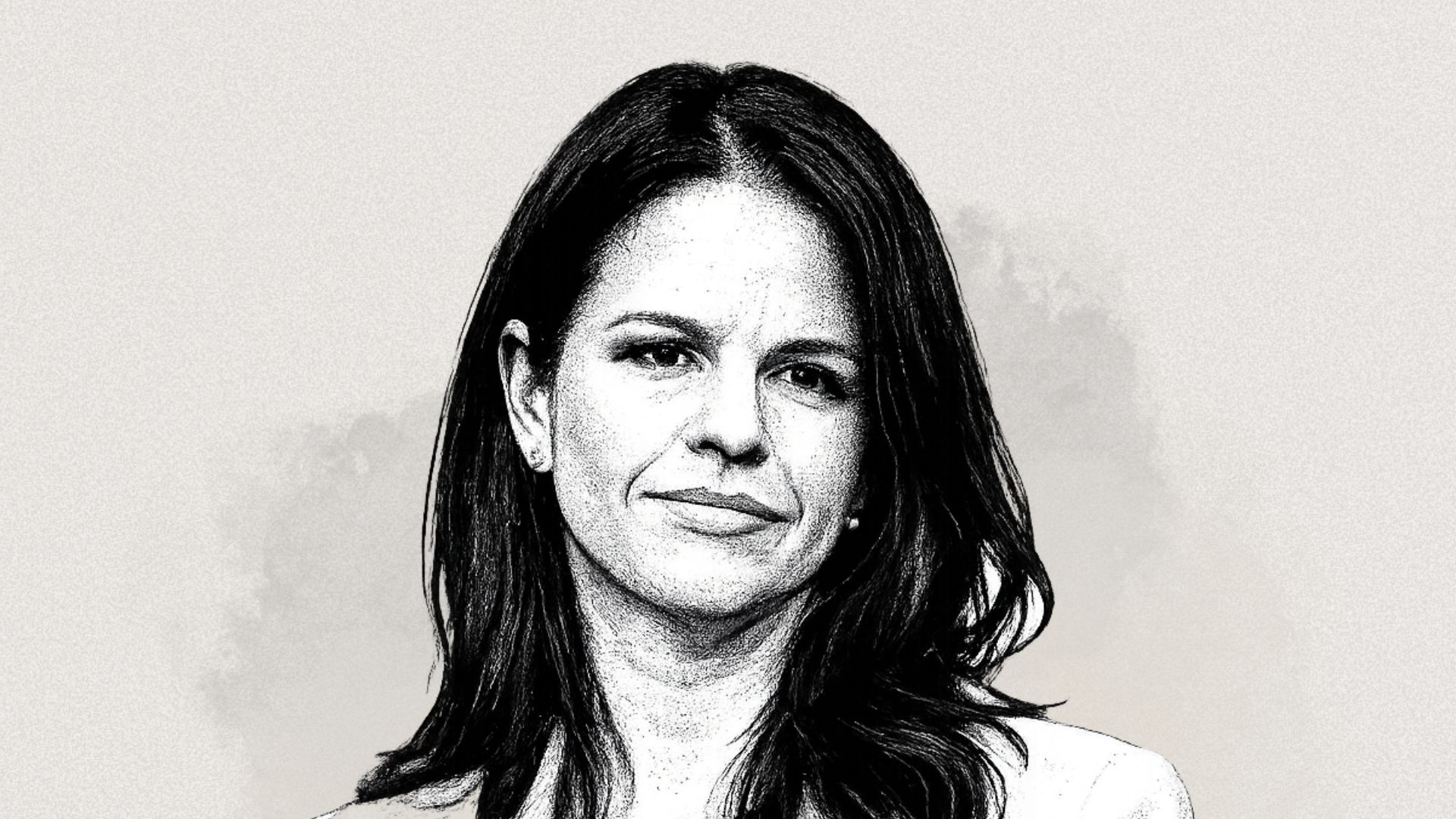
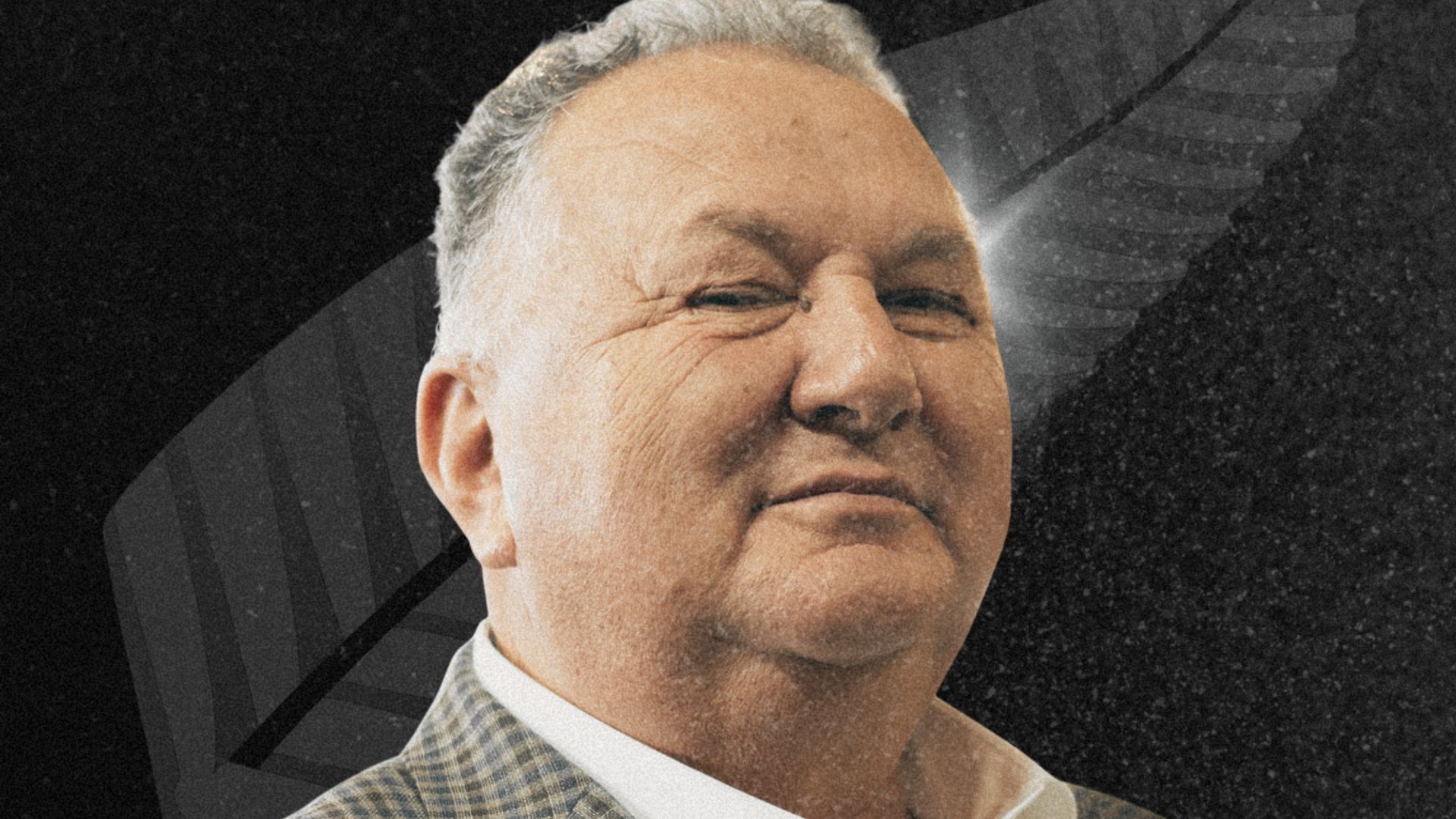
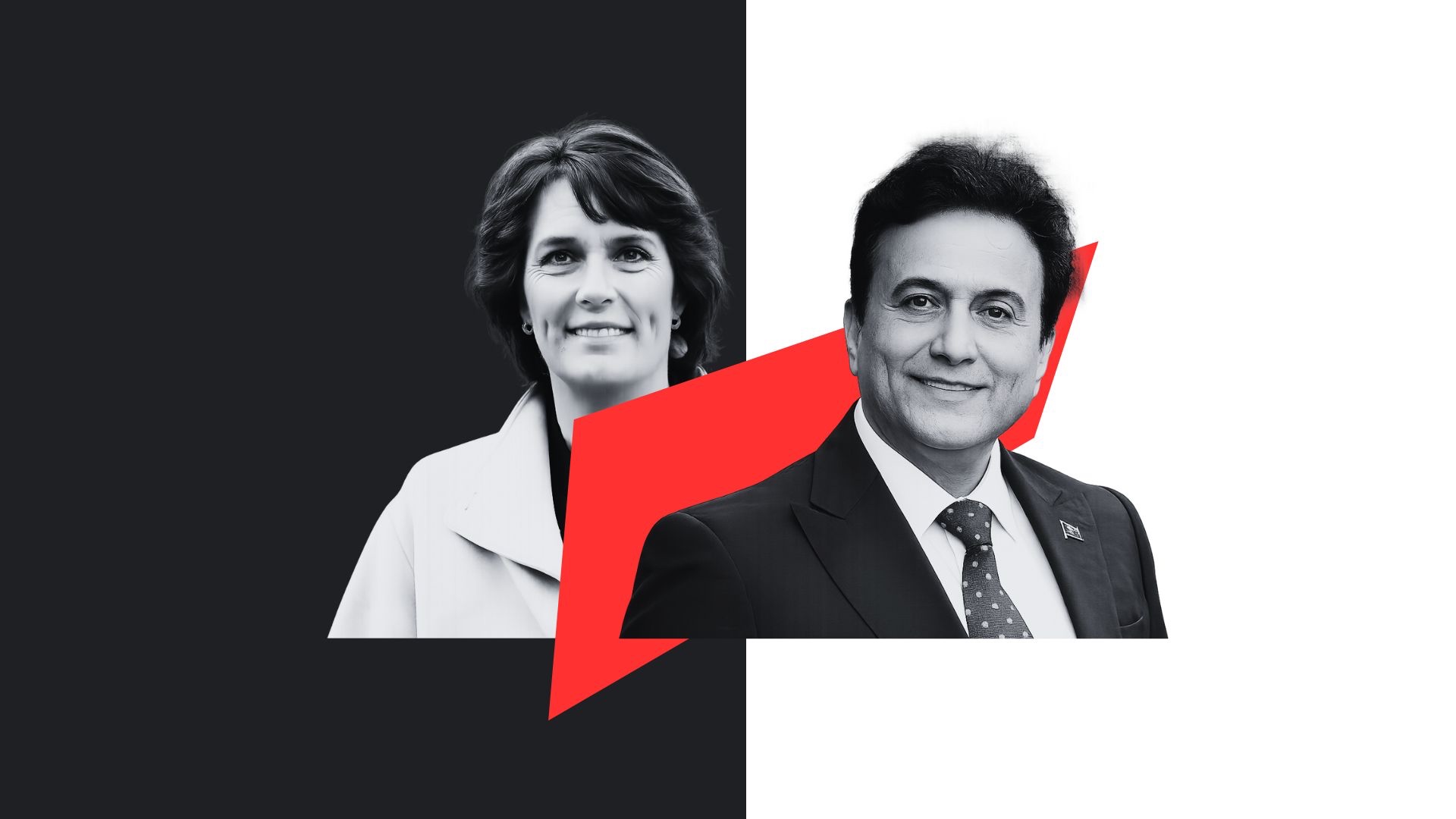
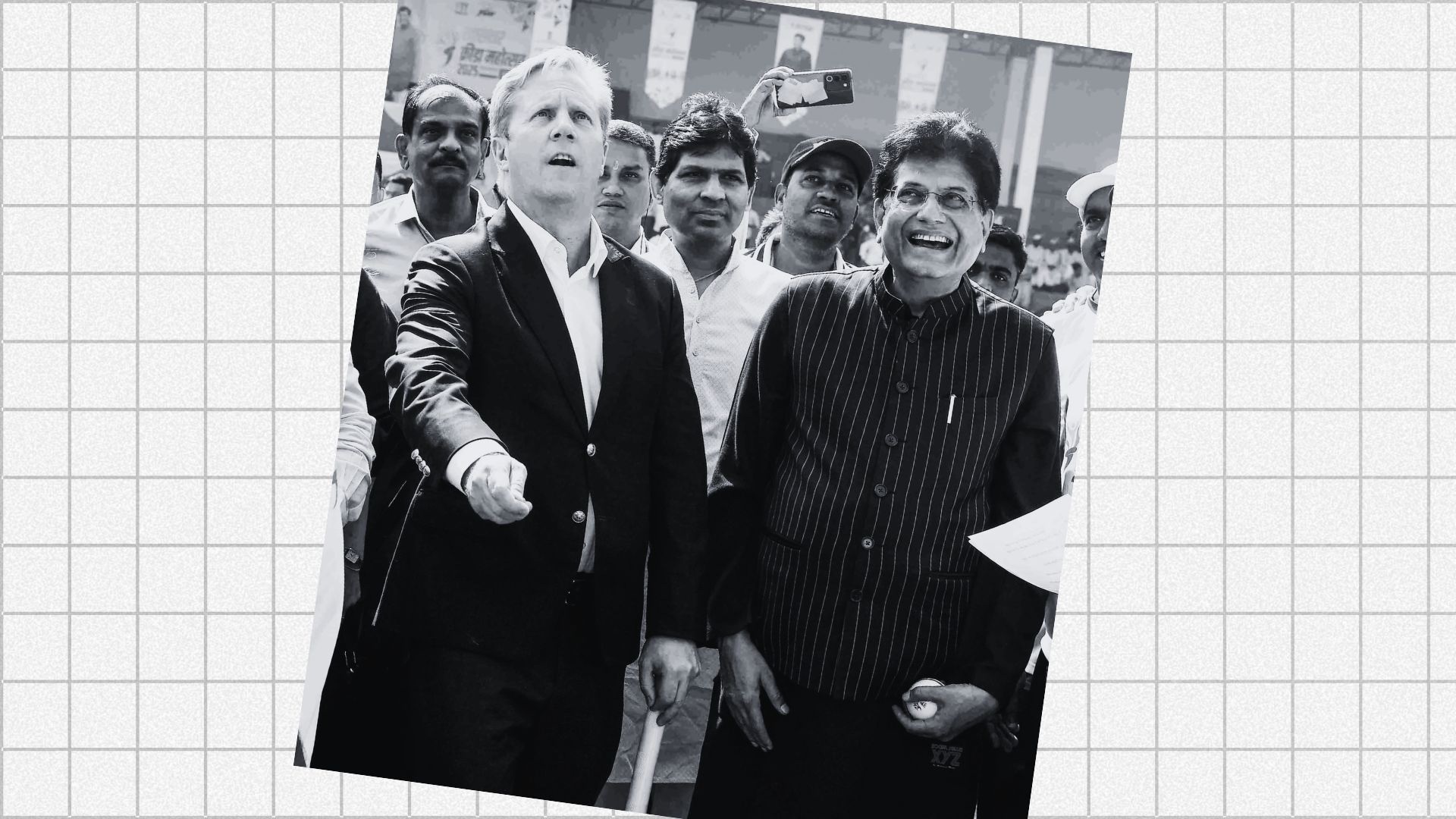
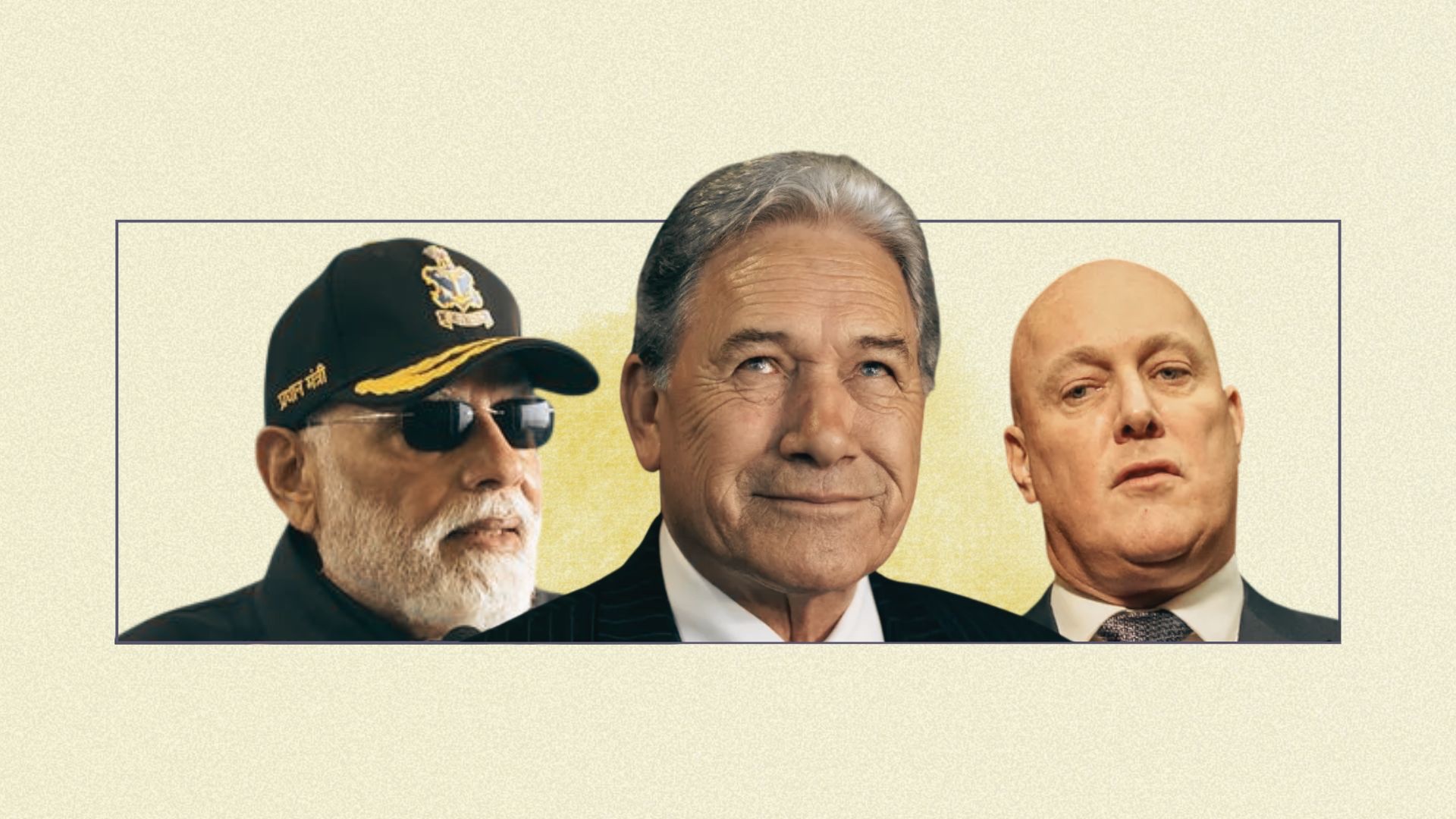
Cabinet ministers Nicola Willis and Shane Jones.
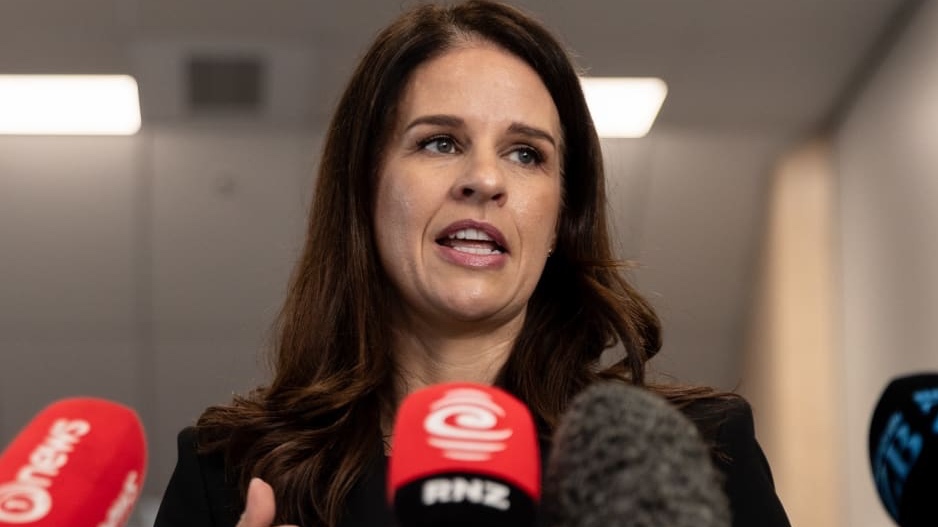
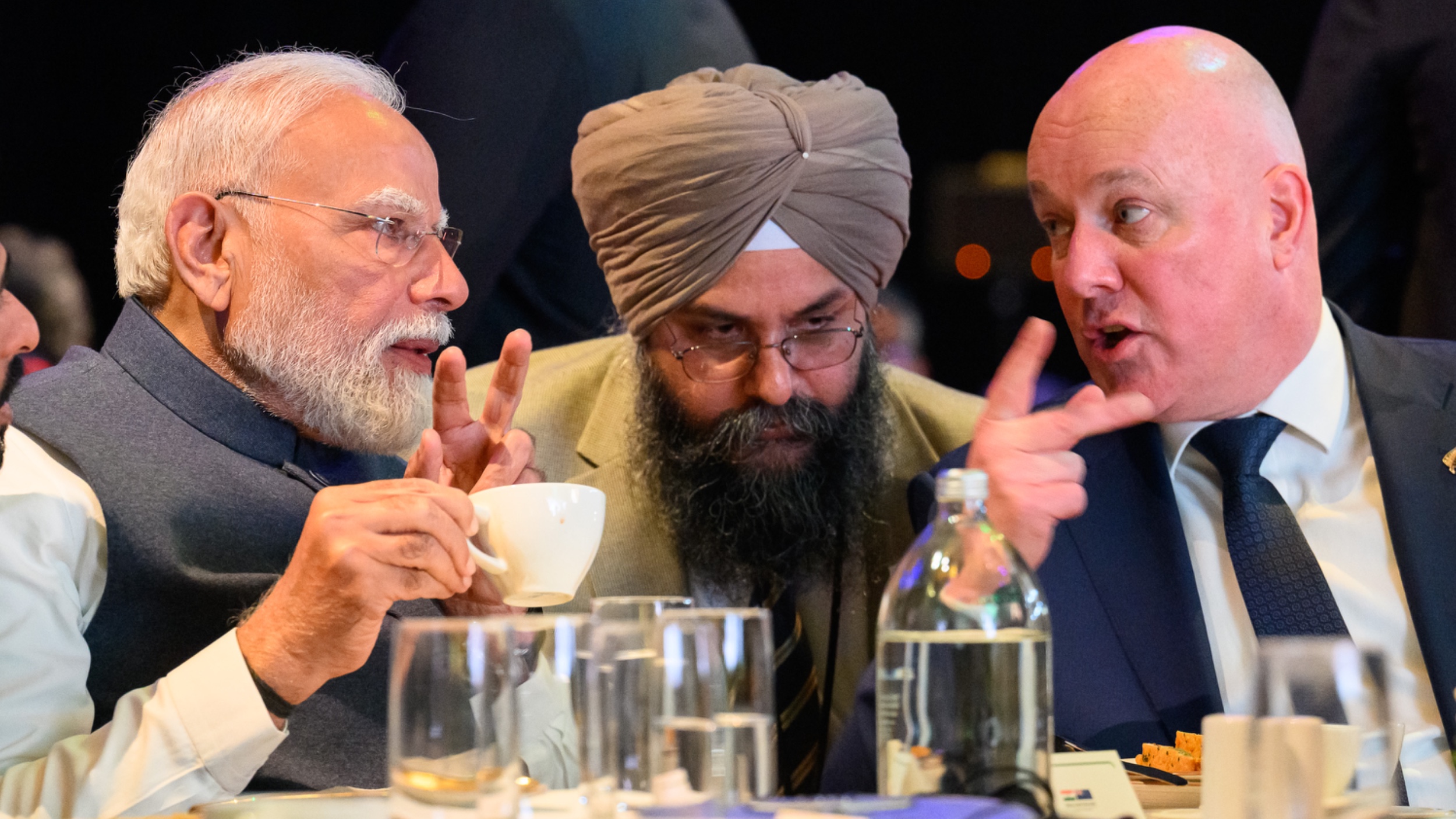
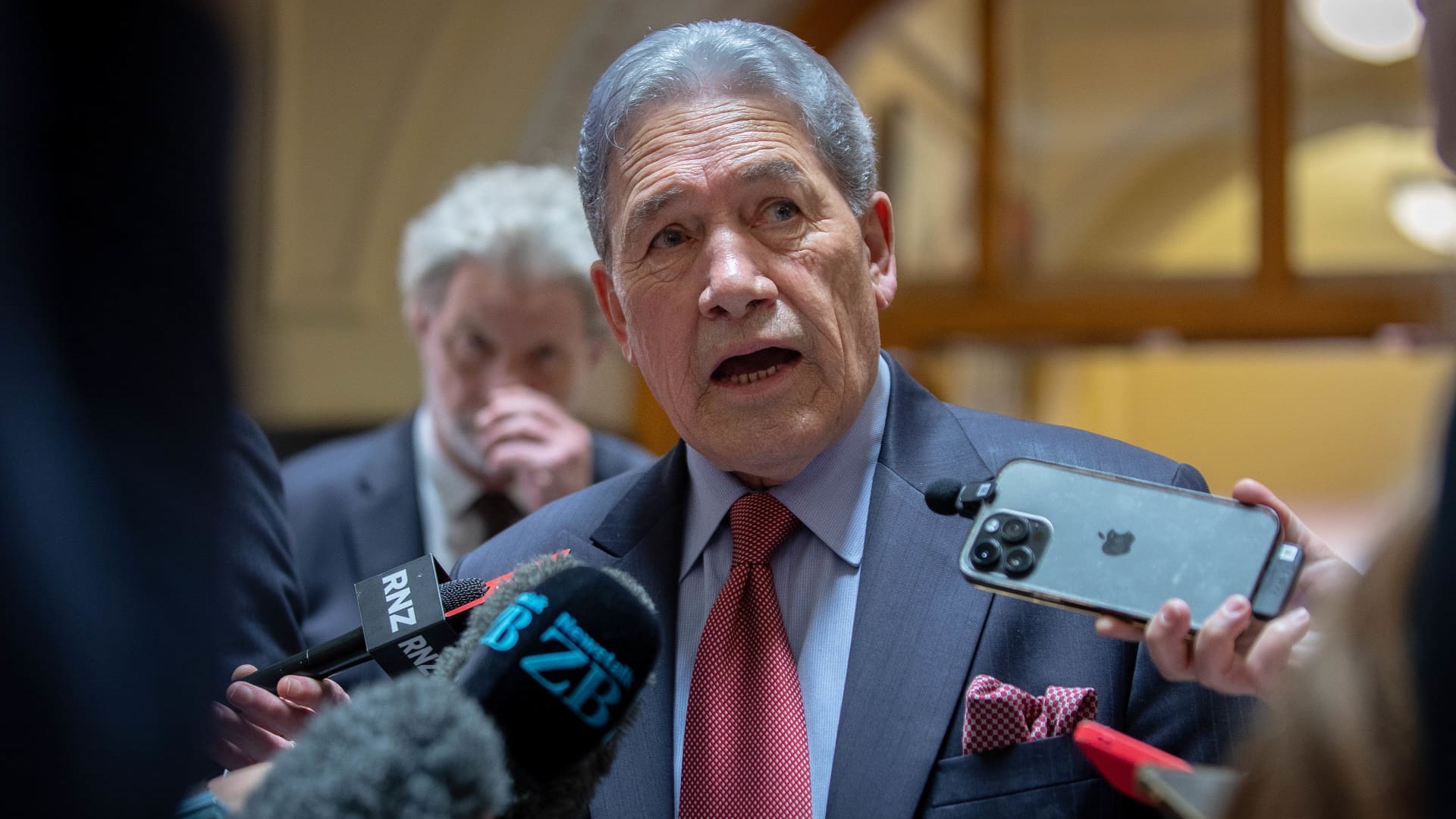
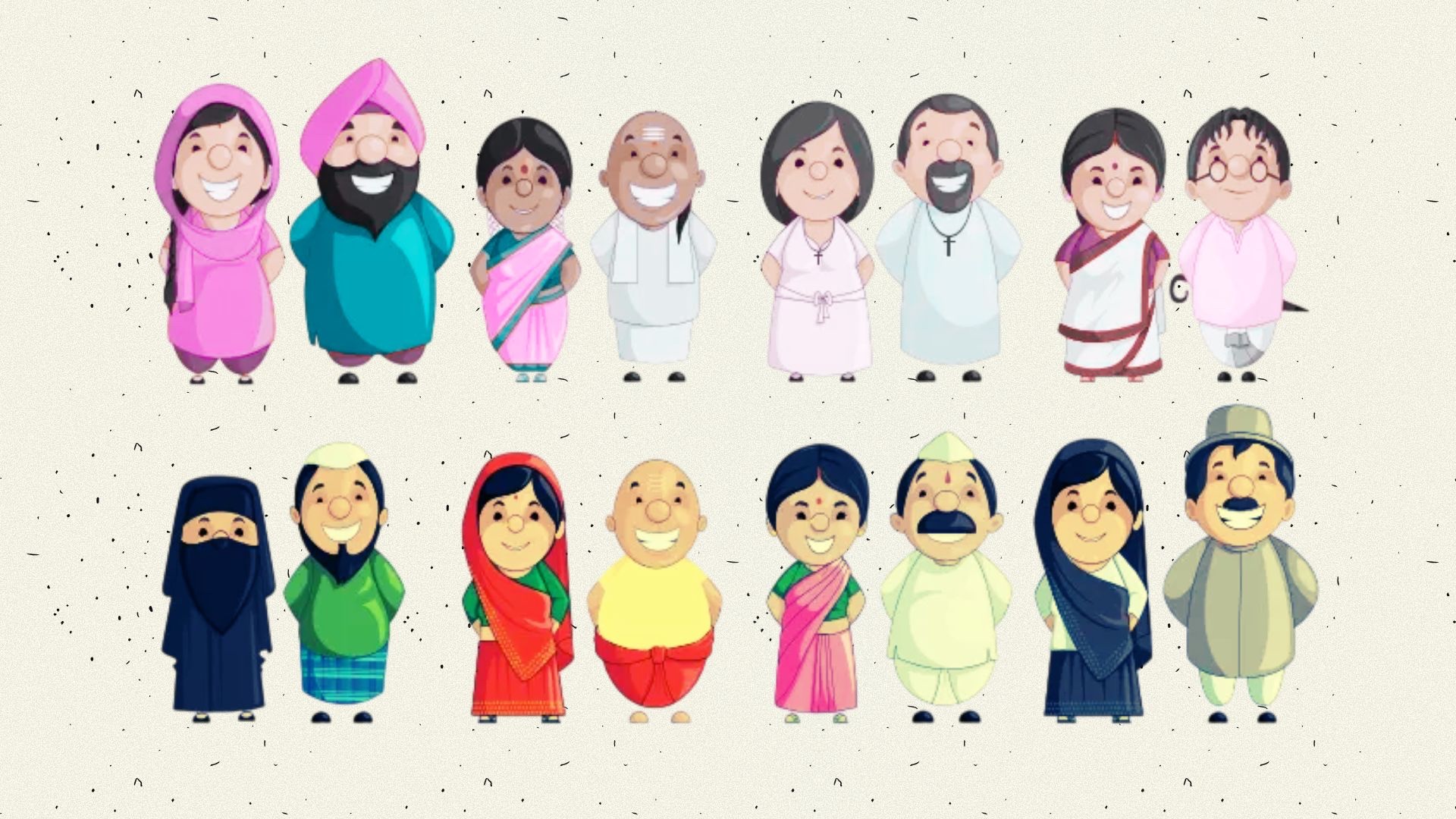
“It offended me...it has offended New Zealanders of Indian descent up and down this country."
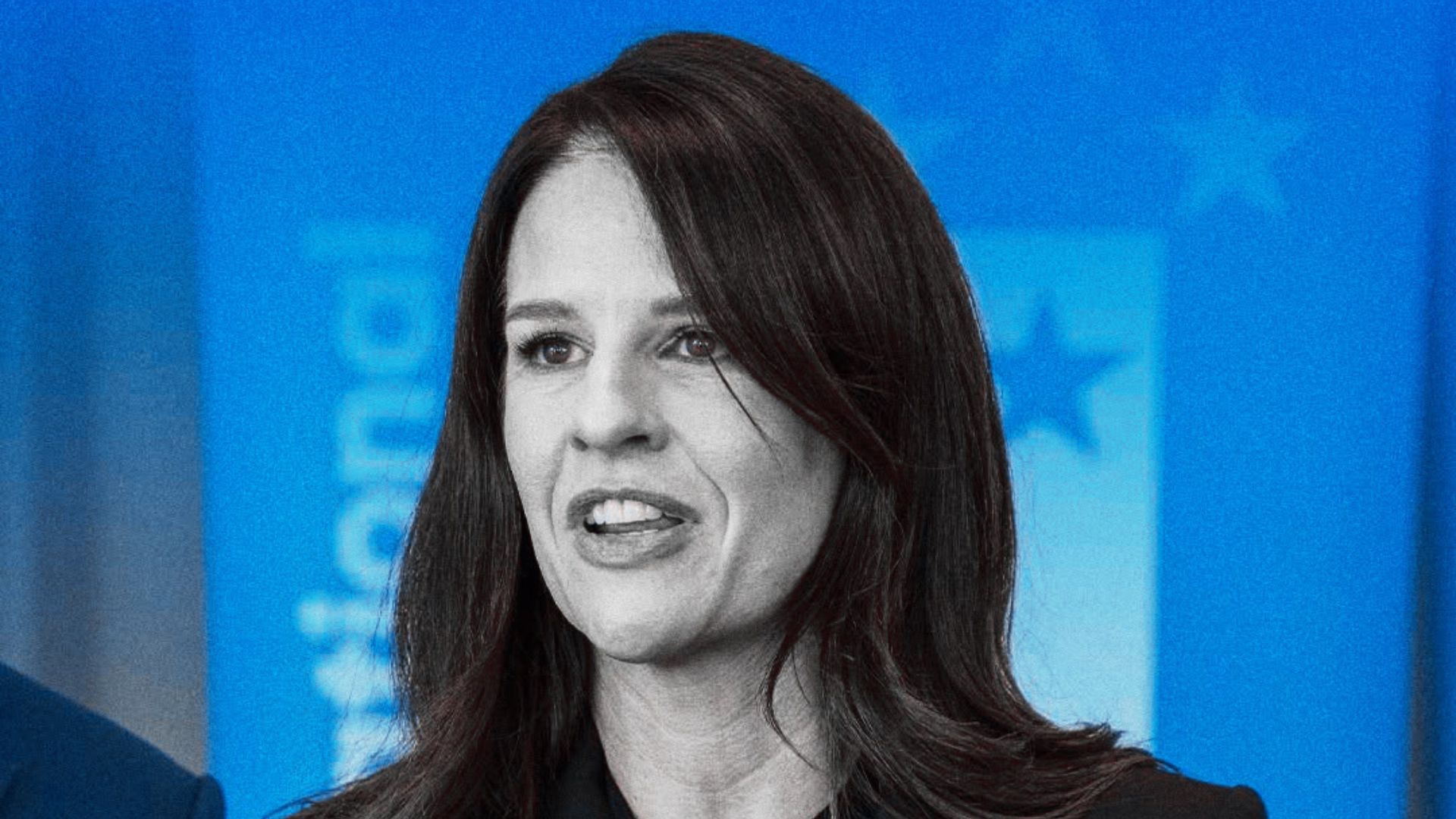
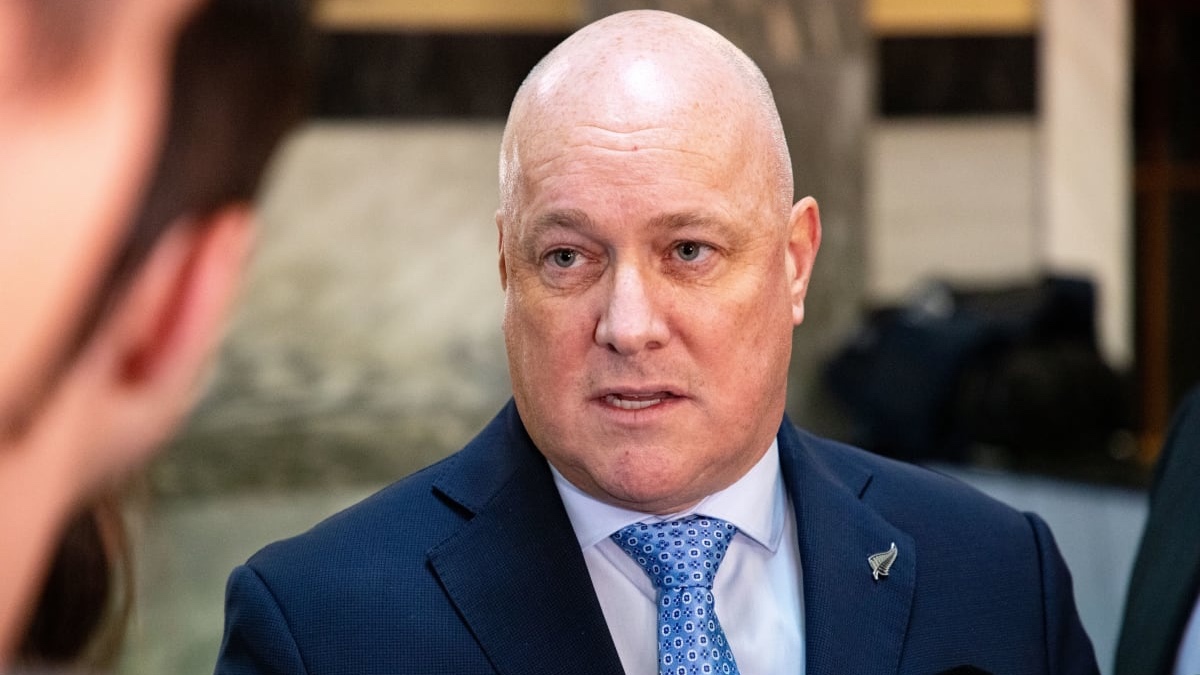
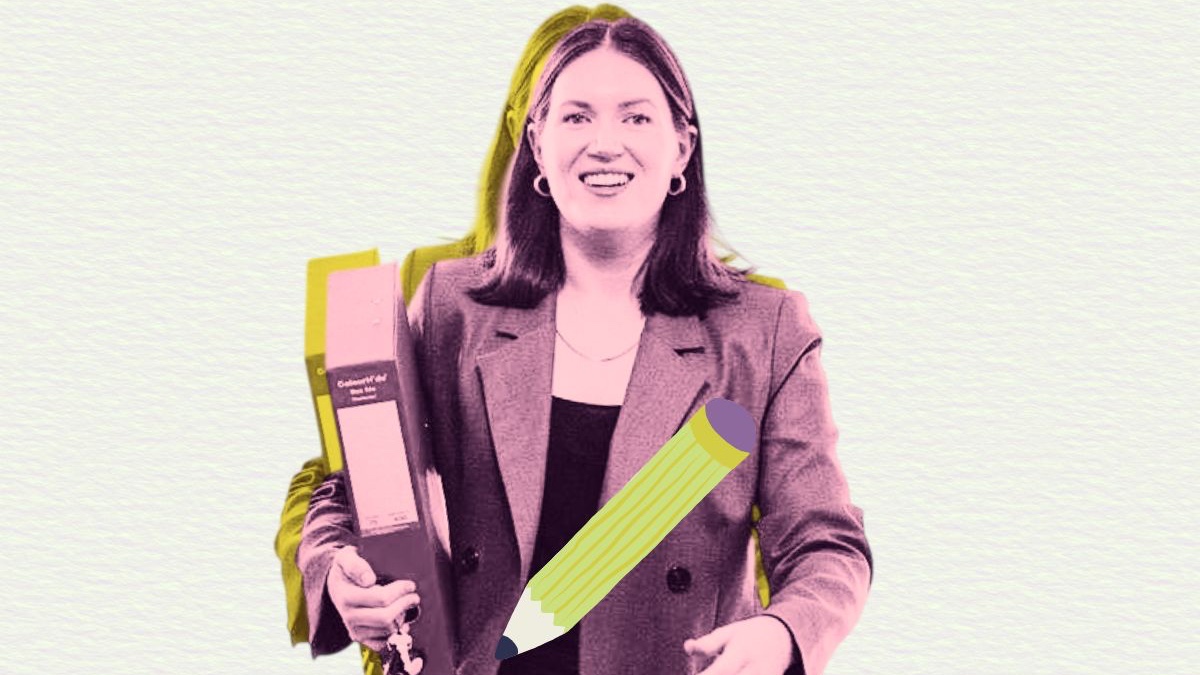
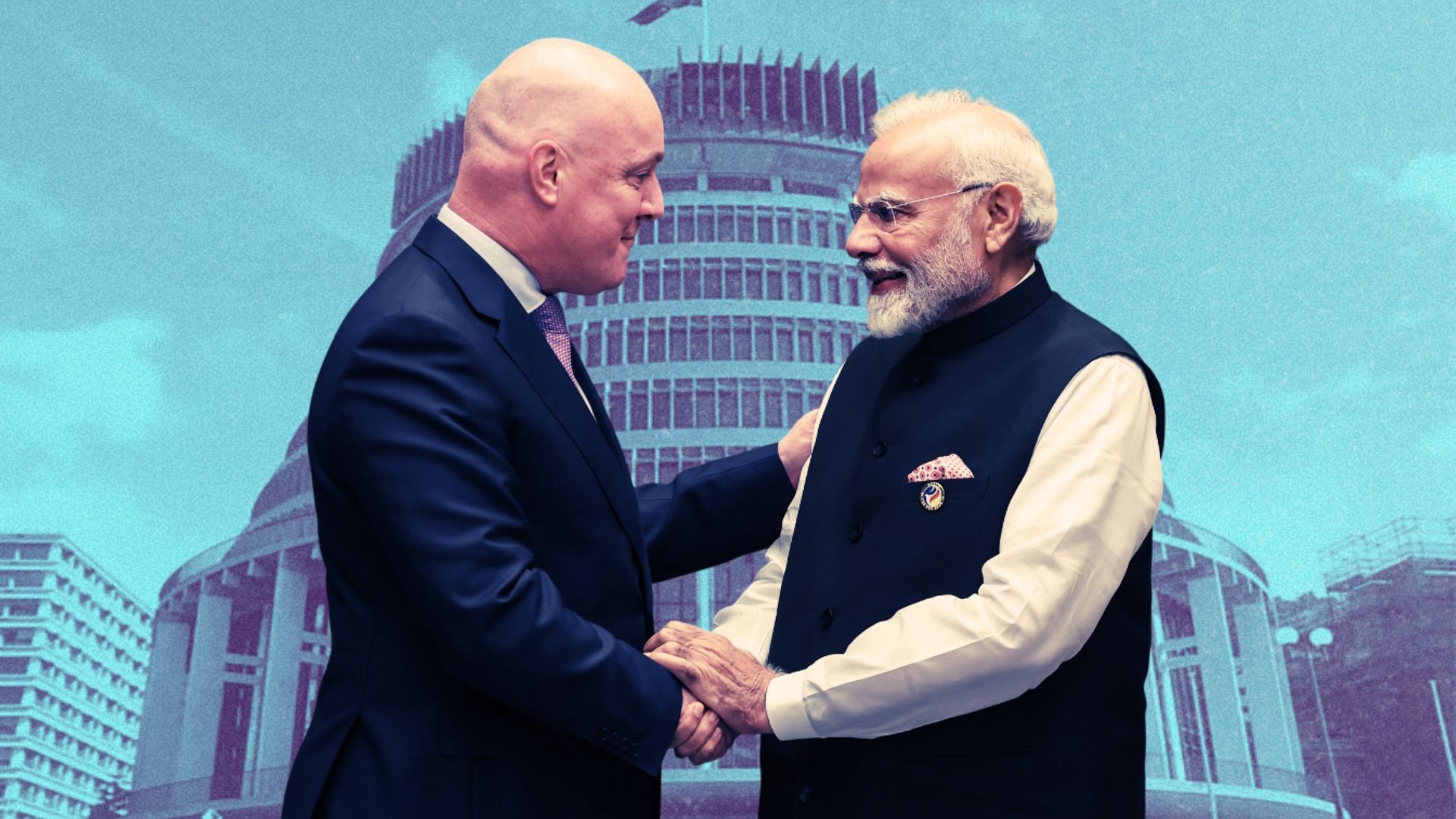
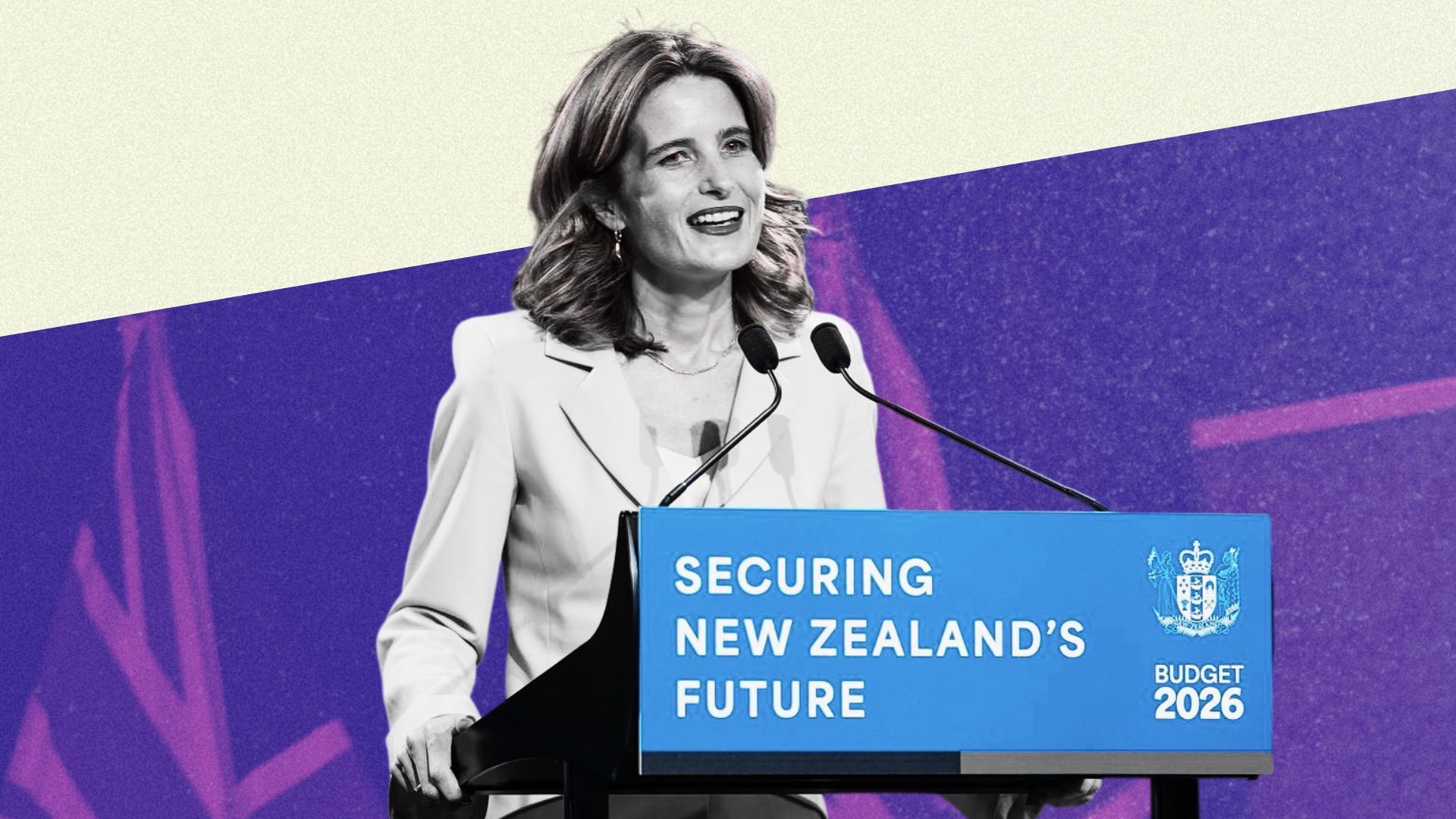
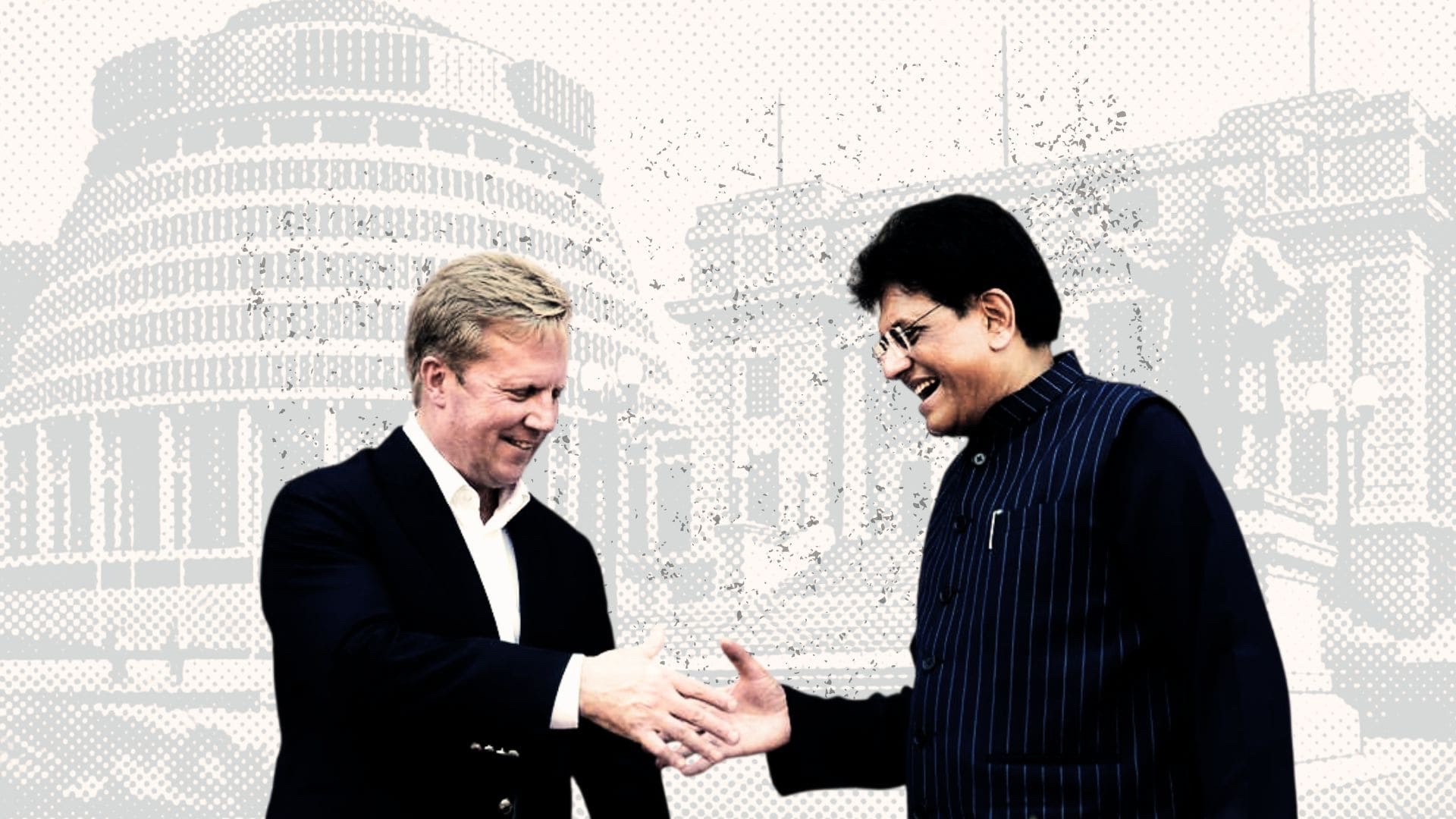
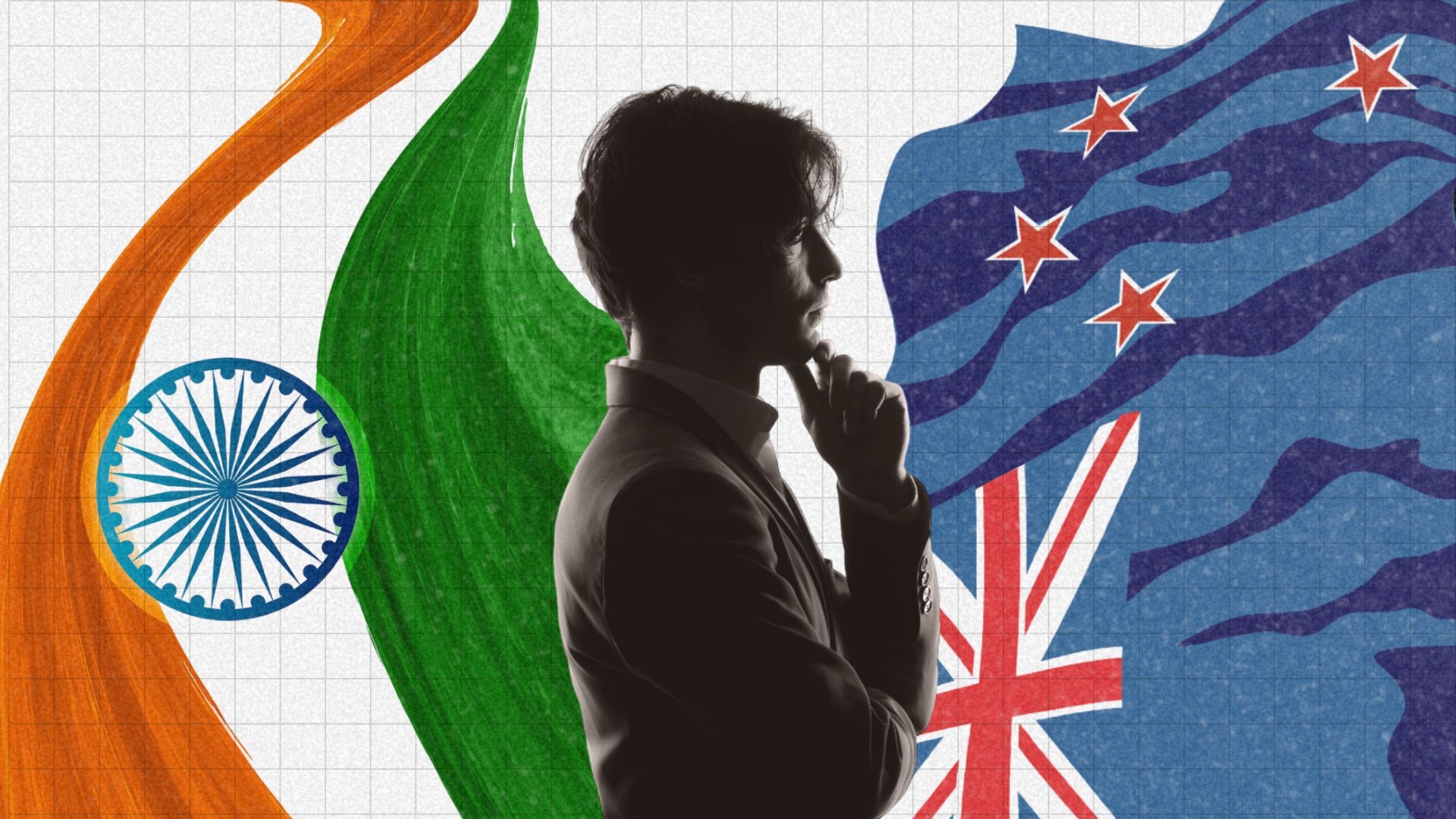
The government’s newly-signed free-trade agreement (FTA) with India ignited fireworks in Parliament on Wednesday, as Nicola Willis ripped into "race-based rhetoric" by cabinet colleague Shane Jones.
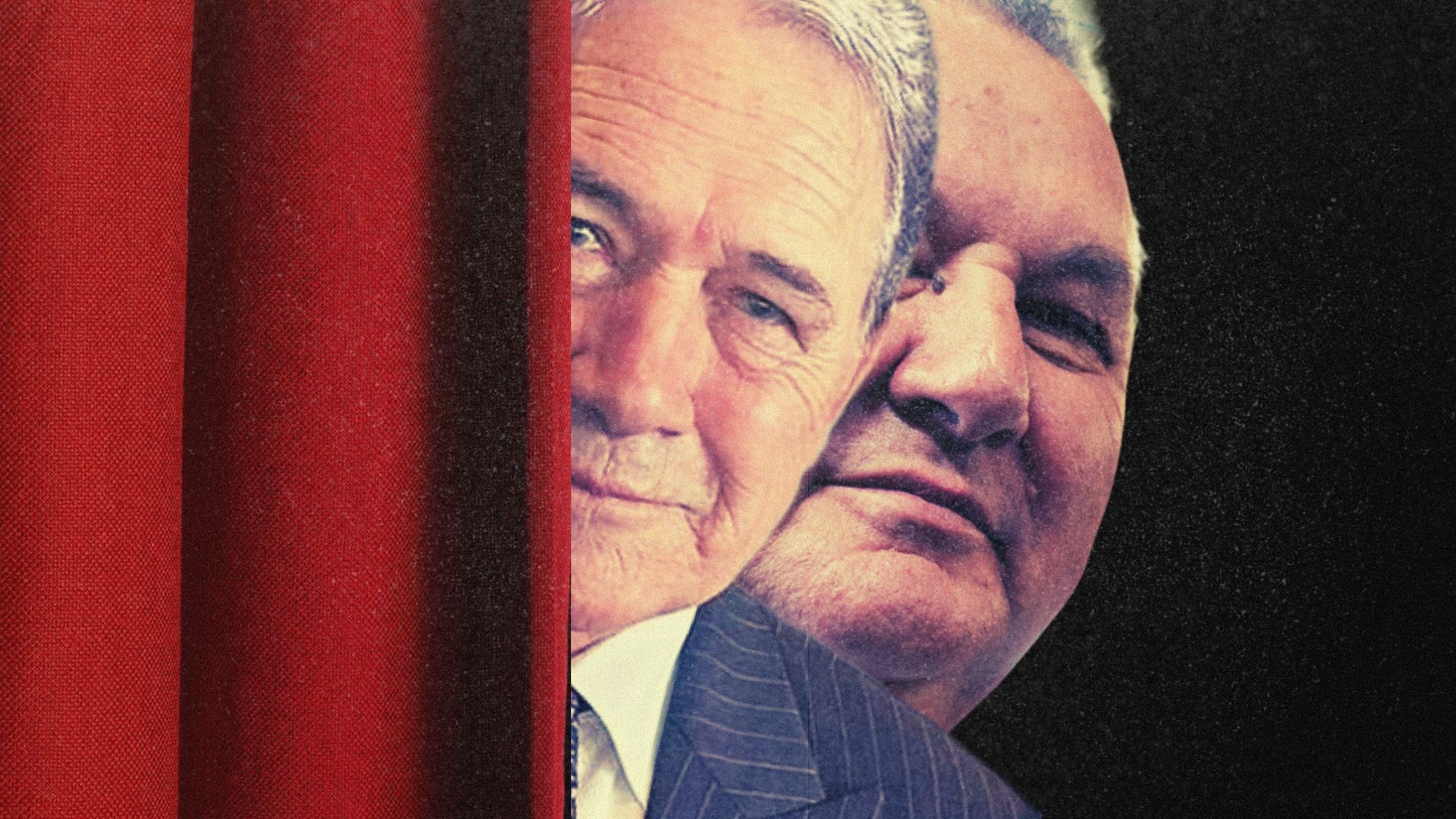
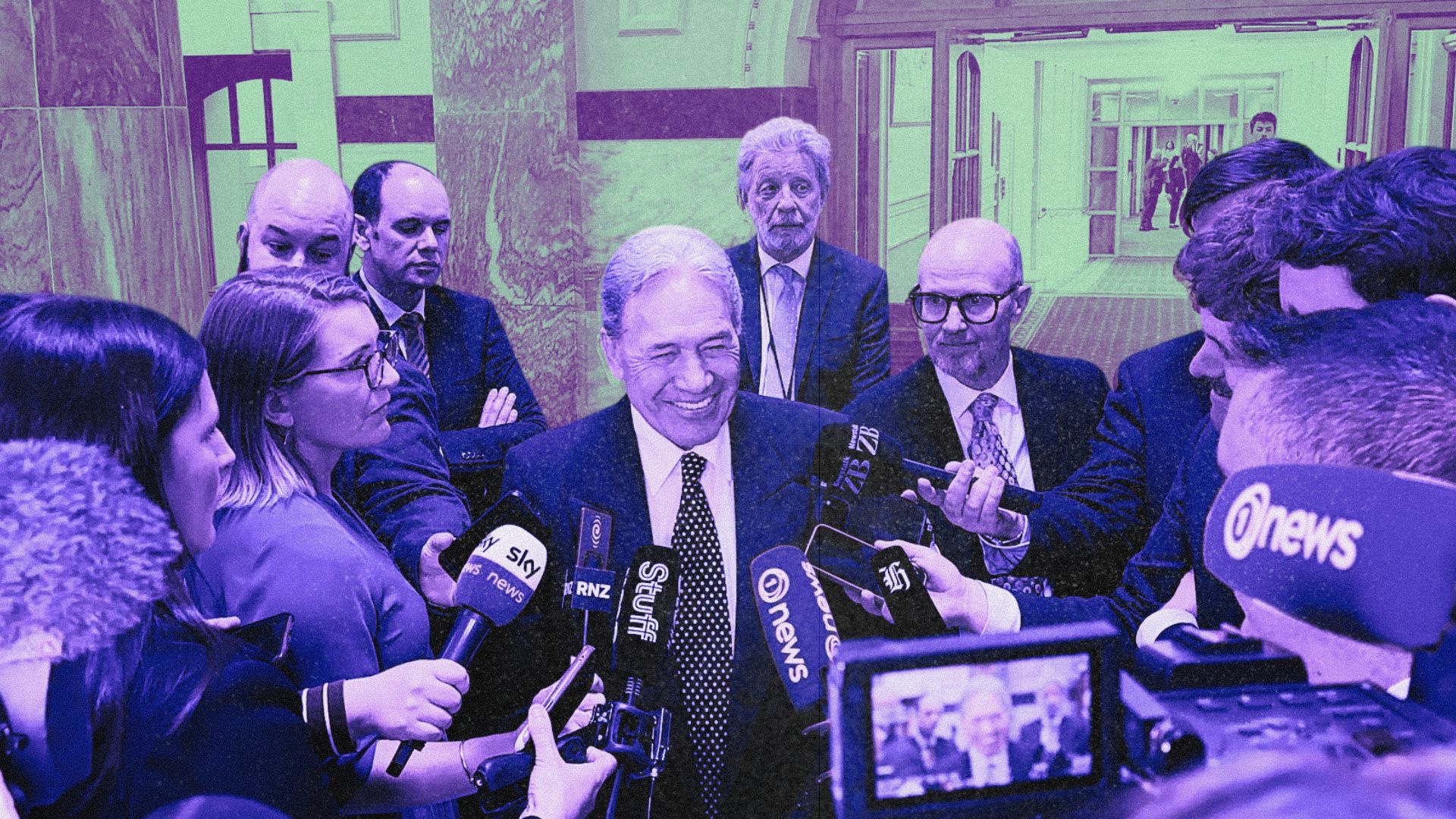
The finance minister took on New Zealand First's deputy leader over his “butter chicken tsunami” remark, exposing growing tensions within the government ranks.
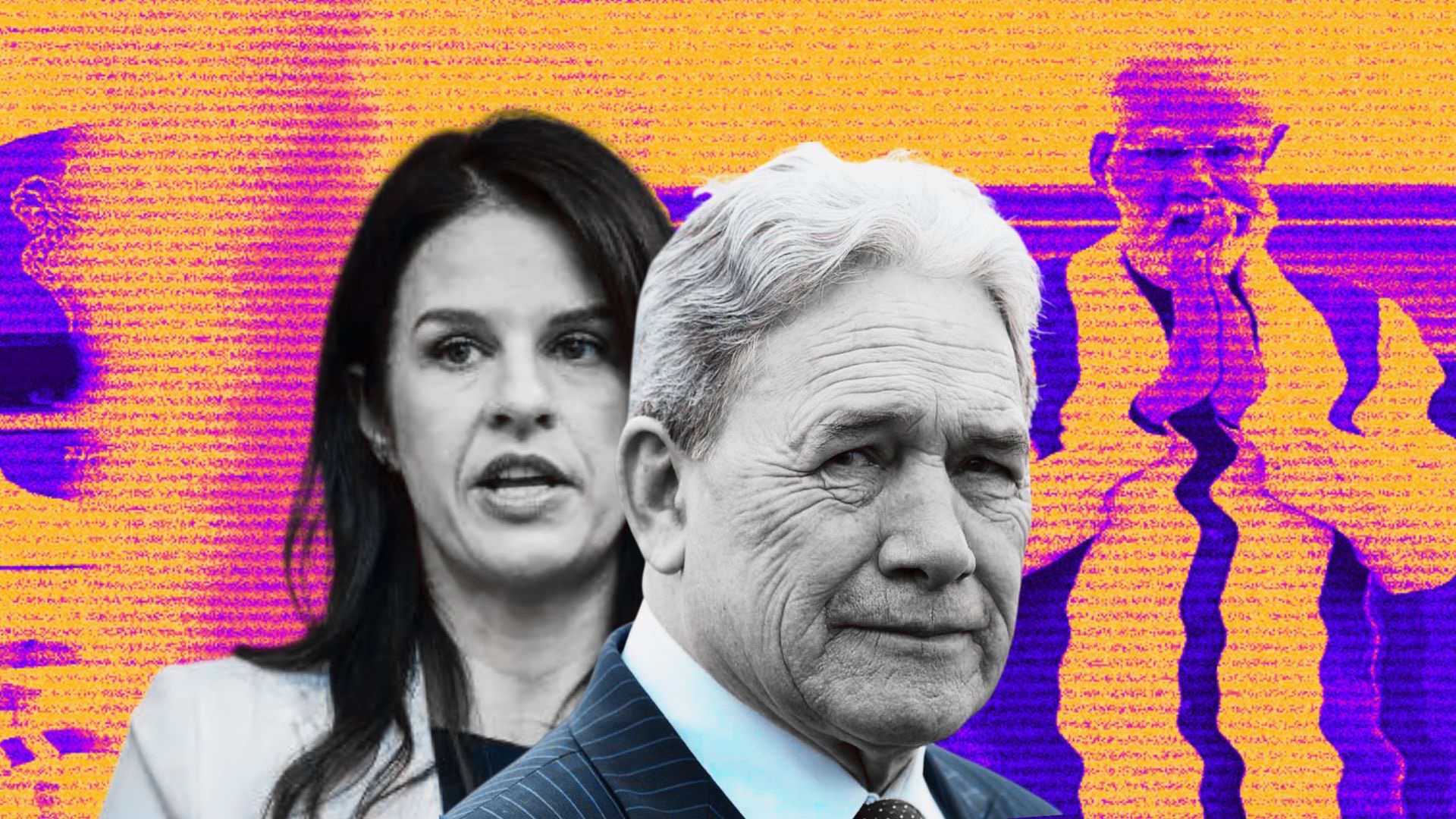
“It offended me,” Willis told the House. “It has offended New Zealanders of Indian descent up and down this country…shame on you, Shane Jones."


Willis' takedown of her cabinet colleague in Parliament on April 29, 2026, was the latest in a string of spats between coalition partners National and NZ First.
"I enjoy working with you around the Cabinet table," she said. "But that kind of race-based rhetoric has no place in New Zealand politics.
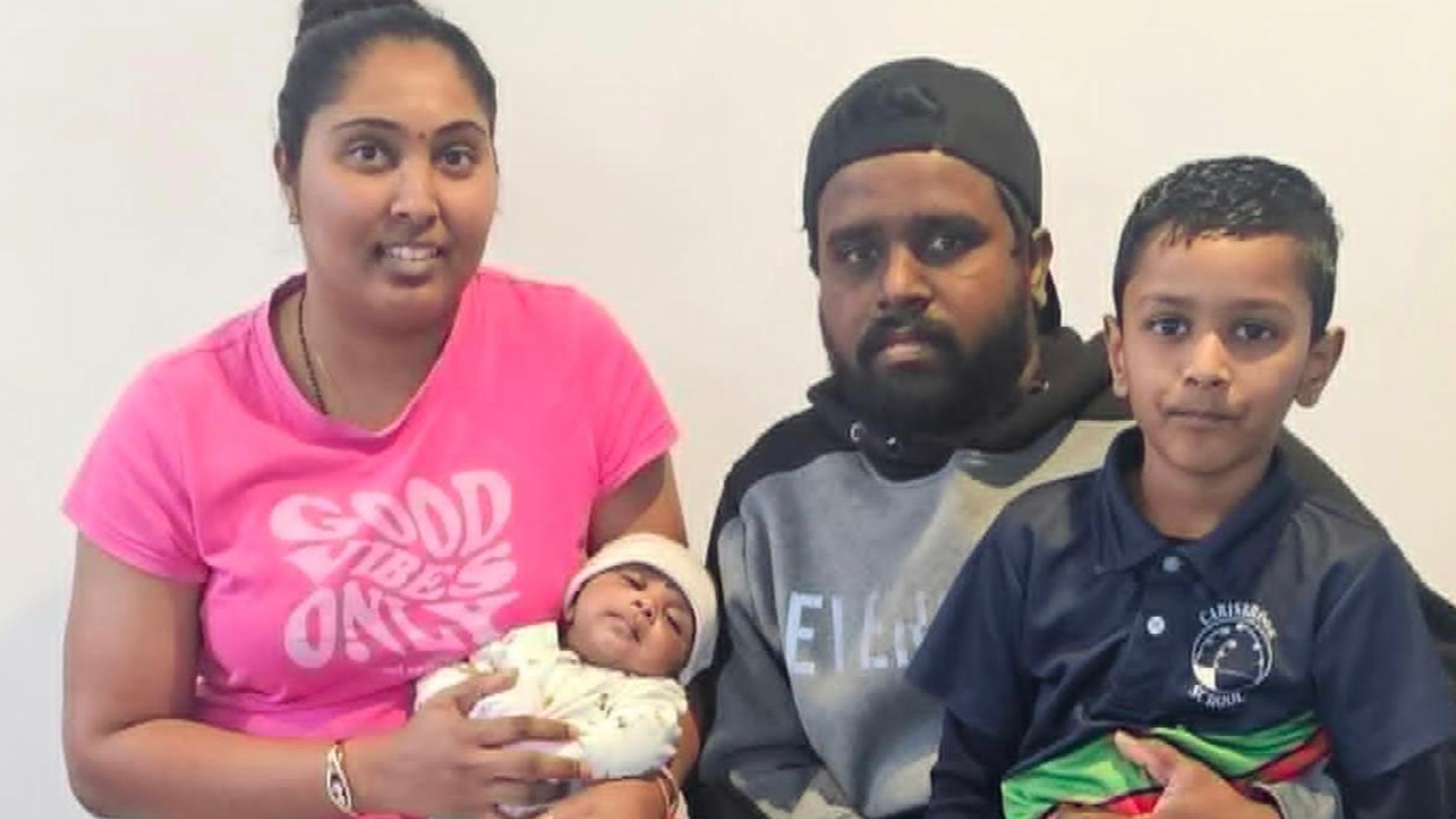
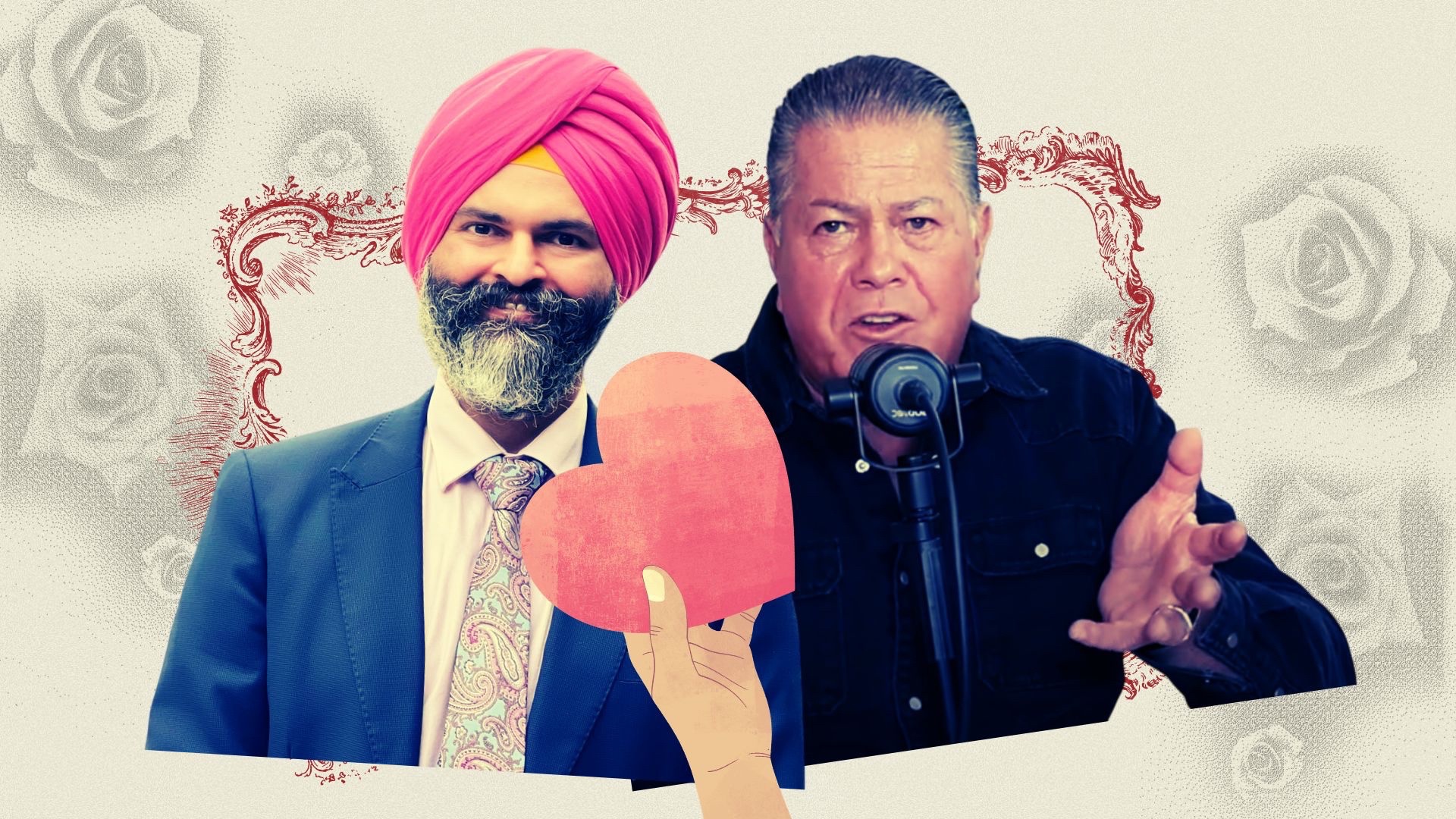
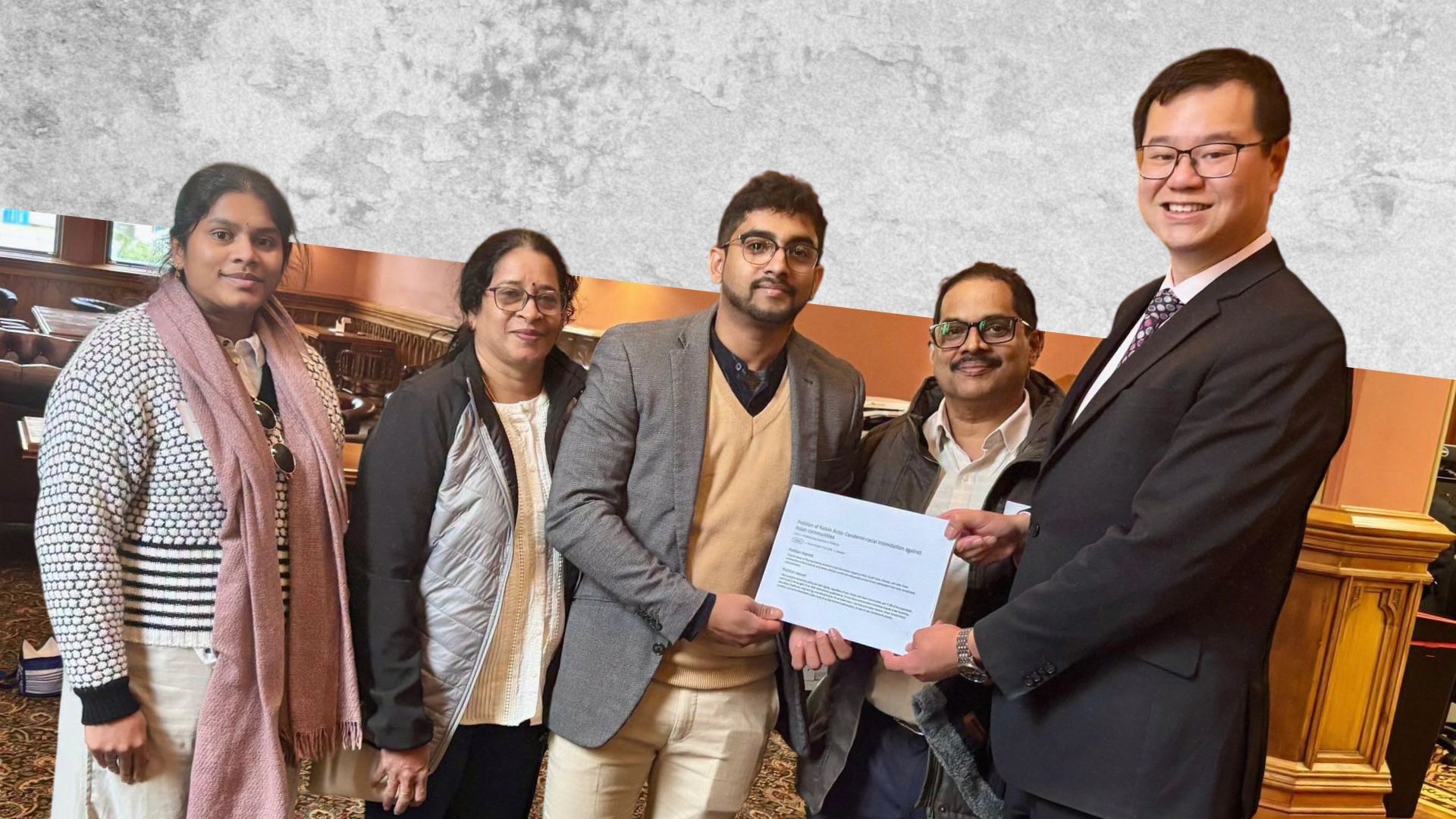
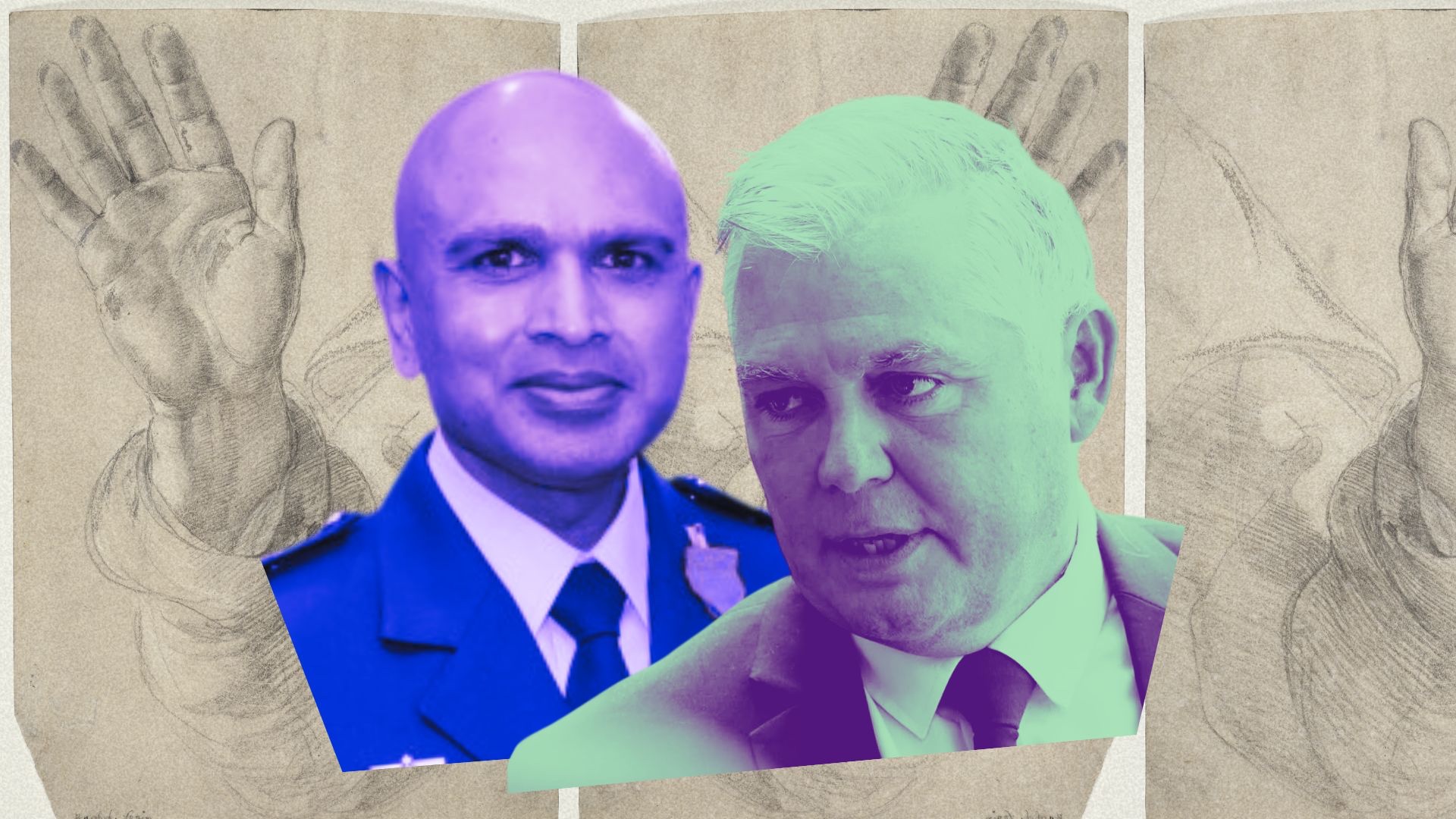
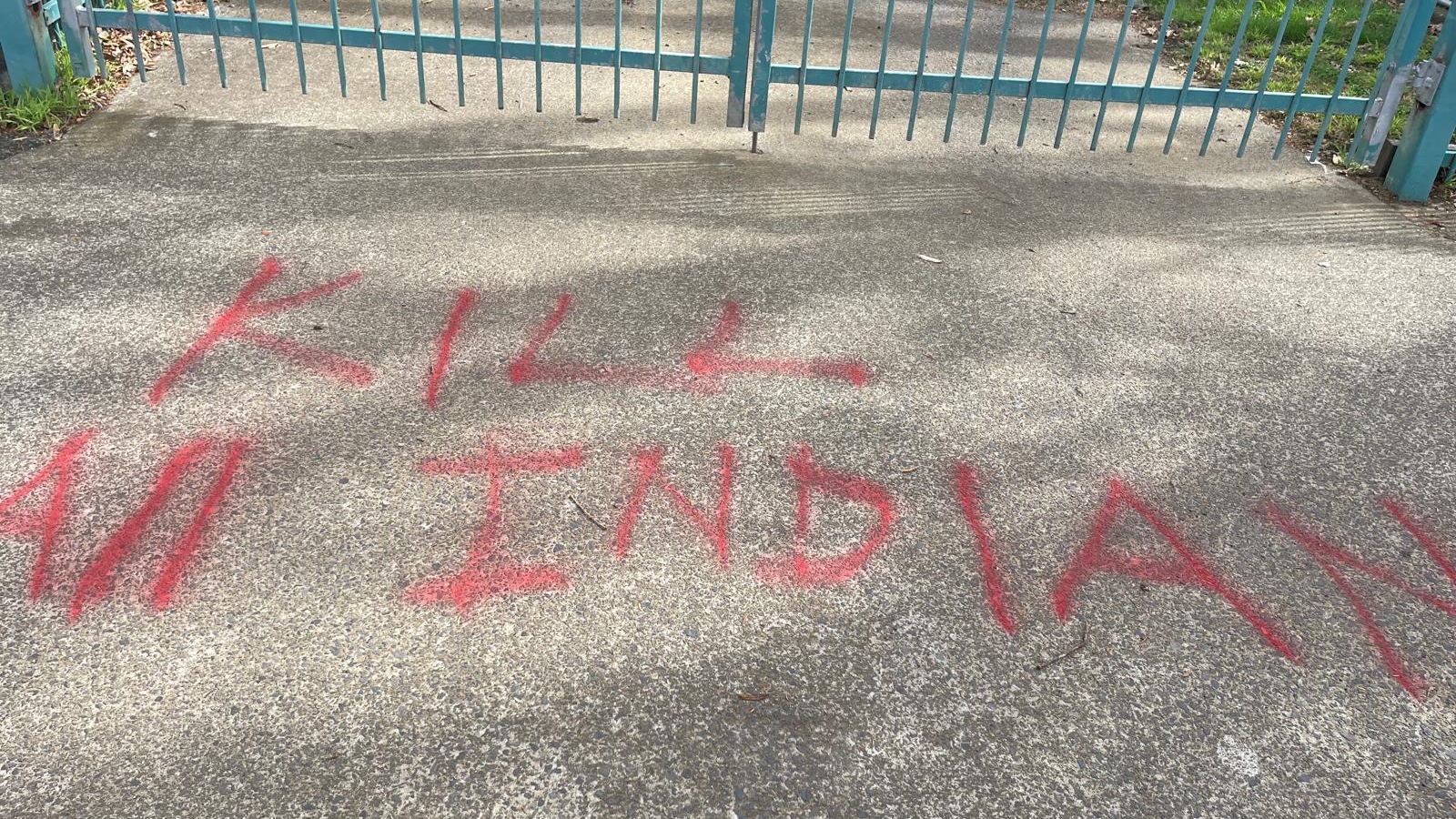
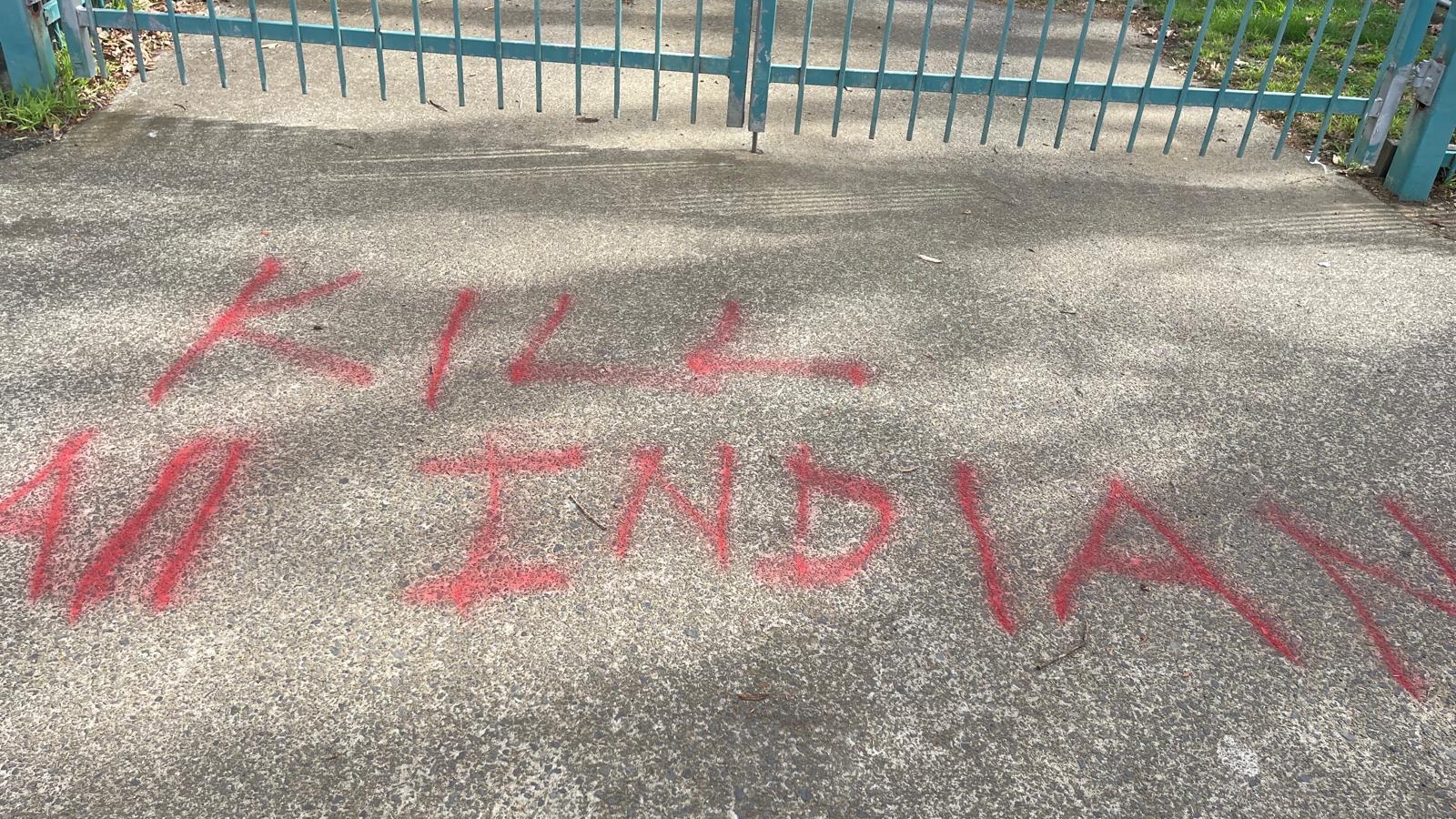
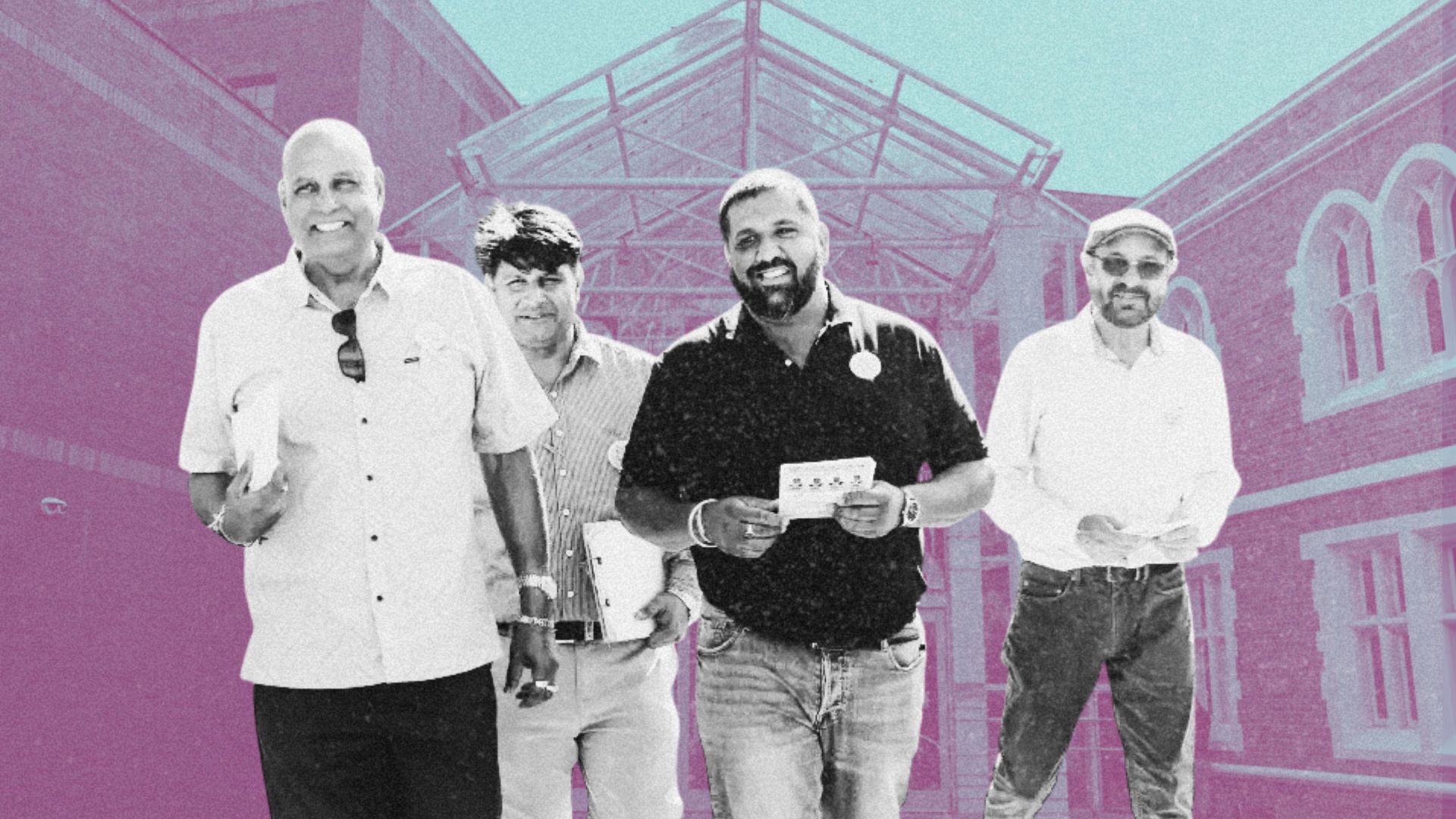
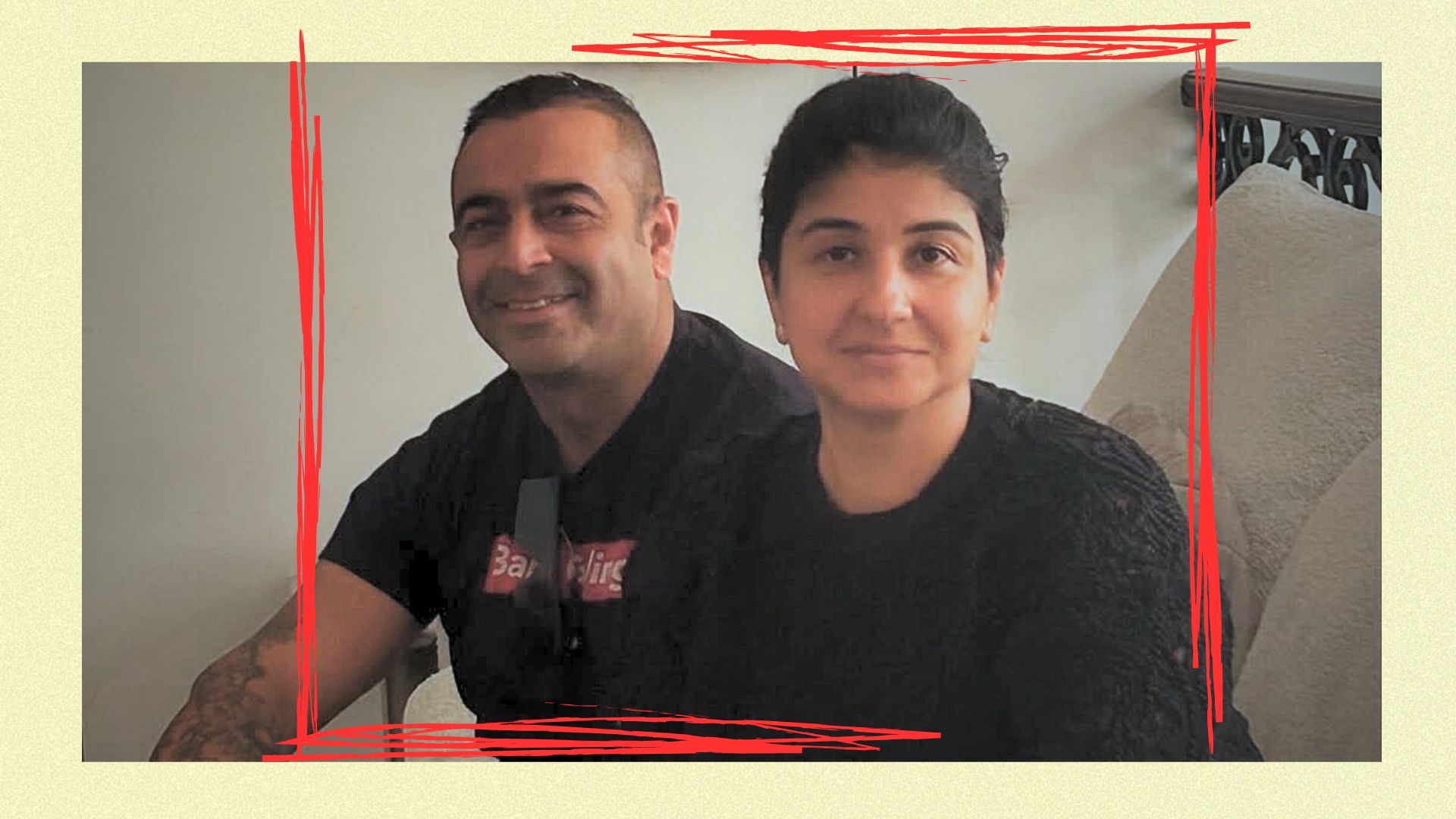
'Devastating': Indian family racially abused in Christchurch, hunt on to identify attacker “We’ll always be reminded of this, thanks to this man who thinks we don’t belong.”
Immigration reset: National drops hints as parties on left and right target permanent residence New Zealand's permanent residence framework provides an edge over Australia and Canada in attracting overseas talent.
NZ First’s policy of division: Turning hatred of migrants into political power This is no immigration reform. It is the politics of exclusion presented as population planning.
The remark drew loud reactions across the chamber and added to public criticisms of NZ First from within the coalition since the deal was signed earlier this week.
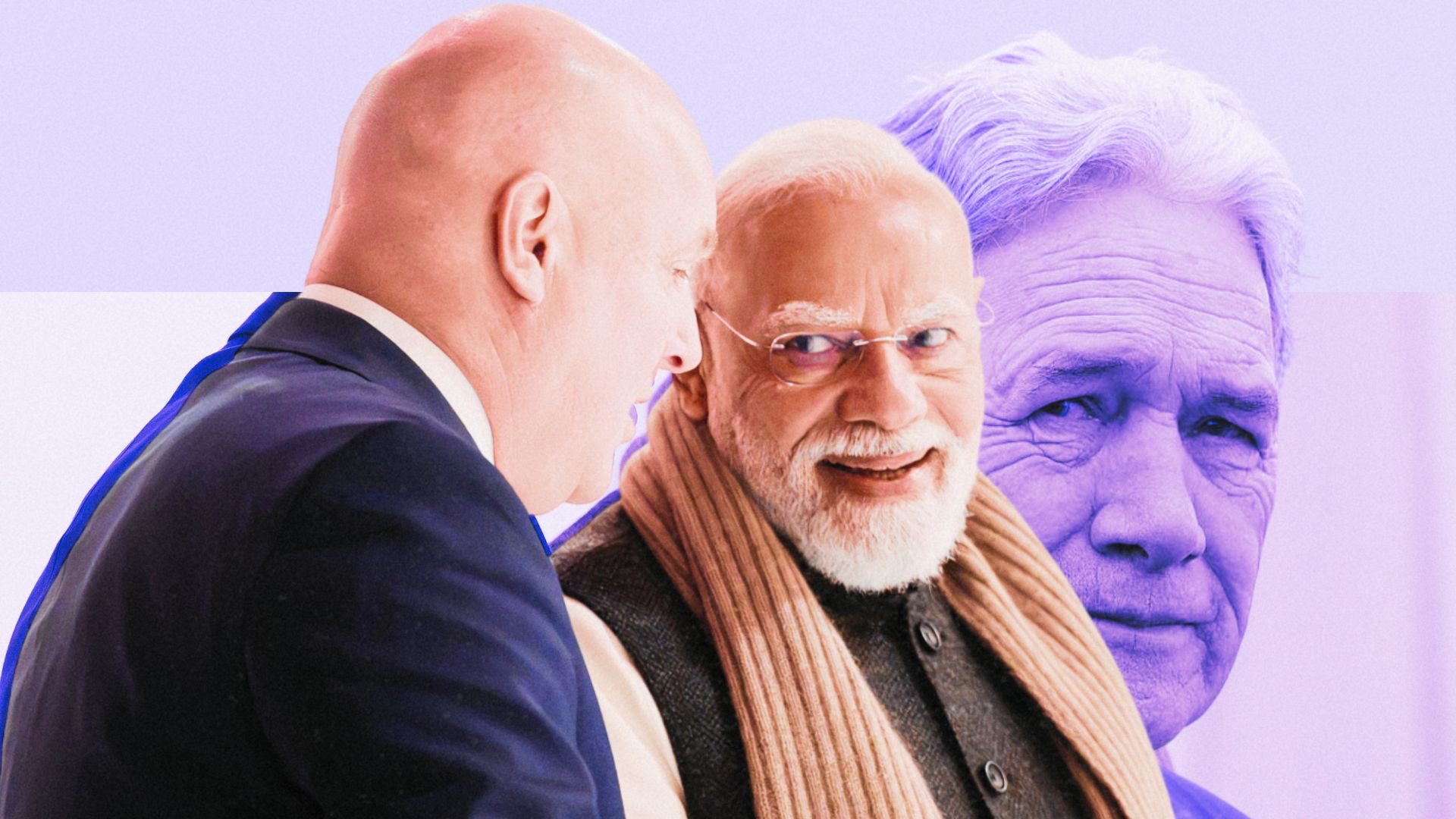
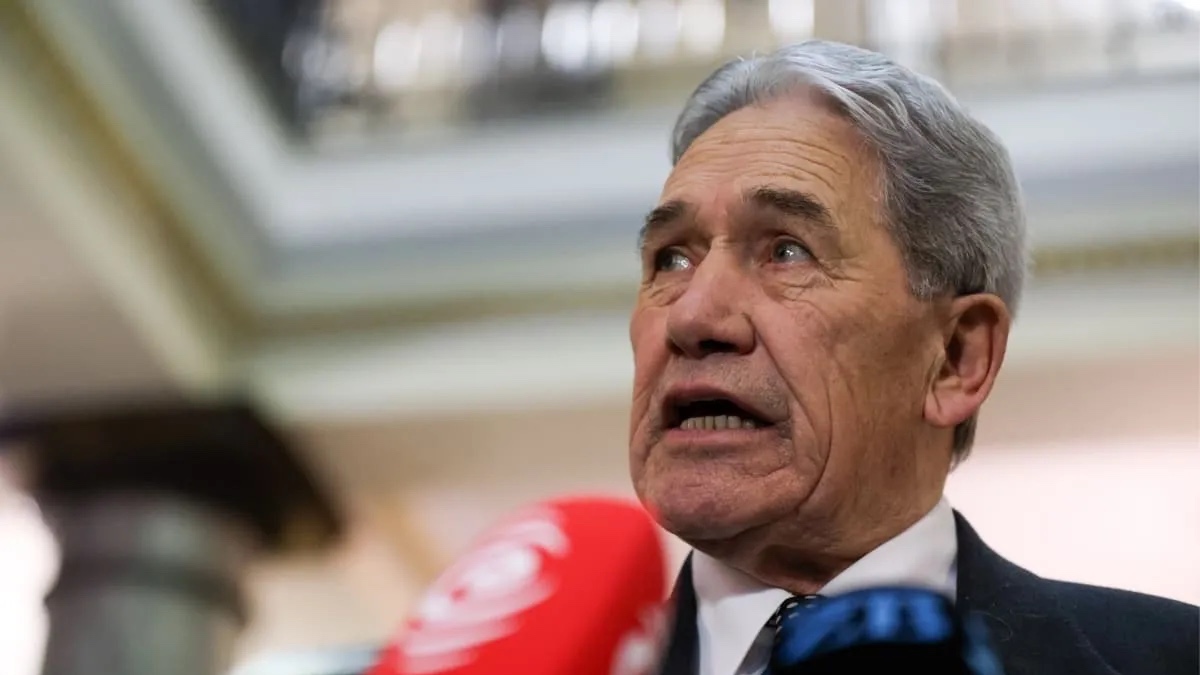
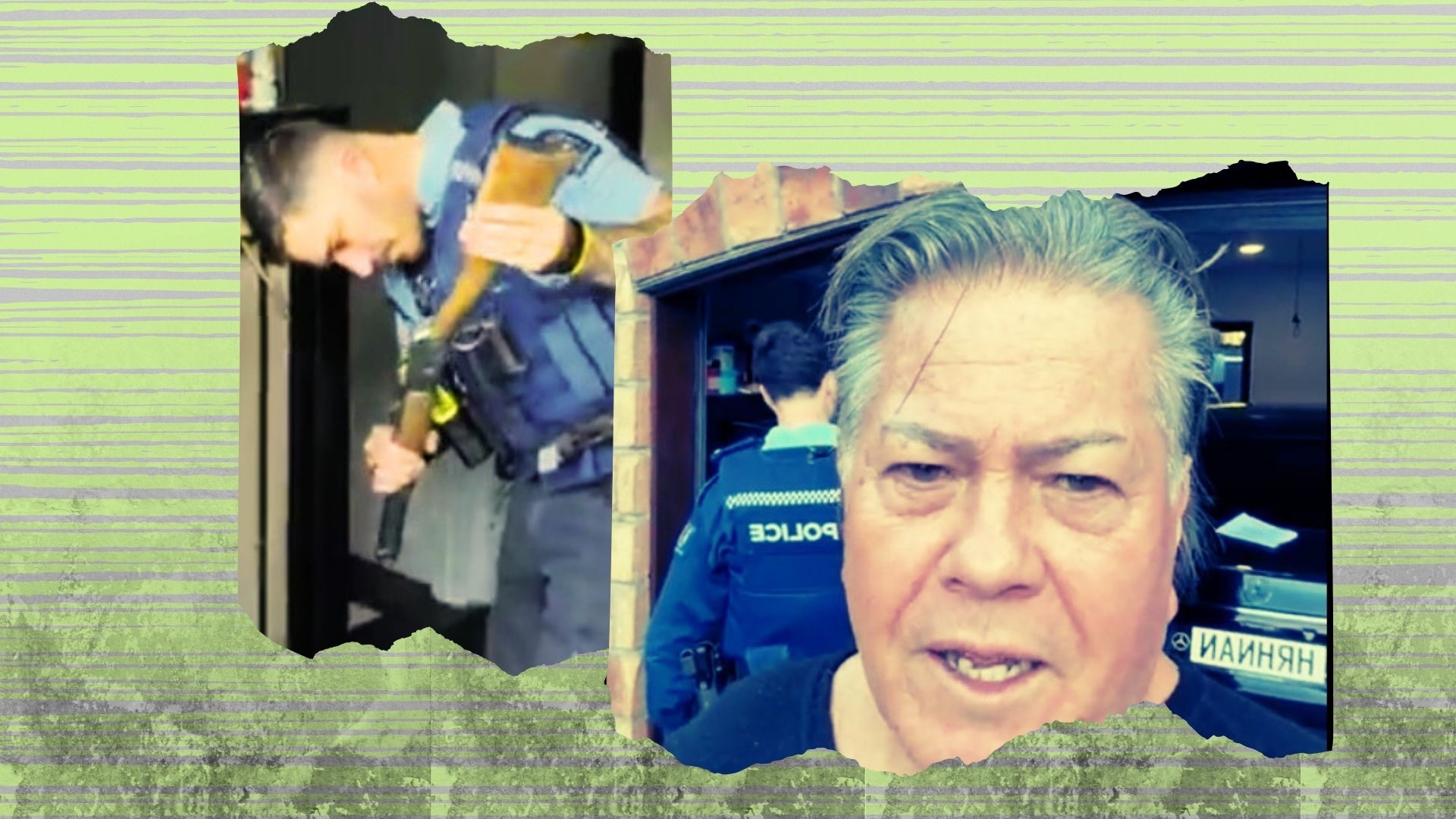
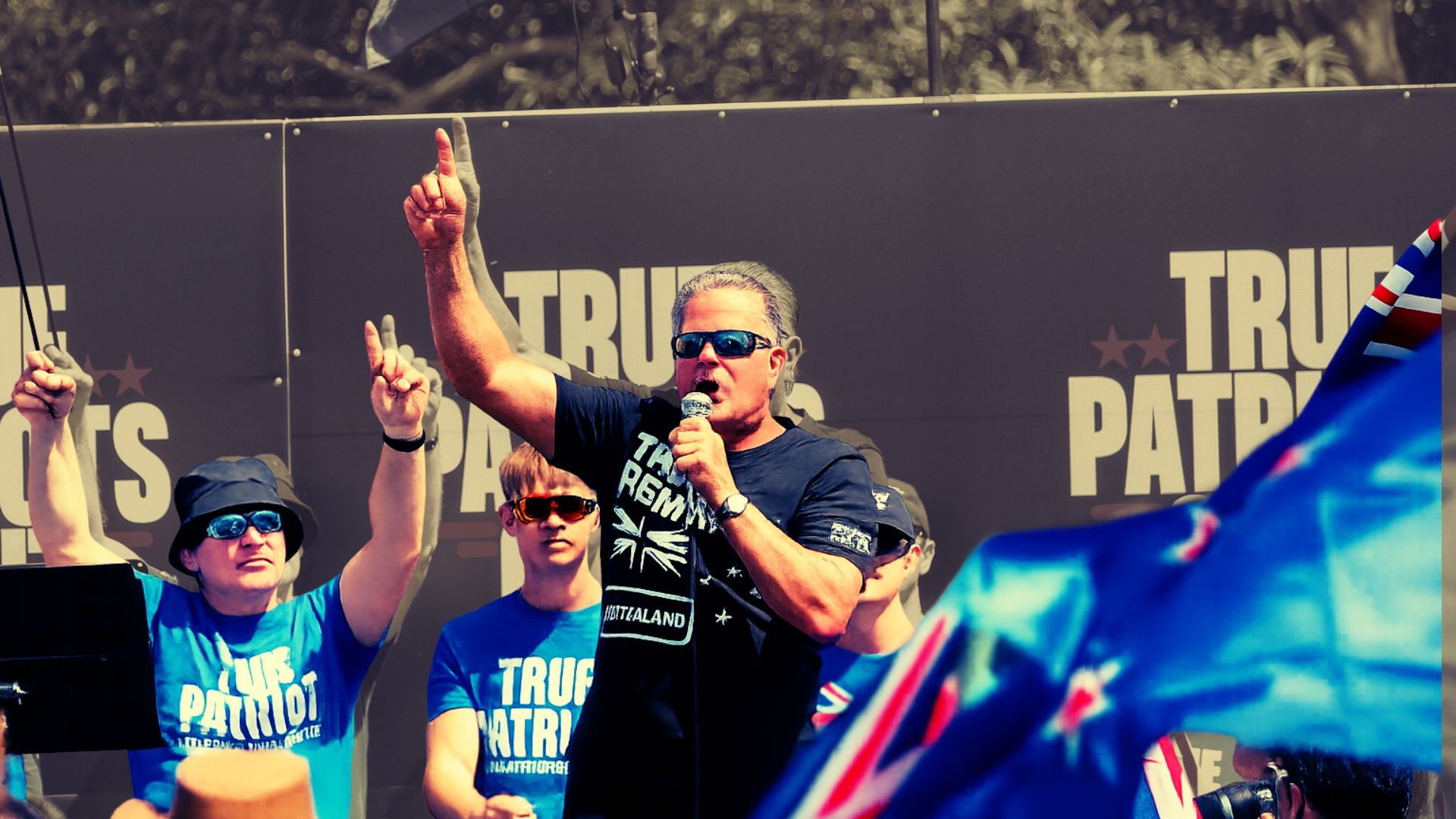
It follows comments from Jones circulating in a video online, in which he said his party would “never accept” the agreement, warning it would lead to “unfettered immigration”.
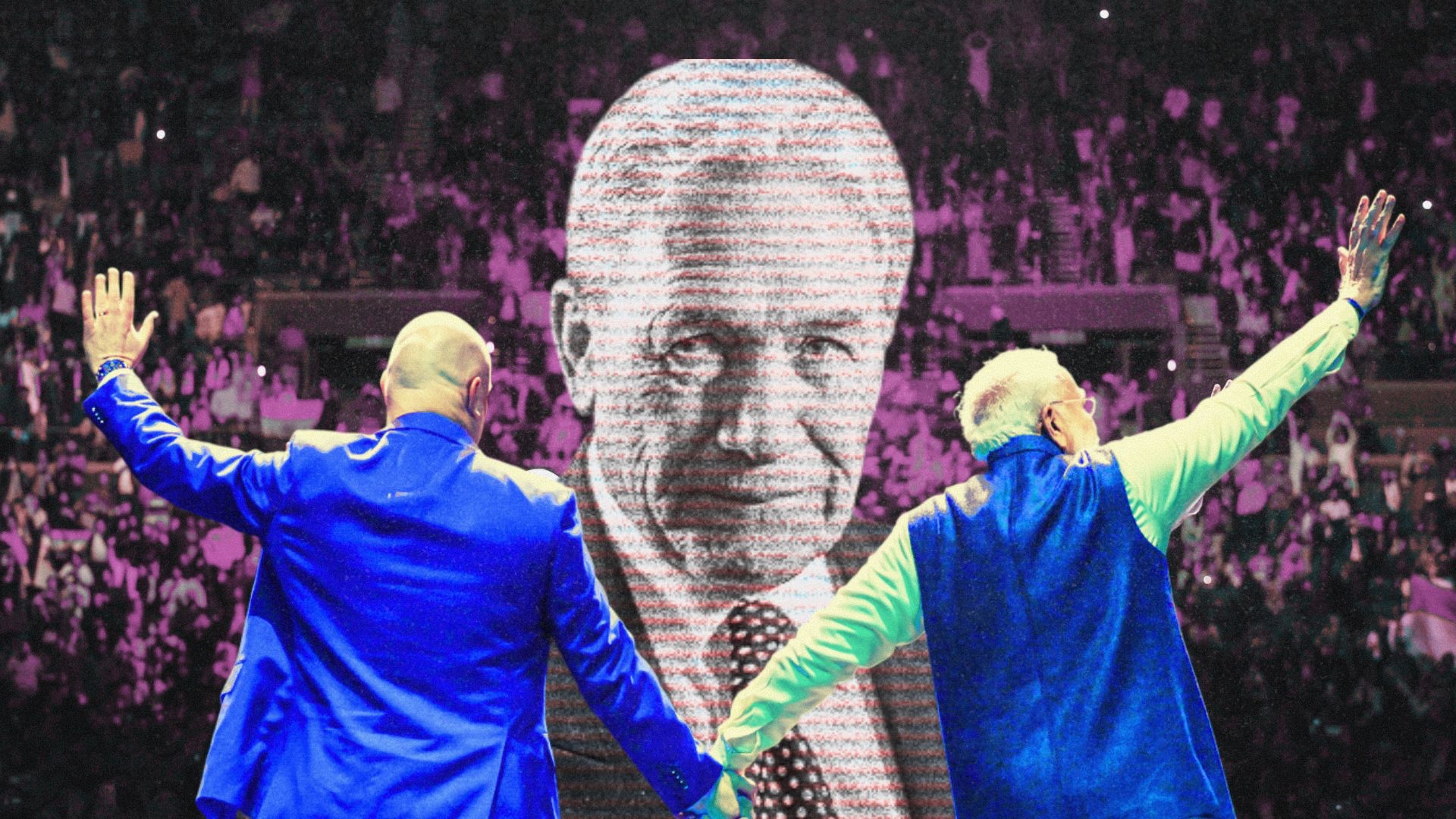
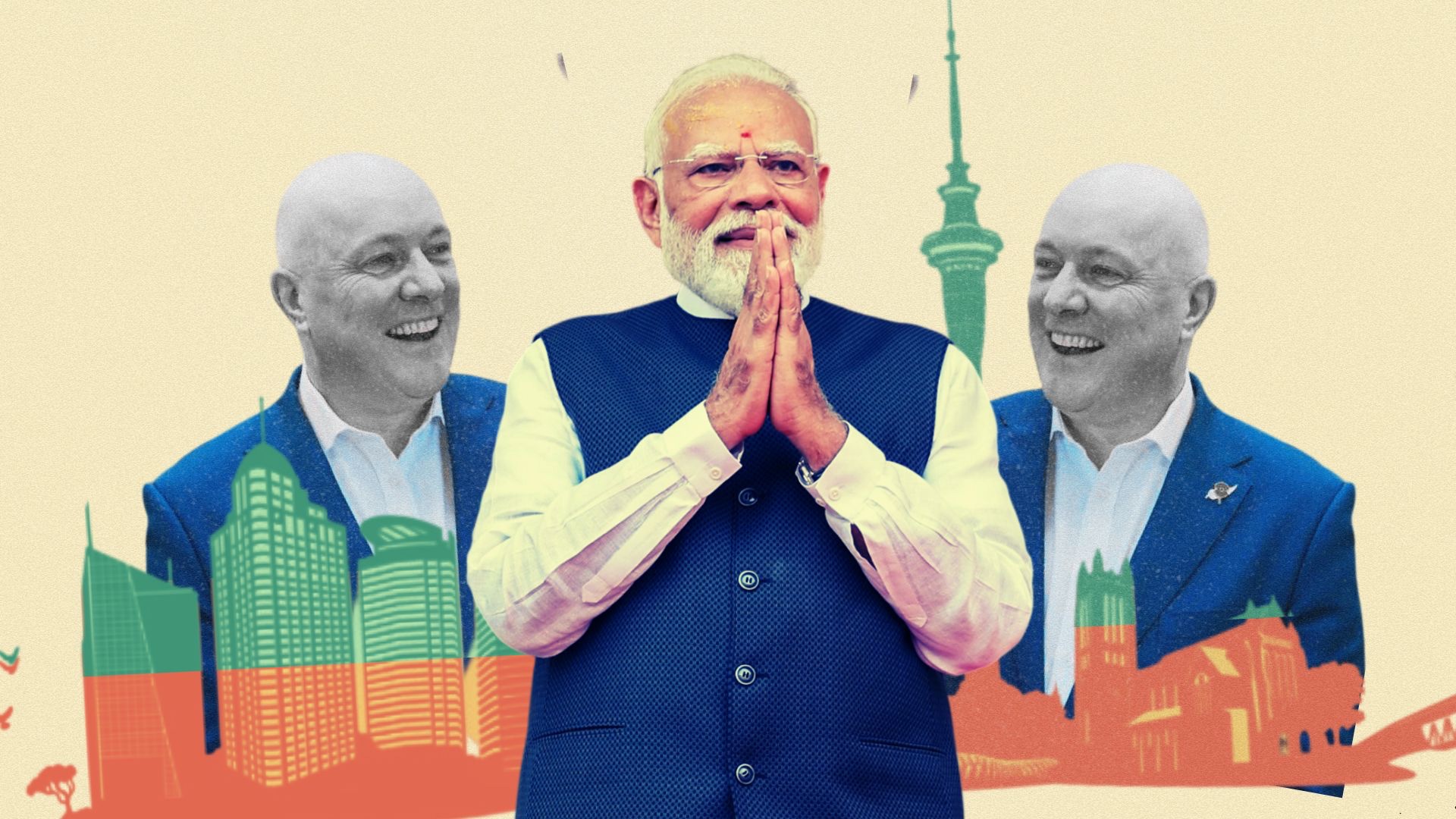
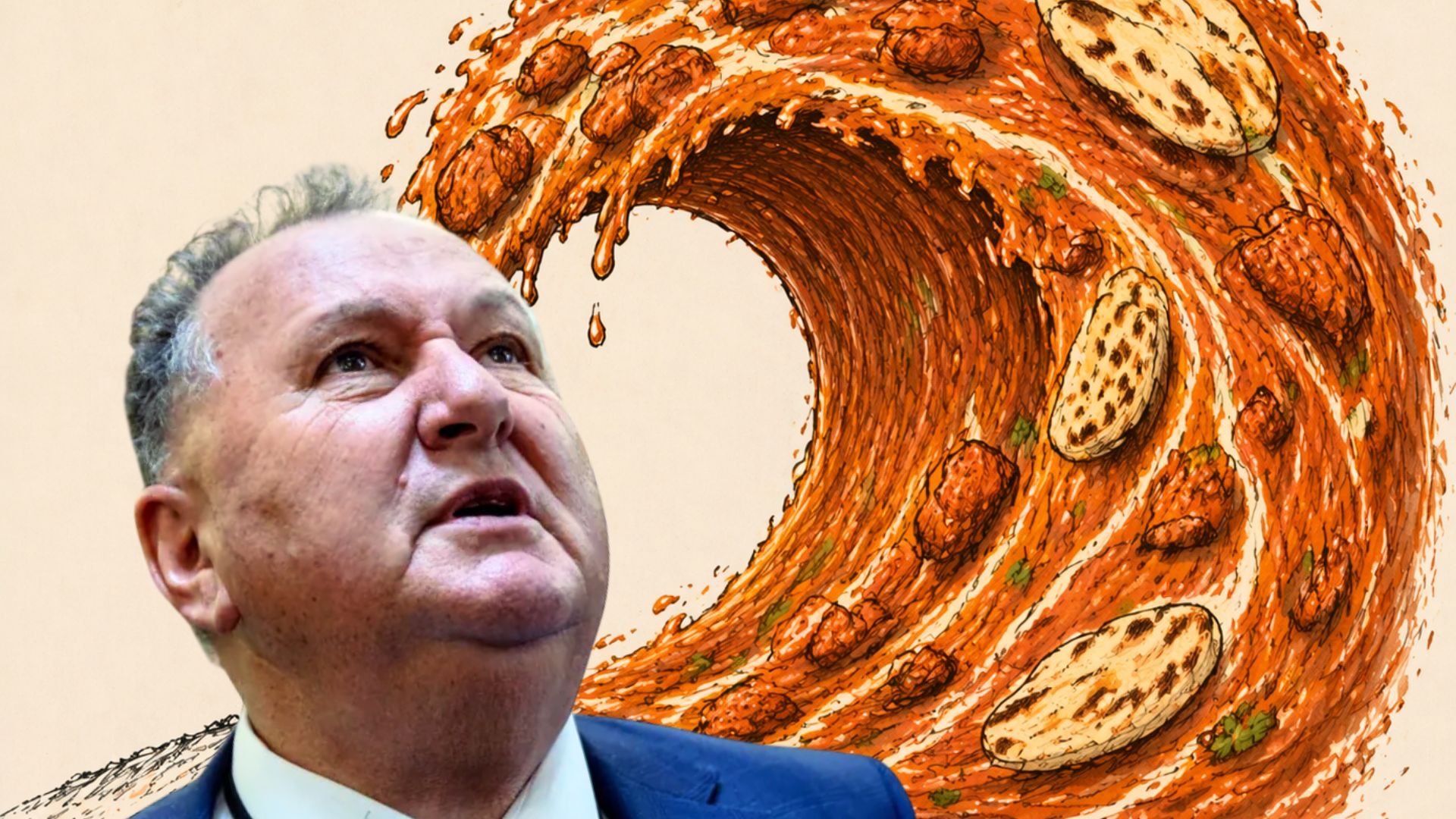
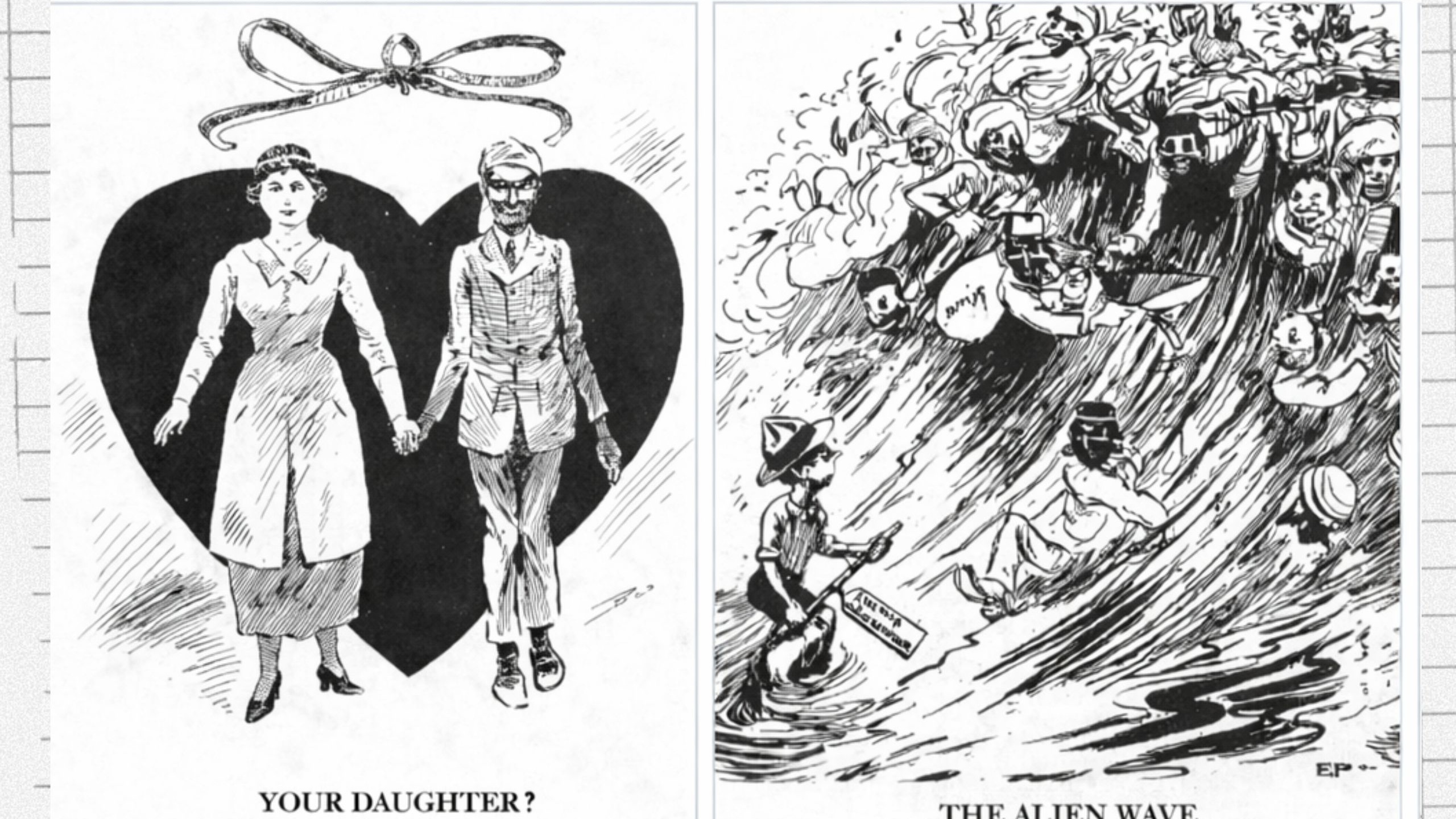
“I am just never going to agree with a butter chicken tsunami coming to New Zealand,” Jones said.
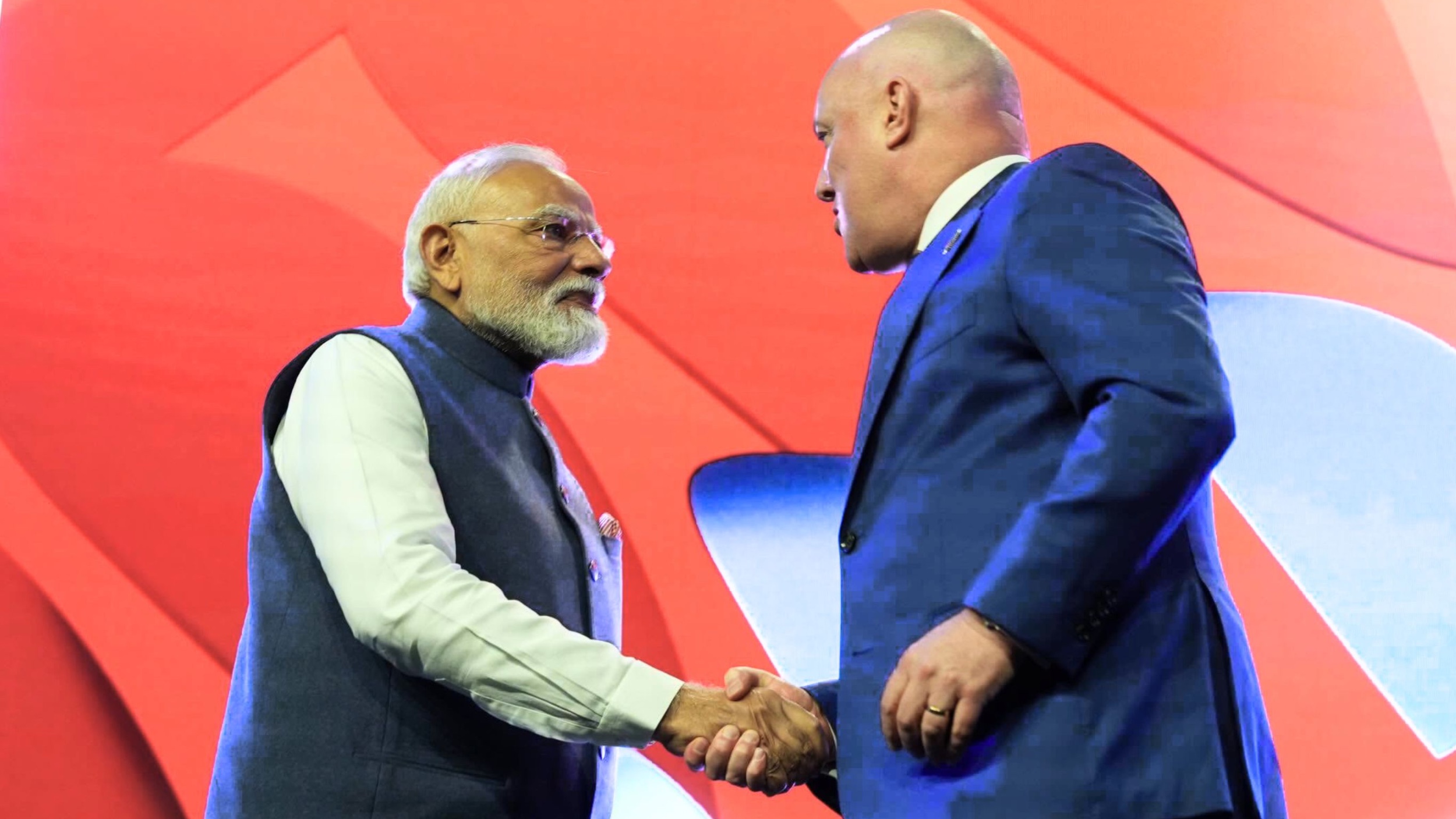
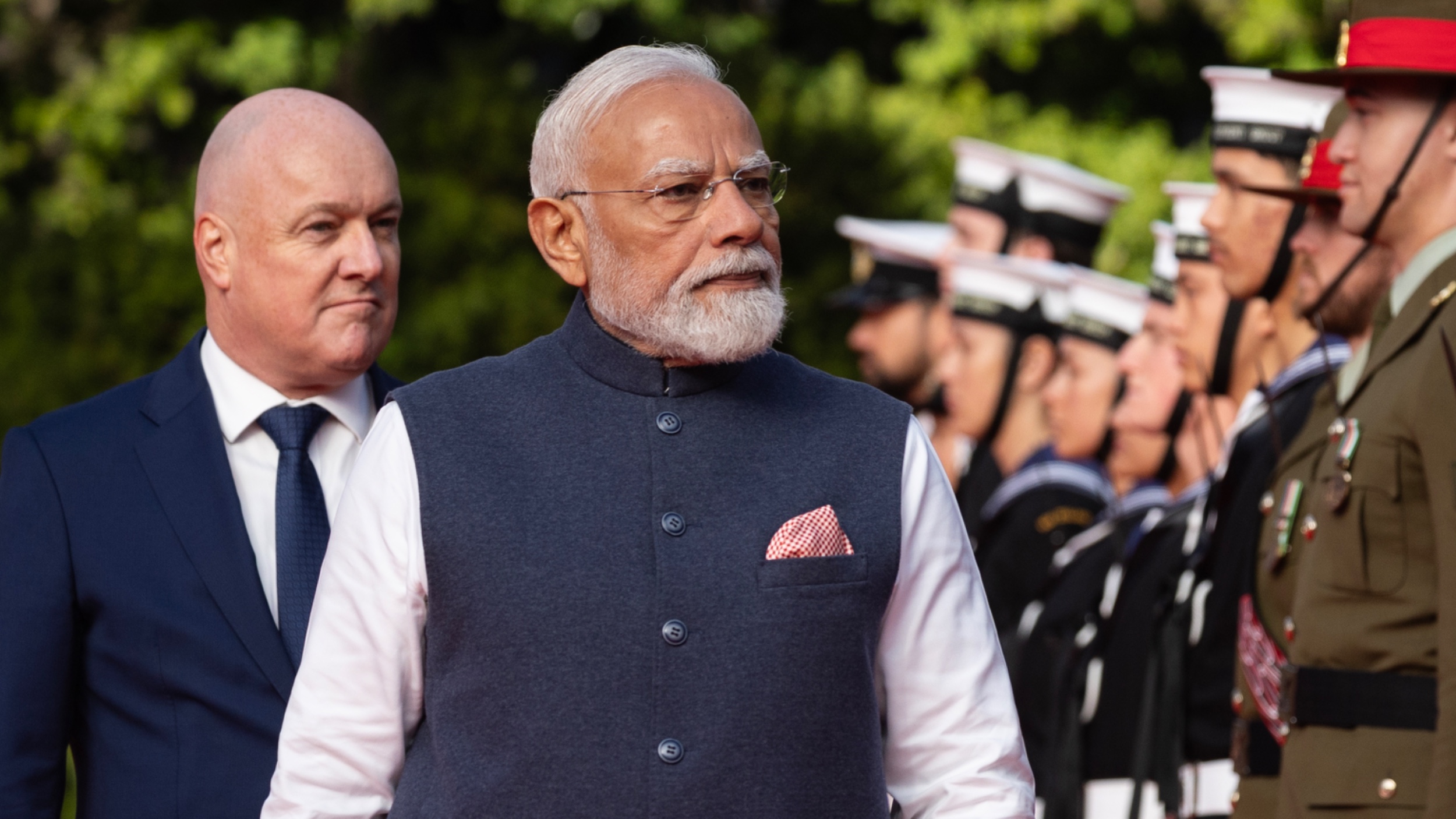
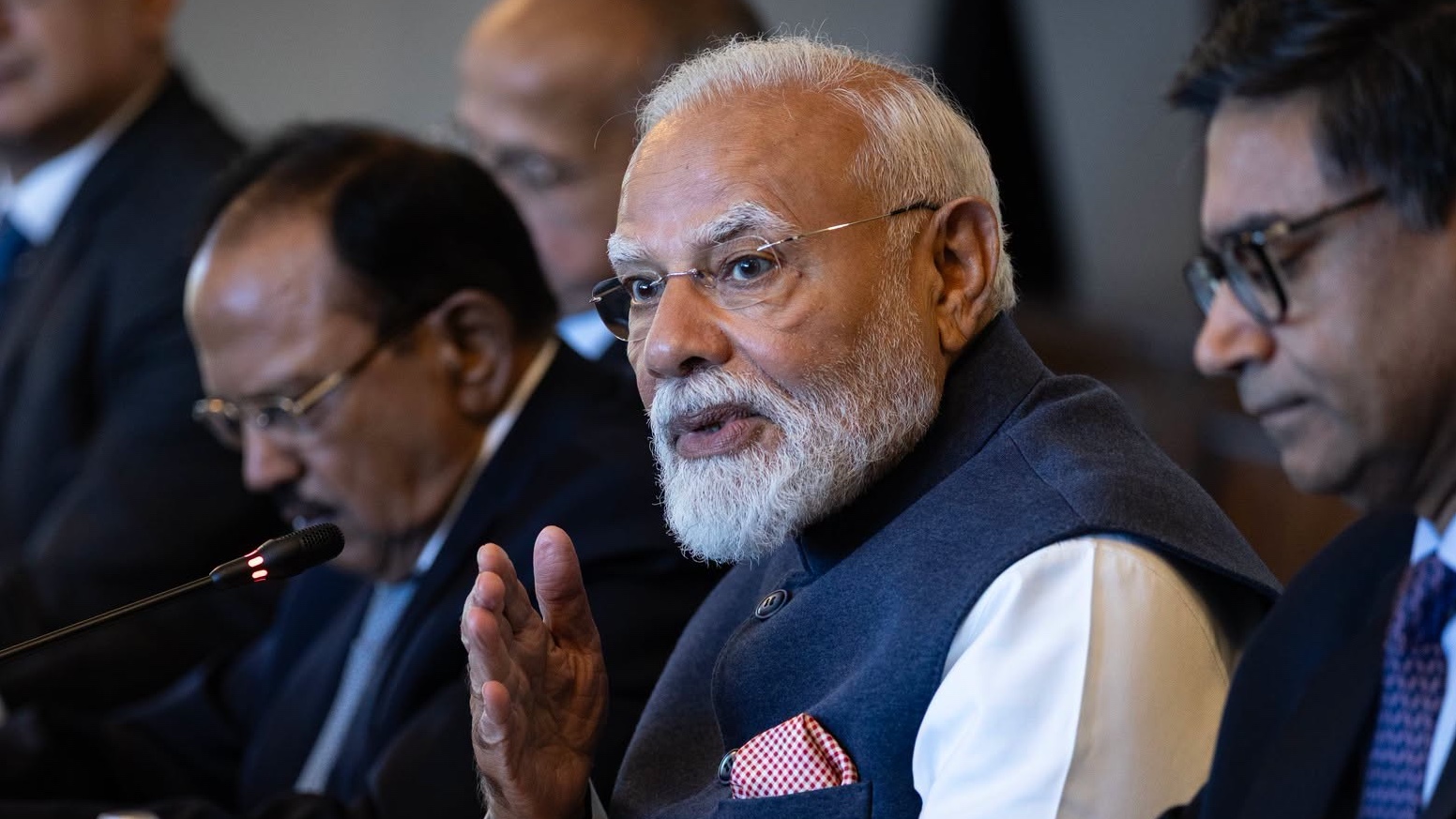
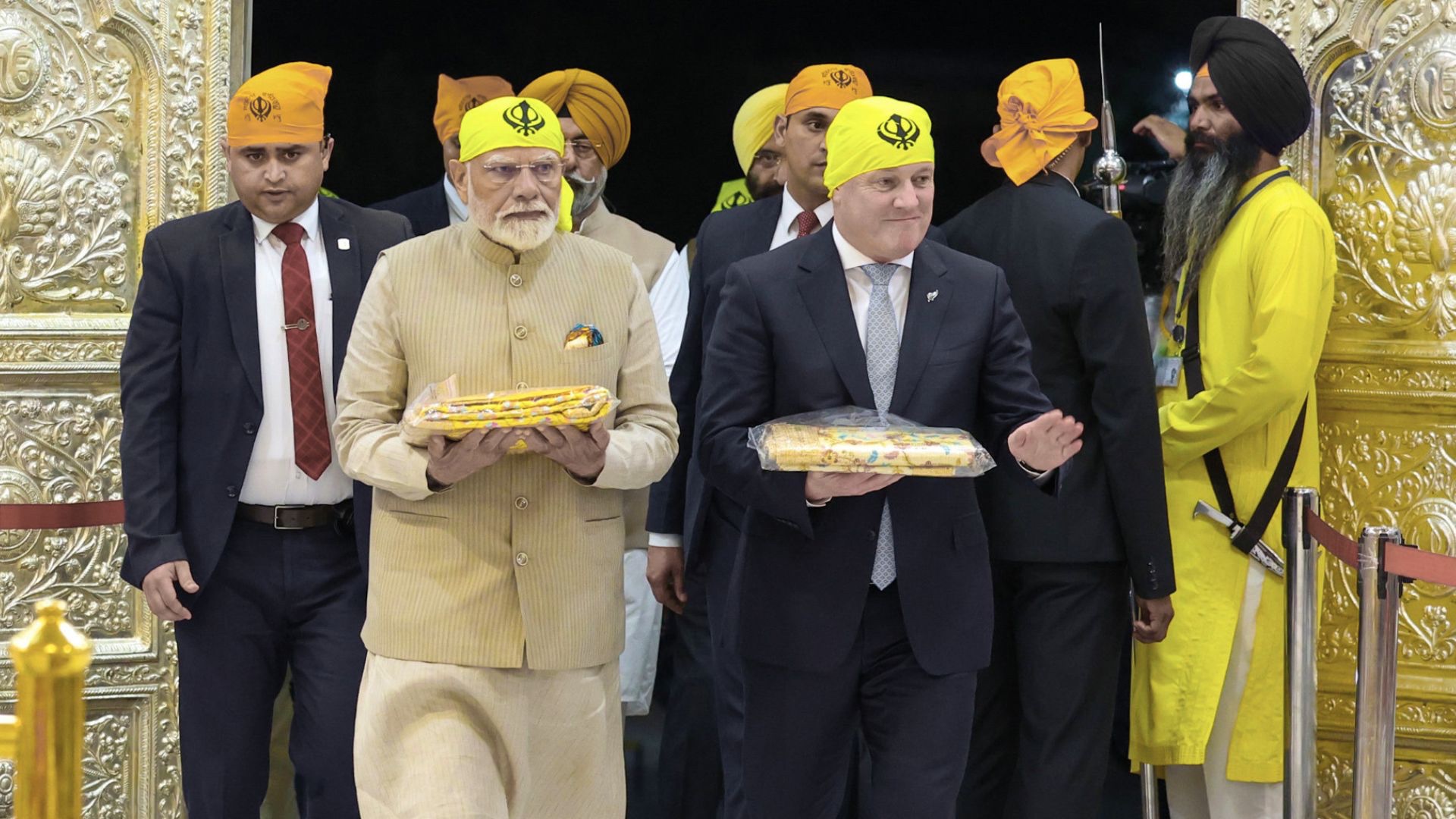
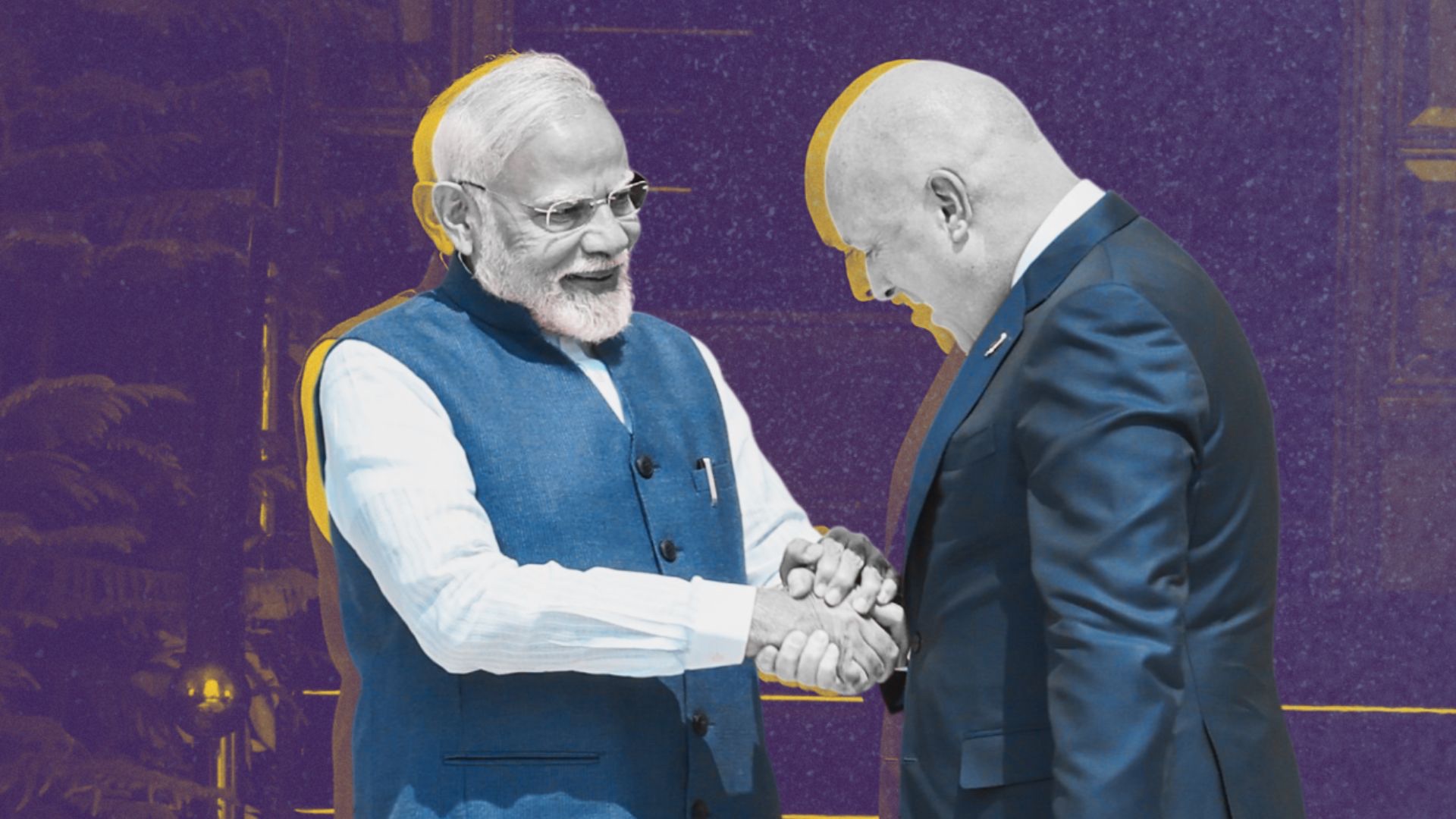
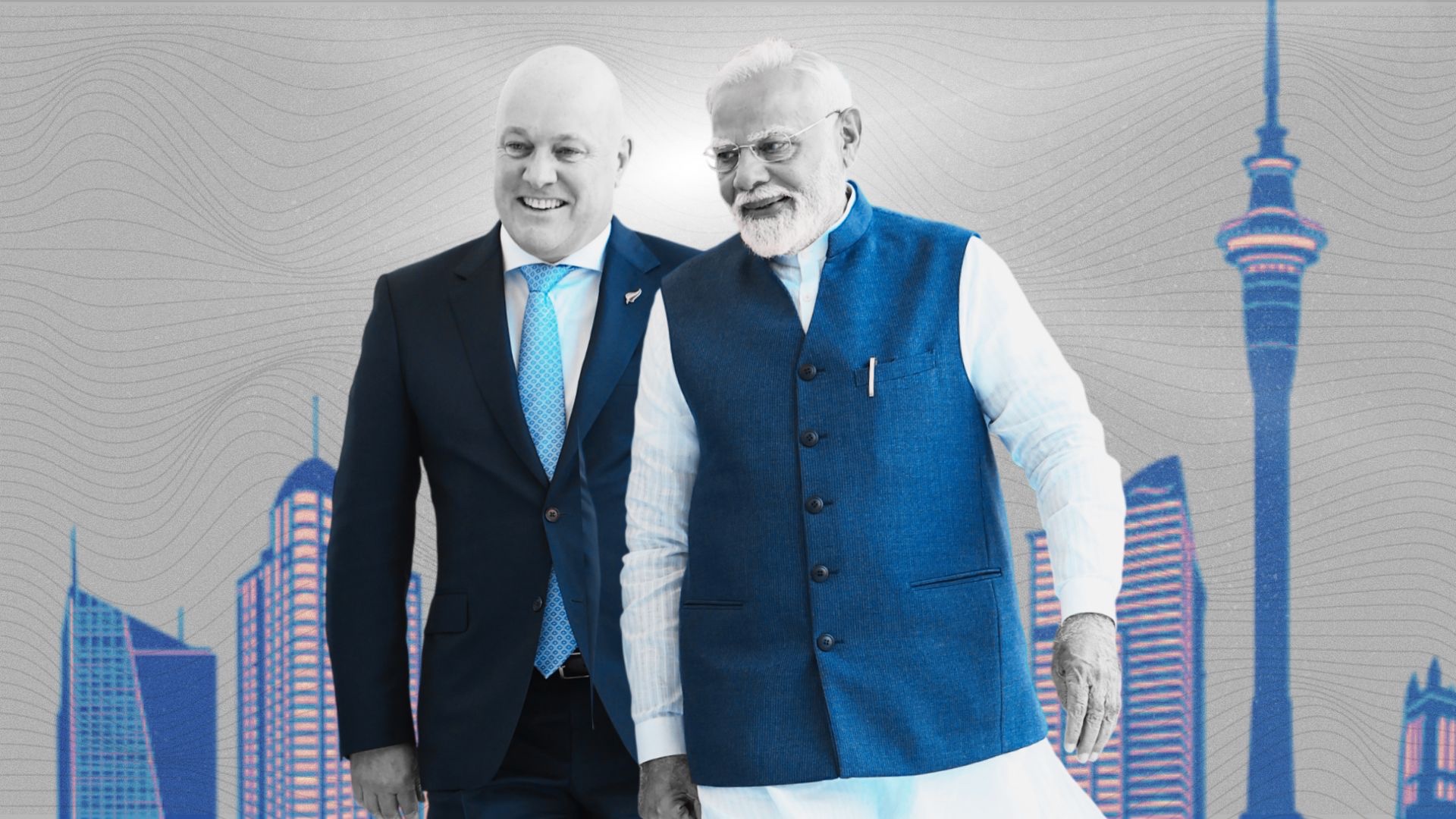
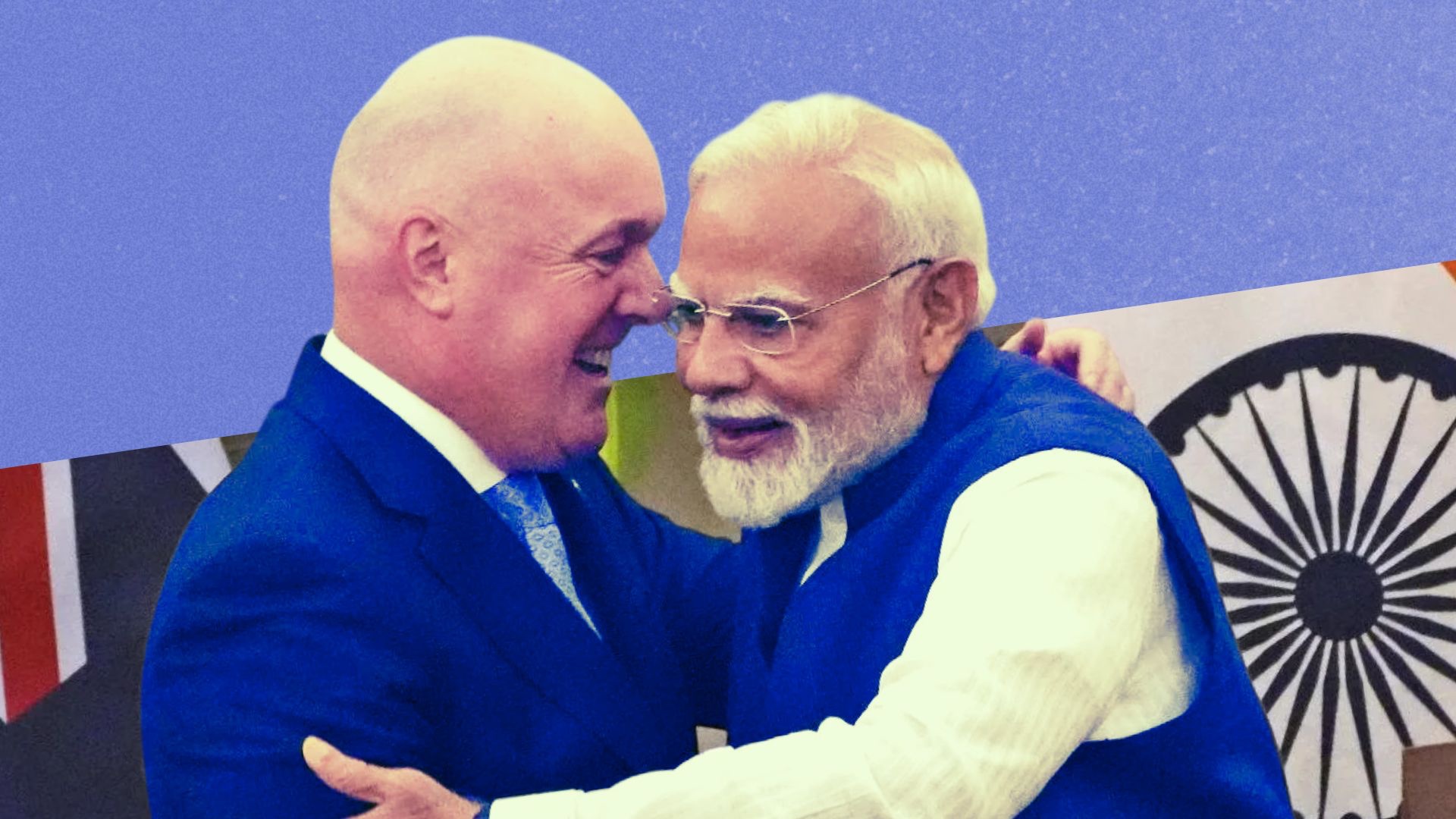
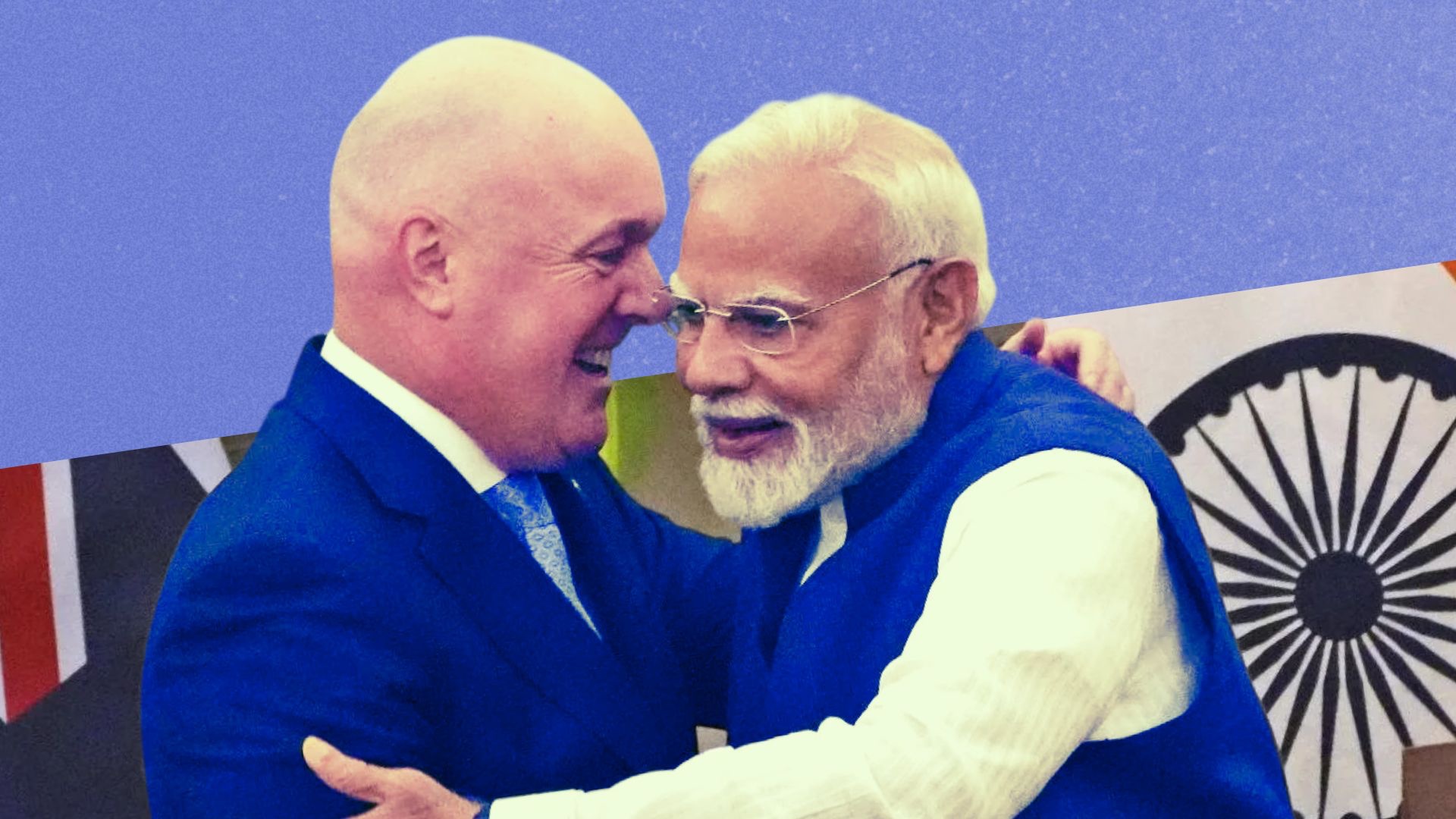
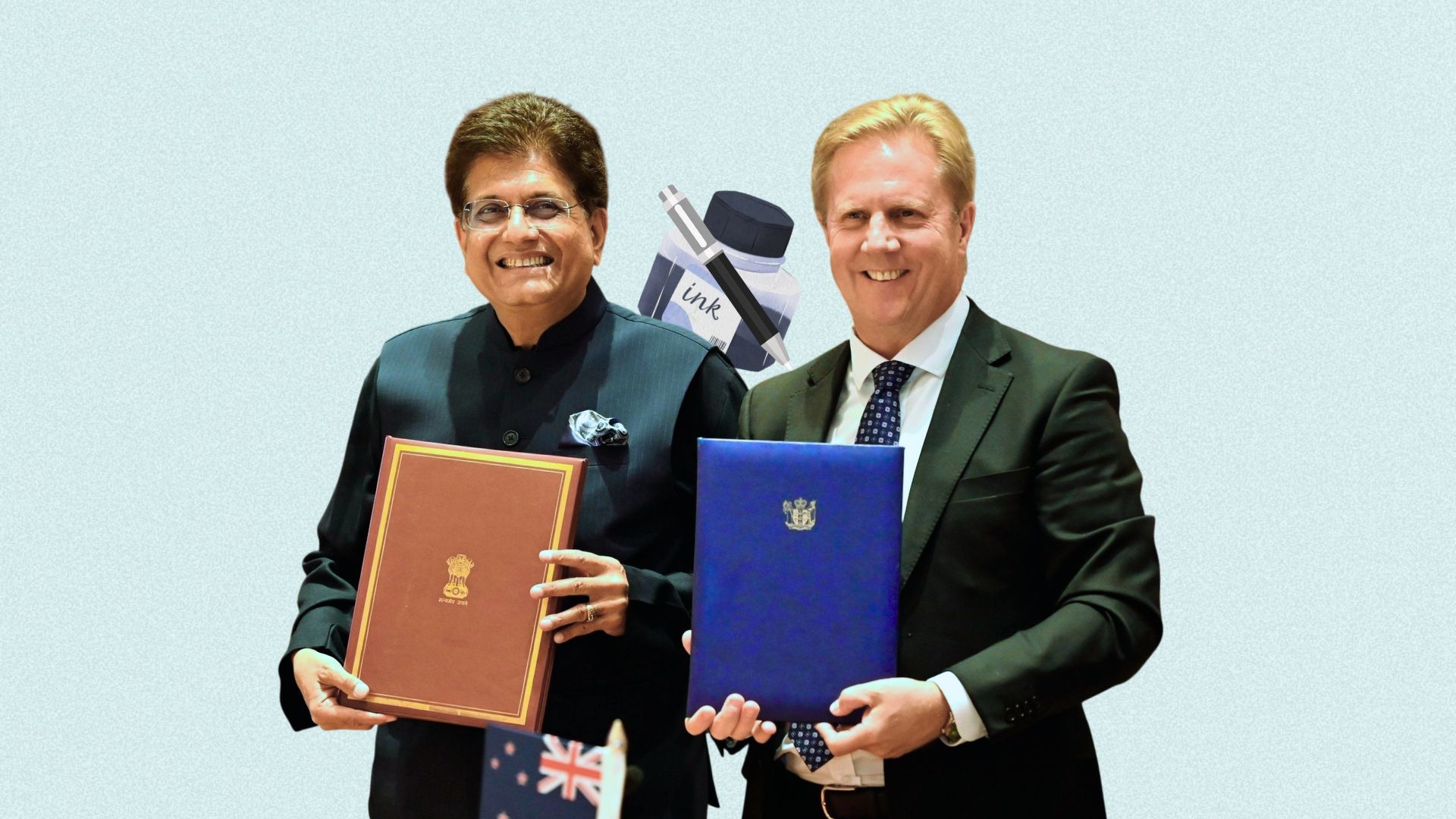
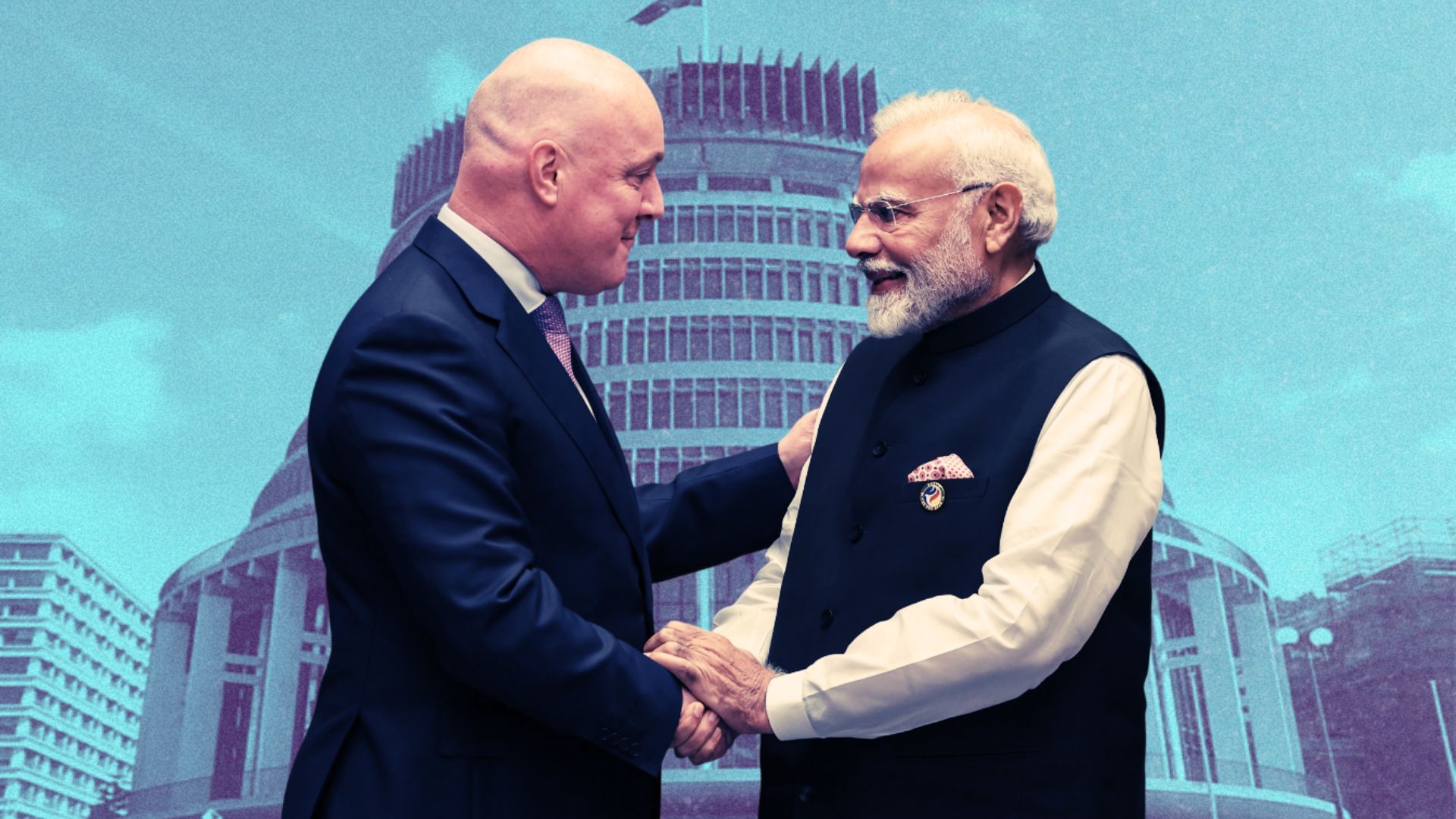
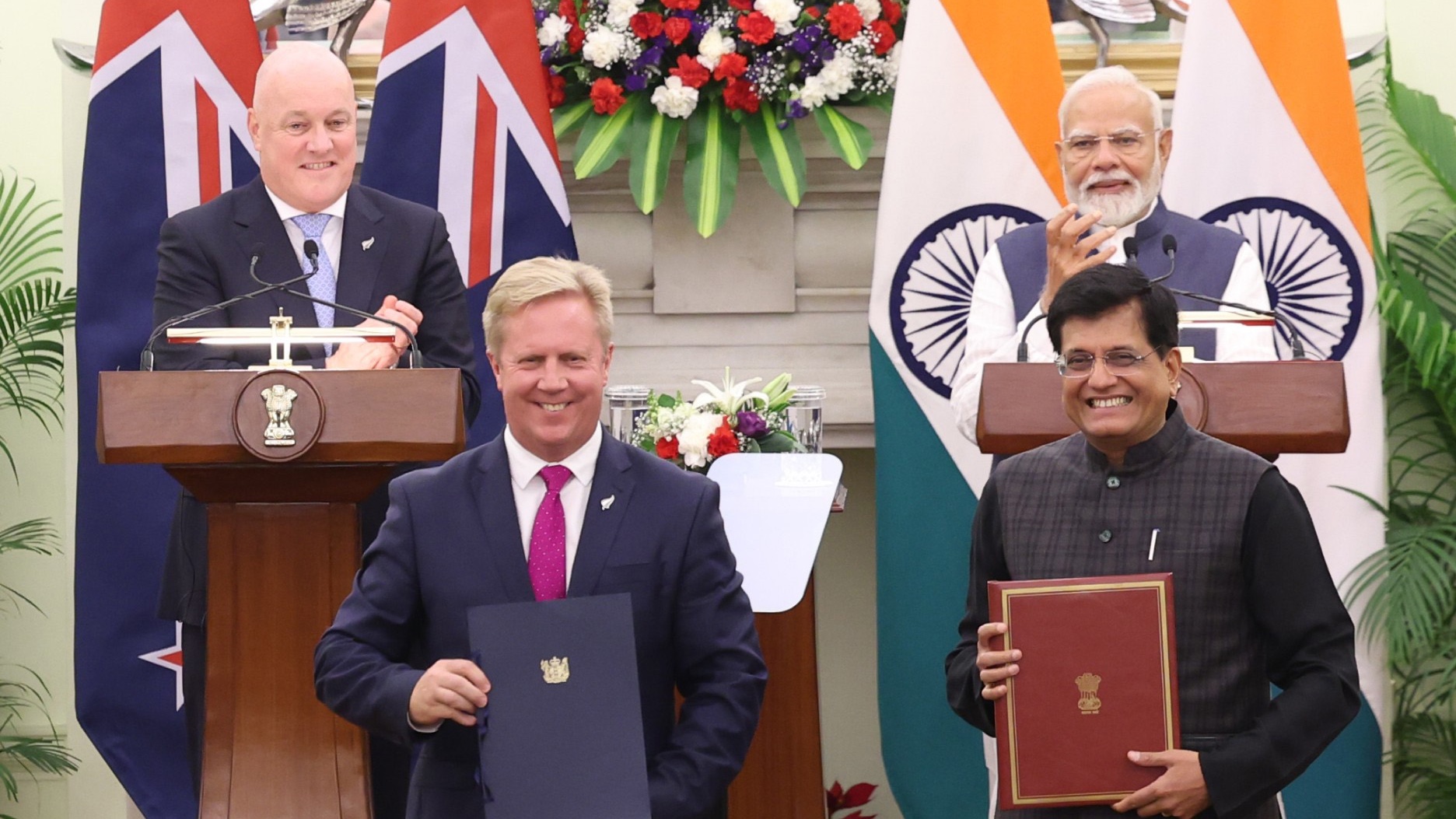
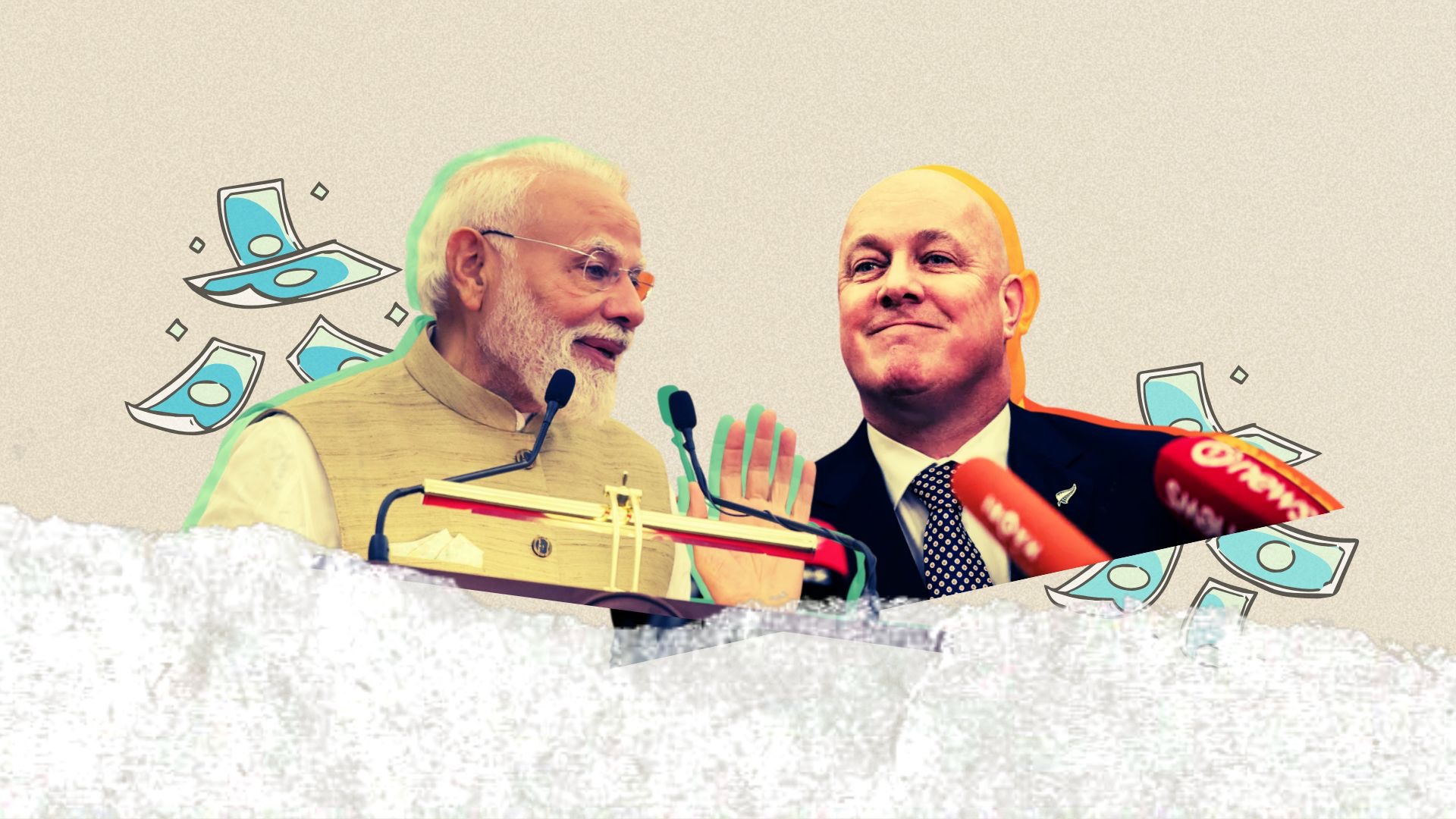
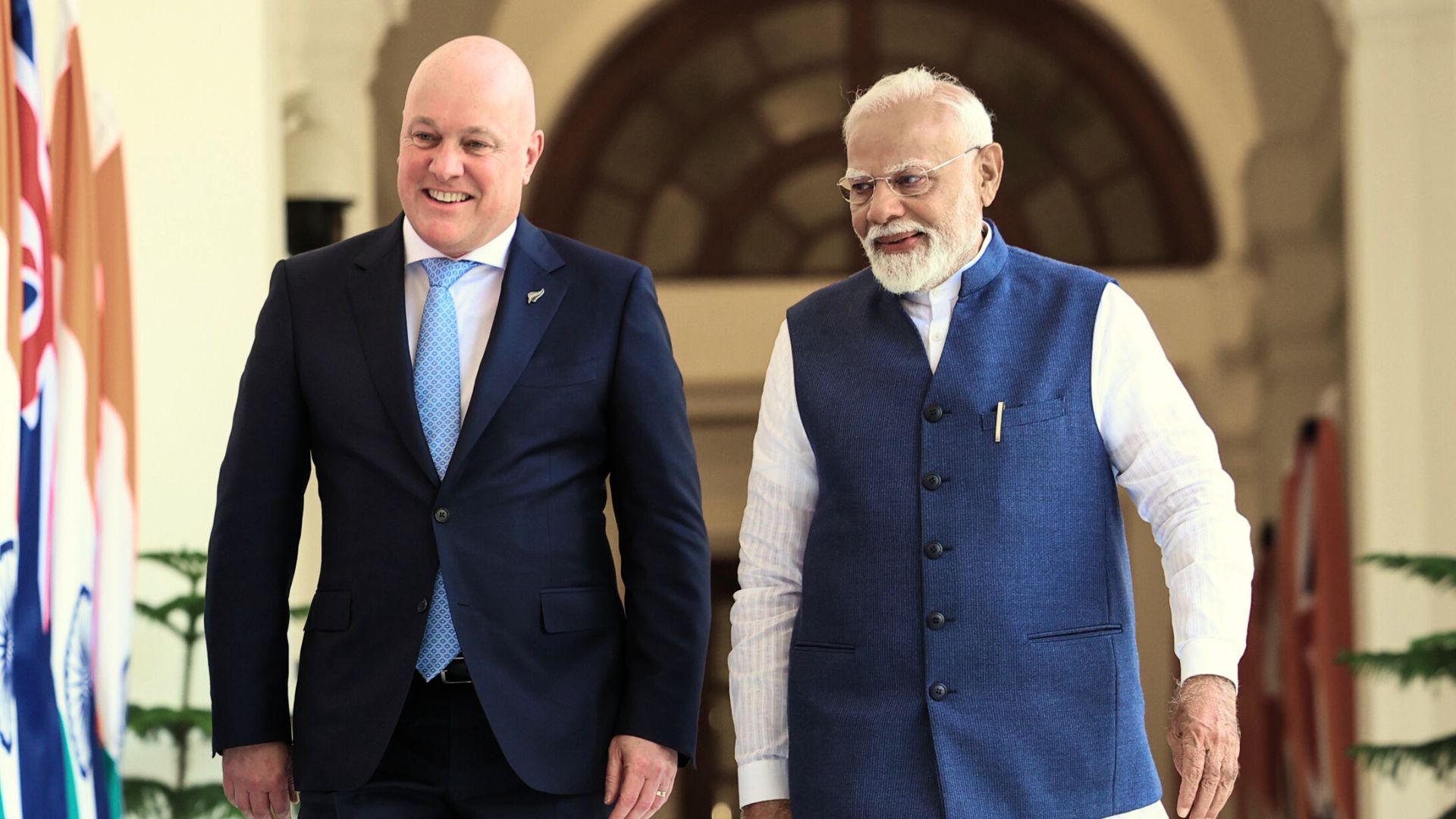
Willis framed the agreement as a “once-in-a-generation” breakthrough, opening up a market of 1.4 billion people and delivering “more jobs, higher incomes, and more export opportunities”.
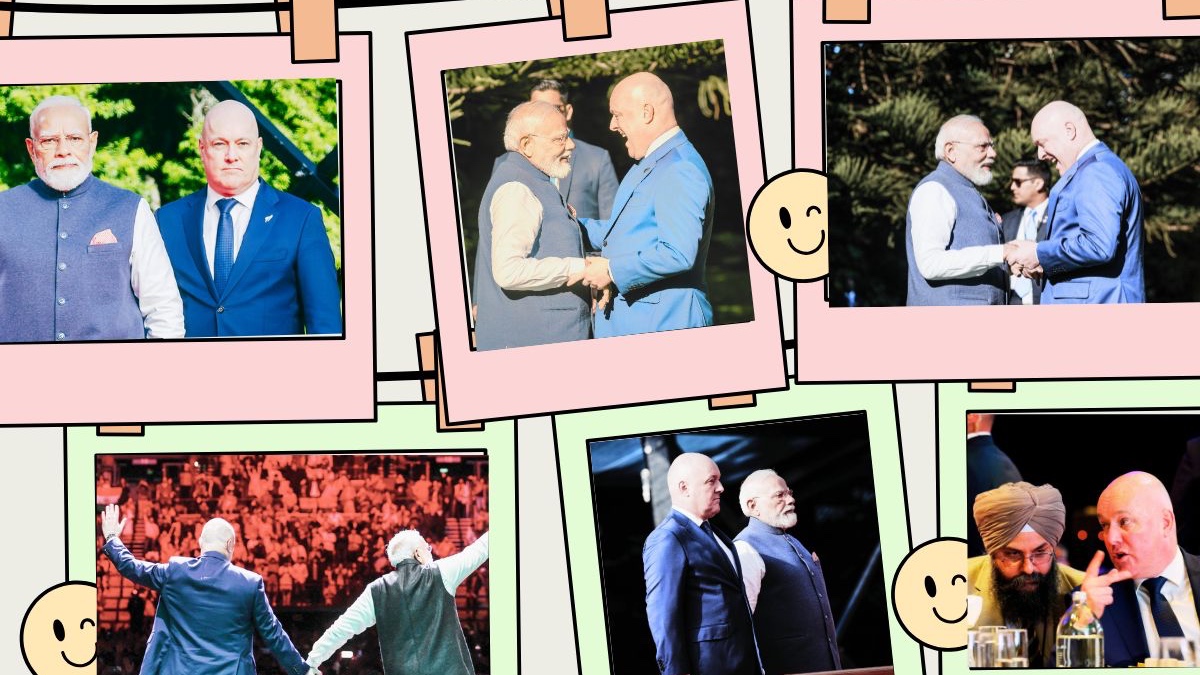
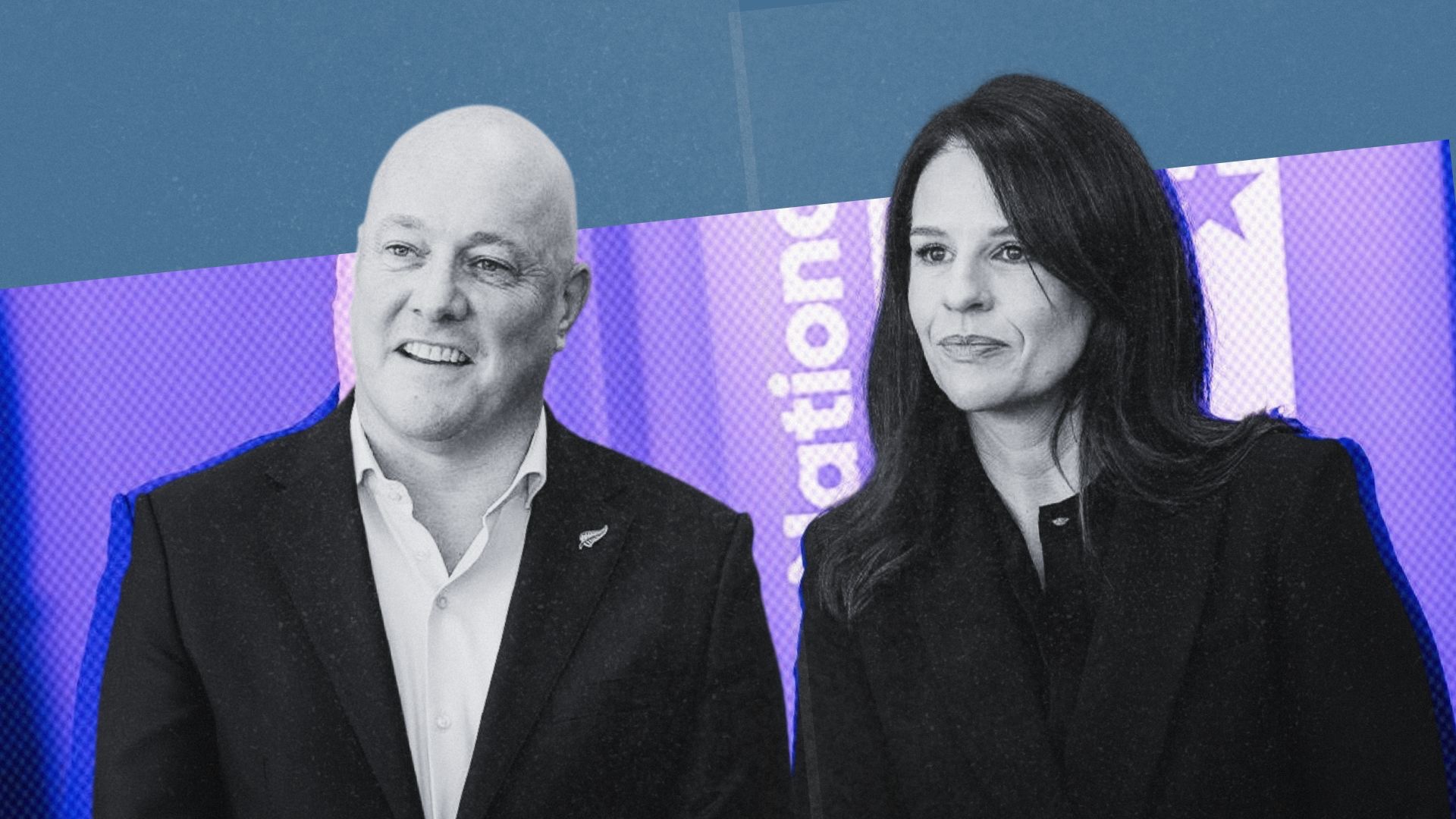
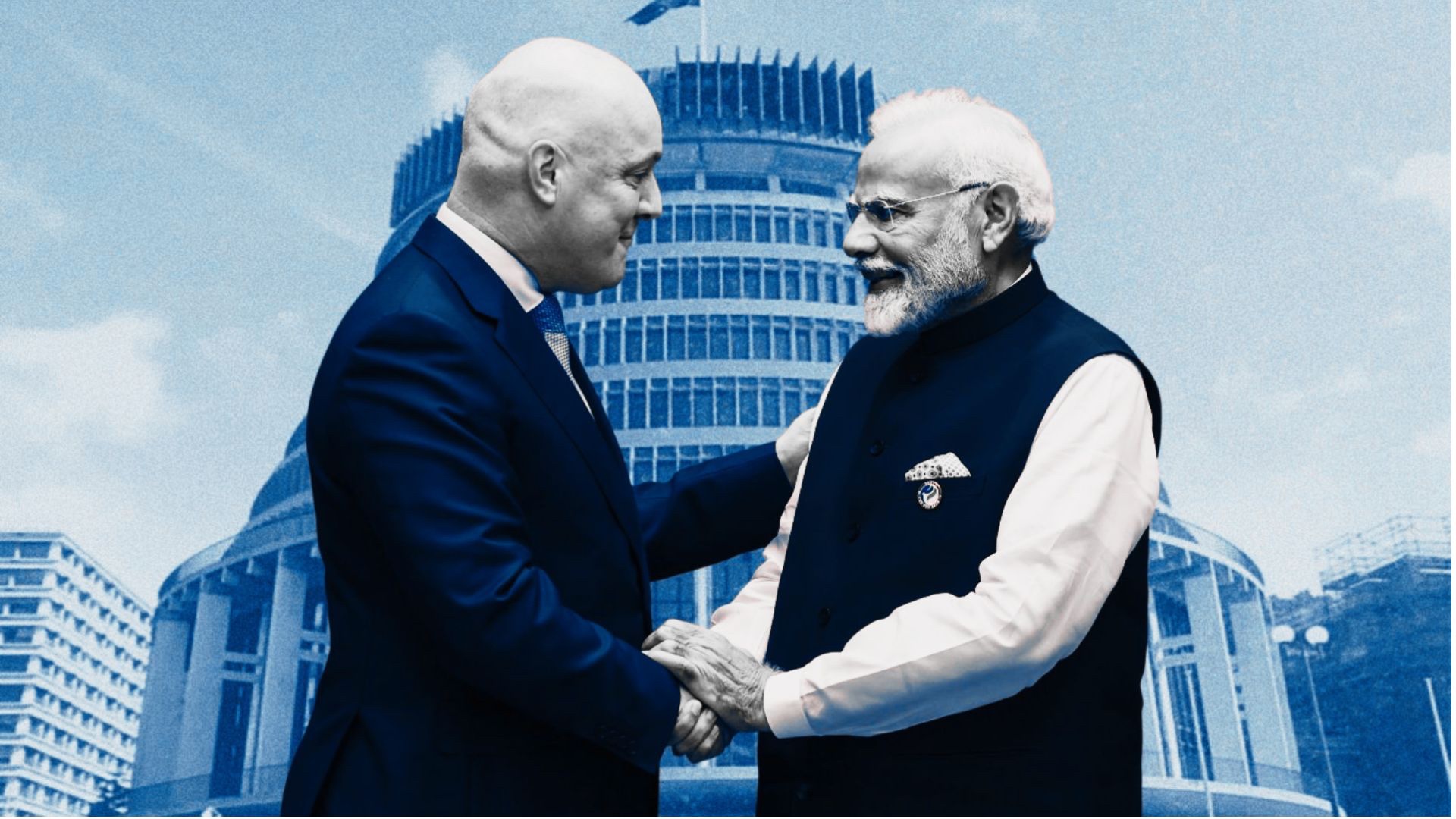
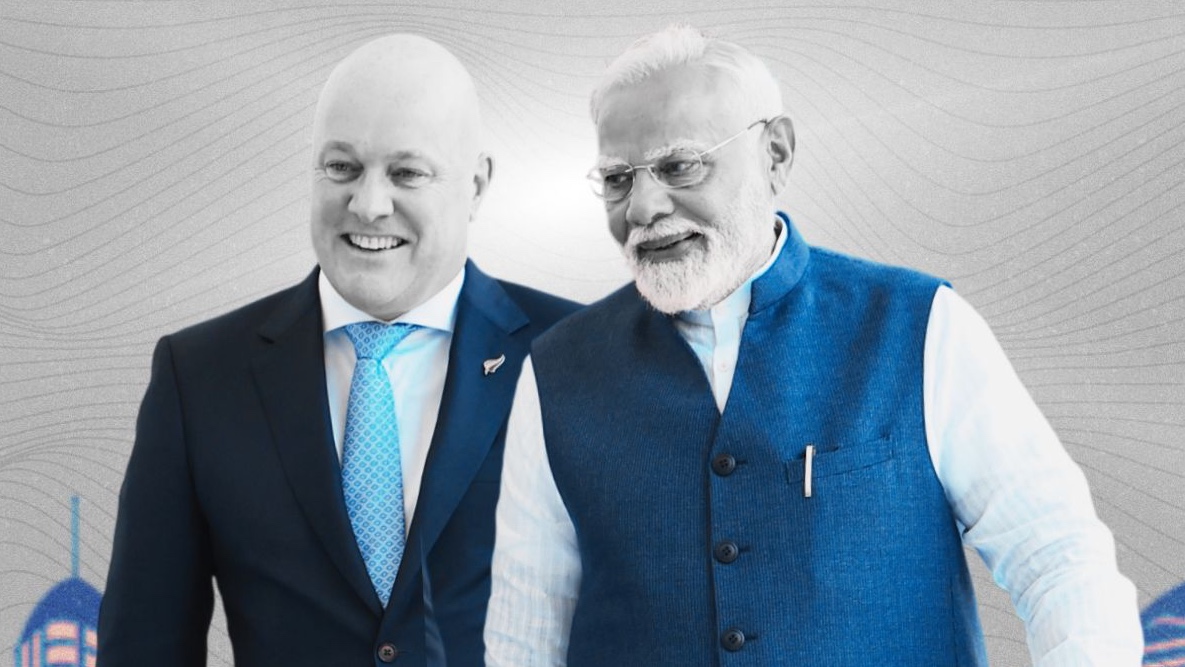
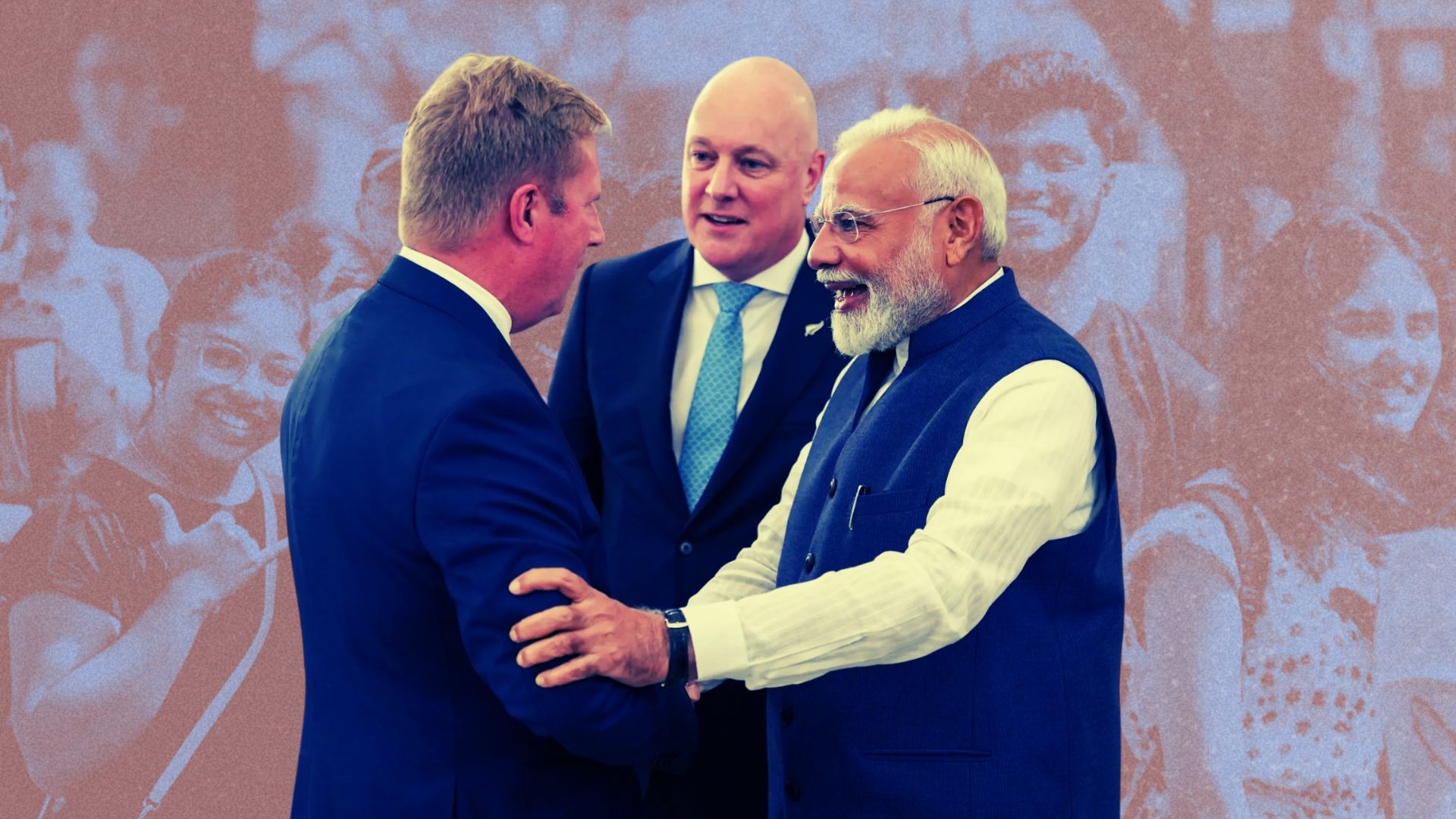
She credited prime minister Christopher Luxon and trade minister Todd McClay for delivering what she said Labour had failed to even attempt.
But the politics of the deal are proving just as significant as the economics.
Willis accused NZ First of “race-based scaremongering” in its opposition to the agreement, while also taking aim at Labour for what she described as “sidling up” to anti-immigration rhetoric – a claim Labour MPs immediately rejected through a point of order.
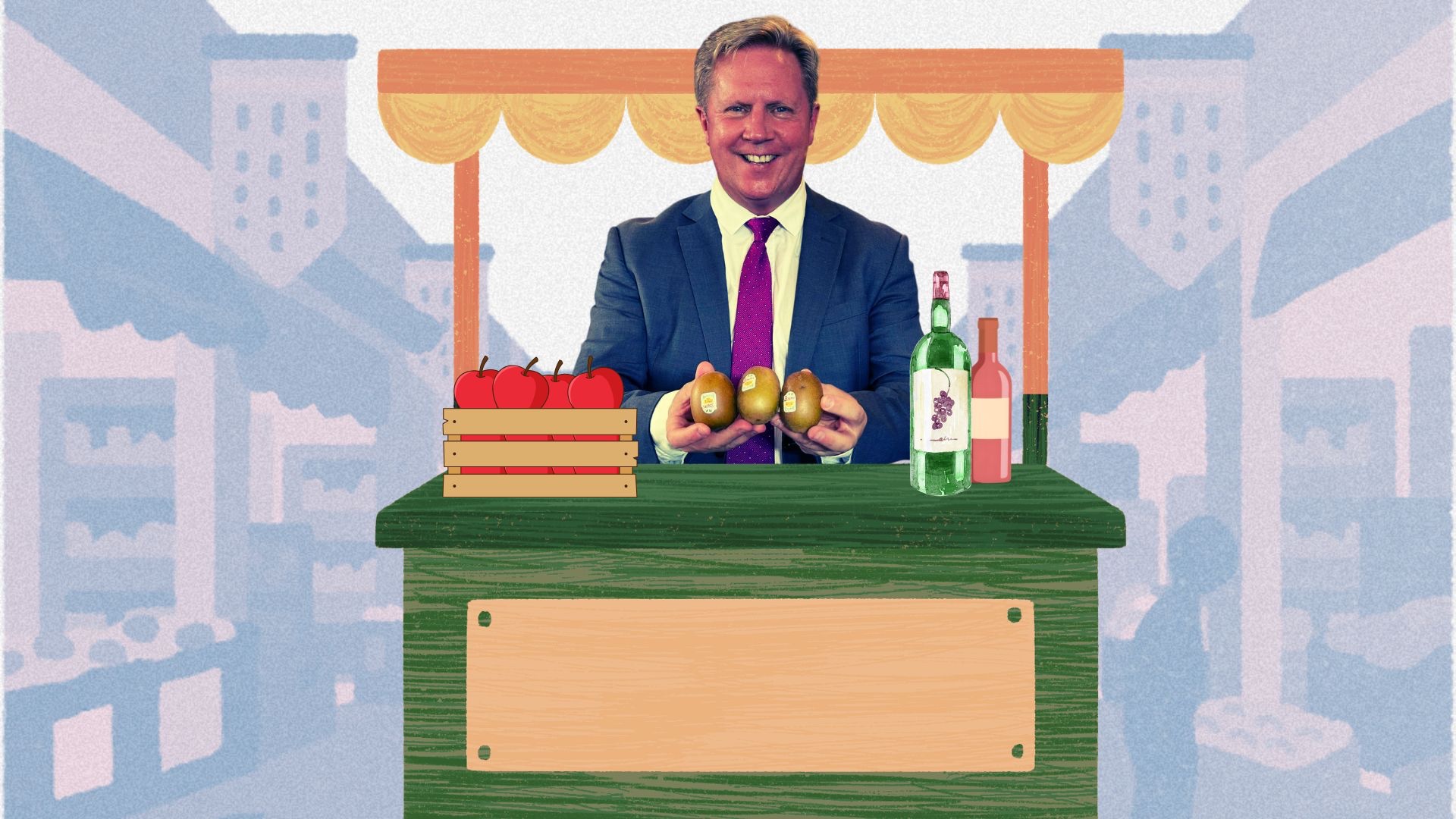
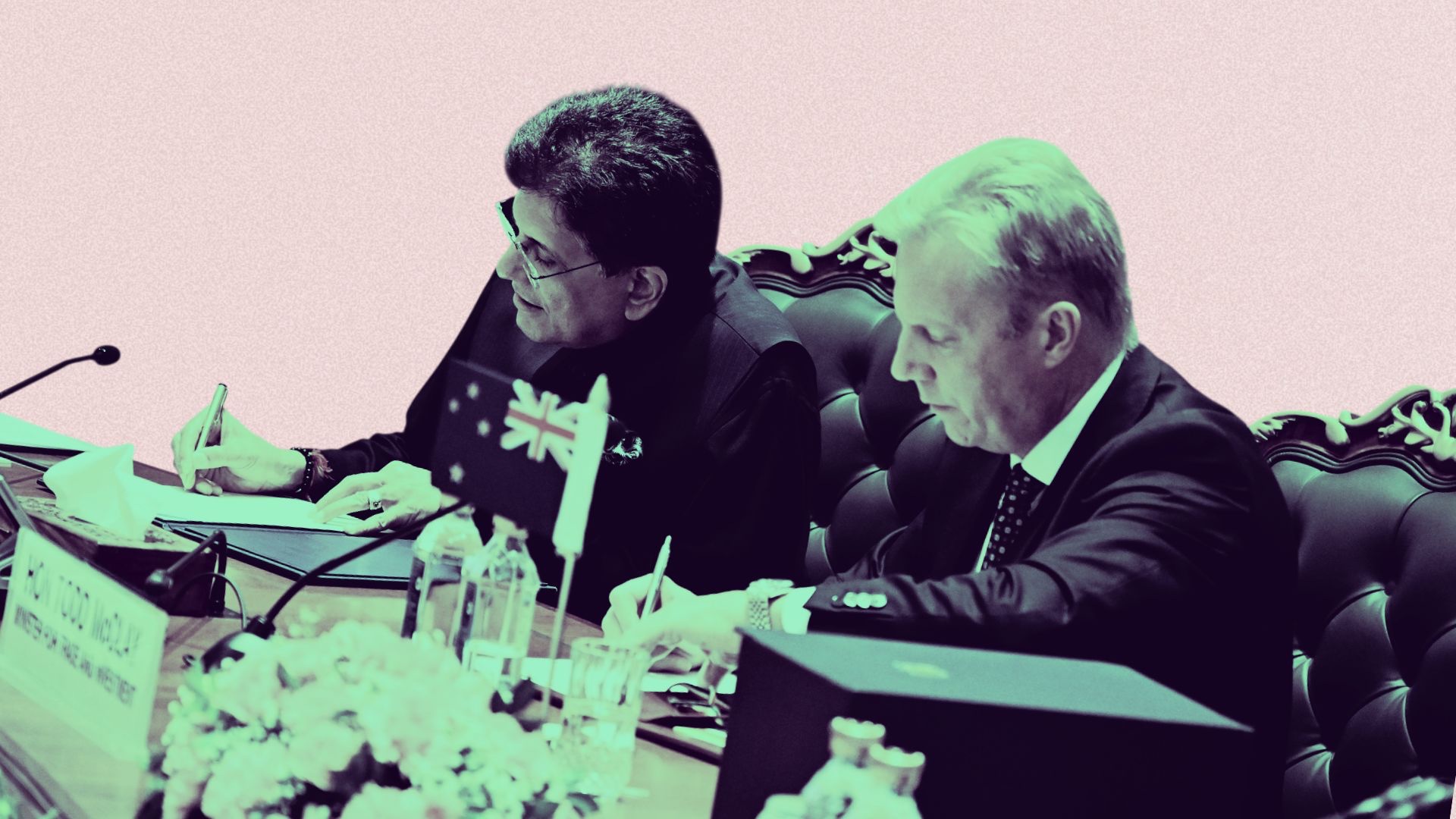
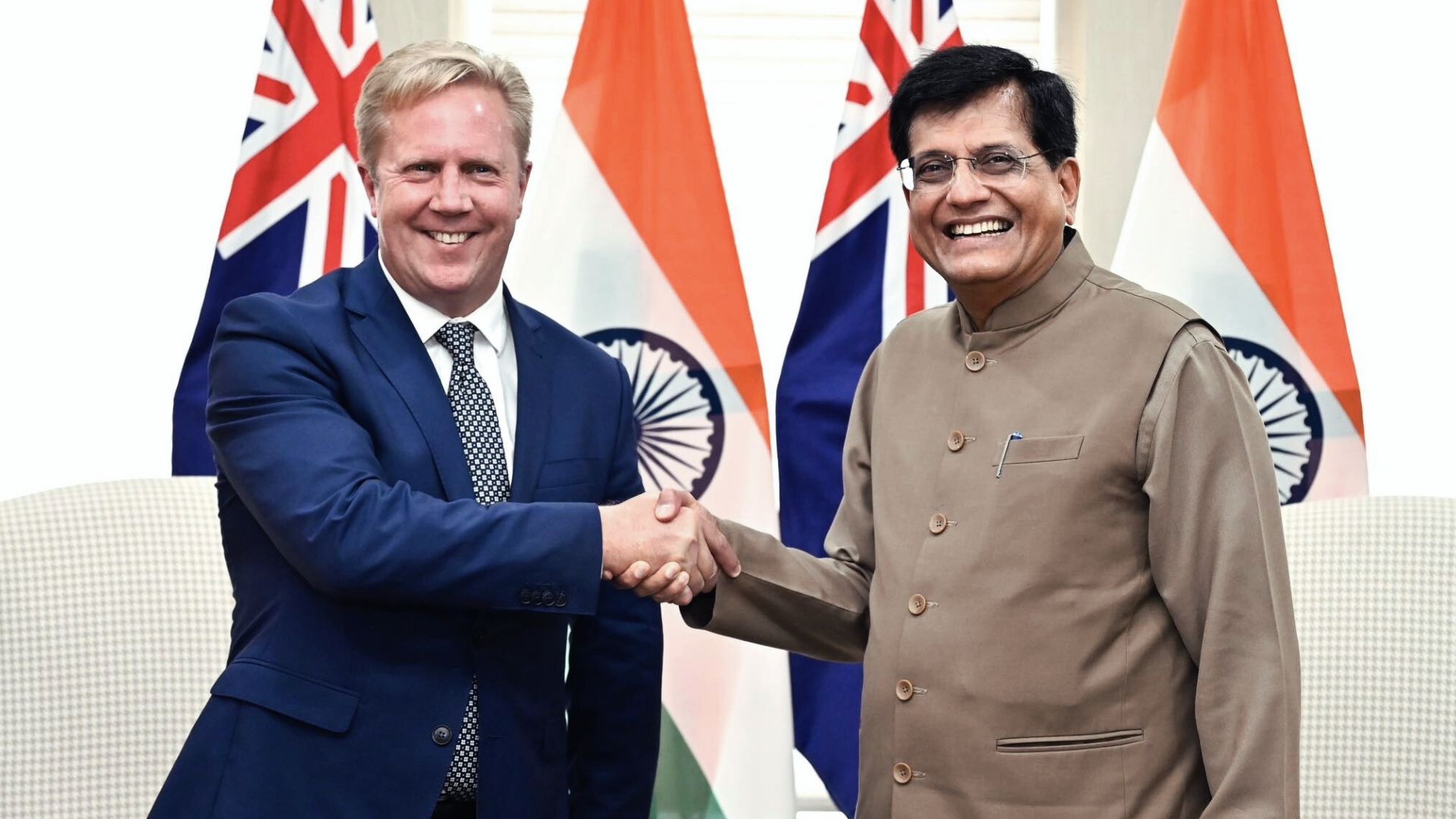
Trade minister Todd McClay leaned heavily into the scale of the opportunity, telling the House the agreement gave New Zealand exporters unprecedented access to the world’s most populous country.
“For every single Kiwi, that’s more than 250 Indians,” McClay said. “We are in on the ground floor as they continue to grow their economy.”
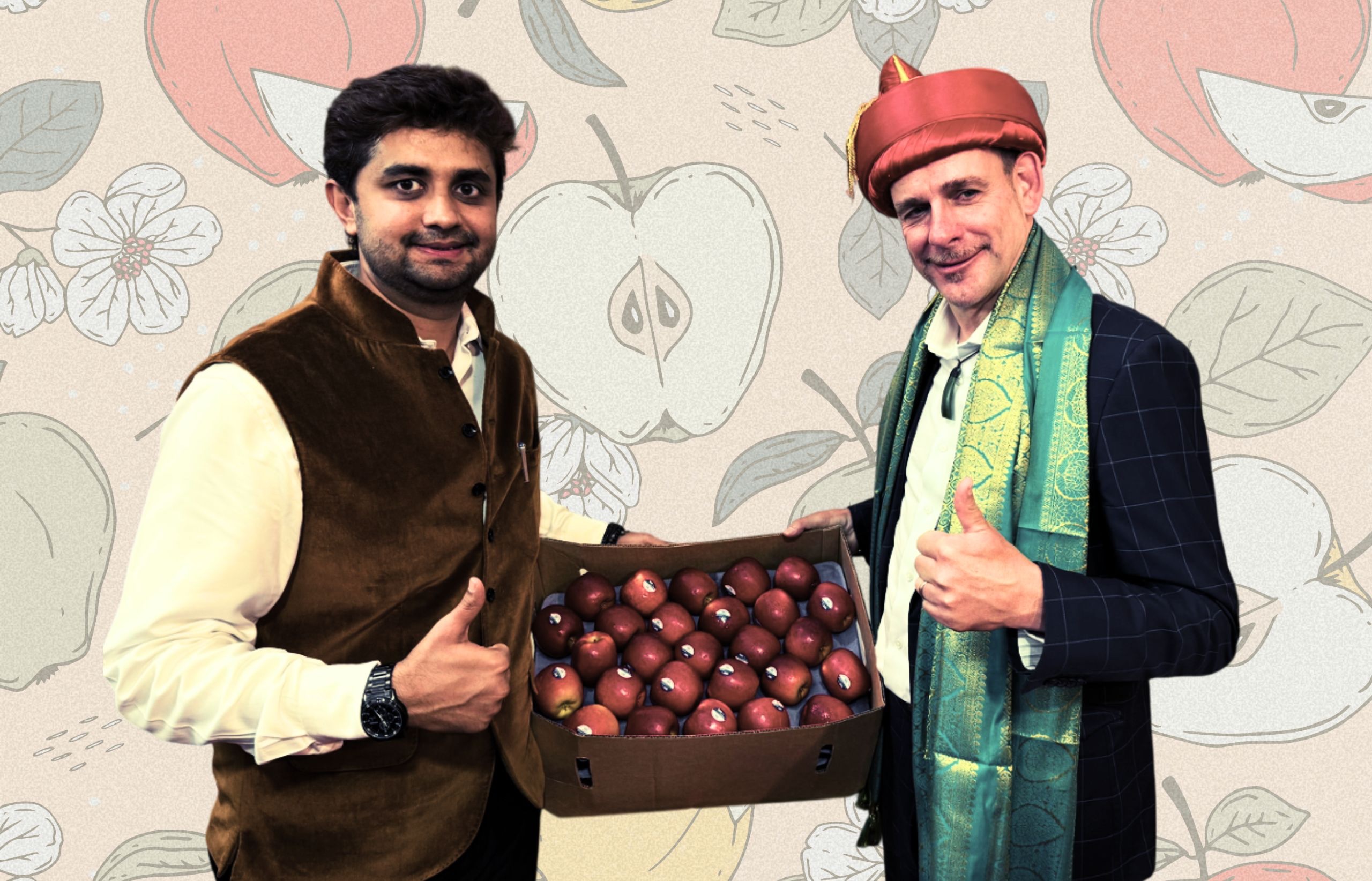
He pointed to tariff reductions across key sectors, from sheep meat and wool to seafood, horticulture and manuka honey, and said Indian consumers were already signalling strong demand.
“There are 400 to 500 million people in India who are wealthy who will buy this – please produce as much as you can,” he said, recounting conversations during the signing trip.
National MPs echoed that message, localising the gains. Waitaki MP Miles Anderson said wine tariffs would fall from as high as 150 per cent to as low as 25 per cent, while sheep meat and wool would enter duty-free.
“This helps not just our vineyards but the bottlers, the packers, the exporters, and the hospitality workers,” he said.
West Coast–Tasman MP Maureen Pugh highlighted gains for apples, kiwifruit, and coal, describing the deal as a “really solid win” for her region.
“It doesn’t suddenly mean more mines,” she said of coal exports, “but it keeps our existing operations viable.”
But outside the Government benches, the tone shifted sharply.
Labour’s Kieran McAnulty used his speech to highlight divisions within the coalition, accusing National of turning on its own partners under pressure.
“They got into bed with New Zealand First. Don’t cry about it now… They’re your mates. Deal with it,” he said.
He argued the government was out of touch with voters, pointing to rising costs, job losses, and outward migration. “For two and a half years they’ve been blaming everybody else. Now they’re even blaming themselves.”
Labour MPs largely avoided directly opposing the trade deal itself in the debate, instead pivoting to cost-of-living pressures.
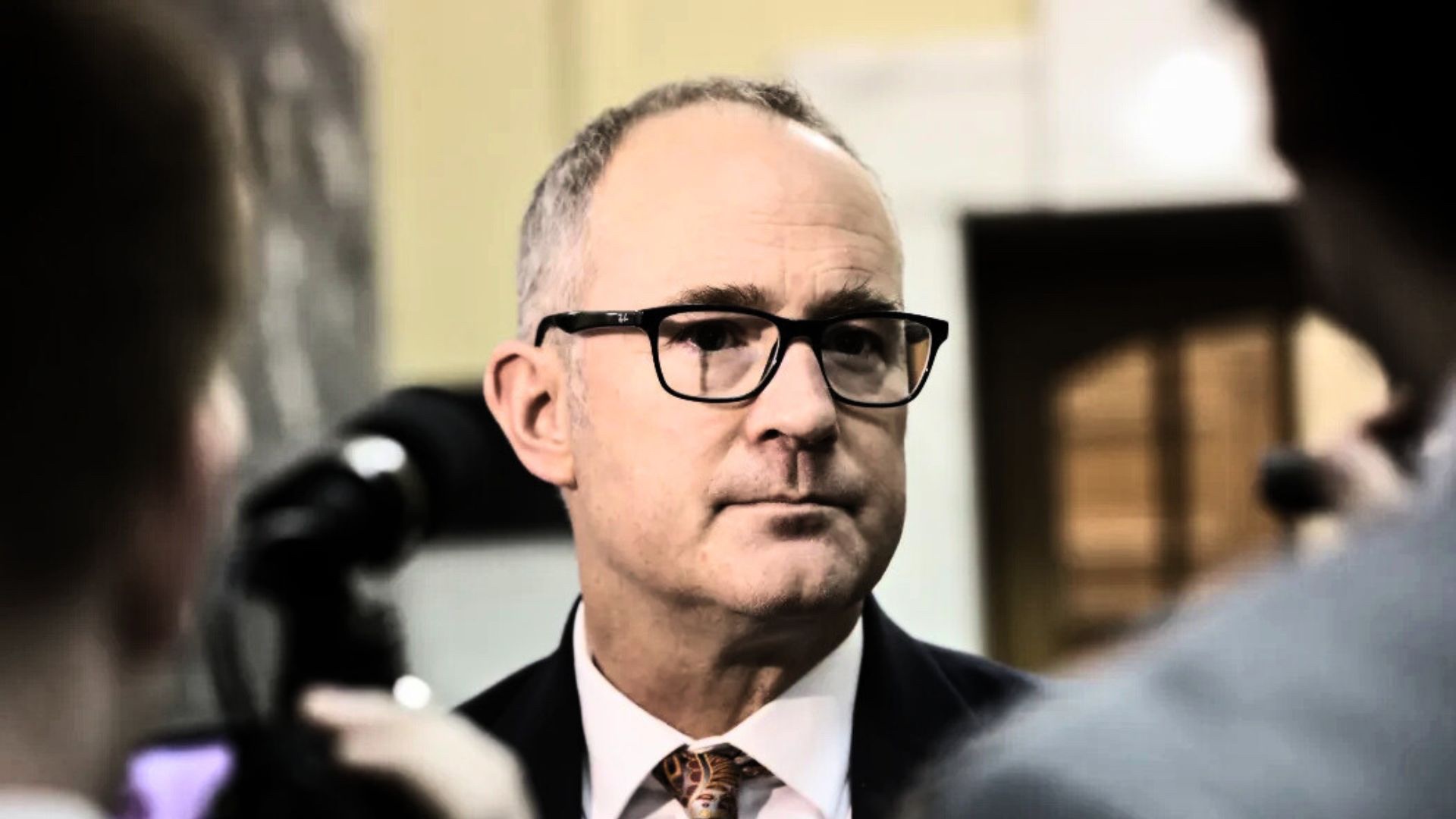
Phil Twyford said constituents in West Auckland were “mad as hell”, citing rising grocery, fuel, and healthcare costs.
“People are in a world of pain,” he said.
NZ First also avoided directly re-litigating the India deal in detail during this debate, though MP Dr David Wilson struck a sceptical tone, warning the agreement was unlikely to be as “free” as described and pivoting instead to critique what he called “climate alarmism”.
Still, it was the clash over rhetoric (not tariffs) that cut through.
Willis’ rebuke signalled the government is willing to publicly draw lines on race-related commentary, even within its own ranks.