
'Bloody curry-eating Indians': Haka aimed at MP Parmjeet Parmar raises racial heat

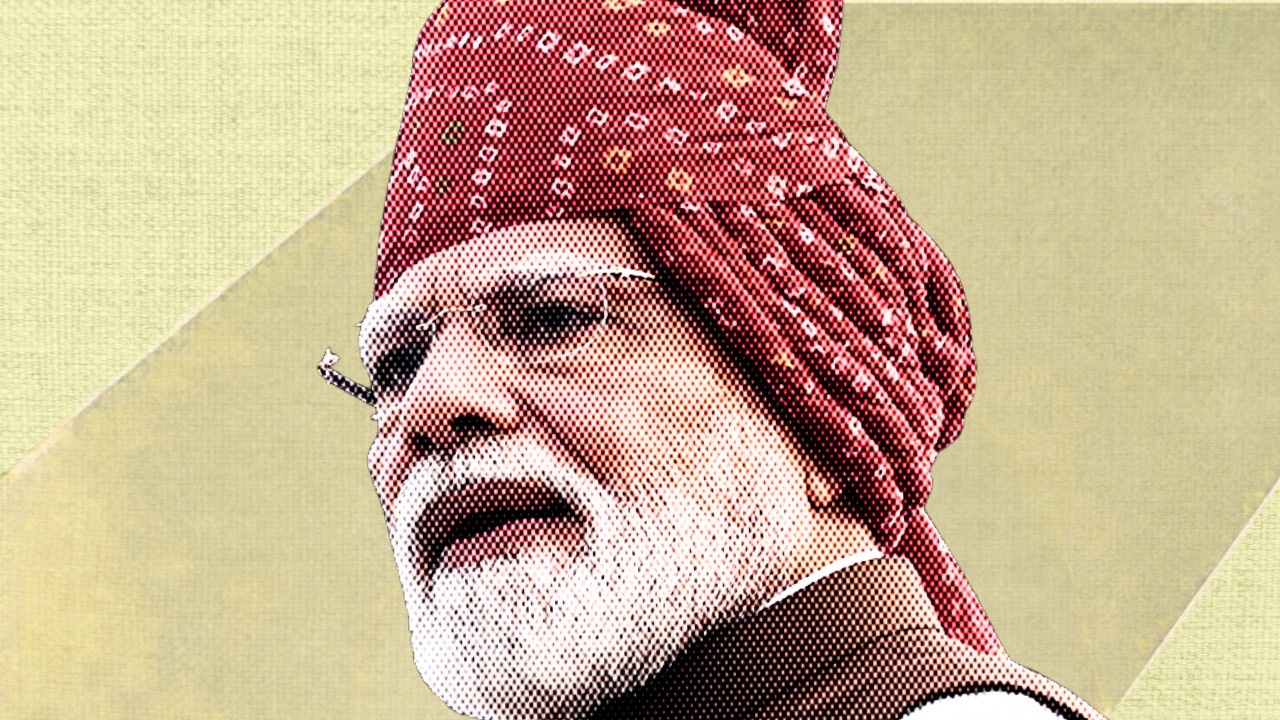
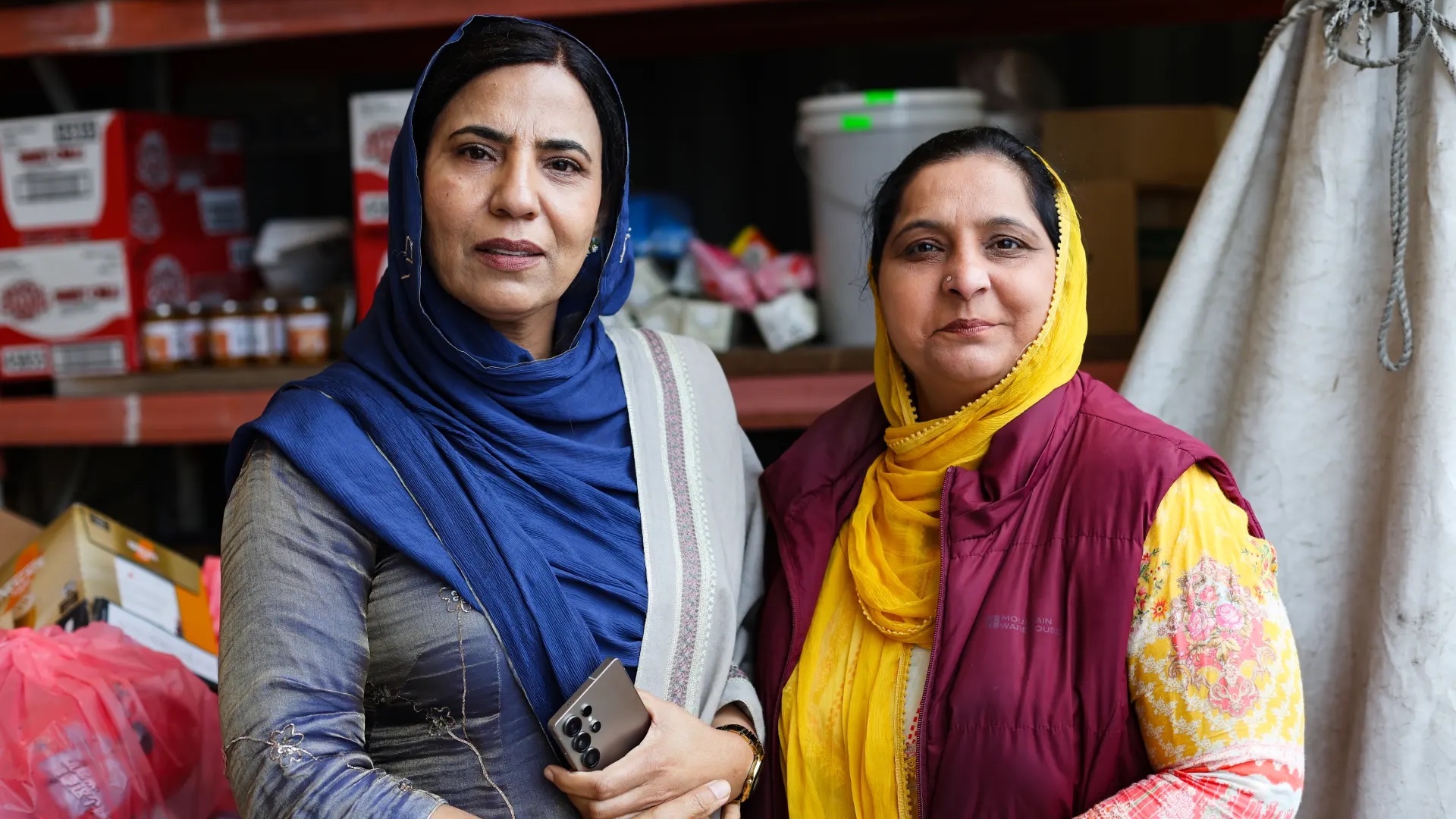
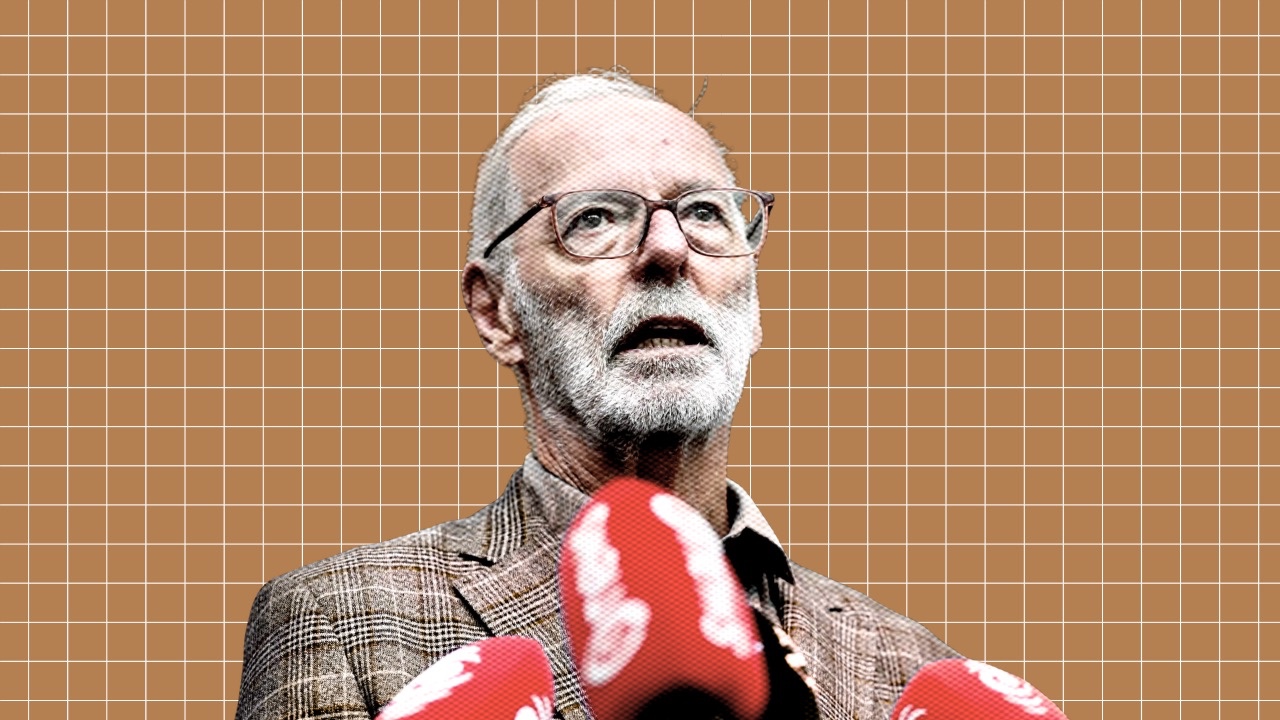
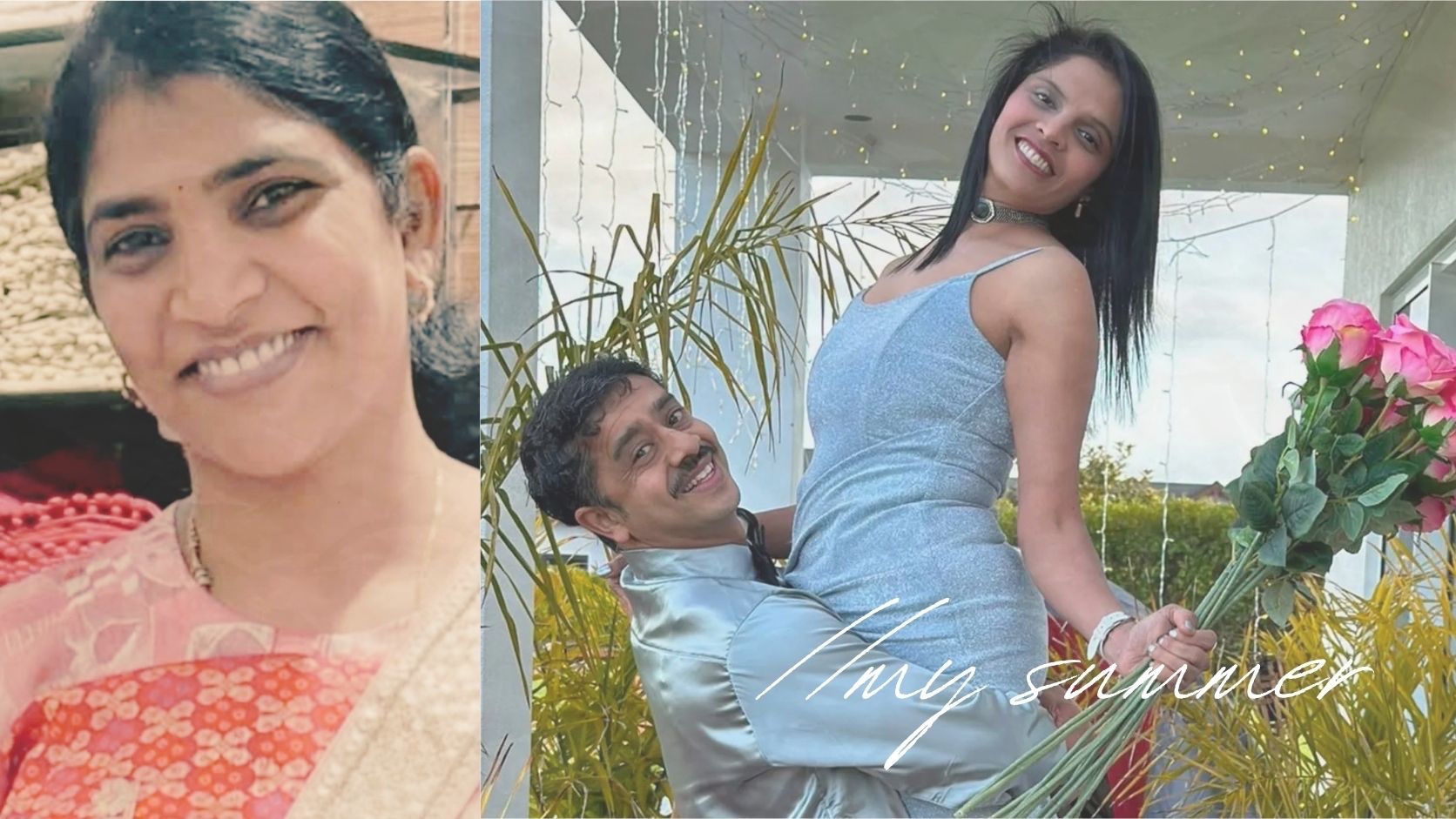
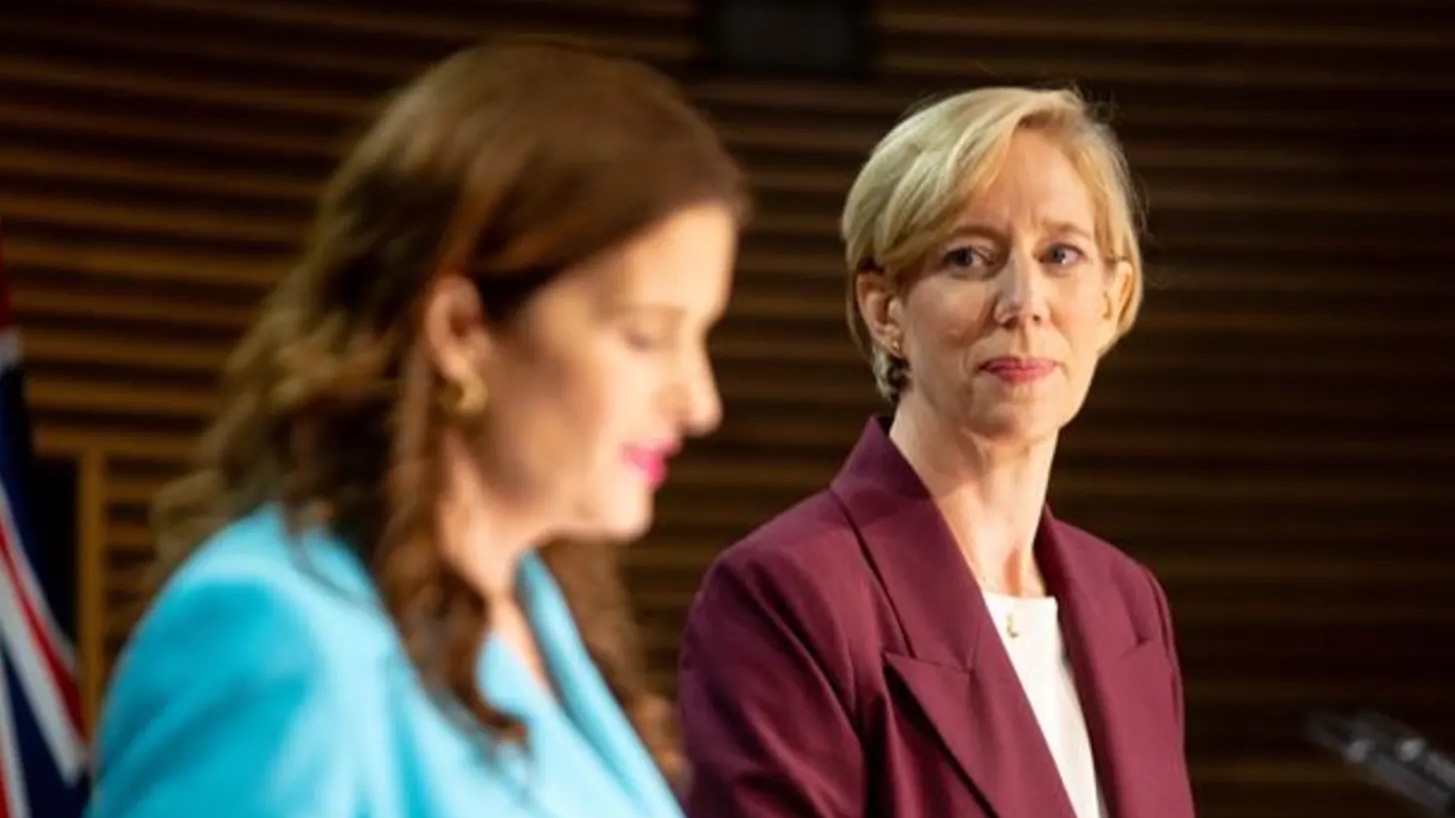
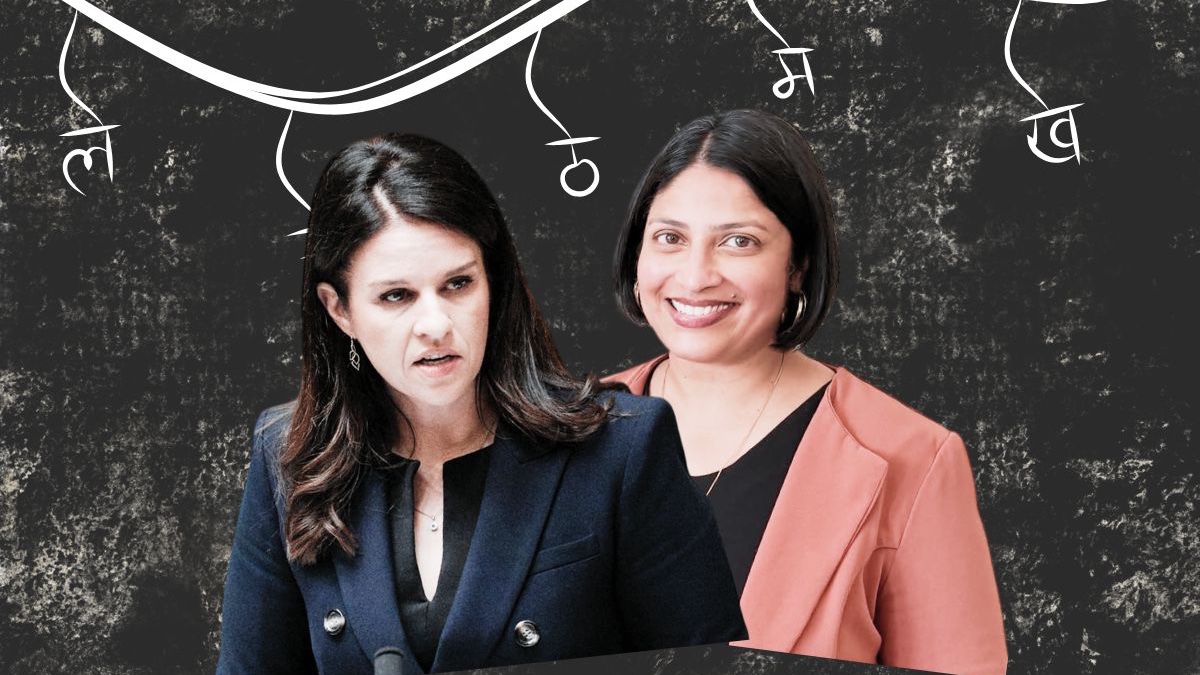
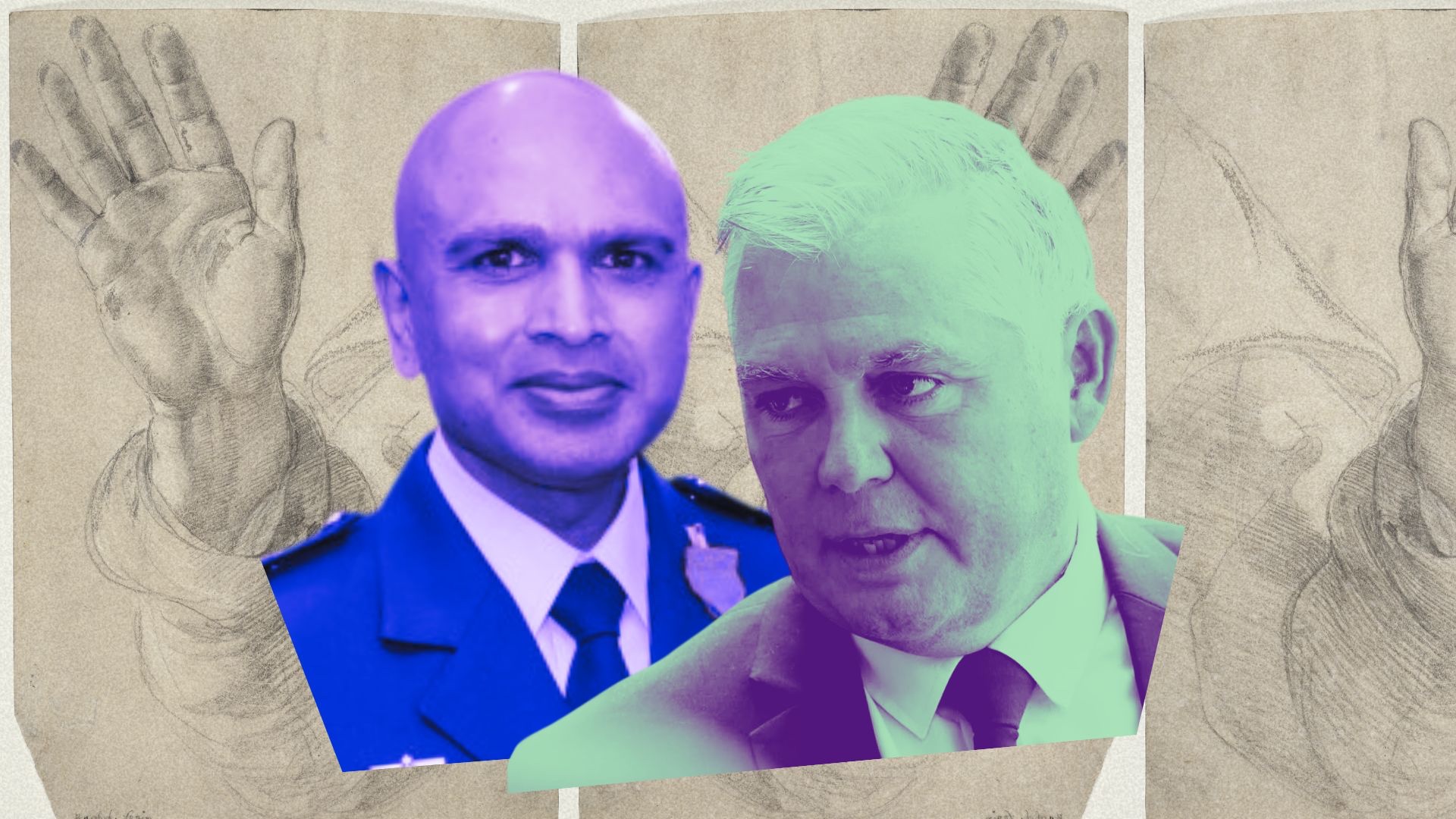
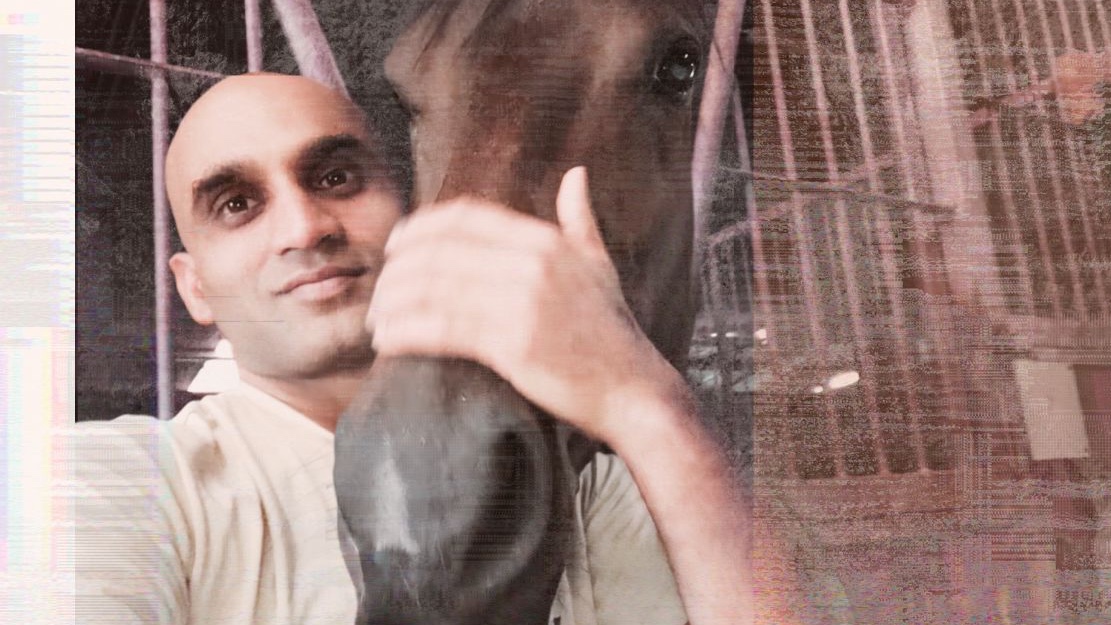
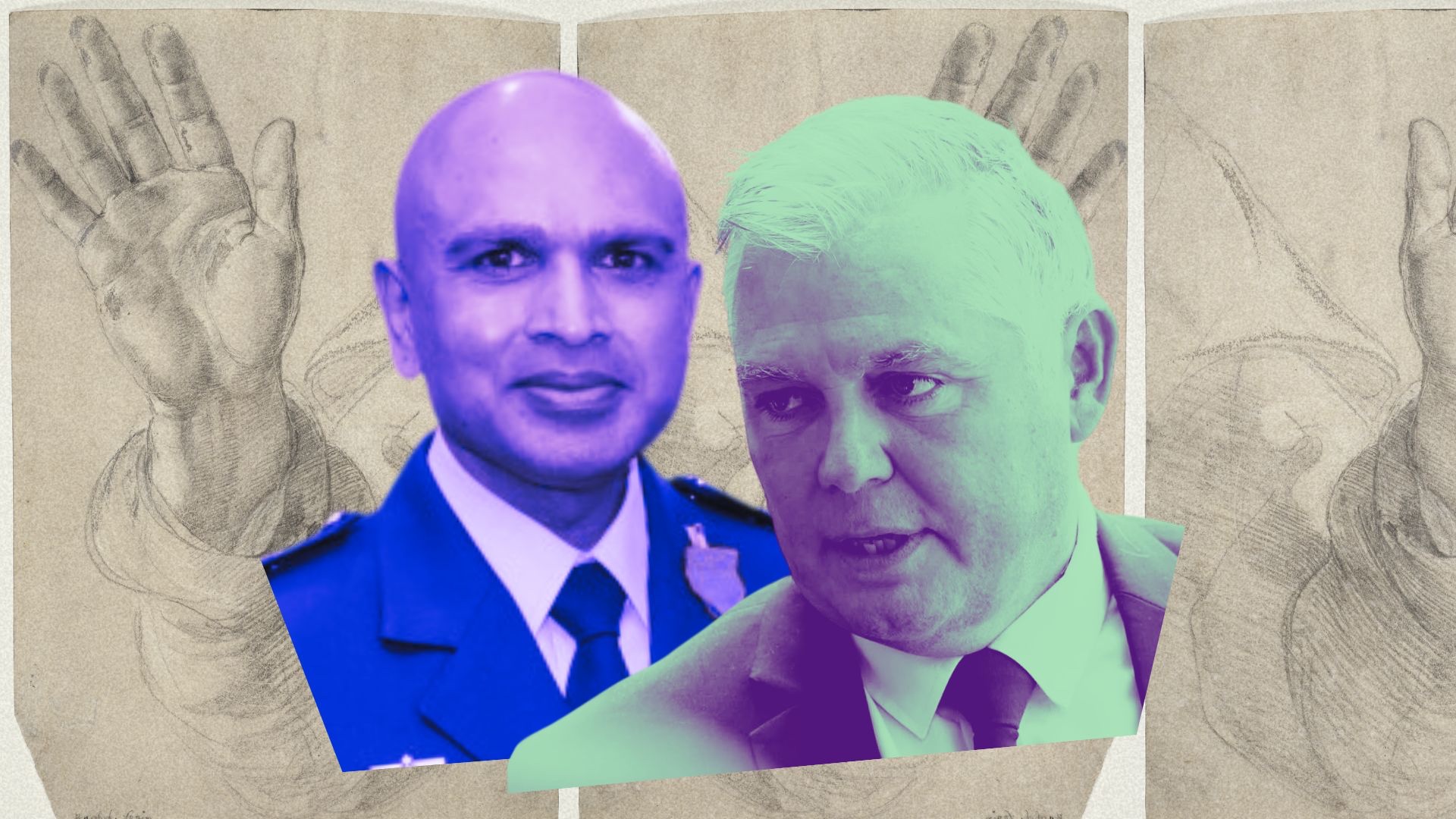
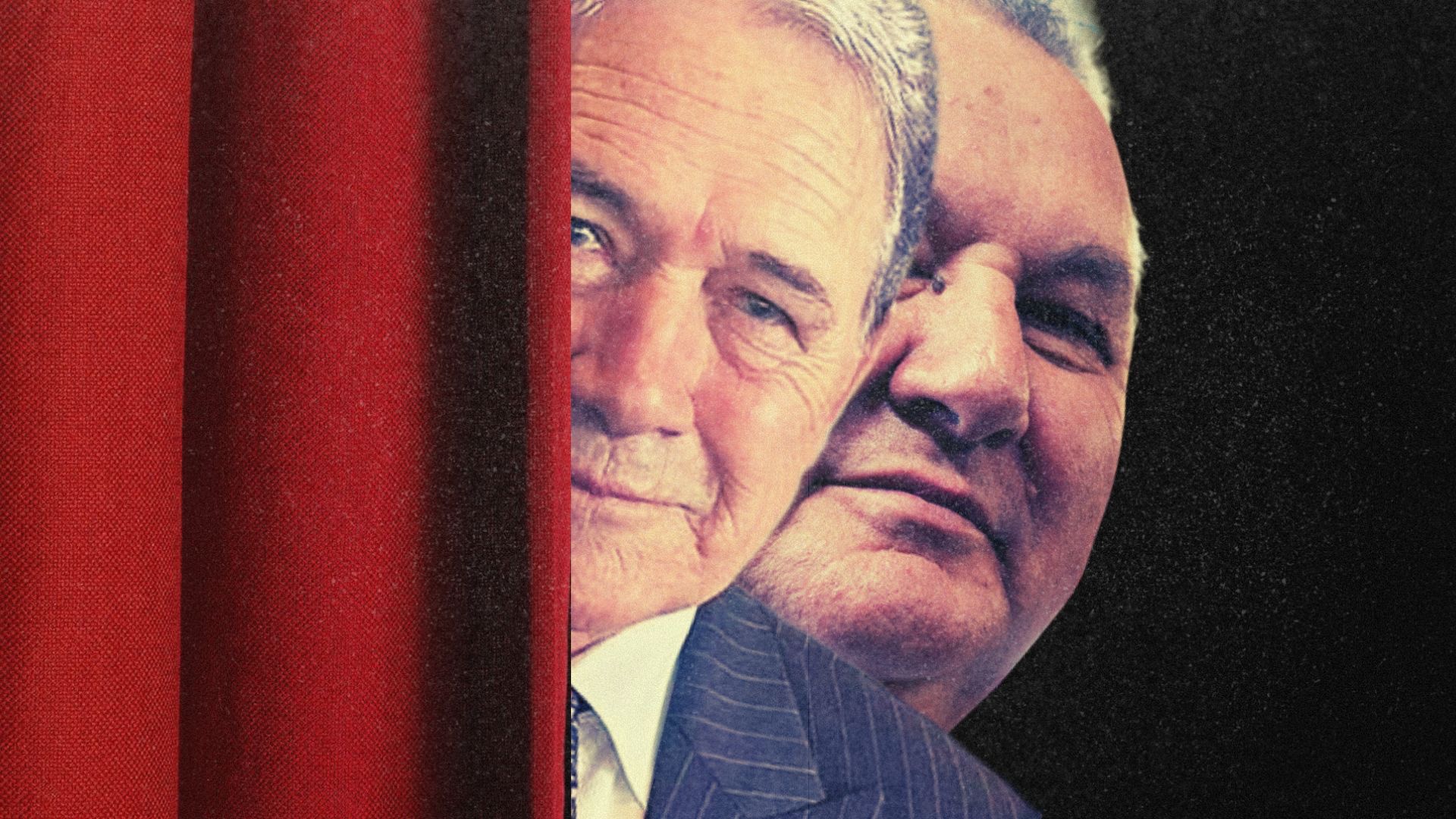
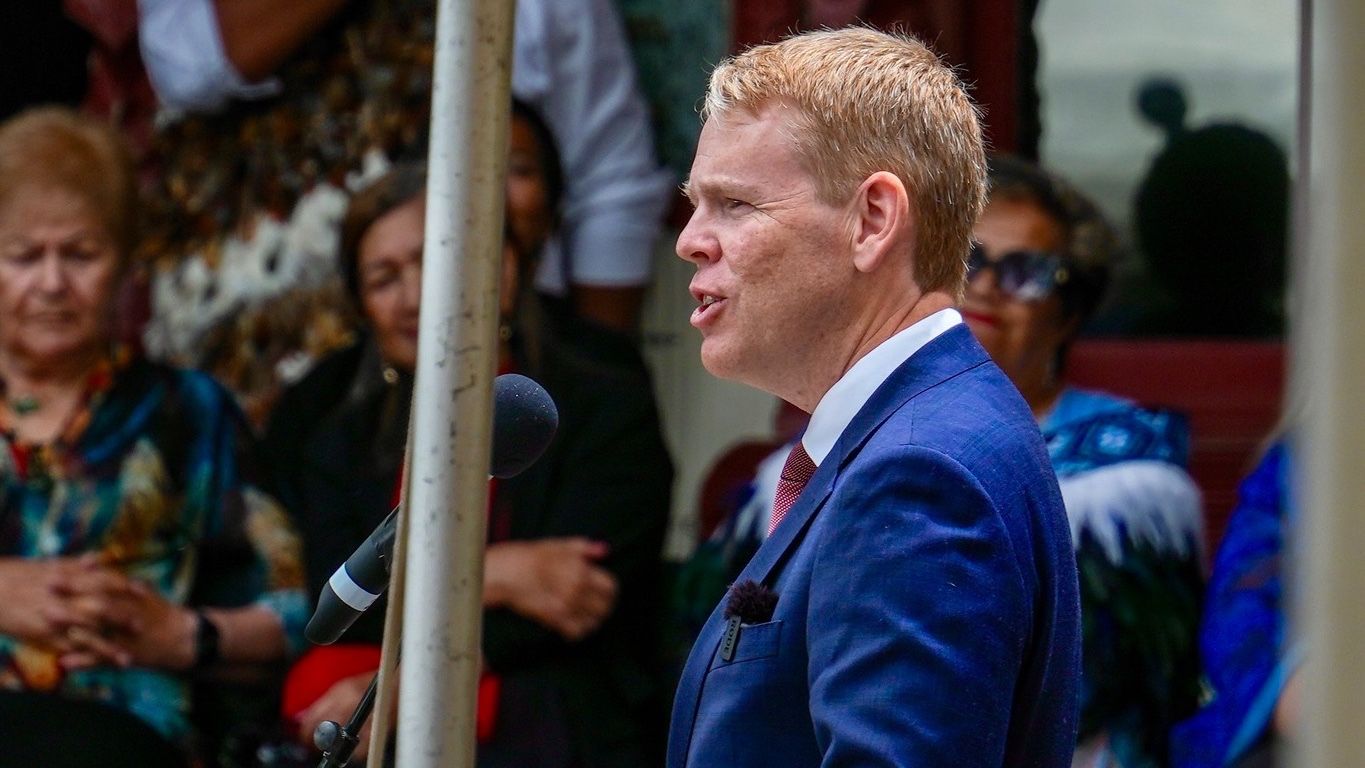
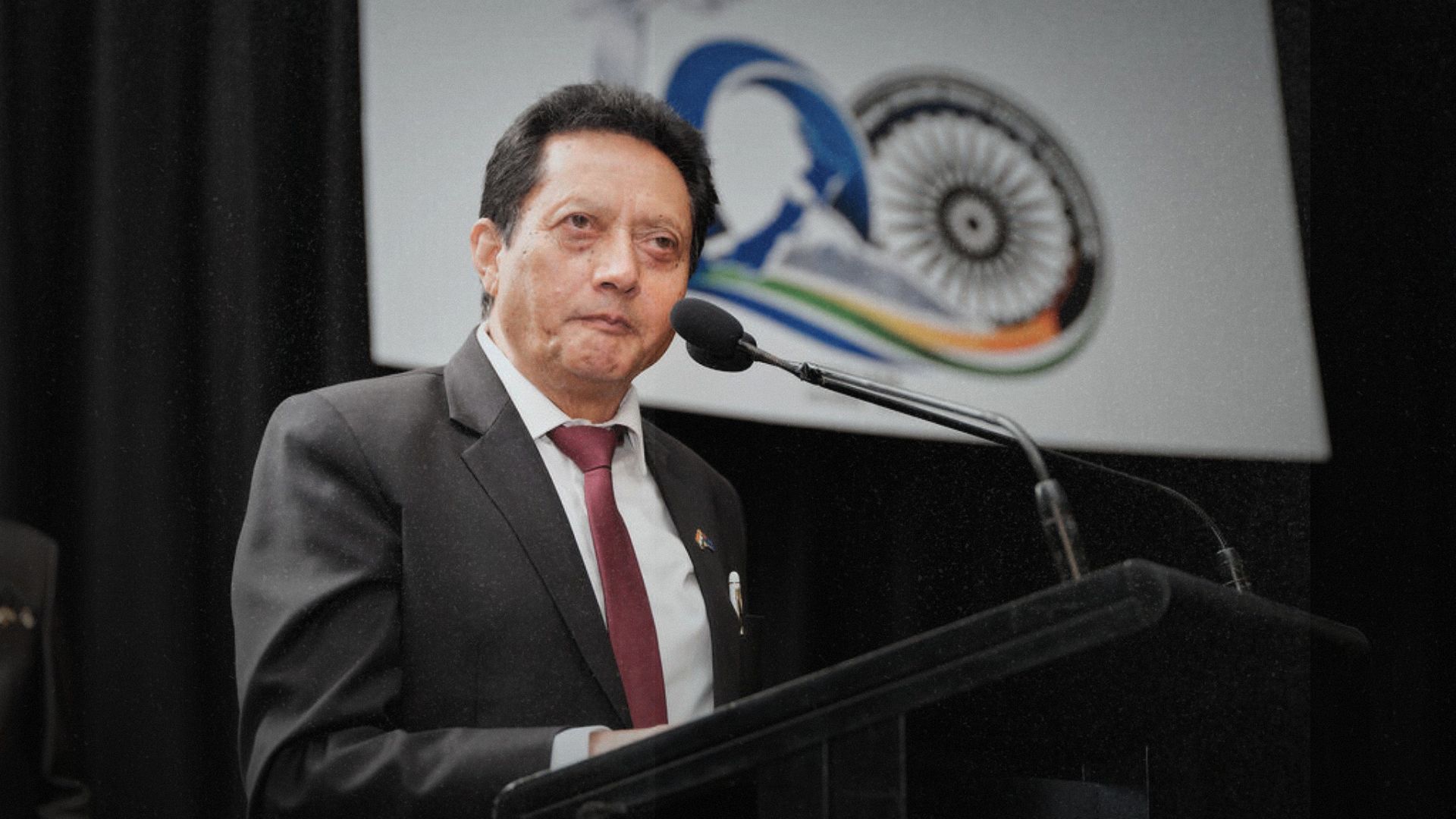
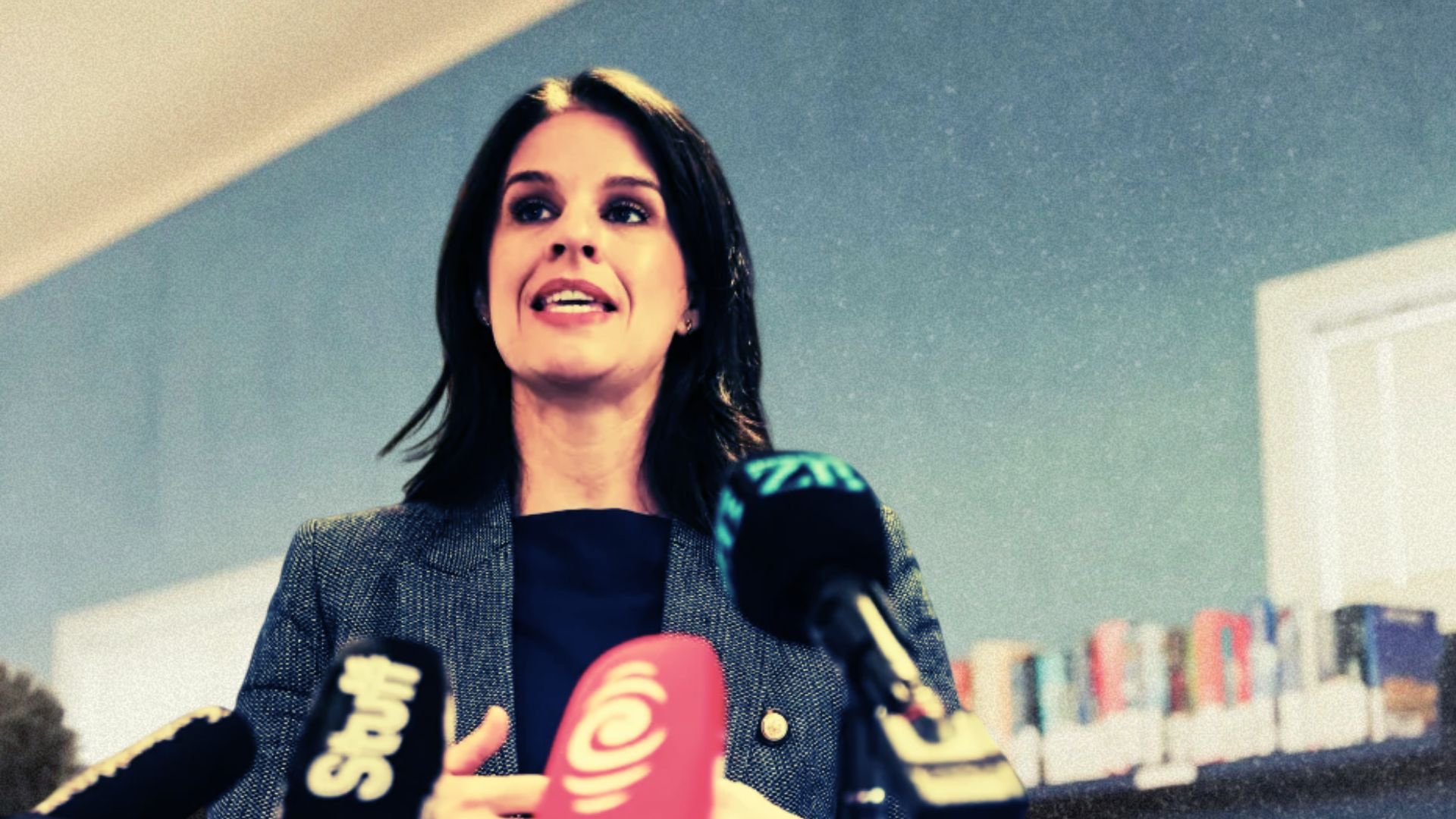
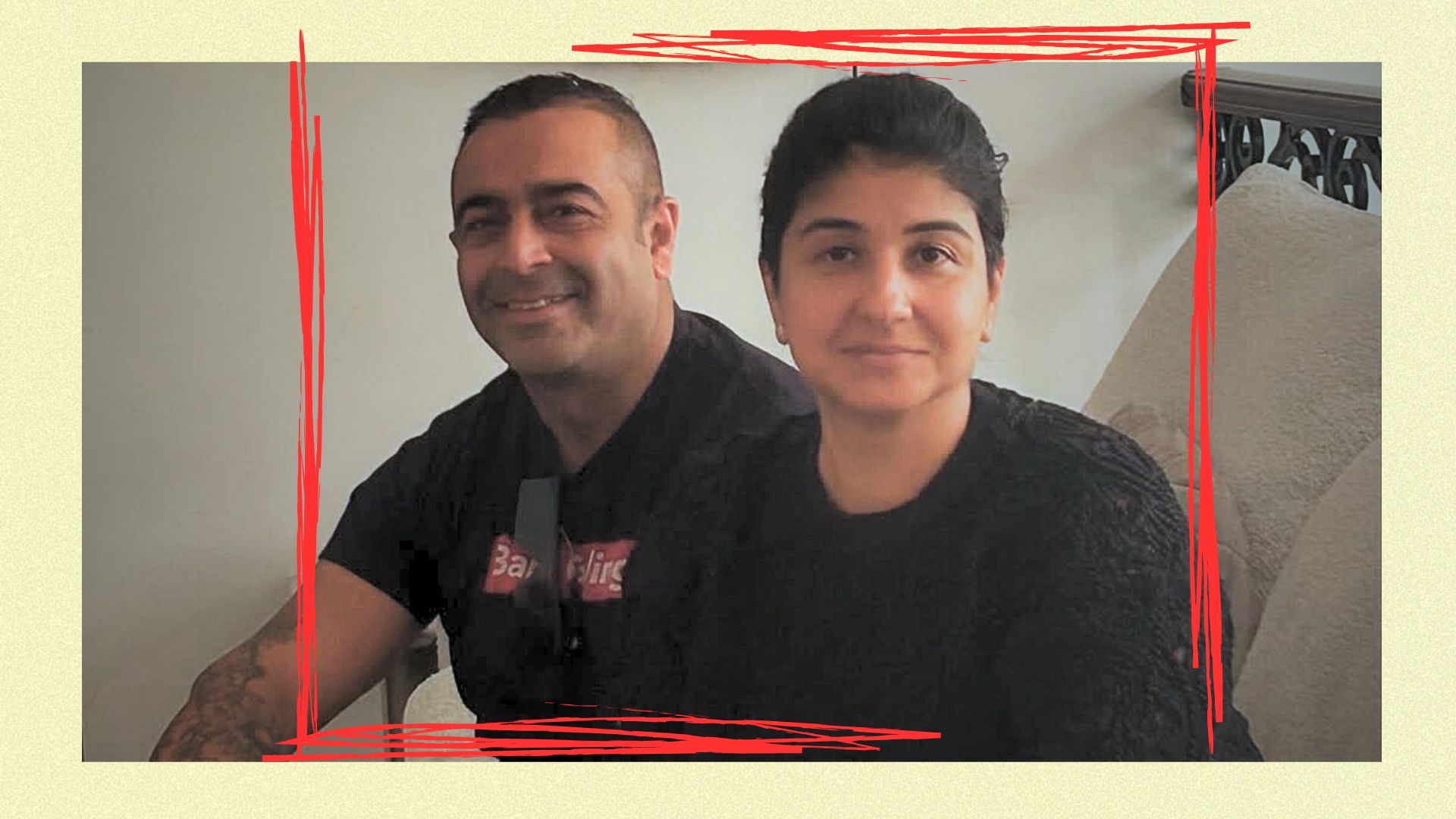
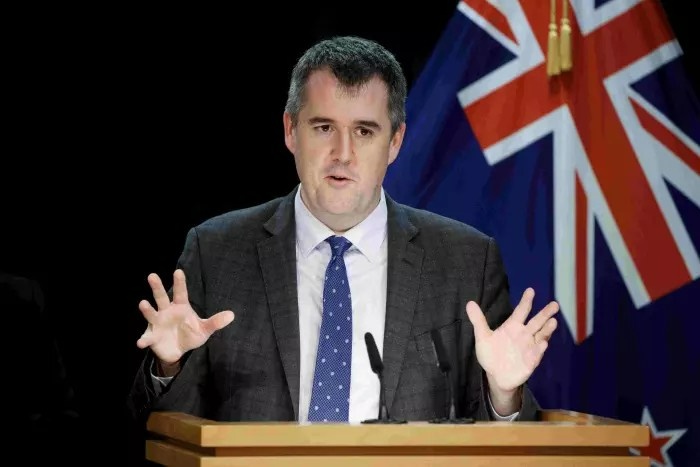
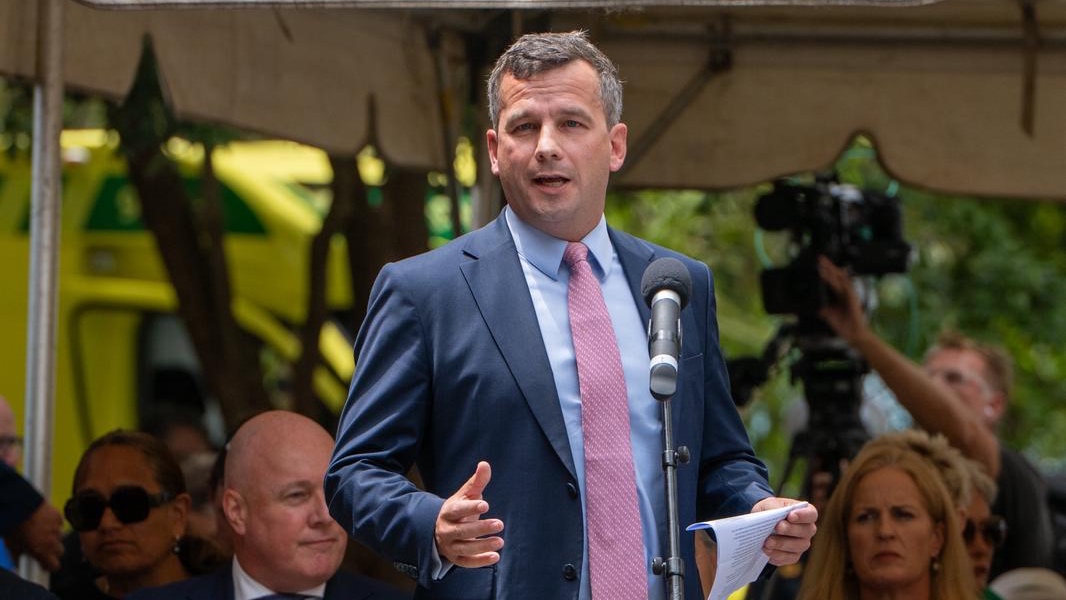
ACT Party MP Parmjeet Parmar. (Supplied photo)
Experts noted the use of a derogatory phrase and gestures associated with Indian cultural practices.
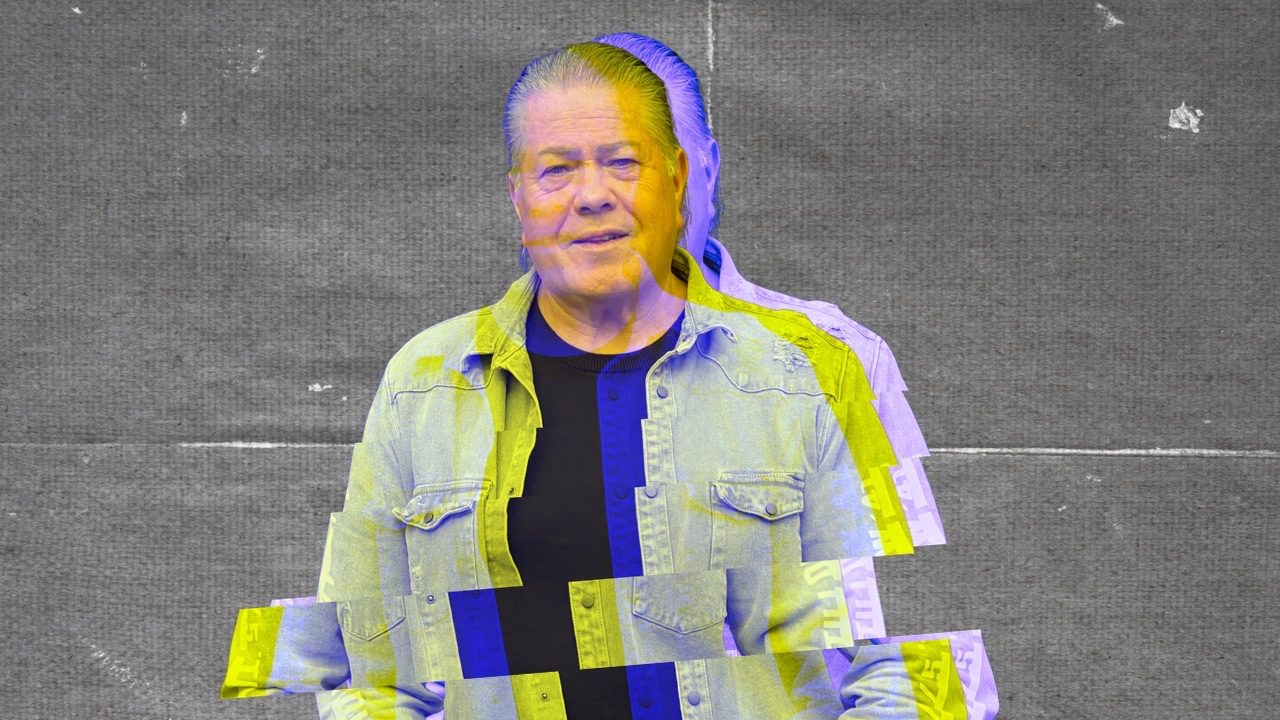
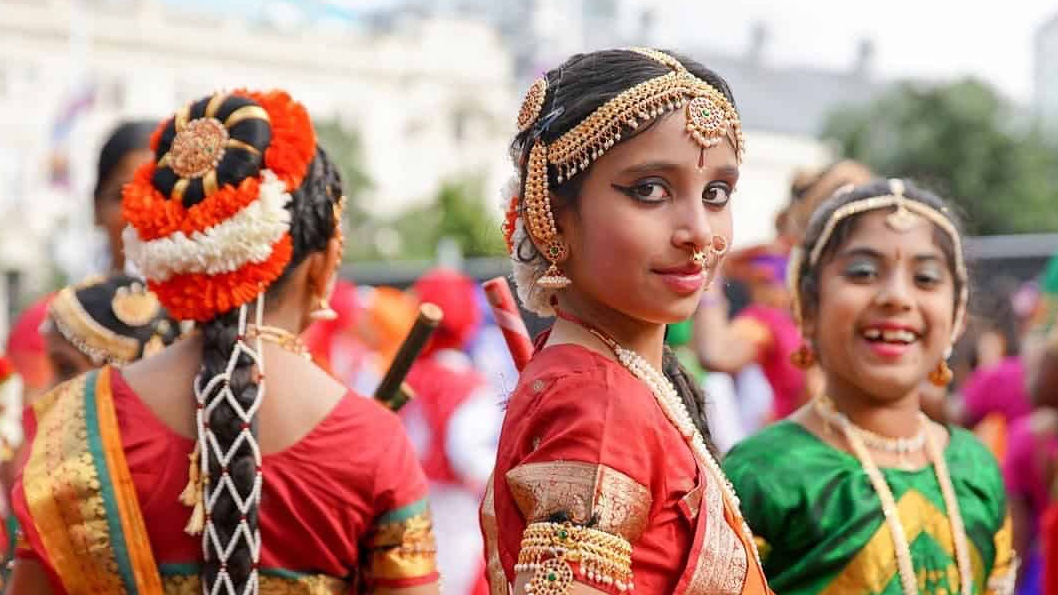
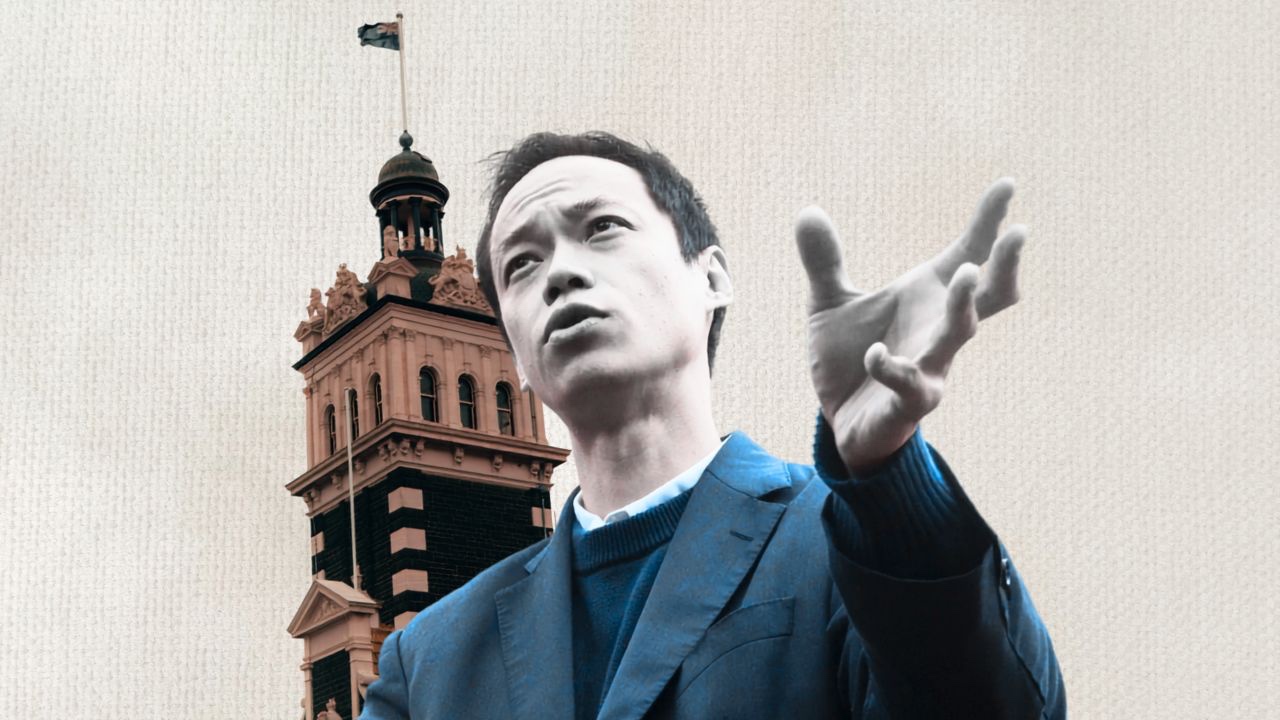
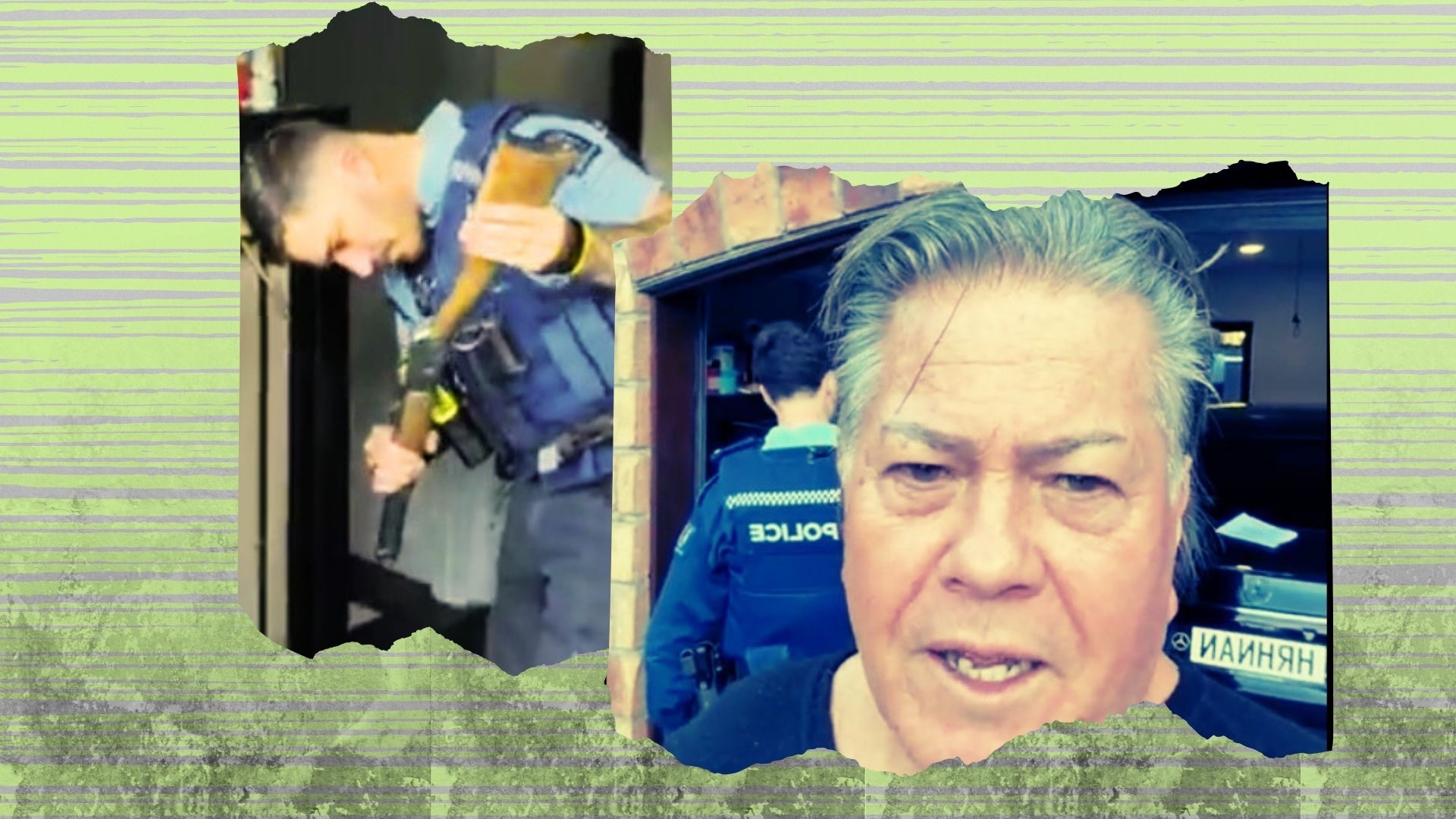
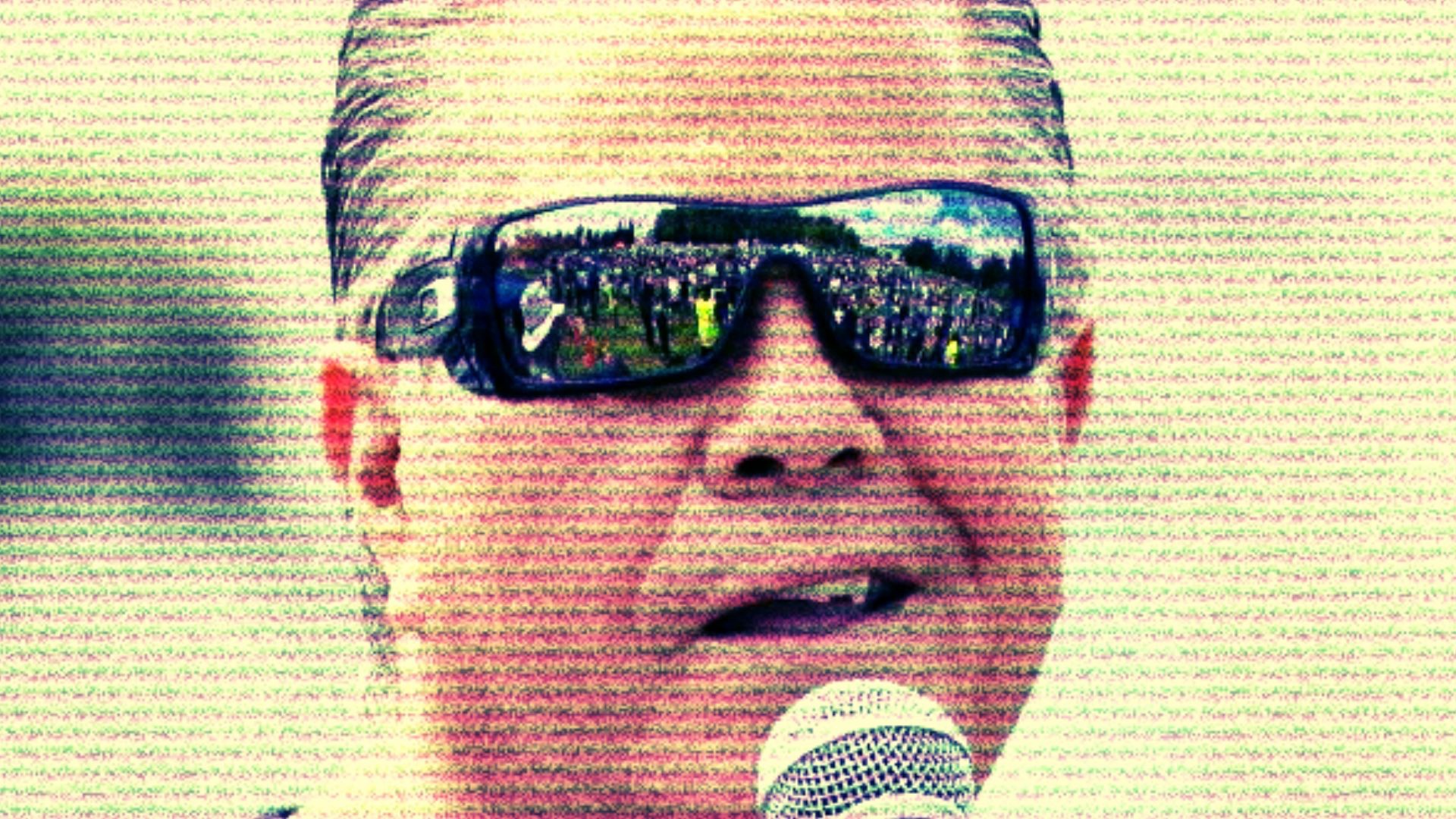
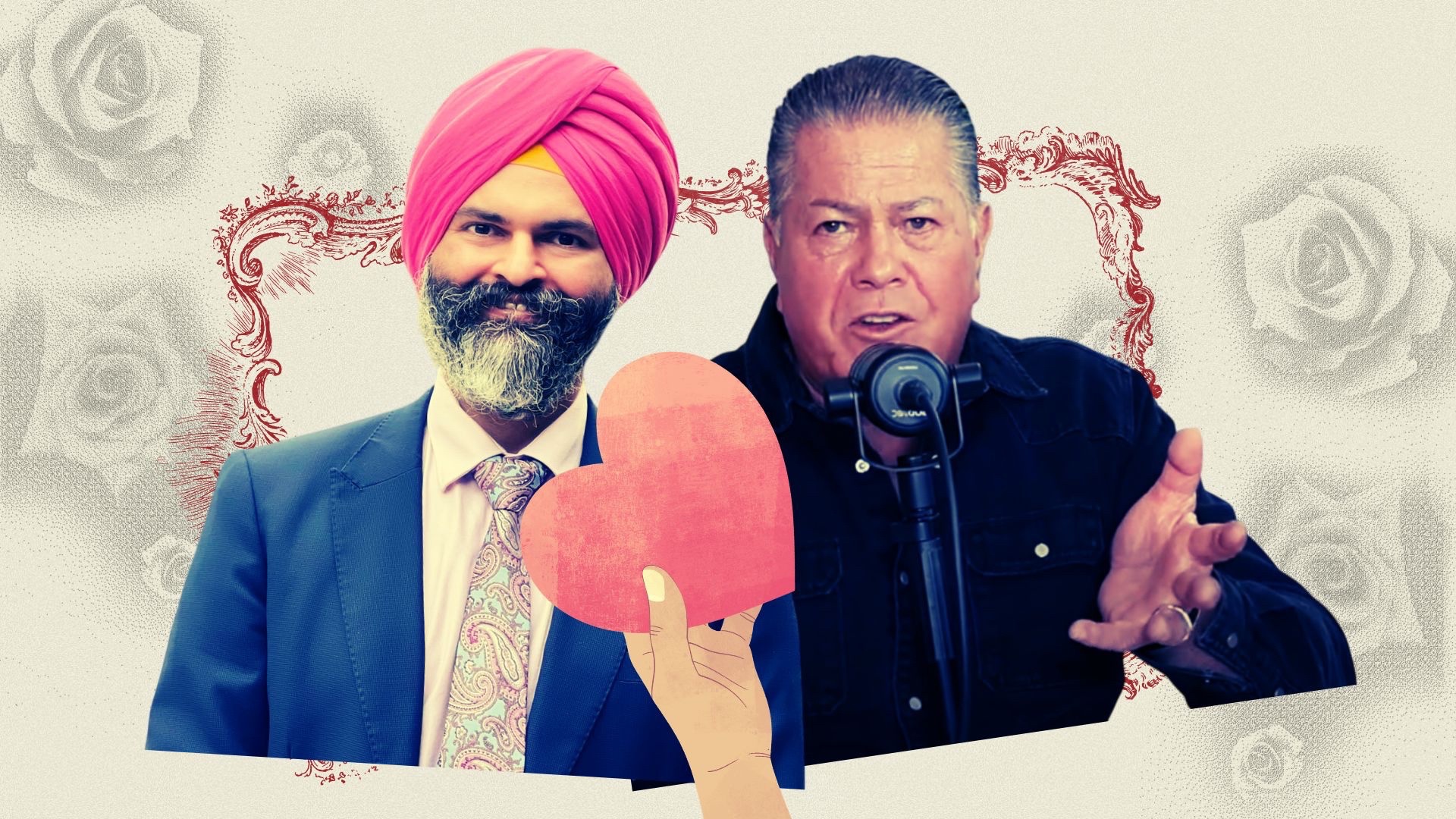
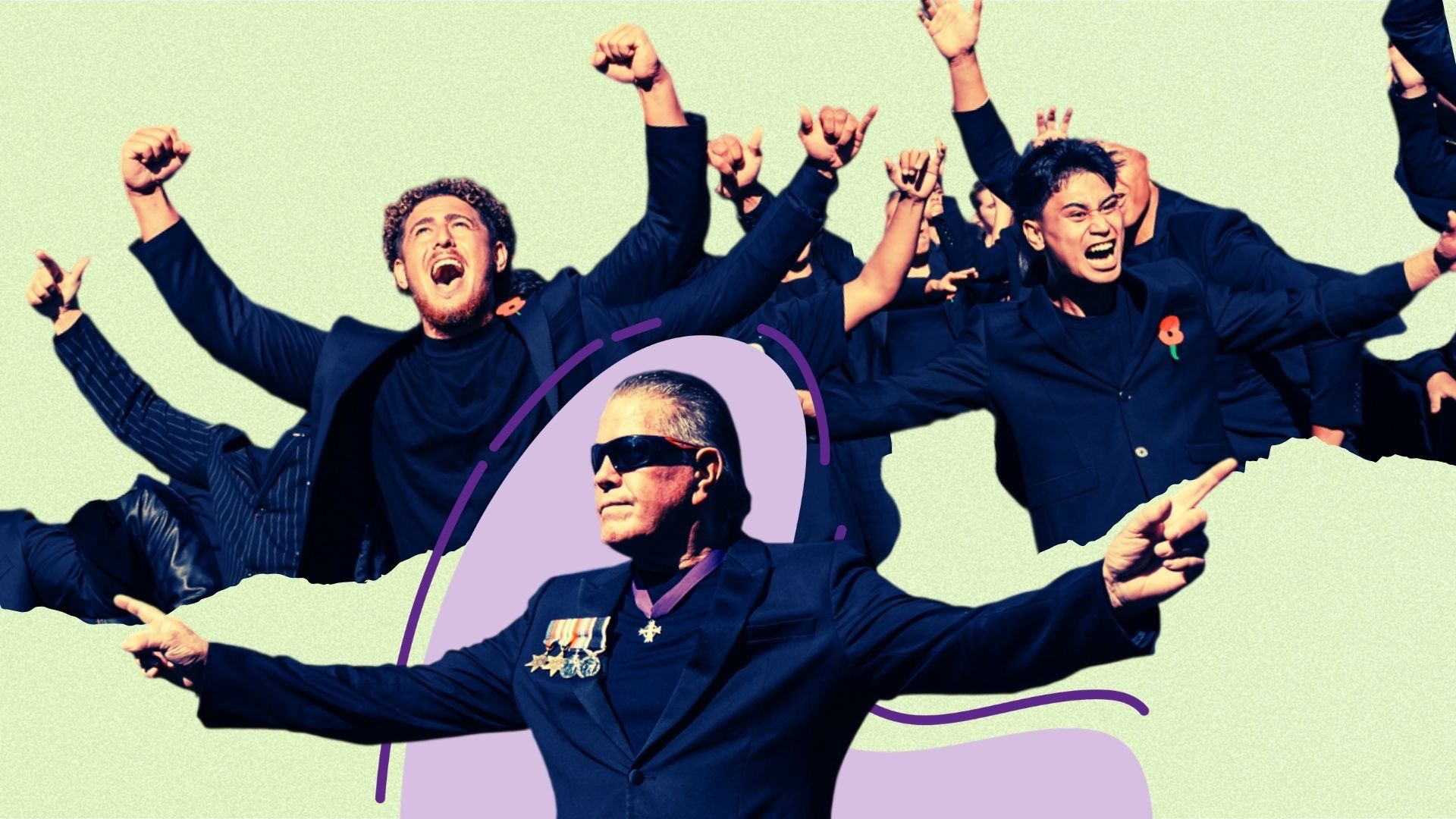
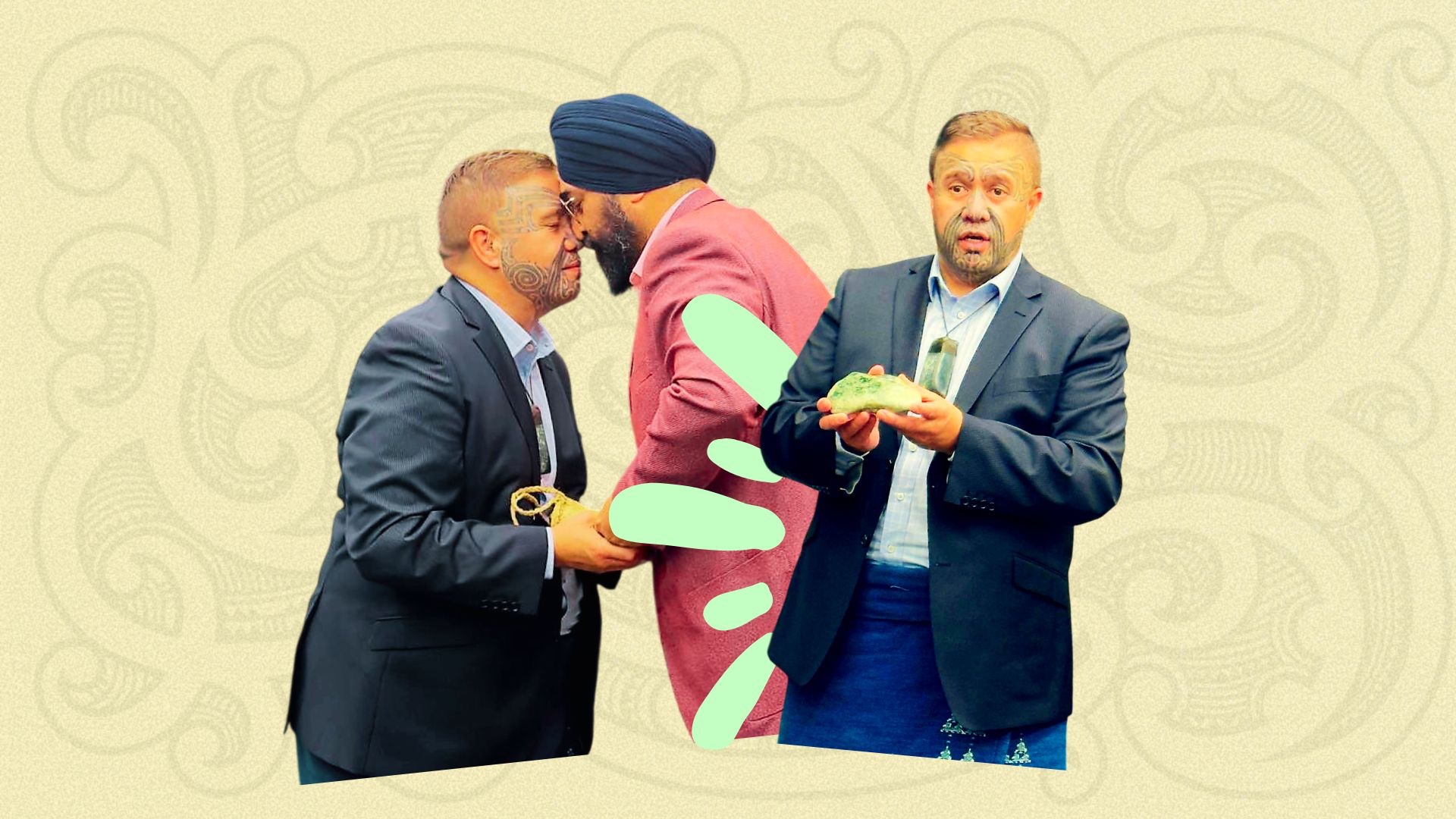
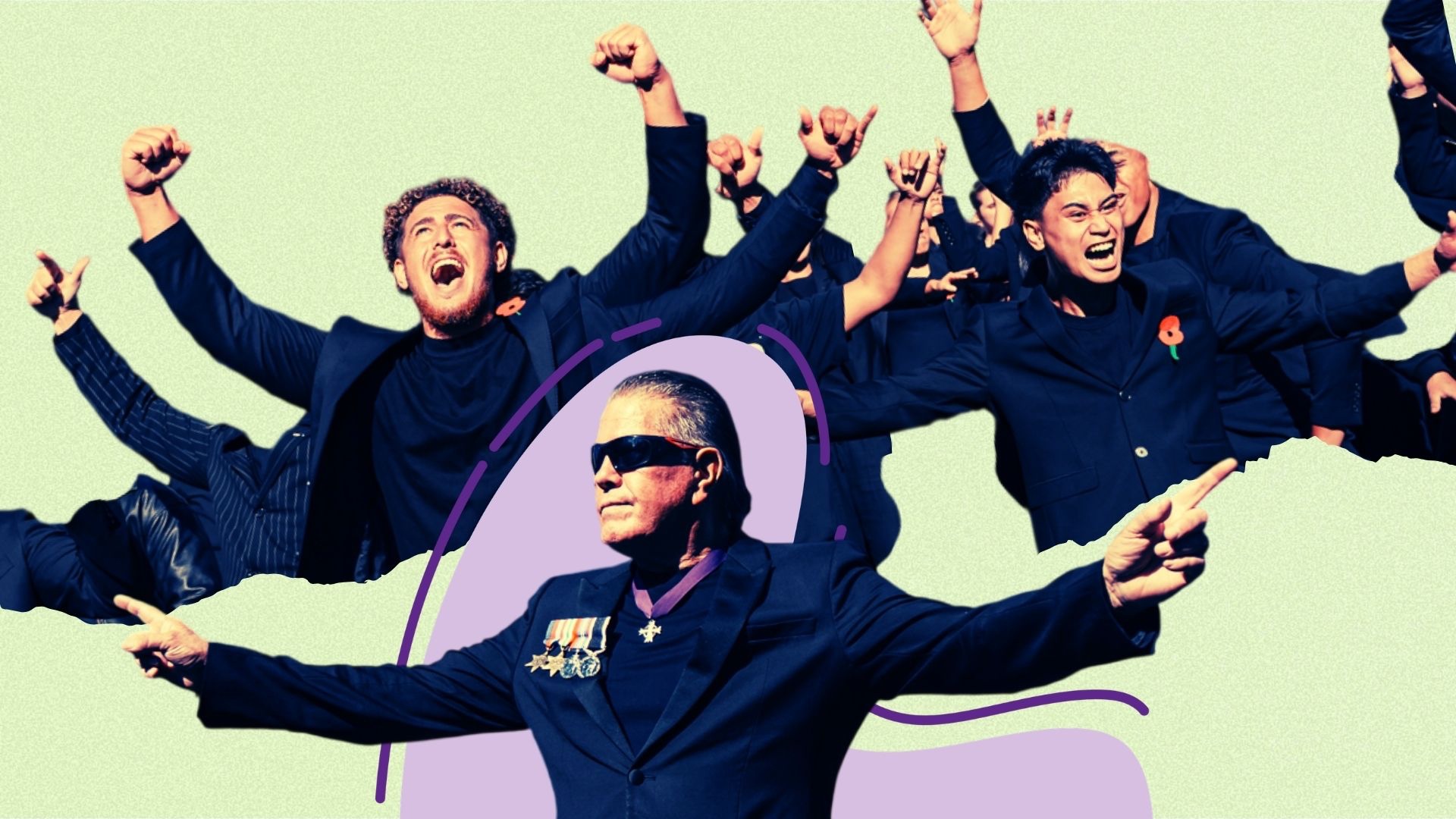
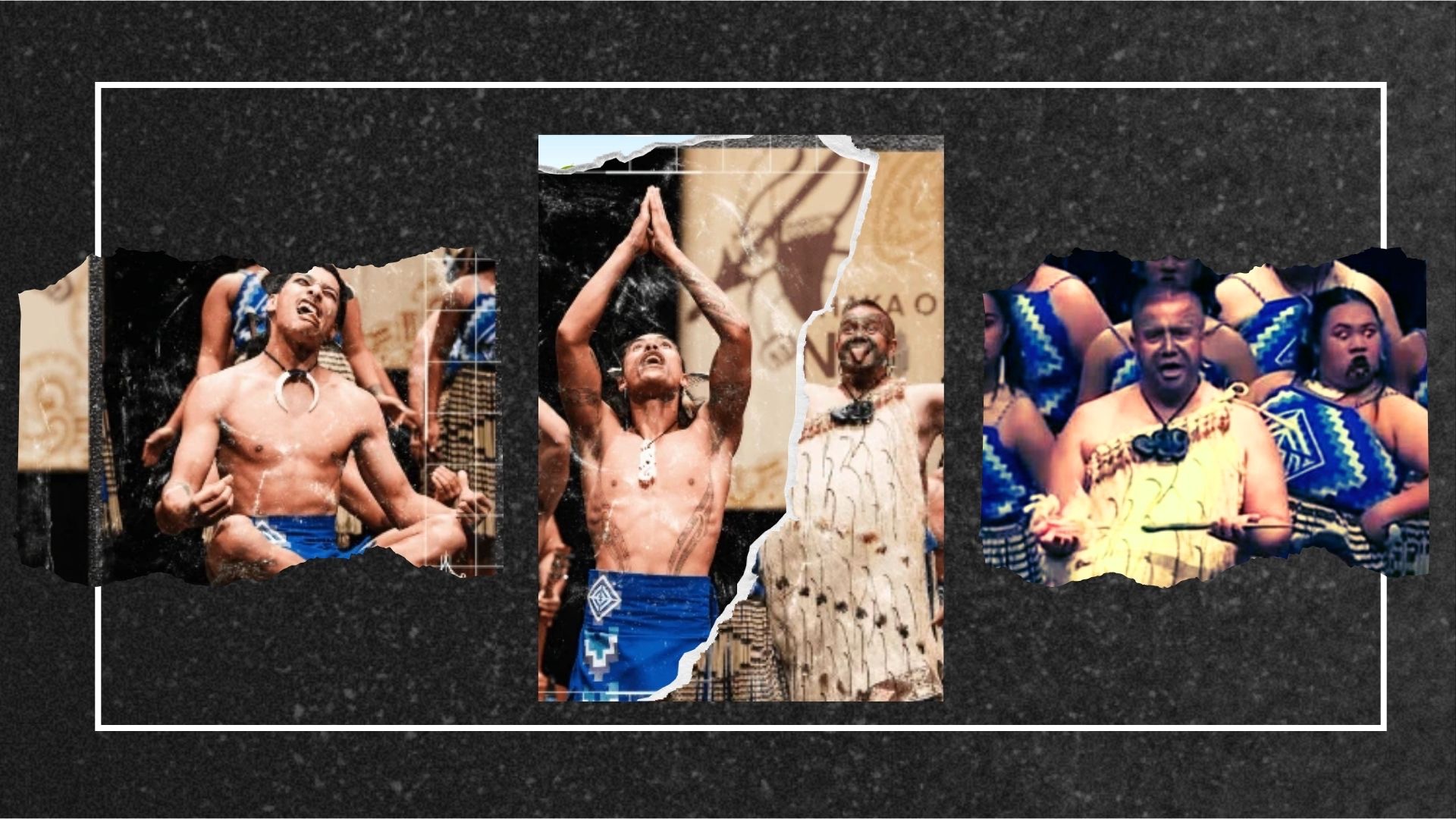
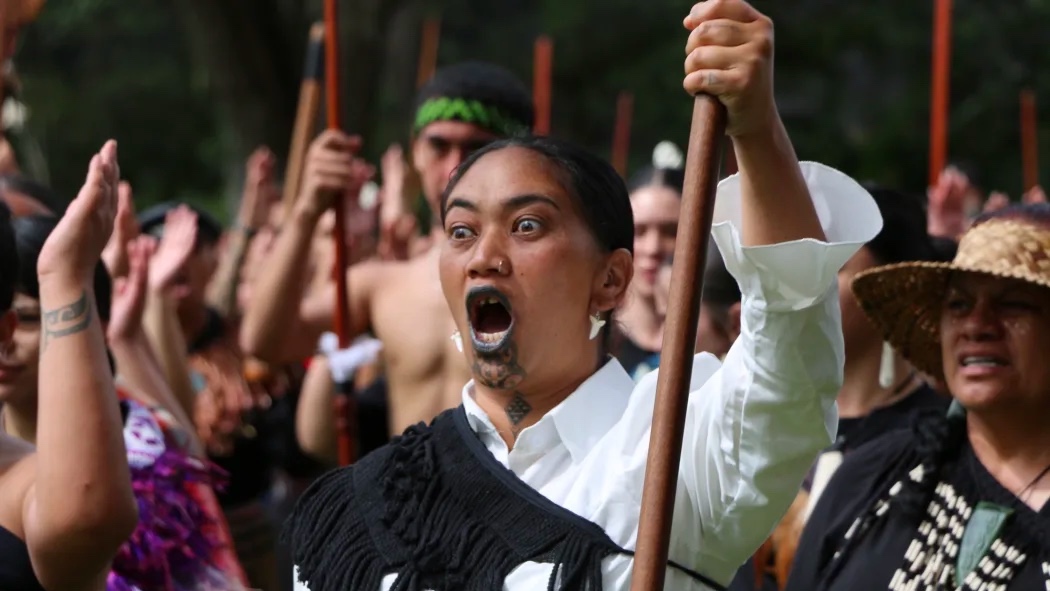
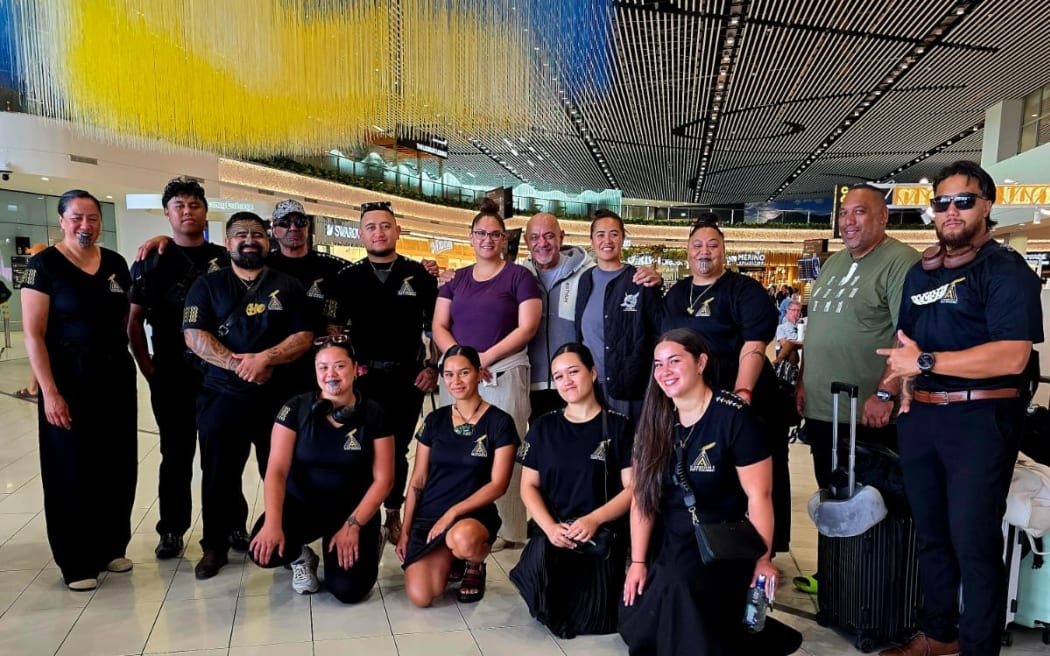
A haka performed by a group associated with former Te Pati Maori president Che Wilson at a regional kapa haka competition singled out ACT MP Parmjeet Parmar and included elements some say mocked Indian culture.
The performance, staged at the Tainui Regional Kapa Haka competition over the weekend, referenced Parmar directly, according to RNZ.
Experts noted the use of a phrase interpreted as derogatory towards Indians: "Purari karikari iniana". That roughly translates to 'bloody curry-eating Indians'.
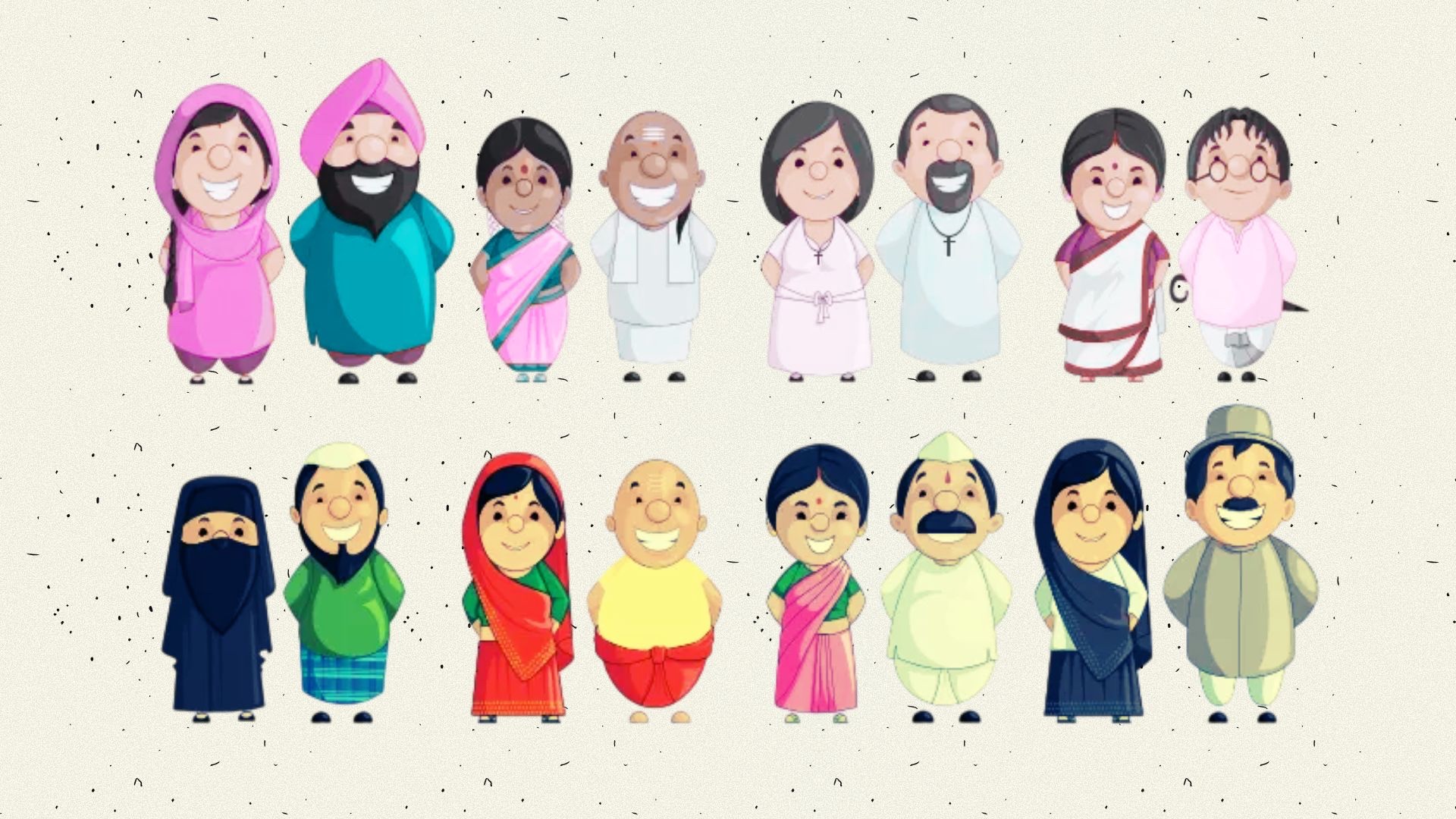
The haka used gestures associated with Indian cultural practices, such as sitting cross-legged with folded hands; and featured mannerisms perceived as imitating Indian speech and movement.
Responding to questions from Mata, Parmar said: “Reports that this performance was composed and directed at mocking Indians are deeply troubling. Many in the Indian community have come to New Zealand seeking opportunity, safety, and a sense of belonging. They deserve to be treated with dignity.”
Being Indian and Kiwi at once. How Ajaz Patel's 10-wicket haul brought his two worlds together A historic moment in Mumbai left the Black Caps spinner reflecting on something far deeper than cricket.
India's SIR voter controversy reaches New Zealand in Muslim man's asylum case The man claimed Muslims excluded from voter lists risked losing welfare benefits and being treated as illegal immigrants.
Election 2026: A right majority is possible even if Opportunity enters Parliament The latest polls suggest National, ACT and NZ First could secure a majority, with the Opportunity Party's fortunes still crucial.
Wilson defended the haka in an interview with Te Arawa FM journalist Kereama Wright, stating, “Ko te hunga pēnā ki a Parmjeet e hiahia ana te tohutohu mai, ko tāku, haere hoki!”.
That translates to: “For people like Parmjeet who want to tell us what to do, I say you can go.”
A written statement attributed to Wilson and provided to Mata said: “Haka is a platform to challenge and where relevant, denigrate in response to an issue. The haka was composed and choreographed by a collective known as Te Whānau o Te Pae Kahurangi, and takes aim at ACT MP Parmjeet Parmar for her actions in seeking imprisonment advice for the performance of the haka by Māori MPs in the house last year, as well as her attack on Maori-focussed roles, courses, and spaces at the University of Auckland.
“Te Pae Kahurangi regards these actions as clear examples of prejudice towards Maori culture, and as such, the haka is aimed specifically at Mrs. Parmar and not the Indian community.
“Te Pae Kahurangi does not condone racism. Te Pae Kahurangi apologises for any offence caused to the Indian community, towards whom this haka was not directed”.
The reaction comes amid a broader political climate where issues involving race, culture and New Zealand’s relationship with India are under heightened scrutiny.
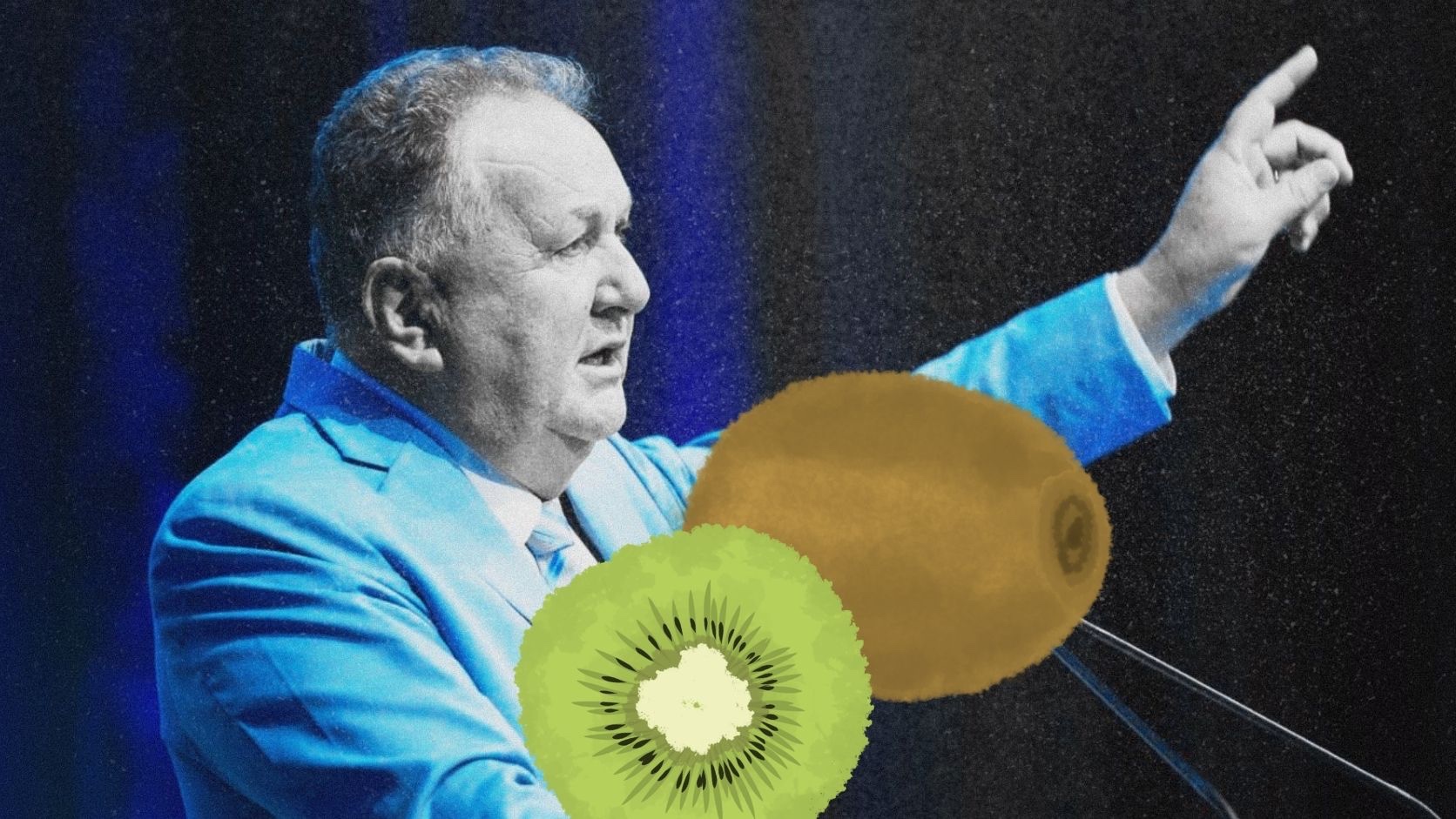
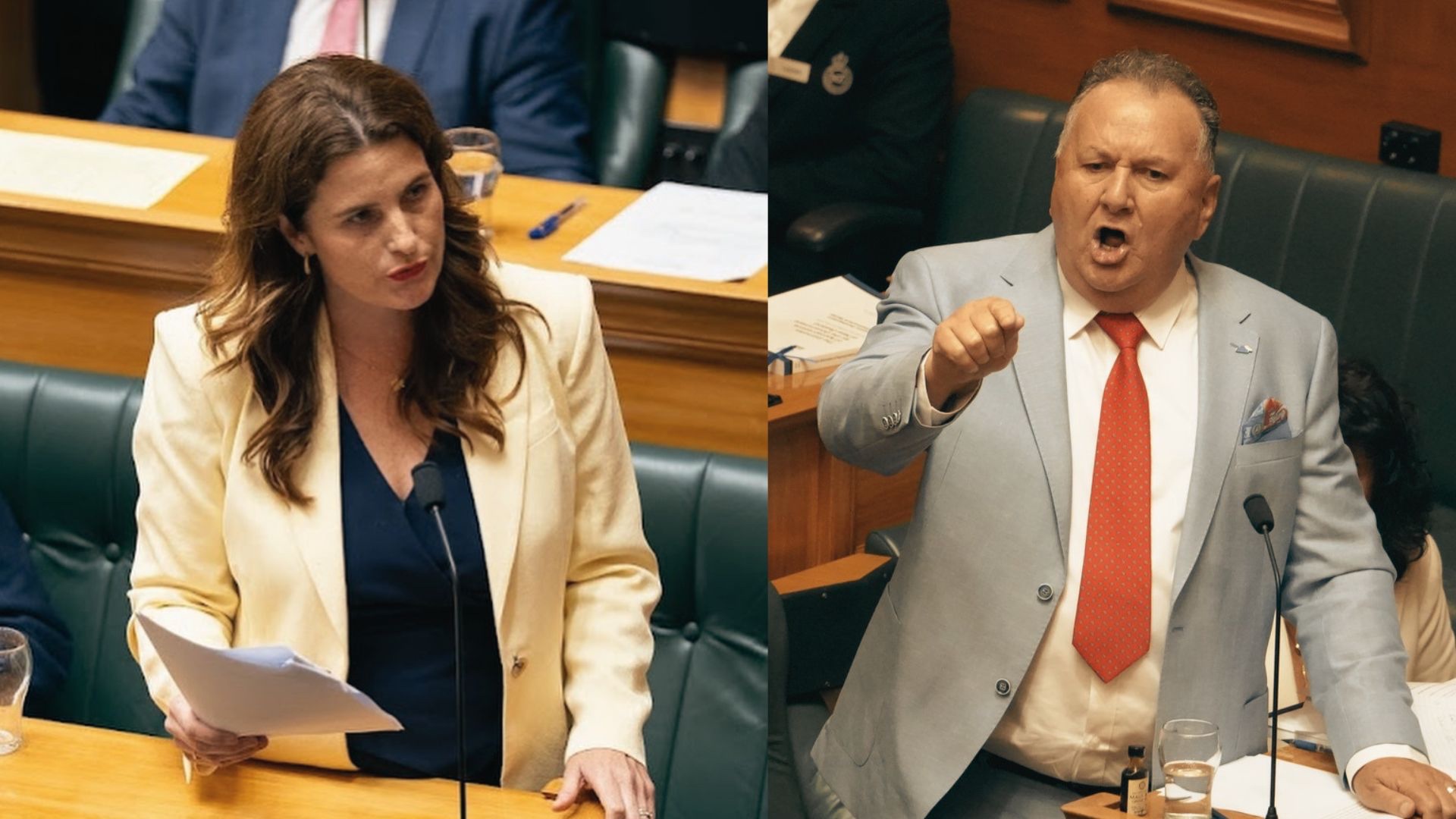
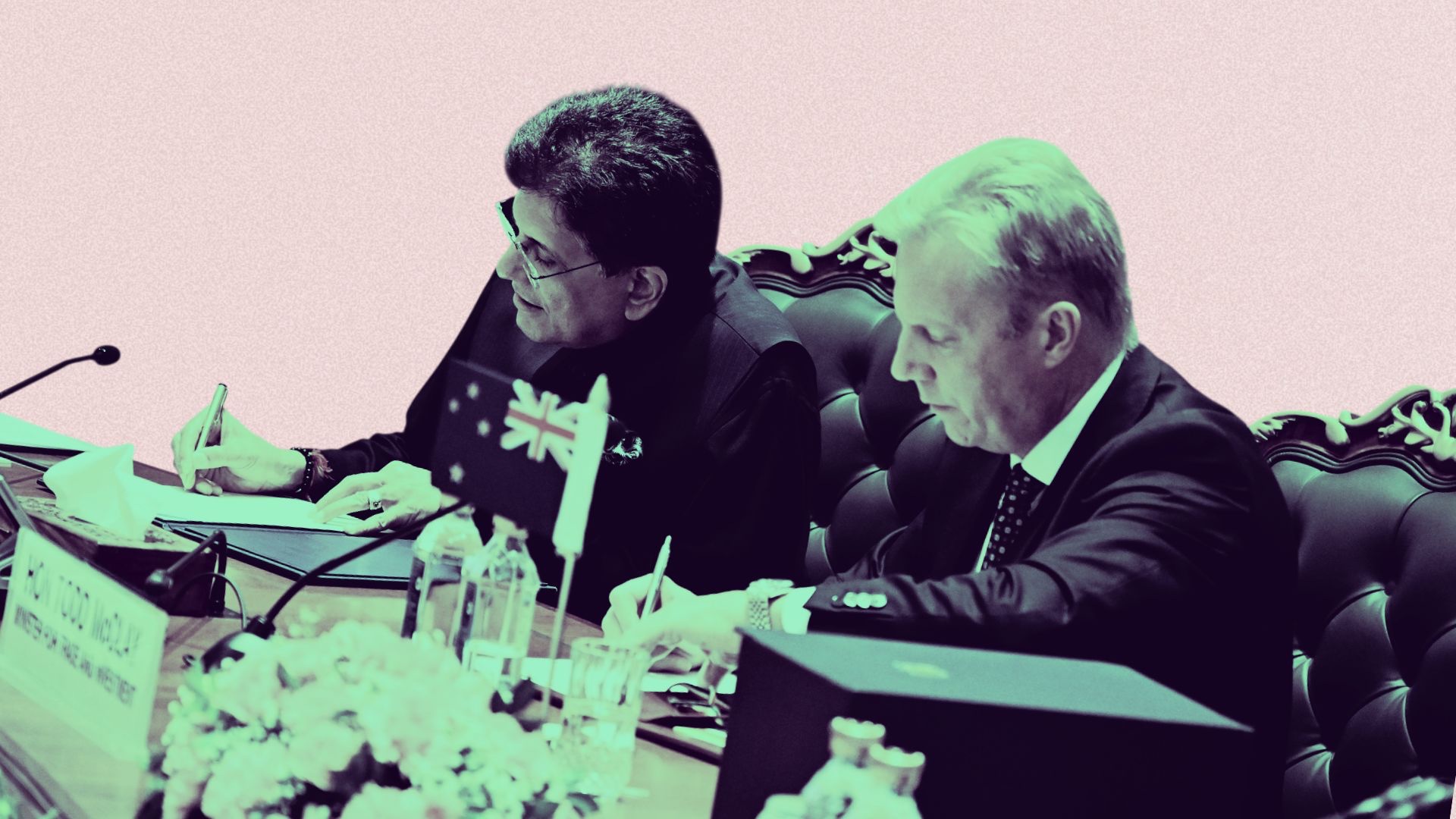
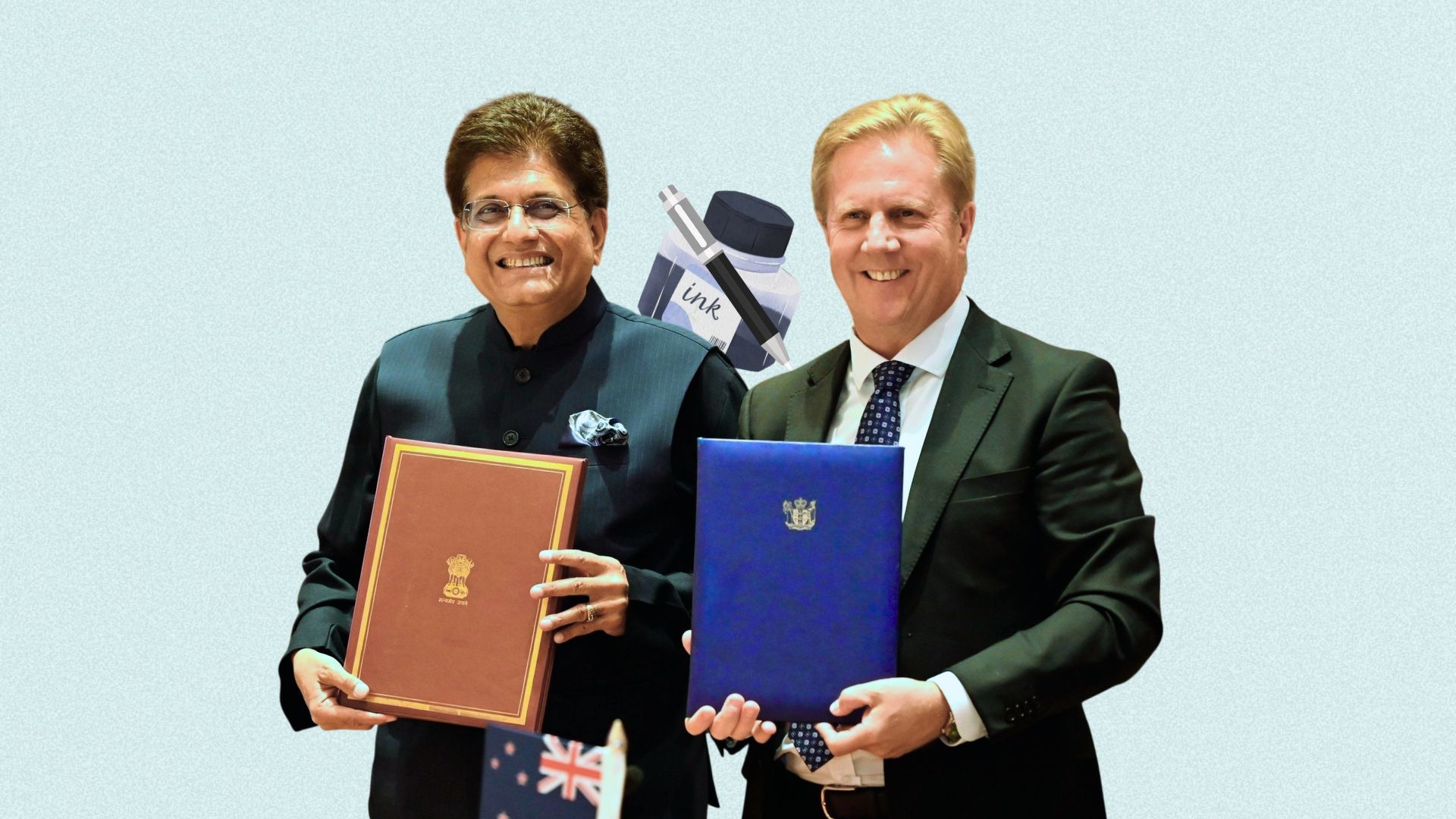
Earlier comments by NZ First minister Shane Jones about a potential trade deal with India also drew criticism.
Criticism of the haka also came from Indigenous rights advocate Tina Ngata.
“Parmjeet Parmar has indeed done a lot of damage, and delivers racist harm to Maori and many others. The answer to that should not be to deliver racist harm back upon her people by mocking them, ridiculing their culture, jeering at the poverty on their lands that comes from the same coloniser, and using racial slurs cloaked in our reo,” Mata quoted her as saying.
Parmar has previously been at the centre of debate after seeking official advice on possible penalties for Te Pati Maori MPs following a haka in Parliament last year, including whether imprisonment could be considered. At the time, she said she was “doing her homework”.
In her statement to Mata, Parmar said: “Racism in any form is unacceptable. It doesn't matter who it comes from or who it is directed at. It has no place in a country that prides itself on fairness and mutual respect.
“New Zealanders reject the idea that one group is superior or inferior to another. People should be judged on their character and contribution, not their identity”.
She also said: “I wrote to the minister for universities to raise concerns about allocation of resources toward students based on ethnicity. This includes special allowances, separate study spaces, scholarships, and course entrance pathways in fields like medicine.”
Separately, Parmar raised concerns about a university course requirement related to the Treaty of Waitangi, saying it would “hold little value” for some international students.