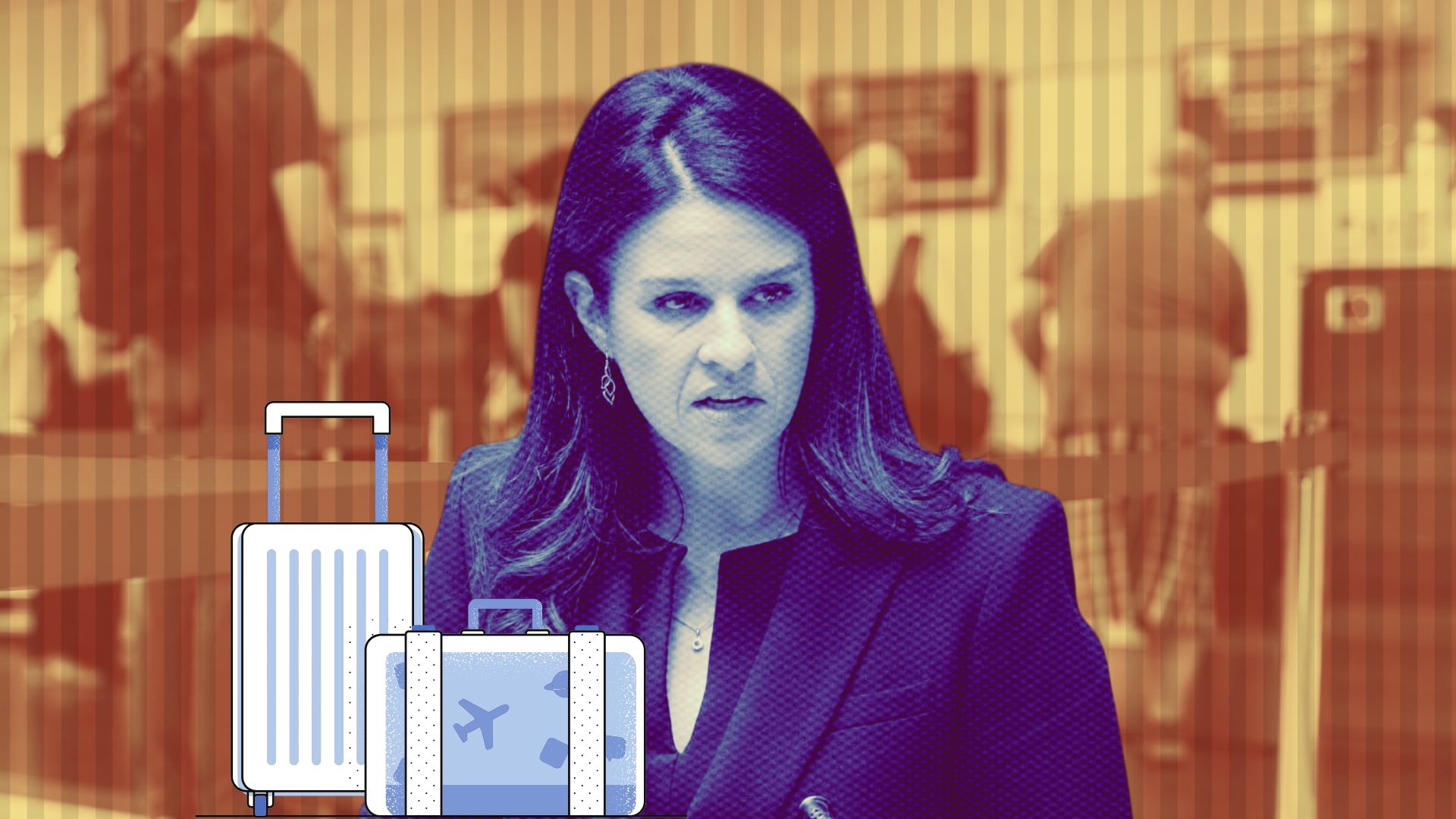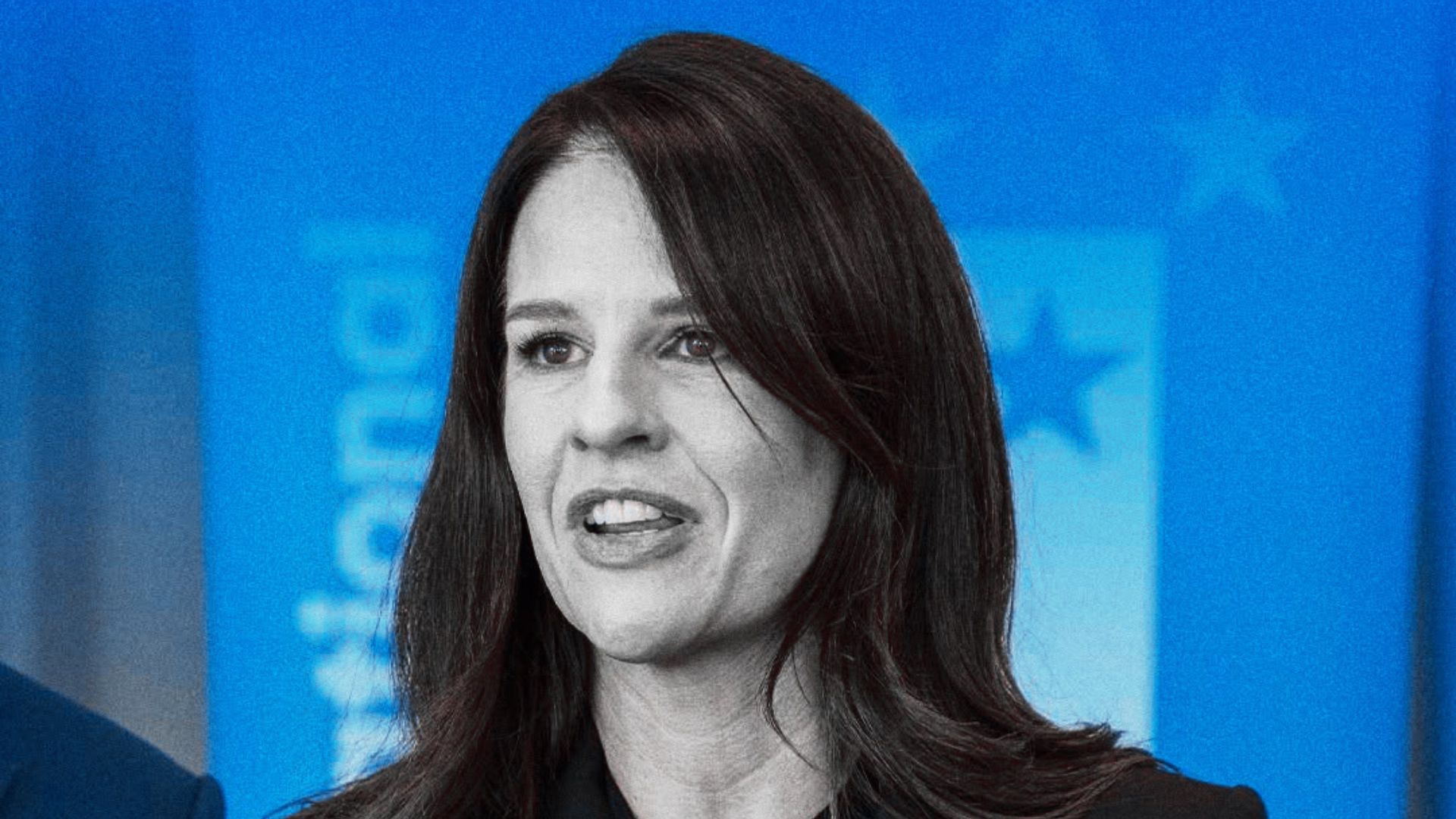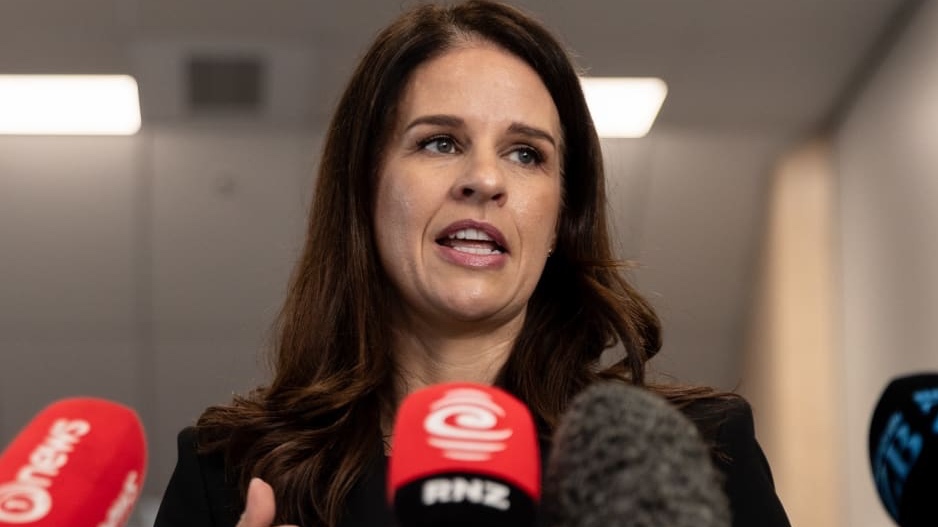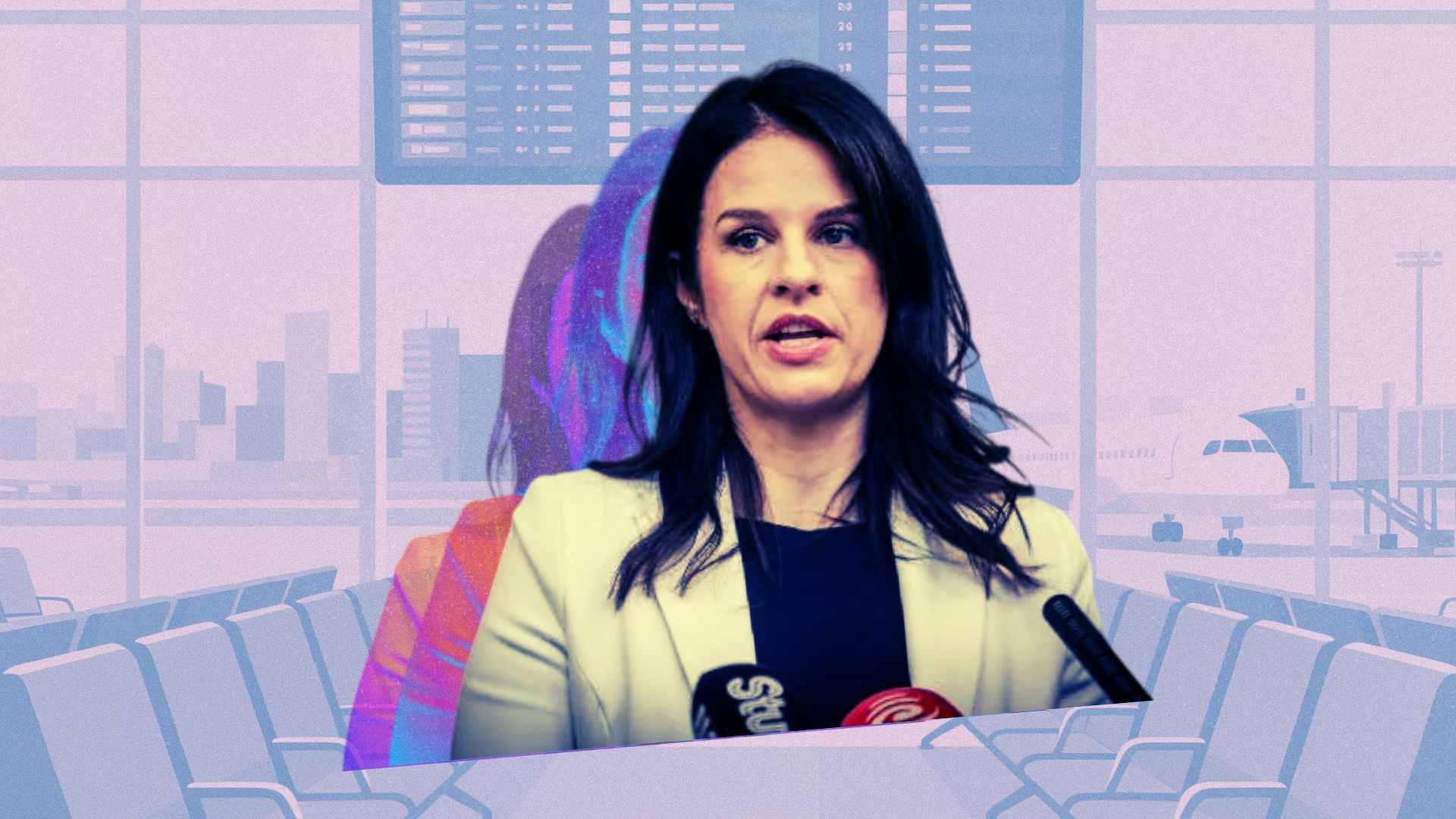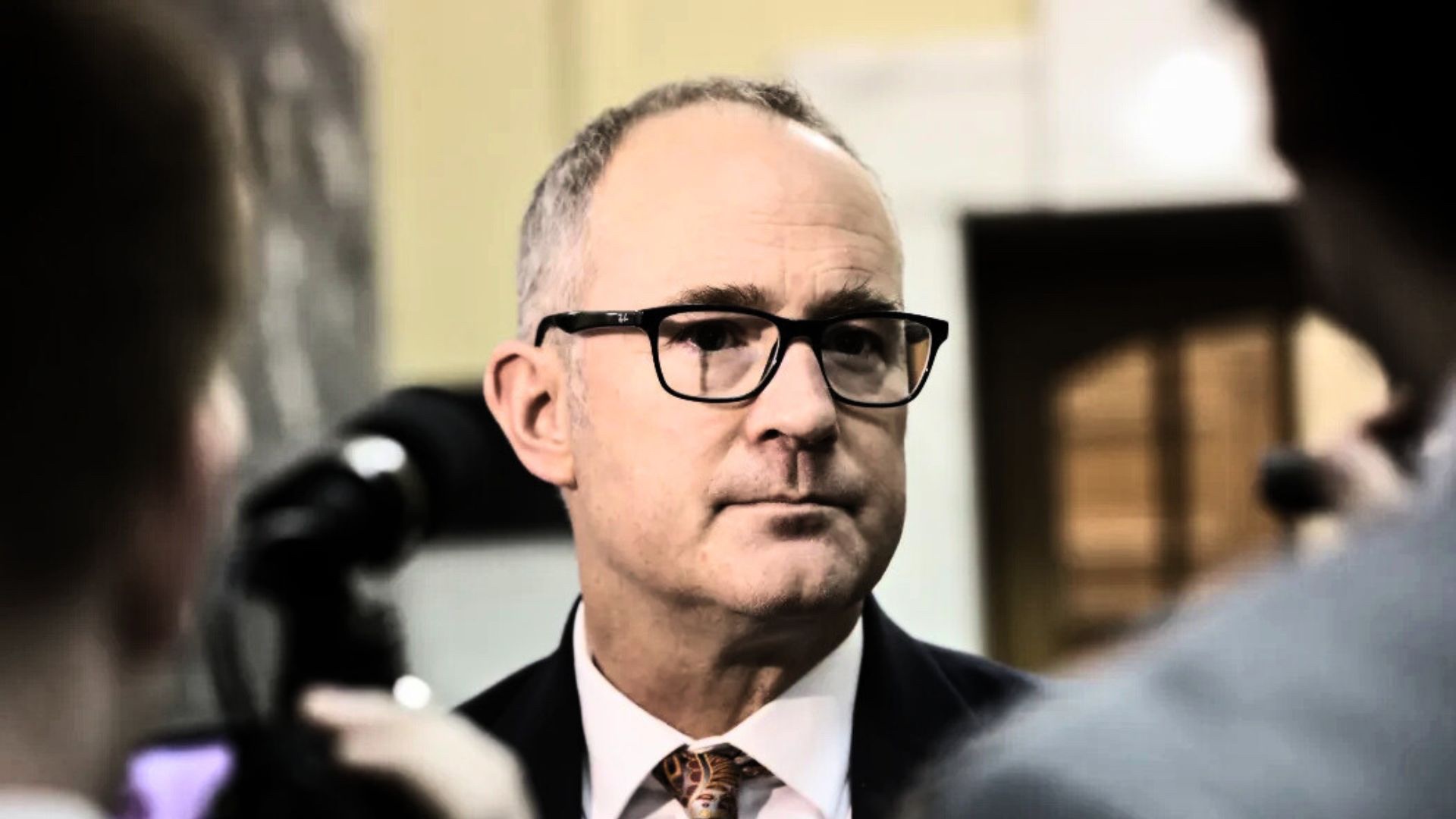

Erica Stanford: An immigration masterclass in restoration or a narrow economic pivot?

Stanford’s biggest hurdle was her starting point.
Stanford’s first term has been a relentless, high-velocity exercise in tidying up. What can migrants make of it?
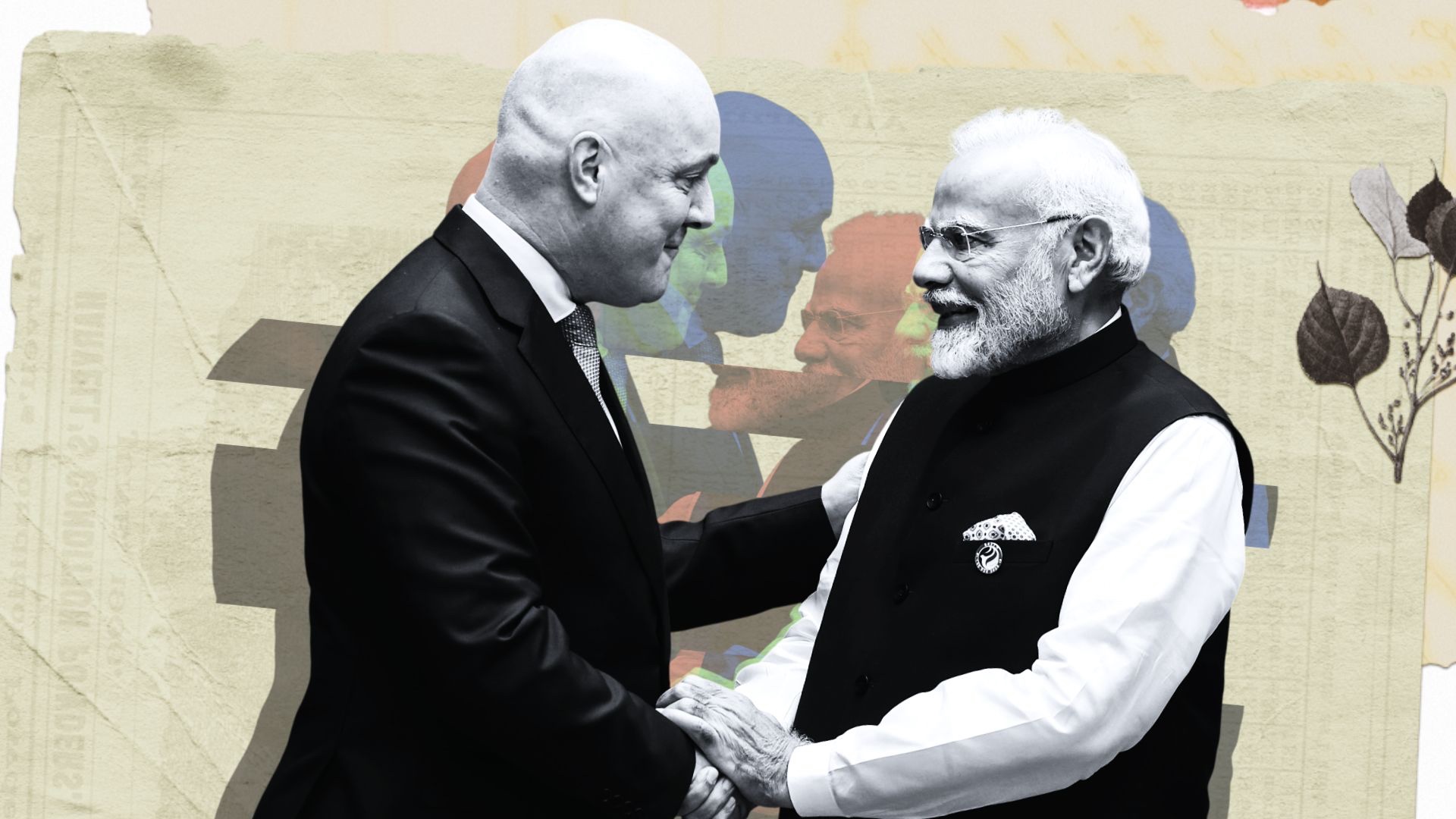
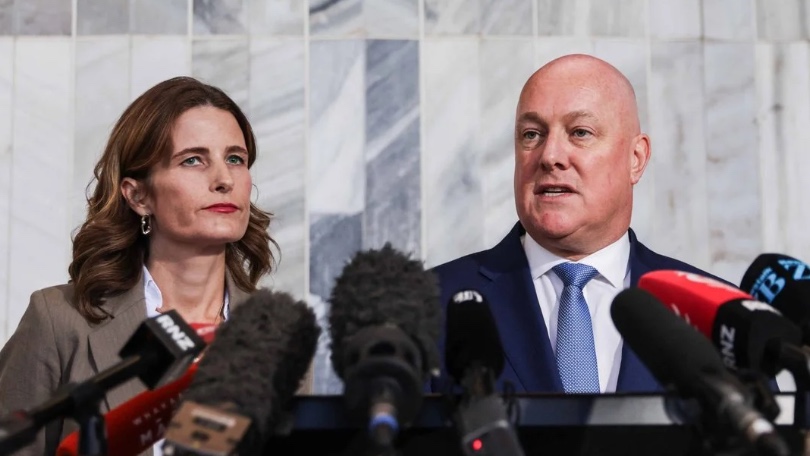
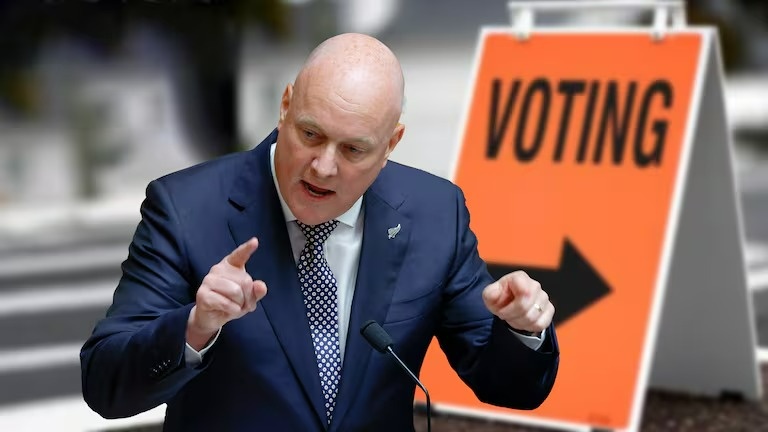
Opinion: Erica Stanford didn’t just walk into a ministry in November 2023; she walked into a burning building. Inheriting an immigration system defined by post-pandemic shambles, she was tasked with mending a broken border, purging rampant migrant exploitation, and slashing record-high net migration, all while the previous government’s administrative wreckage still smoldered.
It's an election year. Stanford’s first term has been a relentless, high-velocity exercise in tidying up but as the dust settles, migrants want to know if this was a genuine reform or just a clinical, cold-hearted purge?
The cleanup: restoring integrity to the AEWV
Stanford’s immediate priority was the Accredited Employer Work Visa (AEWV). By early 2024, it was clear that the light-touch accreditation process had been abused, leading to tragic stories of migrants living in overcrowded conditions with no work. Stanford moved decisively to tighten settings, introducing English language requirements and minimum skill thresholds.
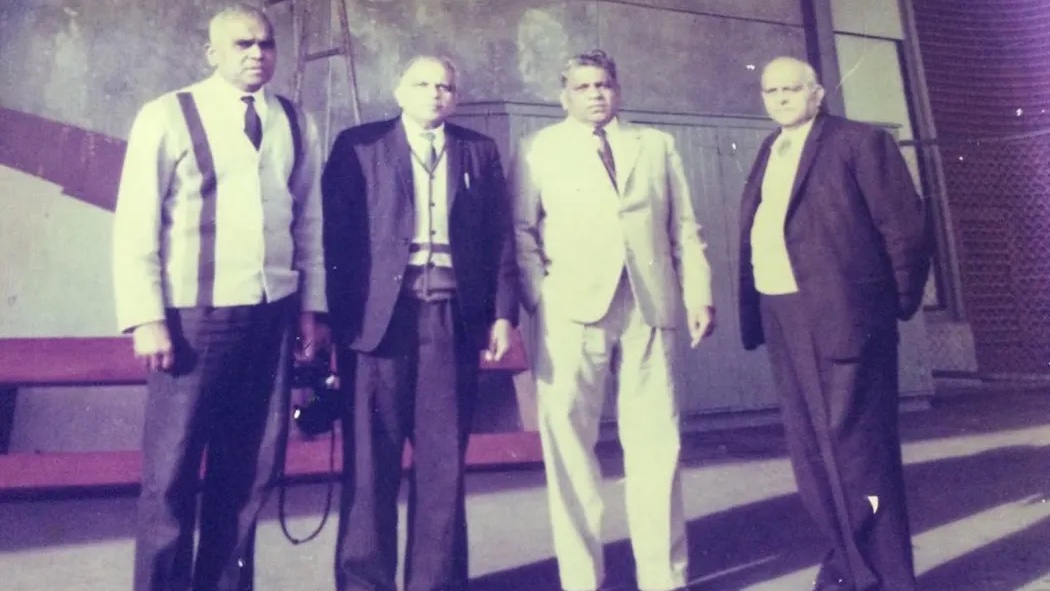
For the Indian community, which provides a significant portion of New Zealand’s skilled workforce, this was a double-edged sword. While it promised to curb visa scams that often victimised Indian nationals, it also raised the barrier for those in ANZSCO Level 4 and 5 roles who had already integrated into the Kiwi economy. The mid-term shift in March 2025 from the median wage to a market rate threshold was perhaps her most significant structural victory, allowing businesses more flexibility while technically raising the bar for residency.
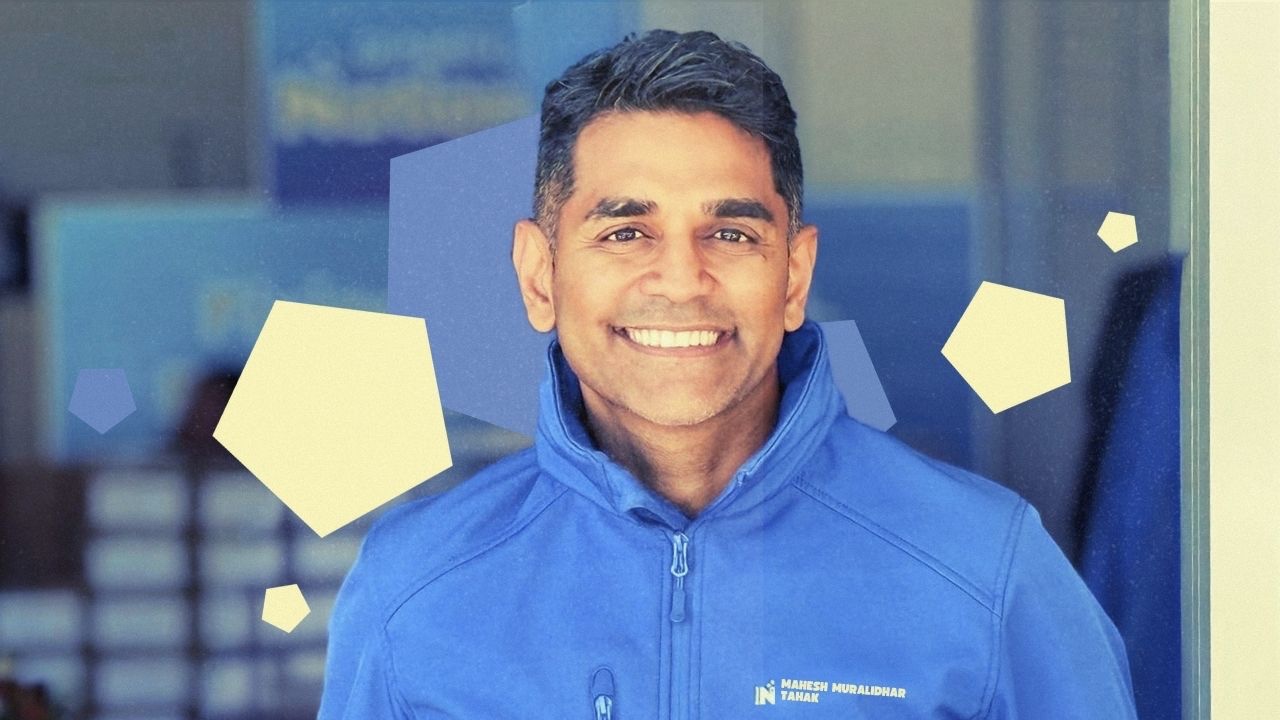
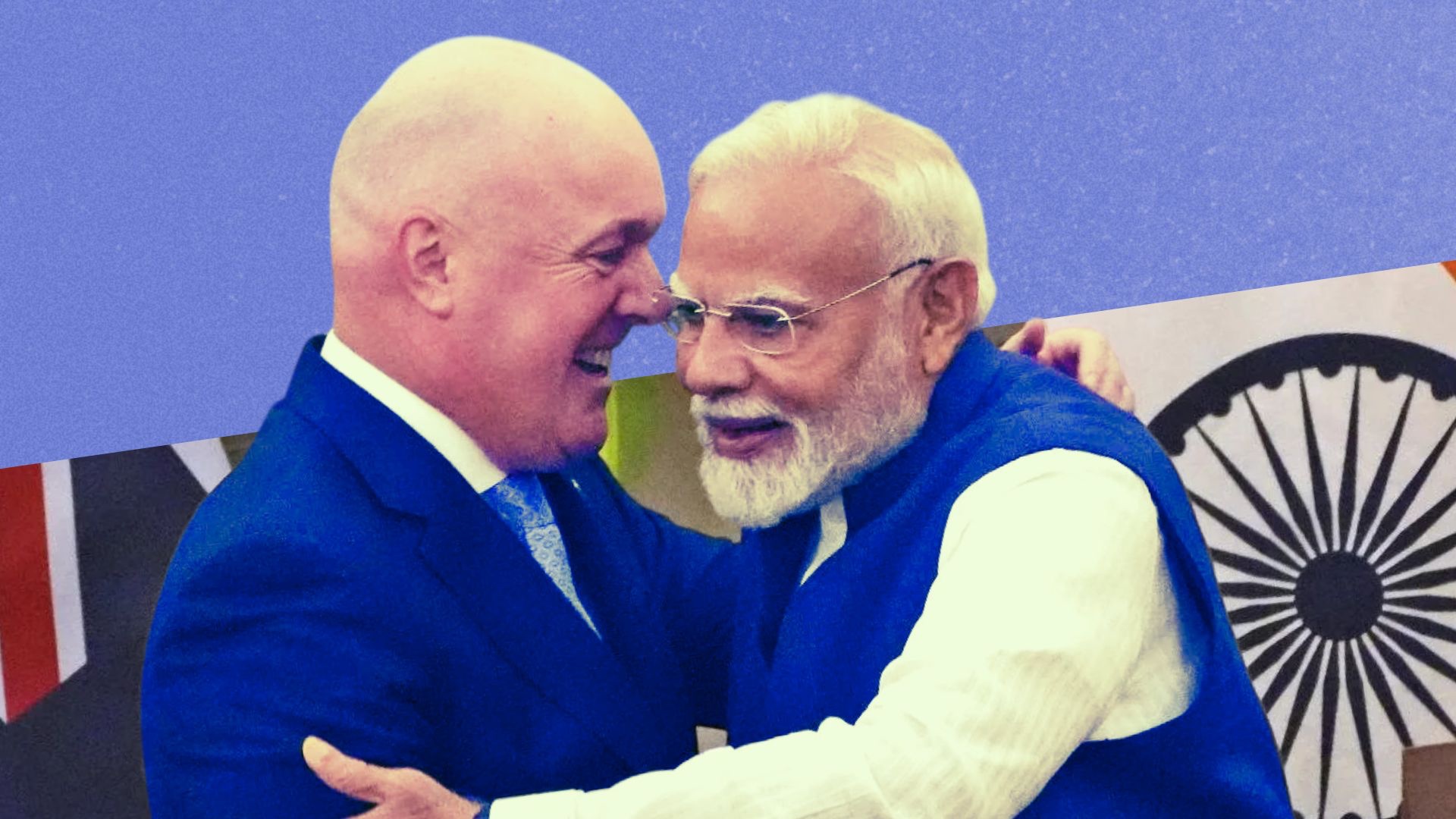
From designing restaurants to running Auckland Diwali: The many lives of Arnav Taode Taode brings his passion for Indian arts and culture to his first year managing BNZ Auckland Diwali 2026.
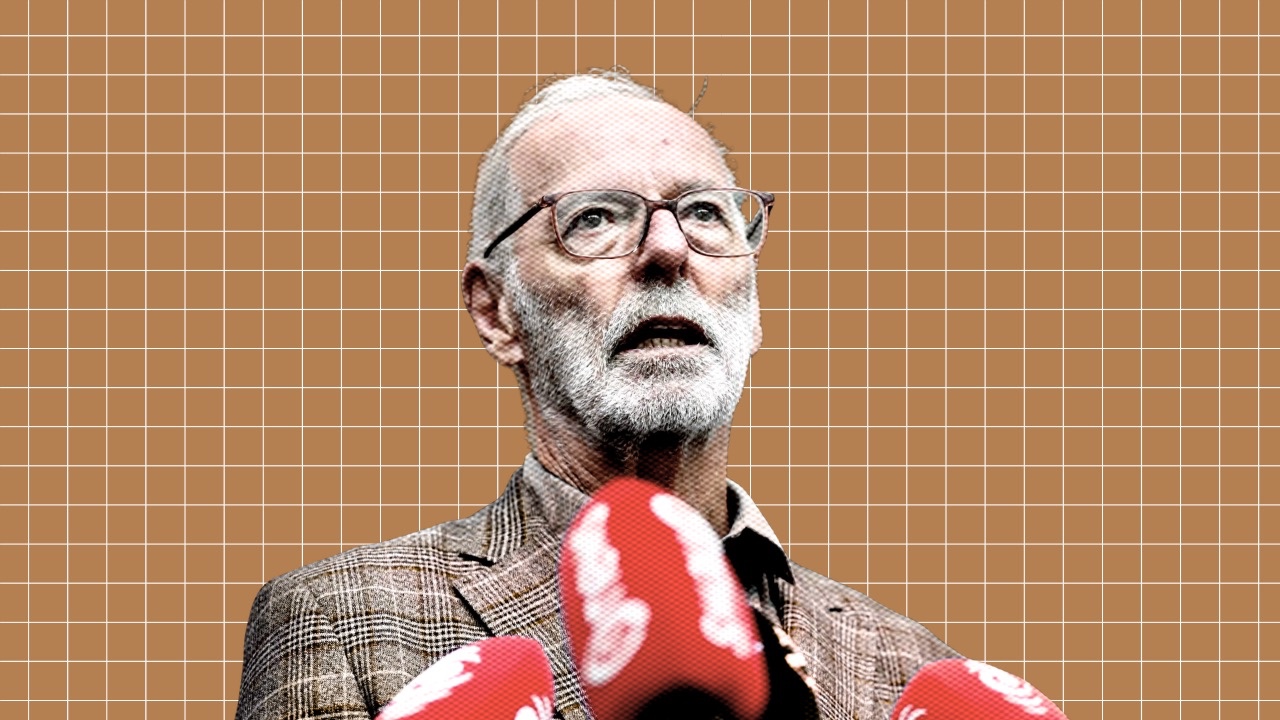
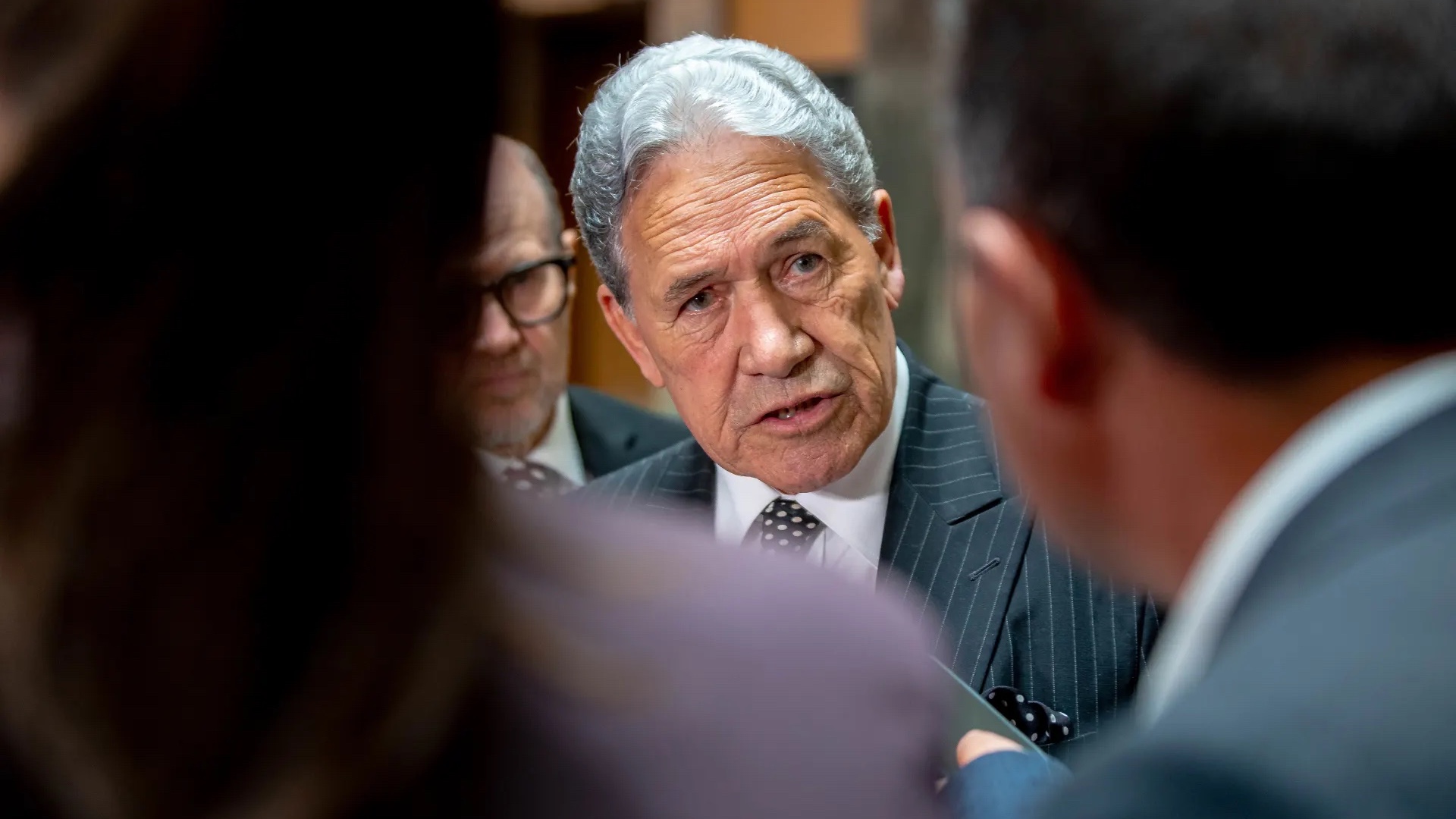
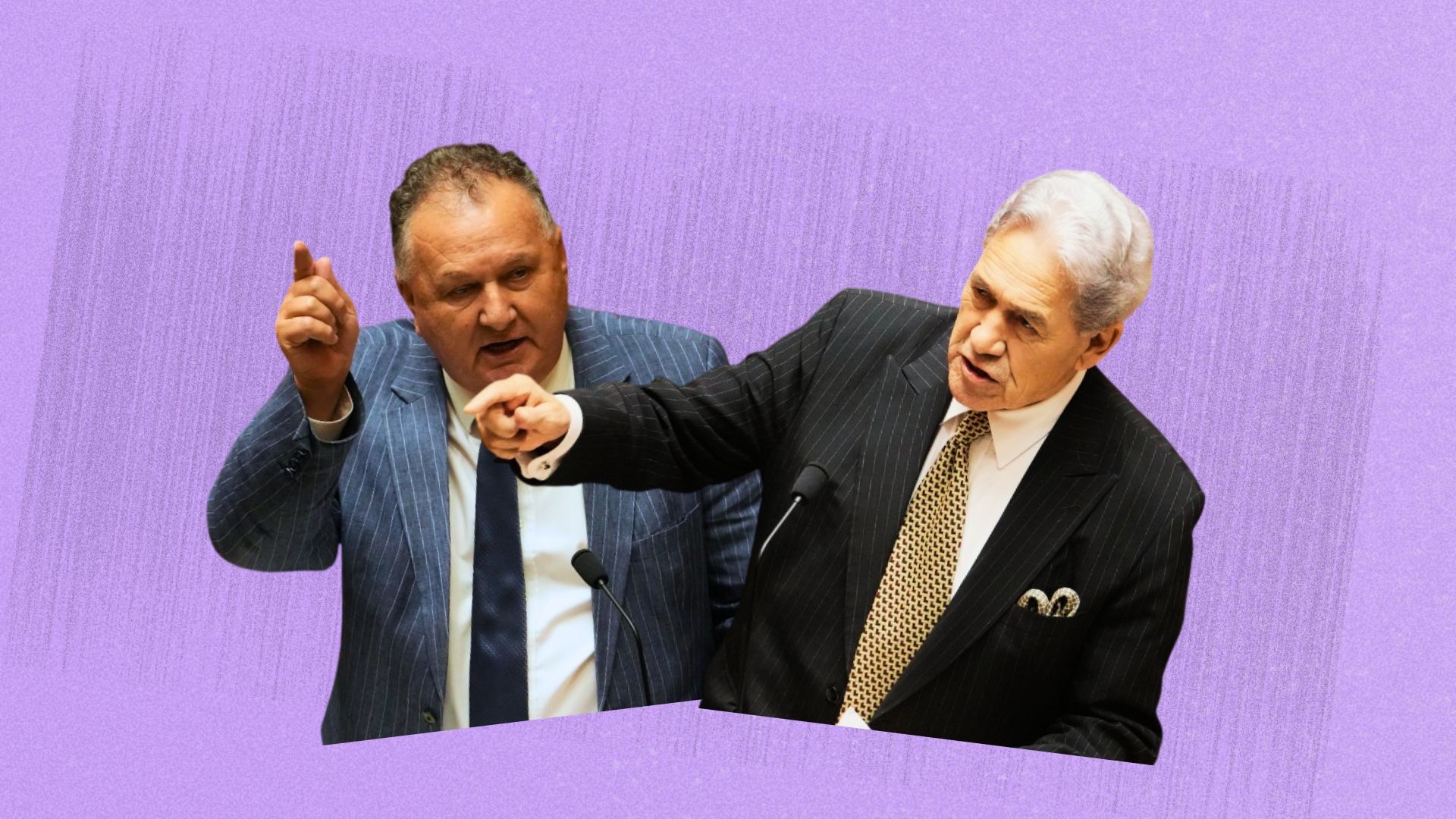
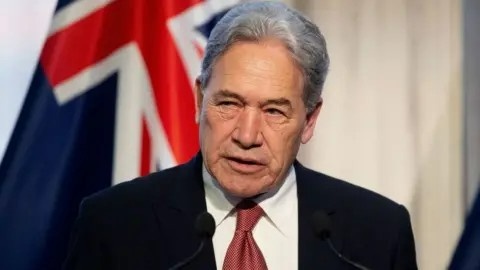
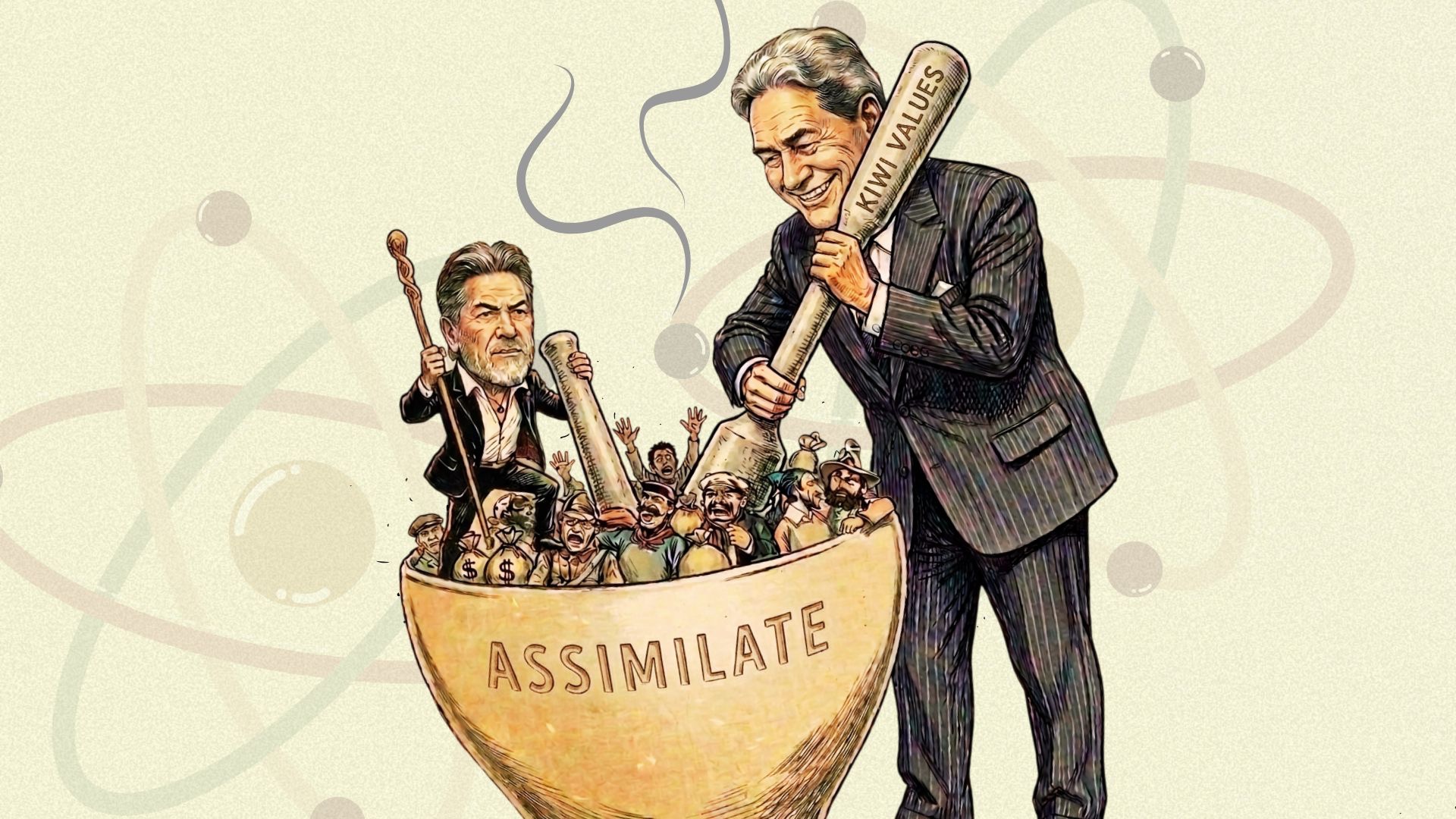
Winston Peters says ‘diversity is disunity’. What does the evidence tell us? Evidence from business, sport and social policy suggests diversity can strengthen economies and cohesion but on one condition.
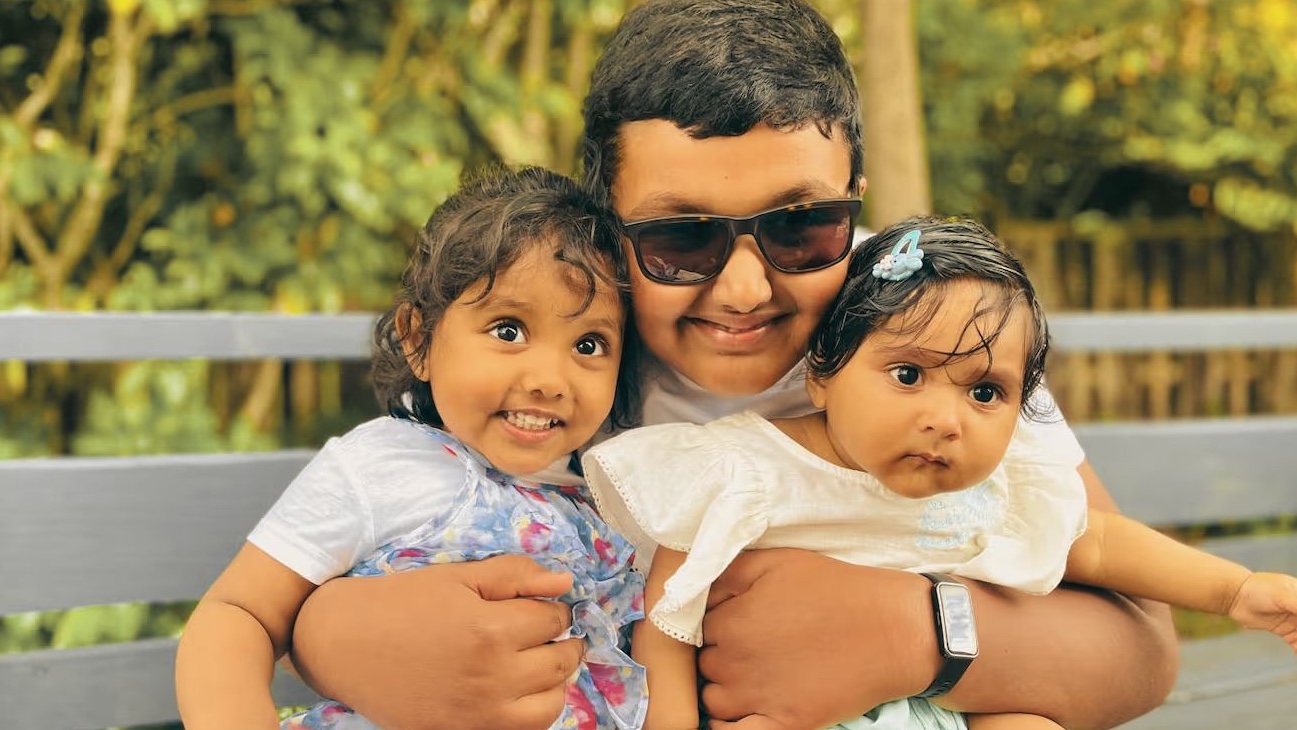
Baby born in Sri Lanka to New Zealand residents caught in limbo after Down syndrome diagnosis Immigration tribunal orders fresh residence assessment after finding a “serious mistake” by immigration officials.
The investor pivot: red carpet for capital
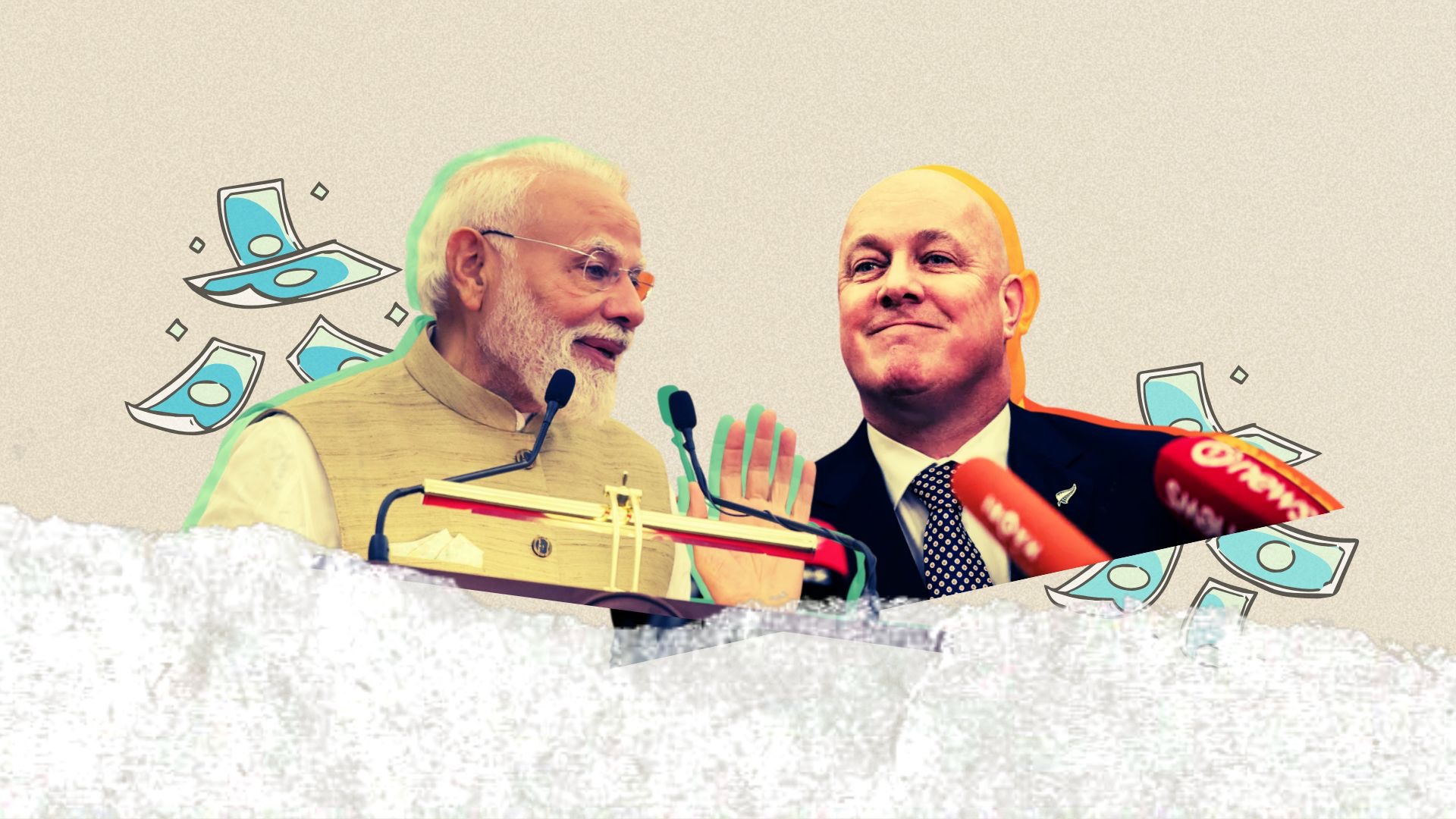
As the cleanup phase concluded, Stanford shifted her focus toward active economic growth. The overhaul of the Active Investor Plus visa and the late-2025 launch of the Business Investor Visa signalled a clear preference for high-net-worth migrants. By lowering English requirements for the AIP and introducing fast-track residency for those investing millions into local businesses, Stanford sent a clear message: capital is the priority.
While these reforms aimed to turbocharge the economy, they created a perceived double standard. Critics within the migrant community pointed out that while a wealthy investor can now bypass stringent tests, a skilled mechanic or chef must crawl over cut glass to prove their linguistic and professional worth.
The Business Investor Visa’s focus on rescuing struggling New Zealand businesses by allowing overseas buyers to protect local jobs is pragmatic, but it underscores a tenure that views migrants primarily through the lens of economic utility. The country needed a fiscal injection desperately, and the minister intended to deliver.
The family gap: the “lukewarm” Parent Boost
For the Indian diaspora, immigration is rarely just about the individual; it is about the family unit. This is where Stanford’s balanced approach has felt most clinical. The Parent Boost Visa, launched in late 2025, was met with a lukewarm response. By offering a five-year stay without a clear residency pathway and requiring expensive private health insurance, the policy was criticised as a visa for the wealthy. It treats parents as temporary visitors rather than the essential childcare and emotional support pillars they are in Indian households.
The 2026 visa cliff: a looming crisis
As we enter the first half of 2026, a new crisis is emerging: the visa cliff for thousands of workers in ANZSCO Level 4 and 5 roles. Many of these workers, who arrived during the post-pandemic surge, are now reaching their maximum continuous stay limits. With no clear pathway to residency under the current settings, these individuals face an impossible choice.
Many are looking at returning to study in New Zealand as a last-ditch effort to stay, while others may be forced to return to India. Most concerningly, many will decide to remain in New Zealand unlawfully, adding to the overstayer population that the minister has otherwise tried to reduce.
This will worsen an already fragile system, with a likely rise in refugee claims. This looming challenge will be the ultimate test of whether her cleanup was successful or whether it merely delayed a human catastrophe.
Operational gaps and the "spam" controversy
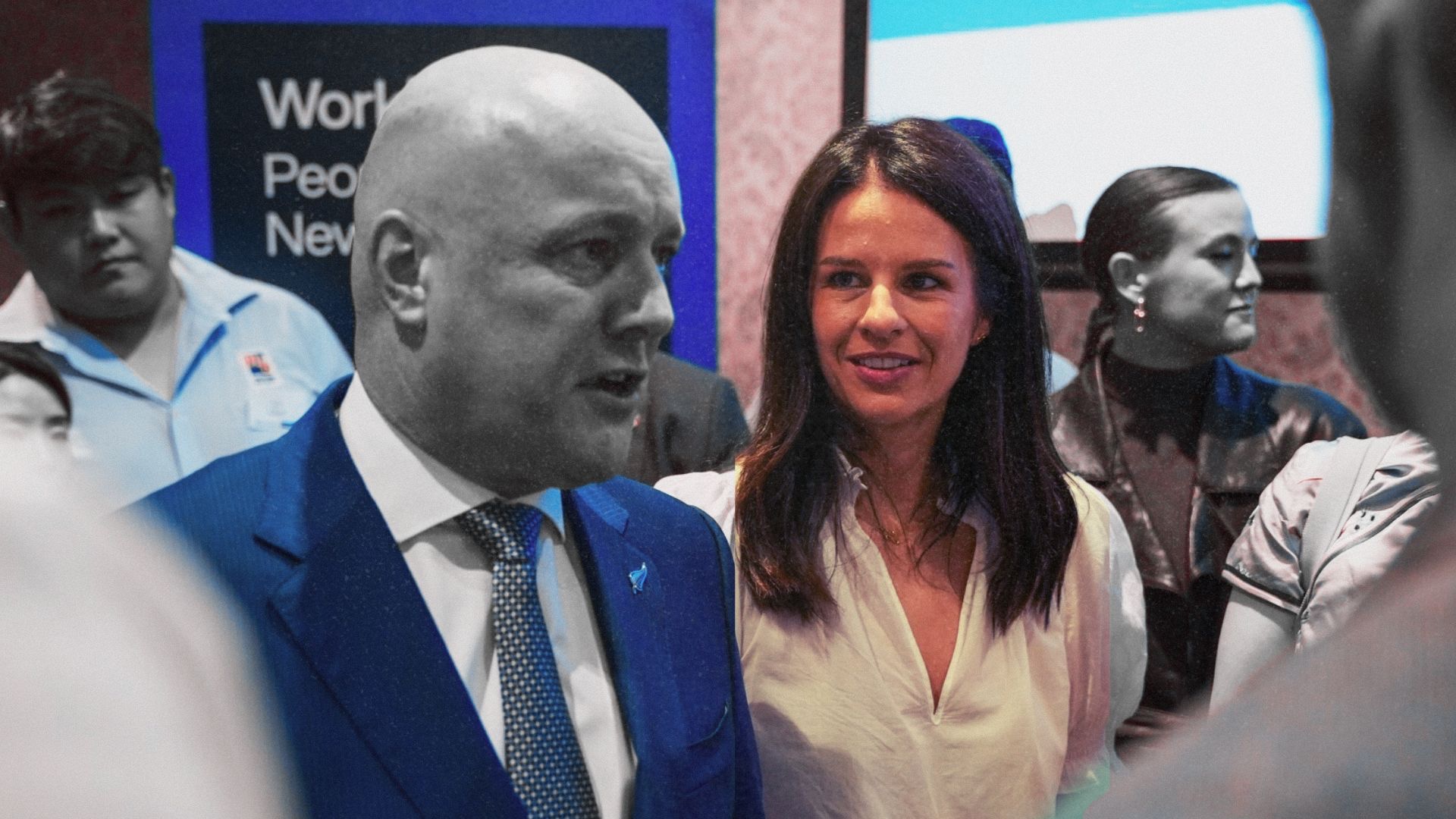
Despite Stanford’s match-fit rhetoric, the internal culture of Immigration New Zealand remains a source of frustration. While she has improved engagement with stakeholders and frequently appears at conferences for immigration lawyers and advisers, this high-level dialogue has not always trickled down to the frontline.
Applicants still suffer from visa officer roulette, where identical applications face inconsistent outcomes. The May 2025 controversy, where Stanford likened unsolicited emails from Indian applicants to "spam", further deepened the perception of a minister who, while technically proficient, may be disconnected from the human anxiety driving these inquiries.
A foundation for future potential
As we look back on this term, it is clear that Stanford’s biggest hurdle was her starting point. She spent the better part of two years acting as a firefighter. Much of her political capital was spent on repair rather than innovation.
However, a truly full skill set in immigration requires balancing economic productivity with social cohesion, and that is where she may have been less than successful. Would I want to see her again in the same portfolio? Yes, because she has demonstrated a high level of practical understanding of what ails the immigration system, something her predecessors completely lacked.
(Hemant Kaushal is a Licensed Immigration Adviser who runs his own practice in Auckland. Nothing in this article constitutes immigration advice.)