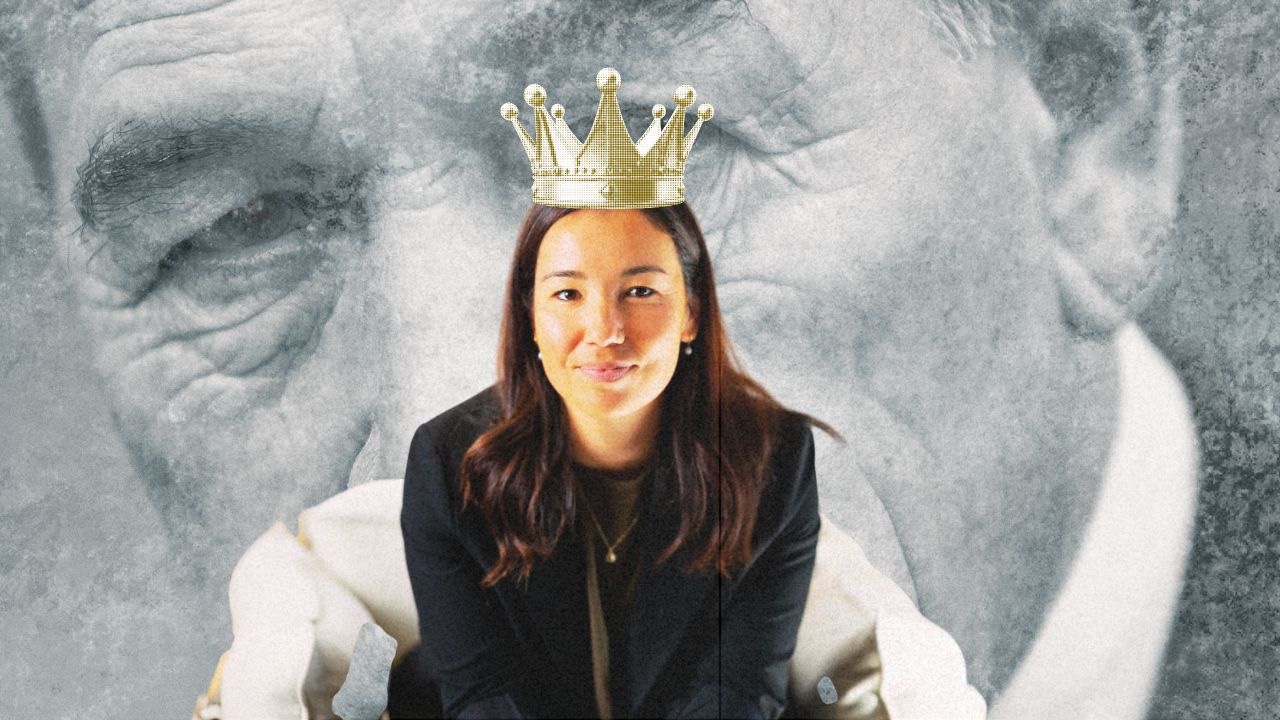

Erica Stanford wants to flush out overstayers. Political thinkers have long warned about this playbook
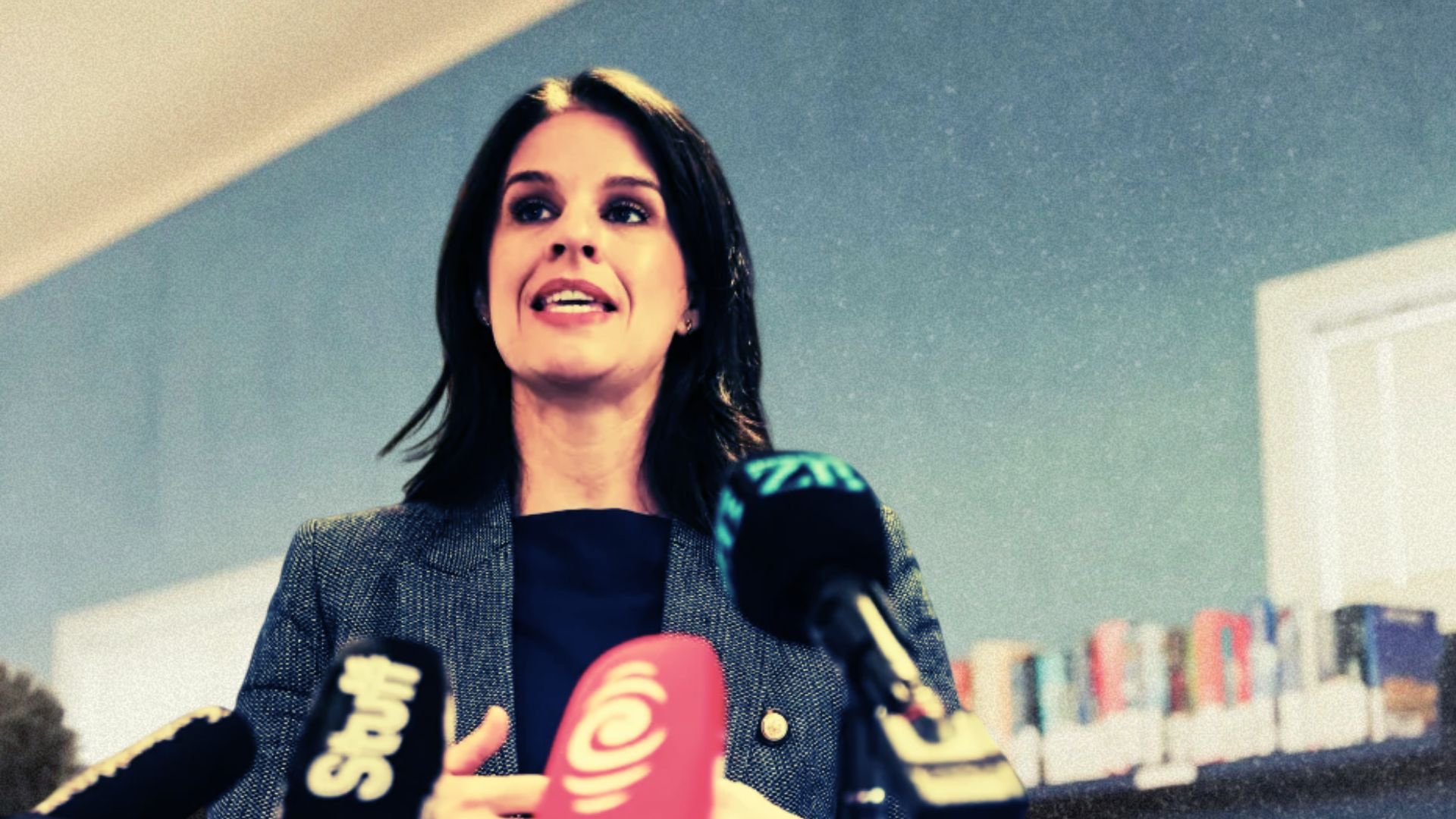
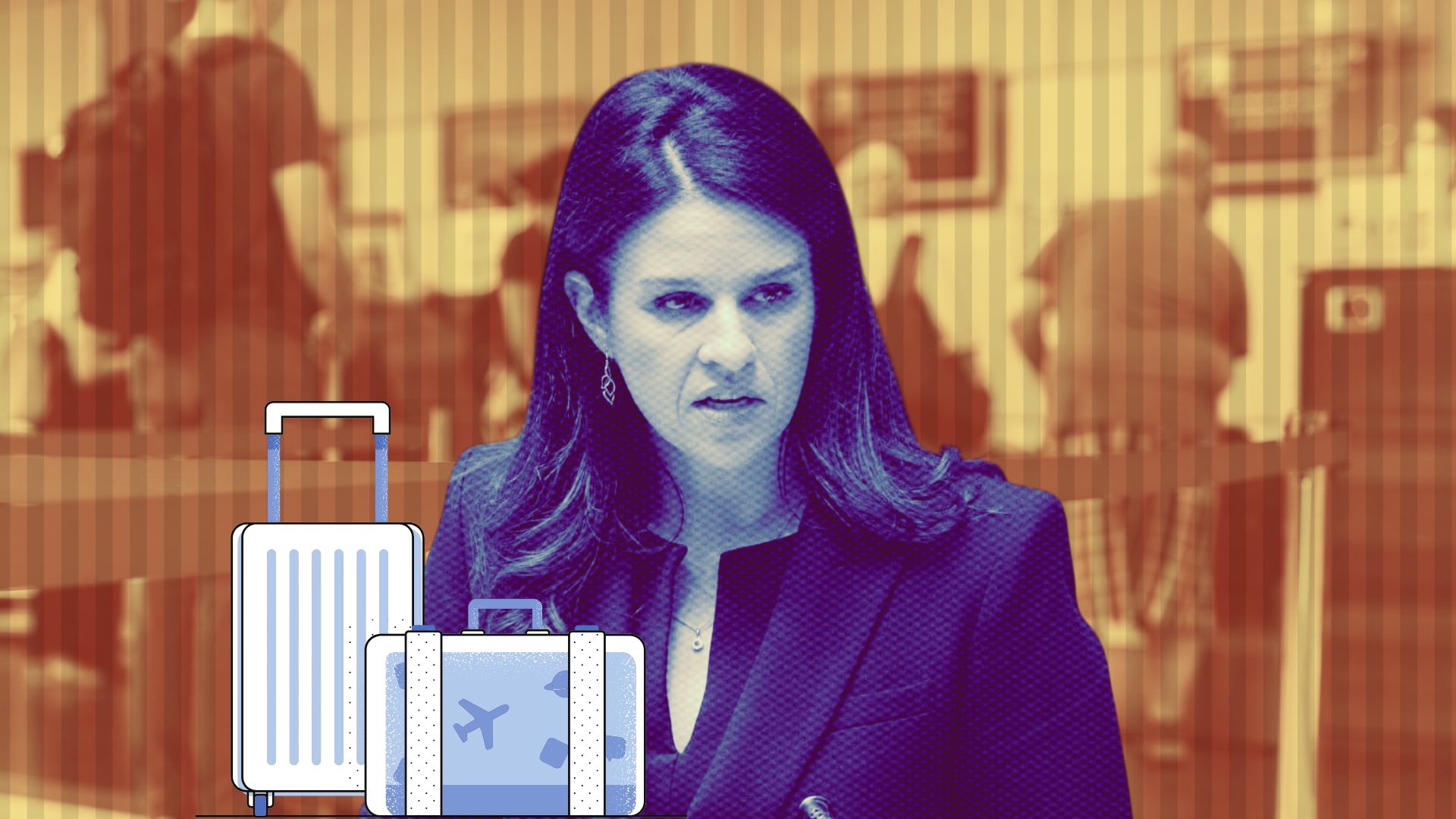
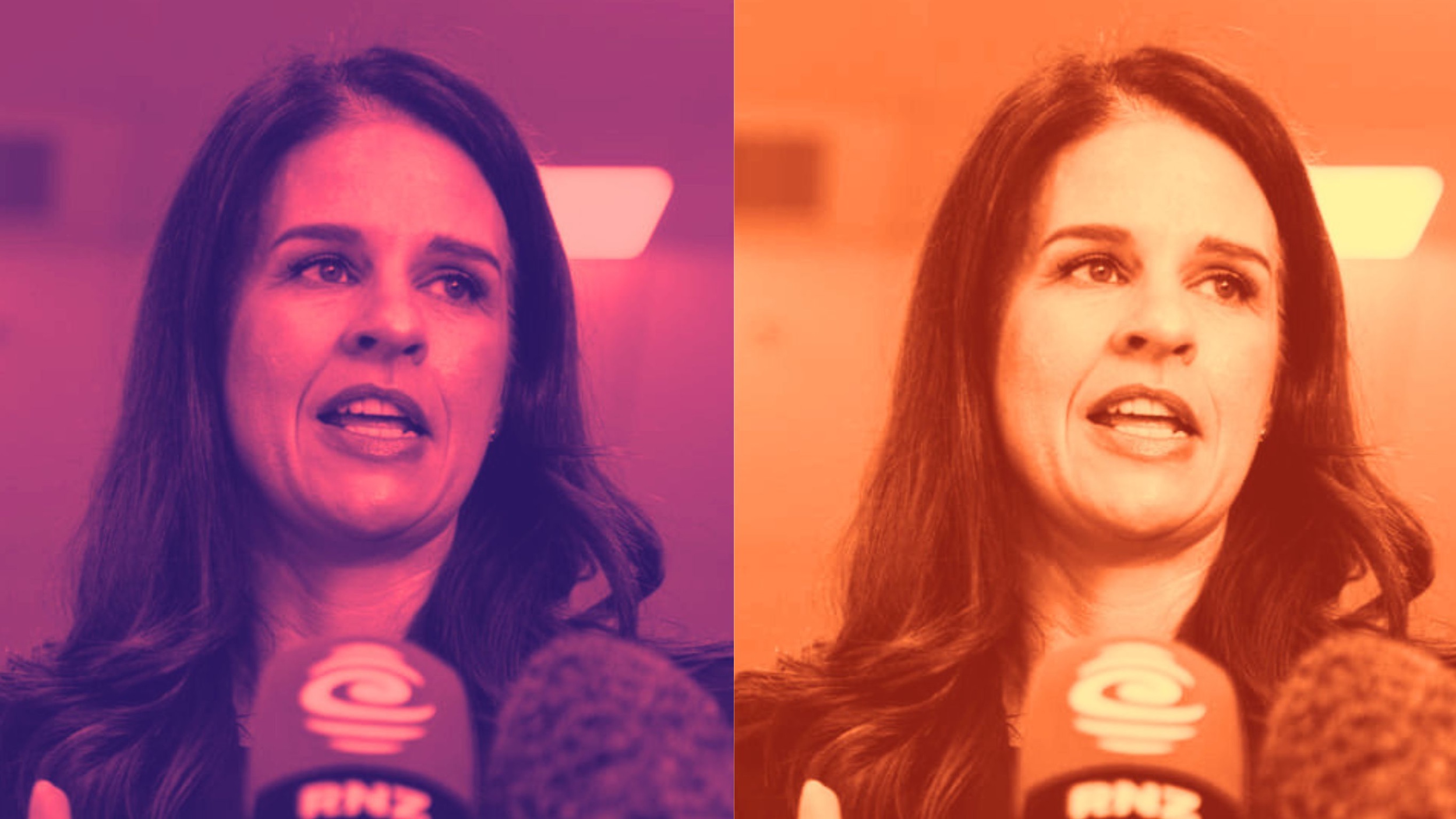
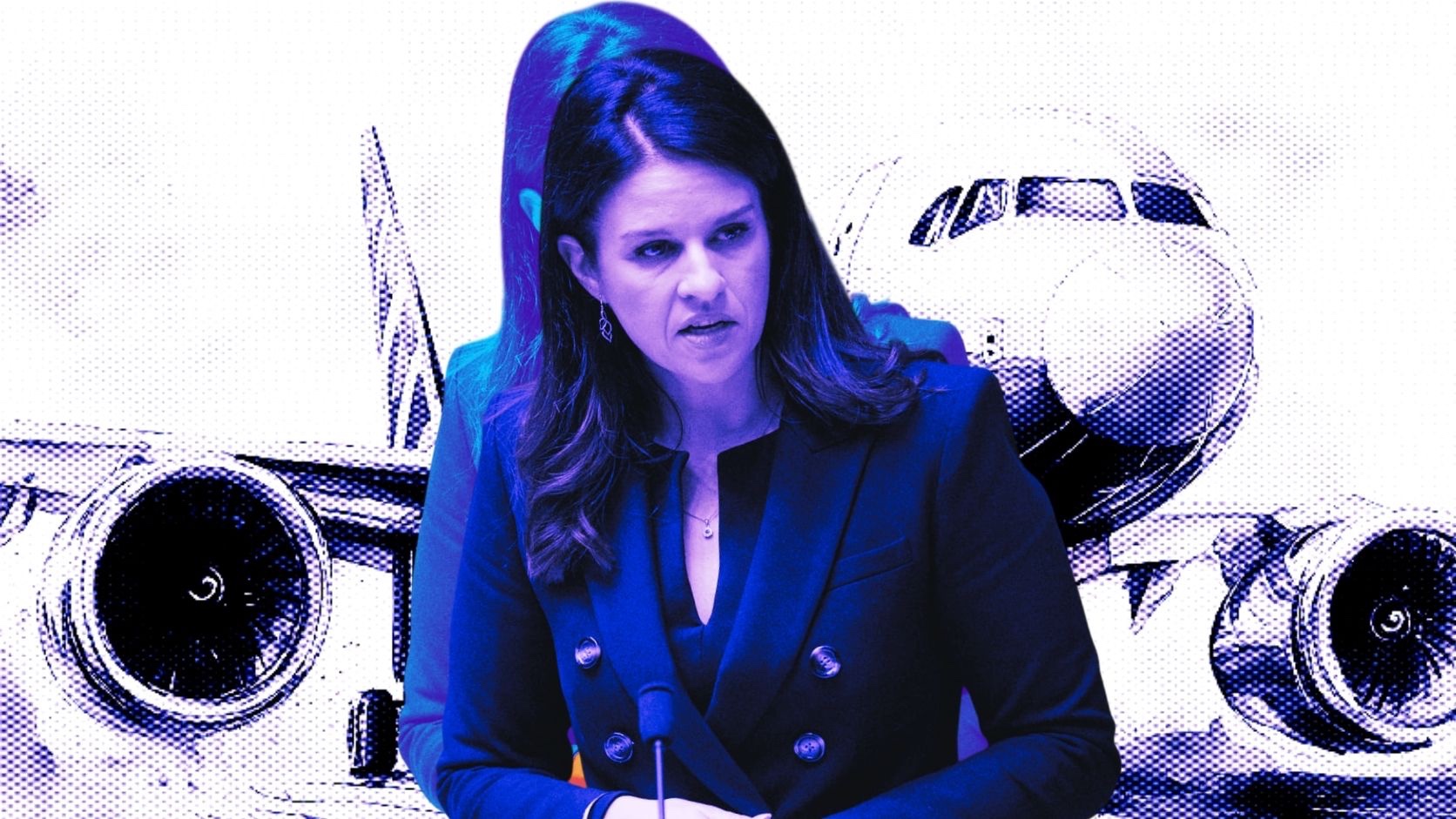
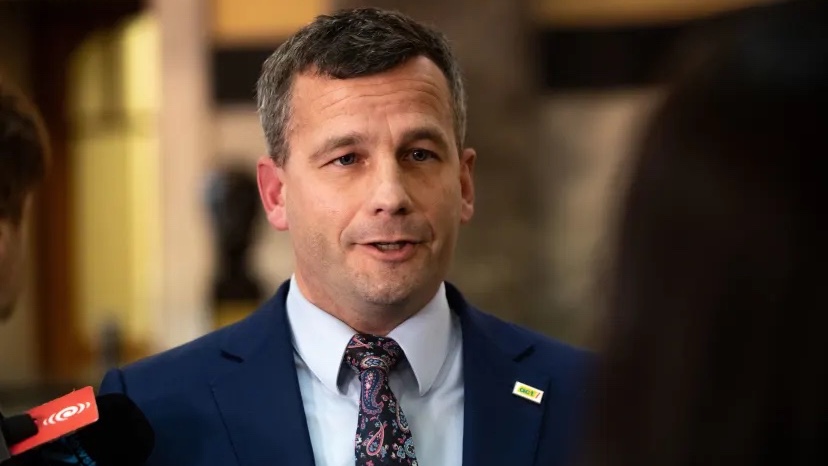
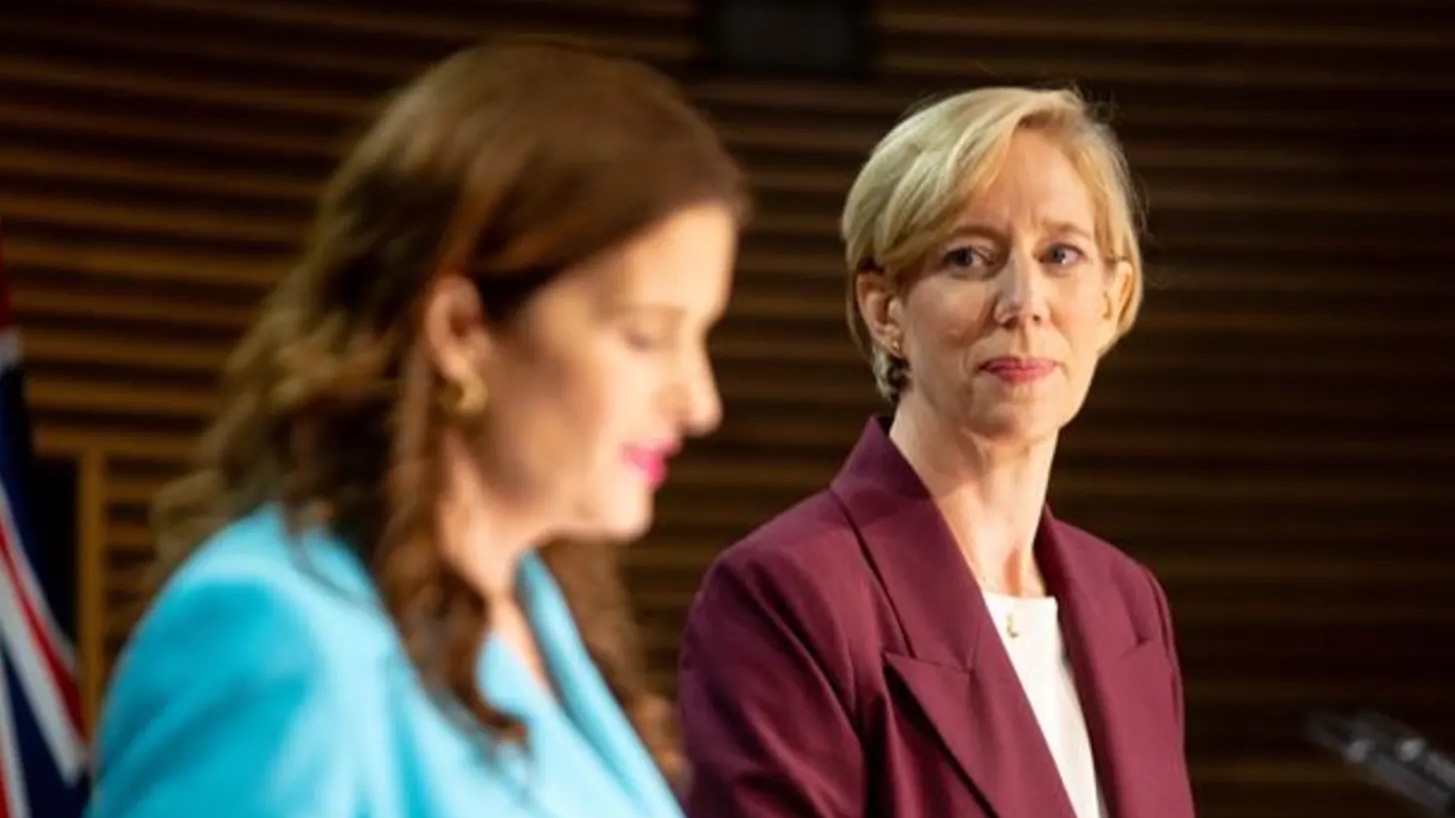
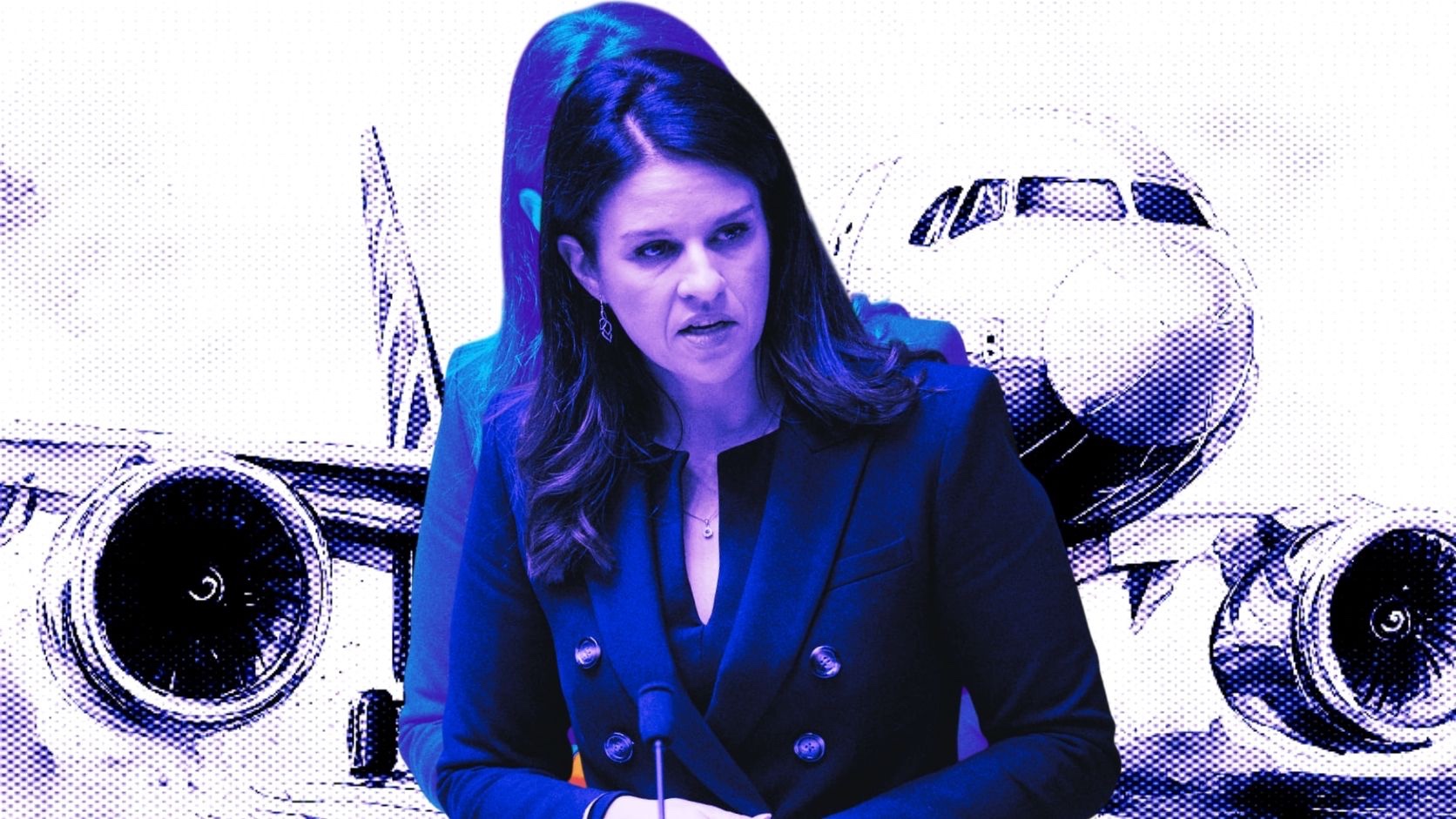
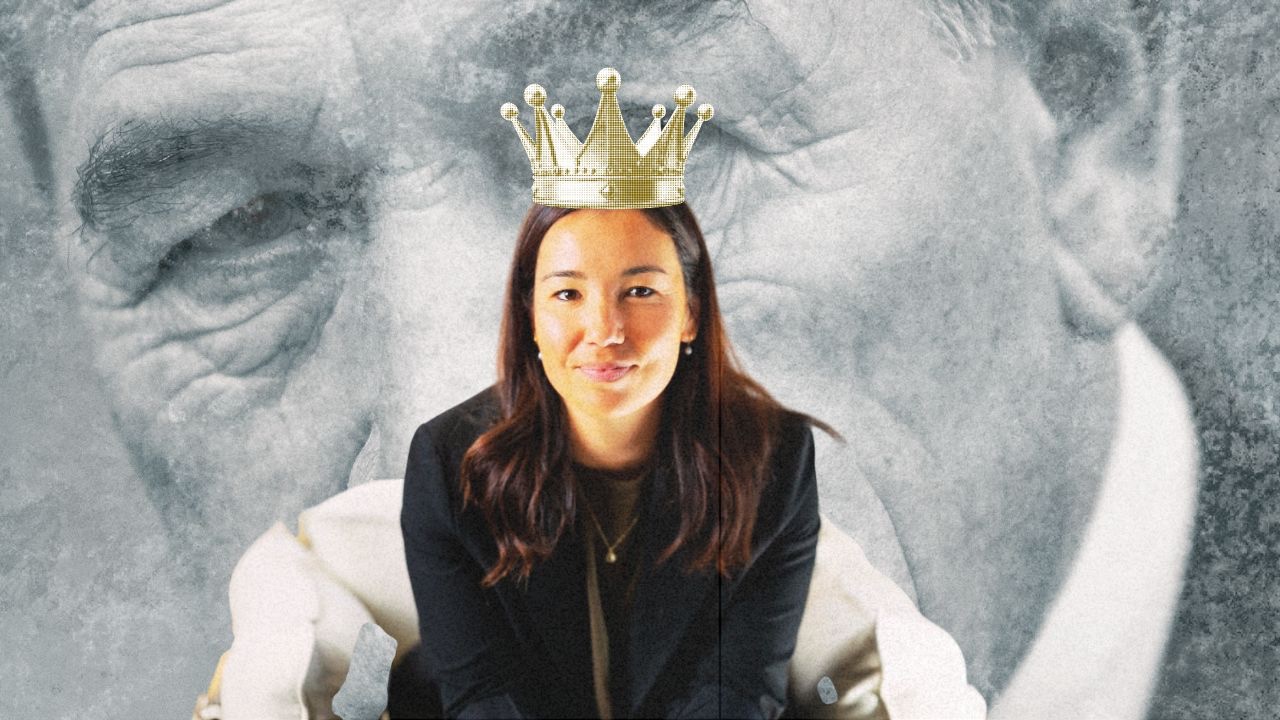
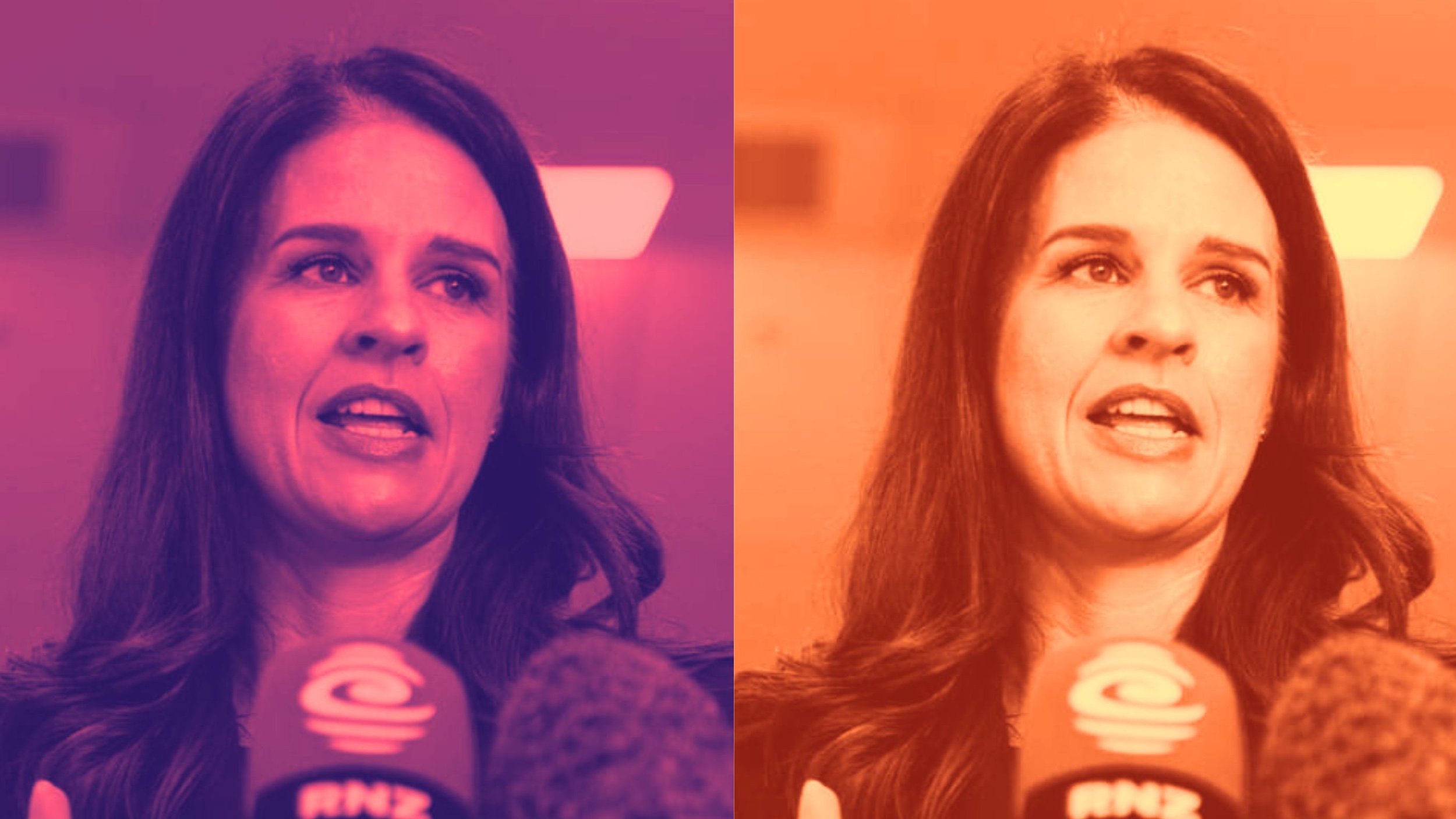
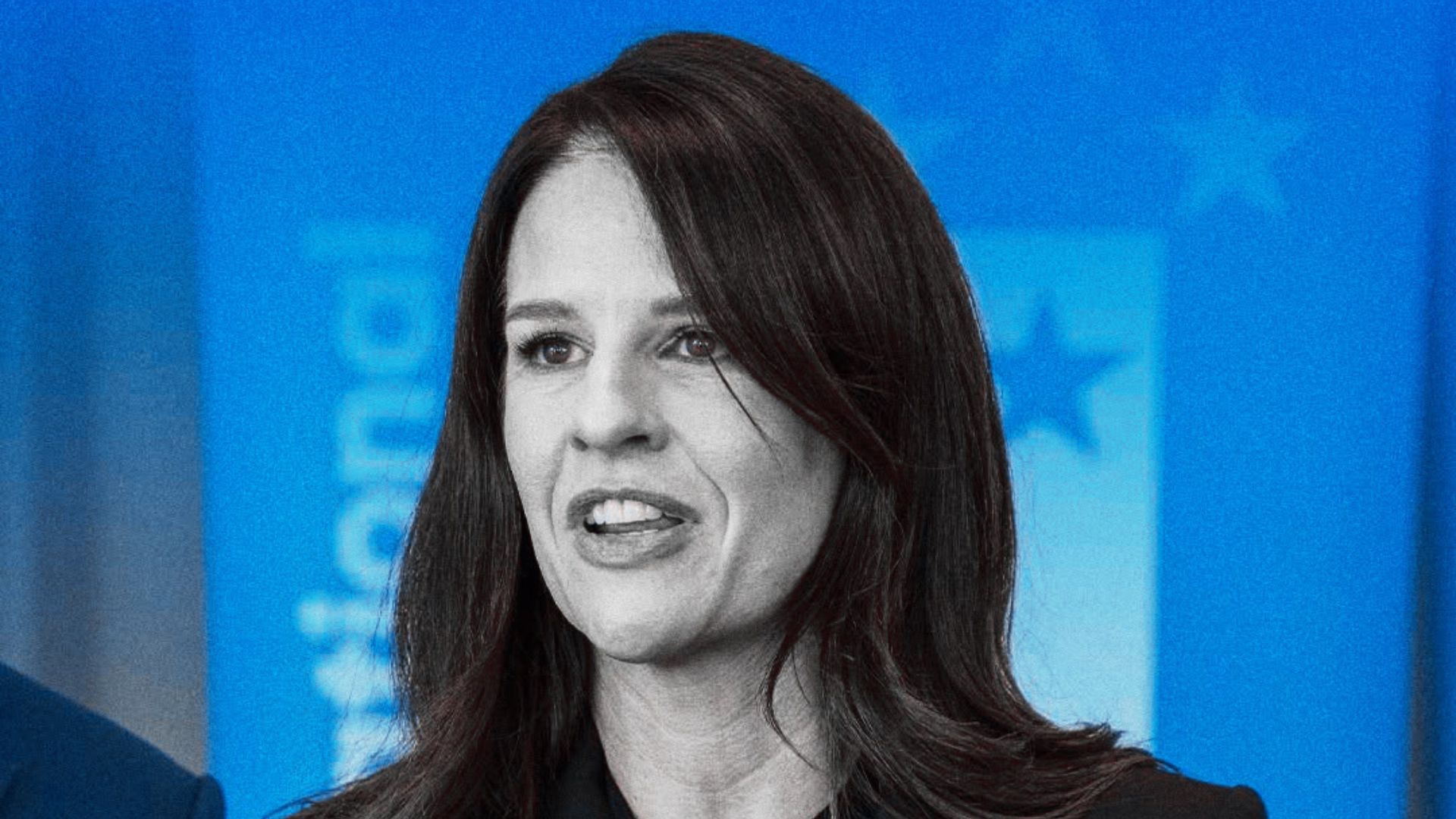
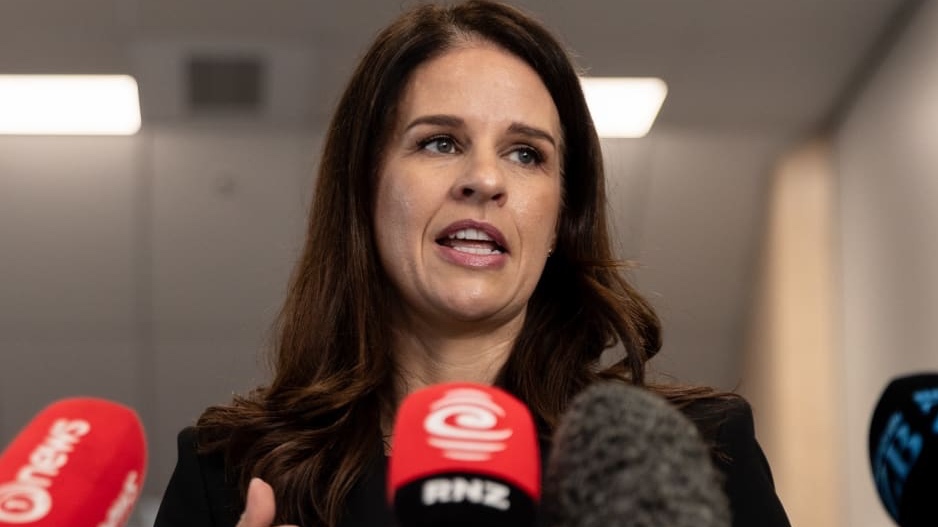
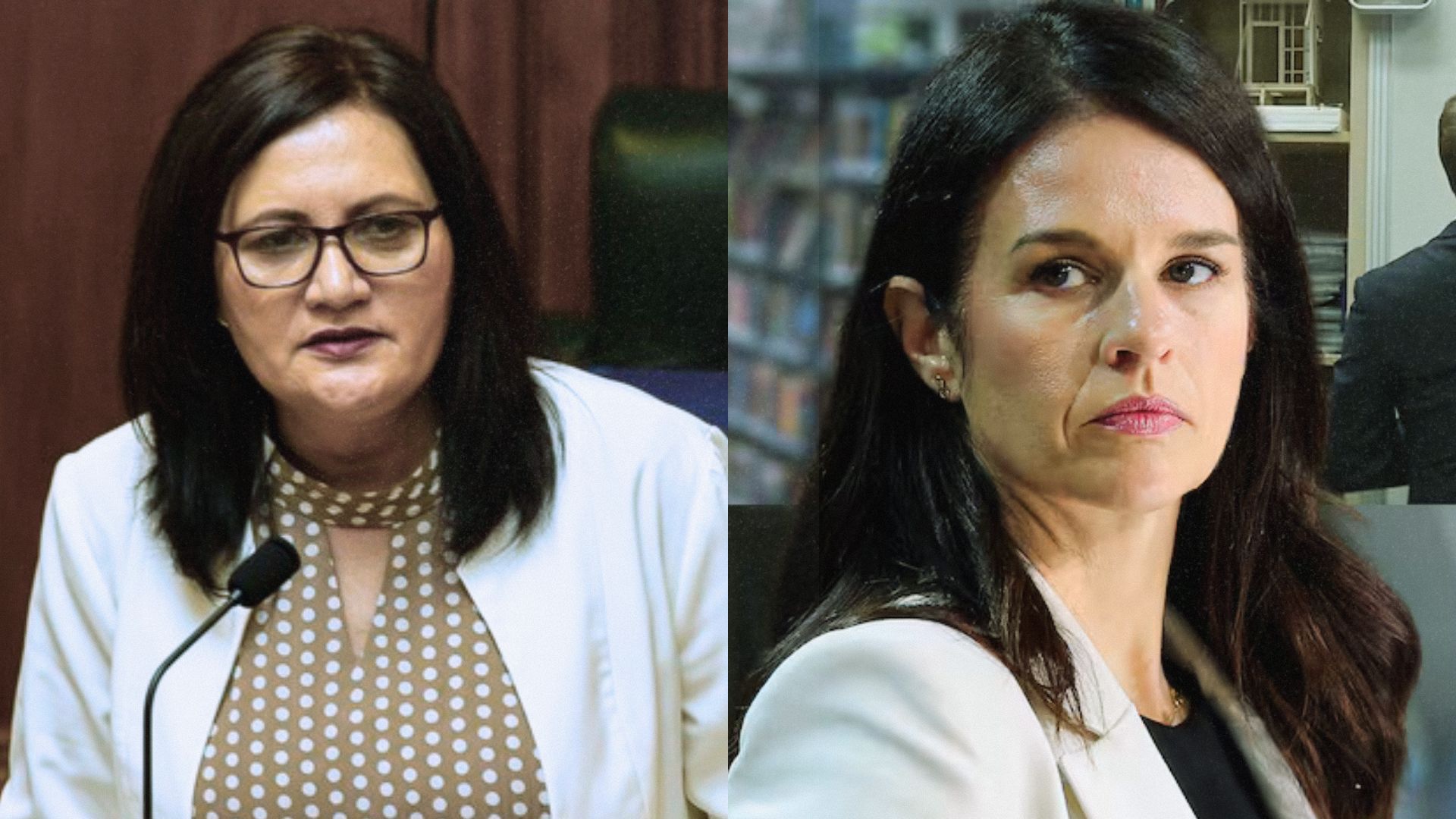
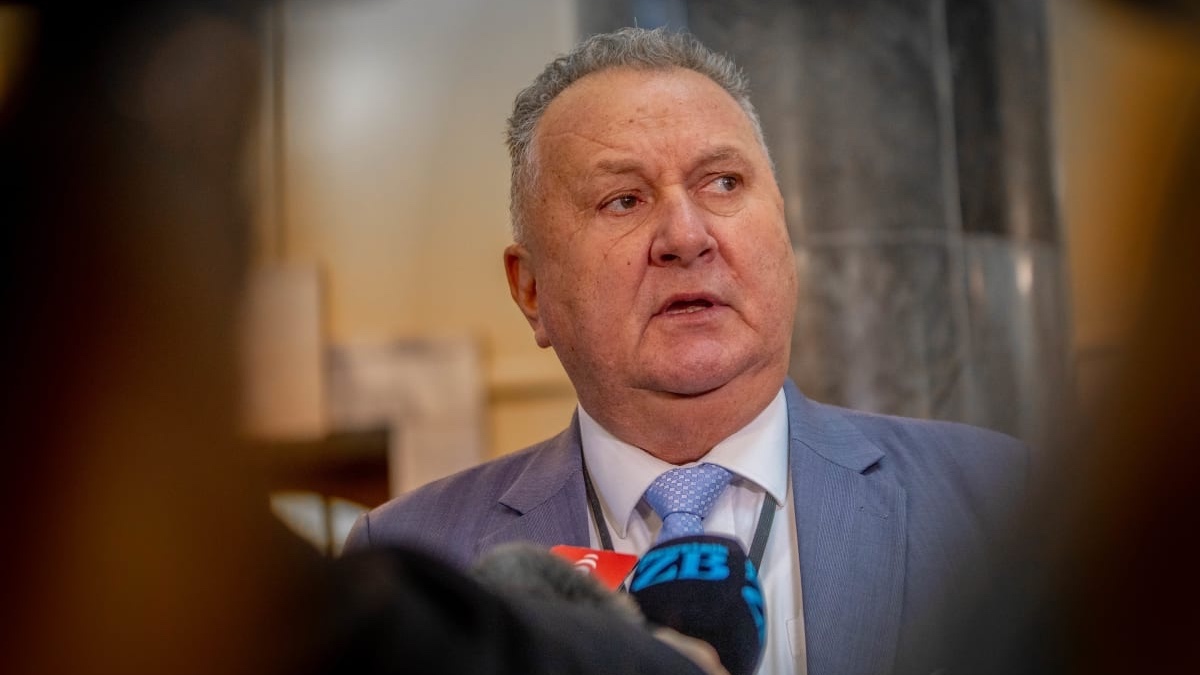
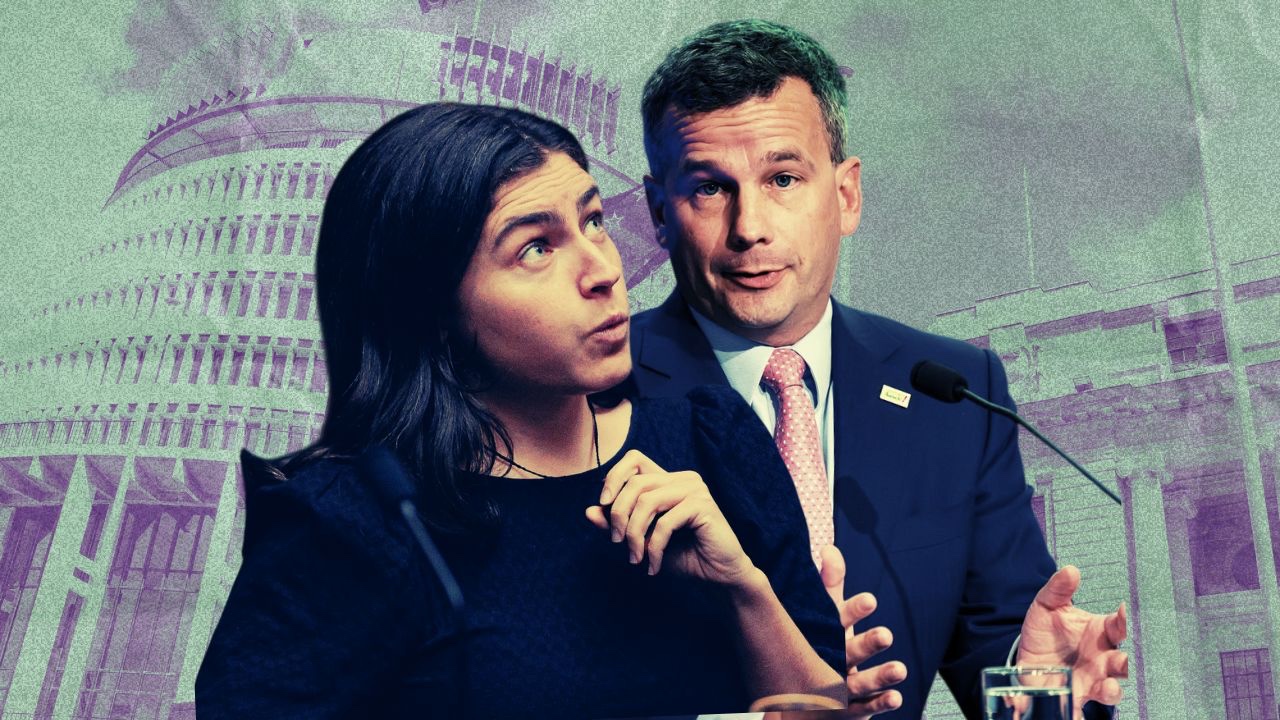
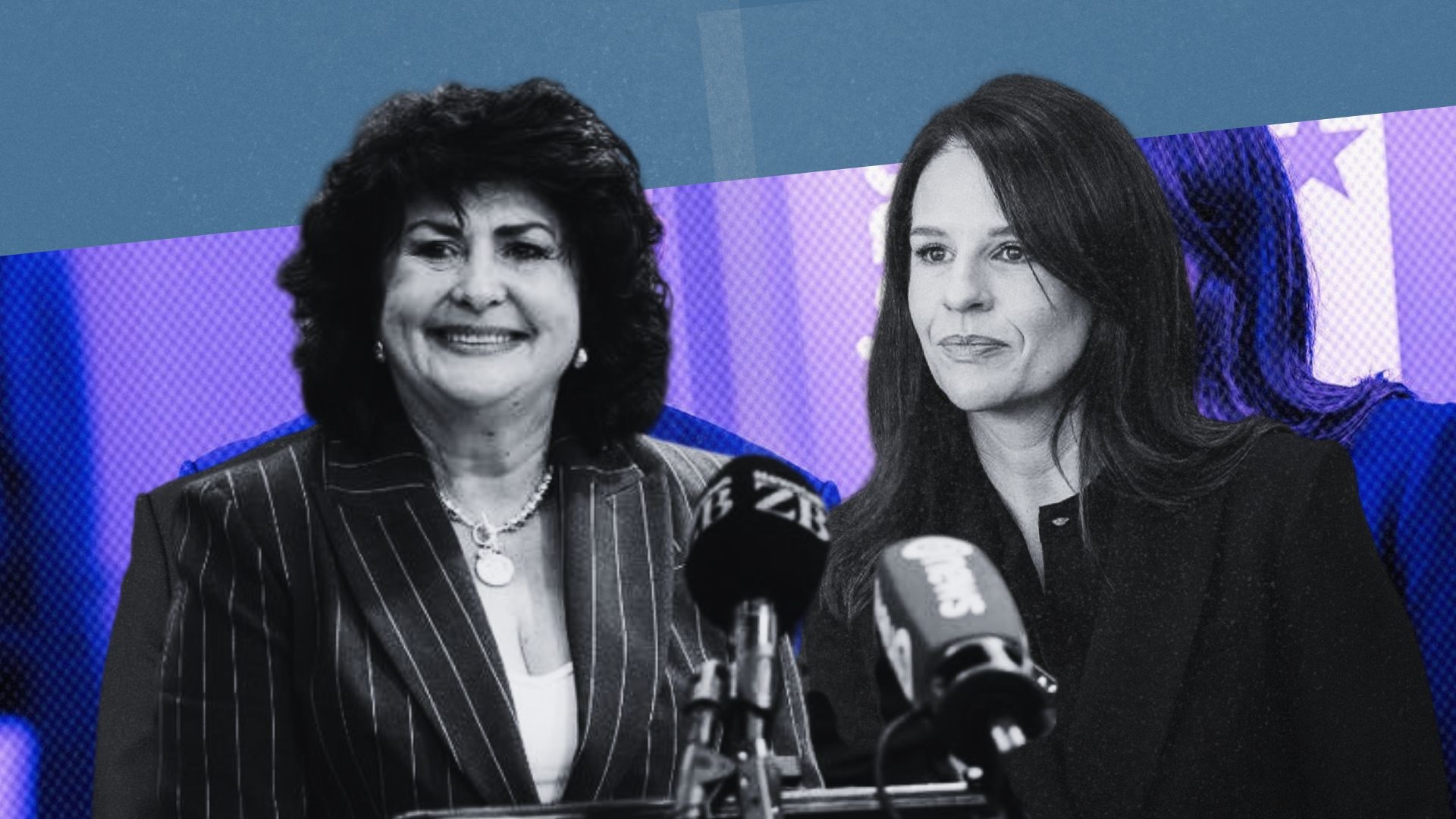
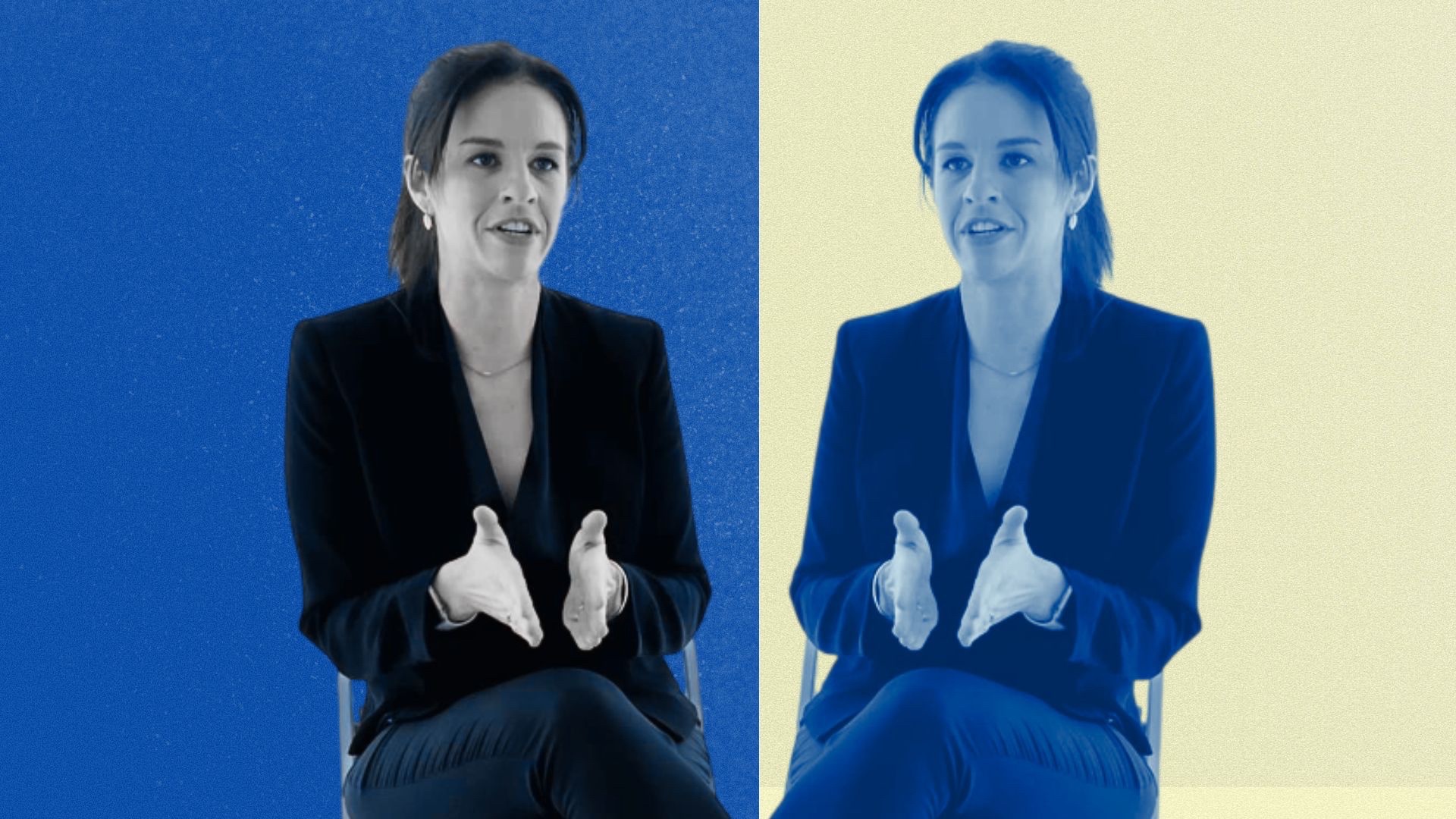
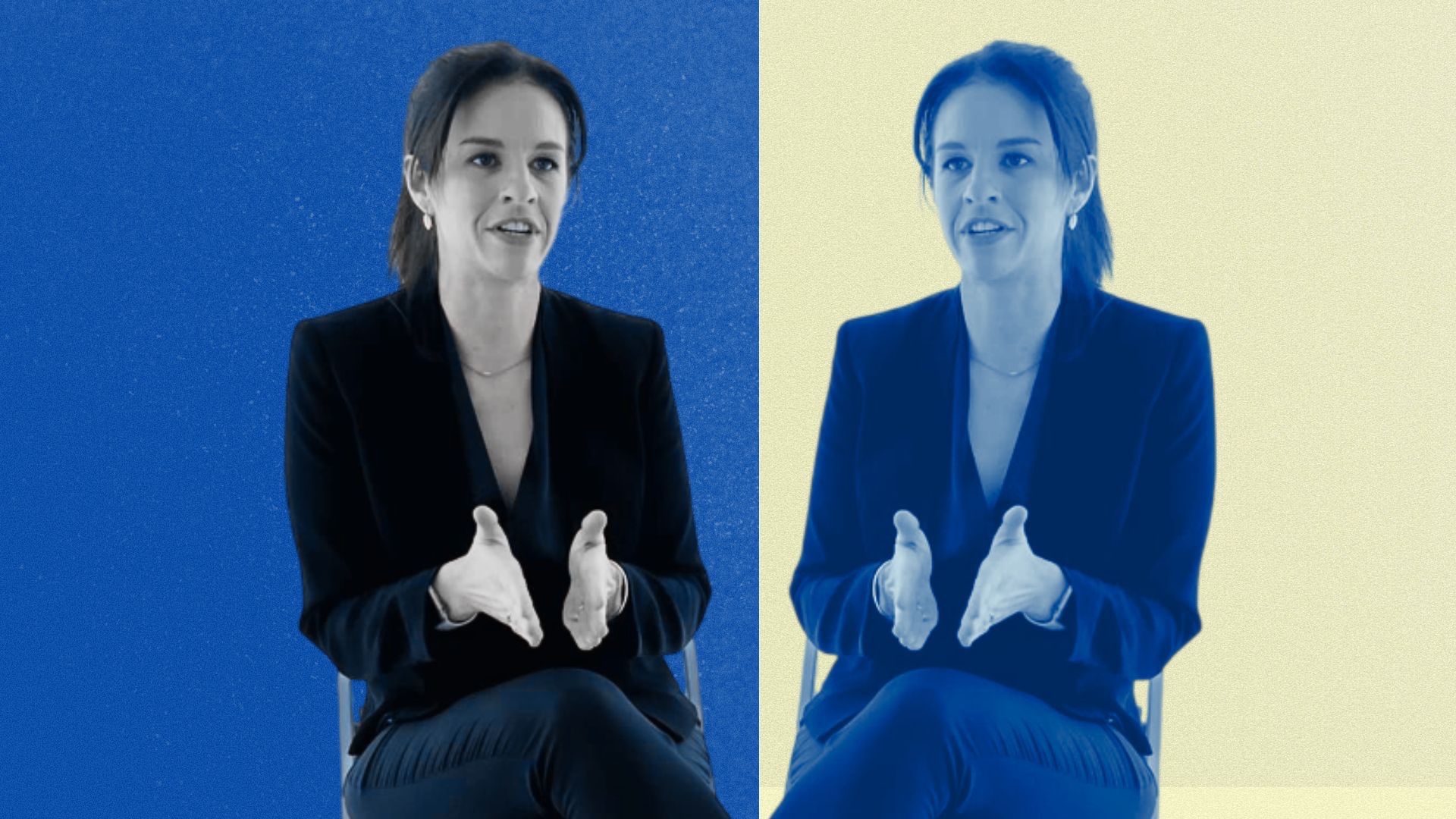
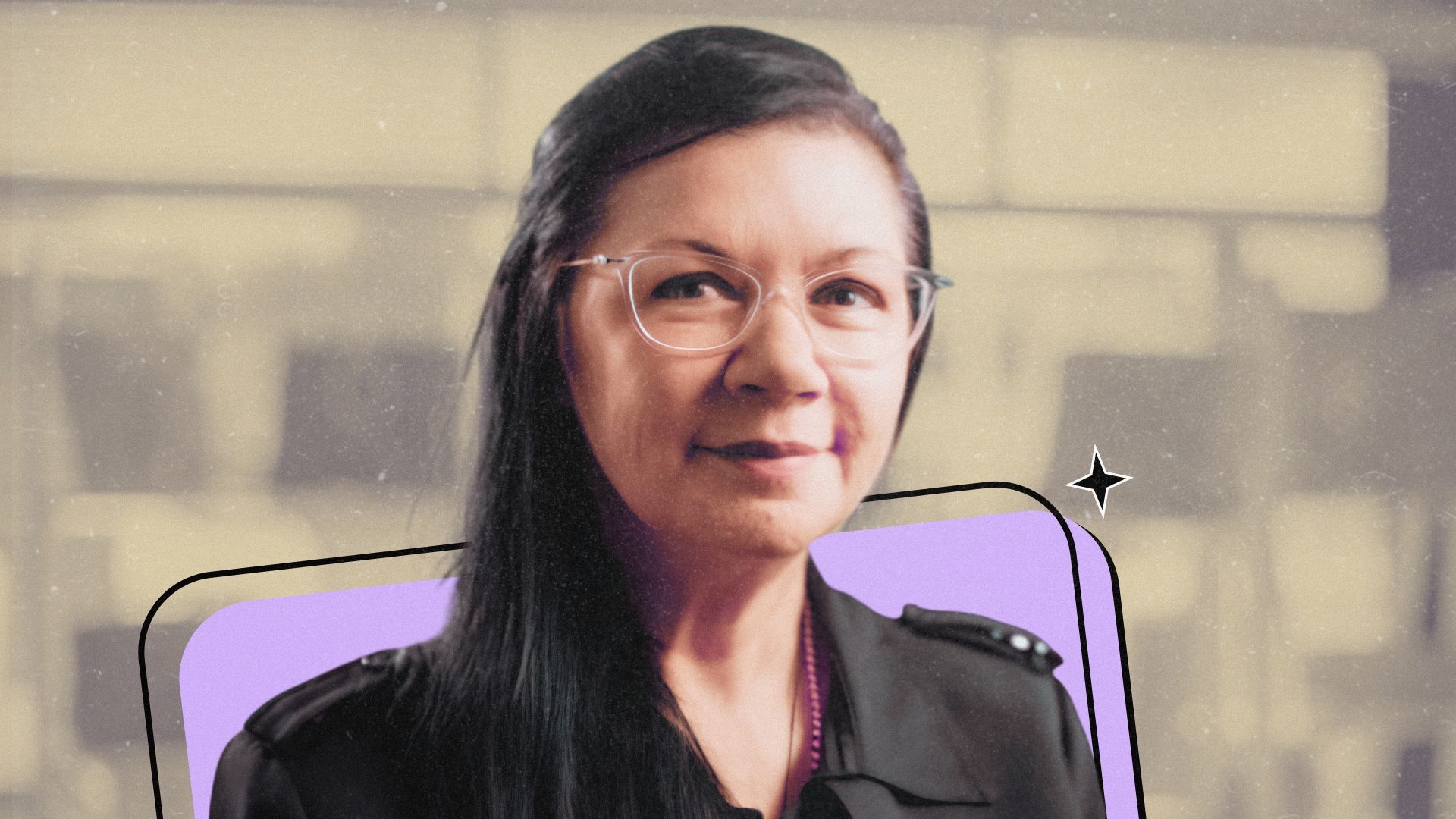
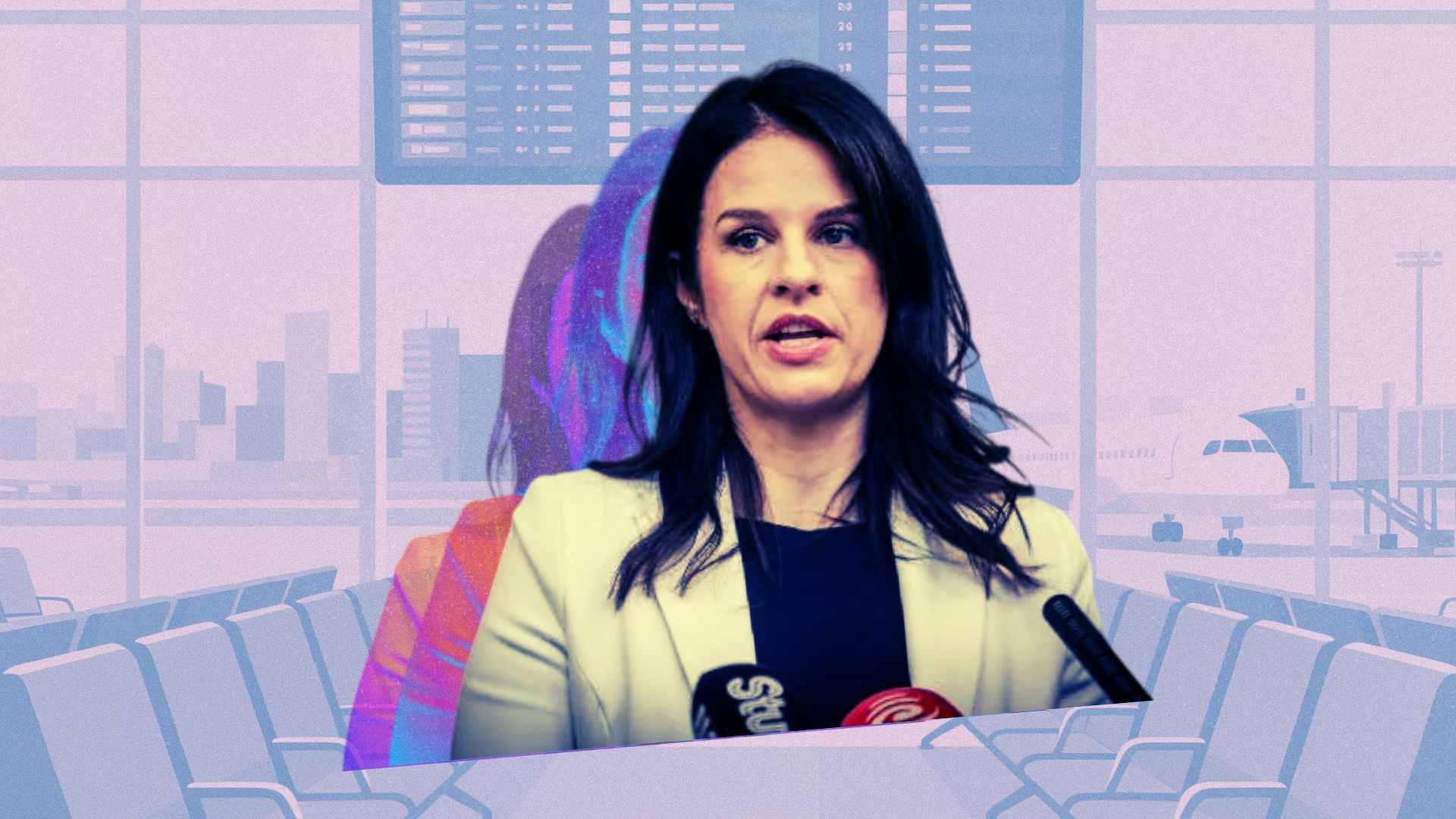
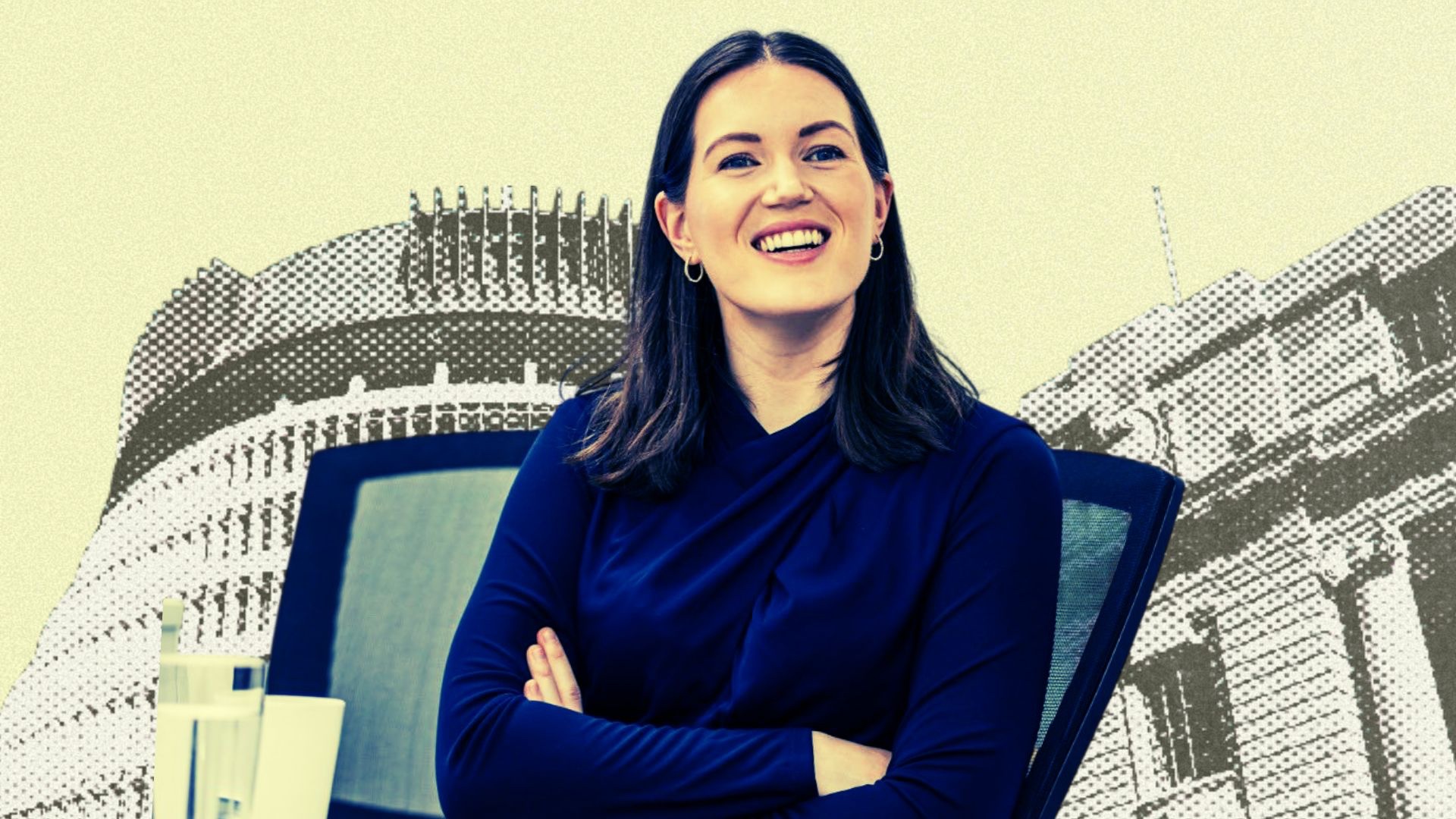
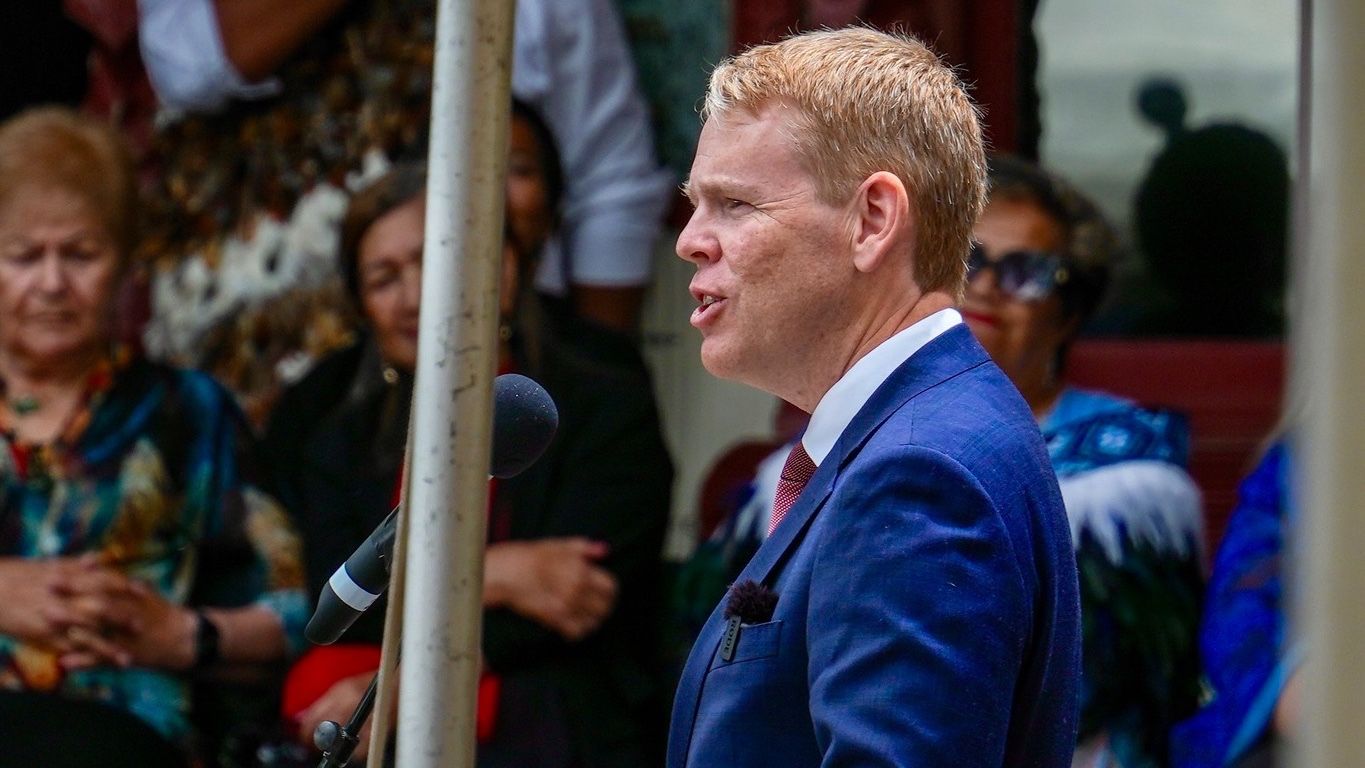
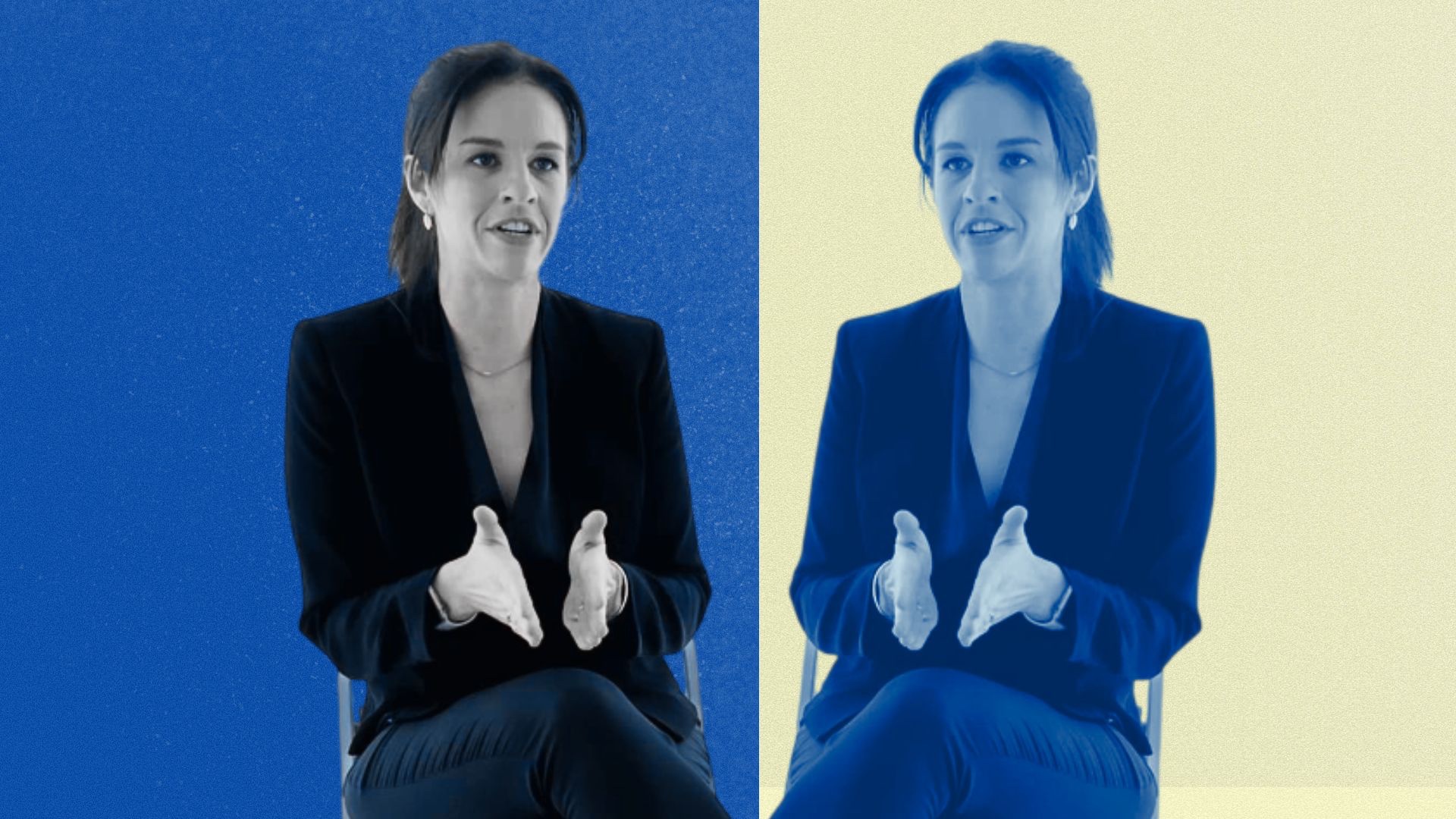
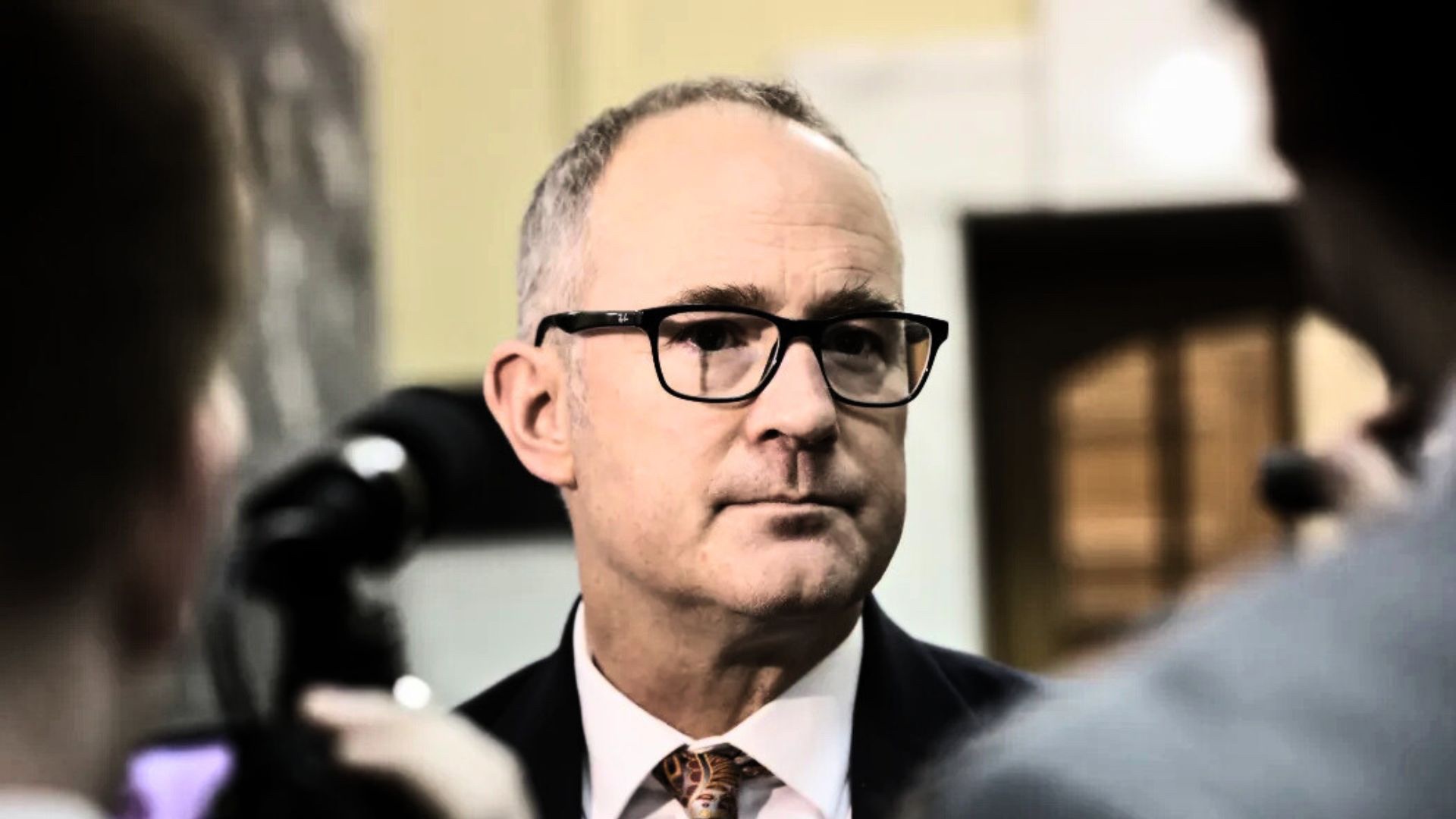
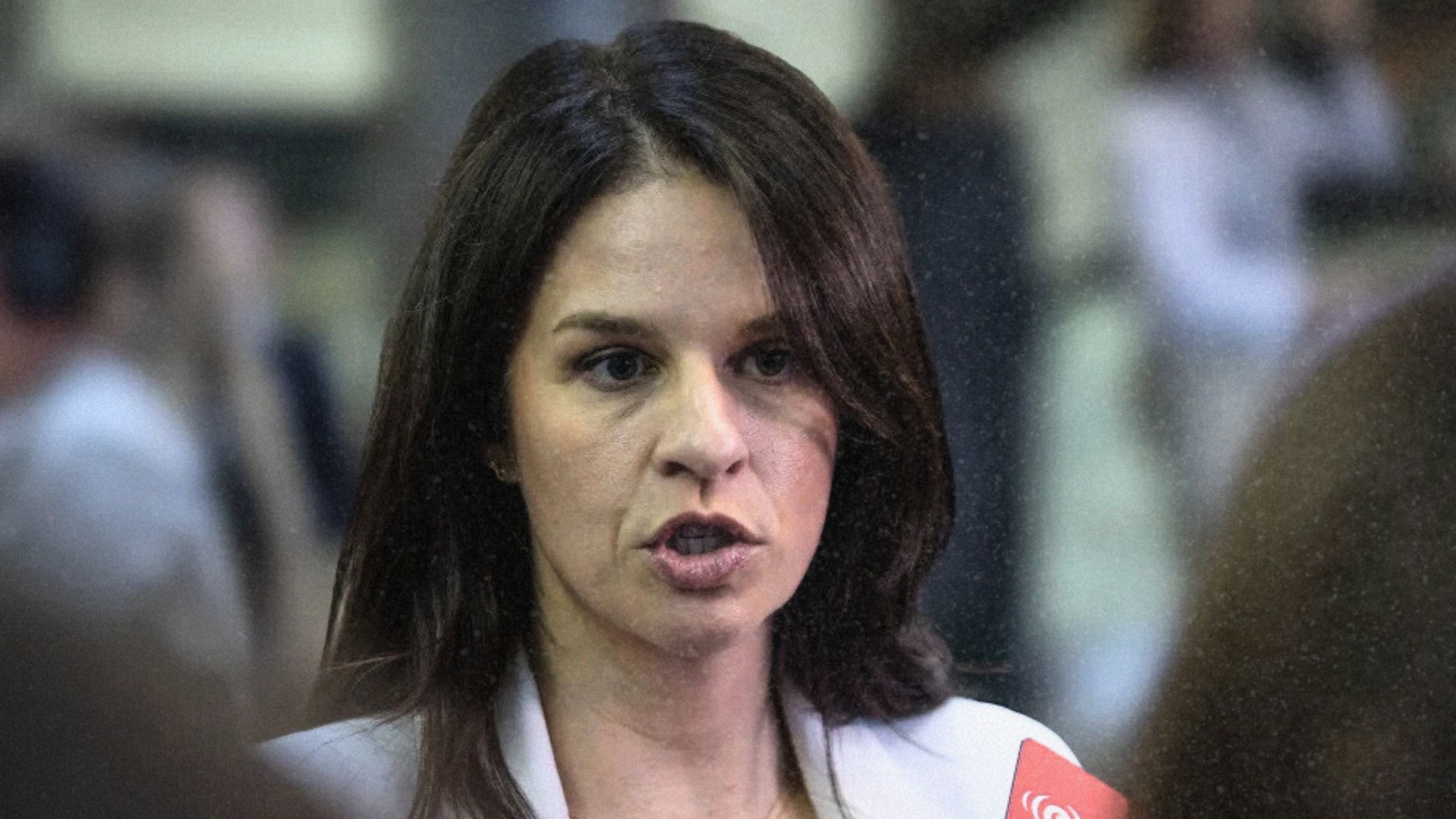
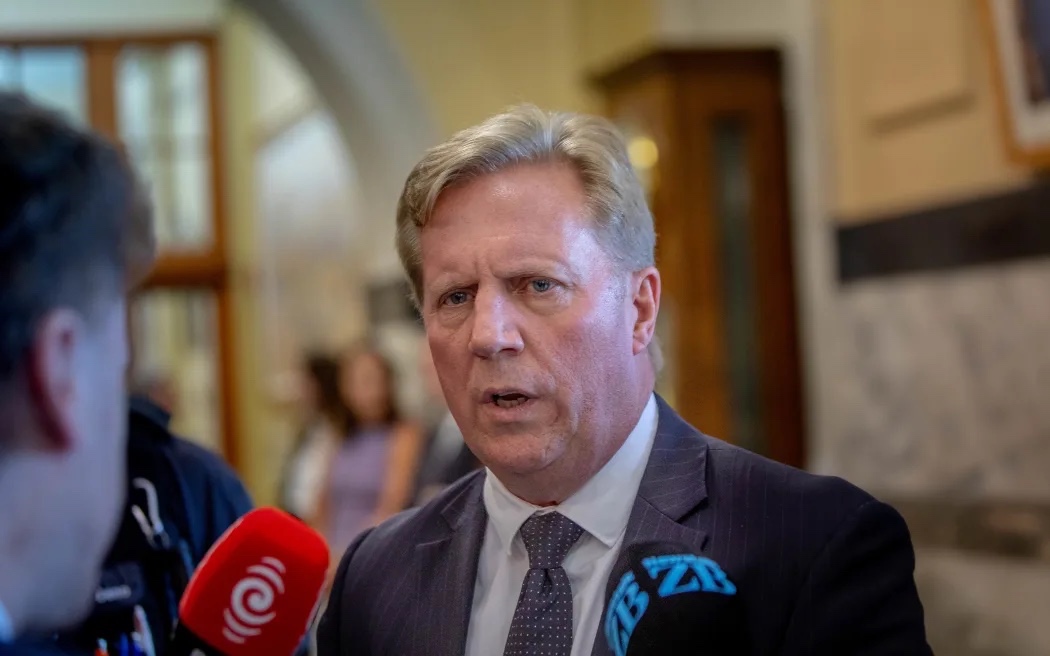
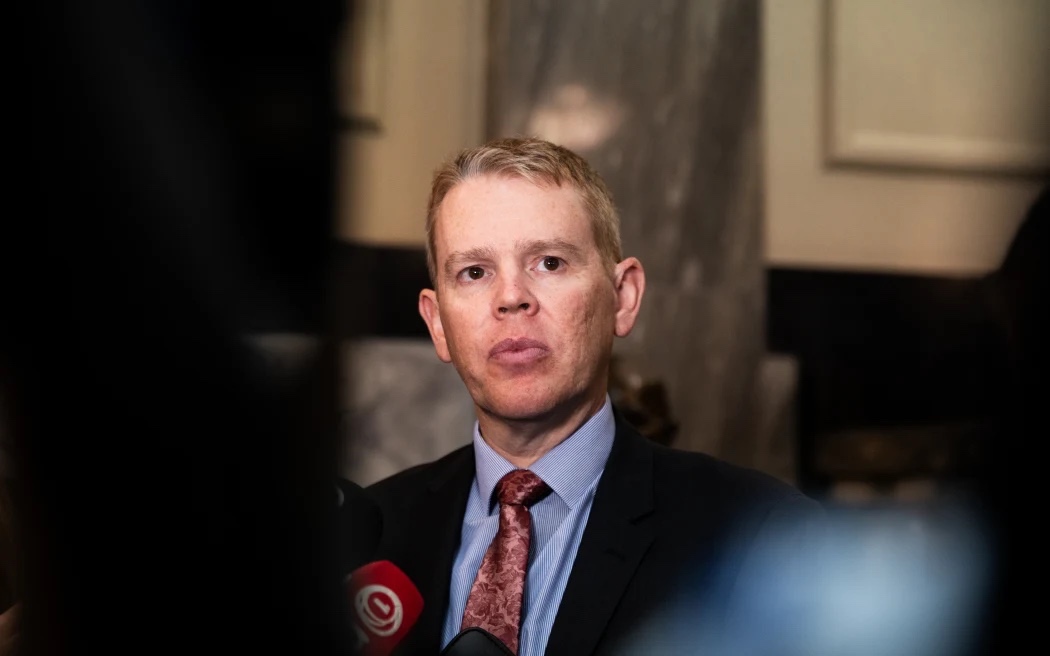
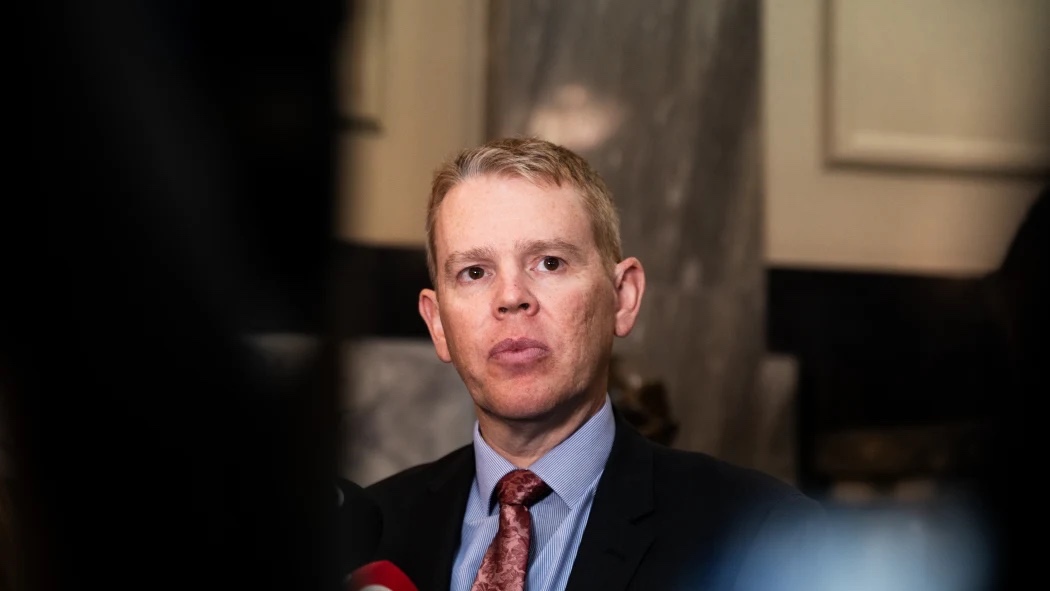
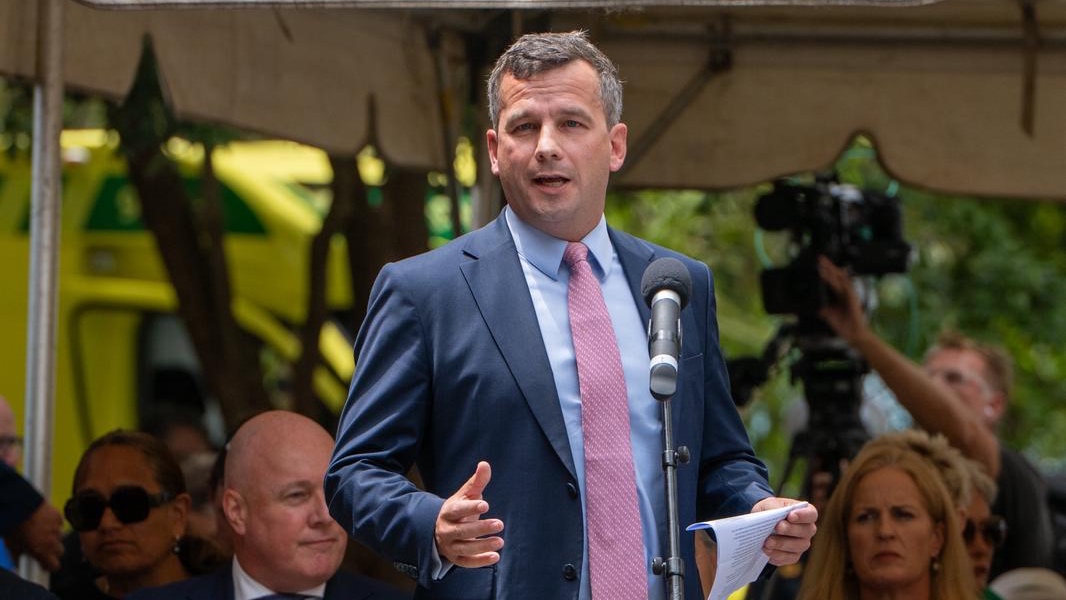
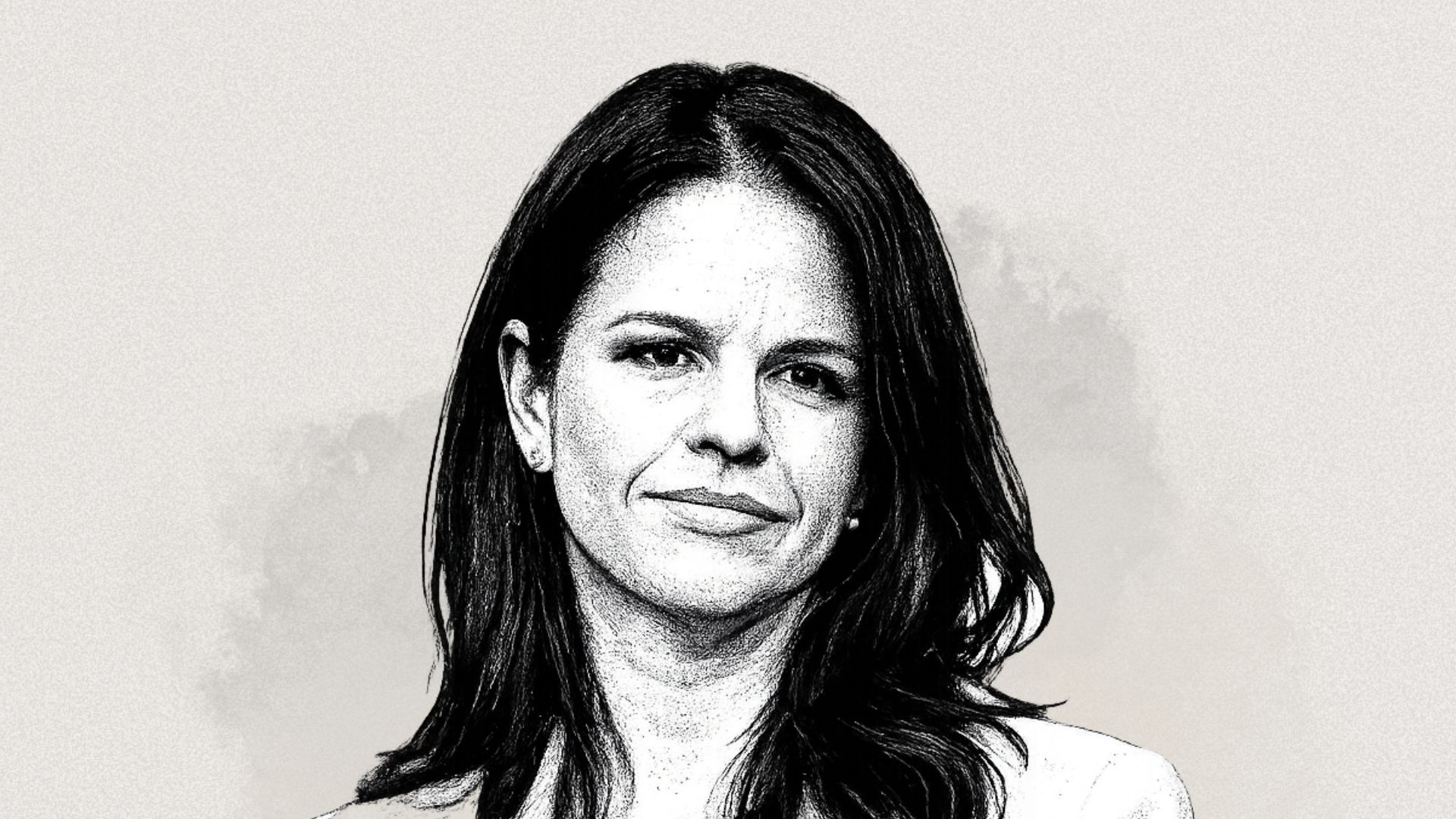
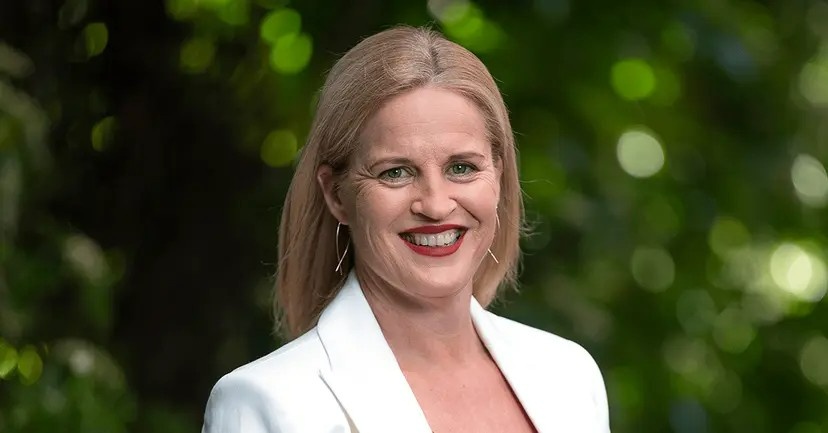
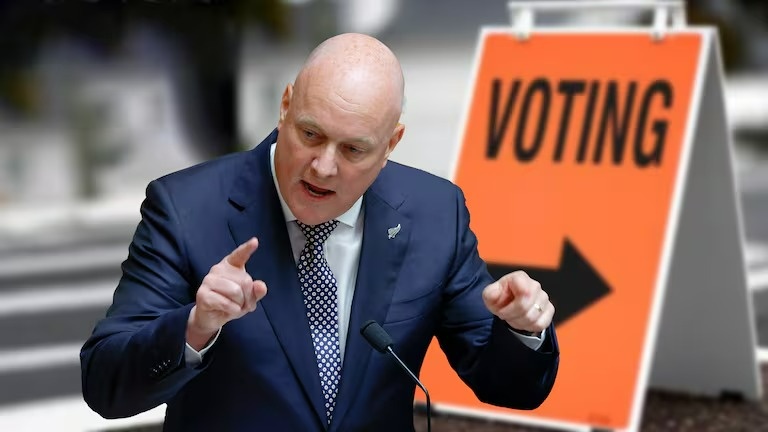
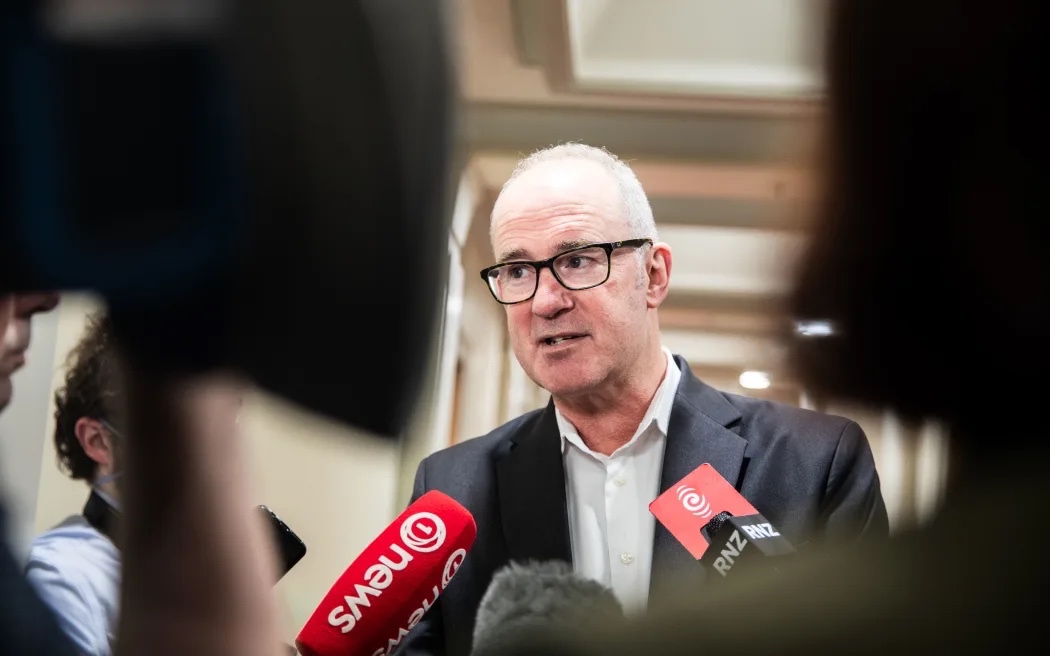
Education Minister Erica Stanford. (Samuel Rillstone/RNZ)
Governments frequently justify expansions of state power by emphasising perceived threats.
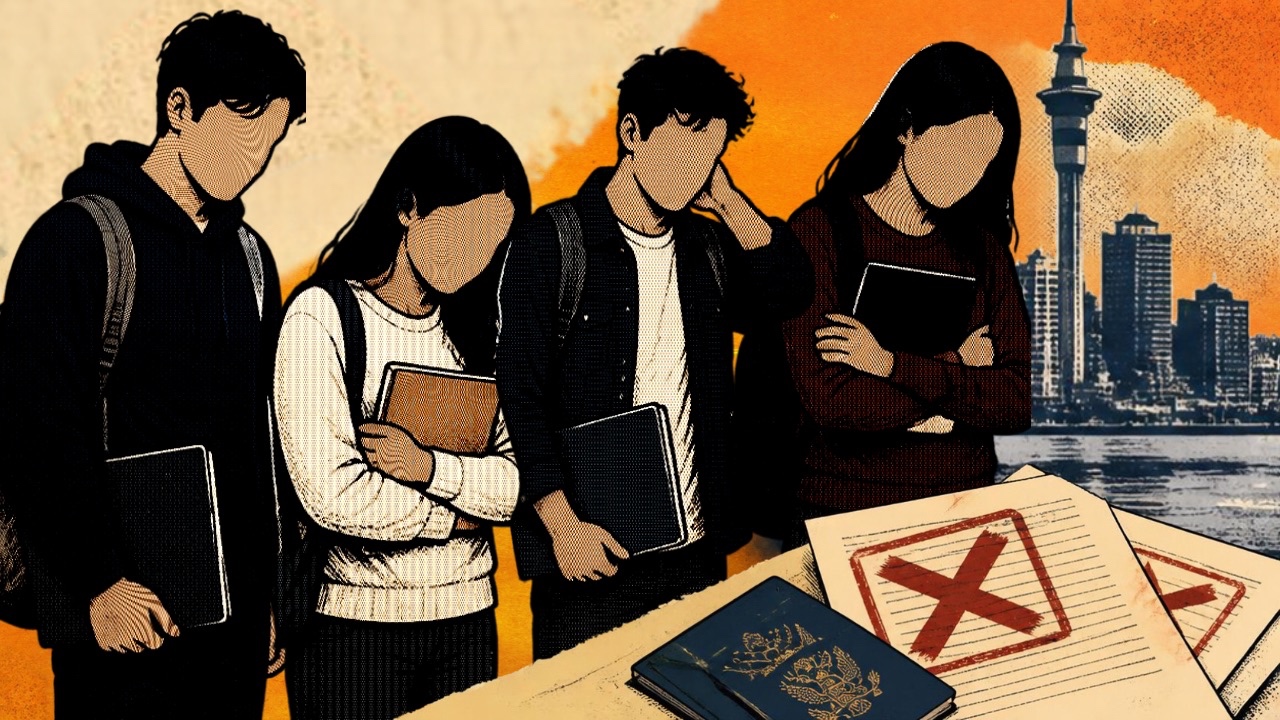
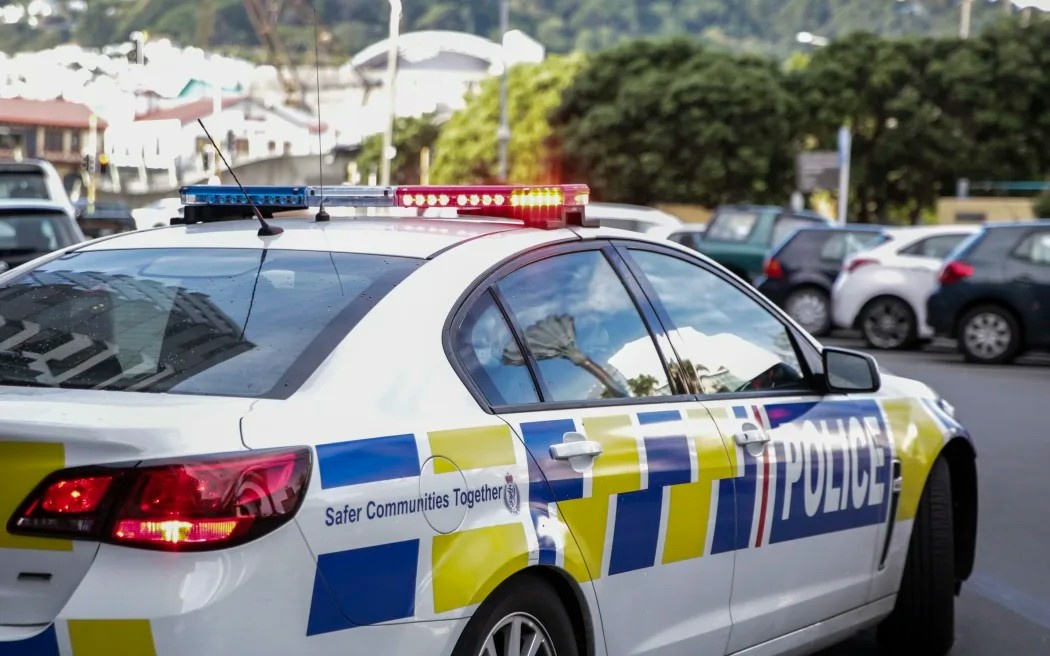
Opinion: In recent public statements, immigration minister Erica Stanford has signalled that the government intends to introduce an amendment to the Immigration Act that would give immigration officers the power to demand identification from people they suspect may be breaching visa conditions. In promoting the proposal, the minister initially cited figures suggesting there were far larger numbers of undocumented migrants in New Zealand than the available evidence supports.
The minister has since apologised for providing inaccurate information. Nevertheless, those inflated figures formed part of the public justification for introducing new enforcement powers. When legislation that expands the authority of the state is proposed on the basis of exaggerated threats, it becomes especially important that the practical implications of those powers are examined carefully before they become law.
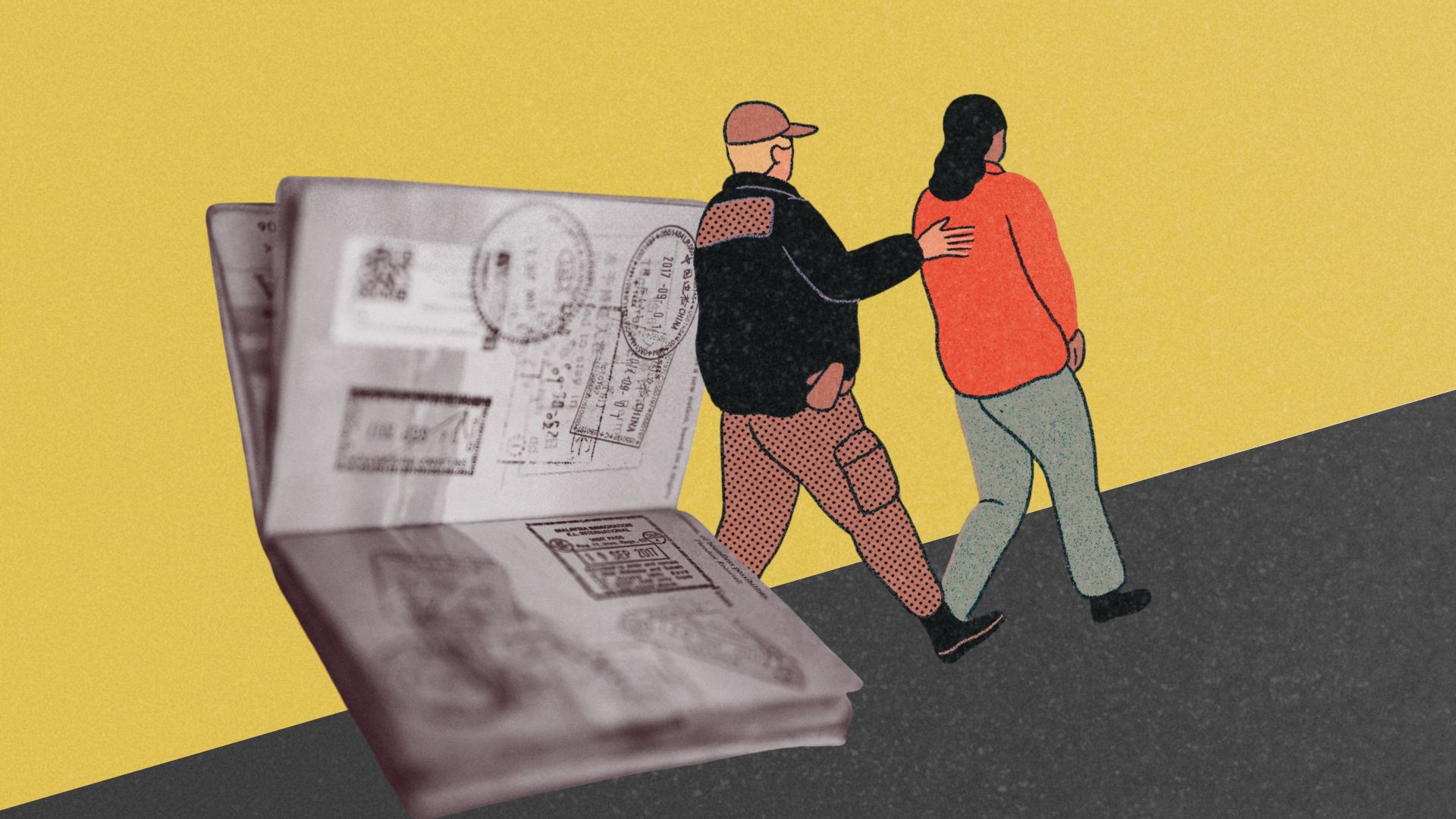
According to information provided by the minister's office to RNZ, immigration officers would need to have "reasonable grounds" to suspect that migrants in a particular place, such as a workplace or a home, are breaching visa conditions.
In those circumstances, officers would be able to request identification from individuals whose behaviour they consider suspicious. While the proposal is framed as a targeted enforcement measure, its practical implications raise serious concerns.
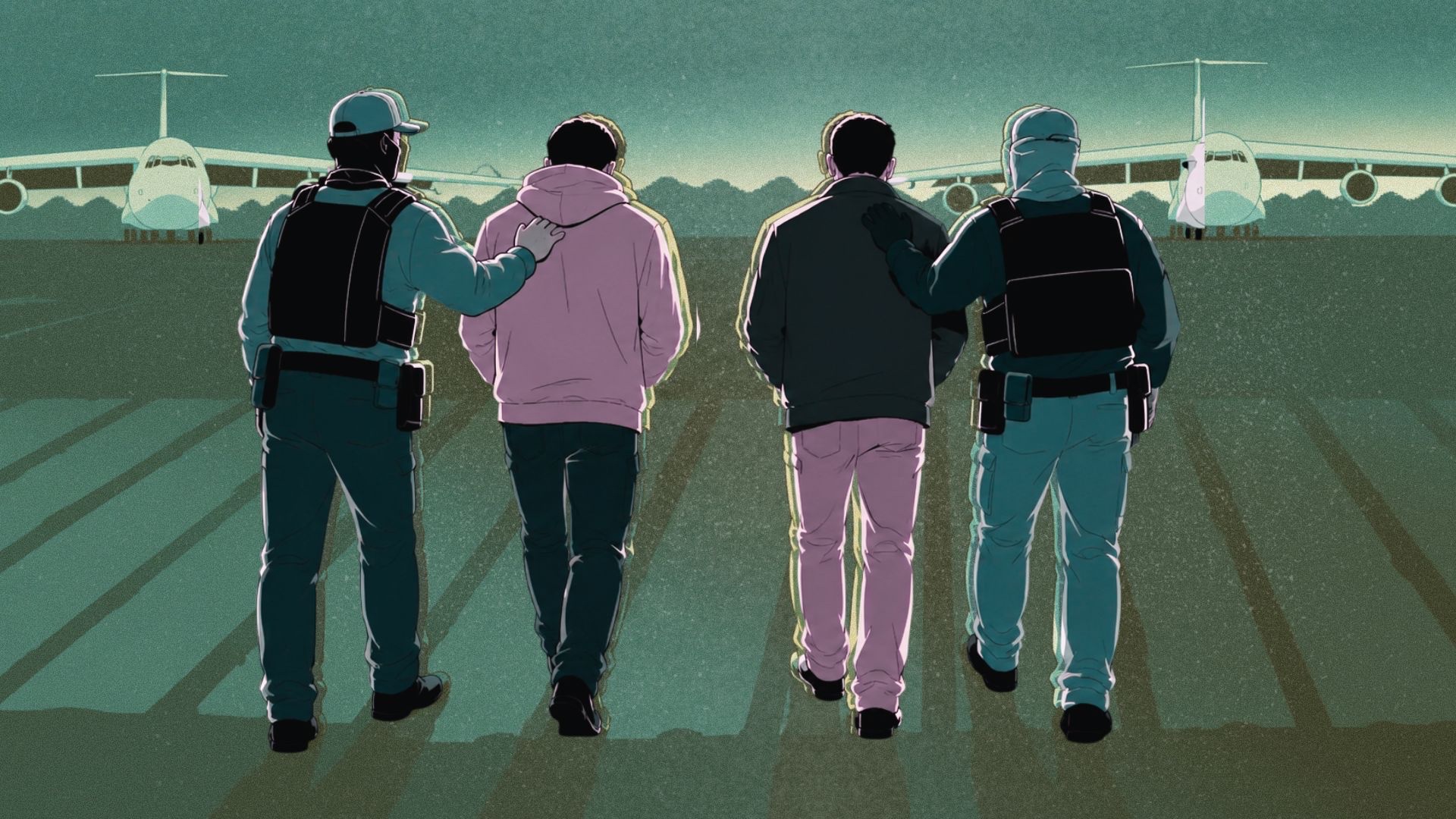
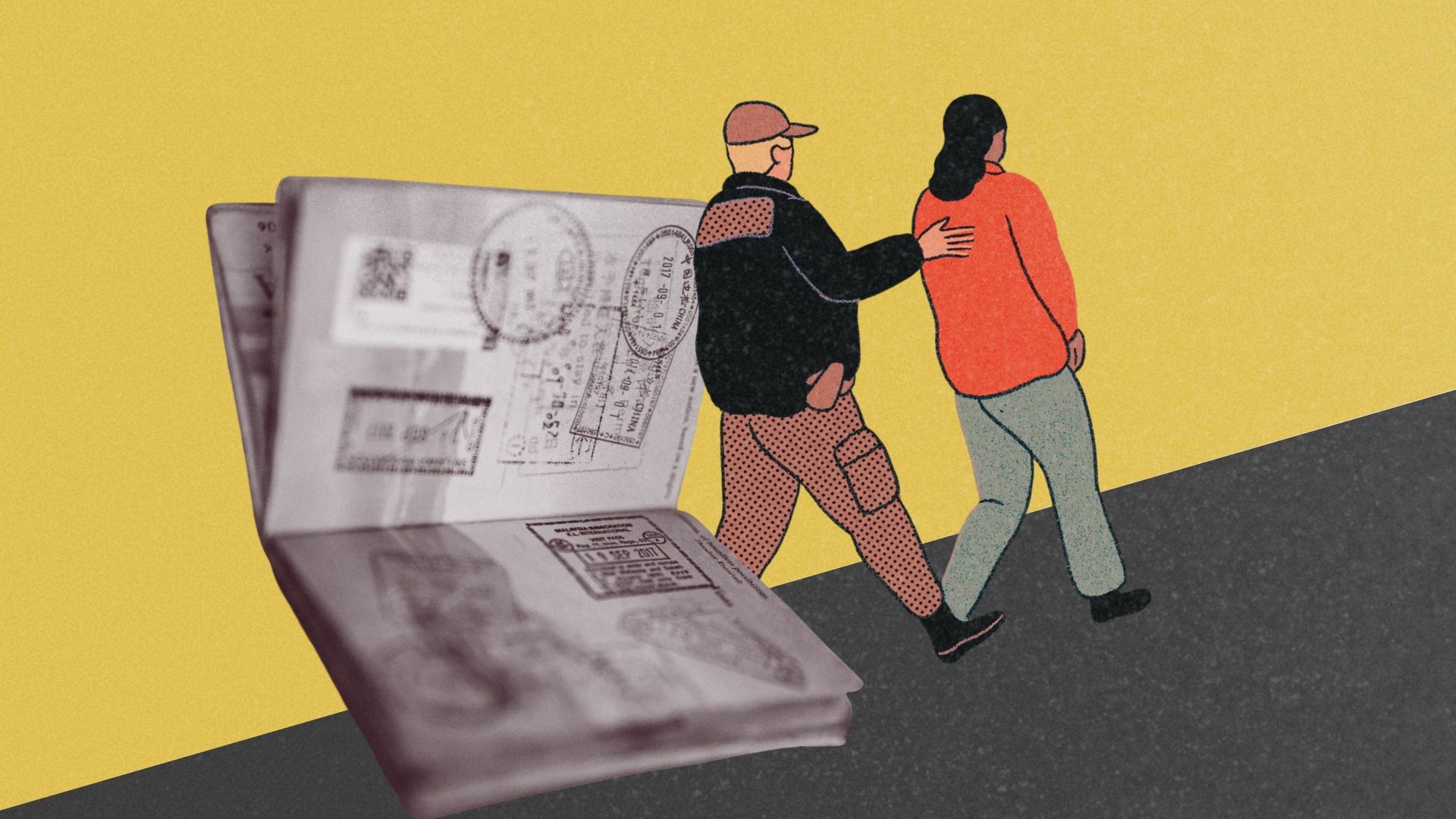
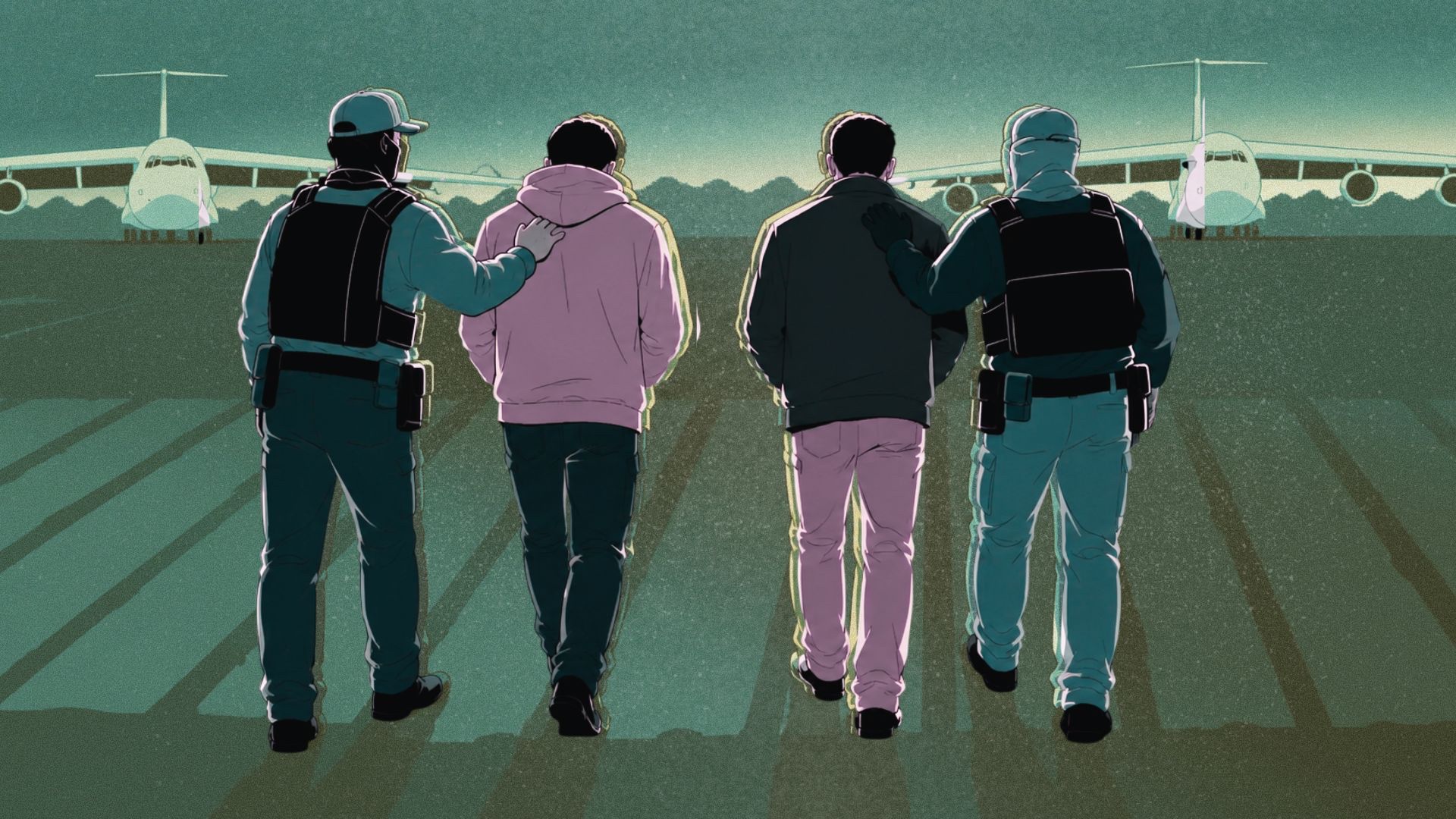
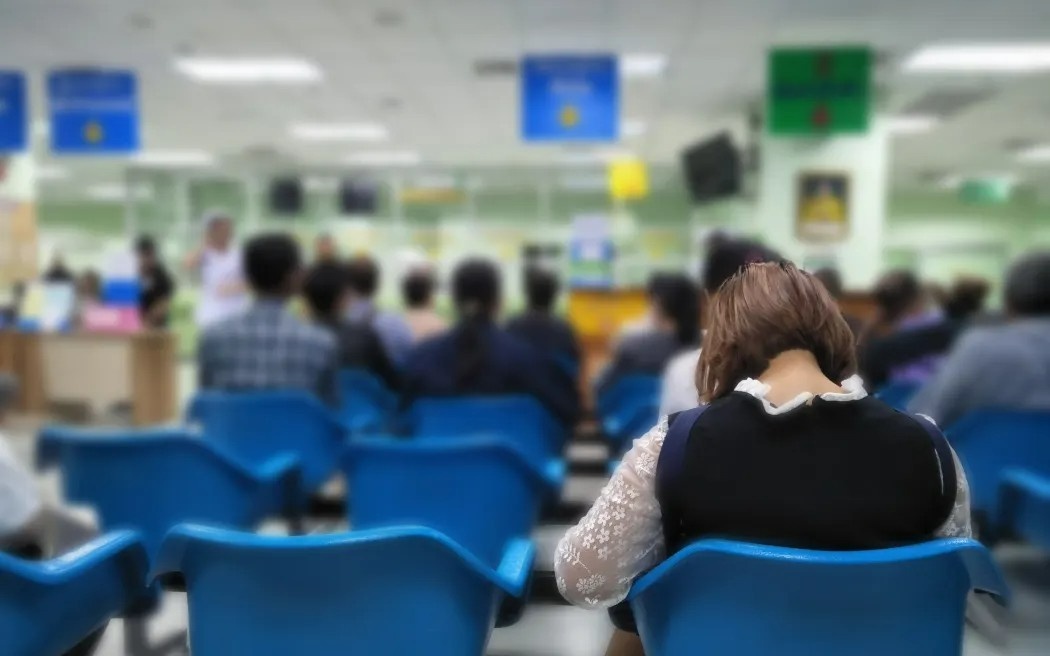
When immigration officers attend a workplace or residence because they suspect visa breaches, they will inevitably encounter a mix of migrants and New Zealand citizens. In order to verify identity, officers will require the practical ability to detain individuals while their status is checked.
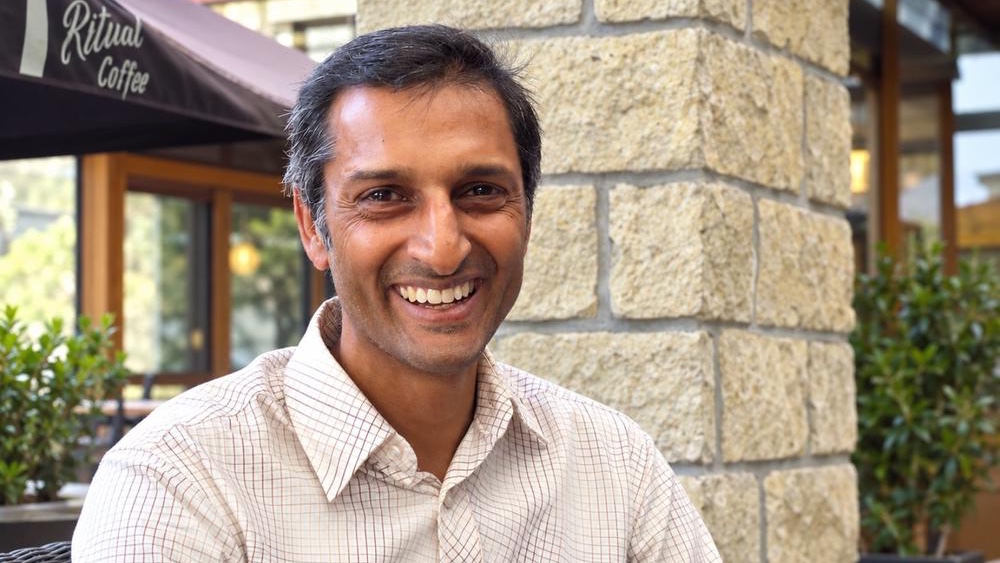
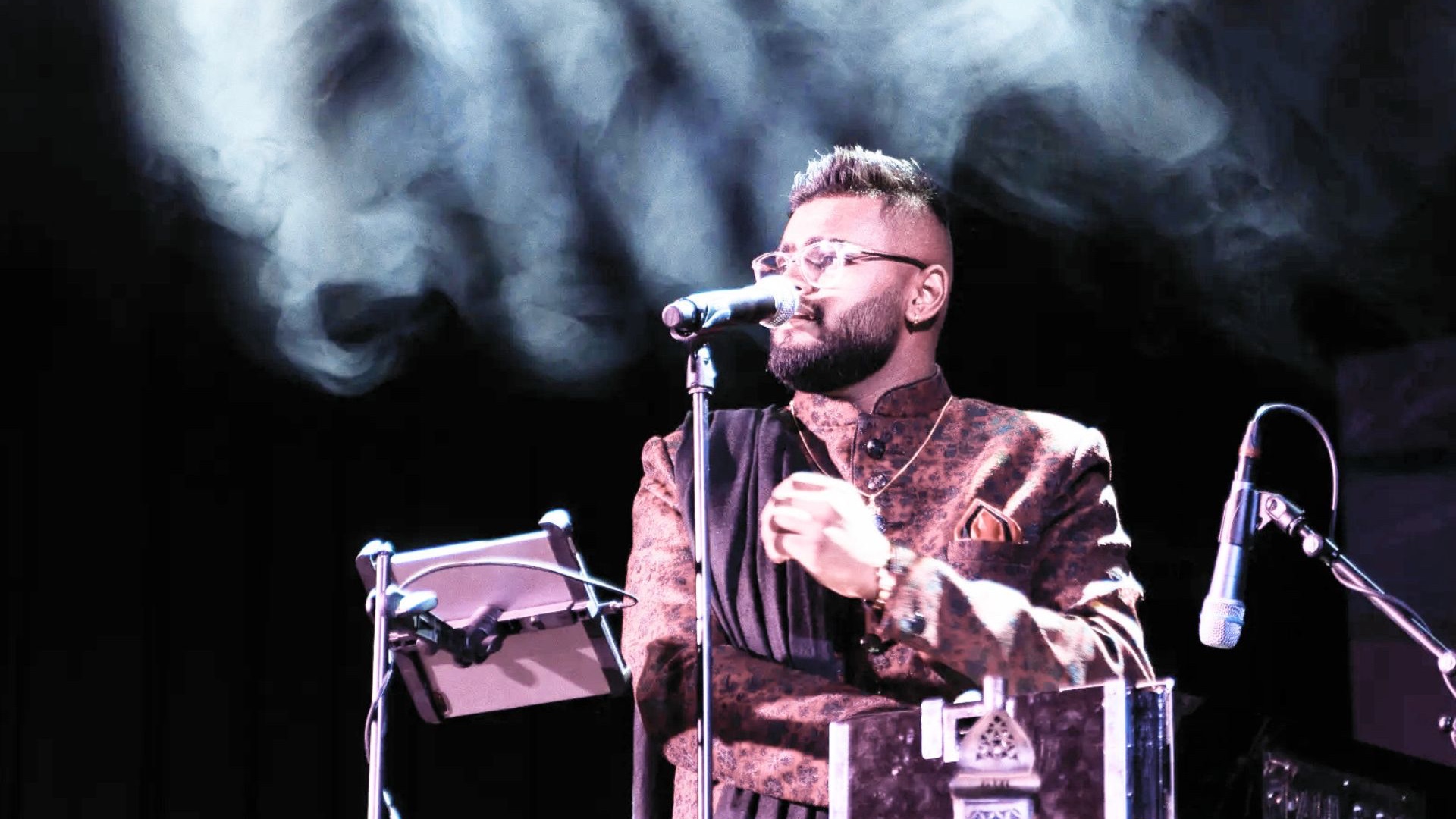
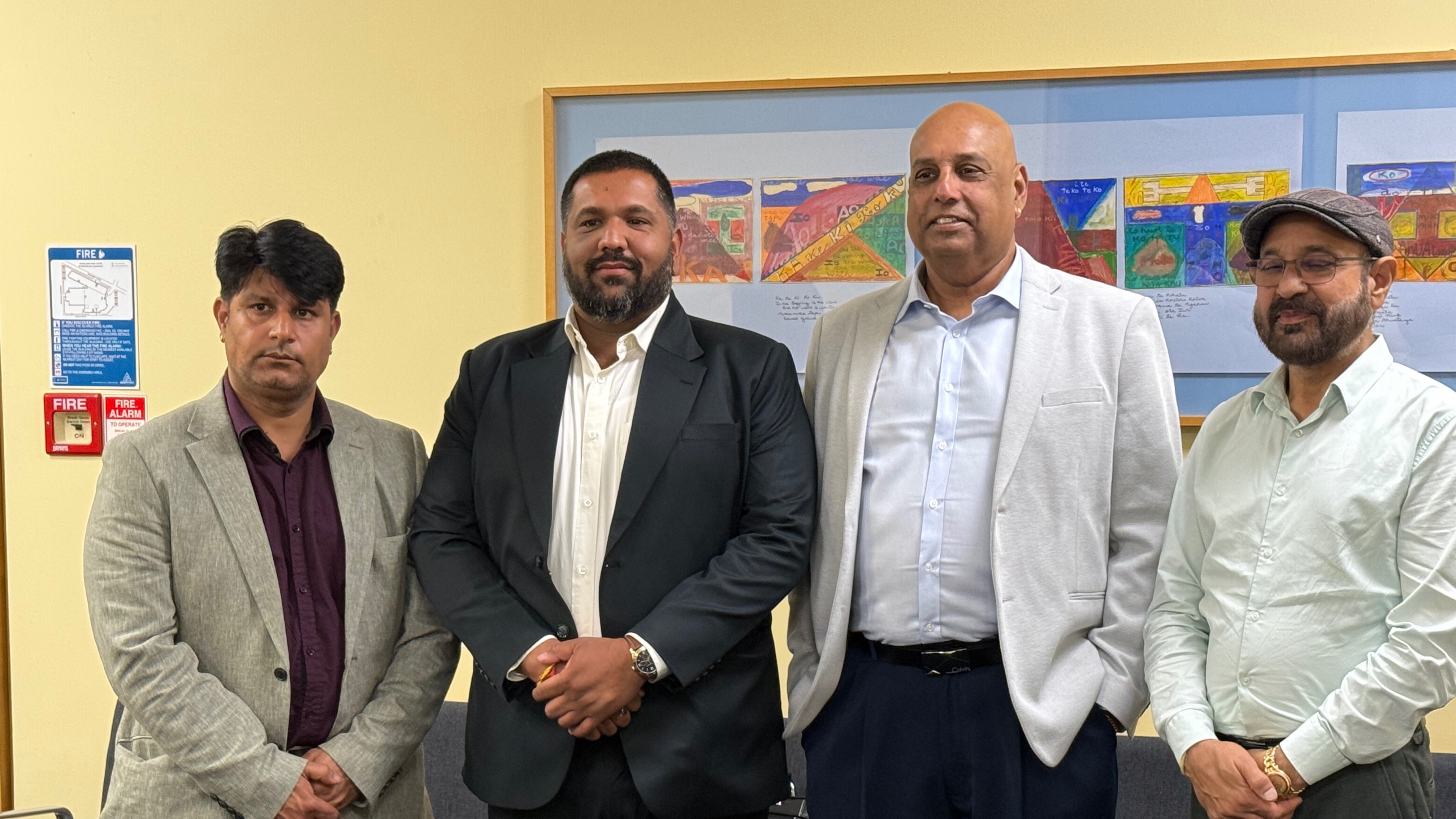
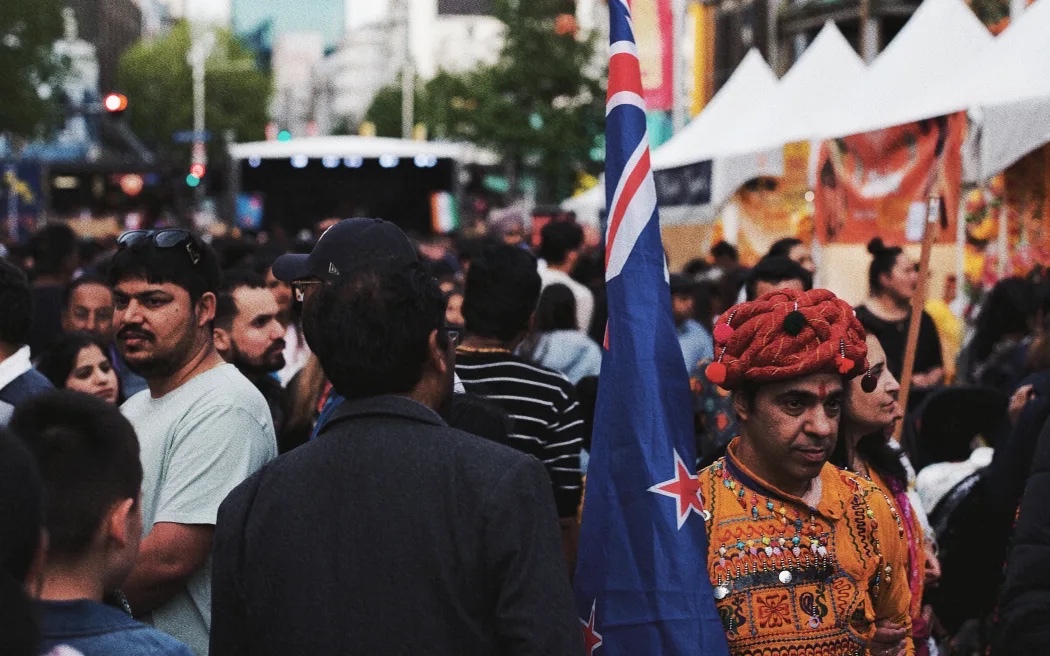
From designing restaurants to running Auckland Diwali: The many lives of Arnav Taode Taode brings his passion for Indian arts and culture to his first year managing BNZ Auckland Diwali 2026.
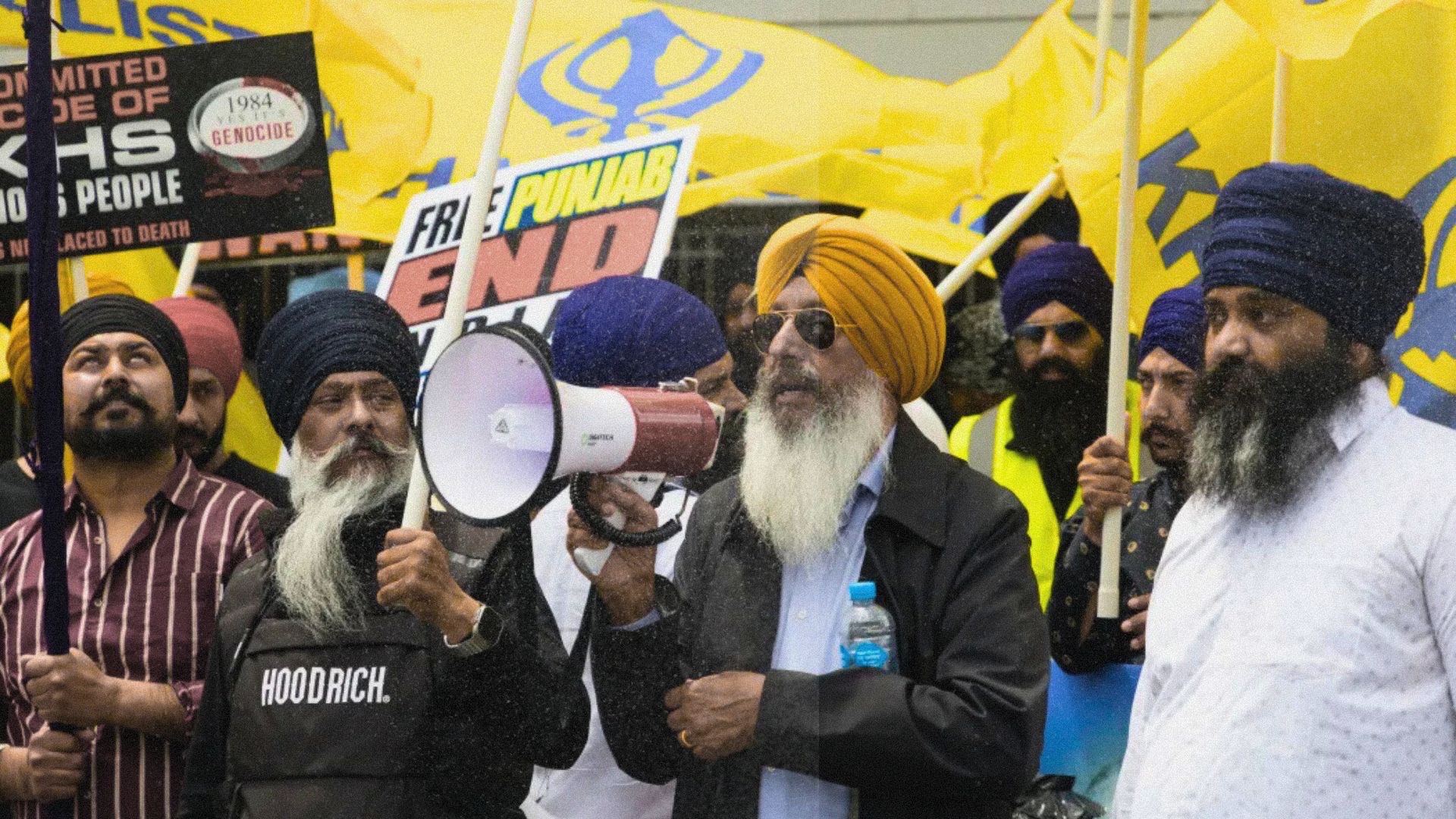
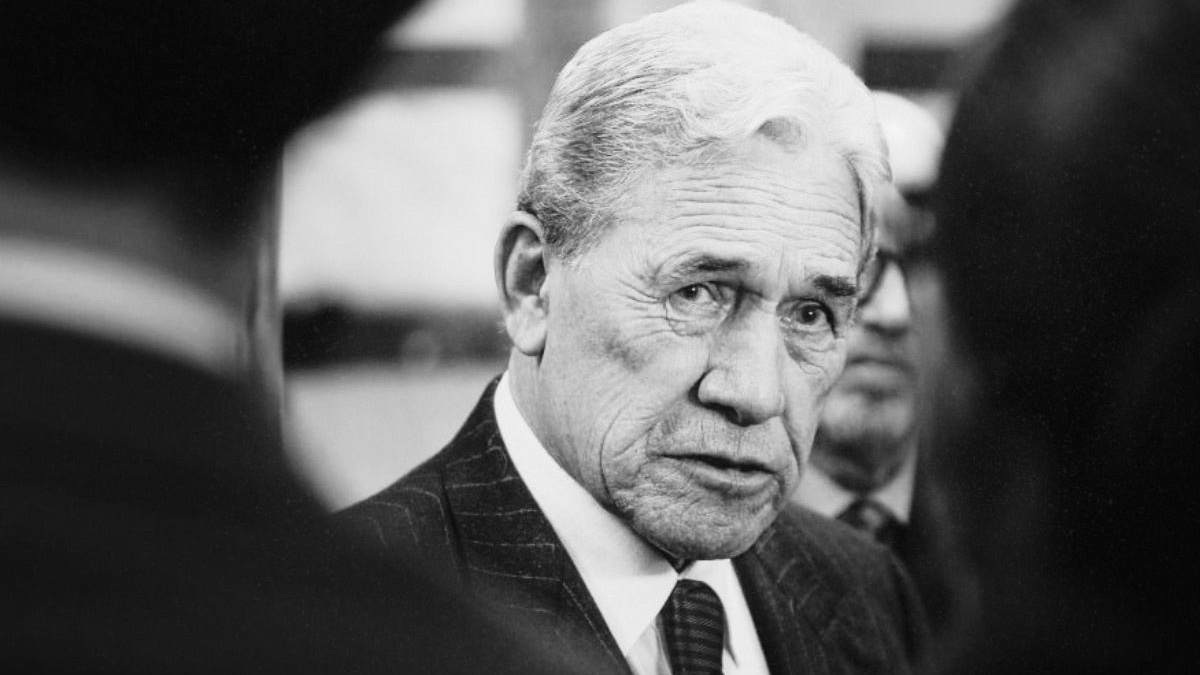
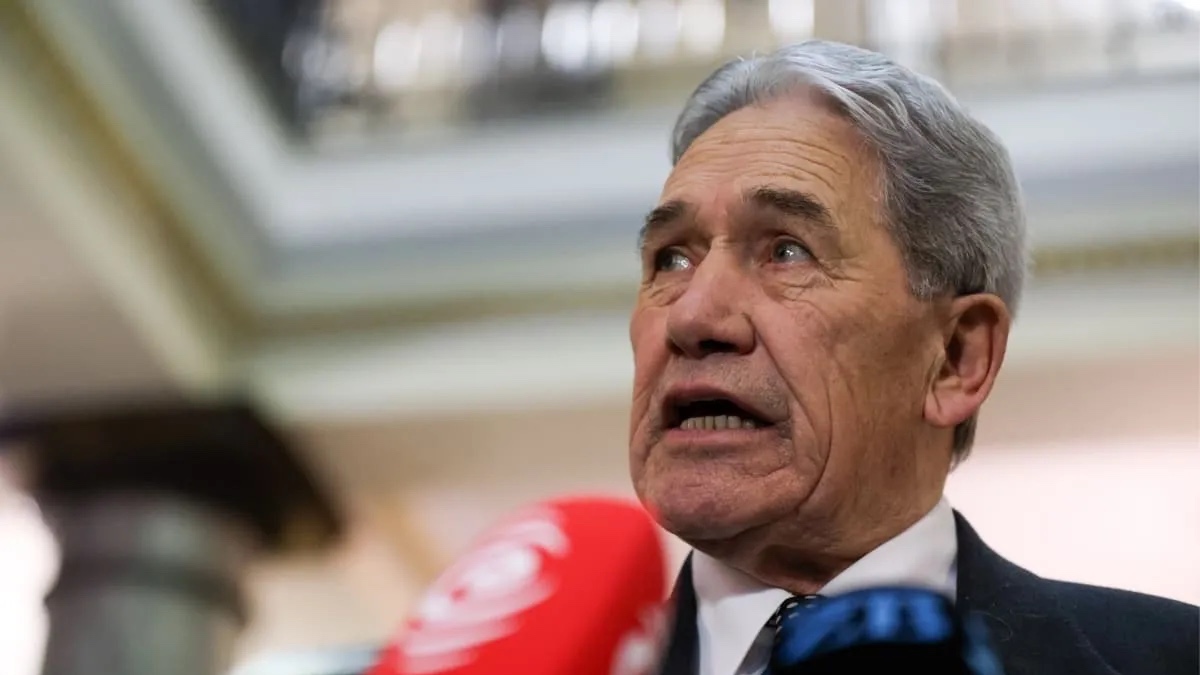
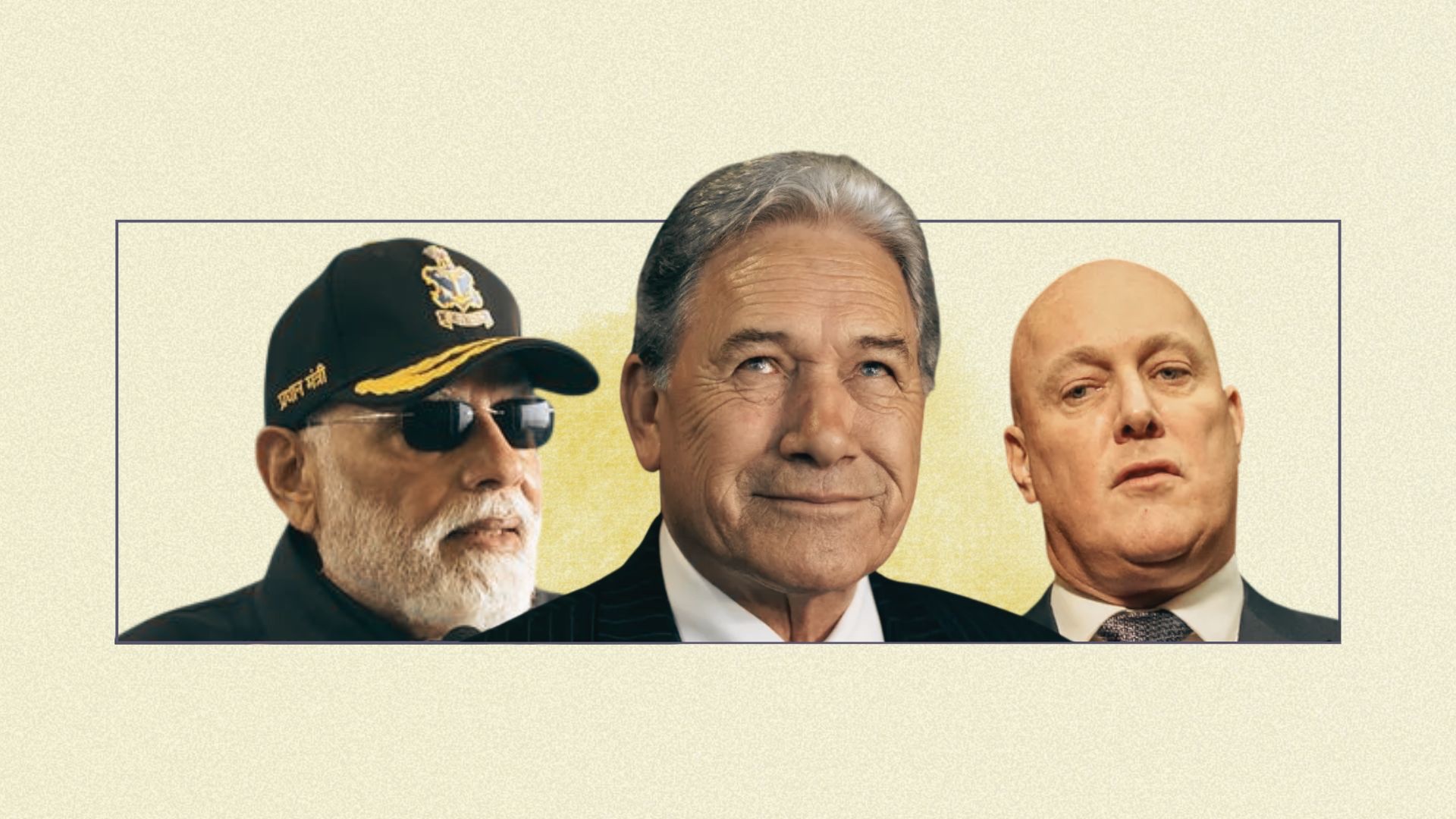
Winston Peters says ‘diversity is disunity’. What does the evidence tell us? Evidence from business, sport and social policy suggests diversity can strengthen economies and cohesion but on one condition.
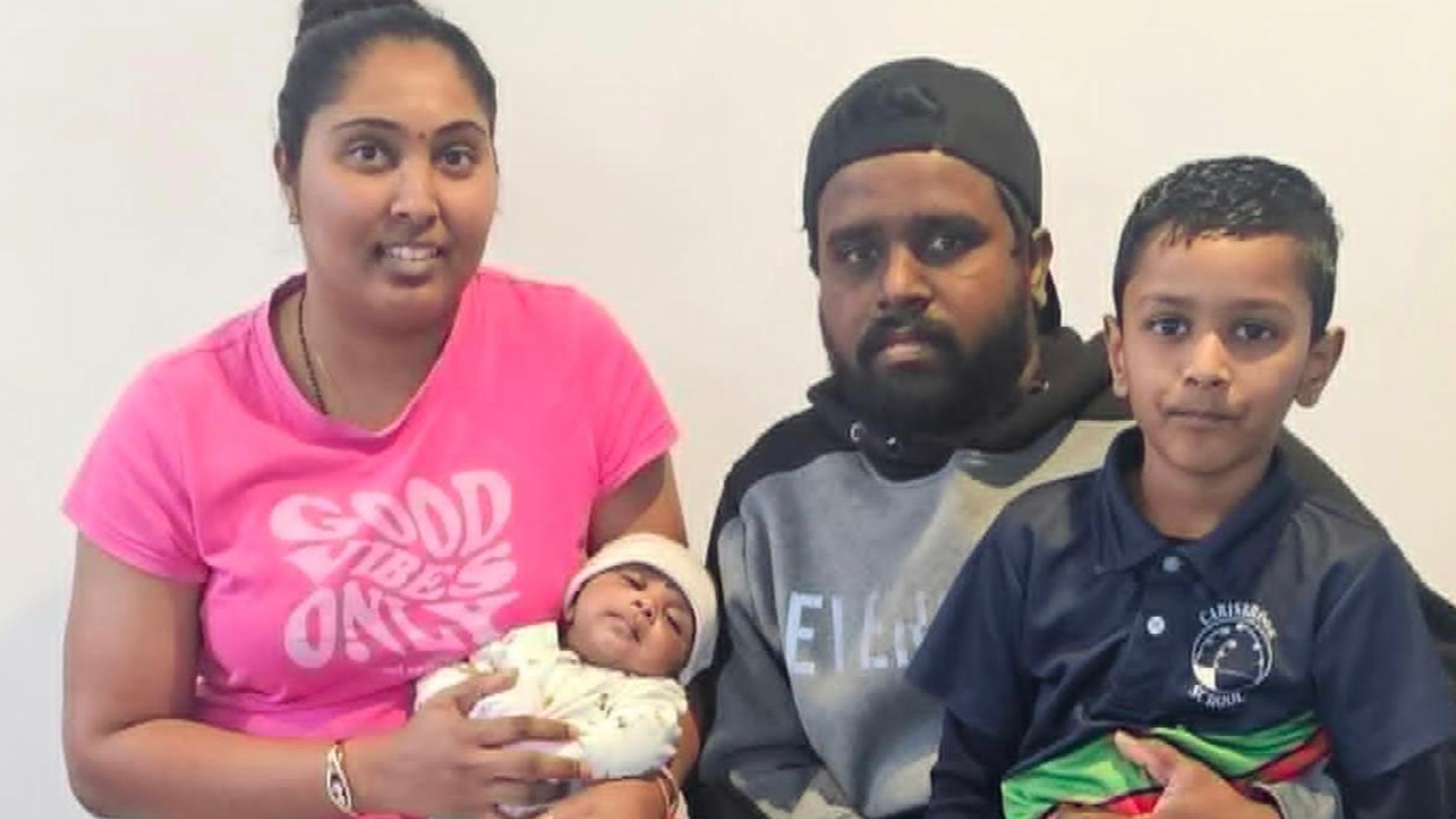
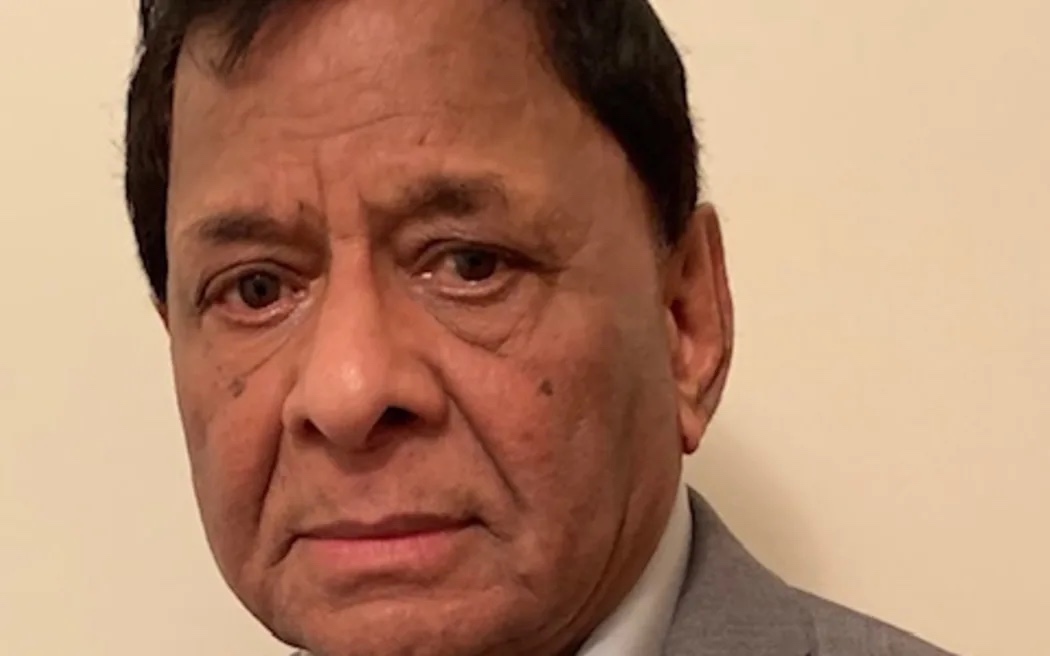
Baby born in Sri Lanka to New Zealand residents caught in limbo after Down syndrome diagnosis Immigration tribunal orders fresh residence assessment after finding a “serious mistake” by immigration officials.
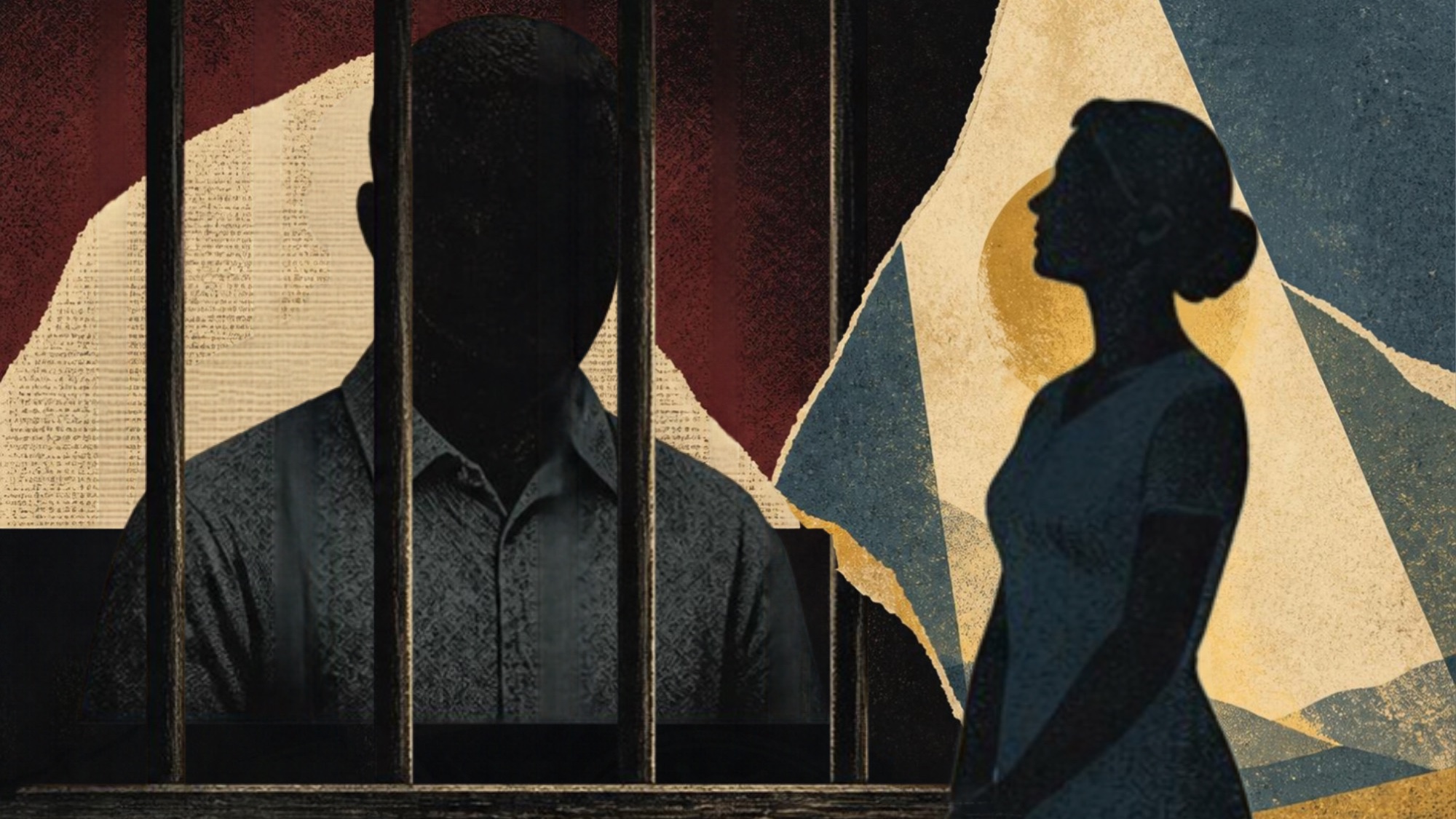
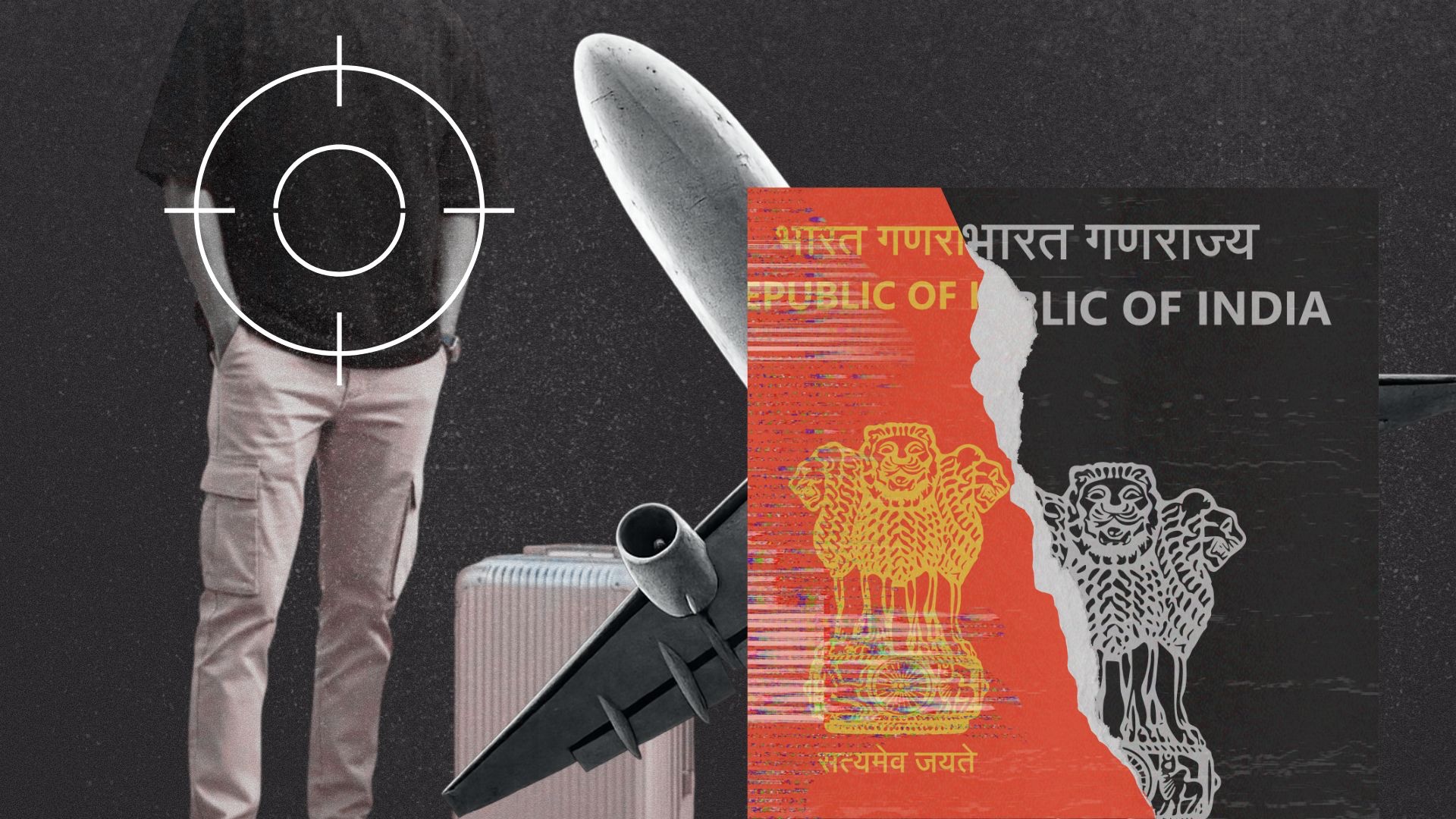
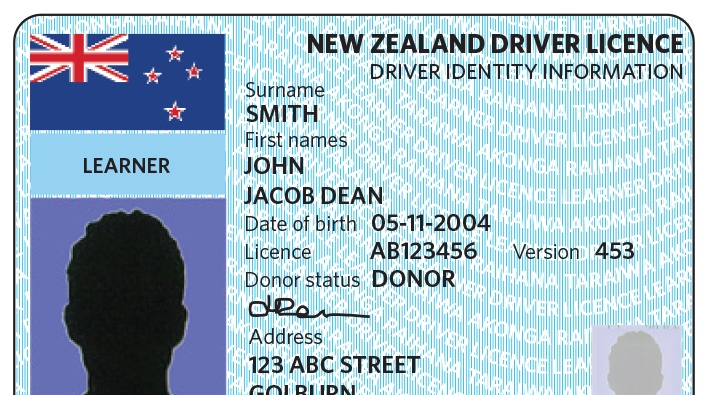
In reality, this means that those questioned will effectively be required to carry identification in order to avoid detention. Although the minister has stated that the power will not permit officers to stop people randomly in the street, suspicion in practice may be shaped by appearance, accent, or perceived migrant status.
The consequence may be the emergence of two different experiences of citizenship: one for New Zealanders who are unlikely ever to be asked to prove who they are, and another for those who may routinely be required to demonstrate that they belong here.
The human consequences of such encounters are not theoretical. Many ethnic communities that have made their home in New Zealand include people who grew up in countries where encounters with police or state officials were associated with intimidation, arbitrary detention, or political repression.
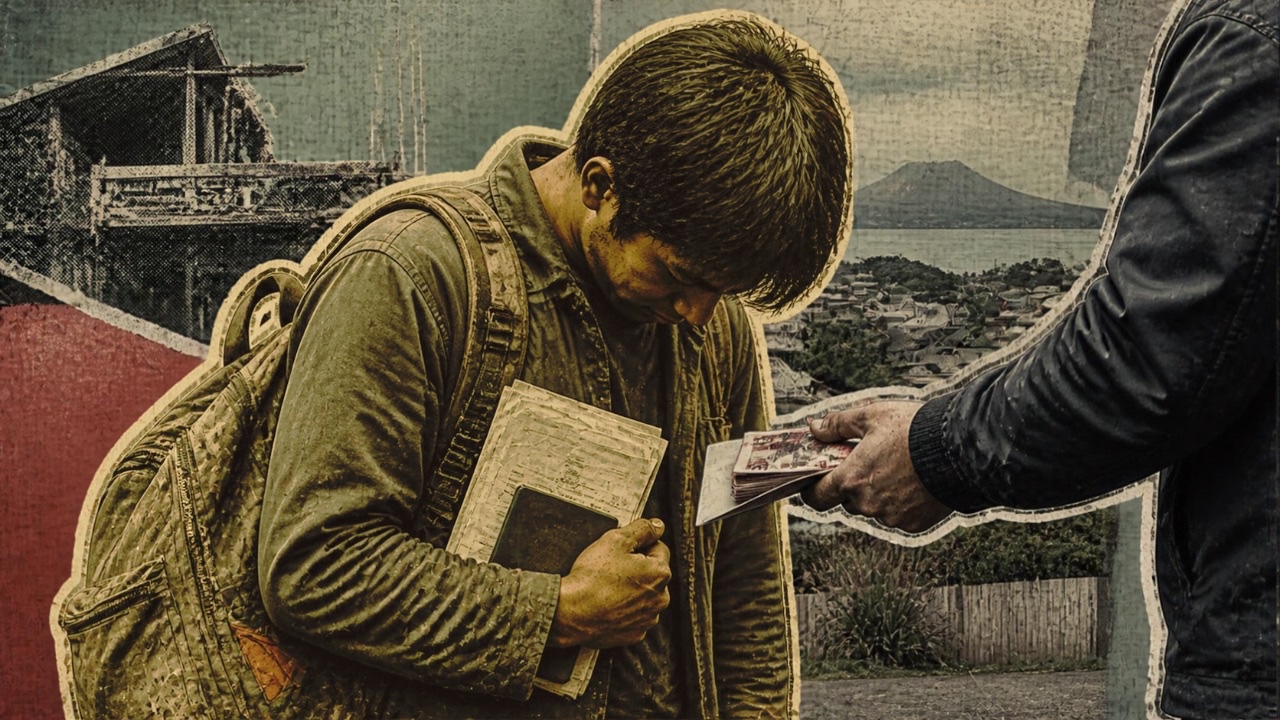
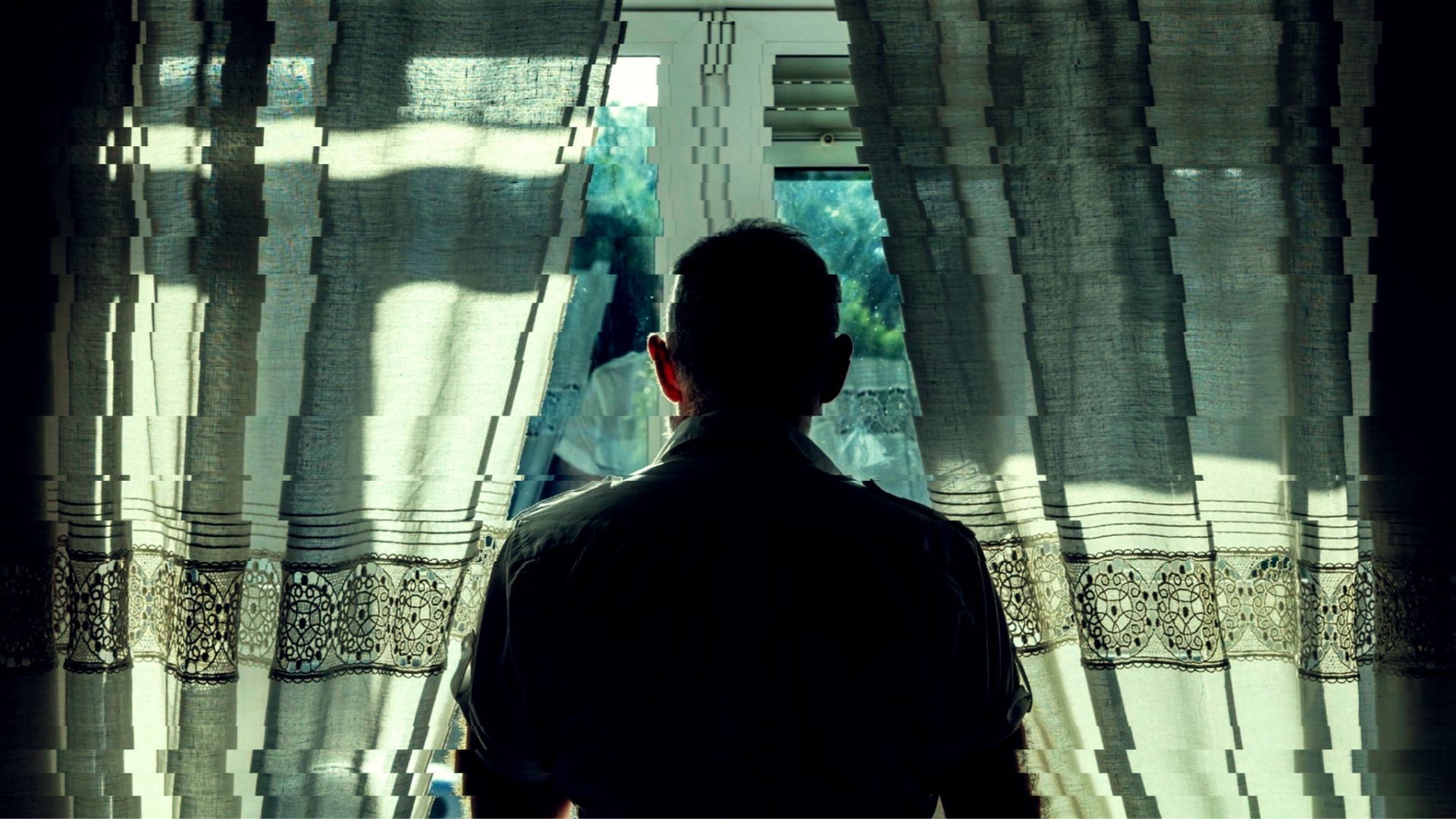
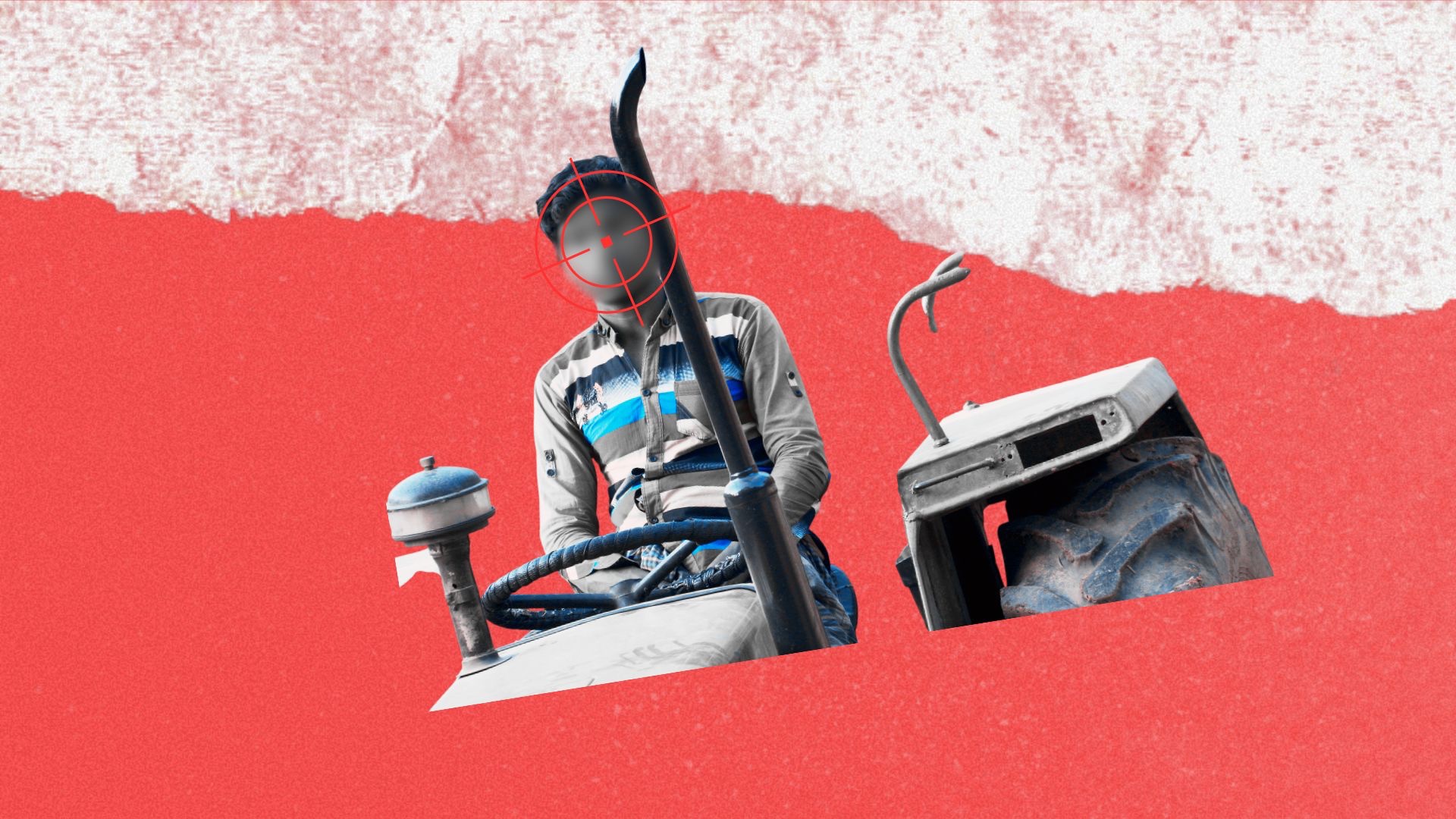
In one workplace situation described to me, immigration officers arrived because of concerns about visa compliance. Although several of the workers present were New Zealand citizens, many immediately fled when the officers arrived. Their reaction was not driven by their immigration status, but by instinctive fear shaped by past experiences.
The political philosopher Judith Shklar, whose thinking was shaped by her childhood experience fleeing both Nazi and Stalinist oppression, argued that the central purpose of liberal democracy is to ensure that citizens do not live in fear of arbitrary power.
In her account of the "liberalism of fear", she wrote that "the fear of systematic cruelty is the first and most urgent political concern". Liberal institutions—constitutional limits on authority, legal protections, and the rule of law—exist precisely to prevent citizens from having to fear the arbitrary actions of officials.
Research into the psychology of trauma reinforces this insight. The refugee theorist Hannah Arendt observed that once a person has been forced to flee their country, suspicion and fear of authority often become part of everyday life, shaping how they experience encounters with officials even in societies governed by the rule of law.
Psychiatrist Judith Herman explains in Trauma and Recovery that traumatic experiences of persecution can "destroy the victim’s fundamental sense of safety in the world", while trauma specialist Bessel van der Kolk notes in The Body Keeps the Score that people who have lived through such experiences often remain constantly alert to potential danger, instinctively scanning their environment for threats.
Political thinkers have also long warned that governments frequently justify expansions of state power by emphasising perceived threats. Hannah Arendt noted that political authorities often construct narratives of necessity to legitimise extraordinary measures. George Orwell similarly warned in Politics and the English Language that "political language… is designed to make lies sound truthful and murder respectable, and to give an appearance of solidity to pure wind".
The concern that governments may invoke danger to justify intrusive powers is much older still. James Madison warned that "the means of defence against foreign danger have always been the instruments of tyranny at home".
In the present case, the justification for expanded immigration enforcement powers relied in part on claims about the scale of undocumented migration that the minister herself has now acknowledged were inaccurate. History shows that expansions of coercive power are often preceded by narratives that magnify perceived threats in order to make those powers appear necessary.
Liberal democracies are defined not only by the powers their governments possess, but by the freedoms they choose not to take away. History shows that such powers rarely arrive all at once; they expand gradually, often justified by the language of necessity and security.
That is why the moment for public scrutiny is now. Before such powers become normalised, New Zealanders should ask whether a free society can tolerate a system in which some of its own citizens feel compelled to carry proof of their belonging simply because of how they look, speak, or where their families once came from.
(Alastair McClymont is a veteran immigration law specialist with a particular interest in human rights and immigration ethics)