
'Moral panic': Top sociologist surprised ACT is sounding like NZ First on migrants

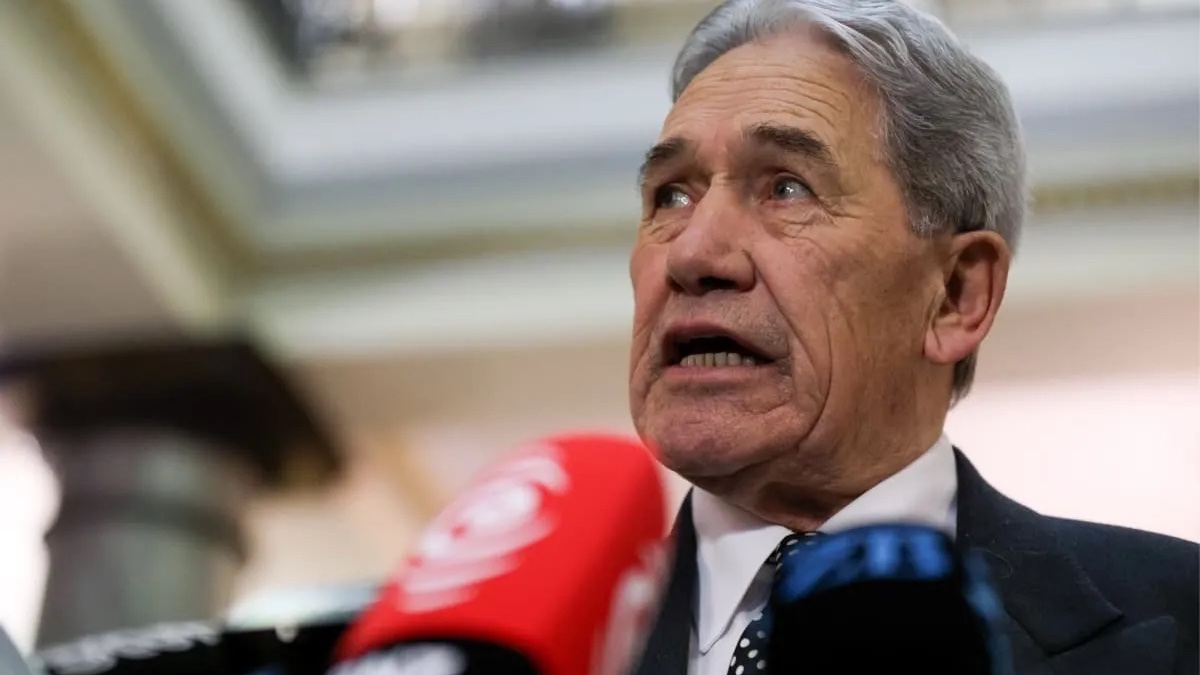
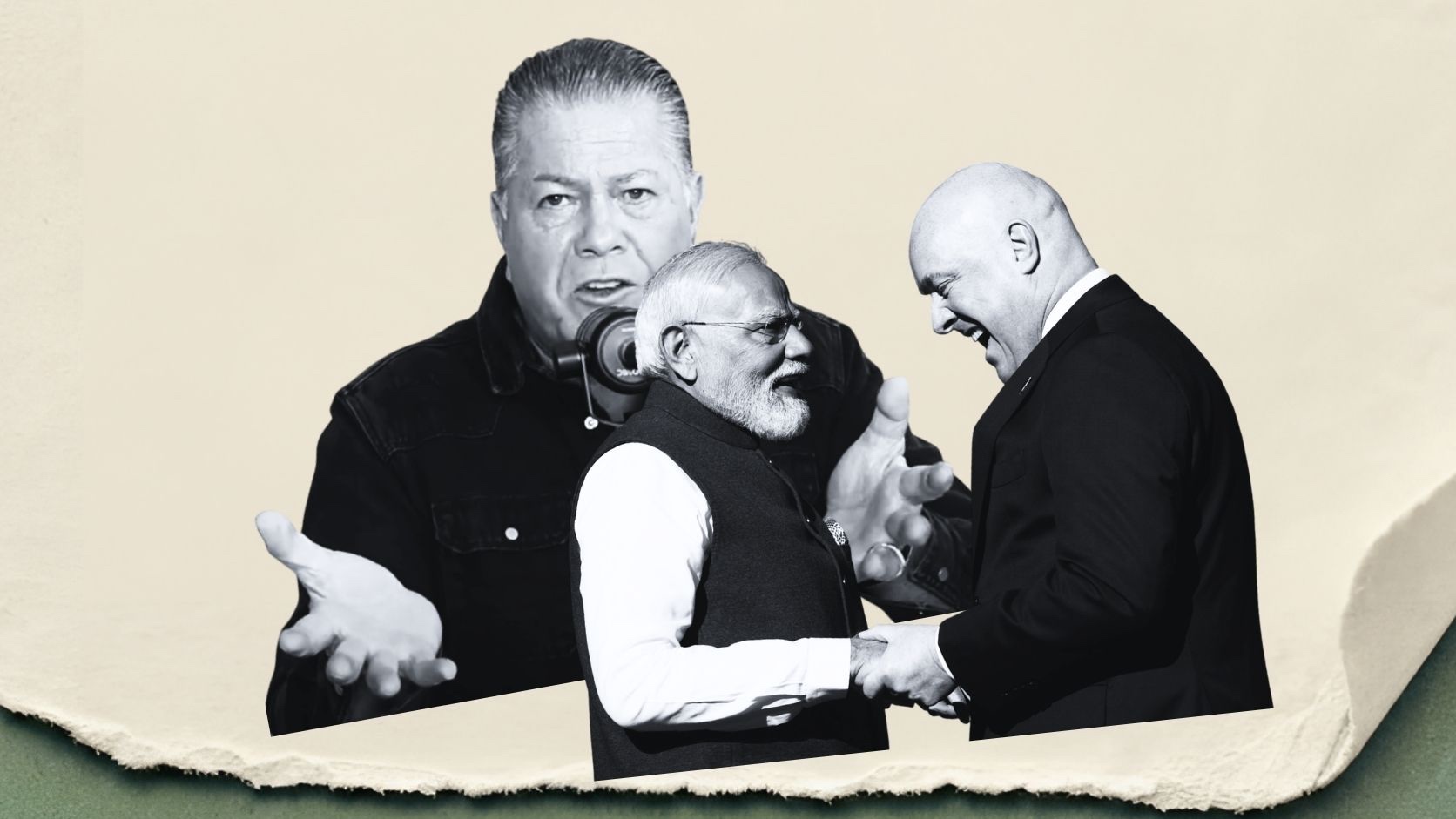
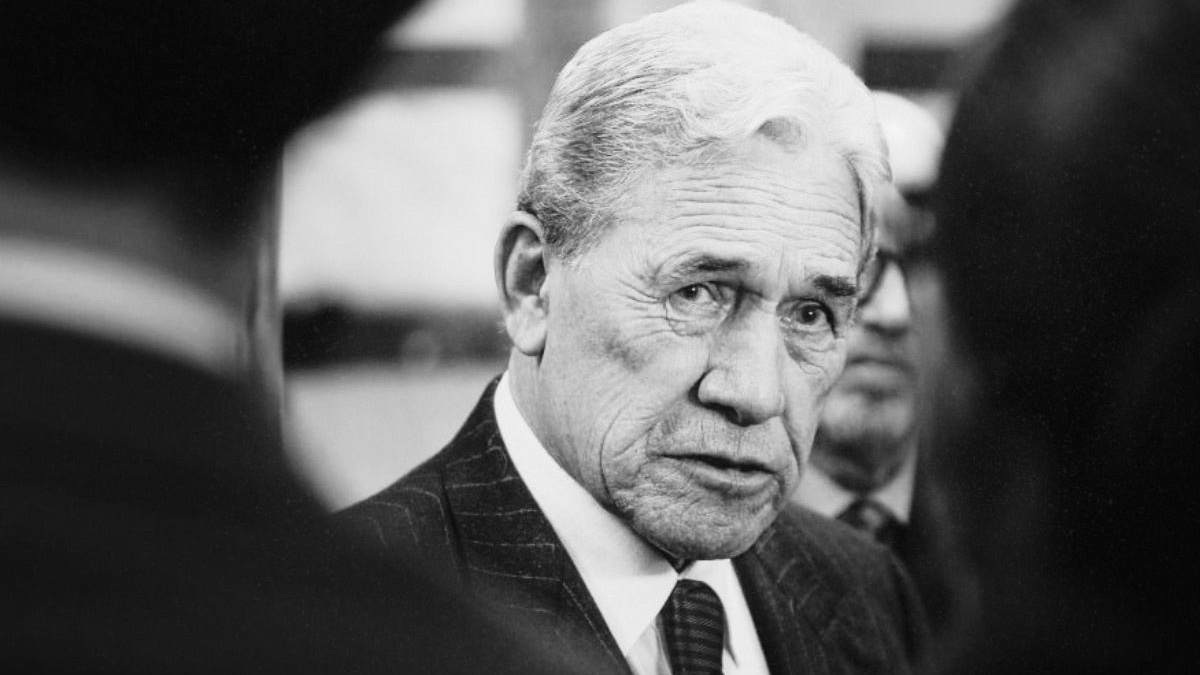
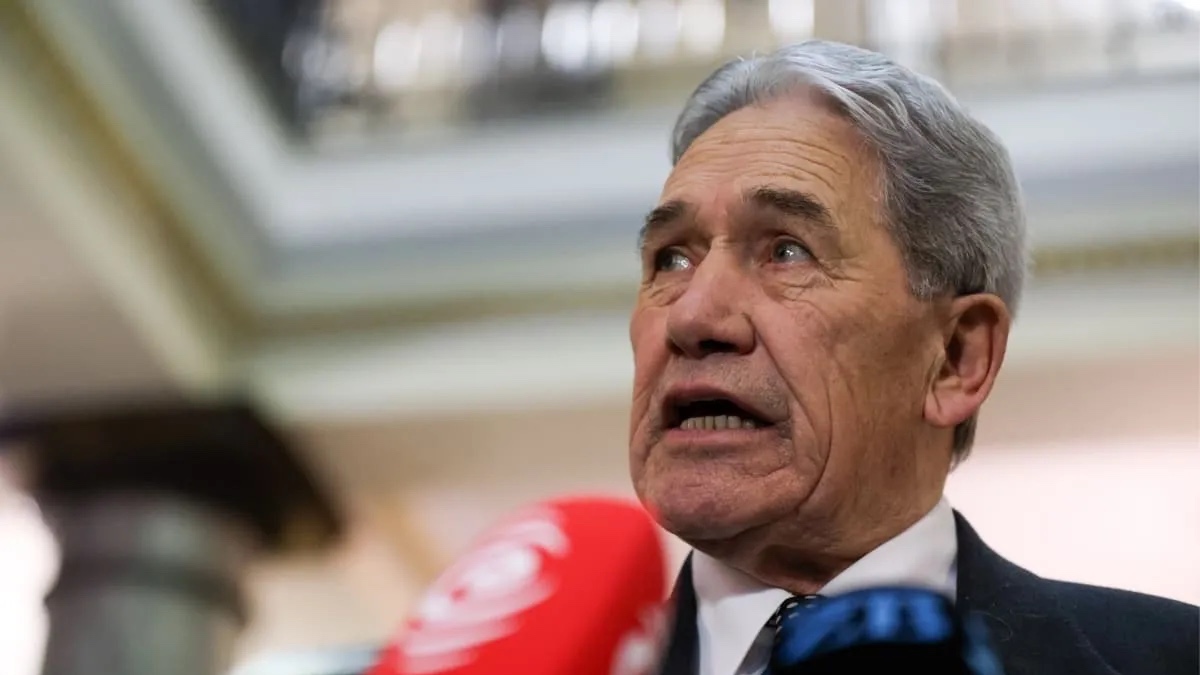
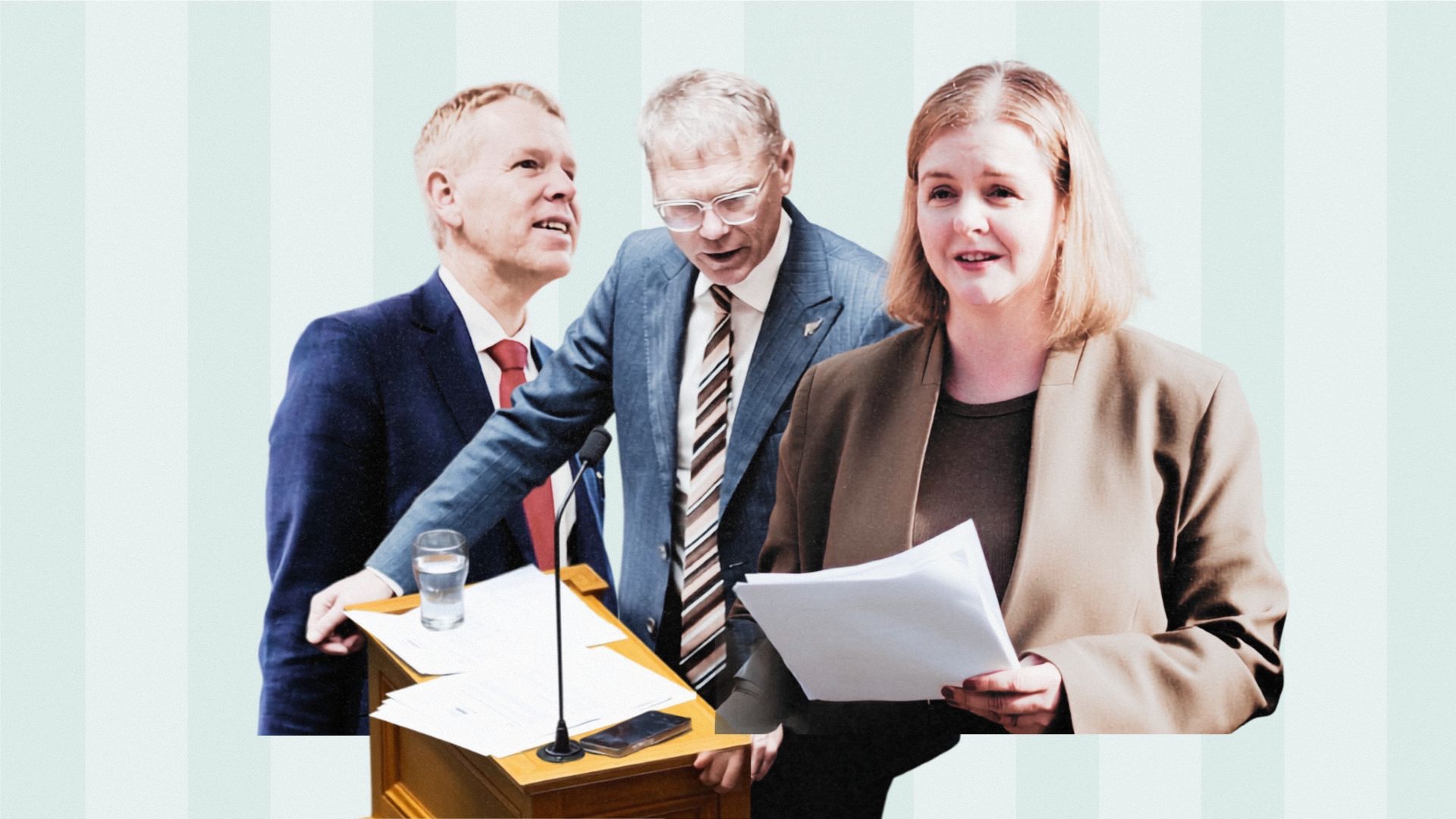
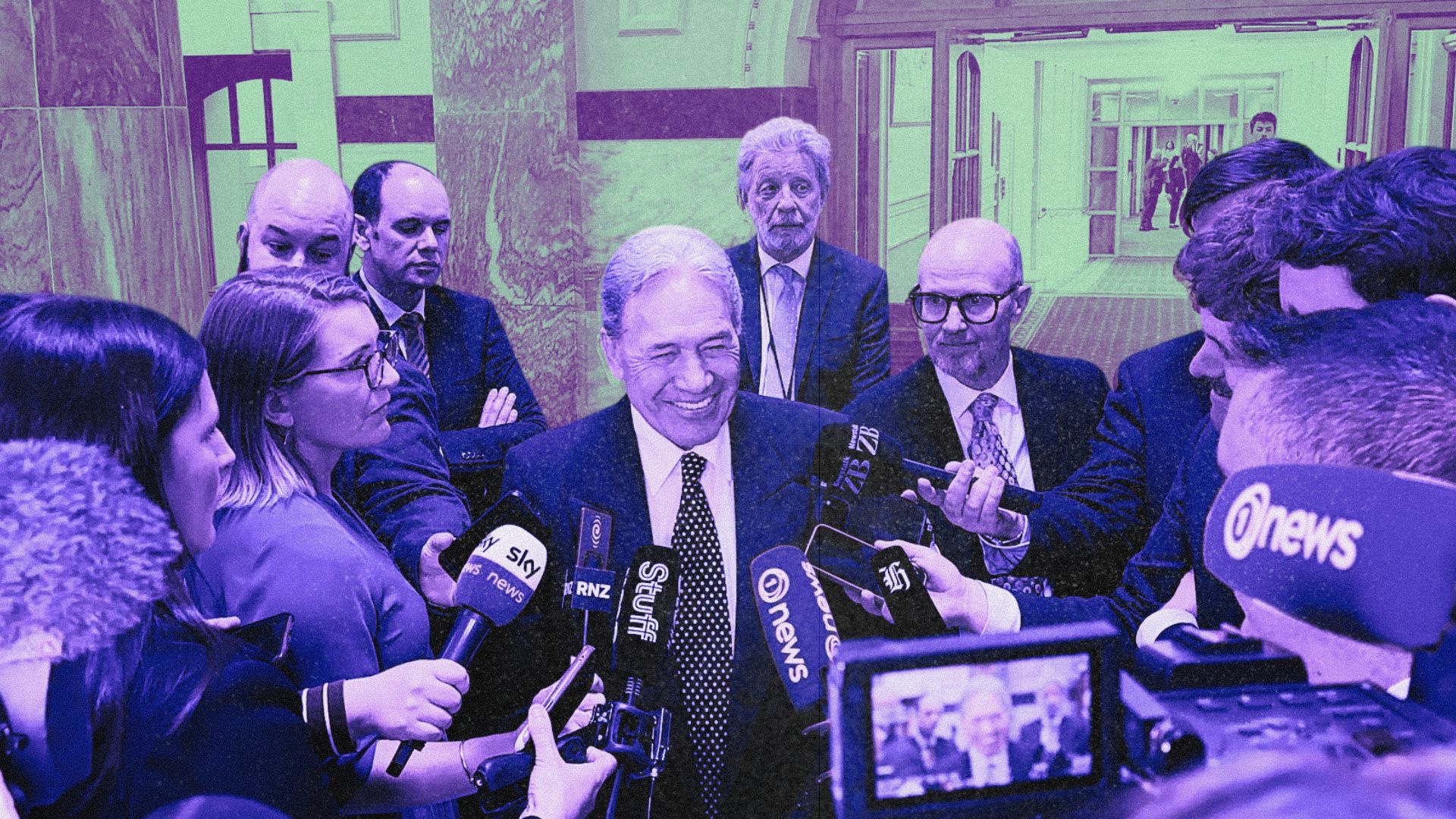
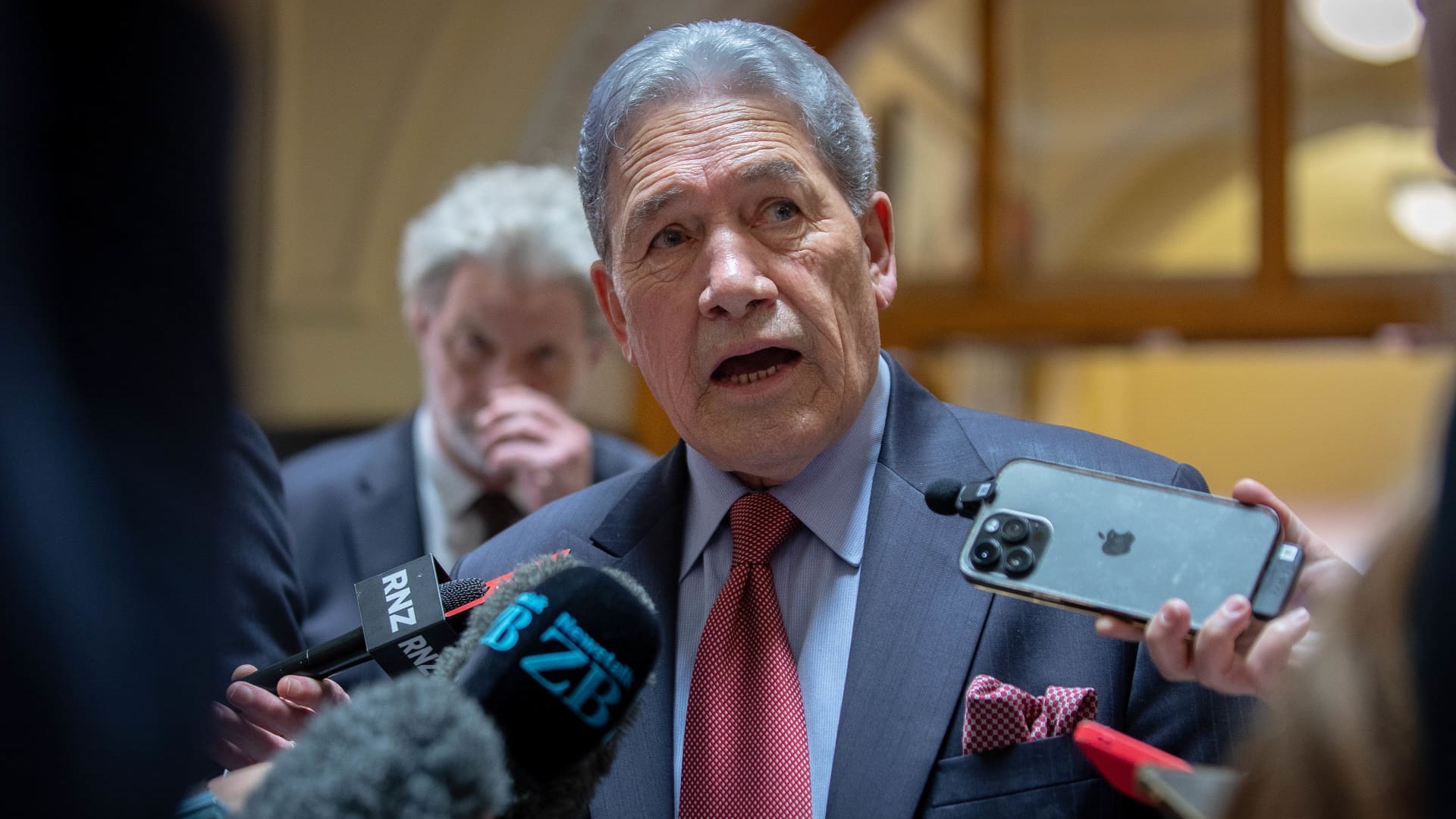
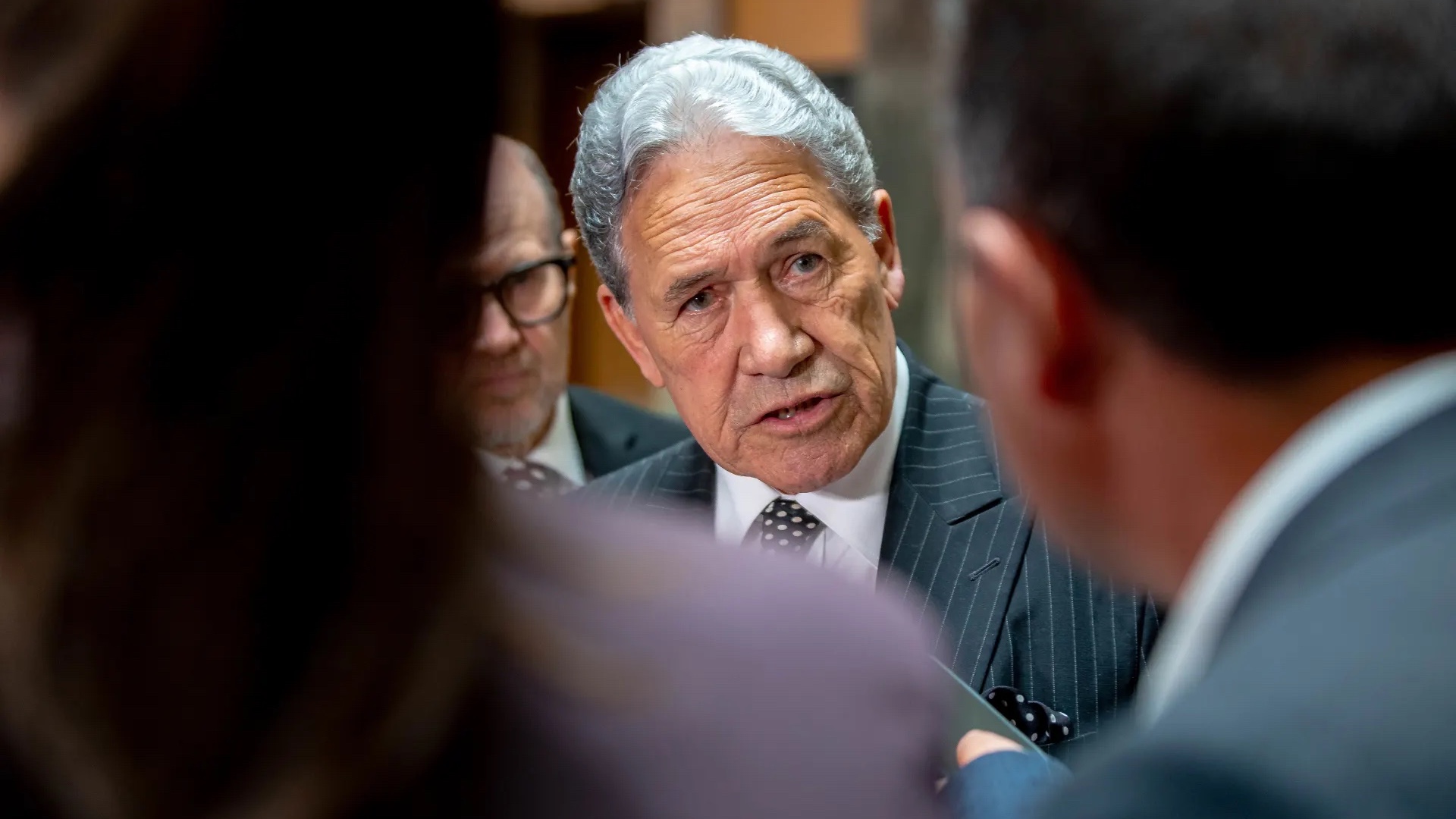
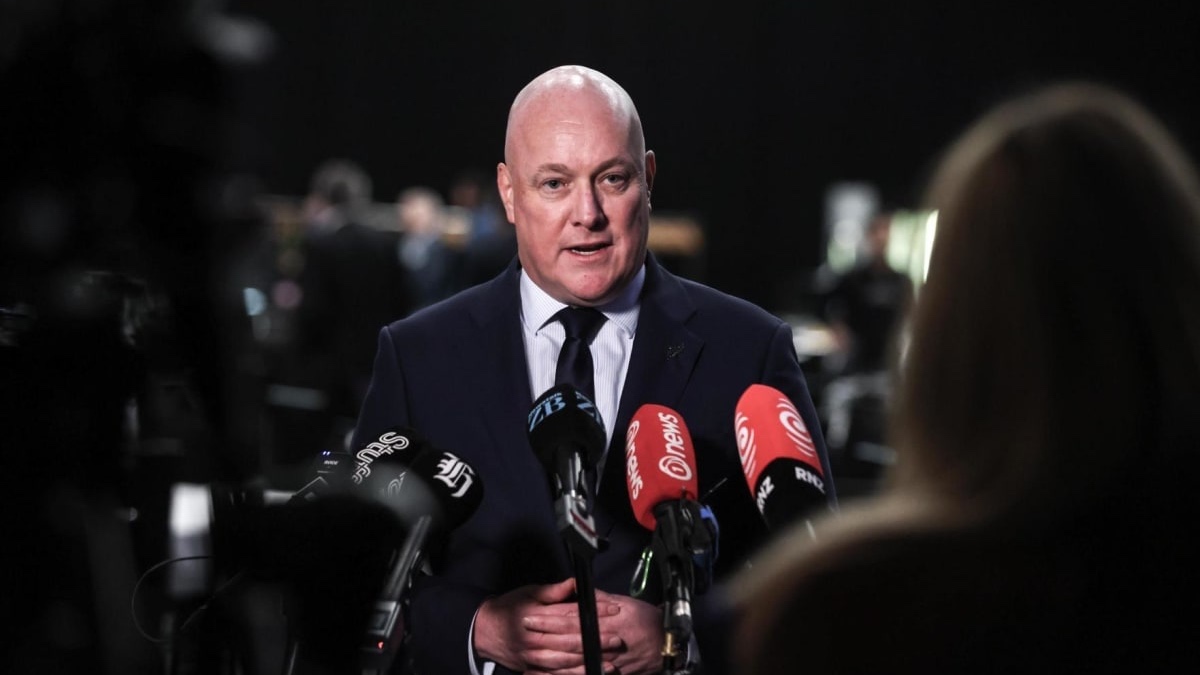
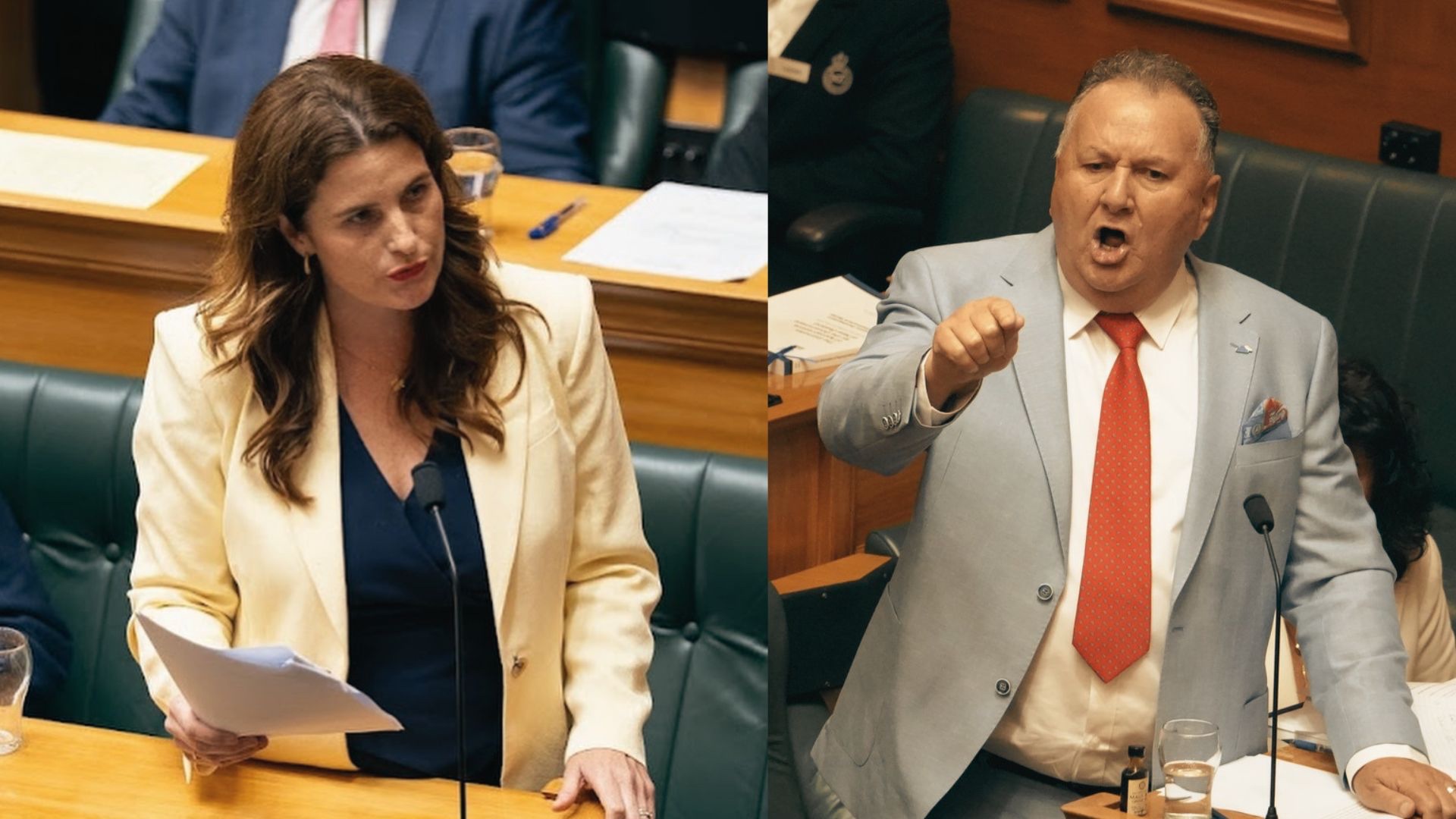
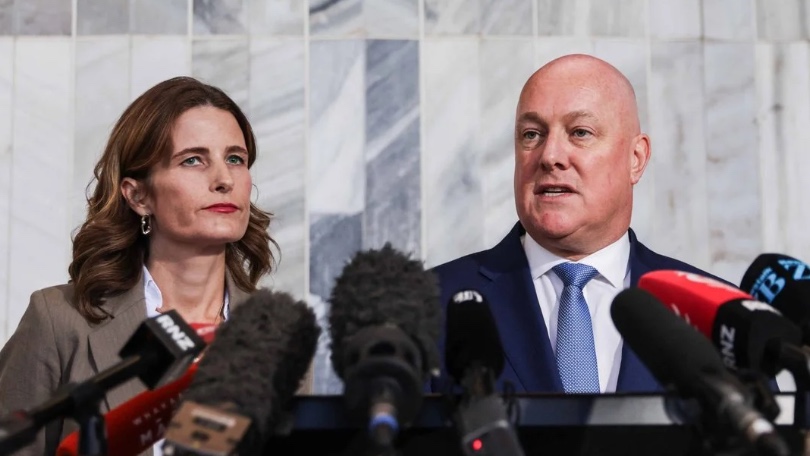
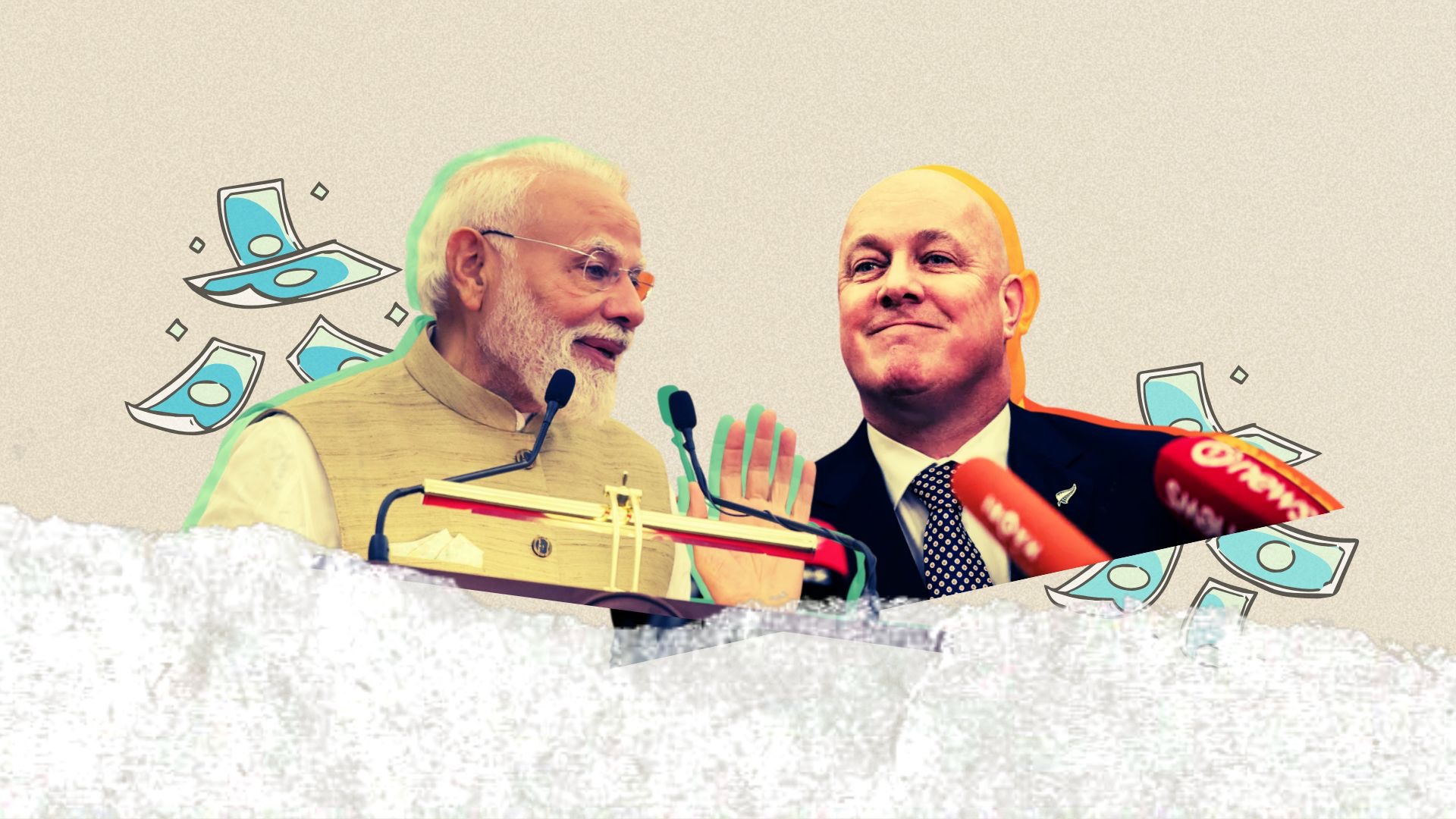
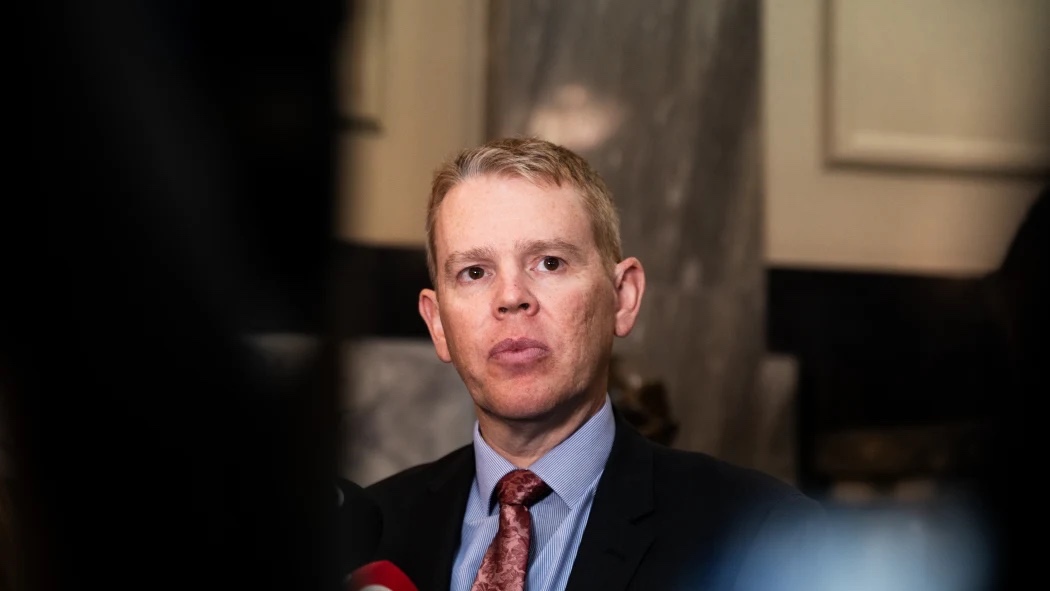
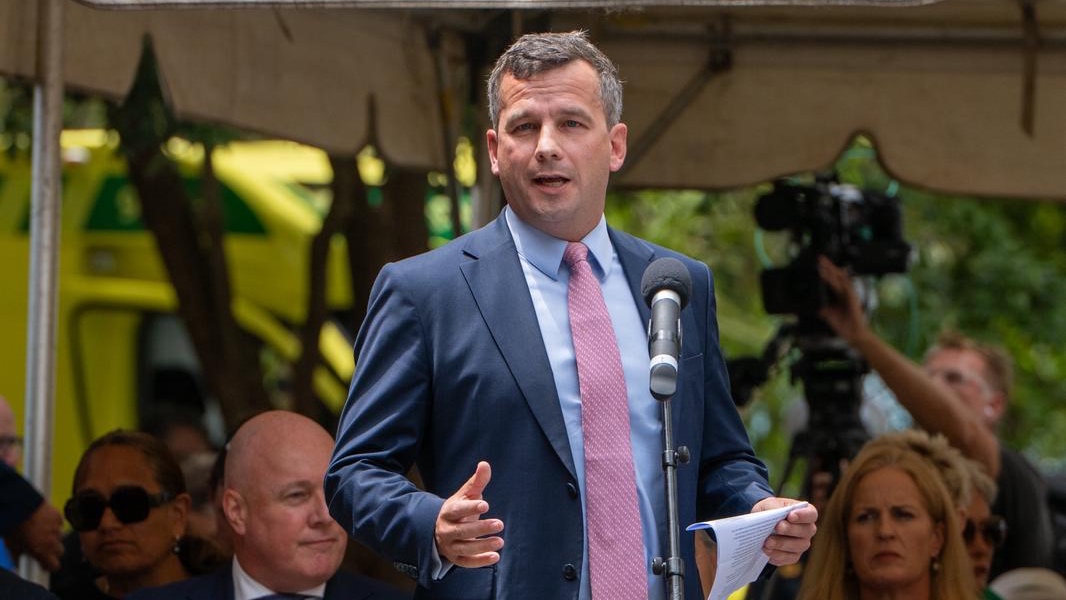
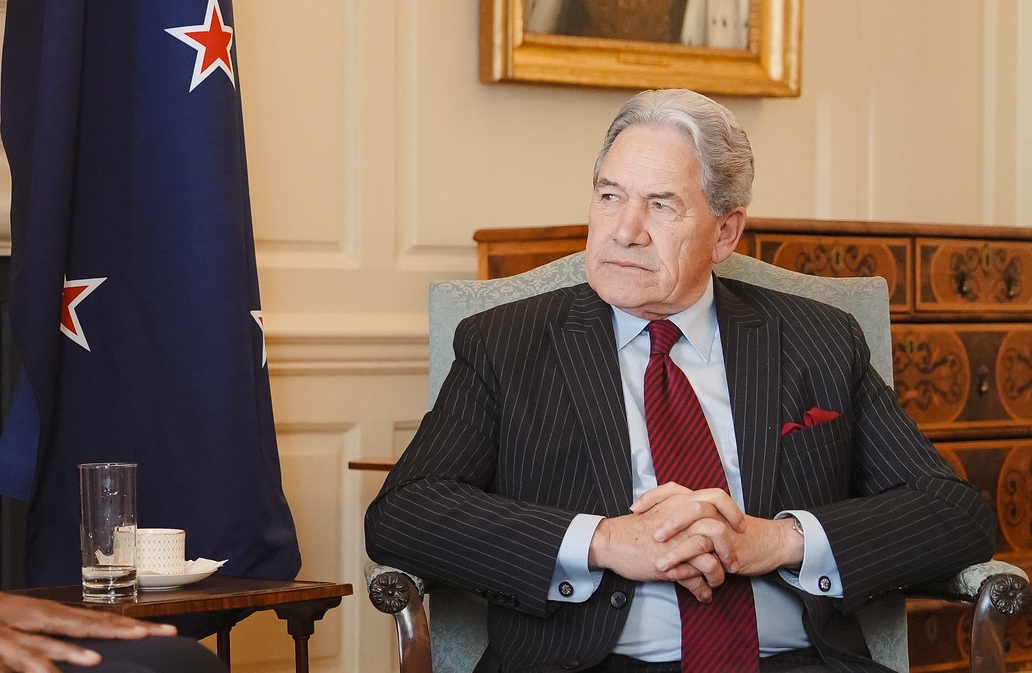
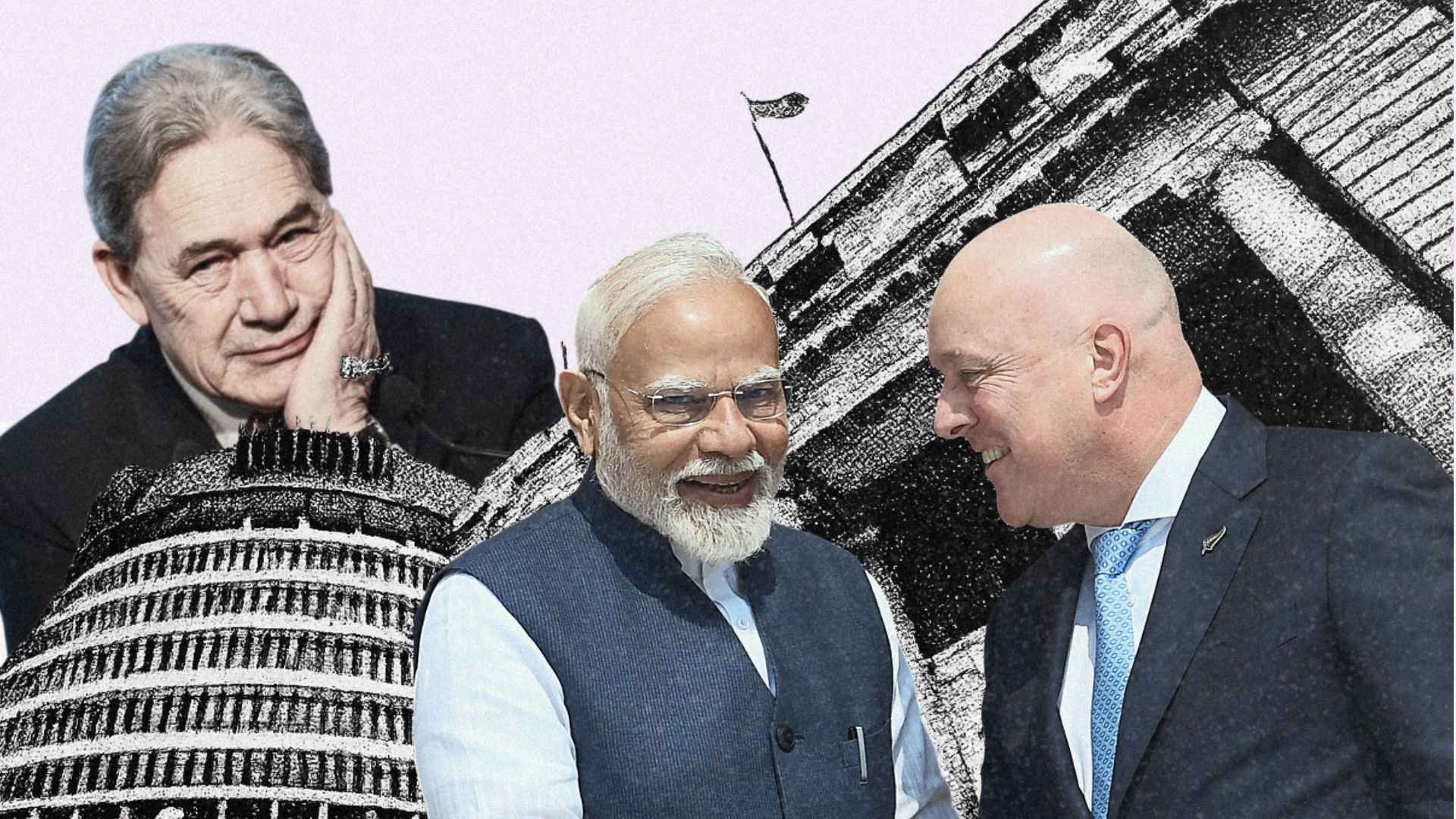
NZ First leader Winston Peters and ACT leader David Seymour.
“As a libertarian party, they have tended to be very pro immigration."
A leading sociologist says he is “surprised” by the Act Party’s immigration stance that he says is increasingly aligning with policy concerns long associated with New Zealand First.
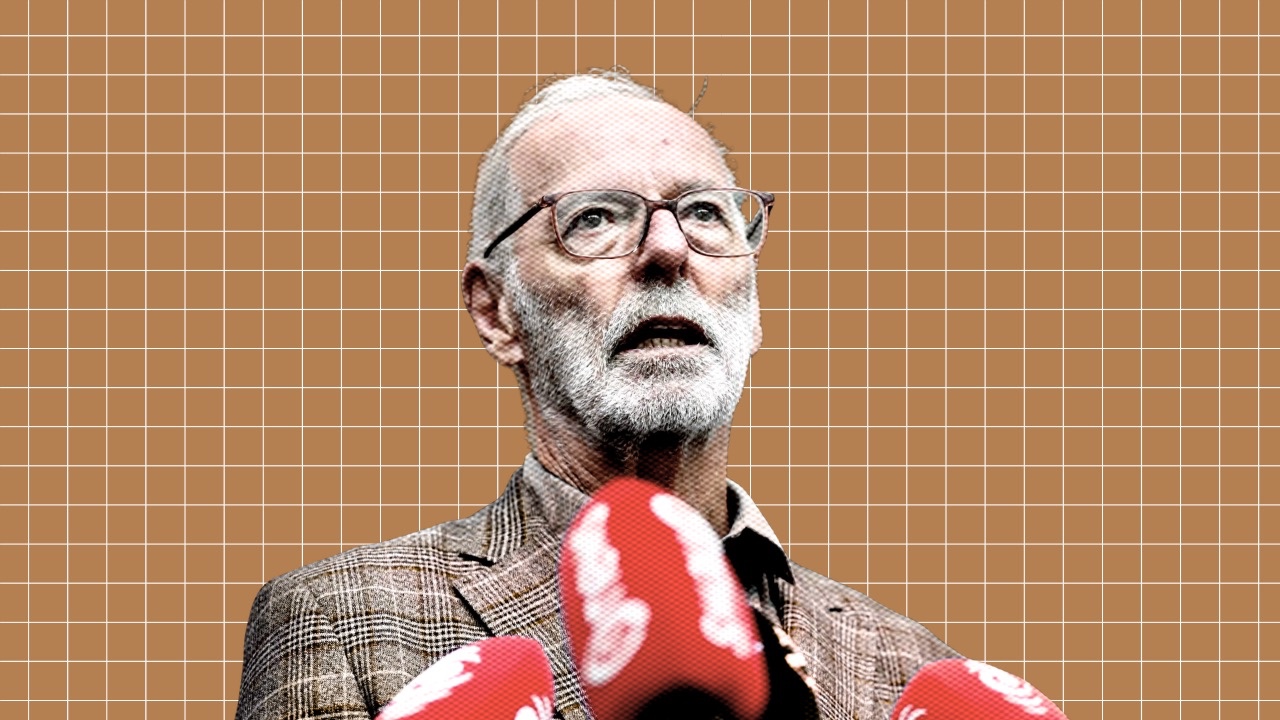
Distinguished Professor Emeritus Paul Spoonley says the shift is particularly striking given ACT’s ideological positioning.
ACT is proposing a tougher, values-based reset of New Zealand’s immigration system. Its plan includes stricter enforcement, tighter skills targeting, and an infrastructure tax on migrants.
Leader David Seymour has said the current model has drifted from skilled migration into a “general-purpose labour tap” that is straining infrastructure and public confidence.
That election-year posturing is atypical of a party like ACT, Spoonley said in an interview with The Detail on May 20, 2026.
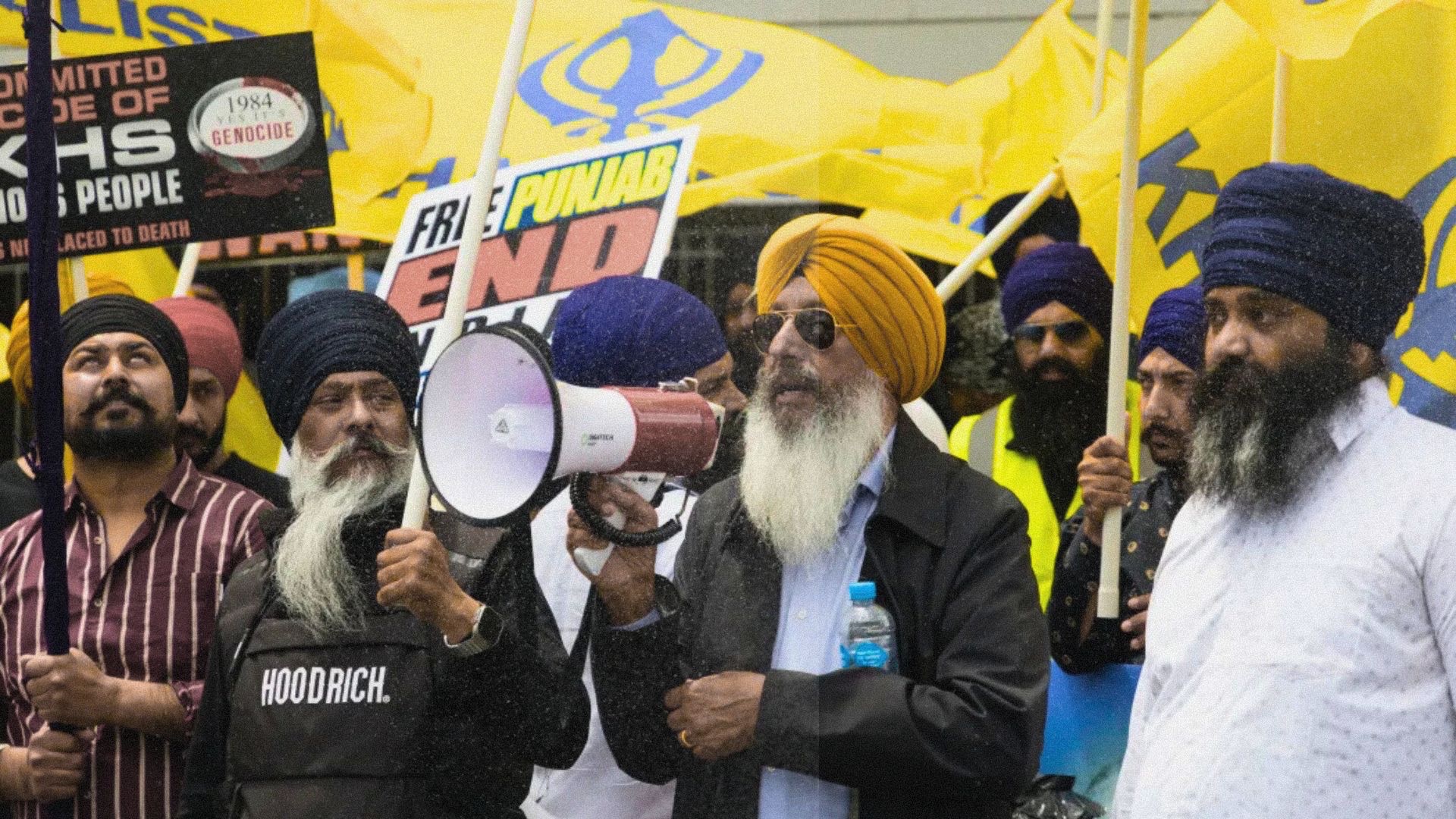
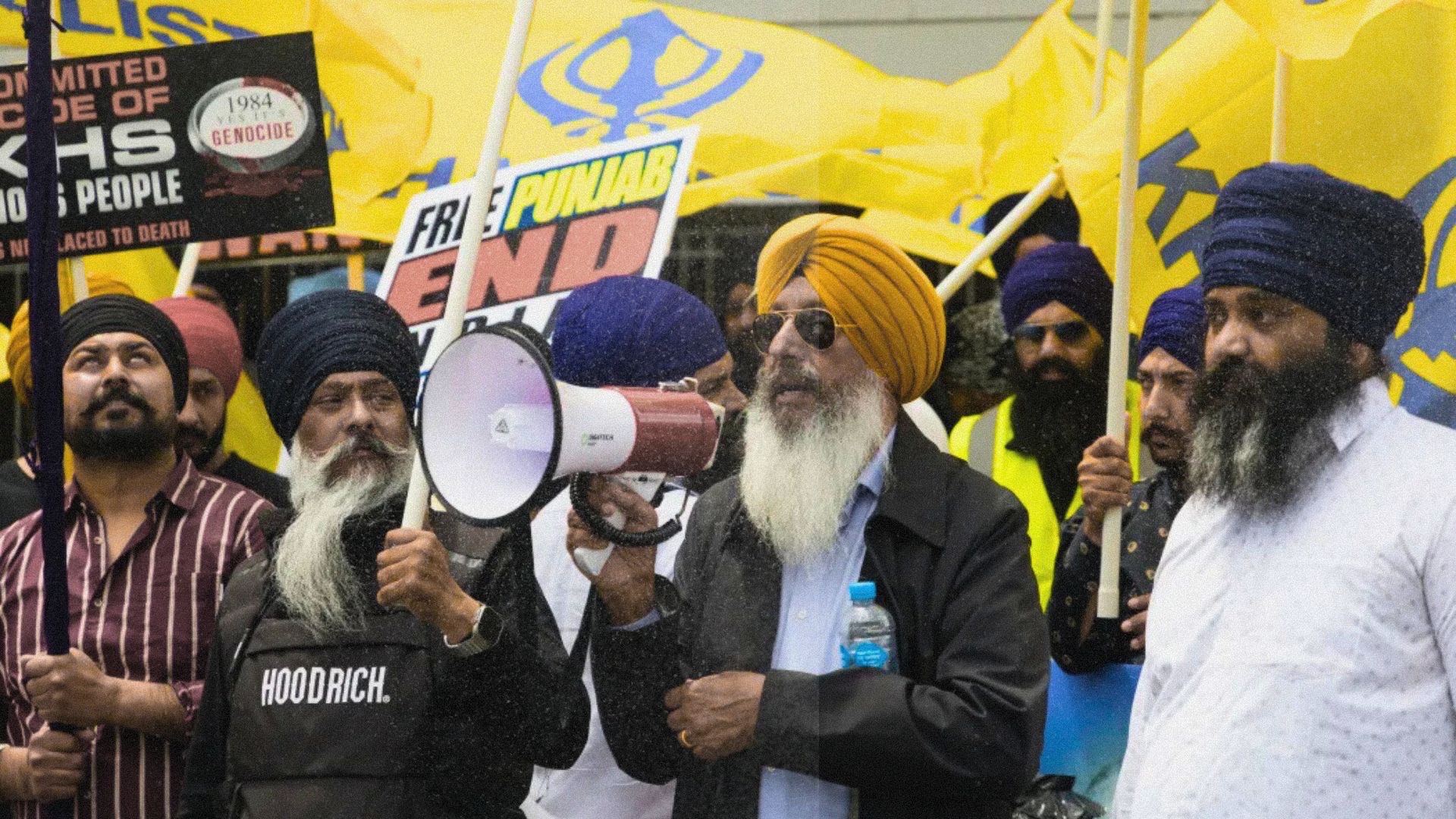
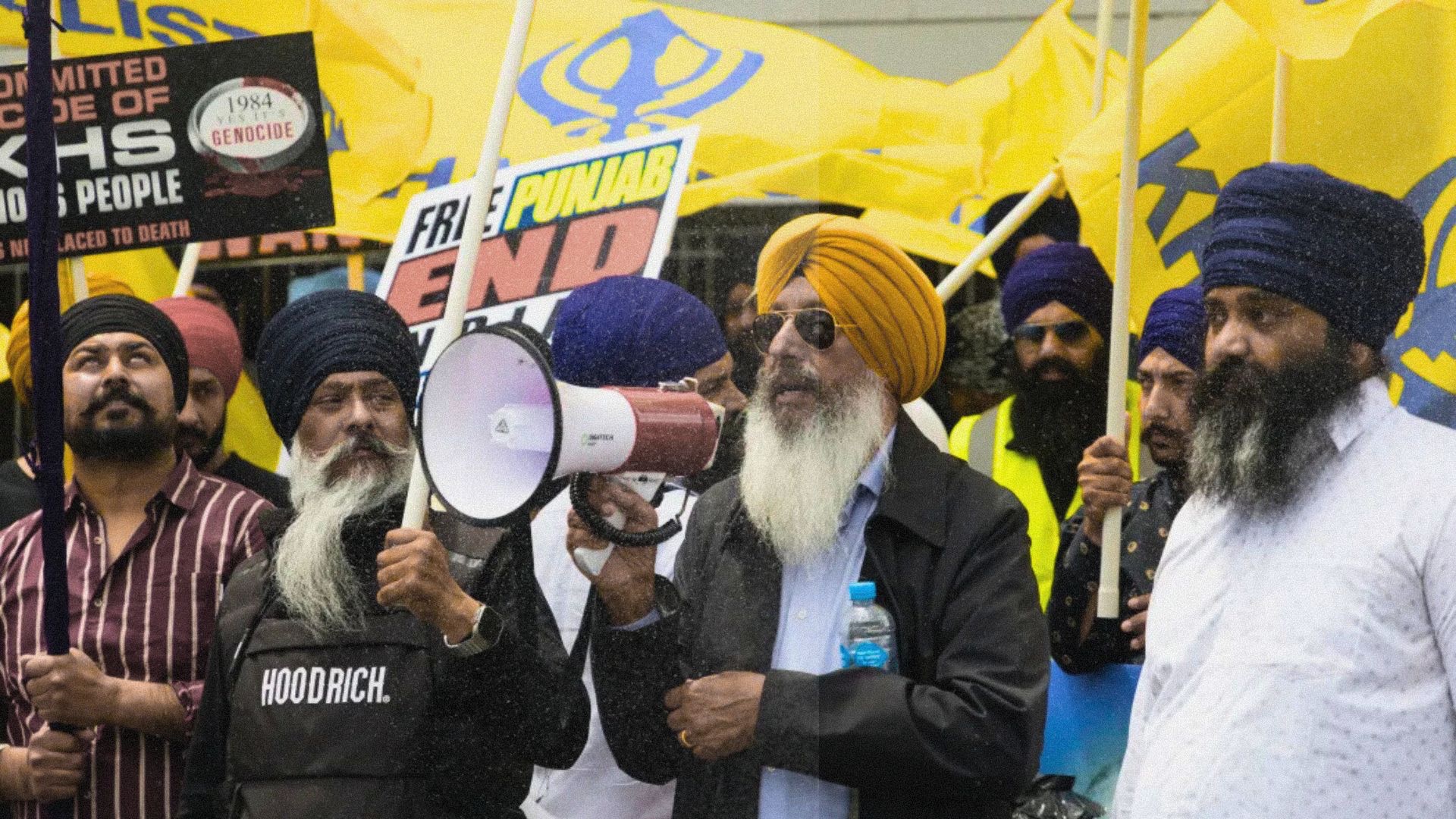
Truant student may have to curb Khalistan speech in India but will be deported, NZ tribunal rules The 21-year-old's education provider terminated his enrollment within a year because of poor attendance.
New Zealand-trained Indian pilot hailed for saving 174 people in Flydubai suspected crash bid Smit Machchhar trained with Mainland Air in Dunedin for about 18 months between 2008 and 2009.
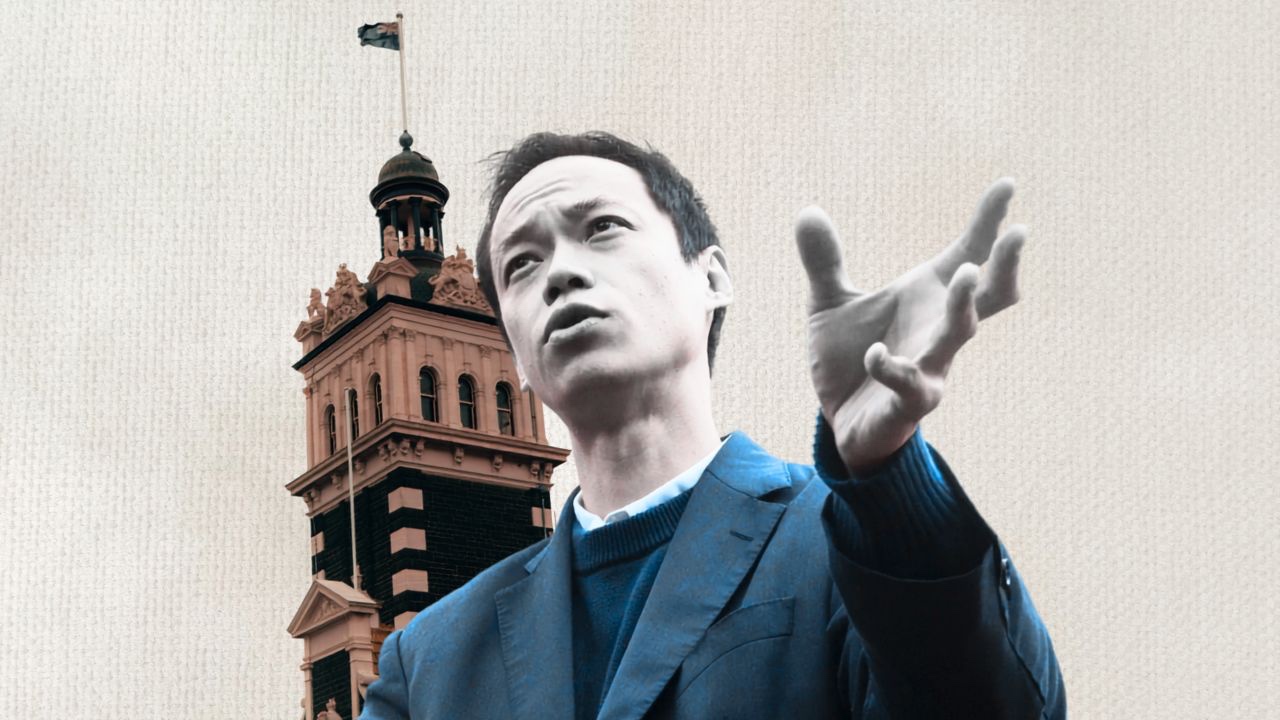
54 hours worked, 26 hours paid: Indian migrant wins $60,000 from Auckland employer The man's additional claim that he paid unlawful premiums to procure the visa didn't hold up in the employment tribunal.
“What has surprised me is that ACT has begun to agree with some of those policy concerns of New Zealand First.”
He adds that this sits in contrast with the party’s traditional positioning. “Because as a libertarian party, they have tended to be very pro immigration.”
He says ACT’s immigration package overlaps with a tougher framing more commonly associated with New Zealand First.
“So the recent statement from ACT around the six policy positions seems to me to echo and to compete with New Zealand First in terms of being tough on immigration,” he says.
Spoonley says the significance lies not in individual policy settings, but in the broader convergence of political language around immigration pressure, control and social impact.
ACT’s proposals have been framed by the party as a response to infrastructure strain and a need to ensure migrants “contribute” within a clearer system of expectations.
Spoonley does not characterise this as a full ideological merger, but as a visible tightening of positions during an election cycle.
He situates the current debate within a long pattern of migration becoming politically charged during elections.
“If you look at that electoral cycle in the way in which migrants and migration is politicised, then we have quite a history,” he says.
He points to earlier periods, including the rise of New Zealand First in the 1996 election, as examples of migration becoming a recurring political flashpoint.
“We have these periodic, what I would call moral panics, around migration, as though something had suddenly changed and that we needed to care about it in a way that we hadn’t in the previous two years or even longer periods,” he says.
He says current debates risk repeating that pattern, with migrants being positioned as a source of broader social pressure.
What about Auckland?
Spoonley is also pointing to the electoral implications of immigration politics, particularly in Auckland, where migration shapes both demographics and voting blocs.
“Here in Auckland, 43 per cent of Auckland are immigrants, and when you look at immigrants and their children, that accounts for 60 per cent of the Auckland population,” he says.
Against that backdrop, he is raising an explicit electoral question about how immigration rhetoric will translate politically.
“In terms of some of the [political] stalls that have been set out, how’s that going to play out with those particular constituencies, and who are they going to vote for, is going to be a very significant and interesting question?”
Spoonley rejects claims of an uncontrolled immigration system, describing New Zealand’s approach as tightly managed and merit-based.
“We are essentially looking at a merit-based system, what I would call a pick-and-choose system, and we pick and choose people according to their economic contribution to New Zealand,” he says.
He says around 95 per cent of migrants enter through structured visa pathways designed around skills, labour needs or investment.
The central issue is not overall migration levels, but volatility in inflows and outflows, he says.
“The problem in New Zealand is that we have this volatility, so we have these spikes.”