
Is New Zealand sliding toward a US‑style approach to immigration and asylum?

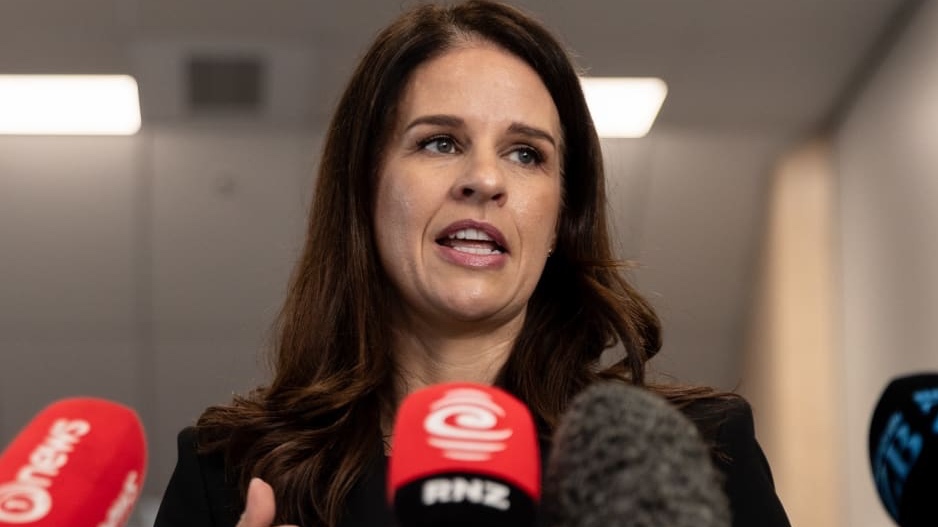
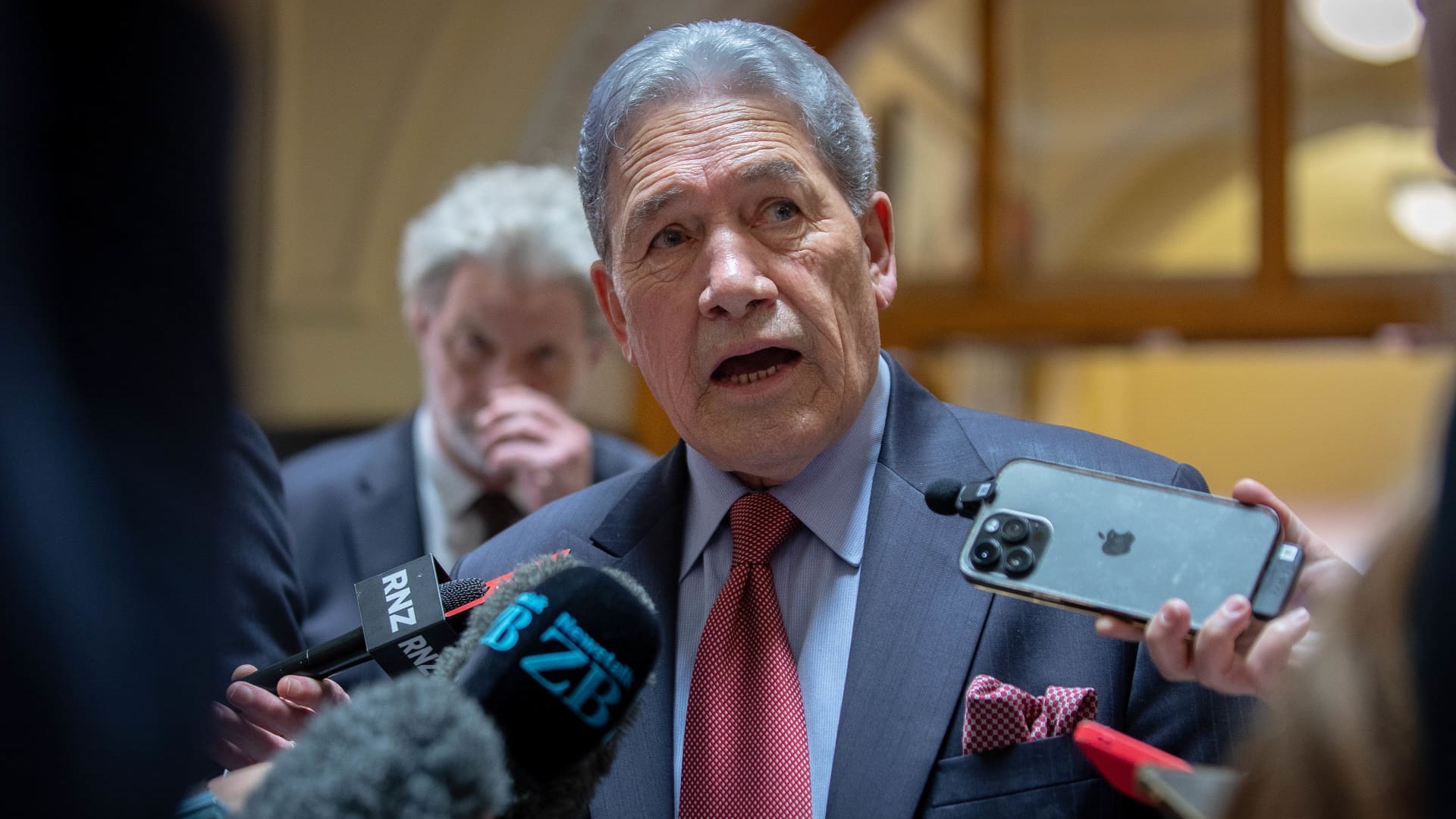
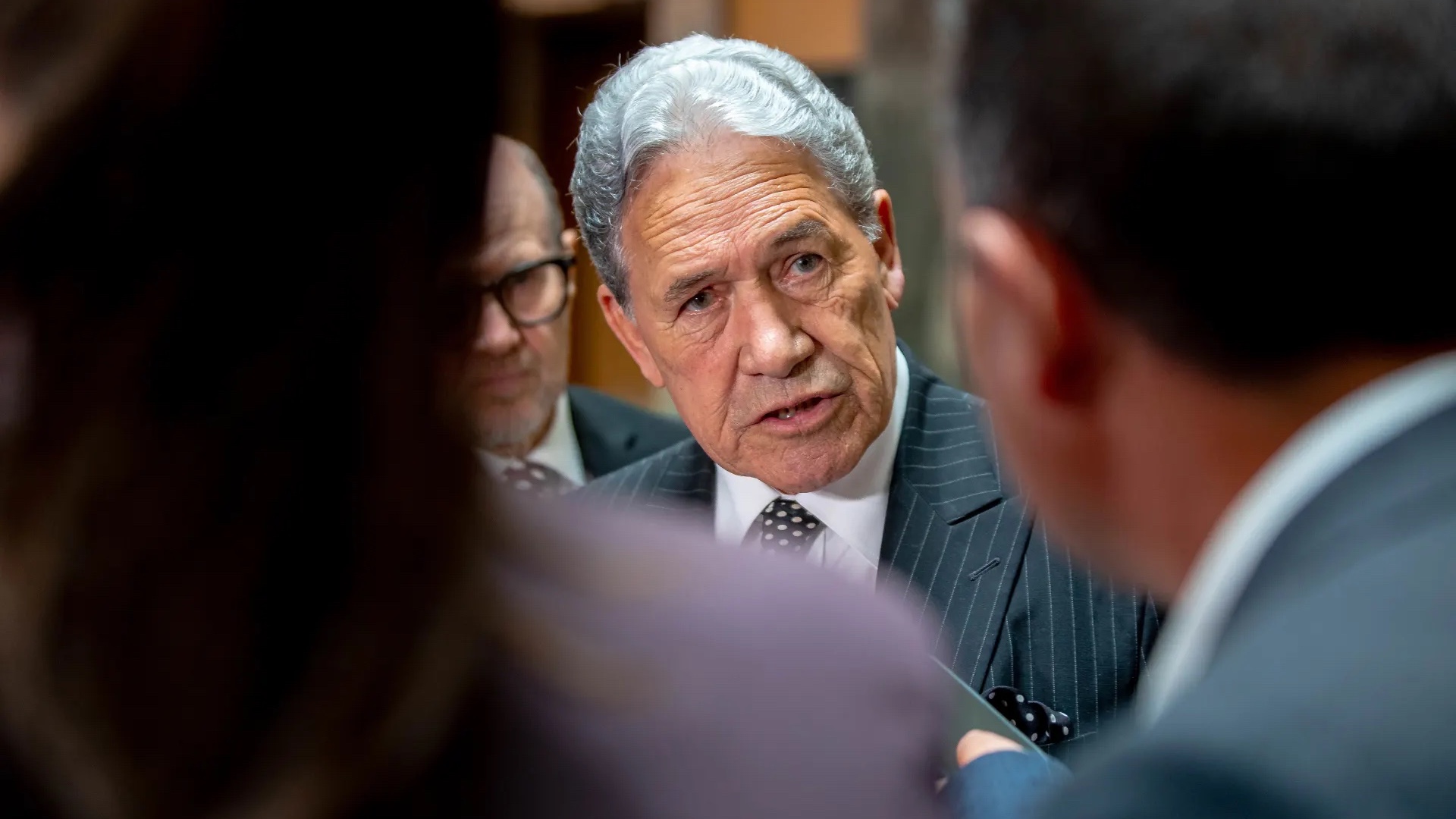
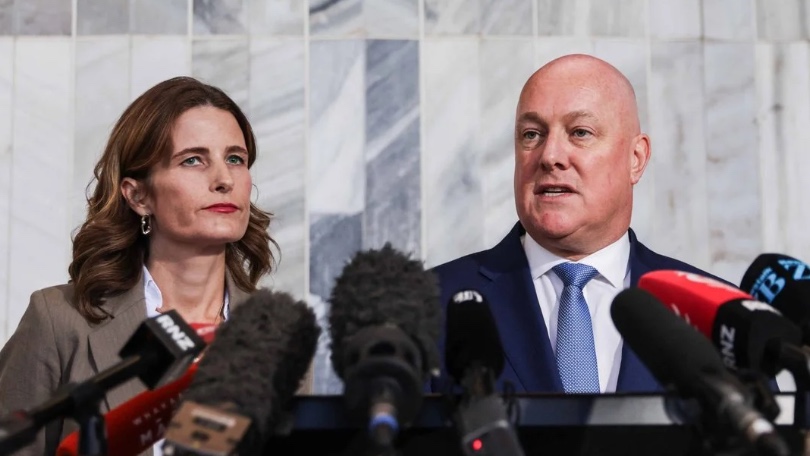
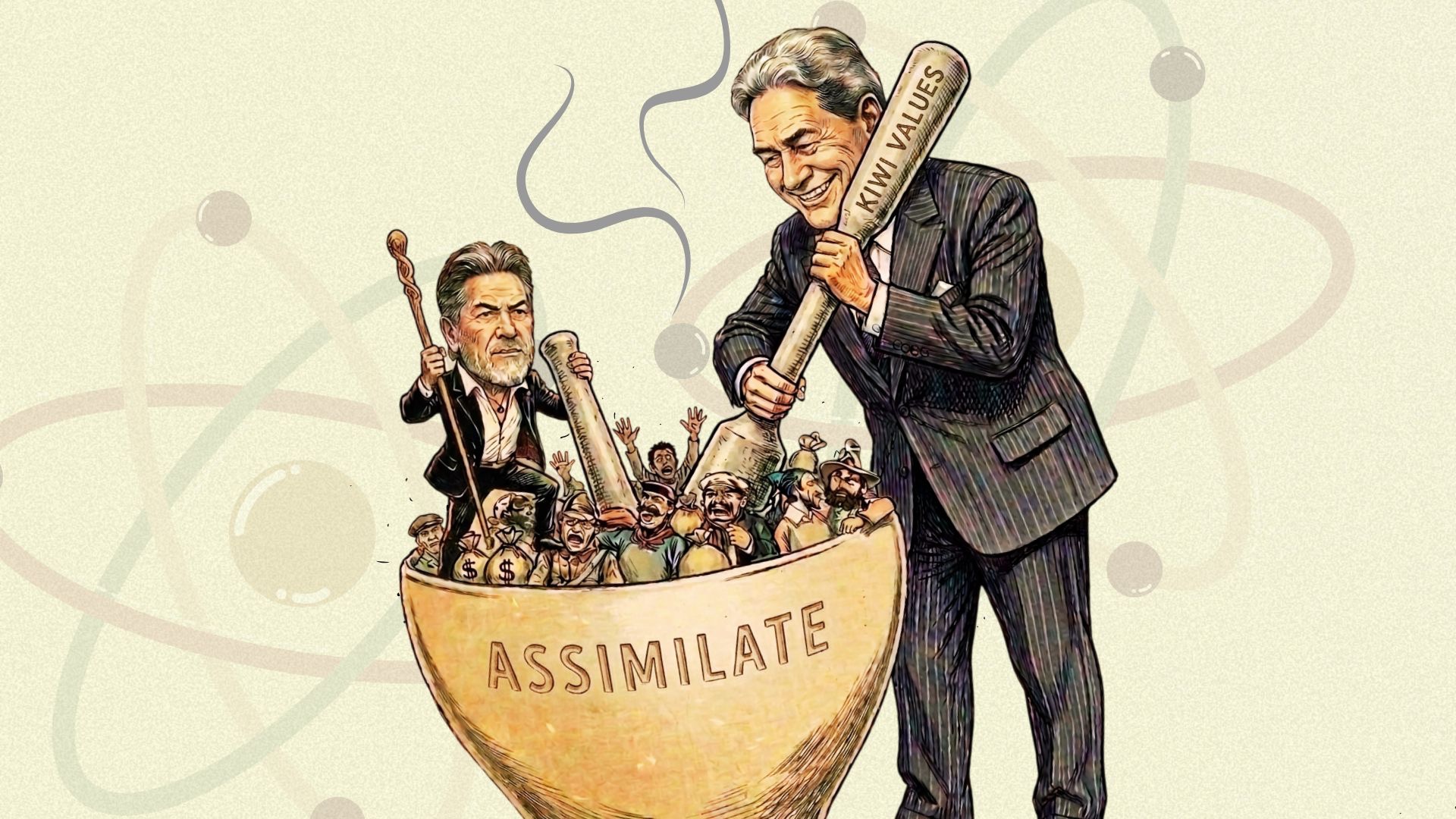
Erica Stanford, David Seymour and Winston Peters. (Supplied photo)
"The US experience illustrates how quickly a protection framework can change."
Analysis: A person fleeing persecution may not travel with extensive documentation, legal advice or even a neatly ordered account of their situation.
Trauma, fear, language barriers, fragmented evidence and a distrust of authority can significantly shape how they share their story.
This is why New Zealand, like many other countries, has a refugee determination system to assess claims carefully and fairly against a backdrop of someone’s forced displacement.


New Zealand’s proposed Immigration (Enhanced Risk Management) Amendment Bill seeks to shift this system away from its humanitarian orientation and toward one built on suspicion and control.
While the United States provides a clear example of how such a shift can unfold, it is not unique. Across a number of jurisdictions, asylum systems have increasingly been reframed through the language of risk and compliance, with greater emphasis on deterrence and enforcement.
South Asian diaspora raises over $200,000 for New Zealanders missing in Nepal flood "I'm so proud of the Indian community here who...supported us, saying it is not a Nepal problem but our problem."
Tamakis launch Indian-origin candidate for Epsom who surrendered passport and has ‘assimilated’ “I know a whole lot of people are going to be like shocked,” says Hannah Tamaki.
Priyanca Radhakrishnan tries to puncture Luxon’s FTA victory, says India was already sold “Things have changed quite dramatically on the Indian government side,” says the Indian-origin Labour MP.
In many countries, immigration policy has been increasingly organised around a preemptive logic – suspect first, verify later – enabled by expanded surveillance and reduced transparency.
New Zealand’s legislative language and political rhetoric about “risk”, “compliance”, and “system integrity” signal a similar shift. Asylum becomes less about protection and more a problem to manage.
Submissions on the Immigration Amendment Bill have now closed, with the select committee due to report by mid-August. But many organisations working within the refugee and asylum sector have said the proposed changes risk undermining fairness, proportionality and the core purpose of refugee protection.
Reduced humanitarian appeals
Some of the proposed changes are technical, but their implications are not.
One provision introduces the idea of “bad faith”, meaning a claim could be discounted if a person is seen to have contributed to their own risk, such as drawing attention to themselves through media or political activity.
This creates a paradox: remain invisible and your claim may lack evidence; become visible and your claim may be questioned.
The bill also narrows what people can do while they await a decision, often for extended periods. Someone who has found a job or formed a committed relationship would be unable to shift onto a work or partnership visa.
For people already living with uncertainty, this undermines efforts to rebuild stability and dignity.
Access to humanitarian appeals would be reduced. These appeals have functioned as an important safeguard, allowing decisions to be revisited when circumstances change. Limiting access narrows the system’s ability to correct itself.
Combined with faster processing and removal of a person from New Zealand, this leaves less room for error and can have potentially life-altering consequences.
This is particularly concerning given research demonstrates the Immigration and Protection Tribunal’s review function operates as a key safeguard, upholding human rights by preventing abrupt removals, or allowing more dignified transitions for those who have to leave.
‘Fortress New Zealand’
The government’s own analysis of the bill identifies a small number of asylum cases involving individuals with serious criminal histories, while acknowledging significant uncertainty in the data.
It notes the difficulty in distinguishing between claims that lack merit and ones that fall short of the legal threshold for establishing fears of persecution under refugee law.
In other words, the scale of the problem is not clearly established. Despite this, concerns about risk appear to have become the government’s central justification for pursuing such wide changes.
This is where the underlying policy logic matters. When uncertainty is treated as risk, and risk as something to be preemptively controlled, thresholds for intervention lower. Measures designed to manage outlier cases can reshape the entire system, affecting many legitimate claims.
Our research on 11,000 asylum claimants in New Zealand over 25 years shows how emphasis on credibility, risk and system integrity have resulted in a pattern we have described as “fortress New Zealand”.
These latest proposed changes are part of an incremental slide away from a protective orientation toward control, efficiency and risk management. It happens not through a single decisive reform but by cumulative adjustments that reshape the system’s character.
Policy drift
Now, National’s coalition partners are calling for tighter immigration controls in general. ACT has proposed extending deportation liability indefinitely, while NZ First leader Winston Peters used social media to say ACT’s proposal “doesn’t even touch the sides”.
This shift toward harsher, enforcement-first immigration settings is not unique to New Zealand. The US experience, particularly under the second Trump administration, illustrates how quickly a protection framework can change.
Deportations increase, access to asylum is constrained, enforcement capacity grows, and refugee admissions are reduced. At the same time, access to judges narrows, enforcement extends into everyday spaces, and personal data is repurposed for immigration control.
New Zealand is not there yet, but the direction of policy drift is recognisable.
At its core, the Immigration Amendment Bill poses a simple question: what kind of asylum system should Aotearoa New Zealand have? One that begins from a position of suspicion, where claims are treated as risks to be managed? Or one grounded in protection while addressing instances of misuse?
Public confidence and system integrity matter. But both depend on balance. When the system tilts too far toward enforcement, it risks undermining the principles it is meant to uphold.
(This story first published in The Conversation. Jay Marlowe is Professor of Social Work and Timothy Fadgen is Senior Lecturer, Politics and International Relations at University of Auckland.)