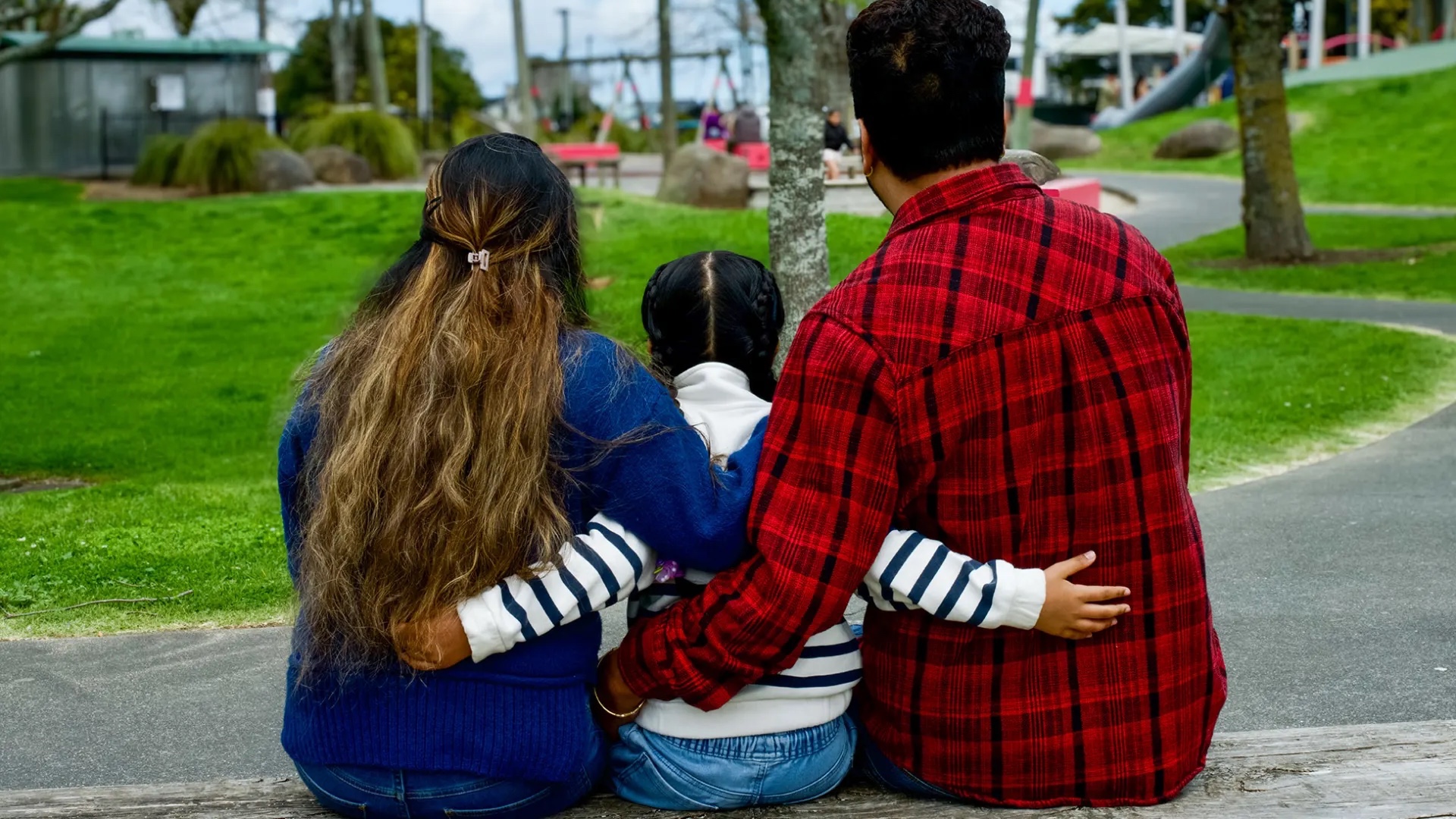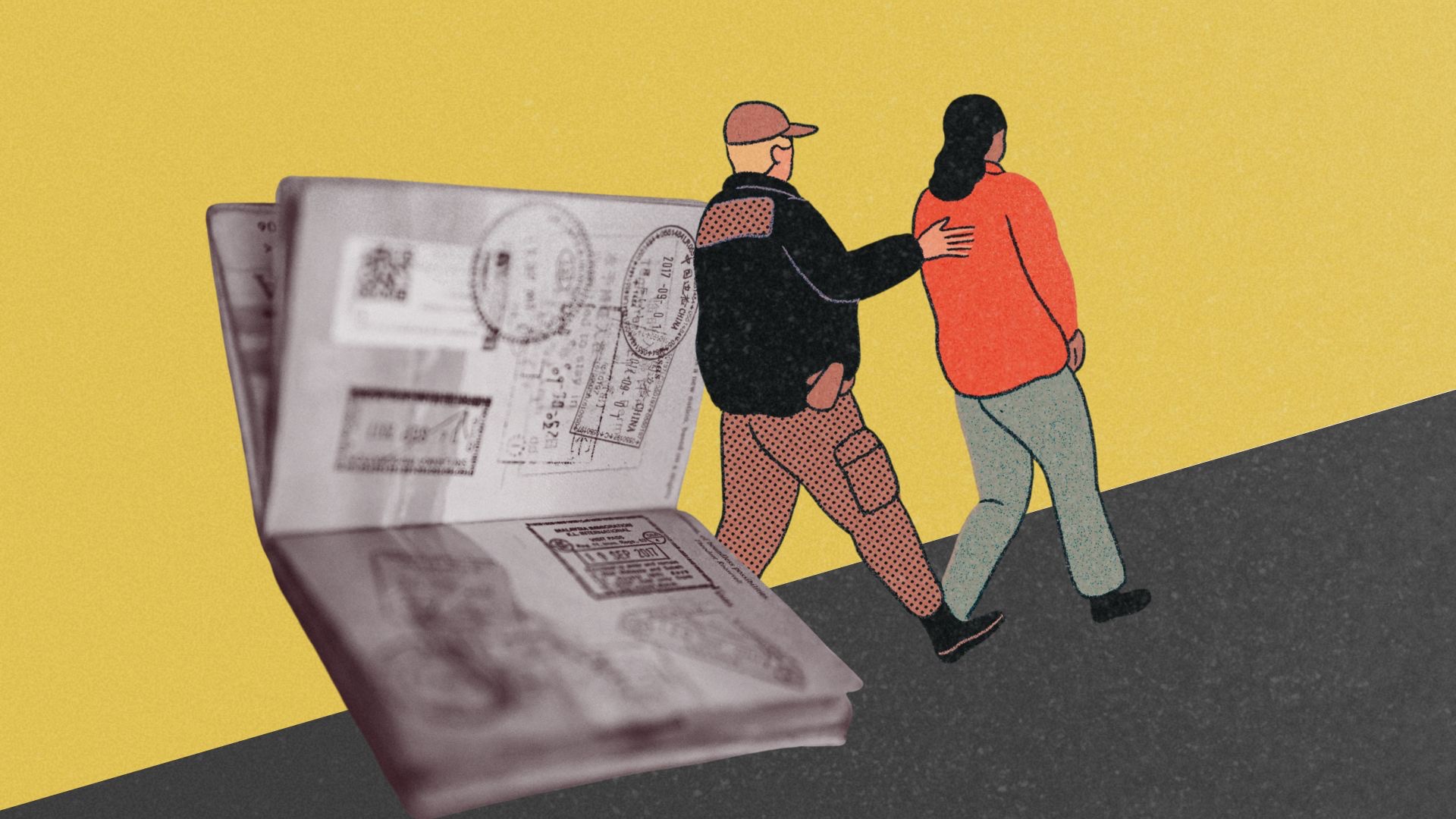

Kiwi woman wins residence for stepson after choosing not to legally adopt him

The boy's biological parents separated before his birth.
She raised him as her own for six years, but immigration rules refused to recognise her as his parent.
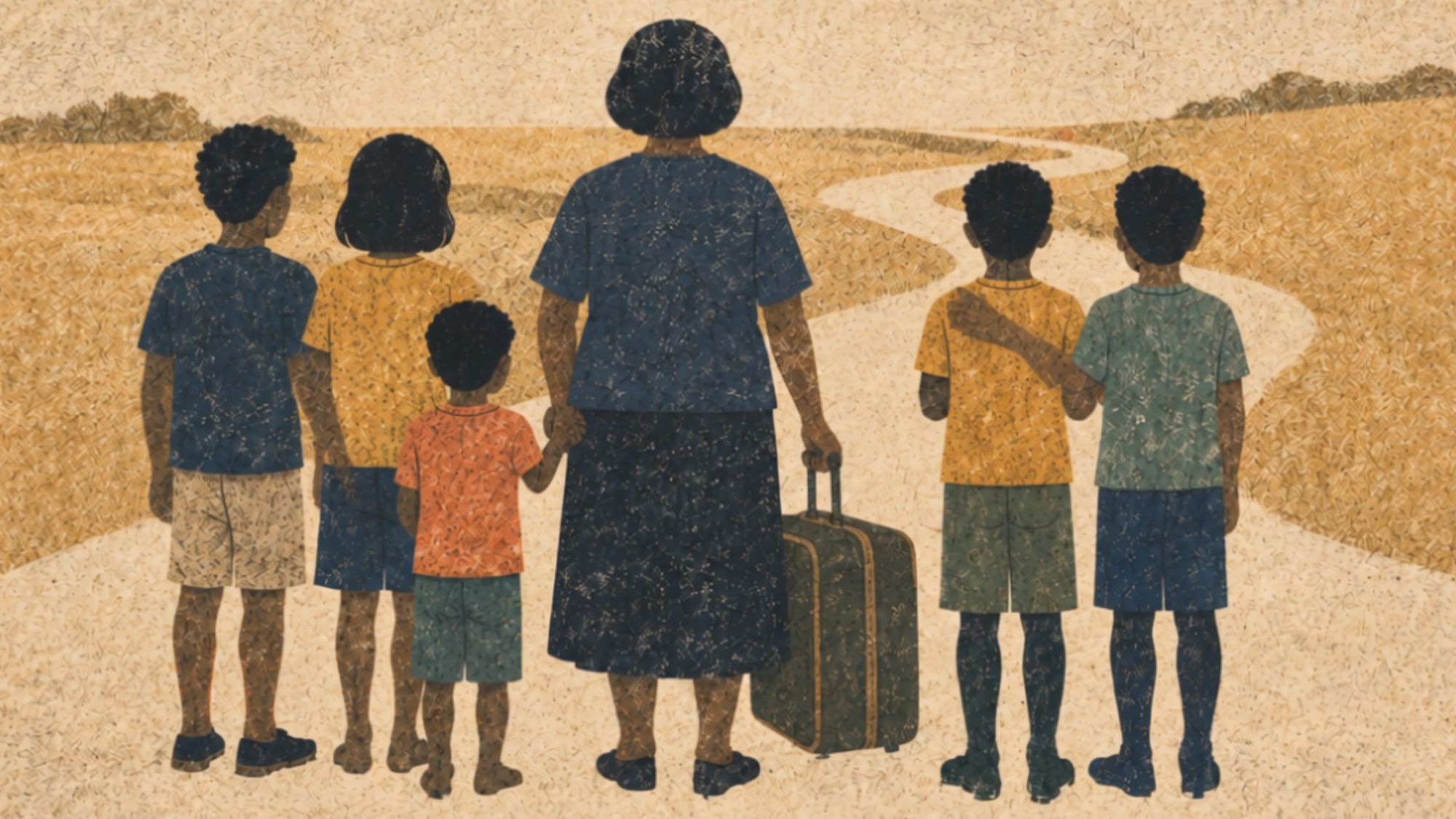
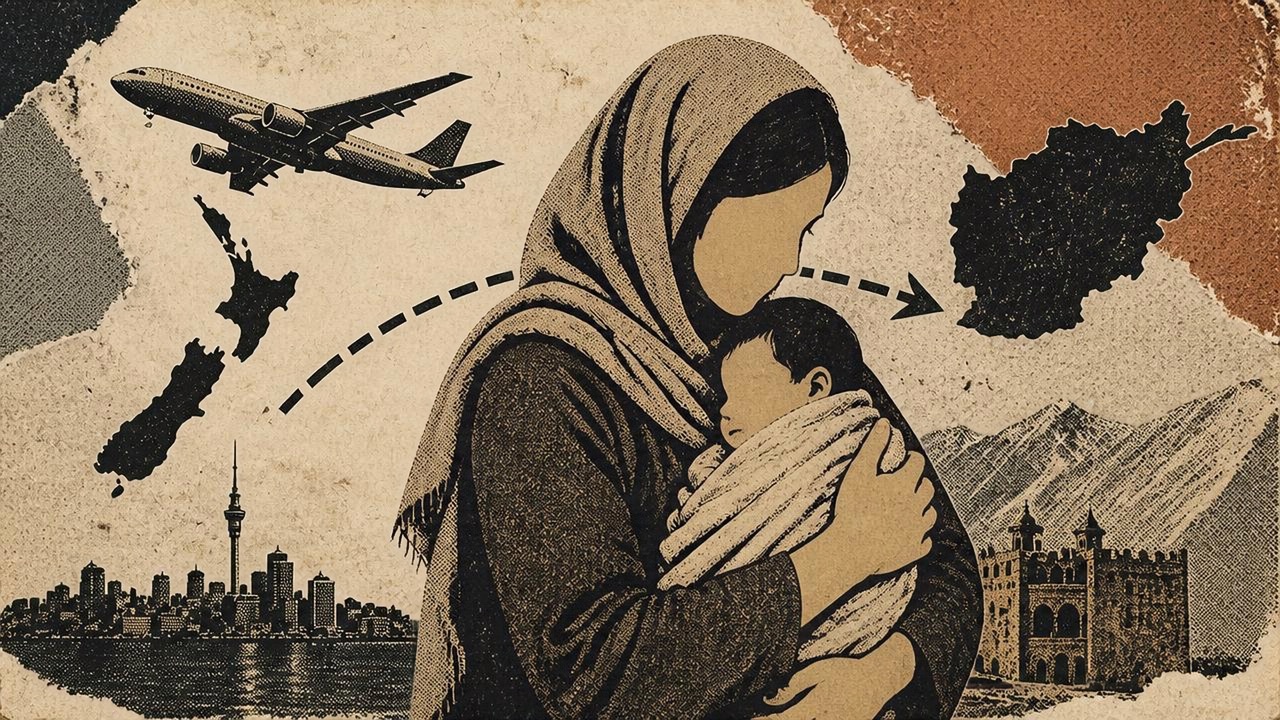
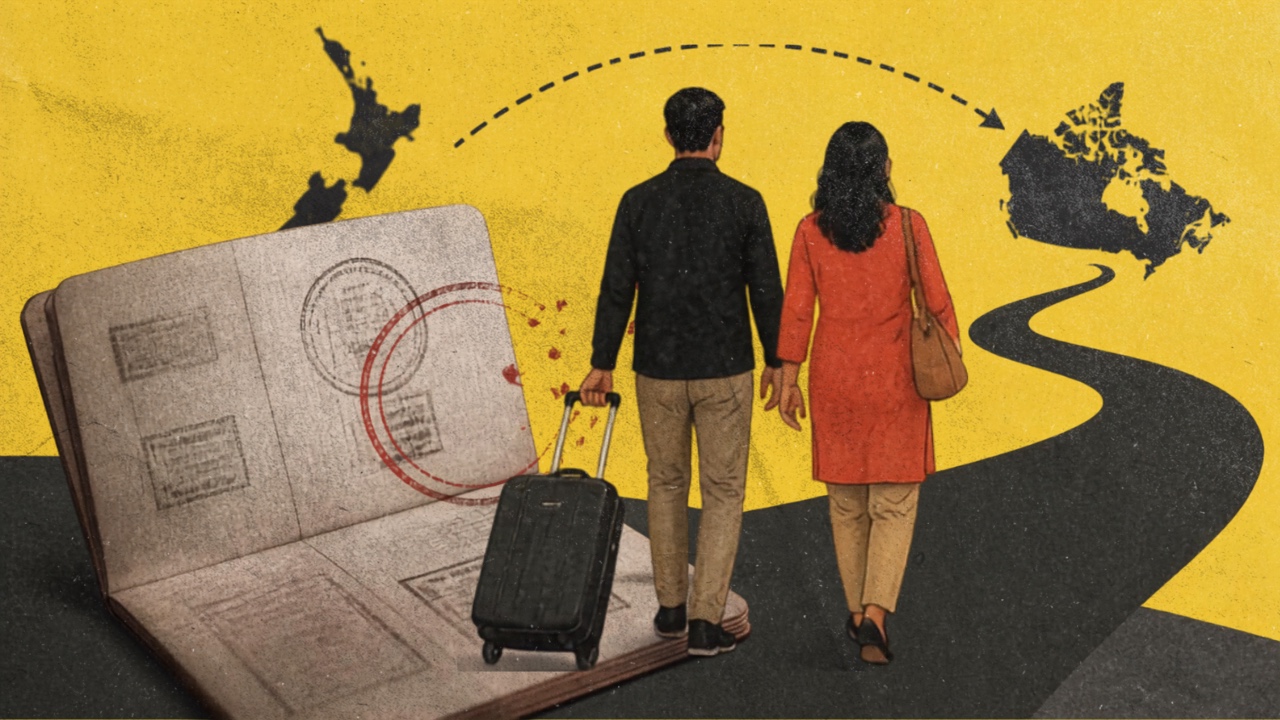
A Kiwi woman who raised her Congolese stepson for six years but chose not to adopt him to preserve his ties with his biological parents has won a legal battle to secure his residence in New Zealand.
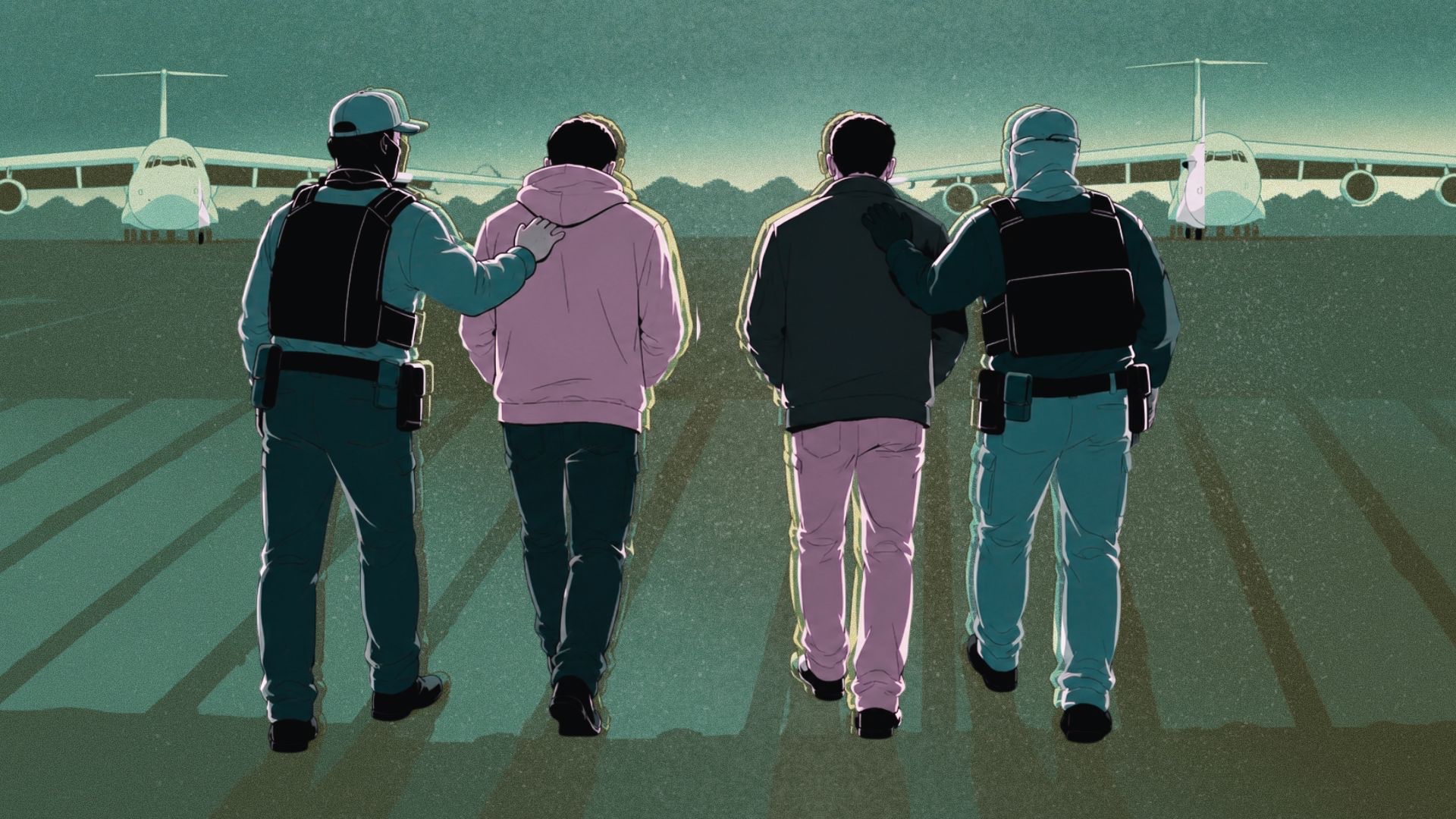
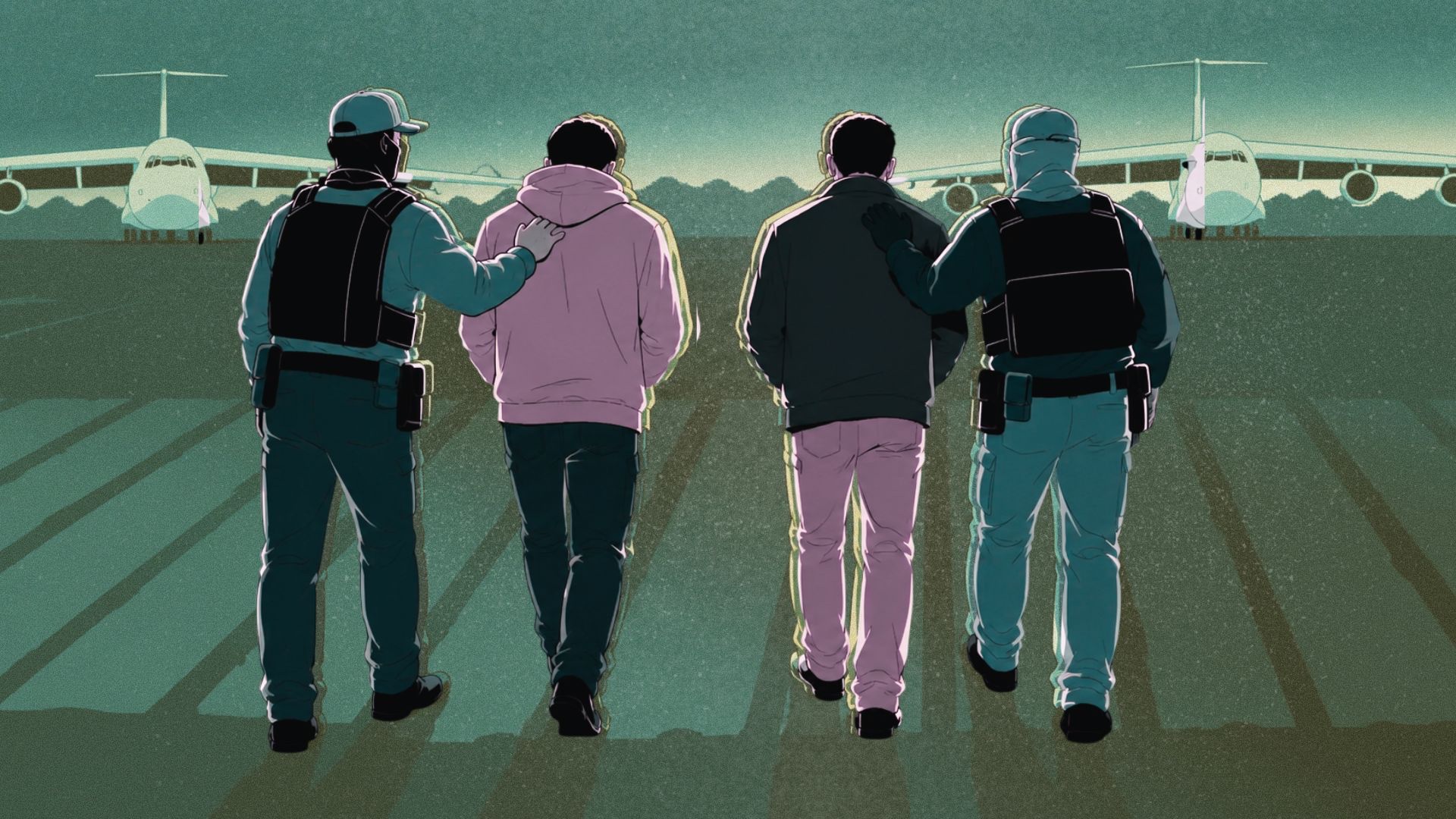
The 15-year-old faced deportation after immigration authorities refused to recognise the woman as an eligible parent, even though a Congolese court had formally granted her parental authority with the consent of both biological parents.
In a decision dated 14 October 2026, the country's appellate immigration body, the Immigration and Protection Tribunal (IPT), found that separating the boy from his stepmother and seven-year-old half-brother would be unjust or unduly harsh.


IPT Member S A Aitchison ordered that he be granted a resident visa, recognising that he had no realistic pathway to residence under the normal dependent-child category.
Why she chose not to adopt
Kiwi woman wins residence for stepson after choosing not to legally adopt him She raised him as her own for six years, but immigration rules refused to recognise her as his parent.
Indian mother in Auckland jailed over her baby's broken bones may be innocent Eight years after an Auckland couple took their baby to hospital, new medical evidence has raised questions about a conviction that separated their family for years.
Hamilton takeaway boss used visa threat to force migrant to falsely blame partner for fight The Indian worker was also made to work an 88-hour week and denied leaves.
The boy's lawyer, P Sundar, told the tribunal that the stepmother had deliberately avoided adoption for ethical reasons because she wanted to preserve his relationships with both biological parents.
The lawyer also argued that even if she had adopted him in Congo, the adoption would not have been recognised in New Zealand under the relevant overseas adoption provisions.
Congo was not covered by the applicable international adoption arrangements, meaning an adoption order issued there would not have resolved his visa difficulties, the lawyer submitted.
Instead, the woman obtained parental authority through an order issued by the Children's Court in Pointe-Noire, Congo, on October 31, 2025, with both parents' consent.
The order gave her responsibility for the boy's supervision, education and certain administrative matters, but it did not make her his adoptive parent.
Under Immigration New Zealand's dependent-child instructions, an eligible supporting parent had to be either a biological or adoptive parent. The stepmother was neither.
Six years as a family
The boy's biological parents separated before his birth. His father subsequently entered a relationship with the New Zealand woman, and the couple had a son together in 2019.
The family lived in several African countries, including Egypt, Burkina Faso and Congo, before moving to New Zealand in July 2025.
The teenager arrived on a visitor visa with his father, stepmother and younger half-brother. His father returned to Congo for work the following month, leaving both children in the woman's care.
In September 2025, the boy applied for a student visa as his stepmother's dependent child, but Immigration New Zealand declined the application because she did not qualify as a supporting parent.
His interim visa subsequently expired in December 2025, leaving him unlawfully present in New Zealand and liable for deportation.
By then, he had settled into school, made friends and developed close relationships with his stepmother's extended family.
Her parents treated him as their grandson, regularly taking him away for weekends, while he enjoyed spending time with cousins of a similar age.
The woman told the tribunal that New Zealand was now the boy's home and that he was thriving here.
Both biological parents supported him remaining in her care.
Separation would cause harm
Clinical psychologist and neuropsychologist Lorance Taylor, who assessed the teenager, described his relationship with his stepmother as a strong maternal bond.
Taylor warned that separating him from his family and community would significantly harm his emotional wellbeing and development.
The boy also wrote to the tribunal, explaining that he felt safe and protected with his family in New Zealand and did not want to be separated from them.
His biological father, who worked in music production in Congo, was described as unable to offer the same stability. His biological mother lived in Angola with another family and lacked the resources to accommodate him.
The tribunal accepted that the boy's best interests lay in remaining with his stepmother and younger brother while maintaining contact with his biological parents.
It also acknowledged that his immigration difficulties had arisen from decisions made by adults rather than any action of his own.
"His period of unlawfulness has been brief, and as a child, he also has no responsibility for the decisions made by adults on his behalf," Aitchison said.
An unusual outcome
The tribunal found that deportation would disrupt the teenager's education and separate him from a stable family environment, forcing him to return to less secure circumstances in Congo.
It concluded that those consequences would be unjust or unduly harsh and that allowing him to remain would not be contrary to the public interest.
The tribunal said it was appropriate to provide the boy with certainty about his ability to remain in New Zealand in his stepmother's care. Rather than granting a temporary visa, the tribunal ordered residence directly because the normal dependent-child pathway was unlikely to succeed.