
Grandmother who tried for NZ residence knowing she'd be rejected must return to Fiji
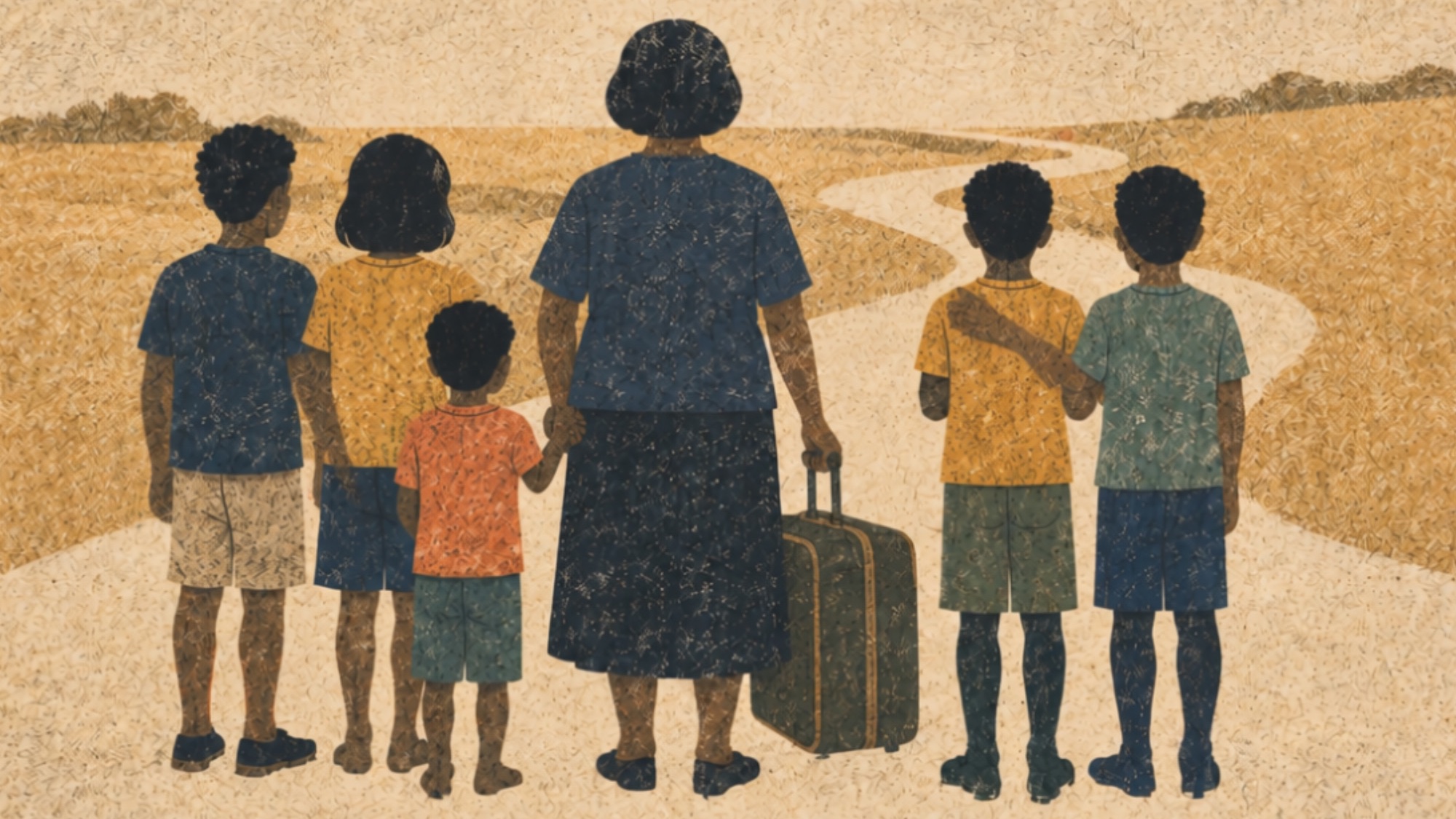
The 69-year-old helps care for and raise her five grandchildren in New Zealand.
A failed application was part of the plan. The family hoped it would open another door to residence.
A 69-year-old Fijian grandmother applied for New Zealand residence knowing she did not qualify, hoping the rejection would give her a chance to argue before an immigration tribunal that she should be allowed to stay with her family.
The woman, whose two adult children and five grandchildren are New Zealand citizens, has lost her appeal to the Immigration and Protection Tribunal (IPT), despite arguing she provided crucial childcare and family support here.
Her latest visitor visa was valid only until October. The unusual route taken by the family was laid out openly from the beginning.
On July 24 last year, the woman applied for residence under the Family Partnership category, which requires an eligible New Zealand citizen or resident partner. She did not have one.
In fact, eight days before the application was lodged, her lawyer told Immigration New Zealand (INZ) she did not meet the requirements of the category, but that declining her application would trigger a right of appeal to the IPT.
Election 2026: Will Kiwi-Indian voters decide the battle for Takanini? A South Auckland seat with one of New Zealand’s biggest Indian populations is shaping up as a test for ethnic identity and the ballot box.
India is coming to Auckland: Full schedule revealed for cricket, football, hockey, Diwali From the Black Caps and All Whites taking on India to Diwali, hockey, bowls and city-wide light displays, Auckland has revealed its sporting centenary programme.
What does an Indian-origin MP owe Kiwi Indians? Priyanca Radhakrishnan on identity, belonging The three-term Labour MP says you can be Indian and Kiwi. Why should belonging require you to choose sides?
When INZ subsequently raised the absence of an eligible partner, her lawyer confirmed again that she did not have one. INZ declined the application on December 3, finding she did not qualify under the partnership category or any other residence category.
The rejection opened the door to the appeal the family had been seeking. The woman argued that her circumstances were sufficiently special for the IPT to recommend that the immigration minister consider making an exception to normal residence rules.
In a decision last month, tribunal member M Avia acknowledged the woman has a significant family life in New Zealand but rejected the argument for residency.
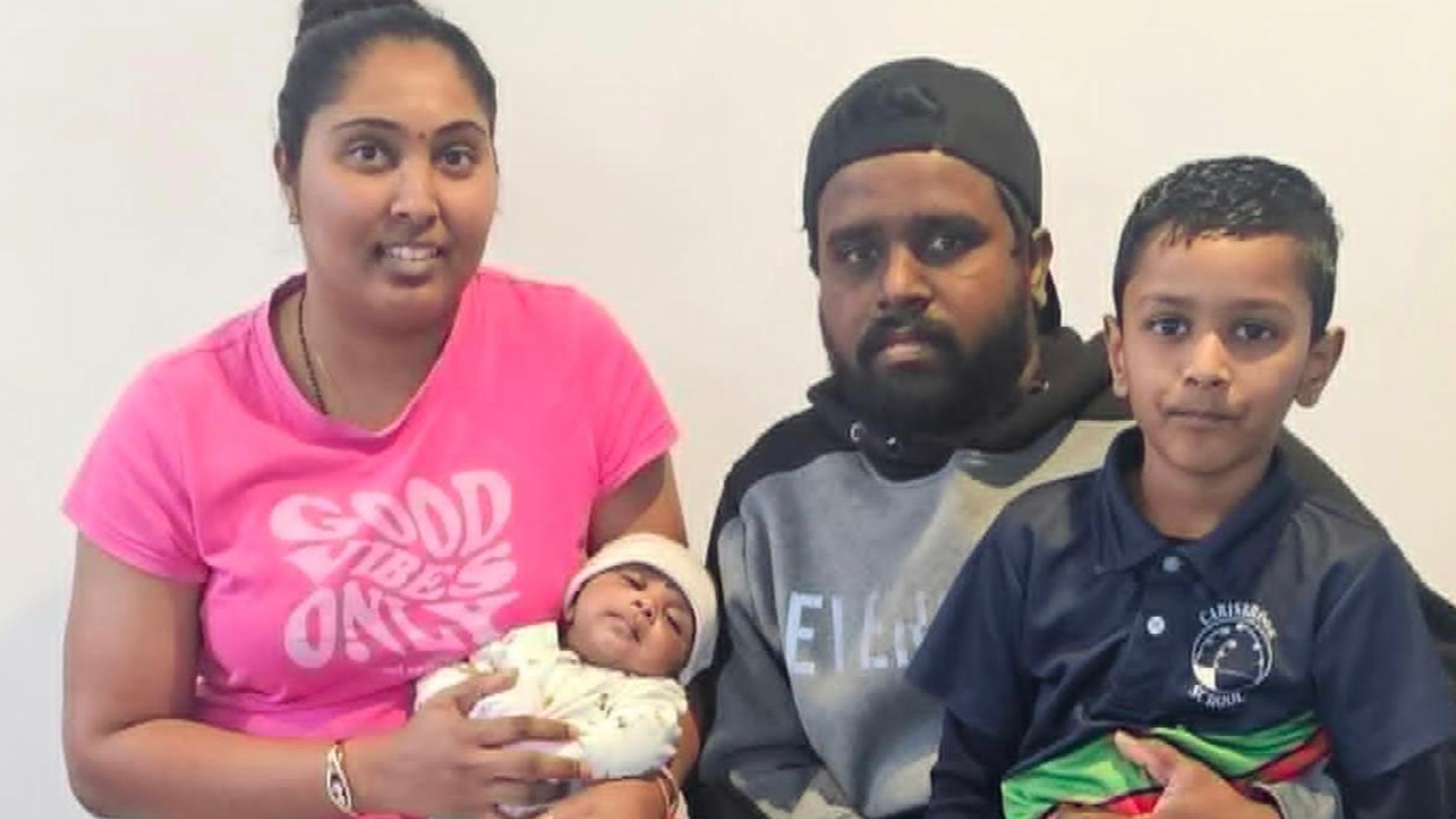
Her daughter and son-in-law and their two sons are New Zealand citizens; as are her son, daughter-in-law and their three children. She also has a brother and sister living here.
Her husband died in 2022 and, in the four-and-a-half years since, she has spent more than three-and-a-half years in New Zealand on visitor visas.
She primarily stays with her daughter’s family, where she looks after the children before and after school, during holidays and when her daughter and son-in-law’s work commitments require additional care.
Her lawyer told the tribunal that the couple’s ability to continue working “largely depends” on her “ongoing and critical childcare and domestic support”.
Avia accepted the grandmother was making a “valued contribution” and that her presence had enabled her daughter and son-in-law to work without having to worry about ongoing childcare.
But that was not enough to establish special circumstances. If the grandmother could no longer stay, Avia said, the couple “may have to make alternative childcare arrangements, just as many other families with pre- and school-aged children are required to do”.
The grandmother also travelled to another city, more than six hours away, to help her son’s family. Two of his sons have the a rare and serious lifelong genetic condition and require significant hands-on care, ongoing medical supervision and treatment.
Her son told the tribunal she cared for the boys during hospital visits, school holidays and medical emergencies. Her daughter-in-law described the grandmother as an essential part of the family’s support network.
The IPT accepted the boys were medically vulnerable and that it was in their best interests for their grandmother to remain involved in their lives. But it found residence was not necessary to achieve that.
The children’s parents and their maternal grandmother provided most of their care, while the Fijian grandmother supplemented it when required. “The desire of families to secure additional assistance from more other family is not out of the ordinary,” Avia said.
The tribunal also addressed a dilemma familiar to migrant families whose parents remain overseas after they settle in New Zealand.
Both of the woman’s children wanted their mother to remain permanently, but Avia described this as “a very common preference” among adult children who had settled and established families in New Zealand while their parents remained overseas.
“Having voluntarily migrated to New Zealand and settled here many years ago themselves, neither the appellant’s son nor daughter can have had any expectation that she be in a position to join them here permanently,” the decision said.
The interests of the five grandchildren were also considered. Avia found the grandmother’s care had allowed her to form close bonds with her daughter’s children, including “nurturing their values and strengthening generational connections”.
Her departure would cause them some disruption, but the tribunal found there was nothing to suggest their fundamental welfare or long-term development would suffer.
For the two medically vulnerable grandsons, the tribunal went further, finding it was in their best interests for their grandmother to remain in their lives and support them when needed. But again, that did not require permanent residence.
There was another significant obstacle to her appeal. She potentially already has another route to residence. A day after lodging the partnership application, the woman submitted an expression of interest under the Parent Resident Visa category.
Her daughter and son-in-law had a combined annual income of more than $190,000, which the tribunal said indicated they may meet the income threshold to sponsor her.
Avia also noted changes from October 5 under which 90 per cent of Parent Resident Visa expressions of interest would be selected in date order and 10 per cent by ballot.
There could be a wait for her expression of interest to be selected, but the tribunal found her circumstances did not justify bypassing that process.
Her circumstances were “not sufficient to warrant a circumvention of residence pathways by a grant of residence at the present time as an exception to instructions,” Avia said.
The tribunal also saw “no obvious reason” why she could not continue visiting her family in New Zealand in future, provided INZ granted her visas.
The IPT upheld INZ’s original decision and dismissed the appeal. “The appeal is unsuccessful,” Avia concluded.