
Parent visa queue: Coalition partner happy, but not quite, as ballot changes roll out

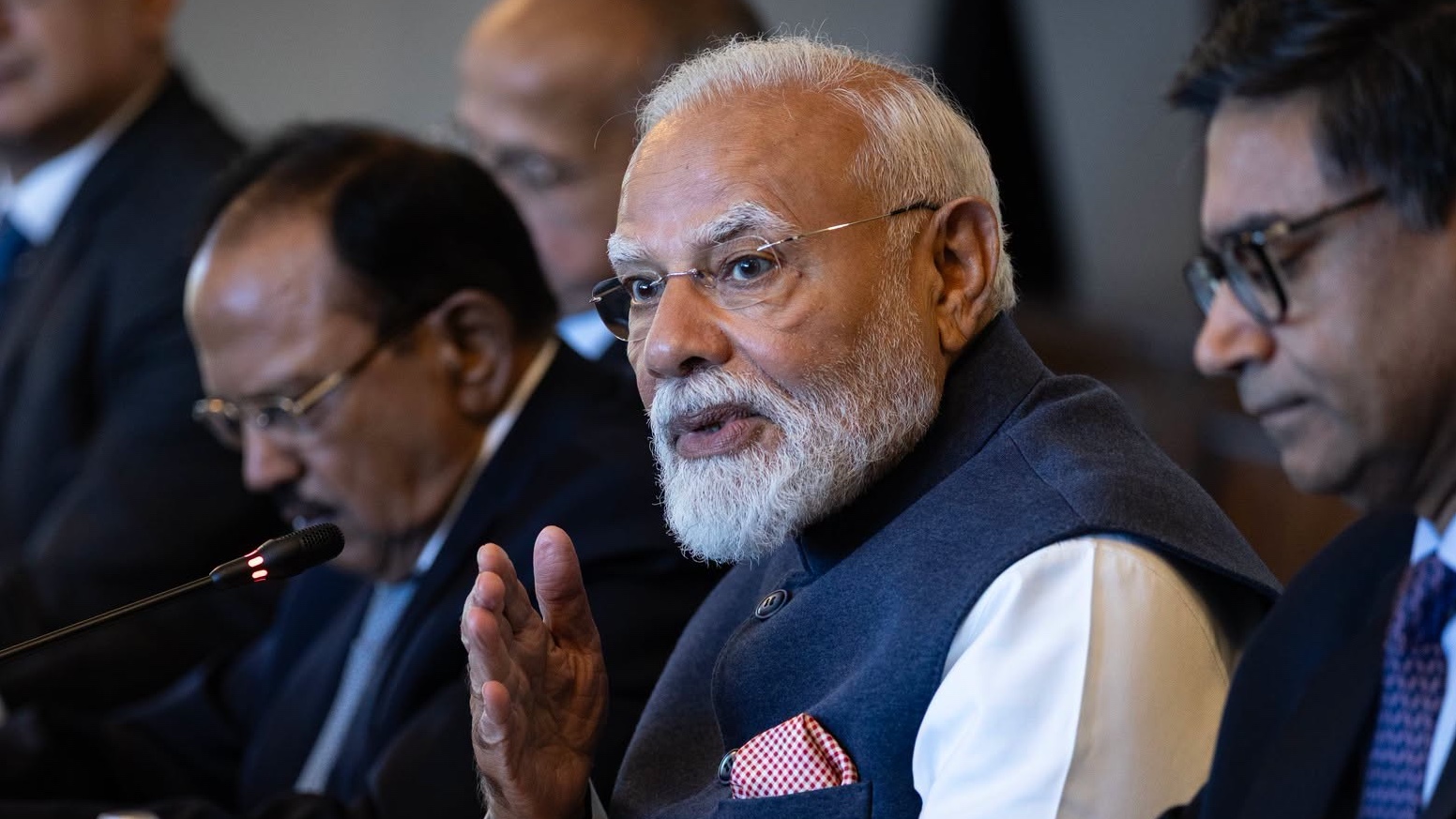
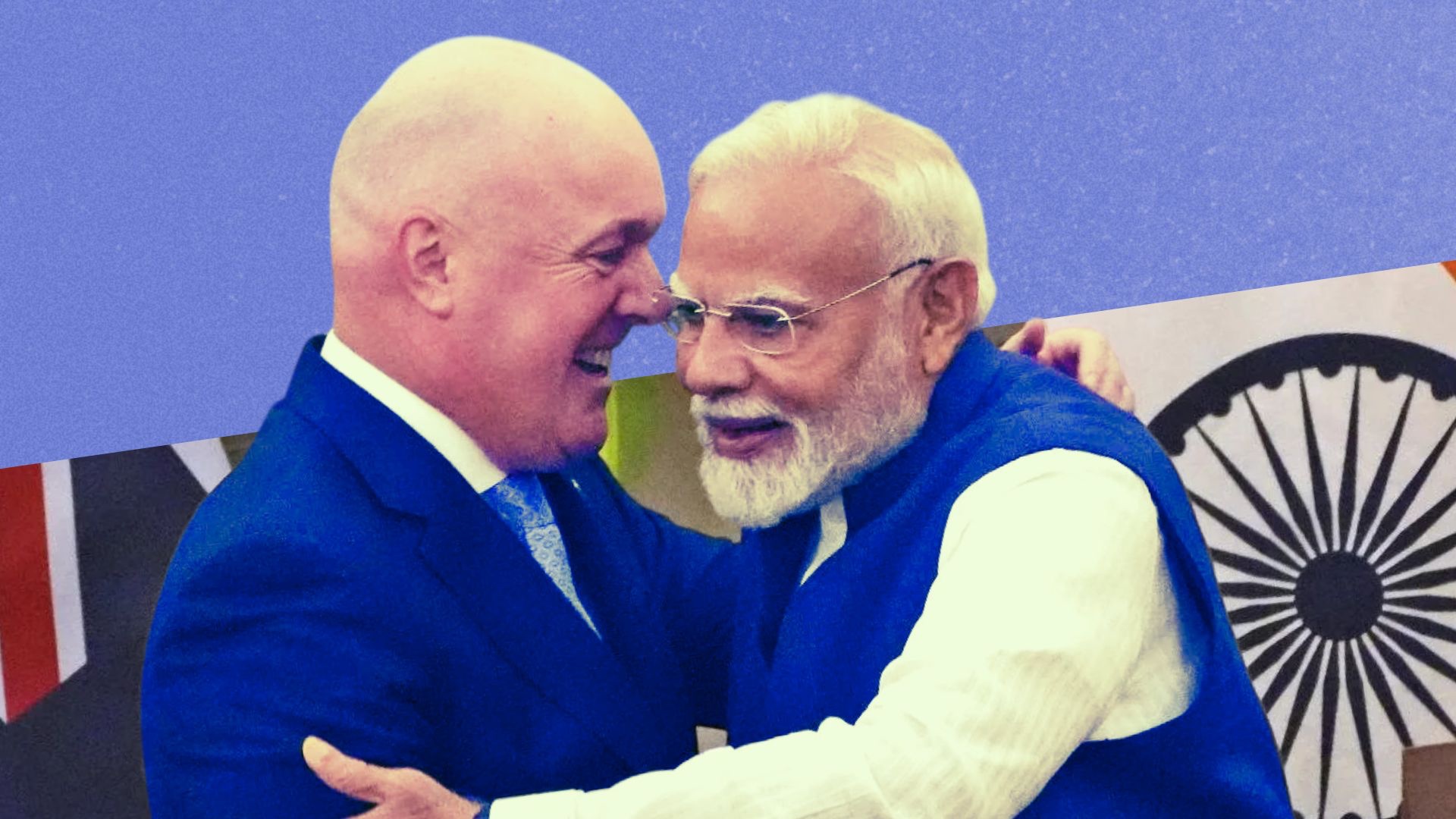
Immigration minister Erica Stanford.
Families who have waited longest will now get priority for most selections, but the ballot hasn't gone completely.
Coalition partner ACT is pushing the government to go further on changes to the Parent Resident Visa, saying the remaining lottery element should be scrapped altogether.
Under changes taking effect from October 5, around 90 per cent of Parent Resident Visa expressions of interest selected from the pool will be chosen in date order, with the remaining 10 per cent still selected through a ballot.
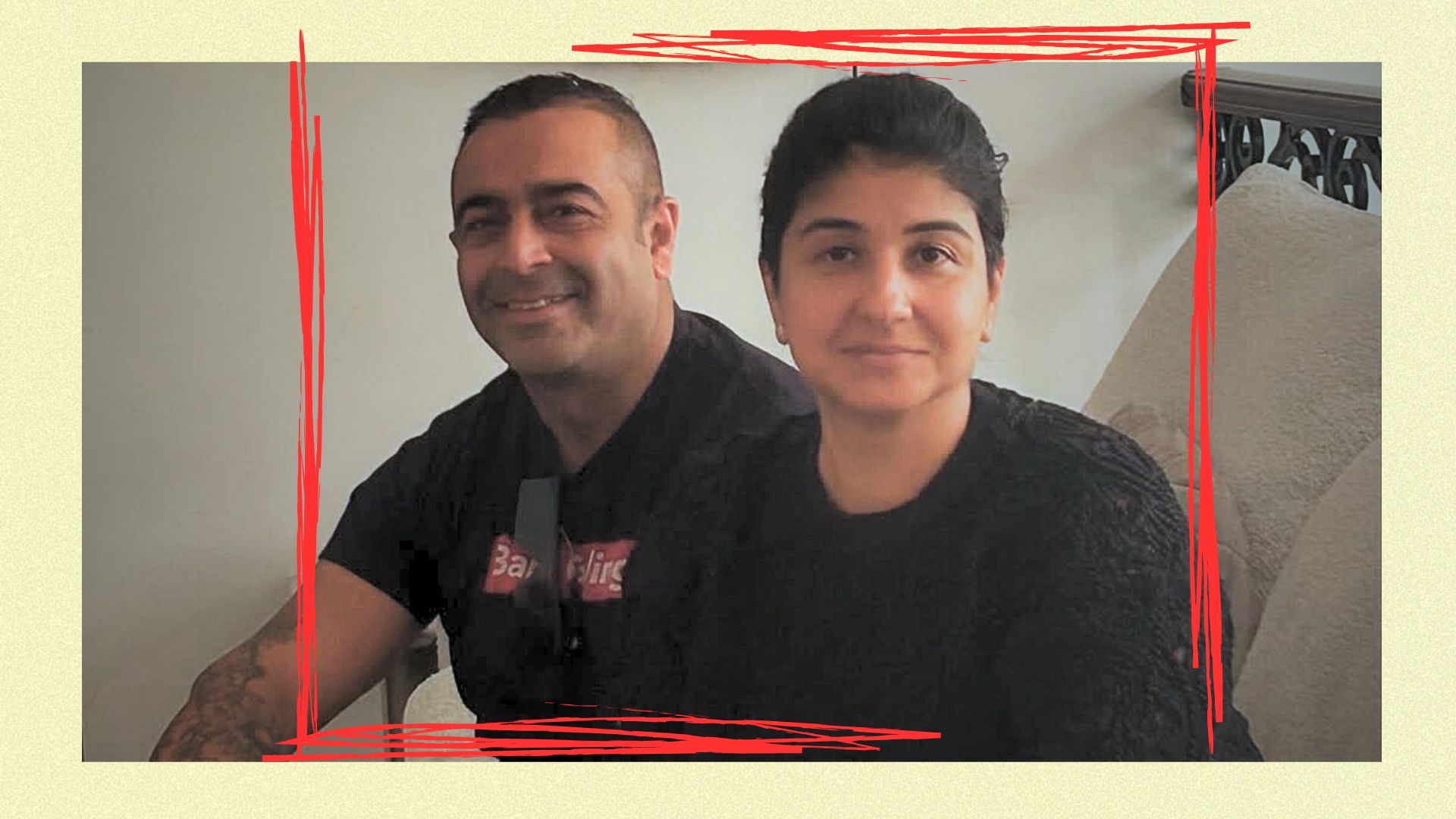
ACT immigration spokesperson says that last lottery element should also go. “There is no convincing reason to reserve 10 per cent of selections for a lottery,” says Parmjeet Parmar.
“It creates no extra visa places; it simply allows a newer applicant to be selected ahead of someone who has waited longer.”
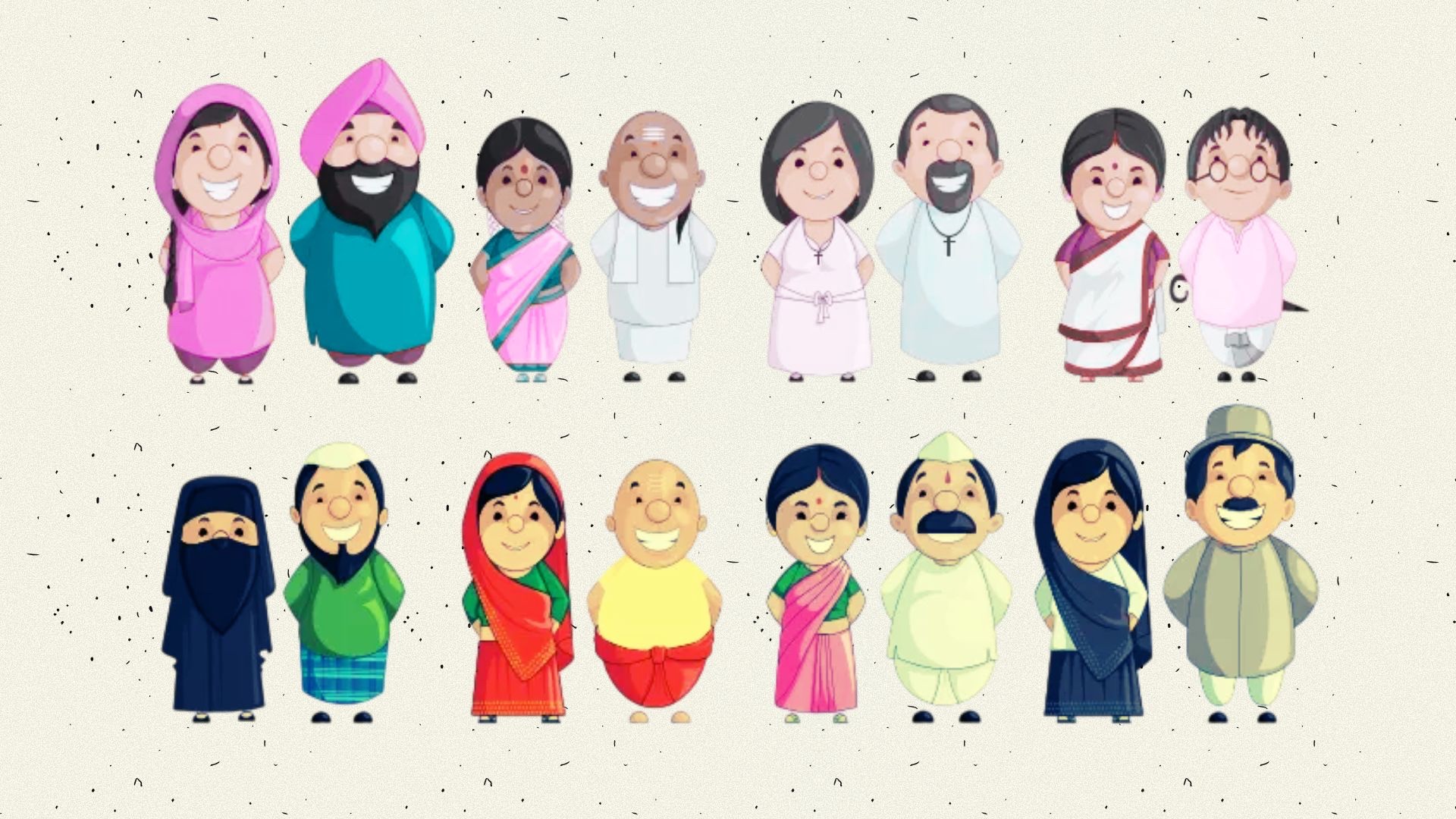
The Parent Resident Visa is capped at 2,500 places a year and allows eligible New Zealand citizens and residents to sponsor their parents for residence.
Parent visa queue: Coalition partner happy, but not quite, as ballot changes roll out Families who have waited longest will now get priority for most selections, but the ballot hasn't gone completely.
$19,000 land tax or $9,000 tax gain: What election policies could mean for Kiwi households What the major parties’ election promises could mean for the finances of three very different New Zealand households.
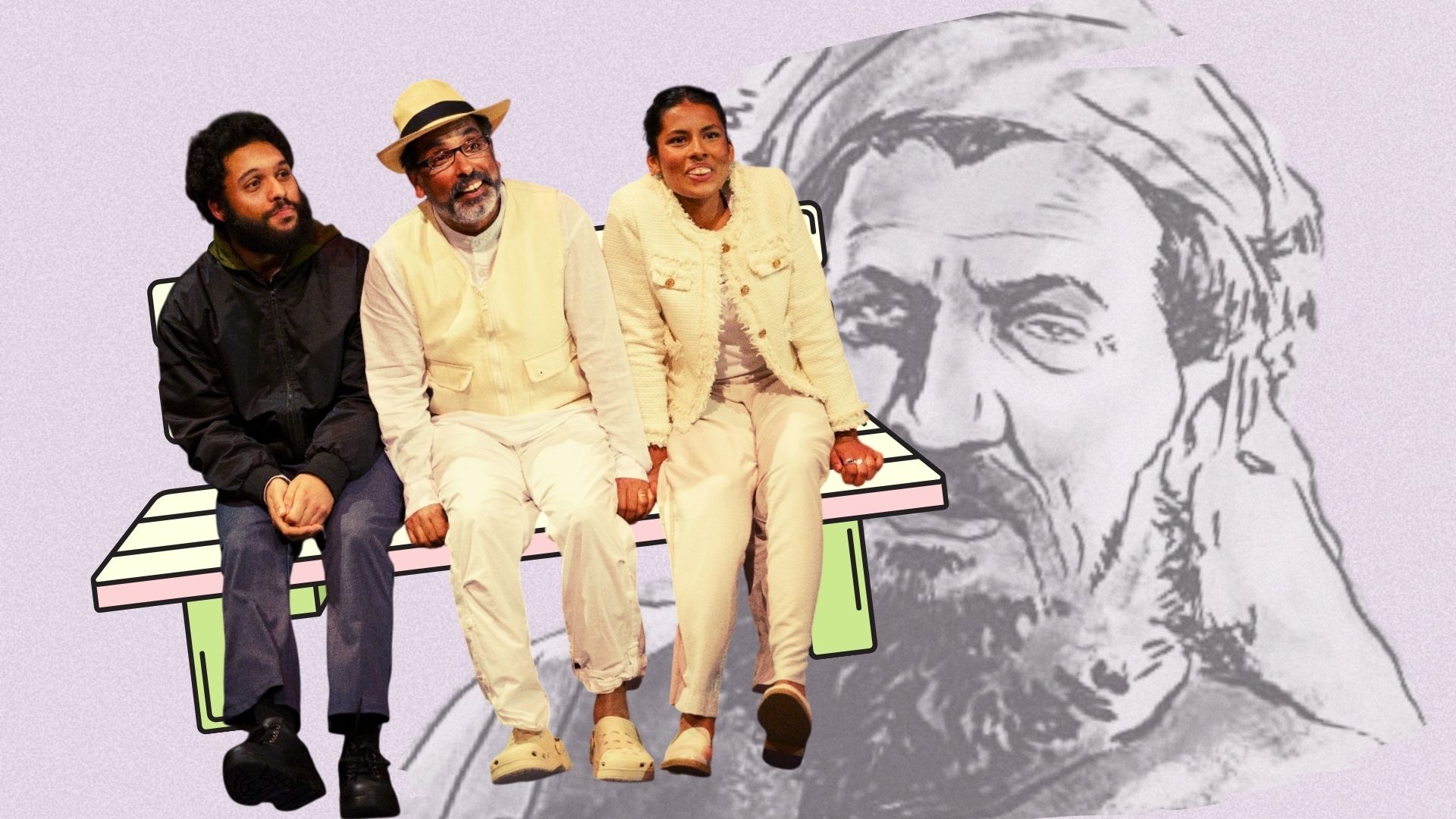
New Zealand grants asylum to two Christian men over religious persecution in China Also known as Eastern Lightning, the Church of Almighty God teaches that Jesus has returned as a Chinese woman.
The category has been heavily oversubscribed. Latest Immigration New Zealand (INZ) figures cited before the changes showed about 12,000 people had submitted expressions of interest over the previous two years, with roughly half involving couples.

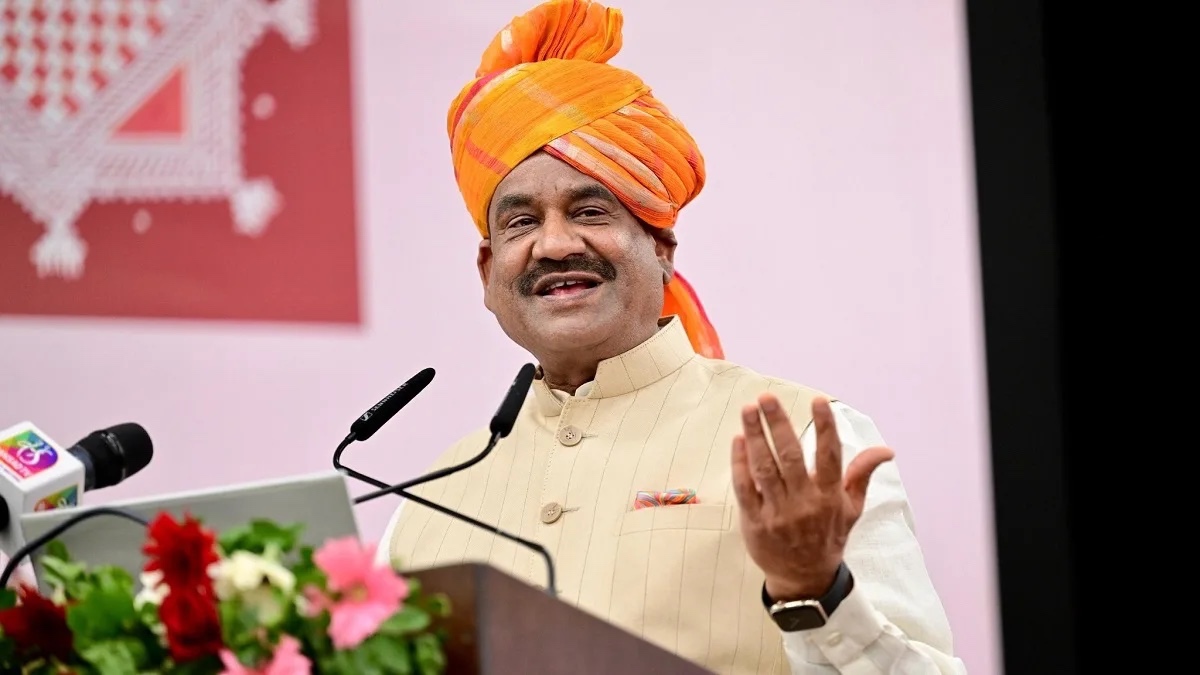
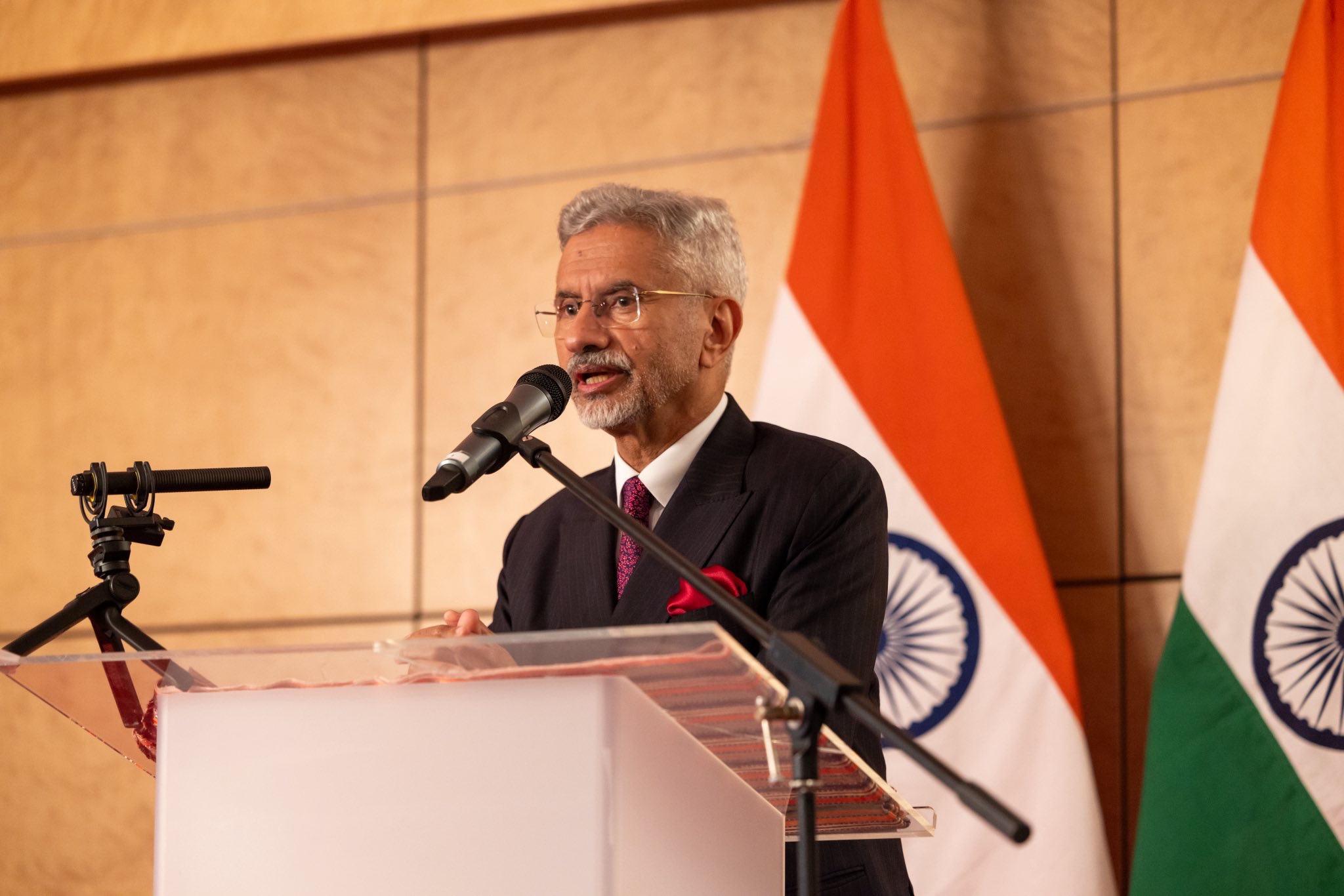
ACT MP Parmjeet Parmar. (Supplied photo)
Critics of the old system had argued the ballot was unfair because someone who had only recently entered the pool could be selected ahead of a family that had been waiting for years.
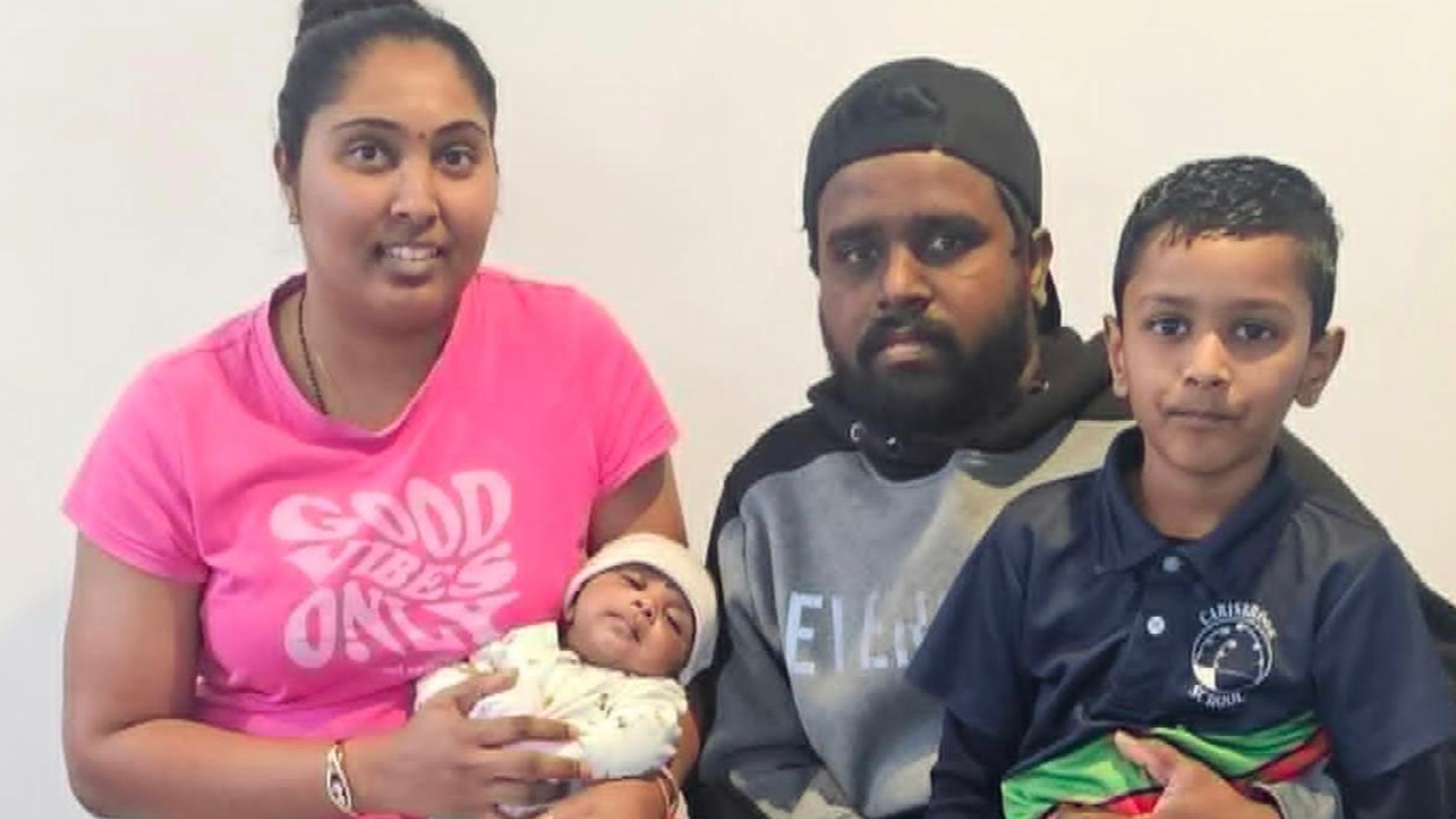
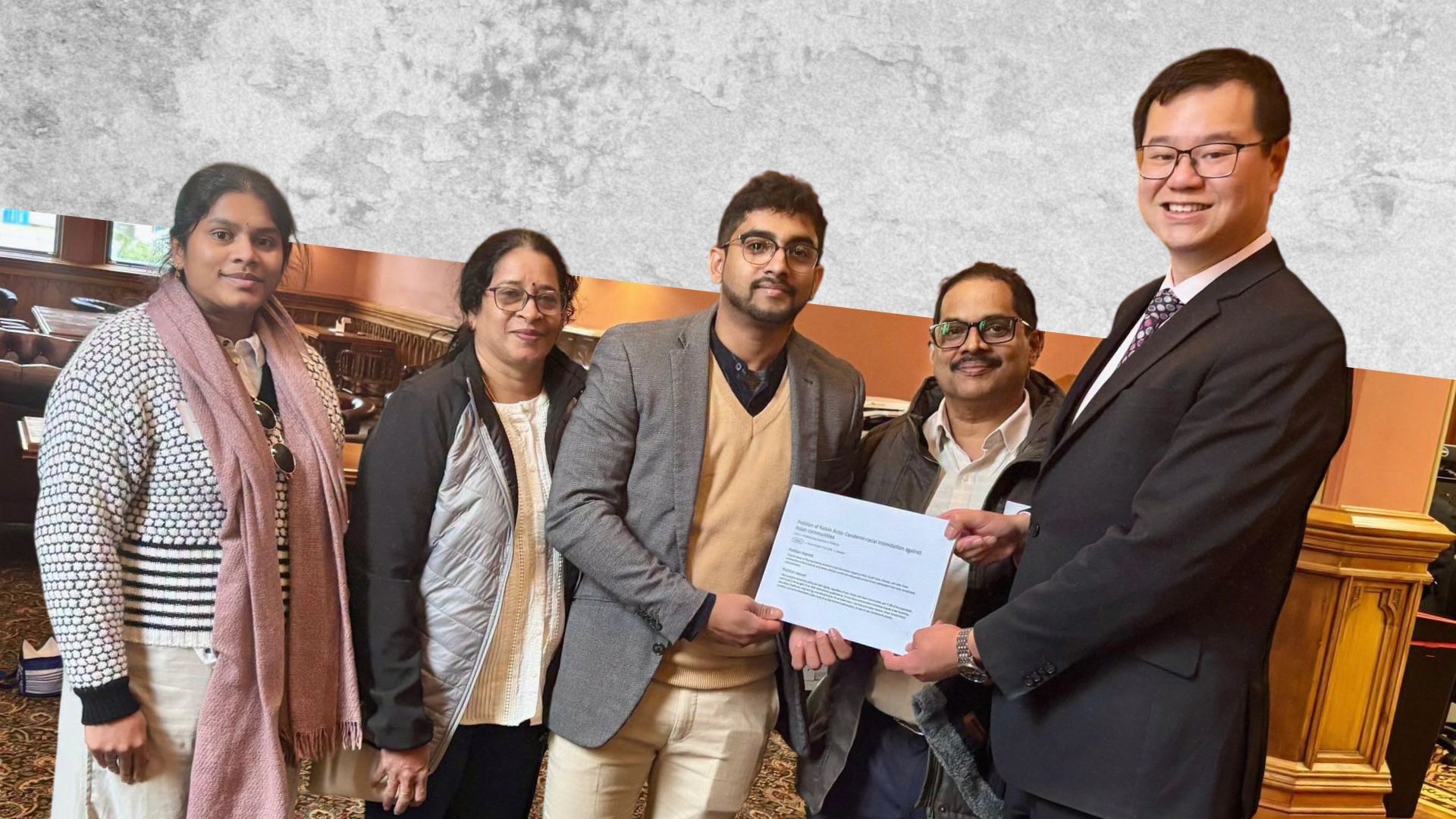
One campaigner had been waiting four years for her mother's expression of interest to be drawn and organised an 11,400-signature petition calling for change.
Under the previous system, families could also end up paying repeatedly to stay in contention. Government briefings showed some applicants had lodged two expressions of interest, apparently to improve their chances in the ballot.
INZ found 18 duplicate applications before one draw in February 2025. Across seven earlier draws, 54 expressions of interest were rejected as duplicates without a refund.
Parmar welcomed the move towards a queue, saying it would recognise the time families had already spent waiting and stop them being charged to re-enter after two years.
“Equal treatment means the same rule should apply to everyone: first come, first served,” she says. “A queue is the only fair way to do that.”
The government has also offered the Parent Boost Visitor Visa as another option for migrant families, allowing parents to stay for up to five years and renew for another five.
But uptake has been much lower than forecast. By the end of June, 1,132 decisions had been made under the scheme and 873 visas approved, compared with government expectations of between 2,000 and 10,000 applications a year.
The parent boost visa also carries medical and health insurance requirements, with insurance costs rising sharply for older parents. For families seeking permanent residence for their parents, the latest change means waiting time will now determine most selections.