
Migrant couple hit by visa setback after 8-year-old daughter qualifies for disability support
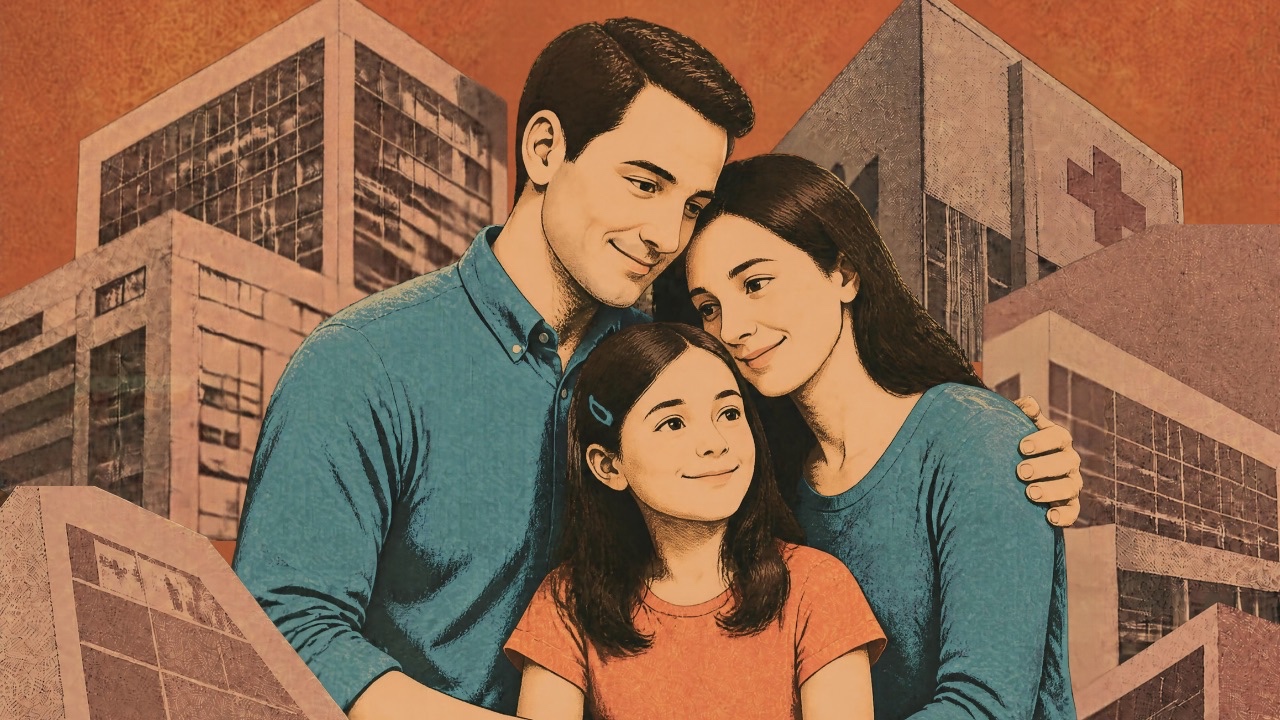
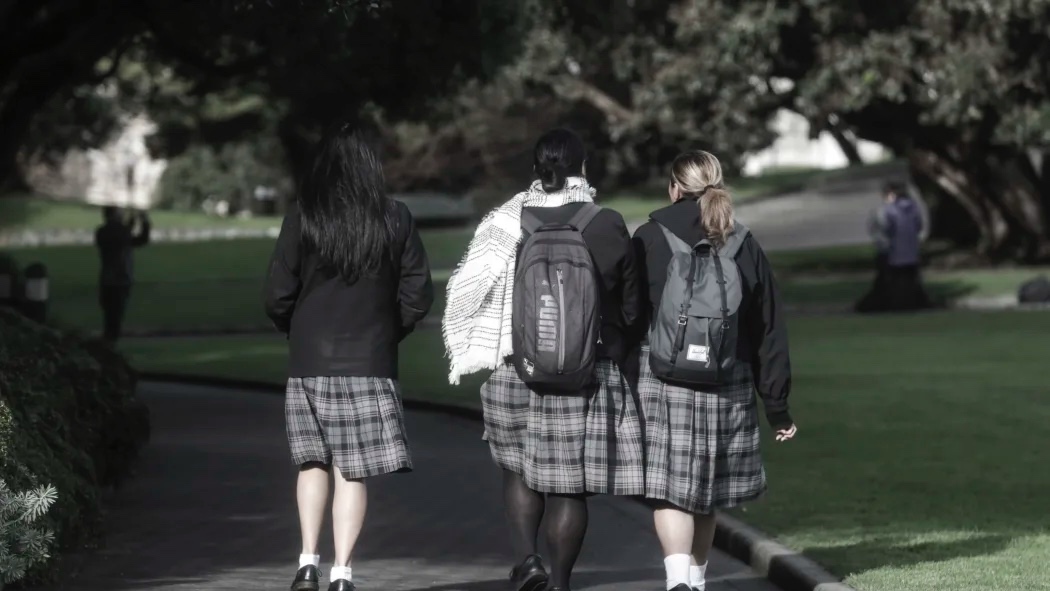
The eight-year-old girl has mild Down syndrome and receives specialist learning support at school.
Her parents can stay in New Zealand until 2028, but the girl must return.
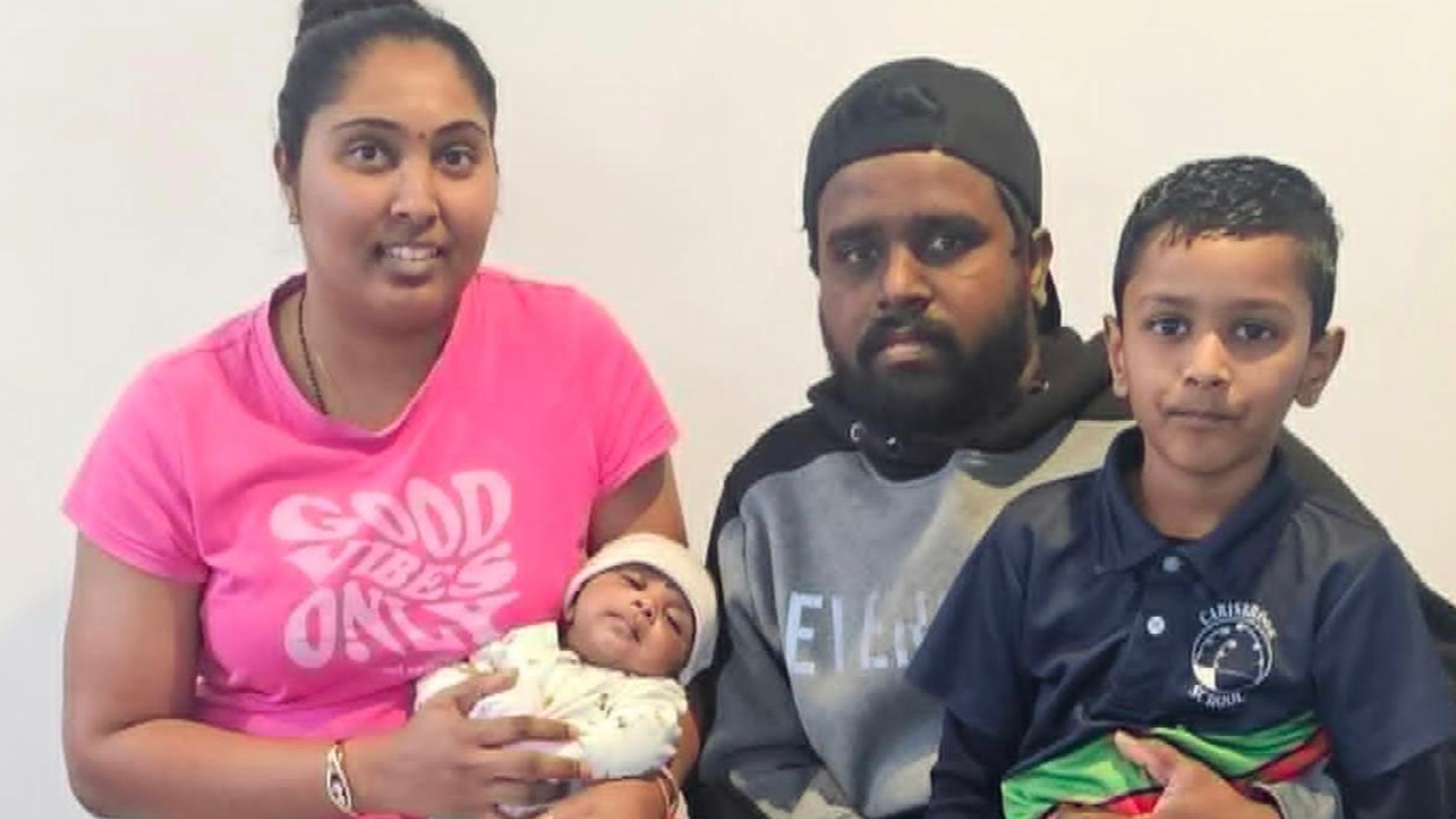
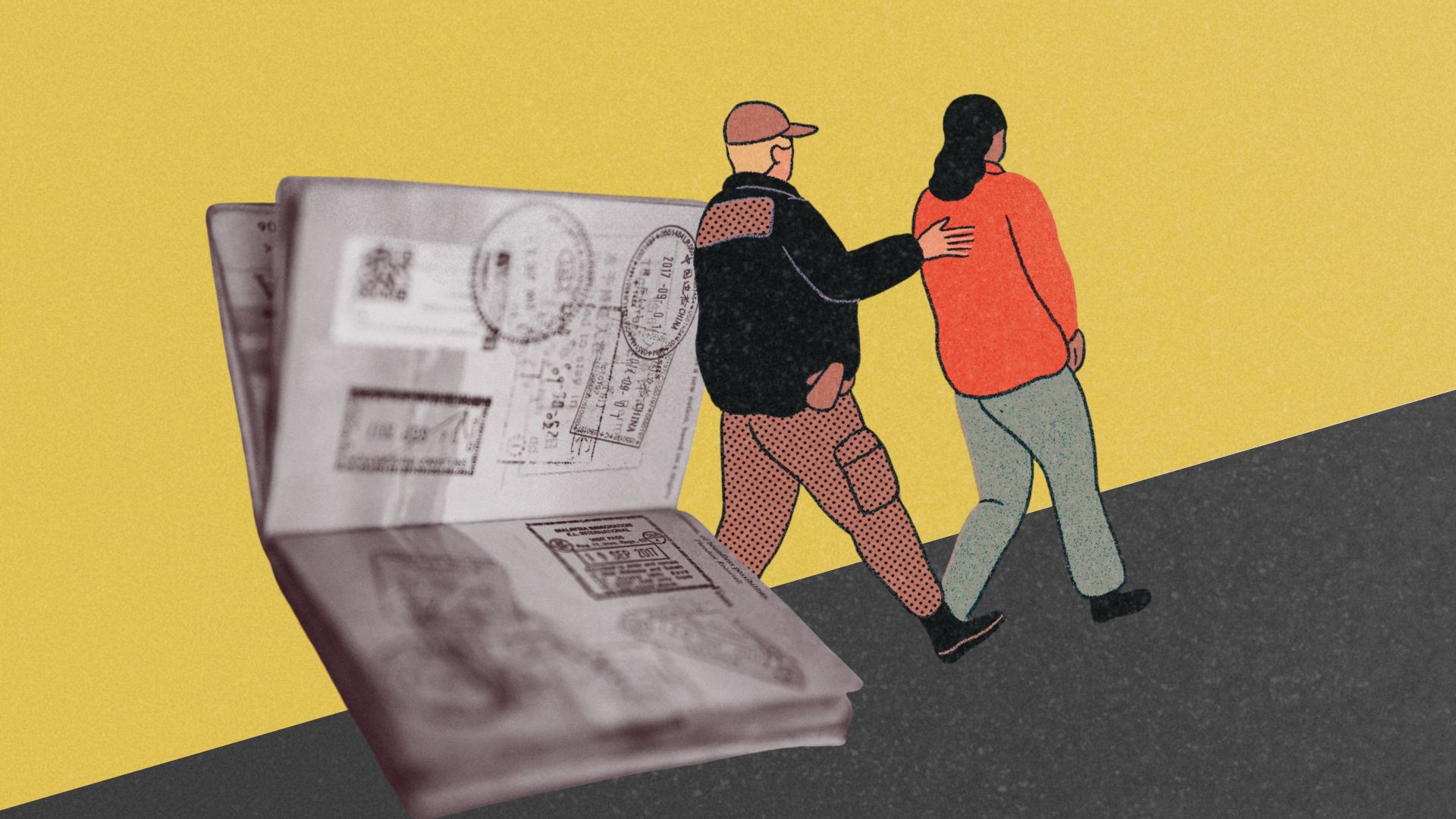
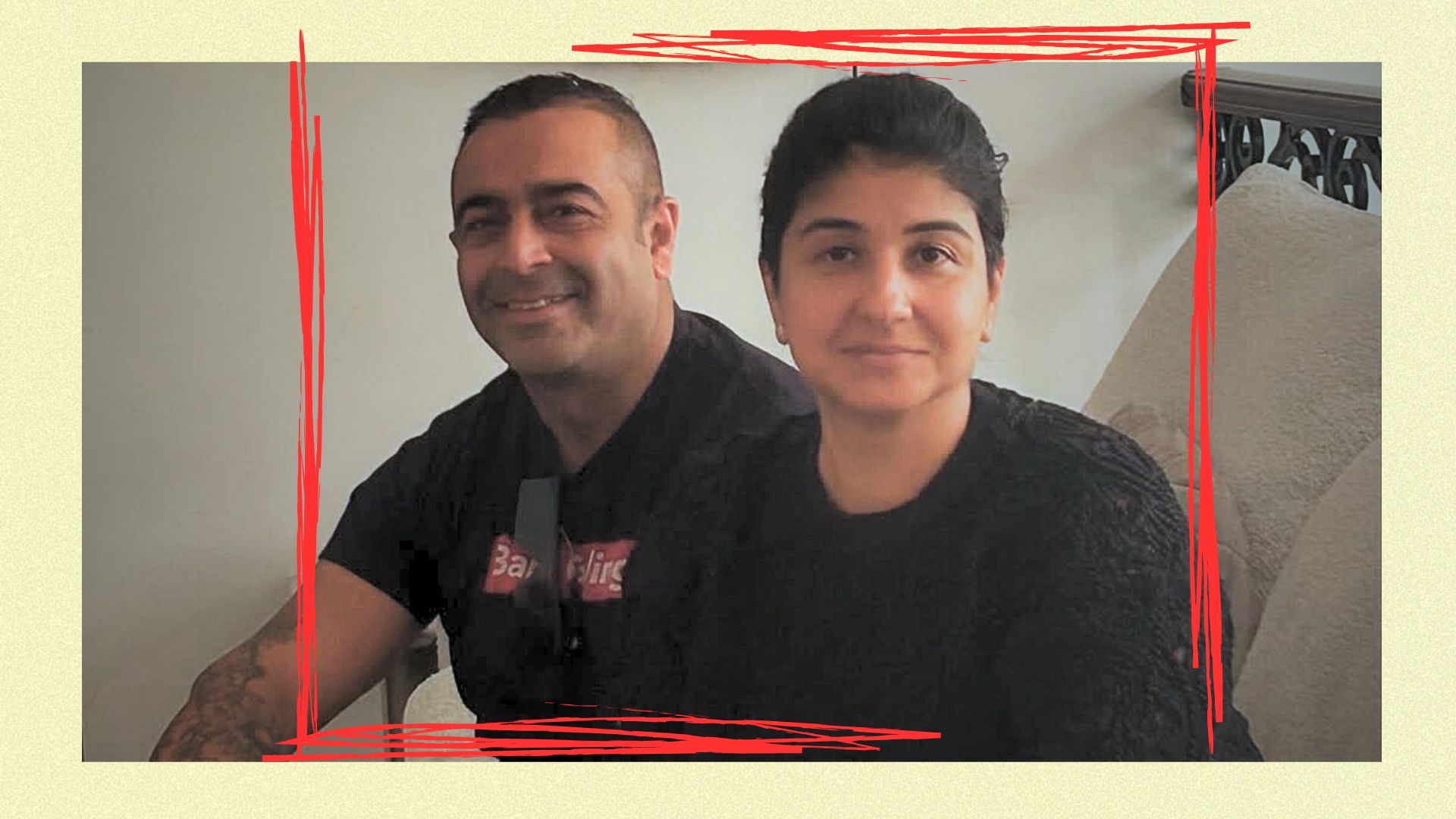
A migrant couple working in New Zealand’s healthcare sector will have to choose between leaving the country or separating their family after their eight-year-old daughter’s student visa was declined when she became eligible for publicly-funded learning support.
The Philippines-born girl, who has Down syndrome, had previously been granted a student visa after Immigration New Zealand (INZ) found she met the acceptable standard of health.
At the time, an assessor had determined she did not qualify for funding under the Ongoing Resourcing Scheme, or ORS.
But after she began receiving ORS-funded assistance at school, a subsequent student visa application was declined on health grounds, according to an Immigration and Protection Tribunal (IPT) decision dated September 25.
Her parents, aged 32 and 30, both work as caregivers in New Zealand and hold work visas valid until May 2028. The tribunal acknowledged they now faced “difficult choices”, but rejected the girl’s humanitarian appeal to remain in the country.
Migrant couple hit by visa setback after 8-year-old daughter qualifies for disability support Her parents can stay in New Zealand until 2028, but the girl must return.
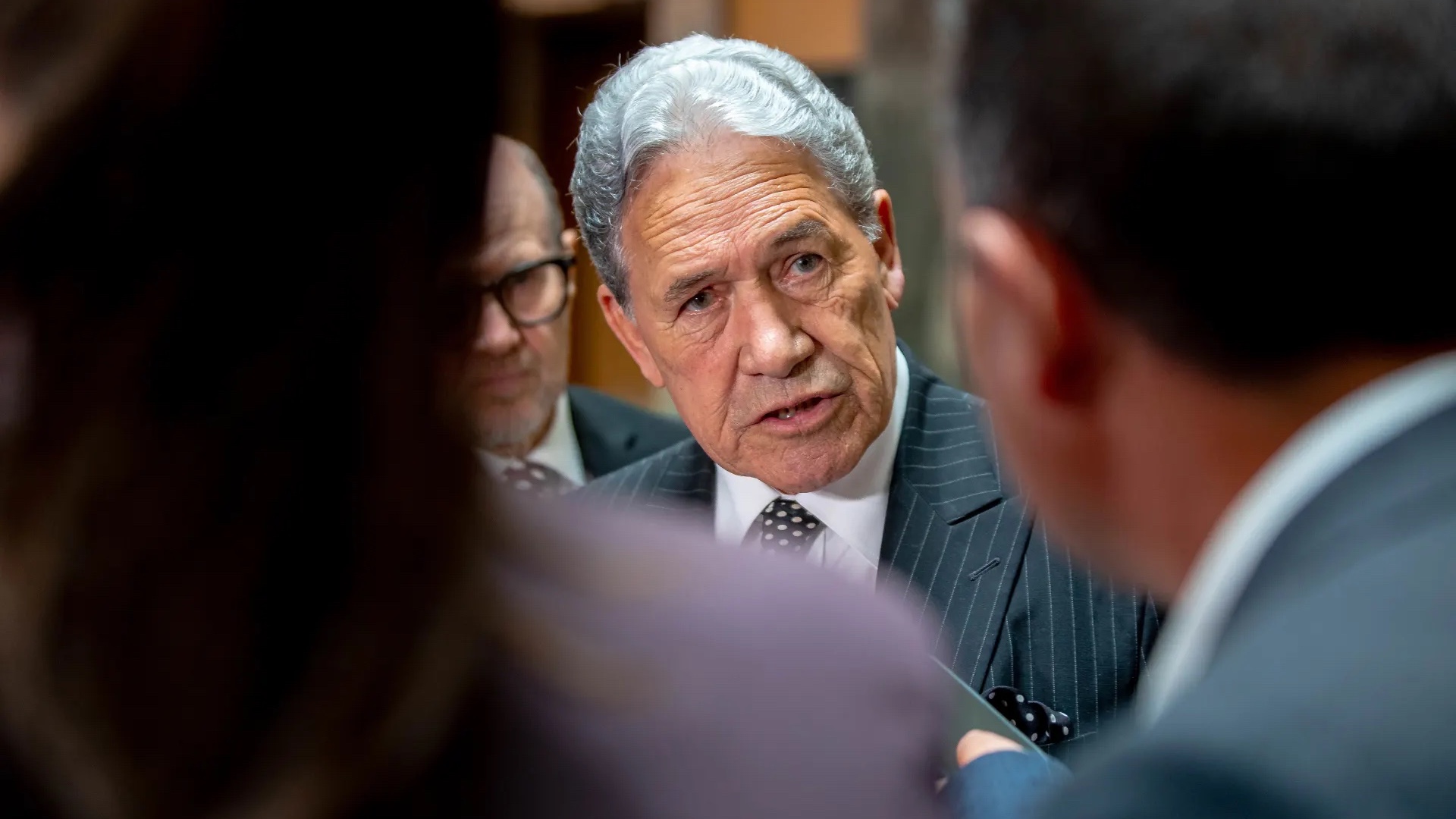
NZ First’s employer work visa reset sounds dramatic. The detail is less revolutionary NZ First says it will scrap the Accredited Employer Work Visa. But many of its proposed fixes already exist.
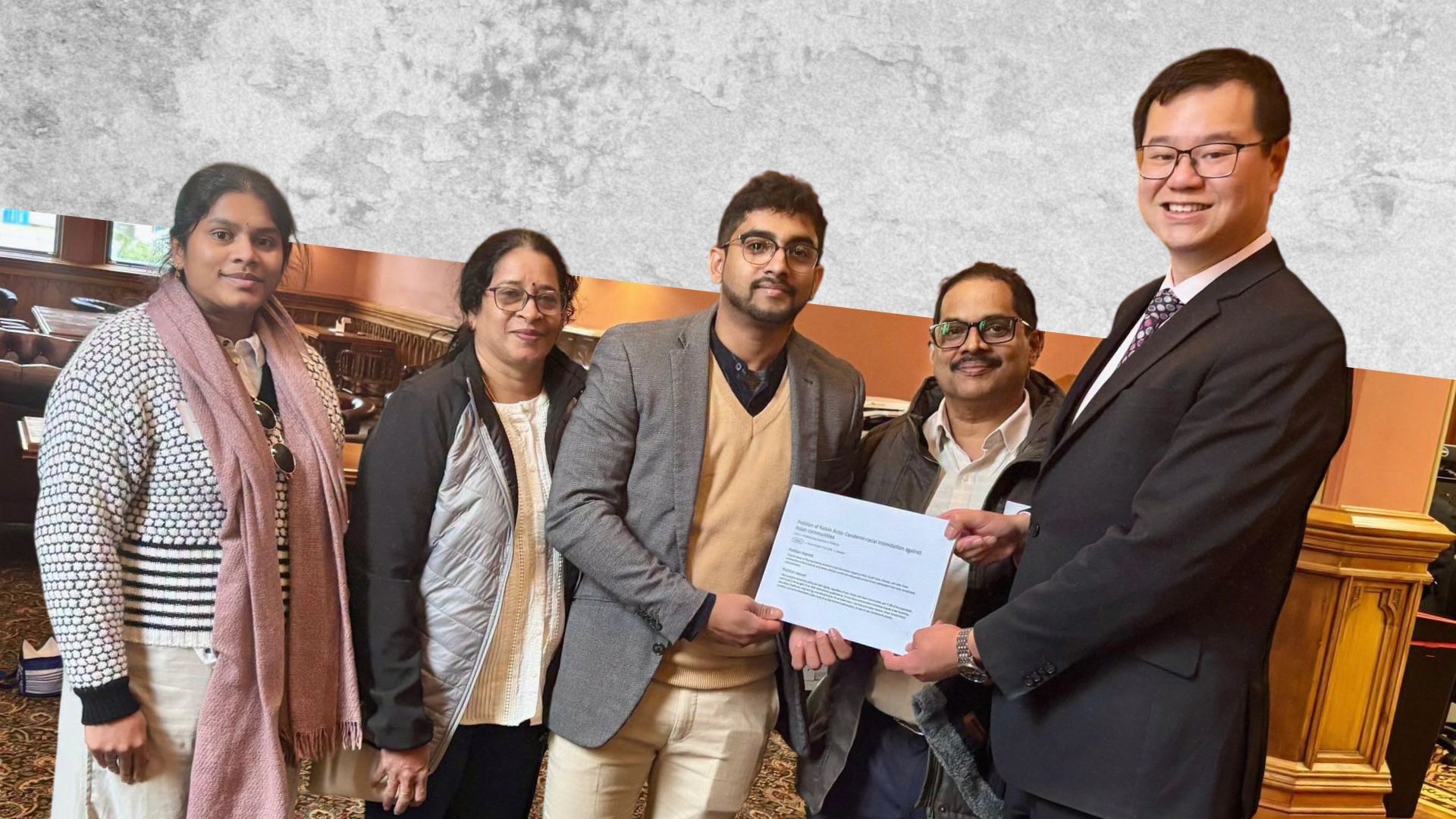
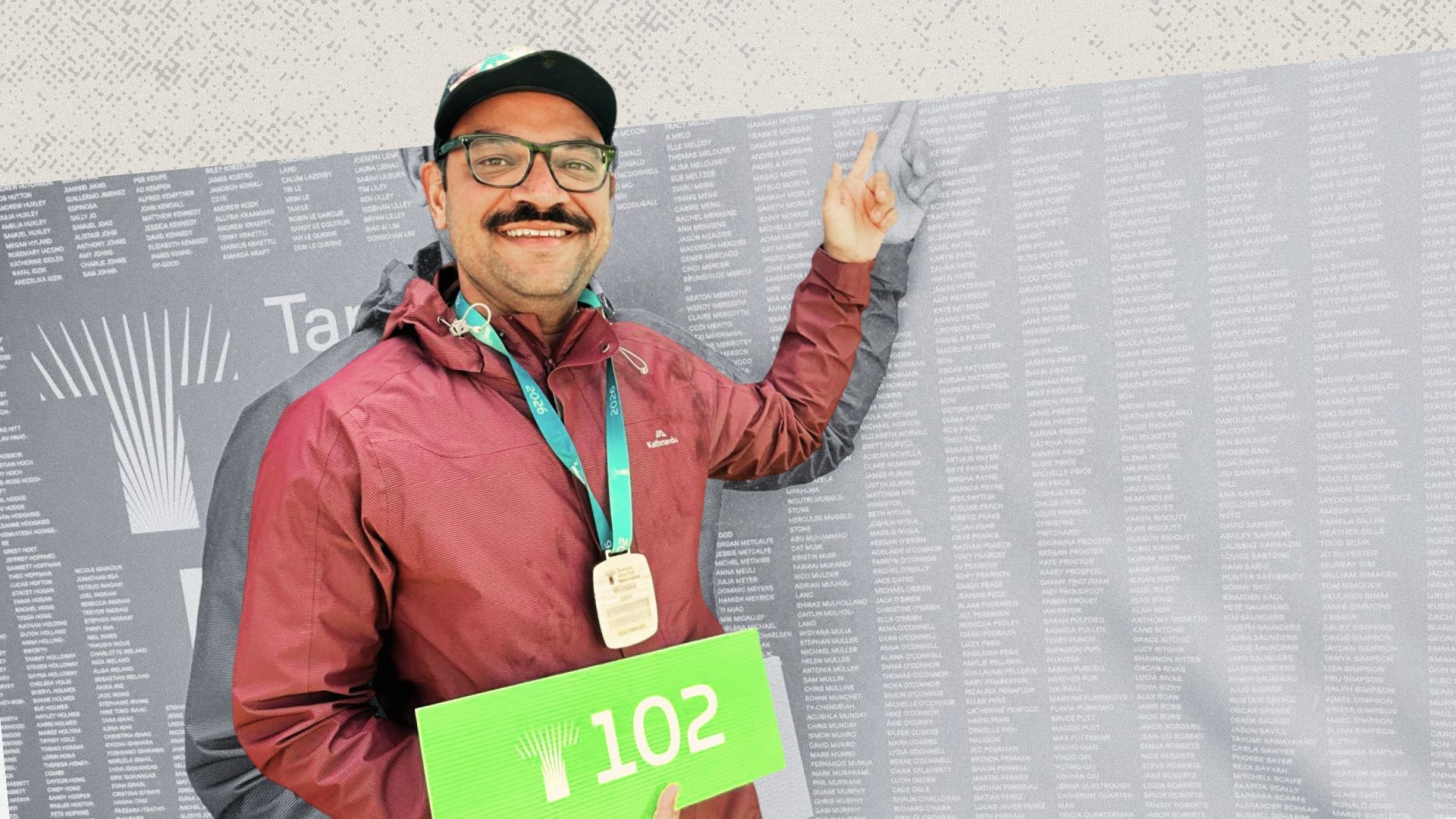
Migrant who shouted down Peters over racism 24 years ago now vying for Parliament From arriving with $500 in his pocket to confronting NZ First's leader, National Party's Karuna Muthu reflects on his unlikely journey into politics.
The family arrived in New Zealand in March 2023. Two months later, the father was granted an Accredited Employer Work Visa, the mother received a partnership-based work visa and their daughter was granted a student visa as his dependent.
When INZ considered the child’s student visa application that year, an ORS assessor found that while she had learning and communication needs, they did not meet the threshold for funded support. INZ consequently found that she had an acceptable standard of health, subject to conditions.
By March 2025, another ORS assessment confirmed the girl was eligible for funding and was already receiving specialised assistance at school. Evidence presented to the tribunal showed by December 2025 she was receiving about two-and-a-half hours of ORS-funded assistance each week.
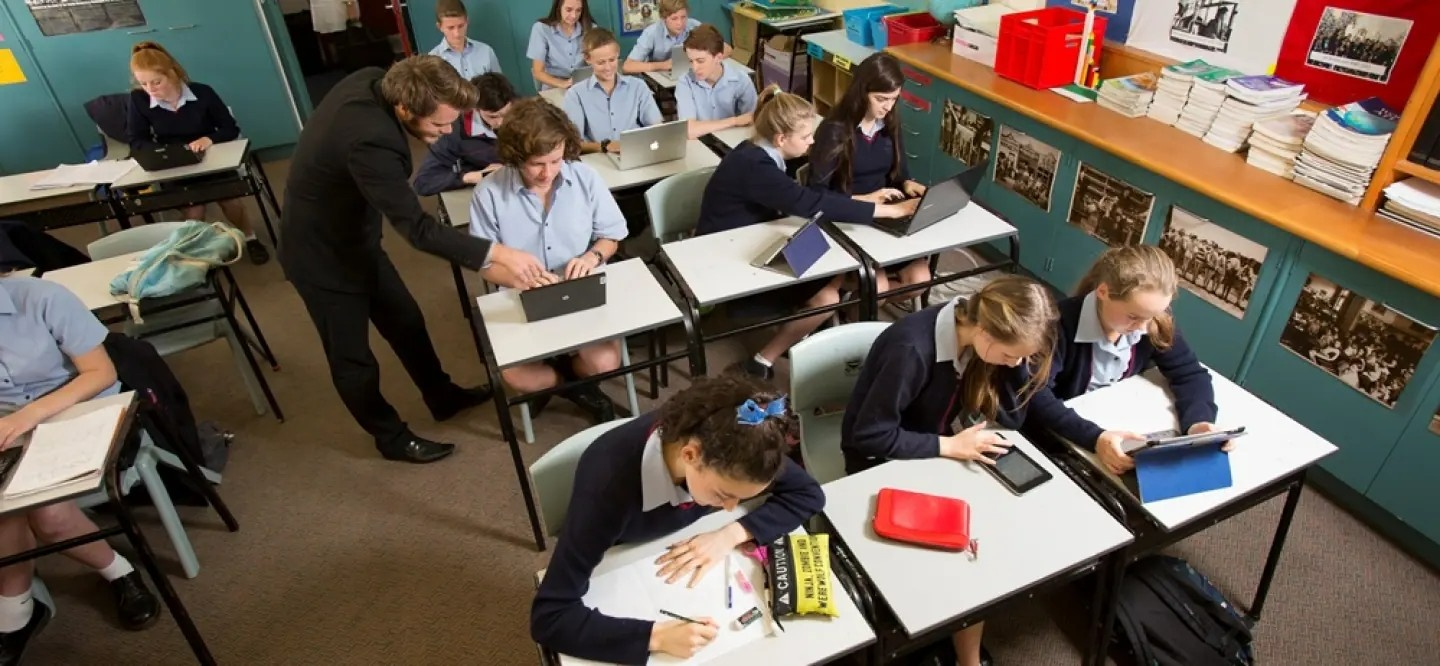
Her school principal said the support was provided in the classroom and playground and that she had made progress both academically and socially.
The parents had applied to renew their daughter’s student visa in February 2025. INZ declined the application seven months later, finding she did not meet the acceptable standard of health because she was receiving ORS funding.
Her interim visa expired on September 23, 2025, leaving her unlawfully in New Zealand and liable for deportation. The family appealed on humanitarian grounds. They argued the girl had a mild diagnosis of Down syndrome, had no associated health conditions and required only a low level of publicly-funded support.
They also said that remaining in New Zealand was in her best interests because of her close relationship with extended family here. Her maternal grandparents and two aunts live with the family and are permanent residents.
The girl was born in the Philippines in 2018 and diagnosed with Down syndrome when she was two months old. She had received occupational and speech therapy there before moving to New Zealand.
A psychologist who assessed her in December 2025 told the tribunal that returning to the Philippines was likely to cause significant disadvantages to both her education and psychological wellbeing.
Her parents said support from relatives here had helped their daughter “blossom and meet her full potential”. Tribunal member N Small, however, found the circumstances did not reach the high threshold required for an exceptional humanitarian case.
The tribunal said the girl’s Down syndrome and developmental delay did not, by themselves, establish exceptional humanitarian circumstances. She had been diagnosed as an infant and had been adequately cared for by her parents in the Philippines before they moved to New Zealand.
It also found her best interests could be met in either country, despite acknowledging the close relationships she had developed with relatives in New Zealand.
The father told the tribunal there was nobody in the Philippines who could look after his daughter and that the idea of sending her back alone was heartbreaking. But the tribunal said that was not the likely outcome because one or both parents could return with her.
“Given the appellant’s parents are only permitted to remain in New Zealand on a temporary basis, there is no reason why the parents (or one of them) could not return to the Philippines with the appellant to care for her,” Small said.
Despite rejecting the humanitarian case, Small ordered the girl be granted another student visa for six months from September 25 to allow her to complete the current school year.