
Retail crime: Citizens' arrest powers on the line after advisory group split

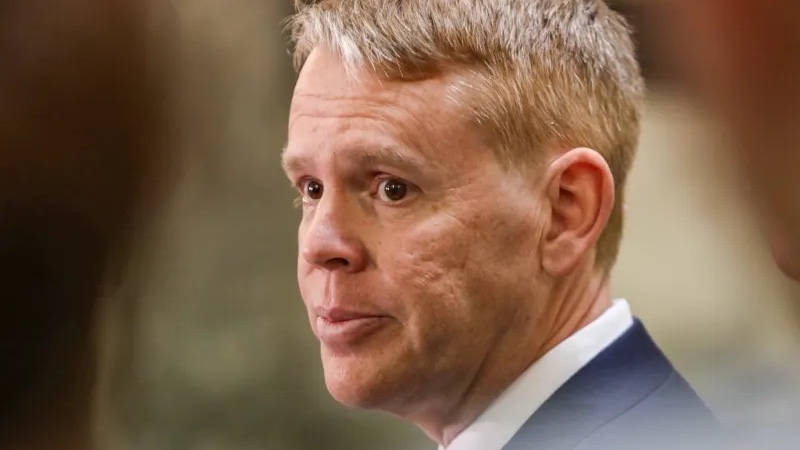
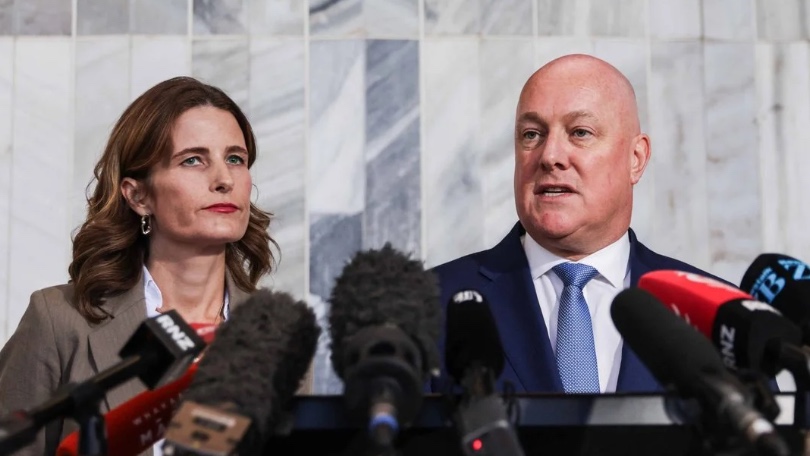
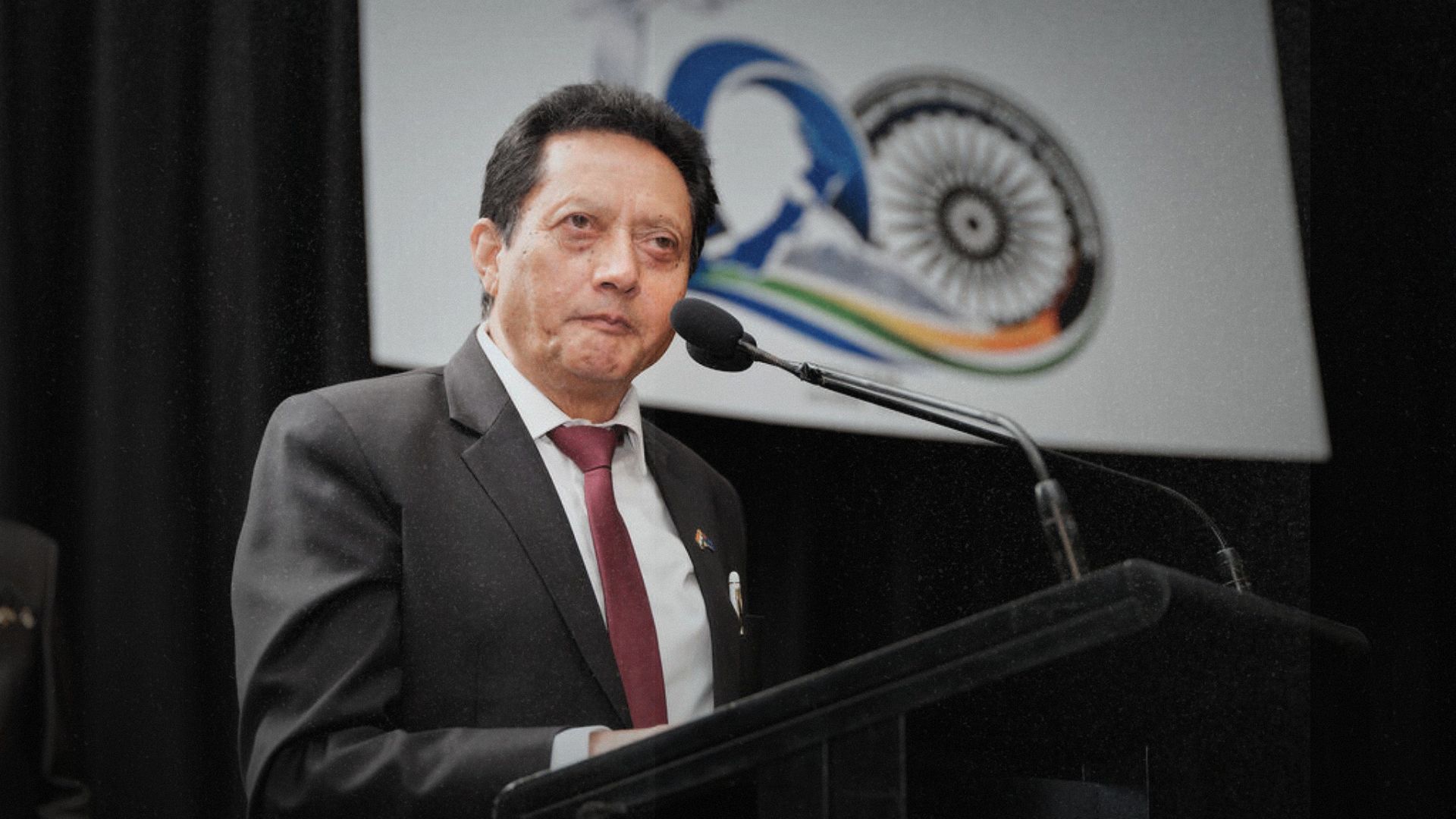
Carolyn Young quit the advisory in January after her relations with group head Sunny Kaushal became "untenable".
Retail NZ says the government wasn't briefed properly on risks, Sunny Kaushal calls out "misinformation".
The government has put into motion a legislative change that will hand retailers wider powers when dealing with shoplifters and robbers, but a key member of the very team that proposed that change is now looking to strike down that provision.
Retail NZ, an umbrella organisation that represents about 27,000 big and small businesses, has told a select committee reviewing the legislative proposal that the Bill offers retailers detention powers which will put frontline workers in harm's way, and will also be in breach of the Health and Safety at Work Act 2015.
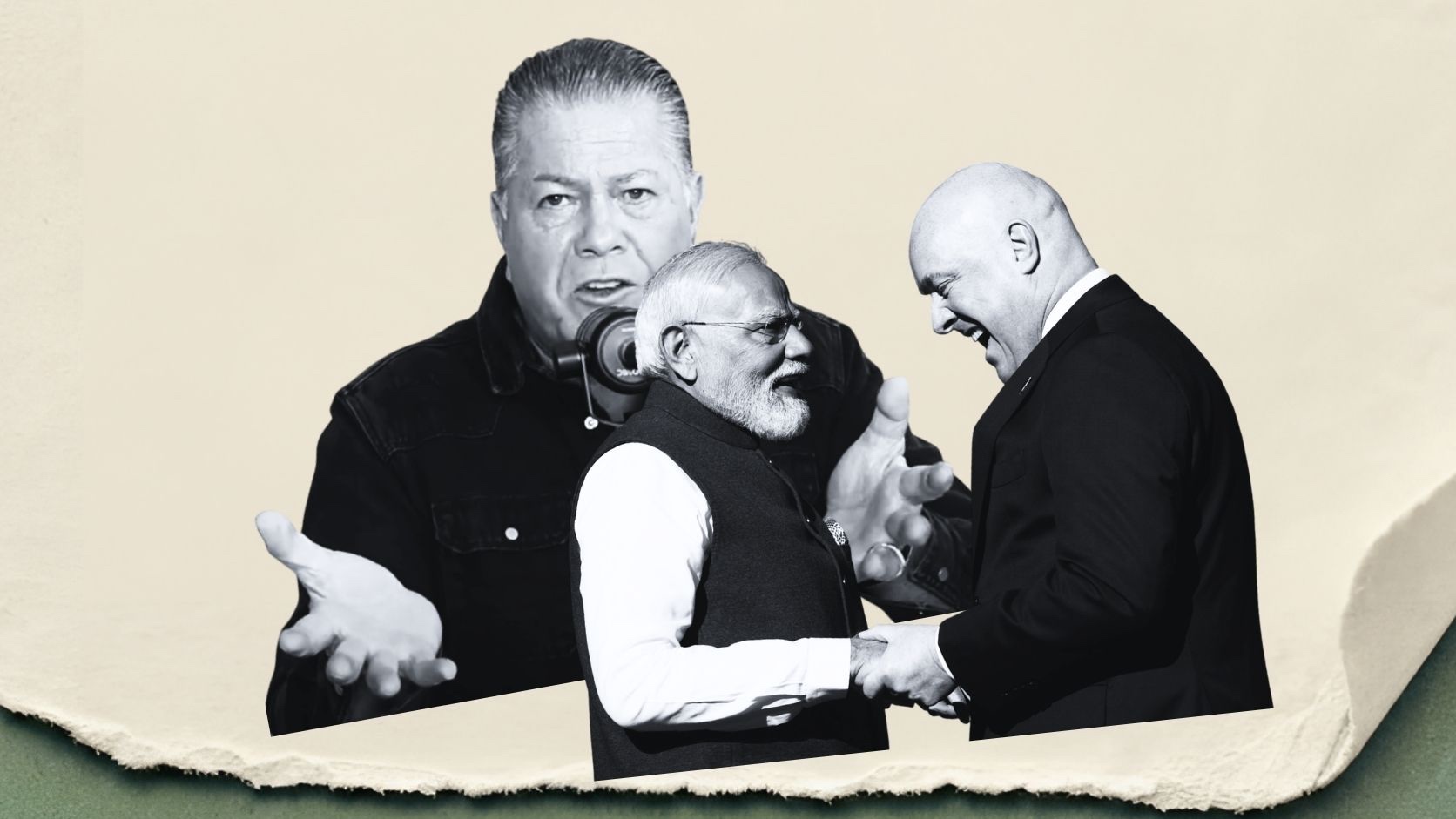
Wider powers of citizens' arrest flow from recommendations by the government's ministerial advisory group on victims of retail crime, which is going to wrap up in May this year. Retail NZ's chief executive officer Carolyn Young was a member of the group until January, when she quit saying her relations with group head Sunny Kaushal became "untenable".
She now says the advisory group hasn't accurately briefed the government about the apprehensions Retail NZ members have around citizens' arrest. Kaushal is calling out "misinformation" around the proposals. "Nobody wants untrained retail workers intervening and putting themselves in harm's way," he told Awaaz.
The Bill makes it legally permissible for retailers to use physical and mechanical restraints to detain shoplifters, and also lifts restrictions on engaging physically with such intruders by using reasonable force.
From designing restaurants to running Auckland Diwali: The many lives of Arnav Taode Taode brings his passion for Indian arts and culture to his first year managing BNZ Auckland Diwali 2026.
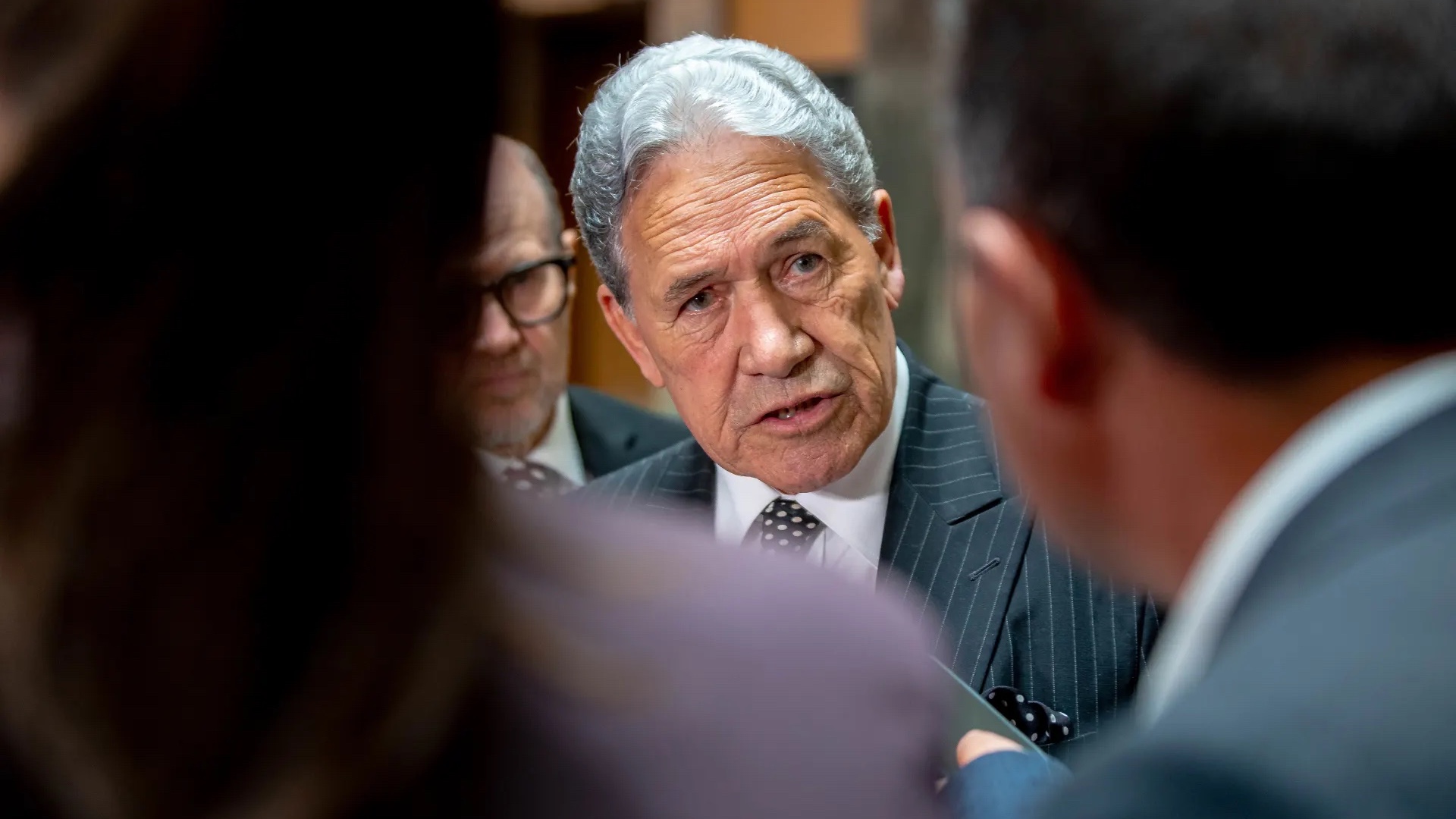
Winston Peters says ‘diversity is disunity’. What does the evidence tell us? Evidence from business, sport and social policy suggests diversity can strengthen economies and cohesion but on one condition.
Baby born in Sri Lanka to New Zealand residents caught in limbo after Down syndrome diagnosis Immigration tribunal orders fresh residence assessment after finding a “serious mistake” by immigration officials.
These changes are enshrined in the Crimes Amendment Bill that passed its first reading in Parliament in December last year. Before the Bill is signed into law, the legislative change must be scrutinised by a select committee, which can propose tweaks. The select committee is now considering all the written submissions it has received, and it could recommend changes to the proposal in its report that is due by June 9, 2026.
Young told Awaaz Retail NZ's main worries are that frontline staff are not trained to physically restrain offenders, and that stores themselves are not build to detain a potentially violent person for extended hours.
"The very real fact is that whilst the way the citizens' arrest bill is written, that if you're undertaking a citizen's arrest that you could strike someone, there is still the challenge that if it is viewed that you used unreasonable force, you can be charged with that and will end up having to go to court," she pointed out.
The ambiguity around what qualifies as reasonable force in defense of property has largely been a key concern for retailers, and any prospective law change is widely expected to offer some clarity on this narrow point. The Crimes Act 1961 already allows citizens to confront shoplifters and robbers but it doesn't say how much force is too much, leaving room for retailers to be sued for assault.
That's a concern even Retail NZ has raised previously. In its official submission to the advisory group in October 2024, Retail NZ recommended changes in law to provide greater clarity on citizens' current ability to apply reasonable force to recover stolen goods.
"Theft is generally something that most retailers would like to address with stronger support from legislation around their rights to engage with alleged offenders. We believe that robbery and aggravated robbery should be handled by the police, who have the training and resources to manage these more complex and violent incidents," it said.
Young says that clarity is still needed in law, but indicated that Retail NZ is currently focussed only on what wider powers should not be permitted, rather than which ones should be.
"I think there absolutely could be some changes to the existing law to enable people to make further changes. But actually, we haven't done a lot of work around what changes we've put in place with the current law because we've been responding to the bill that's in front of us."
The advisory group's final report to the government mirrors the tension among retailers on the issue of wide-ranging citizens' arrest powers. It explicitly states there was "no consensus". Large chains like supermarkets (members of Retail NZ) were mostly skeptical while smaller family-run dairies were largely in favour, the report suggested.
The Dairy and Business Owners’ Group, which Kaushal used to head and represents at least 6,000 small businesses like dairy stores, said the existing laws are "a boon to criminals" and urged small shops need allies when police are stretched.
Kaushal says widening citizen's arrest powers will only bring our laws in line with Canada and Australia."The experience of Canada and Australia is the best evidence we have for determining what will happen here. I haven’t seen any evidence that these changes led to a massive change in retailer behaviour or instances of harm in those countries."
He says the proposals lay the foundation for greater training and professionalism in the security industry in New Zealand. "That's what we've seen happen in Australia and Canada, alongside greater protection for victims of crime who do act reasonably in the heat of the moment."
The deeper policy problem is that Parliament can only draw the legal boundaries. It can say "reasonable force" and "call police", but it cannot tell a dairy owner how to detain someone safely in a four‑metre aisle or how long is too long to hold a suspect before it becomes unlawful.
Retail NZ’s submission reflects that reality, even as it talks out of both sides. It wants legal cover so that well-intentioned frontline staff aren't sued, yet it seems unsure about encouraging staff to tackle offenders without better systems.