India-NZ FTA: No-nonsense analysis of why trade alone isn't the endgame
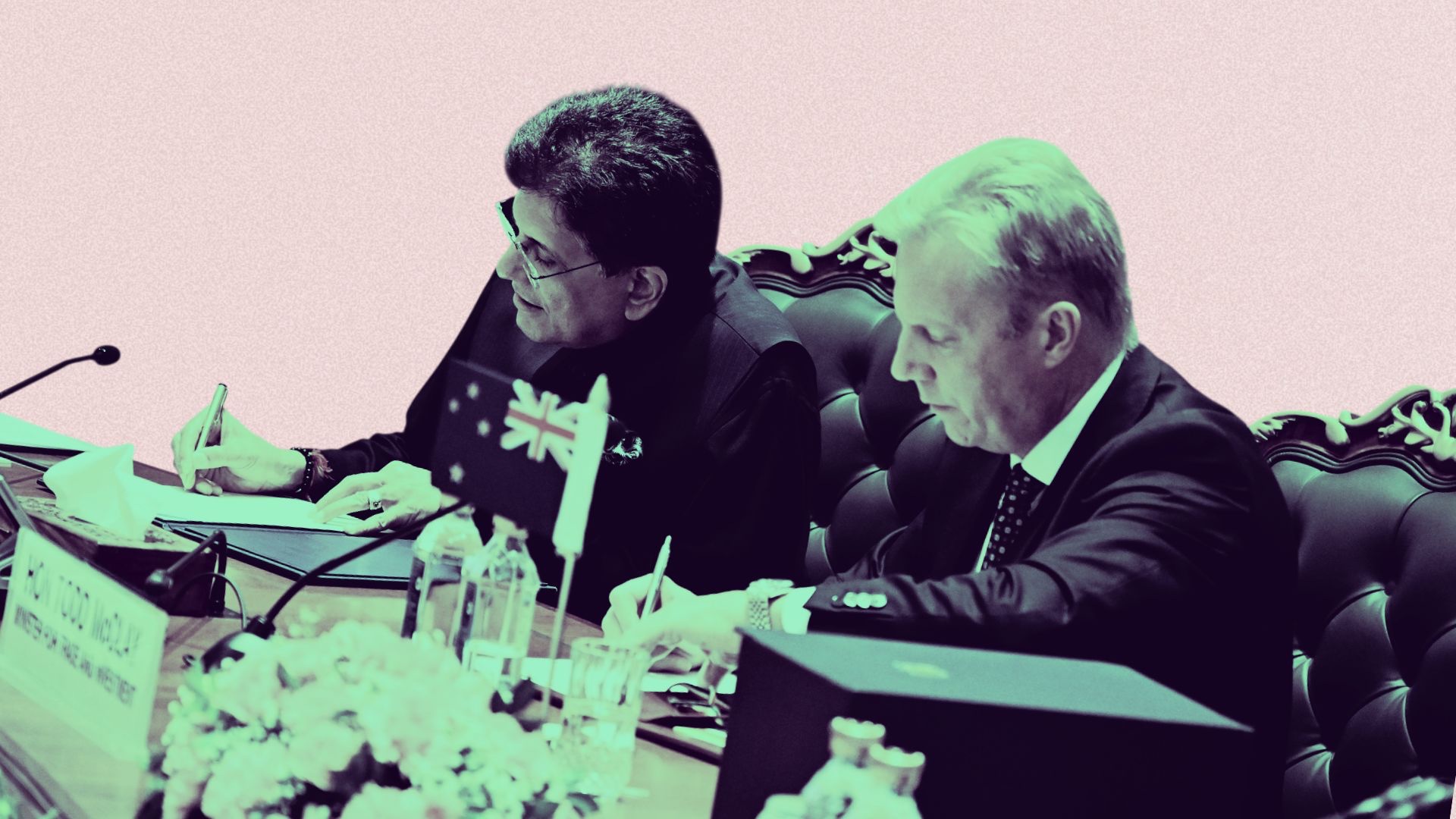
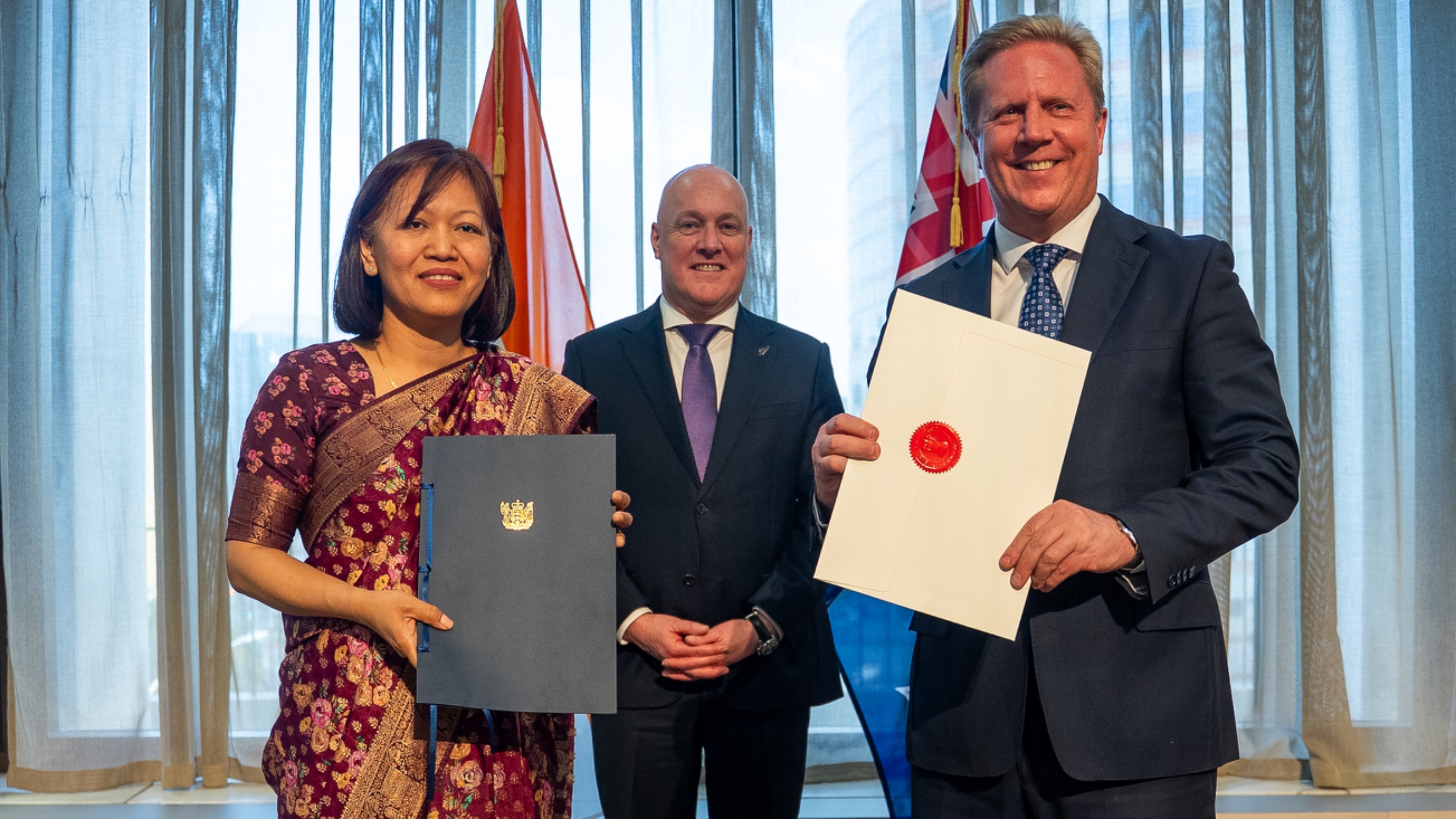
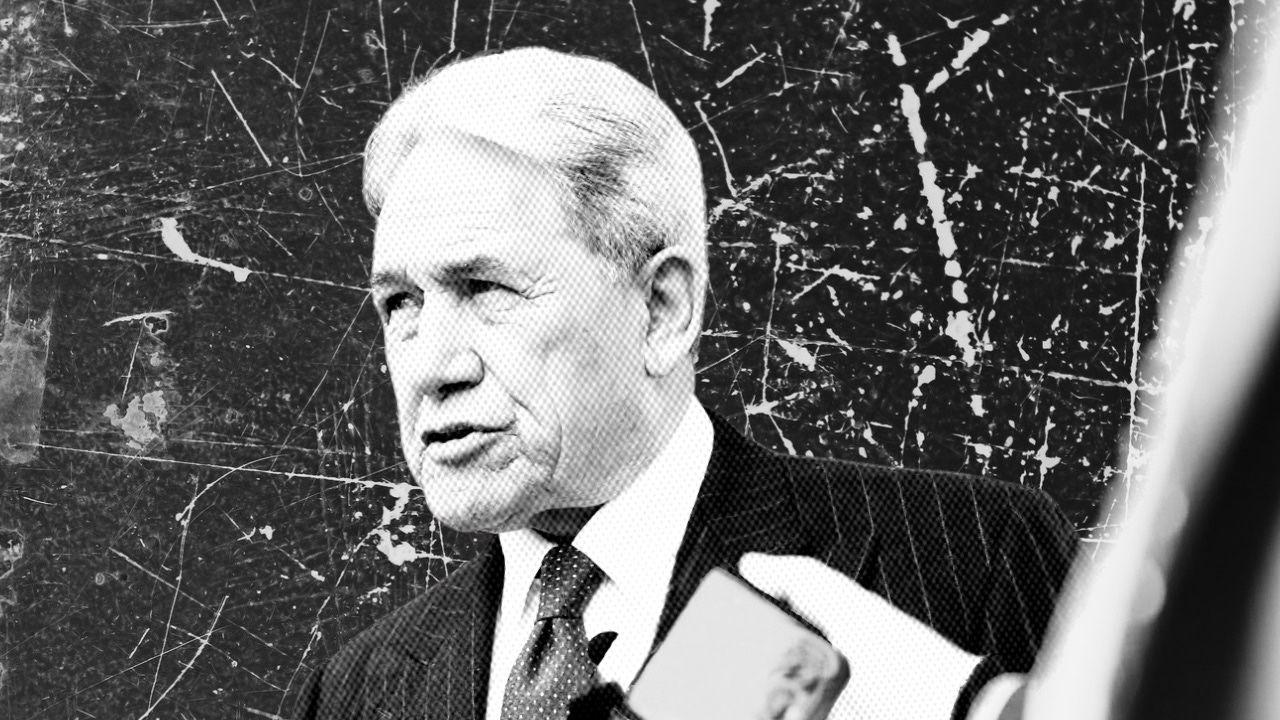
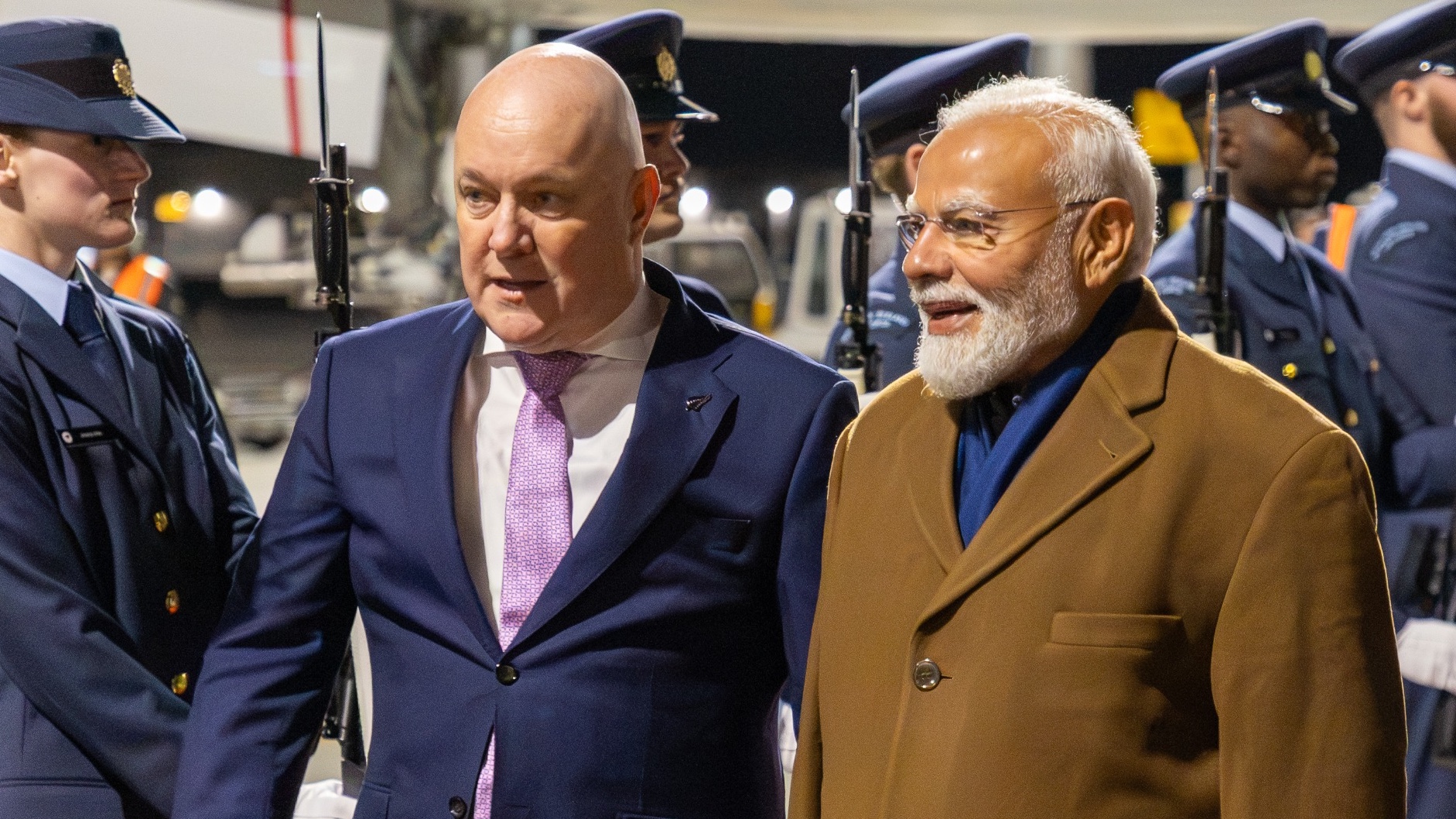
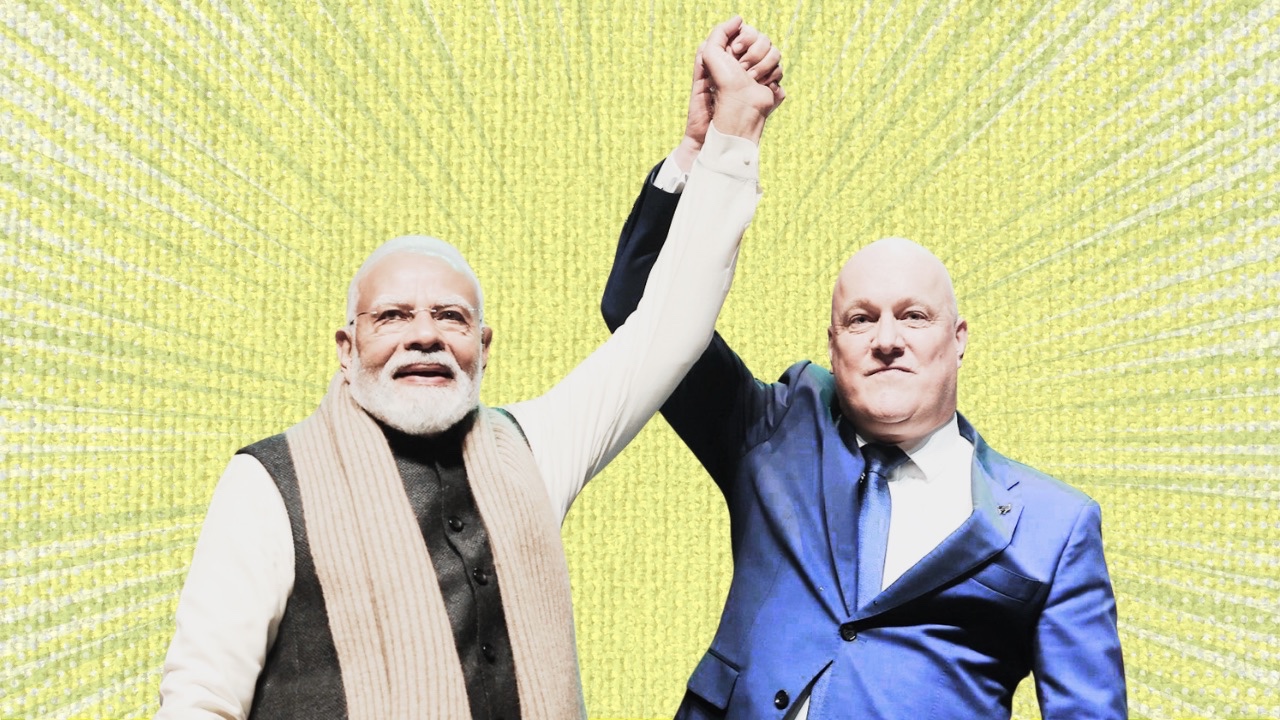
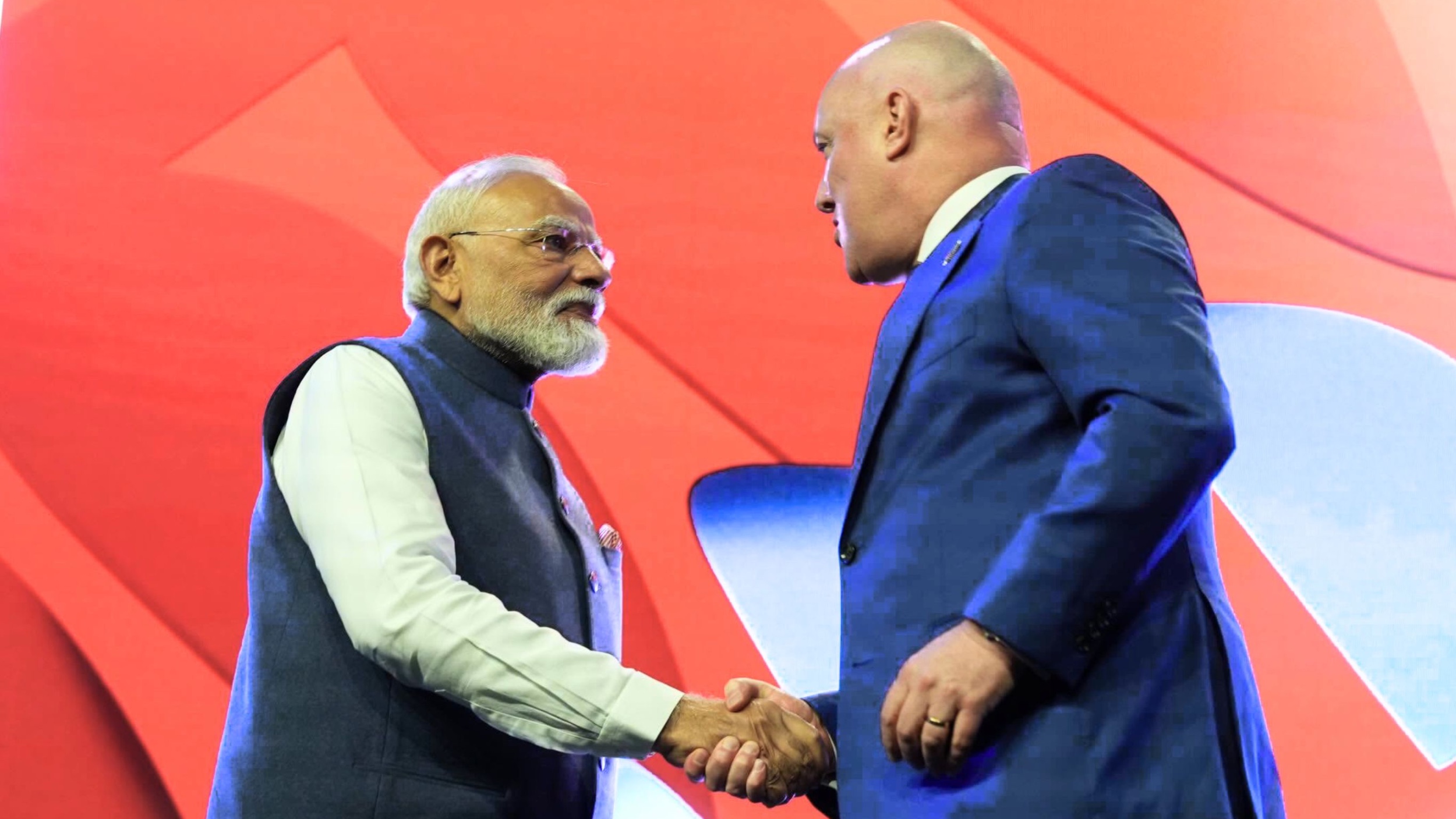
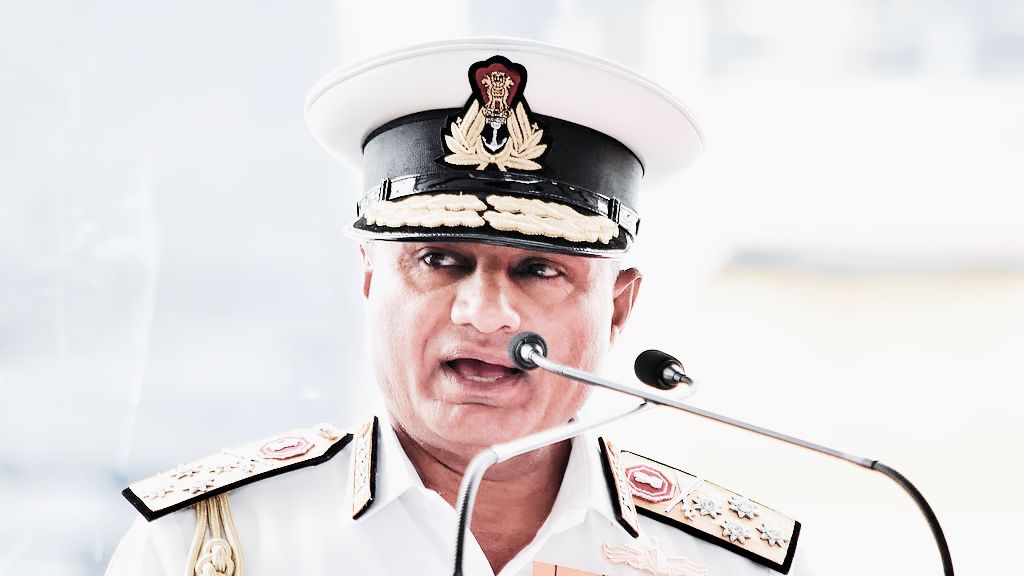
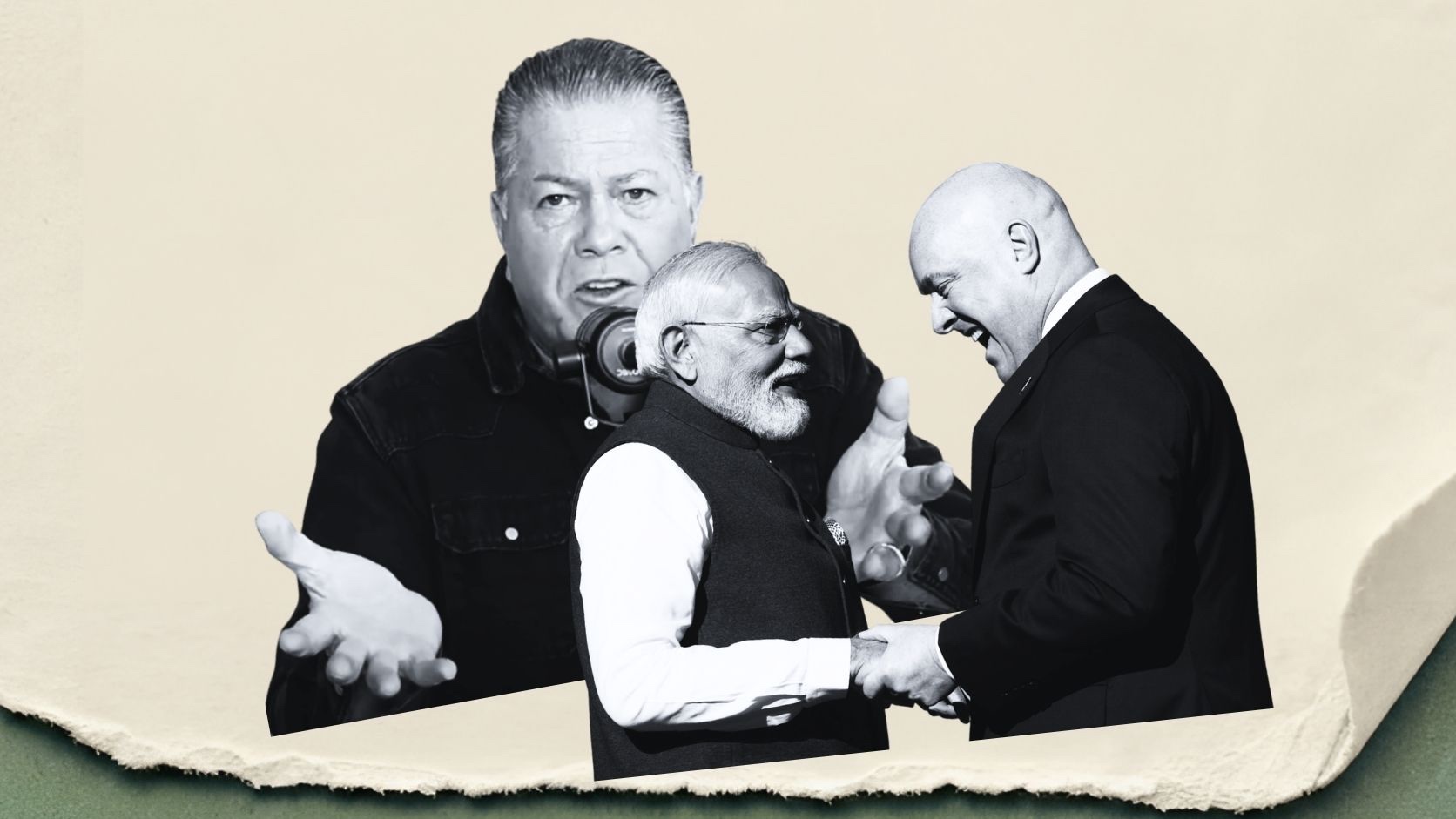
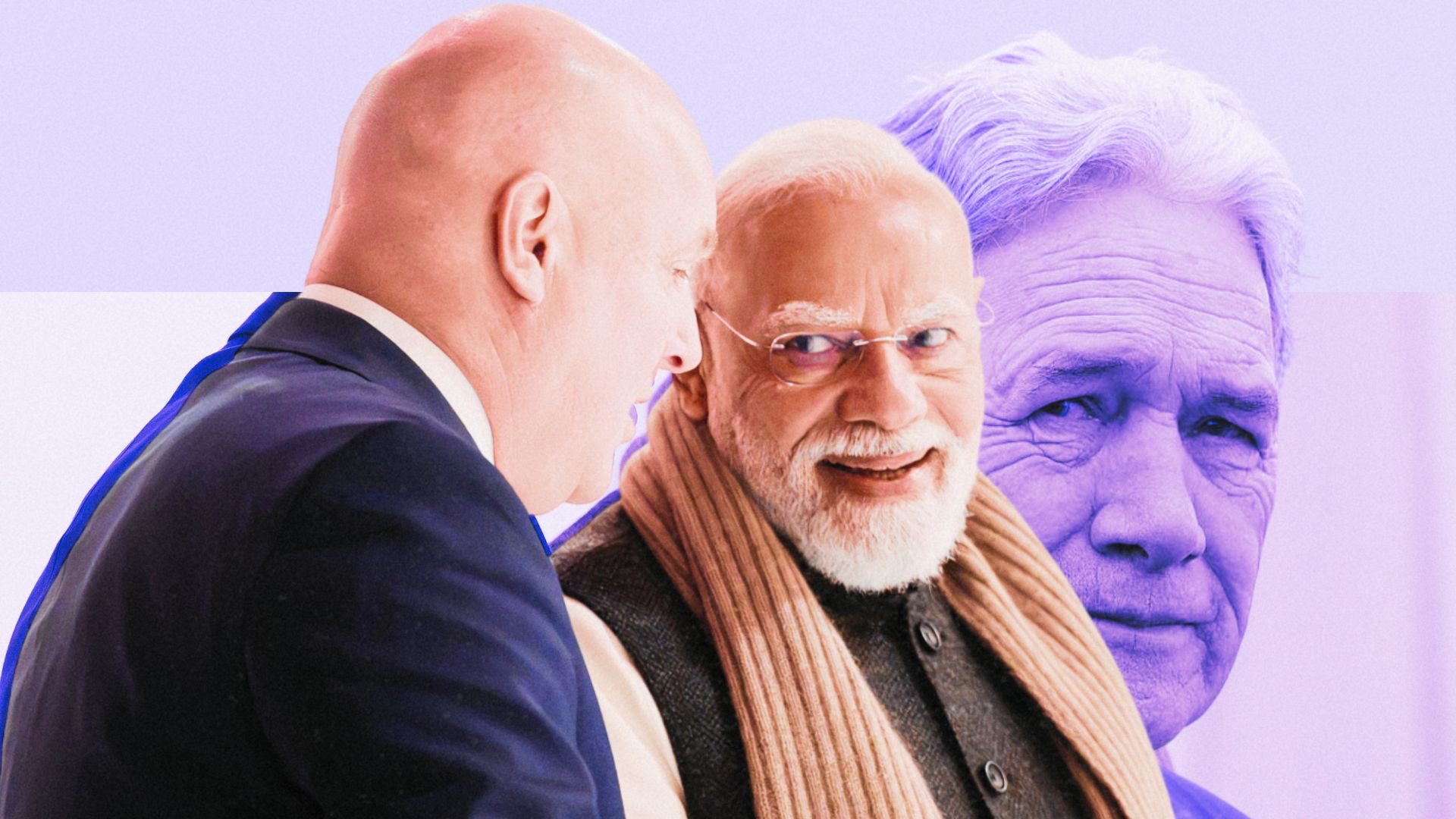
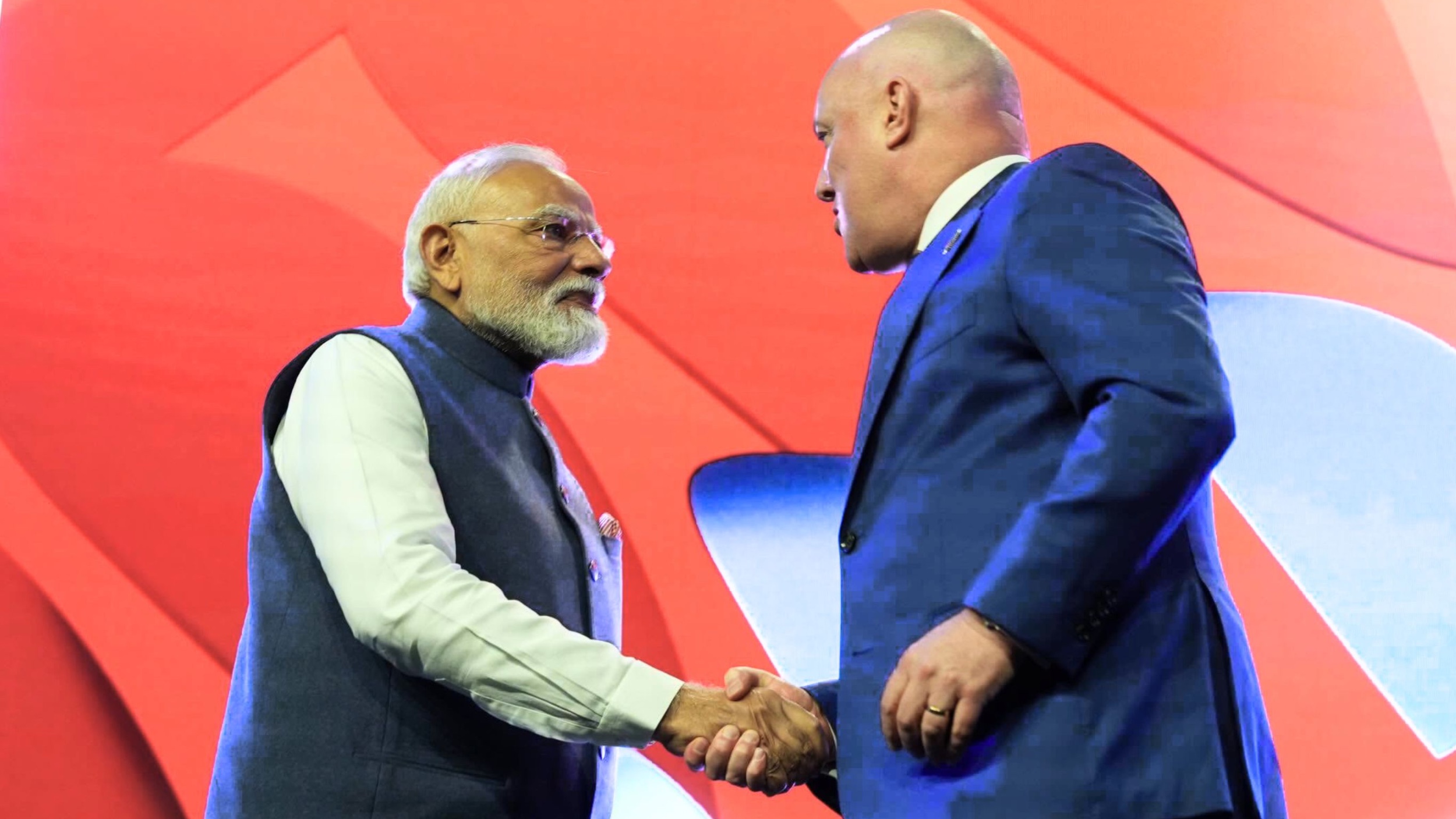
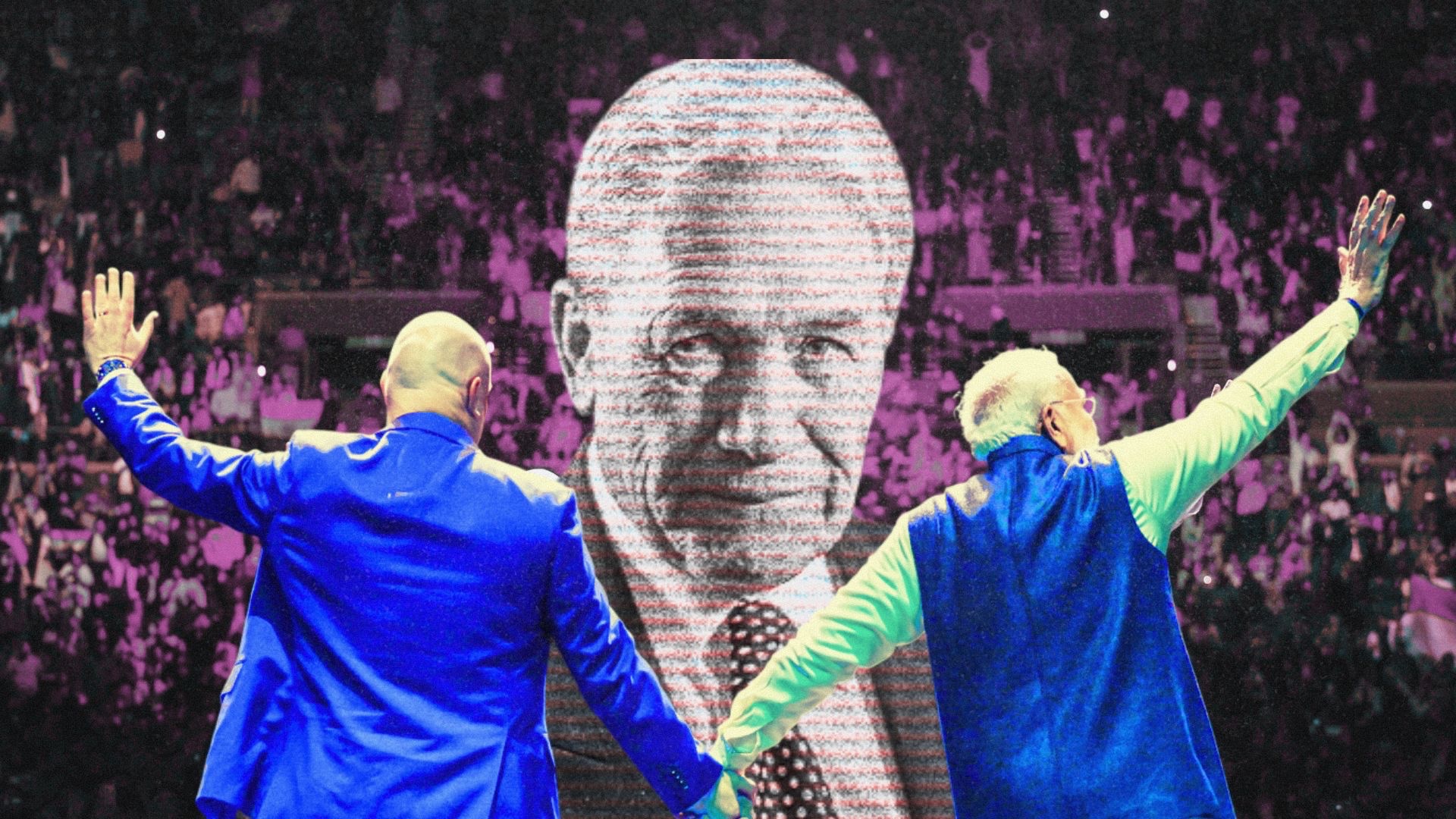
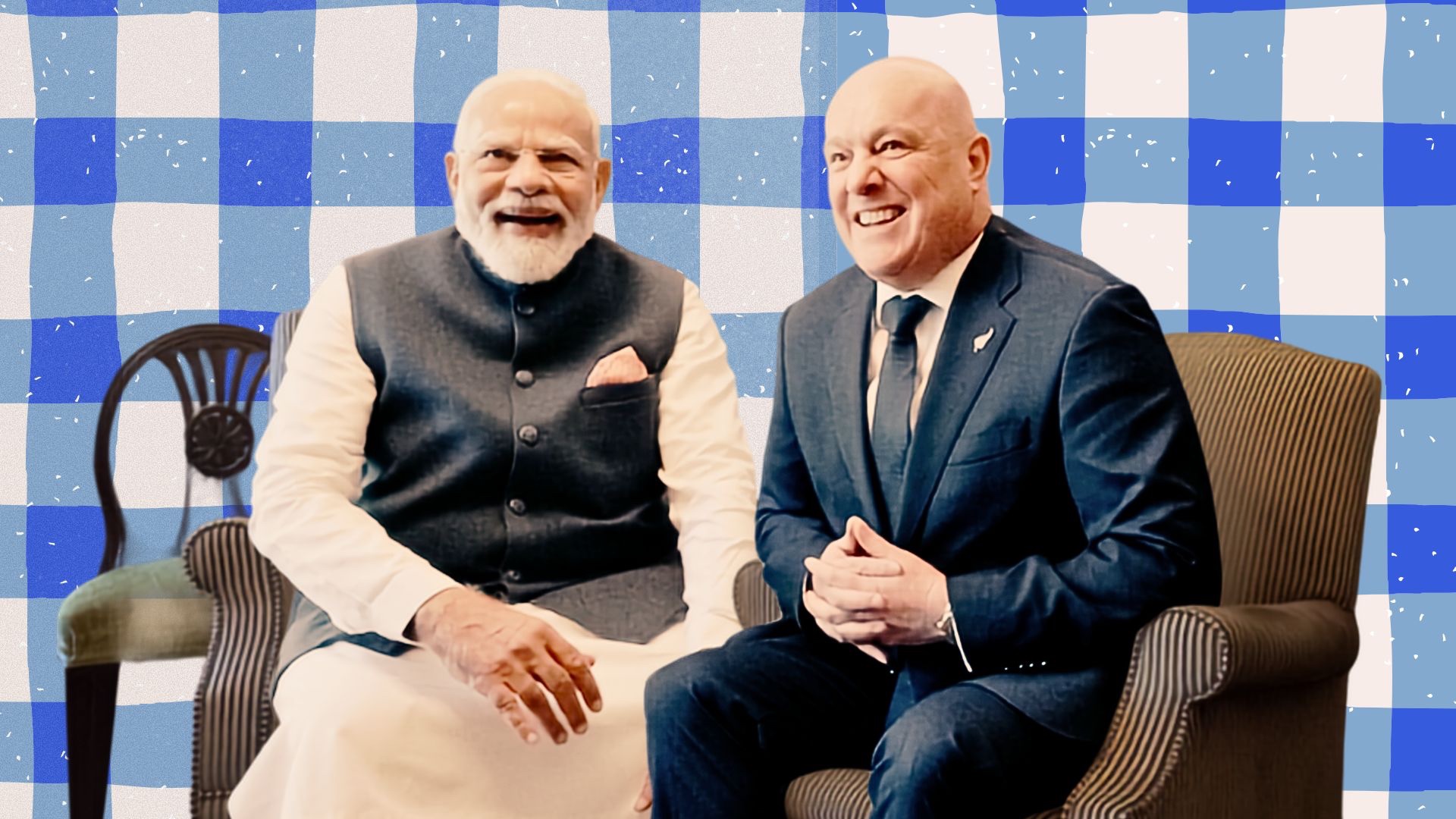
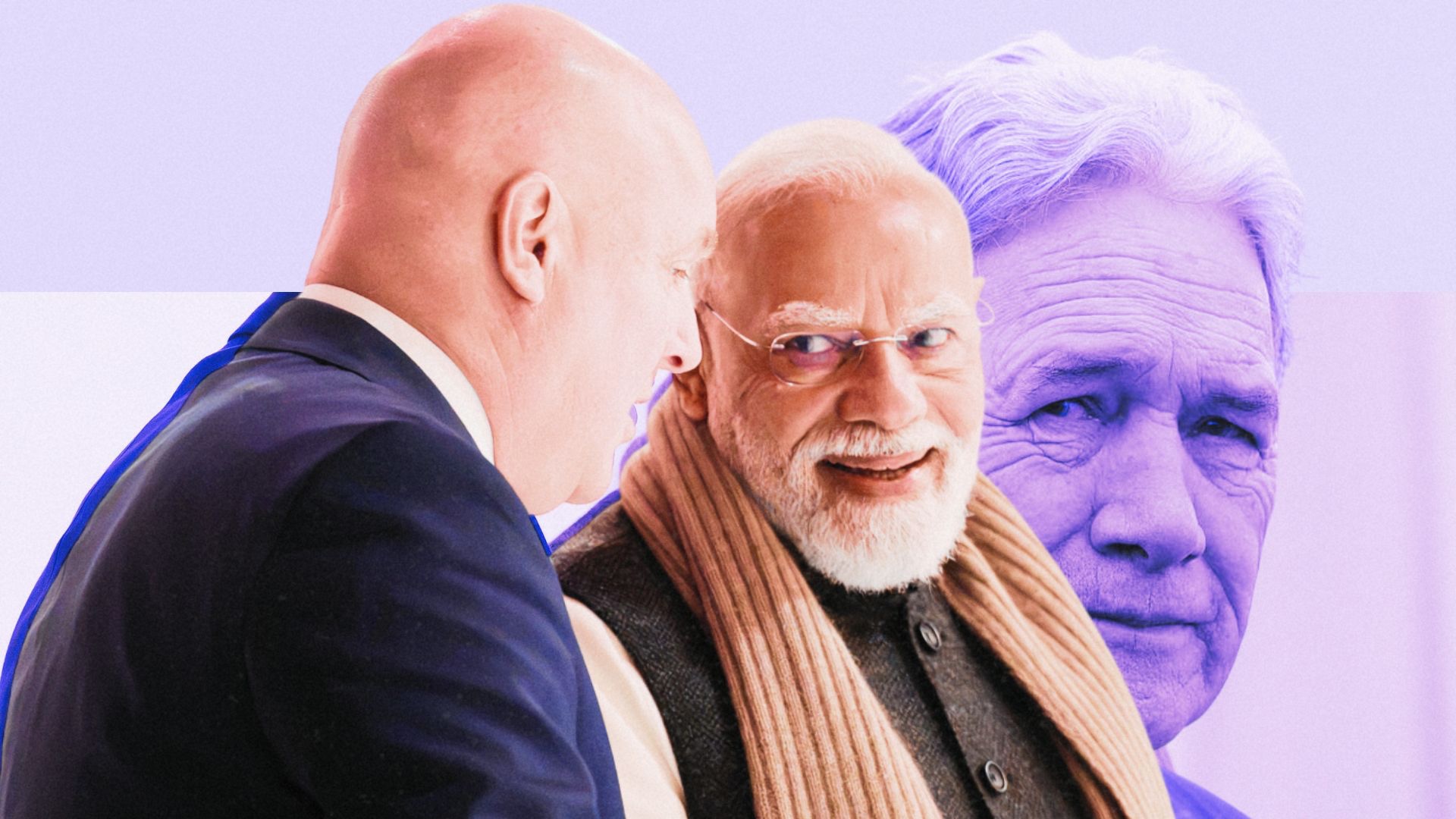
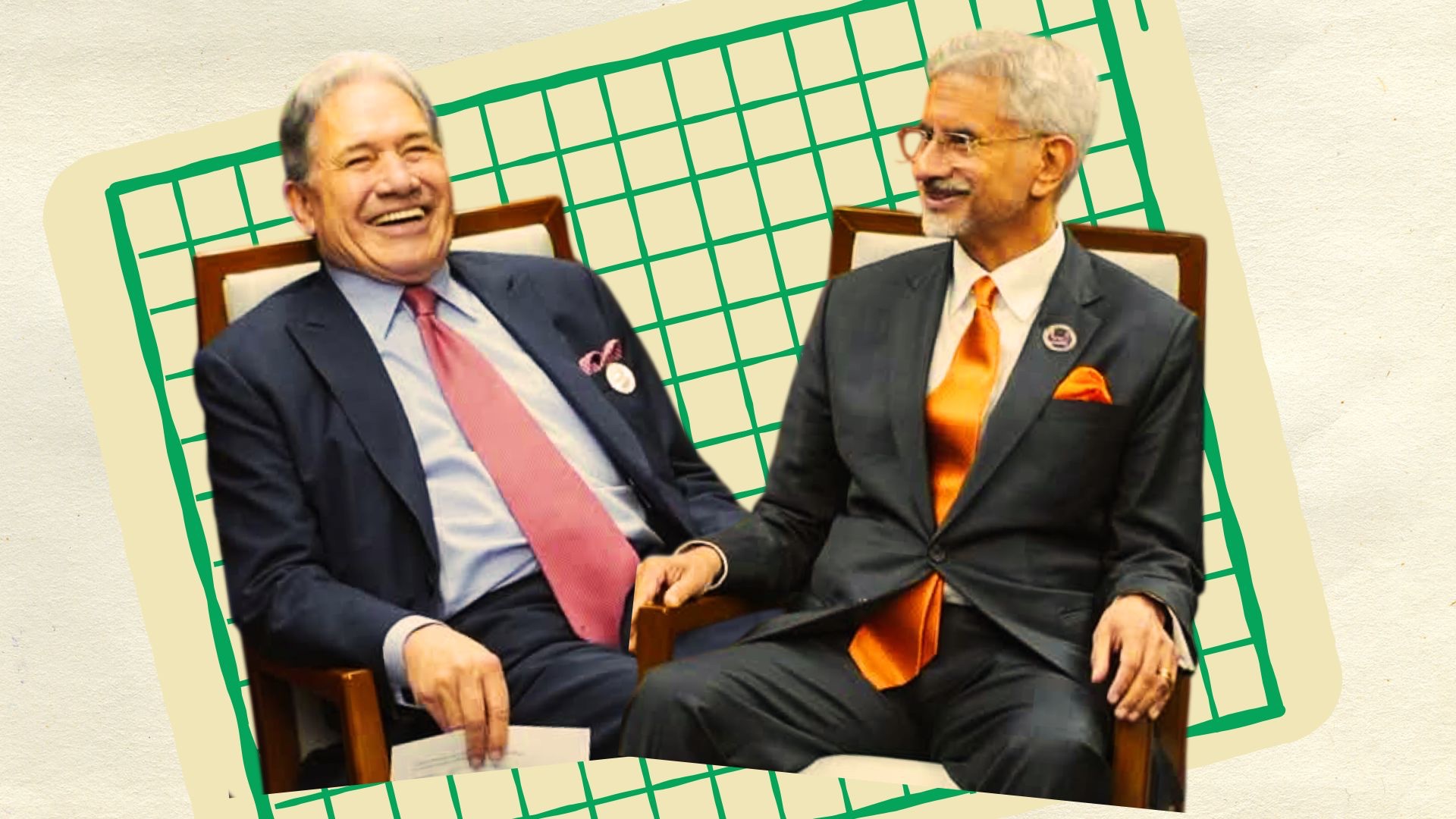
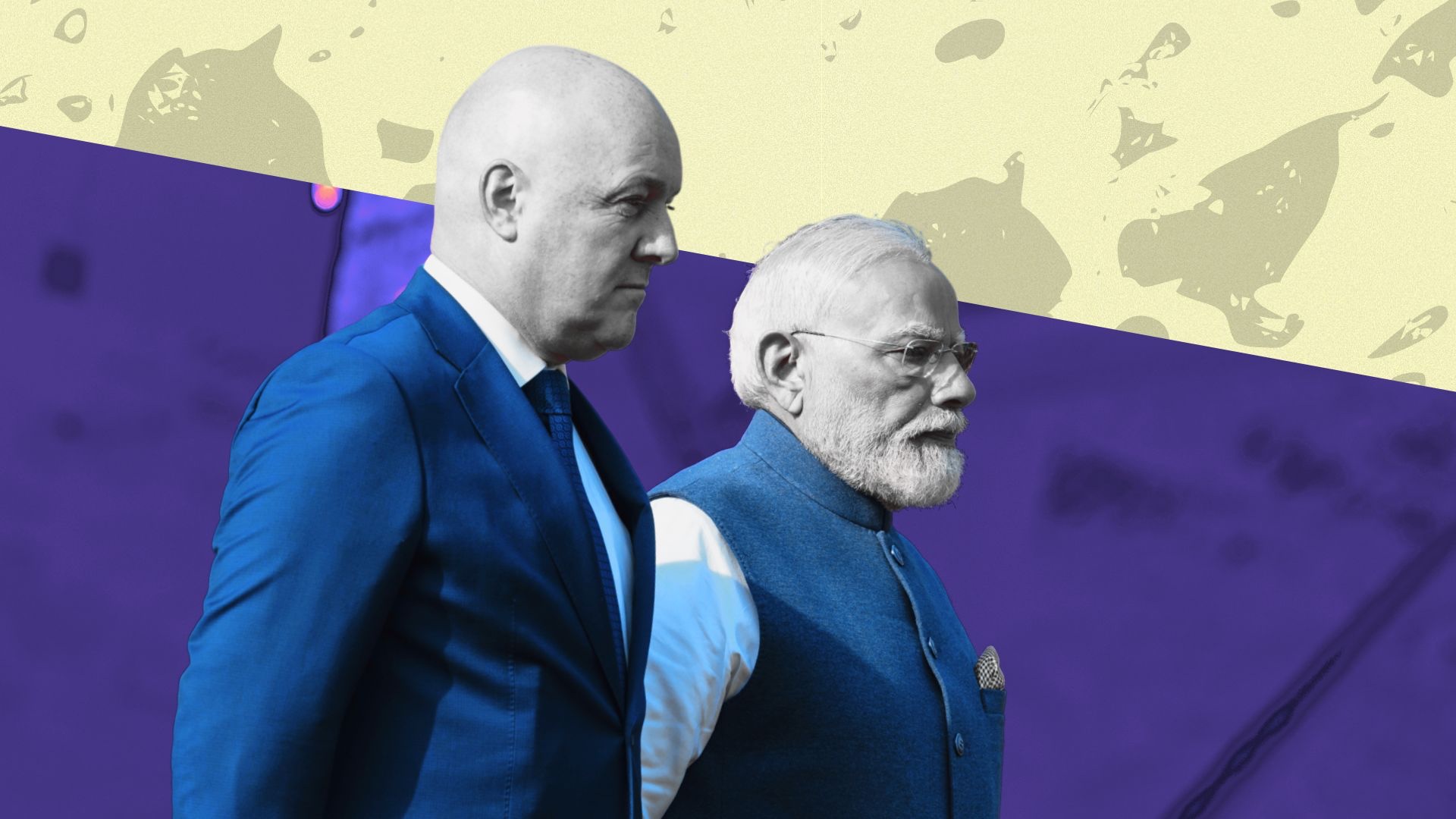
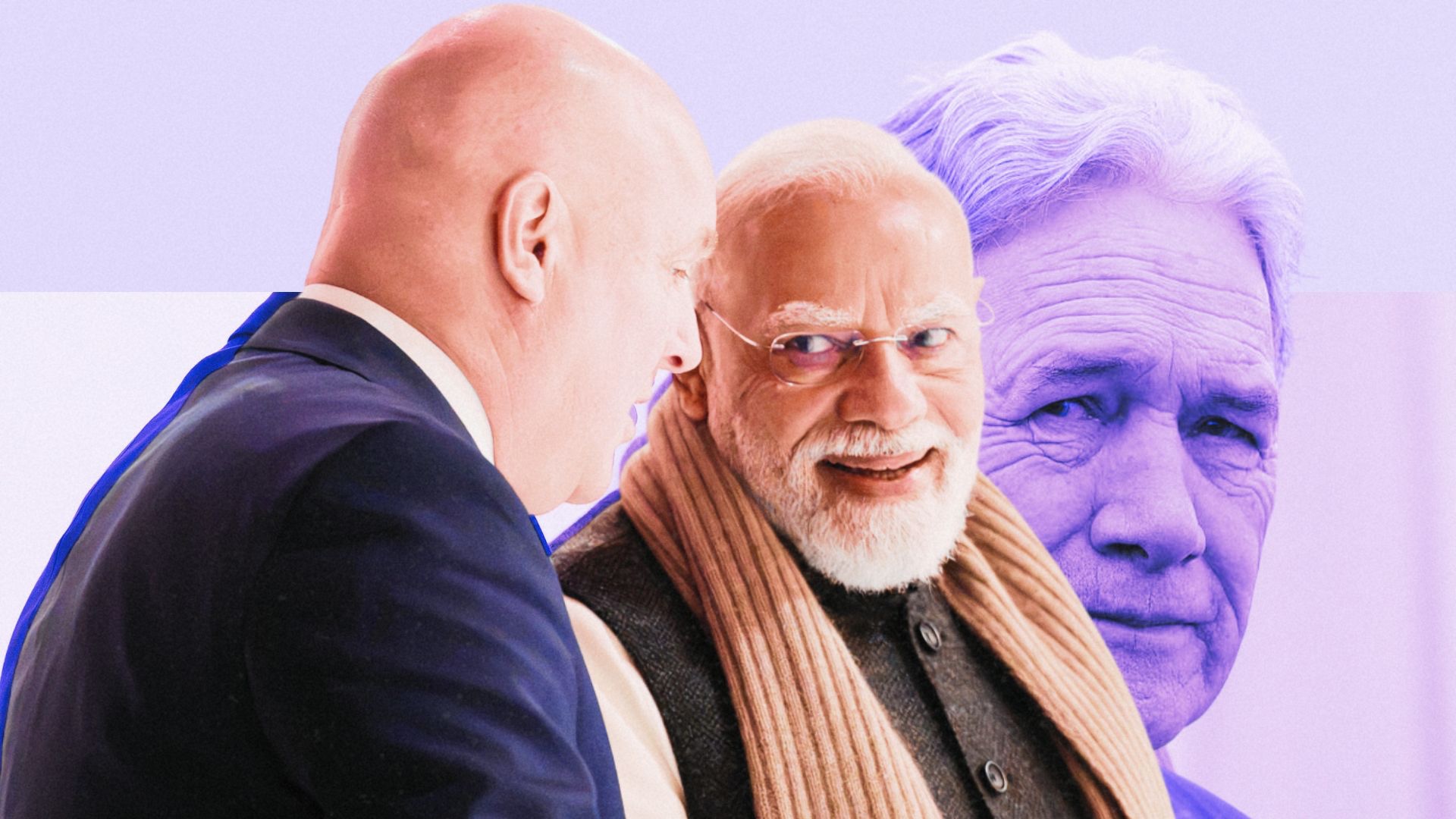
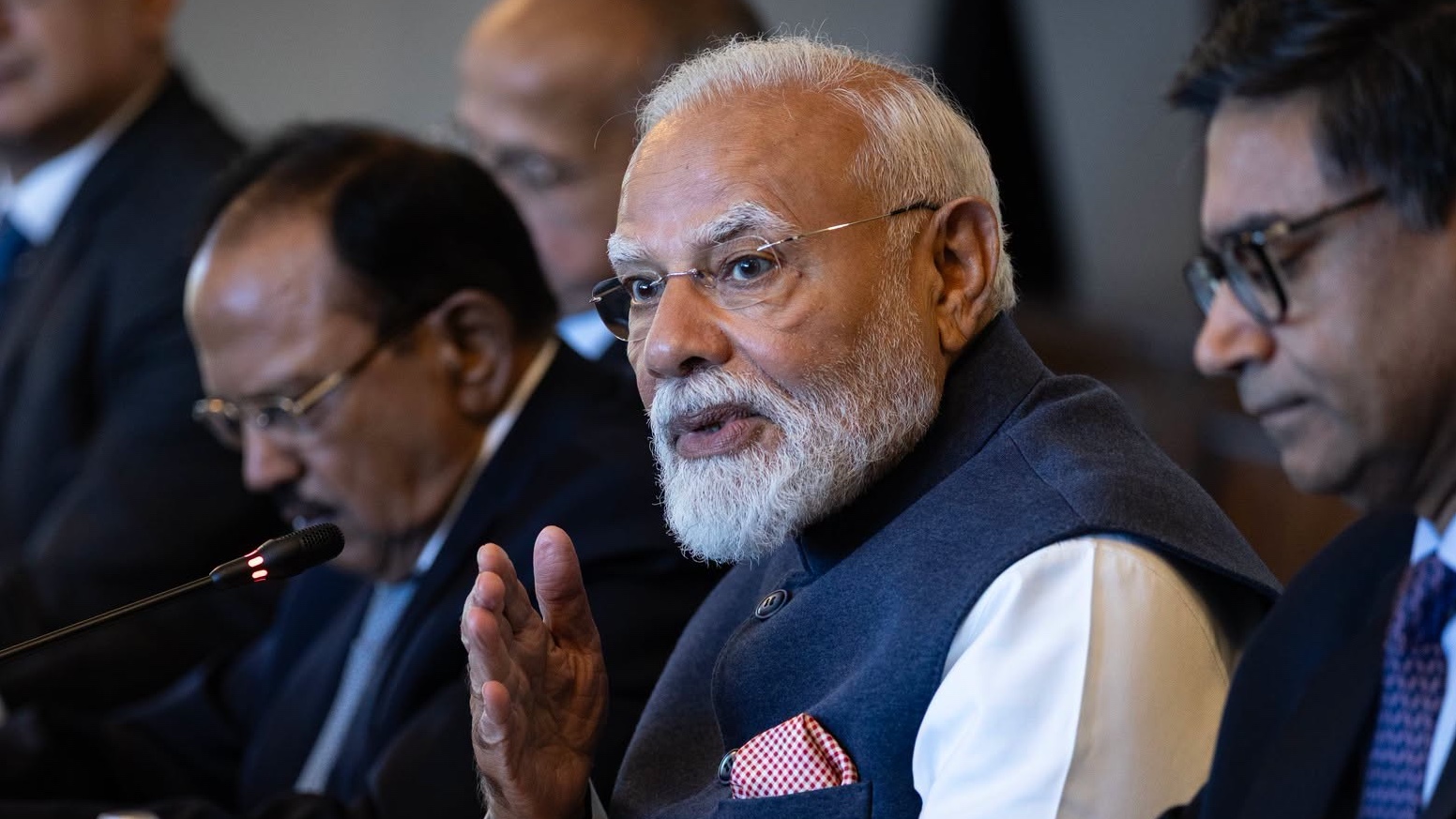
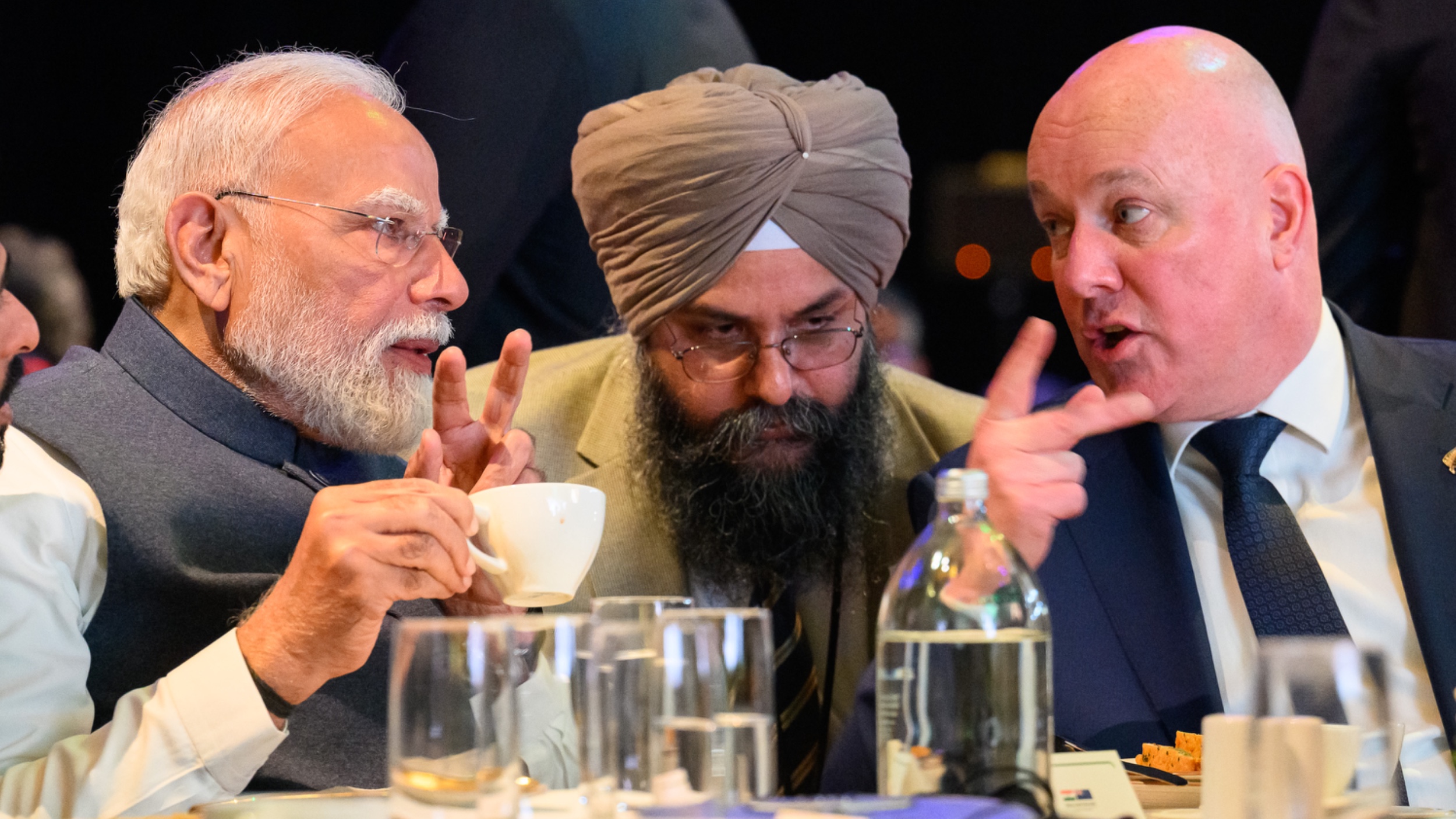
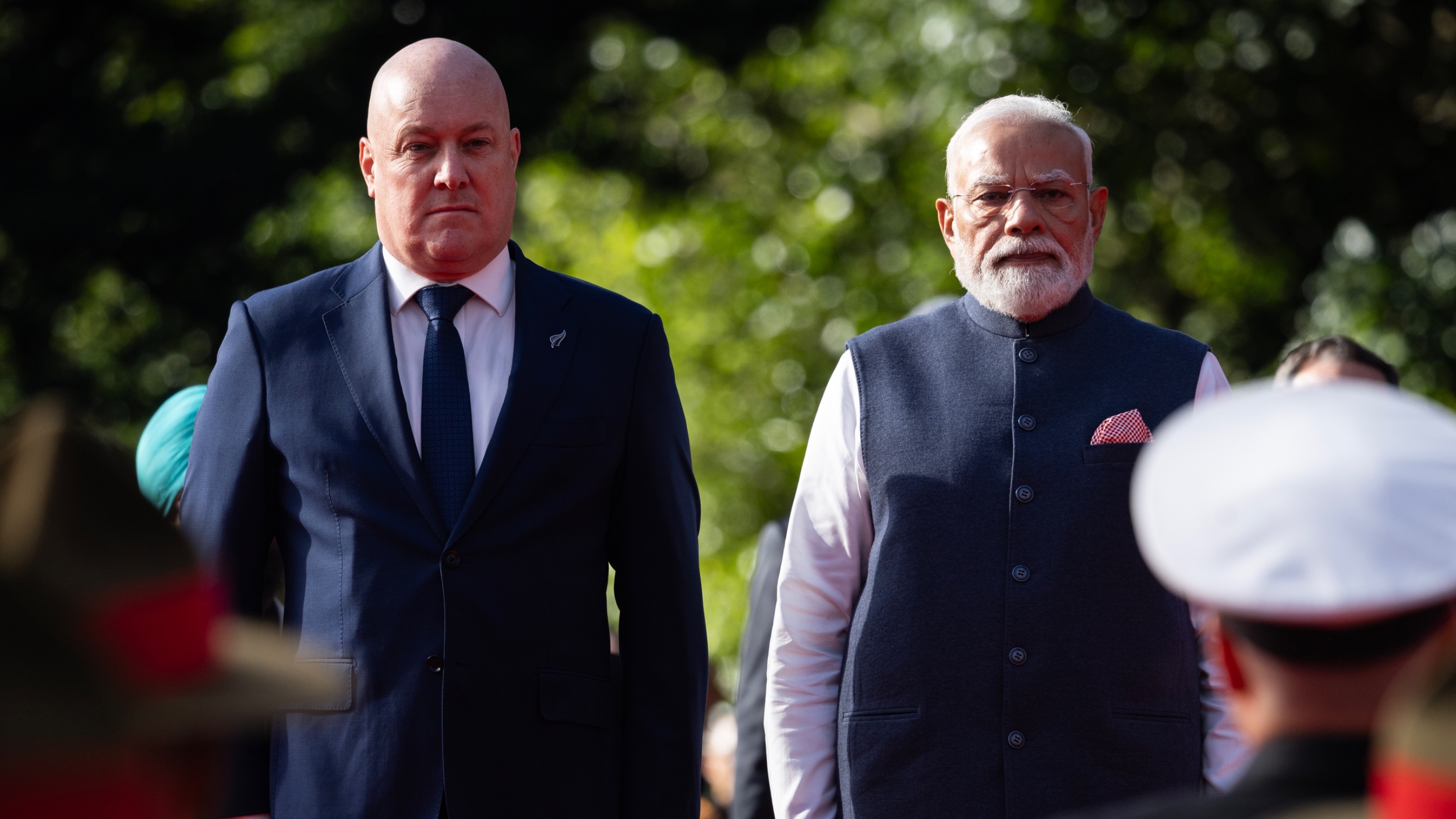
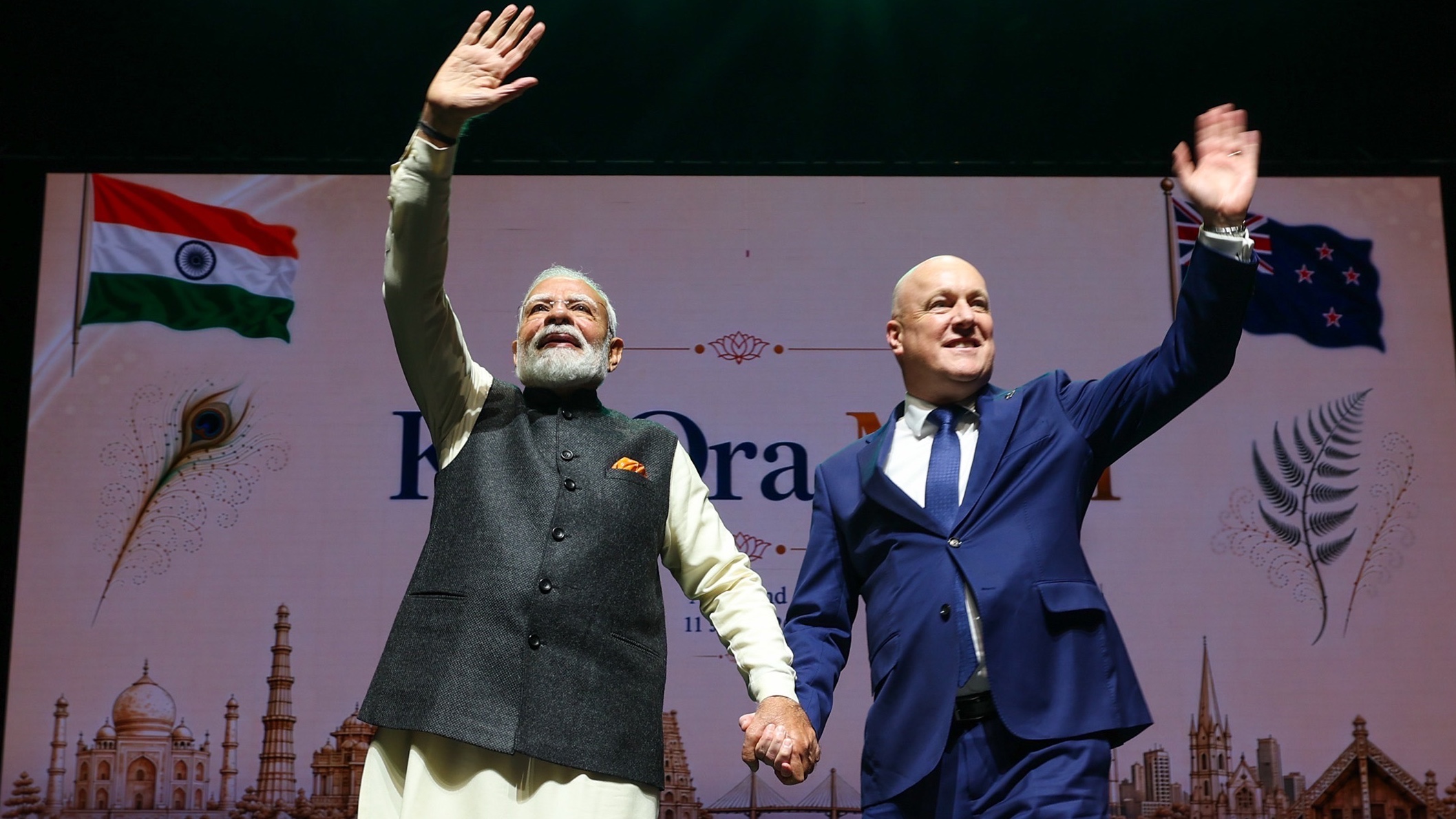
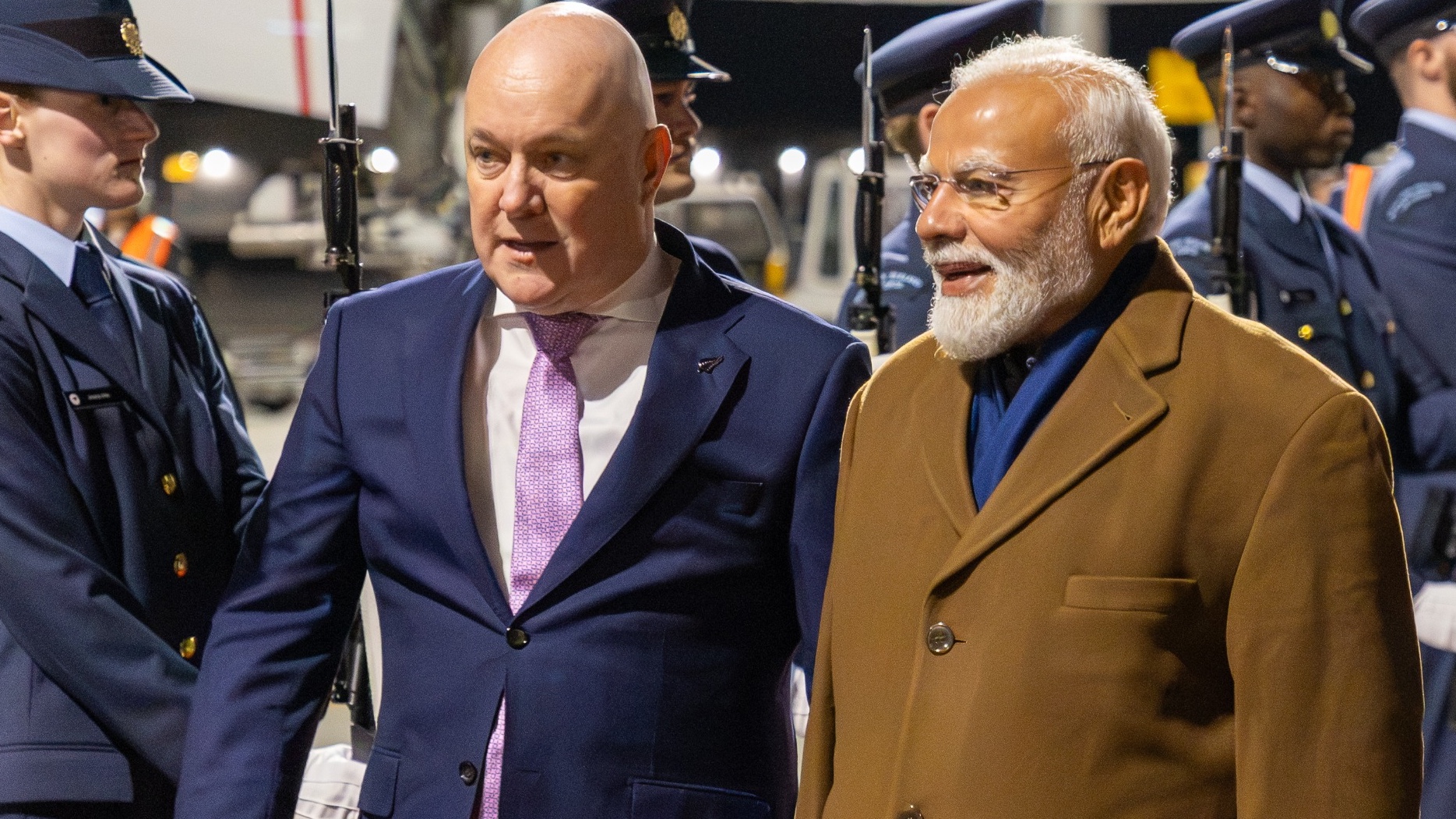
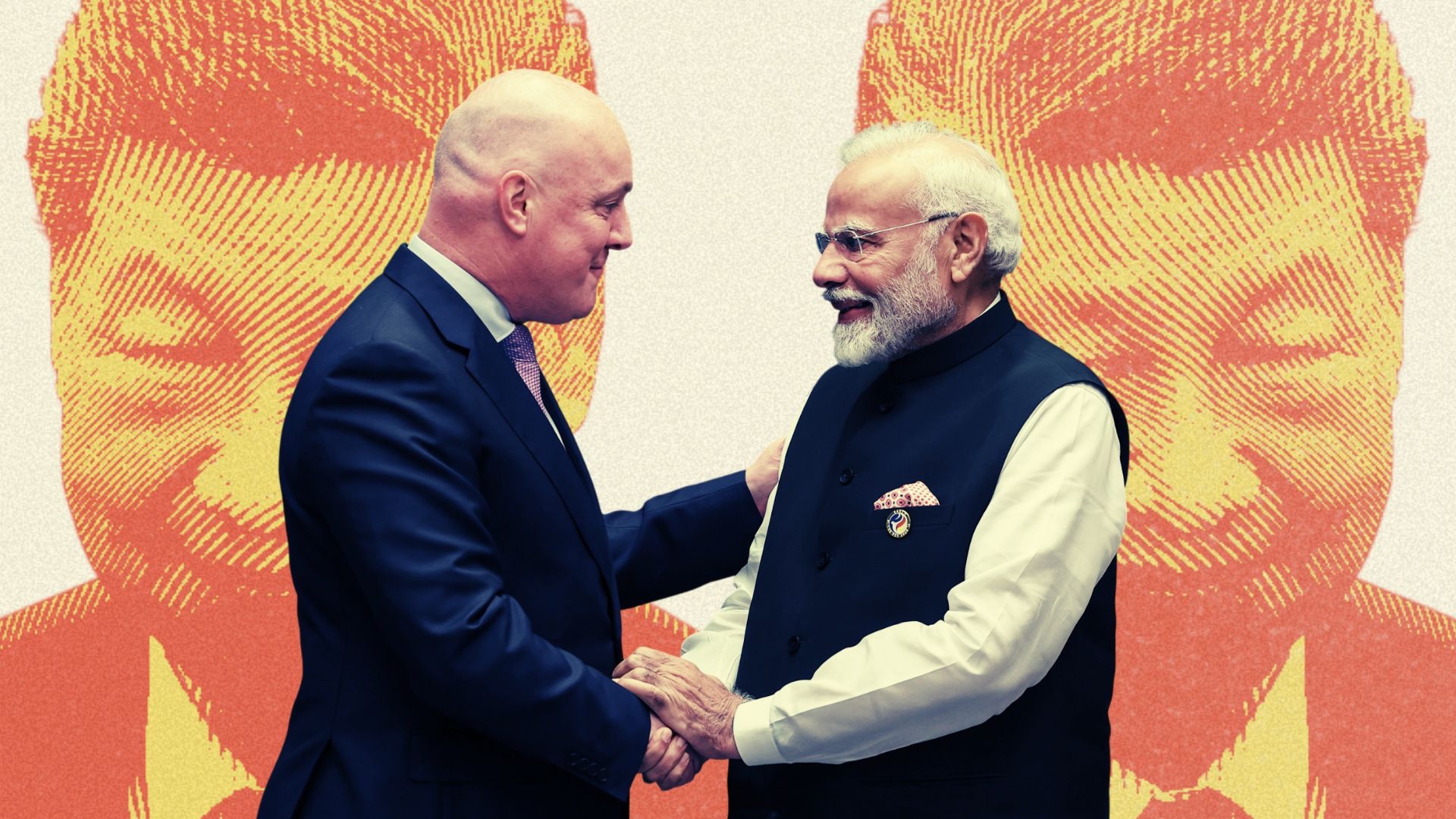
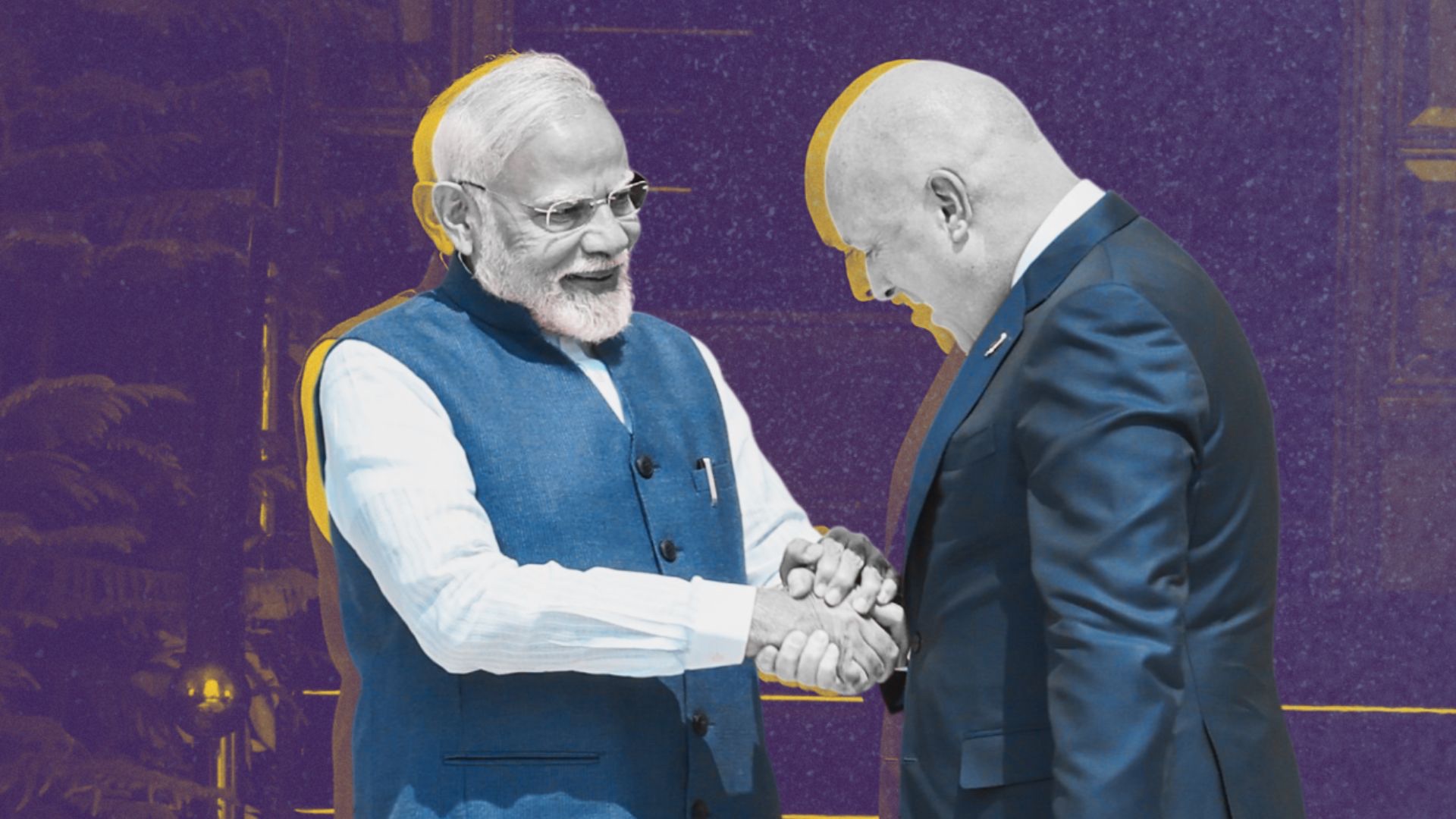
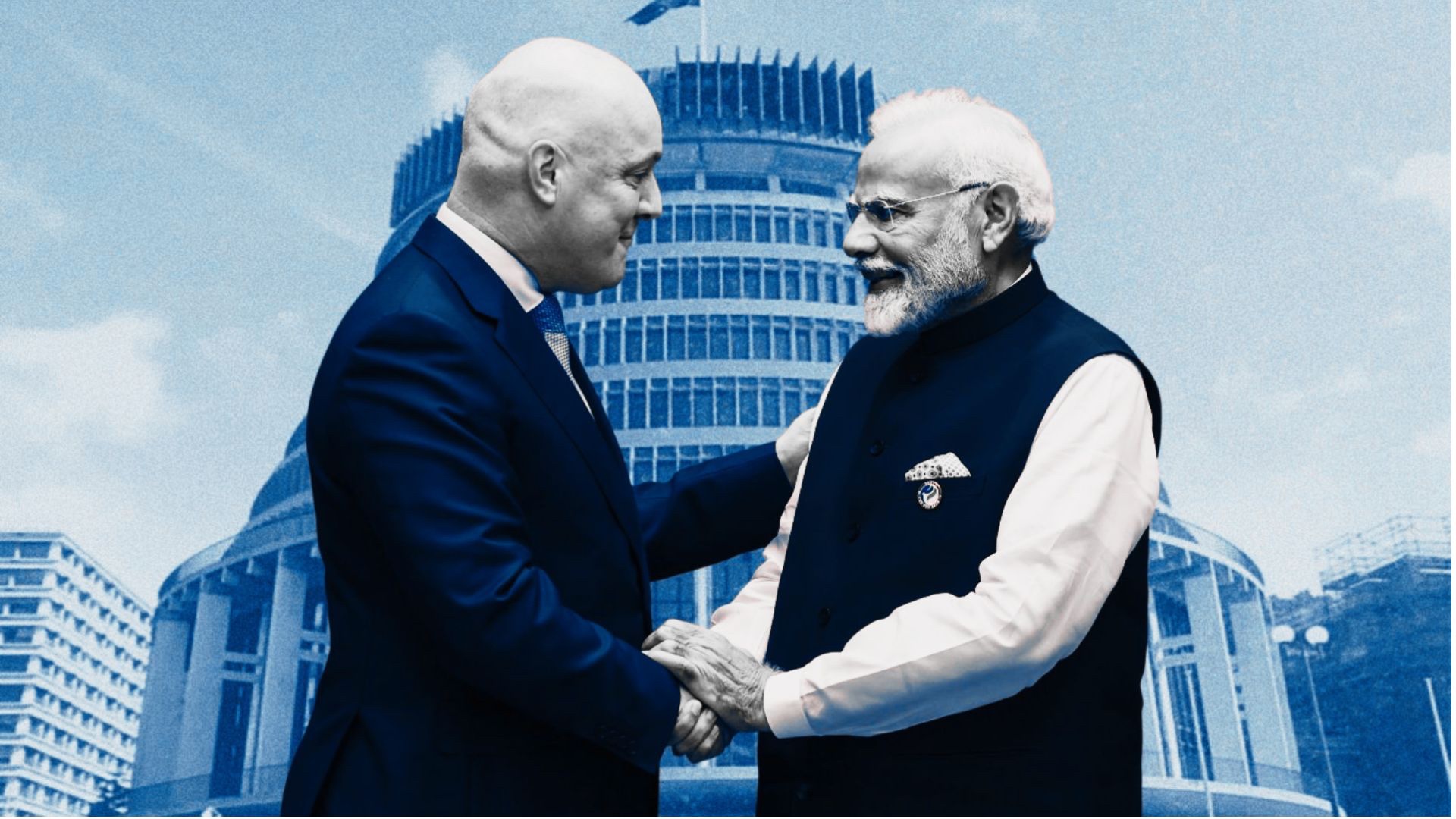
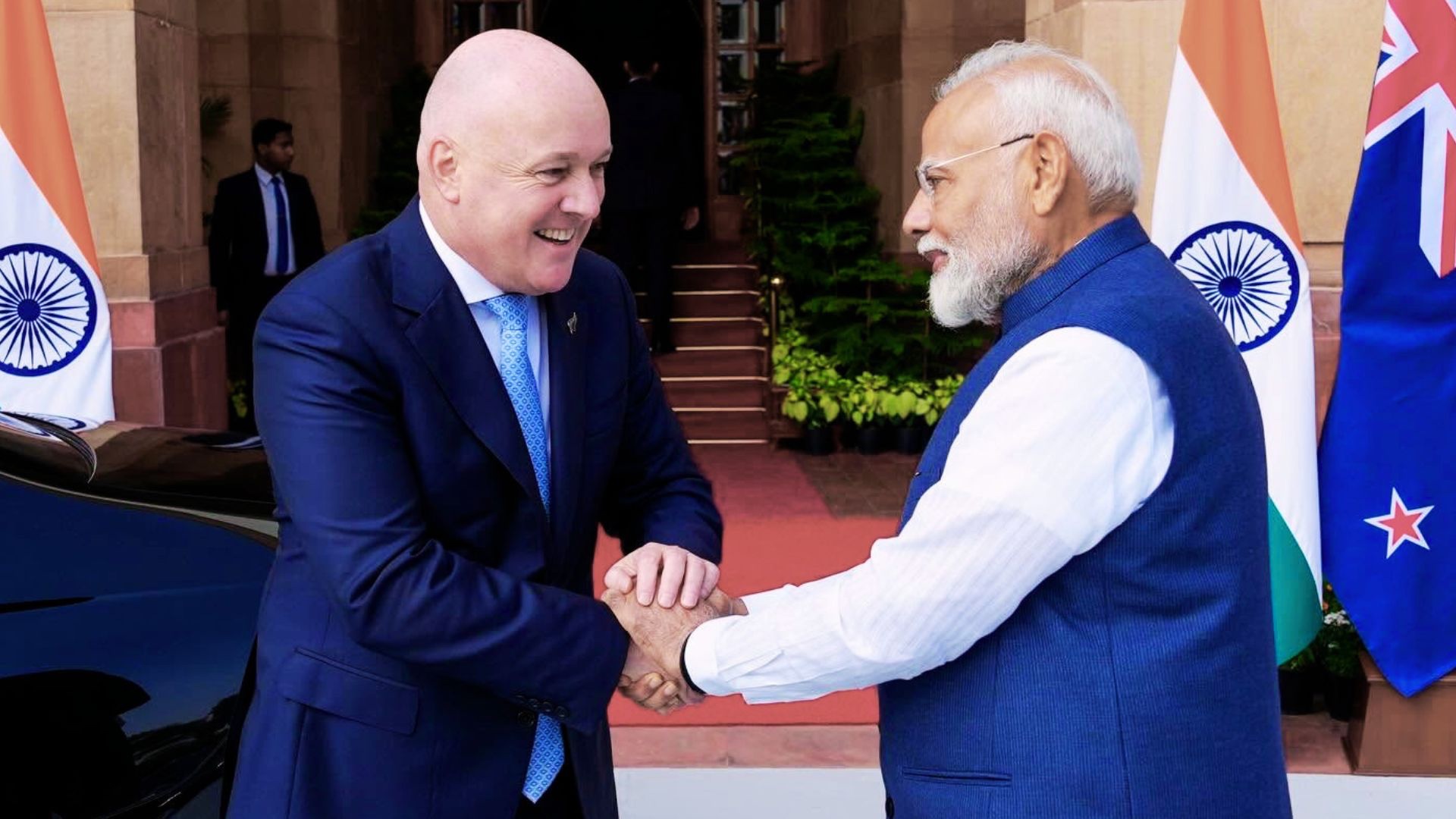
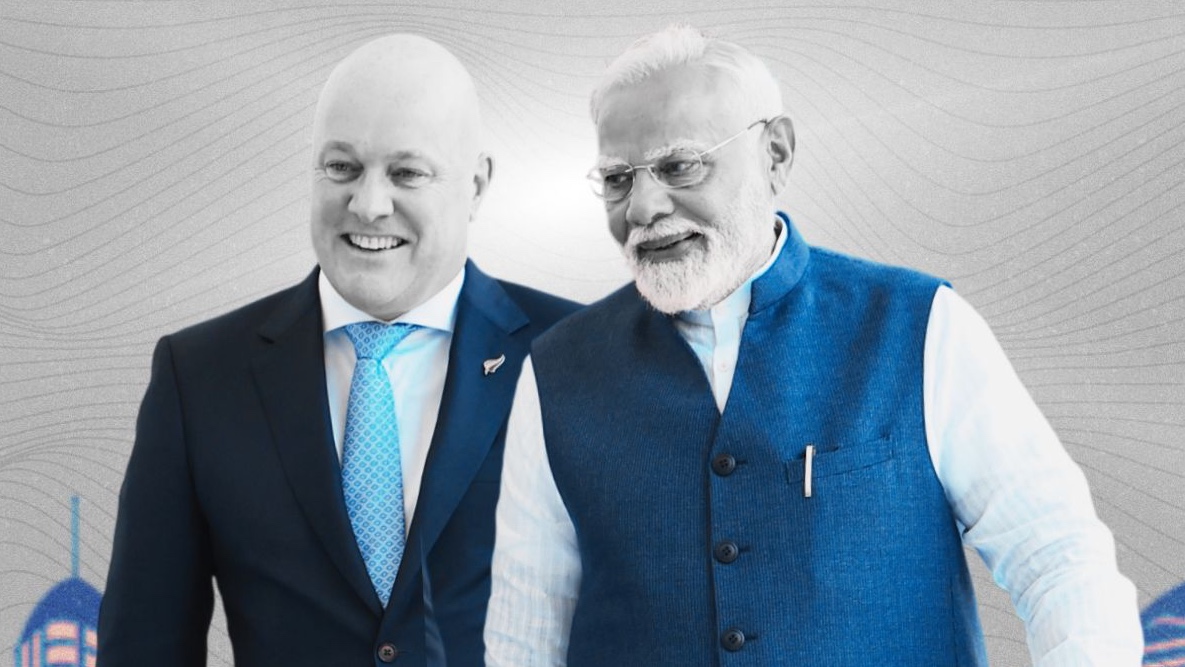
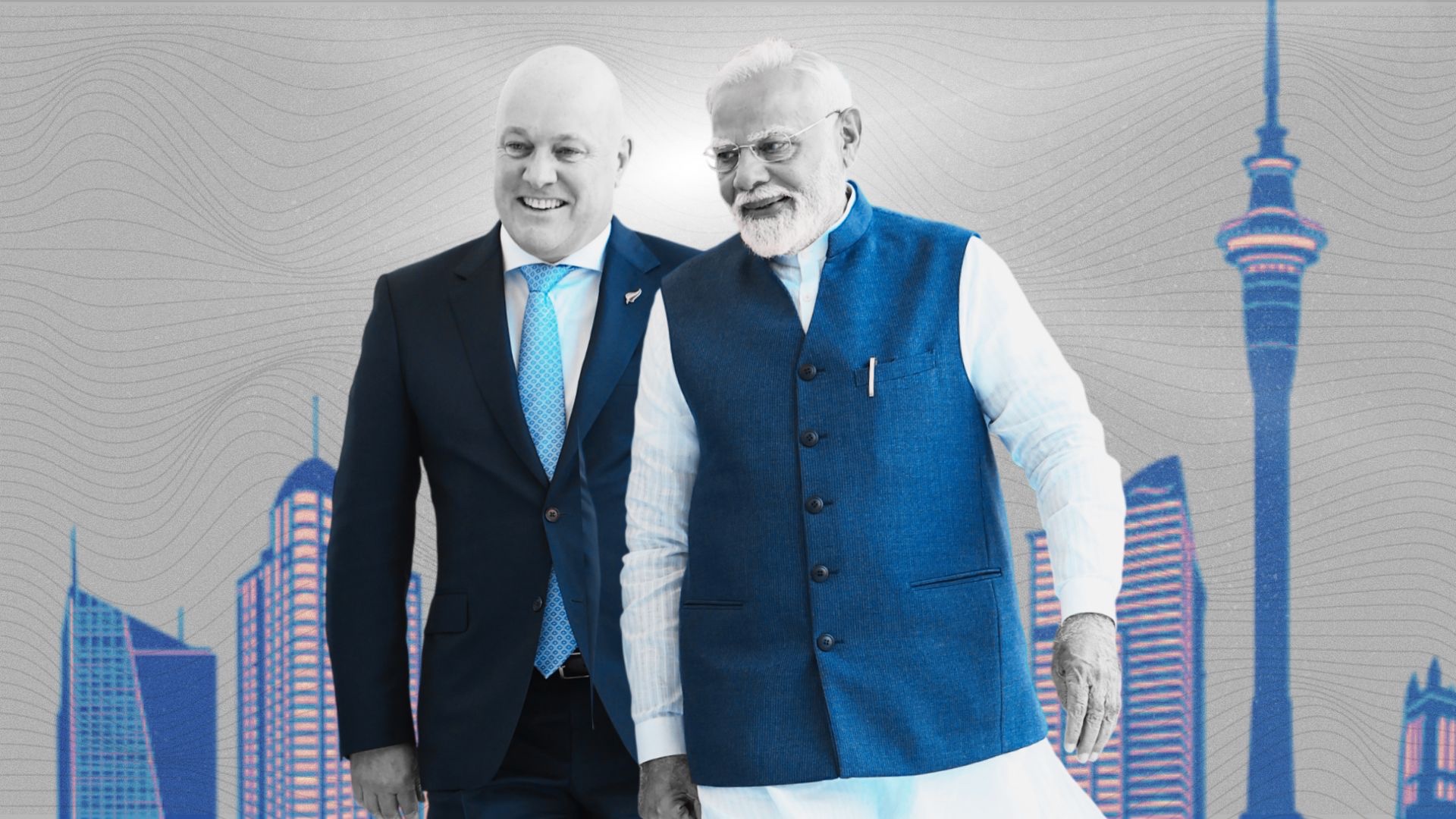
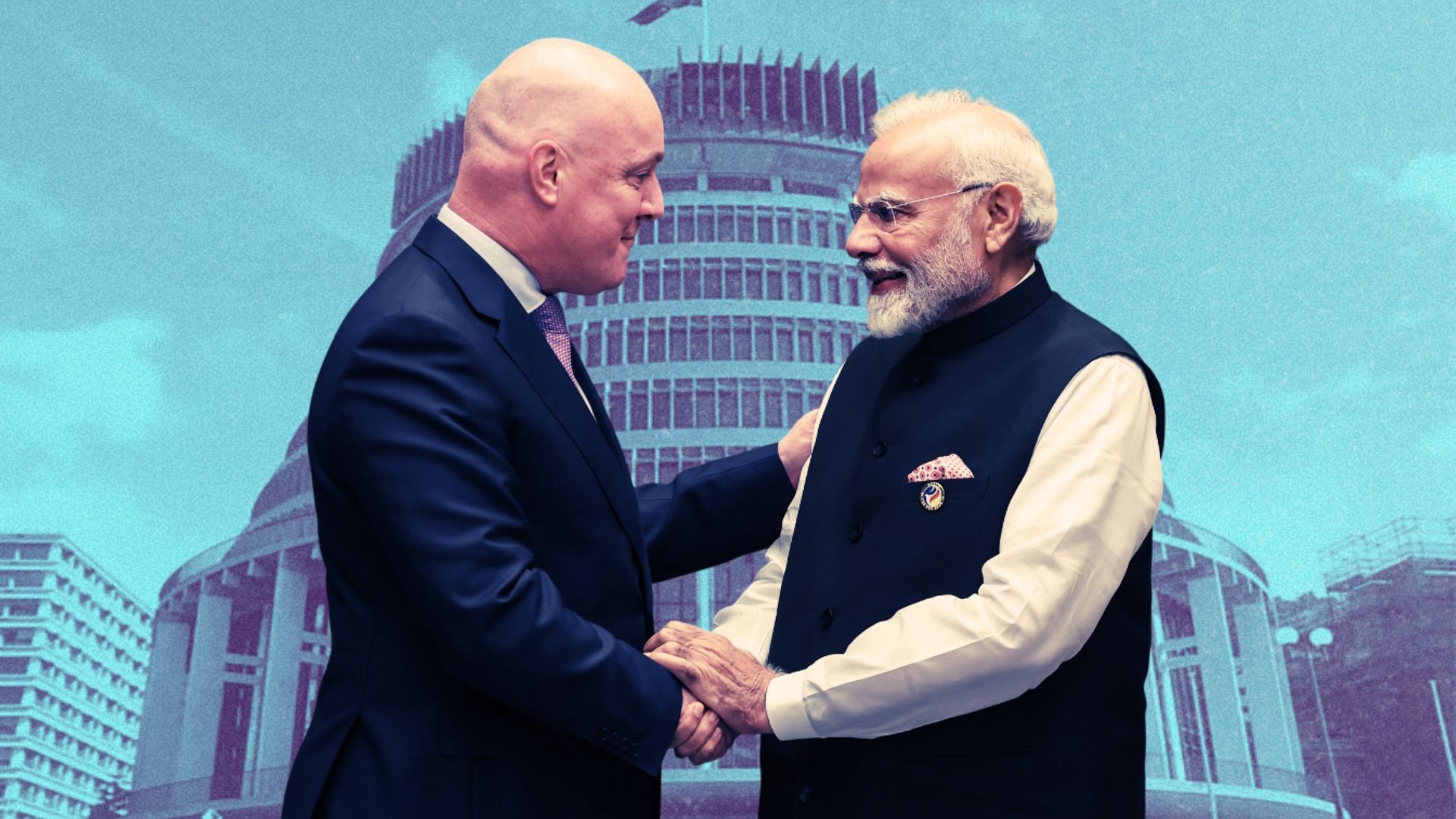
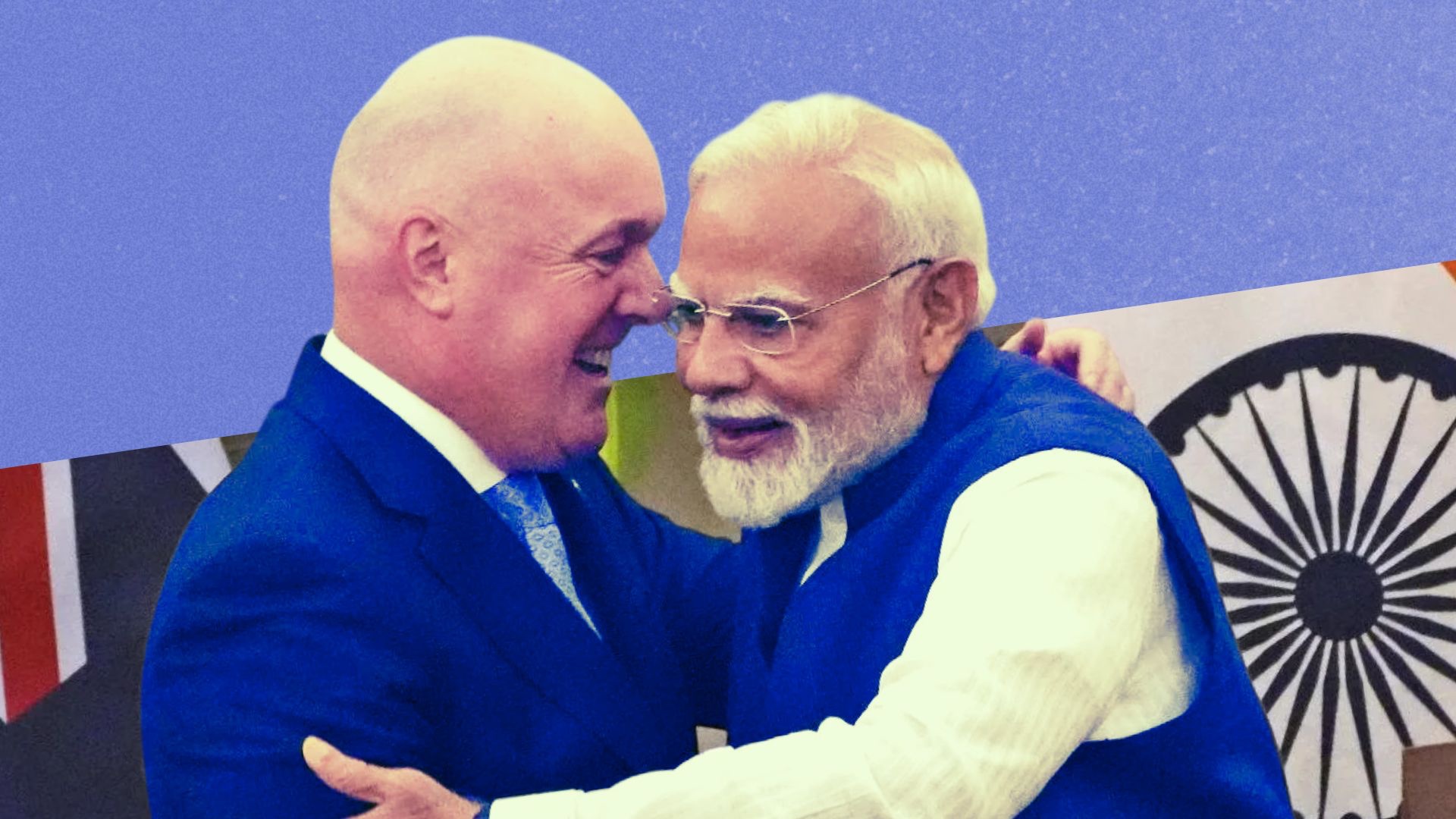
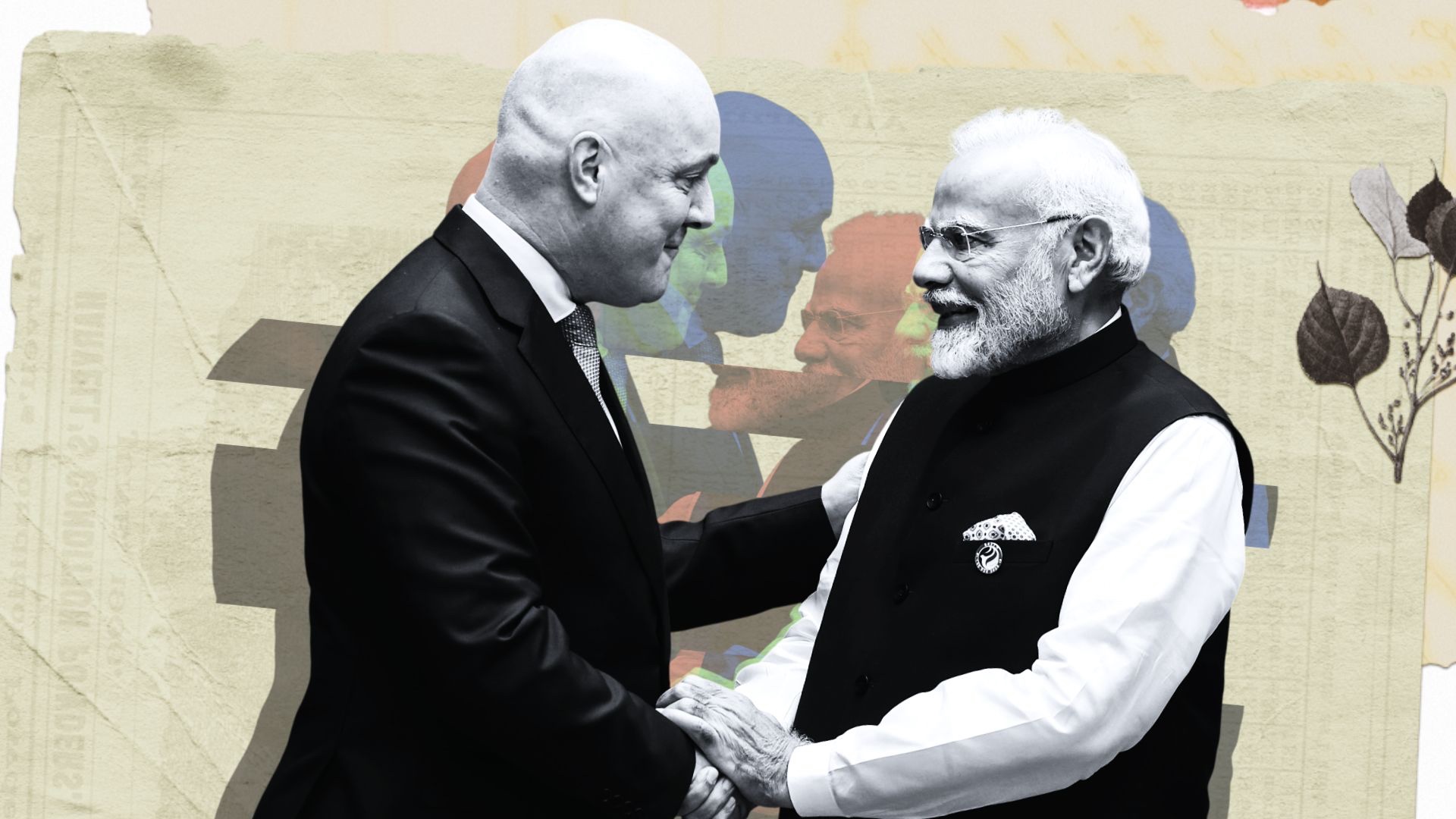
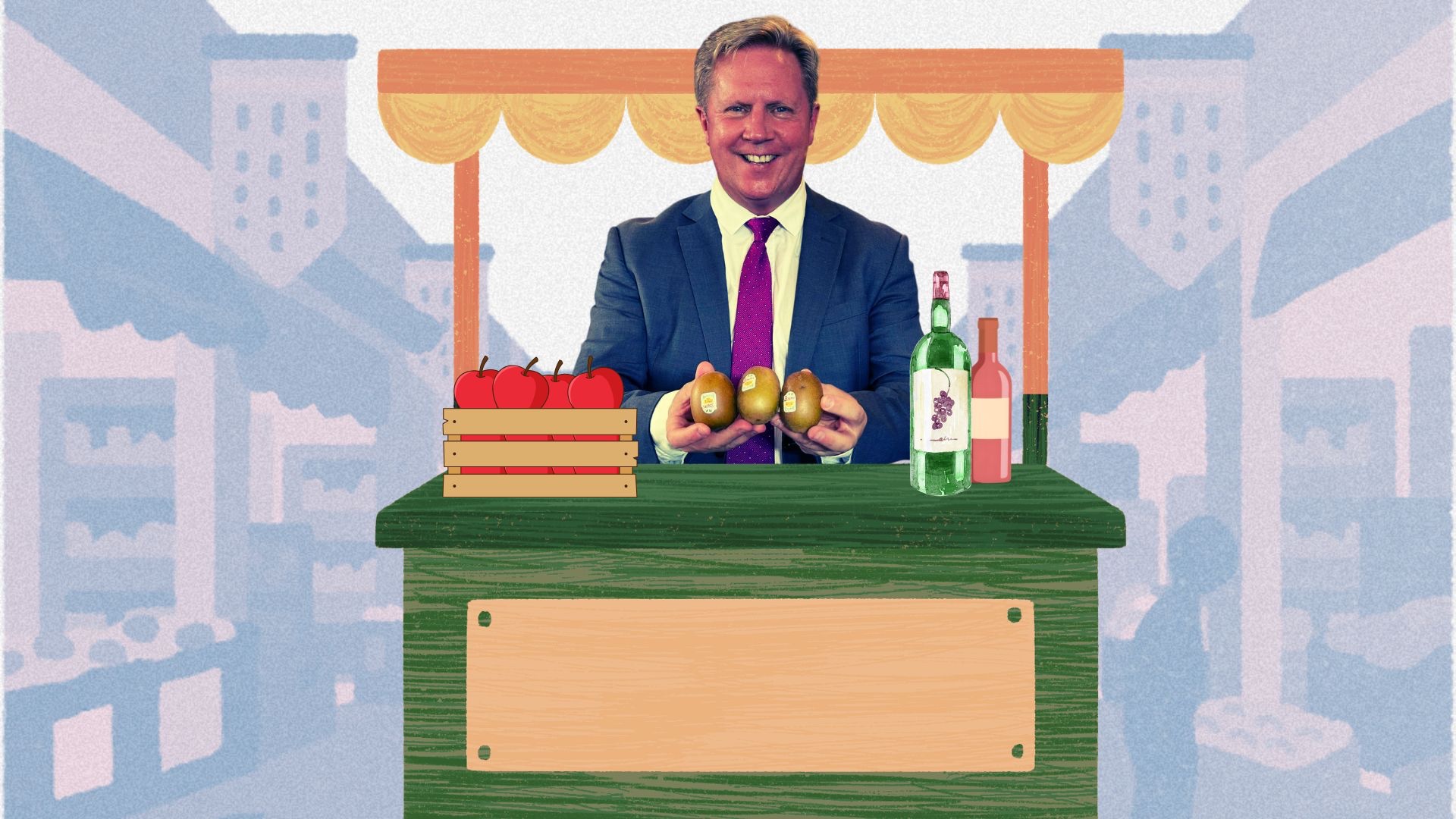
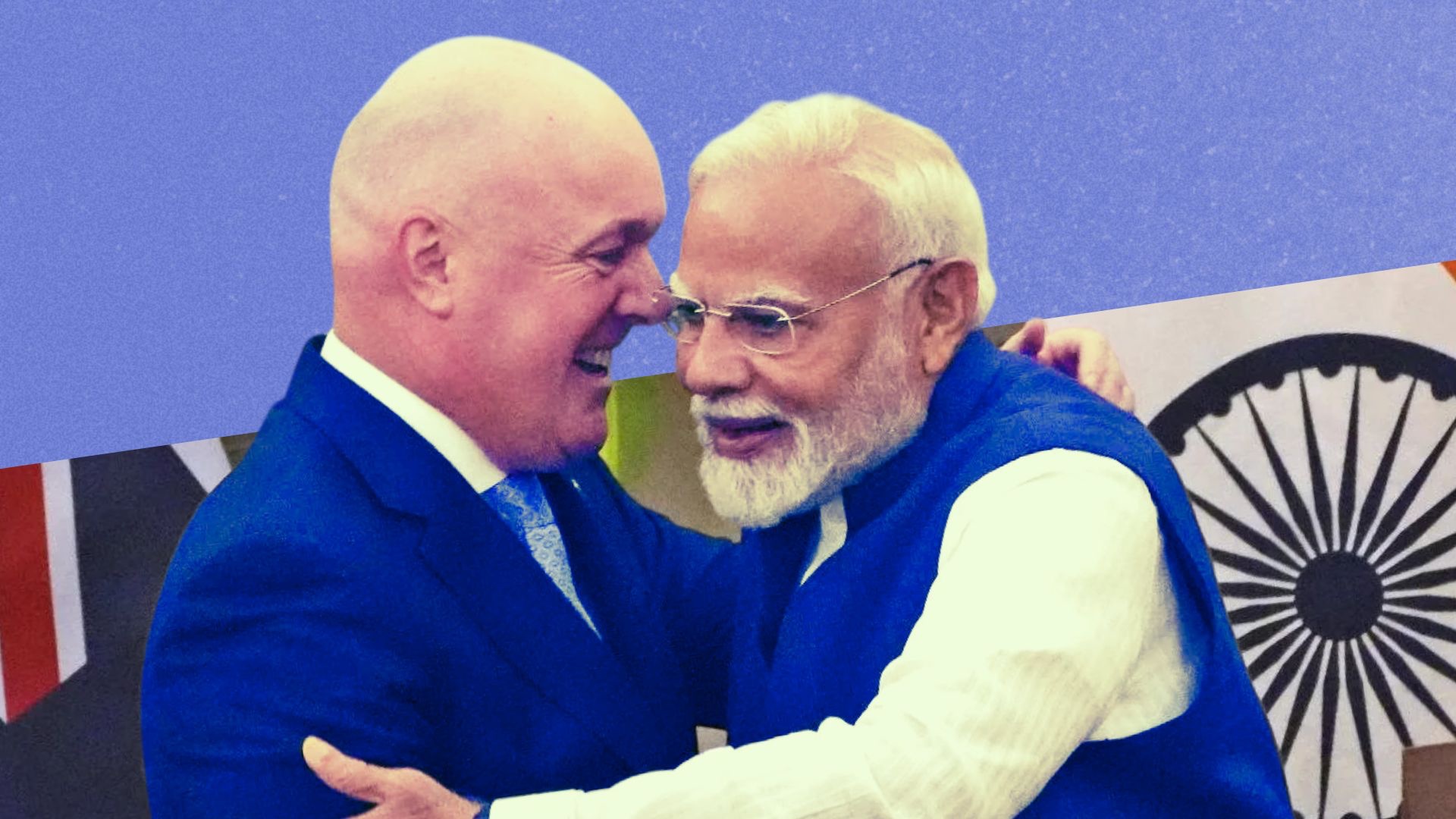
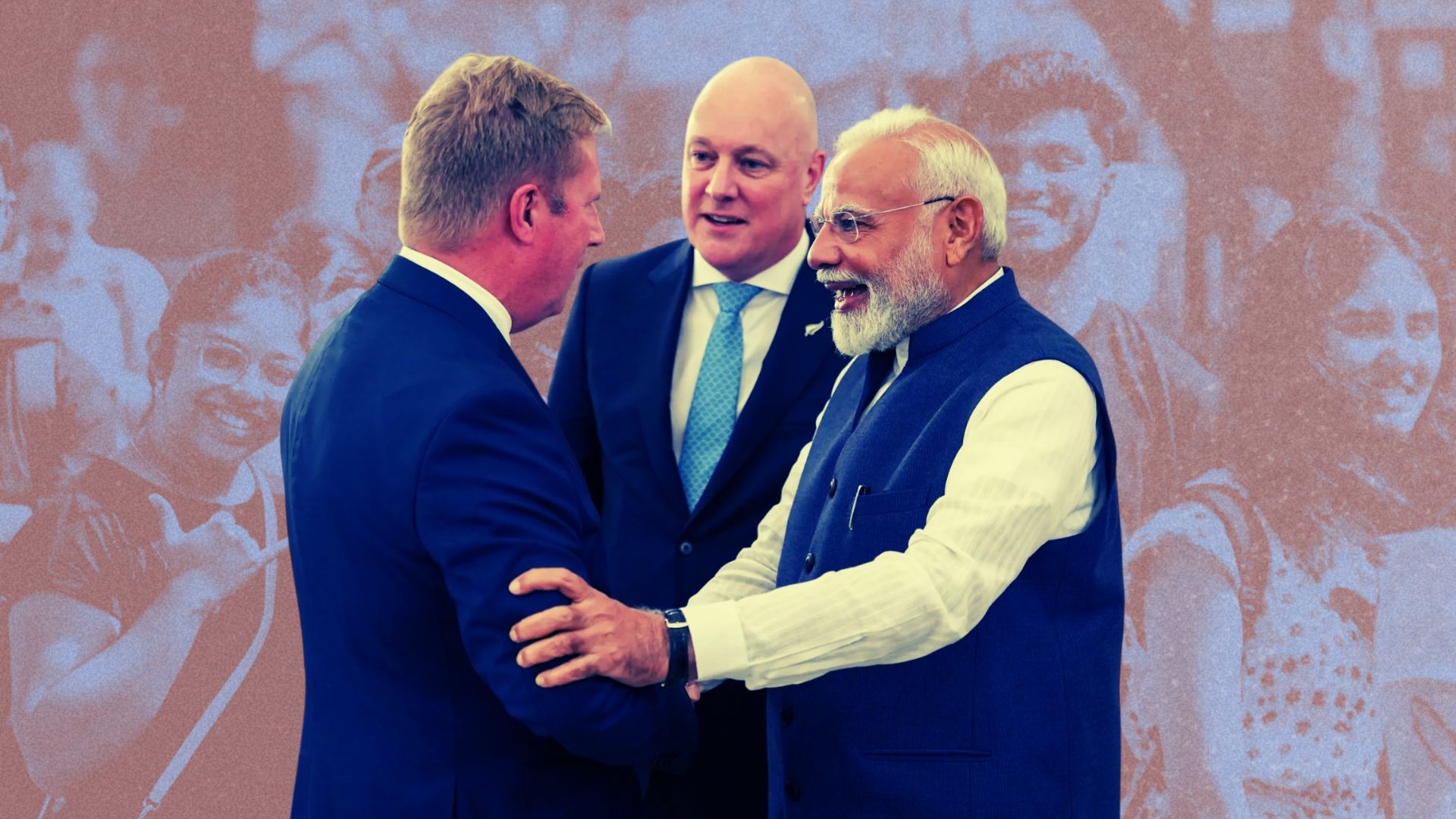
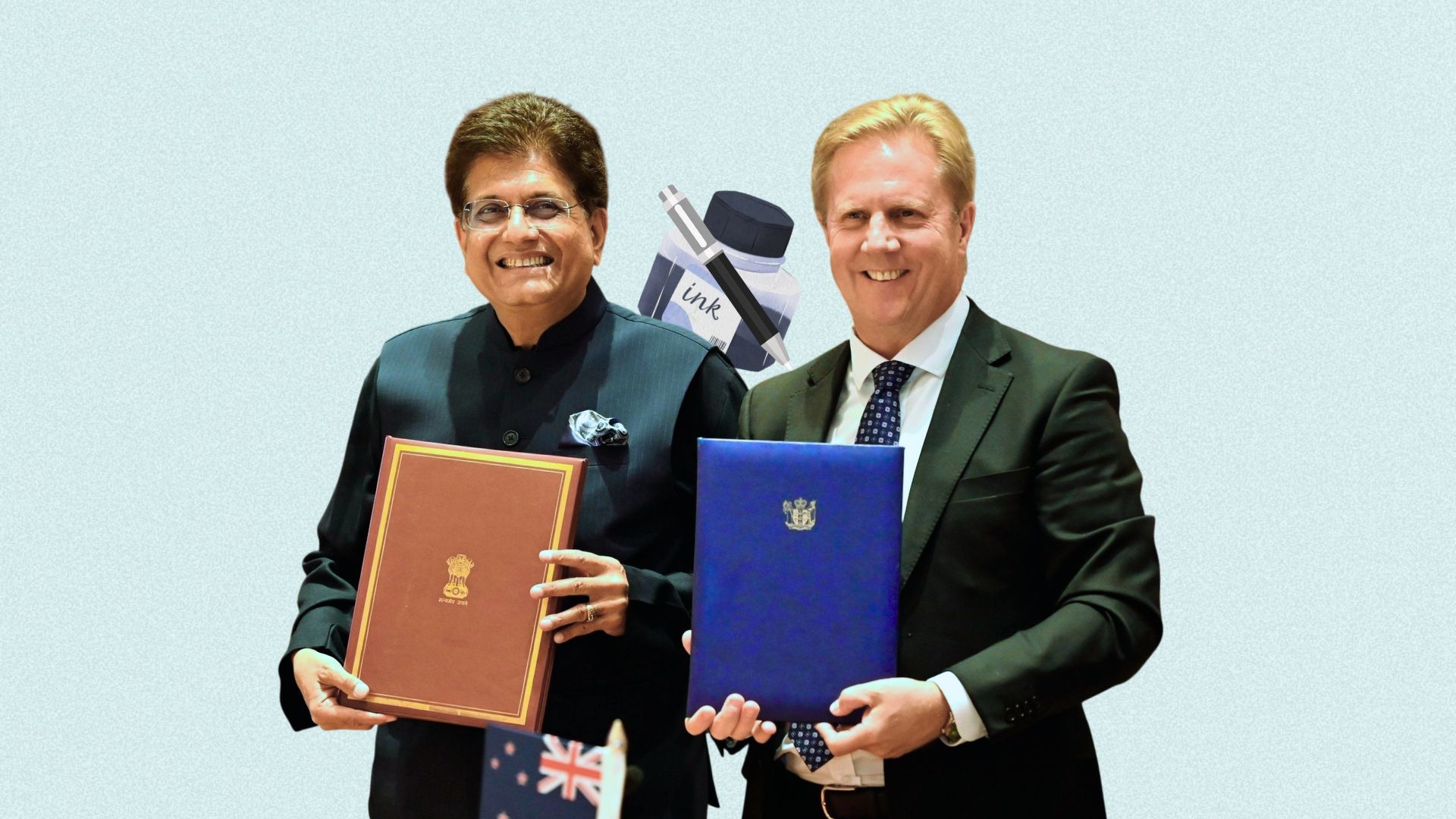
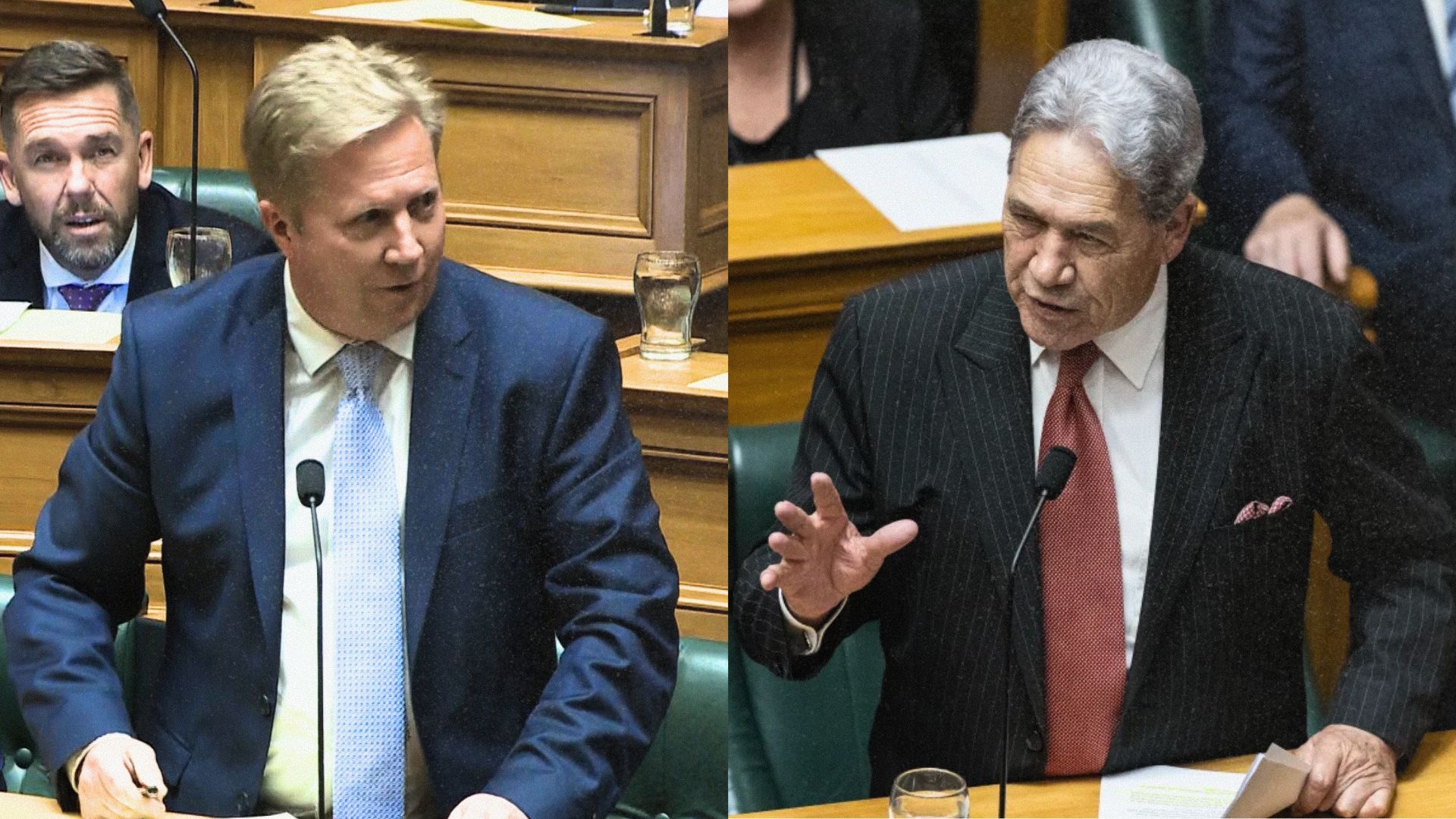
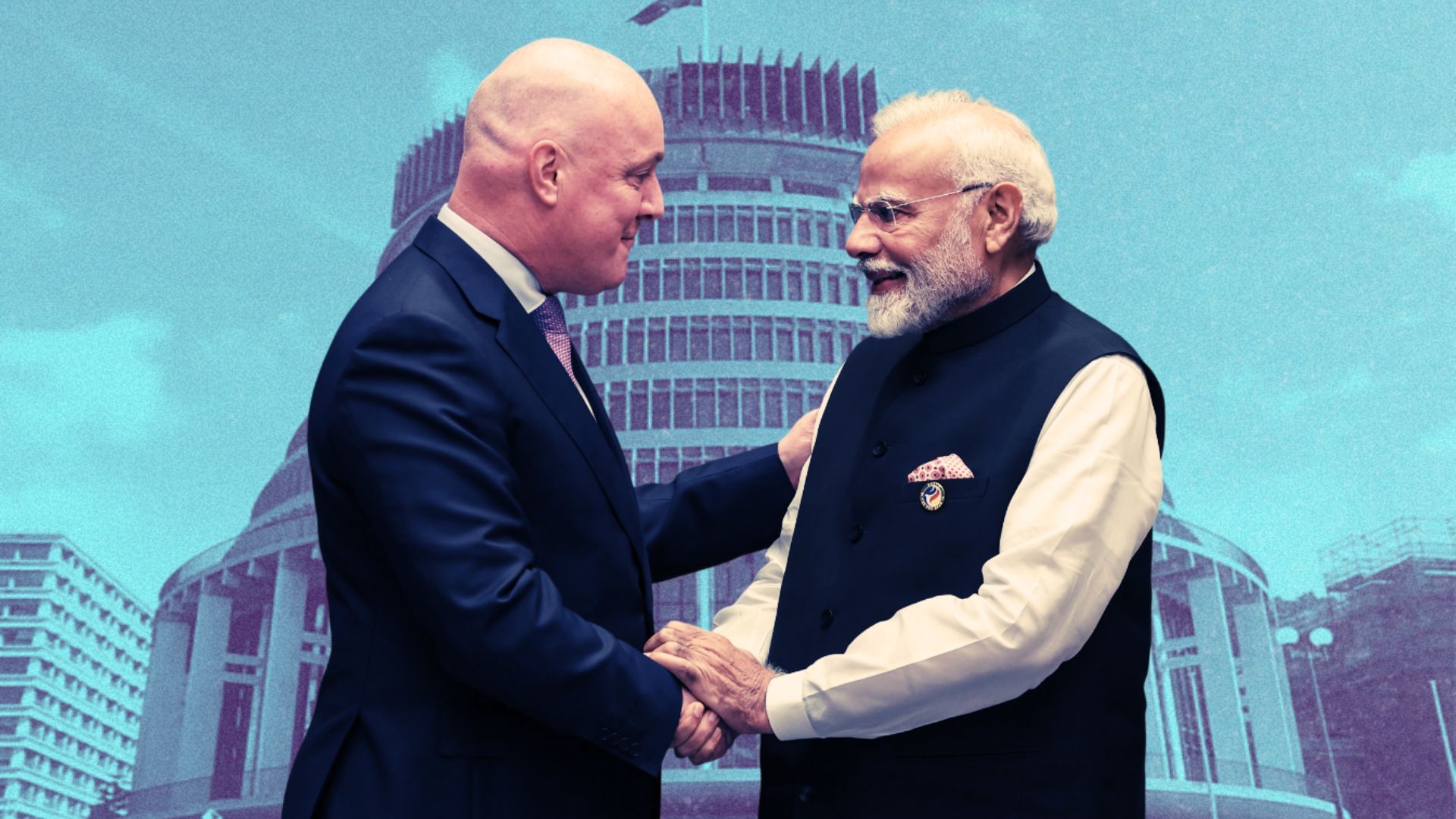
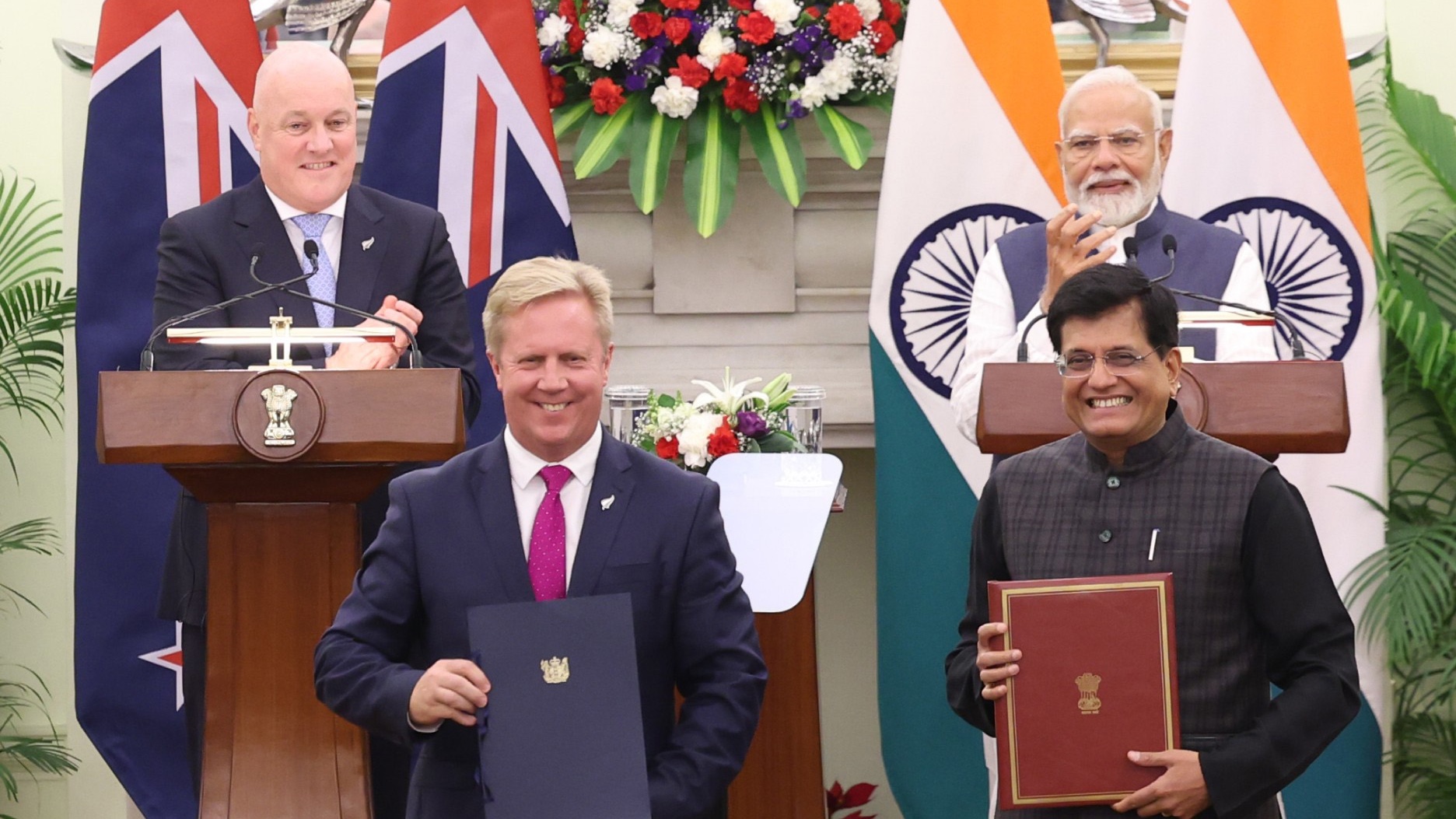
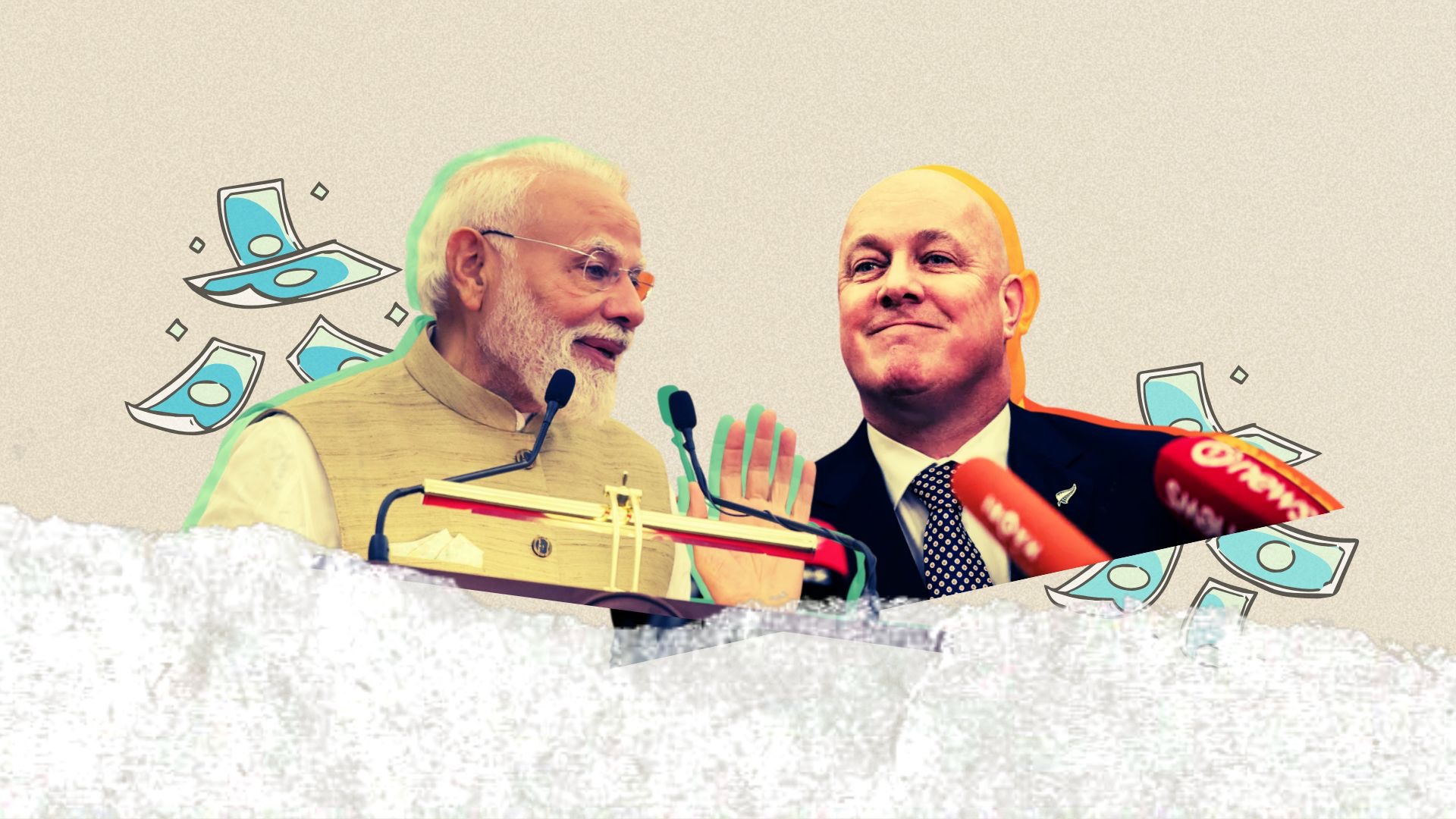
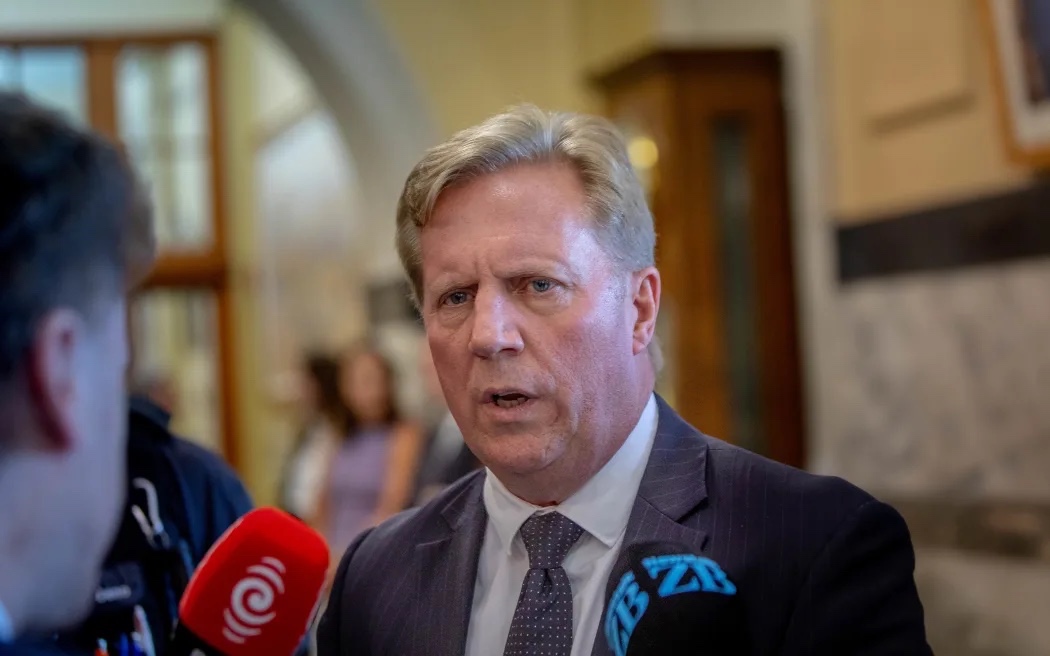
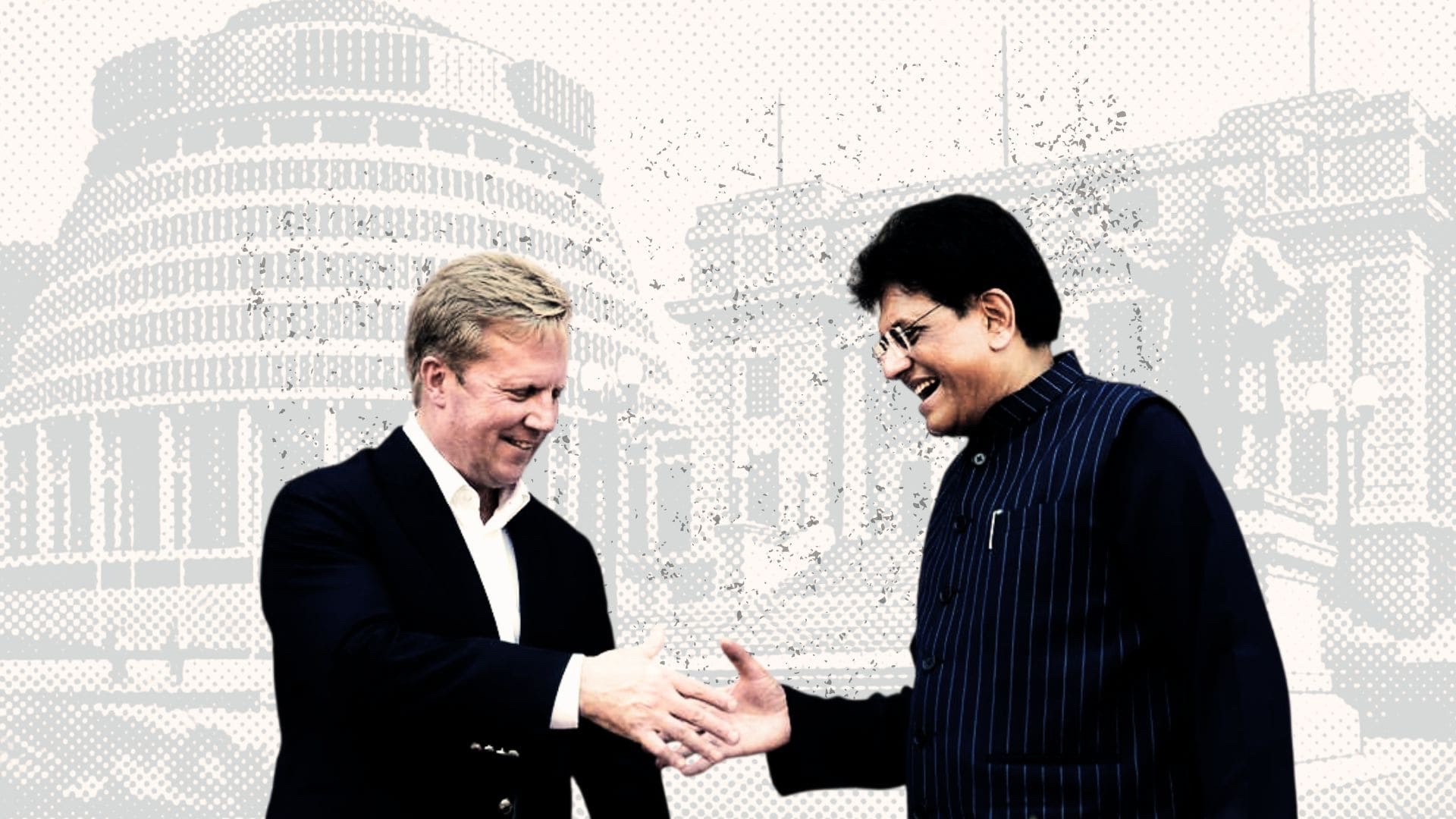
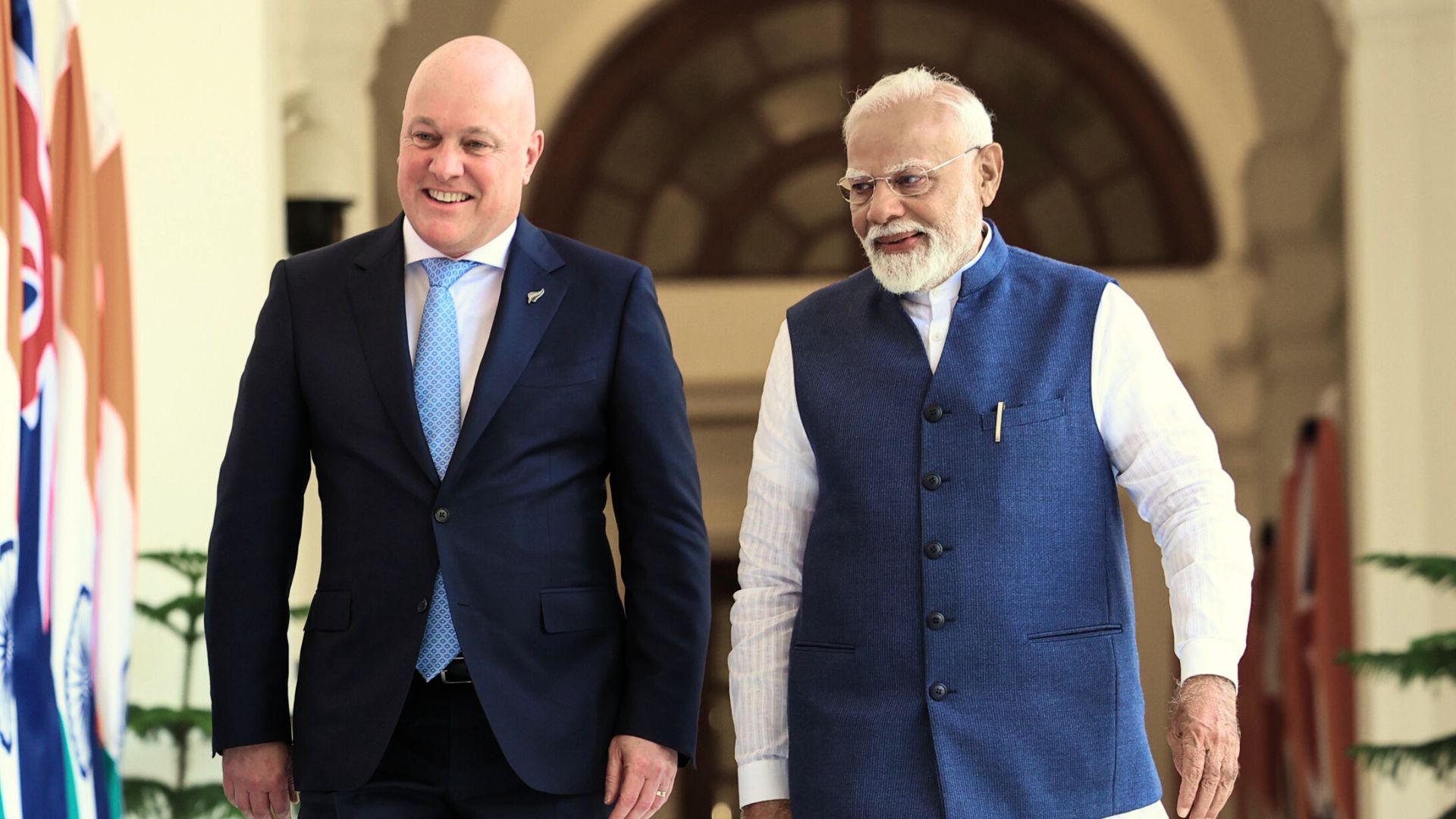
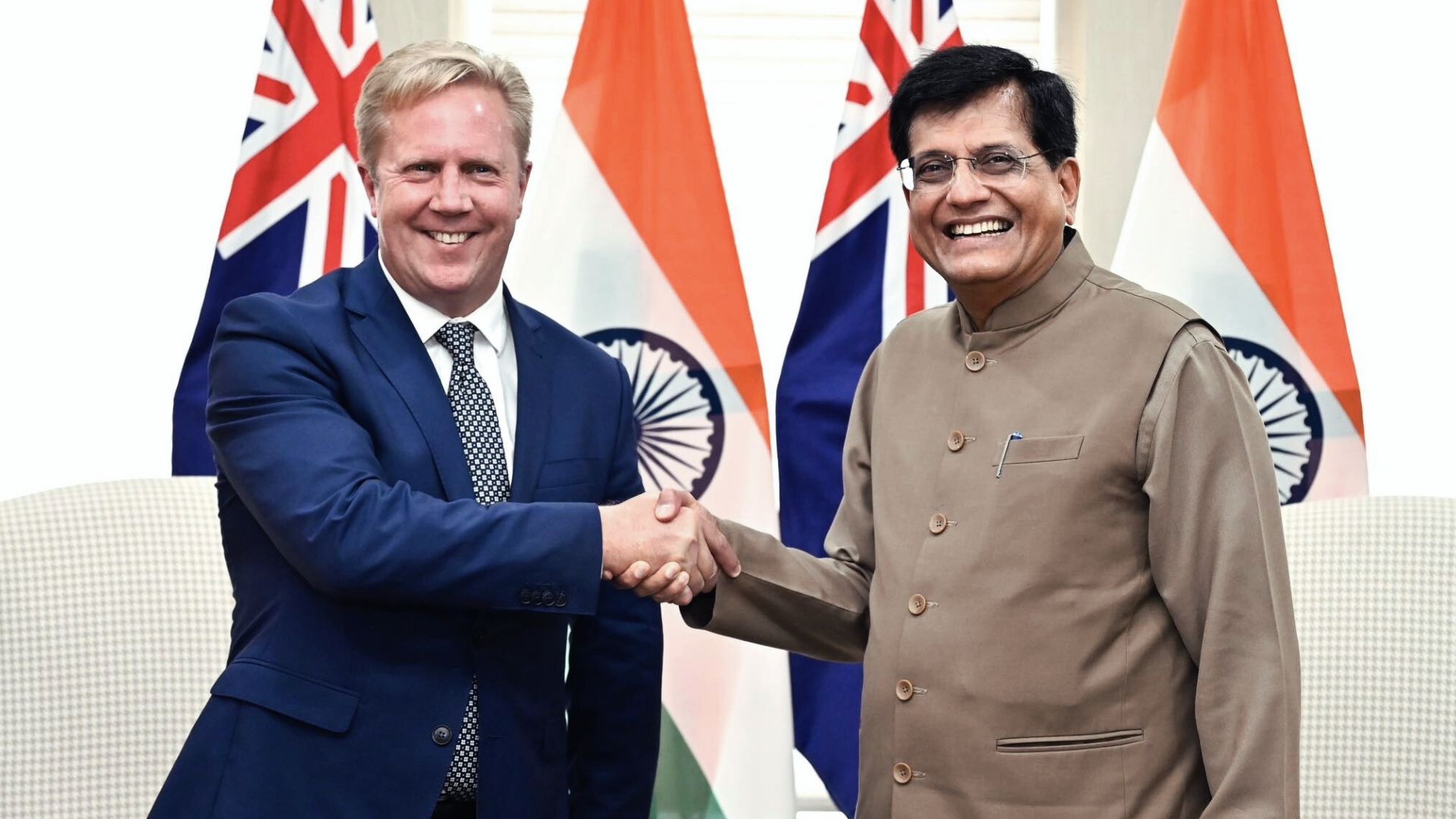
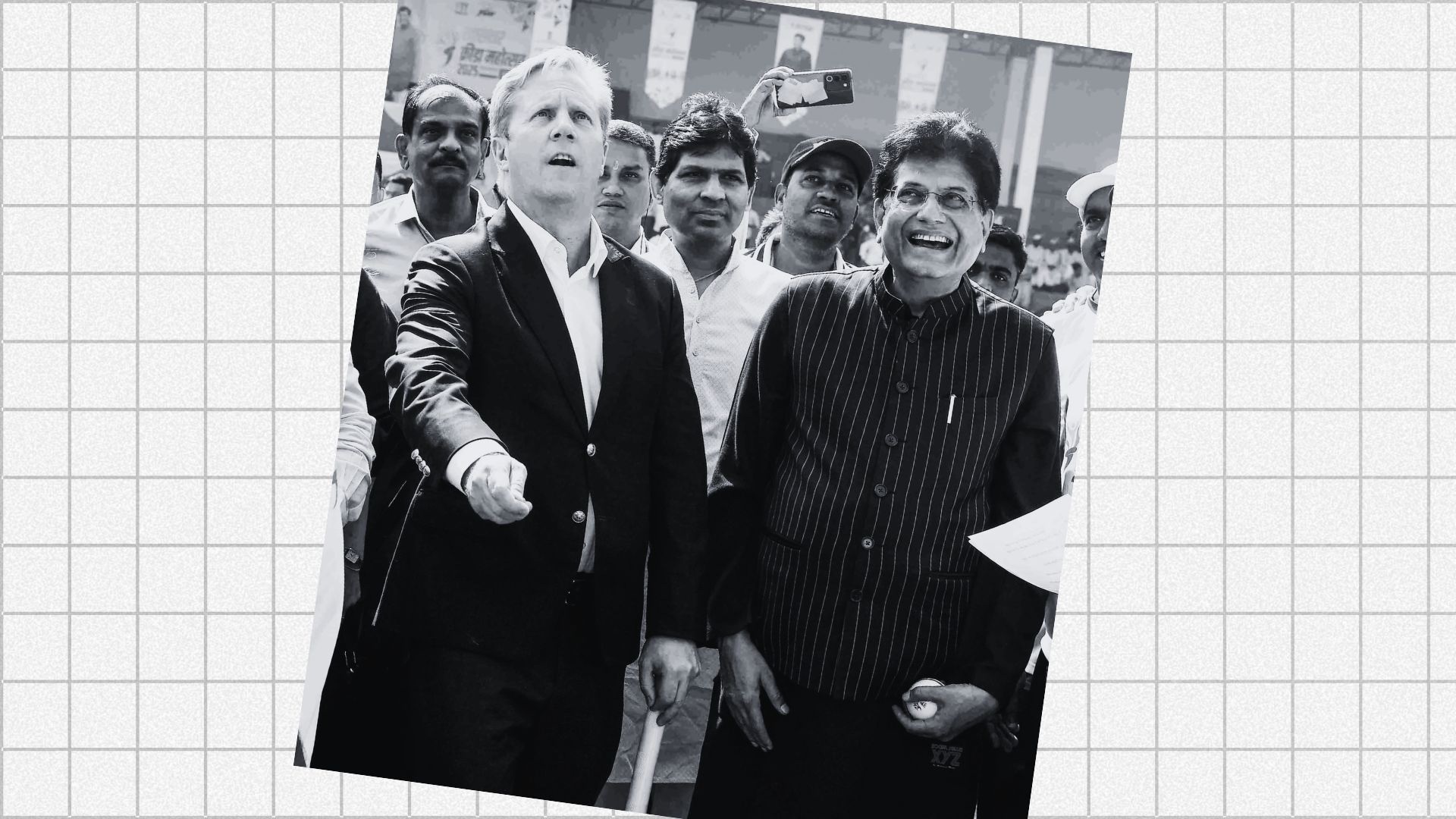
Trade minister Todd McClay and Indian counterpart Piyush Goyal signed the FTA in New Delhi on April 27, 2026.
"For New Zealand, the lesson is that patience with India can eventually yield scale."
In an age when conflict can disrupt trade faster than markets can adapt, Free Trade Agreements (FTAs) have acquired a renewed importance beyond tariffs and quotas. They are now instruments of strategic insurance.
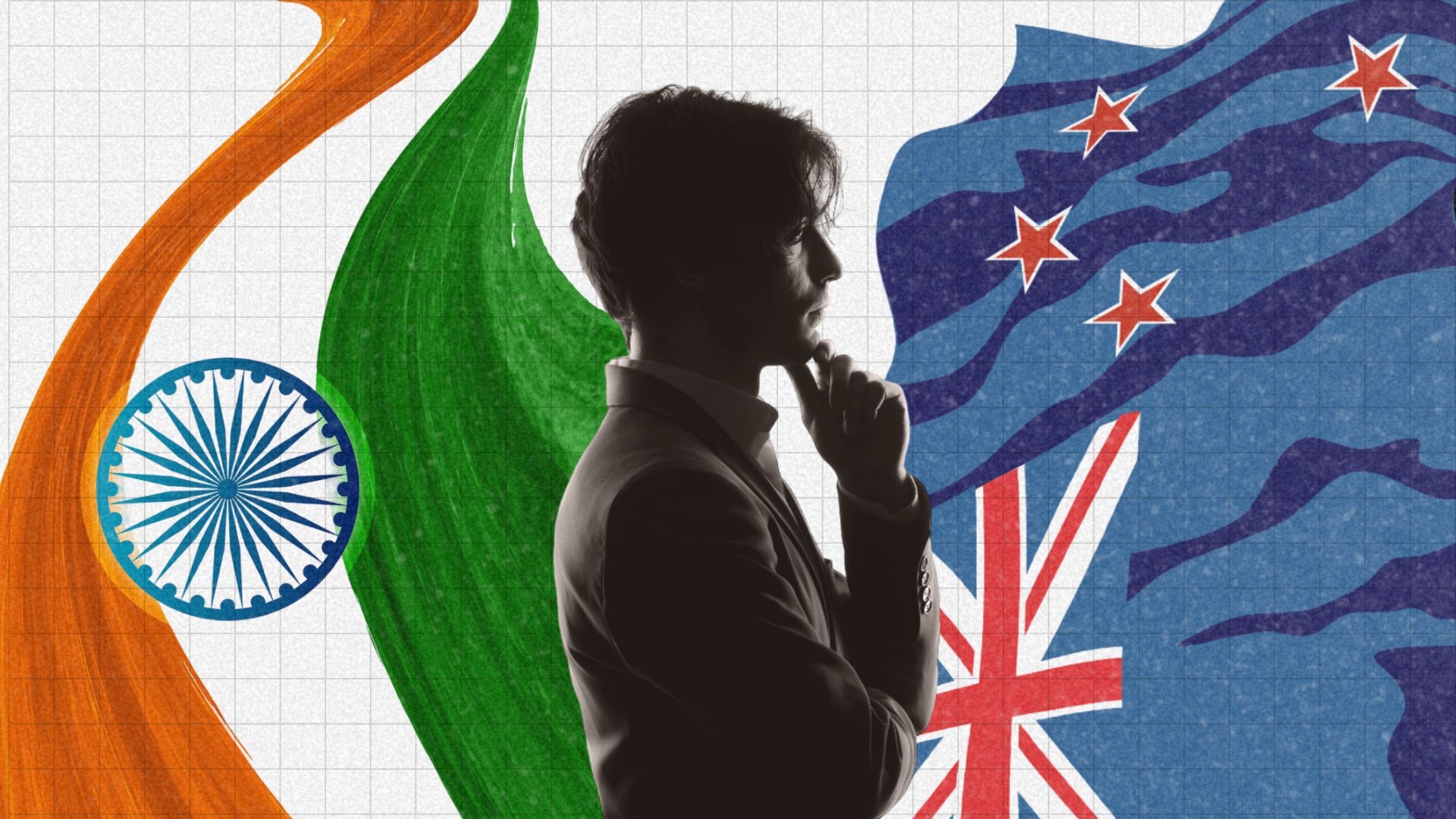
Against a global backdrop of instability in West Asia, supply-chain shocks, and intensifying great-power rivalry, the newly signed India-New Zealand Free Trade Agreement is more than a commercial document.
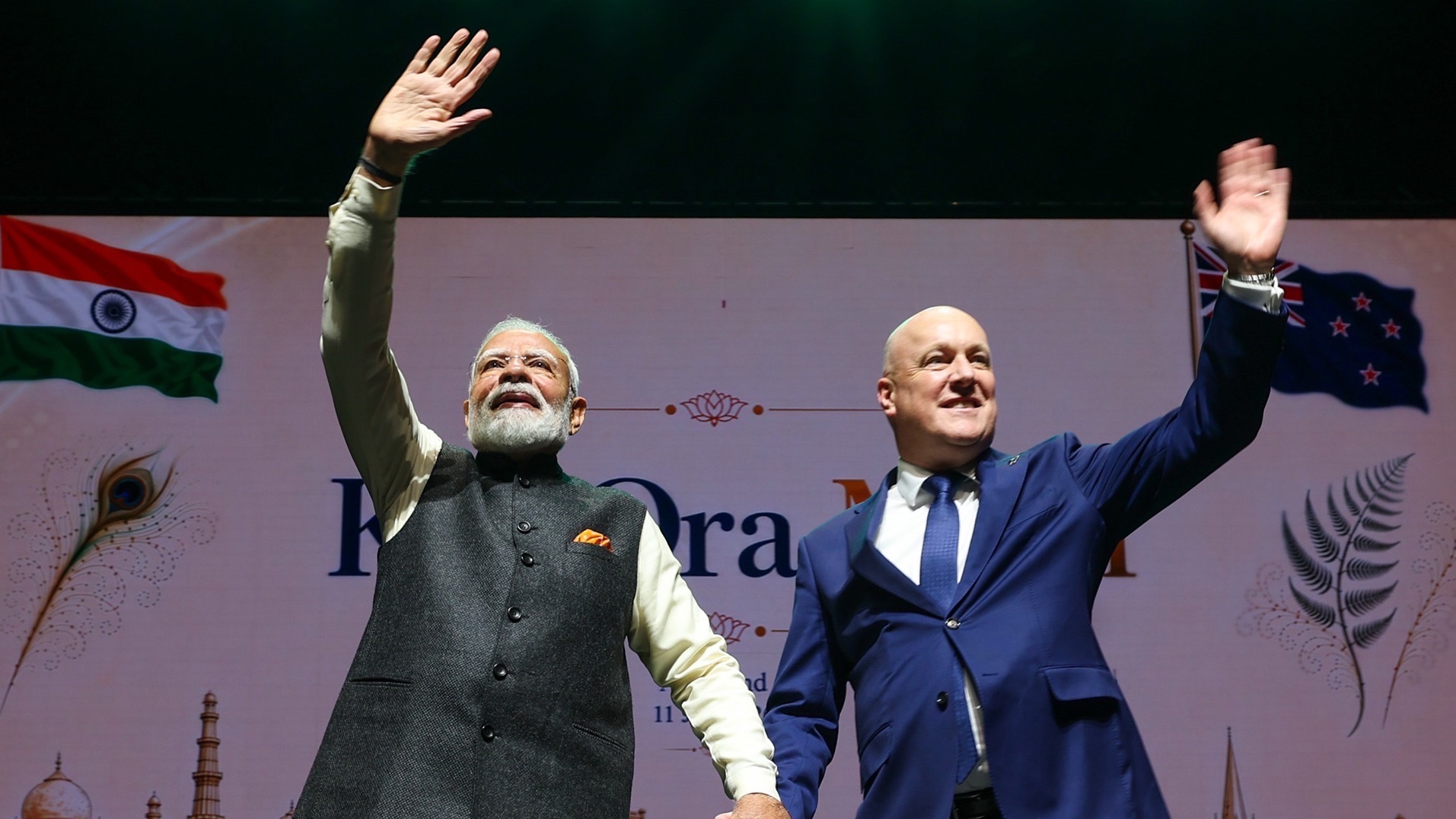
Signed on April 27, 2026, after negotiations revived in March 2025 and concluded in December 2025, the pact signals that middle powers are no longer waiting for global trade architecture to heal itself. They are building smaller, faster, purposeful corridors of trust.


The commercial advantages are substantial. Under the pact, 100 percent of Indian exports to New Zealand will receive duty-free access from day one, covering roughly 8,284 tariff lines, from textiles and leather goods to machinery, engineering products, chemicals, processed foods and pharmaceuticals.
Indian exports that previously faced tariffs of up to 10 percent in some labour-intensive sectors will now enter tariff-free.
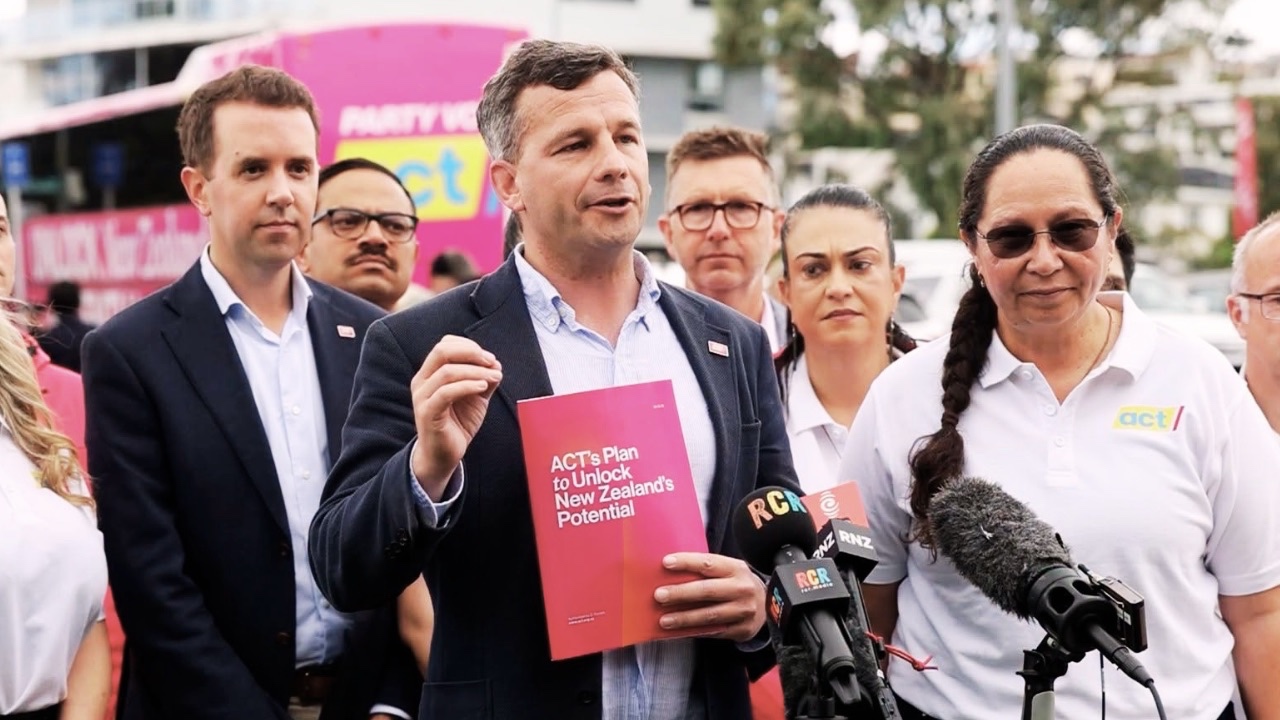
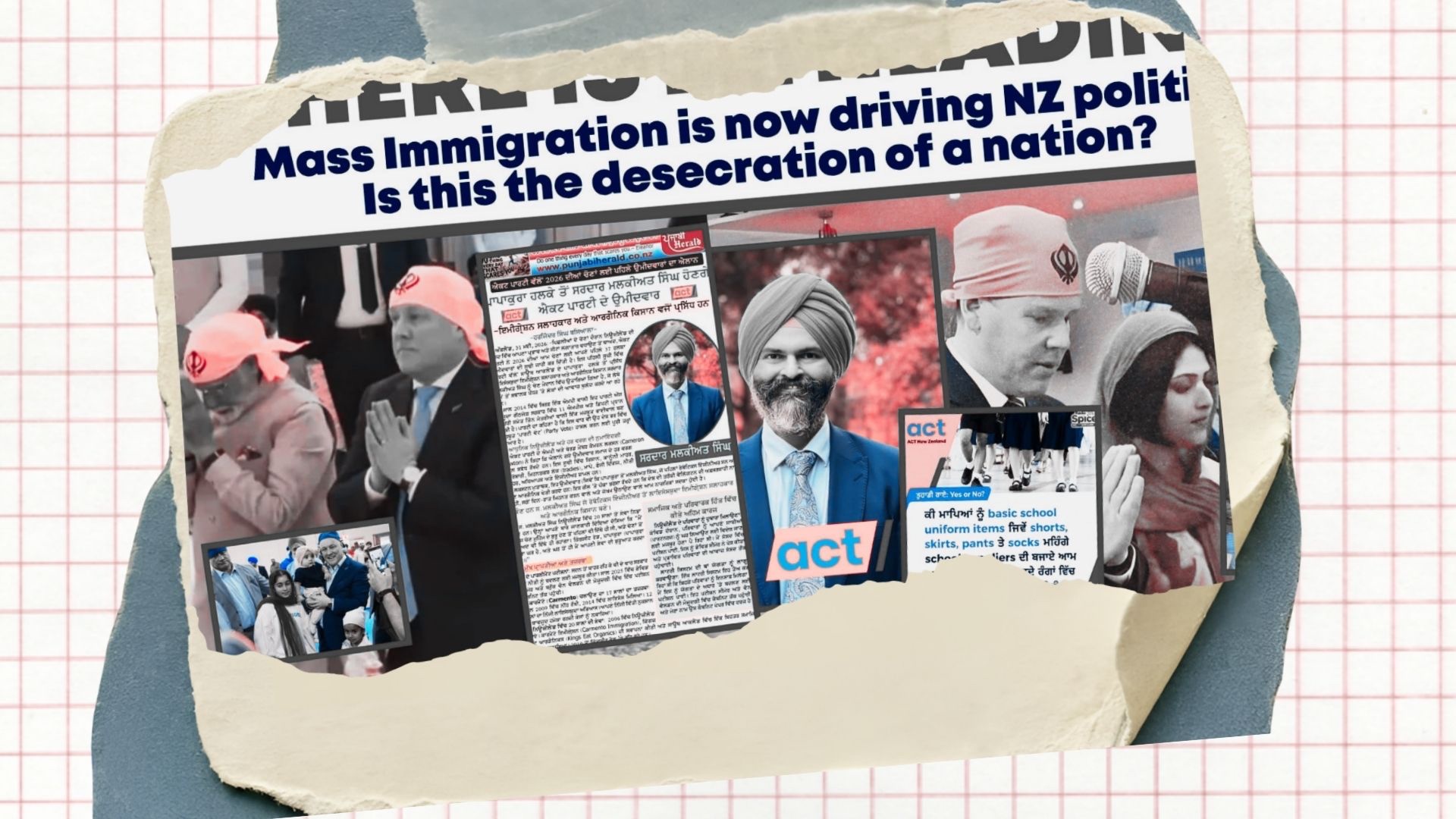
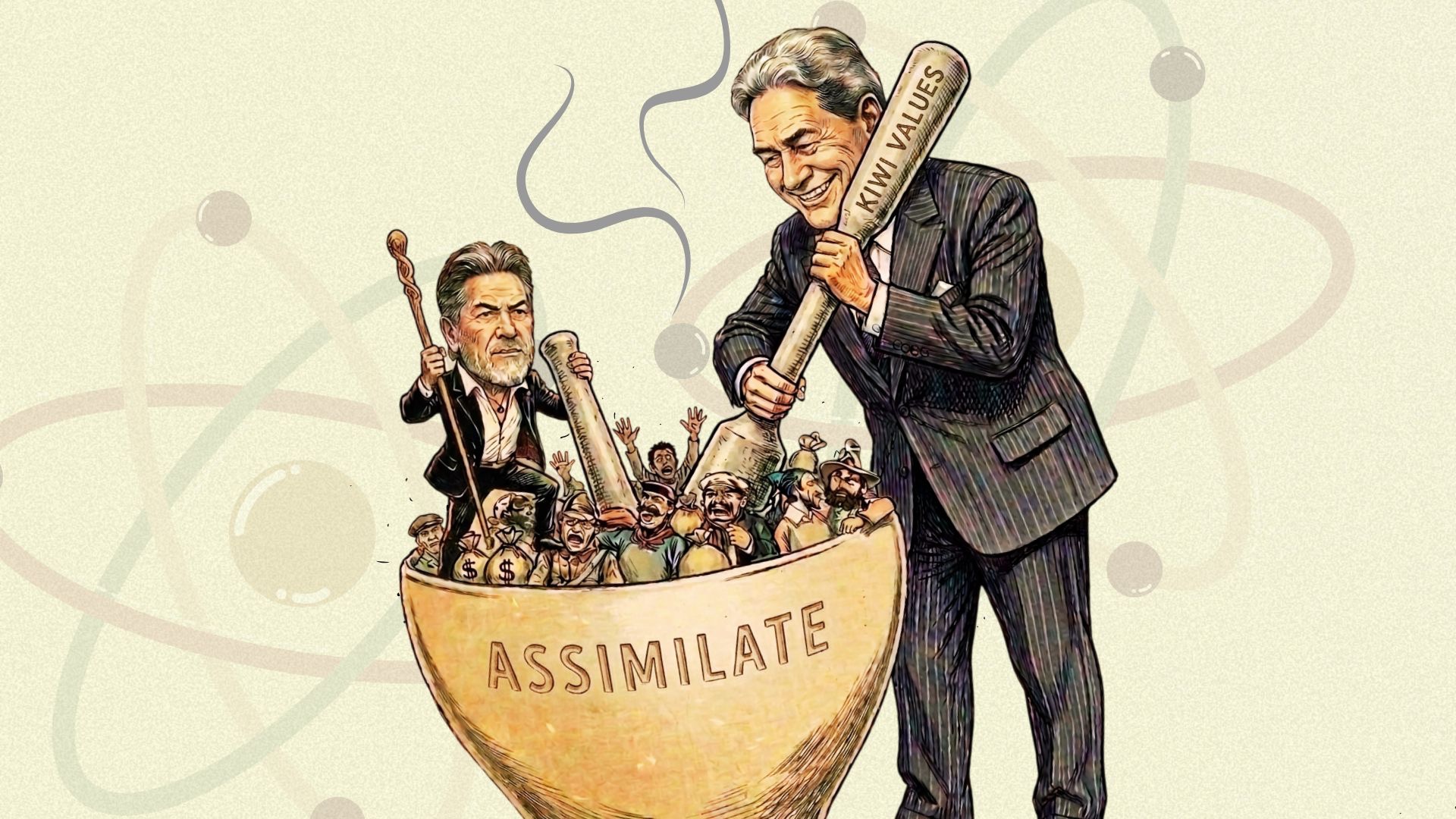
ACT says it has dropped poll promise to scrap permanent residency. But have they really? The party has retained its two-year stay requirement for future permanent residents, raising questions about what its policy reversal actually achieves.
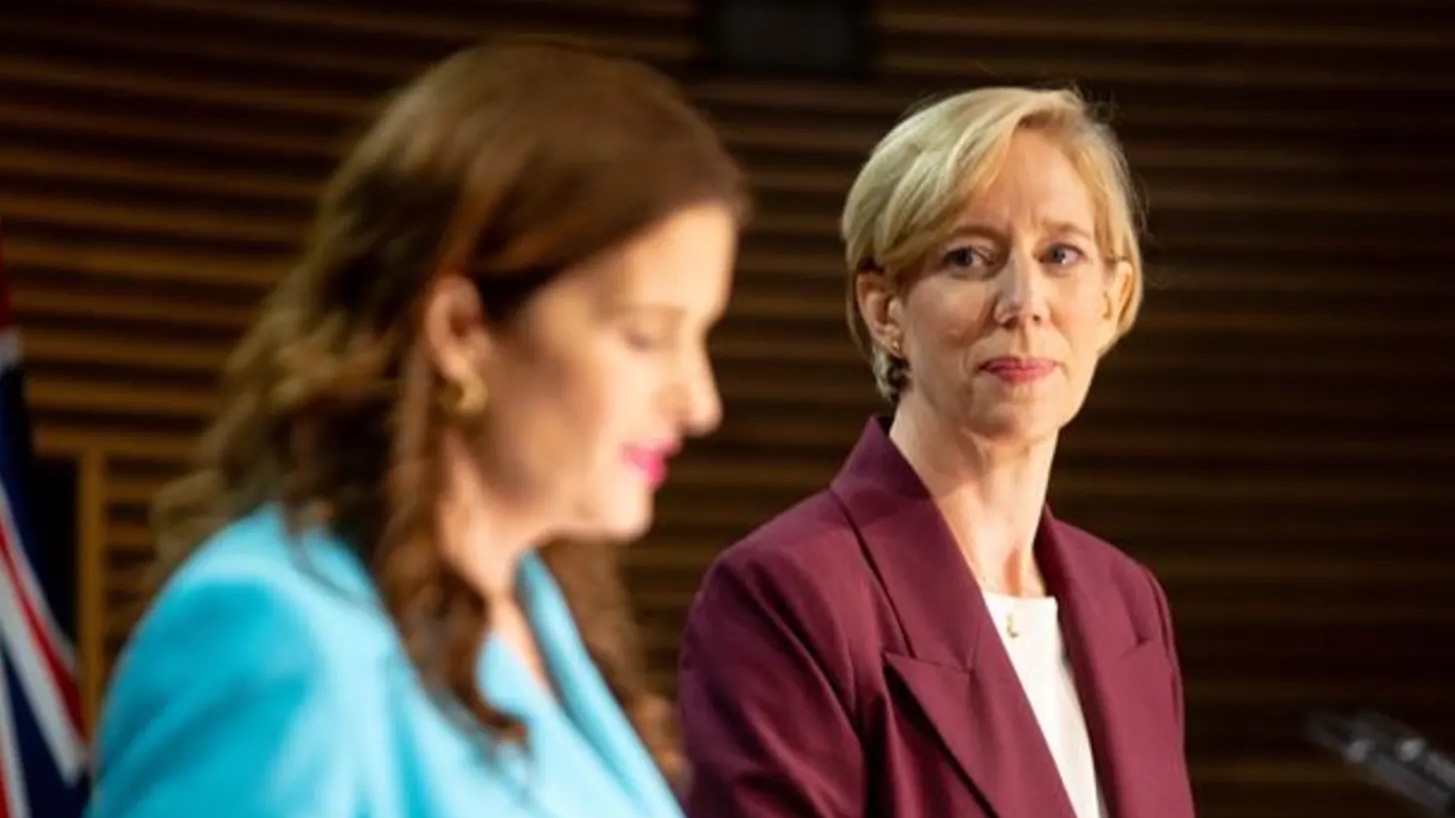
Red flag as foreign students log thousands of insurance claims for depression, anxiety "It's becoming clearer that international students experience elevated levels of anxiety across a range of contexts here."
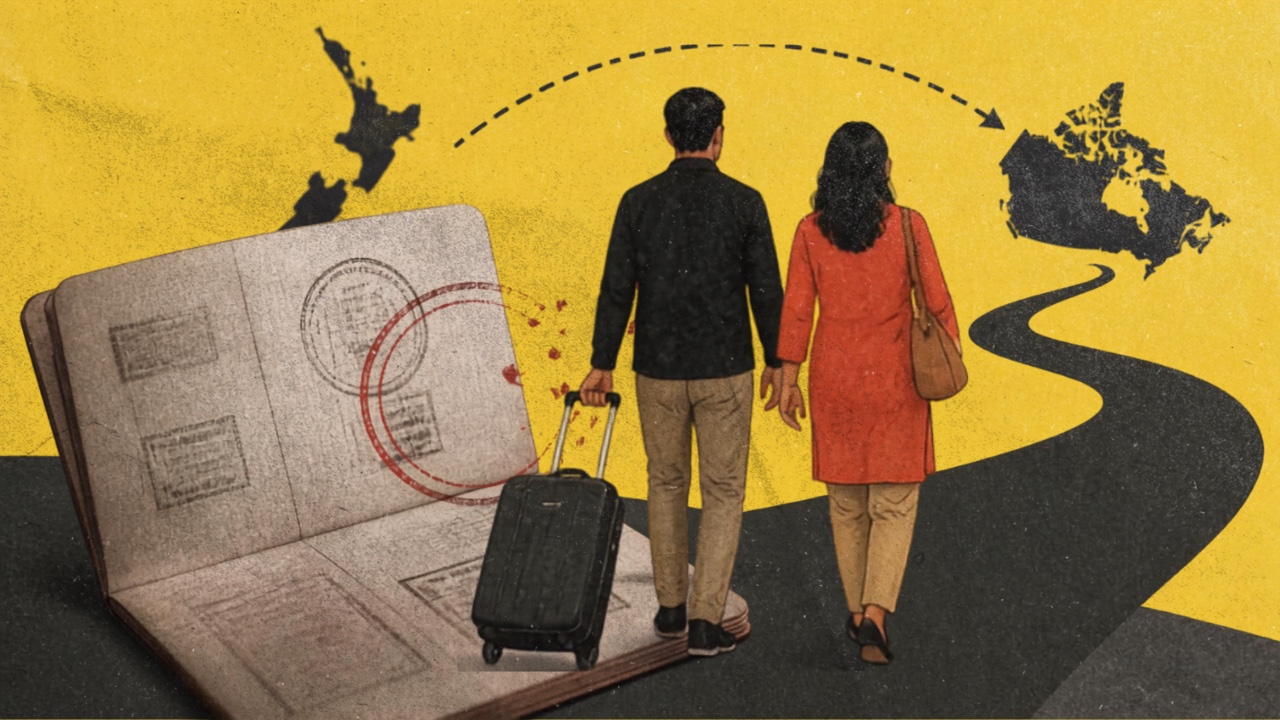
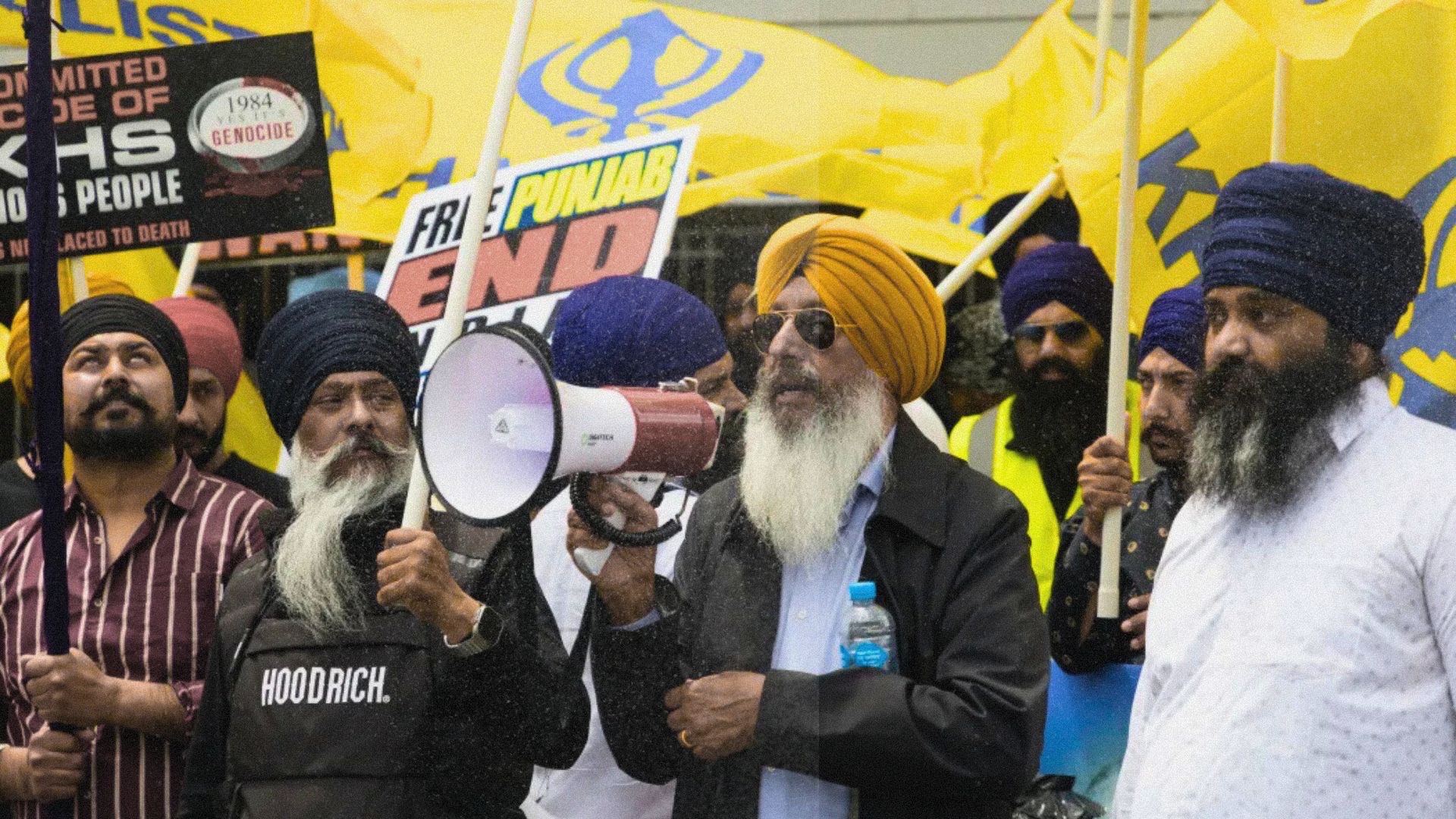
When home feels hostile: Navigating a year of anti-Indian hate From street harassment to political rhetoric, Indian New Zealanders reflect on rising hostility and what it means for their sense of belonging.
This matters for two reasons. First, it gives Indian exporters immediate price competitiveness in a high-income market where even small tariff margins can shape purchasing decisions.
Second, it signals the deeper logic of the agreement: while current trade volumes remain modest, the architecture now exists for commerce to grow far faster than the baseline numbers suggest.
For India, this agreement fits a broader pattern. New Delhi, once cautious and defensive on trade, has steadily returned to the FTA table with sharper priorities: resilient supply chains, market access, talent mobility, and investment inflows.
For New Zealand, the deal reflects a sober recognition that the future of growth lies increasingly in Asia, and that dependence on a narrow set of export markets carries strategic risk. This pact is where India’s scale meets New Zealand’s agility.
From familiarity to strategy
The two countries have often enjoyed warm but underleveraged ties. Diplomatic relations date back to 1952, built on Commonwealth familiarity, cricketing affection, educational links, and people-to-people goodwill.
Yet, goodwill alone rarely creates trade momentum. Geography, limited political urgency, and difficult negotiations over agriculture had long kept the relationship below potential. Earlier FTA talks launched in 2010 stalled after nine rounds in 2015. What changed was not geography, but geopolitics.
Today, both governments see the world differently than they did a decade ago. India seeks trusted economic partners across the Indo-Pacific as it diversifies beyond excessive concentration in any one market.
New Zealand seeks deeper strategic and commercial relevance in Asia while balancing a changing regional order. The result is a trade agreement born not just out of nostalgia, but necessity.
Trade deals are often less about current numbers than future direction. Despite warm ties, bilateral merchandise trade stood near US$1.3 billion in 2024-25, while total goods and services trade was estimated around US$2.4 billion.
That is strikingly low for two open democracies with complementary economies, suggesting not saturation but untapped potential.
This investment story may prove as consequential as tariff liberalisation. The agreement reportedly seeks to unlock US$20 billion in New Zealand investment commitments over the next 15 years, spanning infrastructure, logistics, agri-technology, renewable systems, food processing and education partnerships.
India does not merely need capital. It needs smart capital in precisely these sectors that can lift productivity, modernise supply chains and strengthen resilience.
For India, where cold-chain losses in perishables remain a chronic problem, even targeted investment in storage, transport and logistics can have outsized economic effects.
These are the areas where New Zealand punches above its demographic weight. Few countries of its size have built such a strong reputation in agricultural productivity, food safety, premium exports and innovation ecosystems.
Markets, mobility, and mutual gain
For New Zealand, the Indian opportunity is obvious. A young consumer market, rising middle class, an expanding digital economy, major infrastructure buildout, and rising demand for high-quality imports make India one of the most consequential growth stories of the century.
Even selective market access in such a market can be transformative over time. The agreement is therefore not one-sided. India is reportedly opening around 70 percent of tariff lines, covering 95 percent of current
New Zealand imports, benefiting exporters of wool, wood, coal, wine, premium fruits such as avocados and blueberries, and selected agri-input sectors.
The most politically sensitive issue was dairy. New Zealand is among the world’s most competitive dairy exporters, while India’s dairy economy supports millions of smallholders and remains socially sensitive.
The final design appears to preserve India’s red lines by excluding core dairy categories while liberalizing less-sensitive sectors.
That is not protectionism alone. It reflects modern trade realism. Successful FTAs are rarely maximalist documents that satisfy every constituency. They are workable bargains that widen opportunity while respecting domestic political limits.
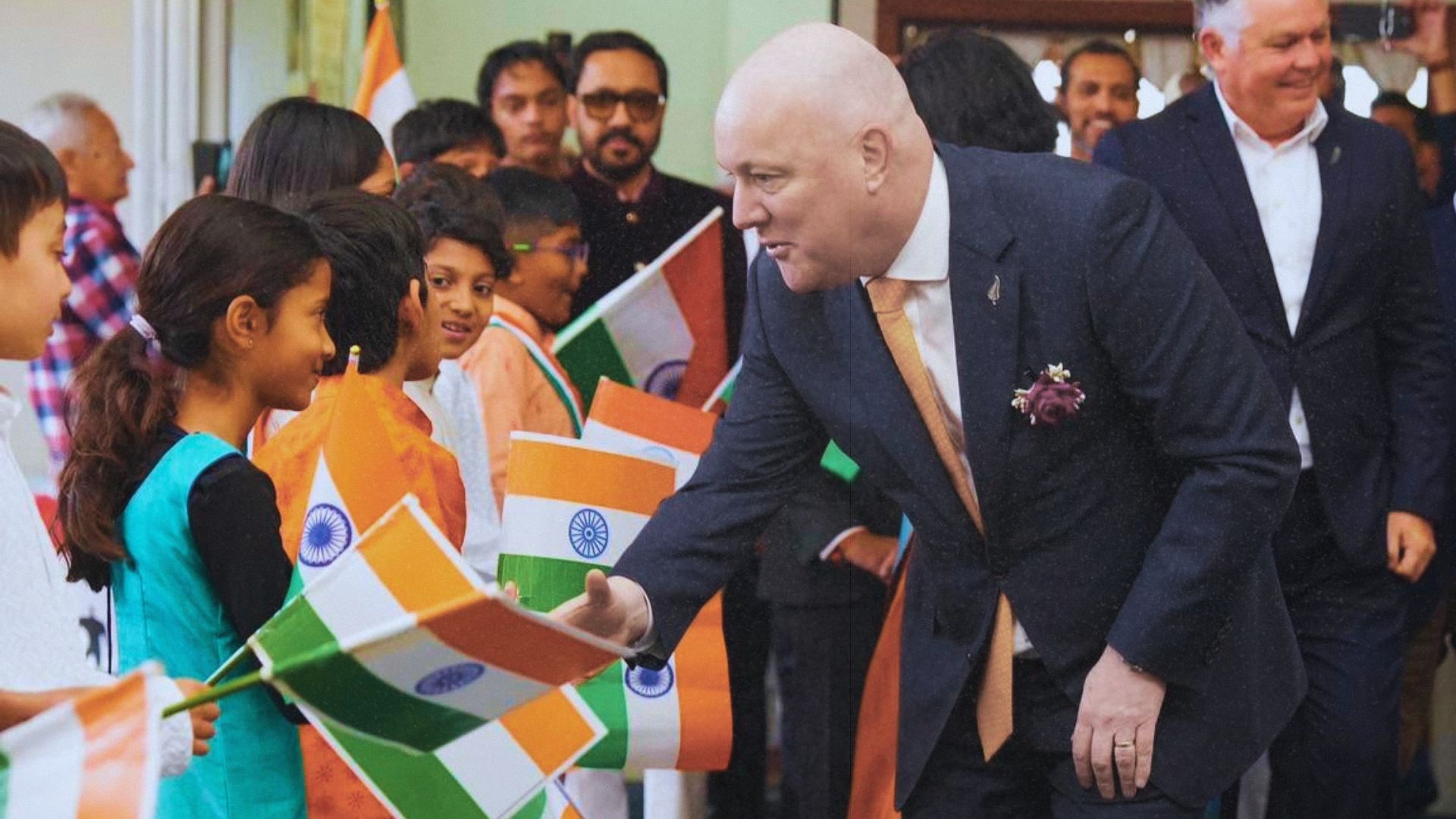
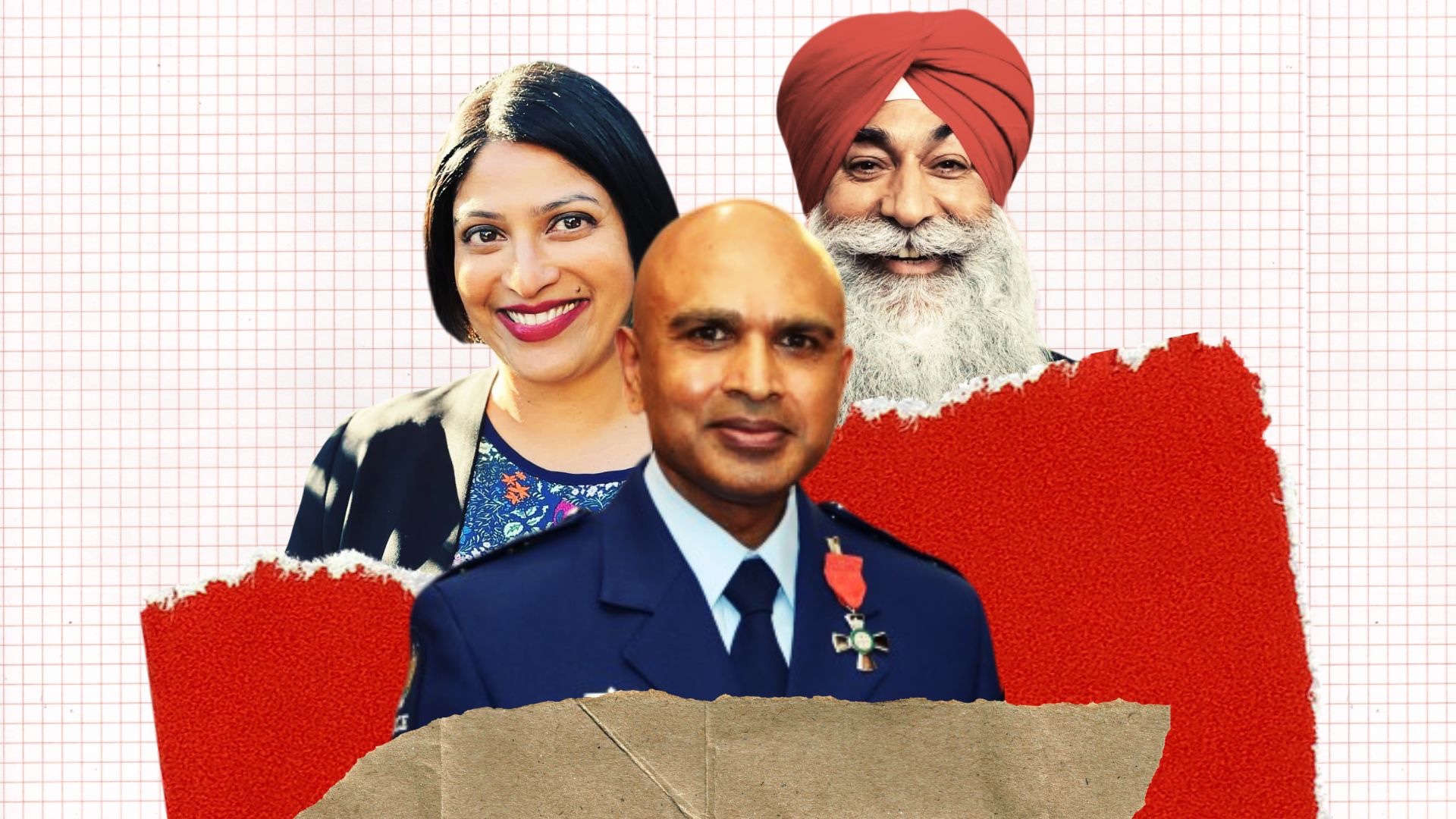
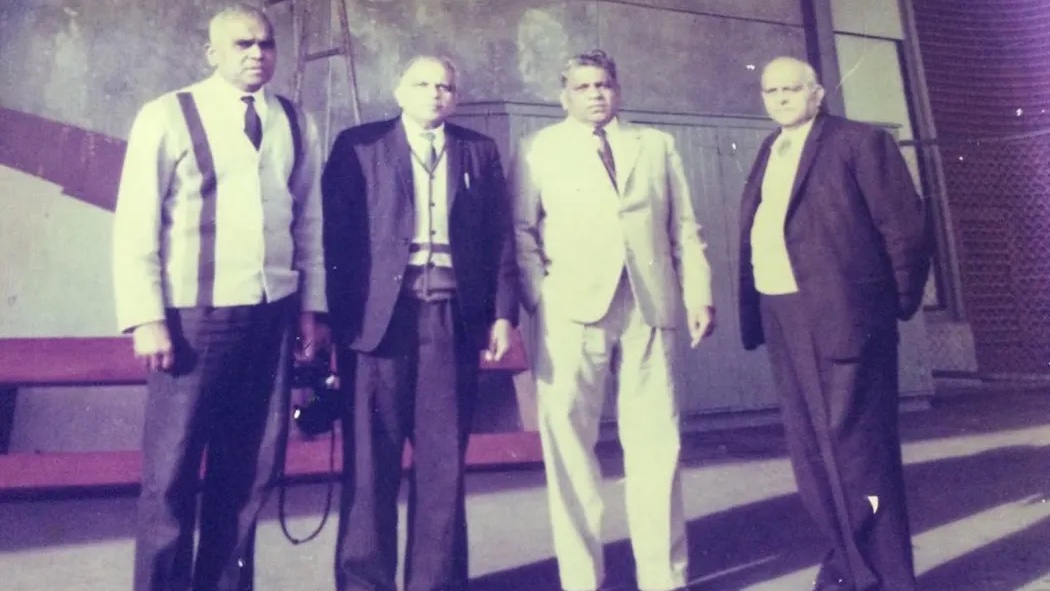
Then there is the human bridge. People of Indian origin are one of the fastest-growing and most visible communities in New Zealand, contributing across business, medicine, academia, technology, hospitality, and public life.
Diasporas often do what governments cannot: reduce unfamiliarity. They create trust networks, consumer familiarity, educational pathways, and investment confidence. Every future export statistic will, in some measure, rest on these social foundations.
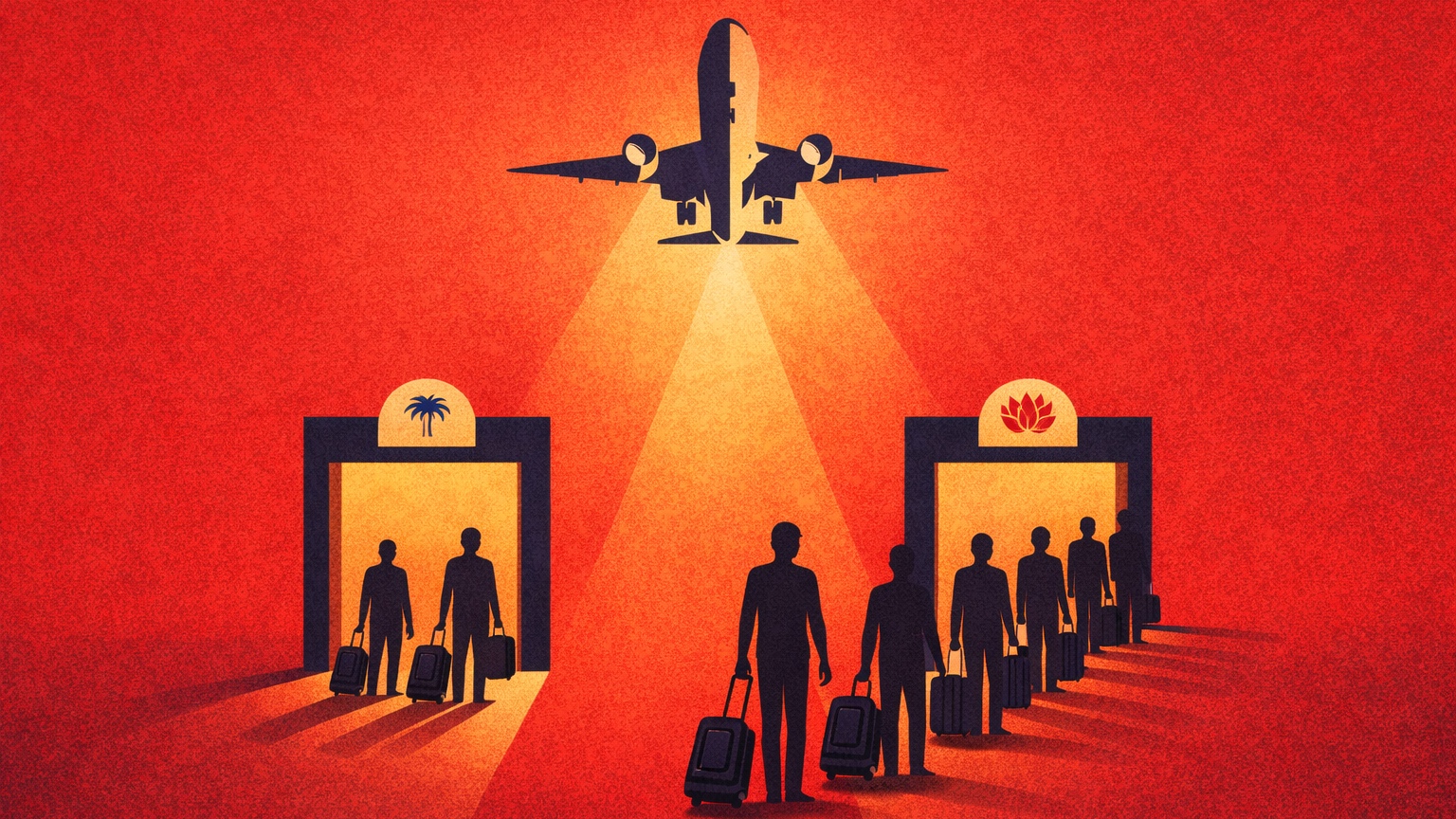
The pact reportedly includes a mobility dimension as well, with 5,000 professional visas for Indians, including IT professionals, engineers, healthcare workers and skilled specialists, alongside expanded pathways for students and working holiday access. That transforms the agreement from a goods pact into a talent pact.
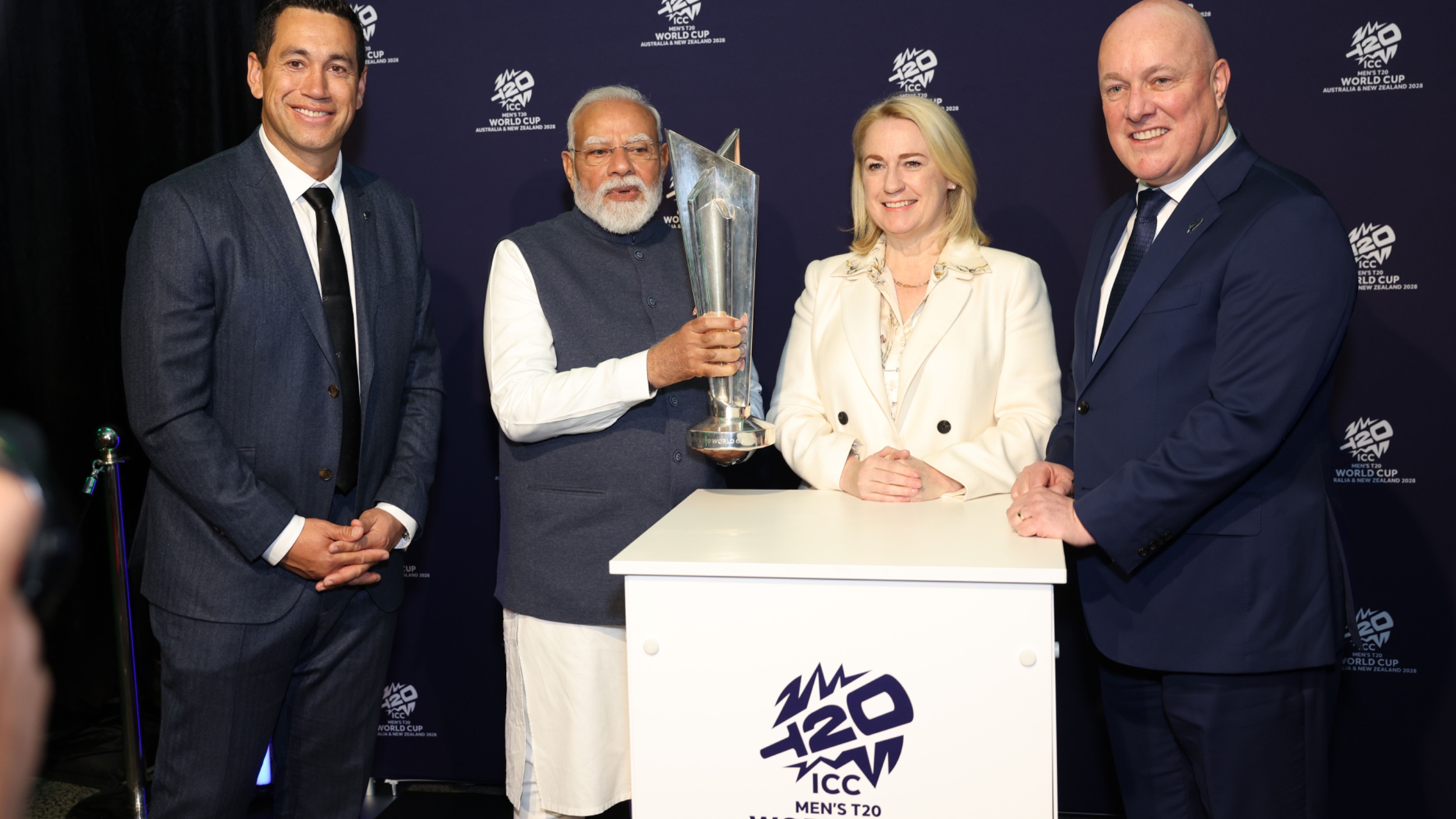
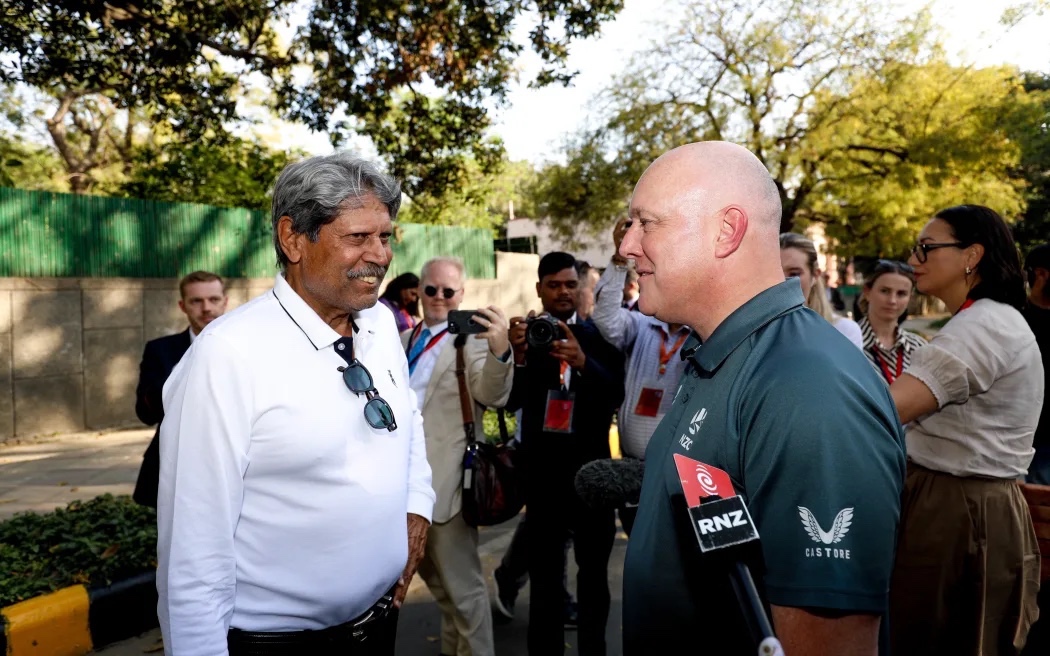
Soft power also runs deeper than spreadsheets. Cricket, cuisine, universities, tourism, yoga, and shared democratic institutions give the relationship a cultural ease many trade partners lack.
In a world where diplomatic friction can derail economic agreements, this reservoir of goodwill is a strategic asset.
There is also an Indo-Pacific subtext. Neither side will frame this agreement as directed against any third country, and rightly so. But every diversification pact in today’s environment carries strategic meaning.
When countries broaden markets, reduce single-point vulnerabilities, and create new mobility corridors, they strengthen autonomy. Trade has become statecraft by other means.
Conclusion
For India, the lesson is that selective openness can coexist with domestic protection where socially necessary.
For New Zealand, the lesson is that patience with India can eventually yield scale.
For both, the agreement proves that middle powers need not be spectators while larger powers contest the system.
The India-New Zealand FTA will not reorder the global economy overnight. It may not even dominate headlines for long. But its significance lies elsewhere.
At a time when conflict is fragmenting commerce, two democracies from opposite ends of the Indo-Pacific have chosen integration over anxiety, pragmatism over drift, and long-term opportunity over short-term caution.
In 2026, that is no small statement.
(This story was first published at Asia Media Centre. The writer is a New York-based credit investor. He has held key positions at prominent institutions, including JP Morgan, Moody’s, Deutsche Bank, WebBank & Intuit.)