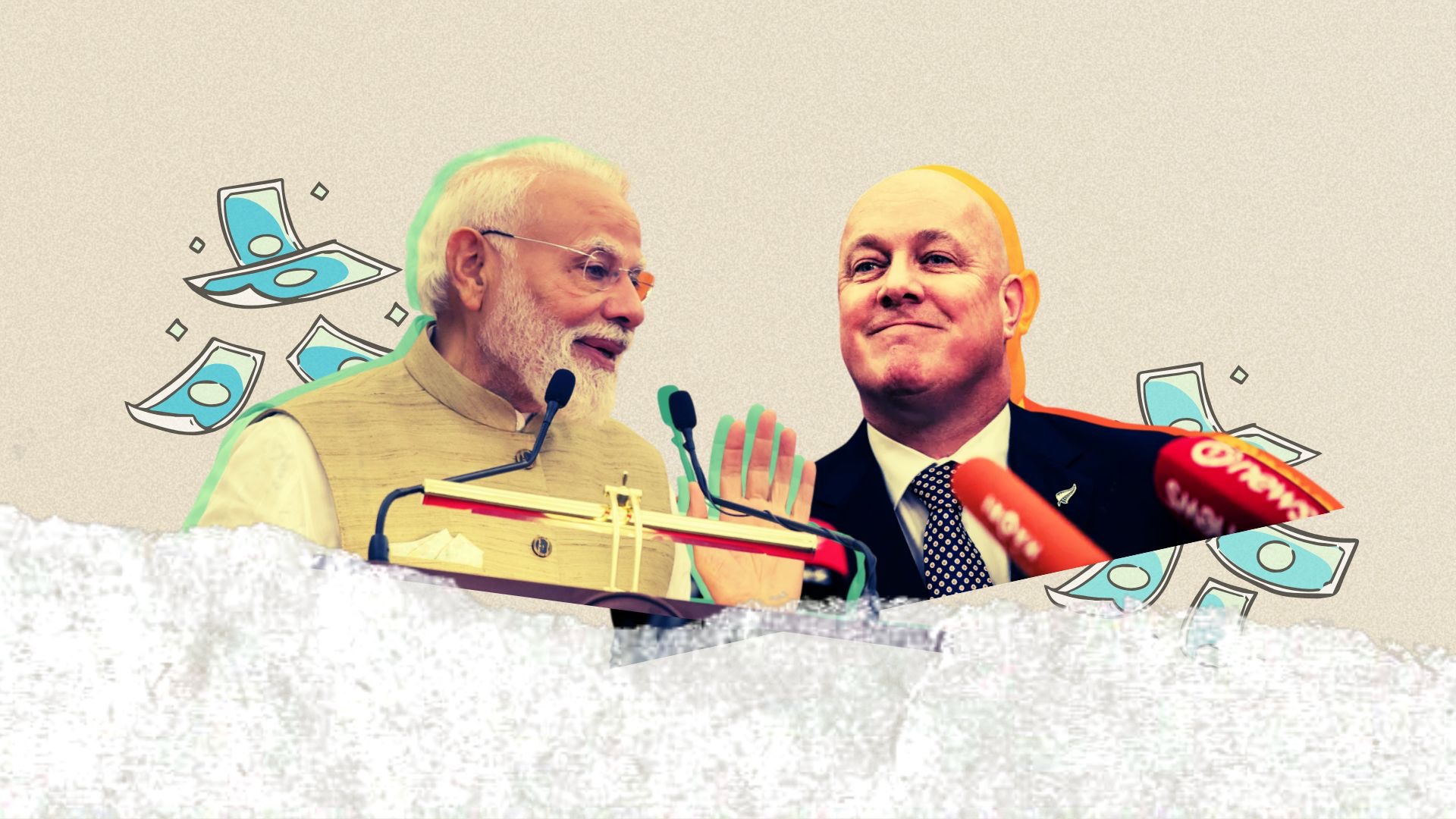

Analysis: India FTA projected to boost New Zealand's annual export growth by 30%
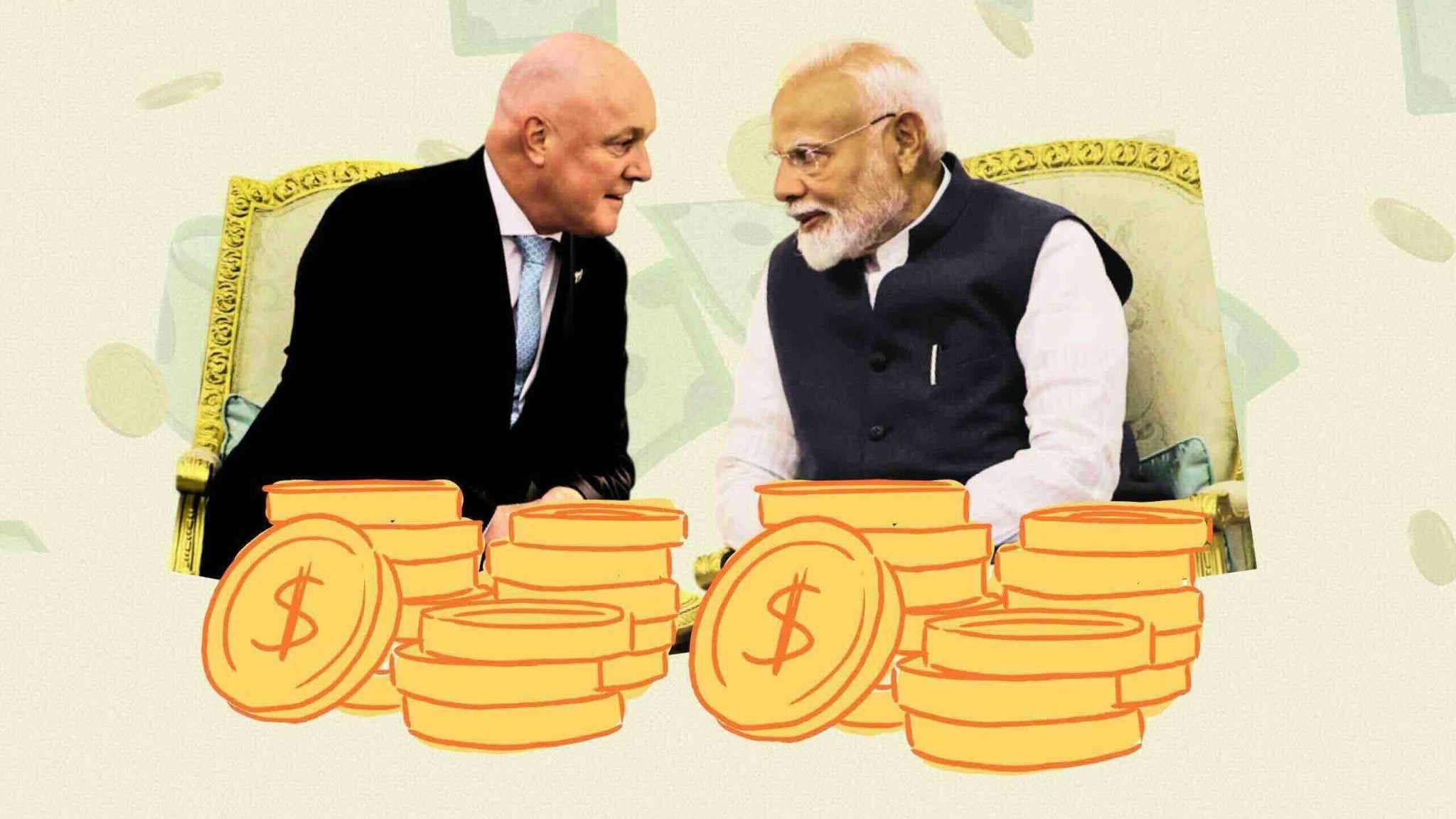
The trade deal has been negotiated but it has yet to be ratified by New Zealand Parliament.
A deeper analysis of the numbers being projected indicates the deal makes economic sense, but can we expect miracles overnight?
Analysis: The debate around New Zealand’s free-trade agreement (FTA) with India has swung between hype and suspicion. That has left little scope for discussions around the deal's core offering for New Zealand that goes beyond just trade in goods. A deeper analysis of the numbers being projected indicates the deal makes economic sense, but can we expect miracles overnight?
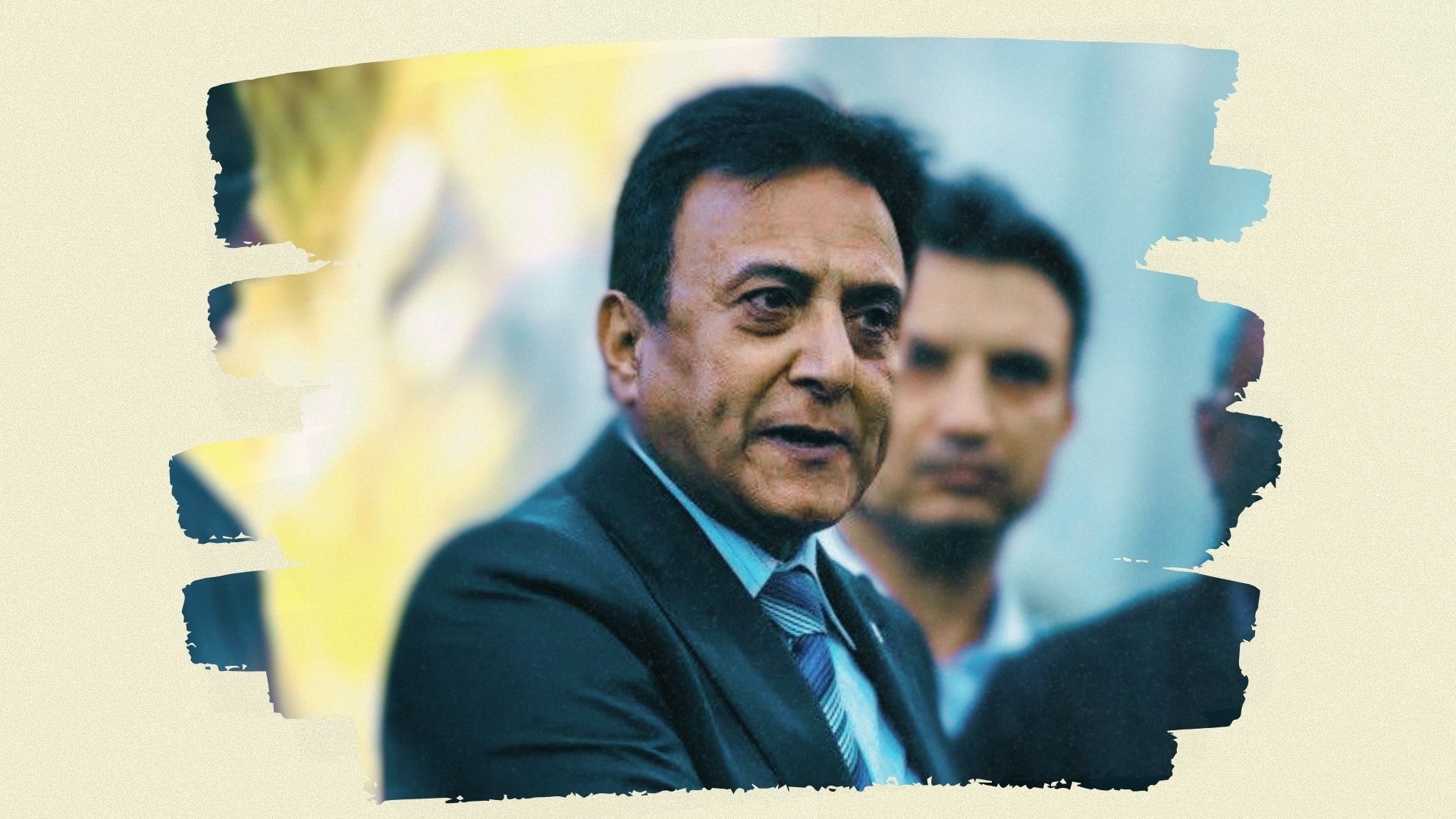
The FTA can become operational only after it is ratified by parliaments of both the countries, an outcome that's still not certain in New Zealand's case. If and when that happens, both the countries will have to hit the ground running and ensure that the potential gains are realised, says economist Dr Rahul Sen, Senior Lecturer in Economics and Finance at Auckland University of Technology (AUT) Business School.
The future economic potential of the Indian market is huge, he says, pointing to projections by the International Monetary Fund that India alone is expected to drive 17 per cent of the world's real GDP growth in 2026 – 43.6 per cent when combined with China – while the United States could contribute about 9.9 per cent.
Arithmetic matters
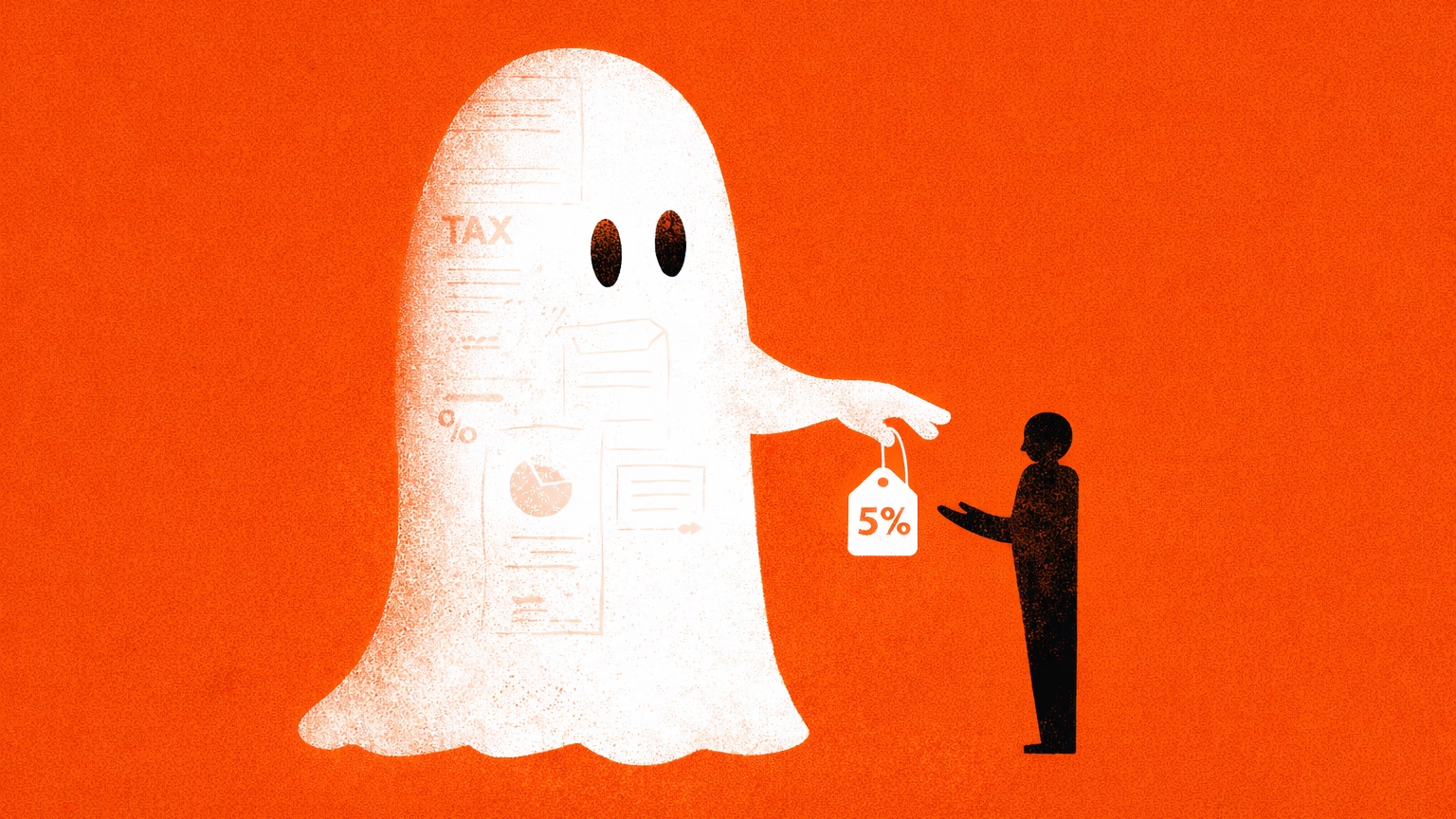
In the decade to 2024, New Zealand’s goods and services exports climbed from about NZ$70 billion to NZ$107 billion. That's an average annual increase of roughly NZ$3.5 billion. The government estimates the India FTA could ultimately add up to NZ$1.3 billion a year once fully implemented. If realised on top of the existing trajectory, that would equate to roughly a one-third lift in the recent pace of annual export growth. In absolute terms, however, it represents about one per cent of today’s total export base.
From designing restaurants to running Auckland Diwali: The many lives of Arnav Taode Taode brings his passion for Indian arts and culture to his first year managing BNZ Auckland Diwali 2026.
Winston Peters says ‘diversity is disunity’. What does the evidence tell us? Evidence from business, sport and social policy suggests diversity can strengthen economies and cohesion but on one condition.
Baby born in Sri Lanka to New Zealand residents caught in limbo after Down syndrome diagnosis Immigration tribunal orders fresh residence assessment after finding a “serious mistake” by immigration officials.
Those kind of growth projections from the India deal are plausible, says the CEO of India New Zealand Business Council (INZBC), Sunil Kaushal. “The breadth of tariff elimination (95 per cent coverage) and the relatively fast implementation schedule mean that commercial benefits will start early and compound over time rather than being delayed beyond the two-decade horizon."
India FTA is helpful but not a silver bullet
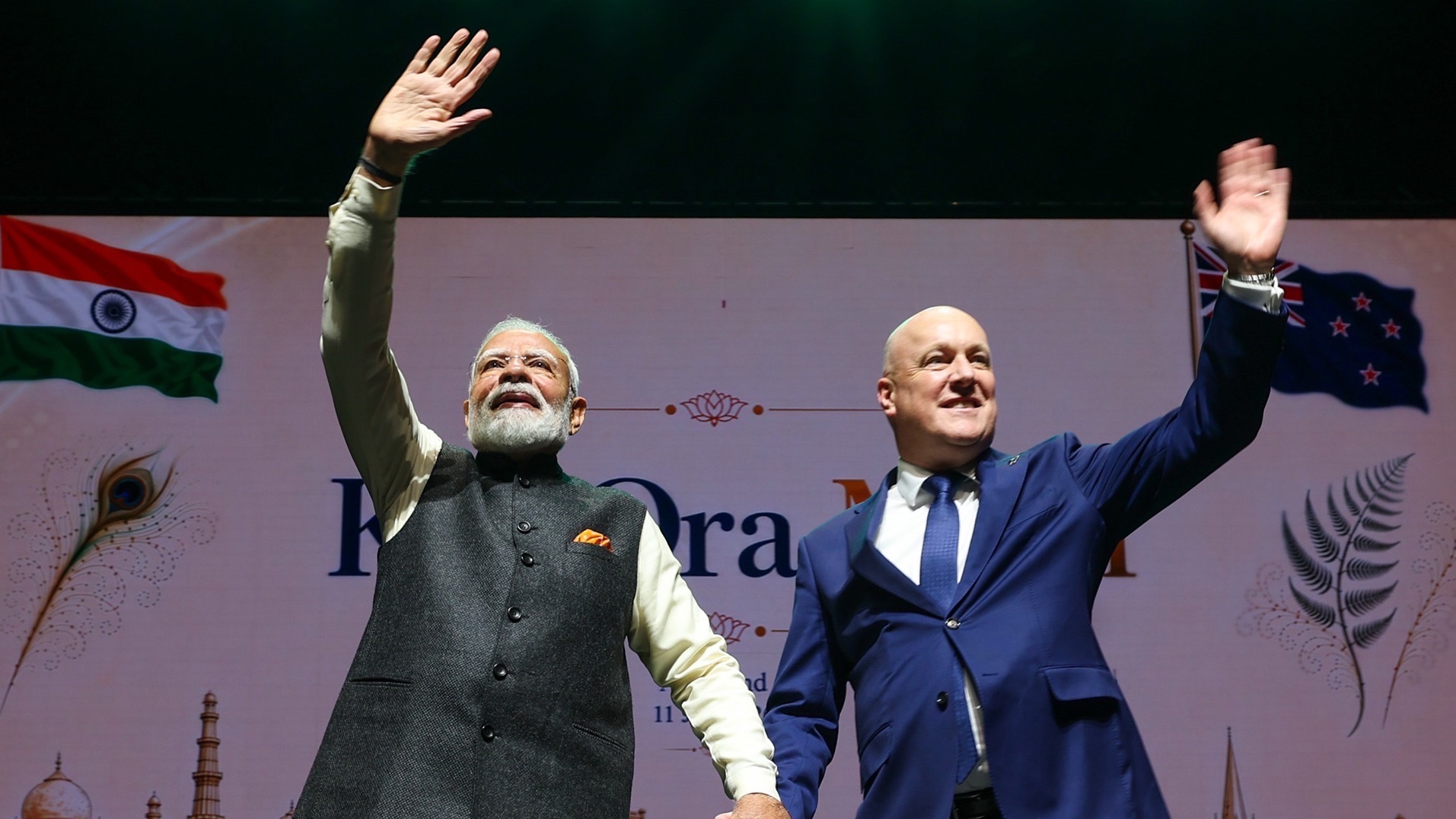
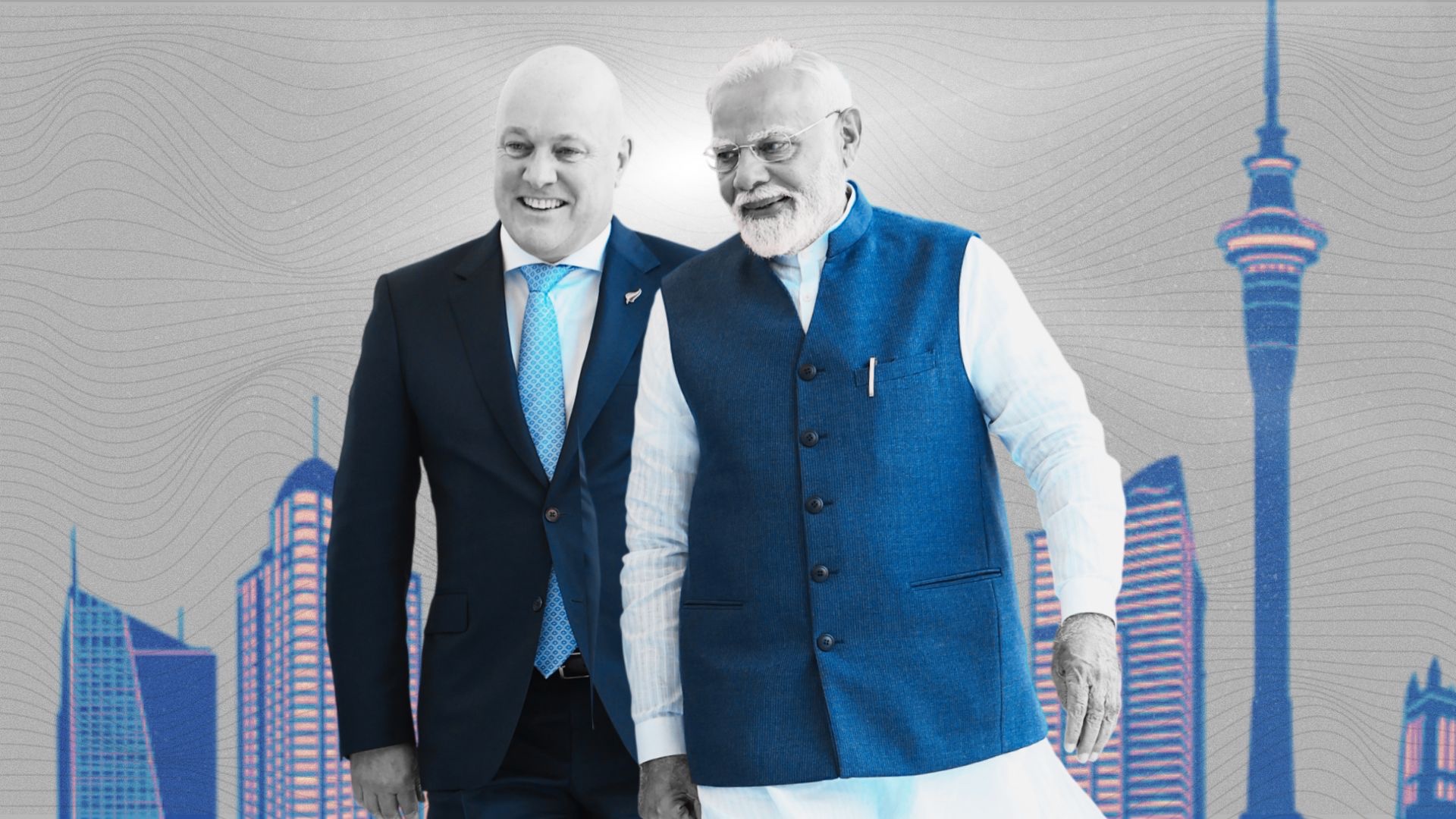
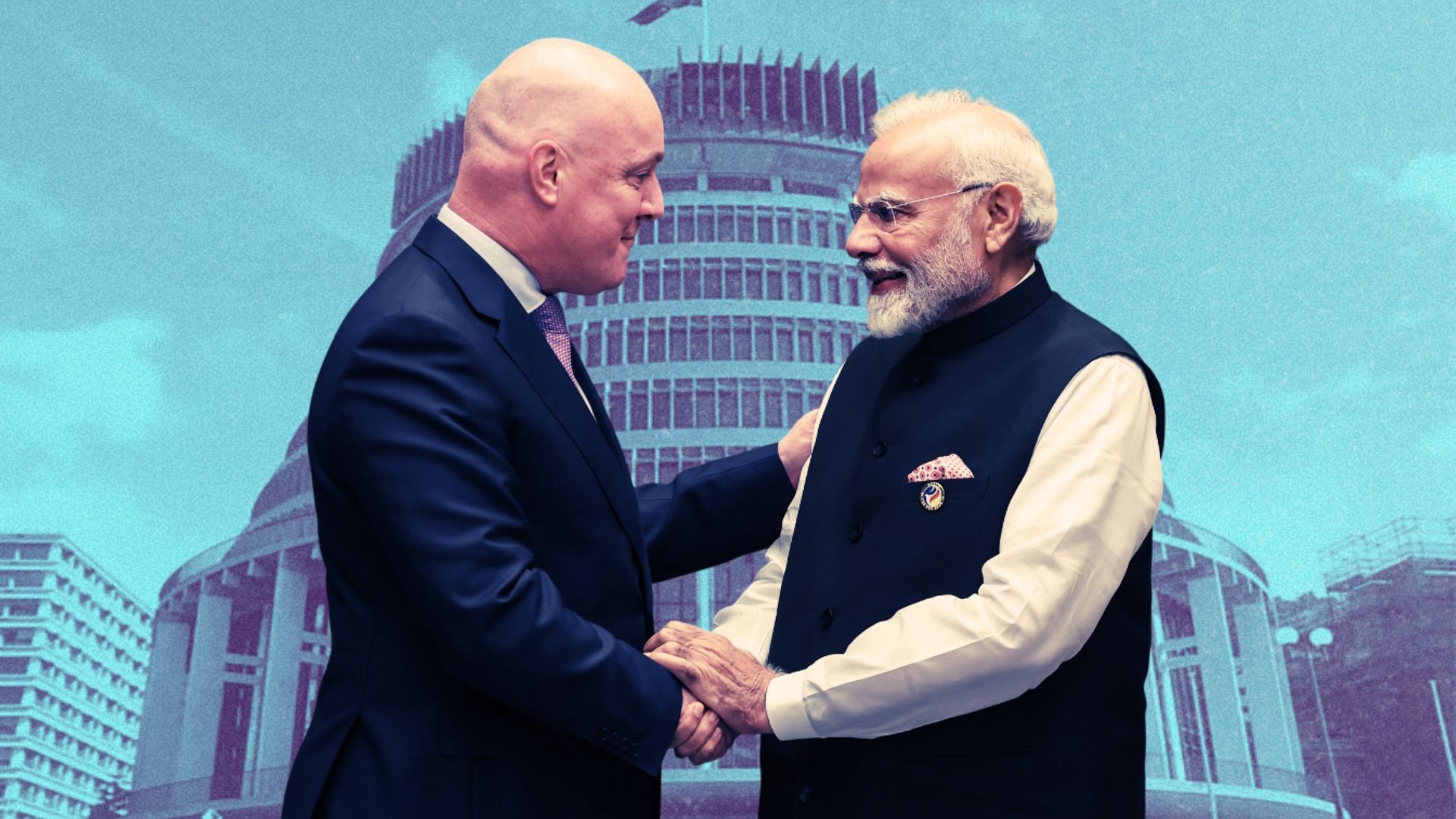
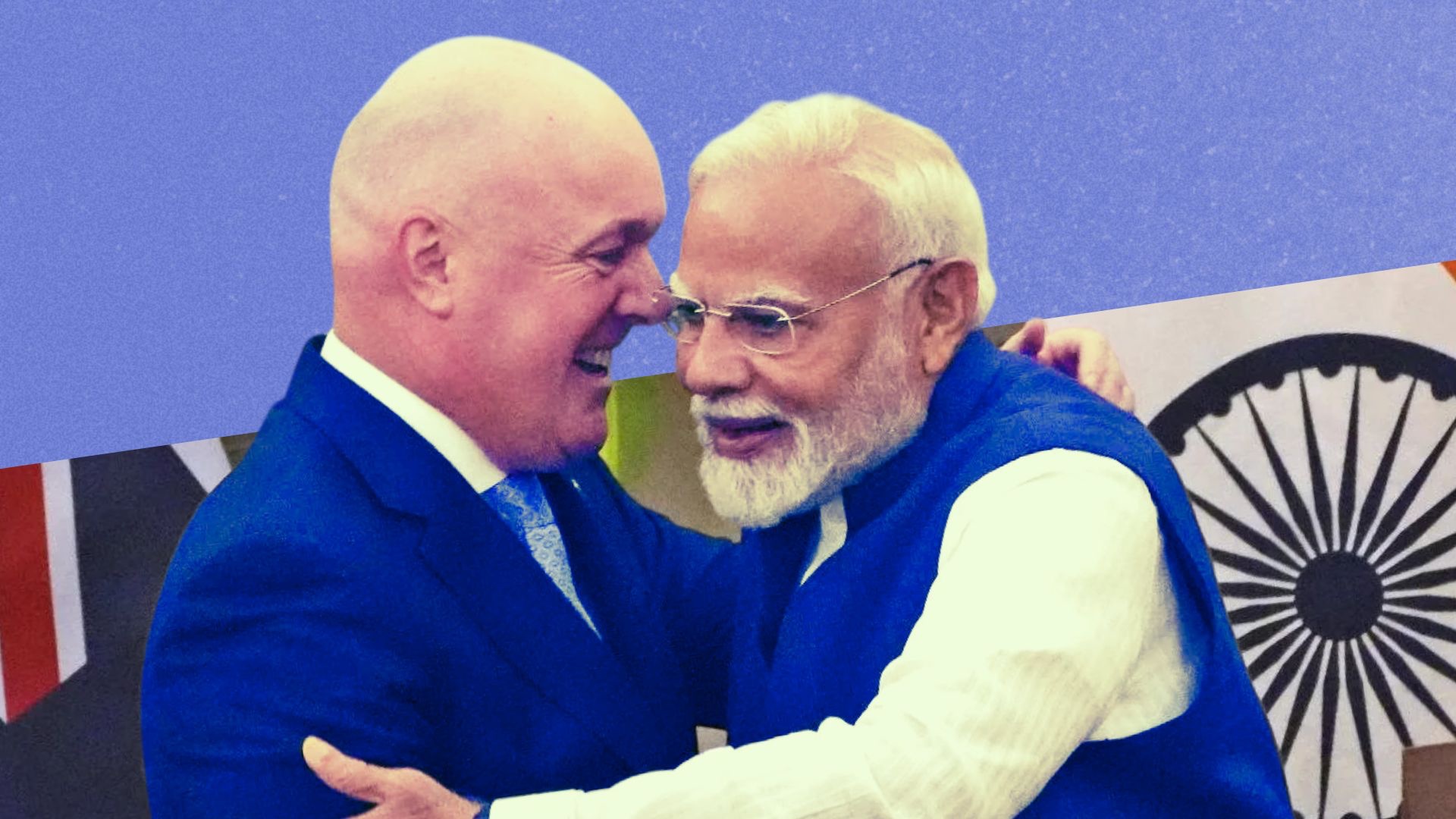
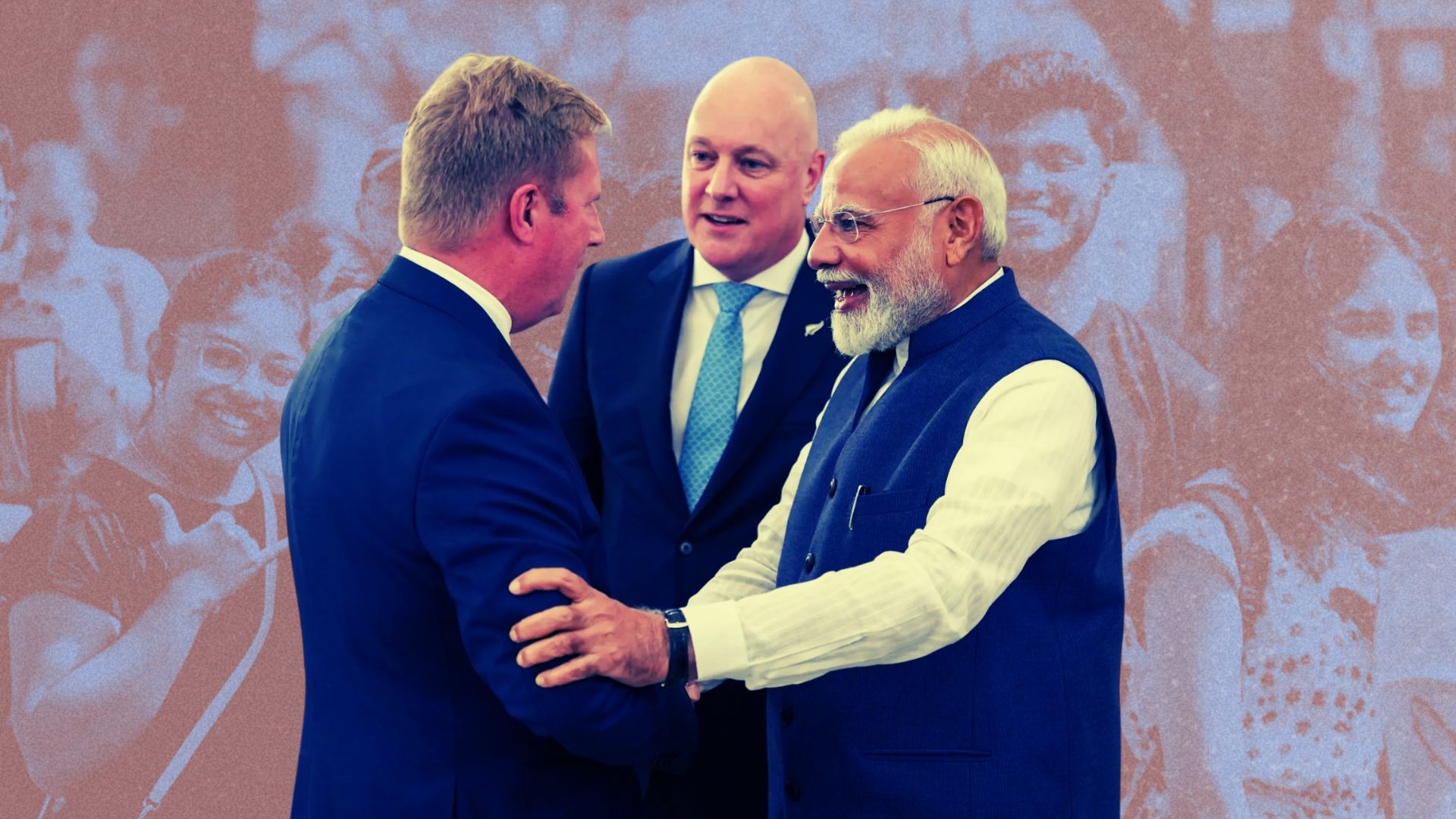
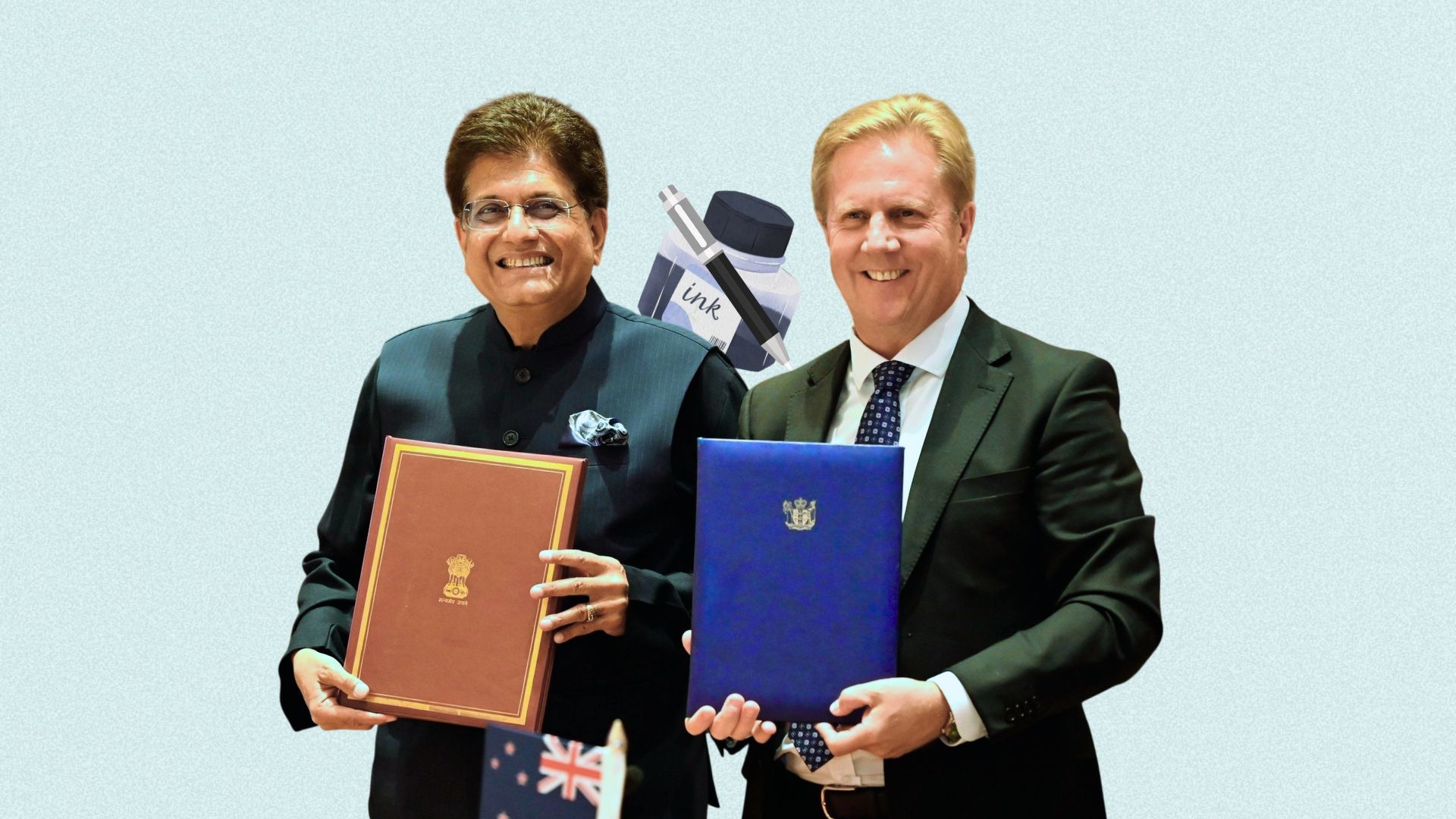
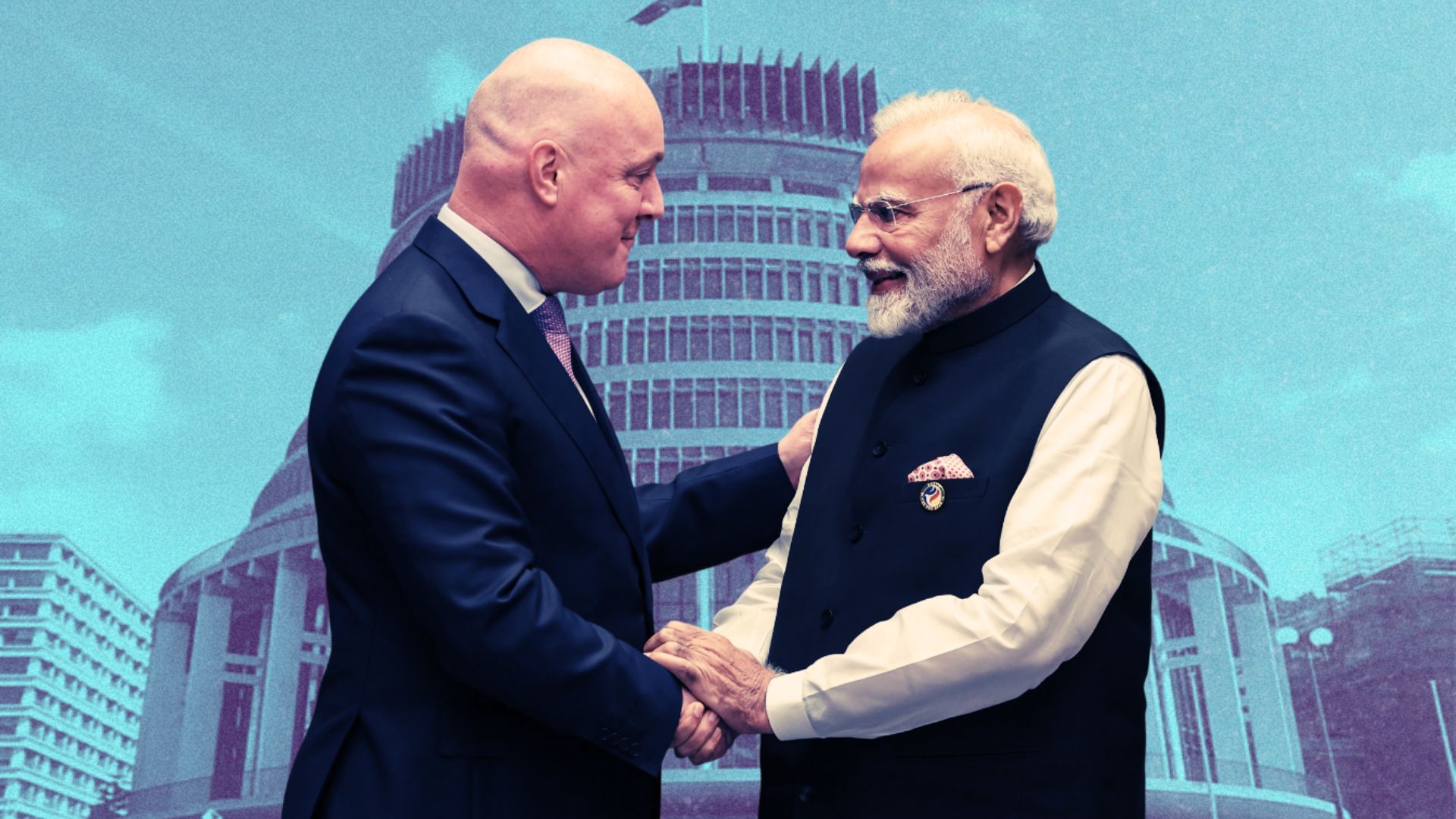
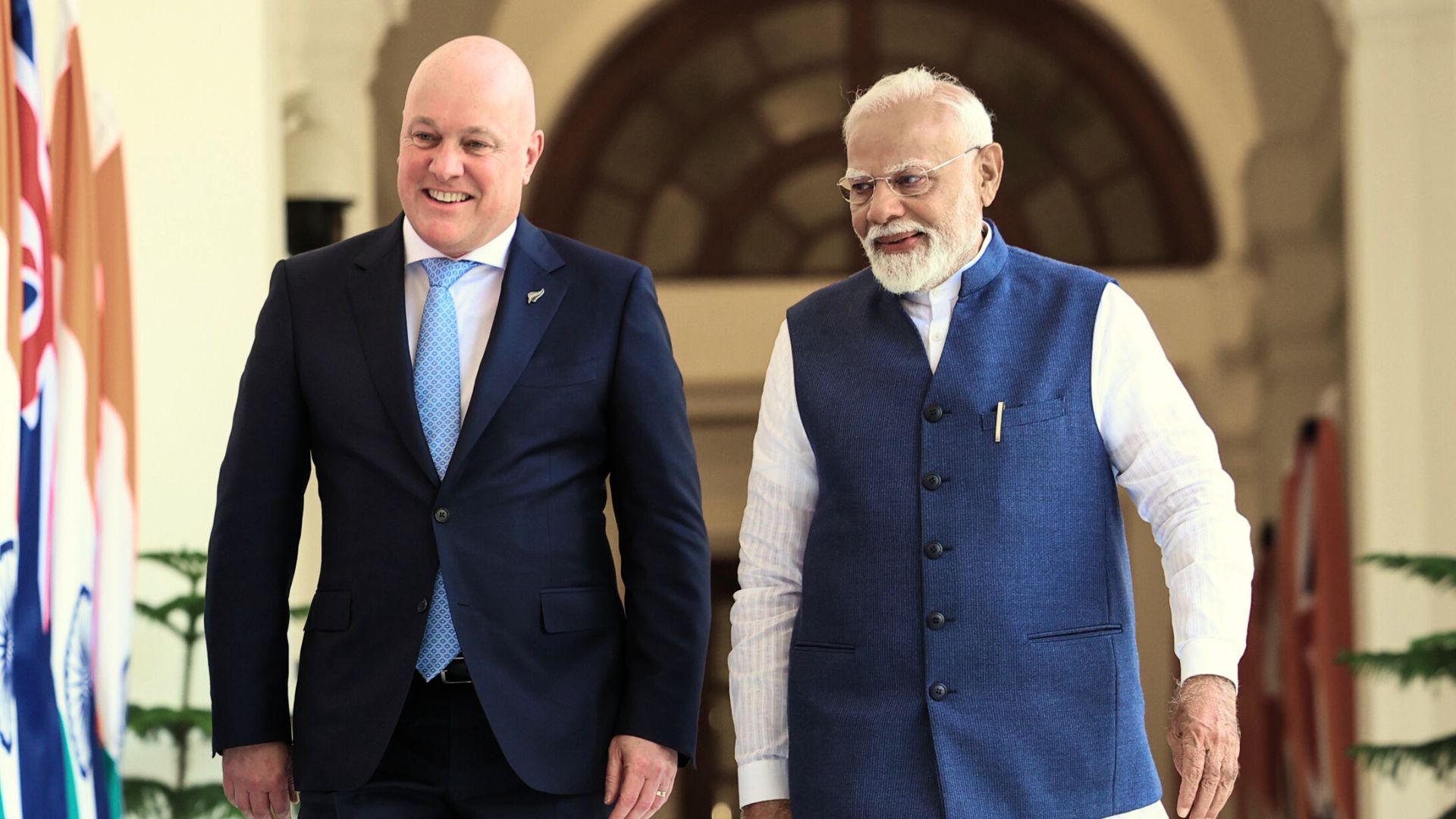
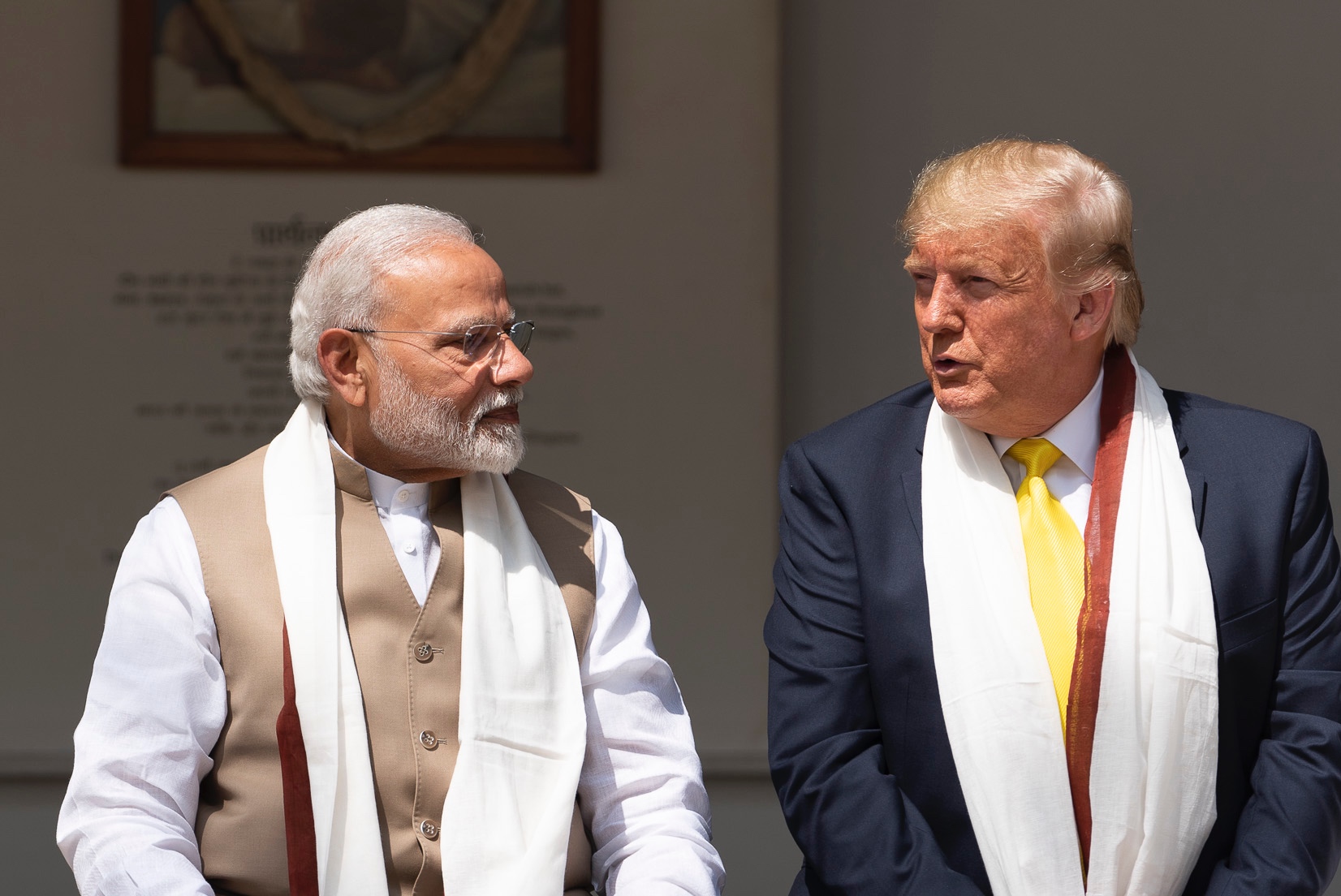
On December 22, 2025, when Luxon announced he had concluded a trade deal with India, he said his government forecasts New Zealand’s total exports to India will increase by up to NZ$1.3 billion per year over the next two decades. Earlier this month, trade minister Todd McClay provided a similar, though slightly more conservative, number.
"Early estimates are that this agreement will be worth an additional $1 billion in New Zealand exports each year for the next 20 years and will deliver tens of thousands of jobs to our economy," he said, replying to a question in Parliament on January 29.
New Zealand has, on an average, exported about NZ$1.65 billion worth of goods and services to India every year since 2015 (minus the COVID years). Against that backdrop, the government’s projection that the India FTA could lift exports by NZ$1.1–1.3 billion per year, on an average, over 20 years isn't trivial.
Dr Sen points out we still don't know what assumptions were made in the government's data modelling for the projections from the India deal. Nevertheless, he says the FTA has several provisions, including phased tariff reductions on a range of products, services market access for more than 100 sectors and investment commitments, which would indicate it does have the kind of potential being forecast. But he keeps returning to the operational reality.
"When you talk about small to mid-sized enterprises that are going to be a key driver of this export channel, they need to be educated in terms of the business literacy in India, and the wide heterogeneity in business opportunities that exists across states."
The projected India uplift is being framed as a long-run outcome, he adds, and is expected to build gradually as tariff reductions phase in, preferences are utilised as per the specified rules of origin, investments generate returns, and exporters establish themselves in the market.
The INZBC's Sunil Kaushal says over a 10-year horizon the average annual contribution could be smaller than the headline figure suggests, noting that past experiences with the deal with China and the Comprehensive and Progressive Agreement for Trans-Pacific Partnership are quite encouraging. “When New Zealand secures high-quality preferential access into large markets, exports typically grow several-fold over 10–20 years."
Big for the relationship, modest for the economy?
Part of the skepticism around the India deal stems from how large the numbers sound in isolation. That’s because New Zealand’s current exports to India are relatively small. Between 2015 and 2024, excluding COVID years, it exported about NZ$1.65 billion worth of goods and services to India. A yearly uplift of NZ$1 billion and upwards (per year for the next 20 years) is large relative to that base.
Incremental gains, compounded over time, are how export economies grow, Kaushal points out. "New Zealand is a competitive supplier of high-quality food, agri-tech, education and services, while India is a fast-growing, increasingly urbanised market with rising incomes and demand in precisely these categories. The agreement aligns what each side brings to the table."
Kaushal contends the FTA, when fully utilised, can lift India-focused export earnings by at least NZ$1 billion per annum within the next two decades.
More than meets the eye
Dr Sen says it's important to understand how modern-day India perceives its bilateral deals. "It's definitely not just transactional and has a strategic importance, attached to creating partnerships for risk diversification and supply chain resilience. Therefore, any assessment based on headline numbers only on trade in goods risks oversimplification," he points out.
India increasingly expects its trading partners to work in tandem and build value down the chain. The tariff rated quotes the FTA allows for Kiwi exporters of milk albumins, Dr Sen says, speak to that ambition.
"India recognises the value added by NZ dairy ingredients in improving its quality of dairy exports, thereby plugging NZ dairy ingredients exports into its global value chain."
This chain could work both ways, he says, as Indian companies can set up shop onshore in New Zealand and export to the larger Pacific region. That would, in turn, add value to both countries. "I'm not sure if the government's current projections include these kinds of economic gains."
The investments into India’s agri-business and services sector, such as education, renewable energy and infrastructure, can generate profits that can be re-invested back into New Zealand, says Dr Sen.
India is projected to drive a significant share of global growth this decade. The real question for New Zealand is not whether the FTA delivers miracles in year one, but whether it positions exporters to capture that growth over 10 or 20 years.