
NZ Cricket Backs Franchise T20 League as Super Smash Faces Uncertain Future
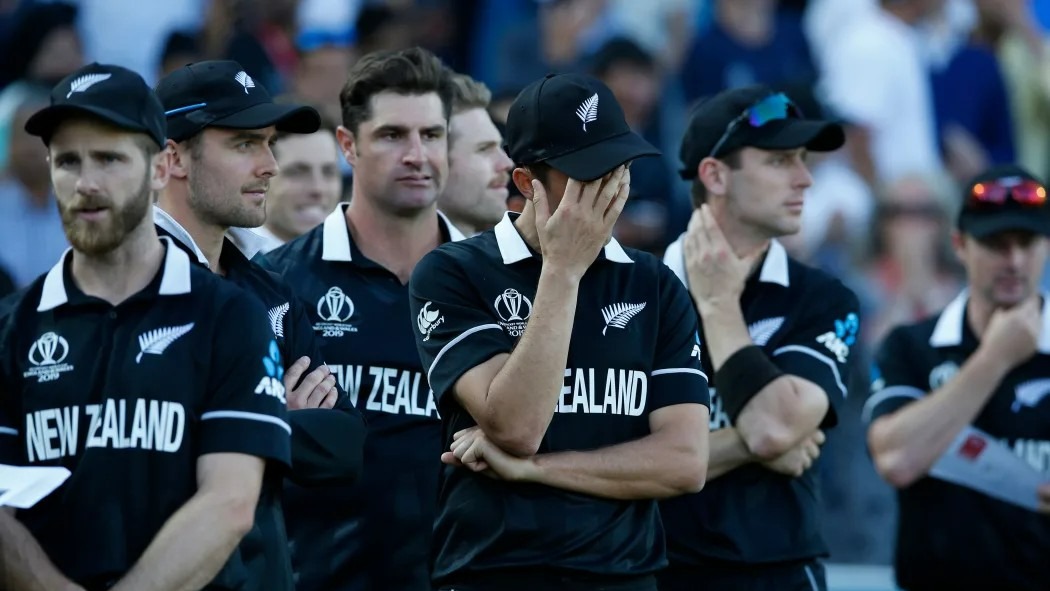
NZ Cricket has big changes coming in the future.
NZ Cricket’s proposed NZ20 franchise competition raises questions about Super Smash’s future, player retention, governance tensions, and influence.
Will a new version of the Super Smash emerge, or could this move fundamentally change how cricket is represented in New Zealand? New Zealand Cricket (NZC) has expressed support for the development of a T20 franchise competition, signalling a potential shift in the domestic cricket landscape. However, this announcement does not clarify whether the internal tensions surrounding the decision have been resolved.
The proposed development would introduce an NZ20 competition, replacing the existing Super Smash tournament, which is currently managed by NZC. This marks a significant structural change to domestic T20 cricket in the country.
In addition, the new model could allow for equity stakes in teams to be sold, or for entirely new franchises to be established, potentially owned or co-owned by private equity investors. Such a move would align New Zealand with other major cricketing nations that have embraced franchise-based competitions.
These changes have already had governance implications. Former international representative and Board Member Dion Nash has stepped down, following the departure of Chief Executive Scott Weenink, who left his role in December. Their exits suggest underlying disagreement or concern surrounding the direction NZC is taking.

Cricket in New Zealand has traditionally been anchored by international fixtures, particularly during the summer holiday period.
Truant student may have to curb Khalistan speech in India but will be deported, NZ tribunal rules The 21-year-old's education provider terminated his enrollment within a year because of poor attendance.
New Zealand-trained Indian pilot hailed for saving 174 people in Flydubai suspected crash bid Smit Machchhar trained with Mainland Air in Dunedin for about 18 months between 2008 and 2009.
54 hours worked, 26 hours paid: Indian migrant wins $60,000 from Auckland employer The man's additional claim that he paid unlawful premiums to procure the visa didn't hold up in the employment tribunal.
However, recent seasons have highlighted a shift away from this model, with long stretches of the calendar left without international men’s or women’s matches.
This absence reflects a broader transformation in the global cricket landscape rather than a one‑off scheduling anomaly.
Across the southern hemisphere, domestic T20 franchise leagues have come to dominate the cricketing summer.
Competitions such as Australia’s Big Bash League, South Africa’s SA20, and the Bangladesh Premier League now occupy prime windows, while the Indian Premier League has become one of the most commercially valuable sporting tournaments in the world.
Together, these leagues exert enormous financial influence and set the standard for player salaries, exposure, and global reach.
In contrast, New Zealand stands alone among major cricketing nations in not operating a franchise‑based competition.
Instead, the Super Smash relies on provincial teams rooted in historic regional boundaries, a model that struggles to compete with the wealth, scale, and spectacle of international franchise leagues.
This imbalance has widened the gap between New Zealand’s domestic competition and the global T20 market.
As a result, many of New Zealand’s leading players are increasingly choosing overseas franchise opportunities over domestic commitments.
Figures such as Kane Williamson and Finn Allen spending recent summers playing in foreign leagues has intensified concerns about player retention and the long‑term viability of the Super Smash.
The risk of a broader player exodus has heightened the sense that structural change is unavoidable.
The proposed NZ20 competition has emerged as a response to these pressures, aiming to attract private investment, enhance the status of New Zealand’s domestic T20 cricket, and retain elite talent.
Yet this shift also raises important questions about the future direction of the game.
Greater commercial involvement may provide financial stability, but it risks placing profit ahead of development, regional representation, and support for the women’s game—issues that sit at the heart of the ongoing debate surrounding the future of cricket in New Zealand.