
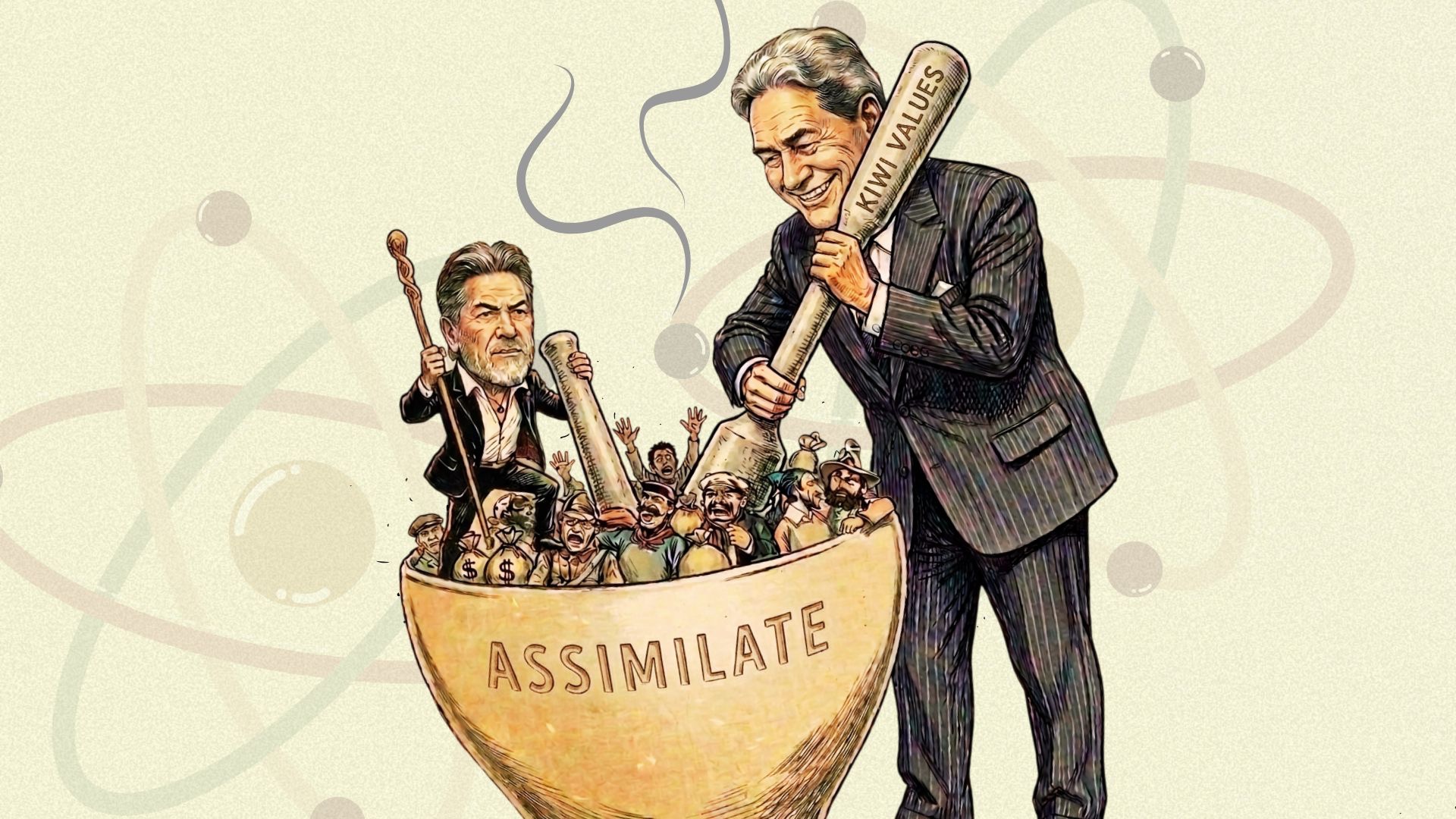
Out Loud: Expecting migrants to assimilate can't be good for New Zealand
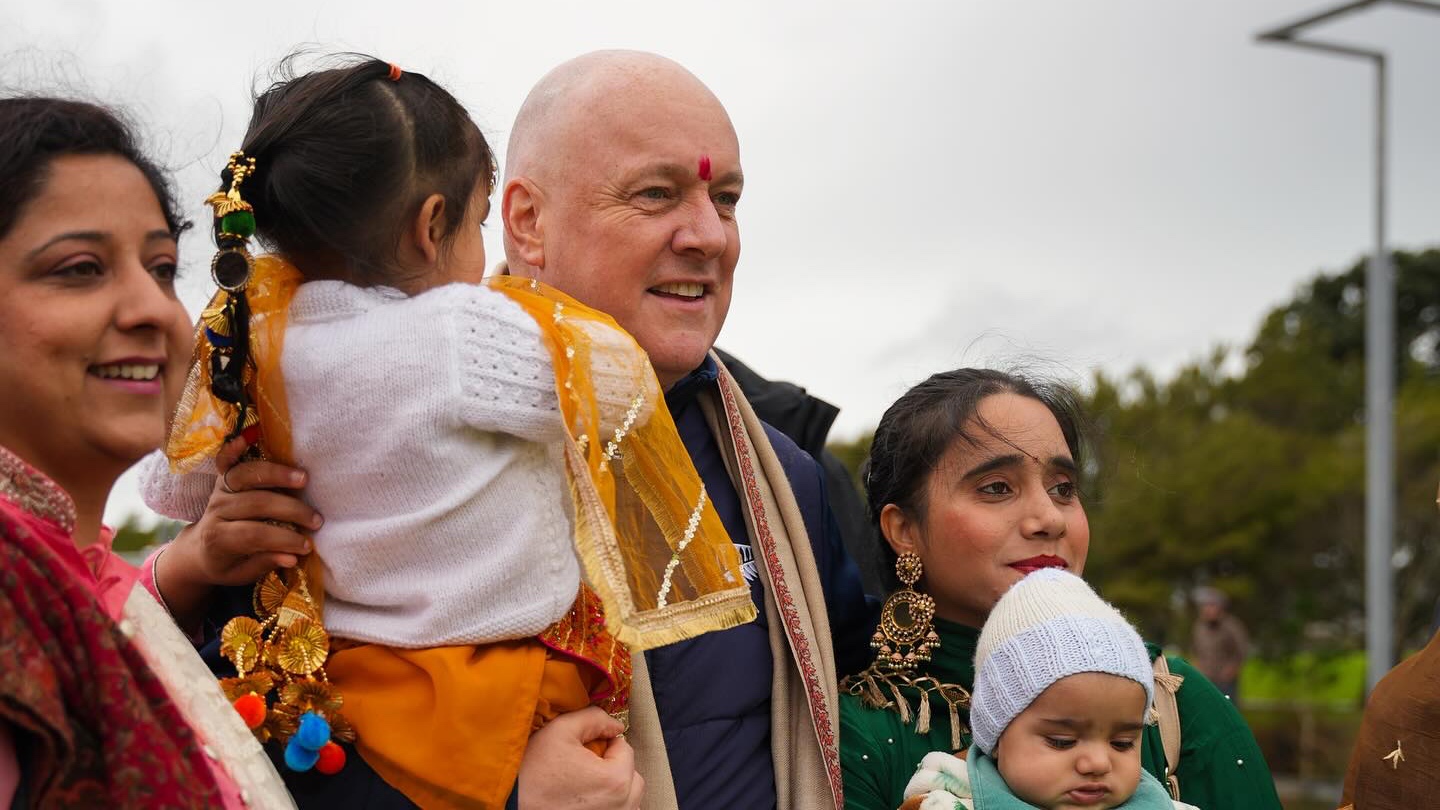
Migrants come with their own unique strengths and values.
Integration works best when a country allows migrants to add to it, not subtract from themselves.
('Out Loud' is an opinion column that takes the political, cultural and social debates Indian migrant households save for home and says them out loud, consequences pending.)
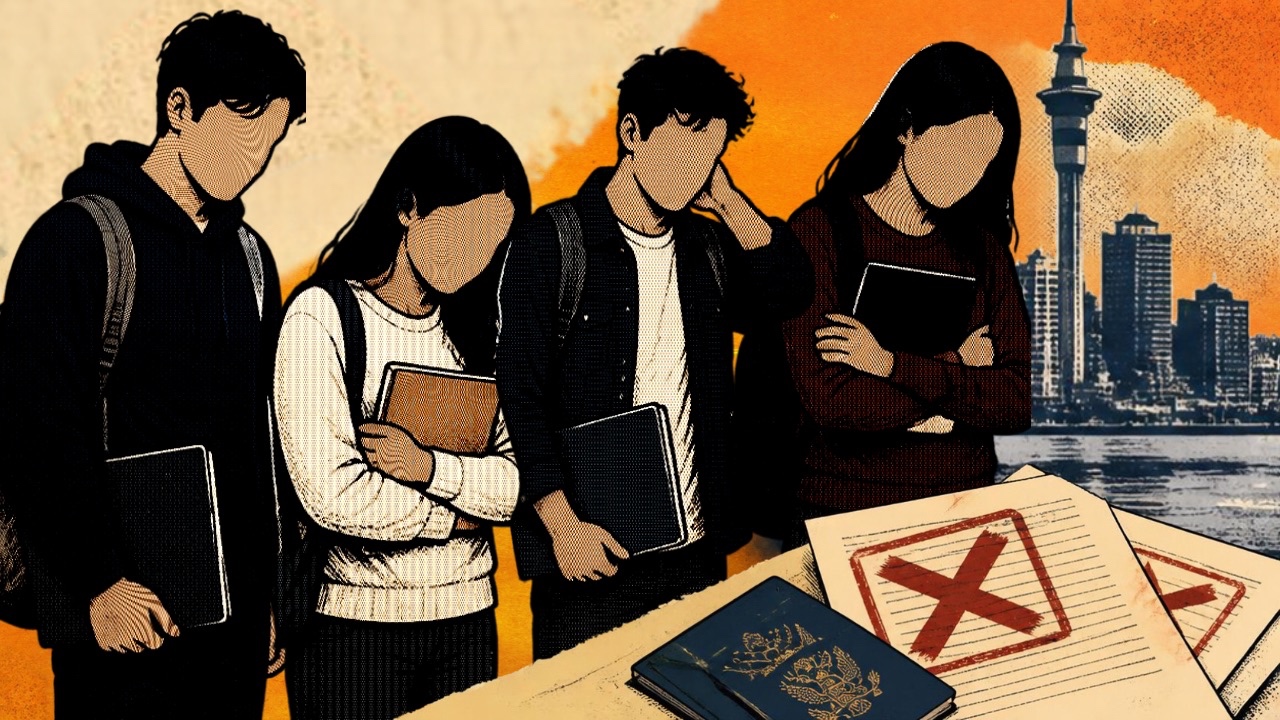
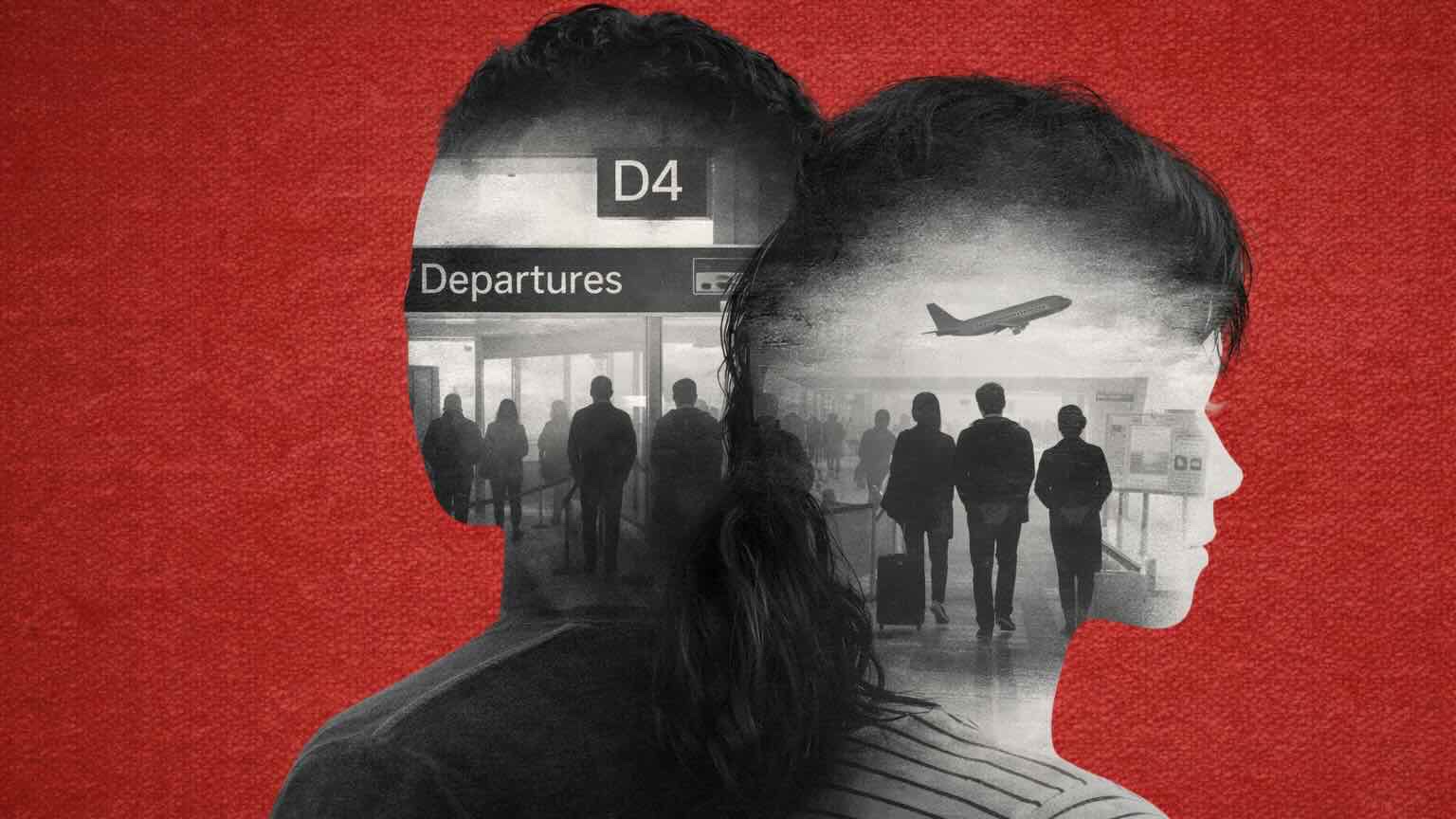
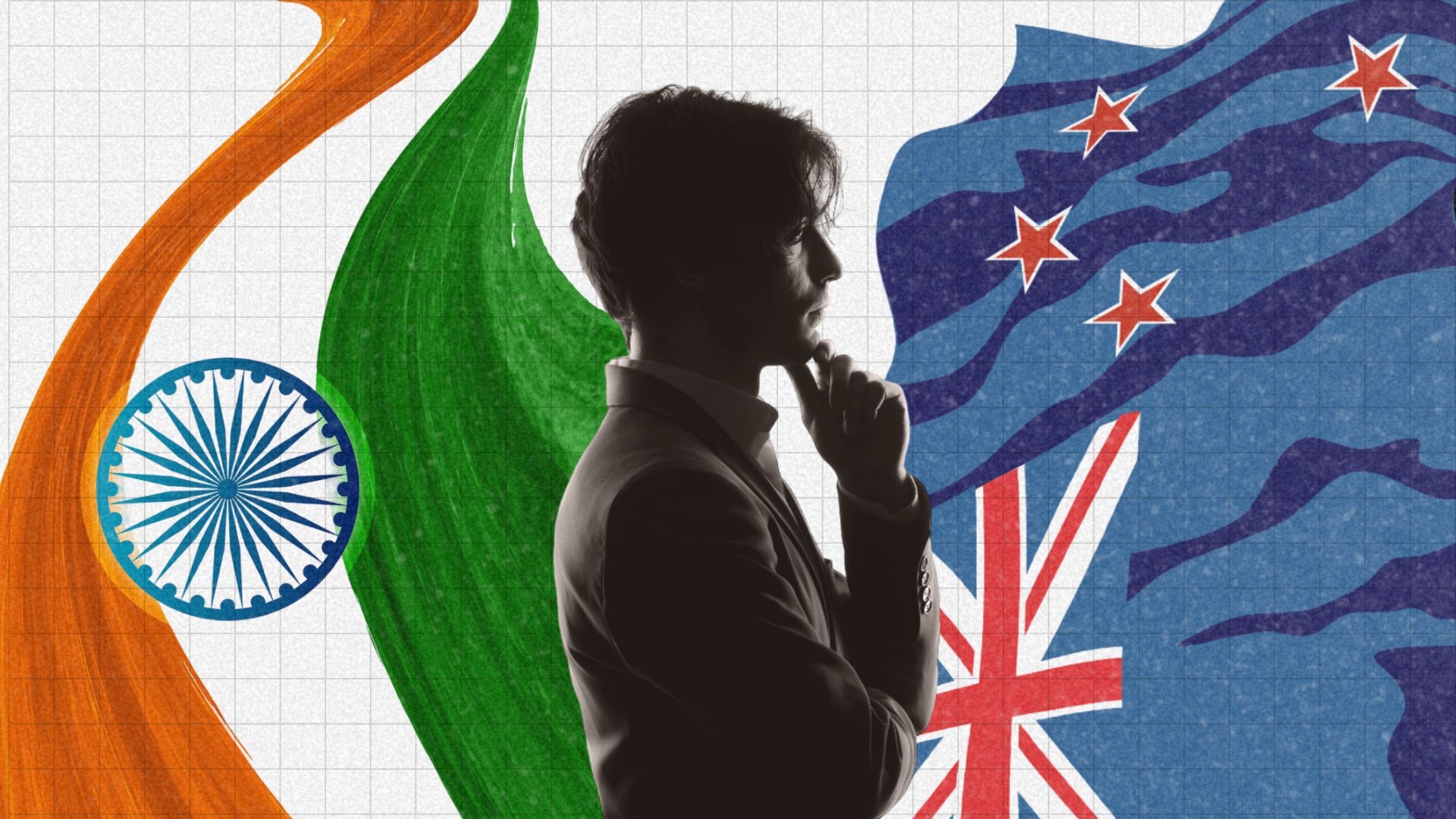
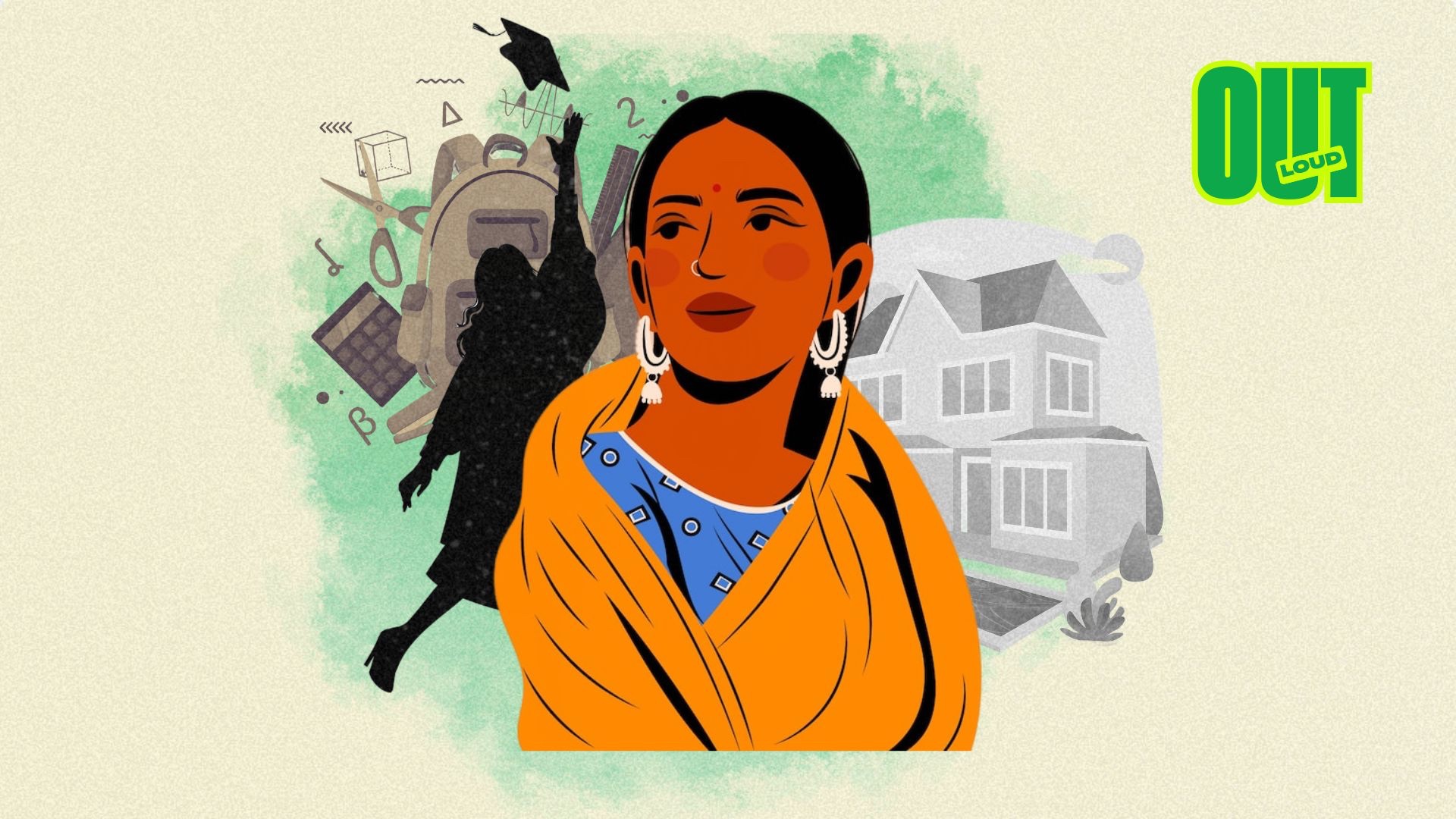
Integration is often spoken about as a destination — a point at which migrants finally become acceptable to their adopted country. But for many Indian families abroad, integration was never the problem. The real tension lies in the quiet expectation that contribution must be accompanied by assimilation.
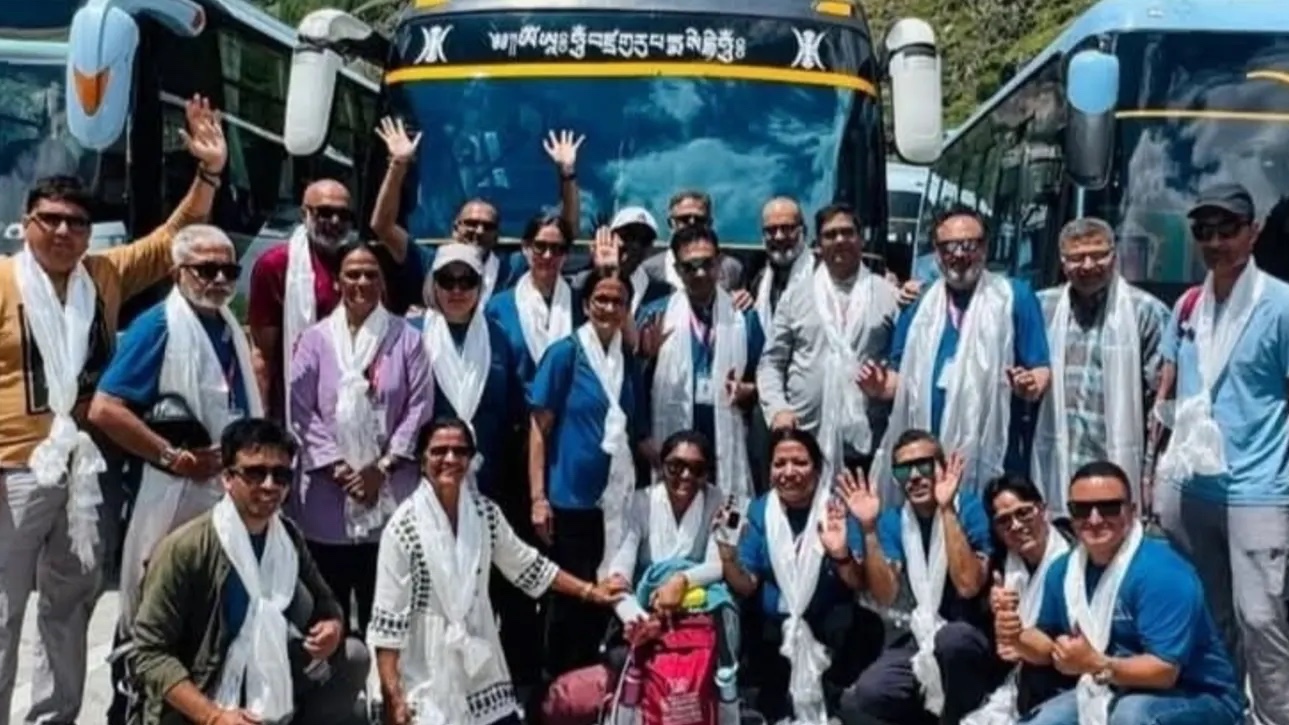
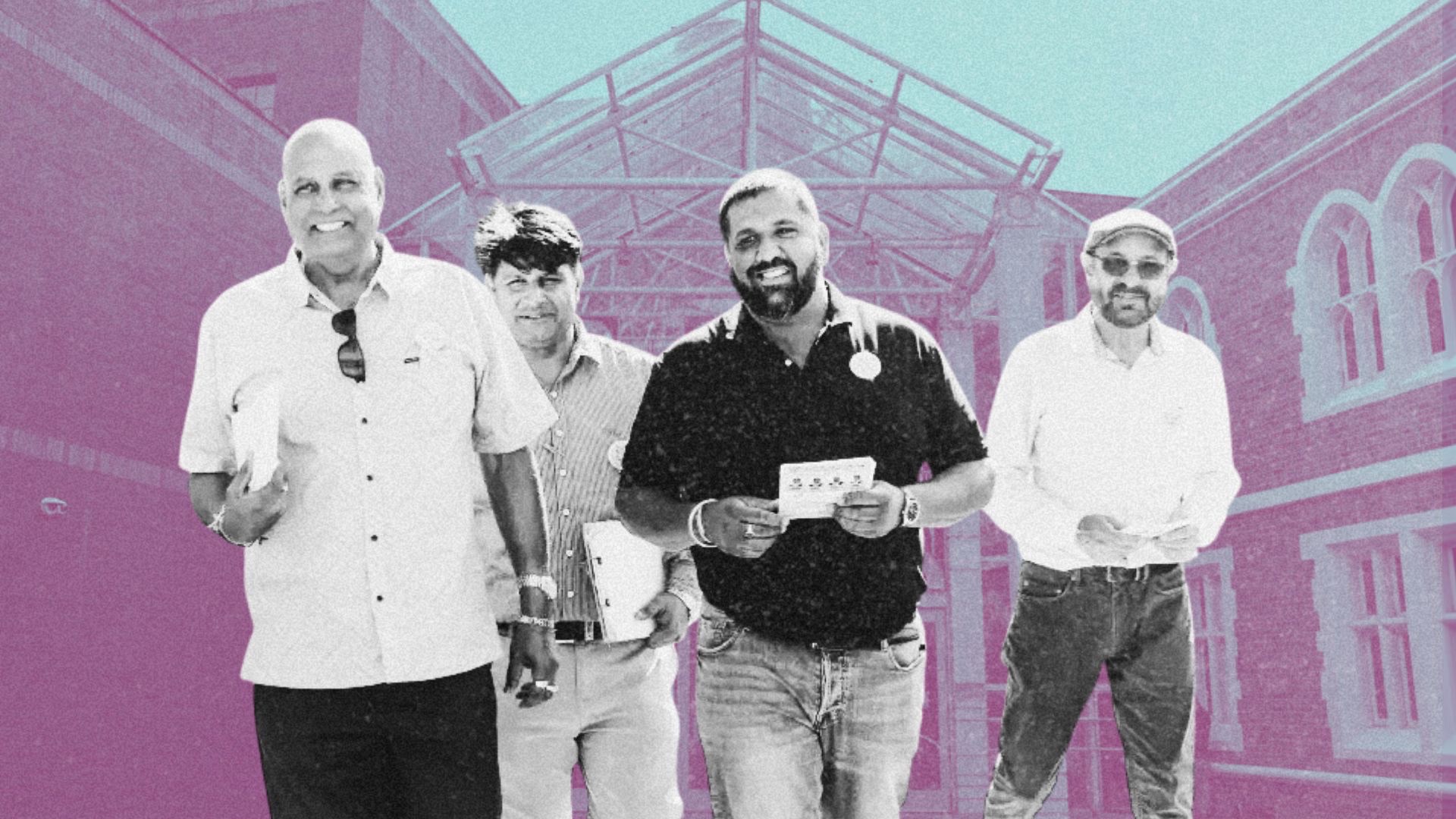
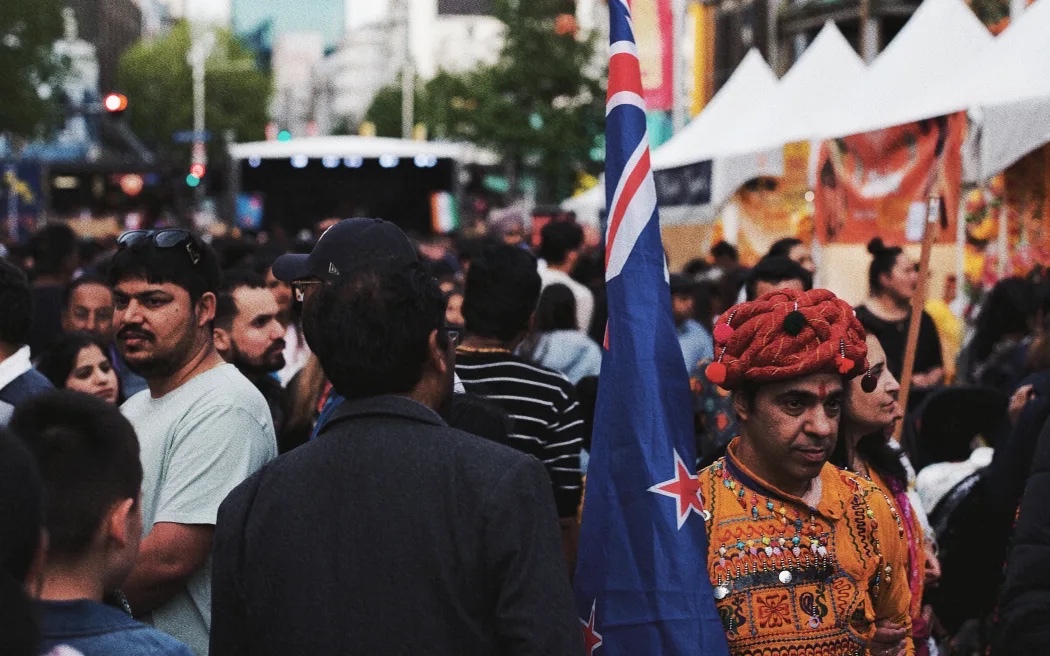
Indian migrants integrate deeply into the societies they move to. They work, pay taxes, build businesses, raise children, volunteer in their communities, and invest in the future of their adopted countries. In places like New Zealand, Indian-origin professionals, entrepreneurs, tradespeople, and service workers are woven into the economic and social fabric.
Many arrive with a deep respect for the institutions of their new home — the rule of law, personal safety, fairness, and opportunity. These are not alien ideas to Indian migrants; they are often the very reasons for leaving home in the first place.
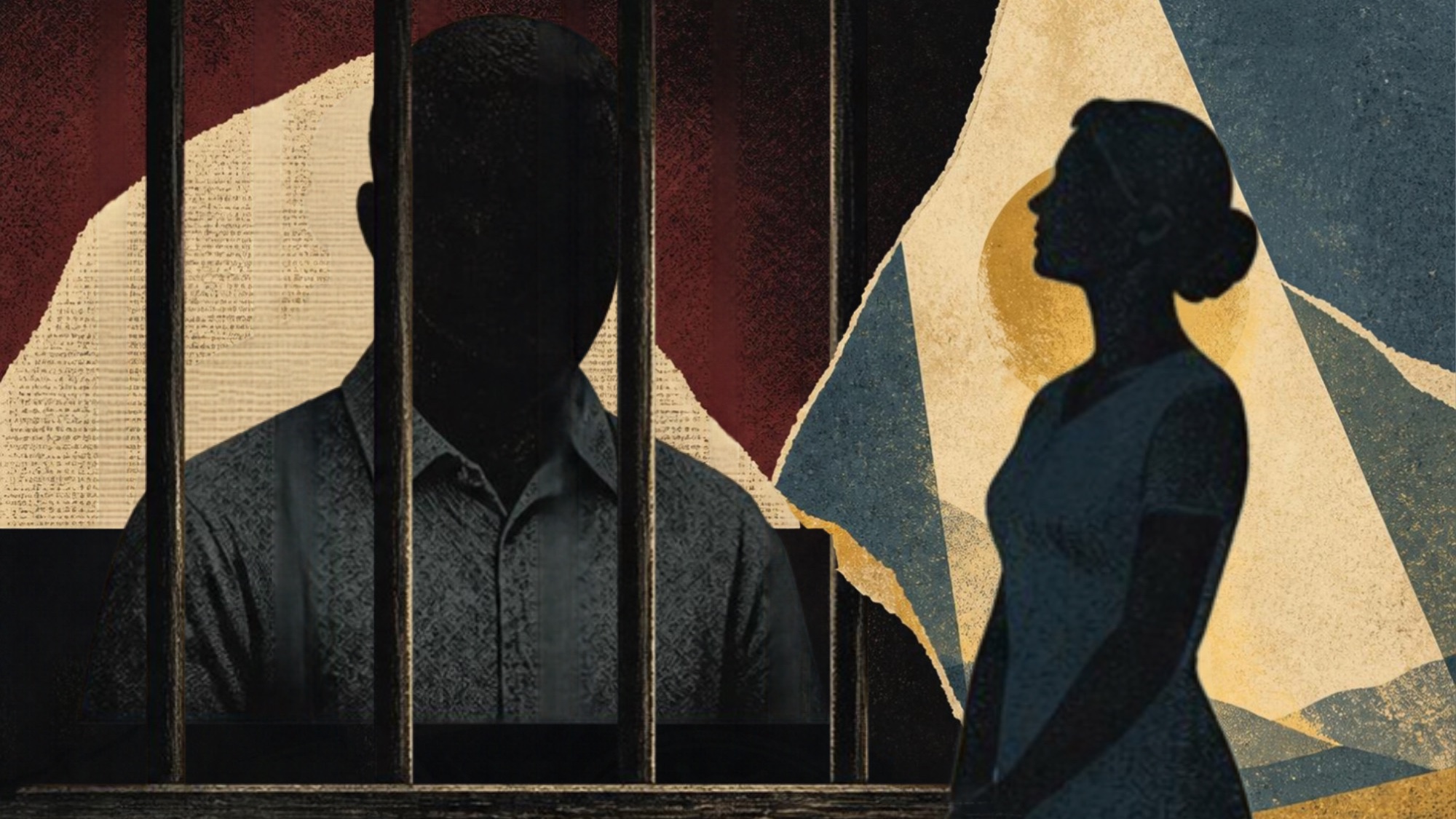
And yet, beneath the surface, there is often an unspoken loyalty test.
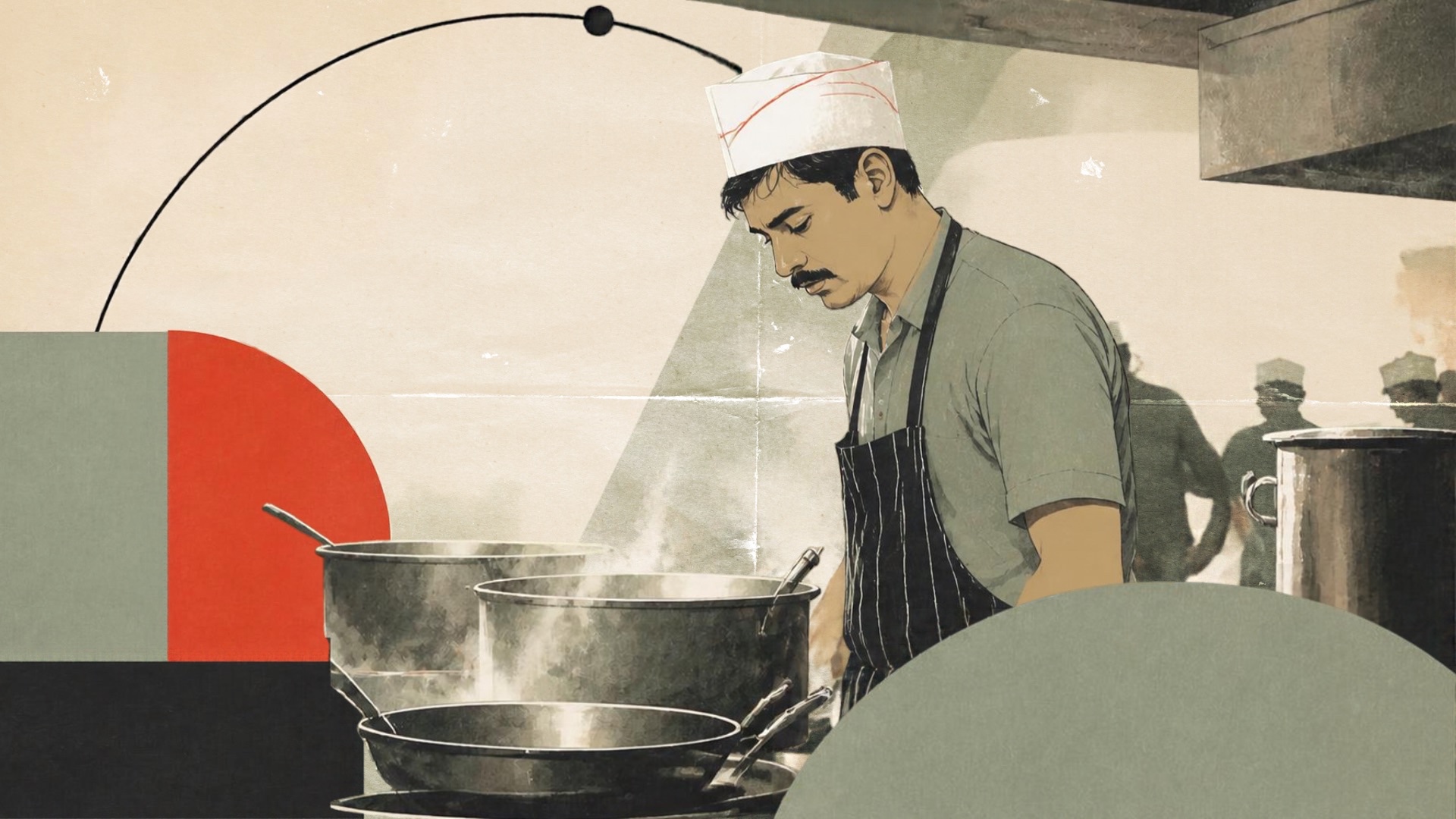
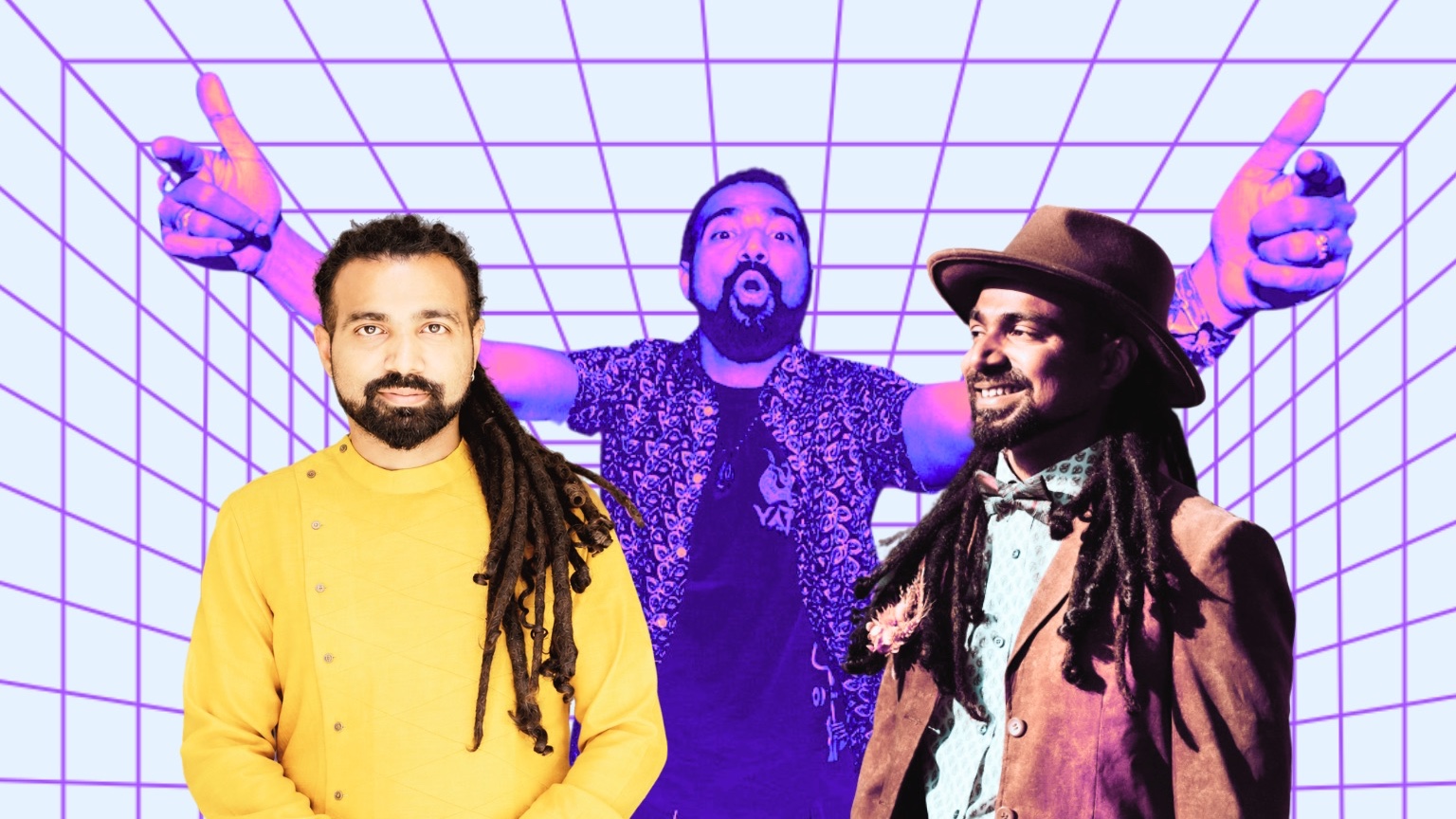
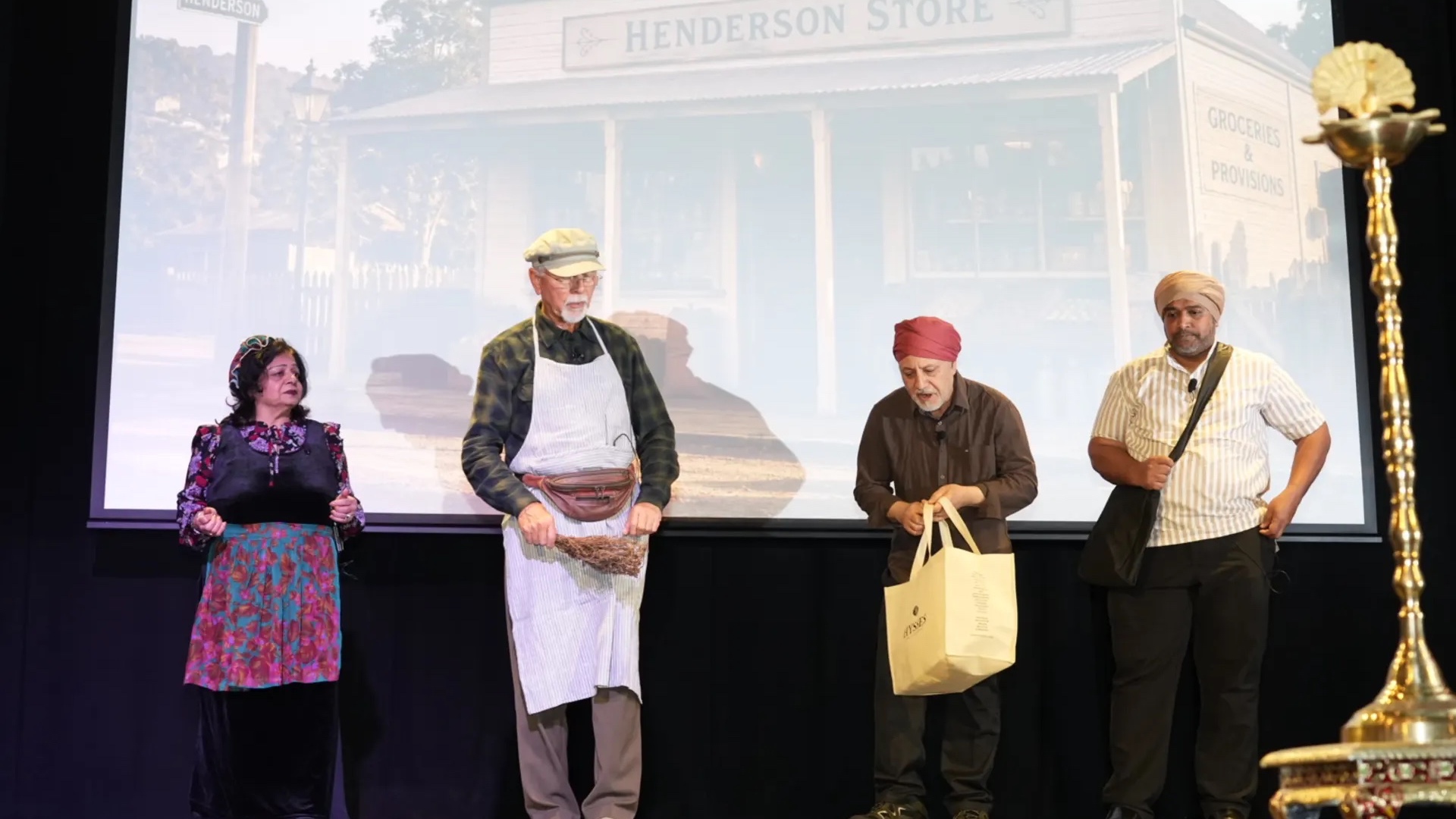
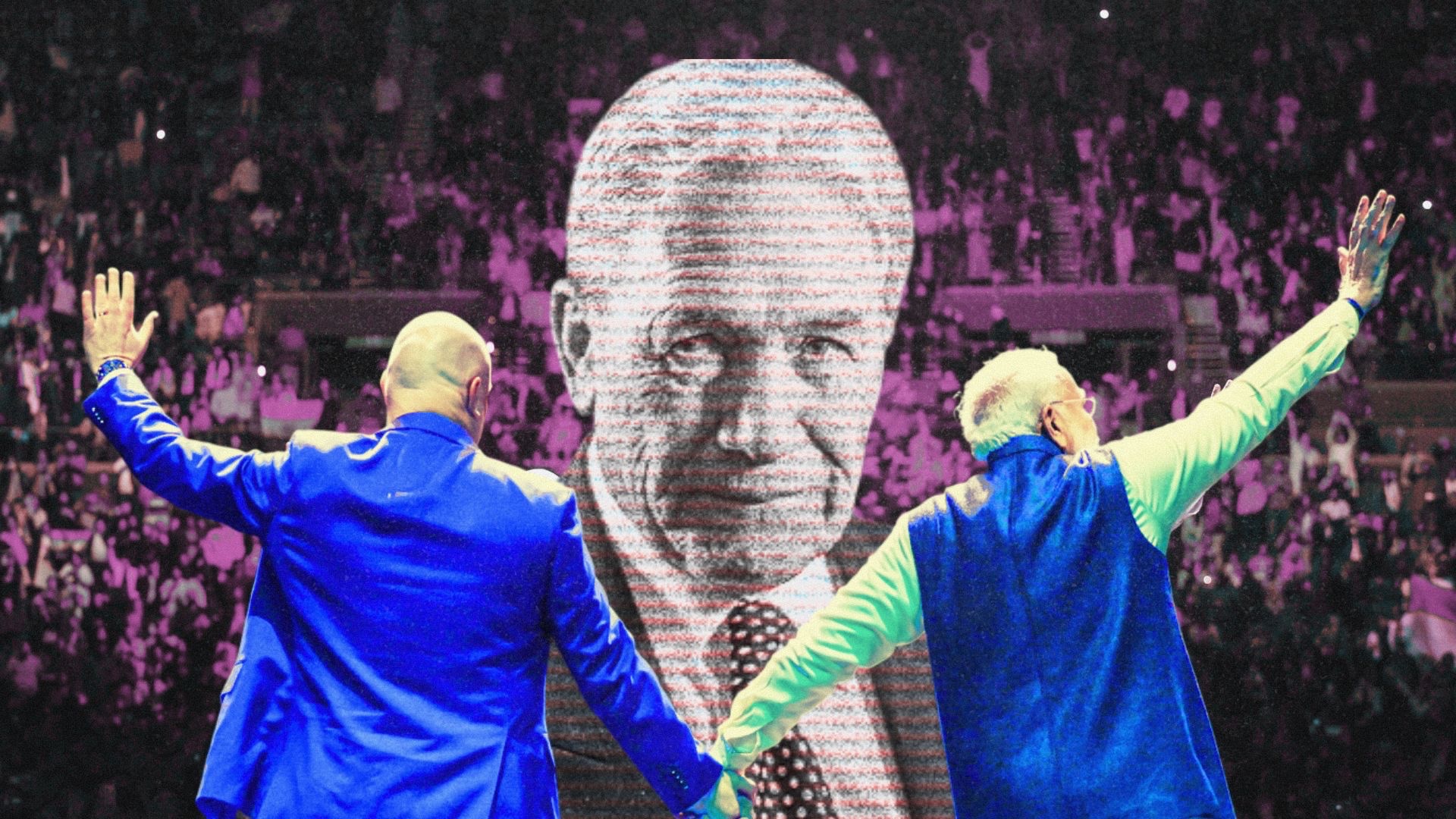
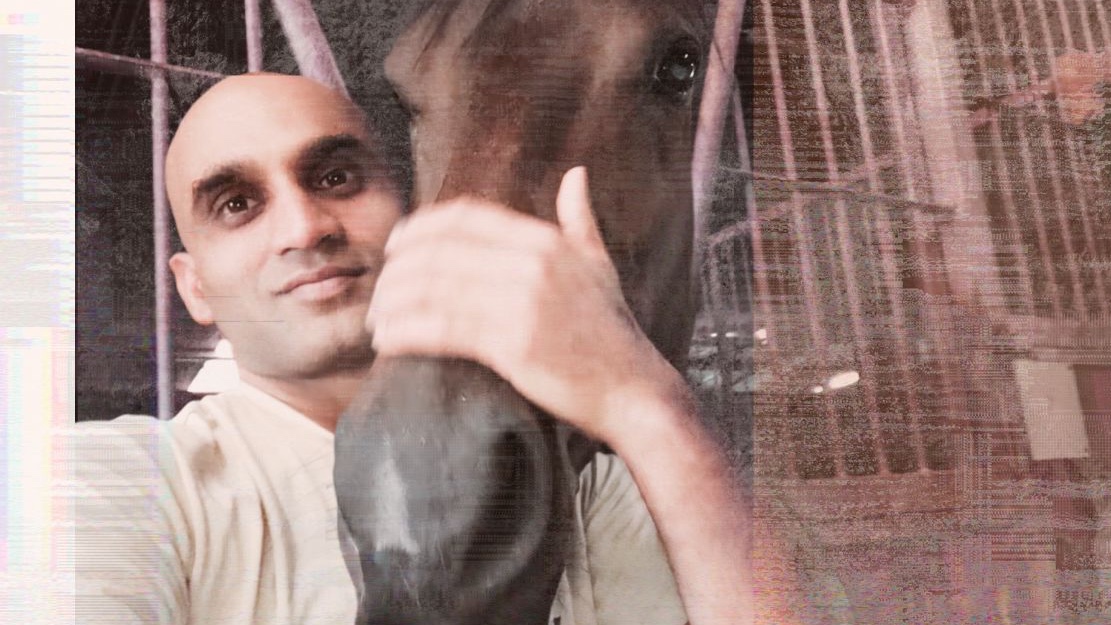
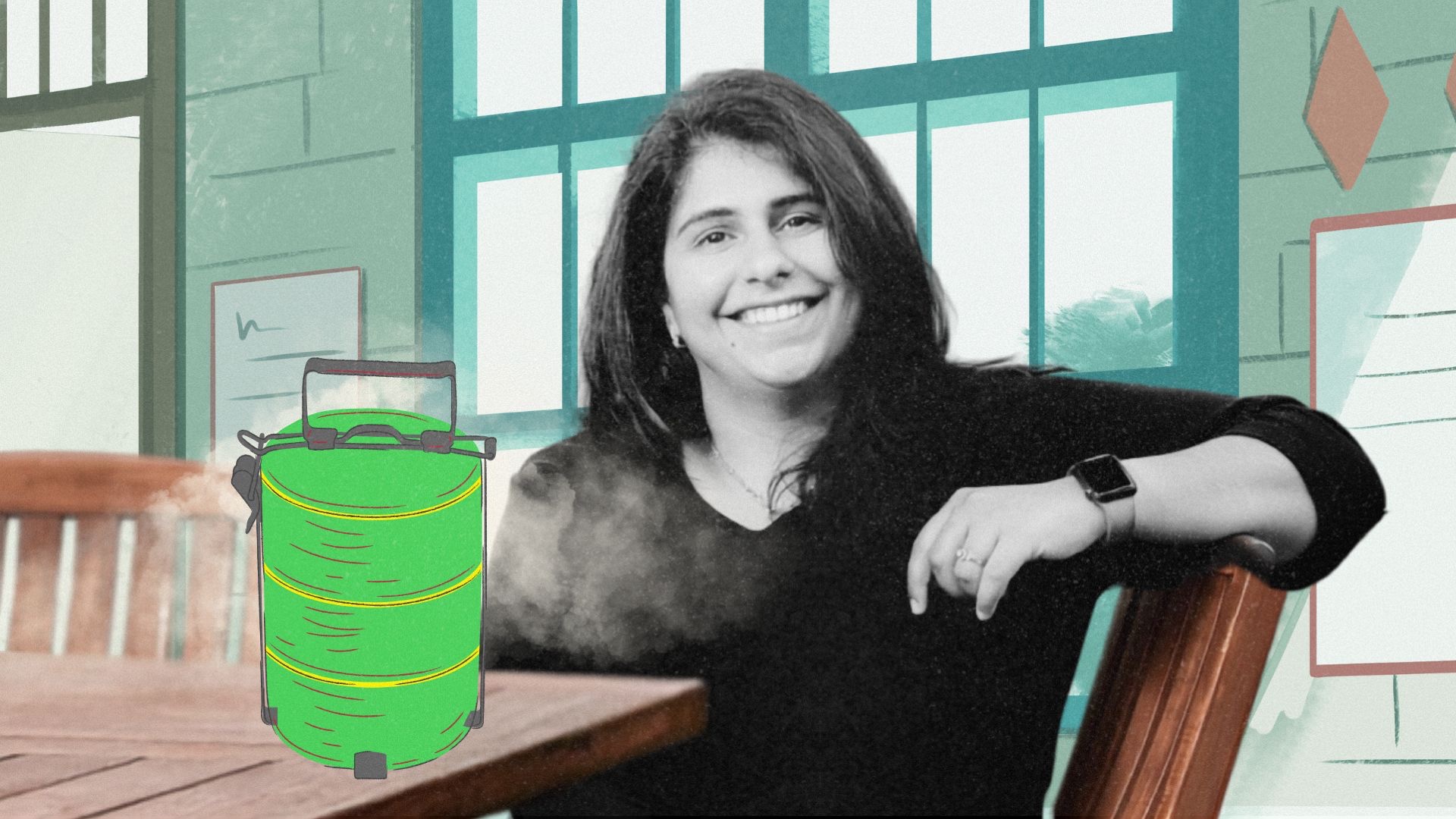
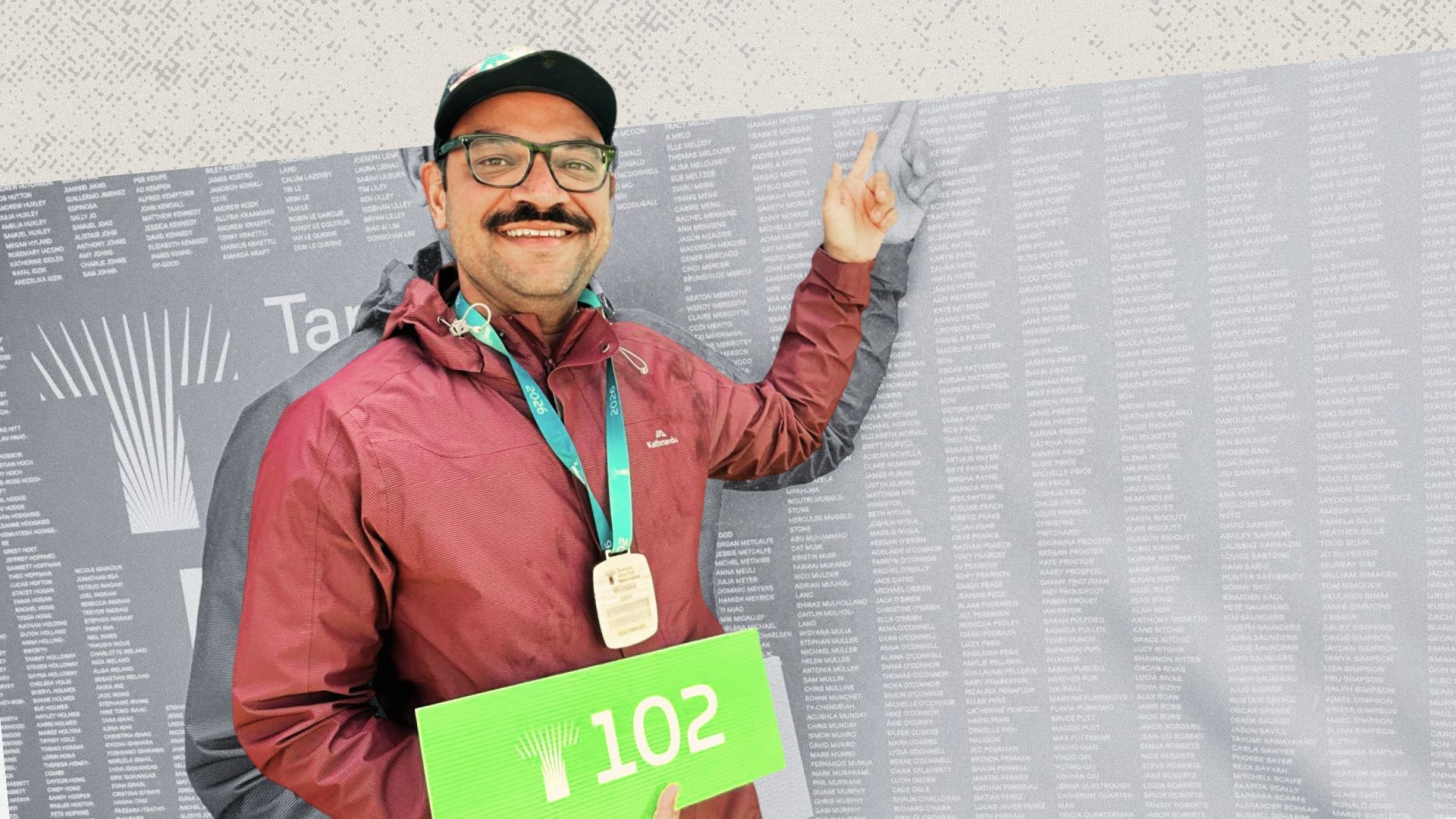
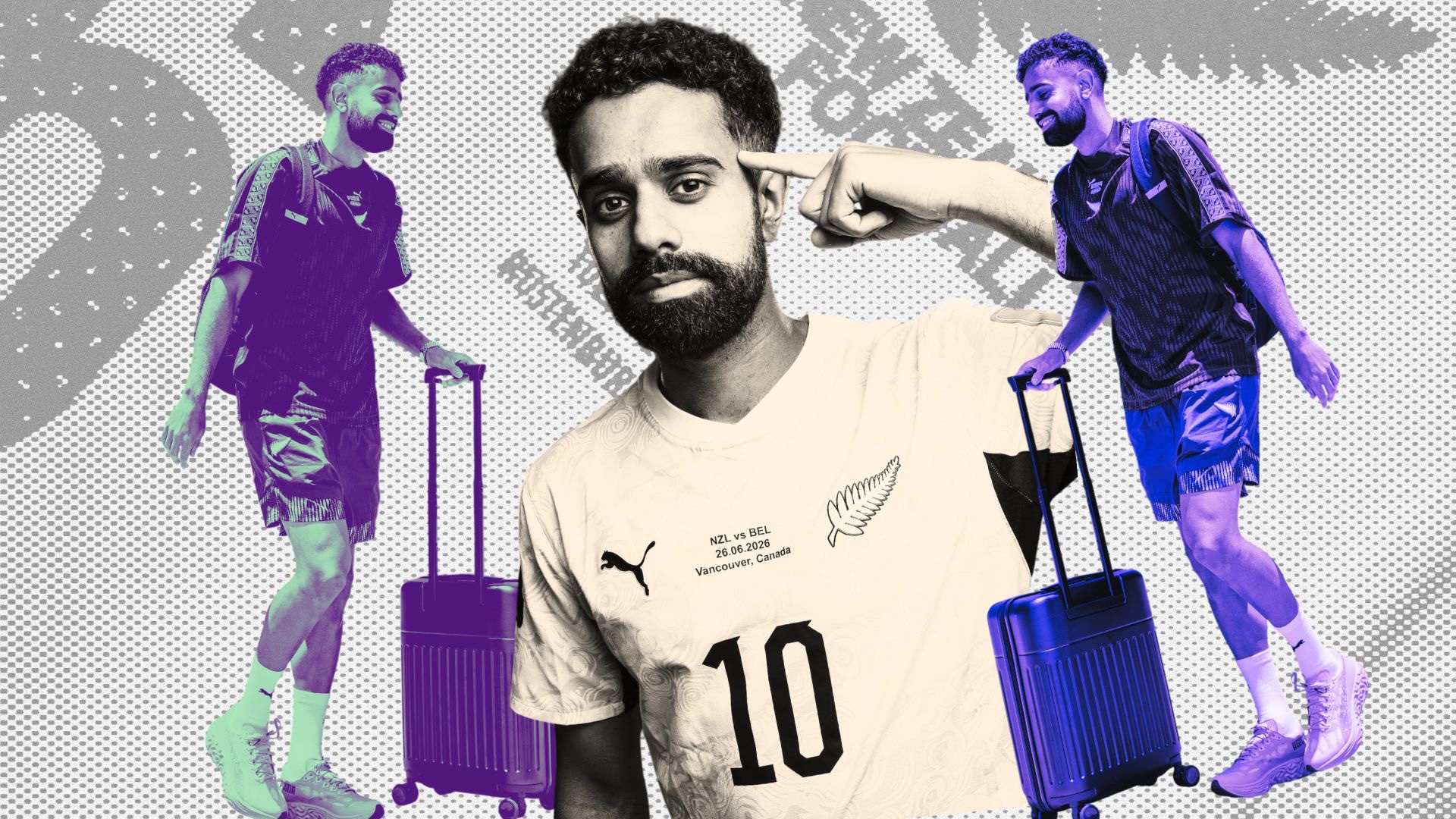
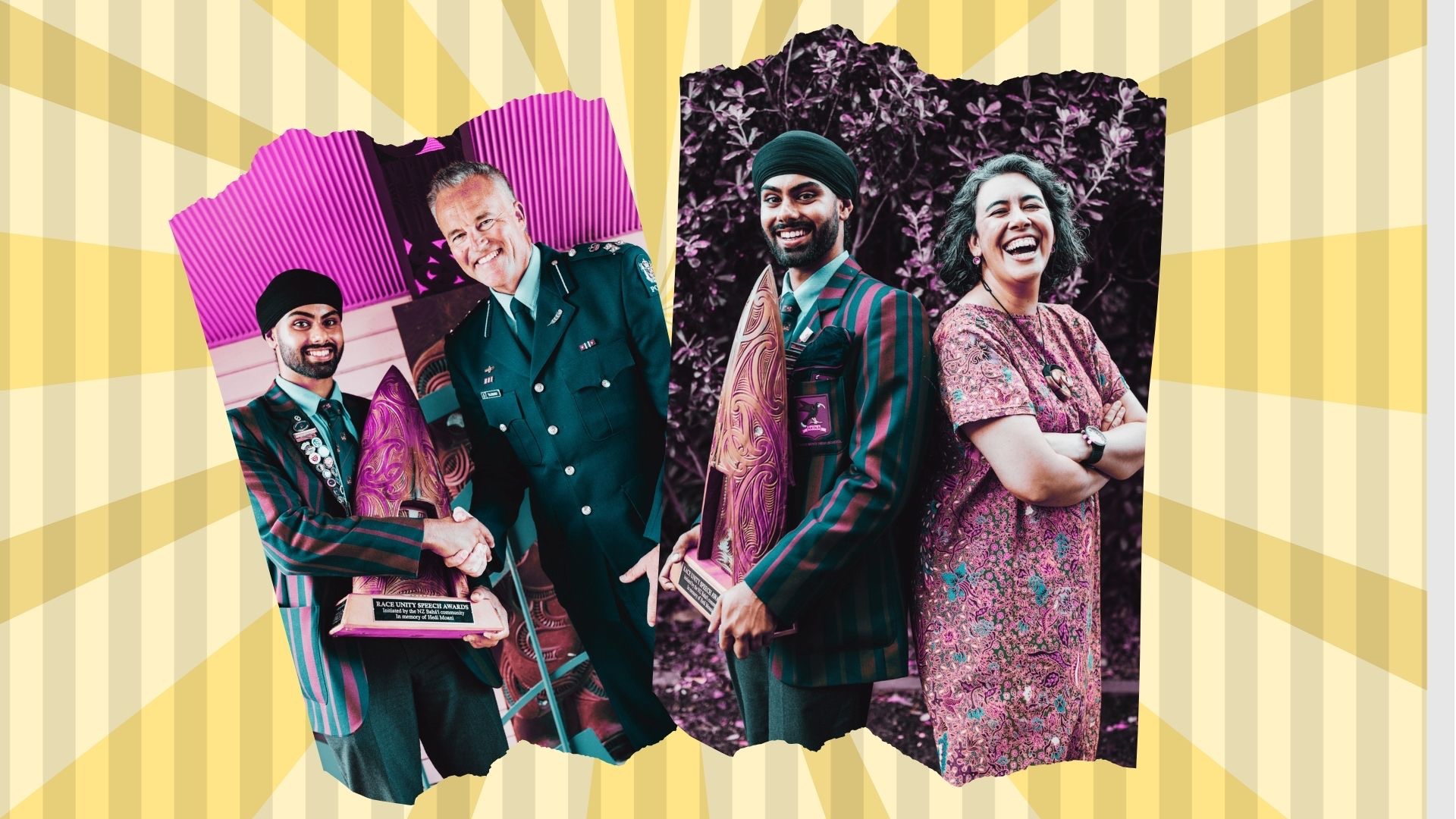
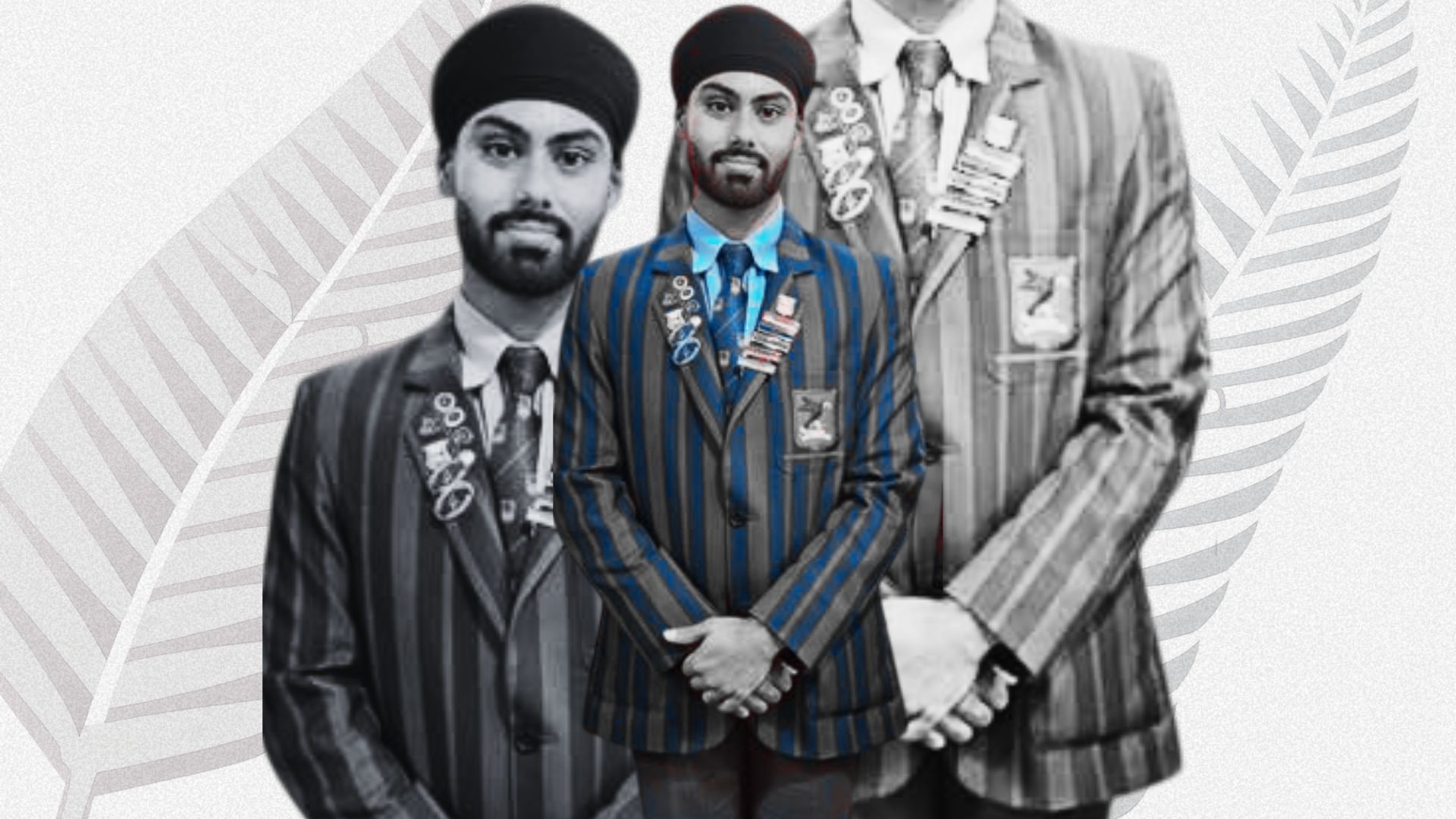
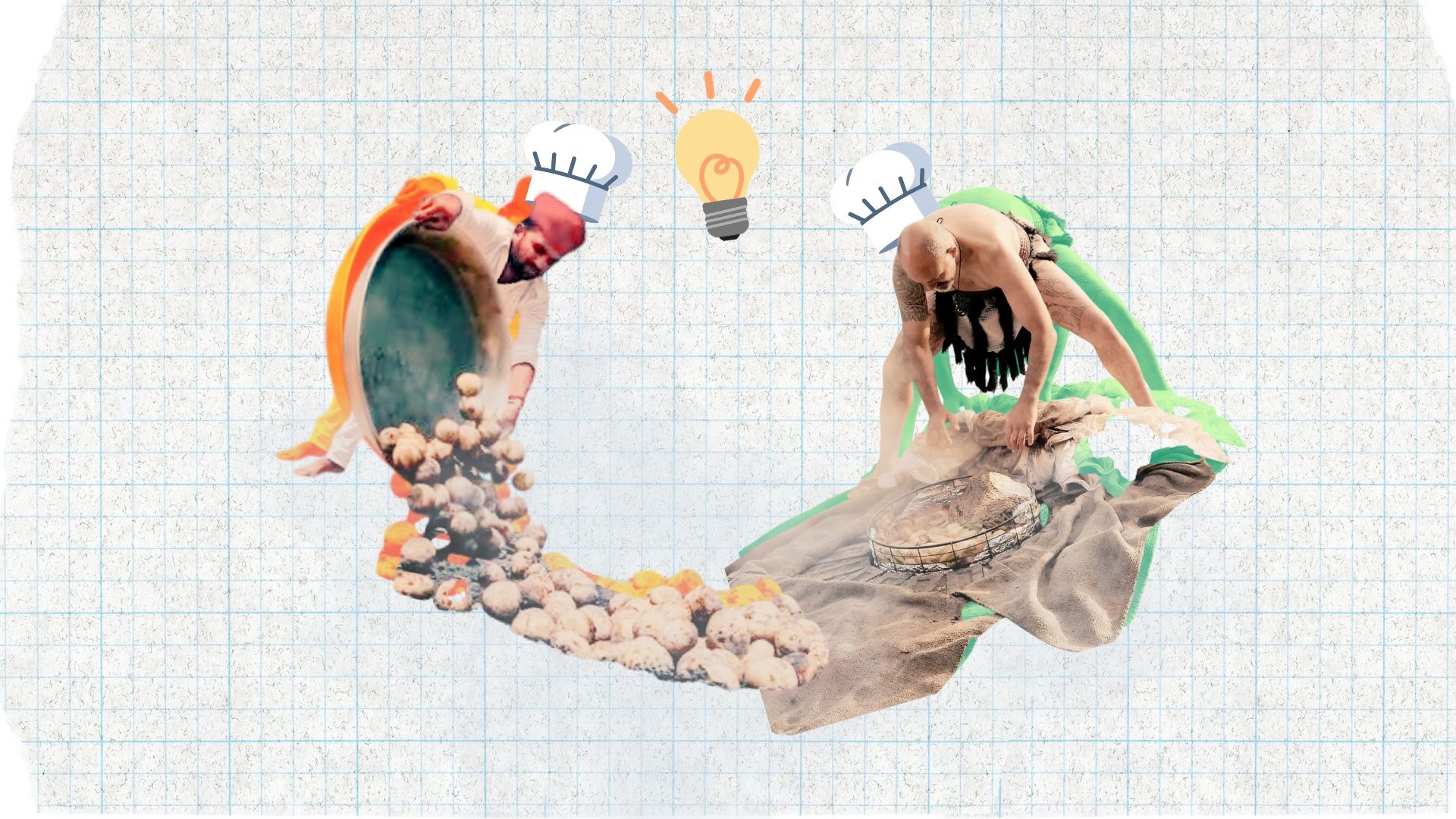
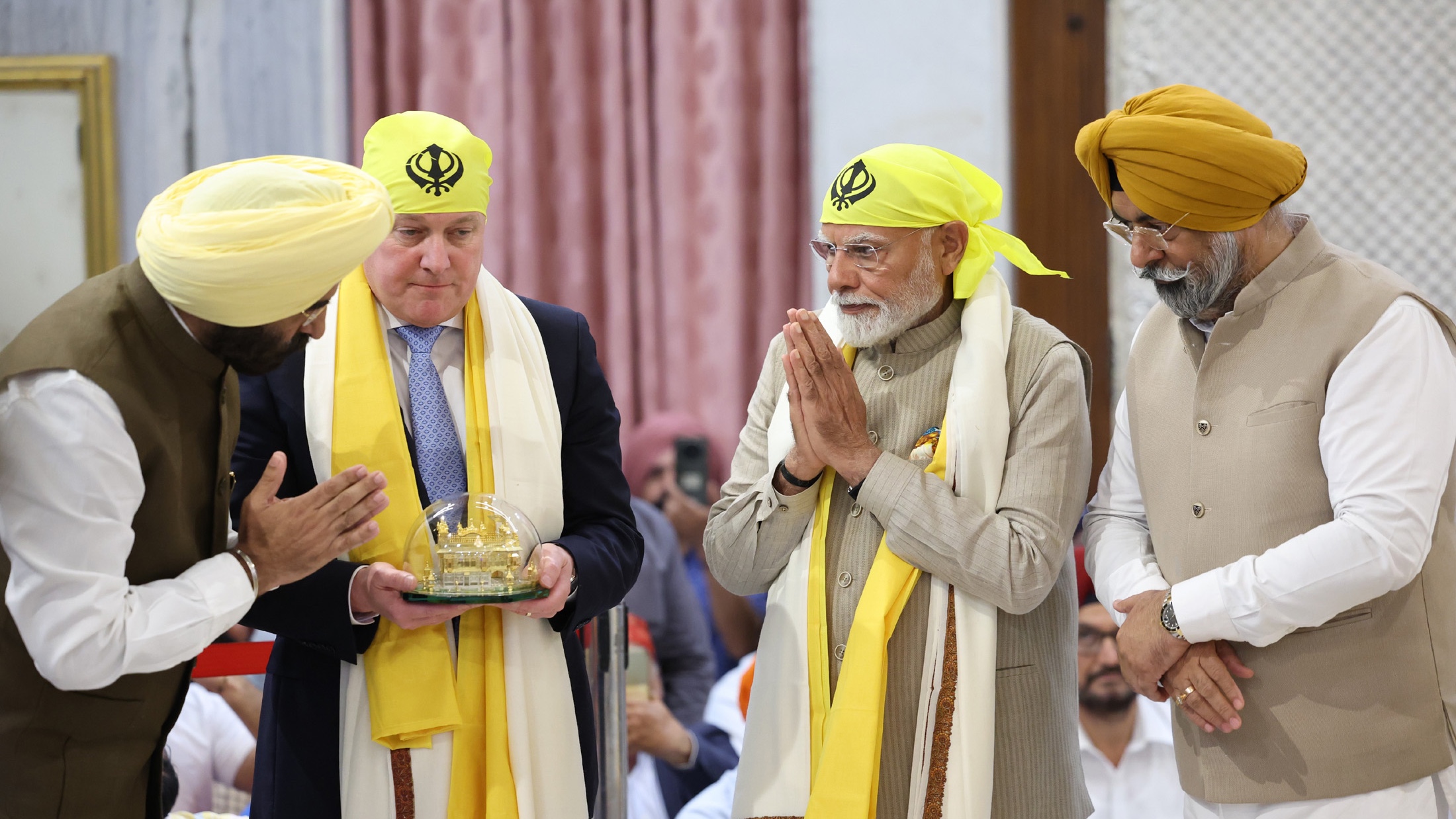
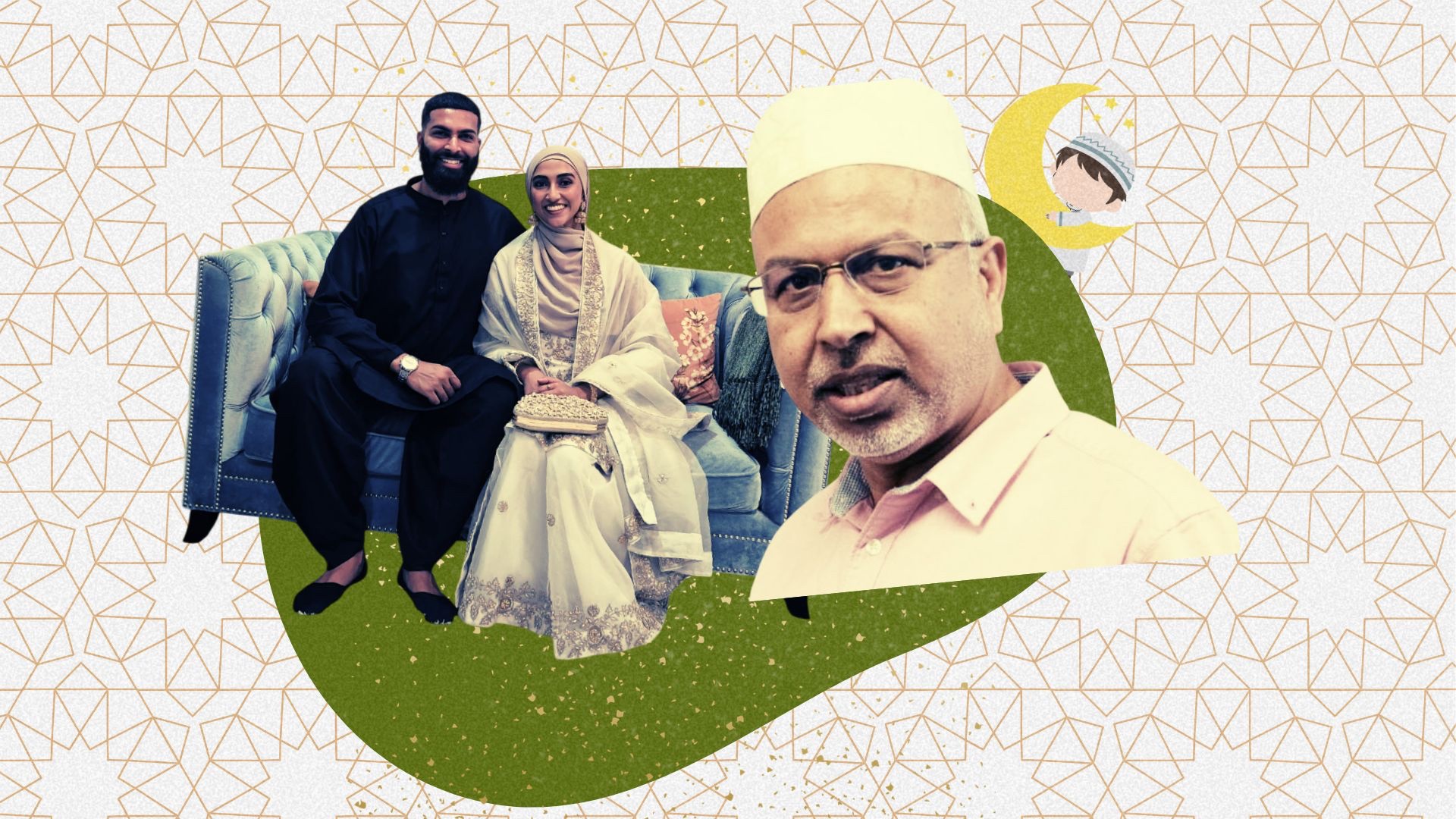
From designing restaurants to running Auckland Diwali: The many lives of Arnav Taode Taode brings his passion for Indian arts and culture to his first year managing BNZ Auckland Diwali 2026.
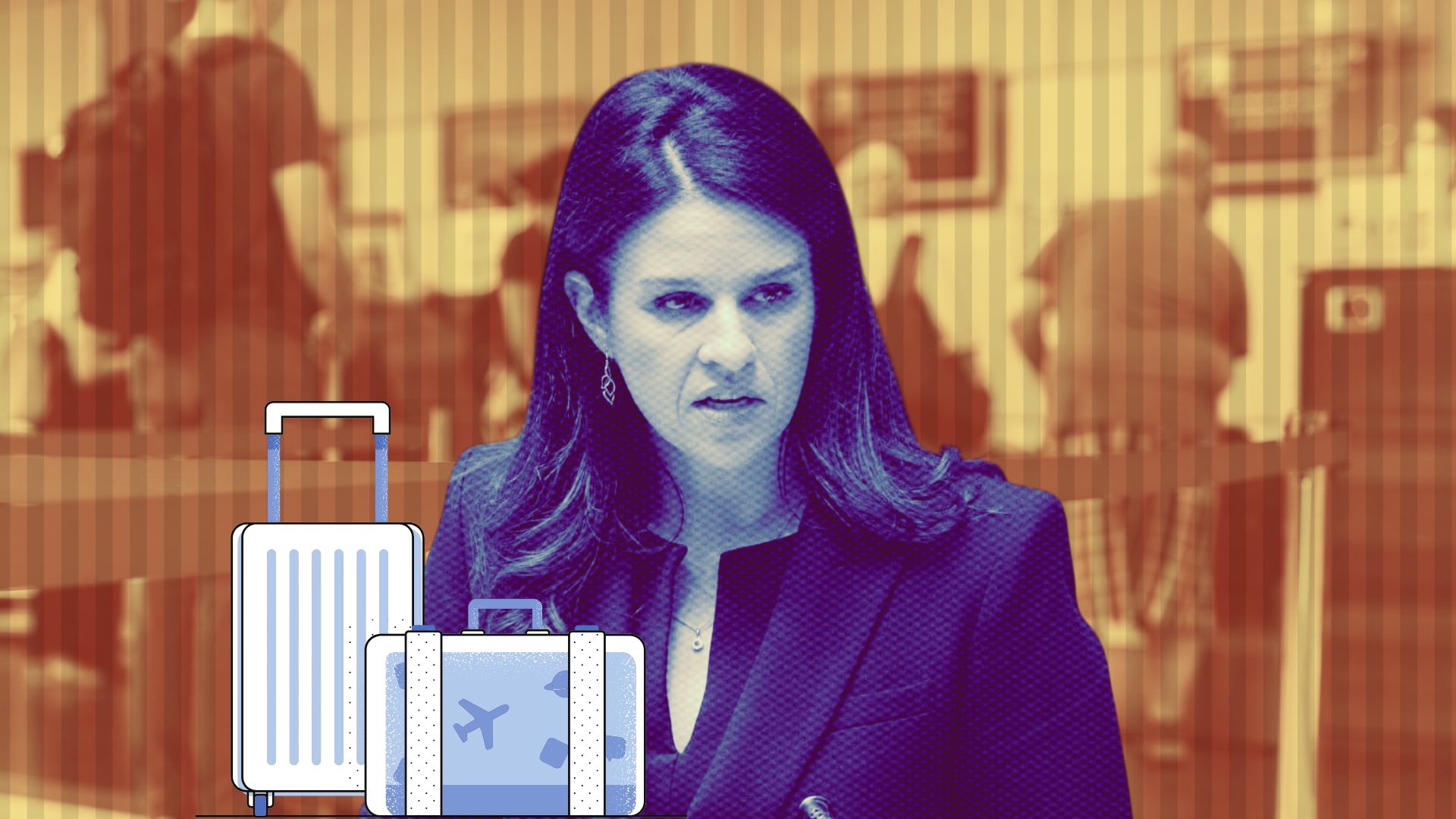
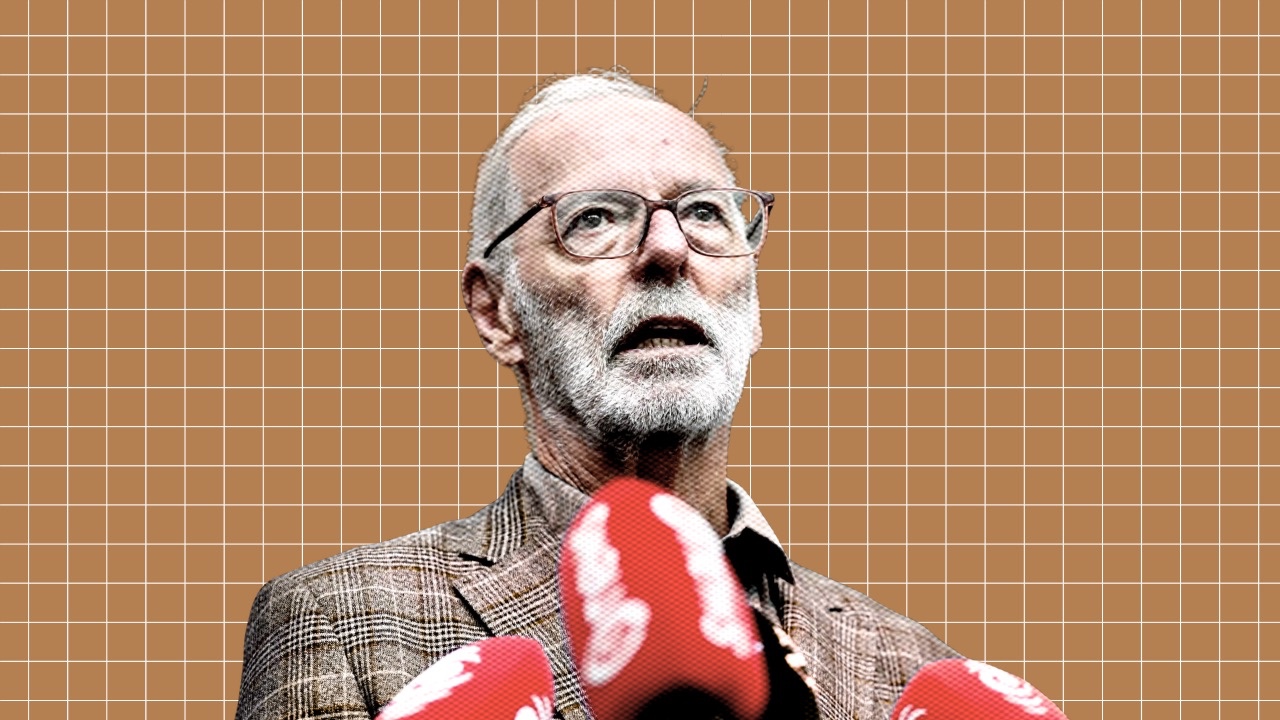
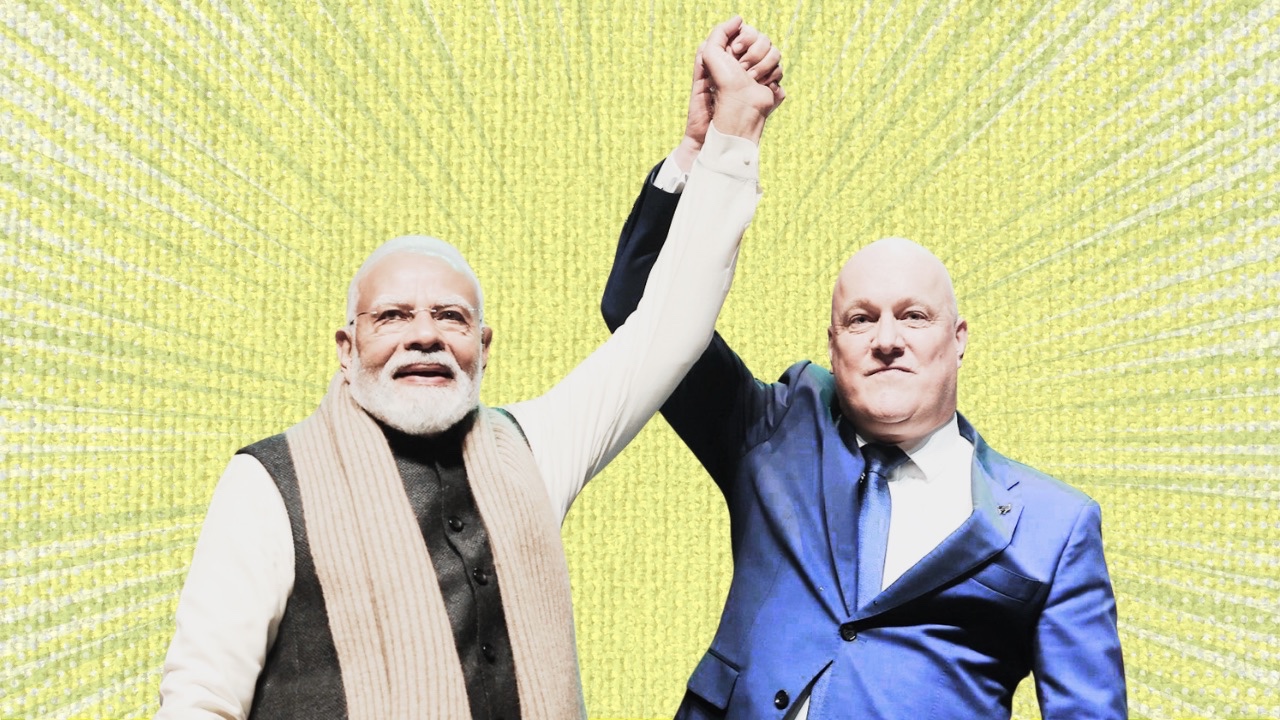
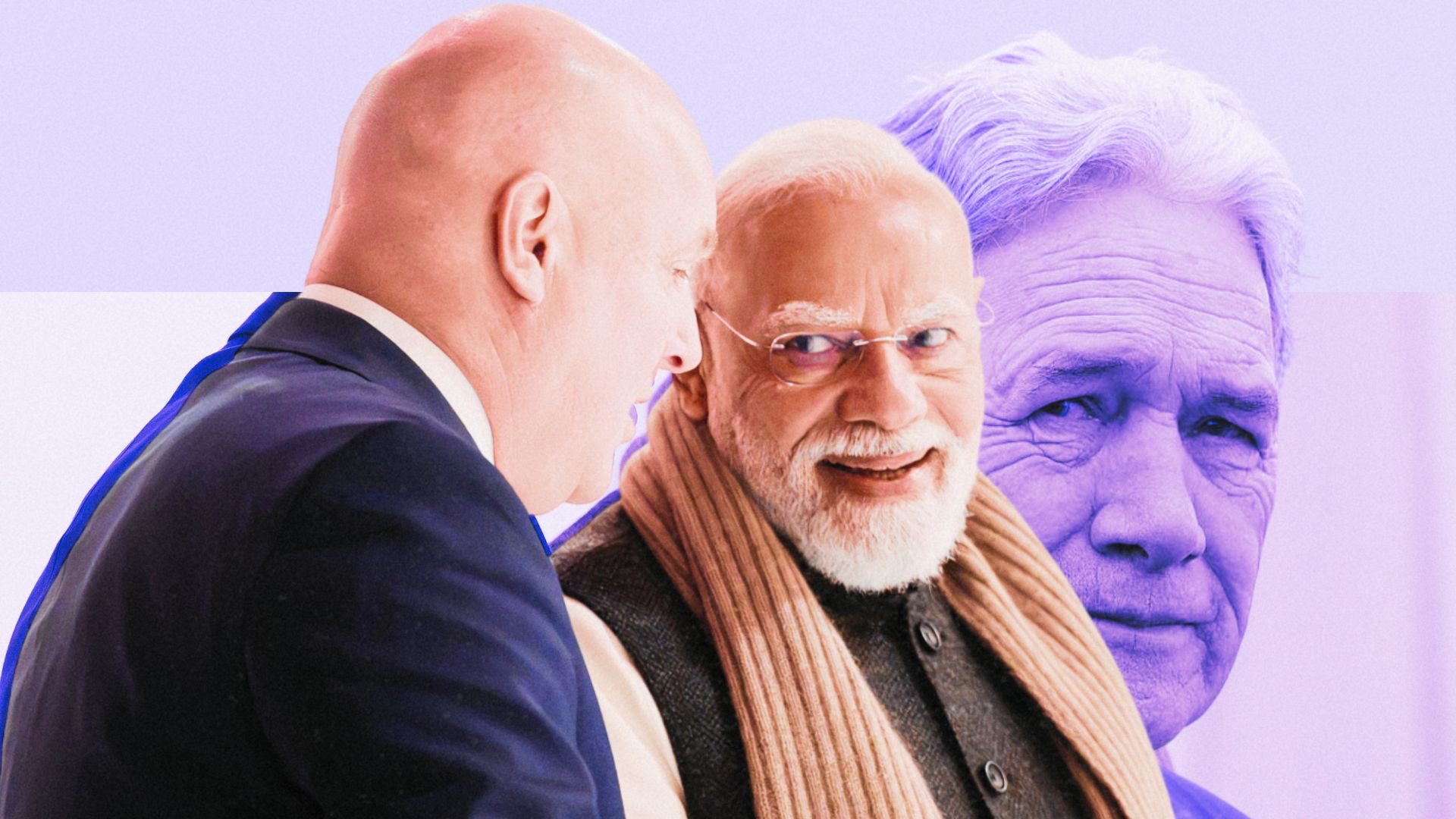
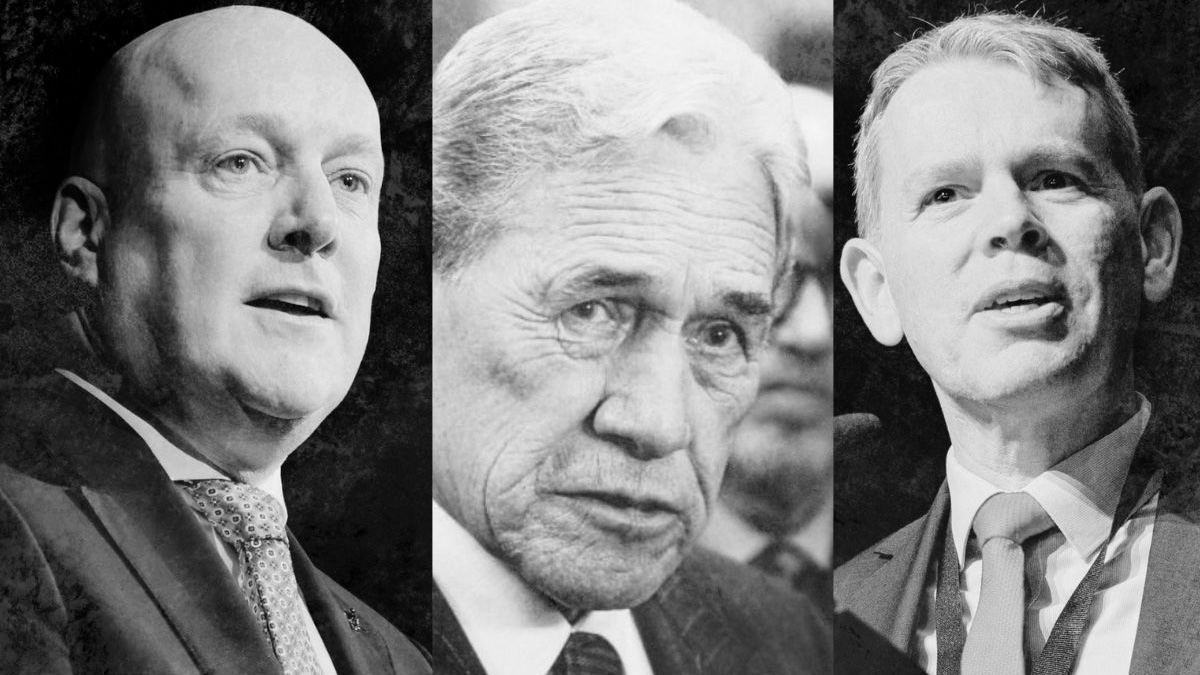
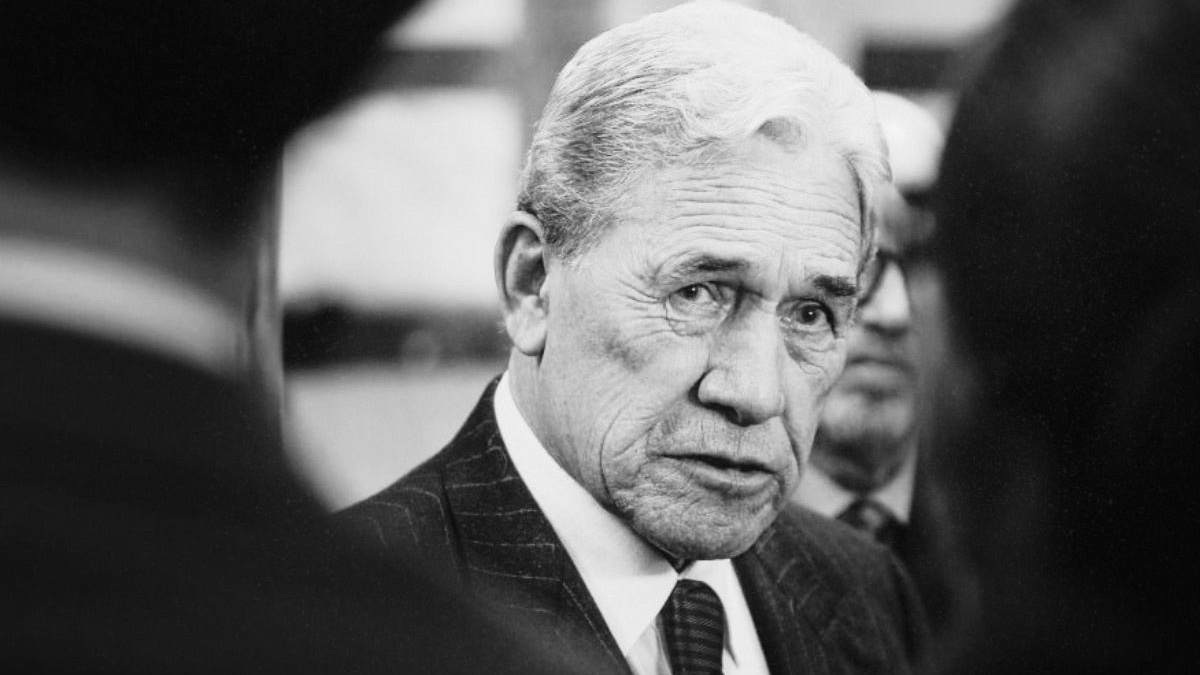
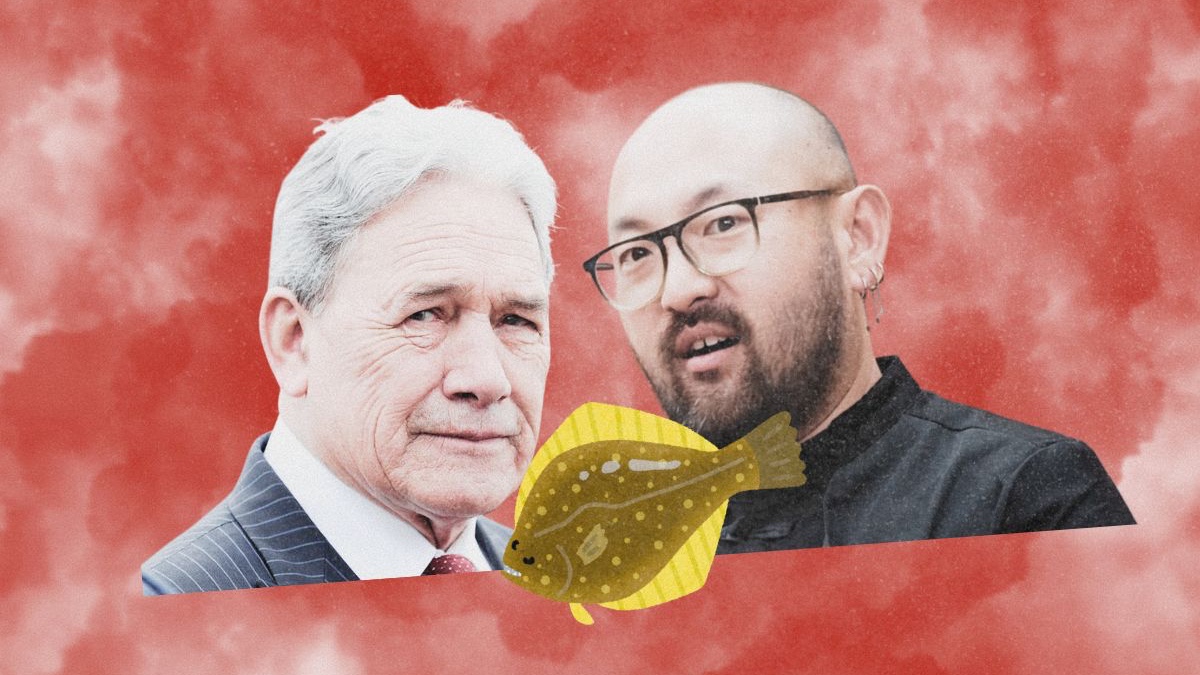
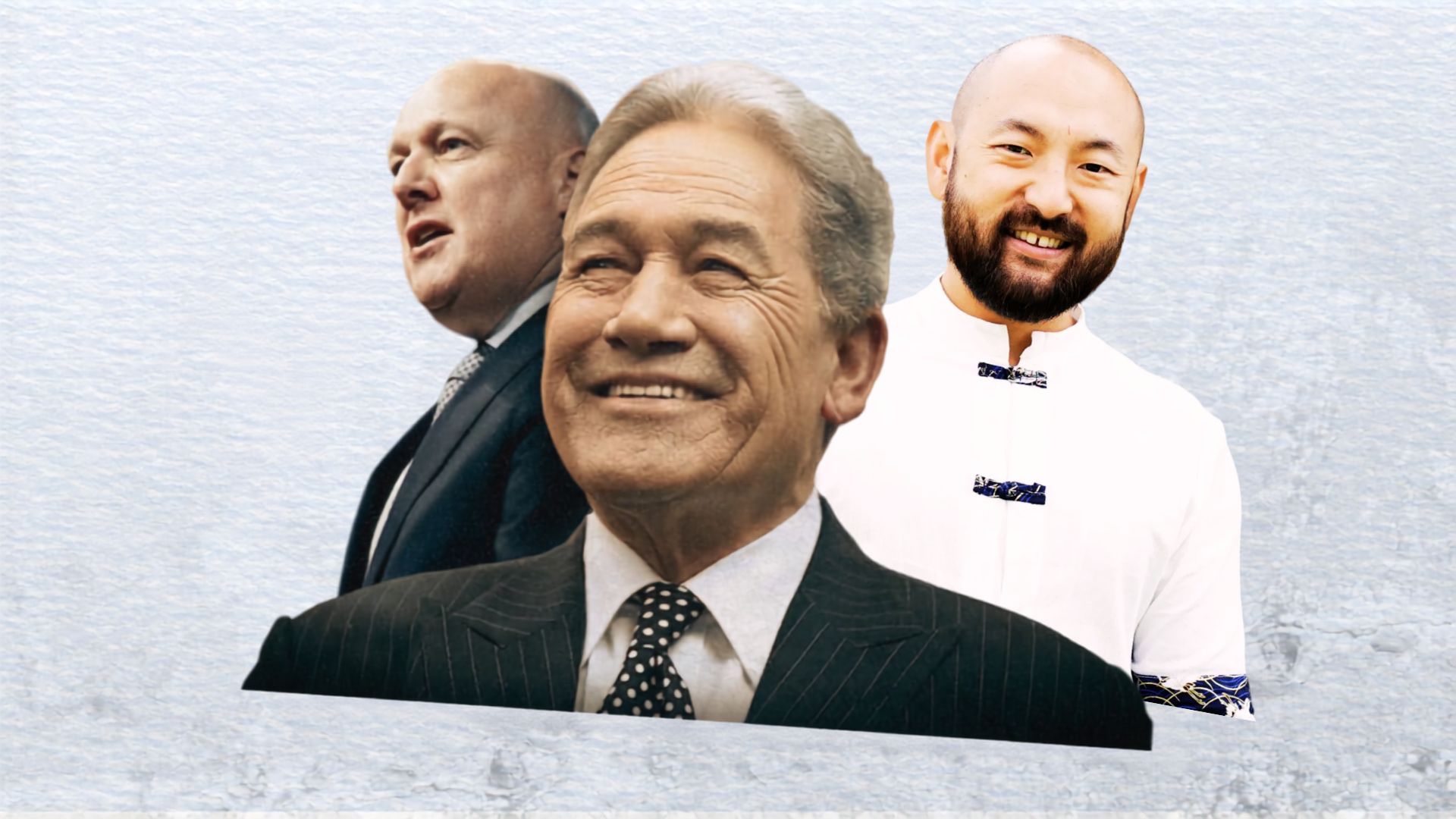
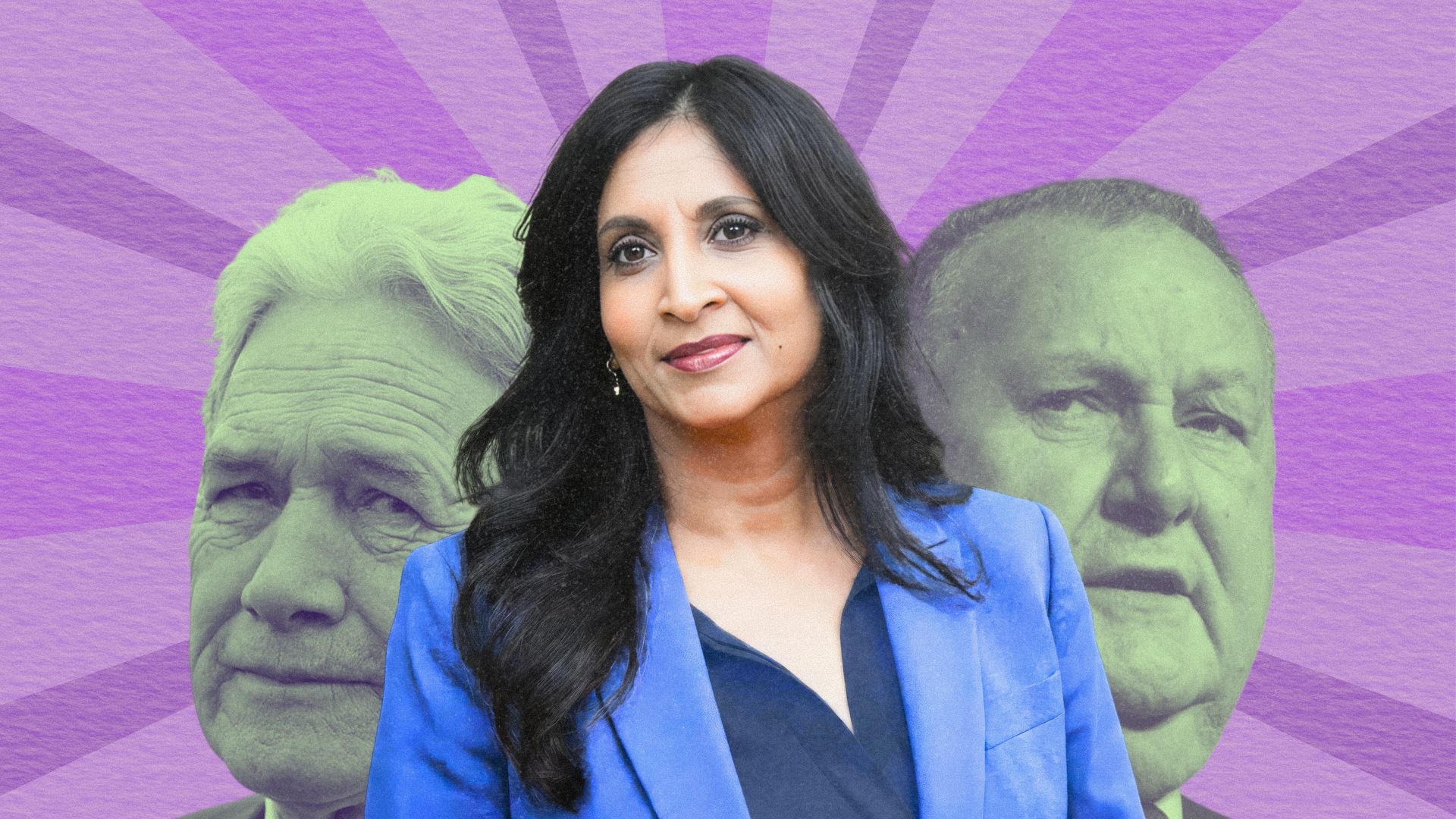
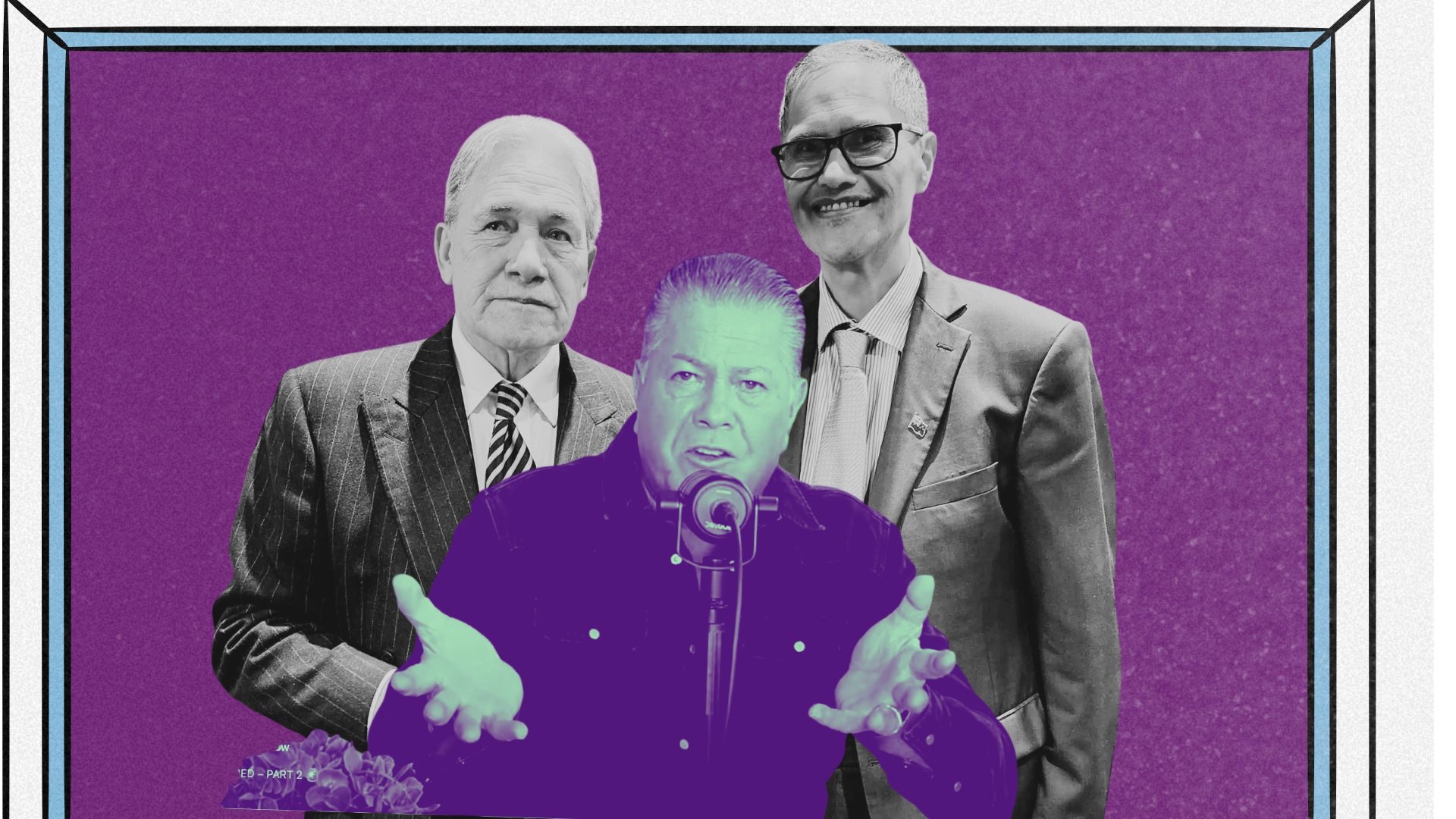
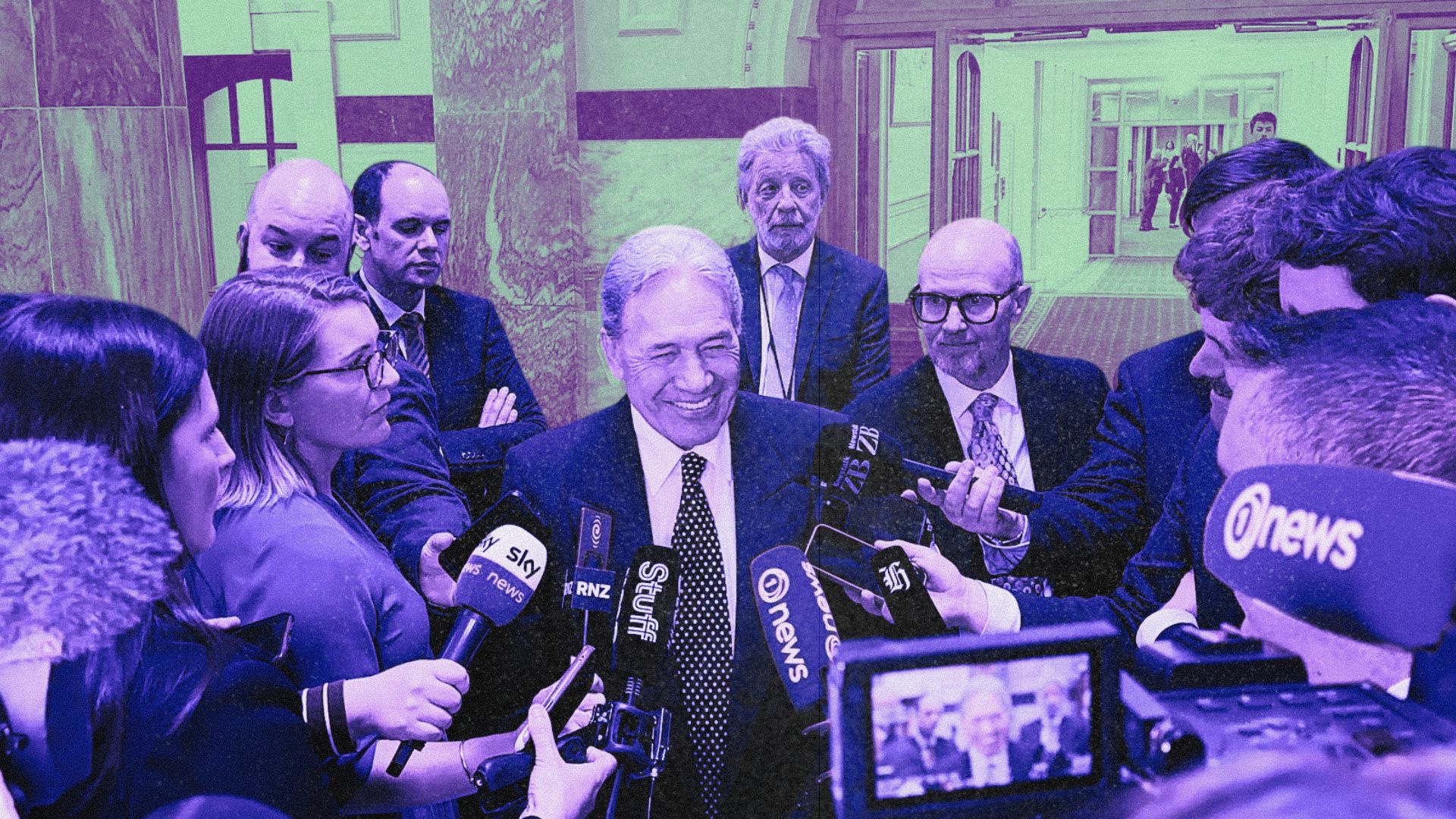
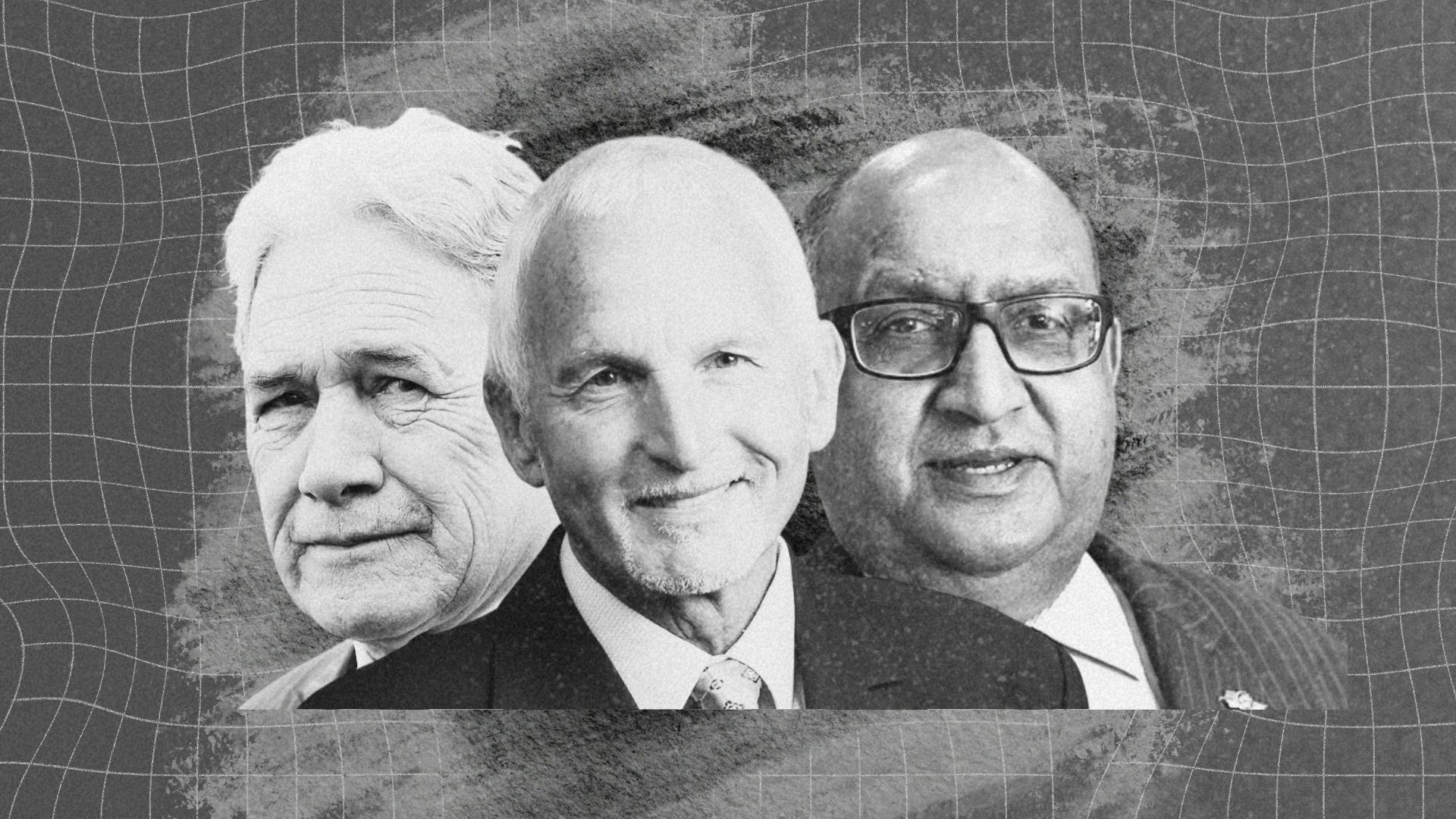
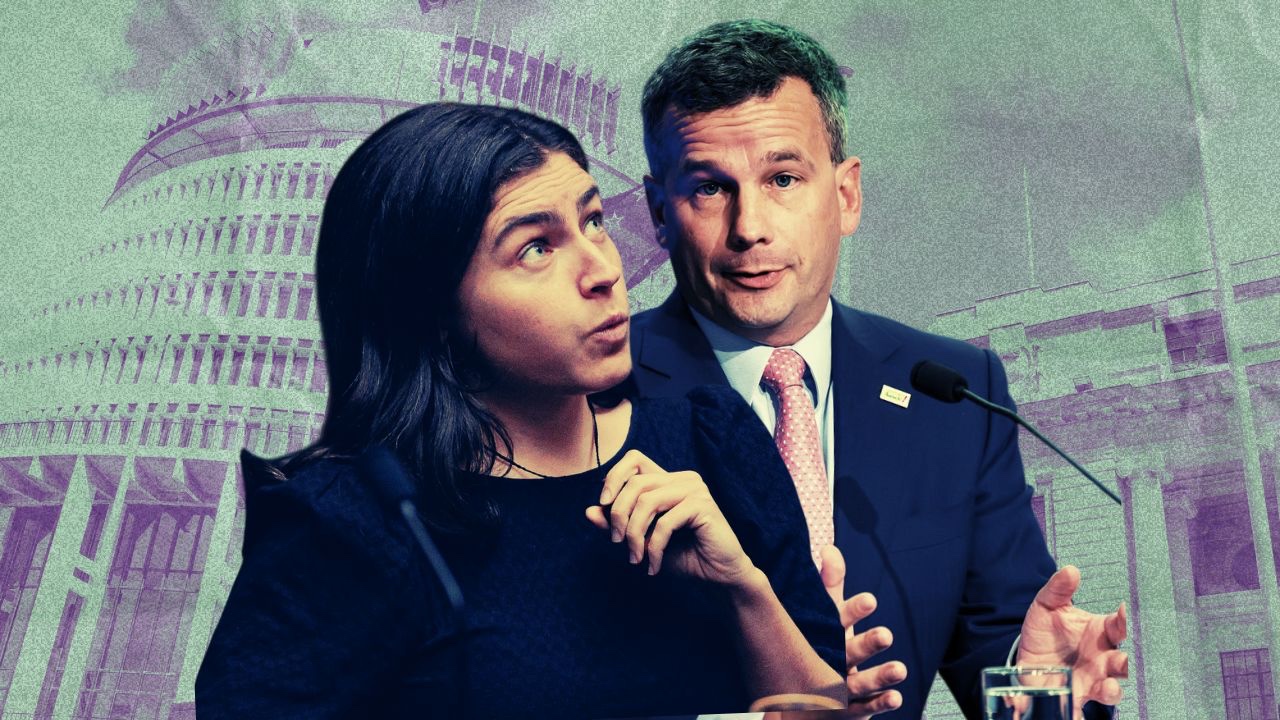
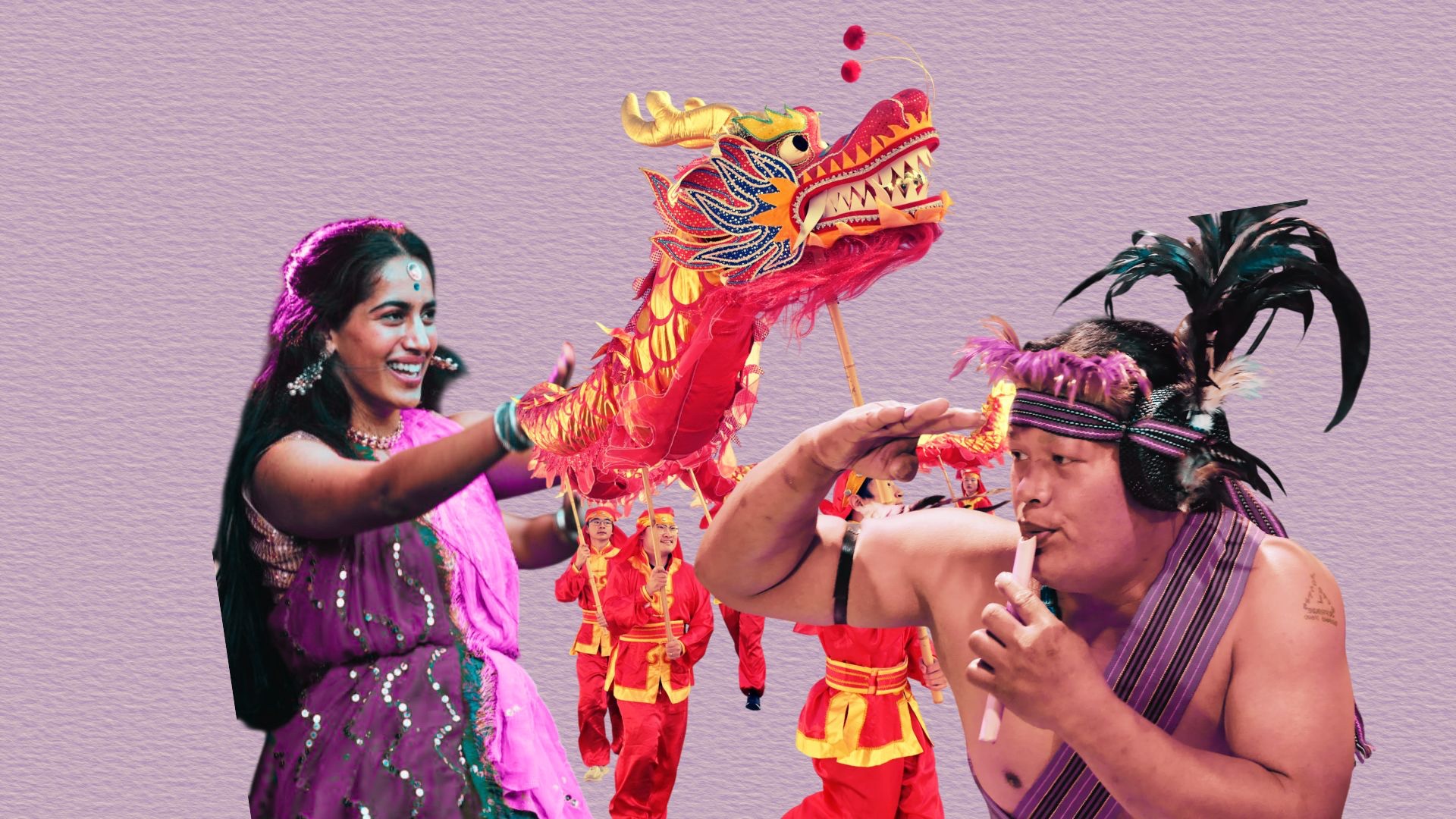
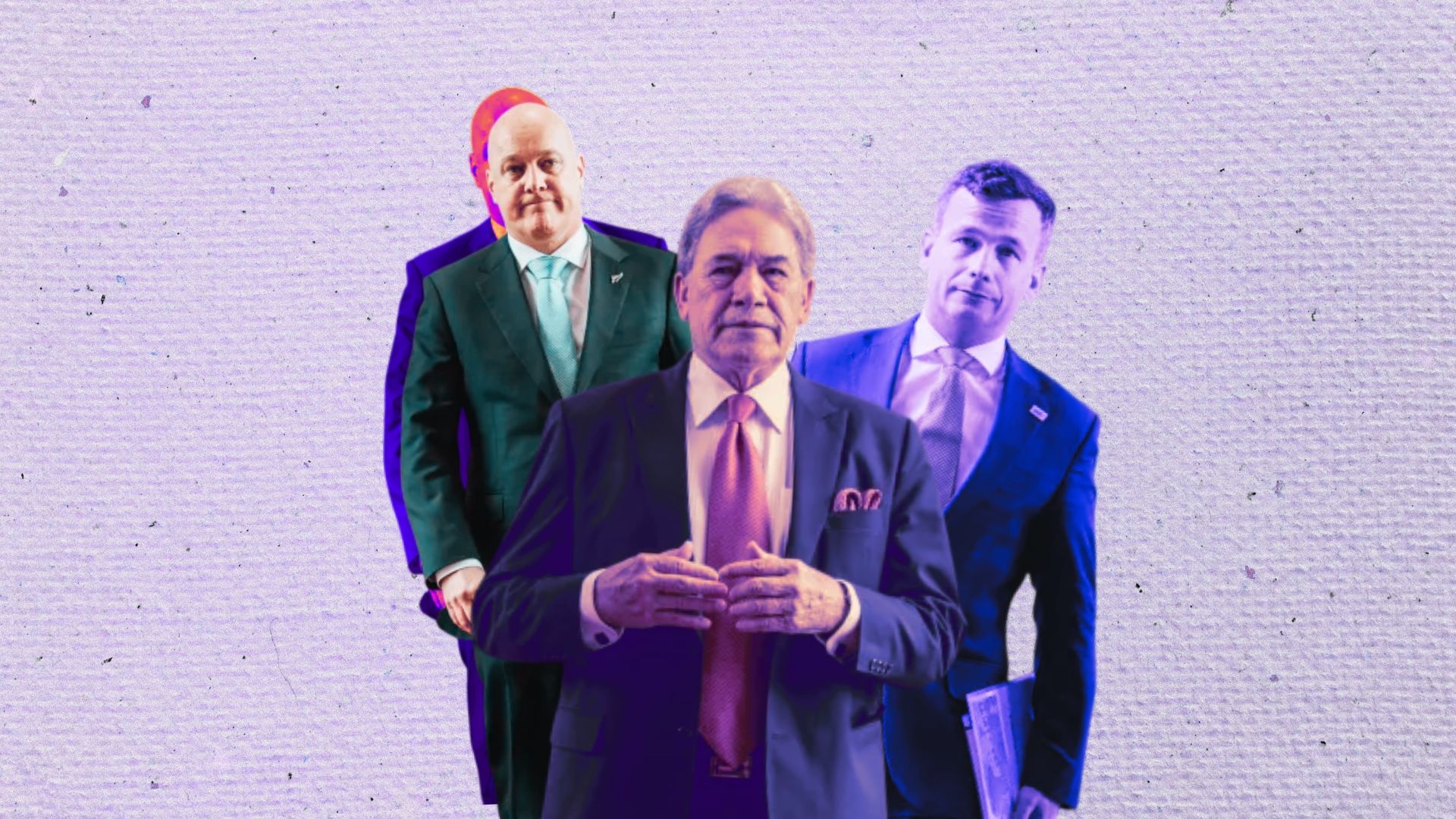
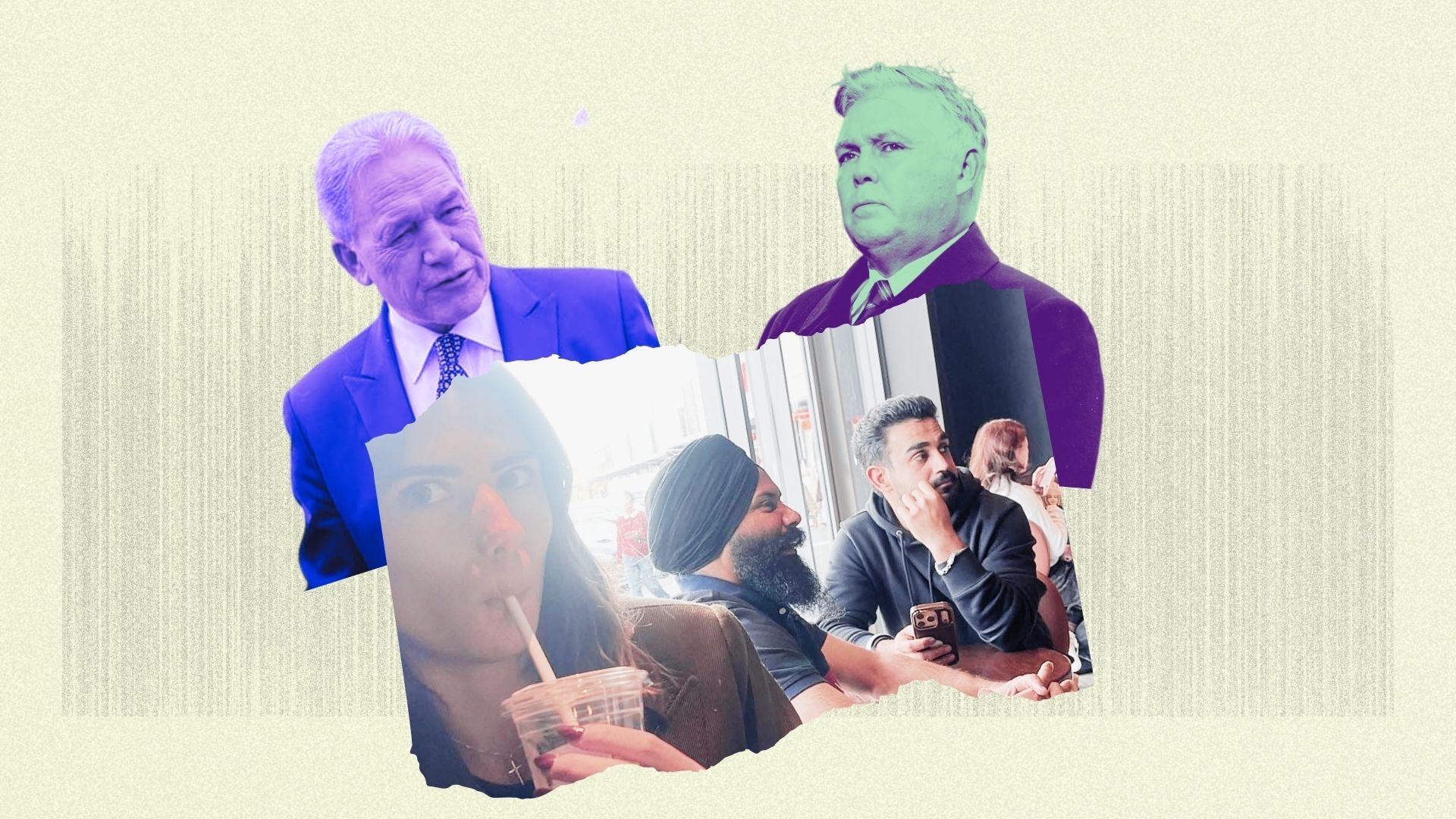
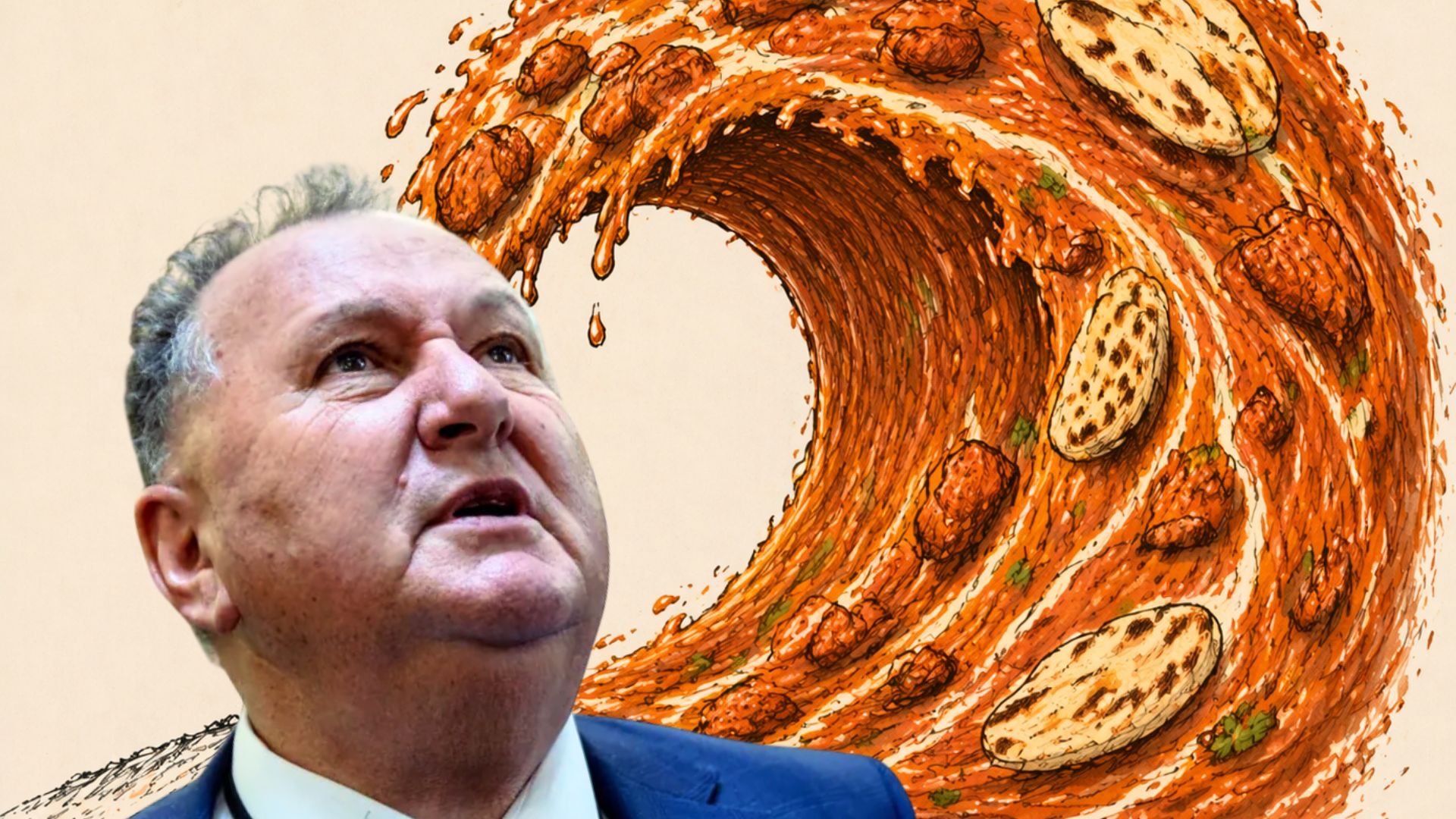
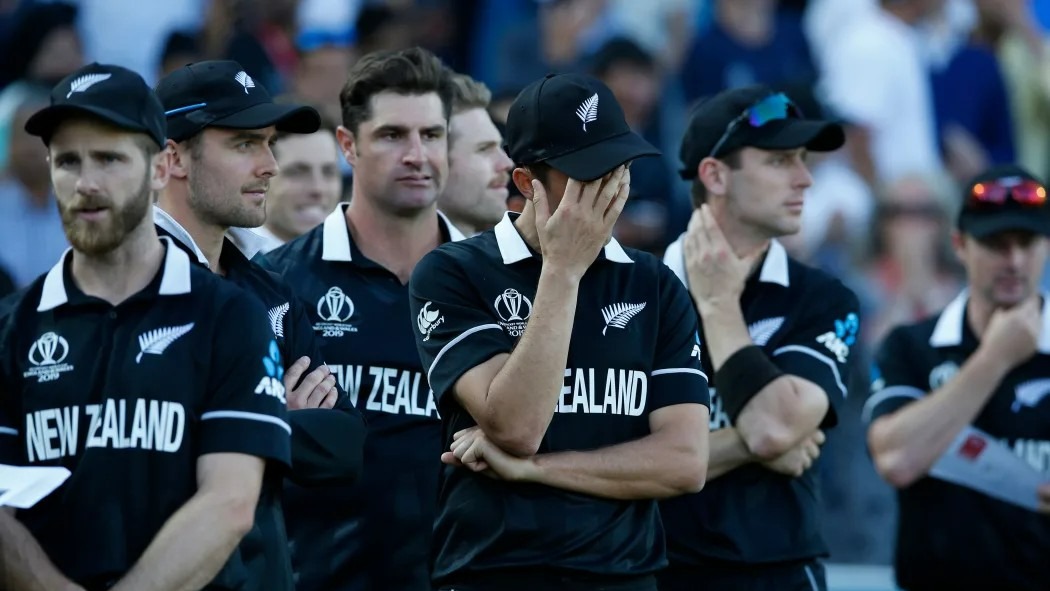
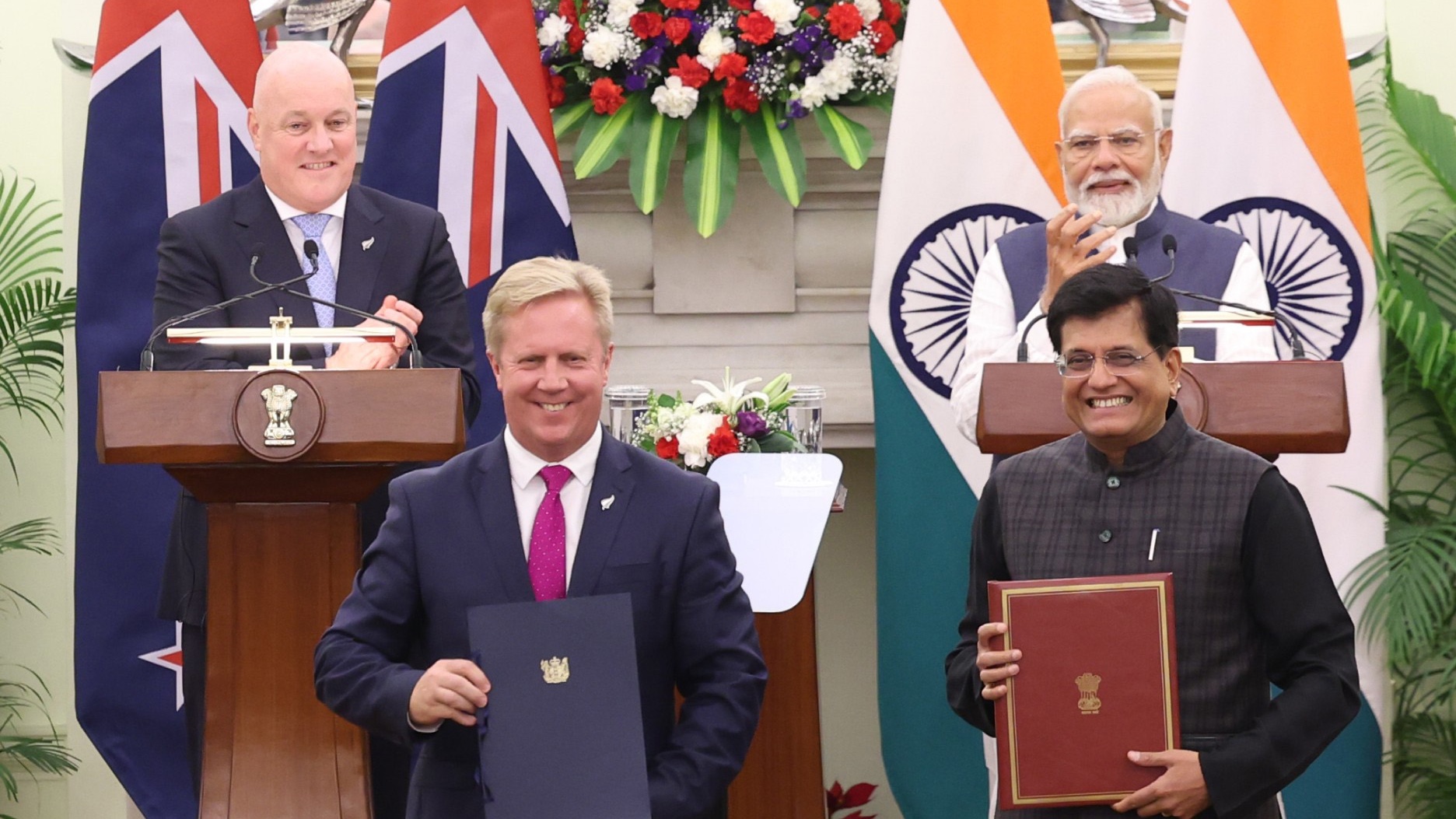
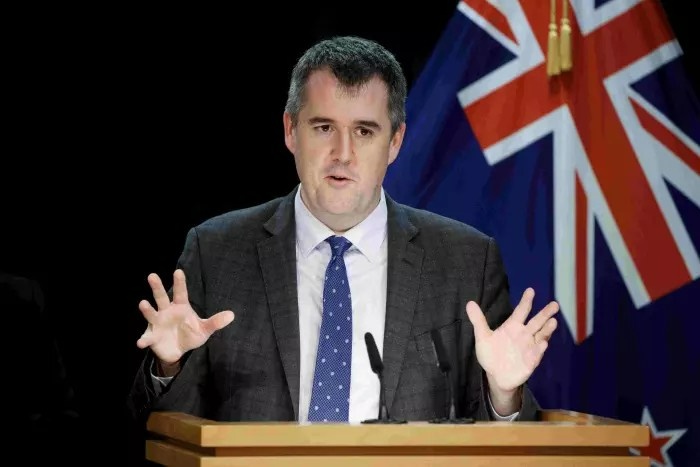
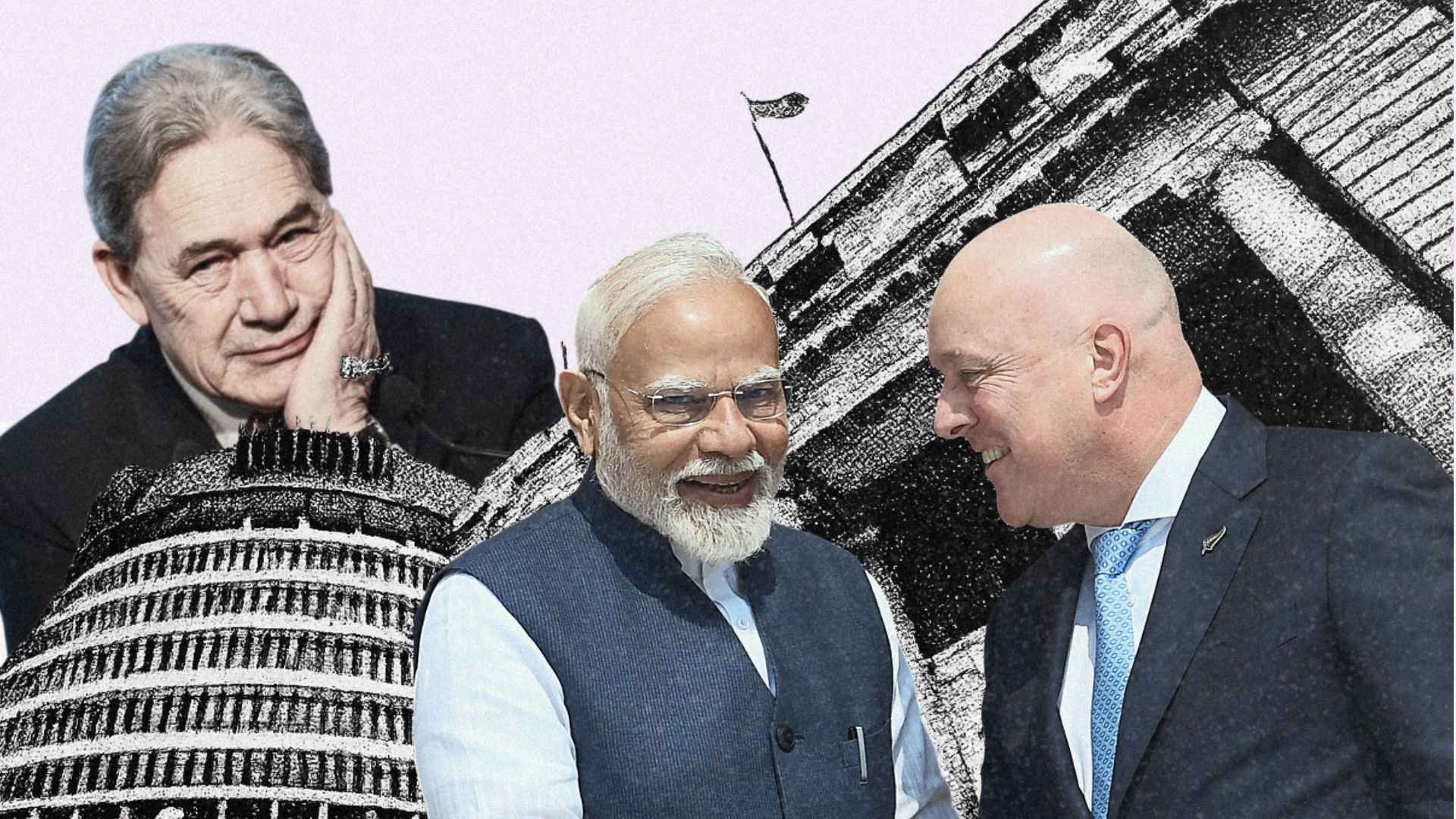
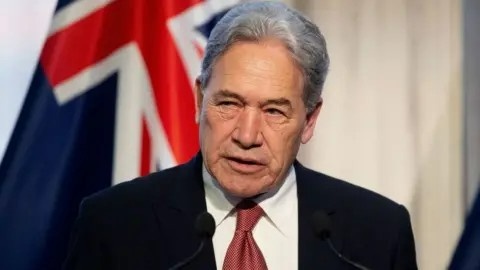
Winston Peters says ‘diversity is disunity’. What does the evidence tell us? Evidence from business, sport and social policy suggests diversity can strengthen economies and cohesion but on one condition.
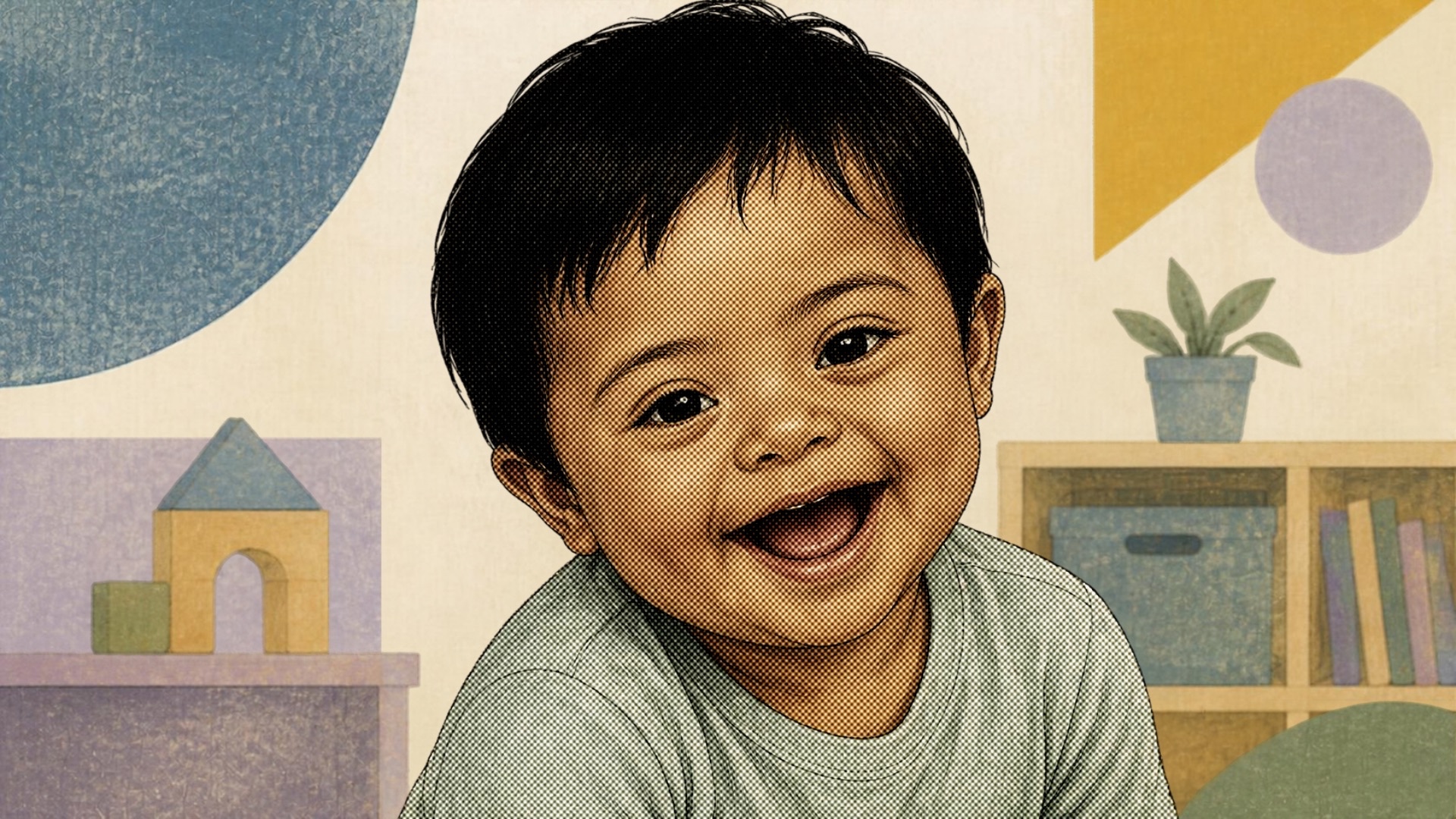
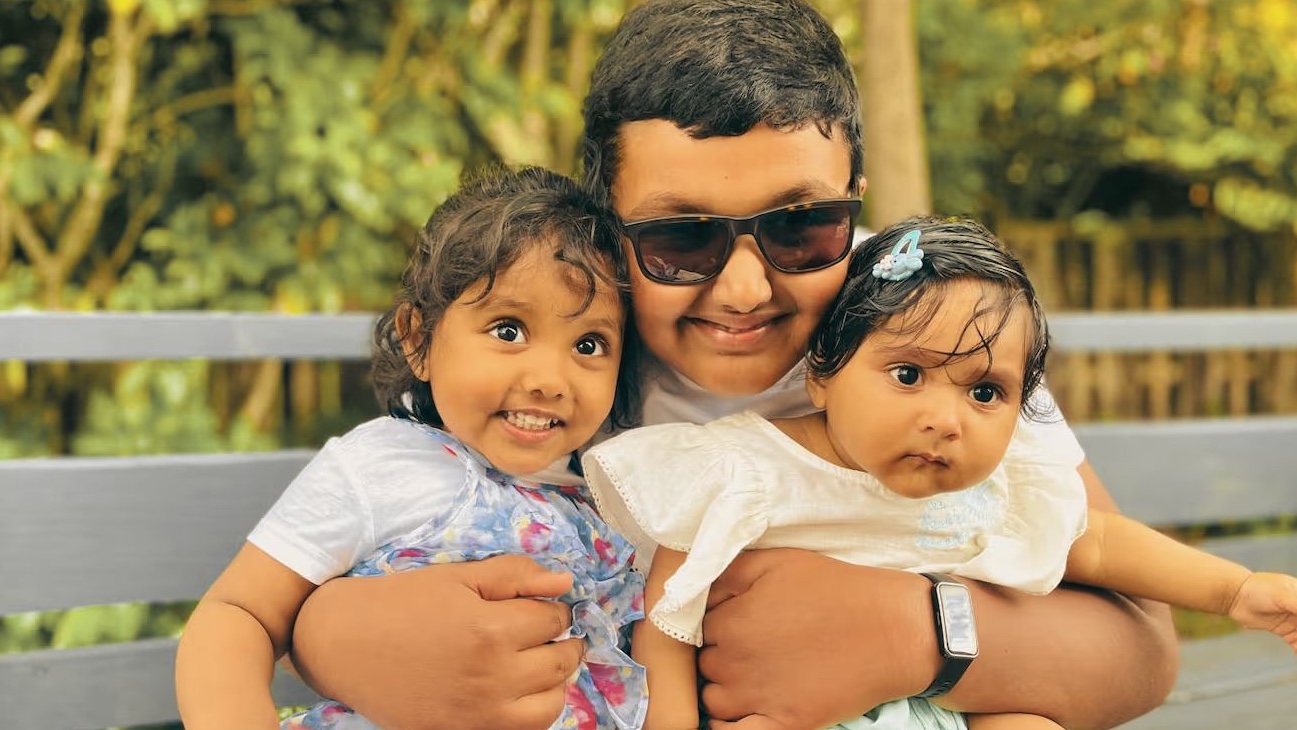
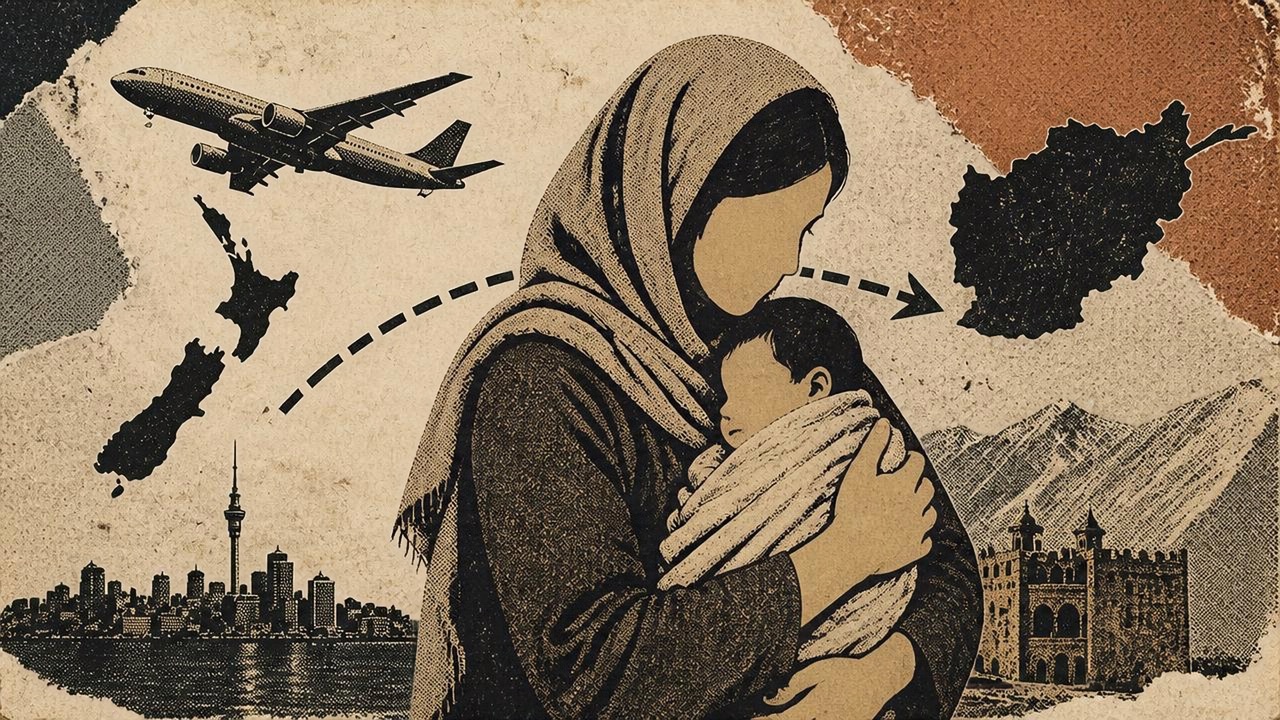
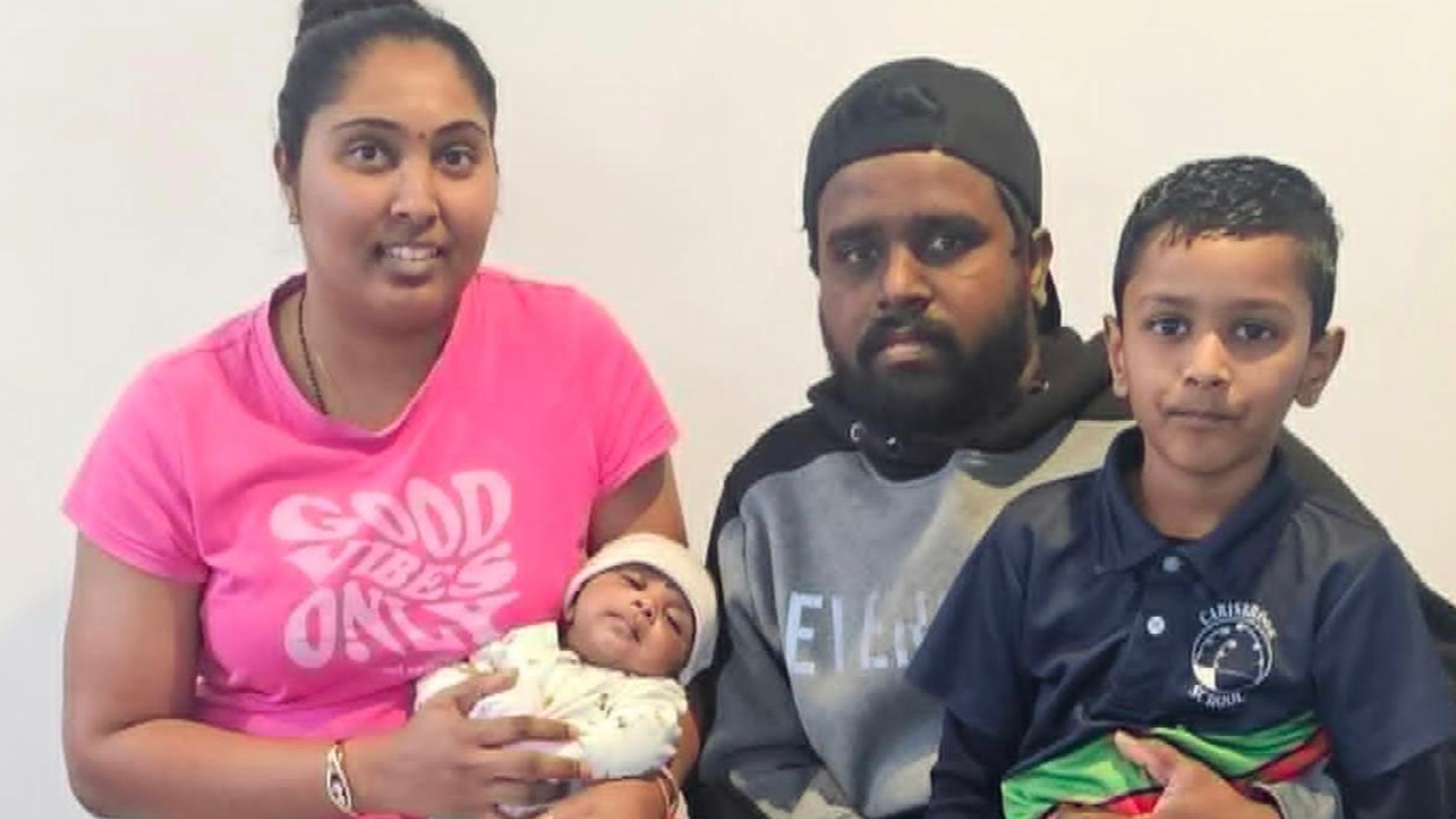
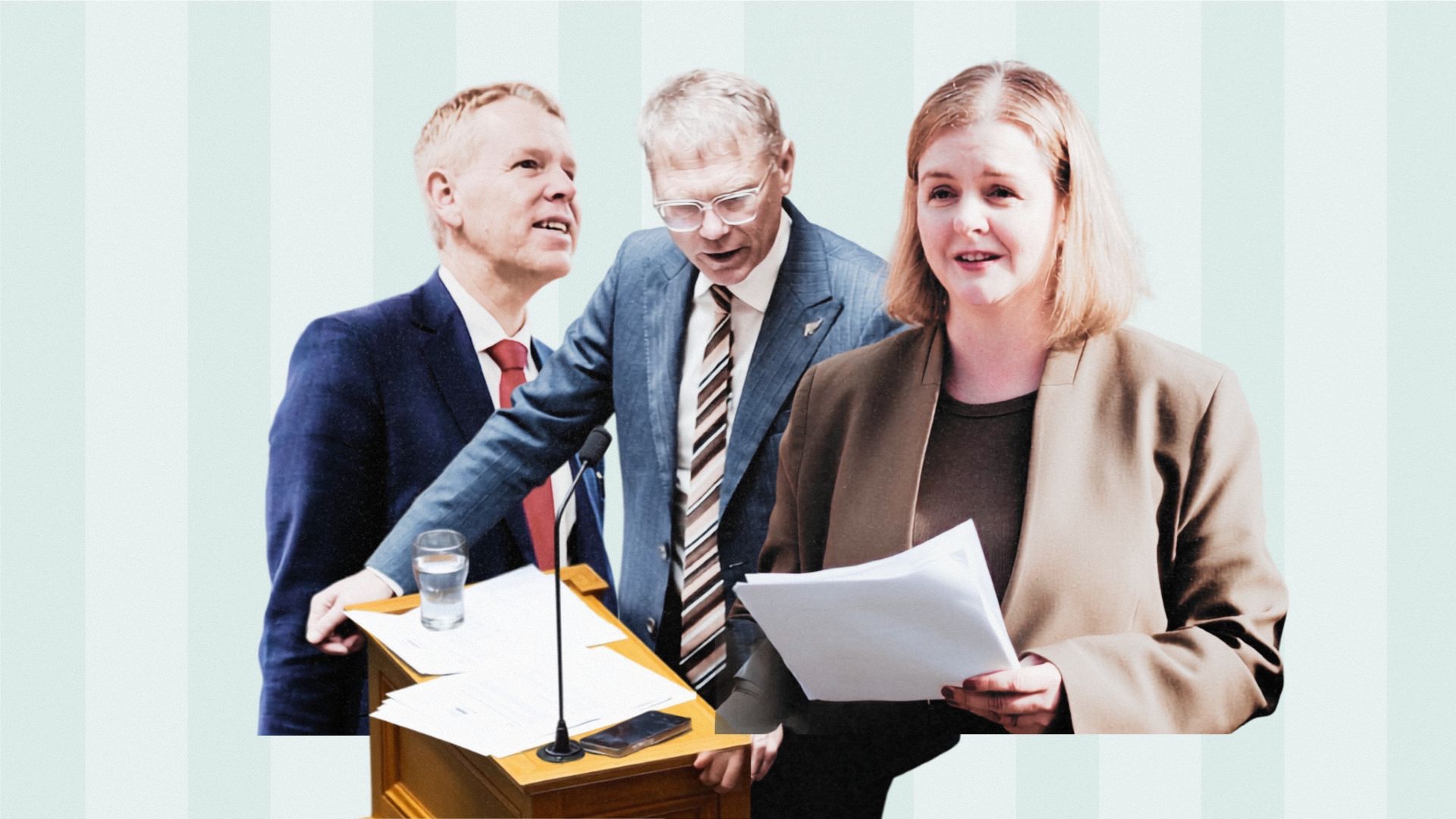
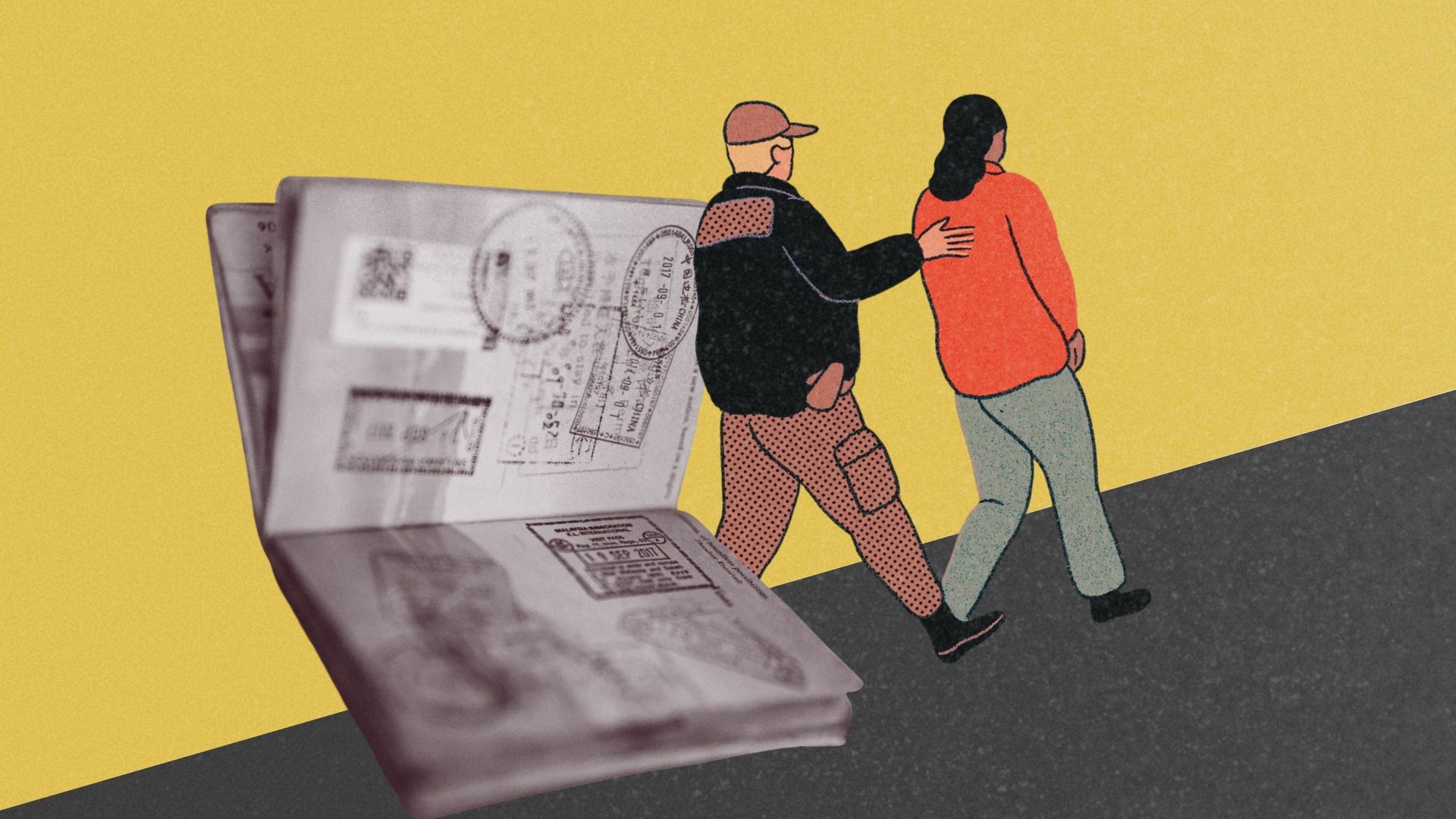
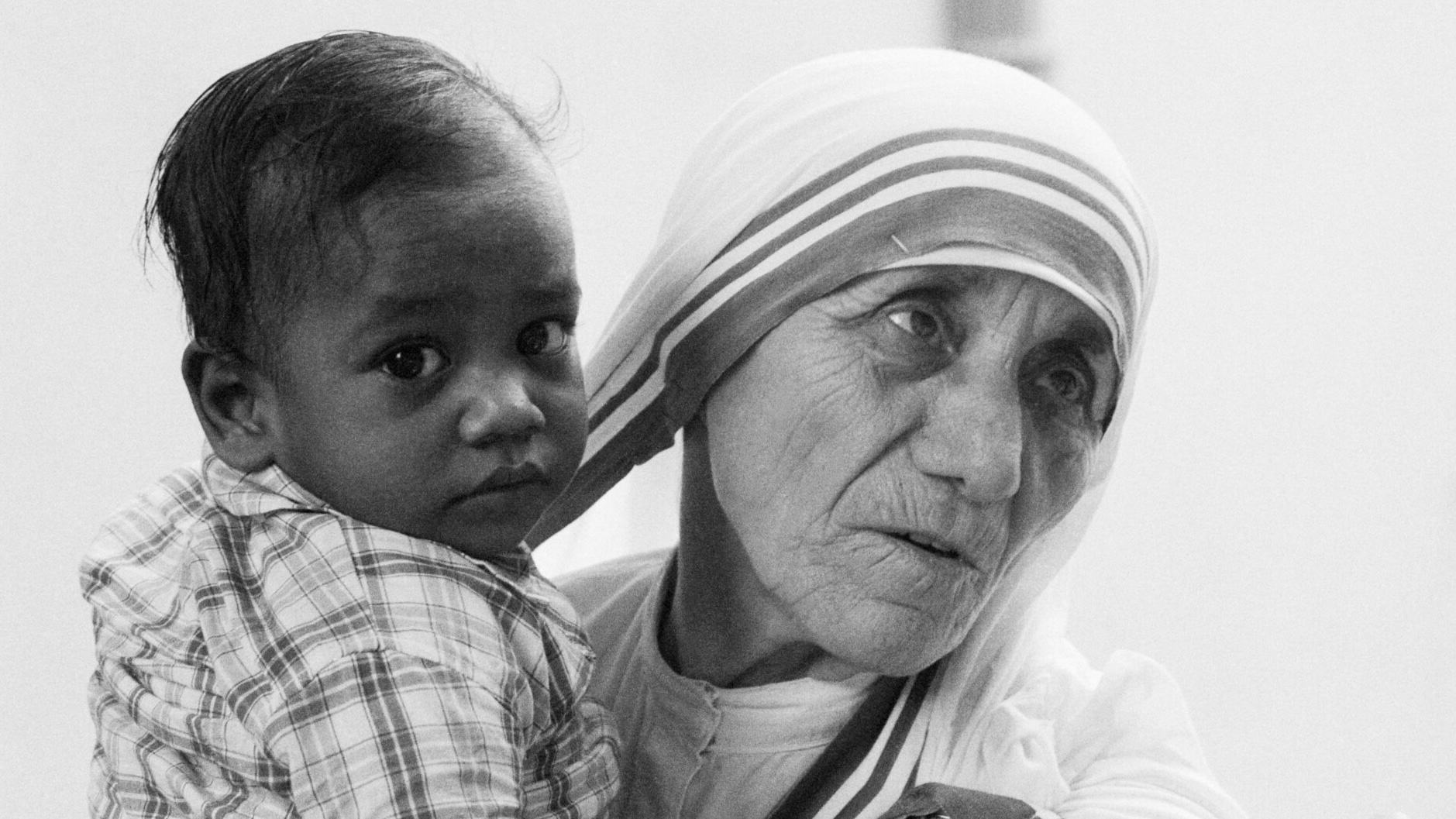
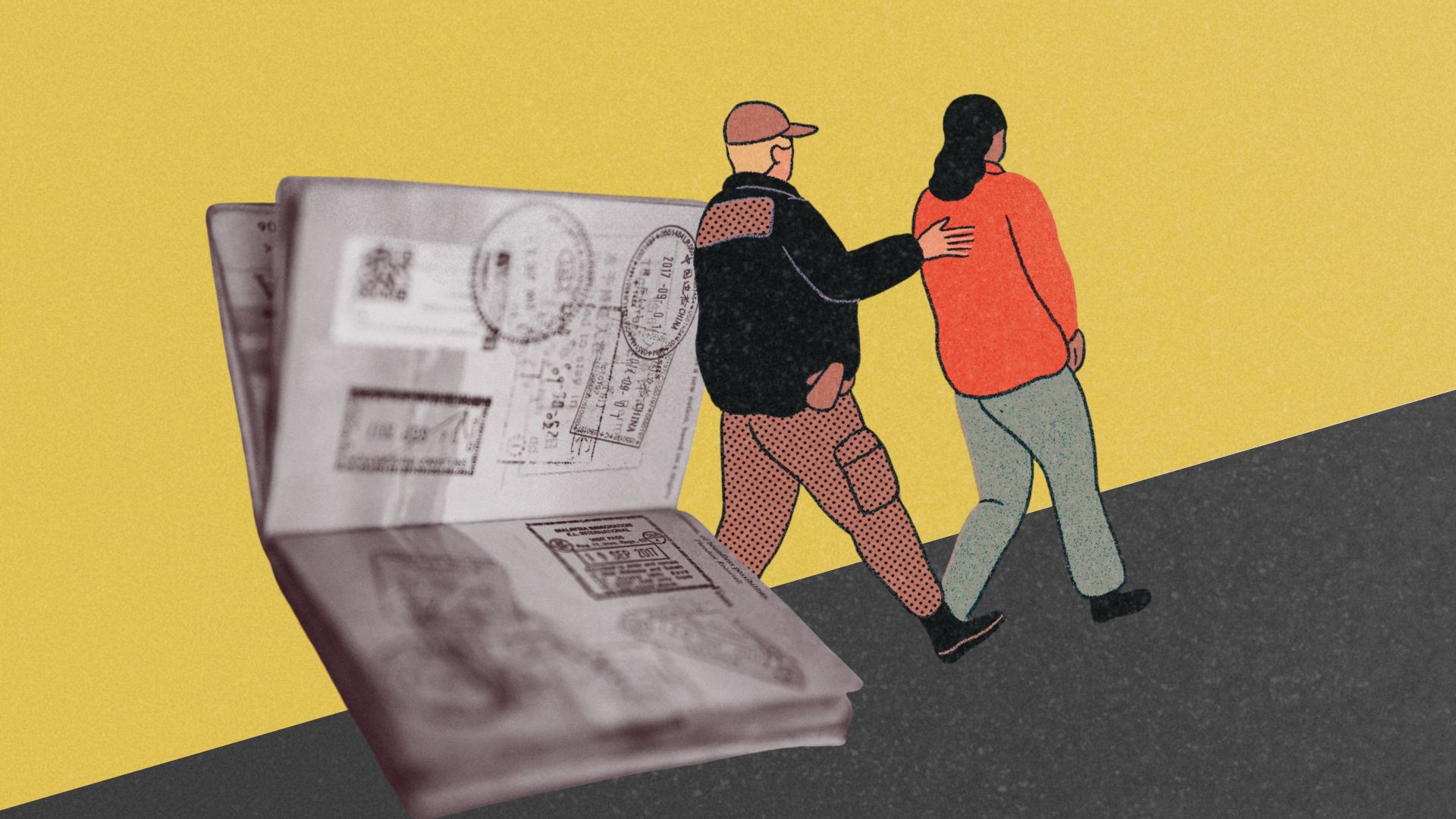
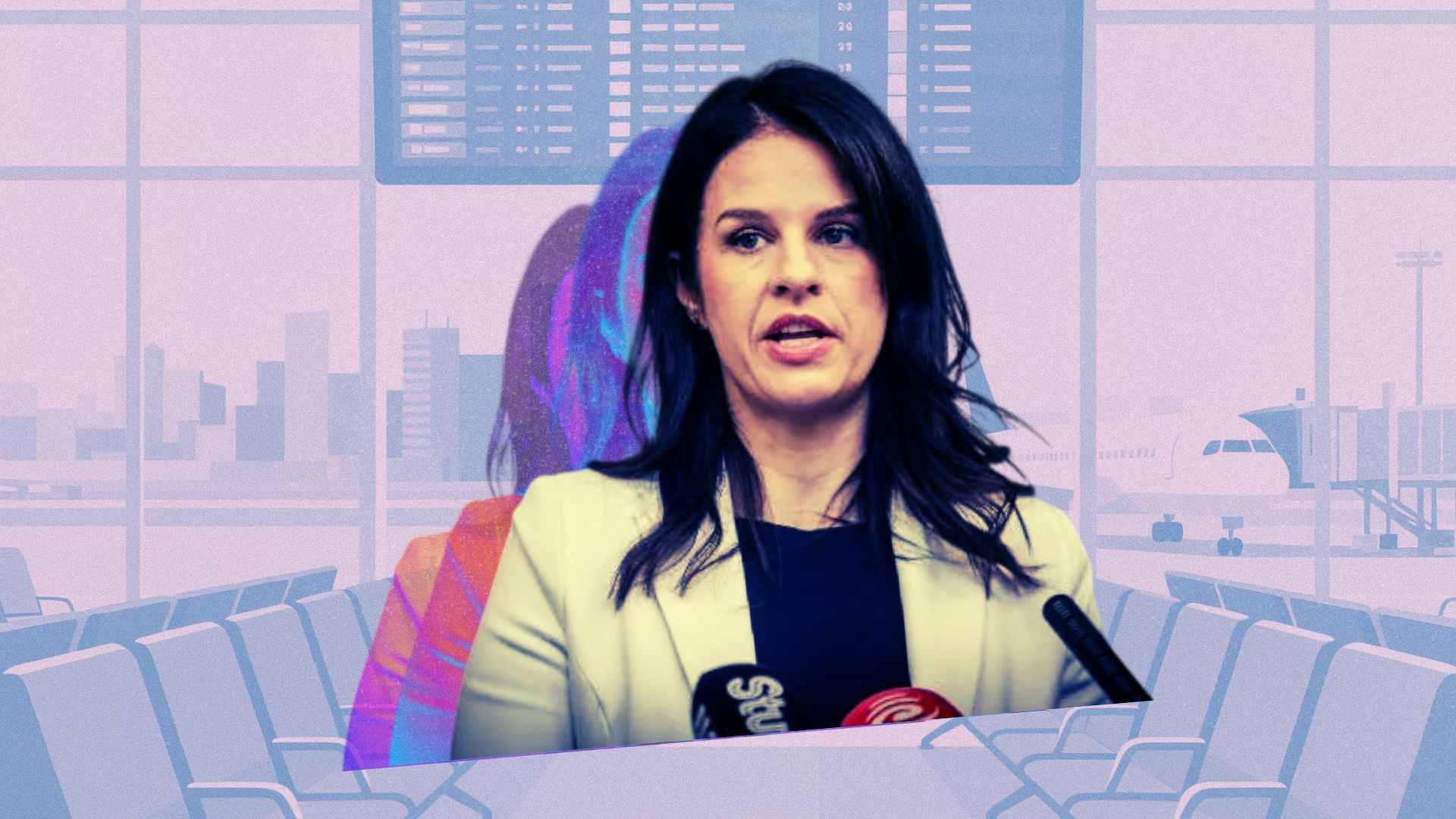
Baby born in Sri Lanka to New Zealand residents caught in limbo after Down syndrome diagnosis Immigration tribunal orders fresh residence assessment after finding a “serious mistake” by immigration officials.
You are welcome — as long as you soften your values. As long as your family structures look familiar. As long as your ambition does not feel too intense. This is rarely stated openly, but it is quietly felt.
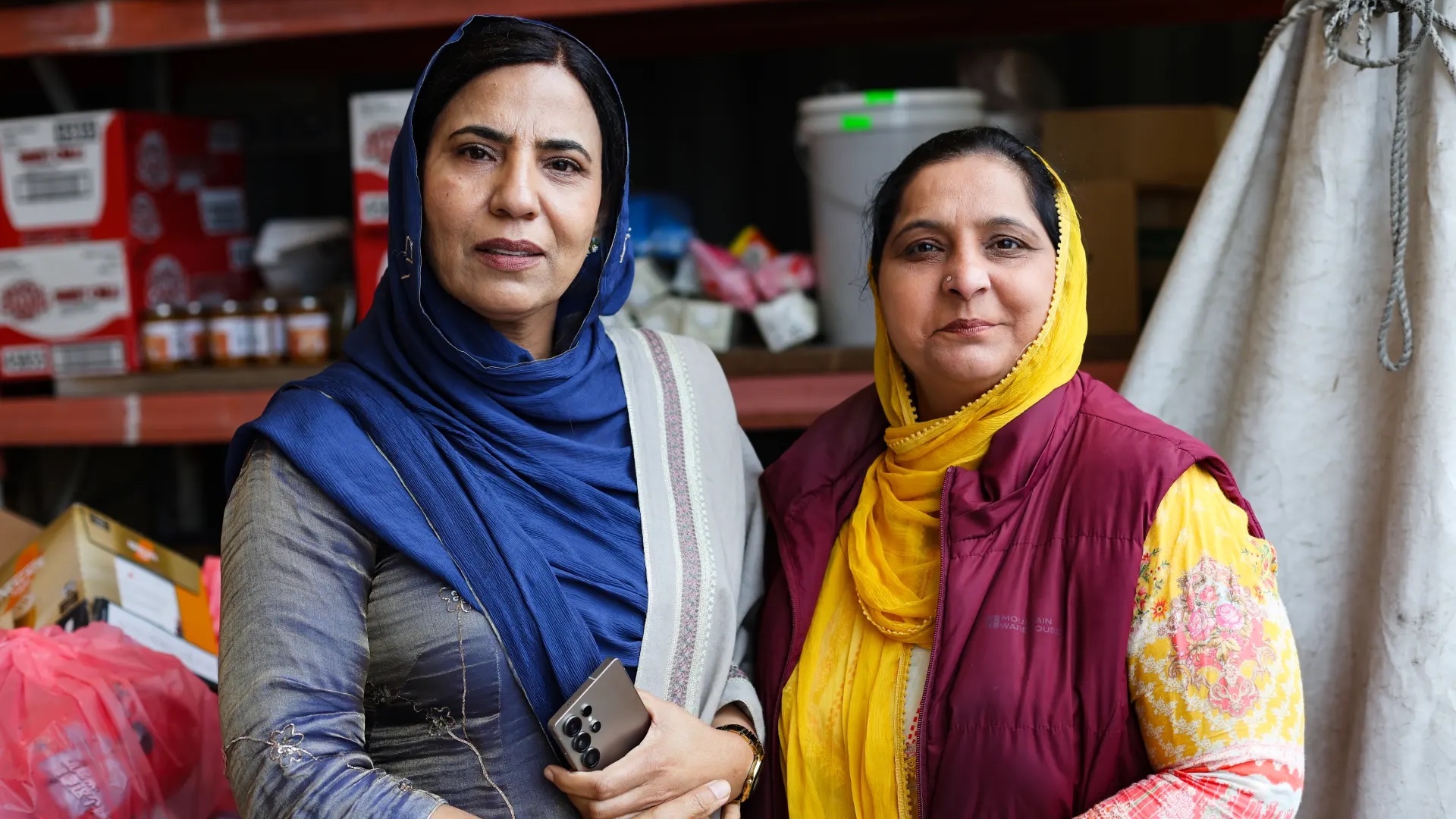
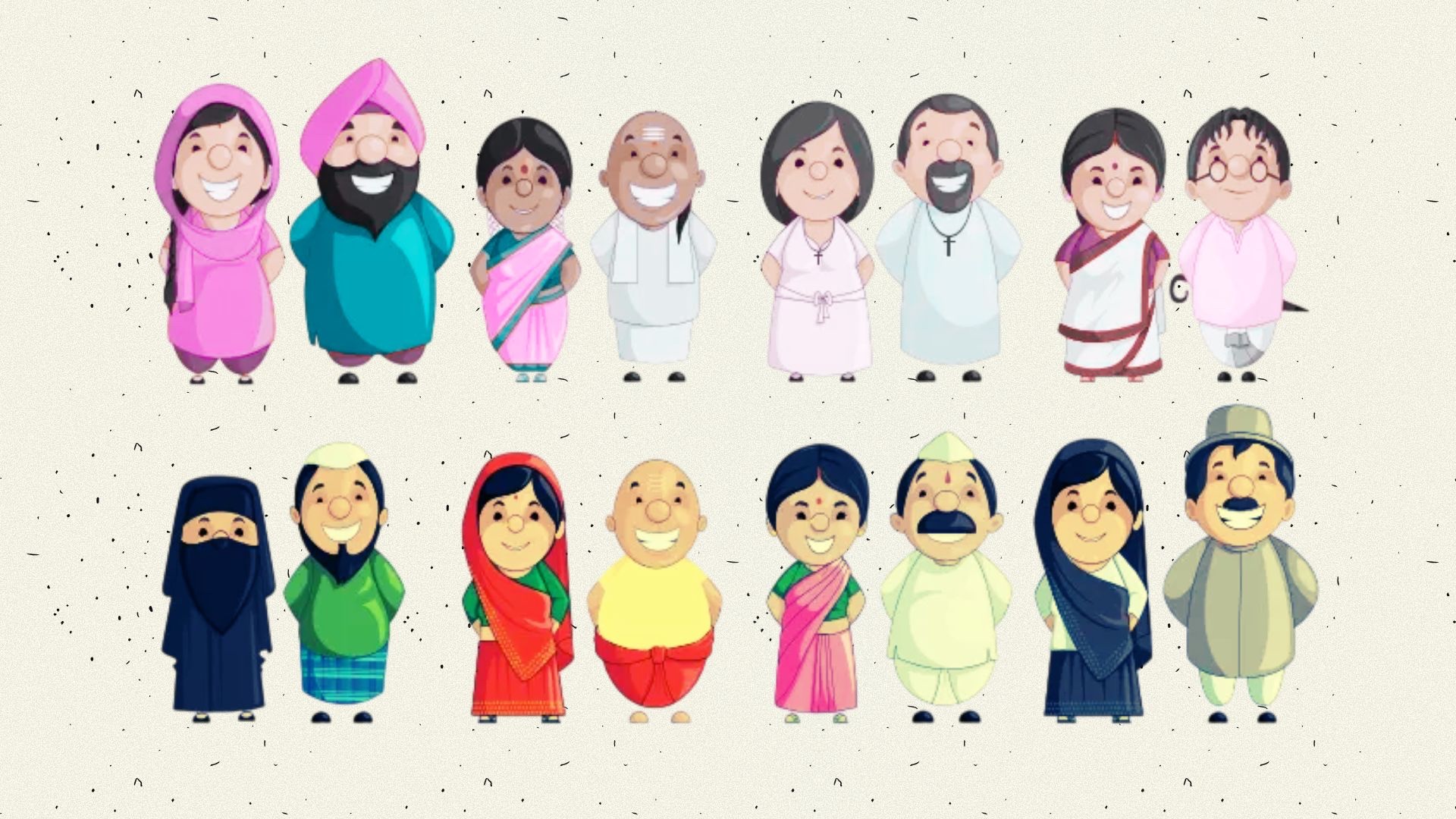
For Indian migrants, family remains central. Multi-generational households, collective decision-making, and family businesses are not signs of resistance to integration. They are engines of stability. They provide childcare, financial resilience, moral grounding, and social cohesion — the very qualities every society claims to value, especially in times of economic and social stress.
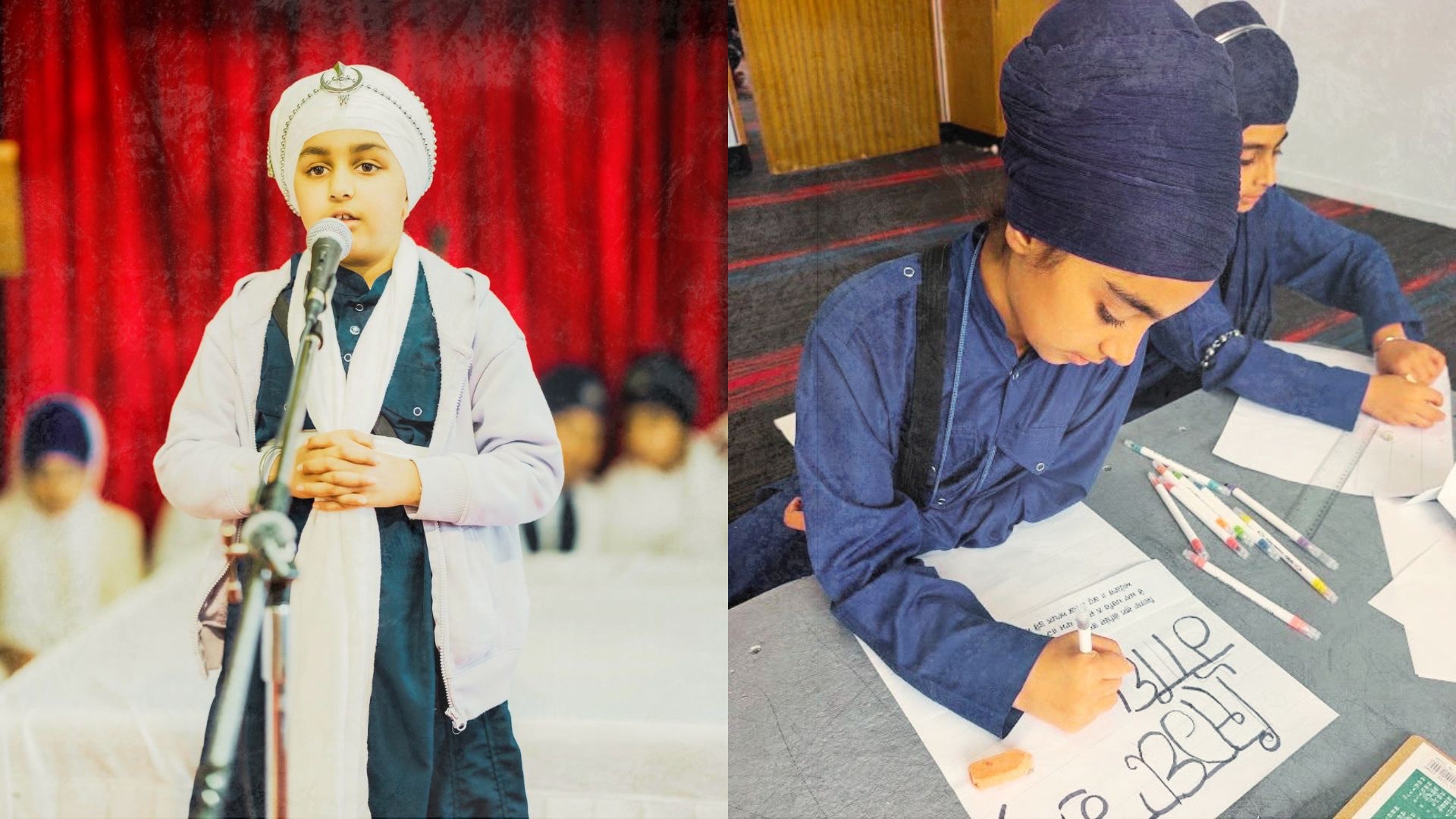
Too often, cultural retention is misread as cultural stubbornness. Religious practice is mistaken for rigidity. Discipline is confused with control. But continuity is not rejection. Wanting to preserve what works does not mean refusing to belong.
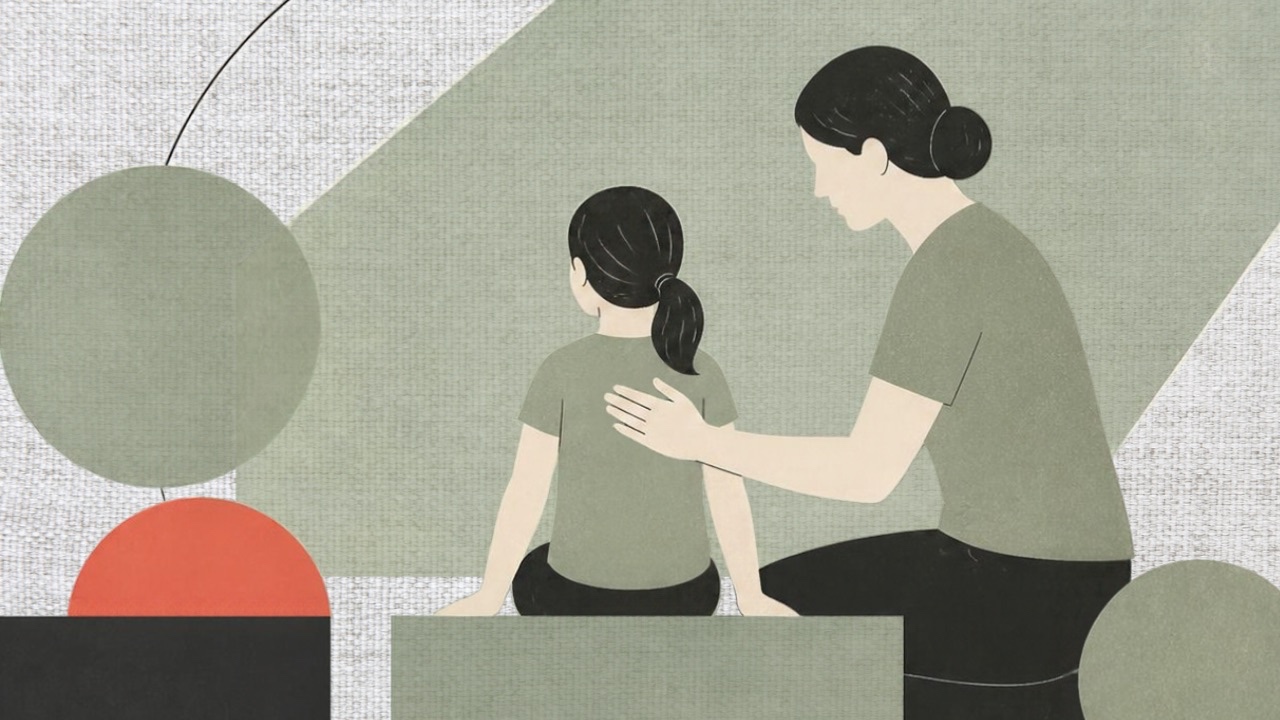
Indian parents abroad are frequently raising children between two moral frameworks. On one side is the openness and individual freedom offered by Western societies — choice, independence, self-expression. On the other is a value system that emphasises responsibility, respect, effort, and consequences. The aim is not to recreate India on foreign soil, but to raise grounded, capable adults who can thrive without becoming fragile.
This balancing act is demanding. It requires constant translation — of expectations, boundaries, and identity. Children often move effortlessly between cultures, while parents carry the quiet anxiety of getting it wrong in both directions. Too strict, and they are labelled outdated. Too relaxed, and they fear raising children unprepared for reality.
From the outside, consistency can look like resistance. From the inside, it is survival. True integration does not require migrants to abandon the values that made their contribution possible in the first place. Societies do not become stronger by demanding assimilation in cultural and familial life, but by allowing different strengths to coexist within shared civic rules.
Indian migrants did not leave home to isolate themselves. They left to build, to belong, and to give their children opportunities they themselves did not have. Asking them to do this while surrendering family, faith, and cultural continuity is not integration — it is forced assimilation.
Countries like New Zealand have historically benefited most from people who arrive with something to contribute, not from those expected to arrive culturally empty-handed.
Integration works best when it allows people to add to a country — not subtract from themselves.