
Willis takes on election year budget having ticked just one of three fiscal promises
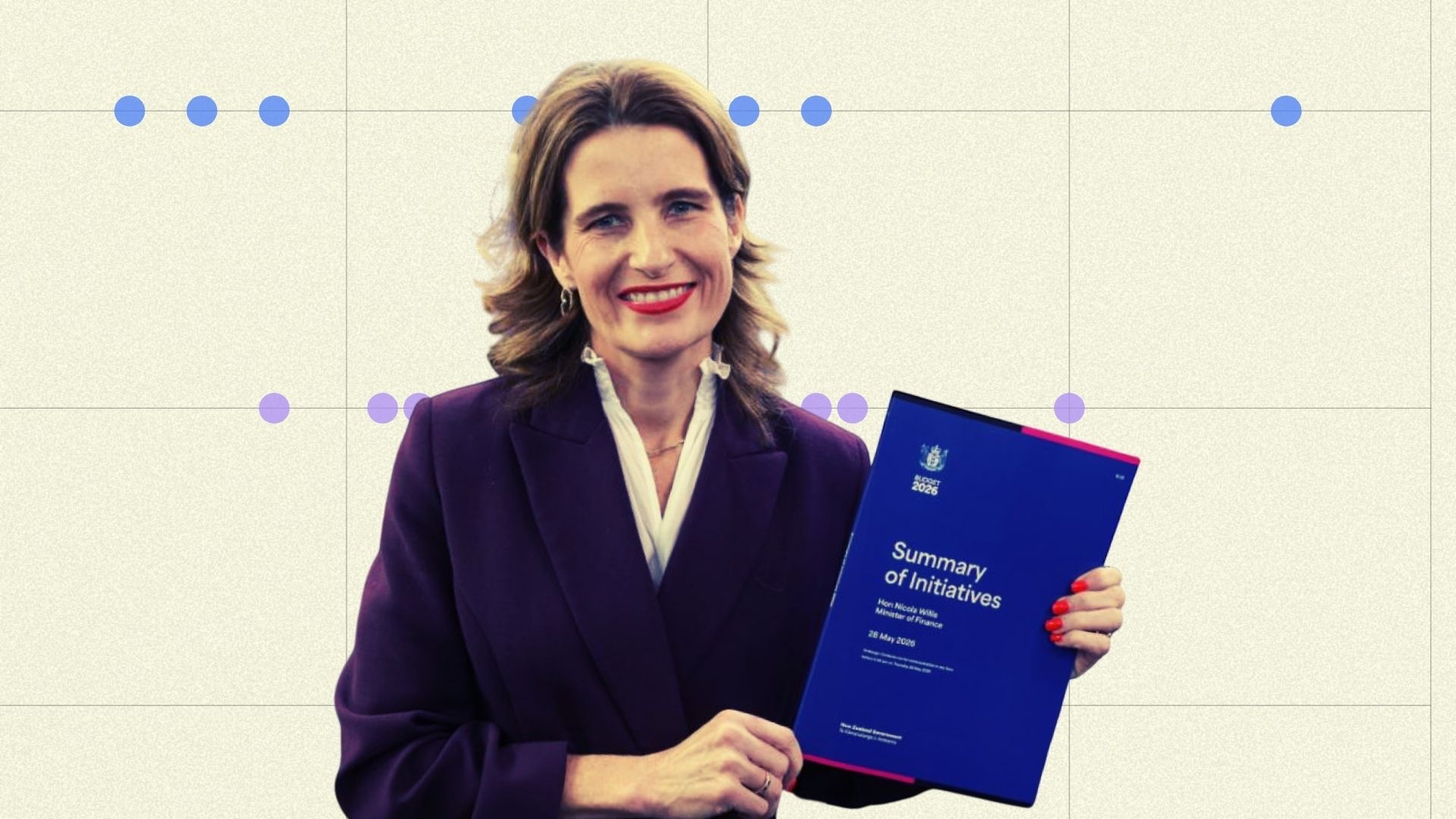
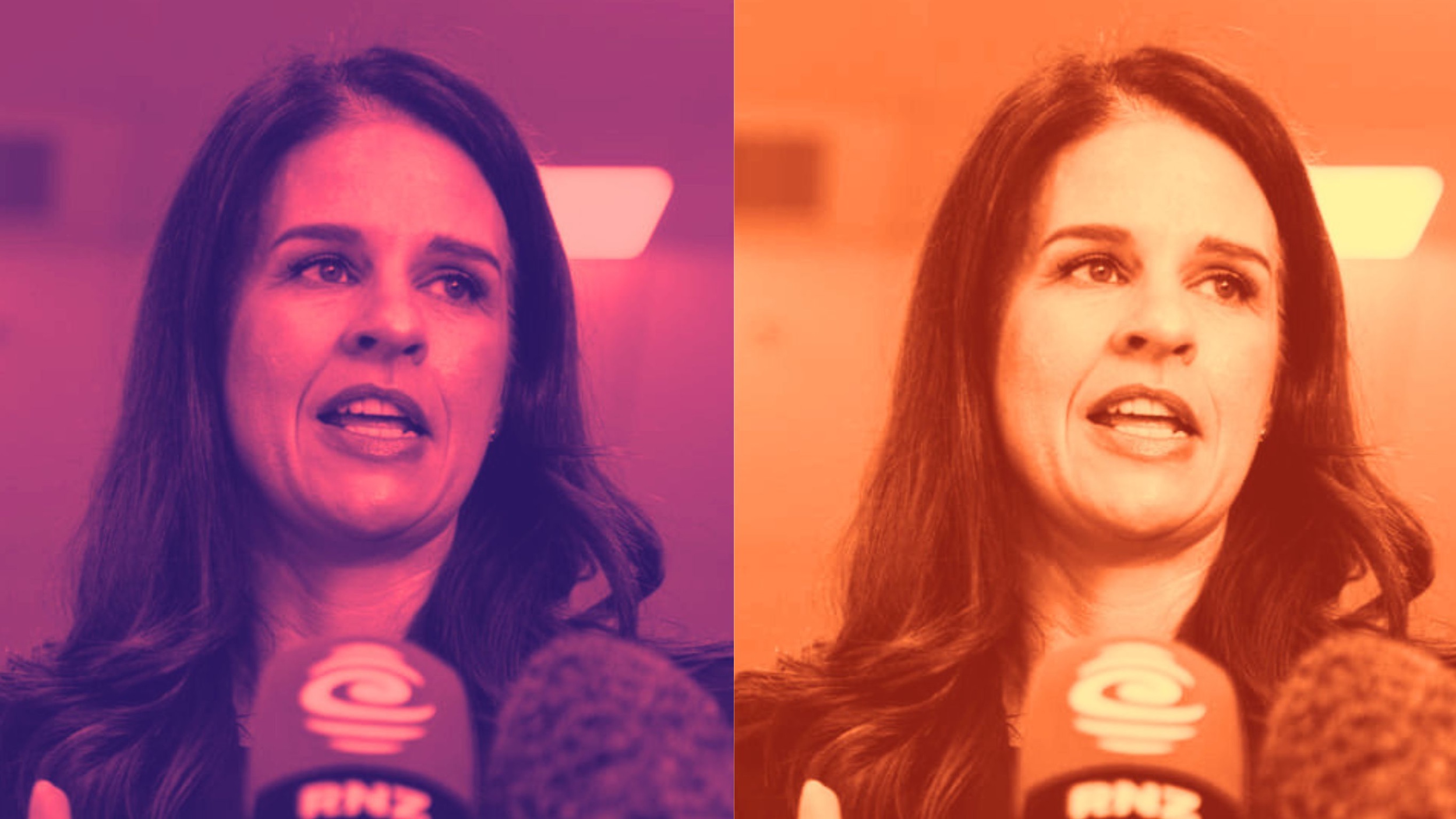
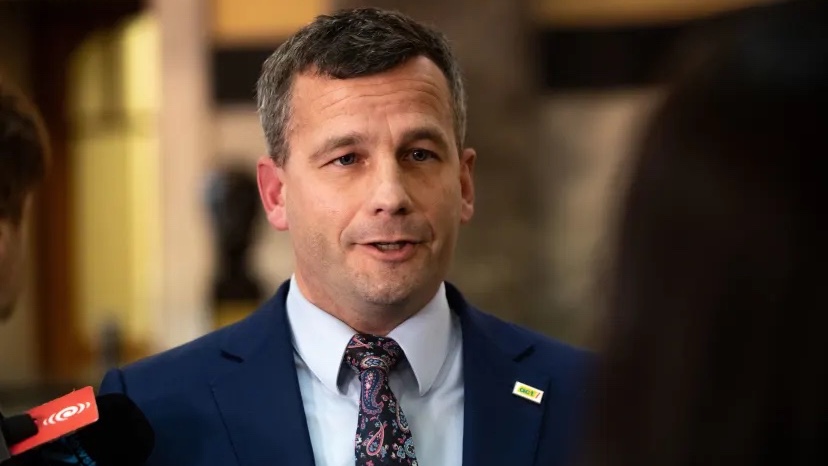
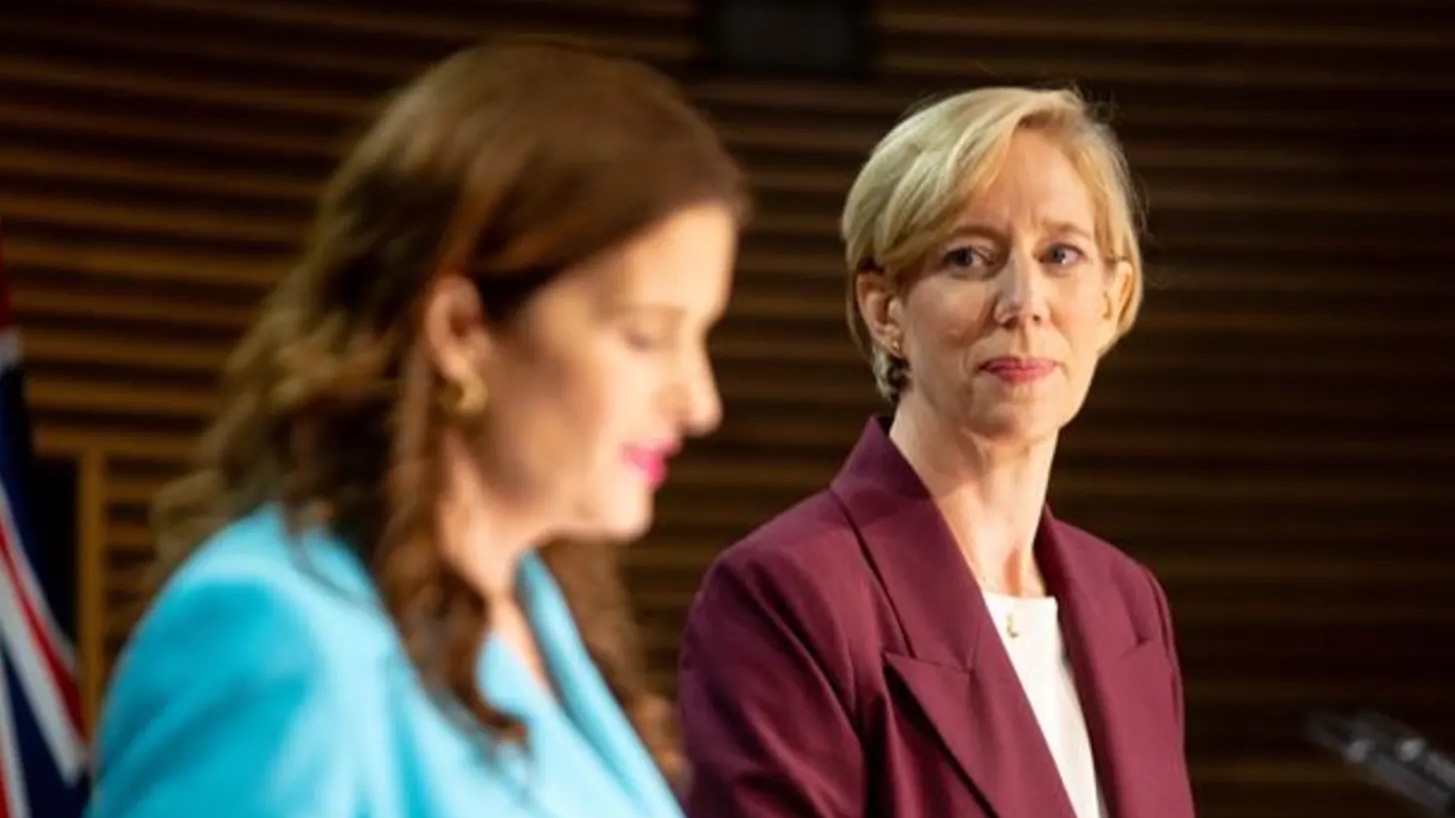
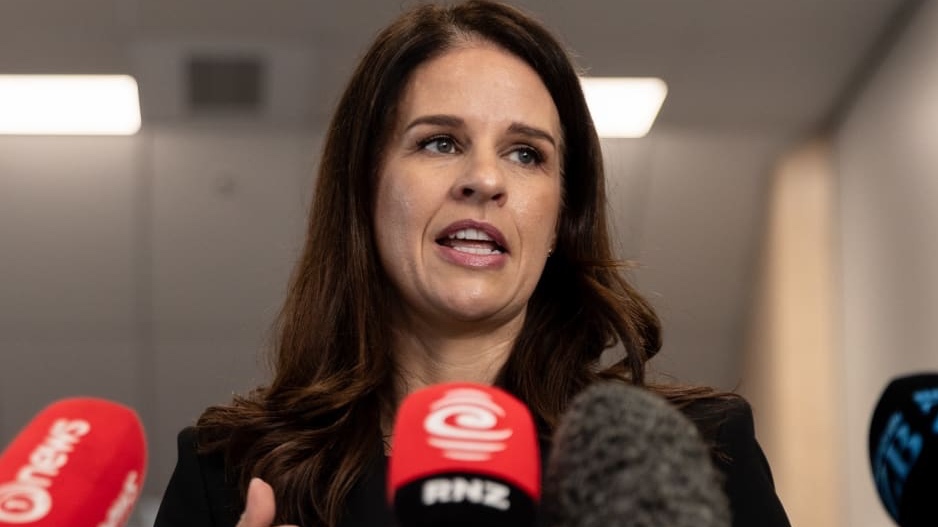
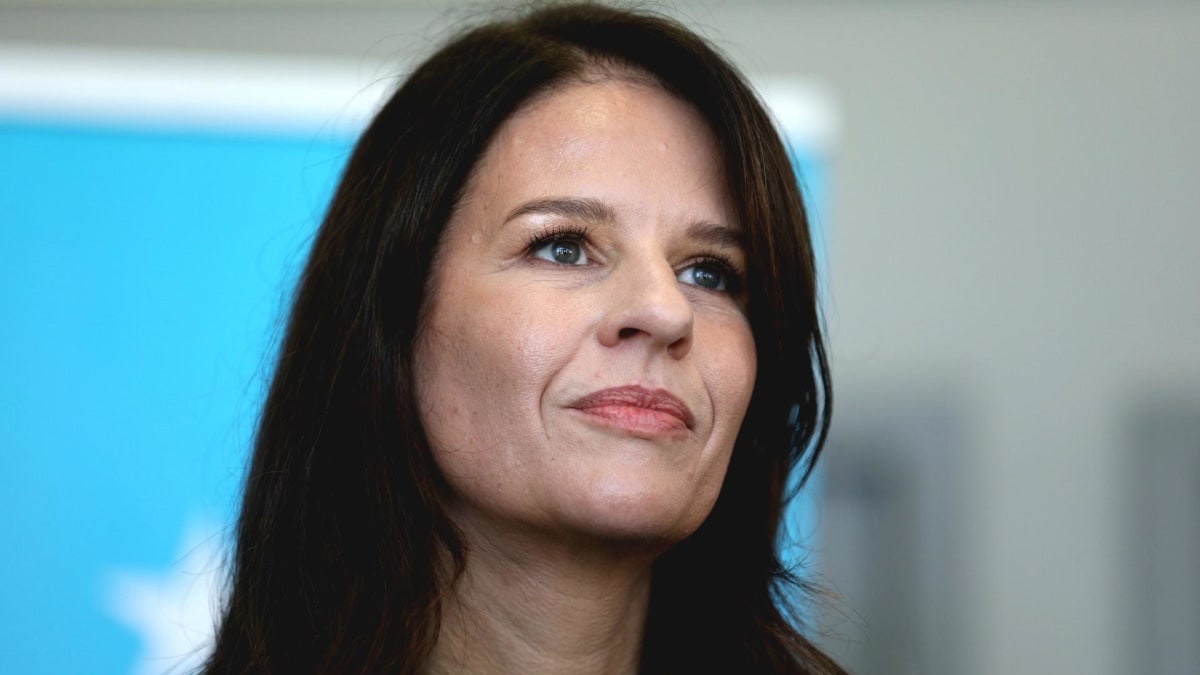
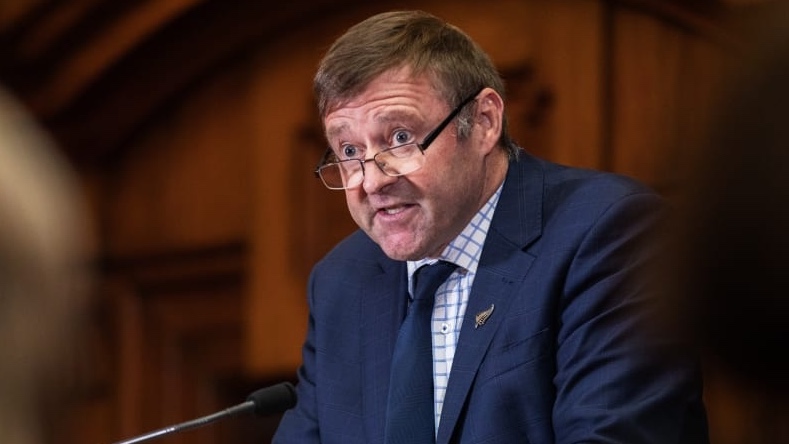
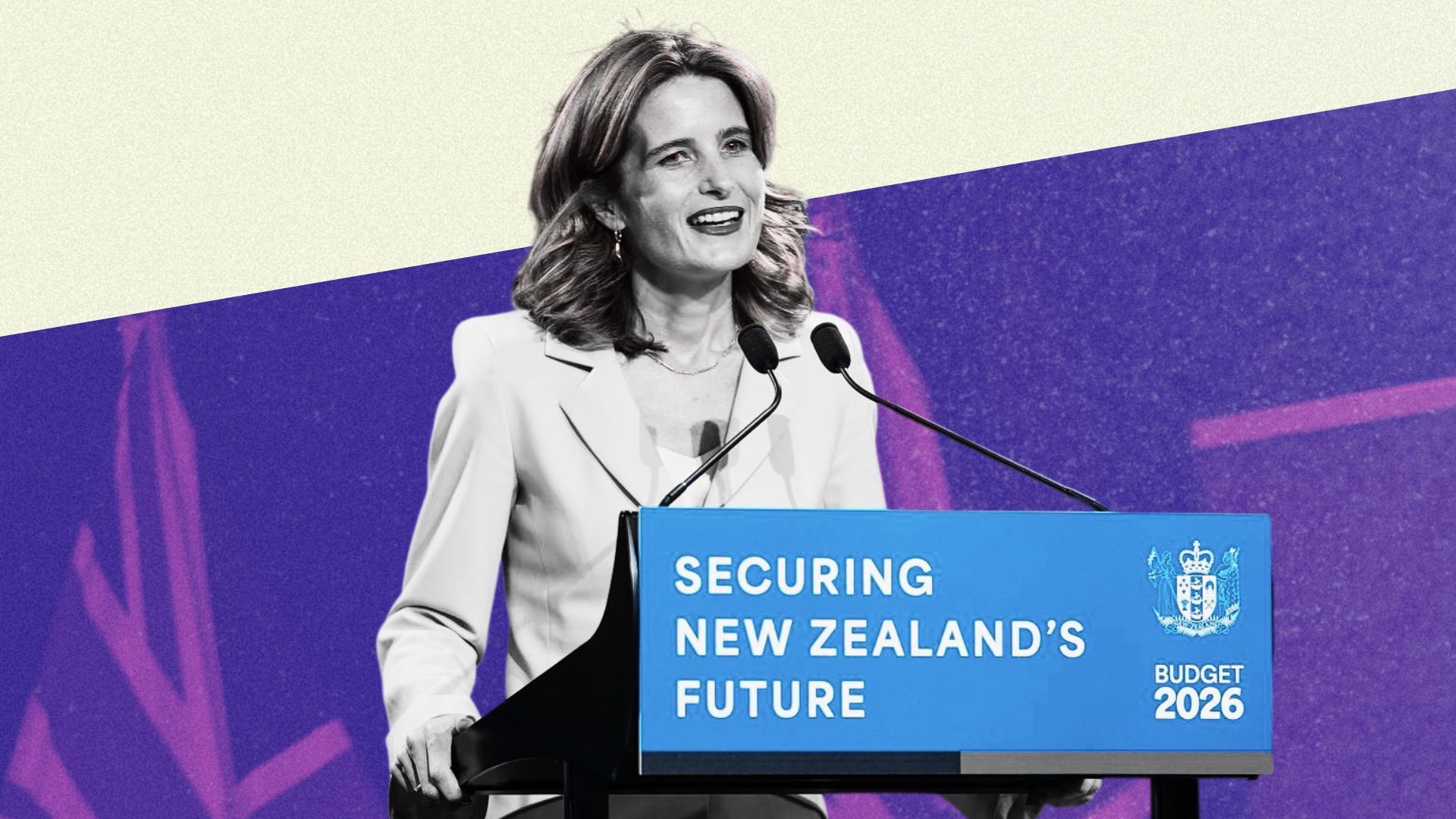
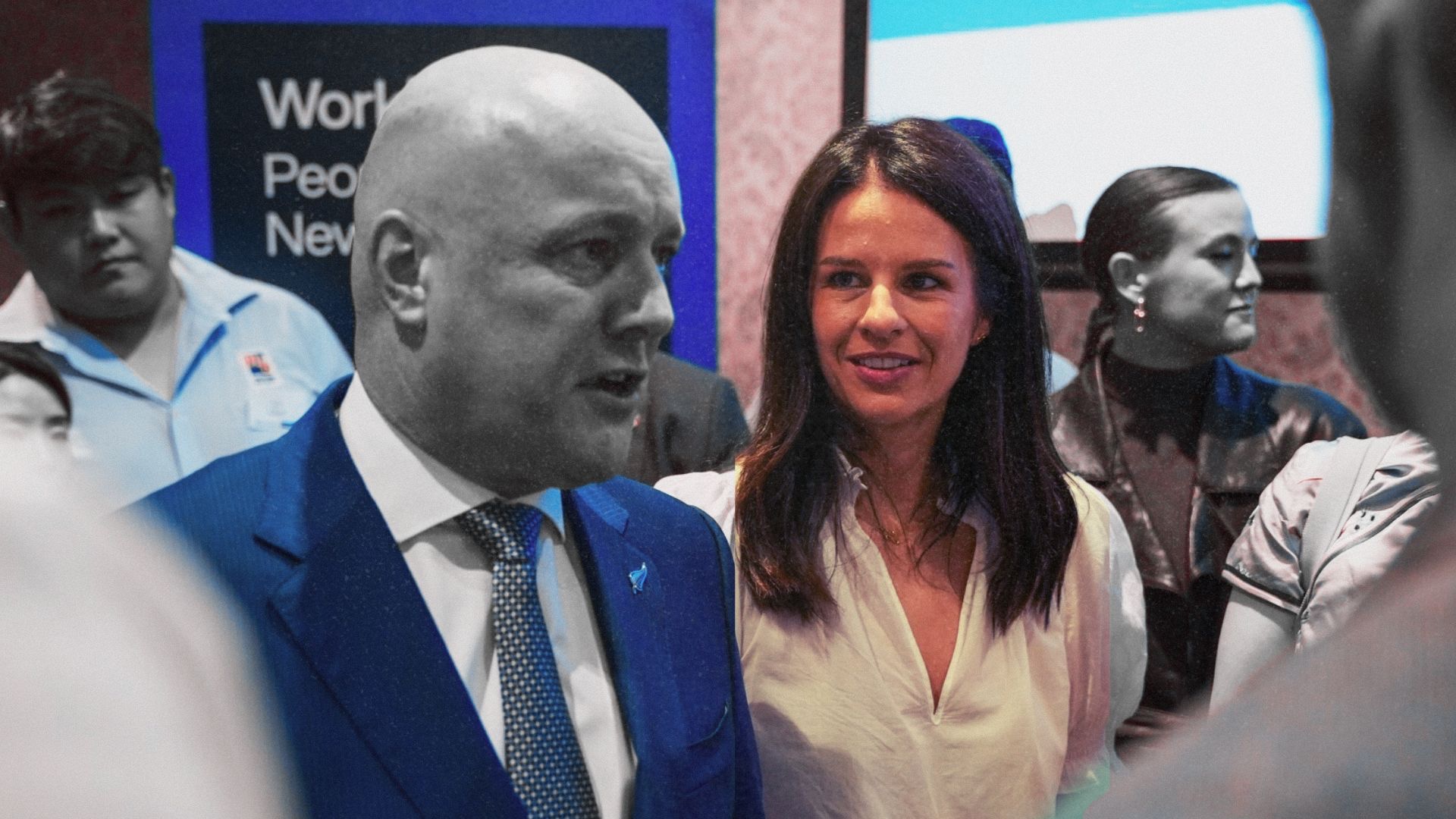
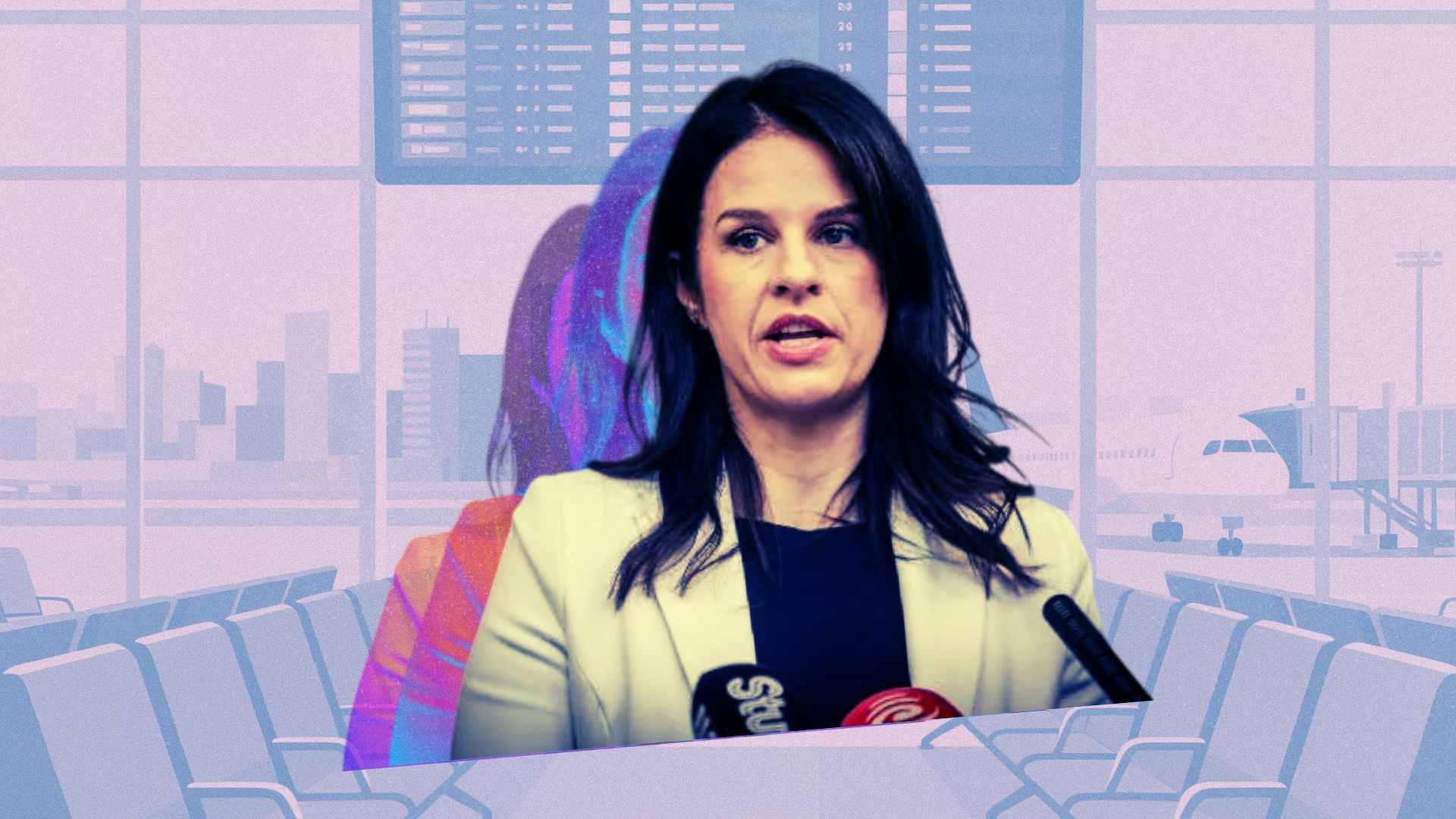
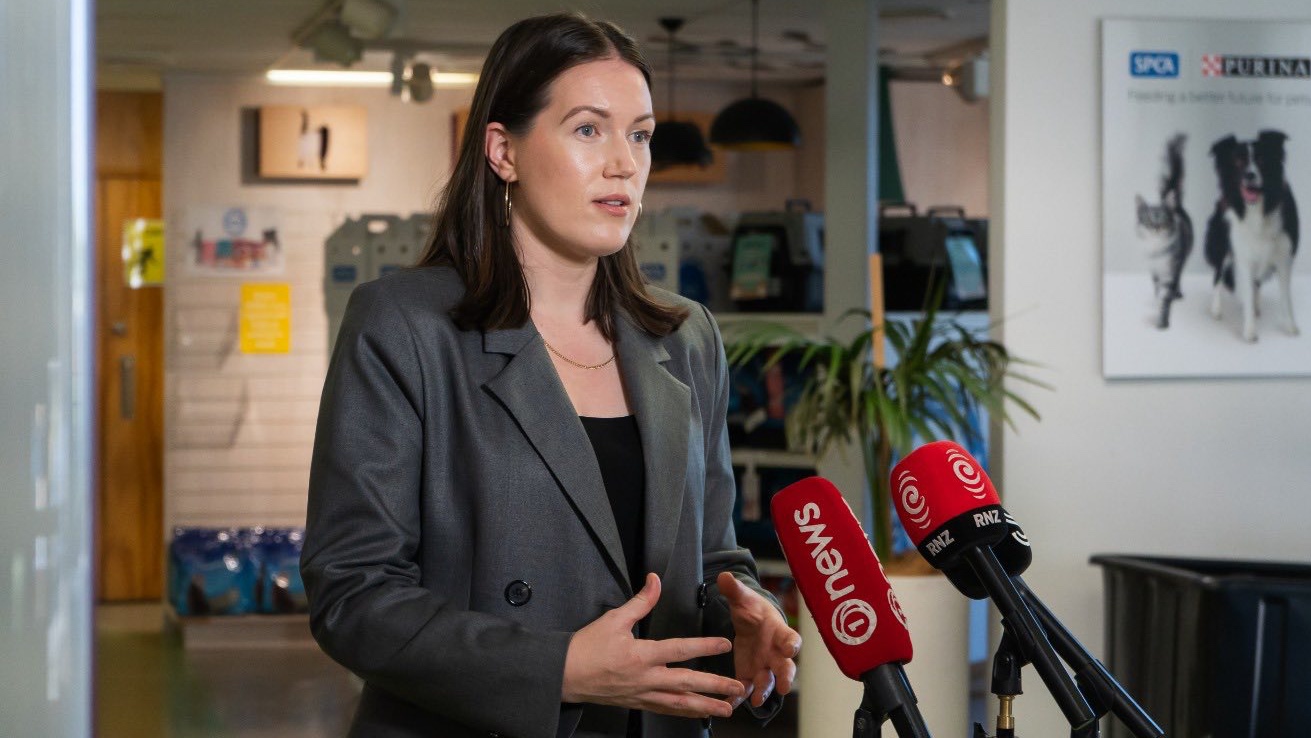
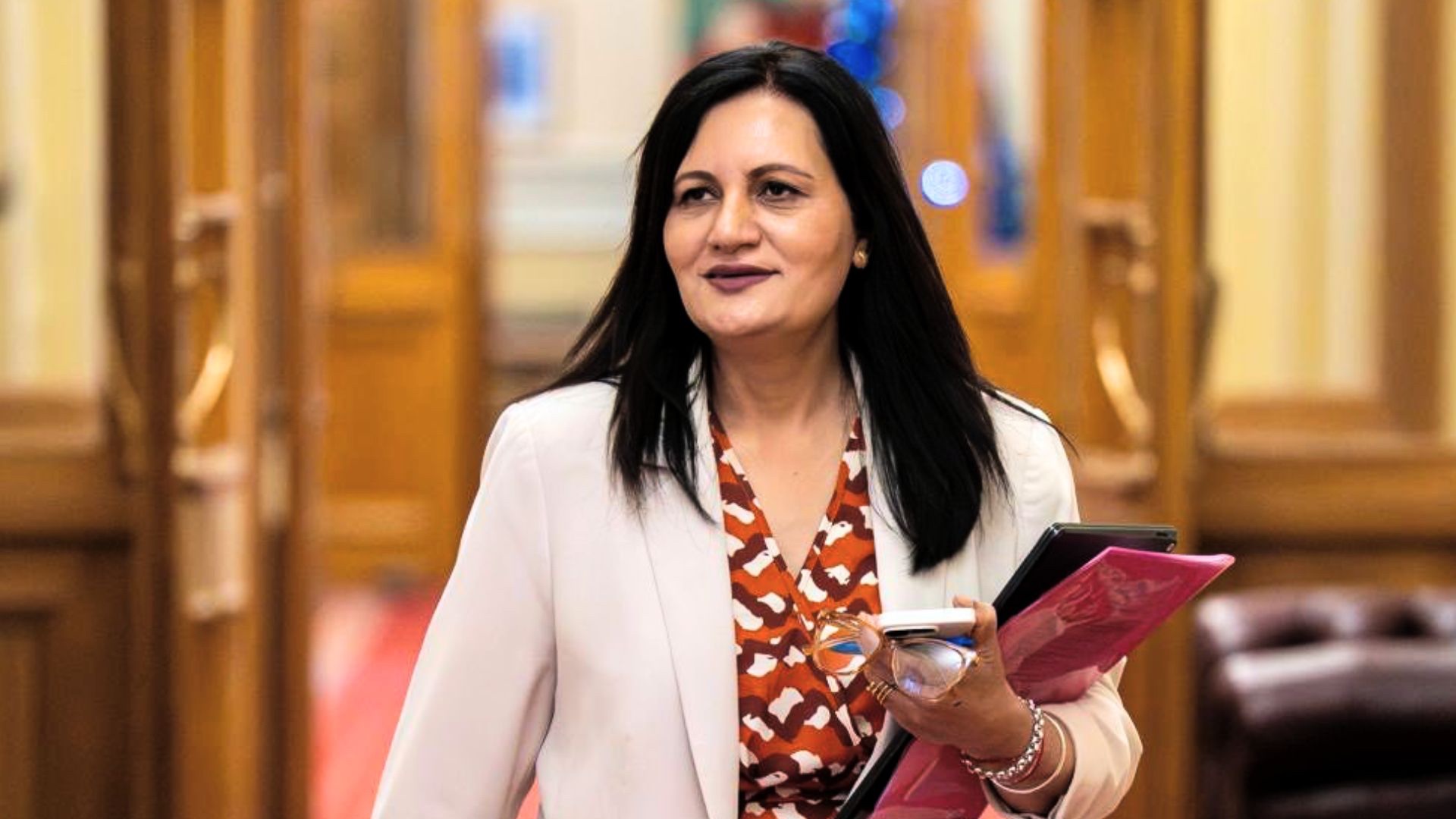
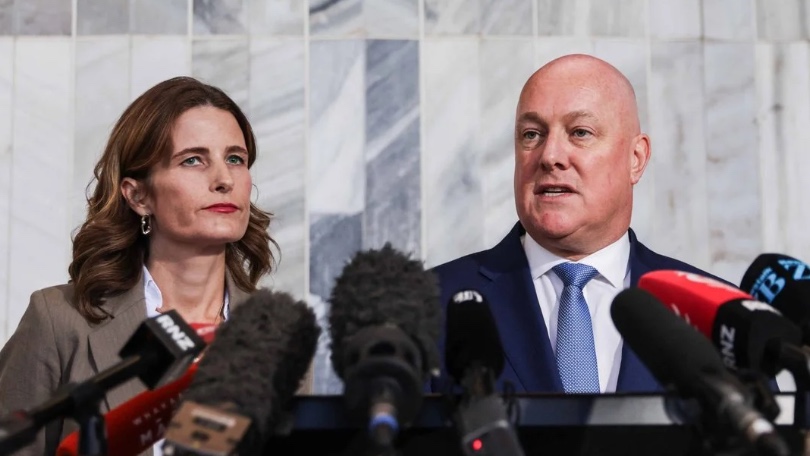
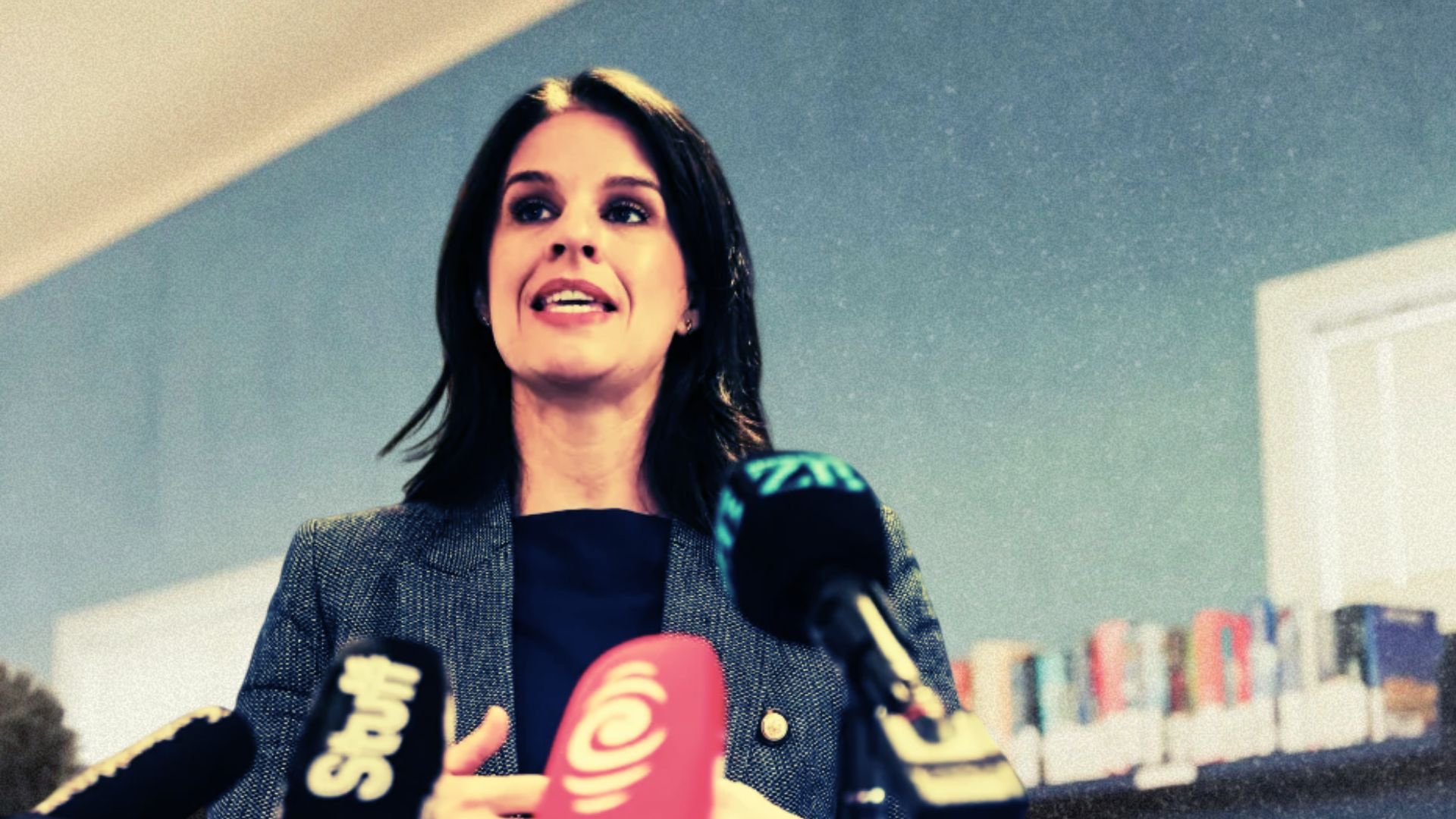
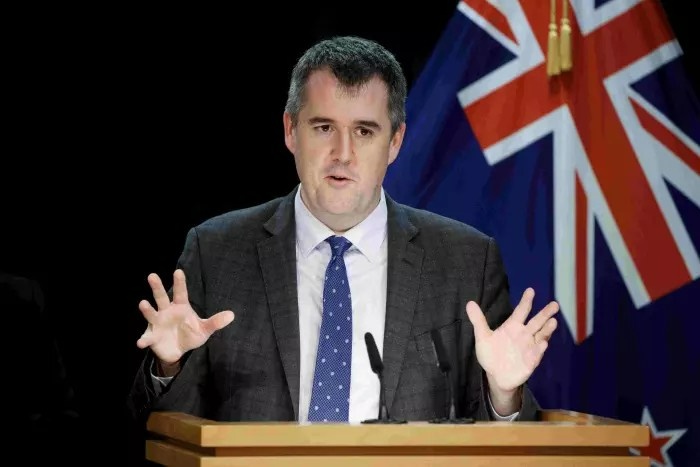
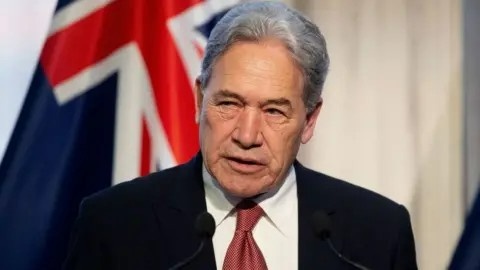
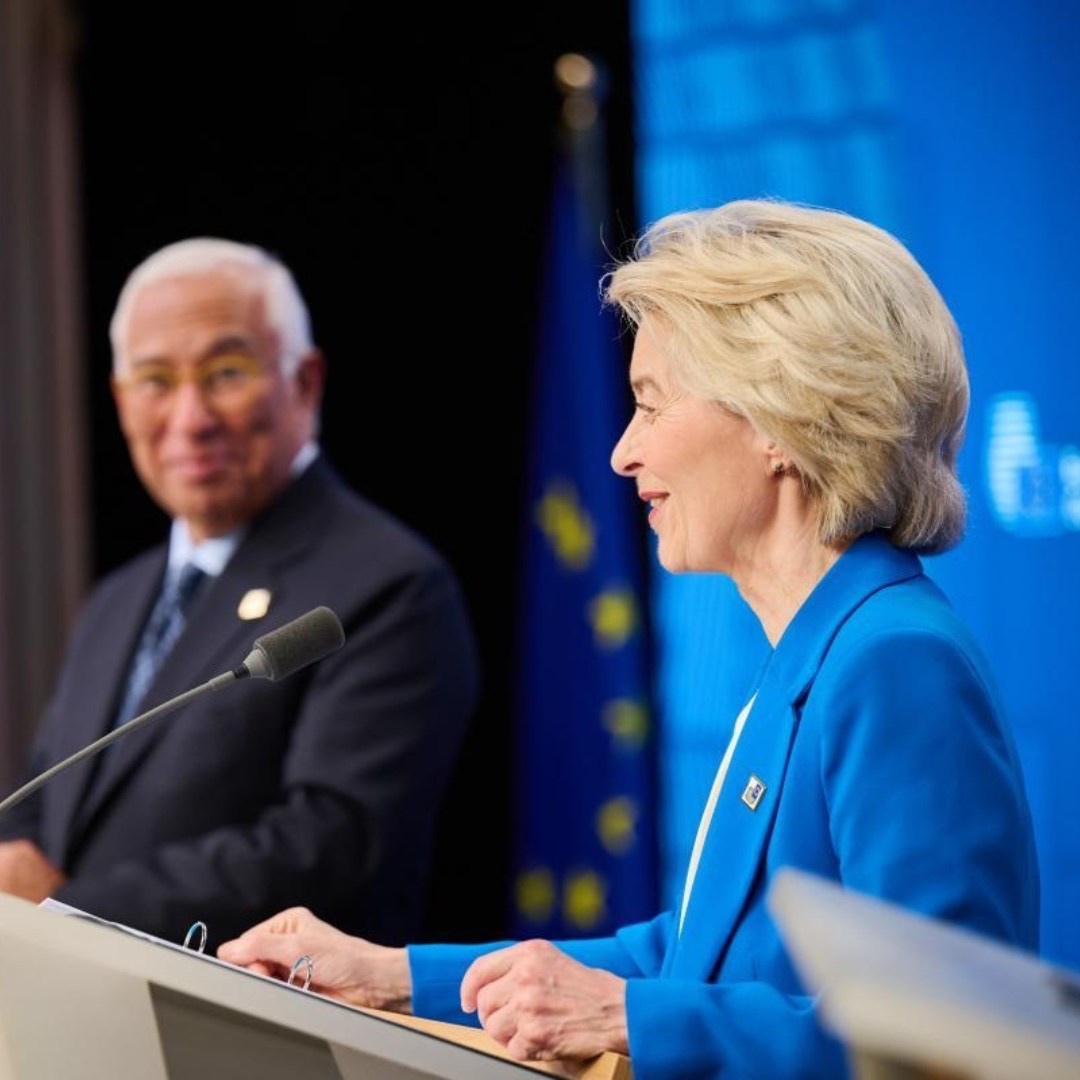
Finance minister Nicola Willis will present the budget on May 27, 2026.
By National’s own standards, the government has failed on key fiscal policies this term.
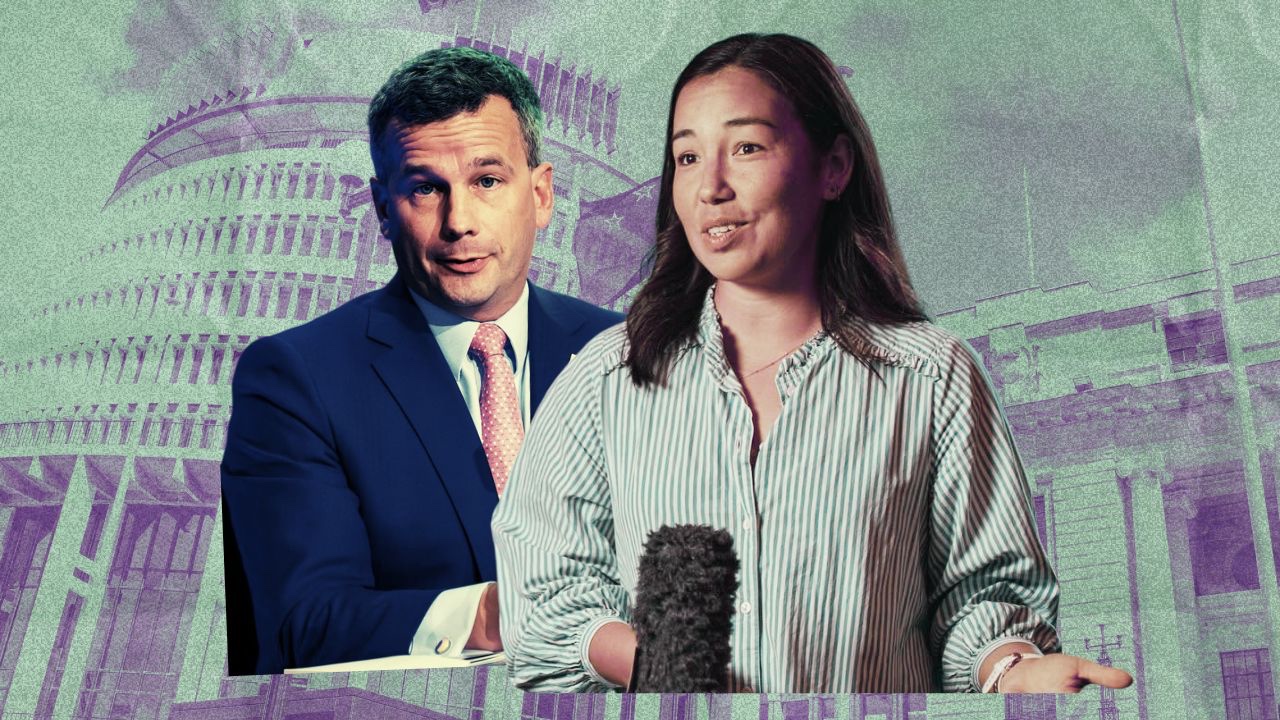
An election year budget is a government’s pitch for reelection. For opposition parties, it’s a chance to make their case for change.
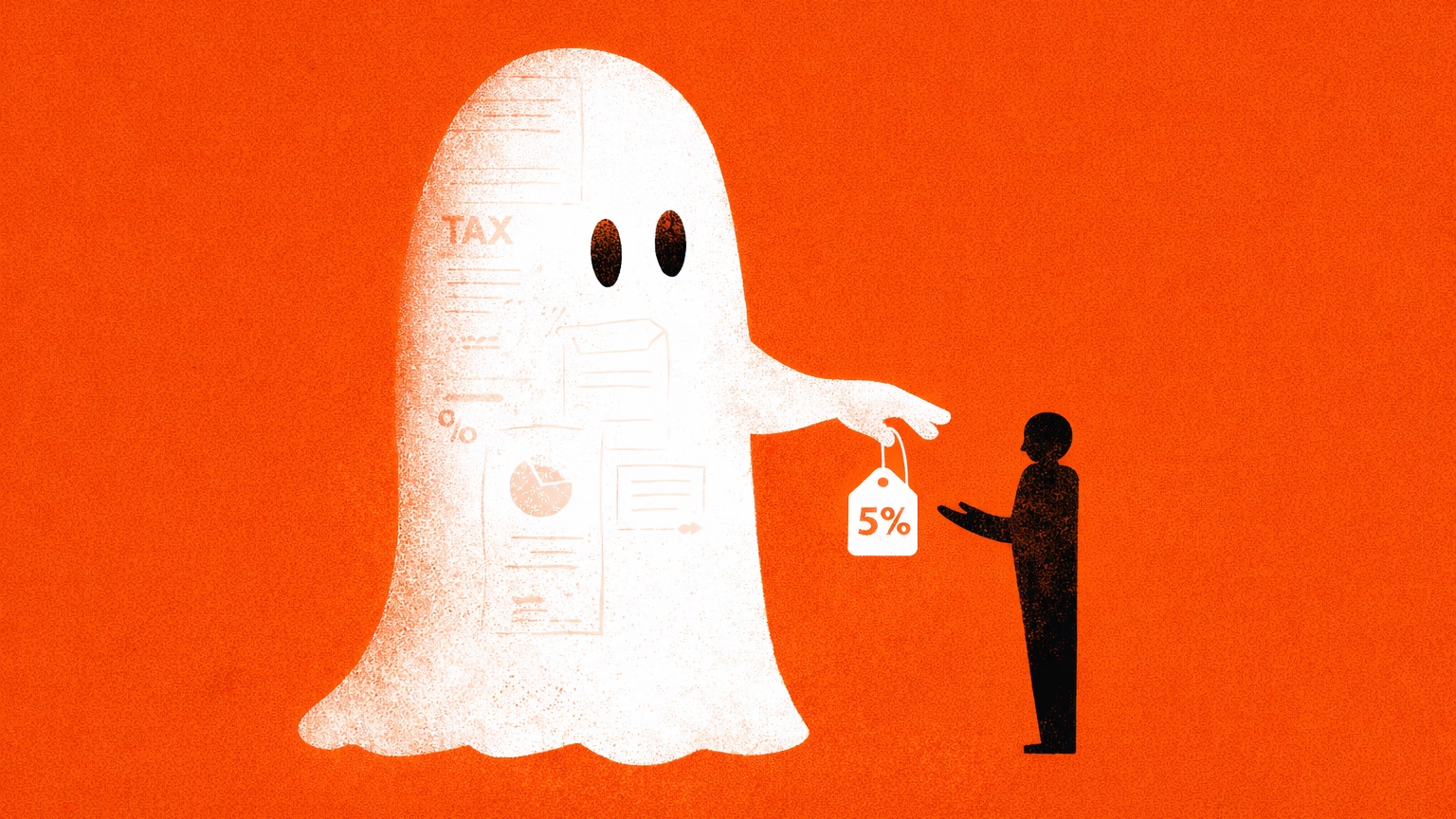
Unfortunately for finance minister Nicola Willis, her National Party can’t campaign on two of its three big fiscal policy promises from the previous election: to achieve a surplus, reduce debt and cut spending on bureaucracy.
With surplus forecasts moved out by years and government debt having risen, that only leaves the bureaucracy as a viable target.
Willis took the initiative last week with a pre-budget speech in Auckland where she announced three major goals based on National’s 2023 pledge to “reduce spending on bureaucracy”:
1. Cut the number of public service agencies through amalgamations
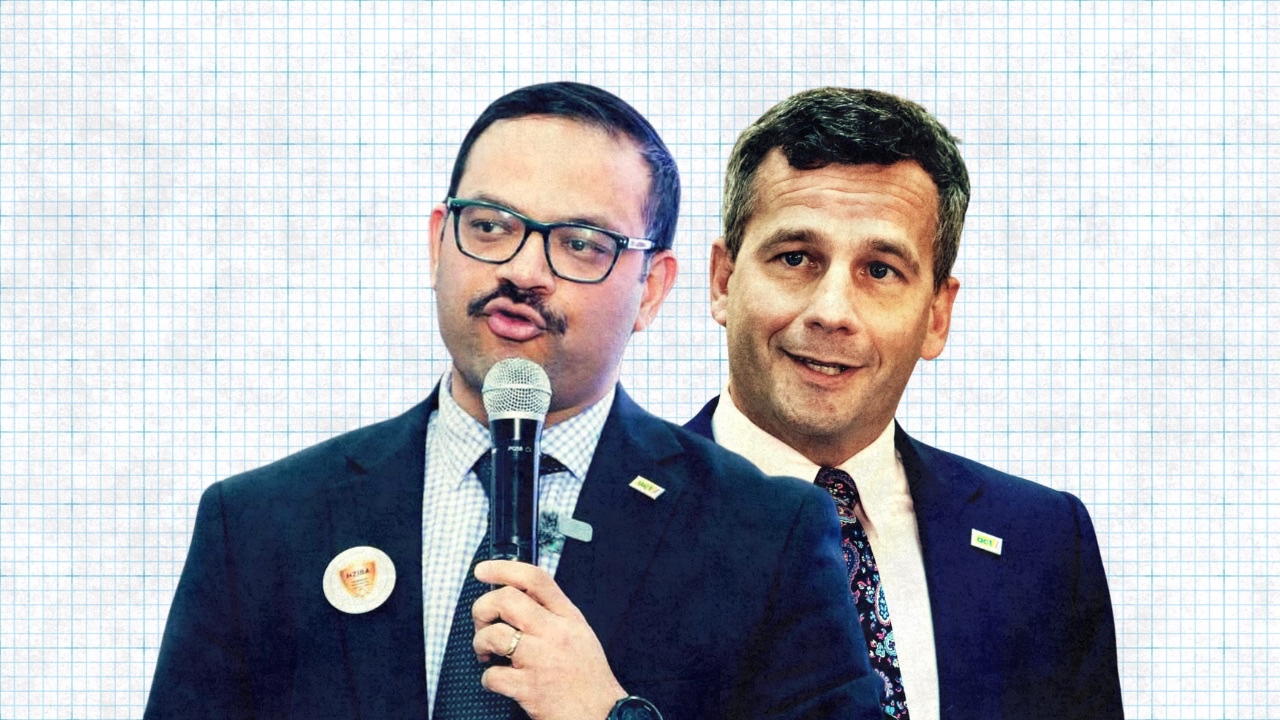
Migrant who shouted down Peters over racism 24 years ago now vying for Parliament From arriving with $500 in his pocket to confronting NZ First's leader, National Party's Karuna Muthu reflects on his unlikely journey into politics.
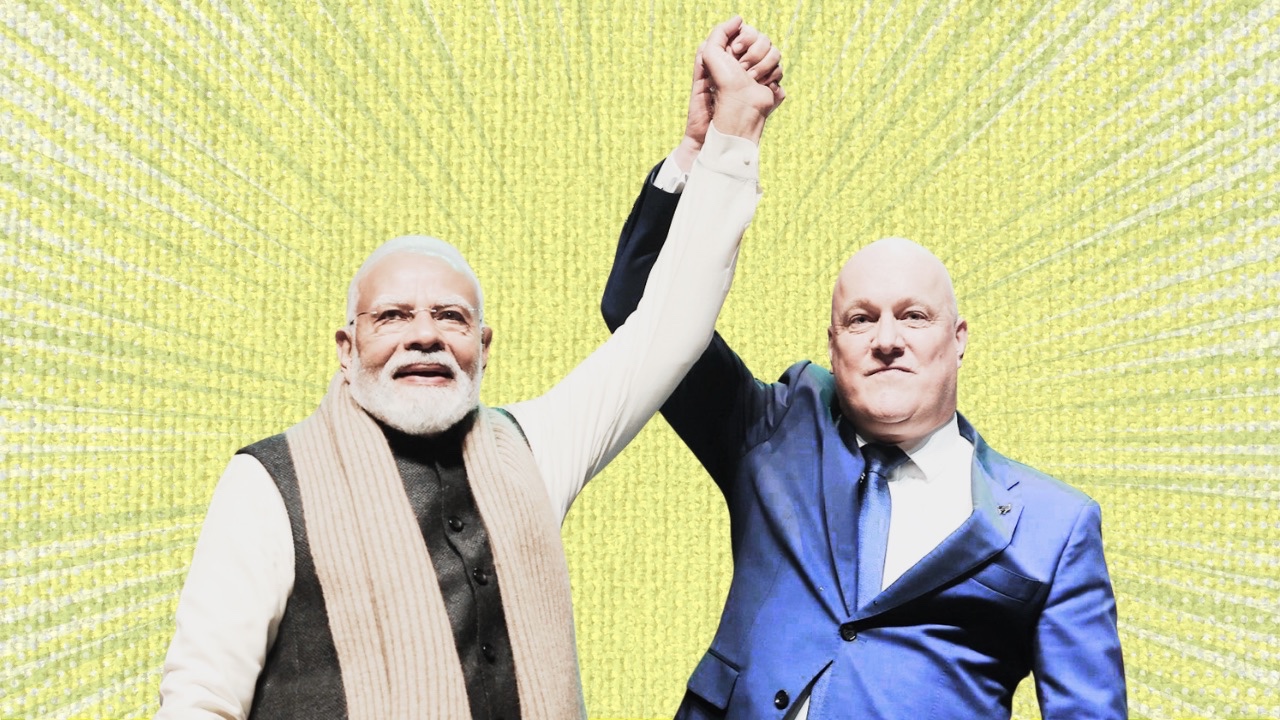
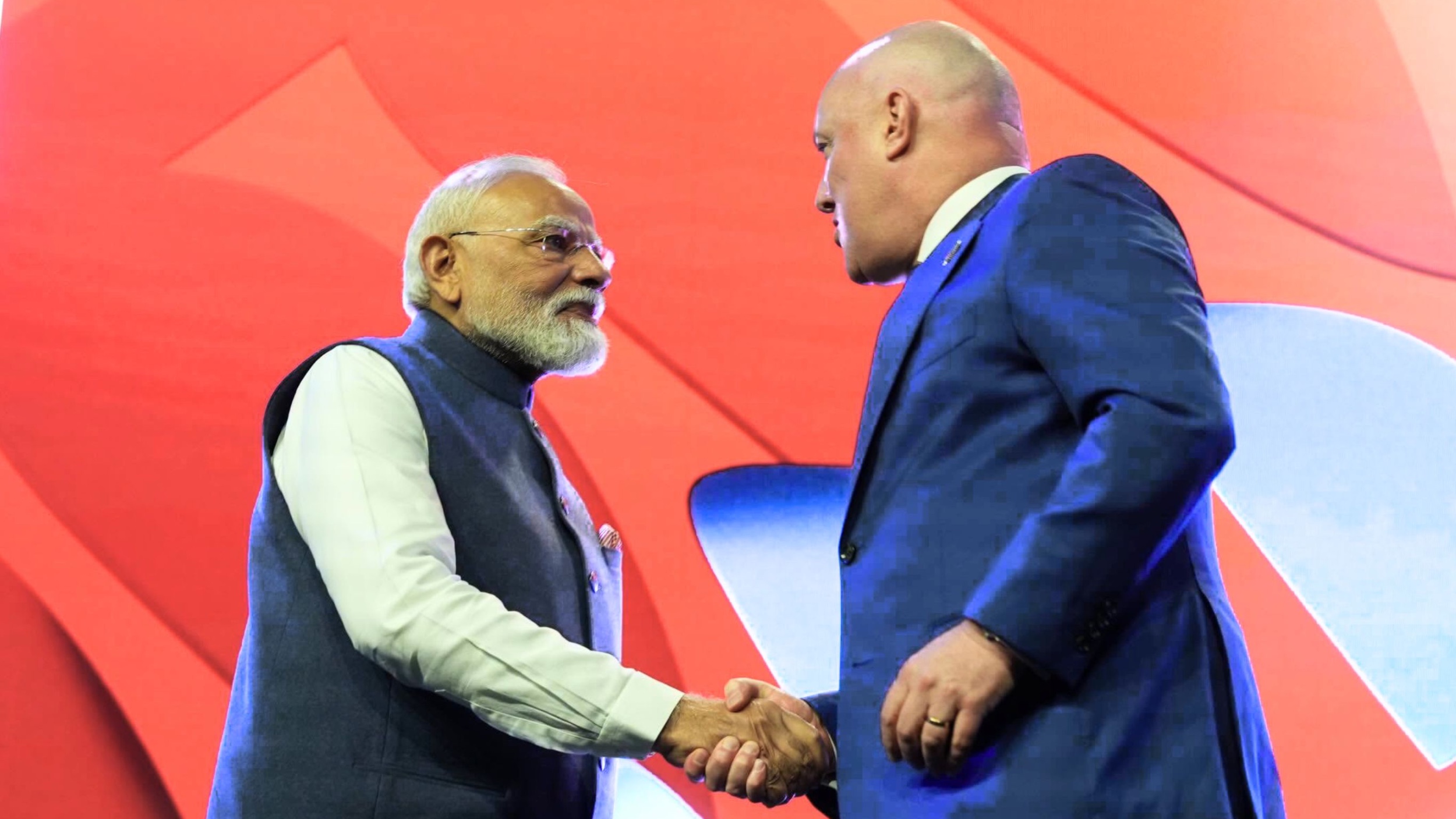
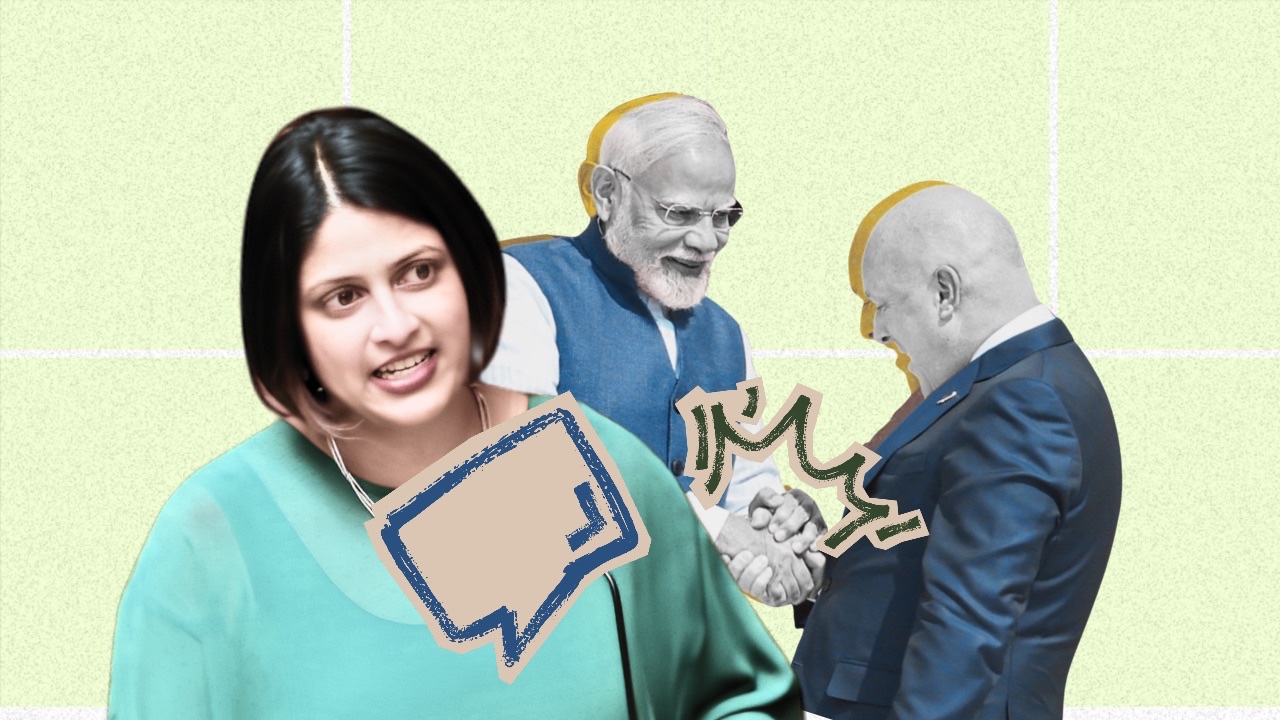
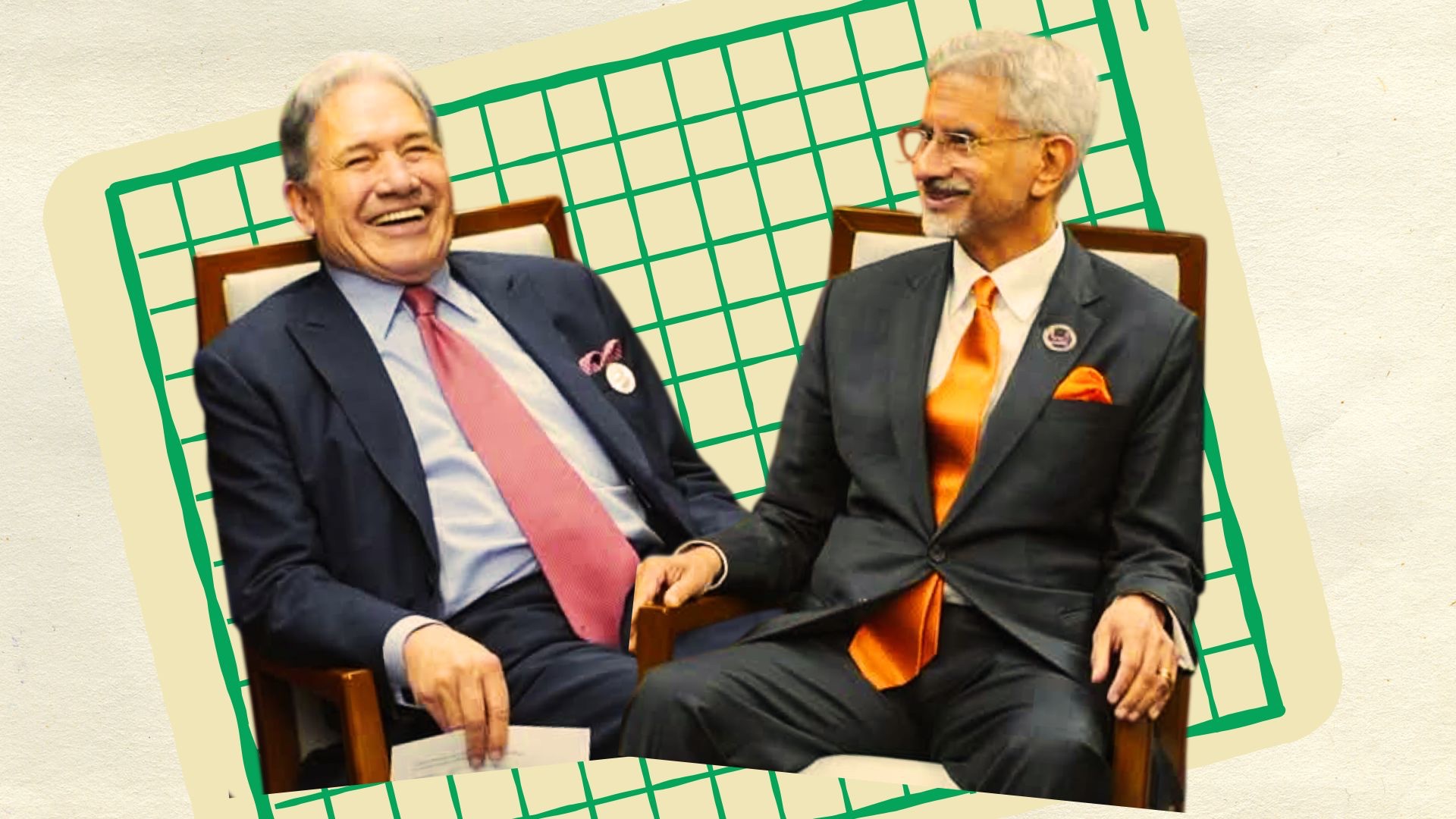
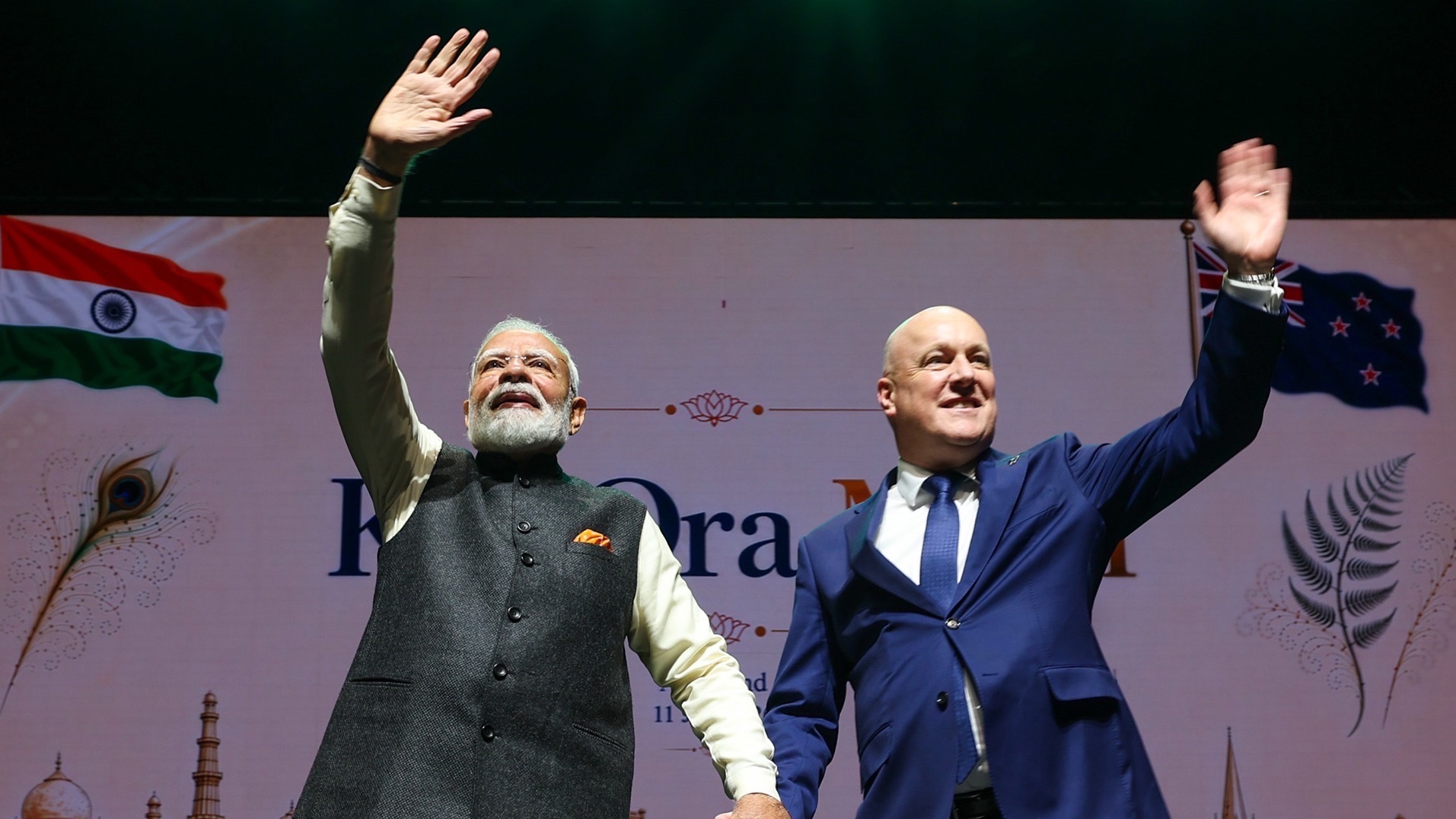
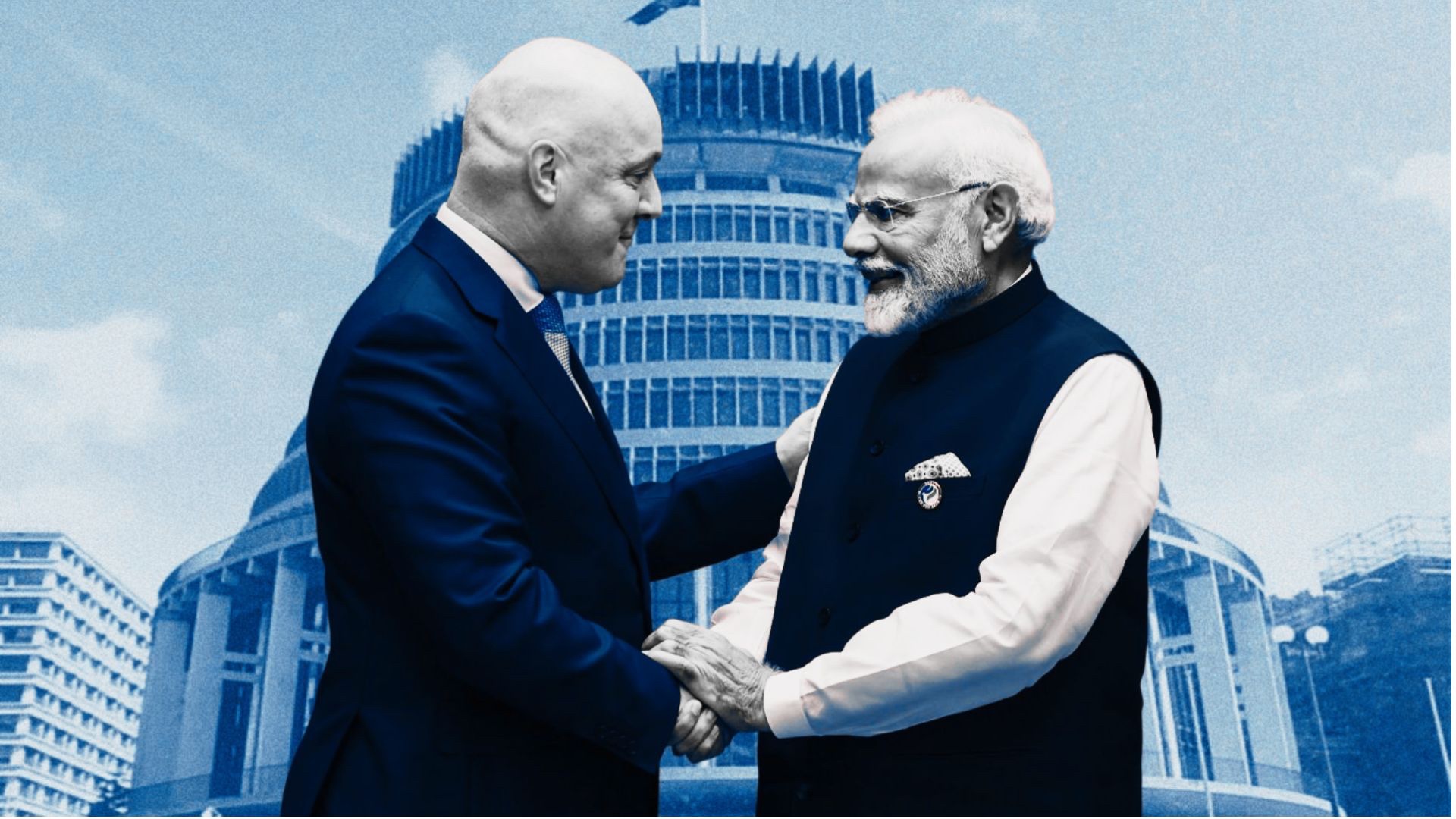
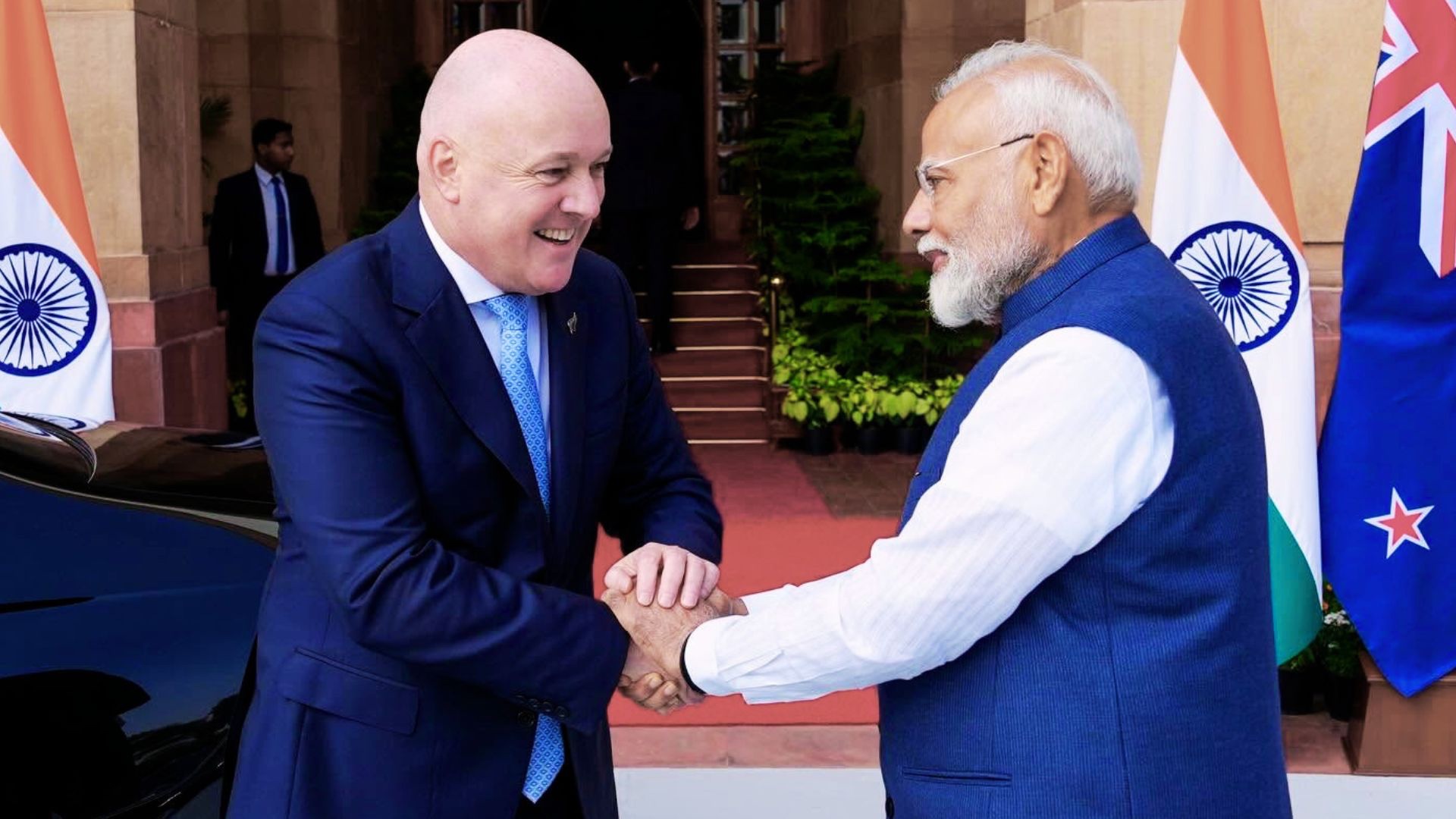
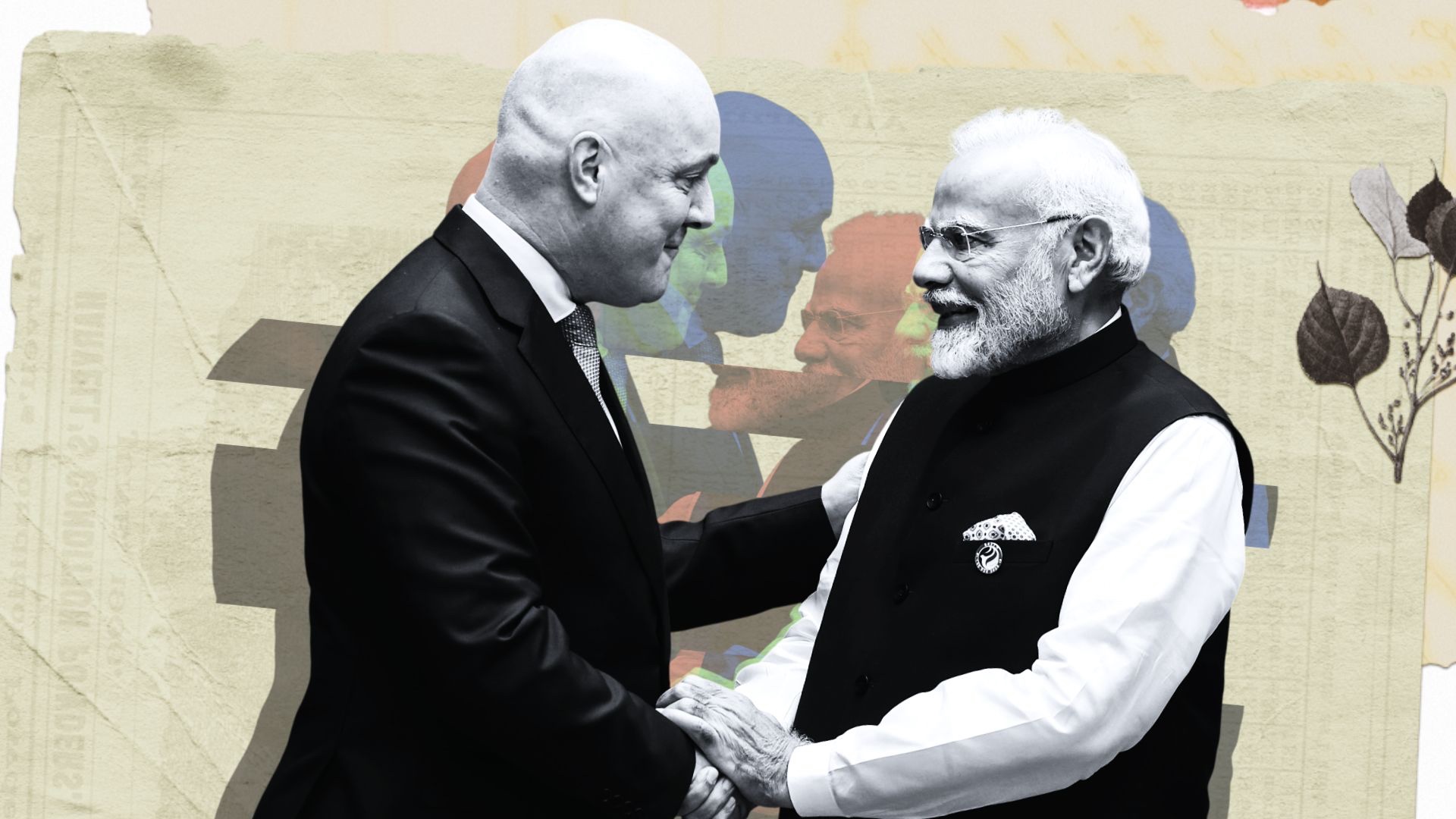
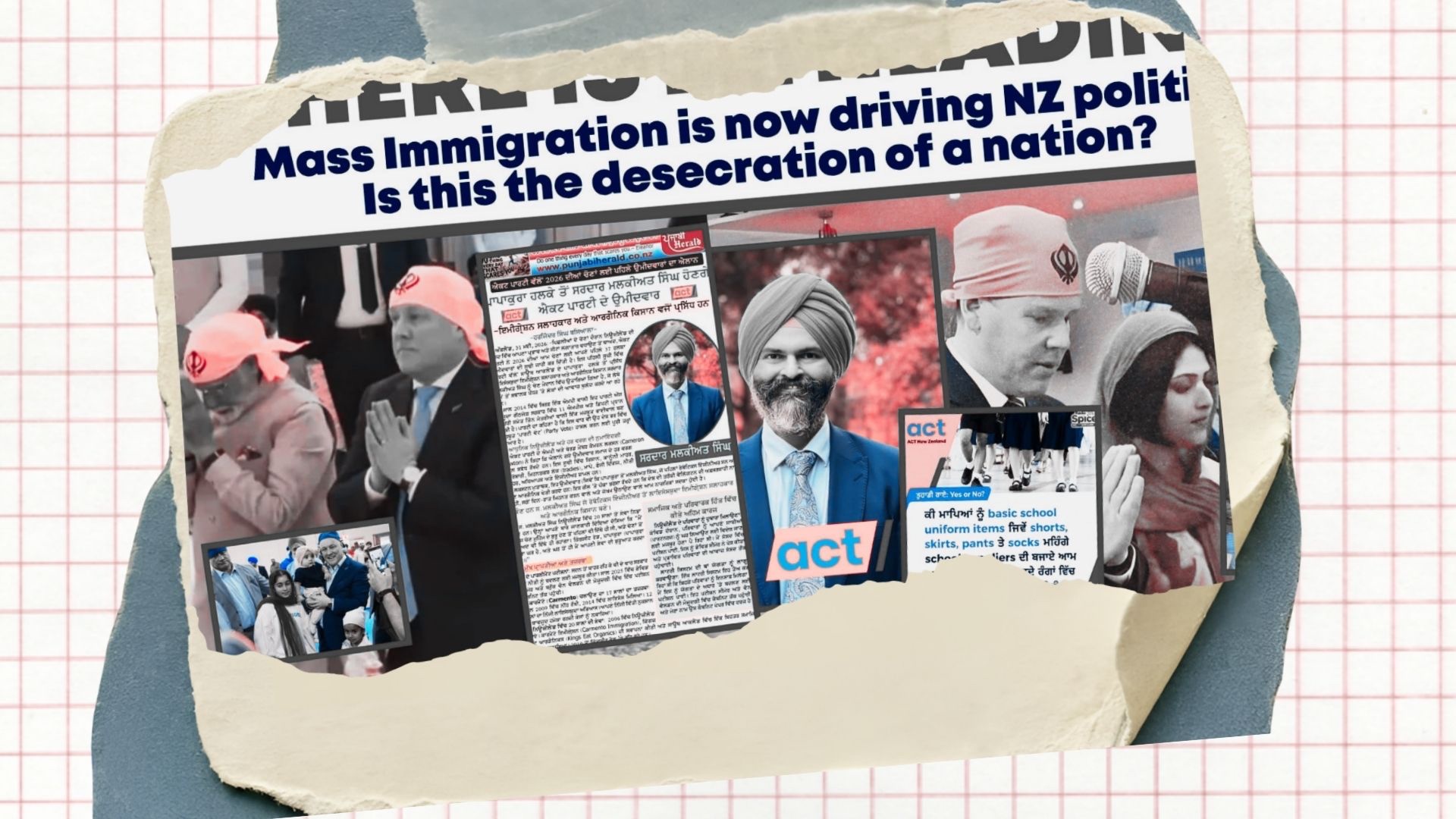
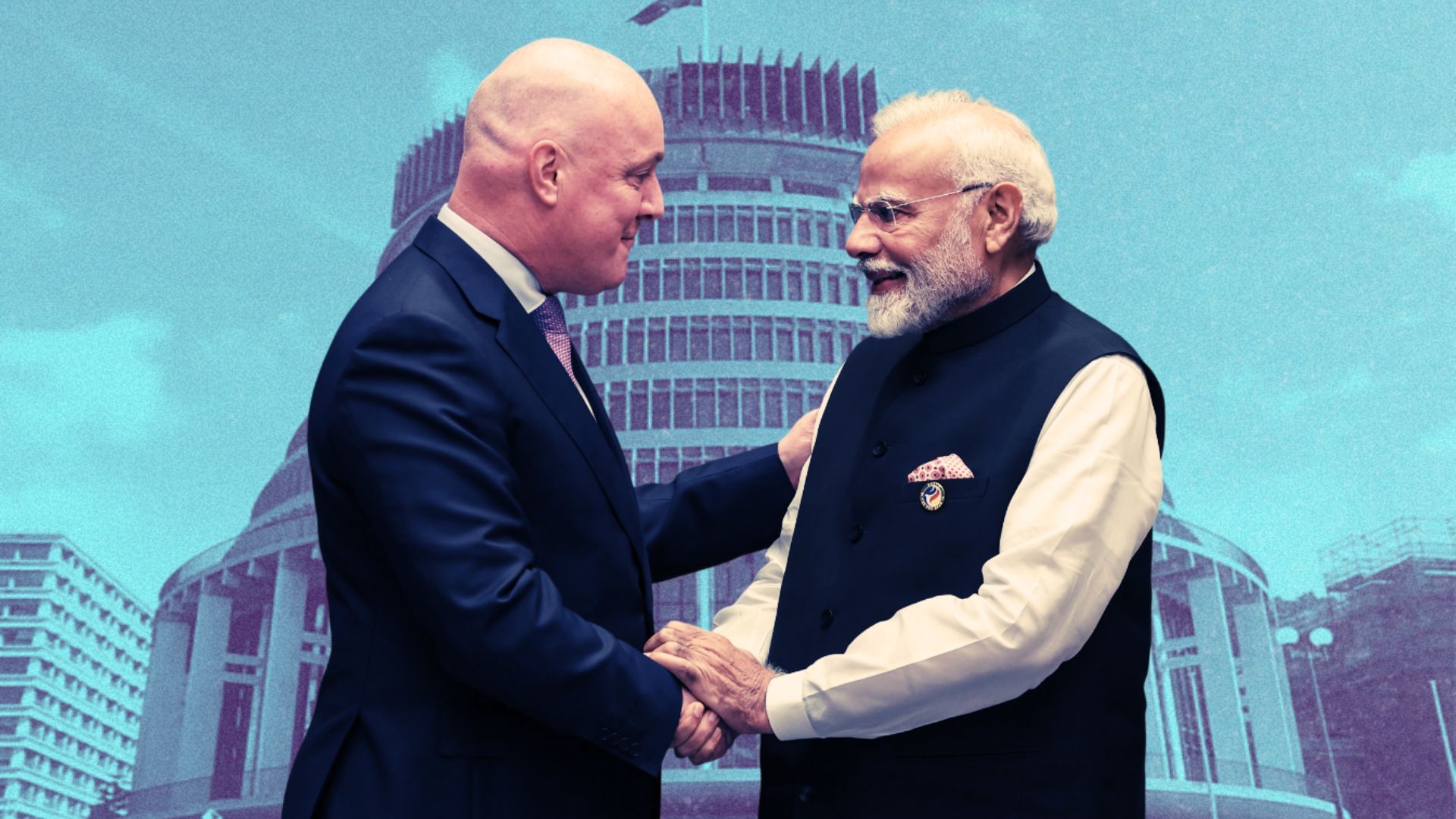
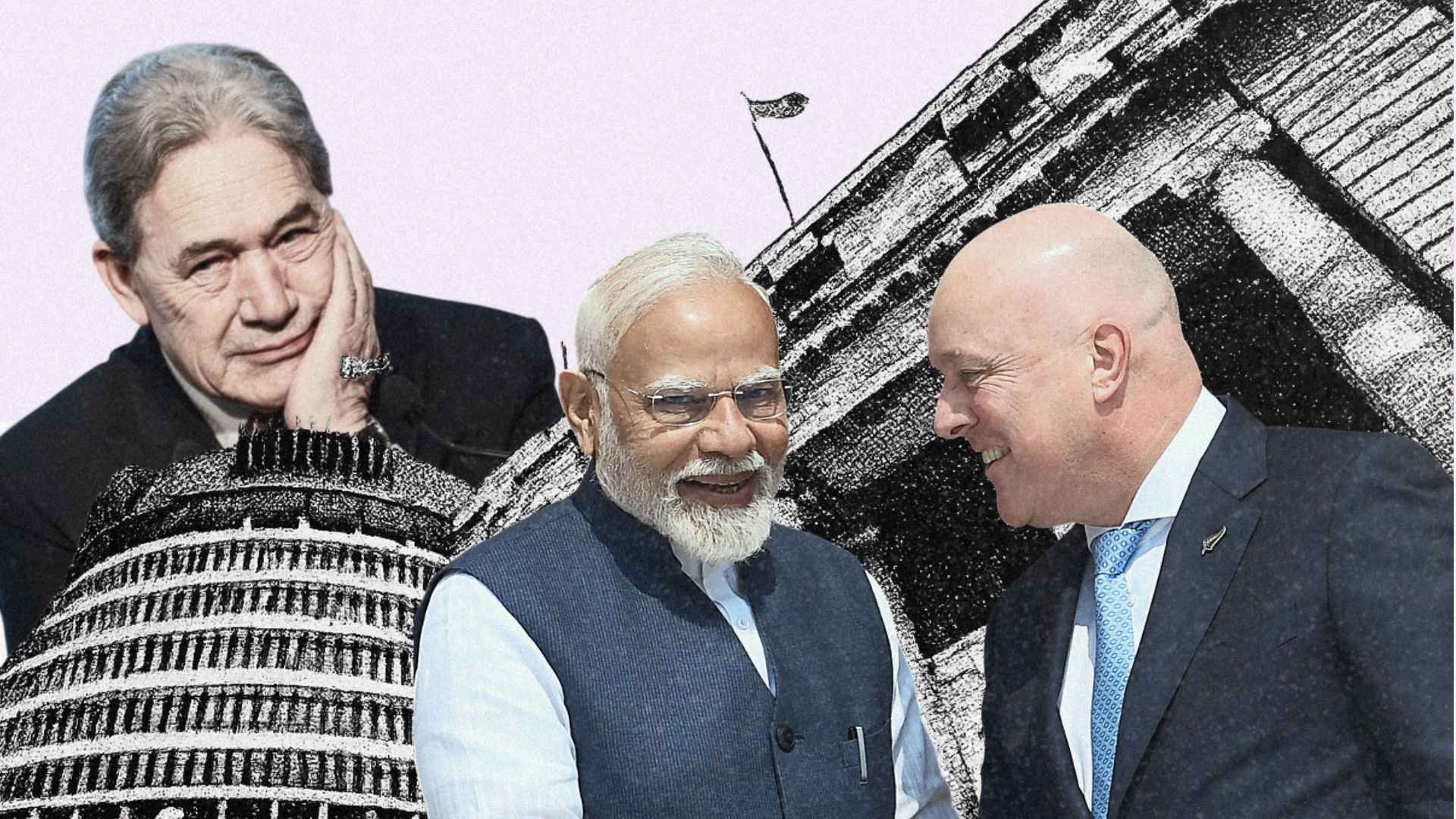
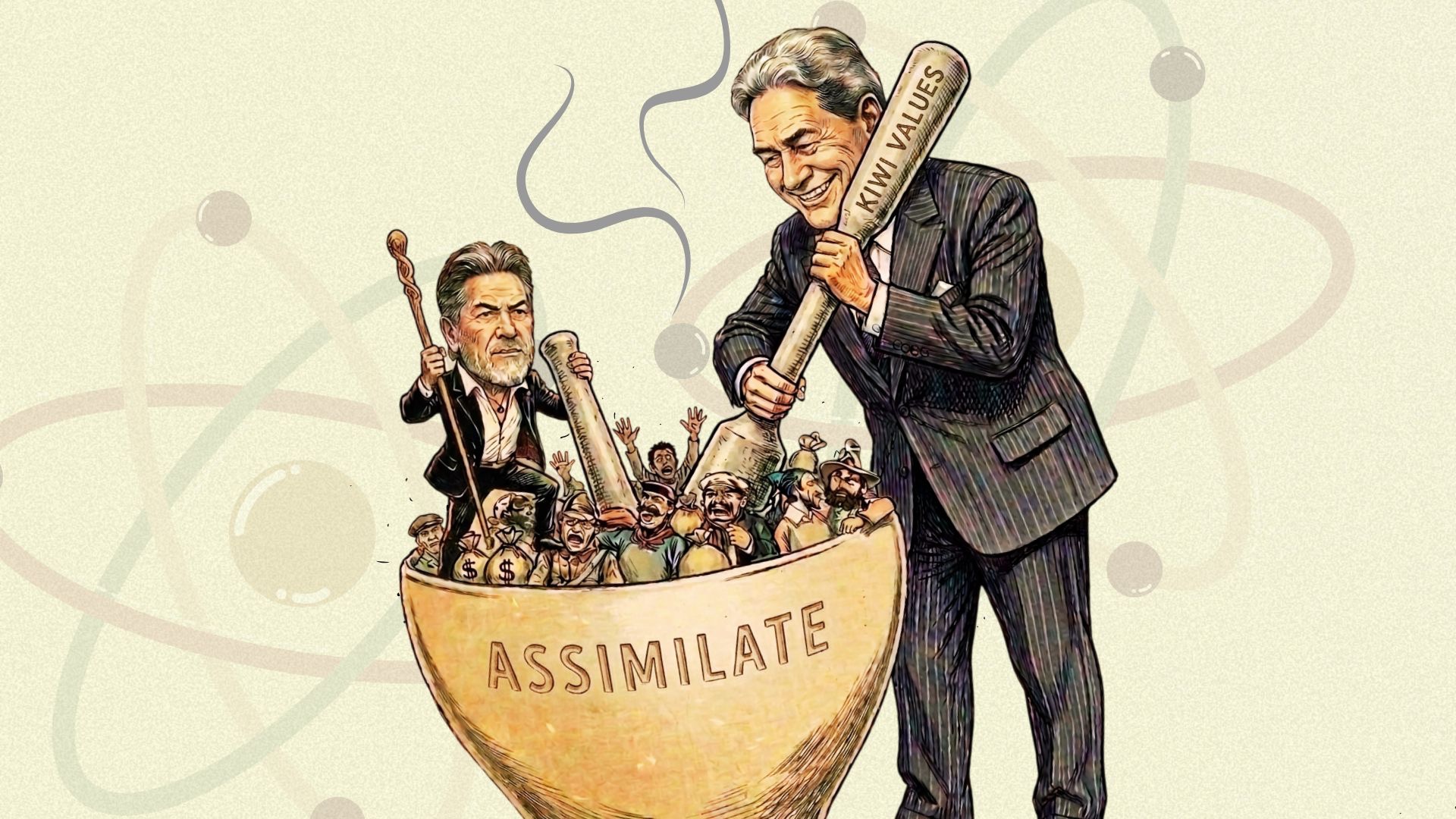
‘Two types of Indians’: Peters questions Kiwi Indians’ loyalty after watching Modi welcome The New Zealand First leader on why changing passports alone may not make someone a New Zealander.
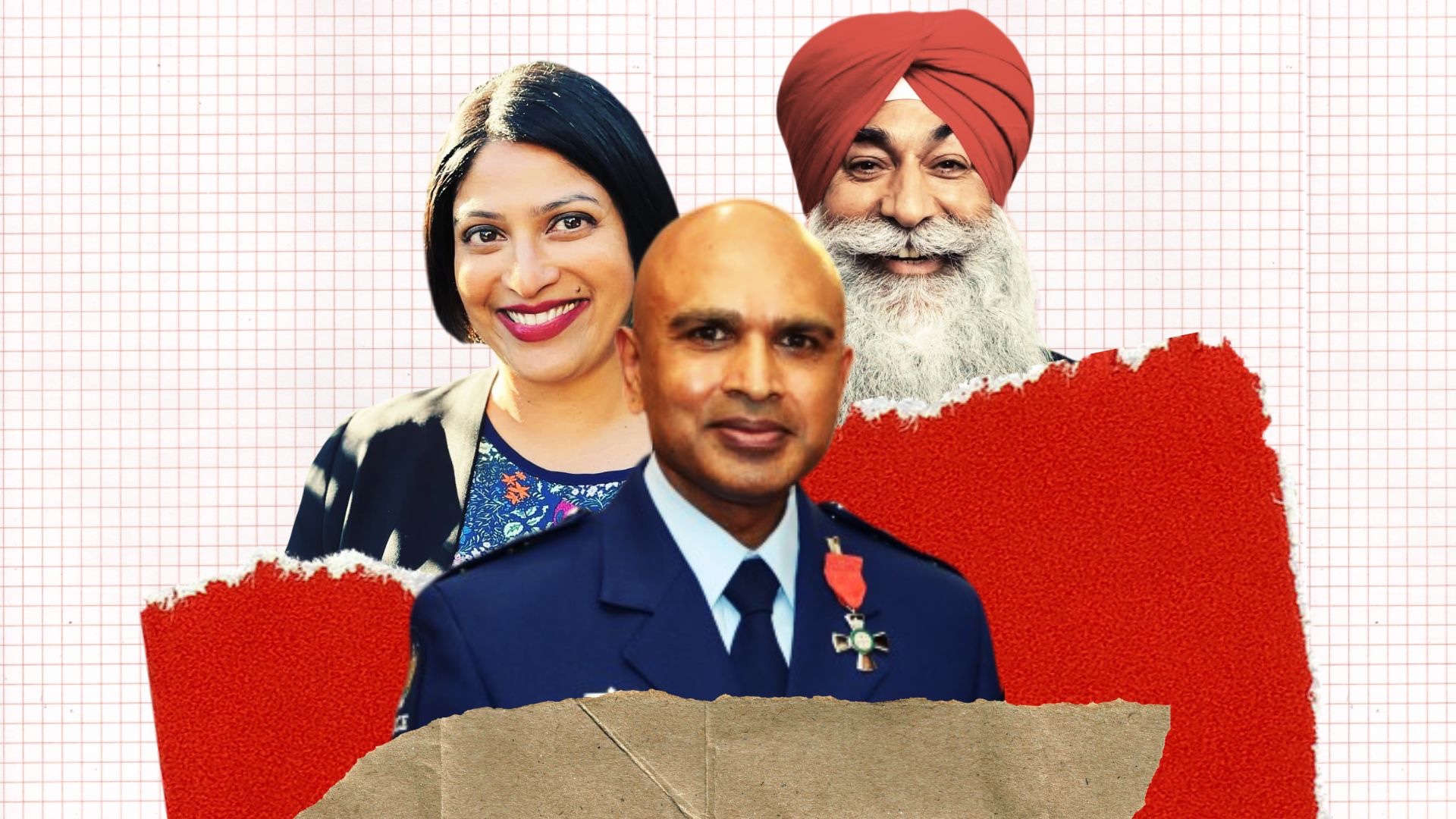
BNZ Diwali rolls out Bollywood red carpet as Meenakshi Sheshadri revisits Damini in Auckland A Screen Auckland-backed cinema showcase is bringing South Asian films into Auckland theatres as part of this year’s Diwali celebrations.
2. Embed AI into all public entities
3. Return core public servant numbers to a historic norm of one per cent of the population
That would mean, by July 2029, 8,700 fewer public service employees than in December 2025. Willis claims that wouldn’t affect wider state sector employees like teachers, nurses, doctors or police.
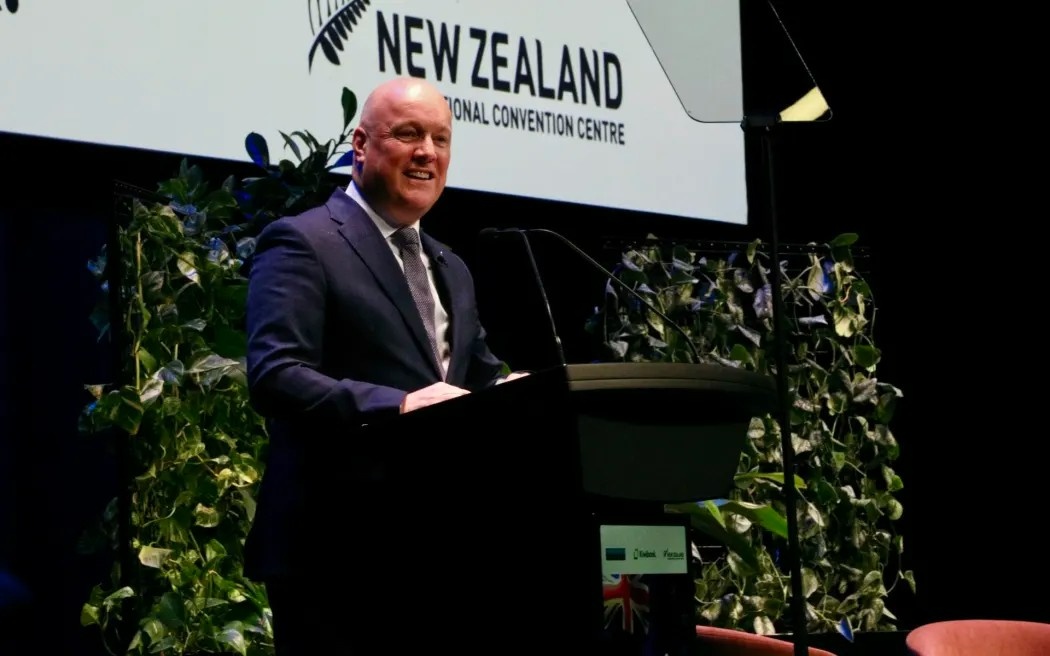
Speaking to Auckland business owners and managers, her message was clear: Wellington is getting serious about value for taxpayers’ money.
Using figures from the Public Service Commission, Willis pointed out that public servants had, since 1993, been around one per cent of the population, but grew to 1.2 per cent under the previous Labour government.
Bureaucrats are always a soft political target for the right, and Willis’ taxpaying business audience was apparently receptive to her message.
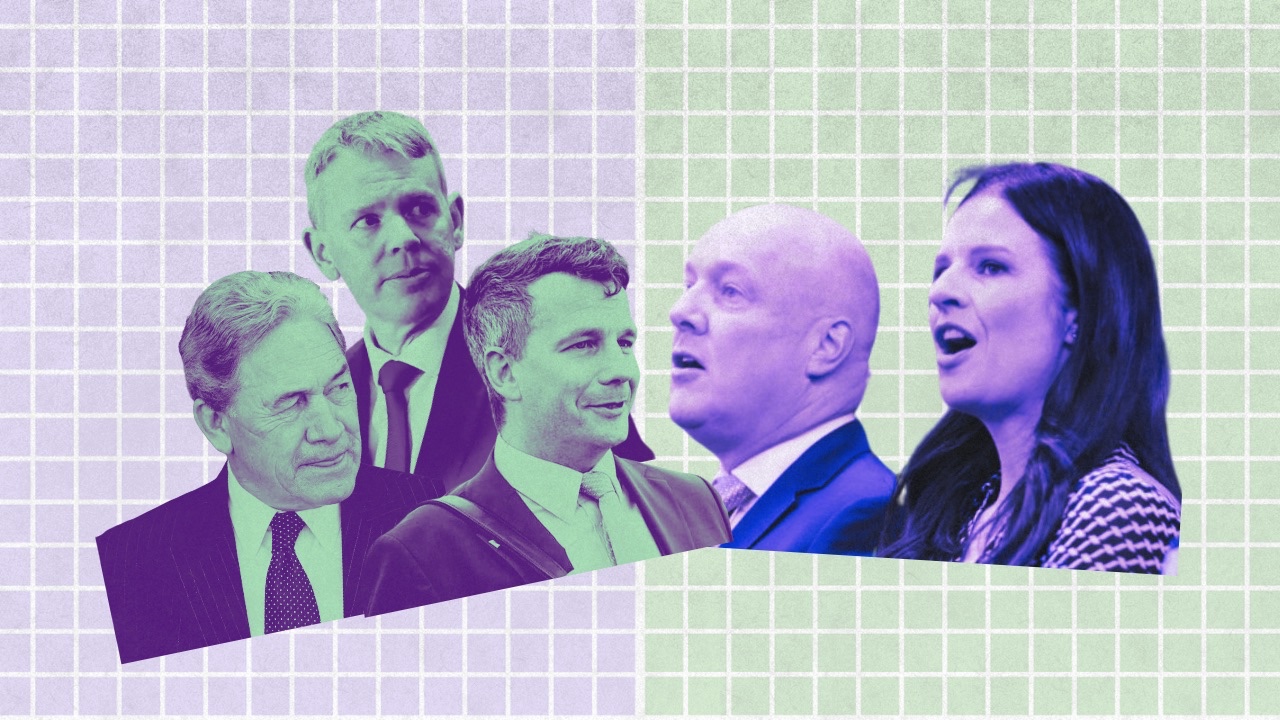
She chose a sharp wedge issue, however, forcing Labour and the Greens to react by defending public sector employees and attacking “austerity” policies.
Moreover, the economy has been hit by an unexpected energy crisis because of the Middle East situation.
In December, Westpac was forecasting three per cent growth in 2026 and a decline in the unemployment rate. By this month, they’d revised that to 1.5 per cent growth and a rise in unemployment, none of which is good for a government’s budget or its electoral prospects.
National’s fiscal challenge
Willis’ pre-budget speech was getting in ahead of any bad news she may deliver on budget day.
Before the 2023 election, the National Party had offered voters a fiscal plan to “deliver the turnaround the government’s books need”, pledging to:
1. Achieve a surplus in 2026-27
2. Reduce government debt
3. Reduce spending on bureaucracy
Willis has refreshed that third goal, but what about the other two?
Rather than return to surplus in 2026-27 as promised, the Treasury’s December 2025 update shifted the goalpost to 2029-30. So National faces November’s election still in deficit, and the war in Iran has only made things worse.
Accordingly, government debt has risen in the past three years. The Treasury forecast net core Crown debt to rise and peak at 46.9 per cent of GDP in 2027-28, then decline to 46.1 per cent by 2030.
If the Superannuation Fund is included, as economist Susan St John recommends, the net debt-to-GDP figures are much lower, but they’ve still risen since 2023.
Officially, the Superannuation Fund is excluded from the calculation of net debt because it’s not available for current expenditure, and is invested in growth assets and hence volatile.
By National’s own standards, though, the government has failed to deliver on some key fiscal policies in its first term. In November, voters will determine whether it’s to be its last.
The government’s opponents can argue National’s goals were wrong to begin with.
The assumption the government is somehow “broke” and has to stop borrowing and cut spending can be challenged. But there is no political consensus about what would be a fiscally prudent “ceiling” above which public debt shouldn’t rise.
The Treasury’s “recommended prudent limit for net core Crown debt” is 50 per cent of GDP. Other countries have gone much higher. But New Zealand is a small, almost irrelevant economy in the eyes of international investors and credit-rating agencies, so cross-country comparisons may not be helpful.
Debt and doubt
In the 1990s and 2000s, both National and Labour governments reduced net core Crown debt, starting from a level higher than at present, down to below 10 per cent. After the global financial crisis hit in 2008, this allowed the next National government to run deficits for a few years while the economy recovered.
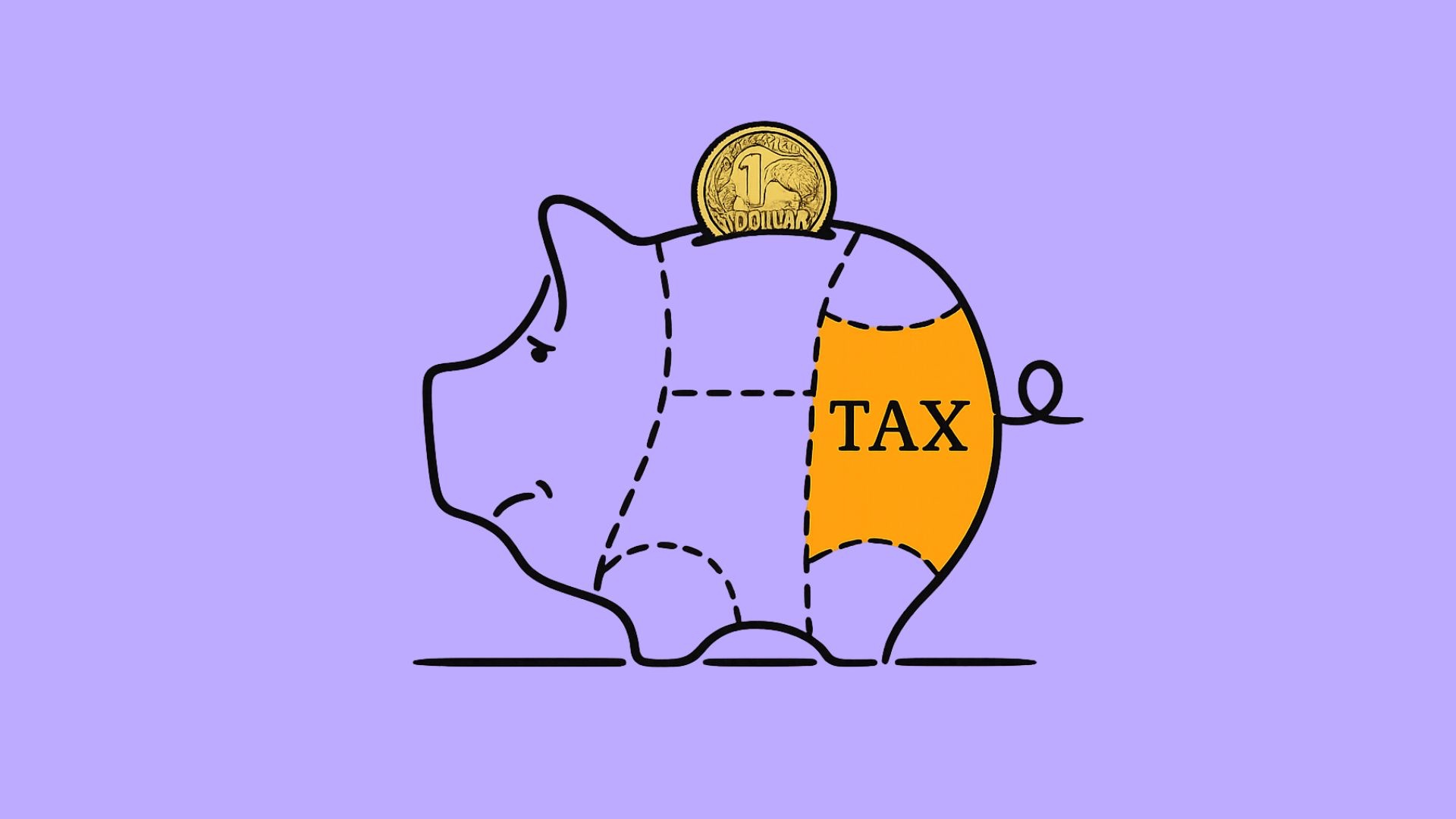
Willis says “the interest bill on our debt has soared to about $9 billion a year”, or about six per cent of expenses. That’s a long way from being broke or unable to service loans, let alone default.
But there has to be a prudent limit to borrowing, especially for a small economy vulnerable to economic shocks. No government wants to turn their country into one of history’s sovereign debt defaulters. The consequences of that are catastrophic.
Government debt may sound boring, but it’s a vital political question for this budget and for the coming election.
The Green, Labour and NZ First parties are promising public investment funds, and they should advise voters how much they’d need to borrow overall. All taxpayers help repay the debts, after all, so they should be able to weigh borrowing up against the benefits of proposed investments.
Get ready for the usual political bunfight on budget day. But think critically about where the government – and its opponents – might lead the country.
(This story was first published in The Conversation. The writer is Research Associate, Public Policy Institute, University of Auckland, Waipapa Taumata Rau.)