
Diaspora members hide names, switch off cameras amid rising foreign interference fears

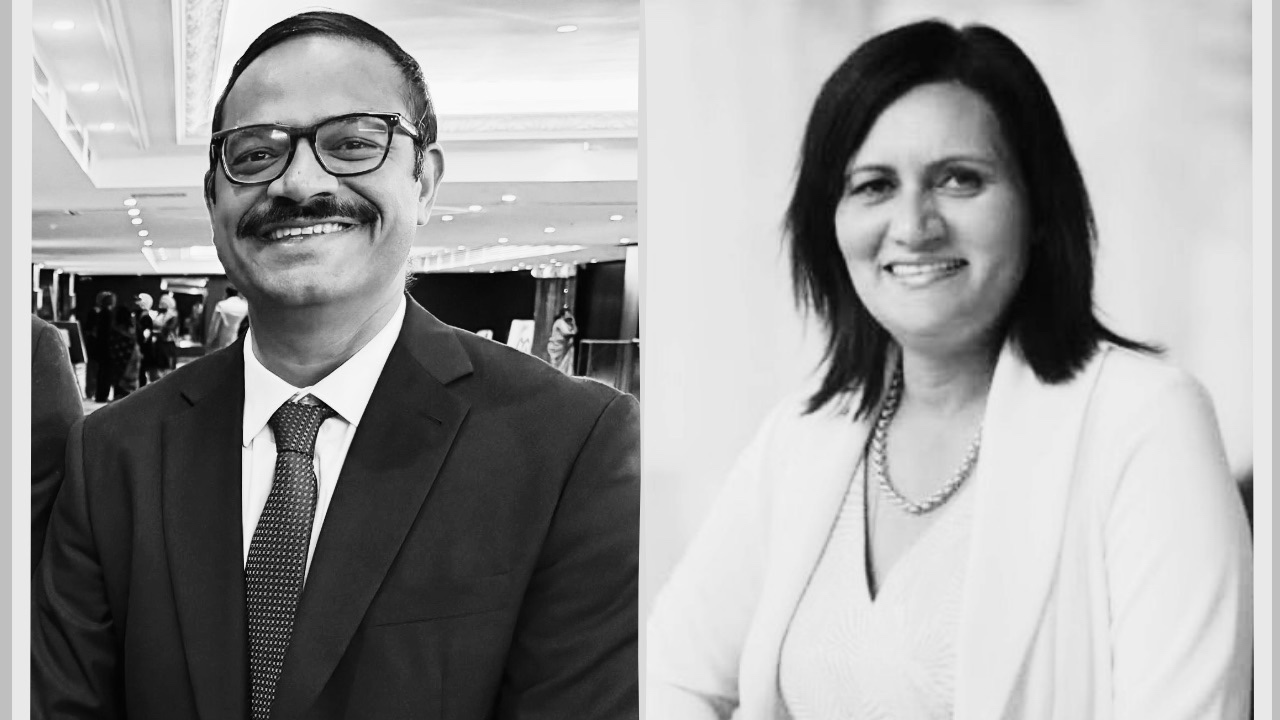
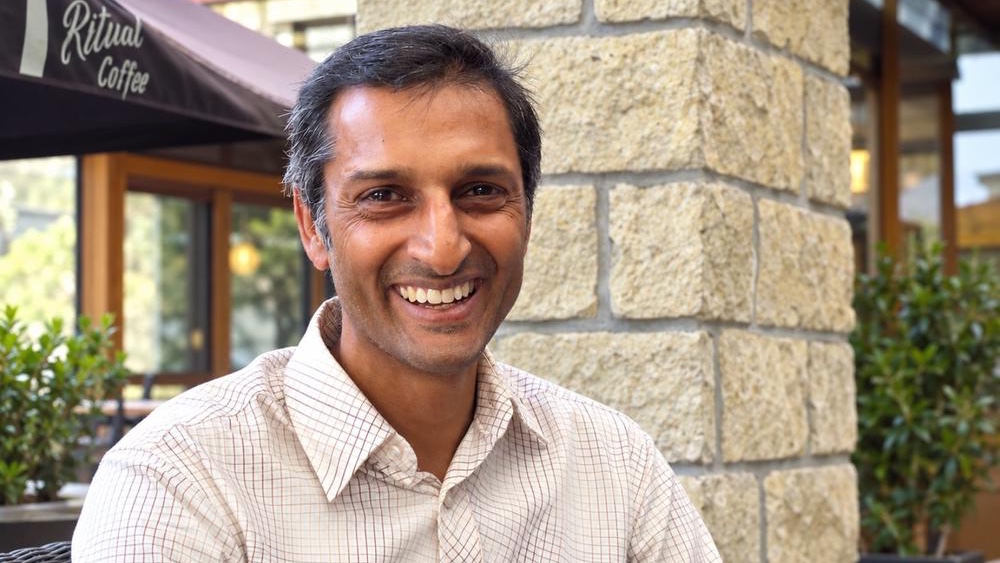
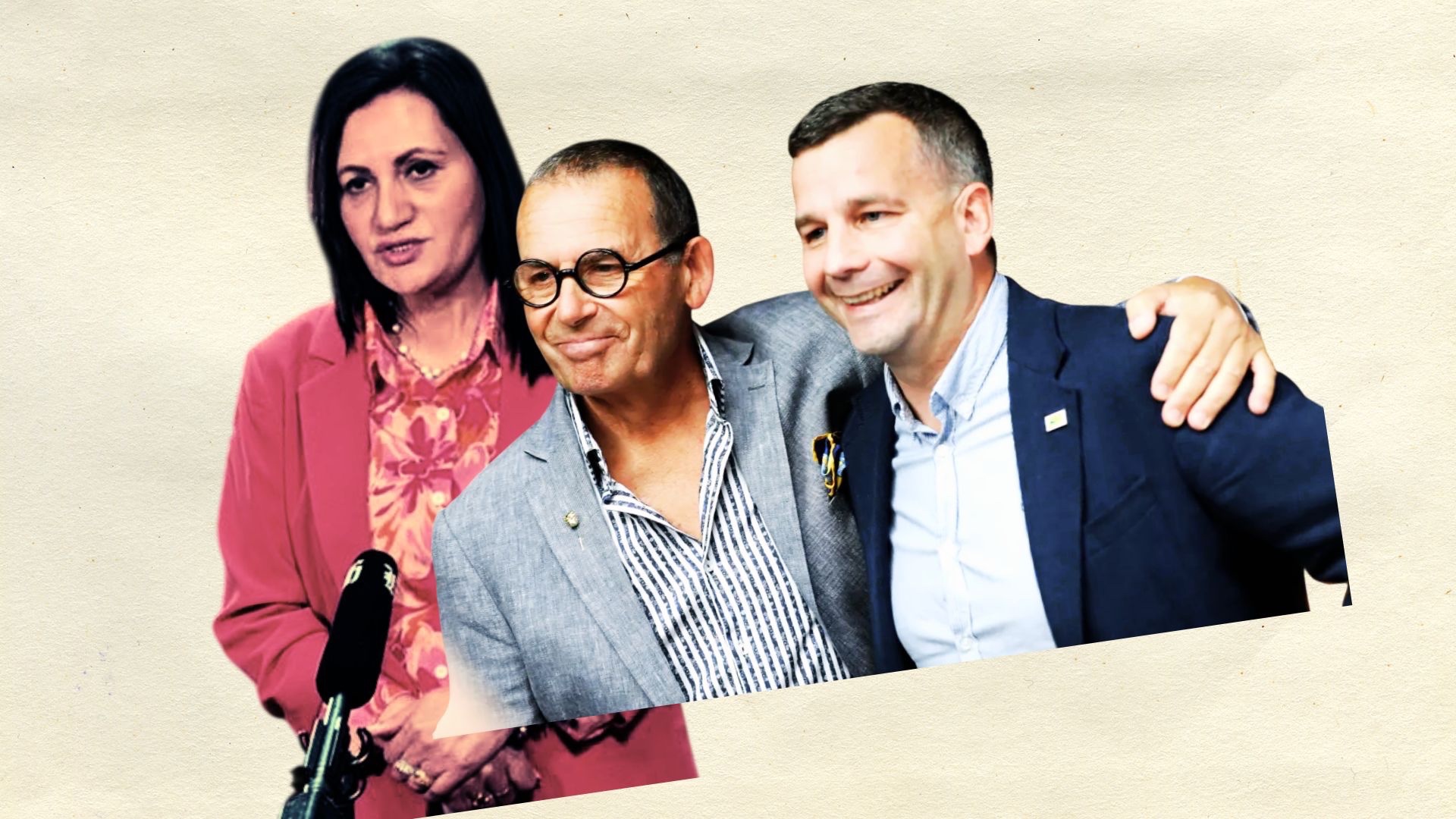
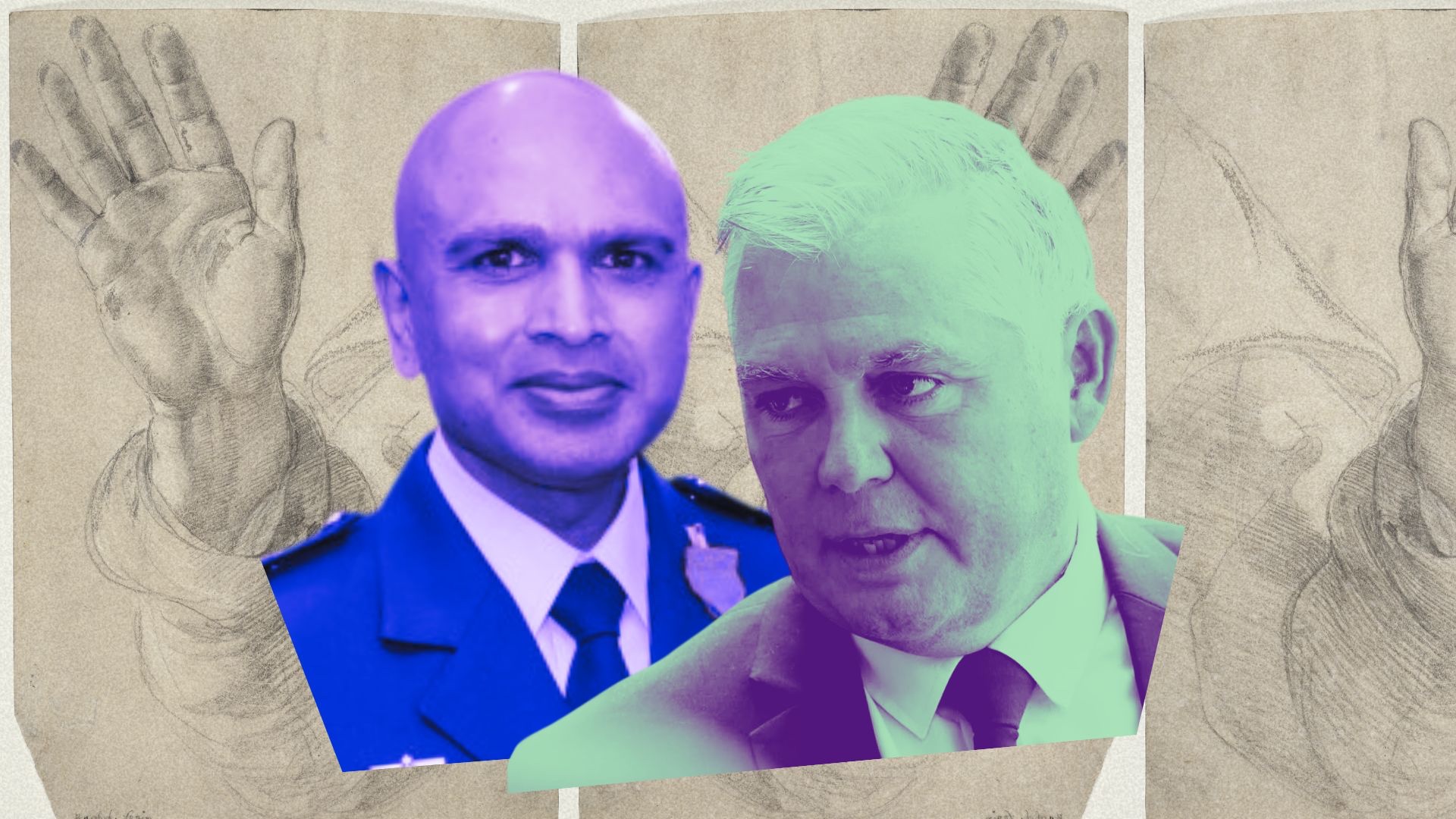
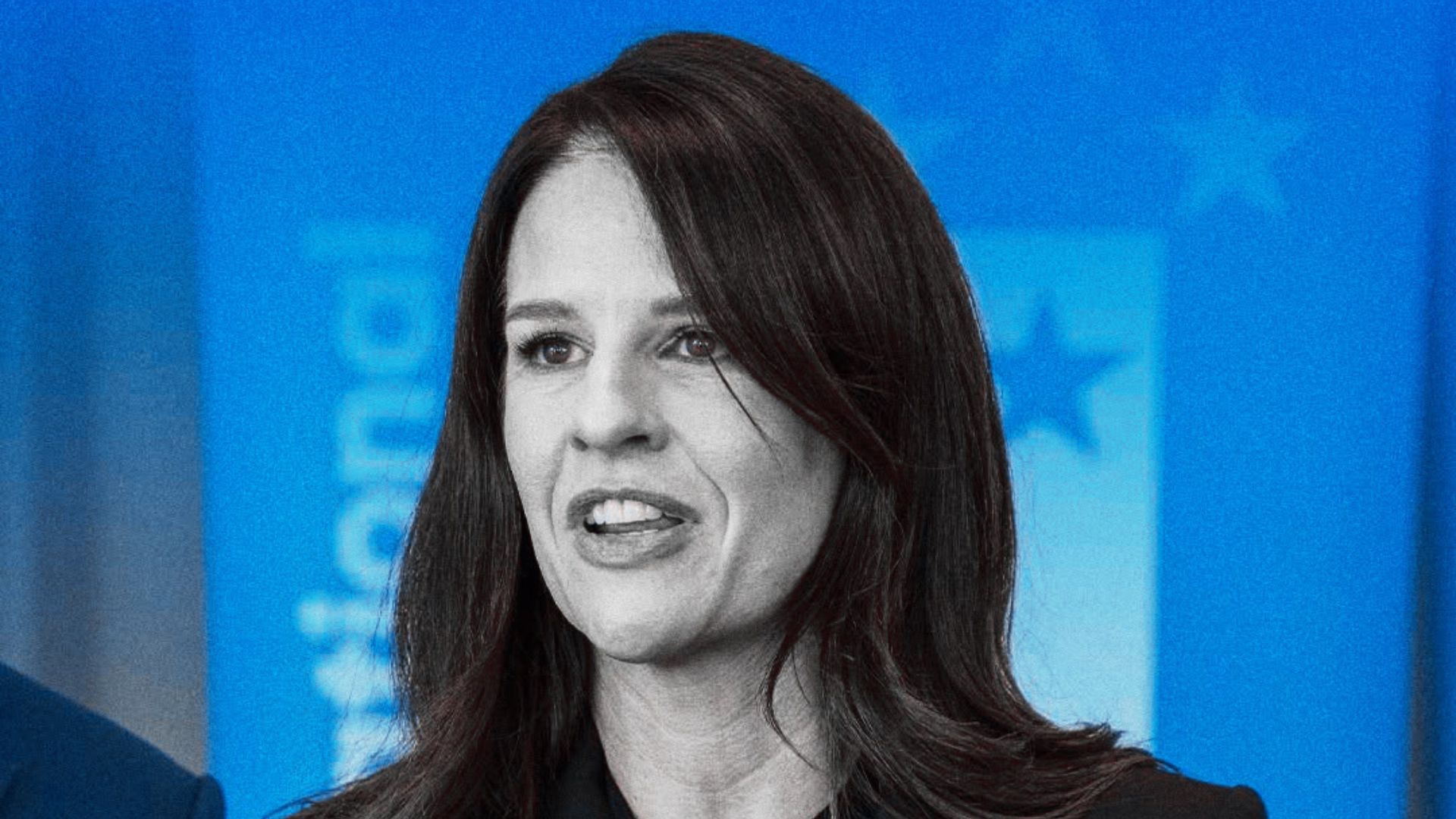
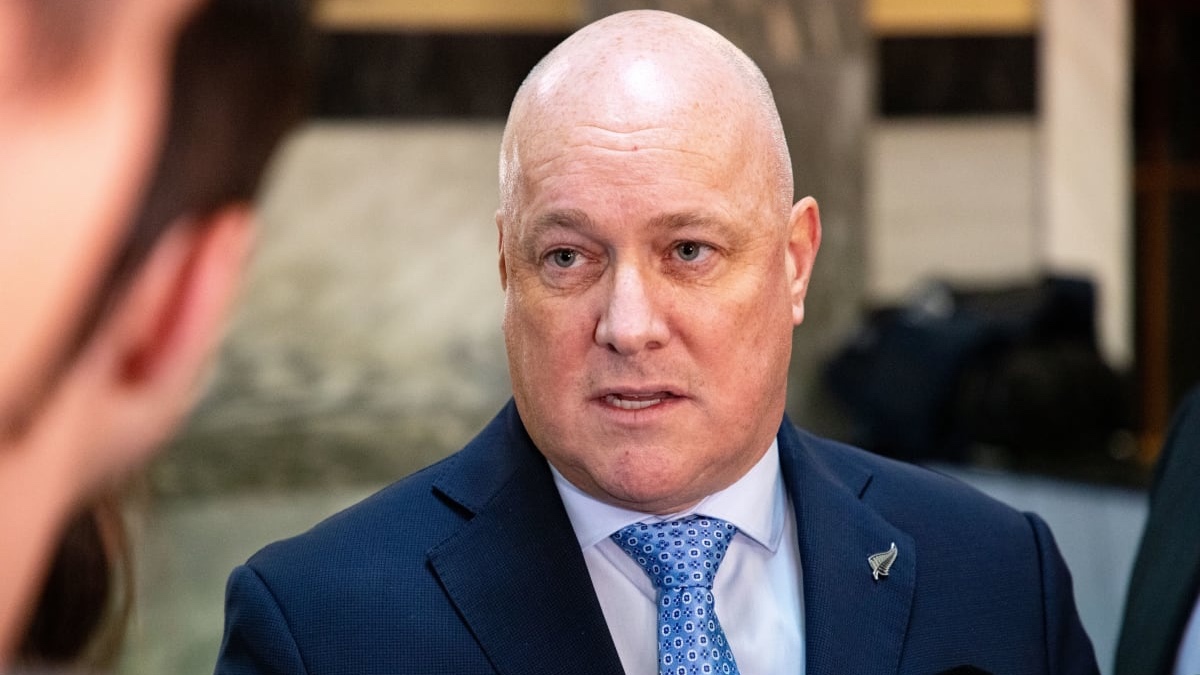
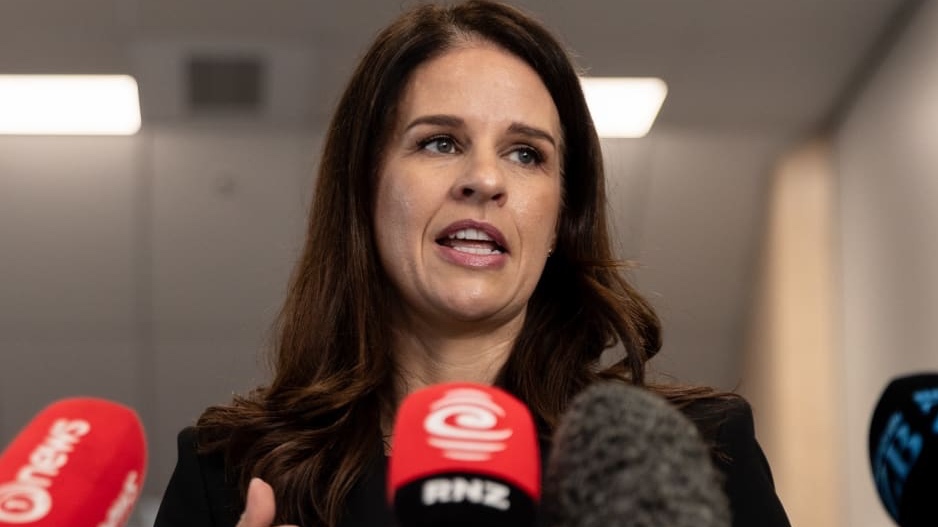
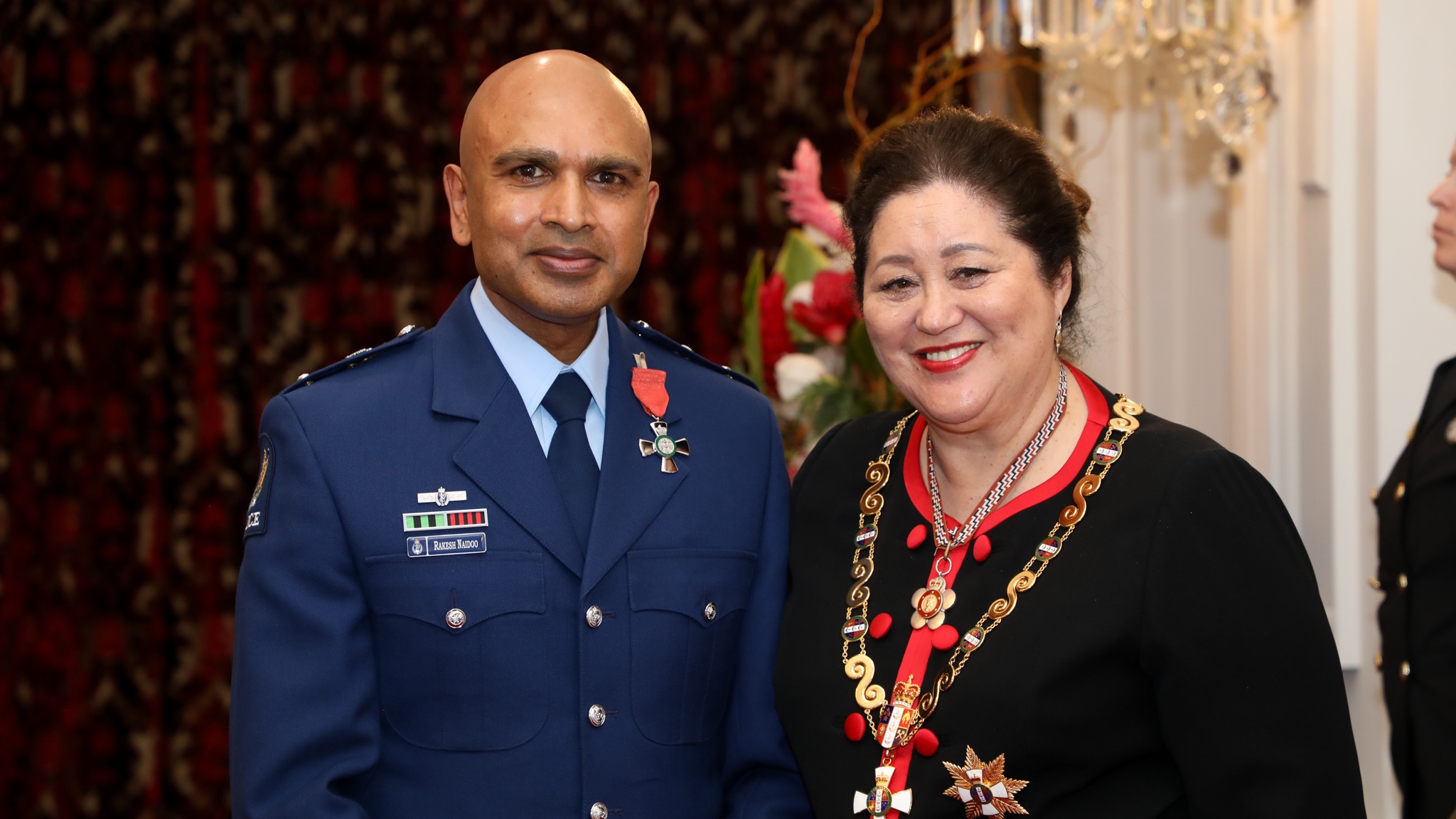
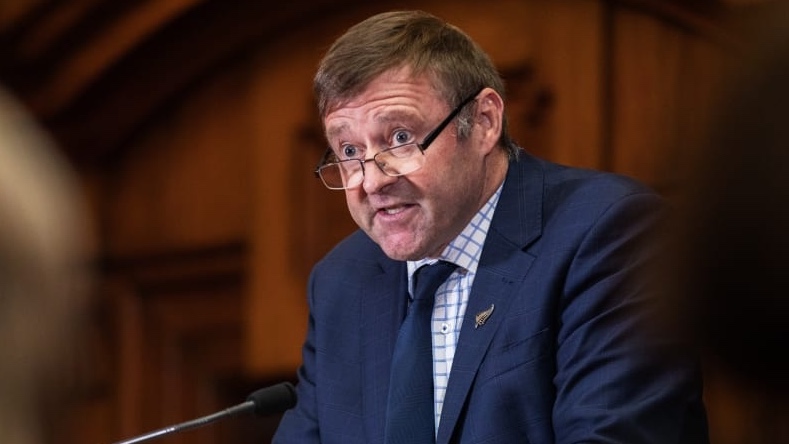
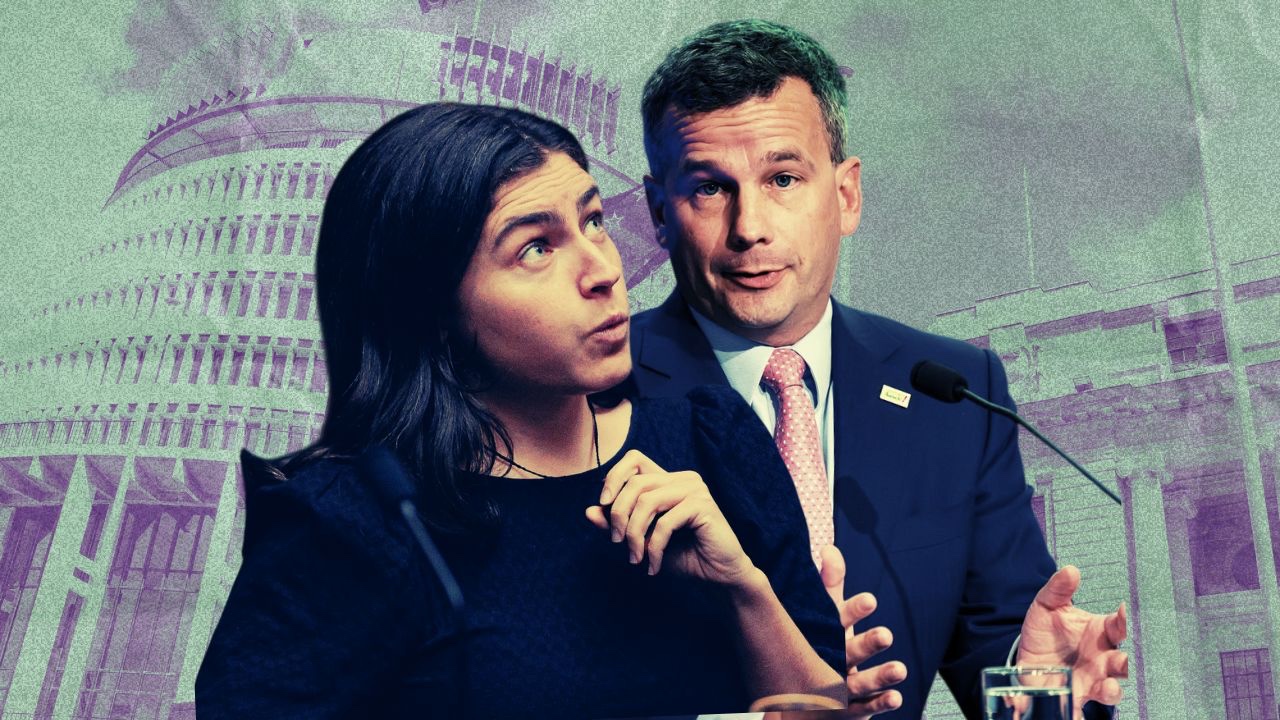
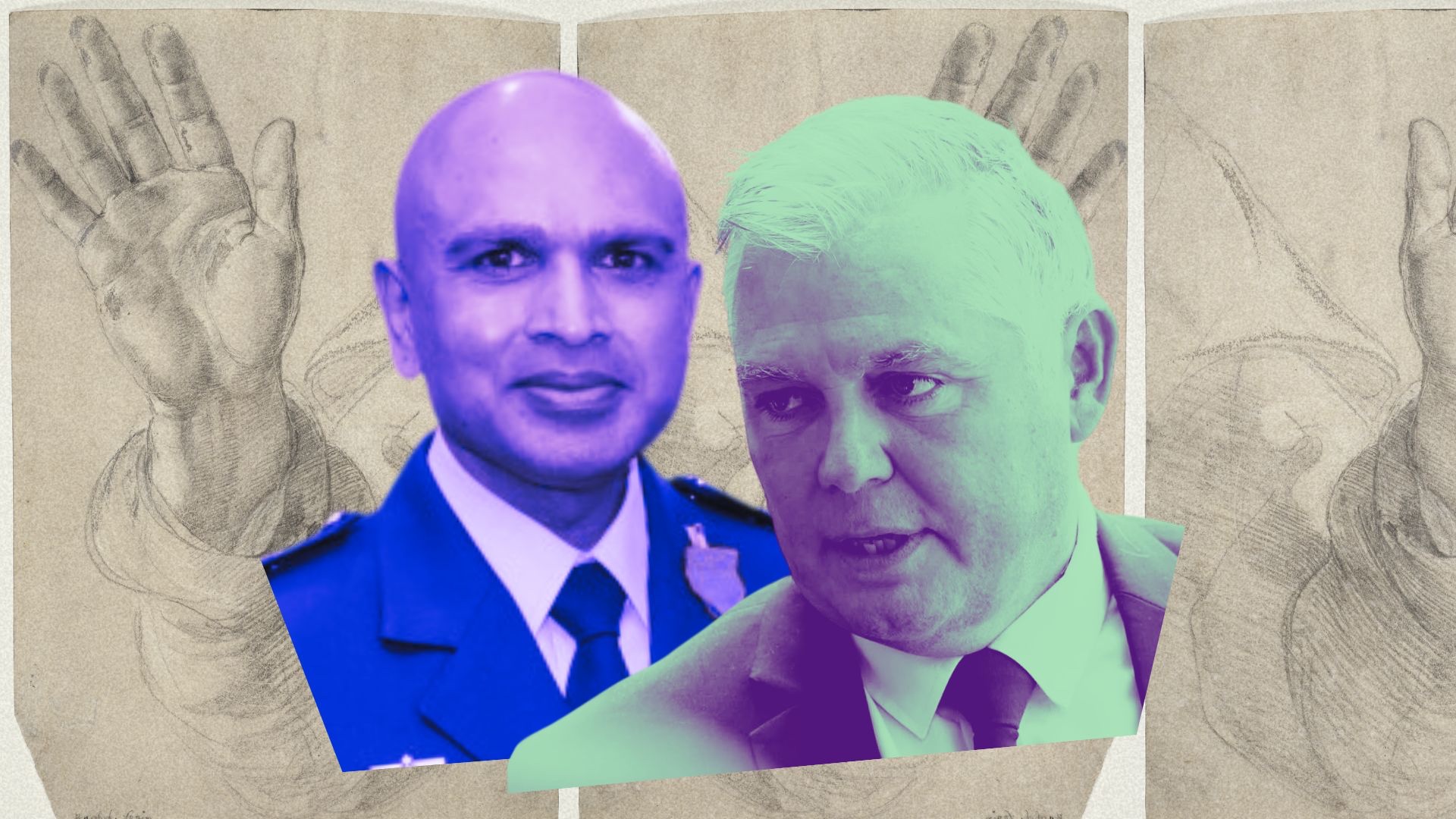
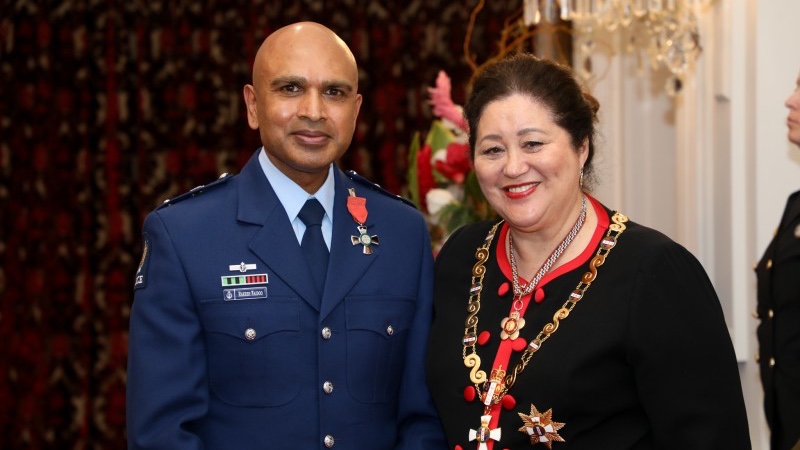
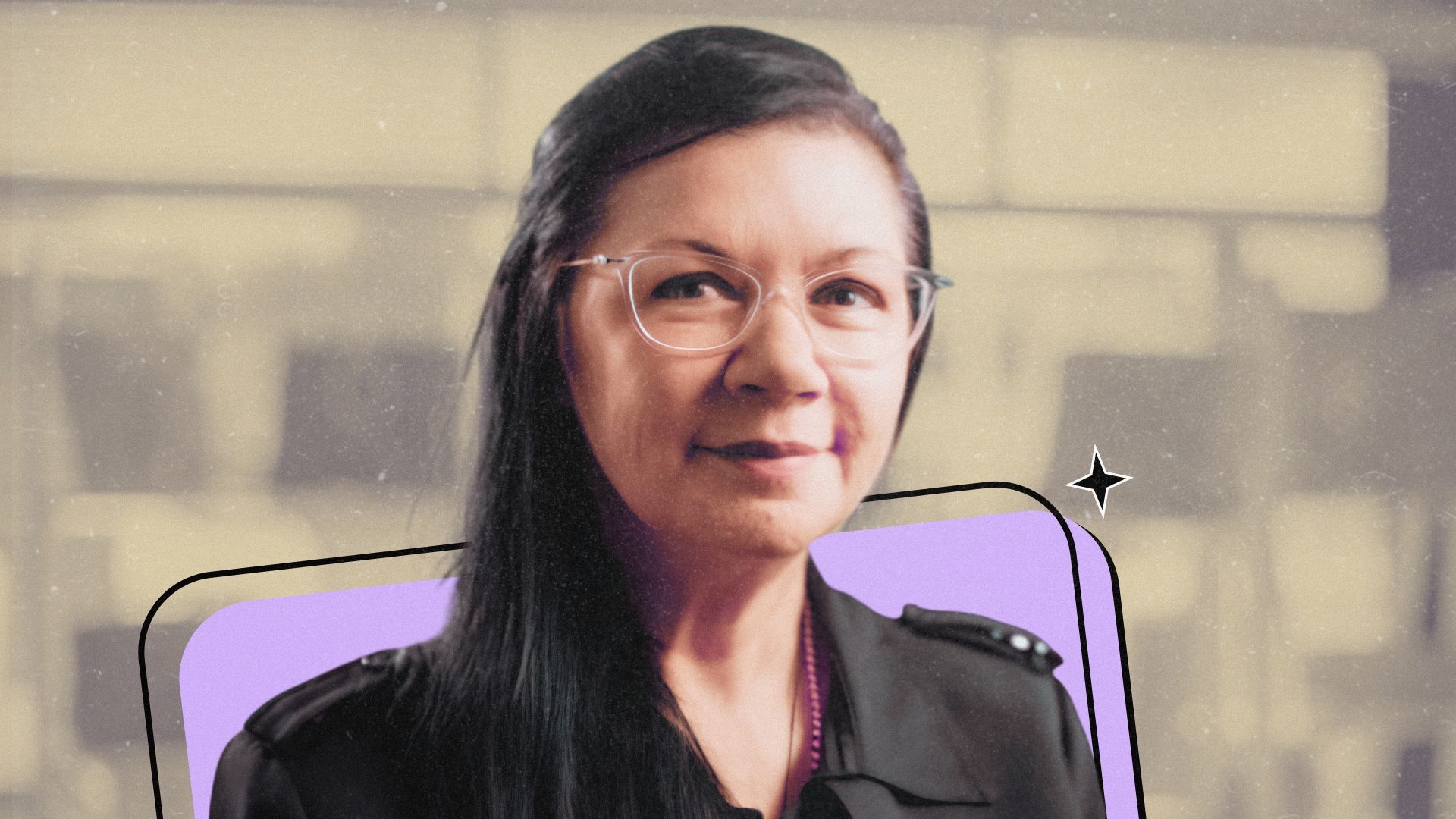
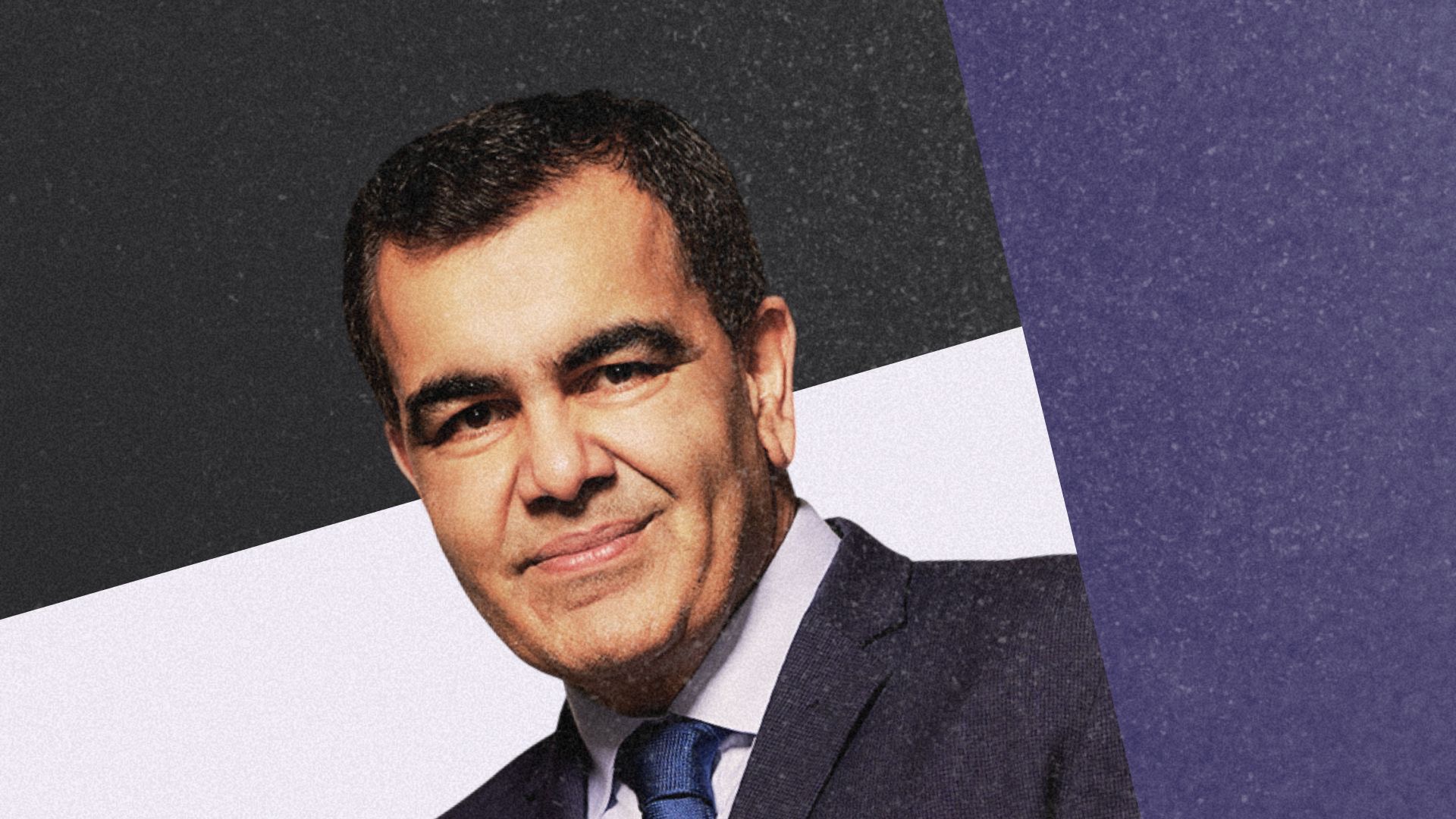
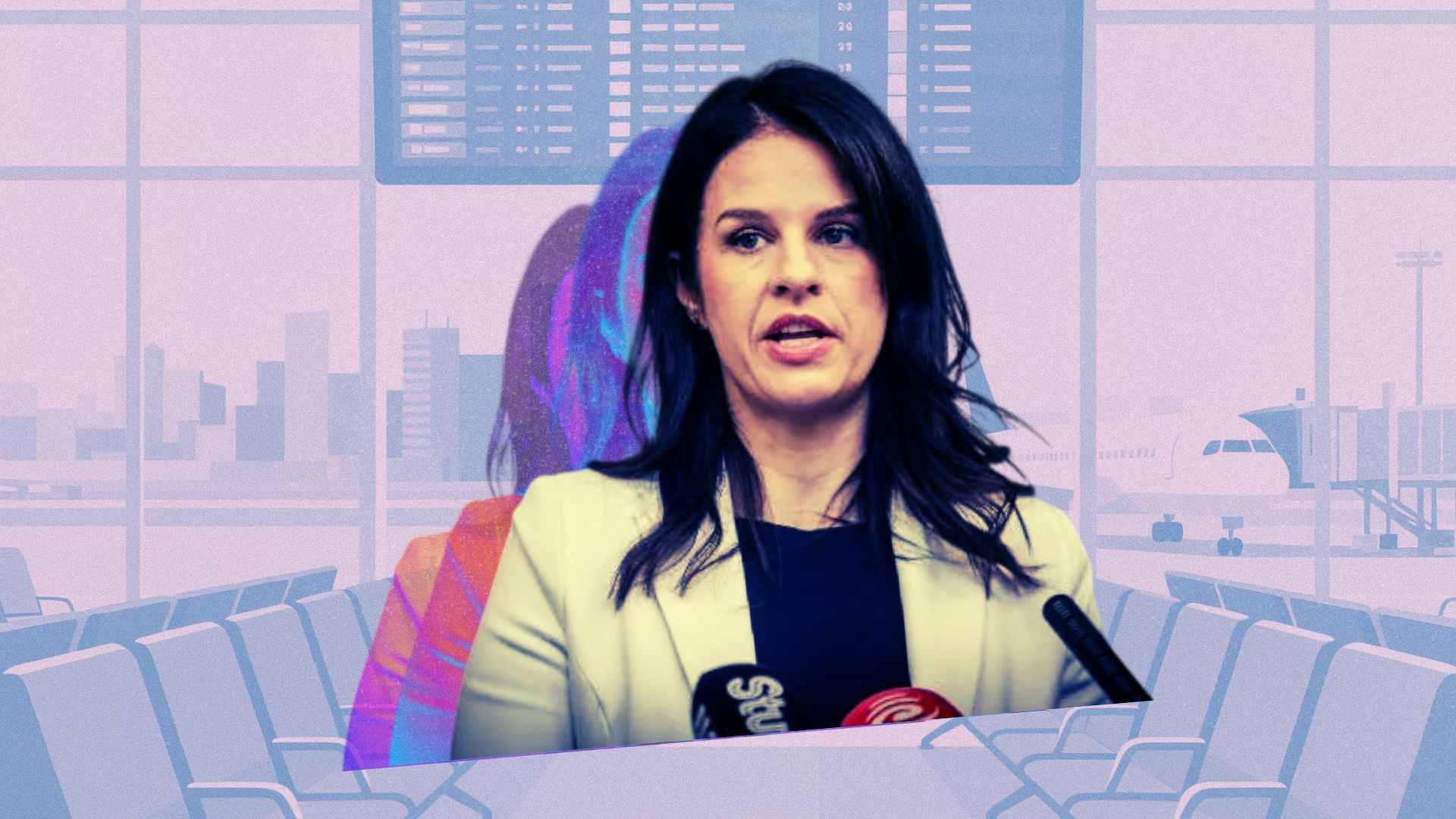
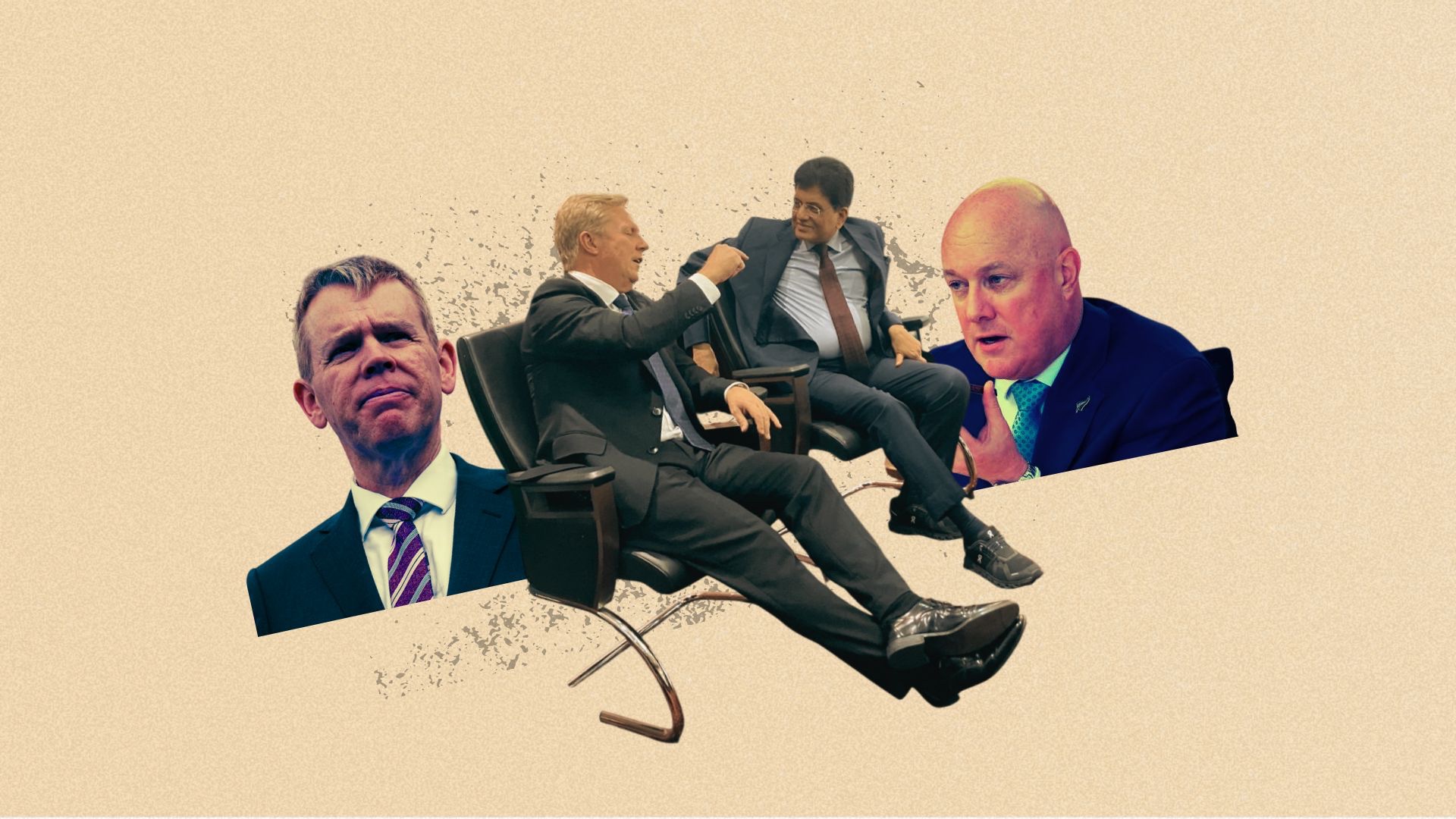
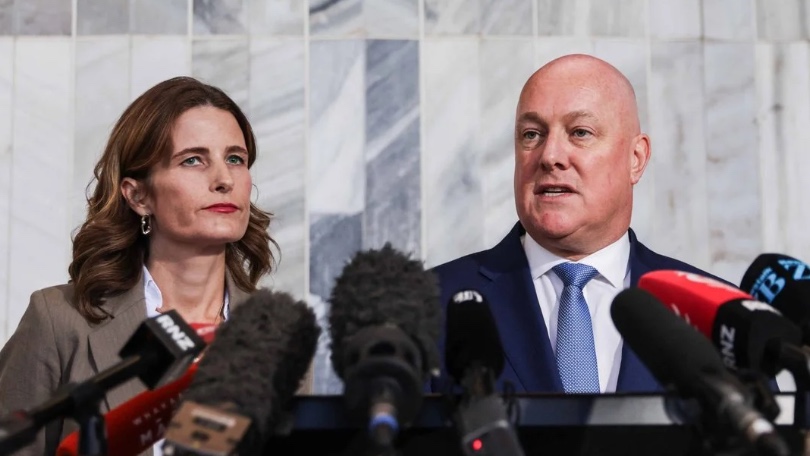
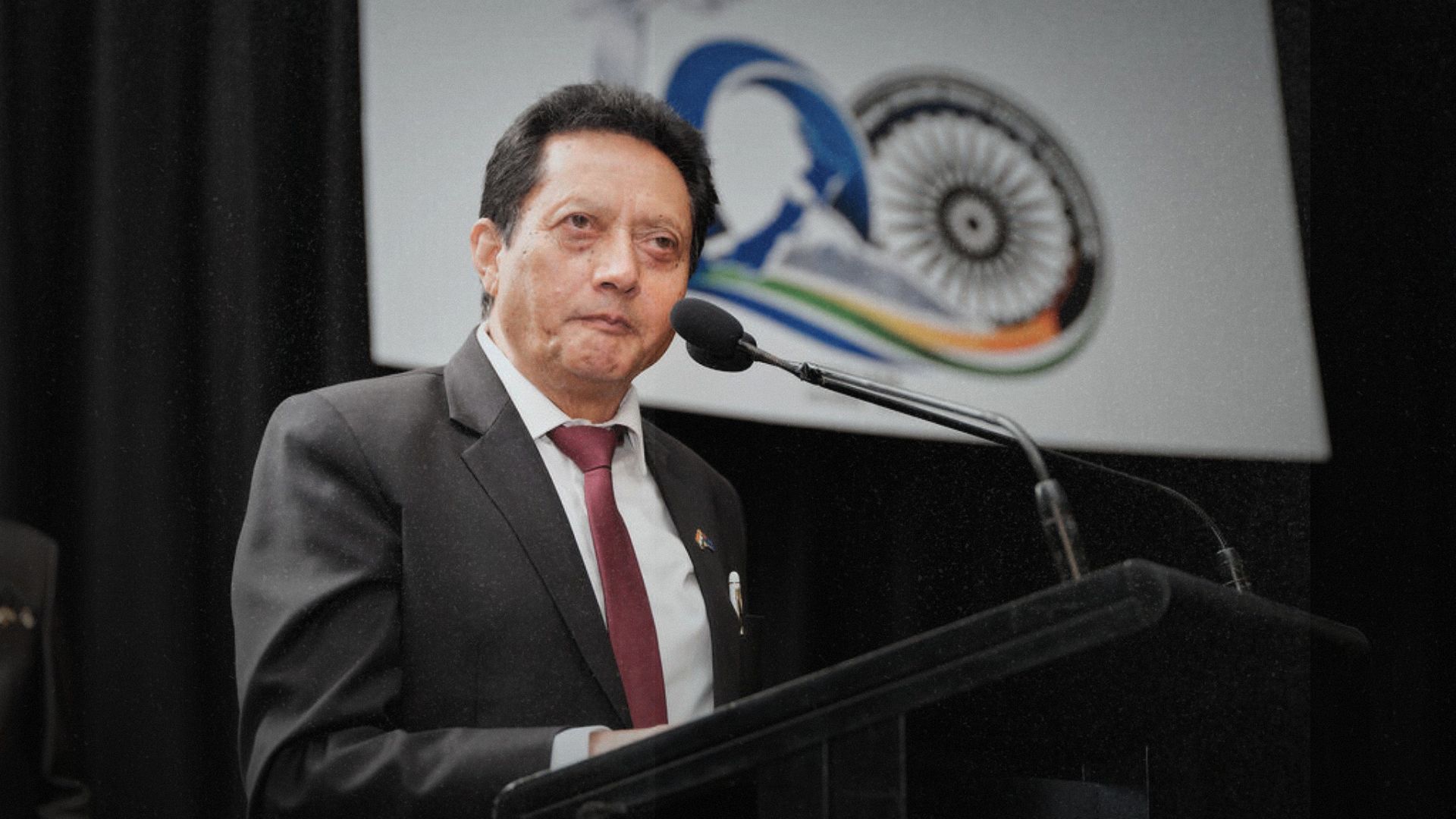
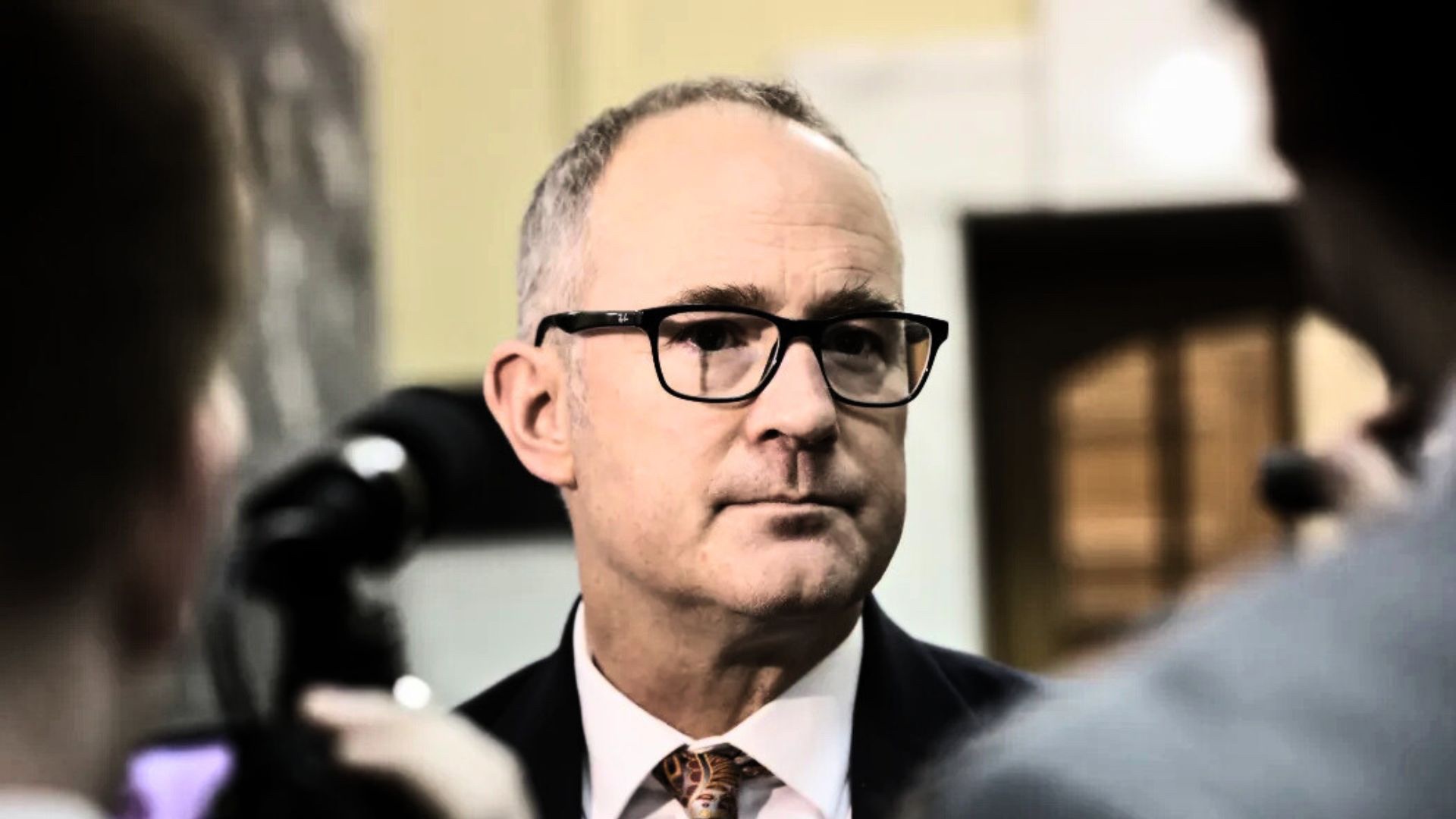
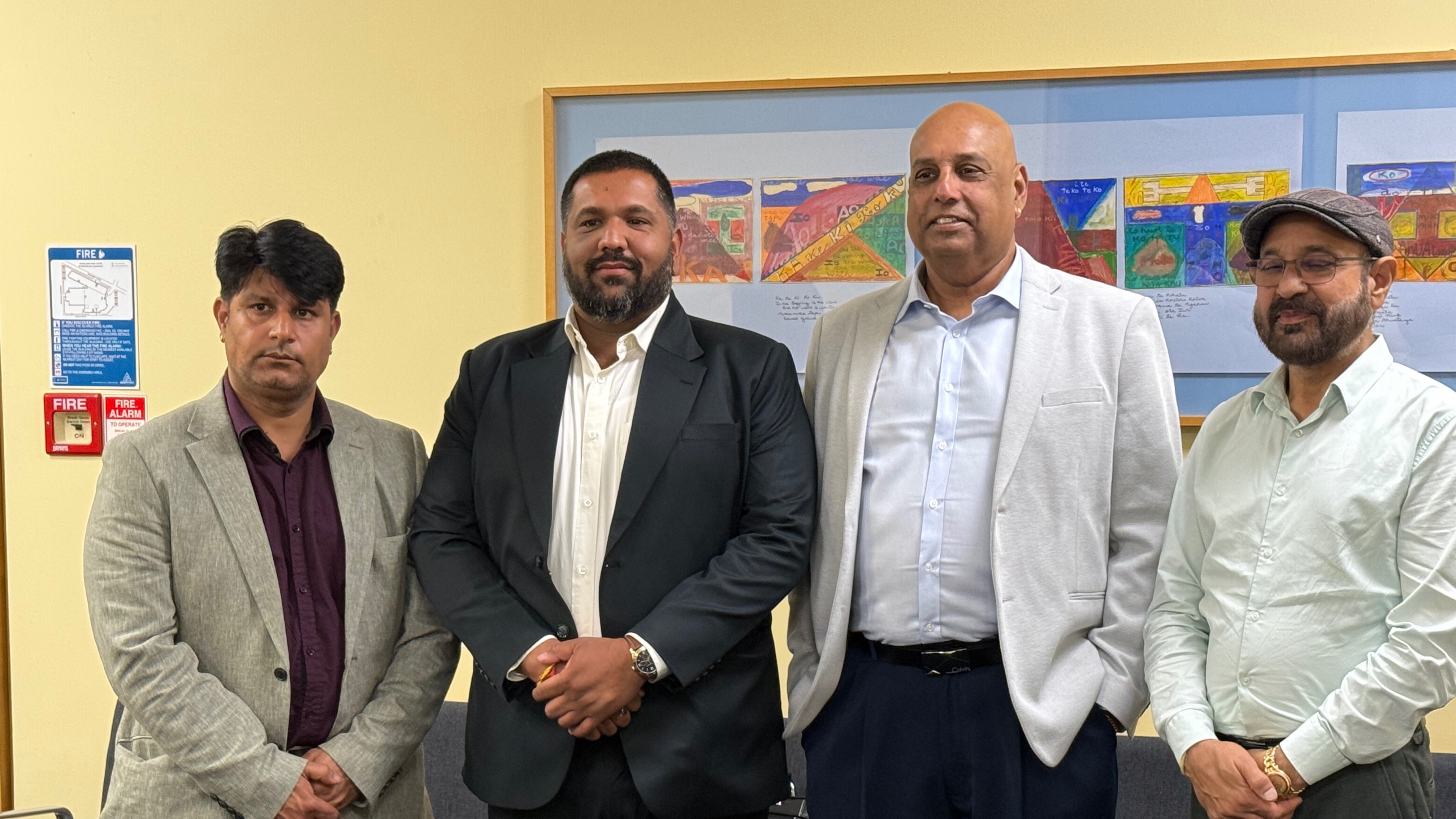
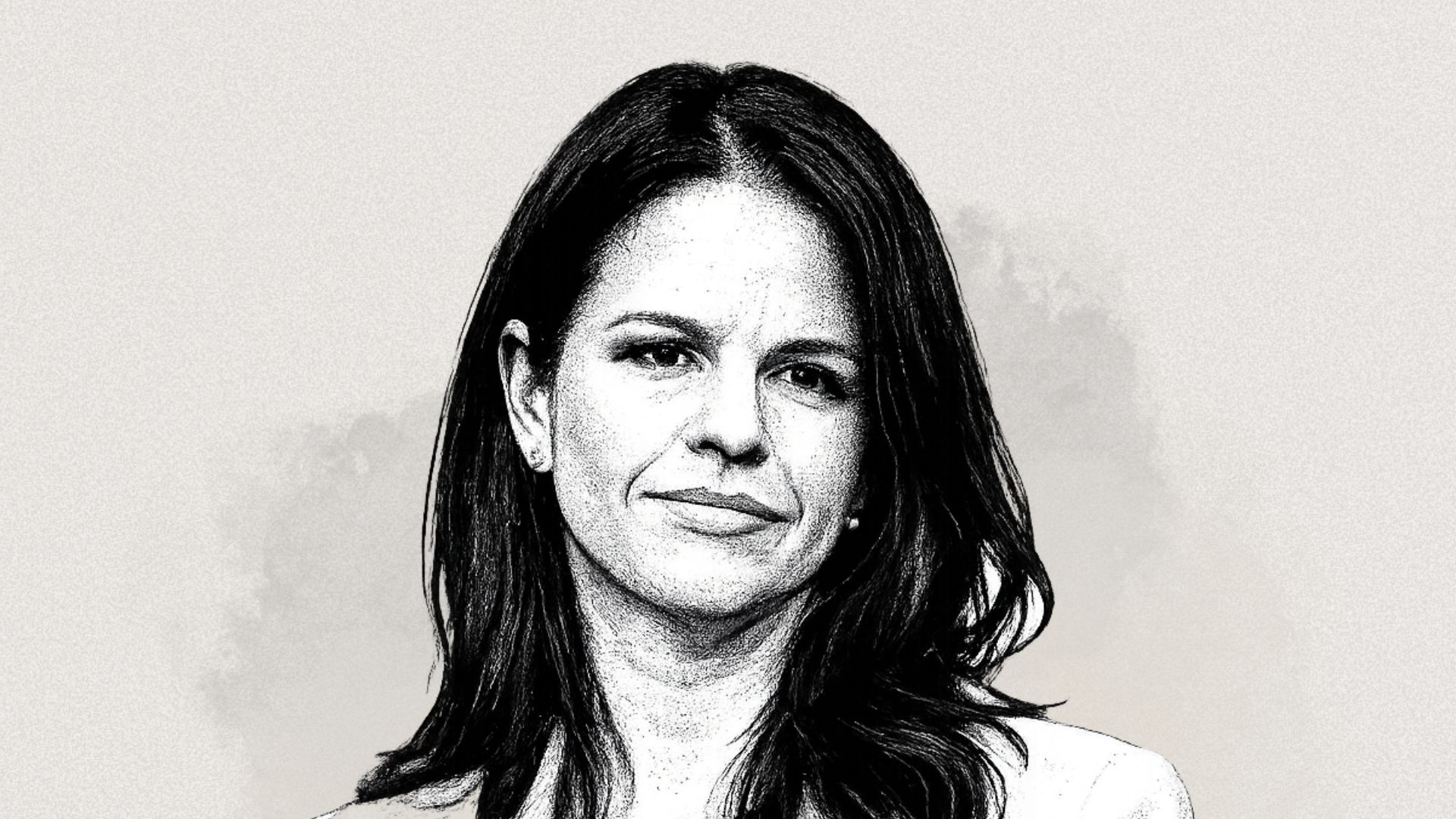
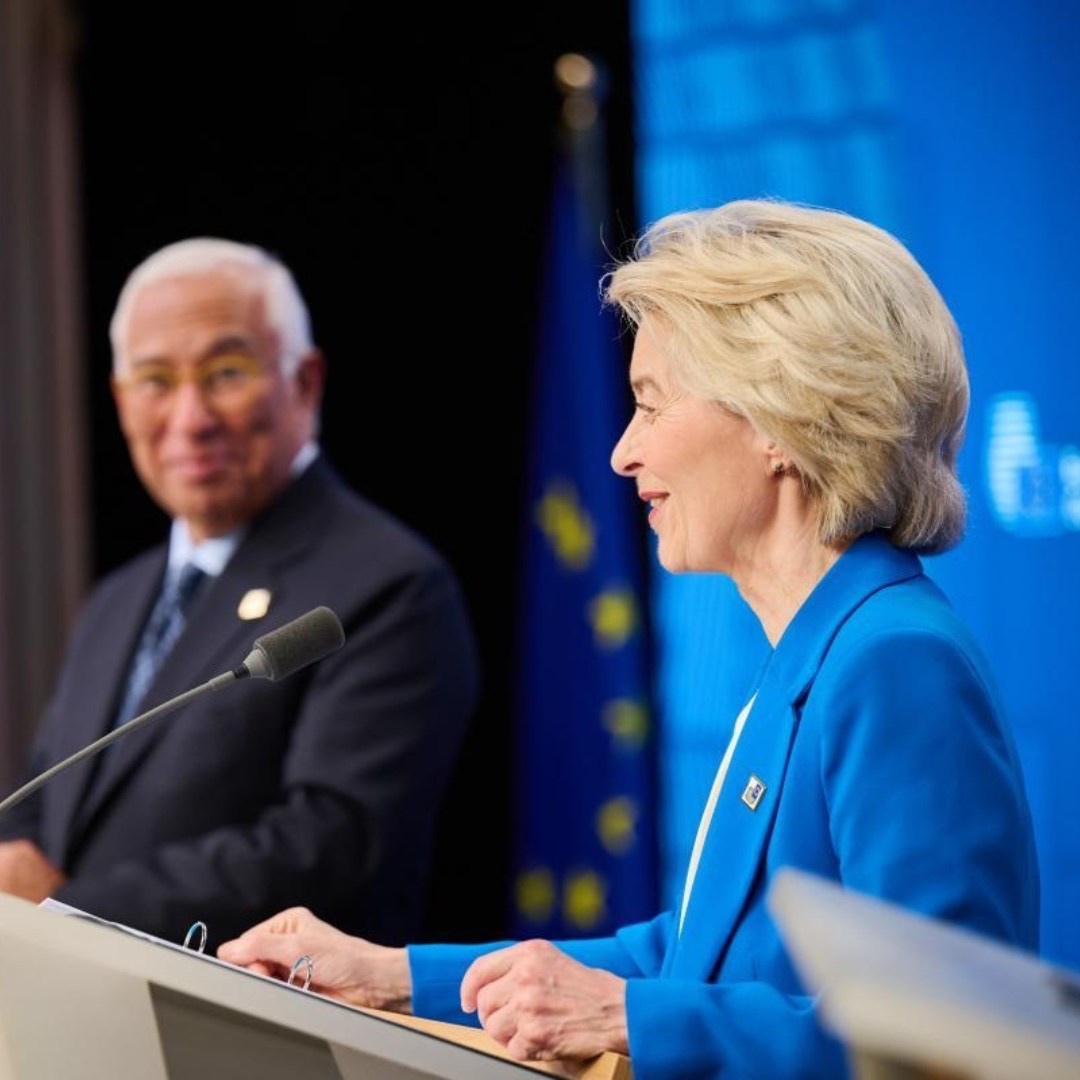
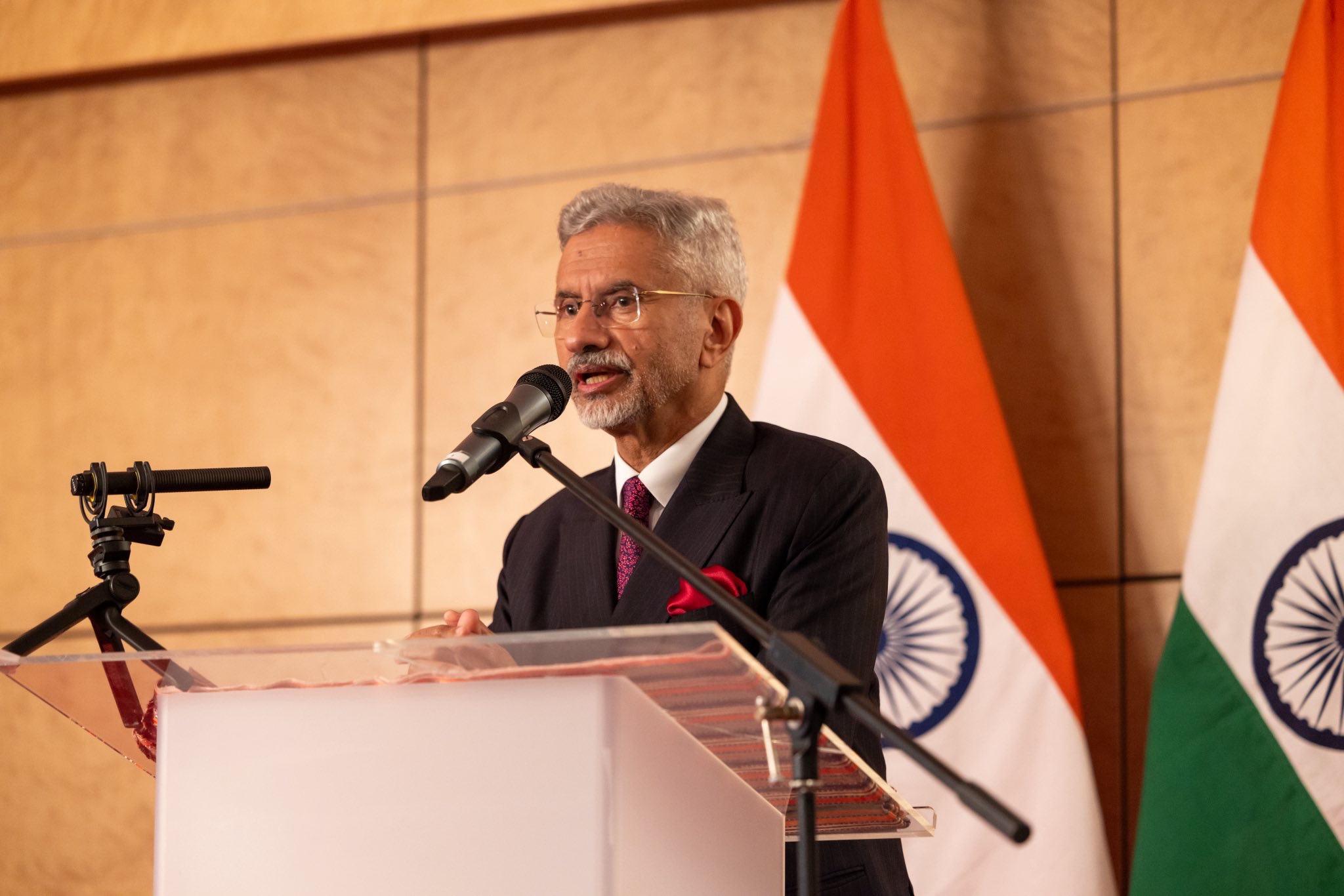
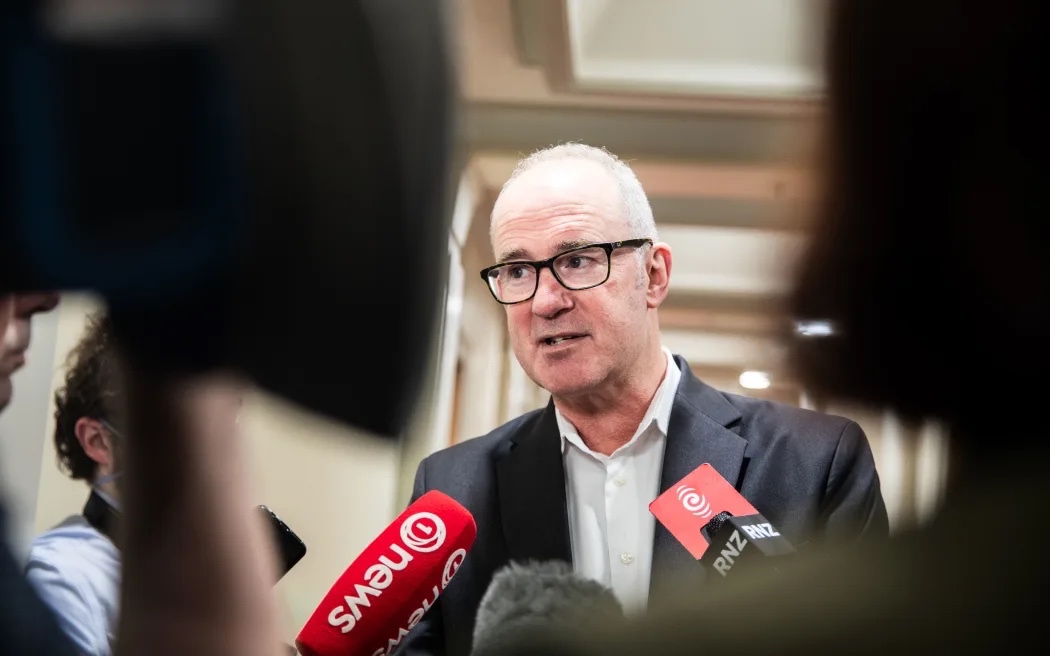
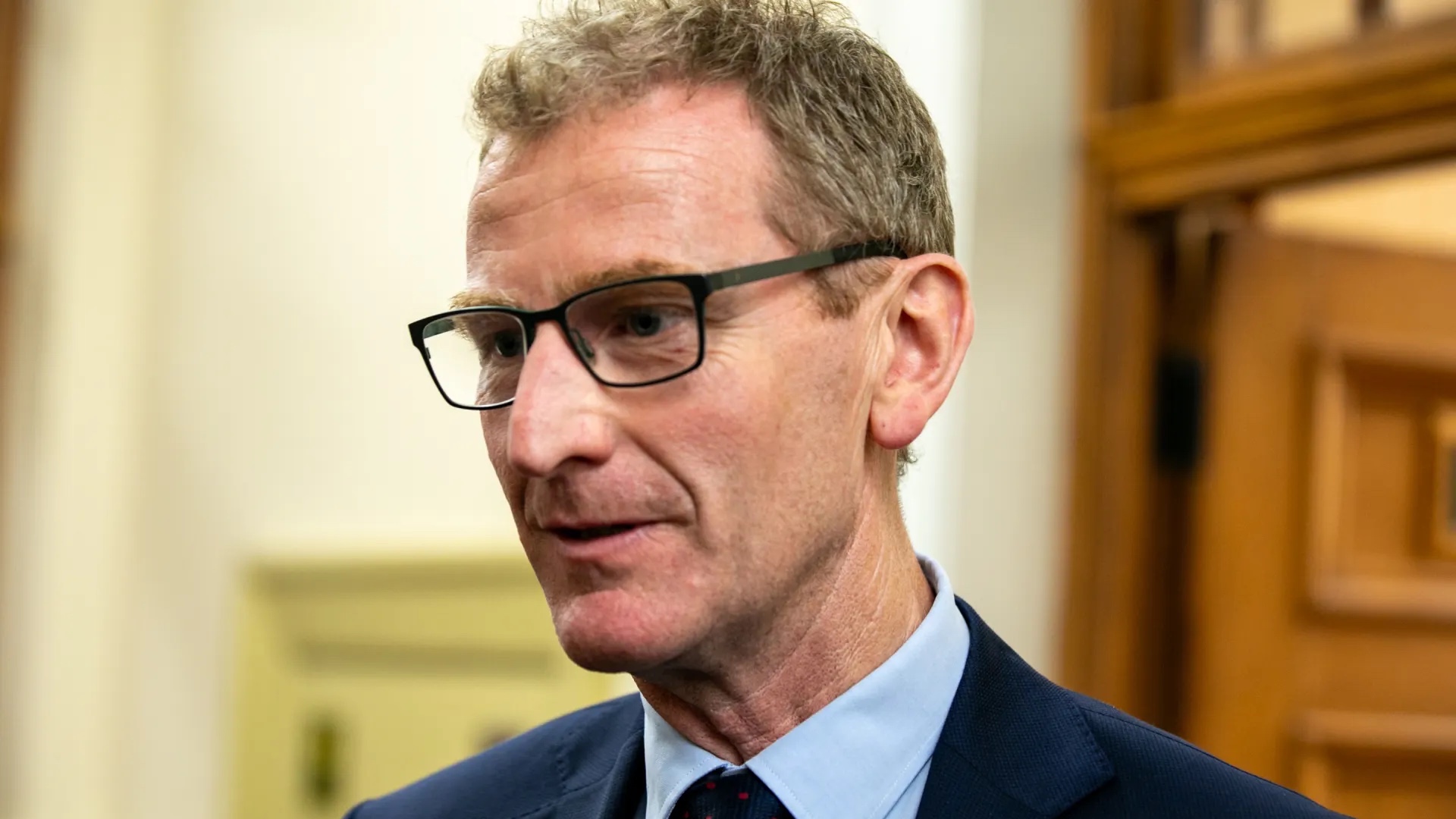
Pratima Navasivayam, chief executive of ministry for ethnic communities, and minister Mark Mitchell.
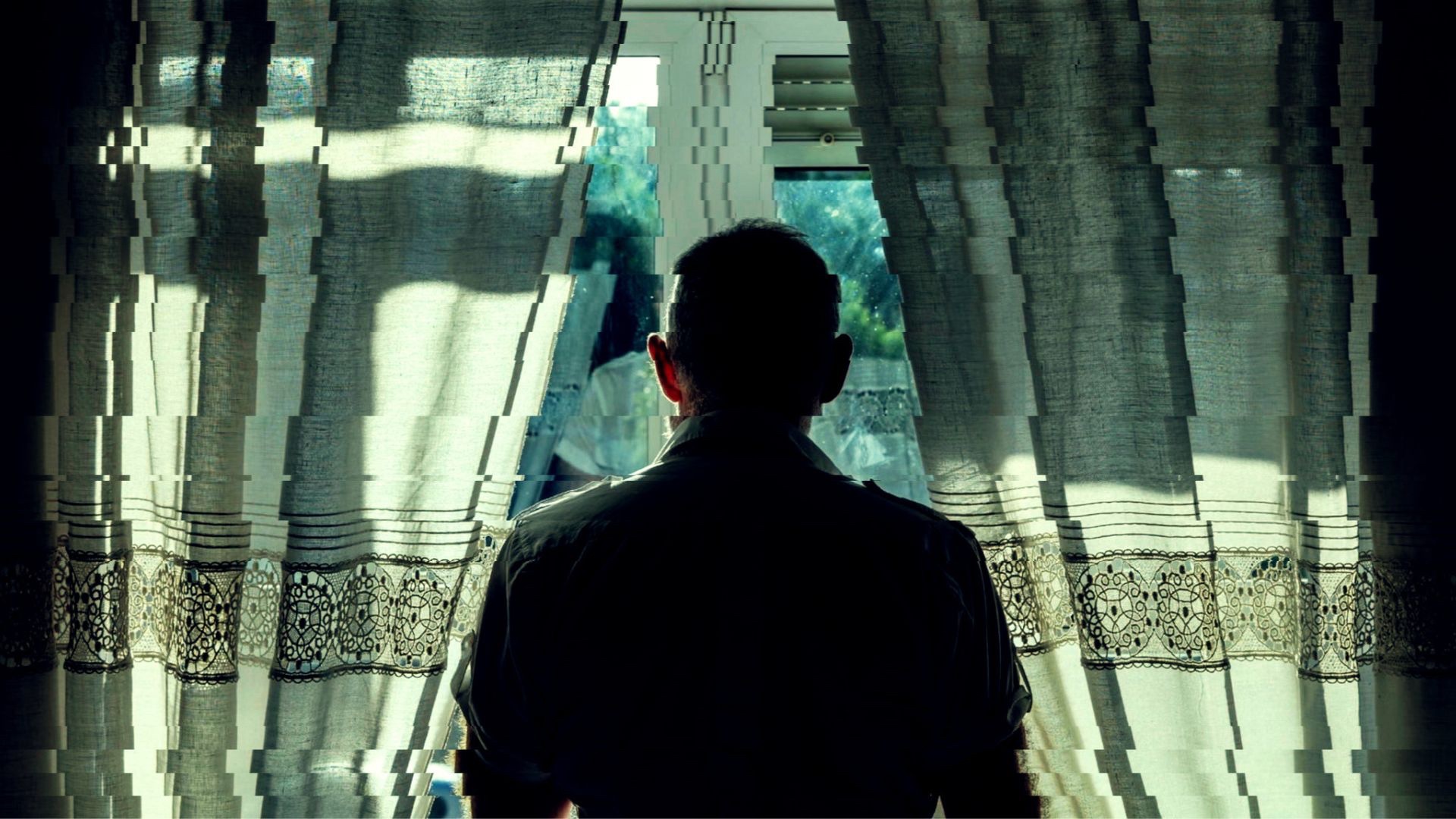
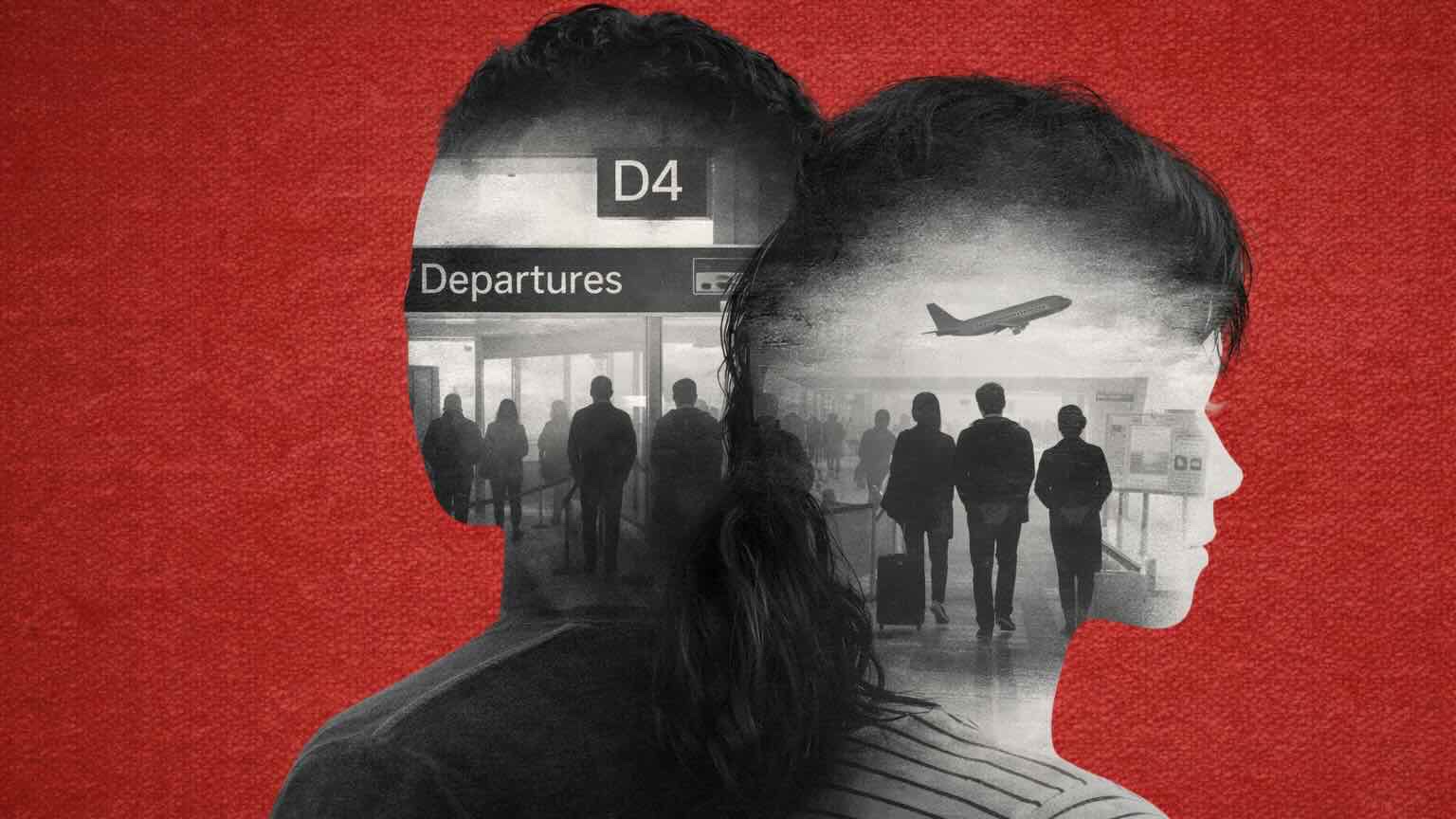
“We’ll go into Teams meetings where people have shut off their screen because they don’t want to show.”
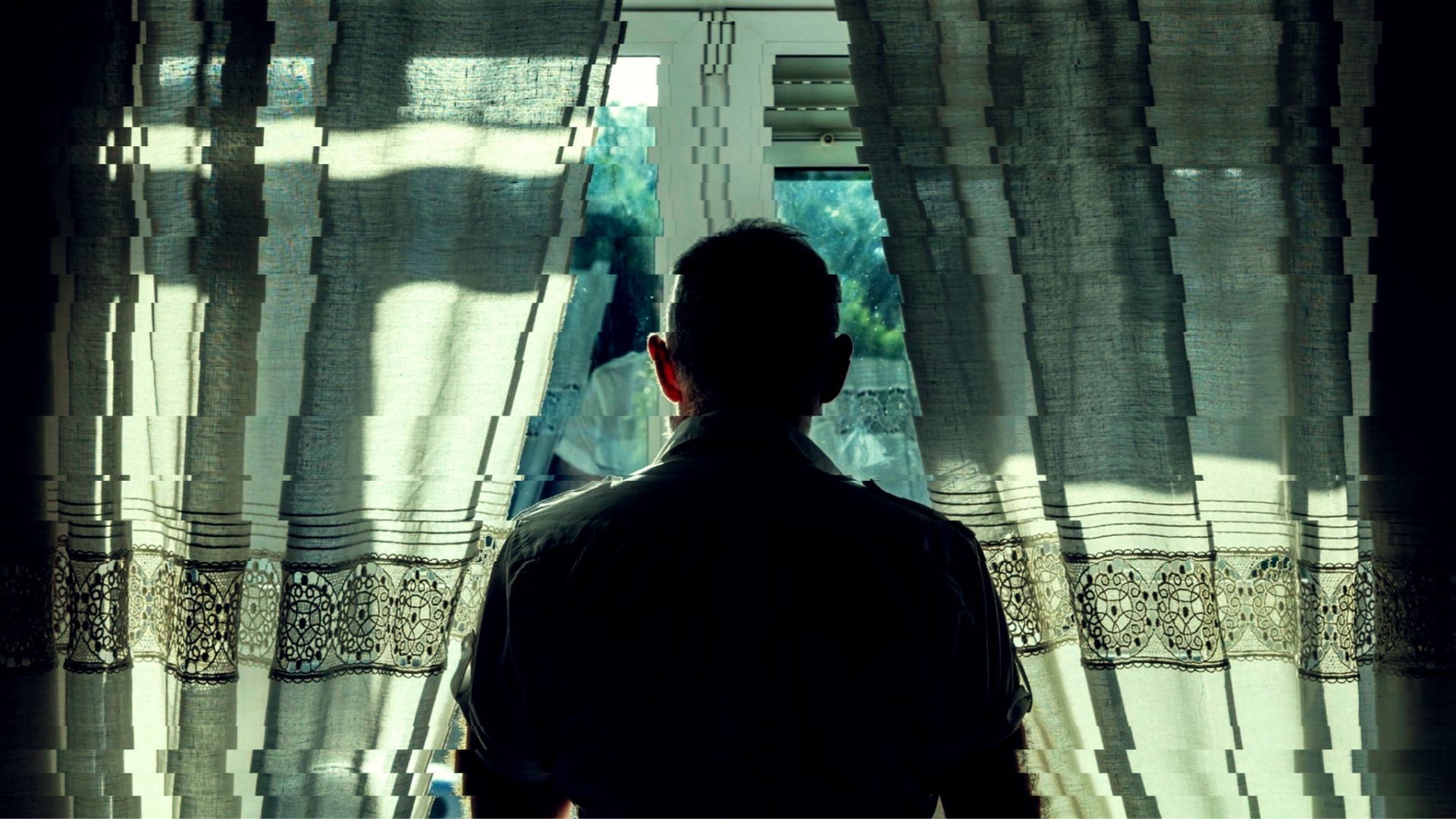
Some members of New Zealand’s diaspora communities are so fearful when discussing foreign interference that they refuse to provide government officials their names, switch off their cameras during online meetings and ask to meet officials face-to-face before speaking.
The disclosure was made in June during Parliament’s annual scrutiny of the ministry for ethnic communities’ funding and work programme.
The revelations have taken on fresh significance after New Zealand’s intelligence agency warned this week that foreign interference targeting ethnic communities is continuing and becoming more threatening.
Its latest assessment says China remains the most active country conducting foreign interference in New Zealand, although several other countries are also involved.
The New Zealand Security Intelligence Service (NZSIS) said ethnic communities were frequently targeted by such activity and stressed that its focus was on the foreign states responsible, not the communities affected.
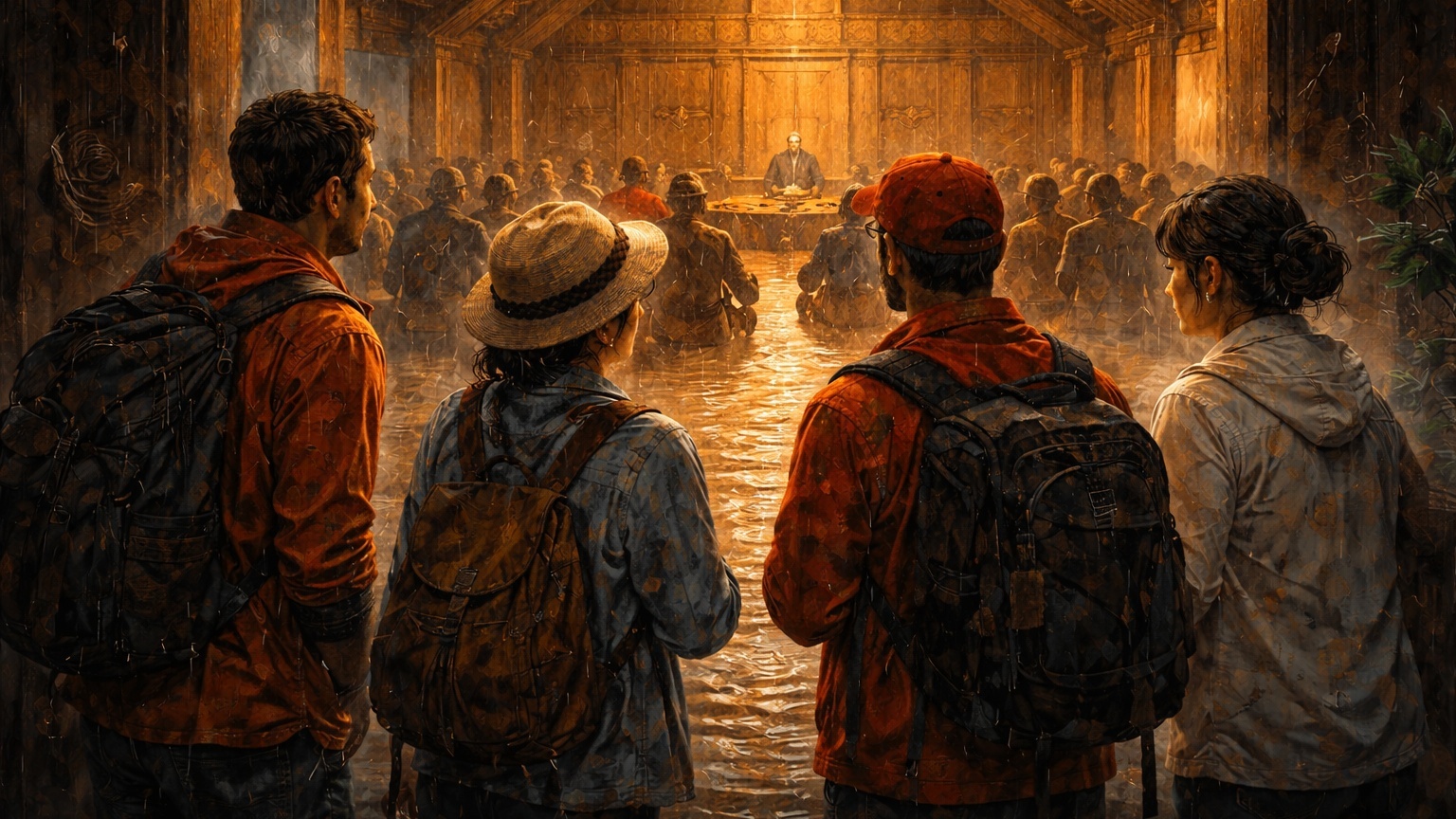
South Asian diaspora raises over $200,000 for New Zealanders missing in Nepal flood "I'm so proud of the Indian community here who...supported us, saying it is not a Nepal problem but our problem."
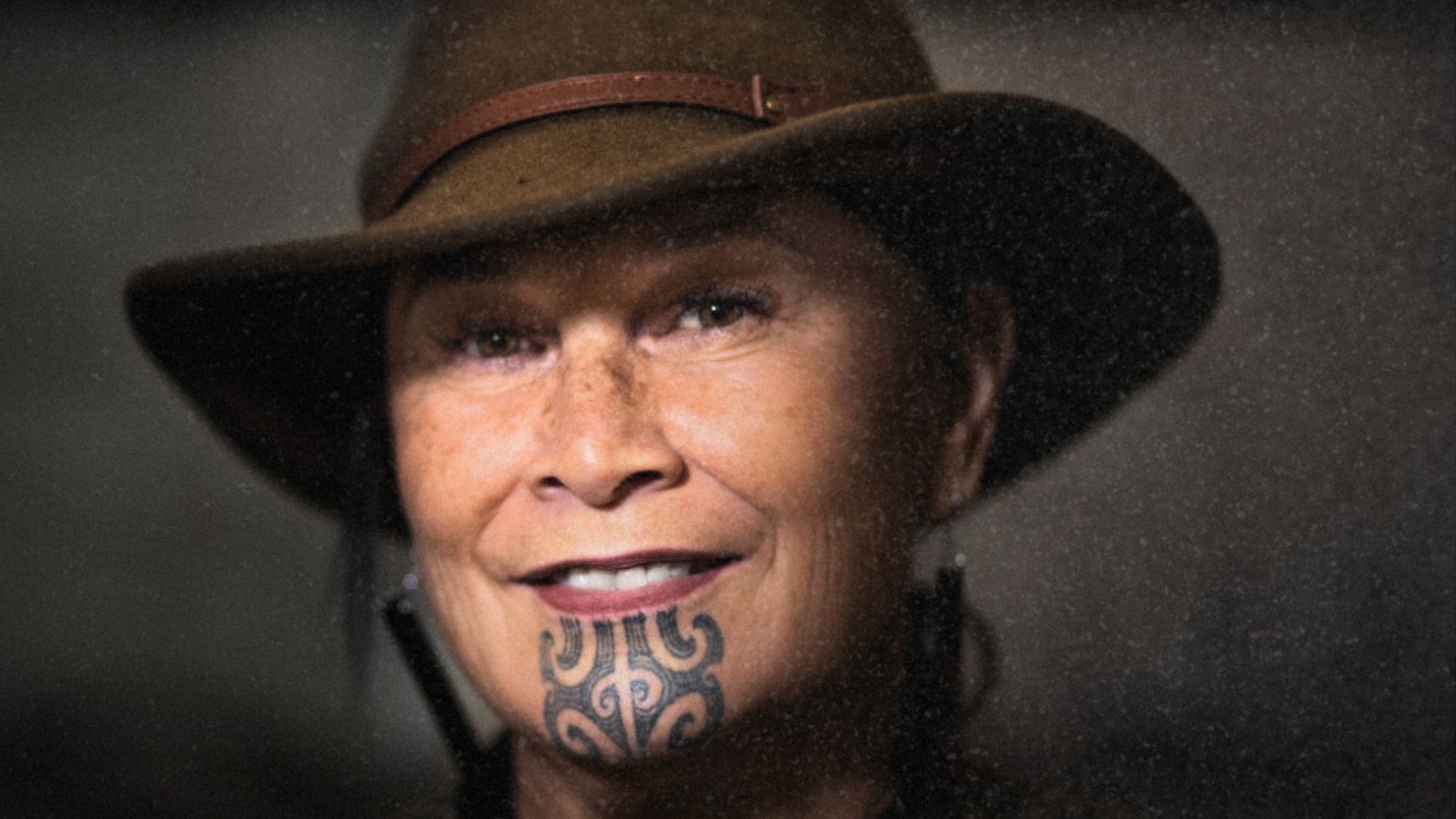
Tamakis launch Indian-origin candidate for Epsom who surrendered passport and has ‘assimilated’ “I know a whole lot of people are going to be like shocked,” says Hannah Tamaki.
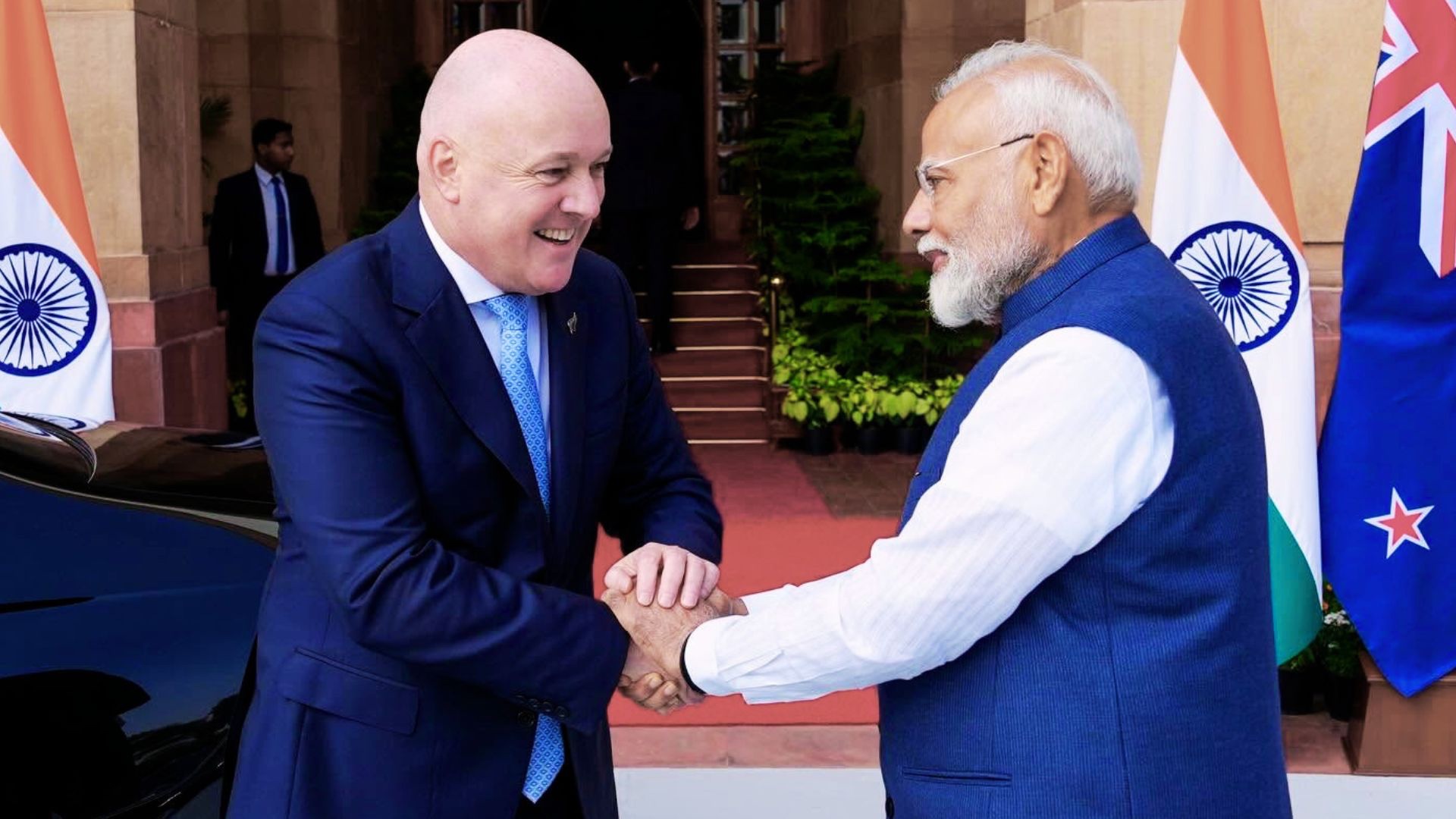
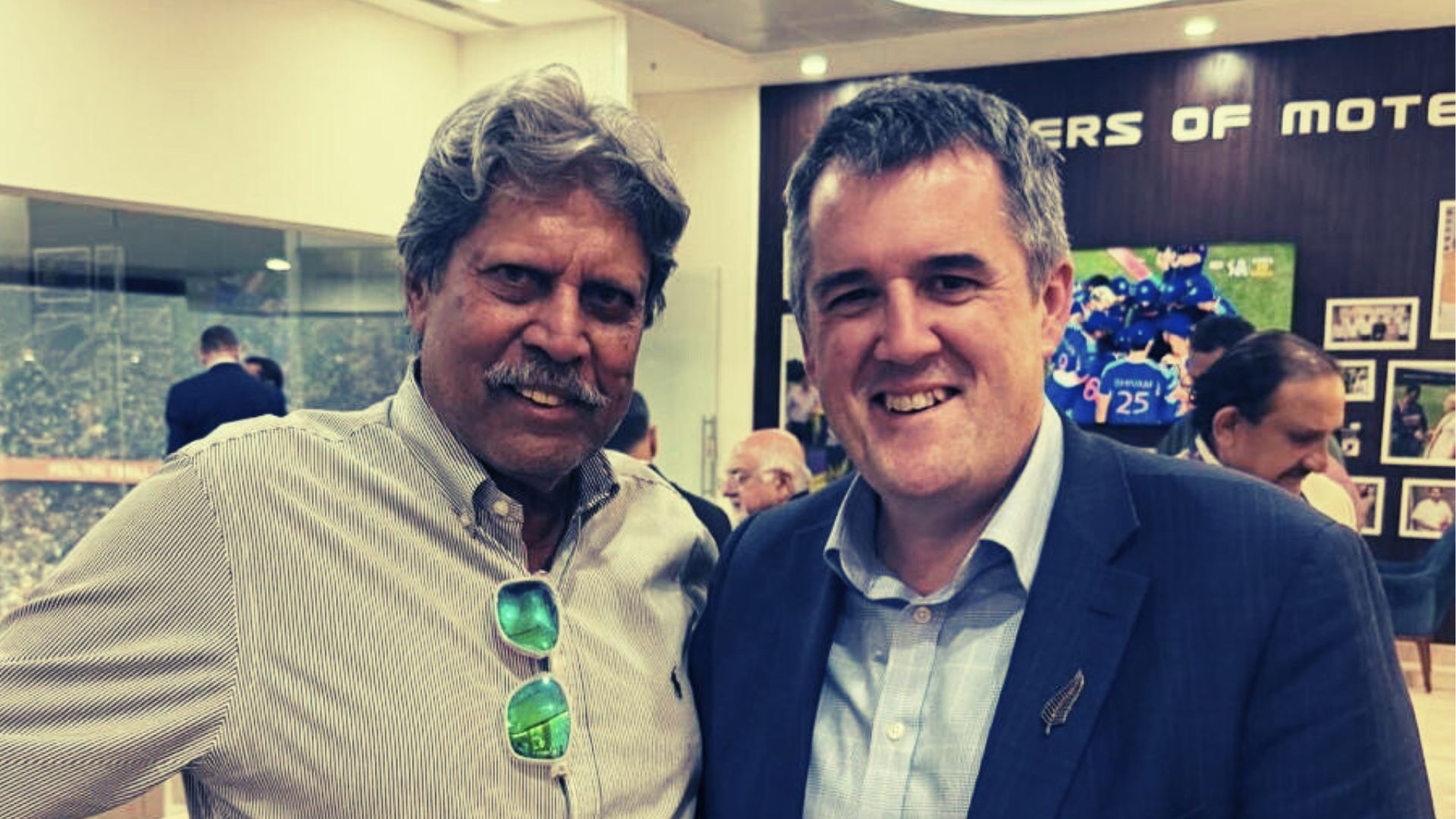
Priyanca Radhakrishnan tries to puncture Luxon’s FTA victory, says India was already sold “Things have changed quite dramatically on the Indian government side,” says the Indian-origin Labour MP.
Over the past year, it had seen states deceptively or coercively engaging with community groups and attempting to suppress social and protest movements.
The June 16 parliamentary hearing offered a glimpse into how that pressure is being experienced inside some communities, and how difficult it can be for authorities to get people to come forward.
The hearing was before the Social Services and Community Committee, which scrutinises areas including social development and community issues. It is chaired by National MP Joseph Mooney.
Pratima Namasivayam, who became chief executive of the ministry for ethnic communities in July, told MPs that when officials engage with communities about foreign interference, some people first want to establish exactly who they are dealing with.
“Can we see your face? Can we know where you work? Can we come to your office to have the meeting? We don’t want to tell you what our name is,” Namasivayam said.
“We’ll go into Teams meetings where people have shut off their screen because they don’t want to show.”
She said the behaviour pointed to a deeper problem than simply not knowing where to report foreign interference.
“This speaks to much more than we don’t know where the reporting is, but to trust and confidence,” she told MPs.
Namasivayam said some people may carry experiences of dealing with authorities in countries to which they have cultural or ancestral connections, and those concerns do not necessarily disappear after they move to New Zealand.
The ministry, therefore, saw building trust in public agencies as central to encouraging people to report interference.
Ethnic communities minister Mark Mitchell also acknowledged that some people might be more comfortable approaching the ministry than going directly to police.
He told MPs people coming from countries where trust in institutions was low could retain that distrust after settling in New Zealand, and the ministry could provide a space where they felt safer talking about what was happening.
People “might be more likely to come forward” to the ministry than to New Zealand Police, Mitchell said, while stressing that police remained responsible for protecting people and agencies worked together where security threats emerged.
The ministry has described ethnic communities themselves as New Zealand’s “first line of defence” against foreign interference.
Namasivayam said communities often knew far more about what was happening around them than government agencies could discover on their own.
The ministry’s approach was, therefore, to give community leaders tools to recognise risks and build resilience, rather than treating them simply as vulnerable groups needing government protection.
There is another problem even when people do report suspicious activity. They may never find out what happened next.
“Our communities tell us, ‘Once we report, we’re not really sure what happens to it,’” Namasivayam said.
She said that was partly the nature of national-security investigations, where agencies were often unable to return to a person who had made a report and explain the outcome.
Communities needed to be told upfront that a lack of feedback did not necessarily mean their information had been ignored, she said.
The latest intelligence assessment suggests the pressure on diaspora communities is unlikely to ease. It says foreign states and their proxies can seek to restrict the democratic freedoms people enjoy in New Zealand through intimidation, coercion and pressure directed at communities.
The agency cautioned, however, that this should not discourage New Zealand organisations from engaging or doing business with China, and said businesses should take an “eyes wide open” approach to espionage risks across all international markets.