India FTA critics should remember how Rocket Lab began, Kiwi tech pioneer says

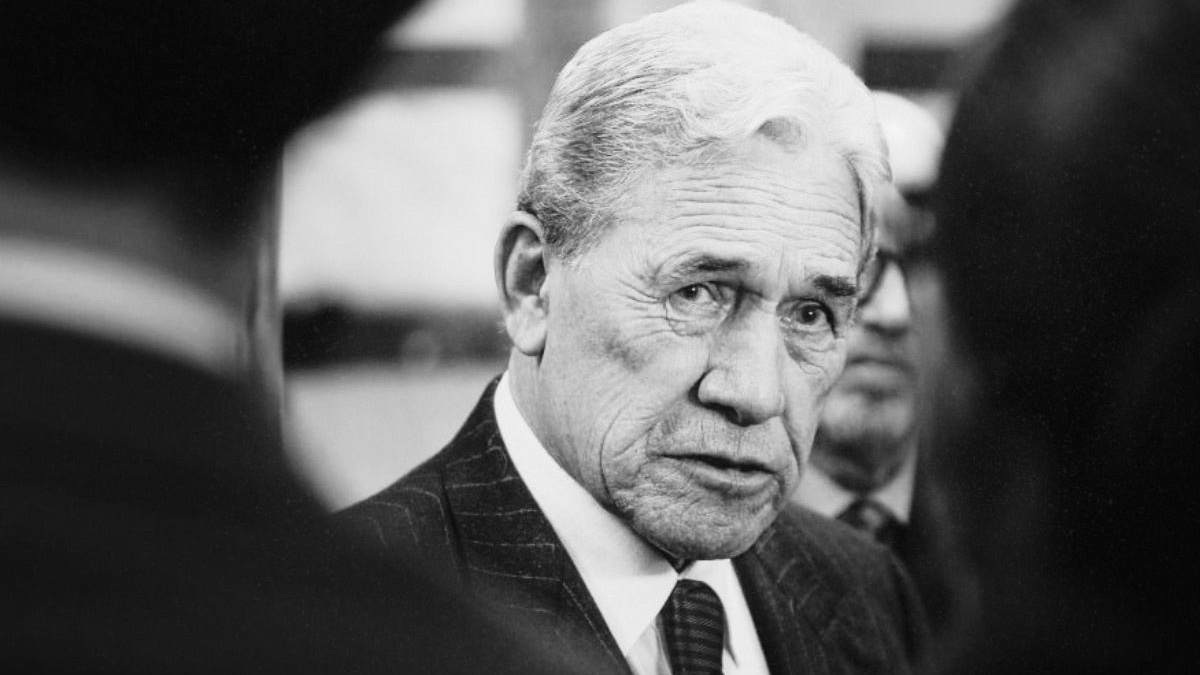
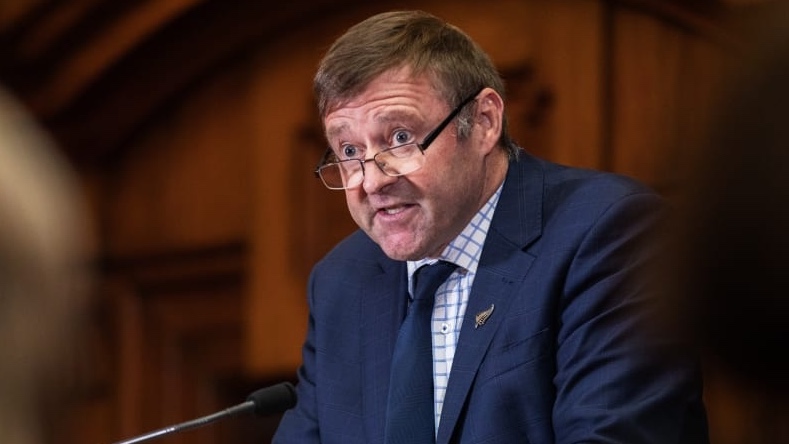
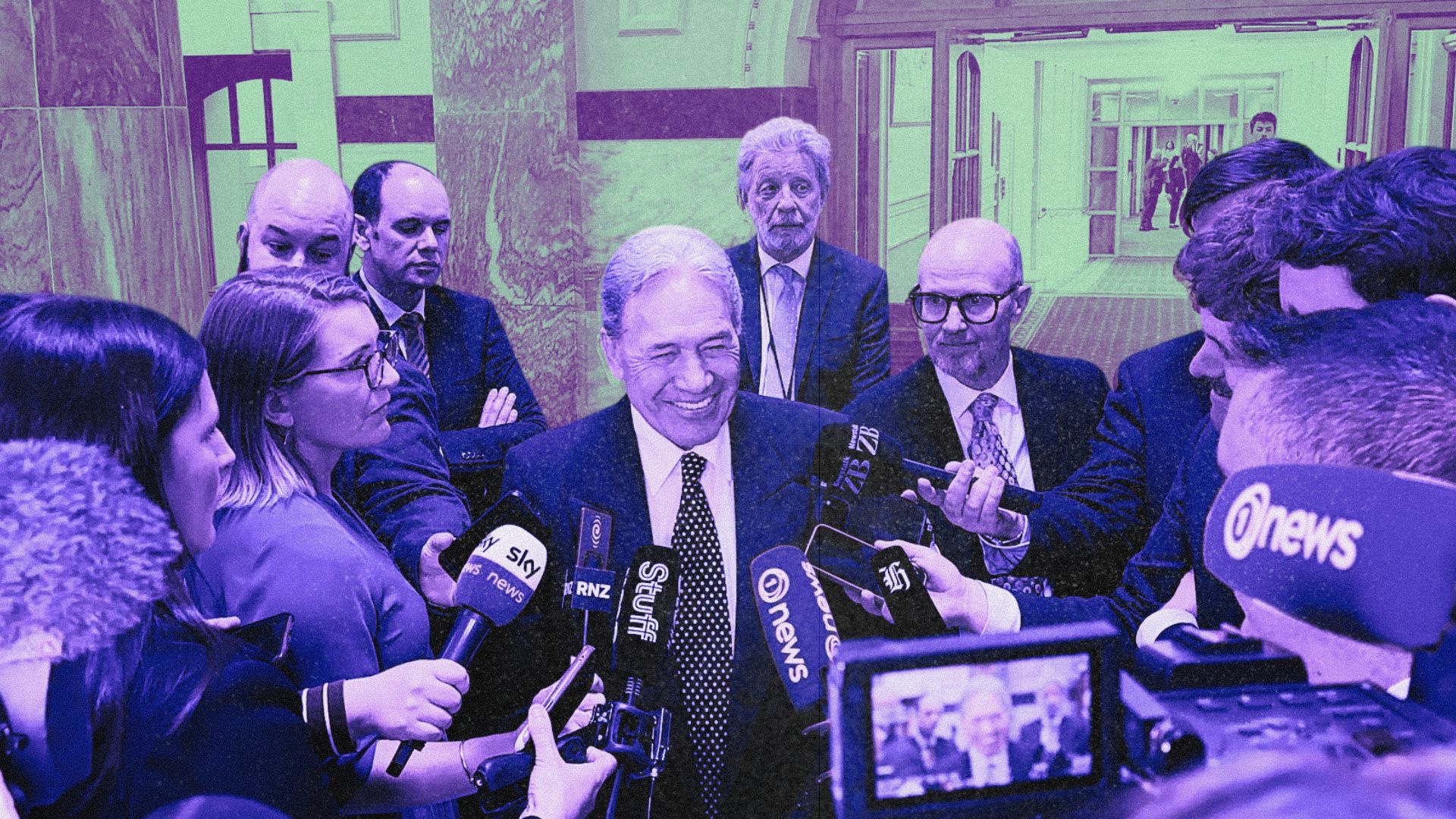
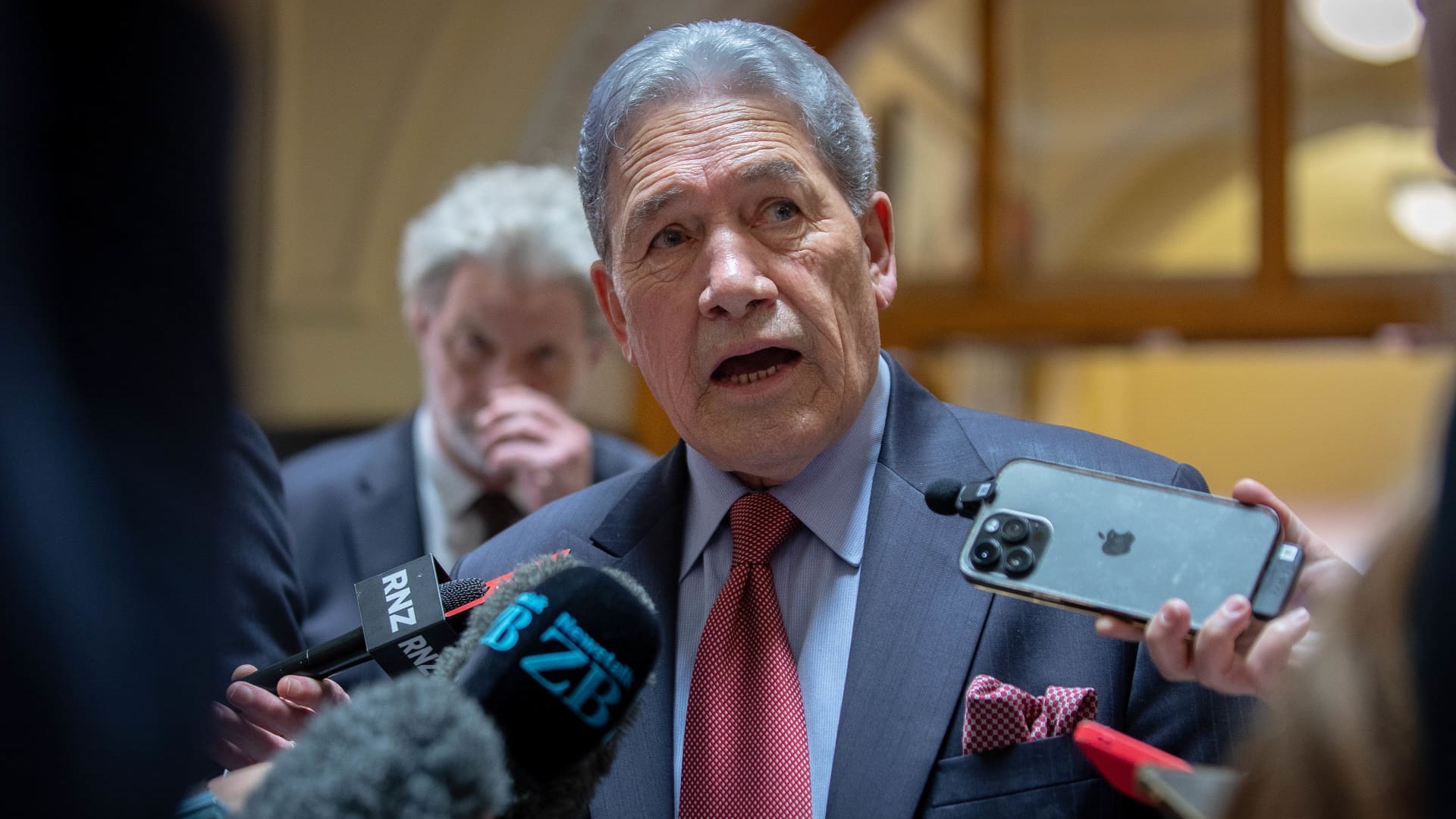
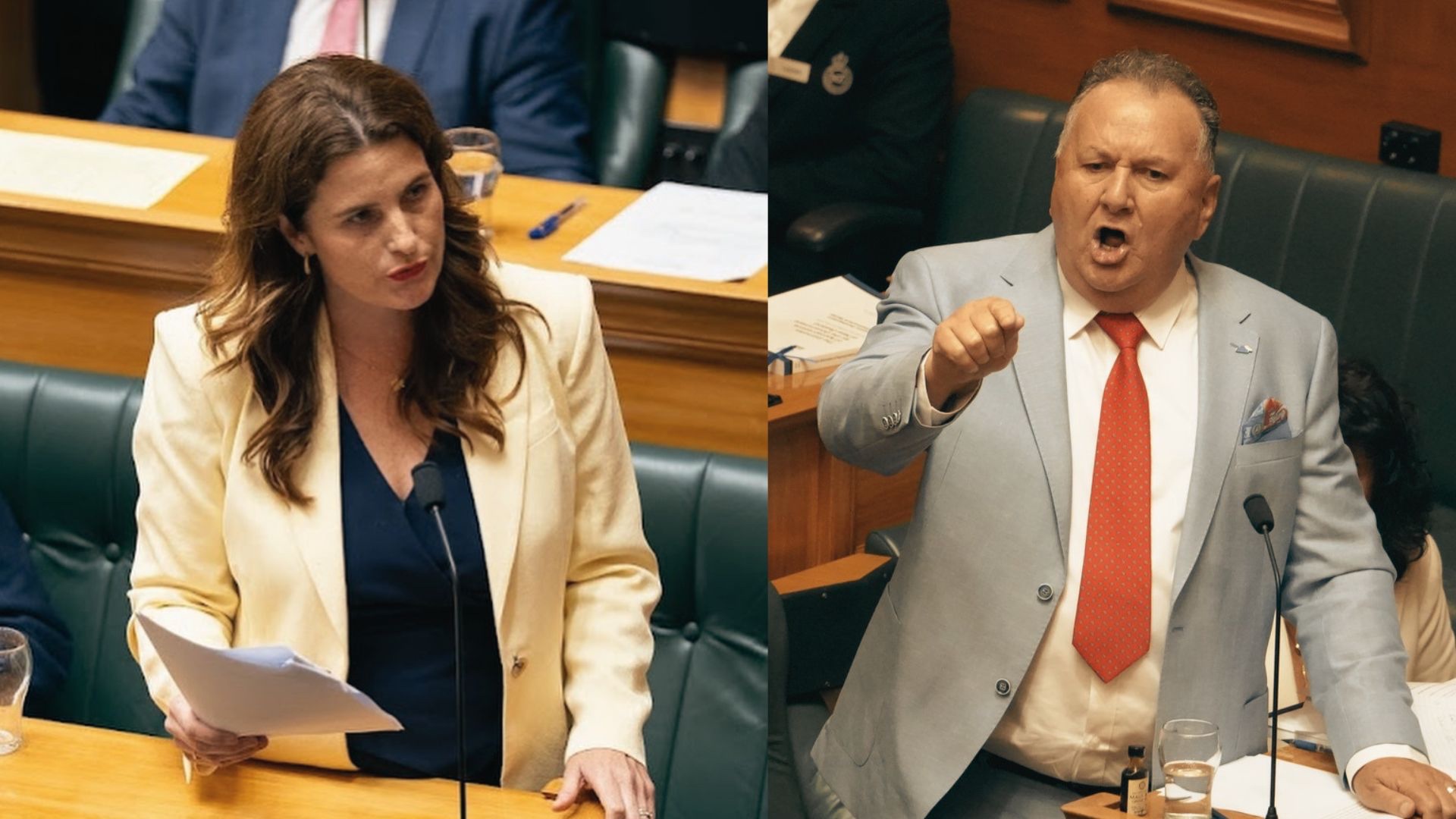
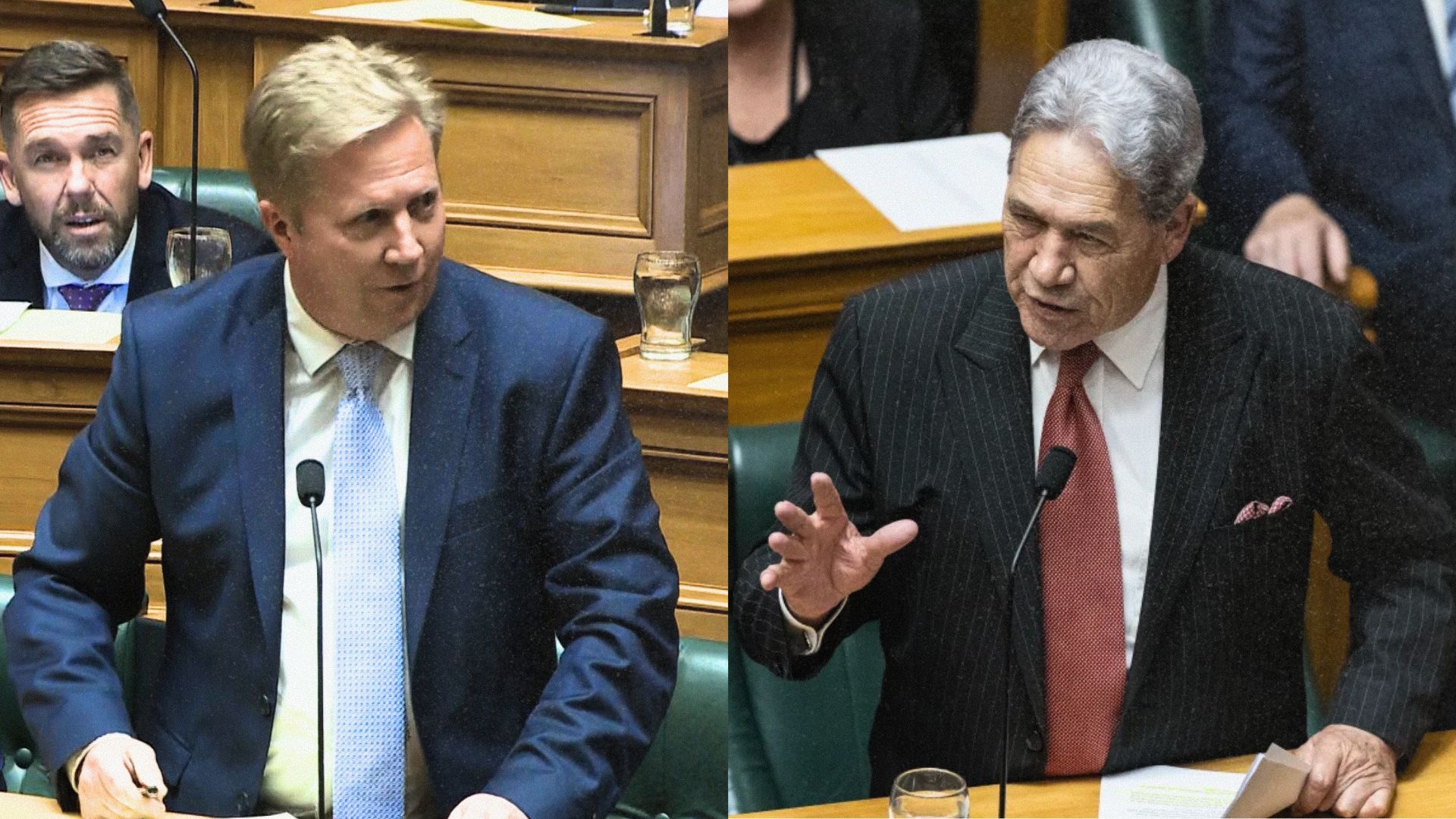
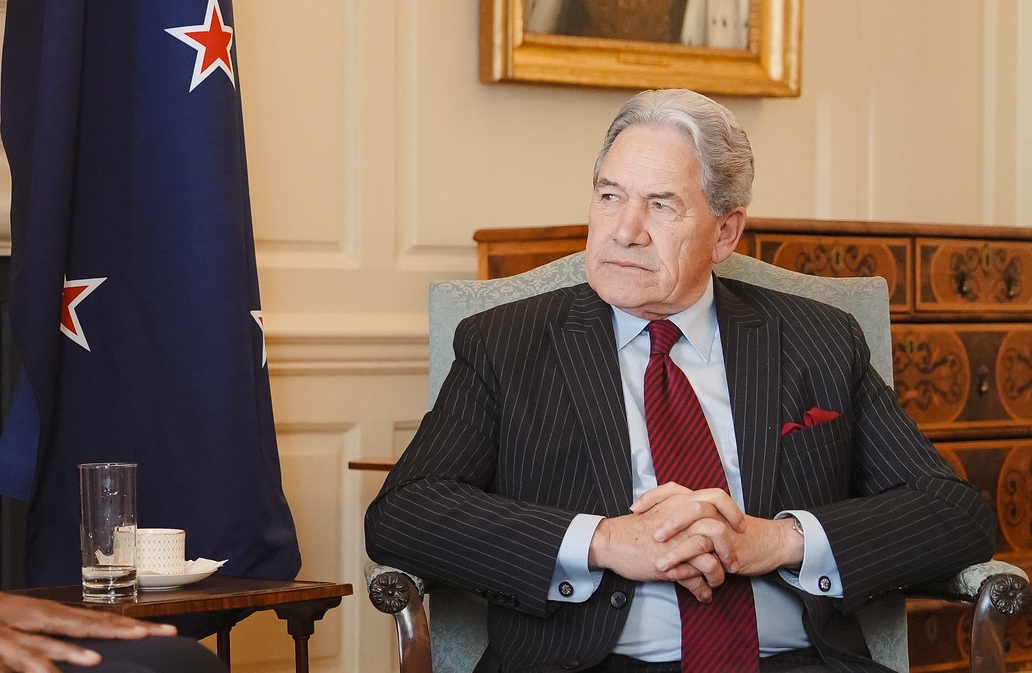
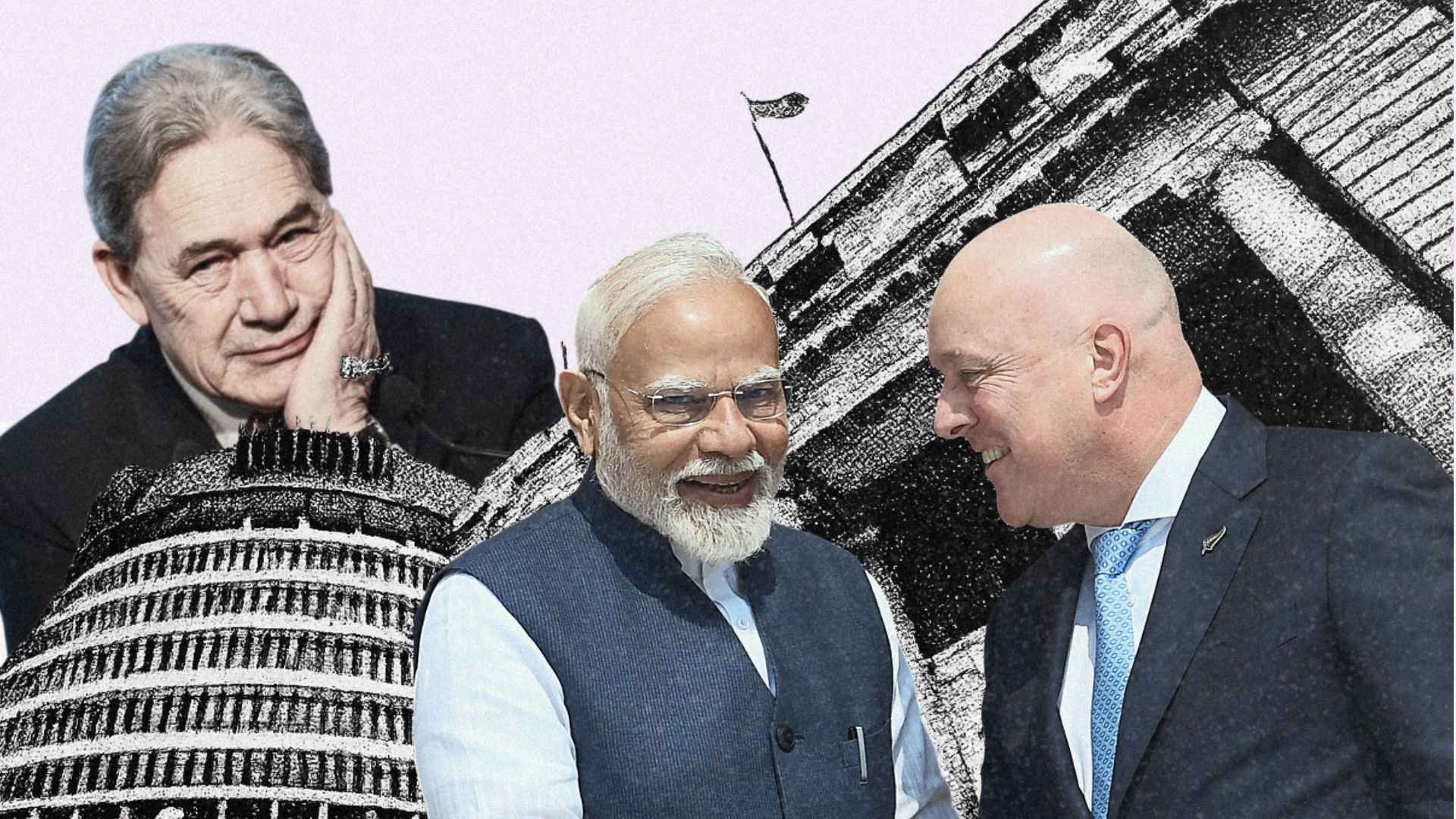
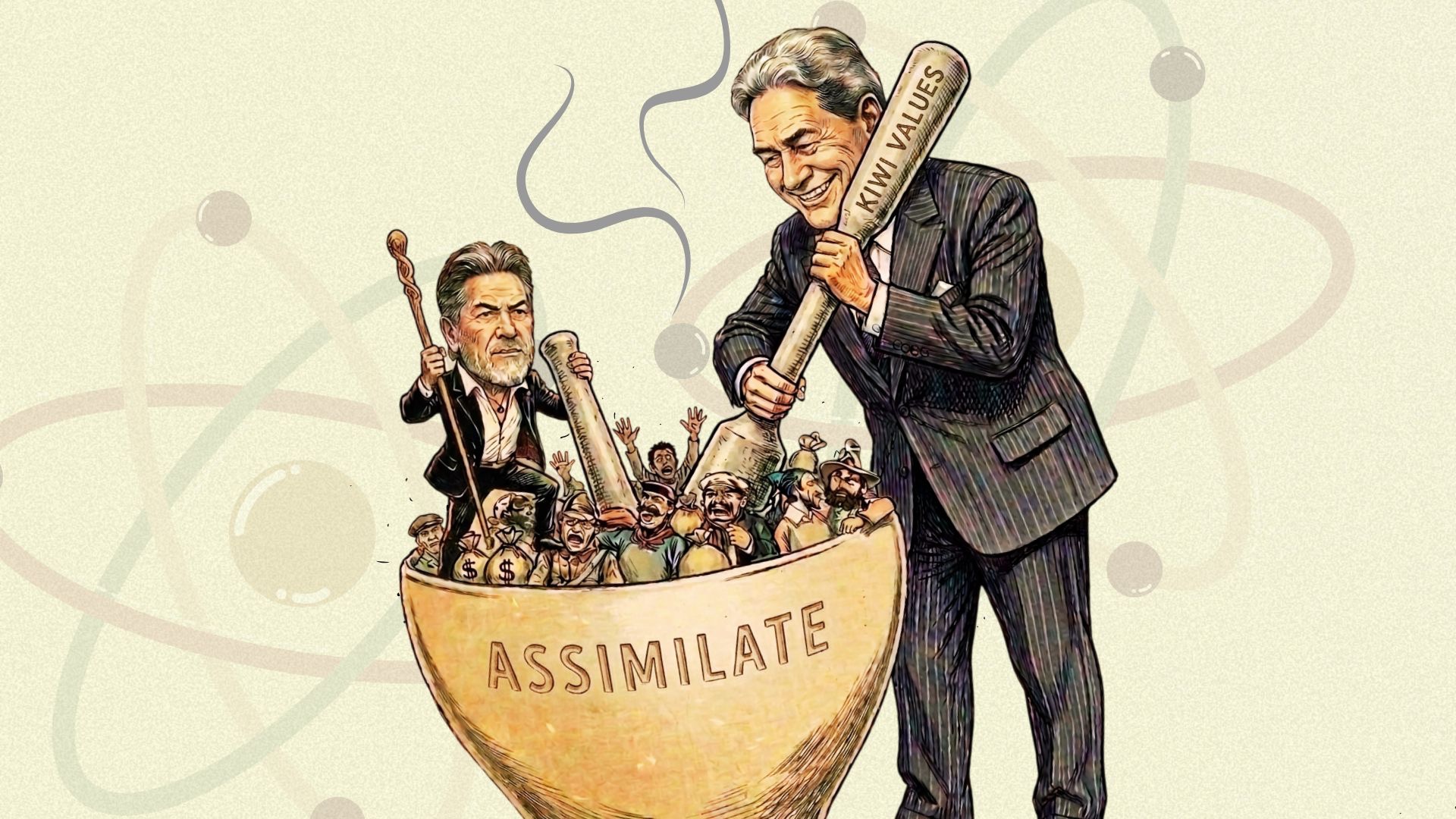
Foreign minister Winston Peters remains totally uninvested in the US$20-billion investment FTA clause.
Sir Ian Taylor makes an emotional pitch for New Zealand to think big, and give aspiration a chance.
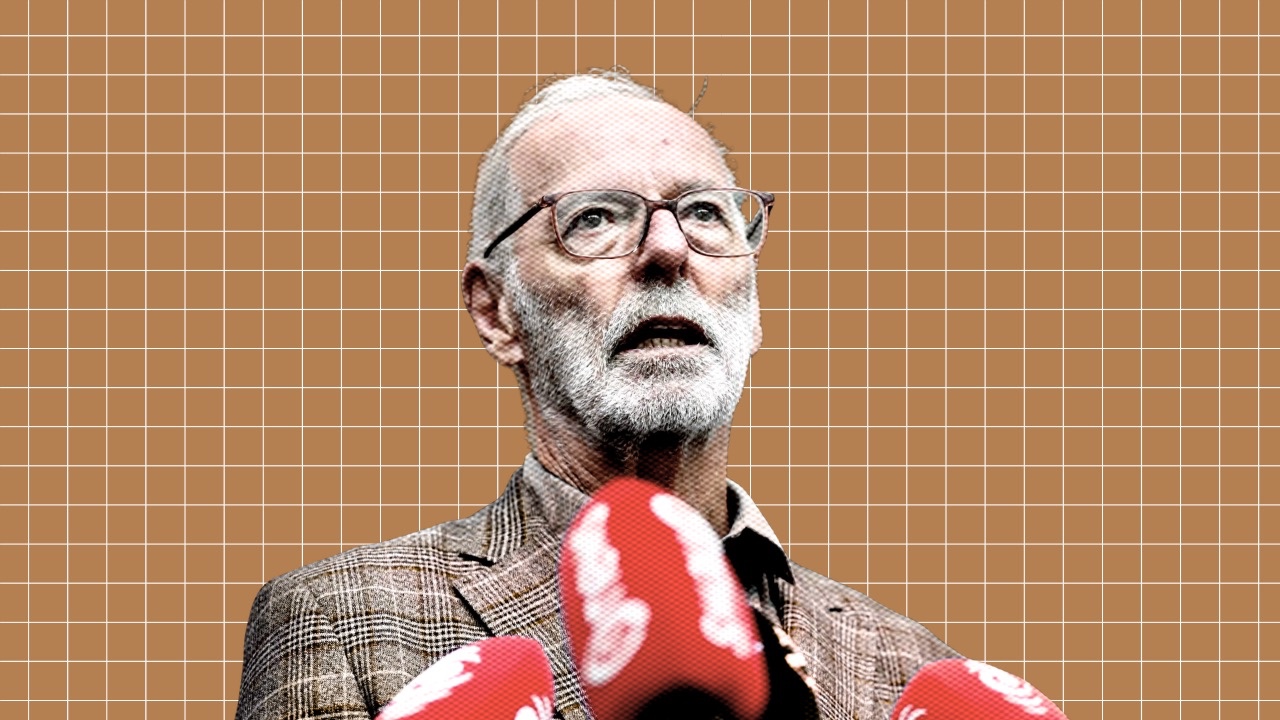
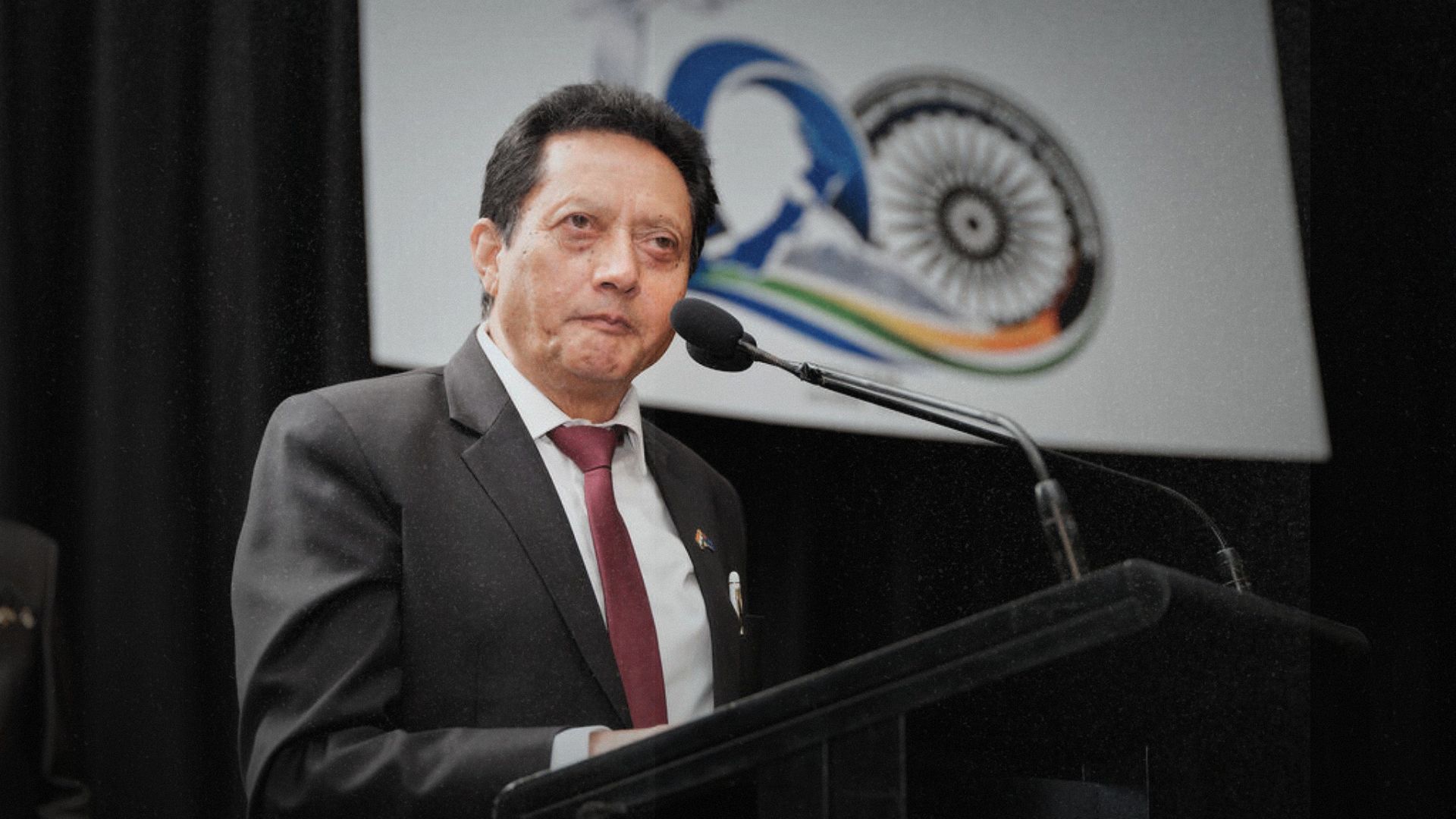
A leading New Zealand technology entrepreneur says critics dismissing the India free trade agreement’s US$20 billion investment ambition should remember that Rocket Lab also began as an idea that appeared improbable.
Sir Ian Taylor, founder of Dunedin-based technology company Animation Research Limited, says describing the investment goal as “aspirational” should not be treated as evidence that it is meaningless or unrealistic.
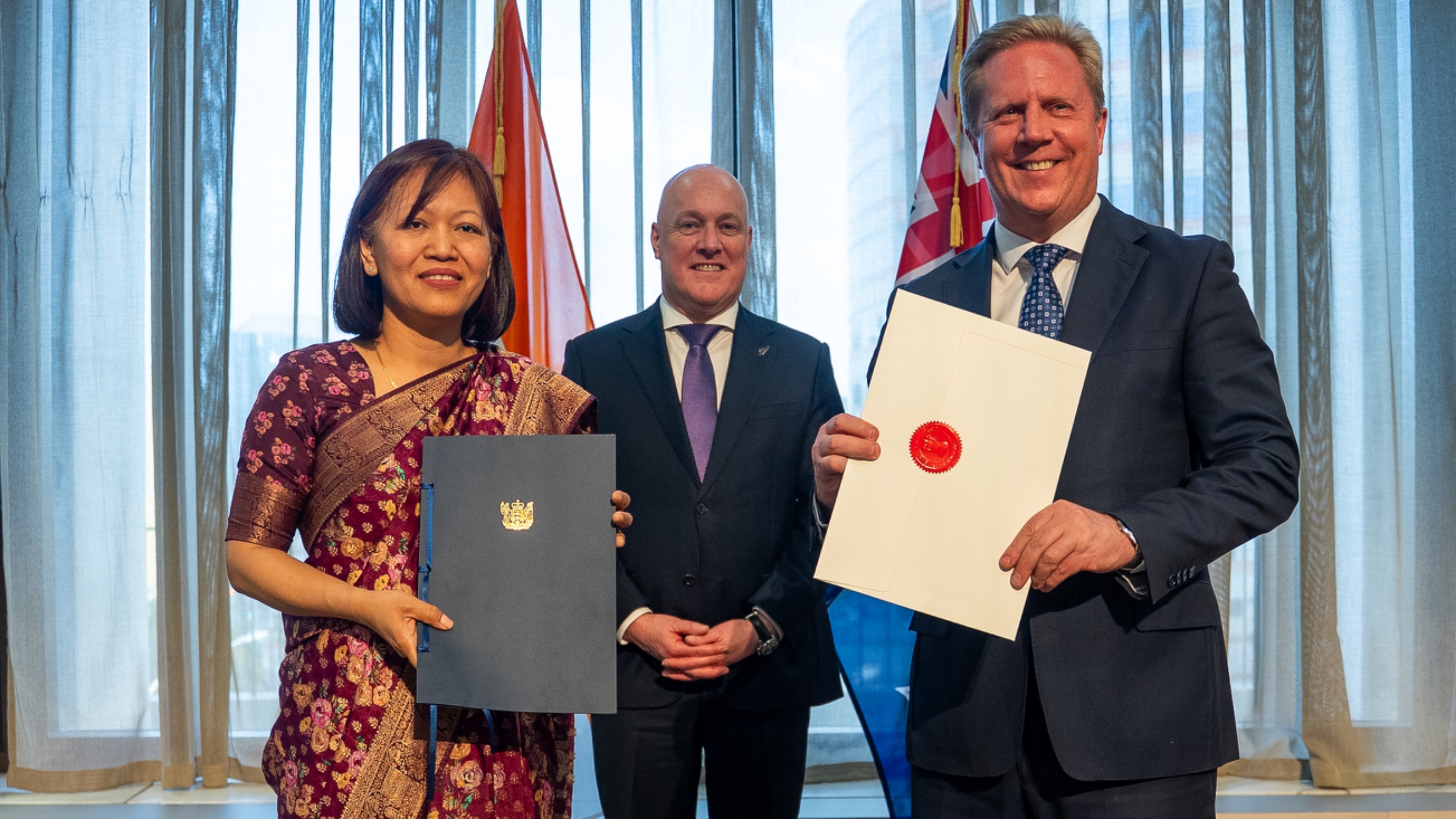
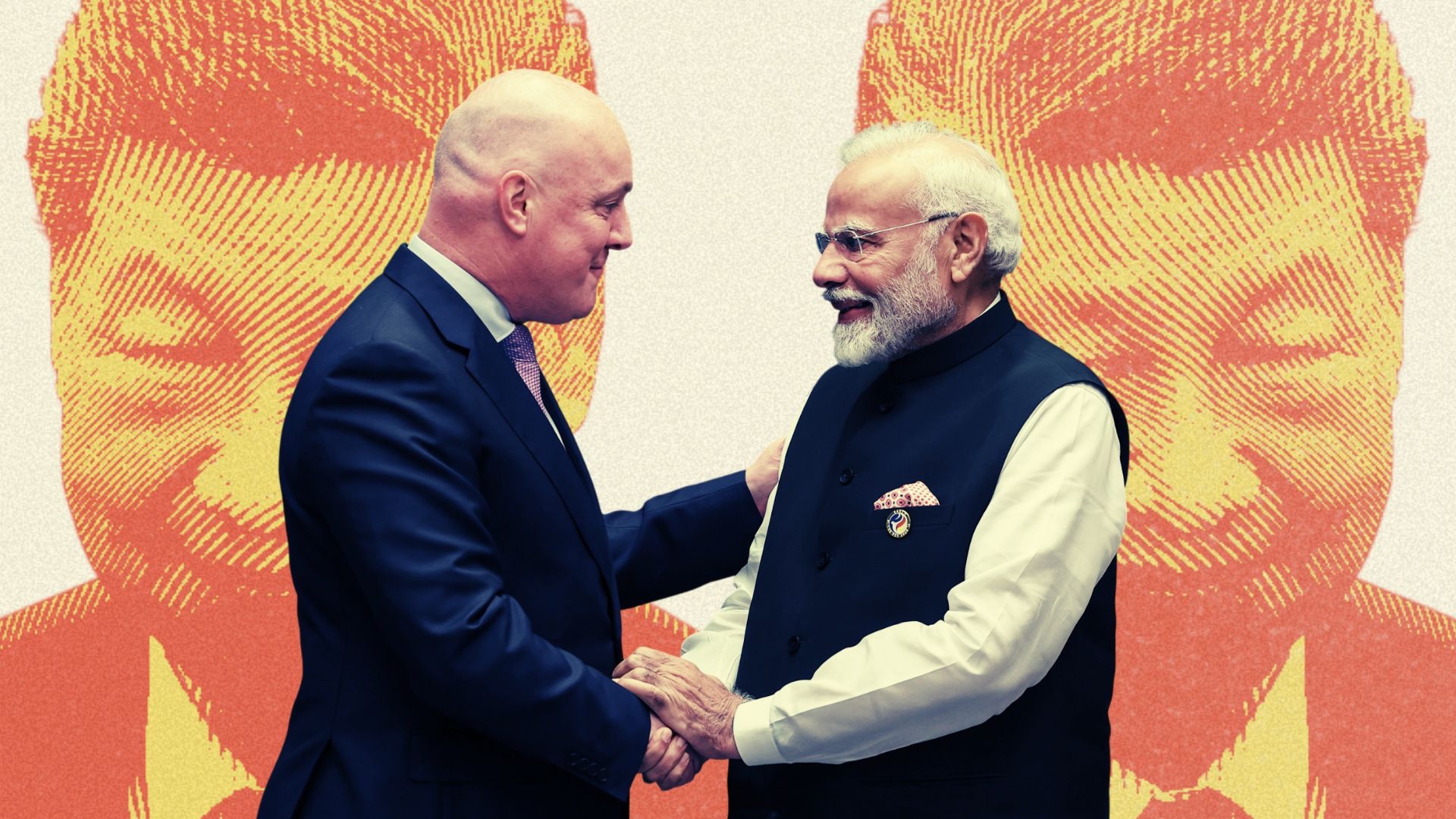
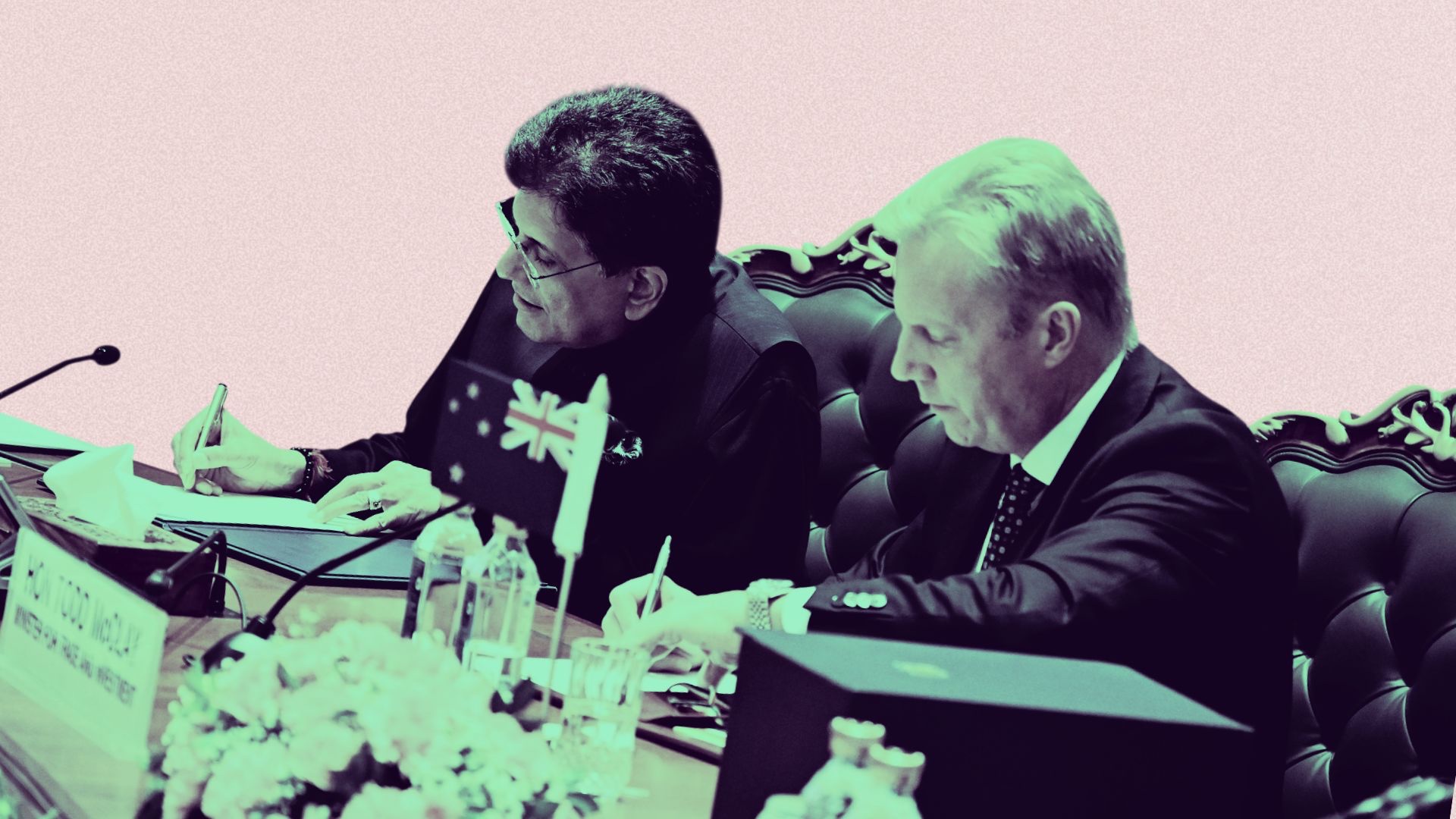
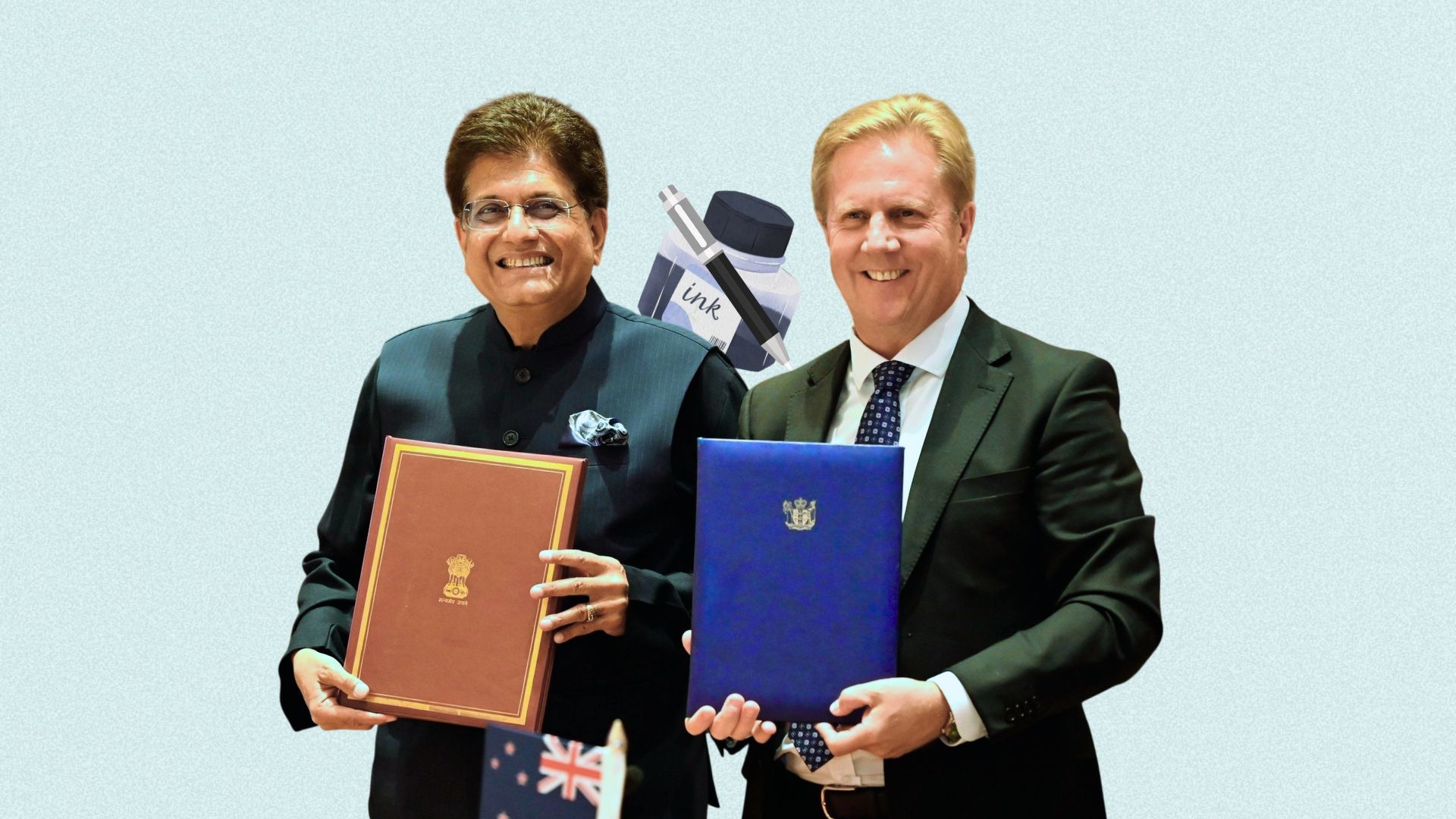
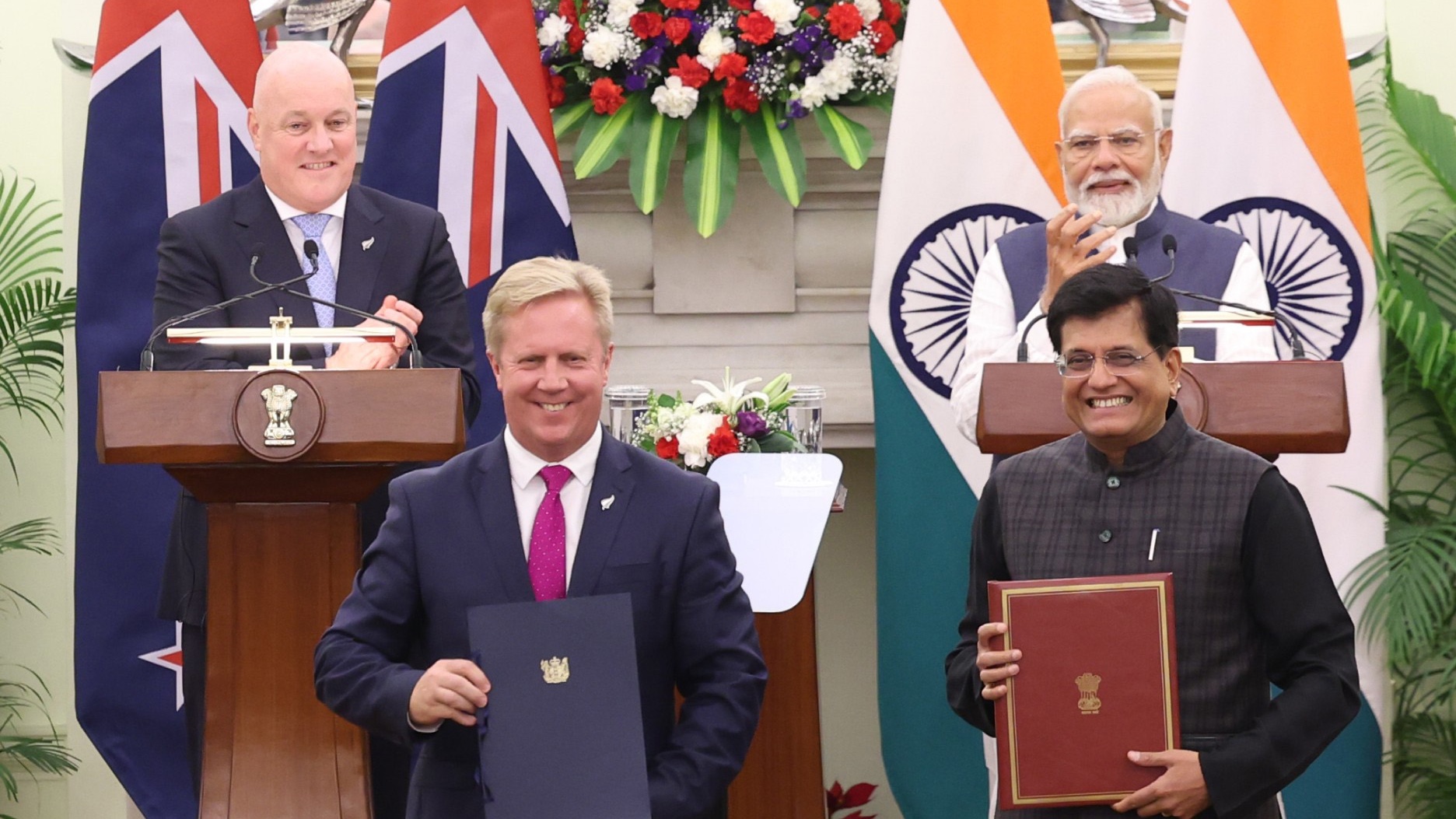
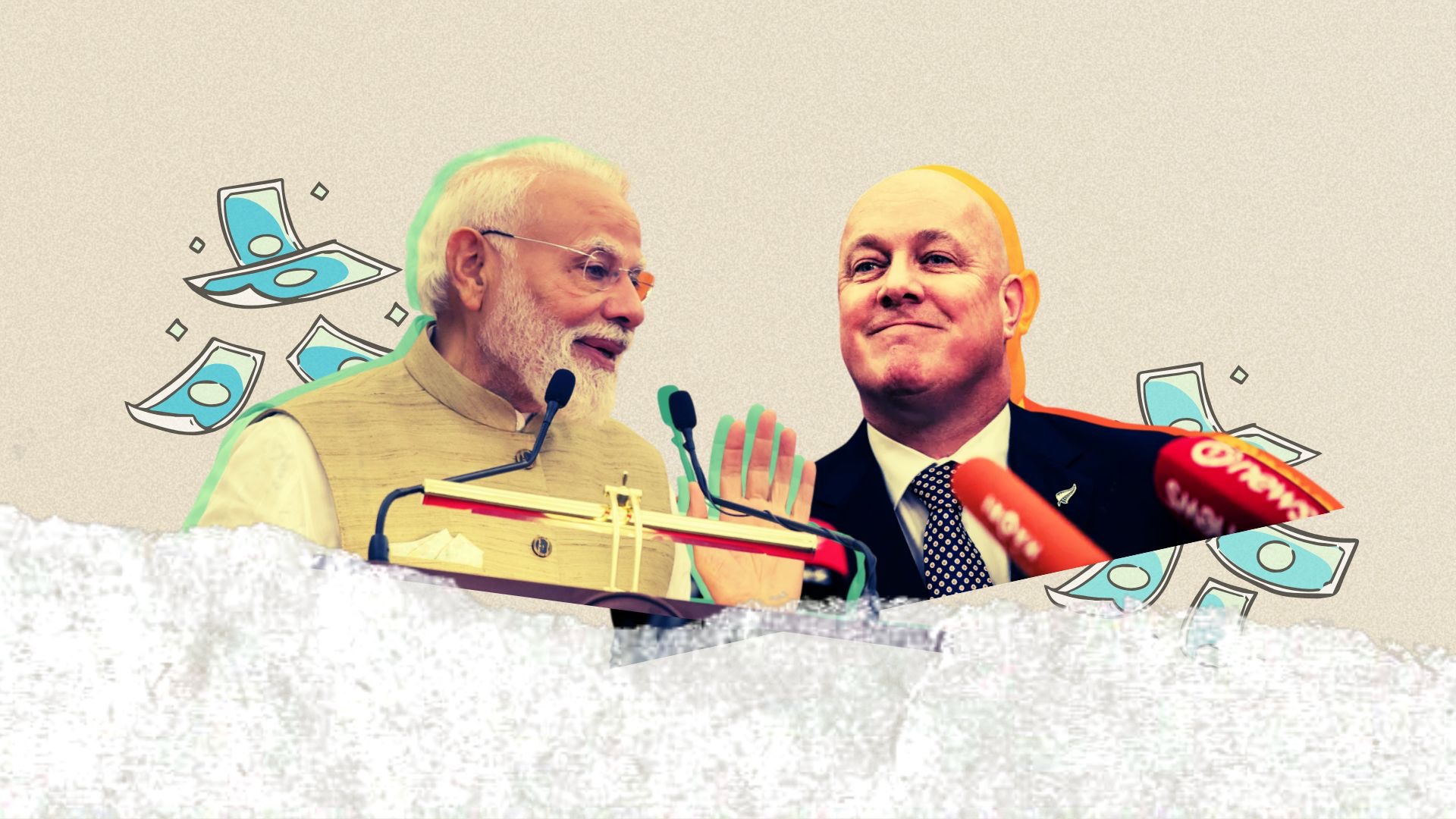
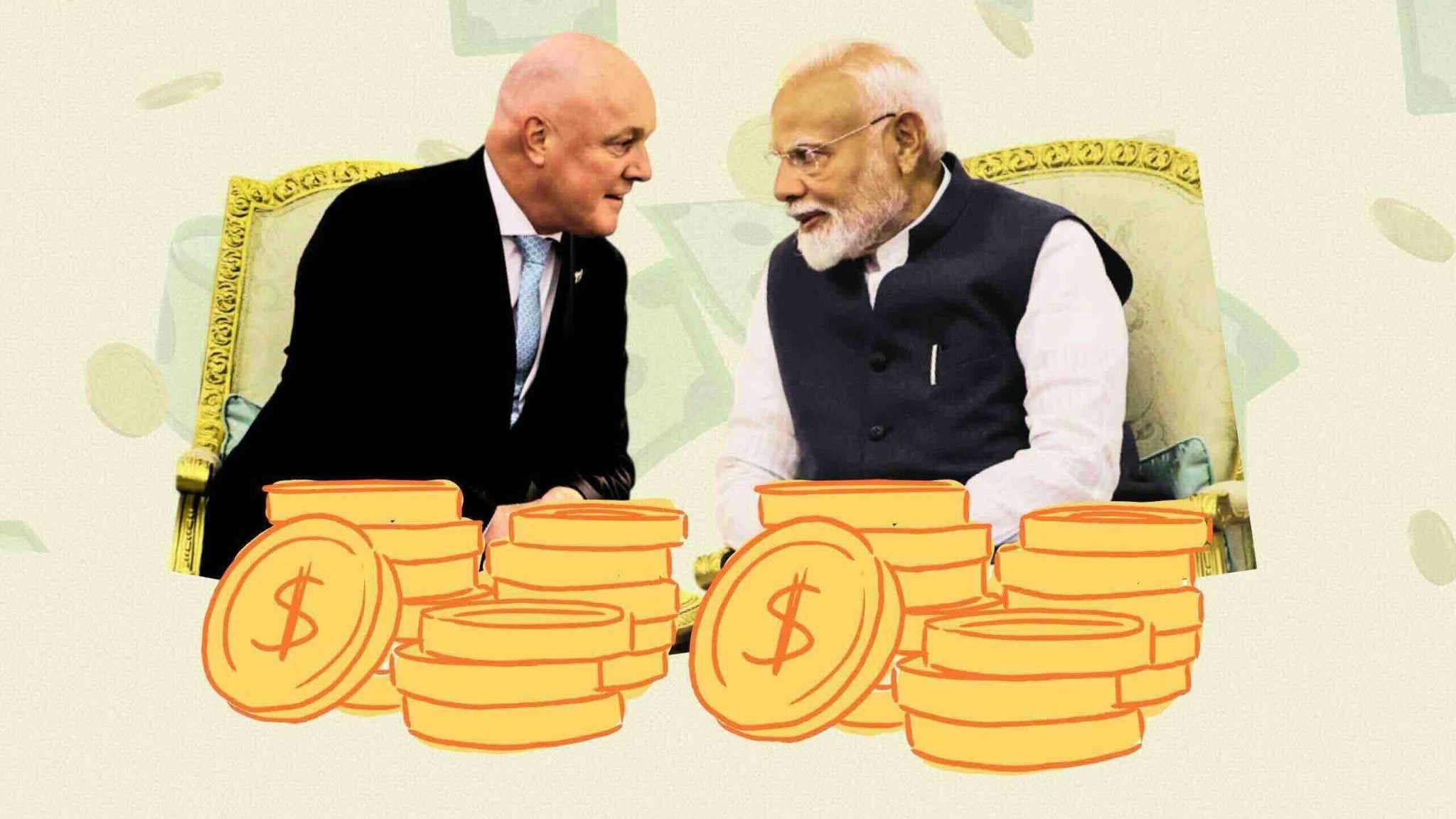
The recently signed agreement sets an ambition of increasing New Zealand private-sector investment in India by US$20 billion over 15 years.
The figure has become one of the most contested elements of the deal, with New Zealand First questioning its credibility and warning about the implications if it is not achieved.
In a Stuff column this week, Taylor asks: “When did aspiration become a weakness rather than the starting point for achievement?”
Being Indian and Kiwi at once. How Ajaz Patel's 10-wicket haul brought his two worlds together A historic moment in Mumbai left the Black Caps spinner reflecting on something far deeper than cricket.
India's SIR voter controversy reaches New Zealand in Muslim man's asylum case The man claimed Muslims excluded from voter lists risked losing welfare benefits and being treated as illegal immigrants.
Election 2026: A right majority is possible even if Opportunity enters Parliament The latest polls suggest National, ACT and NZ First could secure a majority, with the Opportunity Party's fortunes still crucial.
He recalls serving on a government funding advisory panel when a young engineer submitted a proposal to build a space industry in New Zealand.
“It didn’t fit the criteria we had established,” Taylor writes.
“In fact, it sat so far outside our thinking that our chair, William Rolleston, suggested we put it aside while we worked through the other applications.”

When the panel returned to the proposal, Rolleston shifted the discussion away from whether it complied with the existing guidelines.
“Instead, he asked us to consider something quite different. What if…?
“What if this young engineer actually succeeded? What might that mean for New Zealand?”
The panel recommended the funding. The engineer was Peter Beck, who went on to establish Rocket Lab, now one of New Zealand’s best-known technology companies.
“That wasn’t wishful thinking. It was aspirational,” Taylor writes.
This year, Rocket Lab secured a new NASA contract to launch three scientific missions from its New Zealand launch site, with the flights set to take place in 2027.
Taylor uses Rocket Lab’s rise to challenge the instinct to reject the India agreement’s investment ambition simply because it appears difficult to achieve from New Zealand’s current starting point.
His argument is not that the US$20 billion target is guaranteed. It is that ambitious goals can encourage businesses and policymakers to look beyond the country’s existing scale and capabilities.
Taylor also draws on his own experience working in India.
In 2007, his company delivered broadcast graphics for a Test cricket series between India and Pakistan.
“I found myself standing beside a small satellite dish at a cricket ground in India,” he writes.
“On the other side of that dish, we were told, our graphics were being beamed live to an audience of more than 300 million people.”
For a small company from Dunedin, Taylor says, the size of the audience was difficult to comprehend.
“And that was 2007,” he writes.
India’s digital and technology markets have expanded dramatically since then, driven by the growth of smartphones, online video and high-speed mobile networks.
Taylor says New Zealand businesses should therefore see India as more than a large export destination.
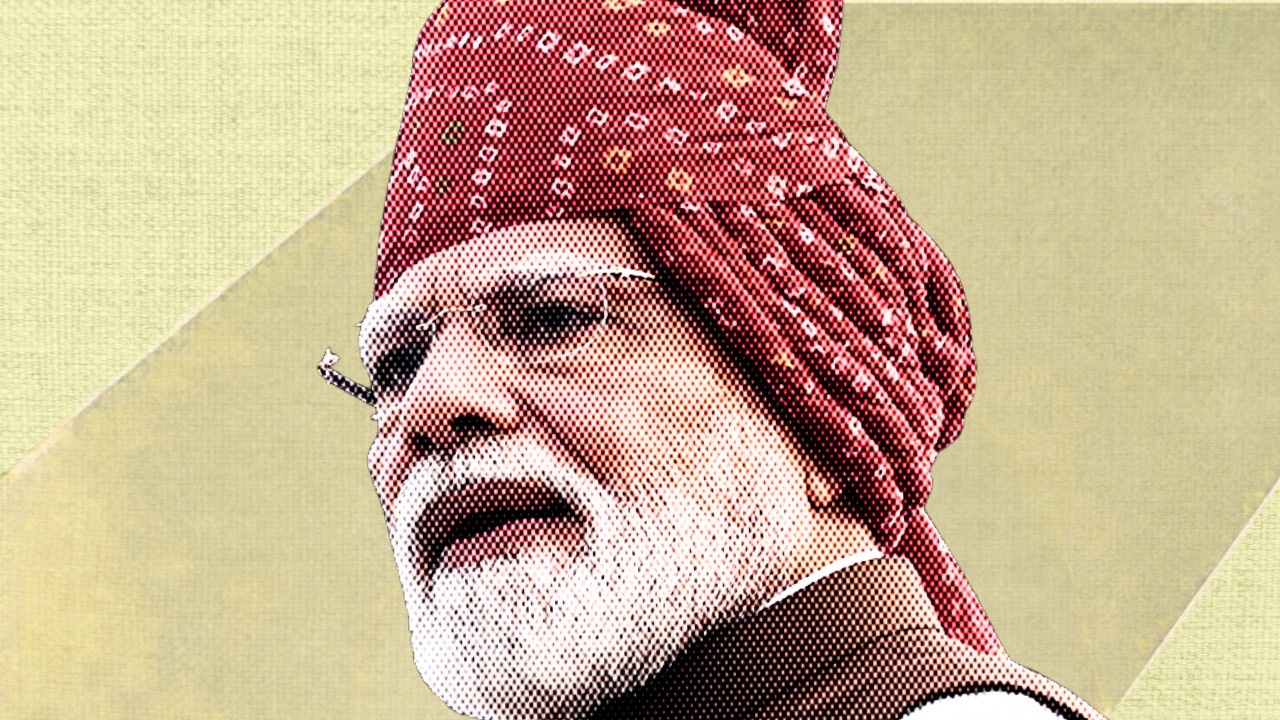
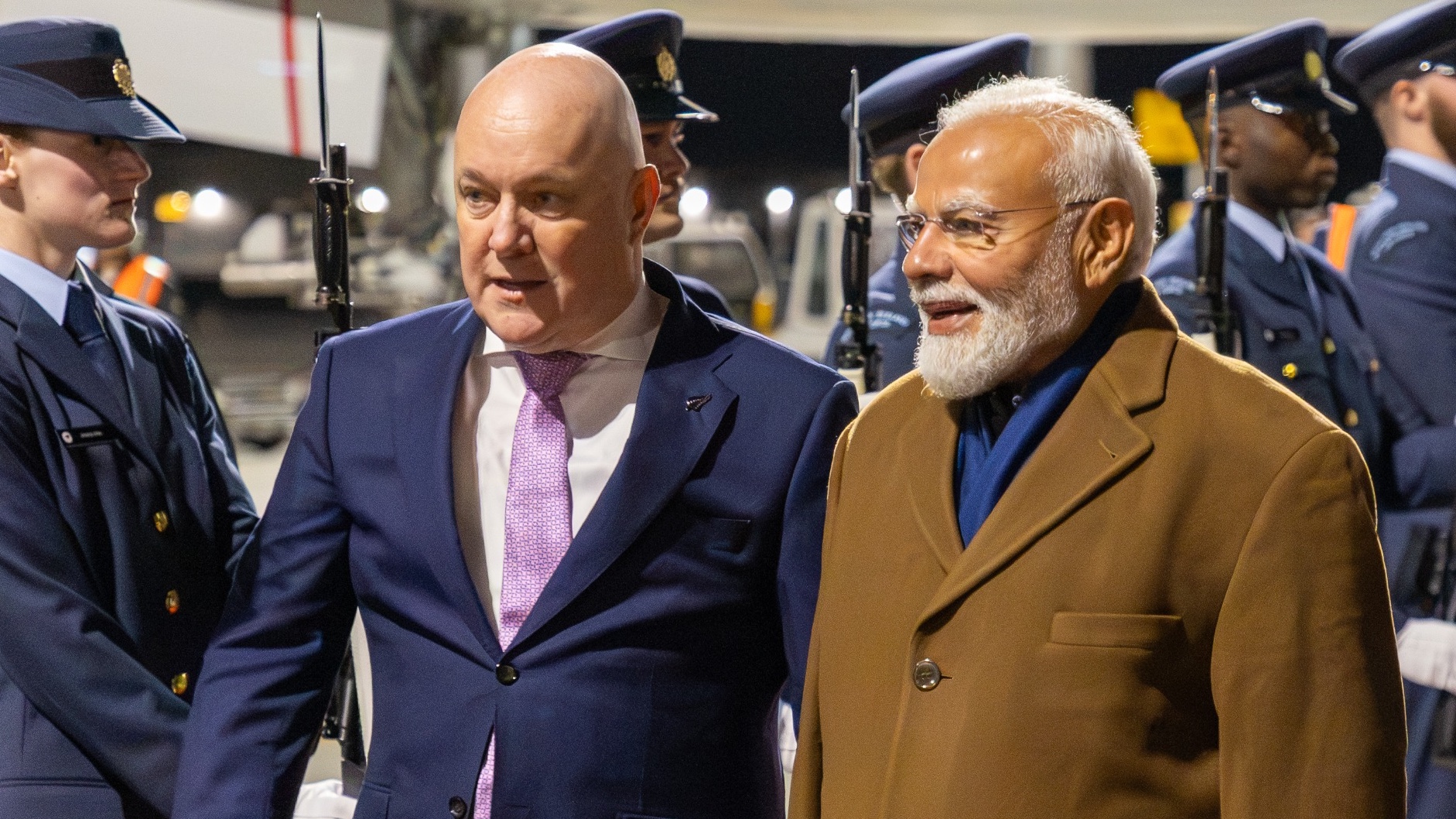
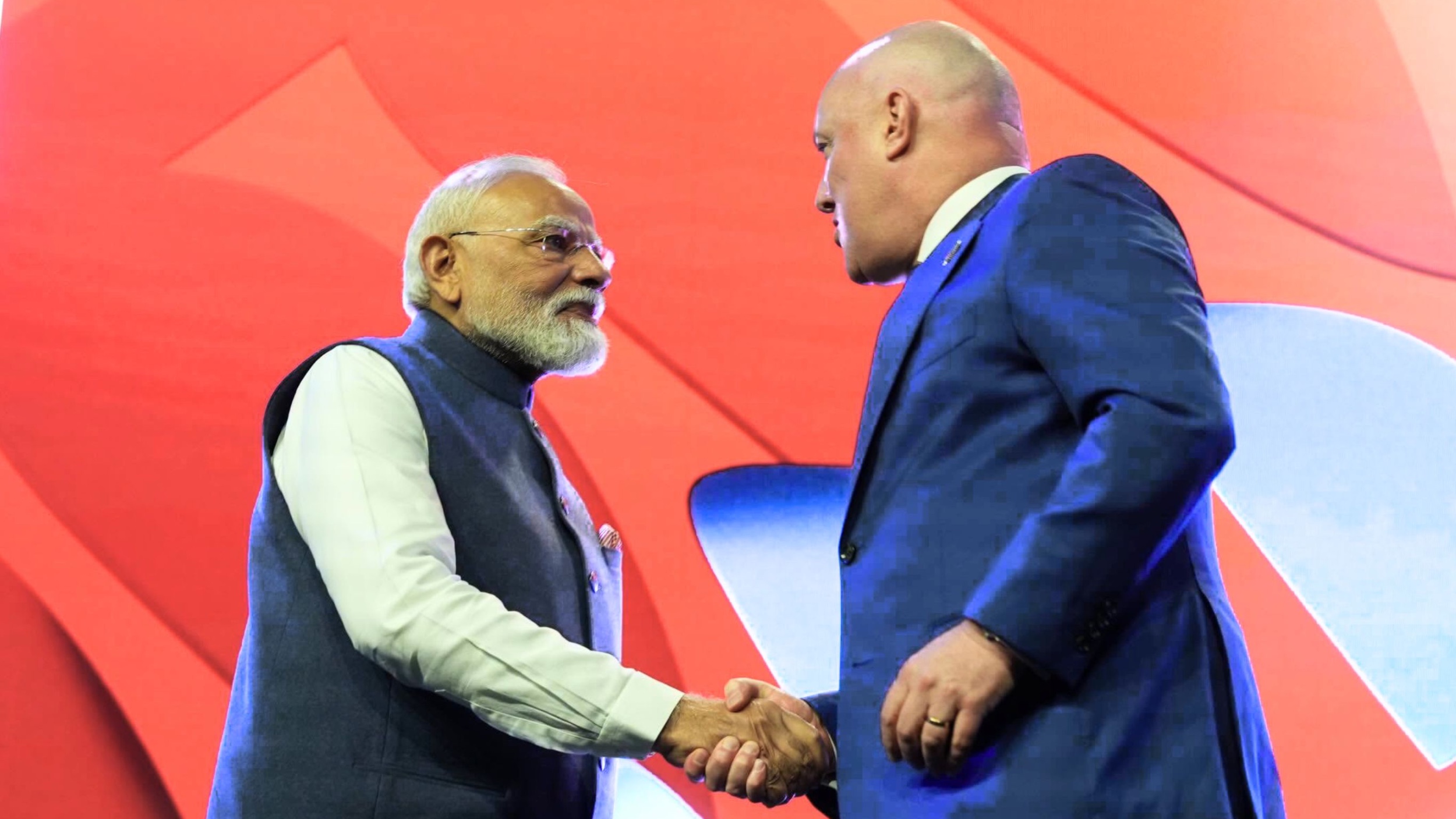
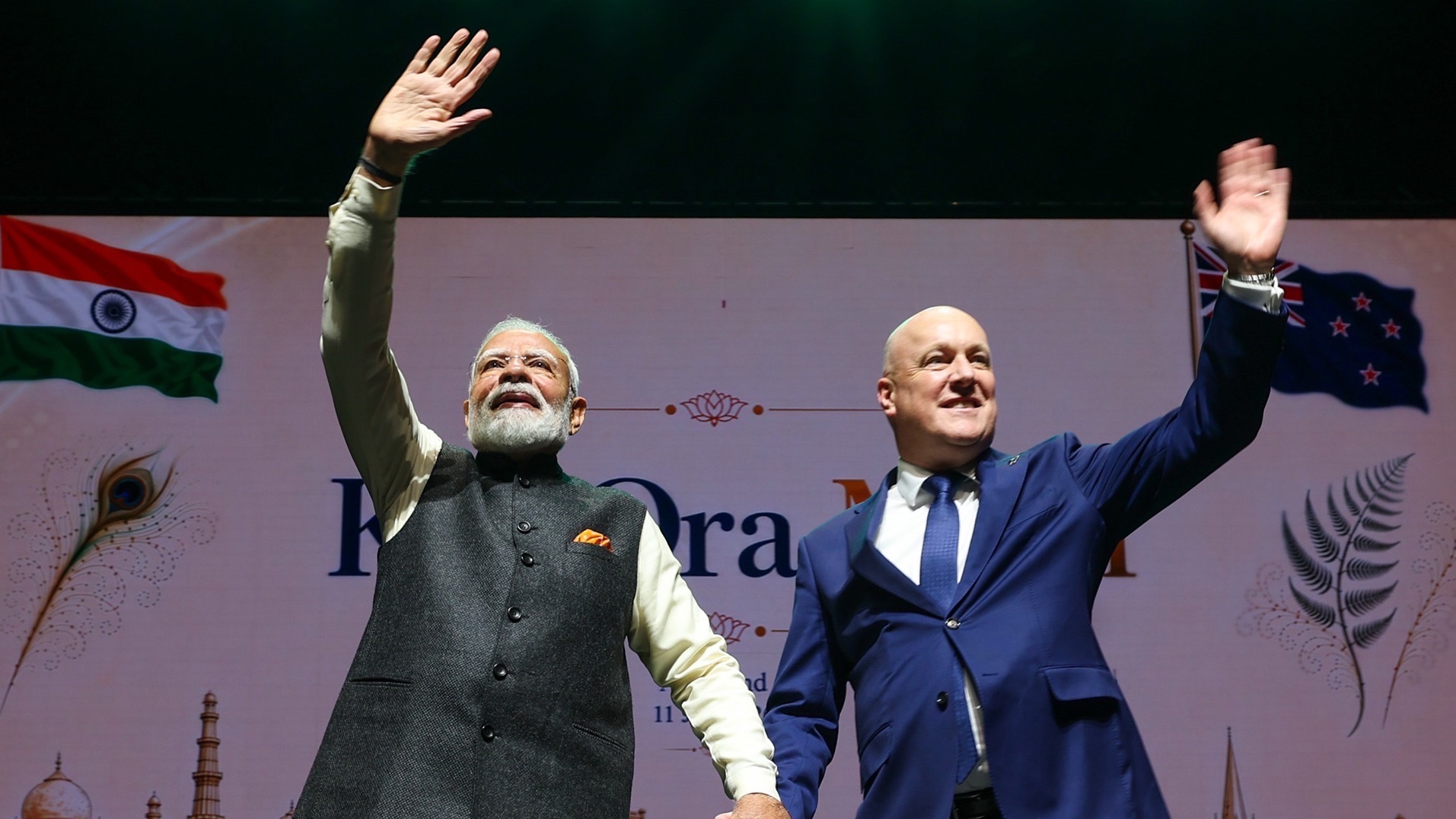
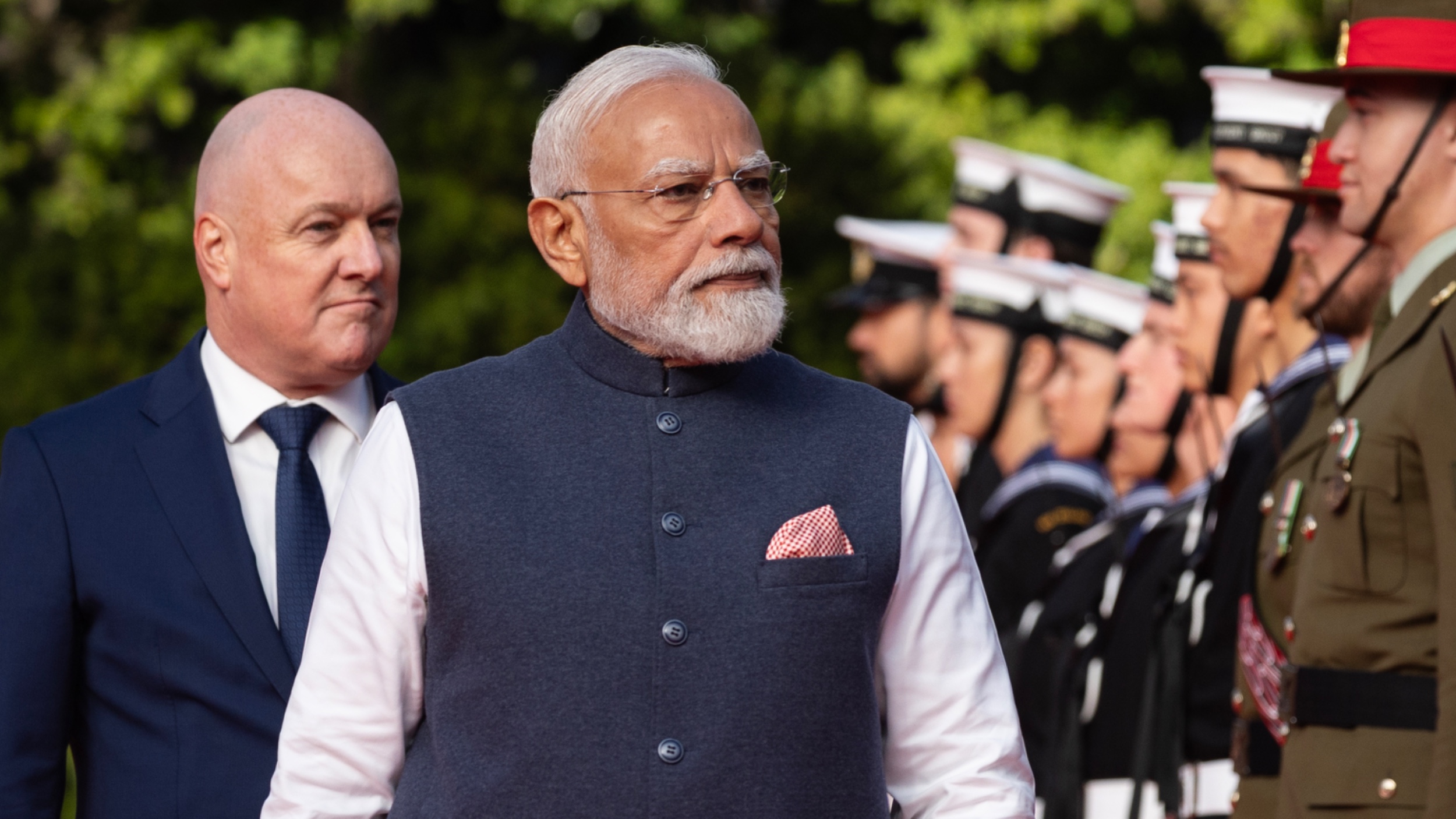
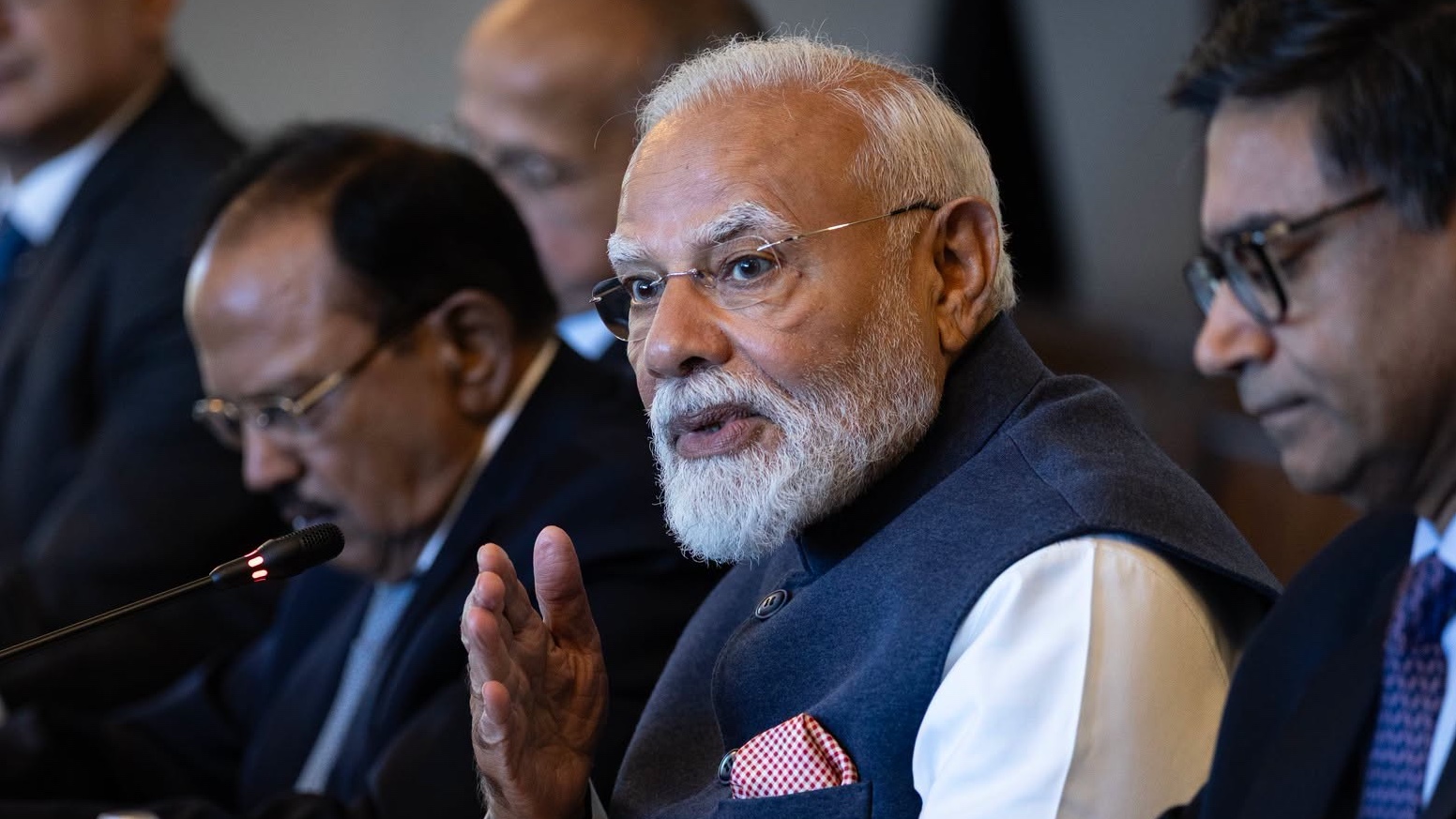
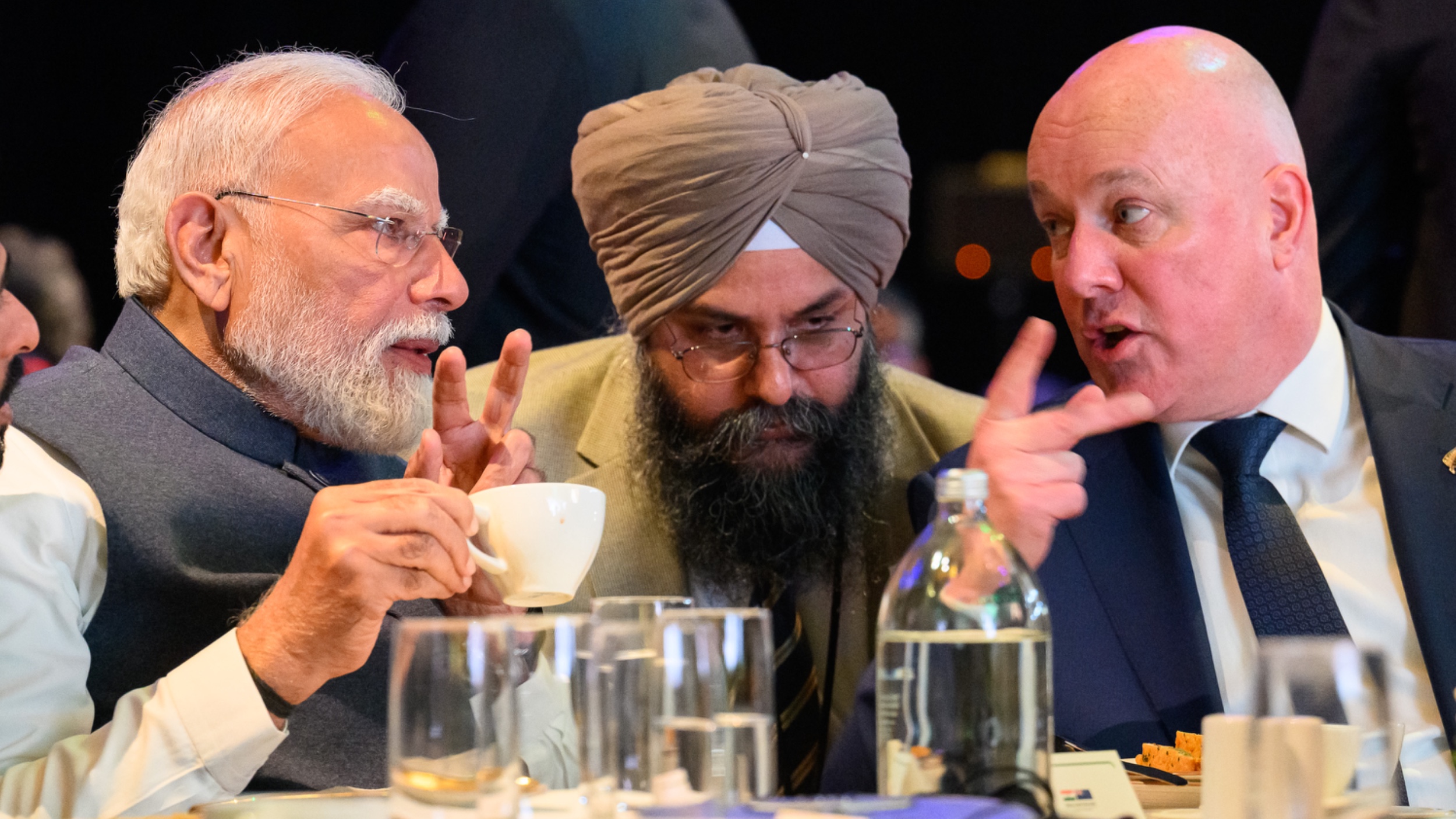
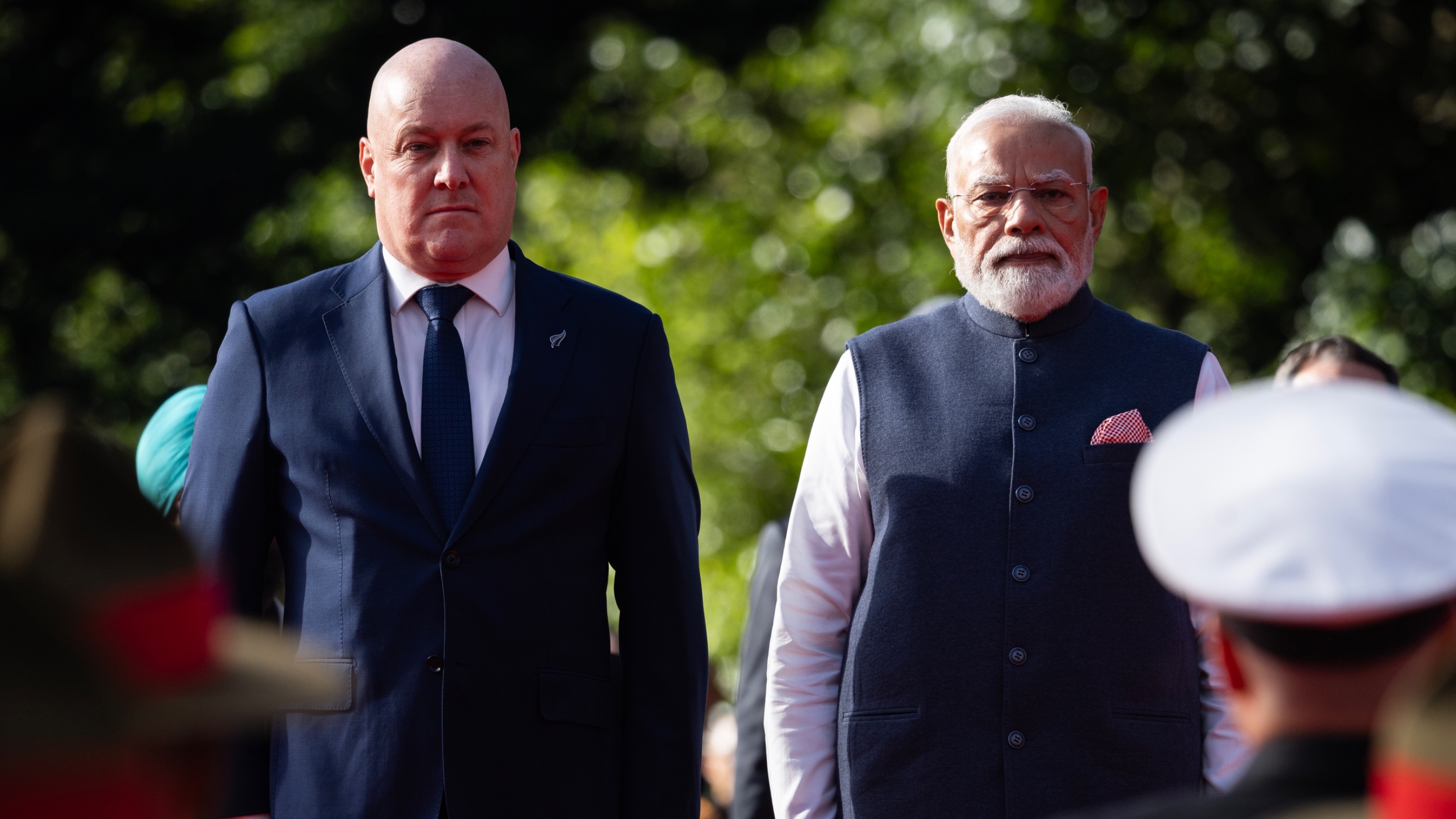
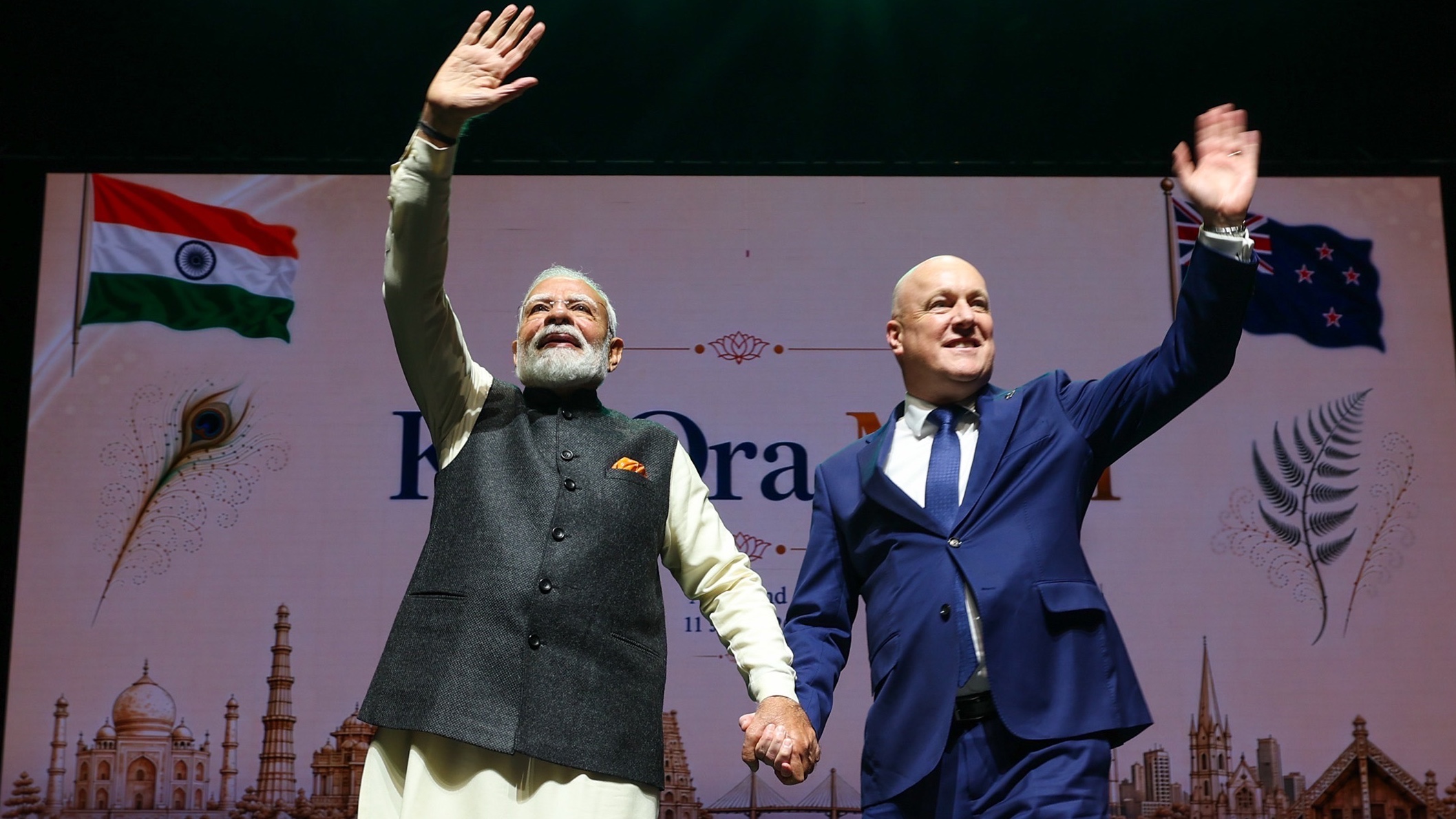
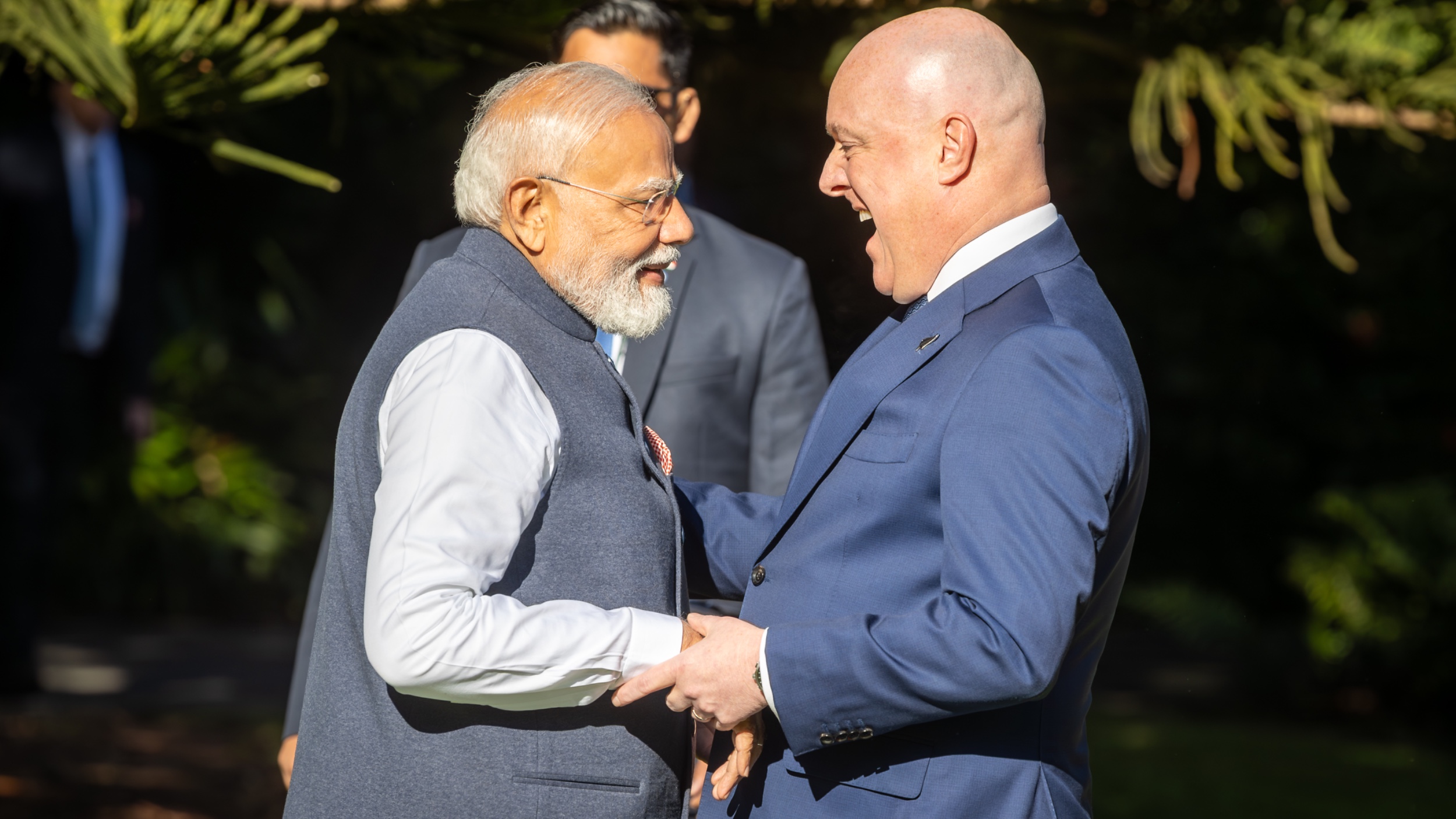
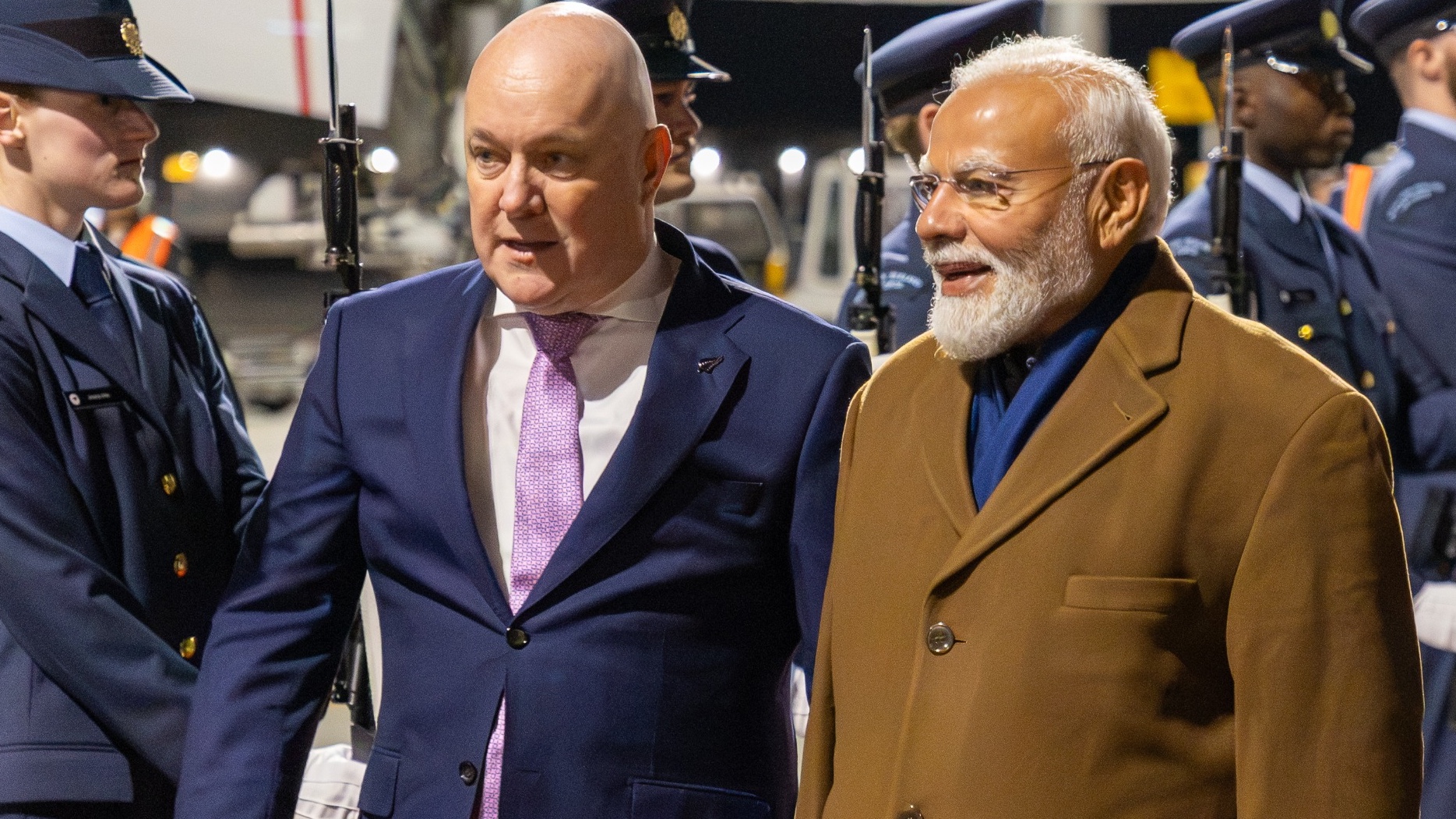
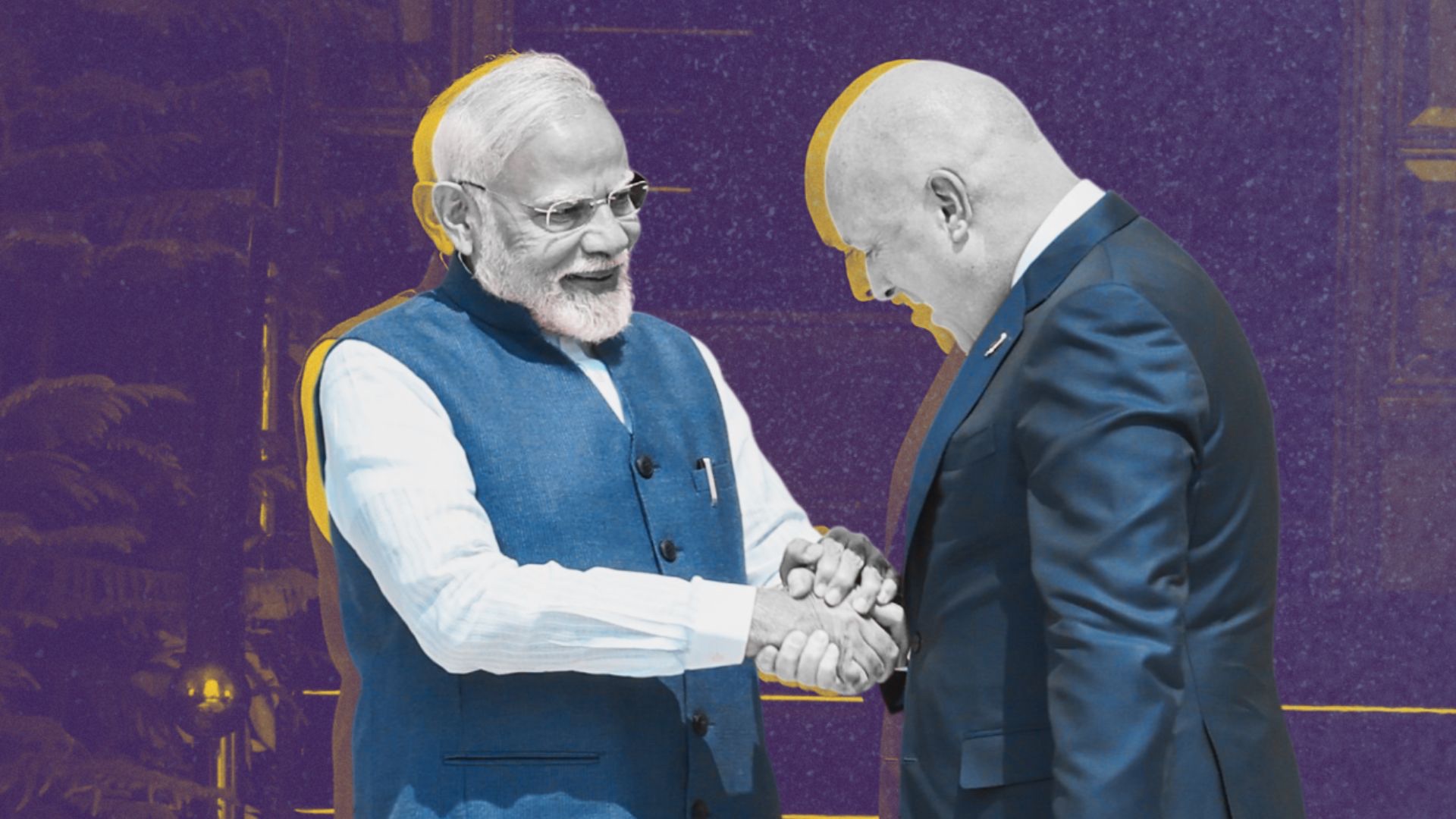
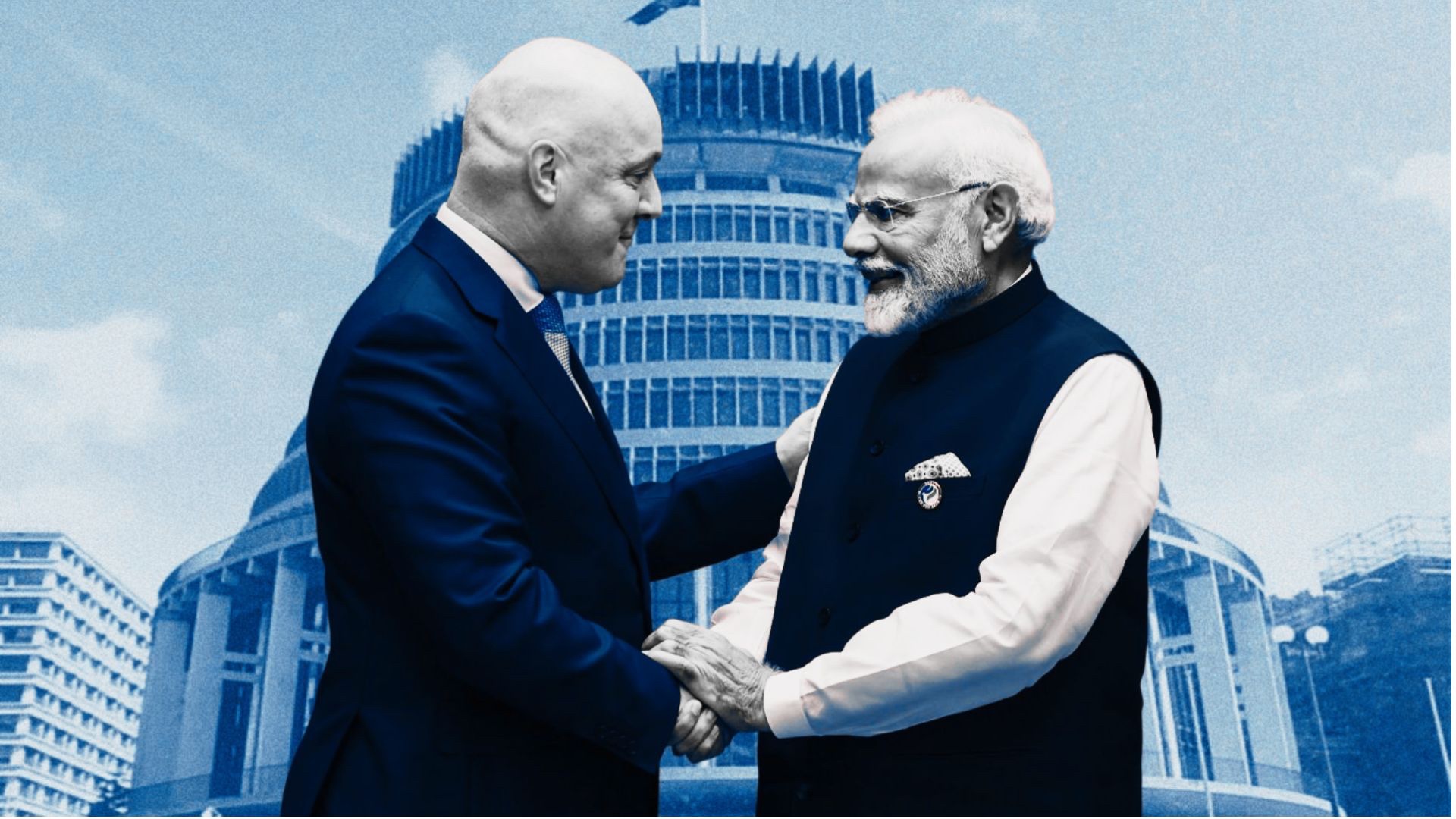
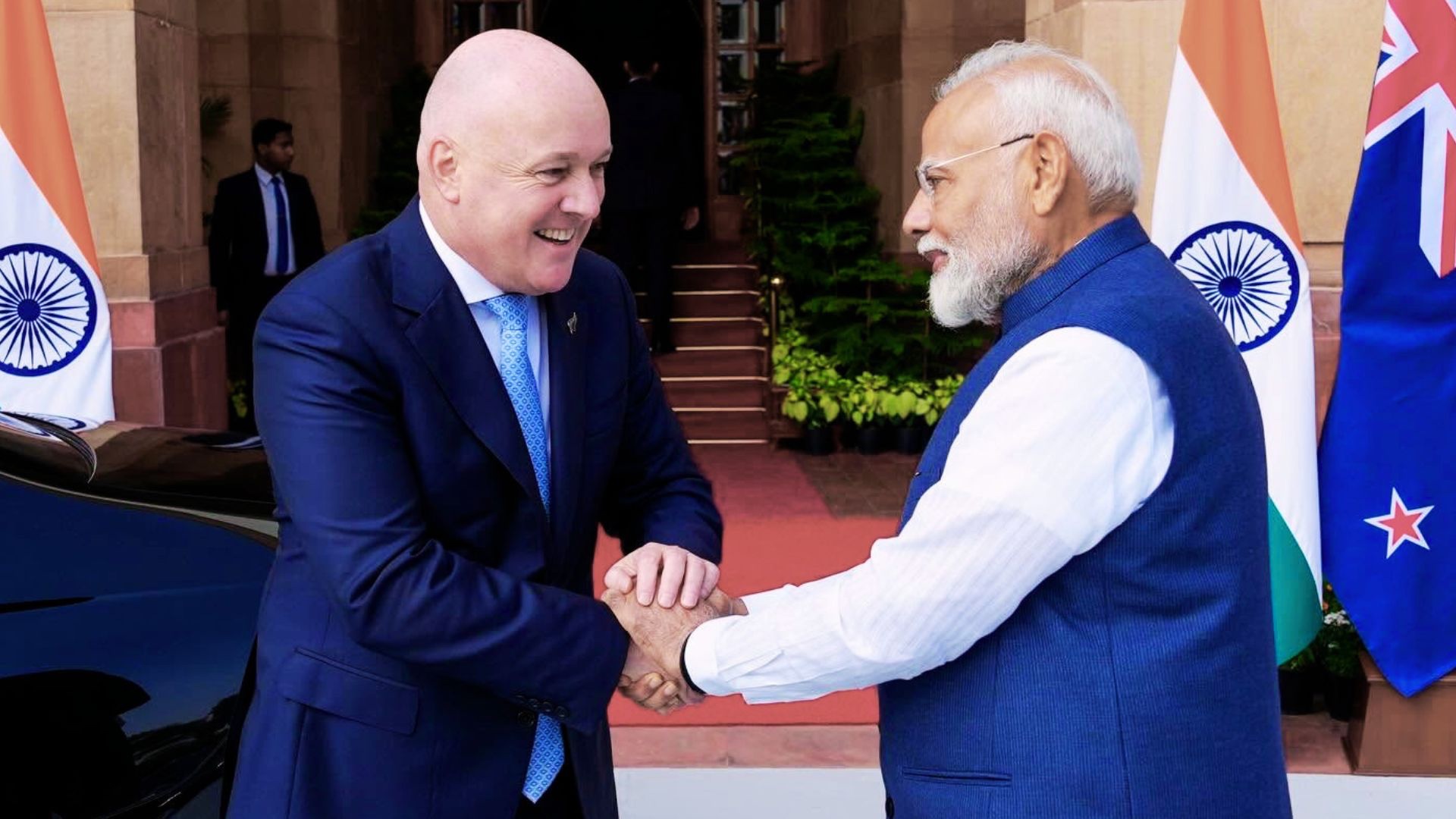
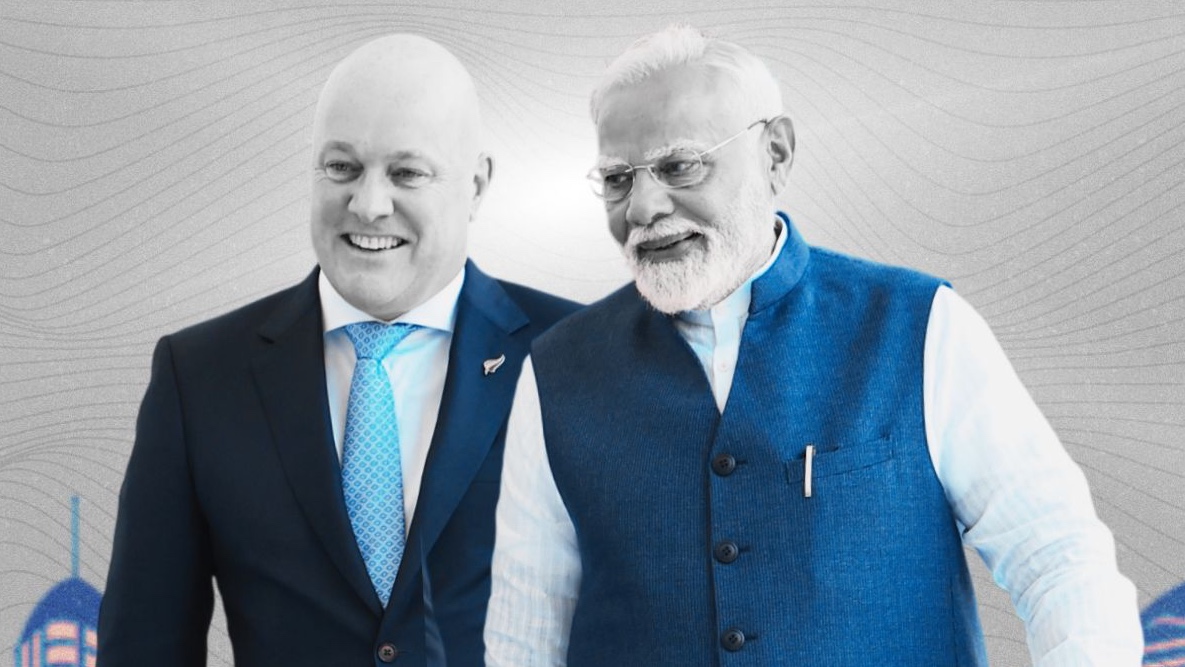
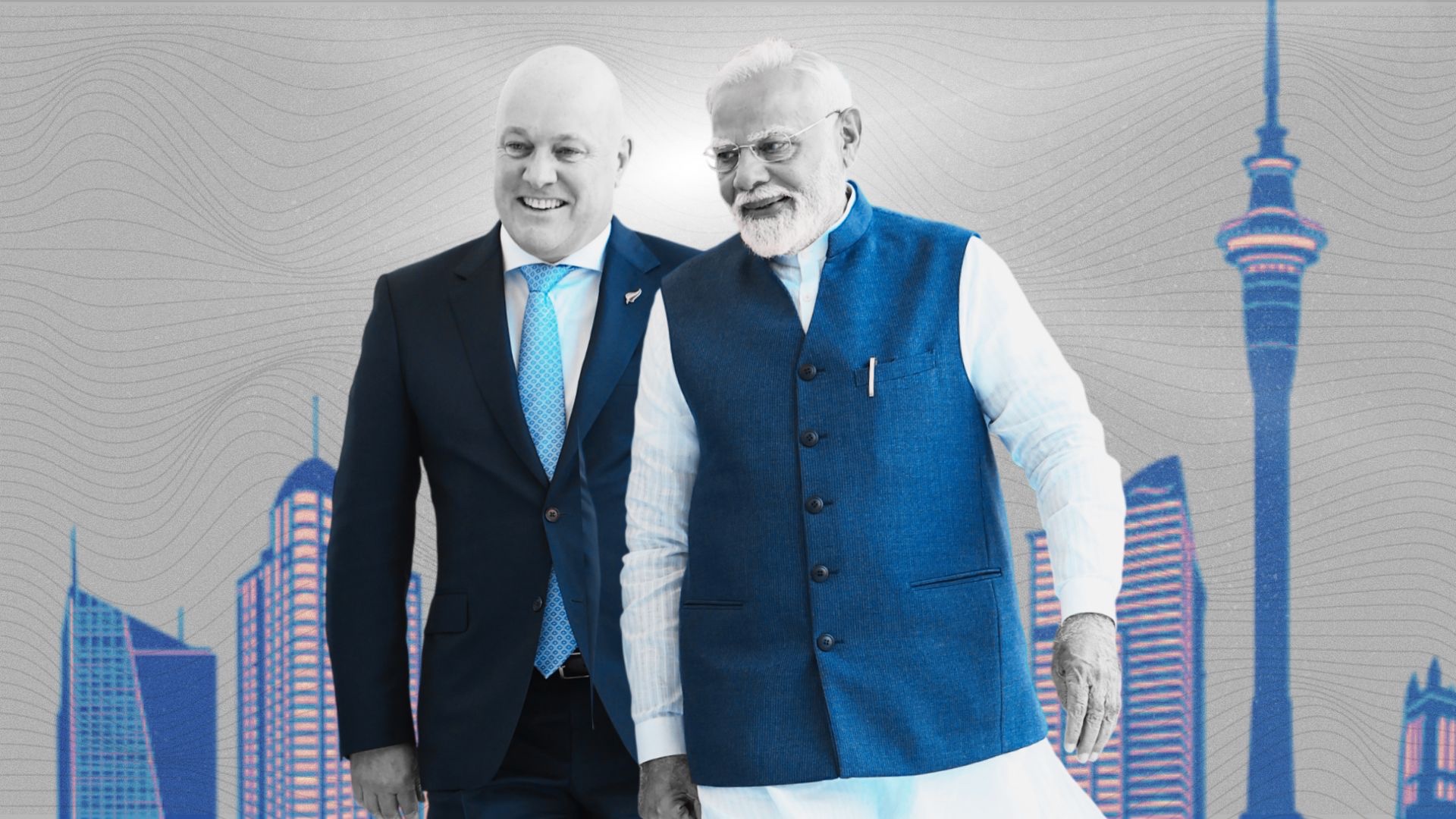
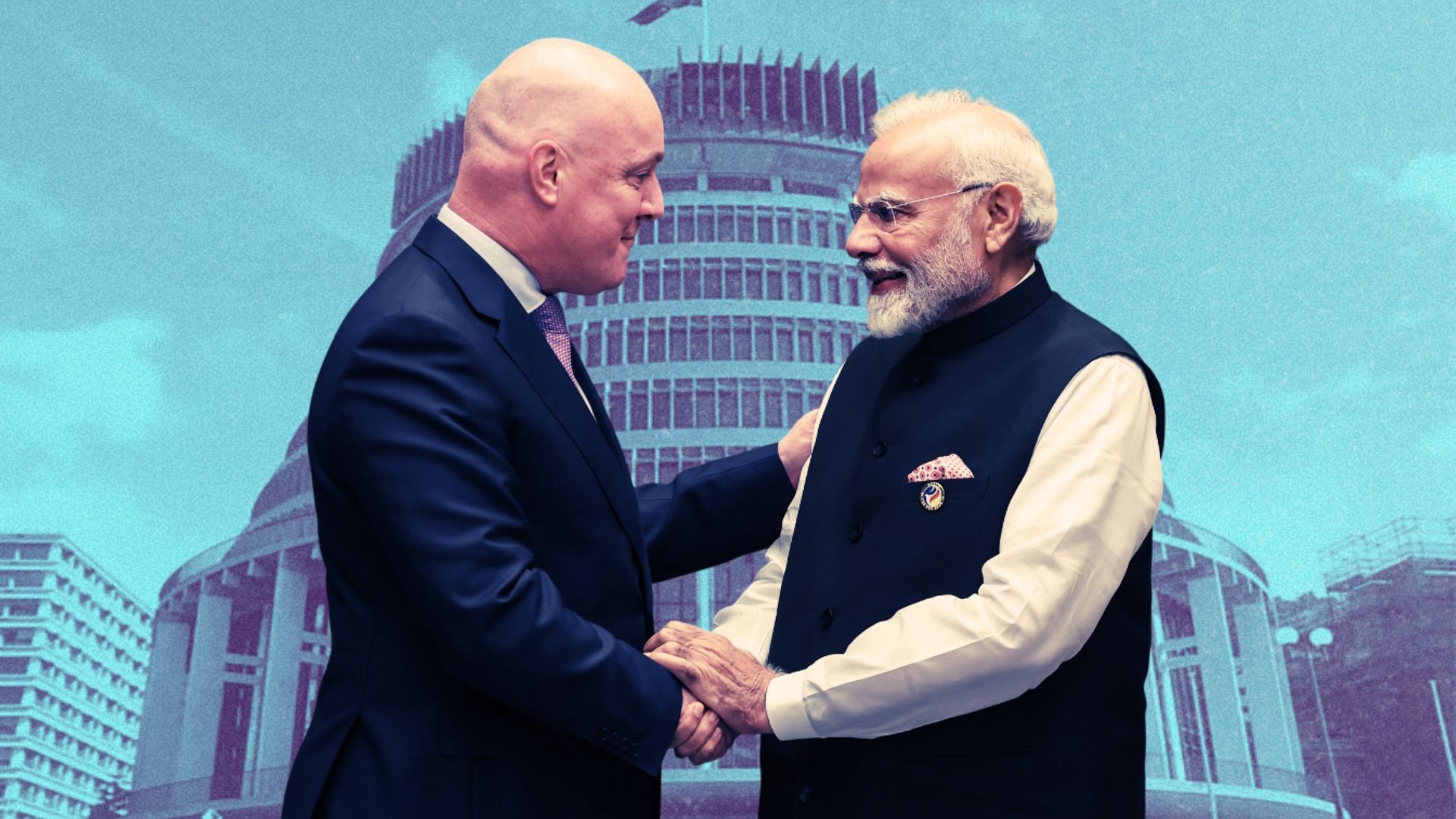
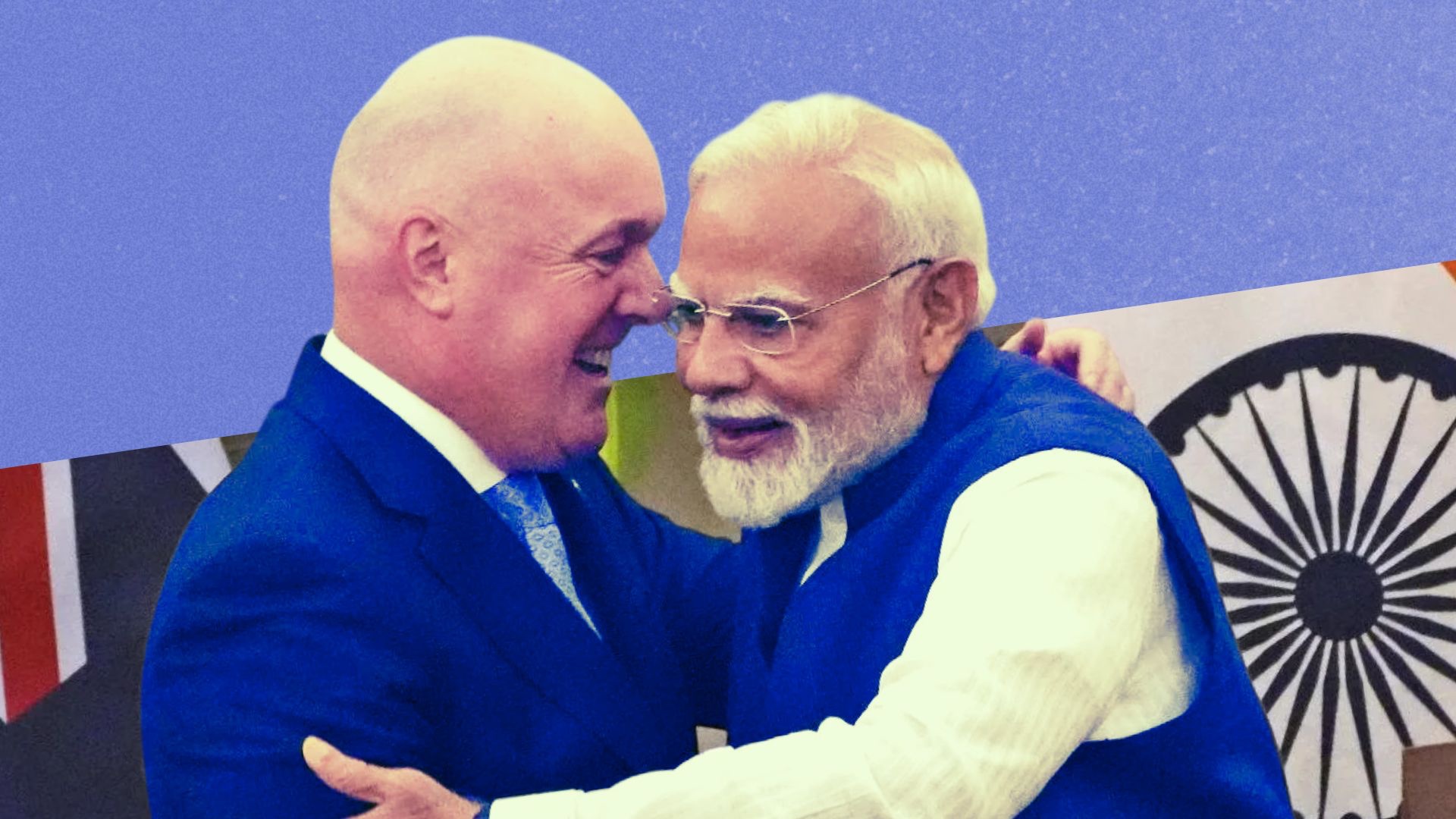
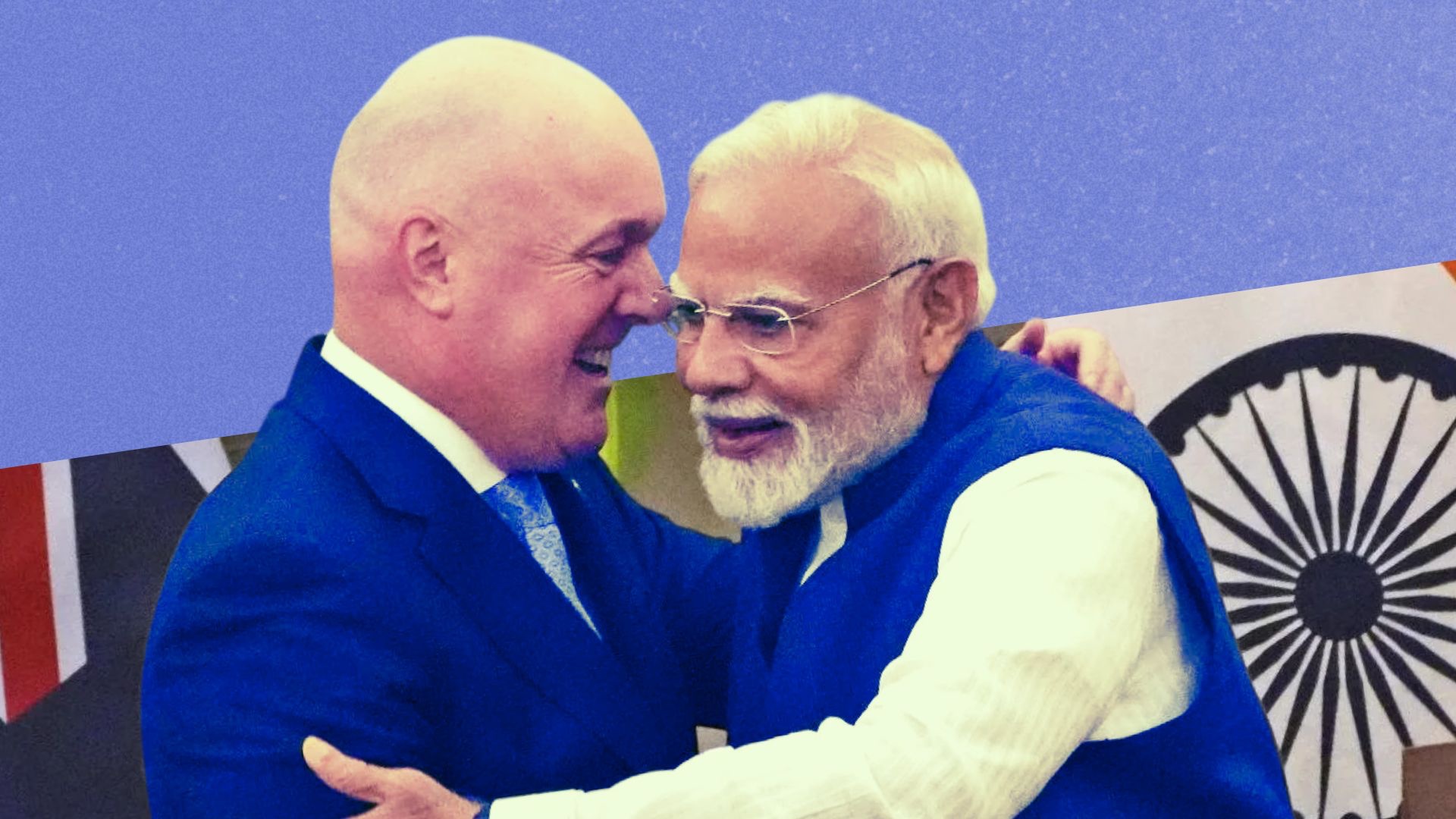
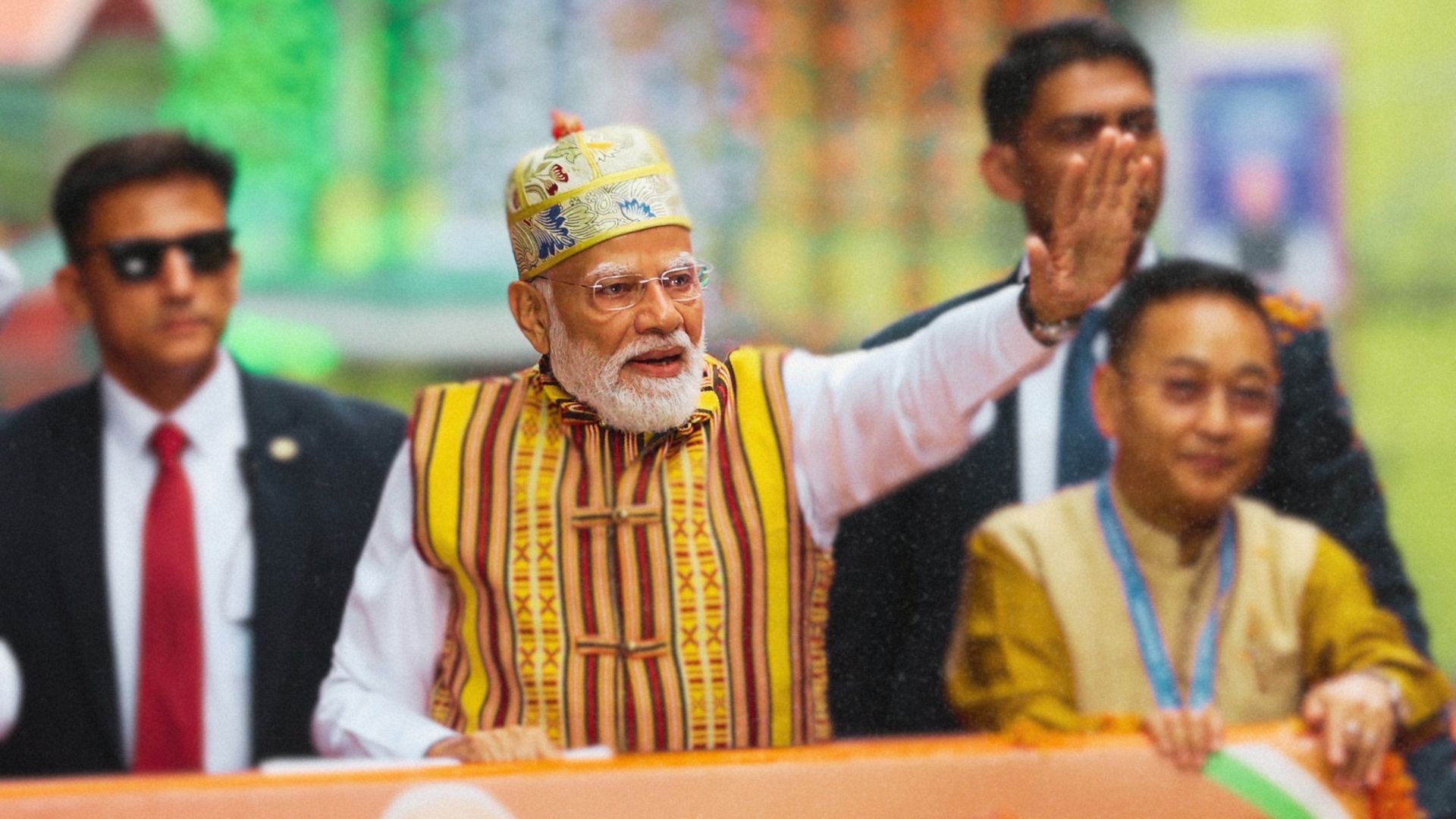
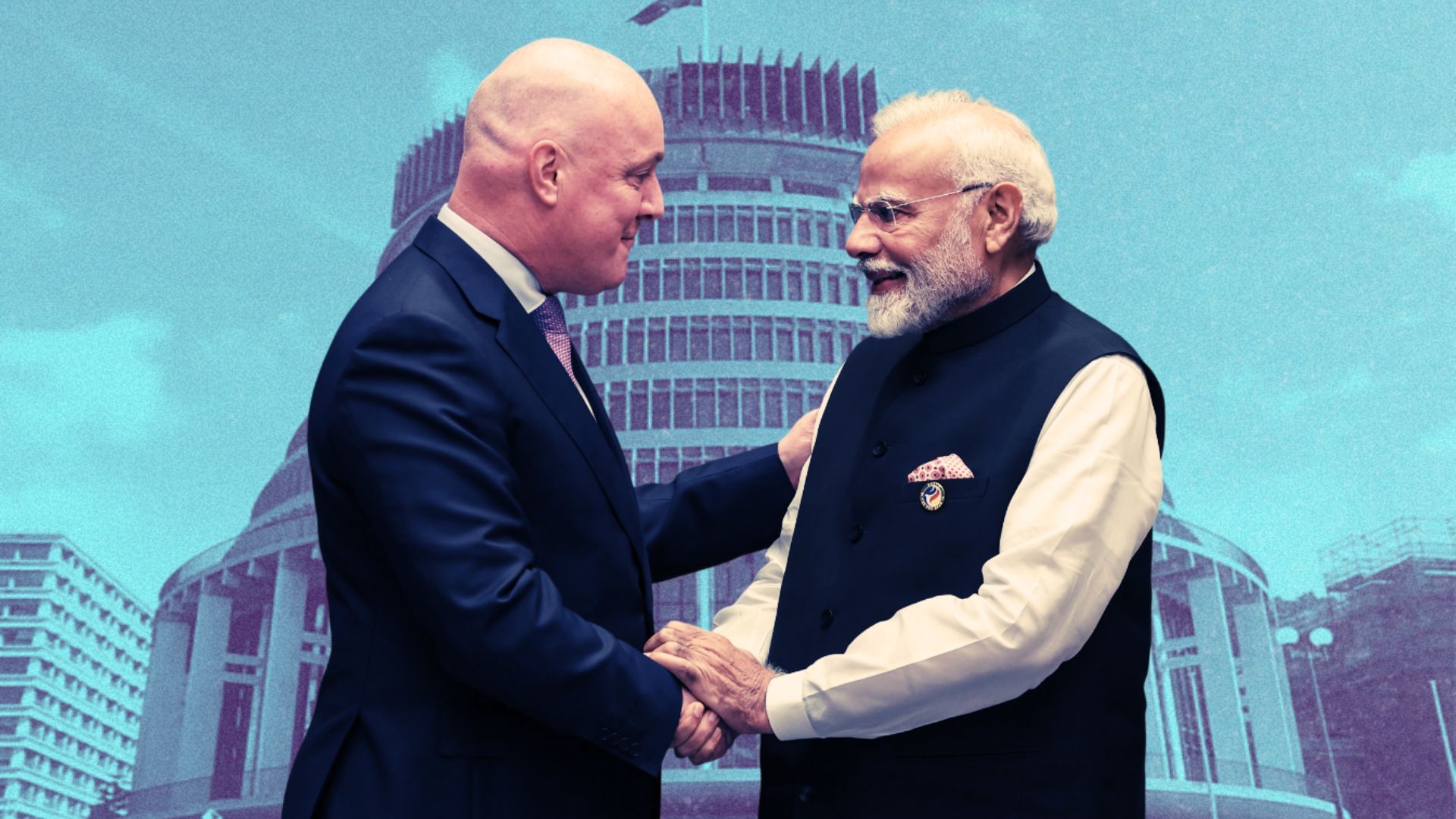
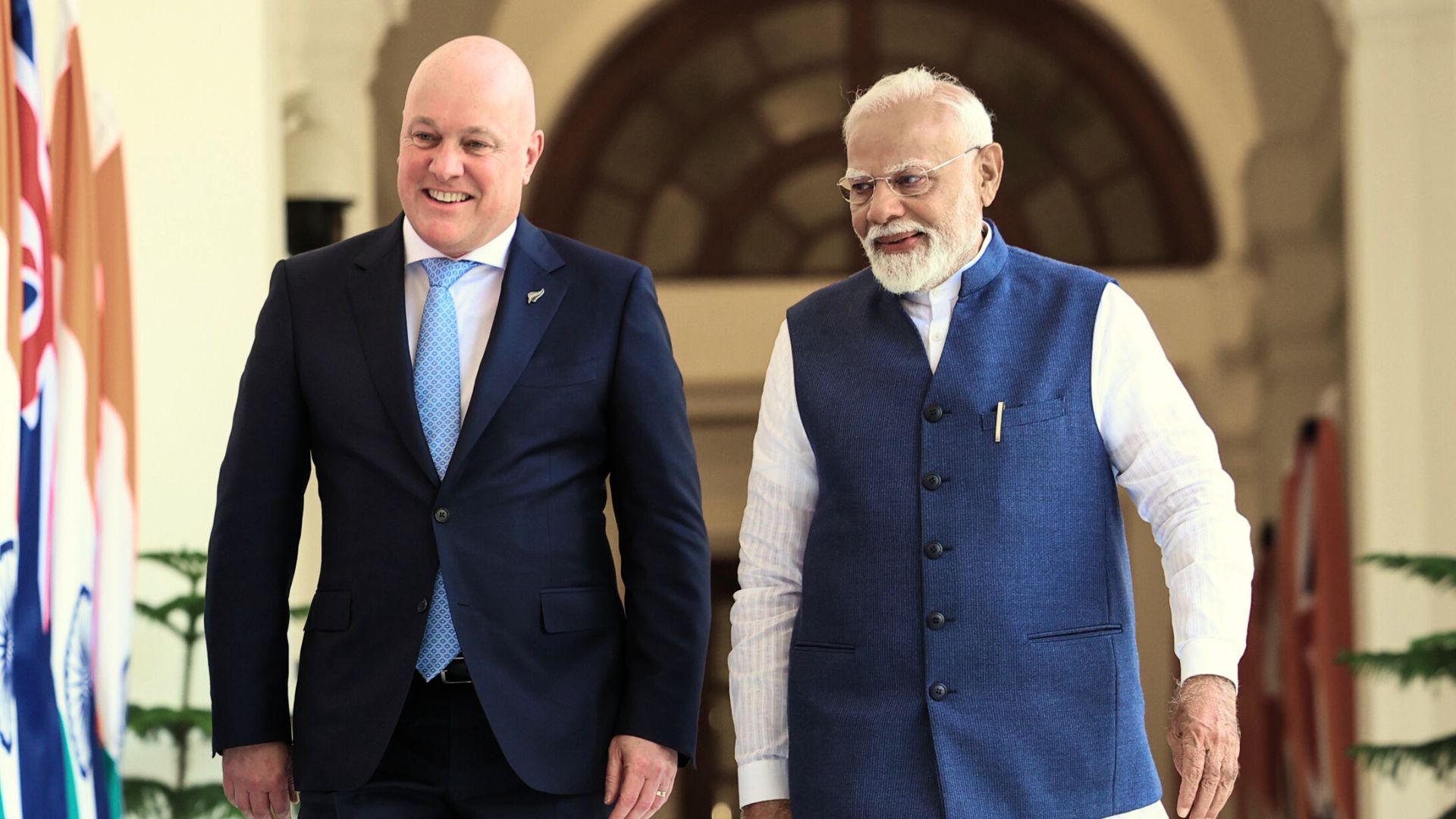
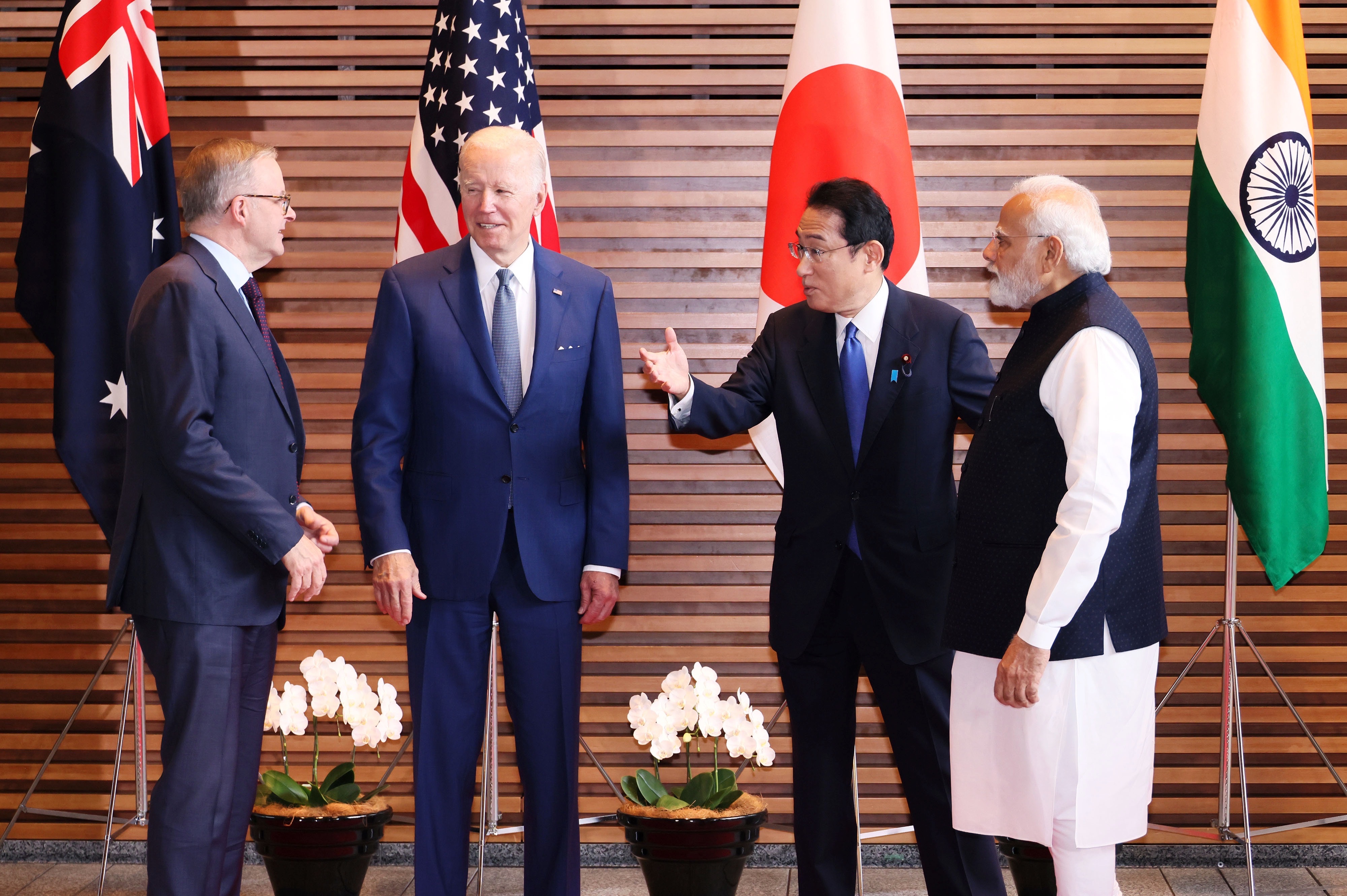
Indian prime minister Narendra Modi made a similar pitch during his recent visit to New Zealand, describing India as a potential launchpad to the world for New Zealand businesses.
Taylor says Modi was offering something broader than an opportunity to increase exports.
“He wasn’t inviting New Zealand to sell more to India,” Taylor writes “He was inviting us to build with India — and take on the world.”
The opportunity, in Taylor’s view, is for New Zealand companies to use India’s scale, technology and commercial networks to develop products and compete internationally.
He acknowledges India is a complex market where success requires patience, trusted relationships, cultural understanding and a willingness to learn.
“Yes, we should go into India with our eyes wide open,” he writes.
“It is a complex market. Success requires patience, trusted relationships, cultural understanding and a willingness to learn, but caution and aspiration don’t need to be opposites.”
The US$20 billion goal is not an enforceable guarantee, and the government has not publicly identified a pipeline of investments sufficient to reach it.
Taylor’s case is instead that the agreement gives New Zealand businesses an opportunity to test themselves at a scale unavailable in the domestic market.
“This FTA offers New Zealand businesses the opportunity to test themselves at a scale we cannot reproduce here,” he writes.
“It challenges us to improve our capability, our technology and our thinking.”
(You can read Sir Ian Taylor's full column here)