
If India walks away from FTA, US$20-billion investment will be the least of NZ's problems
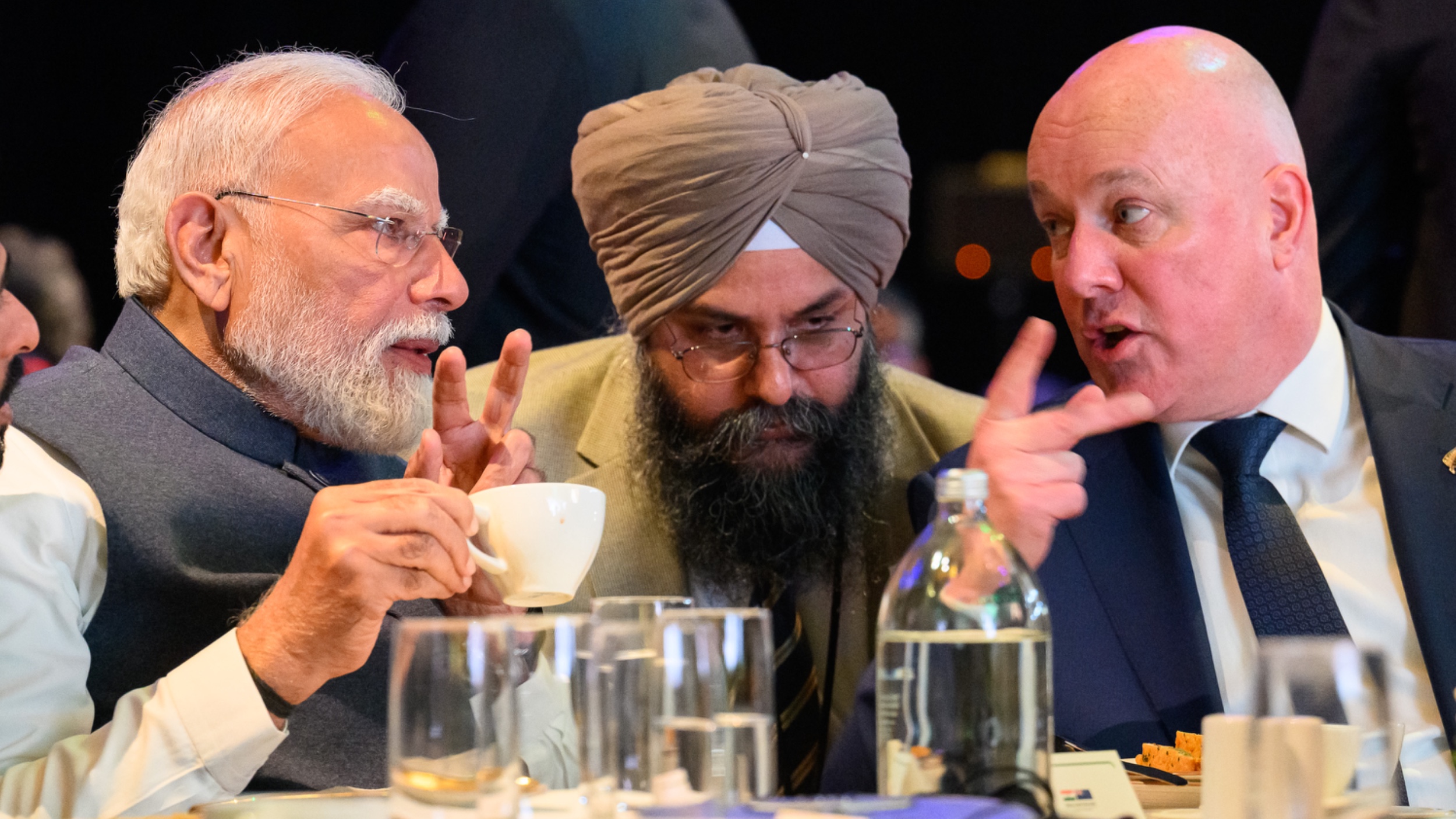
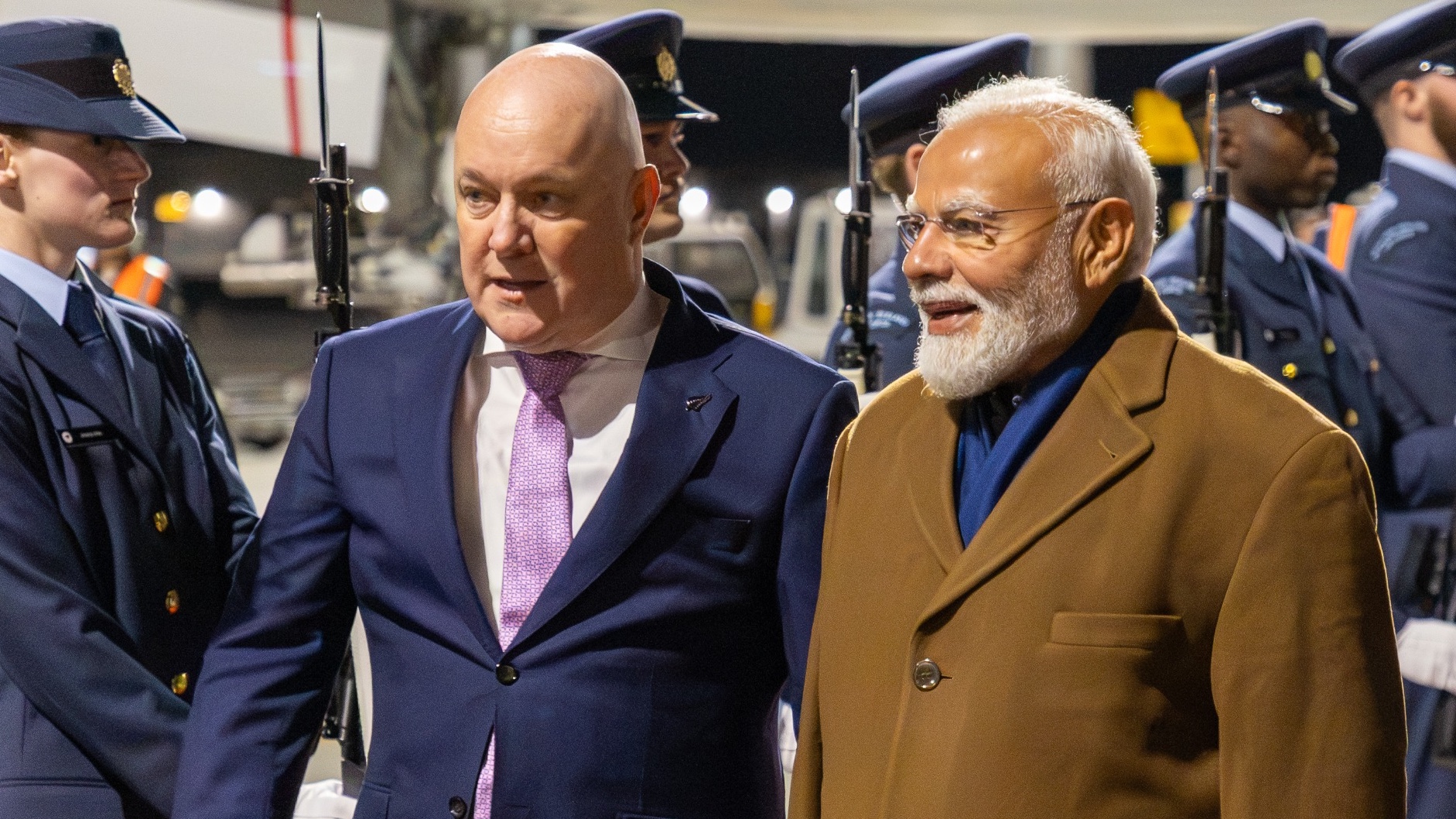
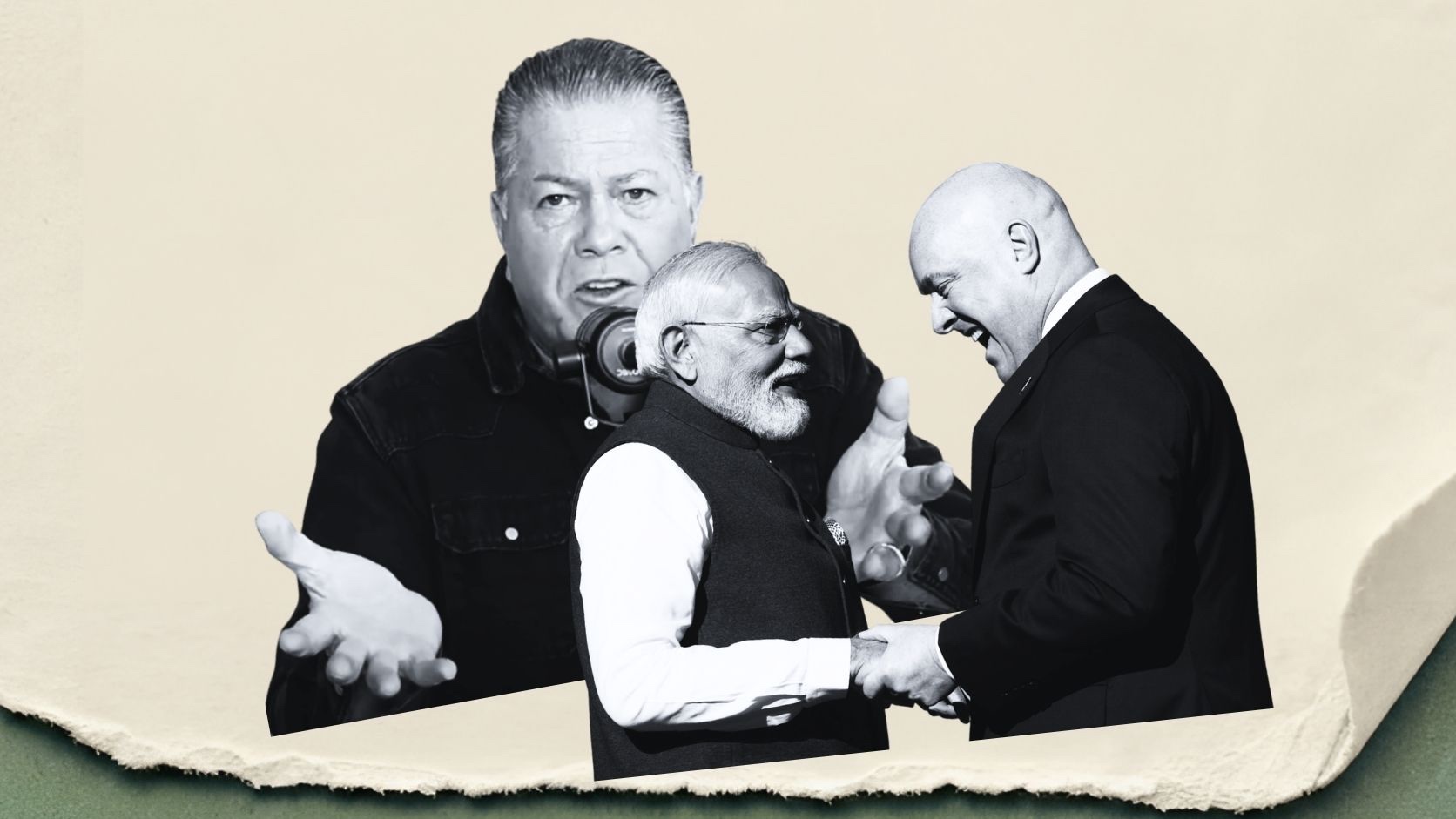
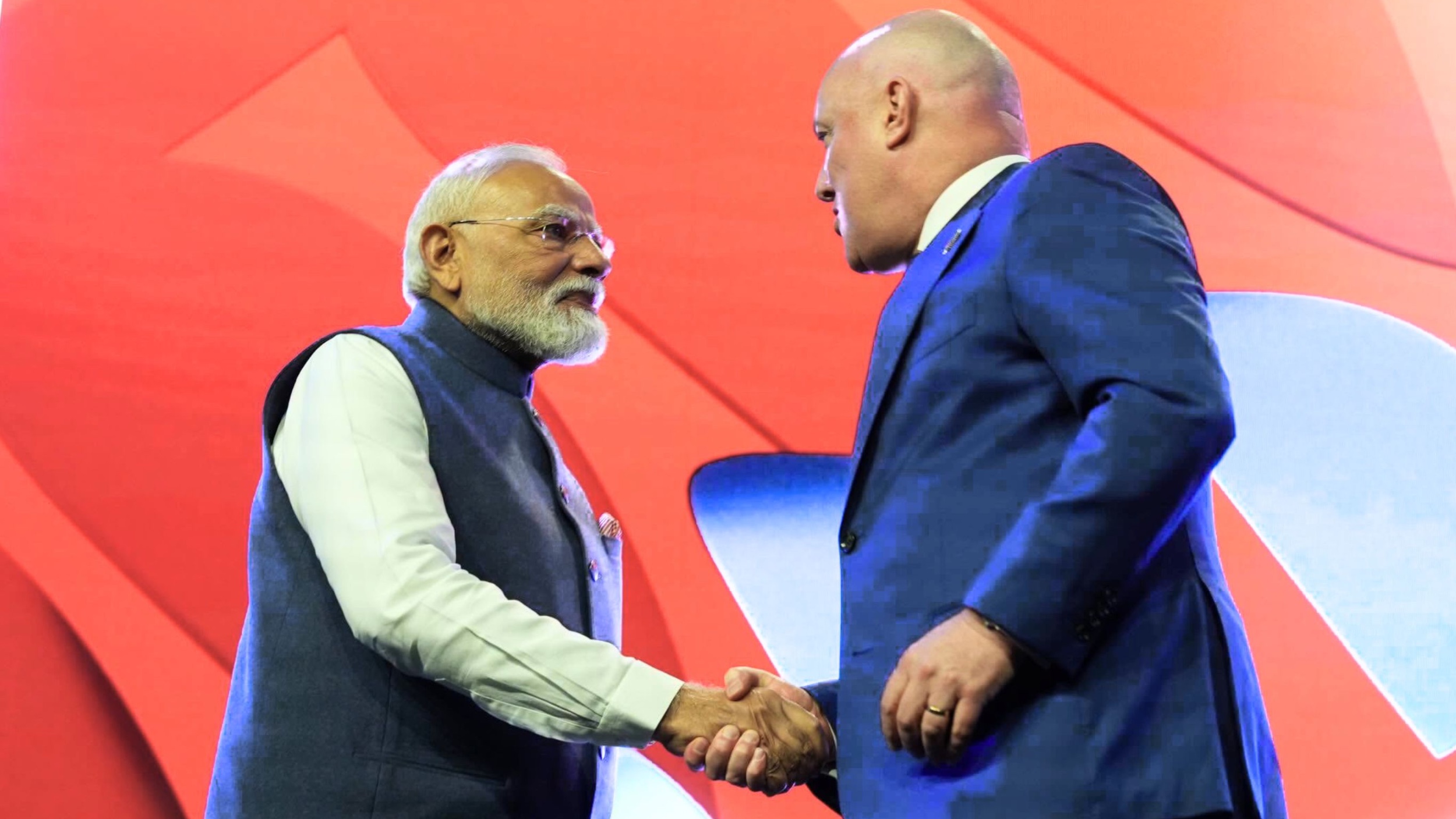
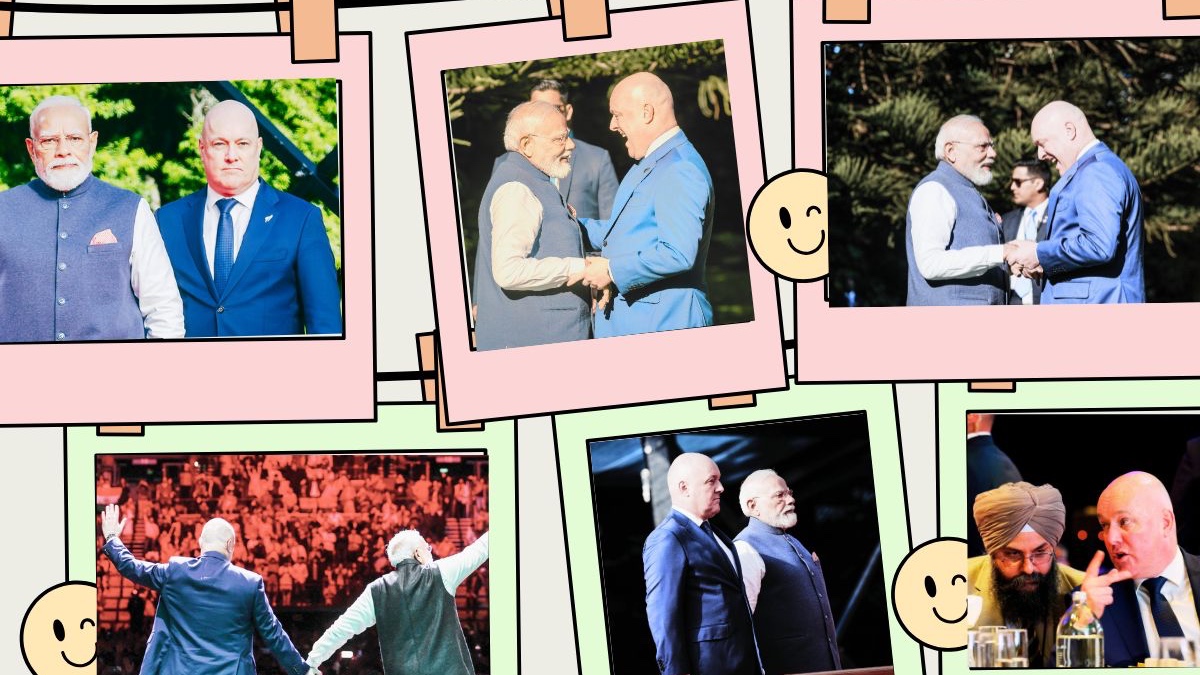
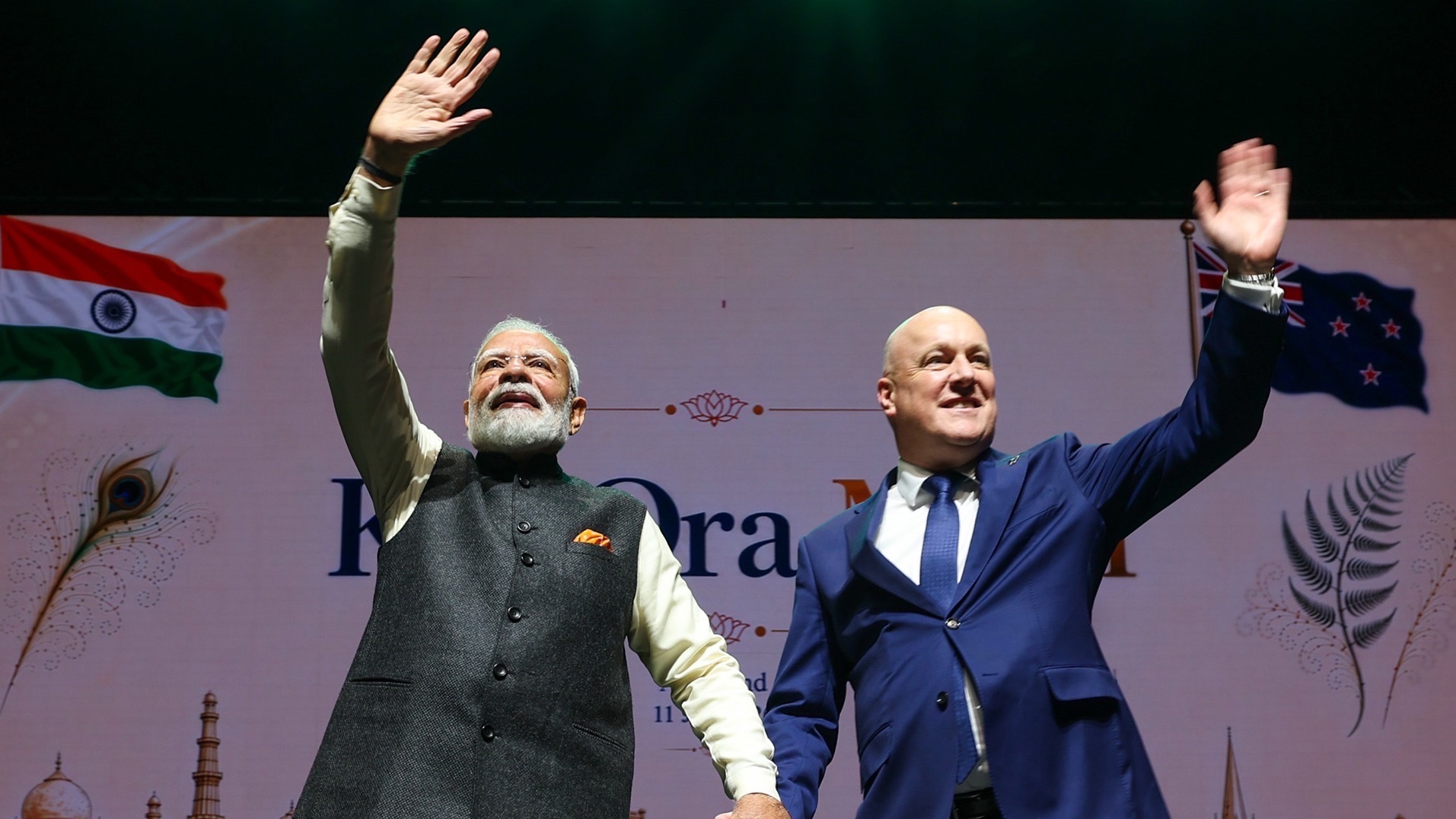
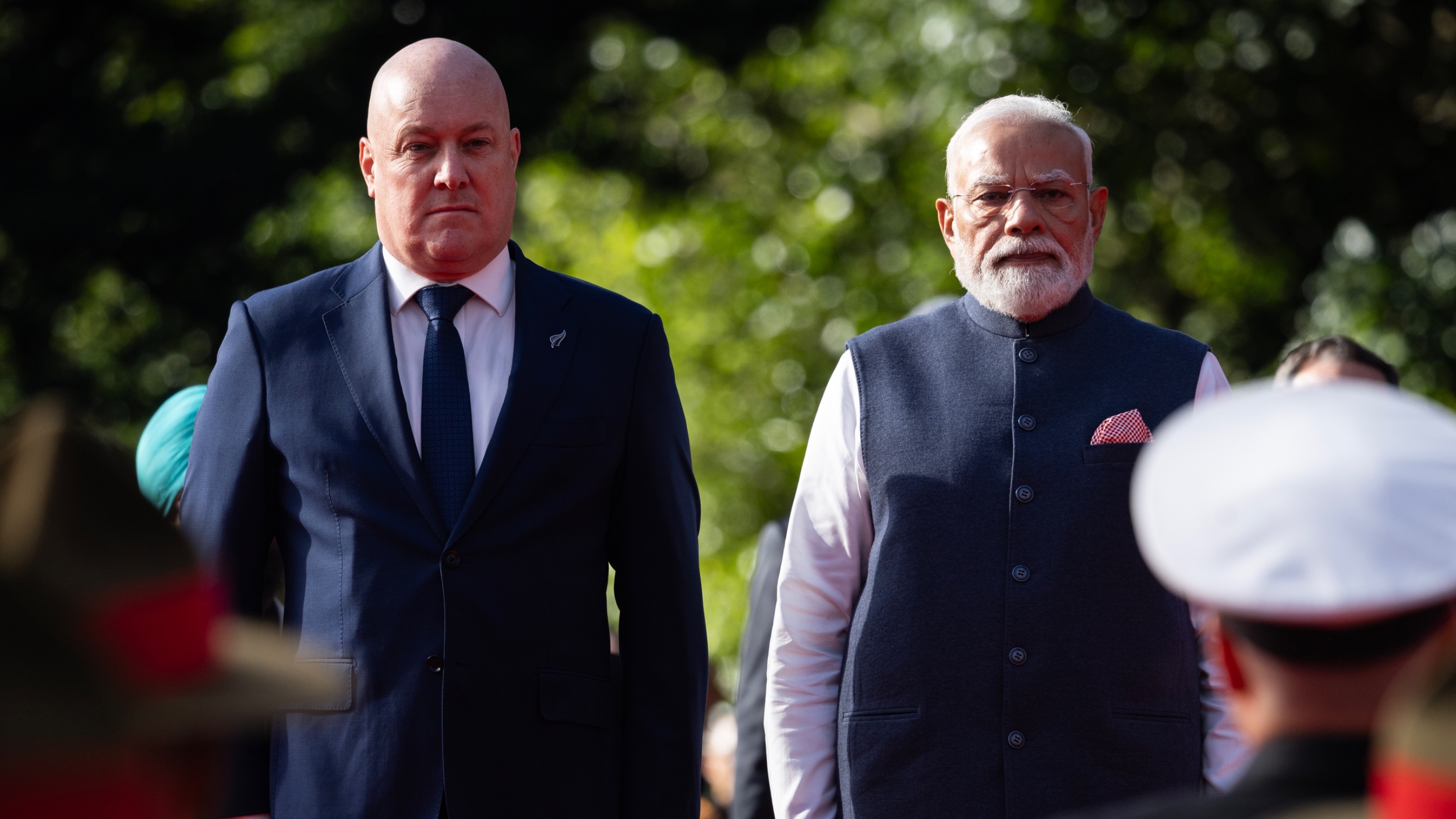
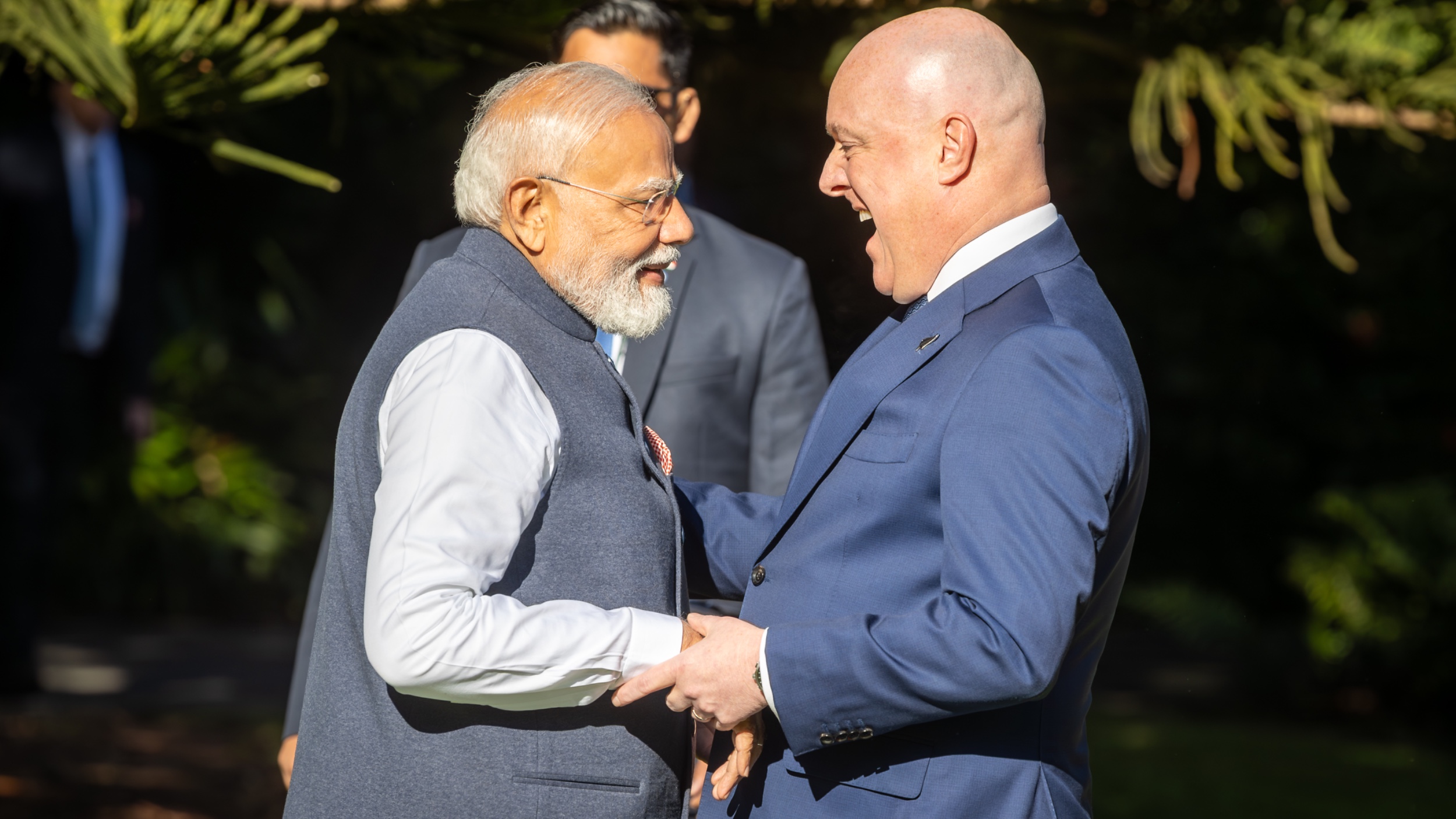
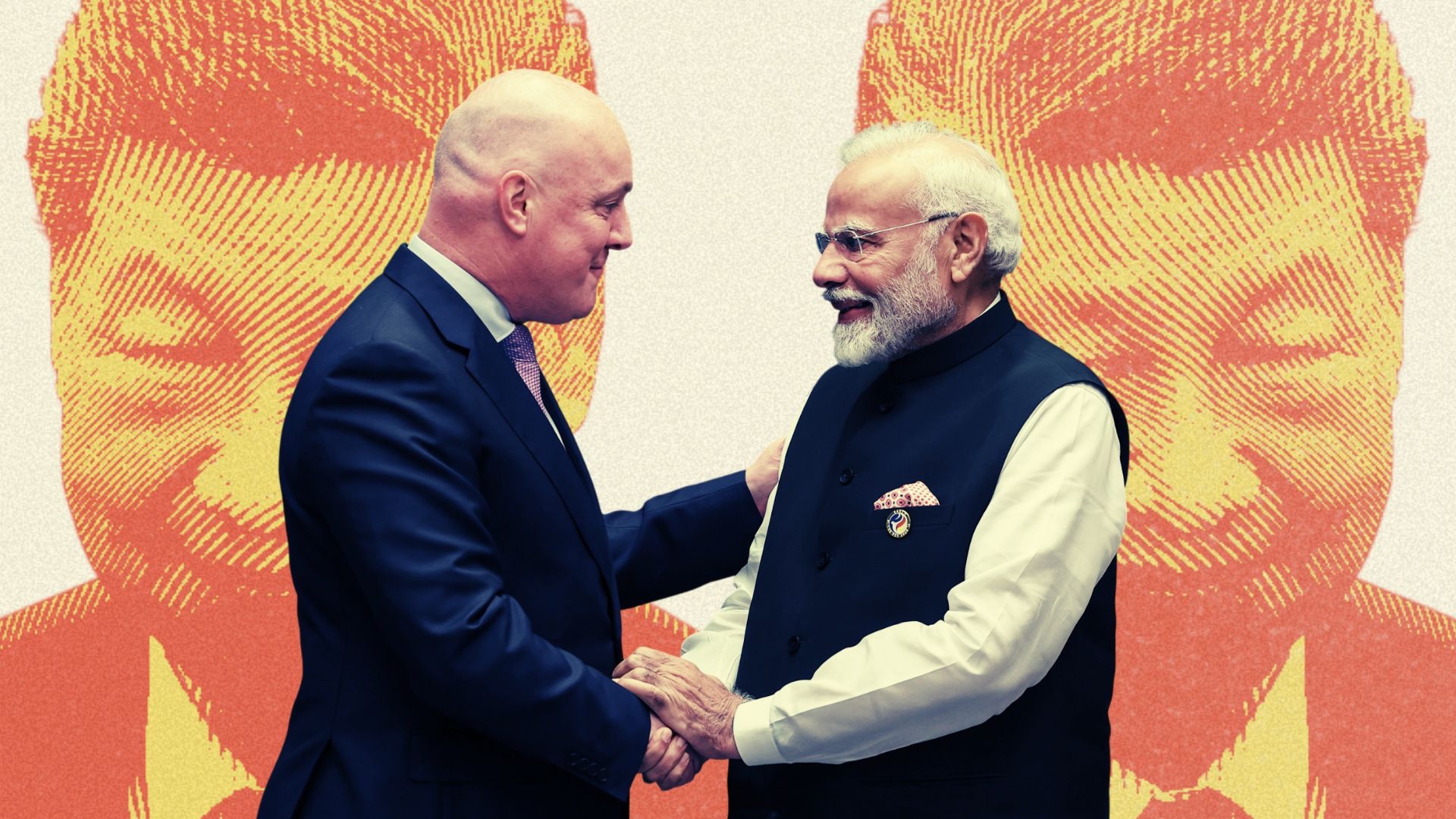
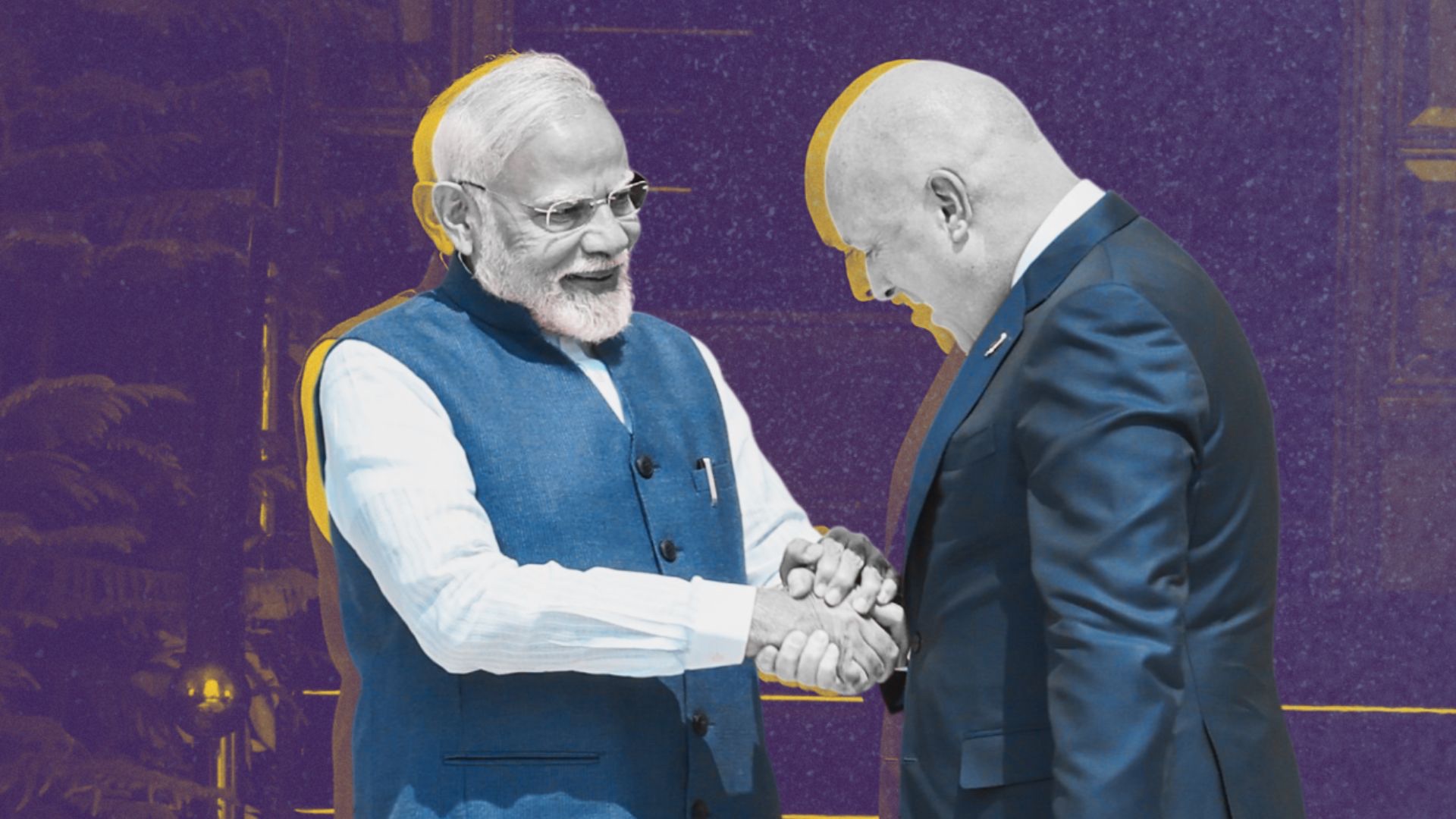
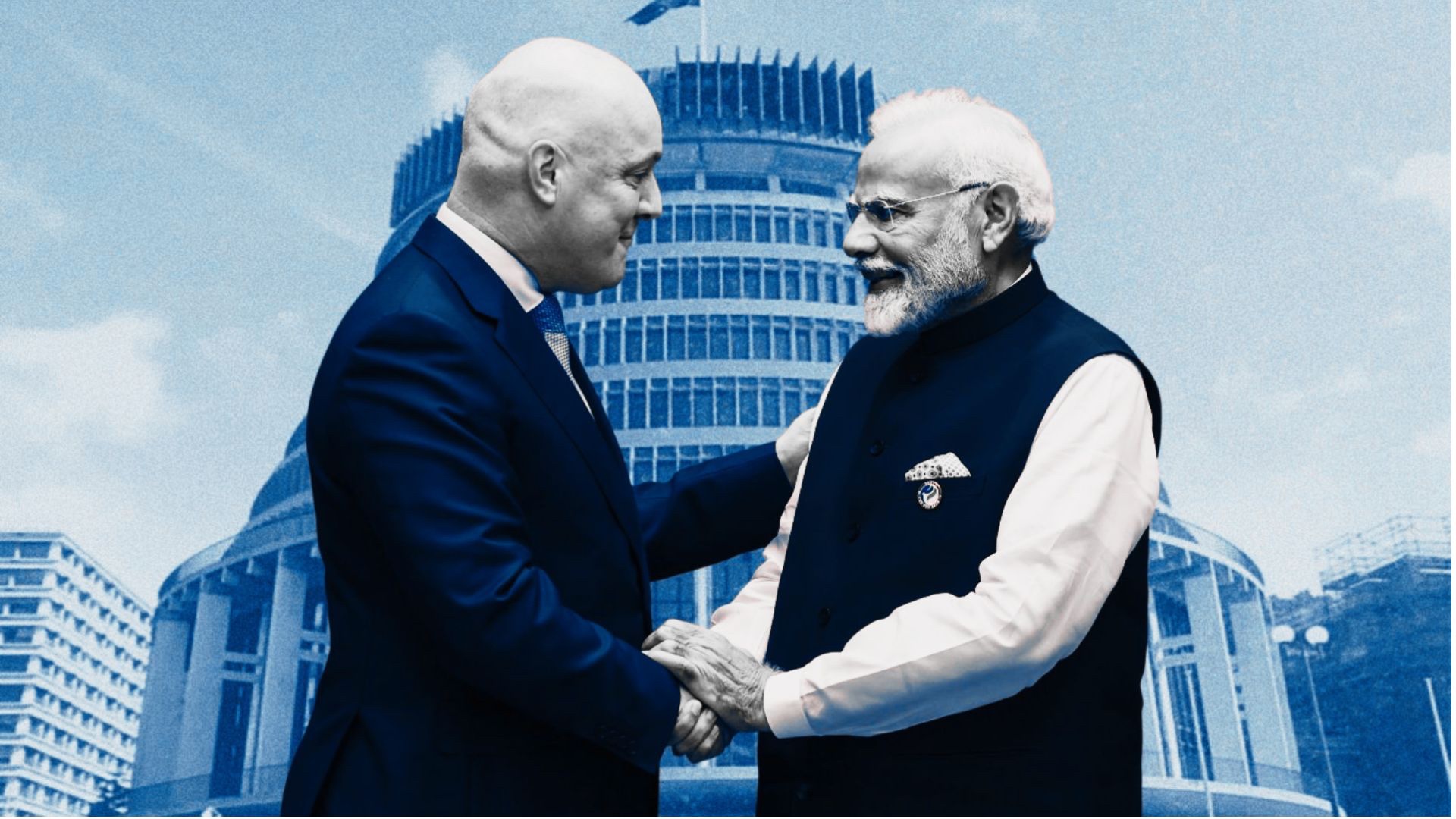
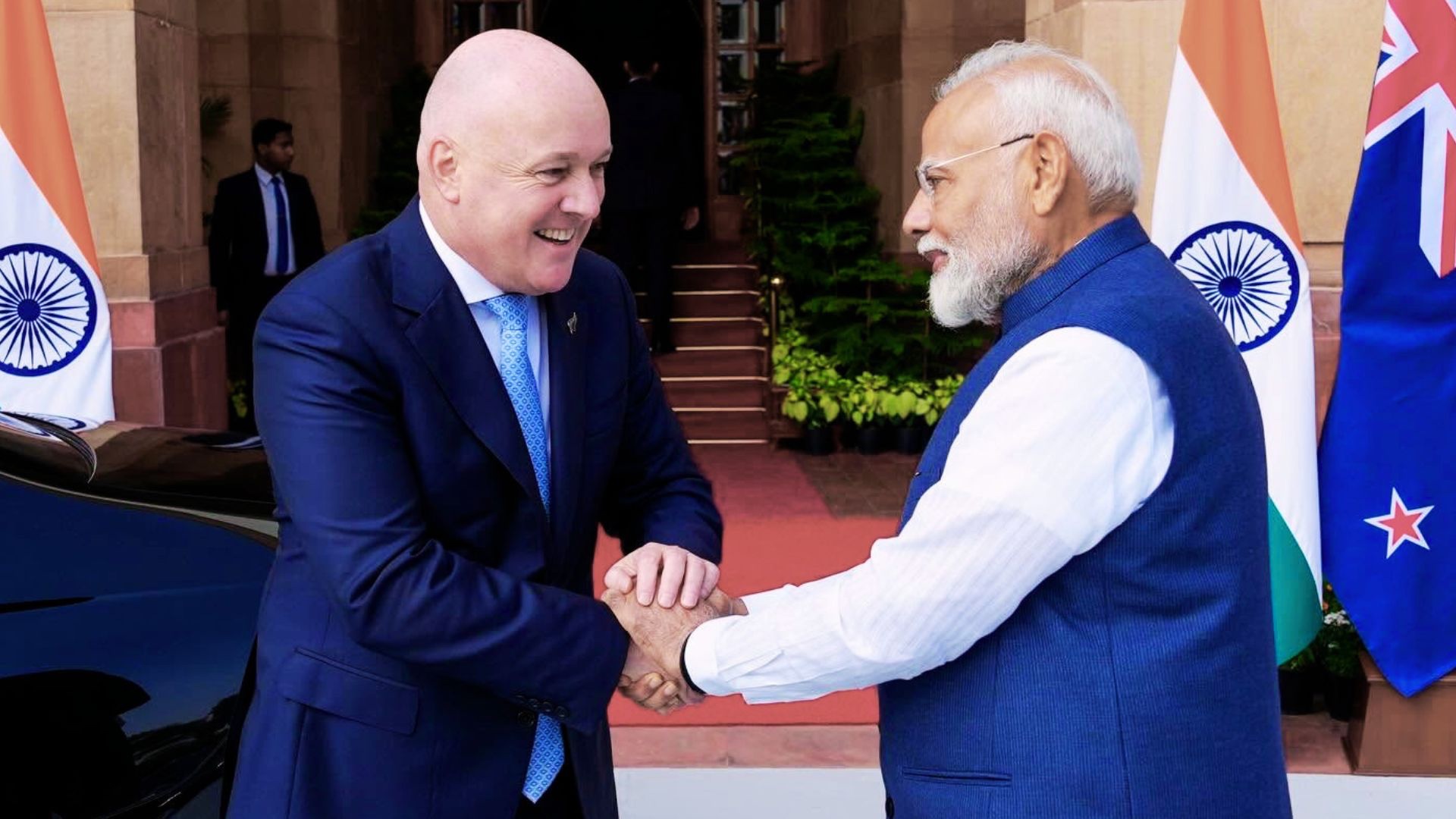
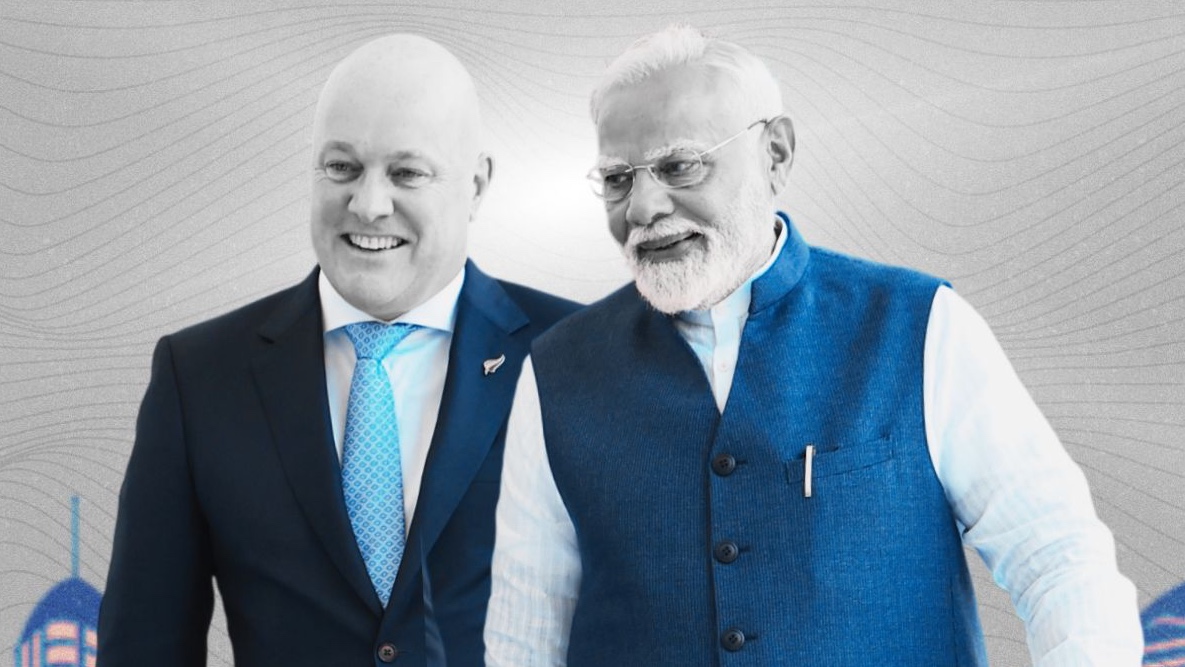
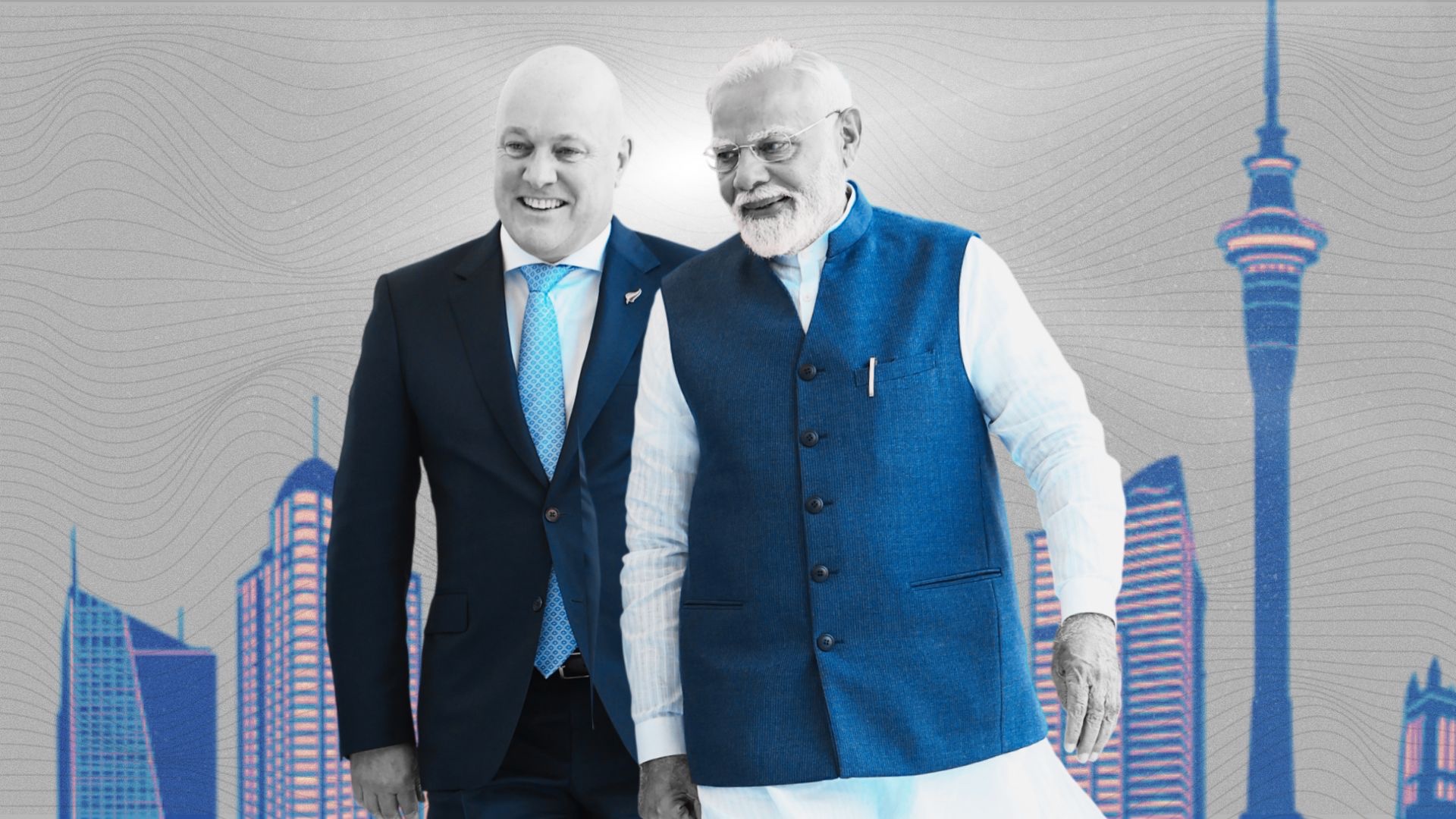
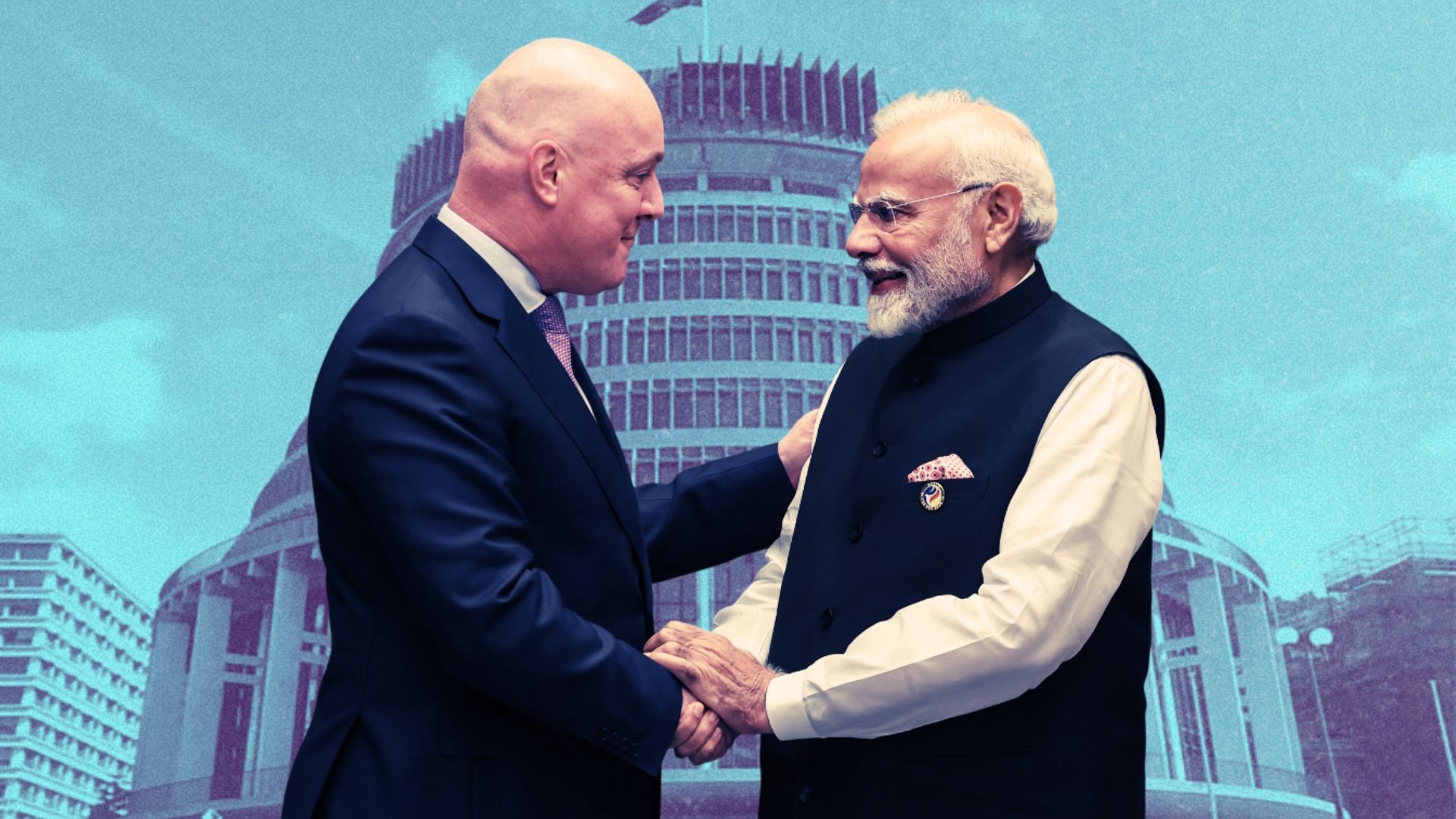
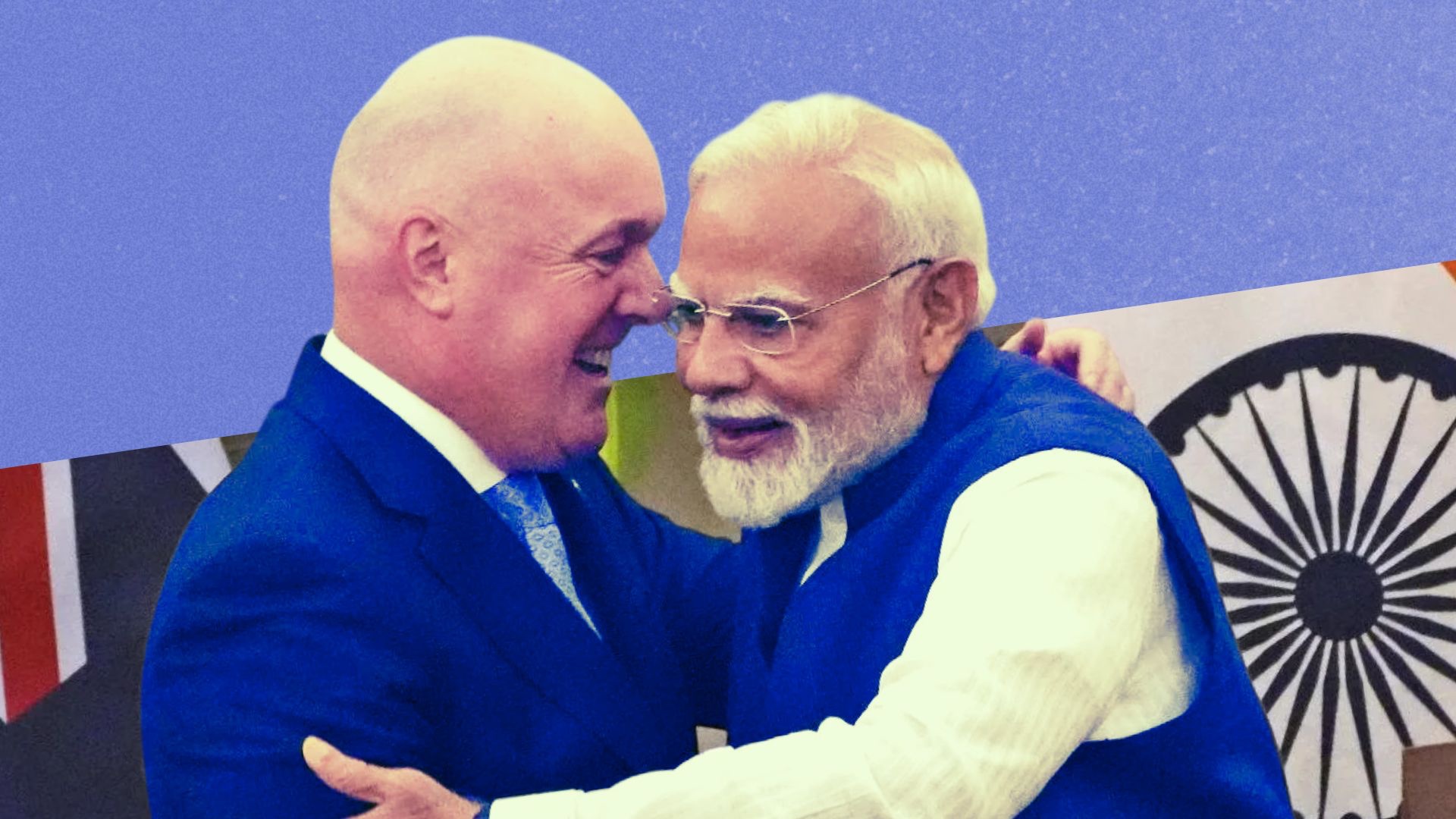
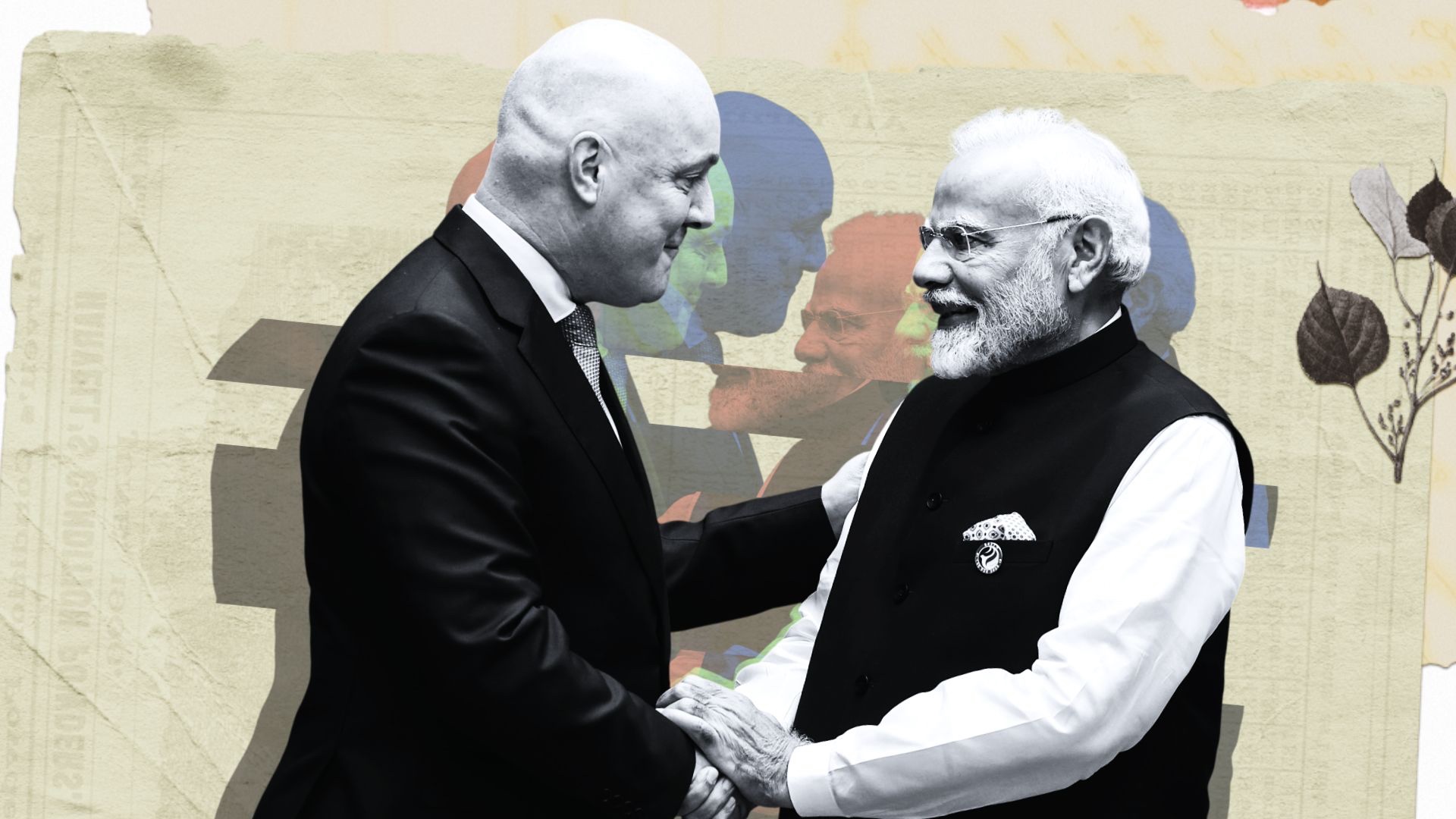
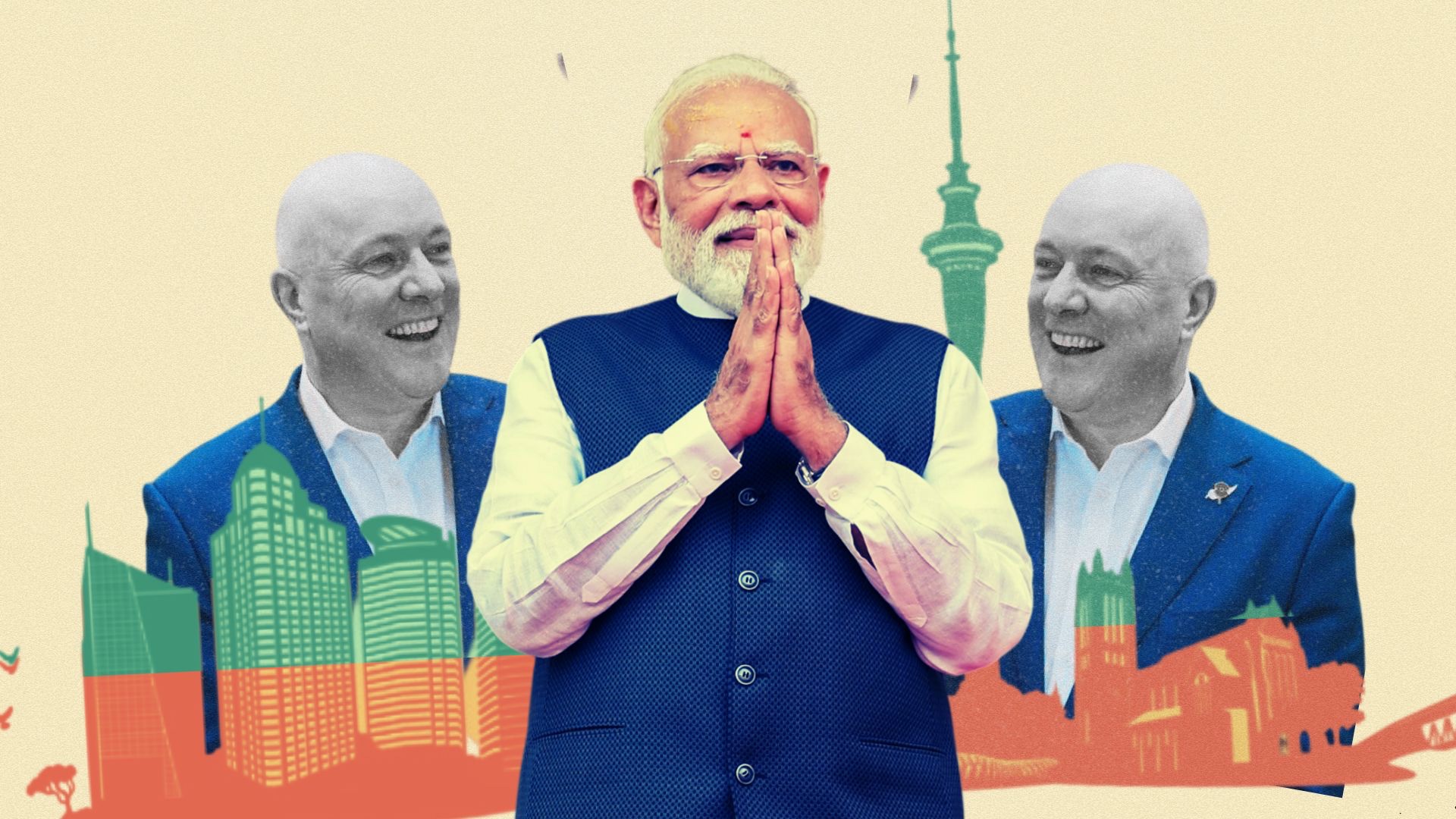
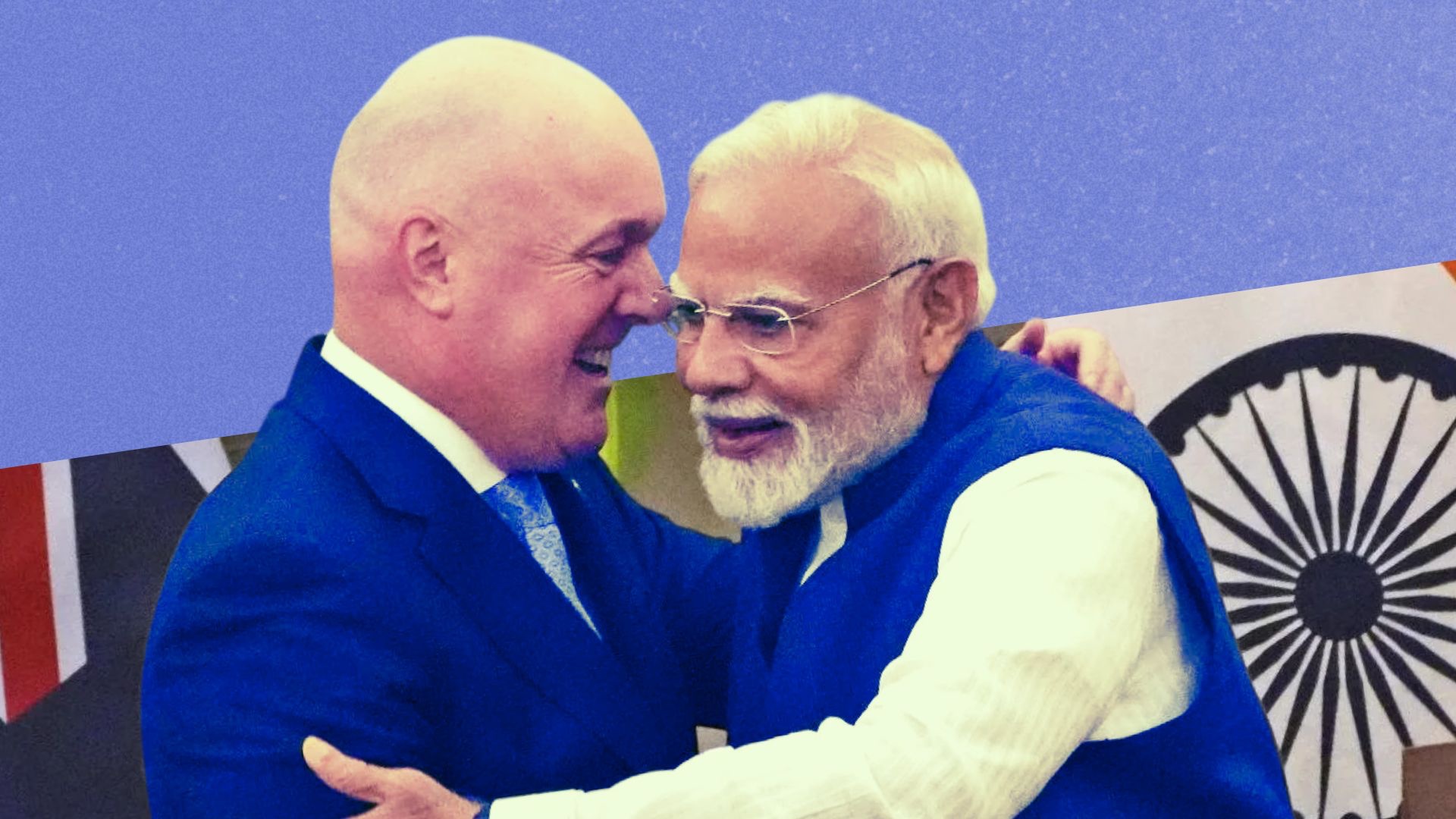
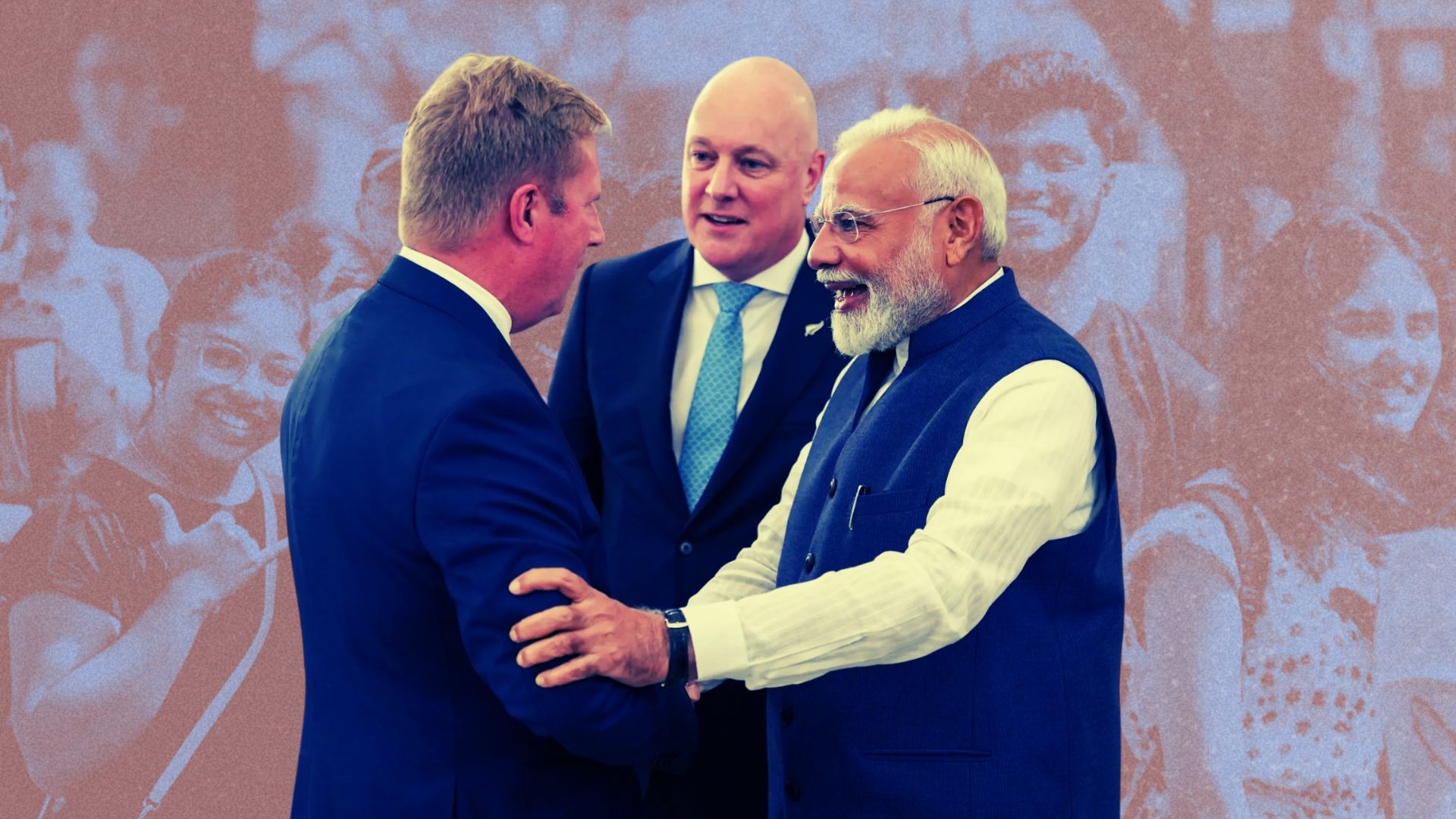
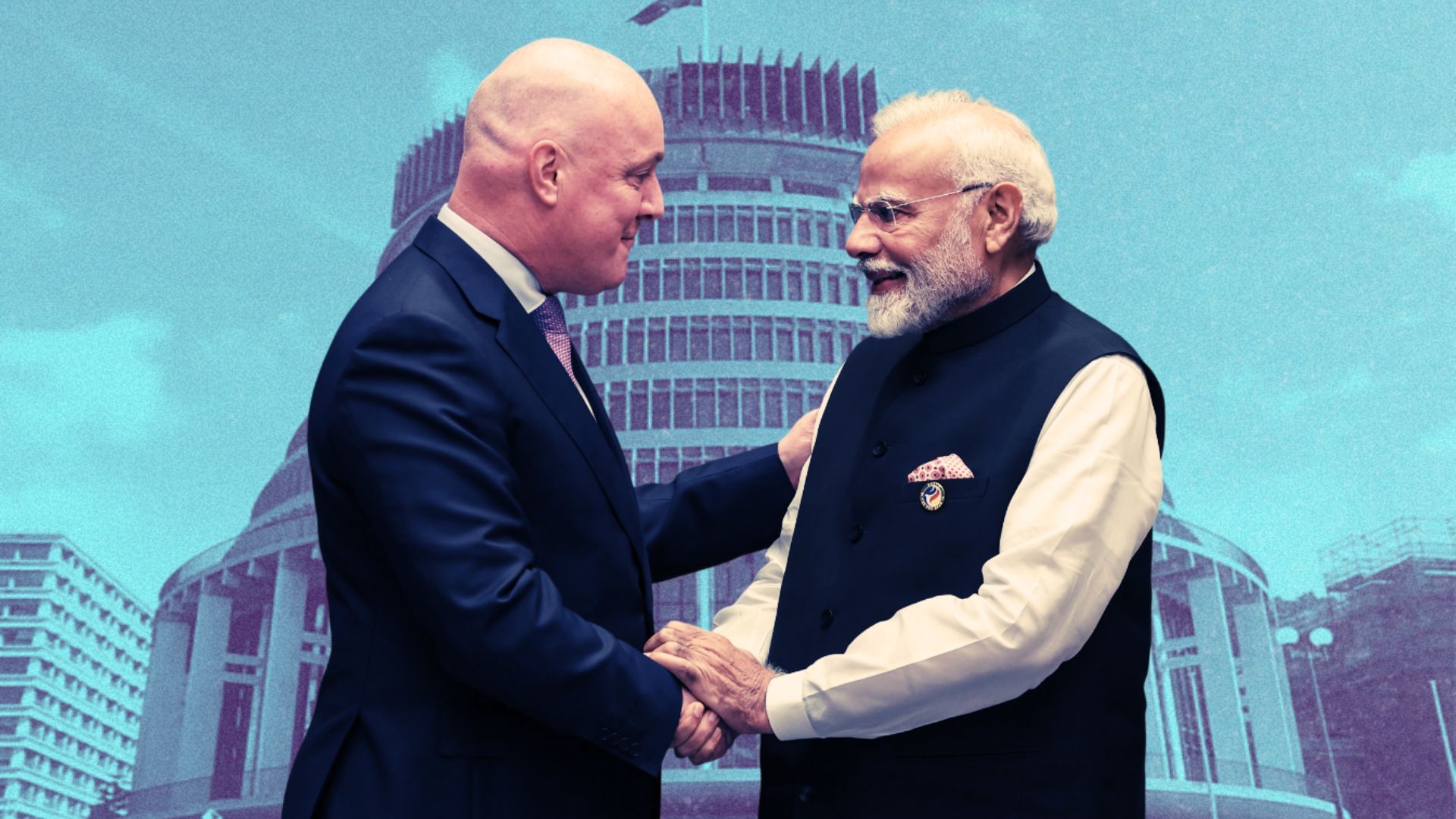
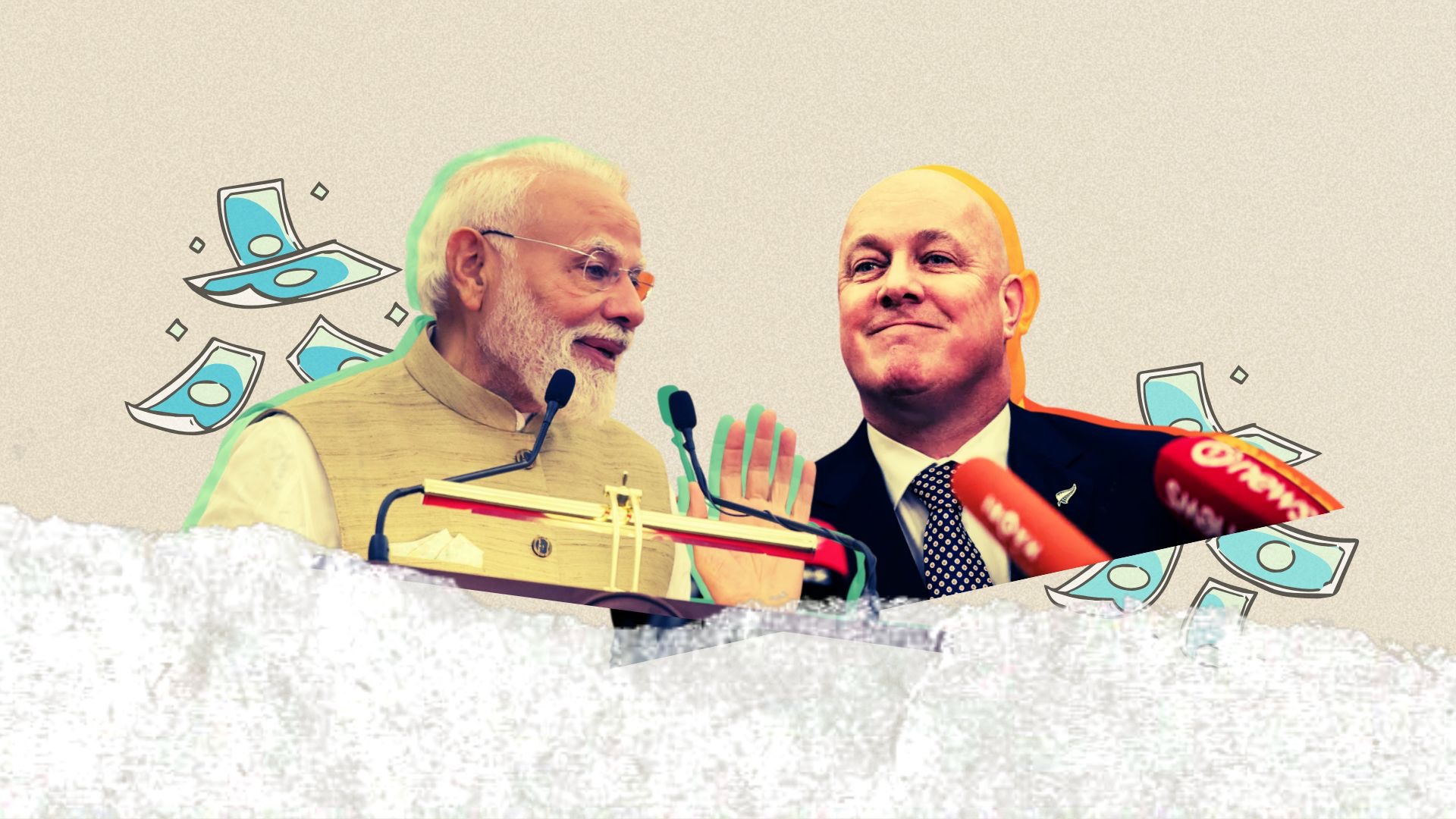
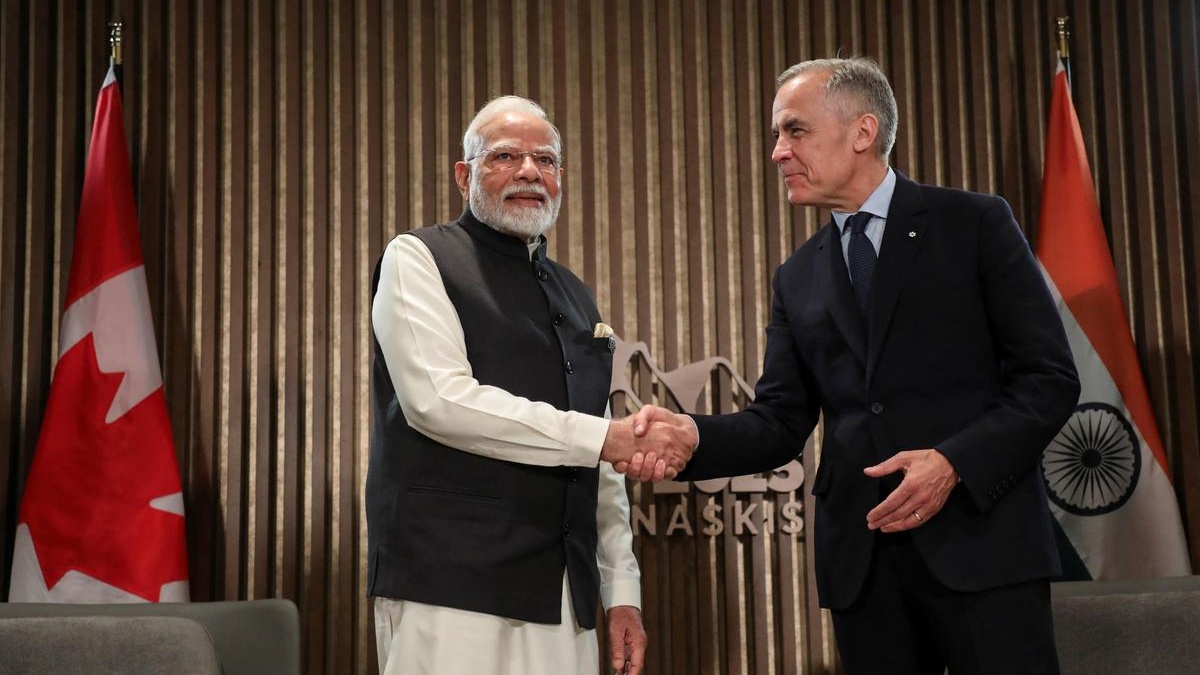
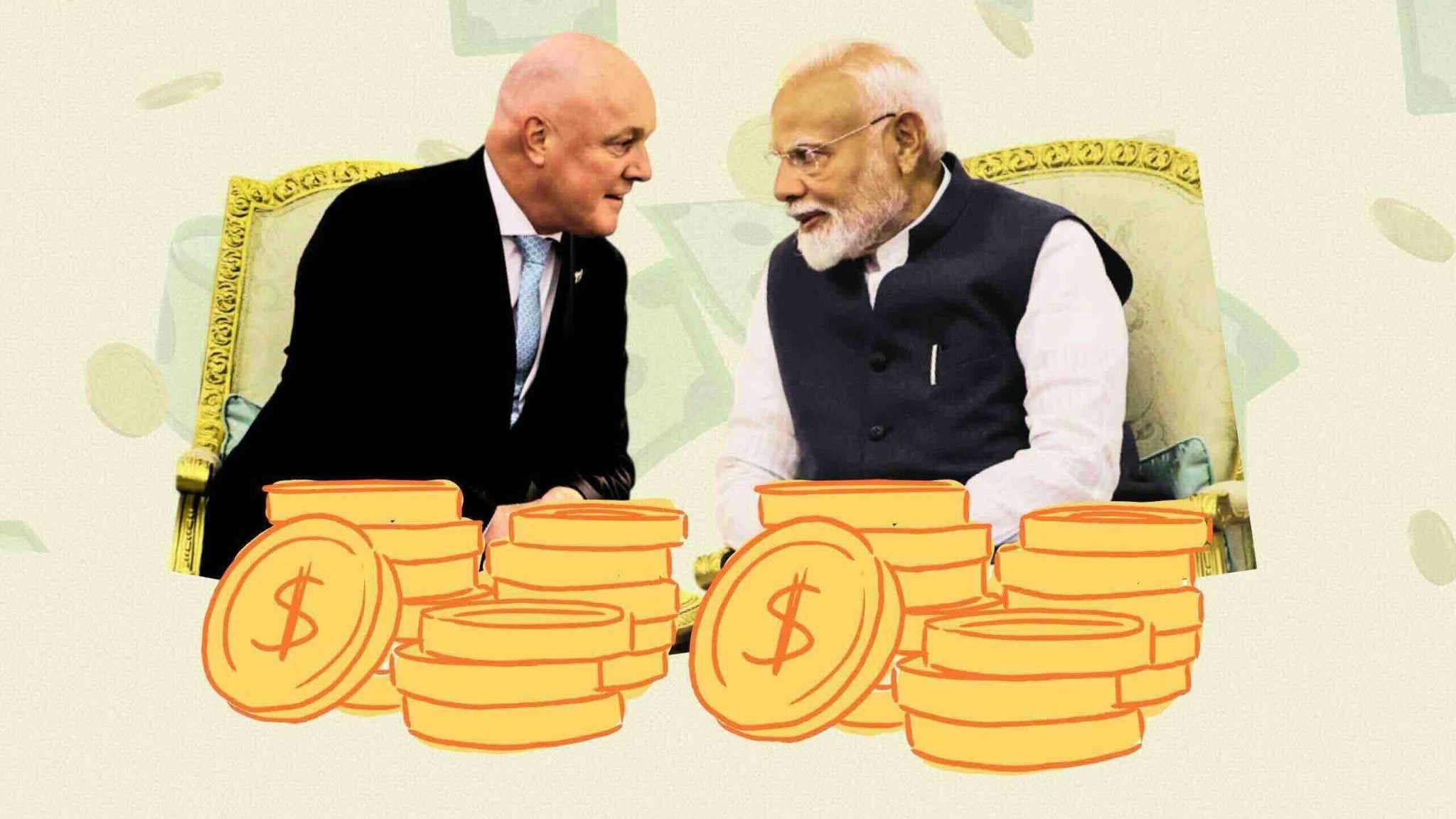
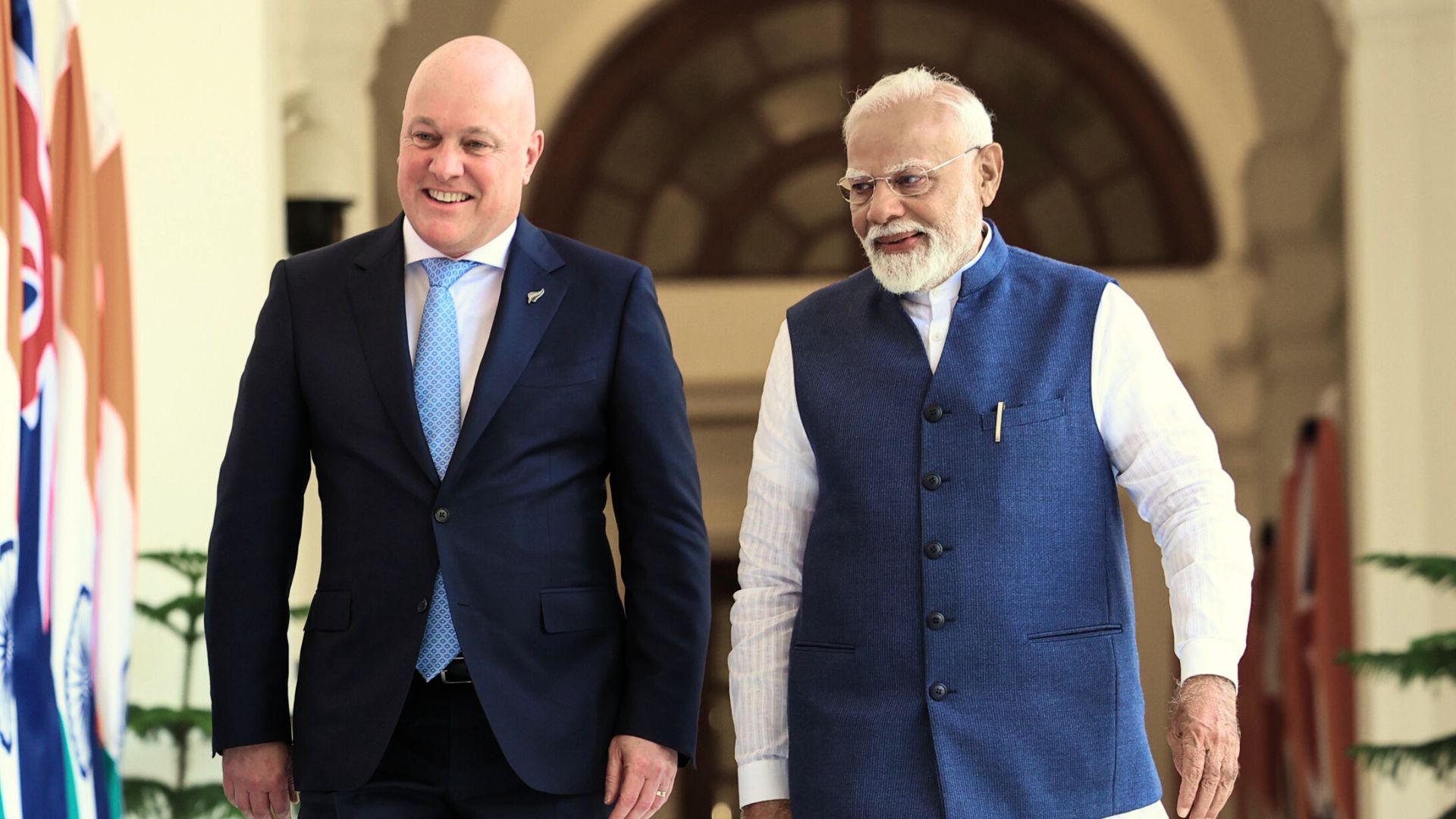
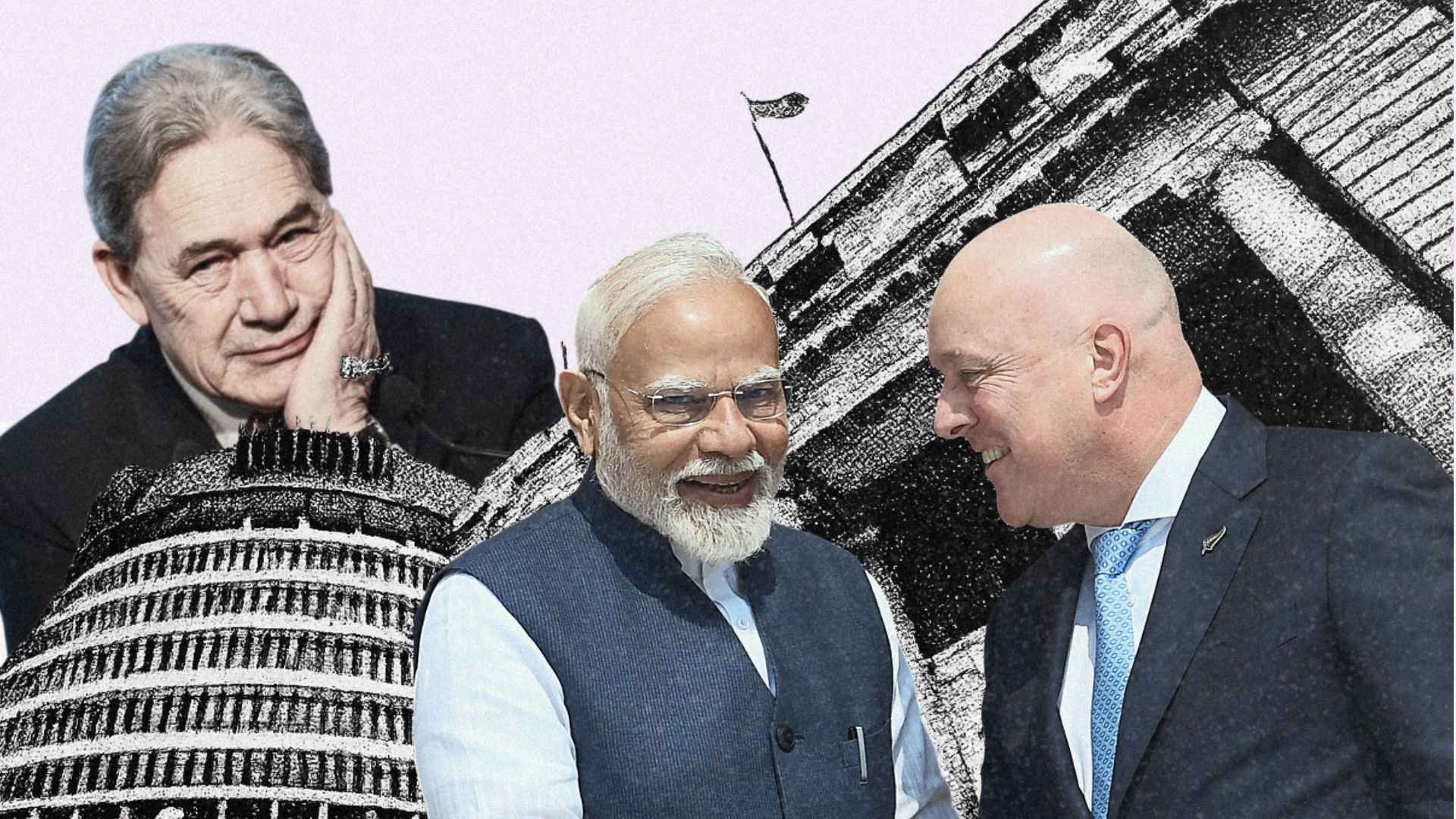
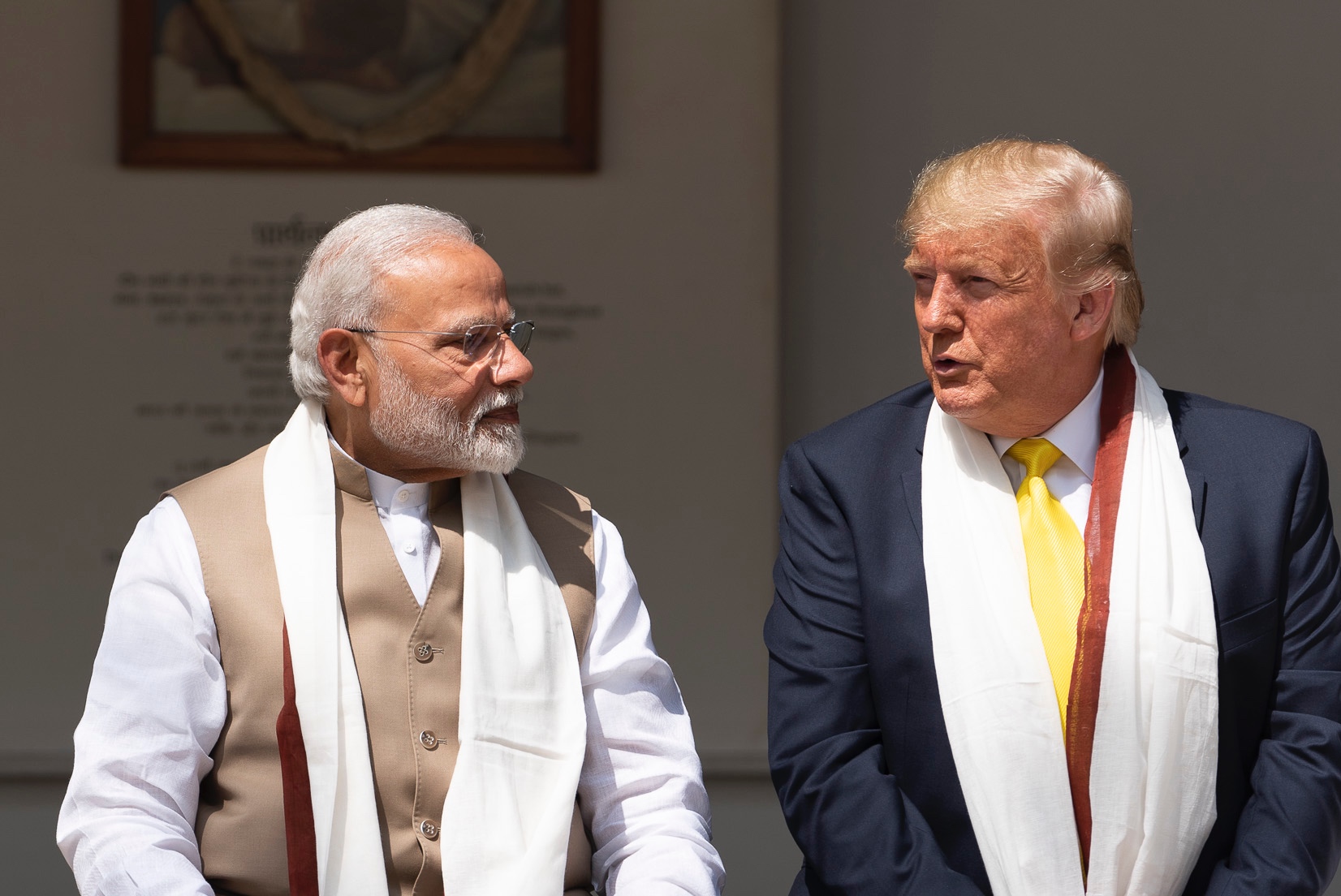
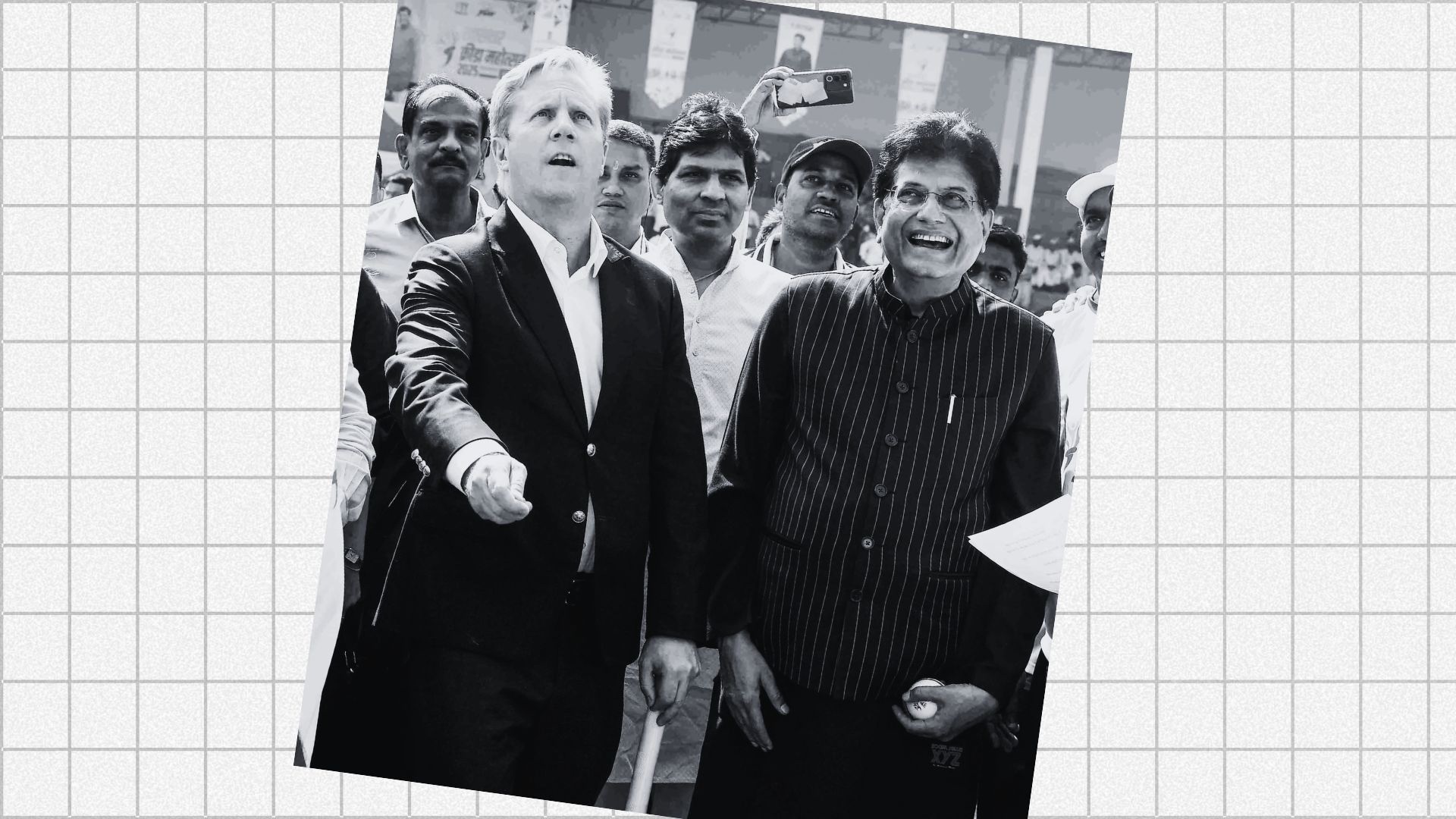
Prime minister Christopher Luxon with India's Narendra Modi at an event in Auckland on July 11, 2026. (Mark Tantrum)
The FTA is just one part of a much larger strategic architecture. That changes how the investment commitment should be understood.
Opinion: New Zealand has spent weeks asking what its commitment to facilitate US$20 billion of investment into India actually means.
Is it a firm promise? An aspiration? What happens if the investment does not materialise? Could India retaliate or even withdraw from the free trade agreement (FTA)?
These are legitimate questions. But there comes a point when the pursuit of absolute clarity stops producing clarity and begins obscuring the larger reality.
India has now given New Zealand about as much of an answer as it is likely to receive.
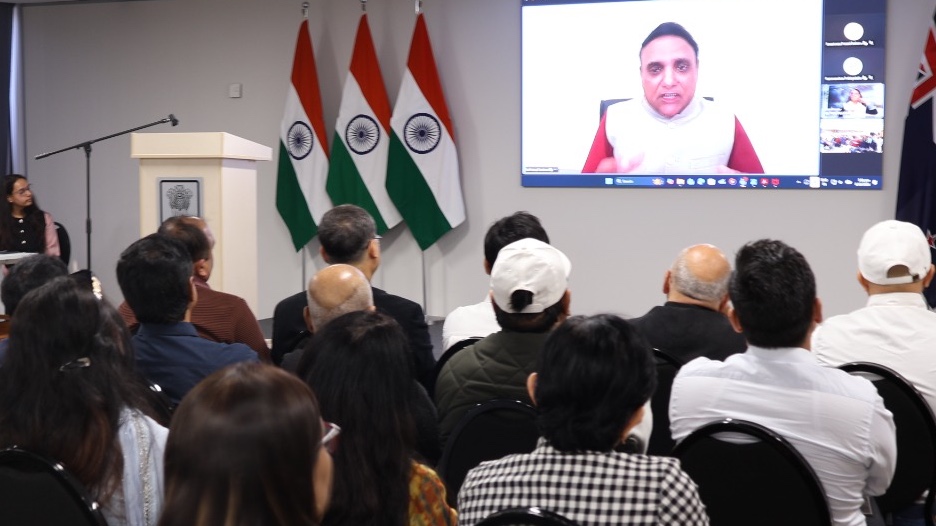
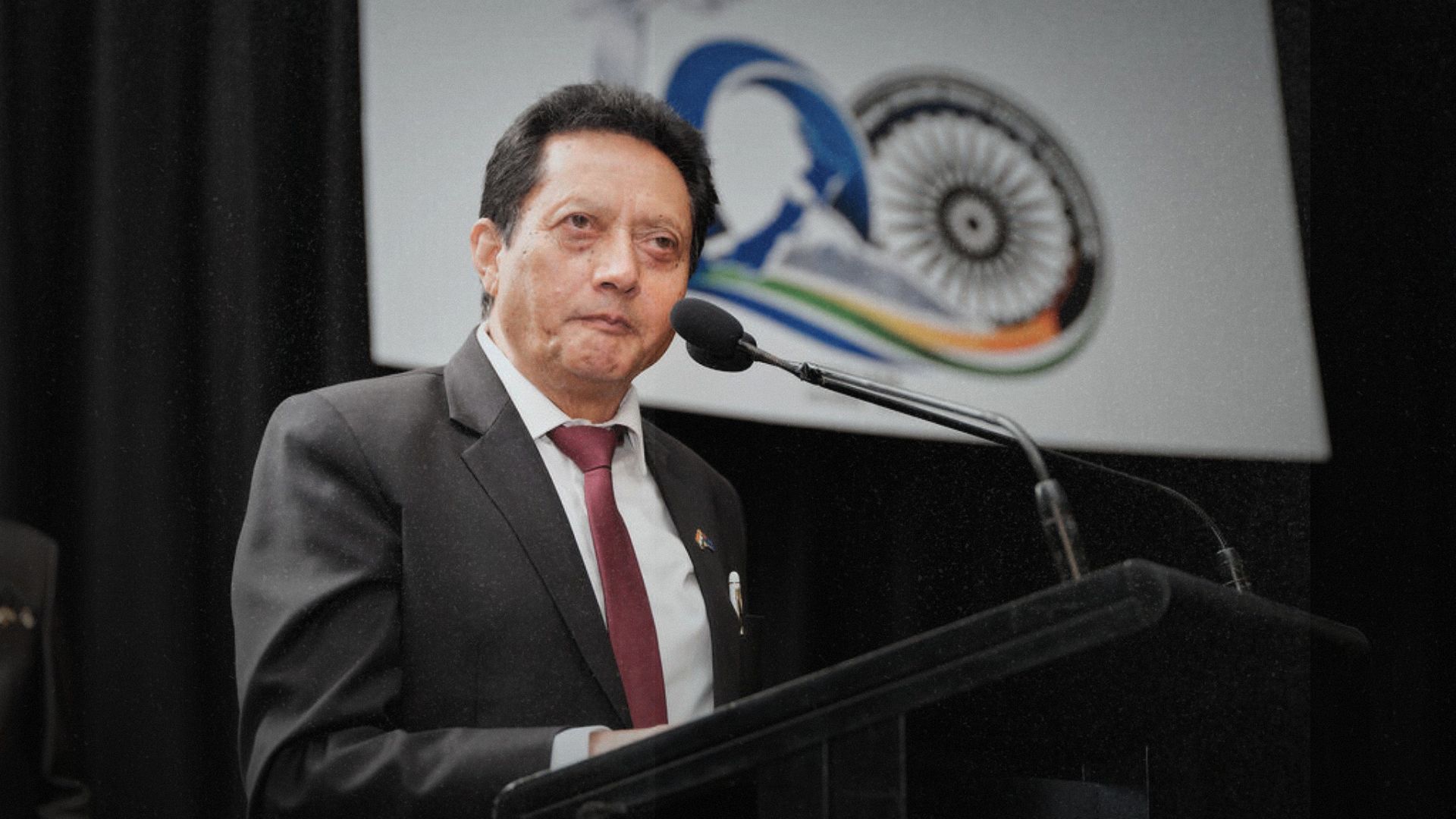
At the official media briefing during Indian prime minister Narendra Modi’s visit to Auckland last week on July 11, India’s secretary (east) Rudrendra Tandon was asked directly whether New Zealand had committed merely to promote US$20 billion of investment or to ensure that it was delivered.
Boss’s exploitation bill nears $60K after migrant worker forced to work out his own unpaid hours WhatsApp messages and phone notes helped prove what his employer failed to record.
Migrant couple hit by visa setback after 8-year-old daughter qualifies for disability support Her parents can stay in New Zealand until 2028, but the girl must return.
NZ First’s employer work visa reset sounds dramatic. The detail is less revolutionary NZ First says it will scrap the Accredited Employer Work Visa. But many of its proposed fixes already exist.
His answer was diplomatic but revealing. “There will be facilitation of this,” Tandon said.
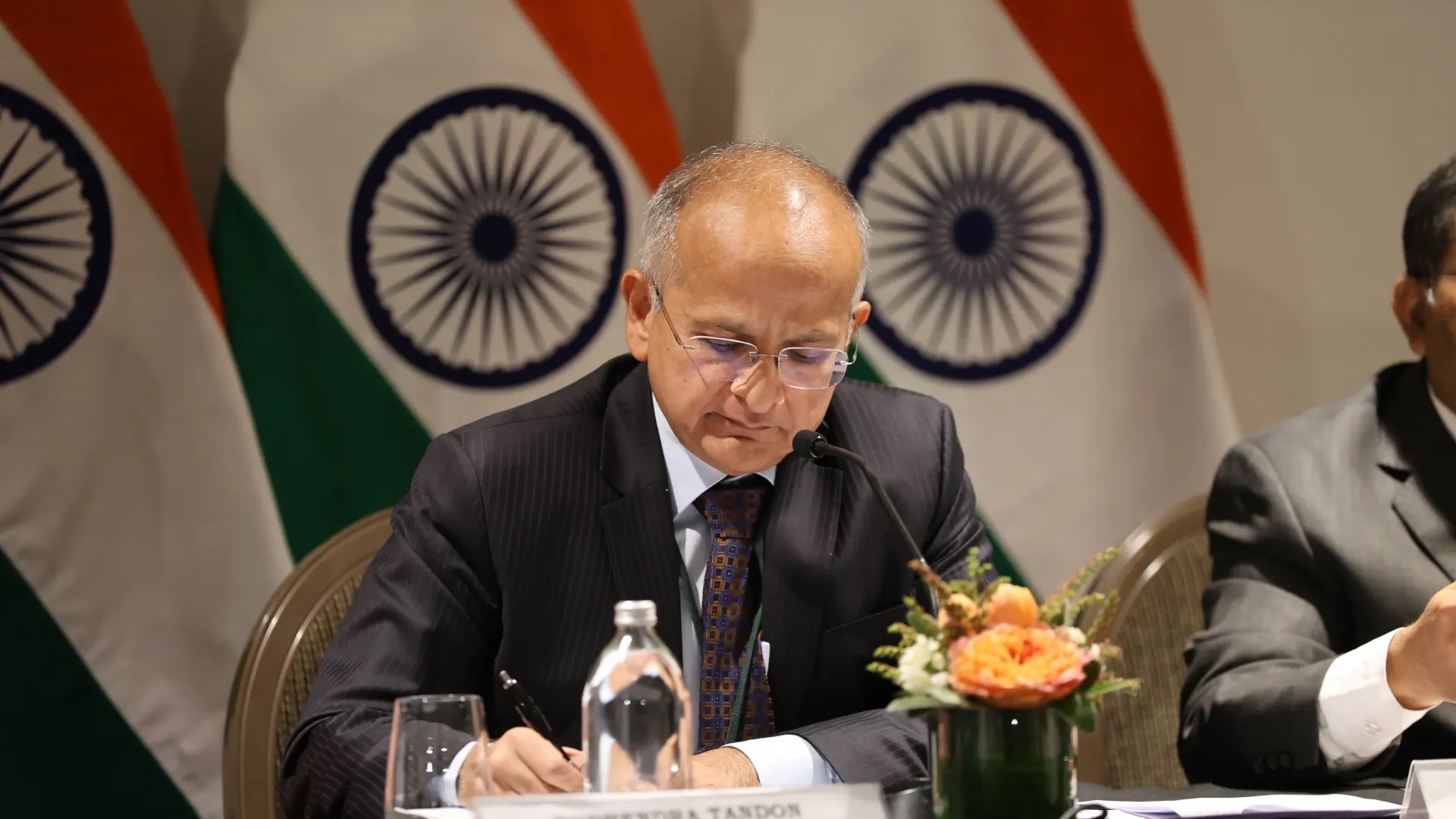
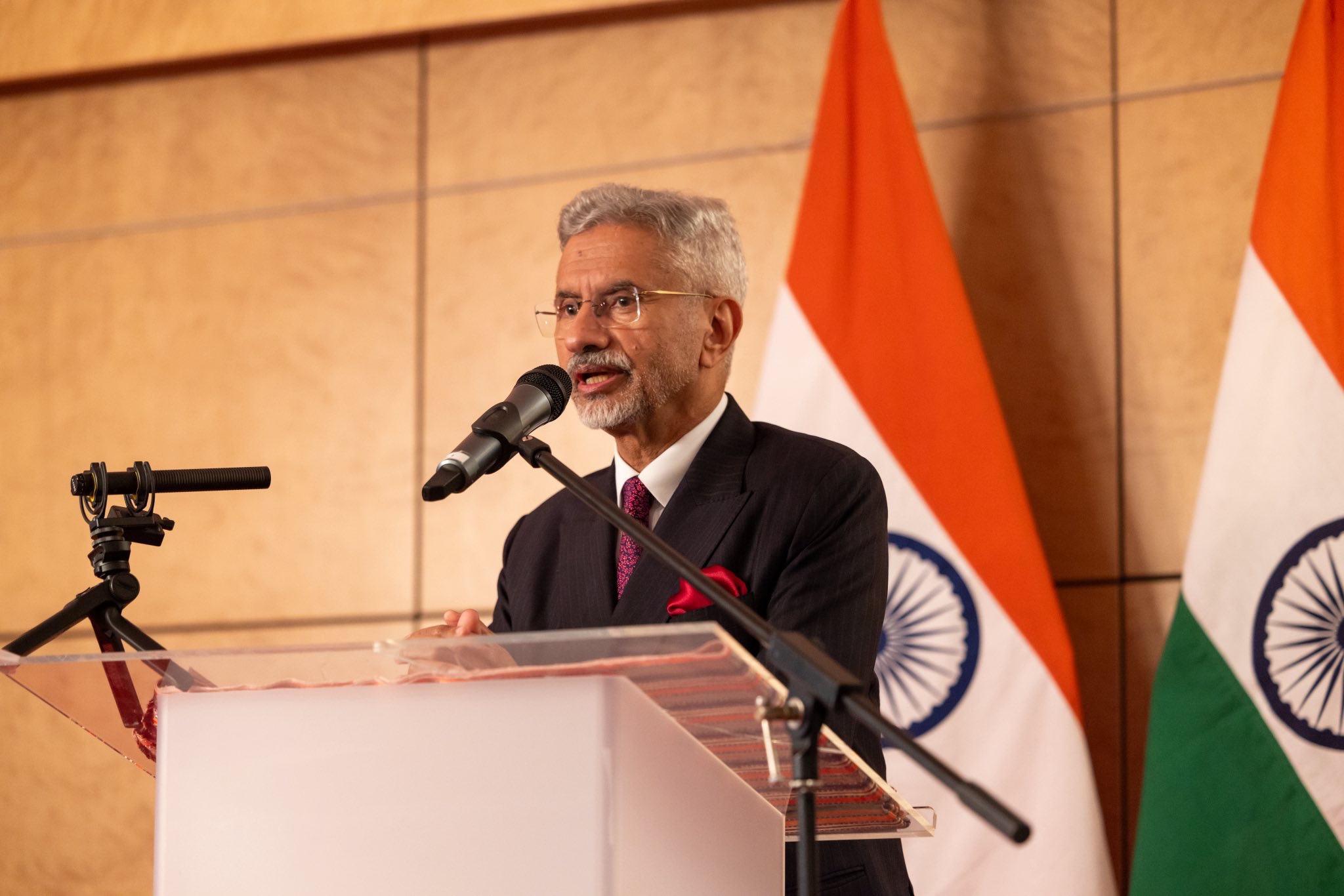
India’s secretary (east) Rudrendra Tandon at the official media briefing in Auckland on July 11, 2026.
India’s secretary (east) Rudrendra Tandon at the official media briefing in Auckland on July 11, 2026.
He placed the figure within a wider commercial relationship, describing India’s message to New Zealand businesses as “an invitation for a long-term partnership with India”.
Asked what penalties would apply if the investment did not materialise, he added, “There is no specific, you know, penalty.”
He was again asked if India would monitor New Zealand’s progress, and did it expect investment to come close to the US$20 billion figure?
Tandon’s answer was again carefully calibrated. He suggested the commercial opportunities created by the FTA would be attractive enough that “monitoring will not really be required”.
But he did not dismiss the figure as political decoration. It was, he said, “part of the understanding we arrived at while drafting the FTA”.
That is diplomatic language. It must be read as diplomatic language.
New Zealand may want a definition precise enough to survive cross-examination in court. It is unlikely to get one, because international relationships do not operate only through courtroom-style obligations.
Governments make commitments to one another without attaching an automatic sanction to every possible breach. Their force also comes from reciprocity, reputation and the wider value each side places on the relationship.
That wider relationship is the part of this debate New Zealand risks missing.
The FTA is no longer a standalone transaction in which New Zealand sells agricultural products, India offers market access and both countries then retreat to opposite ends of the world.
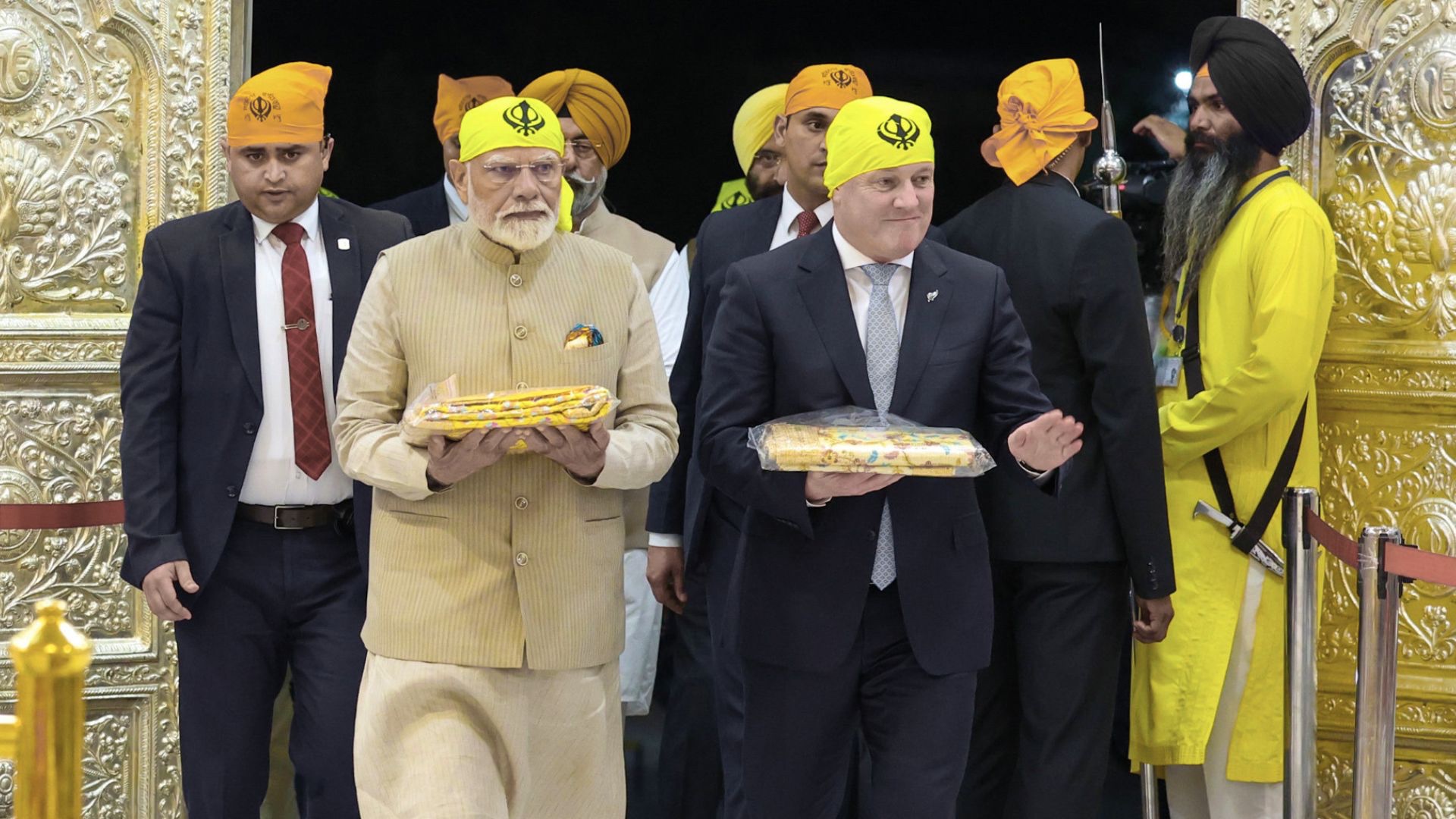
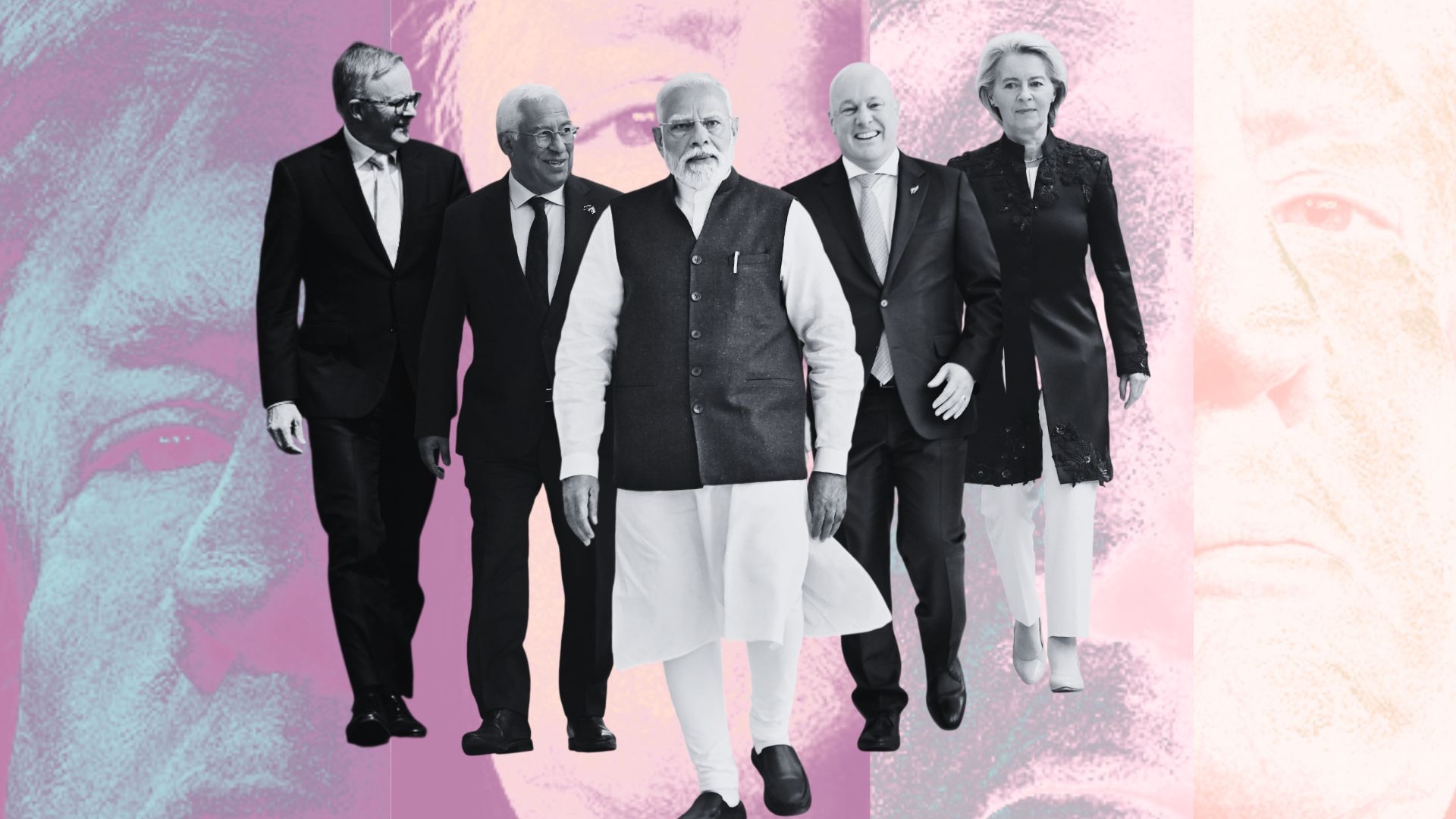
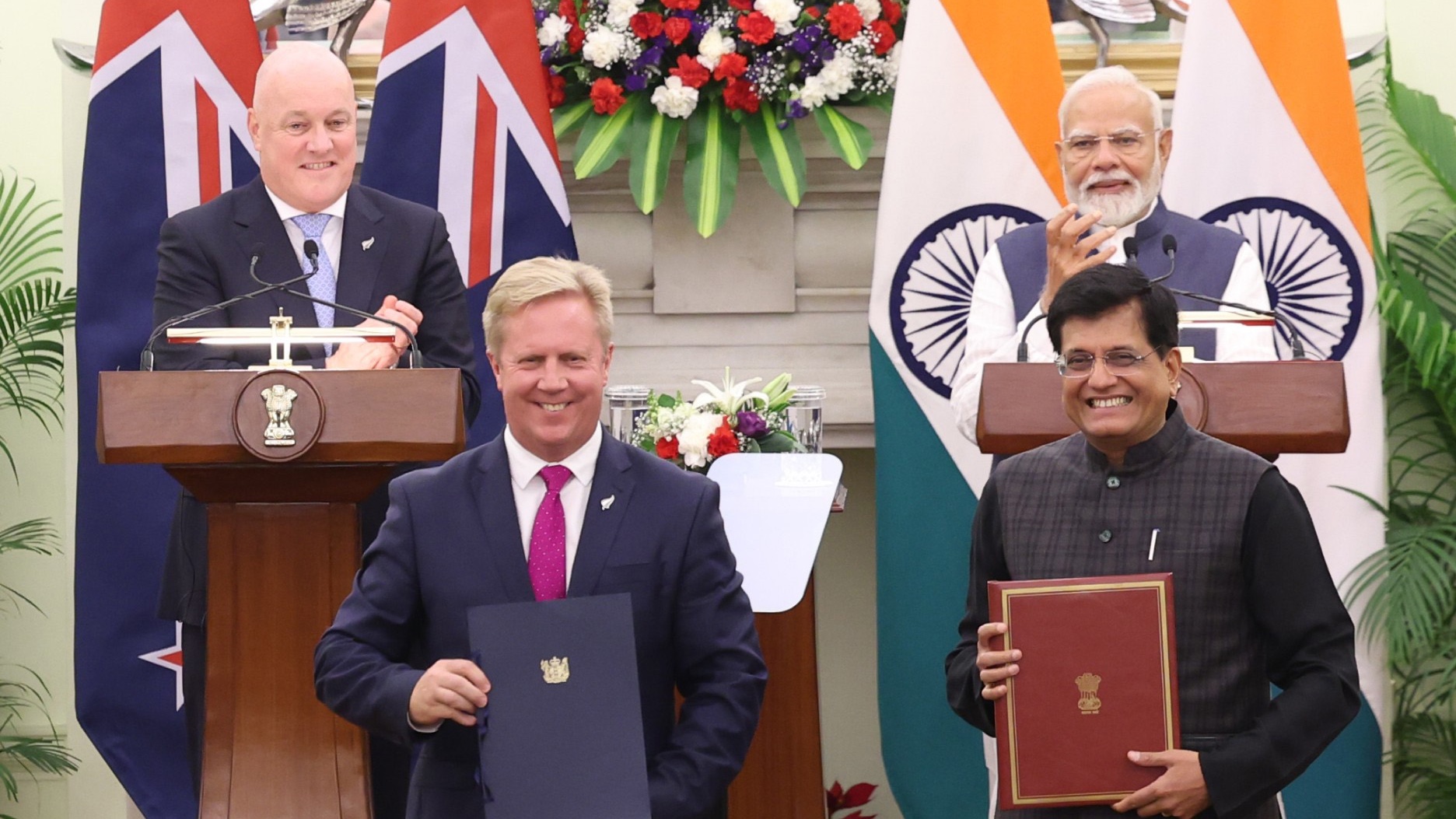
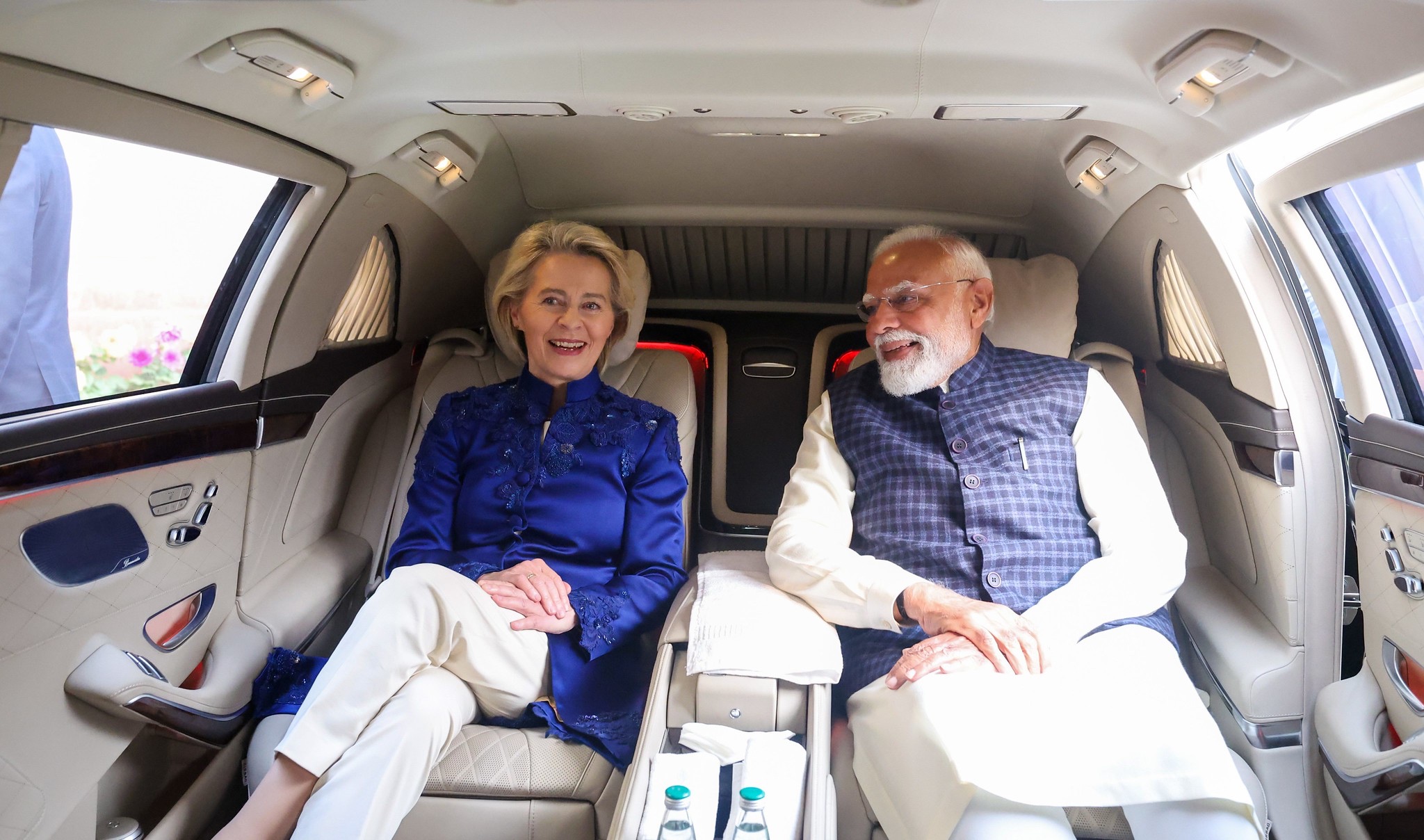
During Modi’s visit, New Zealand and India elevated their relationship to a strategic partnership. The two governments agreed to intensify political engagement, defence and maritime cooperation, counter-terrorism discussions, economic ties, education, sport and people-to-people links.
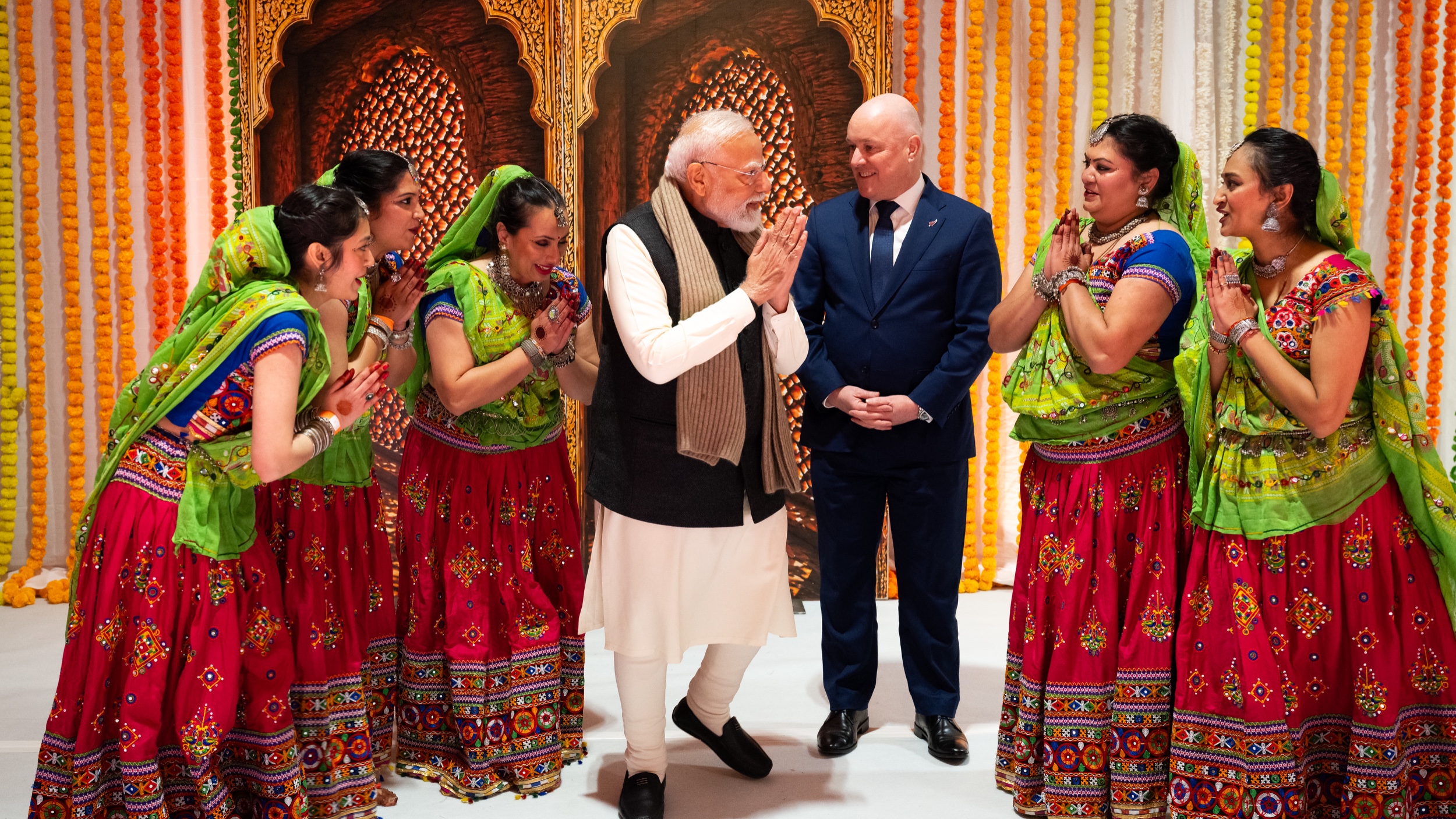
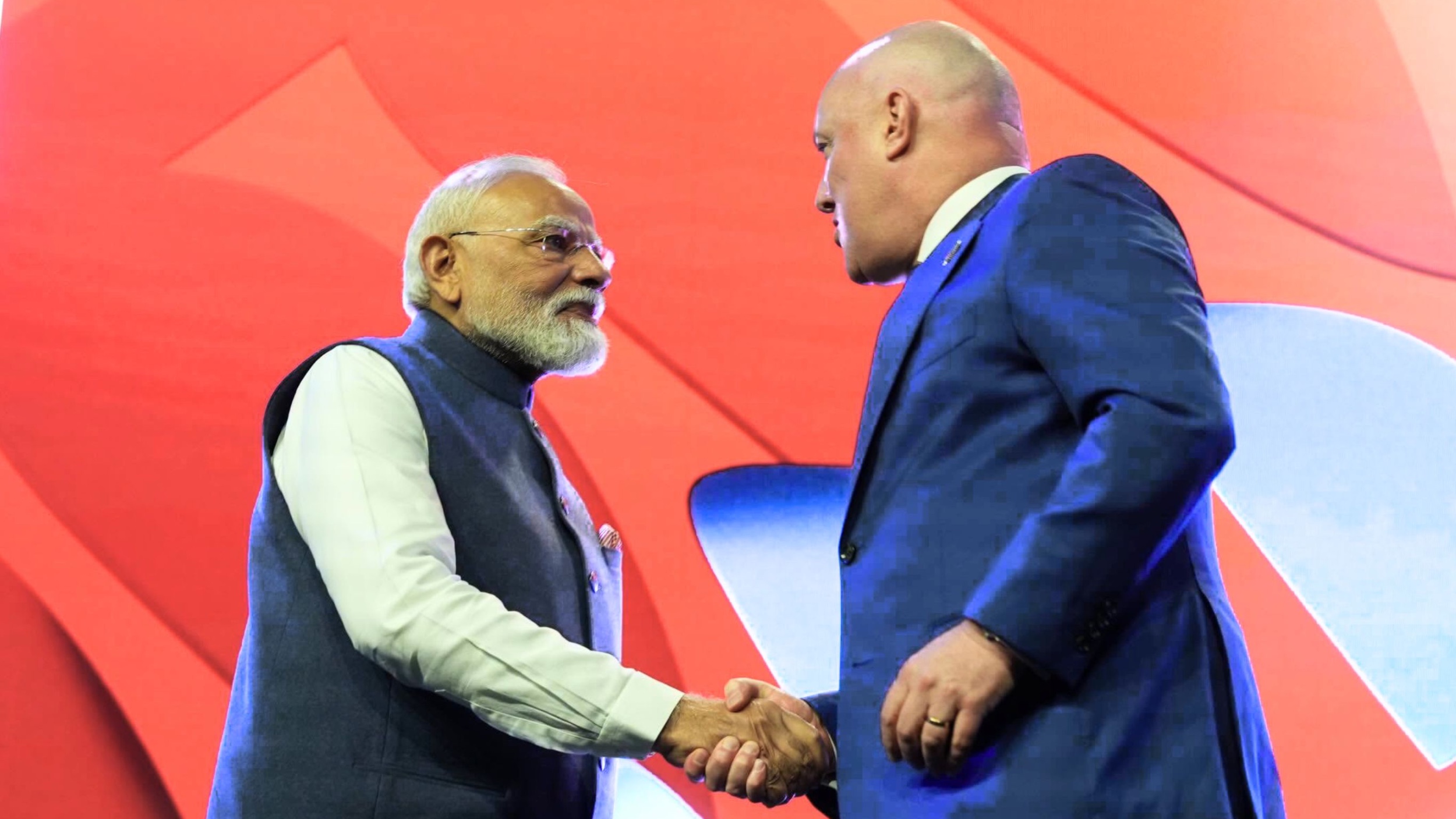
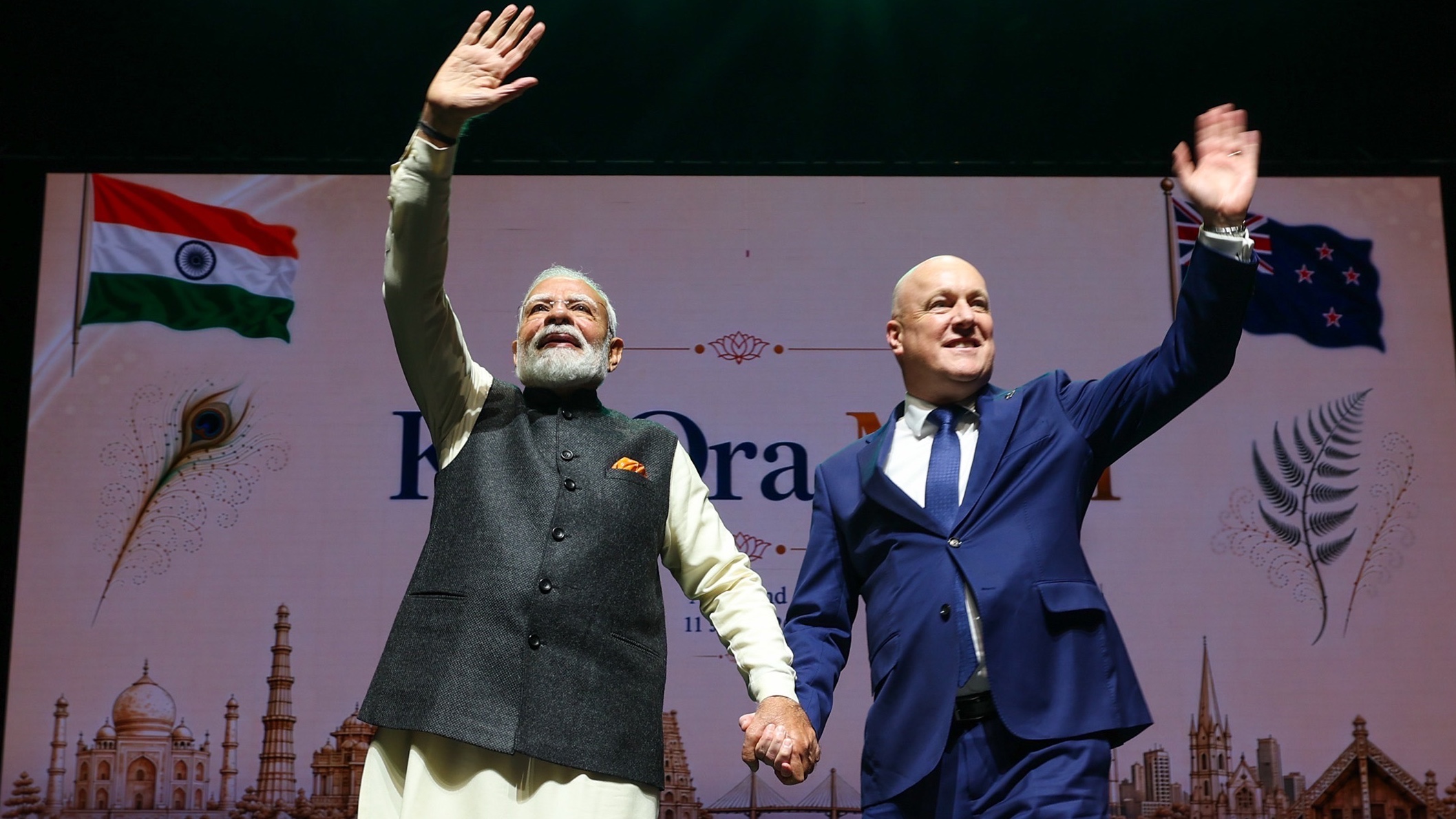
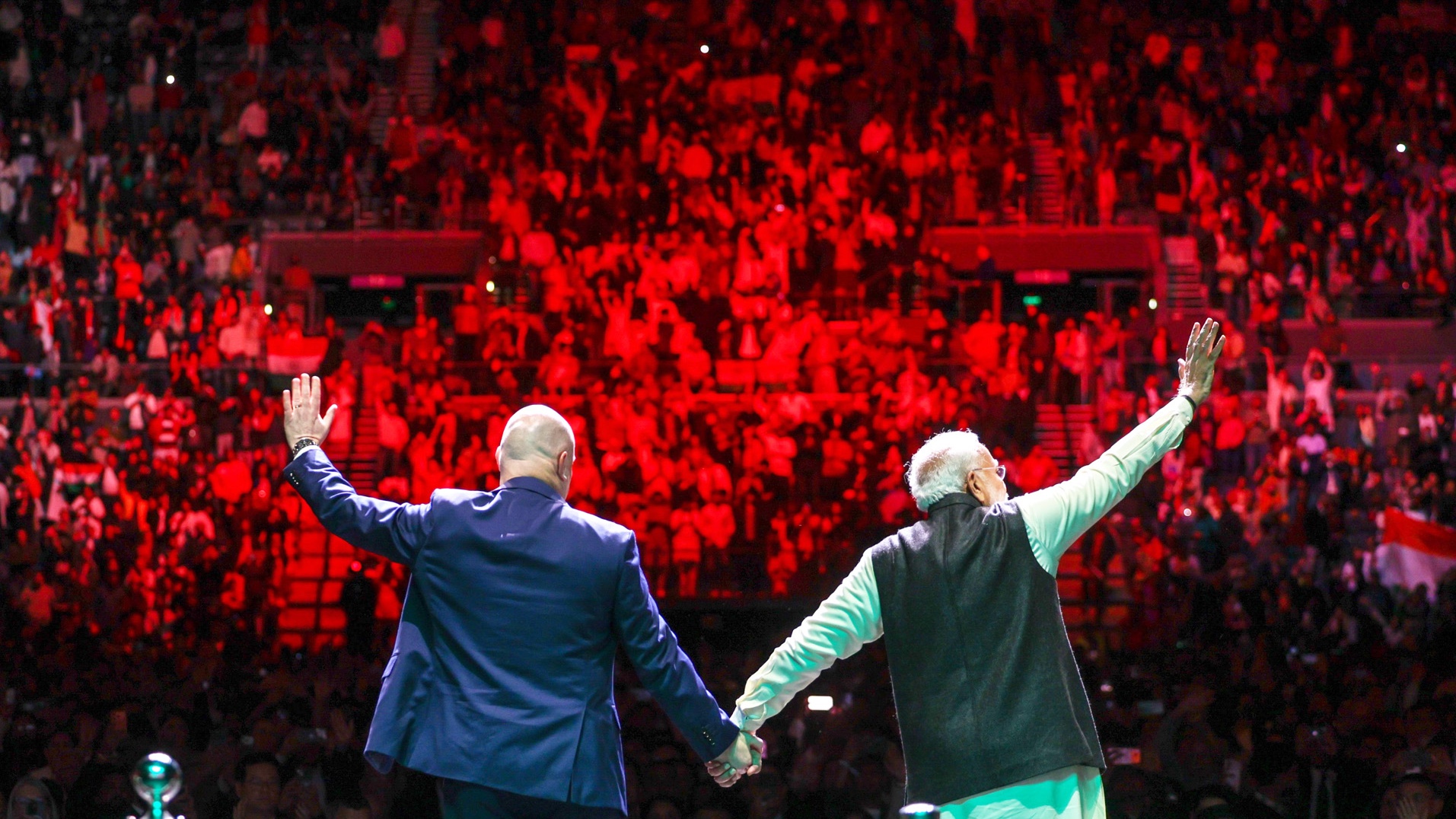
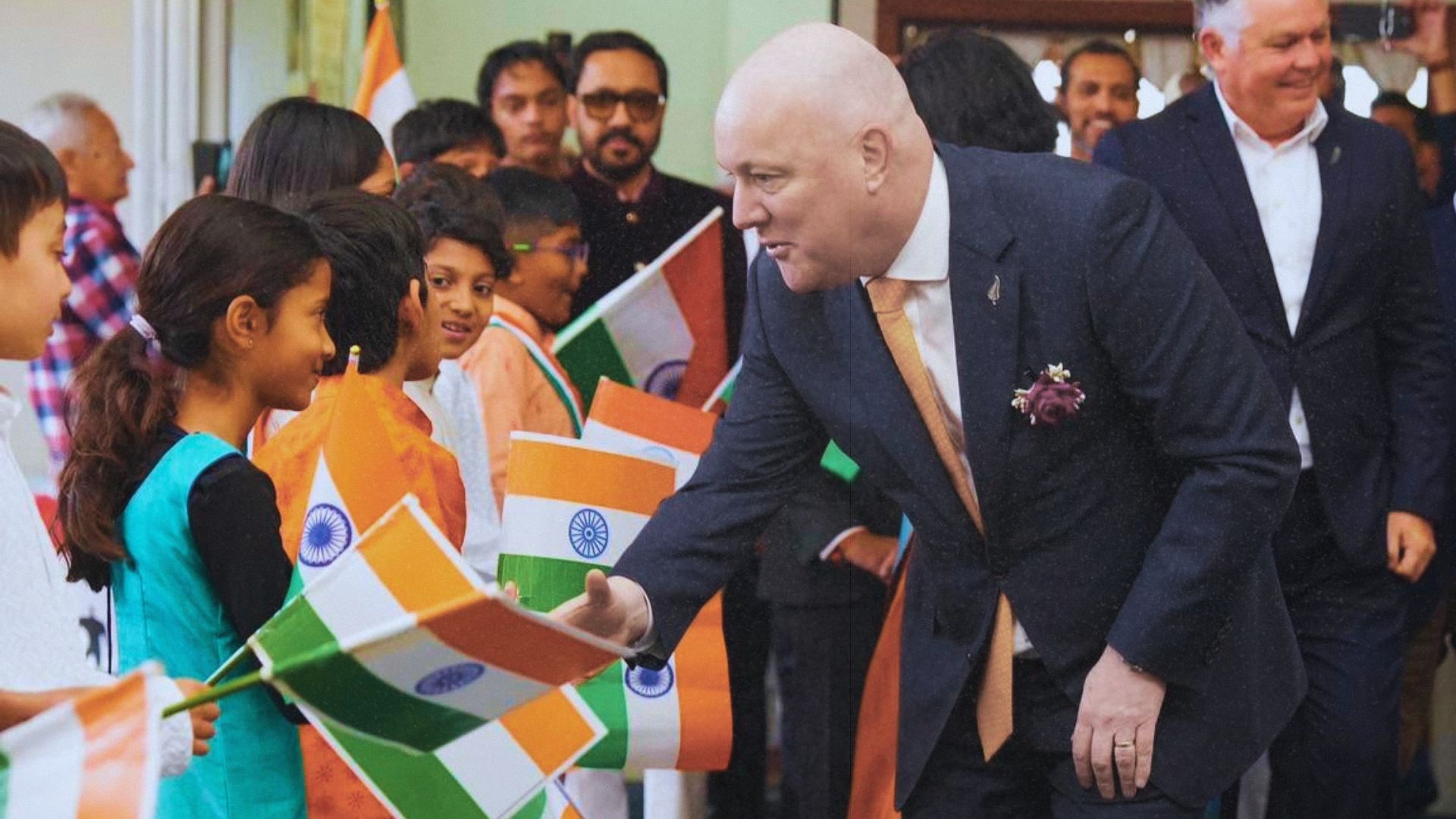
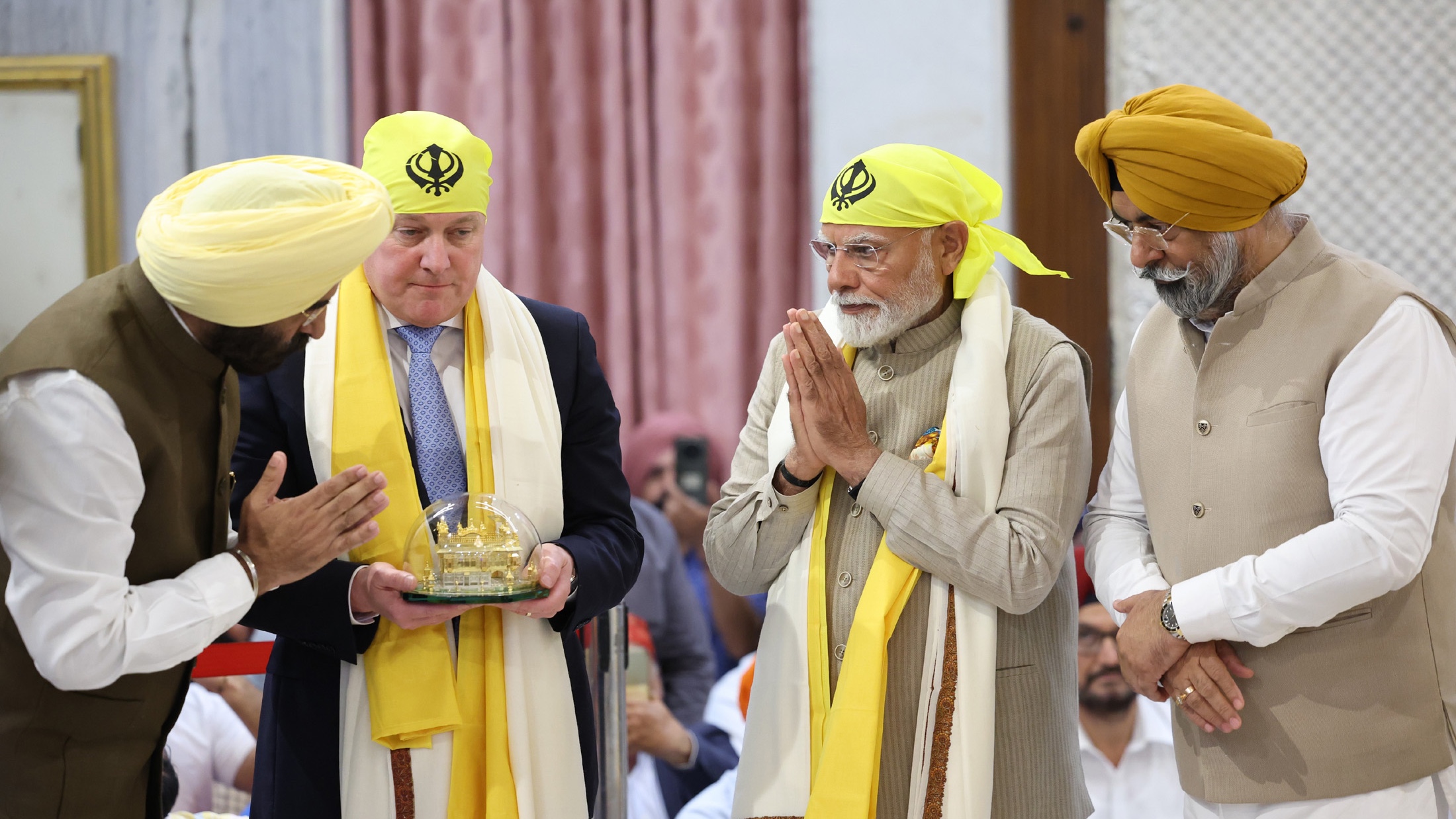
Modi and Luxon at the community reception in Auckland on July 11. (Mark Tantrum)
India described New Zealand as a like-minded partner in strengthening a rules-based order in the Indo-Pacific. New Zealand, in turn, increasingly sees India as important to its economic diversification and its place in a more contested geopolitical environment.
The FTA matters greatly. But it is one part of a much larger strategic architecture. That changes how the investment commitment should be understood.
The most dramatic question being asked is whether India could one day invoke the investment provision to exit the agreement. Of course, India could find a legal argument if it had already decided that it wanted to leave.
A senior Indian official once put the point to me bluntly. If India wanted to get out of an FTA in the future, it could find any number of clauses to justify doing so.
That is true of almost any complex international agreement. Trade deals contain obligations, exceptions, review mechanisms, safeguards and dispute provisions.
A government that has already made the political decision to abandon an agreement will rarely struggle to find a legal route – or at least a legal argument – to support that decision.
This is why the fixation on whether India might terminate the FTA if New Zealand falls short of exactly US$20 billion is misplaced.
If India ever reaches the point of abandoning the FTA, the problem will not be an unmet investment target. It will be that the broader New Zealand-India relationship has already collapsed.
By then, the disagreement would almost certainly be larger than an argument over how investment was counted.
It would mean the strategic partnership had broken down. Political trust had evaporated. Cooperation in defence, security and the Indo-Pacific had become less valuable than confrontation.
One or both governments had concluded that the relationship was no longer worth preserving. That is a doomsday scenario for the bilateral relationship, not an ordinary enforcement mechanism sitting quietly inside a trade deal.
The more ambitious New Zealand and India become in their partnership, the less incentive either country has to allow a disagreement over one provision to destroy the entire structure.
That does not mean New Zealand should ignore the investment undertaking.
The government should explain what it intends to do to facilitate investment. It should identify the agencies involved, the sectors likely to be promoted, the baseline from which the US$20 billion will be measured and the period over which the figure is expected to accumulate.
Those are useful questions because they test whether New Zealand has a serious plan.
But repeatedly asking whether the commitment is a guarantee, a target or an aspiration—as though one more interview will produce a perfectly categorical answer—may no longer take the public debate much further.
India has said what it is prepared to say.