
NZ‑India FTA: Were early fears about immigration, investment justified?
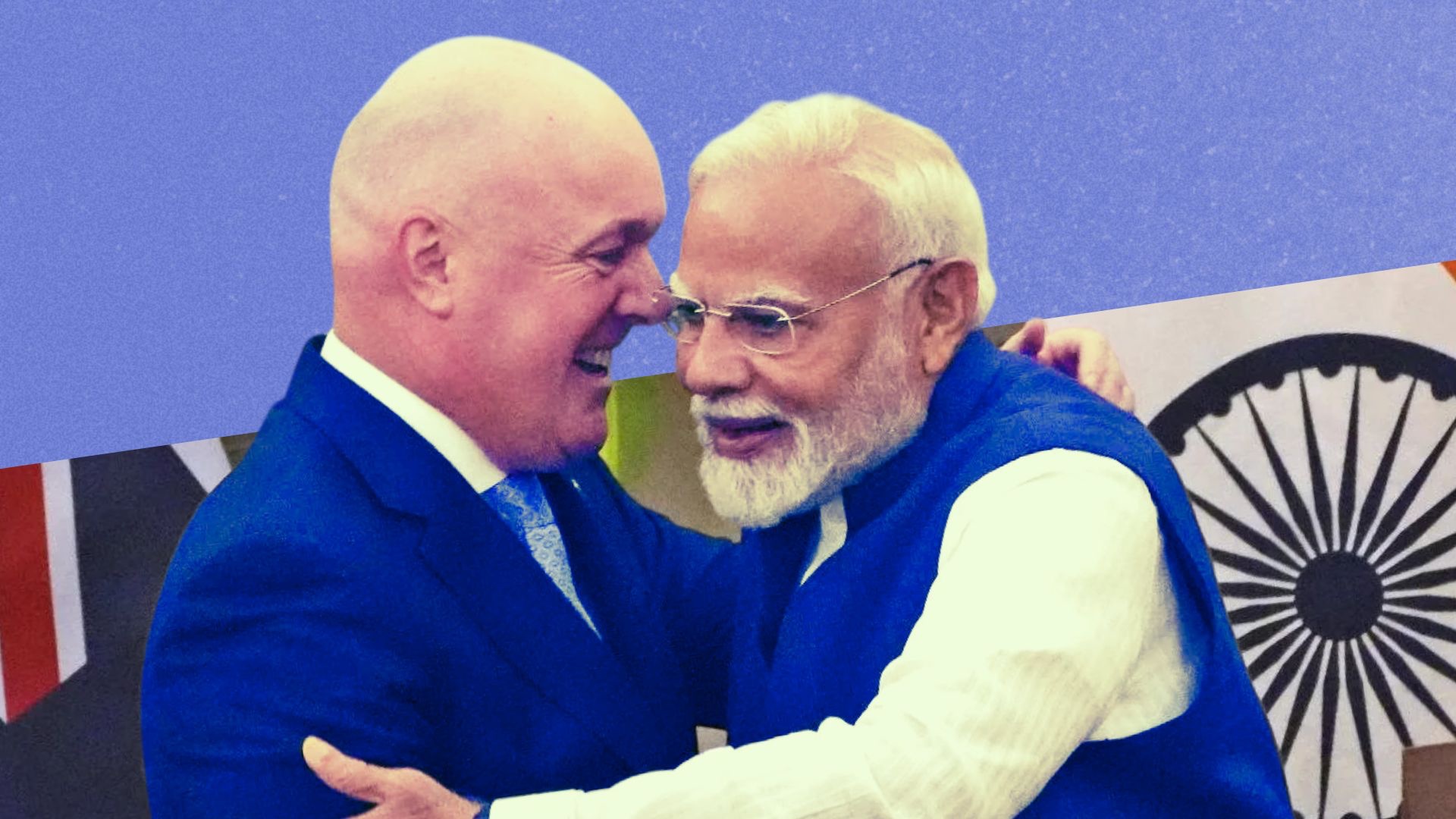
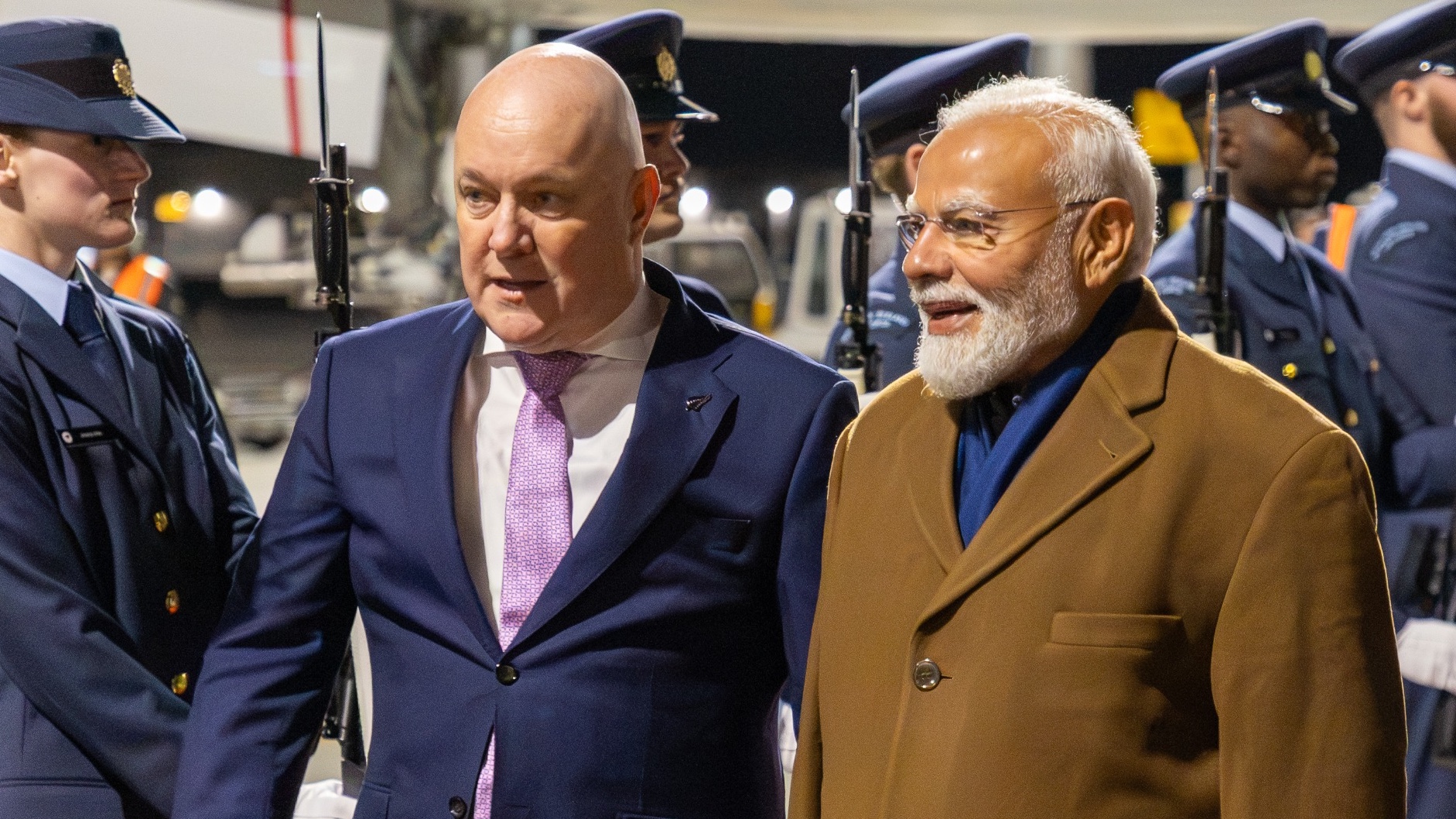
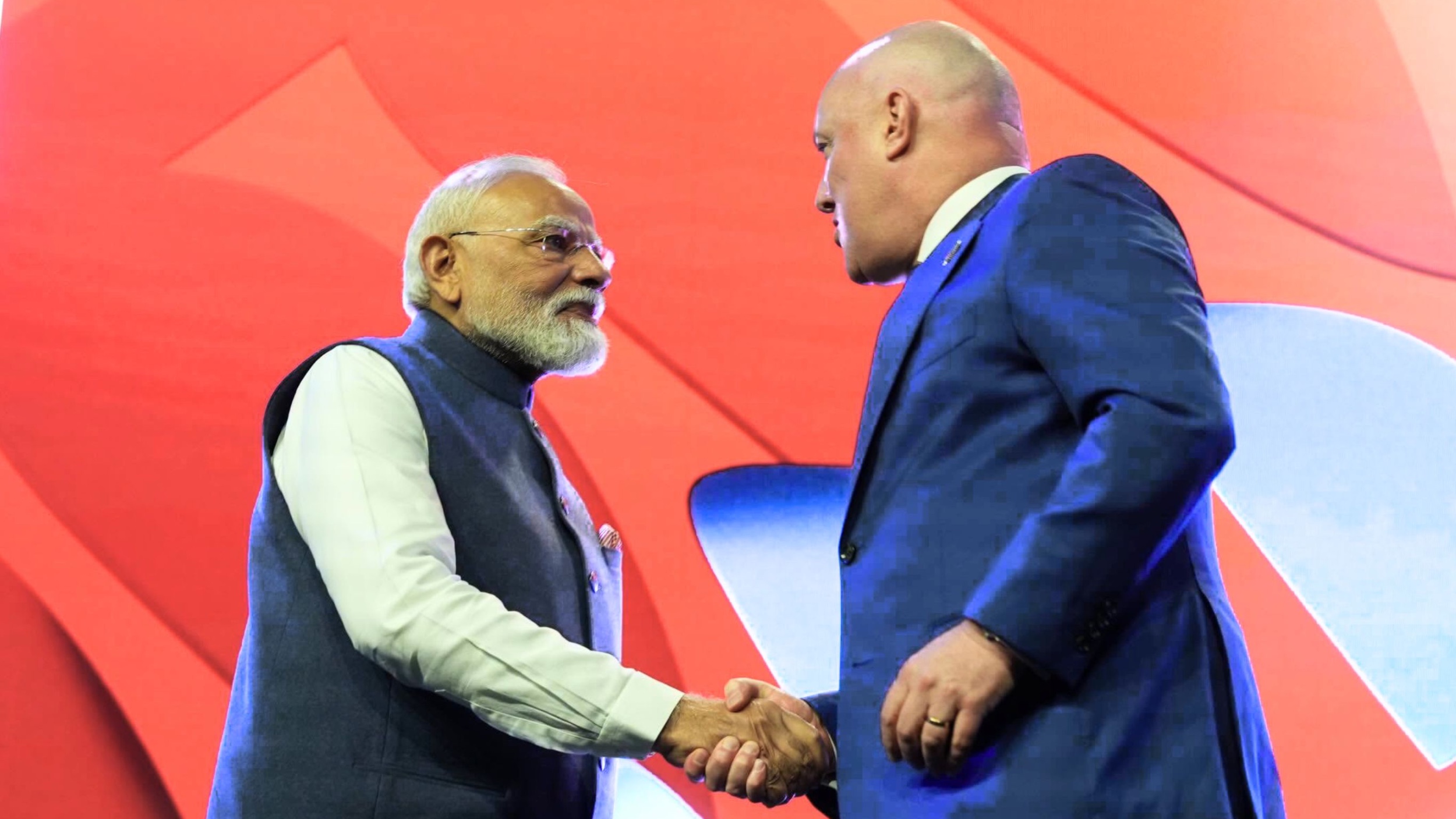
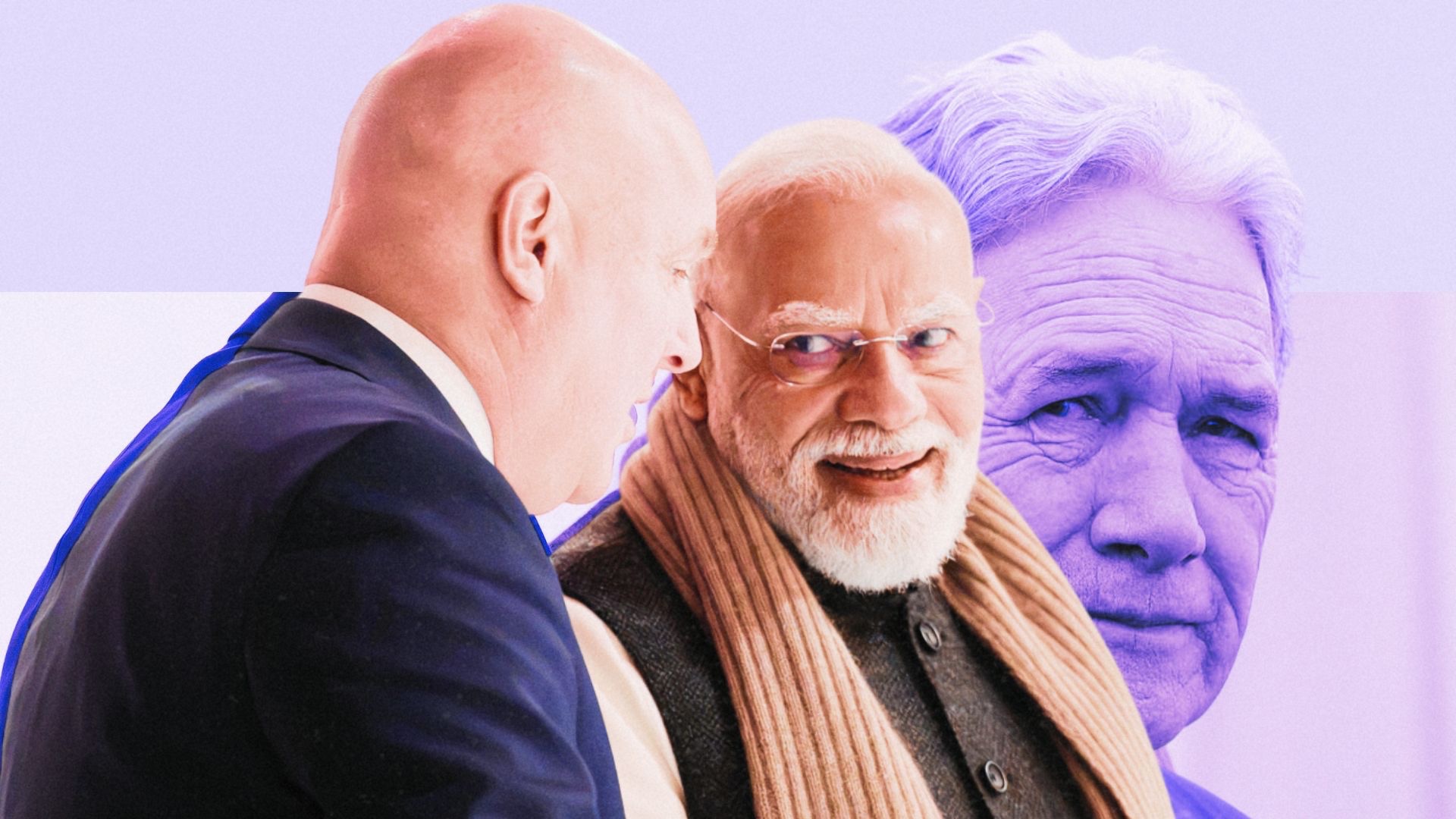
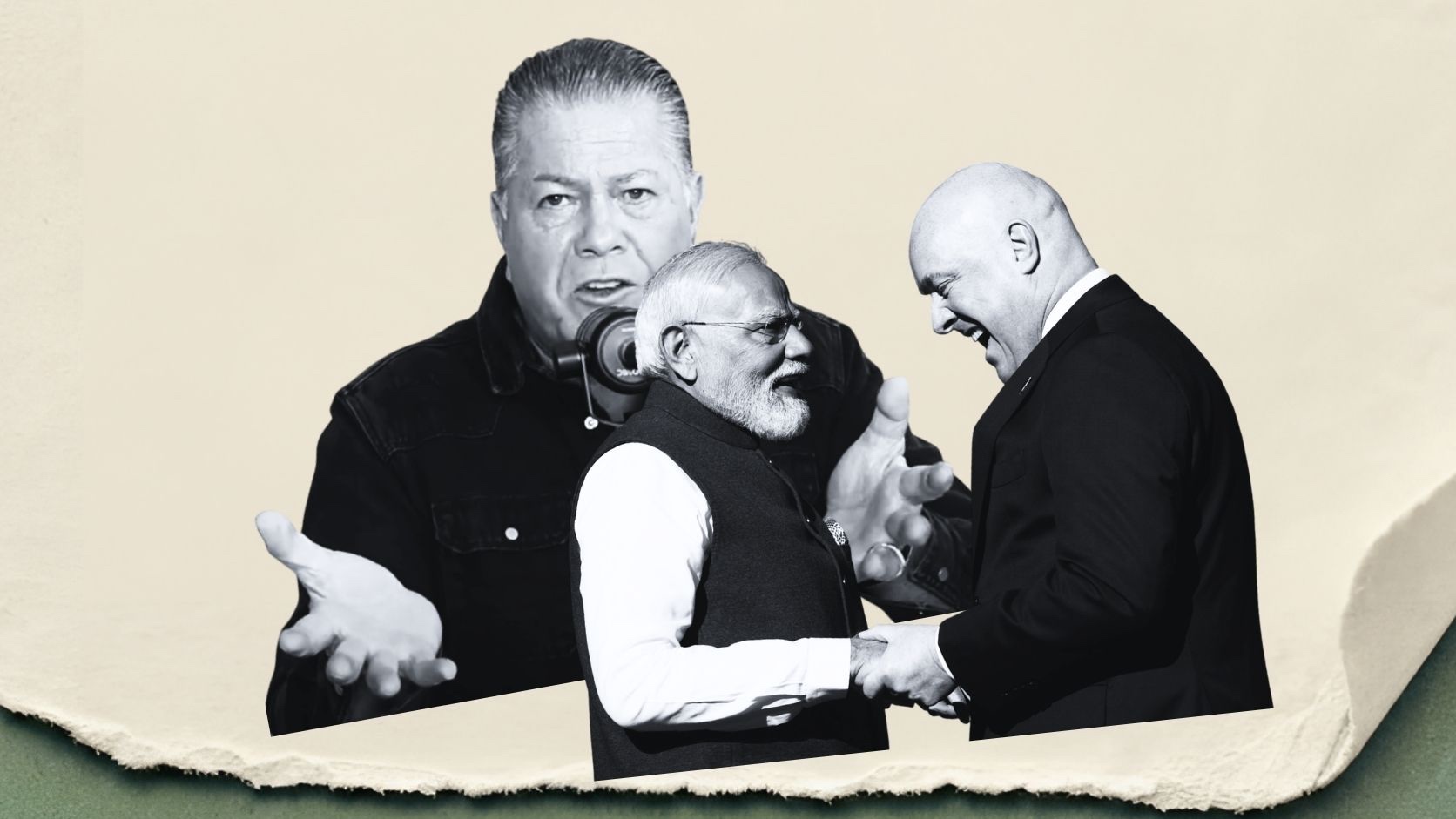
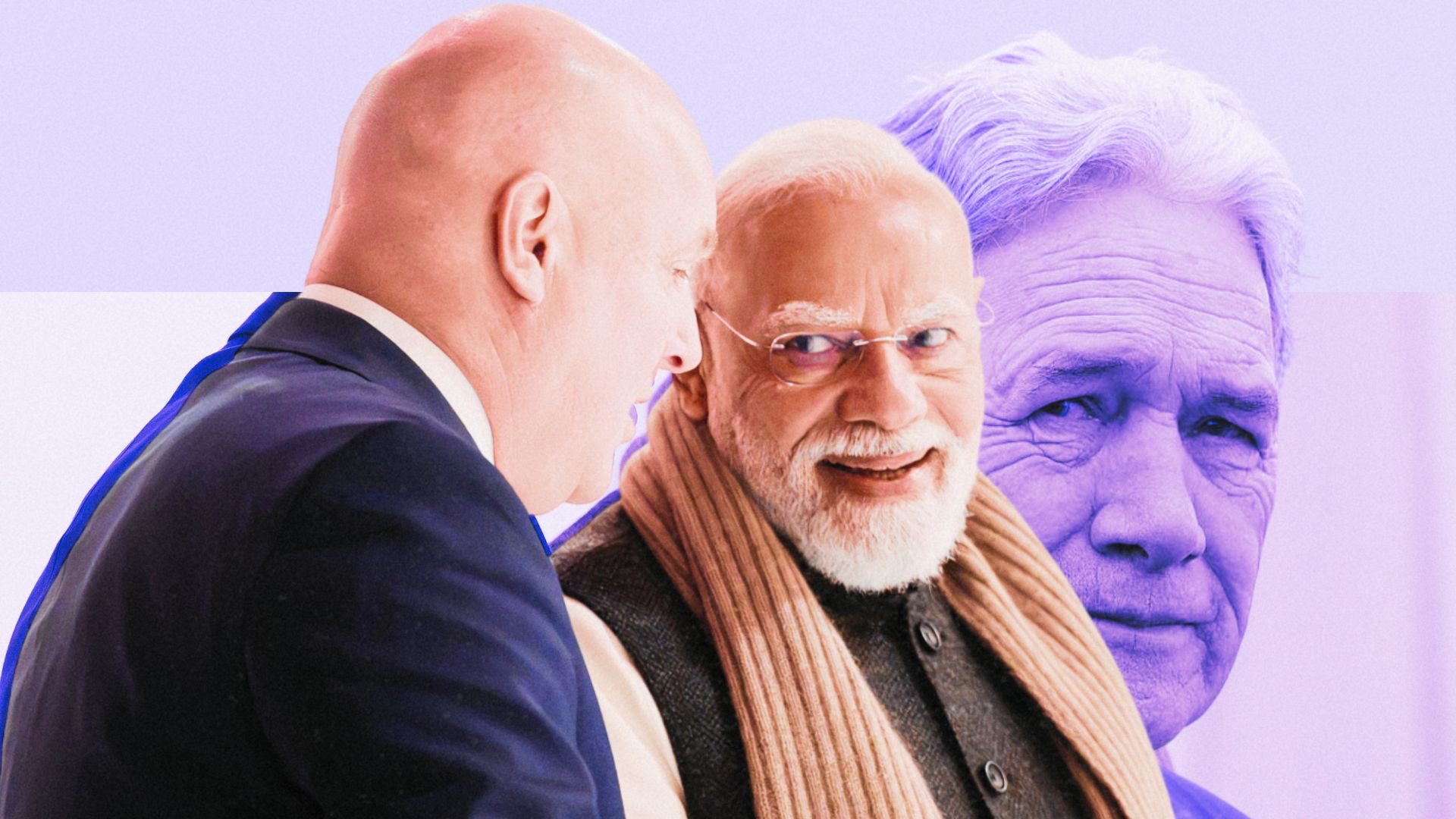
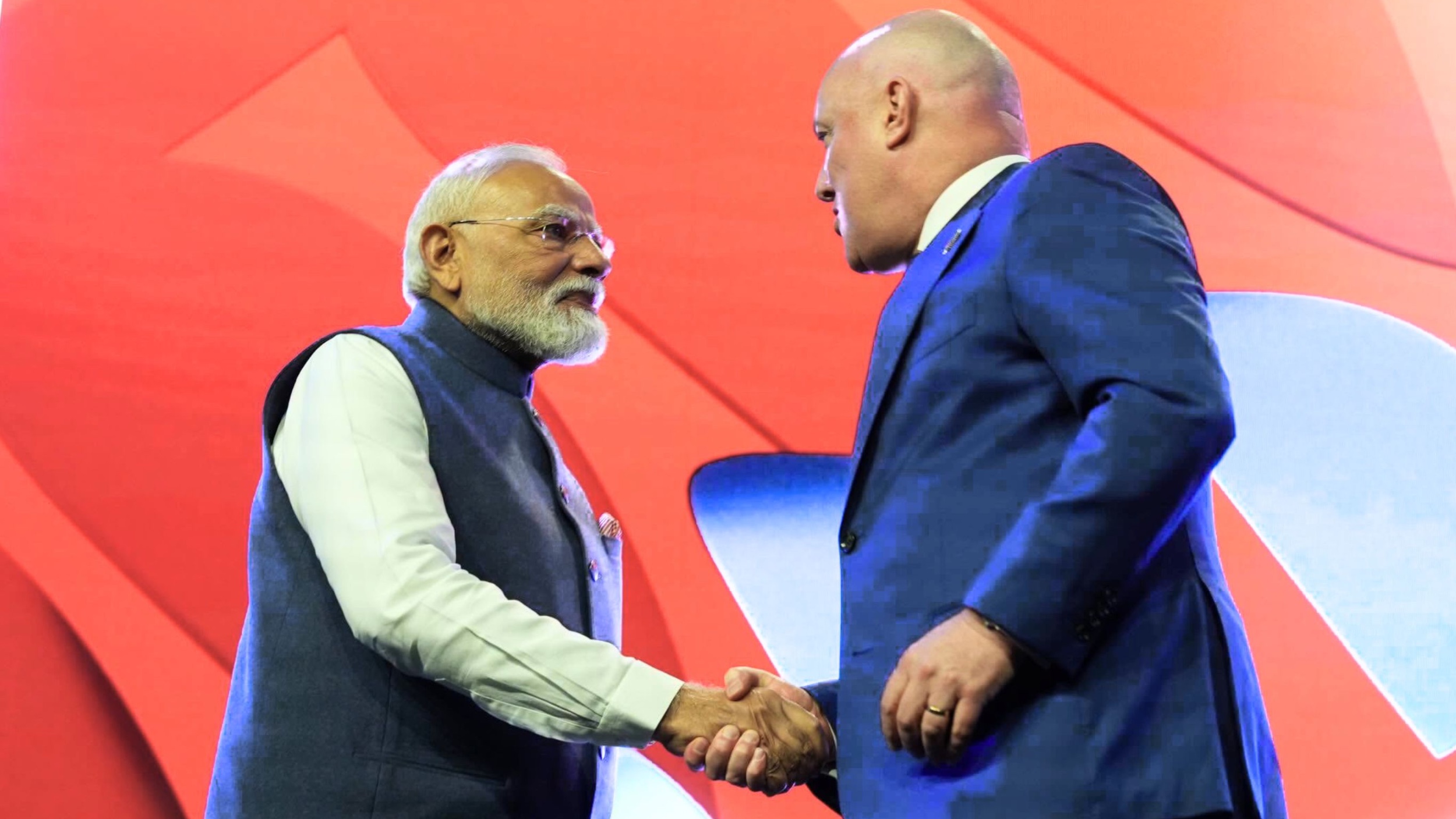
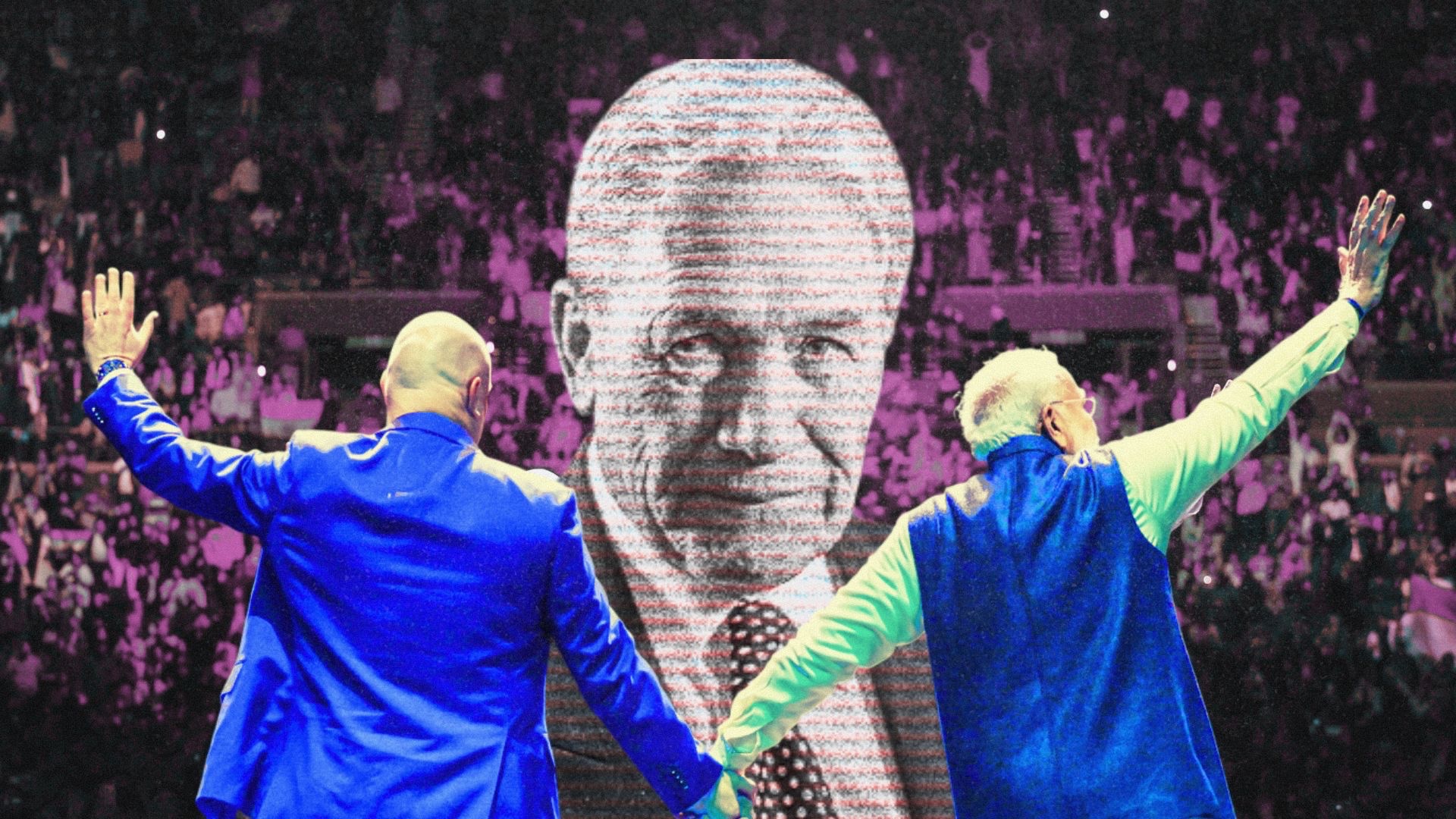
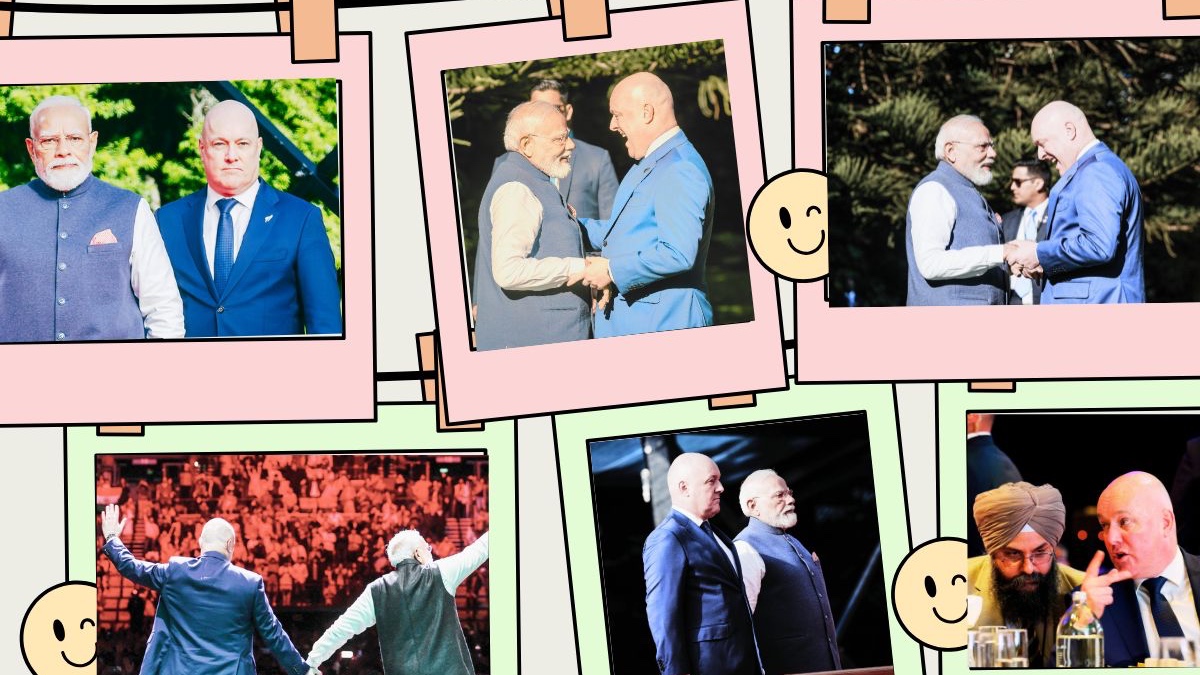
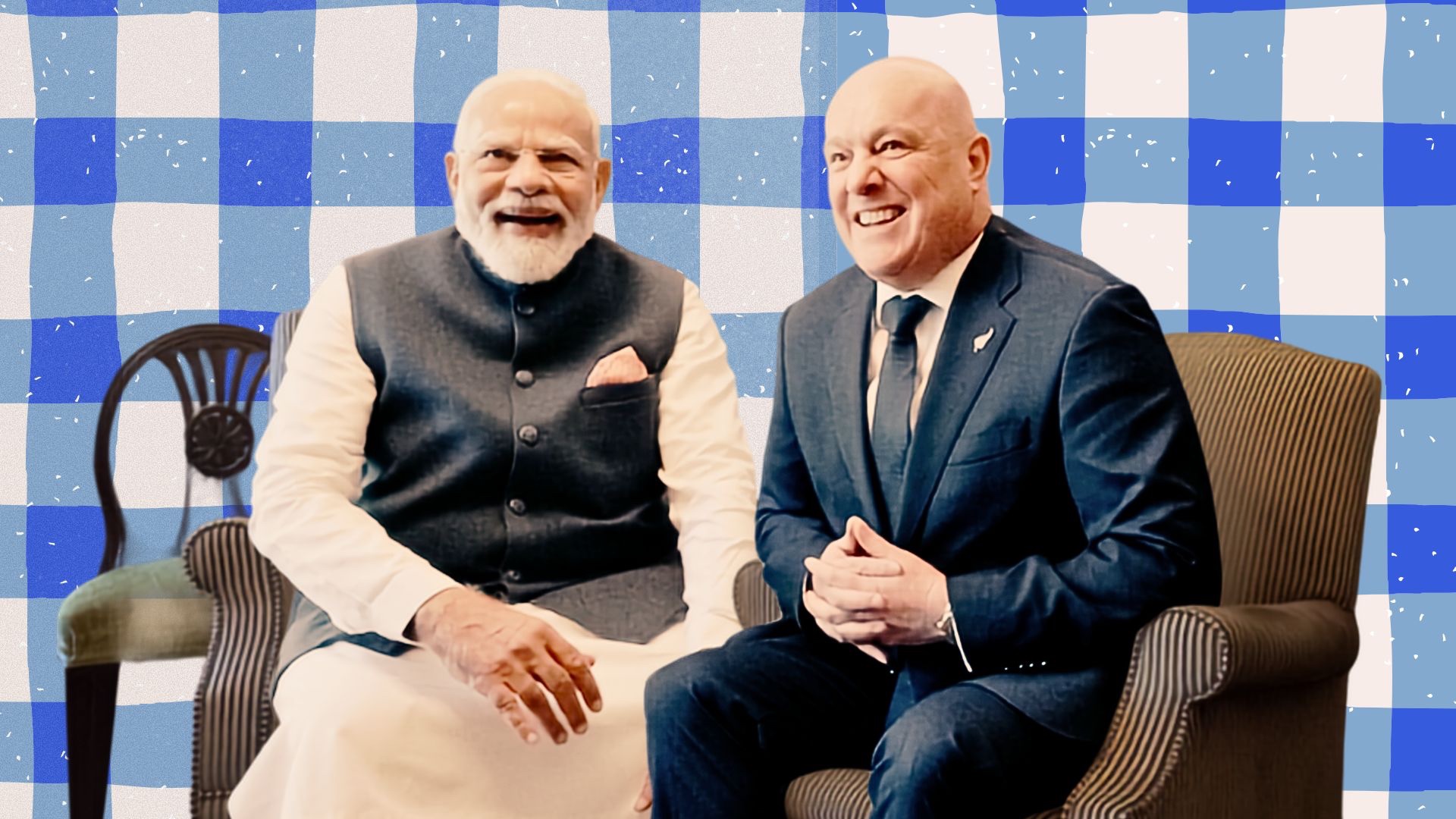
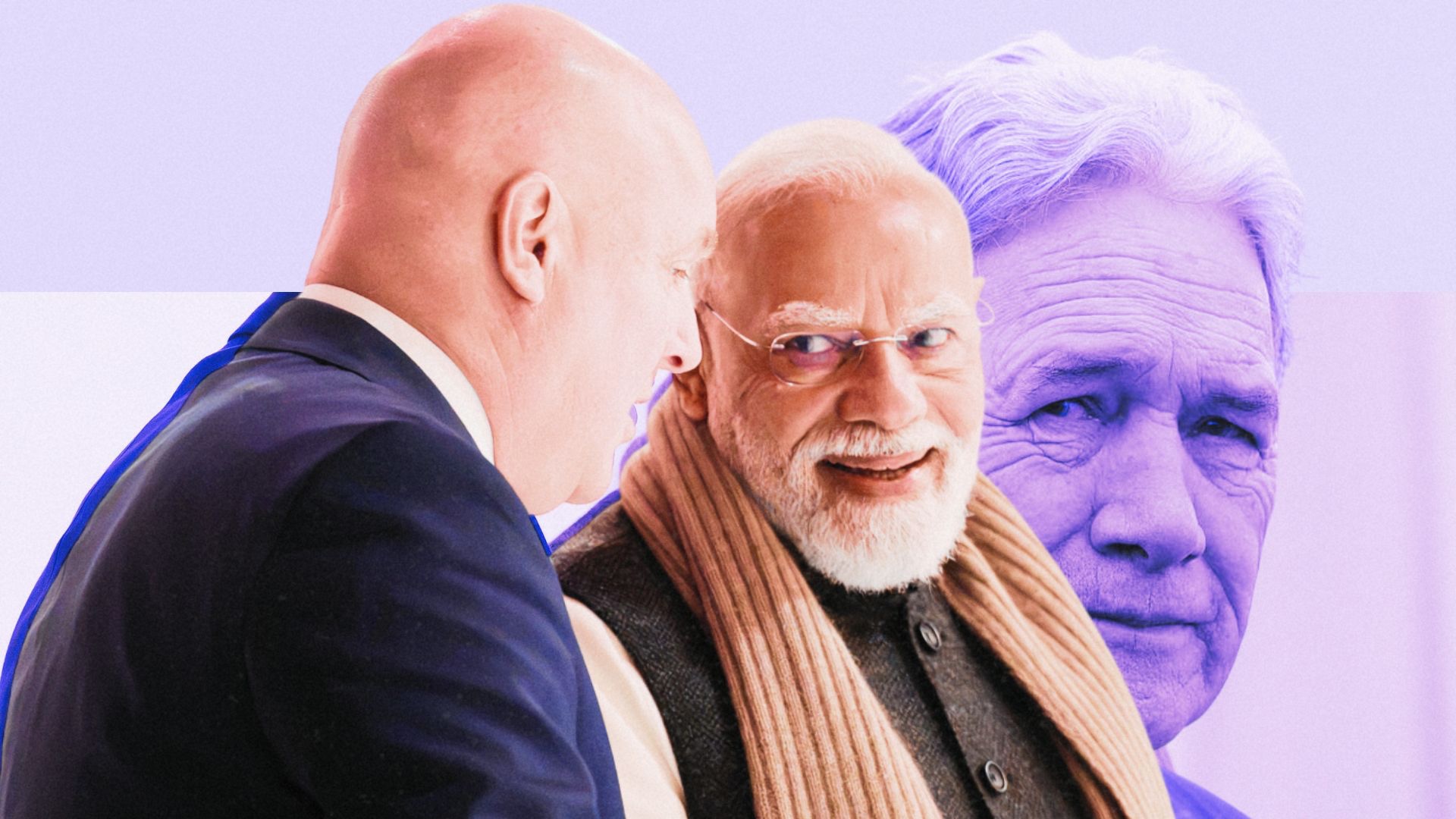
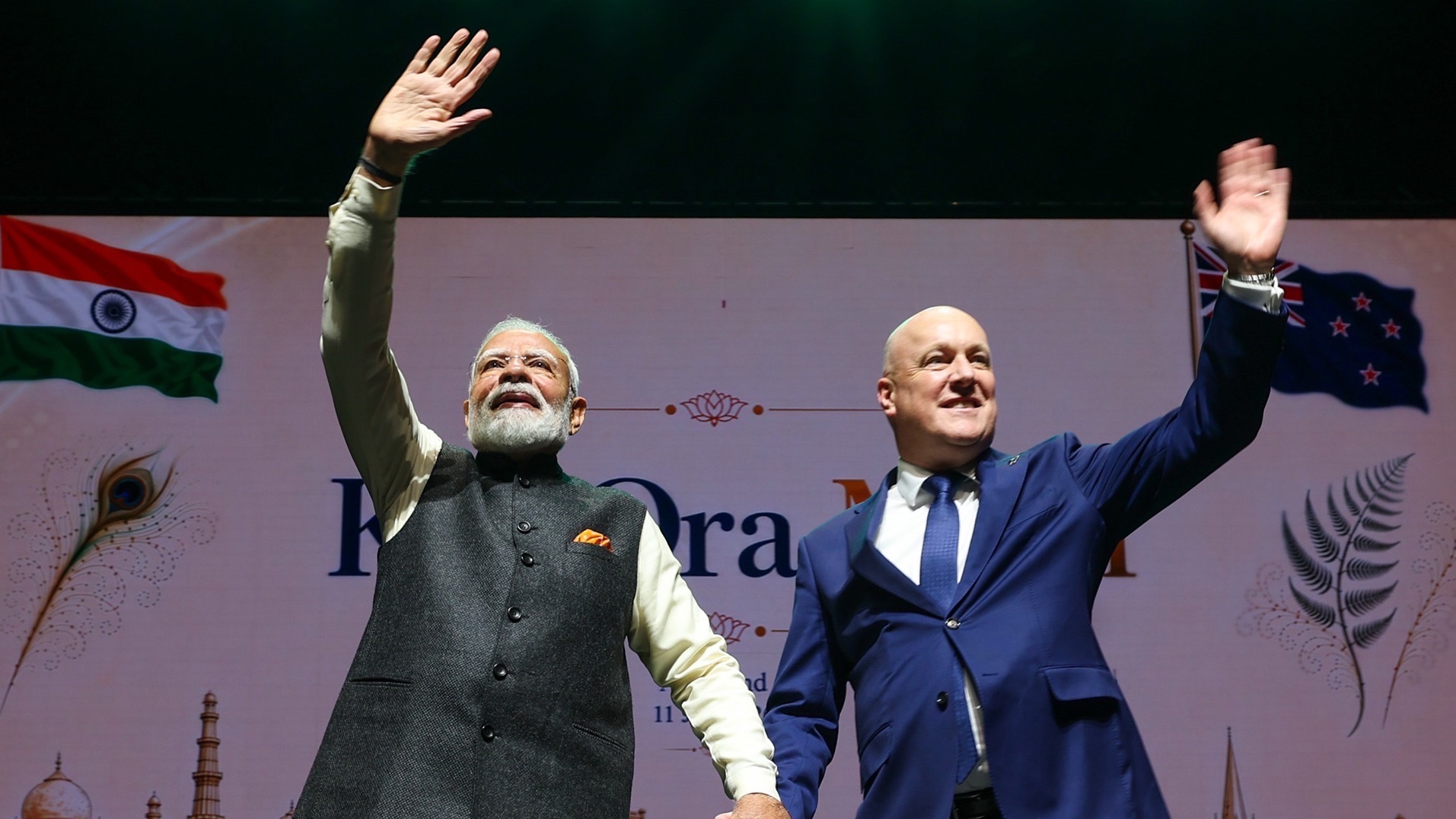
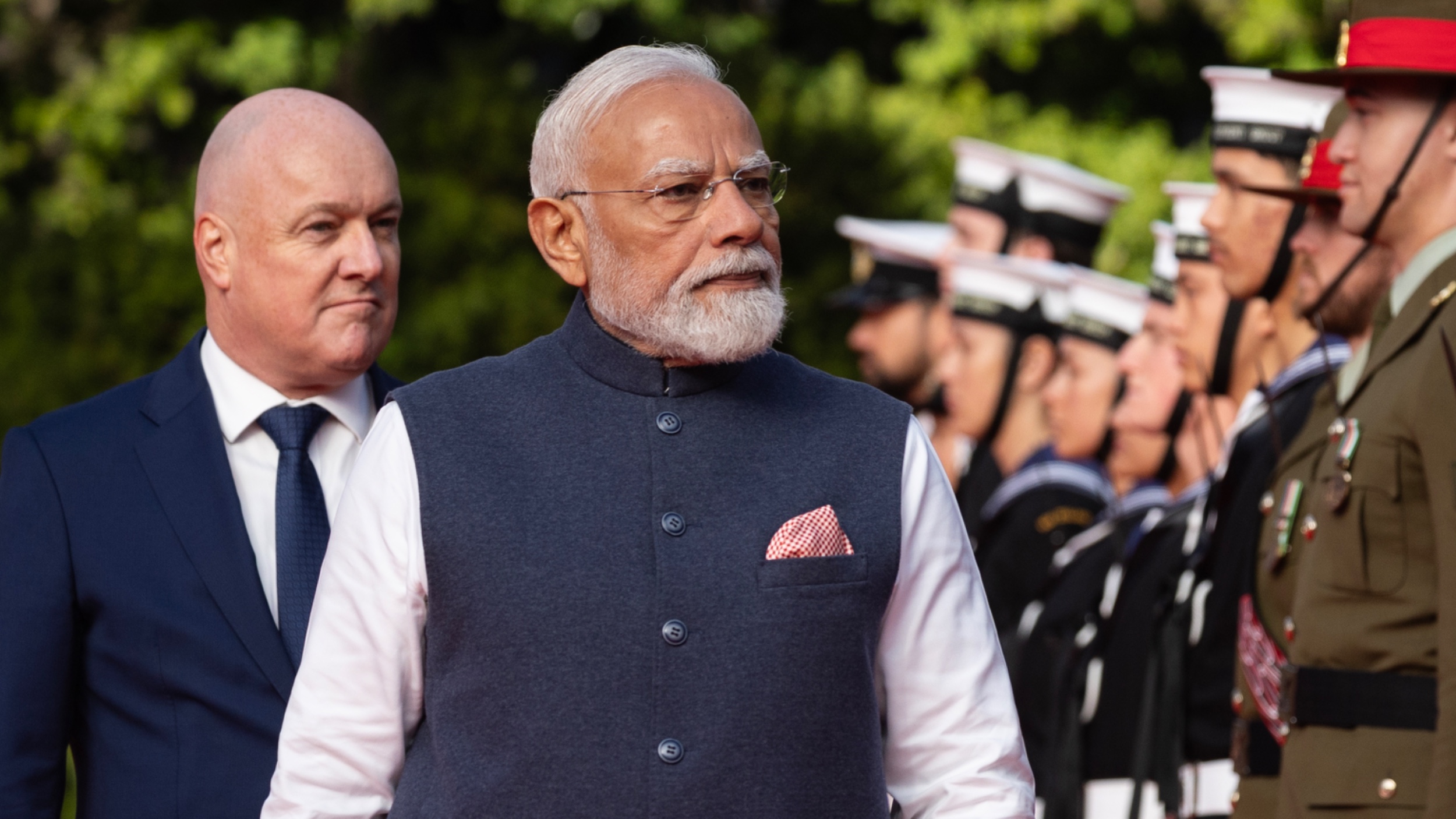
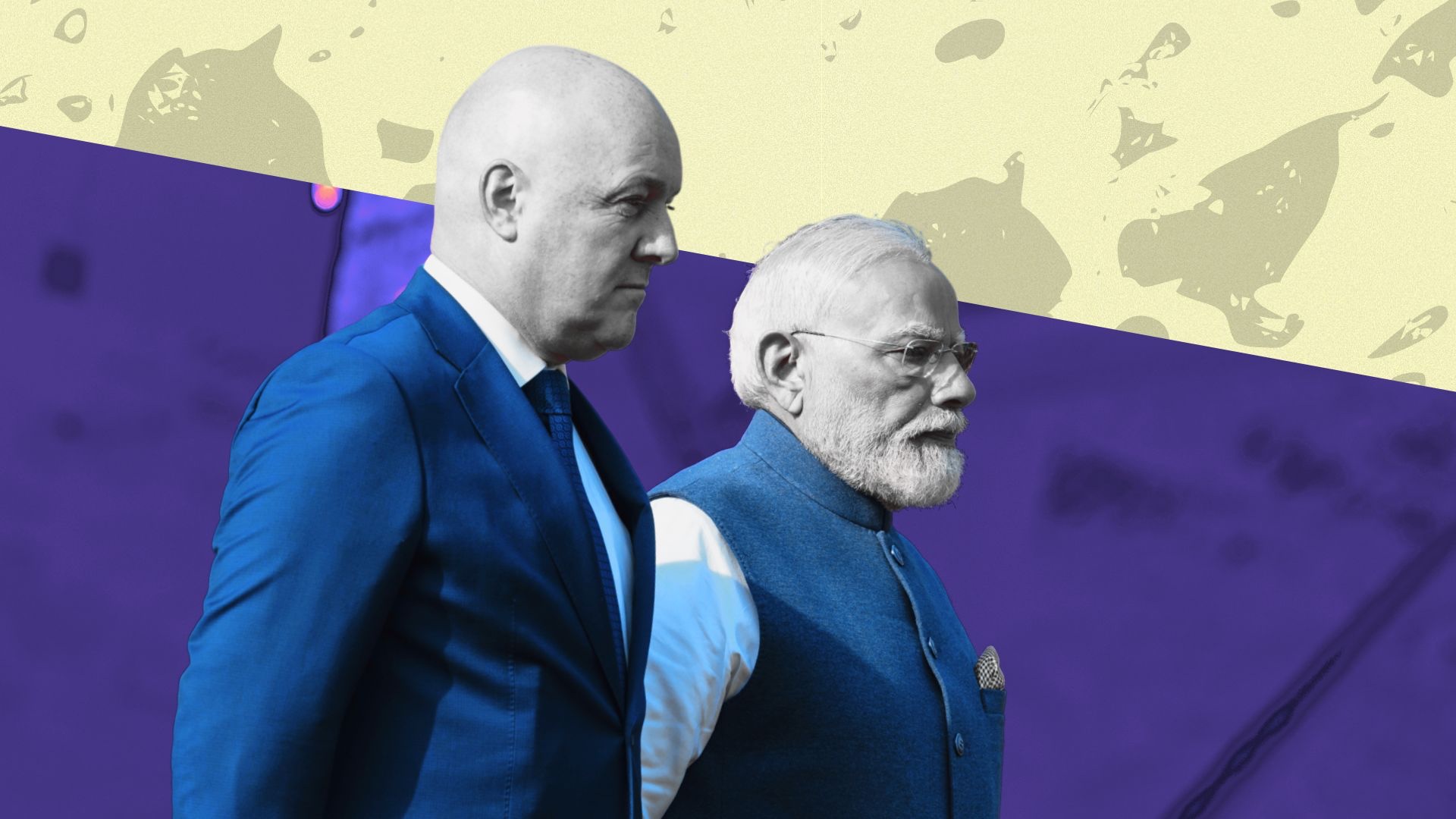
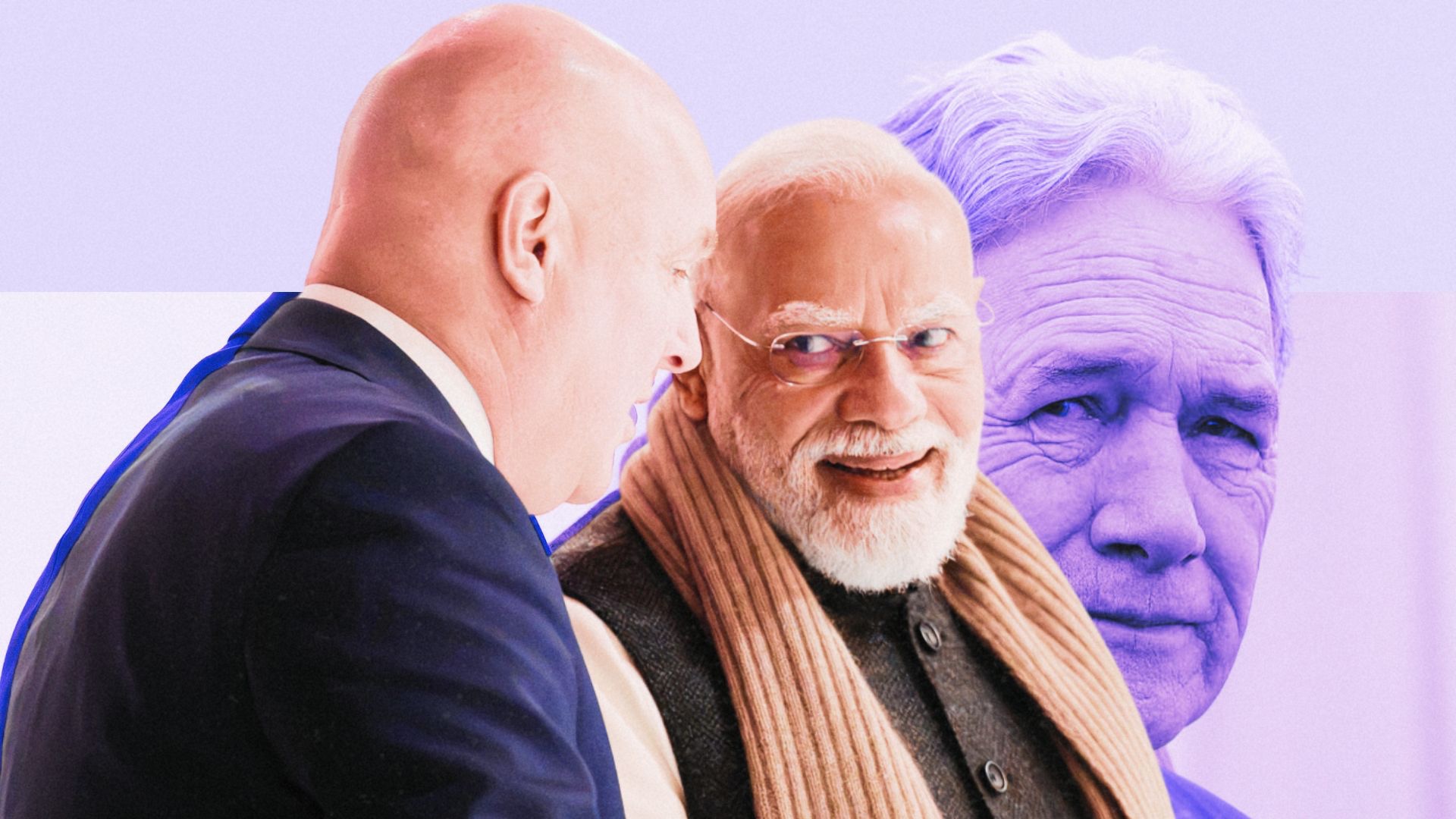
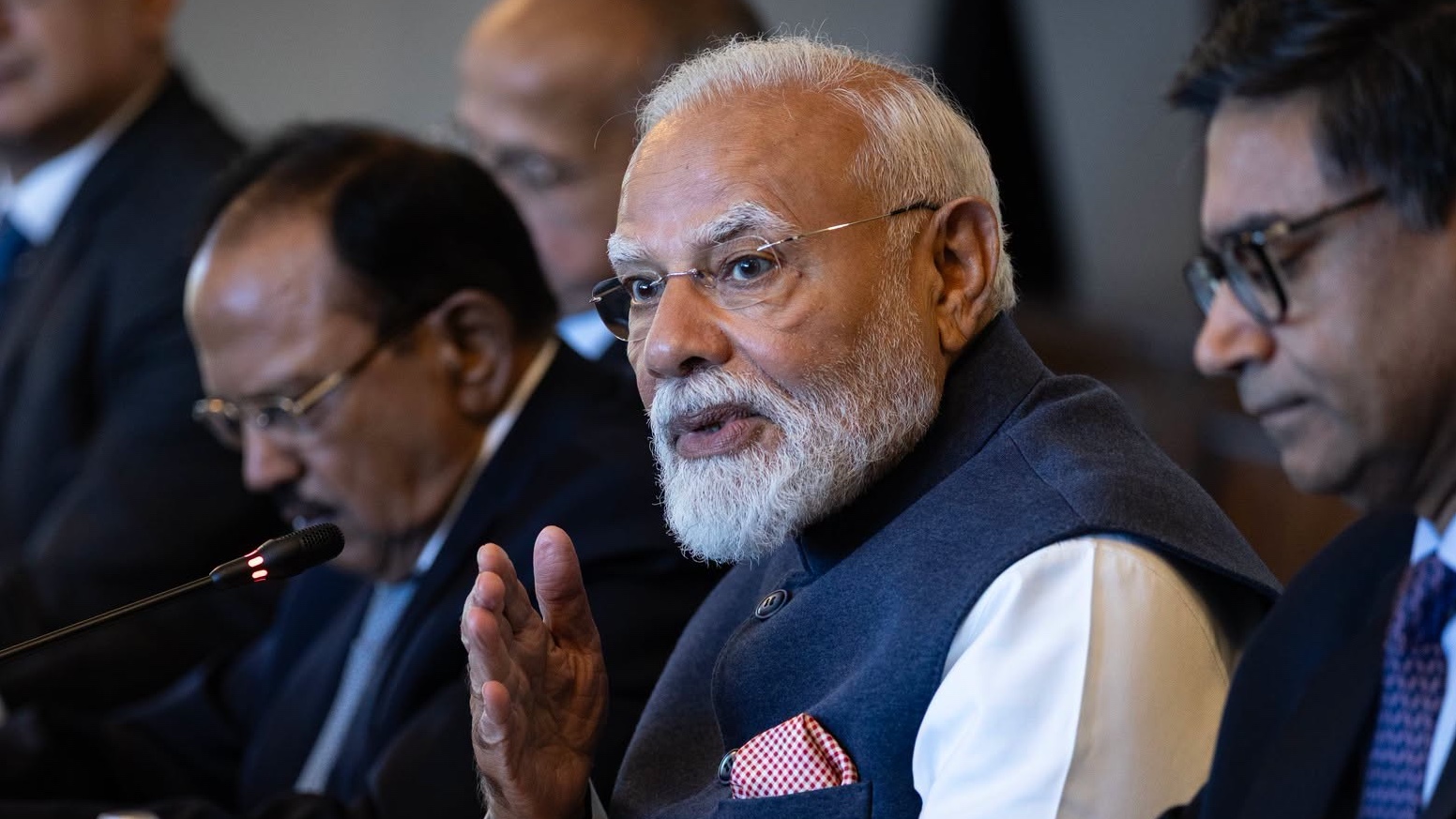
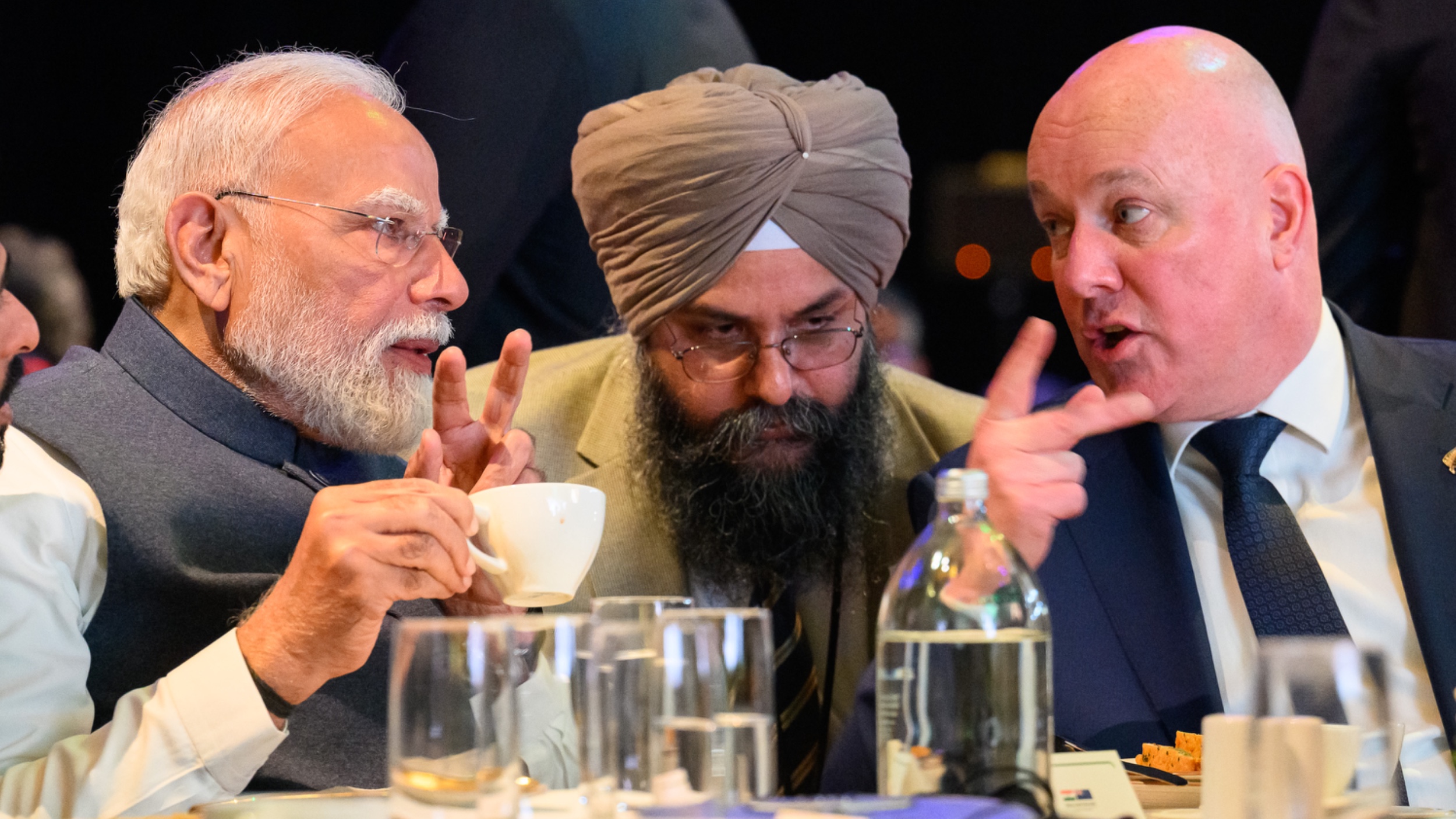
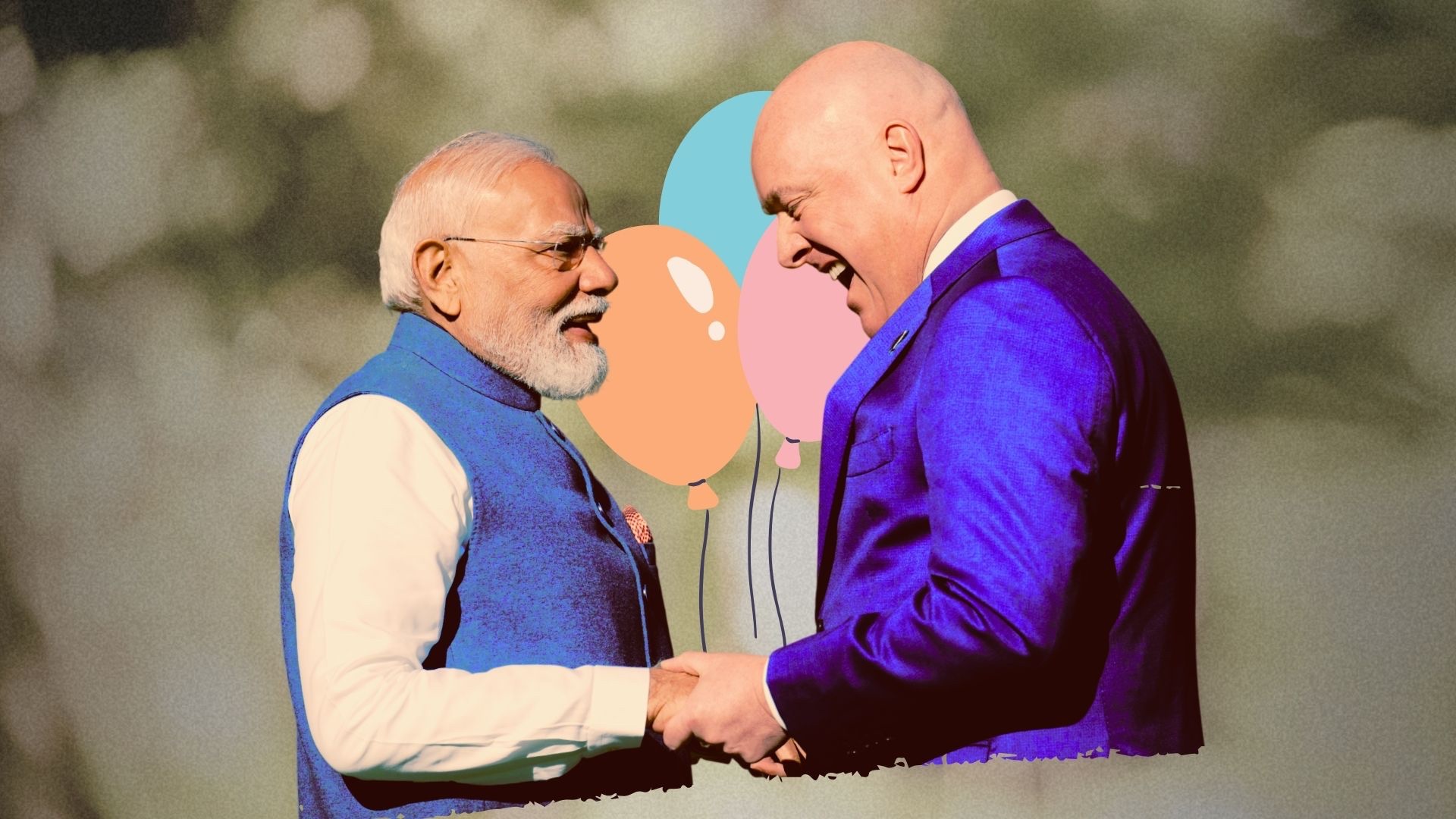
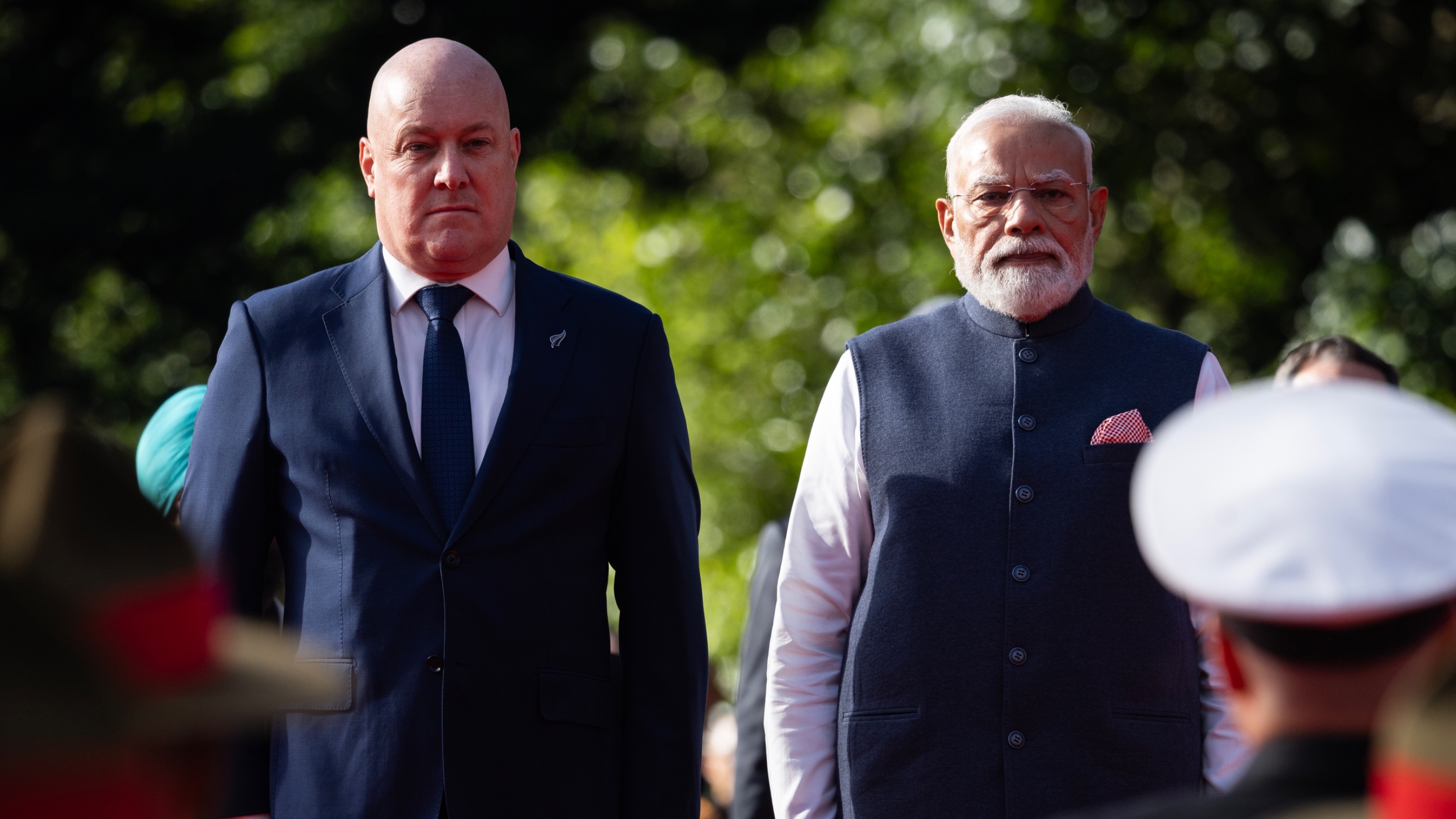
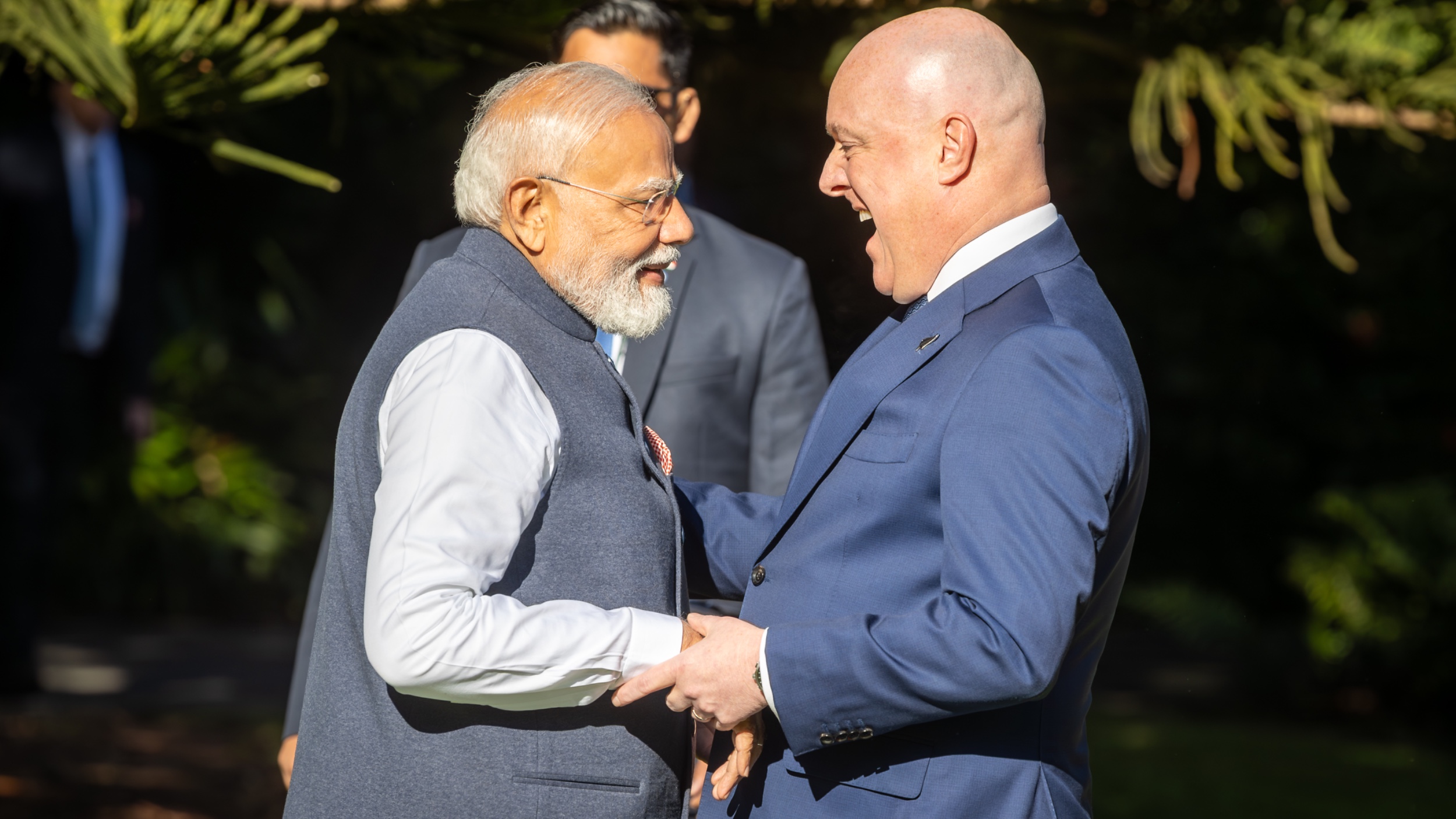
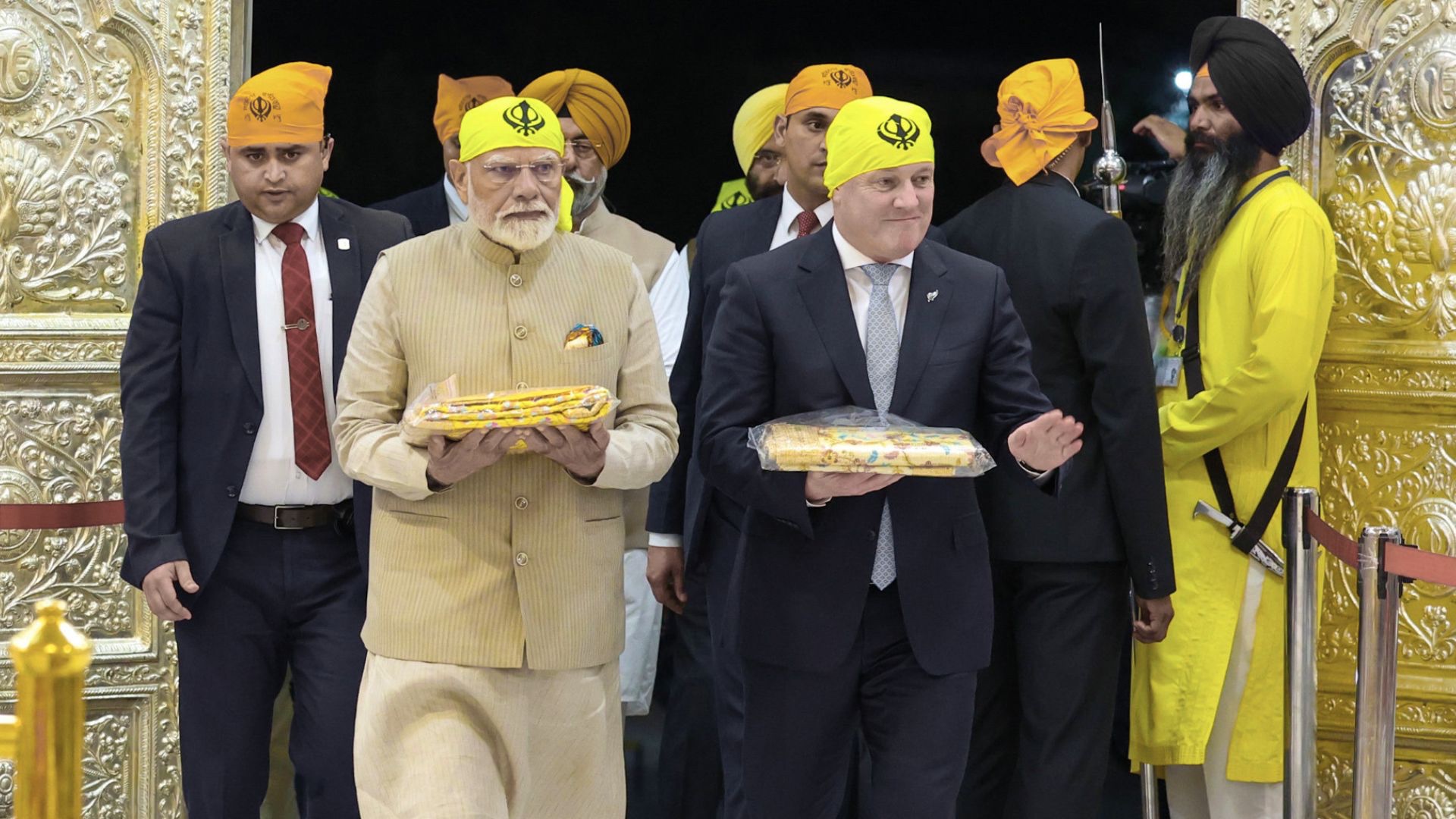
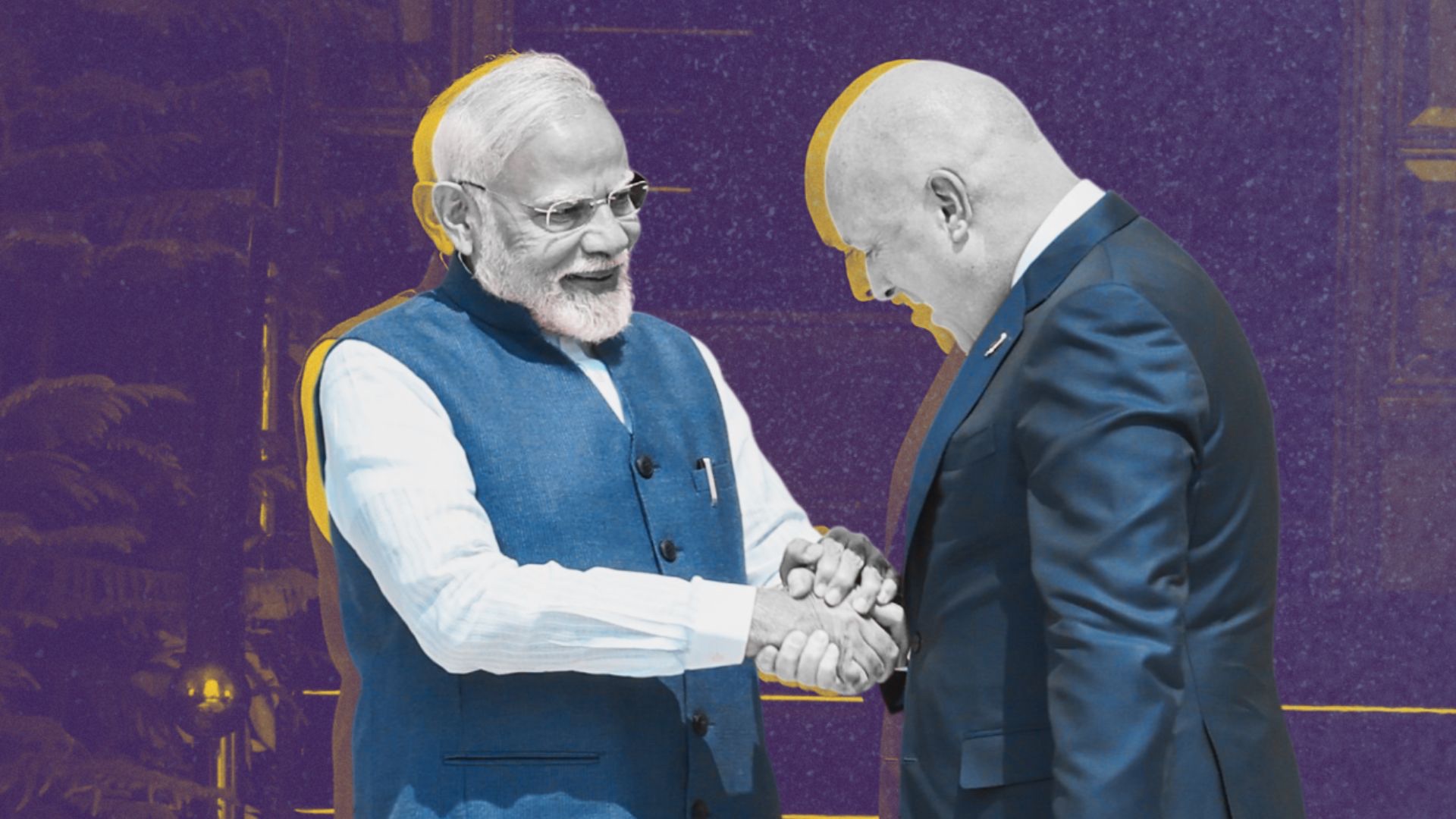
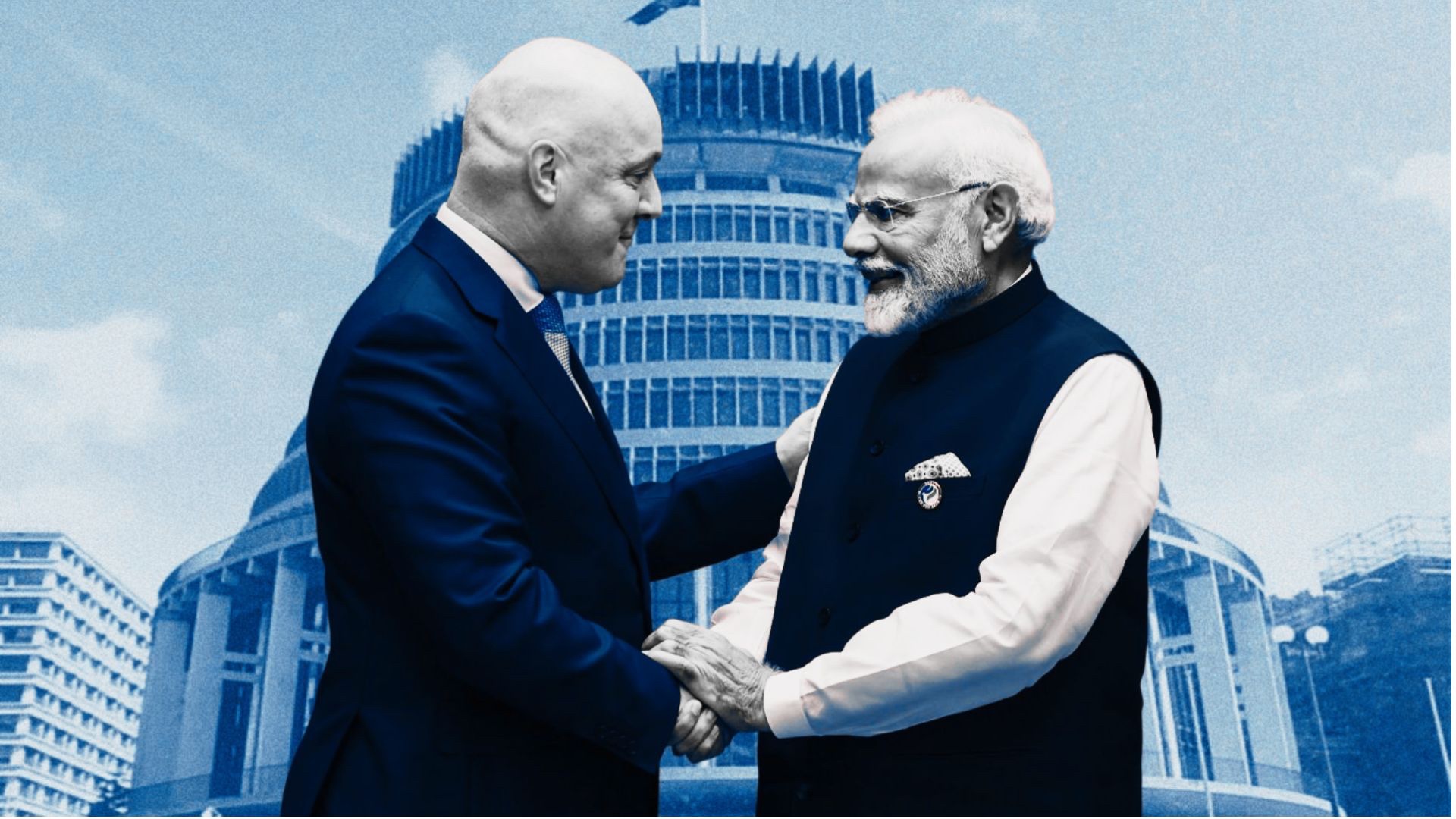
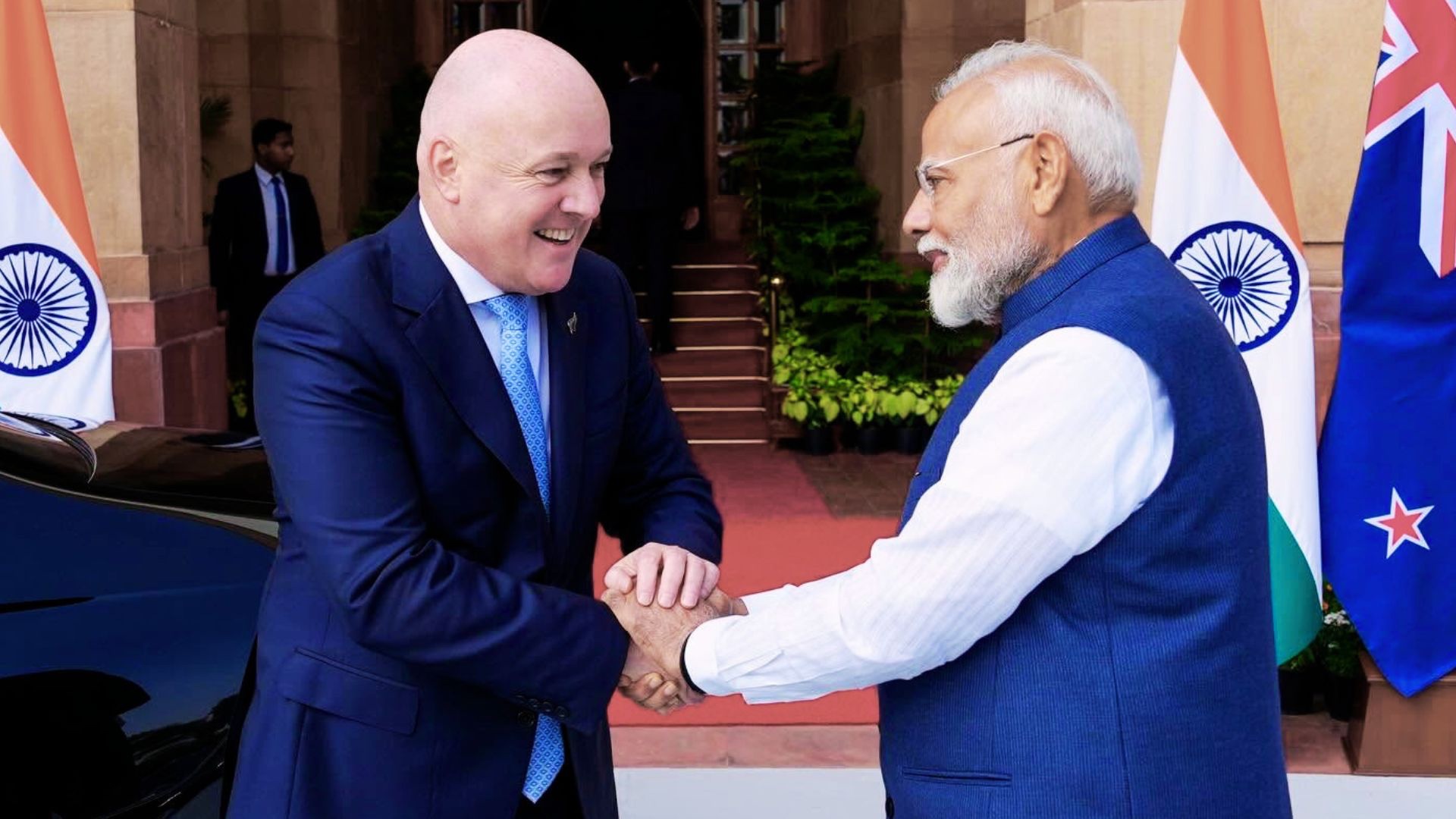
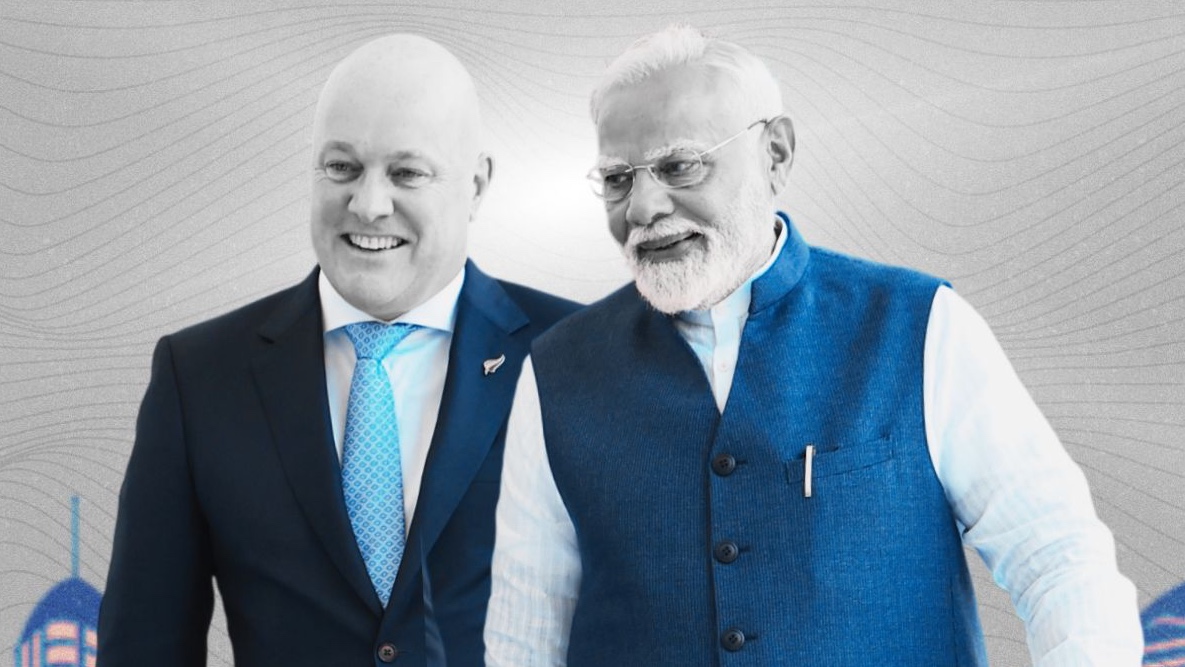
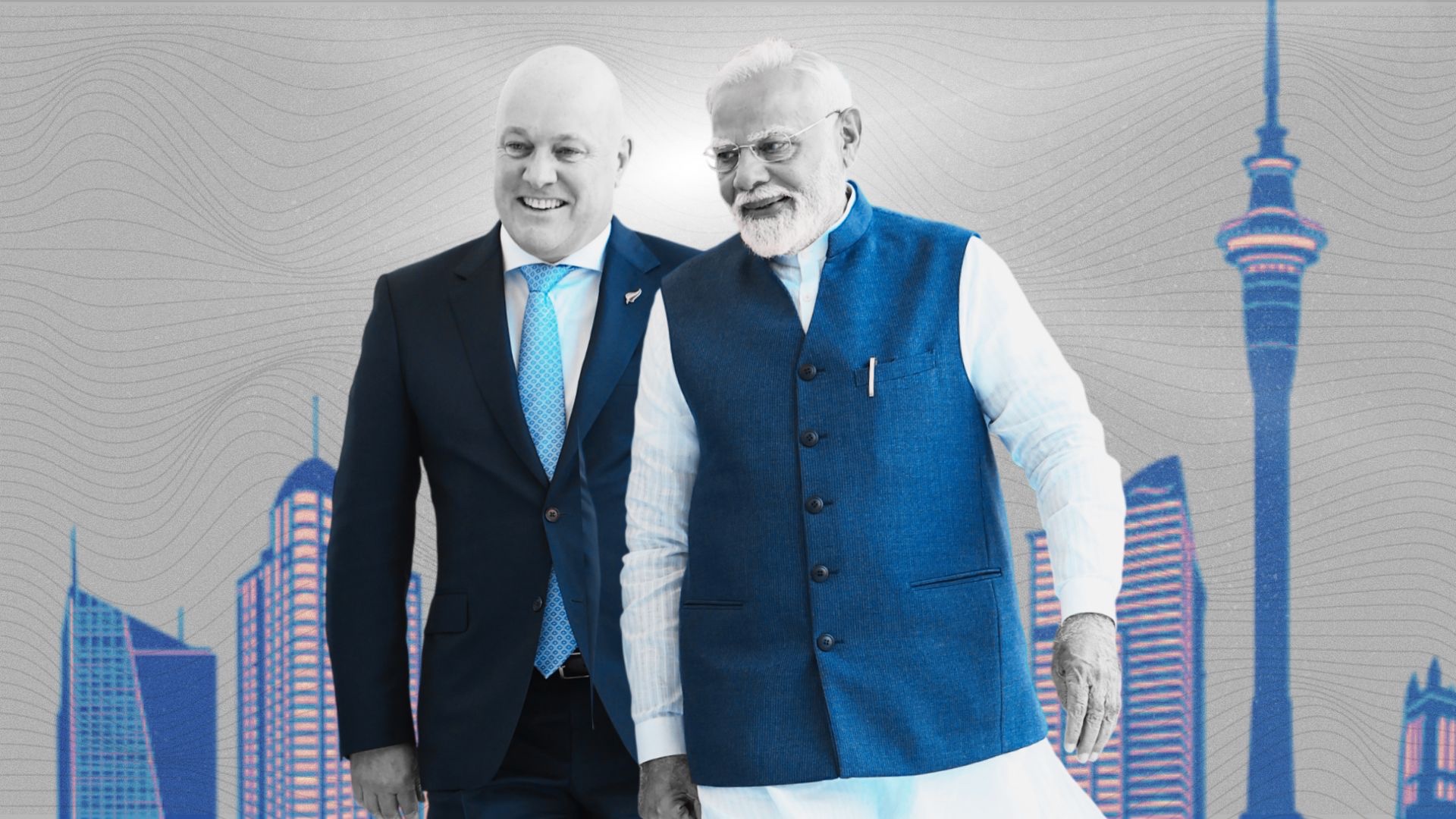
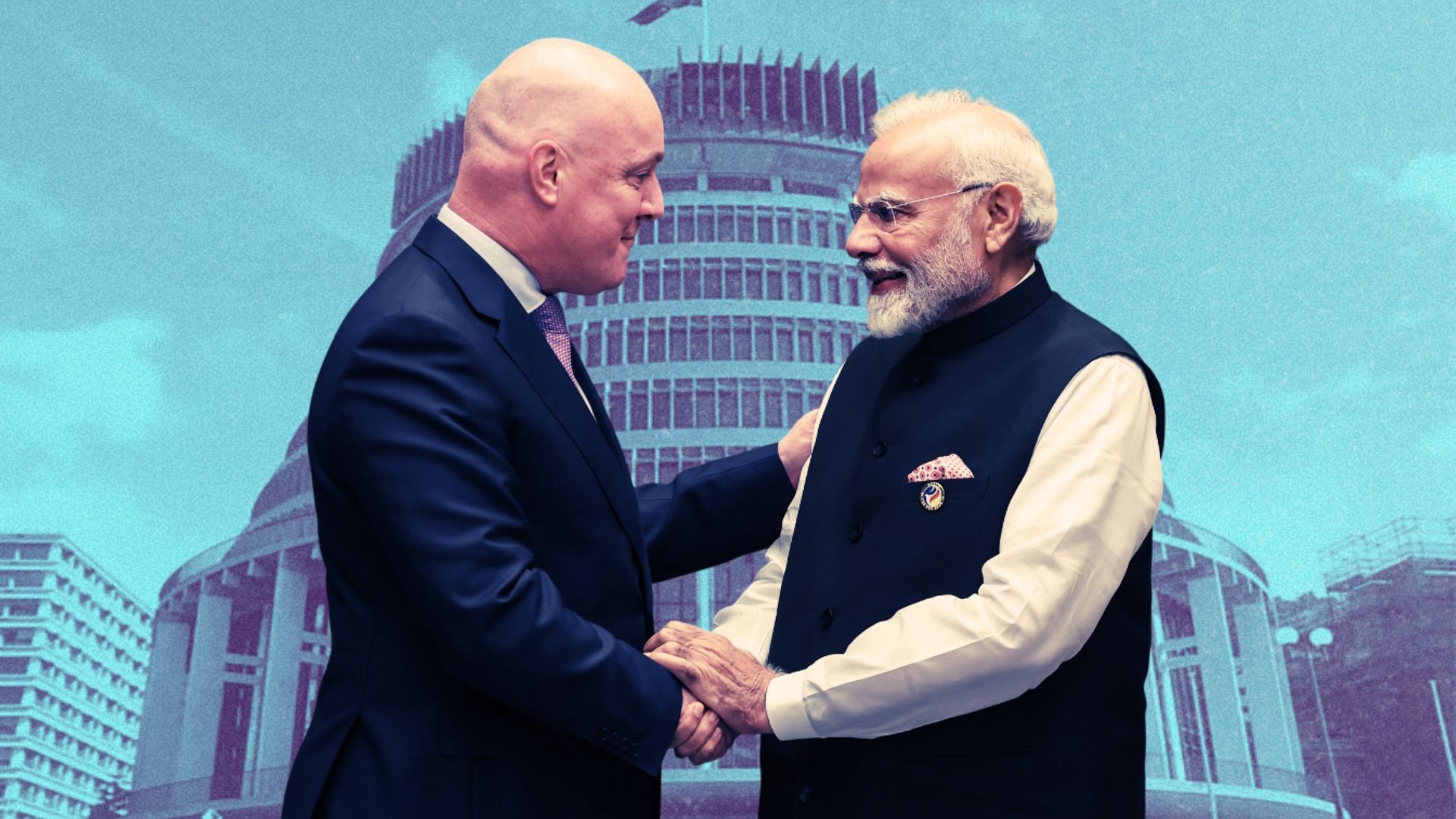
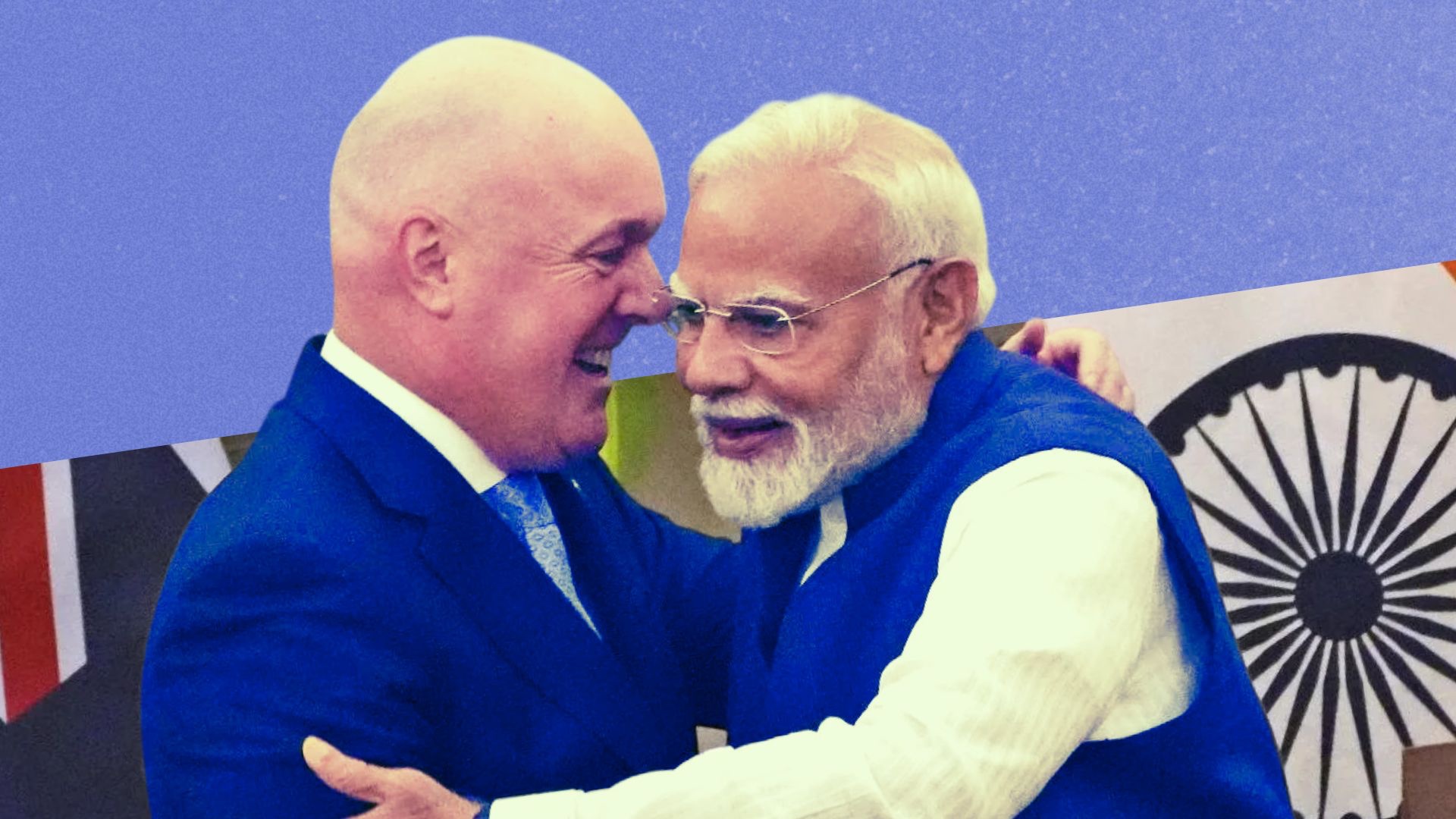
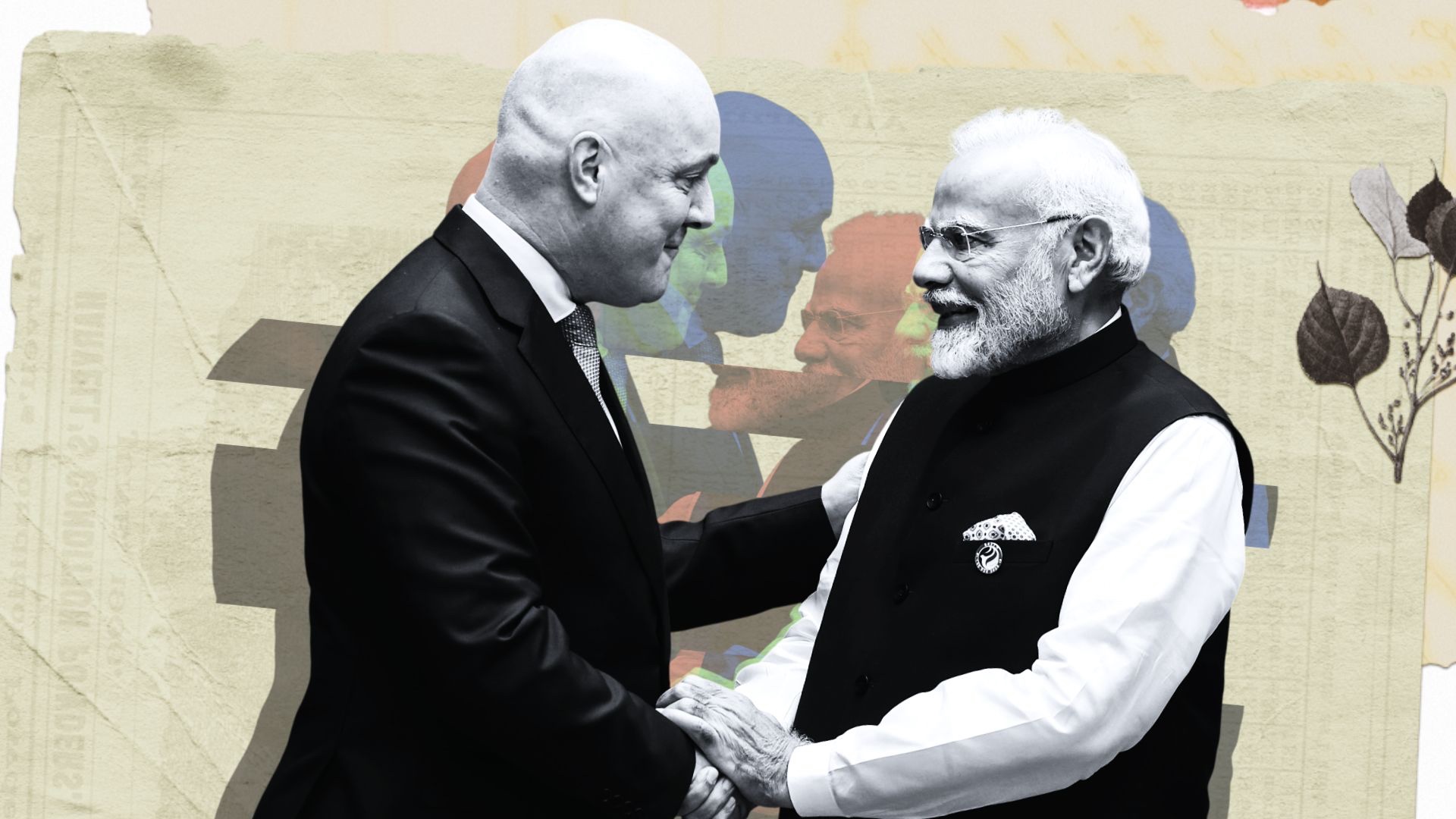
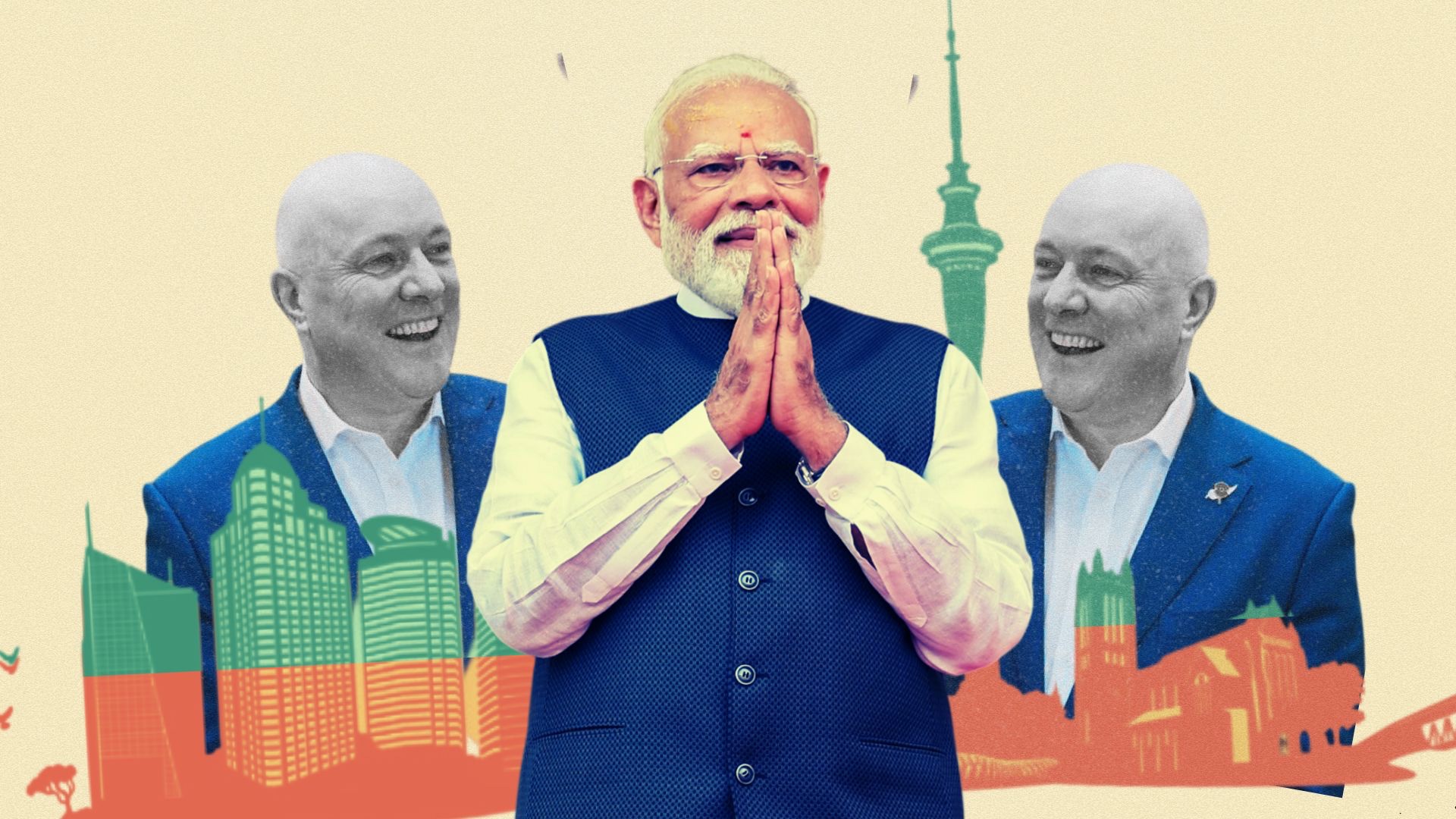
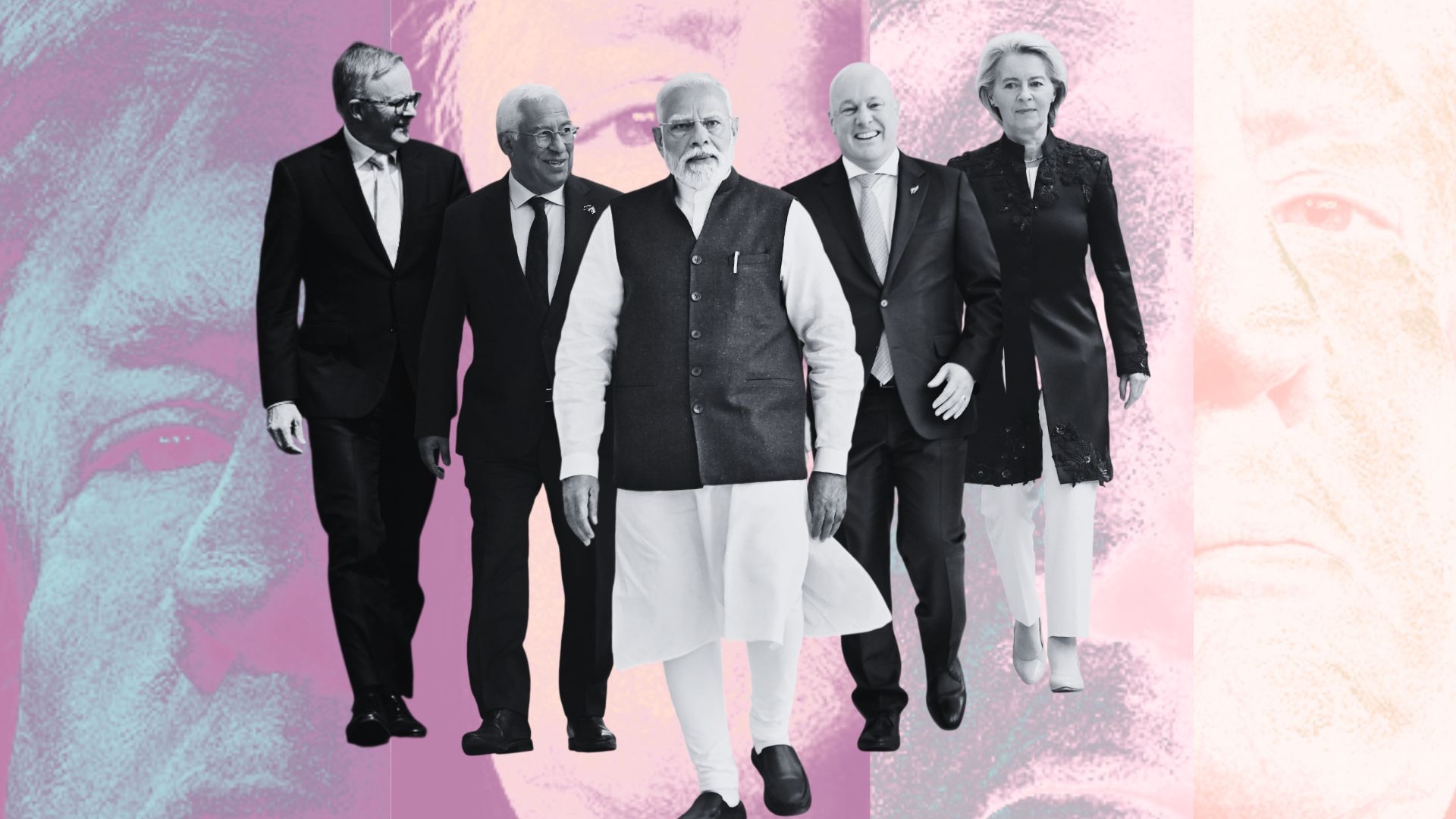
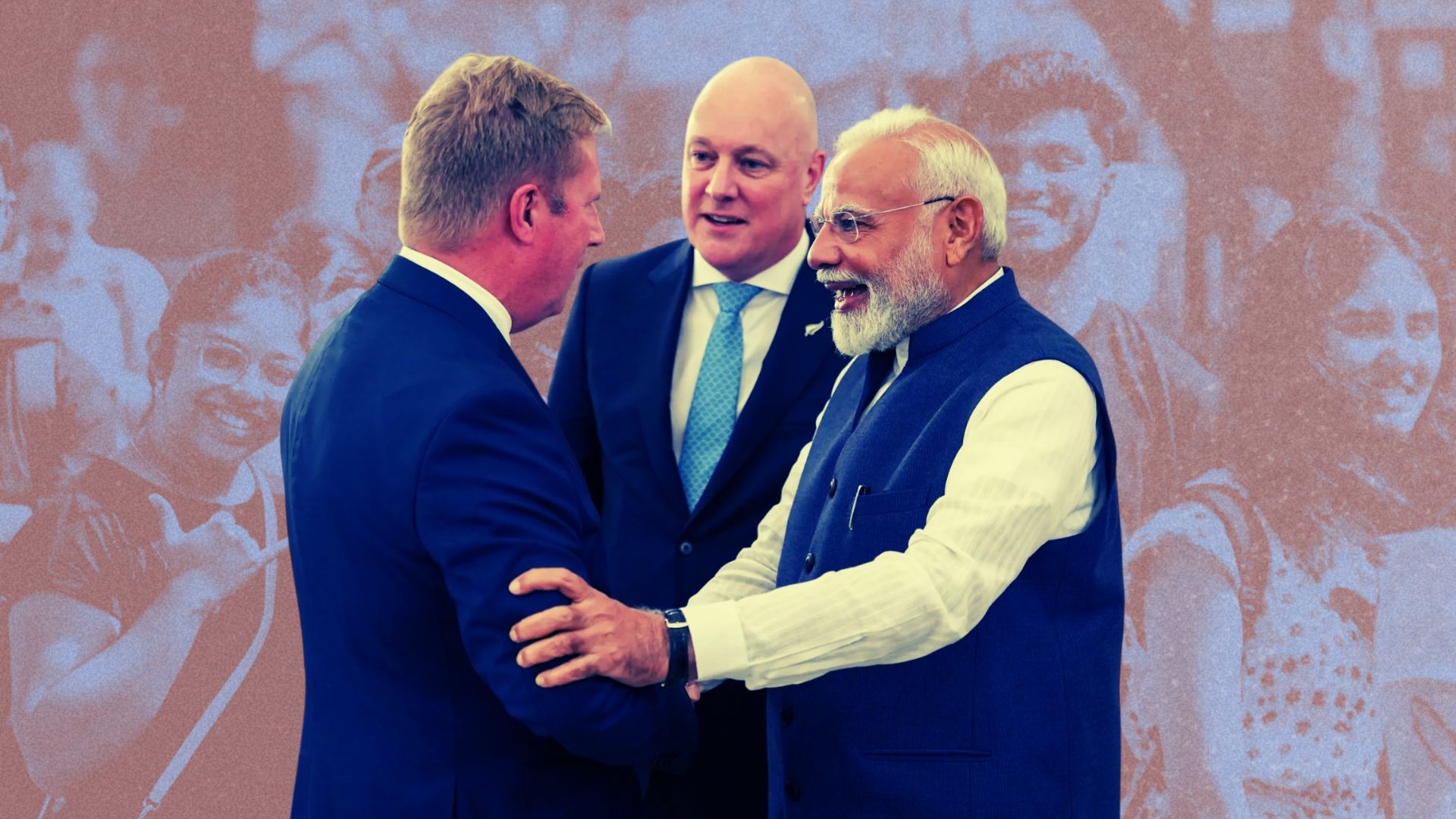
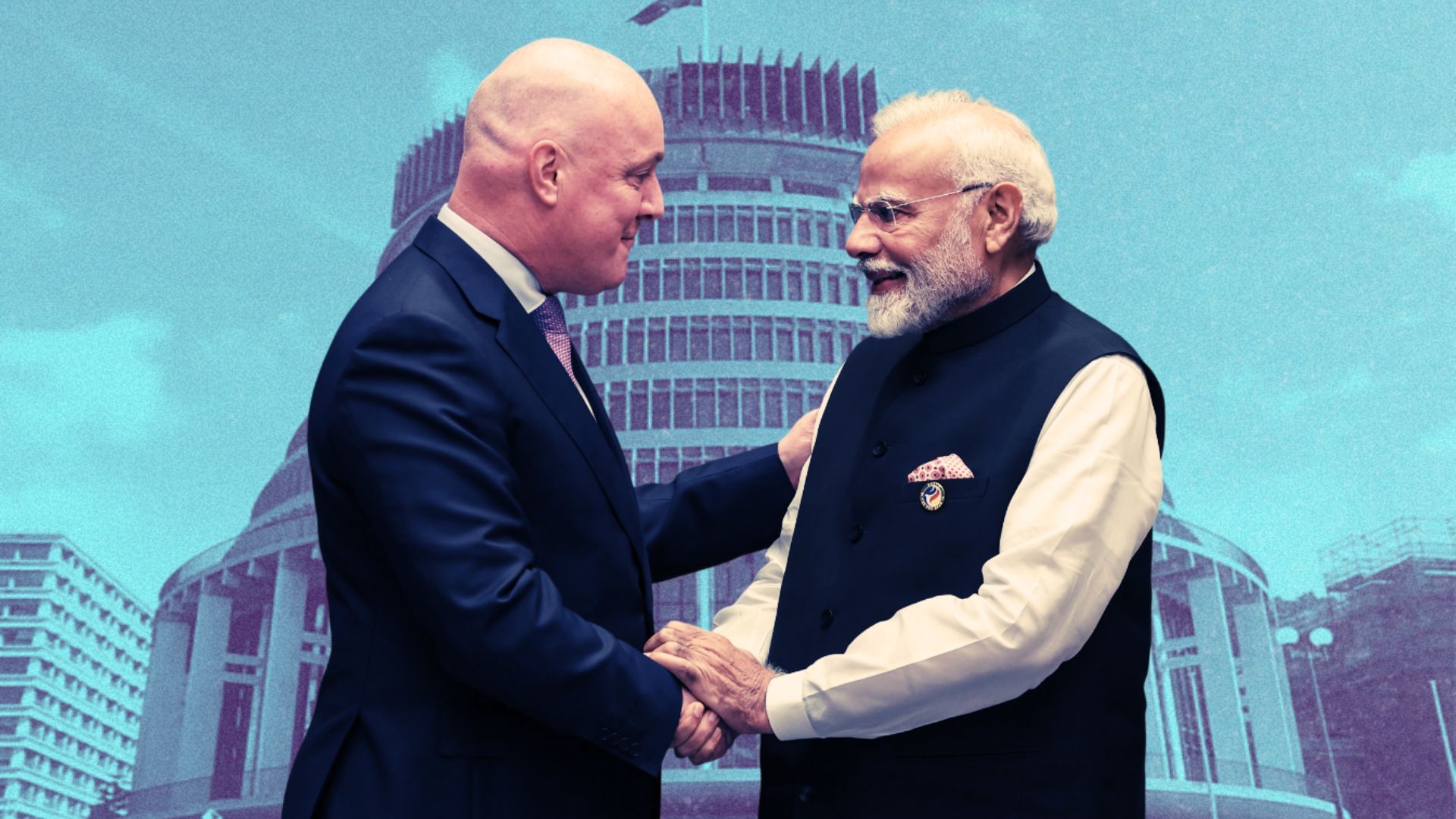
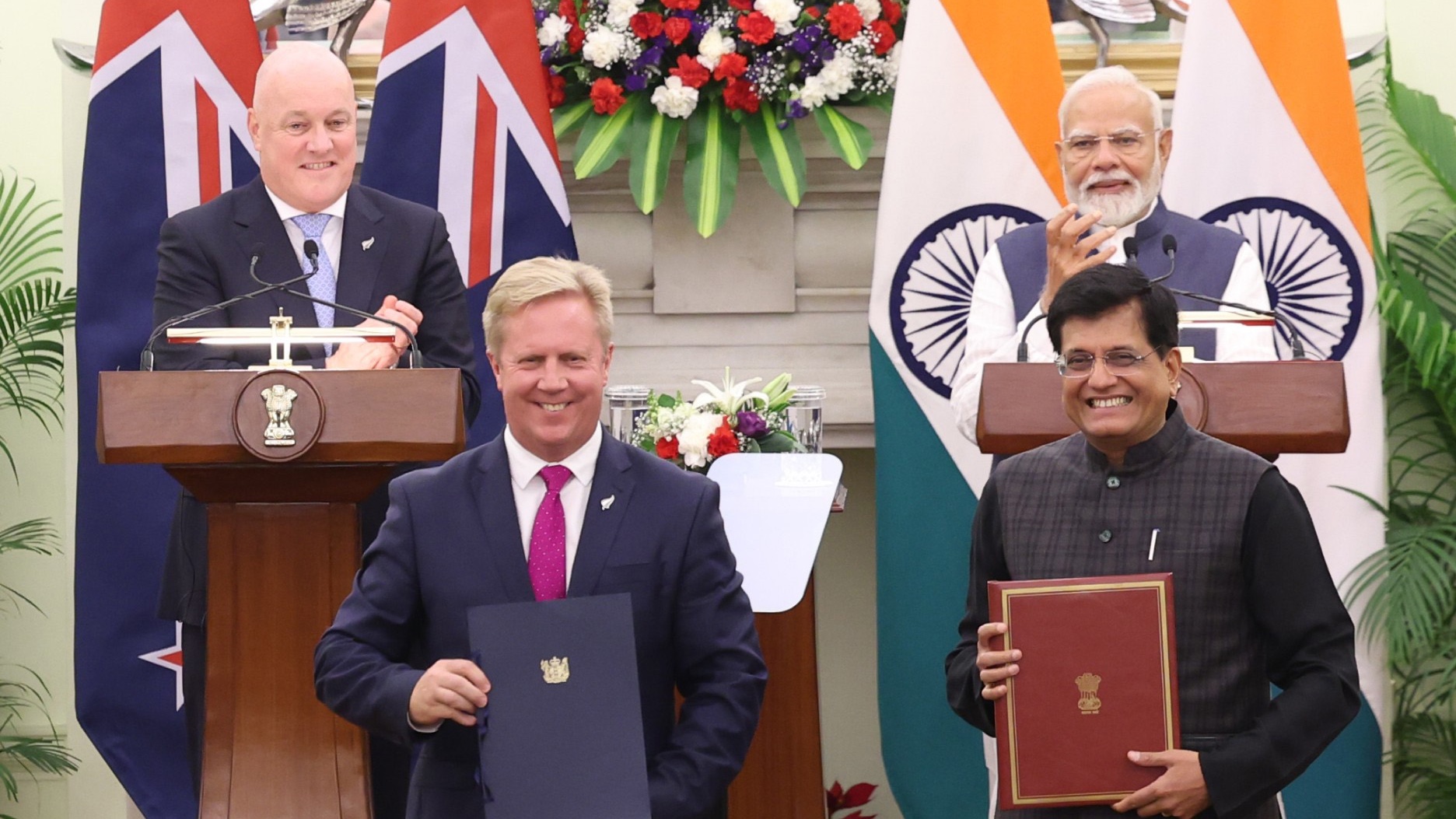
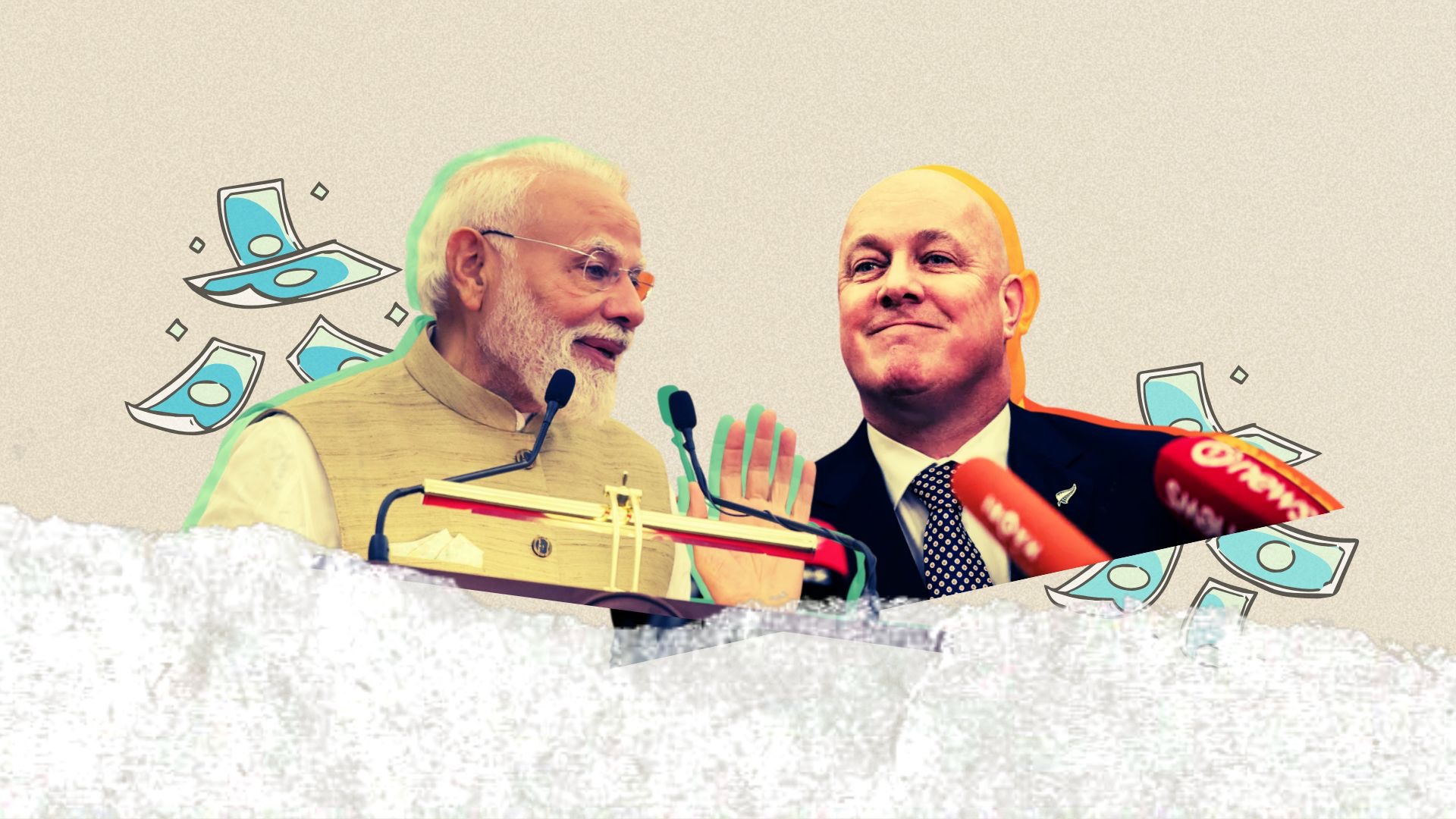
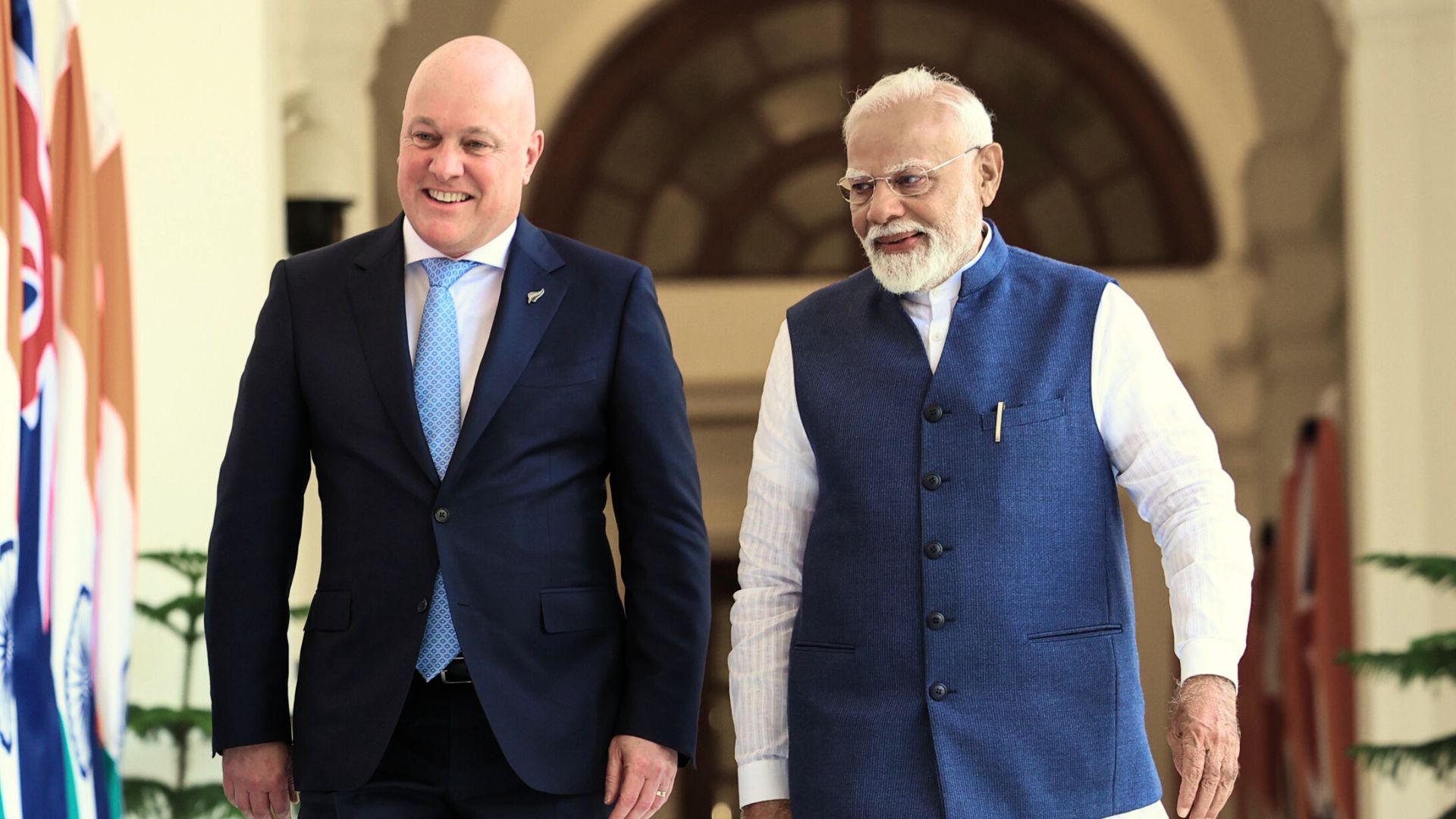
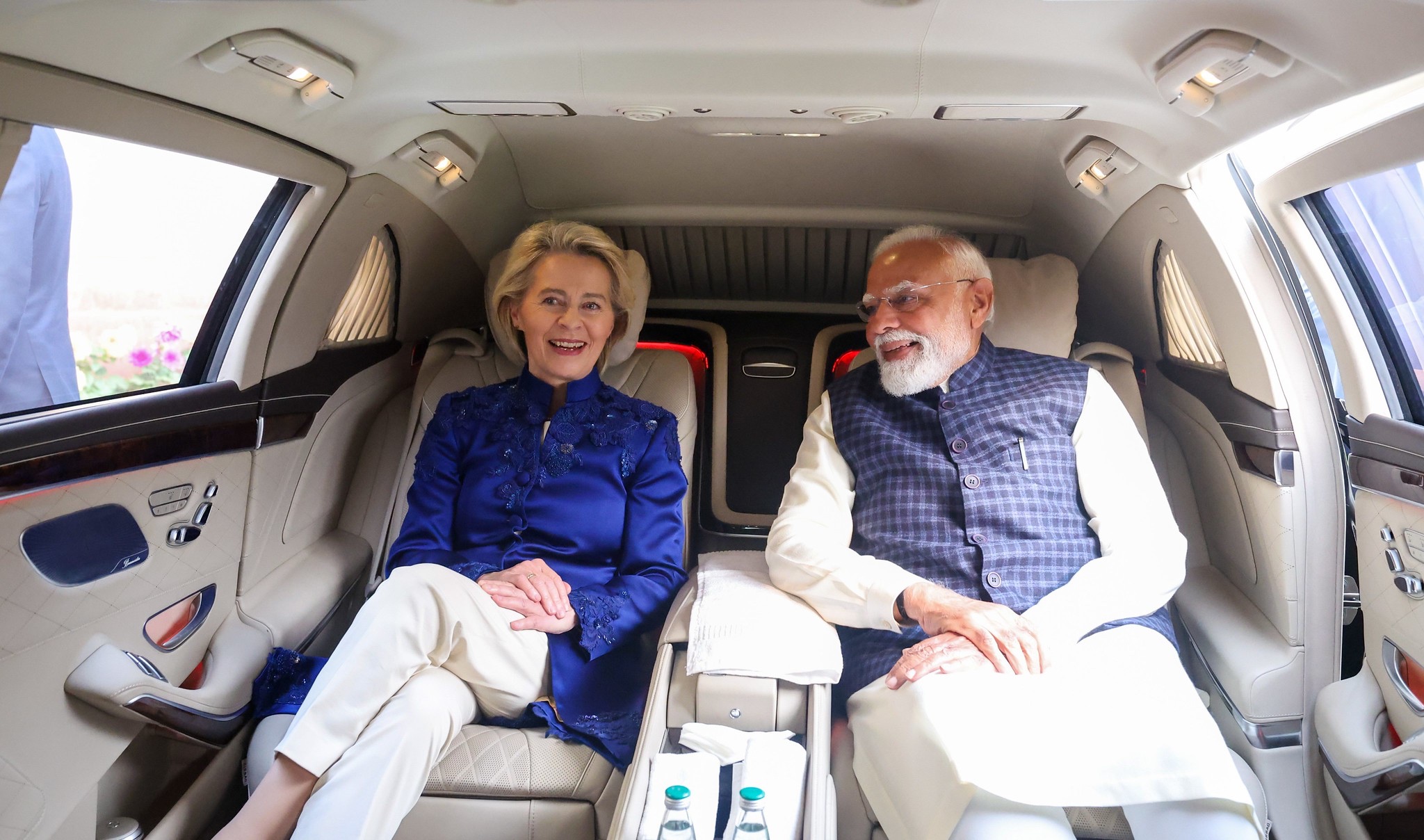
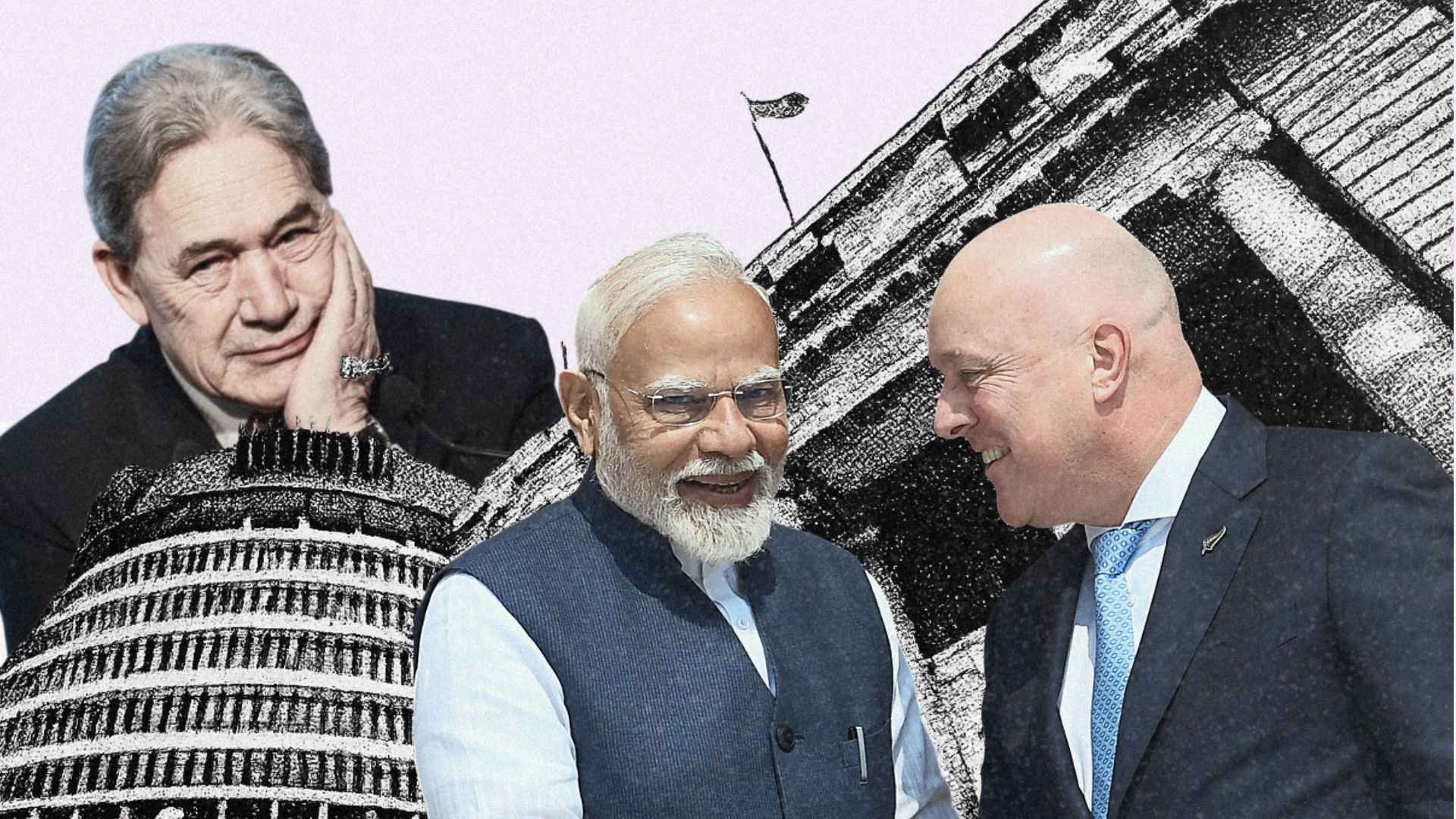
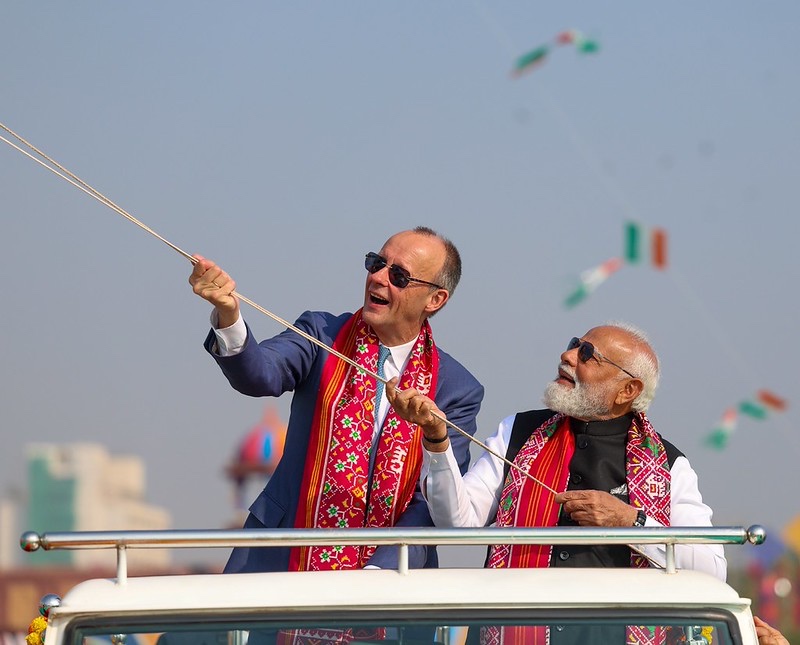
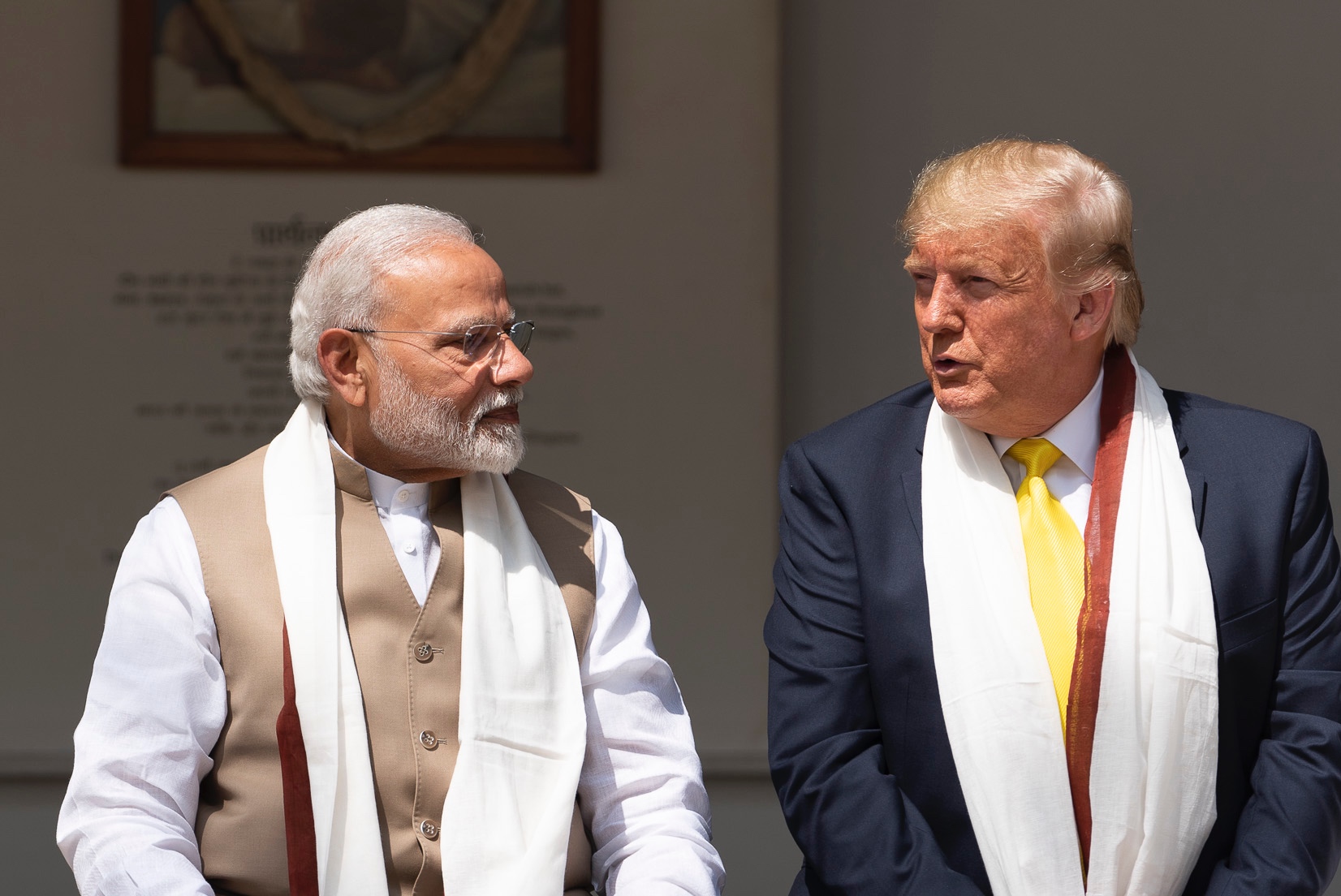
Prime Minister Christopher Luxon with Indian counterpart Narendra Modi in New Delhi in March 2025. (Supplied photo)
The hyperbole notwithstanding, what does the text of the agreement tell us about the likely economic impact?
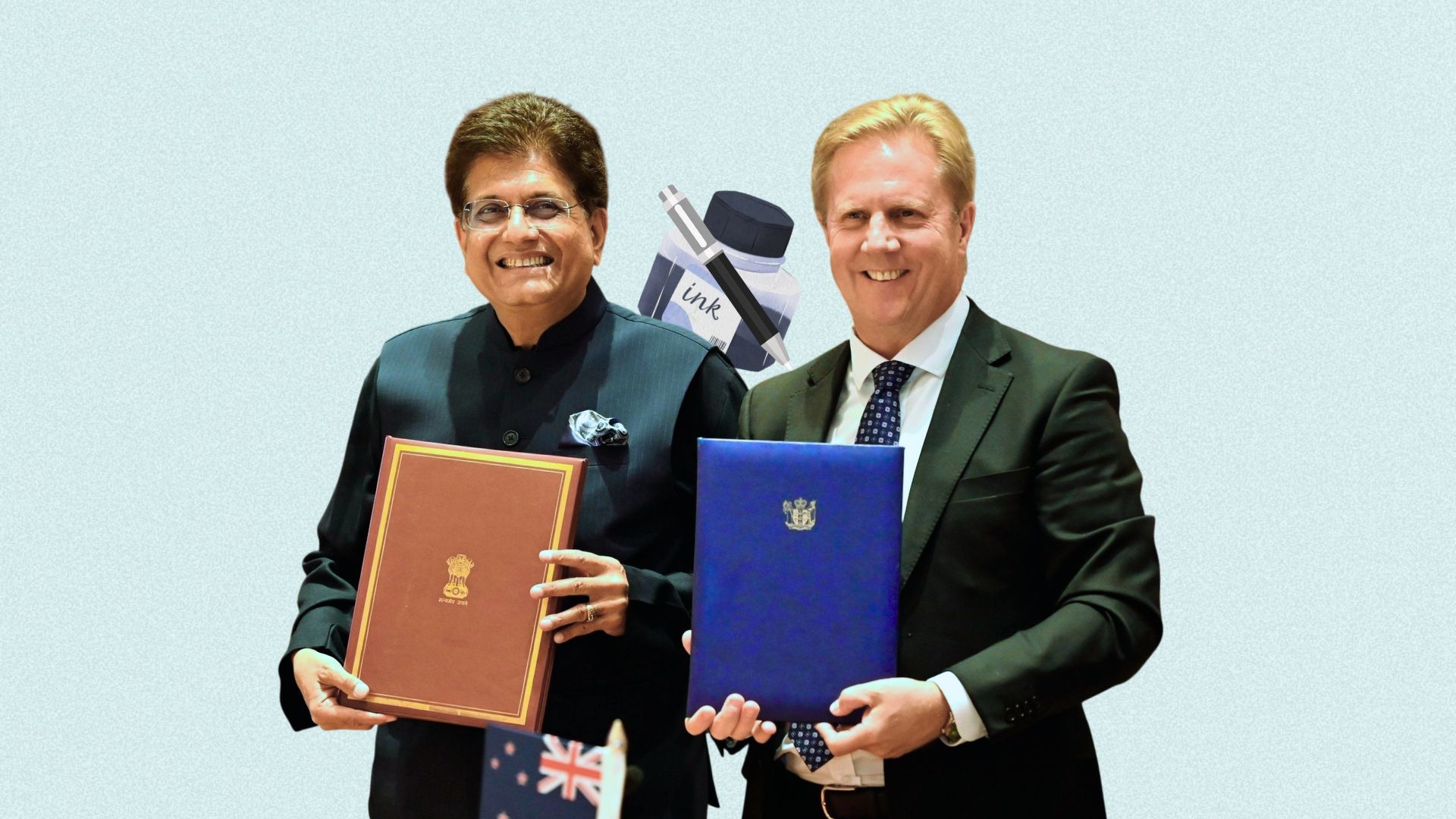
Depending on which side of the argument you listen to, the recently signed New Zealand-India free trade agreementrepresents either a huge economic opportunity for New Zealand or a risk to its economic sovereignty.
In an election year, we can expect political positioning over something as significant as this deal, given the broader context. India is a huge market of 1.4 billion people, migration is a burning issue globally and economic growth has been elusive during a period of inflation, war and fuel price hikes.
Broadly, the agreement reduces barriers to trade in goods, services, capital and skilled labour. It’s not surprising exporters are excited about the opportunities. India is projected to grow at 6.5% this year and the next – faster than New Zealand’s other existing trade partners.
The Ministry of Foreign Affairs and Trade’s national interest analysis estimates trade, output and real wages will increase due to the market access for New Zealand goods in the deal.
The economic benefits projected by 2050 may even be conservative estimates, given higher-than-modelled gains were seen once the New Zealand-China free trade agreement was in place.
South Asian diaspora raises over $200,000 for New Zealanders missing in Nepal flood "I'm so proud of the Indian community here who...supported us, saying it is not a Nepal problem but our problem."
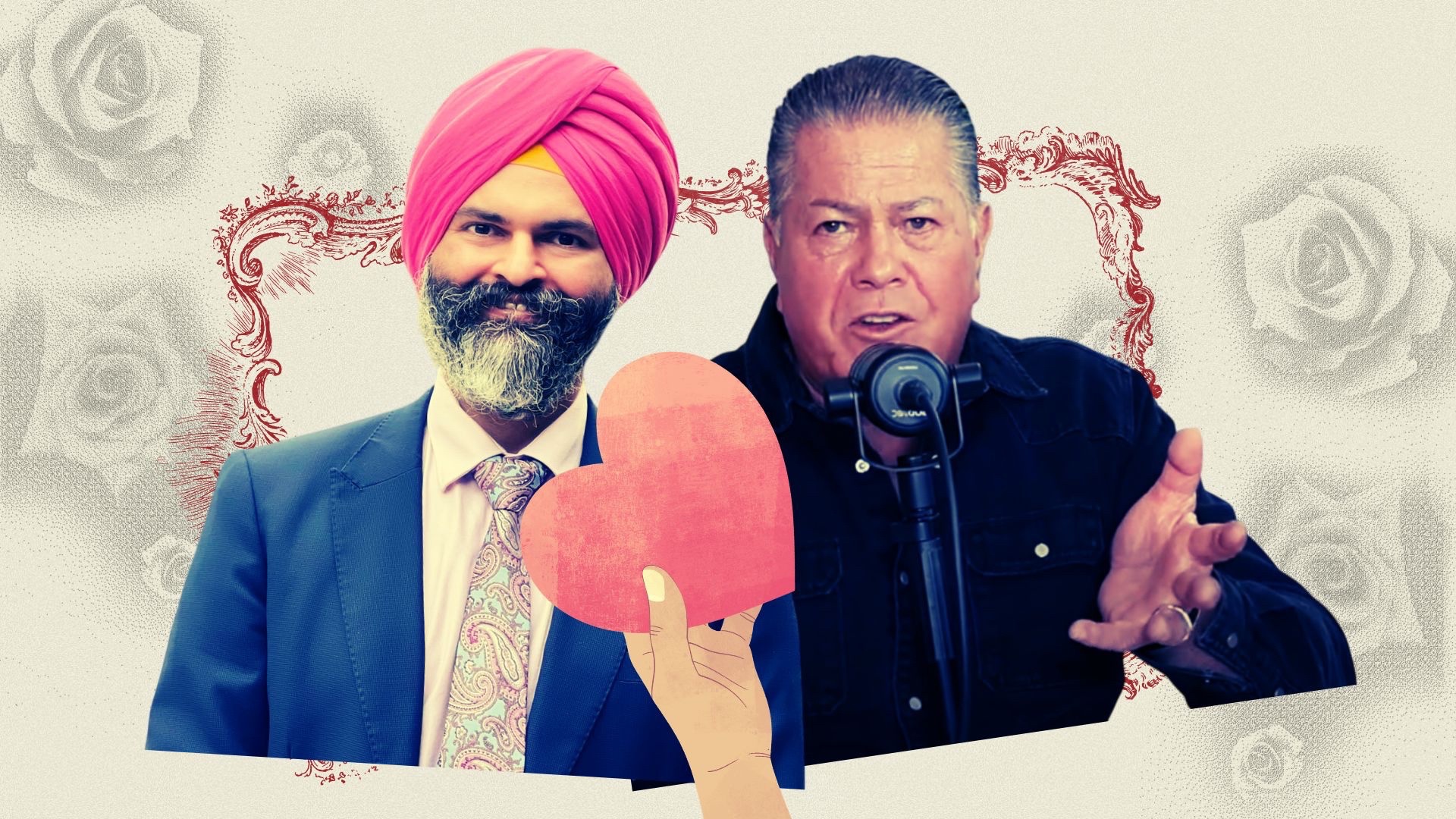
Tamakis launch Indian-origin candidate for Epsom who surrendered passport and has ‘assimilated’ “I know a whole lot of people are going to be like shocked,” says Hannah Tamaki.
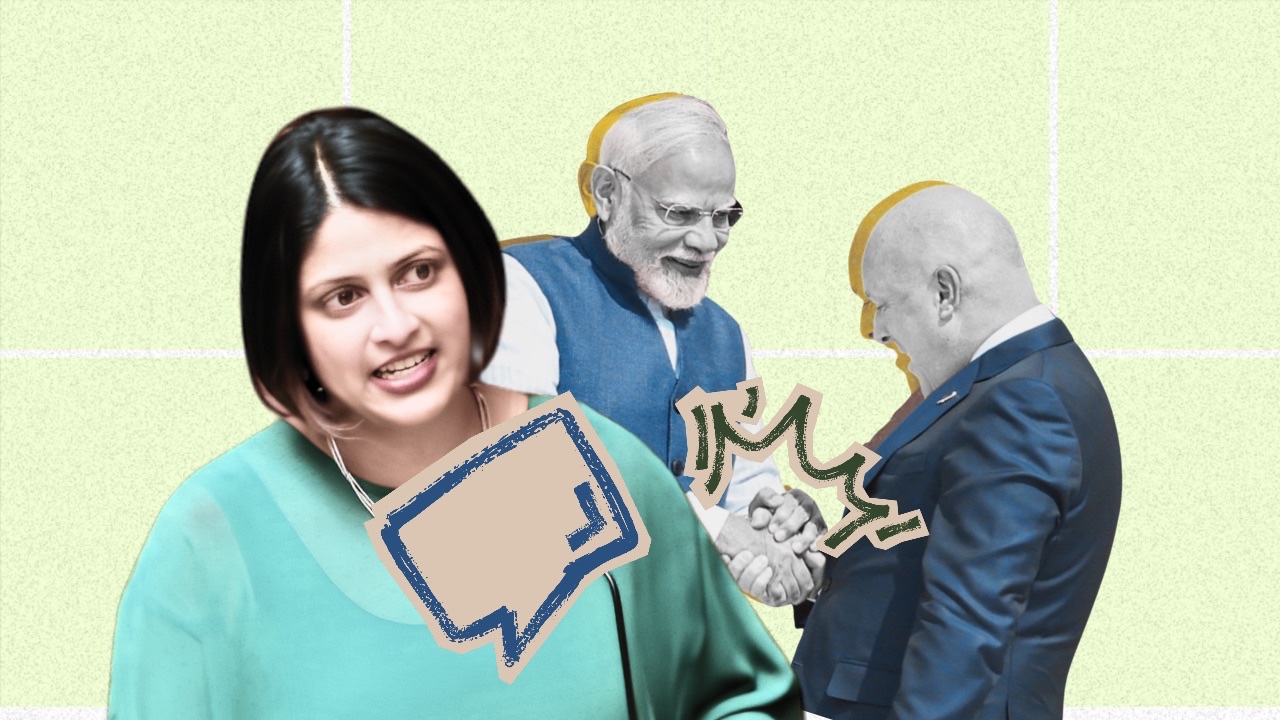
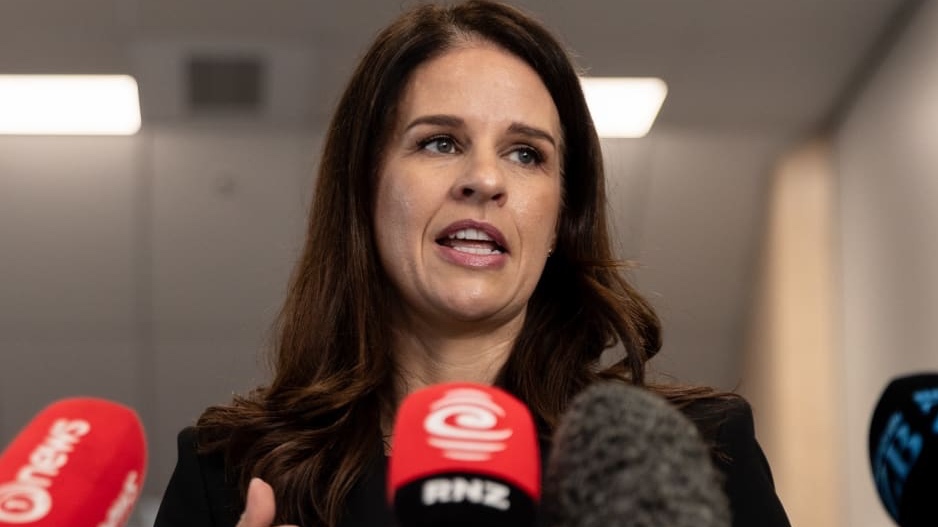
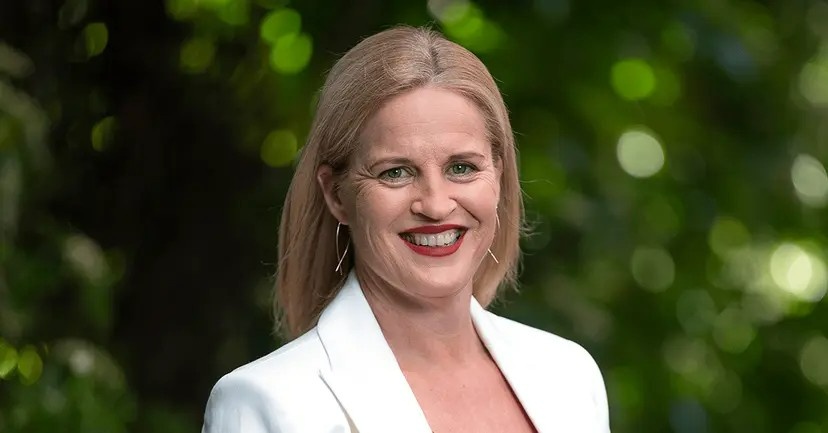
Priyanca Radhakrishnan tries to puncture Luxon’s FTA victory, says India was already sold “Things have changed quite dramatically on the Indian government side,” says the Indian-origin Labour MP.
But the India deal goes beyond trade in goods and encompasses services and investment liberalisation, which was where the most political opposition was faced.
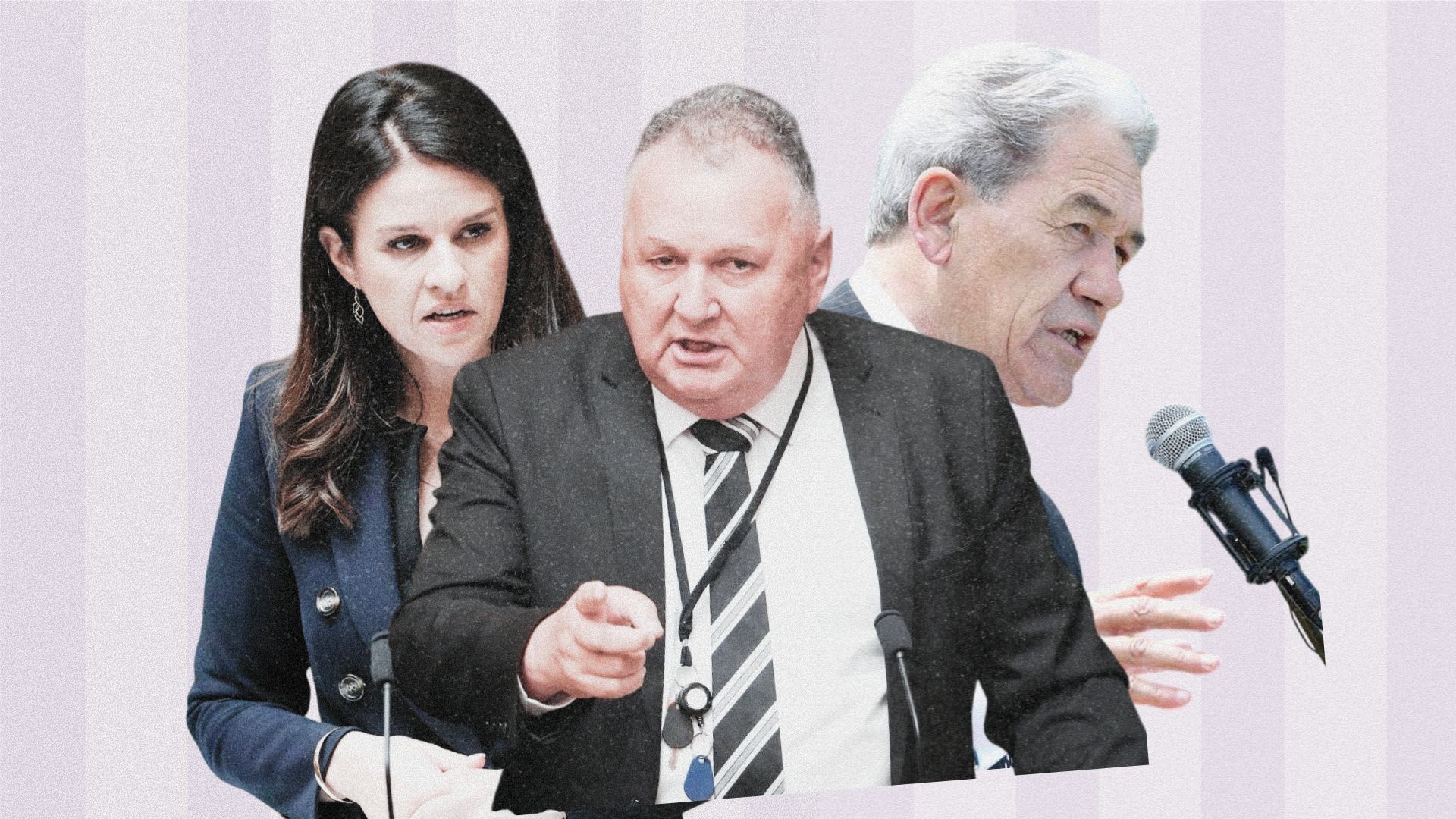
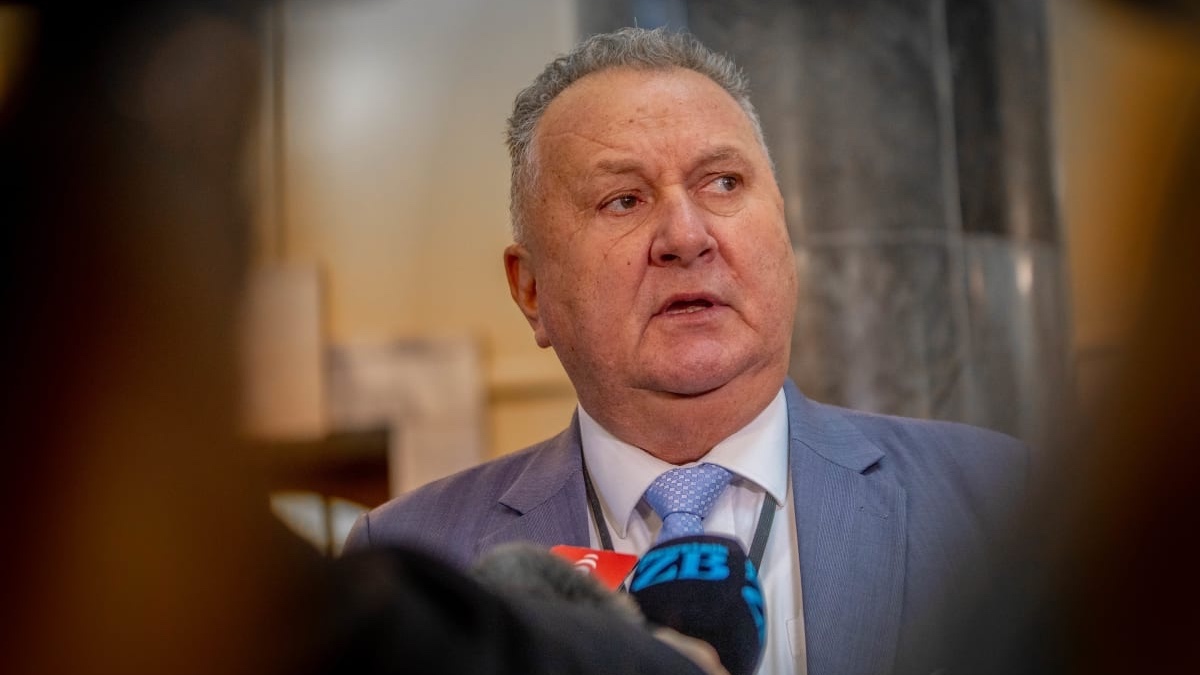
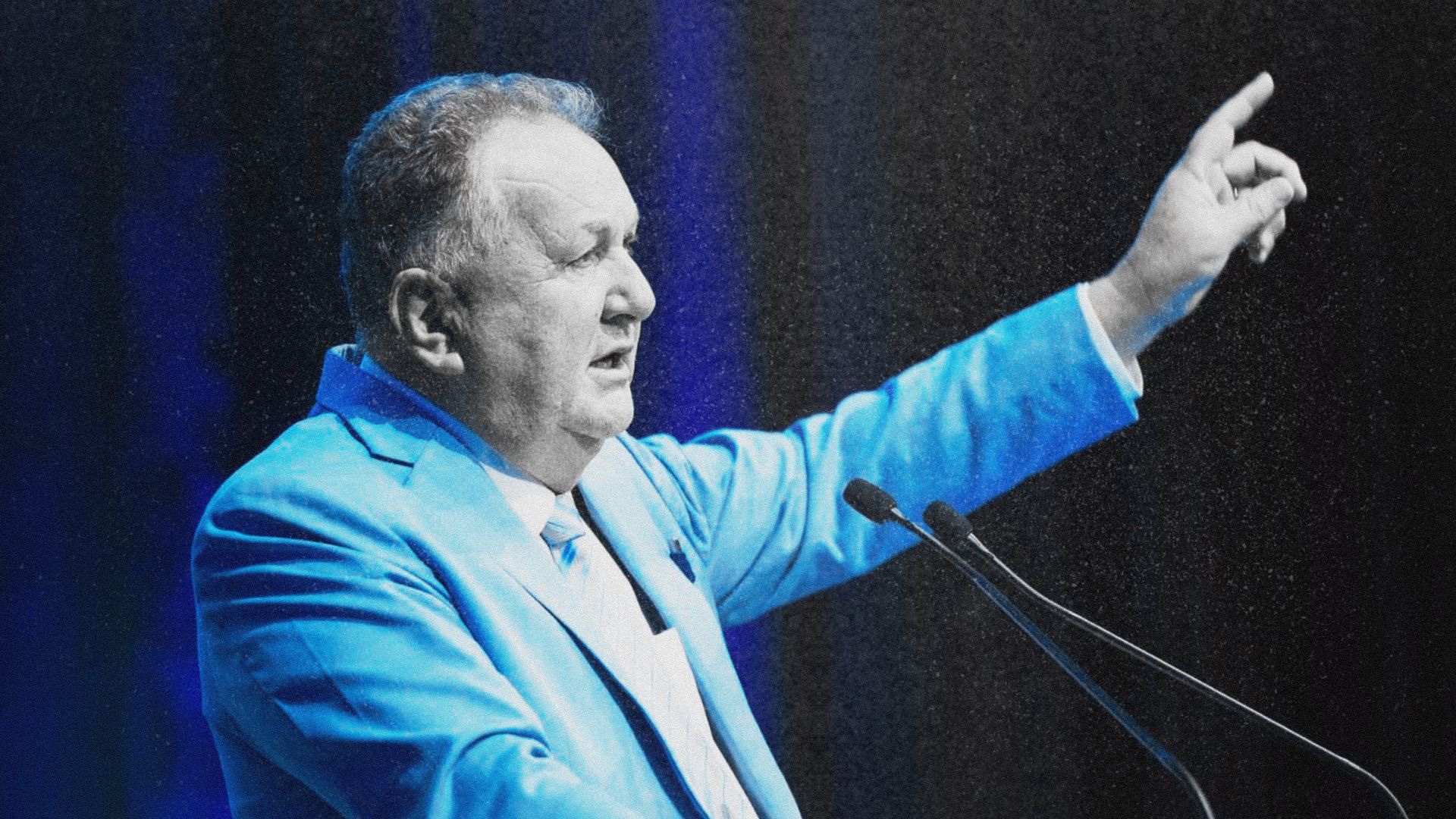
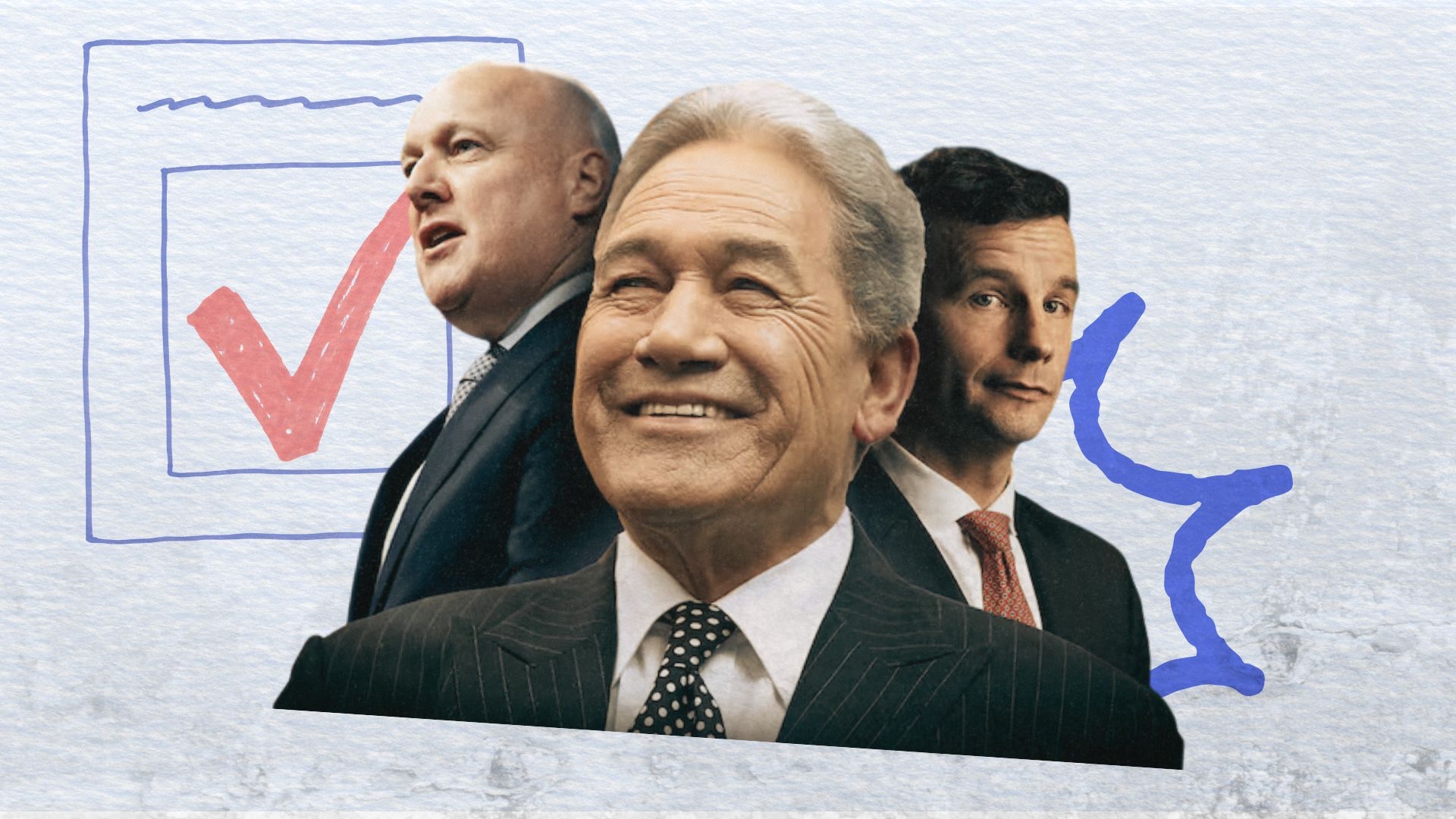
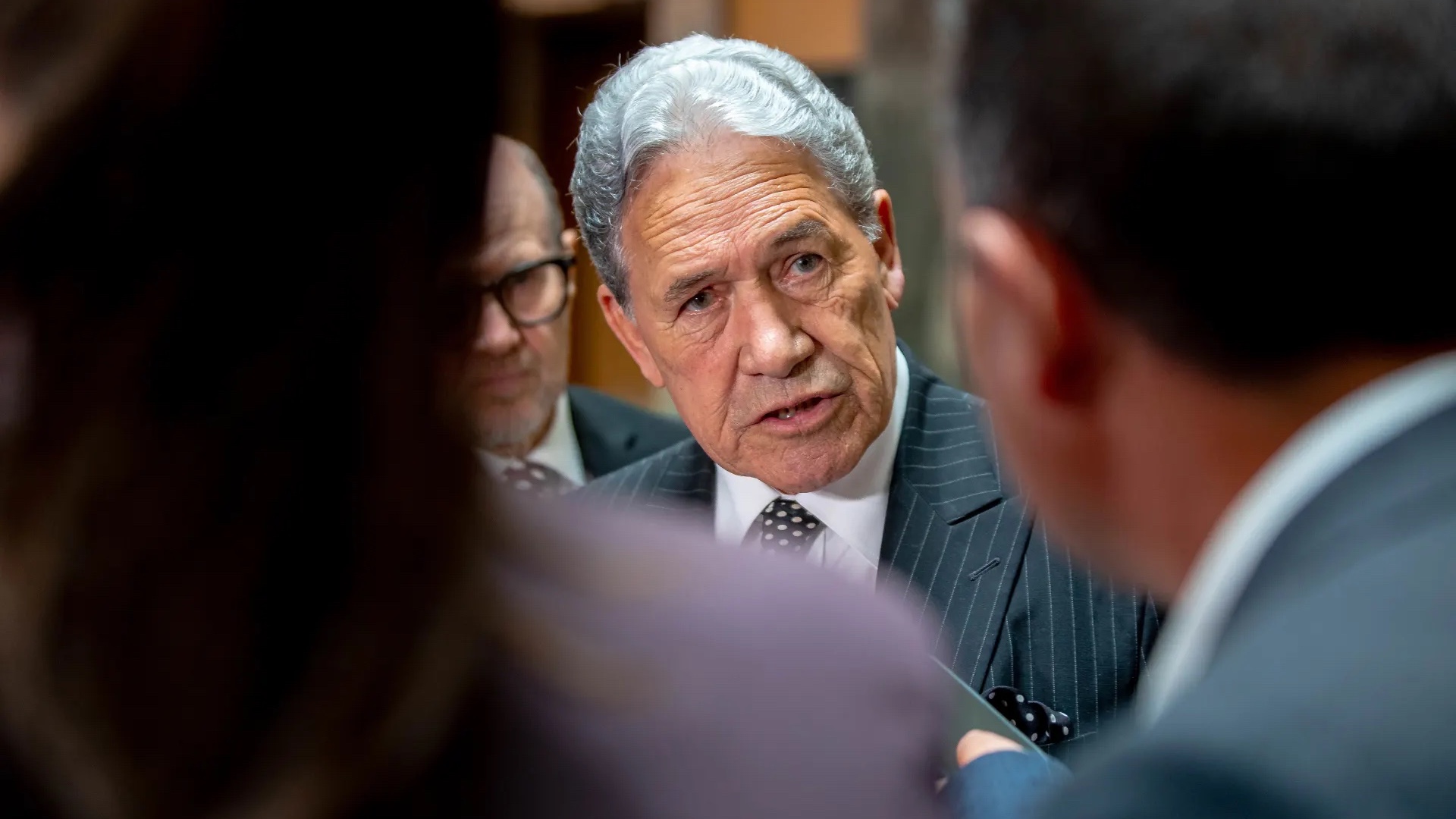
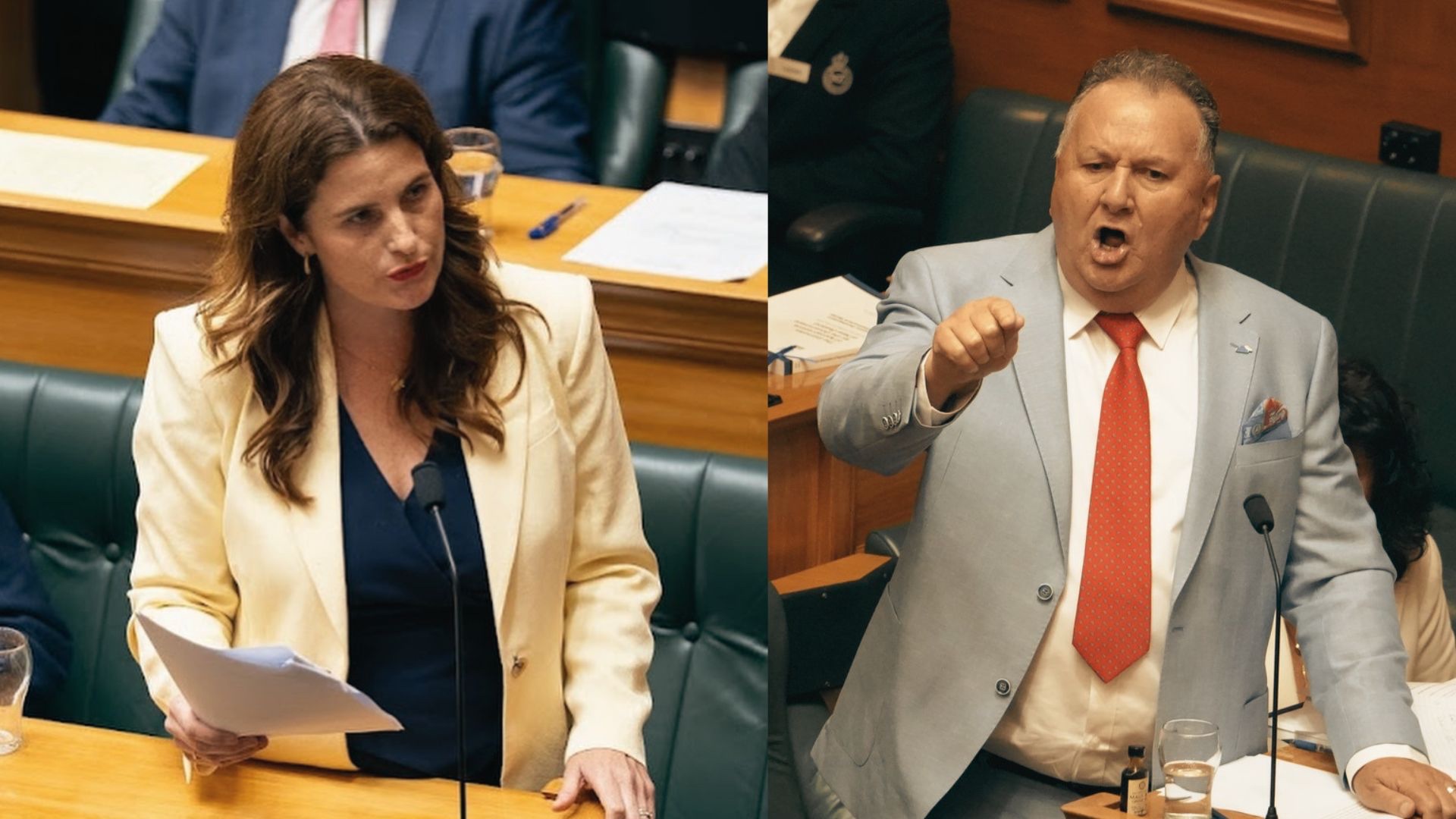
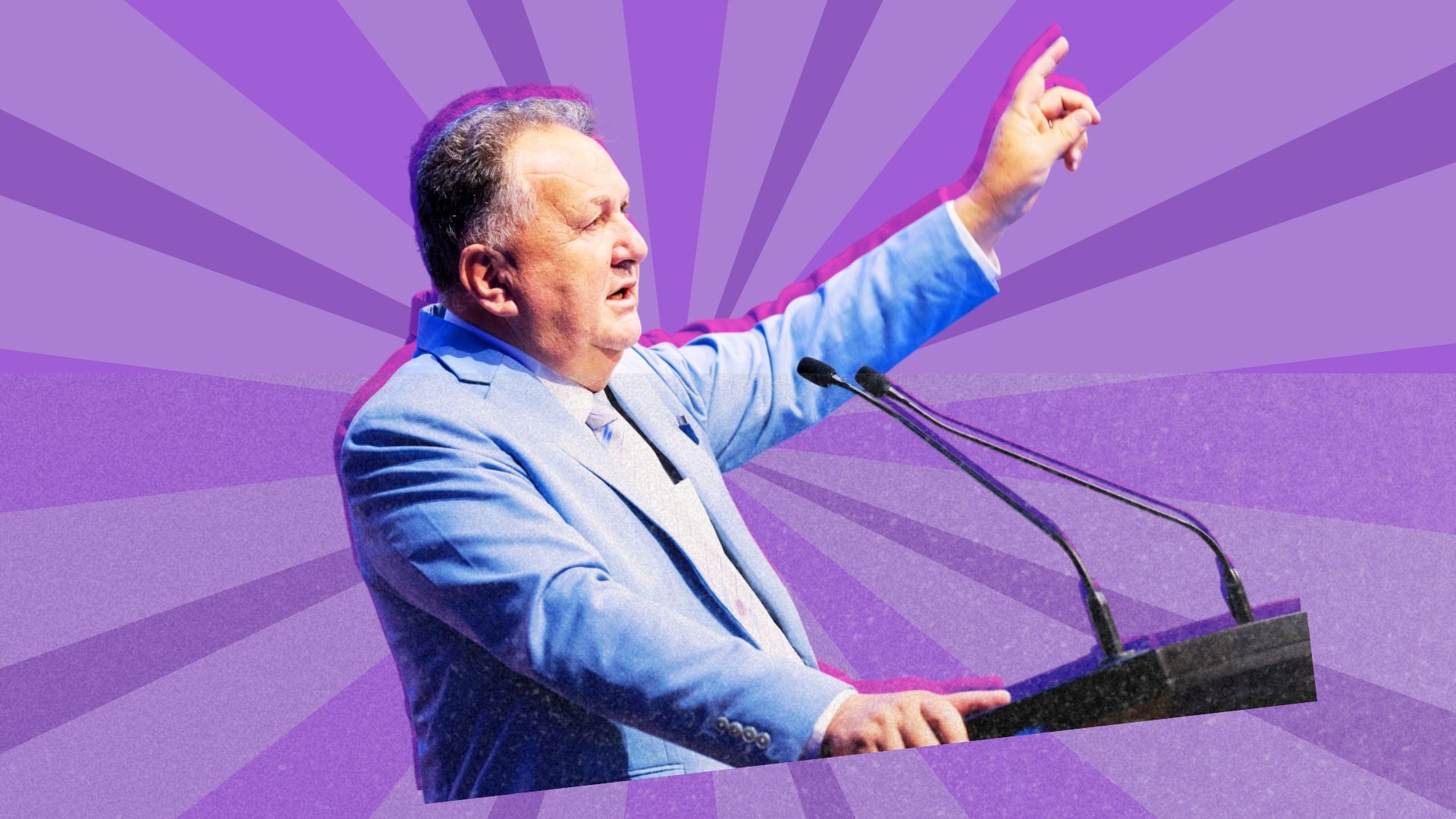
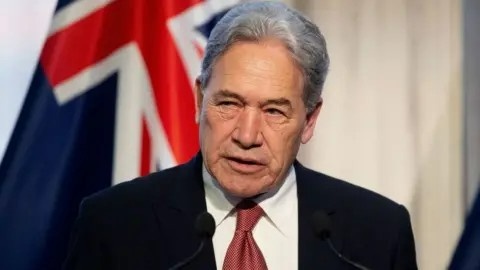
First, it was feared New Zealand could be penalised for not investing enough in India. Second, according to NZ First’s Shane Jones, the agreement opens a door to “unfettered immigration”, displacing local jobs.
The hyperbole notwithstanding, then, what does the text of the agreement tell us about the likely economic impact of the deal on New Zealand?
Can NZ be penalised for not investing enough?
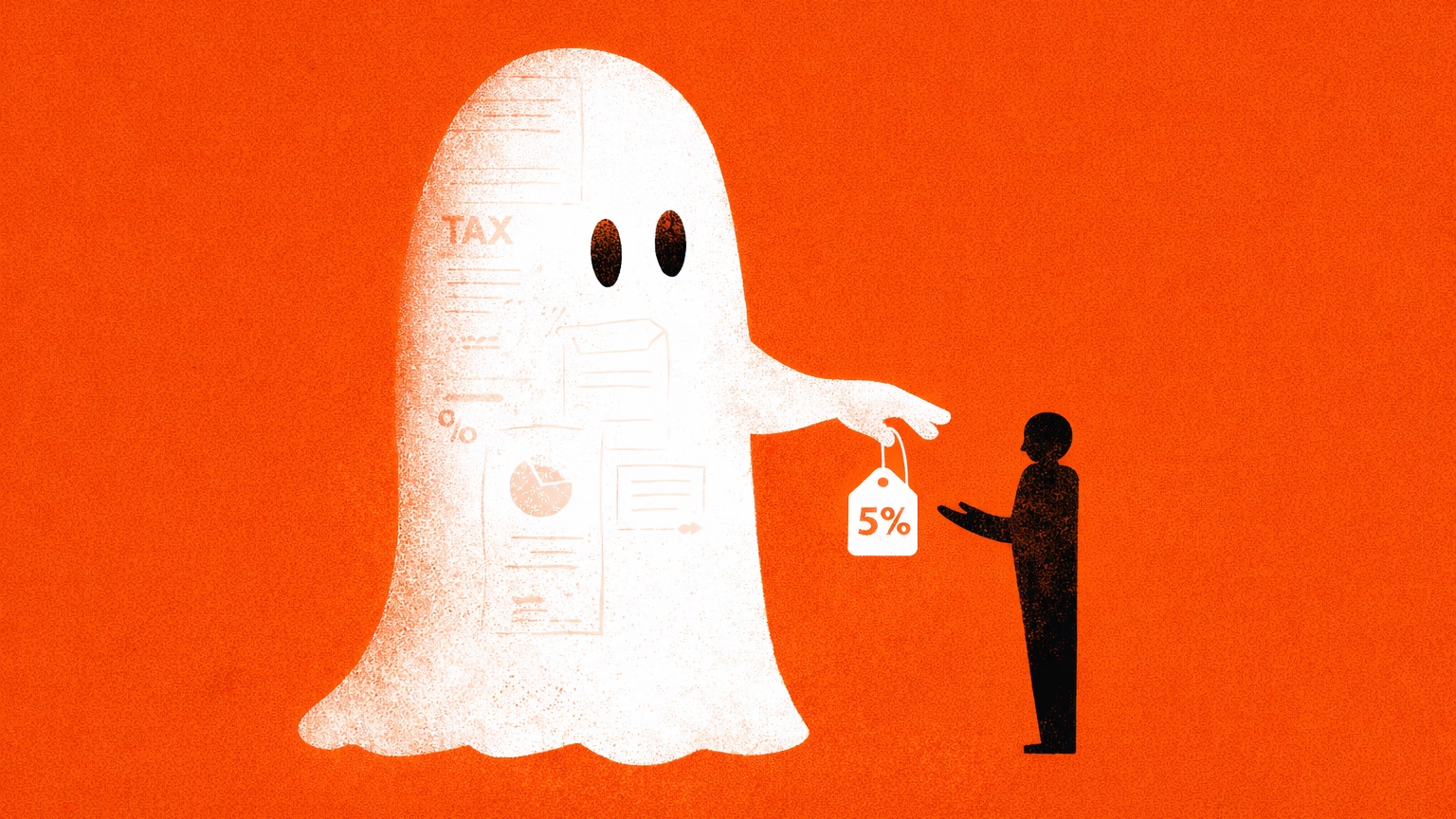
The major sticking point for the Labour Party – whose support for the deal was needed because government coalition partner NZ First opposed it – was concern that New Zealand businesses would be legally obligated to invest NZ$33 billion dollars in India over 15 years.
A close reading of the chapter on investment promotion and cooperation, however, reveals the figure is not legally binding or subject to formal dispute settlement. It is to be mutually achieved through a “review, reporting and three-tier government-to-government” consultative process every five years.
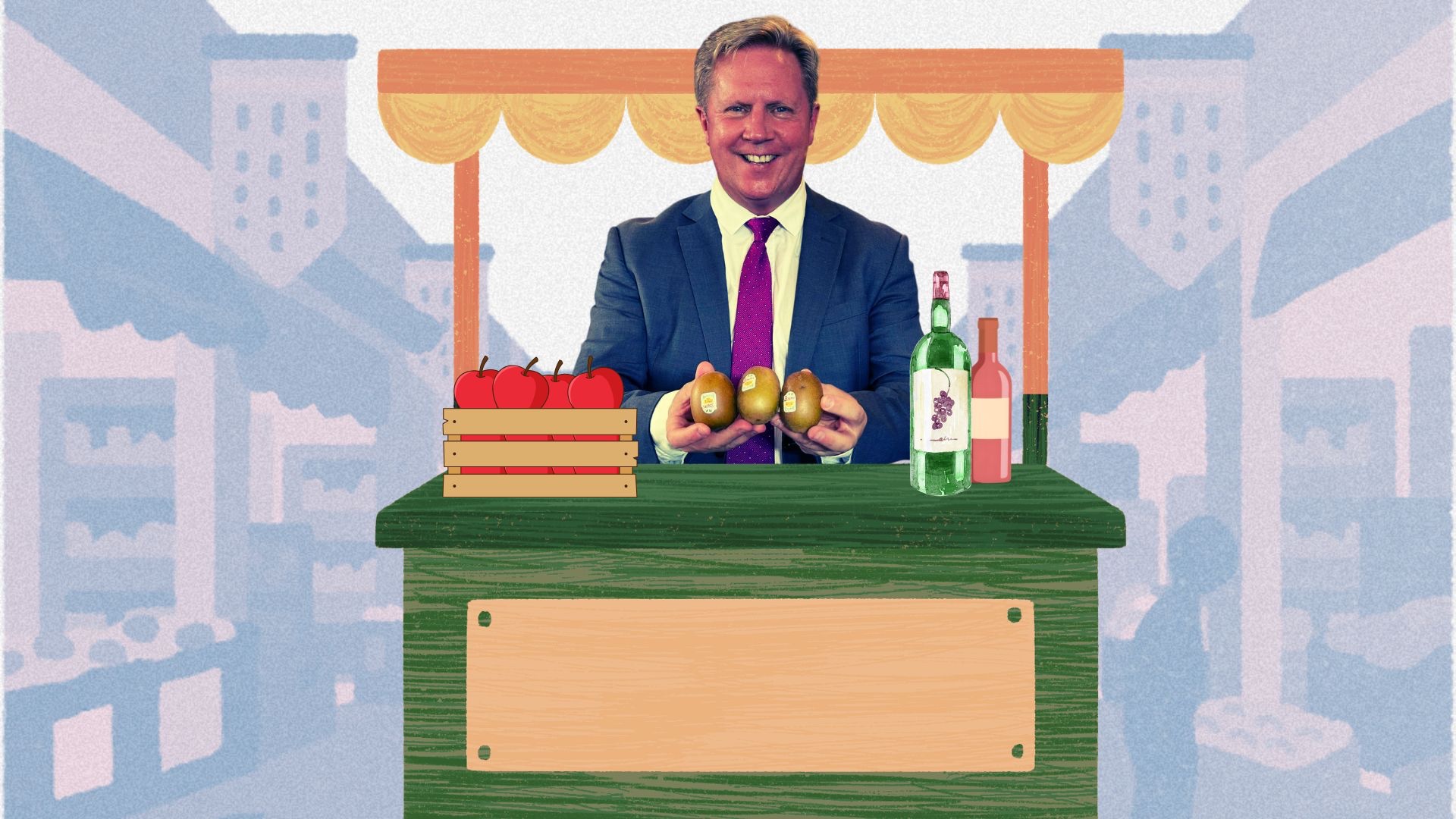
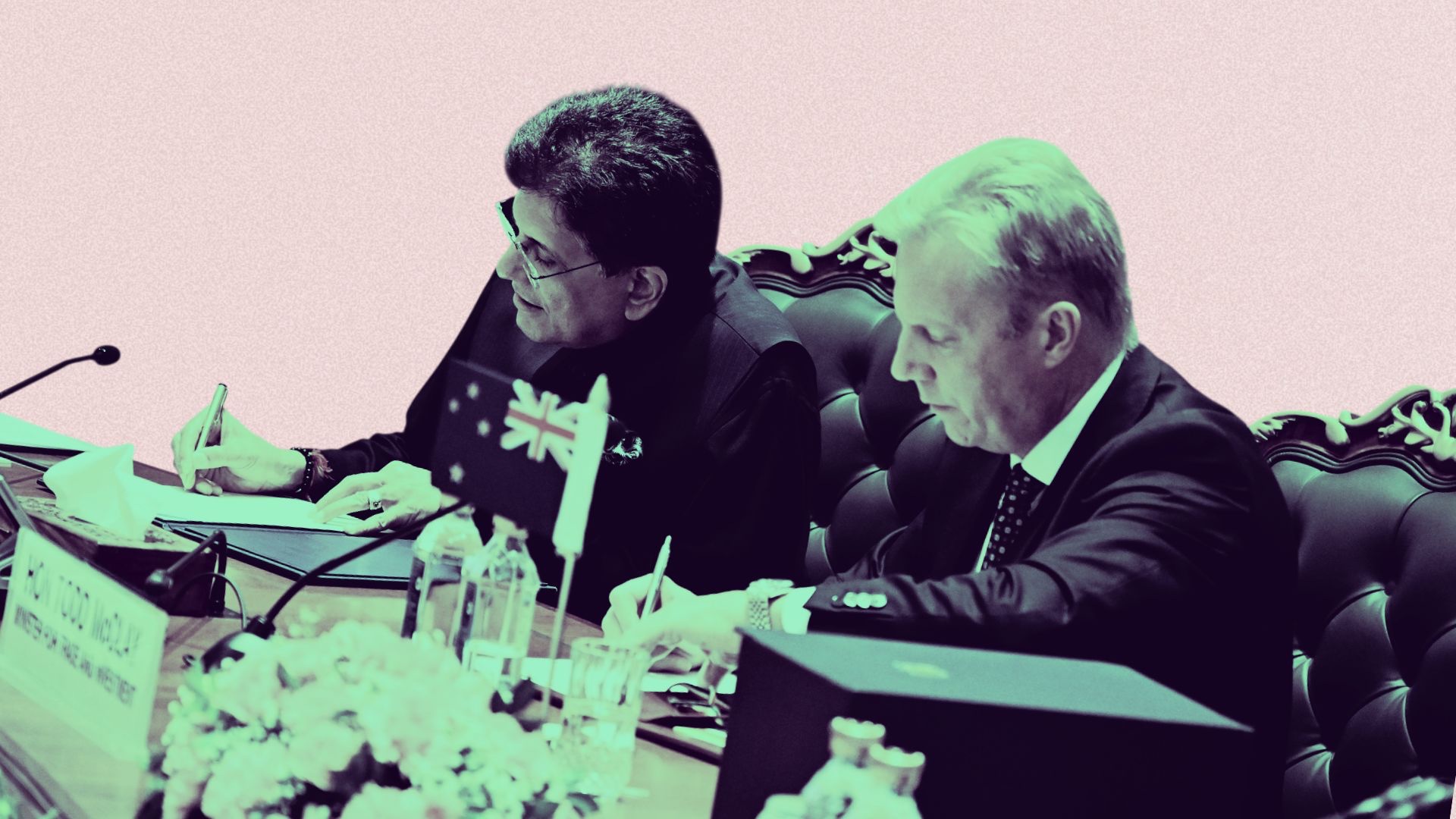
As Trade Minister Todd McClay put it, the $33 billion figure is “aspirational”. It is based on a longer-term projection of India’s economic growth over the next 15 years.
Investment will be facilitated by a dedicated desk within India’s Invest India agency. For example, it will include investment partnerships such as the Bioeconomy Science Institute Maiangi Taiao’s initiative to give expert support to India’s developing kiwifruit industry.
If New Zealand businesses don’t achieve their investment targets after 15 years, there will still be a three year grace period, with avenues for discussion and consultation.
Failing that, India has reserved the right to impose proportionate remedial measures by rebalancing tariff concessions. No specific details are mentioned, but they are intended to be temporary and will end once the investment objective is achieved.
These measures reflect the fact that India has given greater tariff concessions to New Zealand exporters than vice versa.
Focus on temporary labour mobility, not immigration
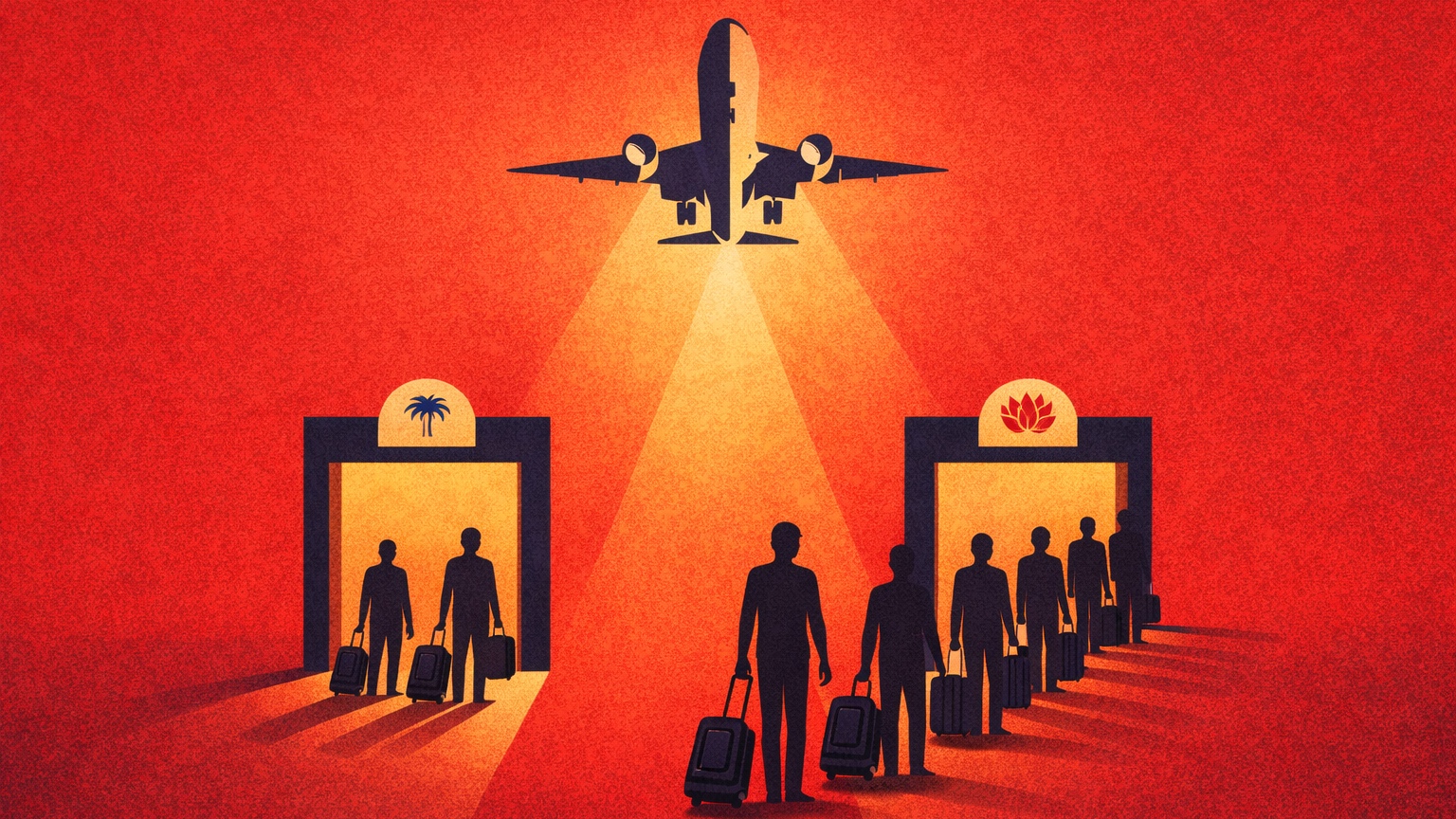
If anything, the bigger concern has been that the free trade agreement will establish an “open border” for Indian migrants into New Zealand, potentially undercutting local wages and putting even more pressure on an already strained housing market.
In reality, the agreement negotiates temporary cross-border movement for contractual service suppliers in both directions between New Zealand and India. It also allows for working holiday visas (with clear time limits) aimed solely at alleviating short-term skill shortages.
The agreement also allows temporary employment entry for some specific professions on New Zealand’s skill shortage list, all restricted to a non-renewable visa for three years.
Annexes to the agreement explicitly state:
This applies to a natural person of India, including a skilled worker, into the territory of New Zealand, in order to work under a fixed term employment contract concluded pursuant to the law of New Zealand, without the intent to establish permanent residence.
Furthermore, the agreement makes it clear these visas can only be granted for temporary travel for that specific employment purpose:
For greater certainty, these qualifications must be recognised by the appropriate New Zealand authority where under New Zealand law such recognition is a condition of the provision of that service in New Zealand.
This would mean qualified doctors, for example, can come to work in New Zealand for three years under temporary employment visas. But they will still be required to comply with local qualification and training requirements.
The intention is clear: such labour mobility provisions will only allow skilled professionals from India to provide specific services for a finite time, complementing local jobs, not displacing them.
The proof, of course, will be in the implementation of the agreement and its overall impact on trade, investment and economic growth. For now, perhaps, it is time to move beyond politics and give New Zealand businesses a chance to tap the long-term opportunities offered by this deal.

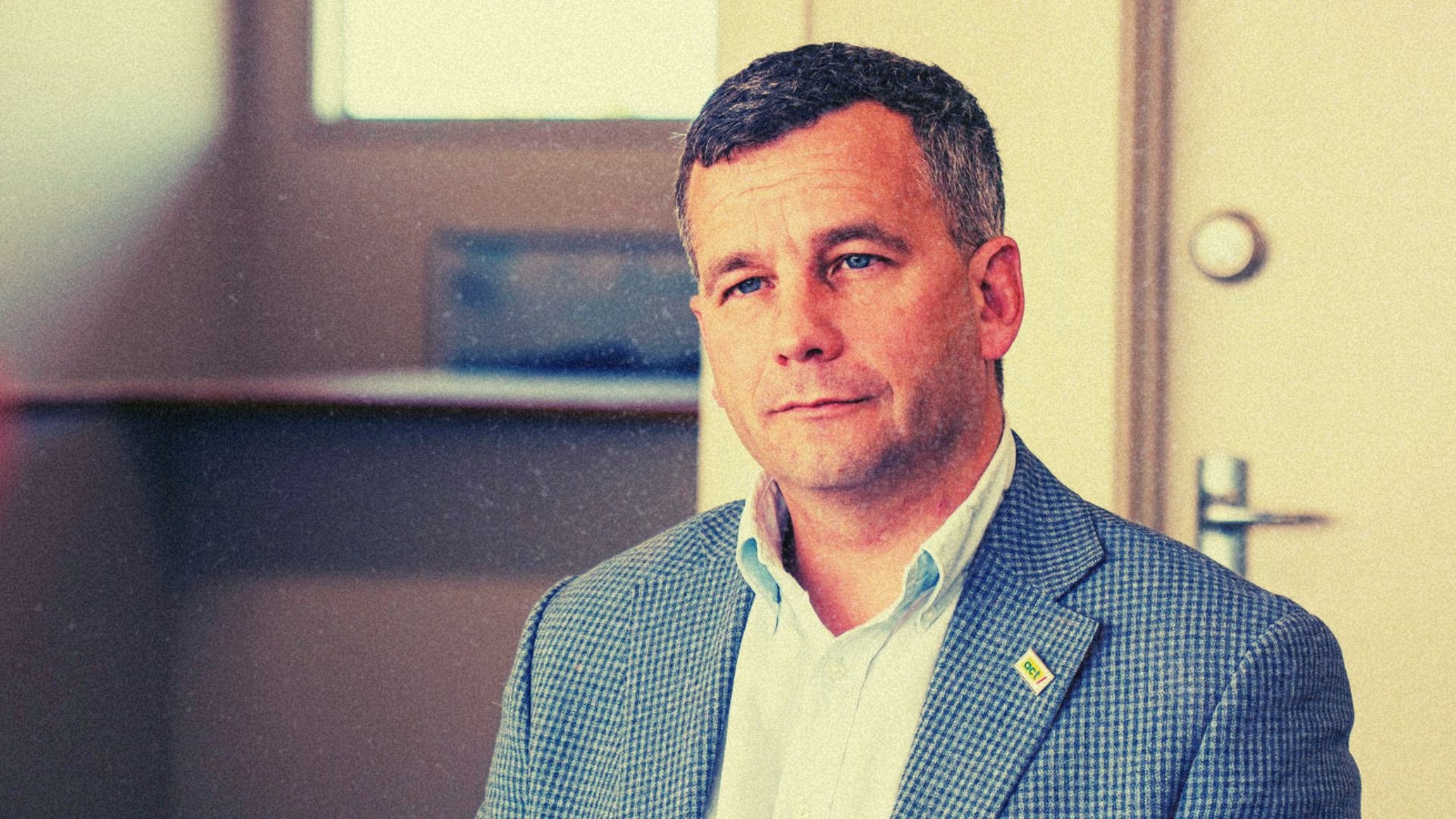
A man with short hair and glasses, wearing a blue shirt and gray blazer, smiles at the camera against a plain background.
(Rahul Sen is Senior Lecturer, Department of Economics and Finance, Auckland University of Technology.)