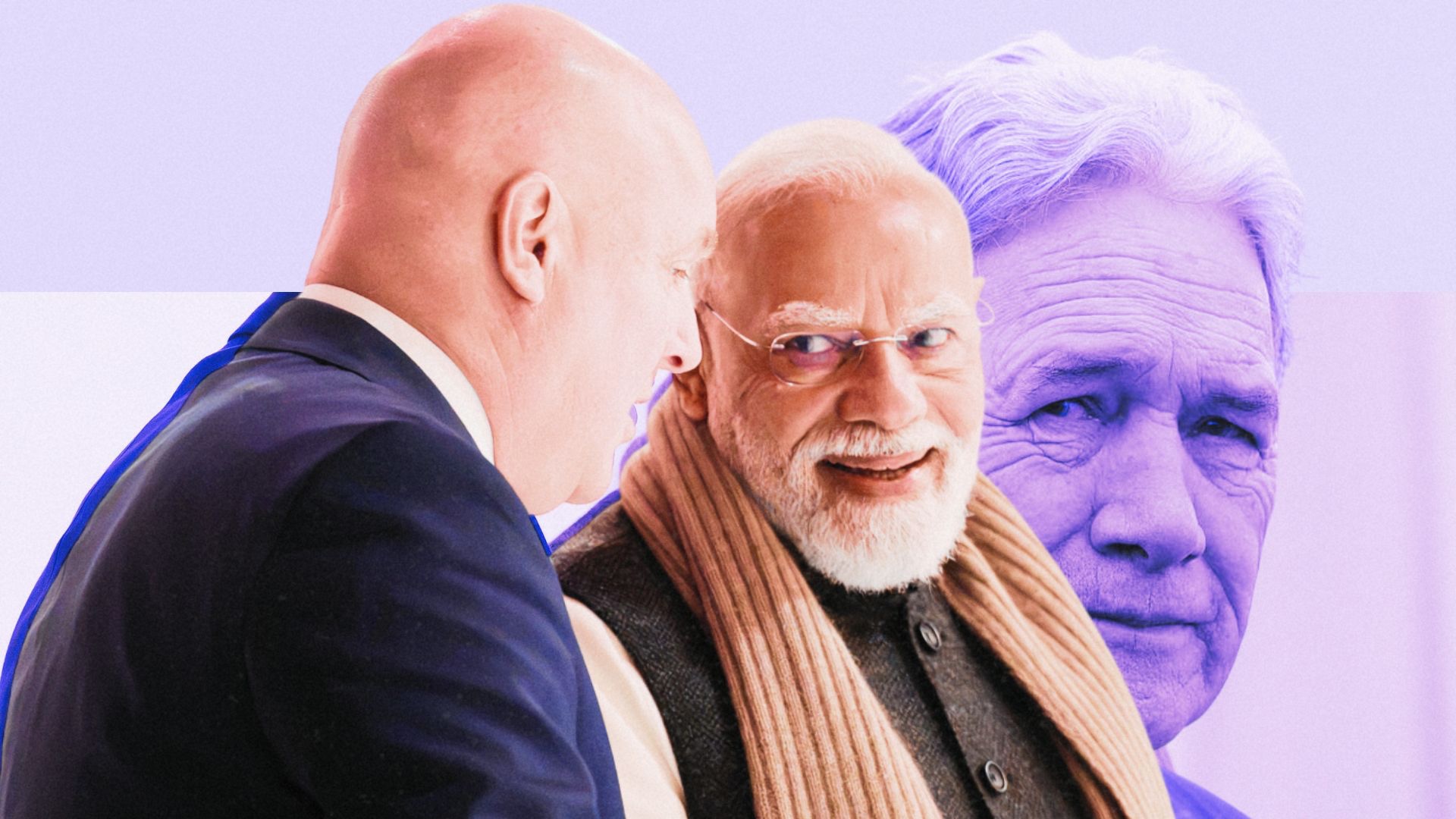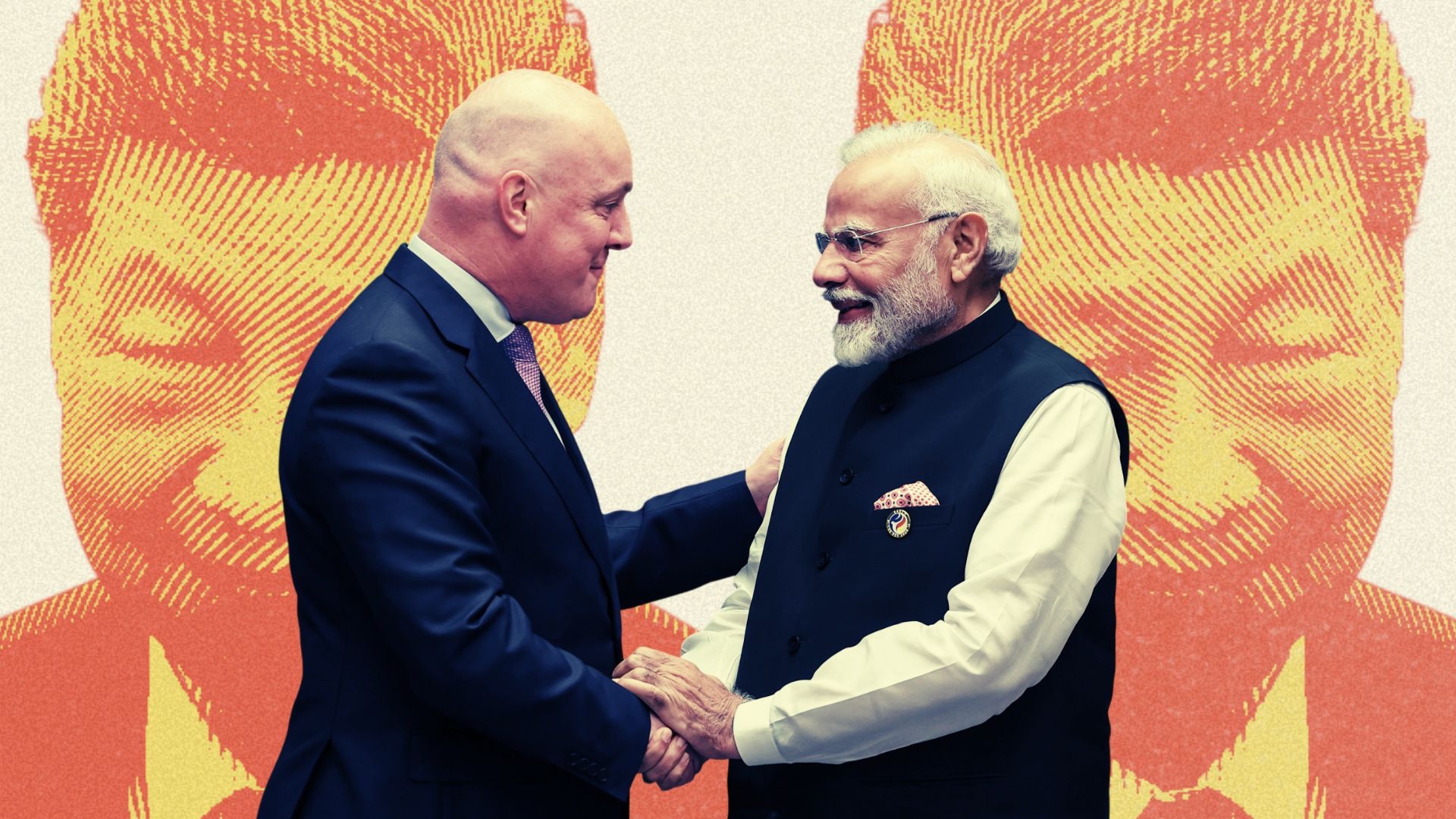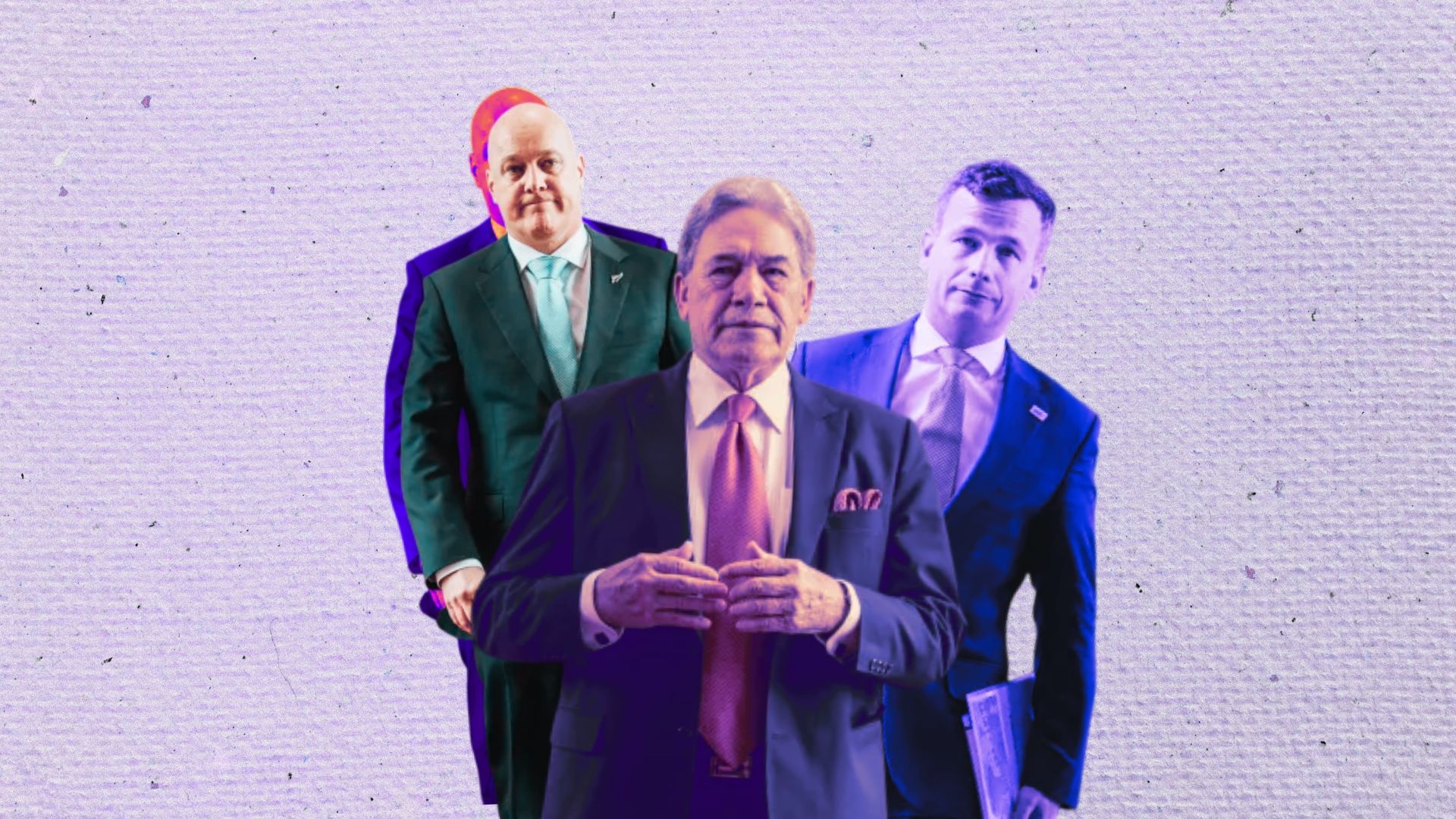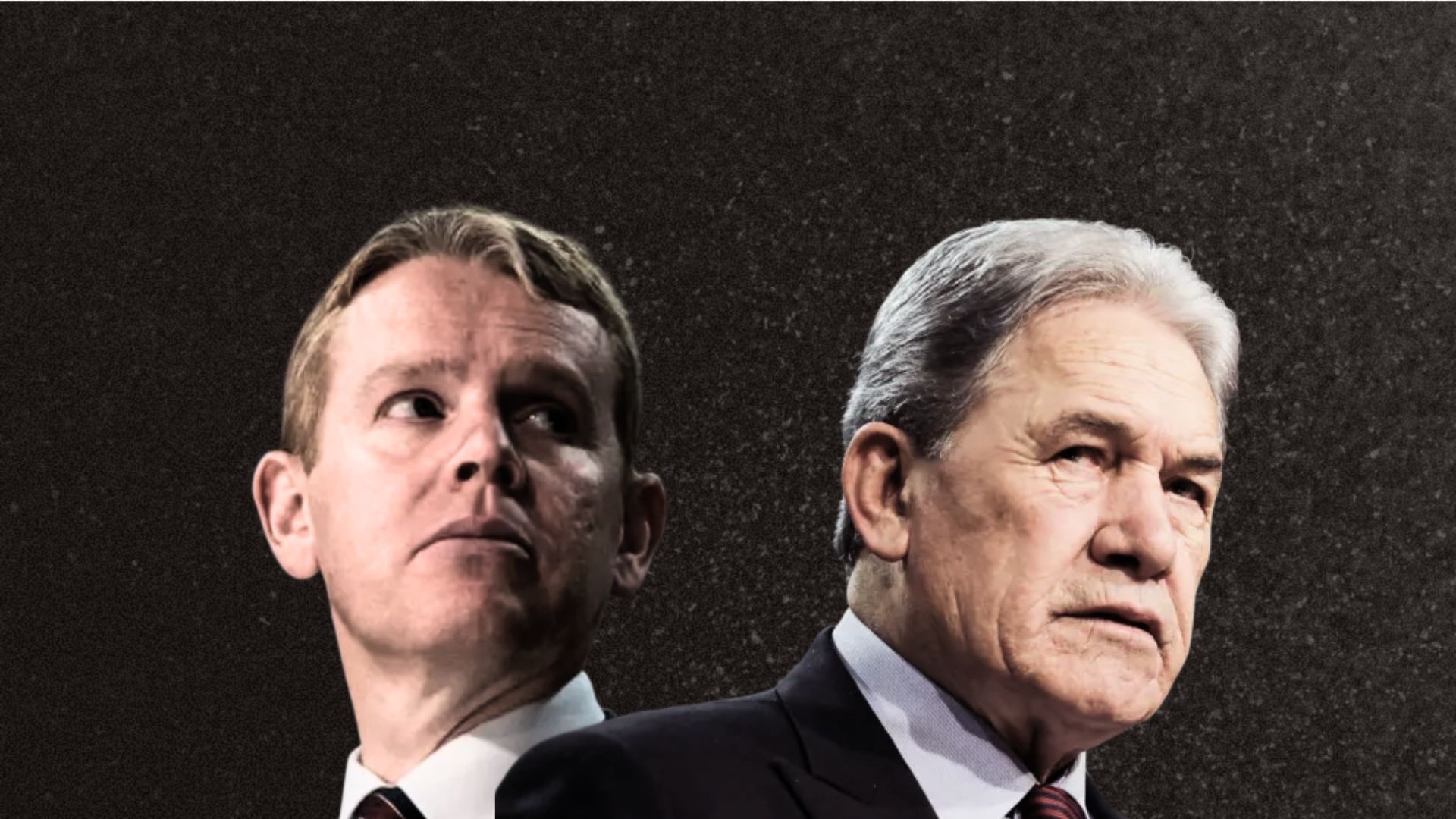

Peters the foreign minister is now a material risk to NZ's relationship with India
The foreign minister was missing in action during the first visit in 40 years by an Indian prime minister.
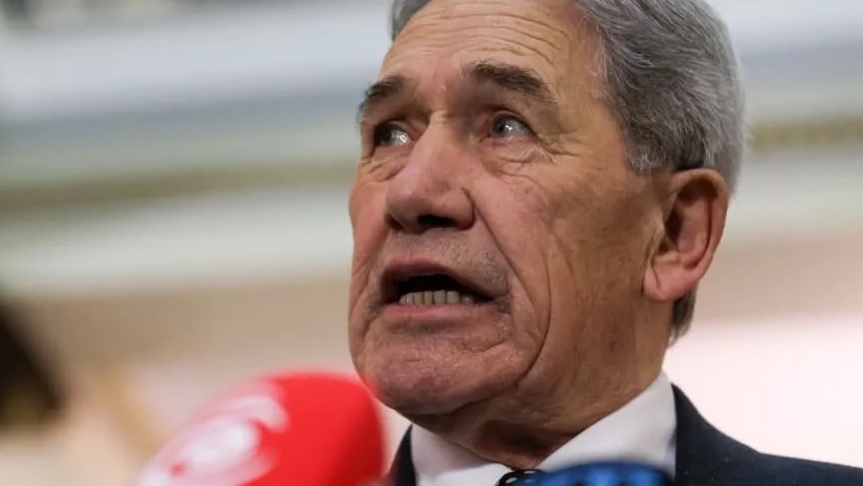
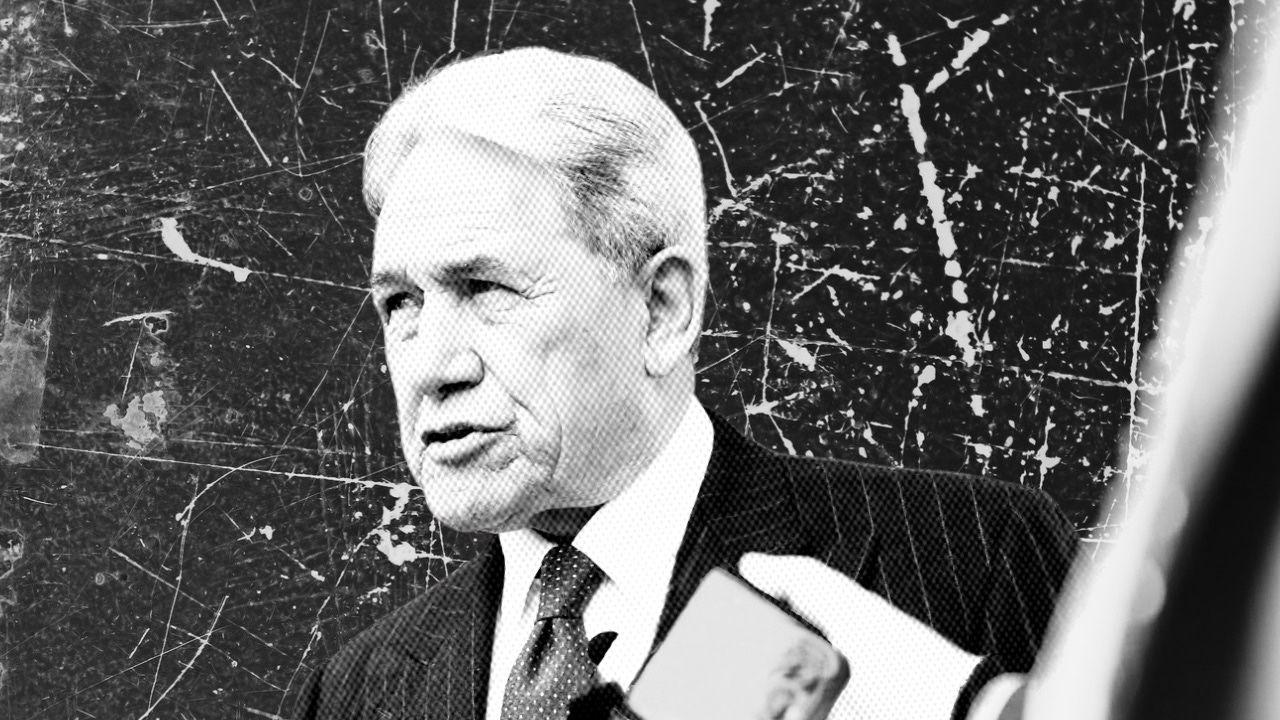
A foreign minister should ordinarily reduce uncertainty between governments. Peters has become one of its principal sources.
Opinion: The real dichotomy in Winston Peters’ engagement with India is best understood through a foreign ministry policy document issued in 2024.
In his foreword to MFAT’s Strategic Intentions 2024–2028, issued under his ministerial authority, Peters declared that New Zealand would “significantly increase” its focus on India.
The document placed deepening relations with “Southeast Asia, South Asia (in particular India), and North Asia” among the ministry’s three medium-term focus areas.
It described India as an increasingly important global actor and a major military and economic power. Its objective was to build “a closer, more mature relationship with India”.
In other words, Peters clearly understood that India was bigger than a free trade agreement.
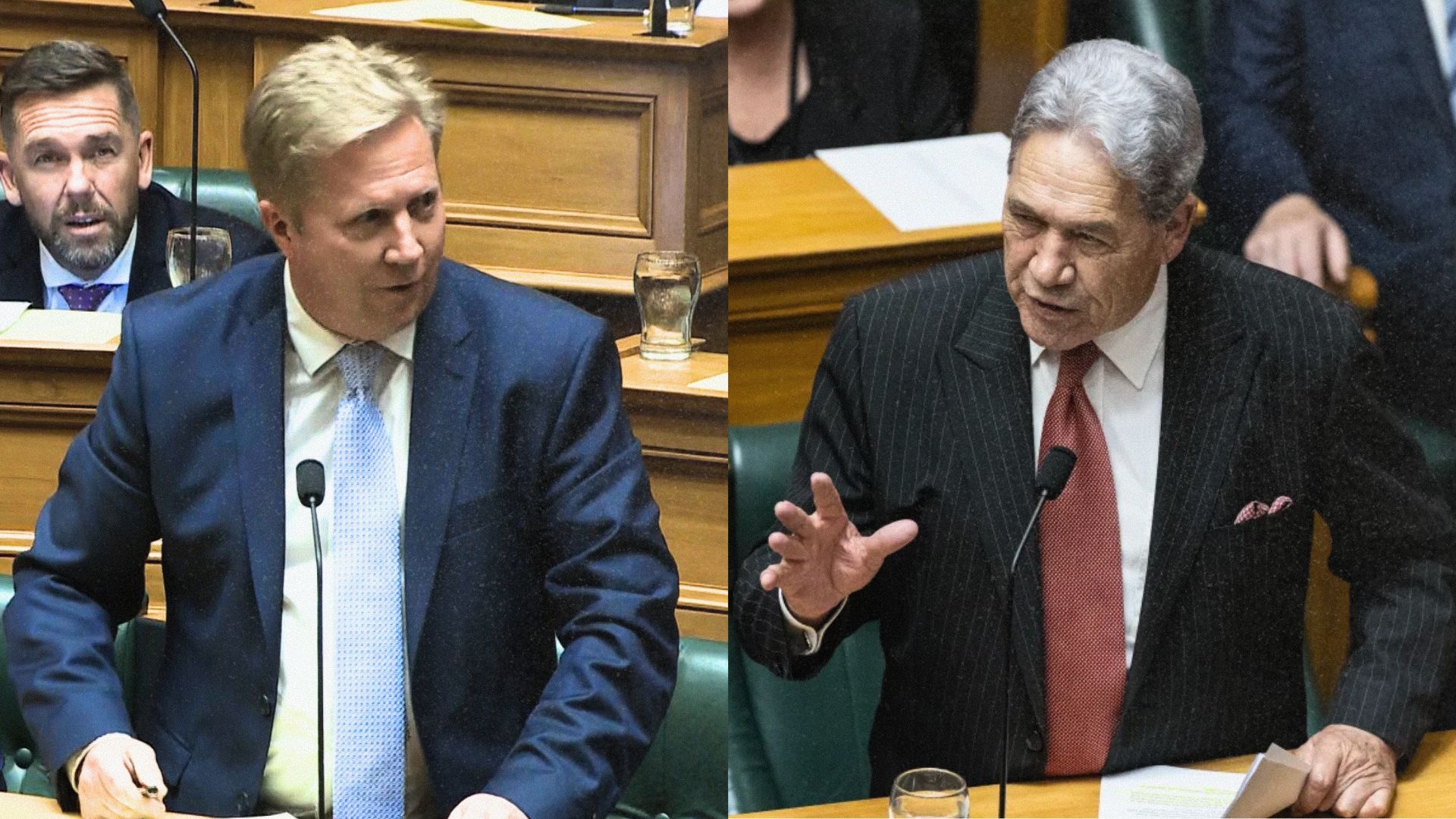
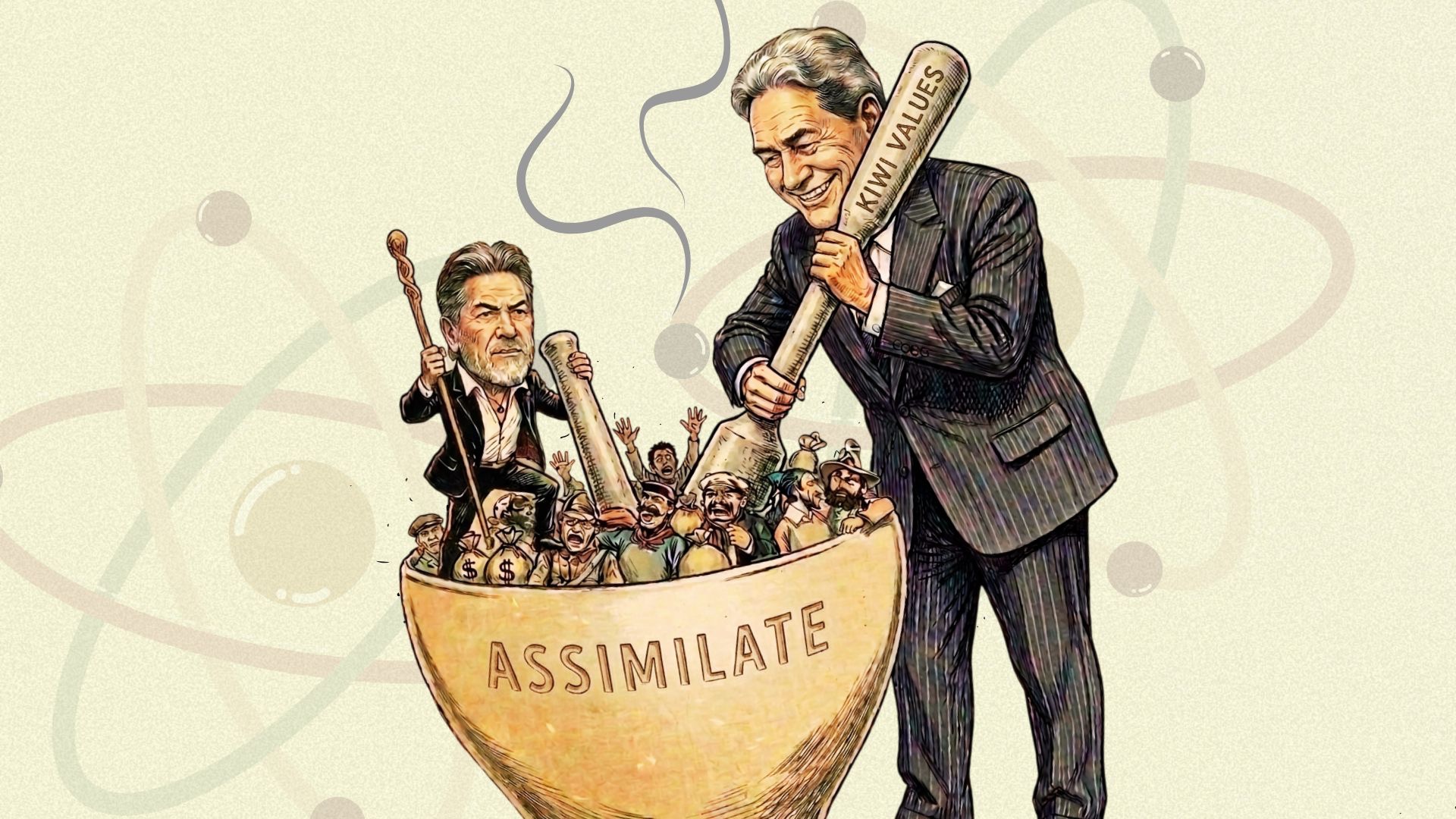
Out Loud: Winston Peters wants migrants to assimilate. But he keeps seeing us as migrants If acceptance matters, can assimilation be only a one-way obligation?
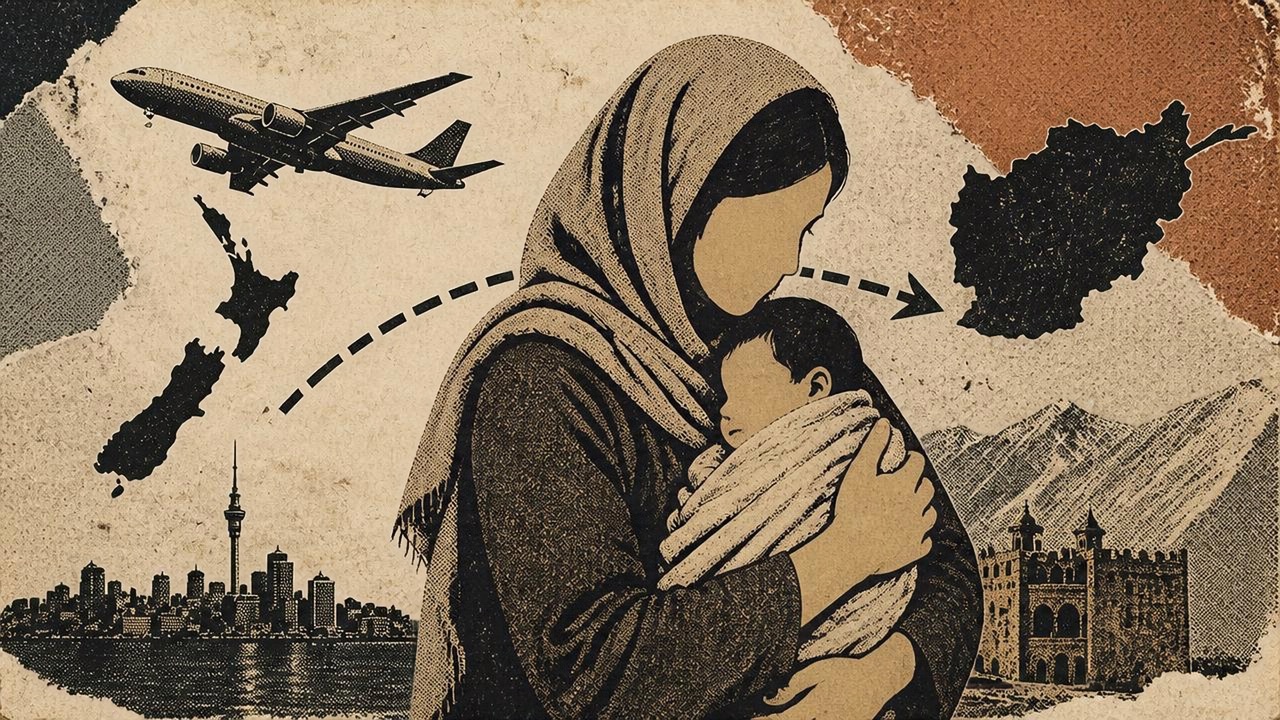
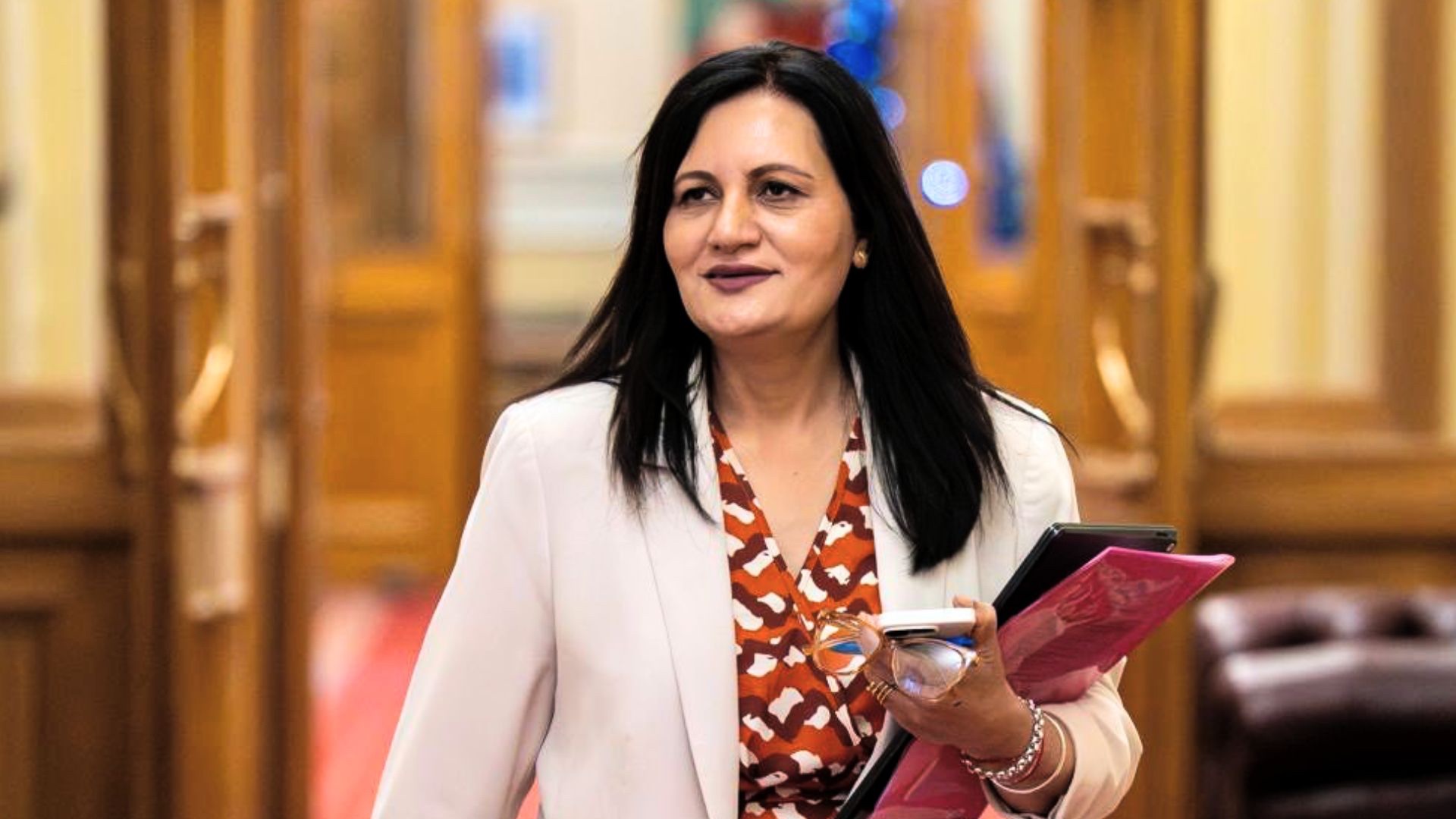
Woman says marriage at risk as husband's drink-driving conviction jeopardises NZ residence The Indian woman fears family backlash, social rejection and pressure to remarry if she is forced to return.
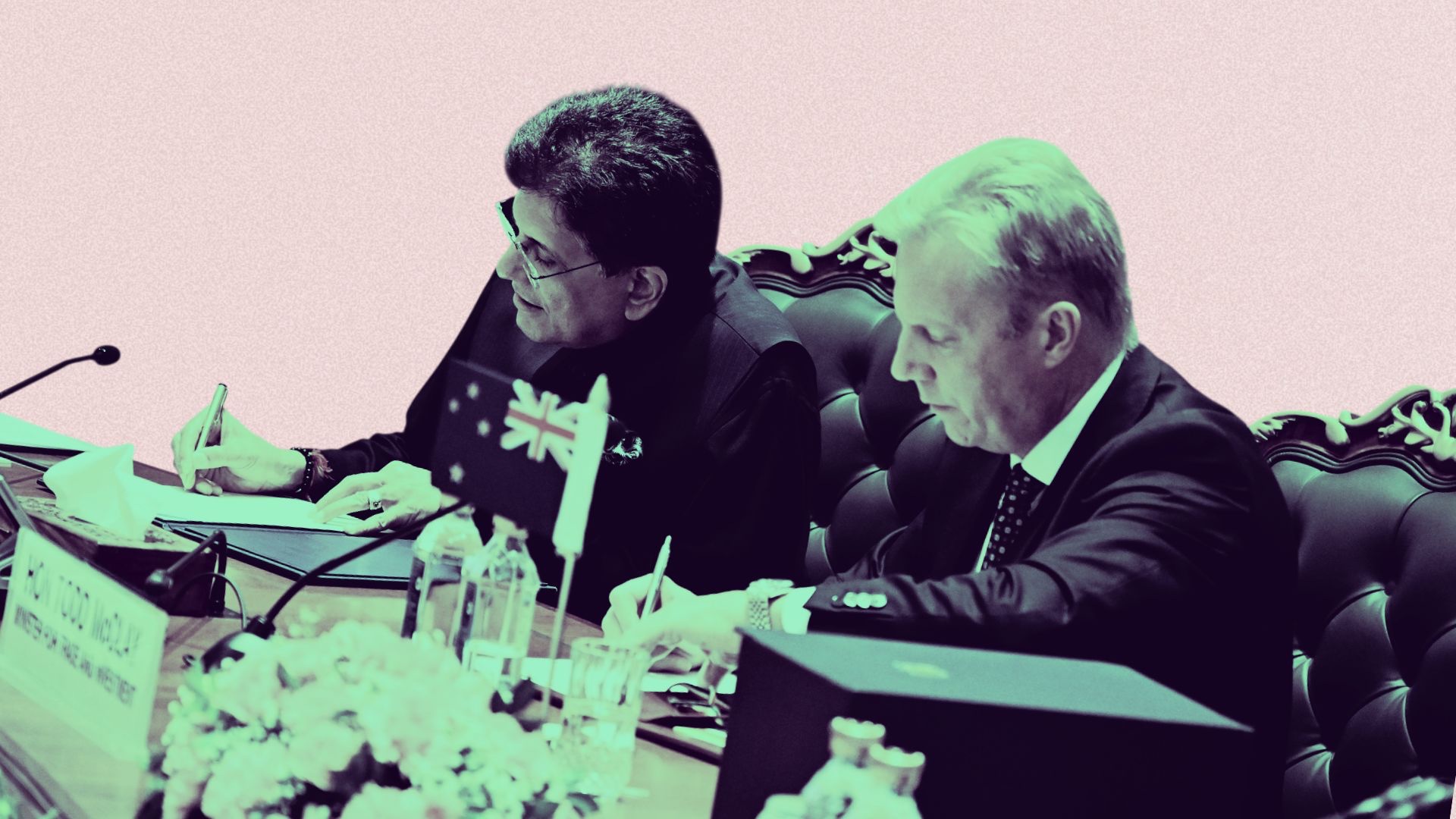
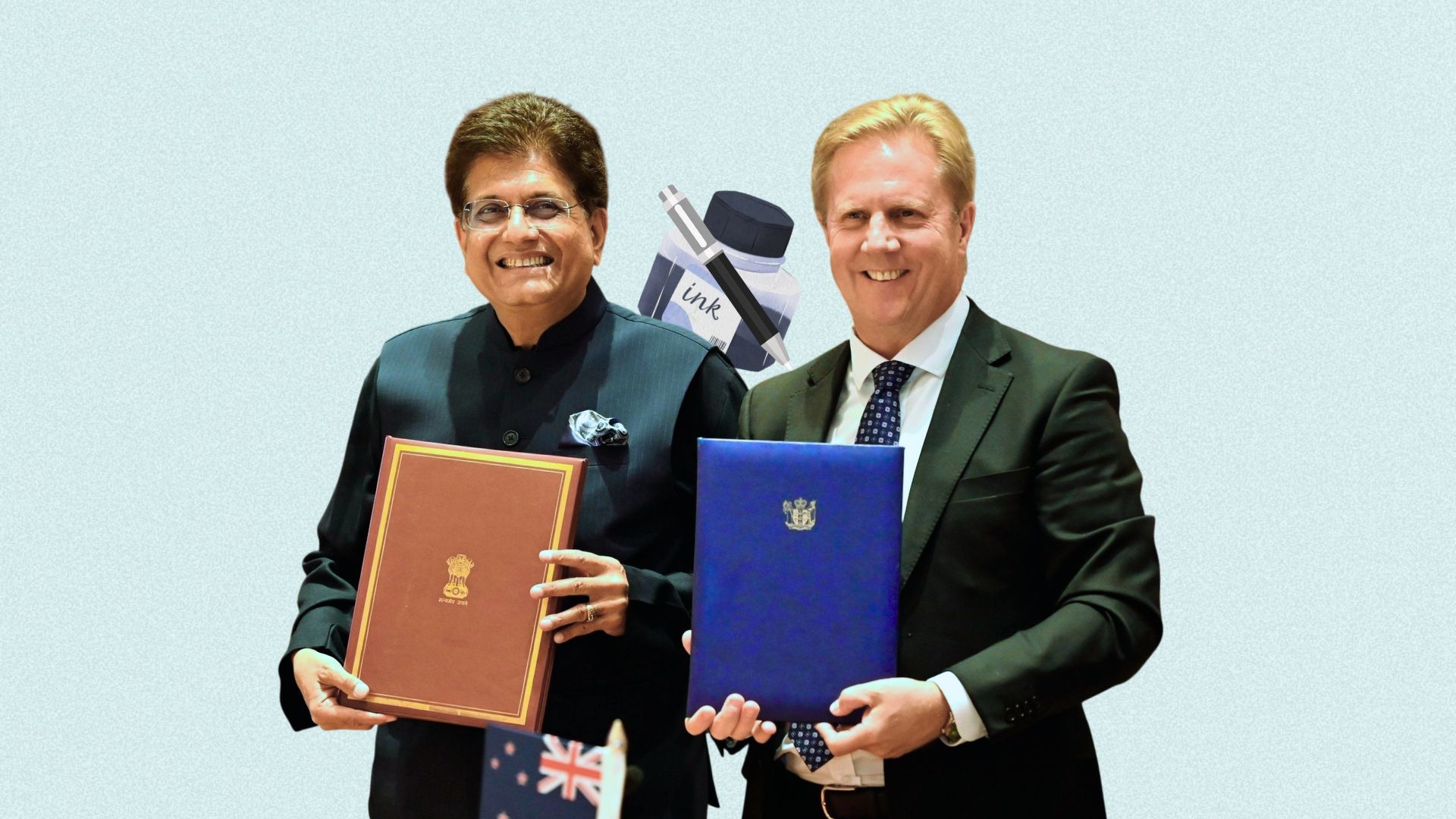
'Highest quality deal': NZ-India free trade agreement officially begins "Big step towards doubling the value of our exports in 10 years."
Yet, in an election year, the New Zealand First leader appears to have placed his personal political interests above a strategic foreign-policy objective he set as minister.
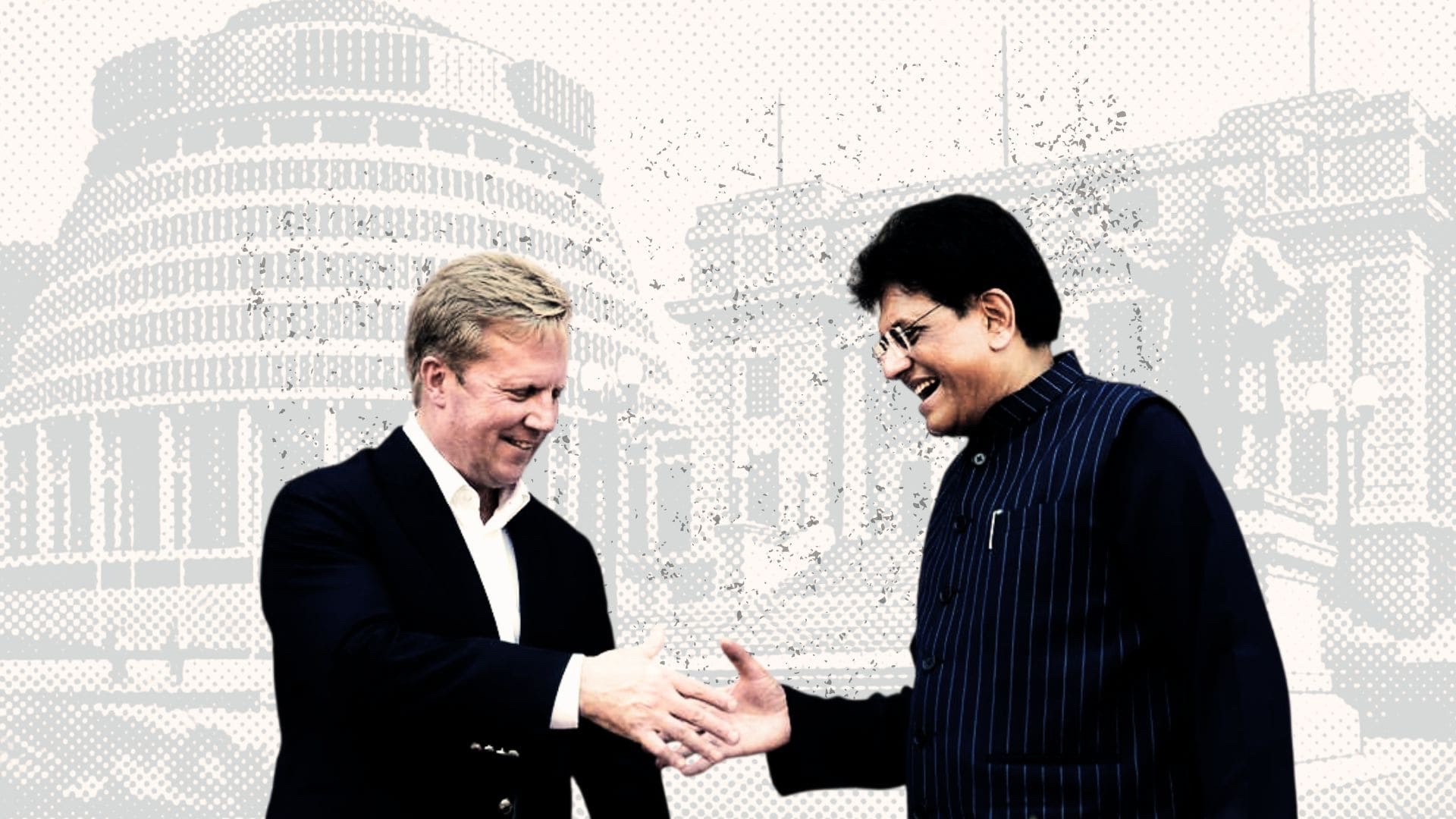
Instead of helping build one of New Zealand’s stated strategic relationships, Peters has repeatedly narrowed India to the parts of the FTA most useful to his party’s campaign: immigration, alleged hidden concessions and the threat of consequences if New Zealand fails to meet an investment figure.
That political choice is turning the foreign minister into a material risk to the relationship he is responsible for protecting.
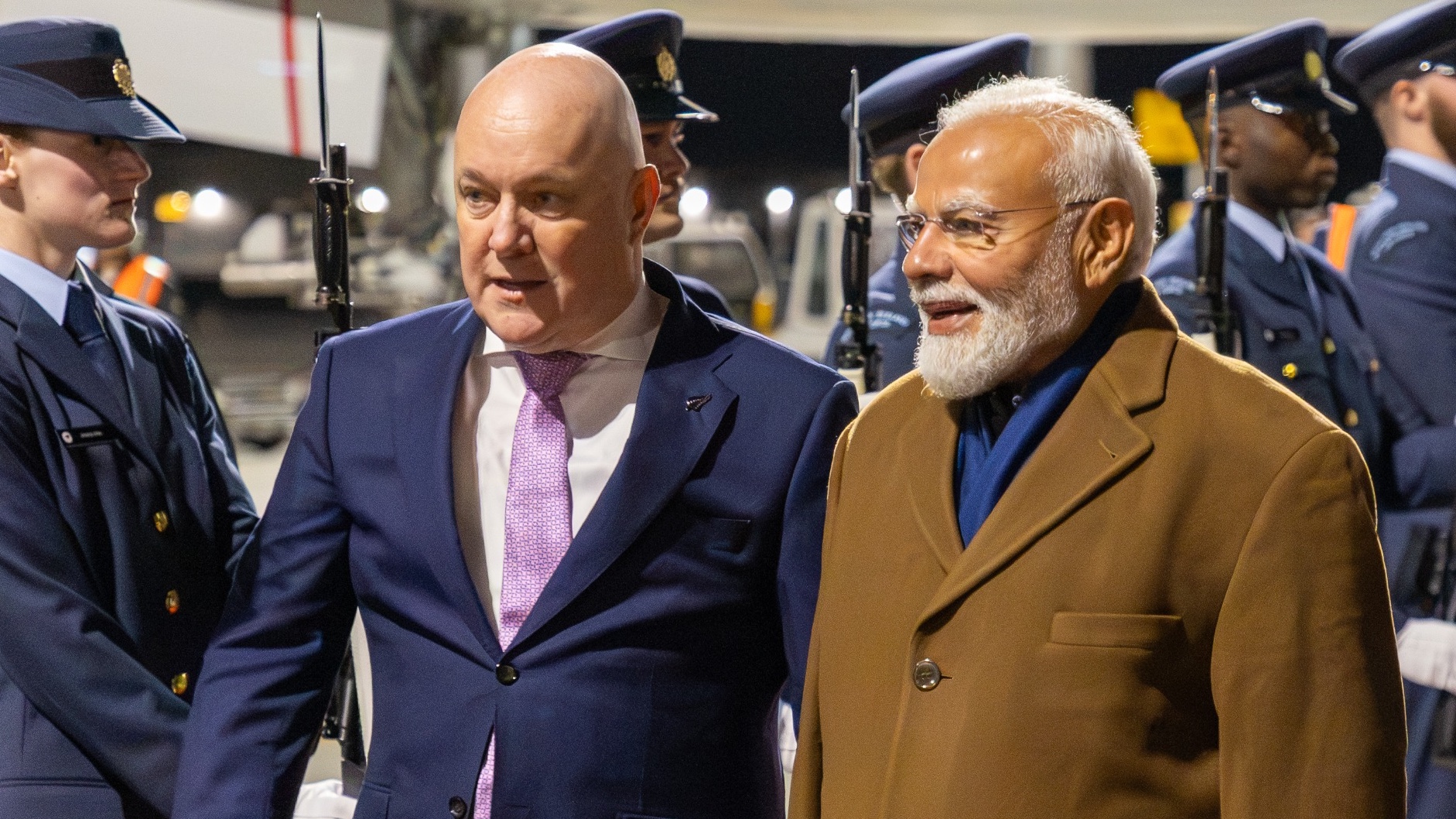
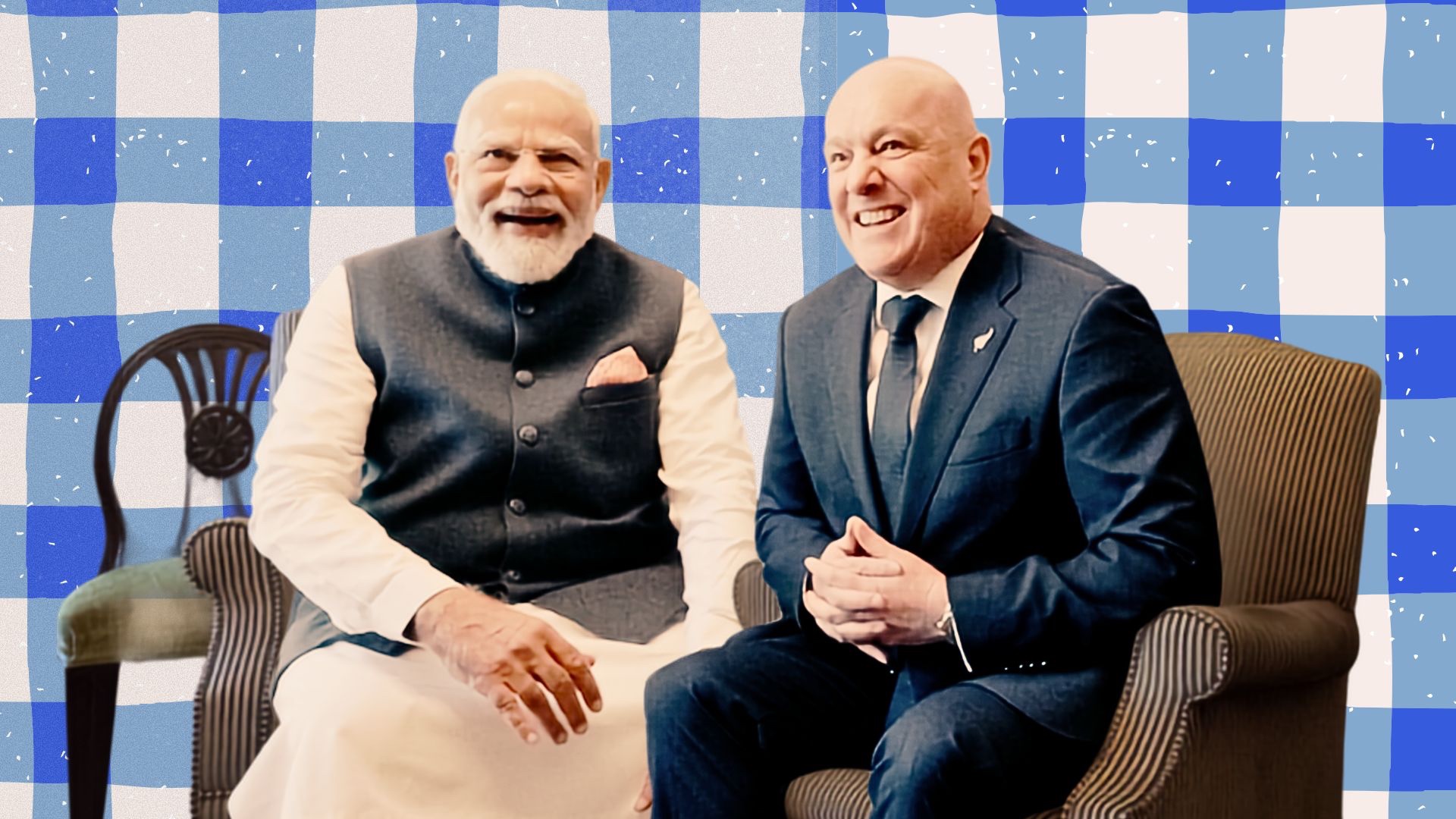
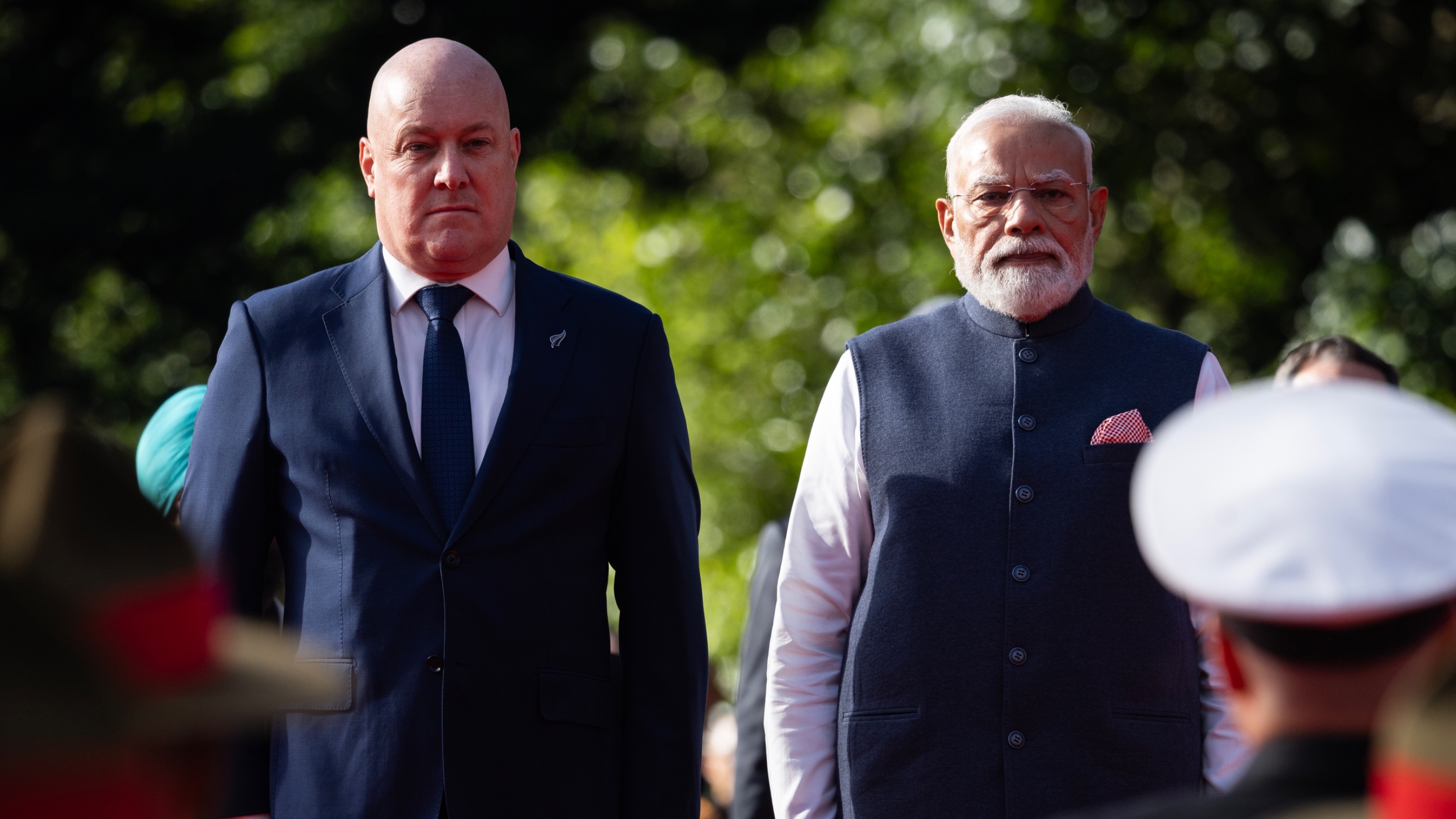
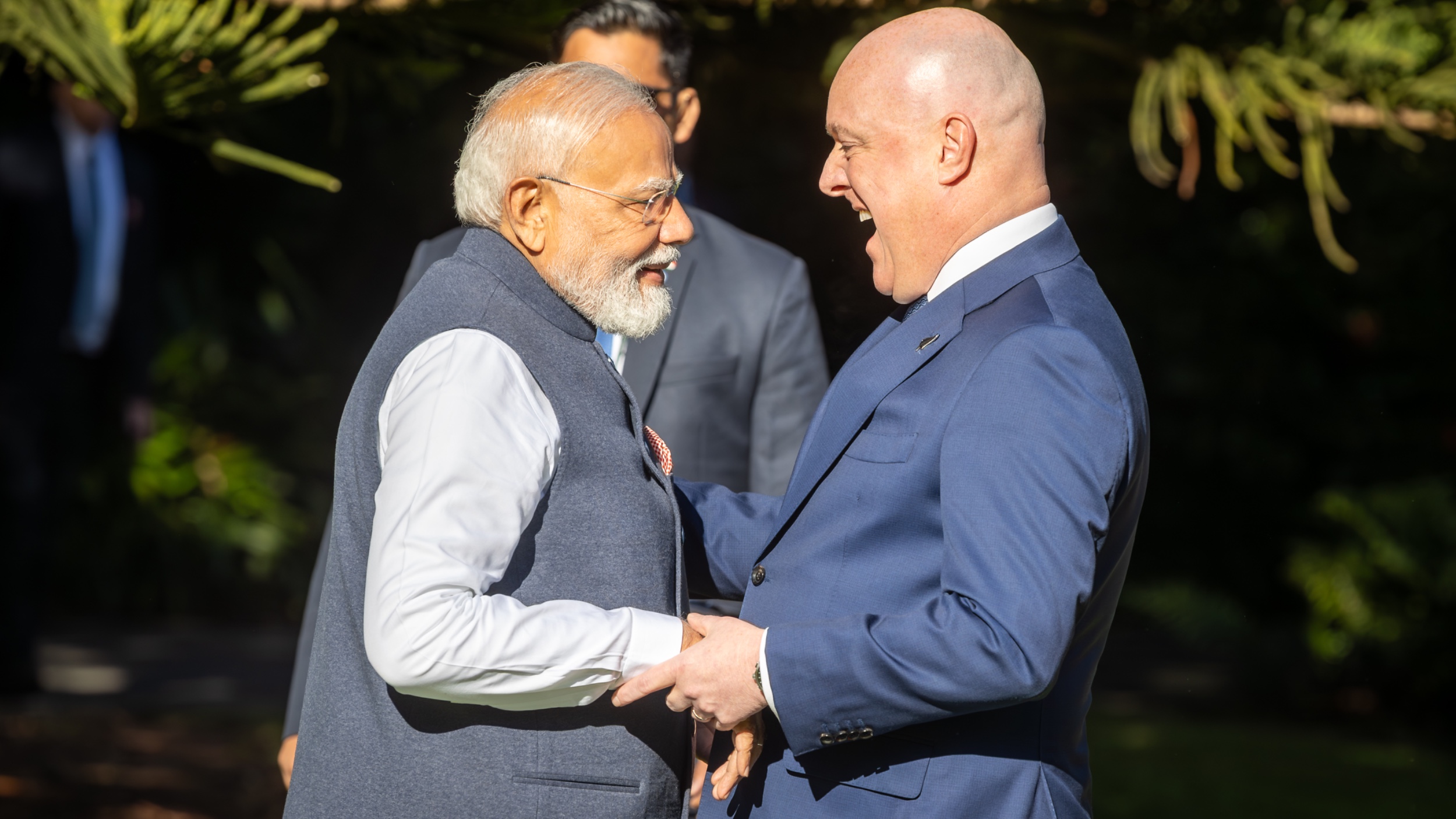
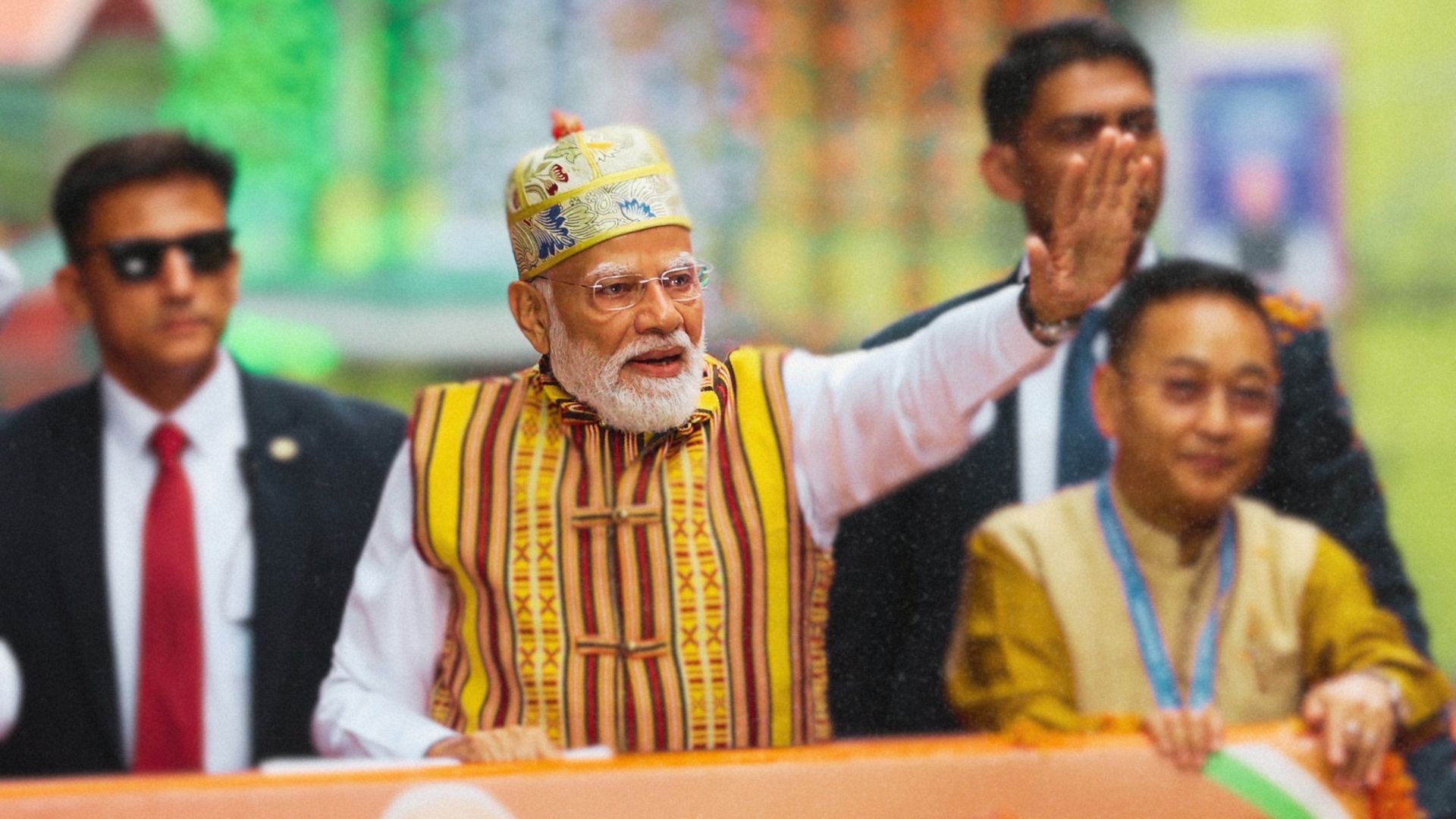
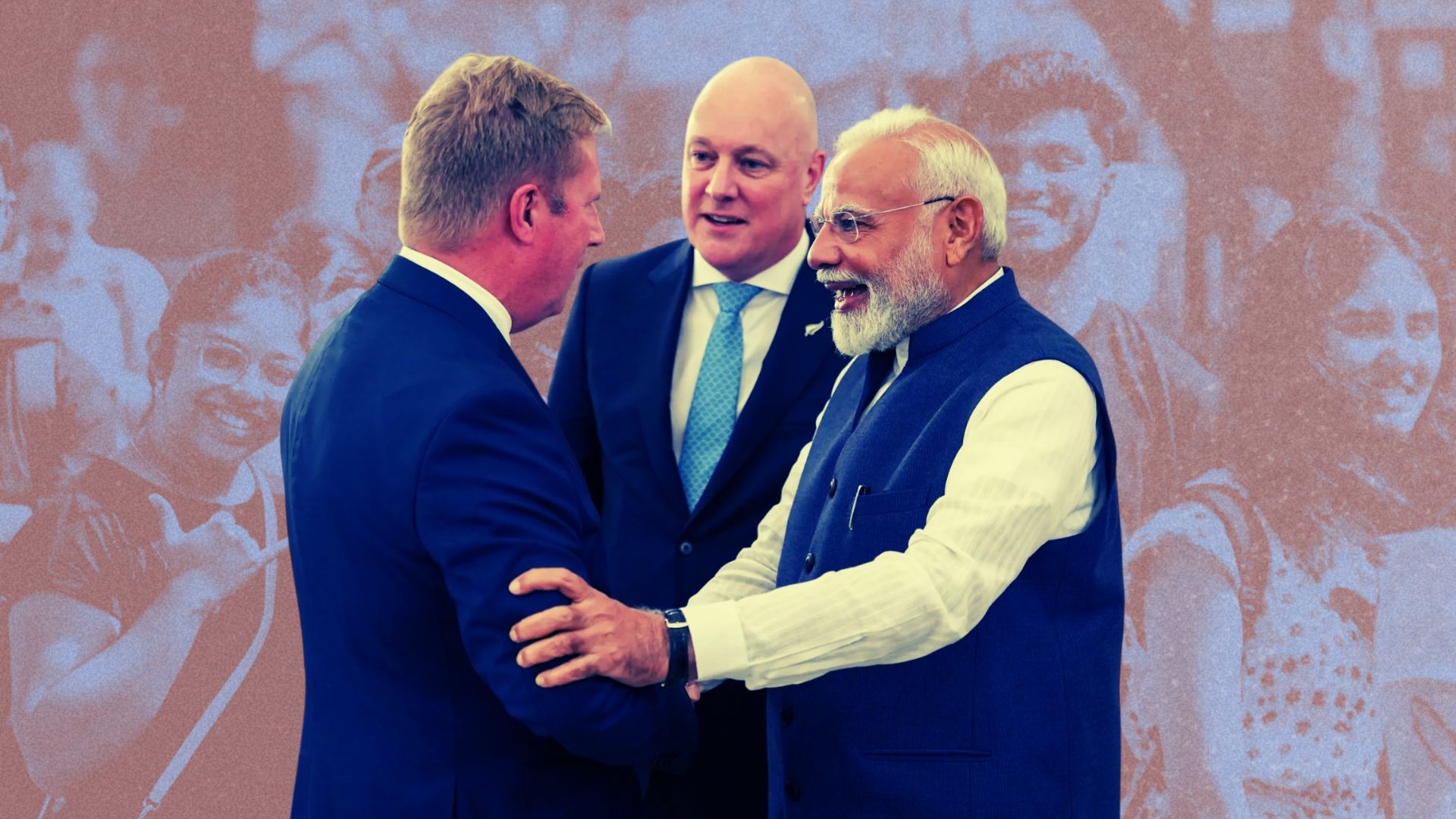
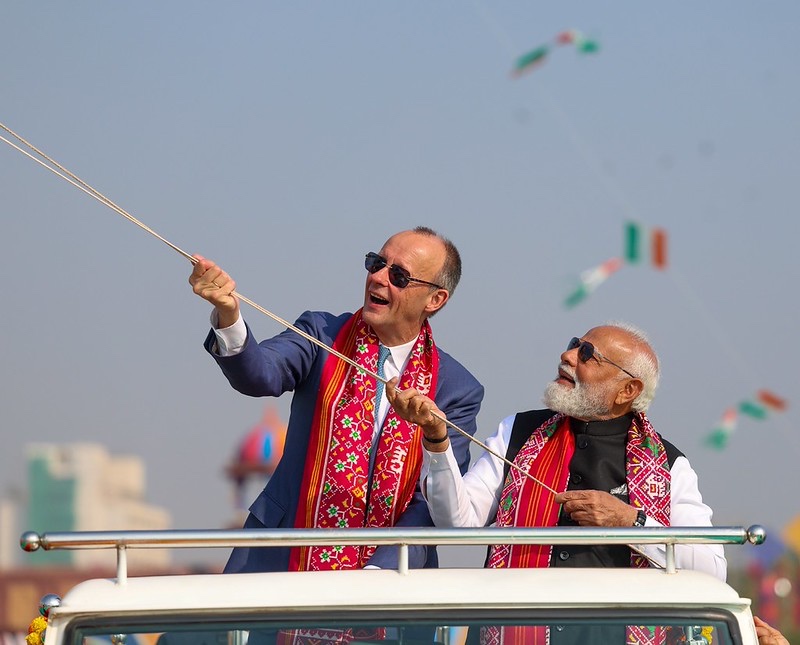
This month offered the clearest test of what placing India on a priority list meant for New Zealand in practice. An Indian prime minister was onshore for the first time in 40 years. The foreign minister left the shore.
Peters had chosen to travel to Singapore and Japan. Both are important partners, but the publicly announced programme for those visits was conventional. Meetings with political and business leaders and discussions about established strategic, security and commercial cooperation.
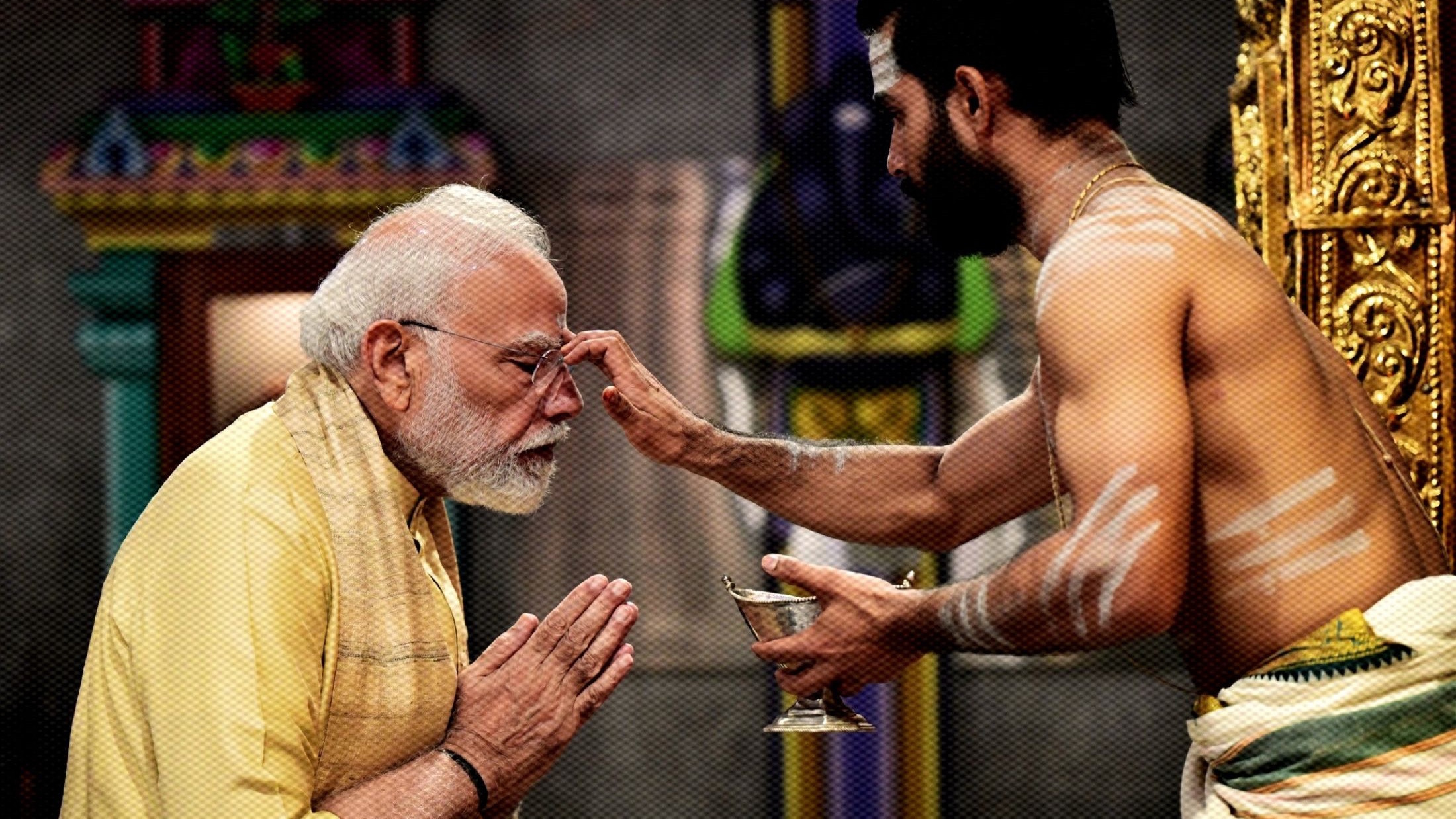
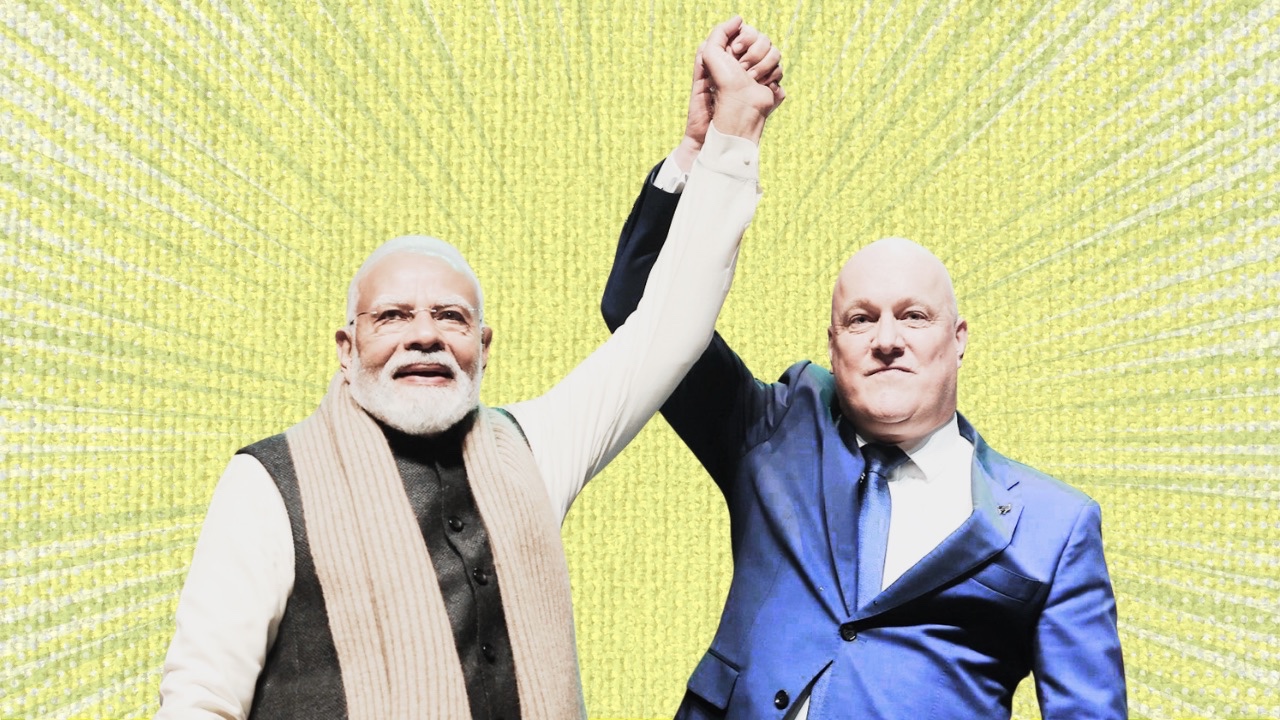
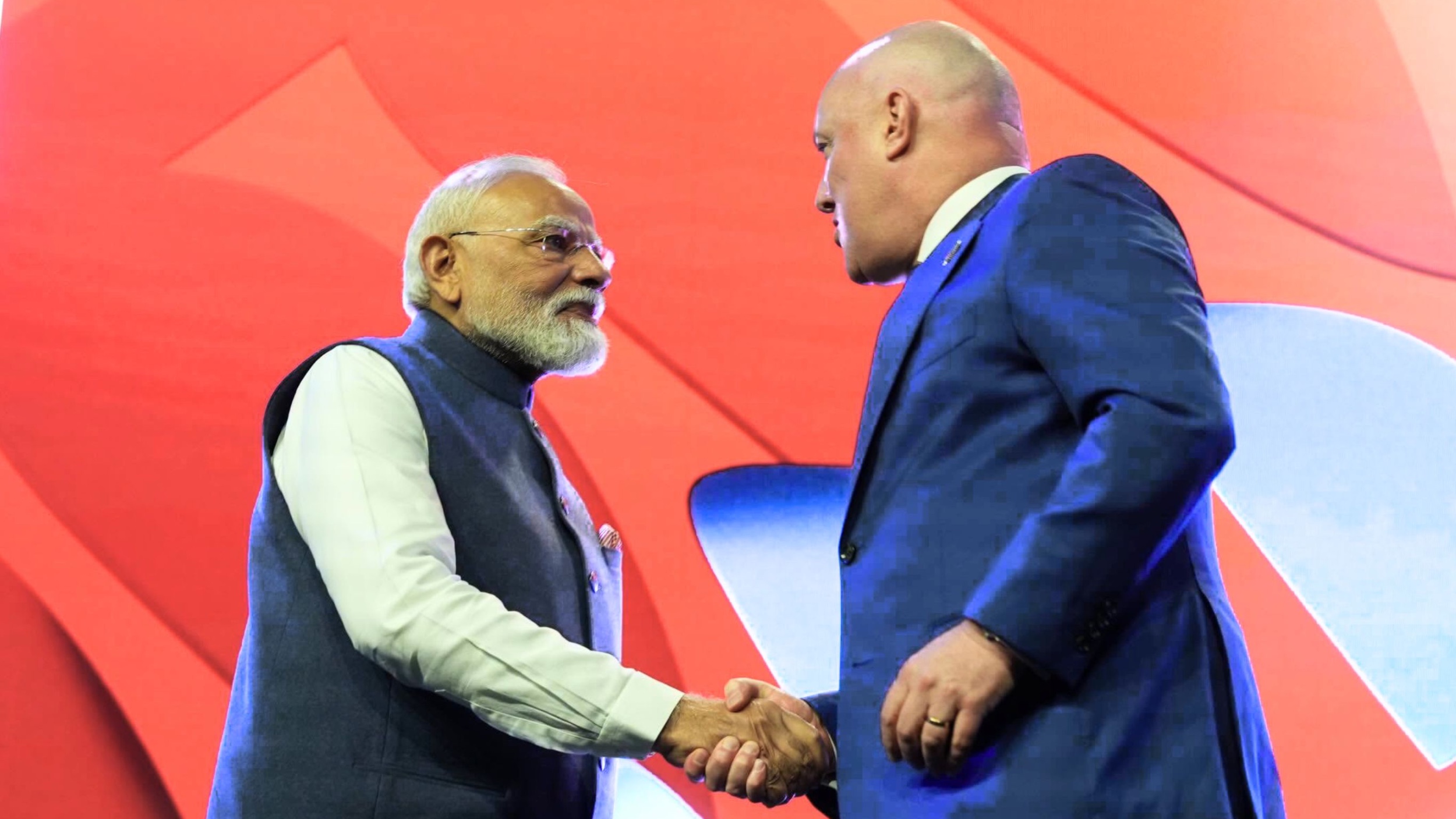
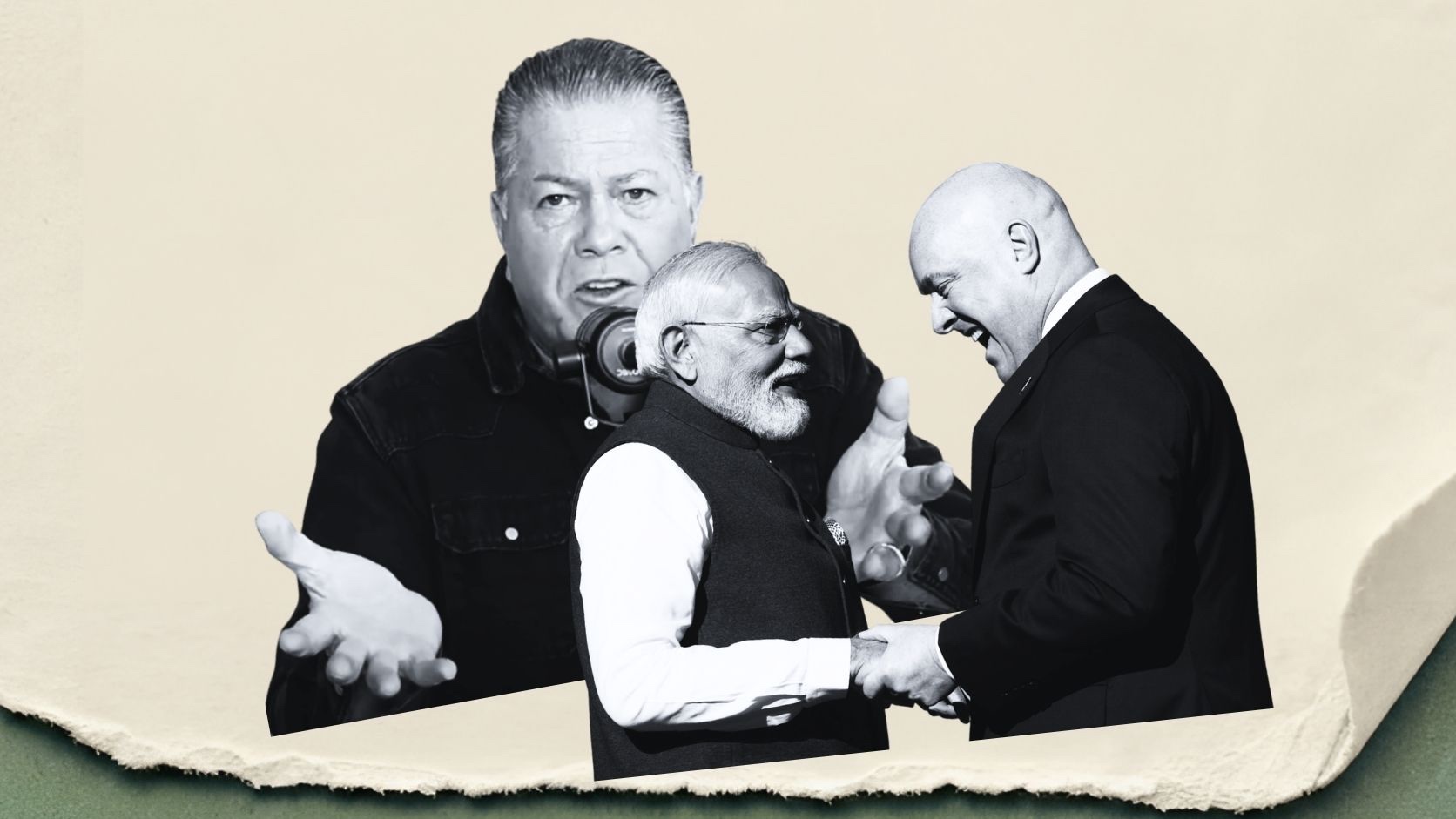
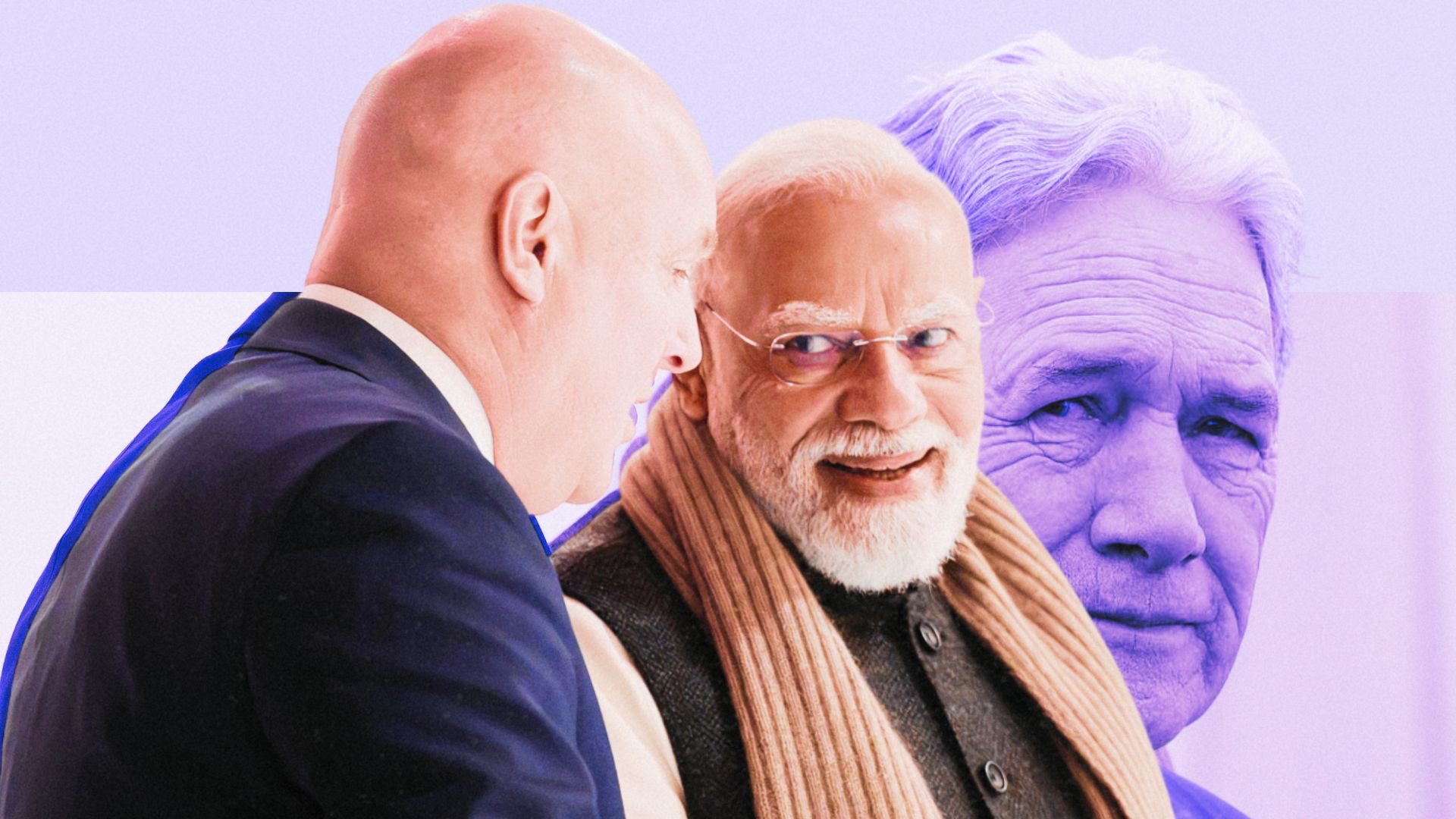
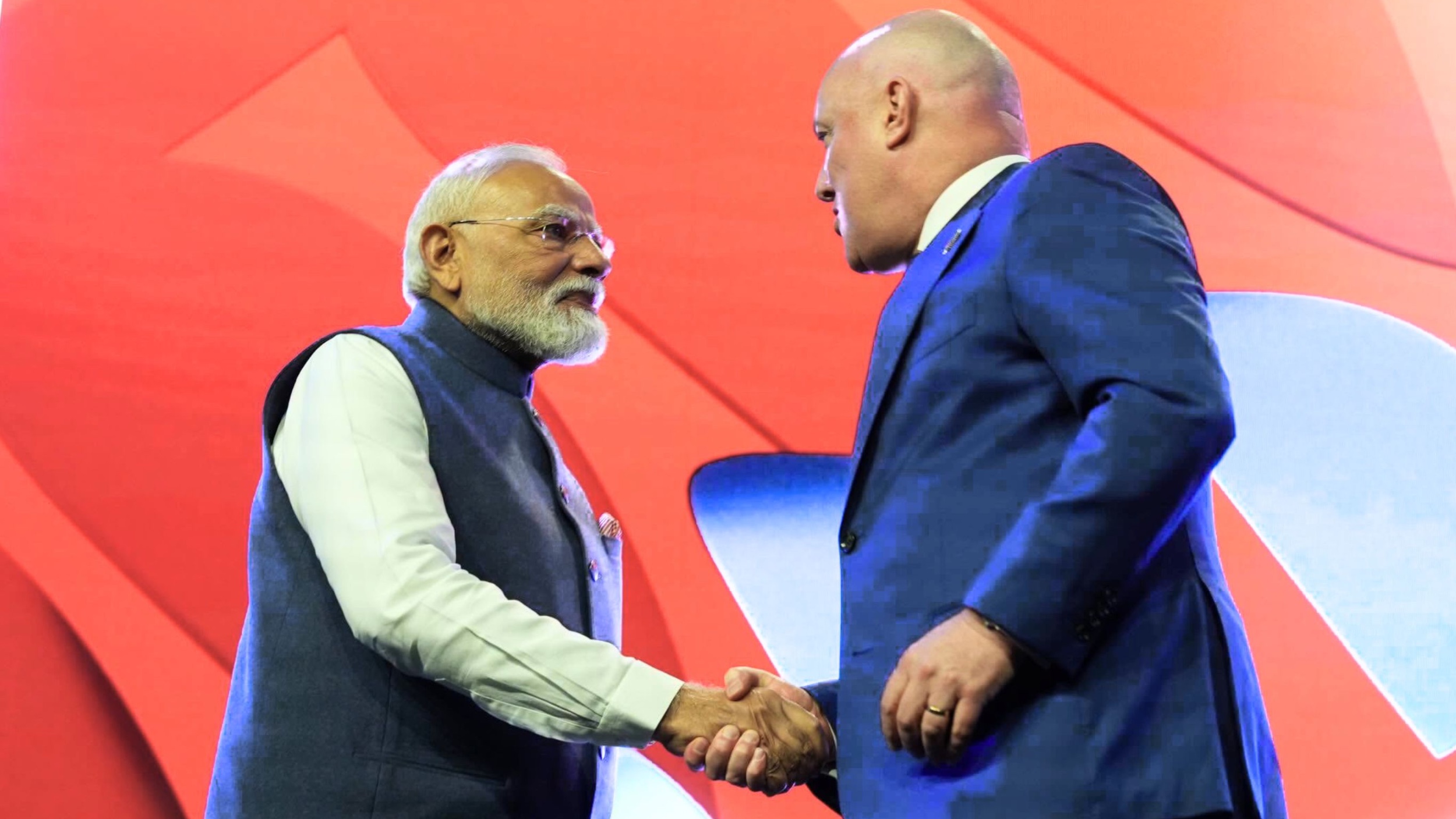
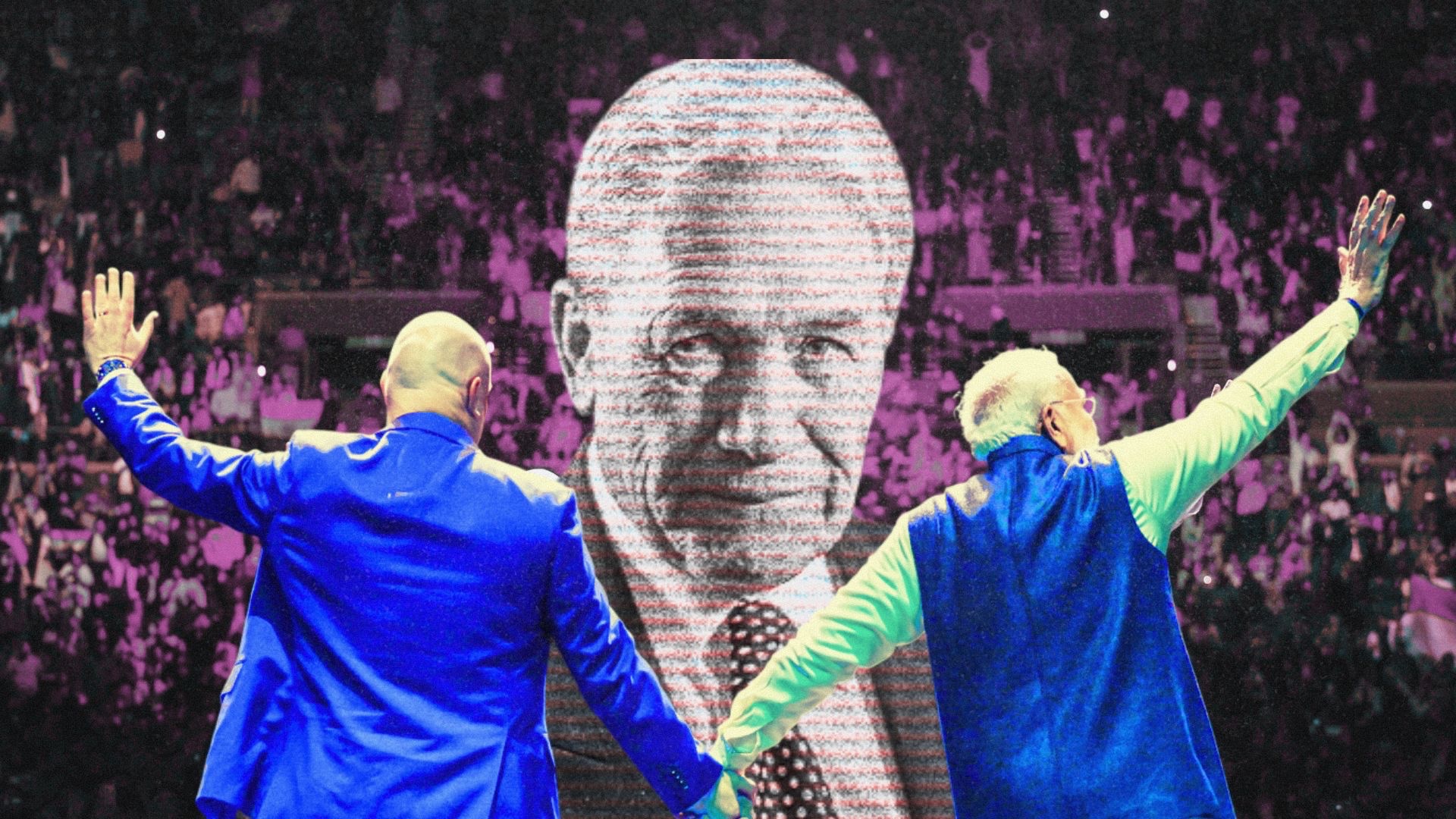
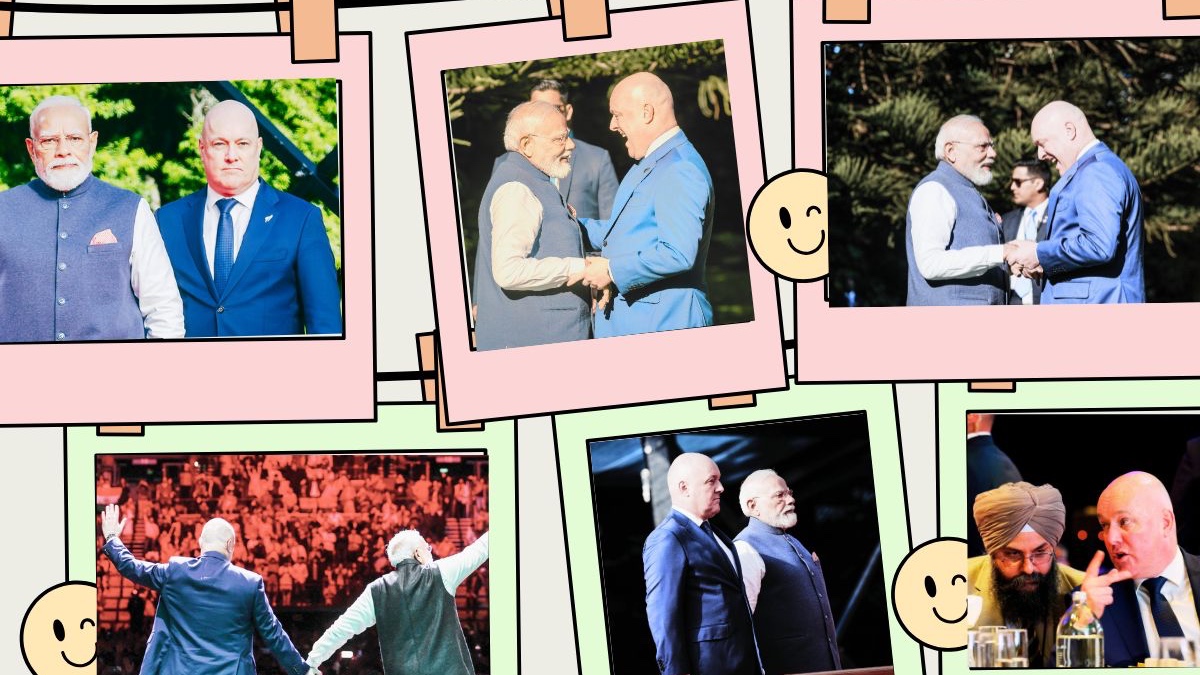
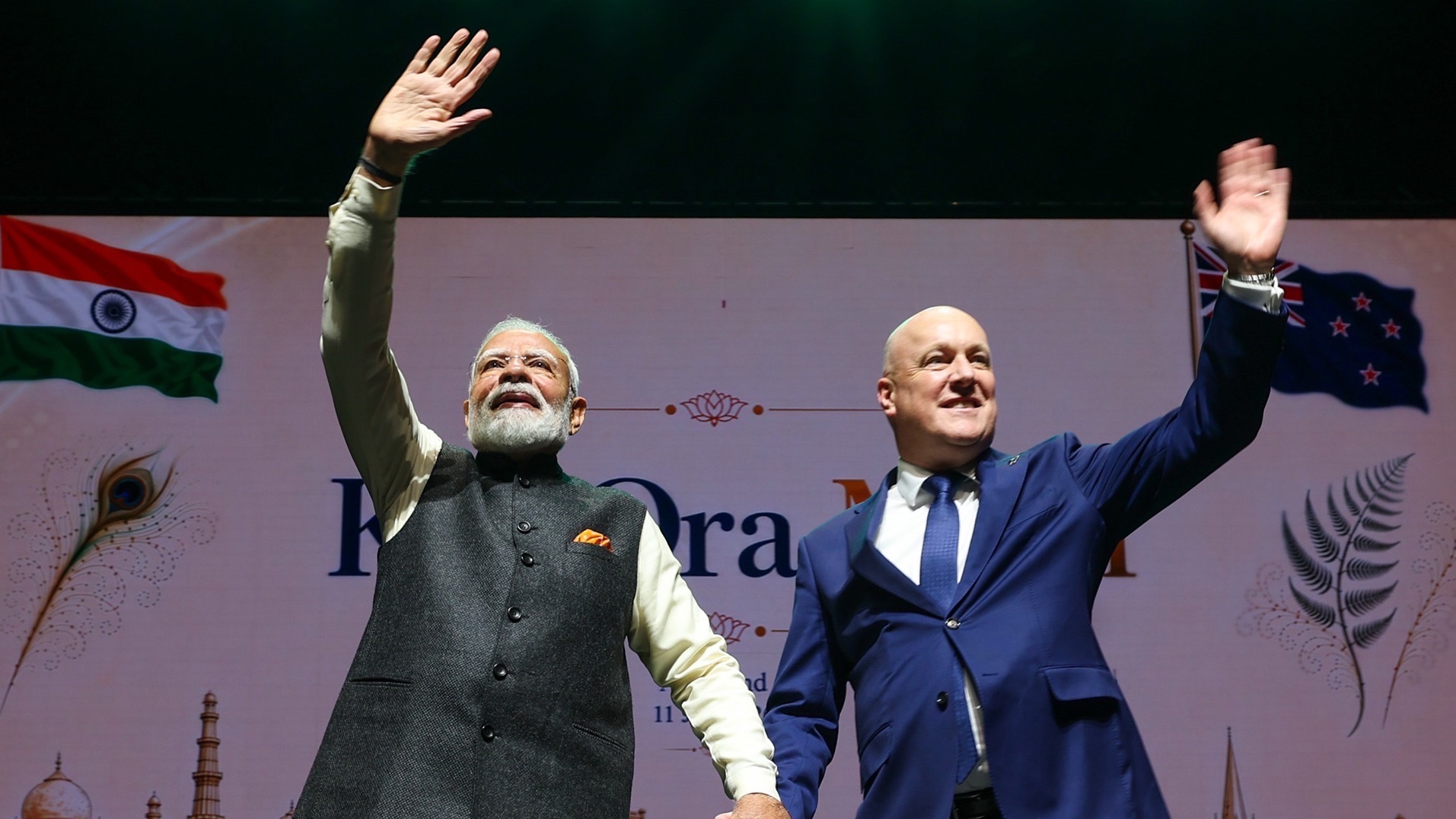
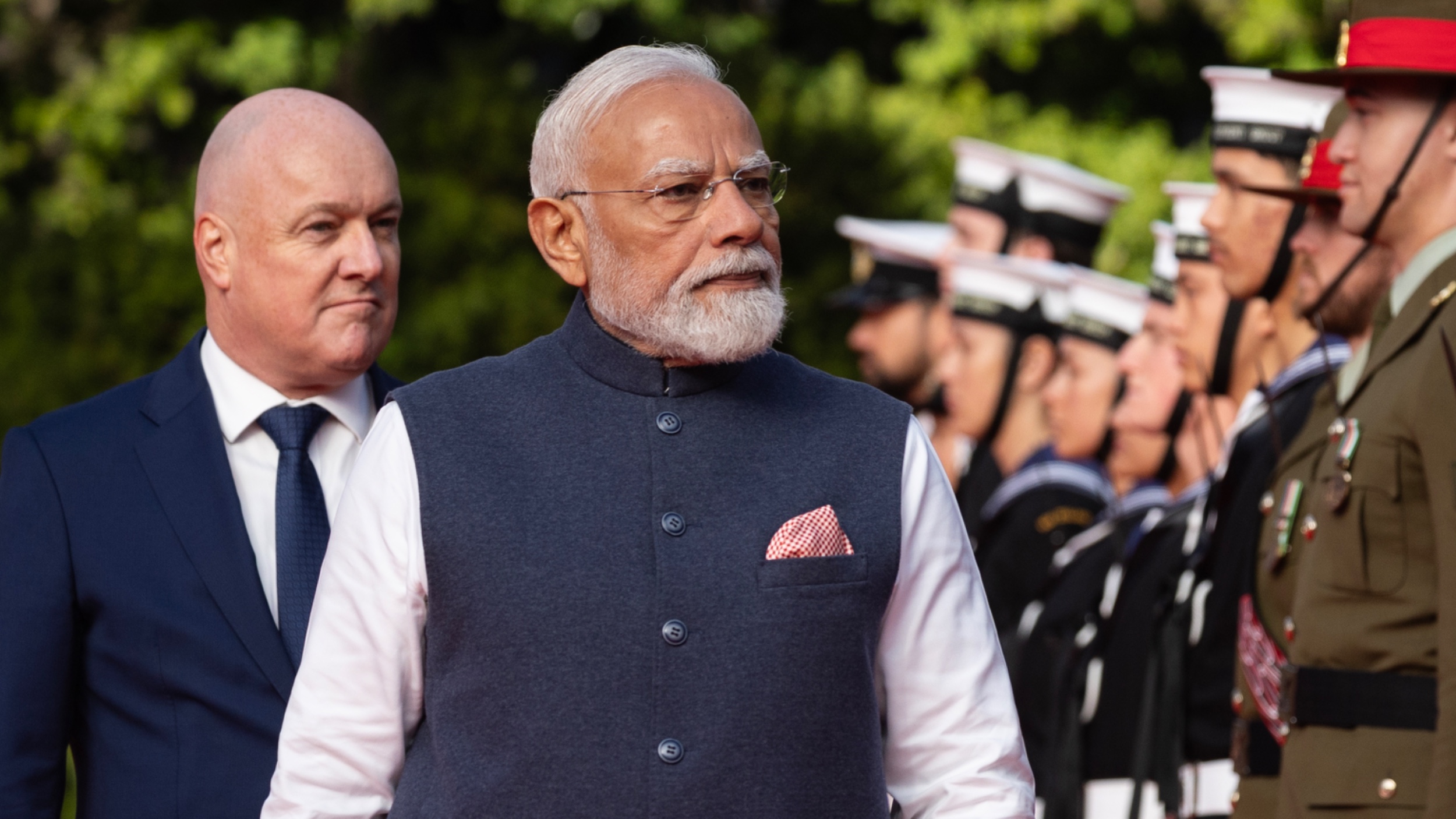
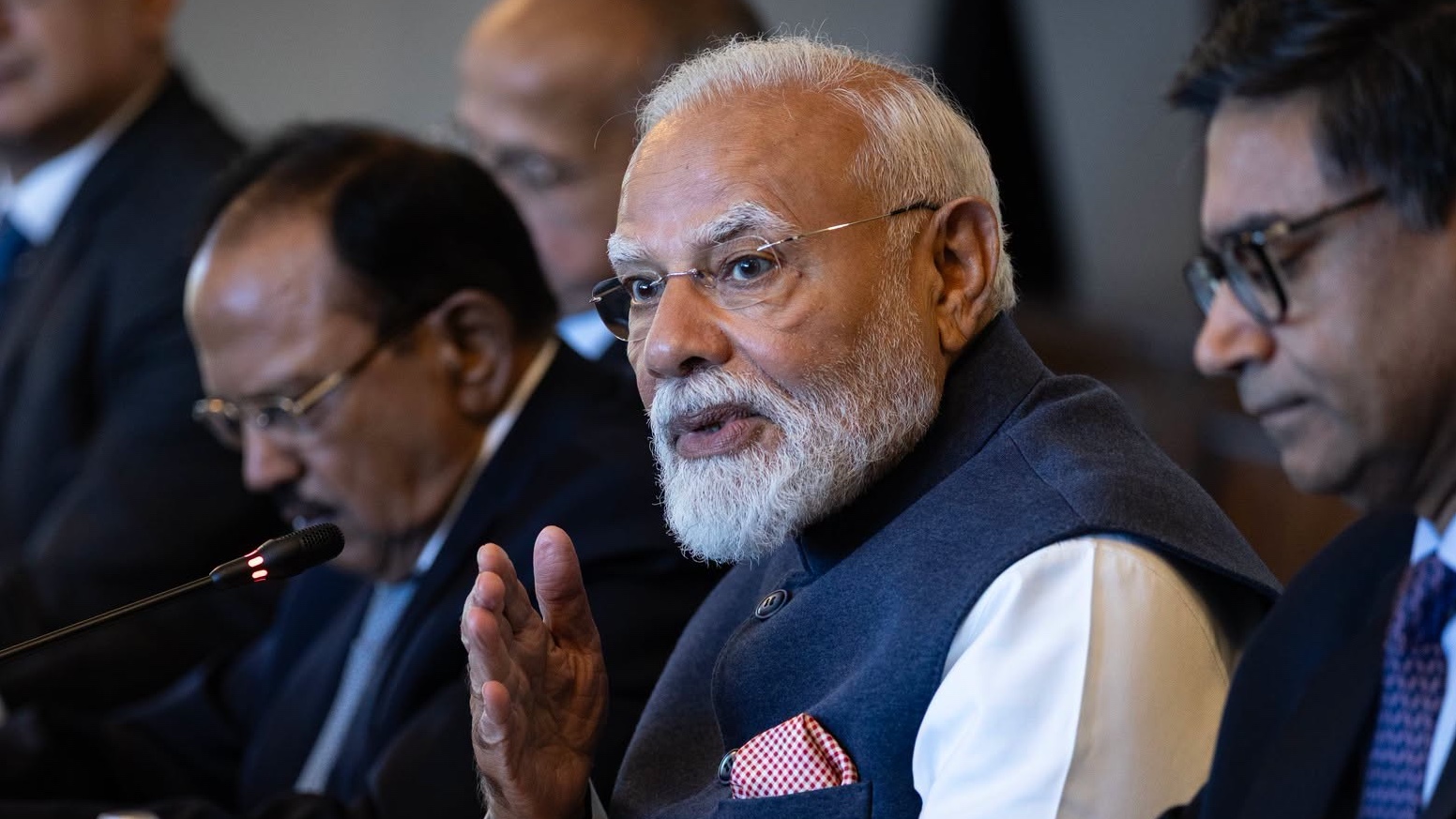
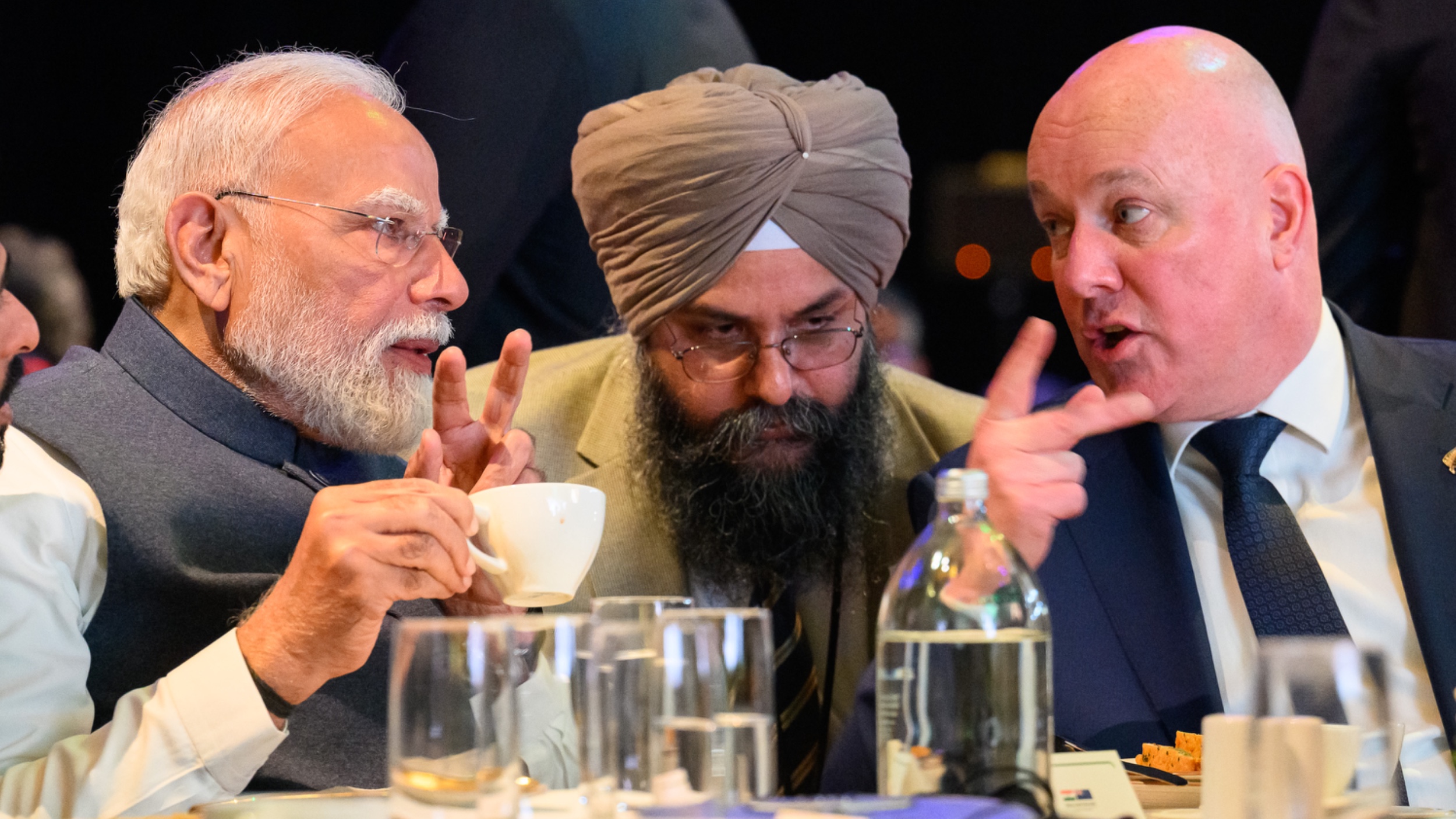
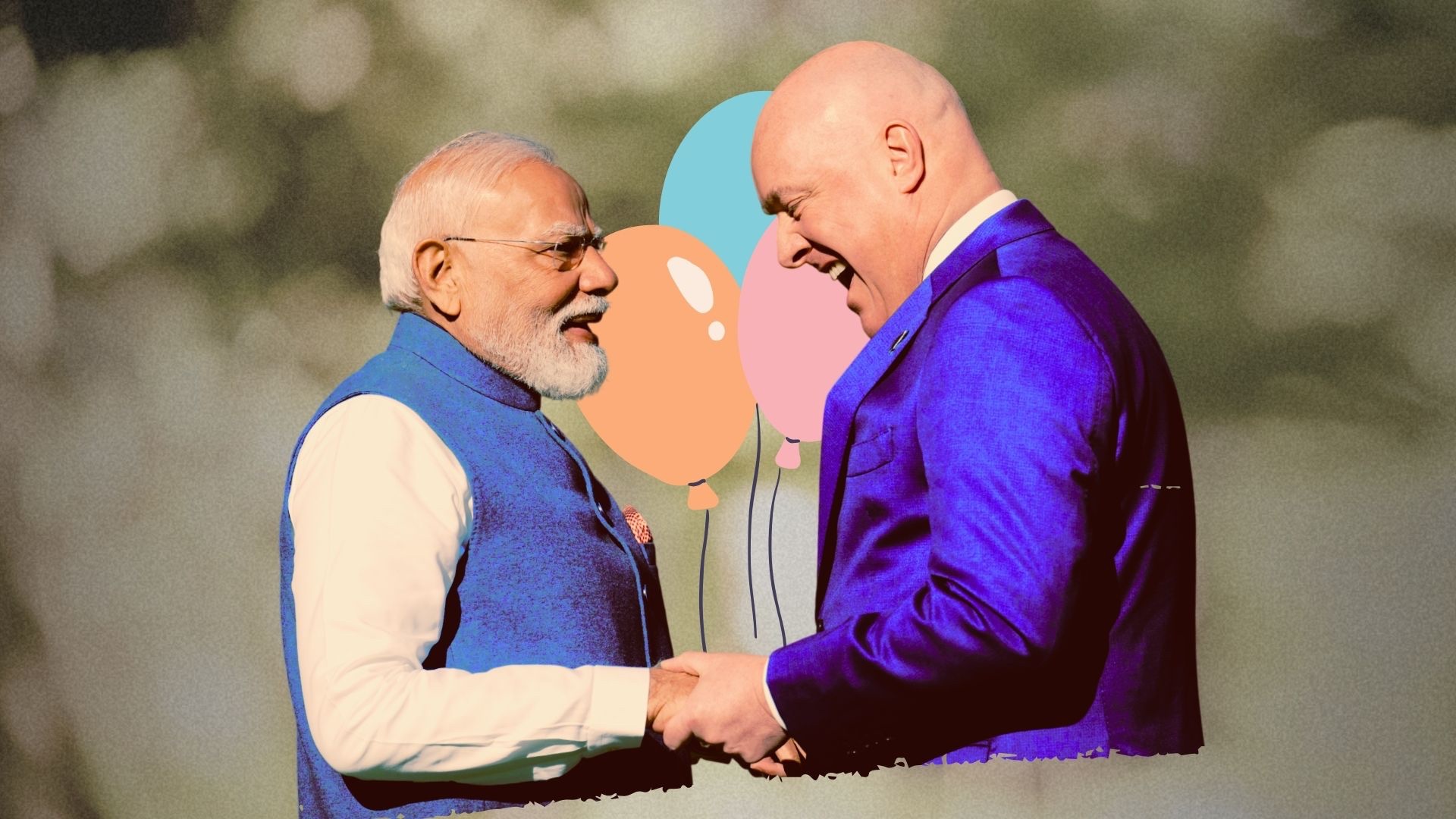
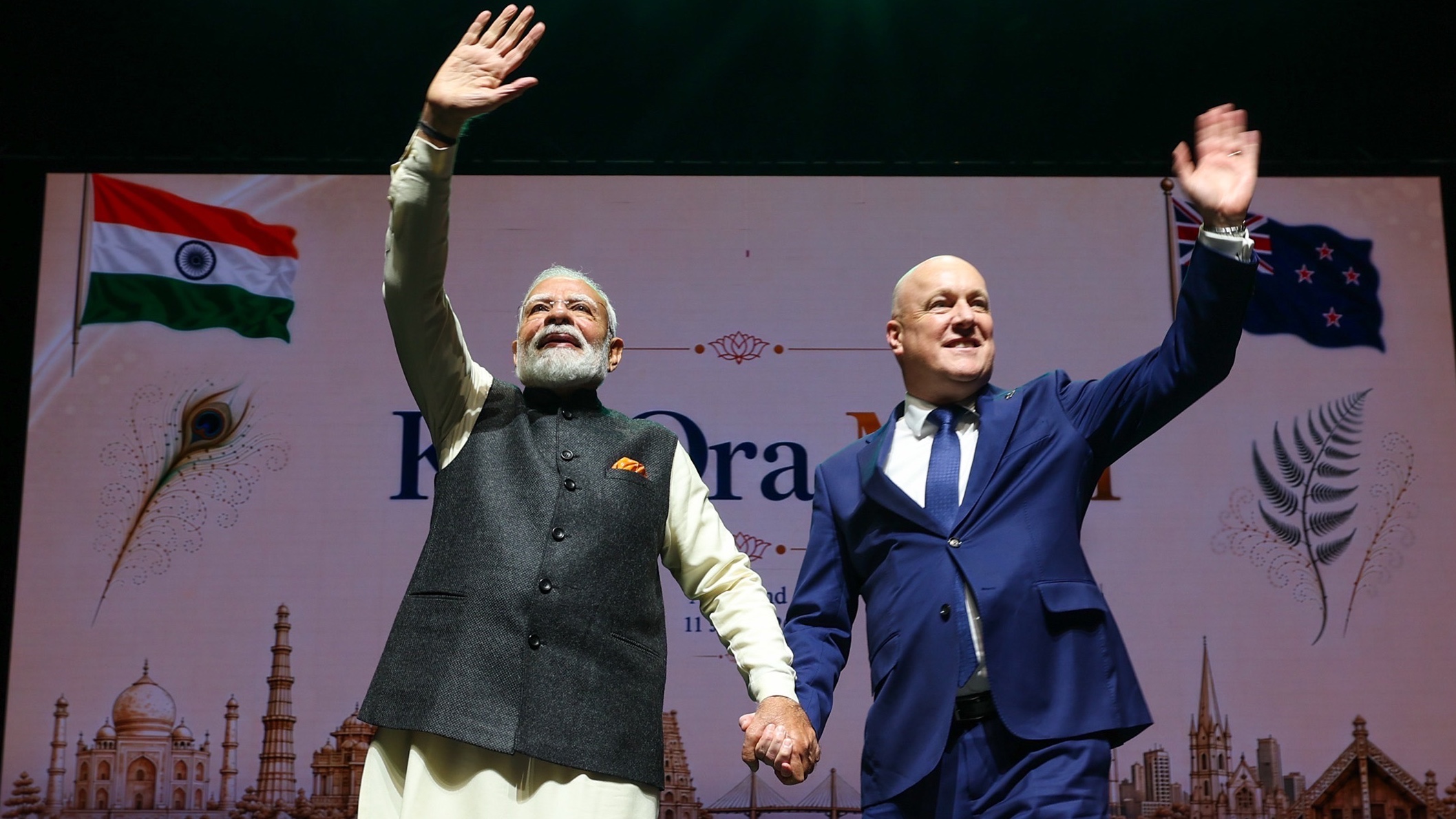
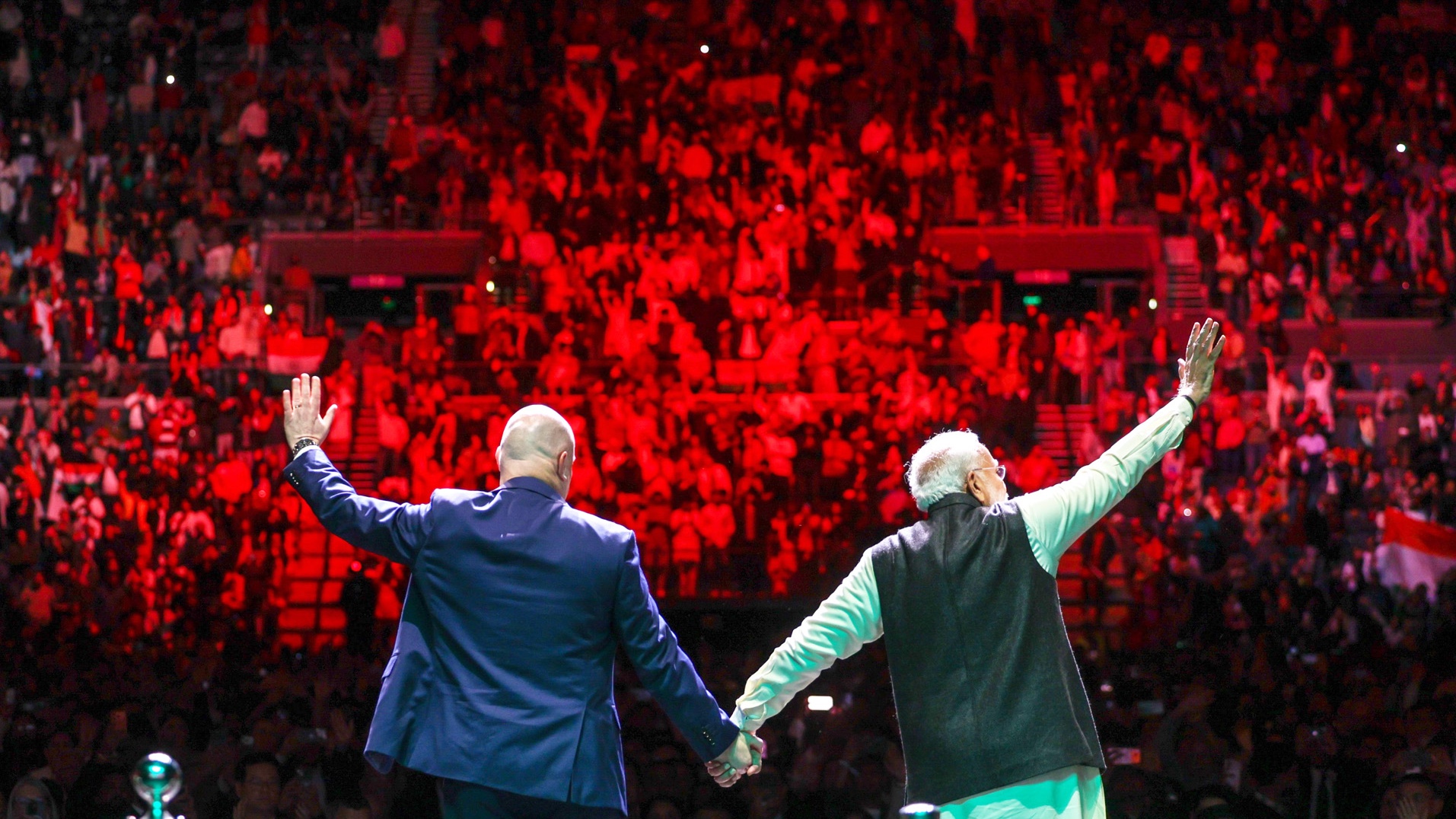
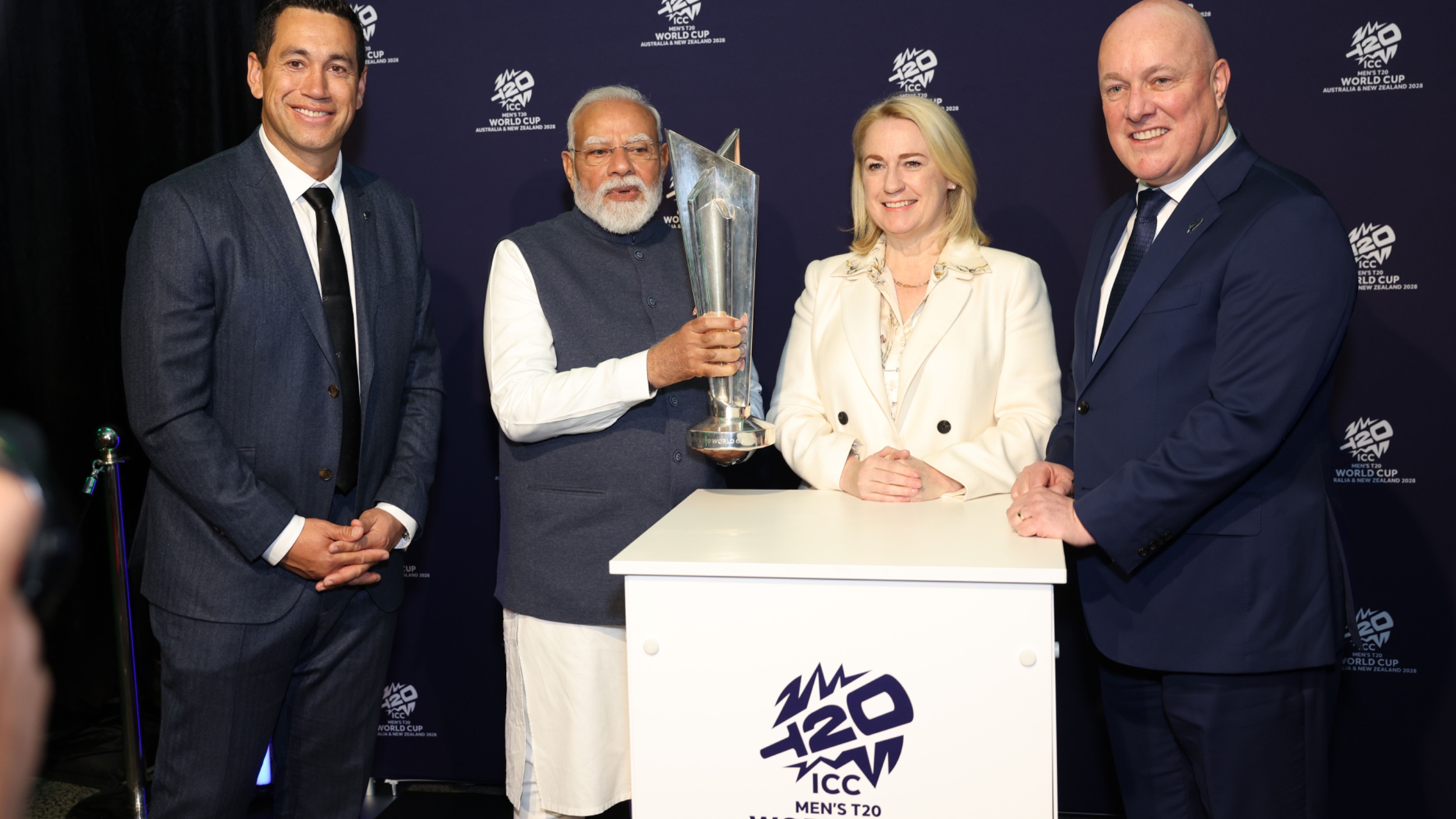
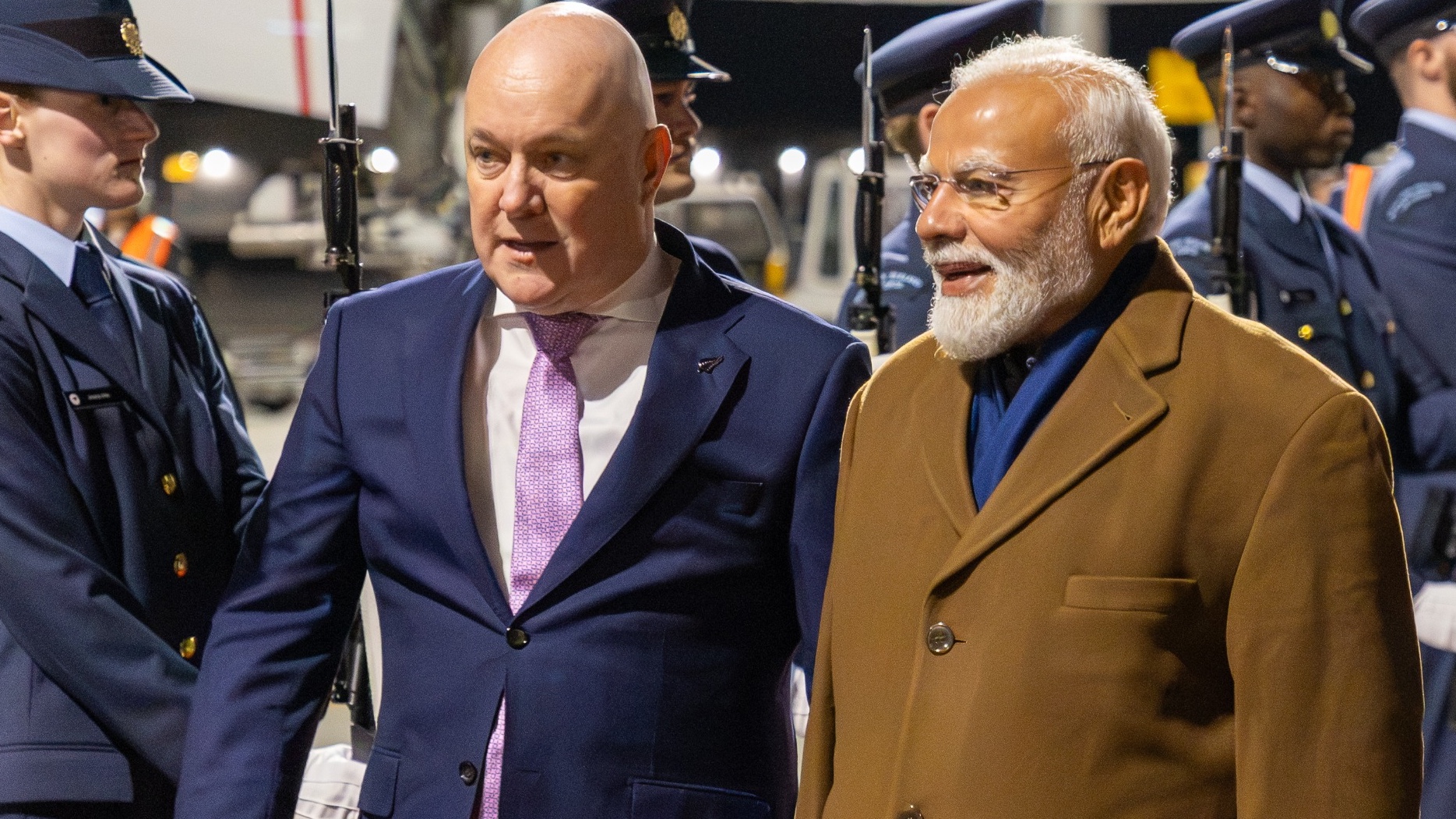
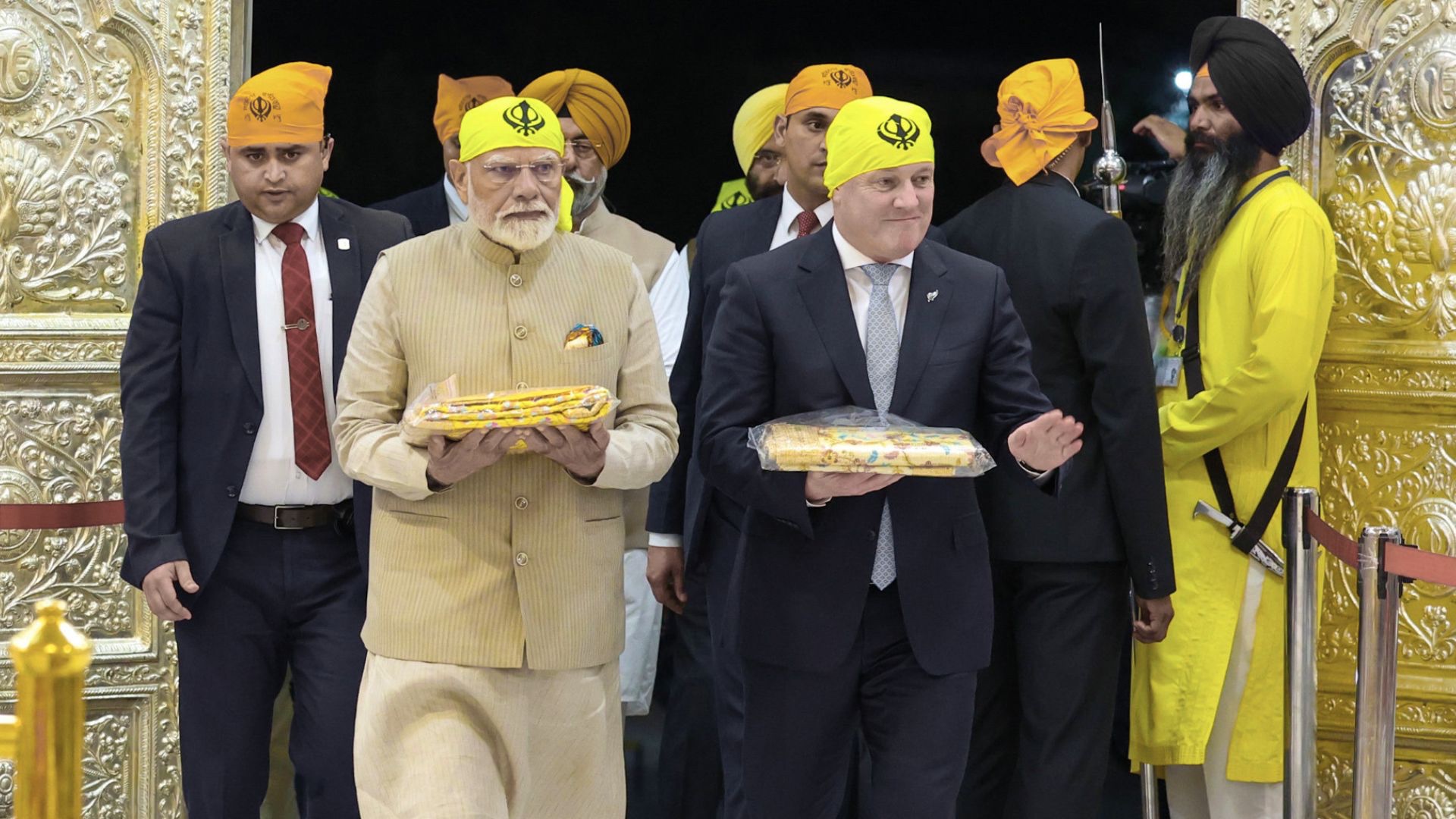
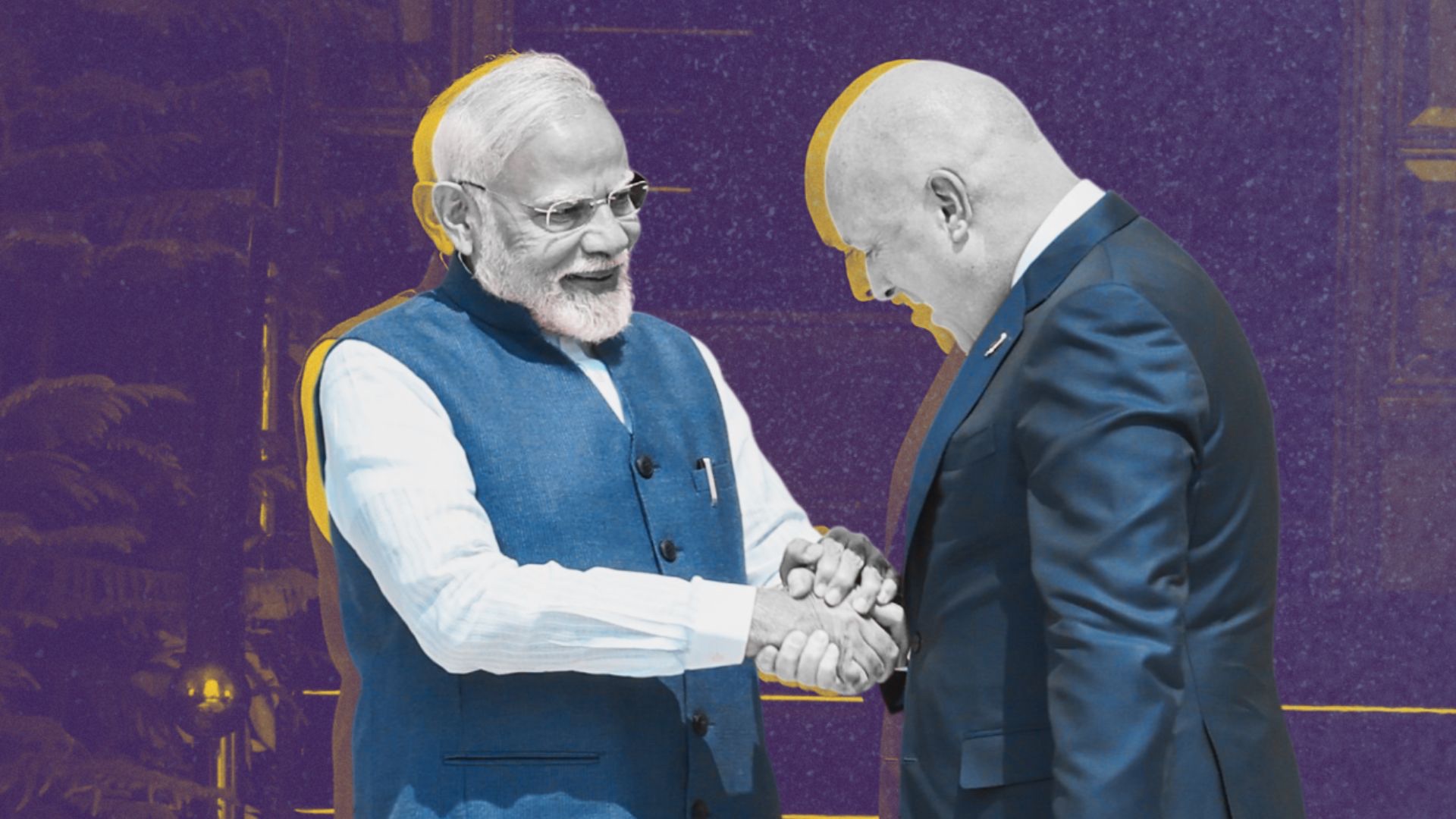
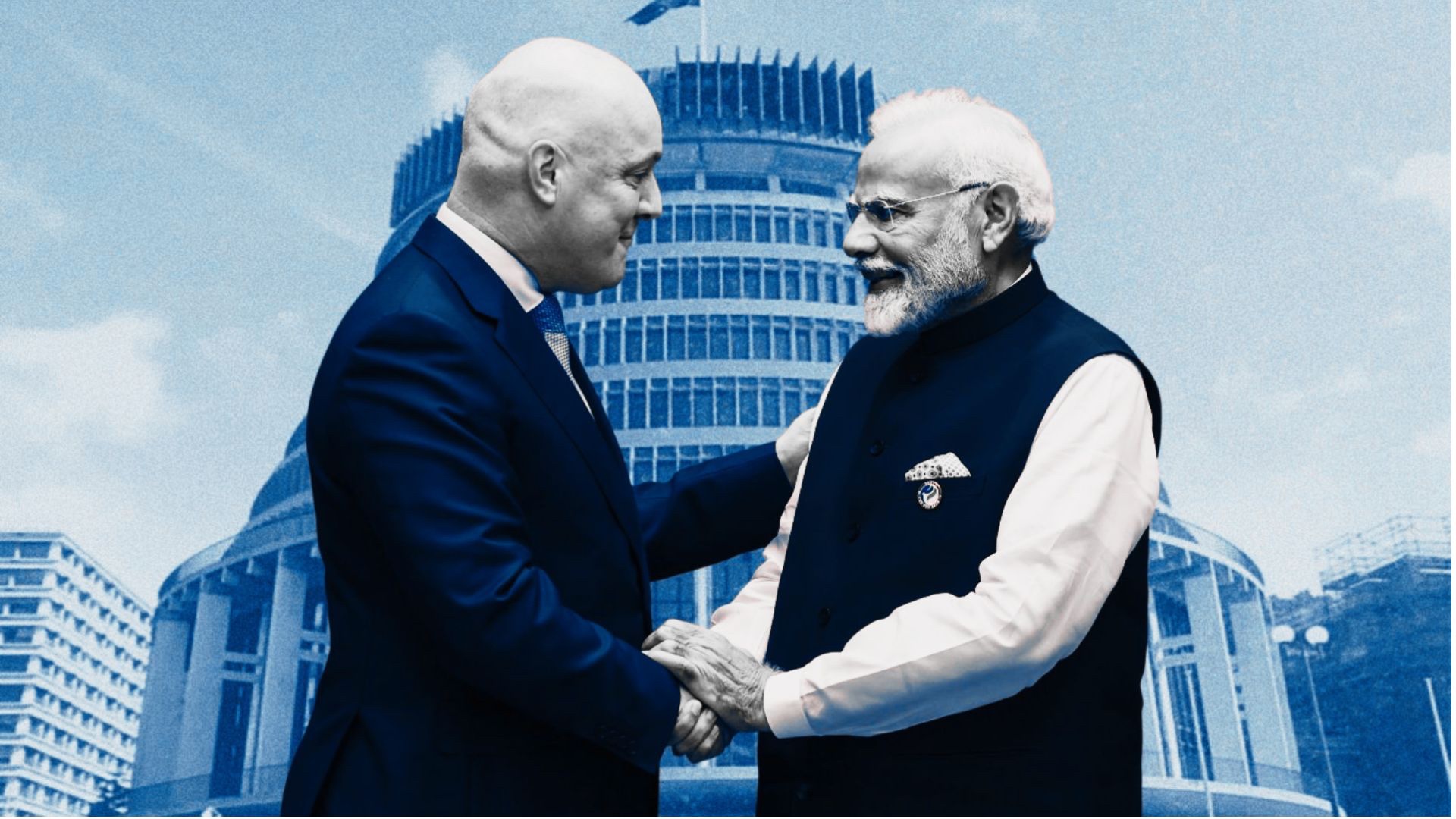
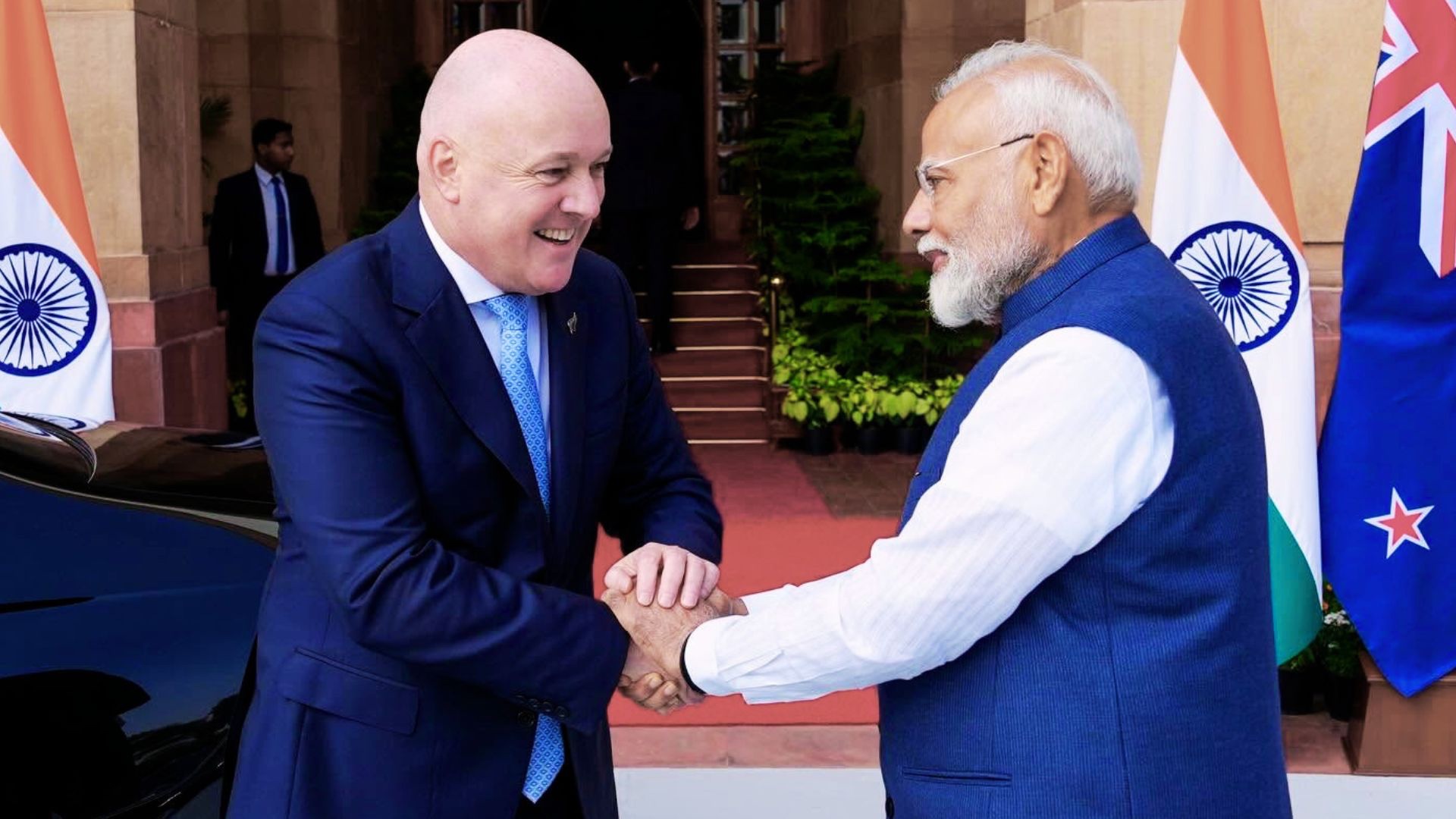
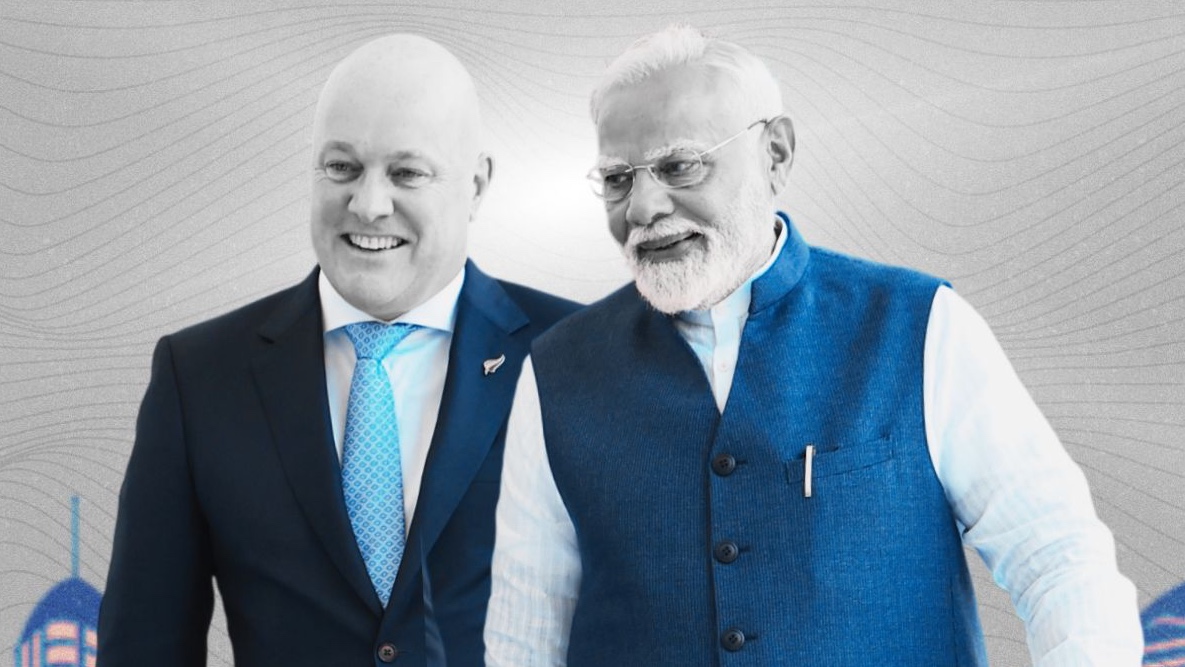
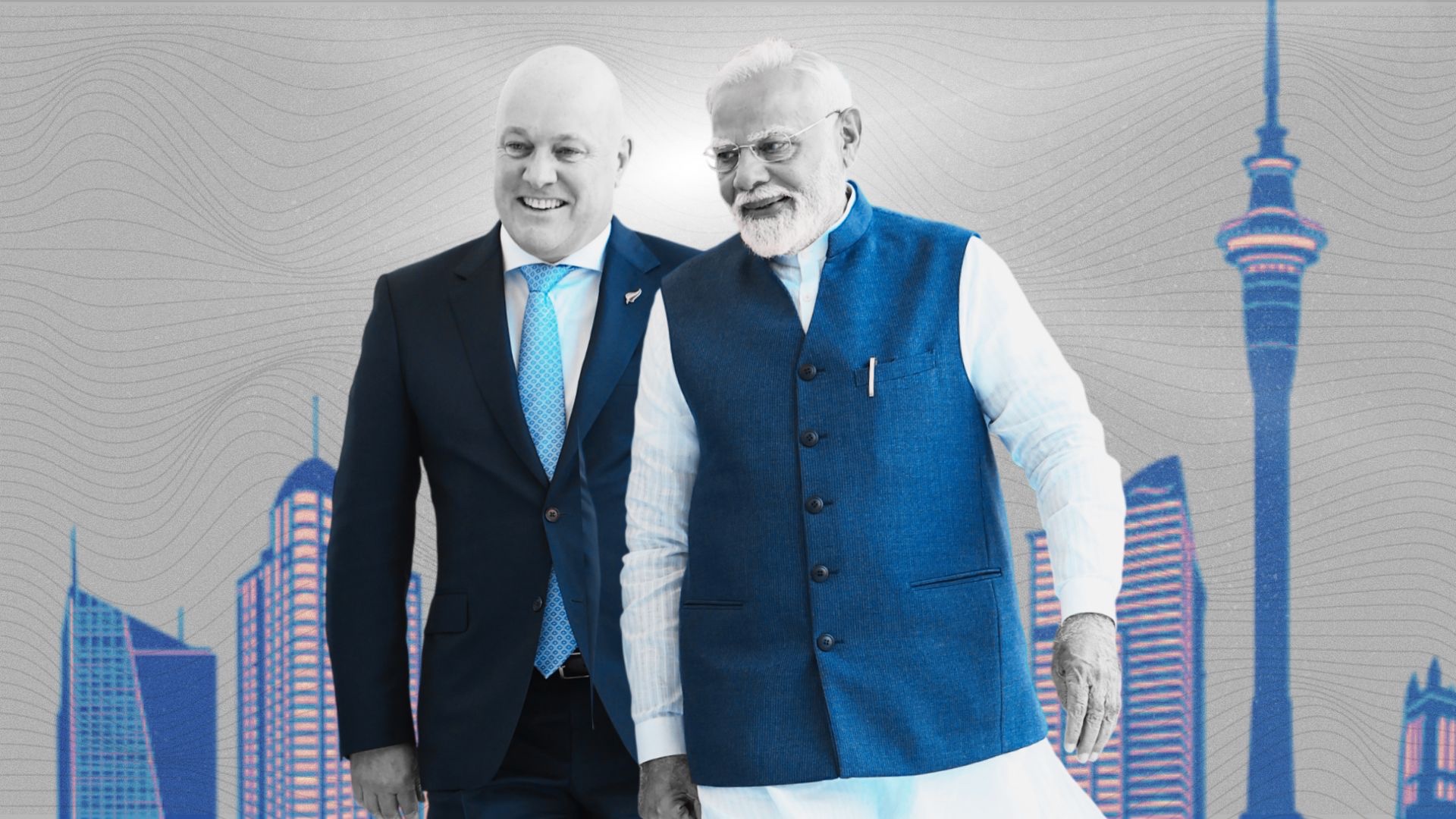
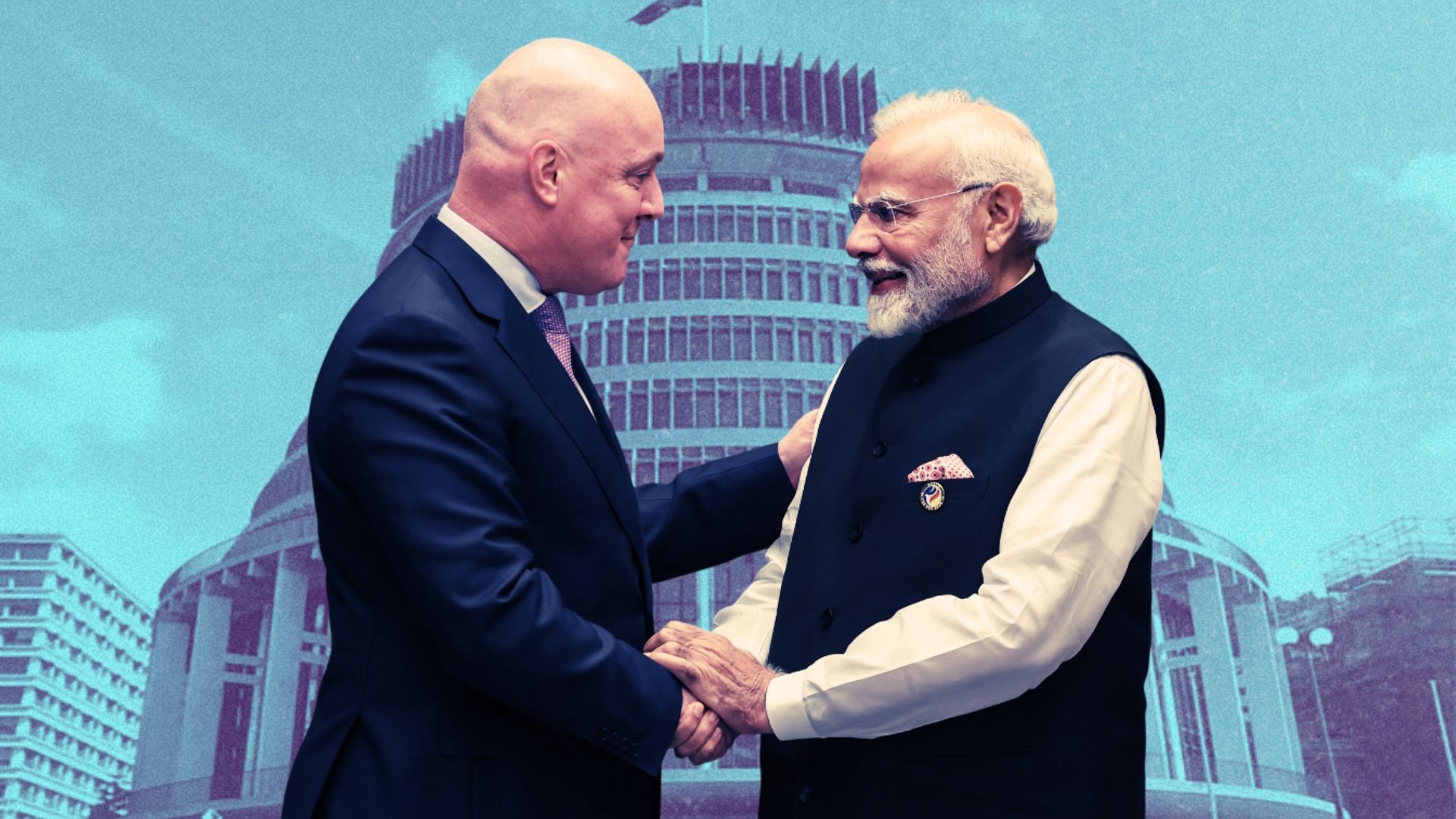
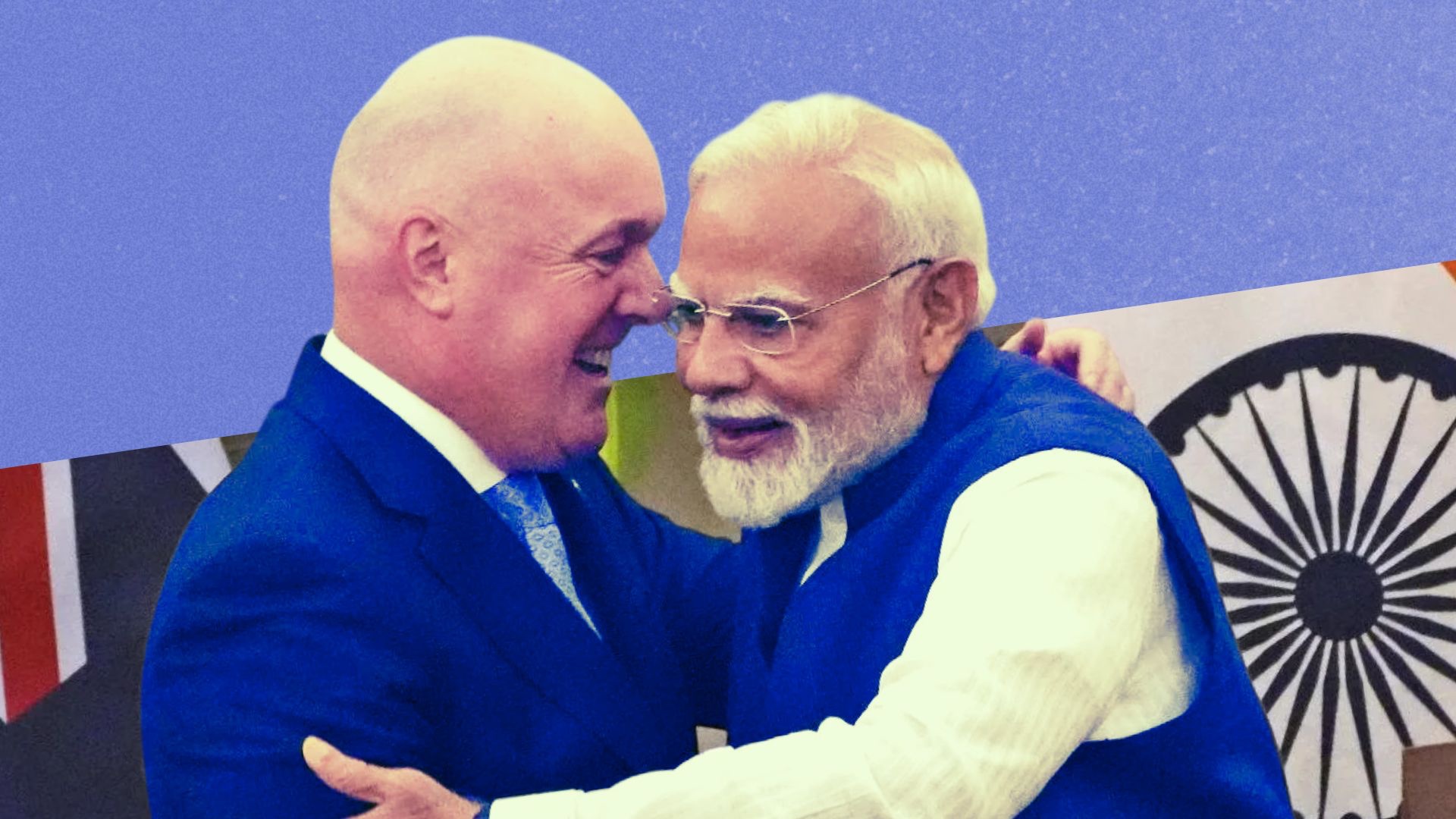
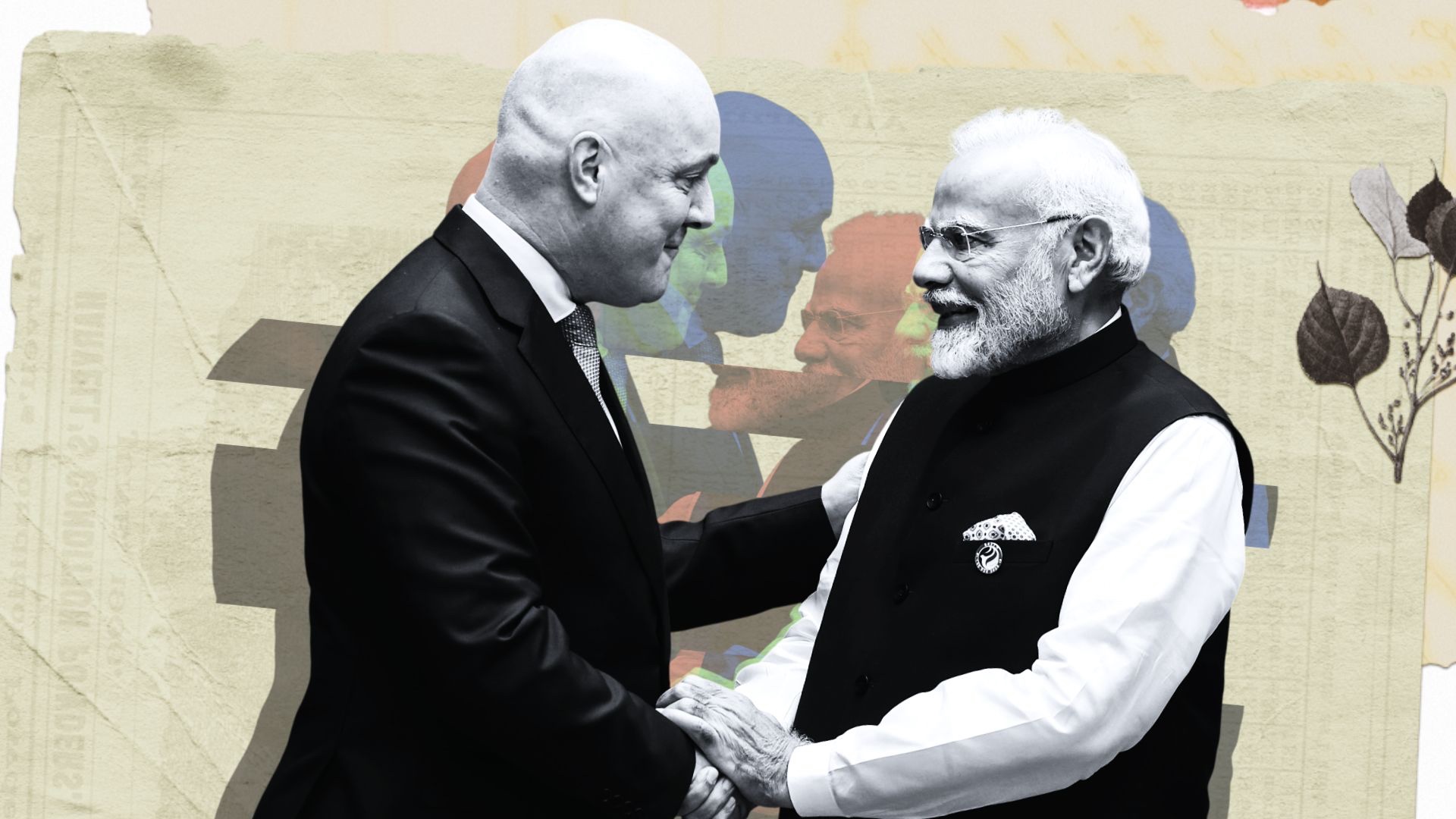
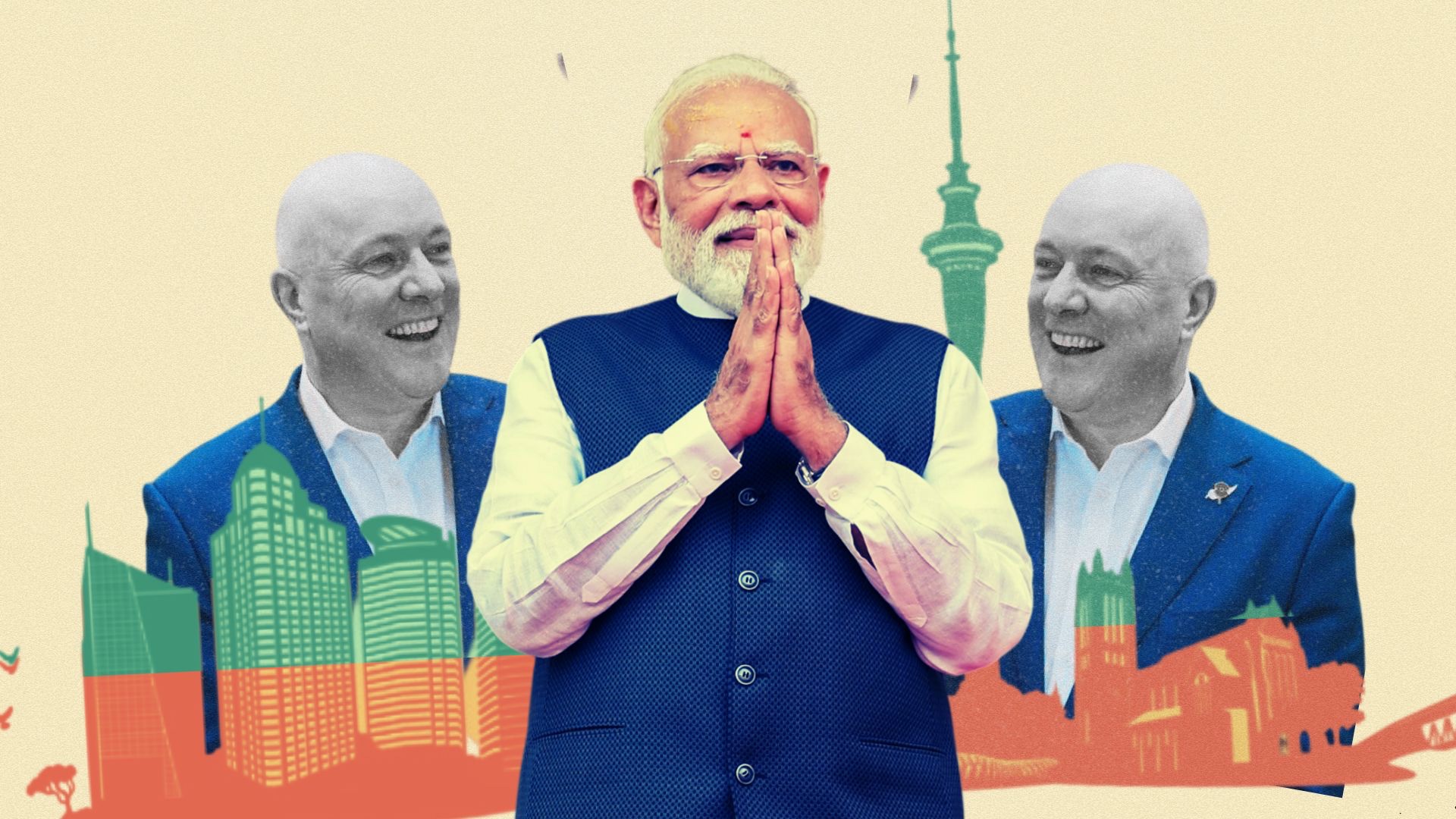
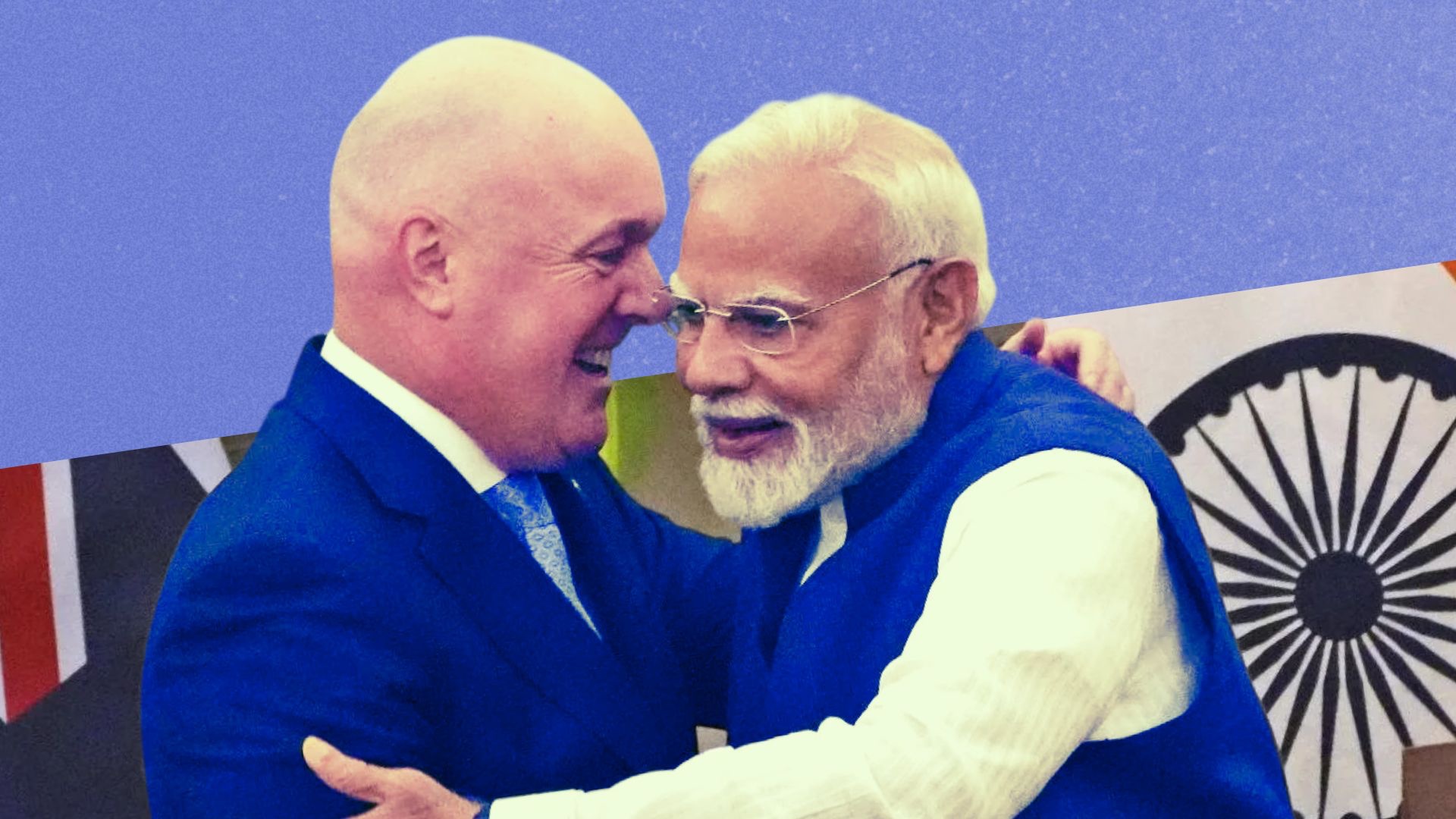
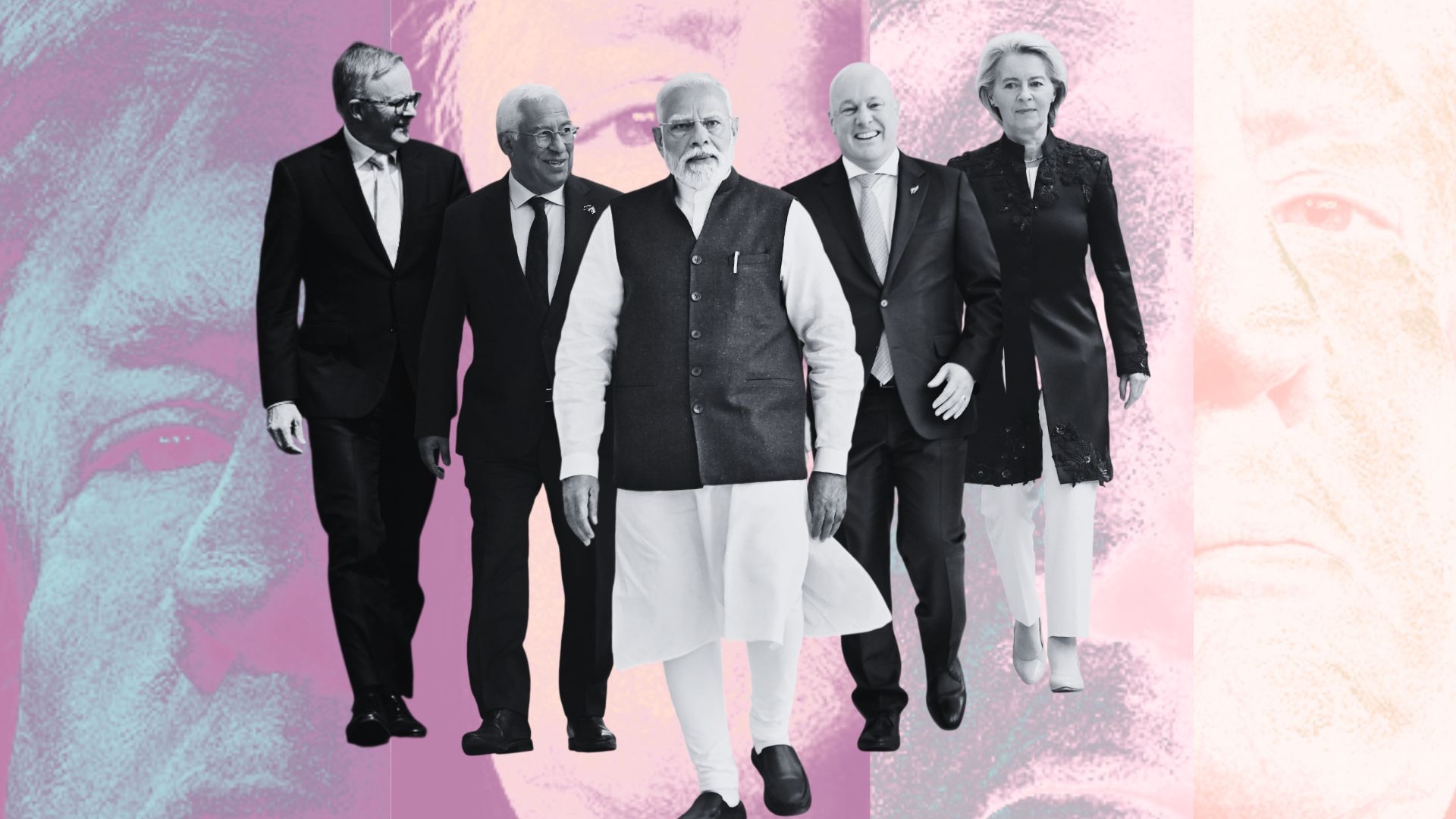
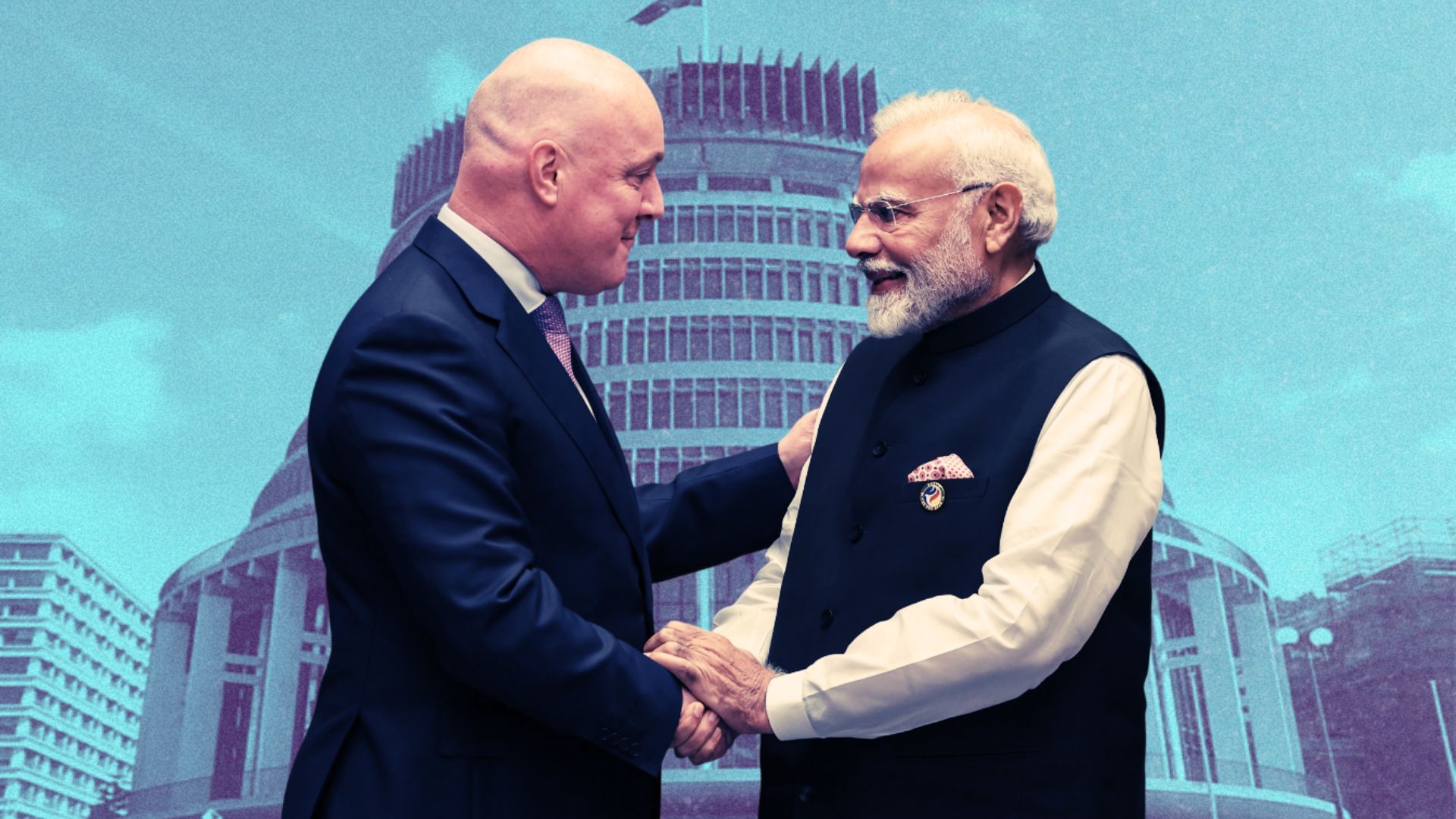
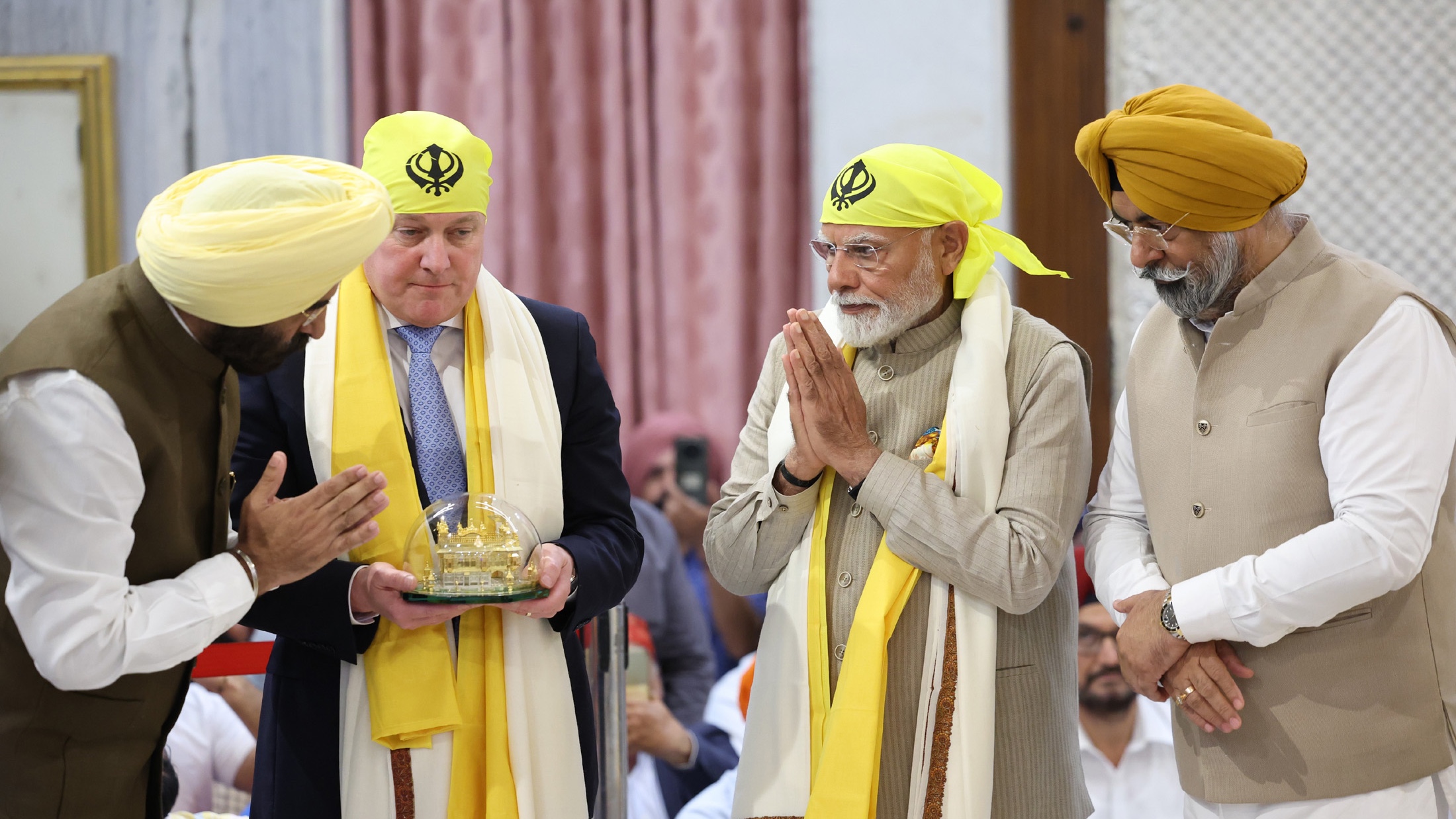
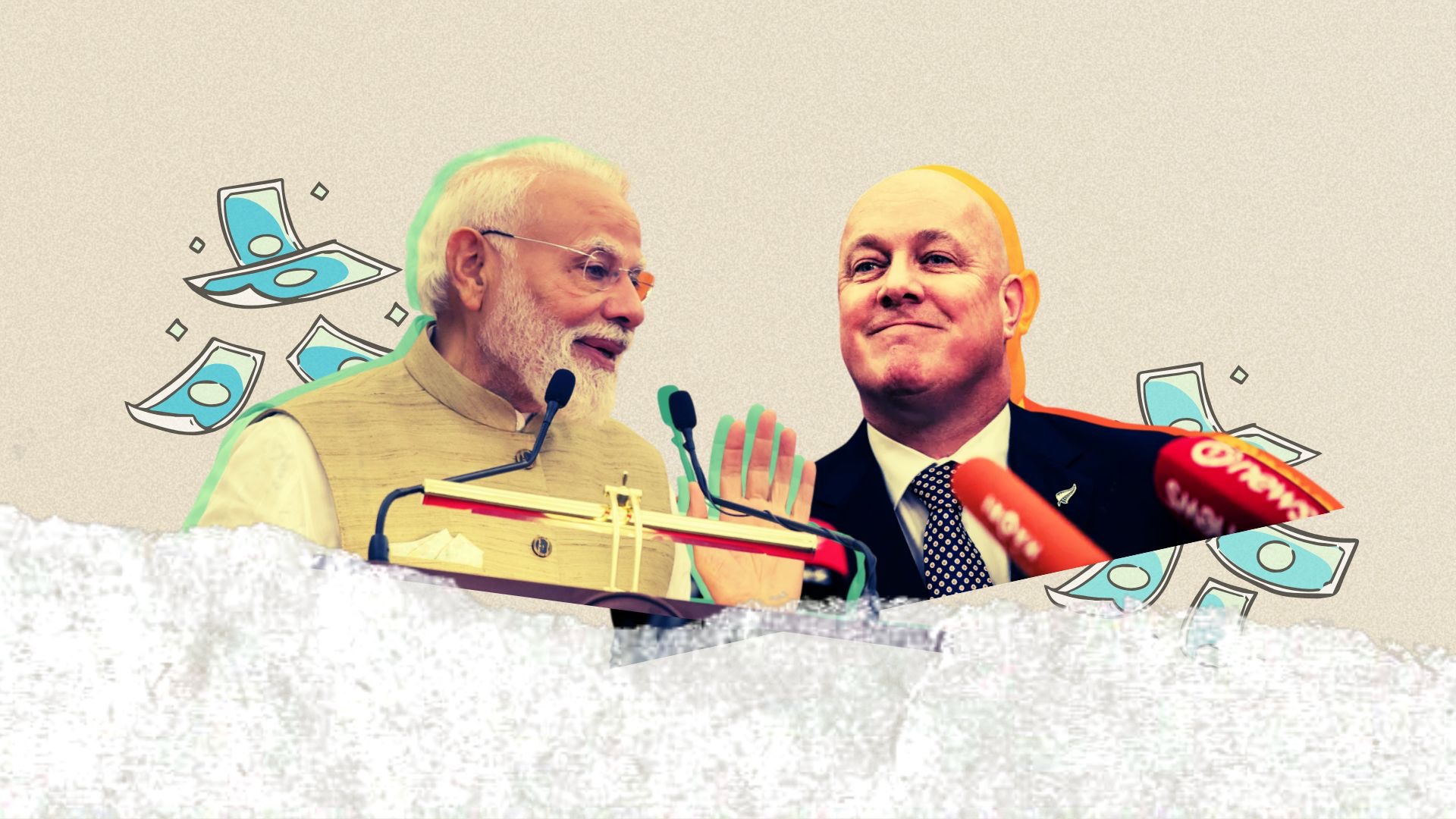
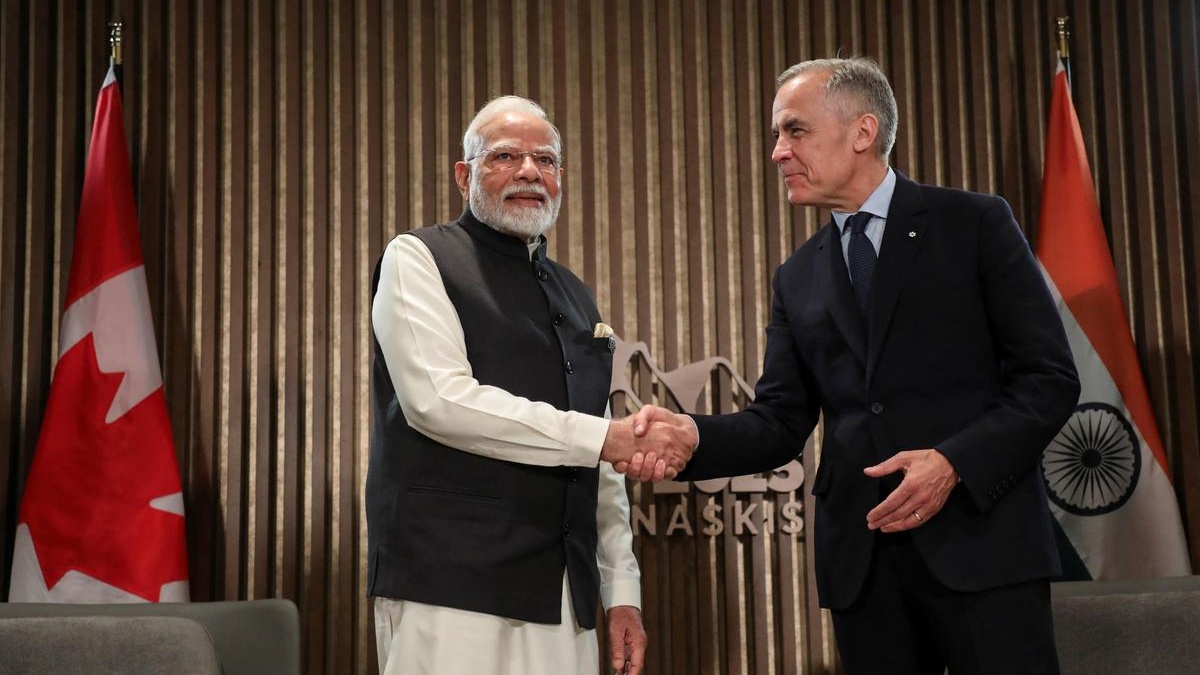
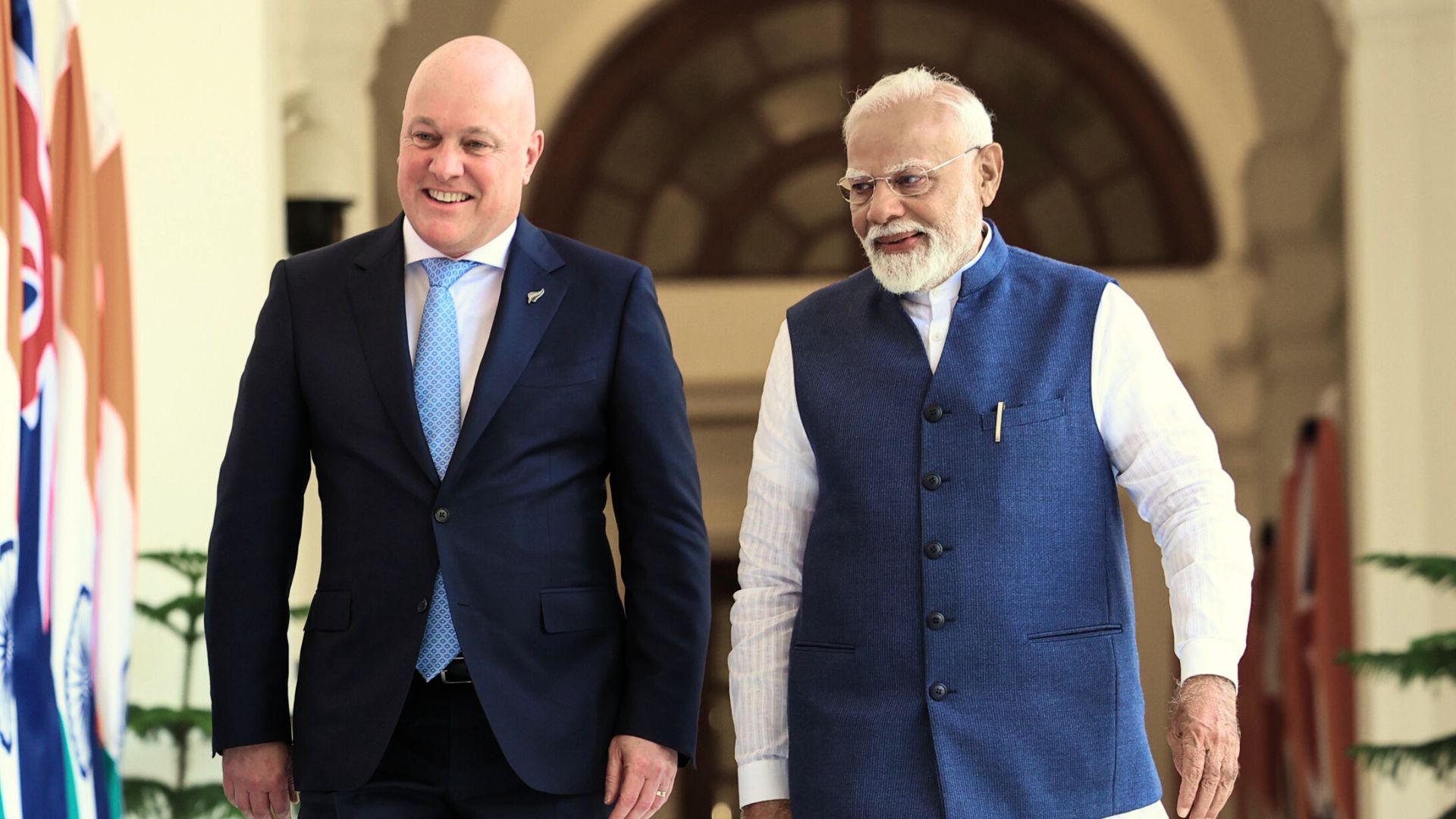
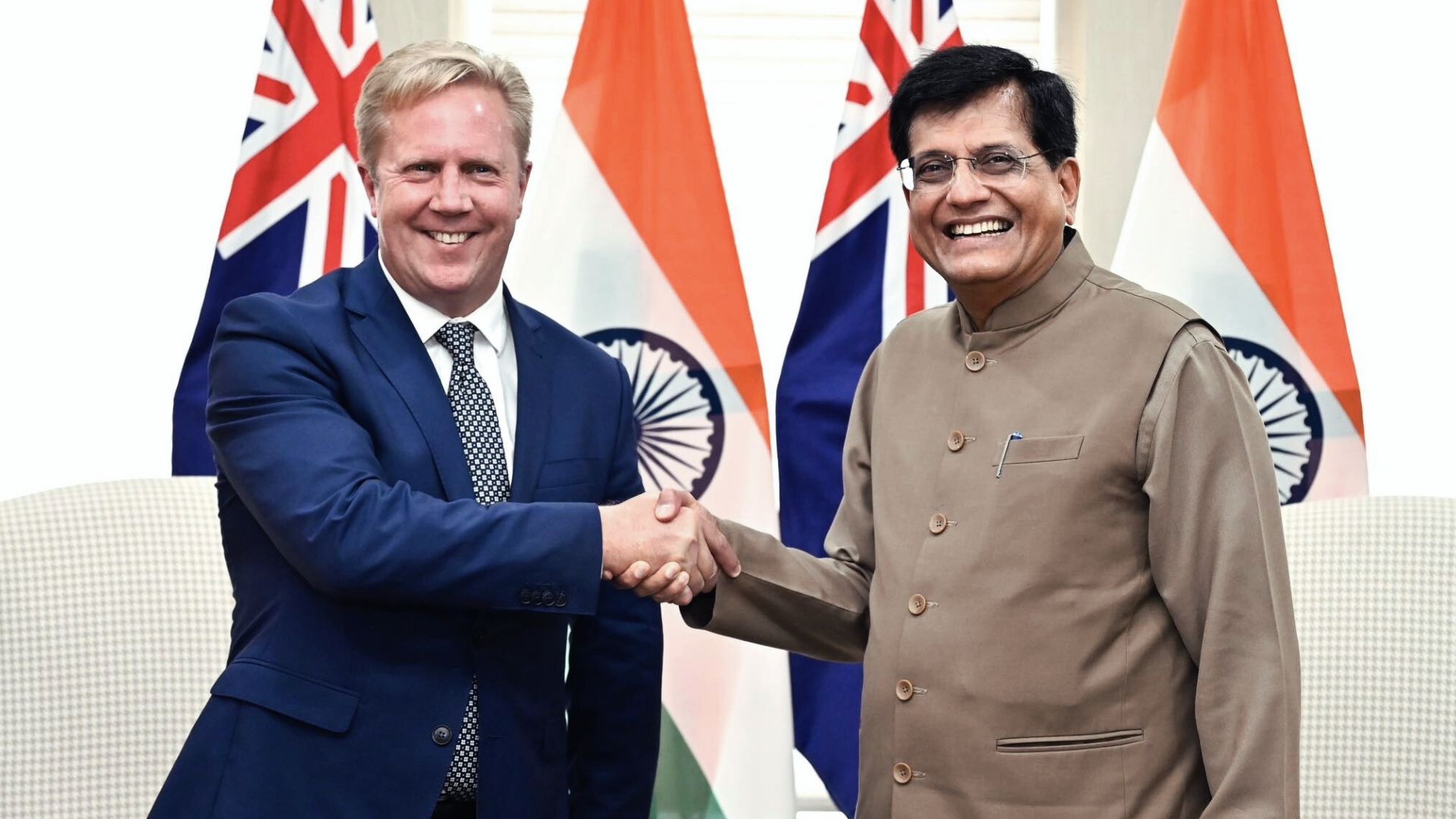
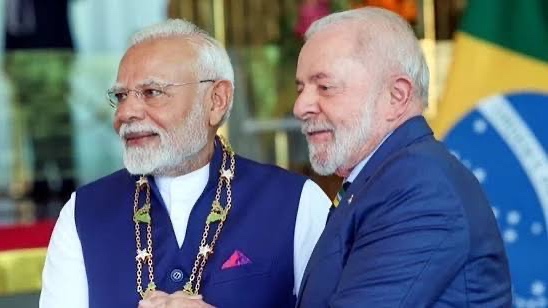
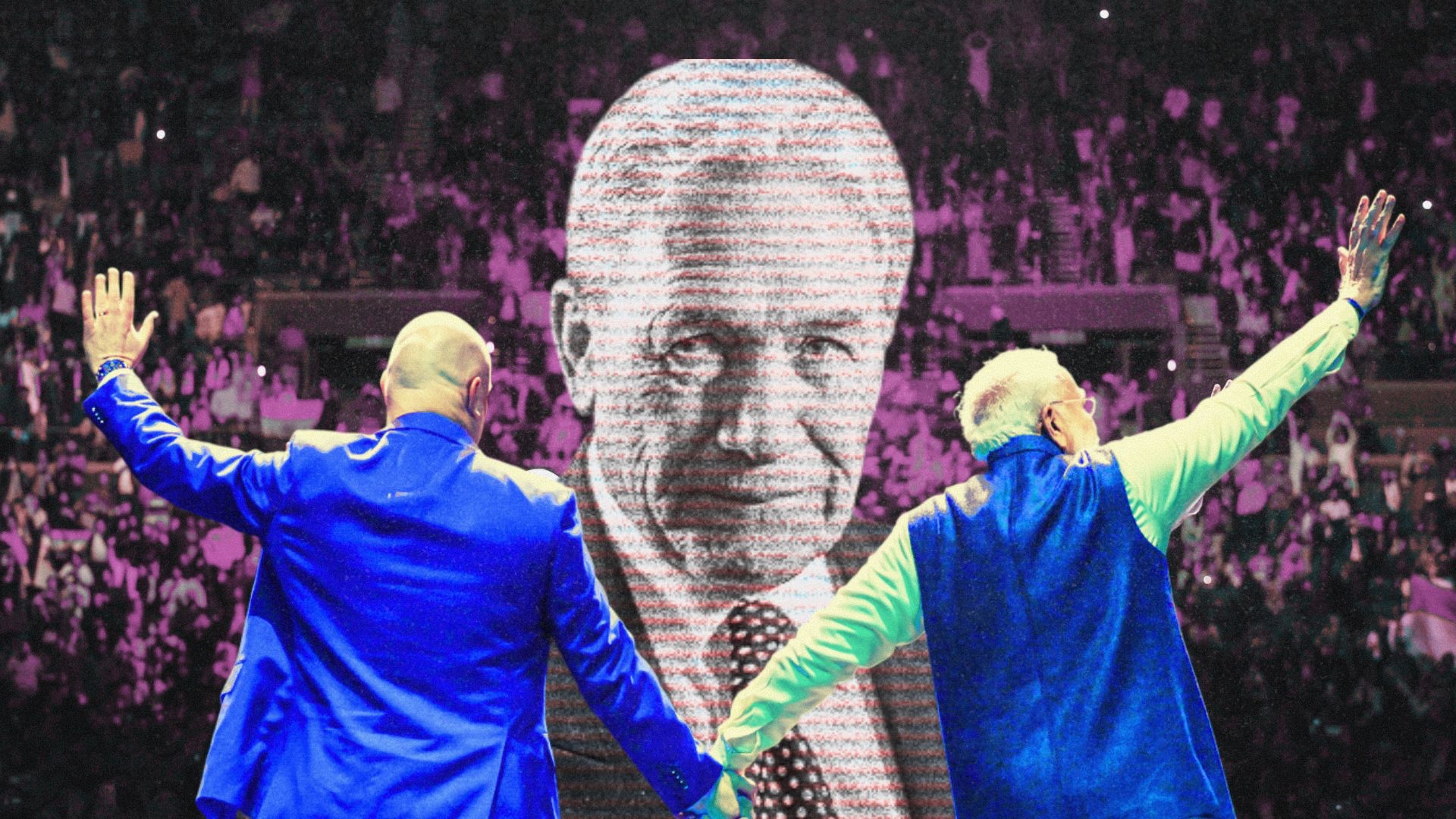
Peters left on July 5 and returned on July 12. In Auckland on July 11, by contrast, Narendra Modi and Christopher Luxon elevated the relationship to a strategic partnership and adopted a Roadmap to 2030.
The contrast is difficult to explain away as an ordinary diary clash.
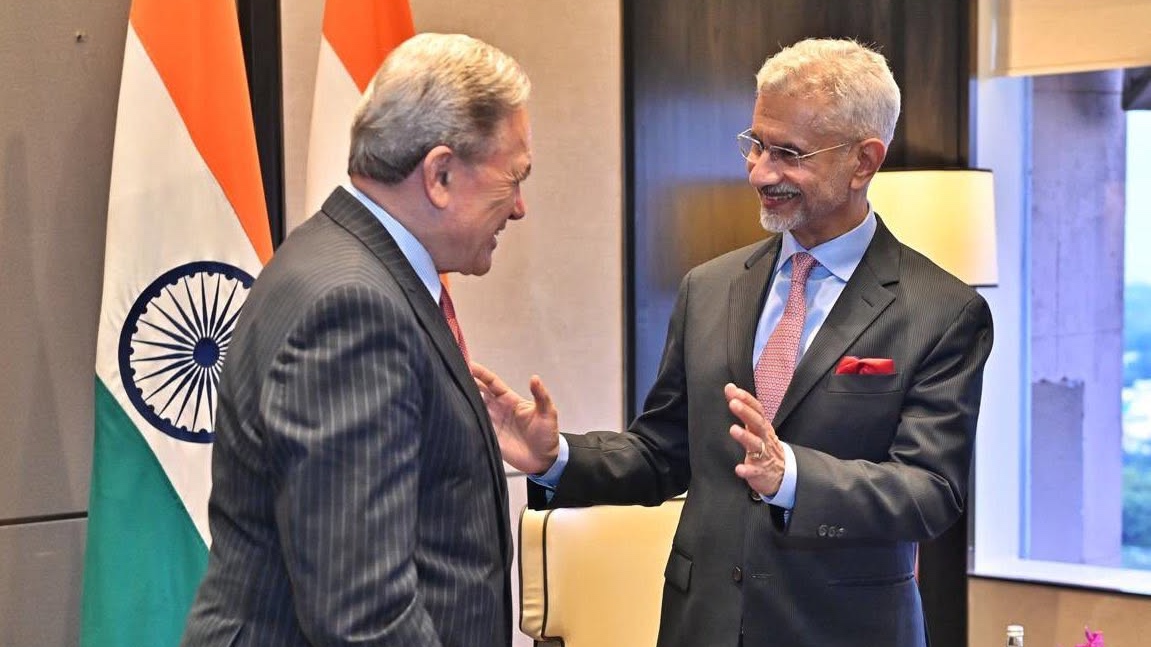
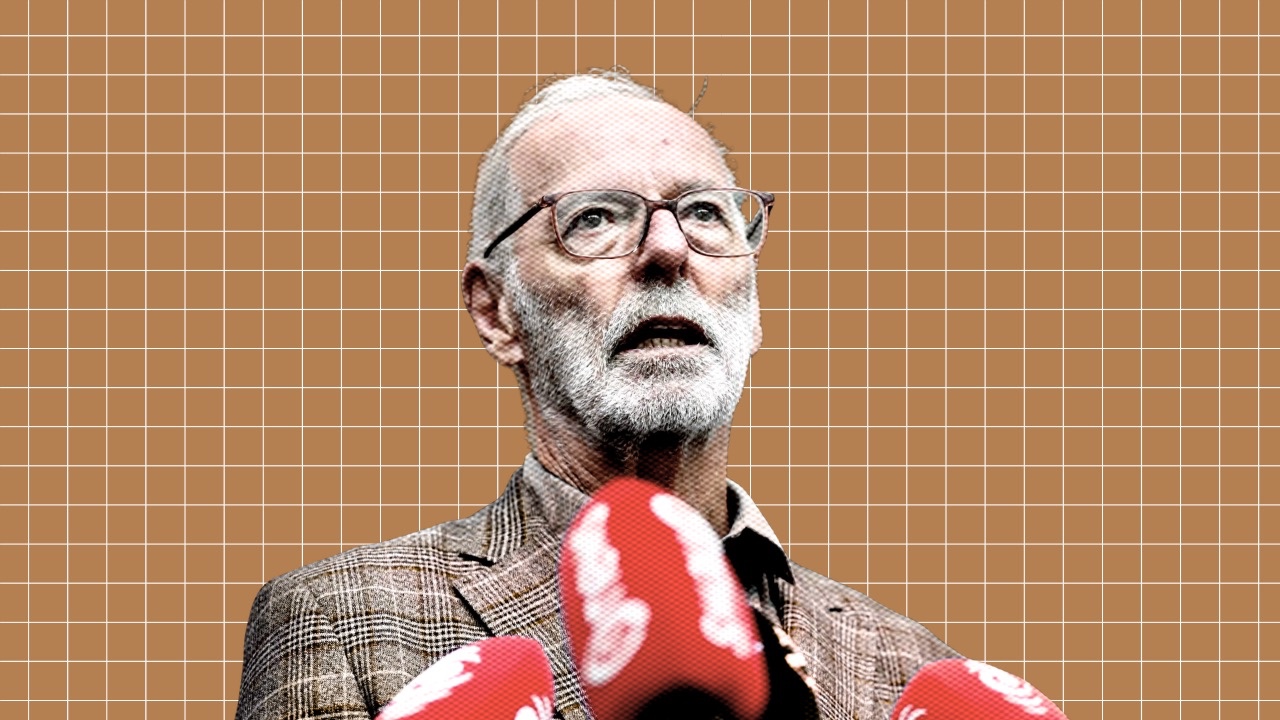
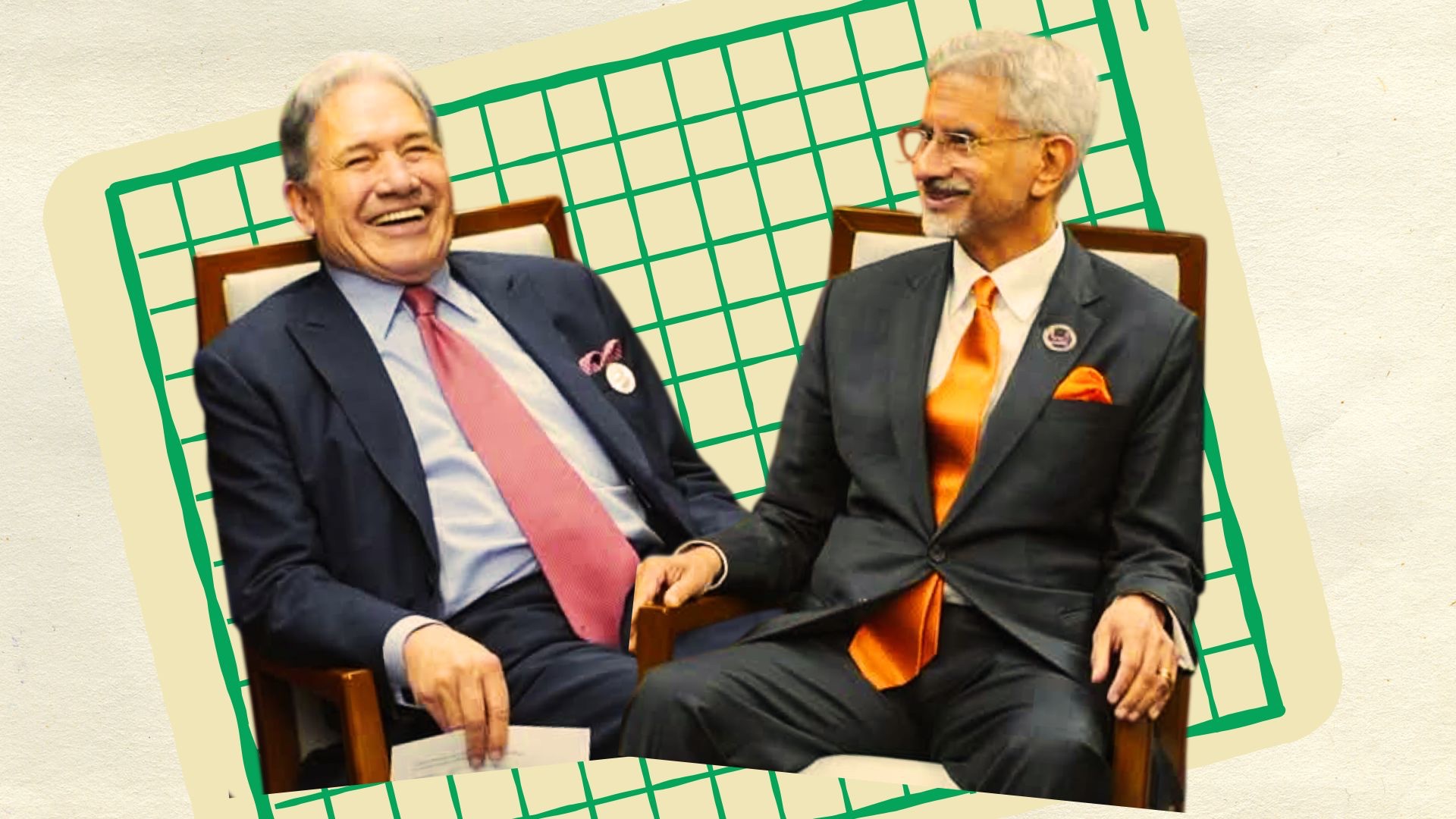
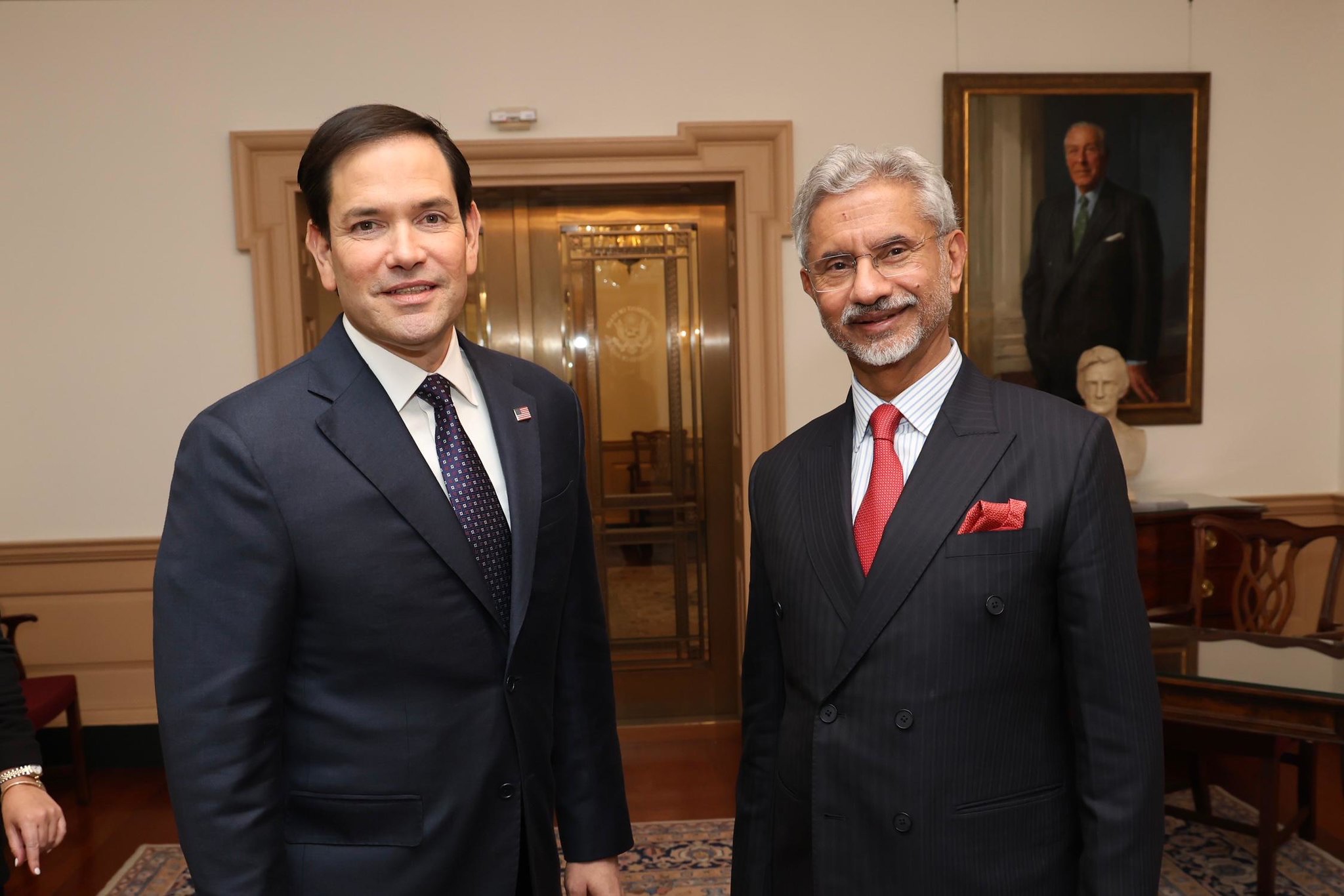
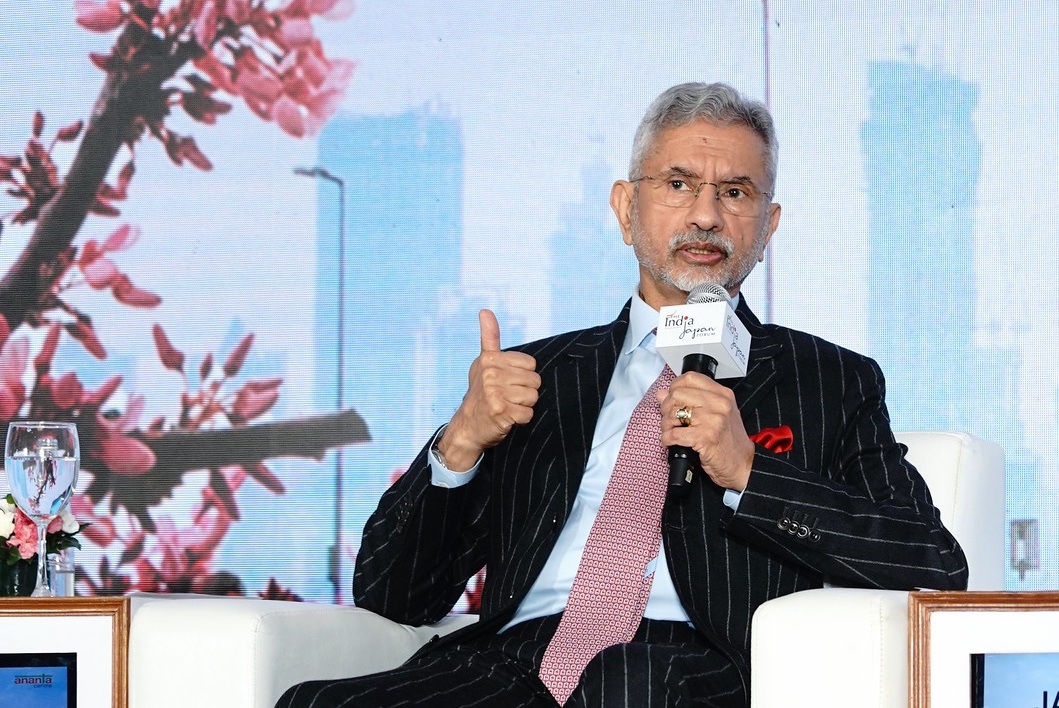
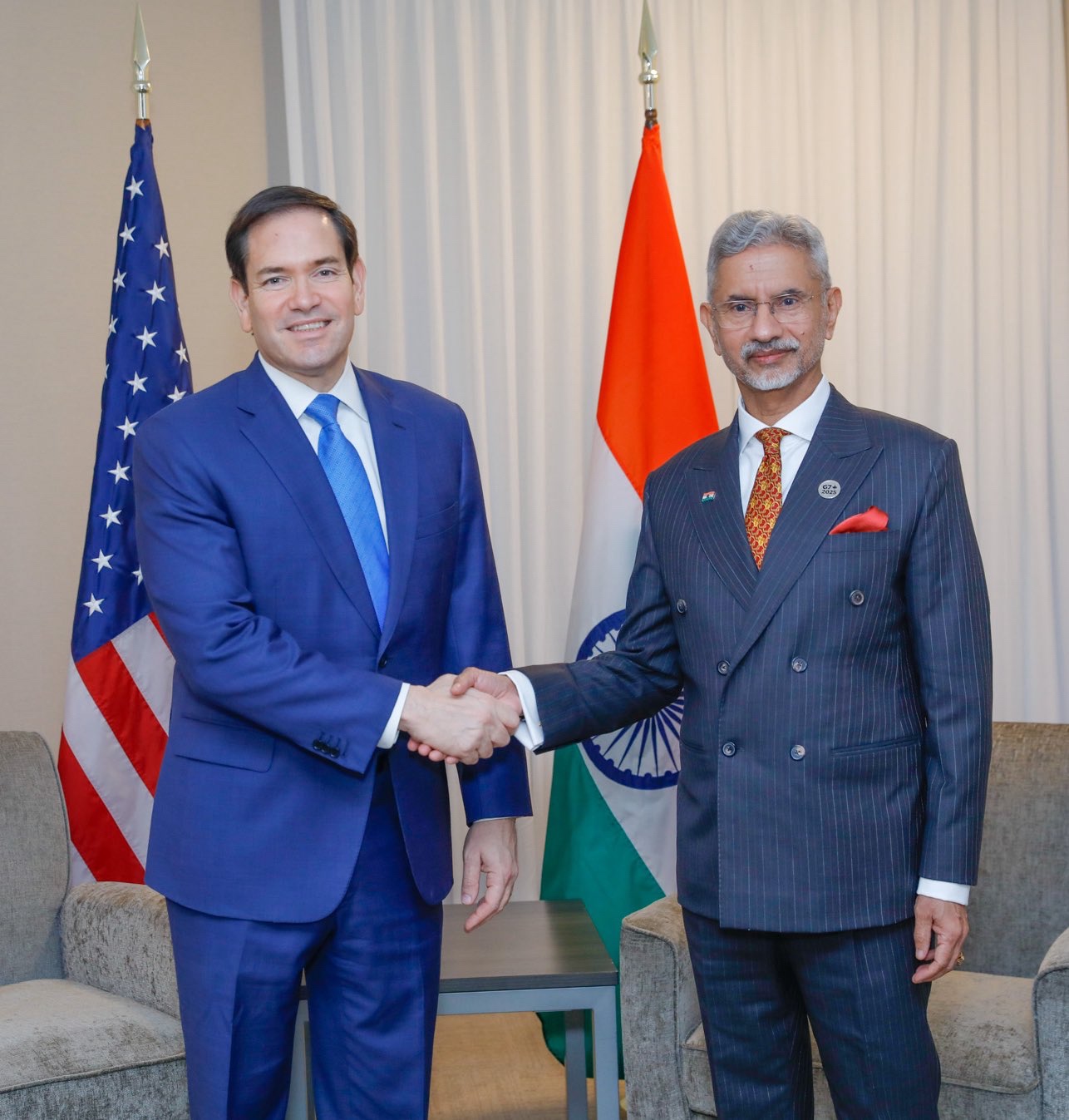
Winston Peters with Indian counterpart S Jaishankar in New Delhi in May 2025. (Supplied photo)
Peters’ own strategy had identified India as one of his ministry’s few medium-term priorities. Yet, when that priority produced its defining diplomatic moment, he judged a relatively routine tour of Singapore and Japan to be the better use of the foreign minister’s time.
Peters appears willing to take political ownership of India when attacking the FTA, but not matching ministerial ownership of the larger relationship his own document instructed the foreign ministry to build.
FTA part of the bilateral relationship, not the relationship
The strategic partnership encompasses political engagement, military and maritime cooperation, counter-terrorism, cyber security, technology, education, tourism, agriculture, research and coordination across the Indo-Pacific.
Peters knows this. He understands the overarching strategic relationship, and yet he is choosing to present India through the fragment most useful to New Zealand First’s election campaign.
The diplomatic consequences are already visible.
In February 2026, outgoing Indian high commissioner Neeta Bhushan described the US$20 billion private-sector investment figure as an “aspiration” and said she did not foresee consequences if it was not achieved.
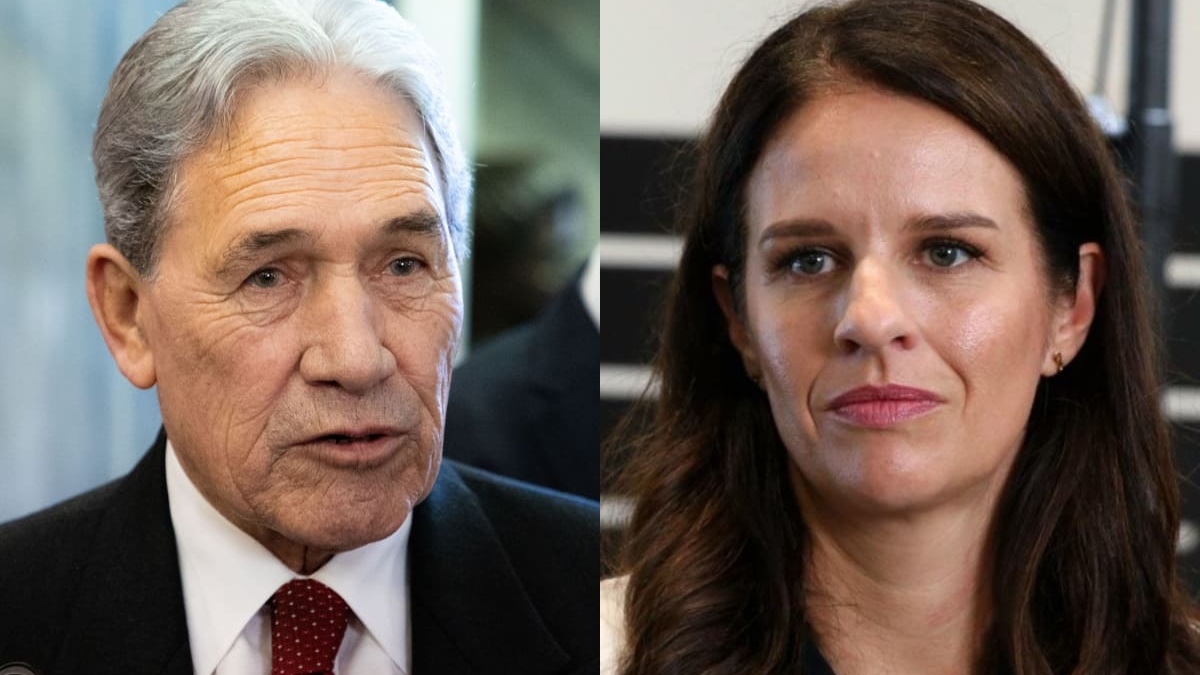
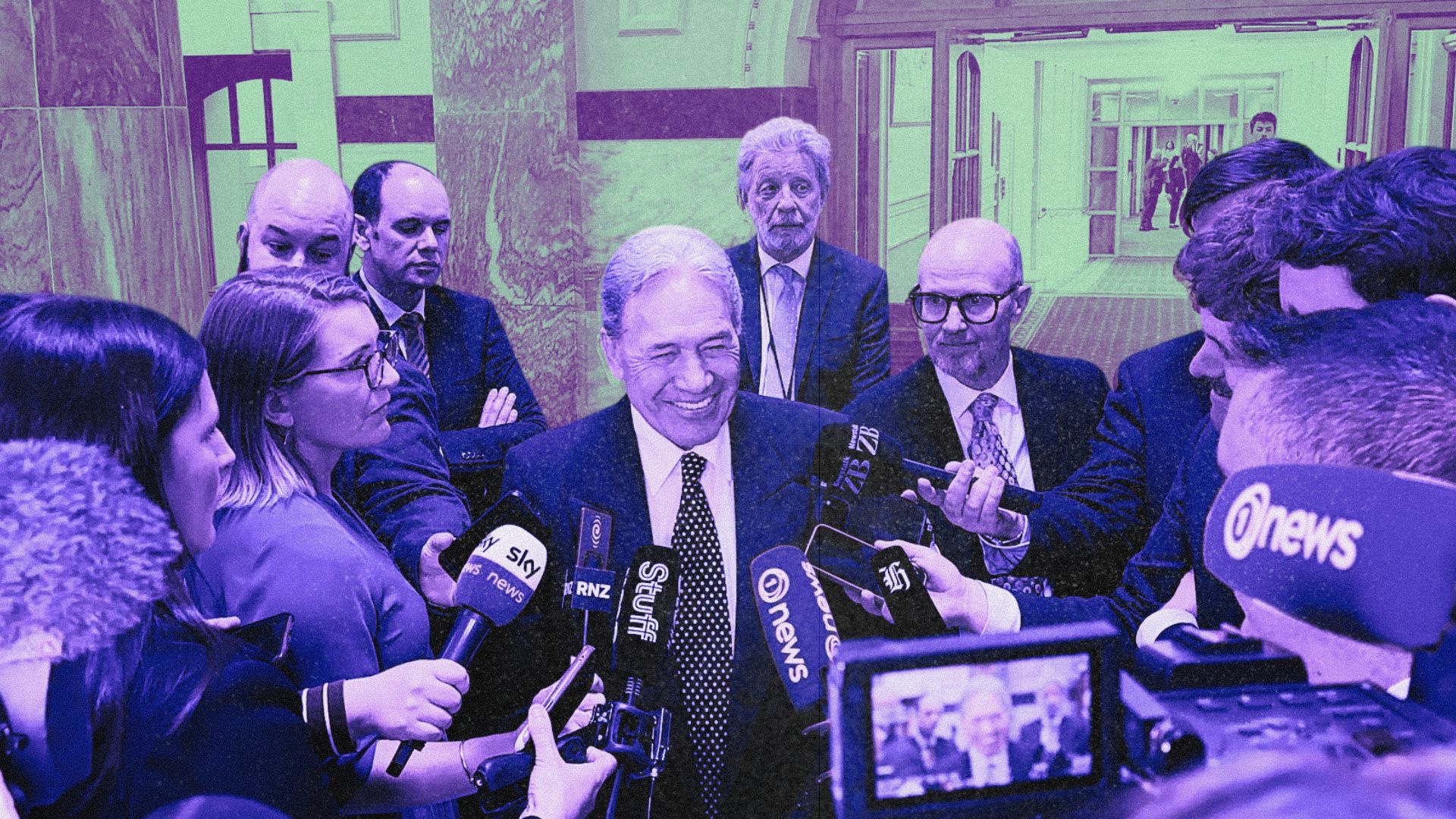
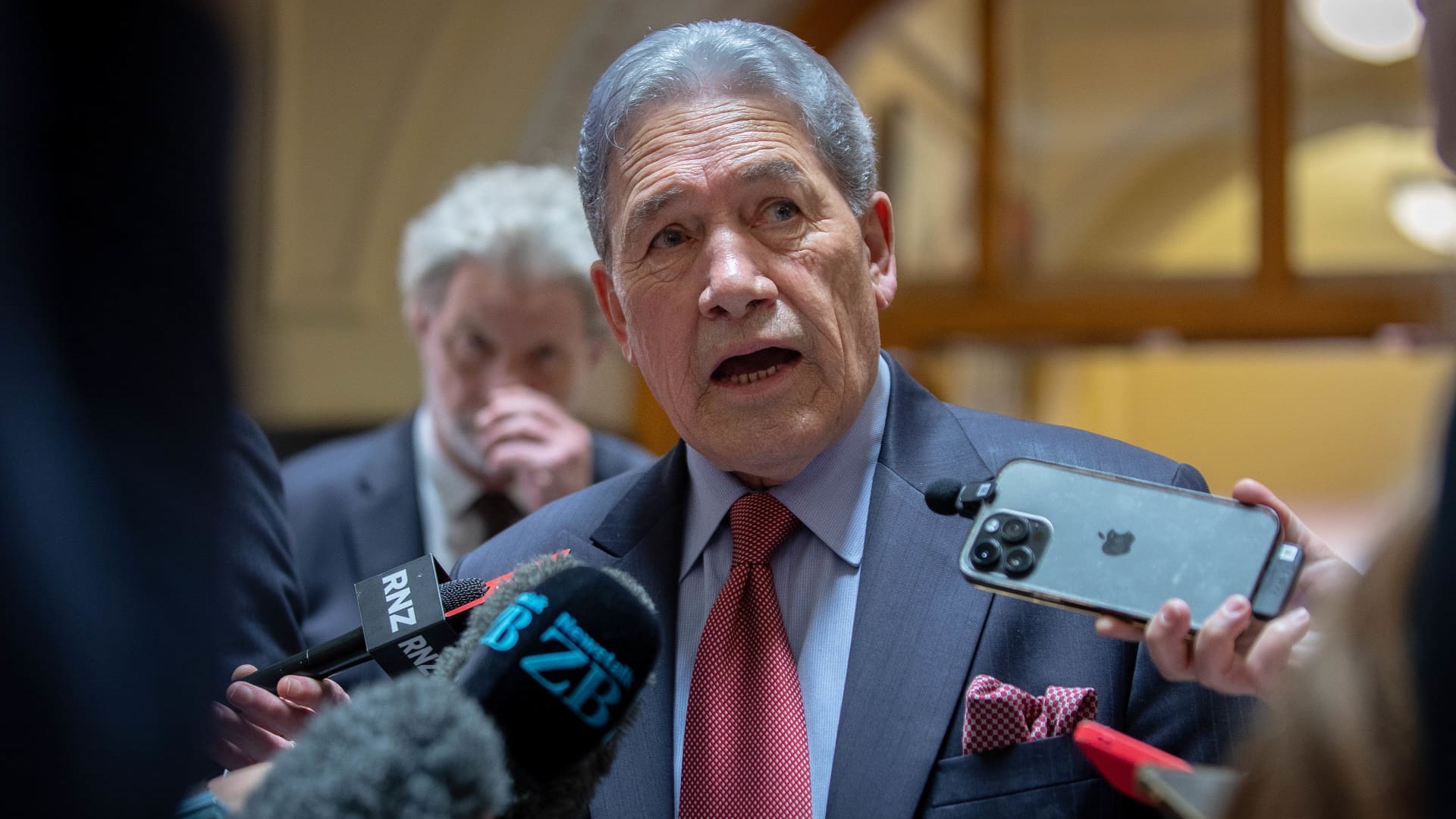
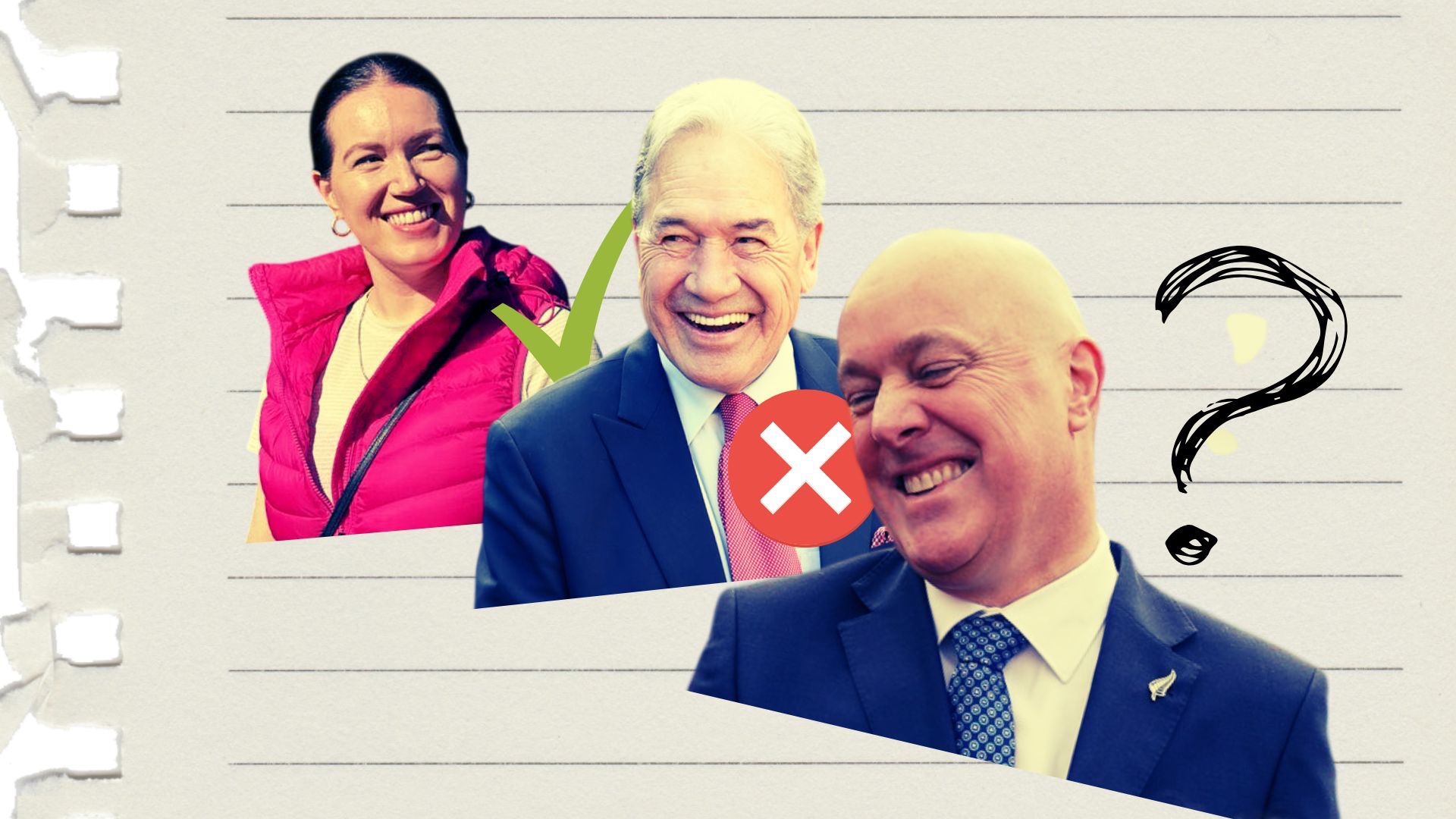
Peters brushed aside her interpretation. “Yeah, well she might say that, but she’s not a trained lawyer, I am,” he said.
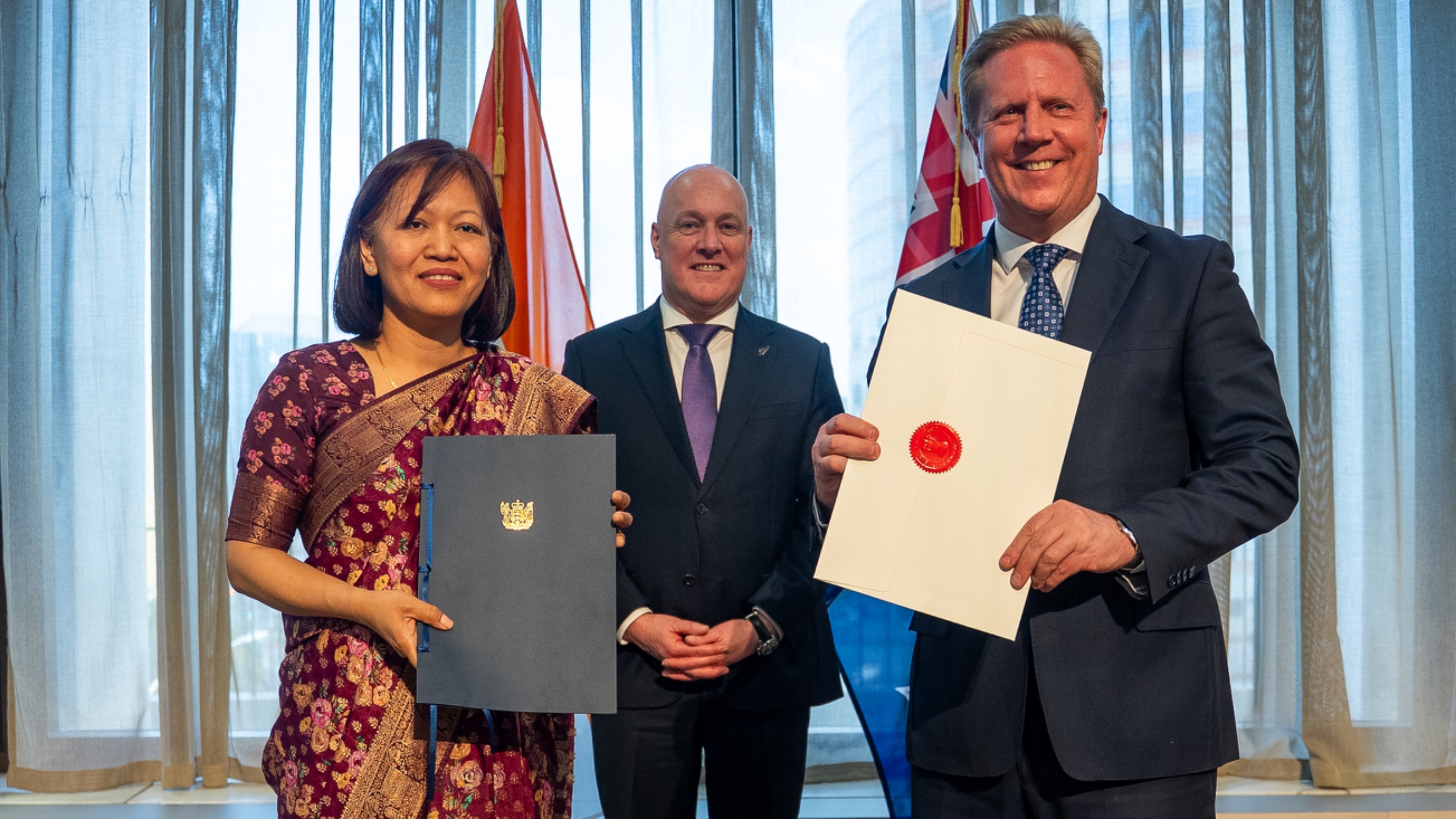
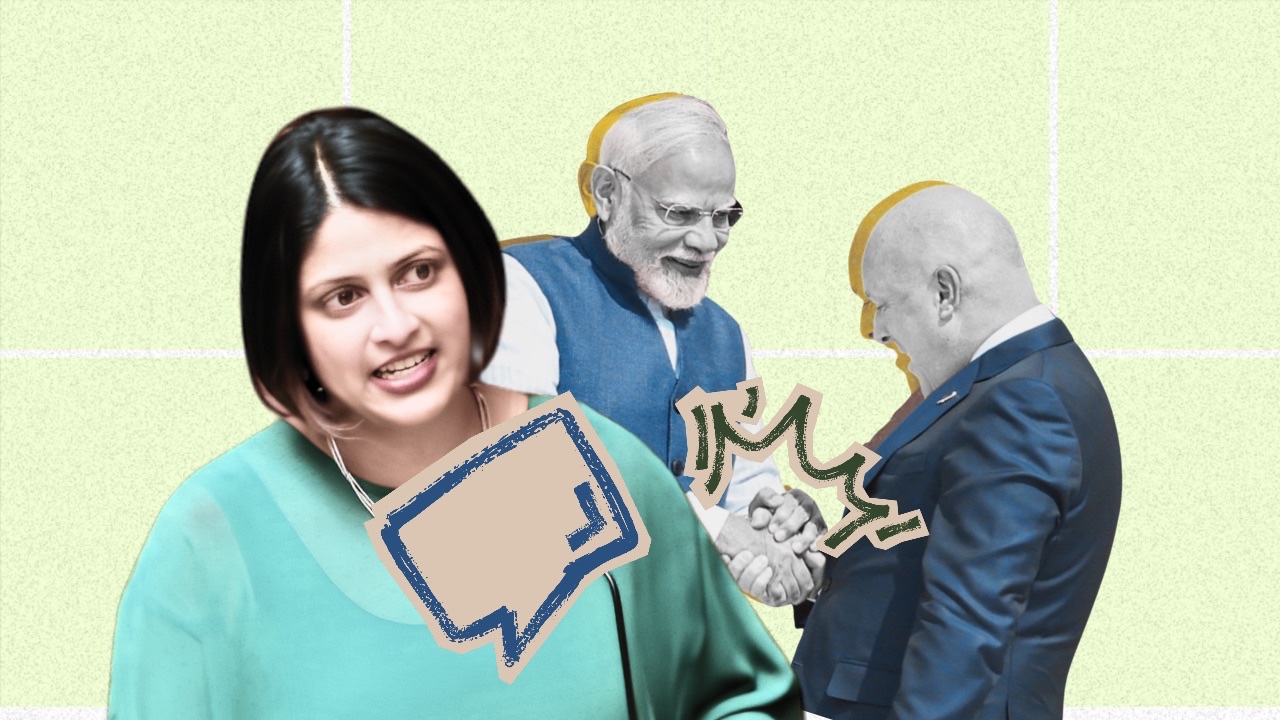
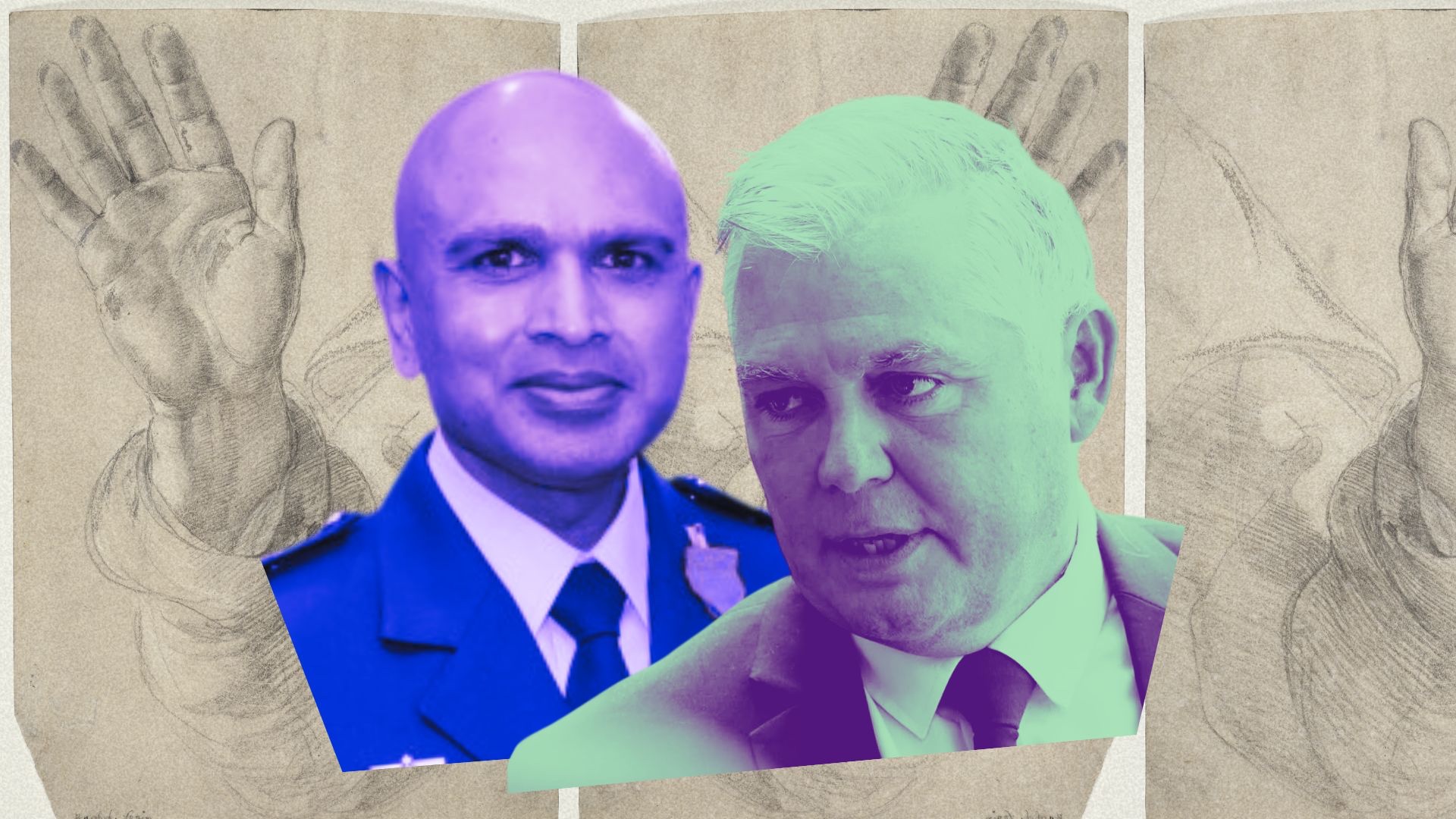
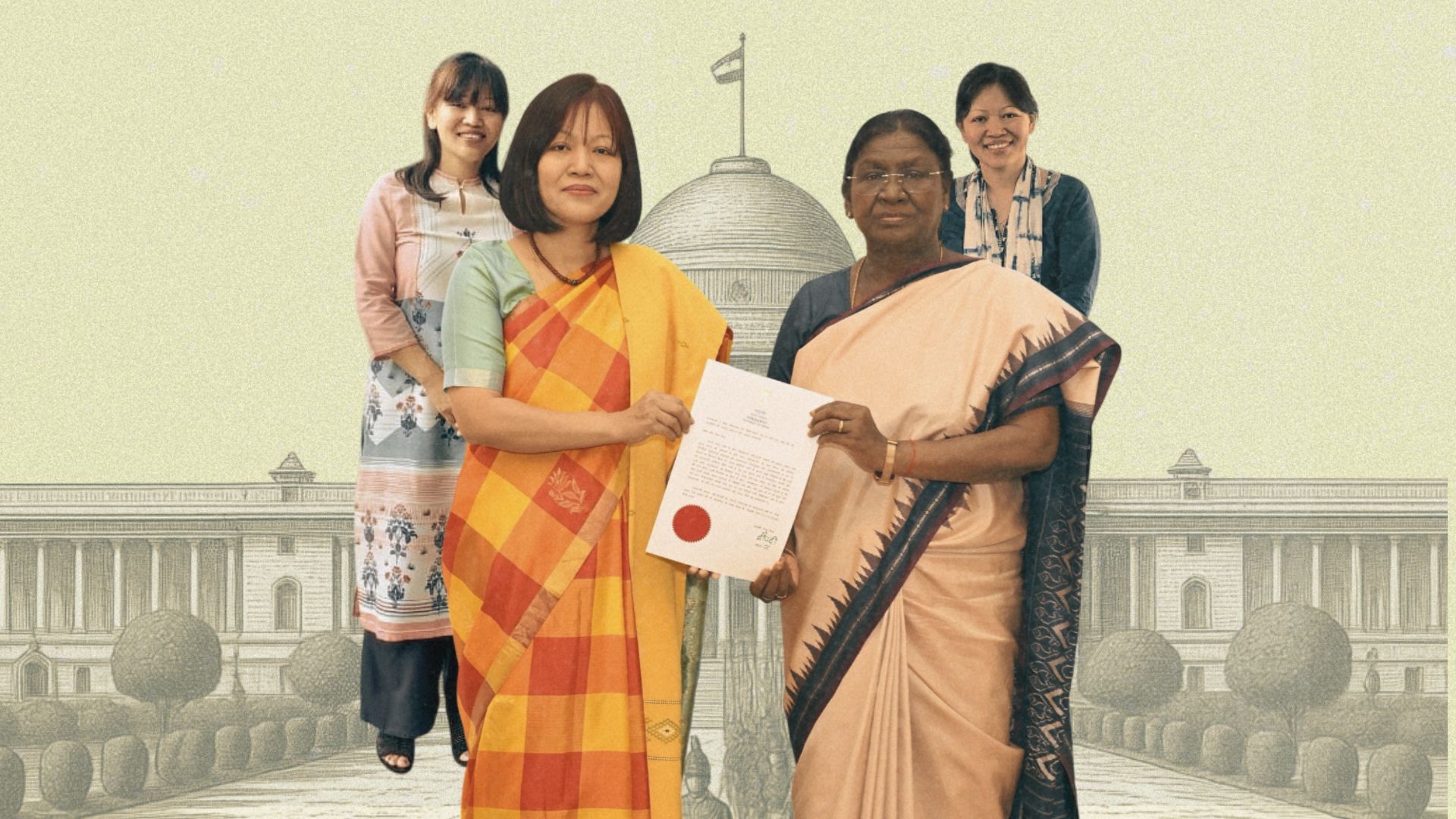
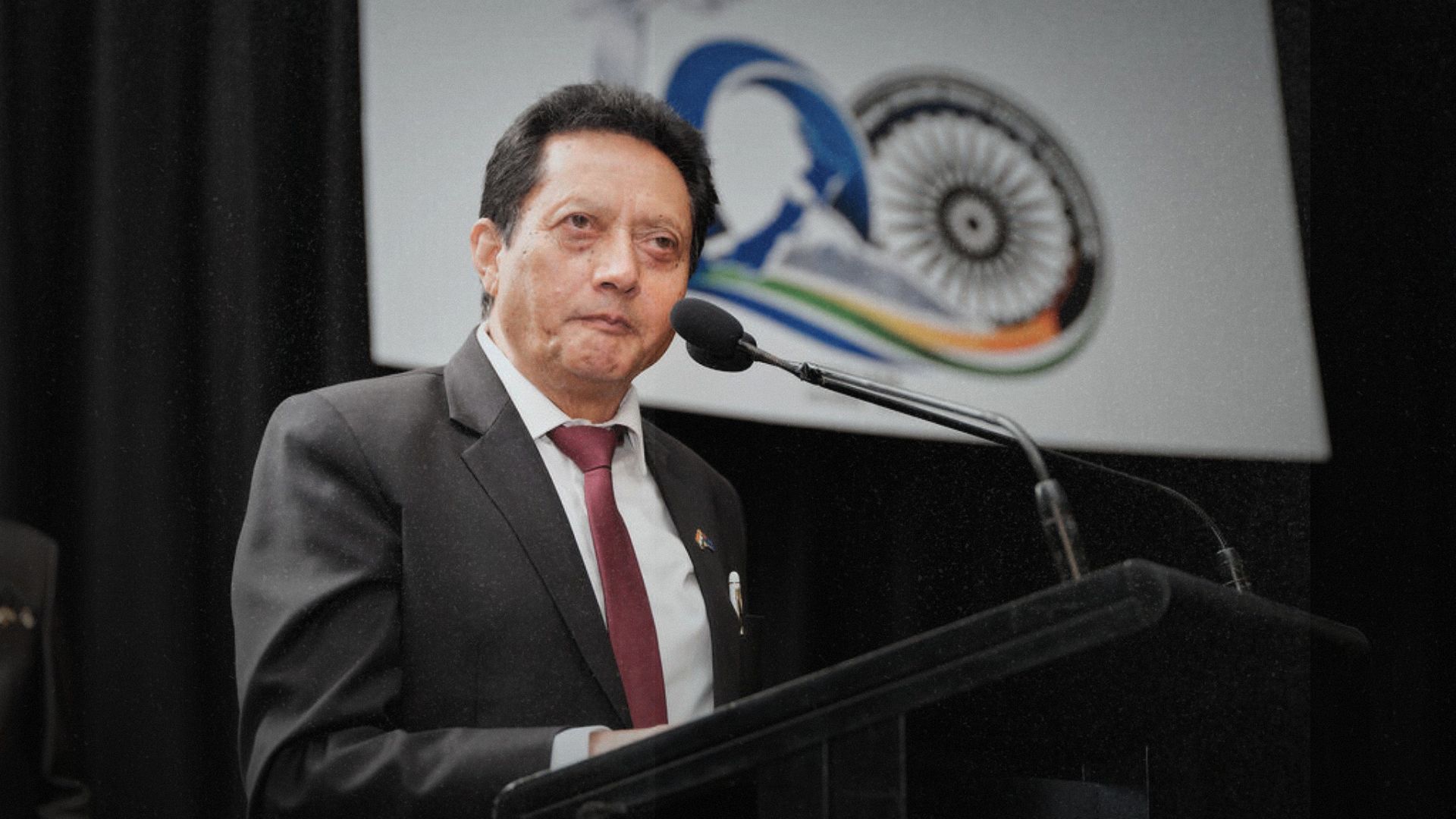
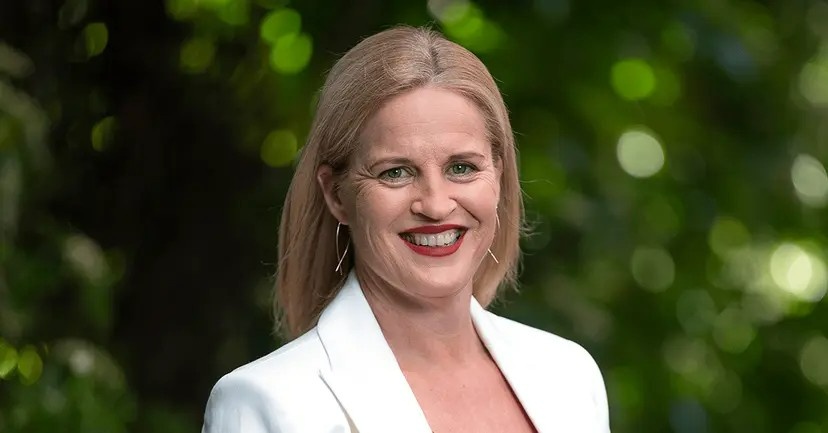
On July 7, Bhushan’s successor, Muanpuii Saiawi, was asked whether India believed it had been misled over immigration settings attached to the FTA.
“I personally don’t think so,” she said. “We are closely engaged with the New Zealand government on these matters, but I believe that the free trade agreement is good for both our countries.”
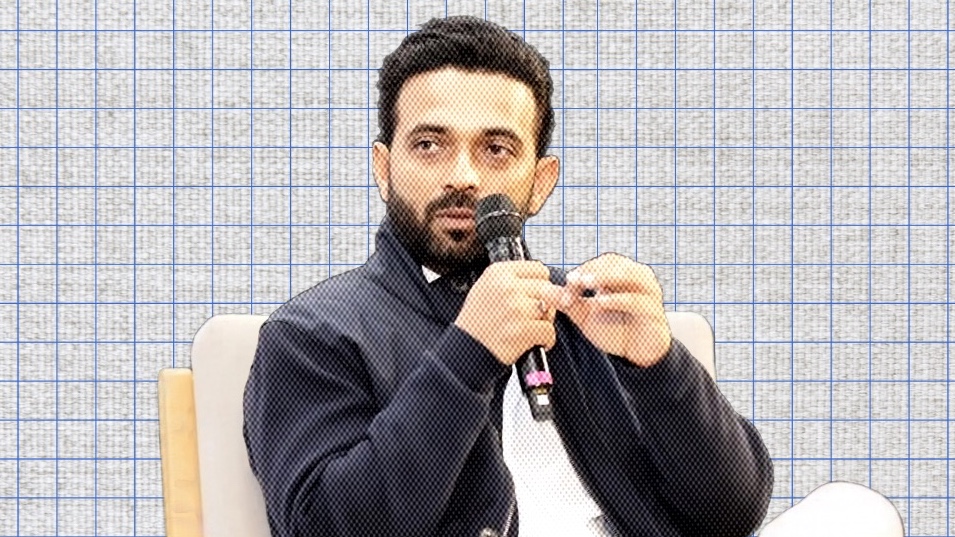
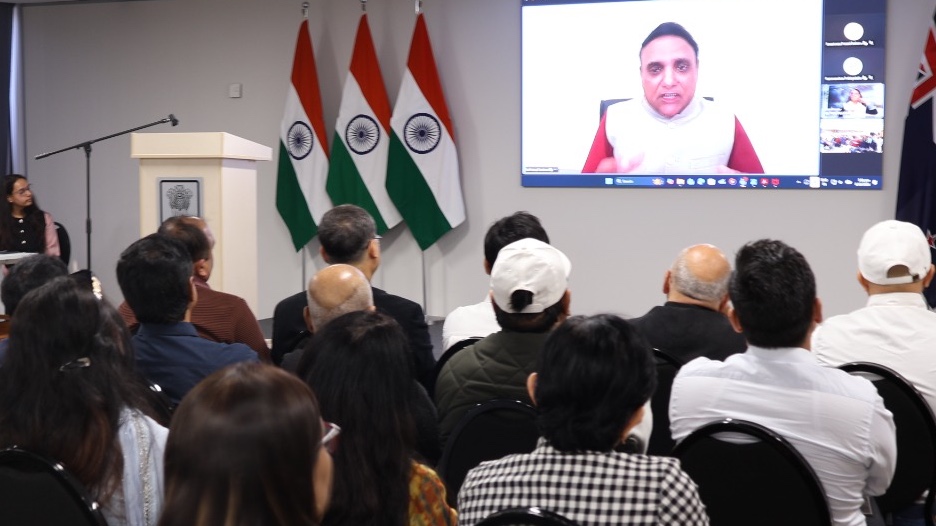
Then came the most senior clarification. At an official media briefing during Modi’s visit on July 11, Rudrendra Tandon — the official to whom India’s high commissioner reports — addressed both arguments Peters has placed at the centre of his attack.
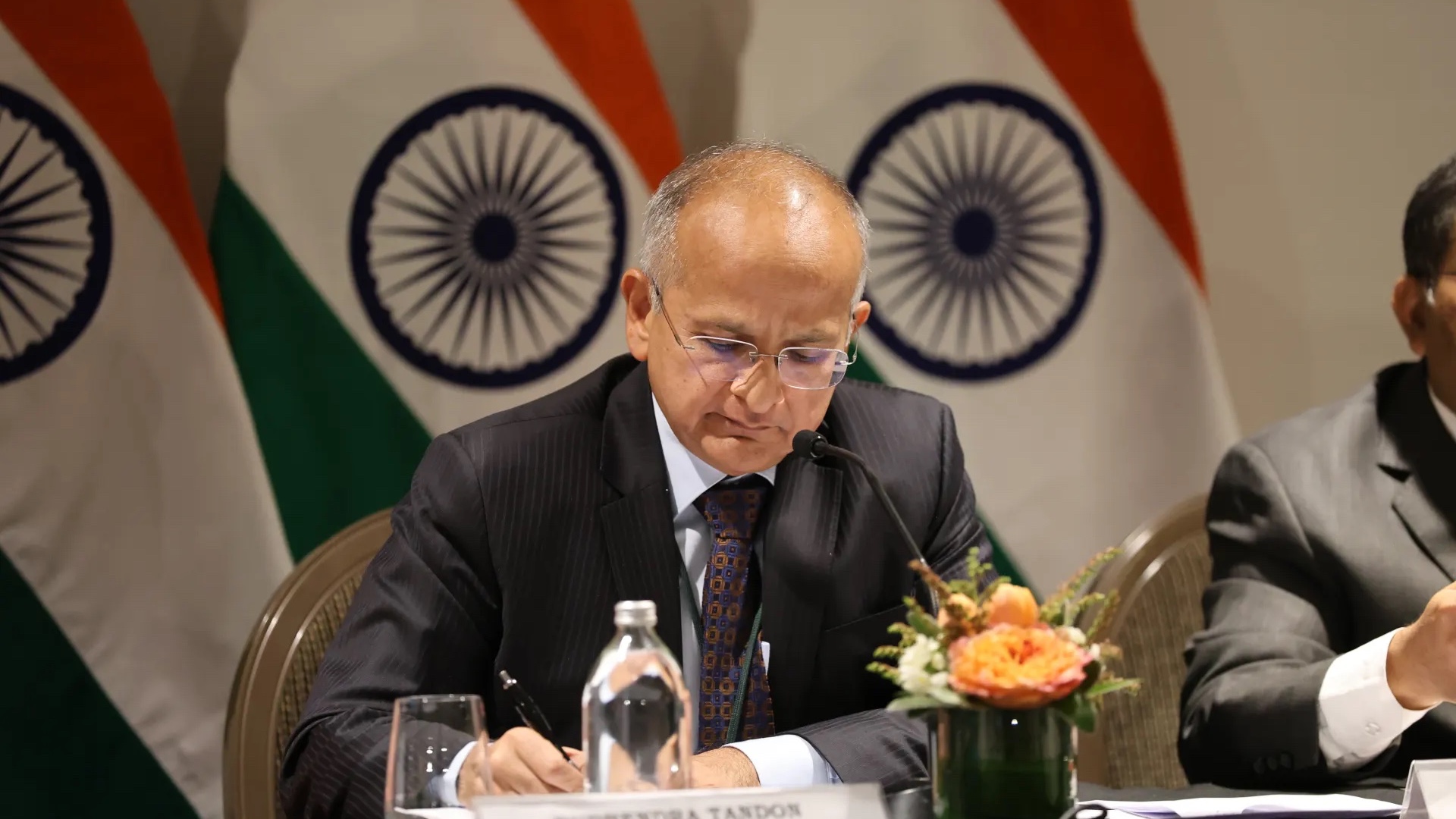
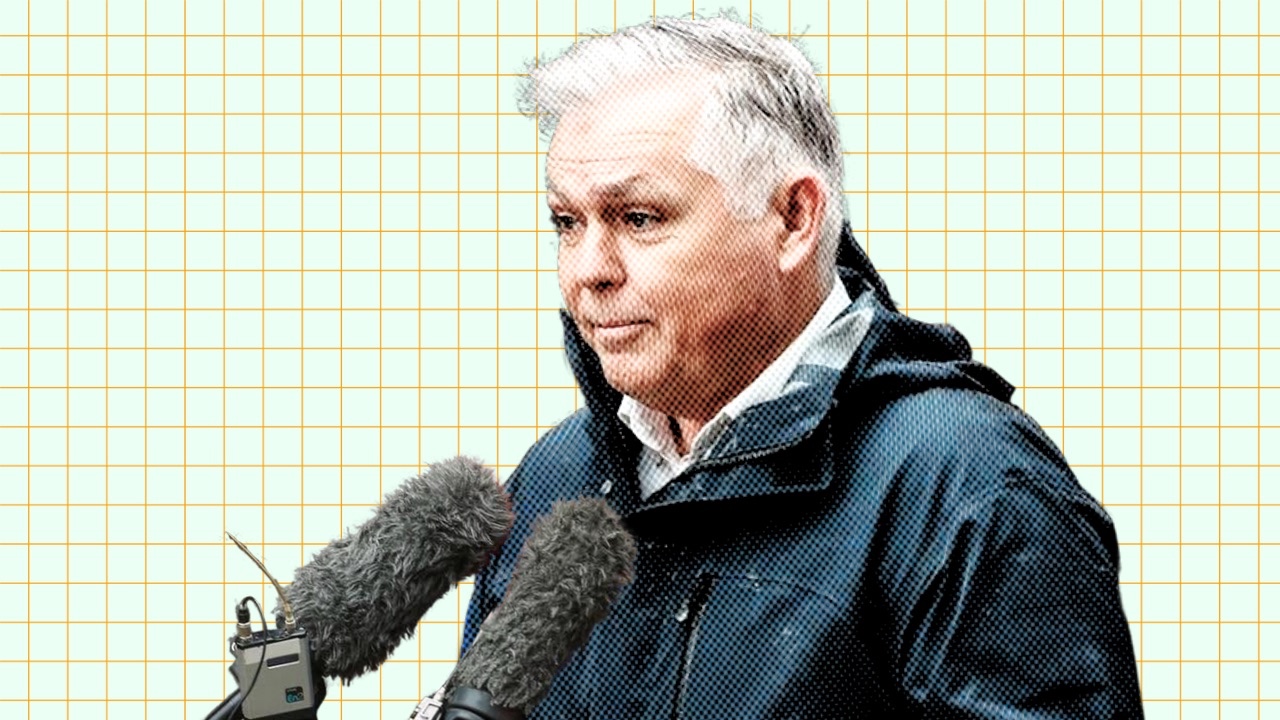
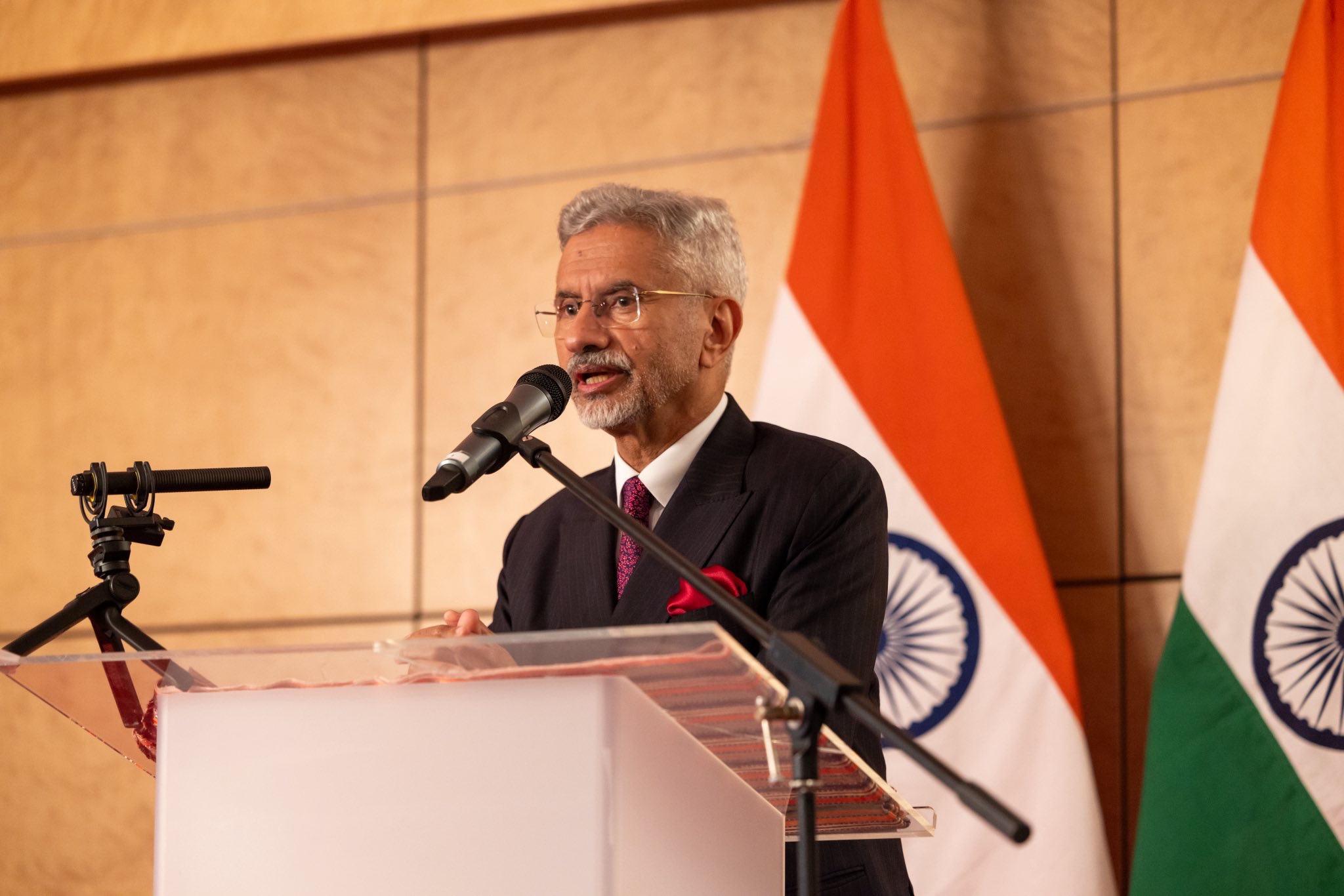
India’s secretary (east) Rudrendra Tandon at the official media briefing in Auckland on July 11, 2026.
On the US$20 billion provision, Tandon said, “There will be facilitation of this.” Asked what penalties would apply if the investment did not materialise, he said there was “no specific” penalty.
Tandon also explained that the FTA’s temporary-entry provisions concerned mobility, not migration. He described them as a safeguard against non-tariff barriers to India’s services exports to New Zealand.
The distinction is not difficult to comprehend, particularly for an experienced foreign minister.
By the end of Modi’s visit, Peters’ account had been challenged by two successive Indian high commissioners and clarified by a senior Indian official travelling with the prime minister.
Yet, he has continued to favour the interpretation that generates the greatest domestic anxiety. This is what takes the issue beyond legitimate criticism of an imperfect agreement.
A foreign minister should ordinarily reduce uncertainty between governments. Peters has become one of its principal sources.
New Delhi now hears one message from the prime minister and the trade minister. That India is a strategic partner, the FTA is mutually beneficial and the relationship has entered a broader and more ambitious phase.
It hears another from the foreign minister. That New Zealand may have made an enforceable investment commitment, India may have been misled, temporary mobility provisions represent an immigration threat and retaliation could follow.
The result is not simply coalition disagreement. It is strategic incoherence.
As leader of New Zealand First, Peters’ calculation is obvious. Migration, sovereignty and claims of hidden concessions offer fertile ground in an election campaign.
As foreign minister, however, his responsibility runs in the opposite direction. He must keep disputes in proportion, protect New Zealand’s credibility and prevent domestic politics from consuming a strategically important relationship.
He is increasingly failing that test. The danger is unlikely to be an immediate diplomatic rupture.
It is gradual erosion.