
INZ estimates 9% drop in overstayers after revised count, Indians ranked fourth

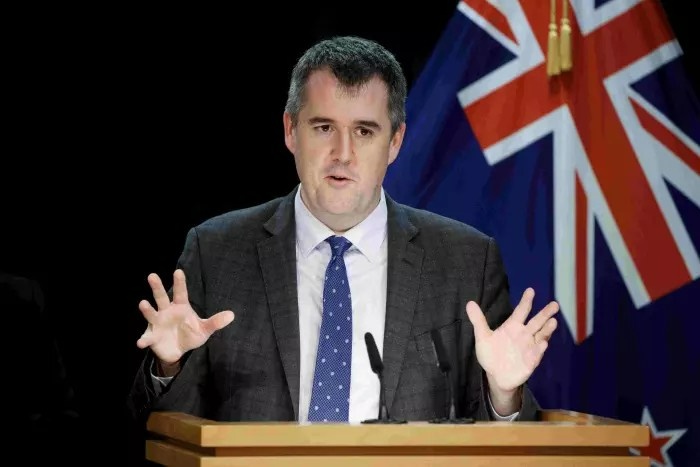
Immigration minister Erica Stanford.
The apparent fall in overstayers is partly due to the way INZ estimates the number of those who have defaulted.
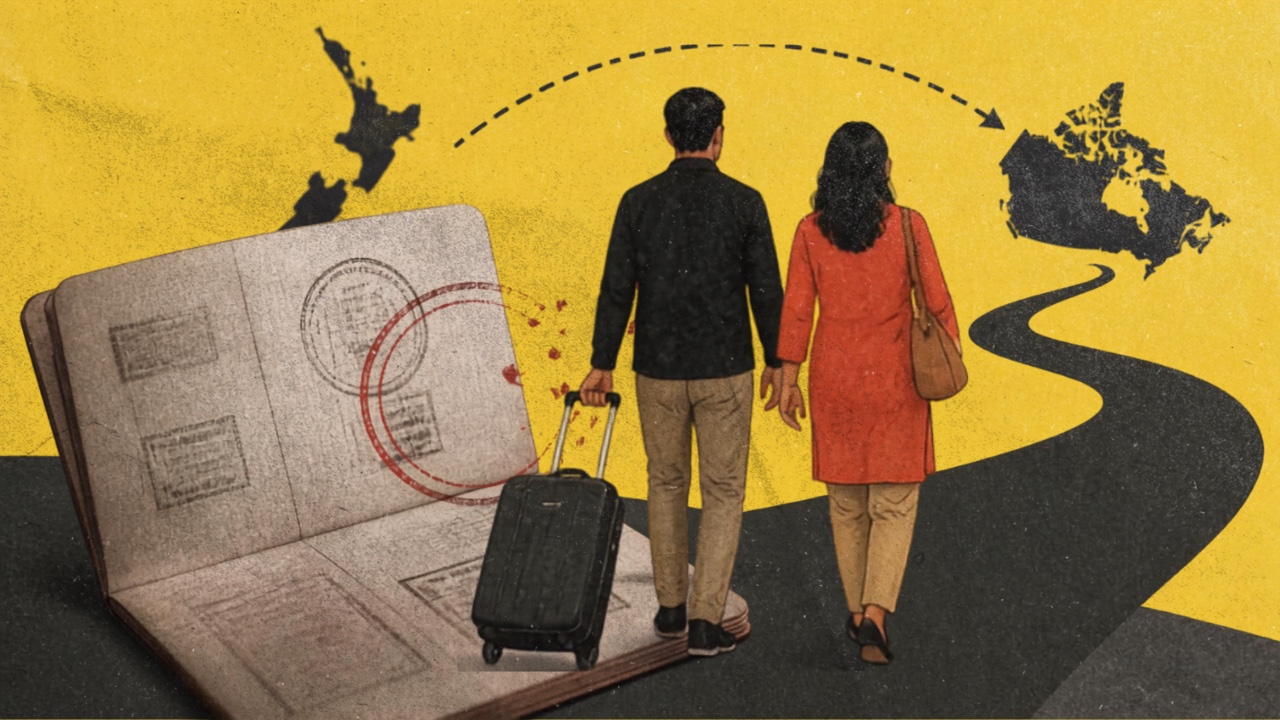
Immigration New Zealand (INZ) has estimated a nearly nine per cent drop in the number of people overstaying their visas, with Indians ranking fourth among nationalities in the latest count.
The agency estimates there were about 19,153 people overstaying in New Zealand as of July 1, 2026, down 8.7 per cent from its 2025 estimate of 20,979.
INZ general manager immigration compliance and investigations Steve Watson said the number remained very small compared with the millions of lawful temporary migrants who travel to New Zealand each year.


“The vast majority of people who come to New Zealand to visit, work or study comply with their visa conditions and either leave before their visa expires or obtain a further visa to remain lawfully in New Zealand,” he said.
Indians accounted for an estimated 1,522 overstayers, behind China with 2,694, Tonga 2,541 and the United States with 1,981. Samoa followed India with an estimated 1,462.
'Devastating': Indian family racially abused in Christchurch, hunt on to identify attacker “We’ll always be reminded of this, thanks to this man who thinks we don’t belong.”
Immigration reset: National drops hints as parties on left and right target permanent residence New Zealand's permanent residence framework provides an edge over Australia and Canada in attracting overseas talent.
NZ First’s policy of division: Turning hatred of migrants into political power This is no immigration reform. It is the politics of exclusion presented as population planning.
Watson said INZ processes around a million visa applications and 1.6 million New Zealand Electronic Travel Authority requests each year, while about 3.6 million non-New Zealand citizens arrive in the country annually.
The latest estimate follows further refinements to the methodology INZ introduced last year to calculate the overstayer population.
Those changes included removing some New Zealand Electronic Travel Authority holders, including air crew, because they aligned with visa categories already excluded from the estimate.
INZ said the refinements applied existing exclusion criteria more consistently and reduced the likelihood of people being incorrectly included.
It also acknowledged that the apparent fall in overstayers was partly due to those changes. Using the same methodology as in 2025, INZ said this year’s estimate would have been 20,994, 15 more than the previous year.
The estimate is based on about 30 years of immigration and border movement data and is a statistical model rather than a count of identified individuals.
INZ also released figures showing how many people arriving on temporary visas in the past three years were subsequently recorded as overstayers.
Between July 2023 and June 2026, there were 303,457 temporary visa arrivals by Indian nationals. Of those, 518 were recorded as having overstayed by July 1 this year, equivalent to 0.17 per cent.
Across all nationalities, there were at least five million temporary visa arrivals over the same three-year period. Of those, 6,559 people were recorded as overstayers, equivalent to 0.13 per cent.
INZ said the figures showed that only a small proportion of temporary migrants remained in New Zealand after their visas expired.