
Out Loud: Finding the migrant's place in Te Tiriti, one errand at a time
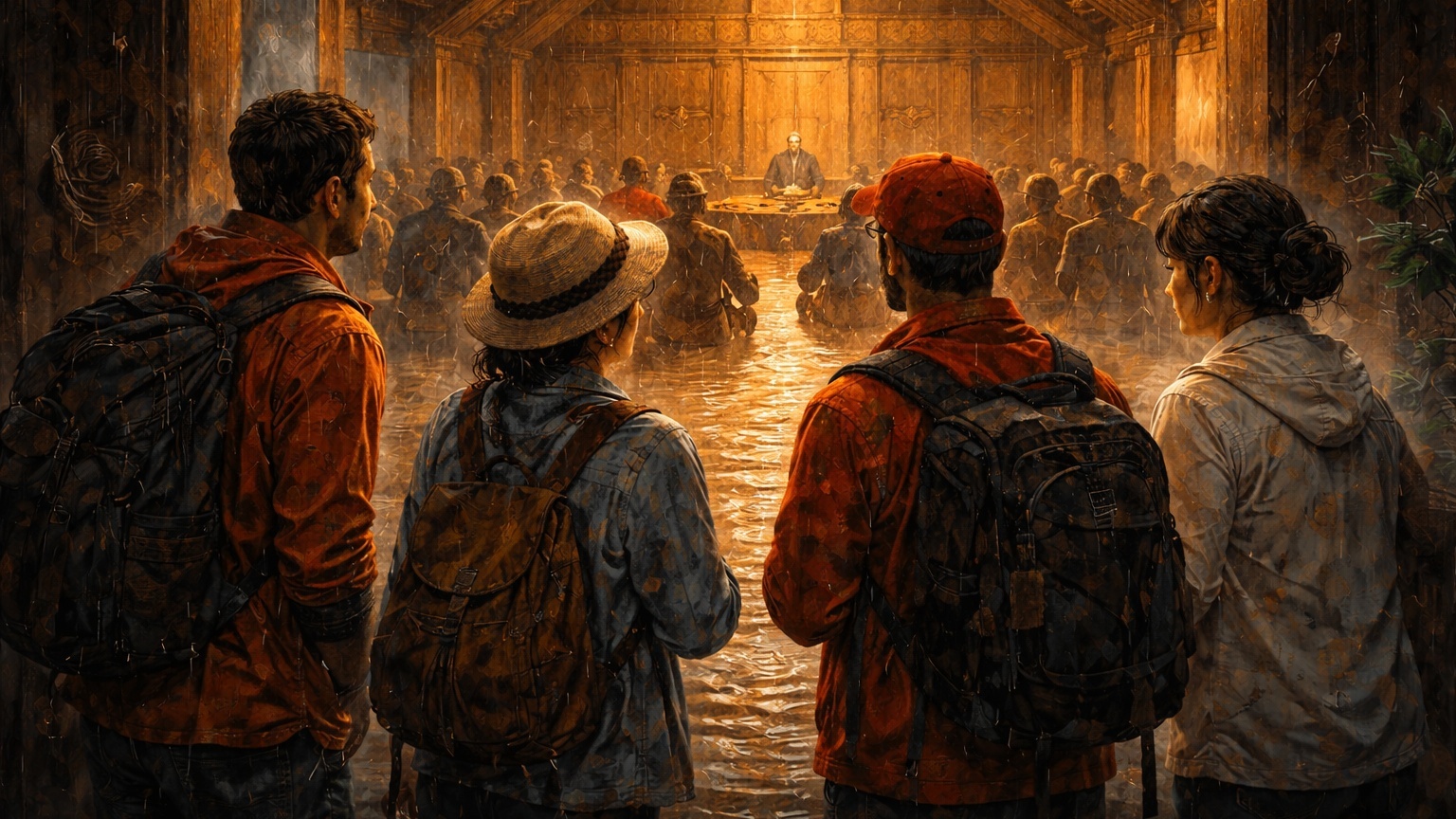
Migrants need rooms where we sit with people of the land and Crown officials while decisions are being shaped, not after the fact.
Treaty literacy should empower migrants to interpret responsibilities, not merely comply with someone else’s instructions.
('Out Loud' is an opinion column that takes the political, cultural and social debates Indian migrant households save for home and says them out loud, consequences pending.)
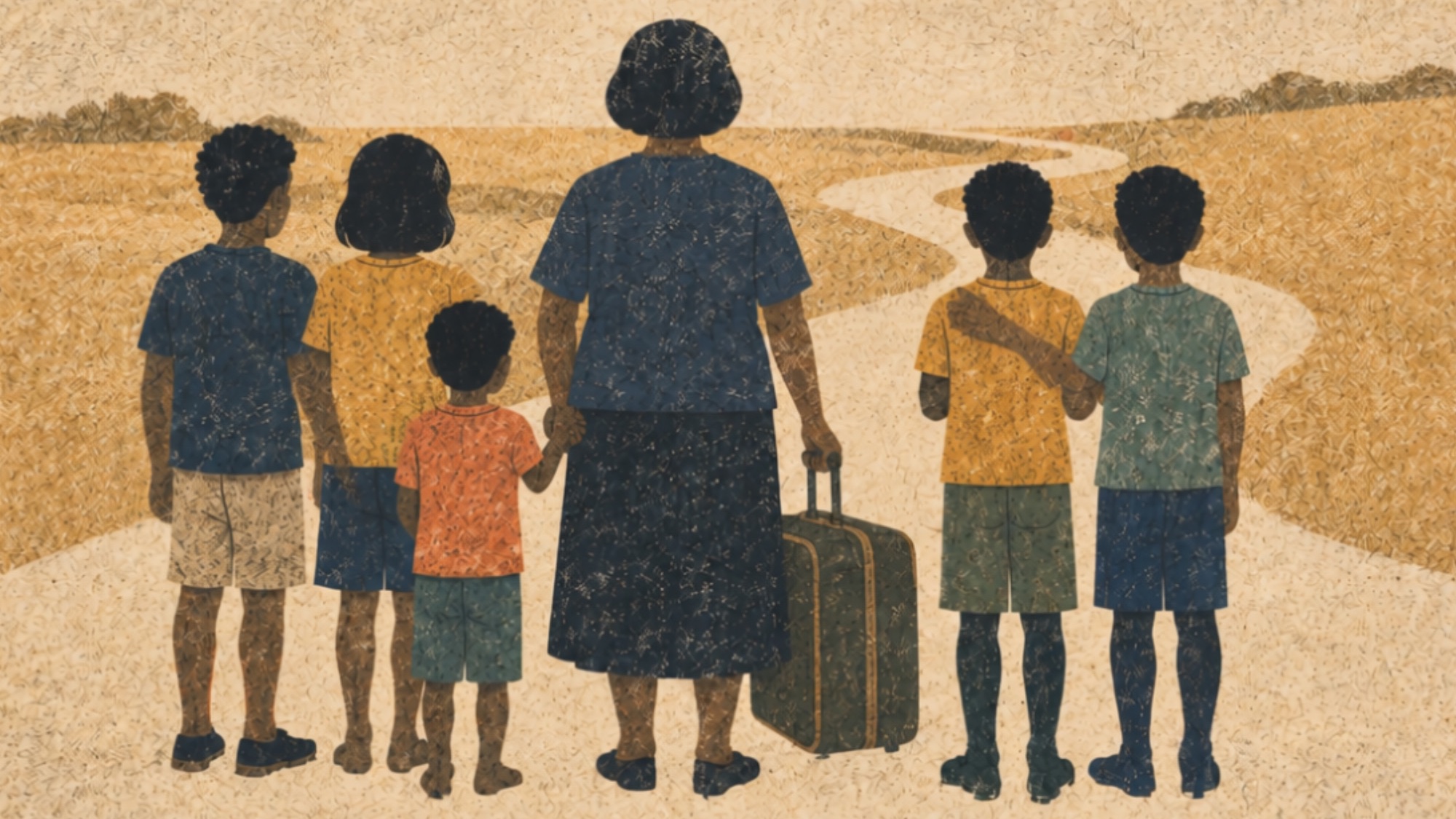
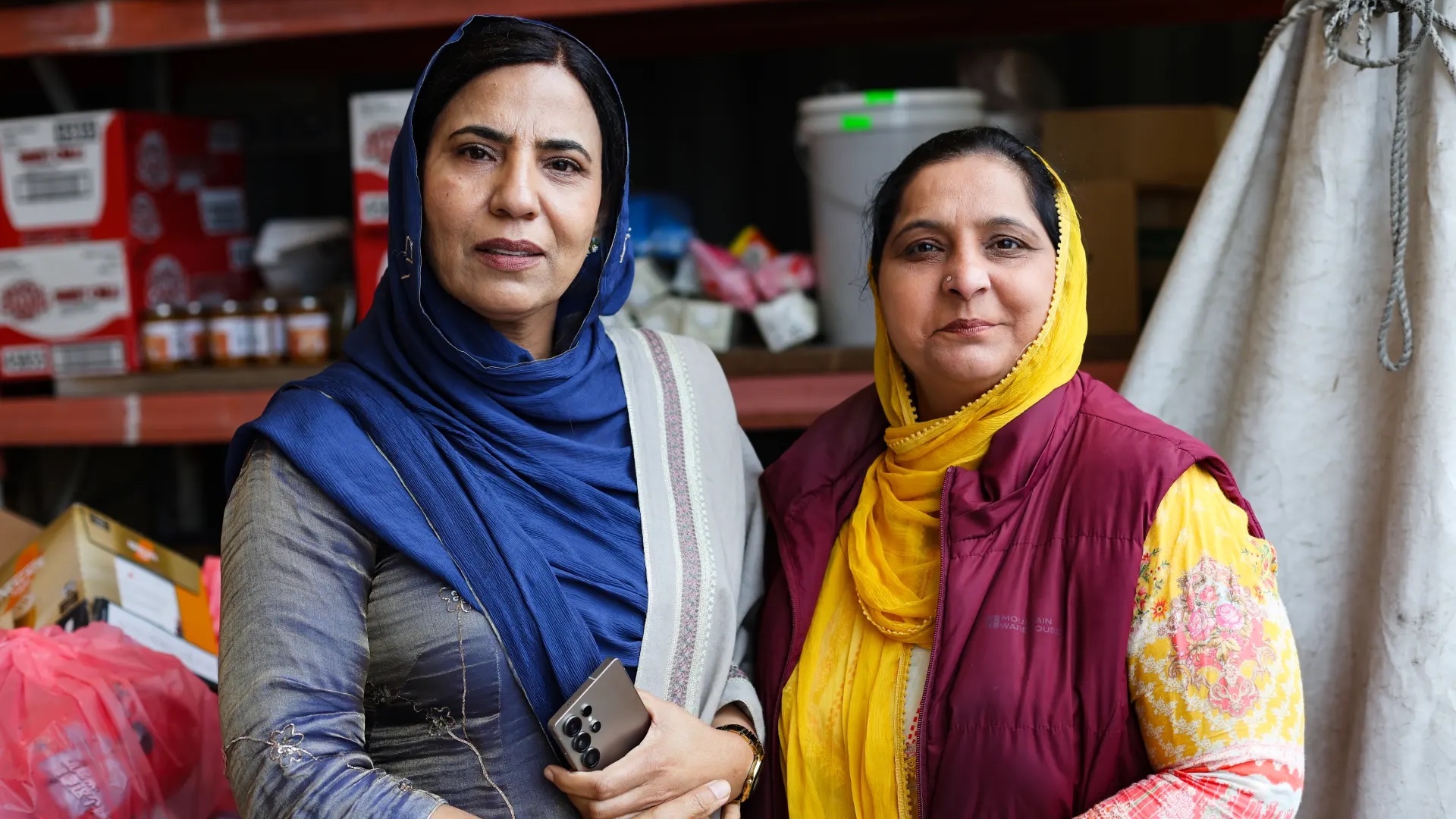
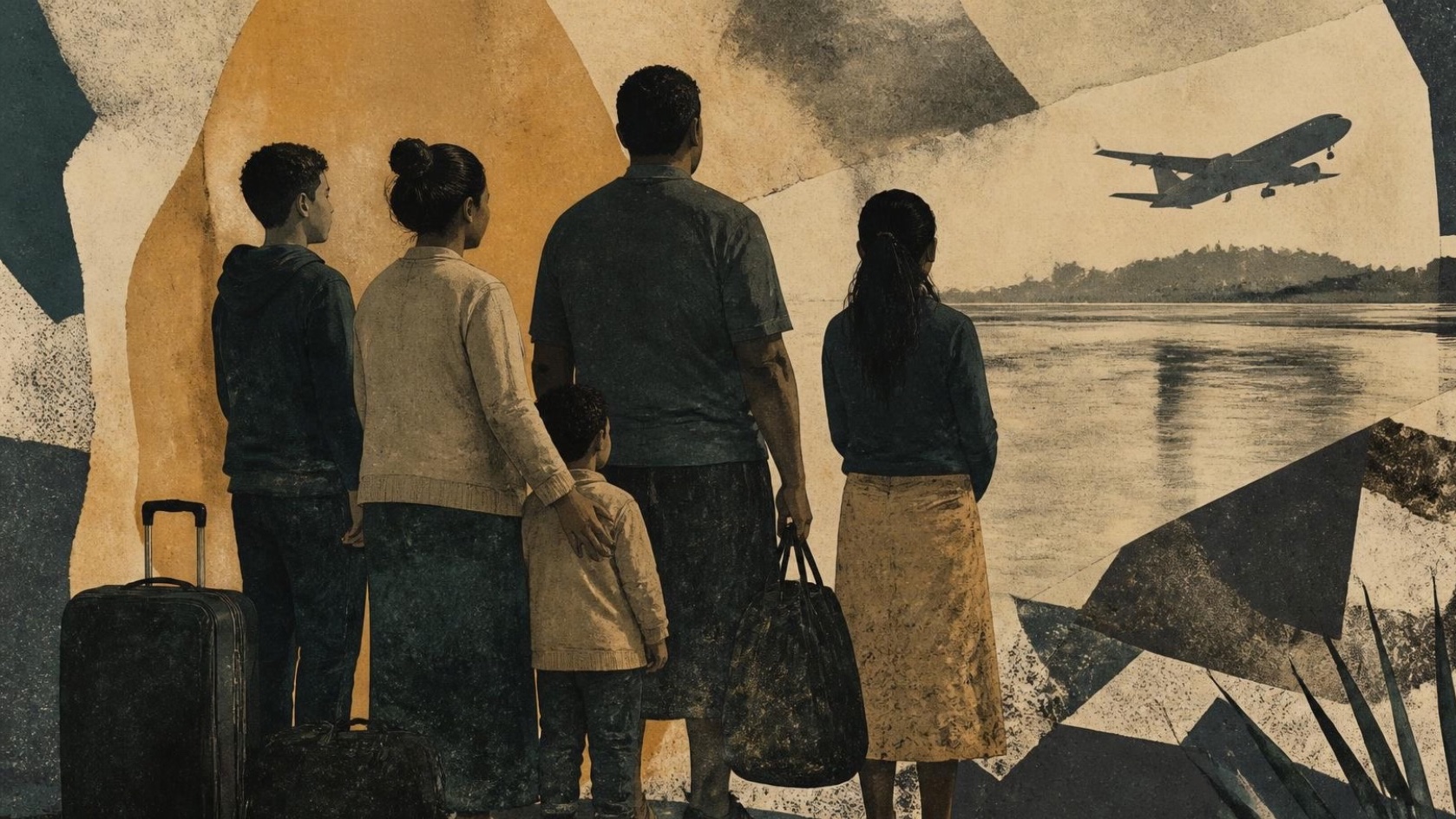
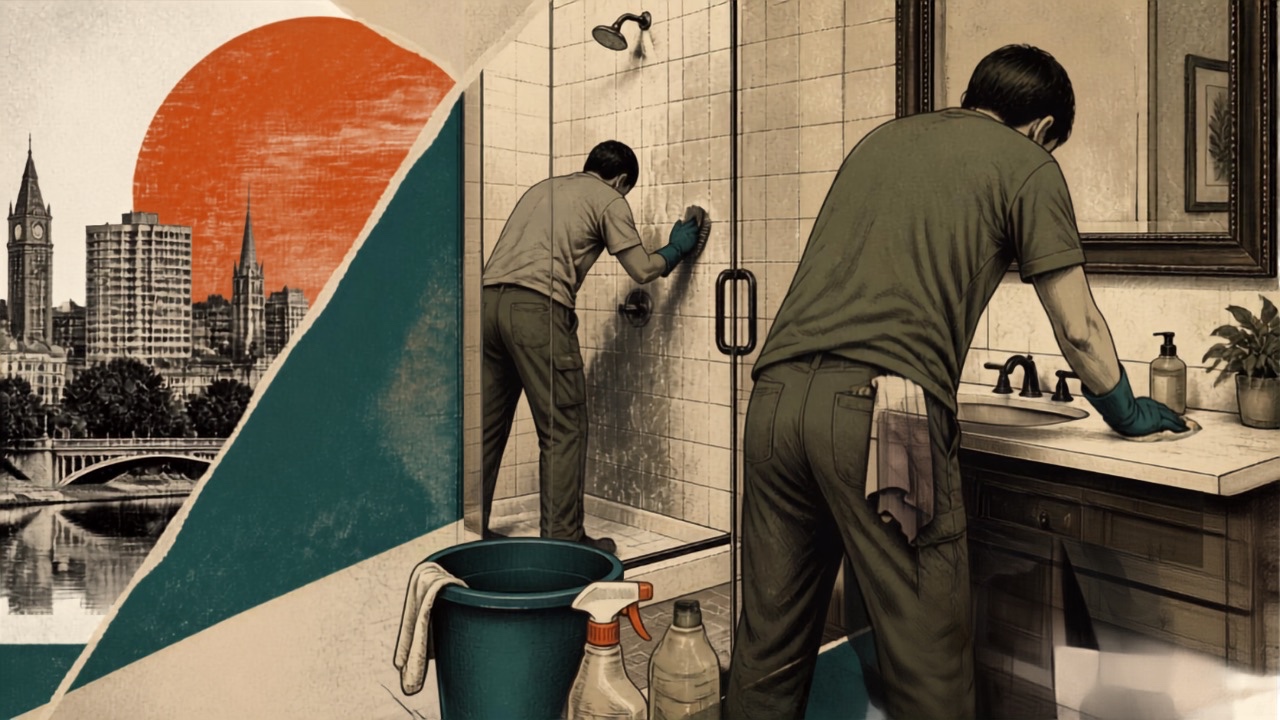
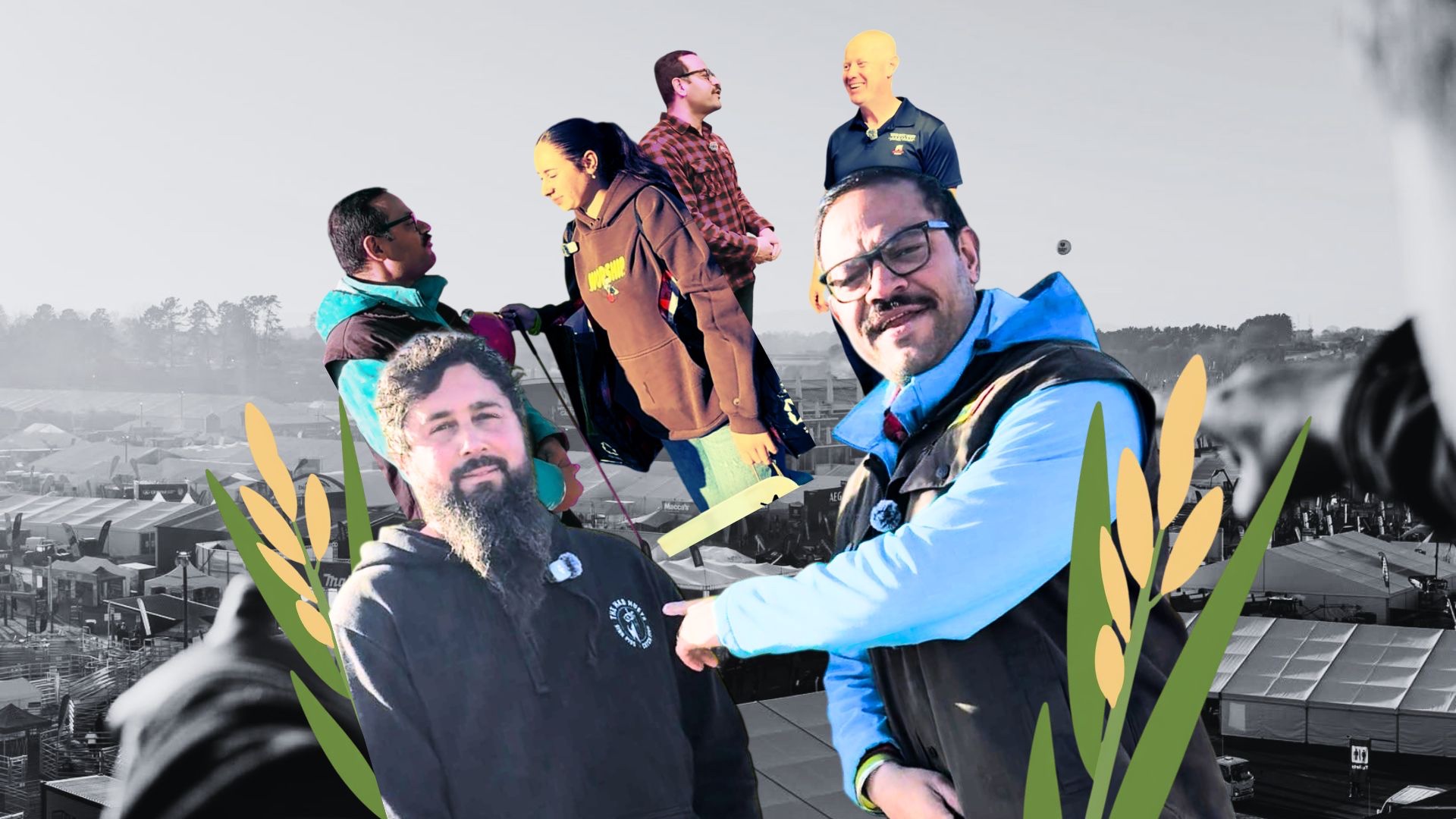
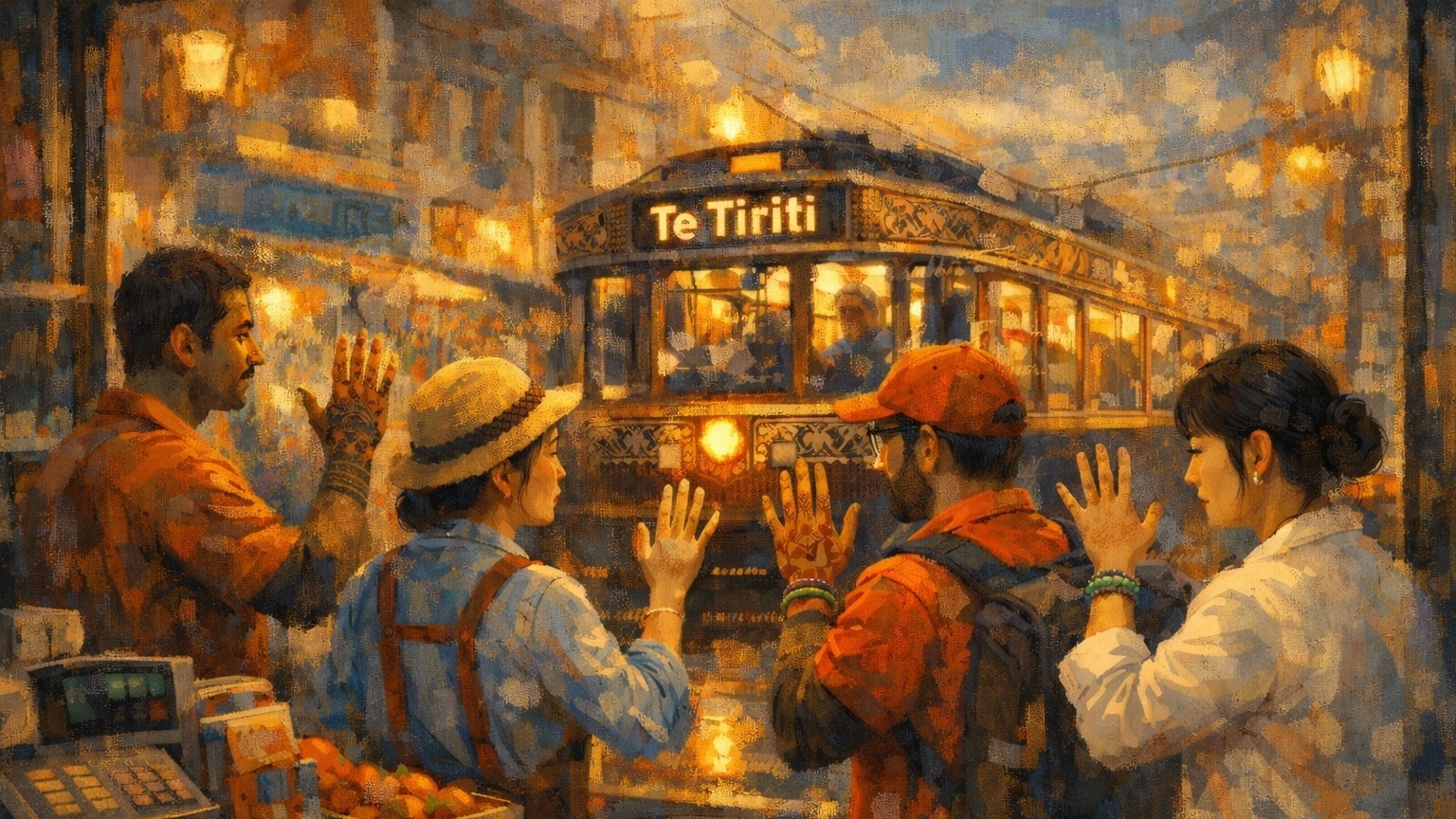
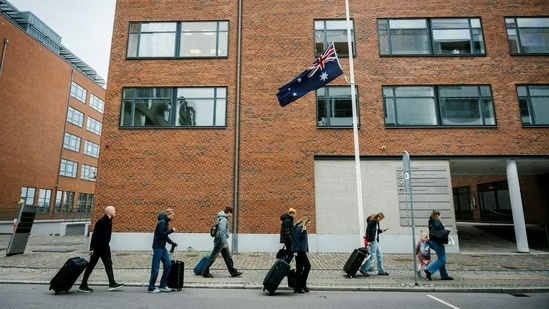
Even on a quiet Tuesday Te Tiriti turns up in my errands. I return smiles to the South Asian clerk at Woolworths, nod to the Chinese girl at my neighbourhood fruit shop, sign for the medical supplies delivered to my dad by an Indian courier, stretch under the needles of my Korean acupuncturist at the physio. Migrants are the daily roster of Auckland, stitched into each other’s routines. Yet, the guest script still trails migrants like me.
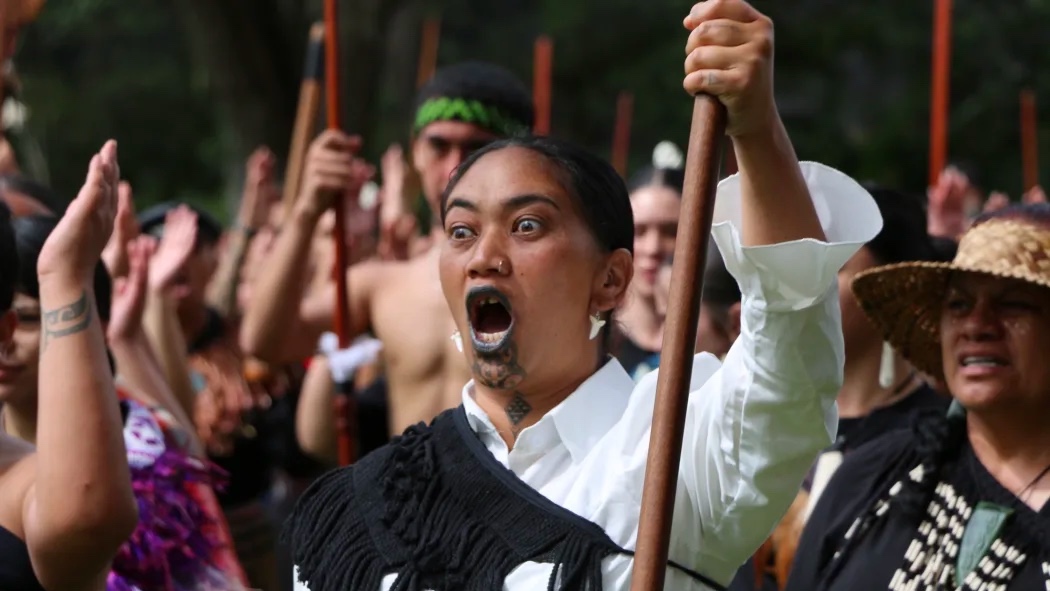
People have for long tried to find a place for migrants in Te Tiriti. The word migrant perhaps needs to be defined more specifically. Historically speaking, the first migrants to New Zealand were the expert Polynesian navigators, who settled here between 1200CE and 1600CE. They become the first people of the land, the indigenous people; the word Maori literally means “ordinary”.
Then came the long dark cloud of imperialism. In the early 19th century, British migrants trickled in. Within years, the stage was set for New Zealand to become a British colony. In 1840, a group of Maori chiefs and the British crown signed Te Tiriti, also known as Treaty of Waitangi. Think of it as a terms and conditions document for co-habitation and mutual prosperity.
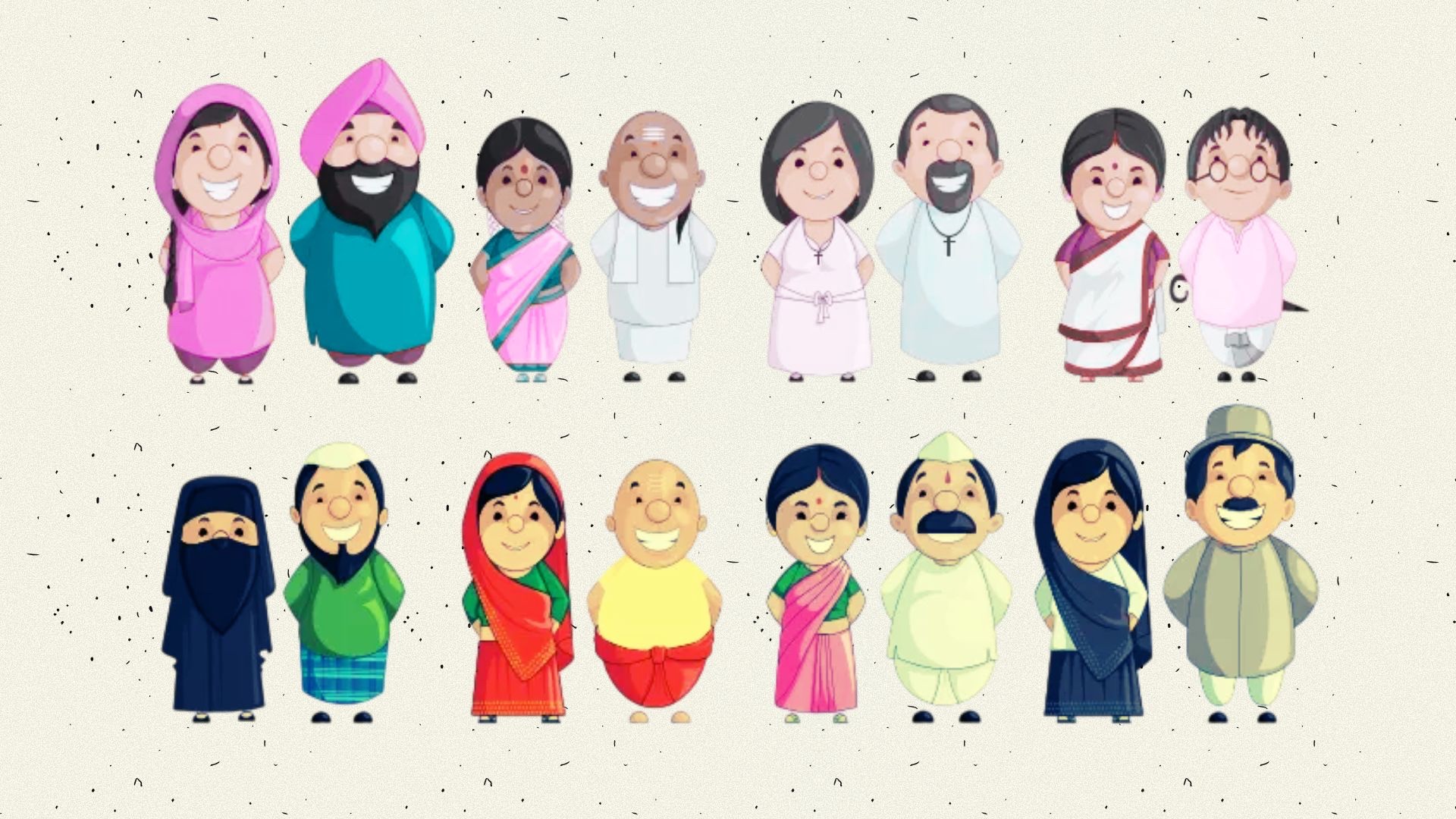
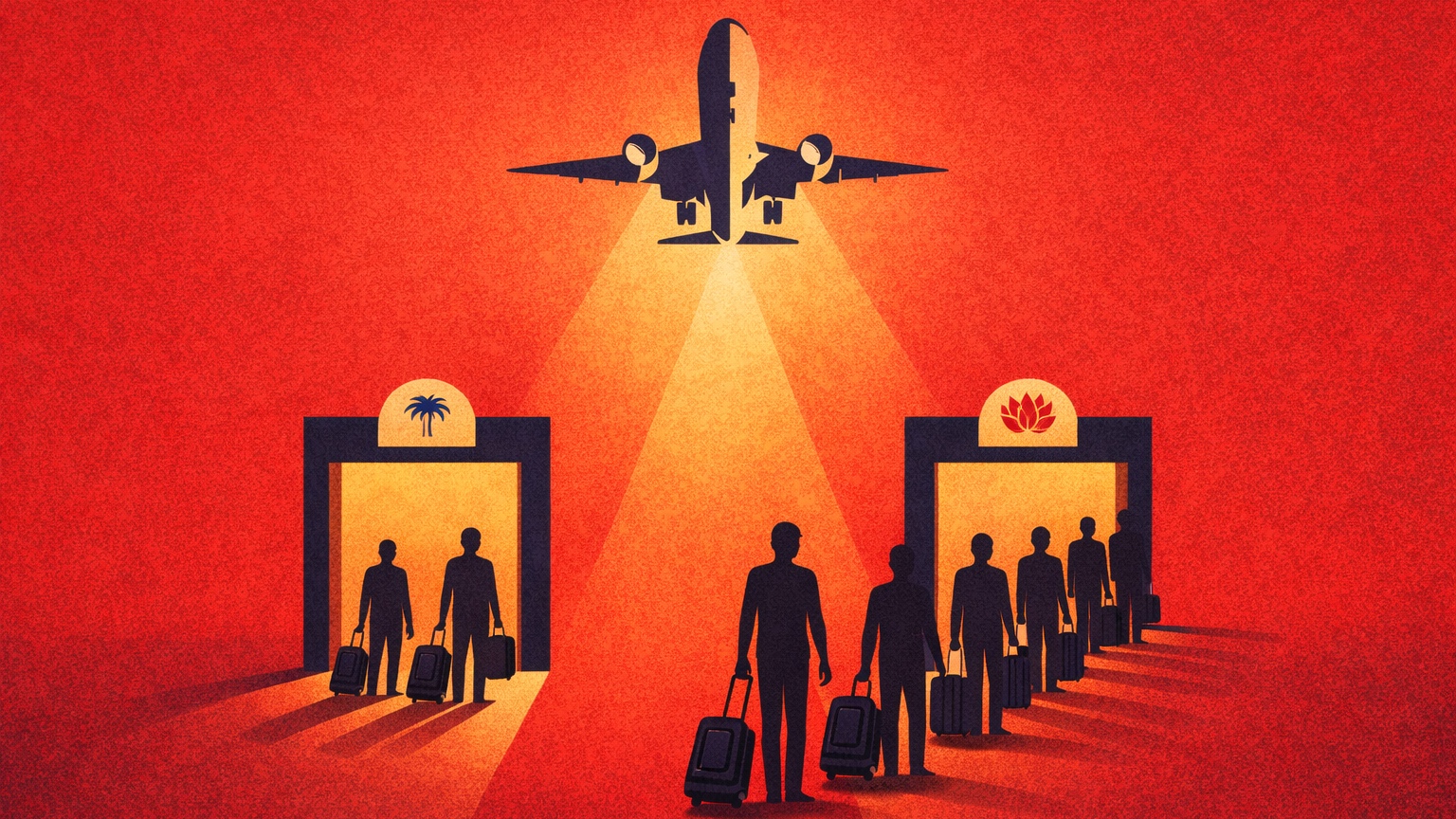
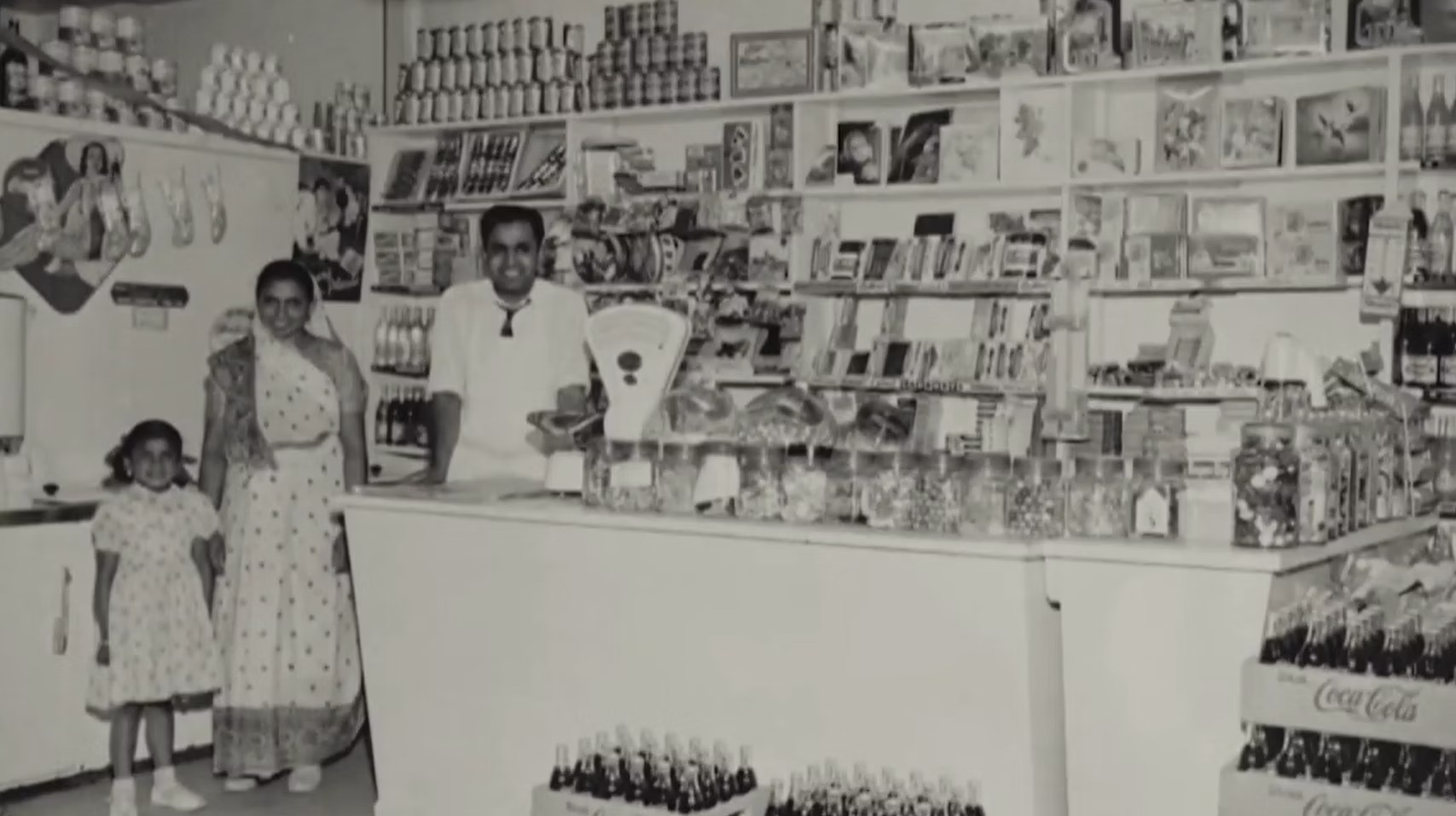
The country’s guest list got hectic in years that followed. Cantonese miners arrived in Otago, Lebanese hawkers and Indian shopkeepers held urban corners, Pacific neighbours poured in during the factory boom, the immigration changes in 1980s opened the doors for Indian engineers, South African doctors, Filipino nurses, and Asian cafe owners.
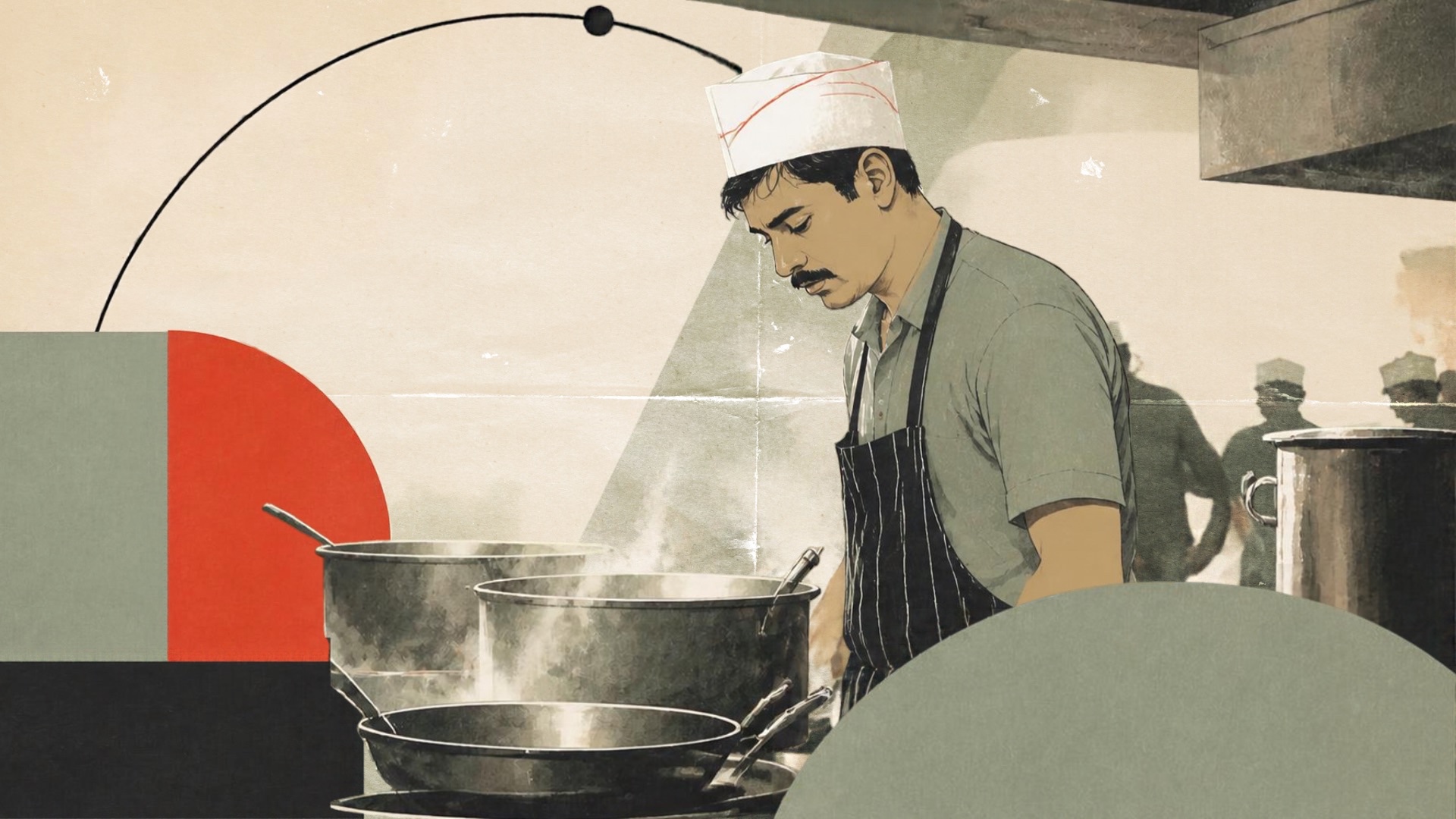
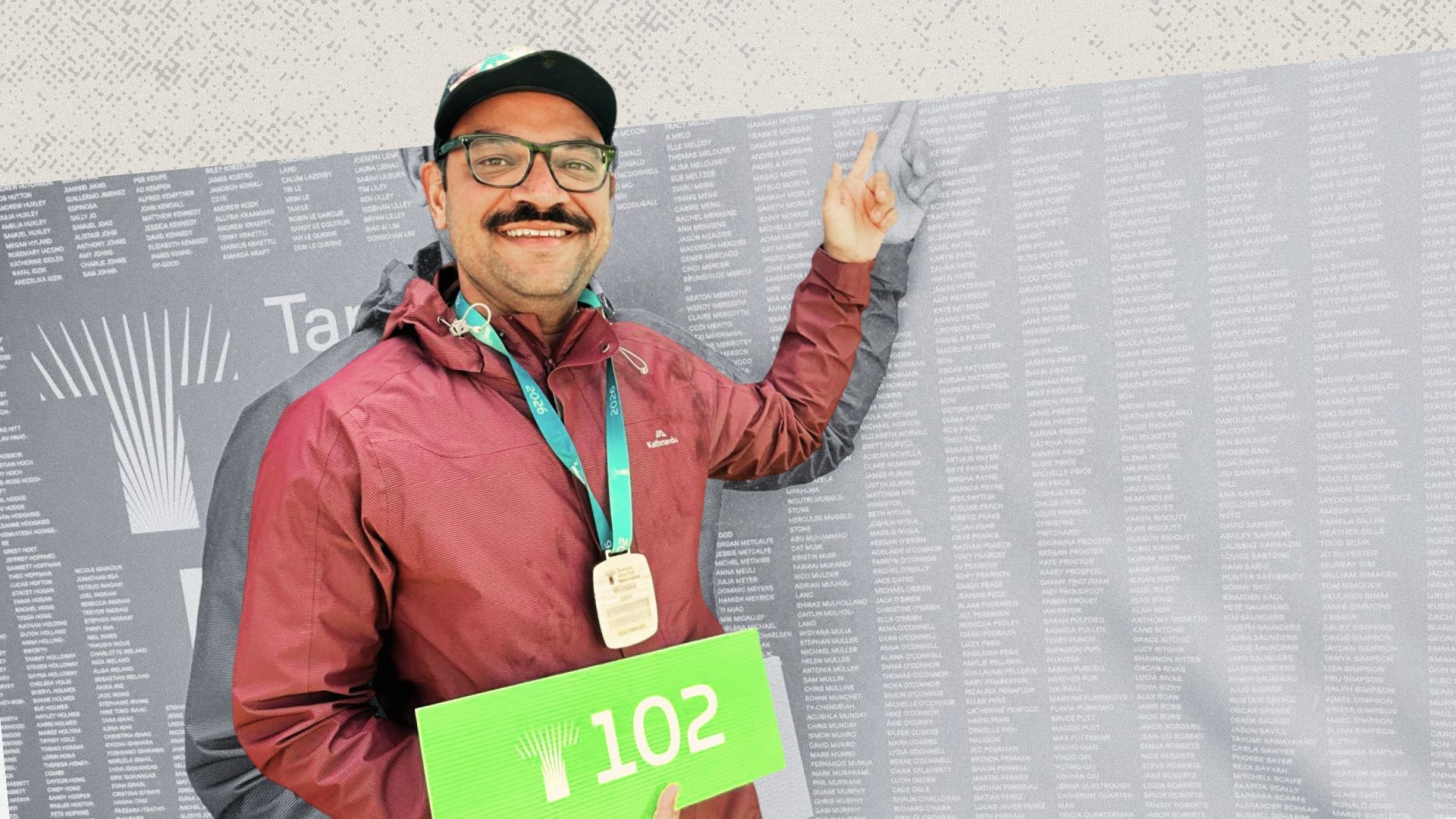
From designing restaurants to running Auckland Diwali: The many lives of Arnav Taode Taode brings his passion for Indian arts and culture to his first year managing BNZ Auckland Diwali 2026.
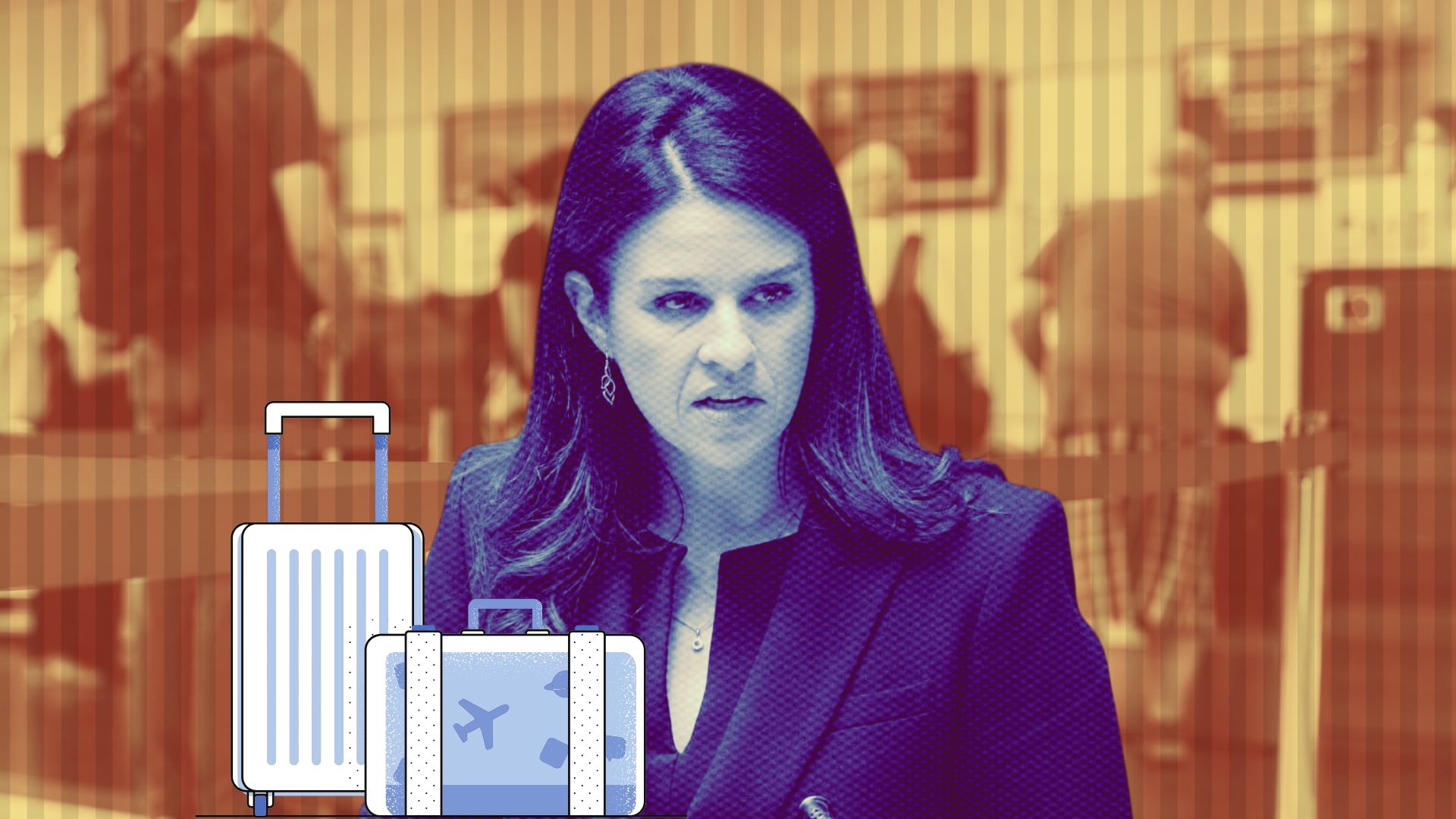
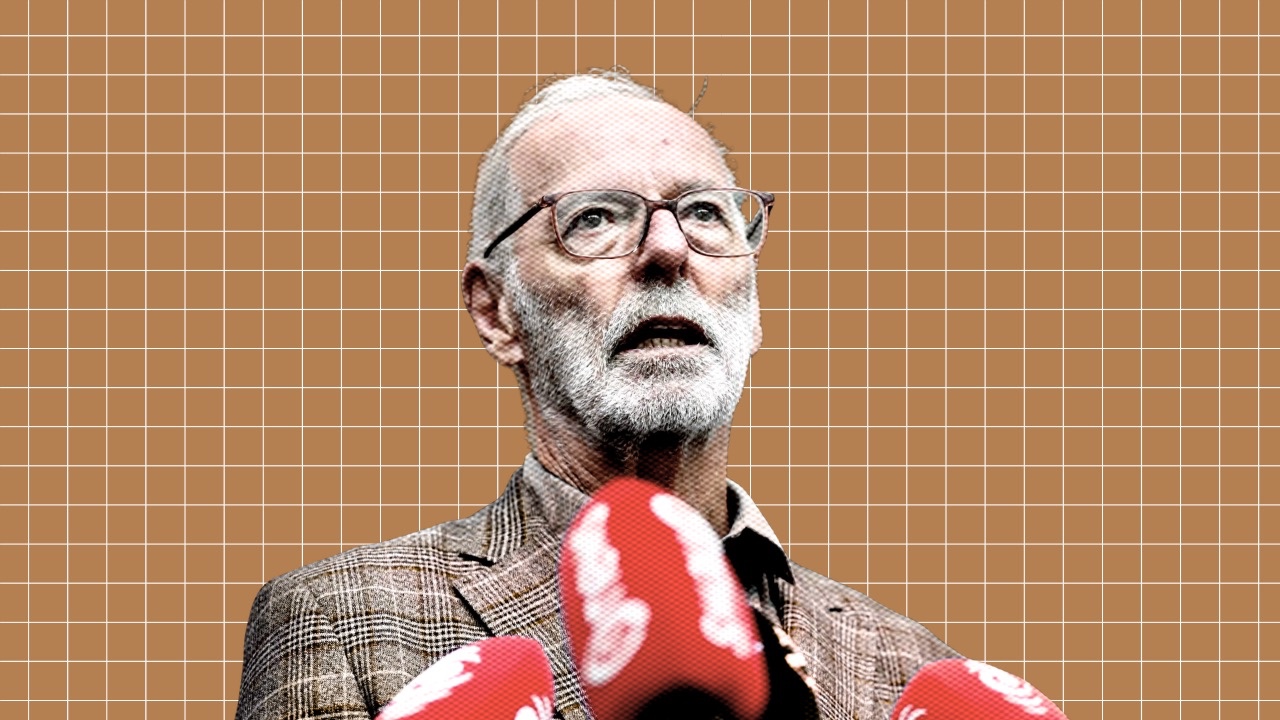
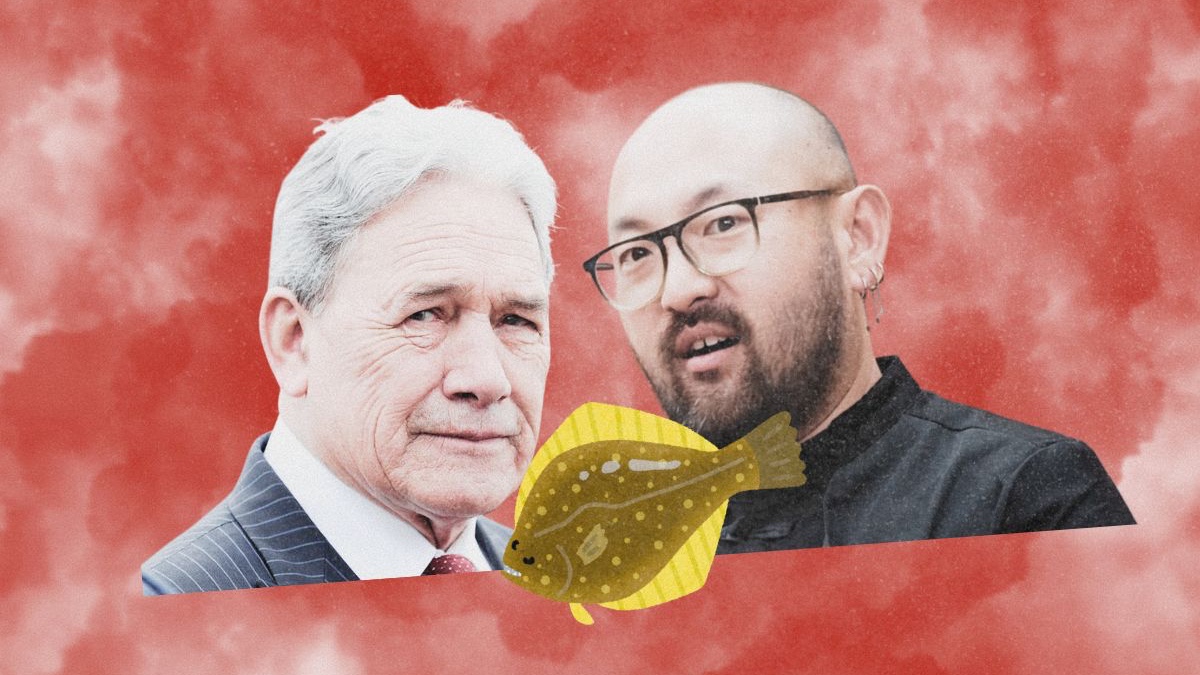
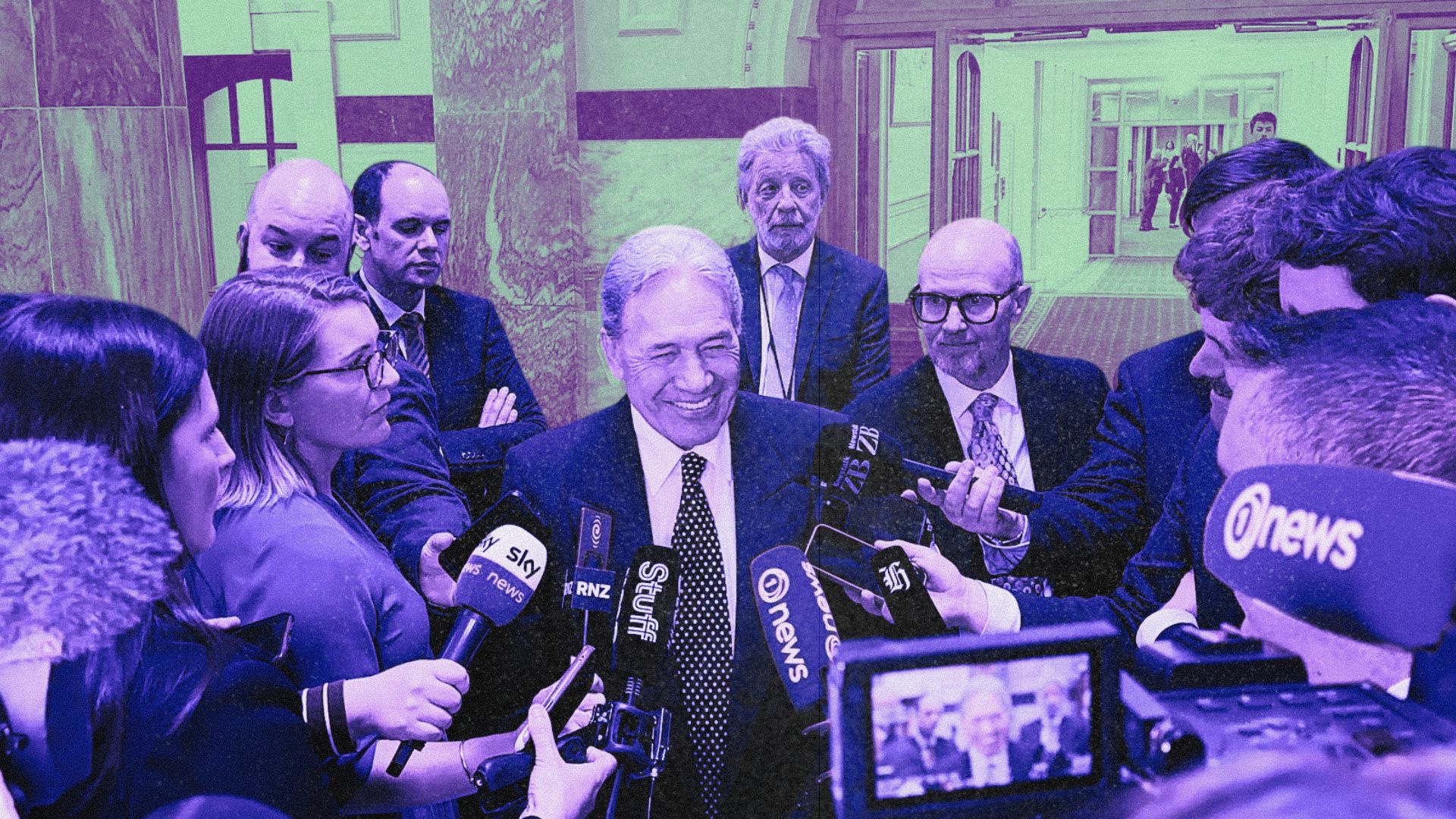
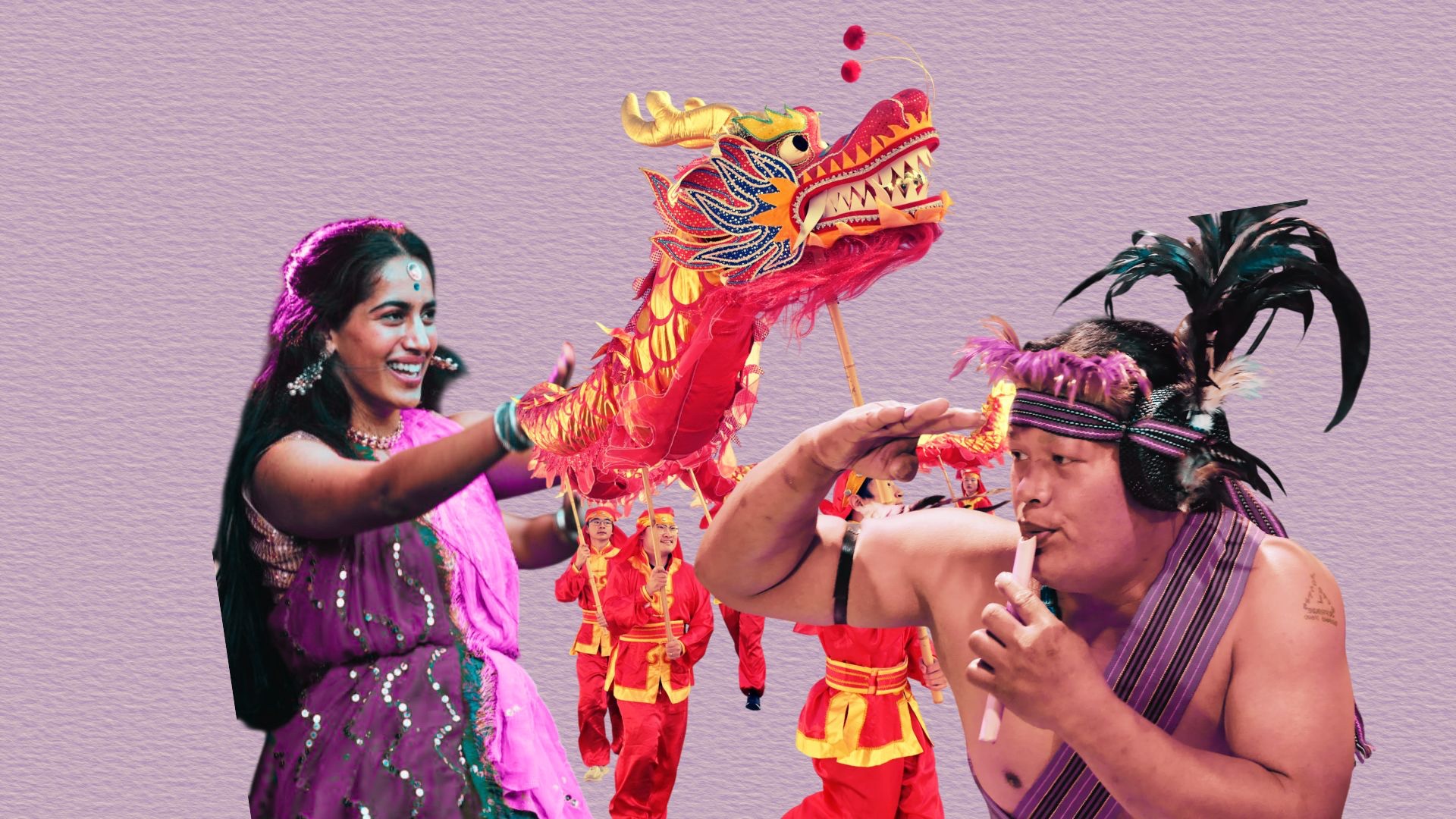
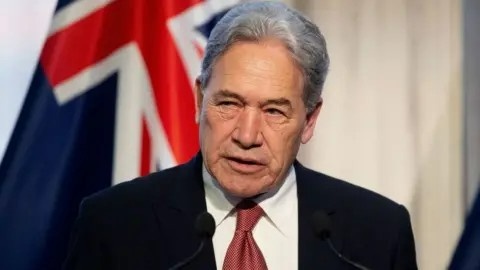
Winston Peters says ‘diversity is disunity’. What does the evidence tell us? Evidence from business, sport and social policy suggests diversity can strengthen economies and cohesion but on one condition.
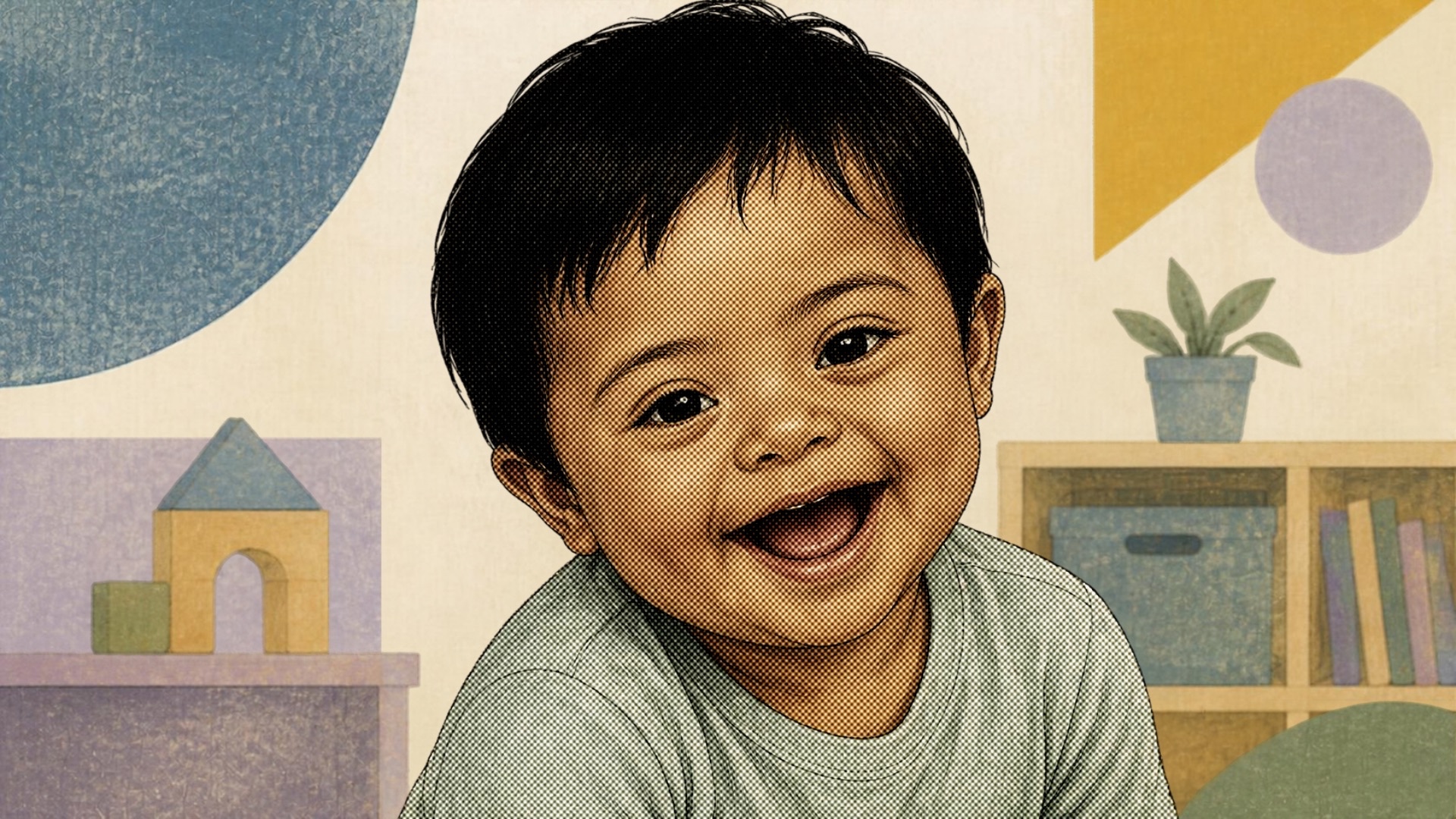
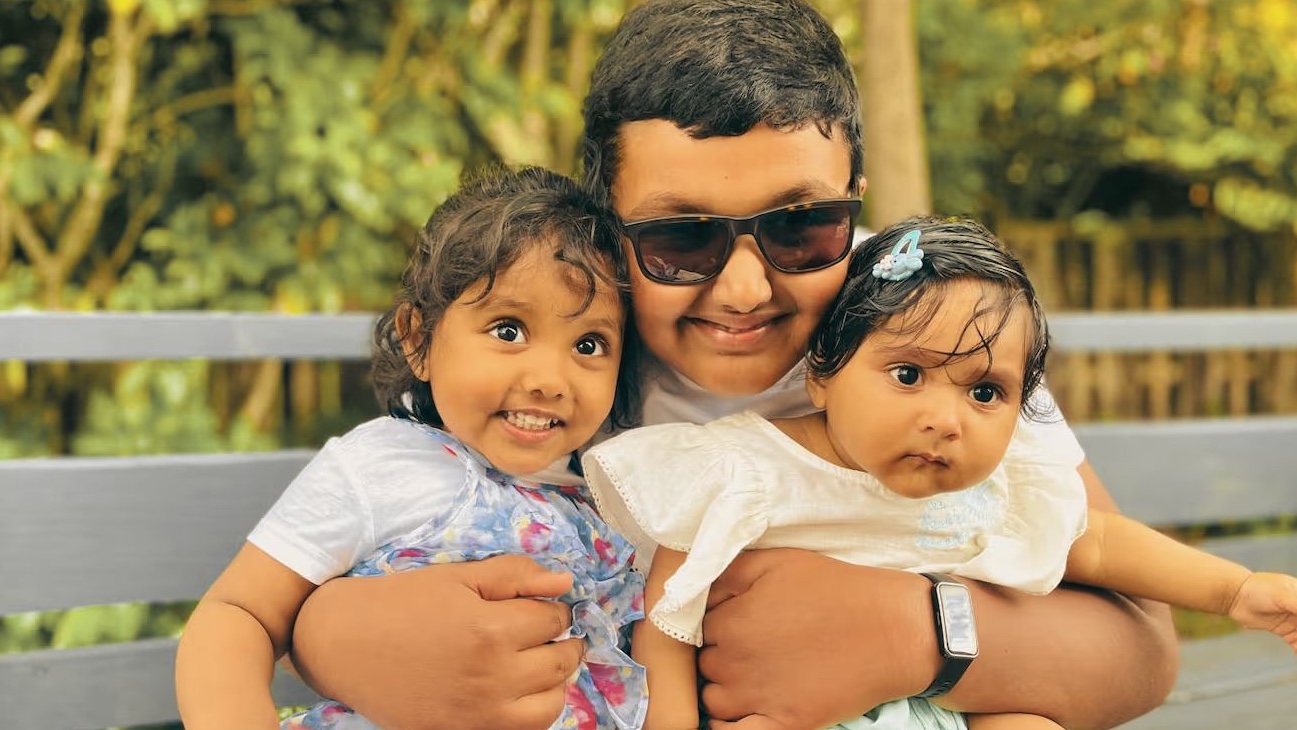
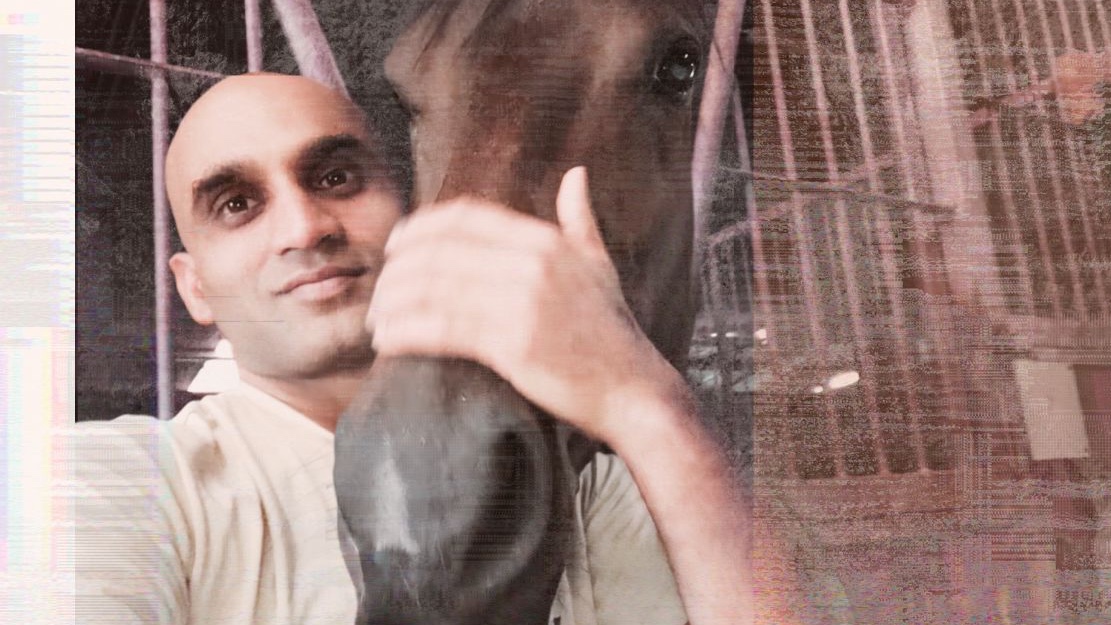
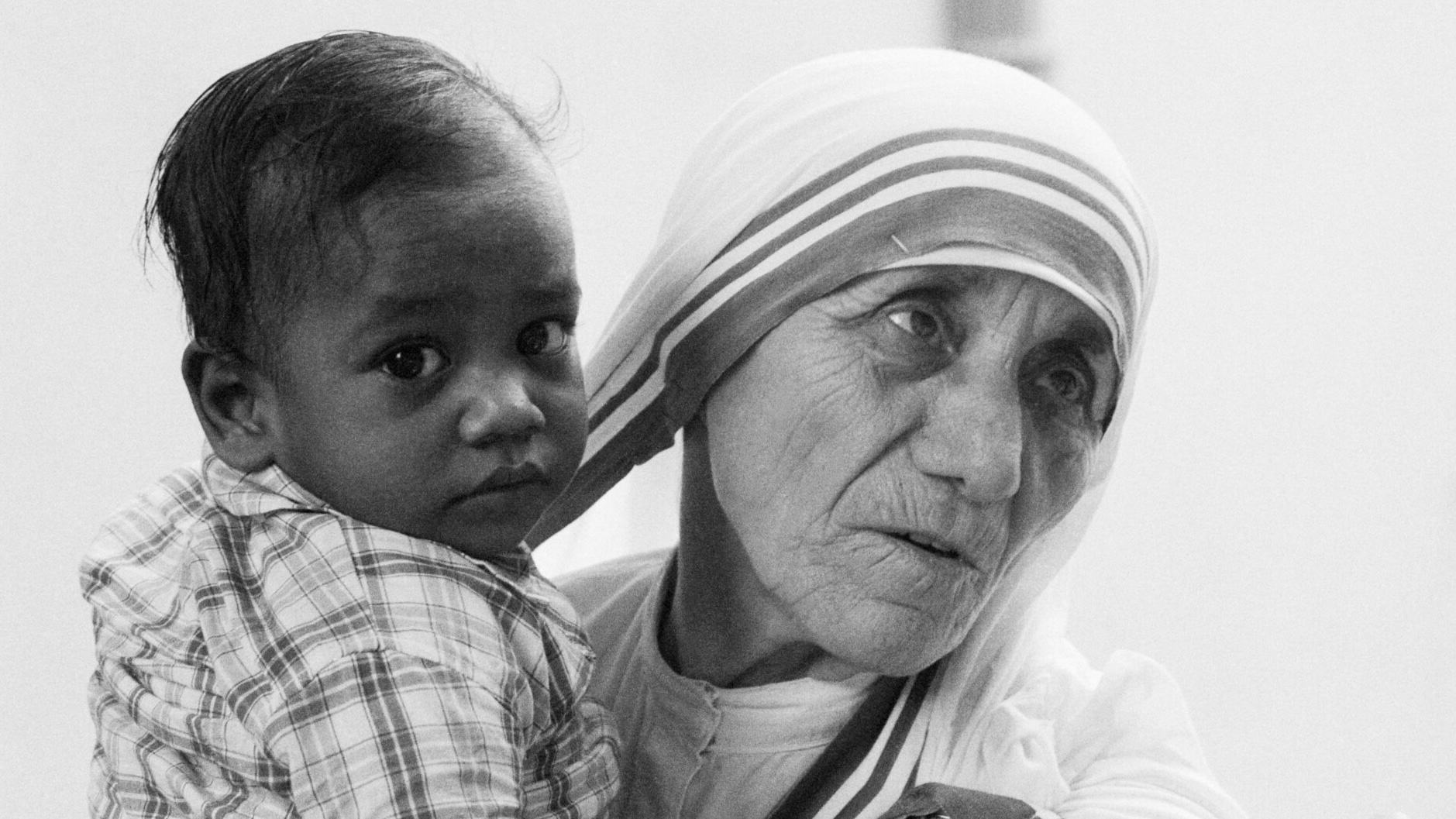
Baby born in Sri Lanka to New Zealand residents caught in limbo after Down syndrome diagnosis Immigration tribunal orders fresh residence assessment after finding a “serious mistake” by immigration officials.
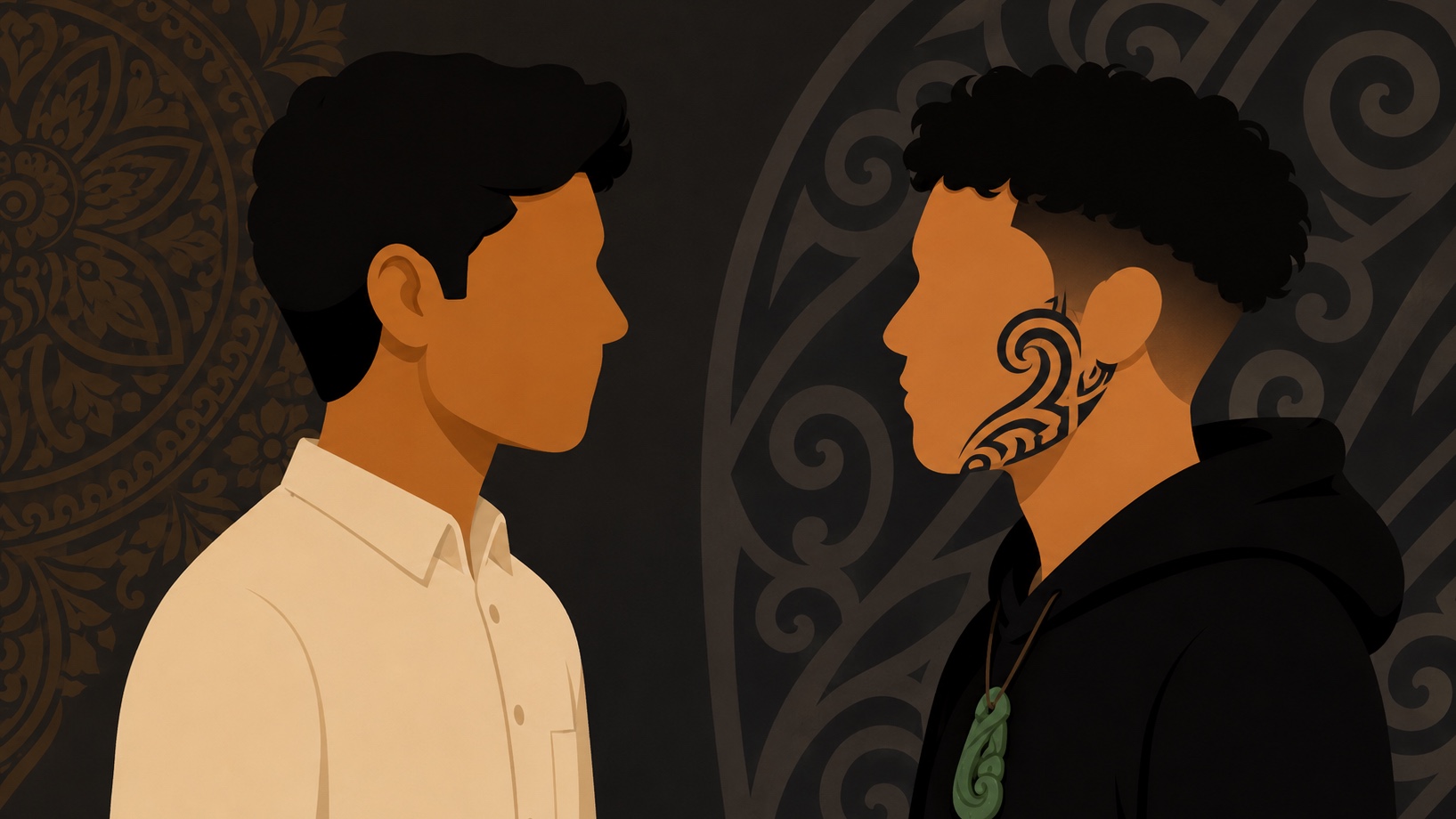
While ultimately nearly everyone, everywhere in the world is a migrant in some way, Te Tiriti seemingly freezes time by way of a foundational and constitutional framework that defines who belongs in New Zealand and who doesn’t. In this world, anyone who came after the agreement must be representing either the Maori or the British crown.
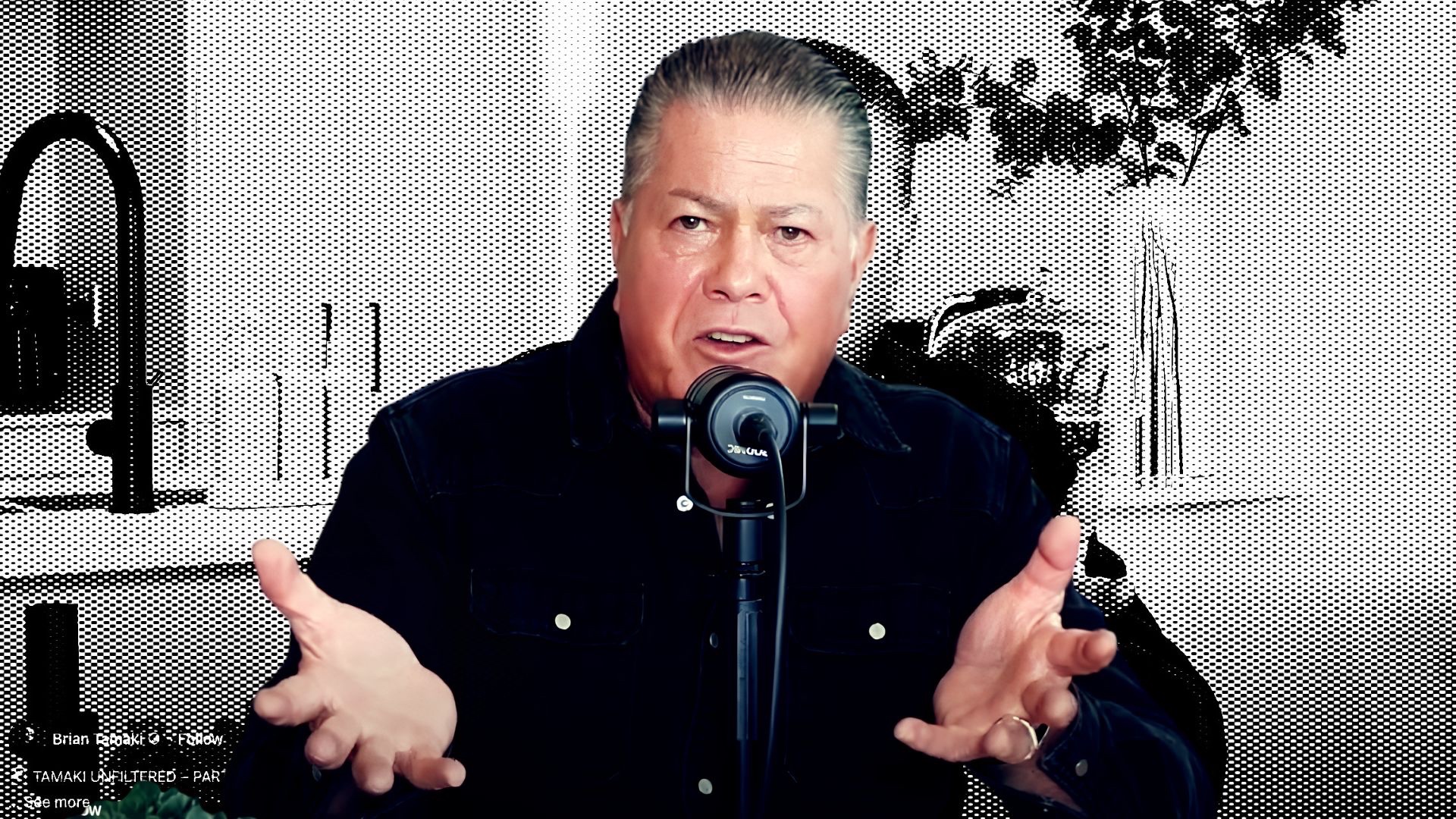
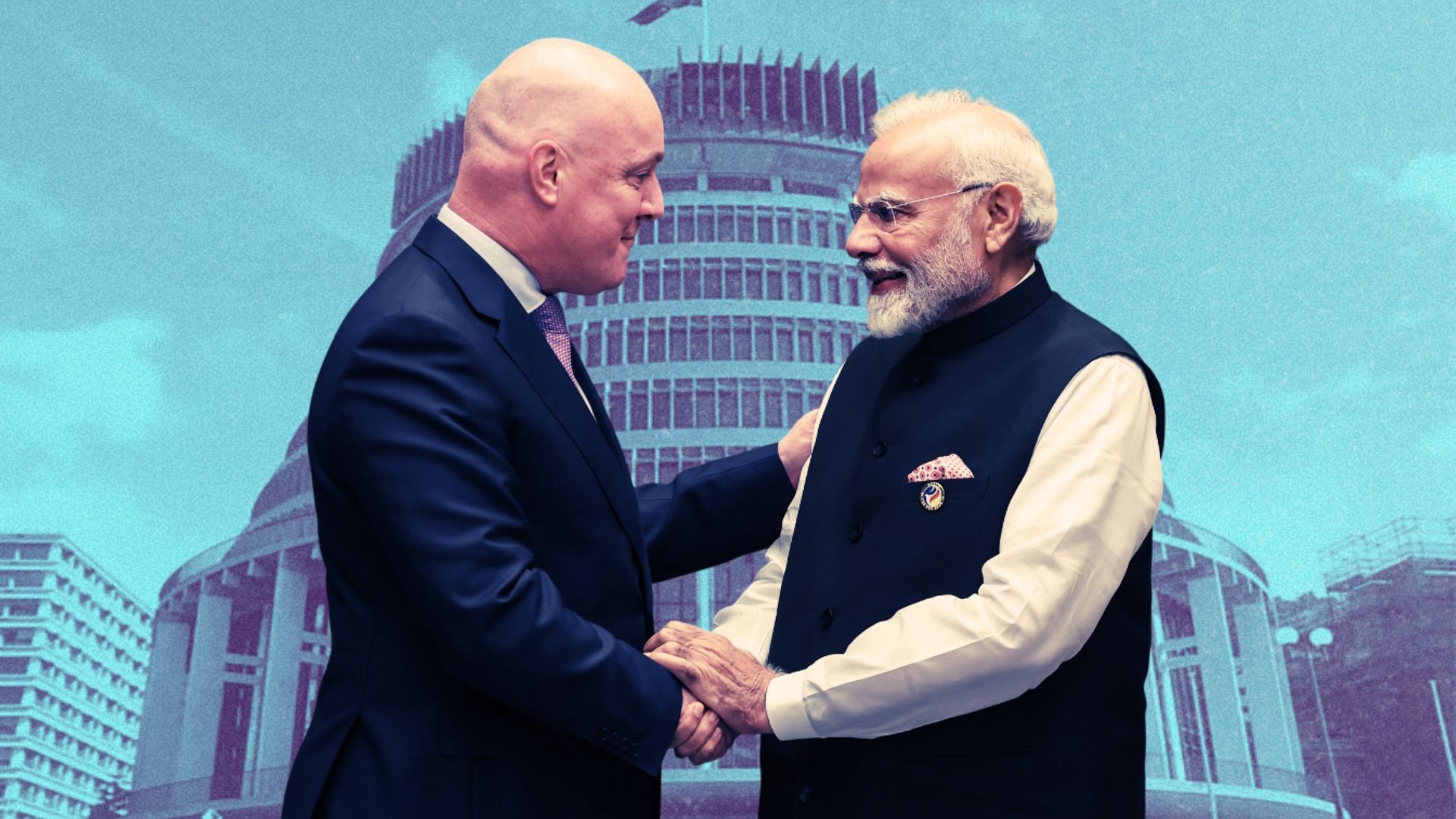
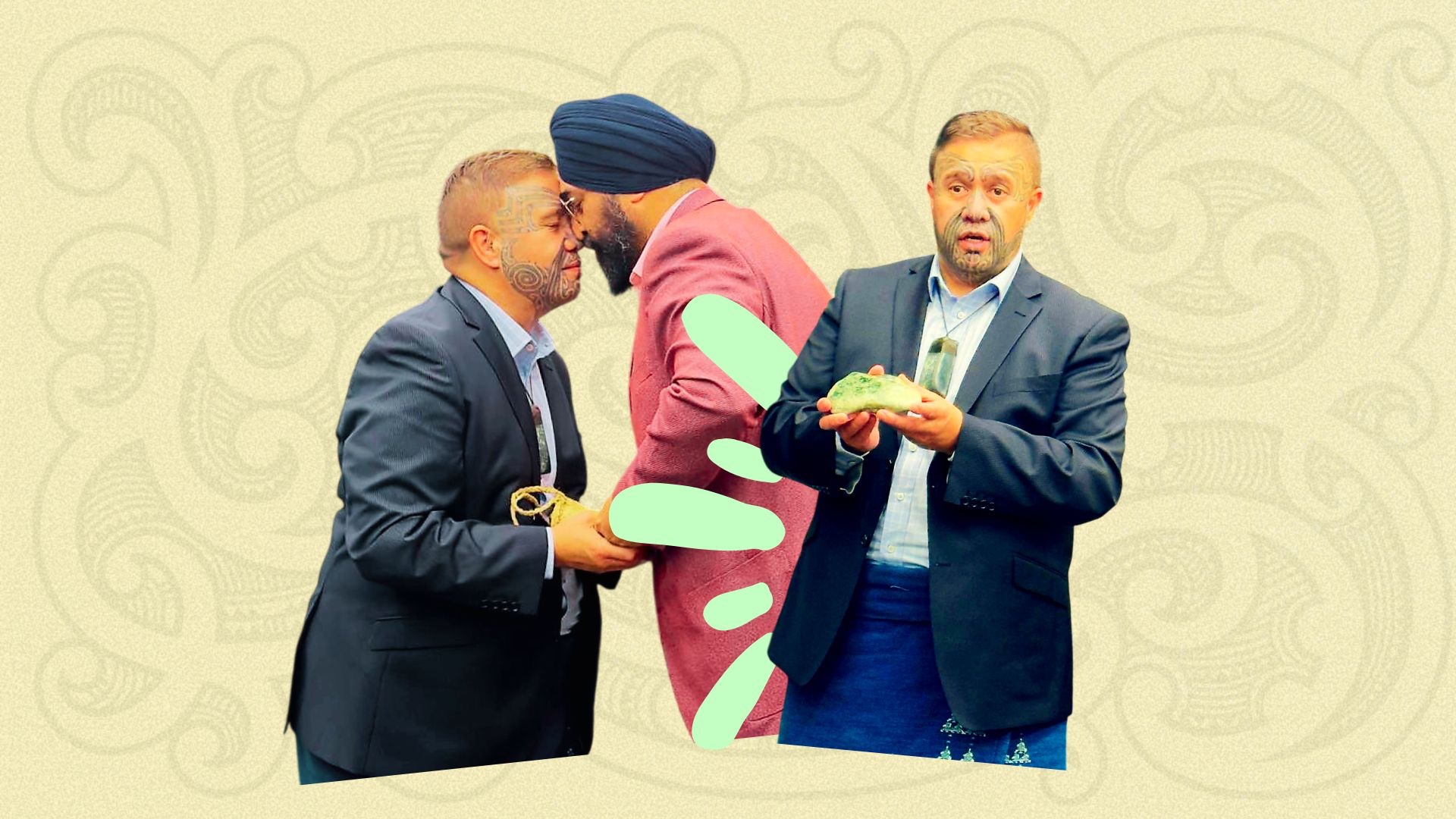
Read the first part in this series: The day Te Tiriti got the Indian guy in the room
These later migrants like me can represent either of these hosts, depending on who you ask. One view puts our legitimacy down to Parliament legislation. We are here because the immigration law allowed us in. In that capacity, migrants must uphold Te Tiriti, as representative of the Crown (and the colonizer, maybe?)
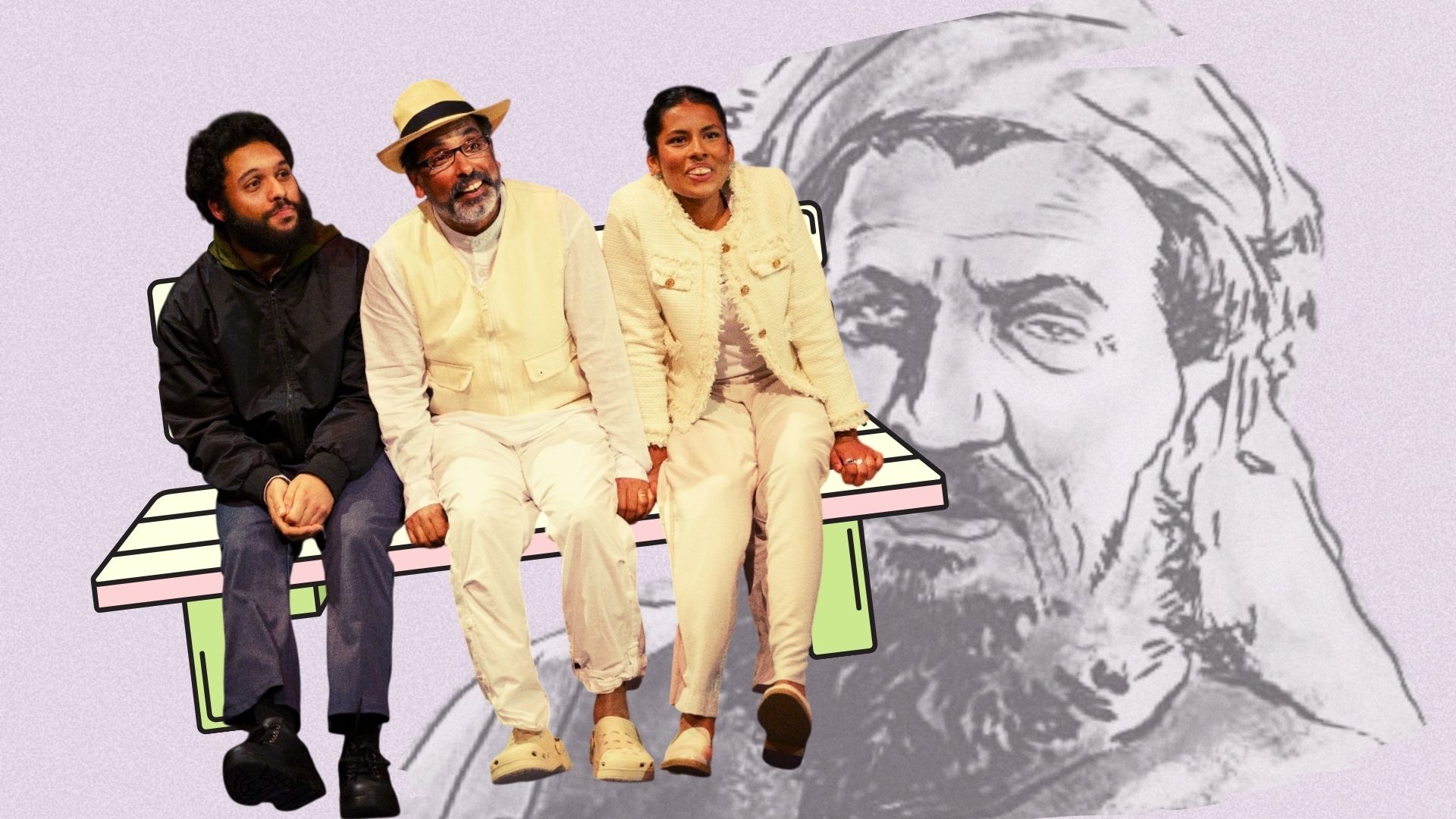
Some have tried to explore how we could be here, in fact, as folks of the Maori people: as manuhiri, or guests. In his PhD thesis on Asian immigrants and Te Tiriti, academic Saburo Omura prodded Maori expert Dr Rangi Matamua, who suggested the terms non-Indigenous people or rawaho (outsiders) fit migrants better under Maori customs.
Either way, such linguistic shrugs say plenty: we are acknowledged yet not fully imagined in the treaty framework. But who keeps inviting us if we’re still expected to leave?
Statistically speaking, migrants are a lot more than just footnotes in New Zealand’s evolution as a nation. The 2023 census counts about 3.44 million people identifying as Pakeha, 889,000 as Maori, 886,000 as Asian and 452,000 as Pacific, among others. Outsiders are raising children whose whakapapa braids people of the land with the non-Indigenous people by default. This looks less like a lounge full of temporary visitors and more like a building site where crews keep arriving, tools in hand, asking which beam needs lifting next.
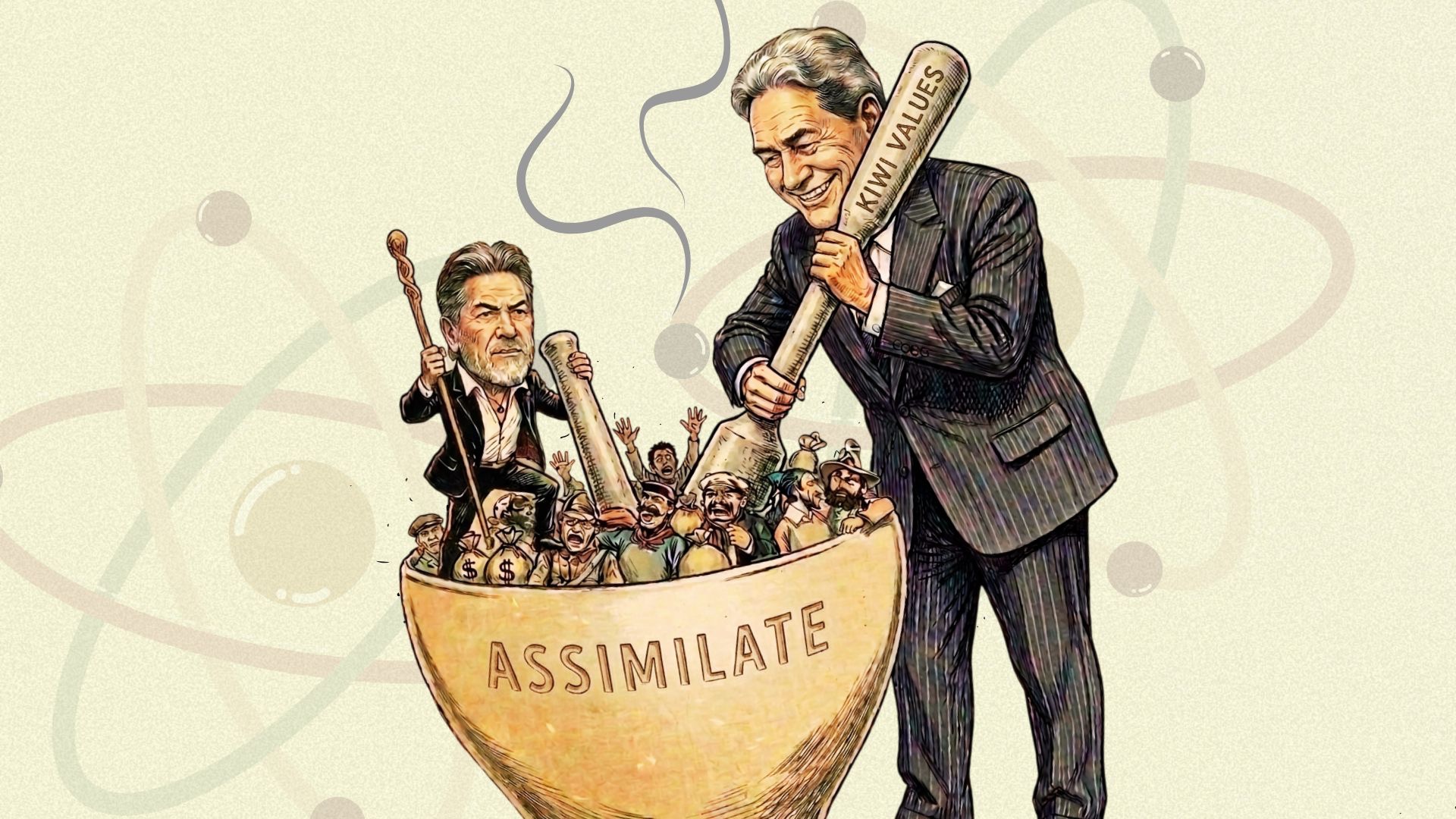
When you simplify the census tables, the Treaty binary collapses. About 3.8 million people identify as European and/or Maori. The rest, just over a million people (about 21 per cent of the country), do not tick either box. The story those numbers tell is one of intertwined futures, not two opposing blocks.
Te Tiriti is the founding document, yet it never imagined a South Asian checkout clerk, a Chinese grocery cashier, the Indian man who brings my dad’s medical supplies, or the Korean acupuncturist easing my back. When people fold every late-20th-century migrant into the Crown, they erase the fact that we arrived long after the ink dried.
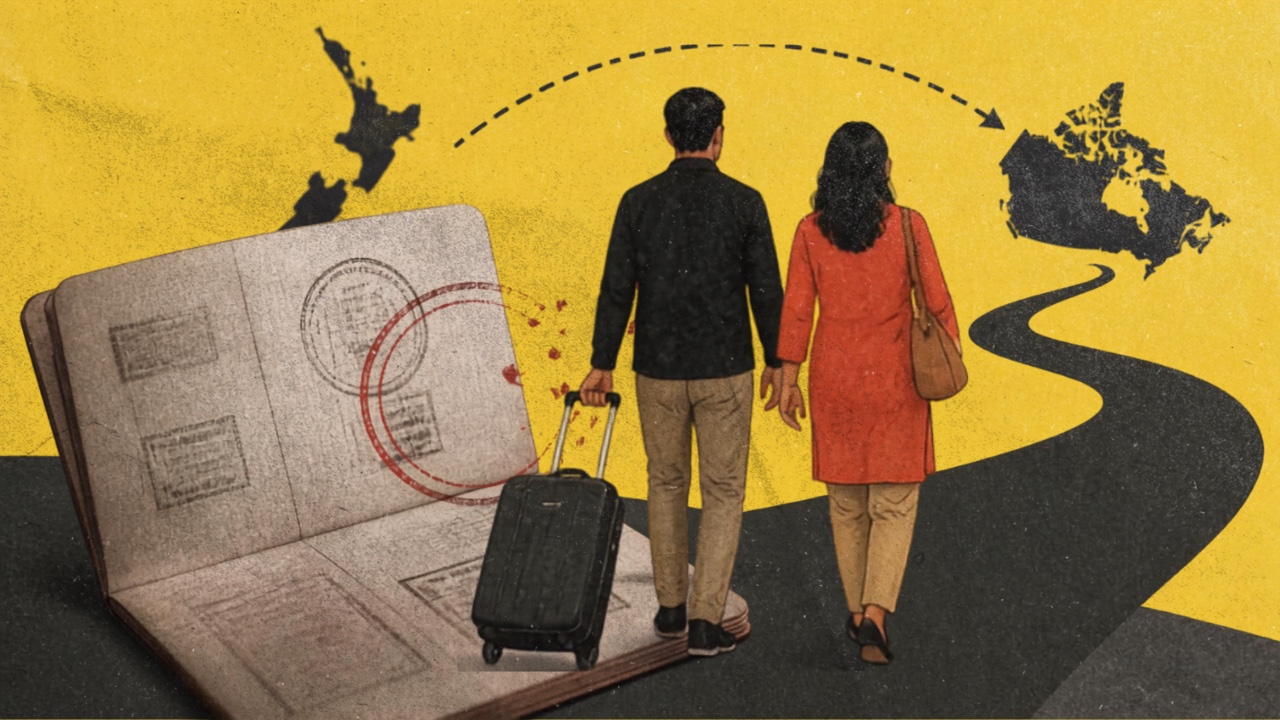
Migrants live under Crown law, so we inherit treaty obligations. That should not condemn us to silent obedience. What migrants crave is a way to learn the text, to ask hard questions, to bring their own colonised history into treaty conversations. Migrants need rooms where we sit with people of the land and Crown officials while decisions are being shaped, not after the fact.
Treaty literacy should empower migrants to interpret responsibilities, not merely comply with someone else’s instructions. Otherwise, they are forever guests. Migrants don’t want to argue with the hosts of the house; they want to learn how to help maintain it. That means asking for roles beyond polite observation, ones that honour mana whenua and recognise the whakapapa labour migrants are contributing.
Guests ask if they should take their shoes off. Partners ask where the foundations are cracked and whether they can help carry the beams.