
Shane Jones is gaslighting on Indian migration. It's amoral, and a social risk

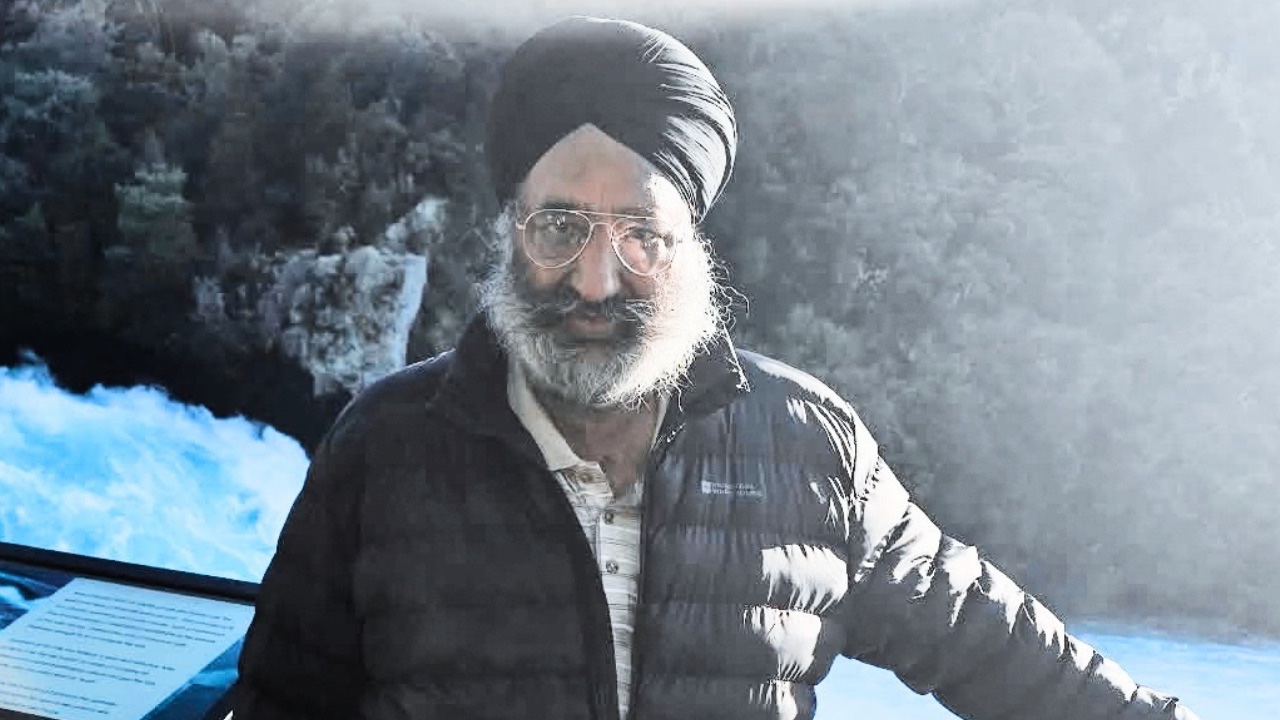
NZ First's official website describes the deputy leader as 'a proud born and bred Northlander'.
When gaslighting targets a specific ethnic group, it edges into risky territory.
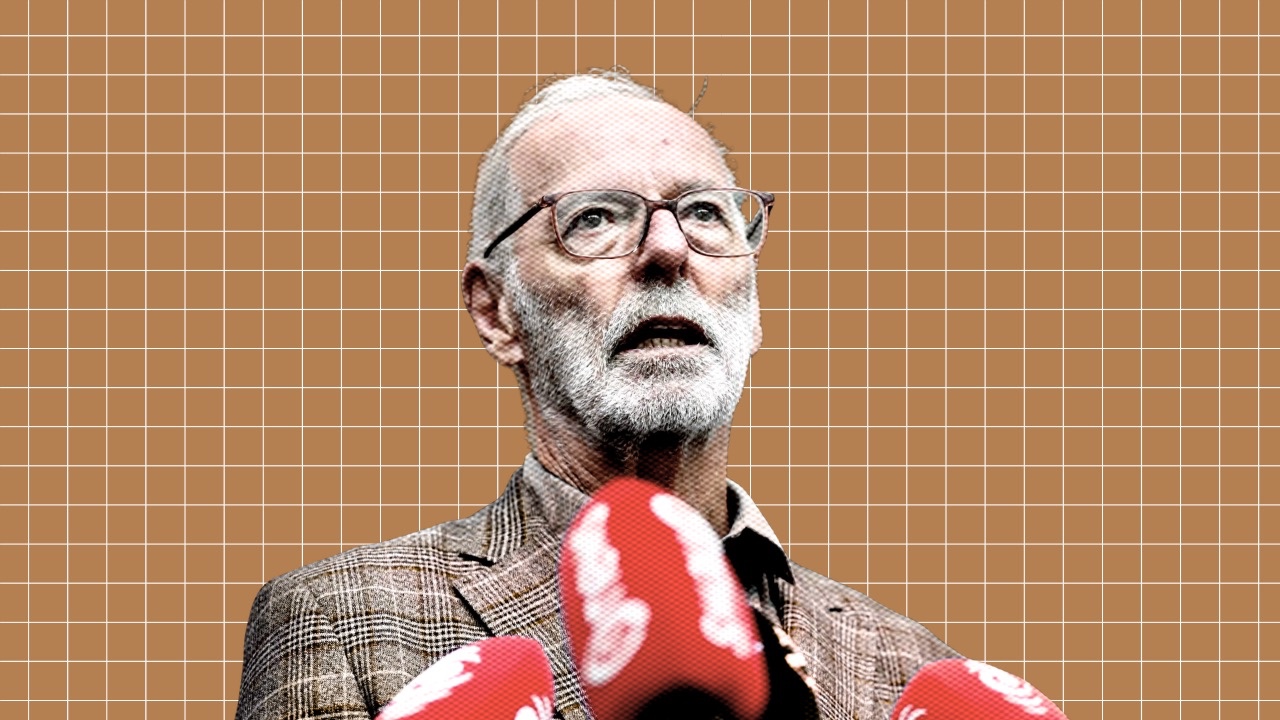
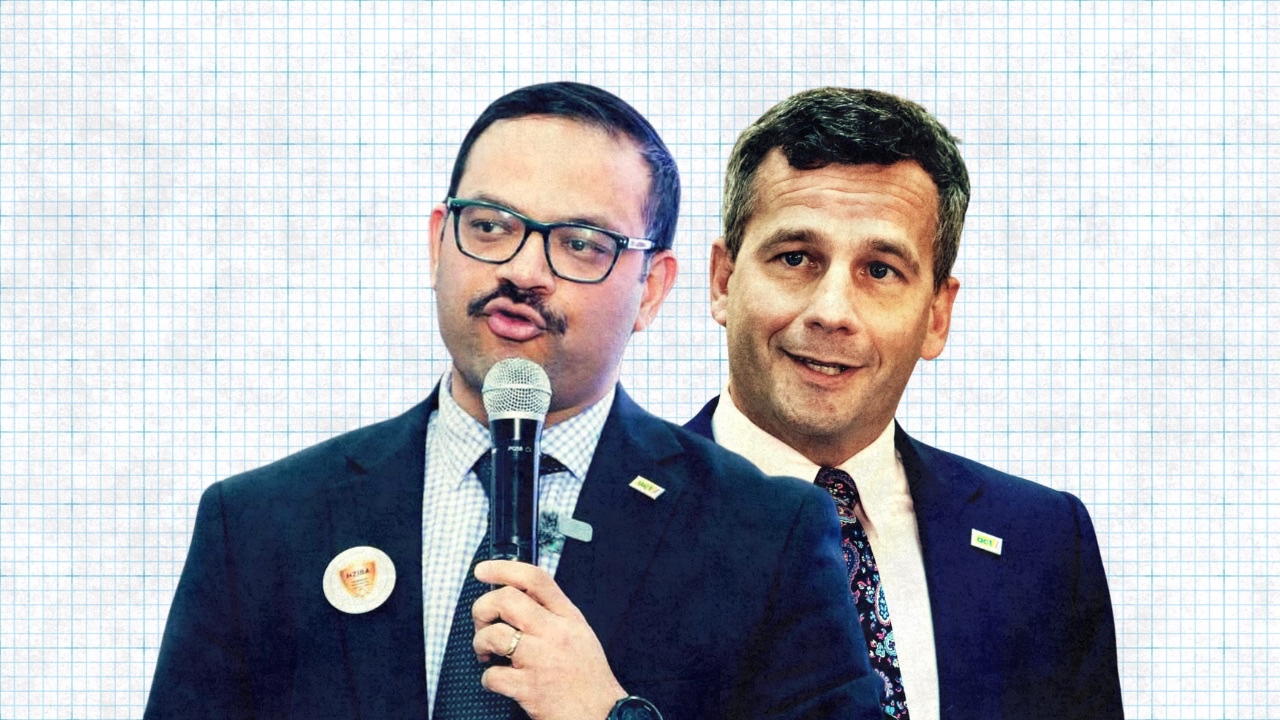
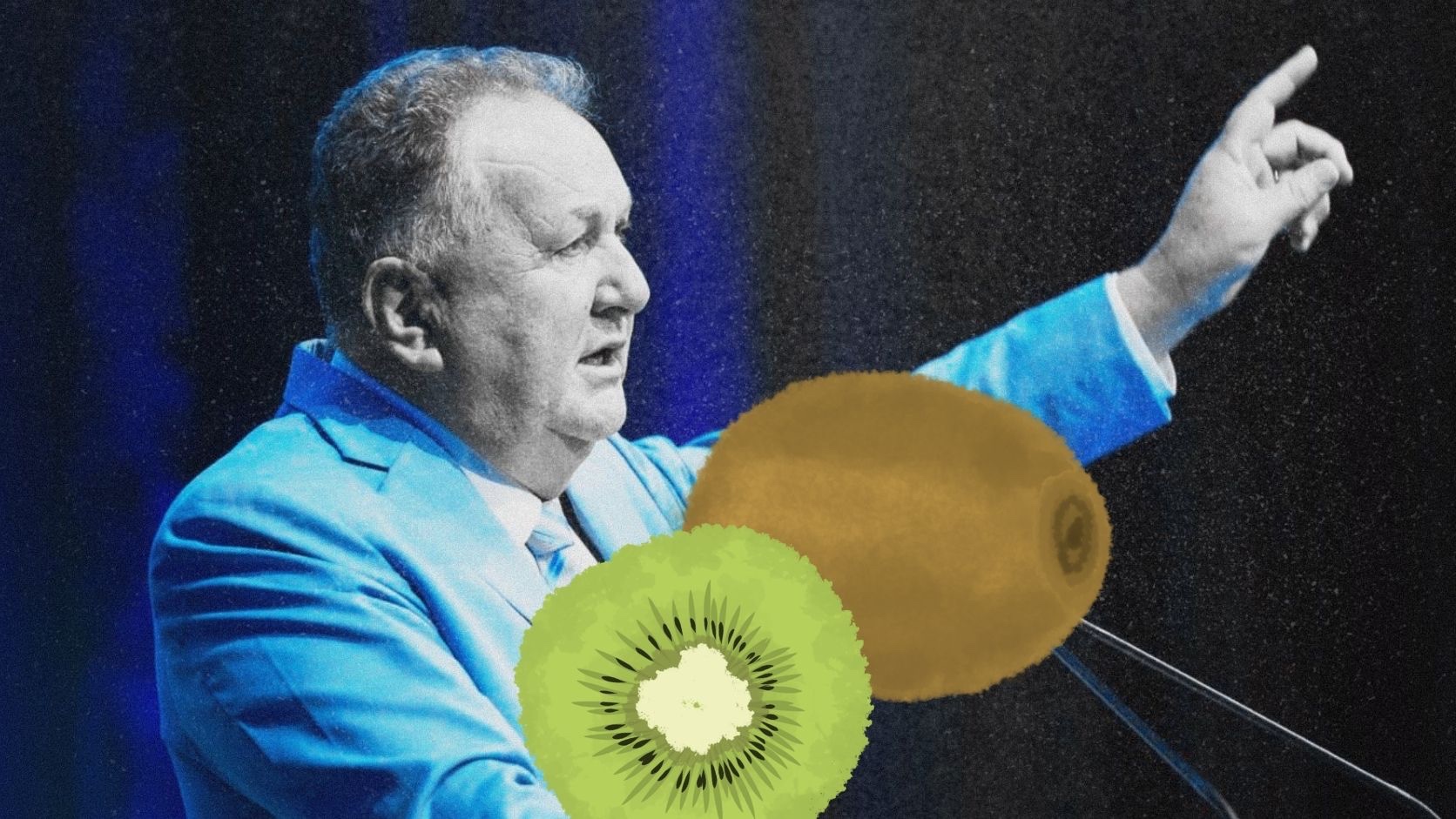
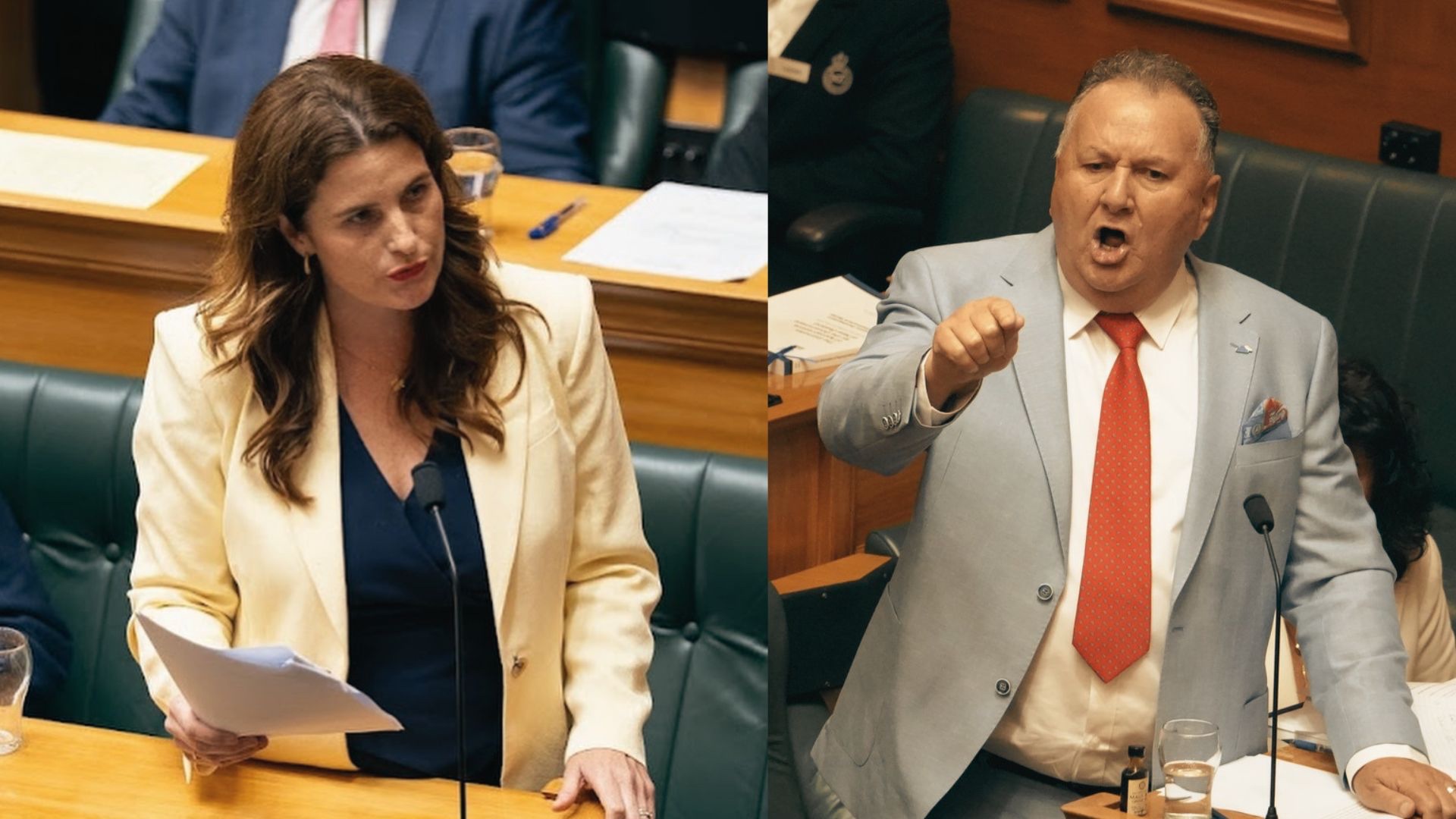
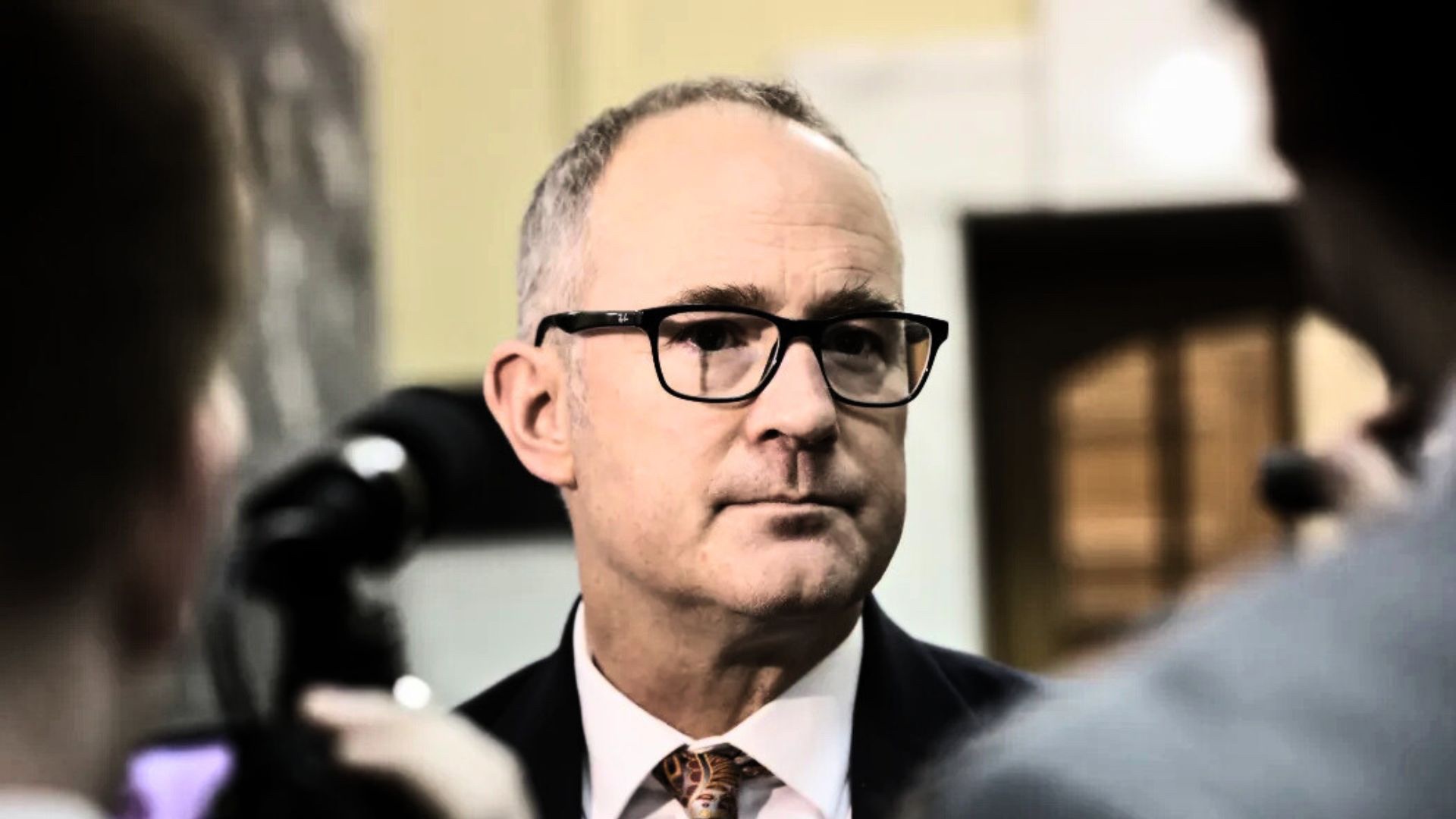
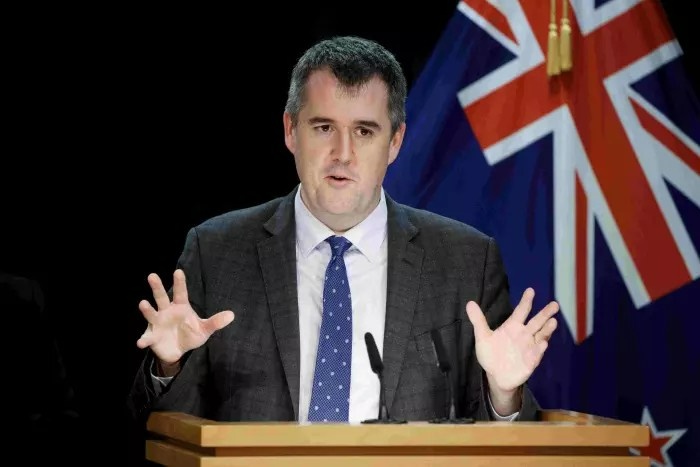
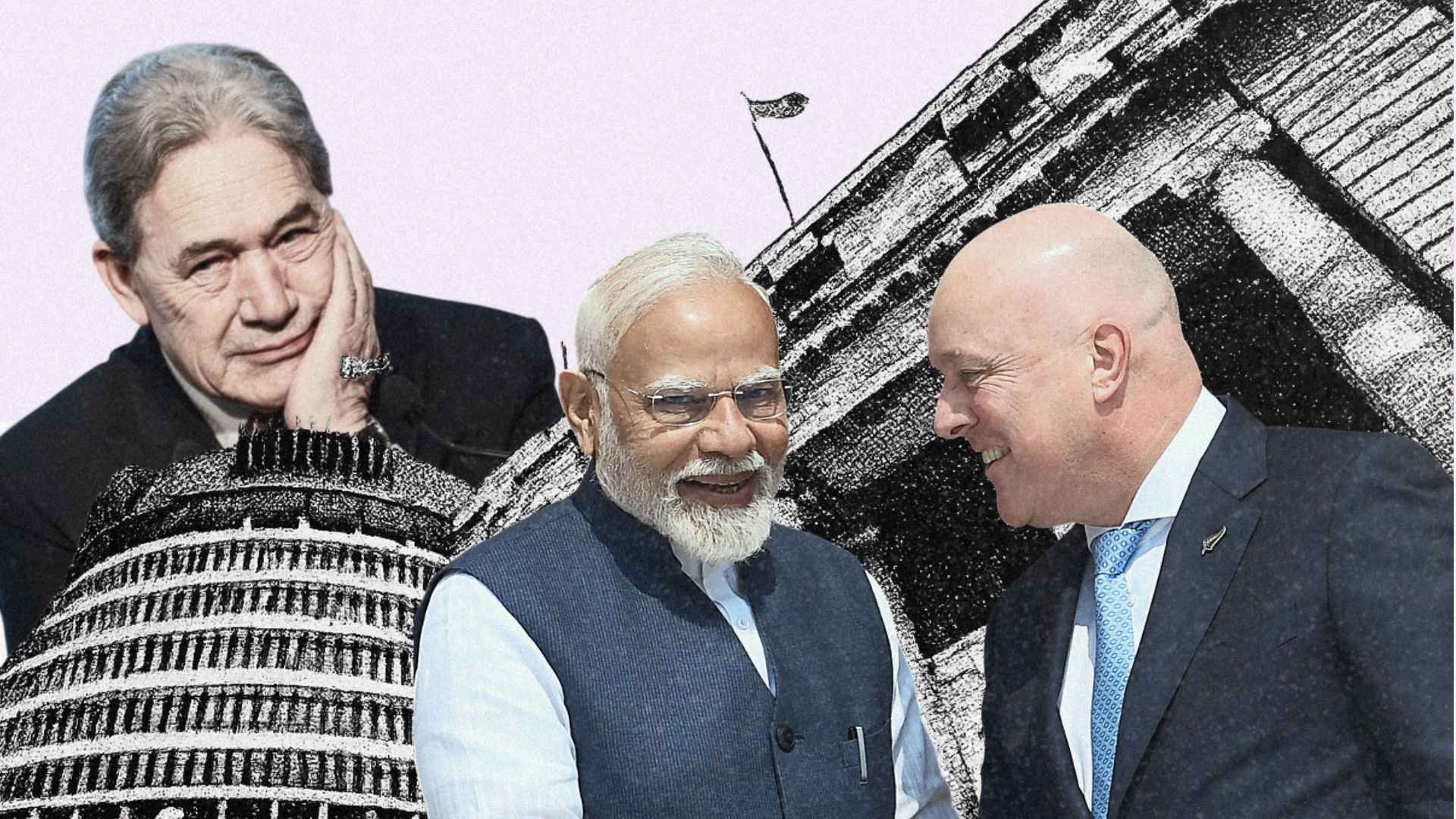
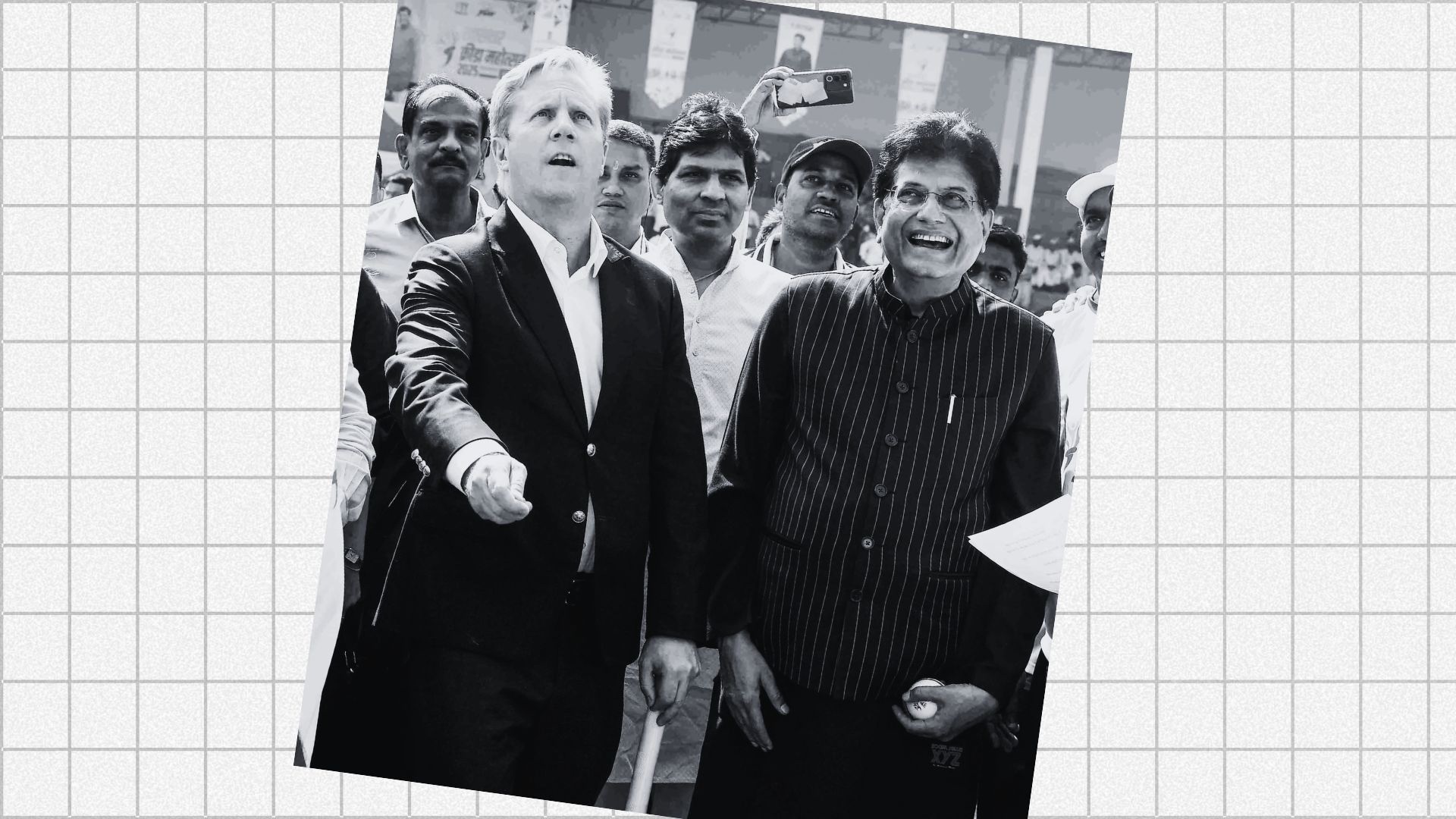
Opinion: Late last month, exactly a day after prime minister Christopher Luxon told New Zealanders they'd vote for a new government on November 7, Shane Jones launched his poll campaign on social media with a familiar enemy – the Indian migrant.
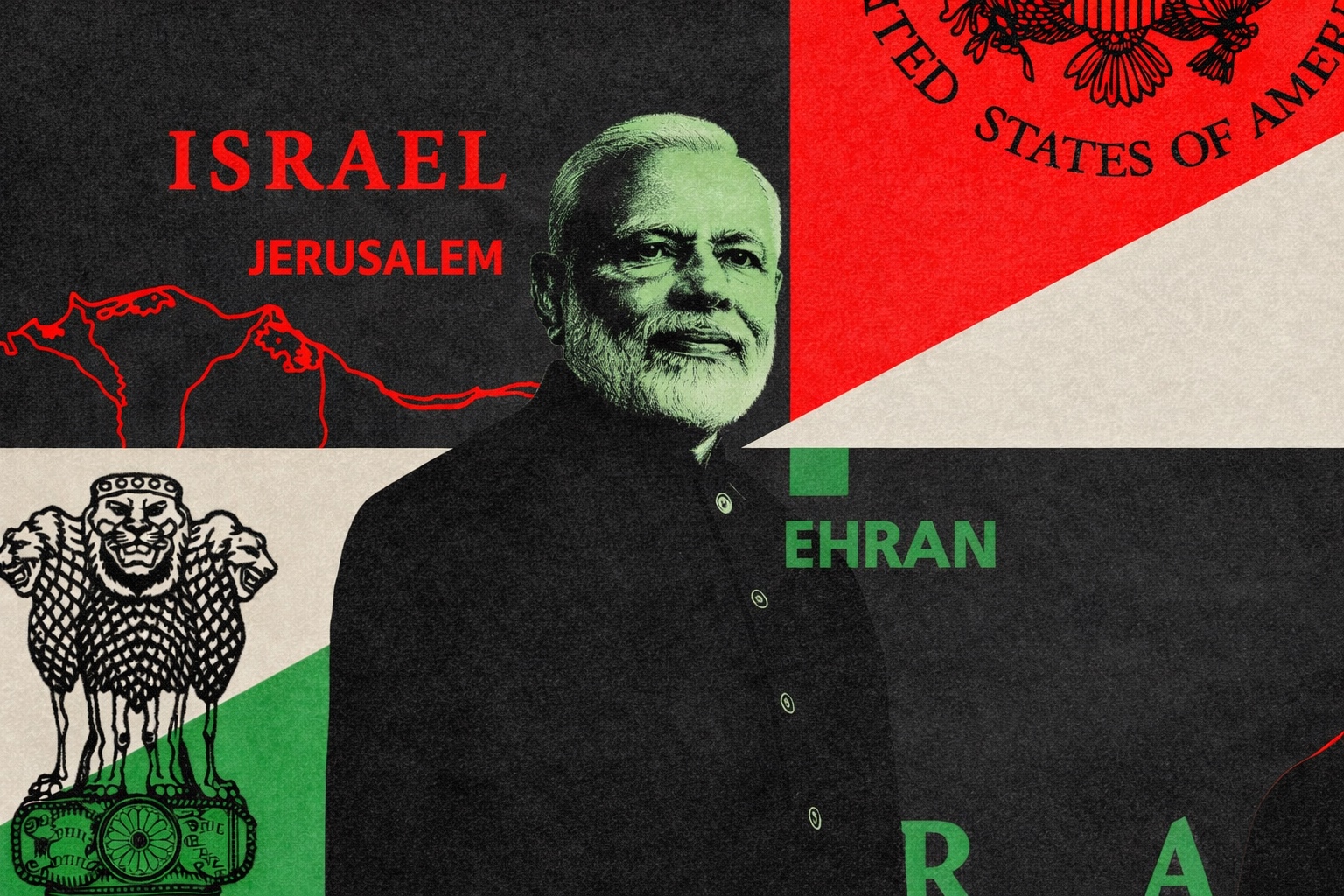
"If we continue to pursue immigration out of India the way that we’ve been doing, by 2040, I predict that a quarter of our population will be from that part of the world," he posted on Facebook on January 22, 2026.
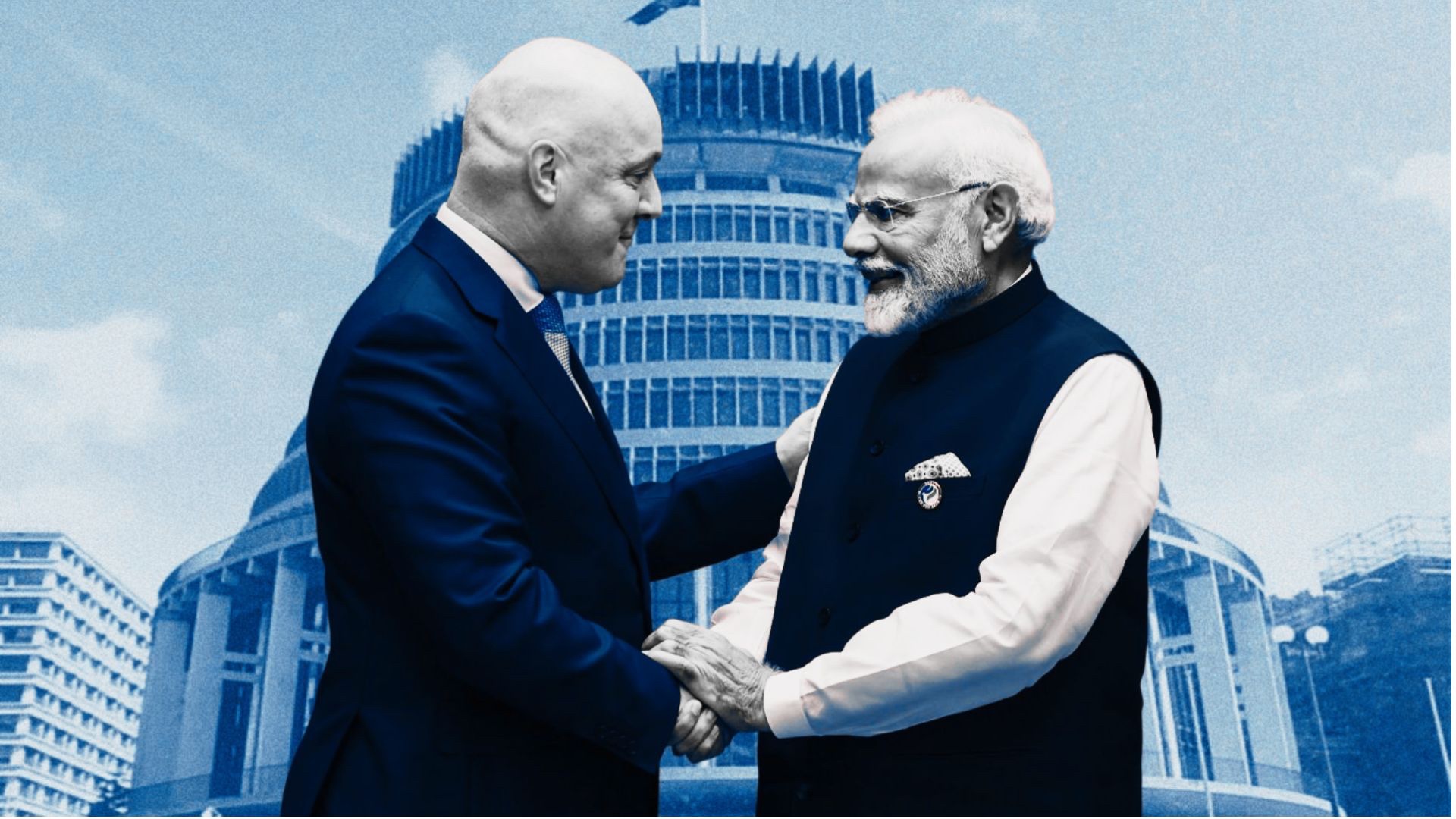
We get it. It's an election year and New Zealand First's deputy leader has shifted gears in his rhetoric. His party has, after all, ridden the migrant bogey for far too long. The free trade agreement (FTA) between India and New Zealand, expected to launch this year, has only provided him with fresh ammo.
“The moment that you make it easier for immigration, you then get all the tack-ons. Mark my words," reads the Facebook post by Jones, who his party's website describes as 'a proud born and bred Northlander'. "If that’s what you want, you go and campaign on it. New Zealand First doesn’t want that."
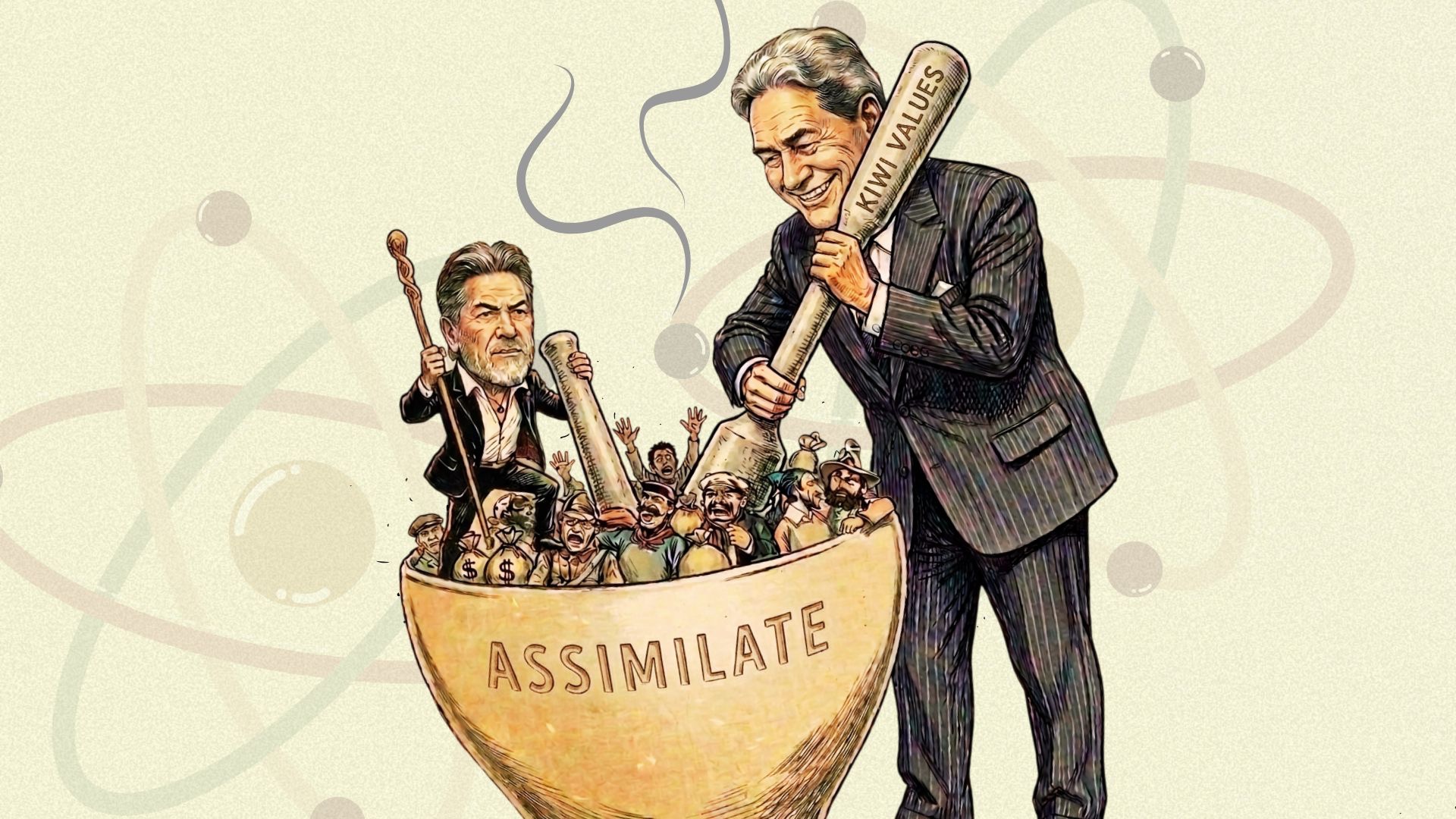
His post hits three notes. First, loosened immigration leads to uncontrollable “tack-ons”. Second, Indian migration is uniquely threatening. And lastly, his party stands against demographic change. It sounds decisive but there's a problem – his fear-mongering is built on numbers and predictions that don't survive the test of data. Frankly, it borders on being a plain lie.
From designing restaurants to running Auckland Diwali: The many lives of Arnav Taode Taode brings his passion for Indian arts and culture to his first year managing BNZ Auckland Diwali 2026.
Winston Peters says ‘diversity is disunity’. What does the evidence tell us? Evidence from business, sport and social policy suggests diversity can strengthen economies and cohesion but on one condition.
Baby born in Sri Lanka to New Zealand residents caught in limbo after Down syndrome diagnosis Immigration tribunal orders fresh residence assessment after finding a “serious mistake” by immigration officials.
Current baseline
The 2023 Census counted 292,092 people who self-identify as Indian. That's about 5.7 percent of the country's total resident population of nearly 5.09 million. That is a sizeable community, but not remotely close to the size that could surge to a "quarter" of the population like Jones proclaims it will by 2040.
To reach 25 per cent in 14 years, Indians in New Zealand would need to grow to roughly 1.5 million people. That would require adding 85,000 people of Indian-descent every year till 2040. There is no policy mechanism currently in place that could deliver that outcome, even if a government wanted it.
Official projections
Stats NZ, the country's official data agency, makes population projections and ethnic shares. It models estimates based on three scenarios – conservative, median and liberal. In 2038, that median projection (usually considered the most plausible) pegs the Indian-identifying resident population at 601,000. That adds up to about 10 per cent of the nearly six million New Zealanders by that year. Even the liberal estimate projects that number at about 659,000, or about 10.93 per cent of the total.
By 2043, the median Indian count rises to 684,000 out of about 6.3 million, (roughly 10.88 per cent) and the liberal estimate peaks at 765,000 (12.17 per cent). Stats NZ hasn't published estimates for 2040, but those two years provide a good estimate.
But that's without the FTA.
The FTA reality check
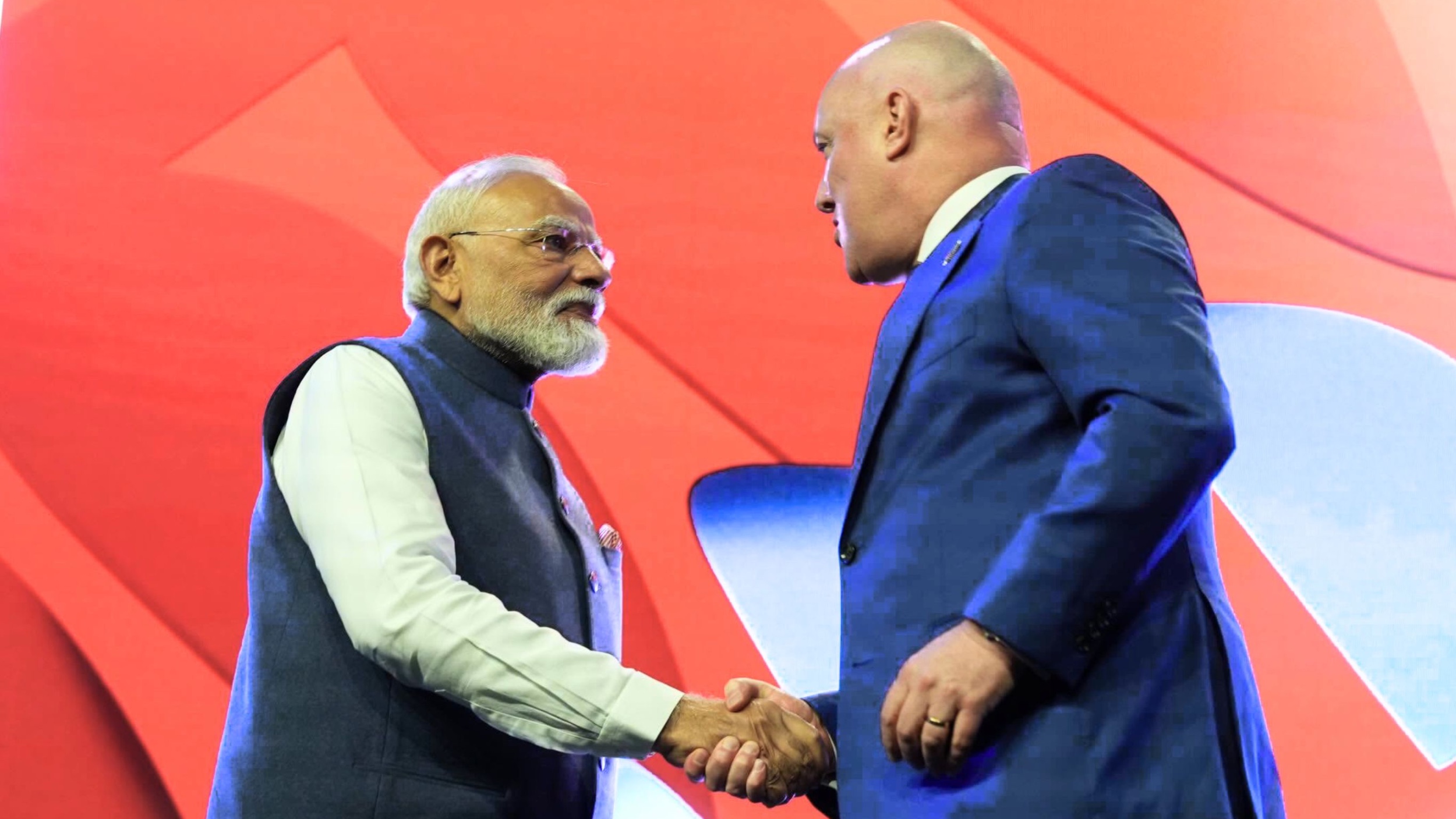
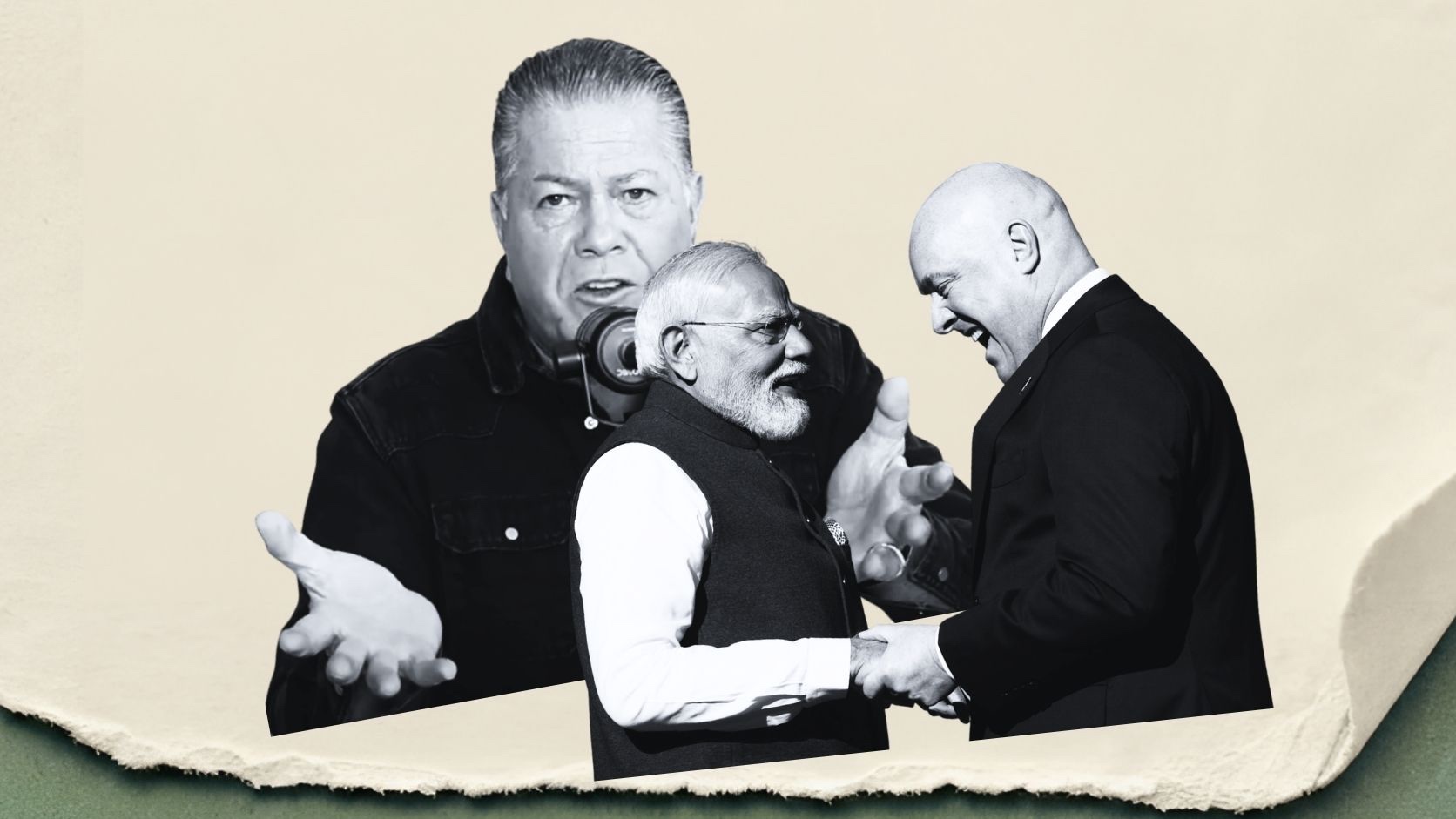
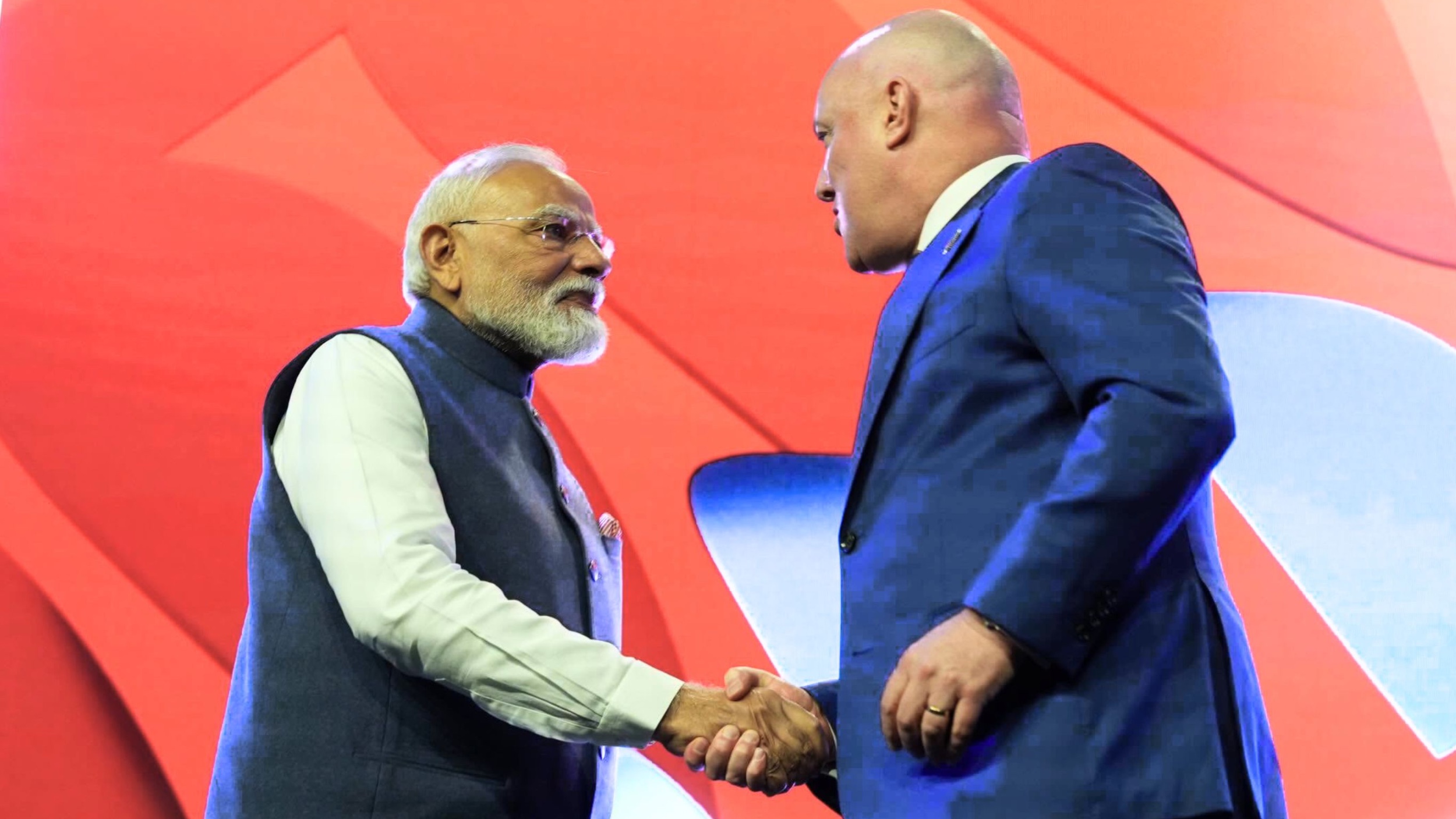
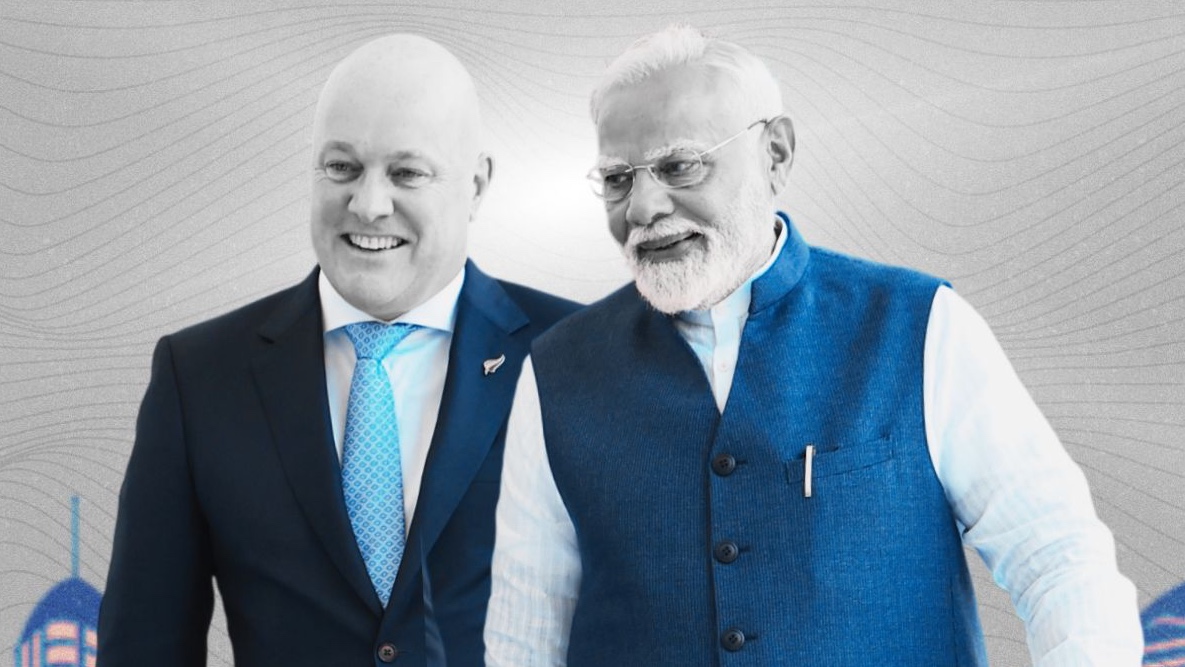
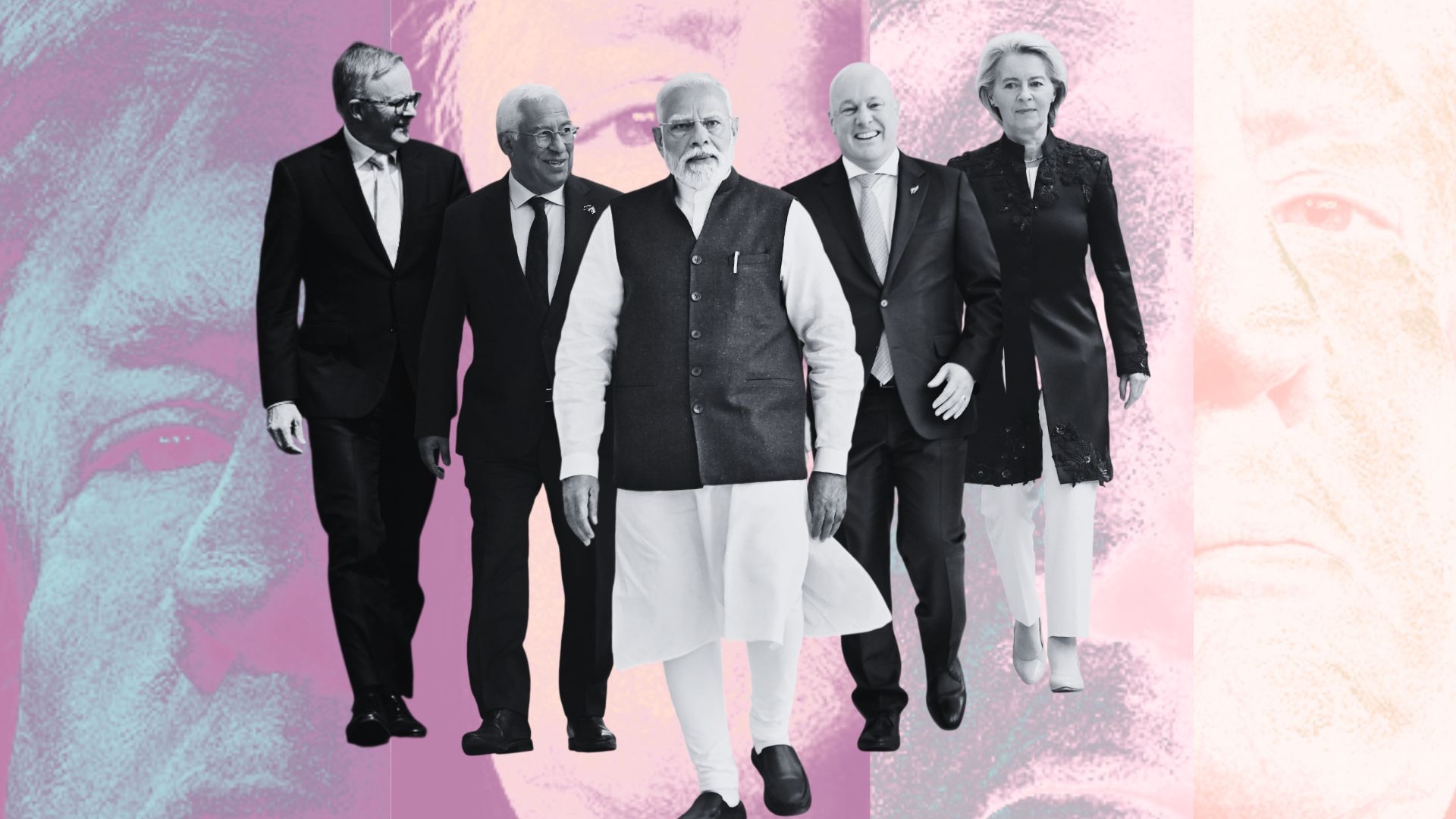
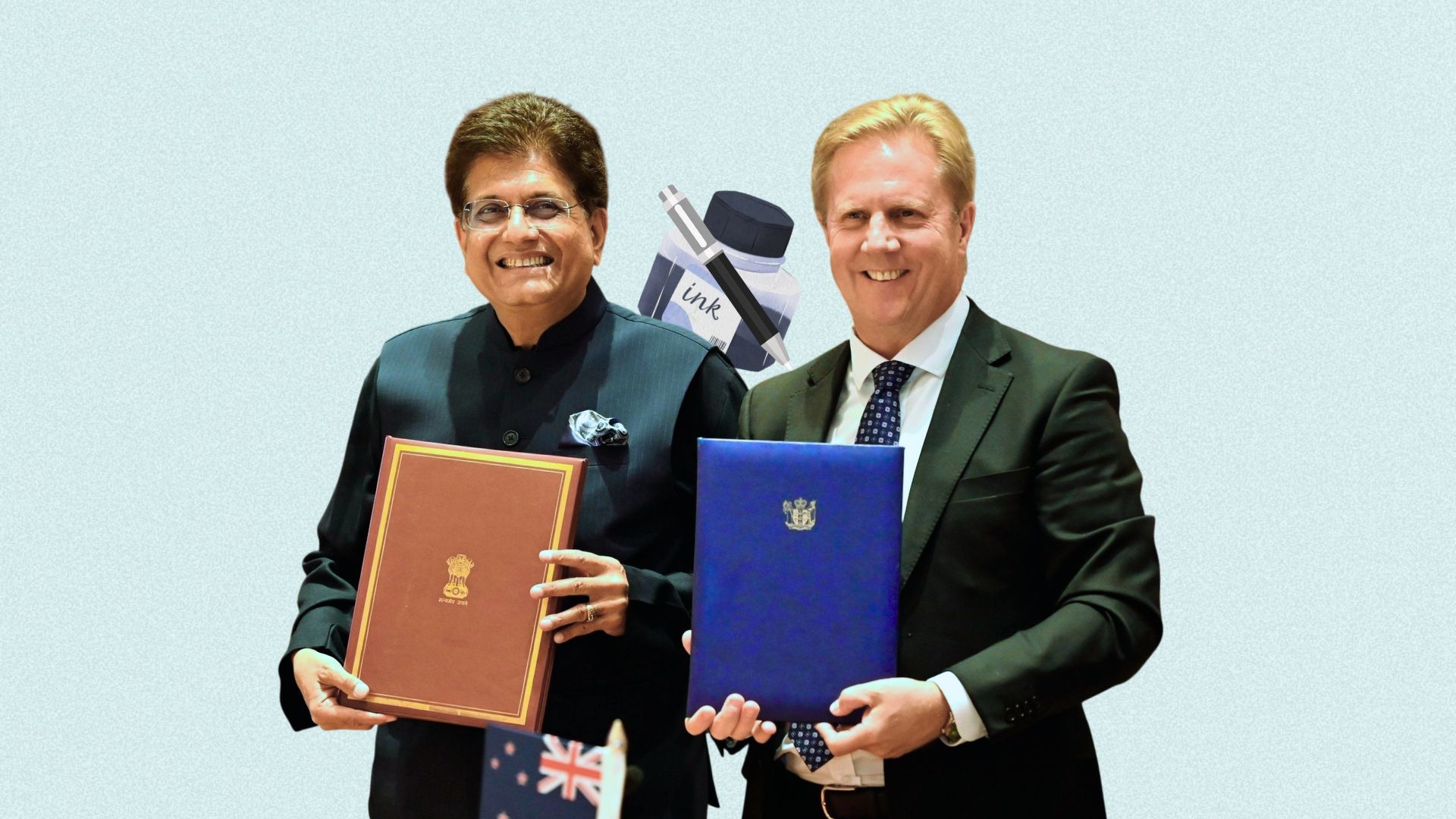
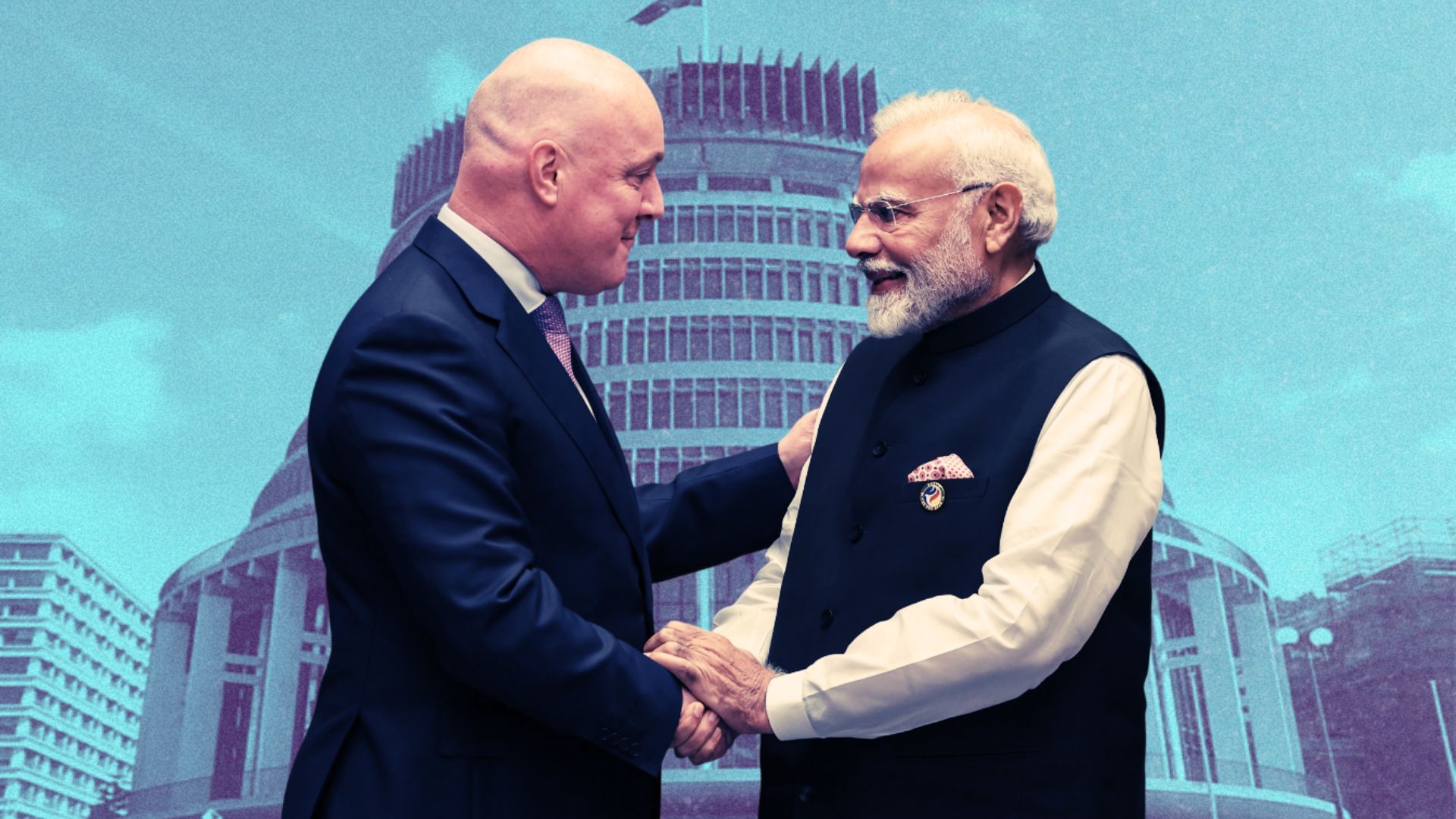
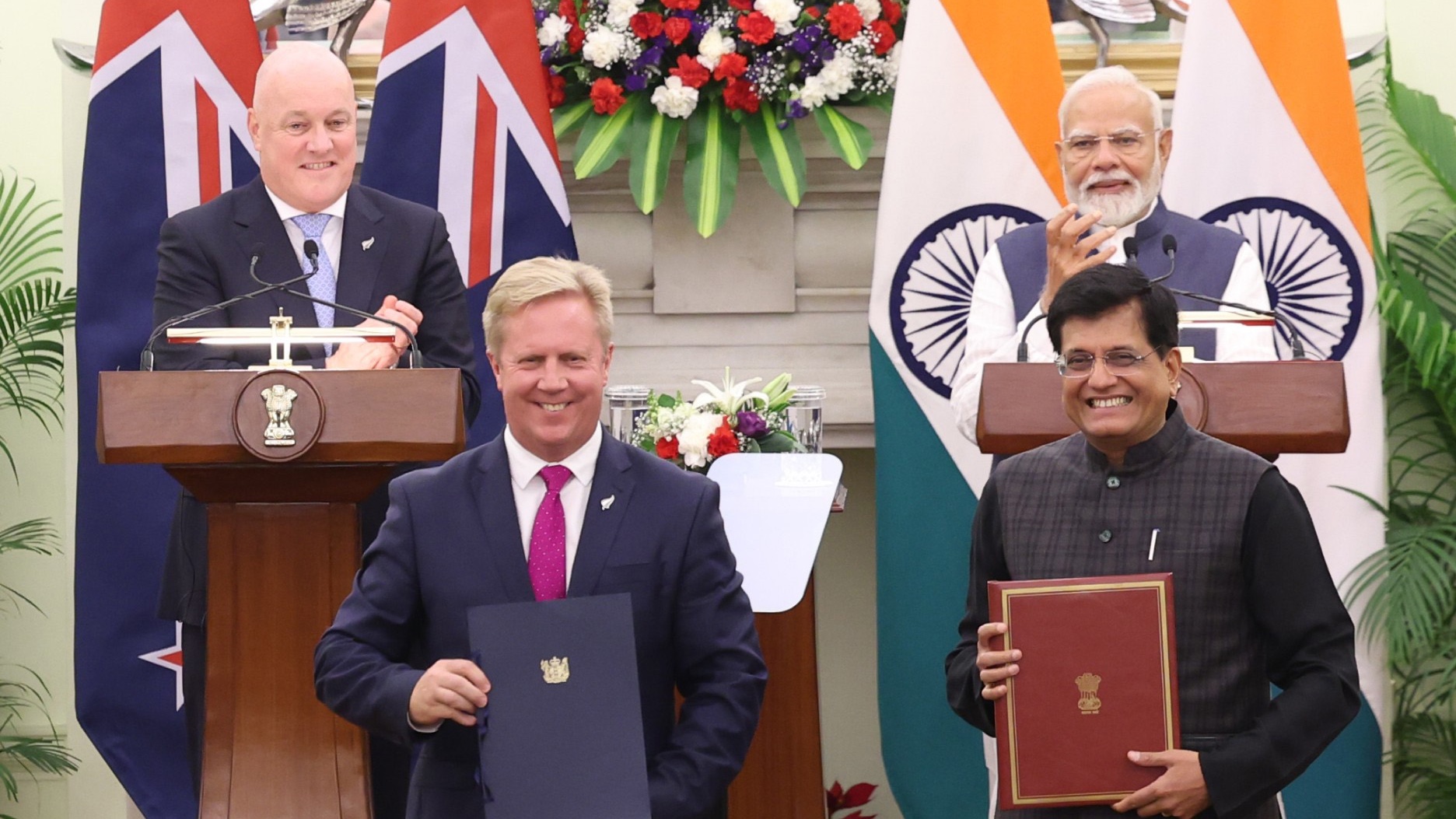
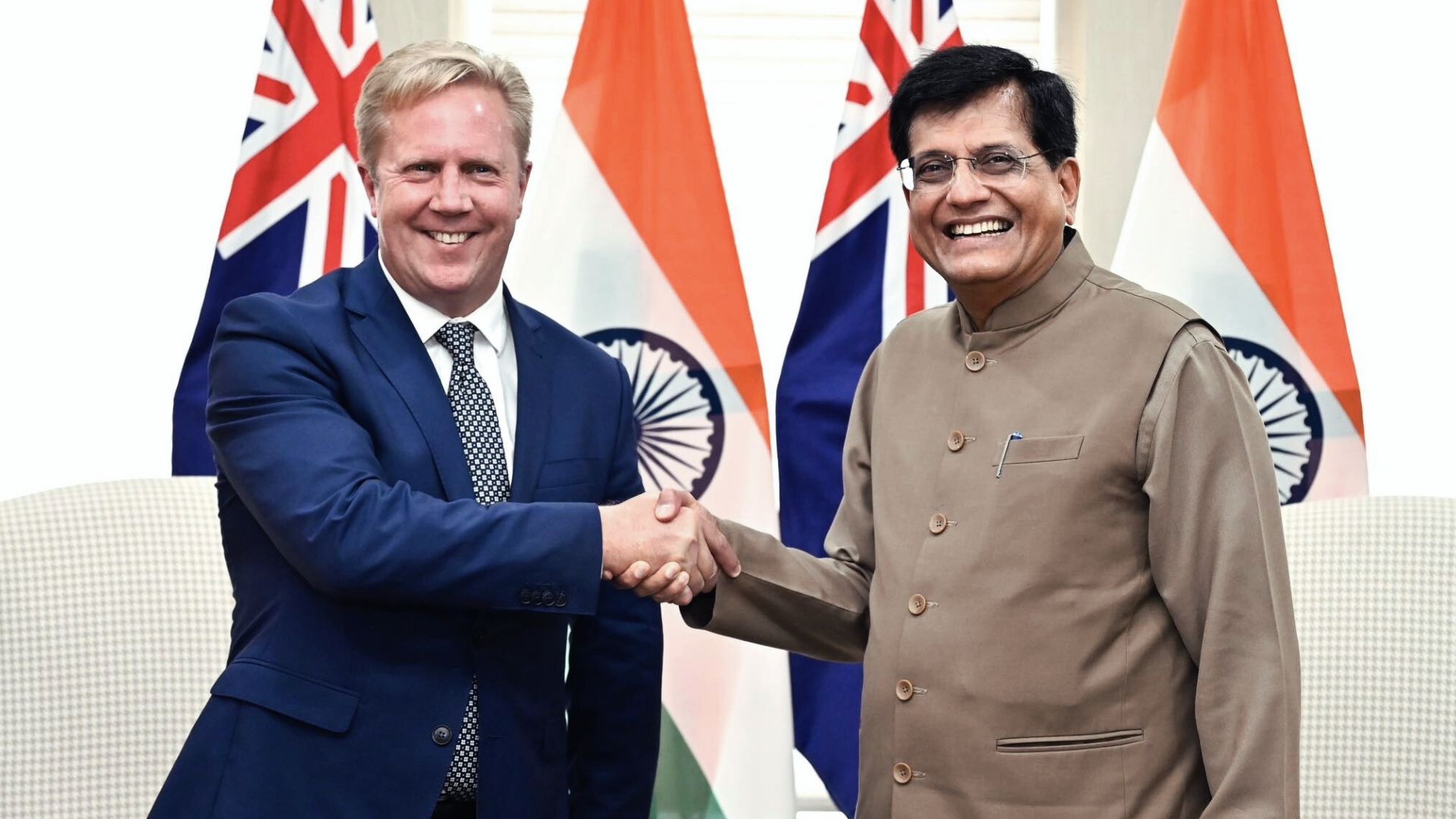
Luxon would be gloating at the prospect of the India-New Zealand FTA being signed in an election year. It's a godsend also for Jones, and New Zealand First leader Winston Peters. Migration skeptics are making the deal sound like trade liberalisation will unleash an immigration deluge.
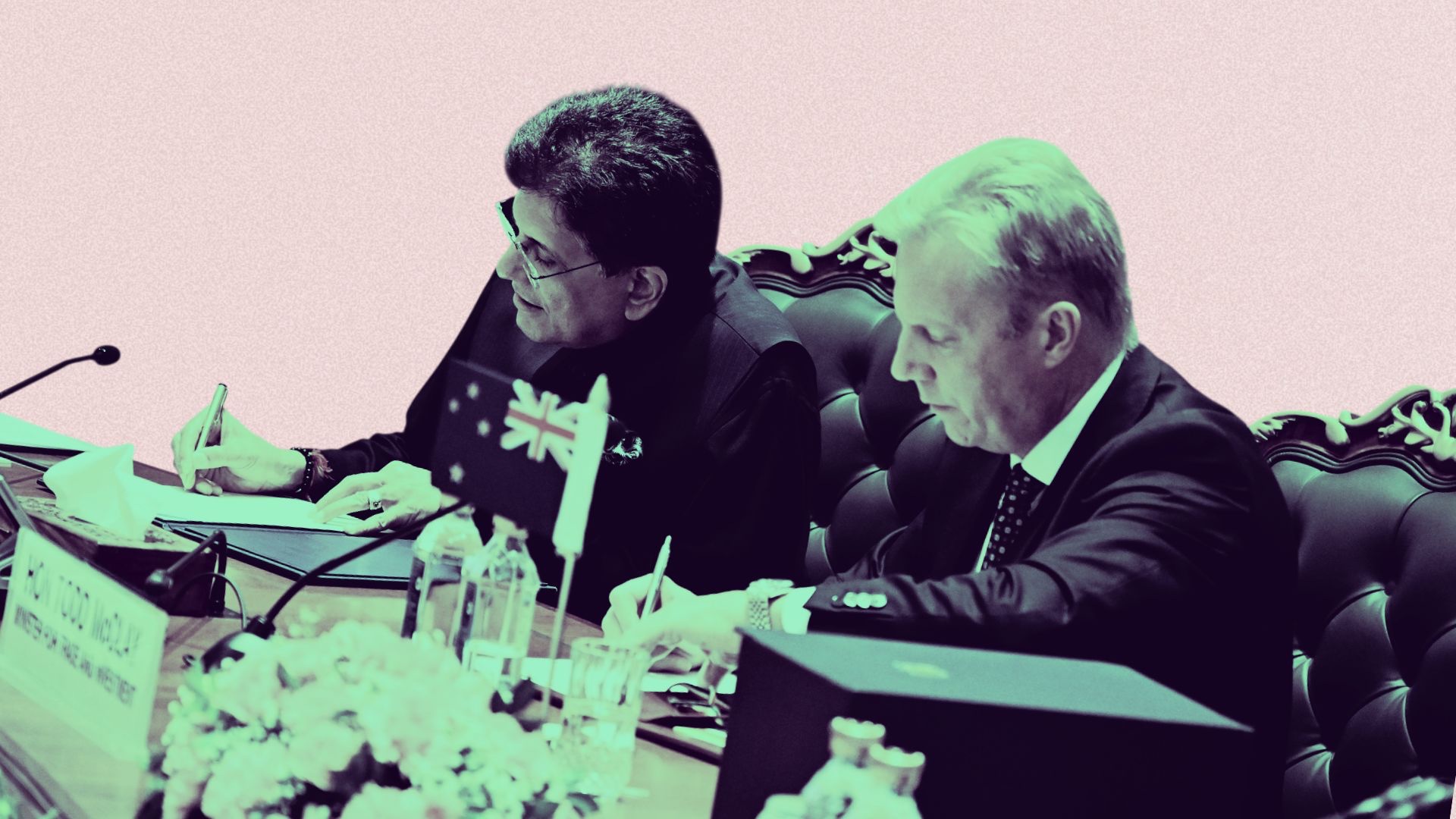
The Indian government articulates the agreement's provisions in some detail in this document. The deal allows Temporary Employment Entry (TEE) Visa pathway for Indian professionals in skilled occupations with a quota of 5,000 visas at any given time.
Trade Minister Todd McClay told a parliament select committee on Thursday the FTA doesn't allow the temporary visa holders any right to extend beyond those three years, and doesn't offer any new family entitlements. Dependants can still come only under existing rules and have no automatic work rights. They can, however, apply for other visas under the general immigration paradigm of the time.
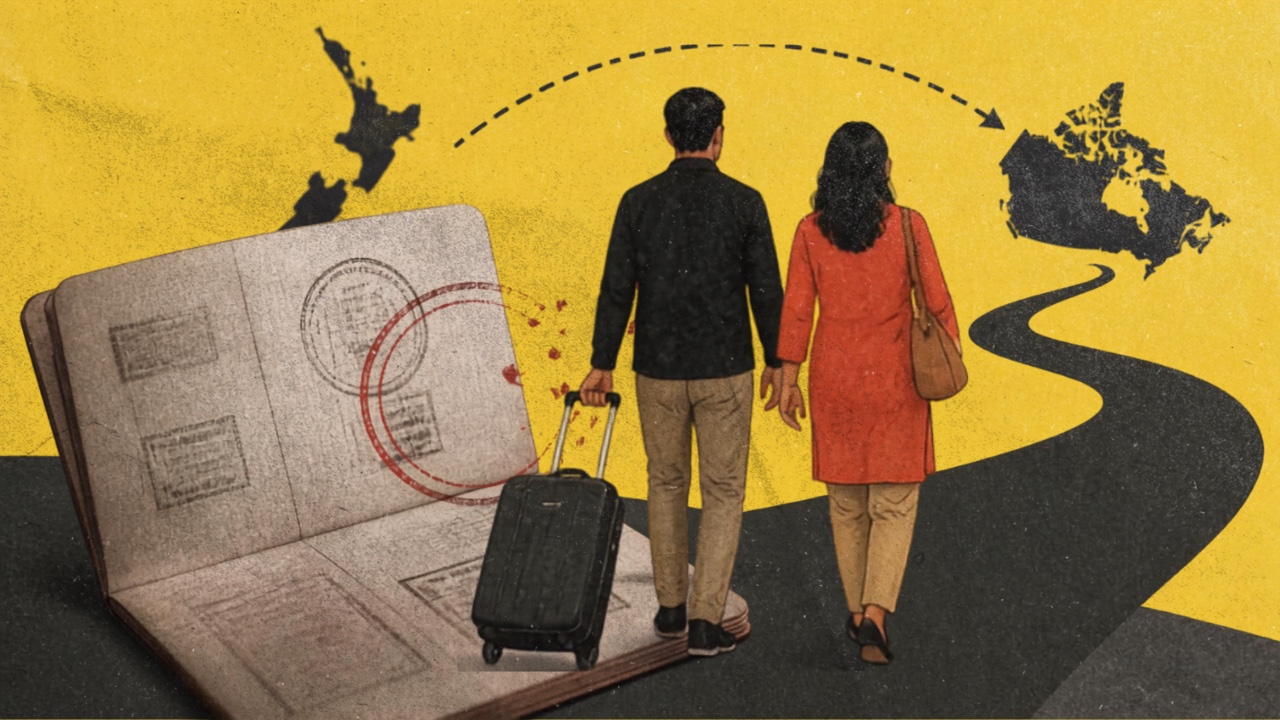
Projecting how many Indians will settle down in the country for good by 2040 directly as a result of this FTA can be quite onerous. It will require considering multiple scenarios and predicting (rather disingenuously) New Zealand's future immigration laws. But let's go with Jones' doomsday scenario.
Let's assume all the 5,000 skilled slots are filled on day one, every worker falls in Tier 1 of the skills shortage Green List, and therefore qualifies for residency on day one, and processing the residency application takes only six months. Keeping in sync with Jones' anxieties, let's also assume that 5,000 replacements arrive instantly with 100 per cent retention.
Even by that wild (and, quite frankly, implausible) assumption, the FTA will directly turn 10,000 additional Indians into residents every year. Assume that each of those 10,000 Indians brings along a spouse and two children. That makes it 40,000 additional Indians every year.
Let's assume this migrant deluge rolls in by 2027, once the agreement is signed and enforced. Extrapolating that over the next 11 years, we'd have had a total of 440,000 additional New Zealanders of Indian origin. That would mean the Indian-origin population by 2038 would be about 600,000 (StatsNZ's official estimate), plus 440,000 because of the FTA.
At 1.04 million in a total projected population of about 6.03 million, people of Indian ancestry would constitute about 17 per cent of the population by 2038. In reality, many of the new visa holders could potentially return home, so the effect on permanent population is smaller still. The incoming flood storyline seems mathematically implausible.
Social cost
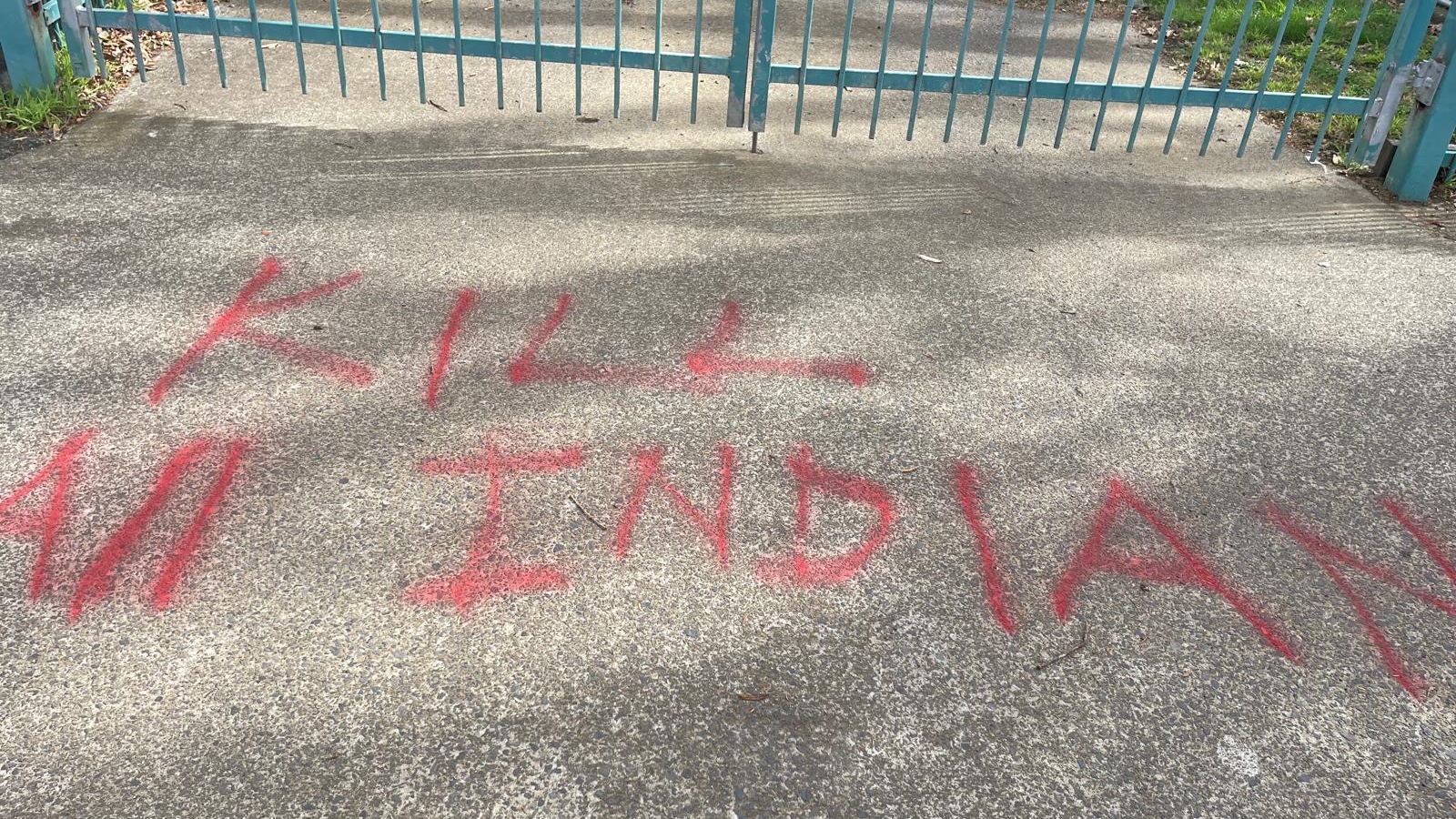
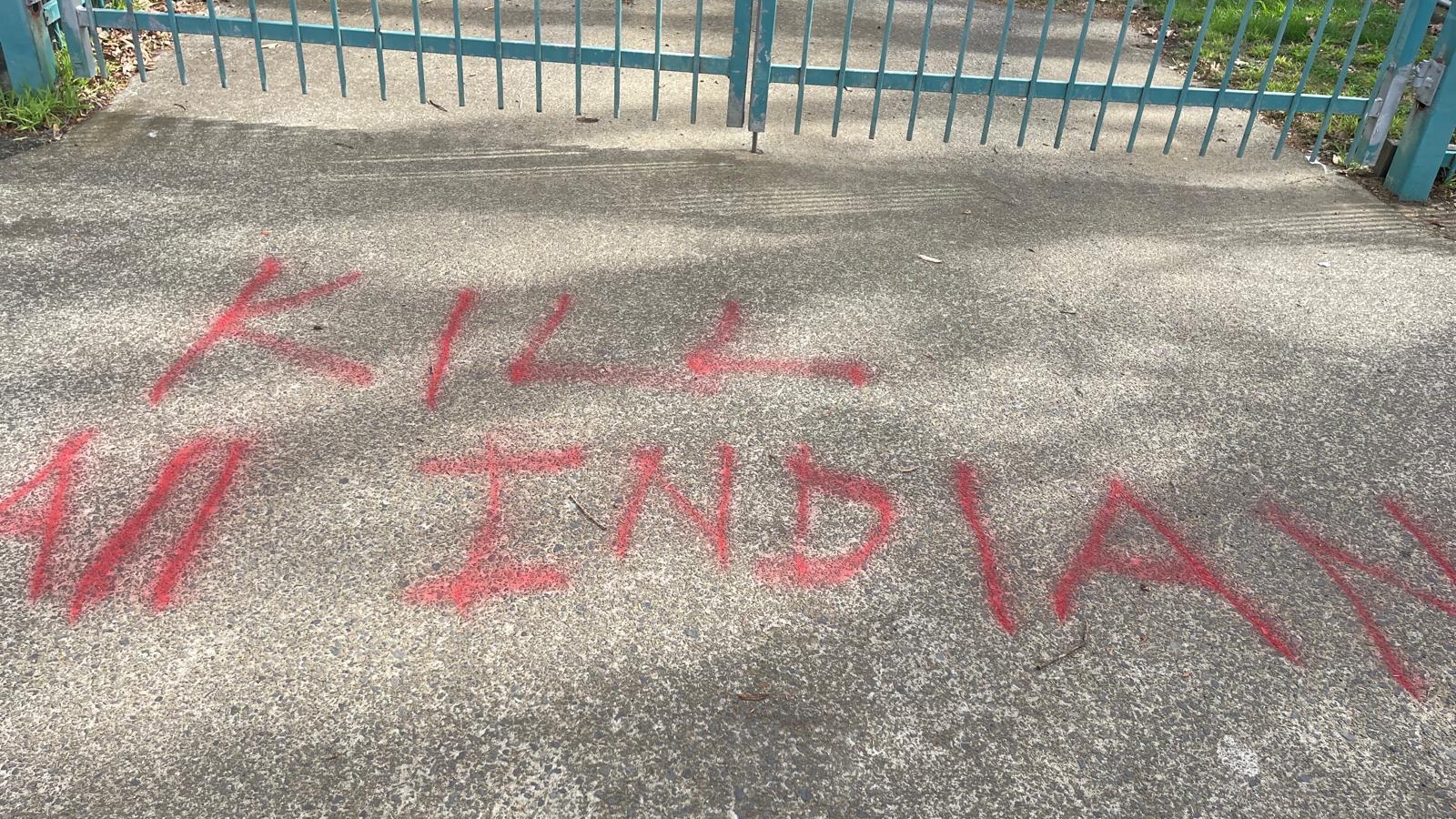
Gaslighting on immigration can often border on racism and has the potential to fuel communal friction. By singling out immigration out of India and predicting demographic dominance (even if factually suspect), Jones paints Indians as a threat. It invites suspicion against anyone with brown skin or an Indian surname. It plants the idea that Indian workers, students, and families are “tack-ons” rather than contributors.
You could give Jones the benefit of doubt, but this isn't the first time he has spewed such rhetoric. Earlier this month, he blamed Chinese migrants for the Whangaparaoa rockpool damage. In a Morning Report interview he declared “this particular problem is attributable to unfettered immigration", and talked about an “ethnic vacuum cleaner” clearing out the pools, pointing to trips advertised on Chinese-language websites.
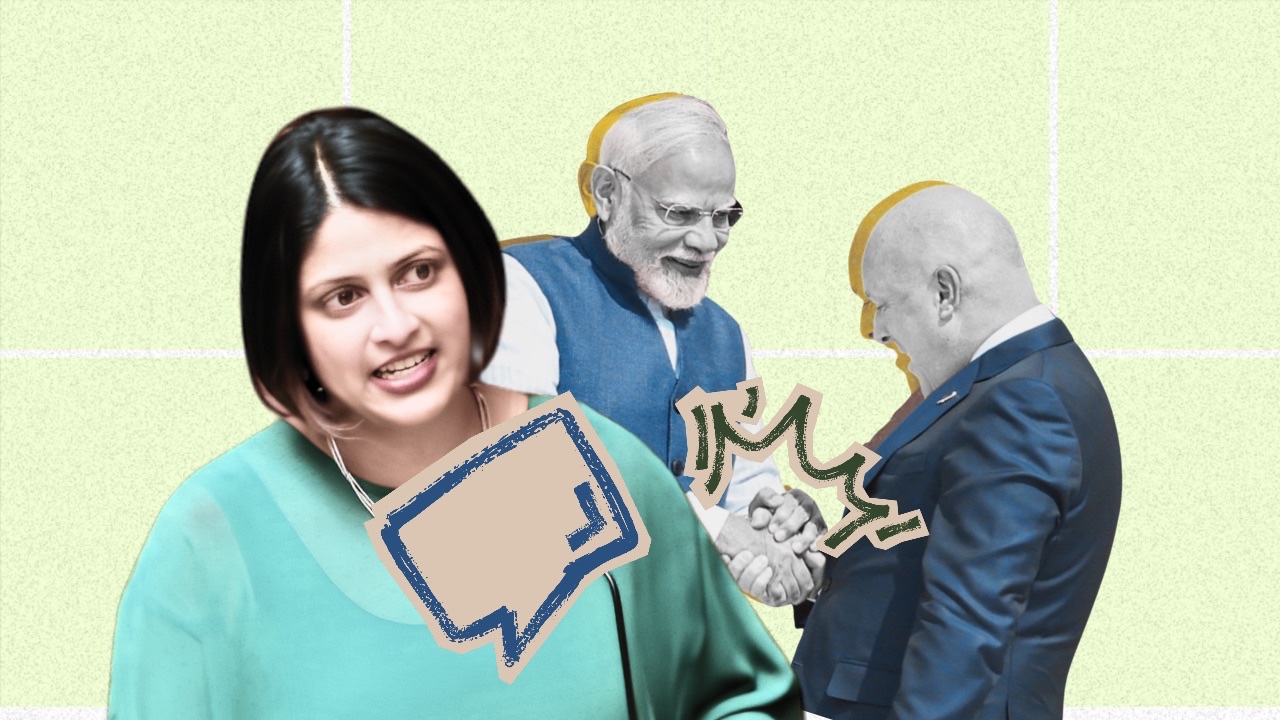
This fantastic column by The Spinoff's Eda Tang, published on January 28, points to the social risks of such political misadventures; where Tze Ming Mok, an Auckland-based researcher of race and Asian diaspora, points out the rockpool debate should be about collaboratively managing resources, not unleashing “ugly racist rhetoric” that calls for deportations and violence.
“It’s always the same kind of rhetoric. It’s the idea of the Chinese in particular as pestilential, as a creeping kind of disease here to eat and consume,” she said, before warning, “What that really risks is violence… there’s a real risk of authority figures inciting hate crimes against Asians.”
Shane Jones’ numbers are wrong. The FTA cannot deliver the flood he predicts. He can hypothesize an Indian migrant apocalypse all he wants, but really it's just gaslighting. And when gaslighting targets a specific ethnic group, it edges into risky territory.