
New Zealand cuts visa fees for Pacific visitors. Other migrants are wondering why
From June 2026, visitor visa fees for Pacific nationals will fall from $216 to $161 under a one-year trial.
When visa costs fall elsewhere while remaining high for others, migrants inevitably notice.
Opinion: Two immigration stories emerged last week that, at first glance, seemed unrelated. One was Immigration New Zealand’s (INZ) decision to reduce visitor visa fees for travellers from Pacific countries. The other highlighted the growing economic importance of migrants.
One story is about foreign policy. The other is about economic contribution. Together, they raise a more complicated question about how immigration policy is experienced in a country increasingly shaped by migration.
Pacific neighbours can travel to New Zealand for less


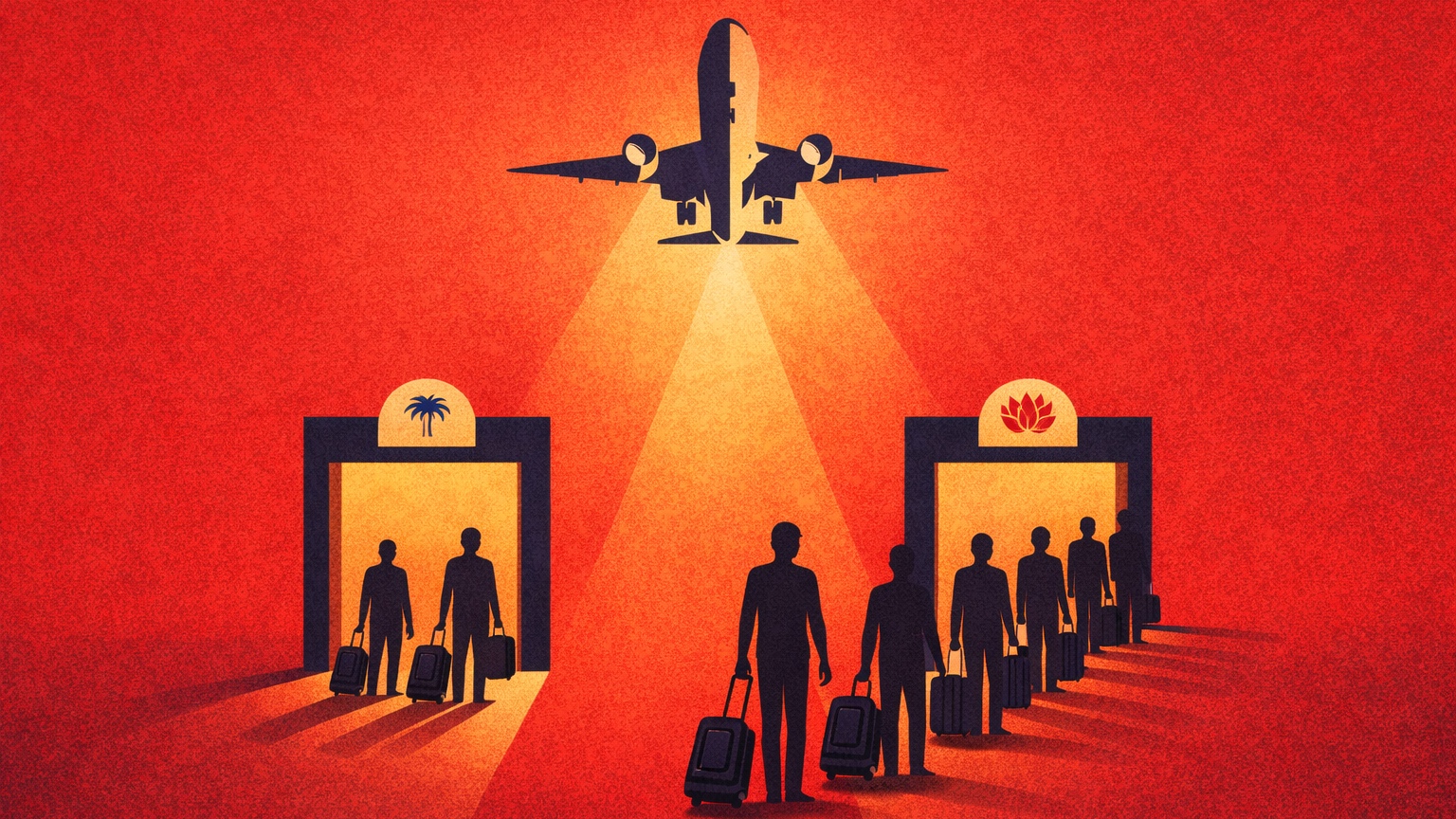
From June 2026, visitor visa fees for Pacific nationals will fall from $216 to $161 under a one-year trial. By comparison, visitor visas for most other countries, including India and much of Asia, remain about $441.
Migrants rarely compare visa settings with foreign policy goals. They compare what their parents paid last year with what someone else pays now. That is how immigration policy becomes personal.
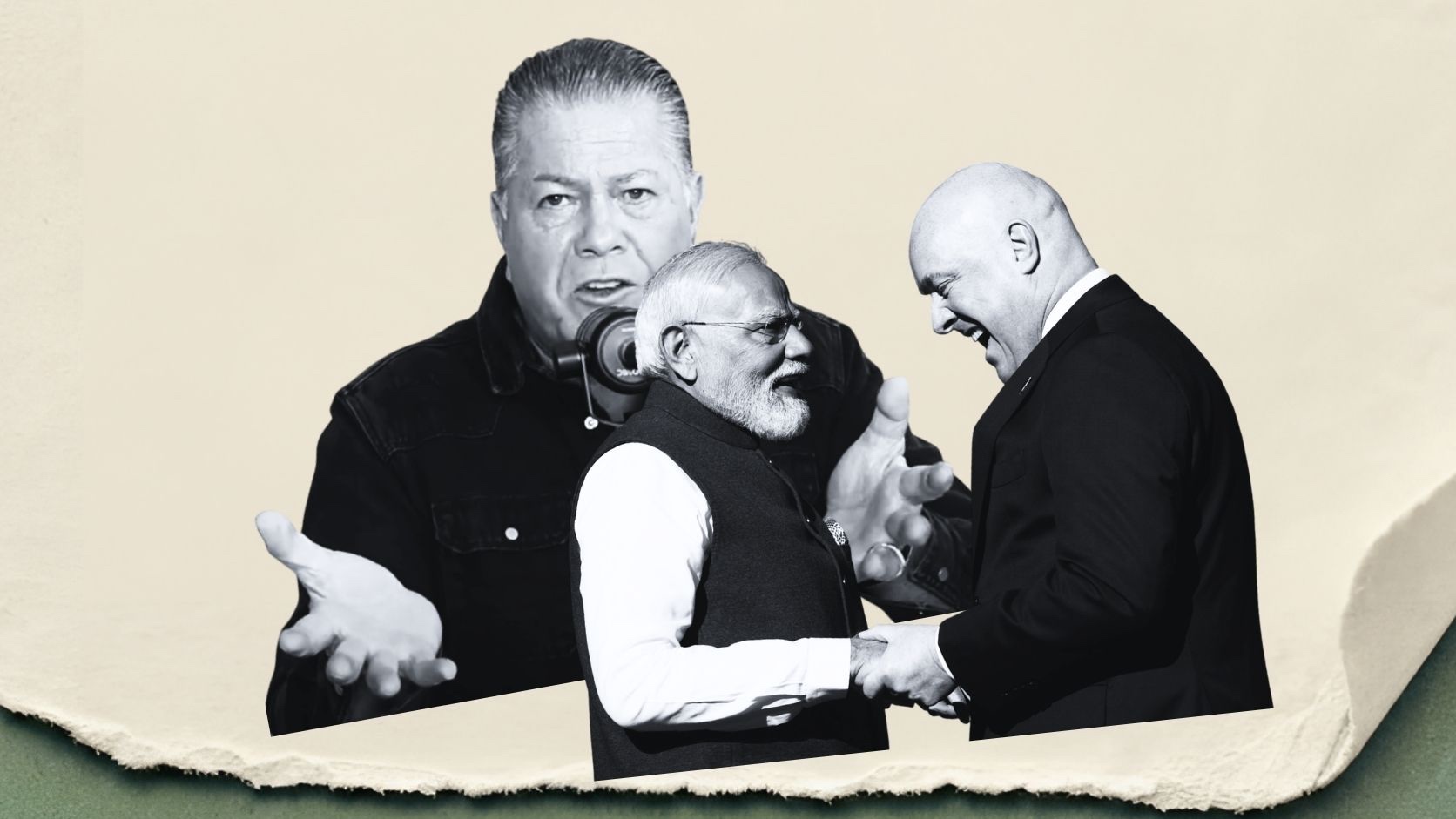
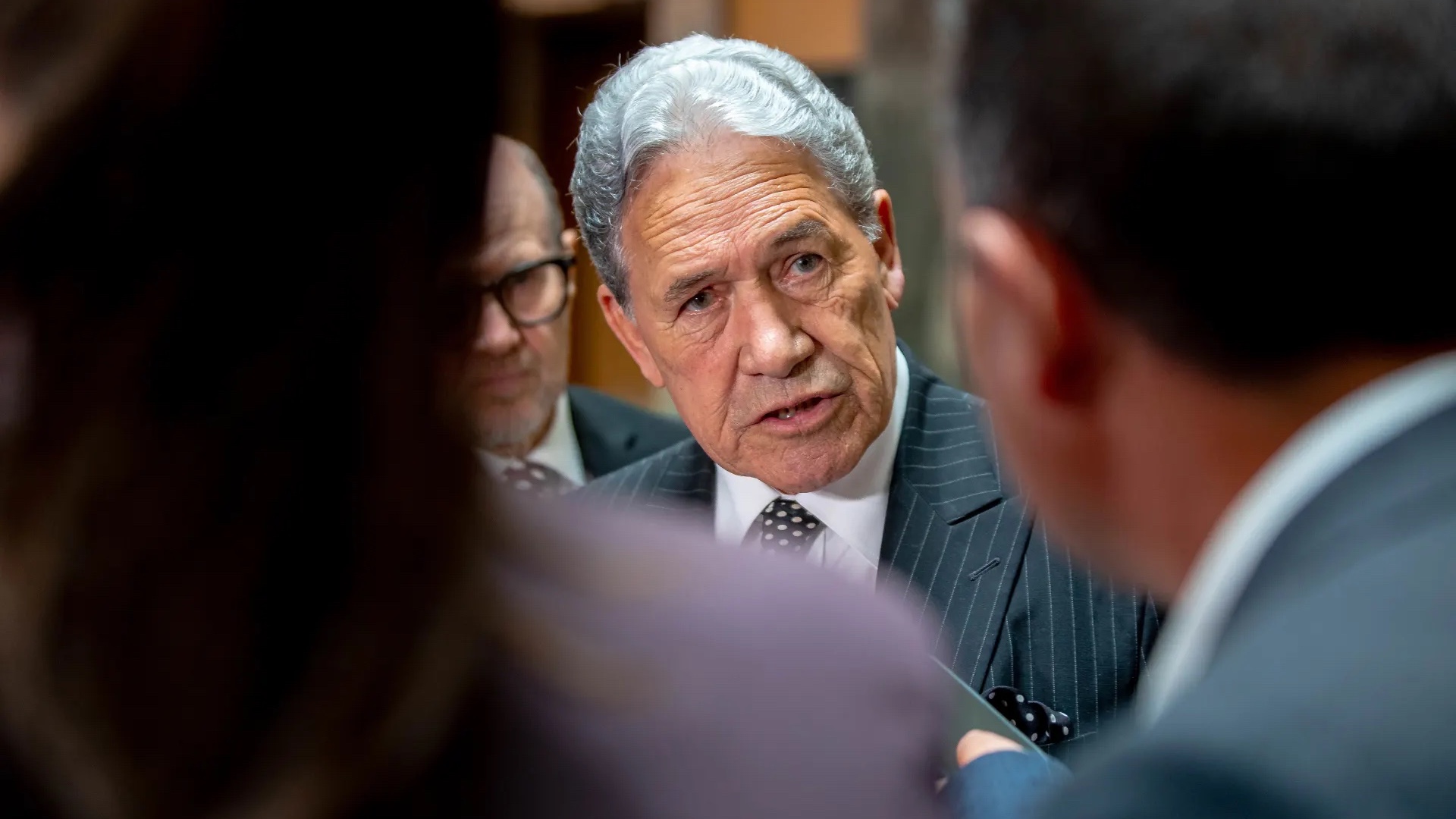
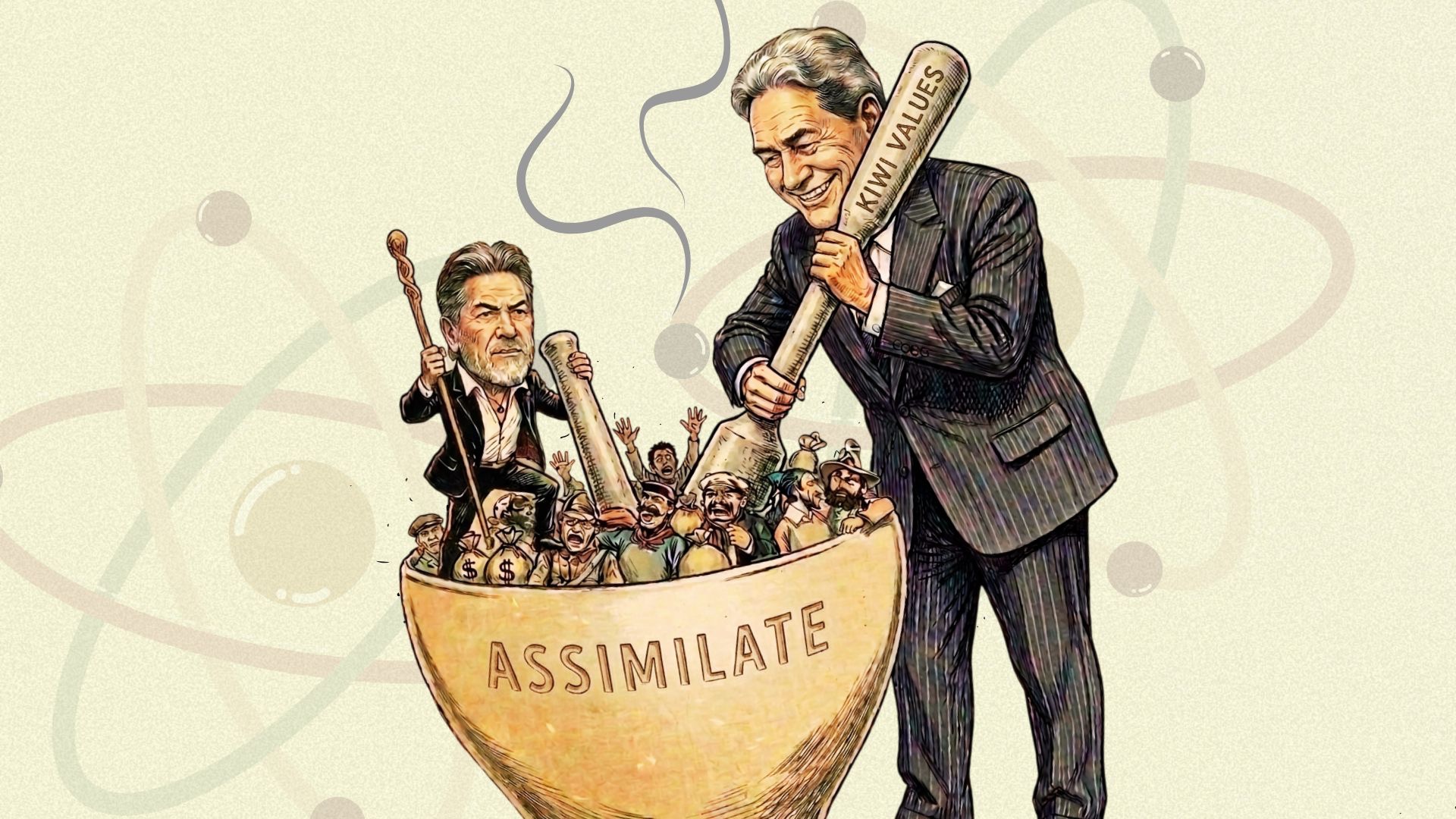
NZ First wants to end birthright citizenship for children of migrants, work rights for students "This set of polices is about taking back control of the future of our country and valuing our unique citizenship the way it should be."
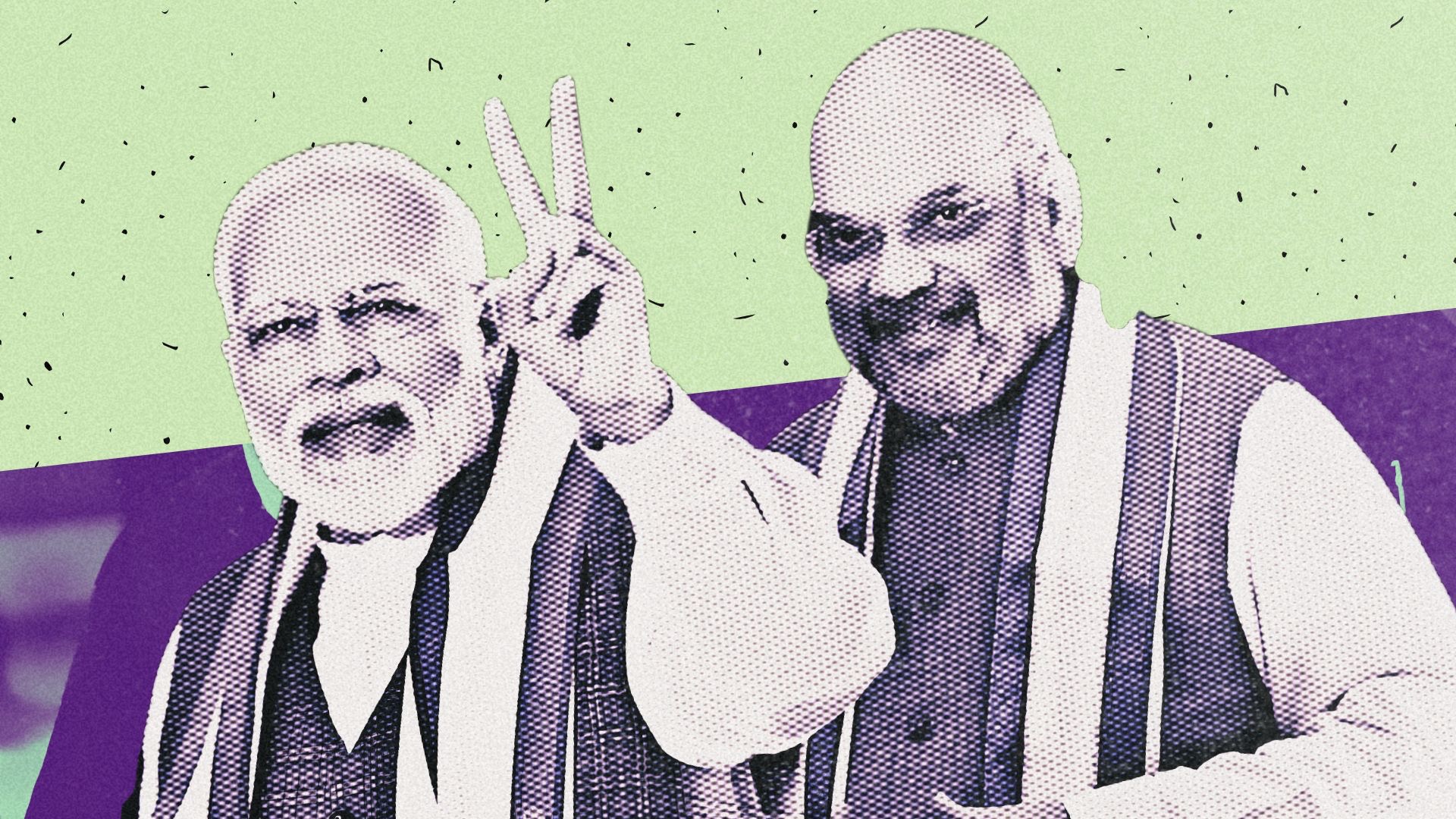
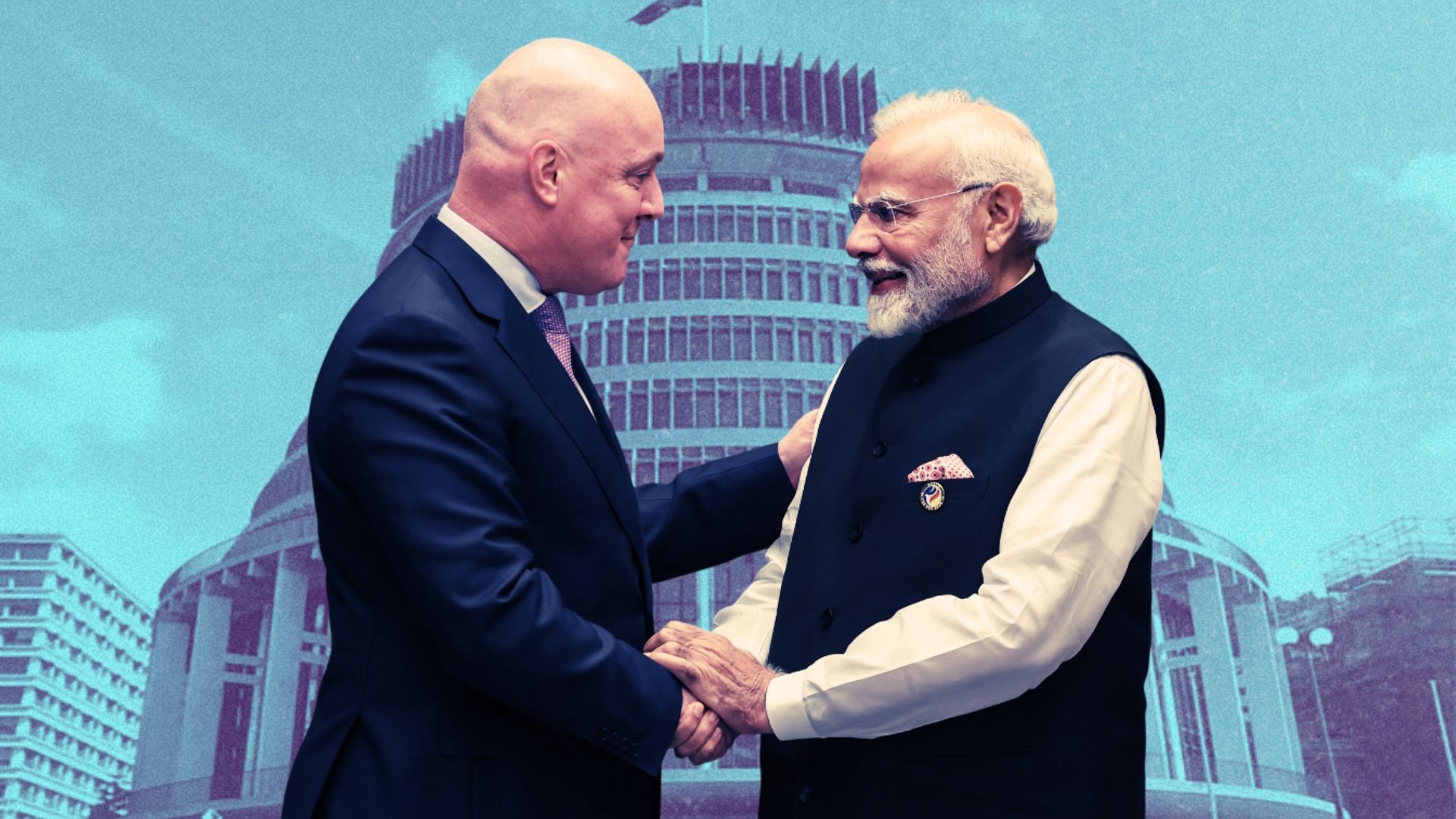
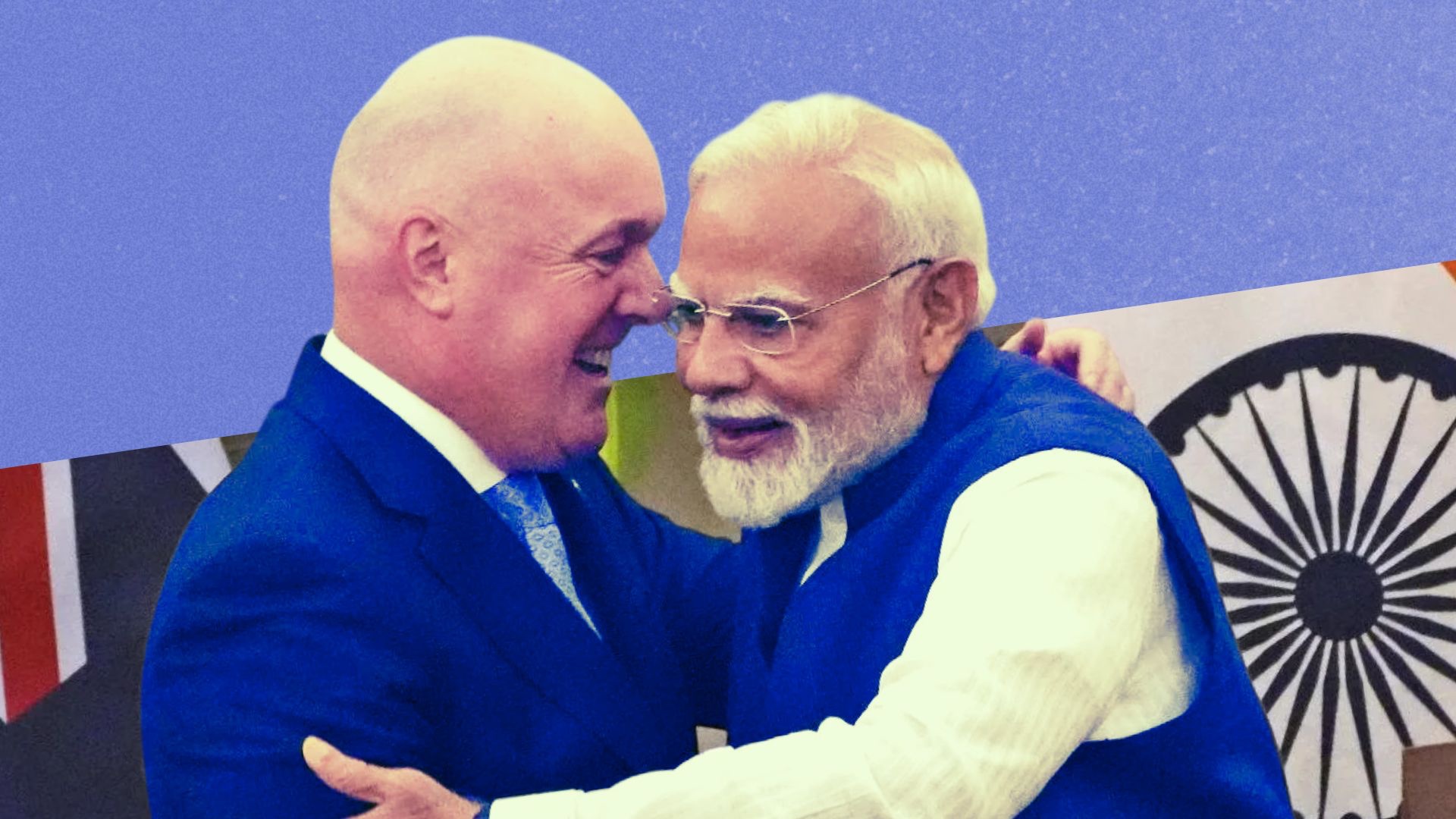
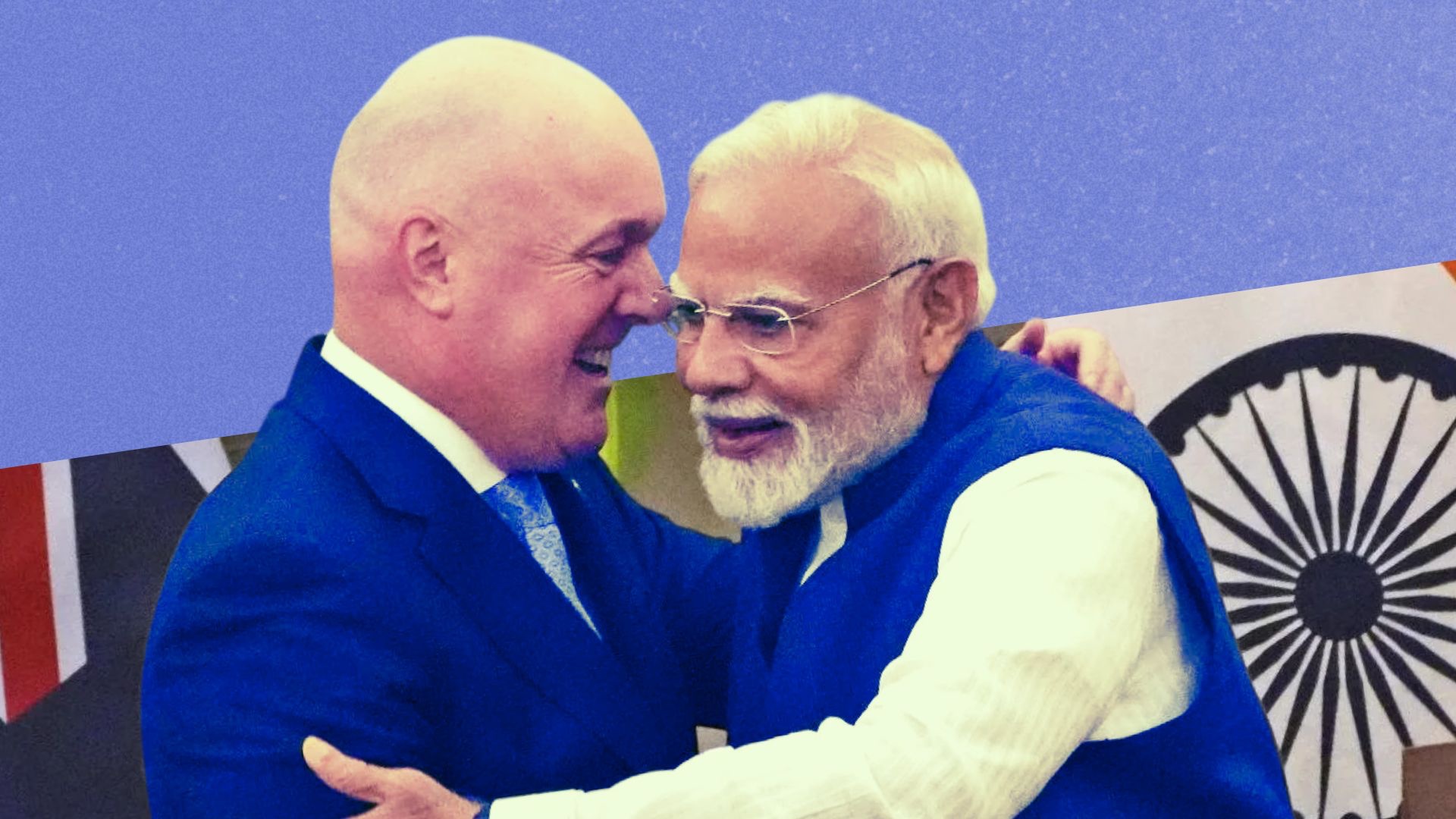
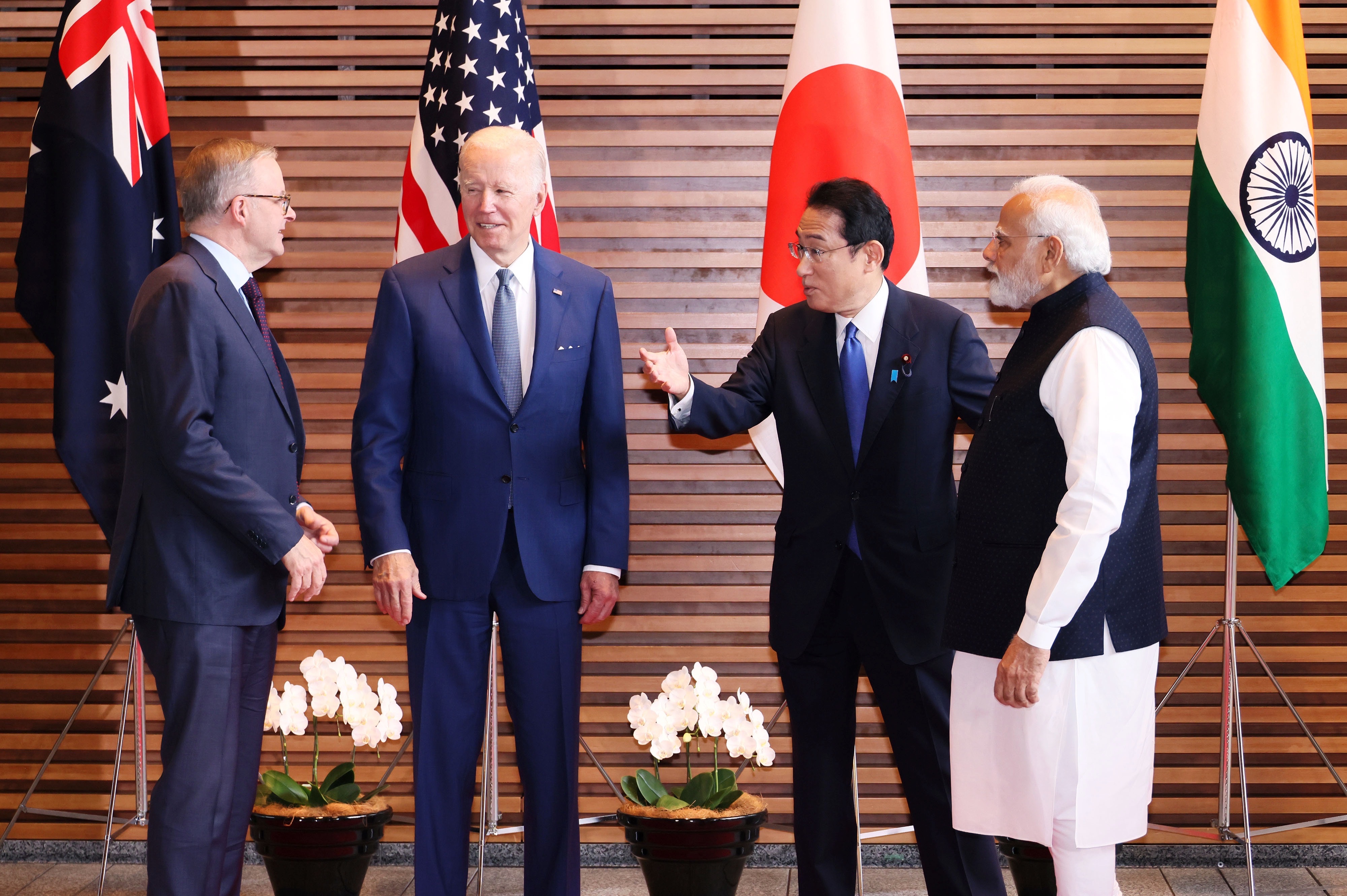
India-NZ FTA gets select committee nod, stage set for anticipated October launch “If that is the case, how exciting is that for New Zealand. Exciting, isn’t it?”
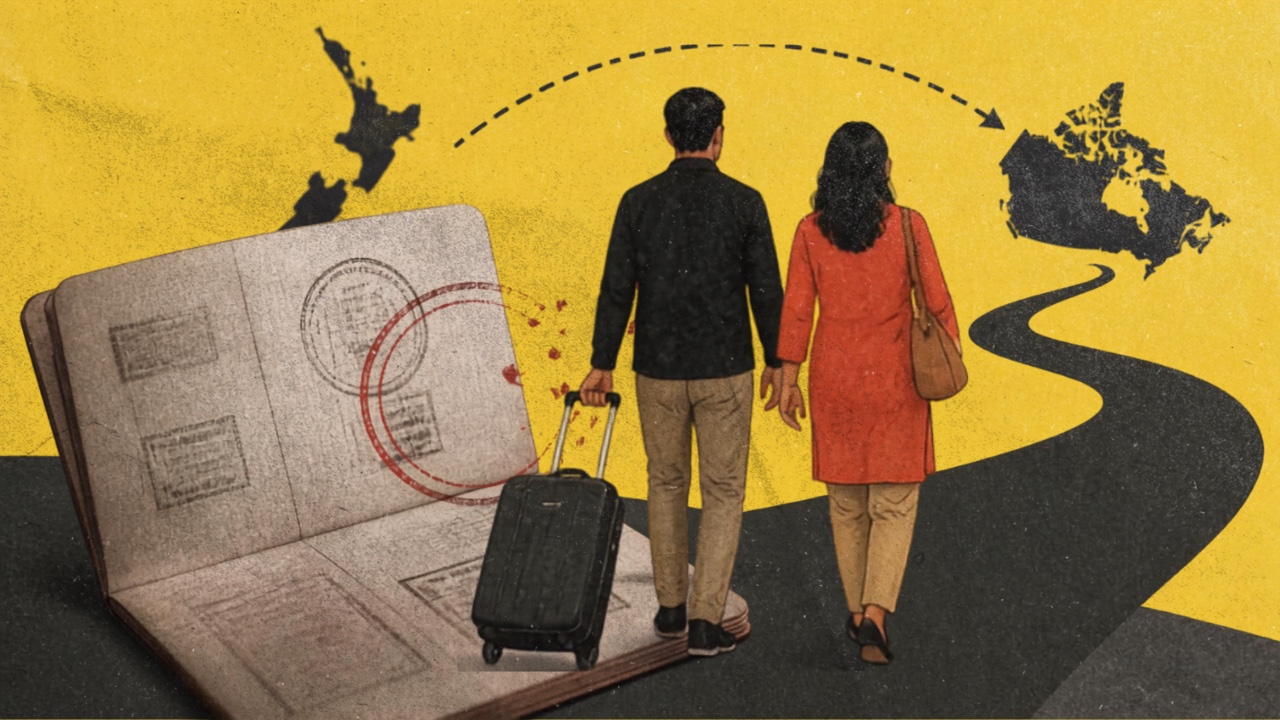
‘Huge mistake’: Indian couple lose New Zealand residence while living in Canada The family had a second shot at applying for permanent residency but they were late by less than a month.
Why the government is doing this
The visa reduction sits within New Zealand's broader Pacific Reset strategy. Since 2018, the foreign ministry has framed this as strengthening diplomatic relationships, expanding development cooperation and deepening people-to-people connections across the region.
At its core is a simple geopolitical reality. New Zealand sees itself not just as a country near the Pacific but as part of it. Maintaining influence in the region has become more important as geopolitical competition increases.
Seen this way, visa pricing becomes part of a broader diplomatic toolkit. Lower visa costs are not simply an immigration concession. They are a signal of regional partnership.
Countries routinely align immigration access with foreign policy priorities. New Zealand is doing what many other countries already do. Strategically, the decision is easy to explain.
The other migration reality
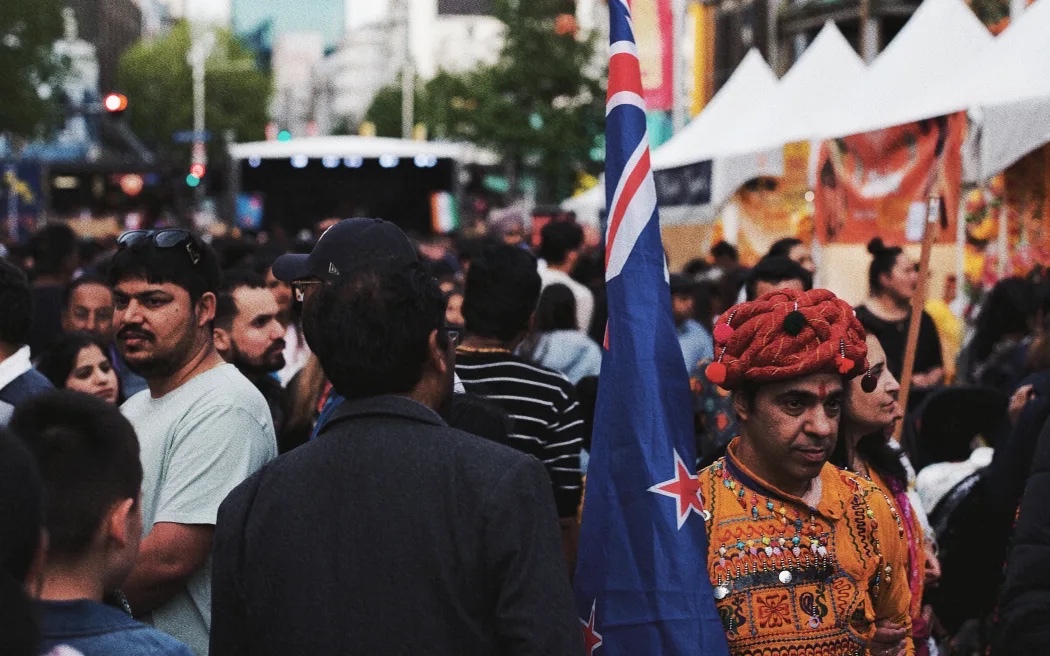
The second story this week explains why perception matters. A new government report shows ethnic communities contributed about $50 billion to Auckland's GDP in 2023, representing roughly one-third of the city's economy.
These communities also make up about 42 per cent of Auckland’s population. This is not a marginal statistic. It shows migration is central to Auckland’s economic structure.
Many migrants, particularly Asian migrants, do not see themselves as beneficiaries of immigration policy. They see themselves as contributors to the country’s economic success. Contributors often evaluate fairness differently.
The question becomes less about what they receive. It becomes whether the system recognises their contribution fairly.
The fee increases many migrants still remember
Part of the sensitivity around the Pacific decision lies in timing. Visa fees increased significantly last year as the government moved toward a cost-recovery model. That's the official lingo for making the user pay for services they benefit from.
Visitor visa fees rose from roughly $341 to about $441. The International Visitor Levy increased from $35 to $100. For many migrants, the cost of bringing family members rose substantially in a short period.
Most migrants worked around their travel plans, but adjustments do not erase memory. When visa costs fall elsewhere while remaining high for others, migrants inevitably notice. Not because they oppose Pacific engagement, but because they remember their own increases.
From a migrant perspective, some communities pay more while others pay less. Families naturally compare outcomes and questions about fairness follow.
Trust in diverse societies depends as much on perceived fairness as on policy logic, and immigration policy operates not just at the border but very much inside communities.
Why Asian migrants may feel this more strongly
Different migrant communities experience immigration policy differently. Asian migrants often enter through competitive skilled pathways and invest heavily in education and migration costs.
They frequently build businesses and maintain strong transnational family connections. Migration is often seen as something earned through effort.
When policy differentiates between groups for strategic reasons, some migrants may struggle to reconcile that with a merit-based understanding of migration. This rarely produces public anger, but often leads to quiet unease.
The politics of quiet dissatisfaction
Dissatisfaction among migrants rarely emerges dramatically. It tends to develop slowly and privately. Many migrants prioritise stability over political confrontation.
But they observe closely. Over time, perceptions of inconsistency can shape trust in institutions. New Zealand has historically benefited from relatively high migrant confidence in its systems.
Maintaining that trust increasingly requires not just sound policy but careful explanation. Migrants rarely expect special treatment. They do expect consistency.
Immigration policy as domestic policy
As New Zealand becomes more diverse, immigration policy increasingly affects residents already here. Most visa applications now involve sponsors living in New Zealand.
Parents visiting children, spouses joining workers and relatives attending family events all mean visa policy shapes domestic social cohesion. Immigration is no longer just border management. It is diaspora policy.
That means communication matters as much as policy settings. Explaining why differences exist may matter as much as the differences themselves.
None of this means the Pacific visa decision is wrong. Strategically it may be necessary, but modern immigration systems require something beyond technical correctness.
They require narrative clarity about how decisions fit into the broader migration story.