
Did NZ’s sweeping health reforms deliver on their promise? Three years on, the verdict is mixed

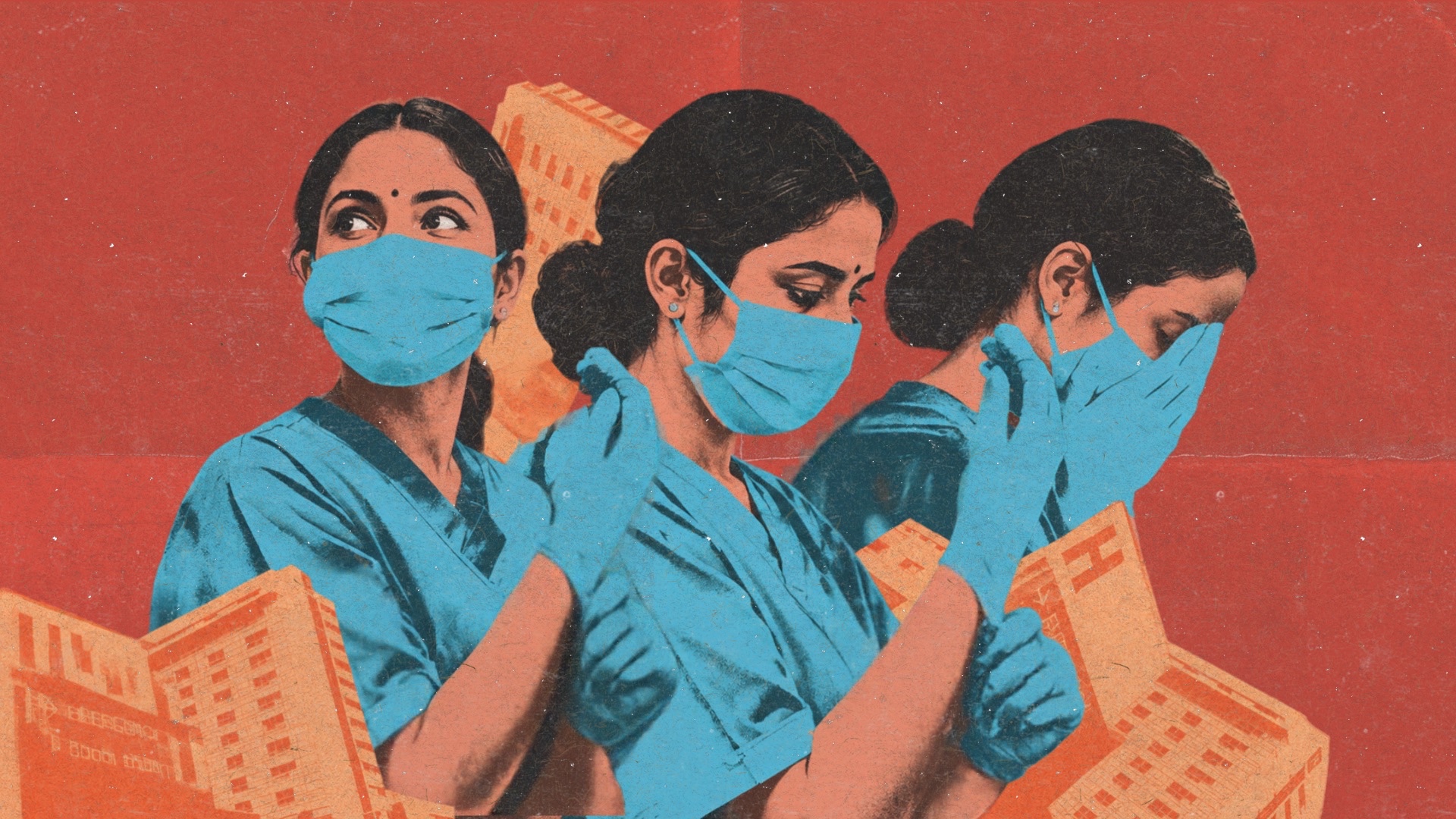
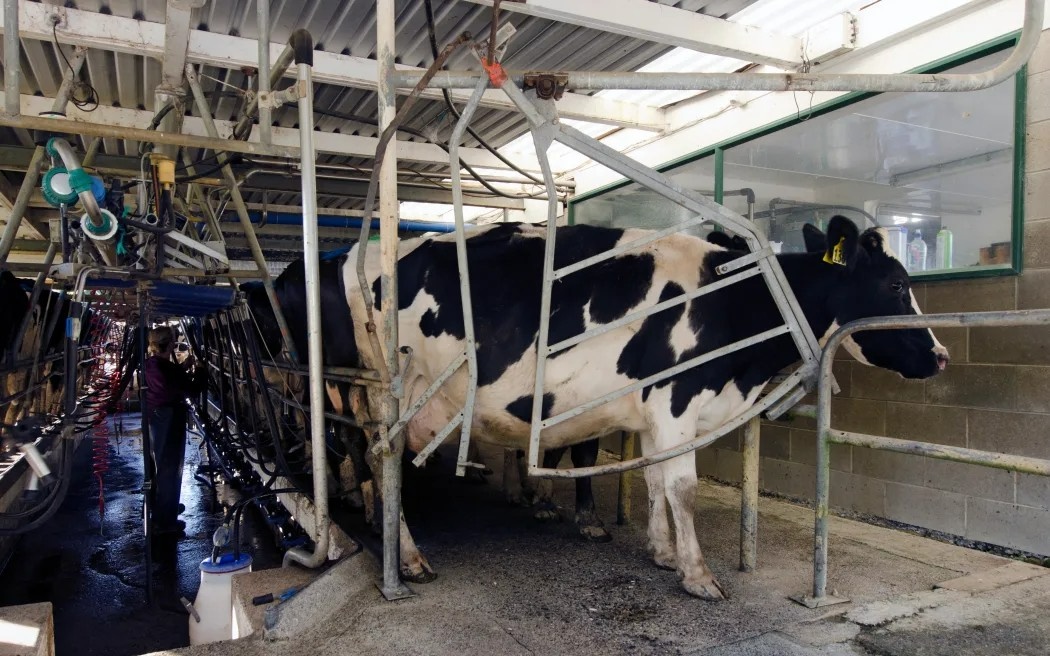
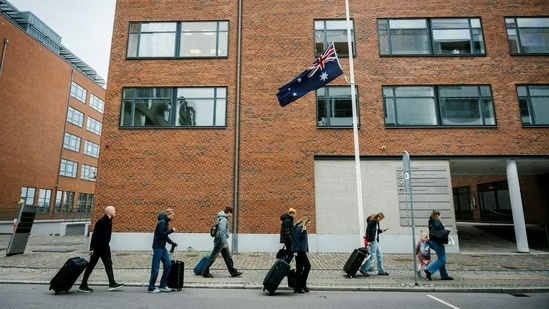
The future of NZ's health reforms now depend as much on politics as on policy. (File photo/123rf)
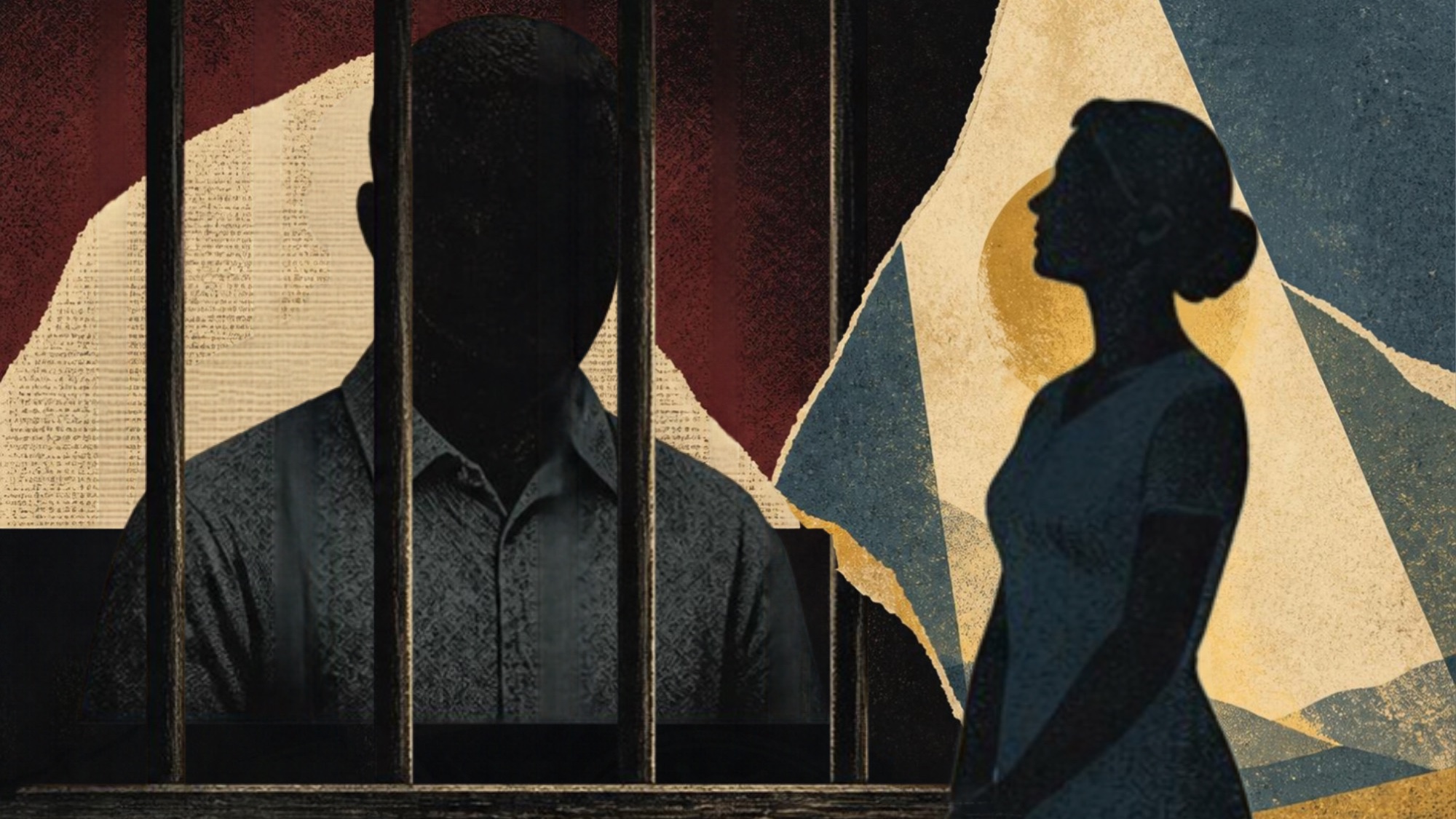
Once billed as a once-in-a-generation health reset, the Pae Ora reforms promised equity and consistency. Three years on, this analysis looks at what changed and what didn’t.
When the former Labour-led government unveiled the Pae Ora (Healthy Futures) reforms in 2022, it billed them as the biggest shakeup of New Zealand's health system in a generation.
The sweeping overhaul promised to end chronic fragmentation and narrow postcode-based gaps in care, and to tackle long-standing health inequities.
Three years on - and with a change in government - what can we say that it delivered?
We explored this question in a soon-to-be-published analysis and found that the picture is mixed. While national co-ordination has improved crisis response and planning, everyday access to primary care - especially GP appointments - has become harder for many people.
The shift in political direction has also revealed a deeper lesson: structural reform can build capacity, but without durable political consensus and clear accountability, any gains in equity remain fragile.
What did the reforms actually change?The reforms replaced 20 district health boards with a single national organisation, Health New Zealand, and created a Māori Health Authority to embed Treaty-based governance and commissioning.
It was a major milestone in New Zealand, recognising Māori leadership in the health system and te Tiriti partnership. The aim was straightforward. A more centralised system could plan better, respond faster in crises and deliver more consistent services across the country.
In some respects, we found the reforms have worked. Central co-ordination has strengthened winter planning, workforce pay equity, procurement, and the ability to move patients and resources across regions during periods of pressure.
During major weather events and seasonal surges, such as Cyclone Gabrielle in 2023, the health system has been better able to function as a single, coordinated entity rather than a collection of disconnected local services.
Nonetheless, these improvements have not translated into better access to everyday primary care, leaving a gap that is now at the centre of public concern.
General practice has become the front line test of whether the reforms are working, and the 2024 decision to disband the Māori Health Authority has added a further stress test of the system's resilience.
According to the 2025 Health Quality & Safety Commission survey, about one in five adults could not get care from their regular GP or nurse when they needed. This was mainly due to long waits, staff shortages or clinic closures.
Delays at the primary care level push more people into emergency departments, increasing pressure on hospitals. Low-income groups, especially Māori and Pacific communities, are particularly affected, reflecting the ongoing inequities the reforms aimed to address.
While some health indicators have improved after the reforms, access to primary care remains uneven, with affordability and availability continuing to determine who receives timely treatment.
These figures make GP access a key indicator of whether the system is delivering on its promises.
More specifically, this pattern exposes a key limitation of the reforms: centralisation can improve coordination, but it does not guarantee accessibility, affordability or a sustainable funding model for general practice.
In other words, the levers that shape people's everyday experience of the system were never fully addressed.
Why GP access remains the real testThose issues sit largely outside the structural changes of 2022 reforms, yet they shape how people experience the health system day to day.
Equity was meant to be a central defining feature of the reforms, particularly through the establishment of the Māori Health Authority.
The objective was to provide authority to Māori people in health policy-making, commissioning services, and shaping their priorities. However, the decision to disestablish the Māori Health Authority in 2024 highlighted a core challenge in New Zealand's health reforms.
Supporters argue that a single system improves efficiency and clarity. Critics argue it shows equity was never securely embedded but remained politically contingent.
The Waitangi Tribunal found the Crown failed to meet its Treaty obligations in the way the authority was revoked.
Regardless of one's political stance, the removal of this authority exposes a deeper problem: reforms based on contested governance, without broad political backing, are always at risk of being reversed.
Consequently, the change of government has exposed how fragile reform can be when it lacks bipartisan backing and durable accountability mechanisms. When governance arrangements shift with each election cycle, continuity suffers, and so does public trust.
None of this means the 2022 reforms were misguided. They responded to real and well-documented problems.
The pre-reform system was more fragmented, inconsistent and often confusing for patients and providers alike. Centralisation has reduced duplication and improved national oversight in ways that were difficult under the old model.
However, the past three years show that structural reform alone does not guarantee equity or access. Health systems transform slowly, and outcomes are shaped more by funding, workforce capacity, incentives and political stability than by organisational charts.
For most New Zealanders, the success of the reforms will not be judged by how well agencies align at the centre, but by whether they can see a GP when they need one, afford that visit, and avoid ending up in hospital as a result.
On that measure, the reforms remain unfinished, and their future now depends as much on politics as on policy.
(This story was first published by The Conversation)