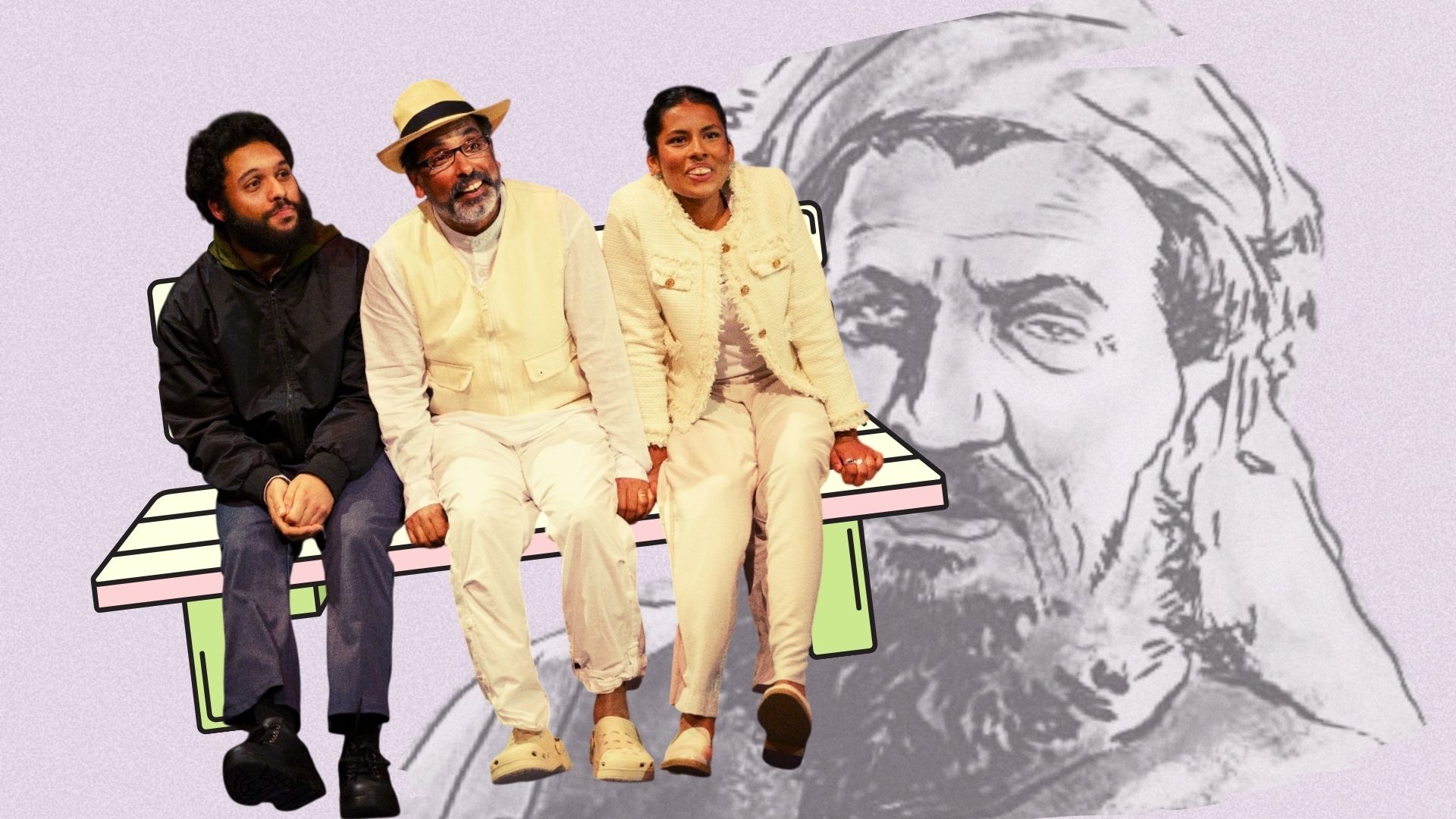

Ramadan in New Zealand: 1 month, 3 generations, many changes
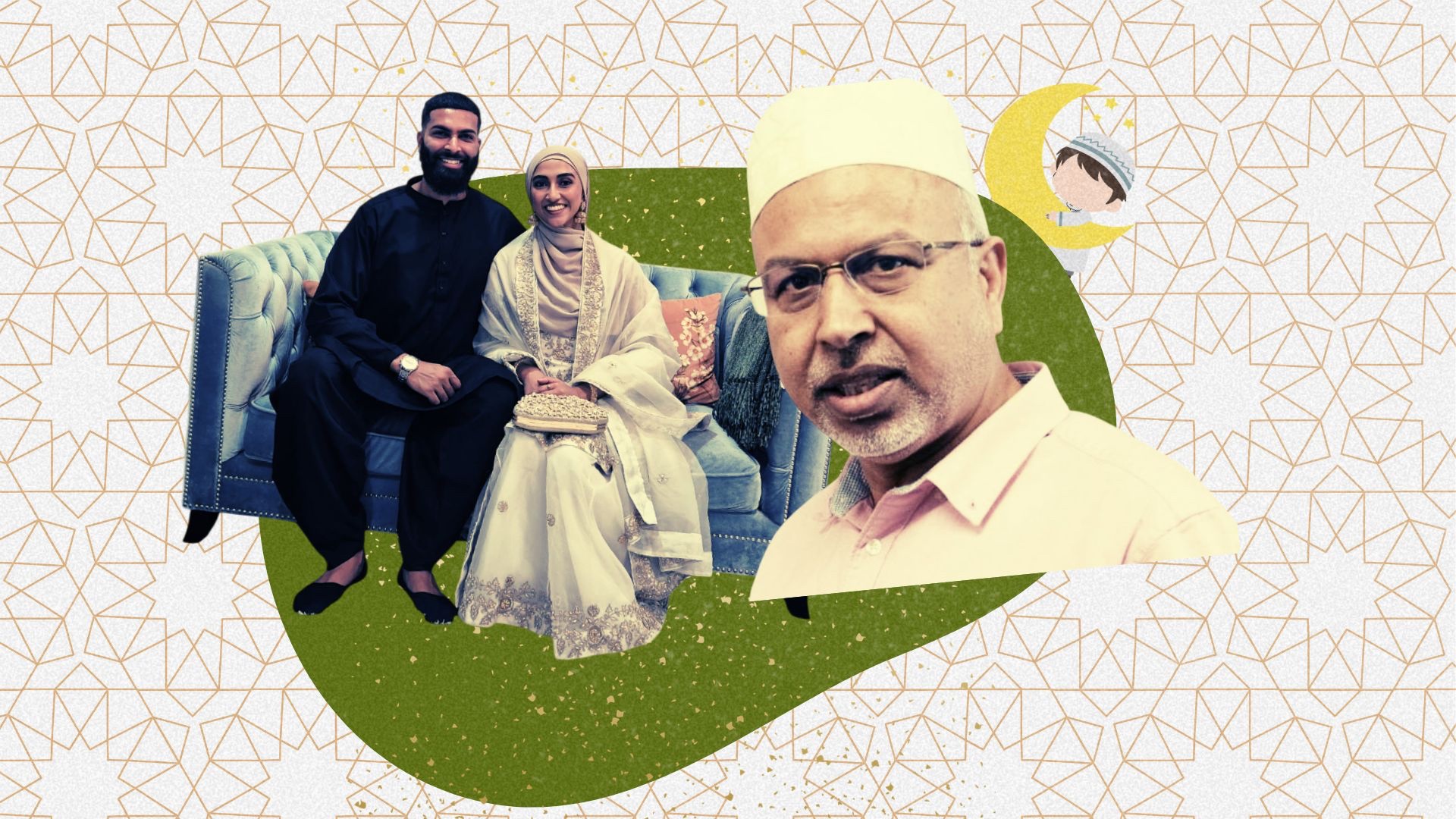
For many Muslims living in New Zealand today, Ramadan festivities are supported by mosques, halal restaurants and thriving communities.
During early years, there weren't any large community iftars, no organised mosque programmes and very few halal food options.
When the first sliver of the moon appeared in the New Zealand sky this year, Yahya felt something he hadn’t expected; an ache somewhere between memory and longing.
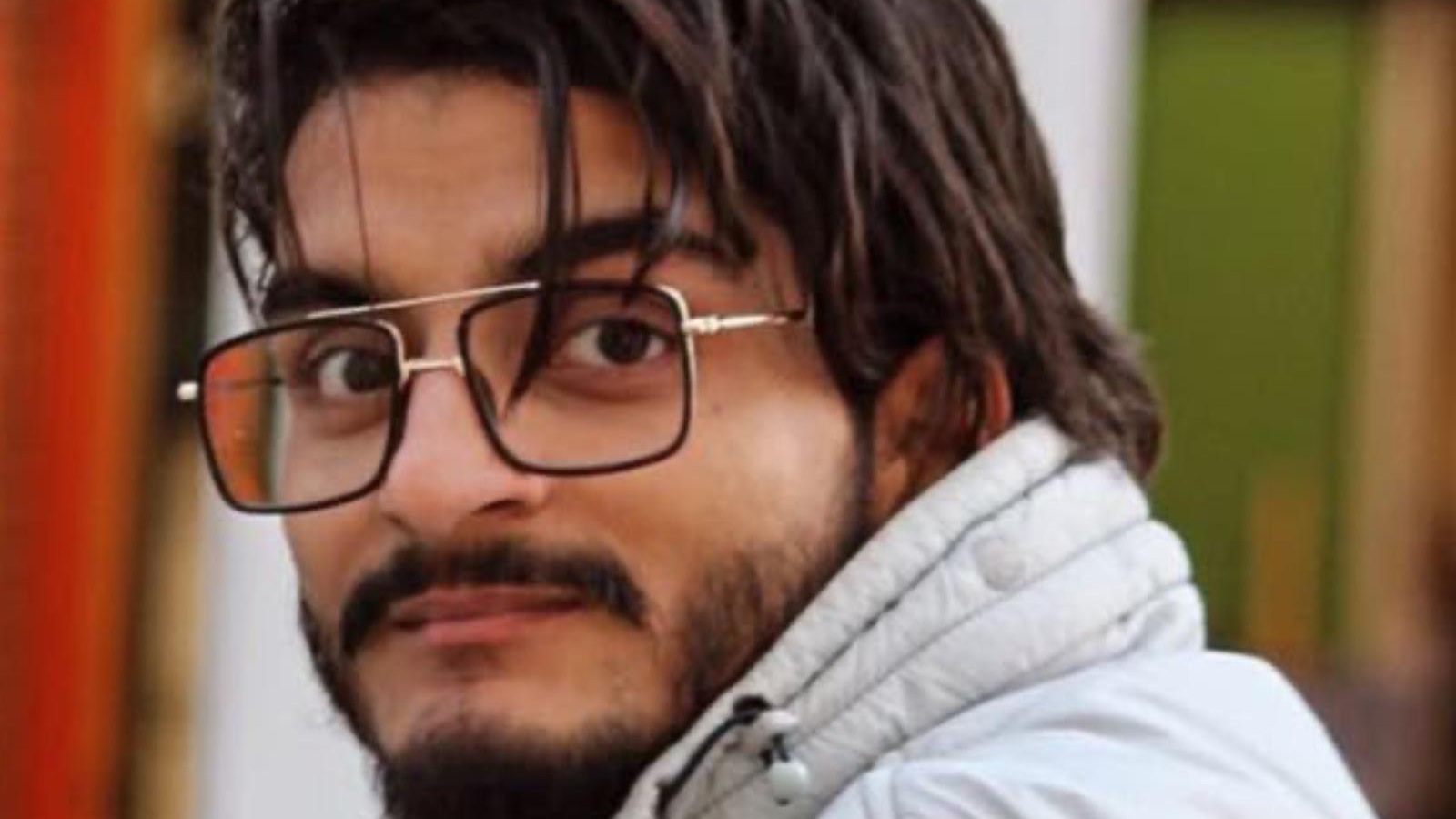
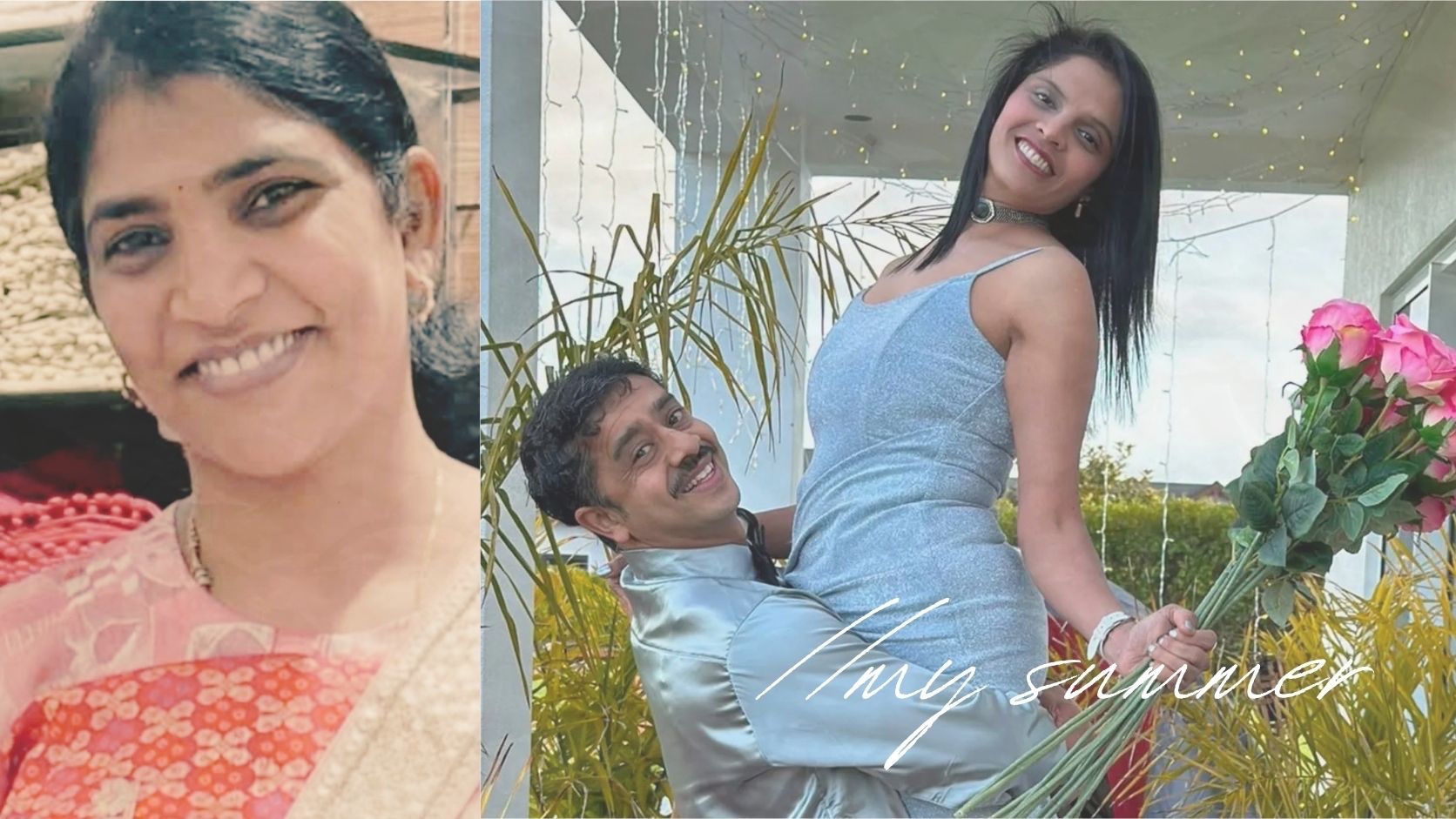
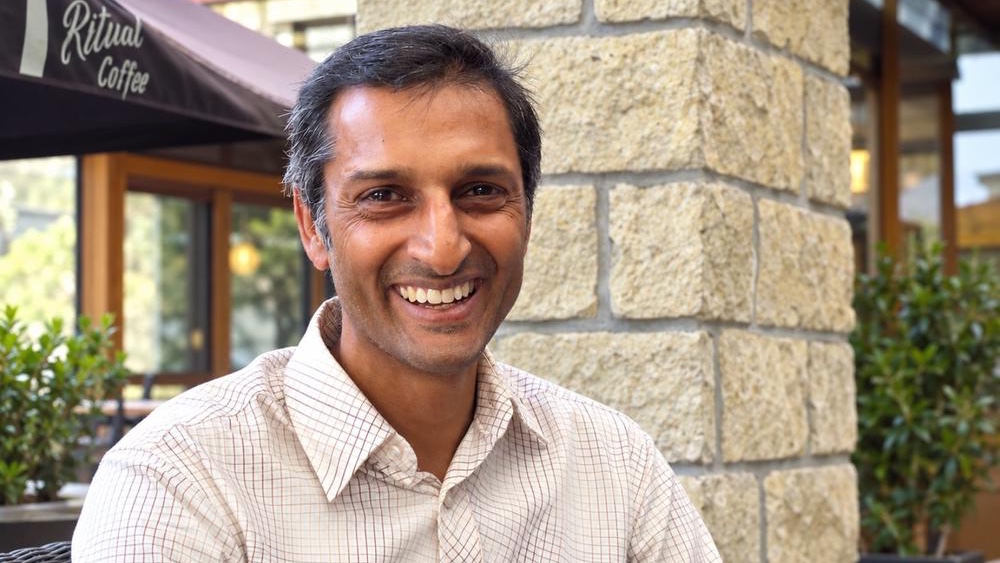
Mohammed Yahya Shameem, moved to New Zealand two years ago and now works as a Project Support Specialist at Entelar Group, living with his little family in Auckland.
It wasn’t the silence that caught him off guard. In fact, he laughs at the common belief that Aotearoa is quiet. "People think New Zealand is peaceful and empty," he says. "But the Fijian community here is big. The vibes are still there. You hear familiar accents, greetings, the same jokes."
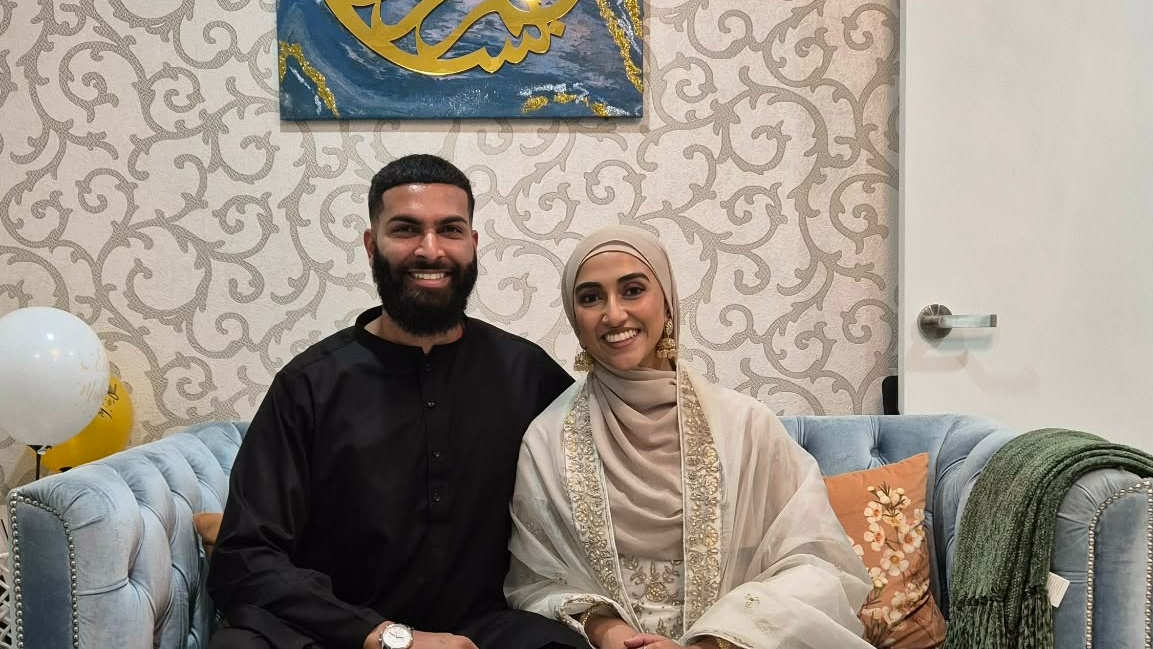
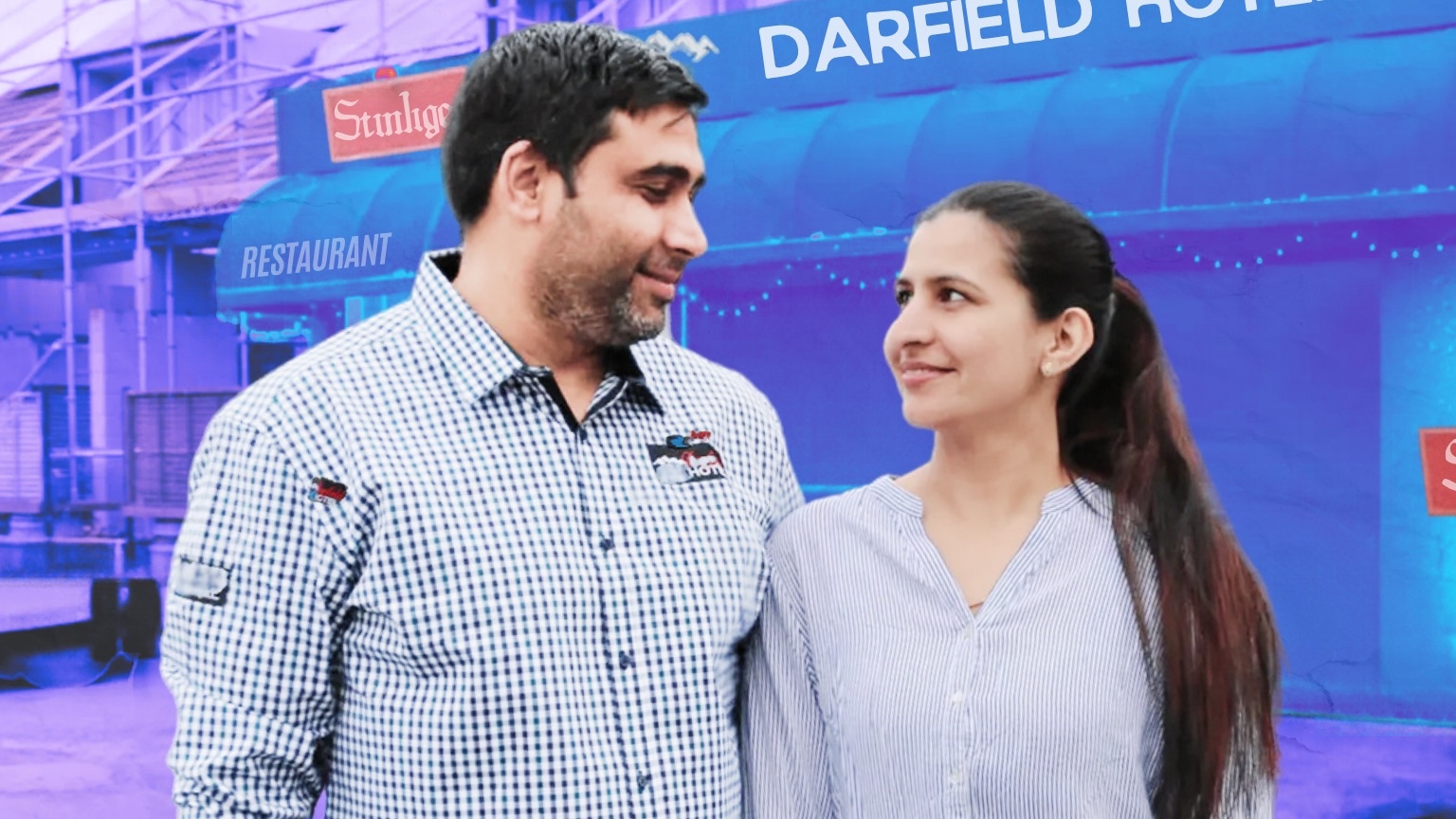
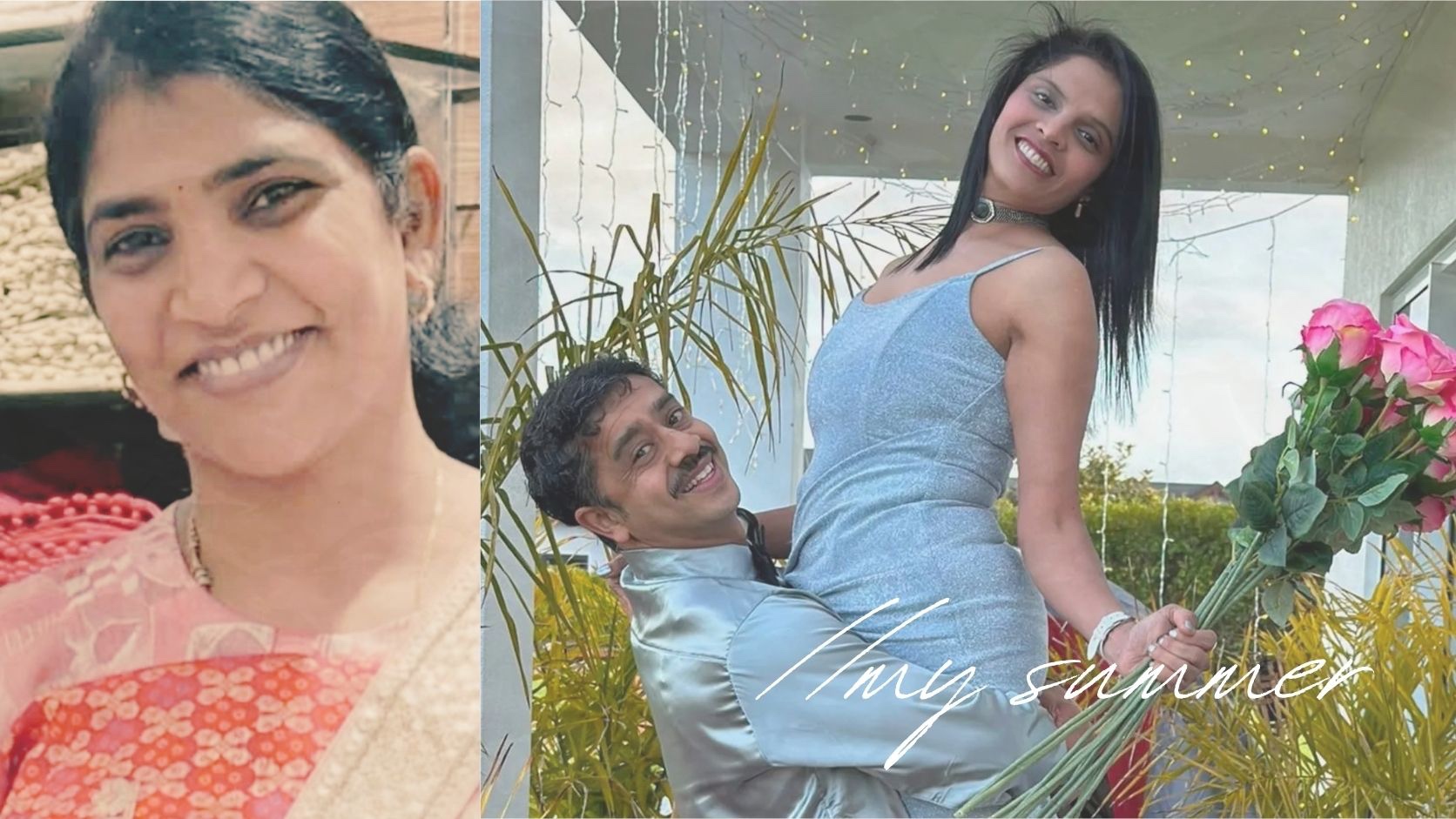
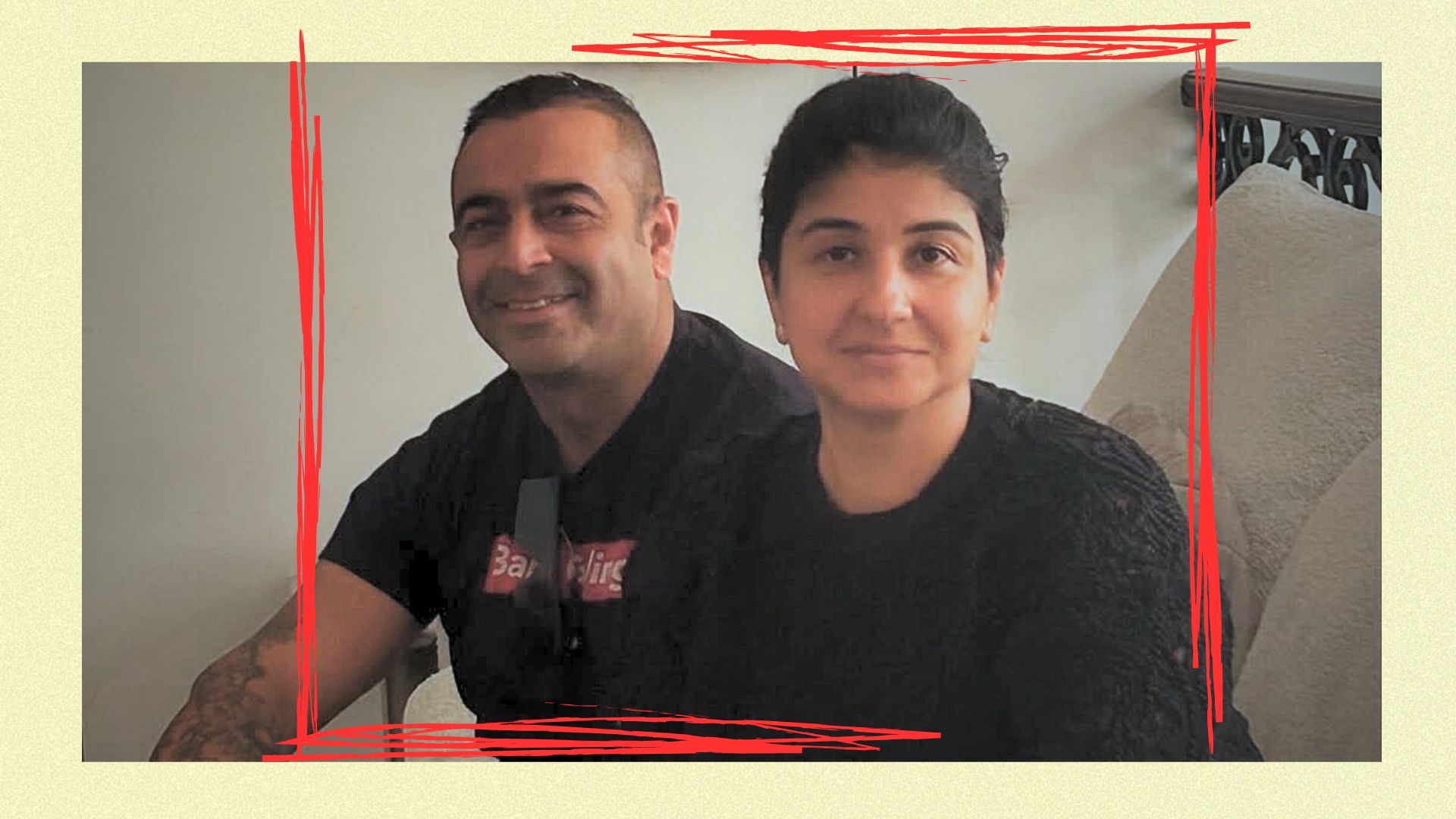
Yahya and his wife, celebrate Eid in New Zealand.
Yet even in a place where community feels familiar, Ramadan away from home carries a different rhythm. Back in Fiji, the holy month arrives with a familiar soundtrack: the bustle of early mornings, siblings moving through a crowded house, neighbours calling out, and mothers working in the kitchen before dawn.
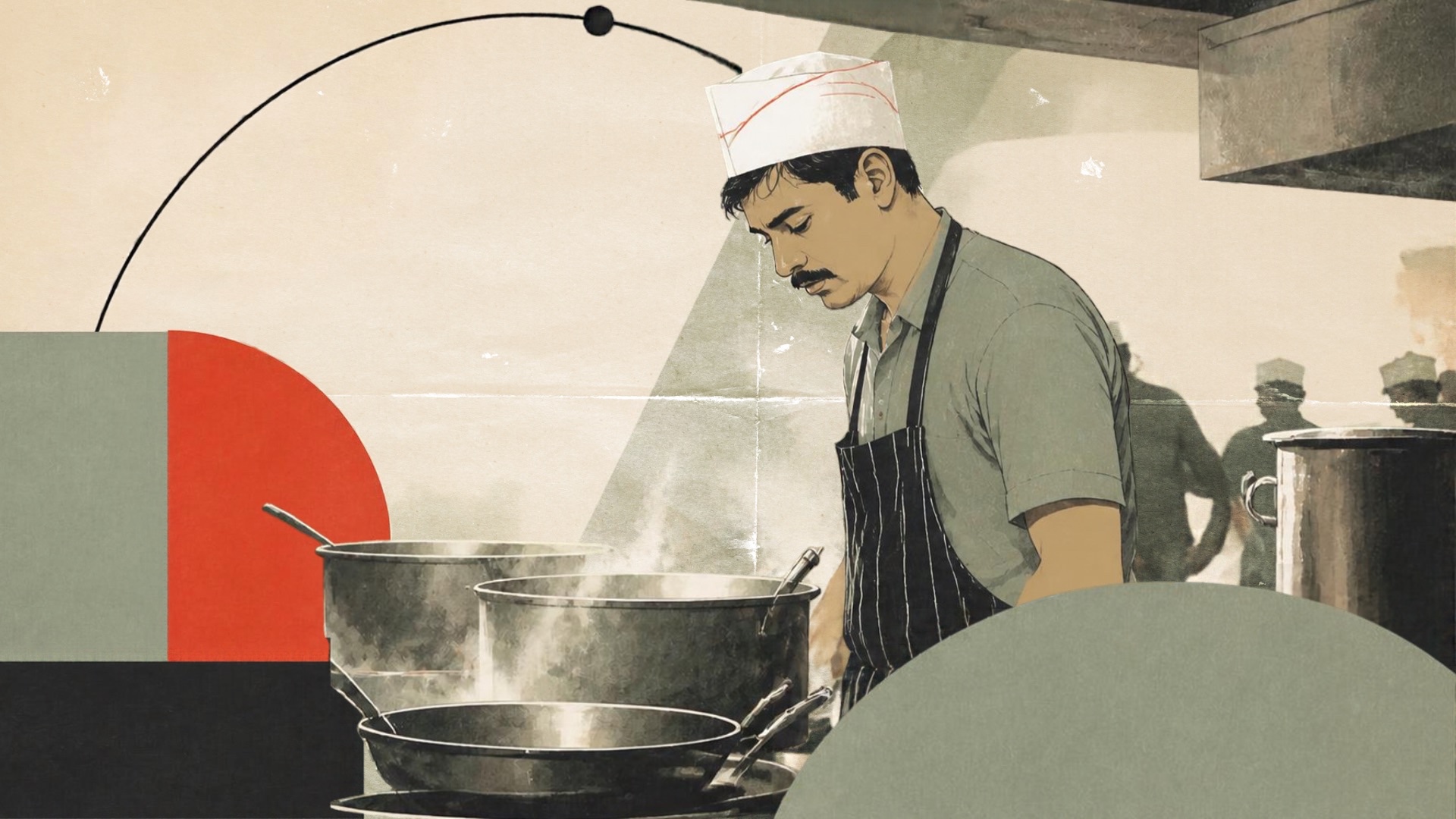
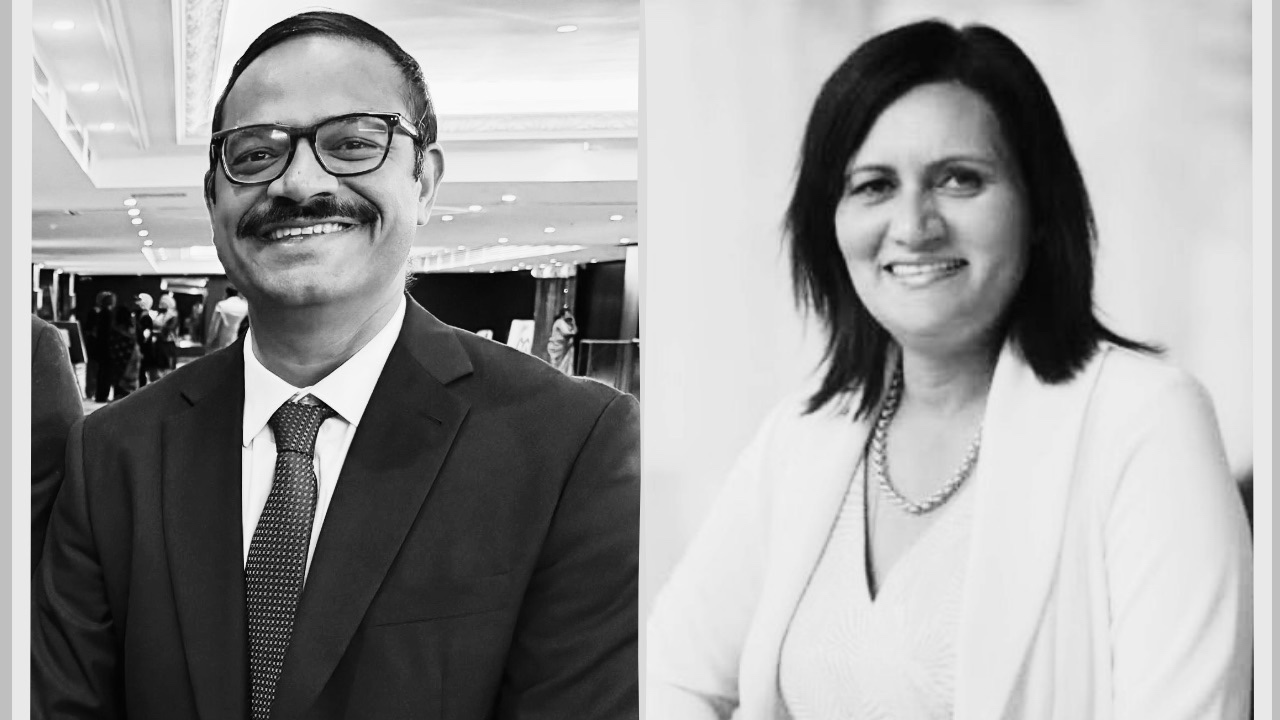
From designing restaurants to running Auckland Diwali: The many lives of Arnav Taode Taode brings his passion for Indian arts and culture to his first year managing BNZ Auckland Diwali 2026.
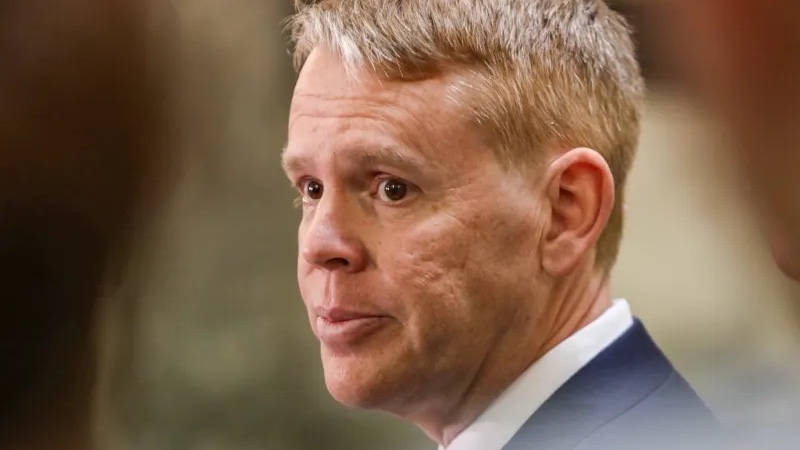
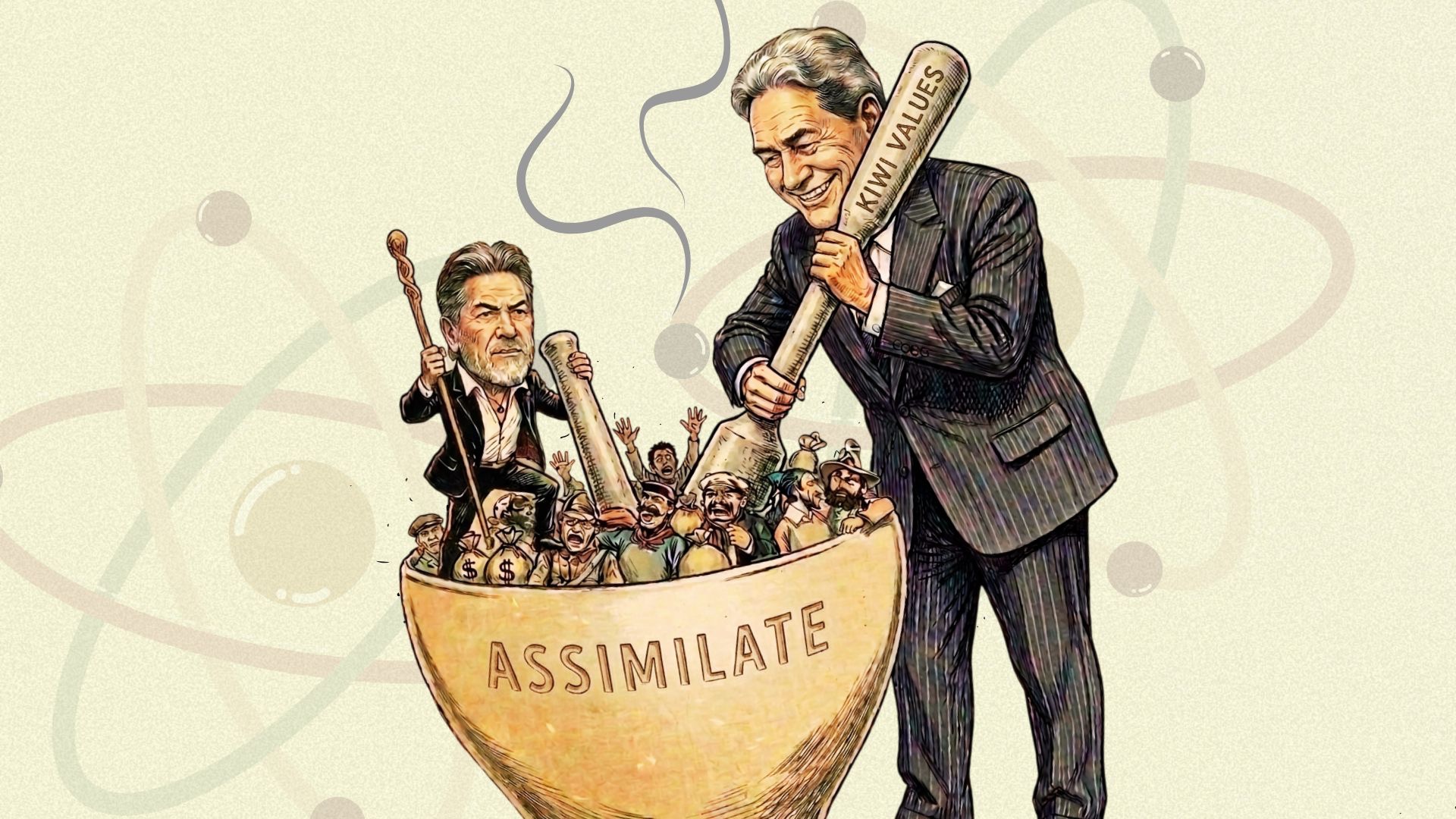
Winston Peters says ‘diversity is disunity’. What does the evidence tell us? Evidence from business, sport and social policy suggests diversity can strengthen economies and cohesion but on one condition.
Baby born in Sri Lanka to New Zealand residents caught in limbo after Down syndrome diagnosis Immigration tribunal orders fresh residence assessment after finding a “serious mistake” by immigration officials.
"I think about my mum waking us up for suhoor," Yahya says. “Her cooking… that’s the first thing that came to mind."
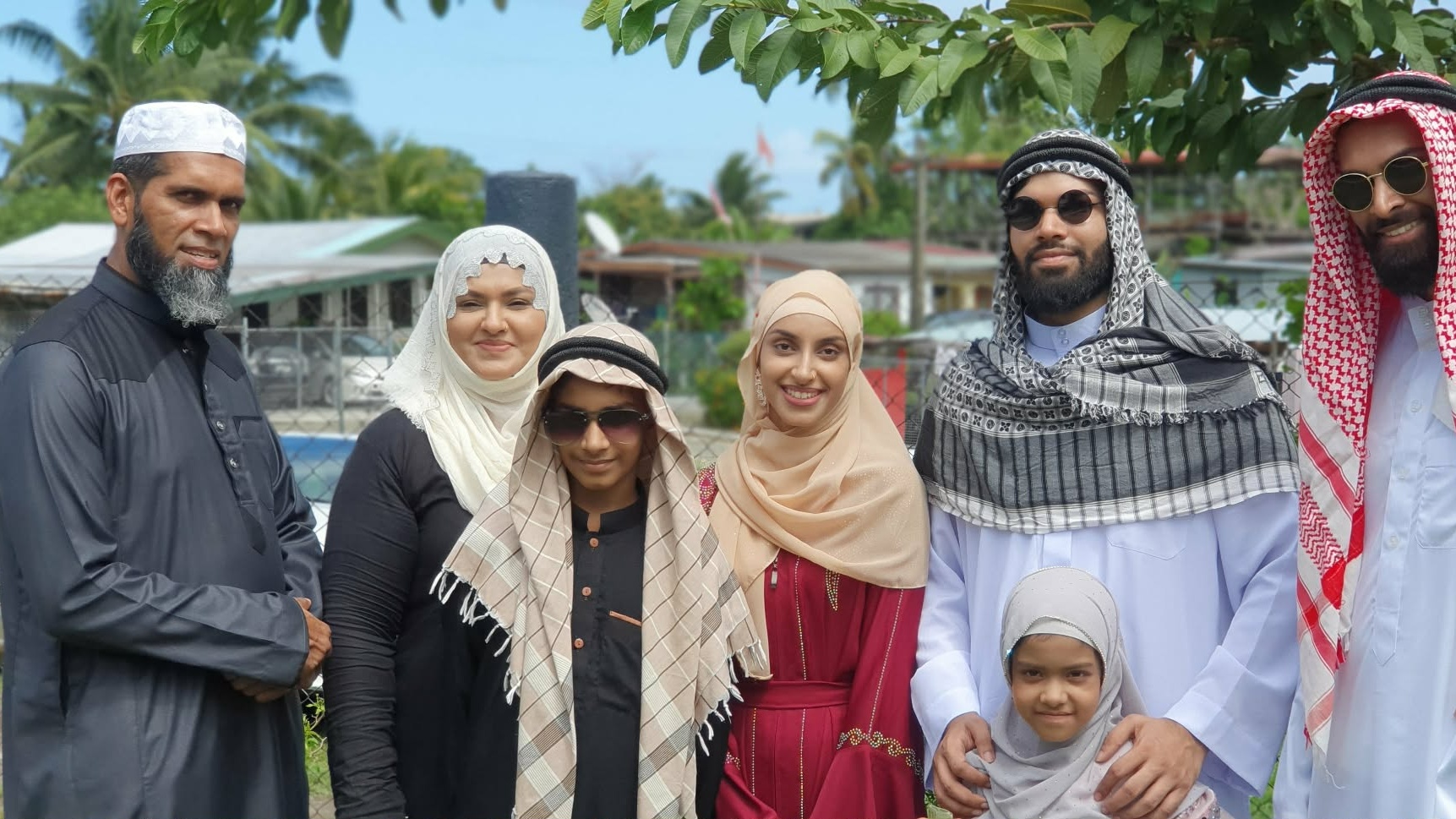
Yahya (far right) with his parents and siblings back in Fiji.
As the call to prayer echoes across New Zealand each Ramadan, a Muslim community of at least 75,000 people, spread across up to 80 mosques and prayer spaces nationwide, continues to write its own chapter in the country’s story; where faith, migration, and belonging quietly shape the nation’s modern identity.
For many Muslims living in New Zealand today, Ramadan festivities are supported by mosques, halal restaurants and thriving communities. But it was not always like this.
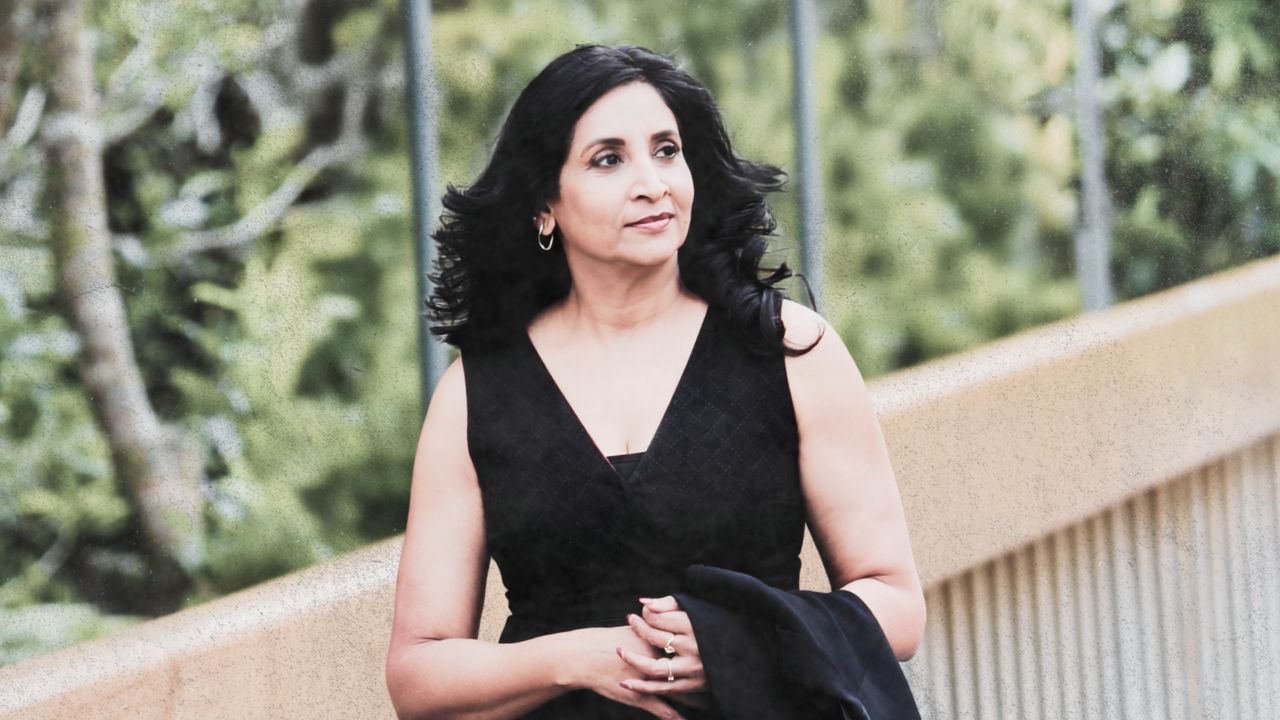
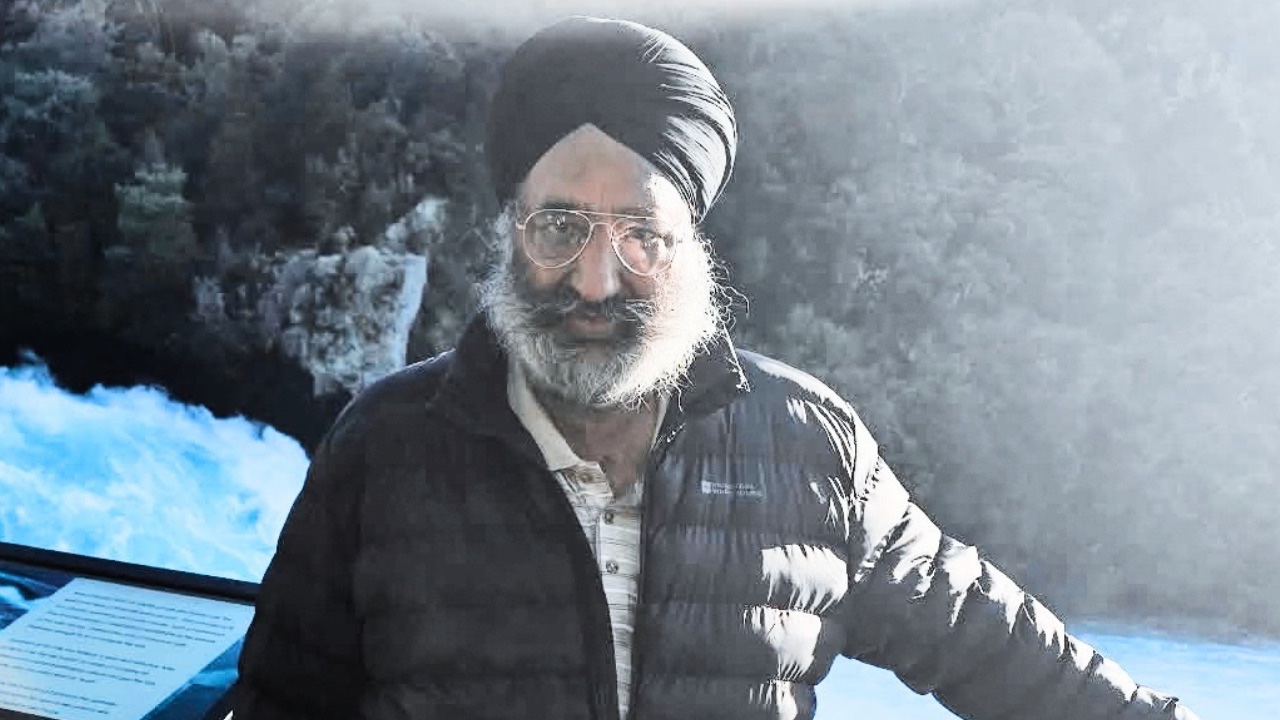
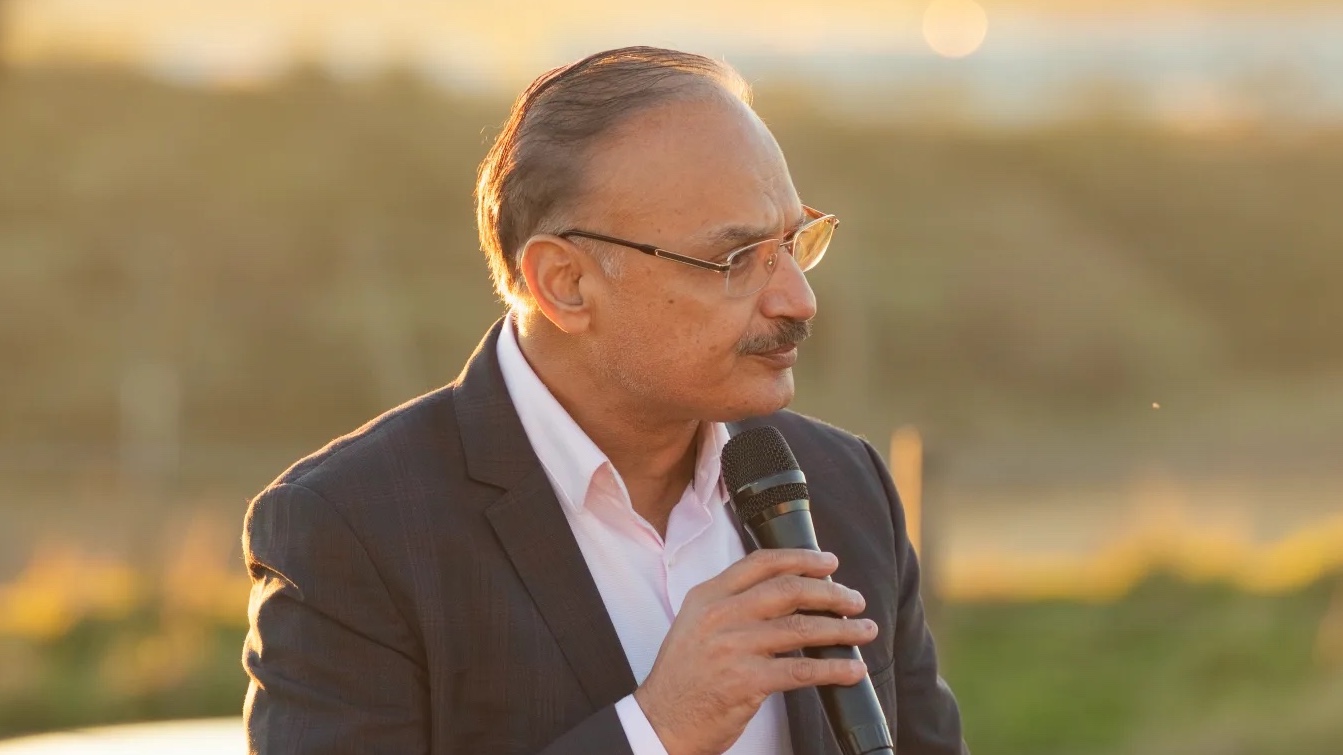
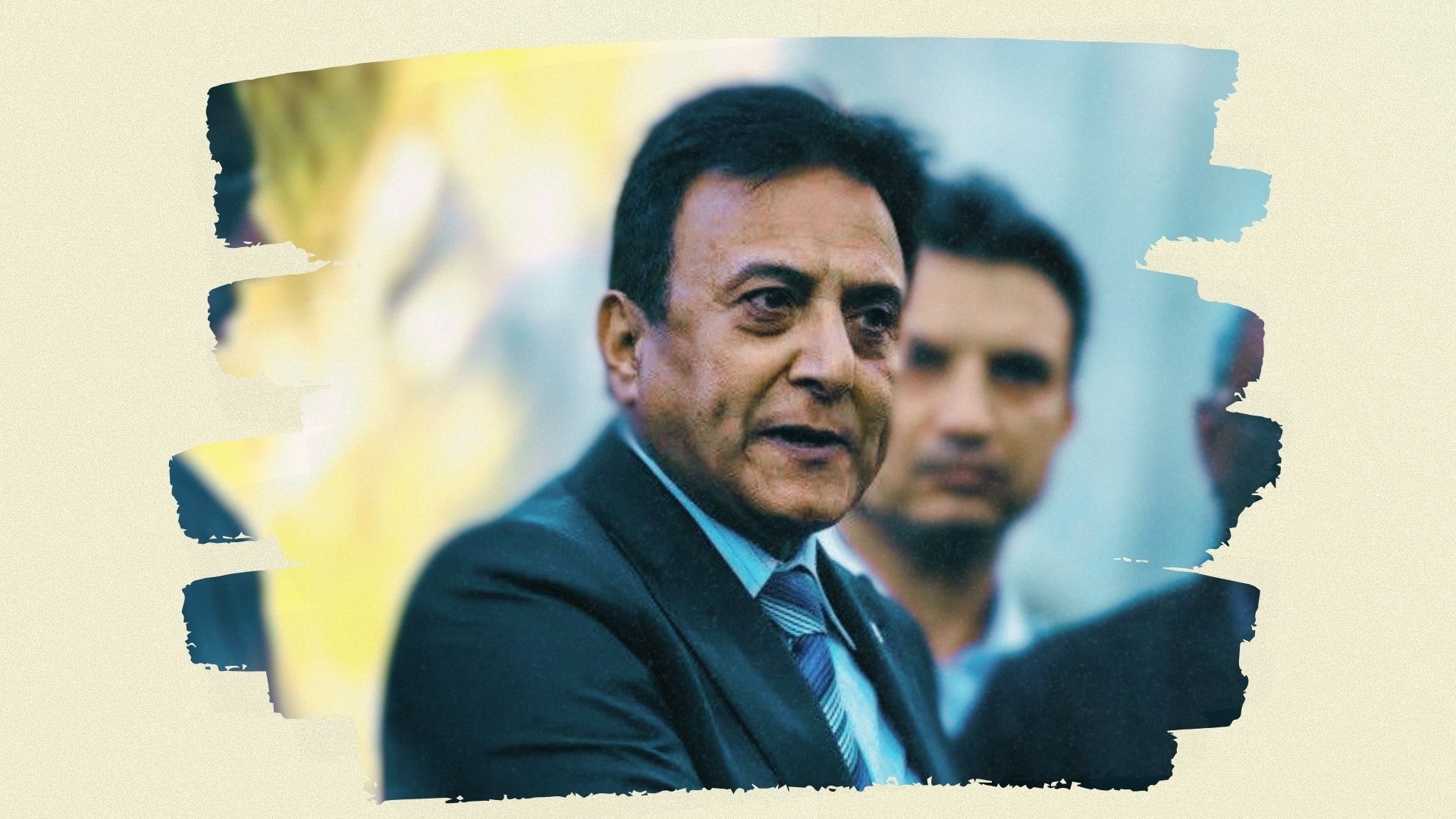
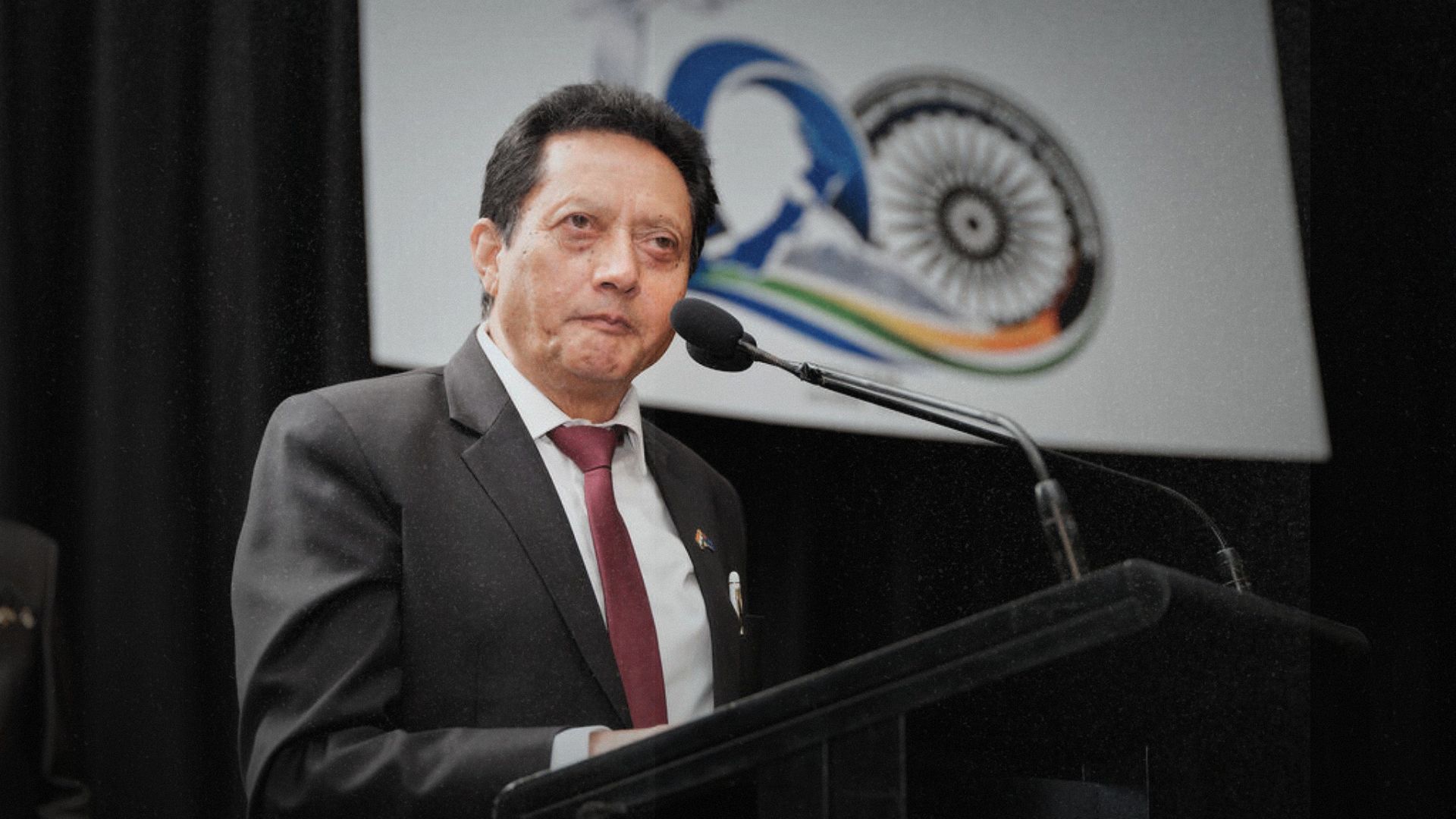
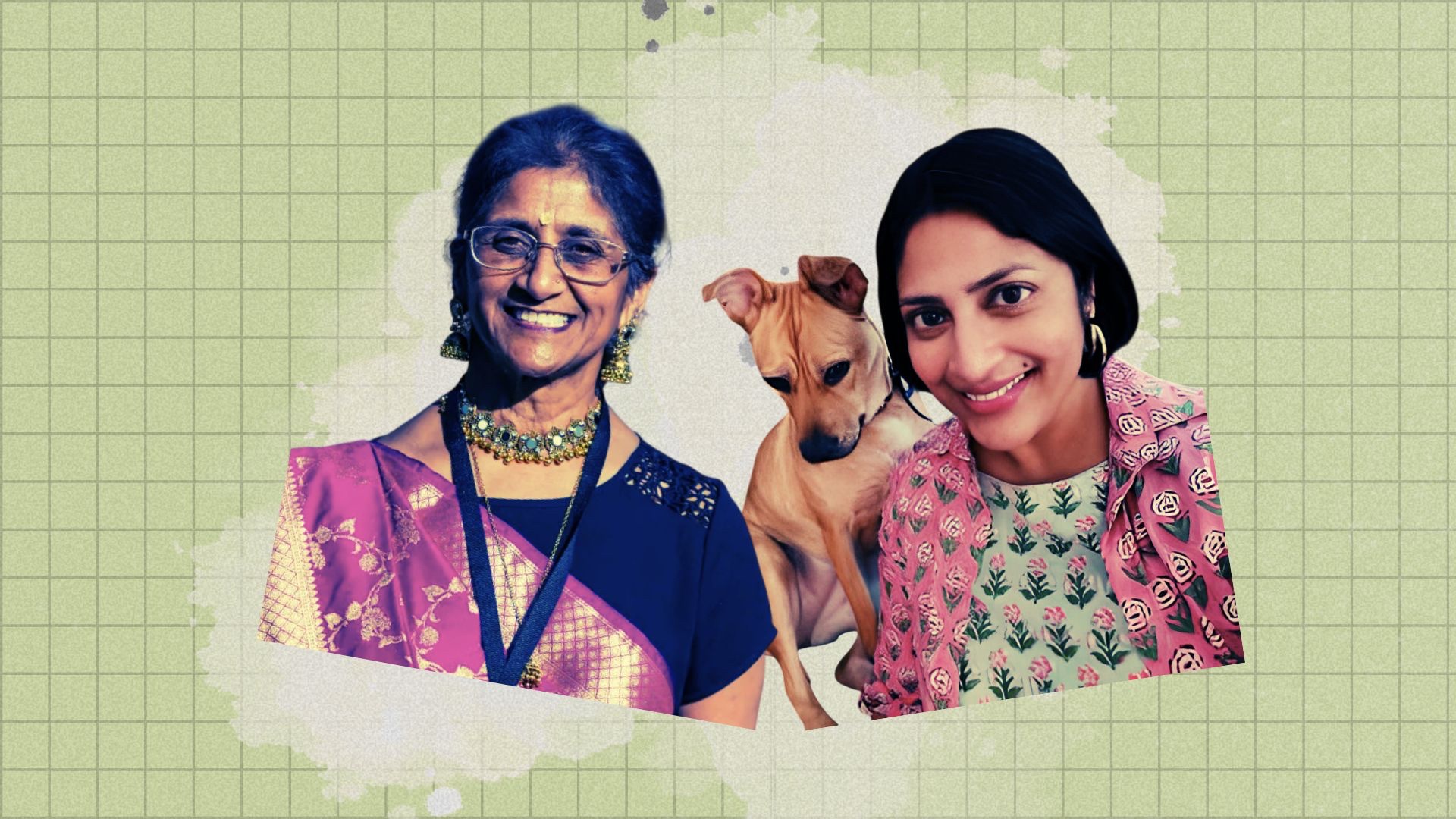
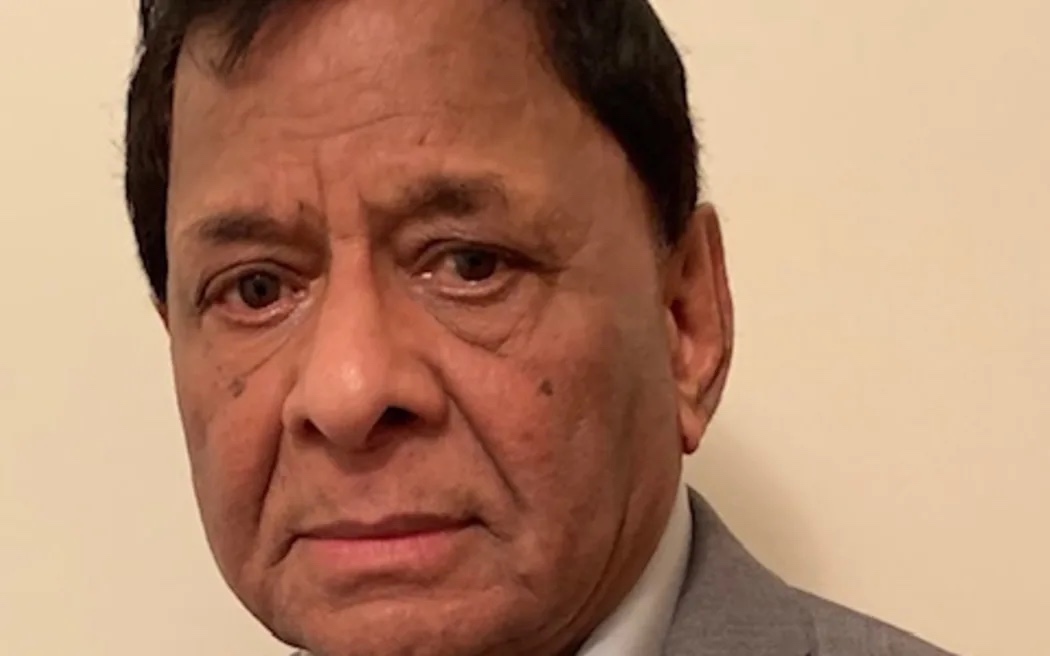
When Dr Anwar Ghani first arrived in Hamilton in 1982 as a postgraduate student, the Muslim presence in the country was still small. “In those days there were fewer than a dozen Muslim families in Hamilton,” he recalls. “I was the only Indian student at the university.”
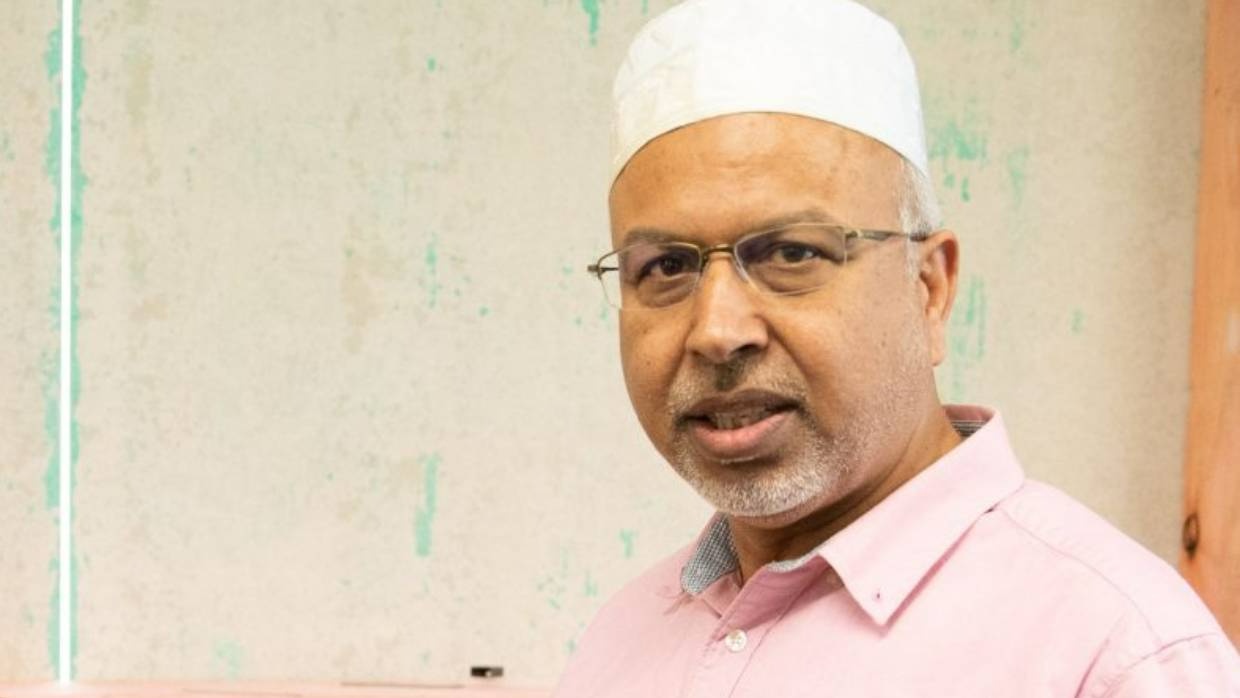
Dr Anwar Ghani
Ramadan during those early years was deeply solitary. There were no large community iftars, no organised mosque programmes and very few halal food options. “One broke fast alone and prepared everything alone,” he says.
Over the following decades, however, the Muslim community slowly grew. Masjids were established, Islamic centres formed, and new migrants brought traditions from across the Muslim world.
Today, shared iftars and mosque gatherings are a normal part of Ramadan across New Zealand. "Now New Zealand is one of the best places to experience Ramadan," Dr Ghani says.
For Yahya, who moved from Fiji two years ago, that sense of community is already visible. "Yes, I’ve visited a few masjids," he says. "People are welcoming. I meet Muslims from different countries and I love hearing about their traditions."
But the pull of home remains strong. Yahya grew up in a lively household with six siblings a home full of teasing, competition and laughter.
"We used to fight for fried potatoes and samosas," he says with a laugh. "Especially the fried potatoes. That was the real battle."
Now living with his wife in New Zealand, he tries to recreate those memories in smaller ways. "We still make fried potatoes," he says. "Well… now we air fry them. But it reminds me of home."
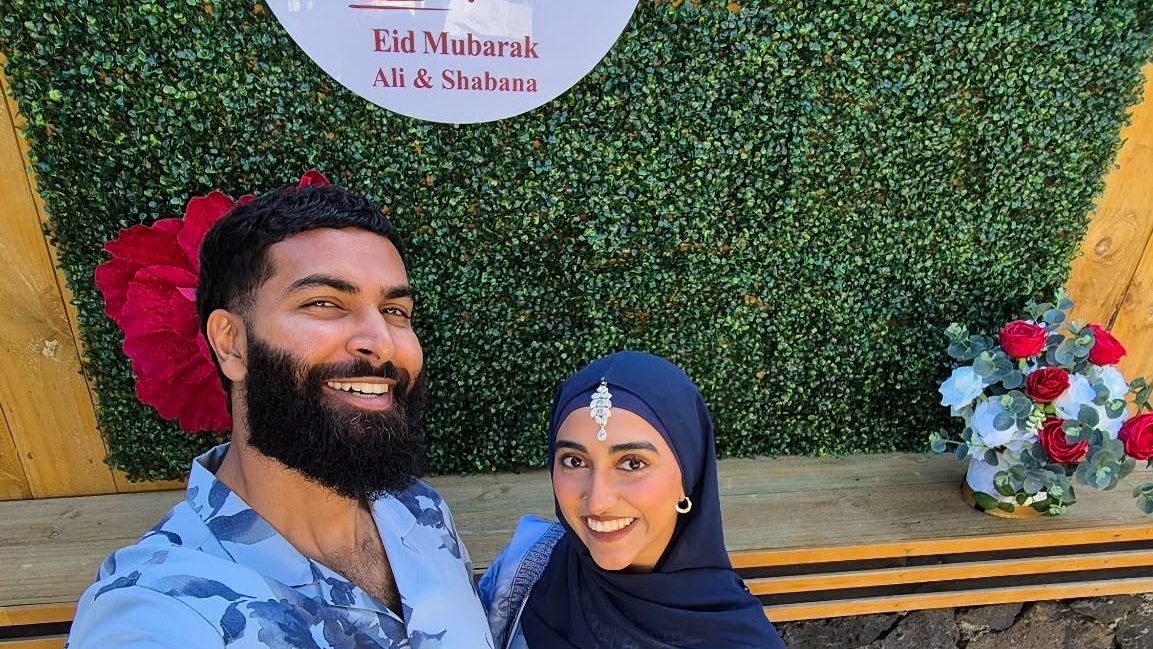
Yahya and his wife celebrating Eid in New Zealand.
Technology helps bridge the distance. Family group chats come alive each evening on Viber and Instagram. Video calls often happen just before iftar so relatives in Fiji can still share the moment.
"That part hasn’t changed," he says. "We still want to see what everyone is eating." For Dr Ghani, those connections to home also remain vivid even after four decades.
"The sound of the Adhan at Maghrib and Fajr is something I still miss," he says. "In my hometown people would beat drums to wake everyone for suhoor."
Sometimes, it is the smallest details that trigger nostalgia. "A cold glass of Roohafza takes me back immediately."
But over time, new traditions began to take root in New Zealand. Family members joined him in Hamilton, including three of his brothers, helping ease the migrant experience.
"We host iftars at each other’s homes and see family and friends more during Ramadan than any other time of the year," he says.
As the Muslim population grew, Dr Ghani also took on greater responsibility within the community. He later served for 12 years as President of the Federation of Islamic Associations of New Zealand (FIANZ), helped establish Islamic institutions and became active in national interfaith dialogue. "I saw myself as an ambassador of my faith," he says.
Ramadan already calls for patience, reflection and humility but fatherhood has deepened those lessons. Late-night feedings now overlap with suhoor. Prayers sometimes happen while a baby cries softly in the background.
"I think about my parents a lot now," he says. "They sacrificed so much. Their words guide me."
For Dr Ghani, seeing younger Muslims building their lives in New Zealand is a powerful reminder of how far the community has come "When I first arrived, seeing a woman in hijab in public was rare," he says.
"Now it is a welcome part of New Zealand’s diverse social fabric."
Masjids today serve not only as places of worship but as community centres, providing counselling, education and social support.
Even during difficult moments, such as the 2019 Christchurch mosque attacks, he says the solidarity shown by the wider New Zealand public left a lasting impression.
"The whole country wrapped us with love," he says. "That solidarity stays with me forever."
For Yahya, Ramadan in New Zealand is still a work in progress a blend of memories from Fiji and new traditions forming in a different land.
If the past four decades of Ramadan in New Zealand tell any story, it is that belonging takes time. Or, as Dr Ghani would tell his younger self arriving in 1982: "Be patient. Hold fast to your faith. Don’t wait for a community help build it."
This year, depending on the moon sighting, Eid ul-Fitr in New Zealand is expected to fall on March 19, 20 or 21.