
New DOC cadetship programme launched to train the next generation of conservation workers
Ne Zealanders to be trained to care for its natural resiurces.
New department launched to initiate care towards country's wildlife, forests, tracks and historic sites.
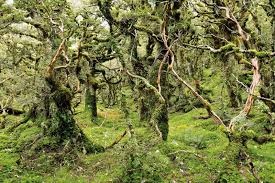
A new Department of Conservation (DOC) cadetship programme has been launched in Renwick to help train more New Zealanders to care for the country’s forests, wildlife, tracks, and historic sites.
Conservation Minister Tama Potaka announced the launch of the Te Pū Hono programme, a 30-month paid cadetship aimed at people starting out in conservation careers.
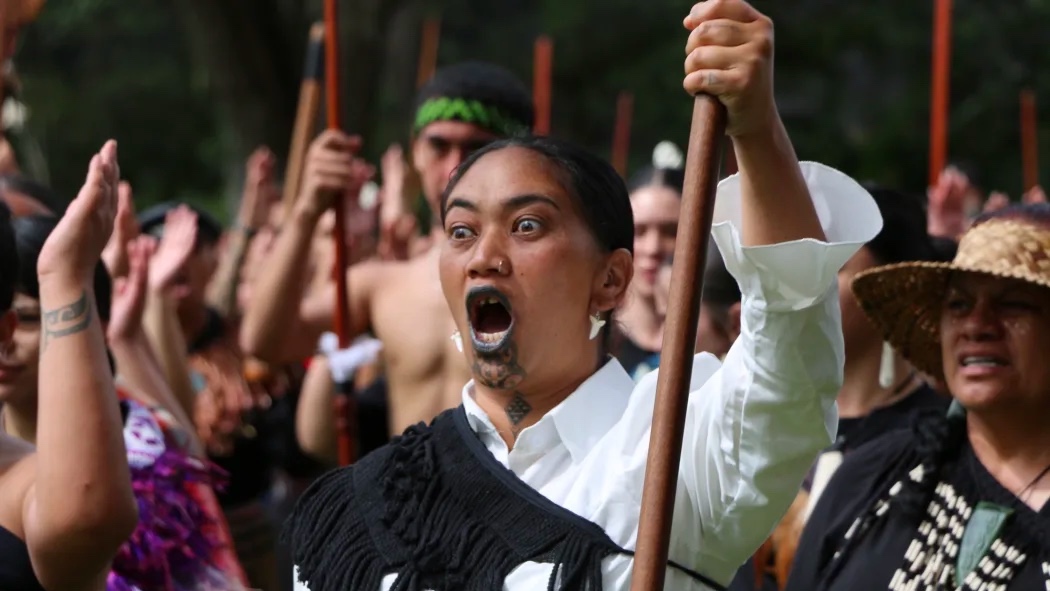
The first group of 10 cadets has already begun the programme after a pōwhiri, a traditional Māori welcome ceremony, held at Ōmaka Marae. The event was hosted by Te Rūnanga a Rangitāne o Wairau, the local Māori governing body, on behalf of Te Tauihu iwi, the tribes of the upper South Island.
The cadets are known as kaihonoa taiao, which means people who connect and care for the natural environment.
Minister Potaka said the programme is about making sure New Zealand has skilled people on the ground to protect nature now and in the future.
From designing restaurants to running Auckland Diwali: The many lives of Arnav Taode Taode brings his passion for Indian arts and culture to his first year managing BNZ Auckland Diwali 2026.
Winston Peters says ‘diversity is disunity’. What does the evidence tell us? Evidence from business, sport and social policy suggests diversity can strengthen economies and cohesion but on one condition.
Baby born in Sri Lanka to New Zealand residents caught in limbo after Down syndrome diagnosis Immigration tribunal orders fresh residence assessment after finding a “serious mistake” by immigration officials.
“Our conservation system depends on people doing real work in real places,” he said. “This programme helps build practical skills so DOC has the workforce it needs for years to come.”
Cadets come from different backgrounds and will start hands-on work straight away. Their training includes pest trapping, weed control, environmental monitoring, track and hut maintenance, restoring historic sites, and learning backcountry safety skills.
As they progress, cadets will also have the chance to specialise in areas they are interested in, such as chainsaw use or biodiversity monitoring.
Minister Potaka said New Zealand’s natural environment is not only part of its identity, but also supports tourism and local economies.
“Our native wildlife, walking tracks, and huts are treasures we all share,” he said. “Investing in people who look after them is essential.”
The cadets were selected from a large number of applicants, showing strong interest in conservation work. Once the programme is fully up and running, DOC plans to recruit up to 10 new cadets each year.
“This is about building opportunities for people while protecting the environment for future generations,” Mr Potaka said.