
NZ firms want India but they aren't sure how to do India, finds FTA survey
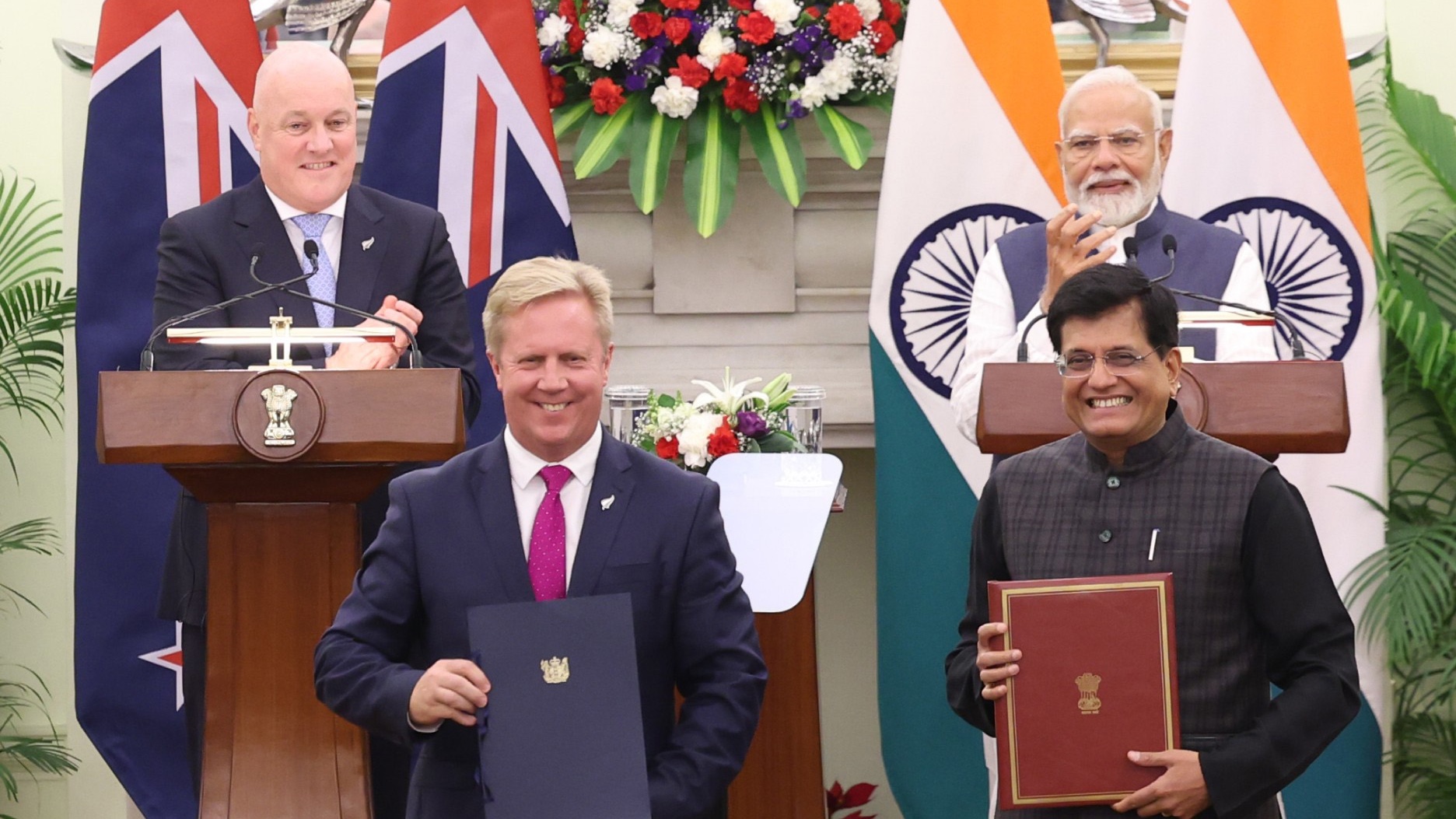
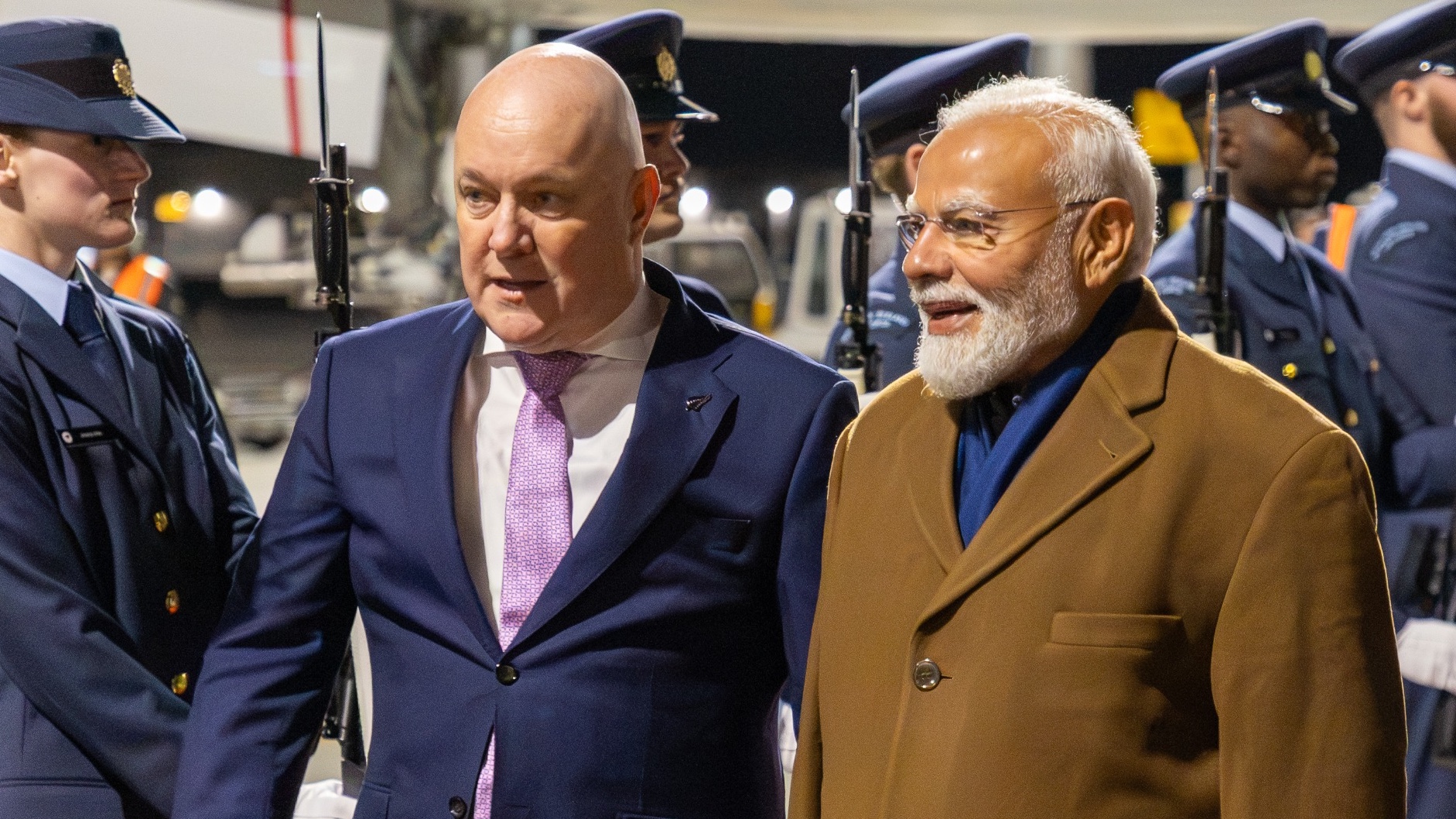
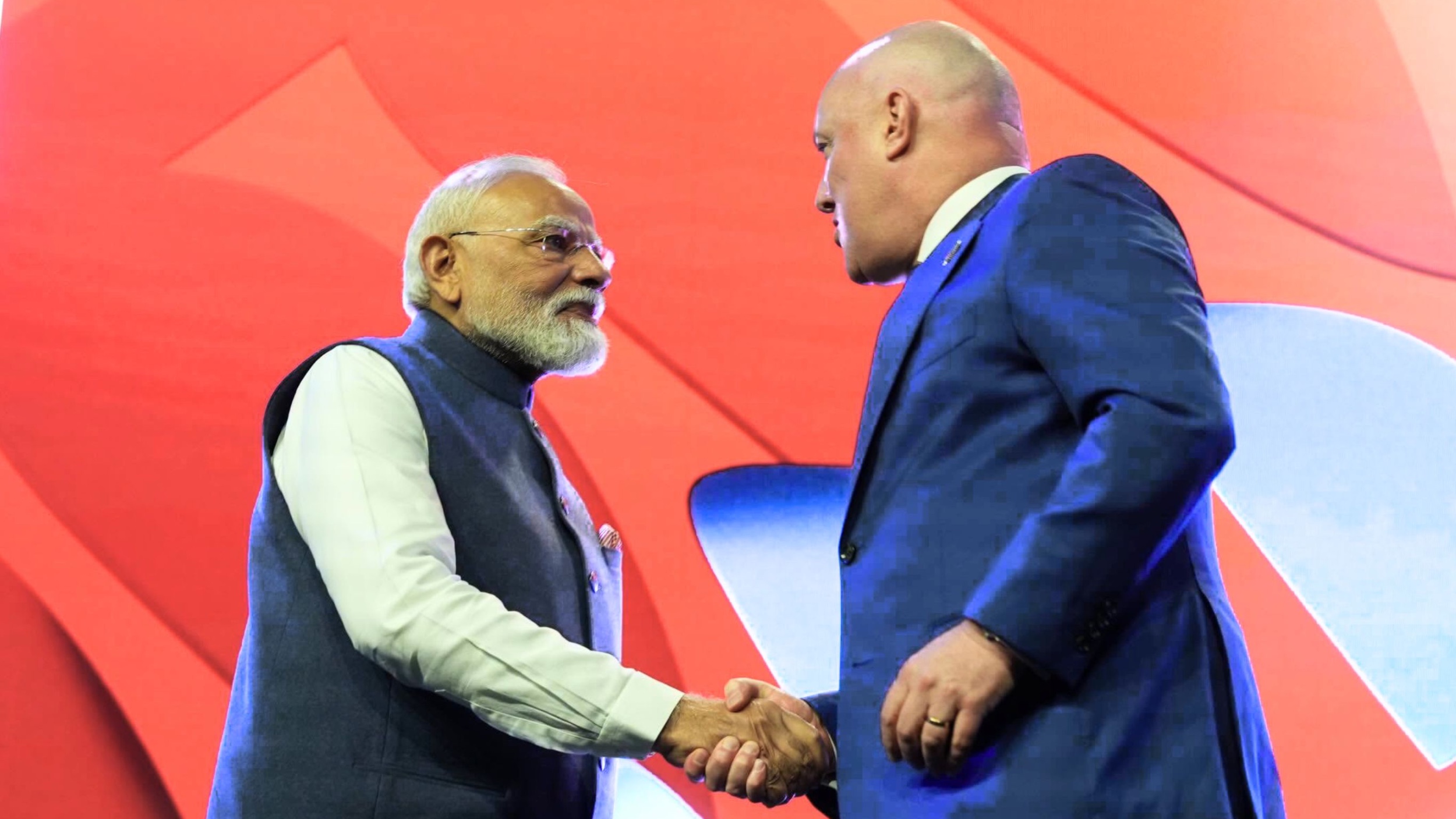
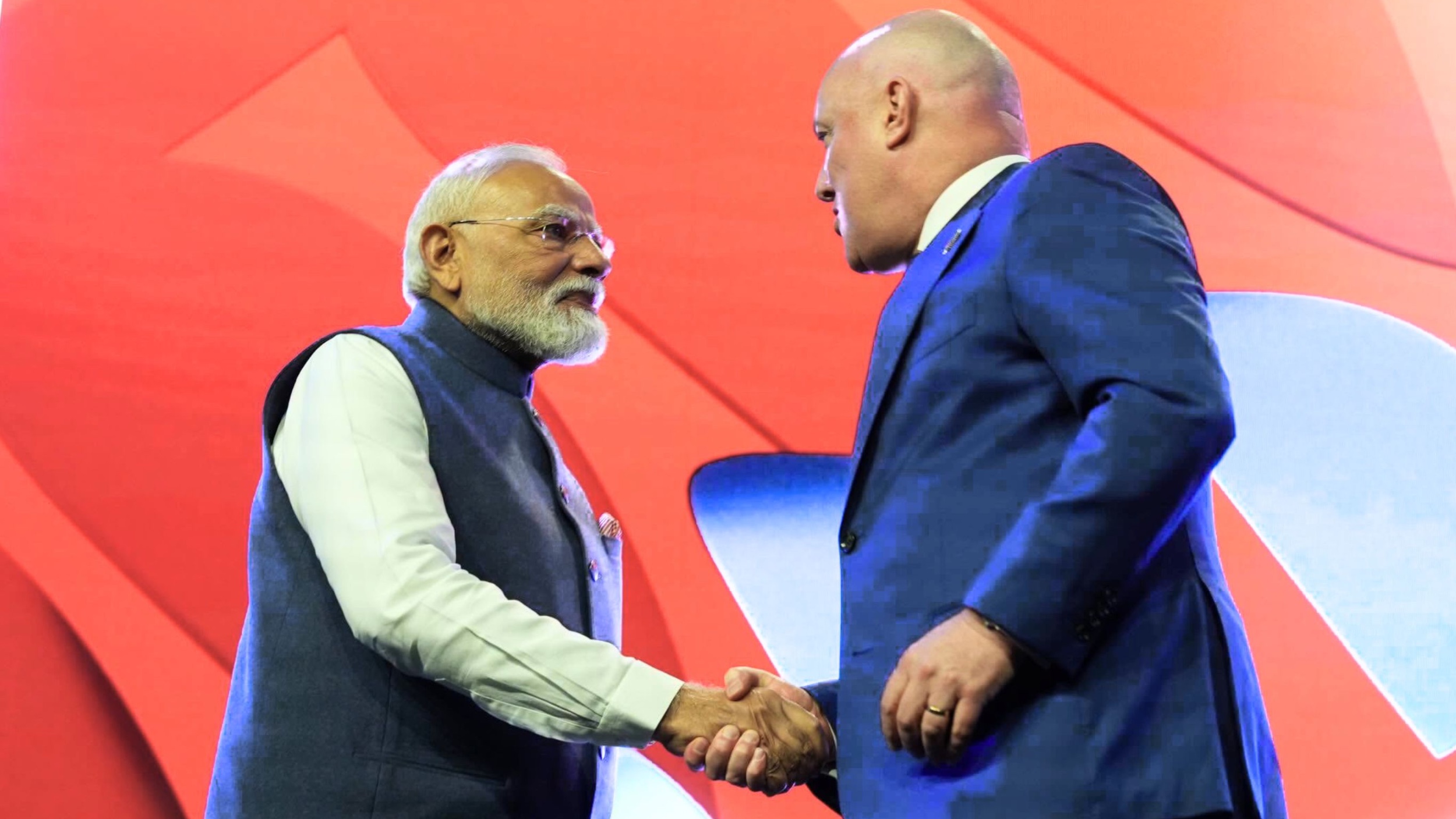
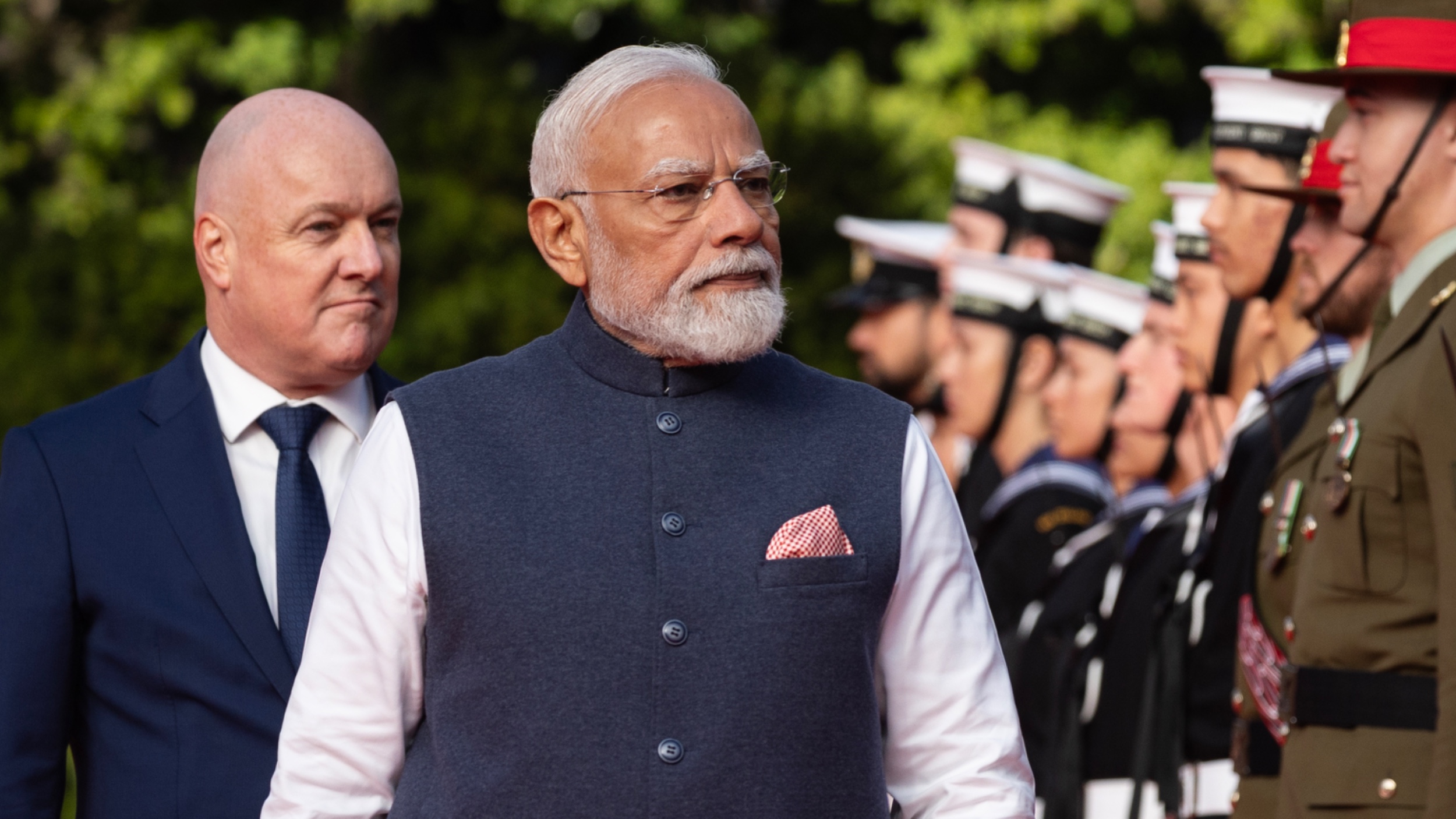
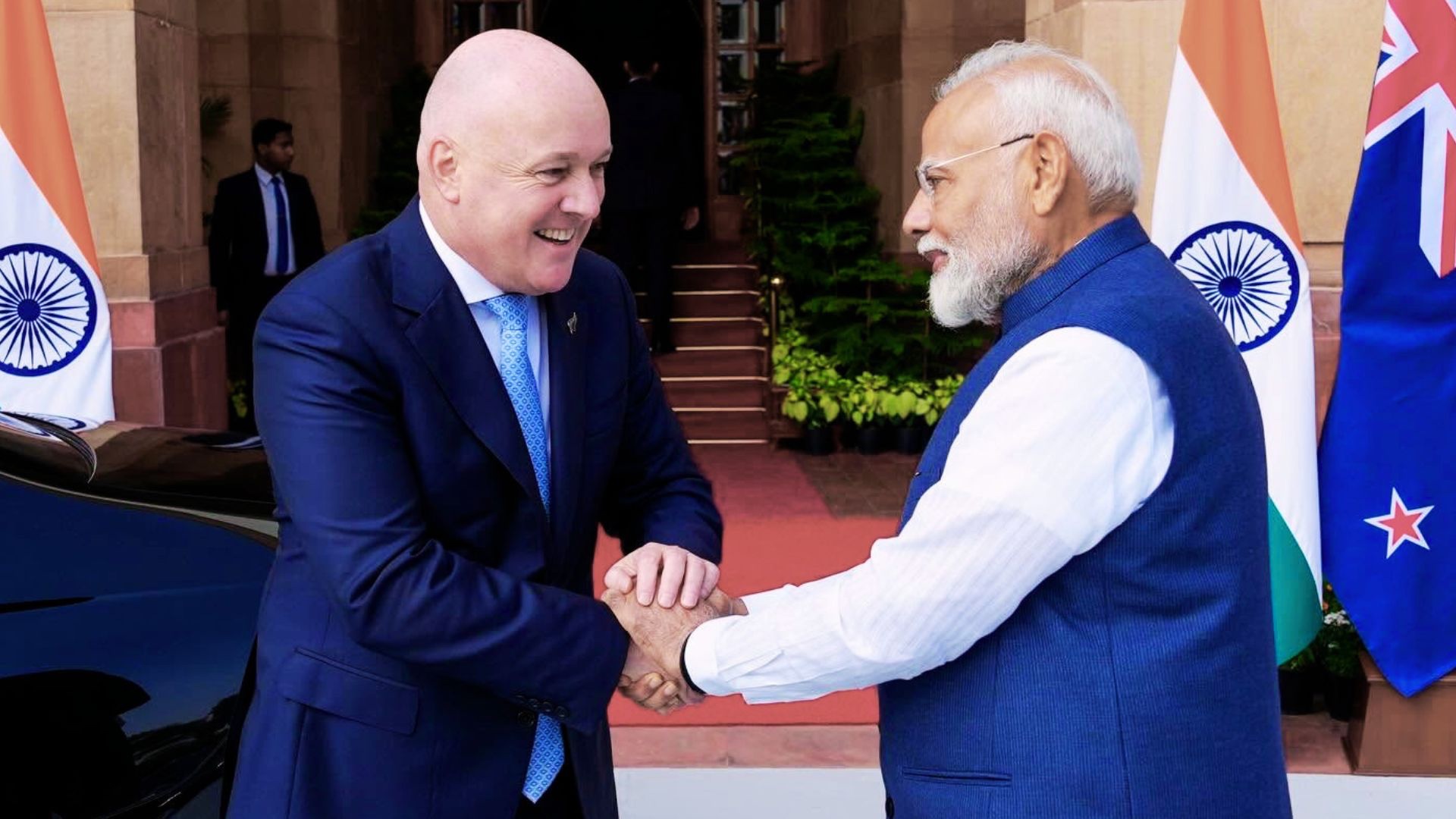
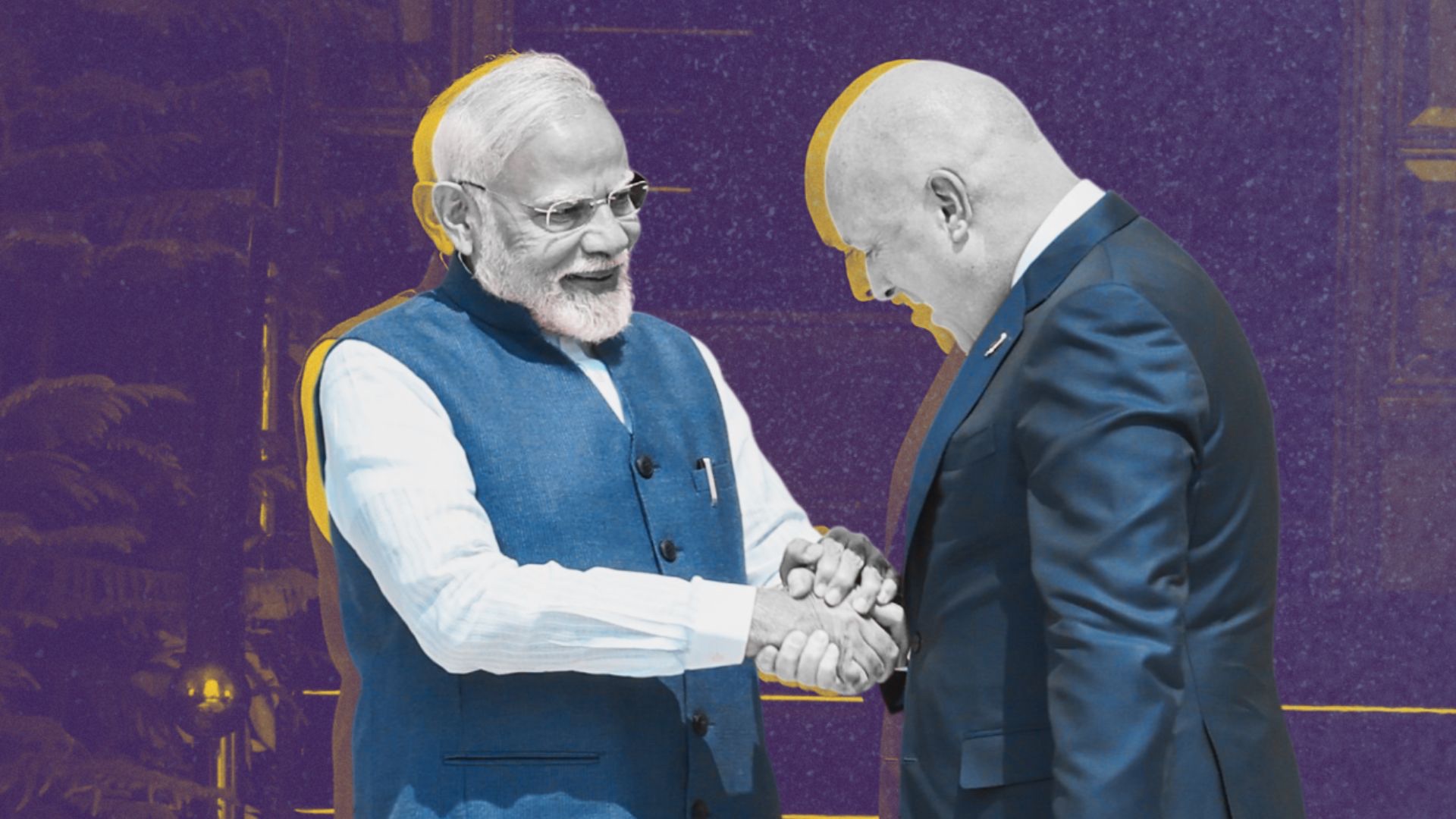
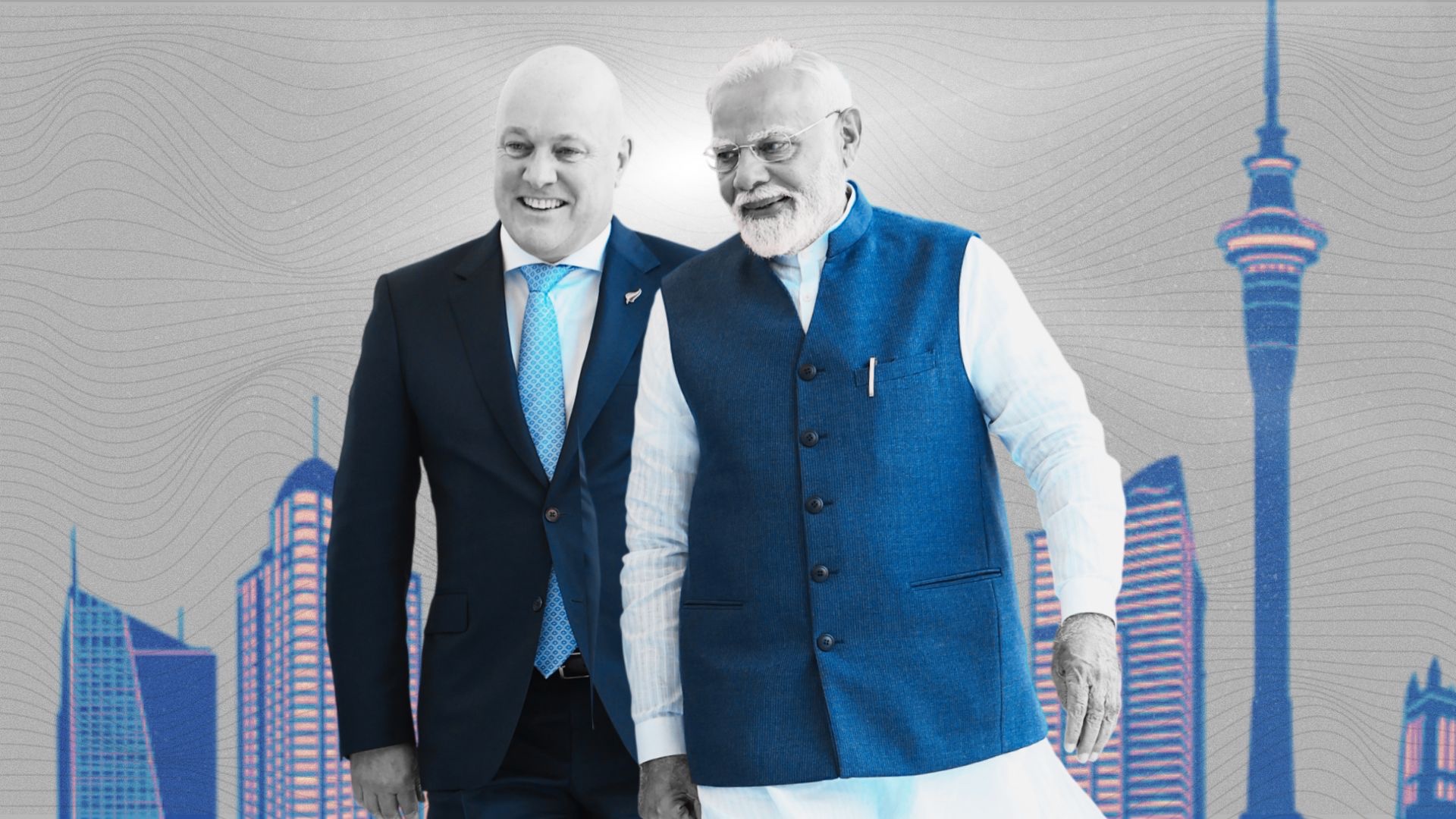
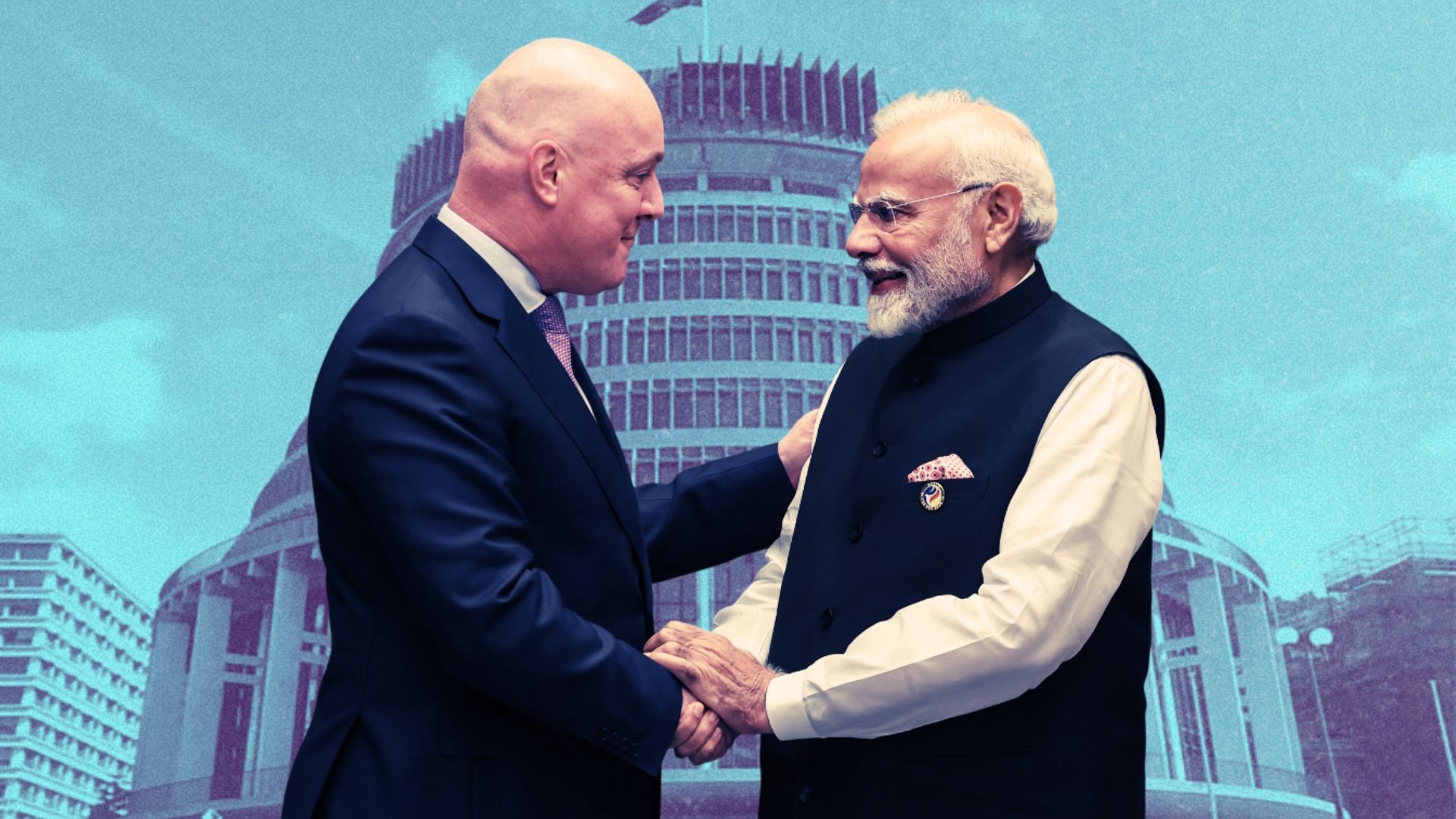
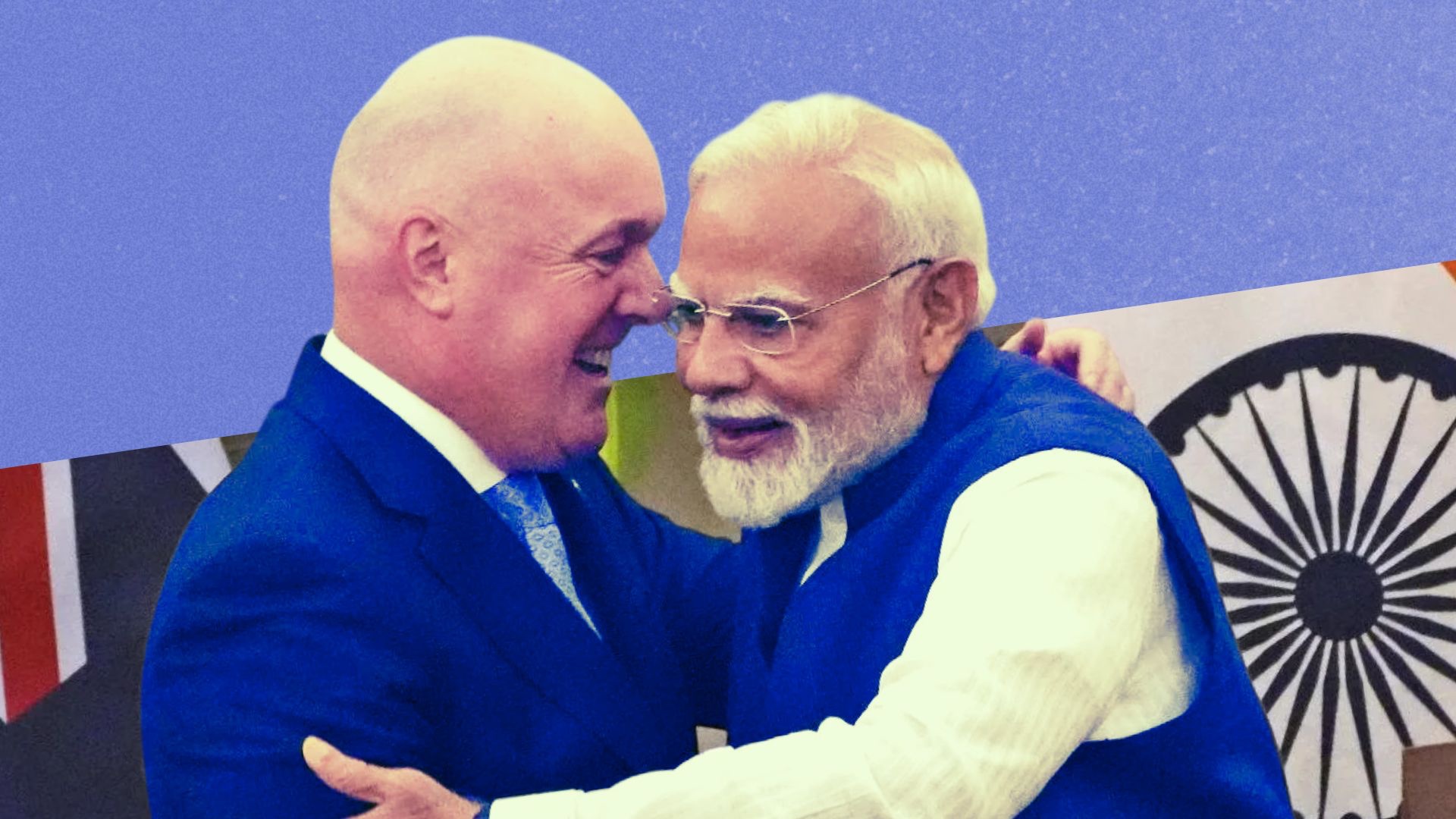
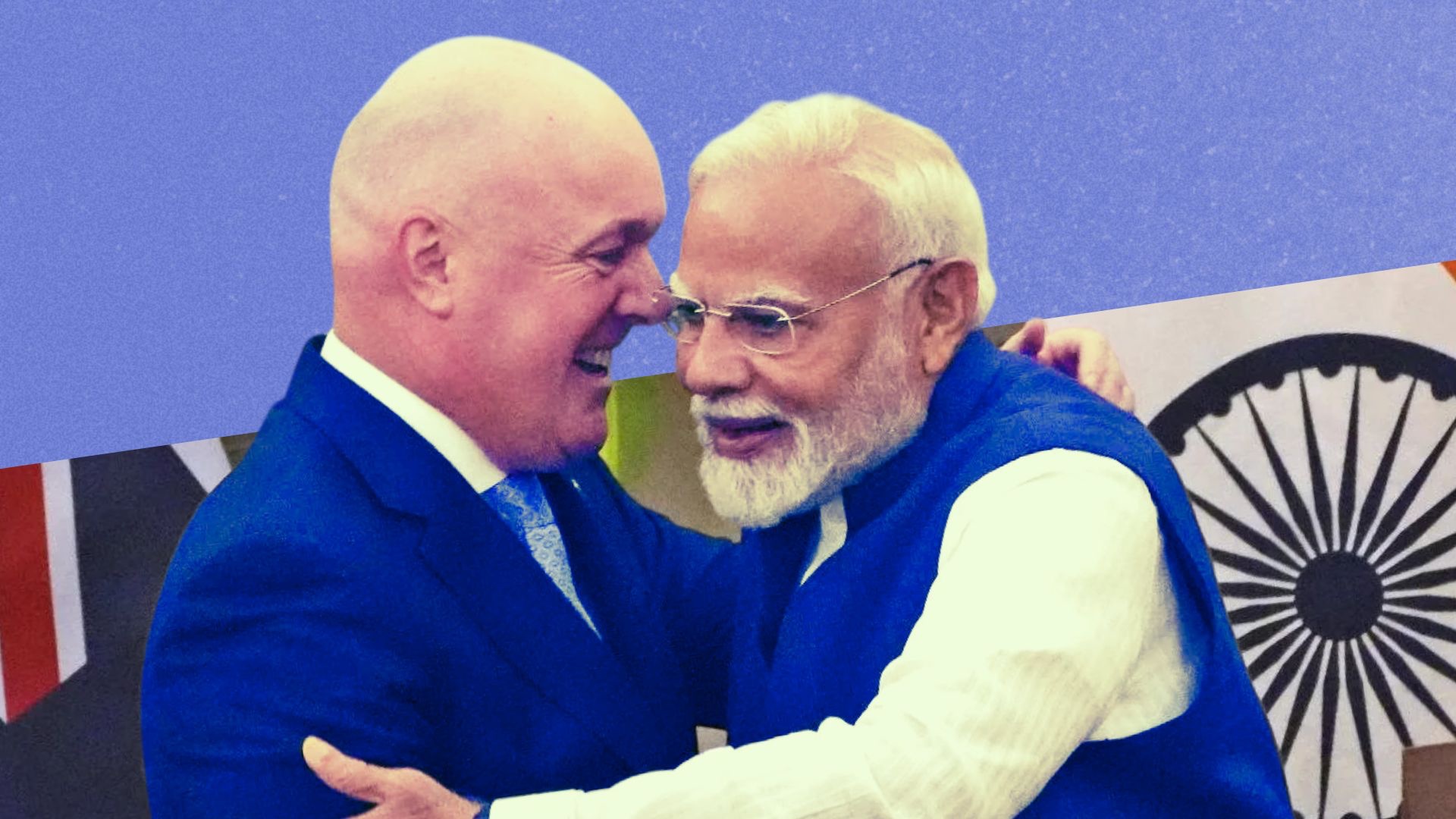
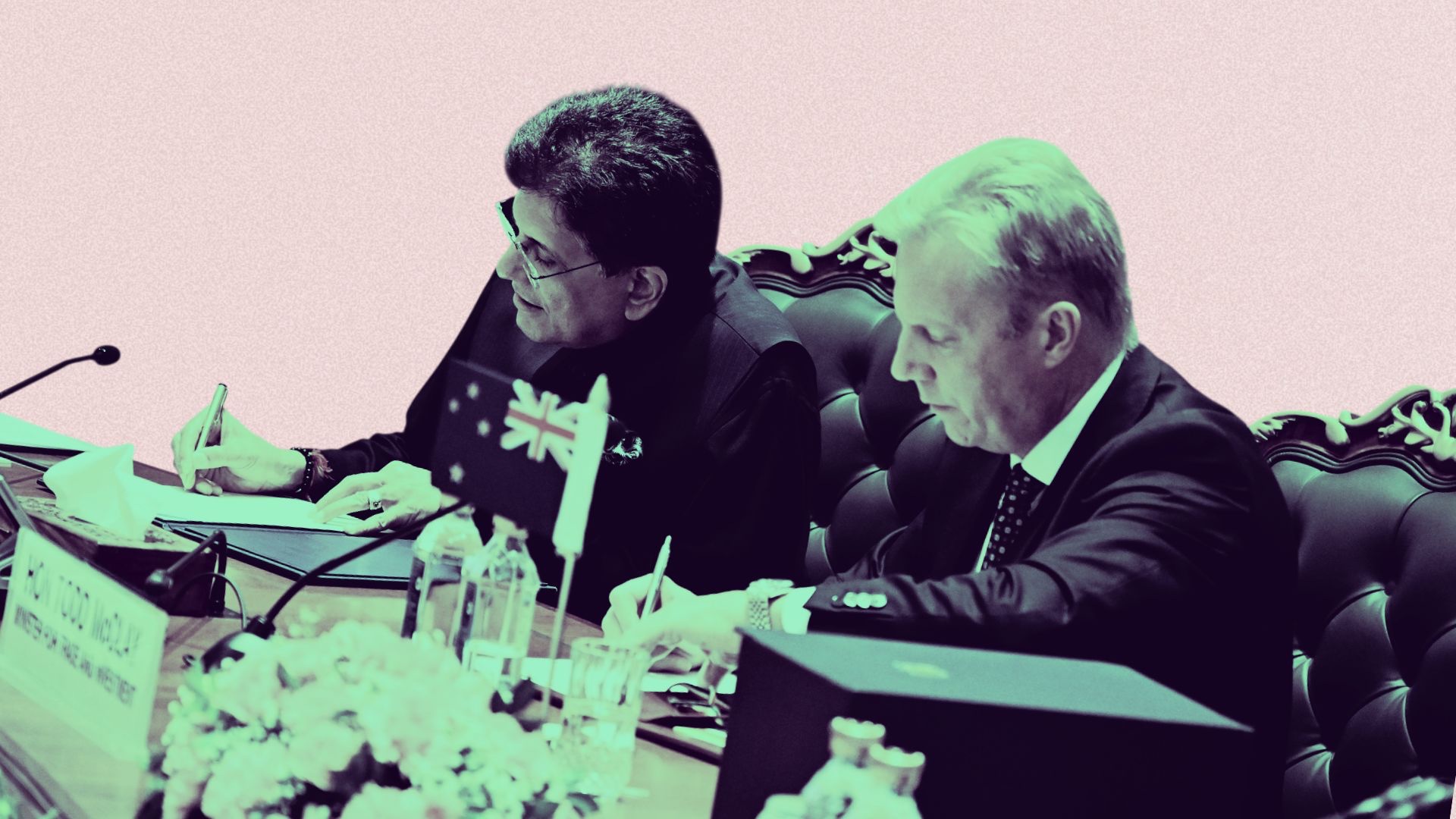
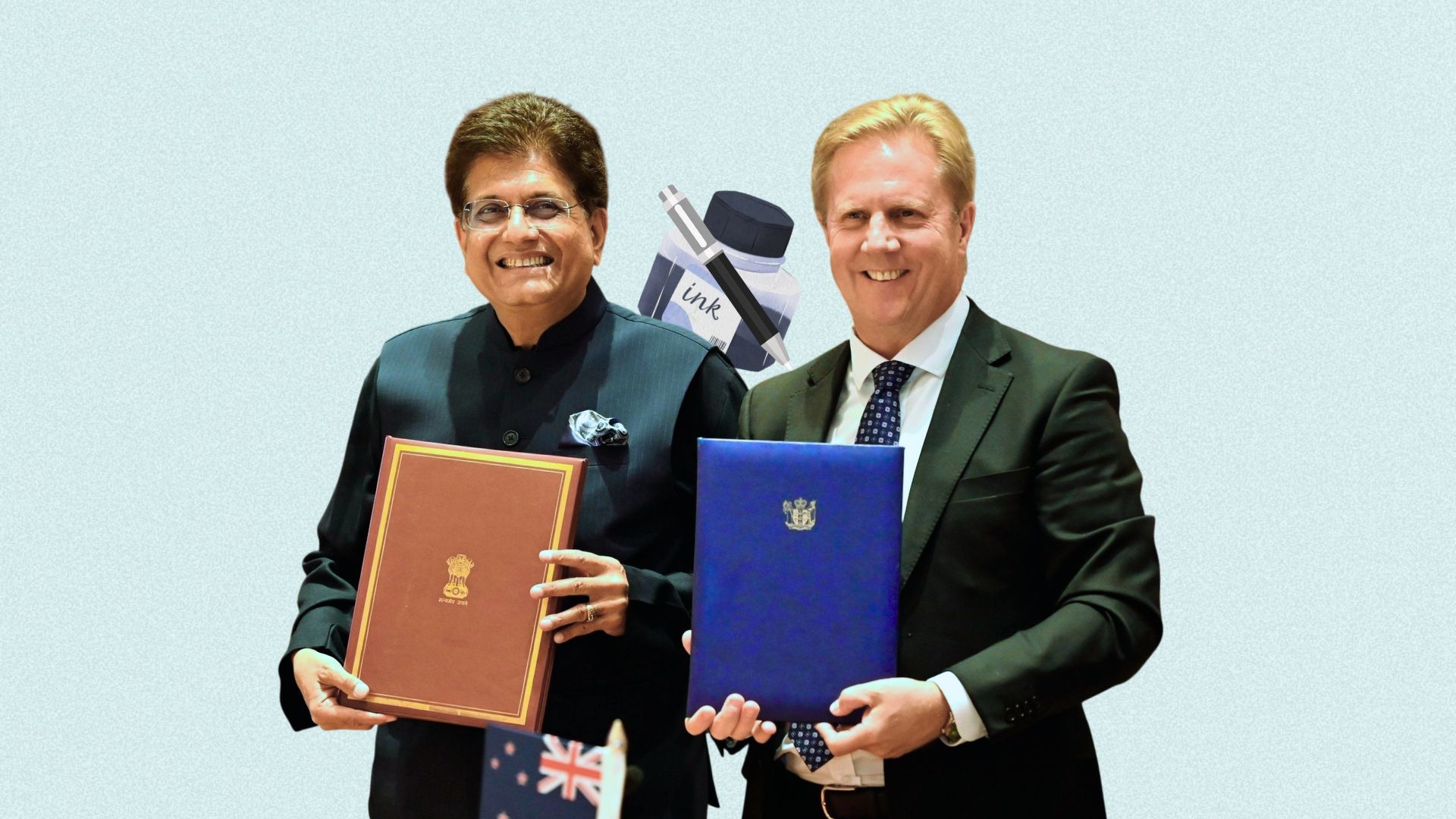
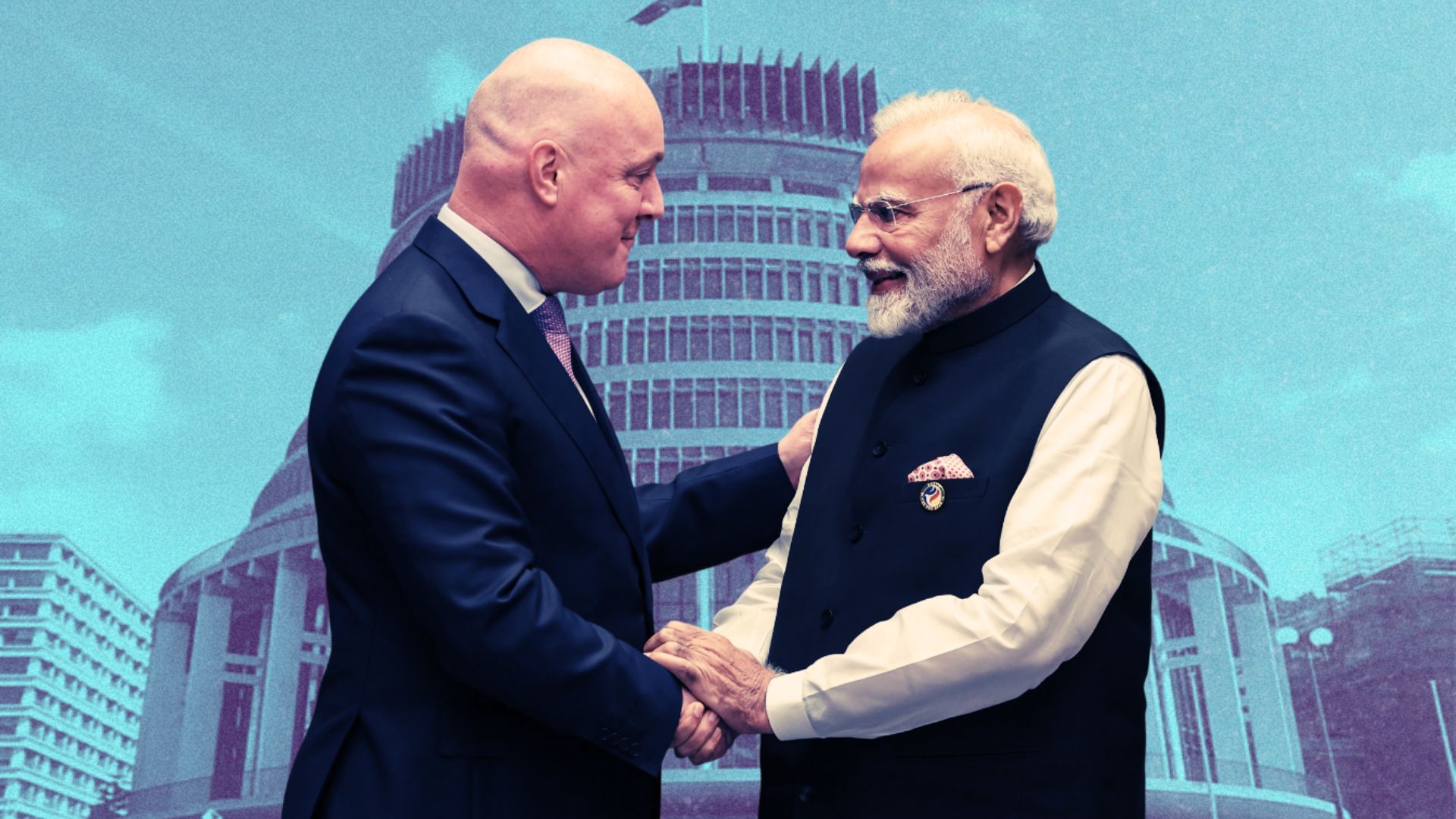
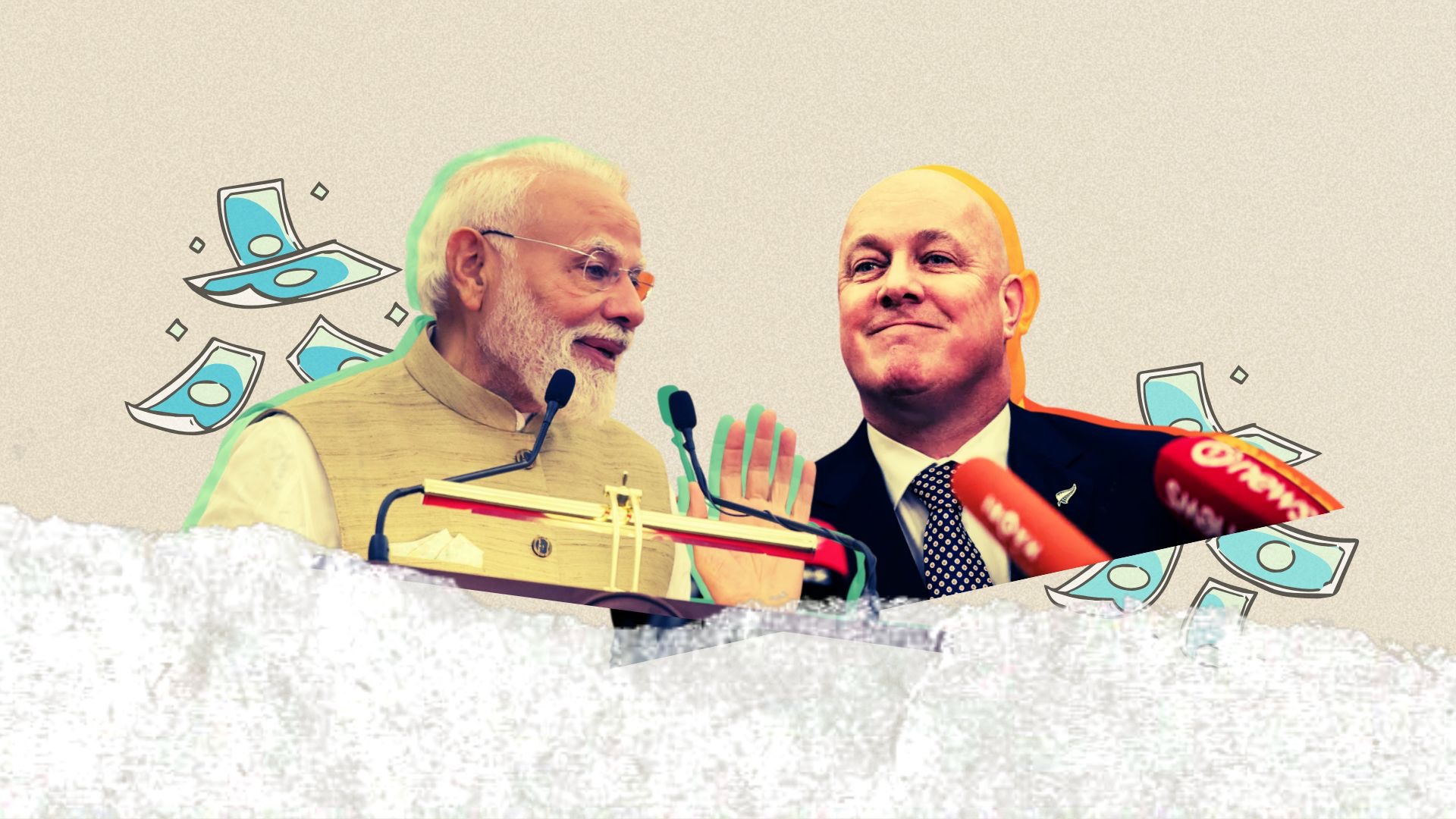
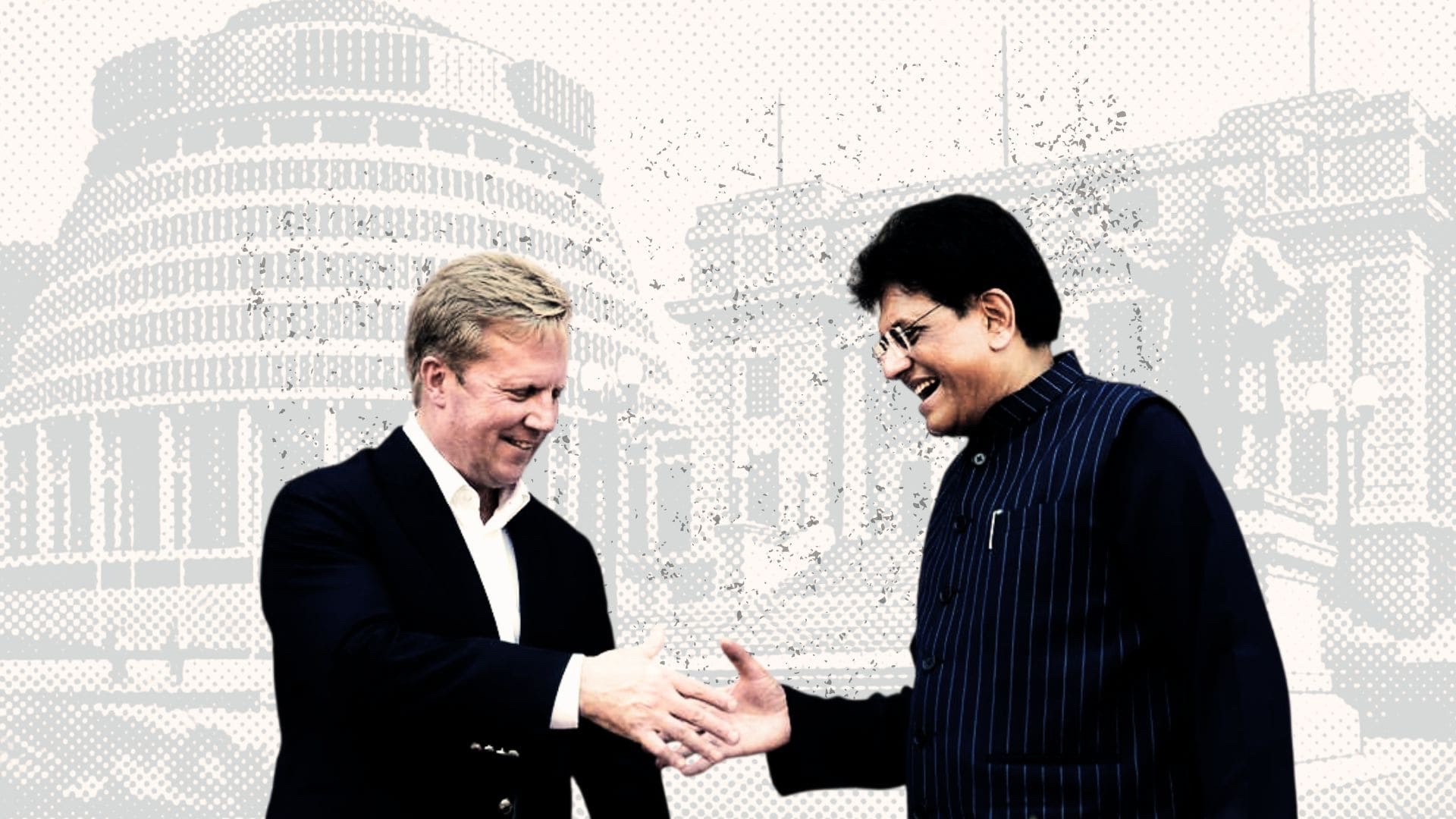
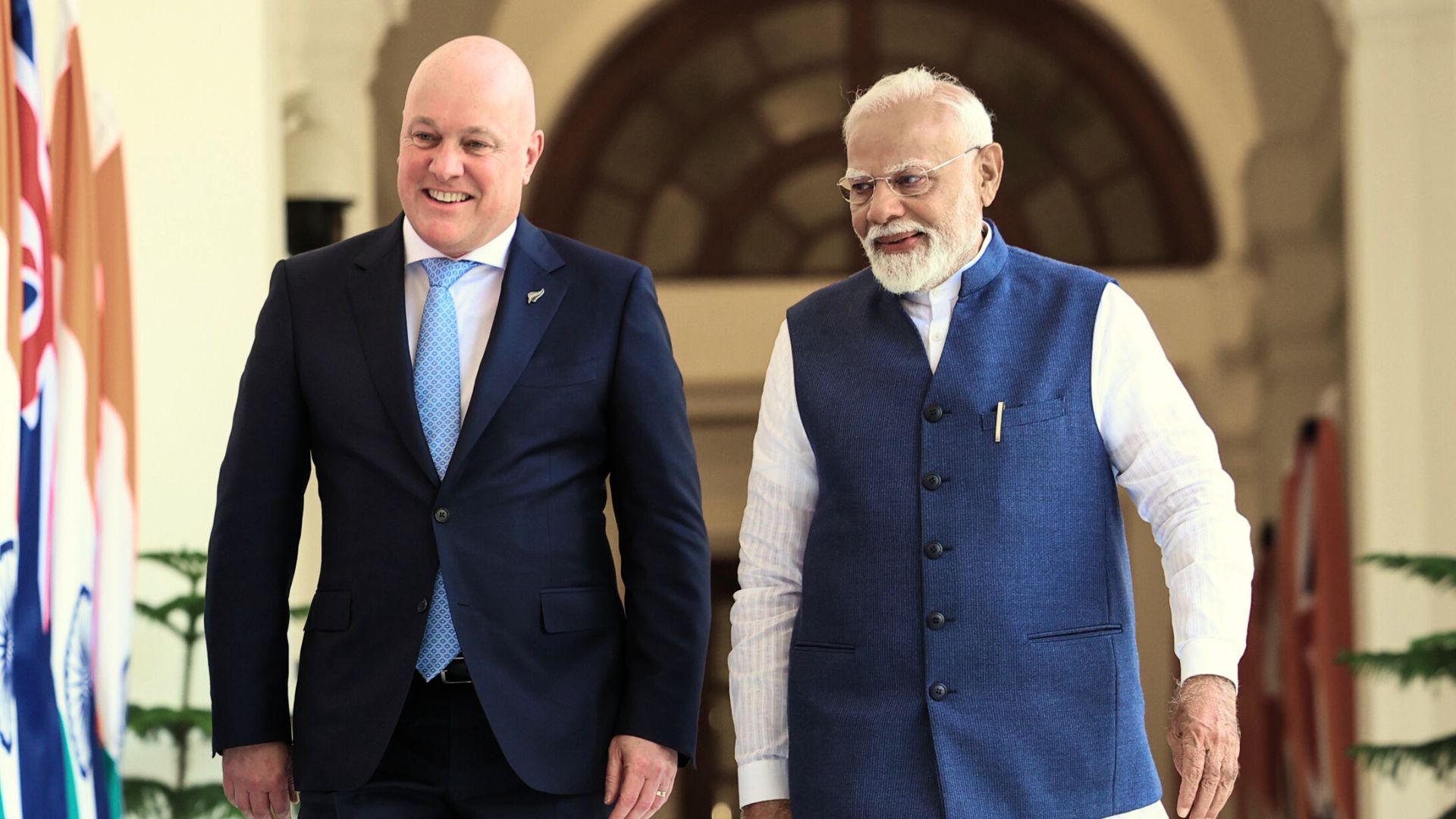
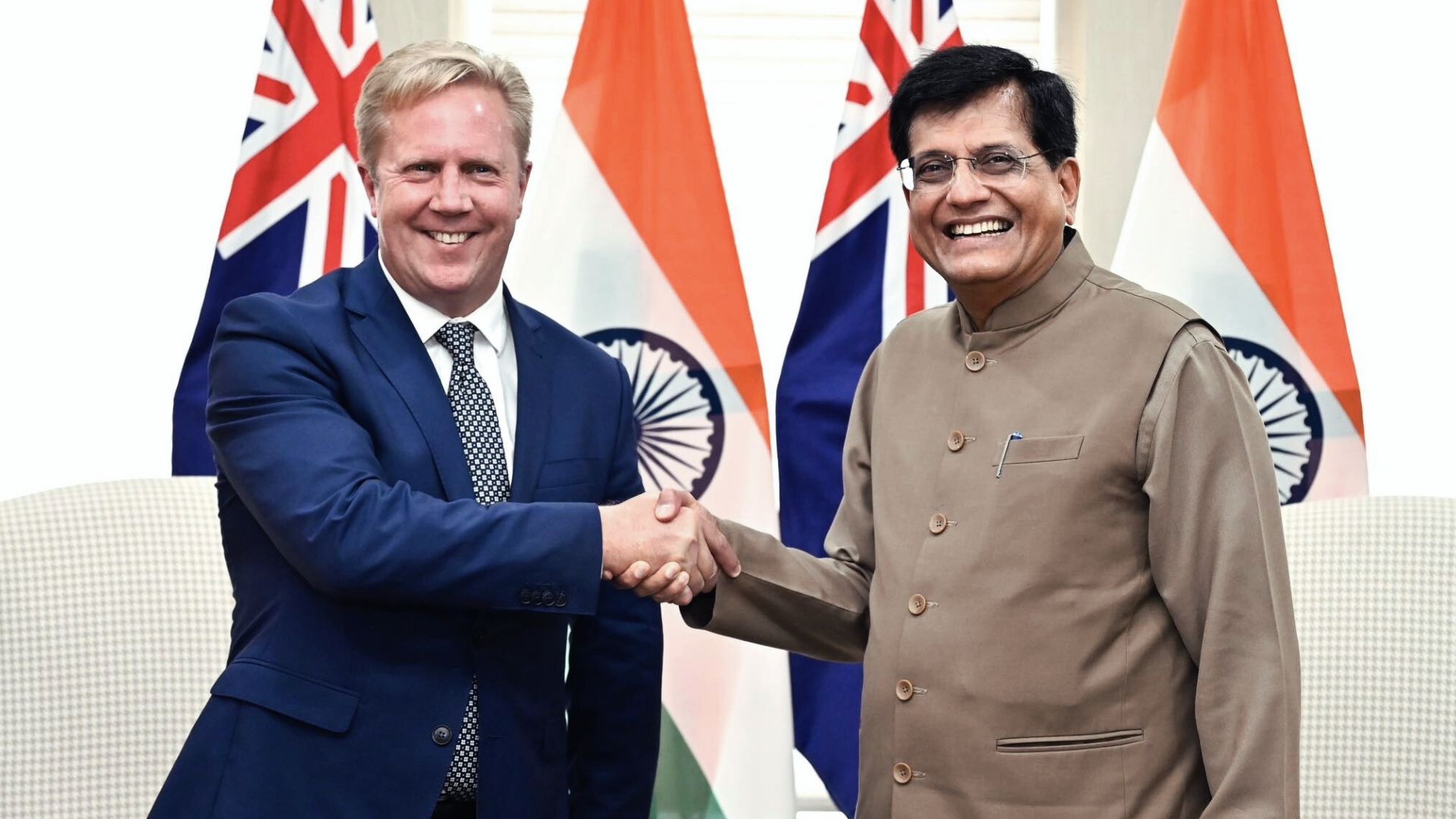
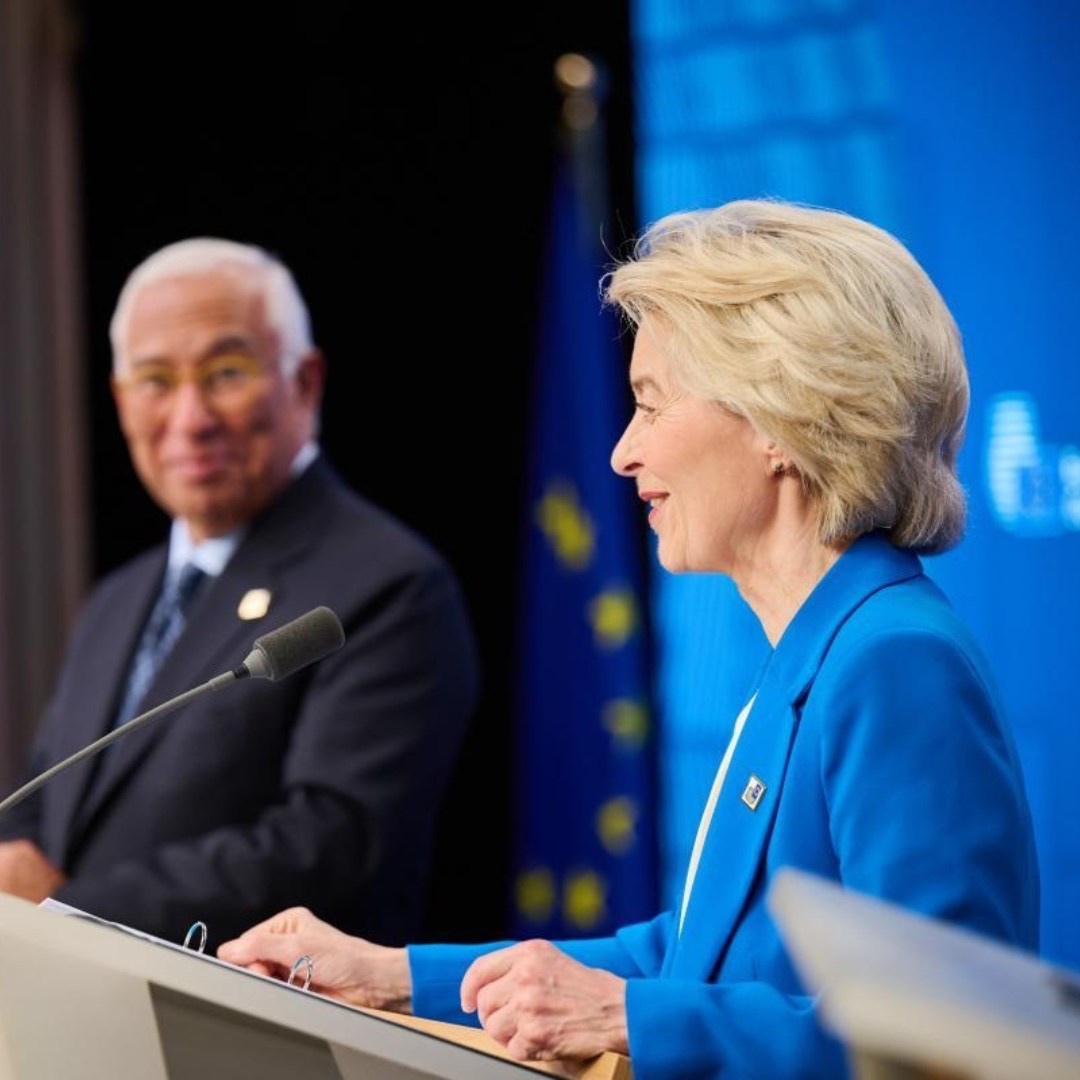
Prime minister Christopher Luxon and Indian counterpart Narendra Modi look on as trade ministers Todd McClay and Piyush Goyal exchange bilateral MoUs at Hyderabad House in New Delhi on March 17, 2025. (Supplied photo)
The promise of an India FTA is driving business interest. The challenge now is whether firms know how to use it.
New Zealand businesses are lining up to enter India but many are not yet confident they know how to operate there, a new survey has found.
That tension sits at the centre of the opportunity being projected from the New Zealand-India Free Trade Agreement (FTA), as the government rallies consensus for the agreement to be signed into law.
The Auckland Business Chamber released 'The NZ–India Business Momentum 2026' report on Tuesday. The message being clear. Turning the FTAs potential into actual gains hinges on whether (and how quickly) the government can show businesses the ropes of getting things done in India.
“Businesses want the FTA to be a practical tool, not an abstract agreement,” the report reads. "India is easier to navigate when industry, the Chamber, MFAT, NZTE and in-market agencies work together."
The report suggests engagement with India is now firmly underway. Only two per cent of the 74 businesses surveyed had never considered the South Asian giant as a potential market. More than half of these businesses posted annual revenue of under NZ$5 million.
Selfie: ‘Daddy, please don’t take me to an India-NZ cricket match’. A migrant's dilemma Can a migrant embrace a new home without abandoning old loyalties? Sports often offers a reckoning for migrants.
Migrant prison guards in Auckland accused of drug smuggling can't work, can't go home Two fathers facing serious corruption charges have been unable to work elsewhere because of their visas and awaiting criminal trials in 2028.
Can you be Indian and Kiwi? National's Mahesh Muralidhar on patriotism, racism and belonging National's big ticket Indian-origin candidate on what ethnic representation really achieves and why New Zealanders still struggle to get along.
Nearly a third were considering entry, 14 per cent planning to enter within two years, and nearly 40 per cent already engaged or established.
India is no longer hypothetical. It is operational. But how firms are entering matters. Firms are signalling a strong need for external support.
As many as 53 per cent of the respondents rely on direct exports, 41 per cent on distributor models, and only a smaller share moving into deeper, more embedded strategies like joint ventures or in-market presence.
That pattern suggests a cautious approach, prioritising access but stopping short of full commitment. Across the report, a consistent signal emerges. Confidence weakens at the point where strategy meets execution.
Take state-level strategy, widely acknowledged as critical in a market as diverse as India. Yet 43 per cent of the firms reported low confidence in understanding how Indian states differ, and a further 32 per cent reported only moderate confidence.
That leaves three-quarters of respondents not fully equipped to make what is arguably the highest-impact market entry decision. The same pattern appears in trade capability.
The gap is not just about understanding states, but also recognising where growth is actually happening. As Rahul Sen, senior lecturer at Auckland University of Technology, notes, “The top 10 fastest growing states in India over the last five years are not the ones where current focus of New Zealand exporters or investors are.”
Data based on official state-level economic growth estimates shows states like Assam, Karnataka and Uttar Pradesh were among the fastest-growing over that period. Firms, however, remain clustered around more familiar commercial hubs of Maharashtra, Delhi NCR and Gujarat.
While 48 per cent reported high awareness of the FTA, confidence in using it is notably lower. Only 45 per cent are confident about determining product eligibility, 42 per cent understand rules of origin, and about 37 per cent are confident navigating customs and tariff systems.
Effective implementation and utilization of any trade agreements require market knowledge and intelligence about specific niche opportunities, Sen points out.
"A comprehensive research around this is a critical need of the hour and a gap to be filled sooner than later.”
This gap matters. The government says the FTA with India could inject a one-third lift in the recent pace of annual export growth. Economists and experts say the build-up is worth all the hype it is getting. But the proof of the pudding is in the eating.
More than half of the businesses surveyed said regulatory compliance, pricing pressure and partner reliability were the top risks when operating in India. Regulation, tariffs, non-tariff barriers and logistics were also named as significant structural barriers.
These are not marginal concerns. They point to a consistent theme. That the challenge in India is not only market access, but also market navigation.
“Looking at India as one market is flawed… India is like Europe… arguably more diverse than Europe,” one respondent noted.
The way firms are entering the market reinforces this. The dominance of export-led and distributor-based models suggests a preference for low-risk, low-control entry strategies. At the same time, firms signal a strong reliance on external support to operate effectively.
There is clear demand for state-specific briefings, partner matchmaking, and government-led delegations, with some respondents noting that operational issues are typically resolved only with direct intervention from New Zealand’s diplomatic network.
This points to a broader reality. Success in India is not purely firm-driven. It is system-supported.
The FTA is expected to reduce costs and improve predictability. Businesses themselves point to lower landed costs (54 per cent) and faster customs clearance (32 per cent) as the primary benefits.
But 35 per cent remain uncertain about what the agreement will deliver in practice. Ultimately, FTAs are not self-executing. Their value depends on firms being able to use them efficiently and at scale.
(You can access the full report here.)