
Papatoetoe elections: Psst...elephant in the room no one wants to talk about
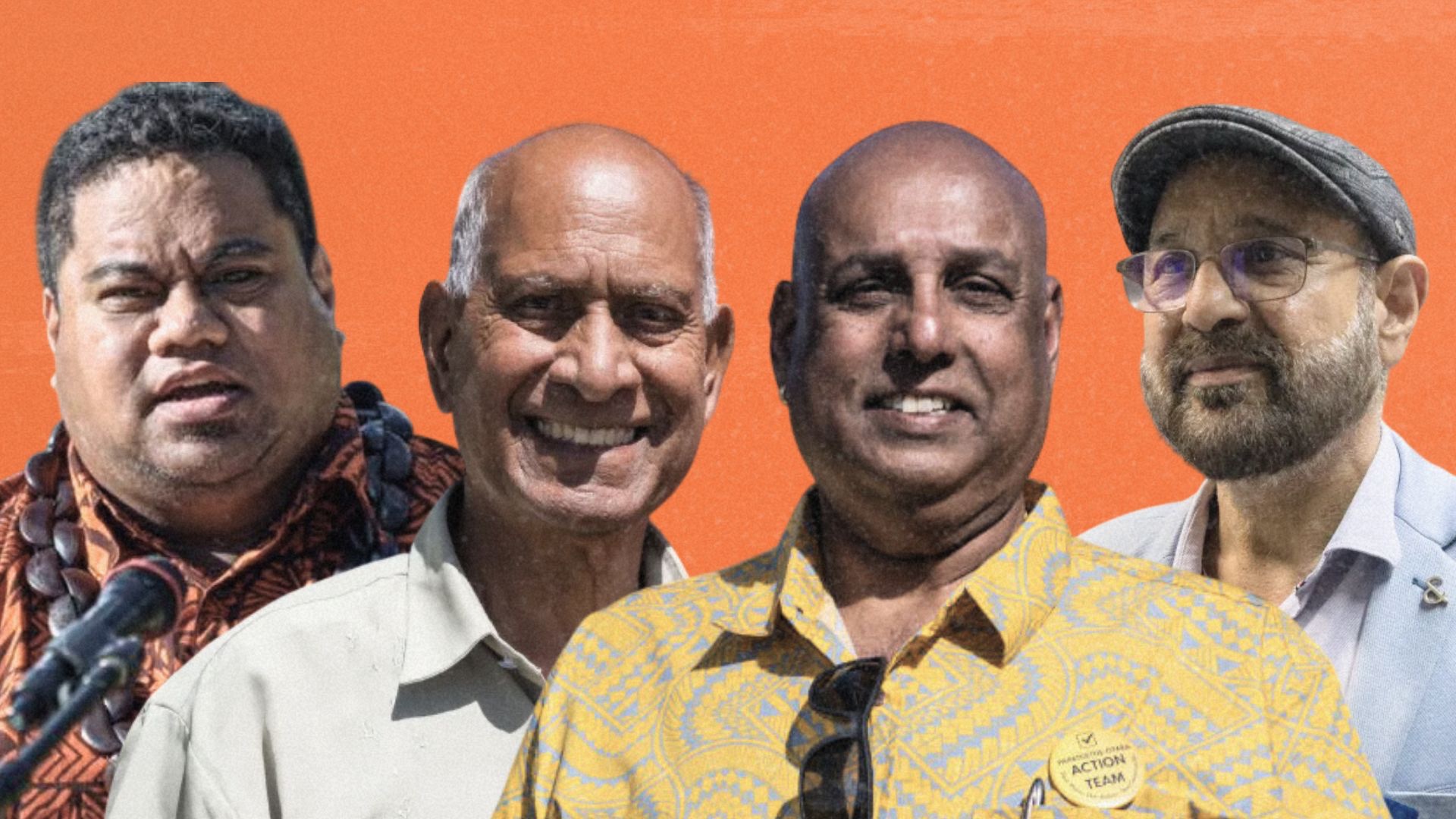
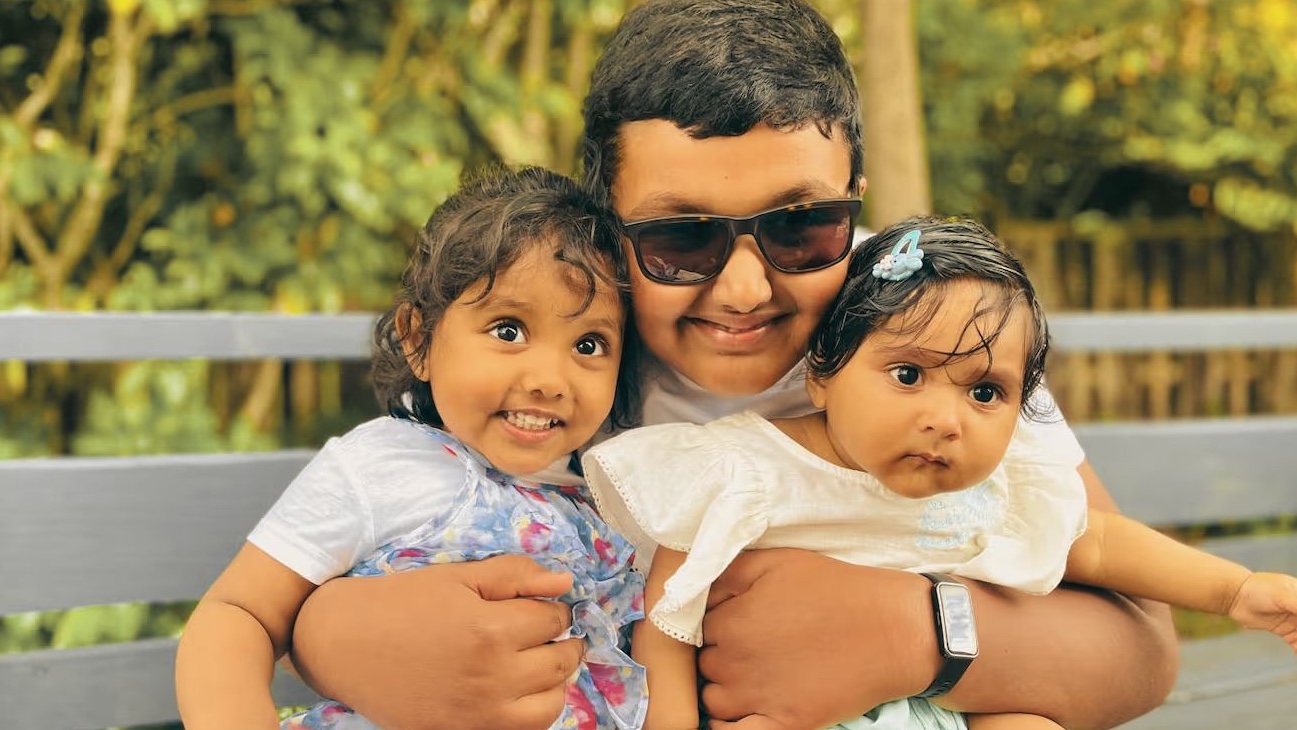
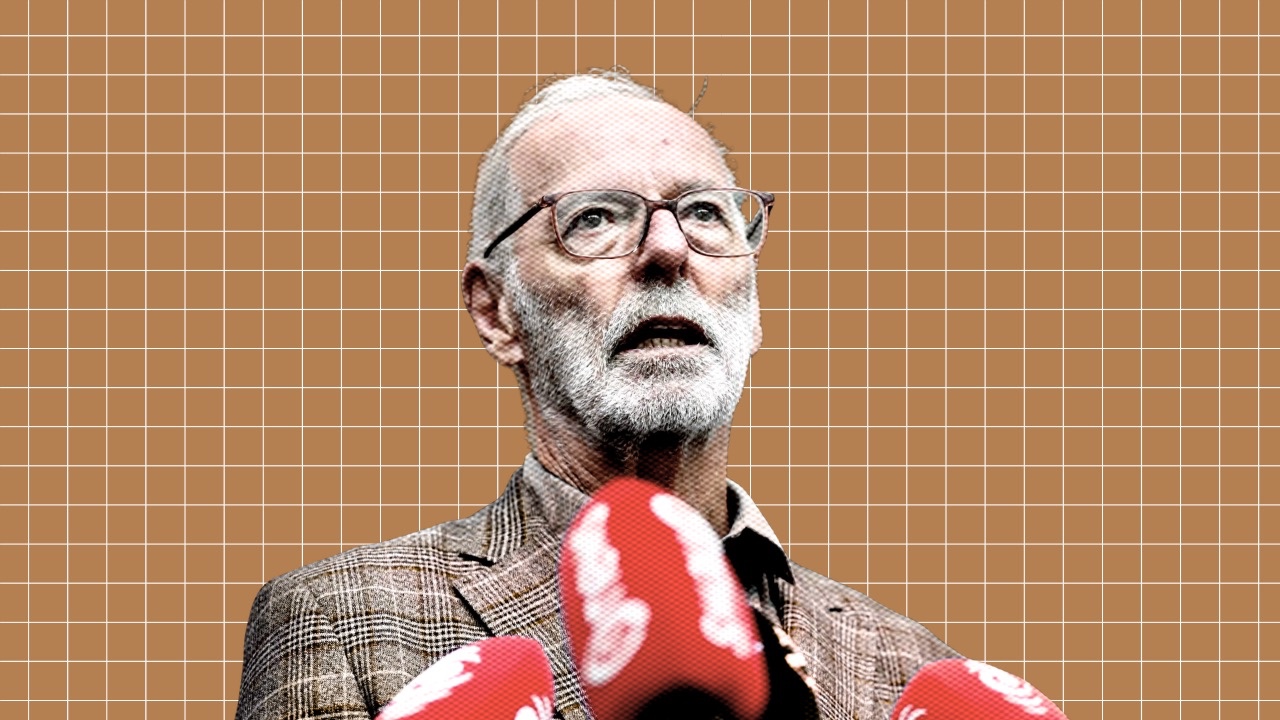
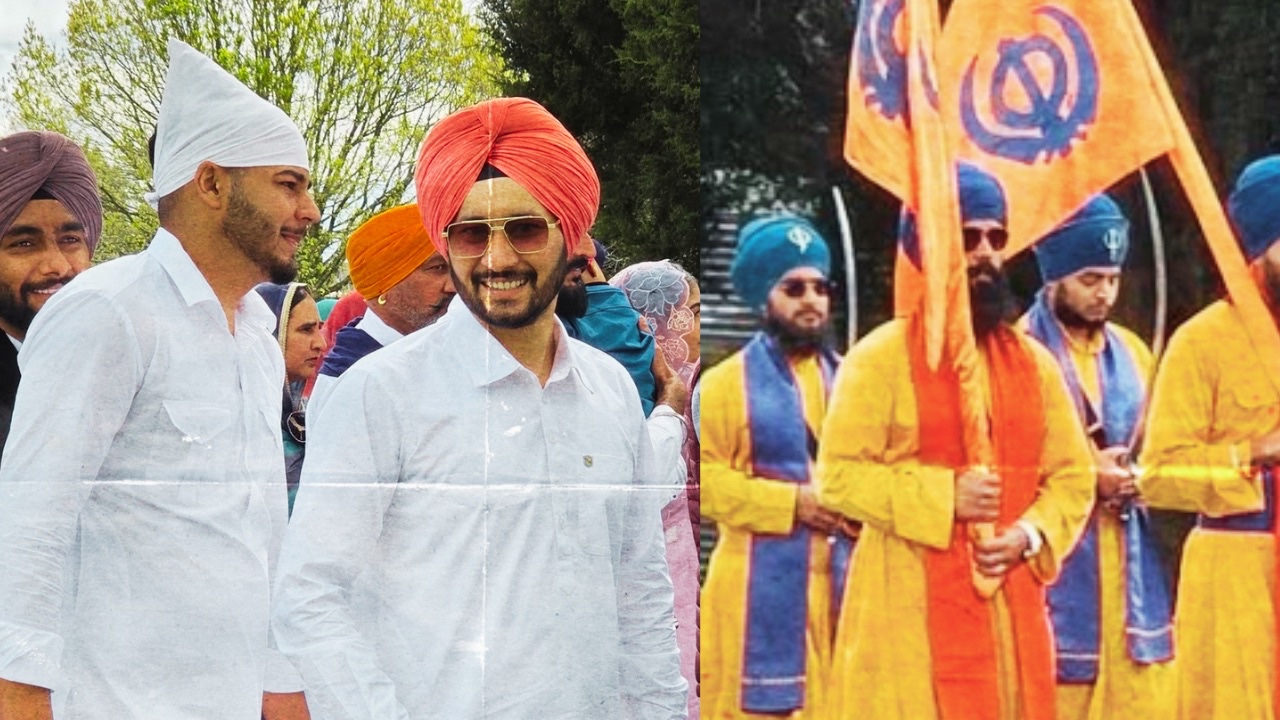
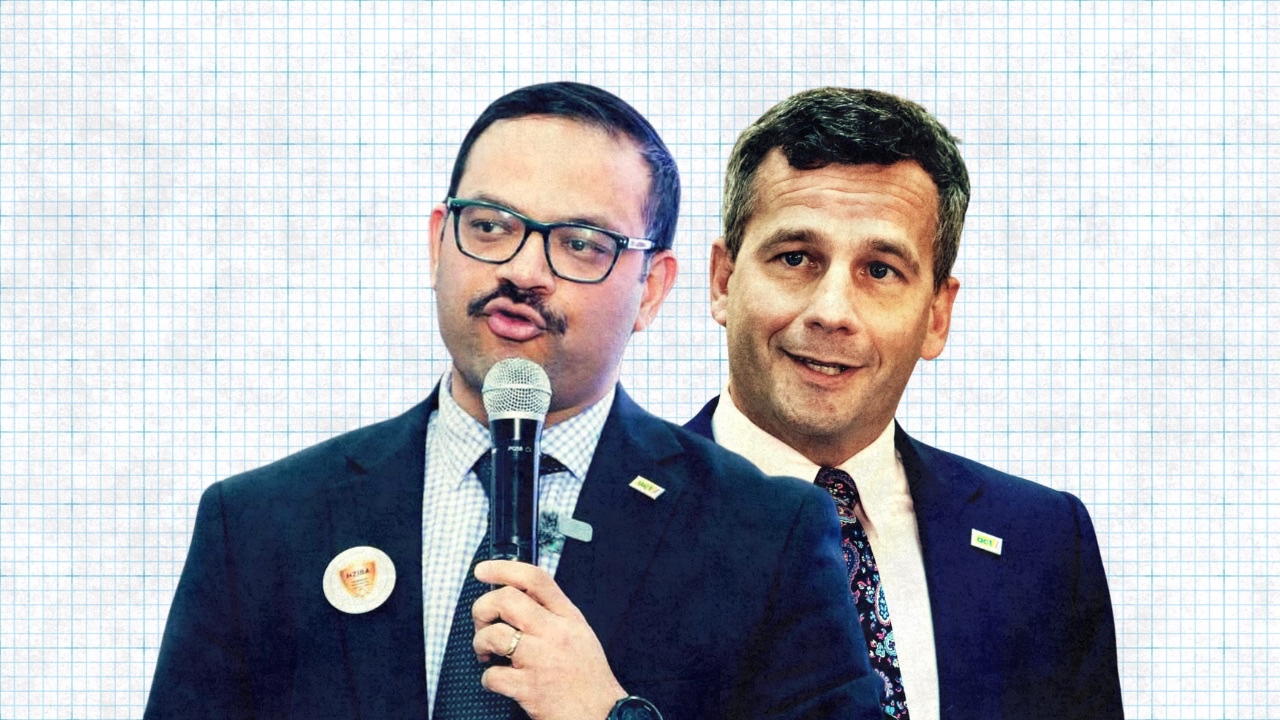
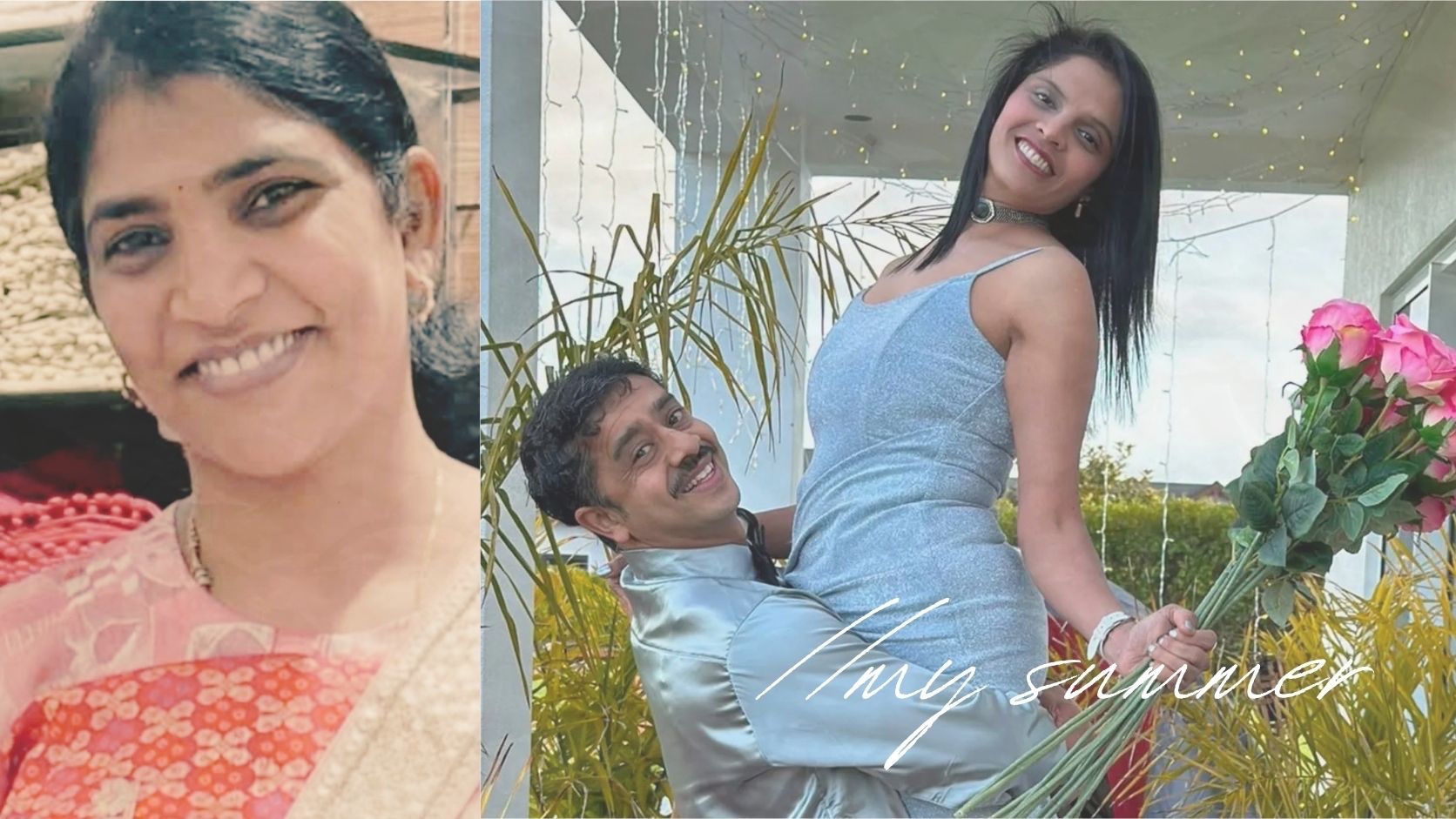
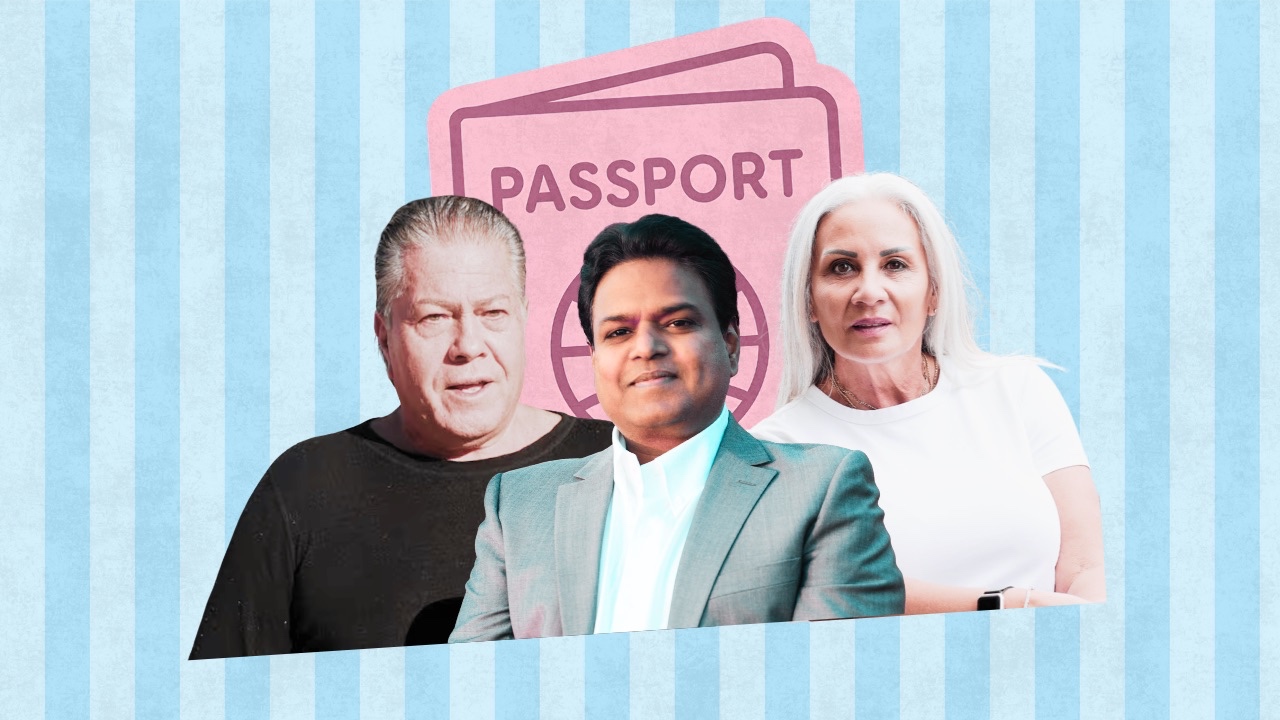
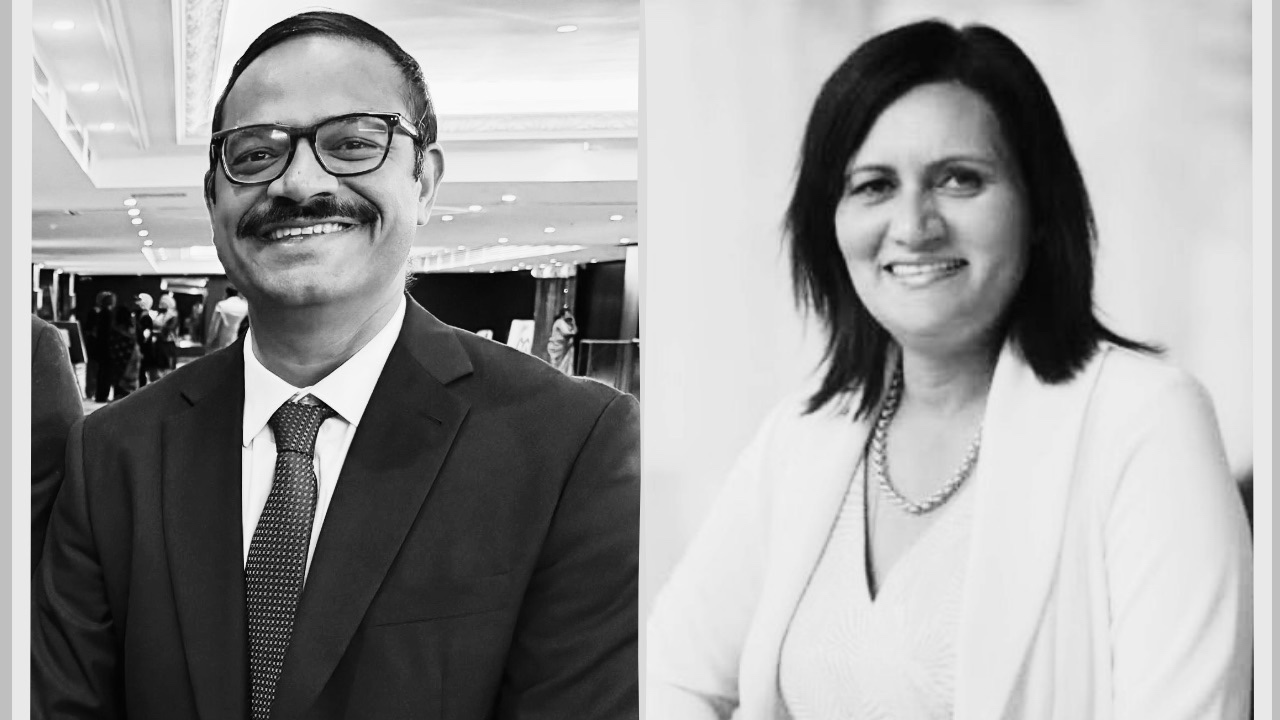
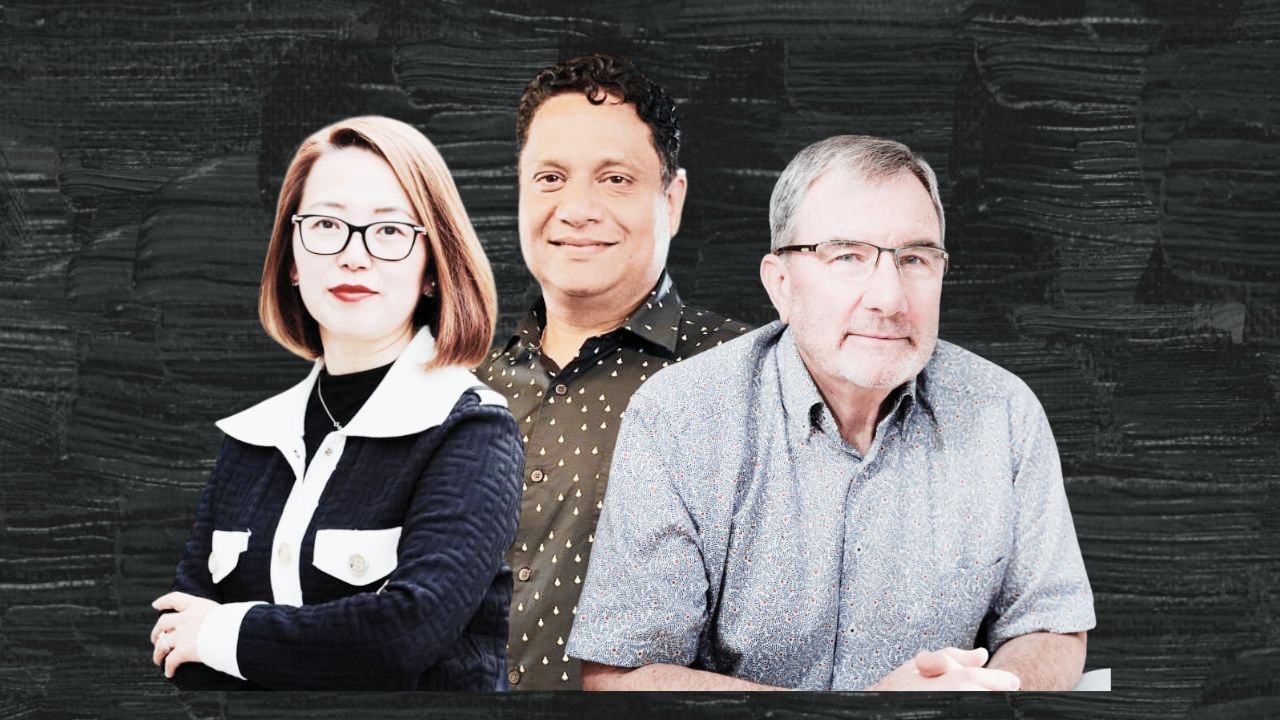
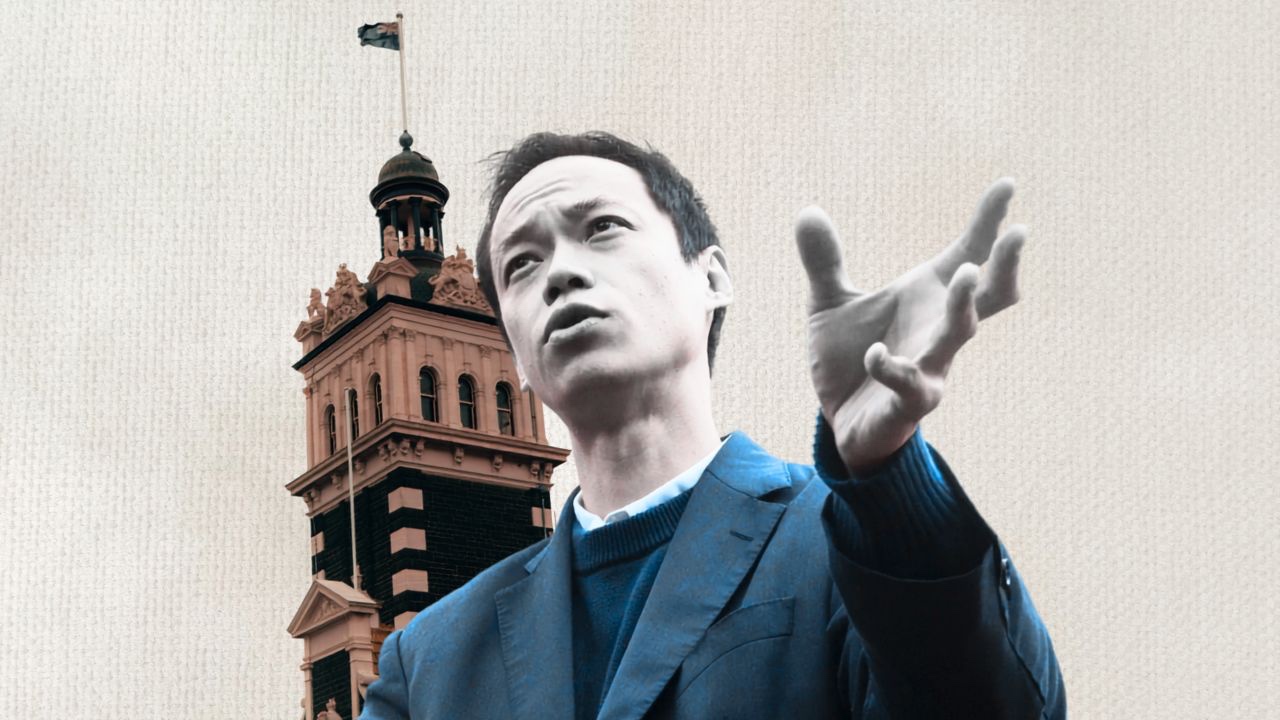
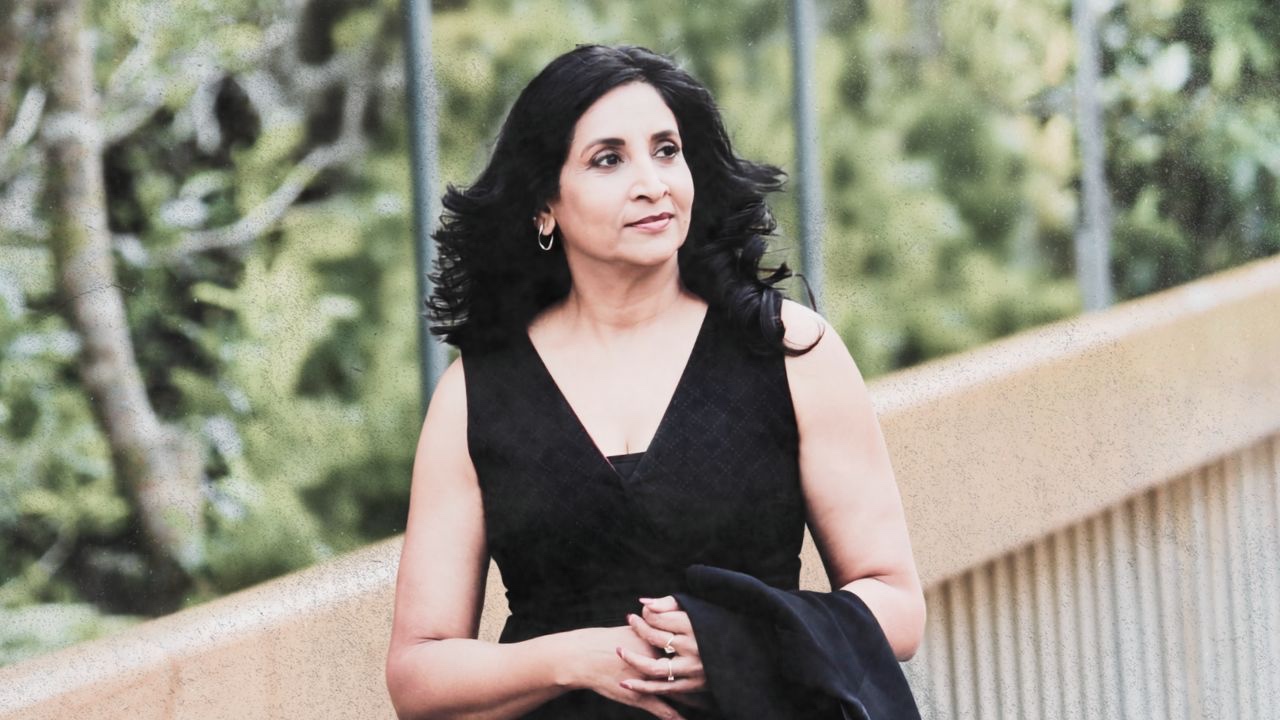
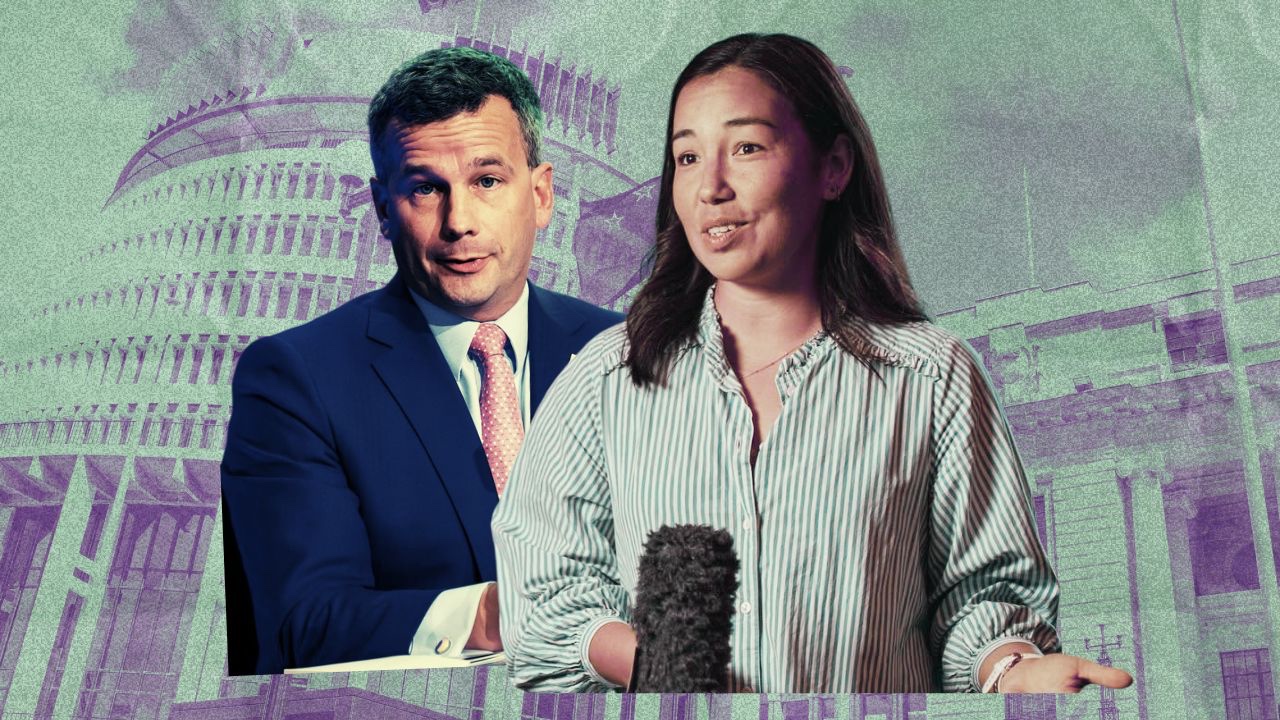
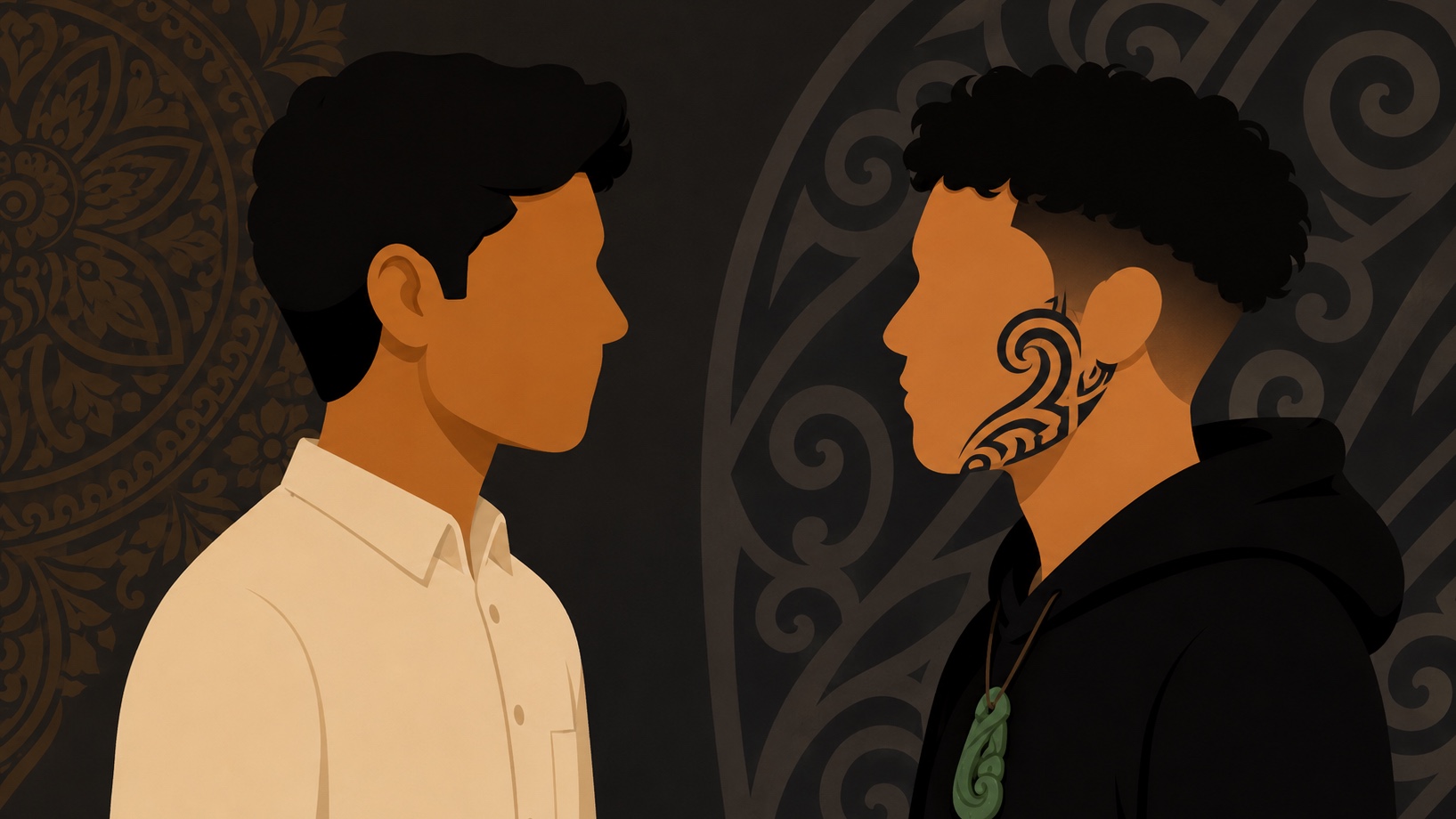
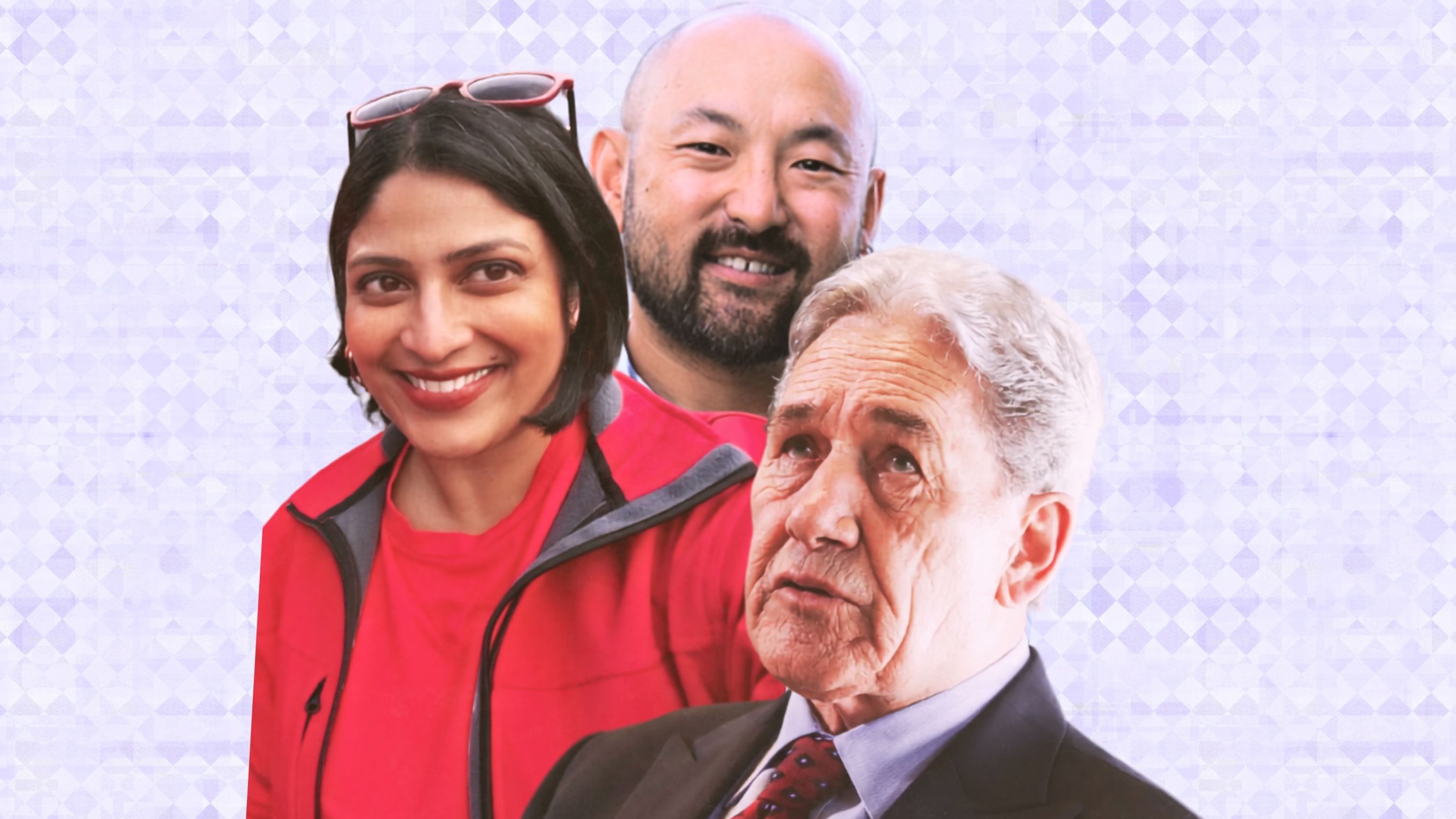
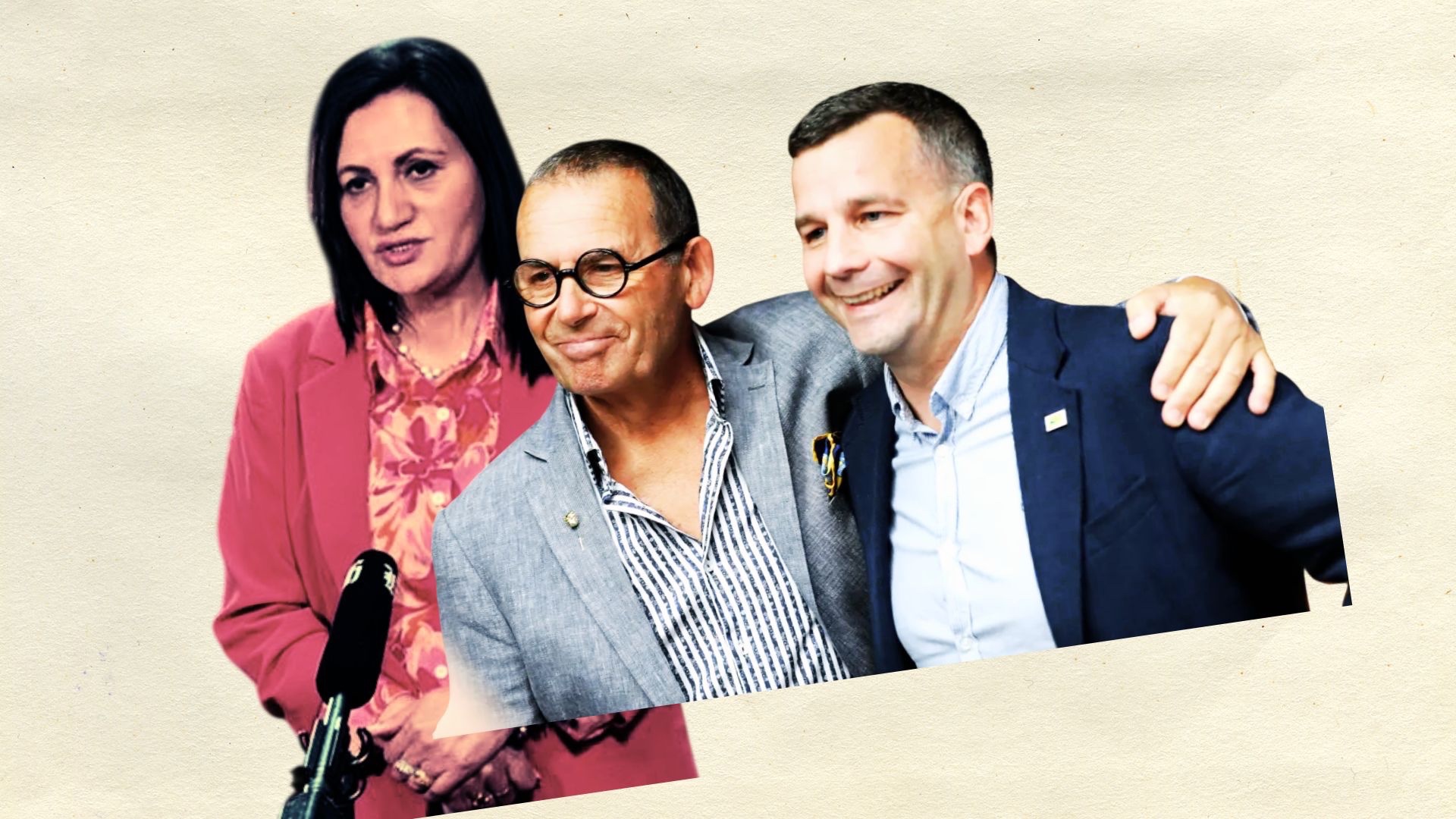
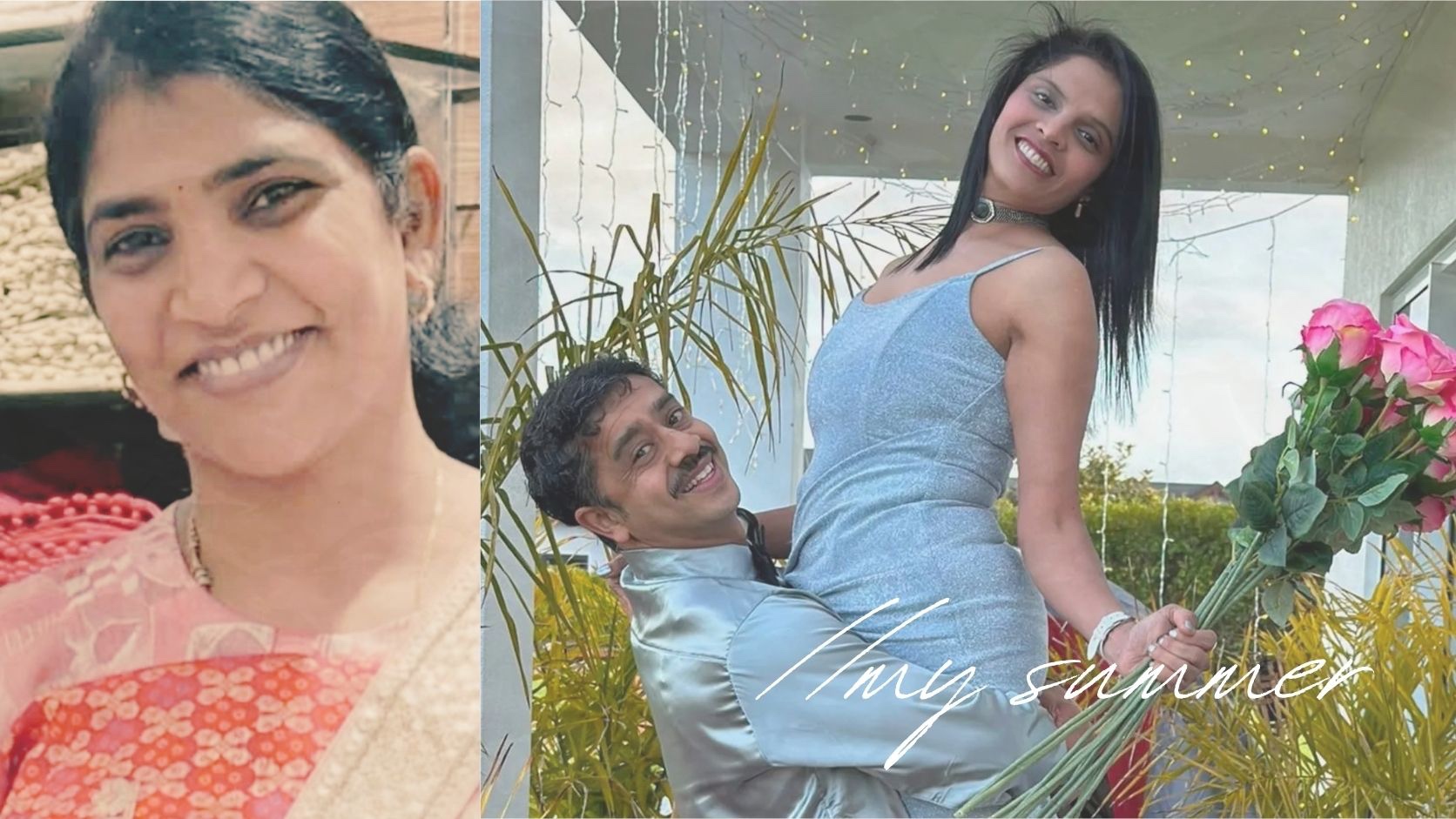
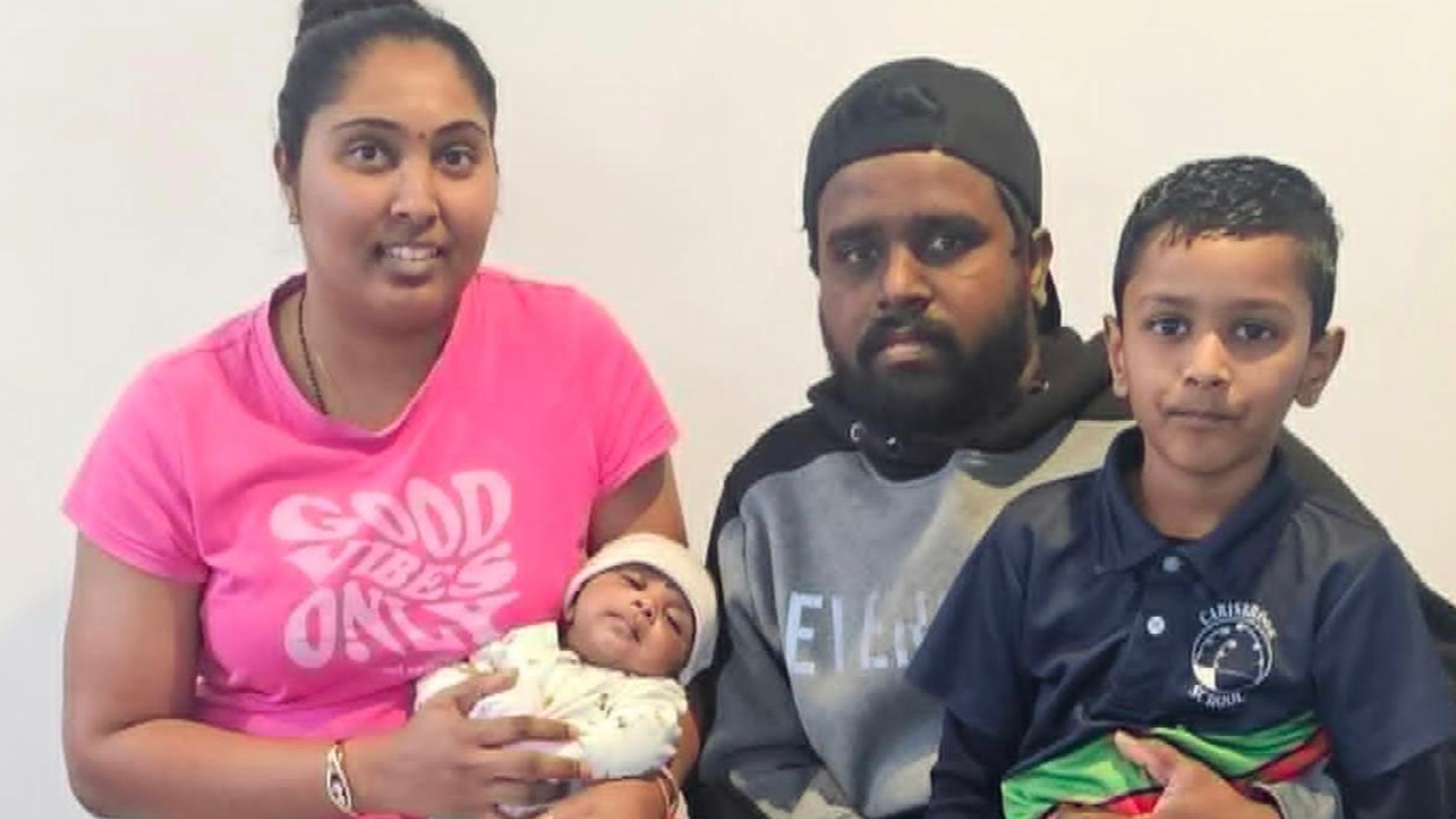
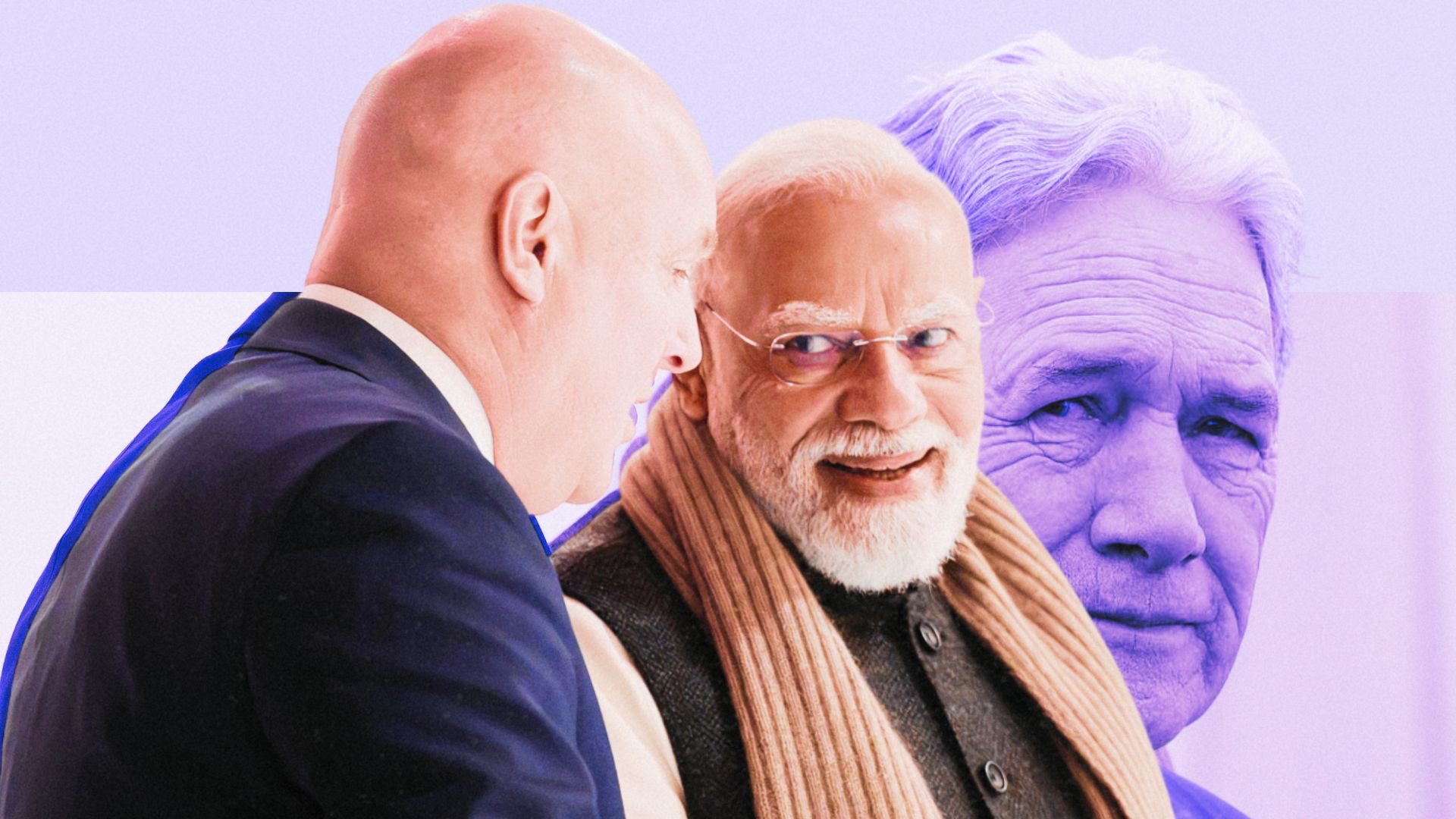
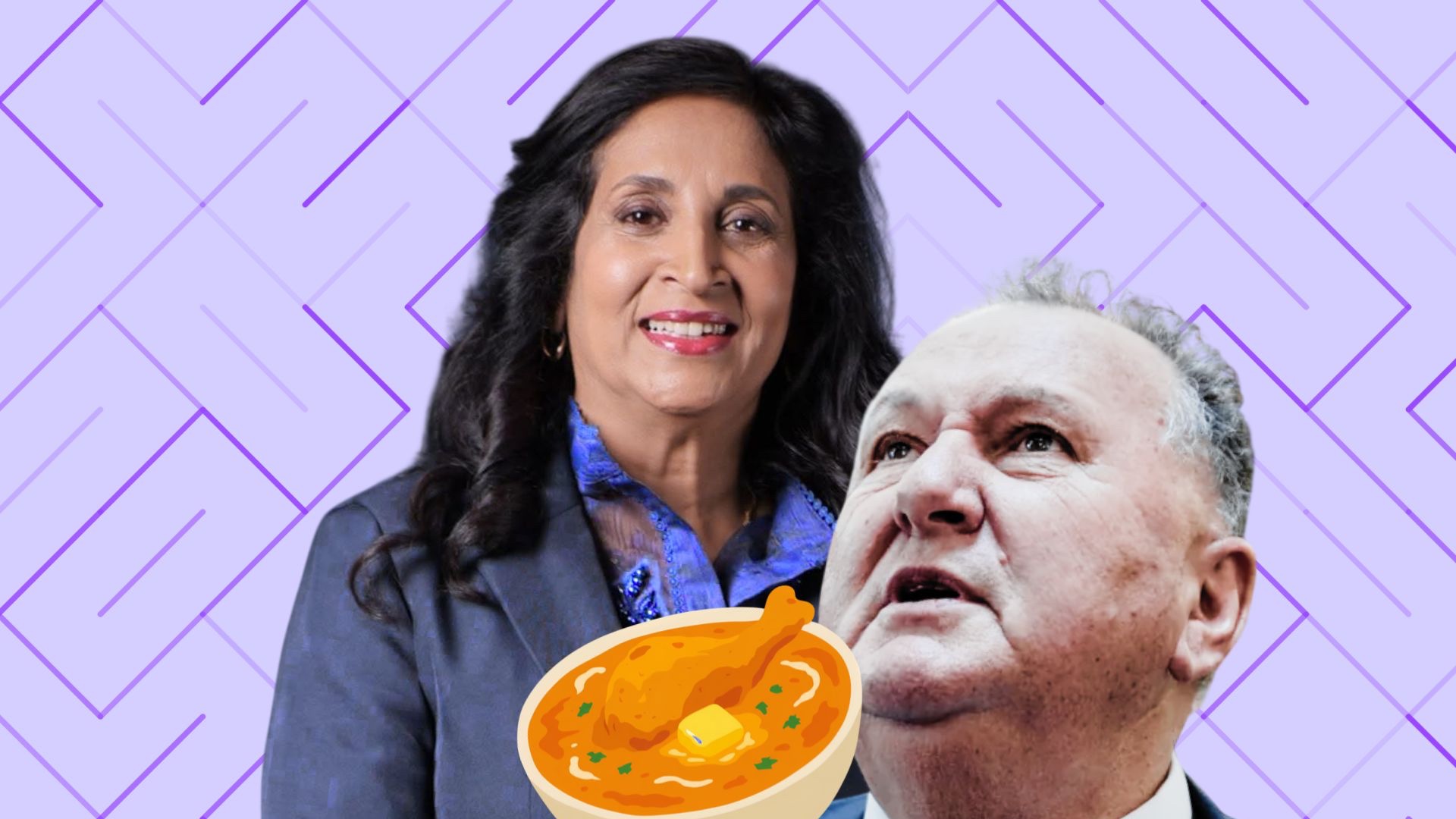
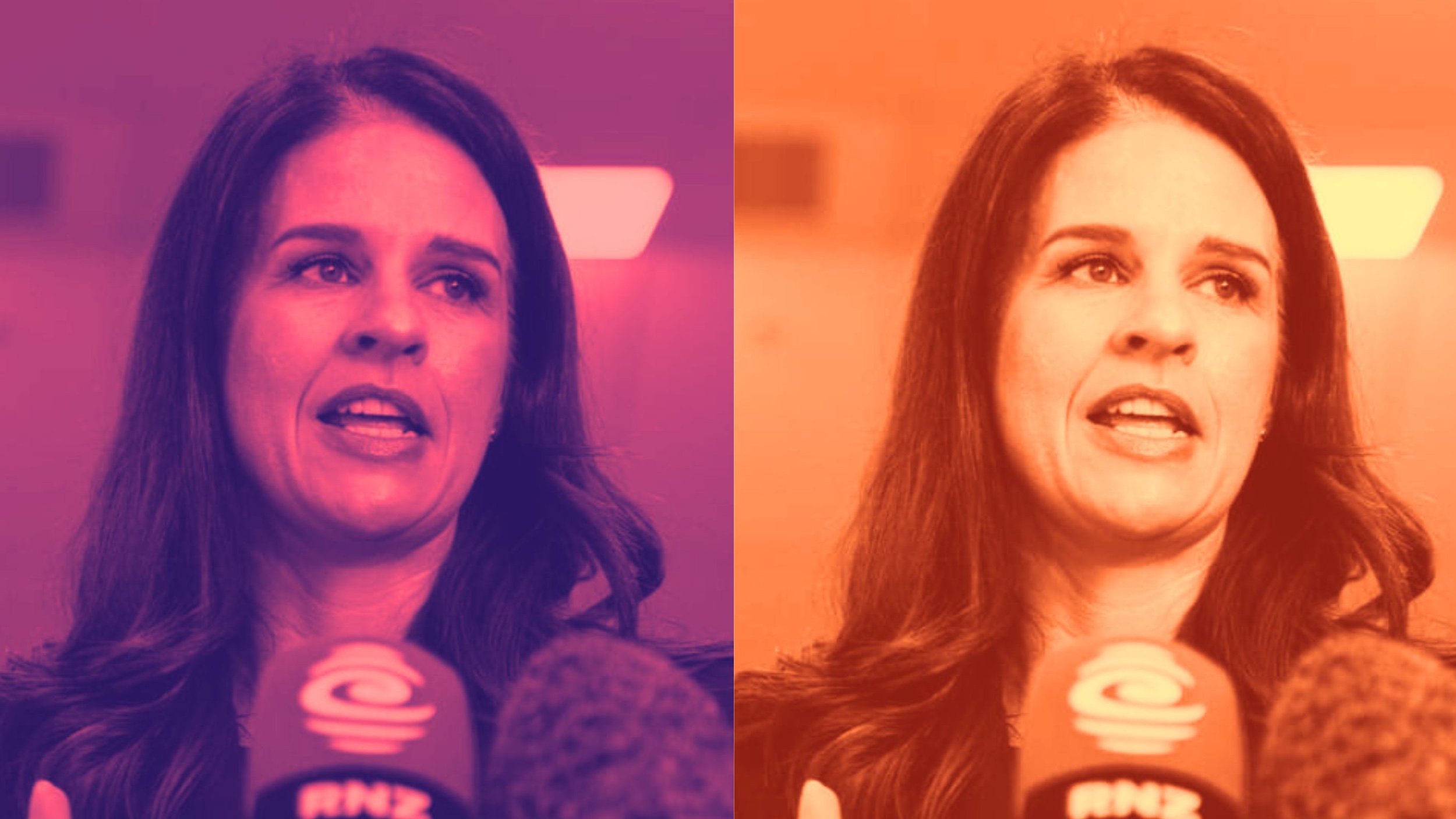
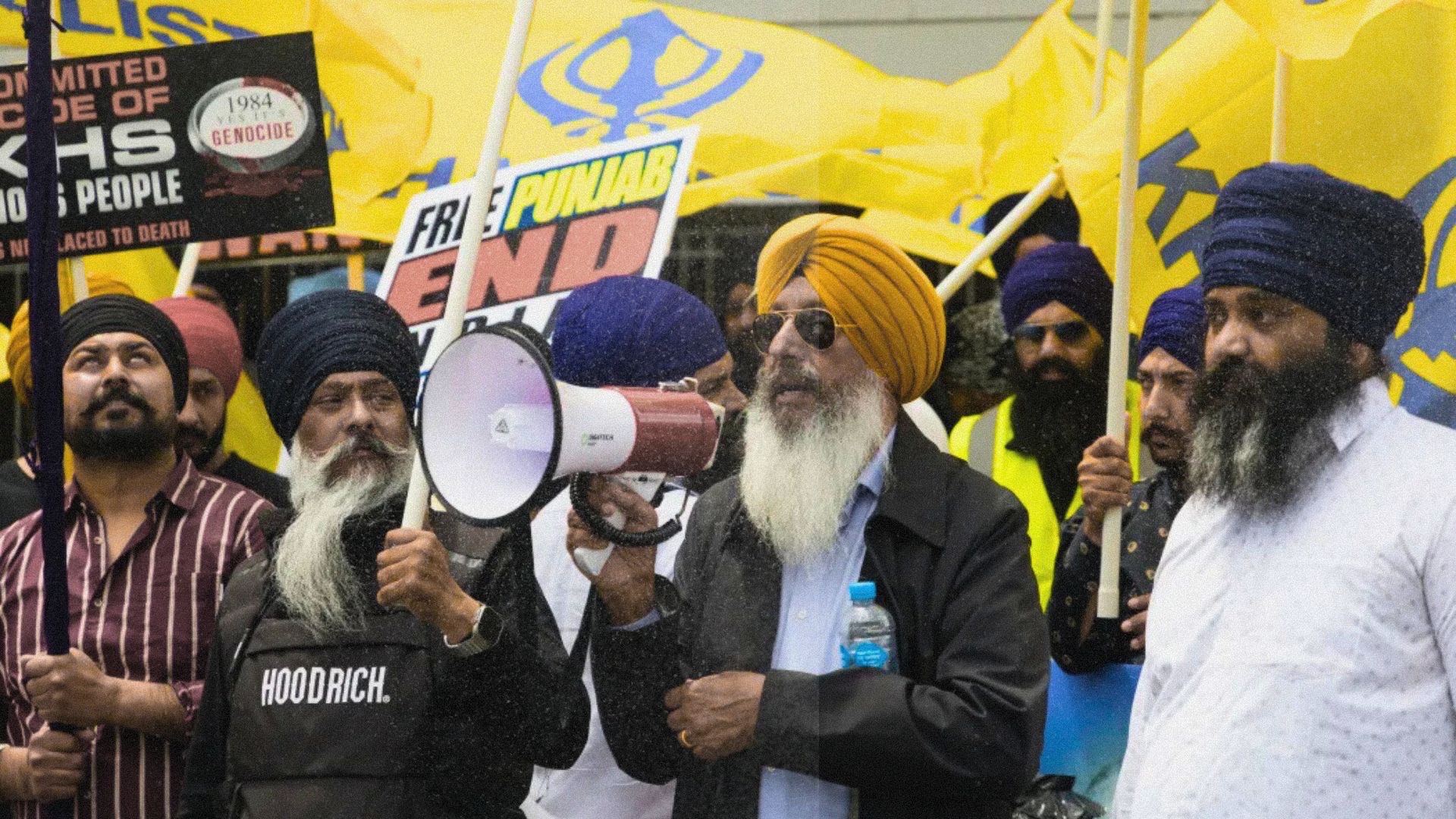
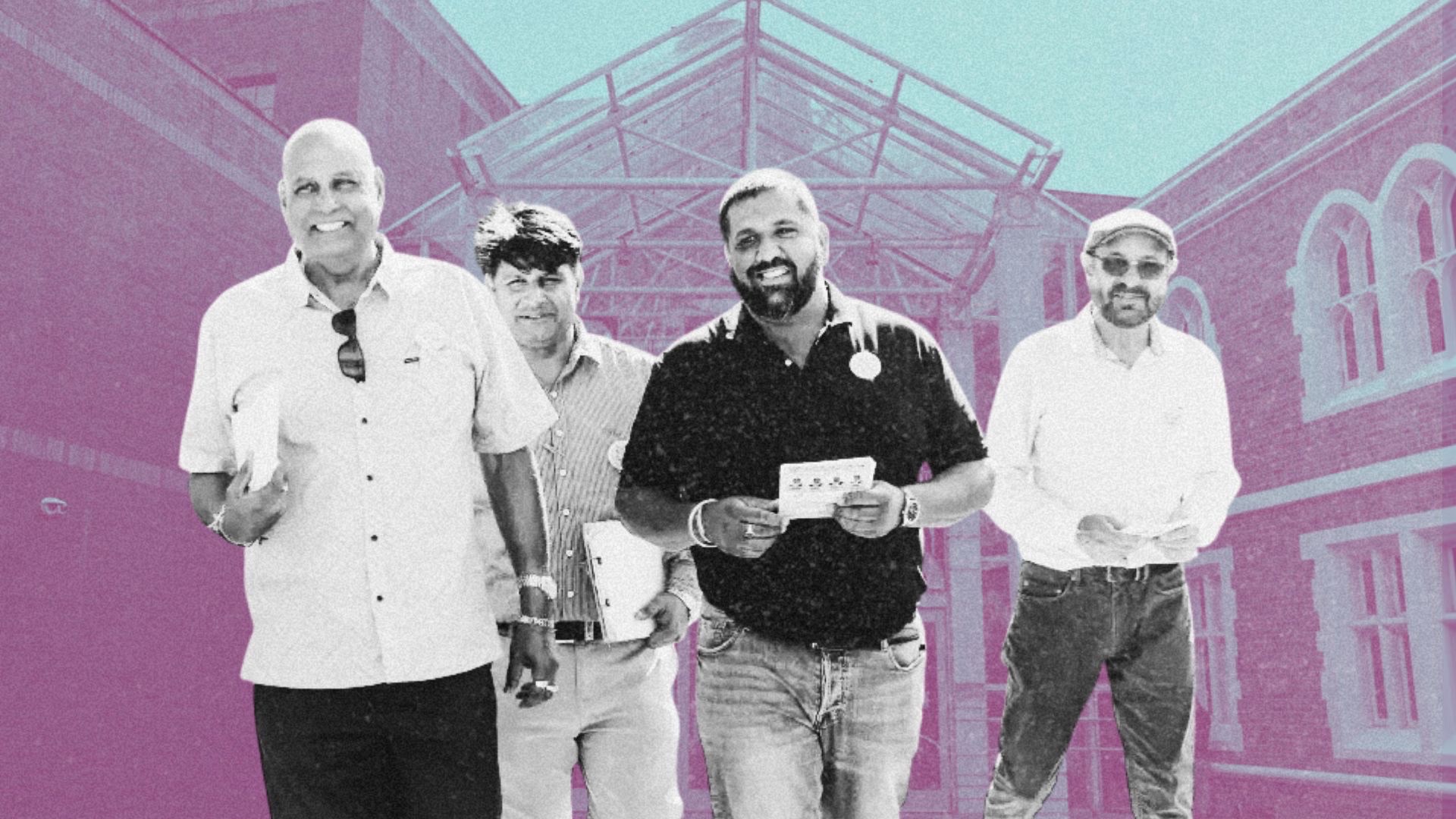
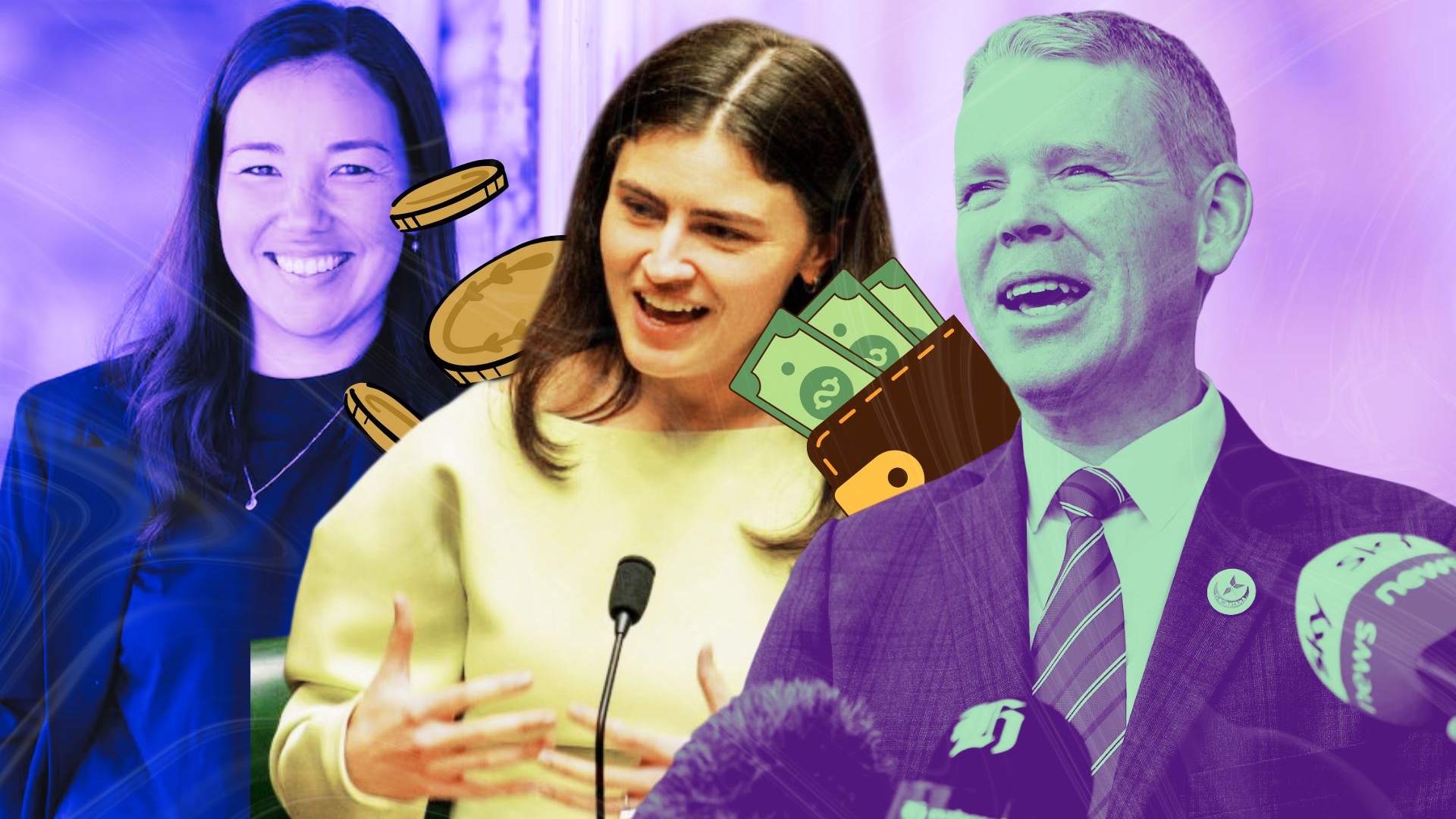
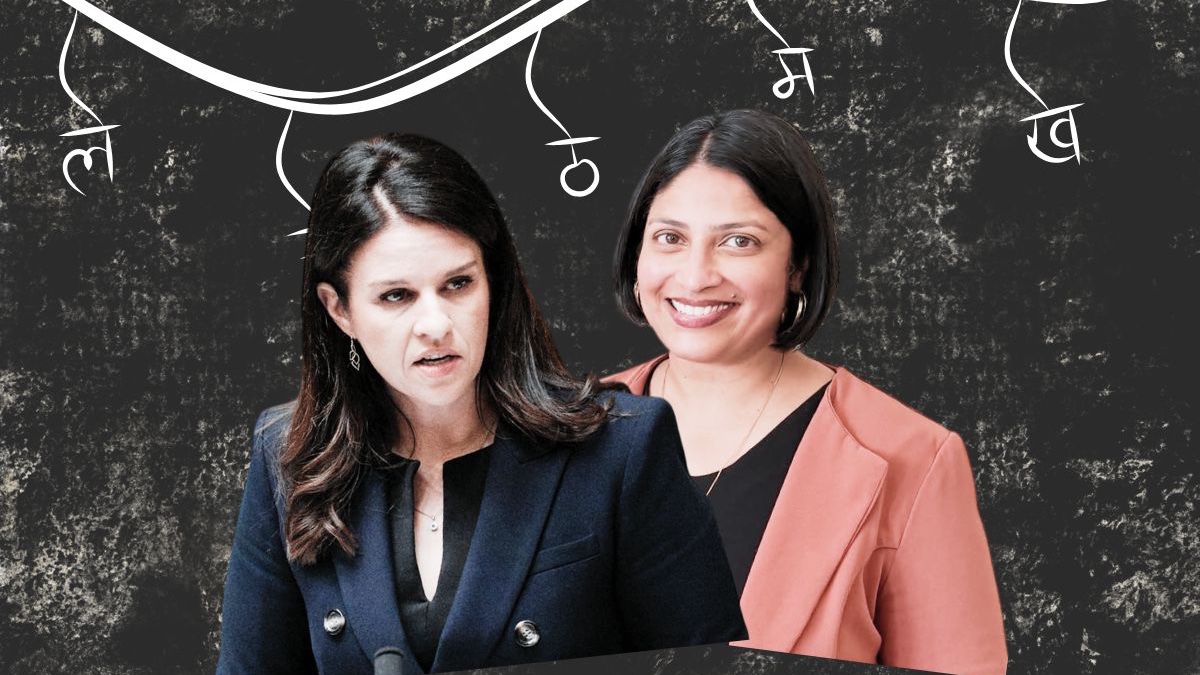
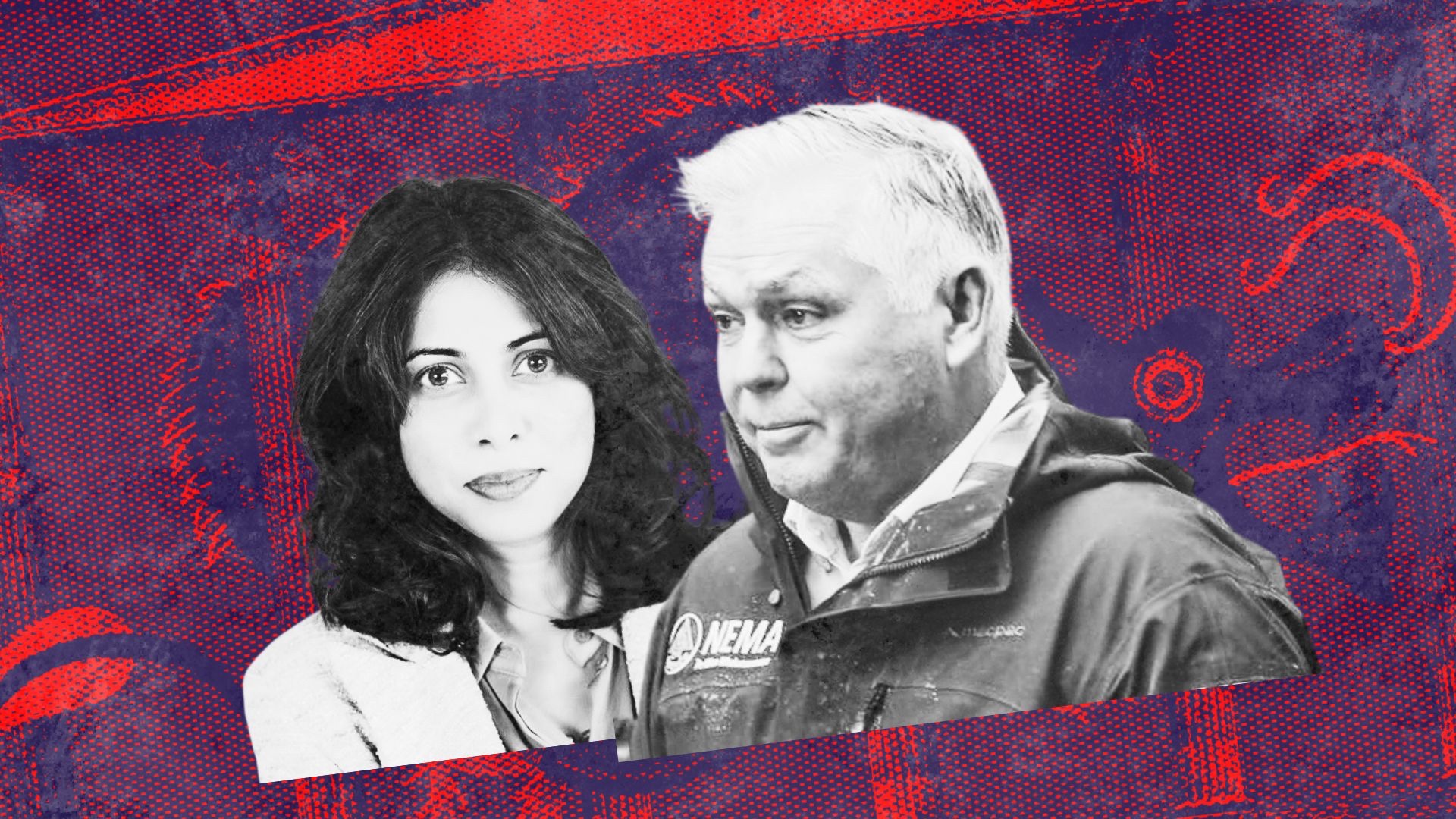
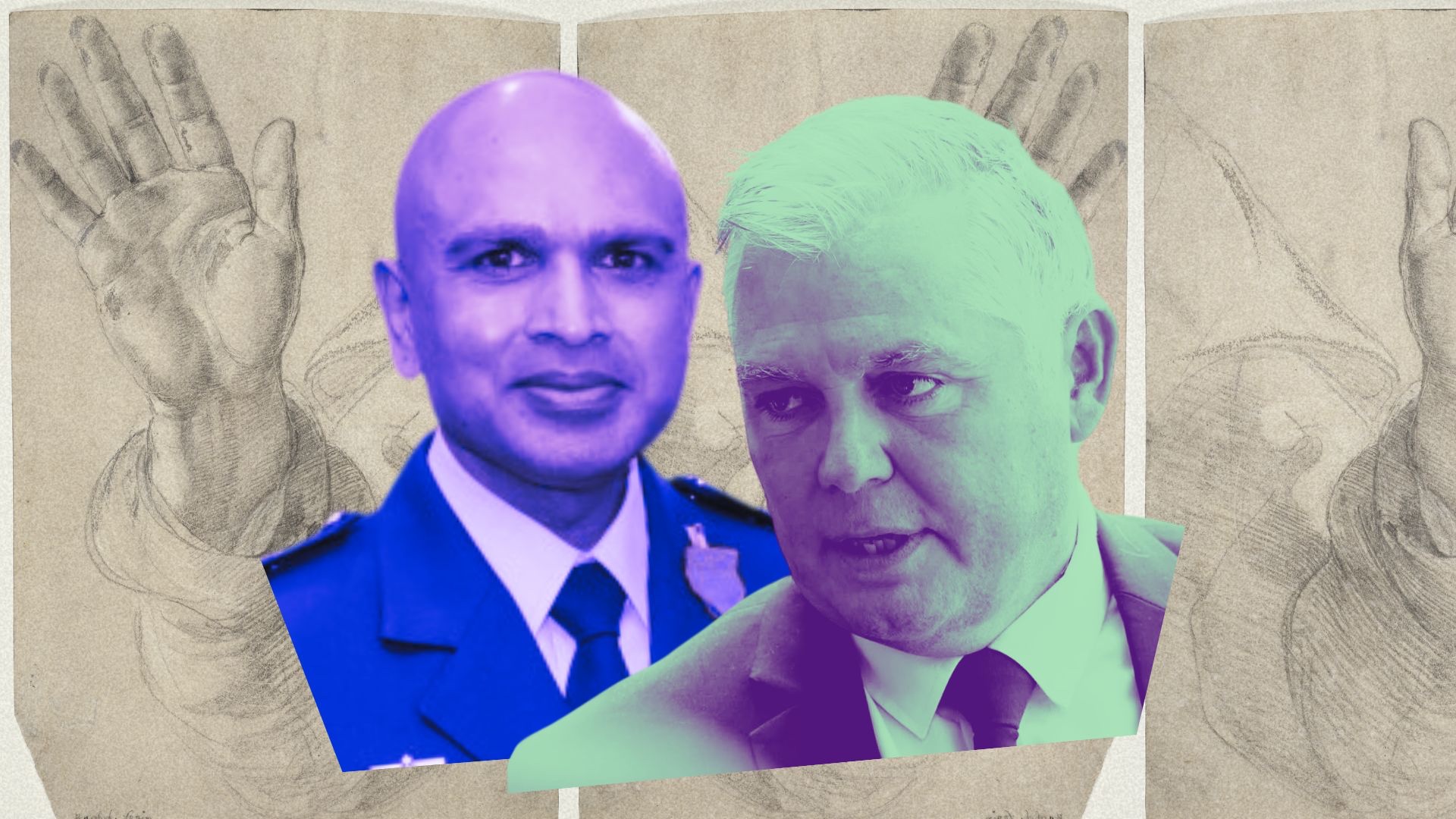
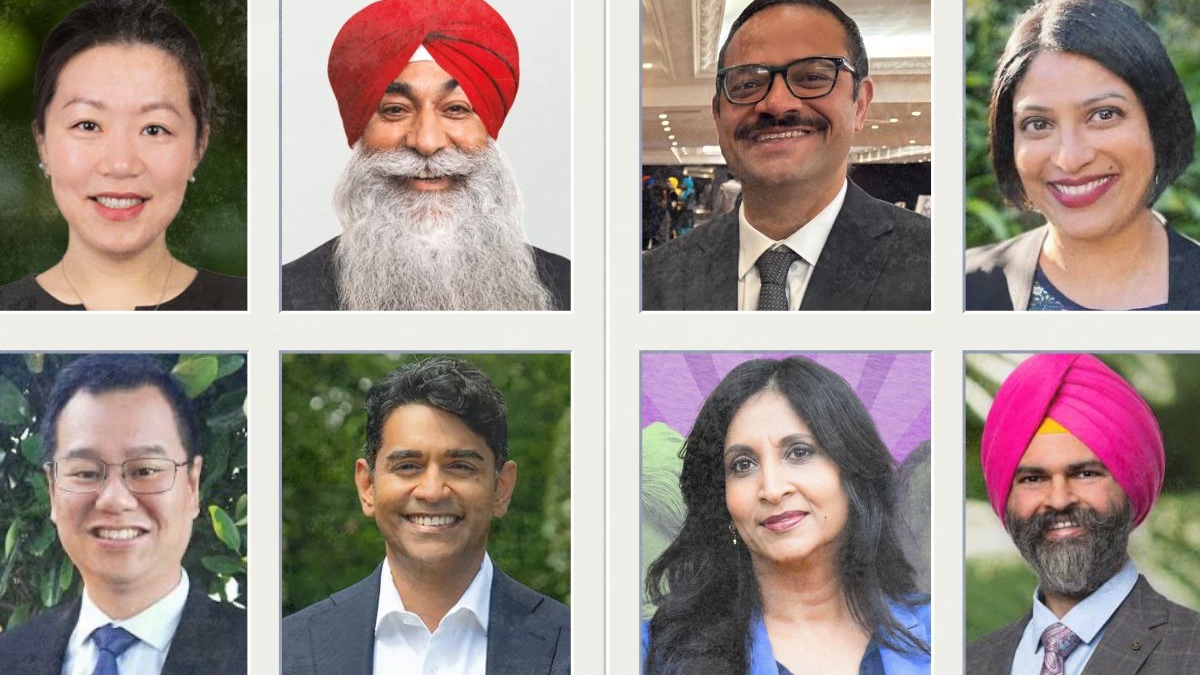
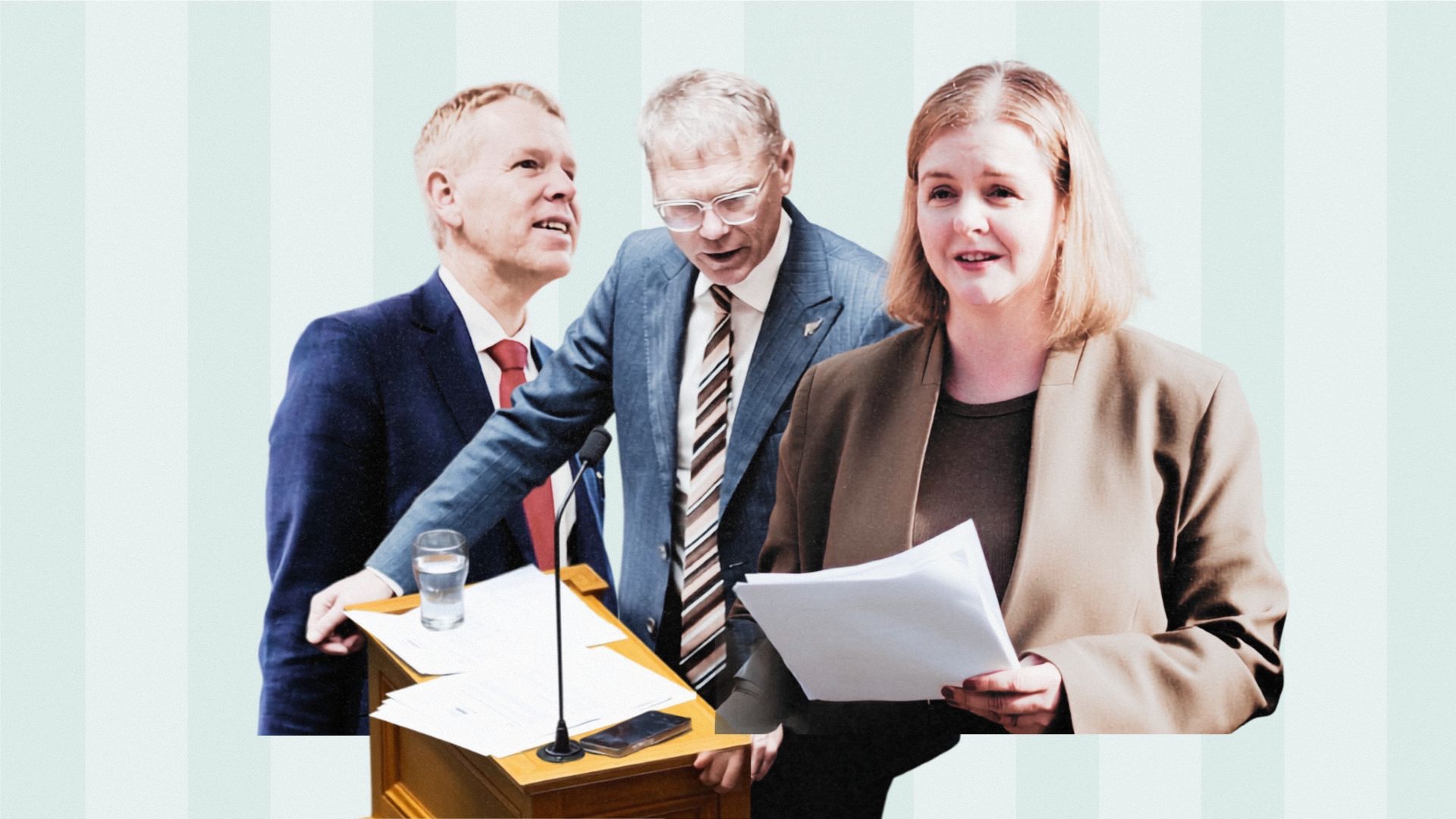
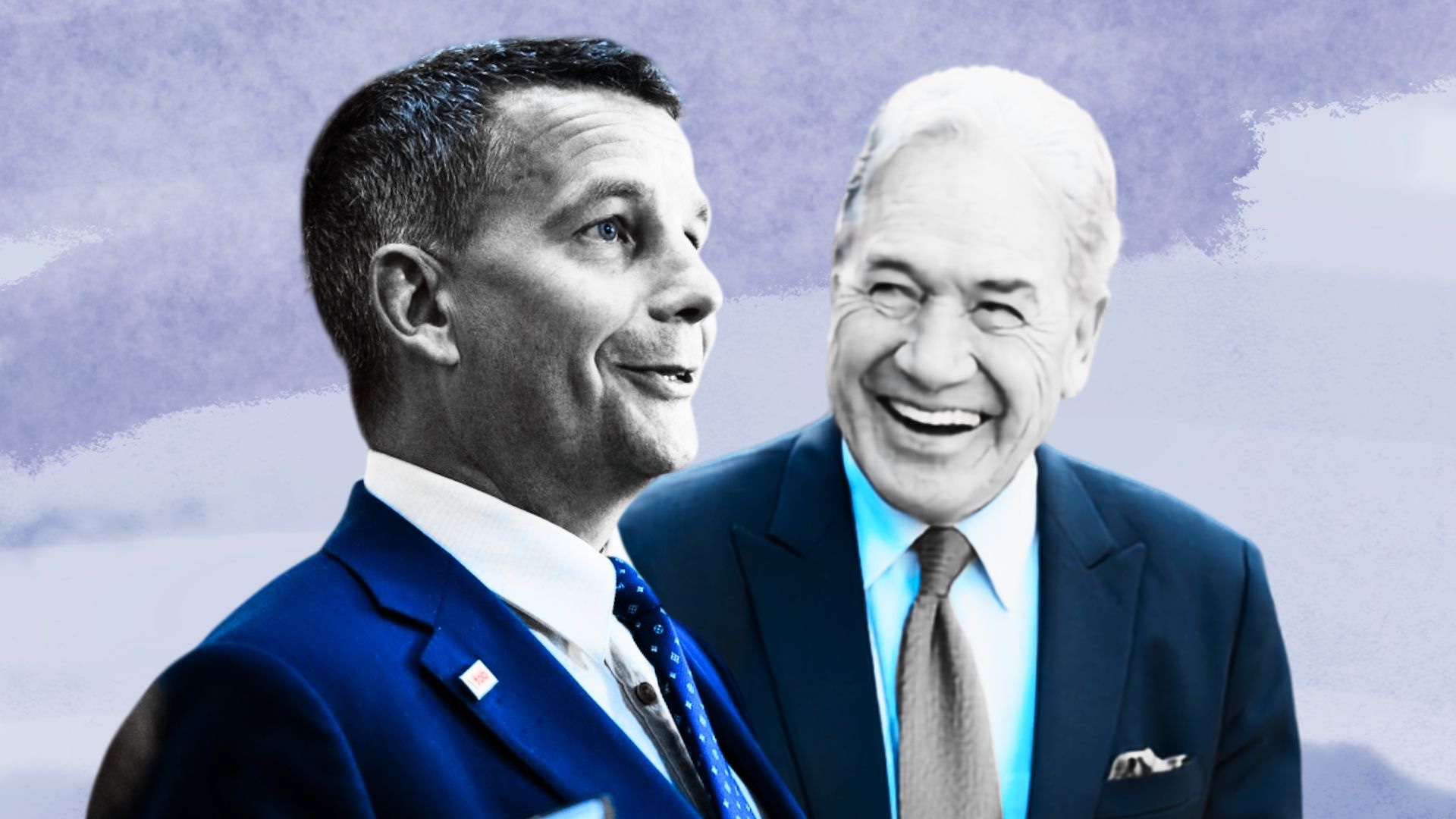
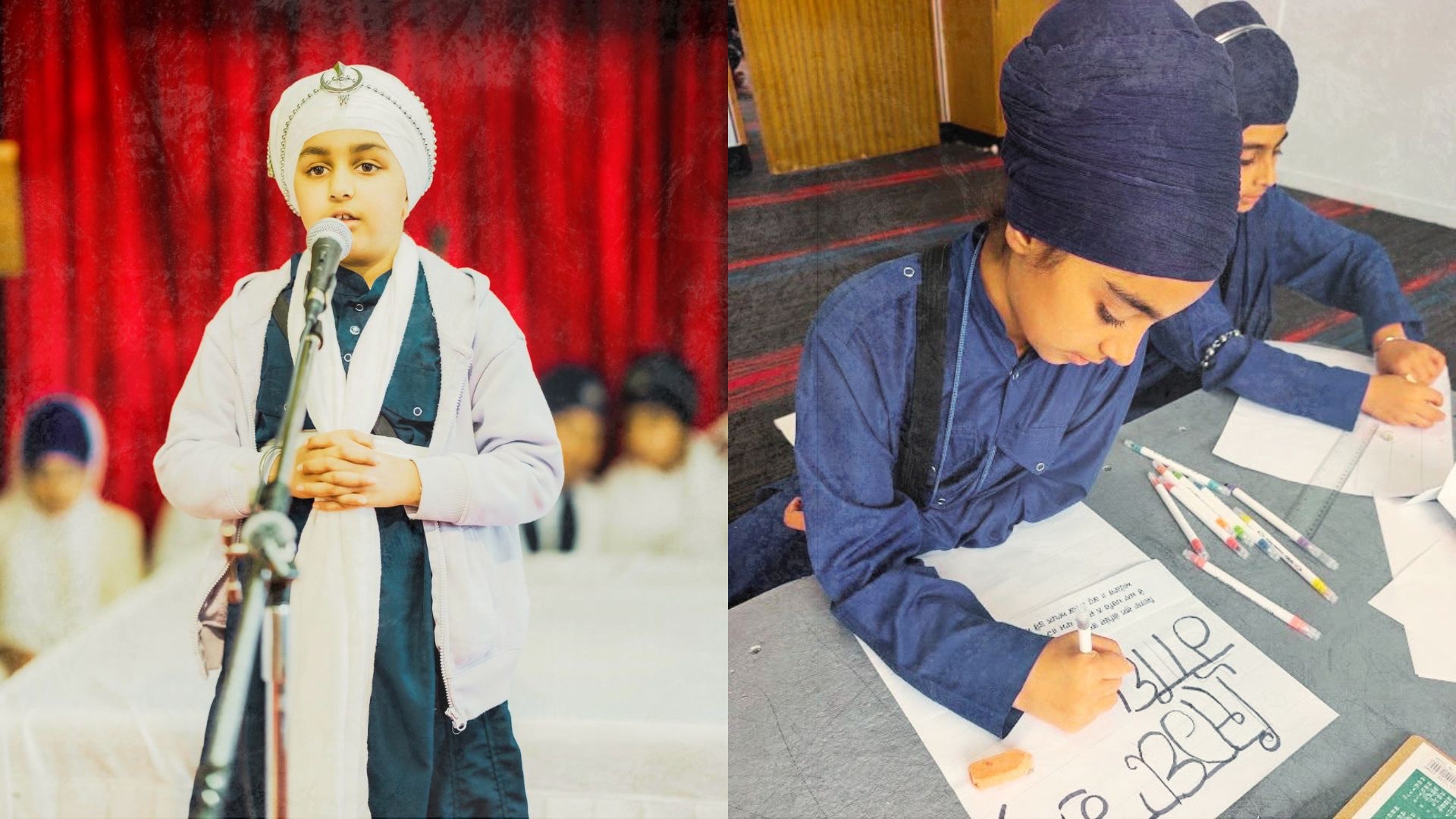
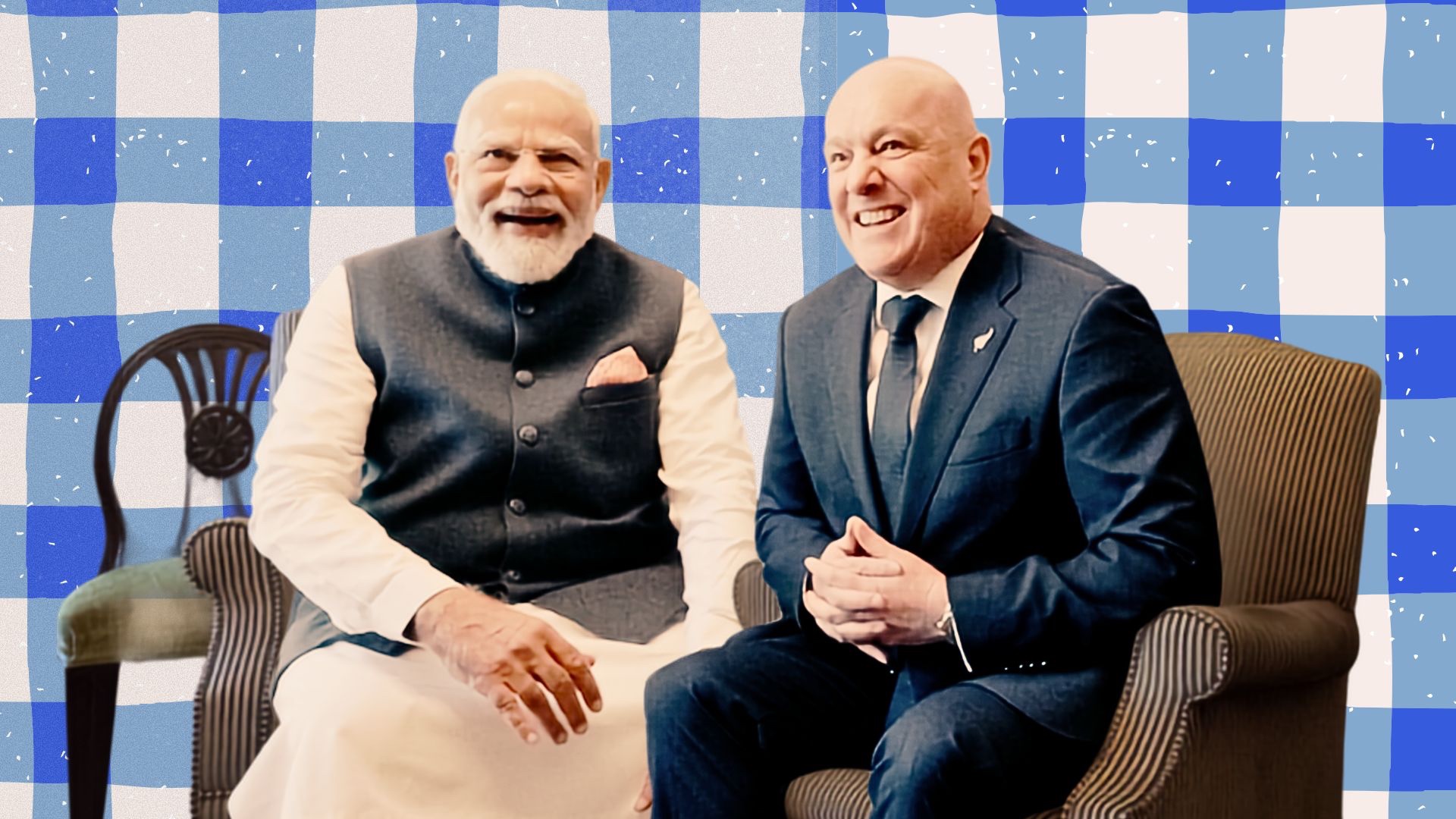
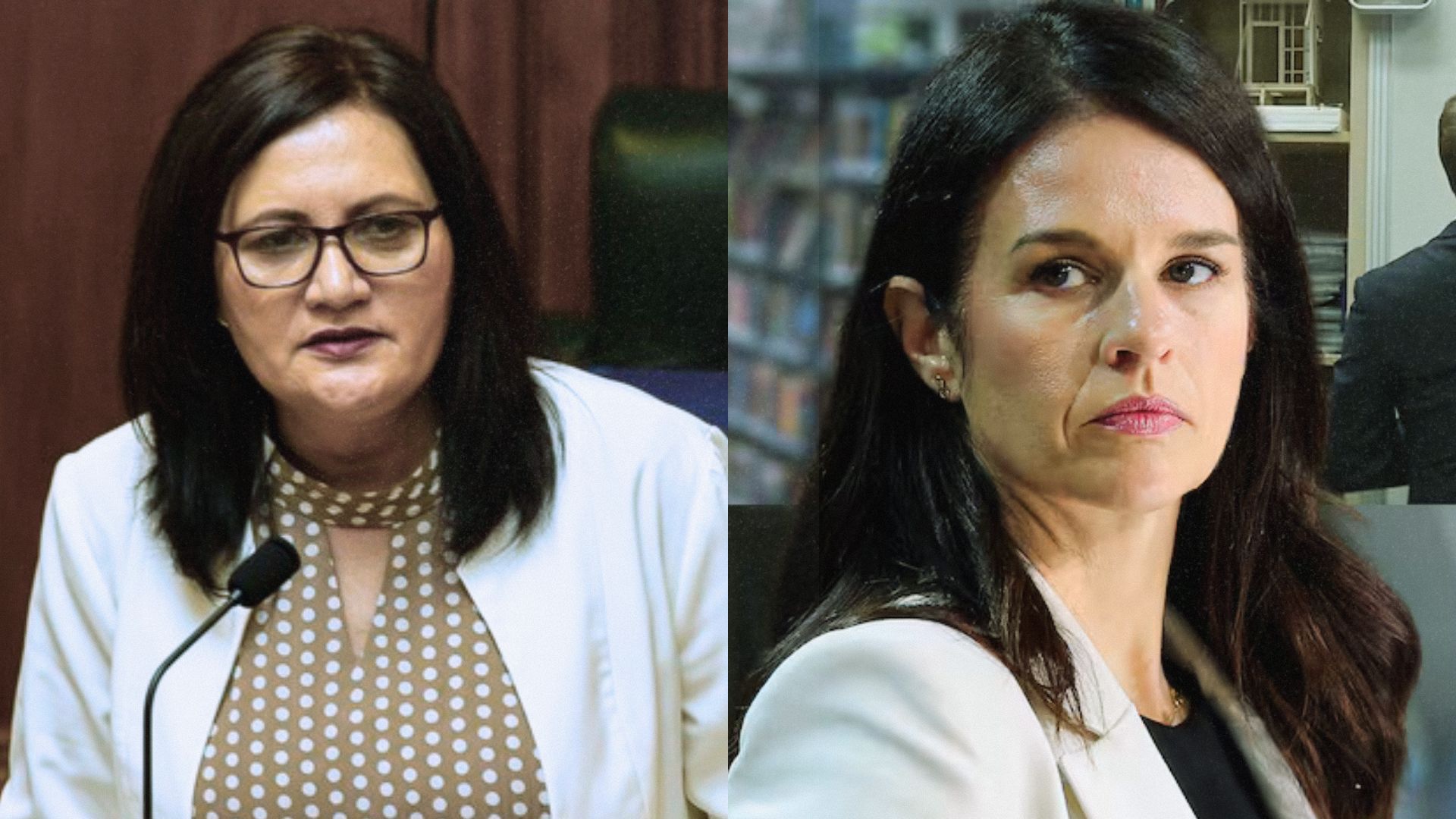
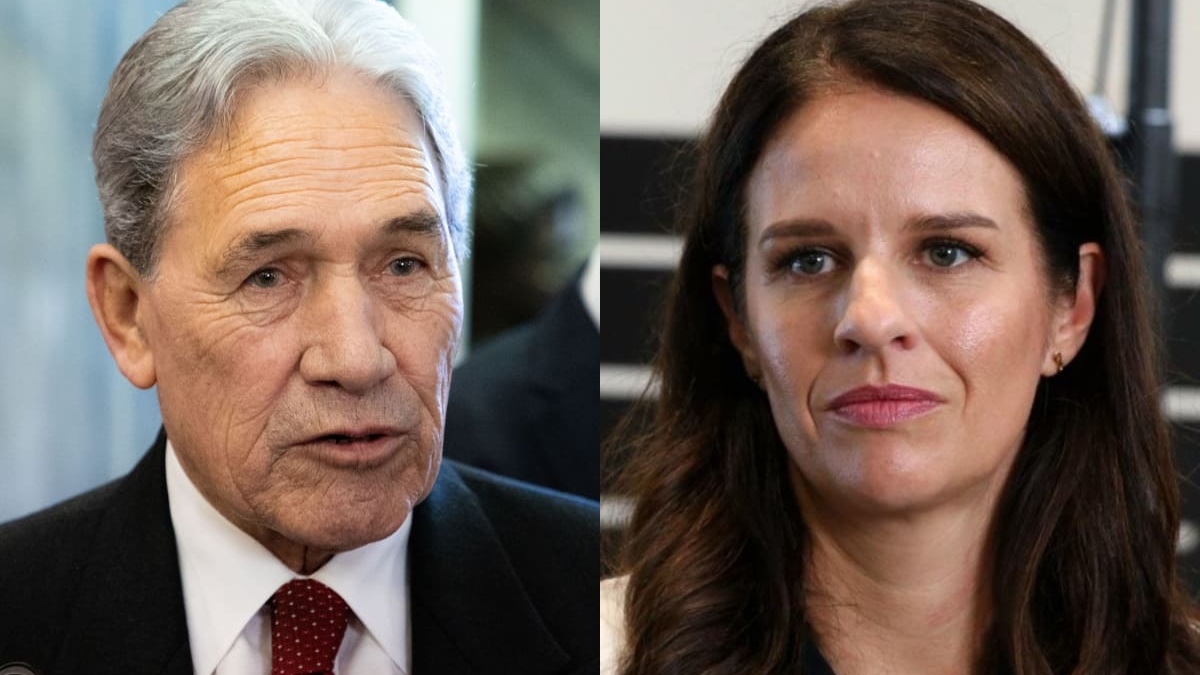
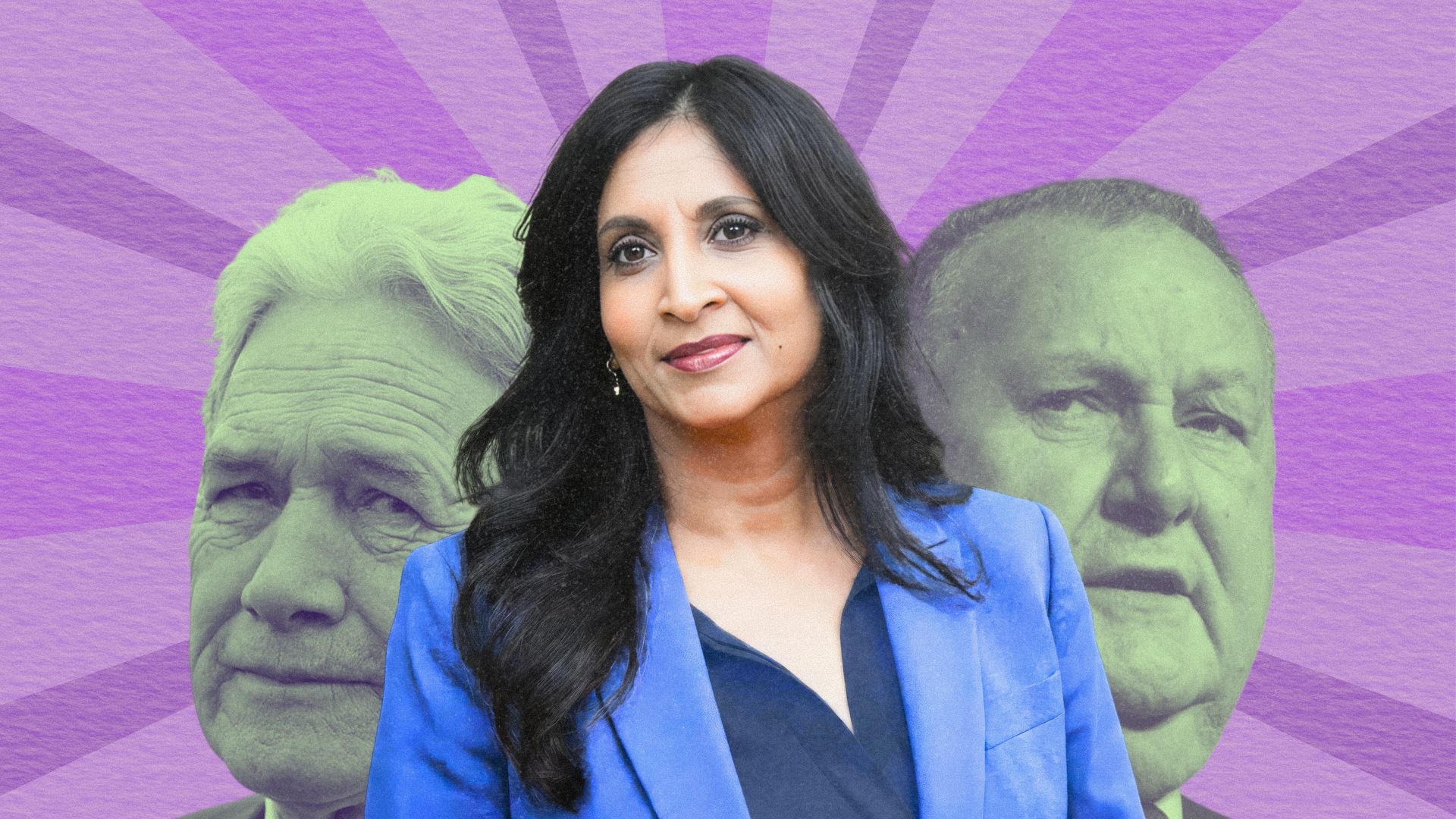
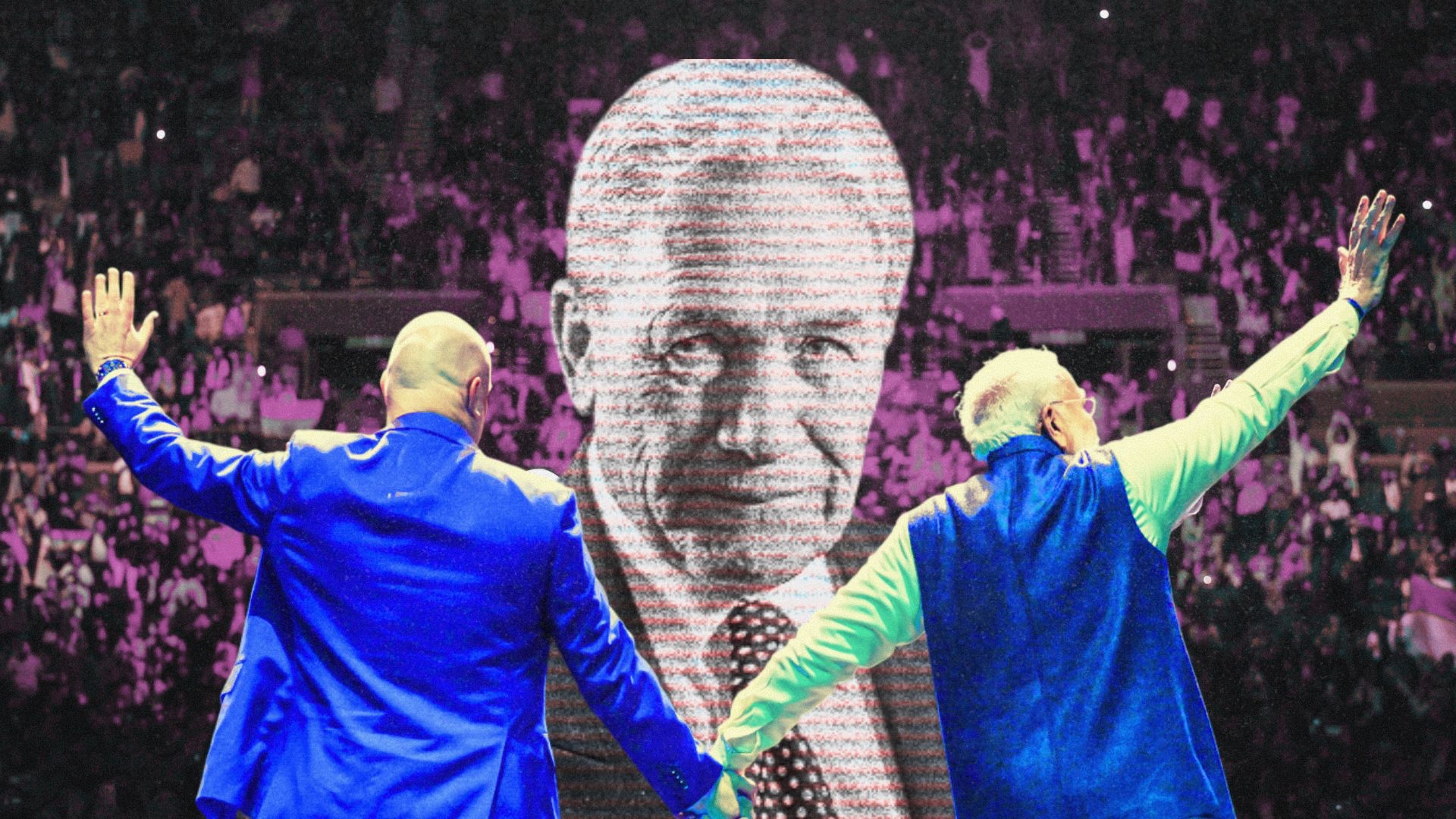
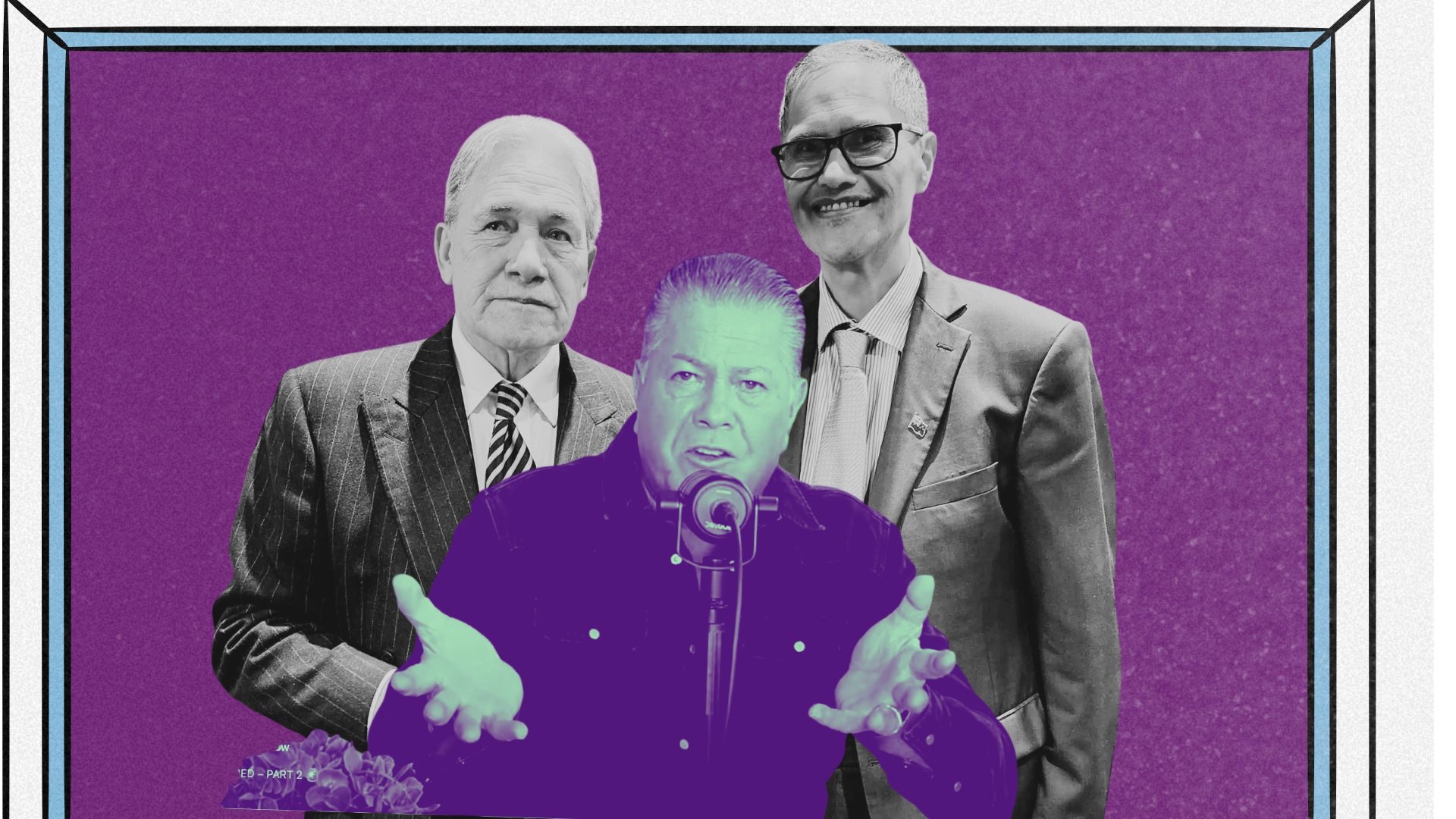
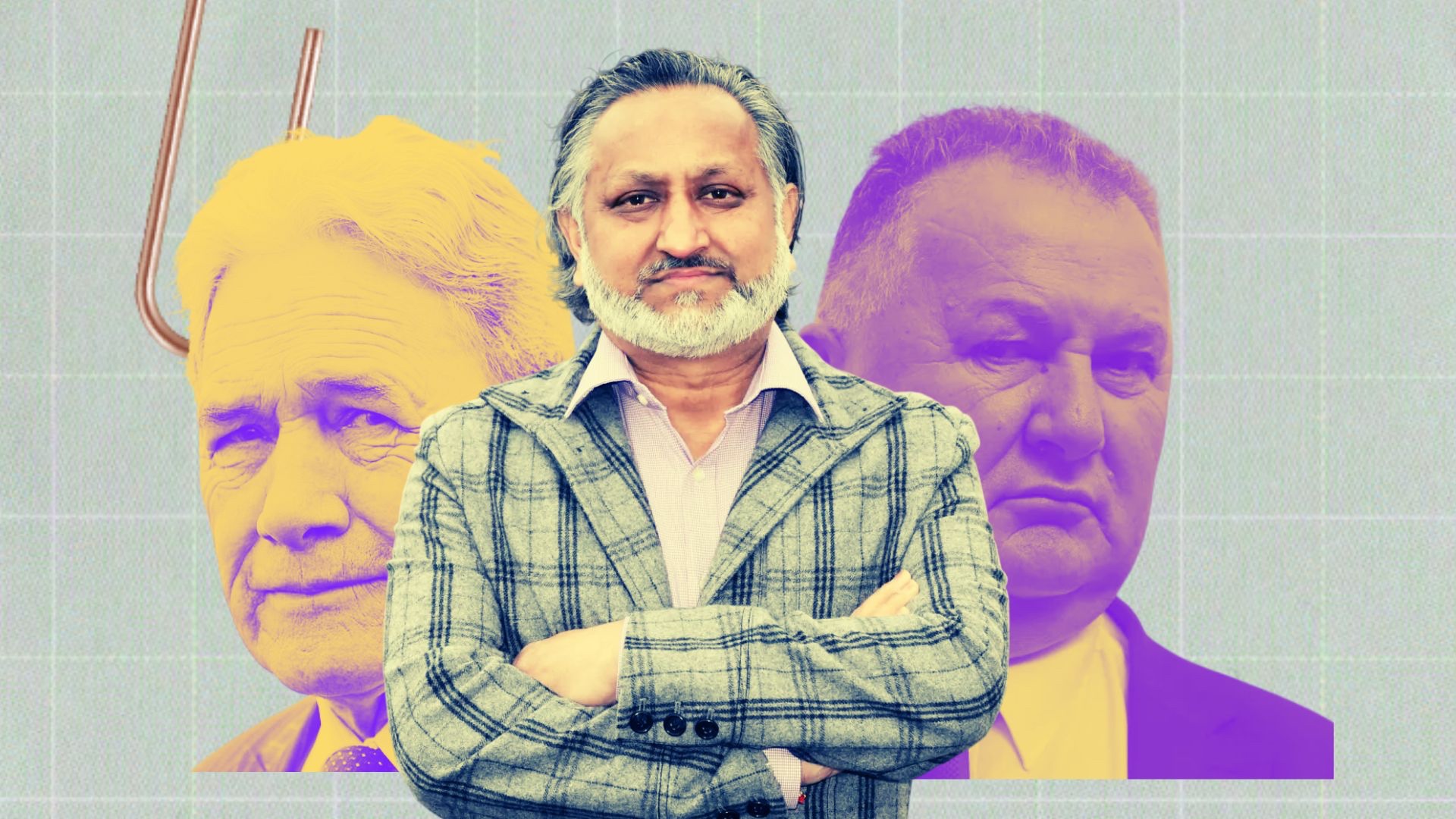
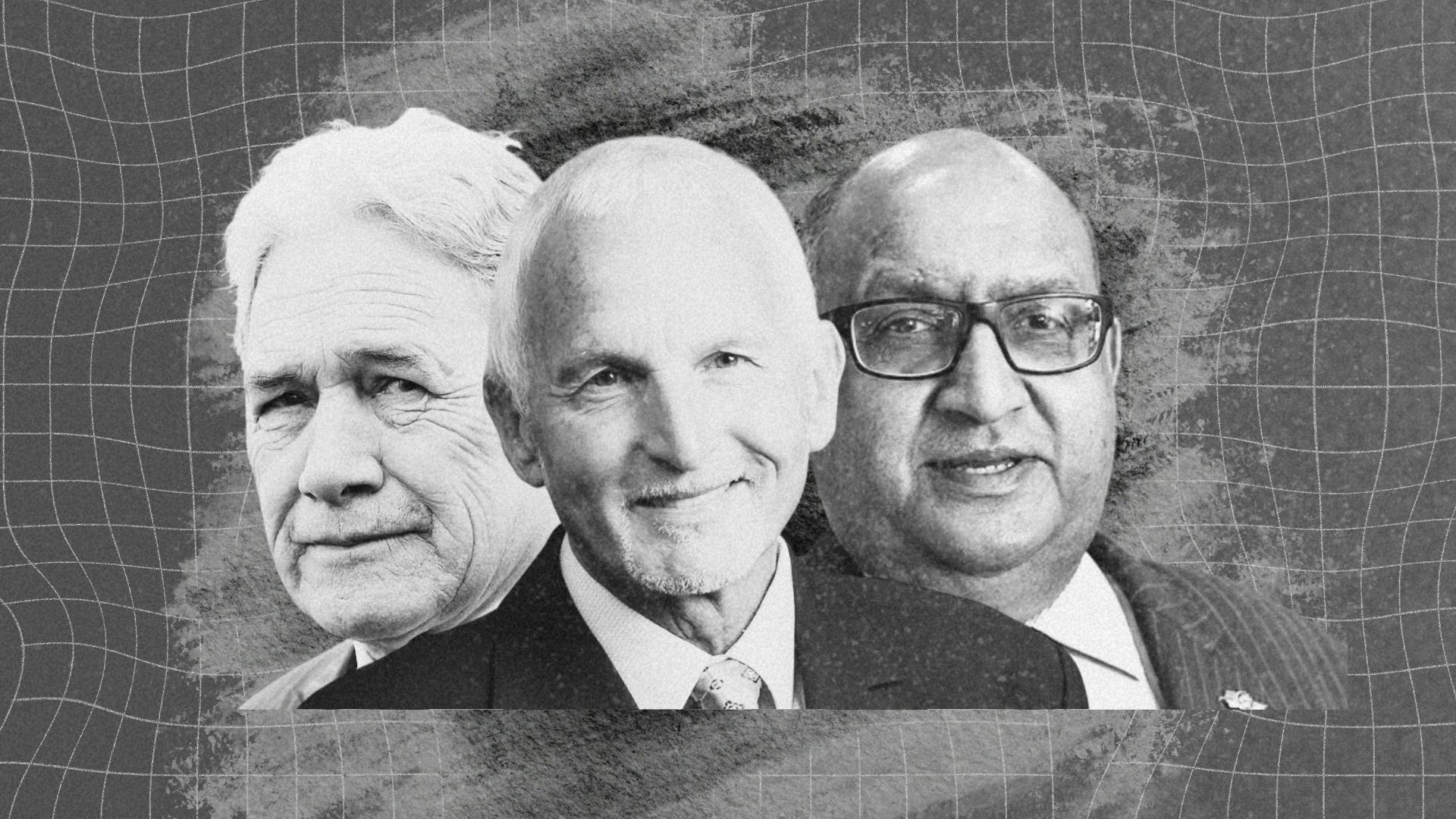
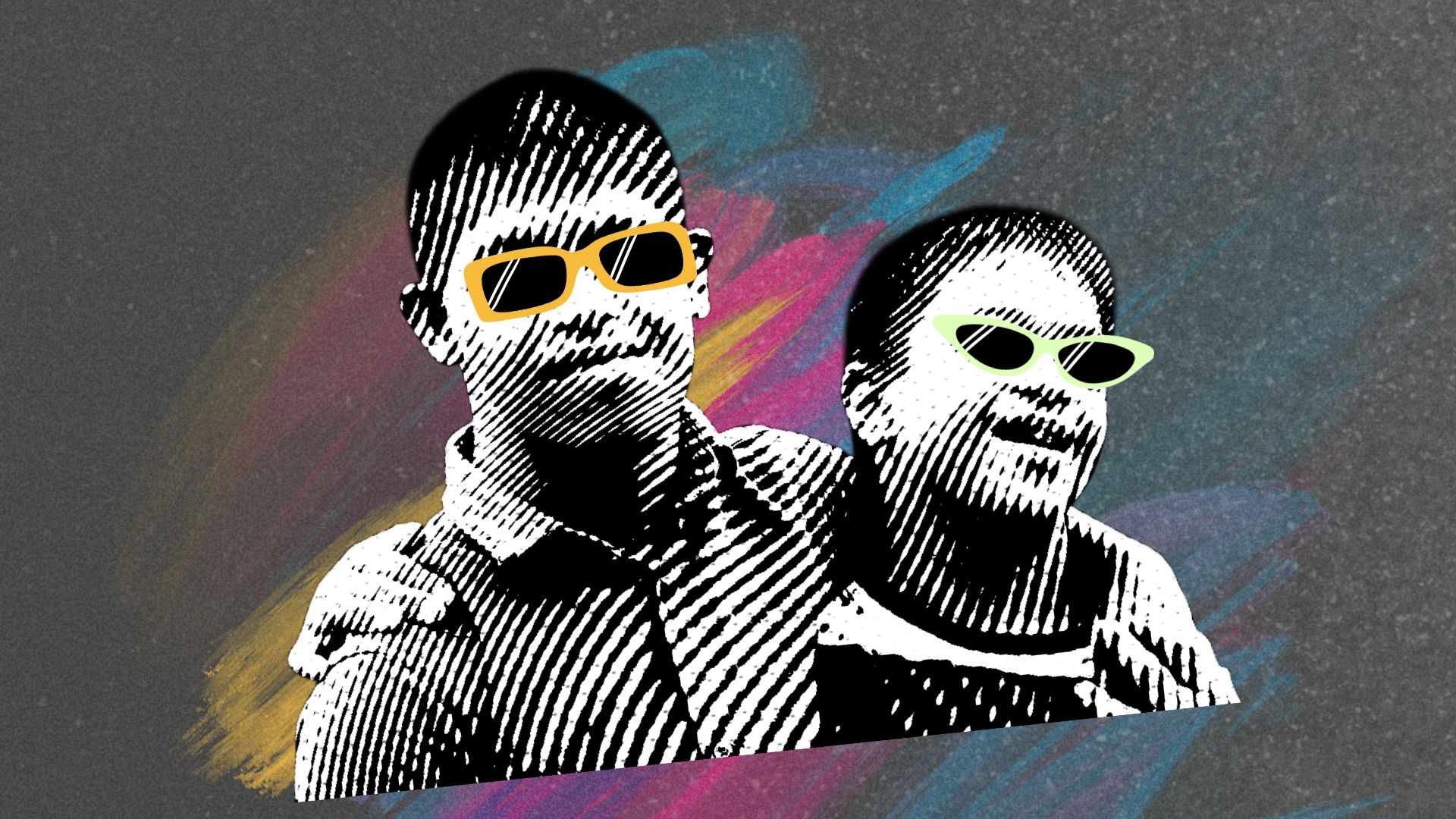
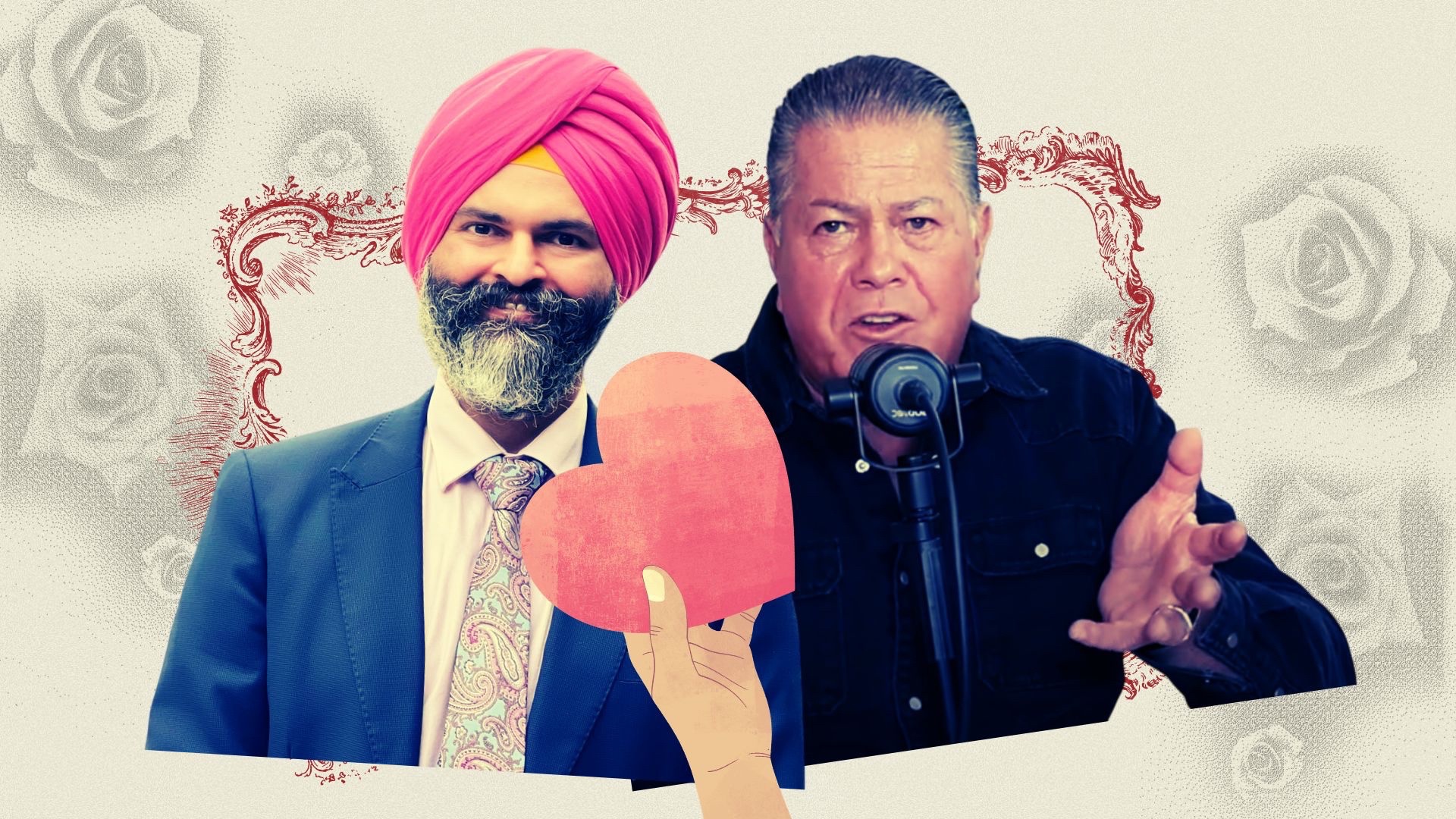
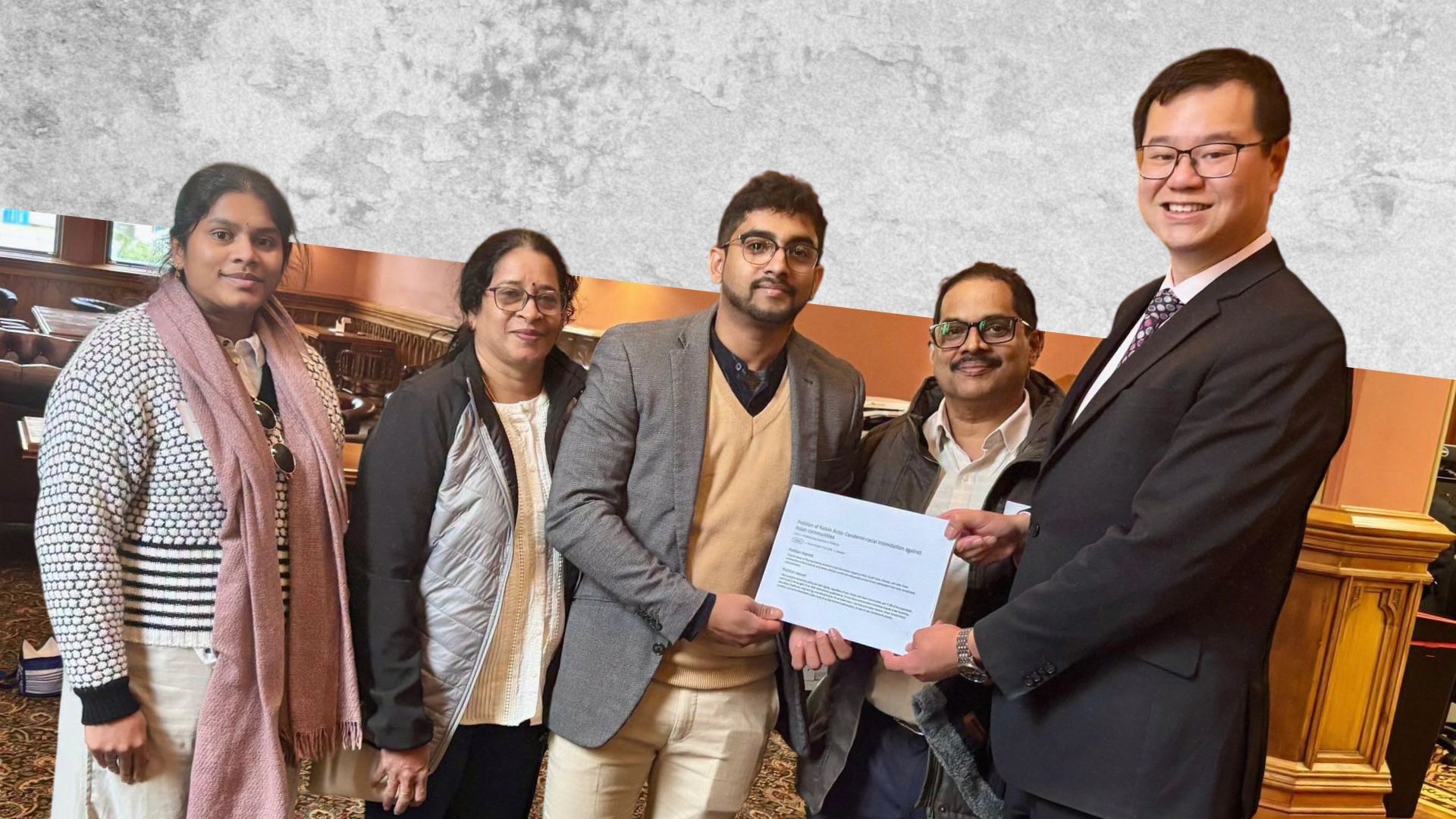
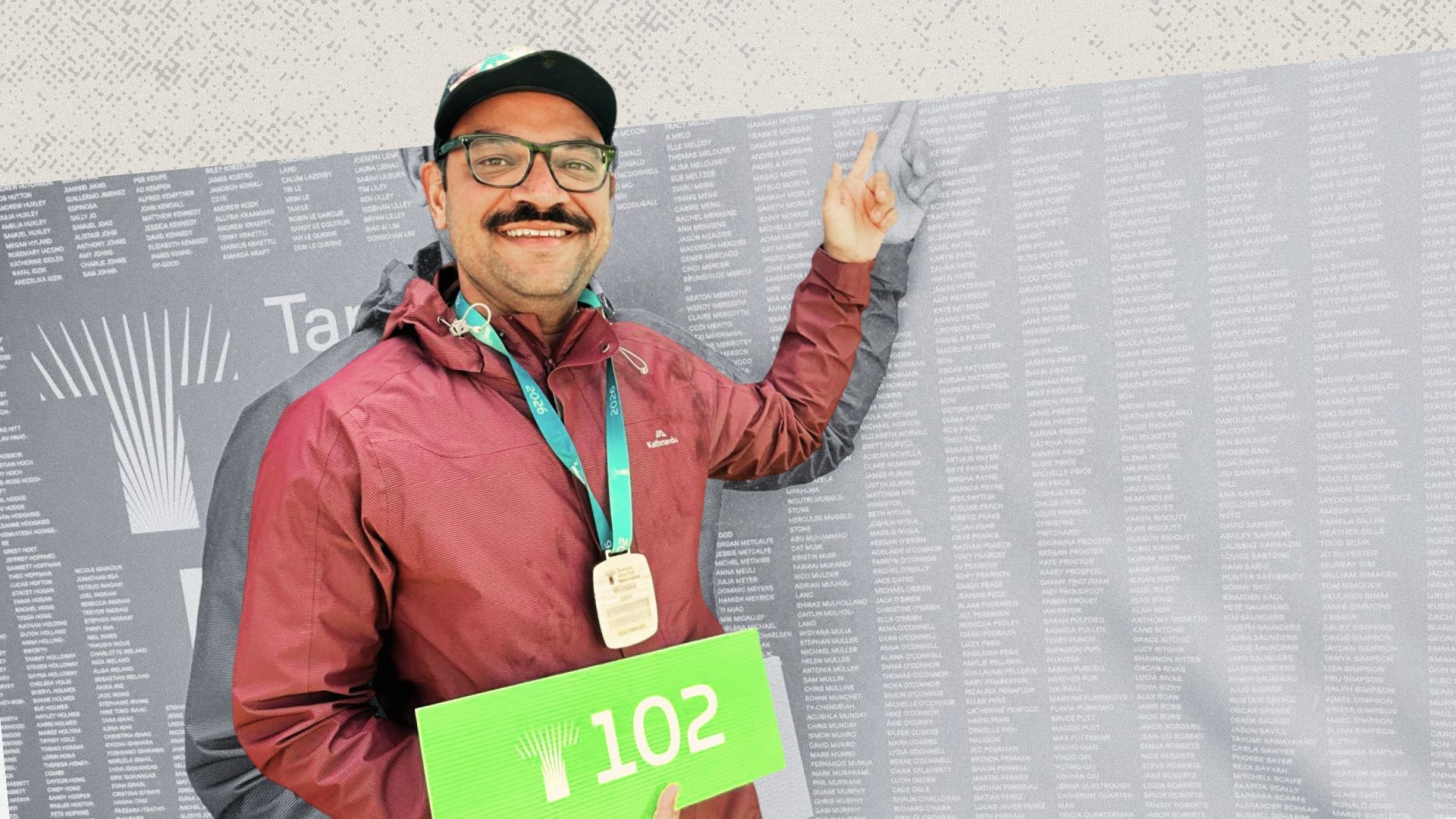
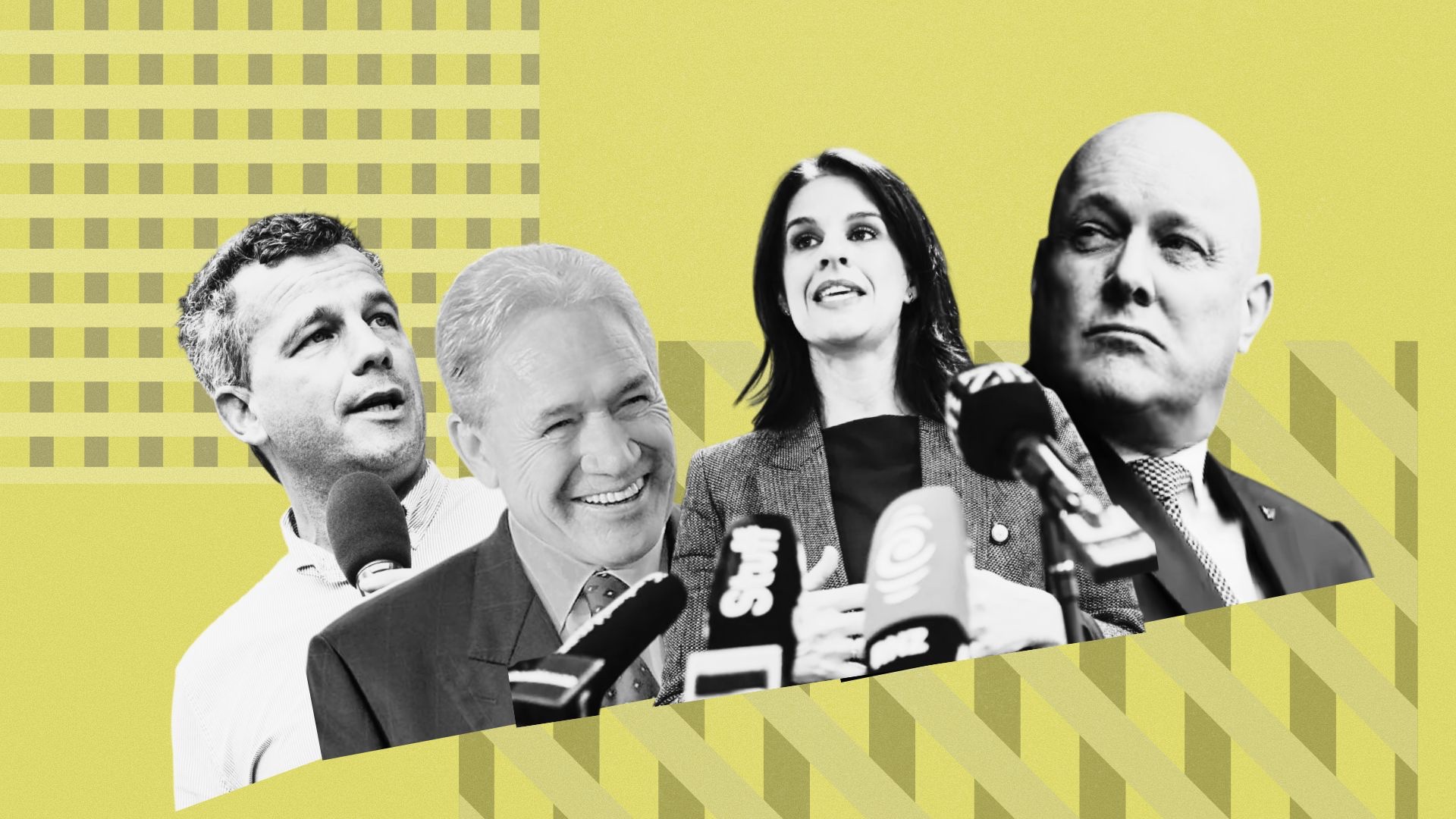
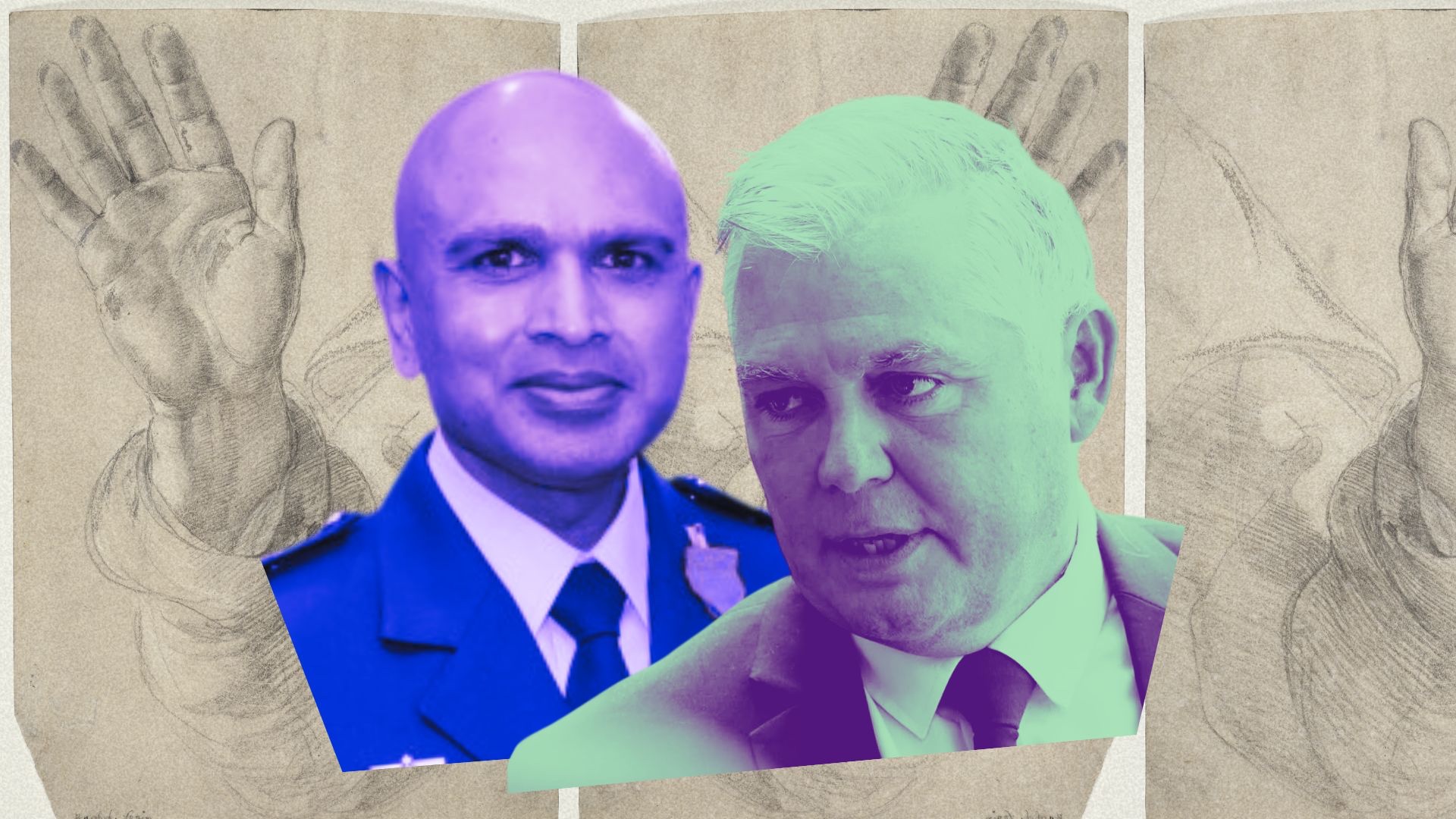
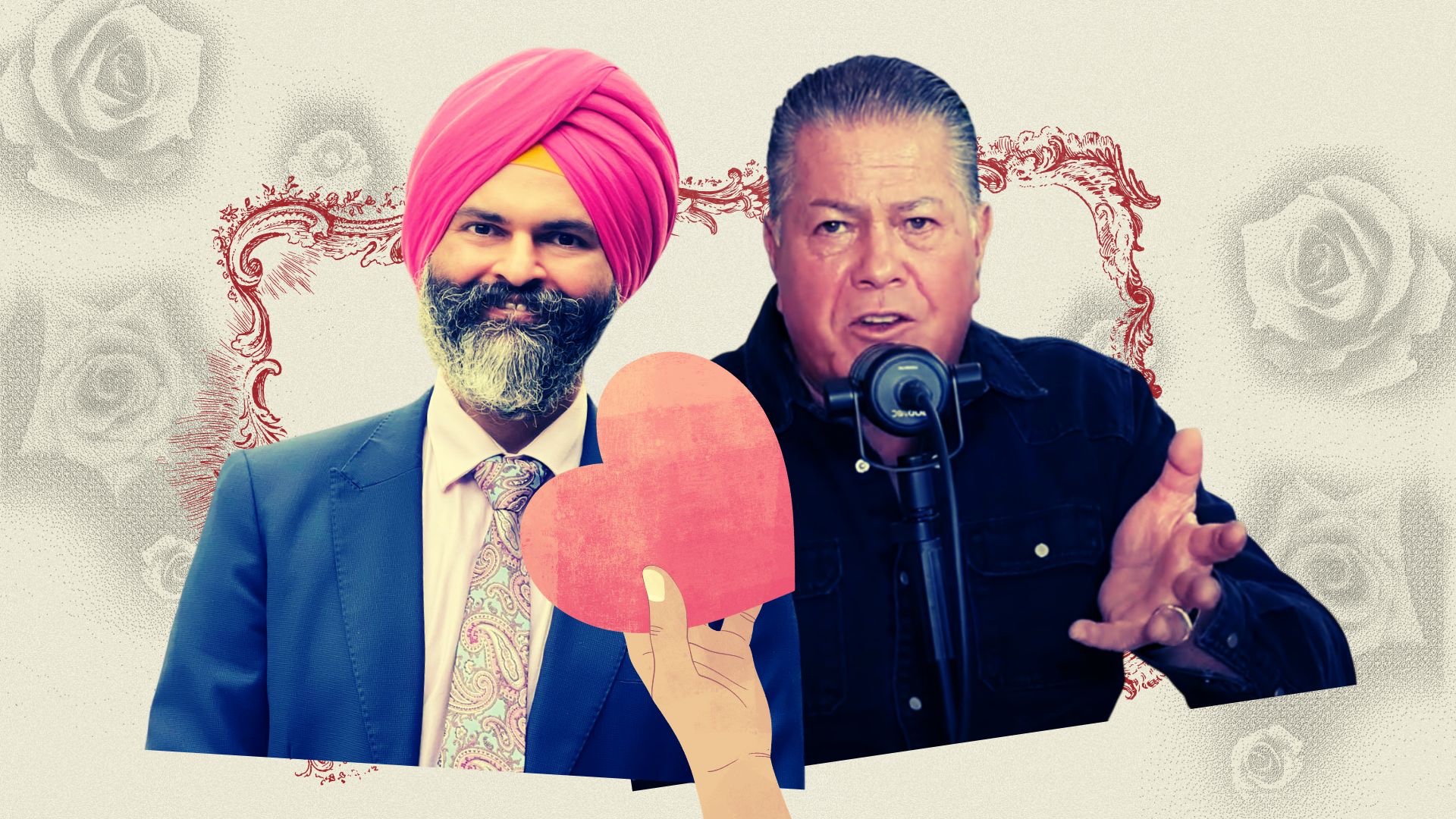
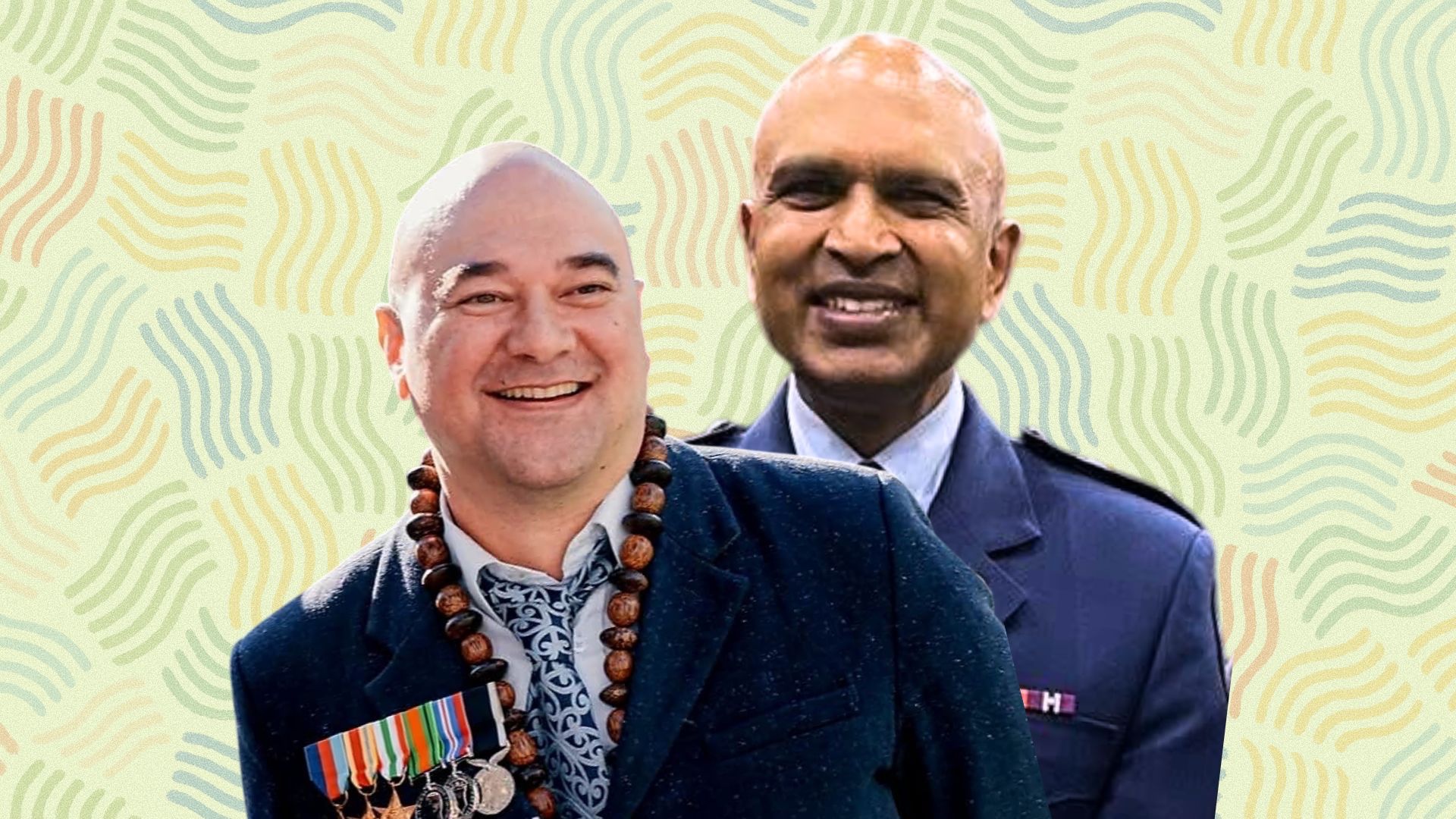
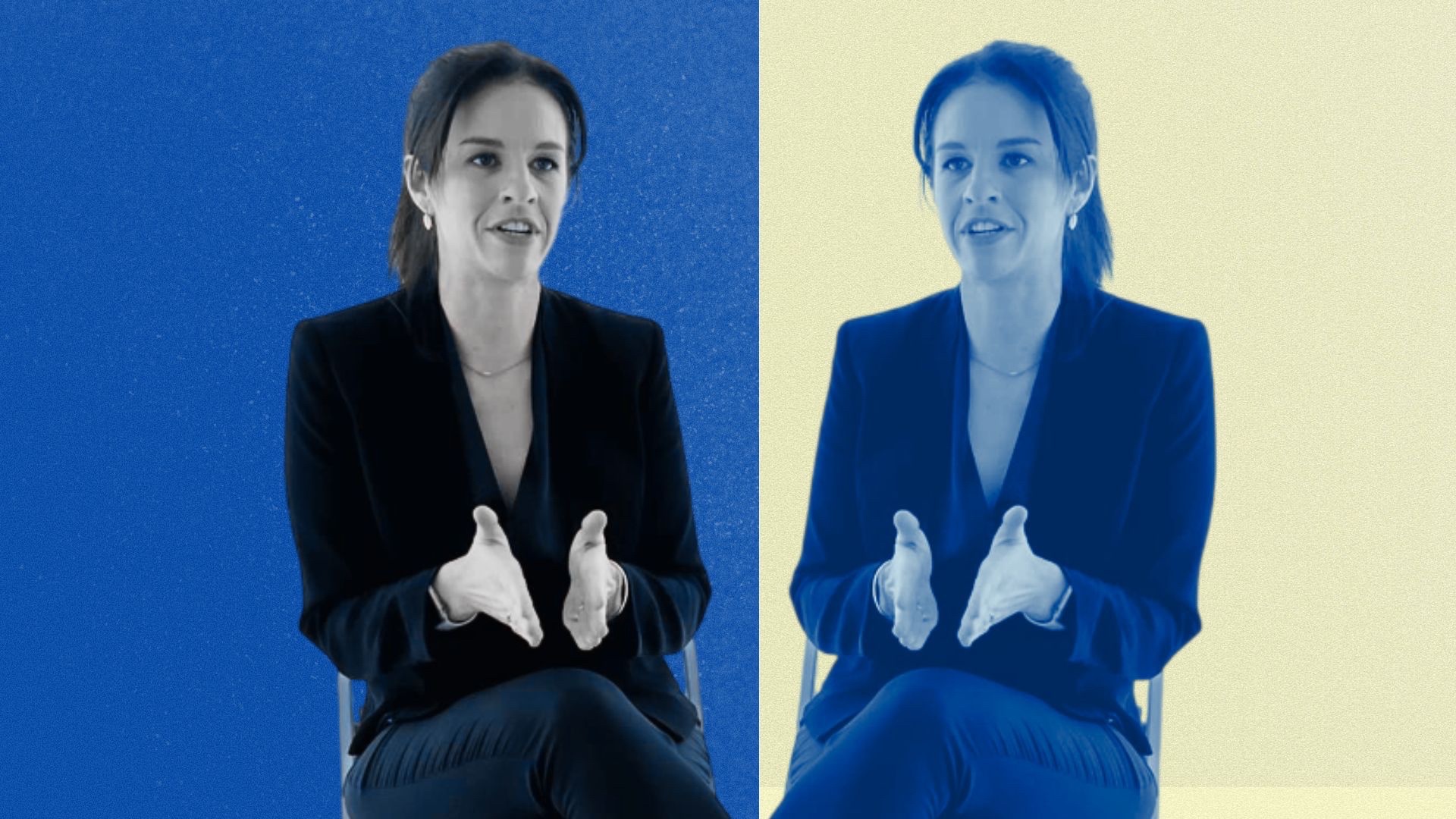
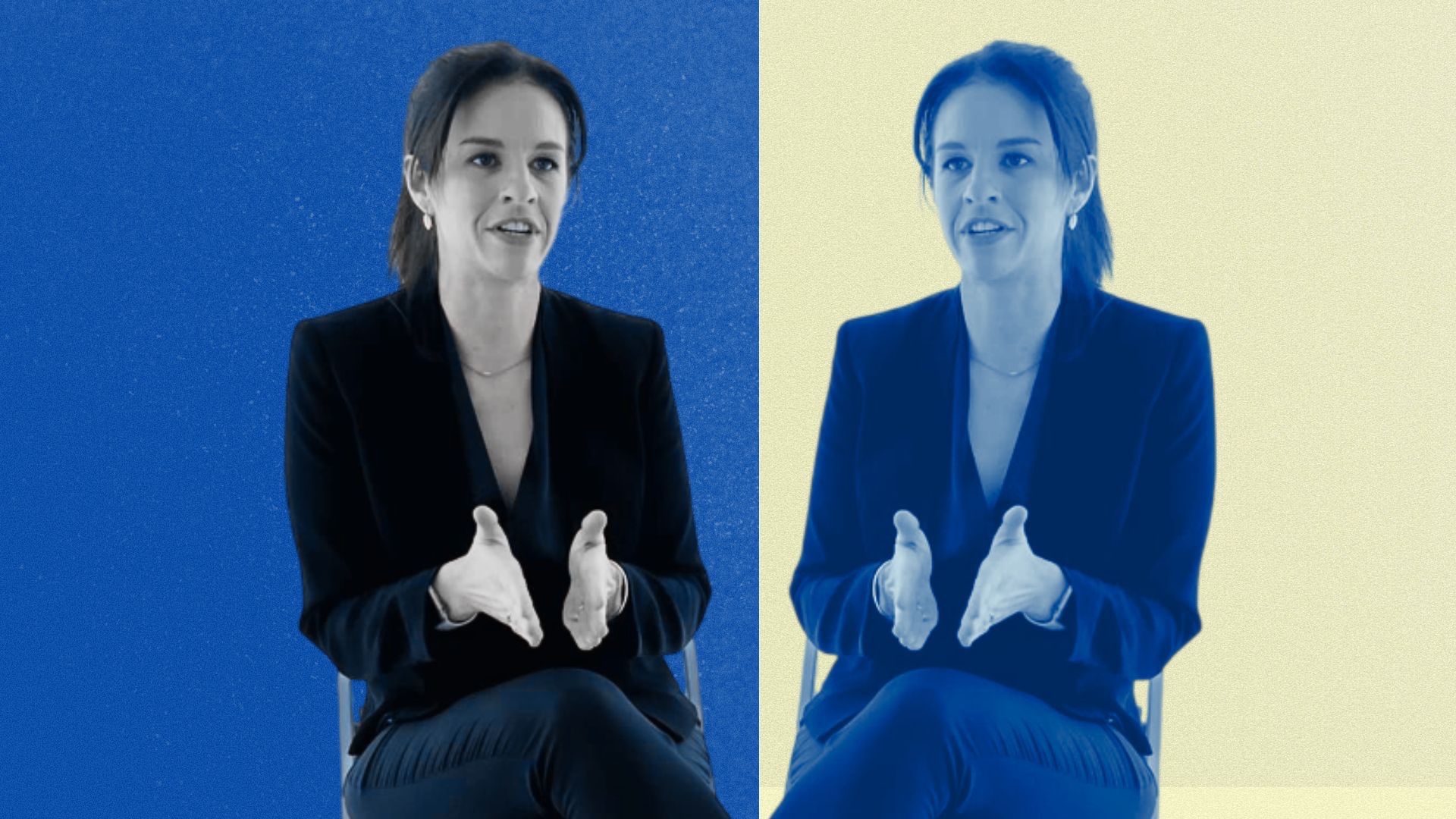
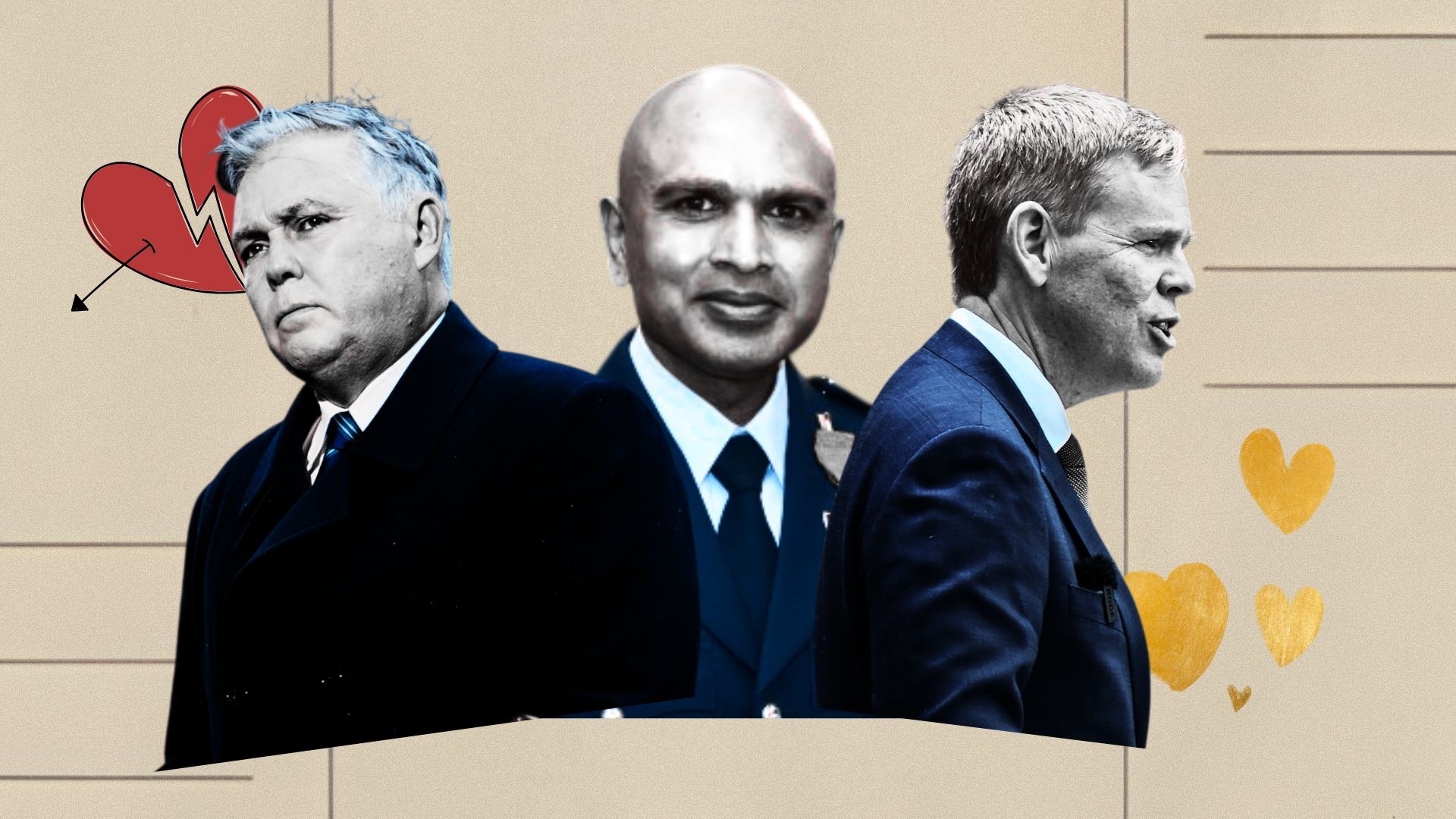
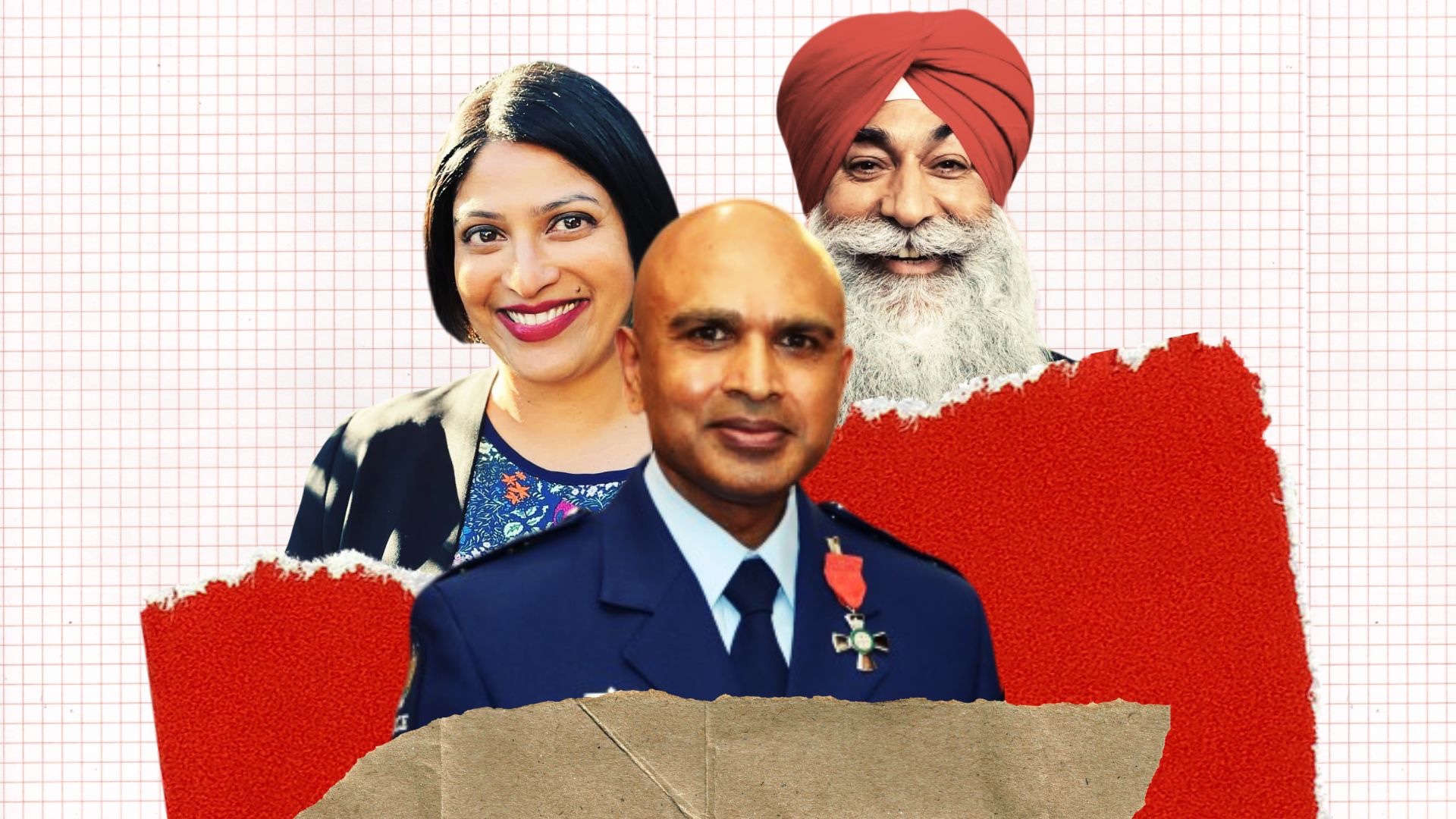
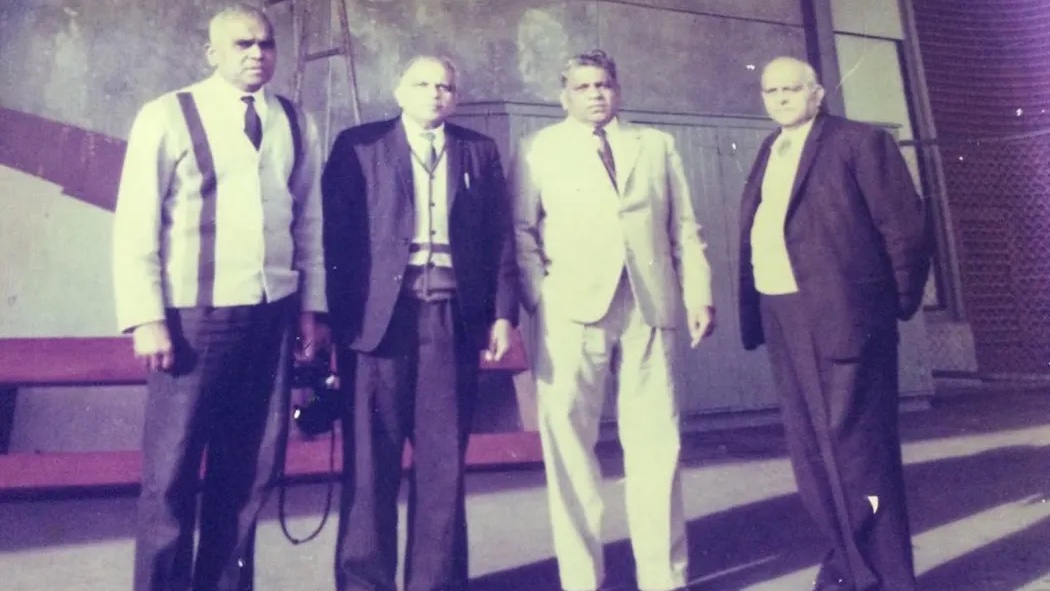
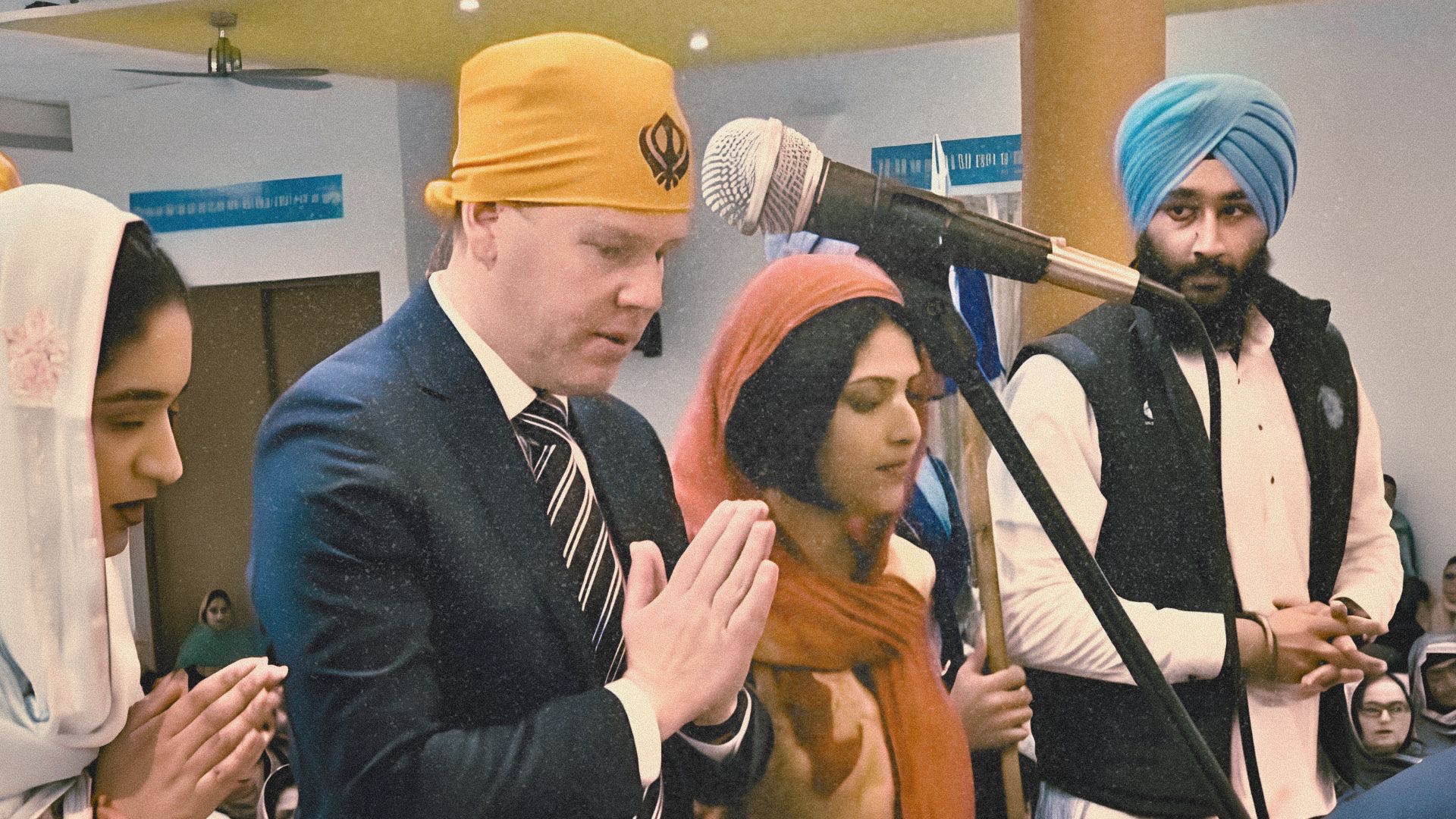
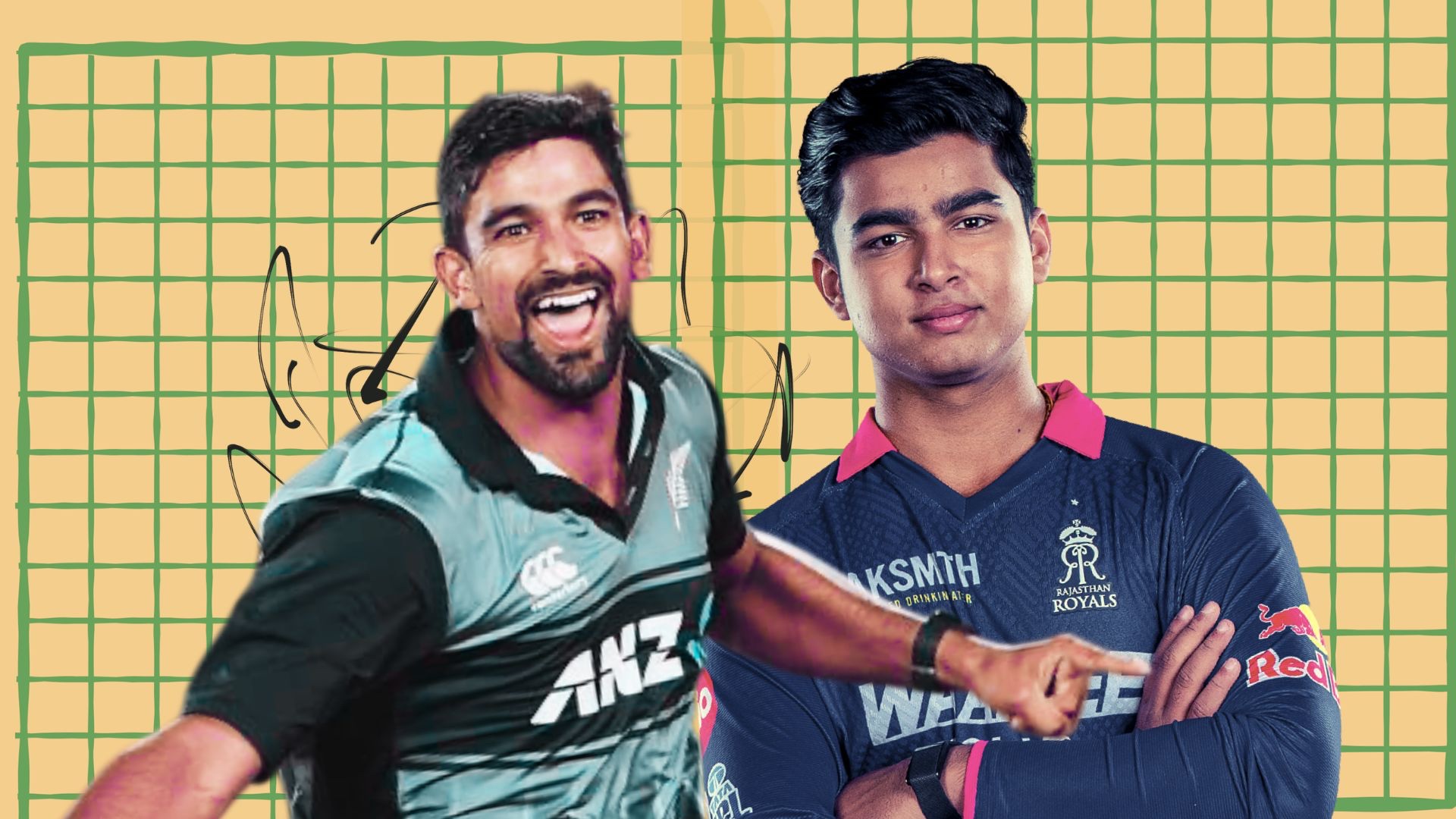
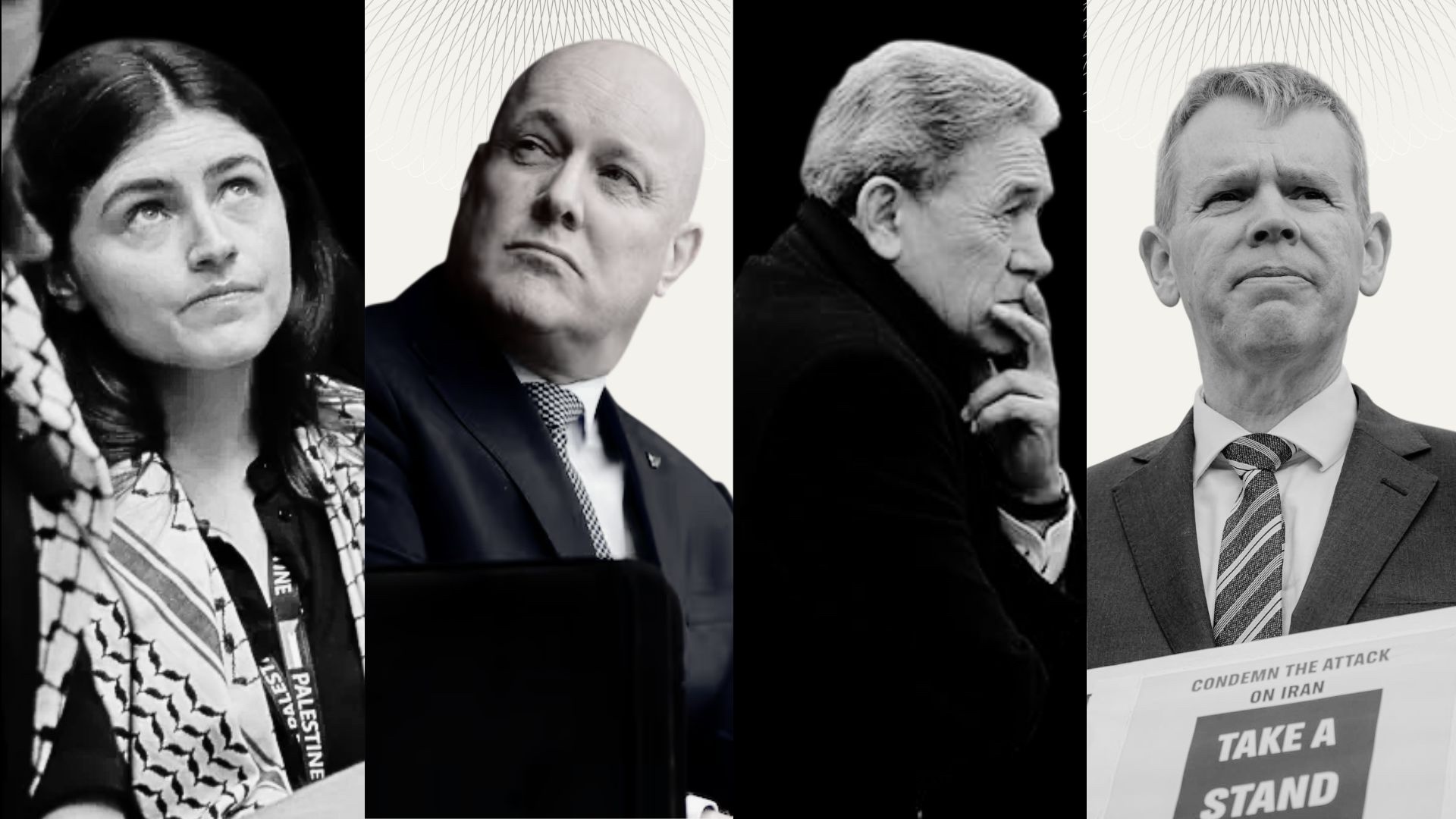
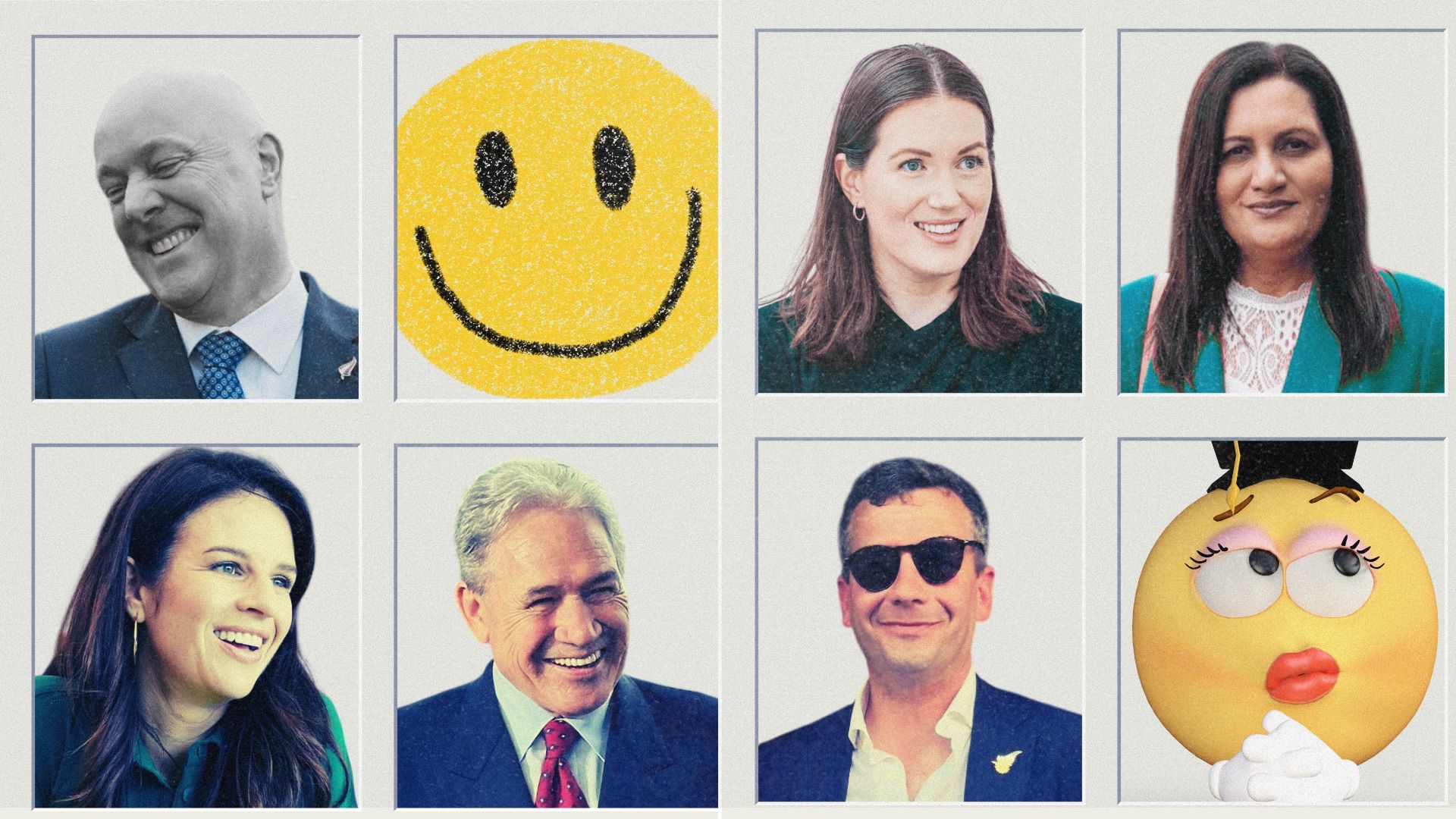
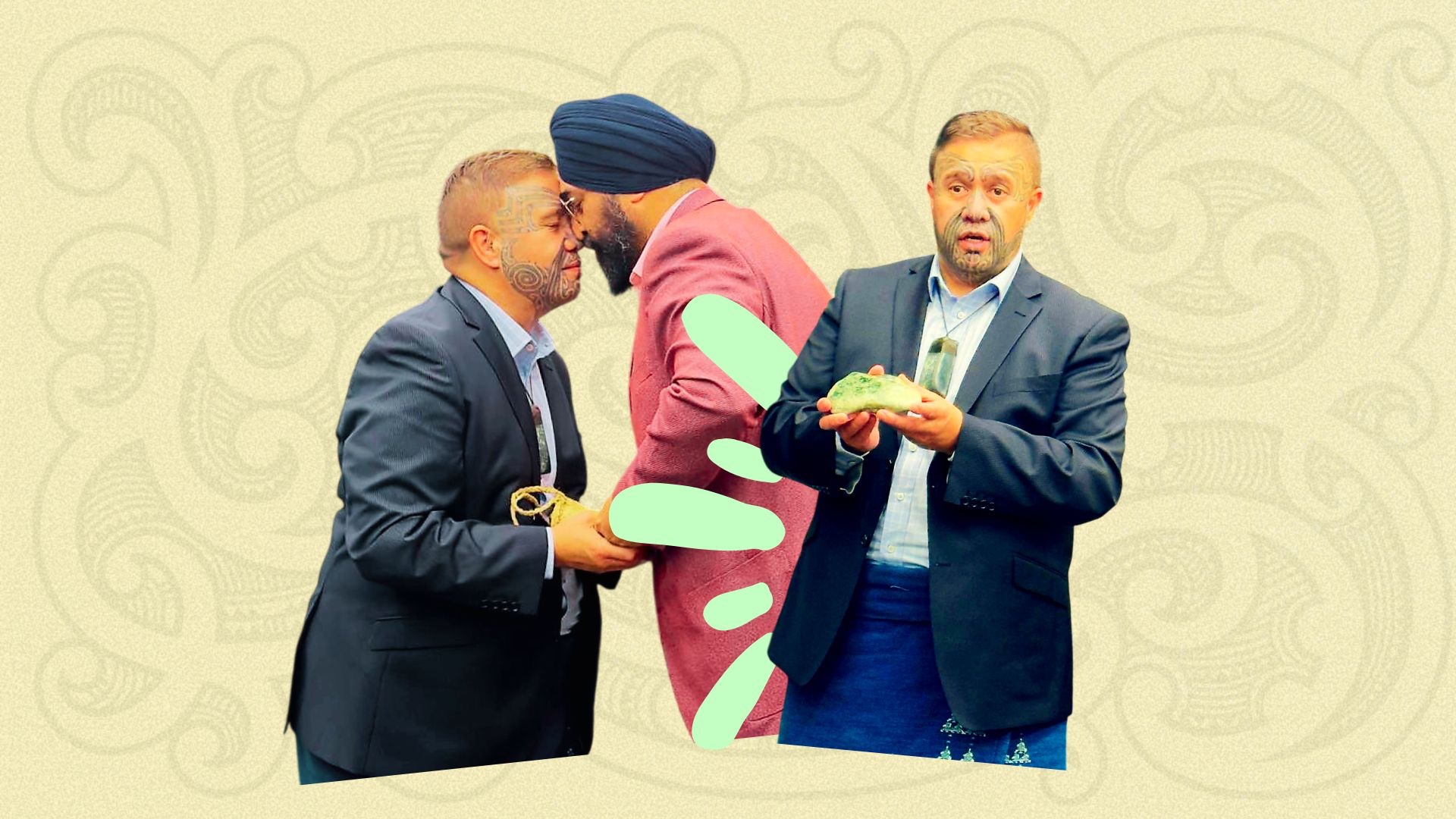
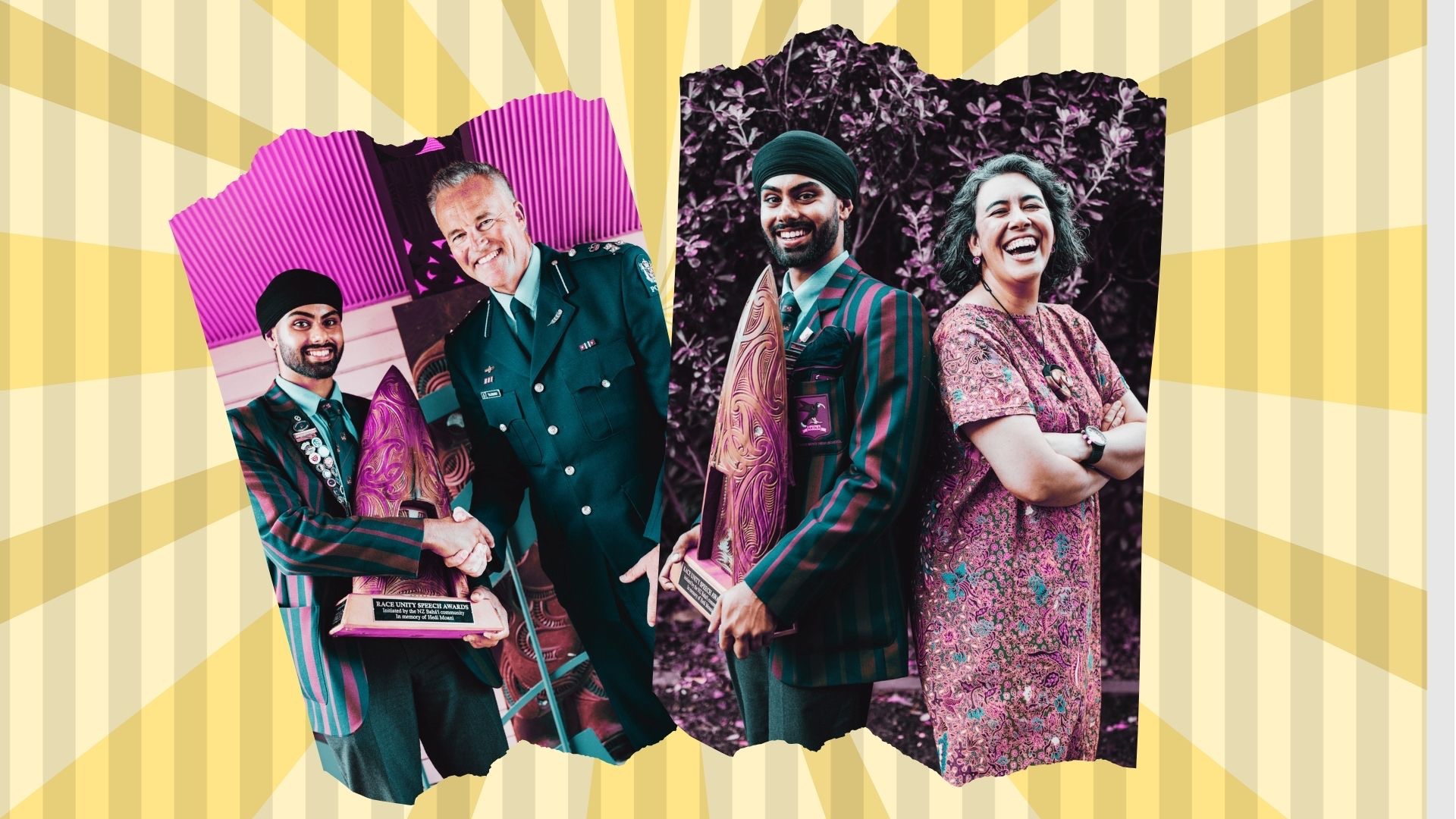
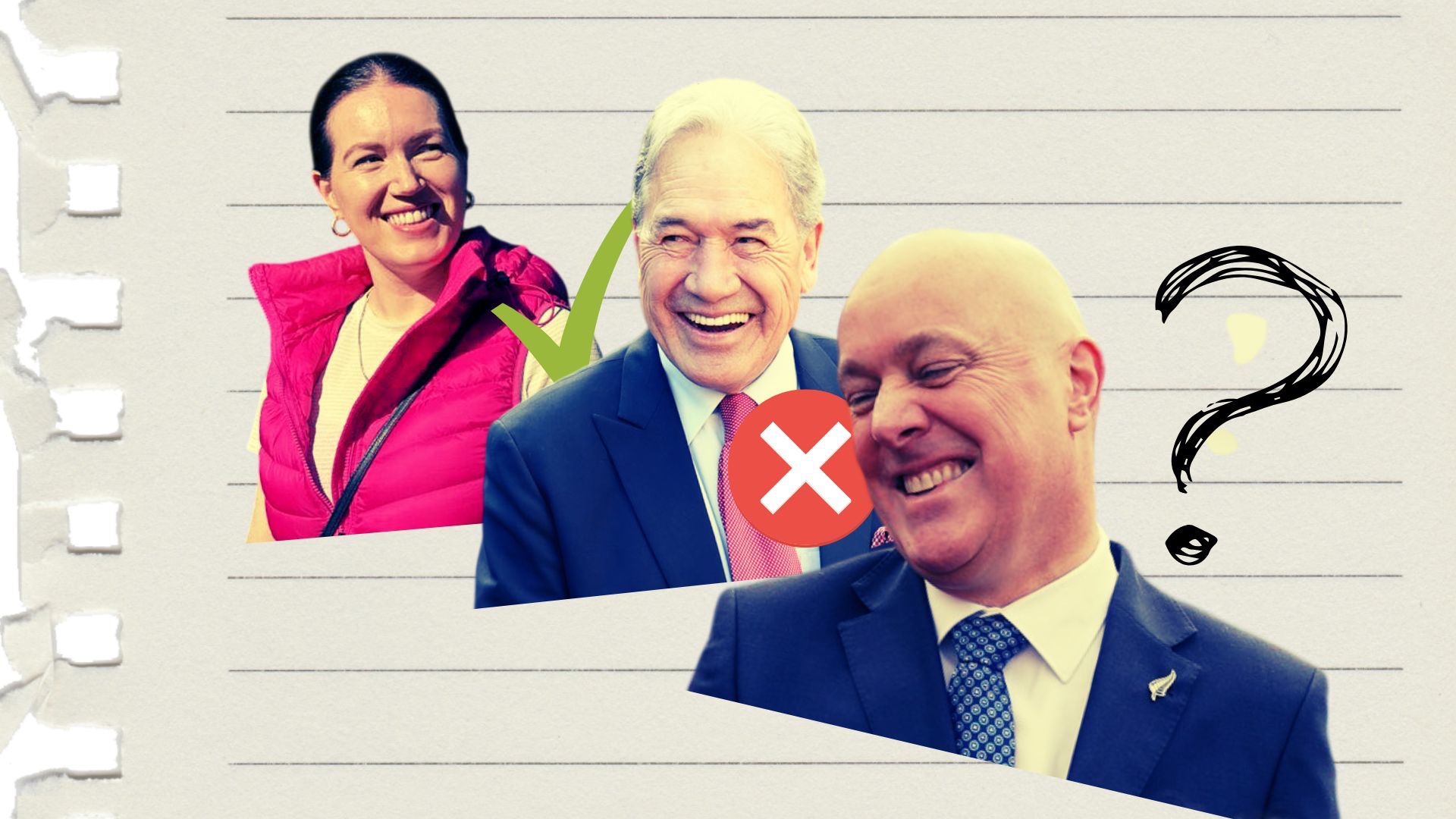
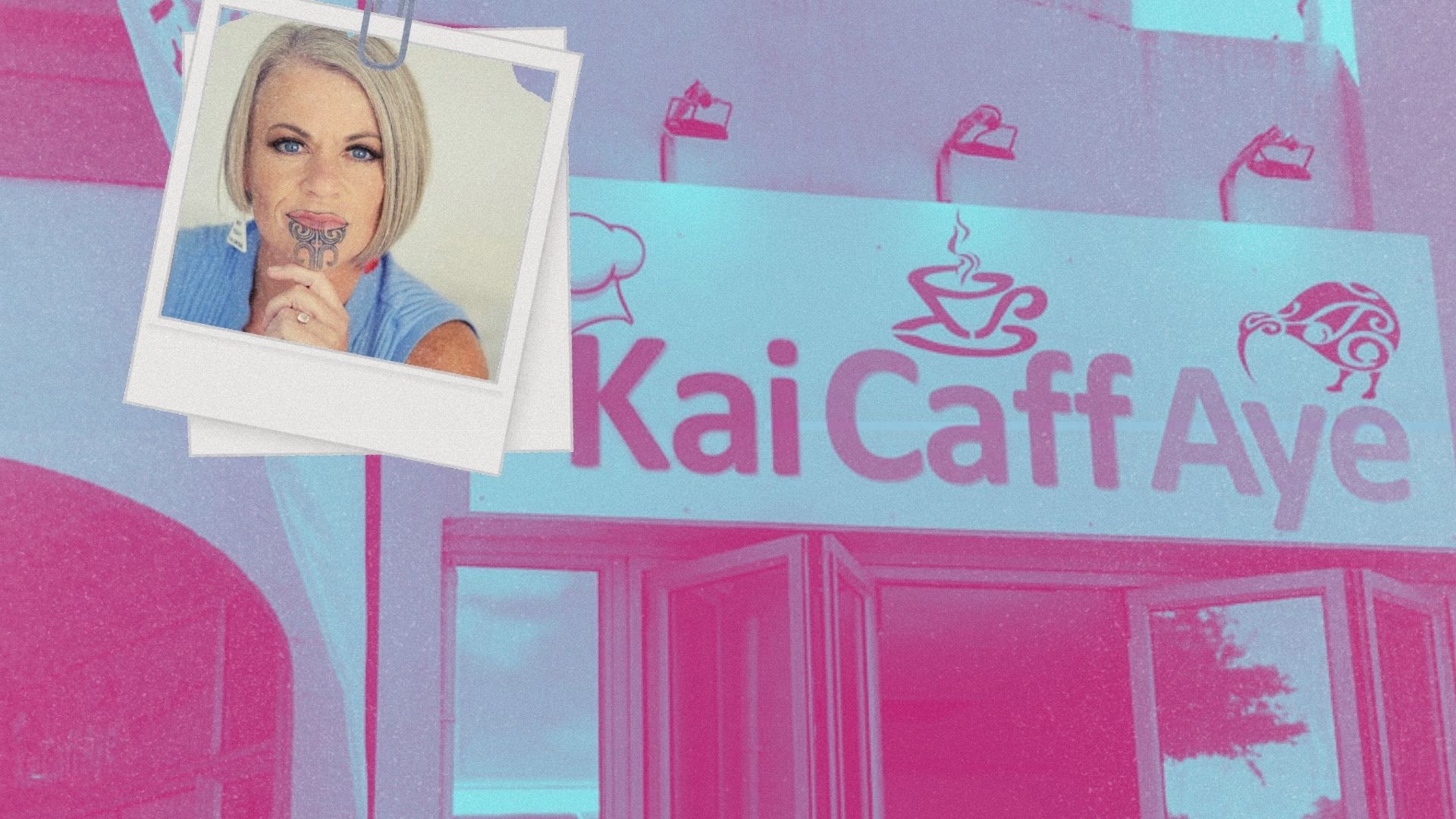
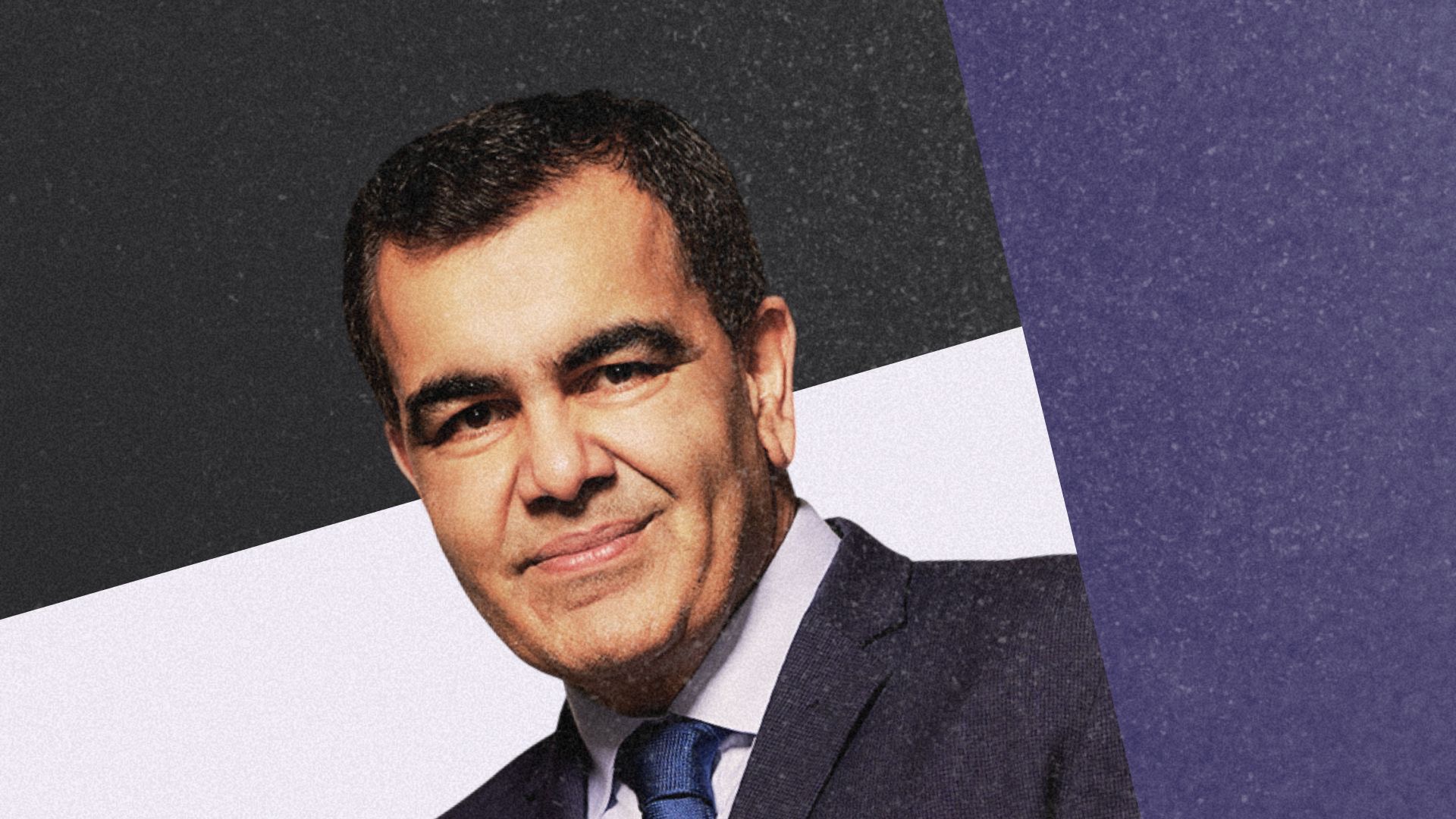
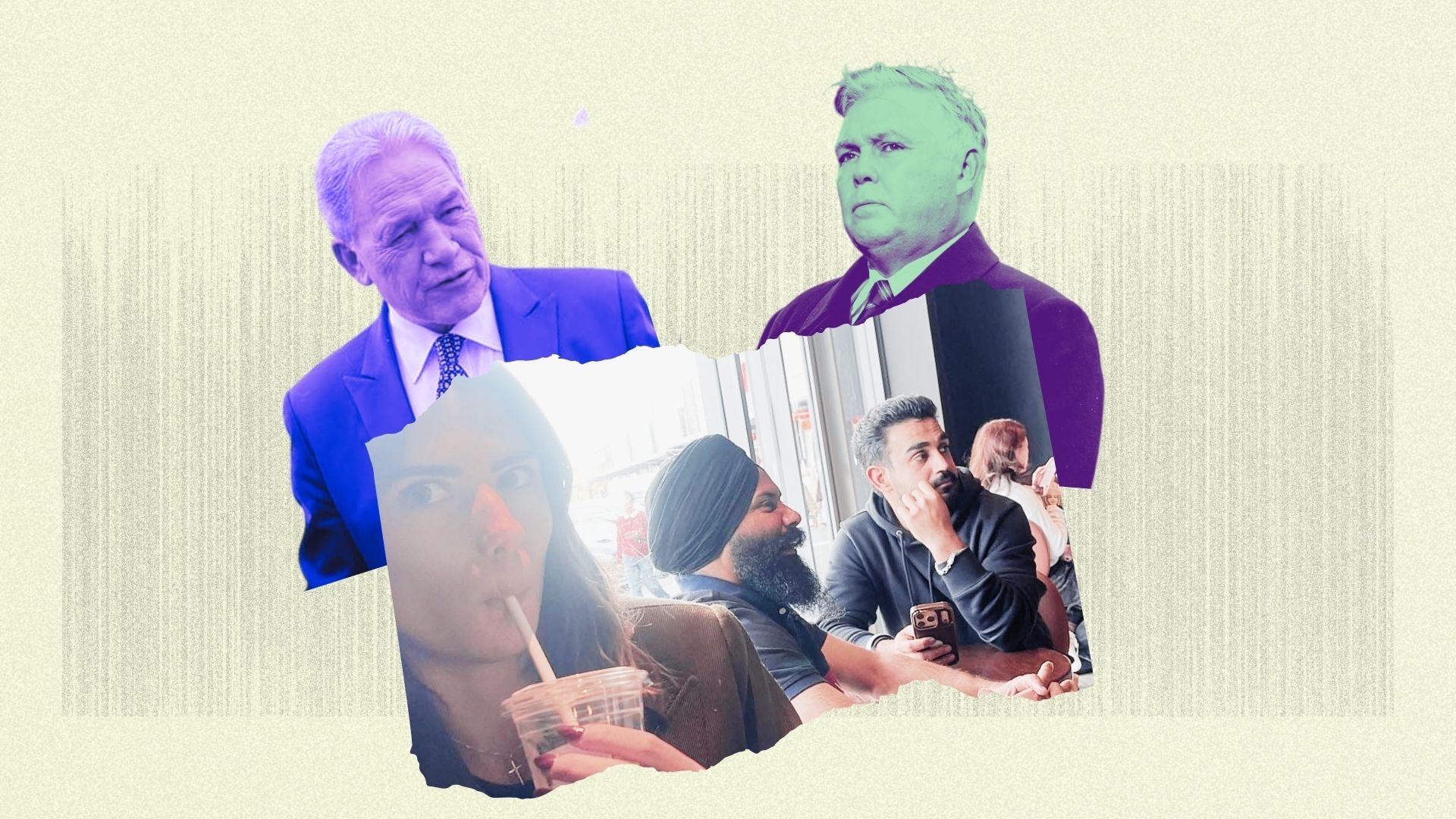
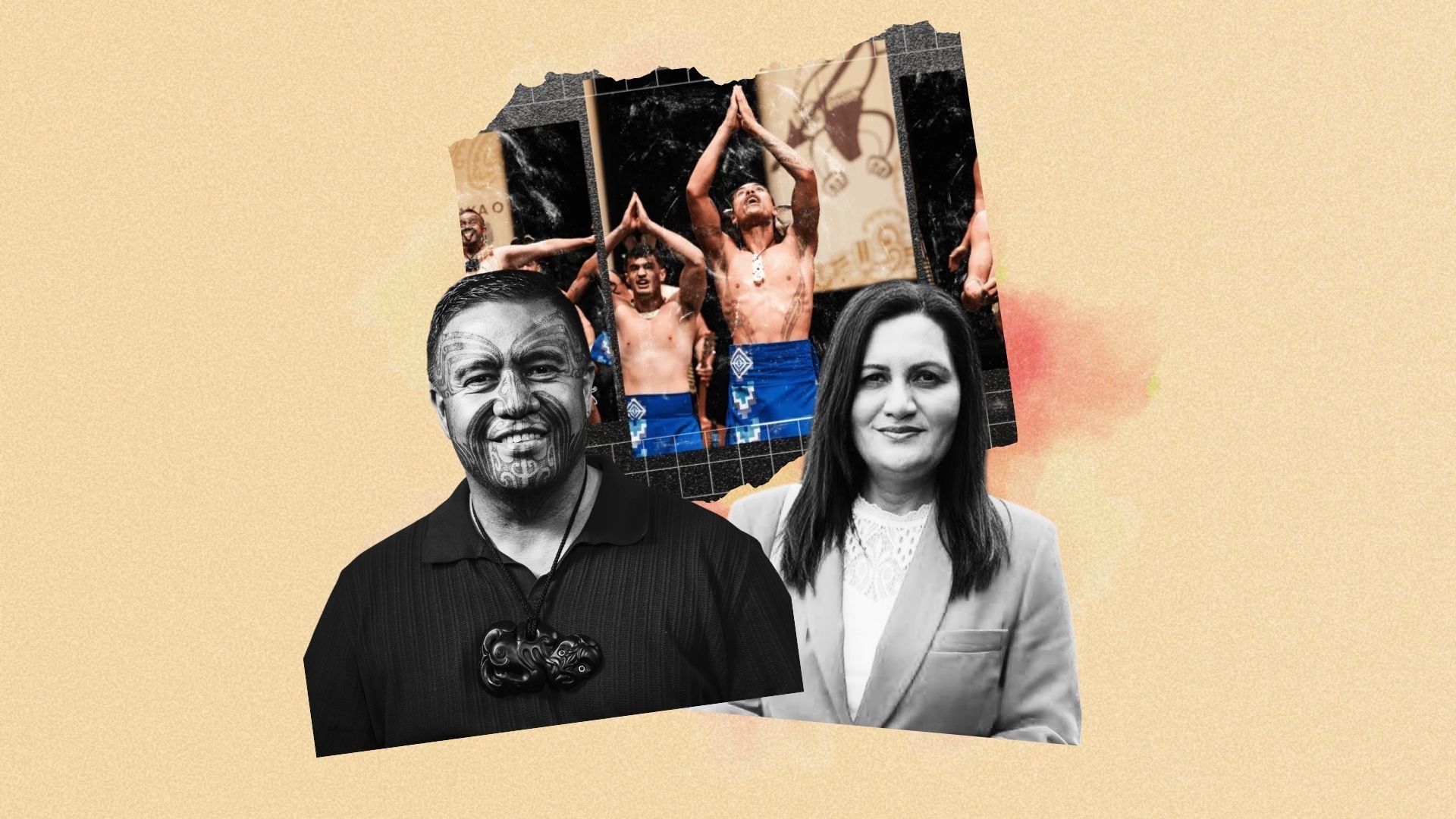
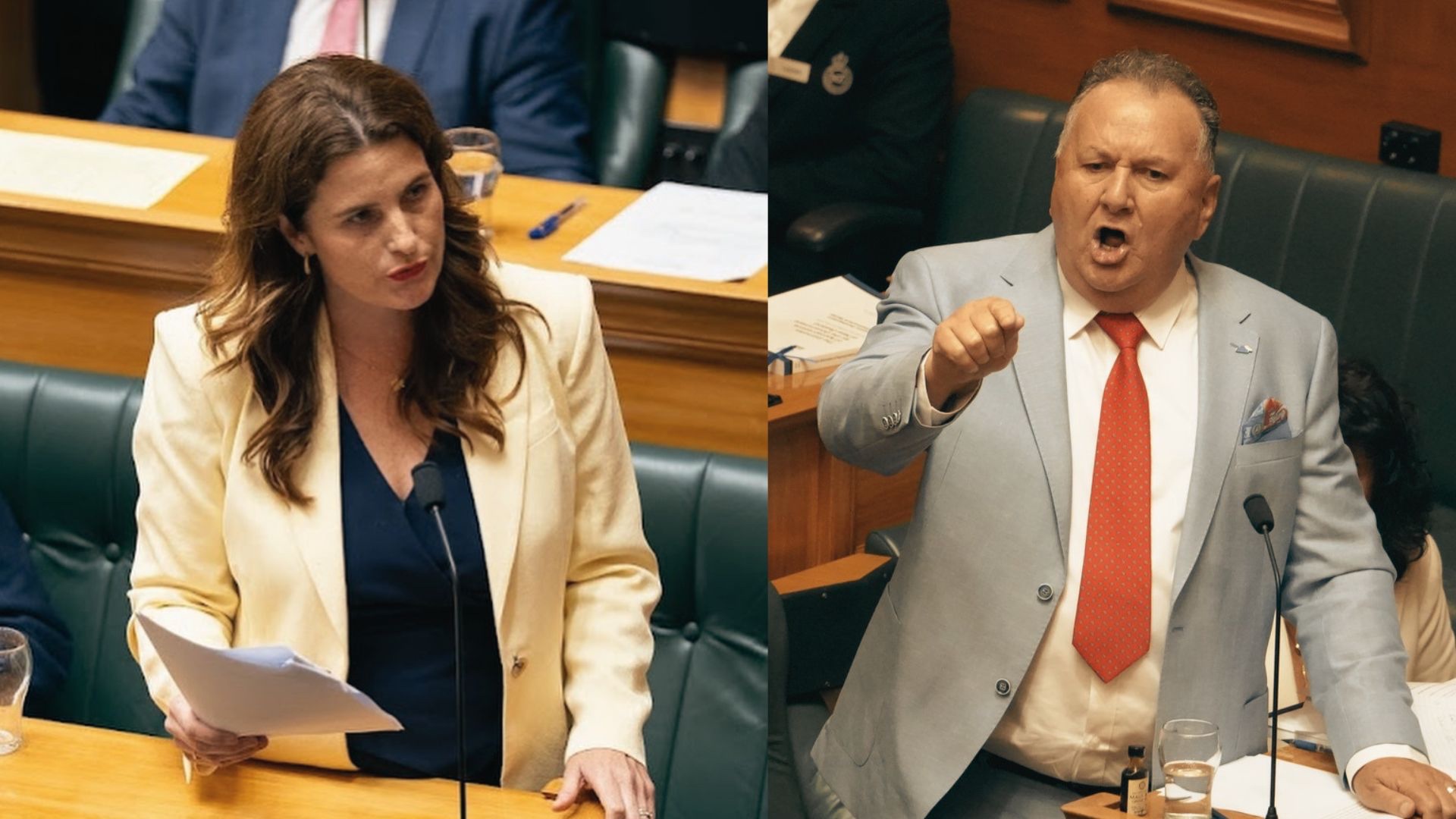
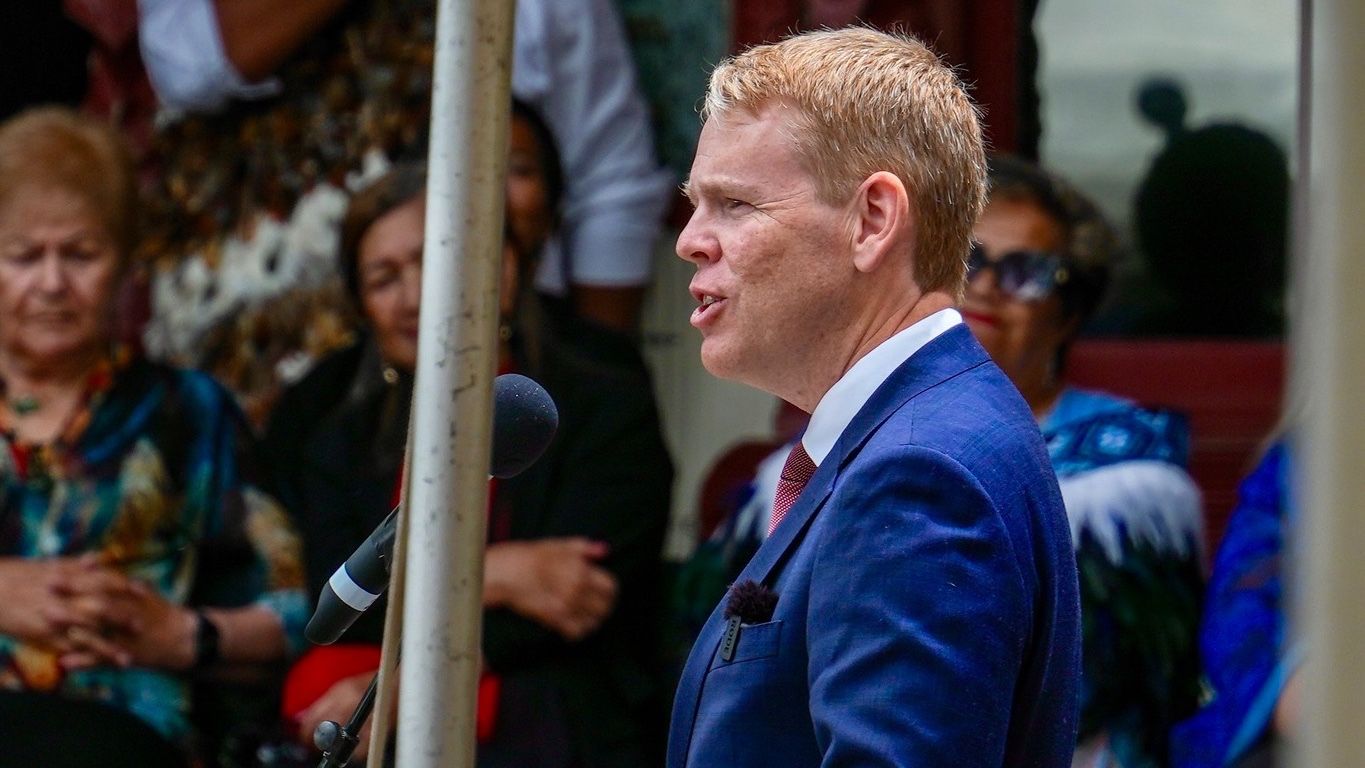
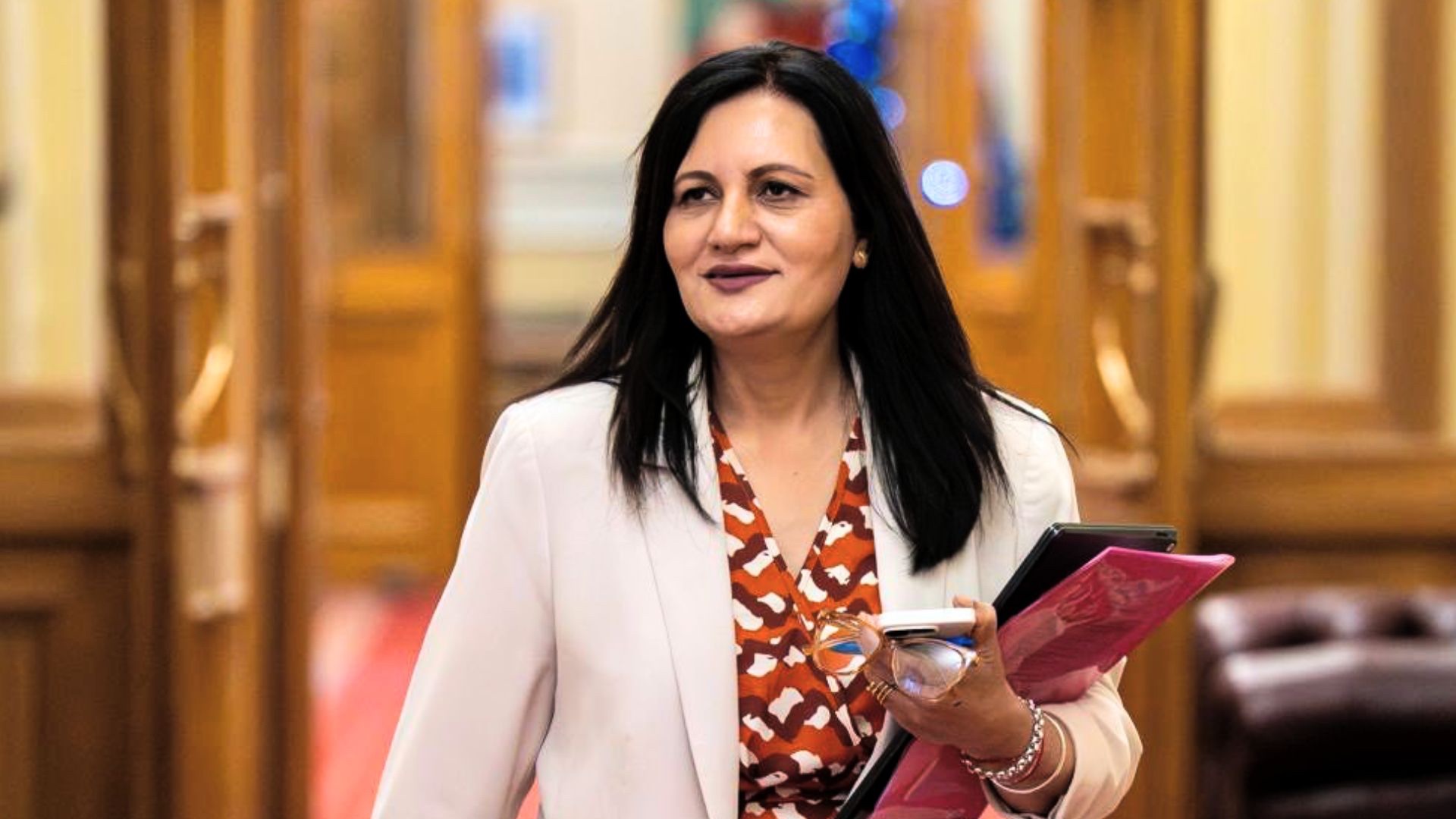
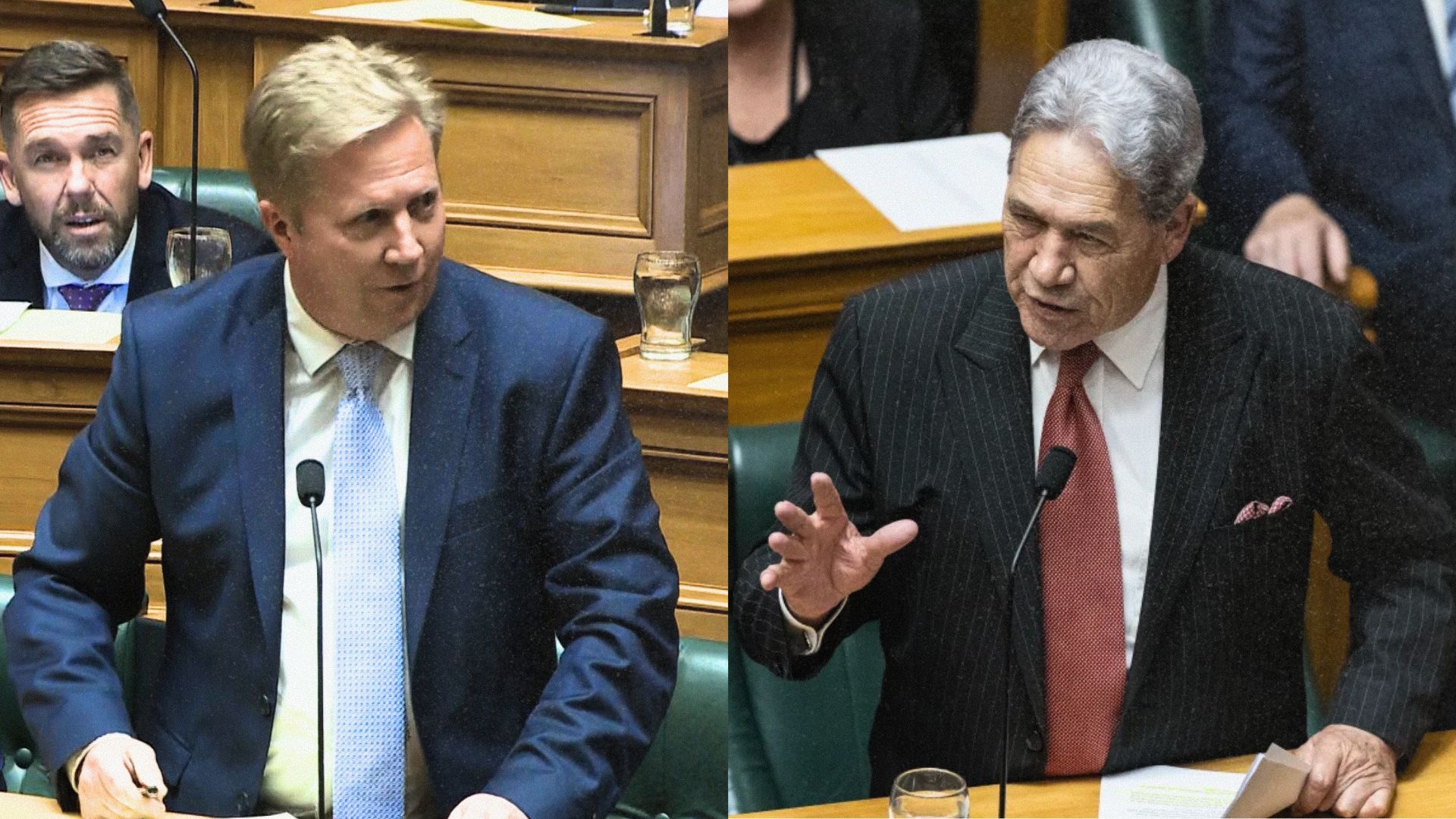
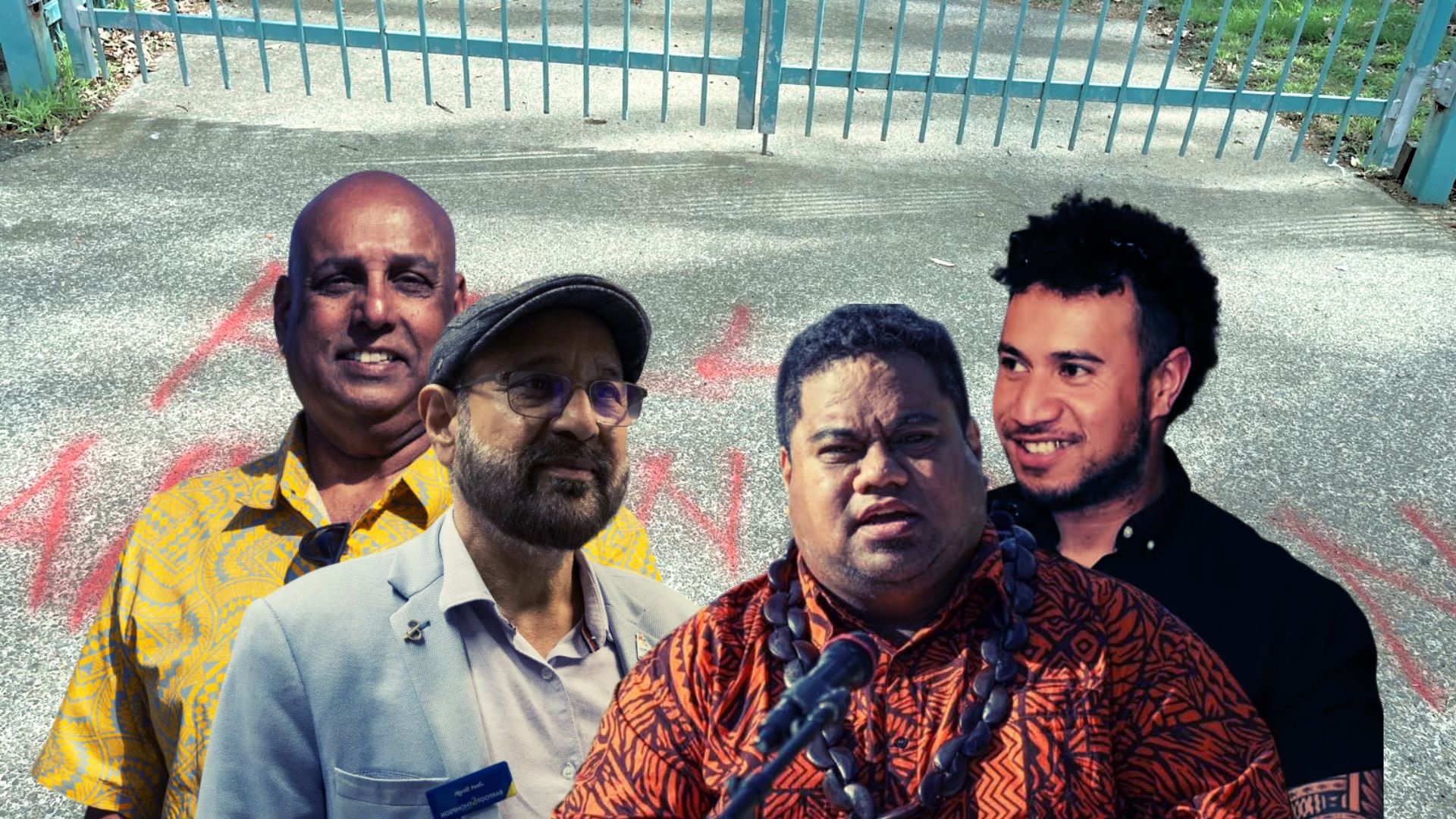
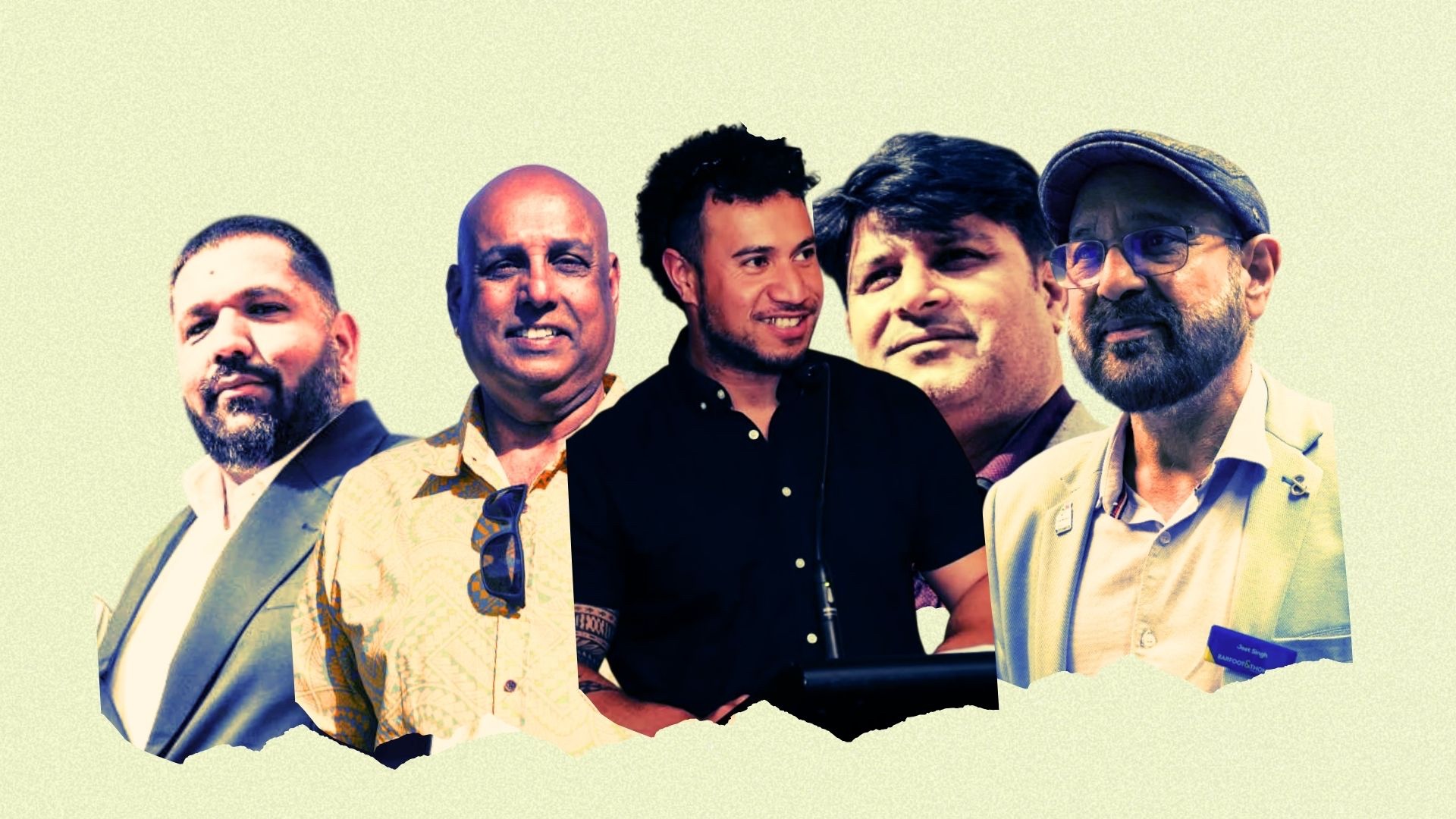
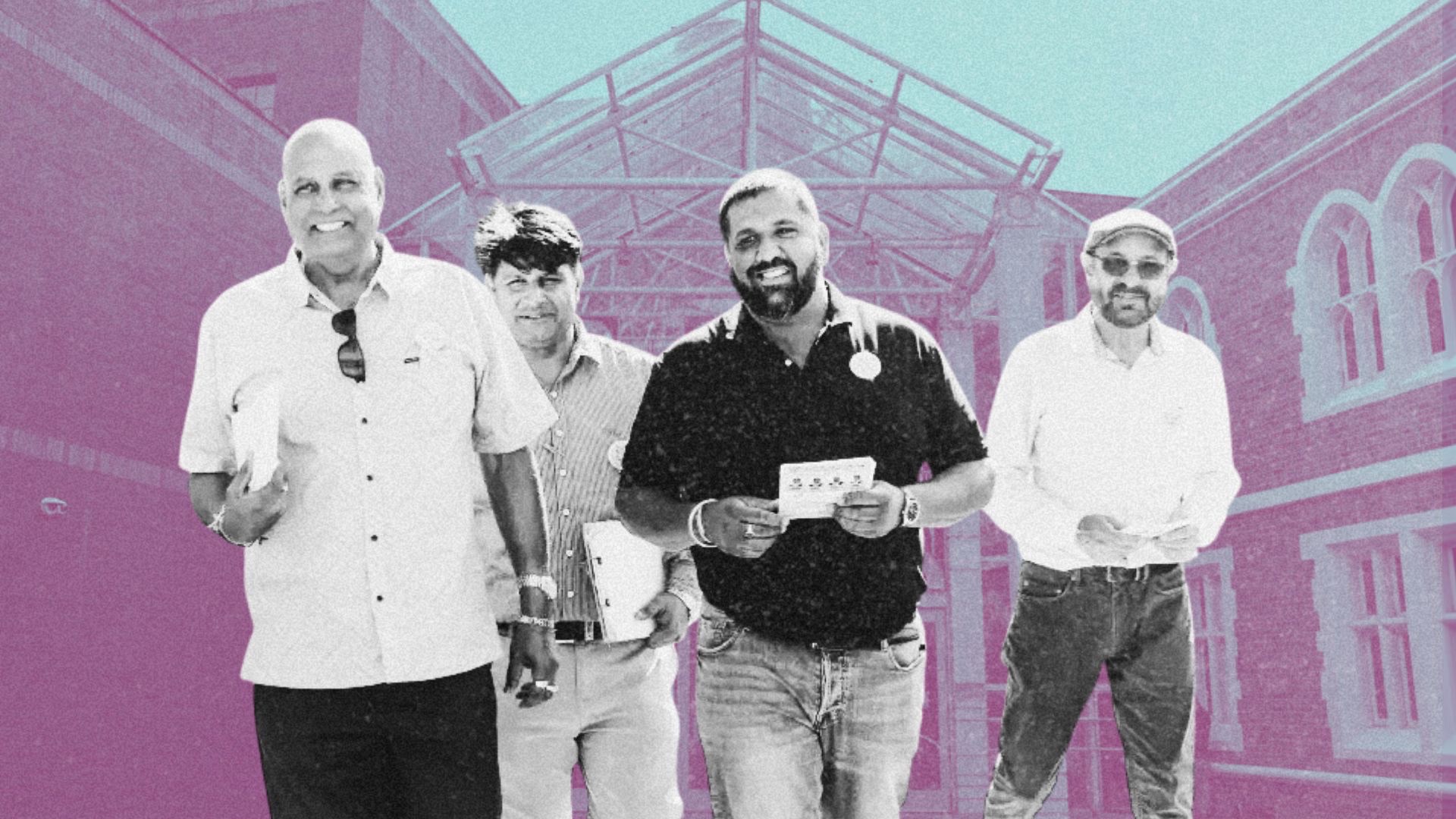
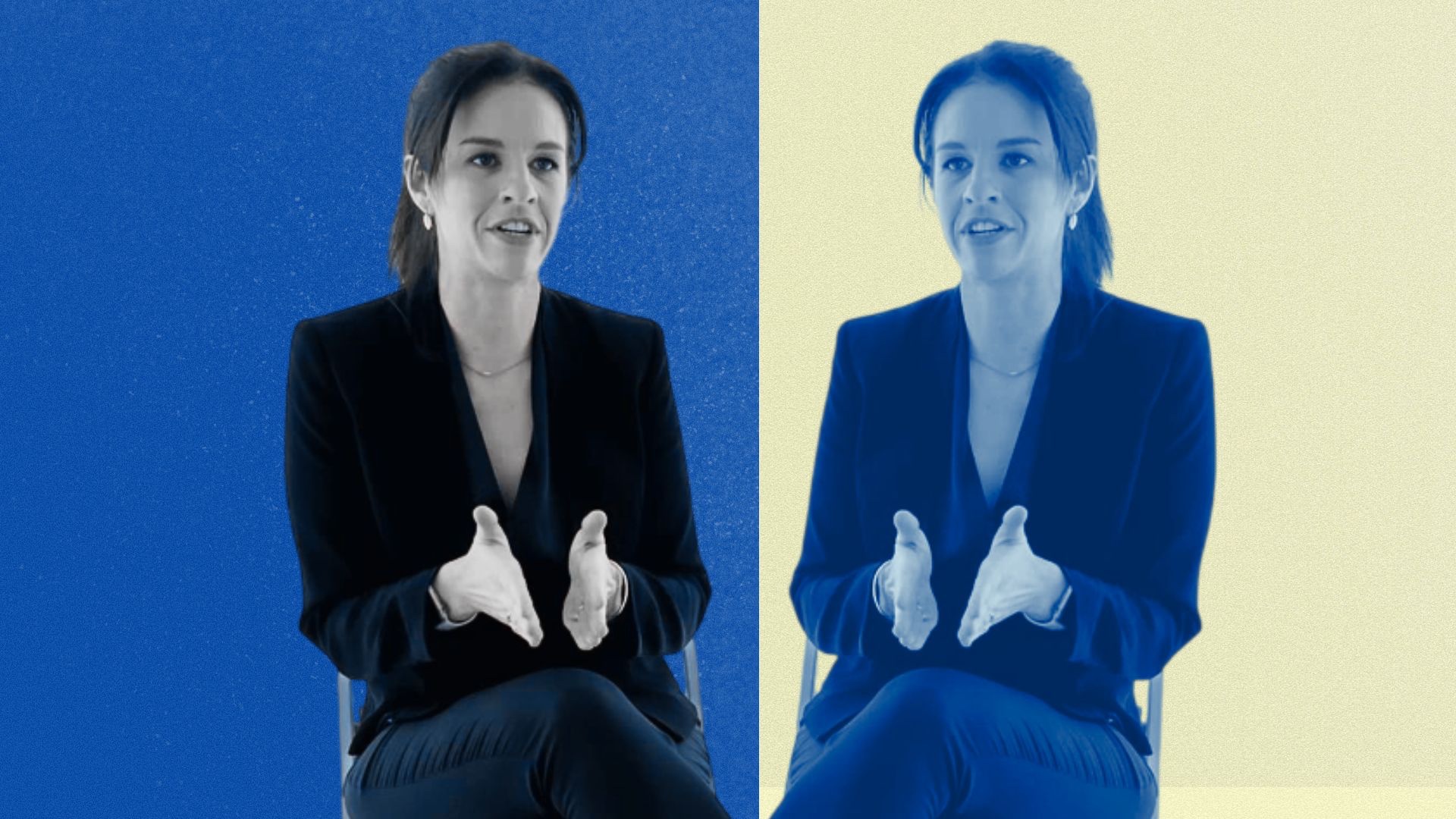
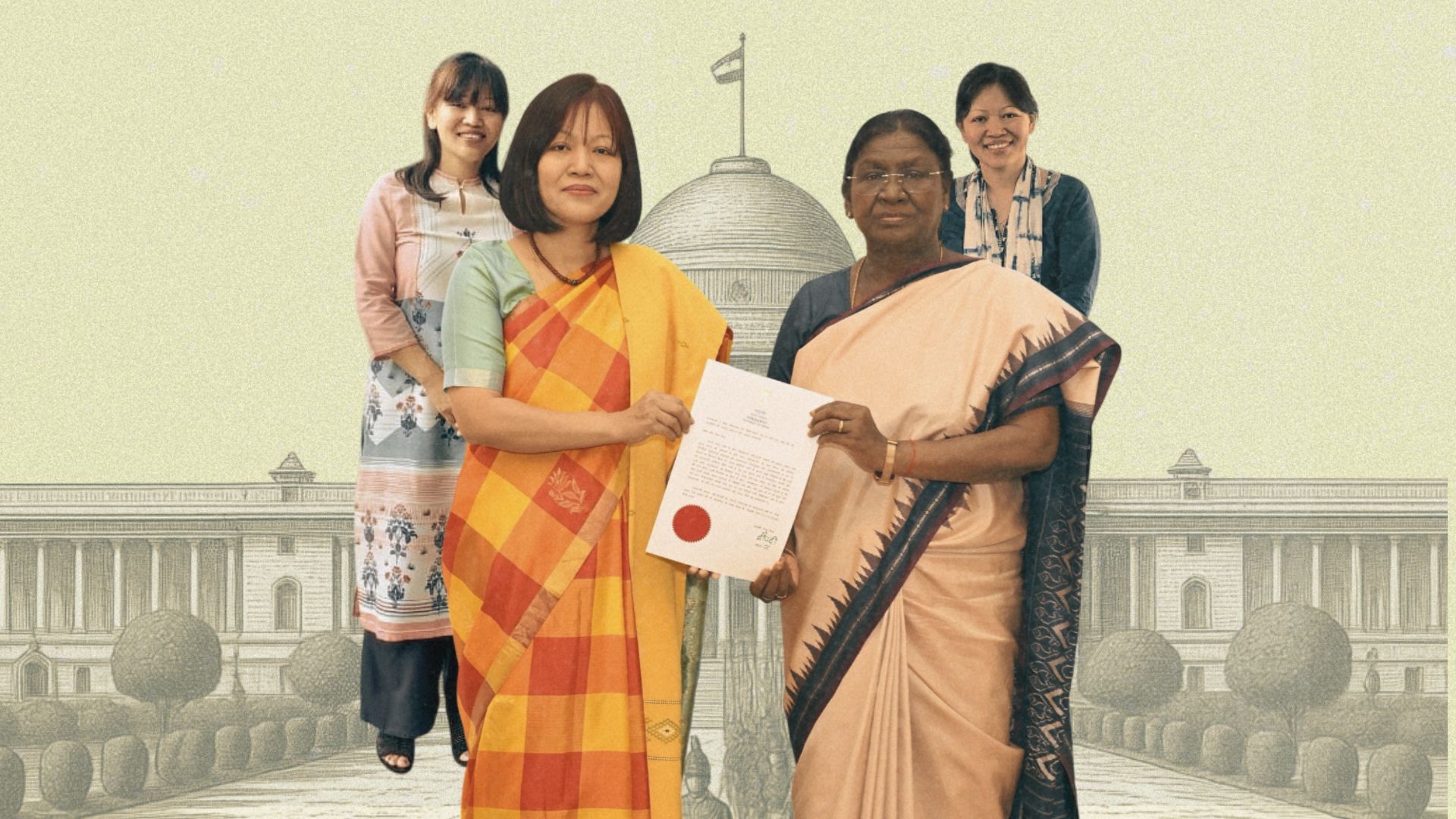
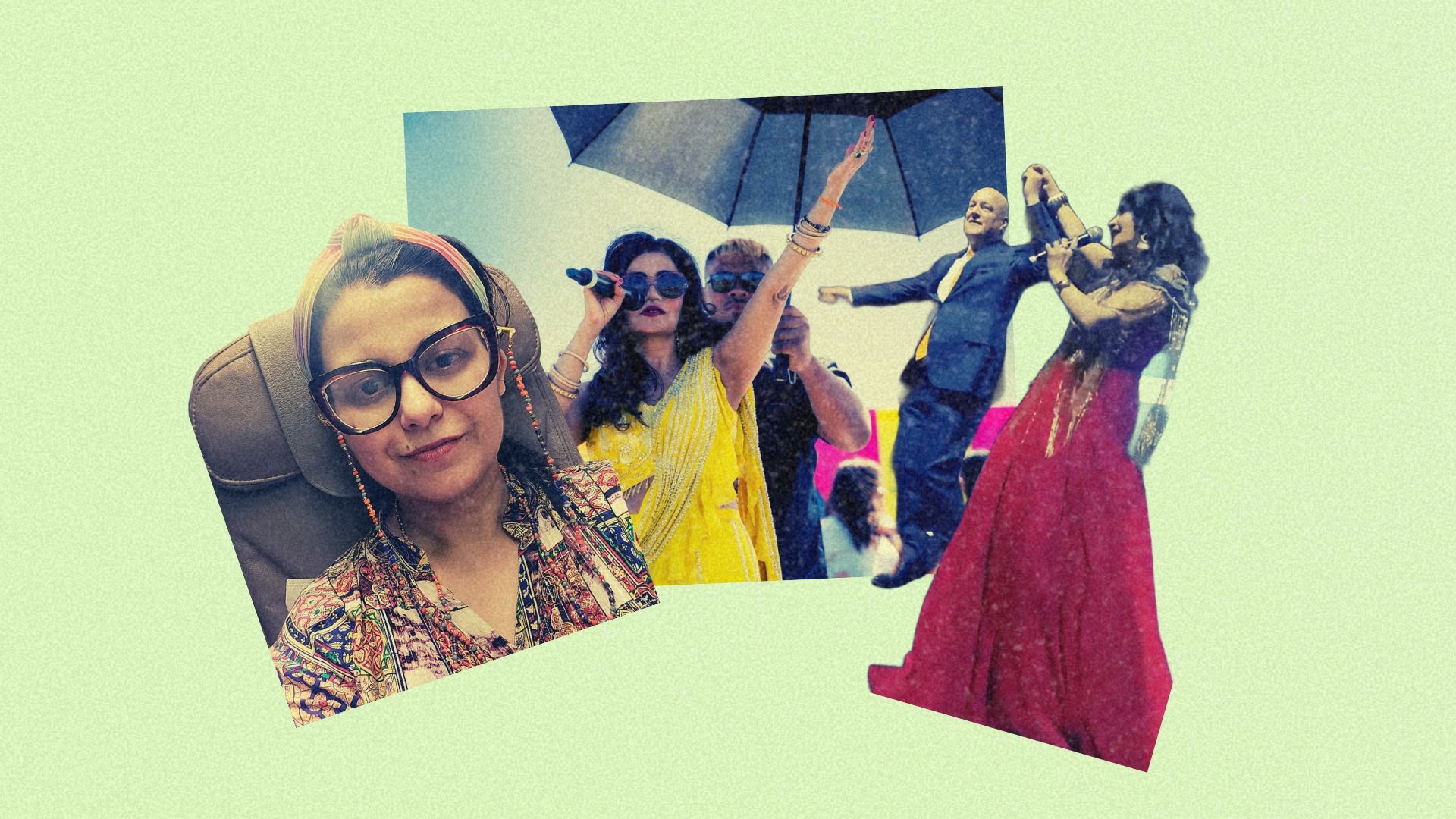
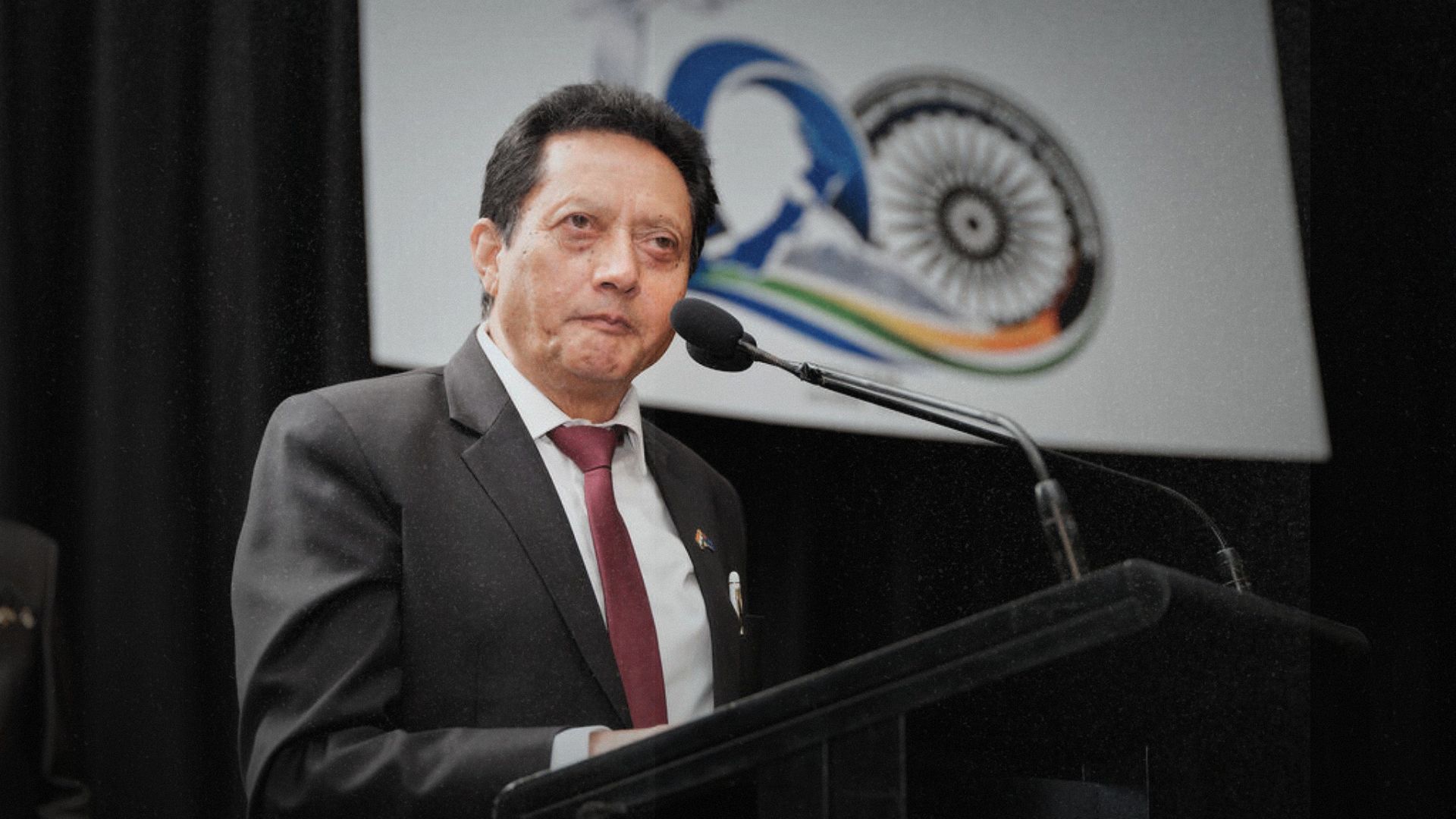
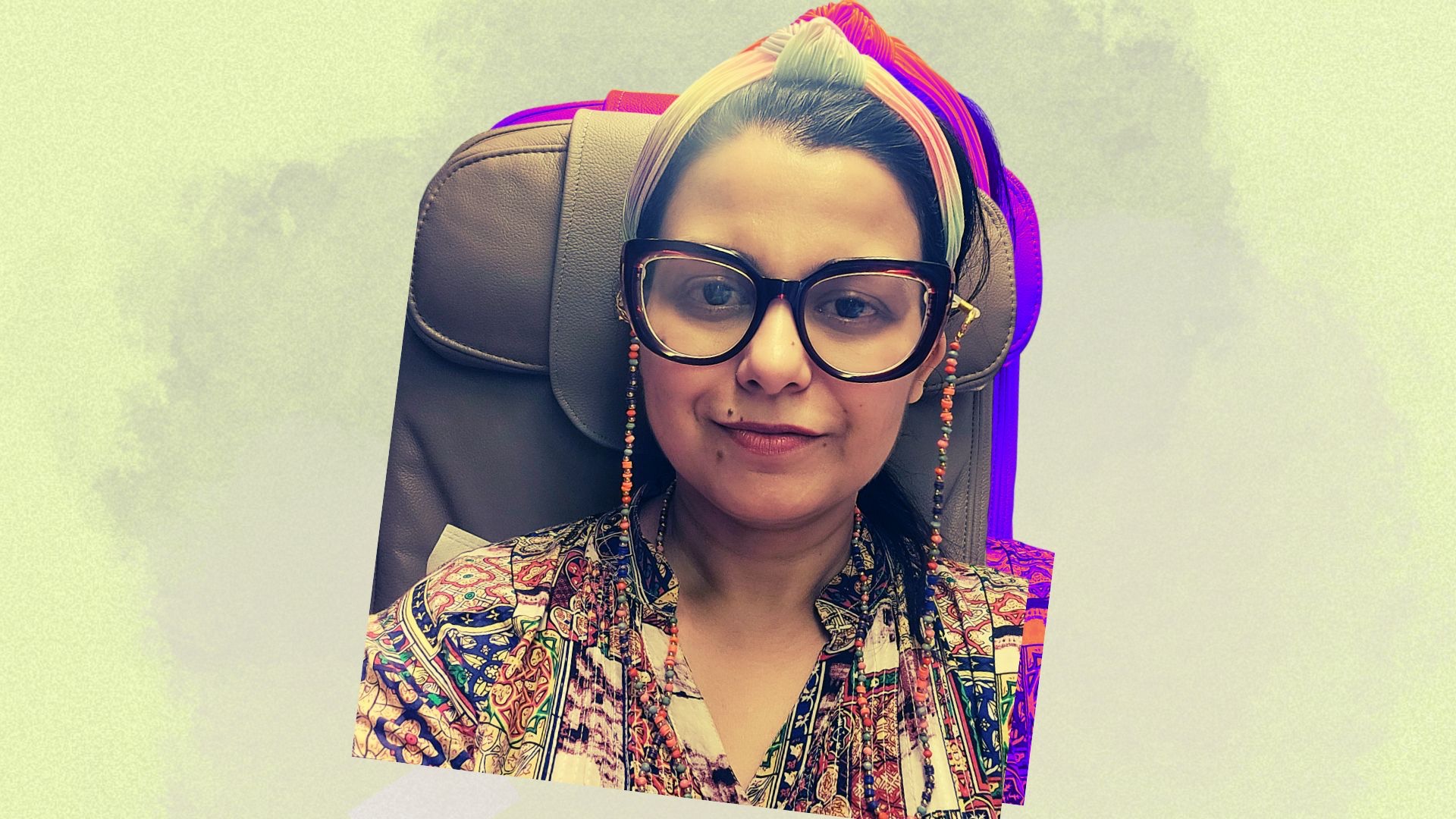
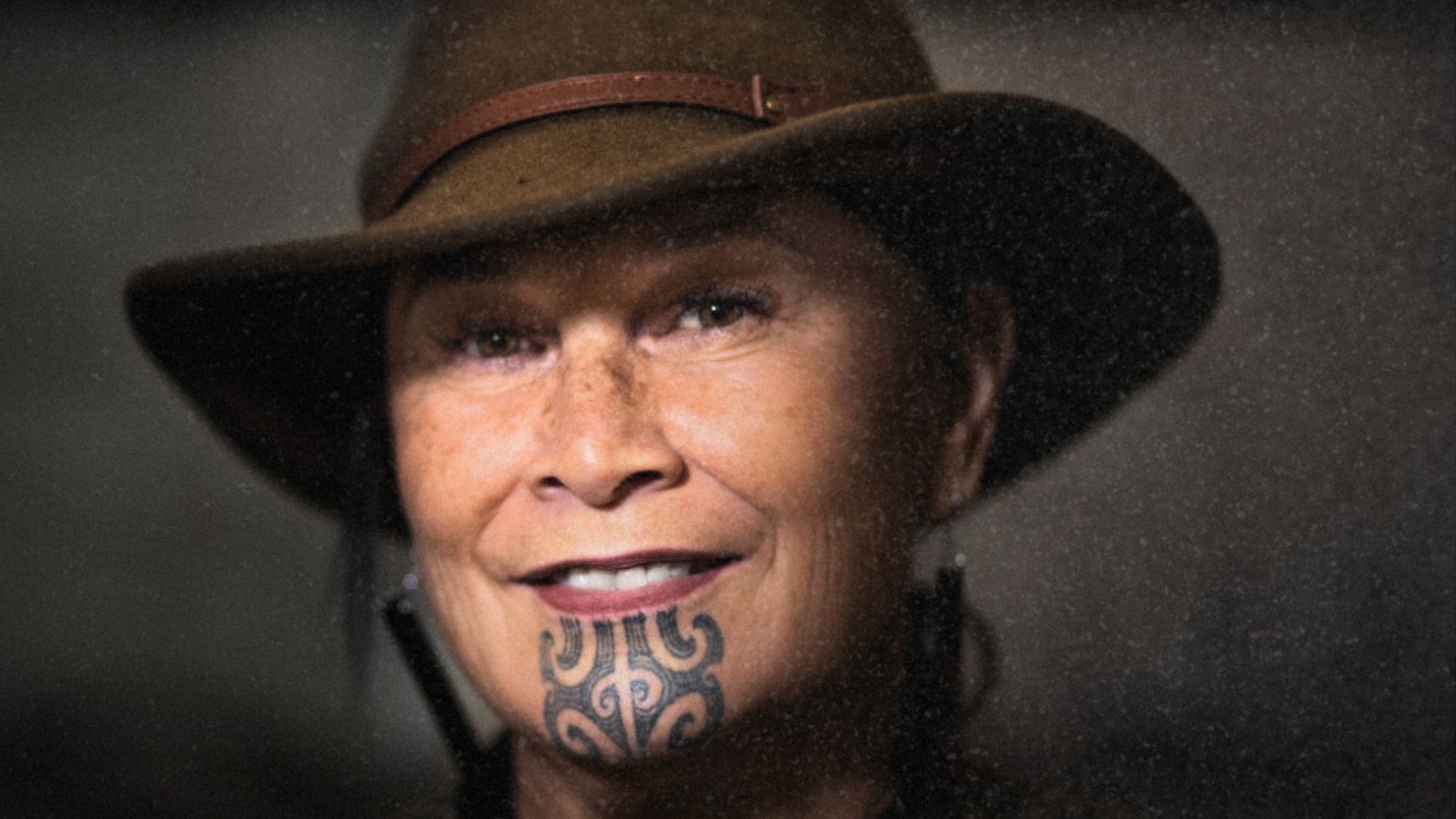
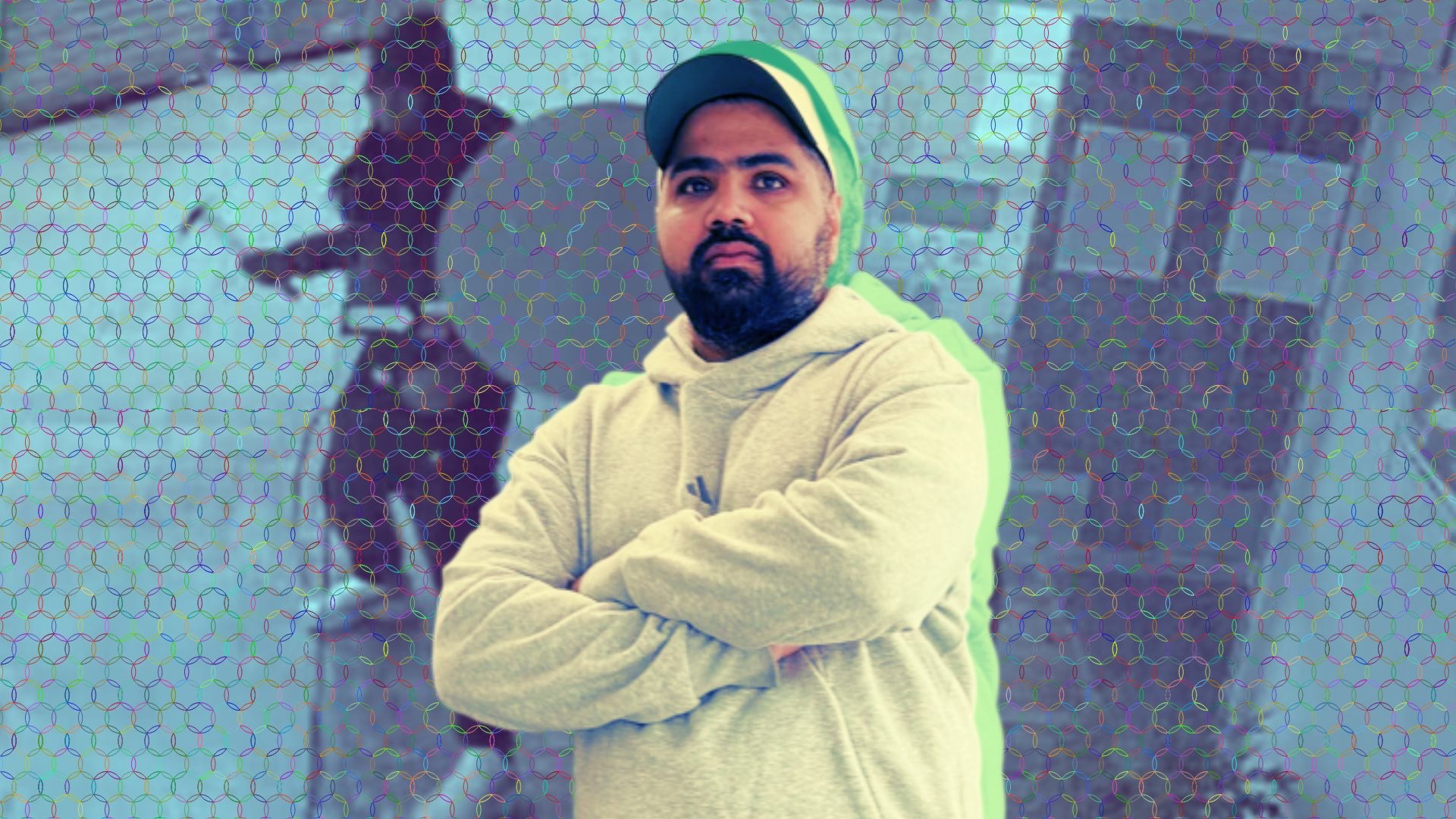
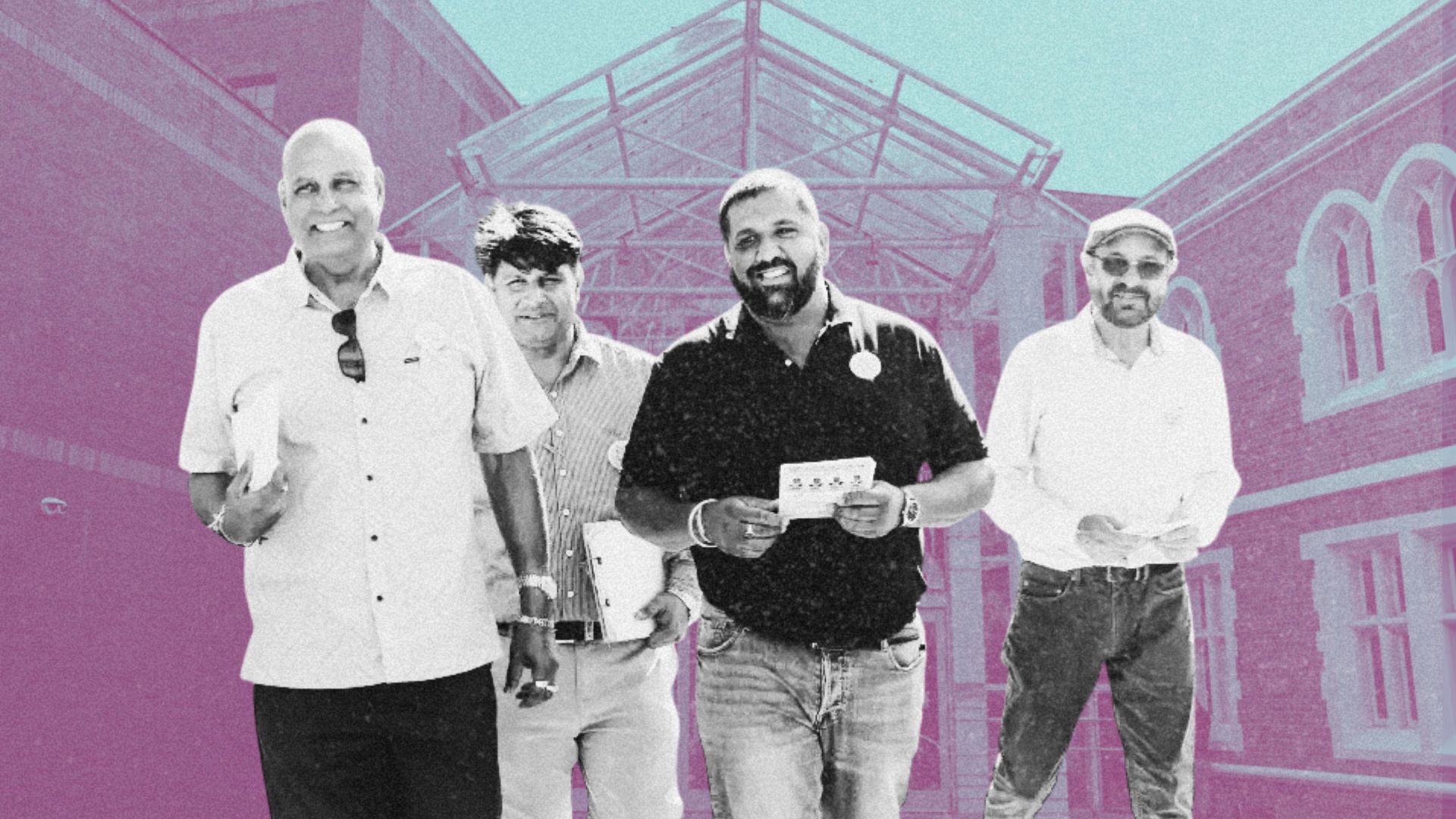
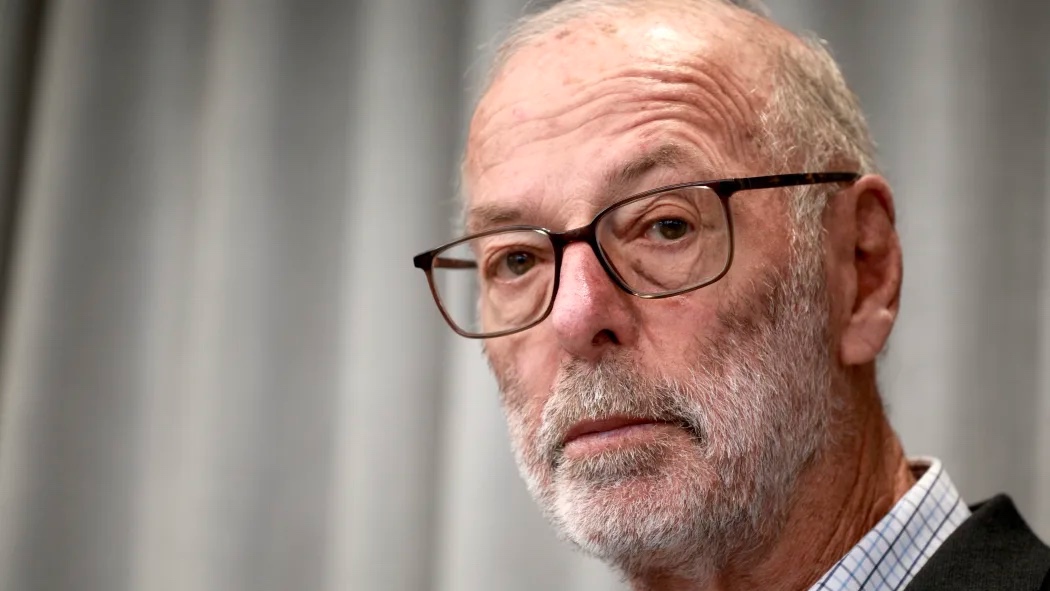
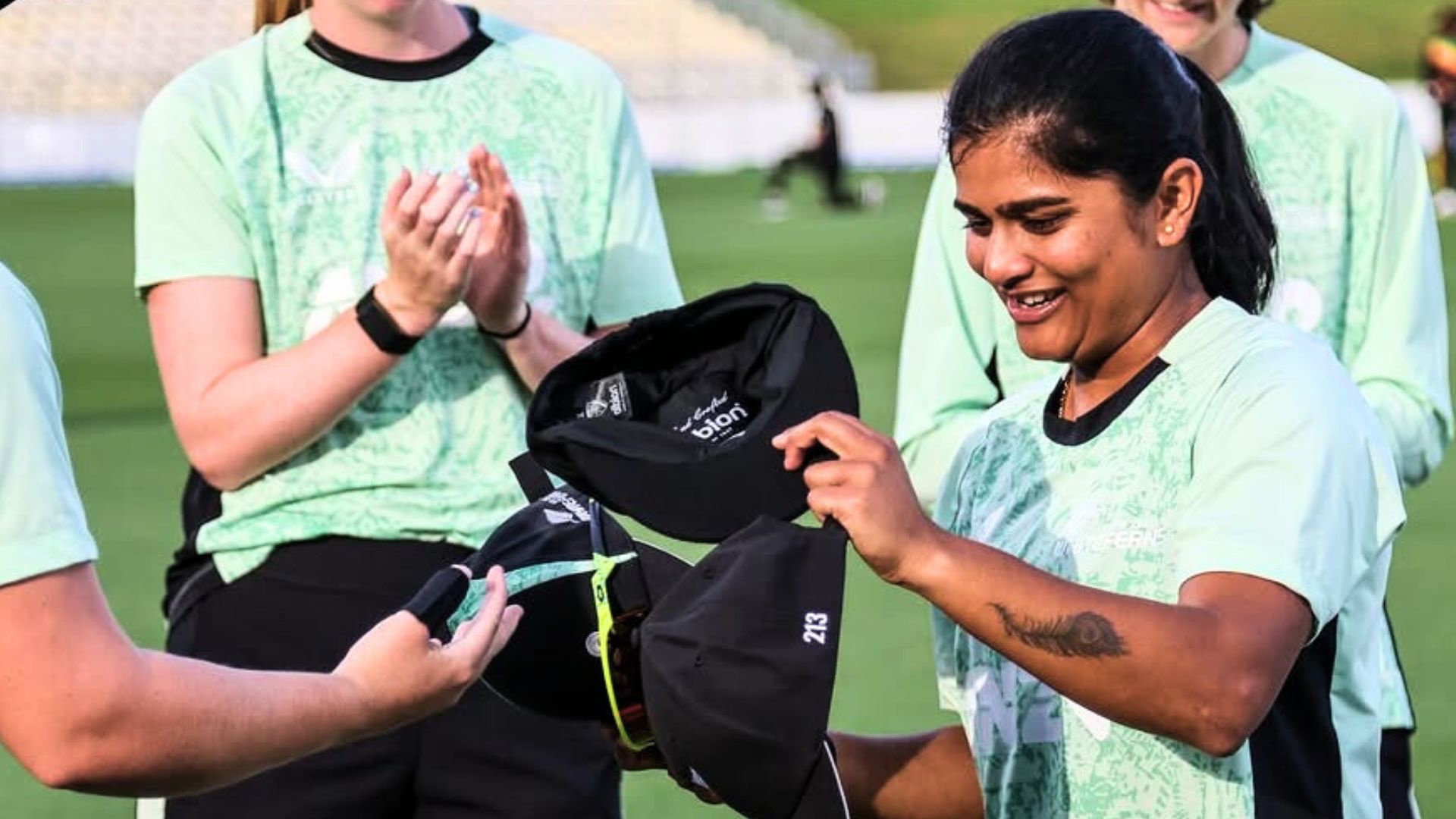
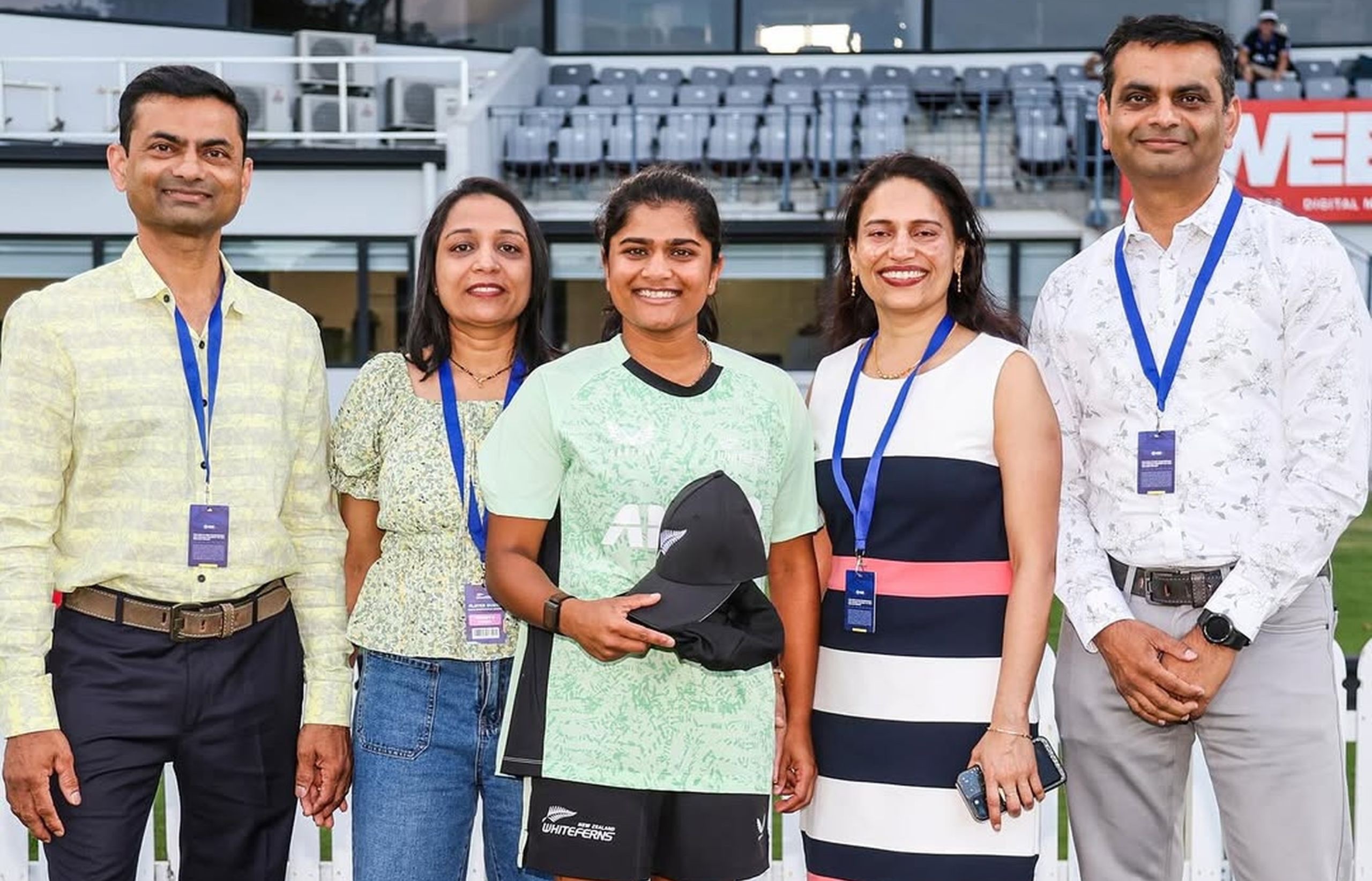
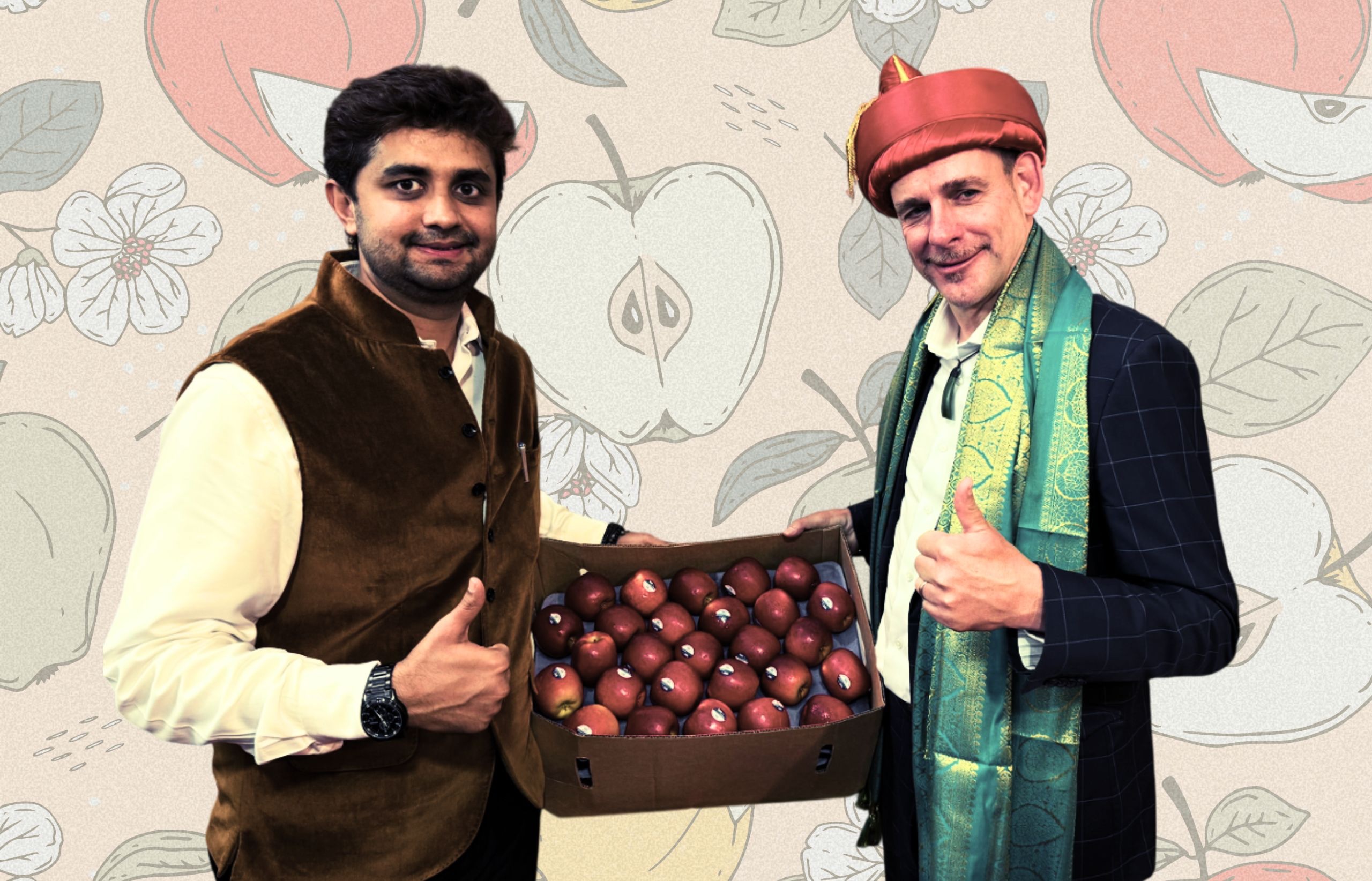
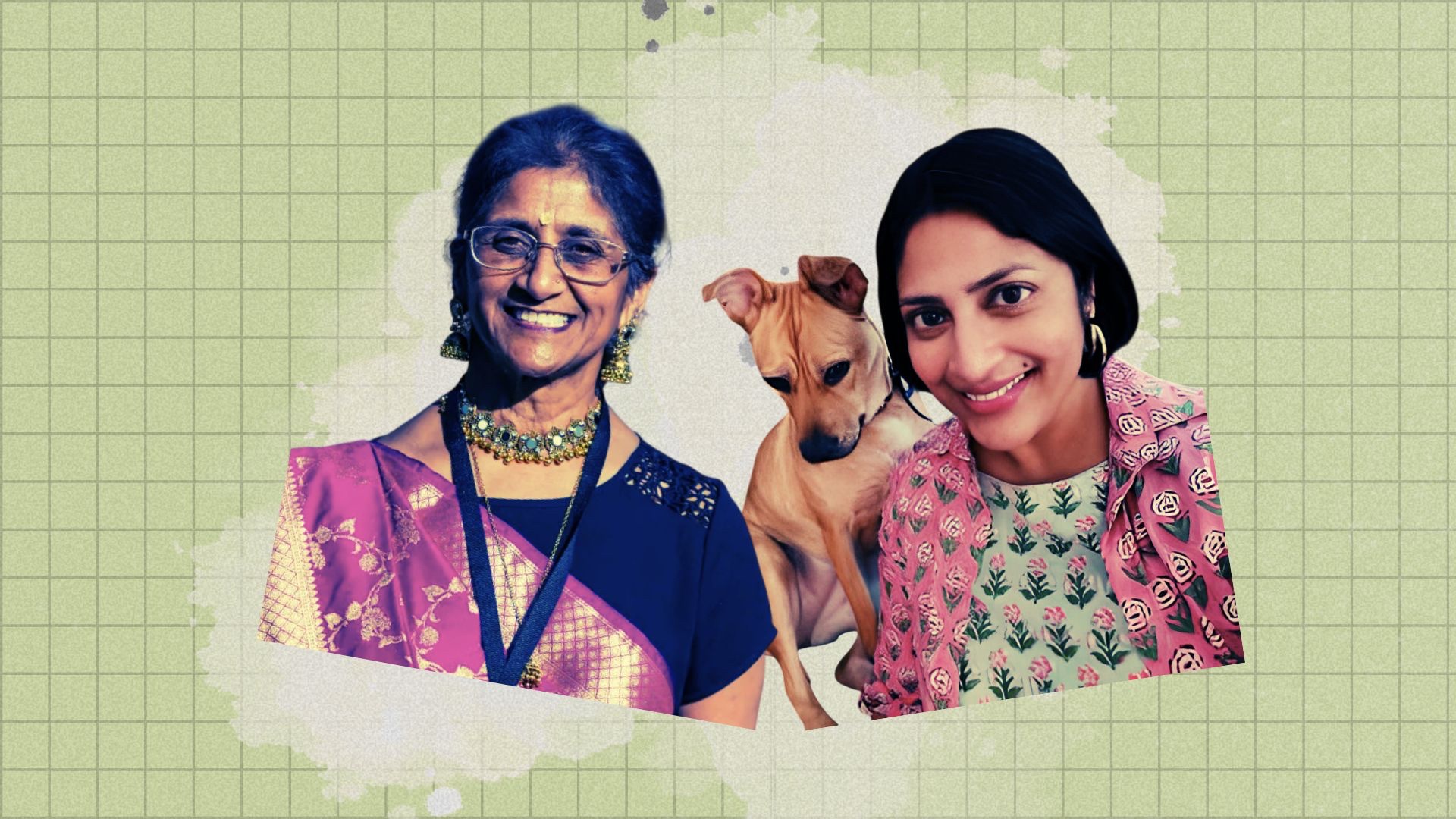
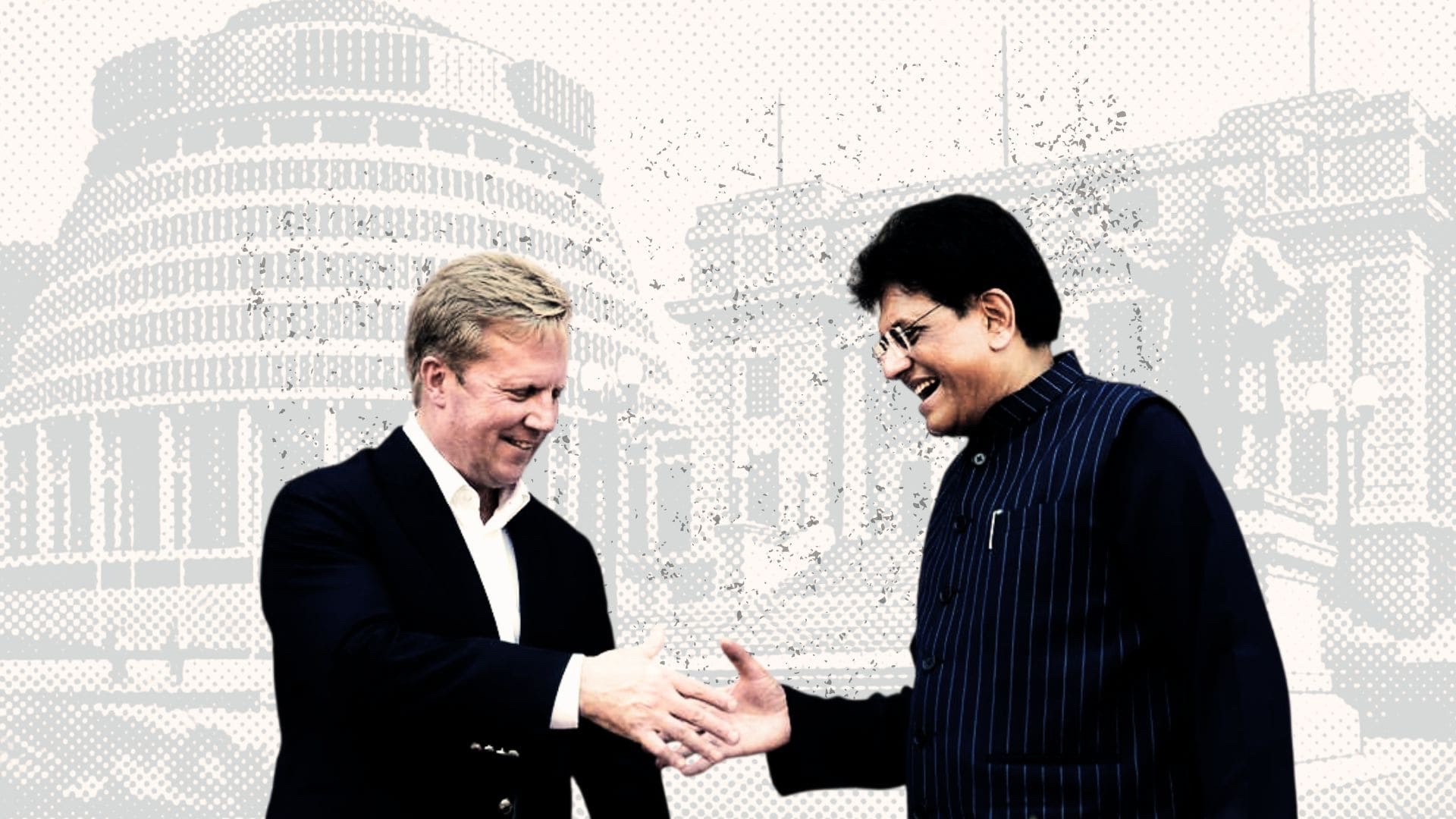
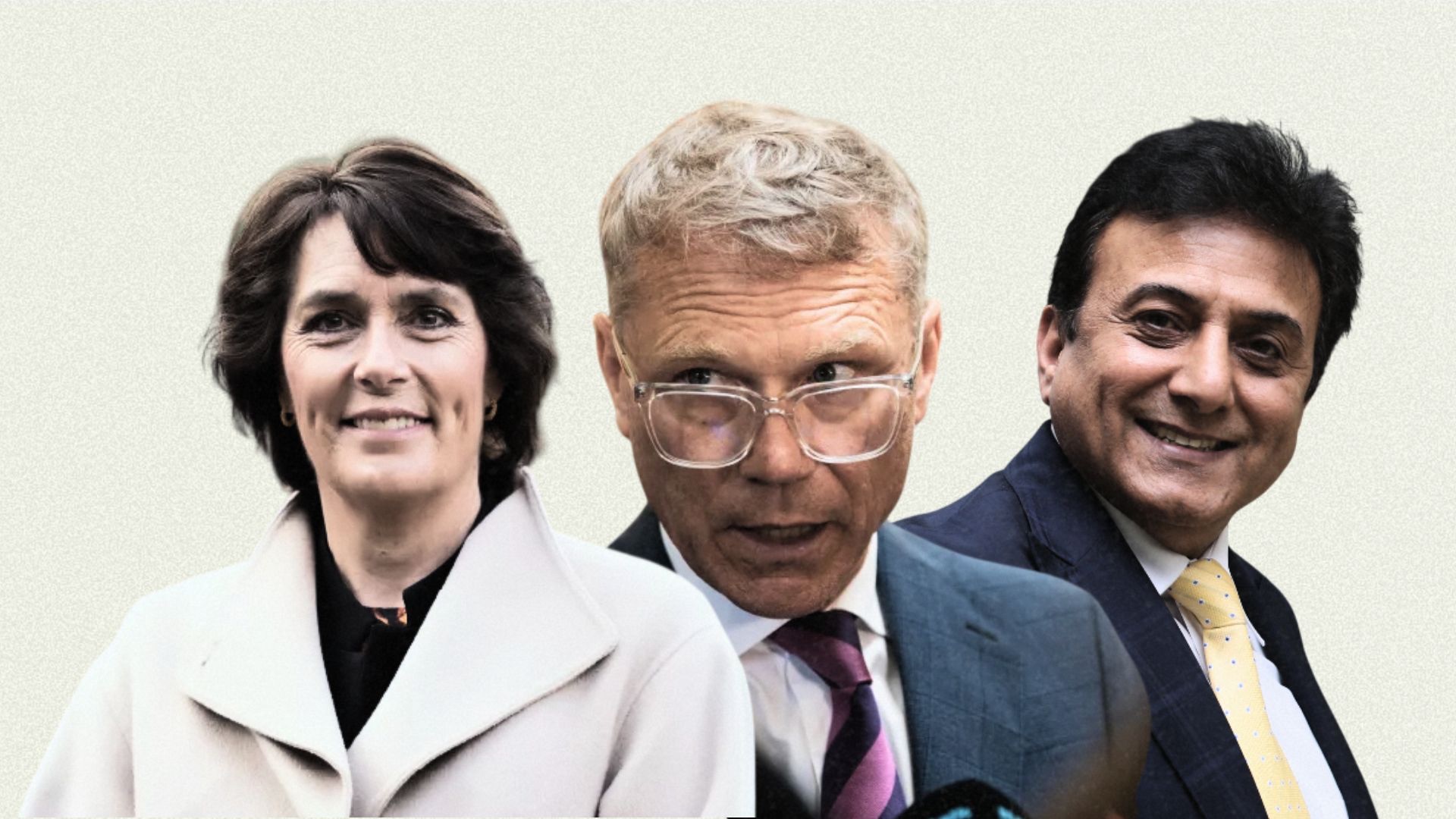
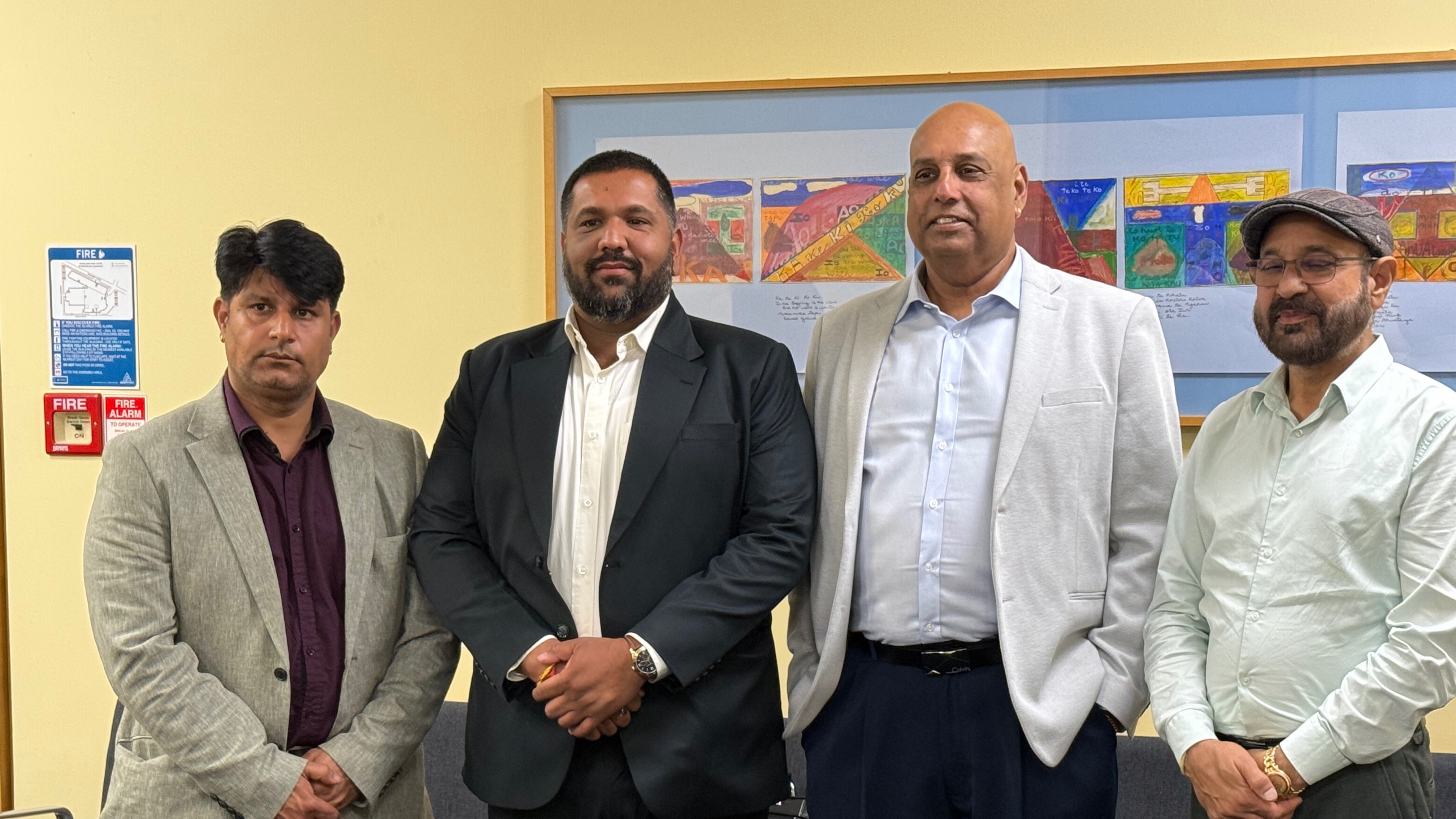
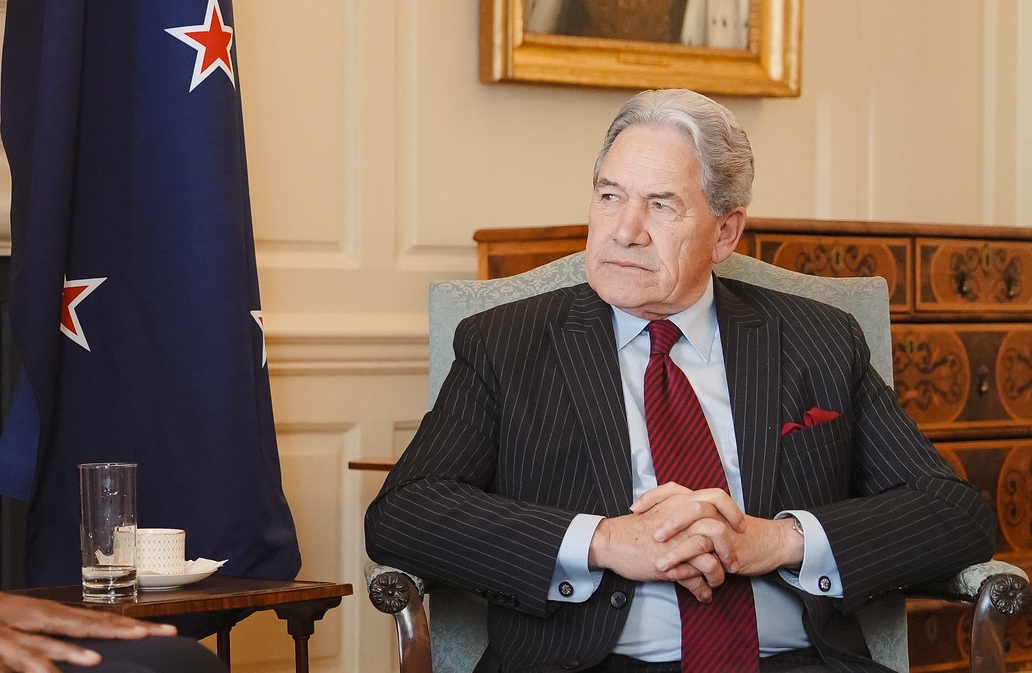
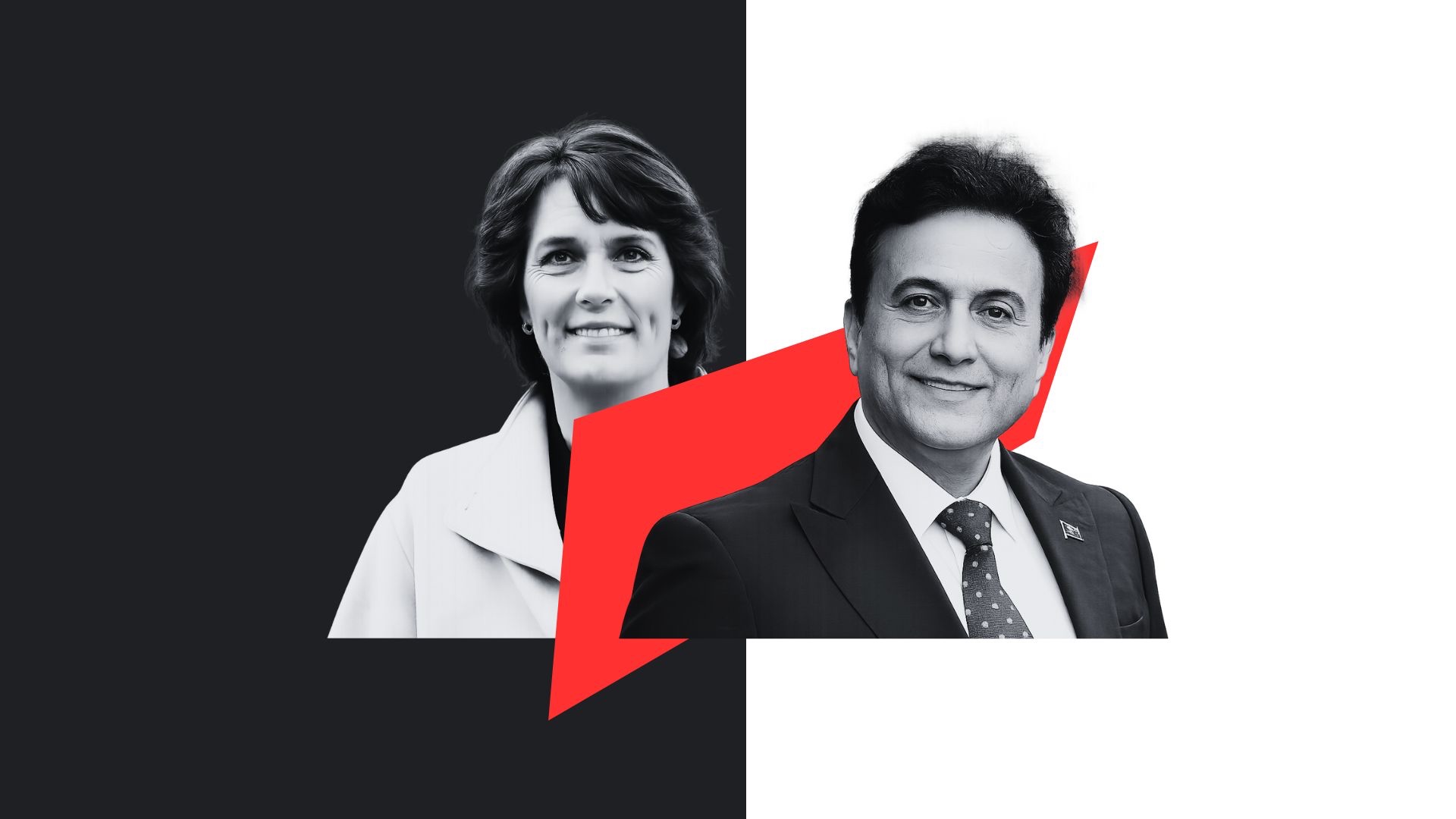
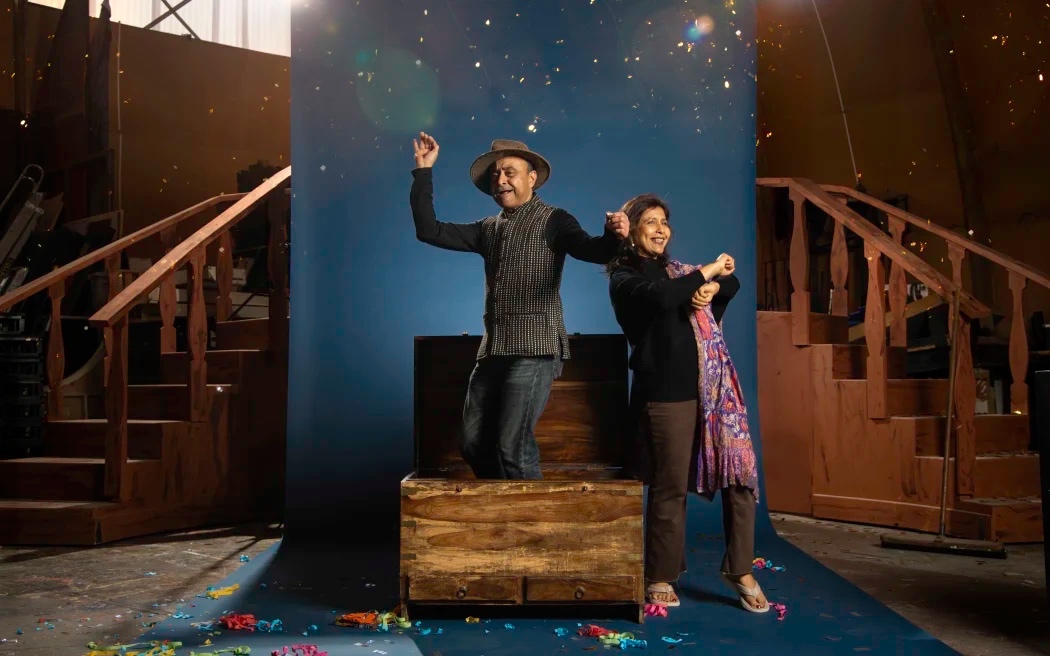
From left: Apulu Reece Autagavaia, Ashraf Choudhary, Kushma Nair and Paramjeet Singh.
Even as South Asian representation has increased in Otara-Papatoetoe, leadership has largely remained the preserve of Pasifika leaders.
Analysis: On a November evening last year, inside the Manukau Civic Building in South Auckland, the newly-elected members of the Otara-Papatoetoe Local Board gathered for their first meeting after the local elections.
The gathering was meant to swear in the new members and elect the chair and deputy chair. Instead, it set off a conflict that continues to reverberate as the area votes in a by-election this month.
The arithmetic behind that vote was straightforward. The board has four members from Papatoetoe and three from Otara. If Papatoetoe’s representatives vote as a bloc, they hold a majority.
Just weeks earlier in the October 2025 elections, a new team of Kiwi-Indians had swept all four seats from the Papatoetoe subdivision. It had never happened before.
The Papatoetoe-Otara Action Team (POAT) then used that majority to elect two of its own to leadership positions. That didn't go down well.
Selfie: ‘Daddy, please don’t take me to an India-NZ cricket match’. A migrant's dilemma Can a migrant embrace a new home without abandoning old loyalties? Sports often offers a reckoning for migrants.
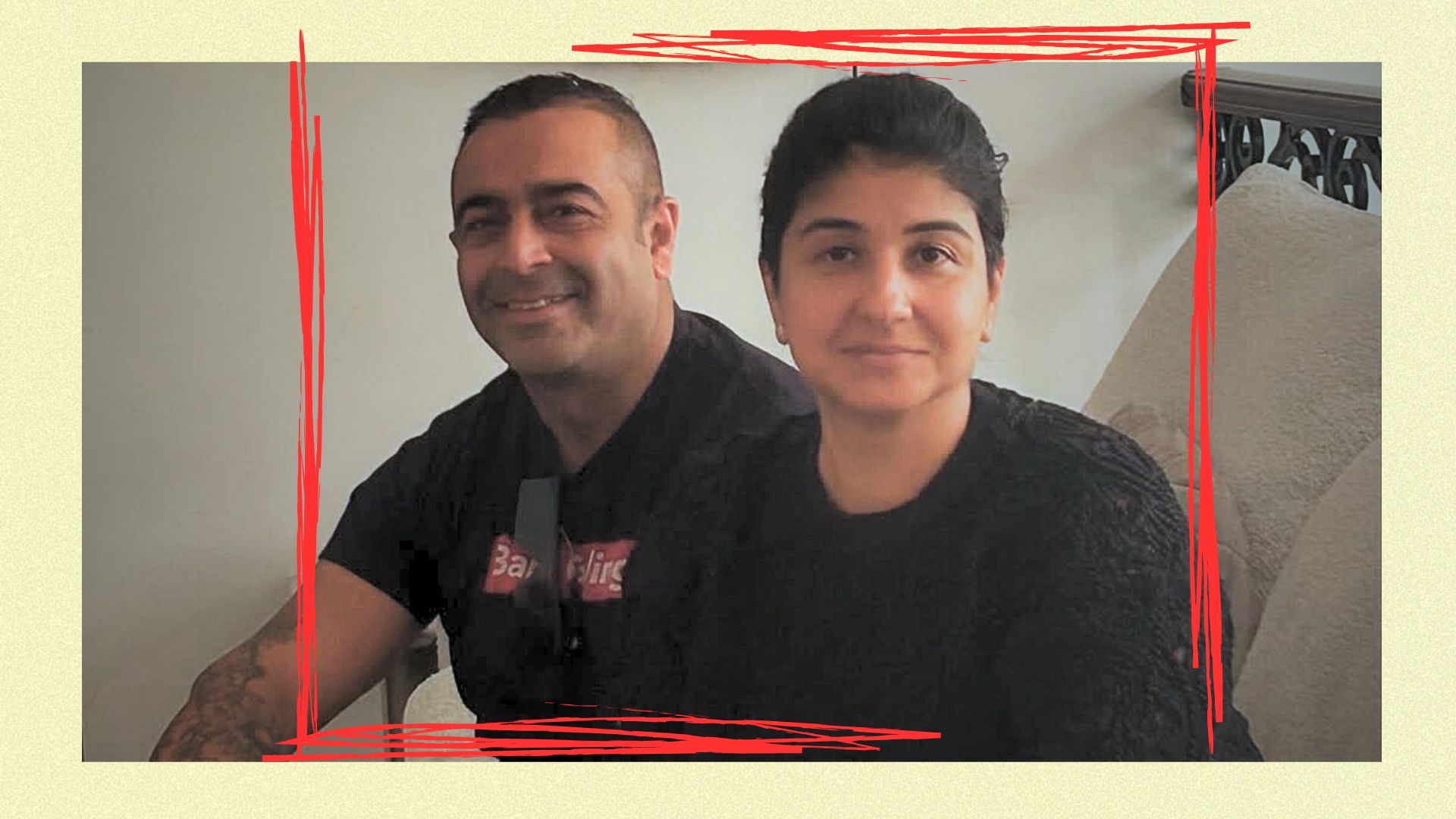
Migrant prison guards in Auckland accused of drug smuggling can't work, can't go home Two fathers facing serious corruption charges have been unable to work elsewhere because of their visas and awaiting criminal trials in 2028.
Can you be Indian and Kiwi? National's Mahesh Muralidhar on patriotism, racism and belonging National's big ticket Indian-origin candidate on what ethnic representation really achieves and why New Zealanders still struggle to get along.
The 2025 elections were the sixth time Aucklanders had voted for local boards since the council was formed in 2010. Until then, members from the Otara subdivision, largely of Pacific descent, had always held at least one of the two leadership roles.
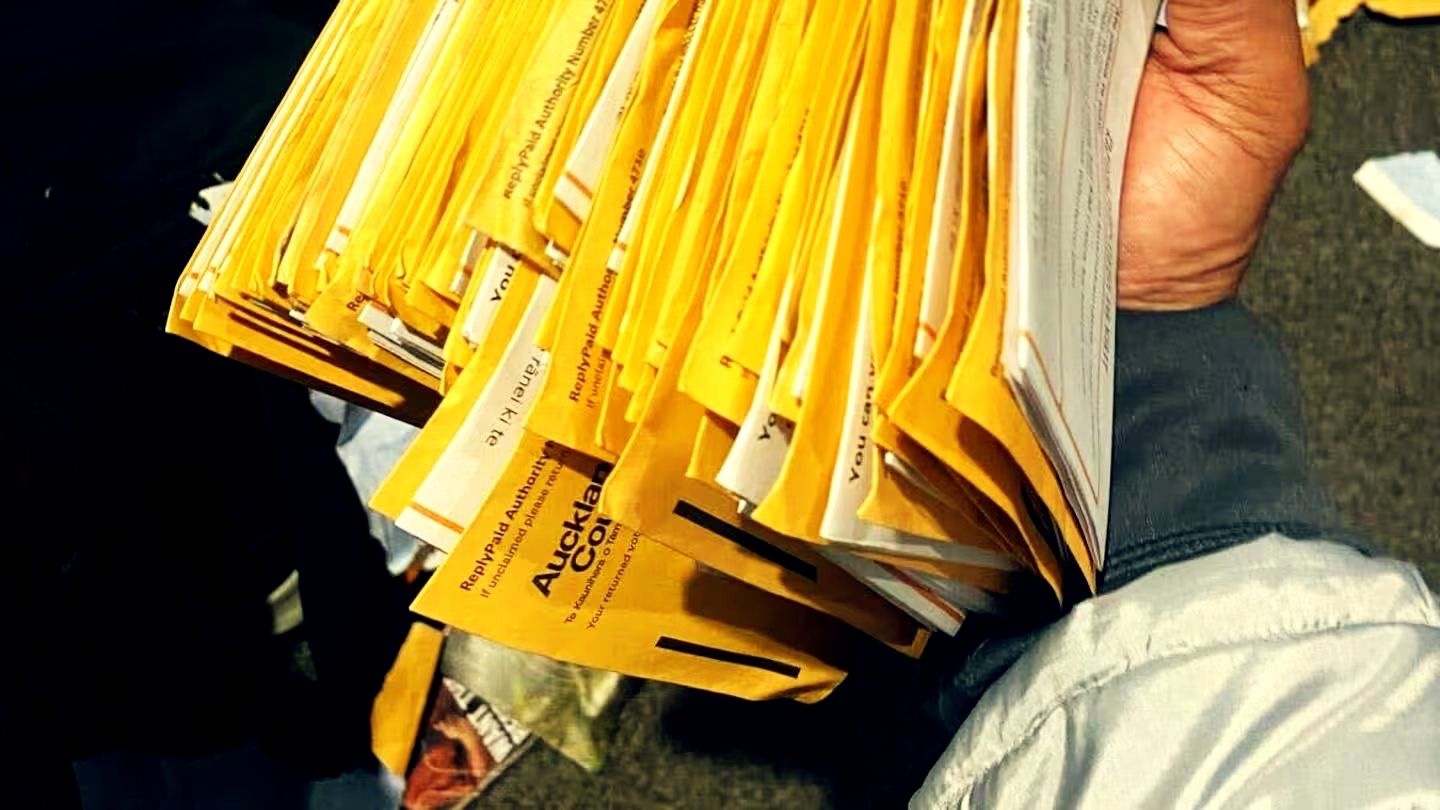
Last year’s election has since been annulled over irregularities in voting, and new winners from a by-election currently underway will be announced next month.
For most of the past decade, leadership of the board had typically reflected a quiet balance between the two communities it represents. That balance was not only geographic, but also demographic.
Otara’s leadership presence largely reflected its Pasifika-majority population. In Papatoetoe, however, the story was different. Even as South Asians became the largest ethnic group in the suburb, that shift did not translate into more South Asian members from Papatoetoe.
The chair and deputy chair roles were usually shared between representatives from Papatoetoe and Otara. That pattern held for more than a decade, with leaders such as Lotu Fuli and Apulu Reece Autagavaia serving as chair at different times, while deputies often came from Papatoetoe, including former Labour MP Ross Robertson and local businesswoman Dawn Trenberth.
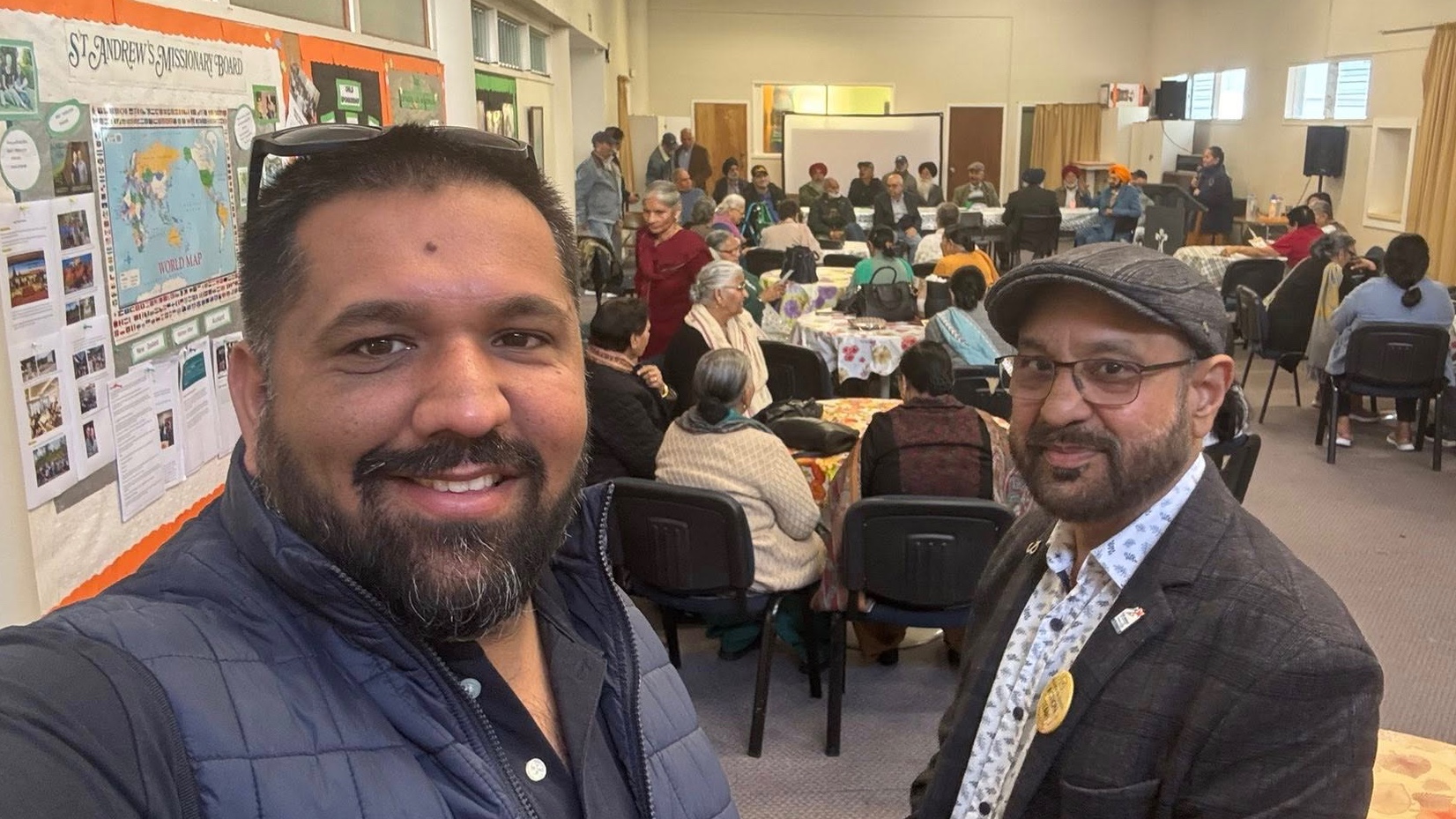
Kunal Bhalla (left) during the 2025 election campaign. (Supplied photo)
Kunal Bhalla of POAT, one of the four Kiwi-Indians who won last year's election, says South Asians have historically been underrepresented in leadership positions on the local board.
"In a community as diverse as Papatoetoe, representation should reflect the people it serves. This is not about any one group, but about ensuring that all communities feel seen, heard, and fairly represented in decision-making."
Bhalla says one of the reasons POAT threw its hat in the ring was because they heard consistent feedback from Papatoetoe's community leaders that their voices were not being adequately reflected, and "that key local priorities were not receiving the attention they deserved".
But Apulu Reece Autagavaia, the longest-serving former chair of the board, says it's more important that subdivision – not demographic – representation is maintained so that Otara's voice is not out-voted by Papatoetoe.
"A secondary aim can be to get demographic representation along with other factors such as availability, skill and experience."
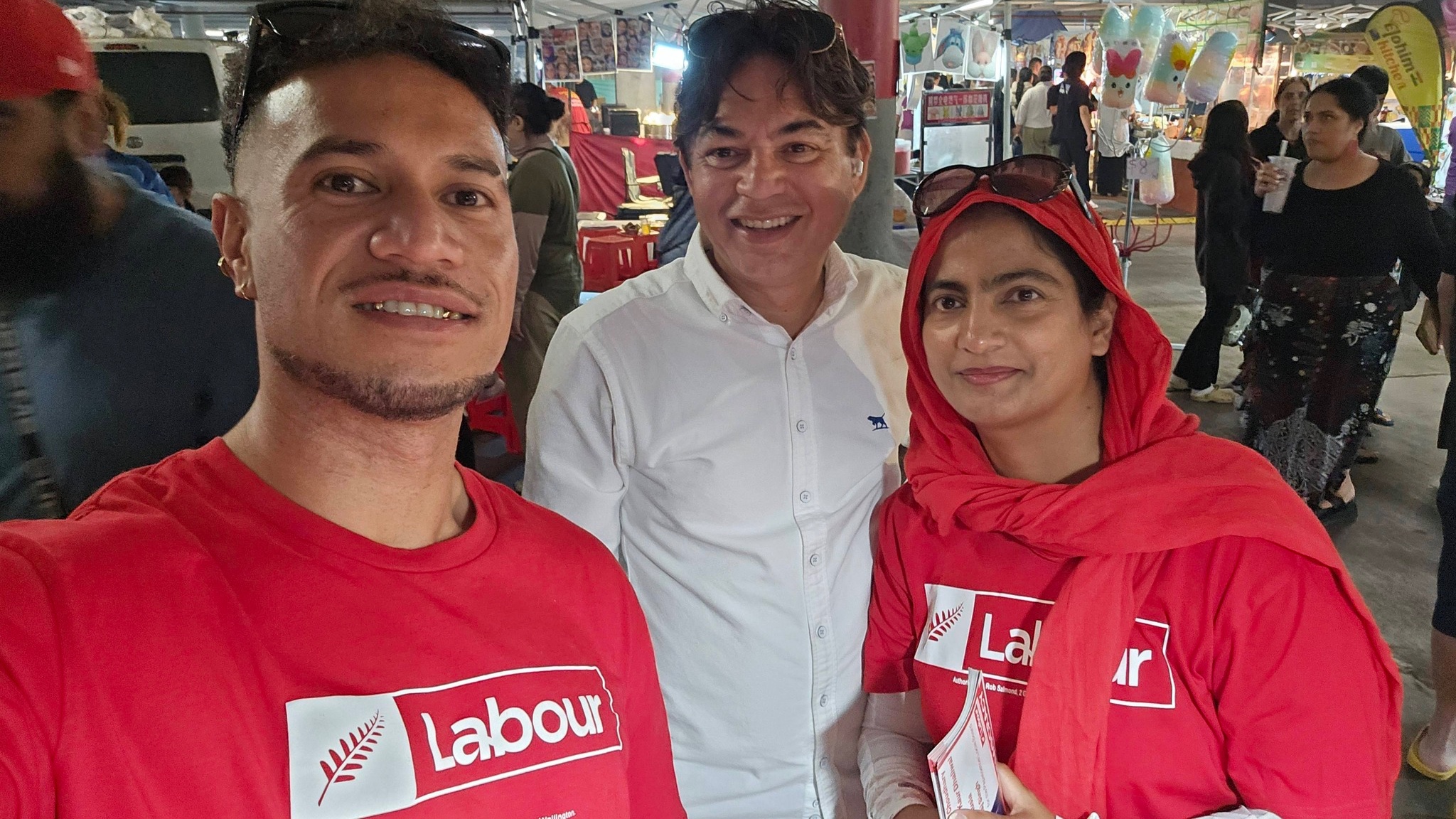
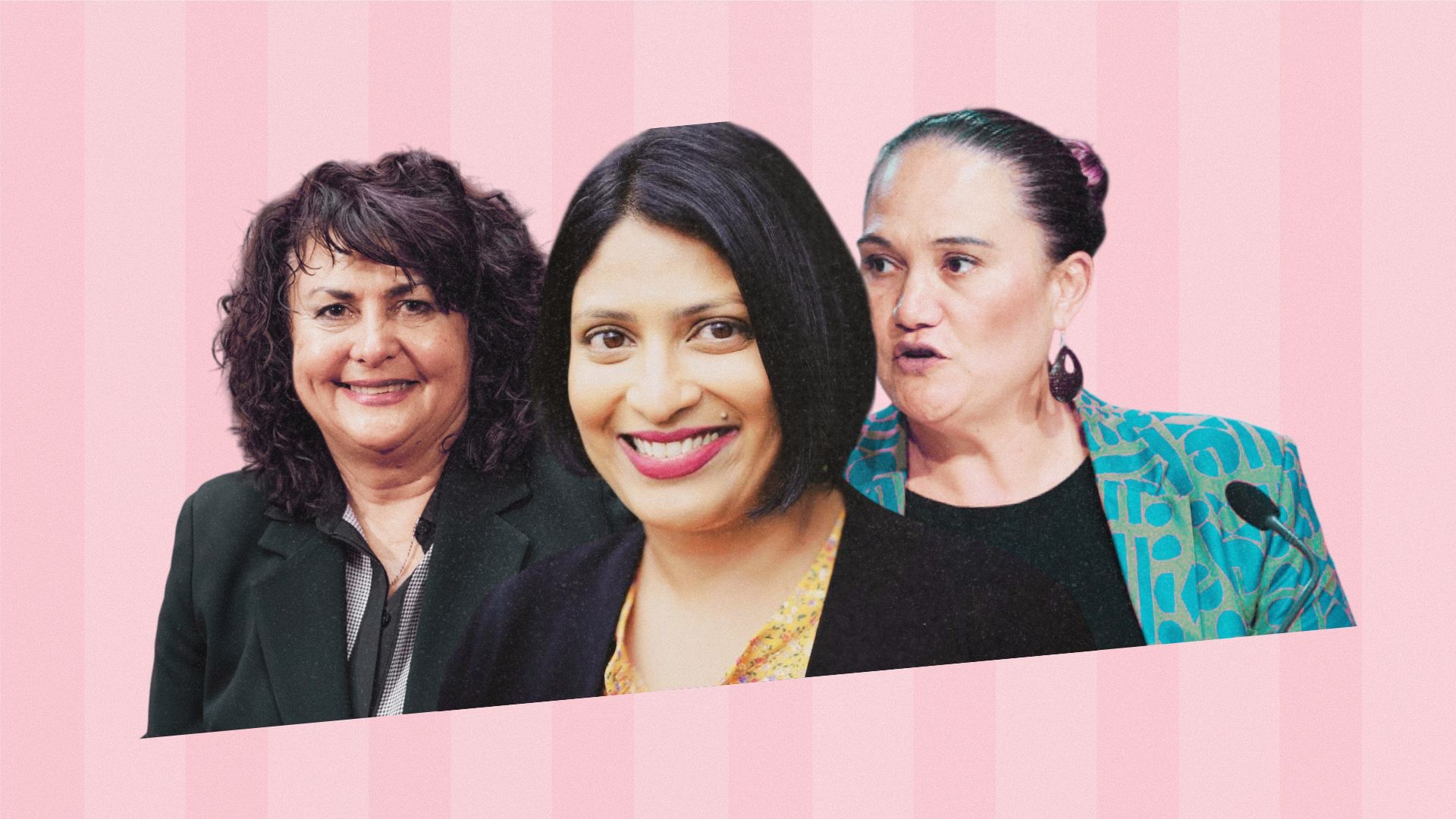
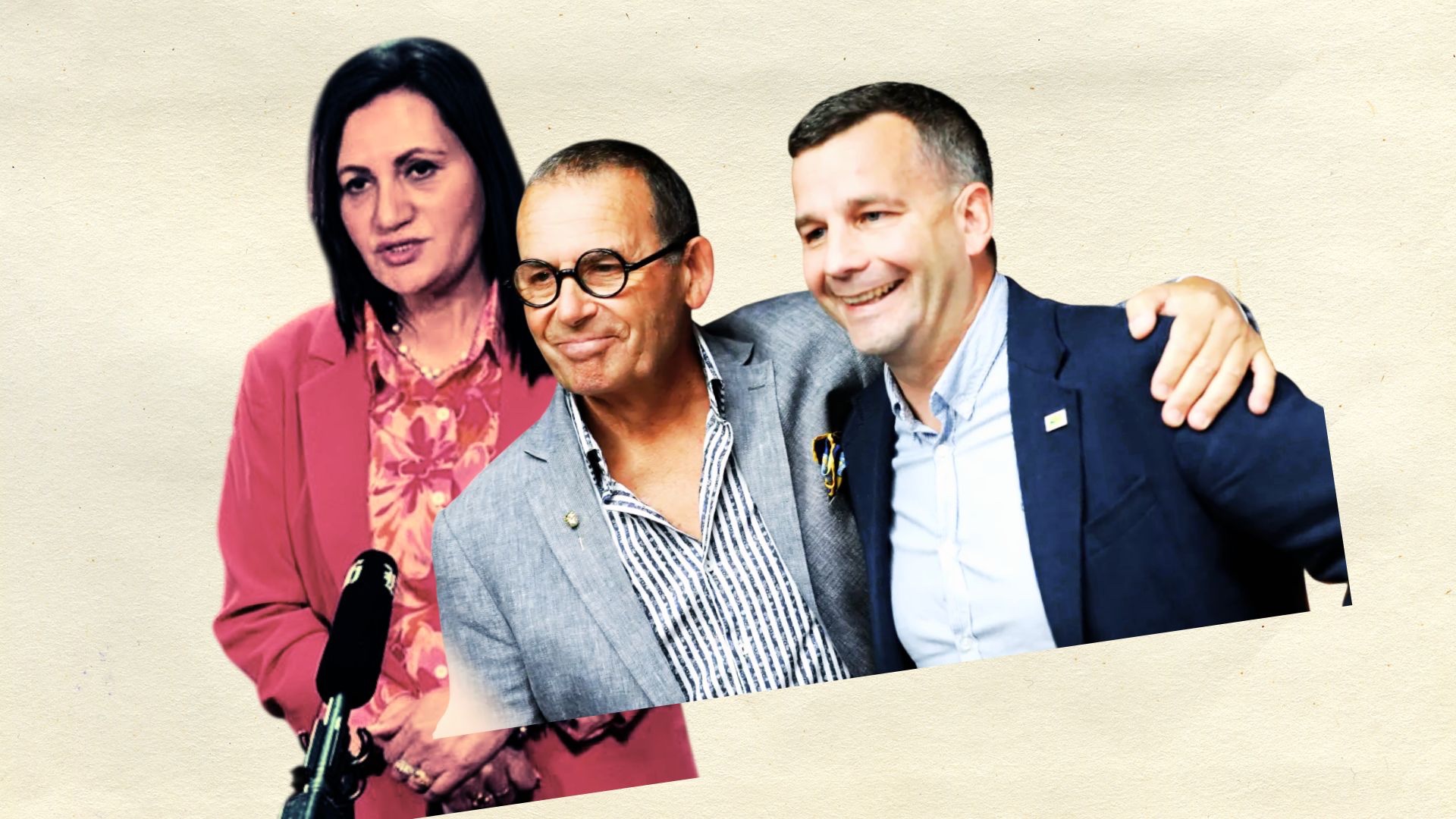
Labour candidates Vi Hausia, Raj Pardeep Singh and Avinash Kaur Dhaliwal. (Supplied photo)
Vi Hausia, who served as deputy chair in the previous term, says the arrangement reflects how the board itself was designed. "Otara and Papatoetoe elect their members separately, so it’s appropriate that leadership reflects both subdivisions."
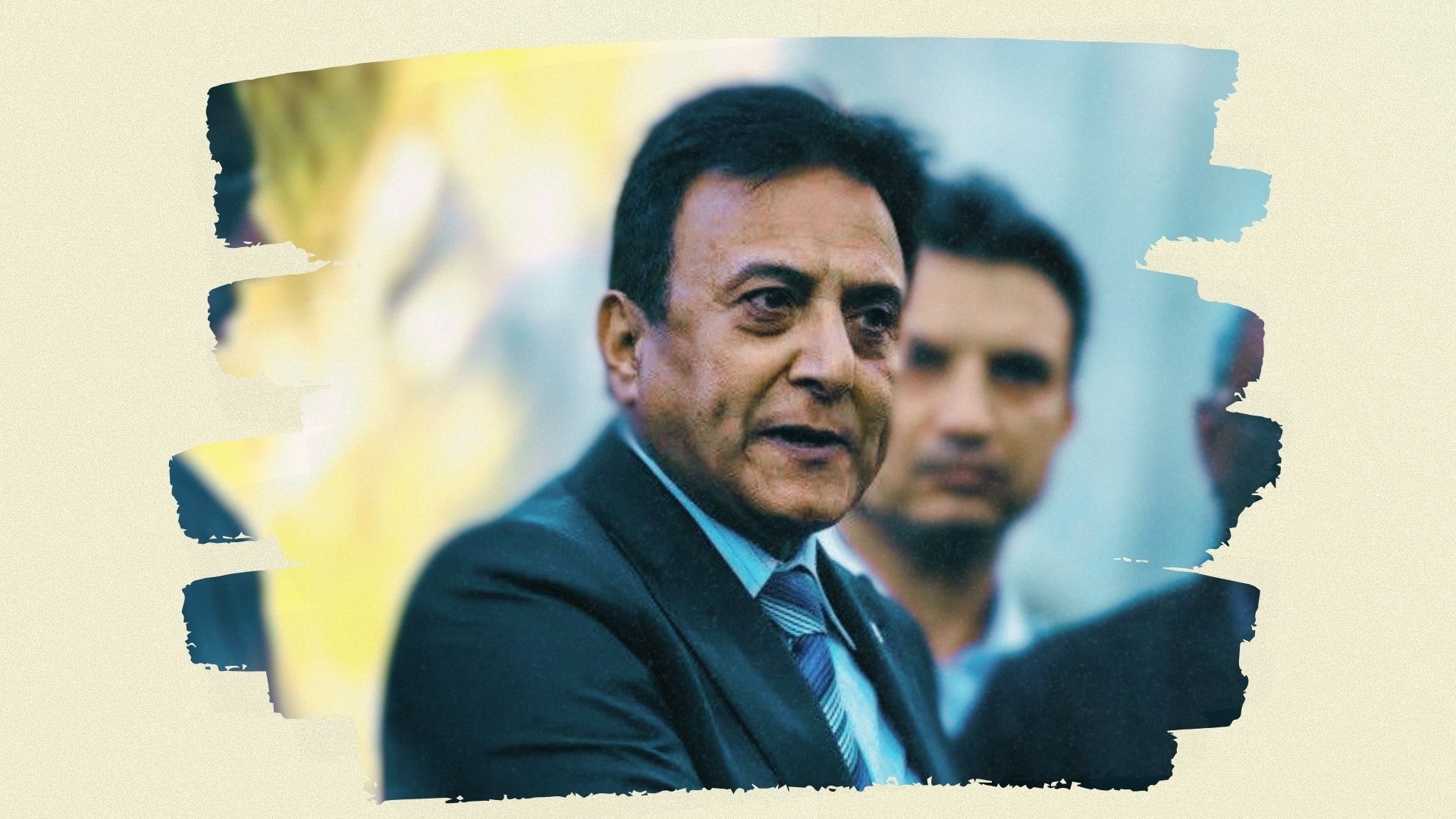
It's not like South Asian-origin candidates have been totally missing from the board. Former Labour MP Ashraf Choudhary served for multiple terms after being elected in 2016, and he was also deputy chair for half a term between 2019 and 2022.
But even as South Asian representation increased, leadership remained largely out of reach, shaped more by the subdivision balance than by the suburb’s changing ethnic reality.
Choudhary, who lost last year's election and is in the fray again this month, offers a different way of looking at that balance.
"There is an old saying that in western democracy you count heads, not what’s inside them. Hence…whoever has numbers, majority head counts rules," he says.
While the informal arrangement held, the demographics of Papatoetoe were changing rapidly.
Census figures show Papatoetoe’s population growing from about 41,000 residents in 2013 to nearly 48,000 in 2023. Otara’s population, by contrast, has remained relatively stable, rising from roughly 20,000 to about 21,700 over the same period. Papatoetoe now has more than twice the population of Otara.
The demographic profiles of the two areas are also sharply different. Otara remains overwhelmingly Pasifika, with Pacific peoples making up nearly four-fifths of residents.
Papatoetoe, on the other hand, has evolved into one of Auckland’s most Asian suburbs, with South Asians now forming the largest ethnic group.
For years, those demographic changes did not translate into political control. Papatoetoe voters elected a mix of candidates, and the informal balance between the two subdivisions continued to hold.
Even within Papatoetoe’s own representation, the shift was uneven. While South Asians had become the largest ethnic group in the suburb, the four members elected from Papatoetoe in earlier terms did not consistently reflect that proportion.
Voters continued to return candidates from a range of backgrounds, suggesting that demographic dominance did not automatically translate into bloc voting or ethnically aligned representation. The 2025 election changed that dynamic abruptly.
For the first time, Papatoetoe’s representatives acted as a unified bloc. With four seats to Otara's three, they used that numerical majority to elect both leadership positions.
Kushma Nair became chair and Paramjeet Singh deputy chair, leaving the three members from Otara without a leadership role for the first time in the board’s history.
Kunal Bhalla says POAT winners engaged with other board members soon after the elections to explore "how we could work together constructively in the interests of the entire ward".
"Ultimately, leadership positions were determined through a democratic process, reflecting the mandate given by voters. Our approach has always been that elected members have a responsibility to serve the whole community, both Papatoetoe and Otara, and to act in a way that reflects that collective responsibility."
From a procedural standpoint, the decision followed the rules. But politically, it marked a break from more than a decade of practice. Critics said the move disrupted a long-standing balance between the two suburbs. Supporters argued it simply reflected the electorate’s mandate.
Publicly, the dispute has been framed in terms of electoral fairness and governance. But the demographic data suggests a deeper shift in the identity of South Auckland itself.
What is happening in Papatoetoe is not unique. Across Auckland, demographic change has gradually begun reshaping local politics, particularly in suburbs where migrant populations have grown rapidly over the past two decades.
Papatoetoe may be less an isolated flashpoint than a particularly visible example of a broader political transition. One where the electorate is changing faster than the political arrangements that once balanced it.
The legal dispute that later voided the election has returned the story to the language of electoral law. But identity has slowly but surely crept into the ongoing by-election.
Bhalla points out this election "and the discussions around it" highlight the importance of inclusive representation and maintaining public confidence in the democratic process.
"Our priority continues to be ensuring that all communities feel confident participating and that local decision-making reflects the diversity and needs of the people we serve."
Labour's Ahsraf Choudhary remains hopeful of diverse representations on local boards as more Kiwis of South Asian descent put their hand up in local electoral politics.
"I know of number of Auckland Local Boards in which Asians/ South Asians are now represented). That representation is increasing every term as more South Asians are taking interest in local and national level politics."