
Opinion: Move-on powers for police aren't a civil liberties apocalypse
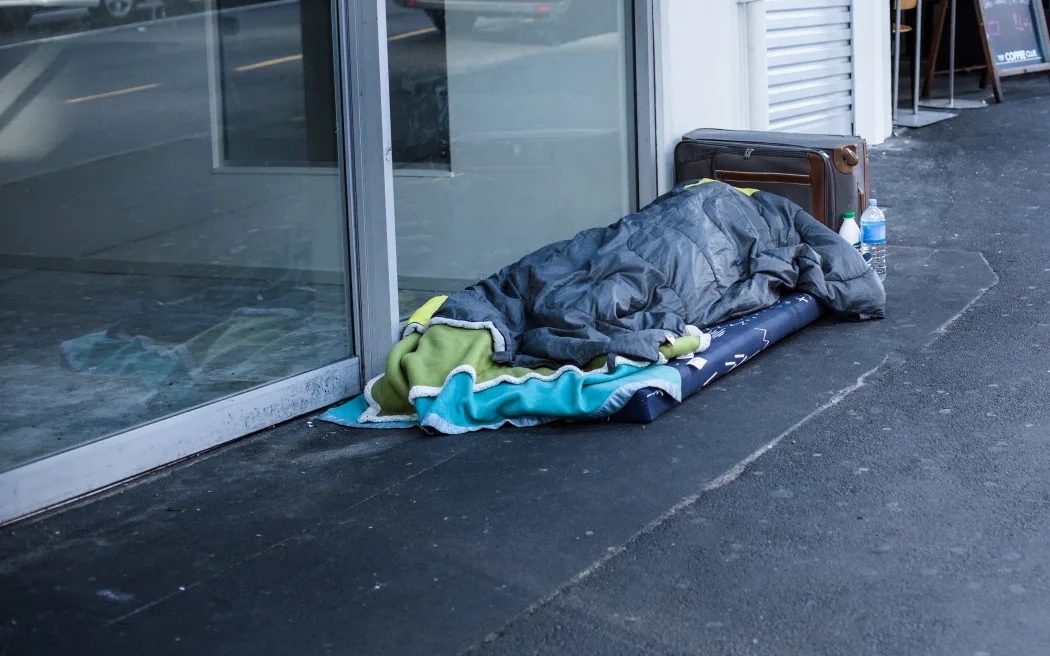
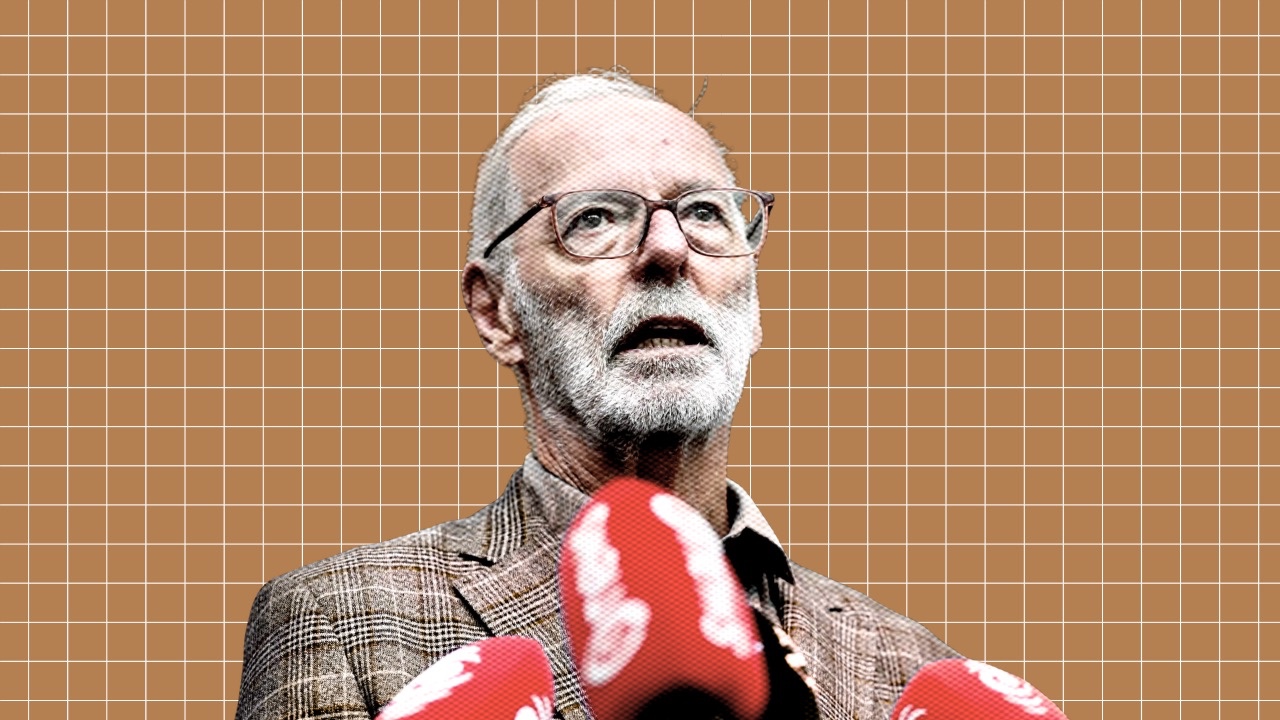
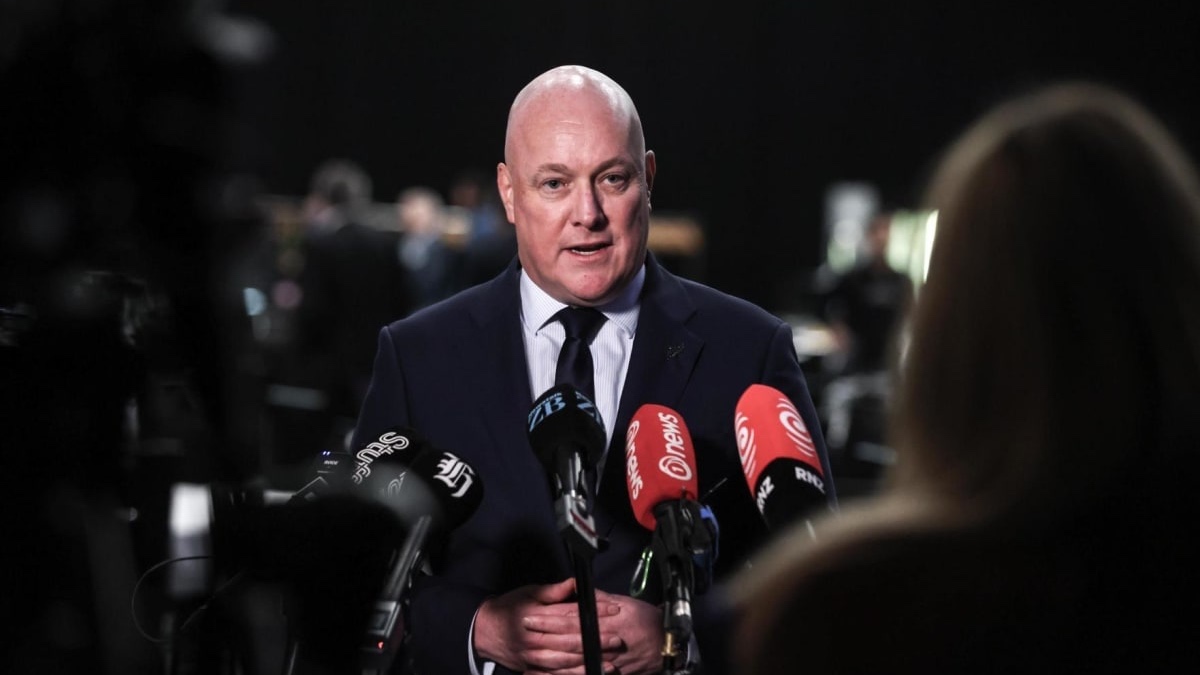
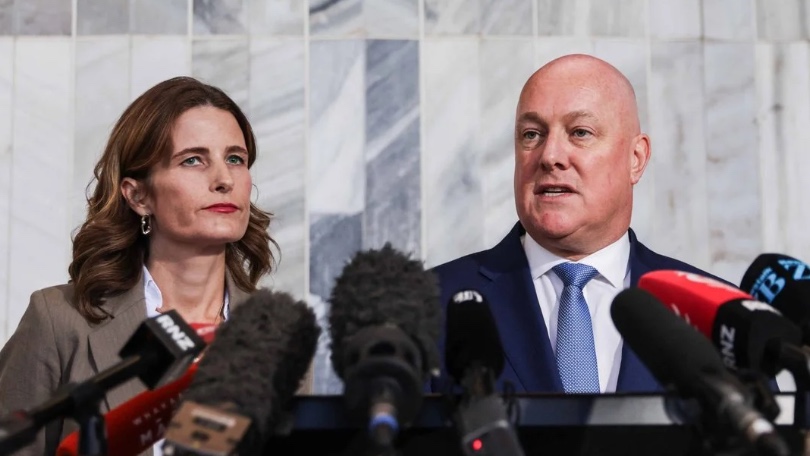
File photo. (Luke McPake/RNZ)
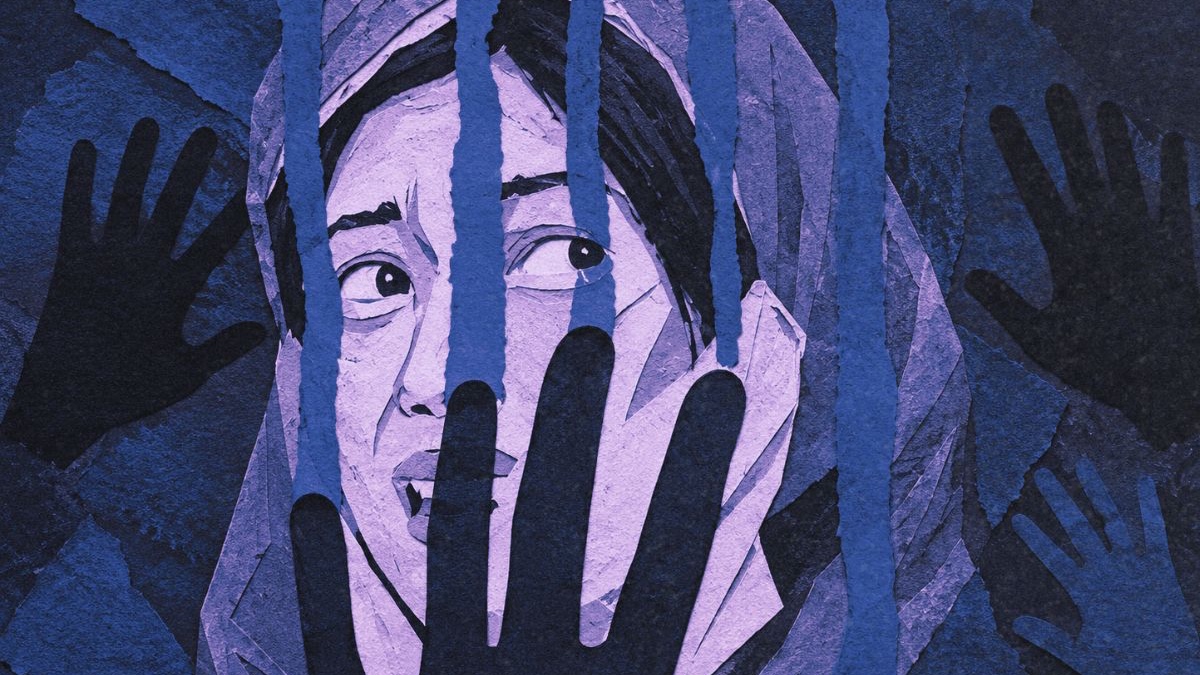
The real test of this policy will be not how often it is used, but how fairly it is applied.
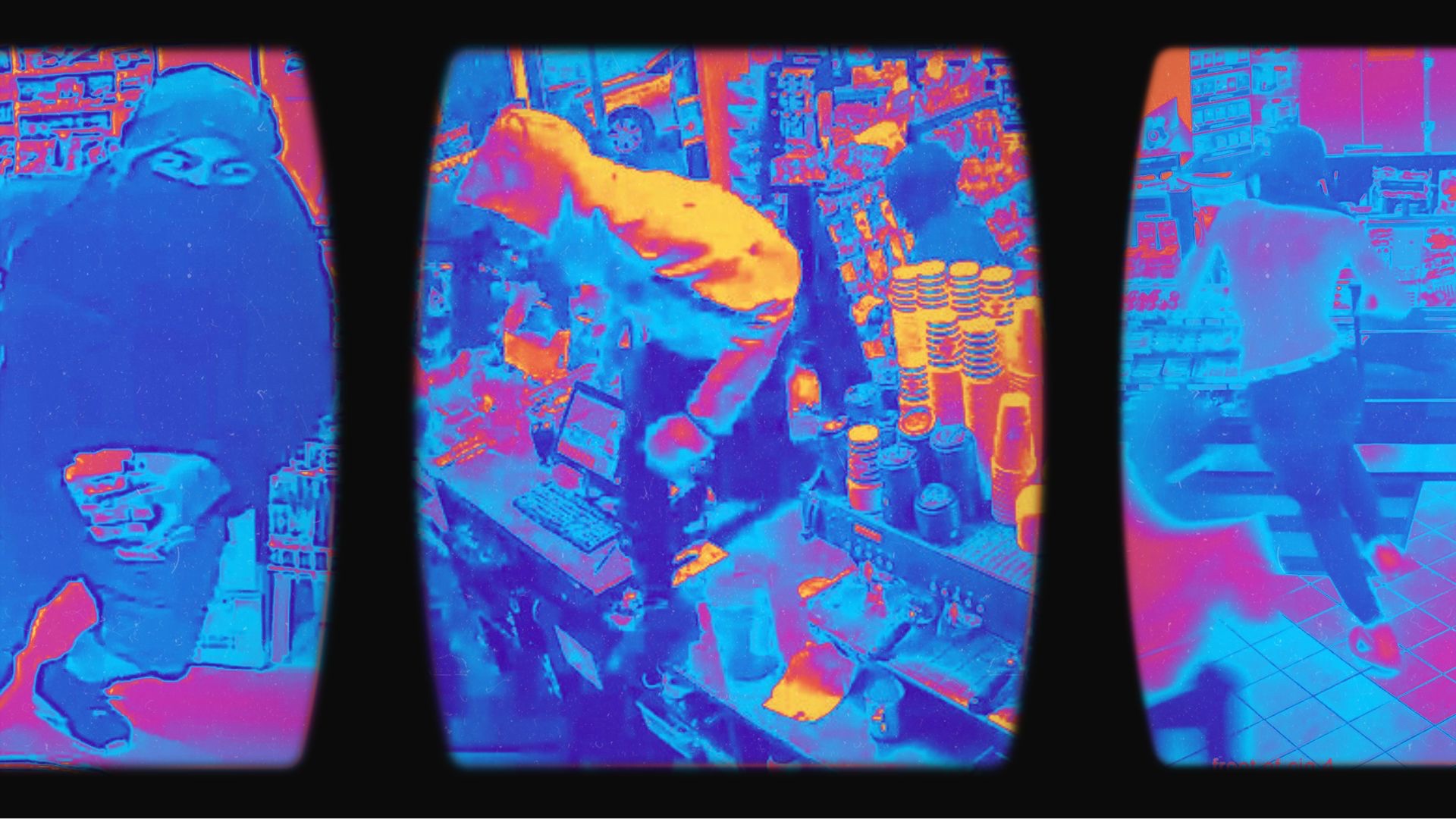
Opinion: For the past few years, many New Zealanders have felt something shift in our public spaces. Retailers talk about intimidation. Families talk about feeling uneasy in once-familiar town centres. Commuters describe a visible rise in anti-social behaviour. Whether statistically dramatic or not, the perception of disorder has become politically potent.
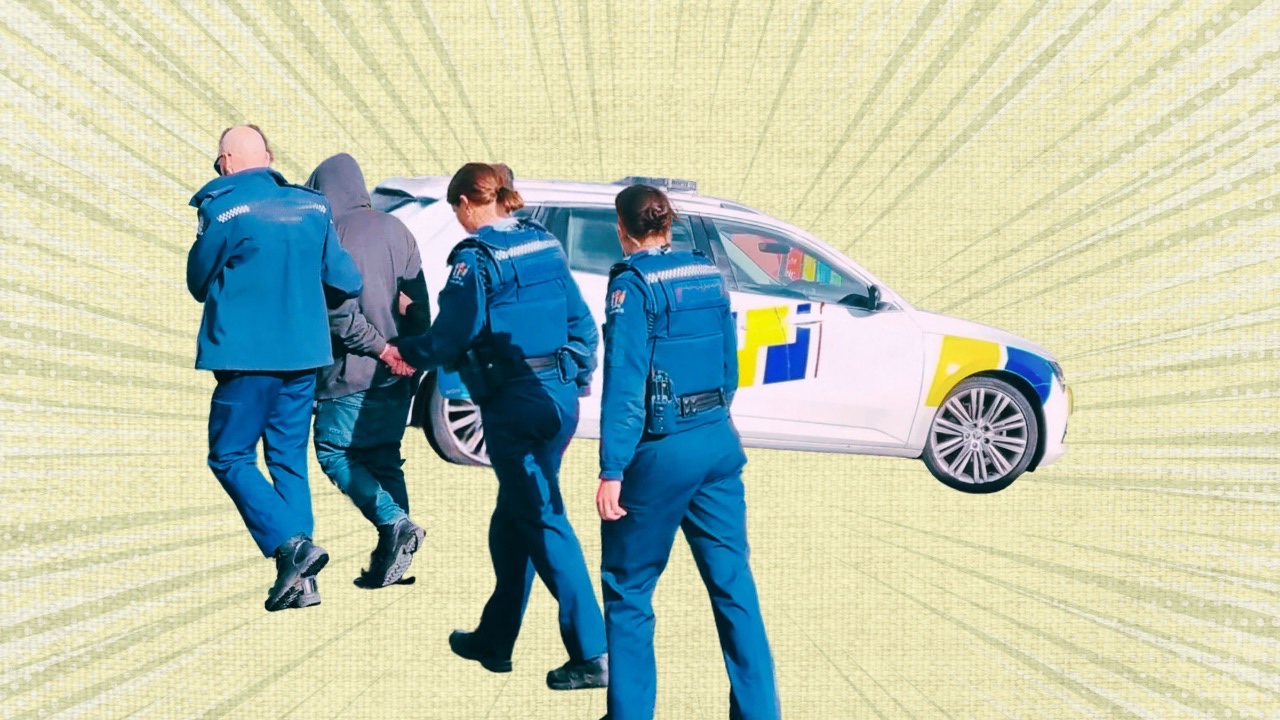
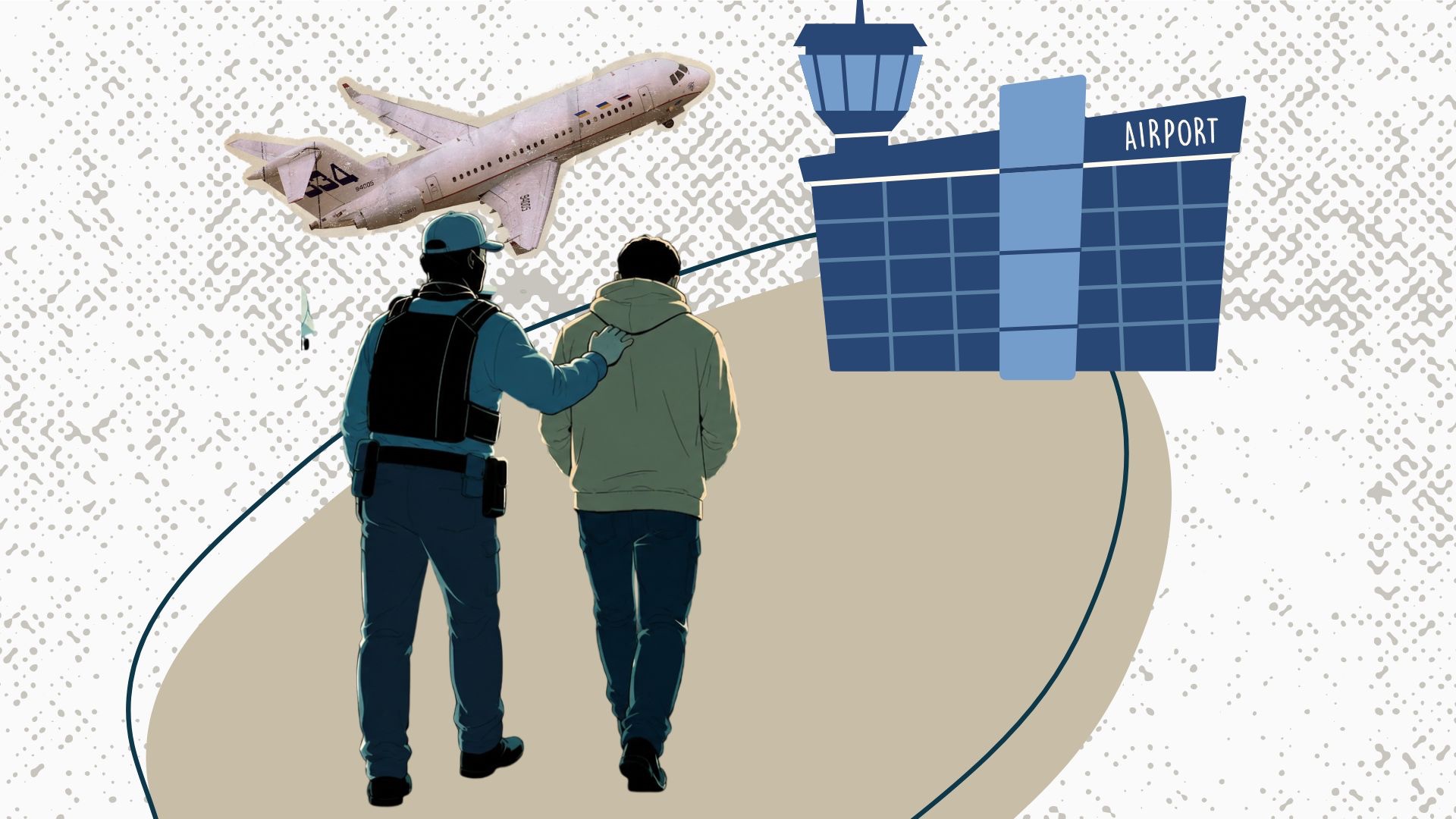
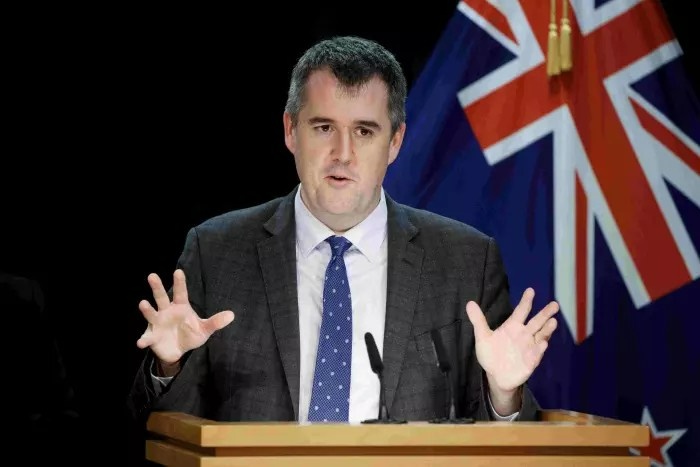
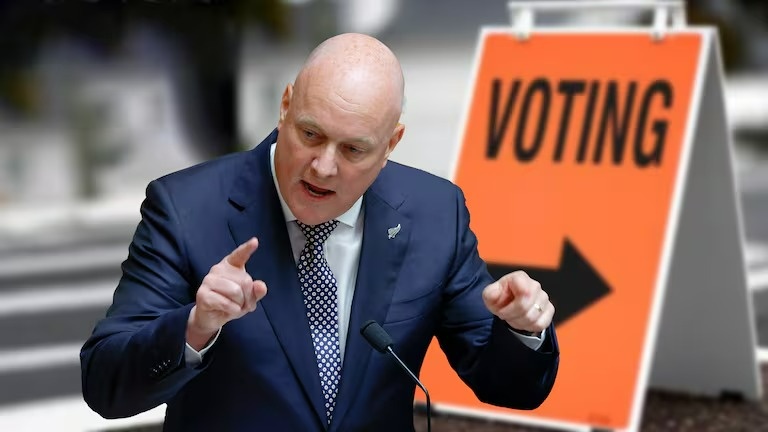
The government’s newly announced expansion of move-on powers is a response to that mood. At its core, a move-on order allows police to direct someone to leave a particular area if their presence or behaviour is causing disruption, intimidation, or a risk to public safety.
It is framed as preventative rather than punitive, an early intervention tool designed to stop escalation before it becomes an arrest. On paper, that makes sense and the political parties, on the left in particular, should take heart from that.
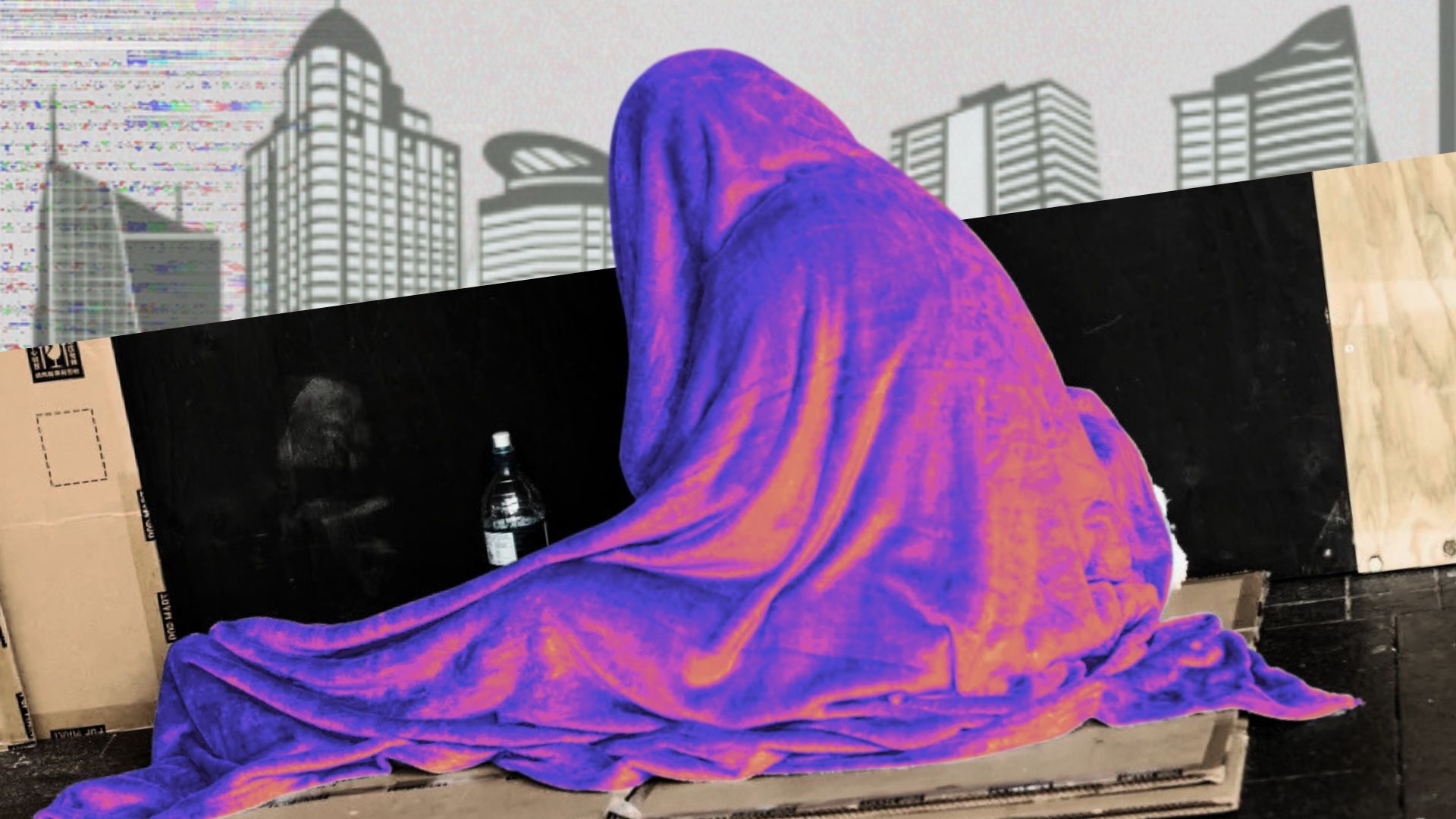
Just last year, the business association for Auckland’s city centre released a survey that found store owners and offices believe homelessness was one of the factors crippling their trade. Nine in every 10 businesses said rough sleepers and begging were affecting their business. The survey interviewed 102 business owners from in and around the Queen Street.
Public spaces belong to everyone. The right to walk through a CBD, take your children to a park, or operate a small business without harassment is fundamental to a functioning society. If police lack practical tools to intervene before situations deteriorate, they are reduced to reacting after harm has already occurred.
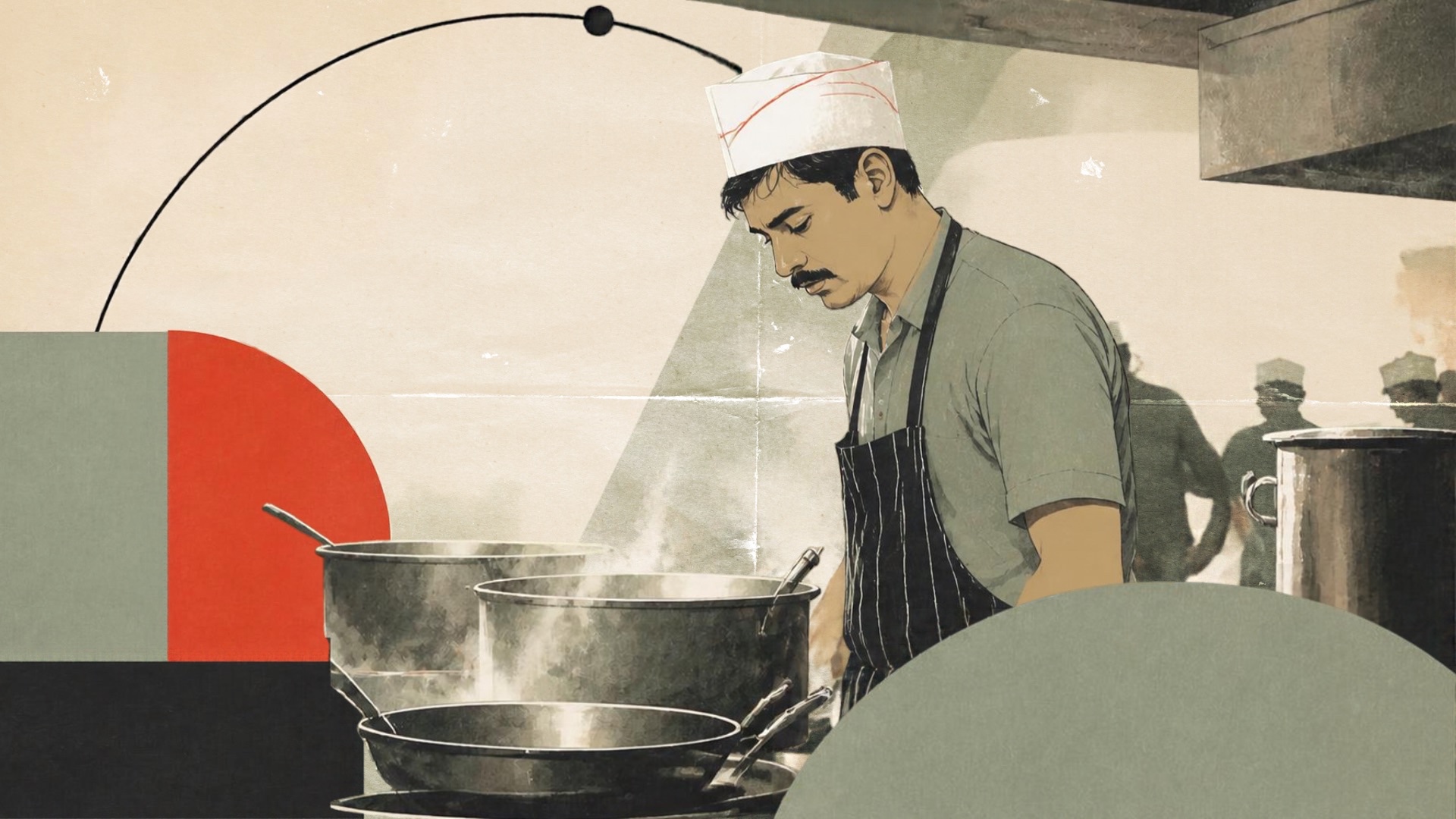
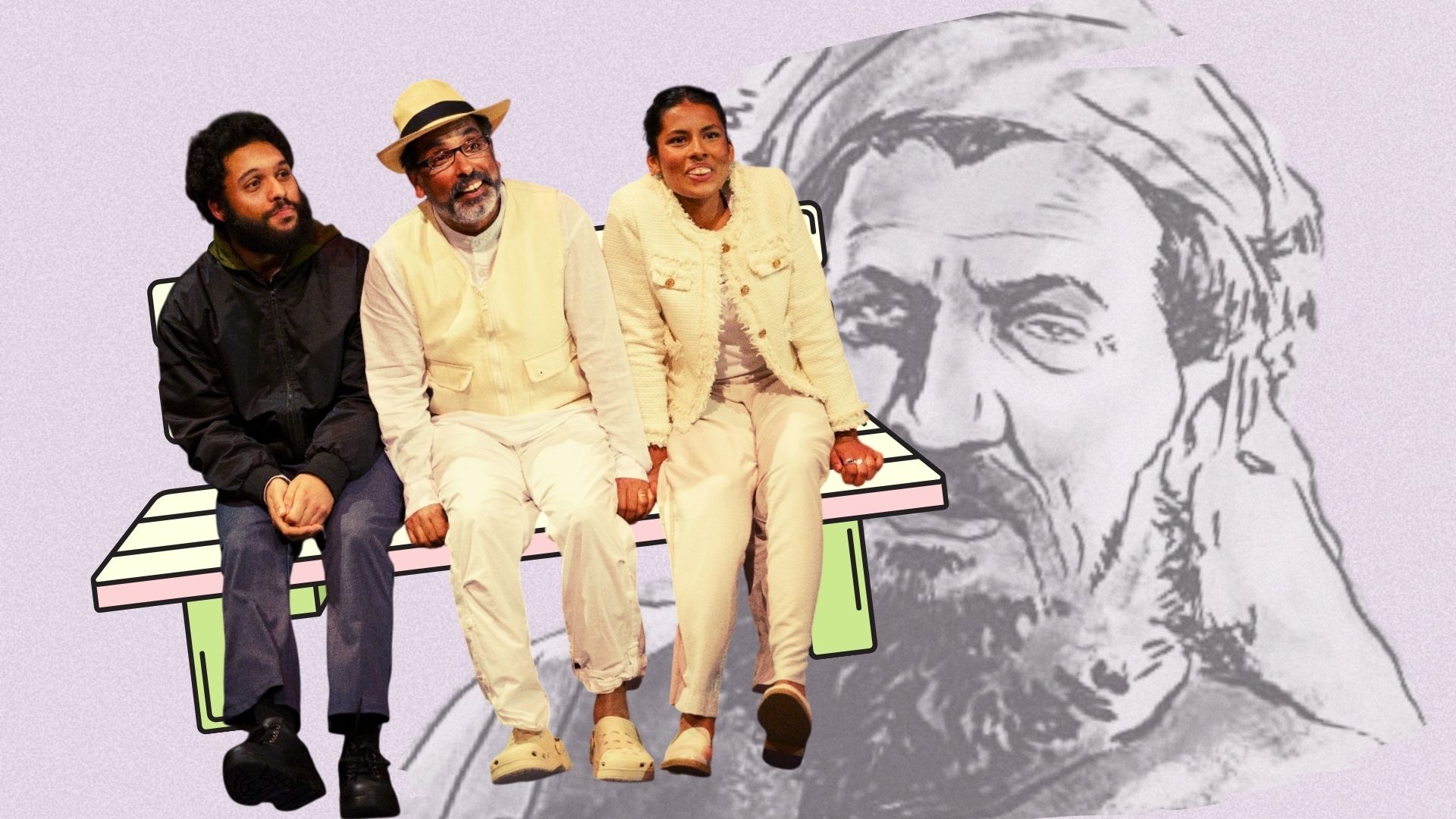
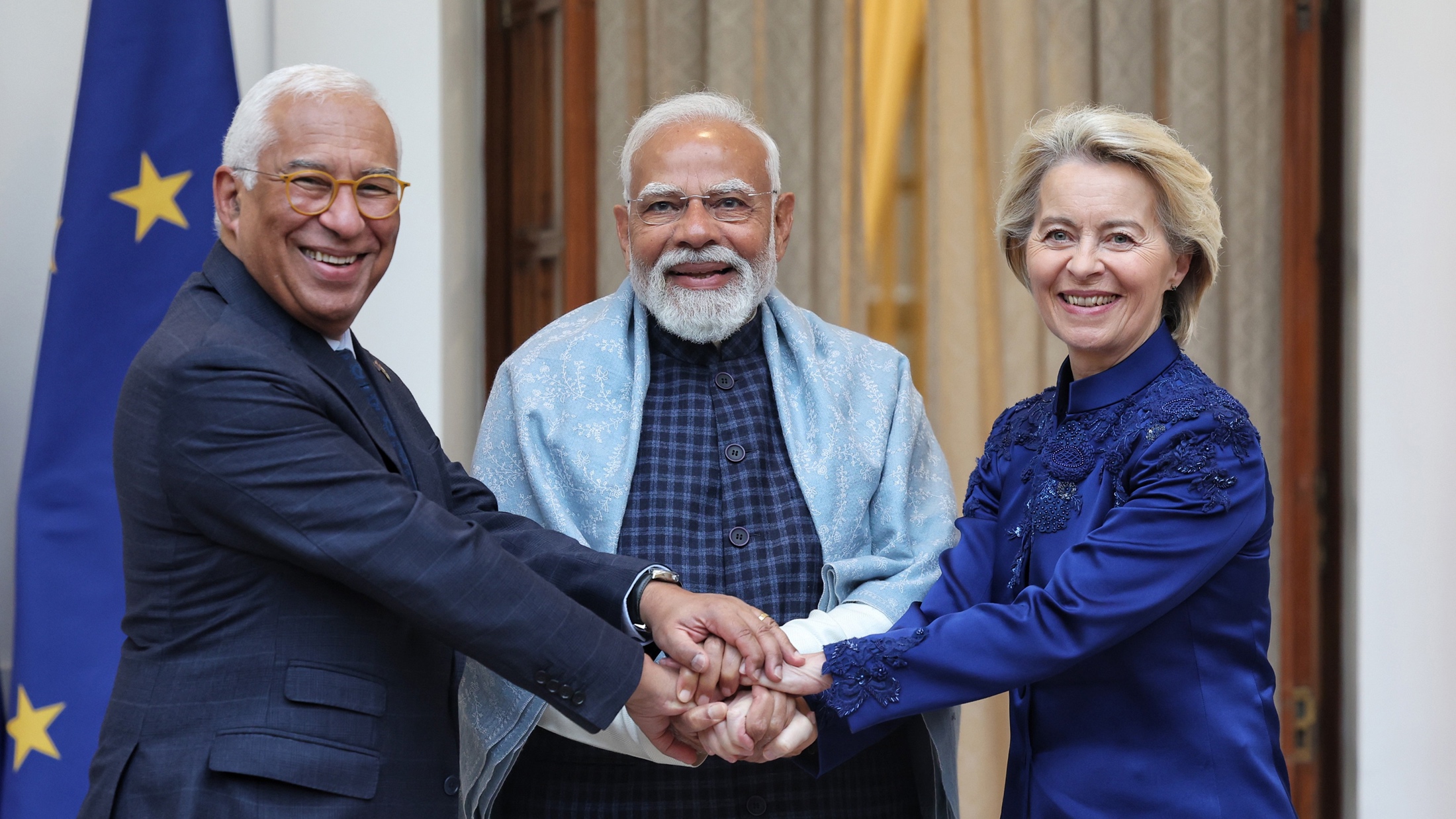
From designing restaurants to running Auckland Diwali: The many lives of Arnav Taode Taode brings his passion for Indian arts and culture to his first year managing BNZ Auckland Diwali 2026.
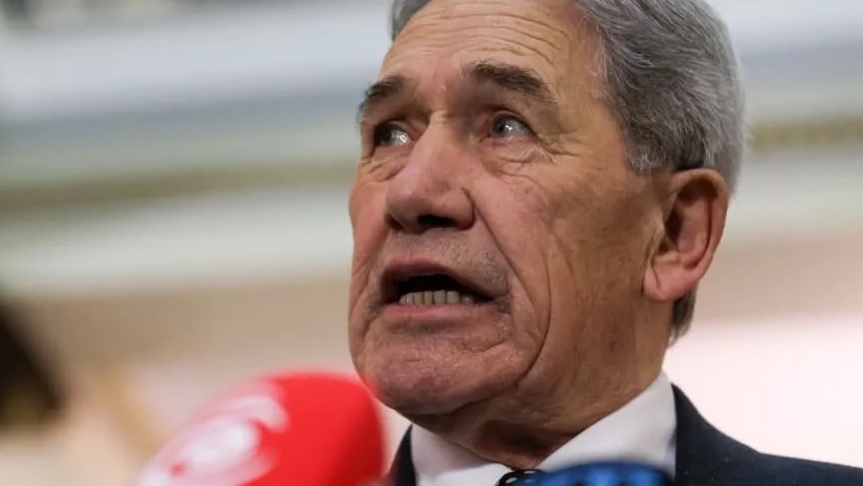
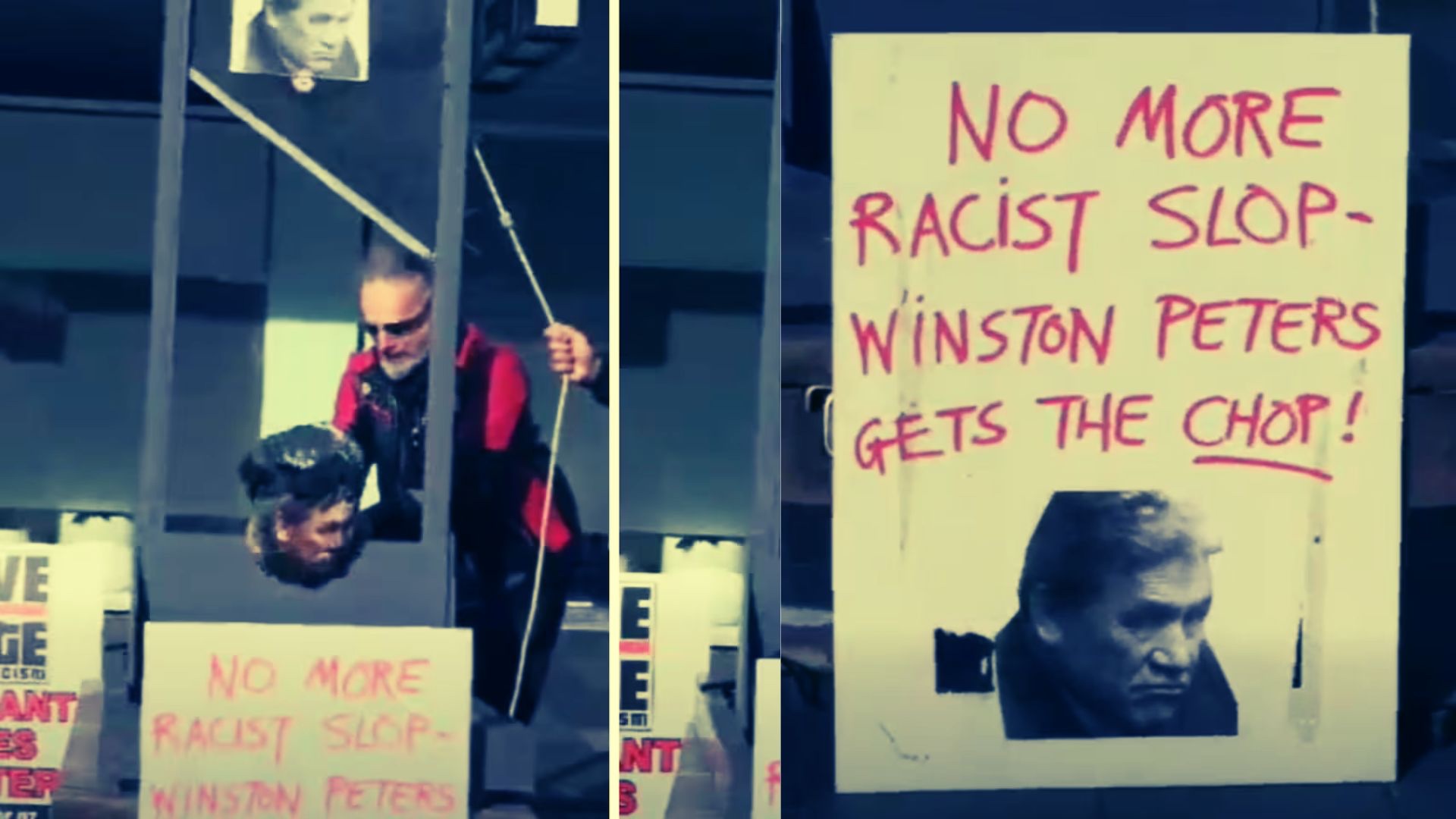
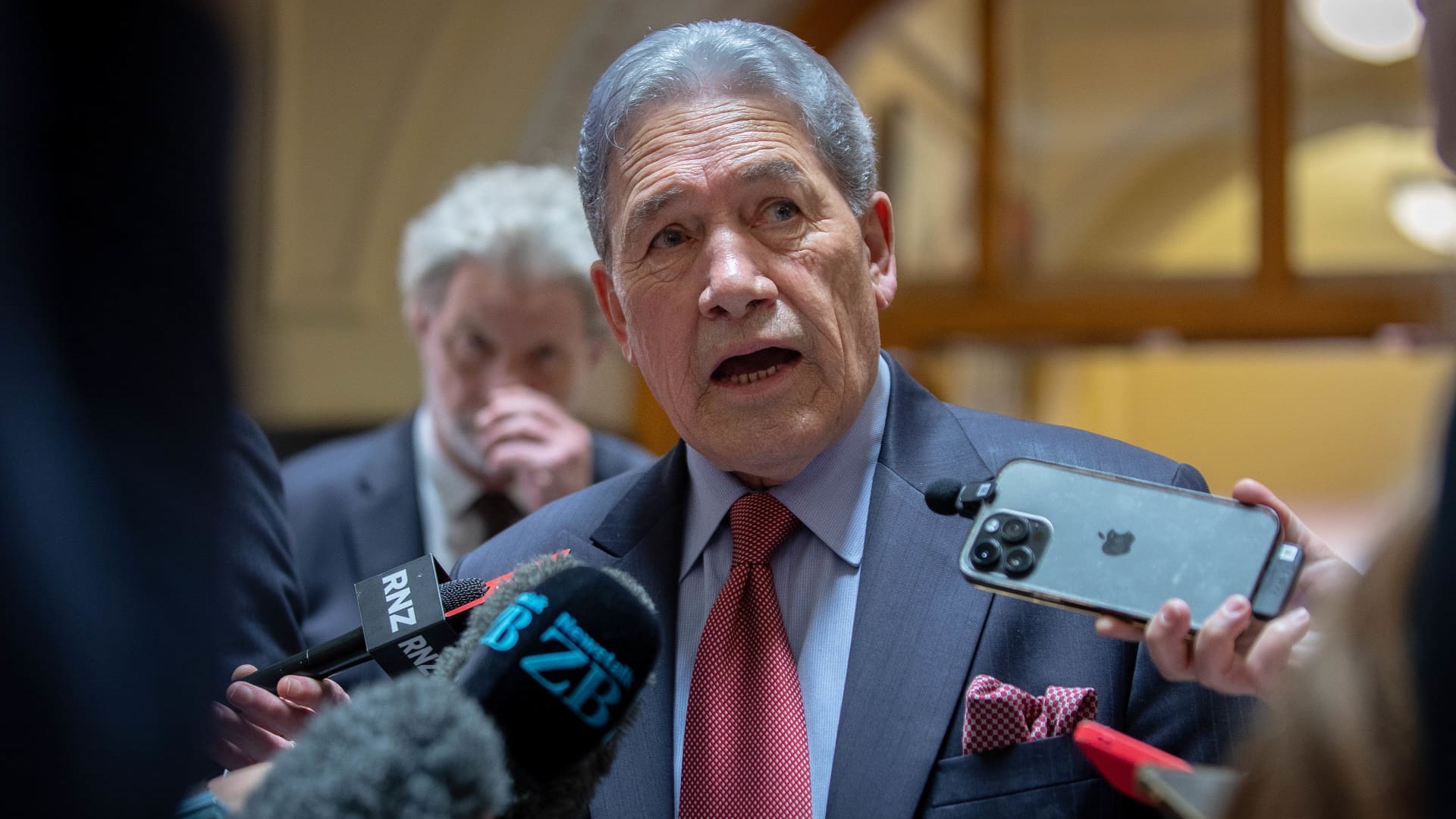
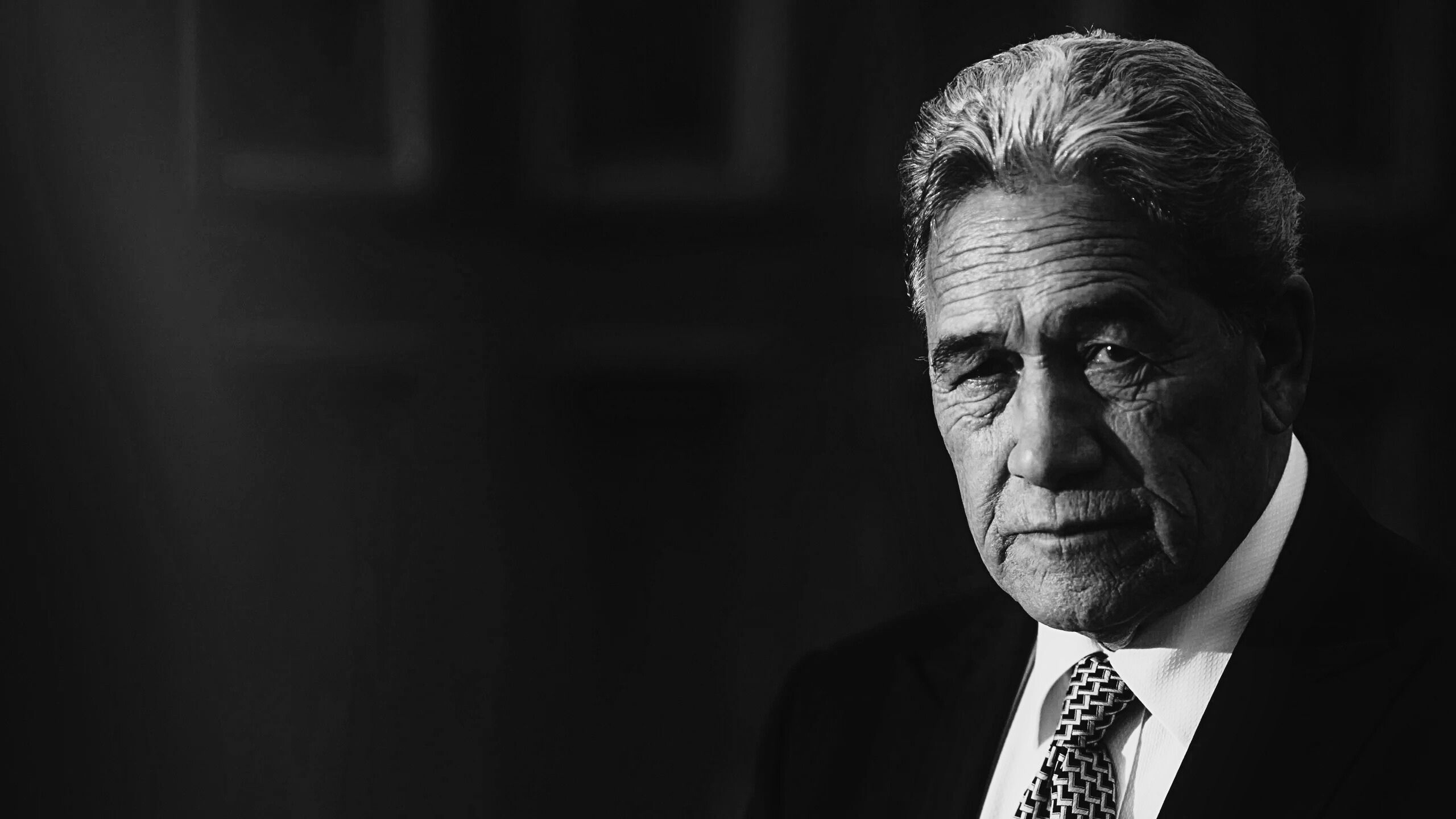
Winston Peters says ‘diversity is disunity’. What does the evidence tell us? Evidence from business, sport and social policy suggests diversity can strengthen economies and cohesion but on one condition.
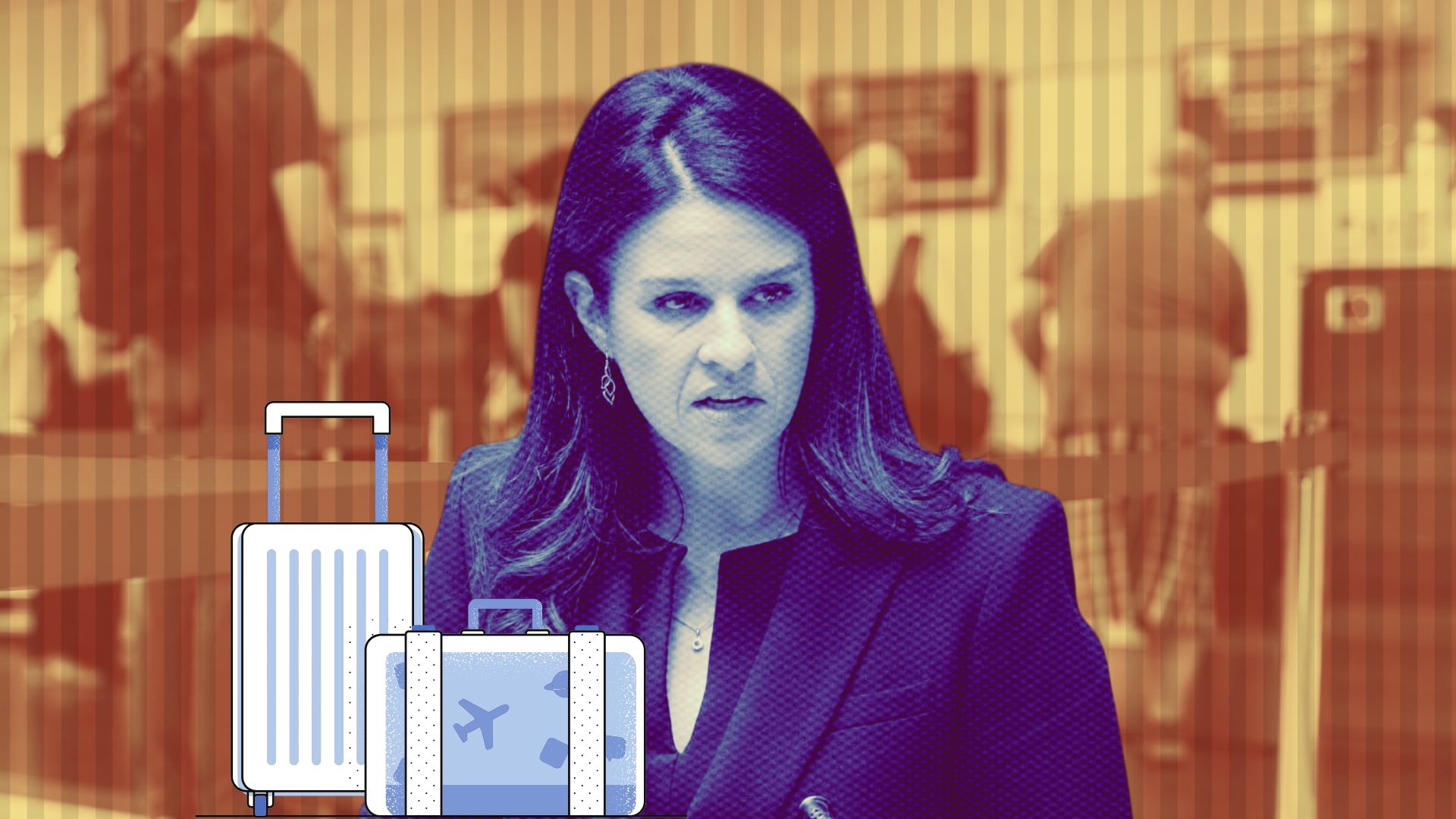
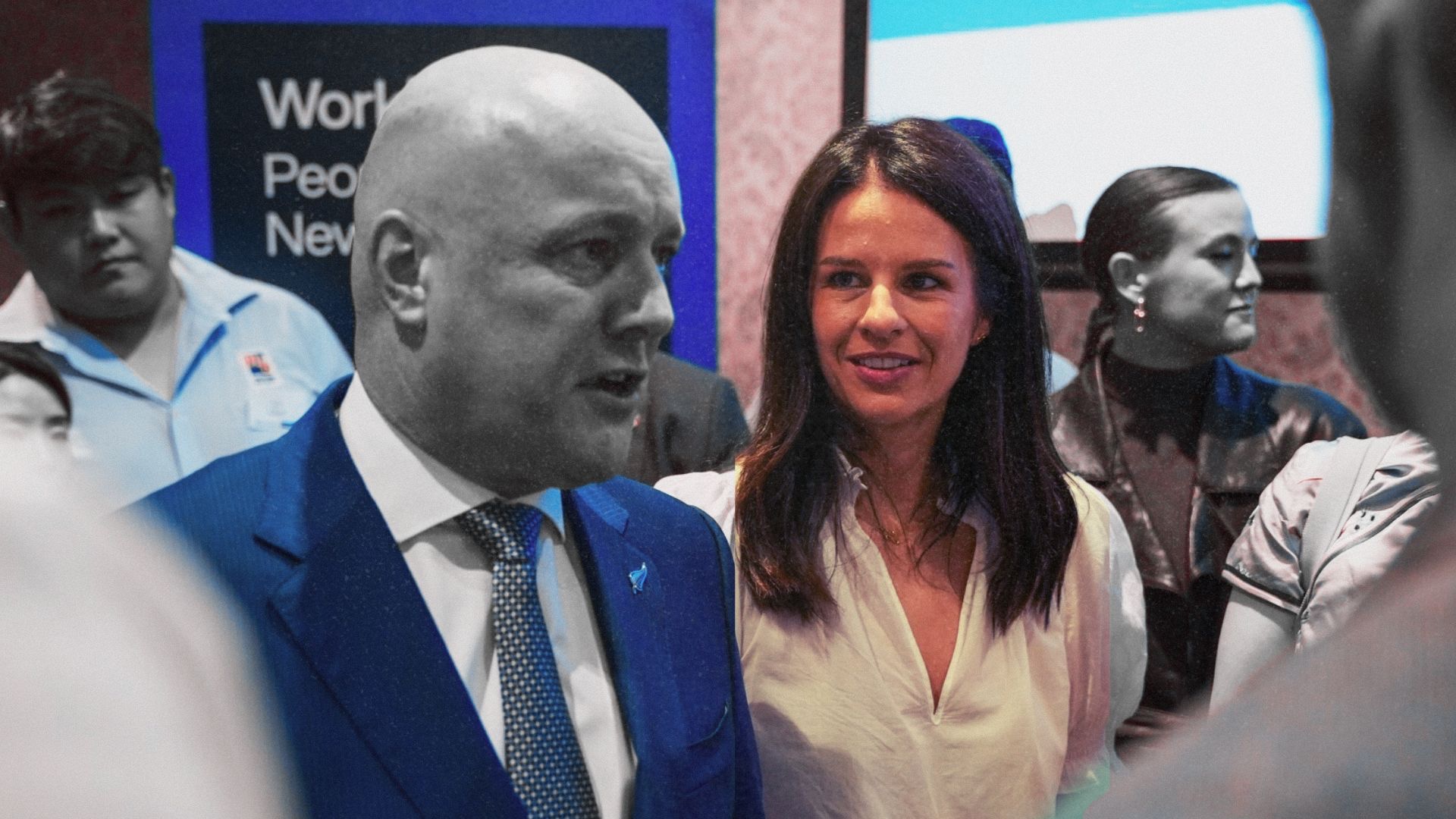
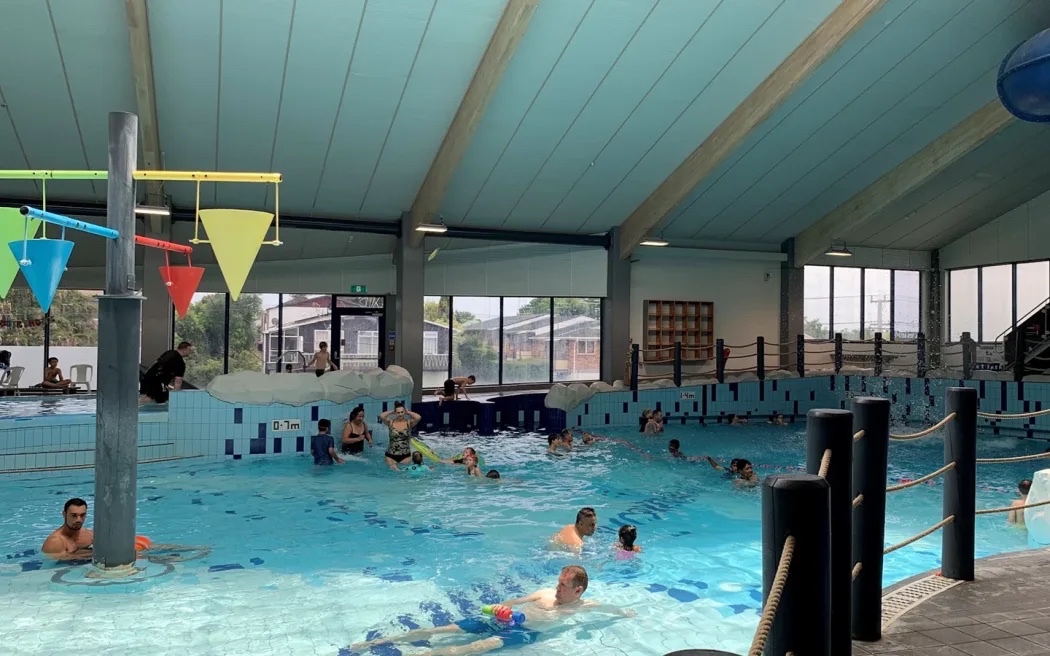
Baby born in Sri Lanka to New Zealand residents caught in limbo after Down syndrome diagnosis Immigration tribunal orders fresh residence assessment after finding a “serious mistake” by immigration officials.
In that sense, move on orders are less about punishment and more about restoring confidence. And confidence matters. When people avoid town centres, businesses suffer. When retailers feel unprotected, they invest less. When law-abiding citizens feel uneasy, social trust erodes.
This is not to say expansion of police powers does not deserve scrutiny. New Zealand prides itself on being a liberal democracy with restrained and accountable law enforcement. A move-on order is discretionary. It relies on judgment. And discretion, if poorly guided or unevenly applied, can create perceptions of unfairness or bias.
The real test of this policy will be not how often it is used. It will be how fairly it is applied. If move on powers disproportionately target the vulnerable without addressing underlying issues, they will fail. If they become a blunt instrument used to displace problems rather than resolve them, they will simply shift disorder from one street to another.
Public order cannot be maintained by enforcement alone. There is also a risk of overselling what these powers can achieve. Move-on orders may reduce visible disruption in the short term, but they do not replace broader work in youth engagement, mental health services, addiction treatment, and community policing. If the government presents this as a silver bullet, it will disappoint both supporters and critics.
However, doing nothing is not an option either. For too long, the debate around public safety has swung between extremes: either a call for heavy-handed crackdowns or a reluctance to acknowledge genuine public concern. Most New Zealanders sit somewhere in the middle. They want safe public spaces. They also want fairness, proportionality, and accountability.
Move-on orders, if implemented properly, can sit within that middle ground. If those safeguards exist, the tool becomes what it was intended to be: a mechanism to prevent escalation, not to expand state power unnecessarily.
The deeper question this policy raises is about the kind of country we want to be. New Zealand’s social contract has long been built on mutual respect: freedom of movement, but also responsibility in shared spaces. If that balance weakens, governments will inevitably respond with firmer measures.
The hope should be that they are rarely needed because behaviour improves, expectations reset, and communities feel both safe and respected. Law and order is not just about enforcement. It is about maintaining a society where ordinary people feel confident participating in public life. If move-on powers restore that confidence without undermining our civil liberties, they will have served their purpose.
(Himanshu Parmar is a Waikato-based migrant, entrepreneur, retail crime advocate, and former ACT Party candidate. He writes on crime, business, and culture, and their influence on shaping New Zealand’s future. He also serves as one of the board members on the Ministerial Advisory Group for Retail Crime.)