
Blood or belief? What actually makes you a Kiwi. And what doesn't
New Zealand's new citizenship test has ignited a passionate debate about identity and belonging.
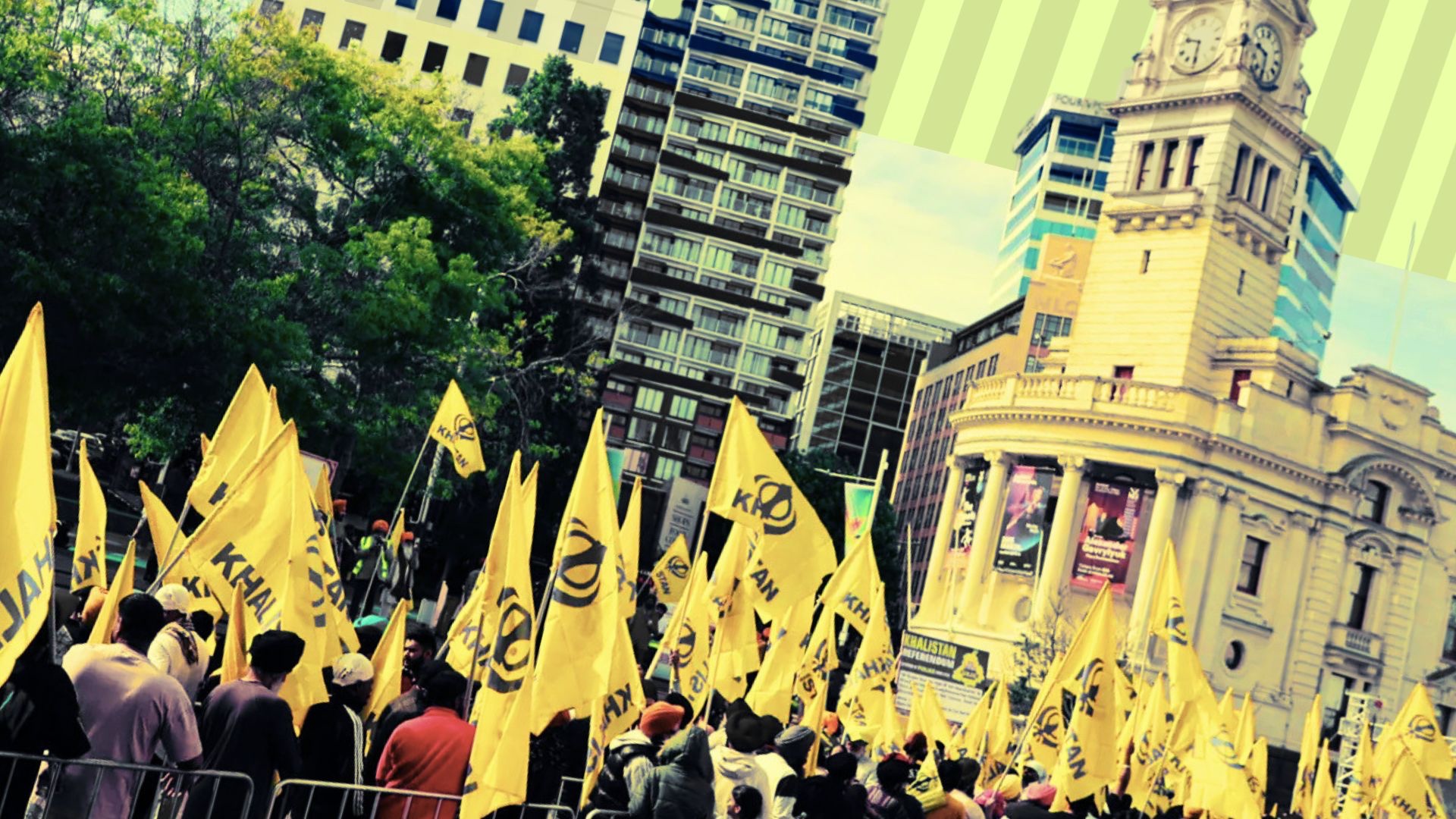
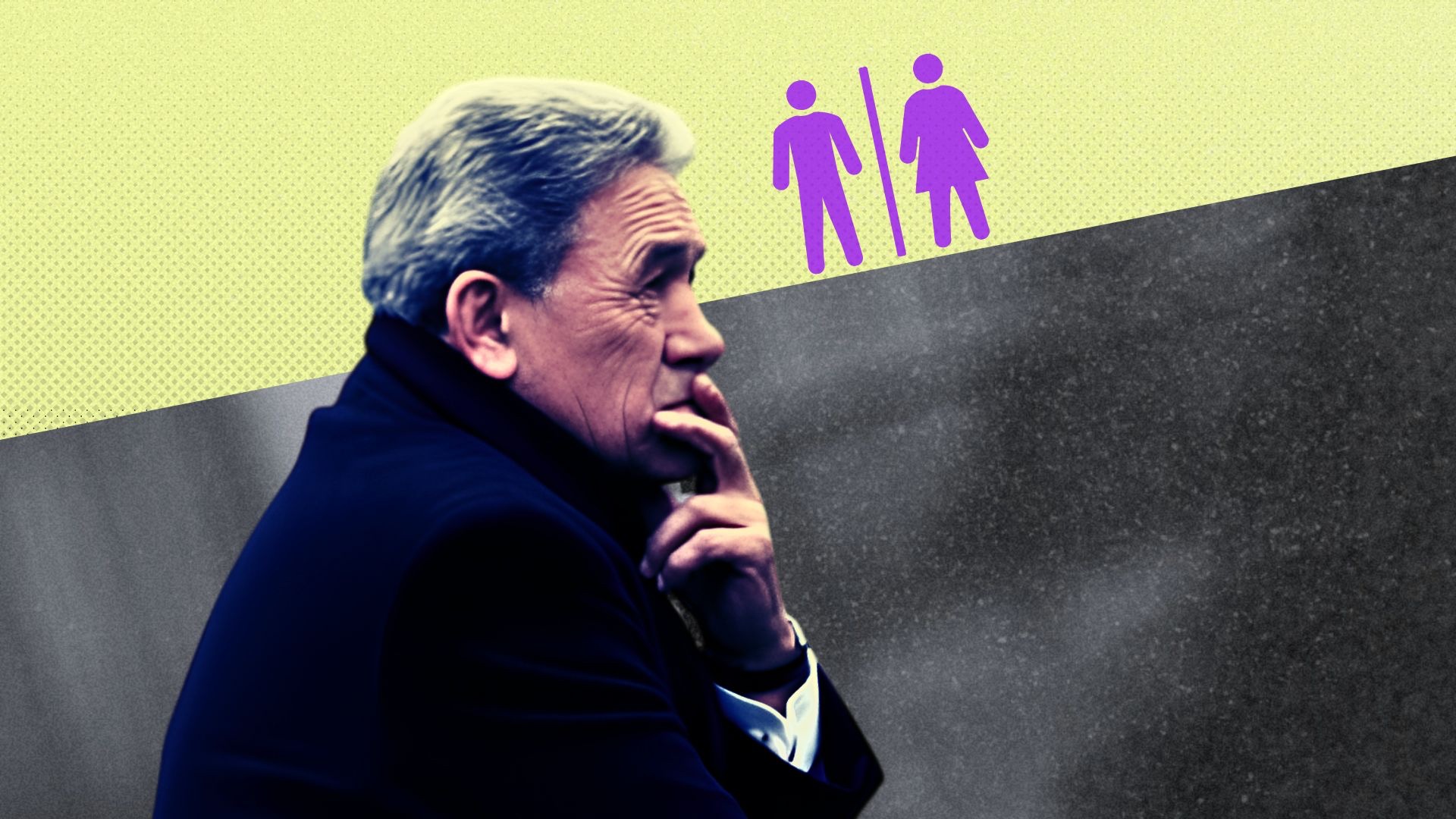
Some parties are most committed to the view that some New Zealanders carry greater rights by virtue of ancestry.
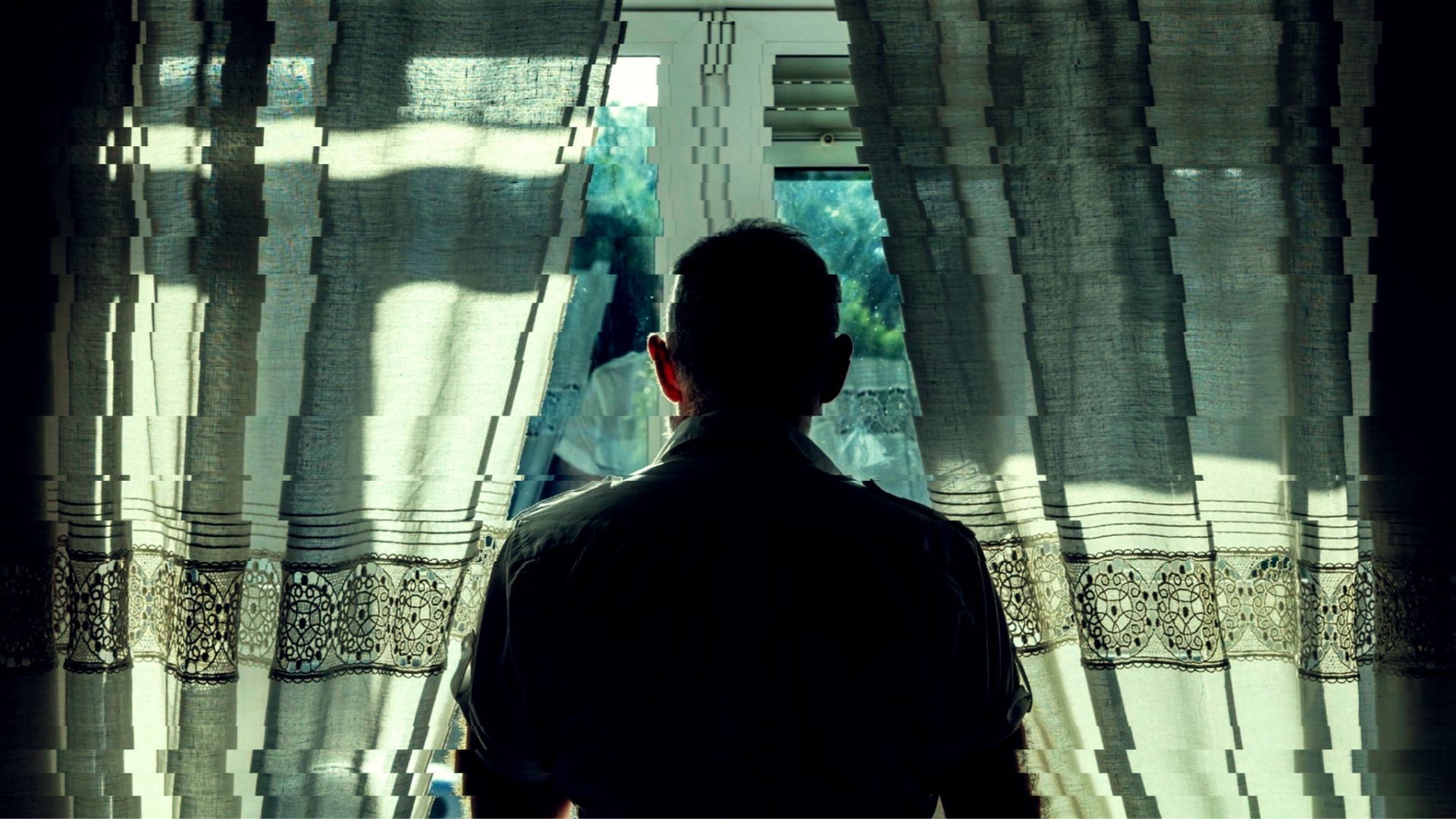
(The writer, a migrant based out of Hamilton, prefers to be anonymous.)
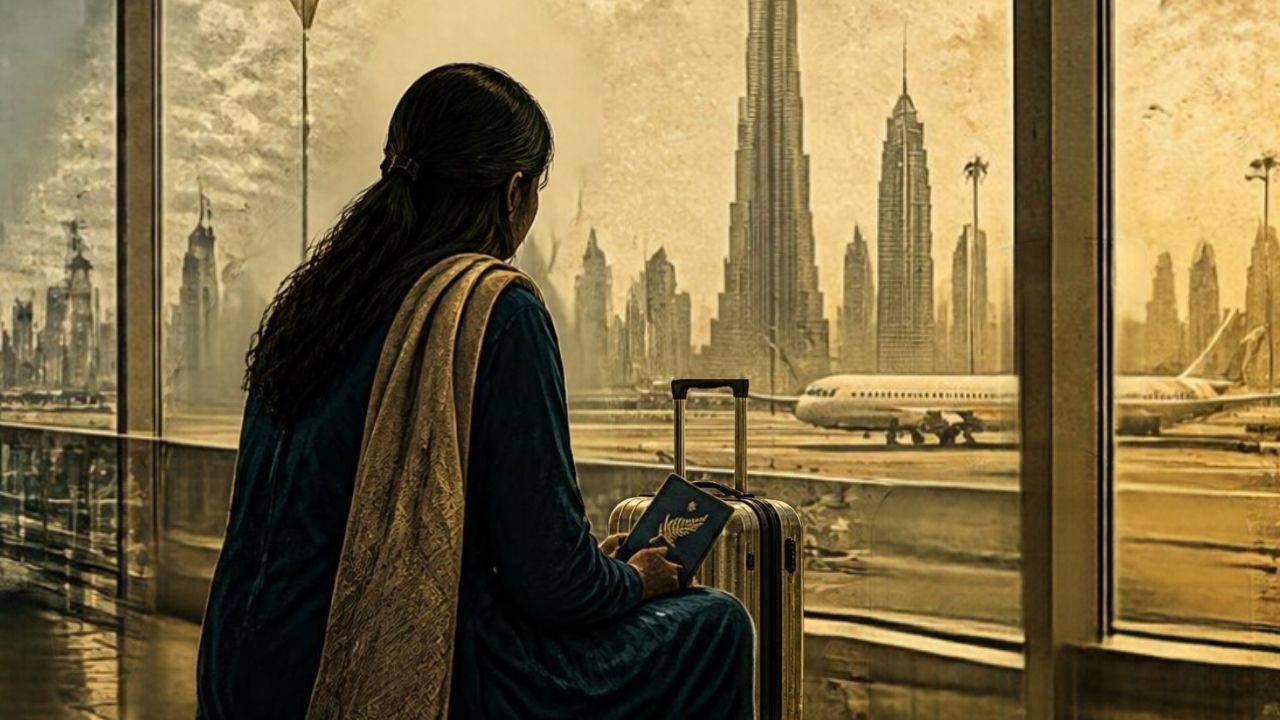
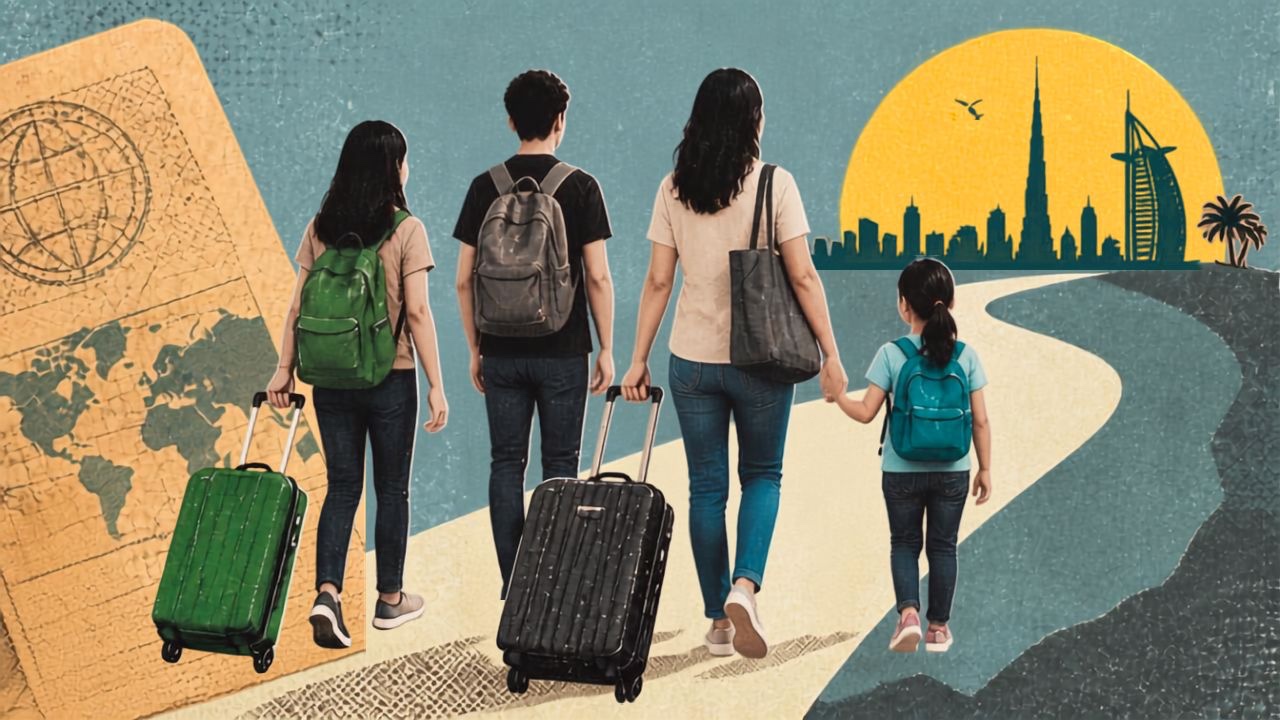
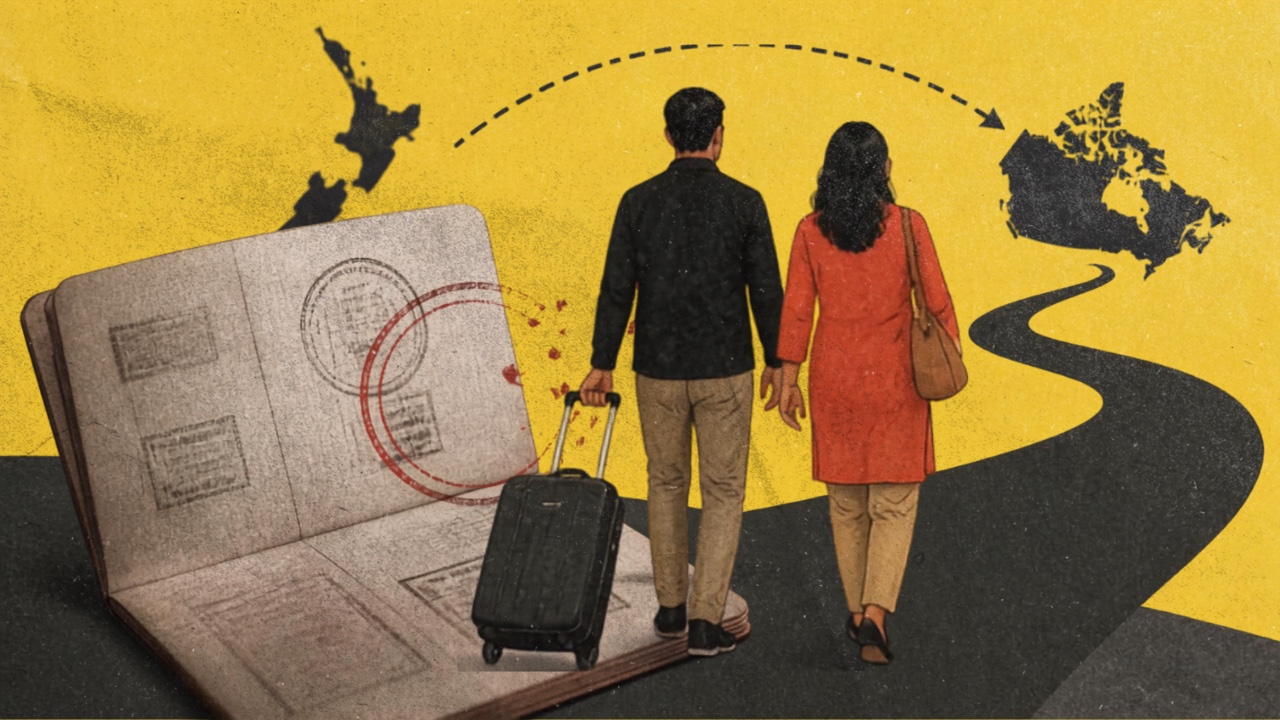
Some years ago, if you had asked me whether I was a Kiwi, I would have answered without hesitating. I would be slower now.
Not because I love this country less, but because when you arrive somewhere new and throw yourself into building a life, the focus required is total.
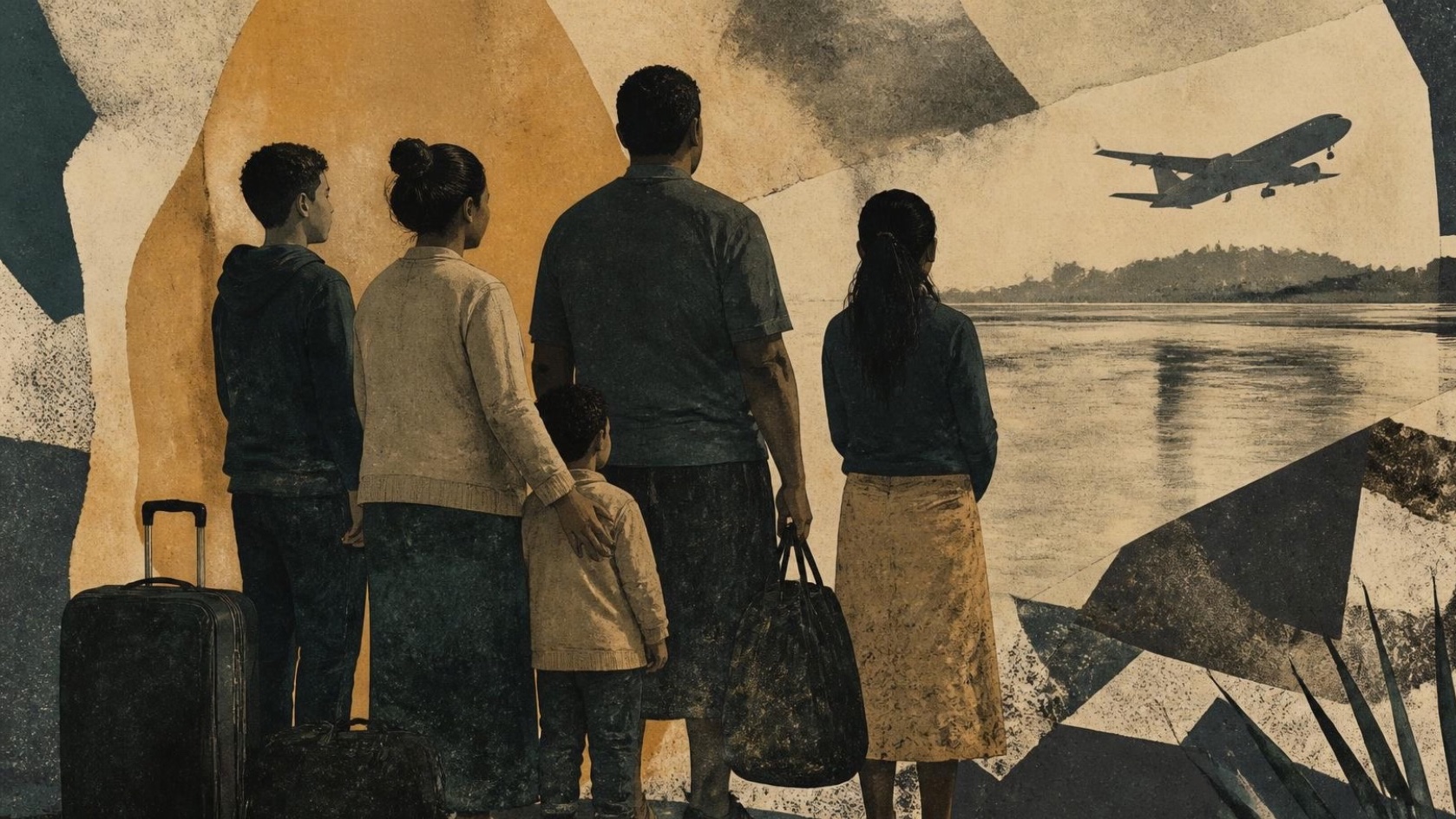
The family nearby, the friends who knew you before you had anything to prove, the shared history that needs no explaining. You do not lose these things so much as set them down and keep moving.
It is only later, when the life you built starts to feel settled, that you have the stillness to notice what you put down along the way.
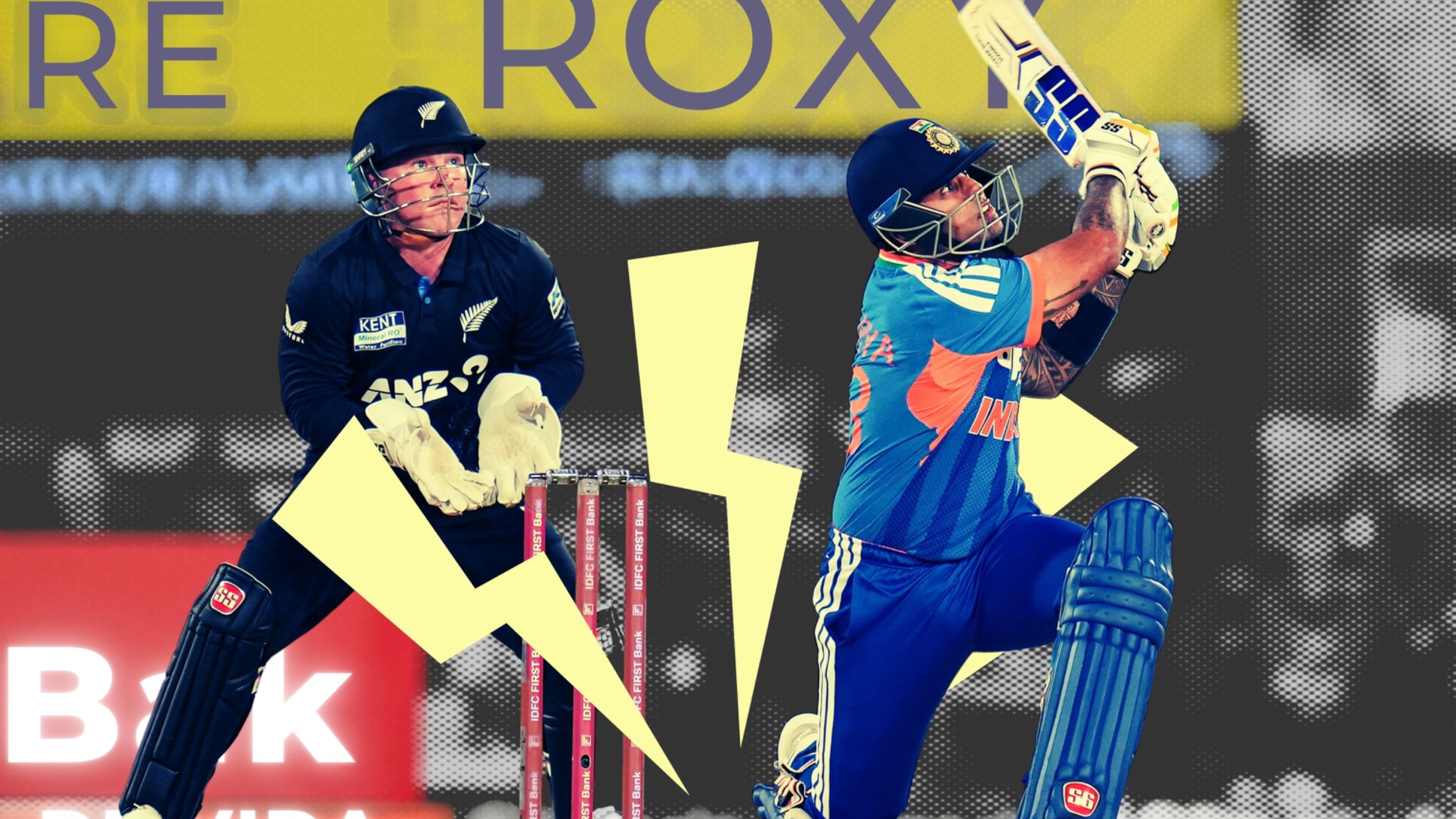
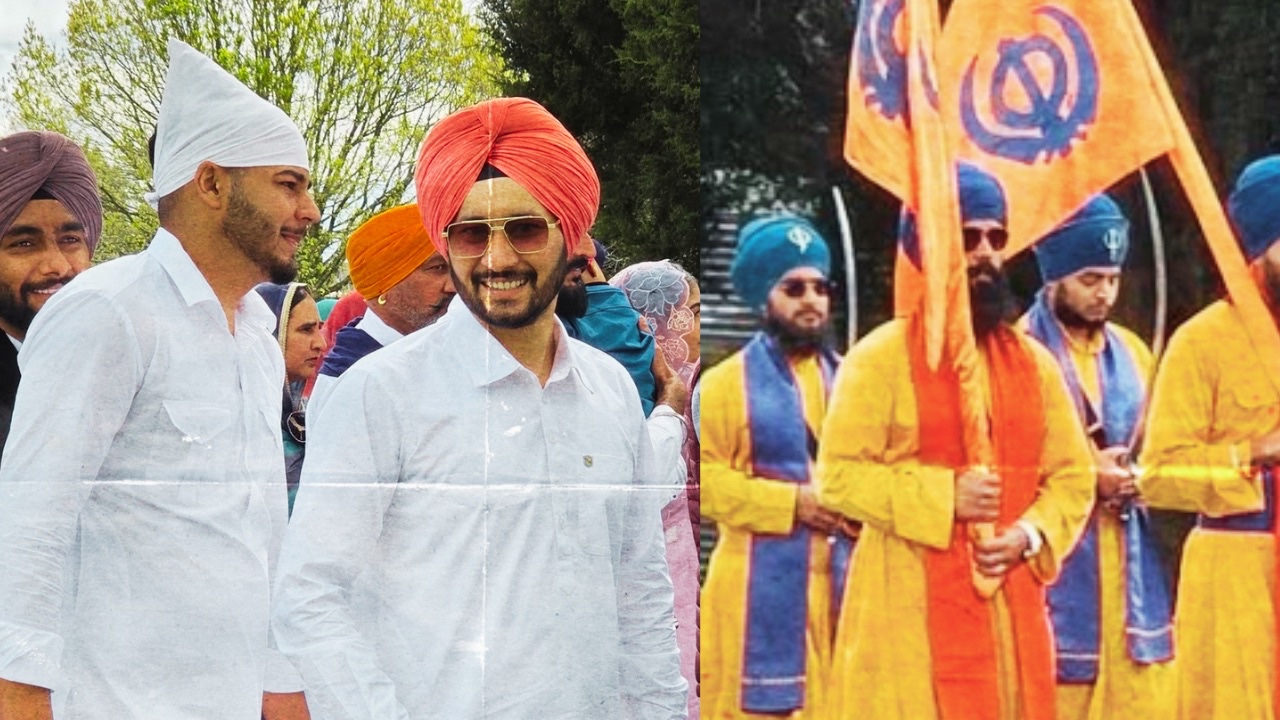
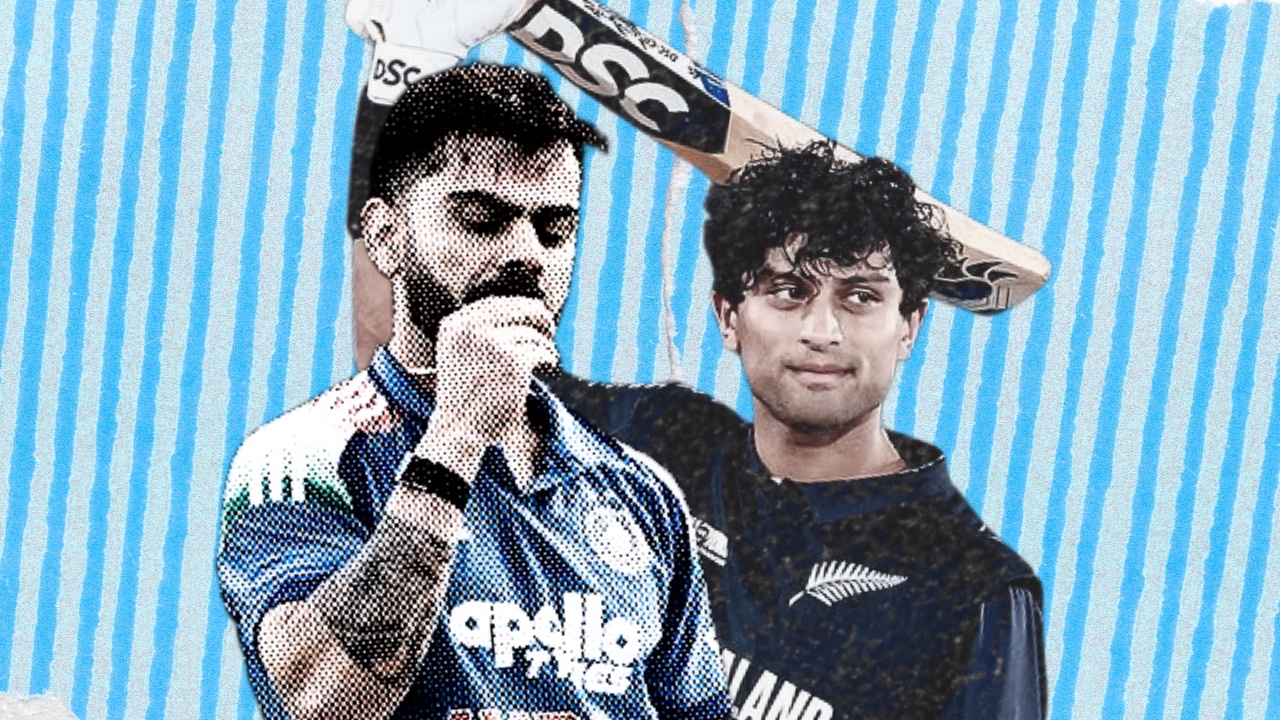
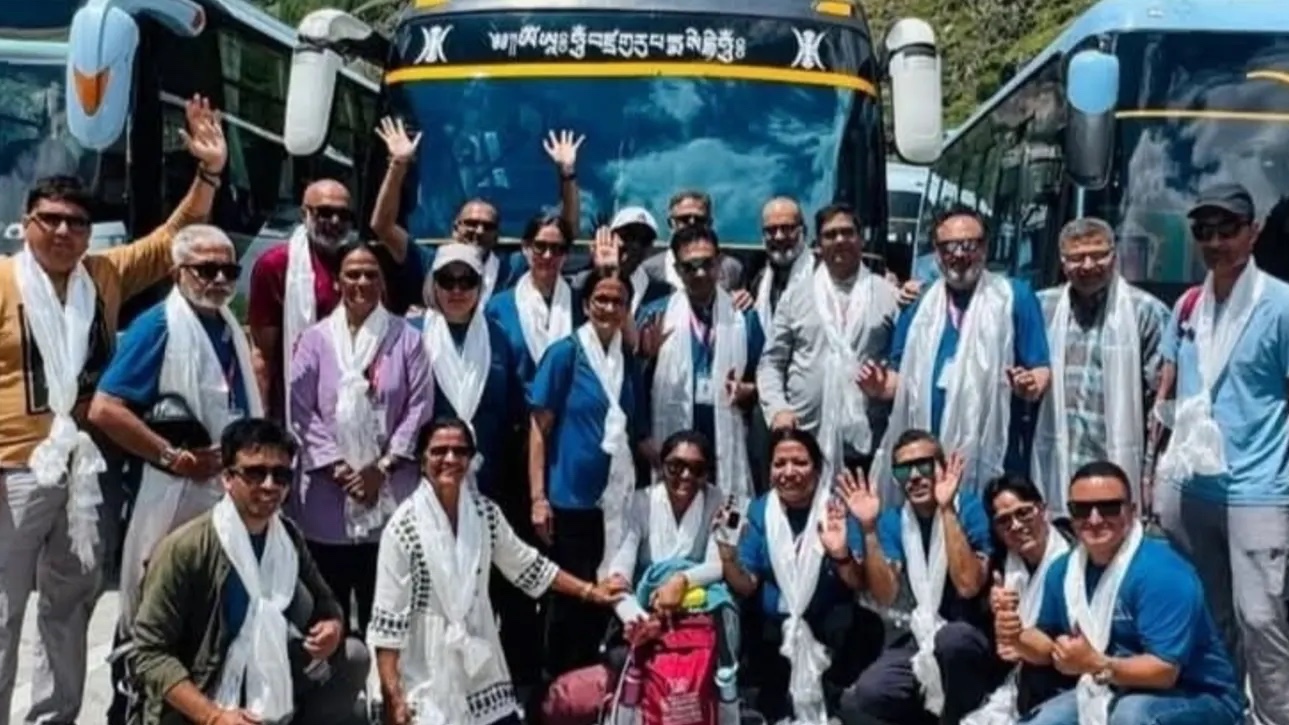
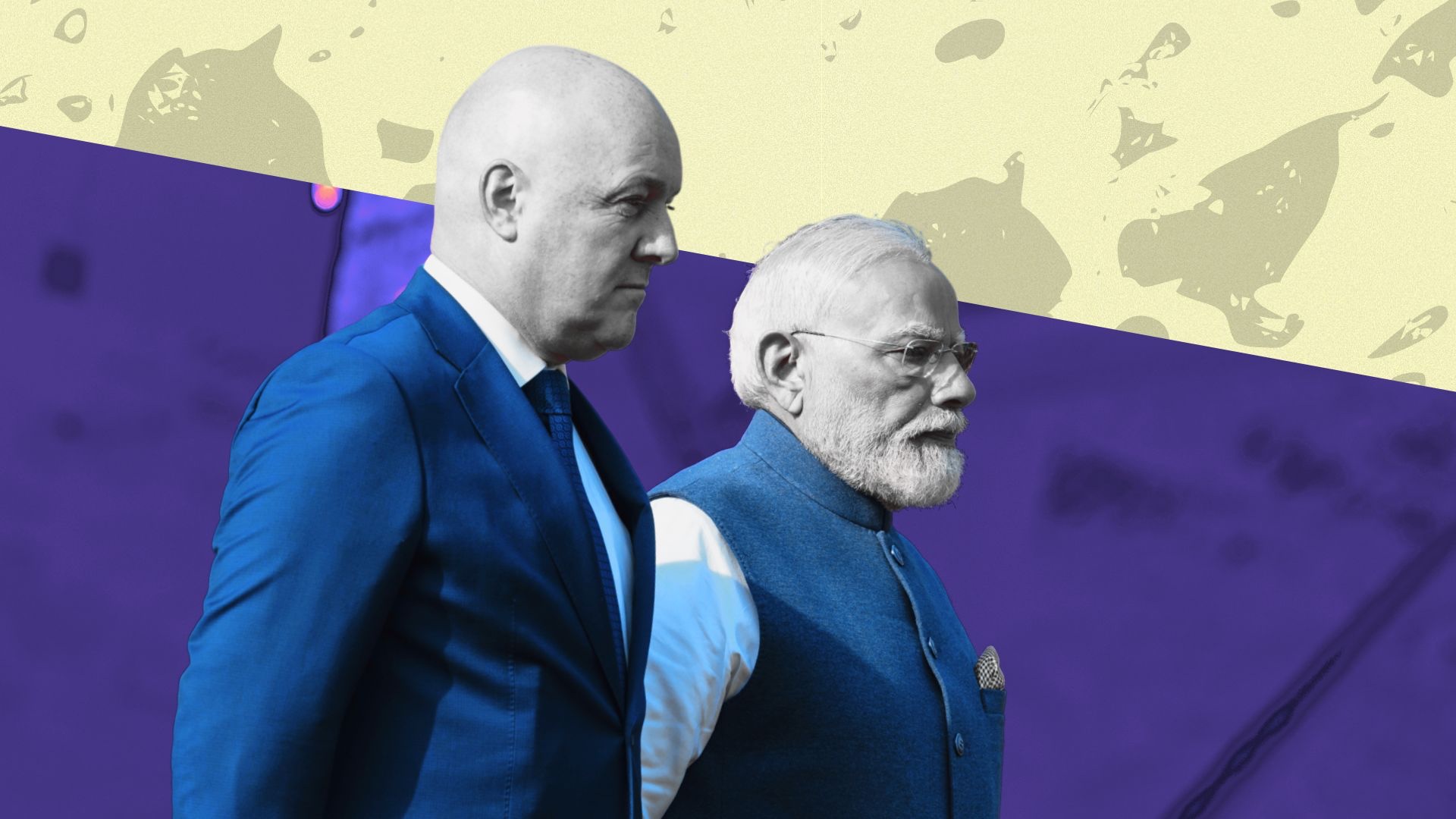
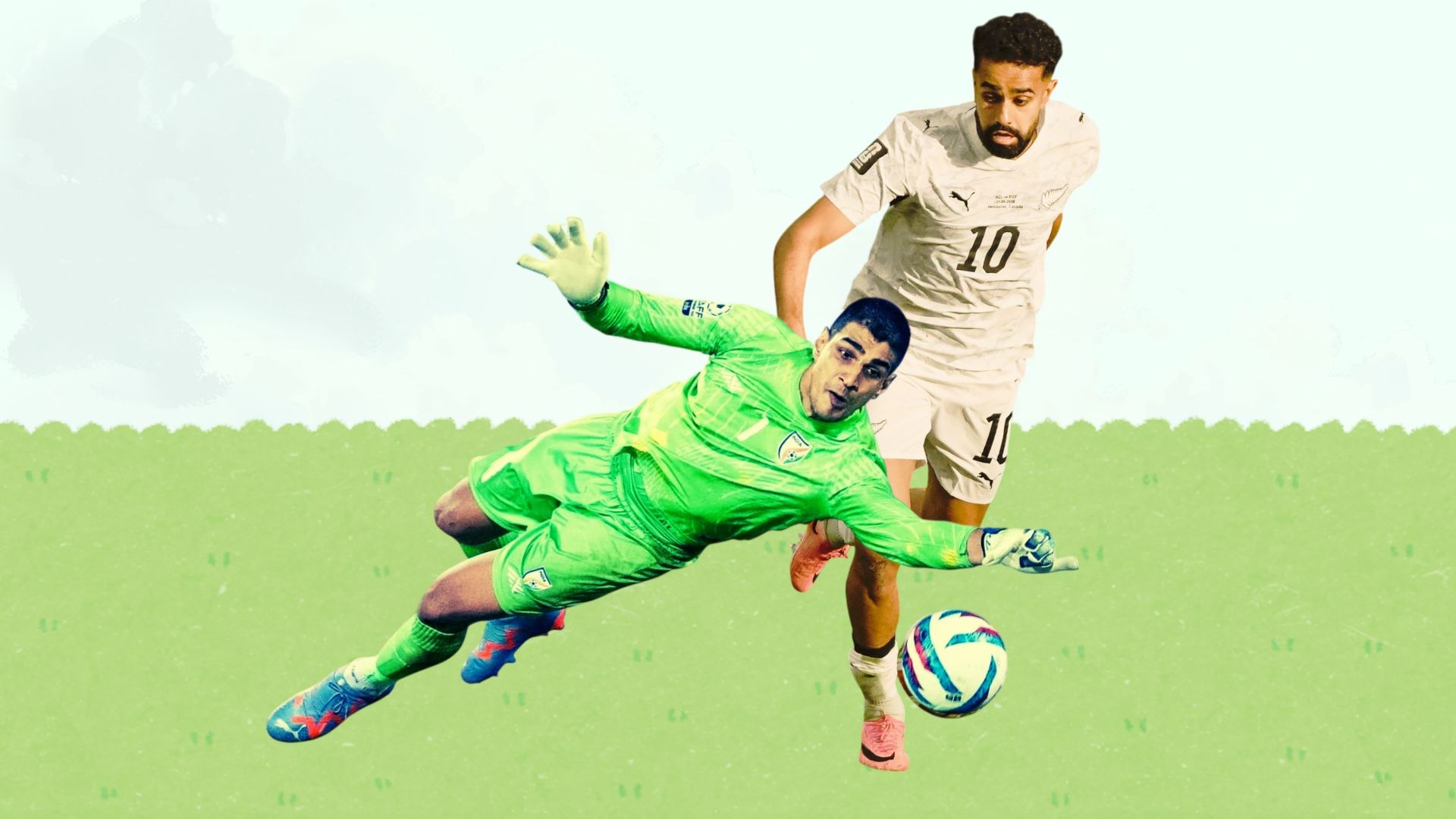
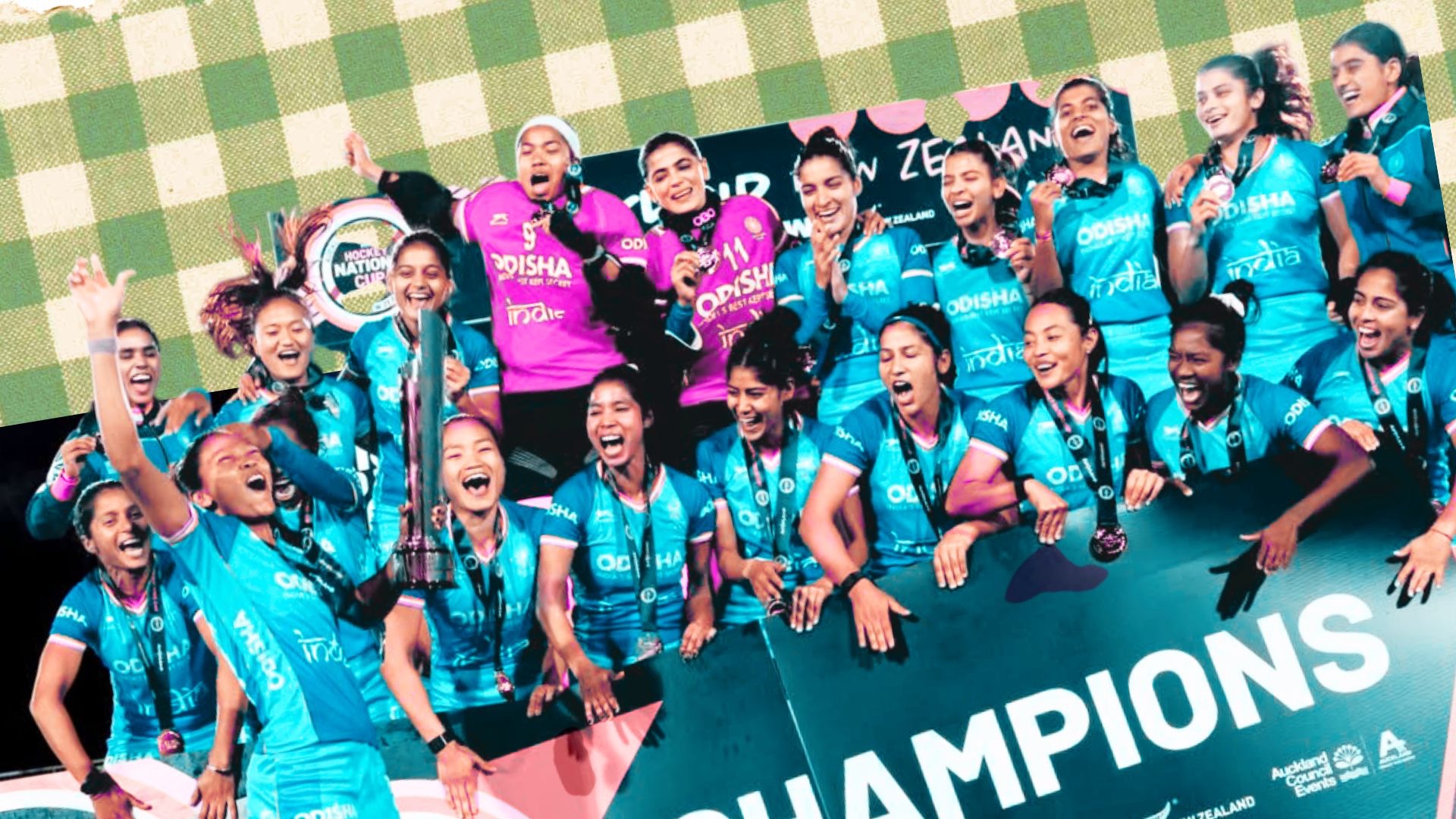
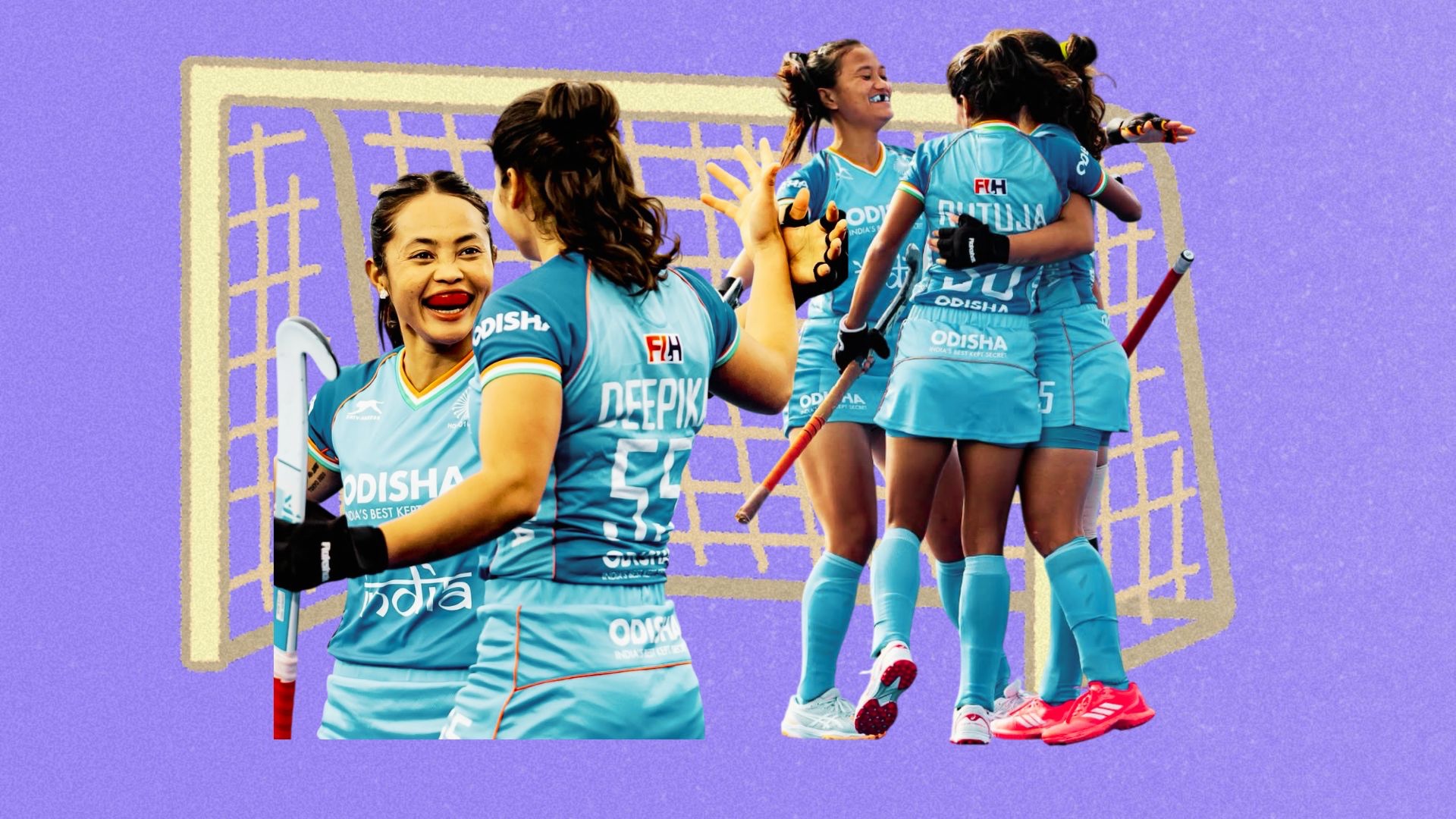
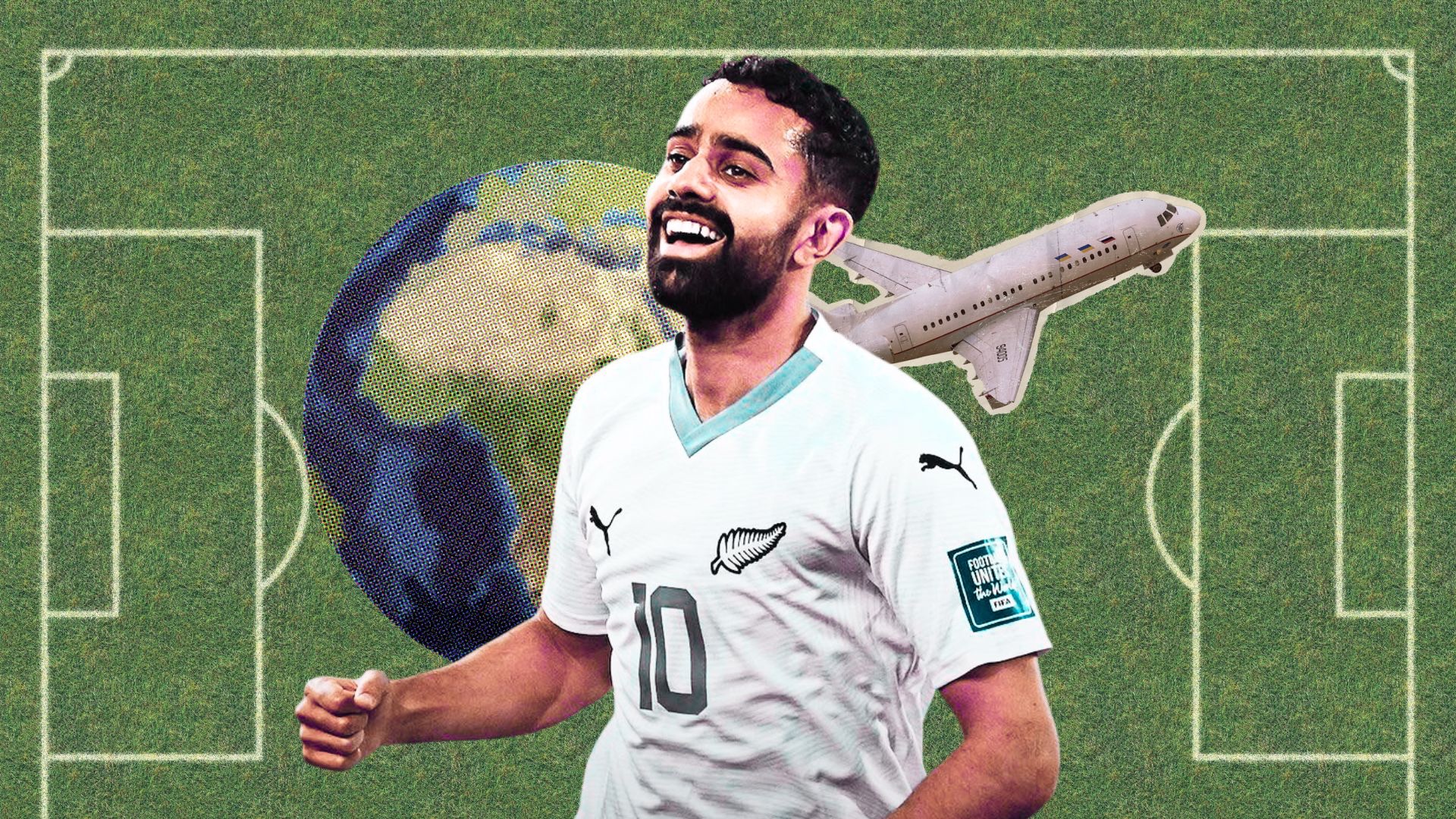
India is coming to Auckland: Full schedule revealed for cricket, football, hockey, Diwali From the Black Caps and All Whites taking on India to Diwali, hockey, bowls and city-wide light displays, Auckland has revealed its sporting centenary programme.
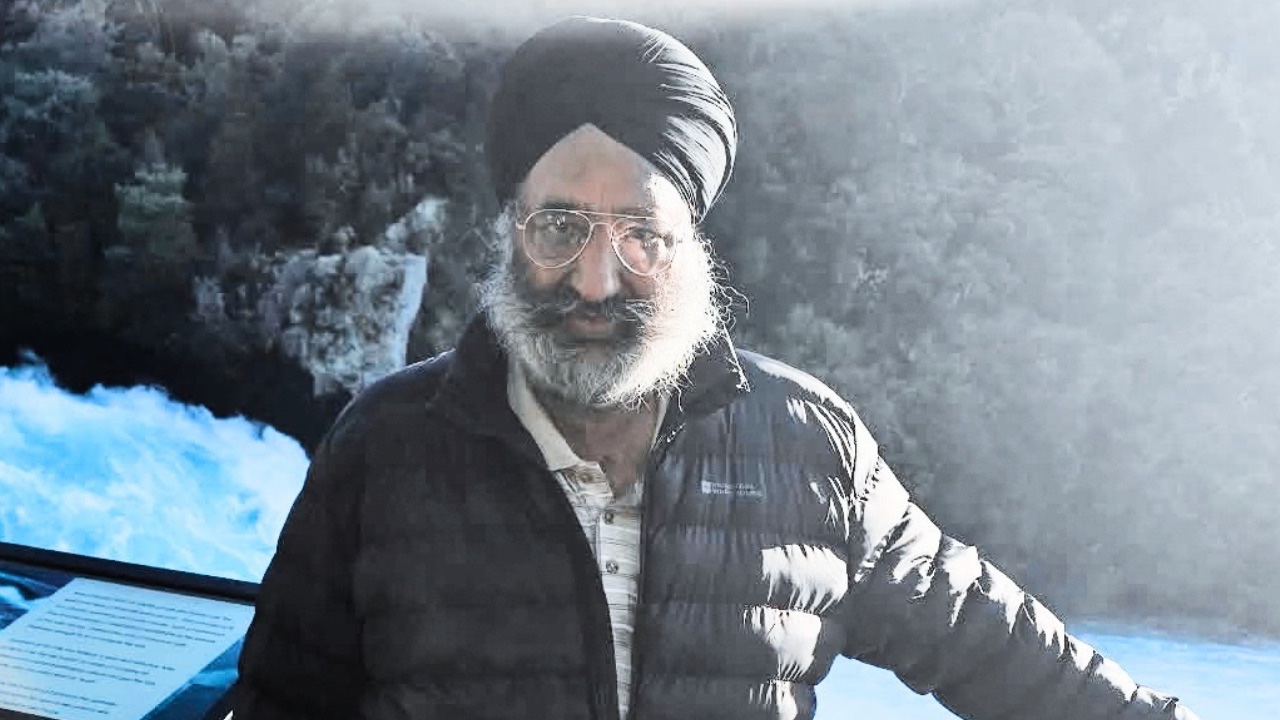
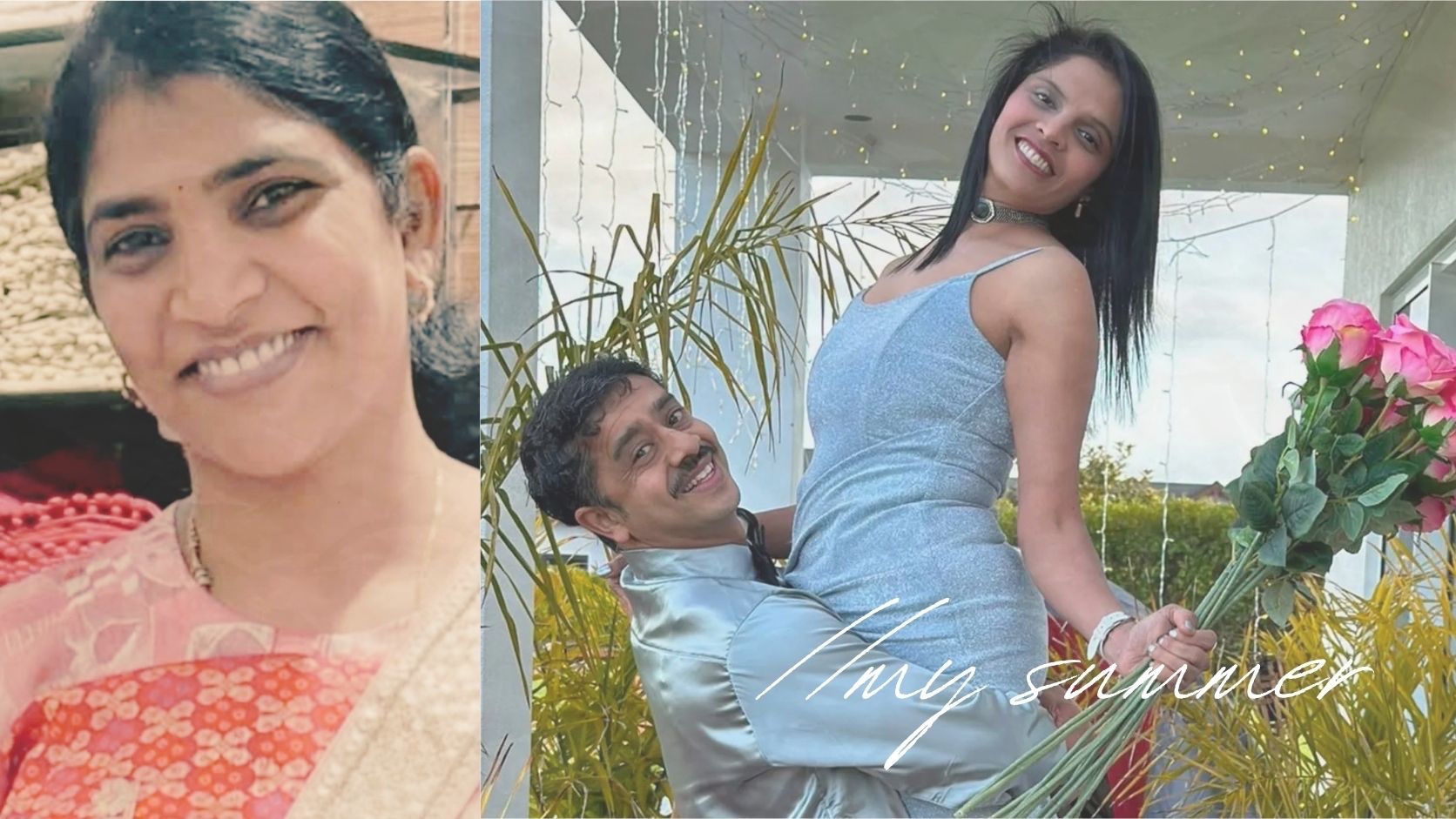
Indian man dies six months after arriving in New Zealand, fundraiser launched Emergency services were called to the crash at Kawarau Falls on Sunday.
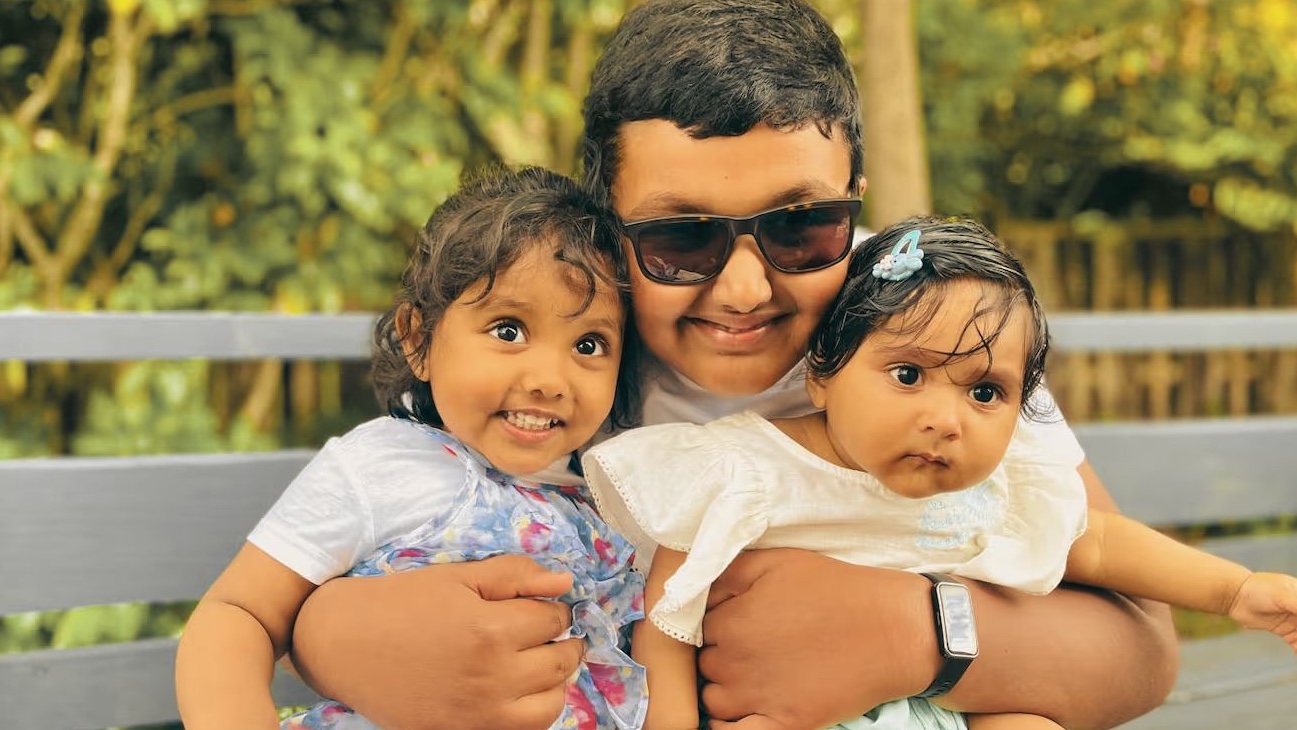
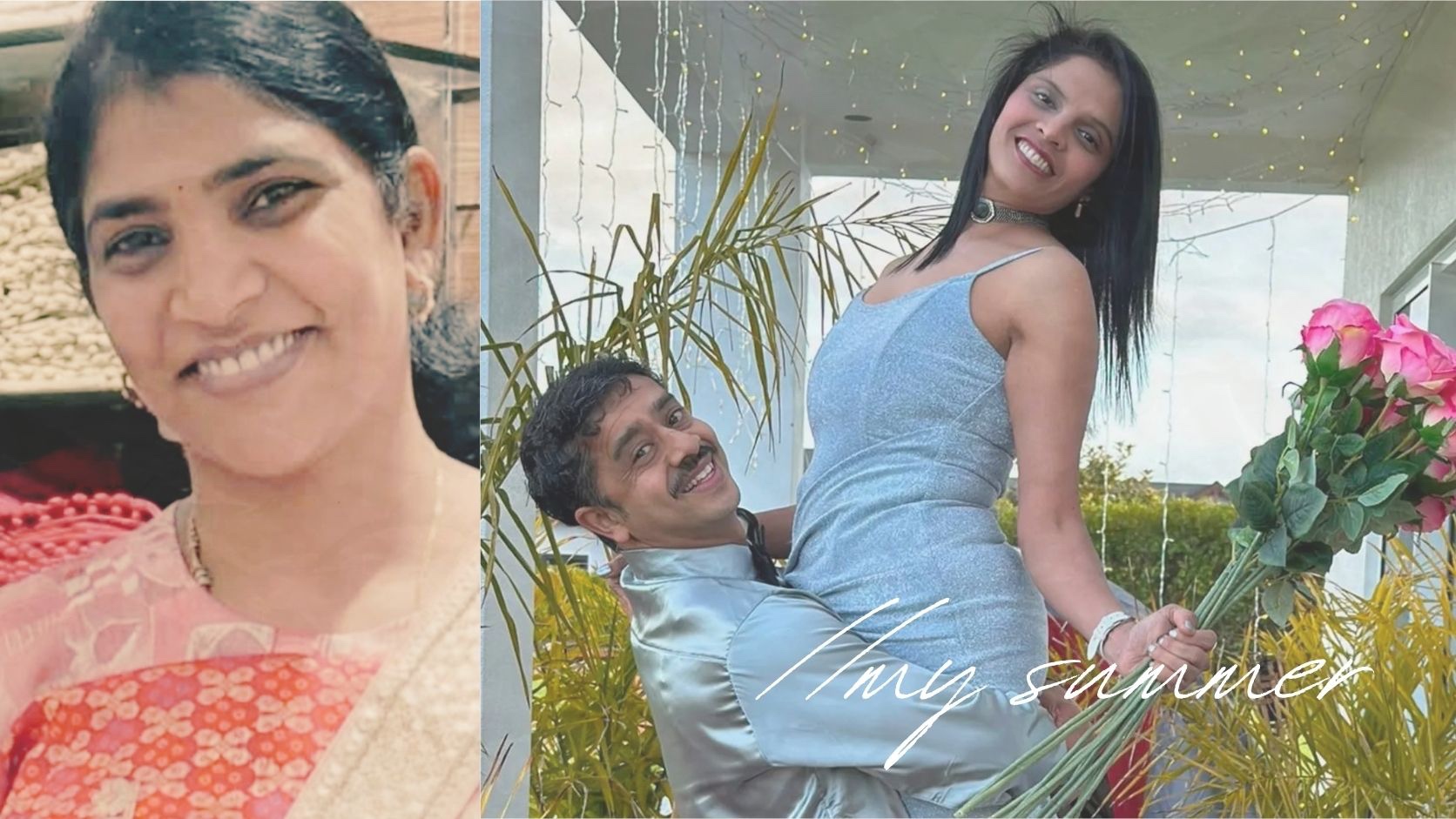
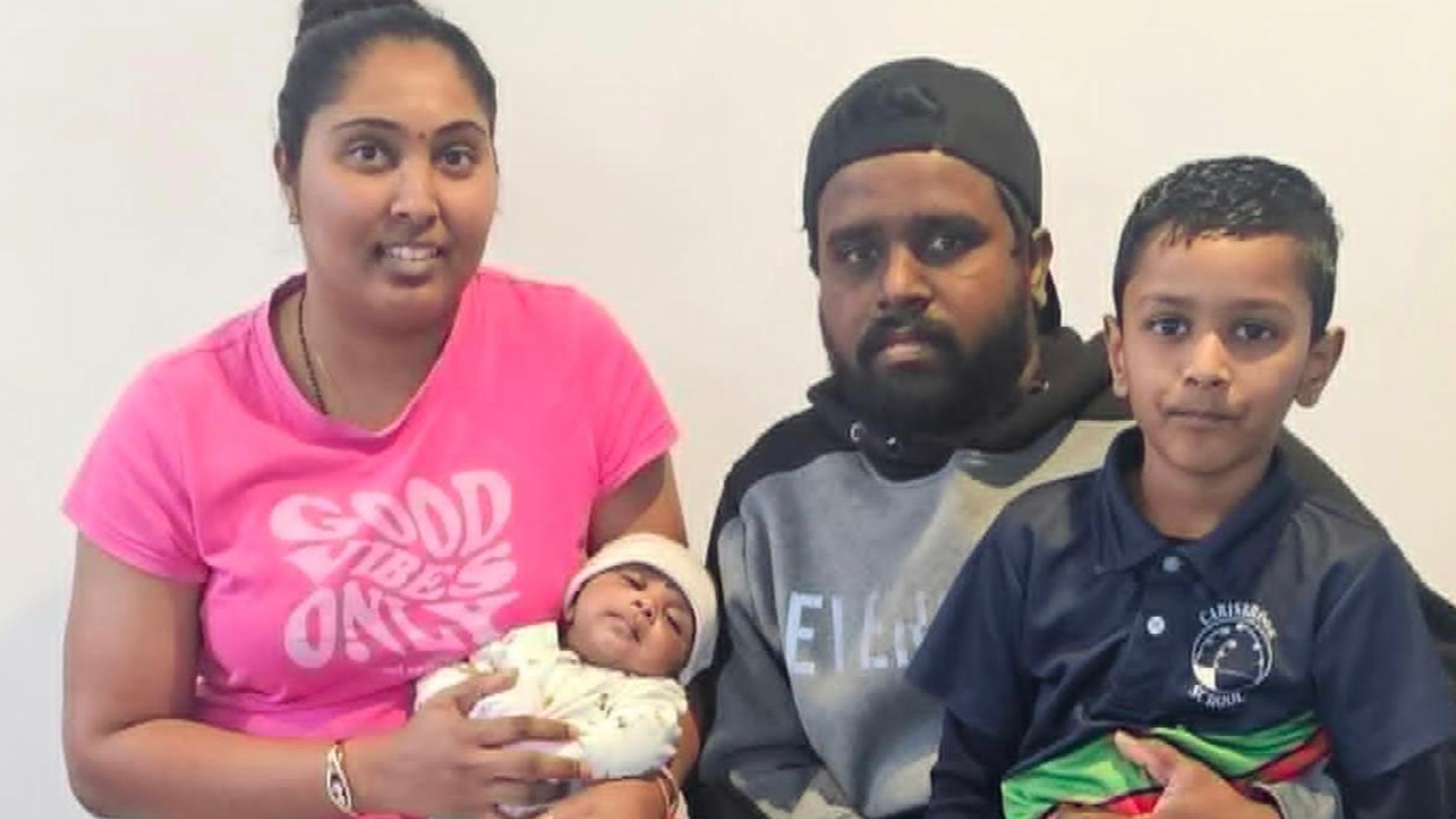
$70,000 bill for Rotorua man after father visiting from India to help with newborn twins has stroke A fundraiser has been launched after the uninsured visit has left the family carrying the full cost of hospital treatment
A conversation with a friend brought a question I had been quietly carrying into sharp focus. When does a migrant actually become a Kiwi?
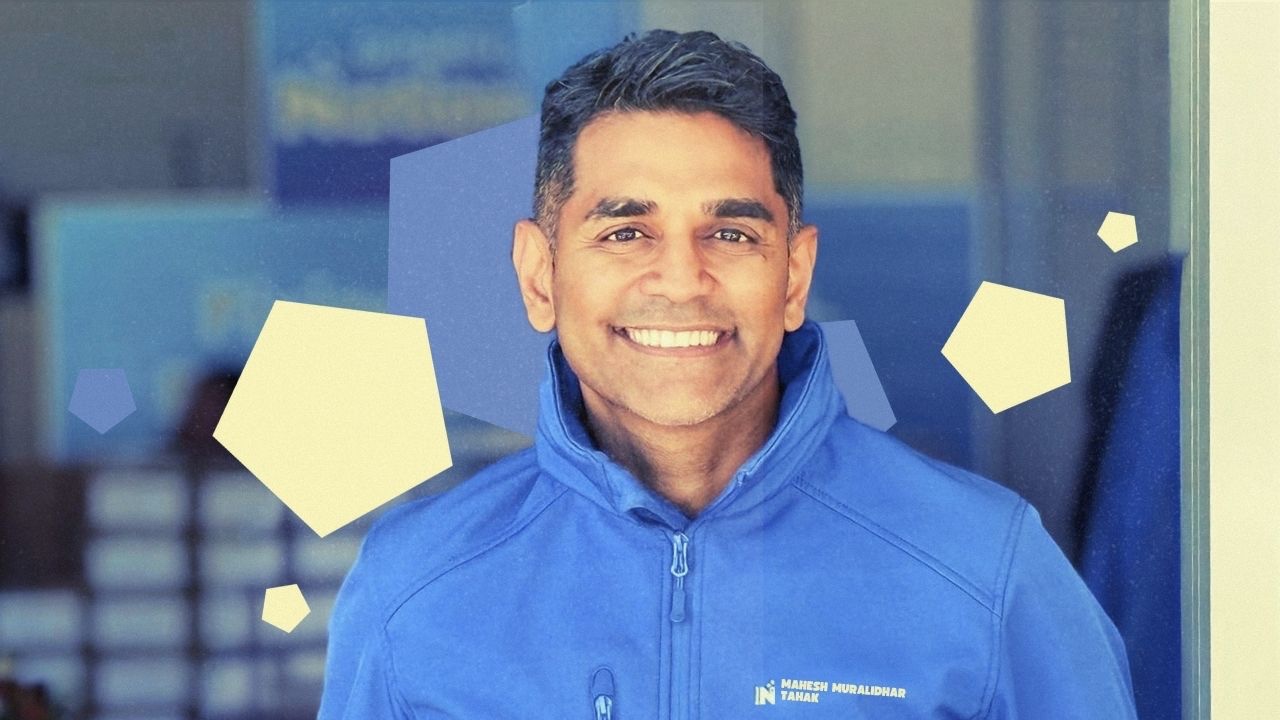
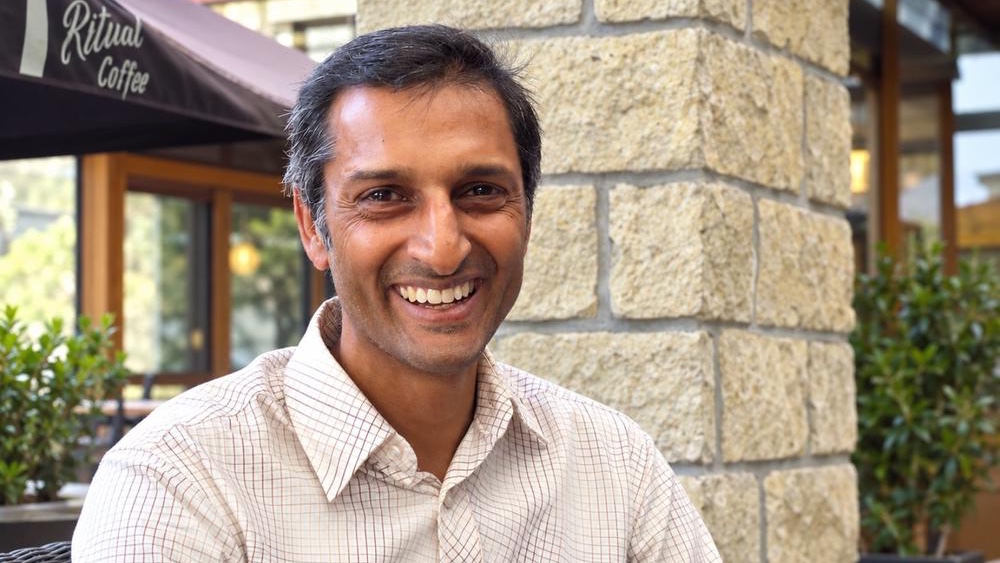
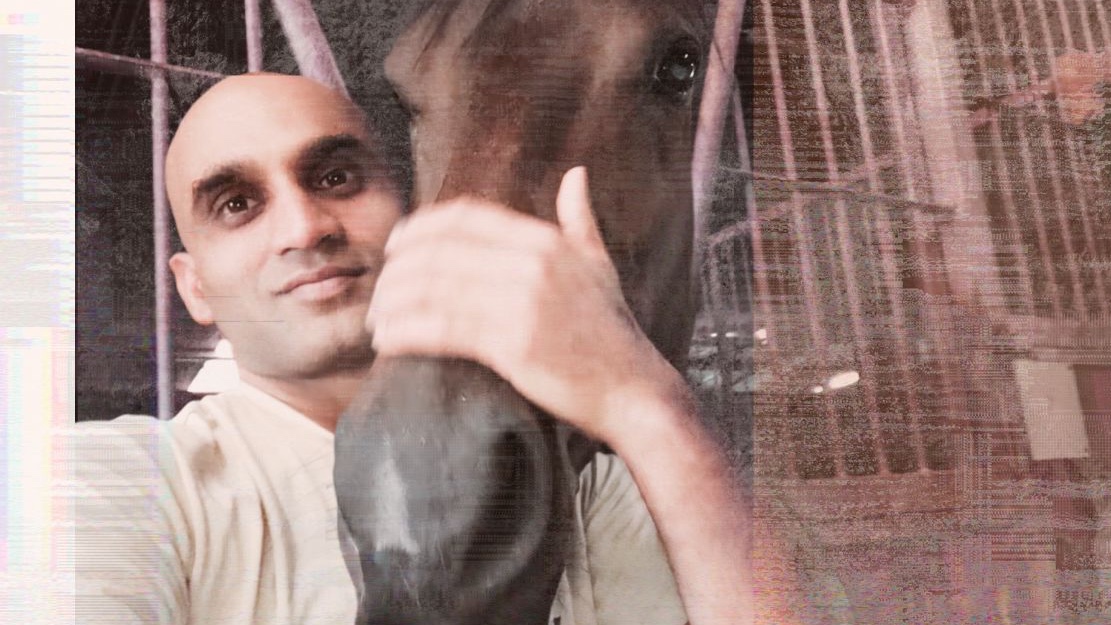
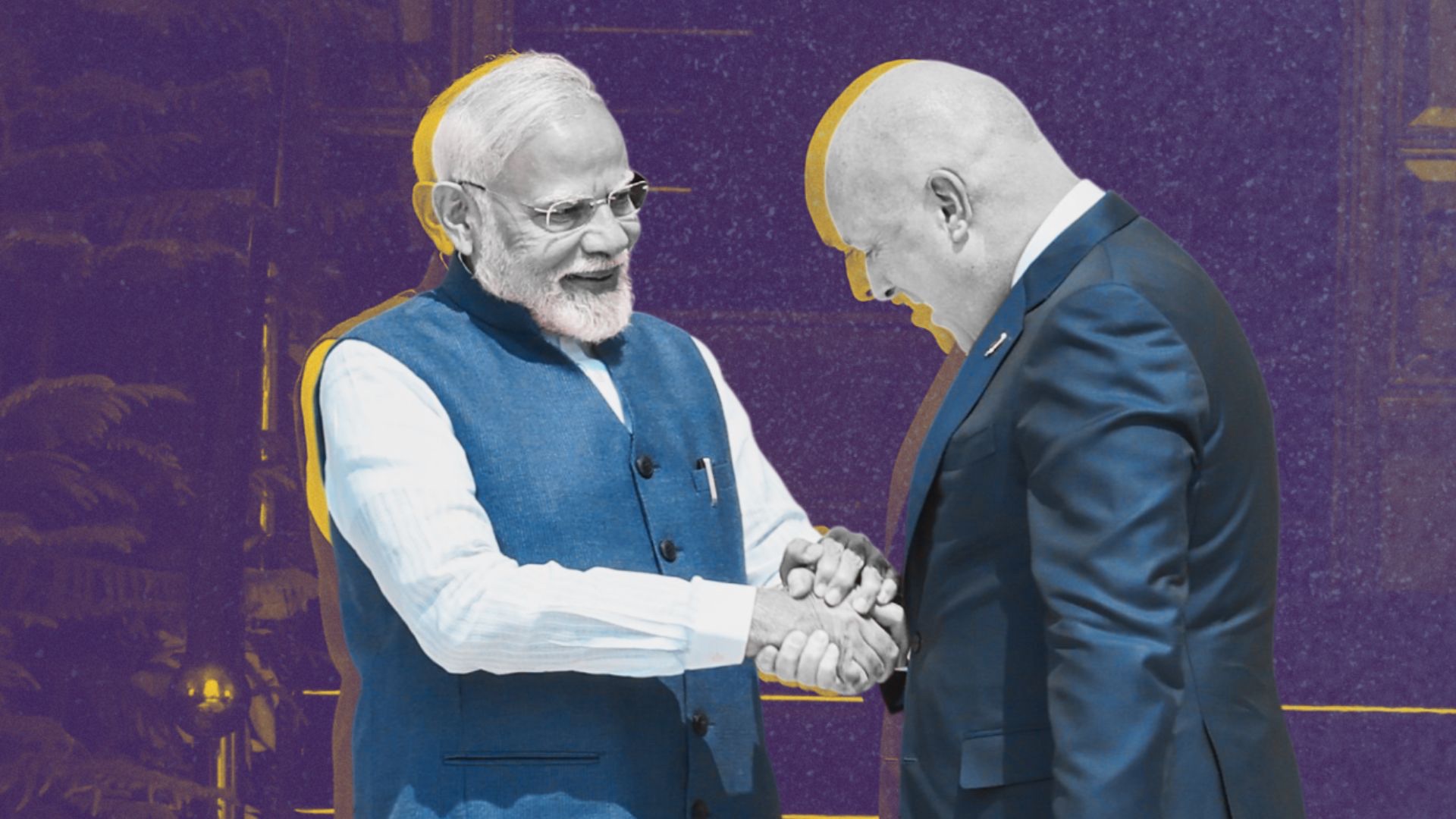
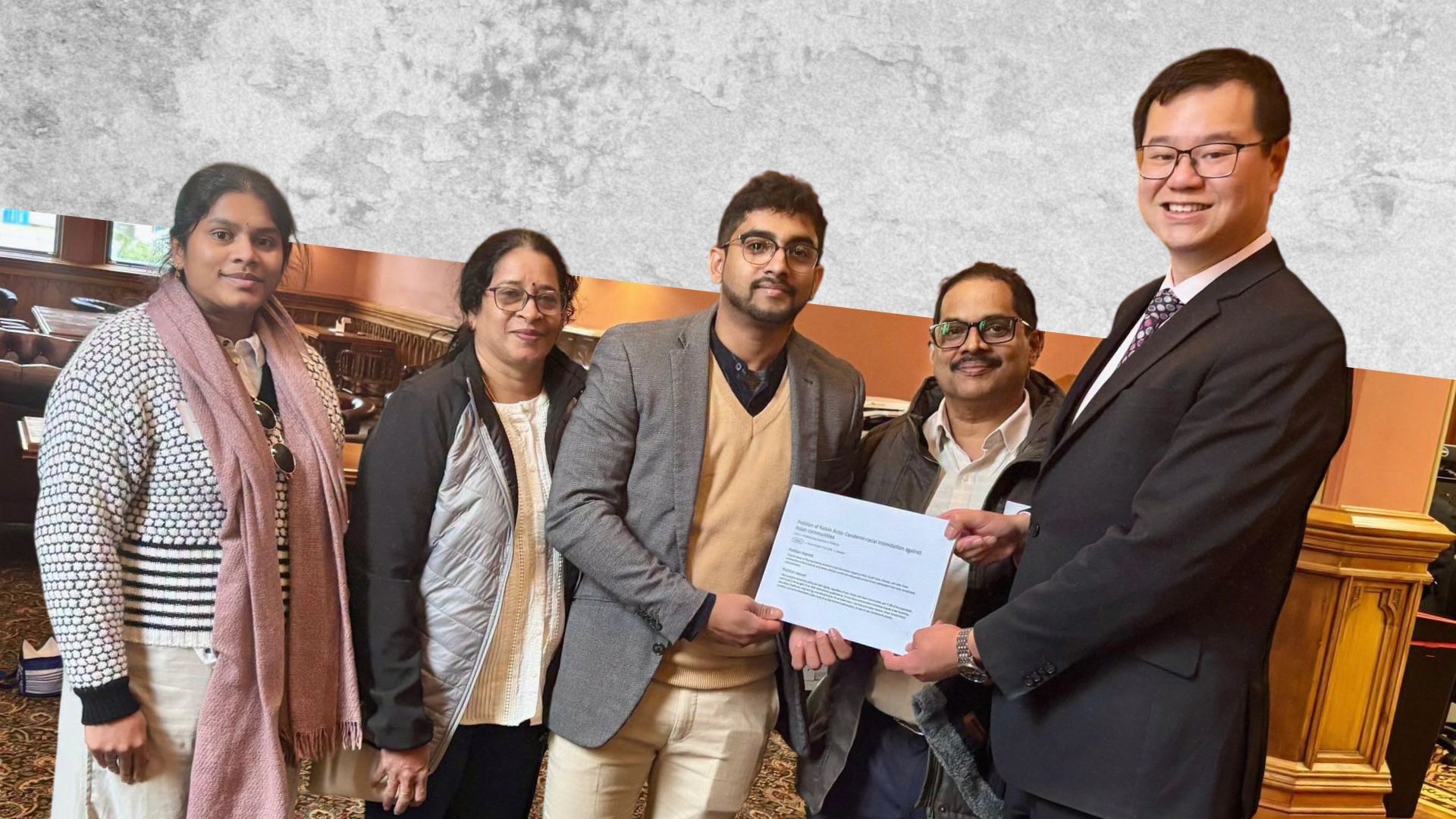
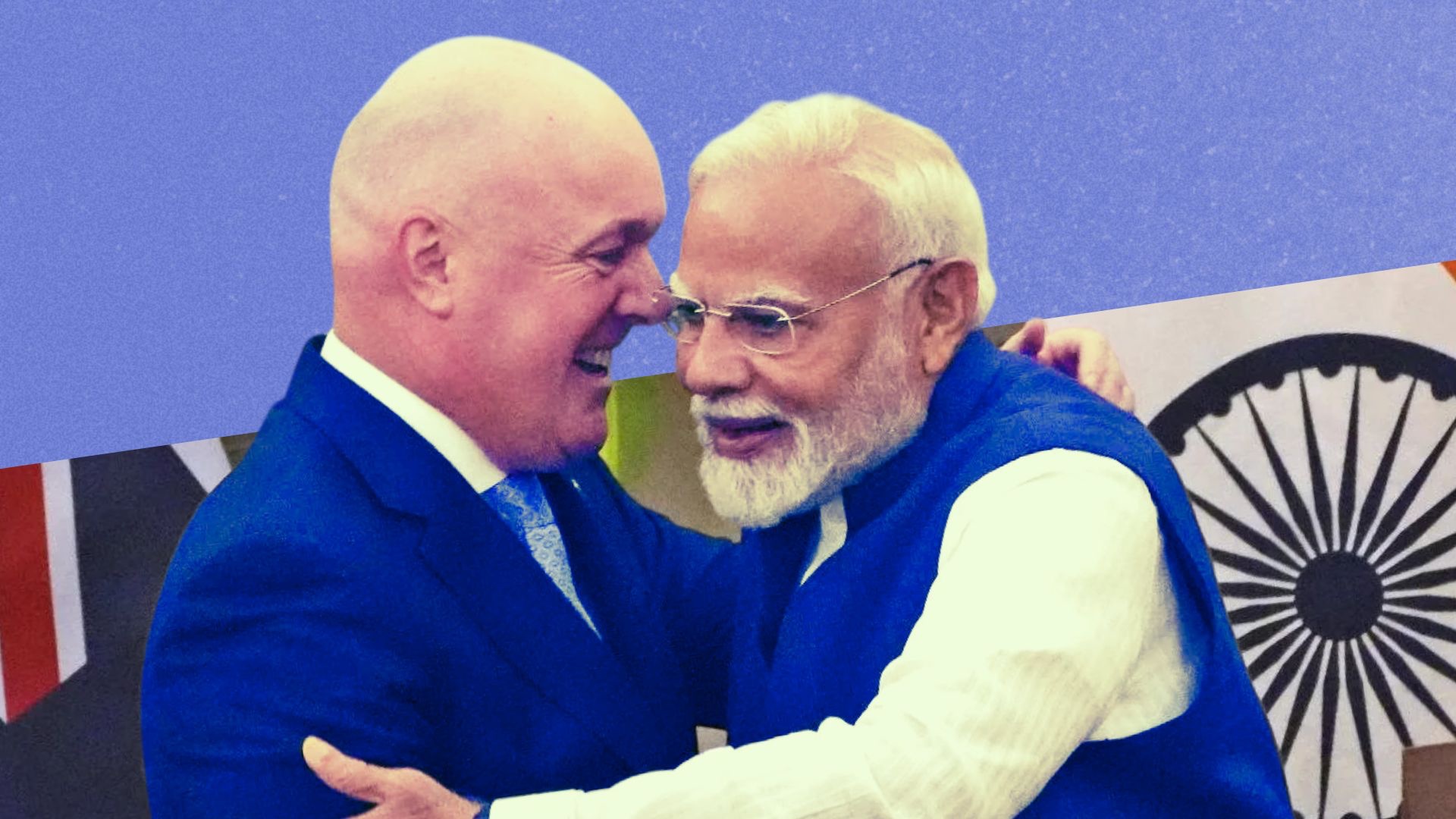
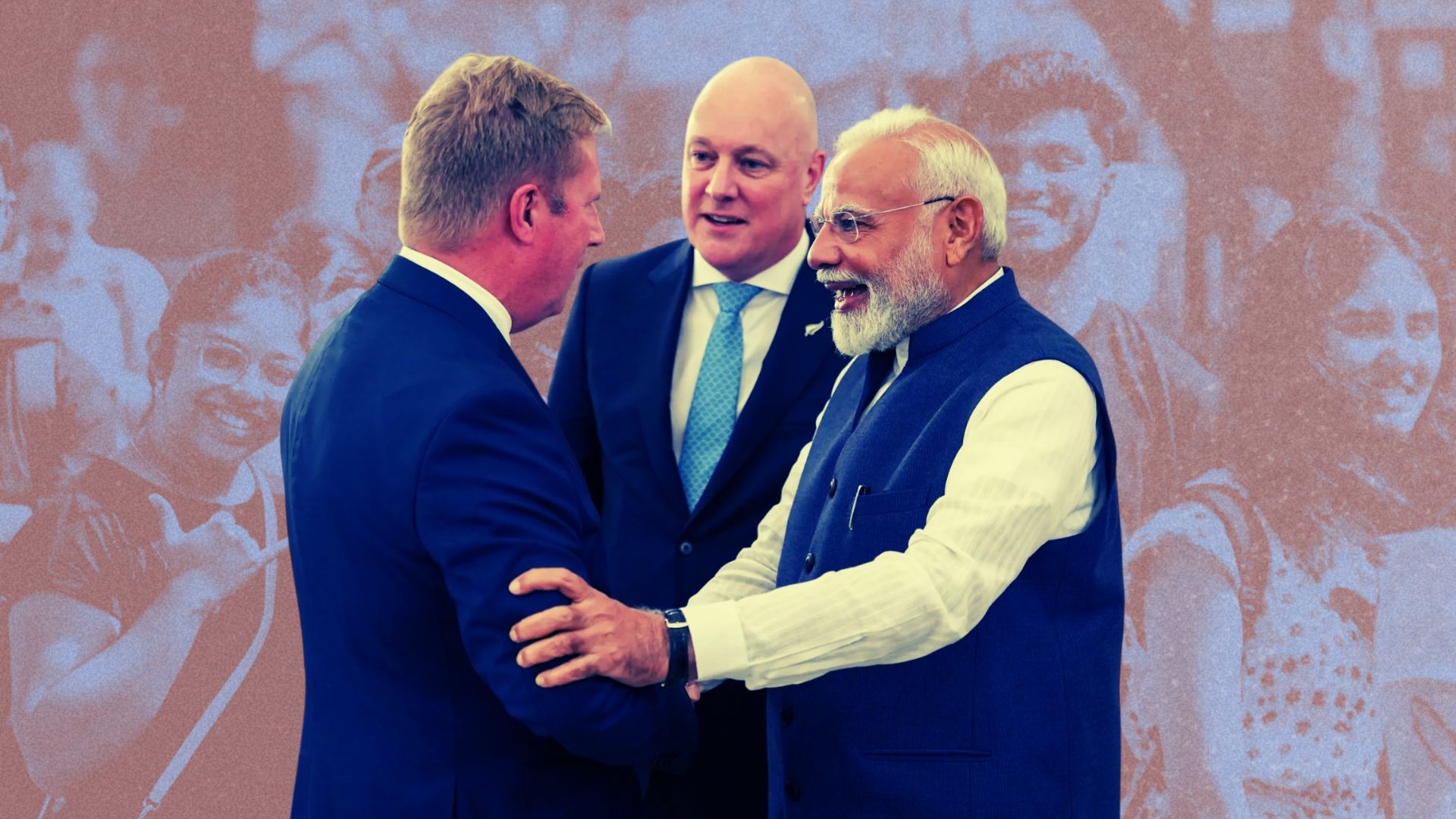
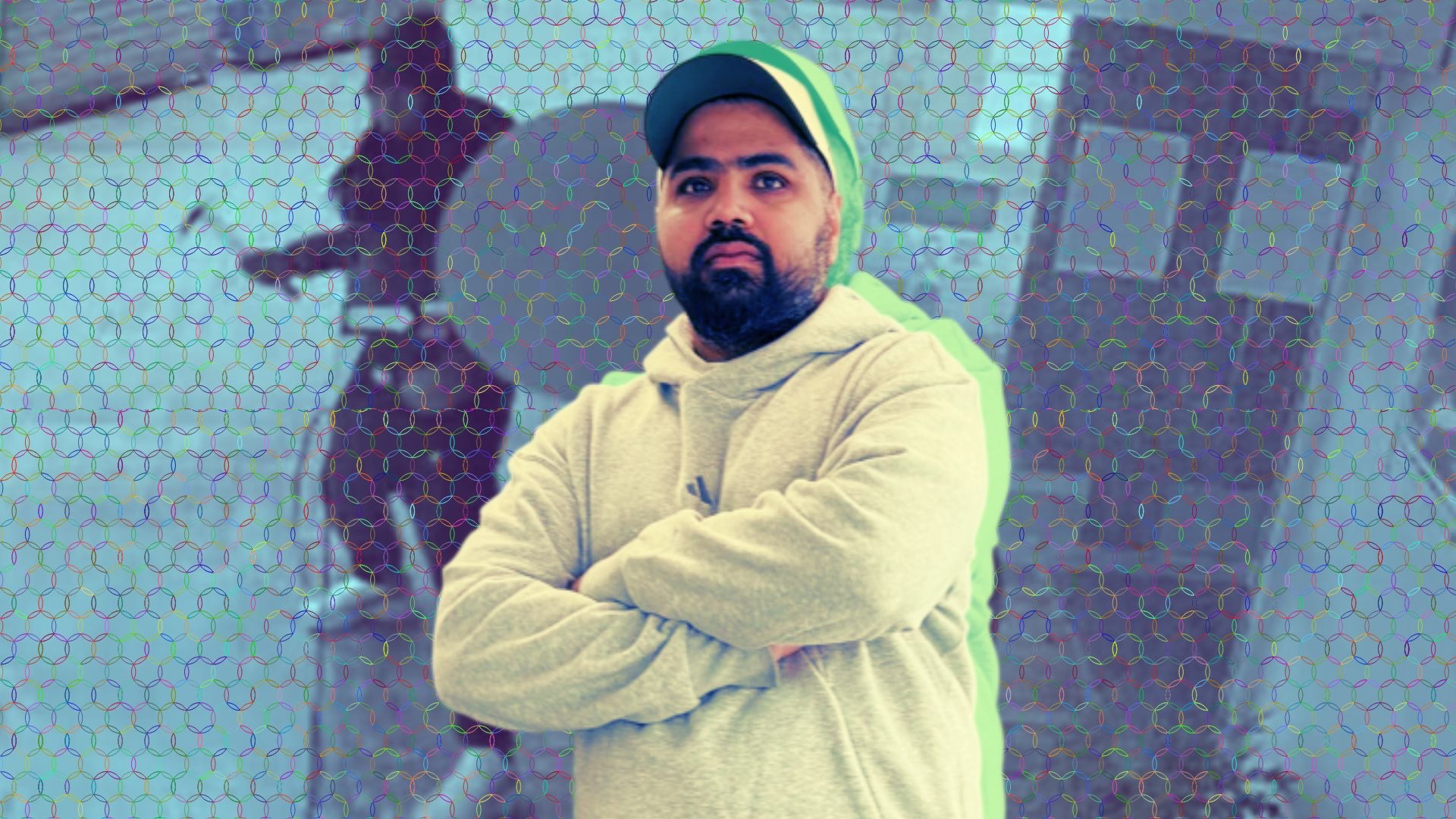
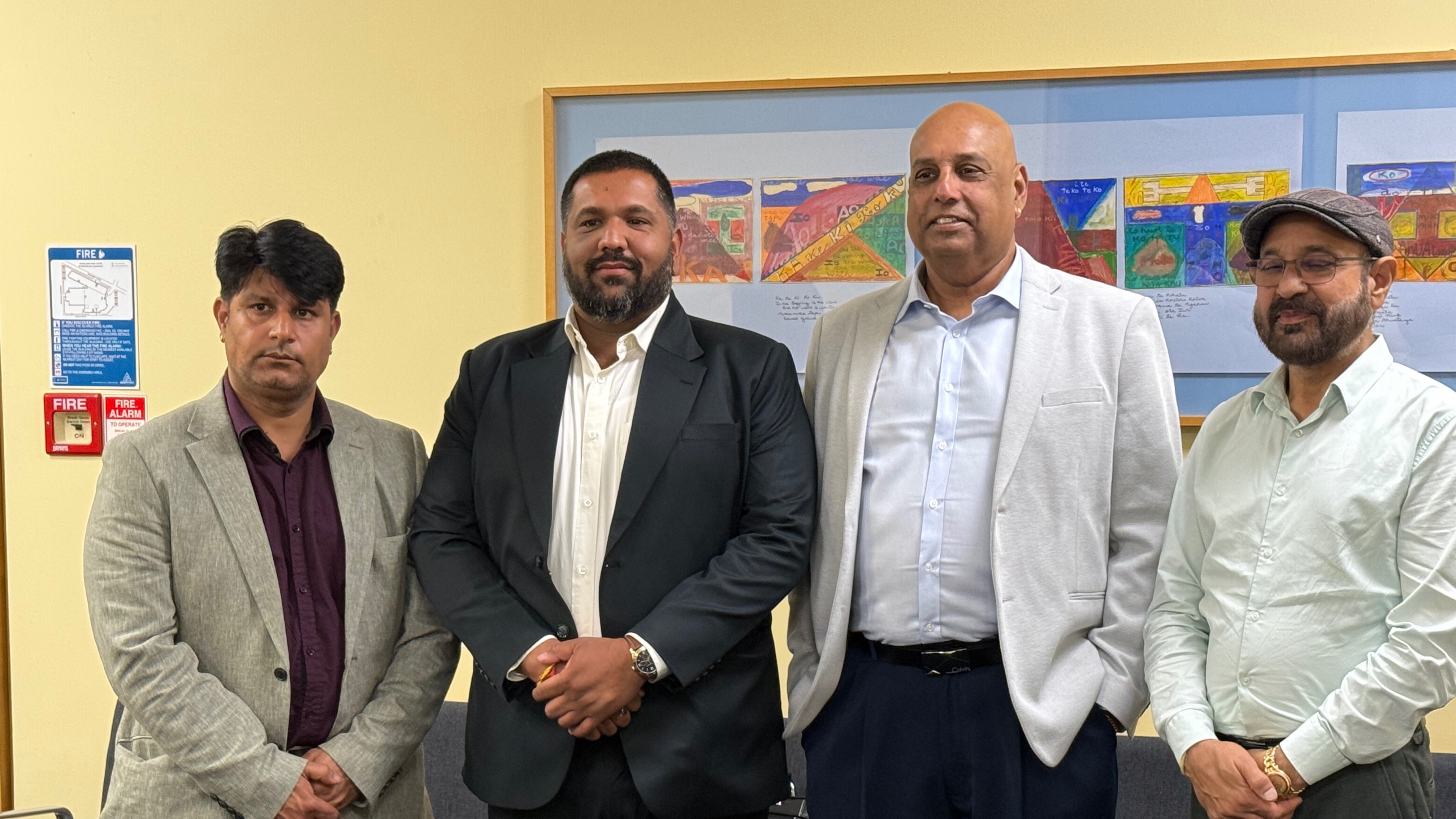
That friend came here from India. He has lived in New Zealand for more than 20 years, longer now than he ever lived there.
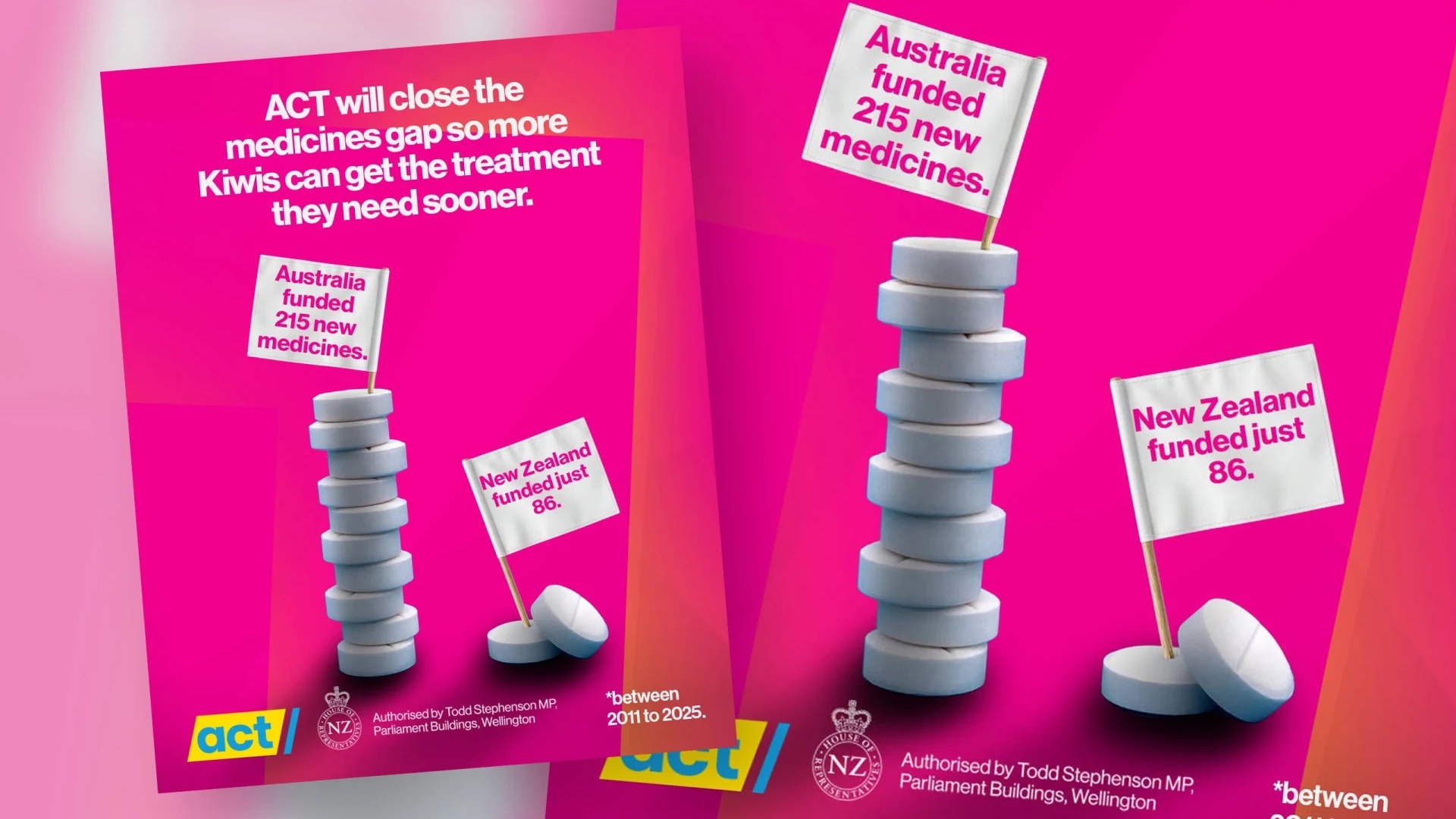
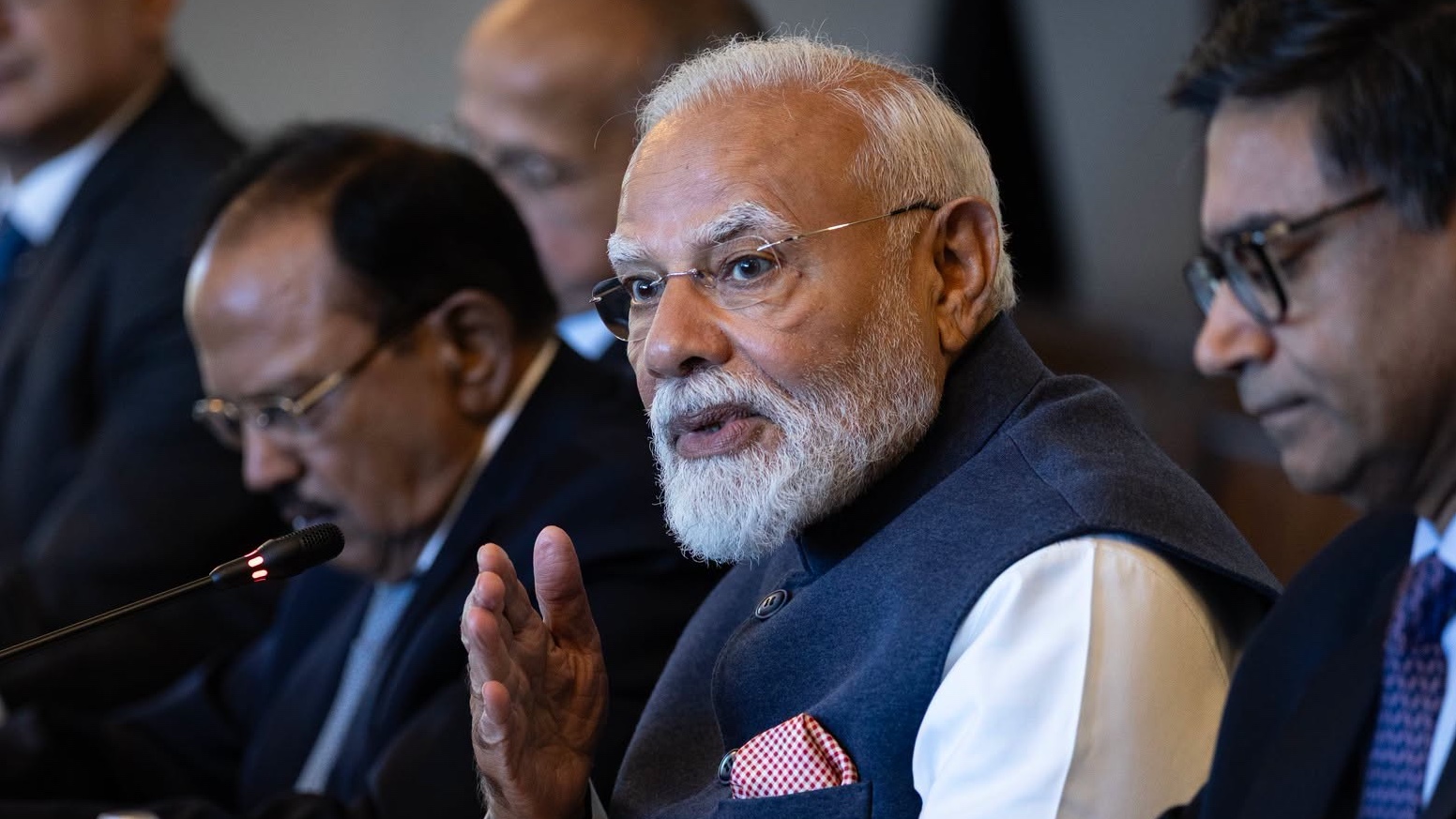
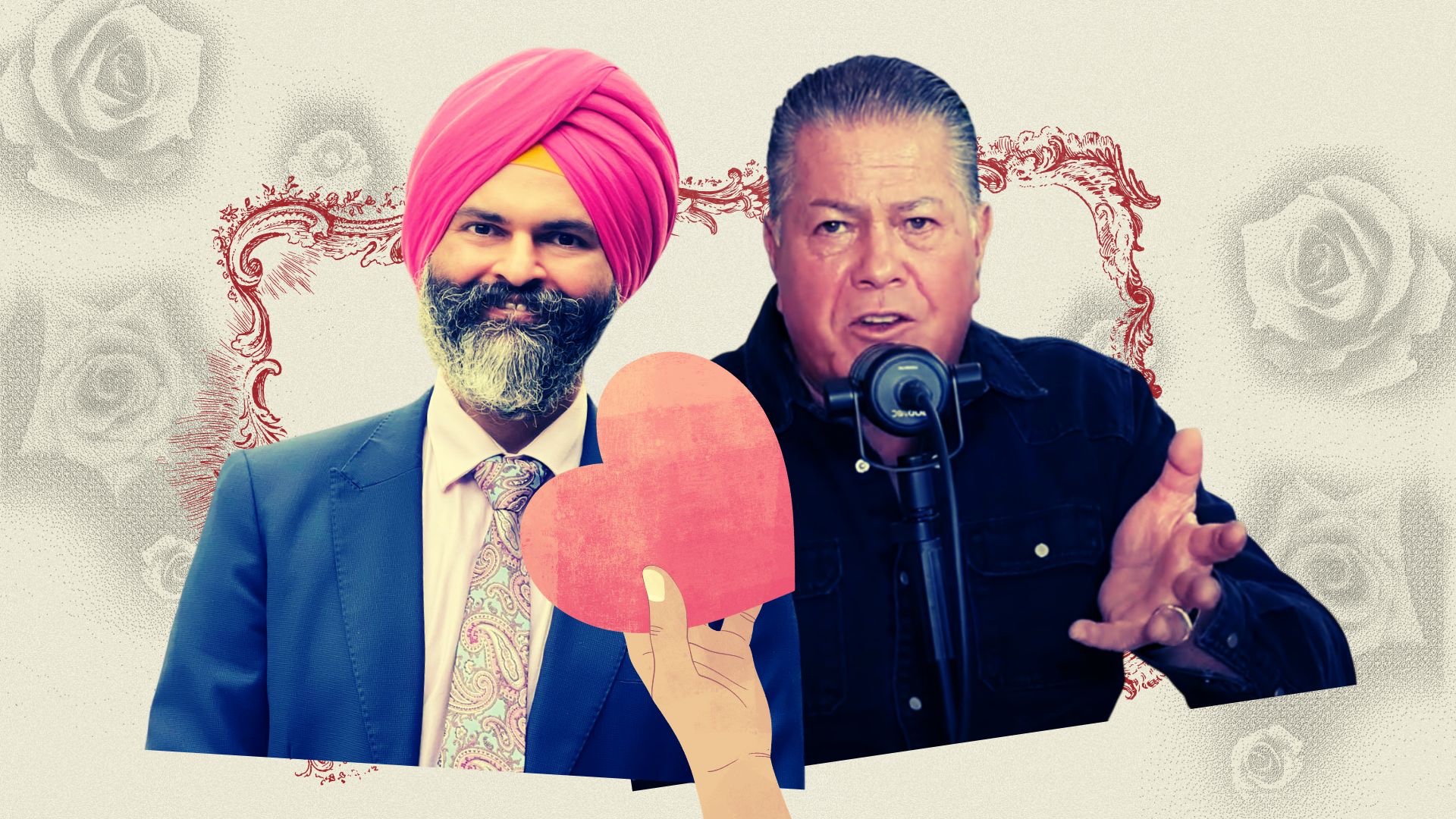
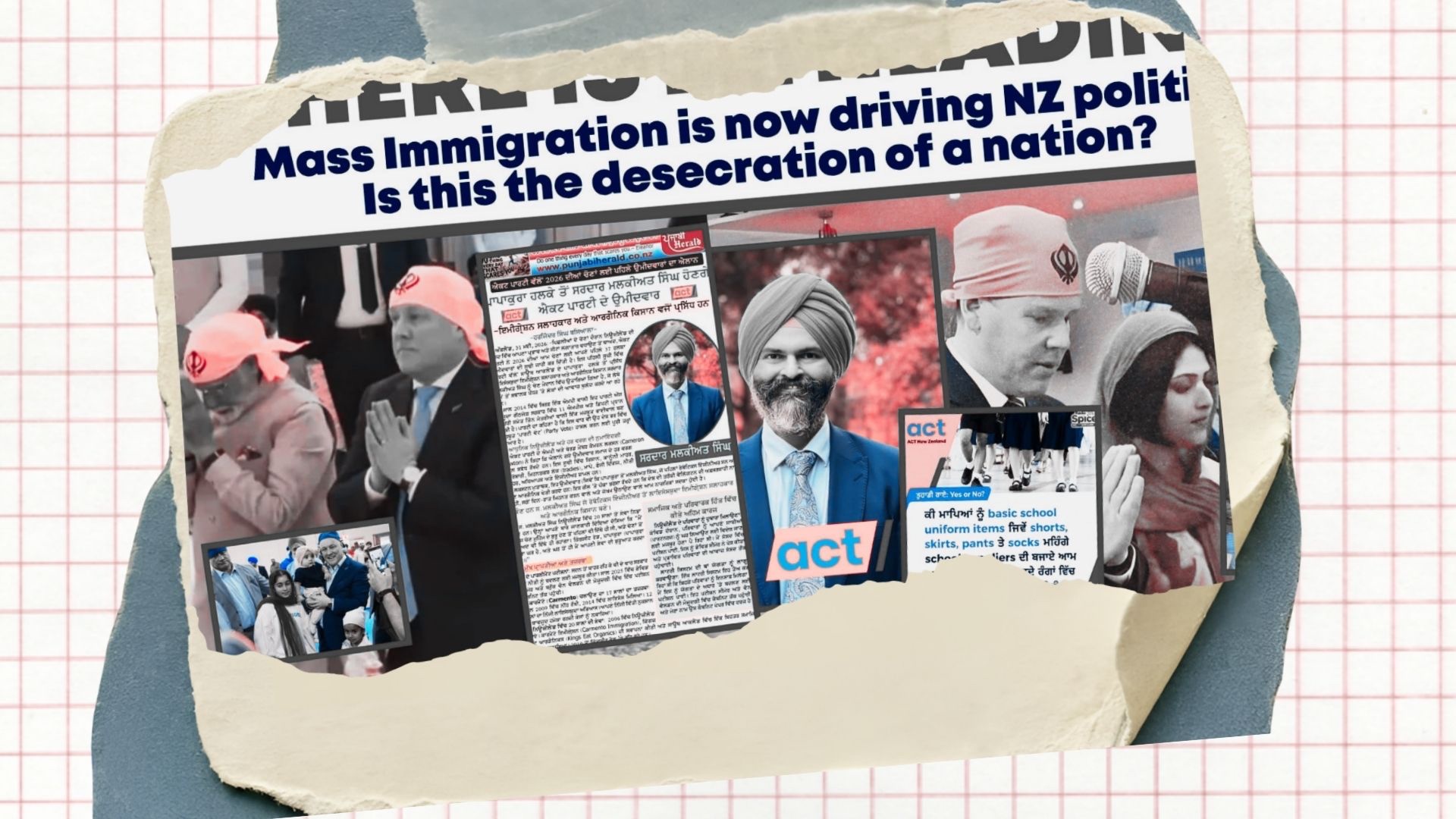
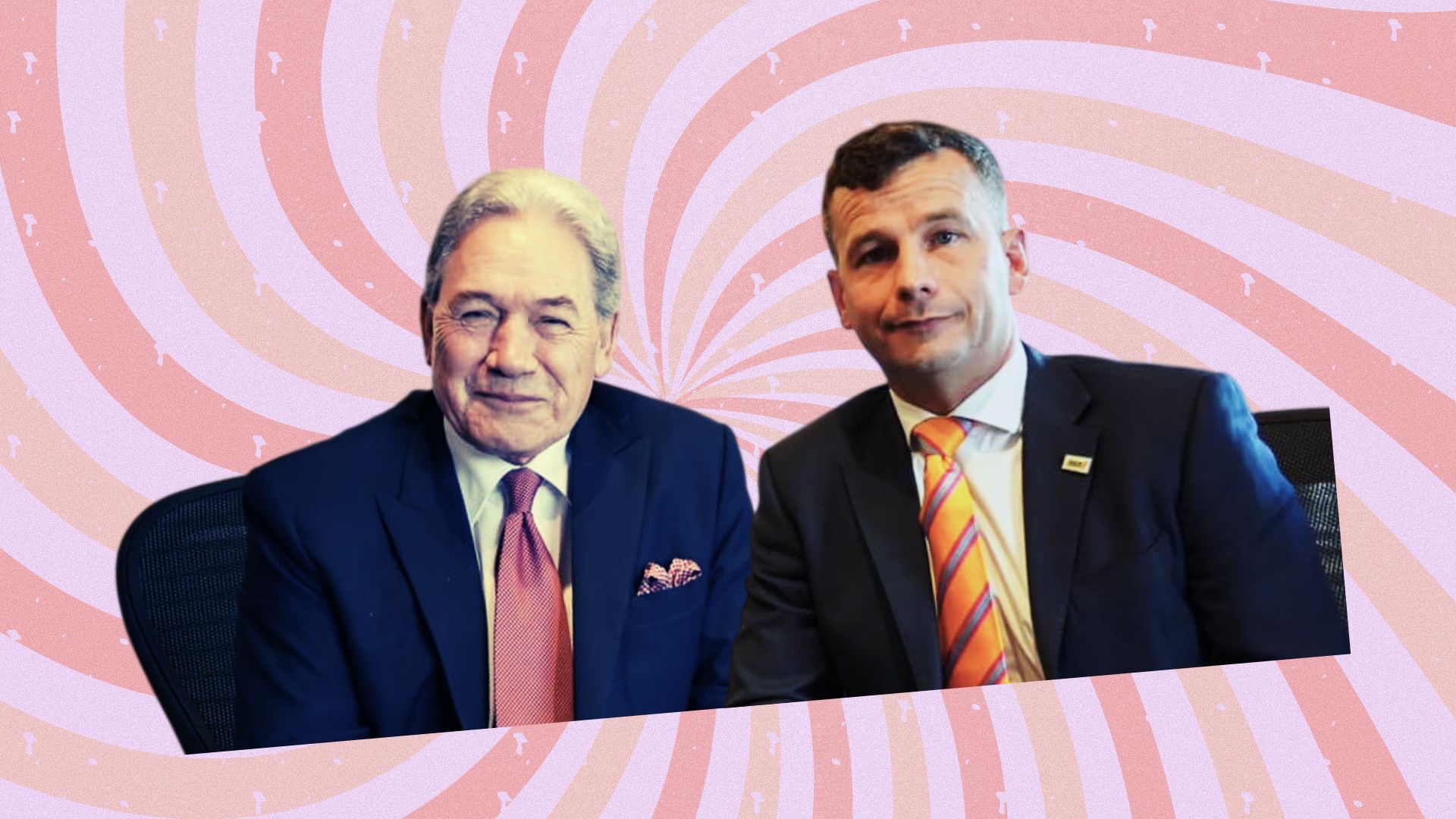
He recently posted his support for ACT’s proposal to require a civics test as part of the pathway to citizenship. The response was not to debate the policy.
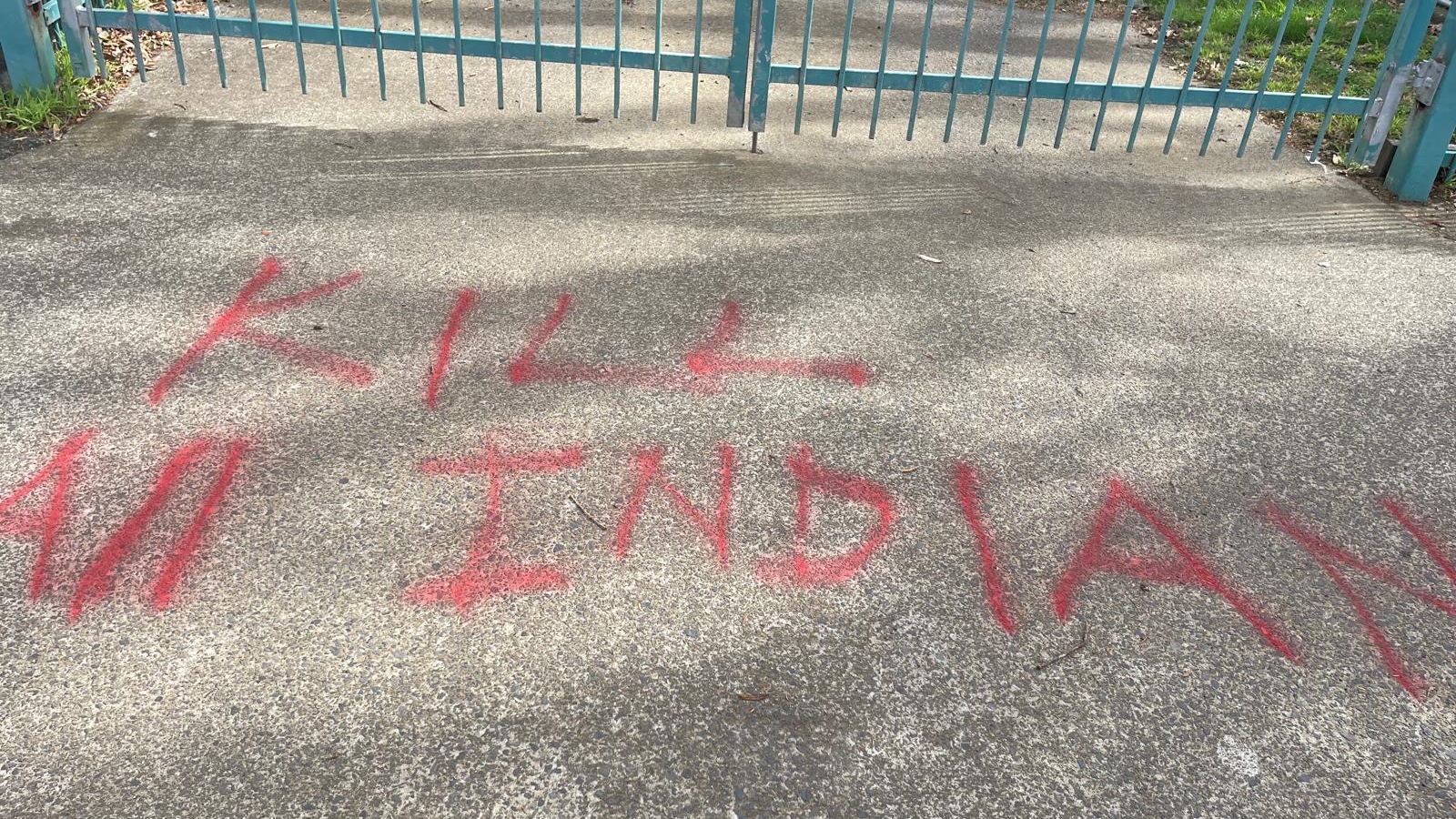
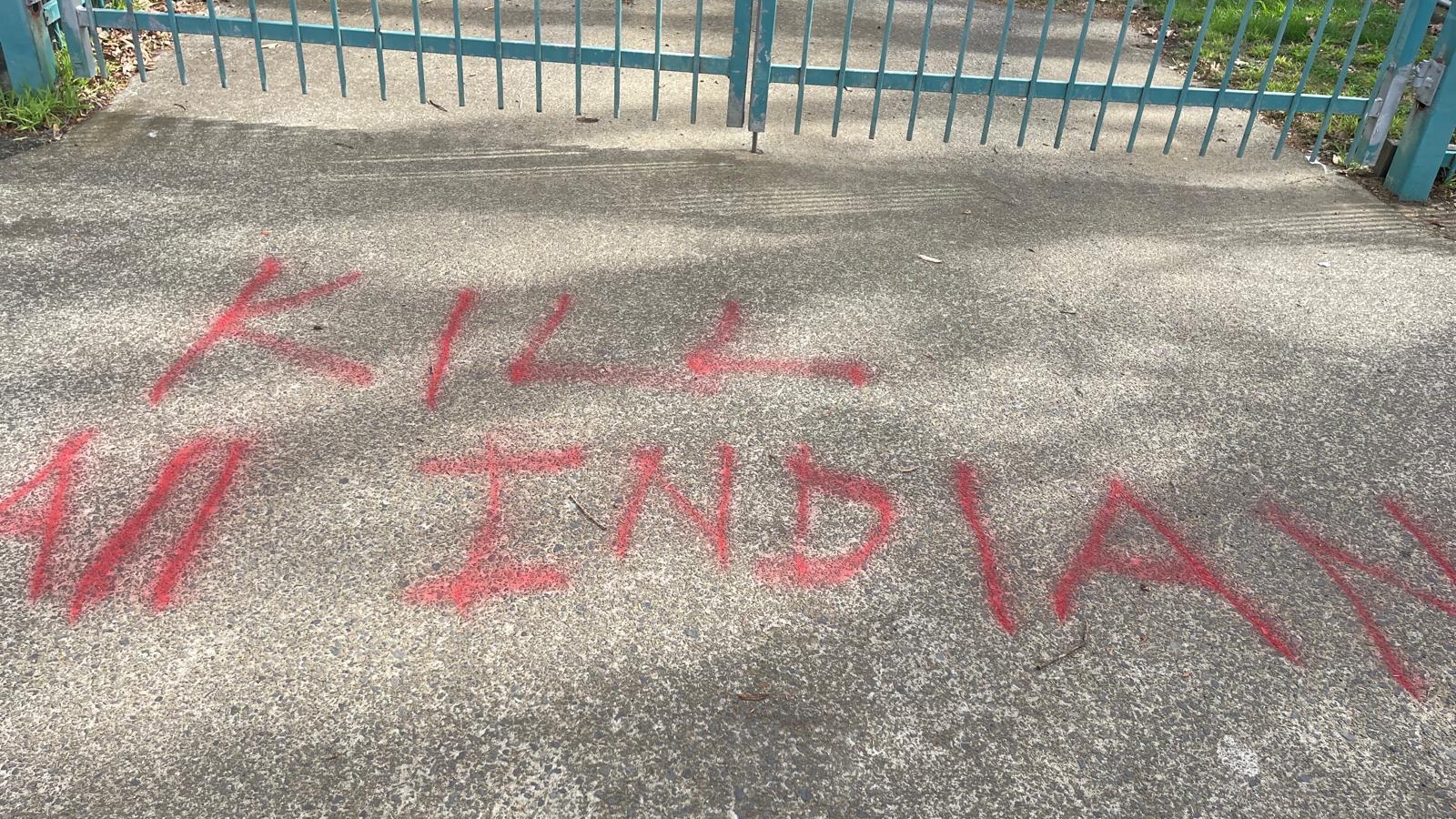
It was to tell him to go back to where he came from. Not a word about his argument. You are from somewhere else, and that is what you are.
The question I had been quietly carrying suddenly had a very sharp edge. Six months from an election, it turns out the whole country is having the same argument, with rather more cameras pointed at it.
The friction is real
There is an honest complication worth naming. Some migrants have less friction because they are less visible.
A white British or South African arrival faces a different social experience than an Indian or Chinese migrant, regardless of their values, their contribution, or how long they have been here.
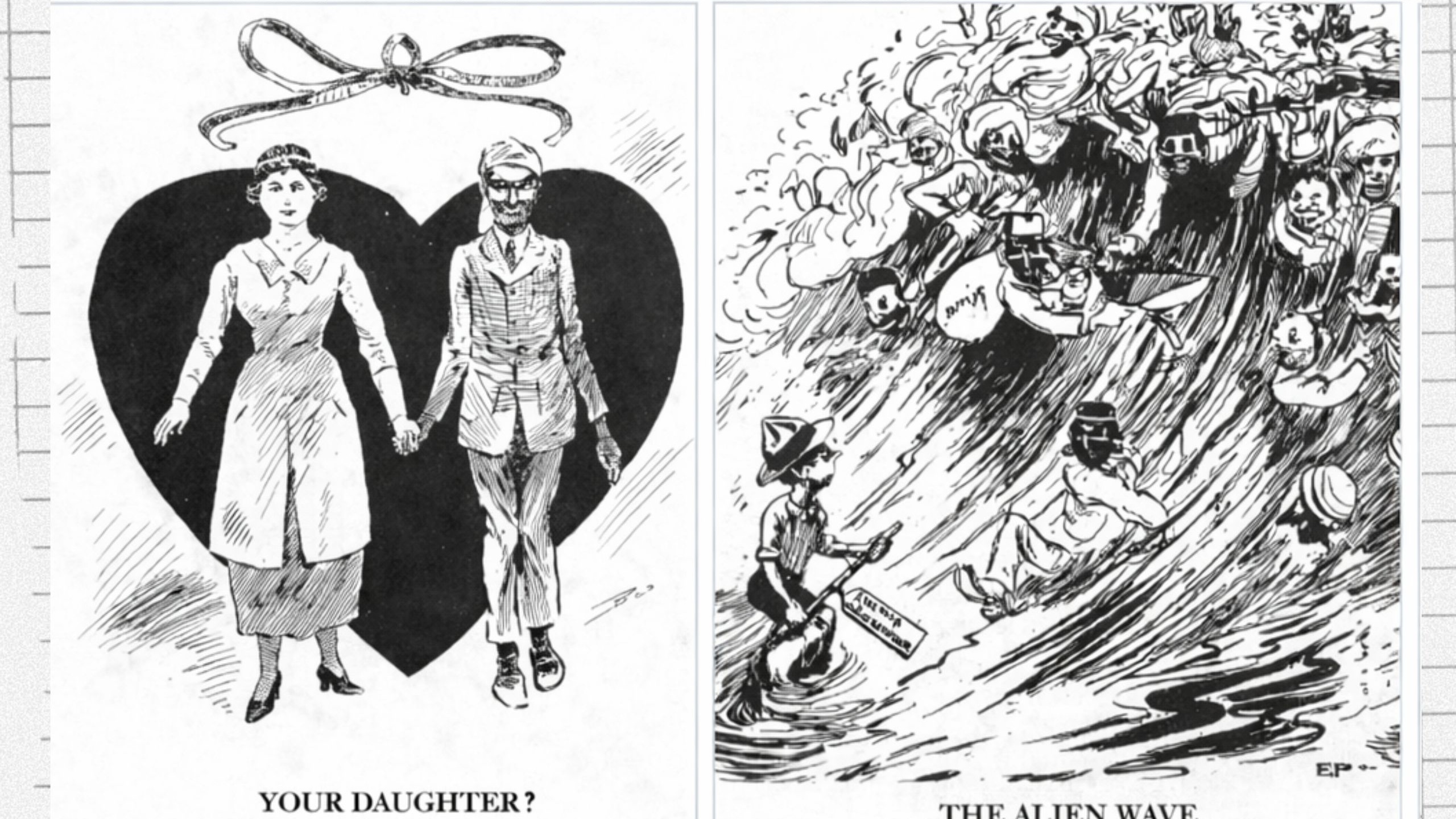
Appearance shapes how quickly strangers extend trust, and pretending otherwise would be naive. This is not a new problem, and it has been solved before.
Irish Catholic arrivals in 1890s America faced organised hostility. Italians were treated as a separate and lesser group by the establishment that preceded them. Neither had an easy passage.
What changed over time was not that the prejudice vanished. It was that the values framework they were stepping into was large enough to include them once they demonstrated their investment in it.
Appearance creates friction at the start. A strong enough values framework is what resolves it. Without one, the friction does not resolve. It hardens.
The door that opened too wide
My friend made another point that stayed with me.
His frustration was not only with the people who told him to go back to India. It was that a wave of recent arrivals was making it harder for someone like him, someone who had spent more than 20 years building something here, to be seen on his own terms.
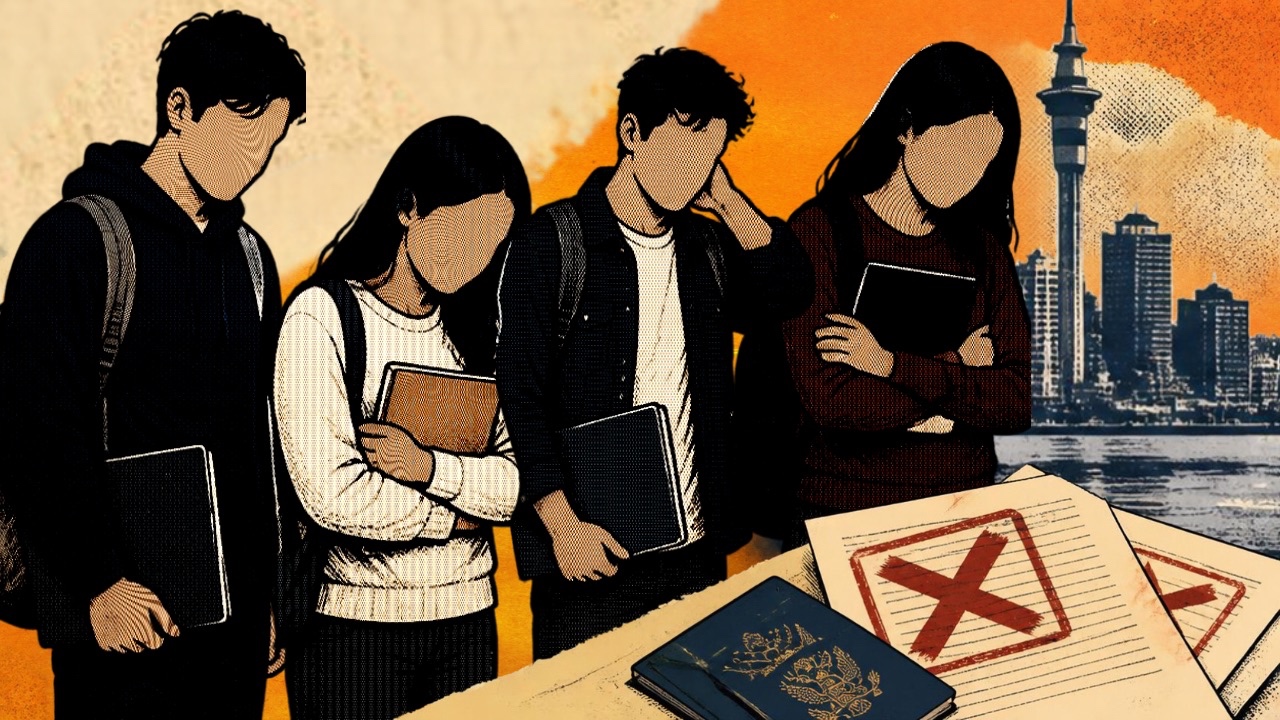
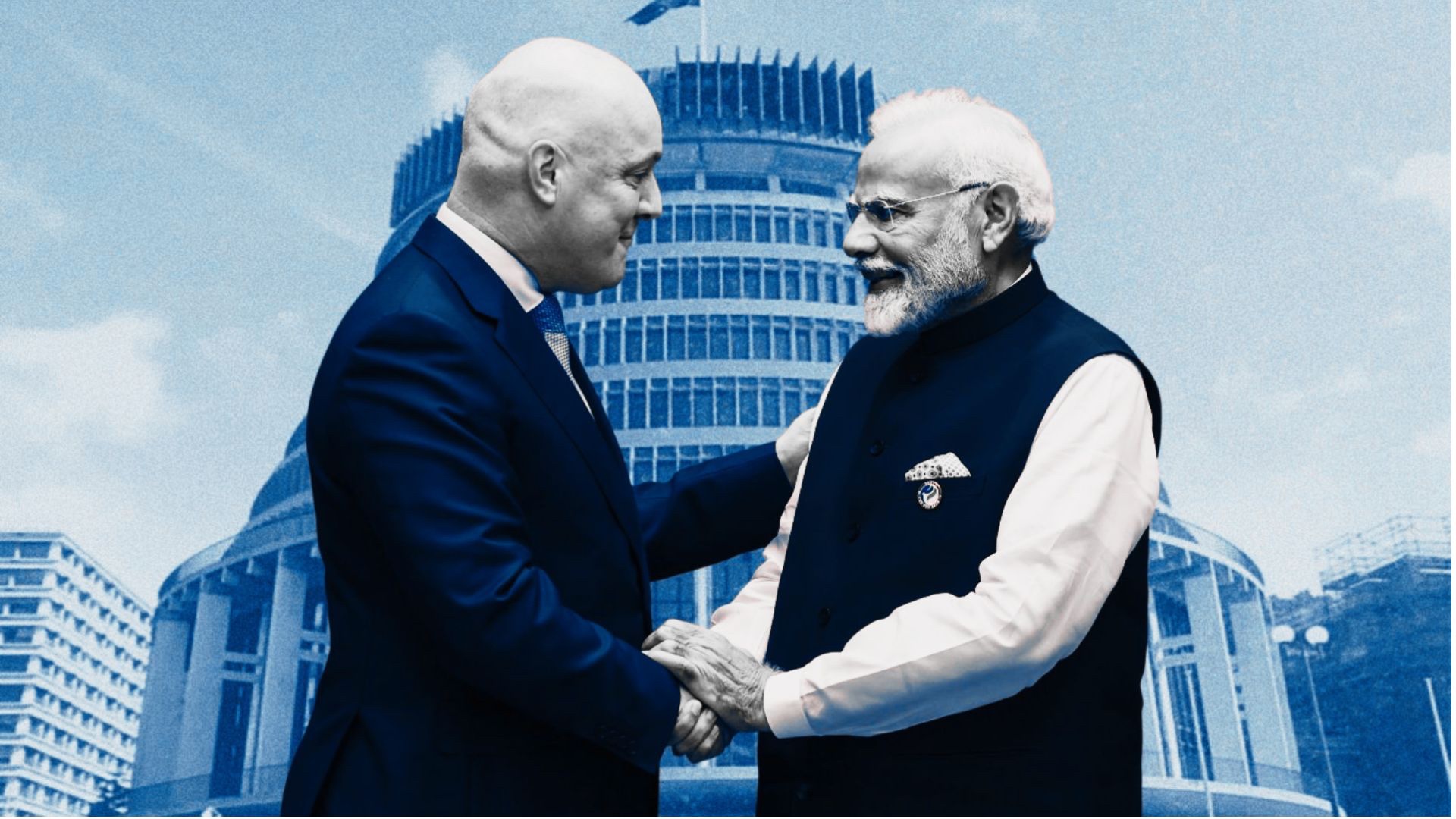
He was not wrong. The 2022 to 2024 immigration settings admitted people with no meaningful connection to or investment in New Zealand. That is not a racist observation. It is a values observation.
The official rationale was labour shortage relief, and that was genuinely part of it. Additionally, governments have a structural incentive to grow headcount.
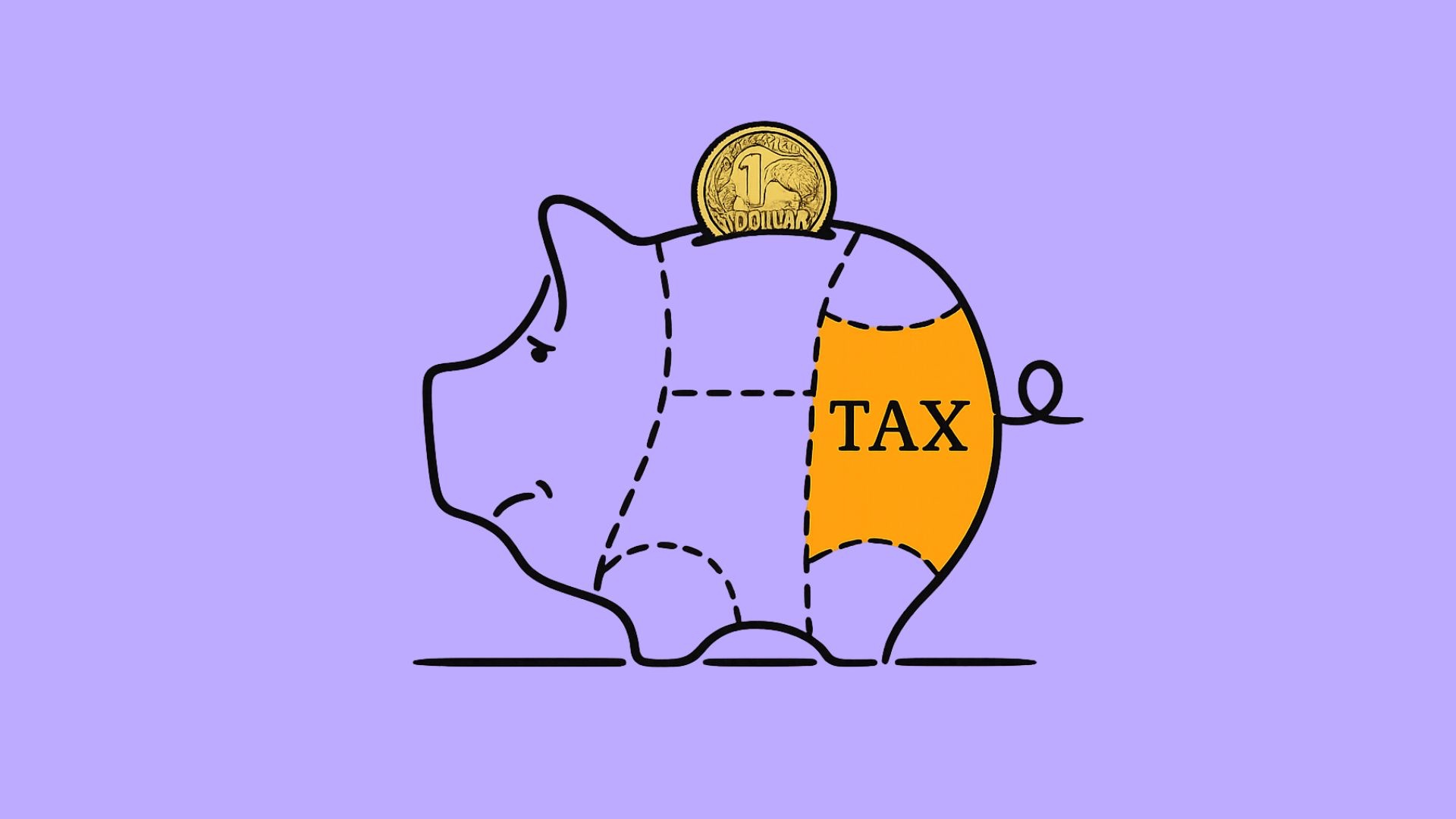
More people means a bigger economy, a larger tax base, and an easier debt ratio. The headline says growth. The reality is everyone got a smaller slice.
In the year to October 2023, net migration hit 136,600. The total economy grew. GDP per person fell. New Zealanders got higher rents, stretched hospitals, and two recessions in 18 months.
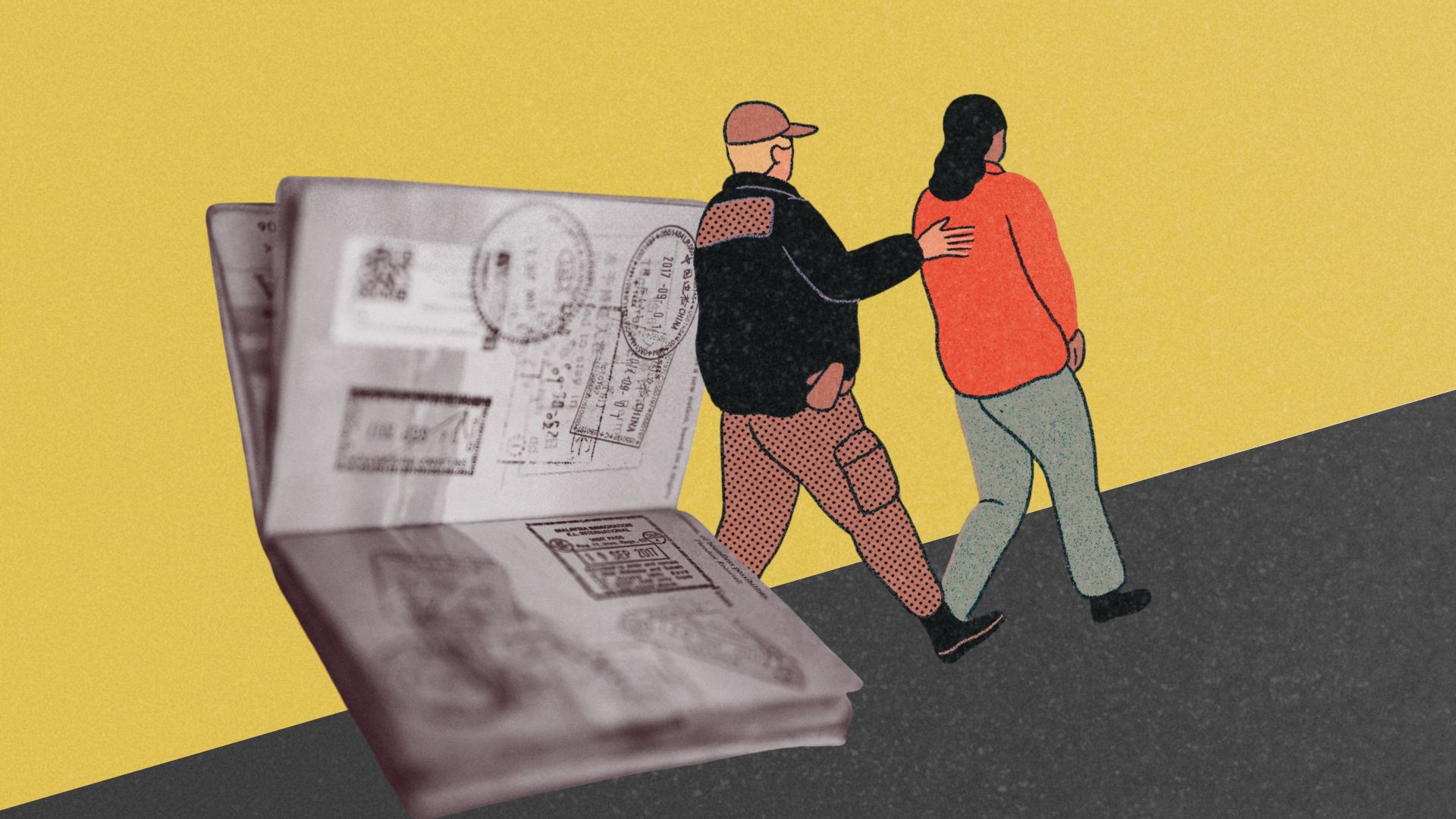
Visa scams and workers arriving with fraudulent credentials are not accidents of that policy. They are what happens when you open the door wide without asking what people are coming for.
A civics test does not fix that incentive. It draws a line the headcount argument alone never will.
What I found here
I know what these values look like because I have spent enough years here to feel them. The honesty box is the one I keep coming back to.
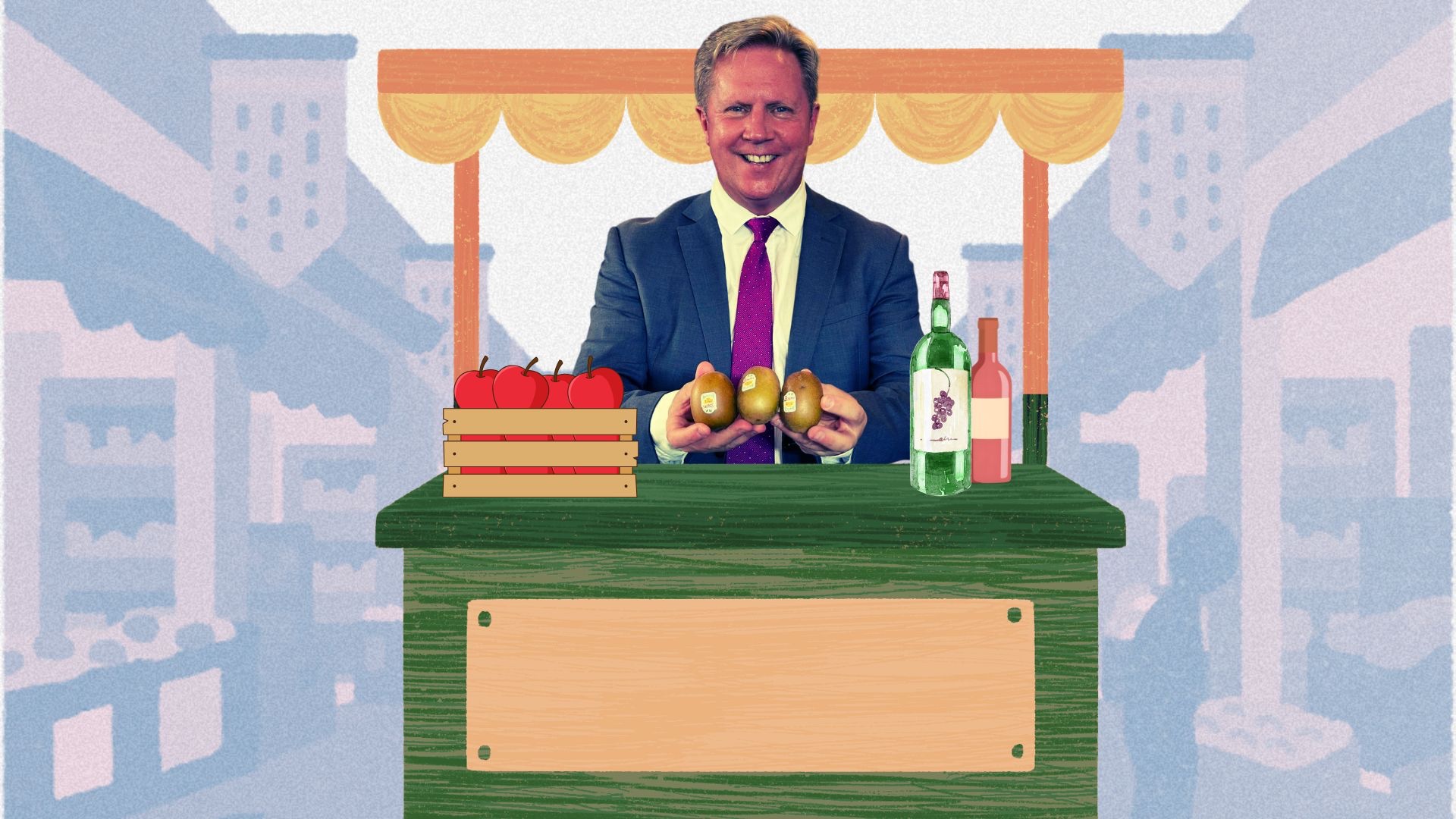
A small container with money, produce on a table, a price listed on a sign, and no one watching. Where I came from, the money would have gone first, then the box, then the stand itself.
Not out of malice, but because trusting a stranger on the honour system would have struck most people as naive. I put my money in. Not because I had to, but because I understood this was how this place worked and I wanted to be someone who worked that way too.
That instinct was returned. Not long after I arrived, a family gave me a break when I needed one. A job, a seat at their table, a friendship that has lasted to this day.
We had arrived with none of the social fabric most people never have to think about. No family around the corner, no one who shared our history. What replaced it was not blood. It was people extending trust and generosity across difference because the community was the unit, not the tribe.
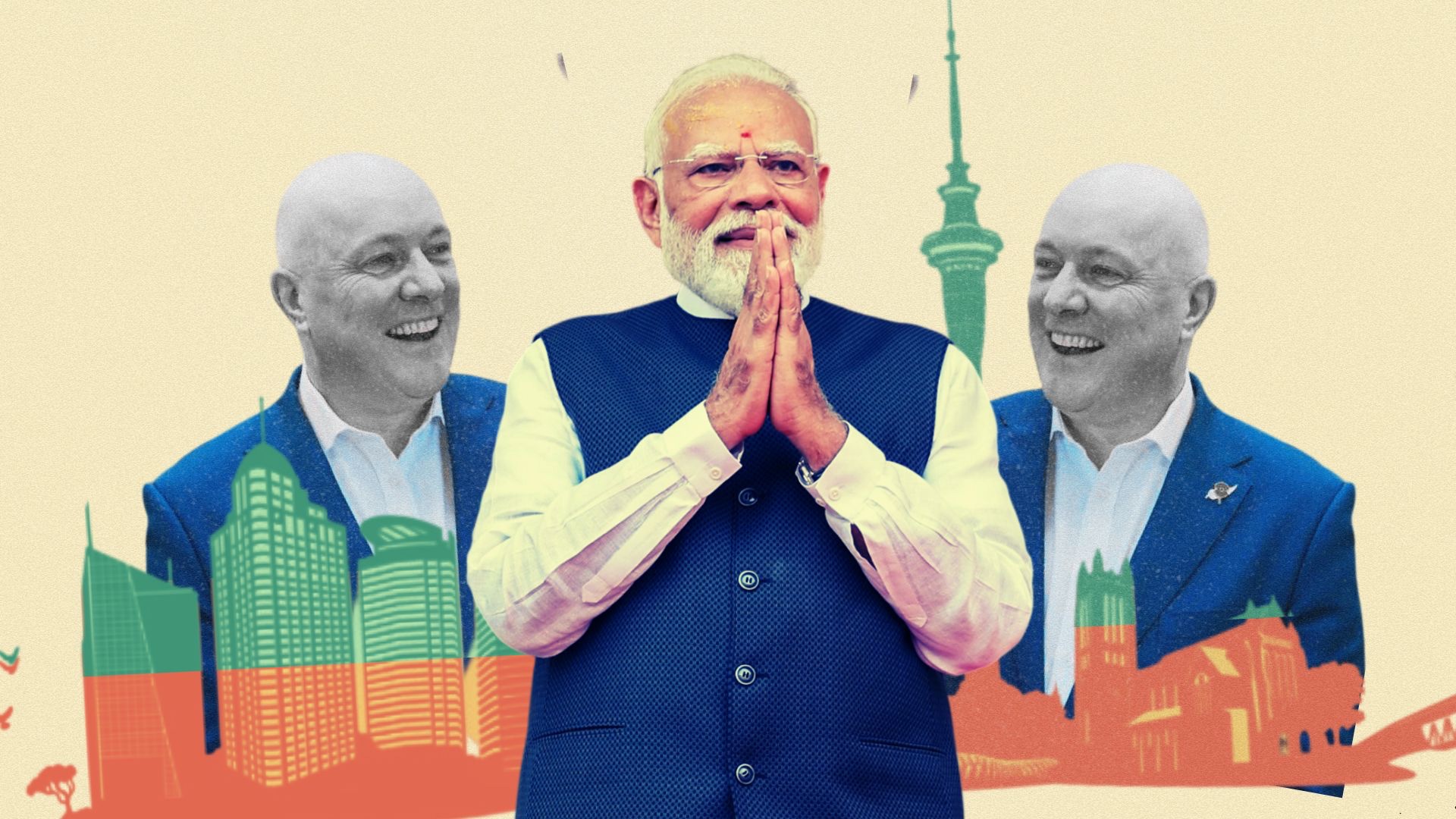
Then there is the flat hierarchy. In New Zealand, the prime minister is on first-name terms with the country. Authority is earned, not inherited, and met with healthy scepticism.
These values did not originate here. They share roots with the broader tradition of free societies, shaped over time into something with a particular texture, quieter than the American version, less class-bound than the British one.
Taken together they are the thing worth becoming. Not an ethnicity. Not a bloodline. A way of living alongside people you did not grow up with.
The test and its critics
That is what the ACT proposal my friend supported is trying to make explicit. Not a list of dates and names to memorise, but a declaration that this is what this country stands for, and those who want to join it are asked to understand it.
The honest difficulty is that the values worth protecting are not easily tested. You cannot put an honesty box in an exam room. You cannot assess whether someone will treat authority as earned rather than inherited.
The test is a blunt instrument trying to reach something subtle, and that is a real limitation worth acknowledging. However, it is an argument for improving the mechanism, not for abandoning the principle behind it.
The principle is that belonging here should be based on something shared rather than something inherited.
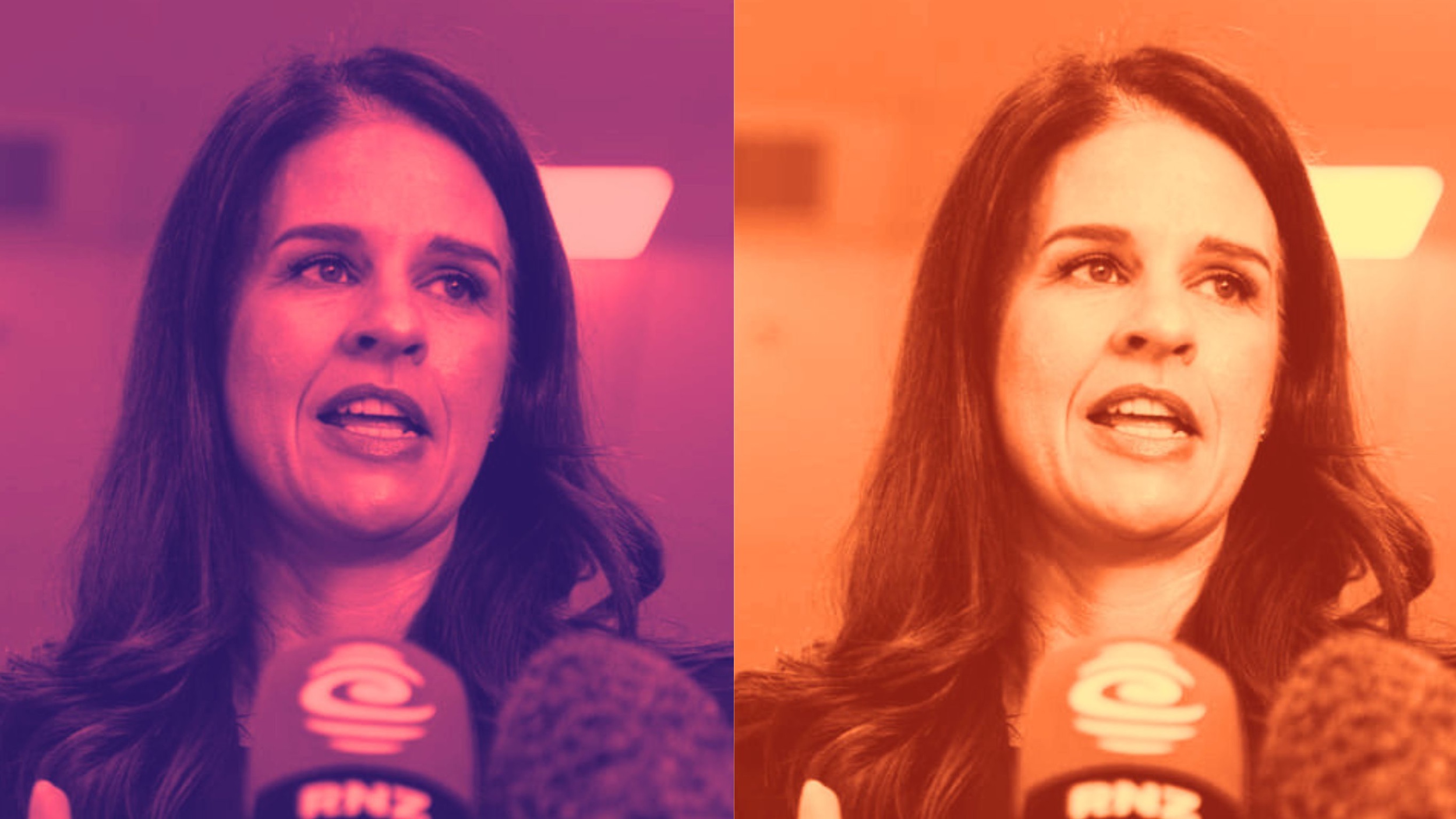
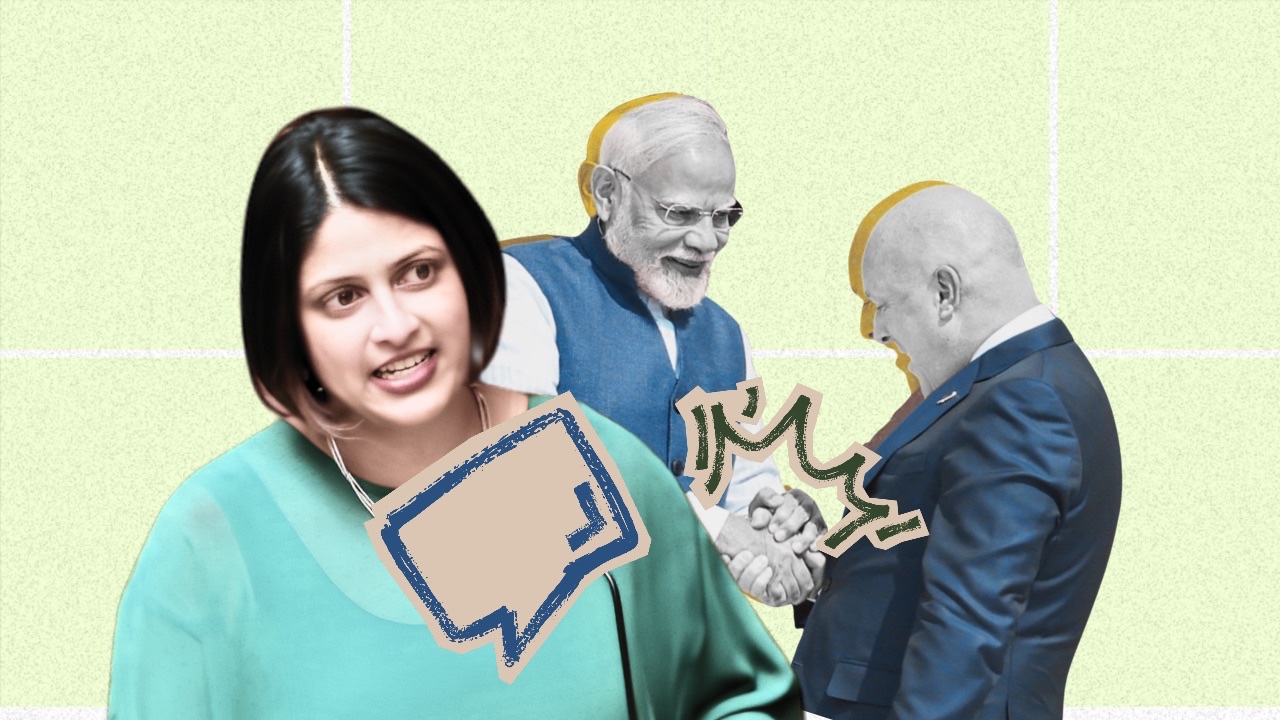
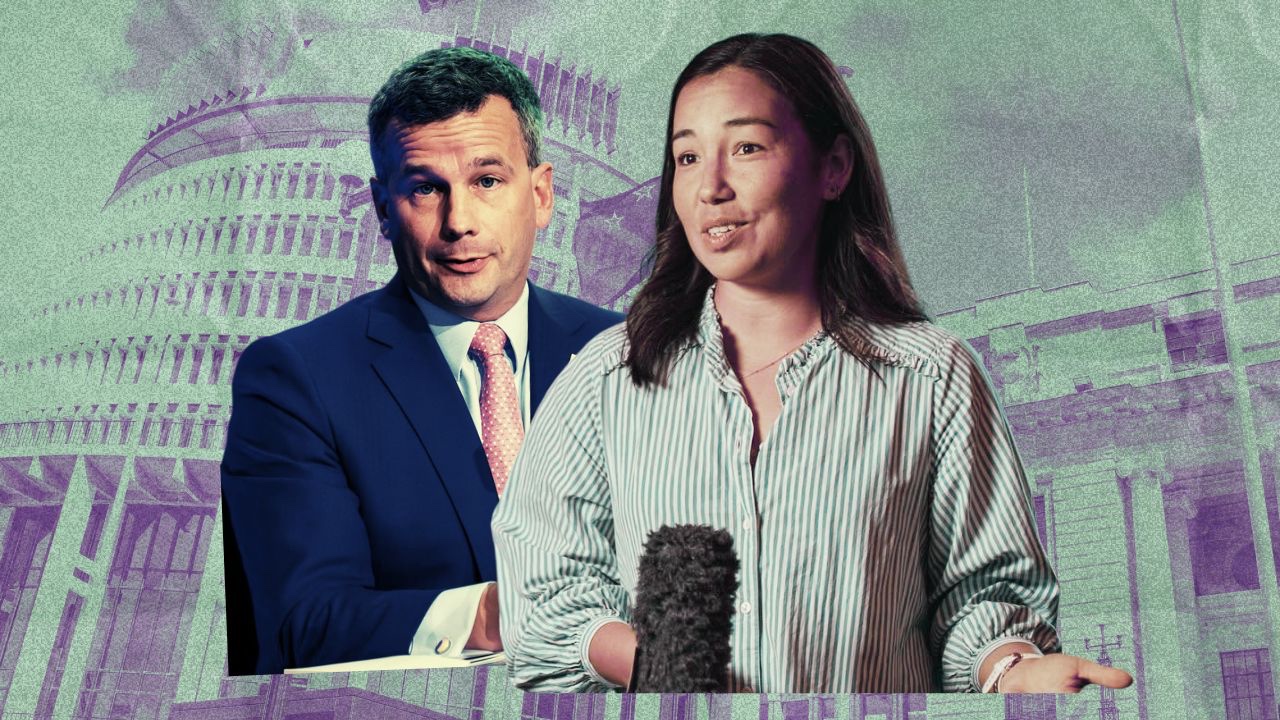
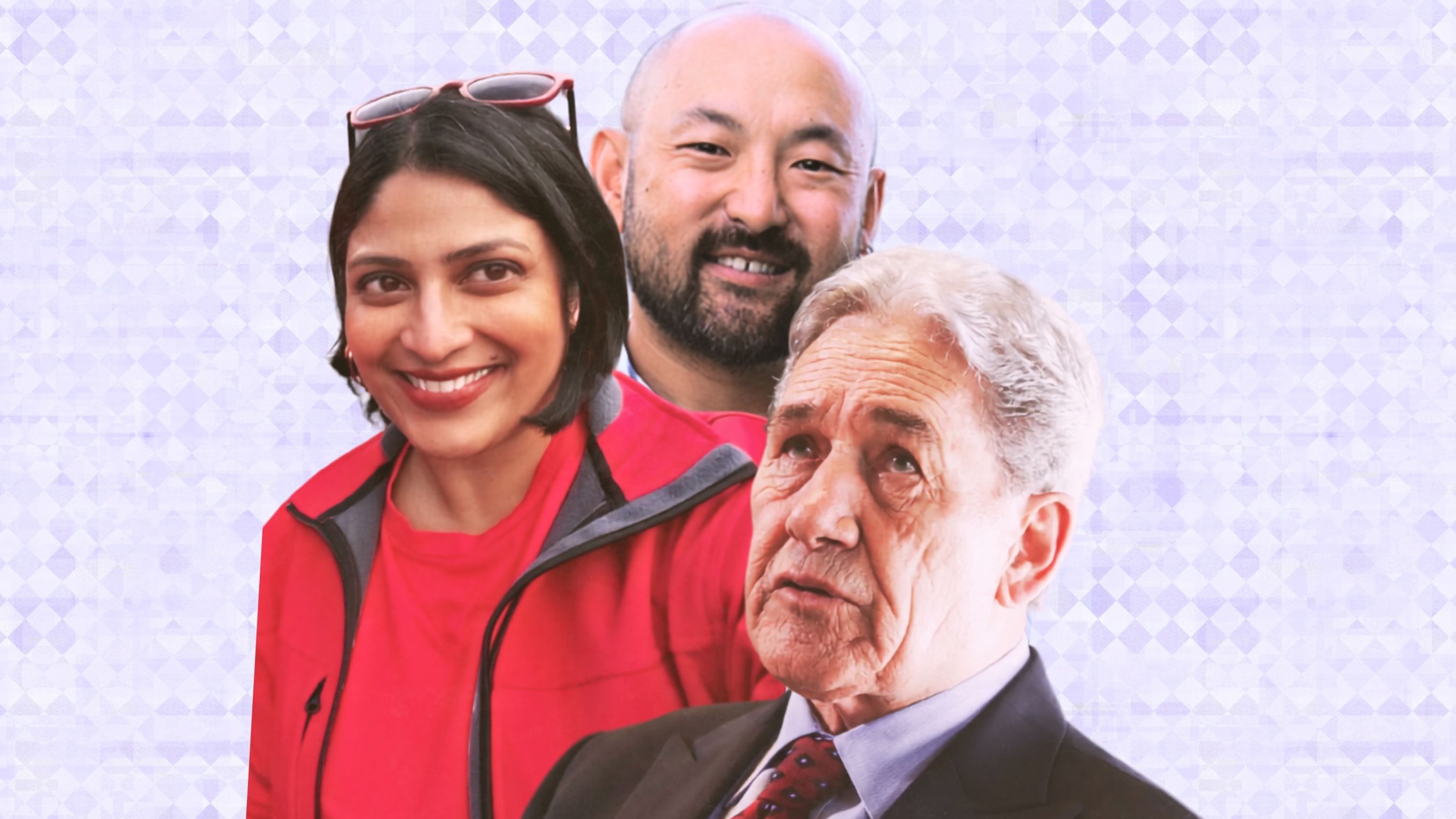
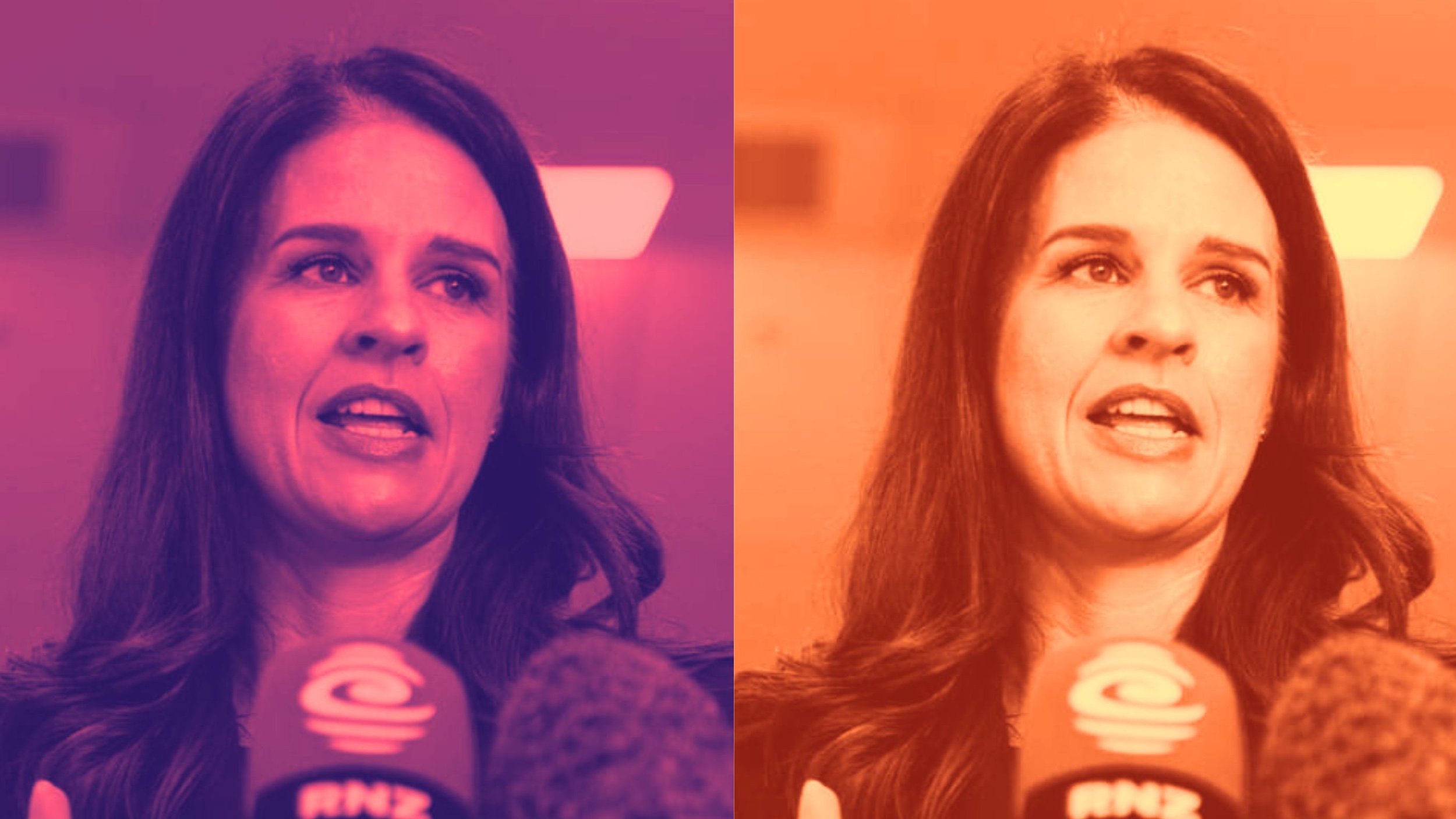
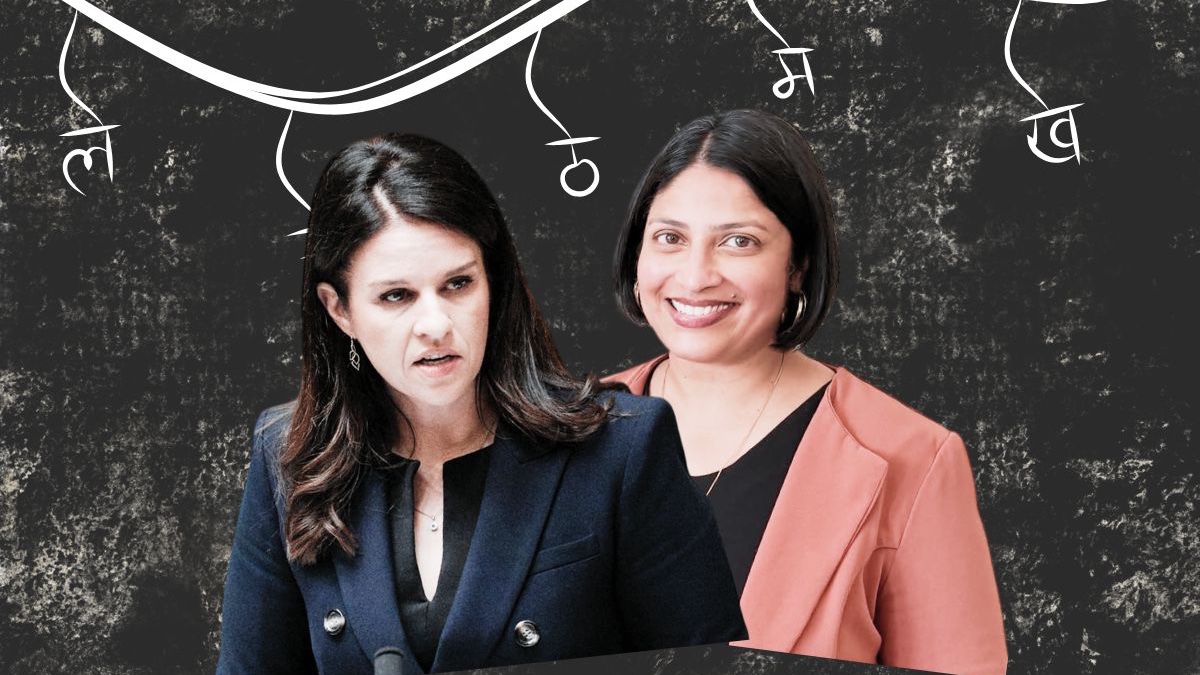
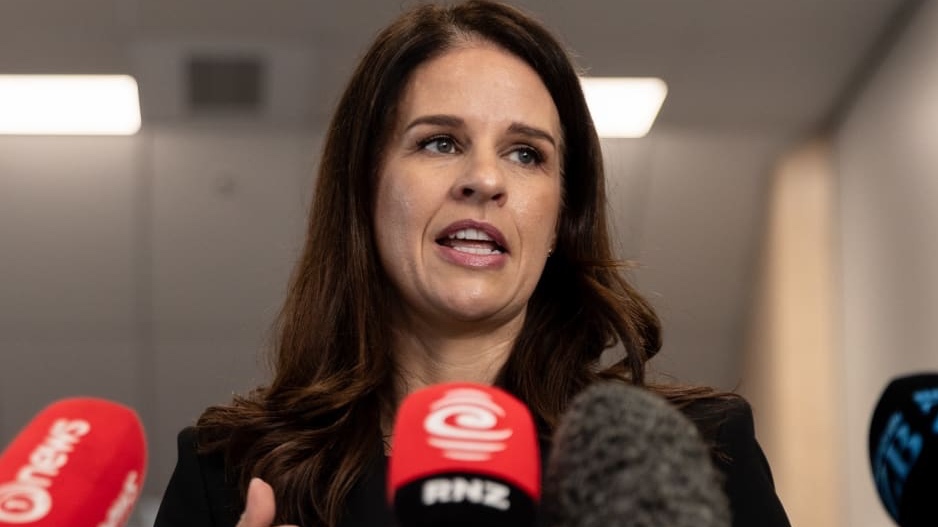
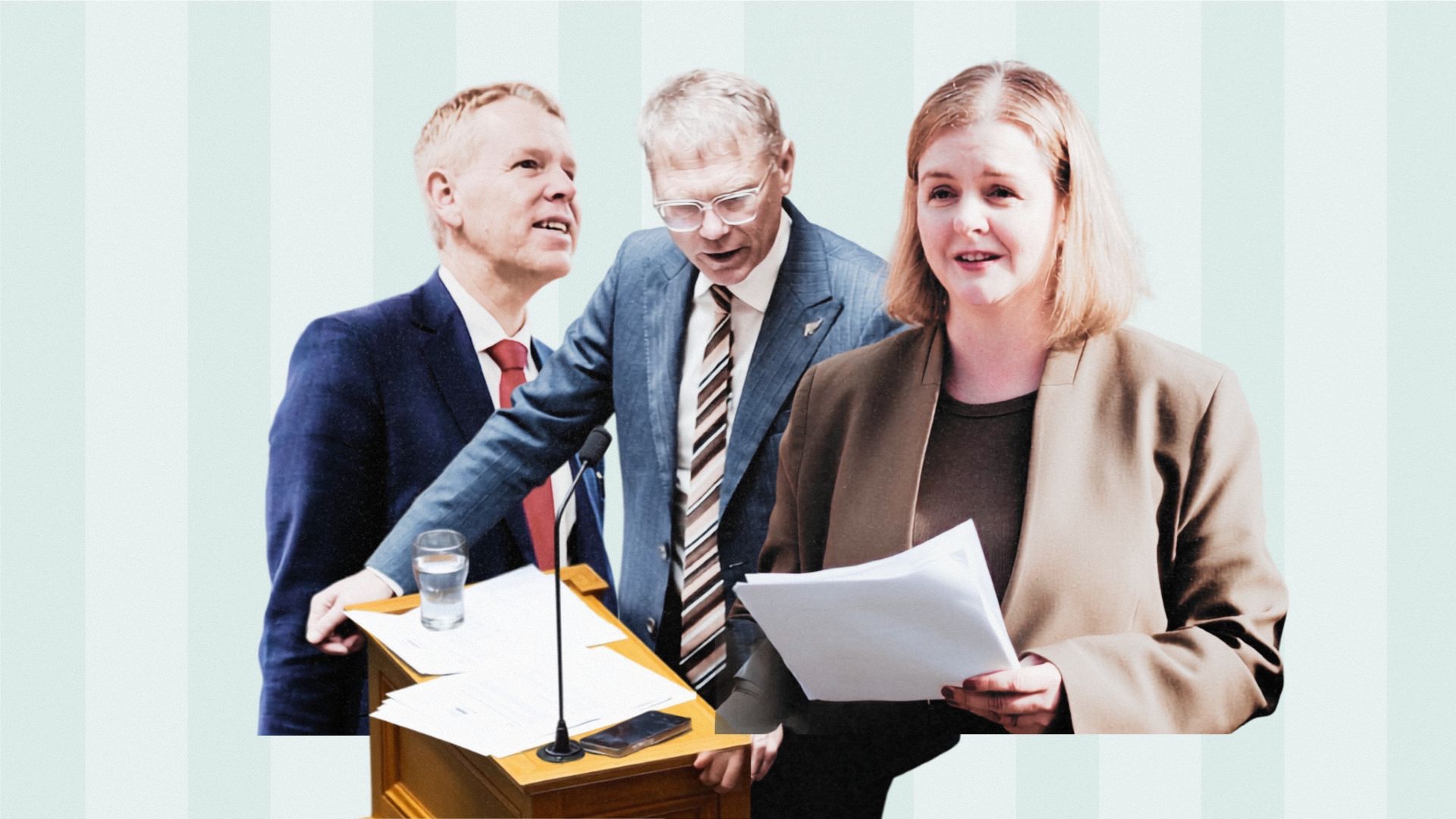
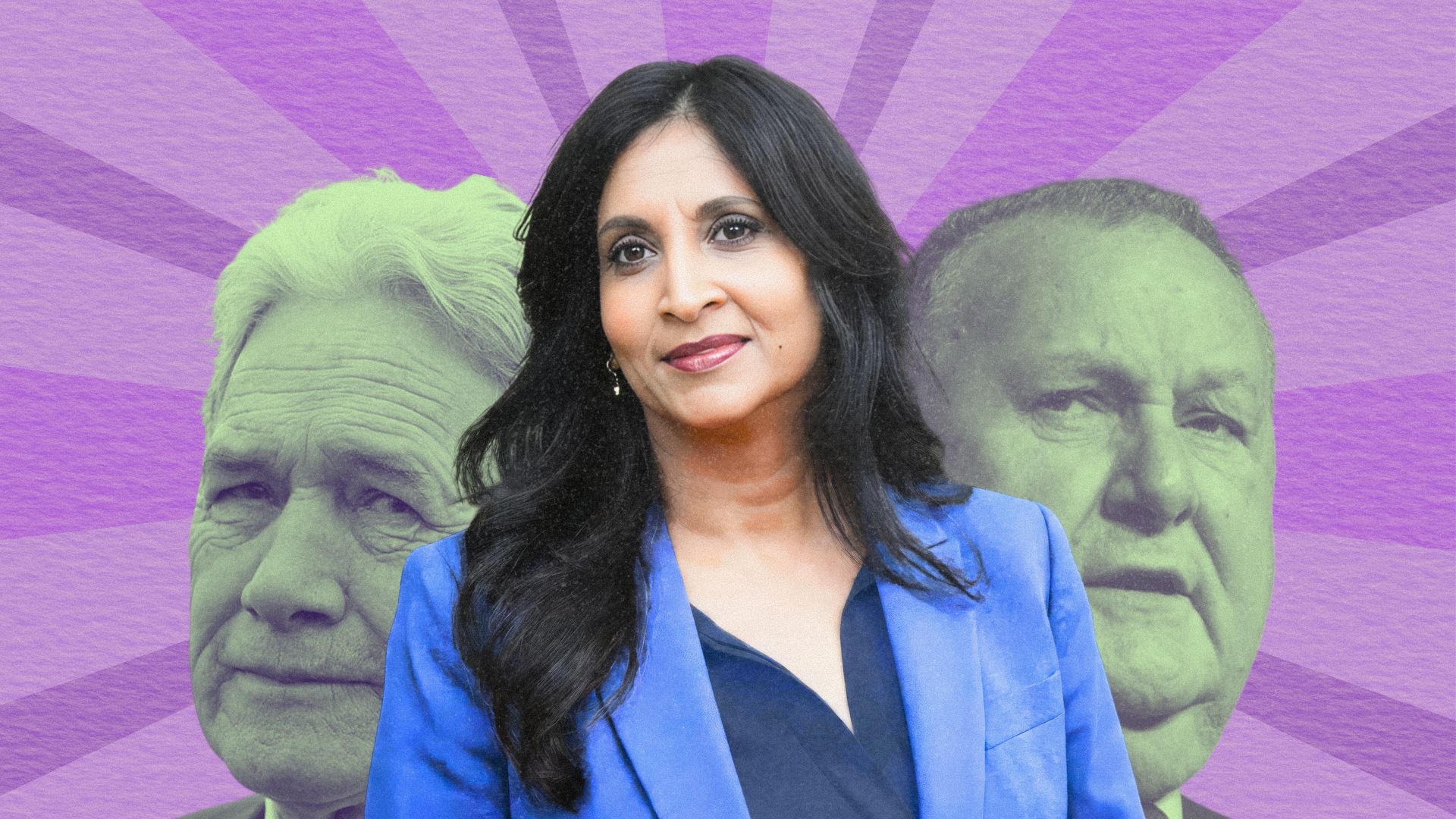
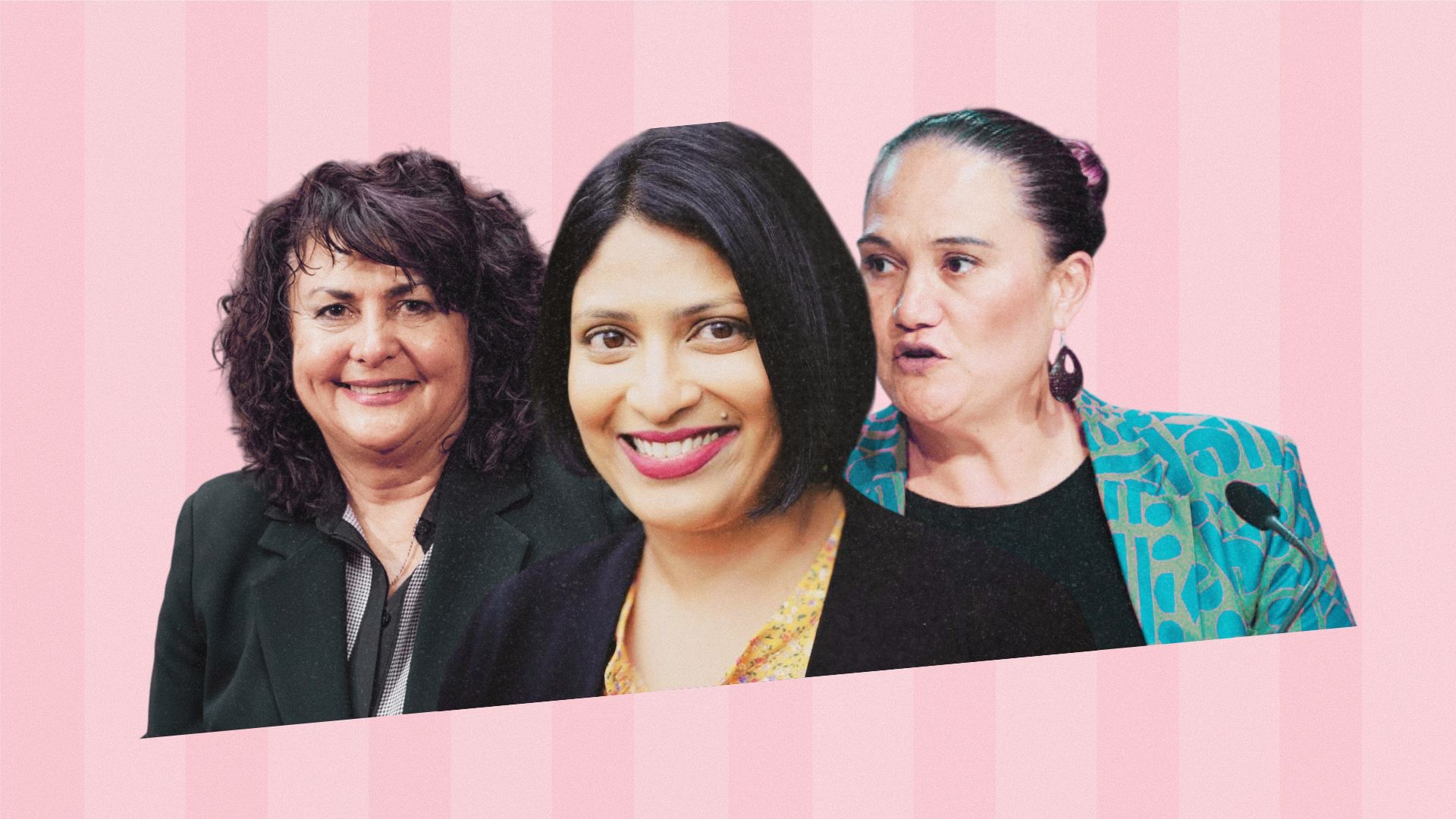
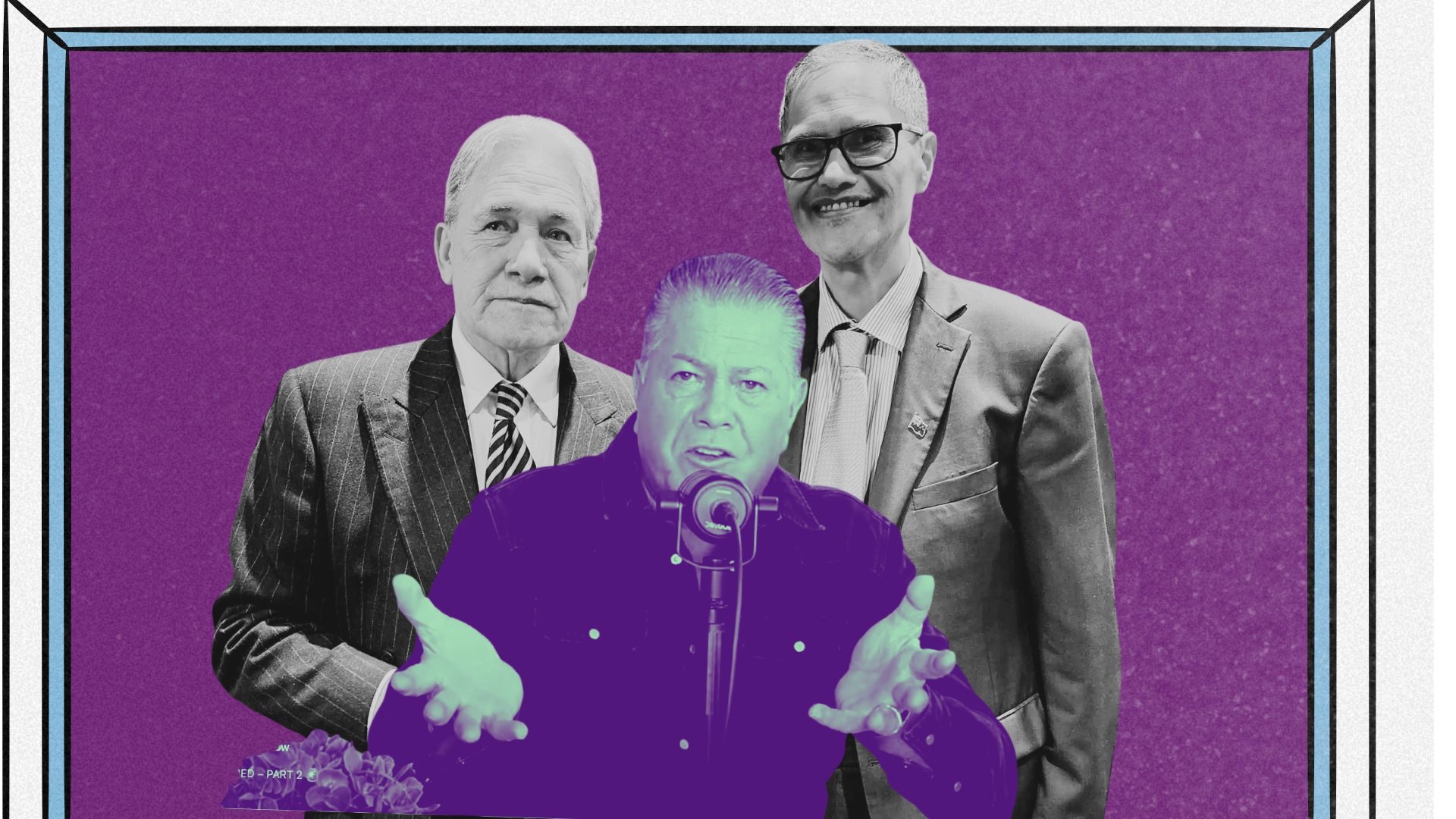
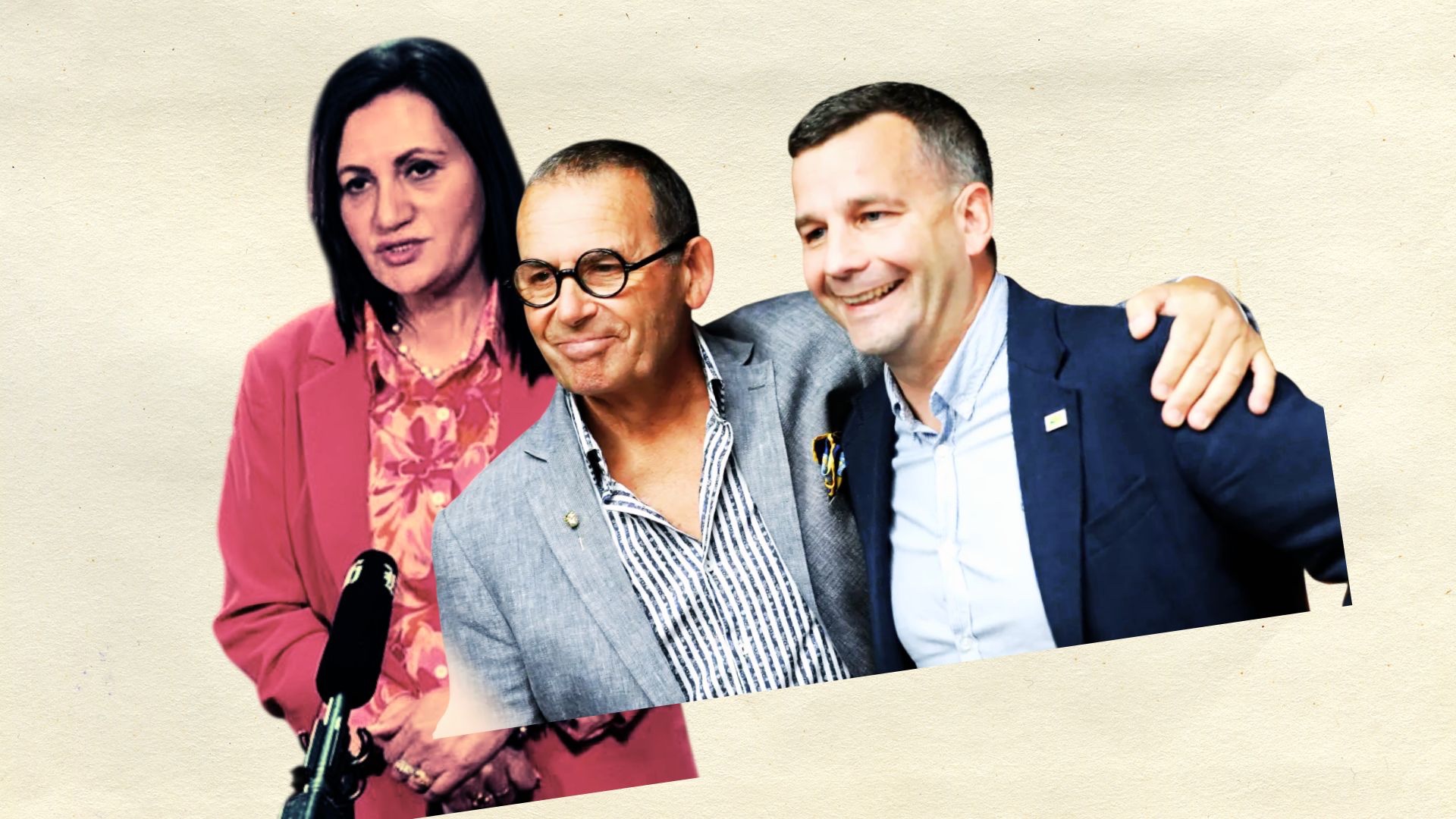
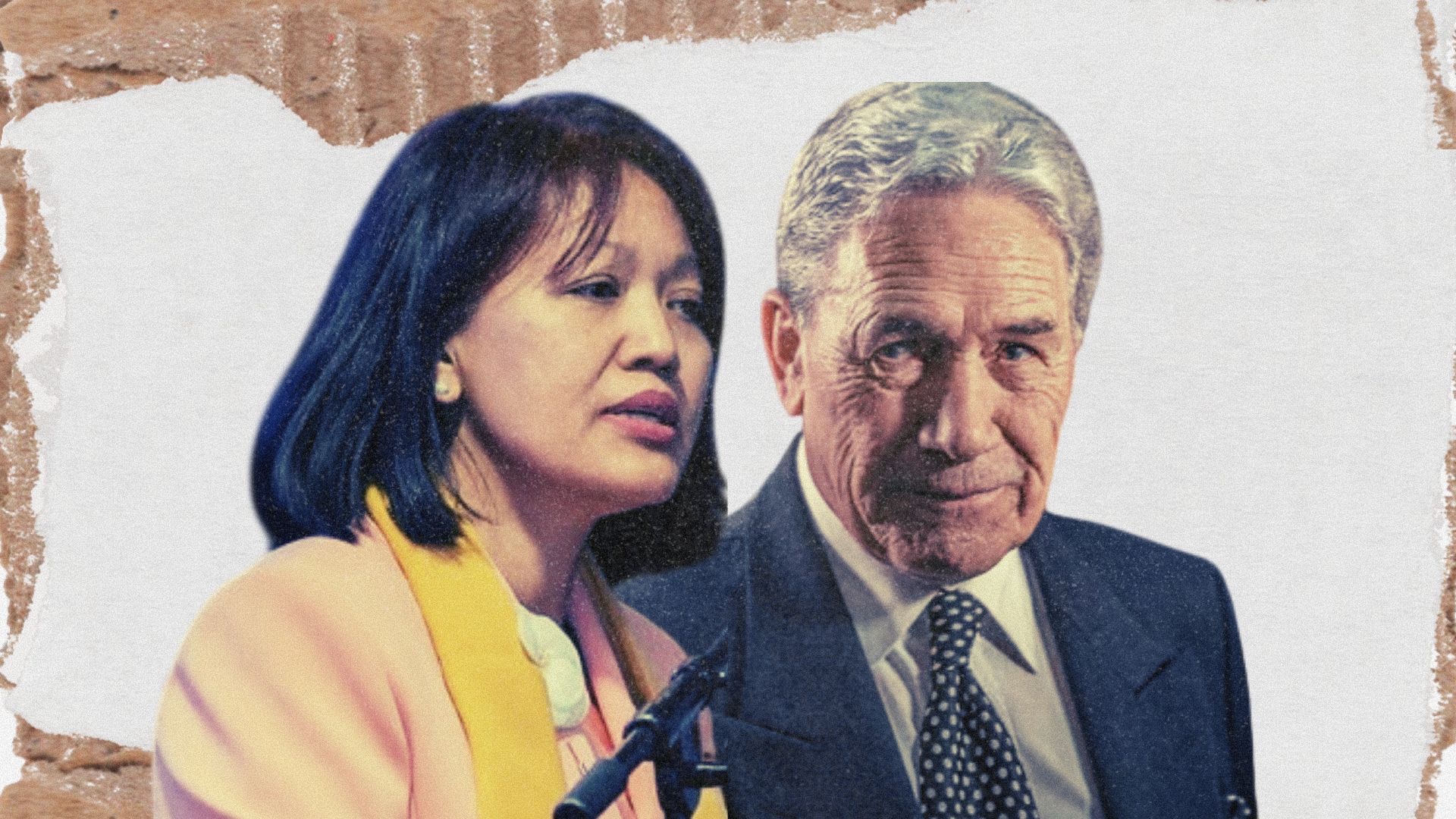
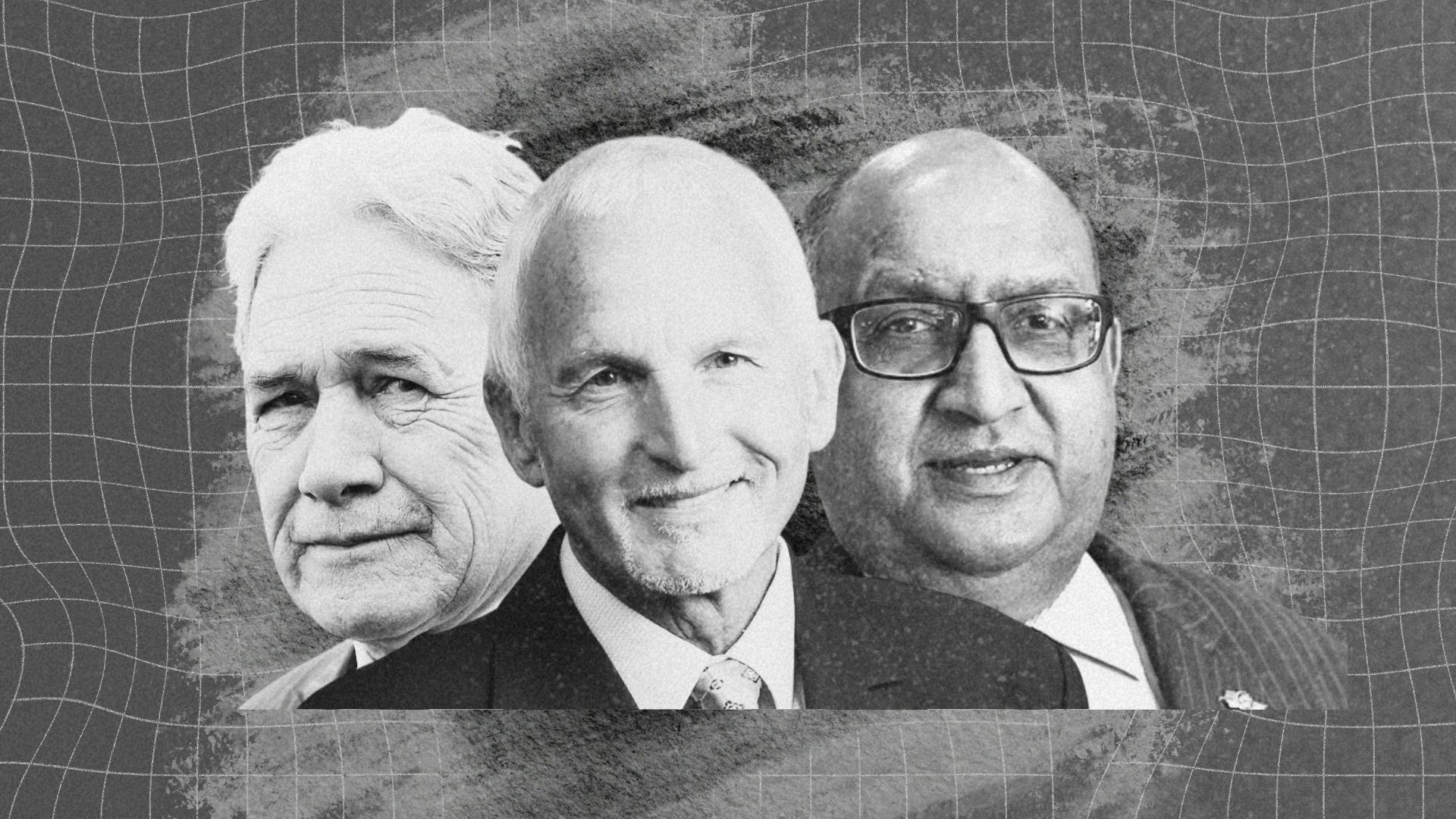
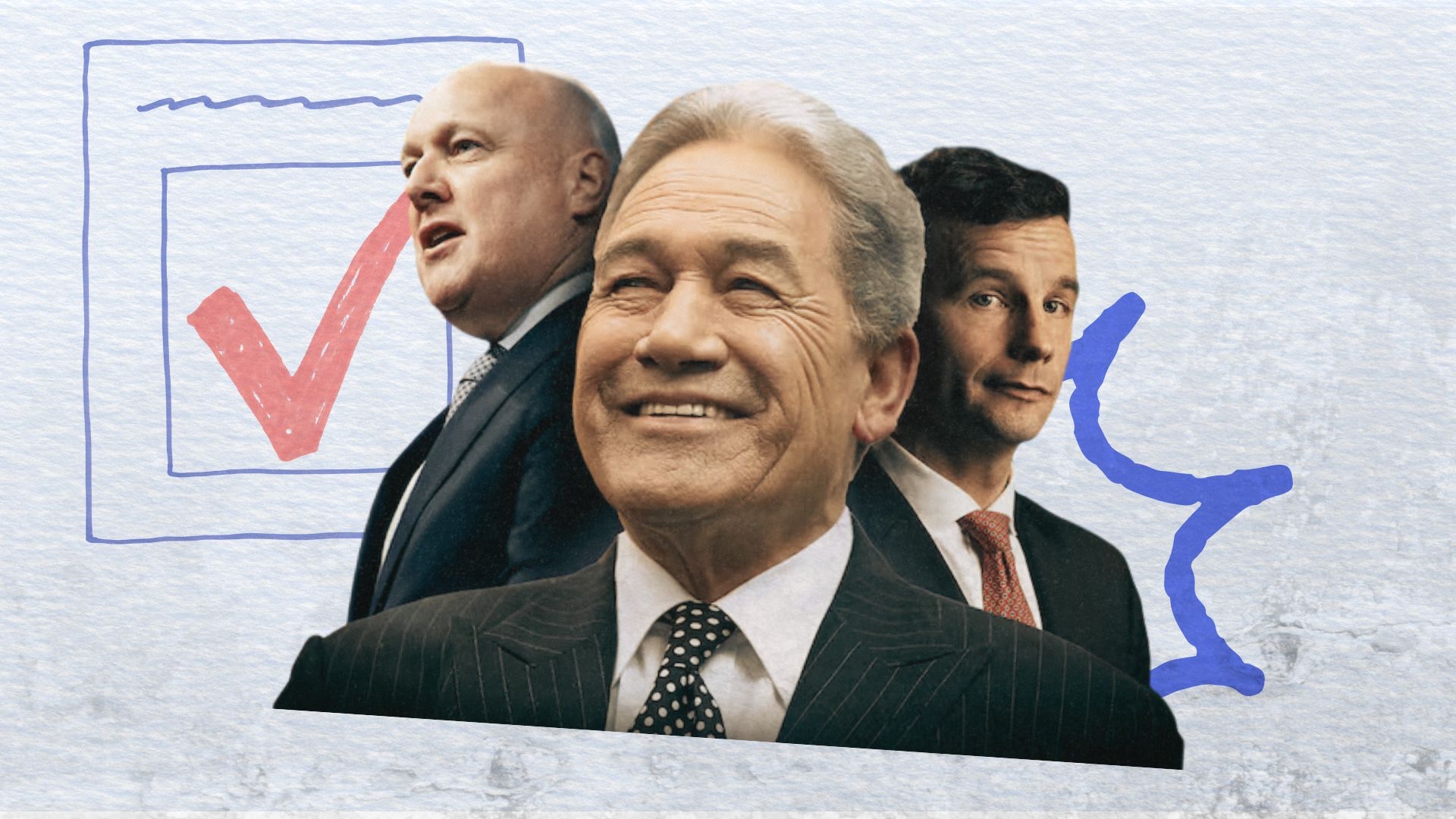
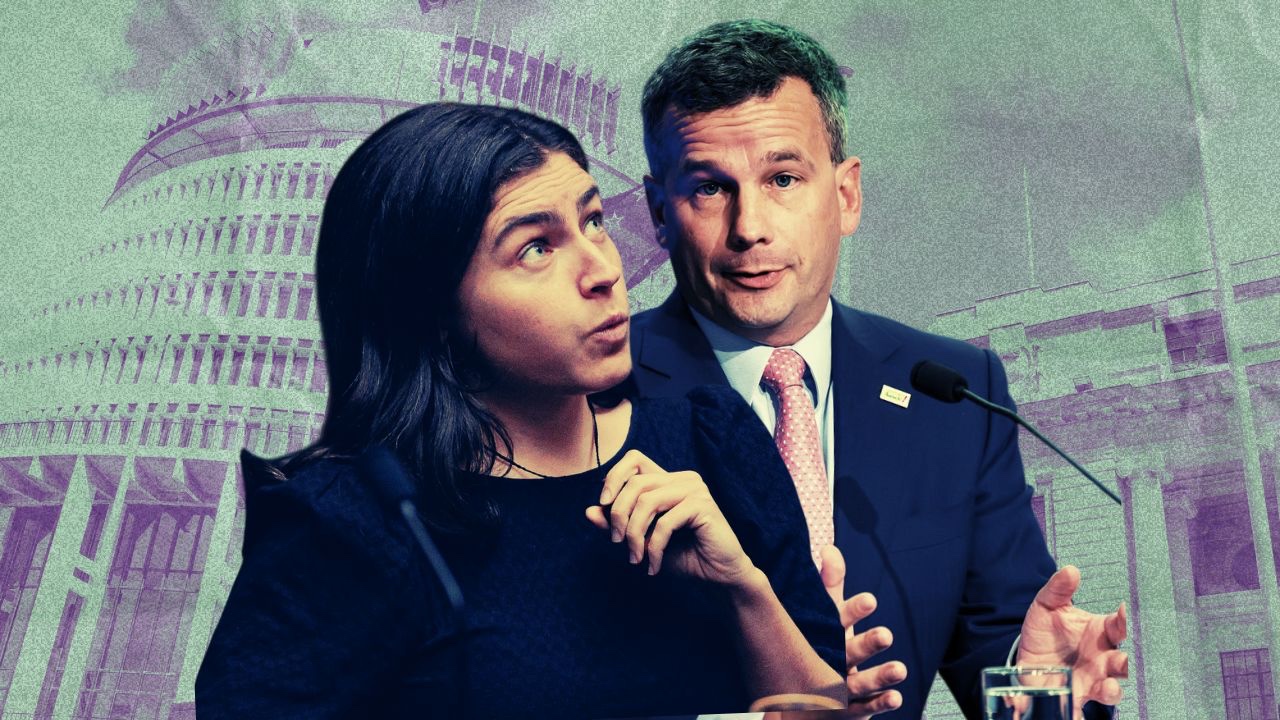
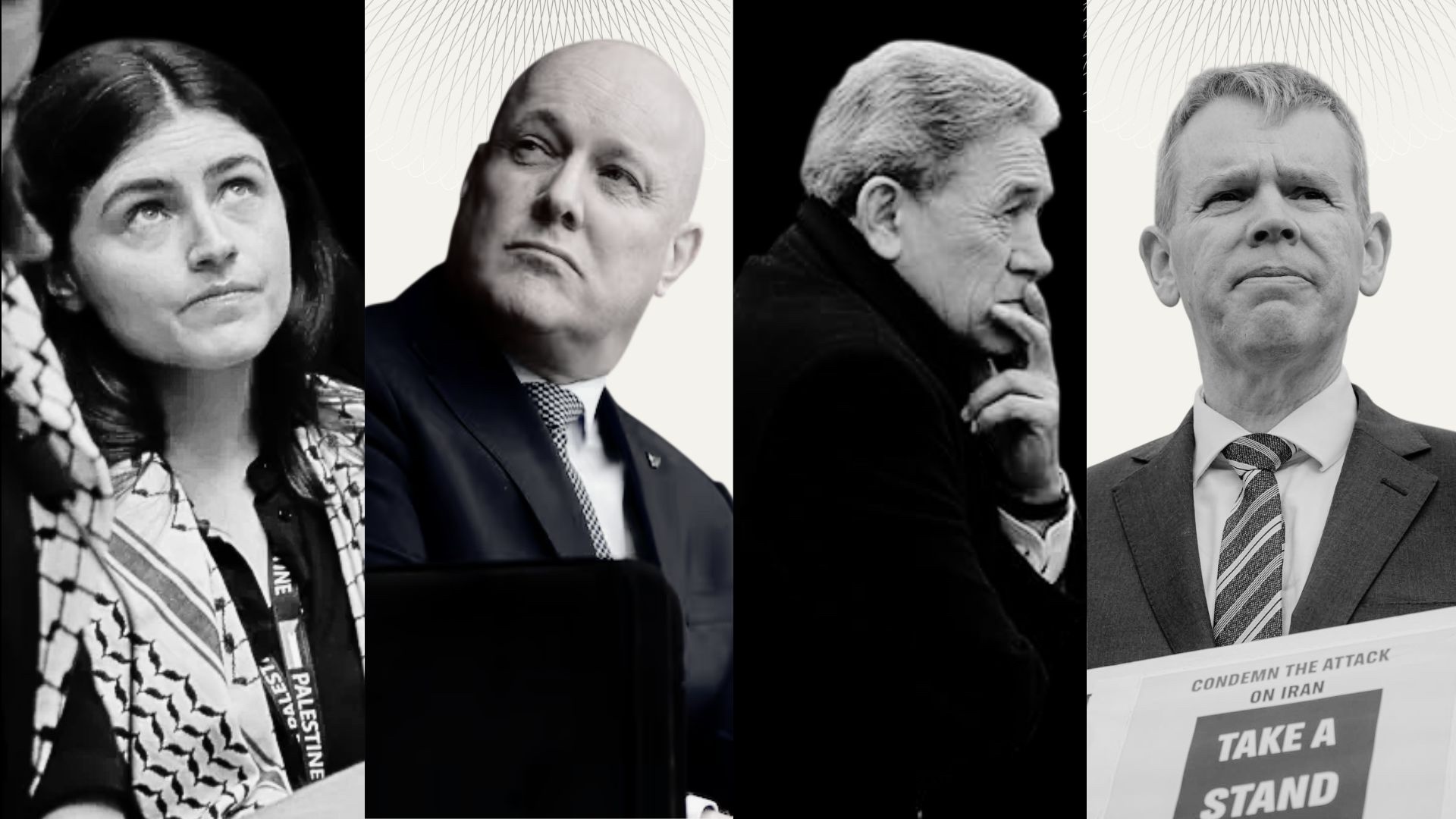
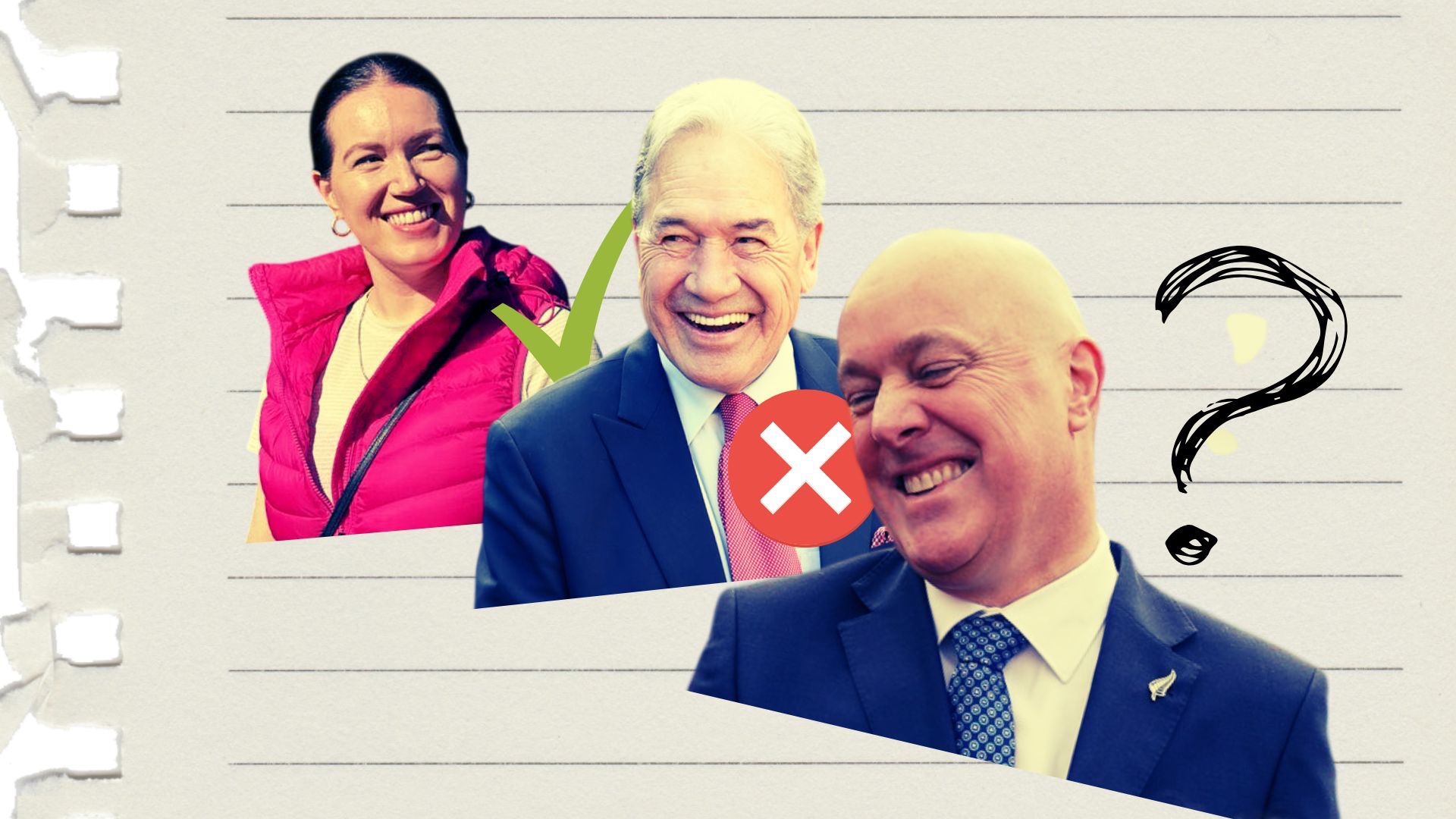
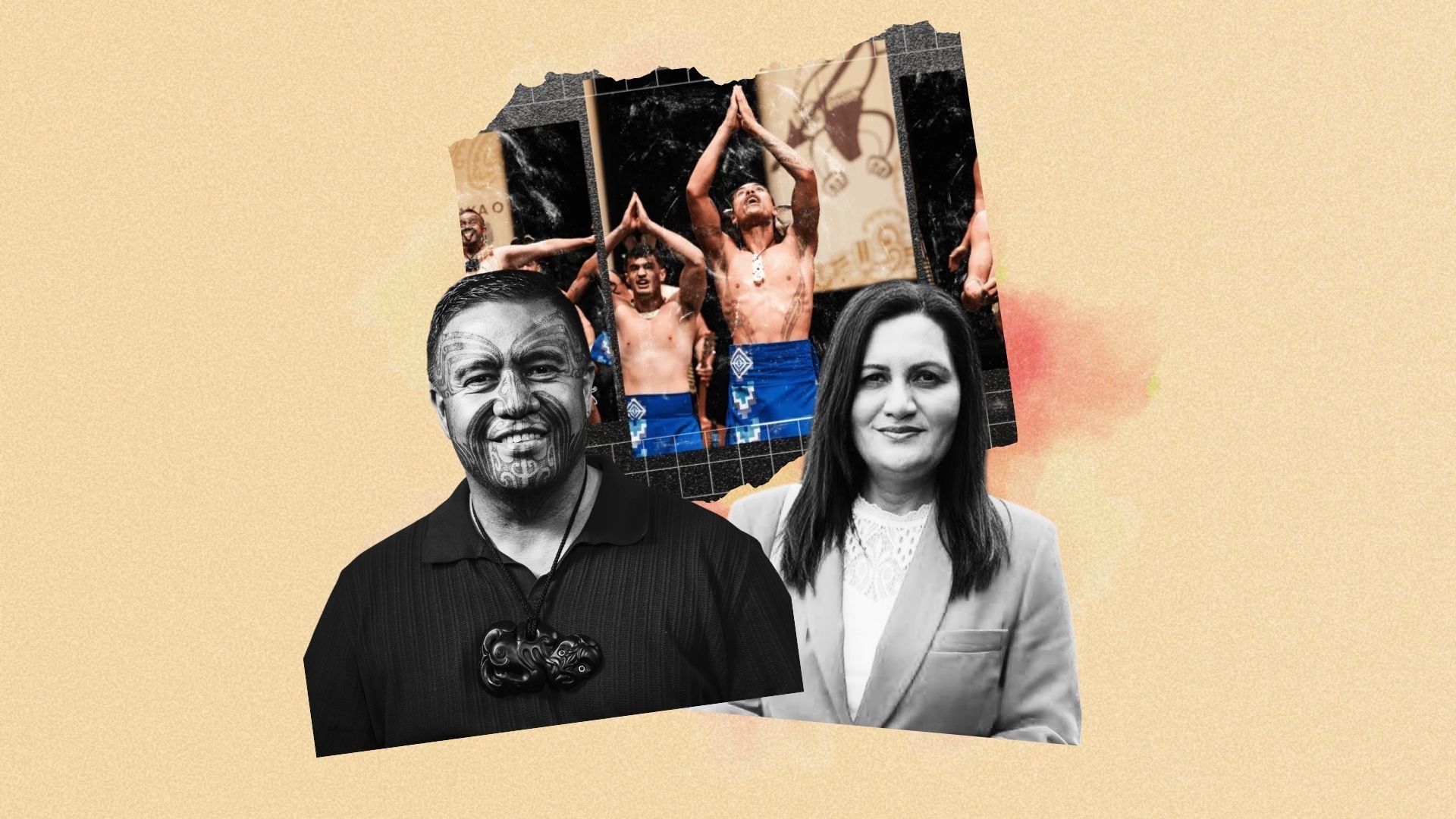
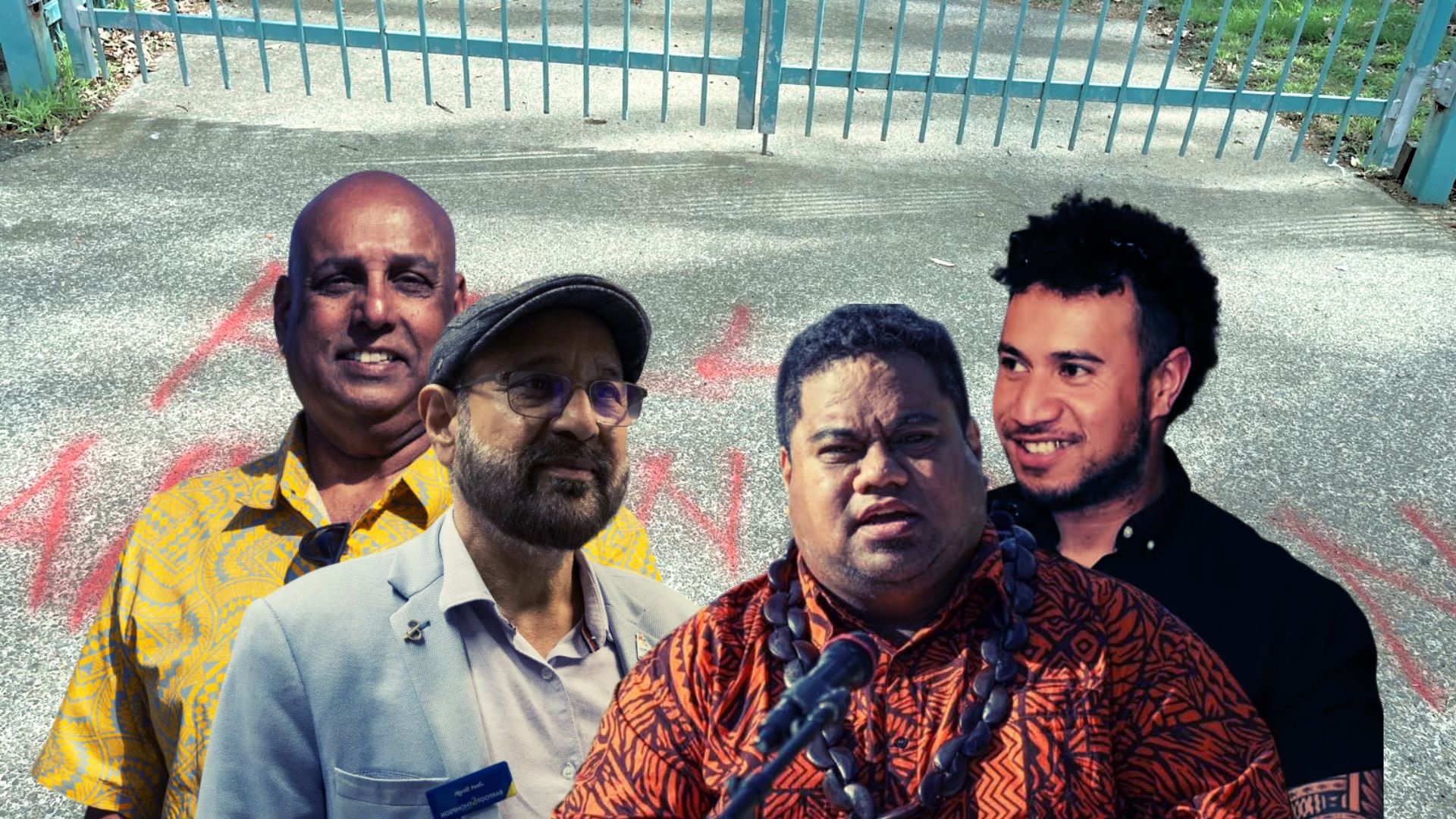
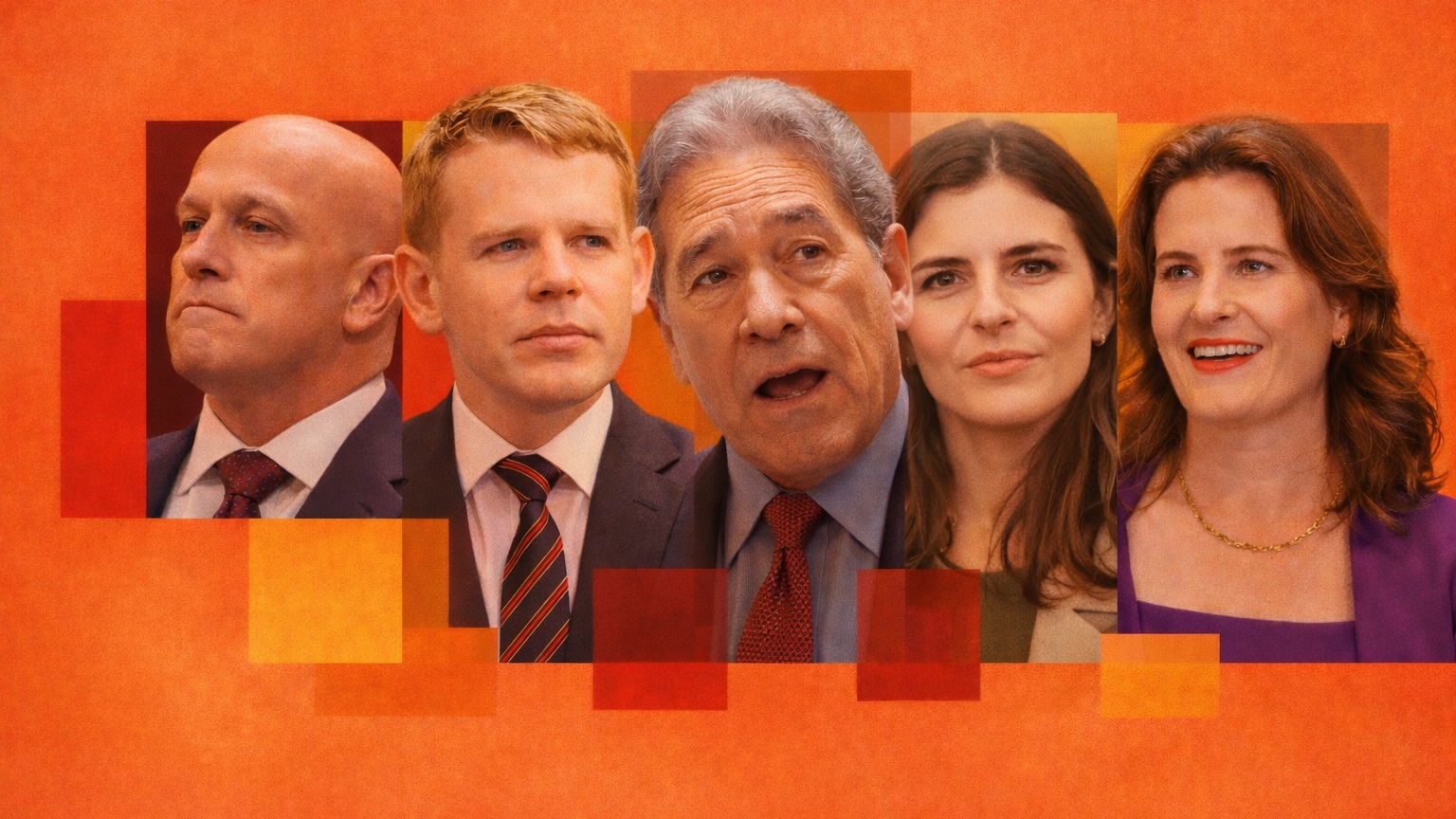
The Green Party described ACT’s proposal as “Trump-inspired”, a “straight-up dog whistle”, an attempt to “blame our migrant neighbours”.
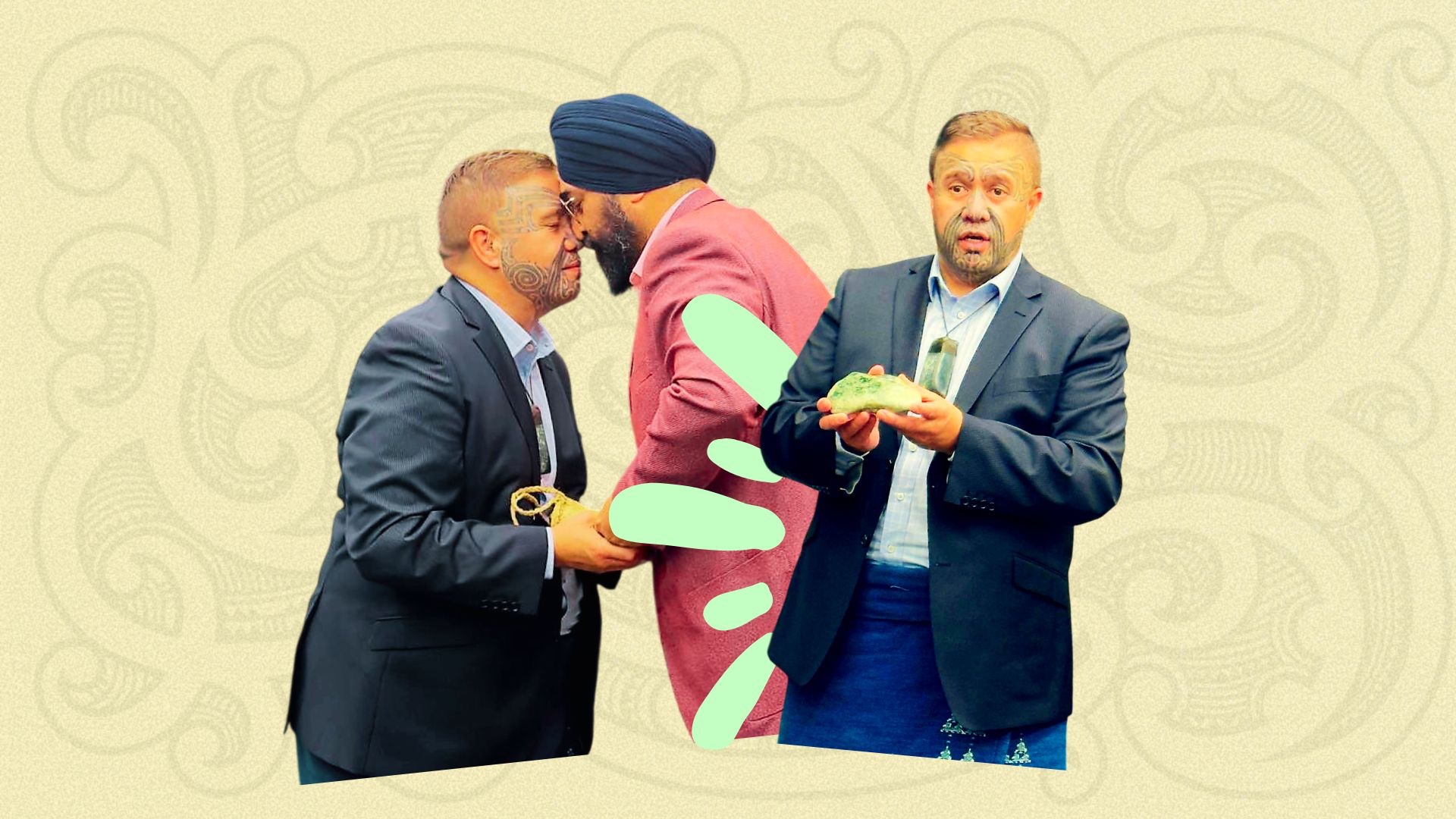
These are the same parties most committed to the view that some New Zealanders carry greater rights by virtue of ancestry. Their objection to the civics test is that it creates a distinction based on what people know and believe.
Their own position creates a more fundamental distinction, one based on bloodline.
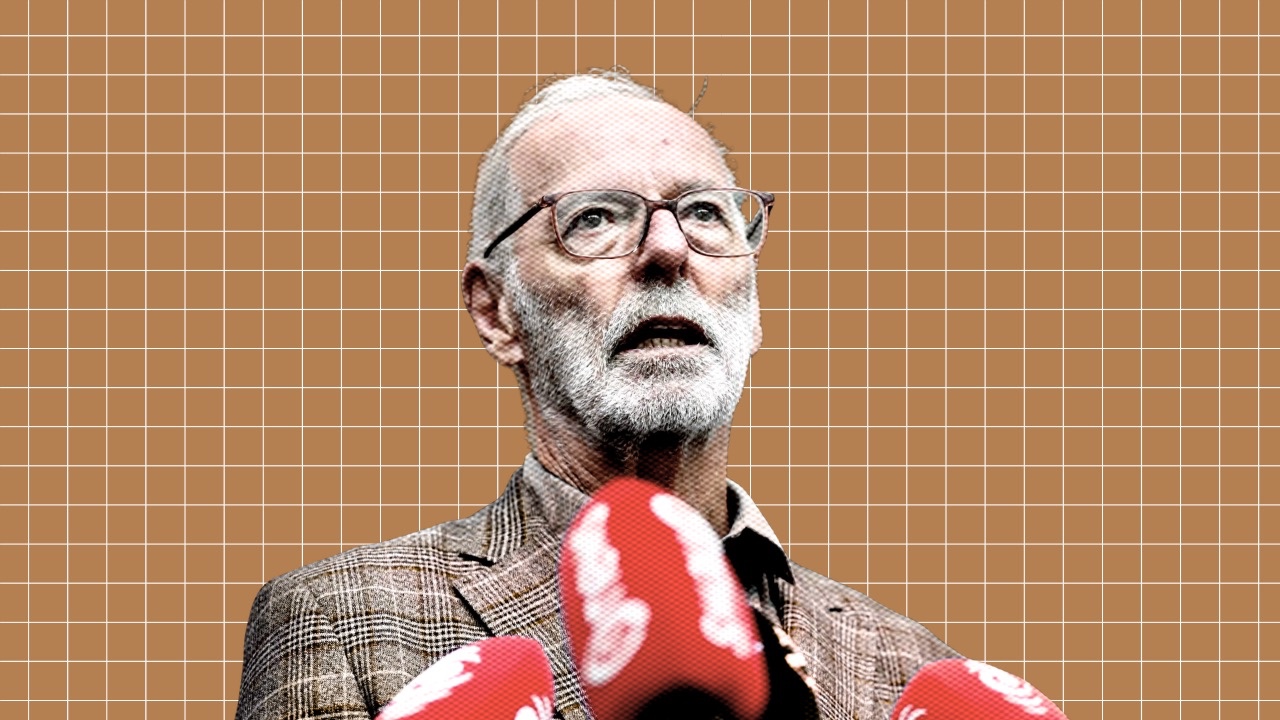
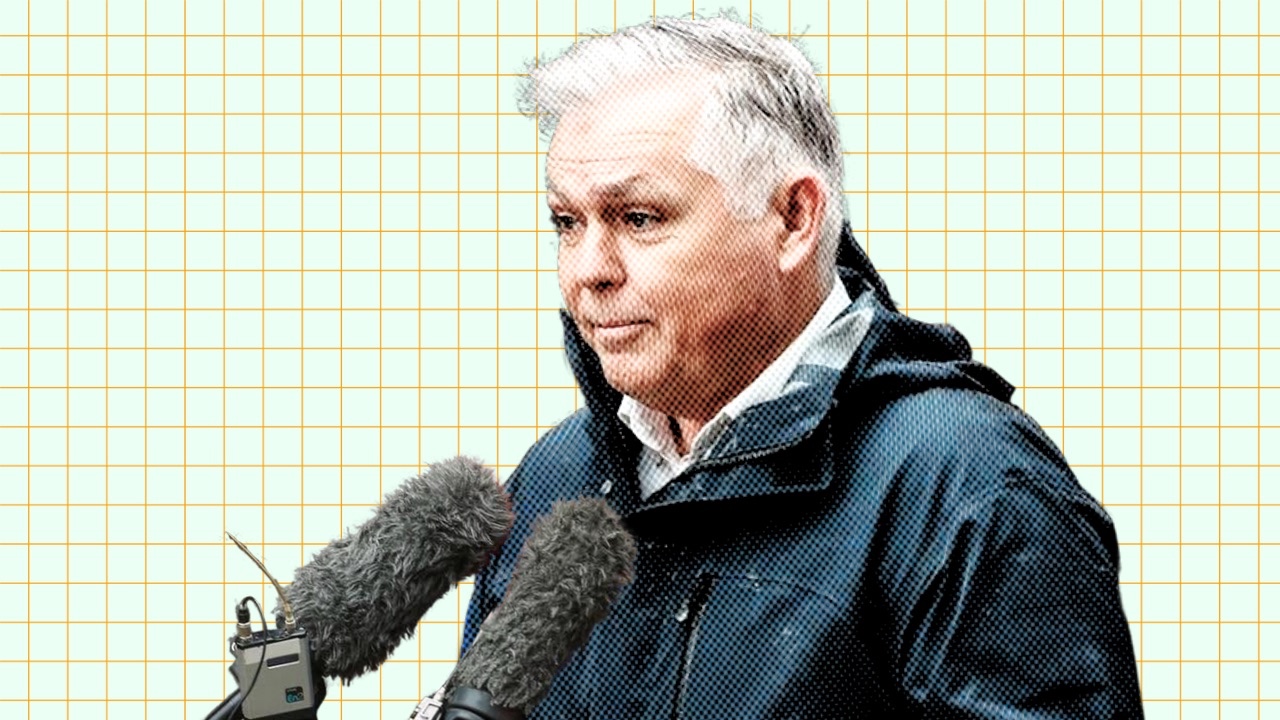
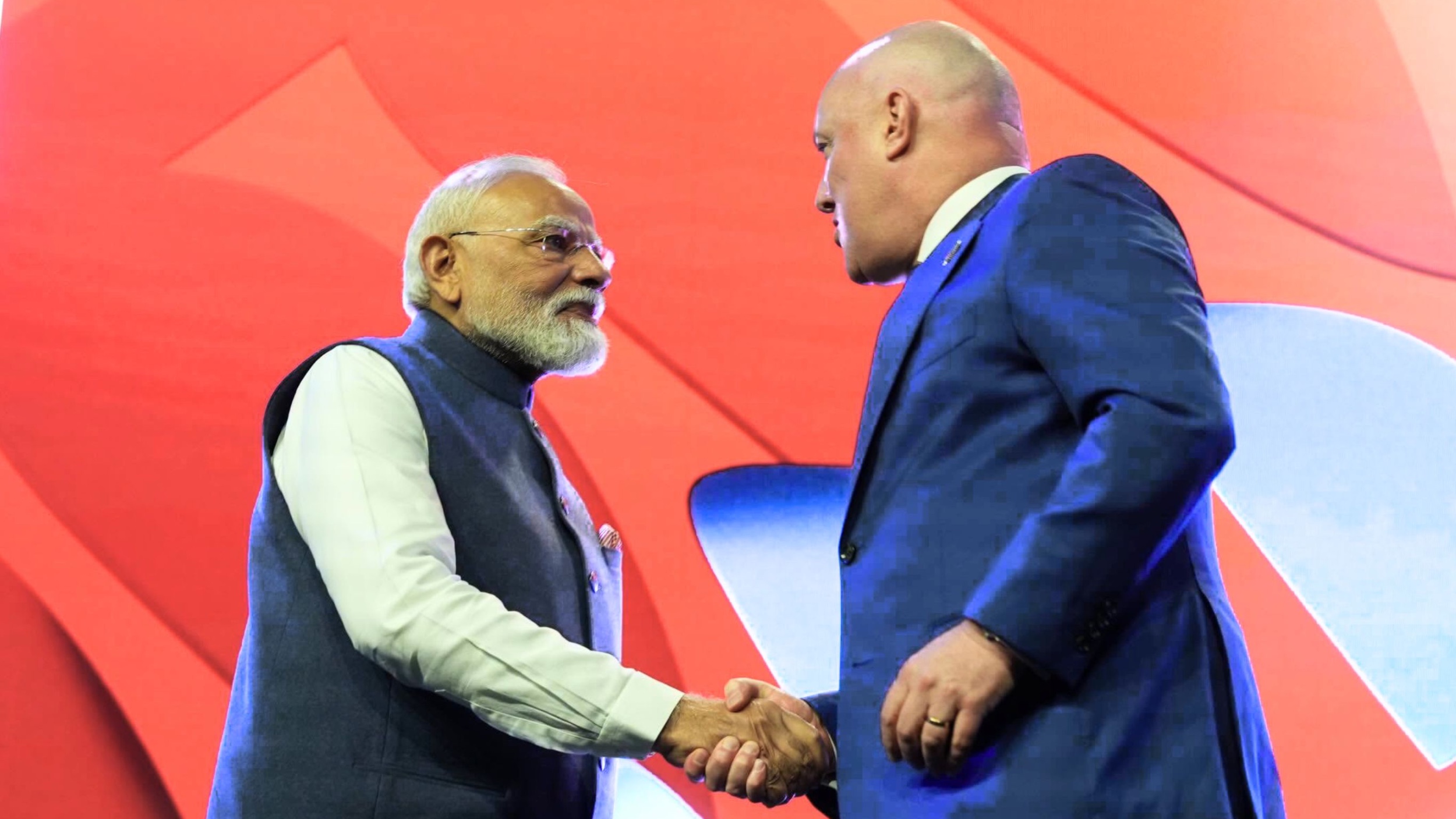
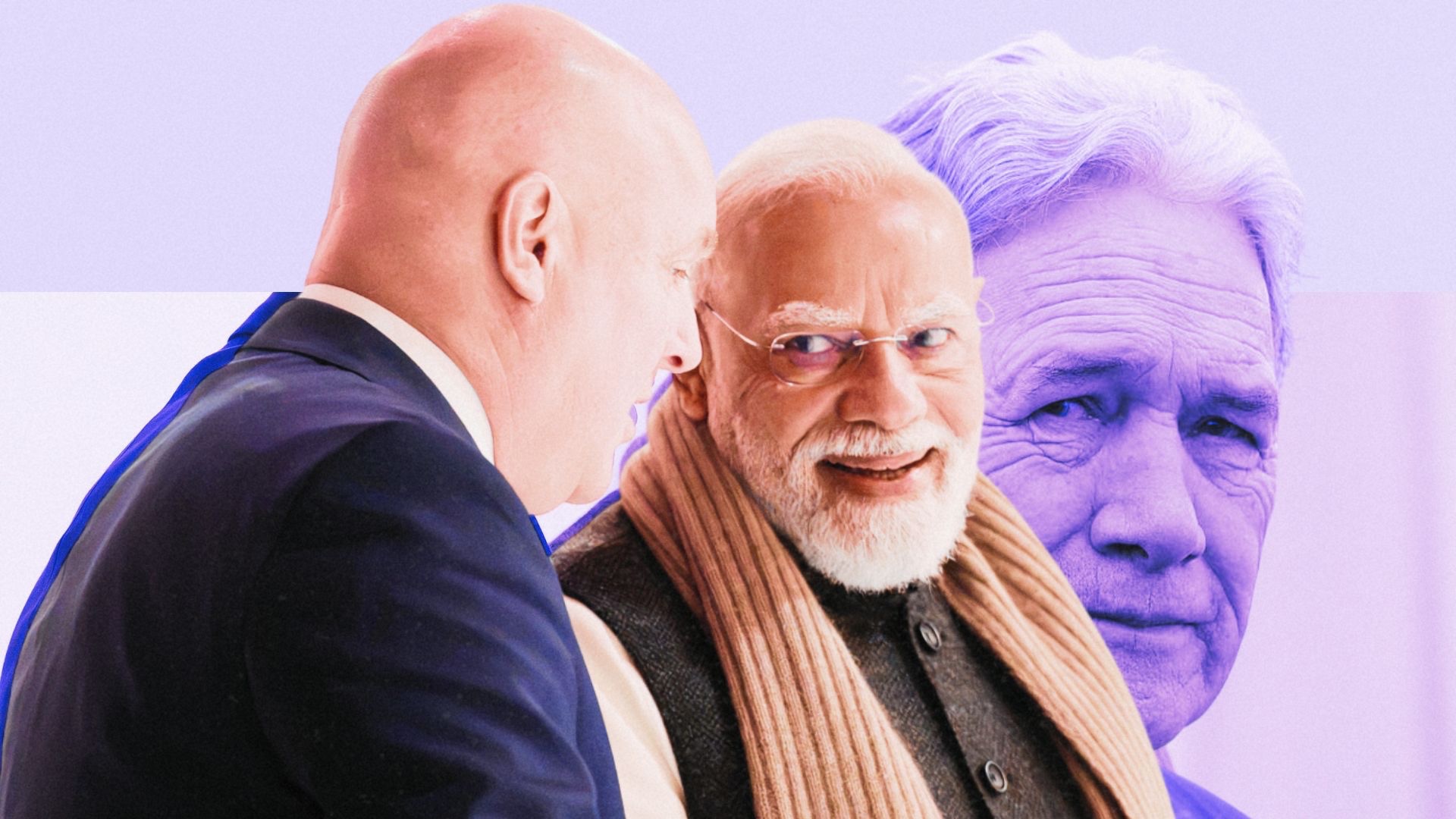
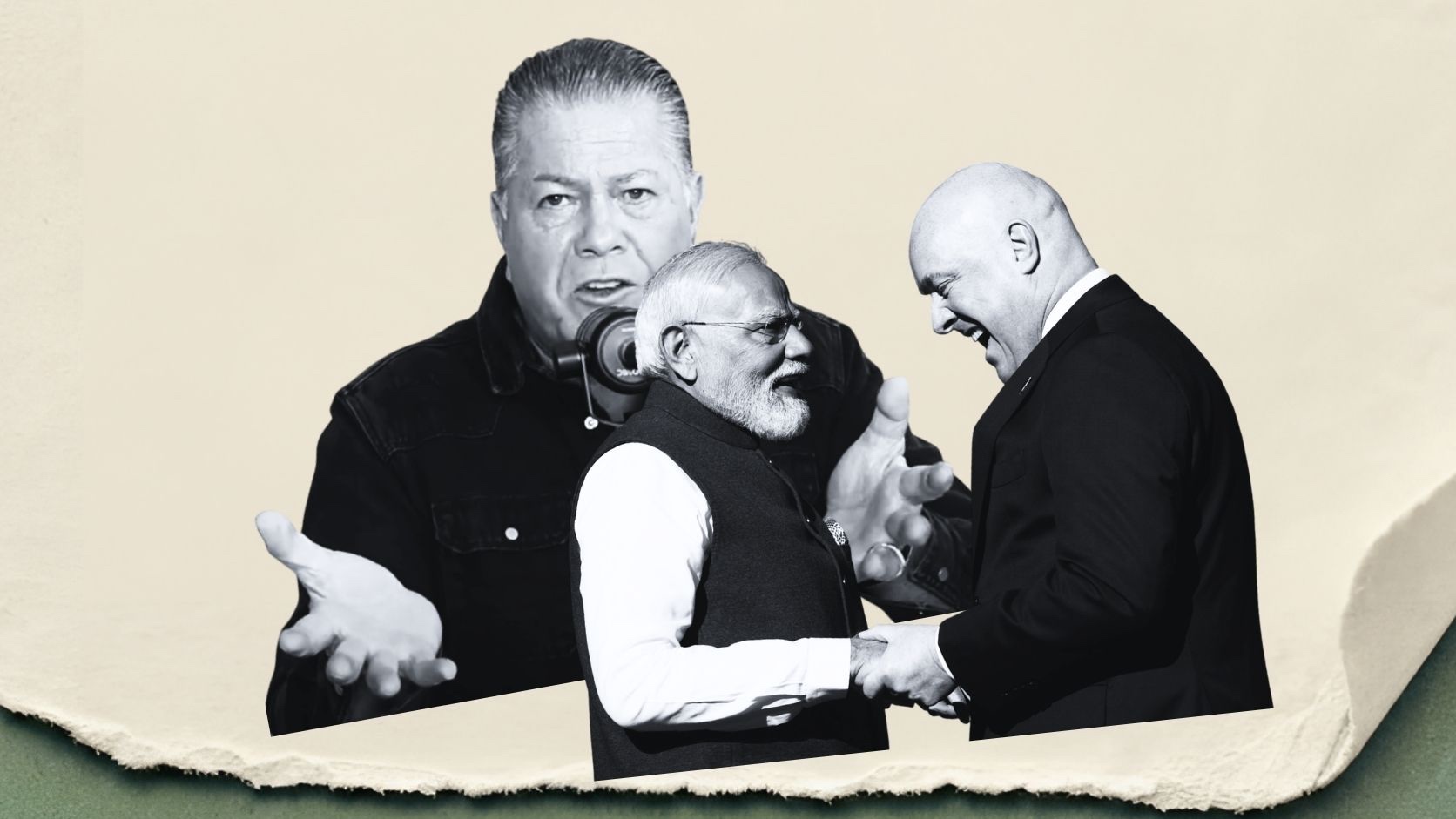
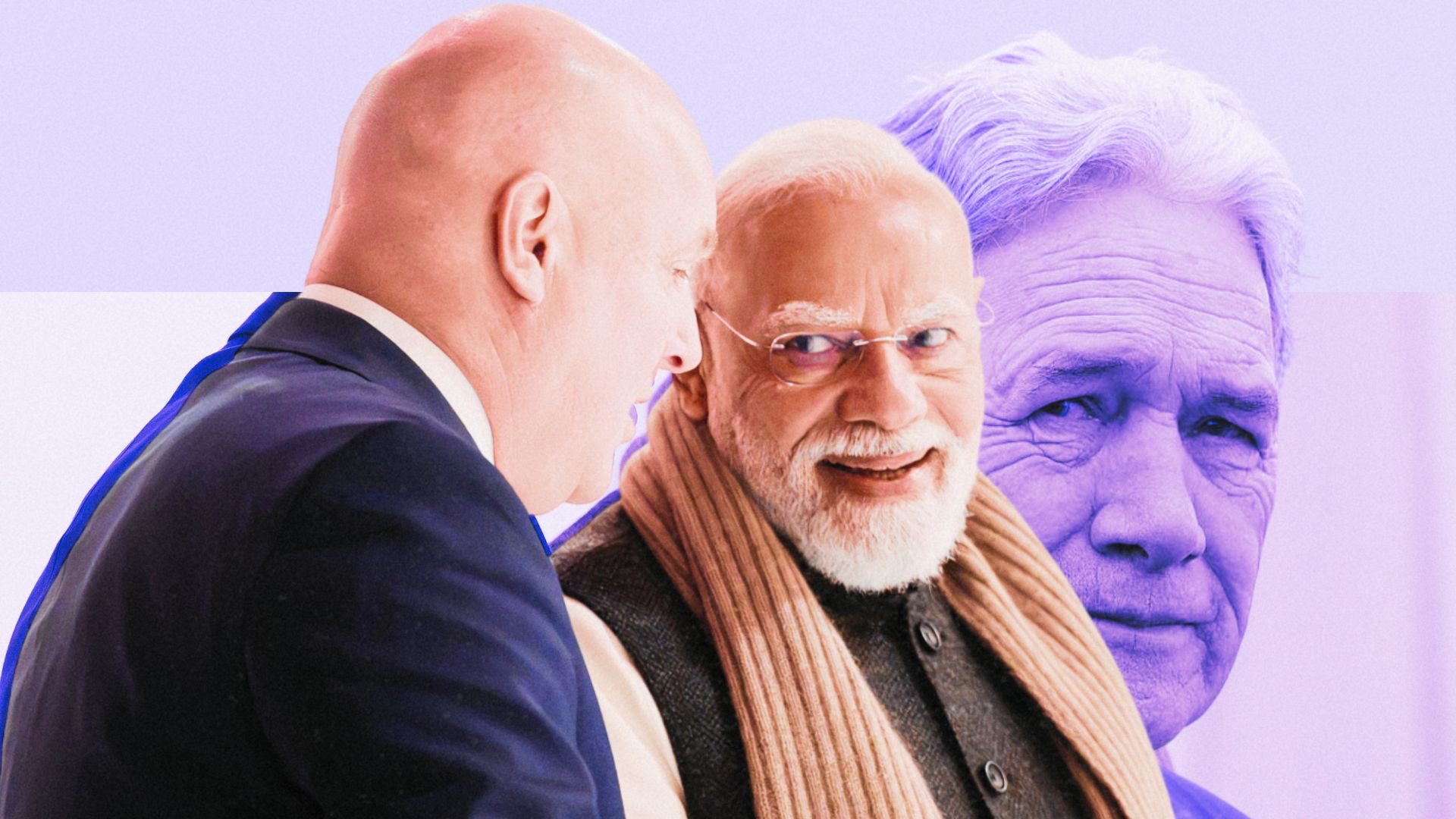
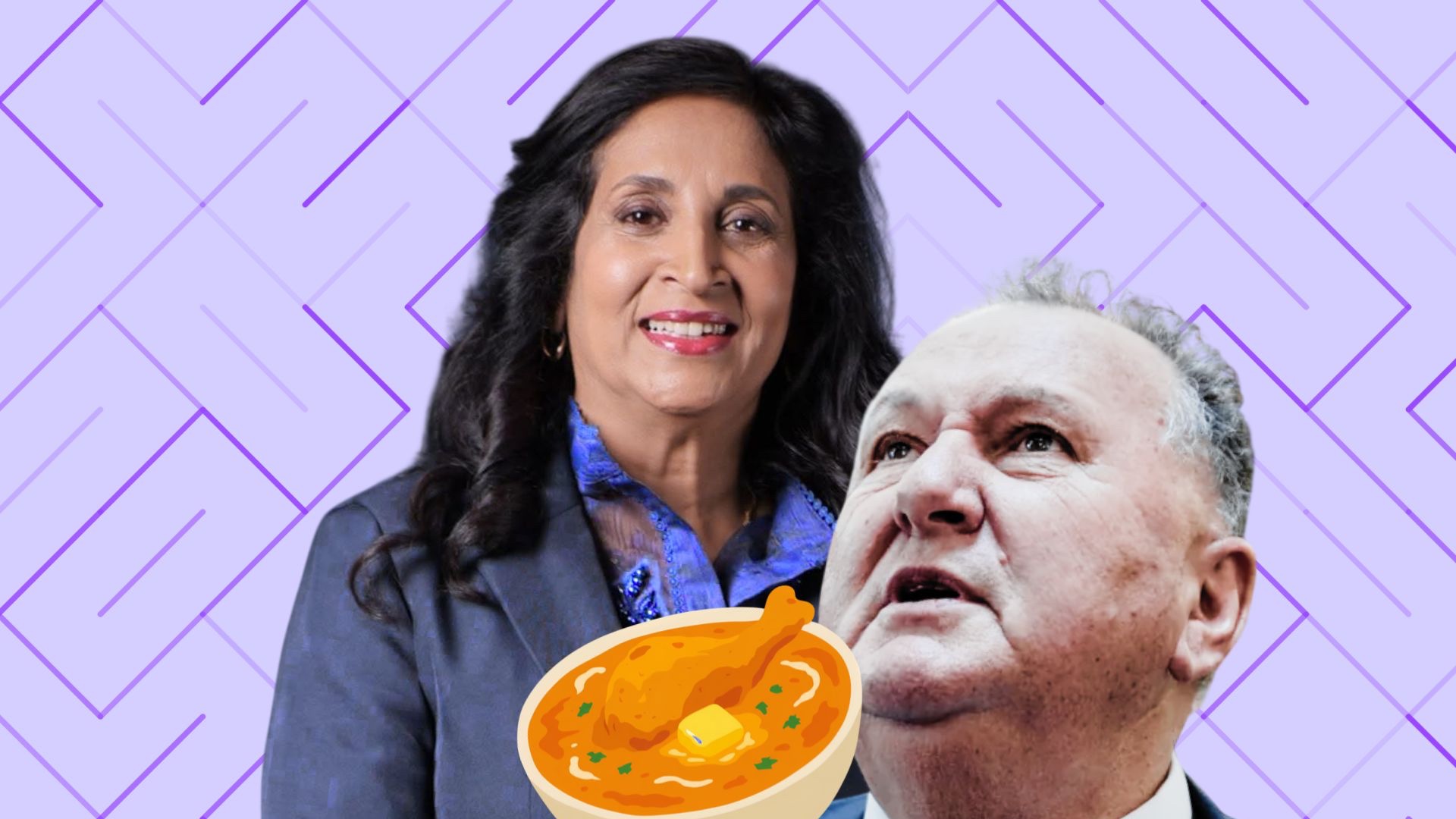
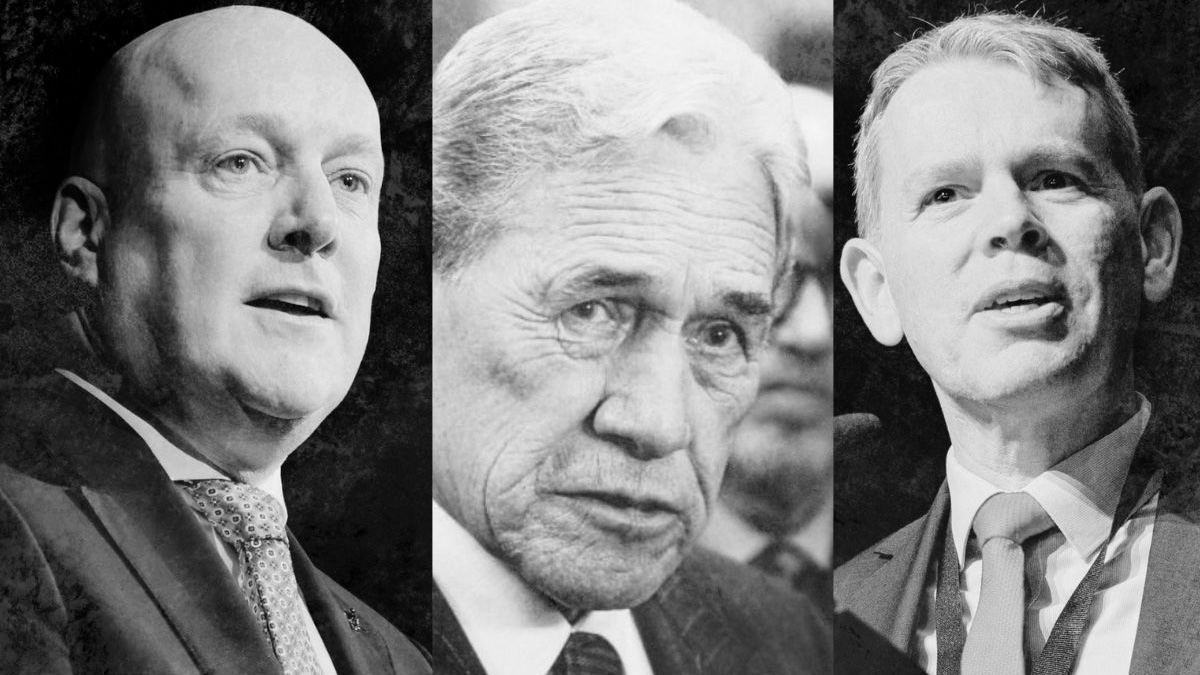
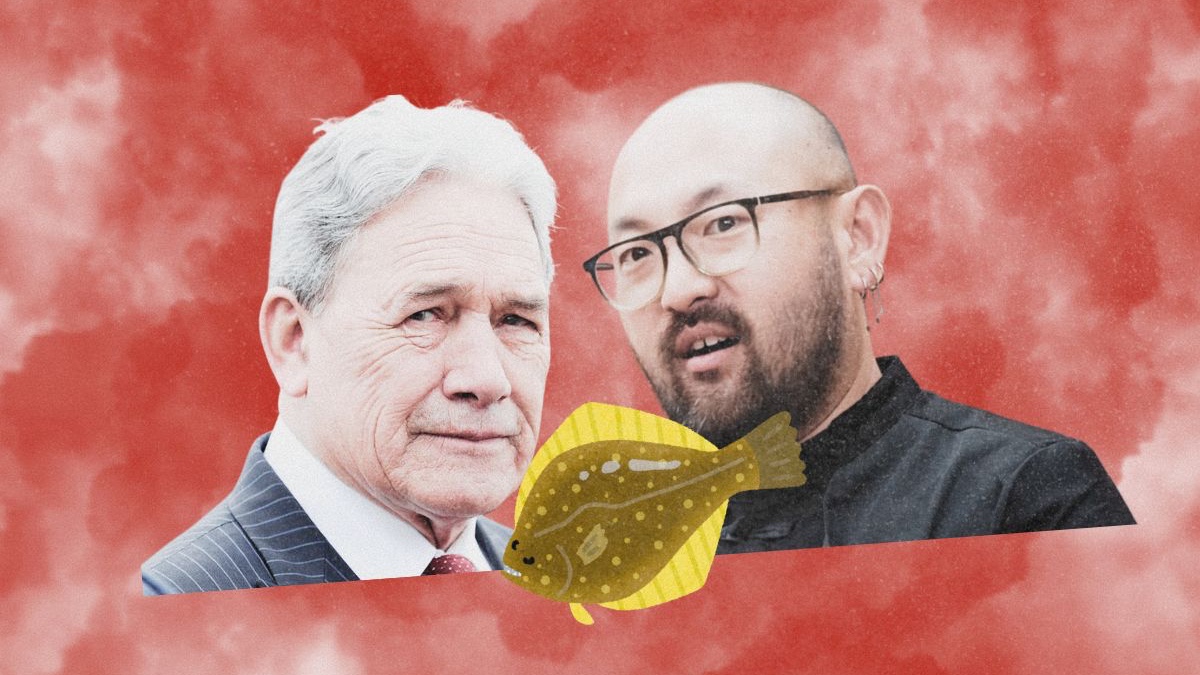
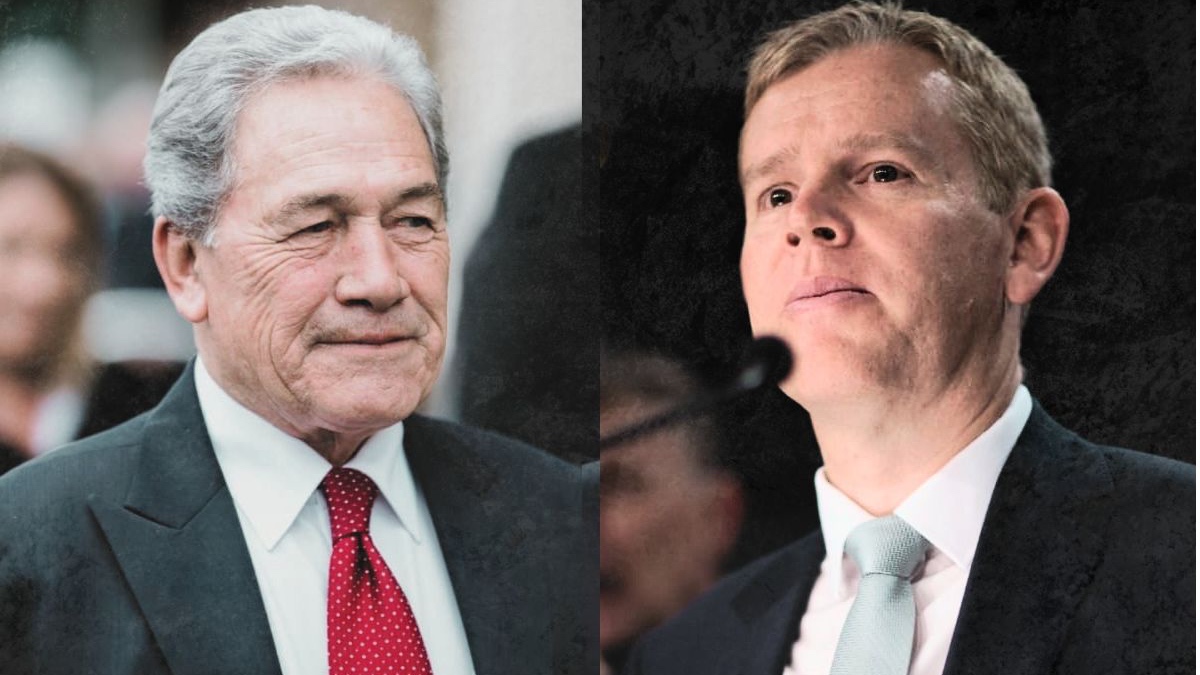
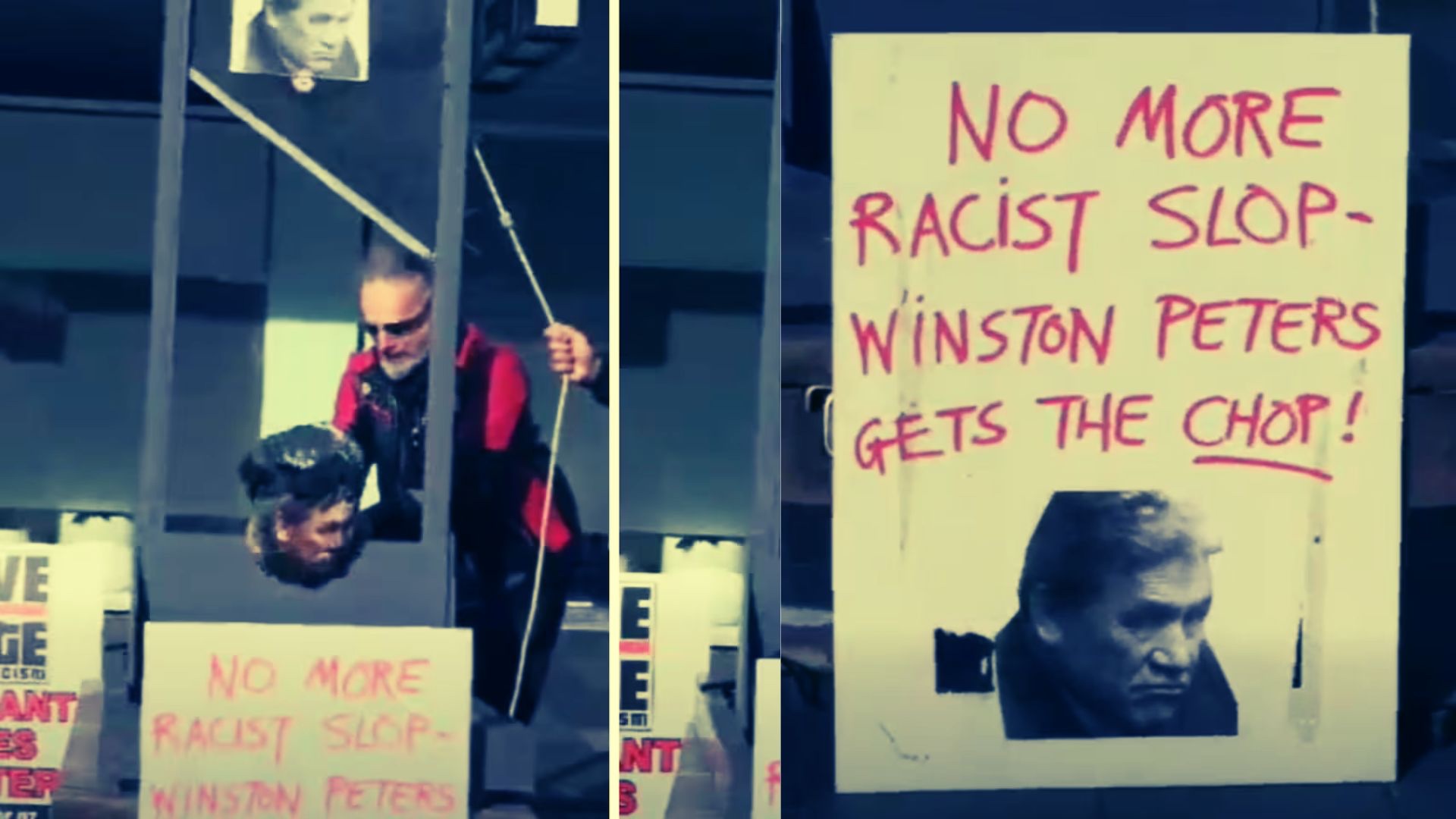
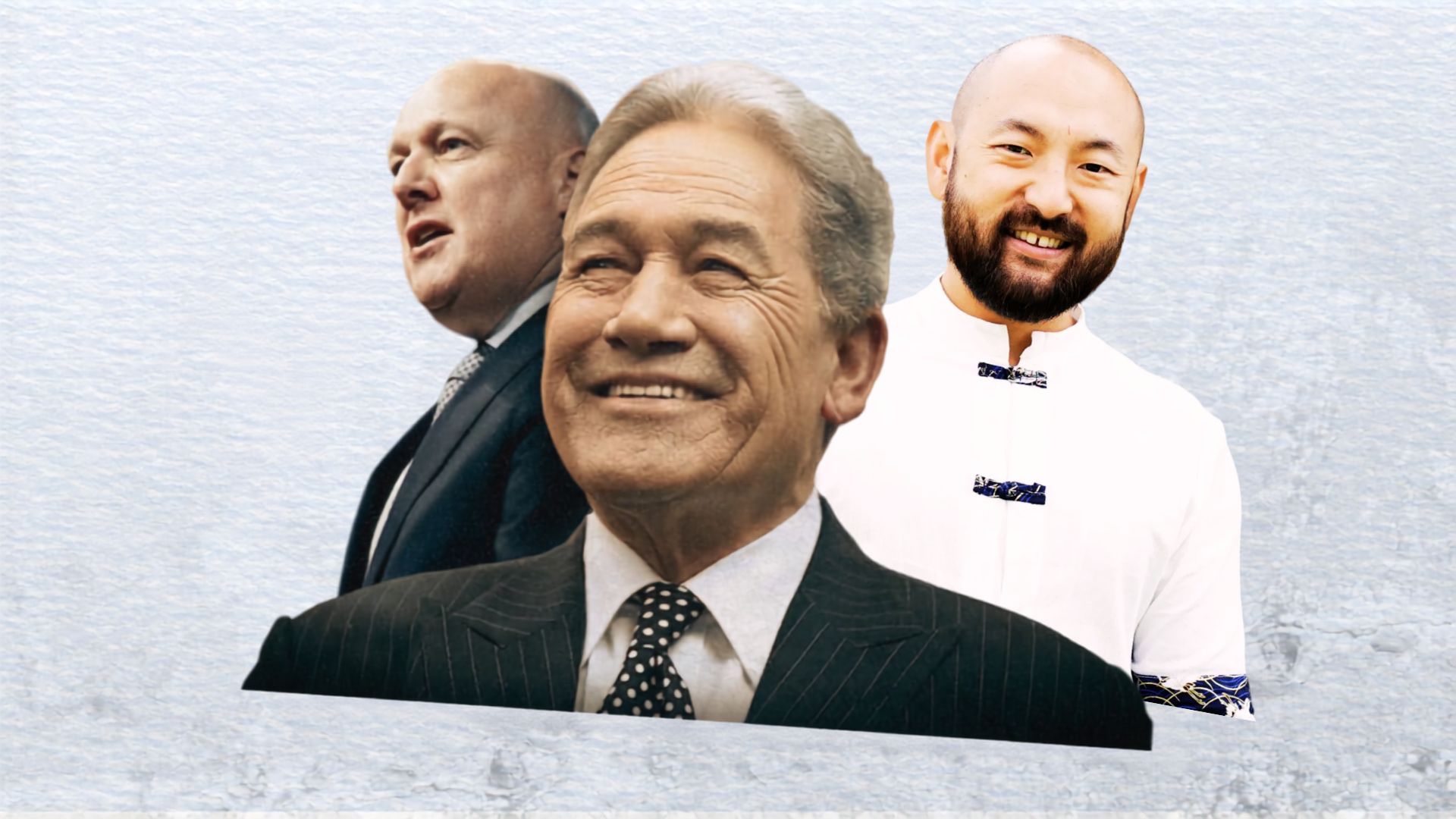
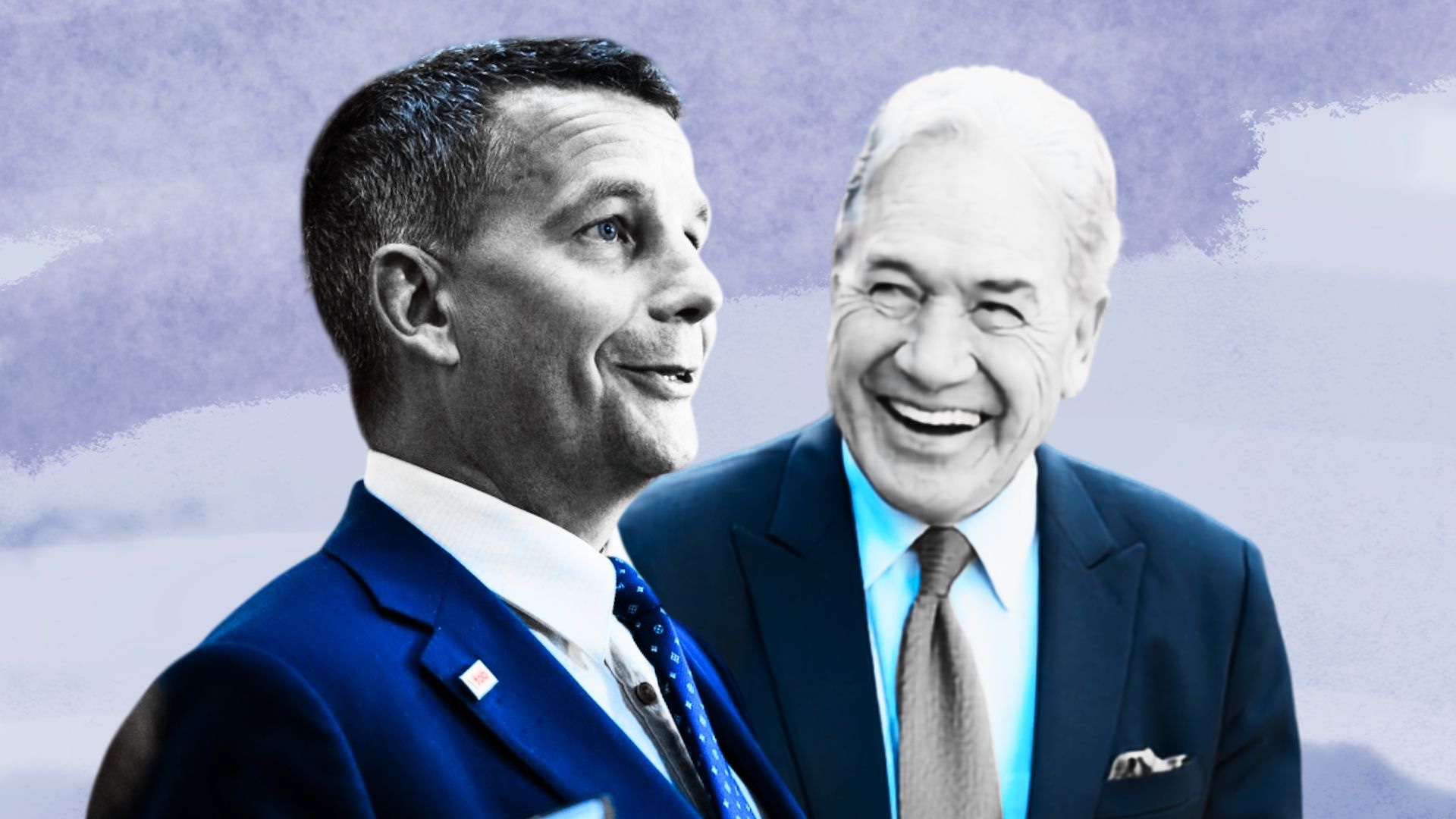
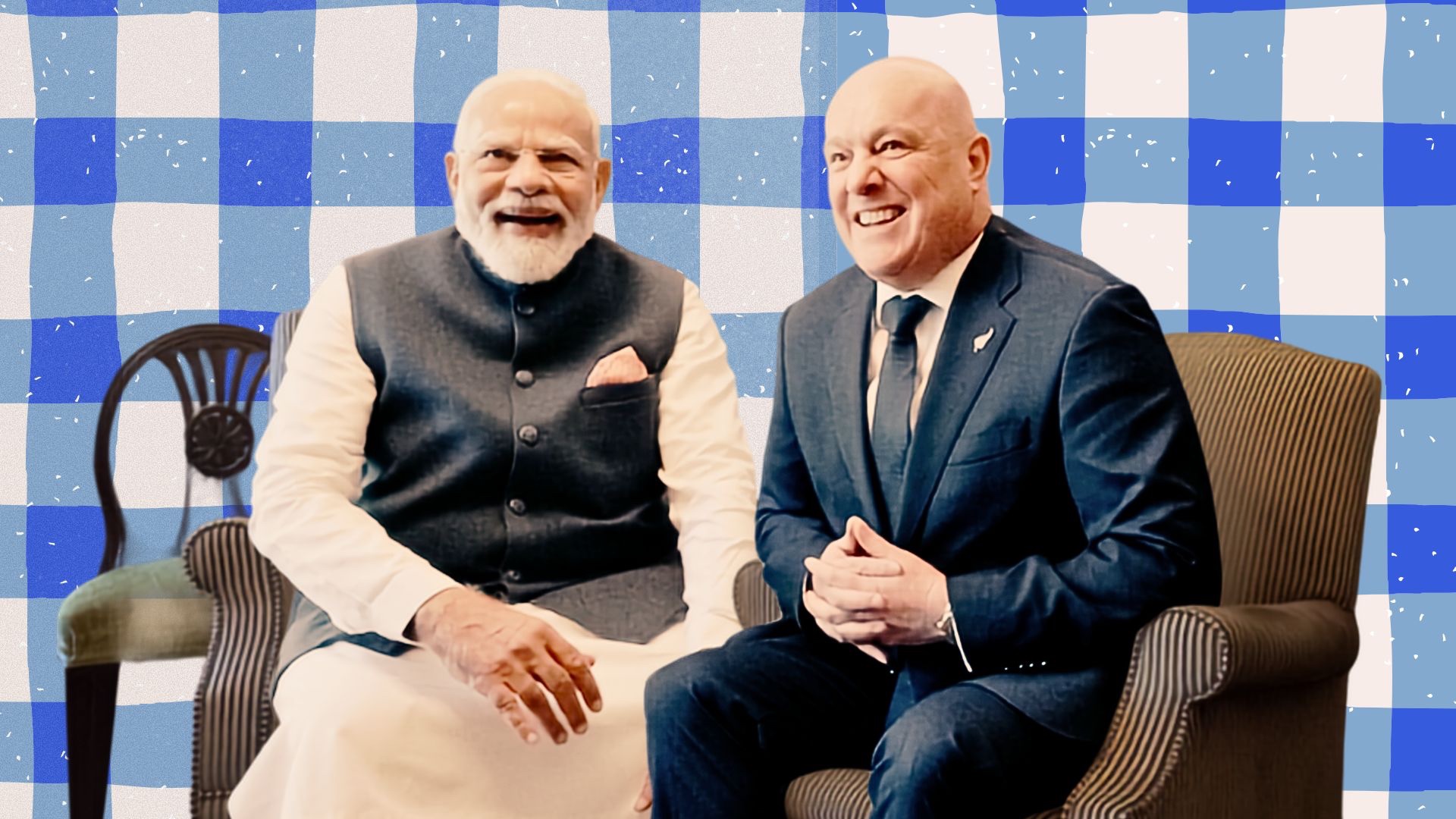
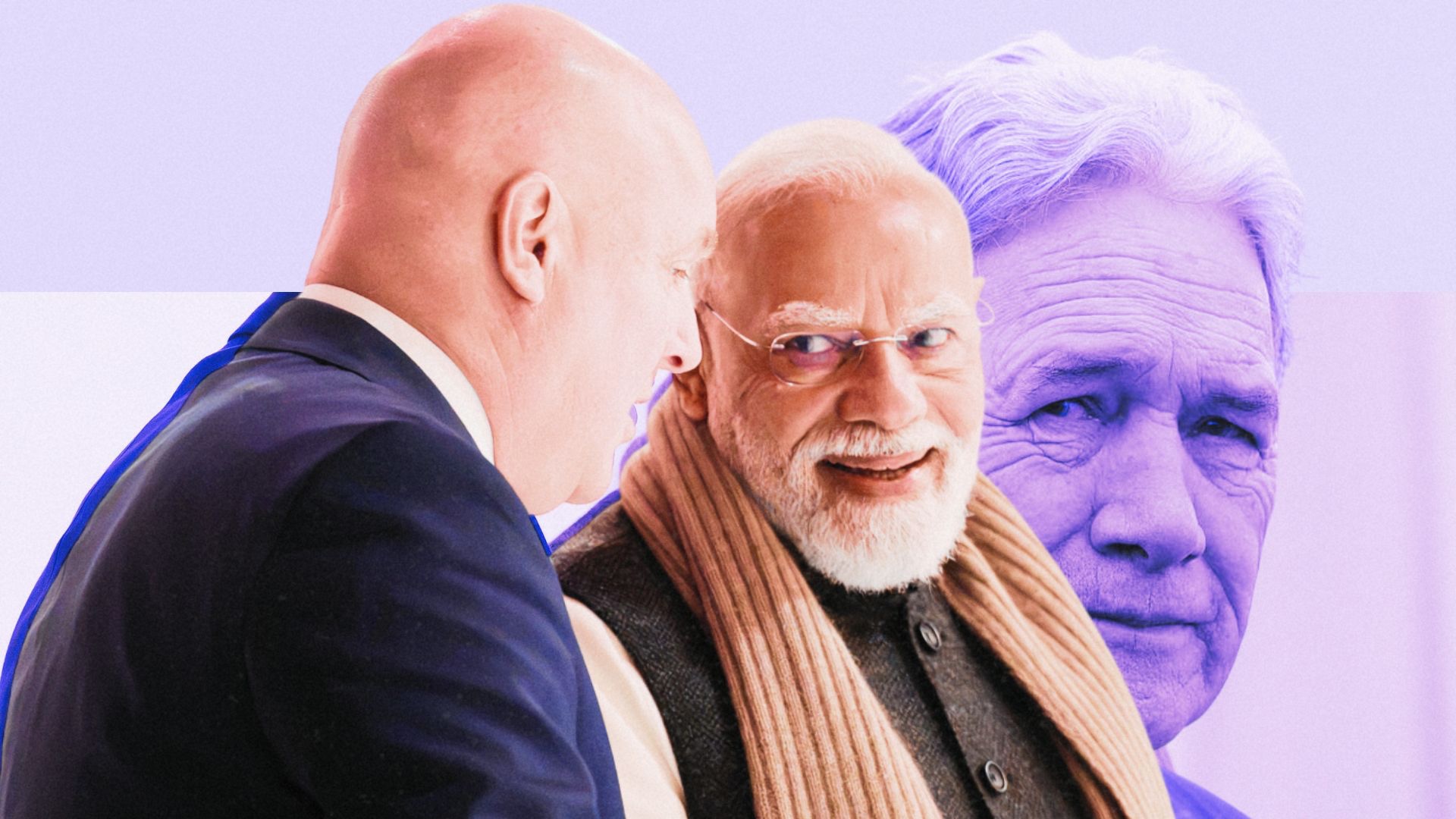
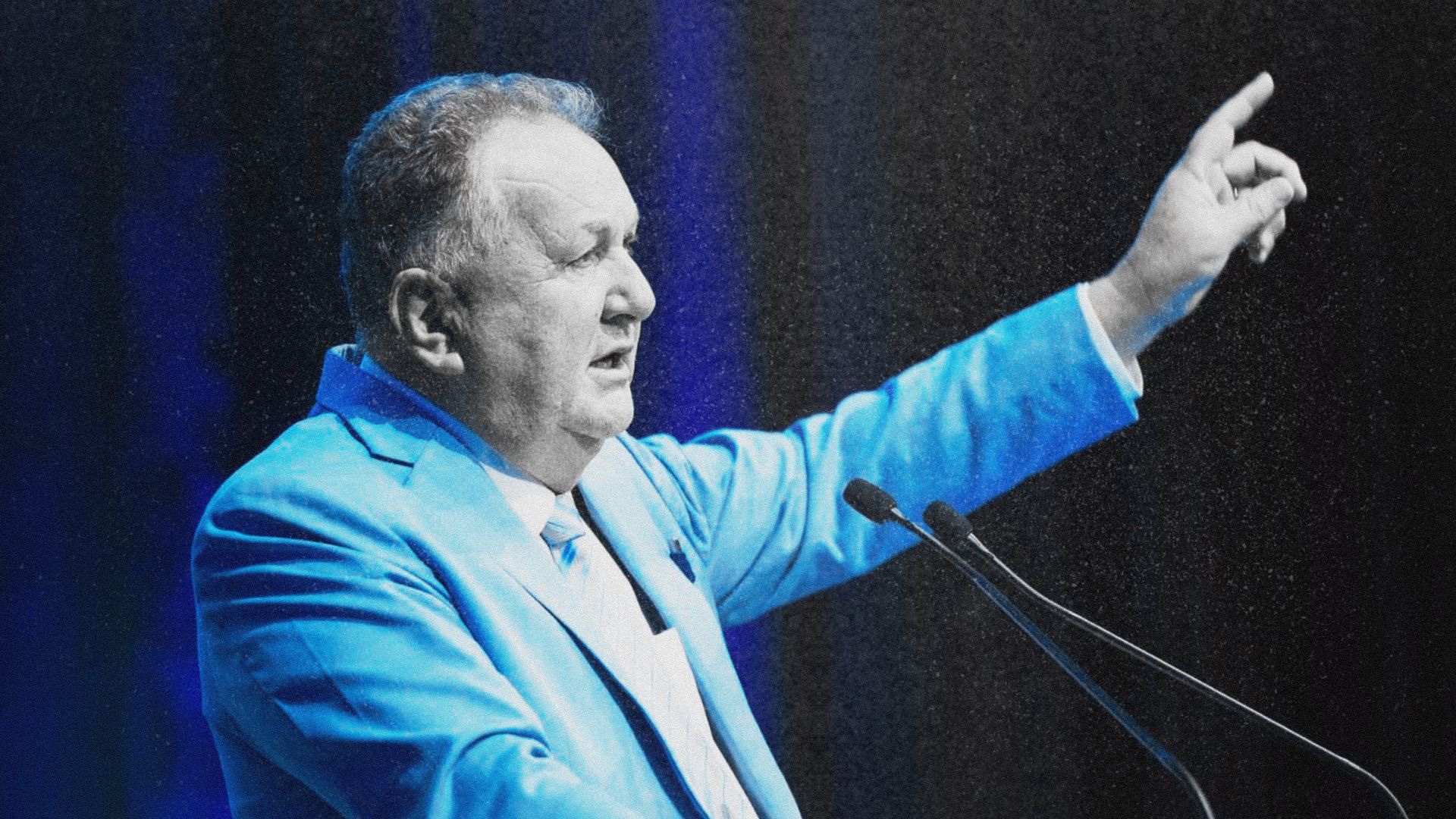
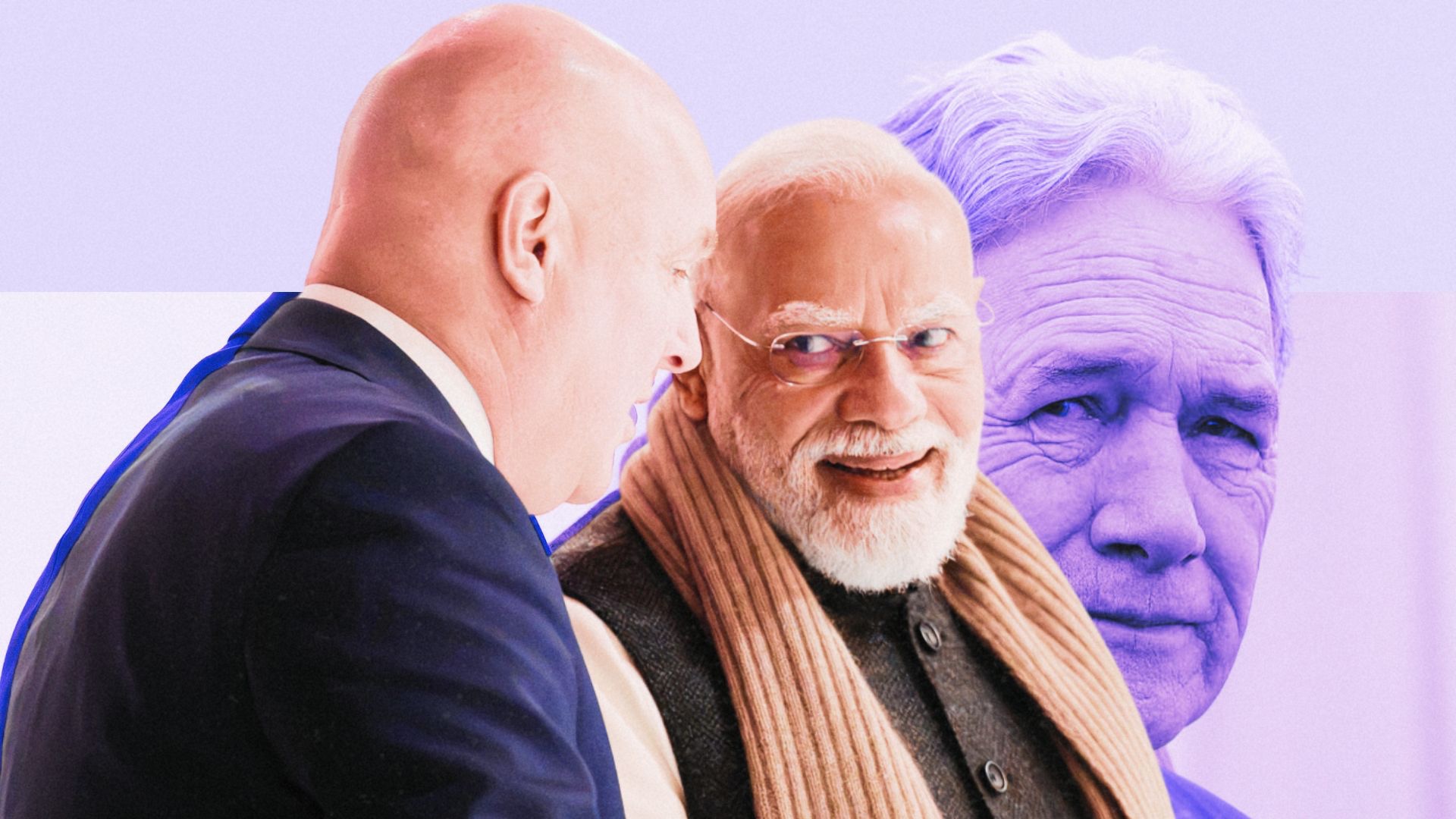
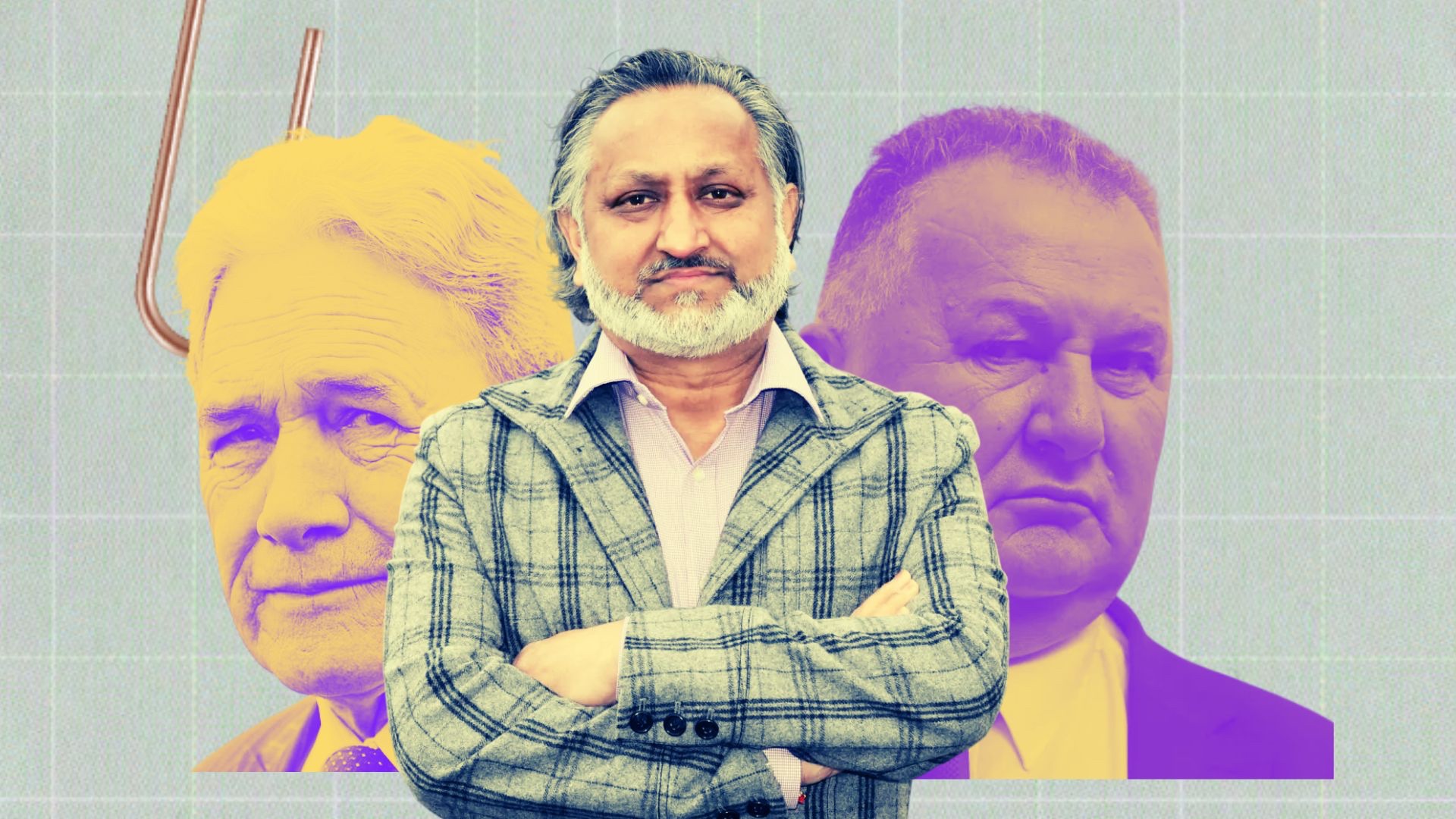
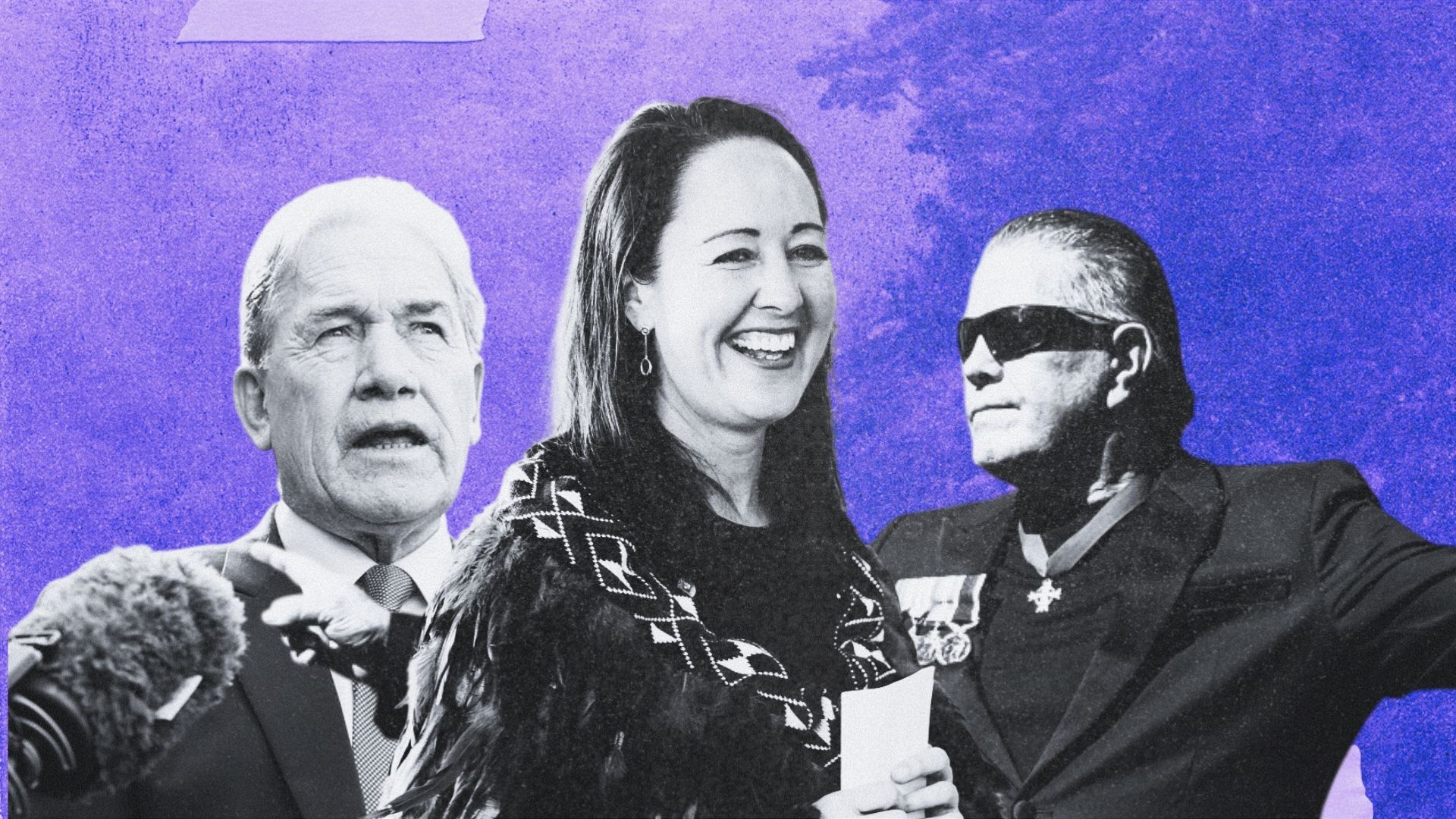
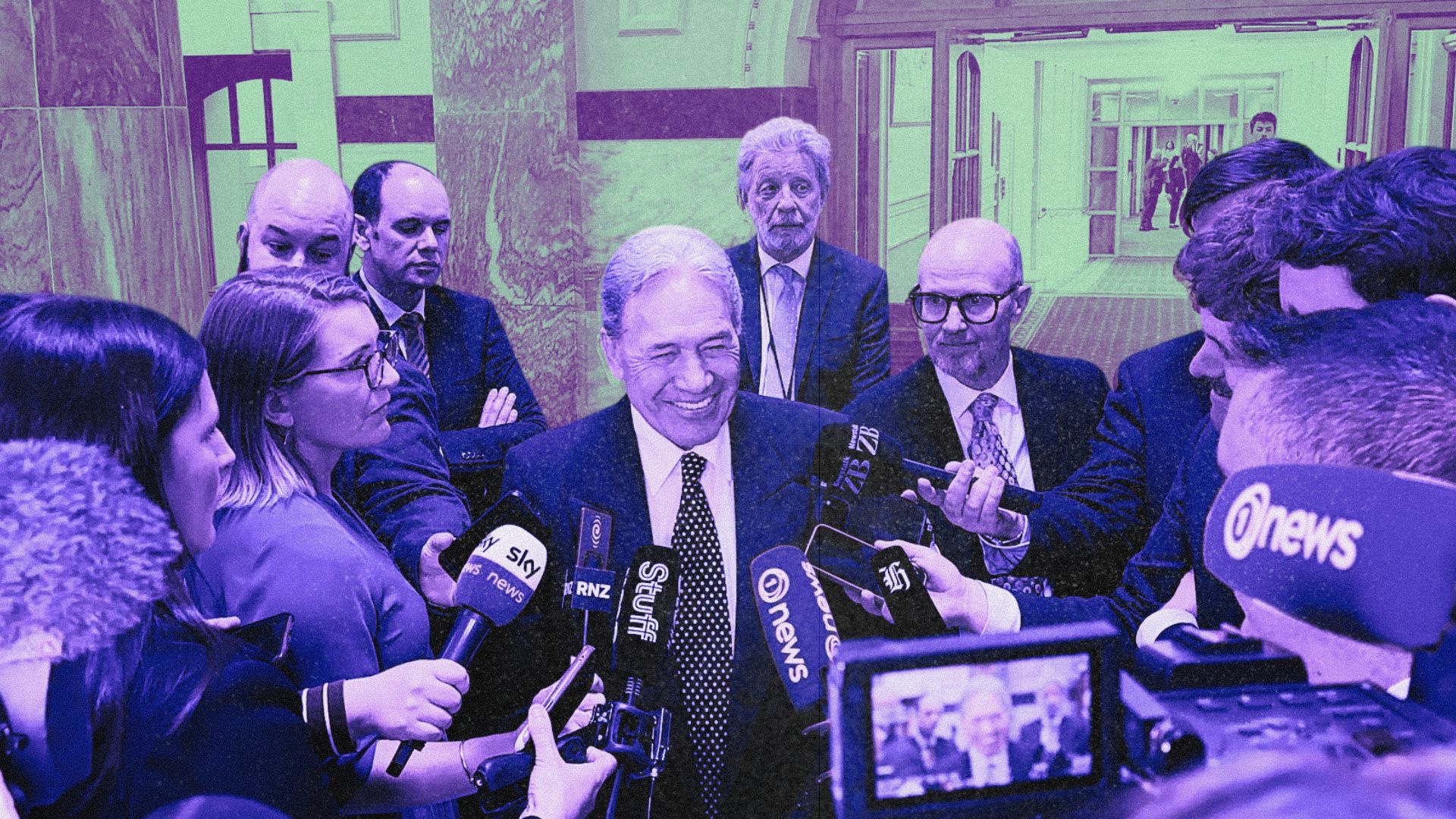
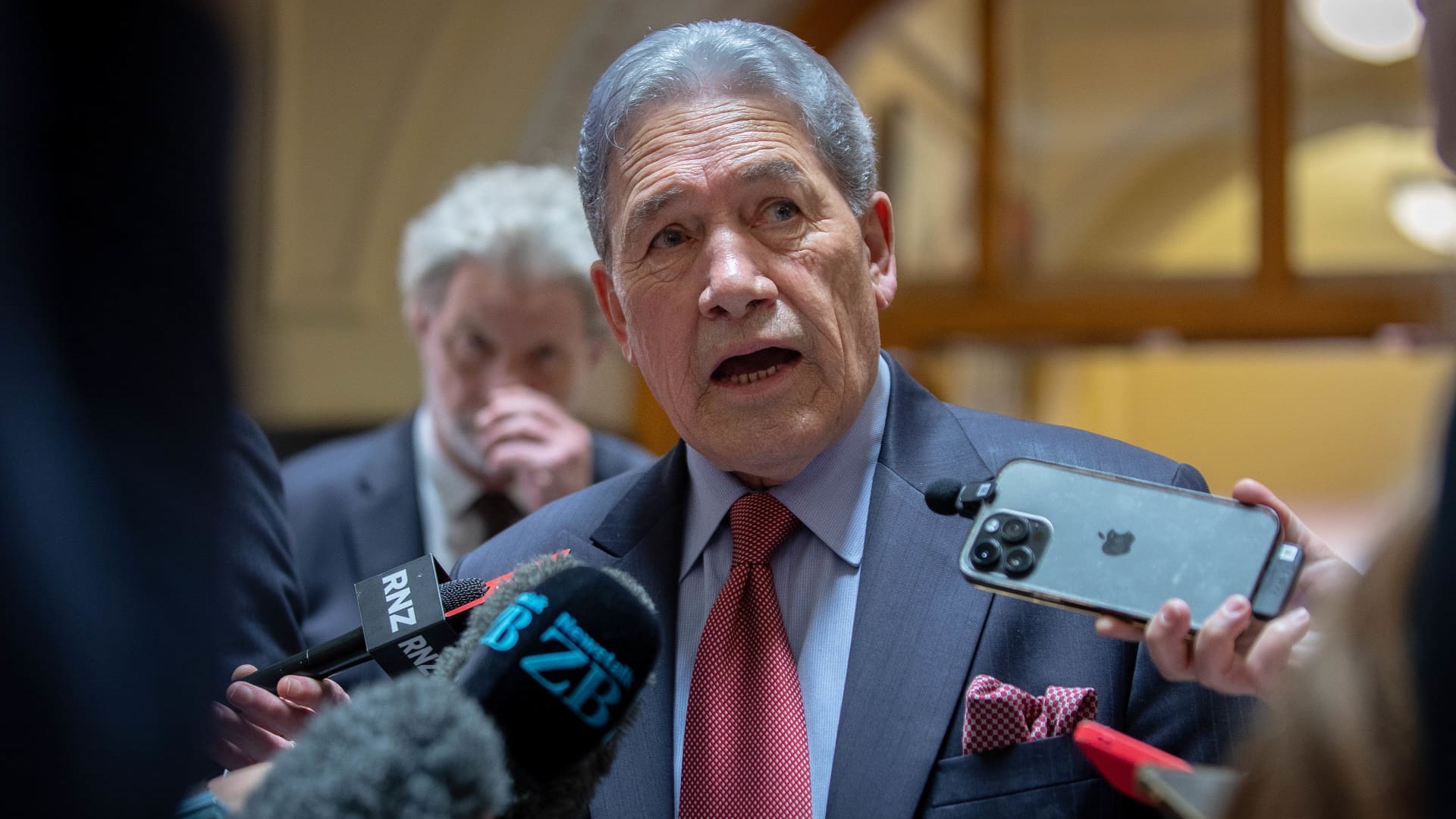
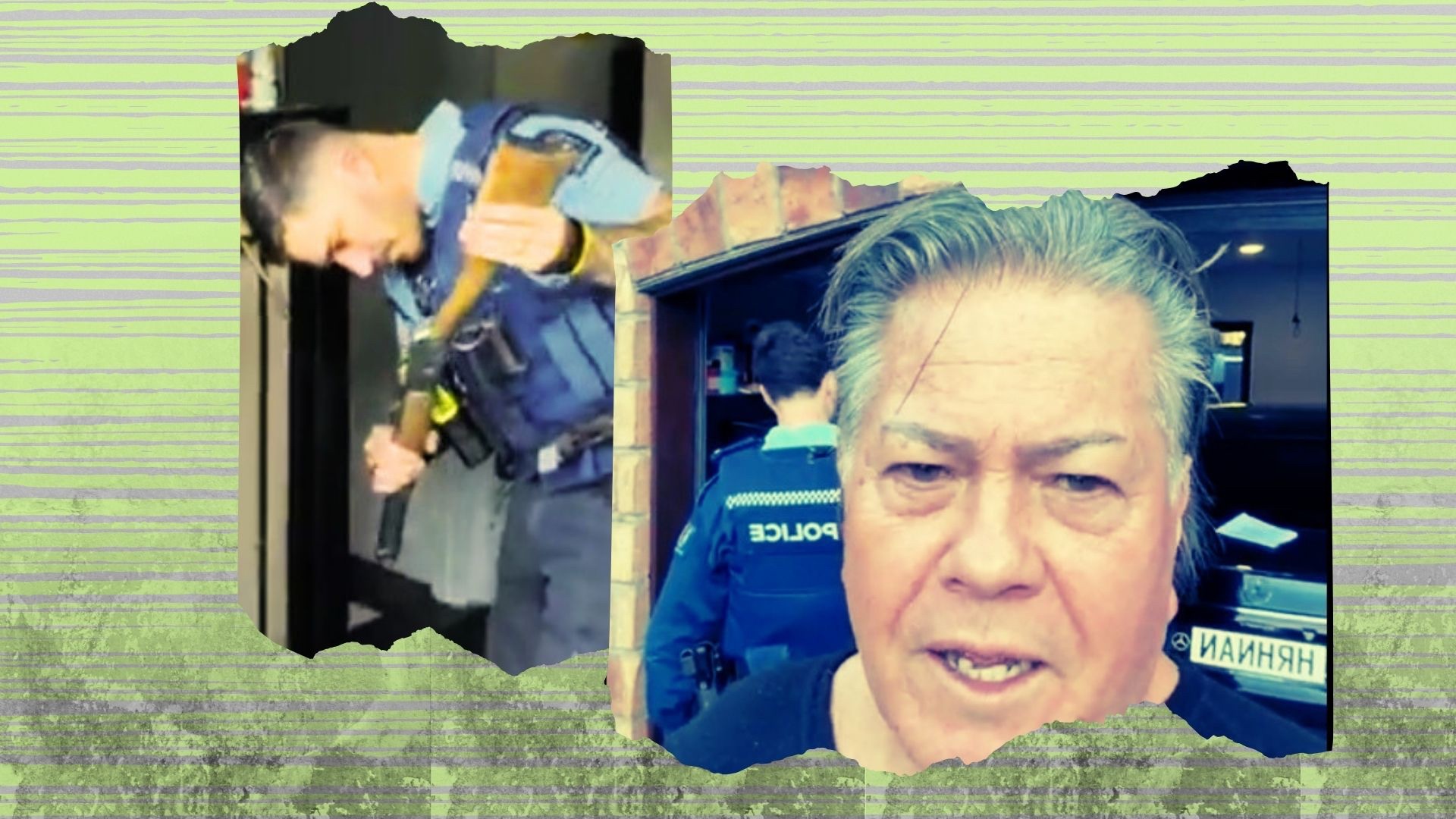
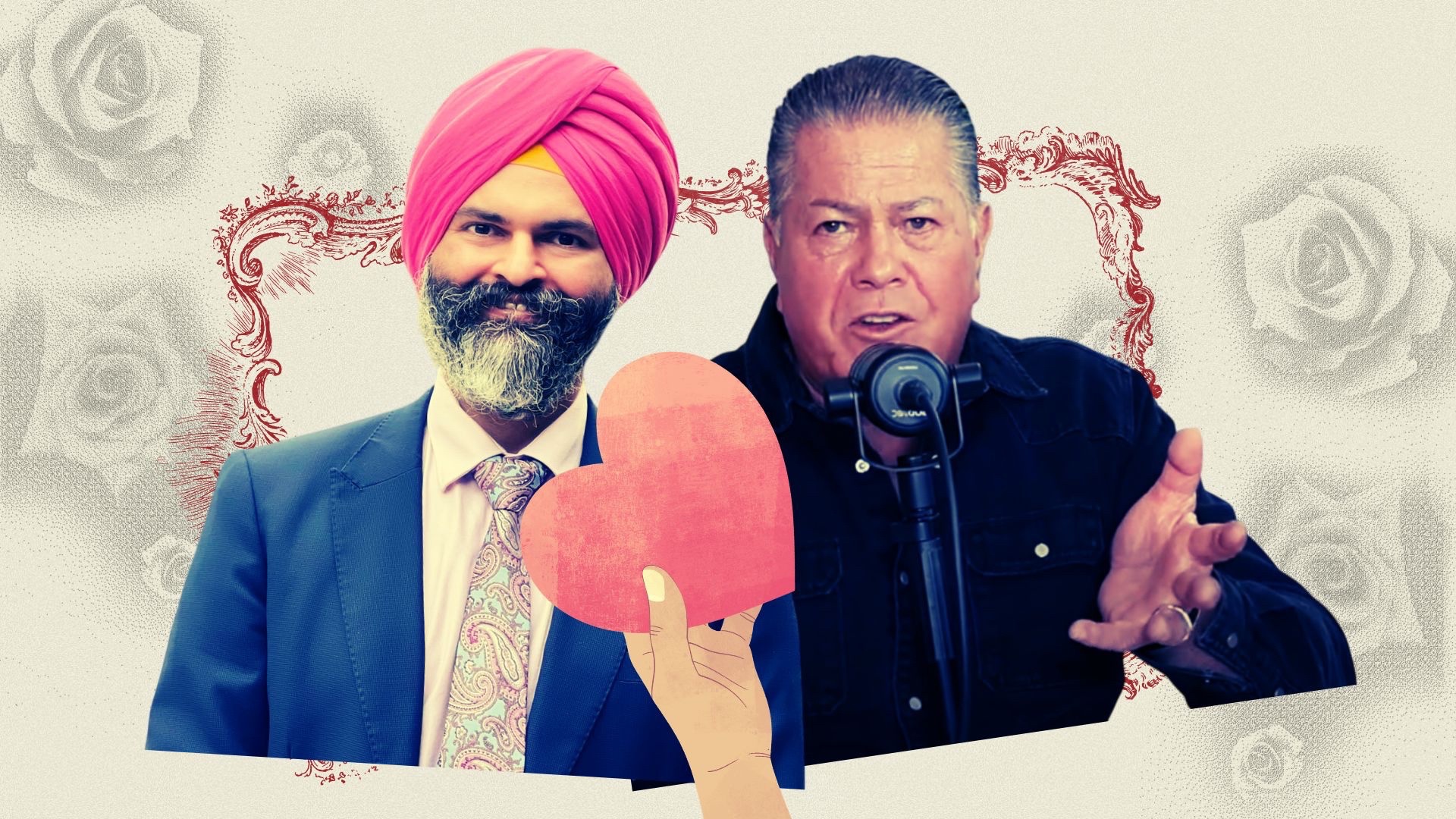
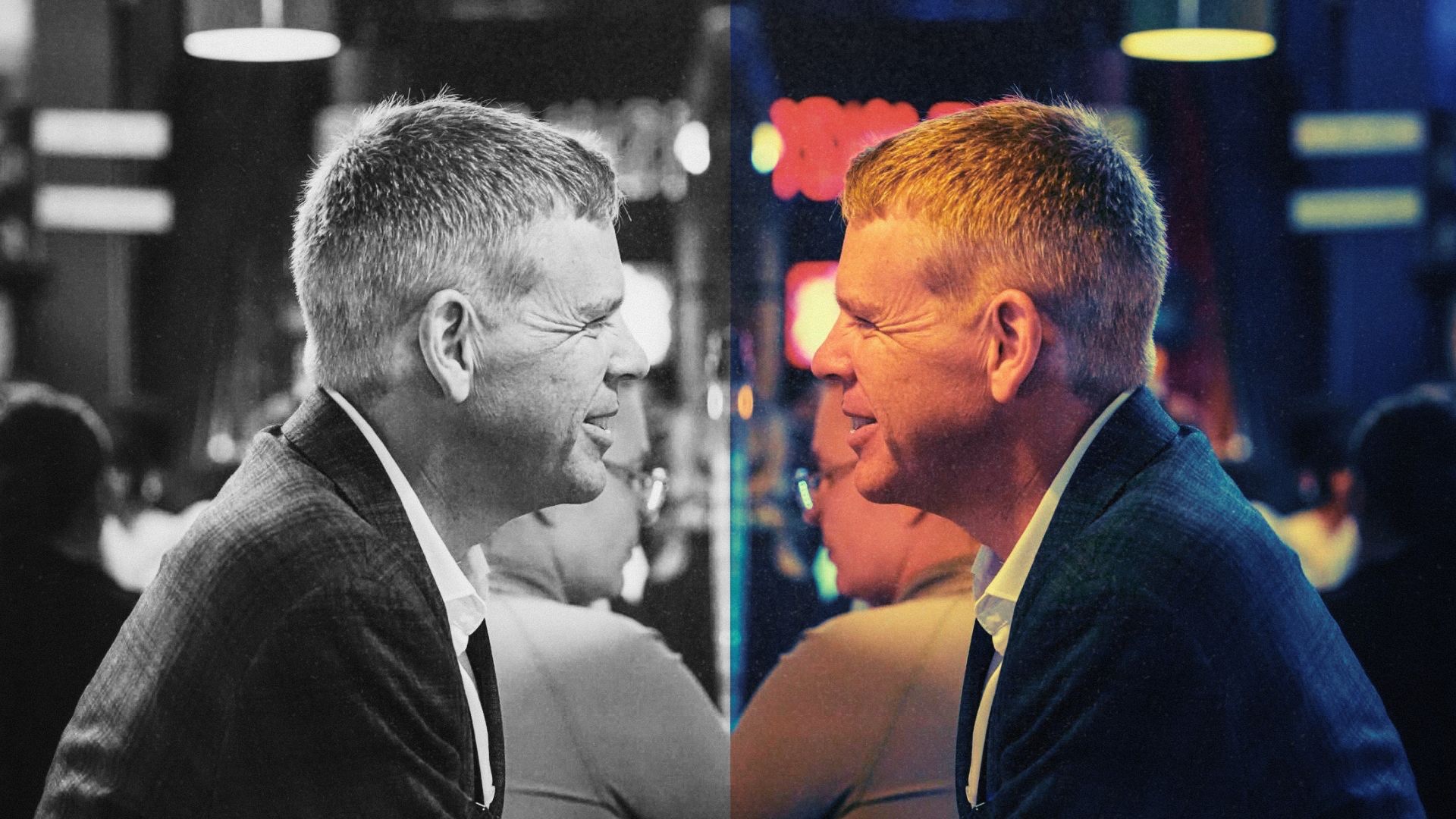
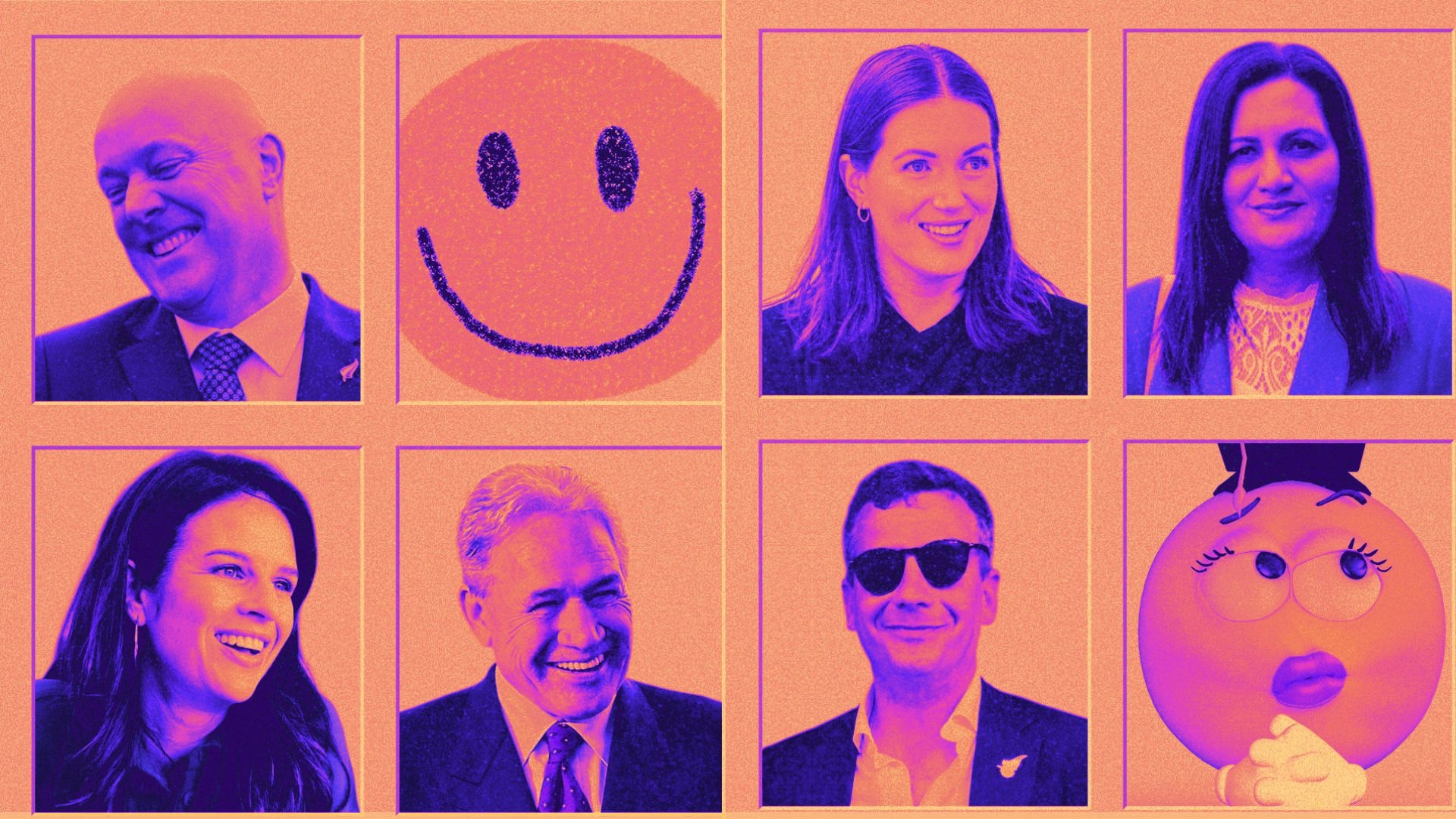
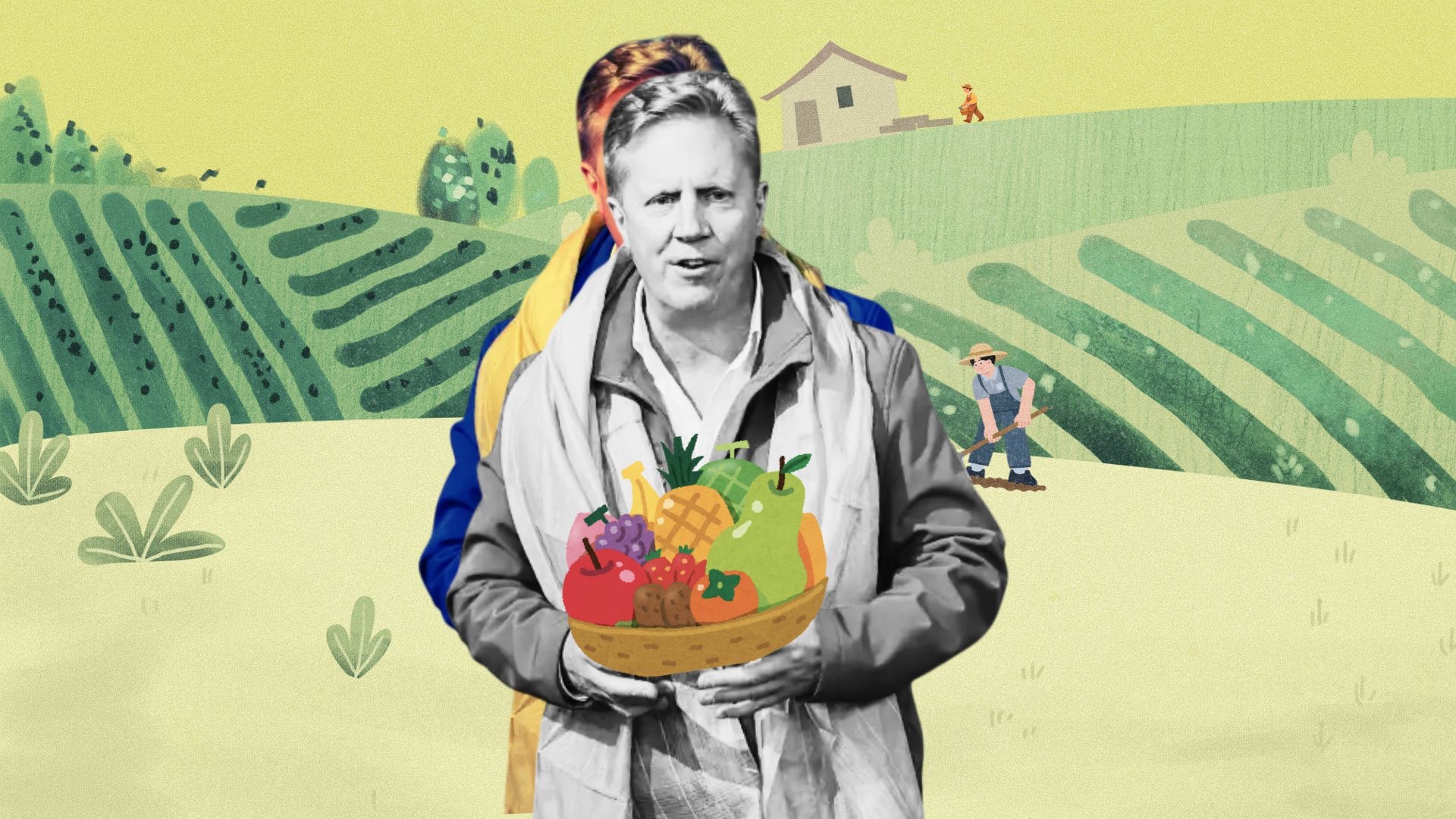
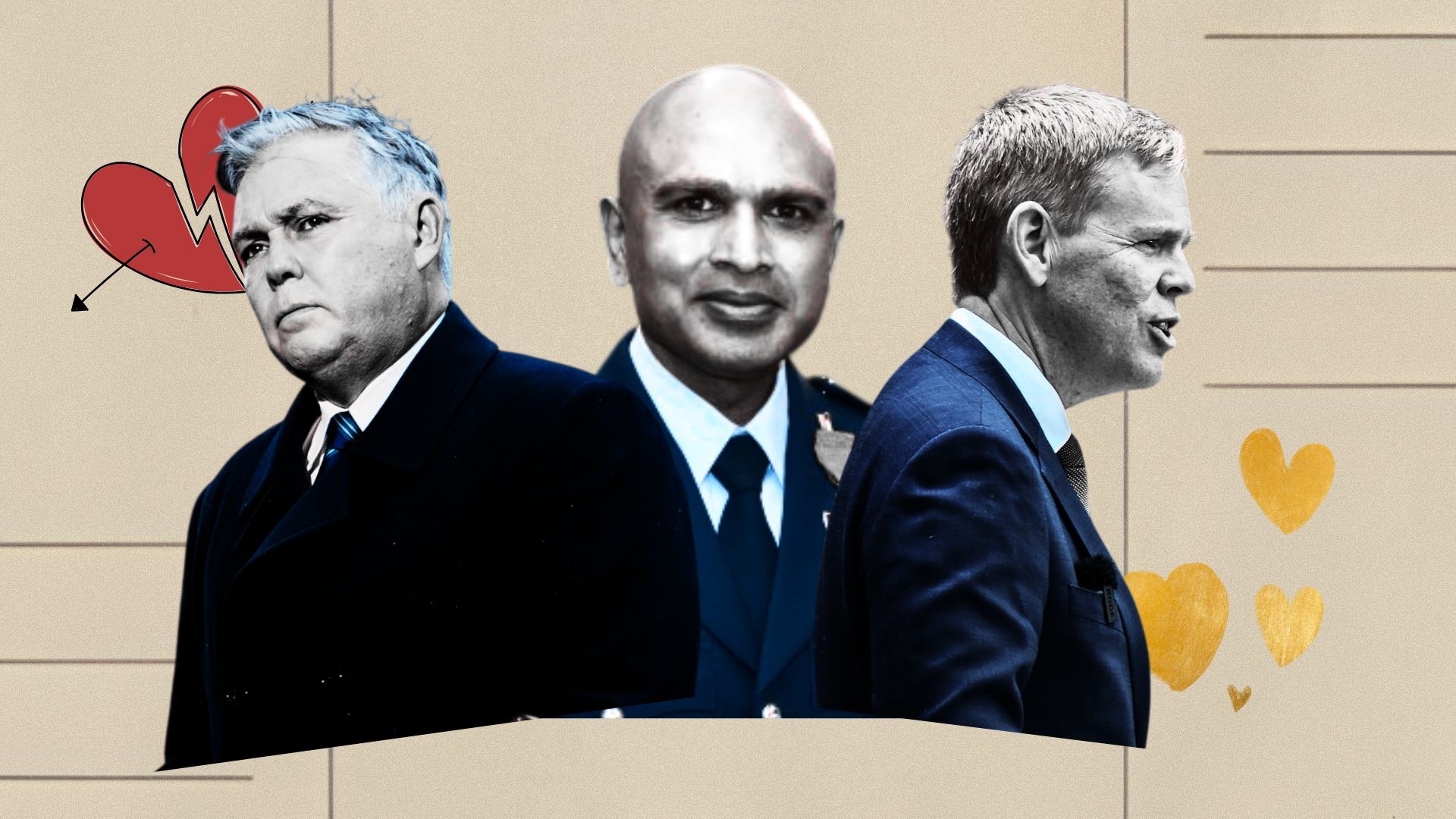
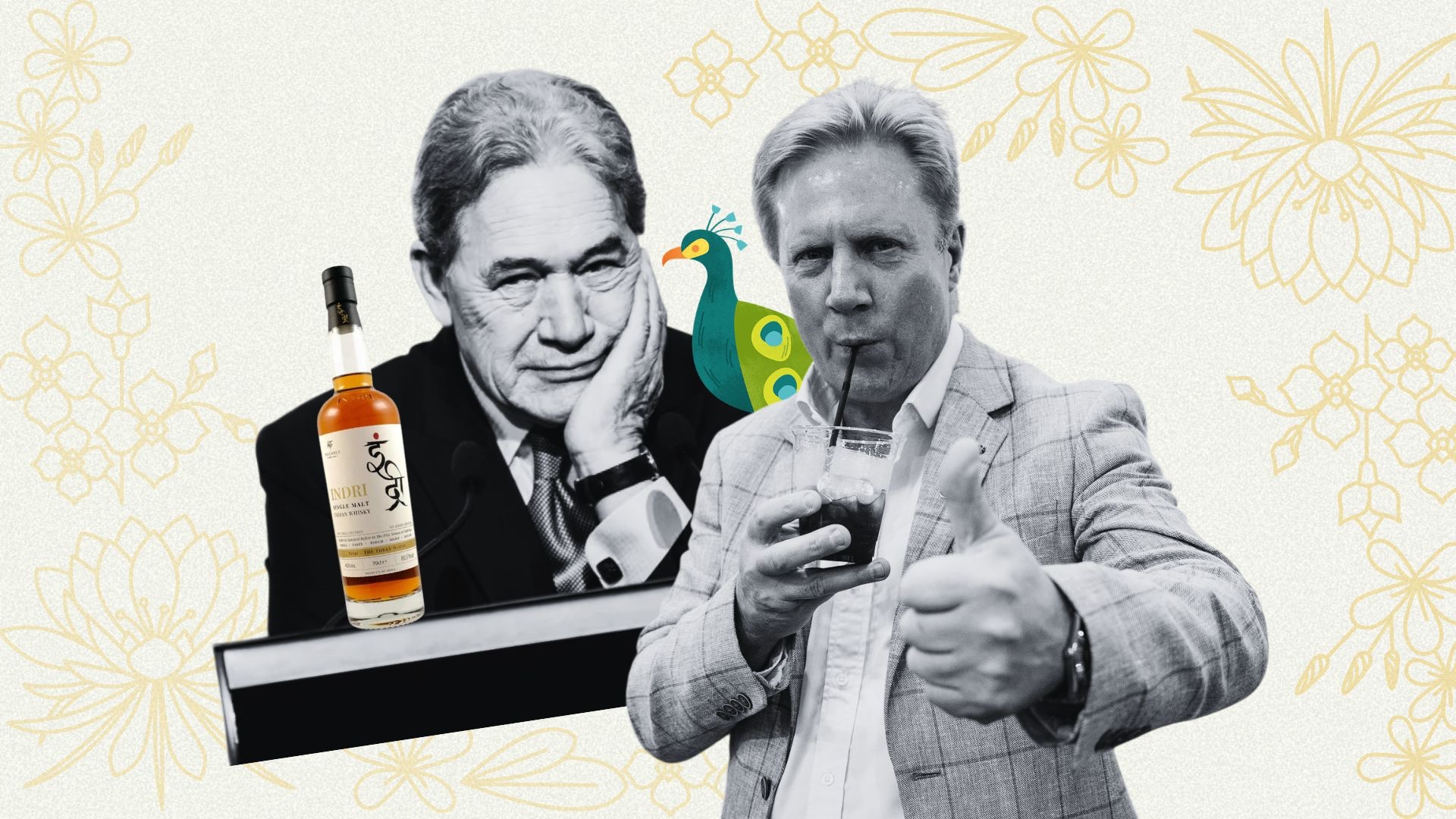
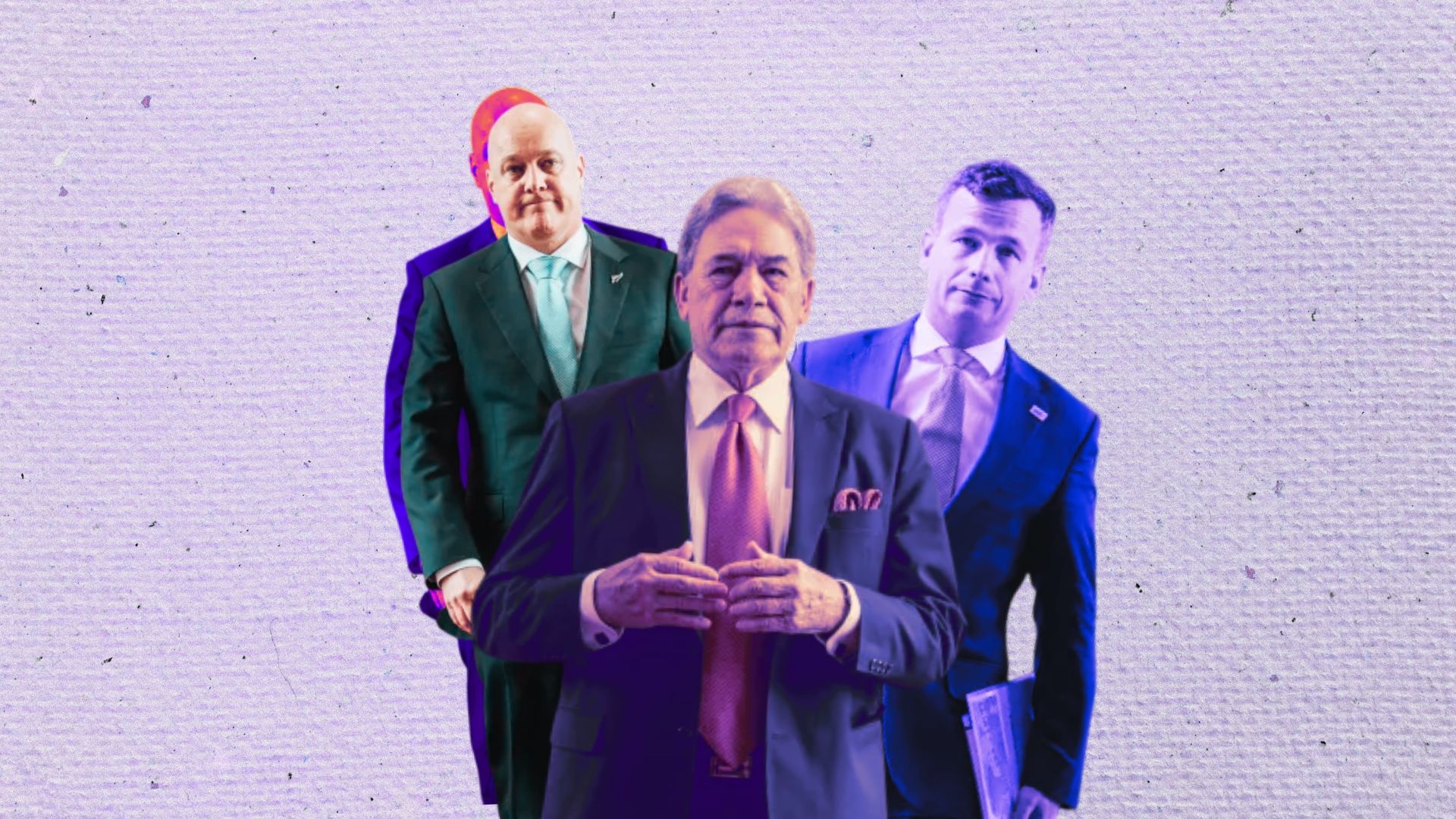
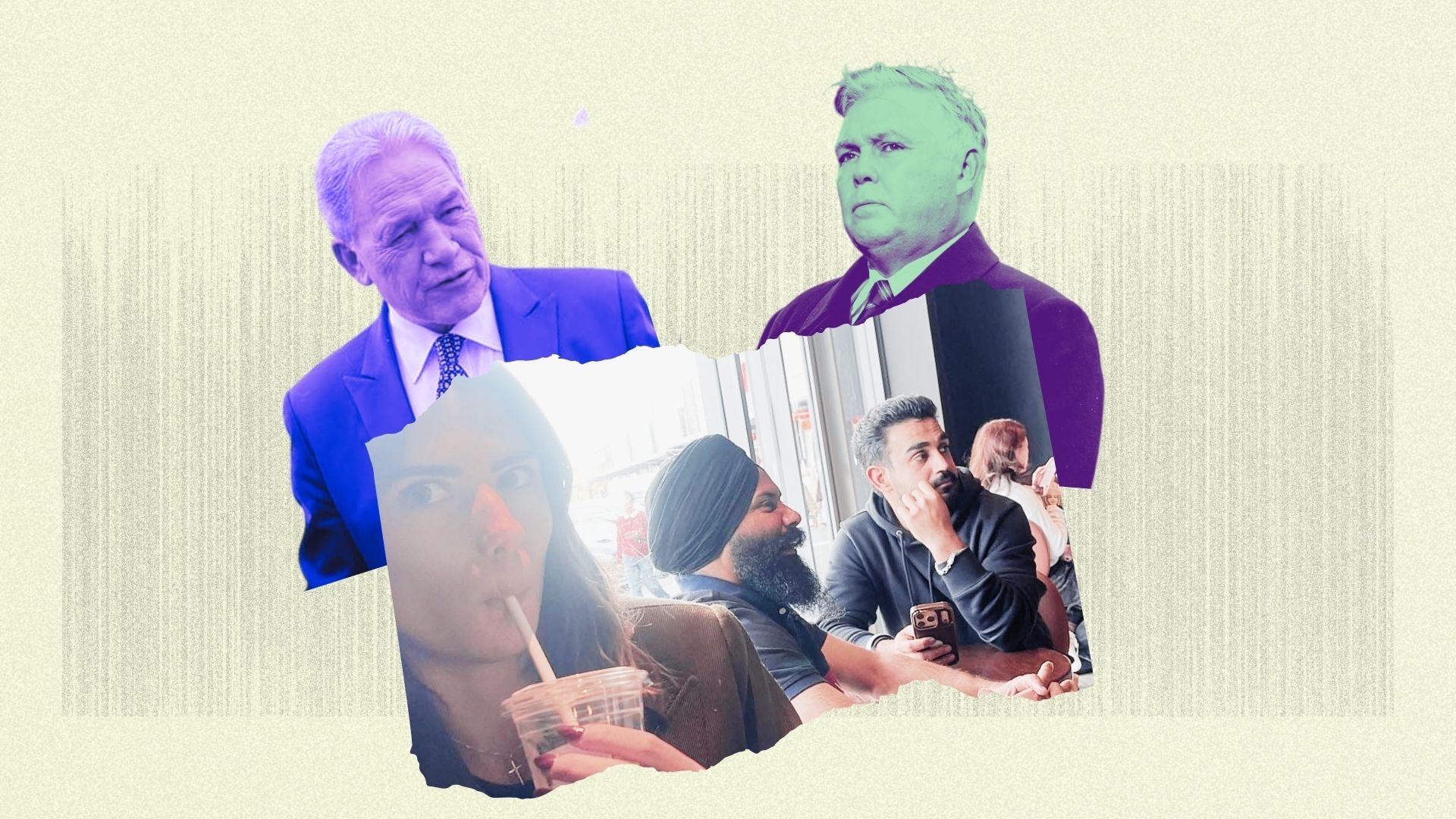
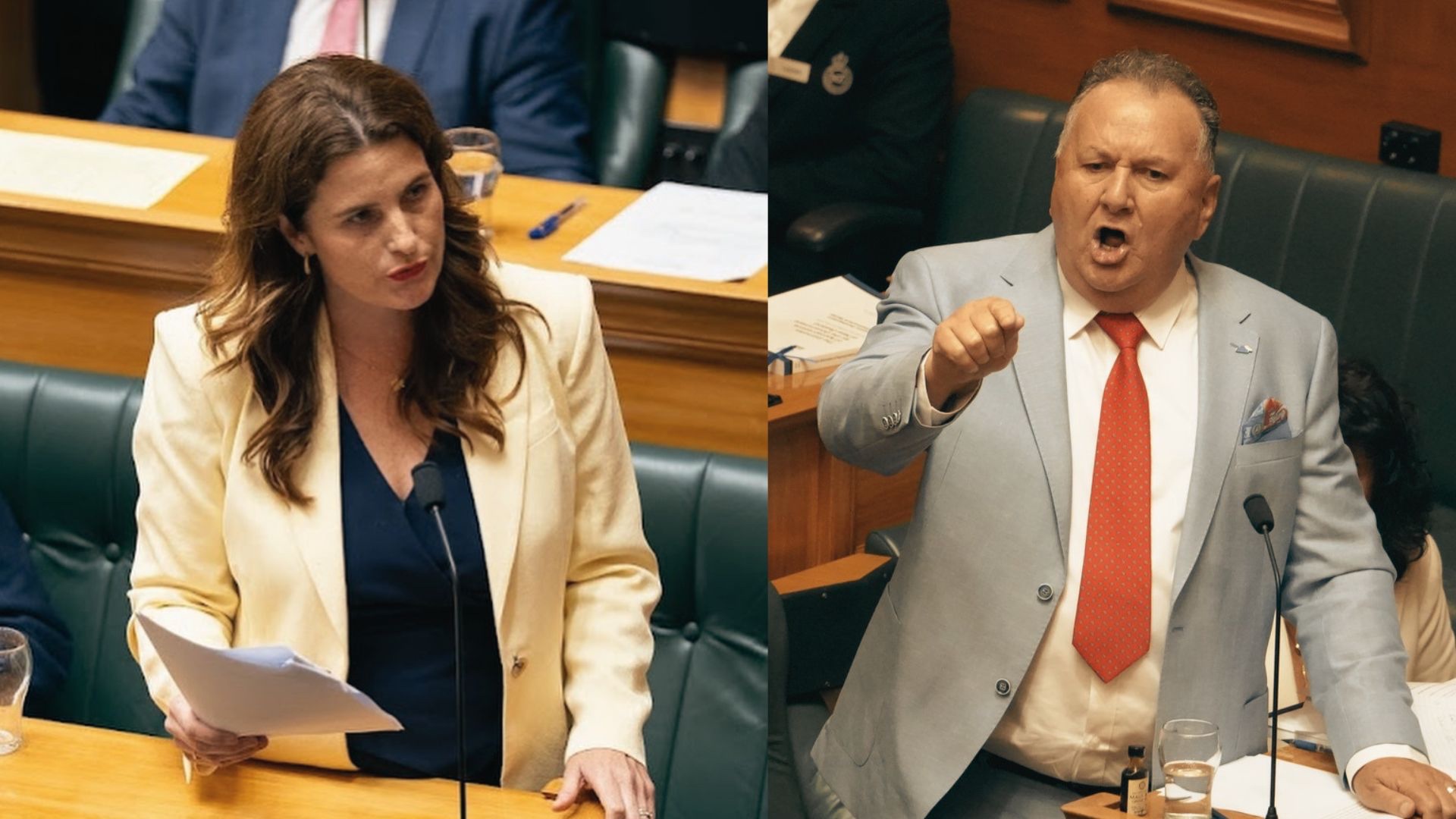
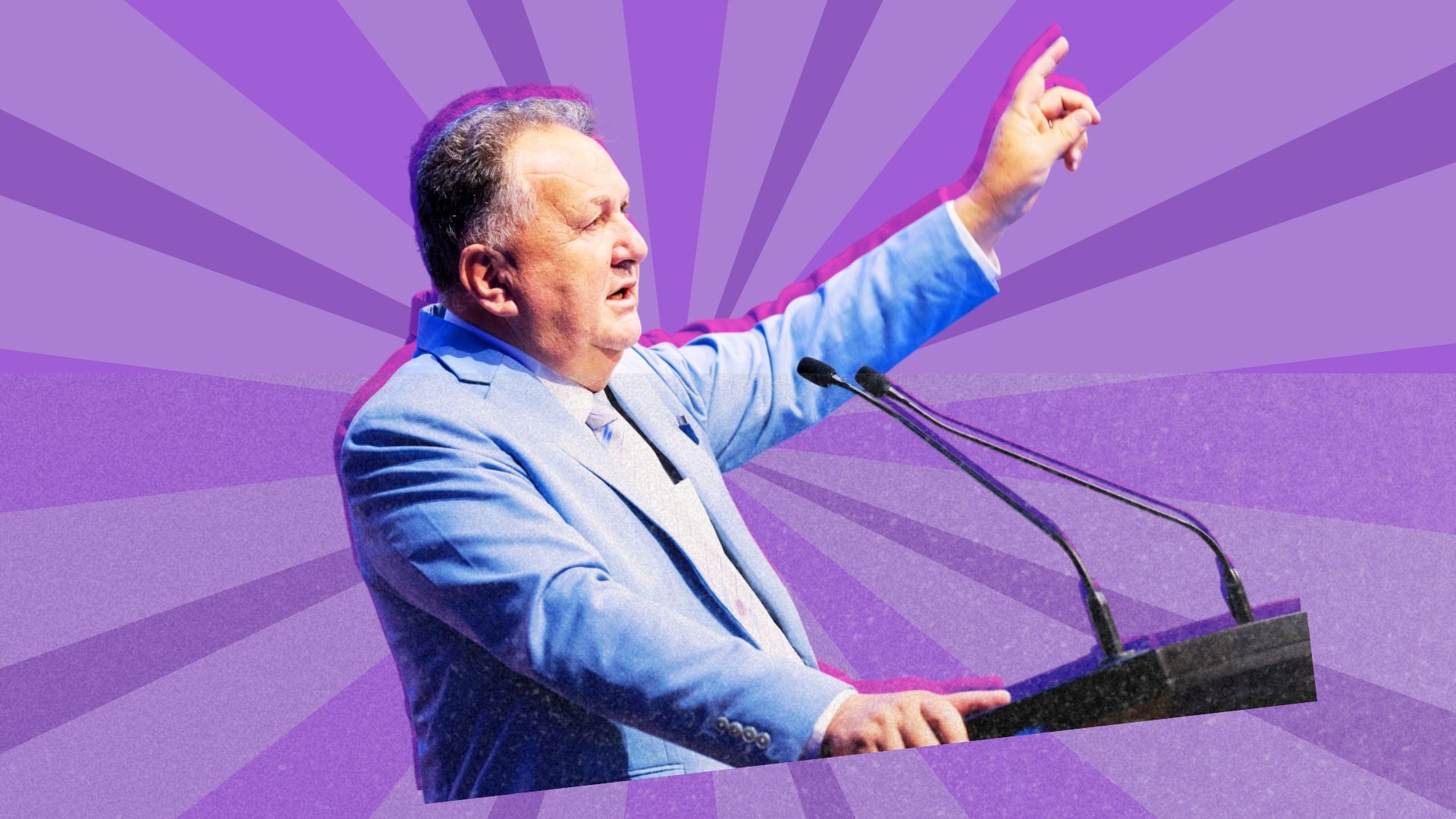
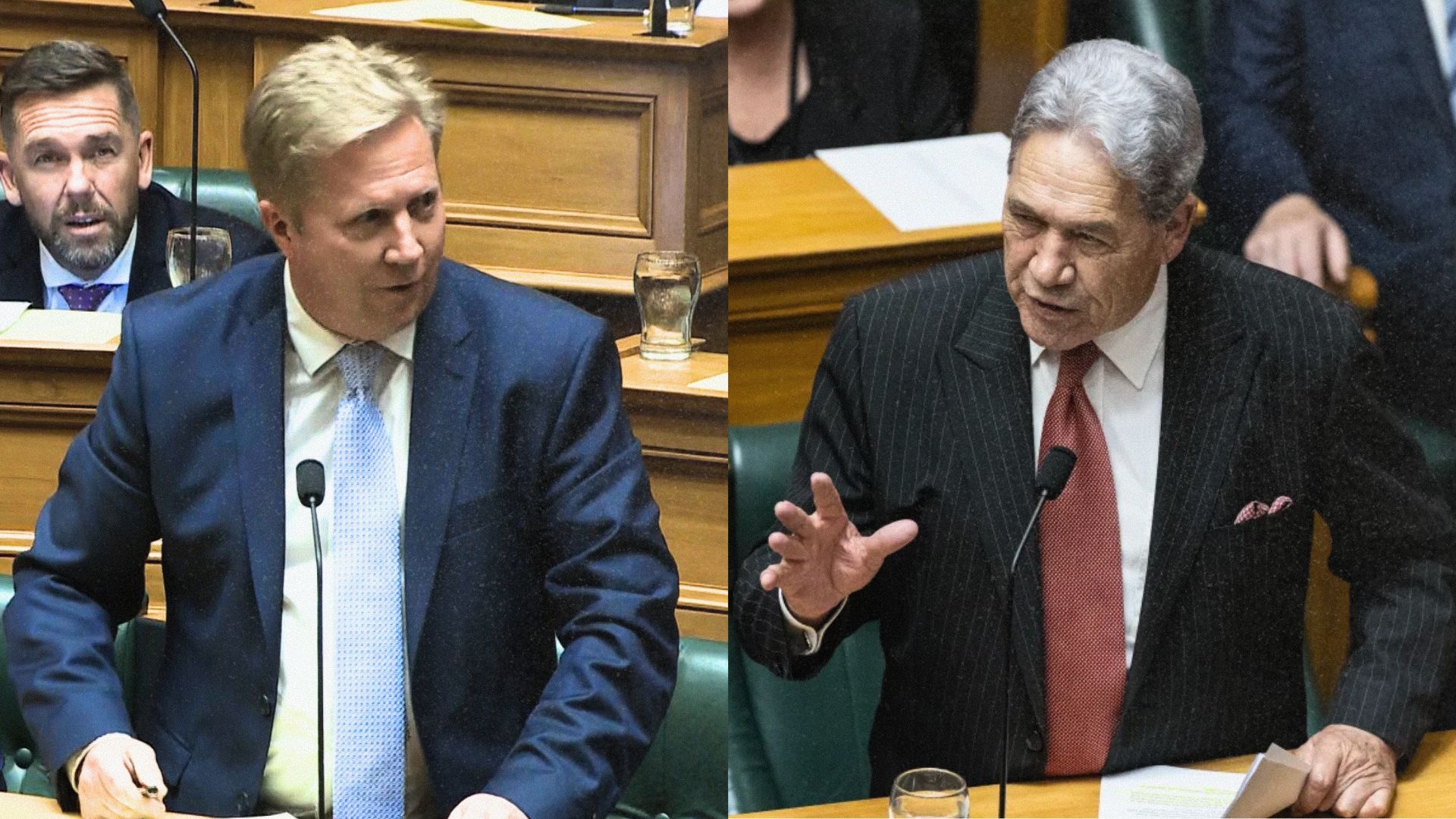
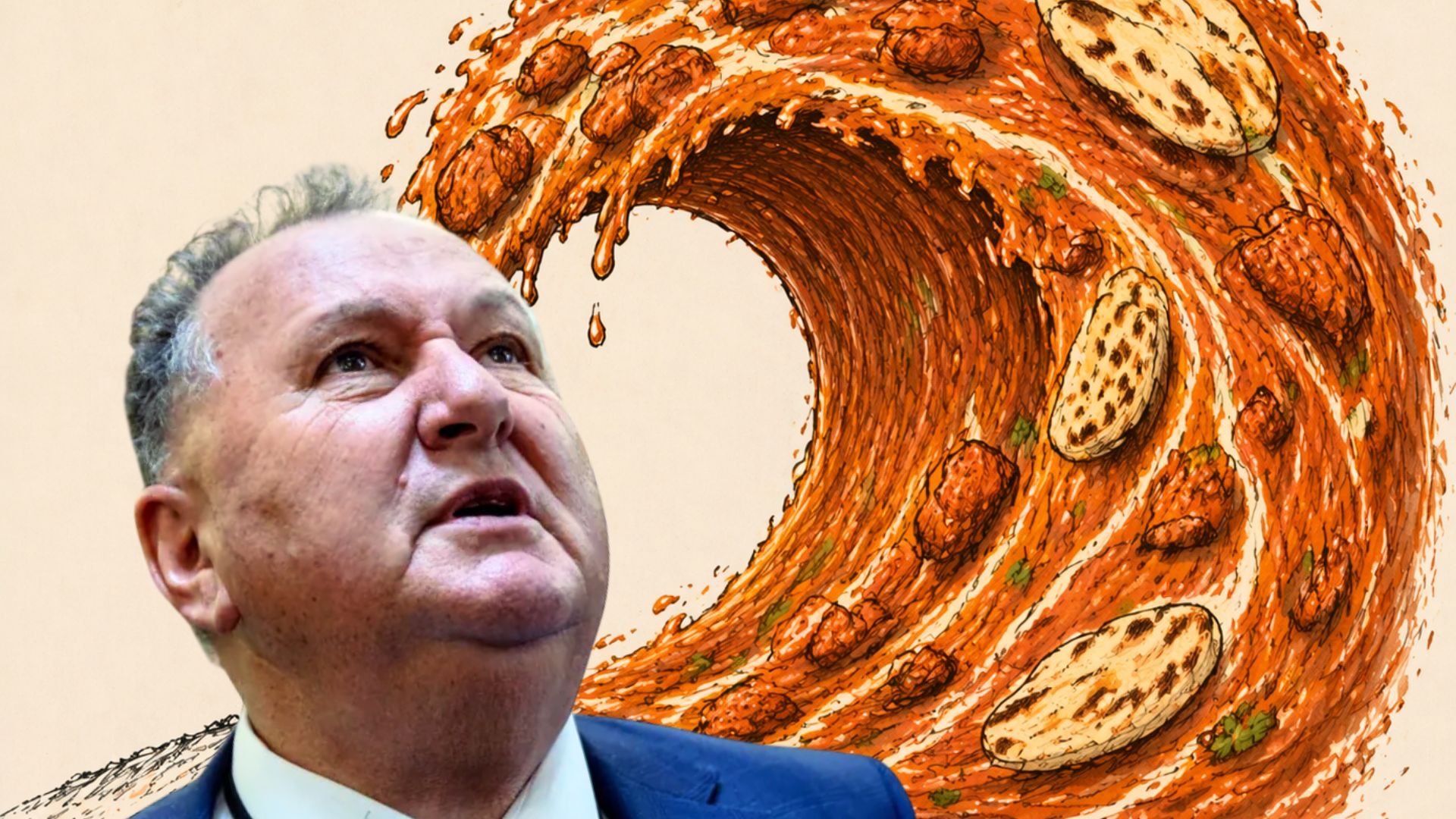
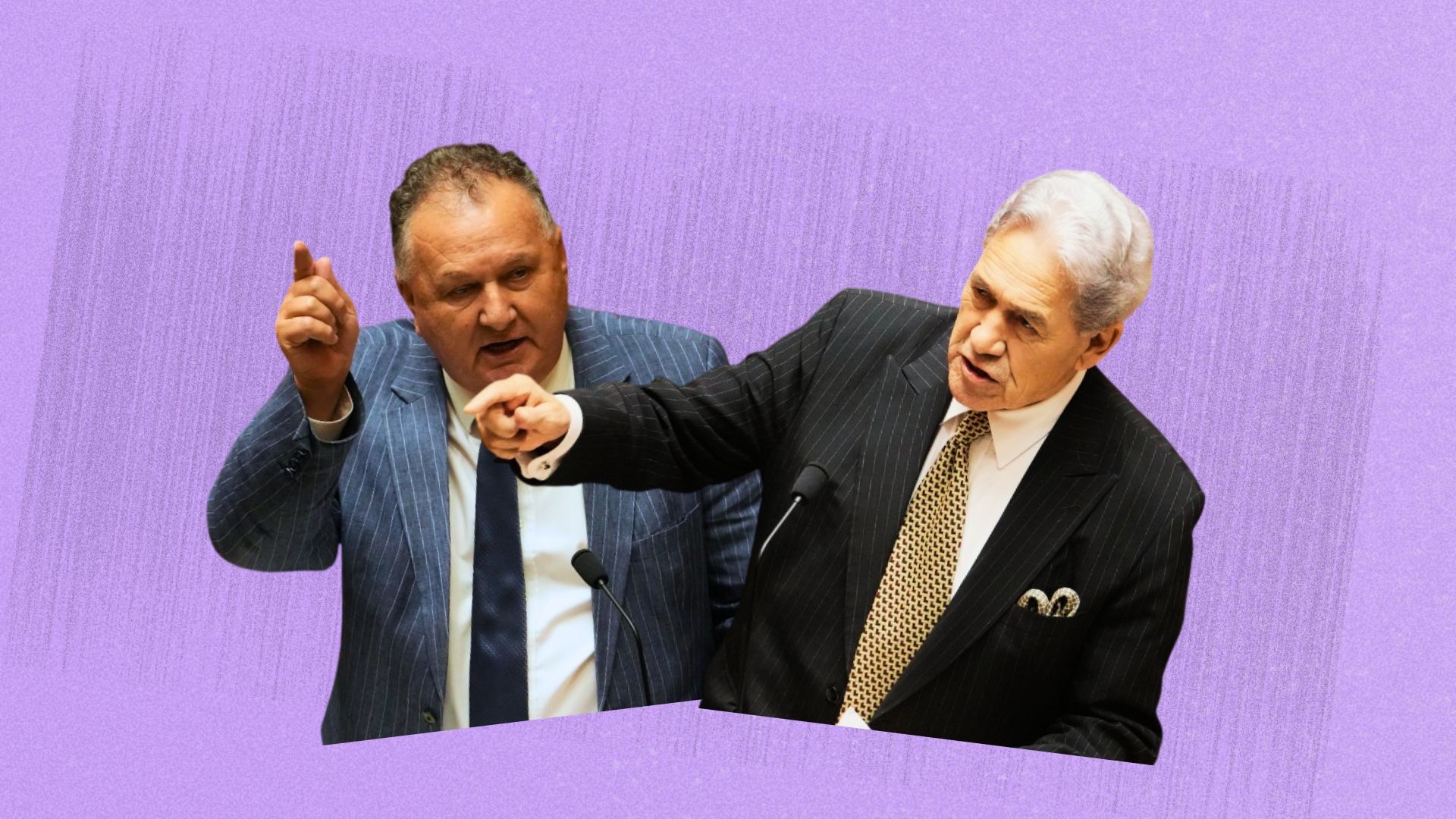
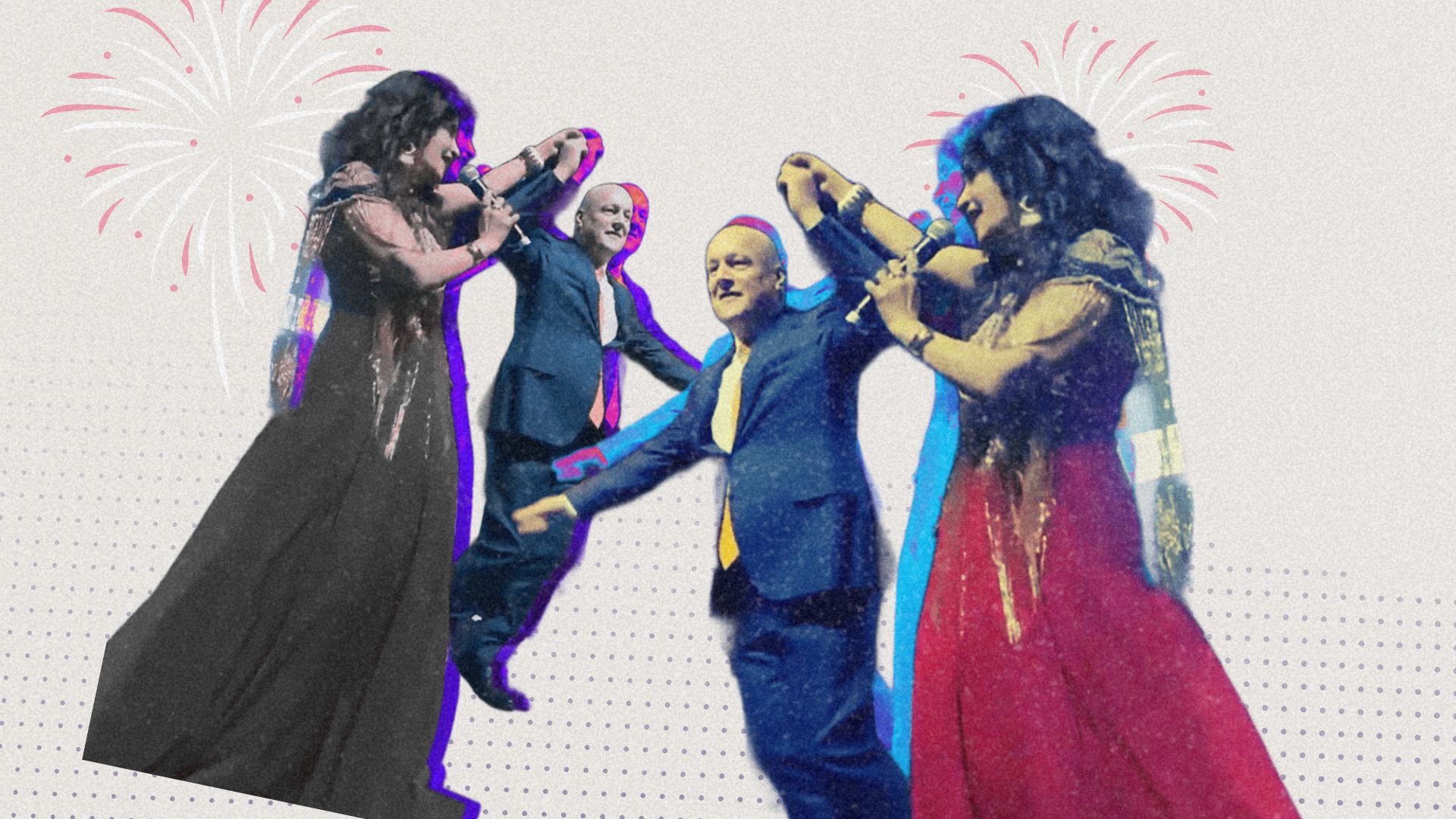
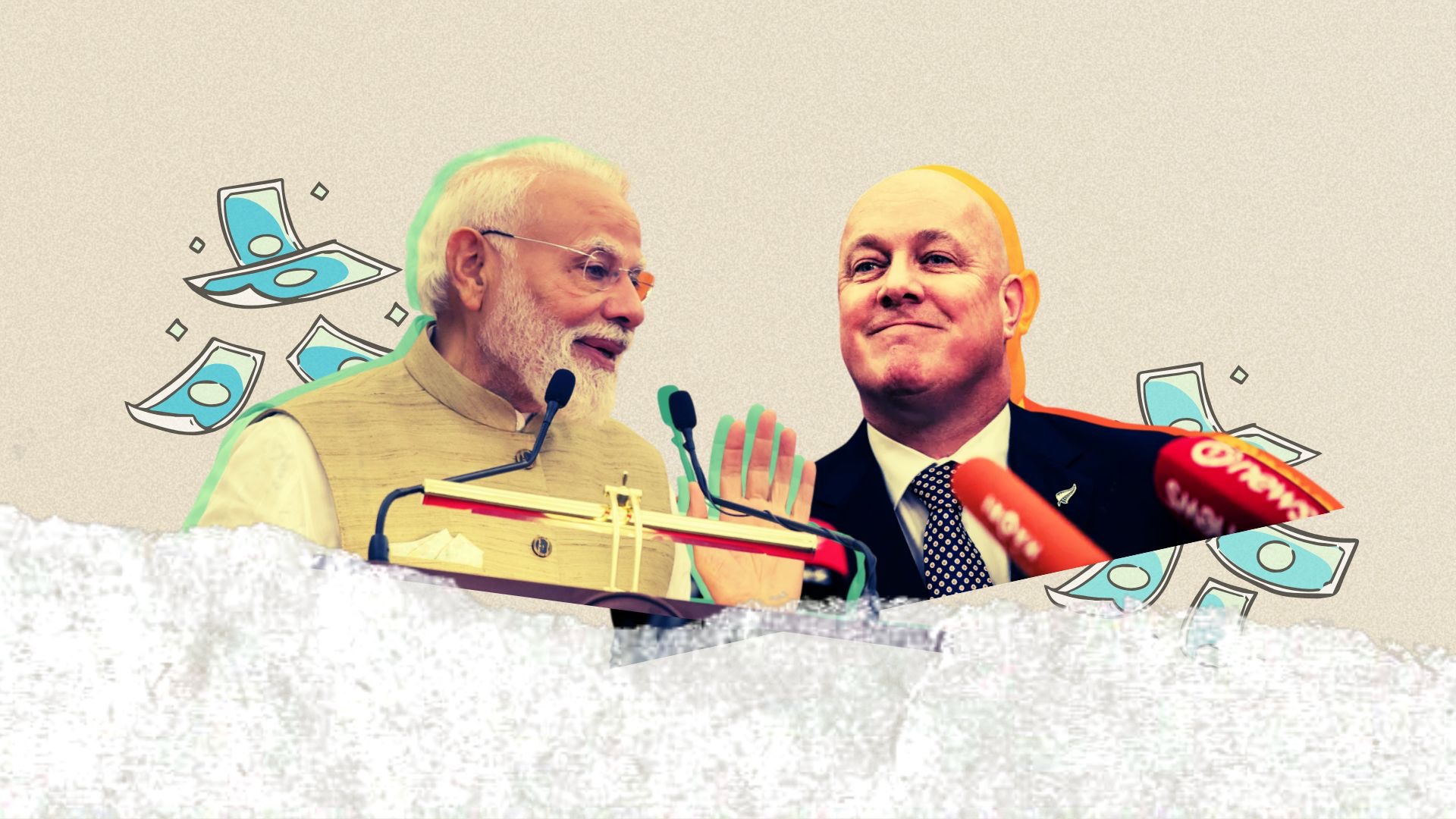
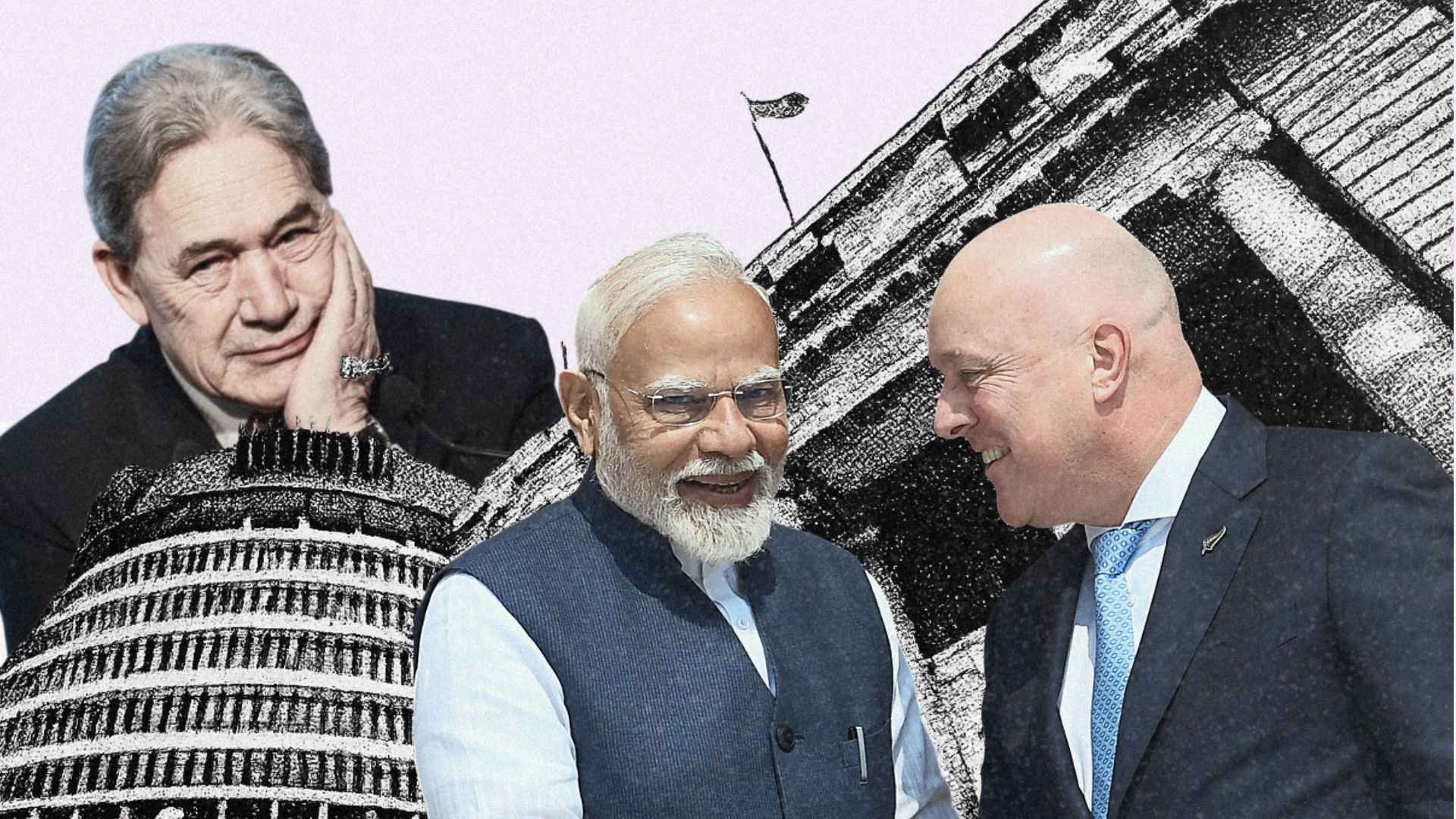
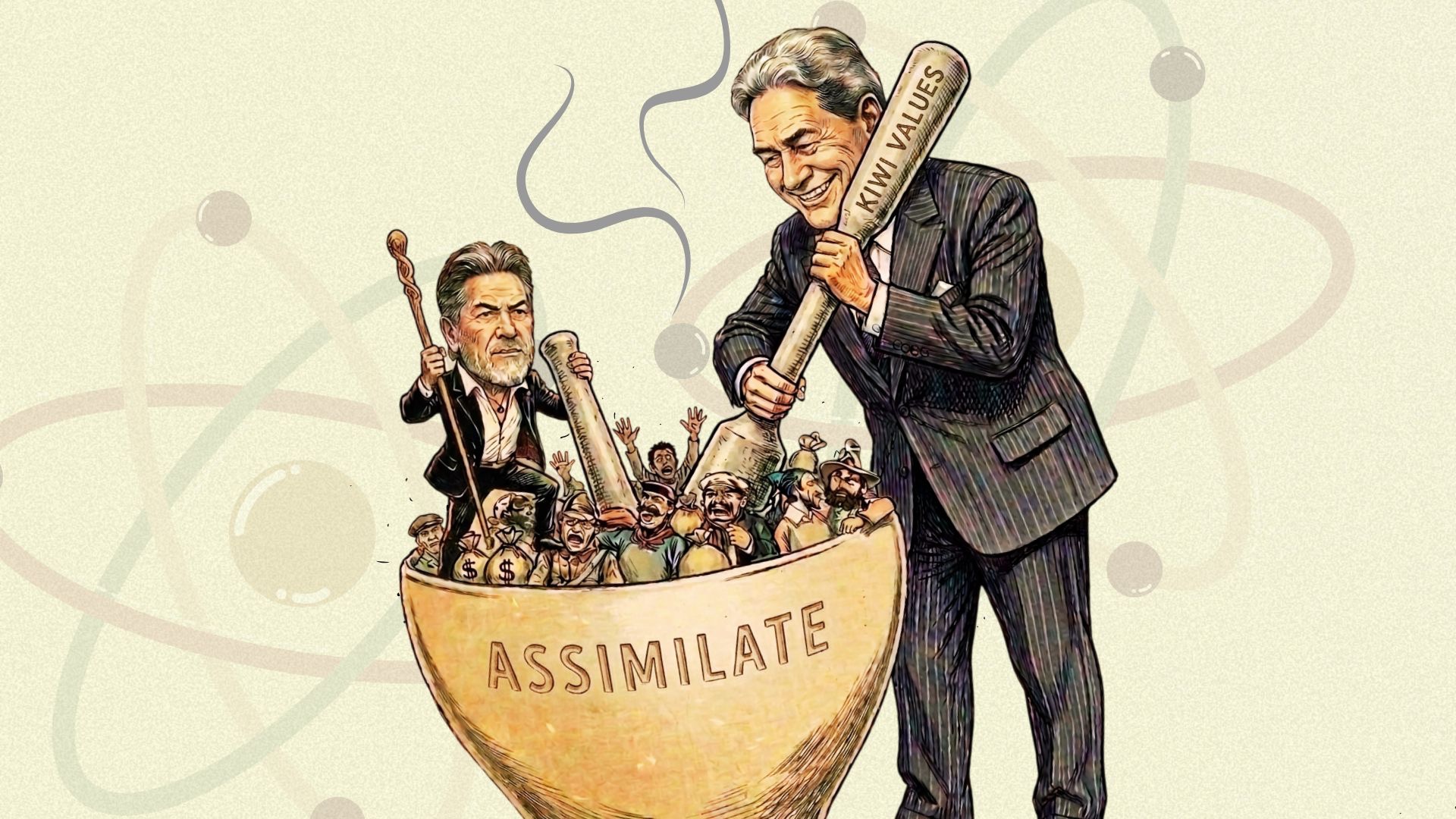
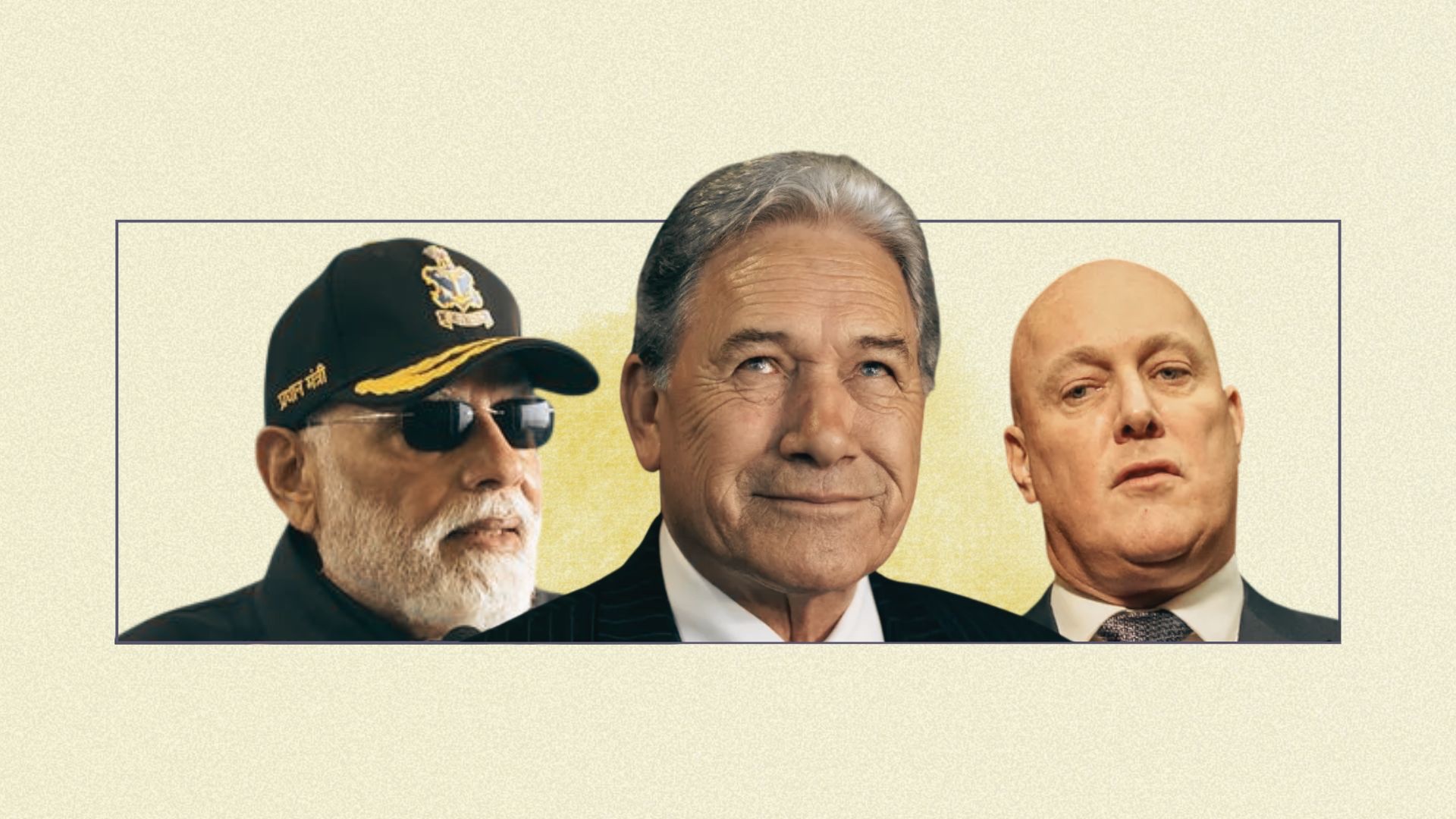
Across the coalition, Shane Jones called the prospect of Indian arrivals a “butter chicken tsunami” and was comfortable doing so on camera. Both positions define belonging by origin rather than investment. One does it with progressive language. The other does it with a food metaphor.
You do not get to call a values test discriminatory while defending a system where your standing in this country depends on who your grandparents were. That is not a consistent position. It is a convenient one.
The version we choose
The debate about the civics test is not really about the test. It never was. It is about which version of this country we believe in. One where belonging flows from blood and ancestry, or one where it flows from something chosen.
The honesty box left on the side of the road. The generosity extended to someone who gave you no reason to extend it. The flat hierarchy that says no one arrives here already entitled.
The parties calling the test racist have not framed it in those terms. Neither have the ones reaching for phrases like butter chicken tsunami. They just know what is useful to say six months from an election.
The Facebook thread was no different. Those people just knew they did not like the look of my friend.
That same friend knows what this country stands for. He was defending it when he posted his support for the civics test.
As for me, I put my money in the honesty box. I sat at the table of people who owed me nothing. I am not less of a Kiwi than I was some years ago.
I understand now when a migrant becomes a Kiwi. Not when they arrive. Not when someone decides they belong, but when they build something that earns it.