
Analysis: Iran war will complicate India’s Middle East strategy. Again
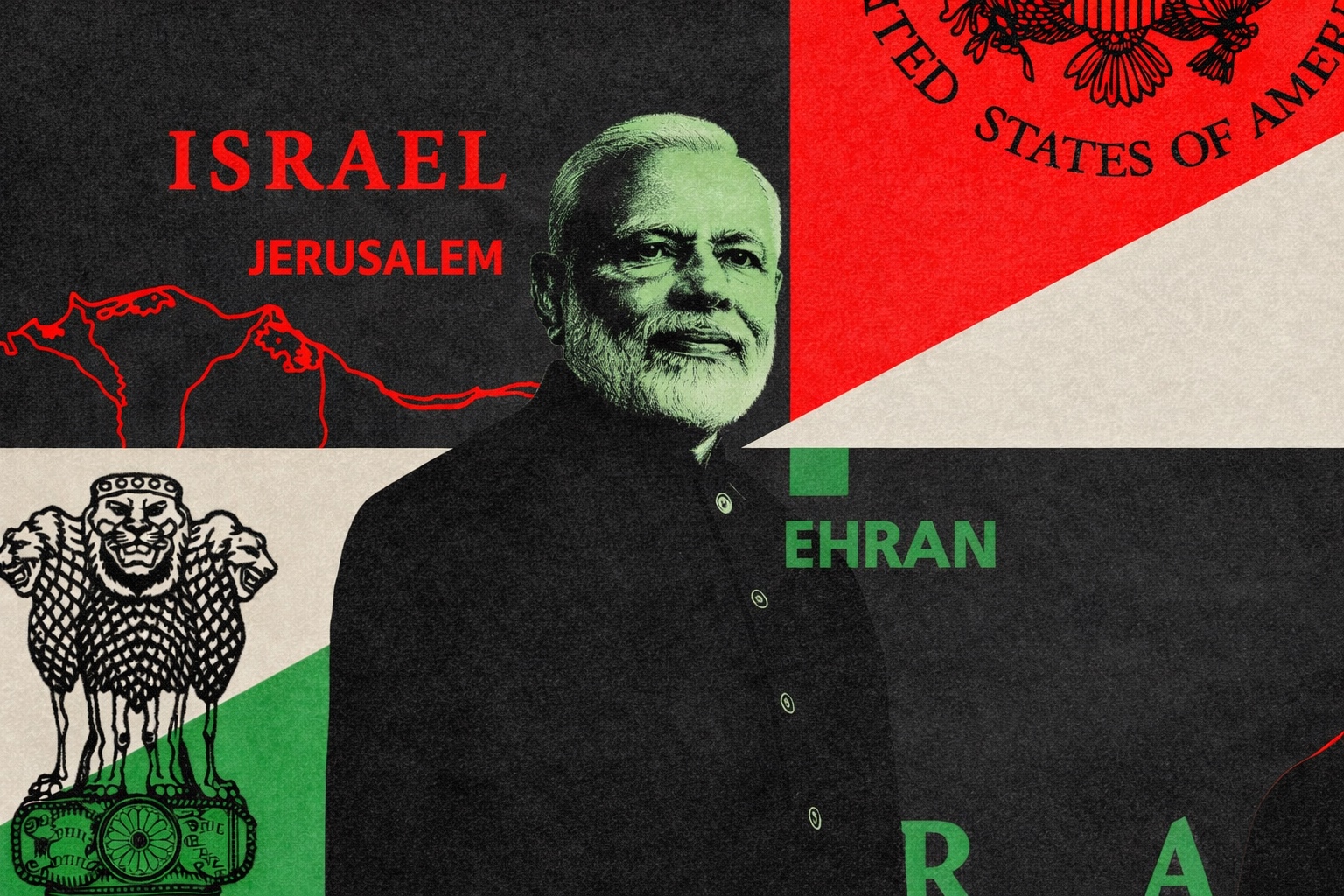
India has a strong incentive to pursue a balanced approach to the Middle East.
Iraq, Saudi Arabia, the United Arab Emirates and Kuwait are among India’s most important energy partners.
History often reveals its consequences slowly. Decisions taken with confidence in one era can reshape the geopolitical landscape in ways few anticipate. Few modern events demonstrate this more clearly than the 2003 invasion of Iraq.
What began as a campaign aimed at removing a hostile regime and reshaping the Middle East ultimately produced a profound strategic shift: the expansion of Iranian influence across the region.
Two decades later, the ripple effects of that moment continue to shape the politics of the Middle East, and they carry important implications for countries far beyond the region, including India.
Understanding how this transformation unfolded is essential for grasping both the region’s current tensions and the delicate diplomatic balancing act that India must maintain today.
The collapse of a regional counterweight
Being Indian and Kiwi at once. How Ajaz Patel's 10-wicket haul brought his two worlds together A historic moment in Mumbai left the Black Caps spinner reflecting on something far deeper than cricket.
India's SIR voter controversy reaches New Zealand in Muslim man's asylum case The man claimed Muslims excluded from voter lists risked losing welfare benefits and being treated as illegal immigrants.
Election 2026: A right majority is possible even if Opportunity enters Parliament The latest polls suggest National, ACT and NZ First could secure a majority, with the Opportunity Party's fortunes still crucial.
Before 2003, Iraq served as one of the principal counterweights to Iran’s ambitions in the Middle East. Under Saddam Hussein, Iraq functioned as a Sunni-dominated state sitting directly on Iran’s western border.
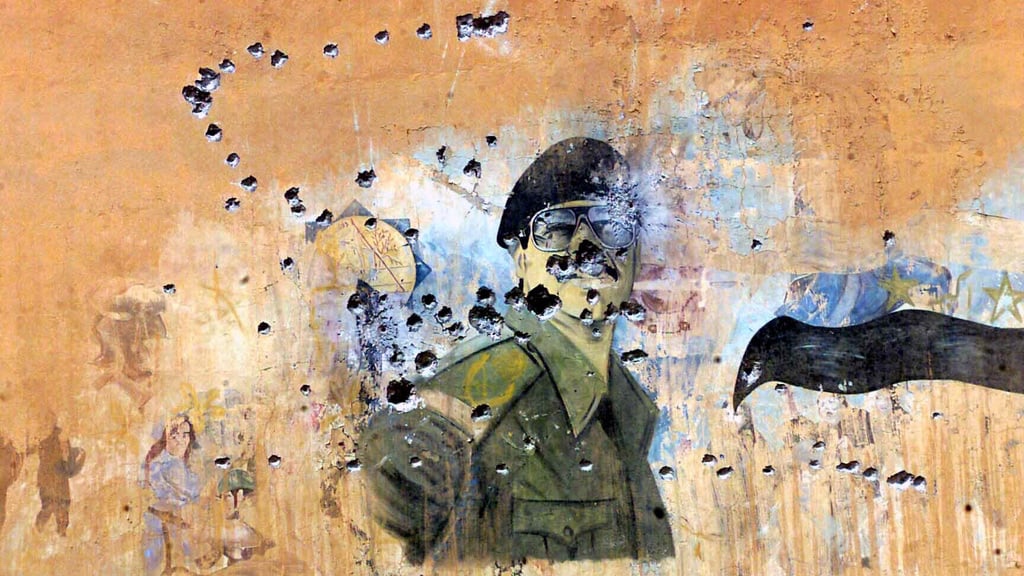
A bullet-riddled mural of Saddam Hussein in southern Iraq during the US invasion of Iraq in 2003. (The United States Marine Corps)
The two countries had fought a brutal eight-year conflict beginning 1980. At least a million people died in the Iran–Iraq War, which left both nations deeply scarred. Despite its brutality, that conflict produced a grim equilibrium. Neither Iran nor Iraq emerged strong enough to dominate the region.
For the Sunni Arab monarchies of the Gulf, Iraq effectively acted as a strategic buffer between Arab political power and Persian revolutionary influence. The removal of Saddam Hussein in 2003 dismantled that balance almost overnight. The collapse of Iraq’s state institutions created a vacuum that quickly transformed the country’s internal political order.
For the first time in modern Iraqi history, the country’s Shia majority assumed political power. Many of the political figures who rose to prominence in the new Iraq had spent years in exile in Iran during Saddam’s rule, forging deep political, religious and military ties with Tehran.
The result was not an immediate Iranian takeover of Iraq, but rather something arguably more consequential – sustained influence. Iran cultivated relationships with political parties, religious networks and militia groups that became embedded within Iraq’s new power structure.
Over time, Tehran gained the ability to shape Iraqi politics in ways that would have been unimaginable during Saddam’s era. In geopolitics, influence is often more powerful than control.
The strategic corridor
The transformation of Iraq had another far-reaching consequence. It enabled Iran to expand its reach westward across the Middle East. Through relationships with Shia militias in Iraq, support for the Assad government in Syria, and its longstanding alliance with Hezbollah in Lebanon, Iran gradually established what analysts frequently describe as a strategic corridor stretching from Tehran to the Mediterranean Sea.
From the perspective of Iran’s leadership, this corridor provided strategic depth; the ability to project influence and deter adversaries far beyond Iran’s own borders. From the perspective of its rivals, it looked very different.
For Sunni-majority powers such as Saudi Arabia and several Gulf states, Iran’s expanding network appeared to represent the emergence of a "Shia arc" of influence across the Middle East.
The ancient theological divide between Sunni and Shia Islam began to intersect with modern geopolitical competition. Religion did not create the rivalry, but it became a powerful lens through which political conflict was interpreted.
For Israel, the implications were equally serious. Iran’s ability to supply and strengthen Hezbollah in Lebanon created a direct security challenge along Israel’s northern frontier. The prospect of Iranian influence stretching across multiple neighbouring states reshaped Israel’s strategic calculations.
In this way, the aftermath of Iraq’s collapse produced a new regional equation: one defined not by a single rivalry, but by several overlapping contests for power.
The new middle-eastern triangle
Today, the politics of the Middle East can be understood through three intersecting rivalries. First is the confrontation between Iran and Israel, defined by ideological hostility, proxy conflicts and mutual security fears.
Second is the competition between Iran and the Sunni Arab powers, particularly Saudi Arabia and several Gulf states, who view Iran’s expanding influence with deep suspicion.
Third is the broader Sunni–Shia divide that, while theological in origin, has increasingly taken on geopolitical meaning. These tensions do not operate in isolation. The result is a regional system that is highly volatile but rarely static.
For countries outside the Middle East, the challenge lies not in resolving these rivalries but in navigating them. For India, this challenge is particularly complex.
India’s energy imperative
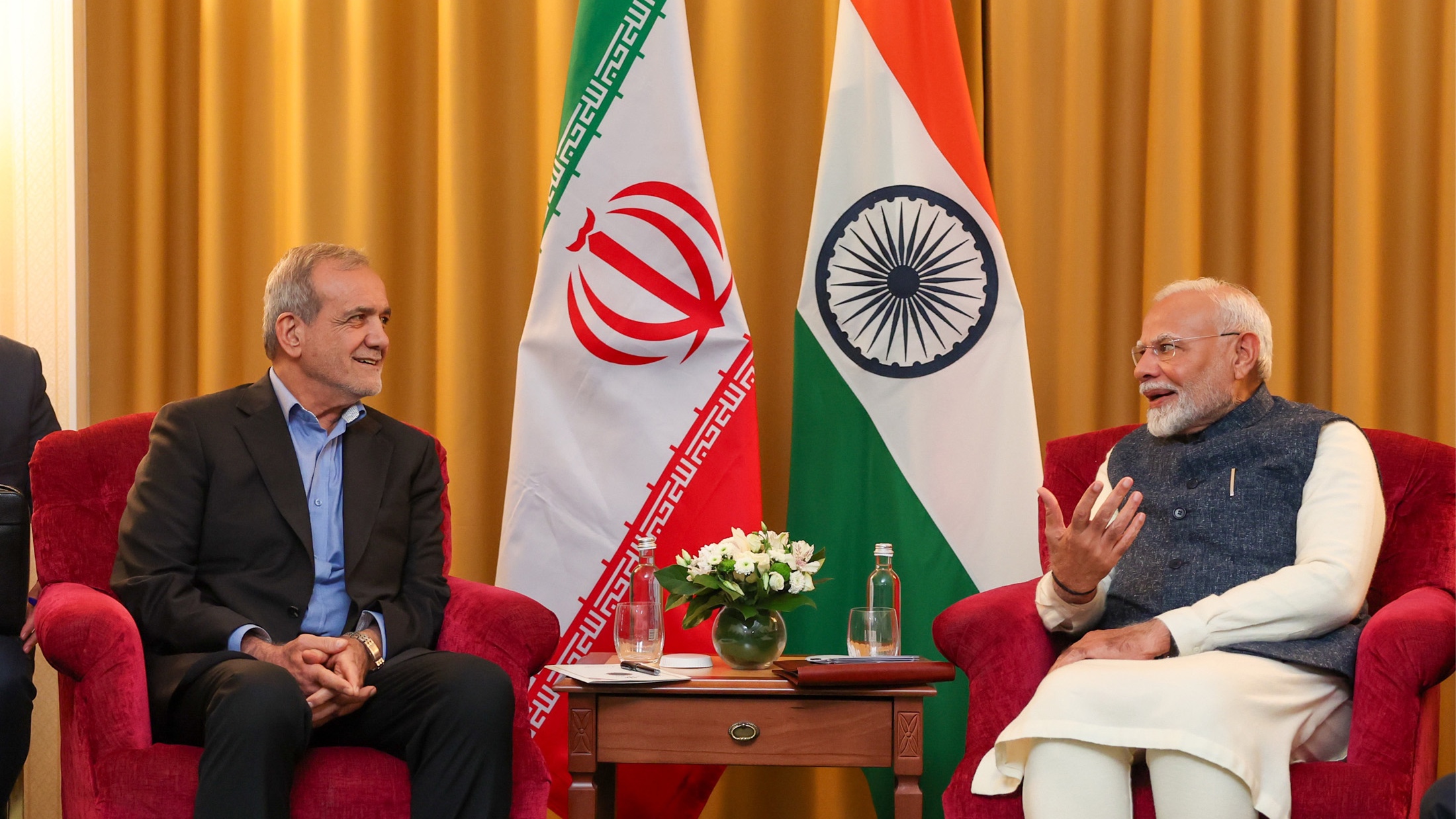
India's Narendra Modi meets Iranian president Masoud Pezeshkian on the sidelines of the BRICS Summit in Russia in October 2024. (Supplied photo)
India’s engagement with the Middle East begins with a simple reality: energy. India imports more than four-fifths of its crude oil requirements, and the Middle East remains one of the most critical sources of that supply.
Iraq, Saudi Arabia, the United Arab Emirates and Kuwait are among India’s most important energy partners. The stability of this region, therefore, has direct consequences for India’s economic growth and development. Any major disruption in middle-eastern energy flows can send shockwaves through global markets and place immediate pressure on India’s economy.
Energy security alone ensures that the Middle East will remain a central pillar of Indian foreign policy. Yet India’s relationship with the region is shaped by far more than oil.
A civilisational and social dimension
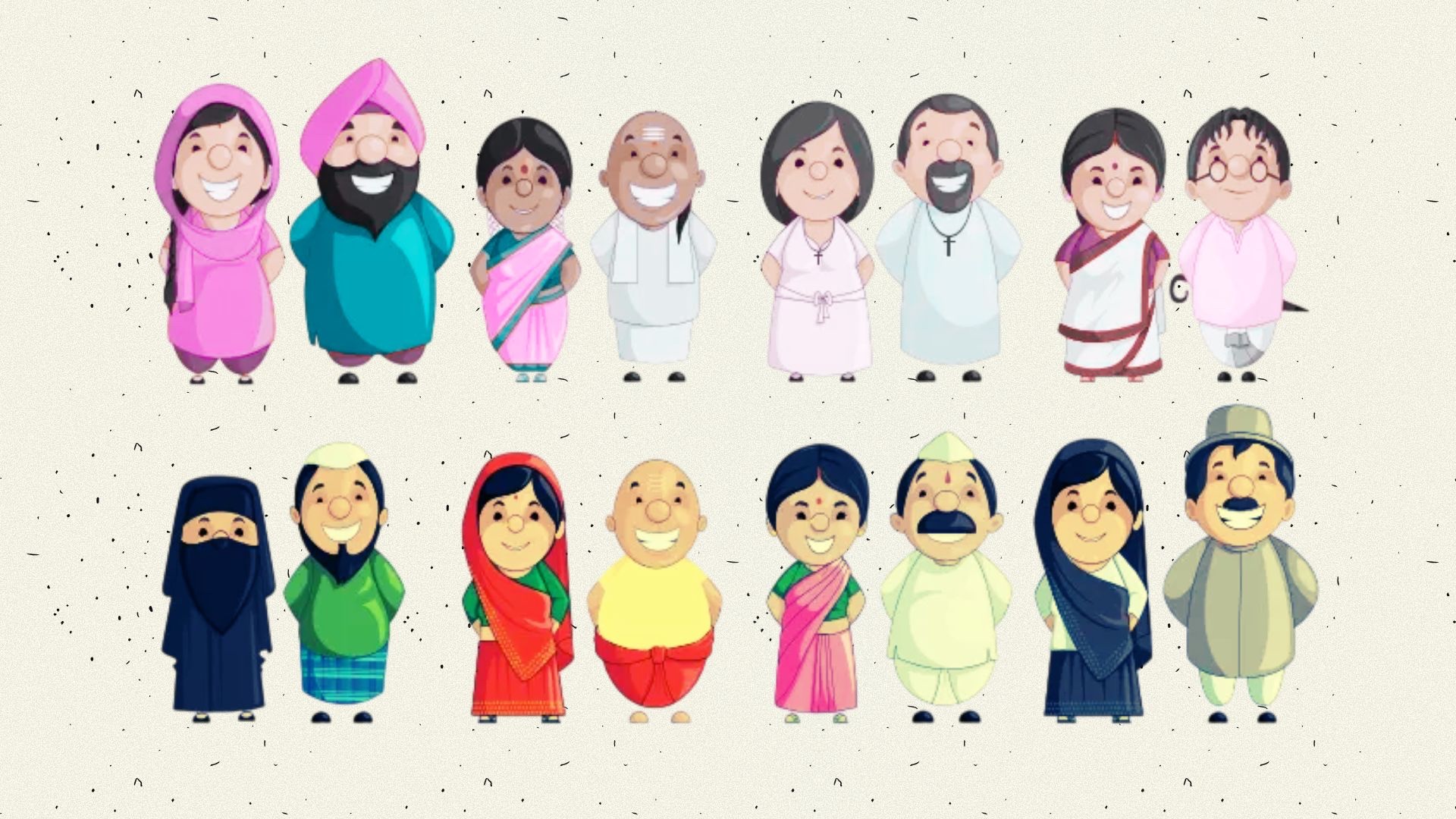
India is home to at least 200 million Muslims, representing one of the largest Muslim populations in the world. These communities are diverse, representing numerous cultural, linguistic and theological traditions. This demographic reality gives India a unique position in global diplomacy.
Unlike many countries that view the Middle East solely through the lens of external strategy, India must also consider the domestic social context of its engagement with the region. Foreign policy decisions that appear to align India too closely with one side of middle-eastern rivalries risk being interpreted through sectarian lenses within domestic discourse.
India, therefore, has a strong incentive to pursue a balanced approach that avoids importing the region’s sectarian divides into its own pluralistic society.
The art of strategic balance
On one hand, India has developed an increasingly robust partnership with Israel. Defense cooperation between the two countries has grown steadily over the past two decades. Israel has become one of India’s most important sources of advanced military technology, including missile defense systems, drones and intelligence capabilities.
On the other hand, India maintains deep economic and strategic ties with the Arab Gulf states. Trade with the United Arab Emirates and Saudi Arabia has expanded dramatically, while millions of Indian citizens work across the Gulf, contributing to both regional economies and India’s remittance flows.
India has also maintained historical ties with Iran, including cooperation on infrastructure projects such as the Chabahar Port, which provides India with strategic access to Afghanistan and Central Asia.
Managing these relationships simultaneously requires a foreign policy built not on rigid alliances but on pragmatic engagement. India works with Israel without abandoning its partnerships with the Arab world. It engages the Gulf states while maintaining channels of dialogue with Iran.
The lessons of Iraq
The events of 2003 offer an enduring lesson about the unintended consequences of geopolitical decisions. The removal of Saddam Hussein was intended to reshape the Middle East in ways that would favour stability and democratic governance. Instead, it altered the regional balance of power in ways that continue to reverberate today.
The expansion of Iranian influence across Iraq, Syria and Lebanon reshaped the region’s strategic map. It intensified Sunni–Shia political competition and contributed to new alignments among middle-eastern powers.
For countries like India, these developments underscore the importance of understanding regional dynamics without becoming entangled in them. India’s interests in the Middle East are significant but fundamentally pragmatic: secure energy supplies, stable trade routes, protection for its diaspora and constructive partnerships across the region.
Achieving those goals requires diplomacy that is patient, balanced and attentive to the region’s complex realities.
(The writer is a Waikato-based migrant, entrepreneur, retail crime advocate, and former ACT Party candidate. He writes on crime, business, and culture, and their influence on shaping New Zealand’s future. He also serves as one of the board members on the Ministerial Advisory Group for Retail Crime.)