
Indian-origin candidates, and democracy, took a hit in Papatoetoe election re-run
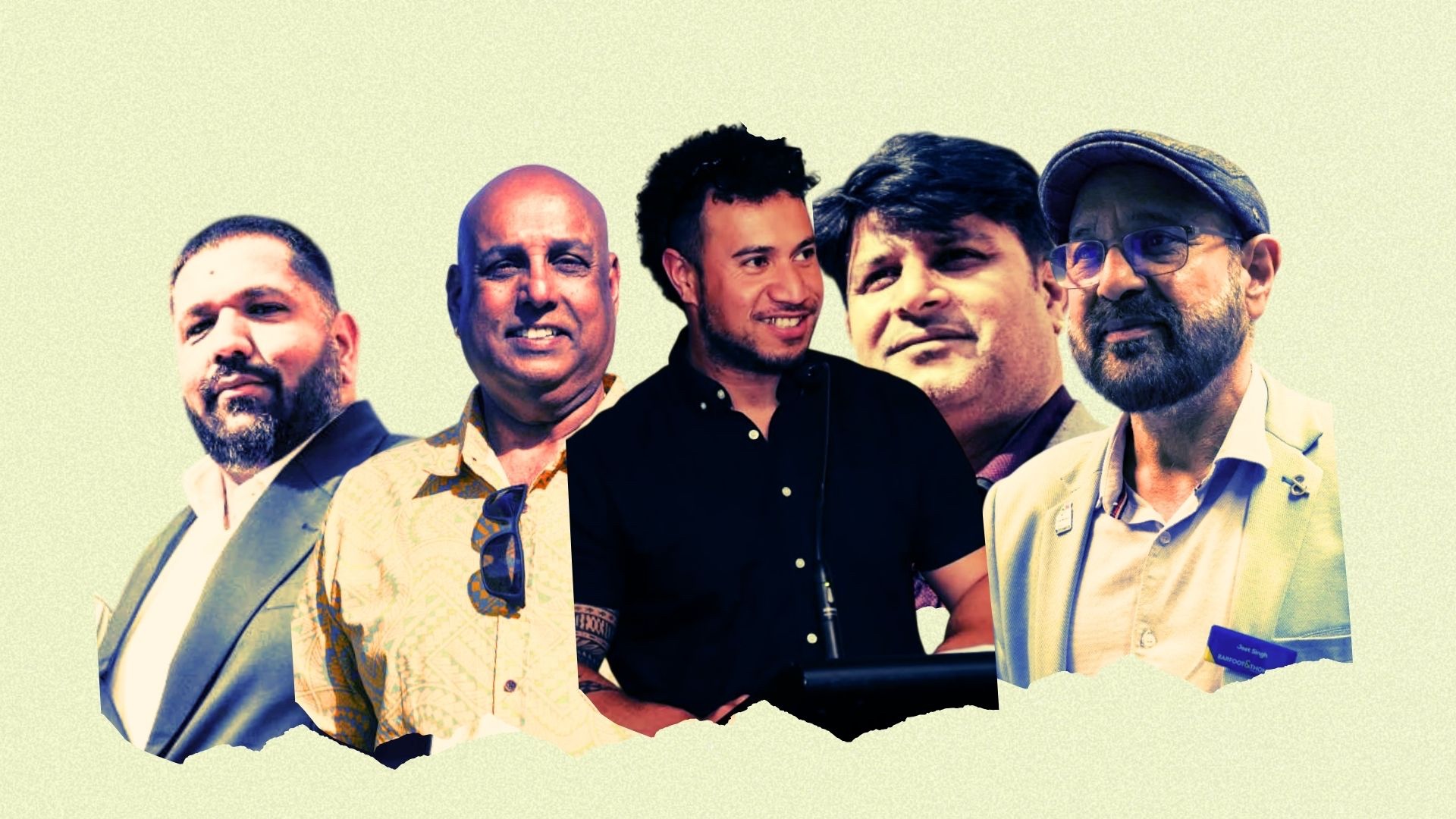
The Otara-Papatotoe Local Board election has turned out to be quite the spectacle.
What the re-run for the Otara Papatoteoe Local Board tells us about fraud and democracy.
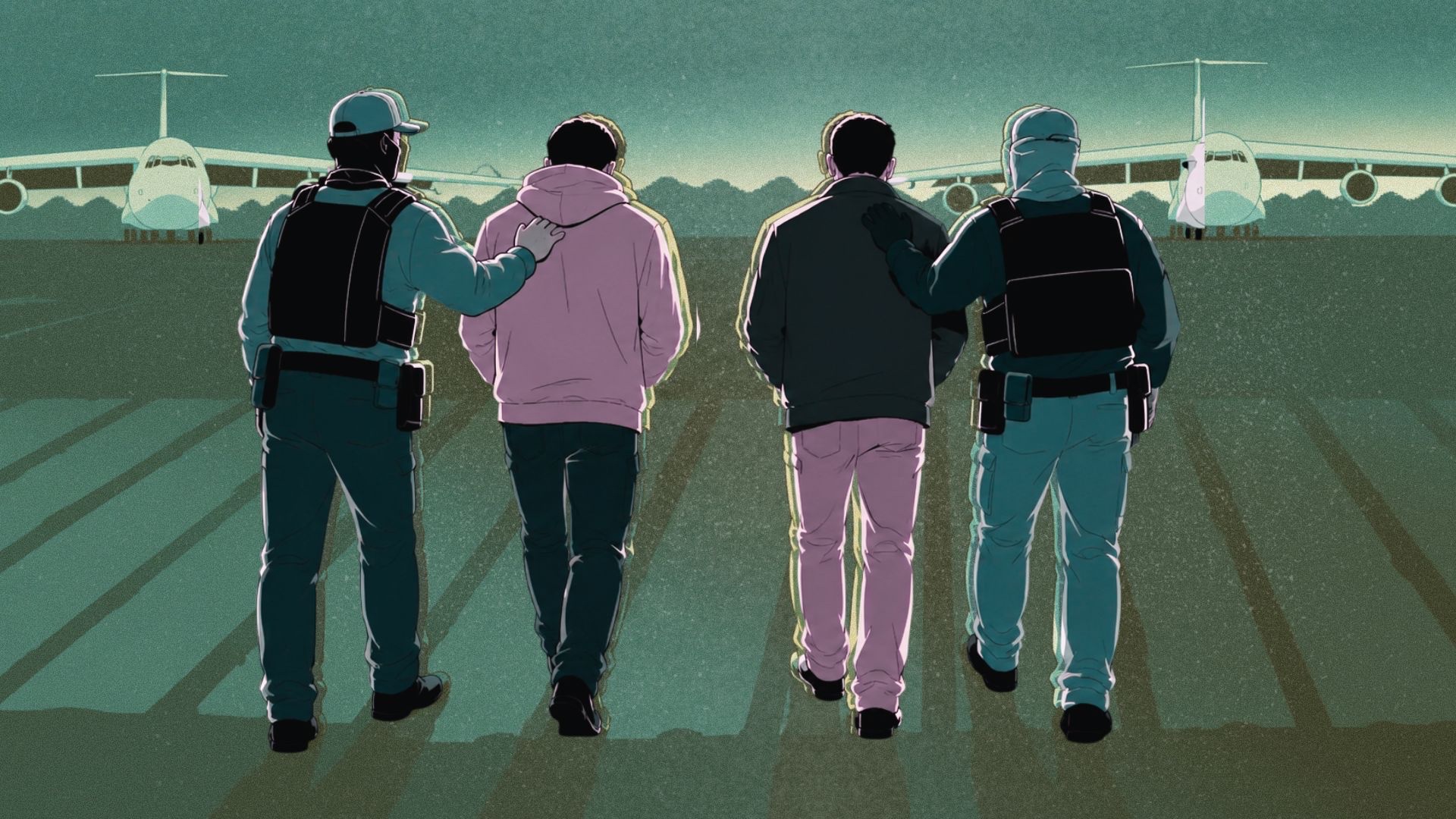
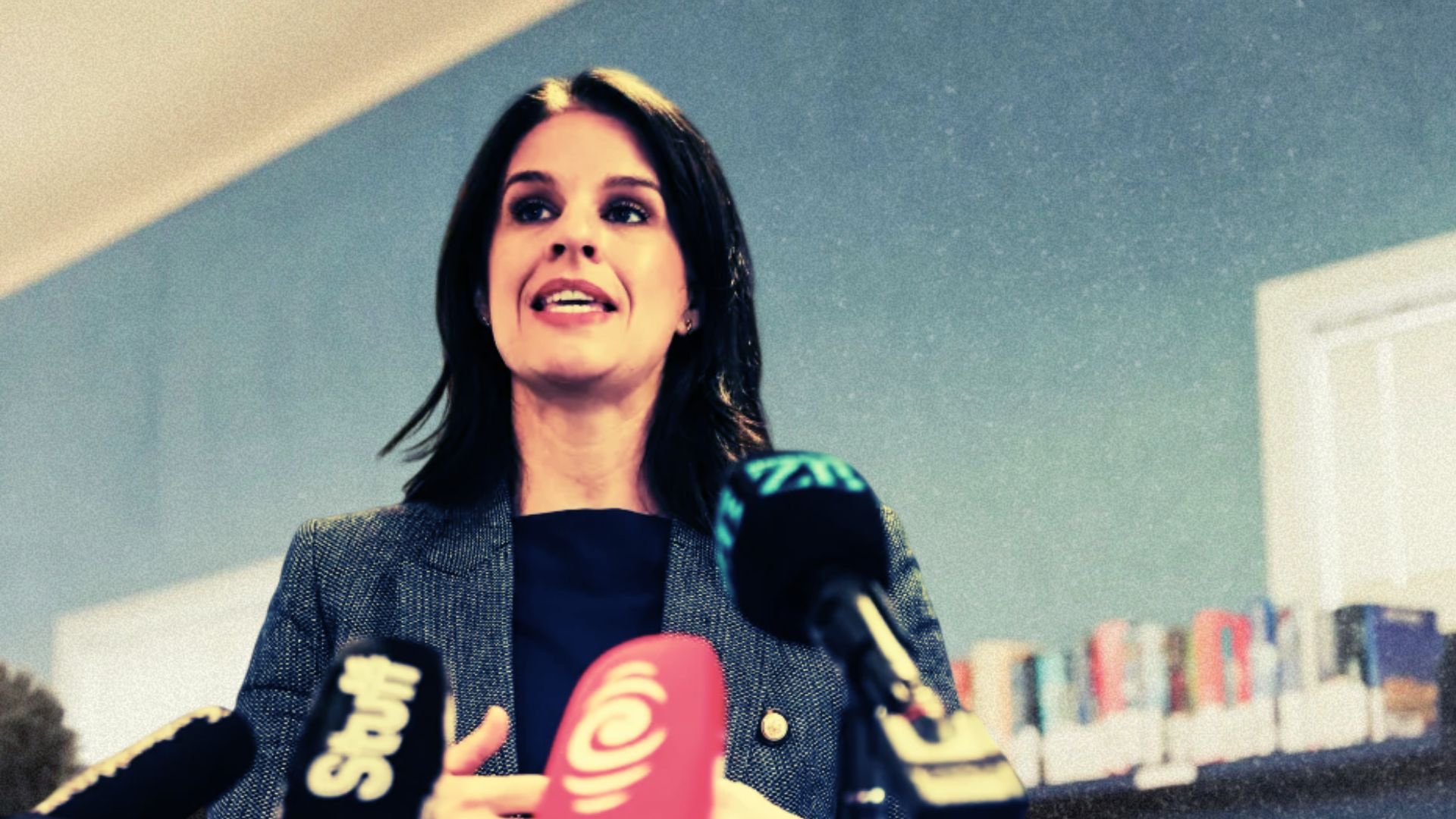
Opinion: The re-run of the local board elections in the Papatoetoe subdivision this week was meant to settle things. Instead, it has confirmed something more unsettling.
What disappeared between the first vote and the second wasn’t just numbers. It was participation. And with it, perhaps something deeper.
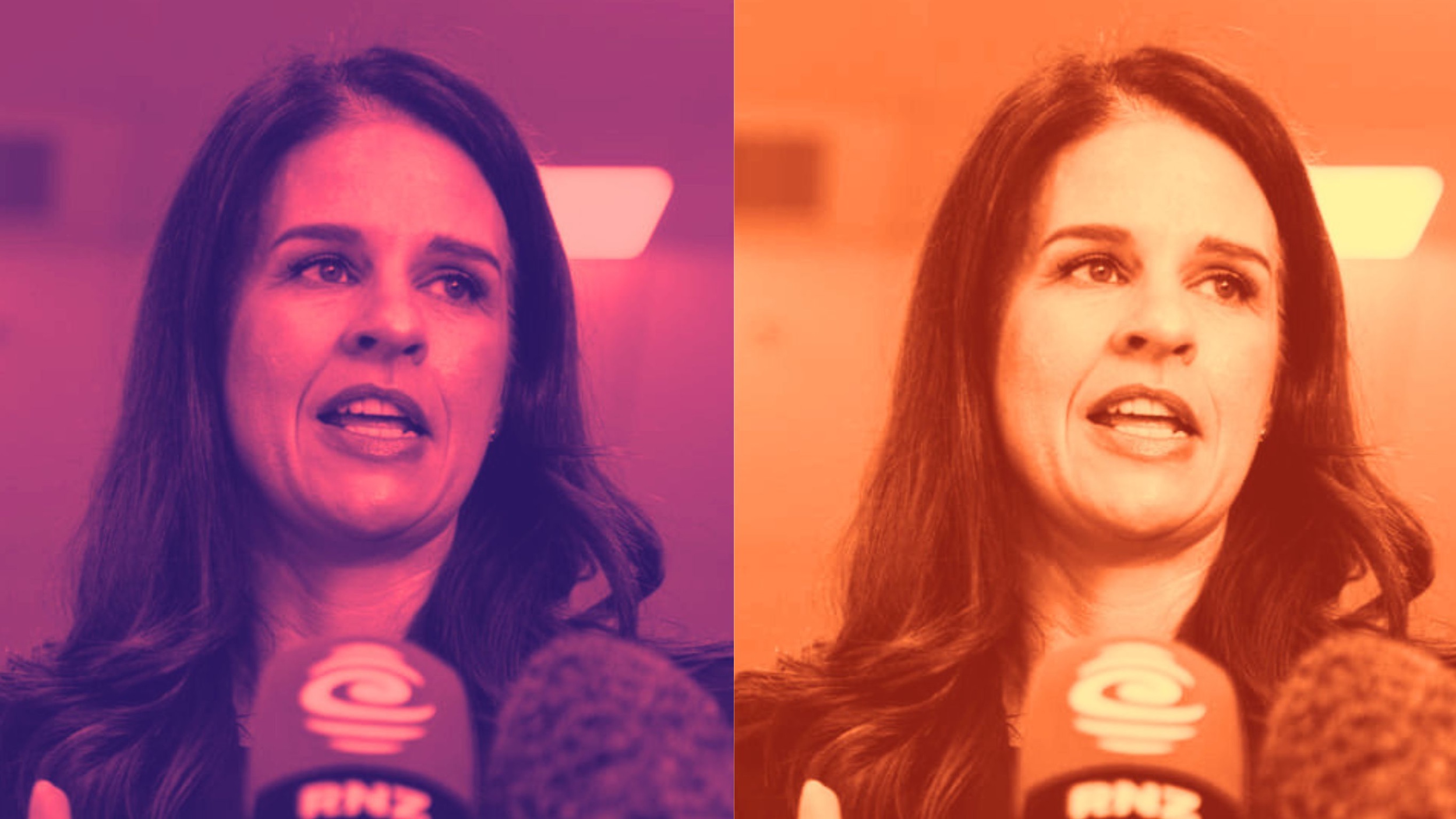
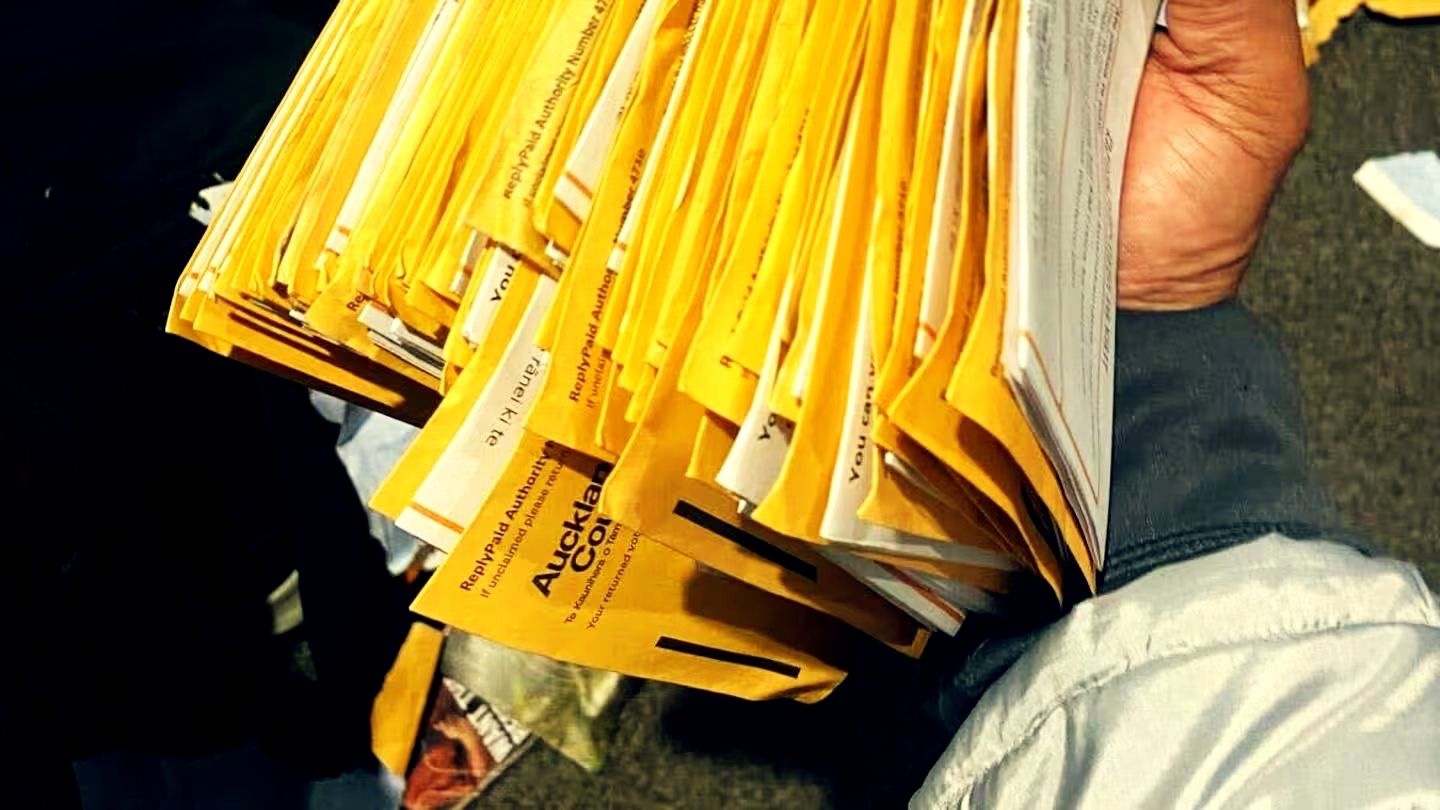
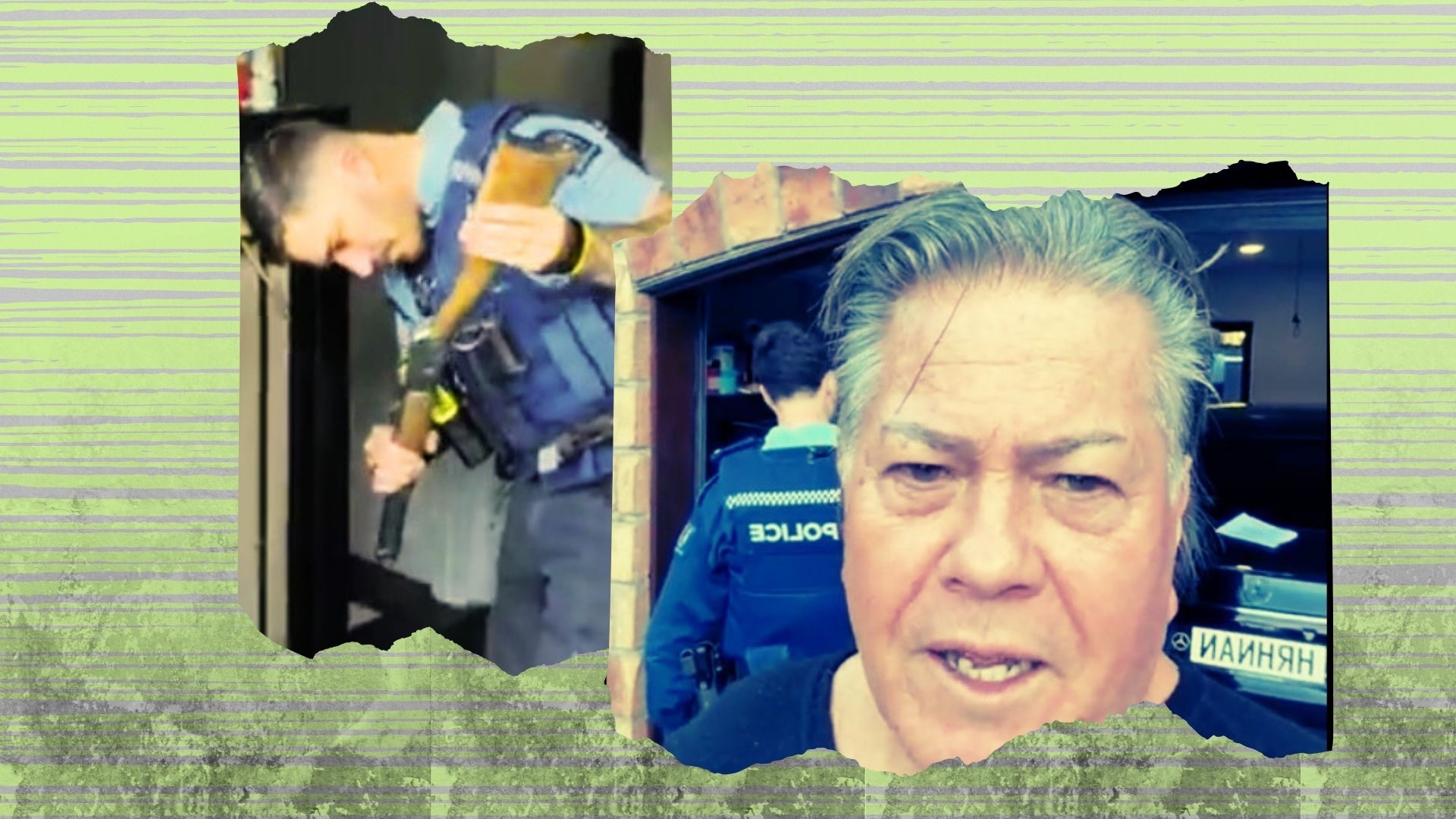
The first election last year was annulled after complaints about suspected voter irregularities. The complainant, who is now placed first in the re-run, did not accuse anyone in particular of committing the fraud.
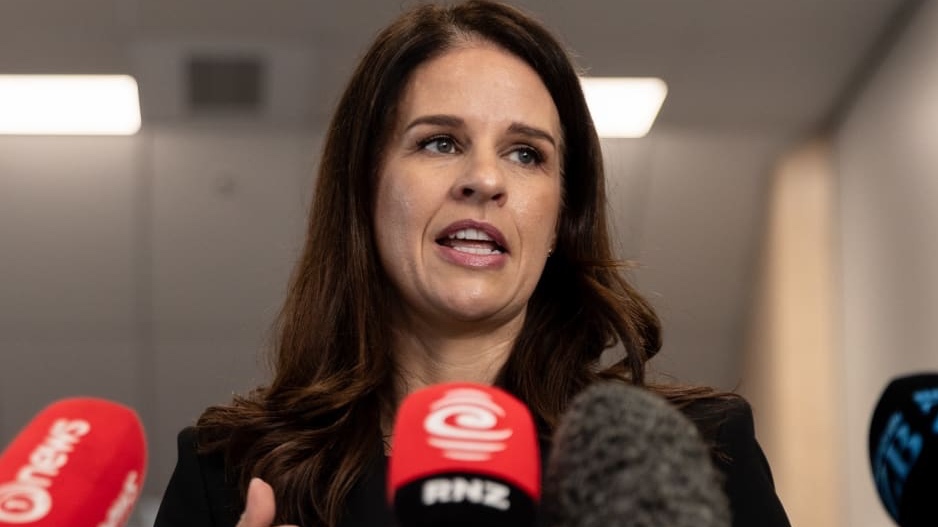
Labour candidate Vi Hausia told the court missing voting papers, a few dozen special votes, and a voter turnout he described as unusual suggested something seemed off. The lower court agreed.
No one was blamed, no one was found guilty. But semantics matter little in elections. Perception does. Who else could have orchestrated the suspected fraud being alleged by a losing candidate? The winning candidates, duh.
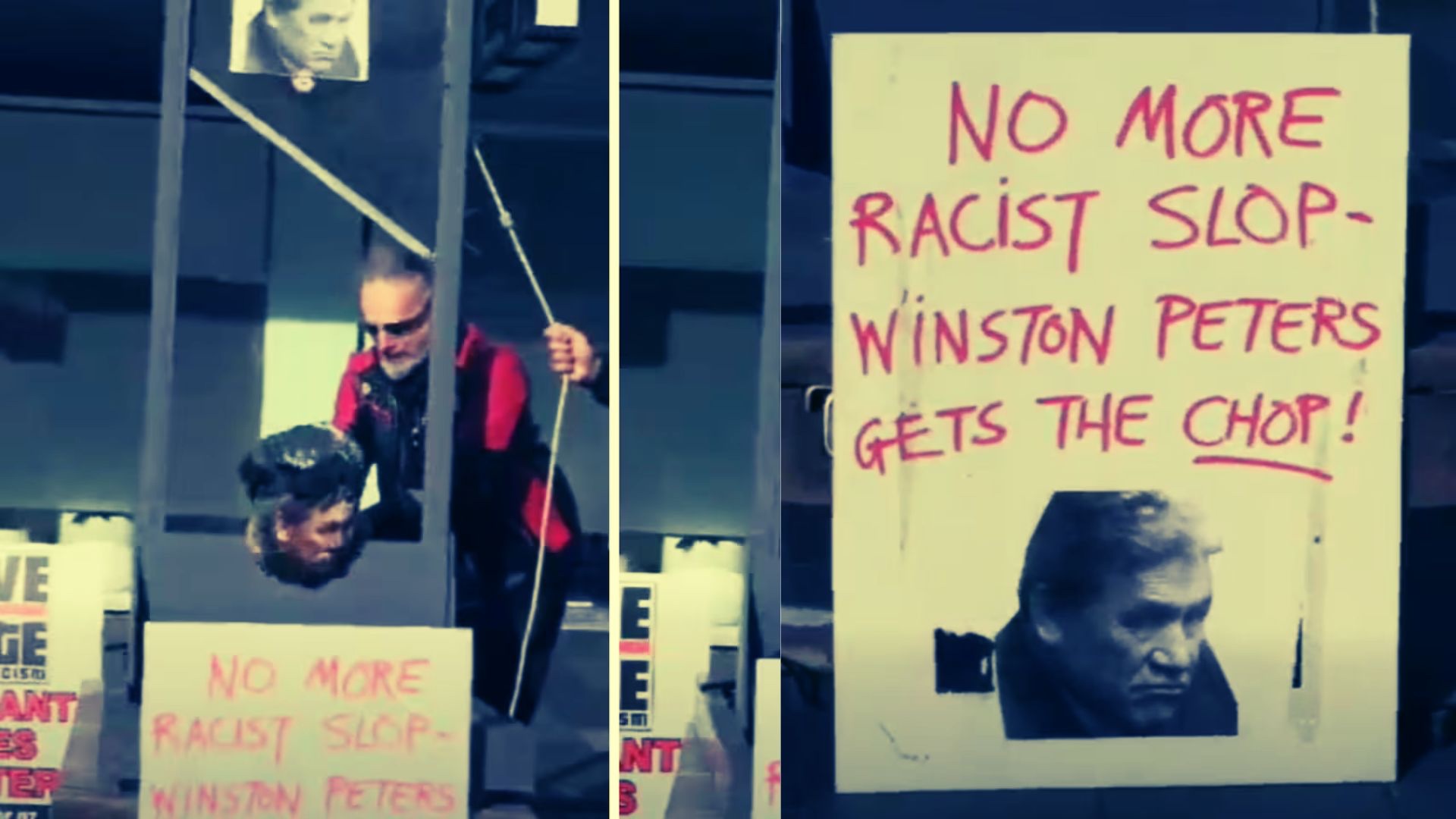
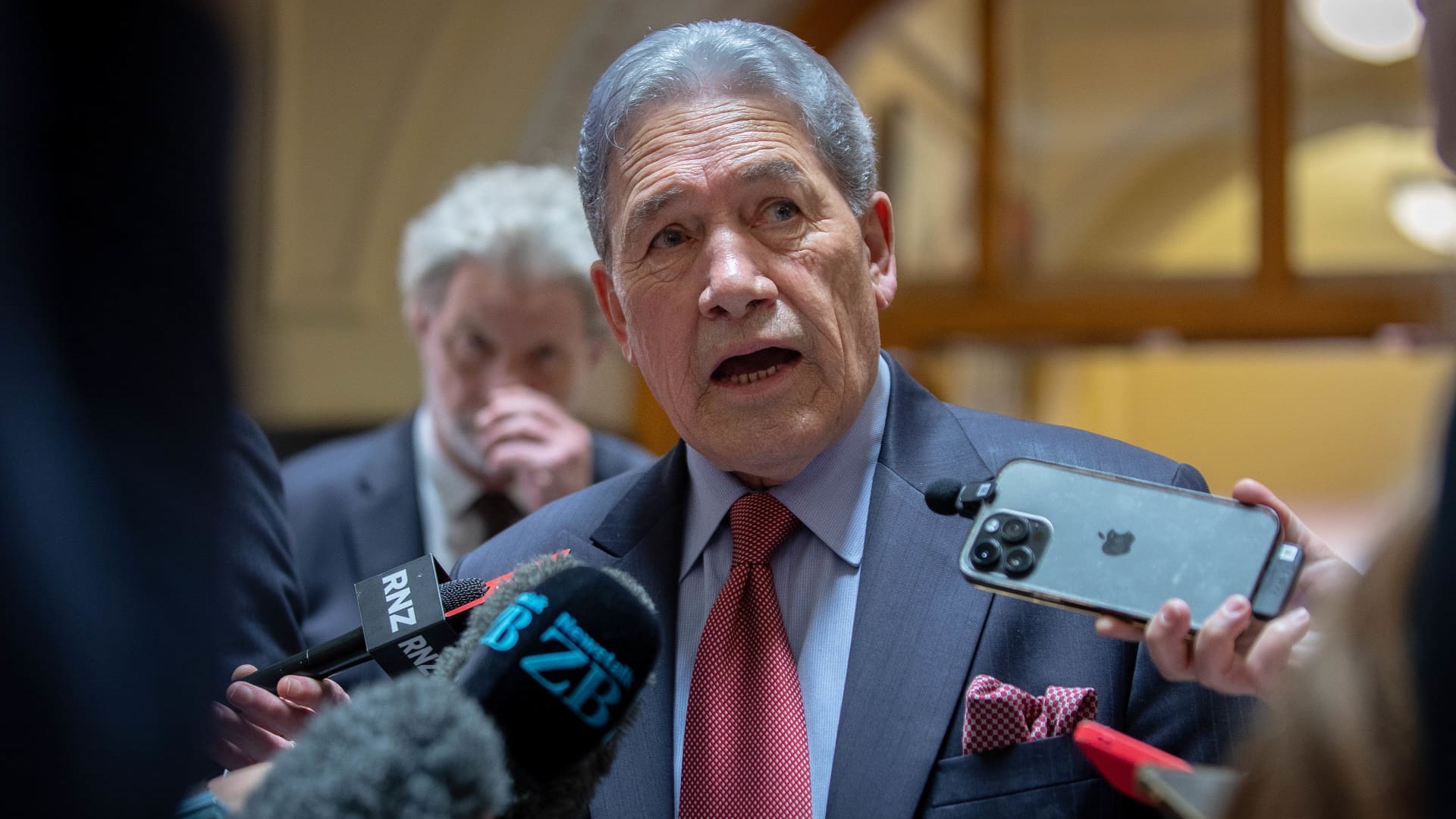
Migrant who shouted down Peters over racism 24 years ago now vying for Parliament From arriving with $500 in his pocket to confronting NZ First's leader, National Party's Karuna Muthu reflects on his unlikely journey into politics.
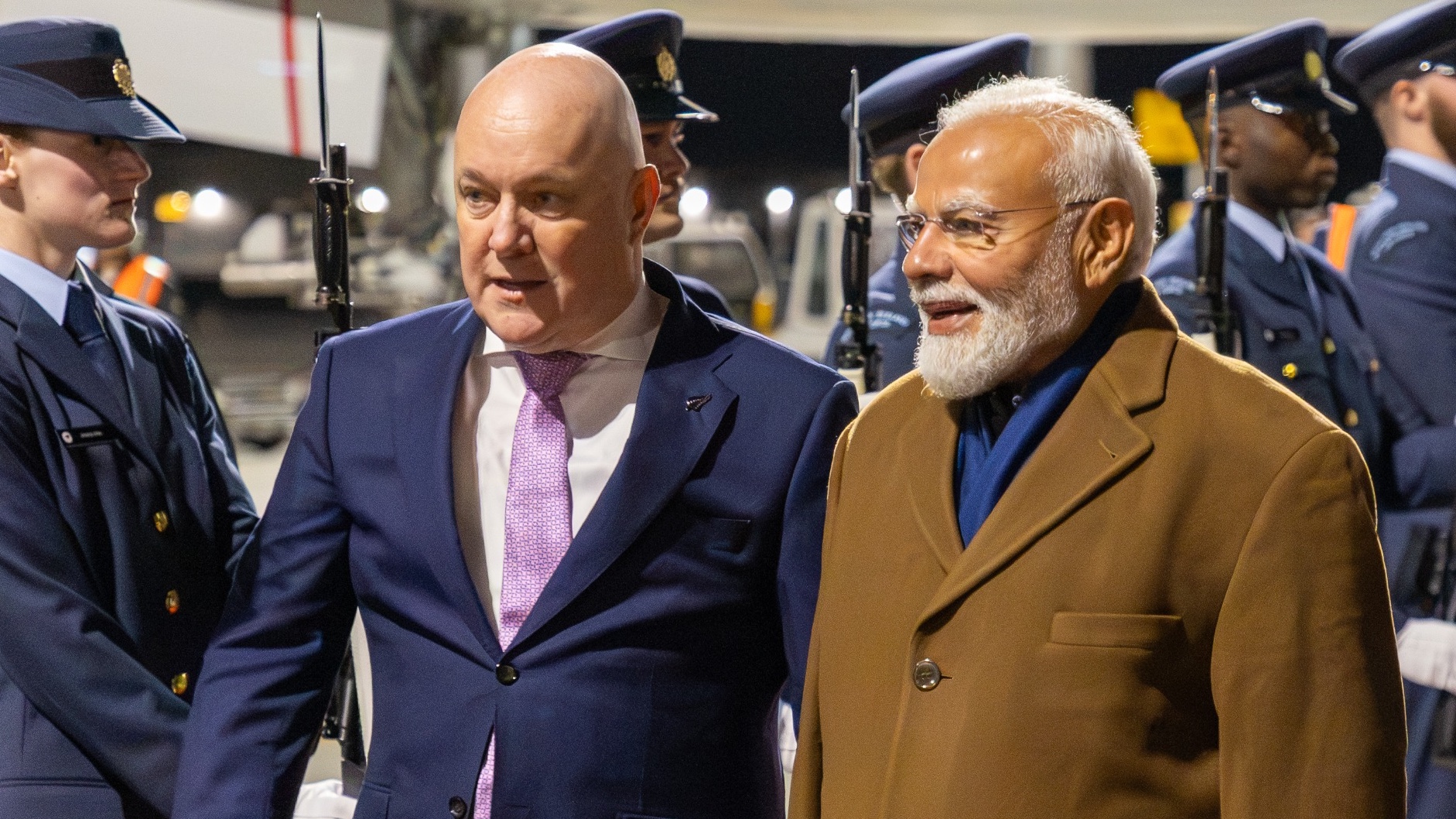
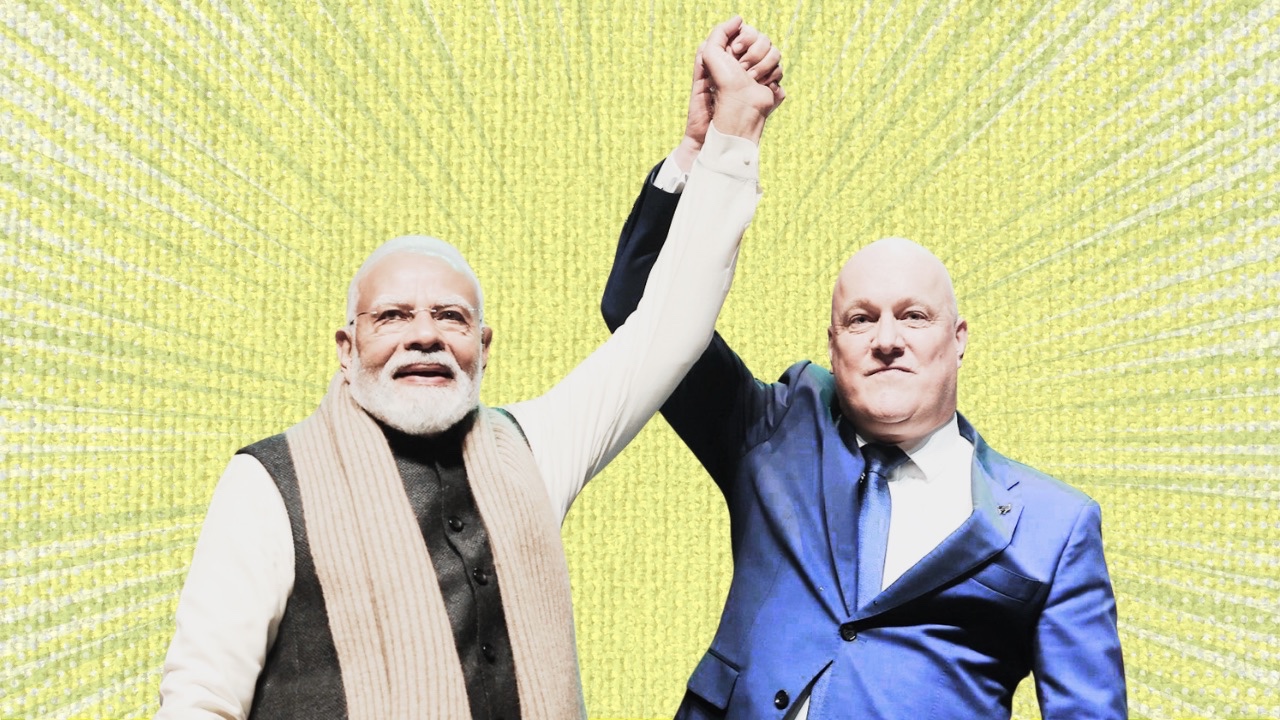
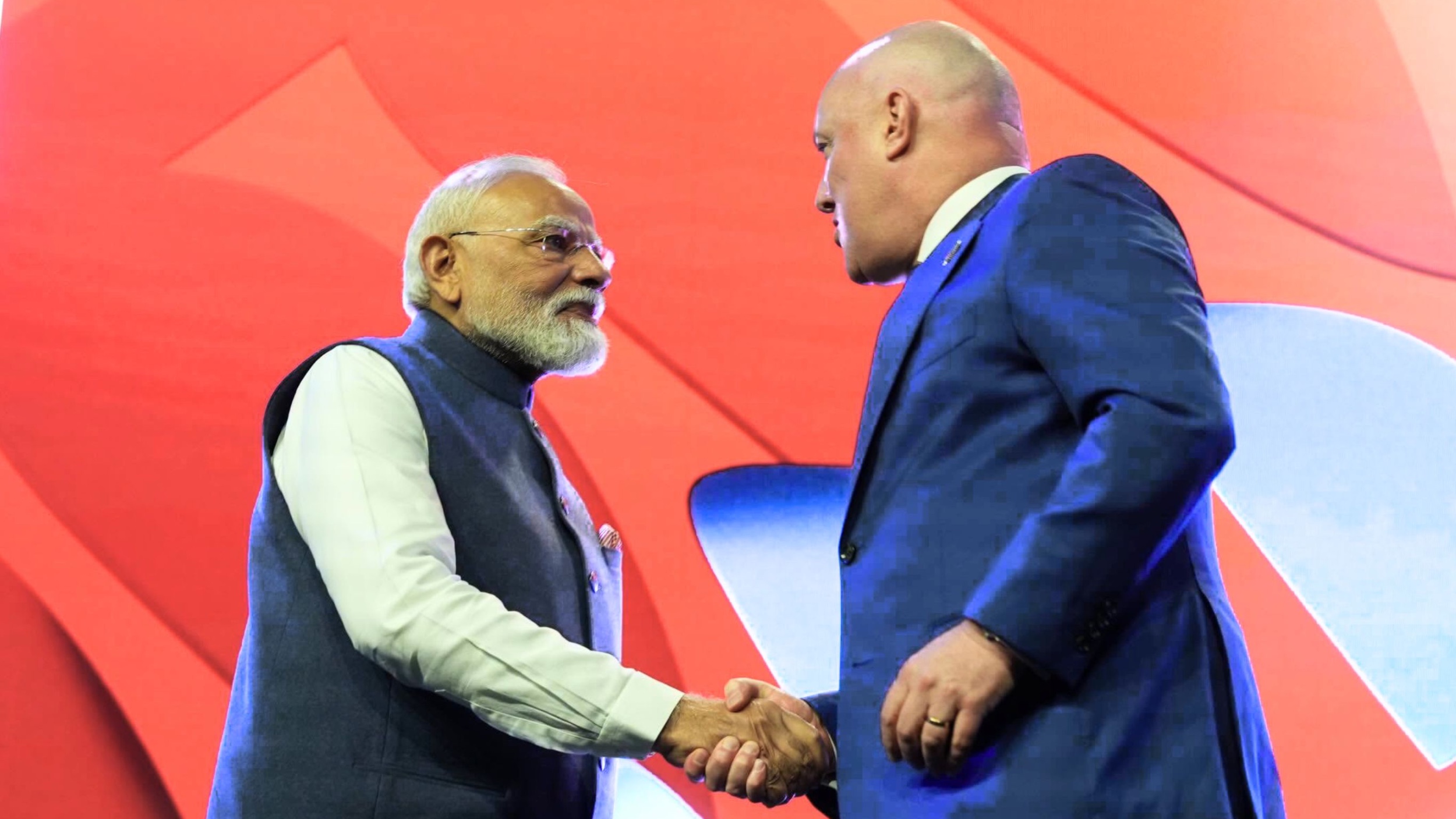
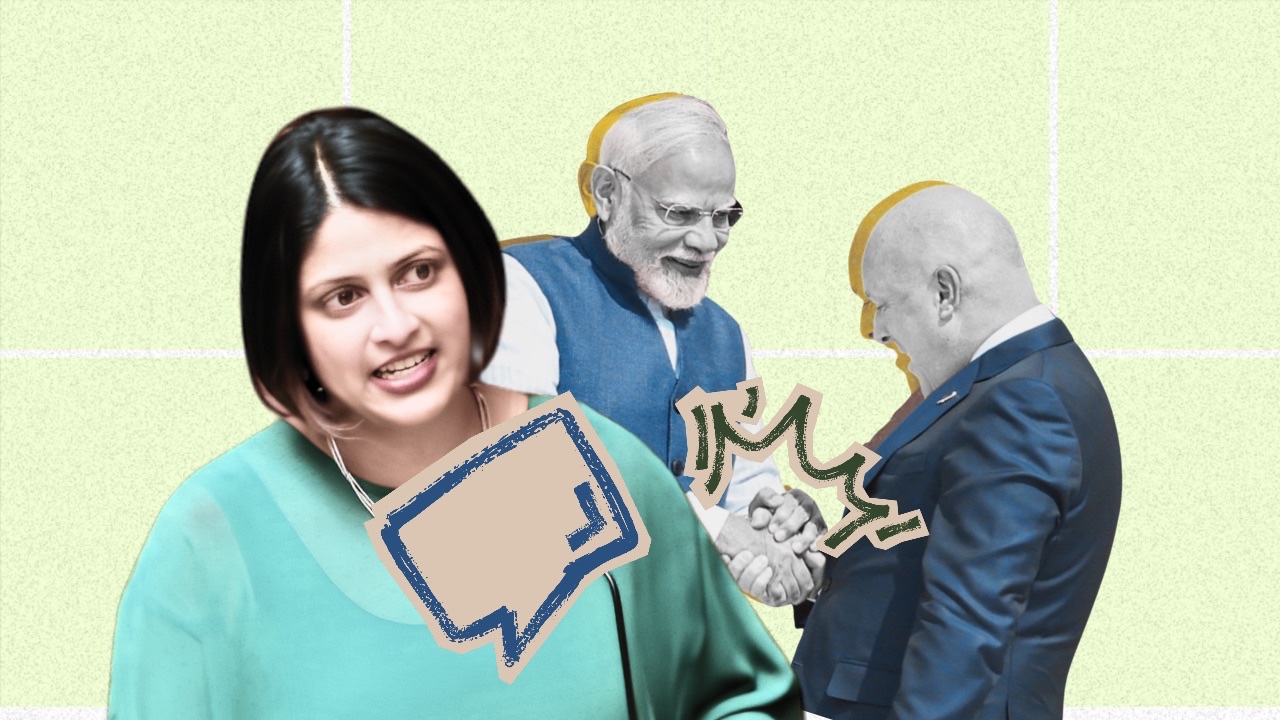
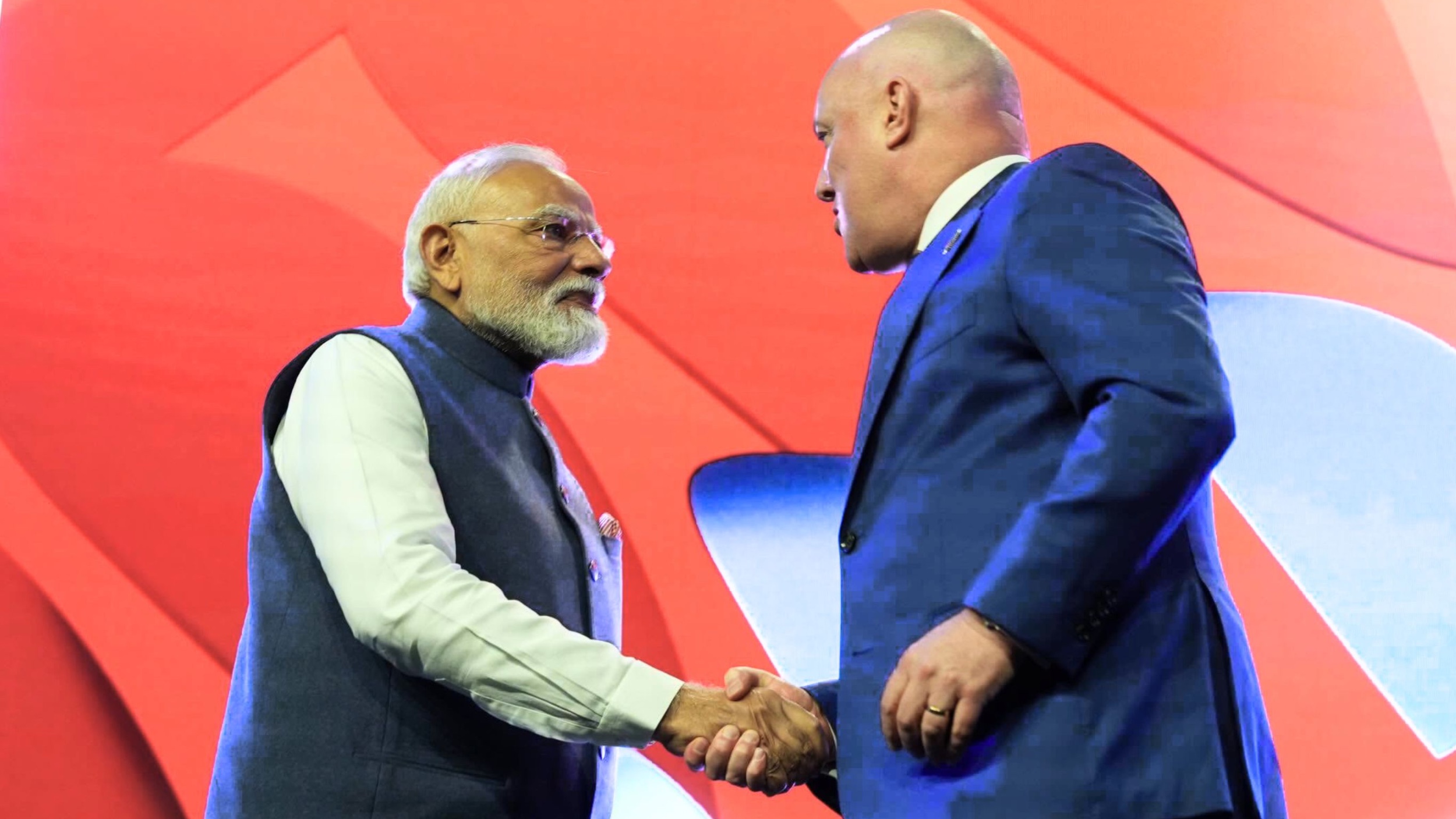
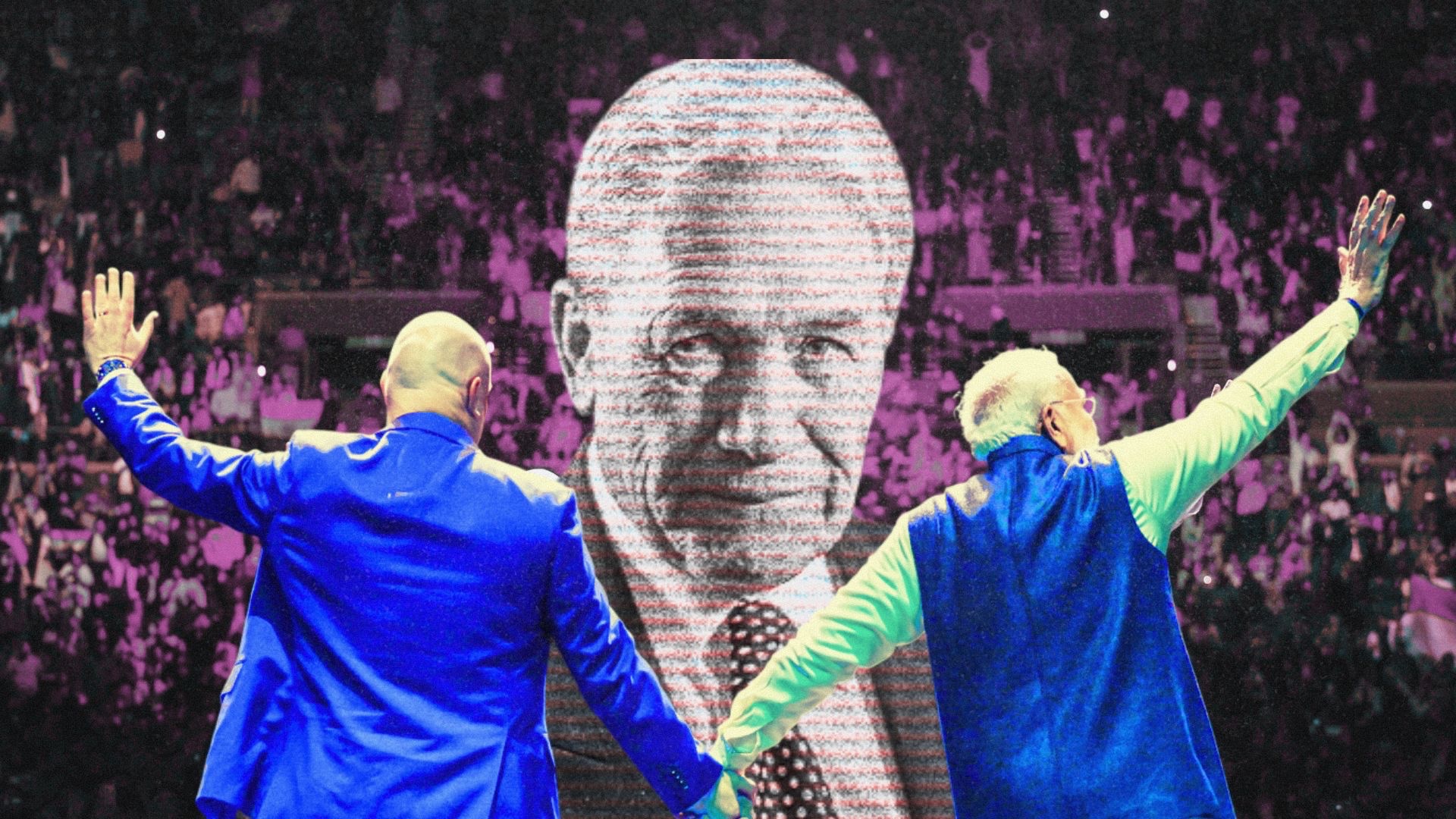
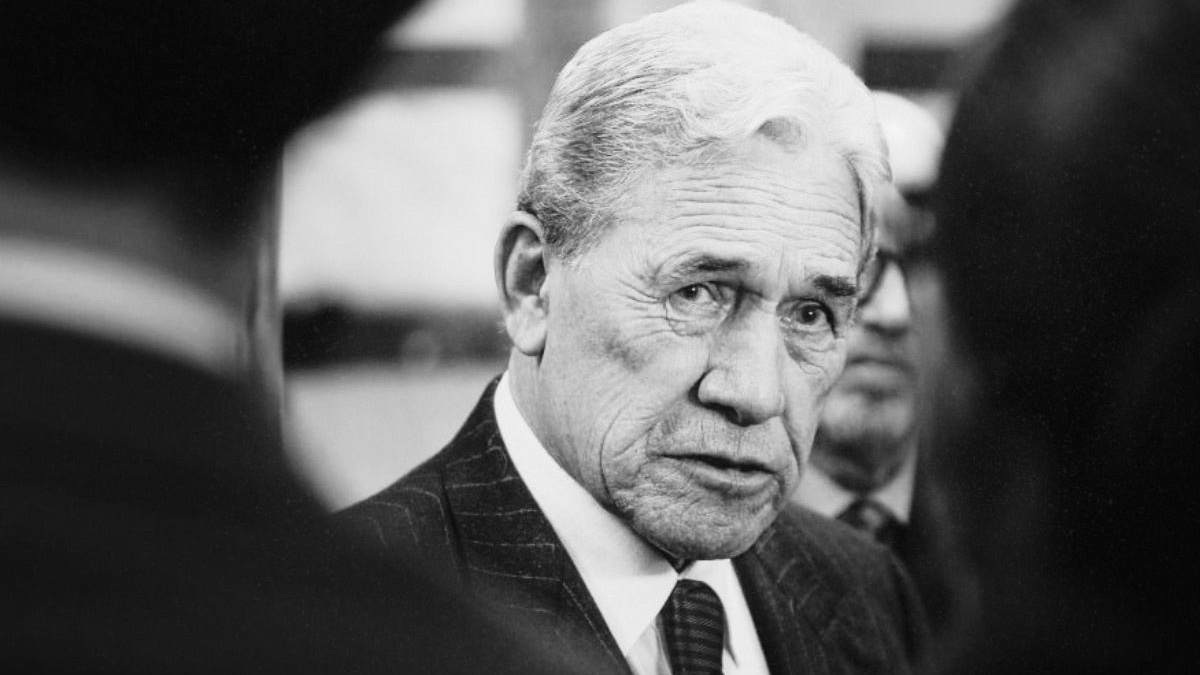
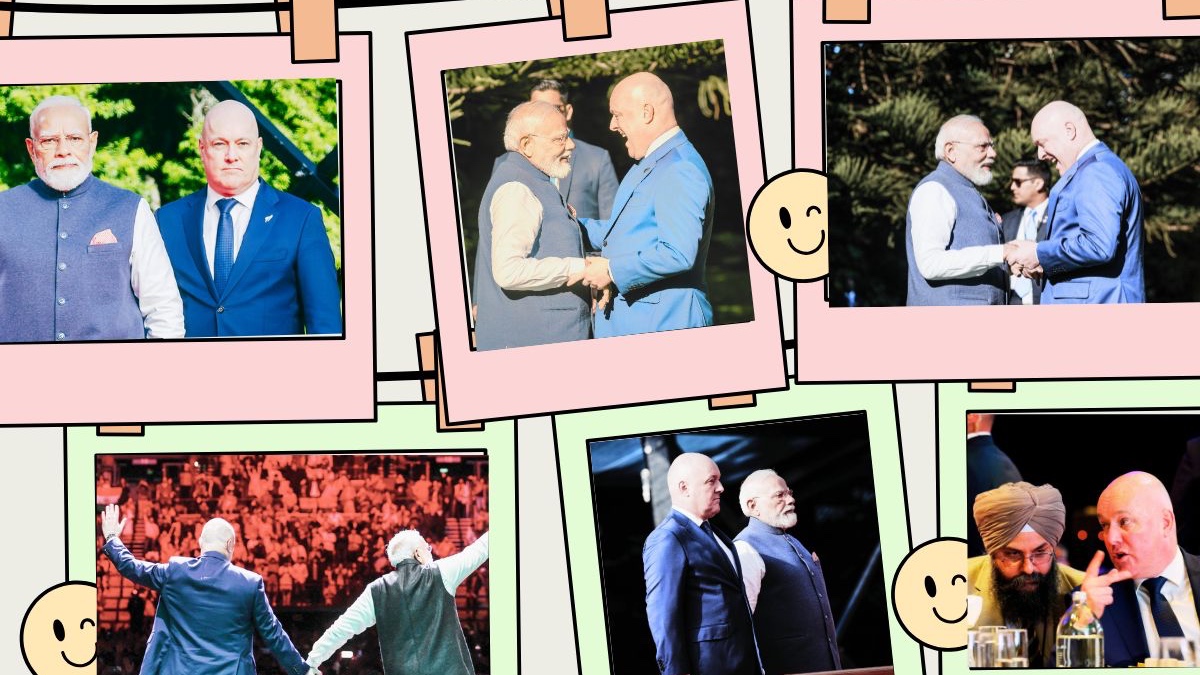
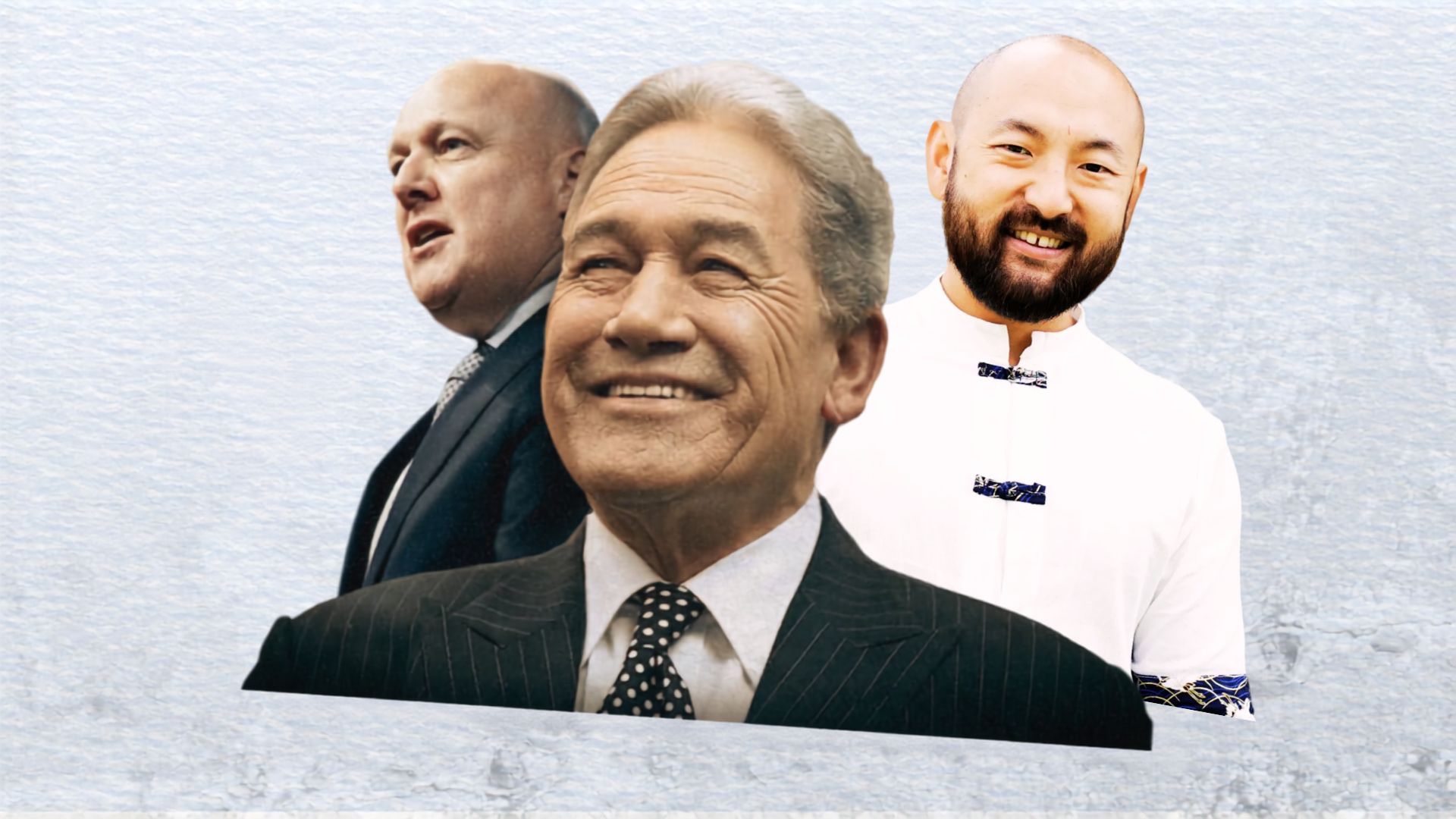
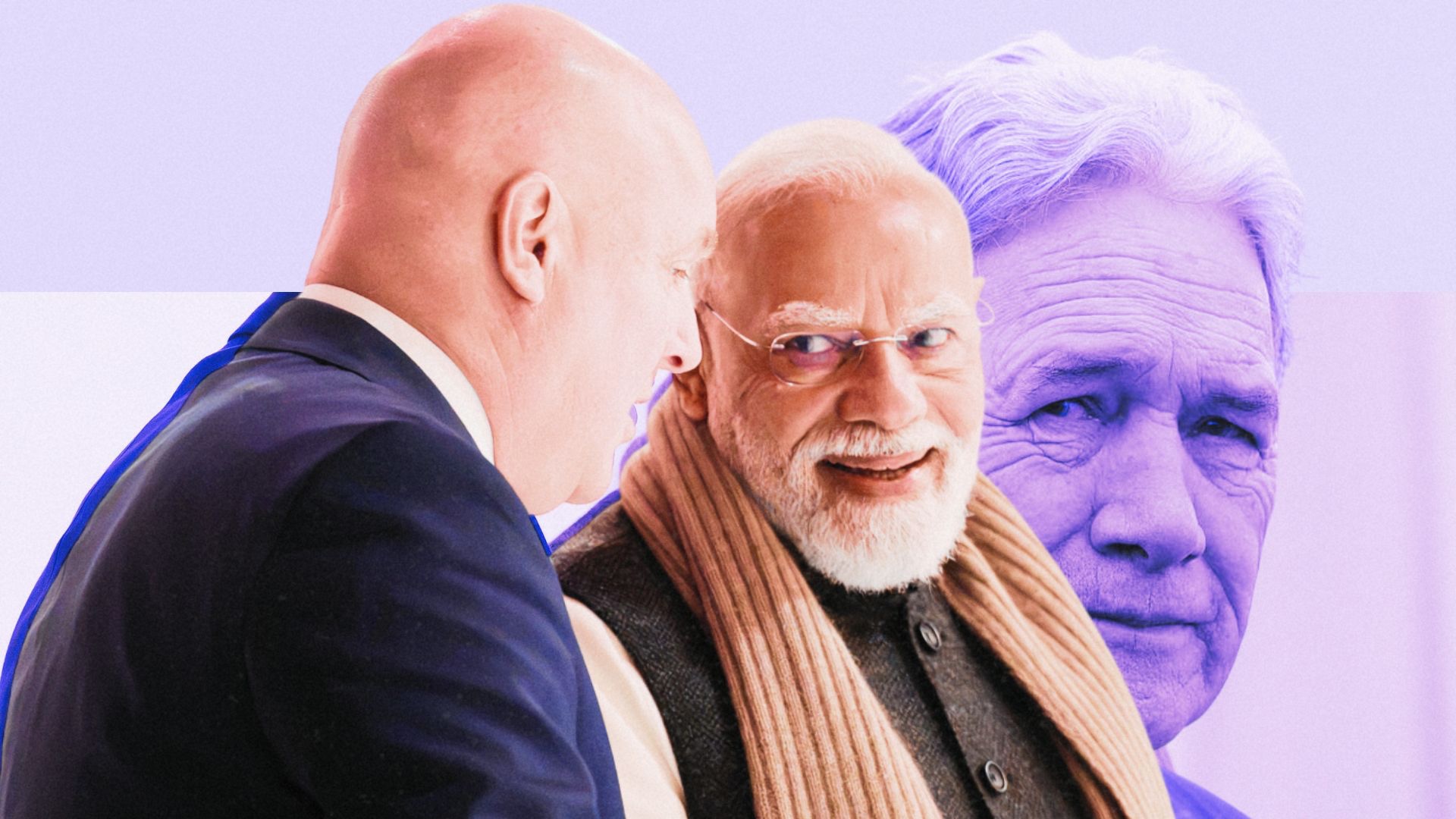
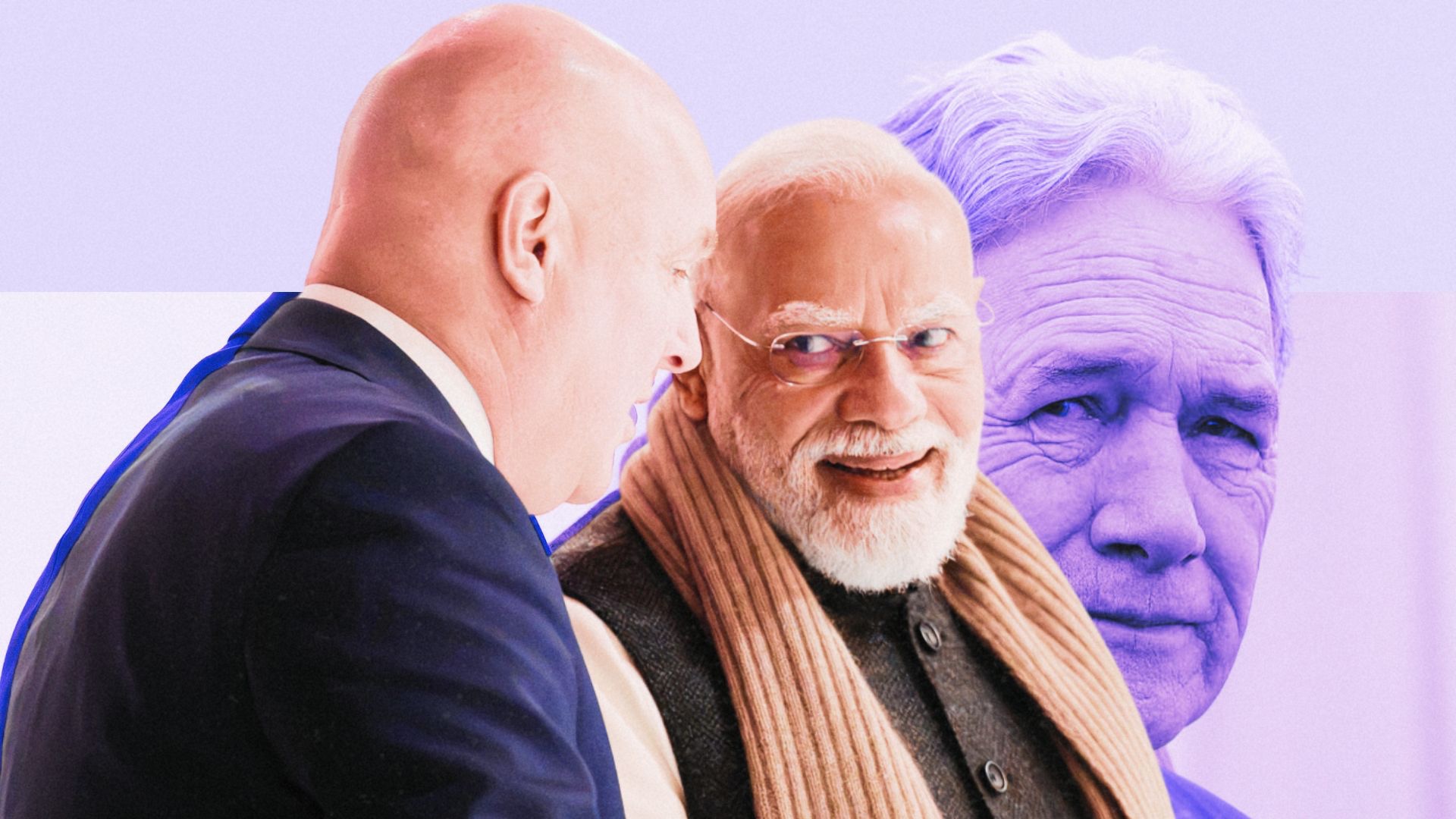
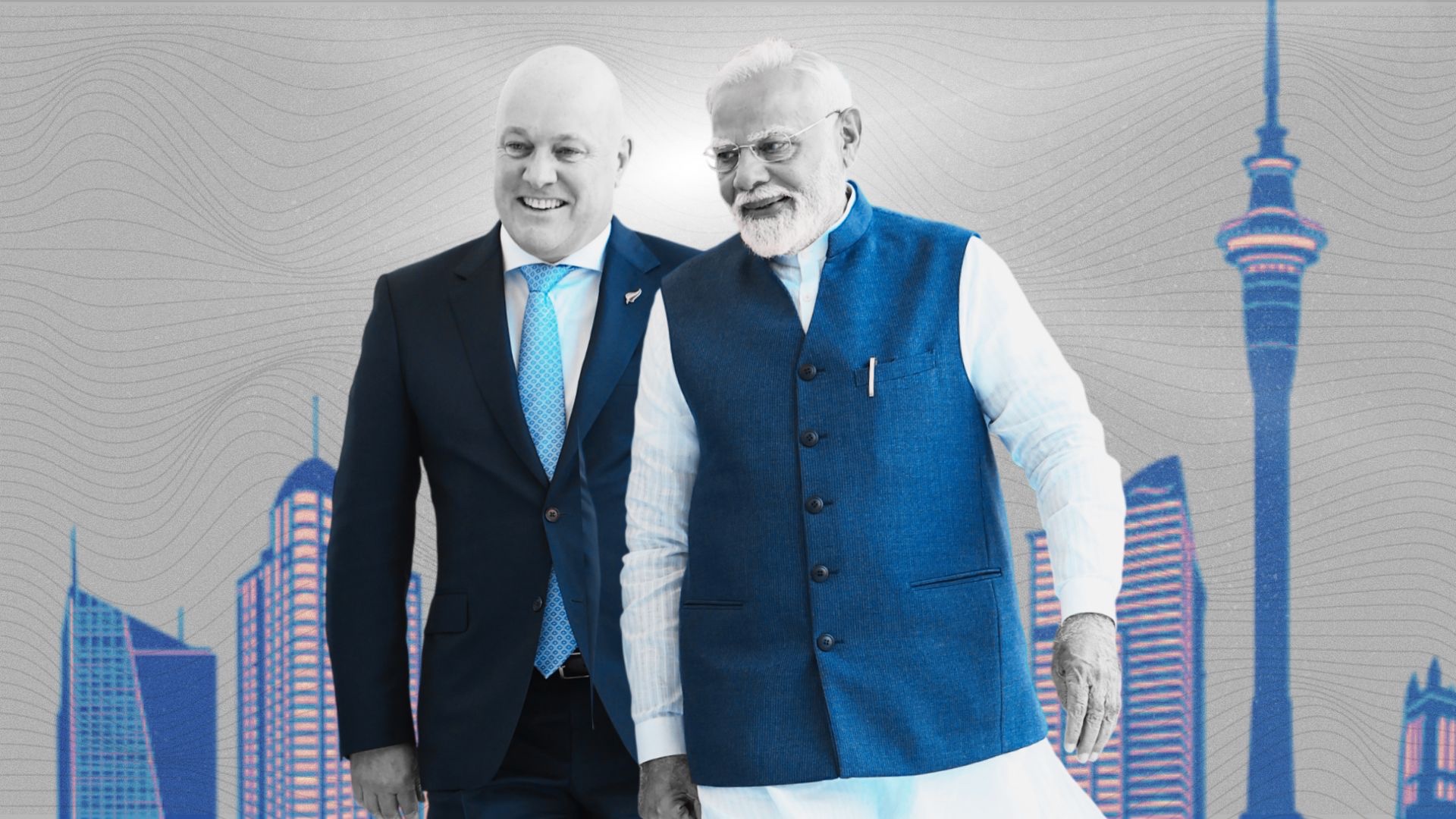
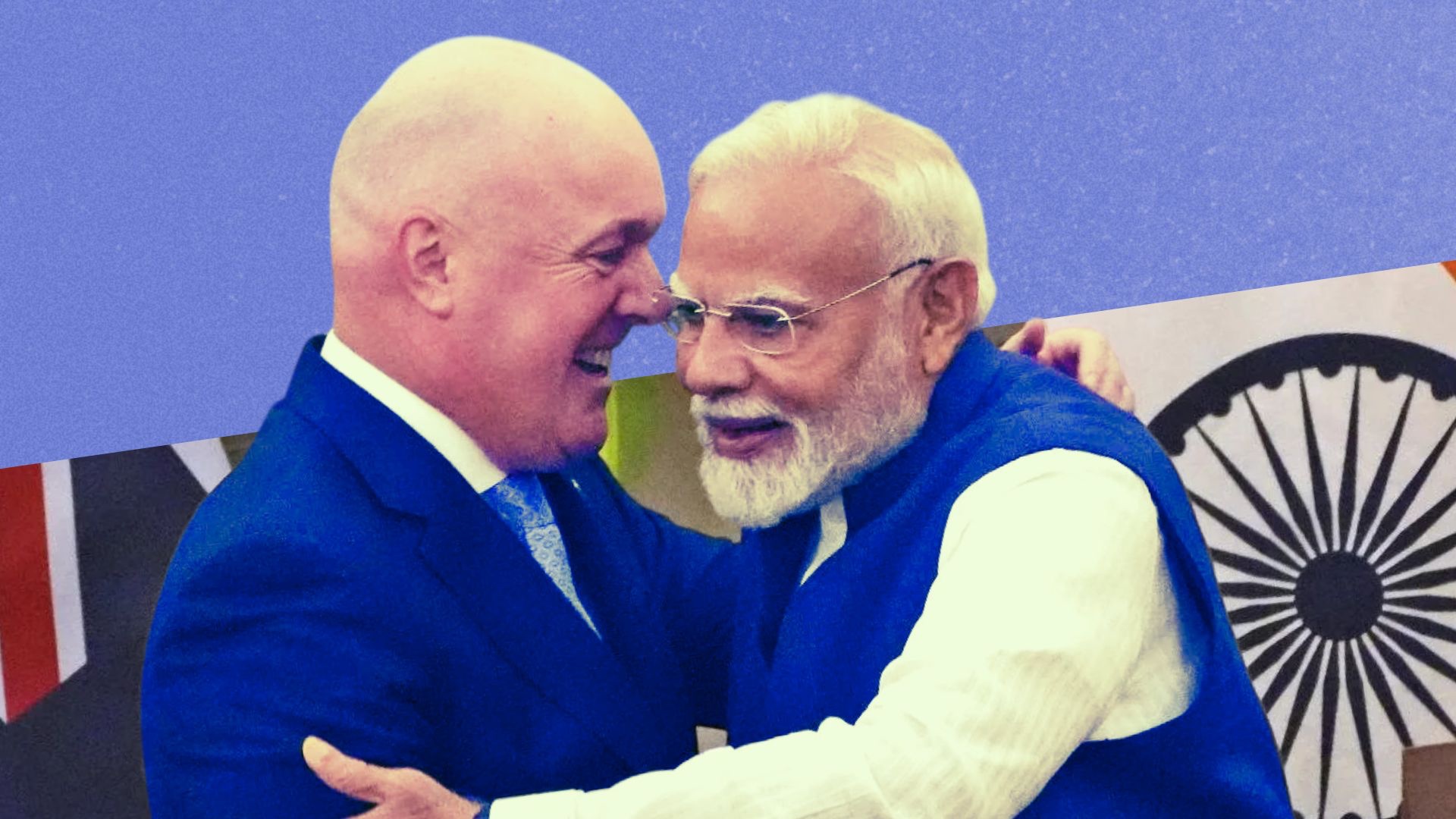
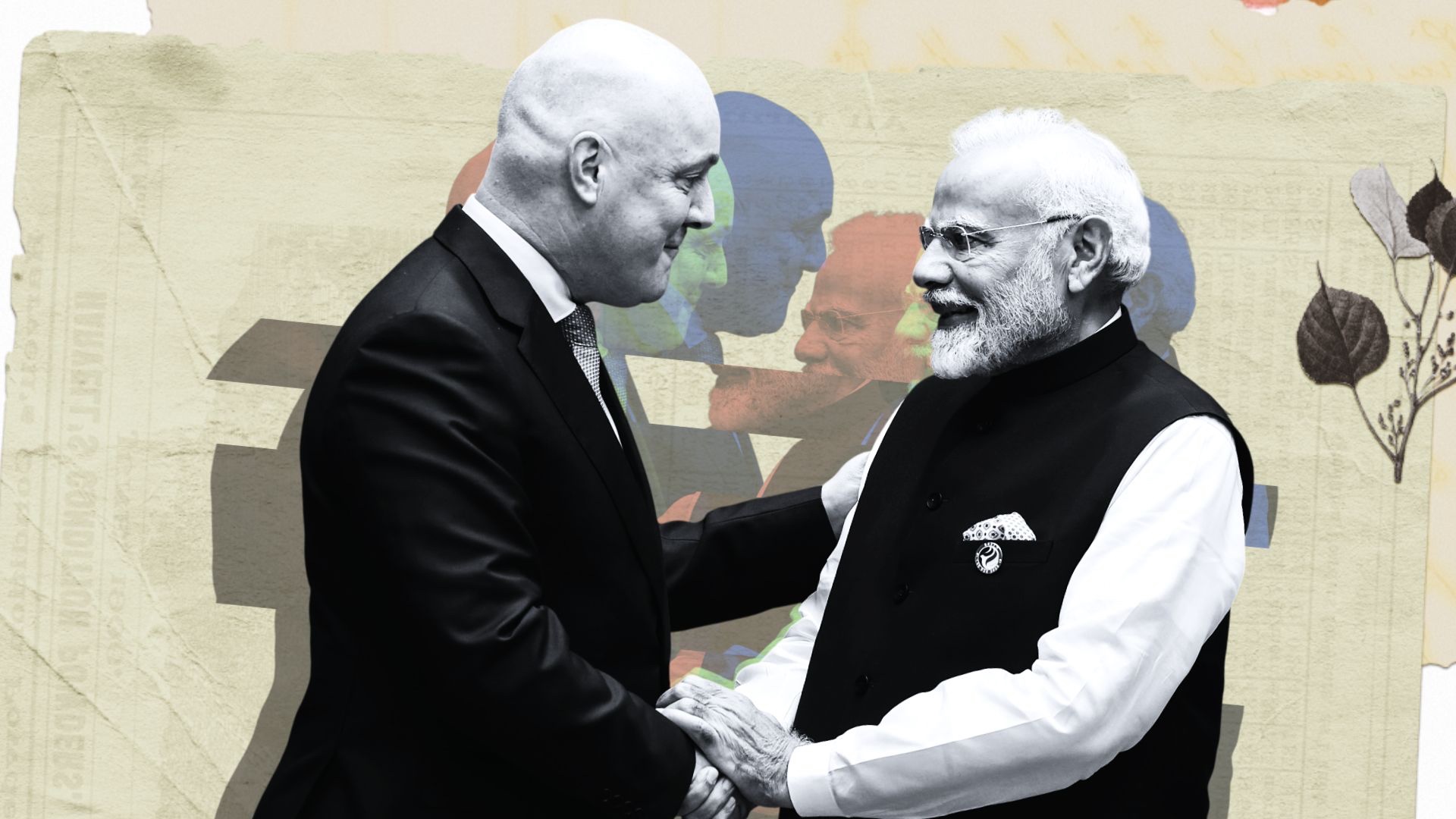
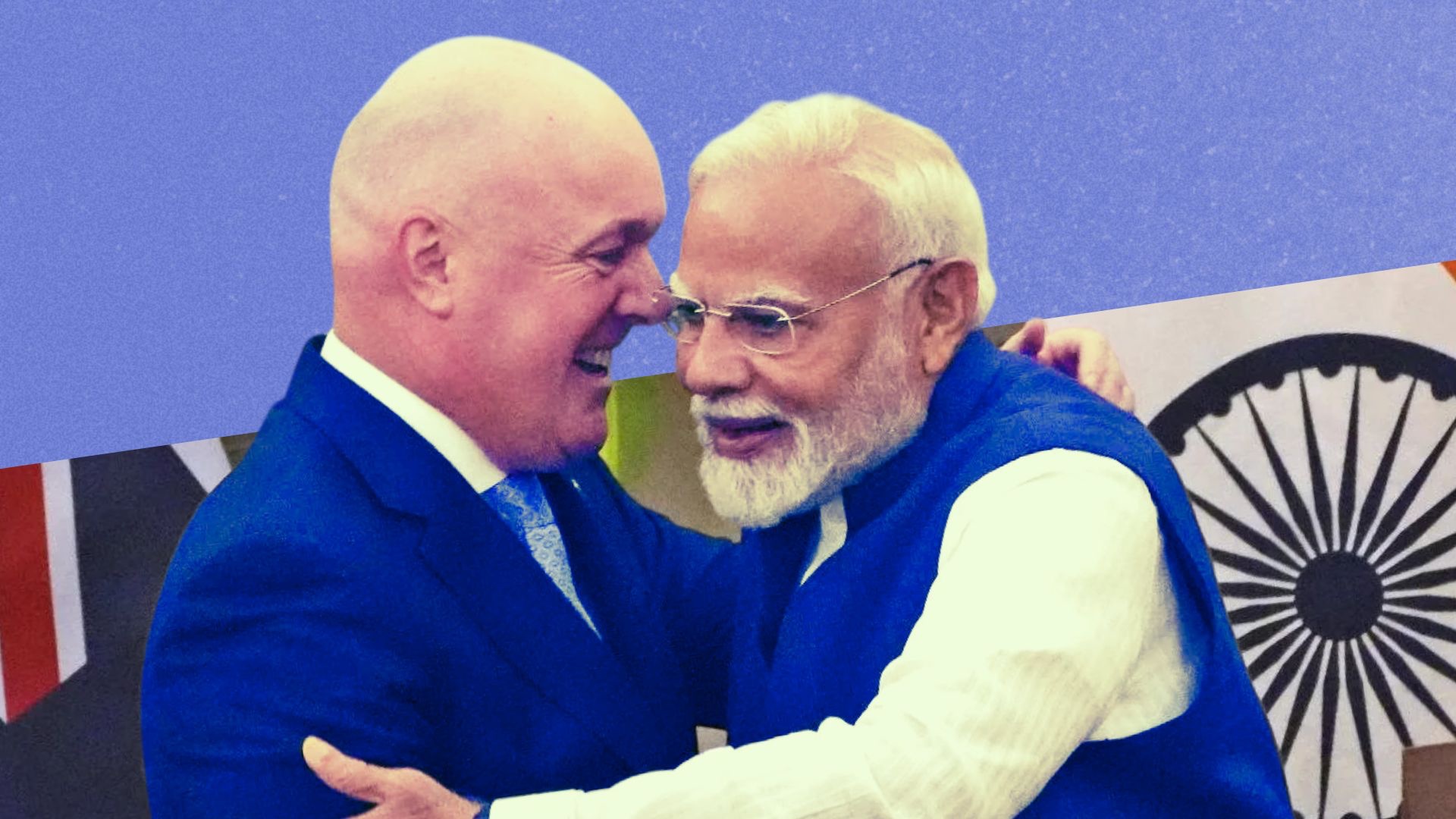
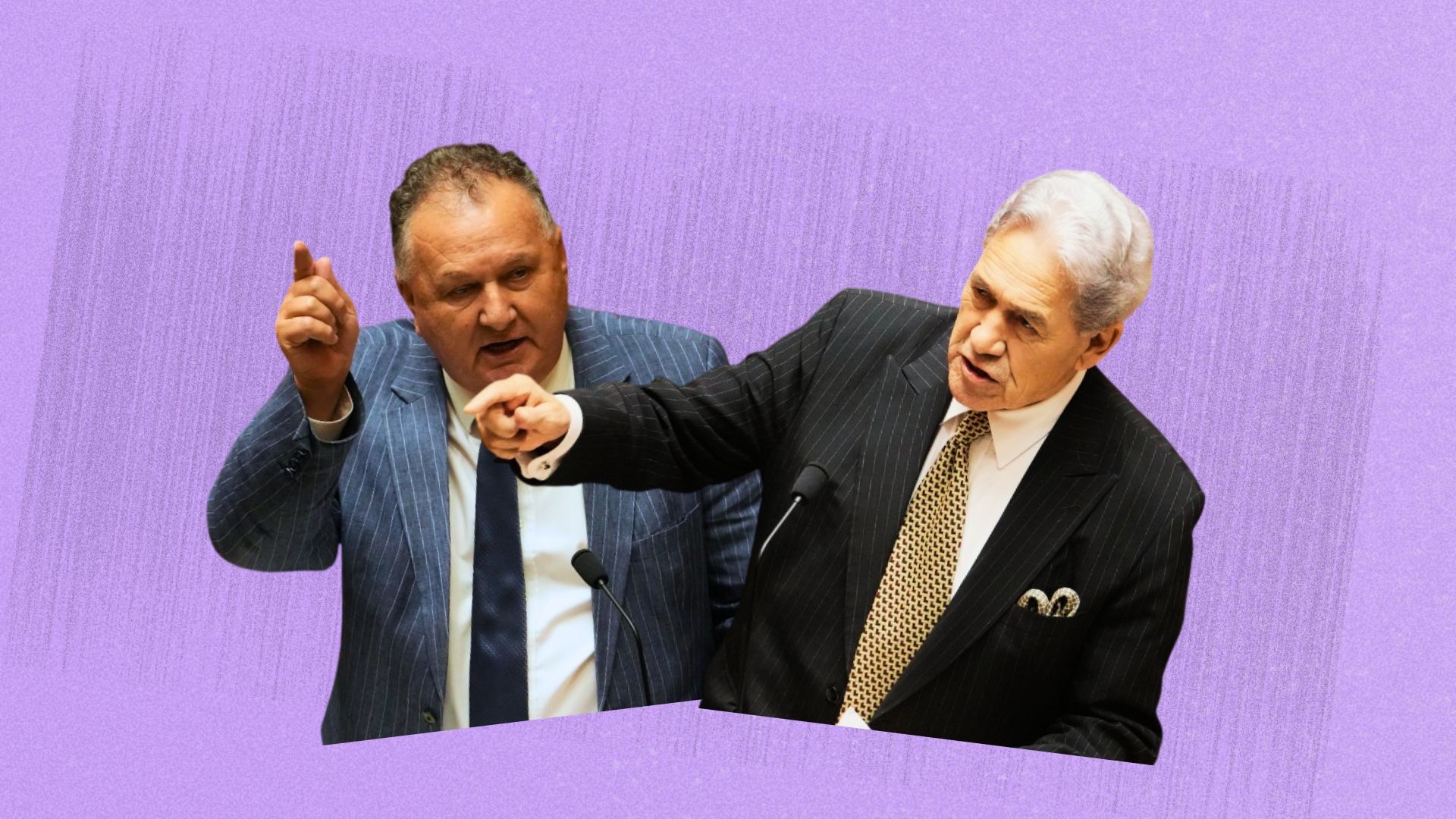
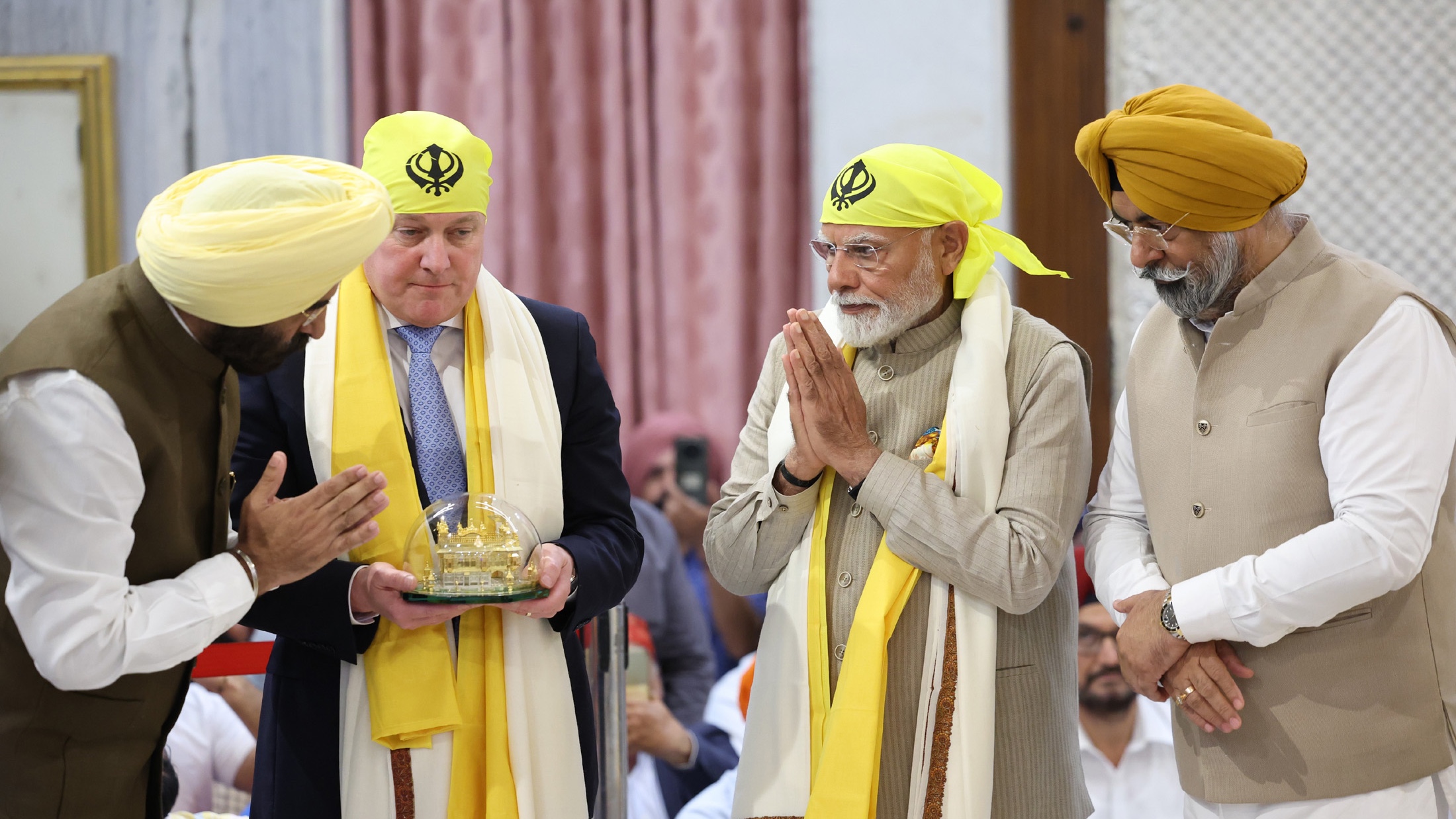
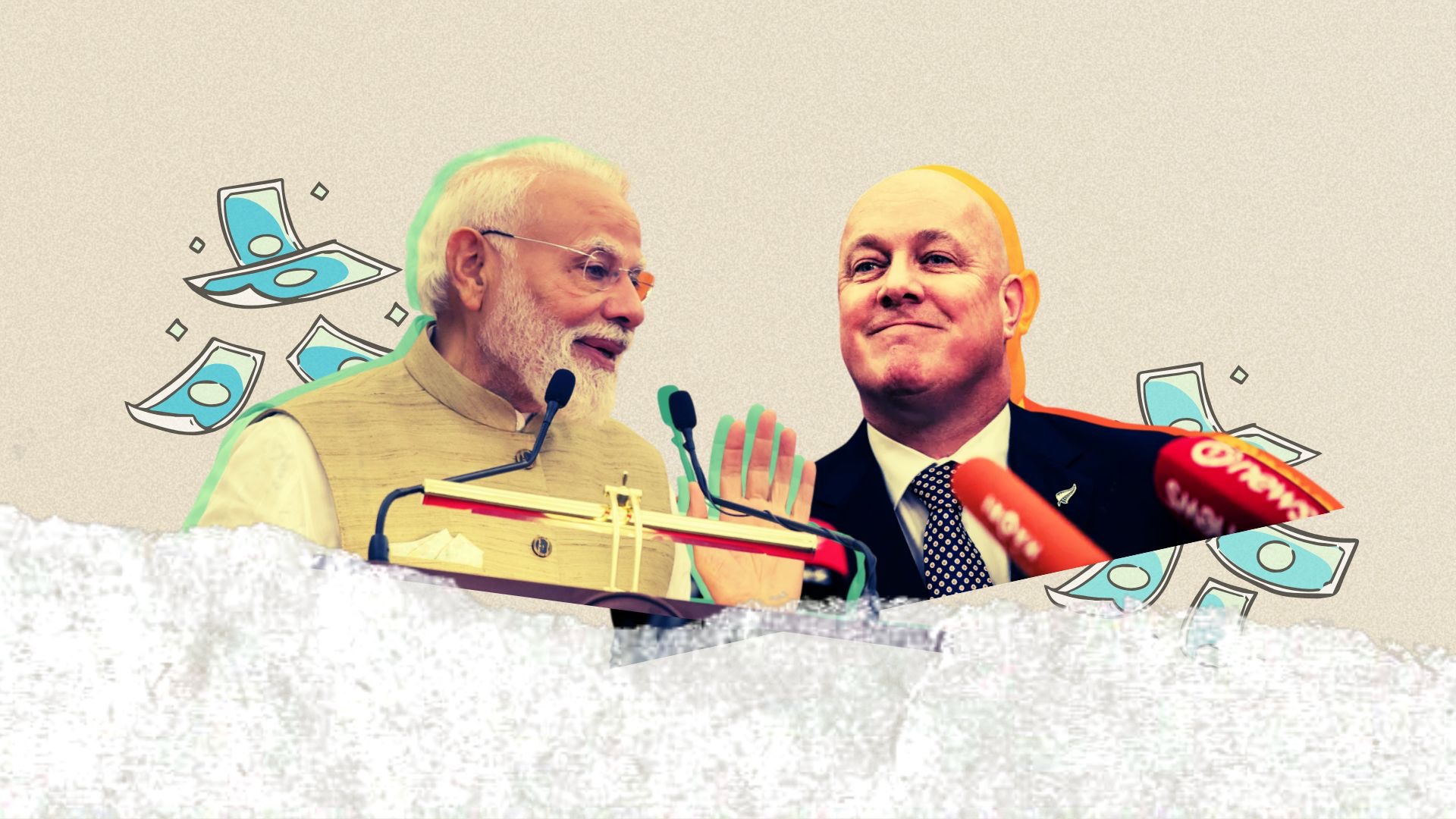
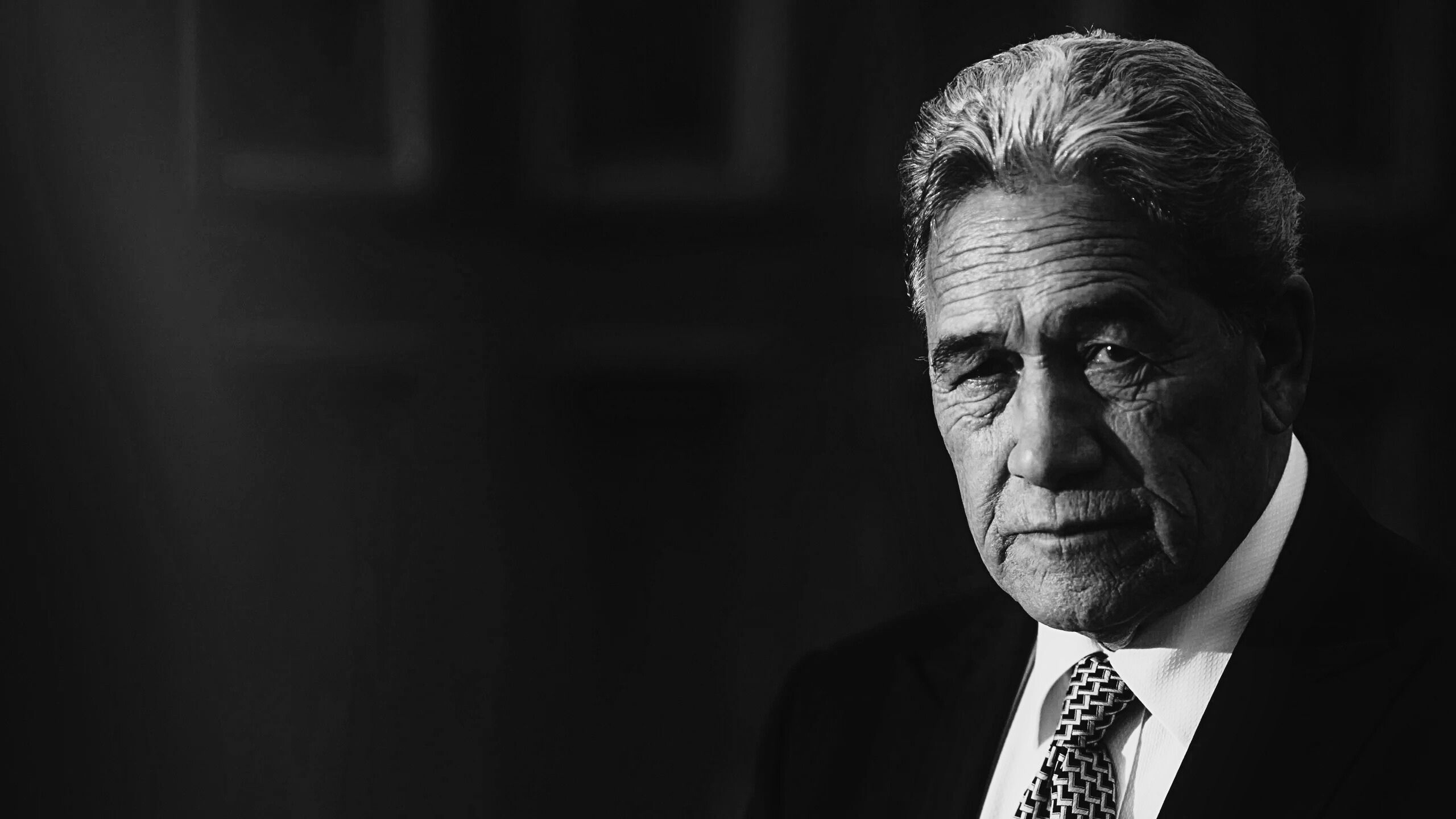
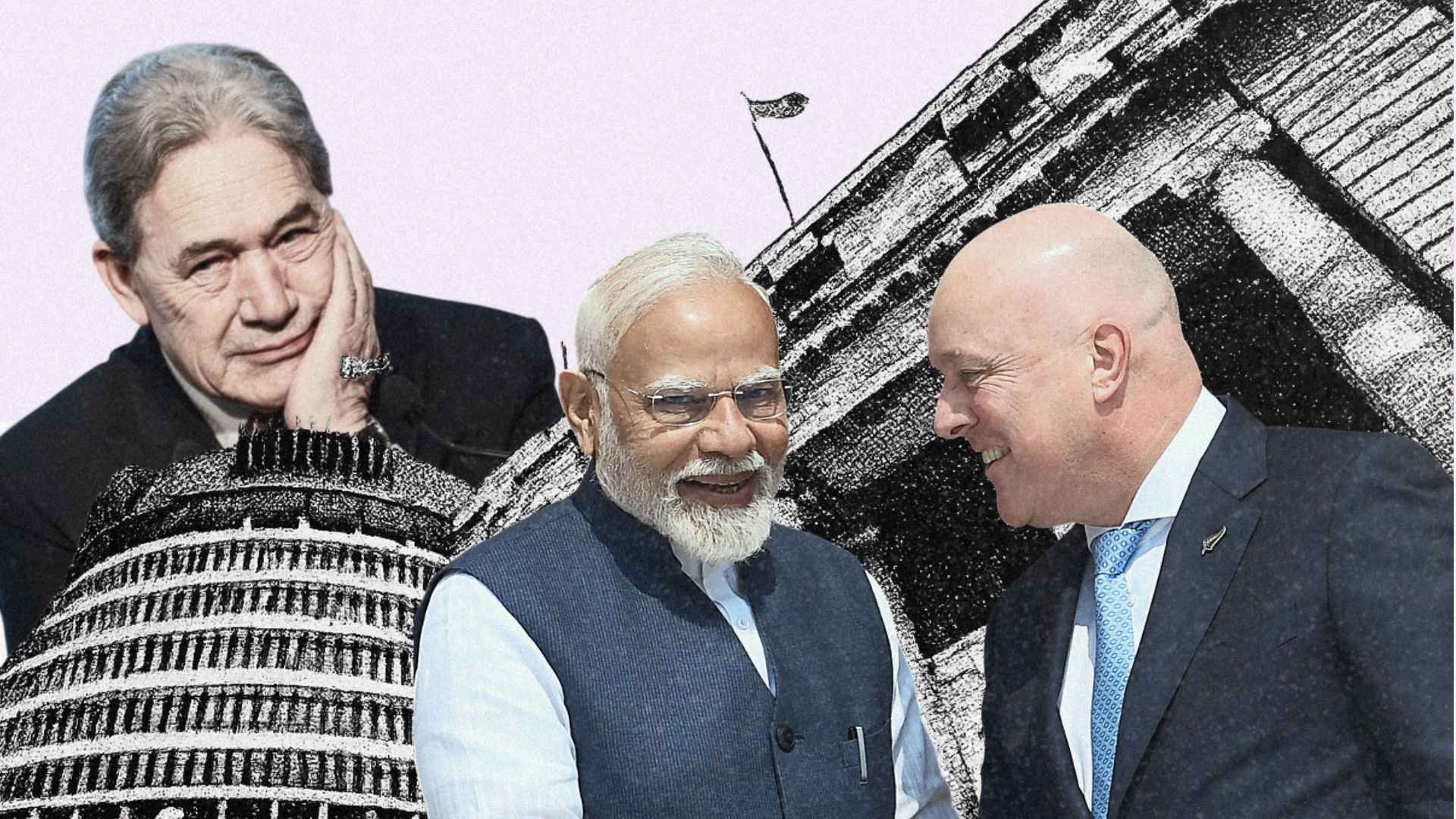
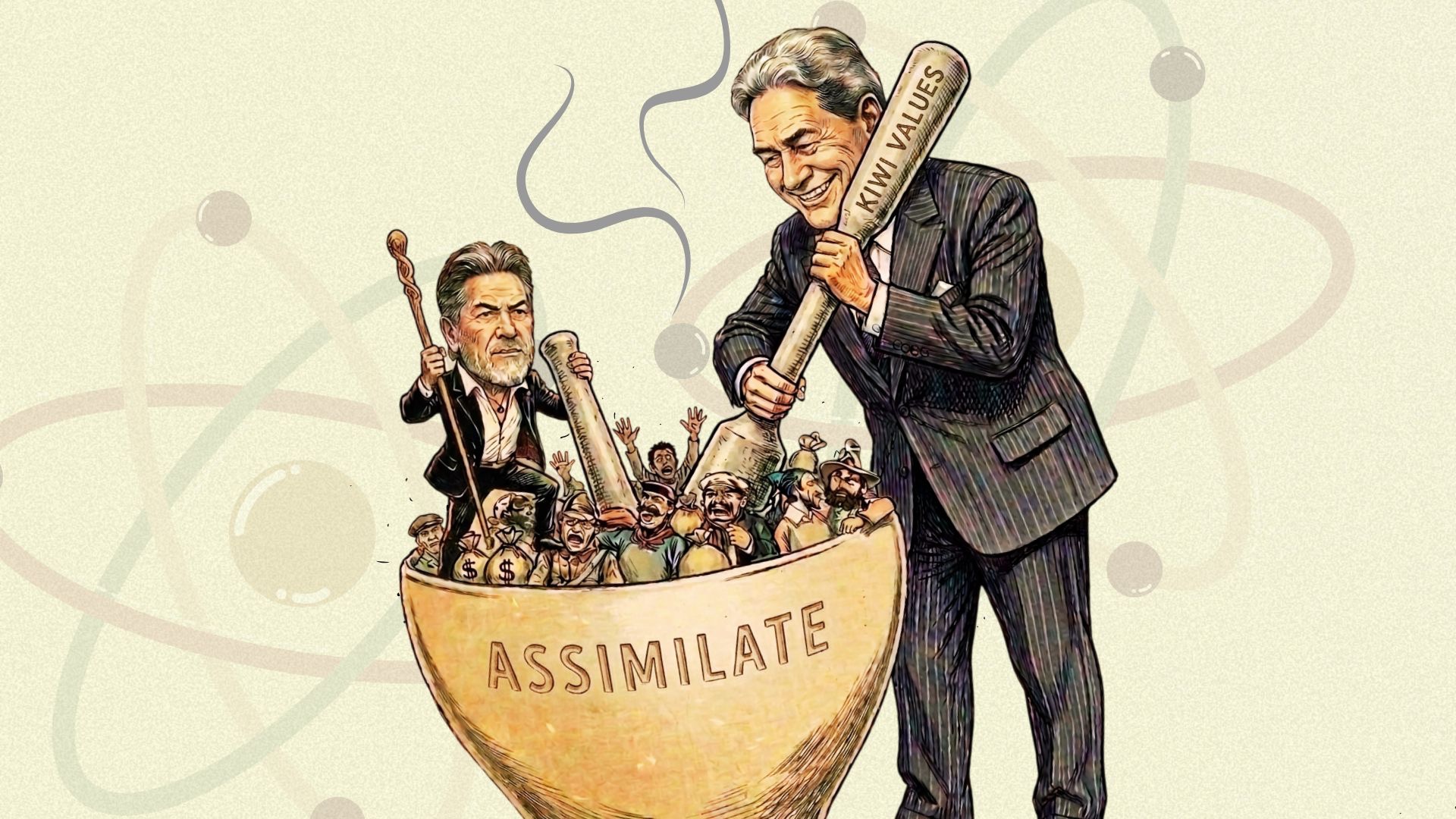
‘Two types of Indians’: Peters questions Kiwi Indians’ loyalty after watching Modi welcome The New Zealand First leader on why changing passports alone may not make someone a New Zealander.
BNZ Diwali rolls out Bollywood red carpet as Meenakshi Sheshadri revisits Damini in Auckland A Screen Auckland-backed cinema showcase is bringing South Asian films into Auckland theatres as part of this year’s Diwali celebrations.
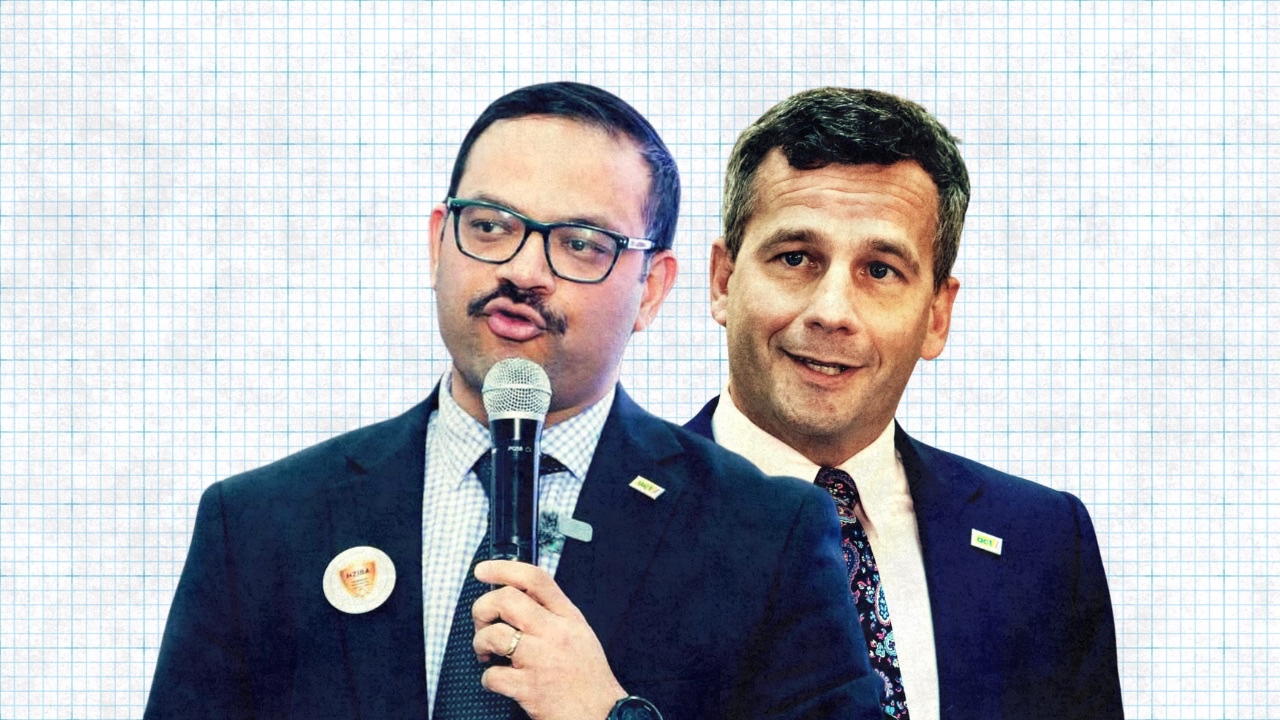
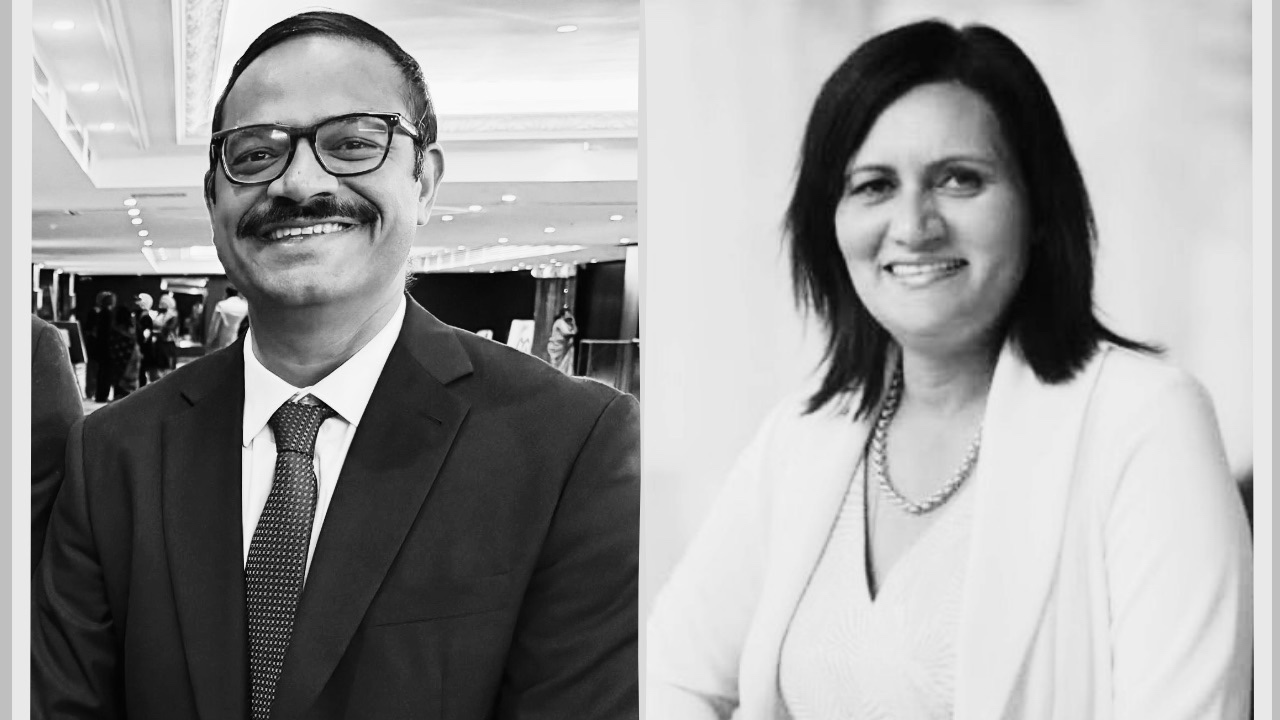
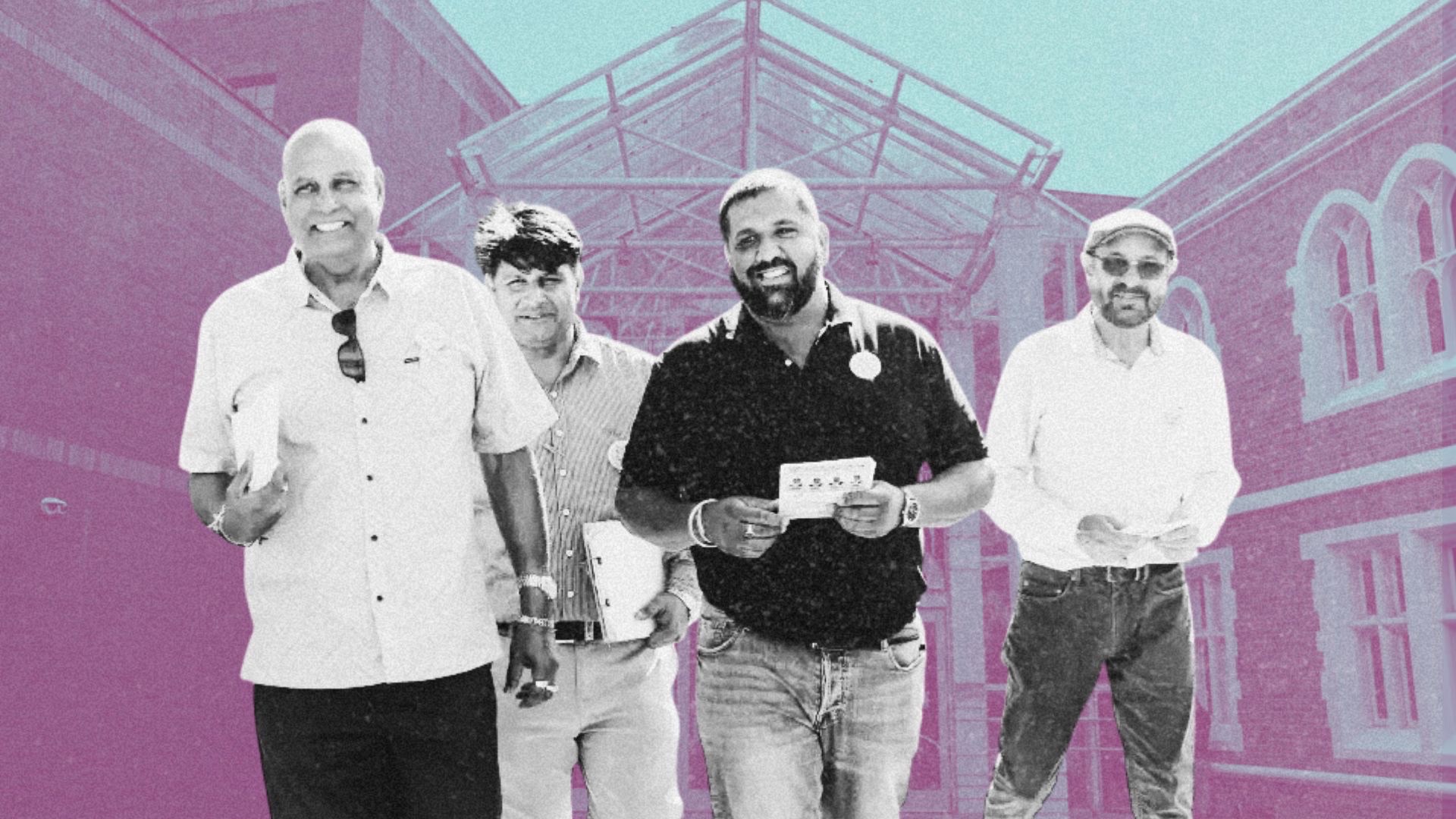
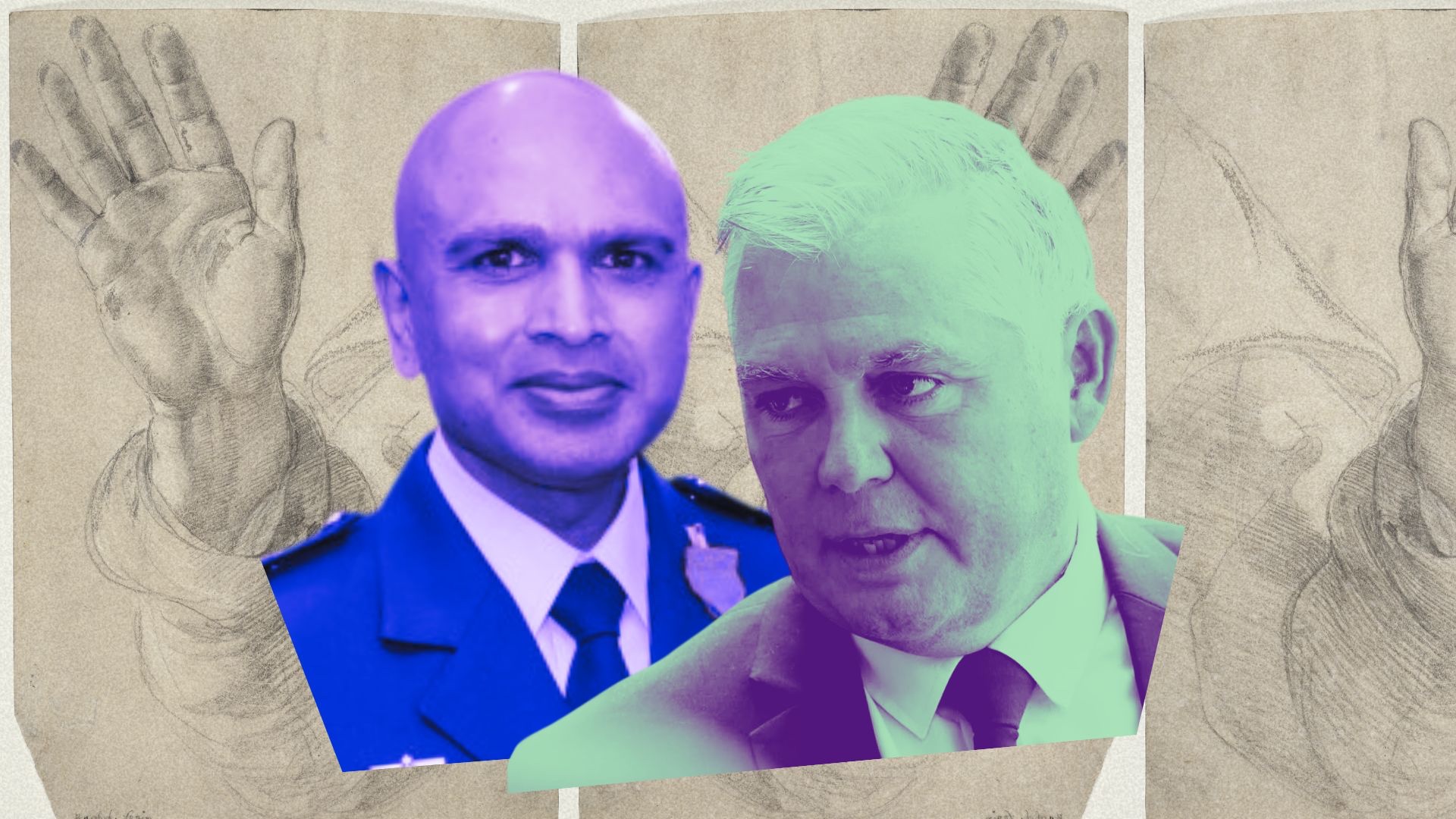
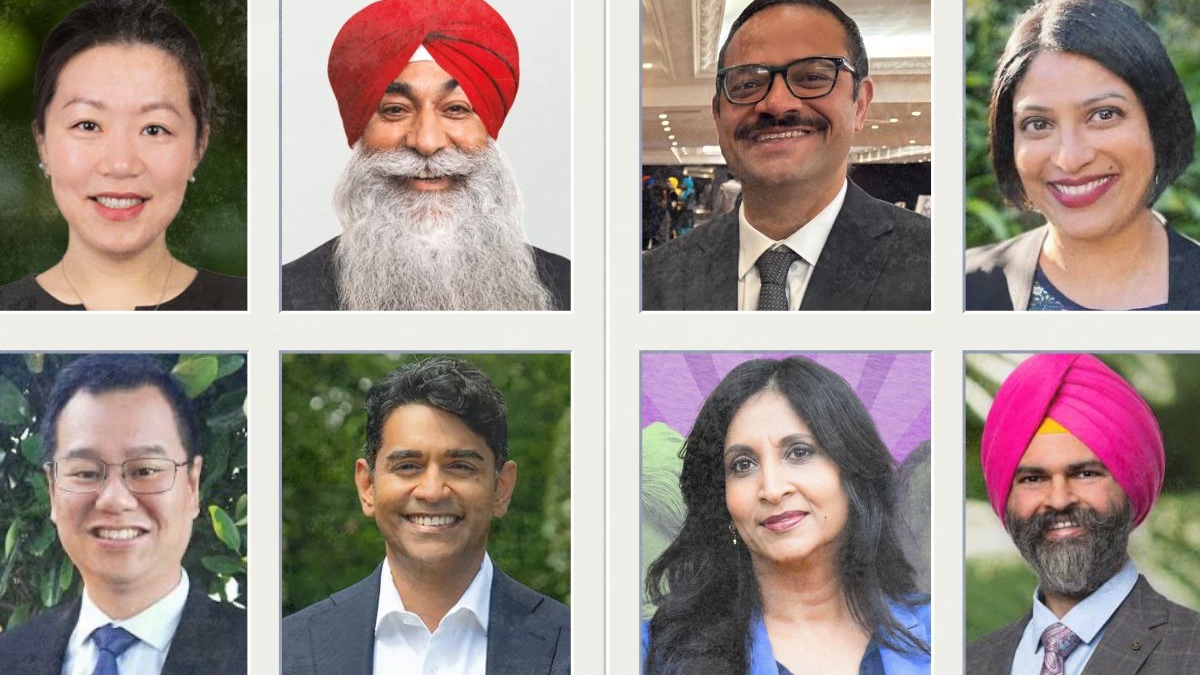
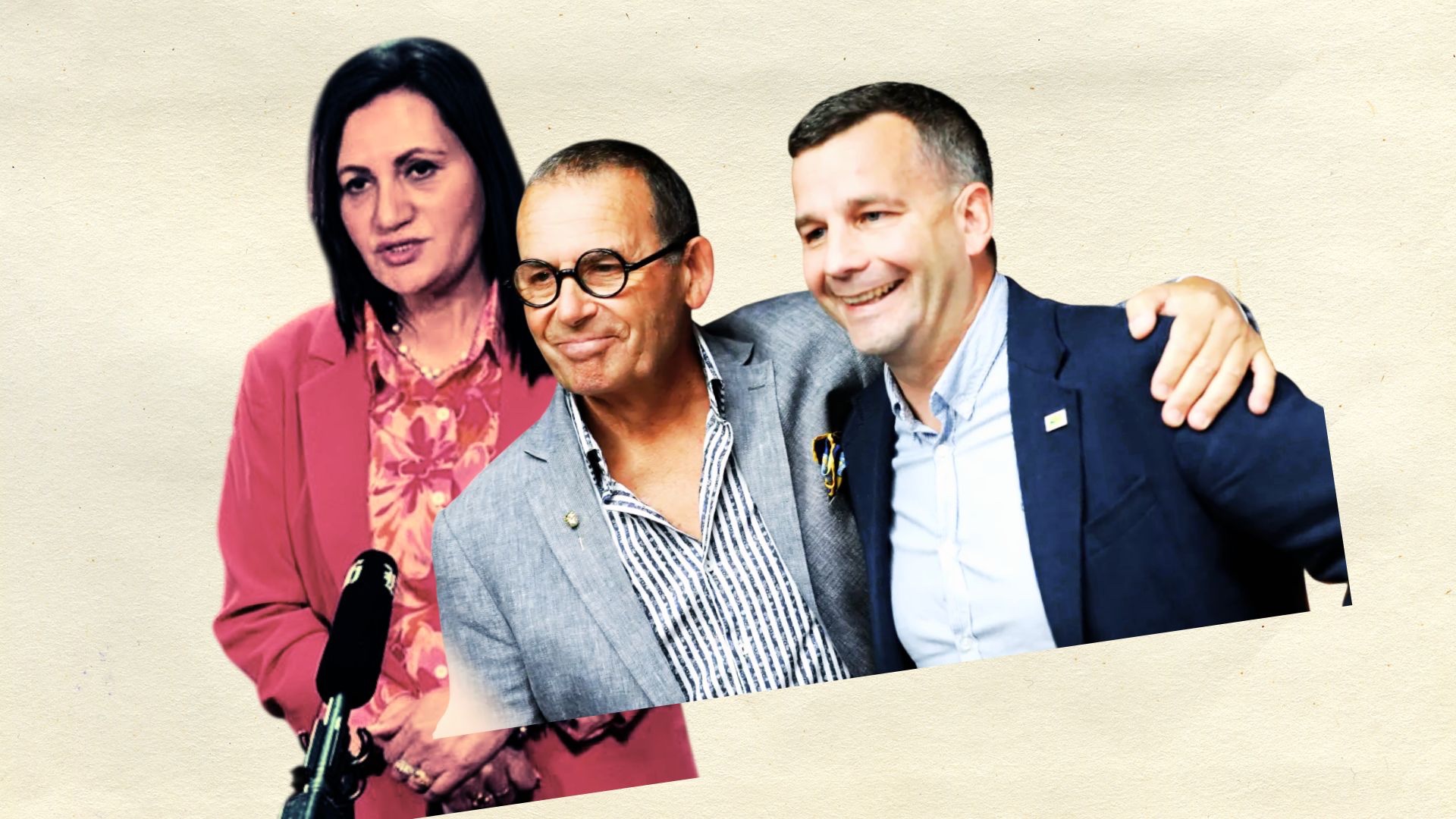
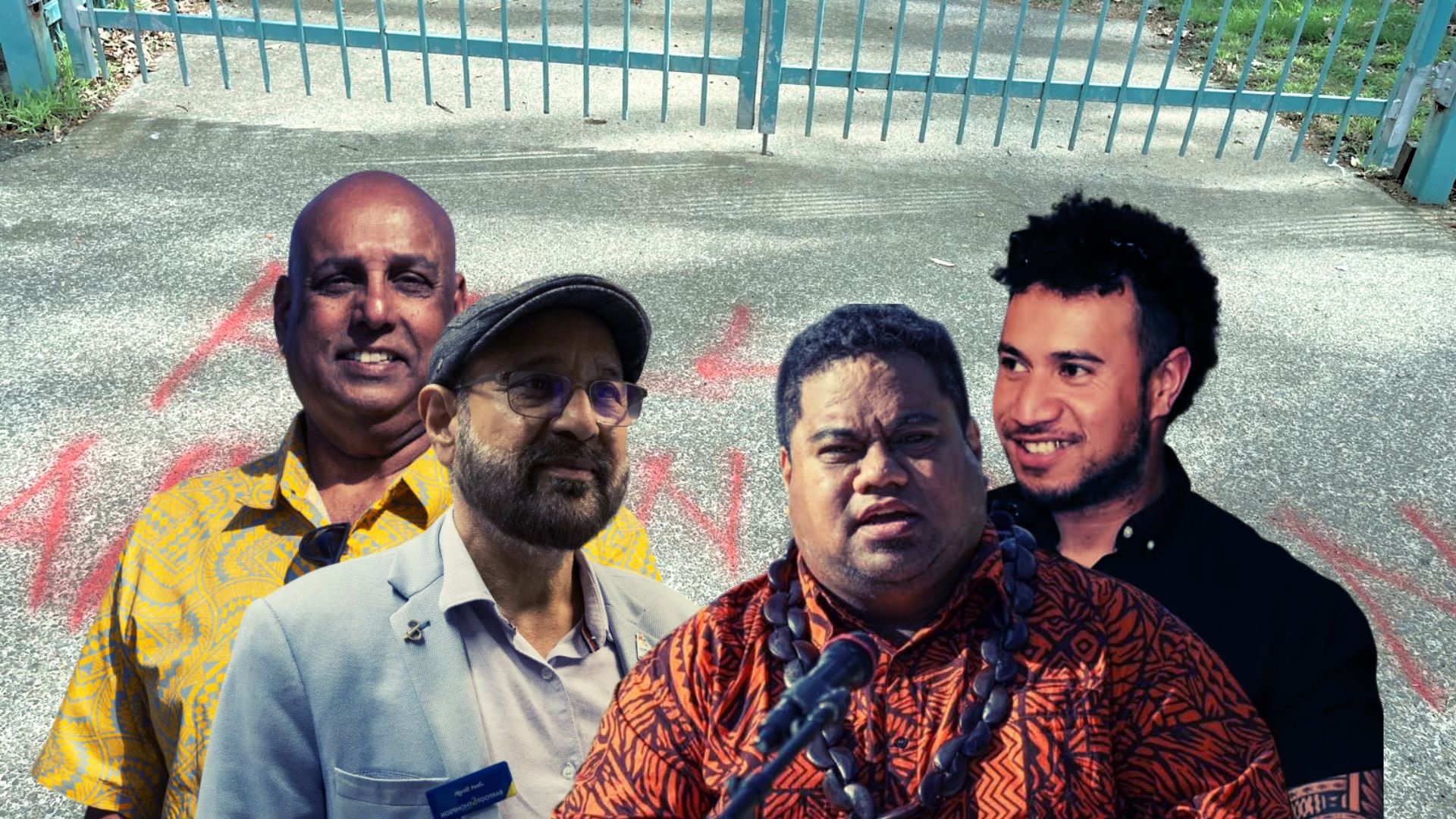
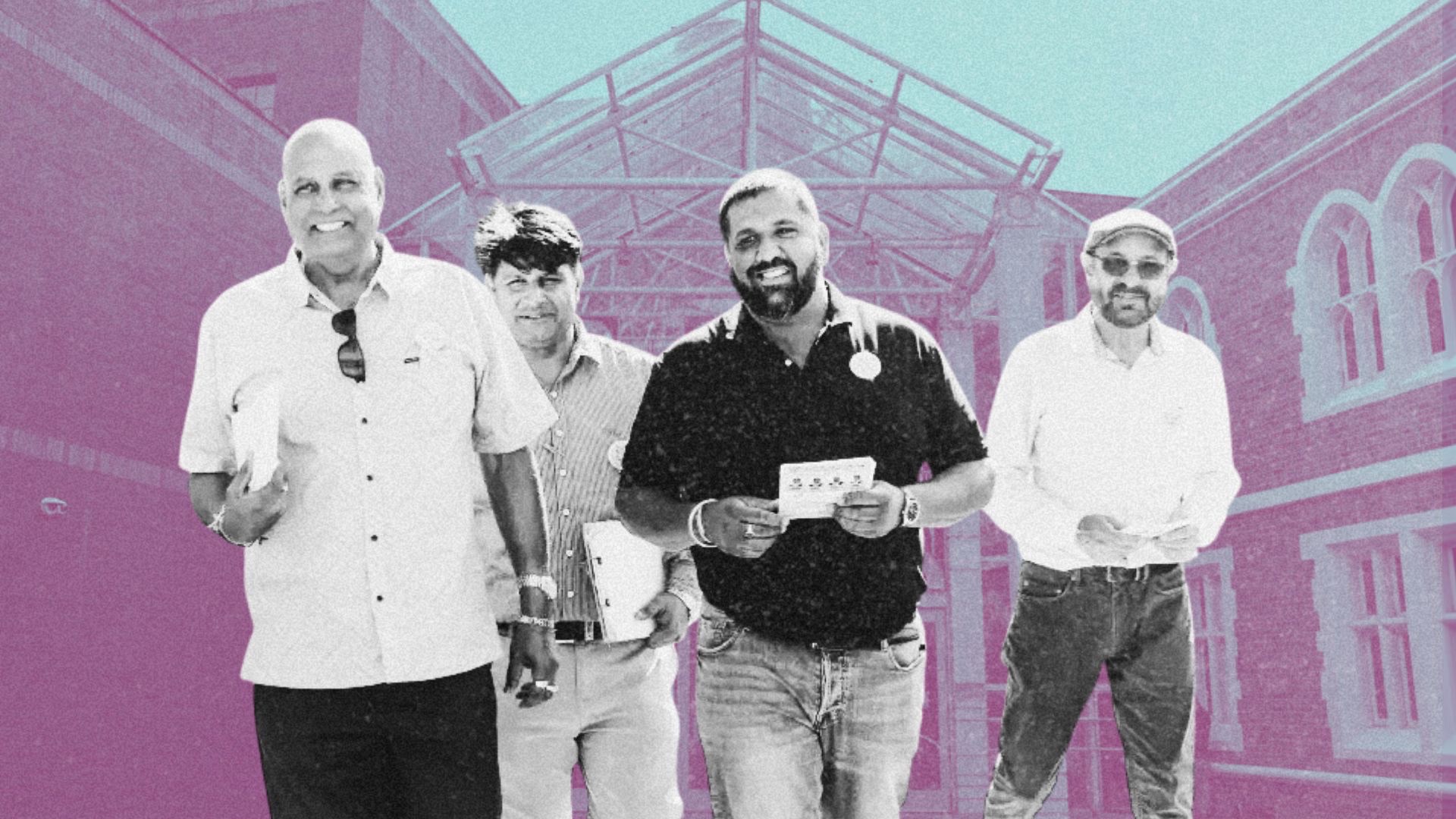
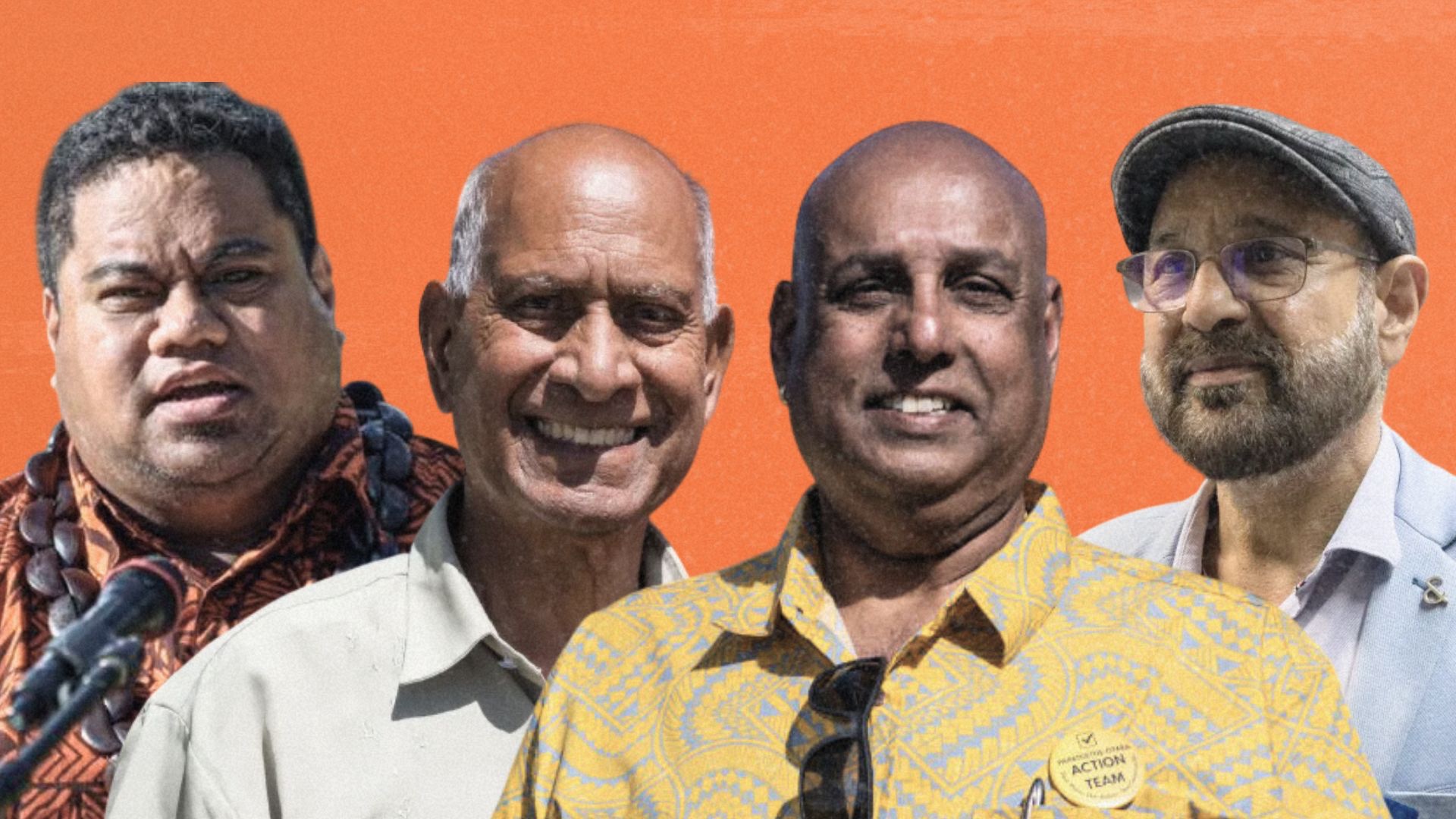
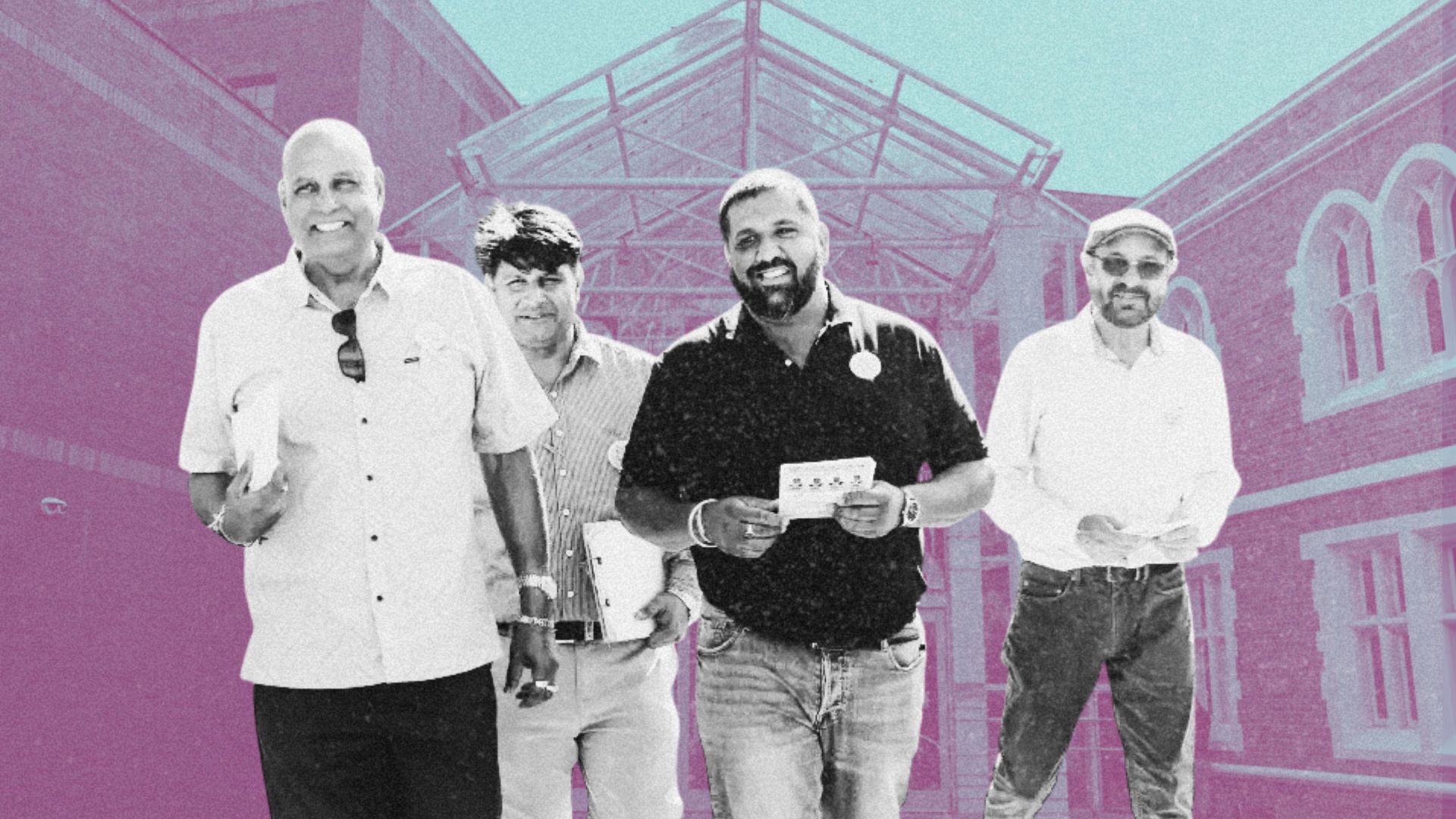
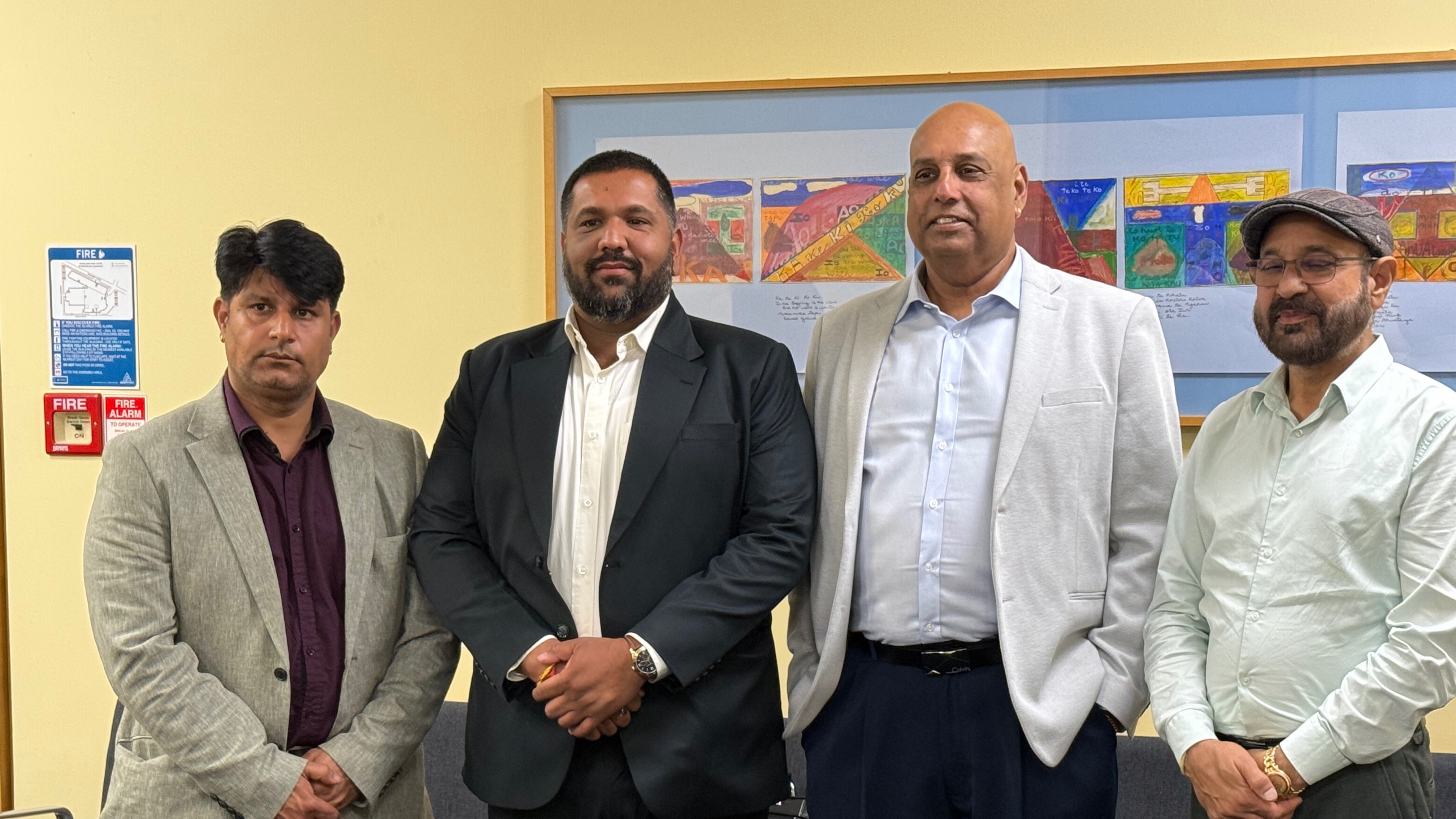
In their appeal before the Auckland High Court, the four Indian-origin winners from the Papatoetoe Otara Action Team (POAT) pleaded exactly that.
A re-election wouldn't simply be a reset, they argued. They would have to fight a negative perception even though they haven't even been accused of any wrongdoing.
In her judgment, Justice Jane Anderson hypothesized that even if the district court's decision was incorrect it shouldn't bother the candidates since "the new election will reflect the will of the electorate".
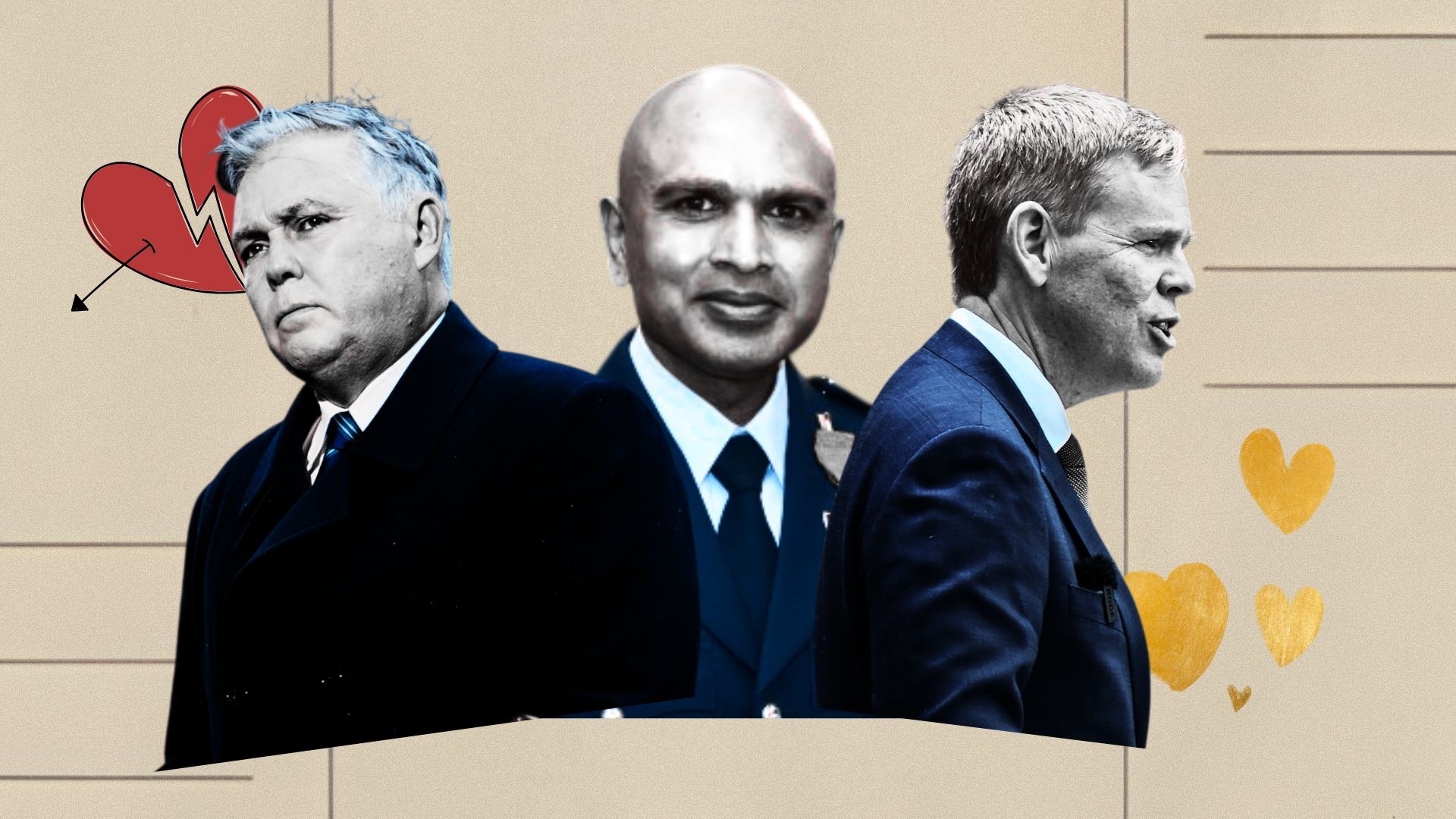
This week, we were told the electorate has demonstrated its will, with nearly the same result. Three of the four POAT candidates who won last year have been voted back to power. But the re-run hasn't been a level-playing field for all candidates.
As with all side elections, turnout fell sharply. From a mid-30 percent range in the original poll to just over 20 percent in the re-run. That alone explains why every candidate saw fewer votes. But it doesn’t explain who lost more.
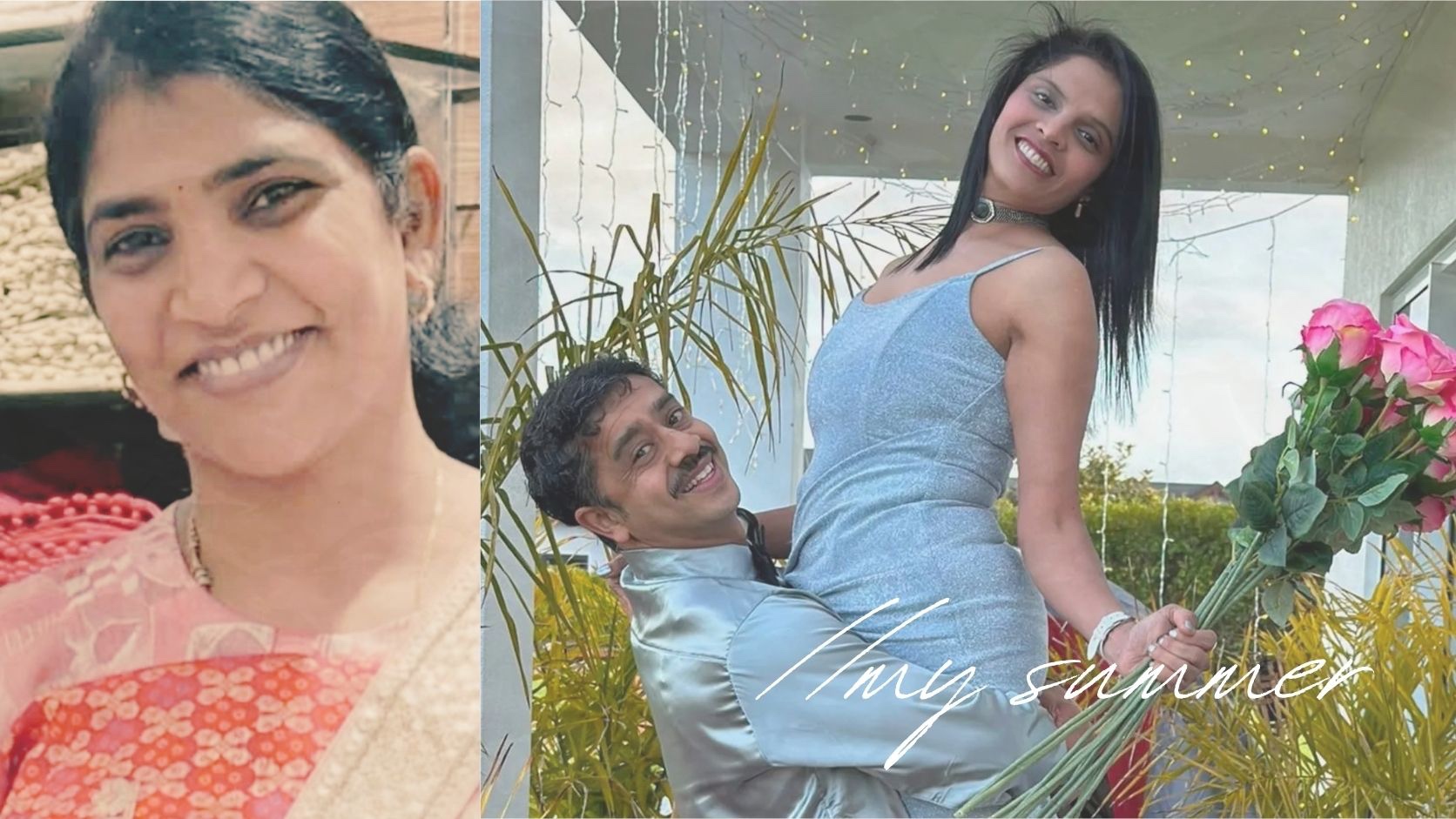
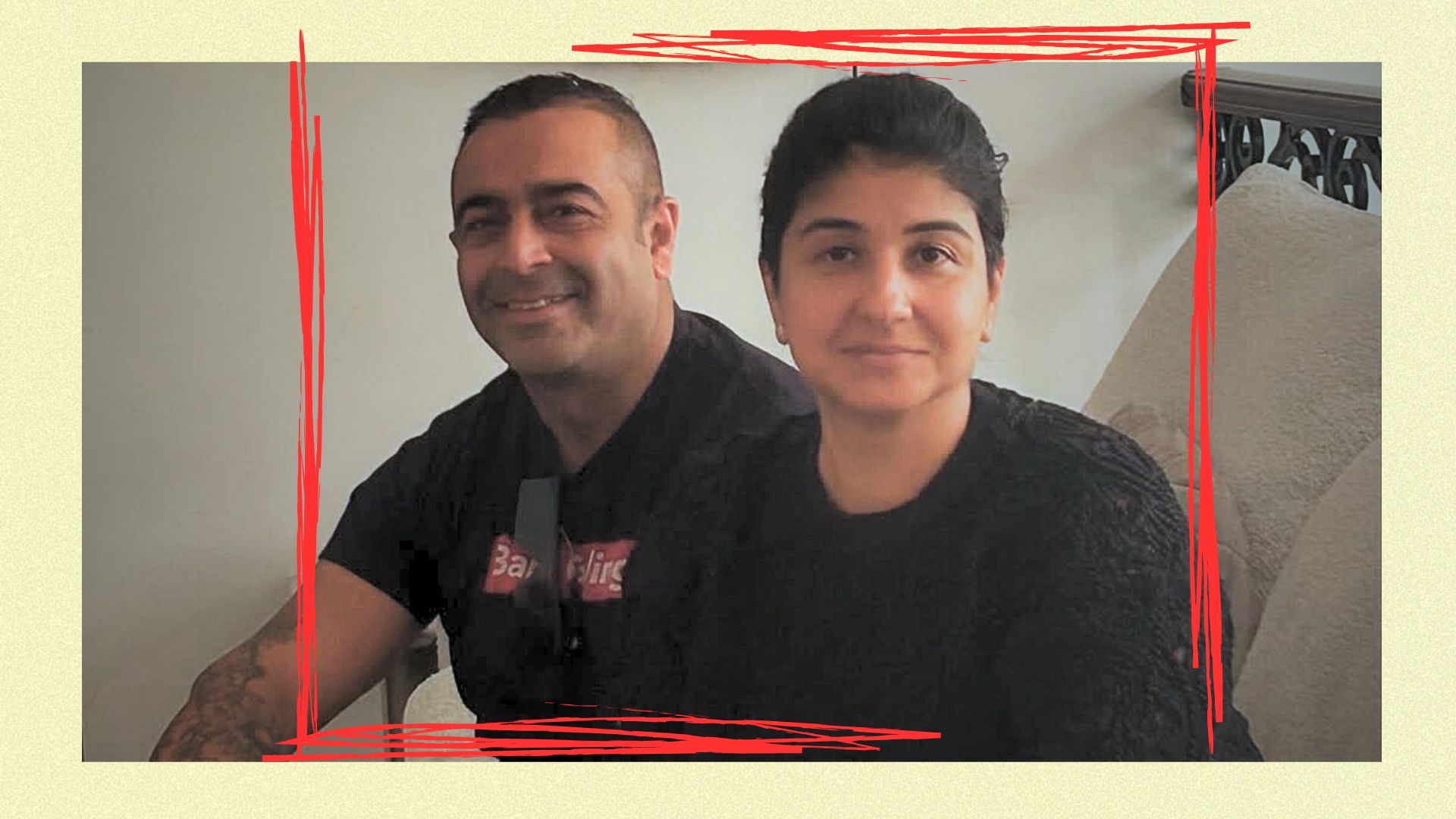
POAT candidates saw their vote counts fall by roughly half. Sandeep Saini, Kushma Nair and Kunal Bhalla all remain down by close to 50 percent.
By contrast, others held up far better. Top ranked Vi Hausia, now confirmed on 2,858 votes, has seen only a modest decline of just over 10 per cent from the previous election. Chris Latham’s drop is similarly contained. Even several mid-tier candidates saw declines closer to 20–30 per cent.
Turnout fell for everyone. But not every voter stayed home for the same reason. It is tempting, especially for critics, to offer a simpler explanation. That the higher numbers in the original election were inflated. That what we are seeing now is the "real" vote. It’s a neat argument, but an incomplete one.
The allegation in the case was implicitly directed at the eventual winners. If that had been the dominant factor, the sharpest declines would be concentrated among them. Instead, the pattern is more dispersed.
Some lower-ranked candidates with no such allegations attached to them have seen even steeper falls. Futi Ka, who finished 12th, lost more than 60 per cent of his vote. Peter Dons, ranked 11th, lost over 40.
There's another more plausible explanation, one that politicians already understand quite well. Not all political support is built the same way. Some candidates rely on habitual voters. People who turn up regardless of the stakes.
Others rely more on mobilisation, moments when coordination, community networks and urgency convert into votes. The re-run stripped away much of this rigorous campaigning work, especially for the POAT candidates.
Last year, the Auckland Council tried strengthening democracy by encouraging people to cast their ballot, especially those who have never done so. Kiwi-Indians, in particular, have historically delivered low voter turnouts.
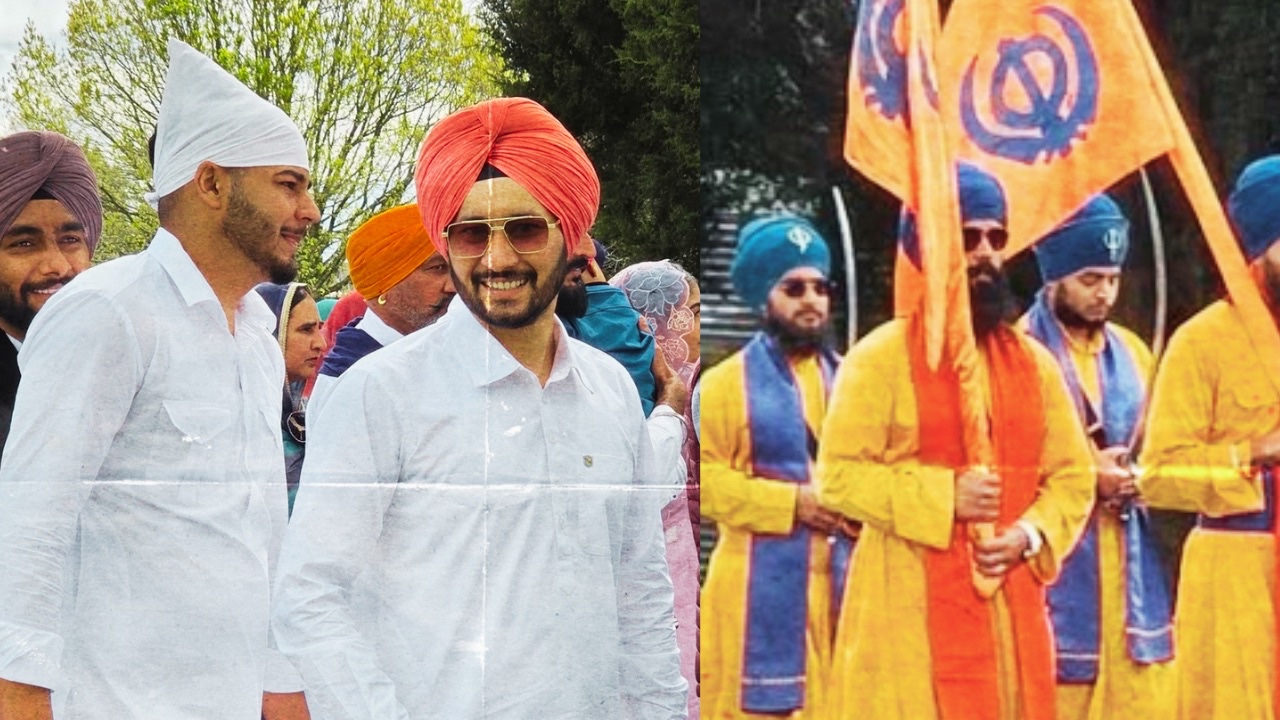
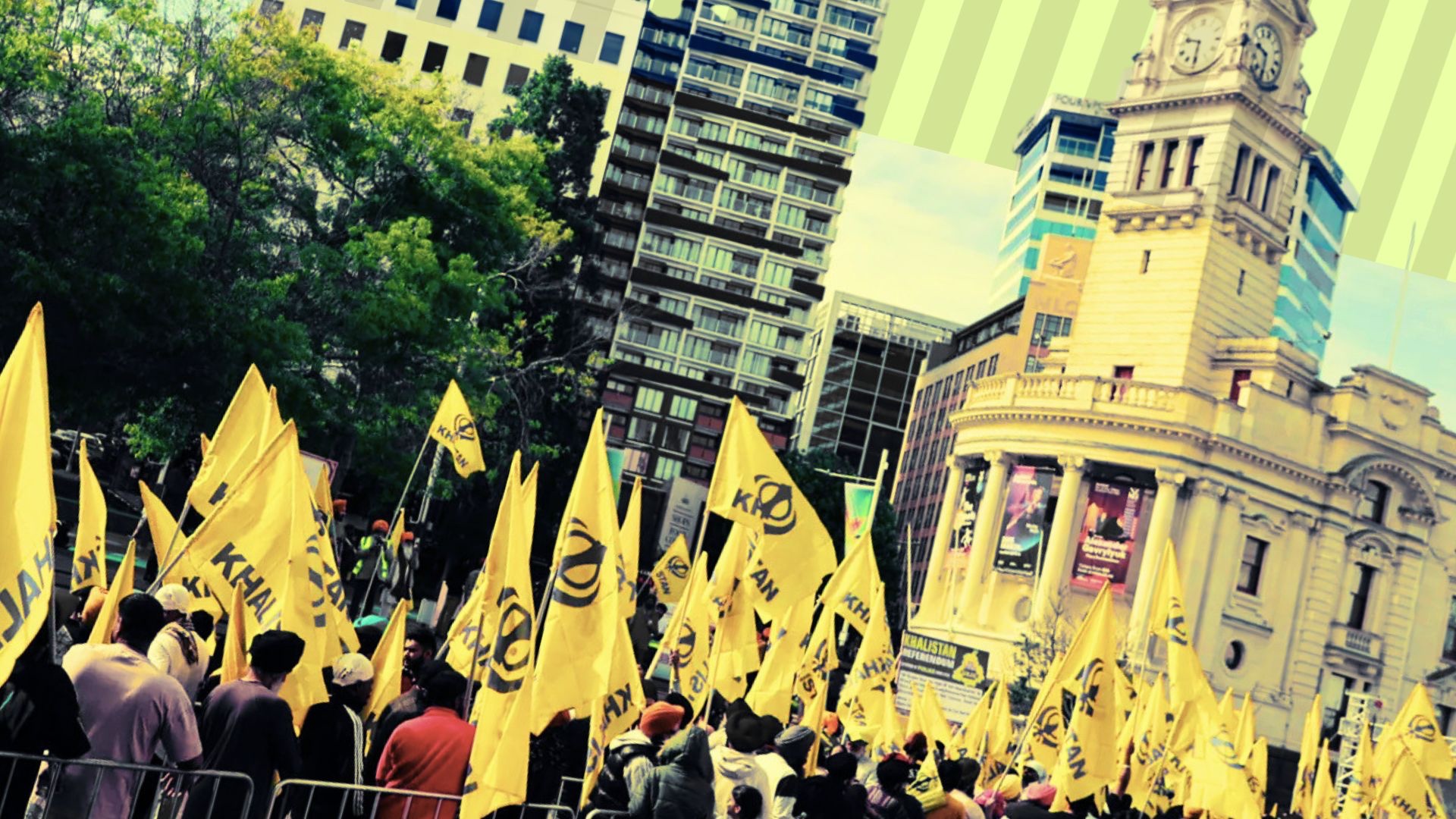
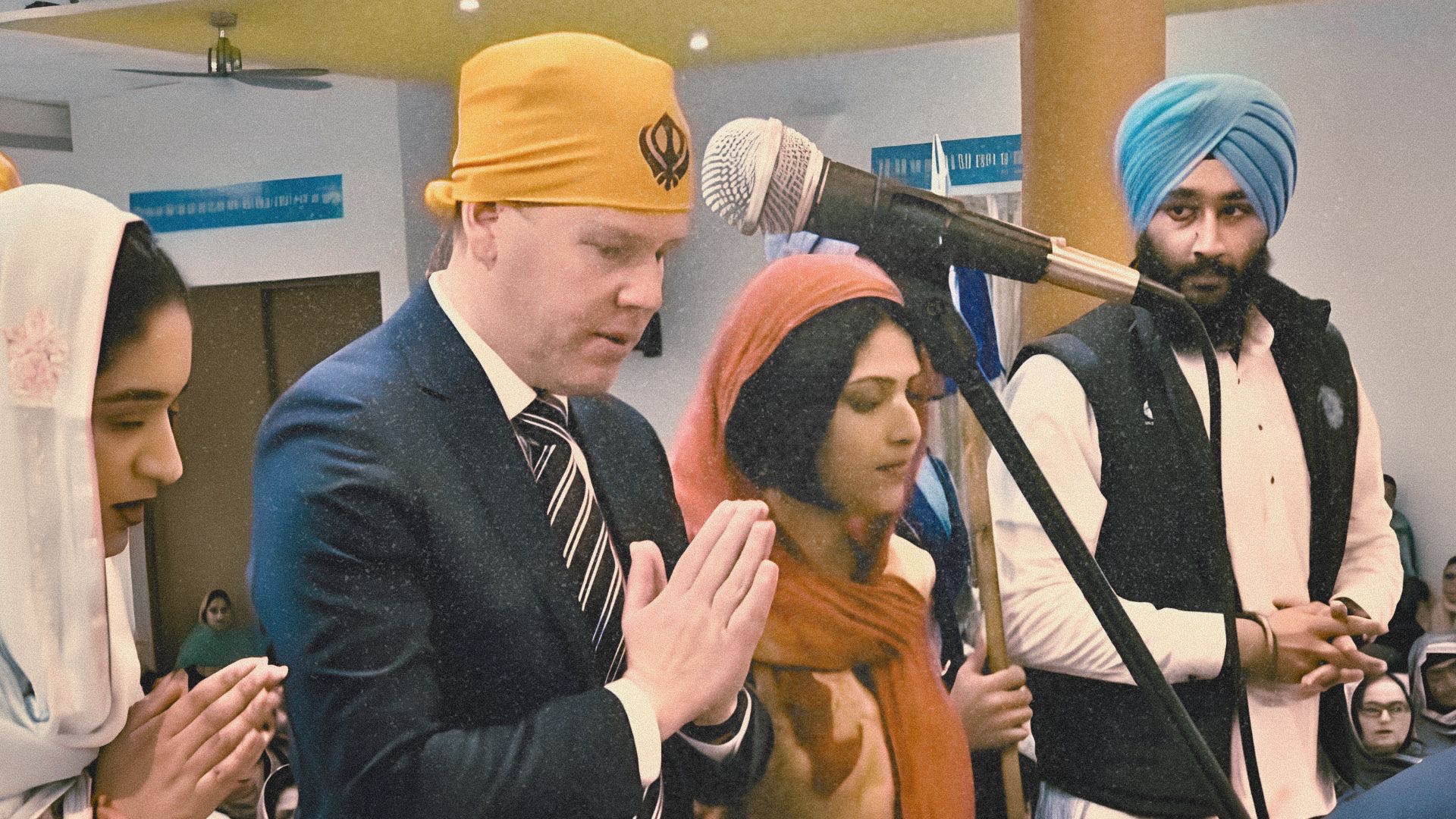
Special voting drives, titled 'Vote on the Go', were held at the Sikh temple in Papatoetoe, the Sri Dashmesh Darbar Gurudwara at Kolmar Road.
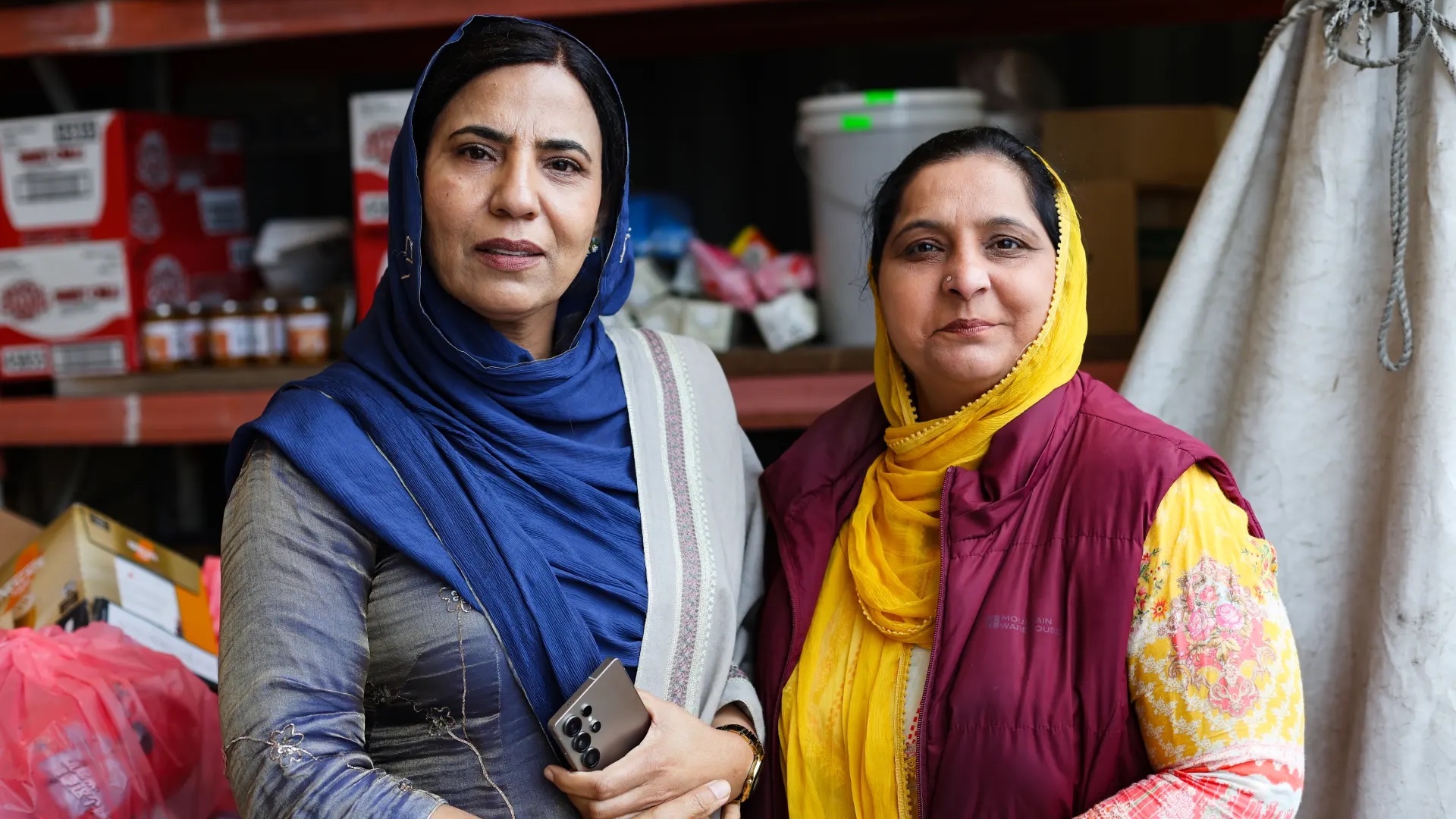
Exactly how many new voters cast their ballot there is not known. But POAT's Kunal Bhalla, one of the four who won last year but now placed sixth in the re-run, believes that may well have been decisive.
"The programme appeared to benefit elderly voters who may have mobility constraints, women who may have caregiving responsibilities and couldn't vote on weekdays and first-time voters who were unsure about enrollment processes," he says.
In that kind of environment, the difference between a committed voter and a mobilised one becomes visible.
These special camps weren't set up in the re-run because they are a resource-intensive affair, says Auckland Council, and thereby not feasible for a side election.
"This [programme] makes it viable to run at a region-wide level during each three-year election, and it has not previously been used for by-elections," Oliver Roberts, Head of Governance Programmes and Policies at Auckland Council was quoted as saying by The Indian Weekender.
Candidates who benefited more from high-mobilisation conditions appear to have been more vulnerable when those conditions disappeared. Those with a more consistent, habitual voter base held up better.
This is not about who is more legitimate. It is about how political support behaves under stress. And this is where the story moves beyond candidates to something more uncomfortable.
Papatoetoe is not just another Auckland subdivision. It is one of the few places across New Zealand where Indian-origin candidates have managed to convert demographic presence into political power. The original election reflected that shift decisively.
The re-run complicates it. The candidates are still there. The support is still visible. But the mechanism that translated presence into dominance looks less certain when participation drops.
Representation built on turnout is only as strong as the turnout itself. There is also a quieter democratic cost. Re-runs are meant to restore confidence. But they often come with their own price. Fatigue, confusion and disengagement.
When fewer people vote, outcomes become more sensitive to who shows up and under what conditions. That may produce a cleaner process. It does not always produce a fuller democracy.