
India is no Ukraine: Sikh man seeking asylum in New Zealand told to return home
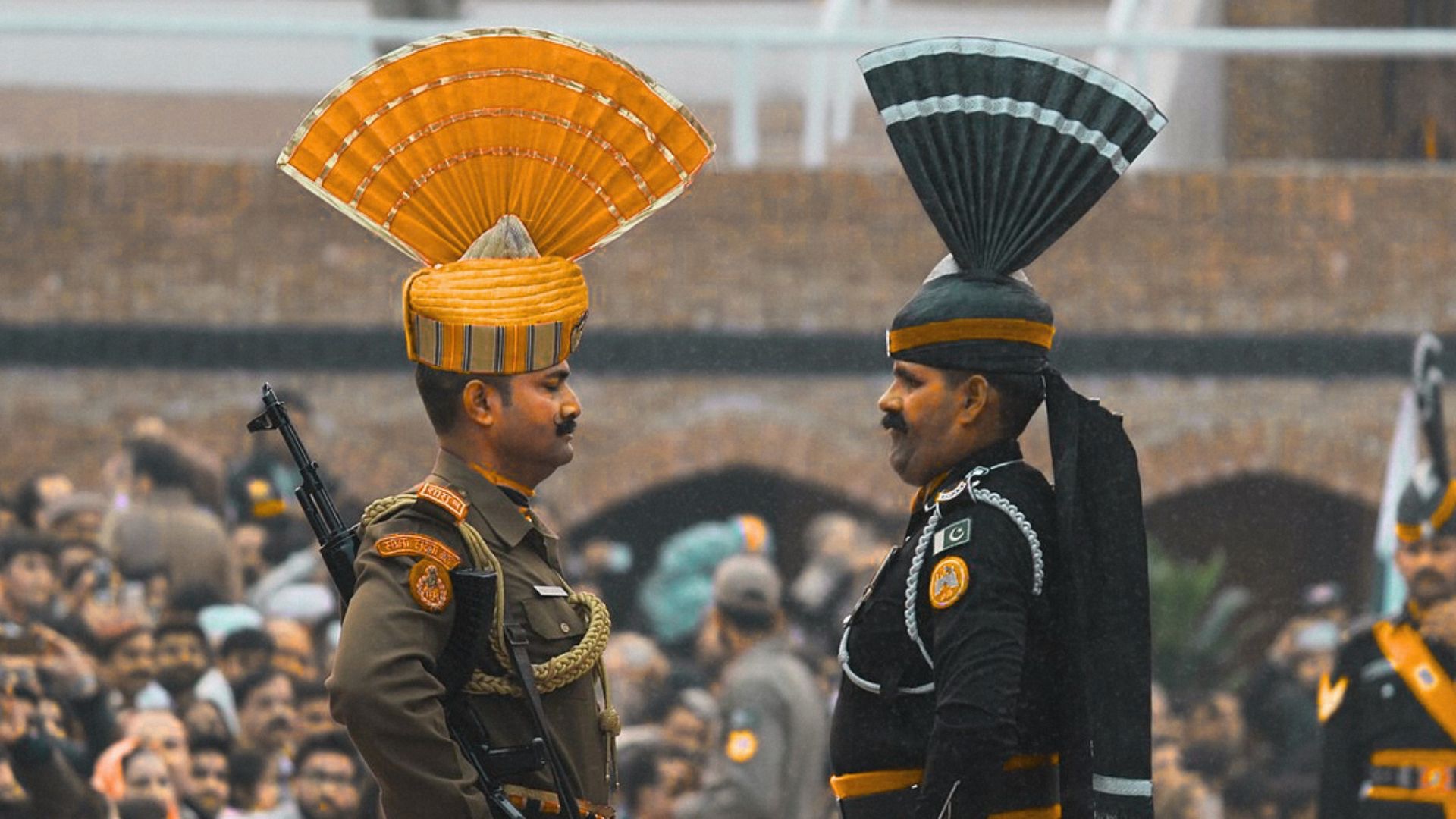
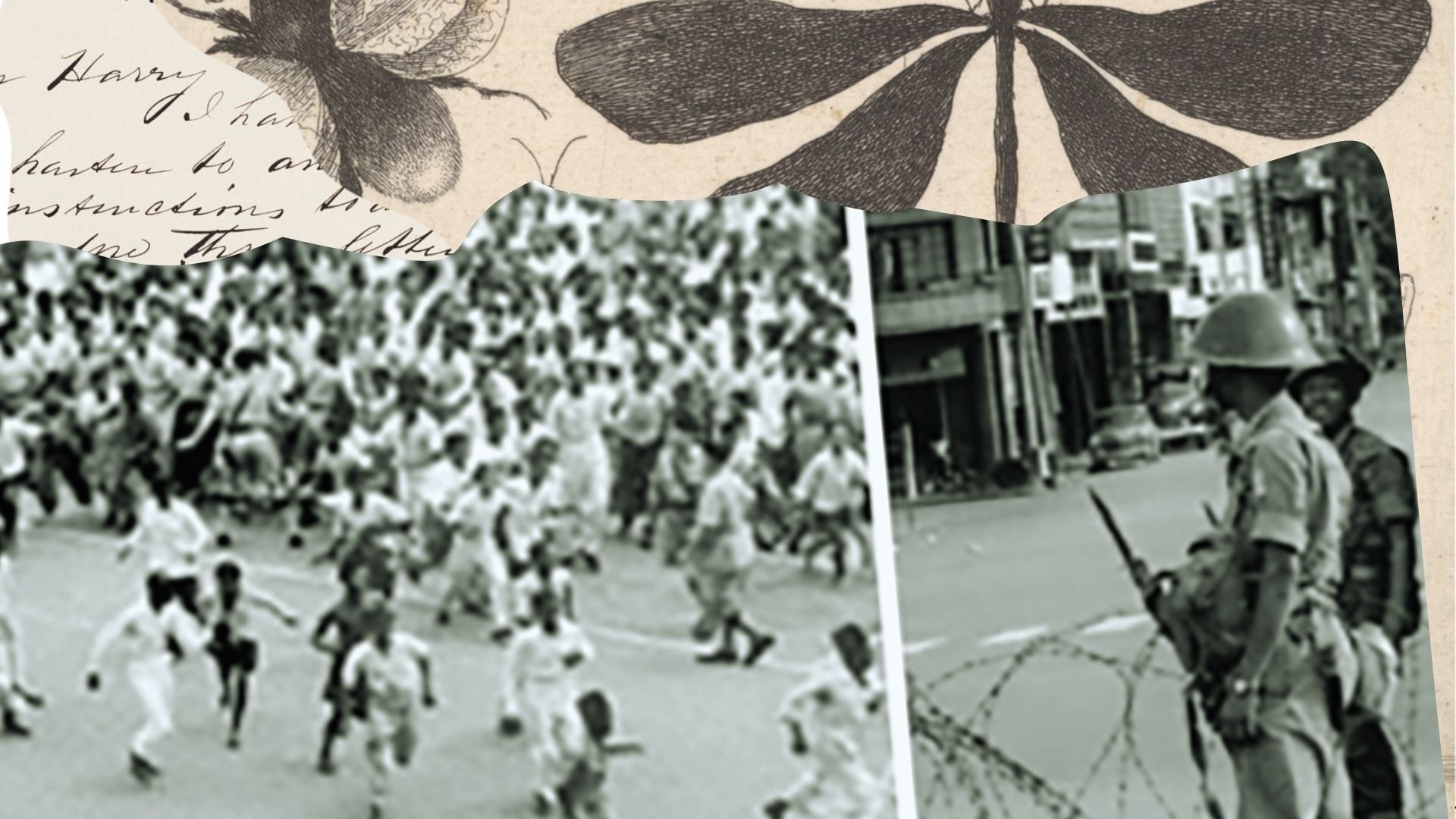
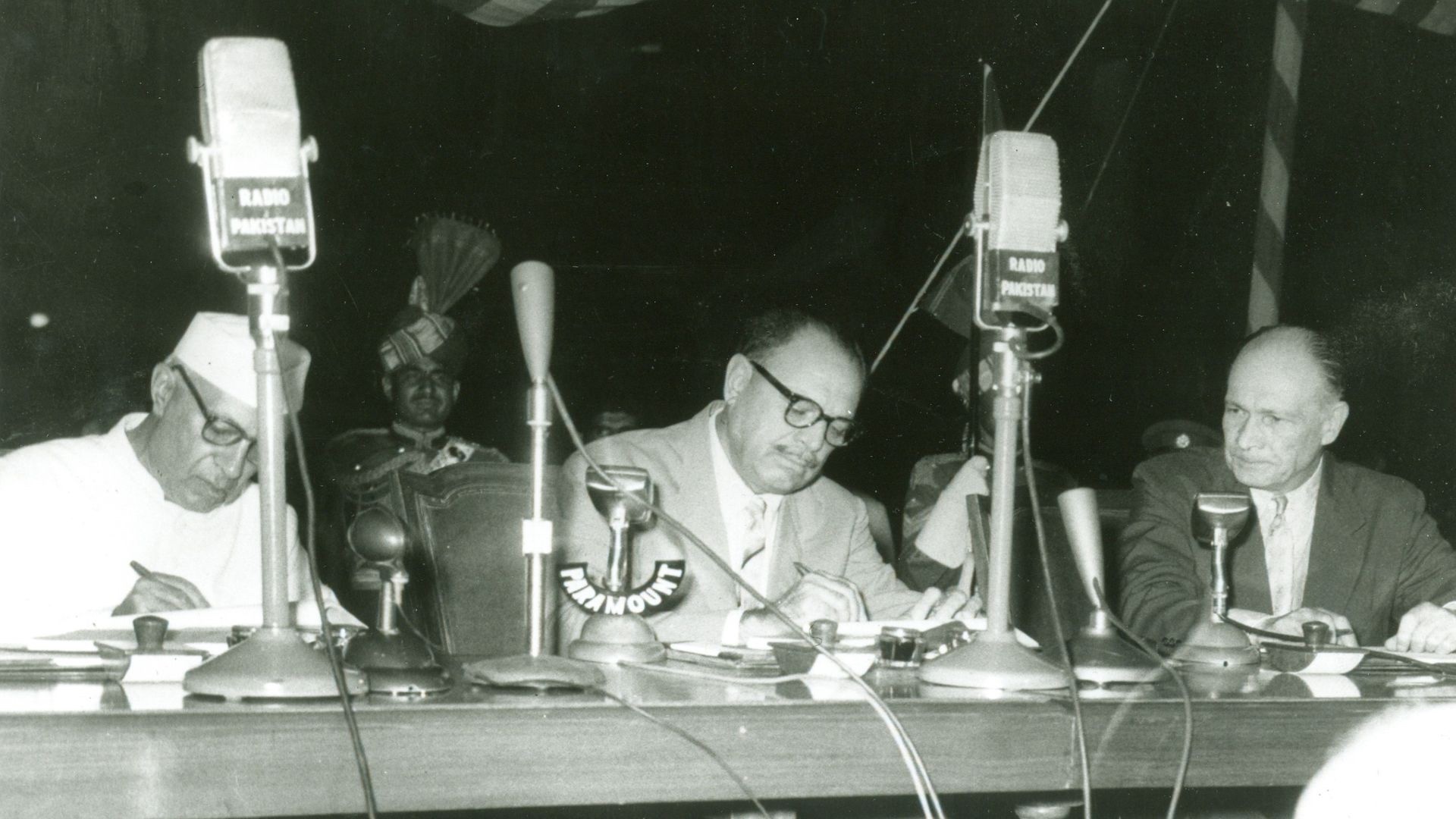
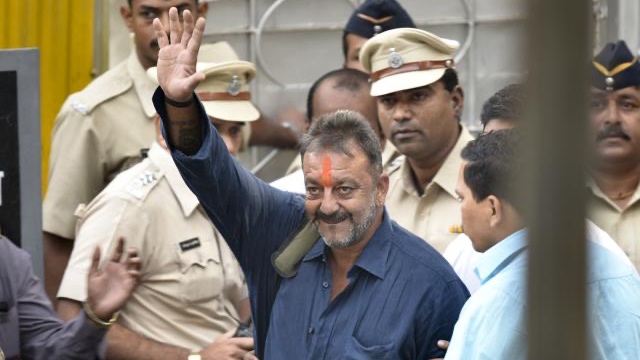
Soldiers take part in the Wagah Border ceremony at the India-Pakistan border. (Archival photo)
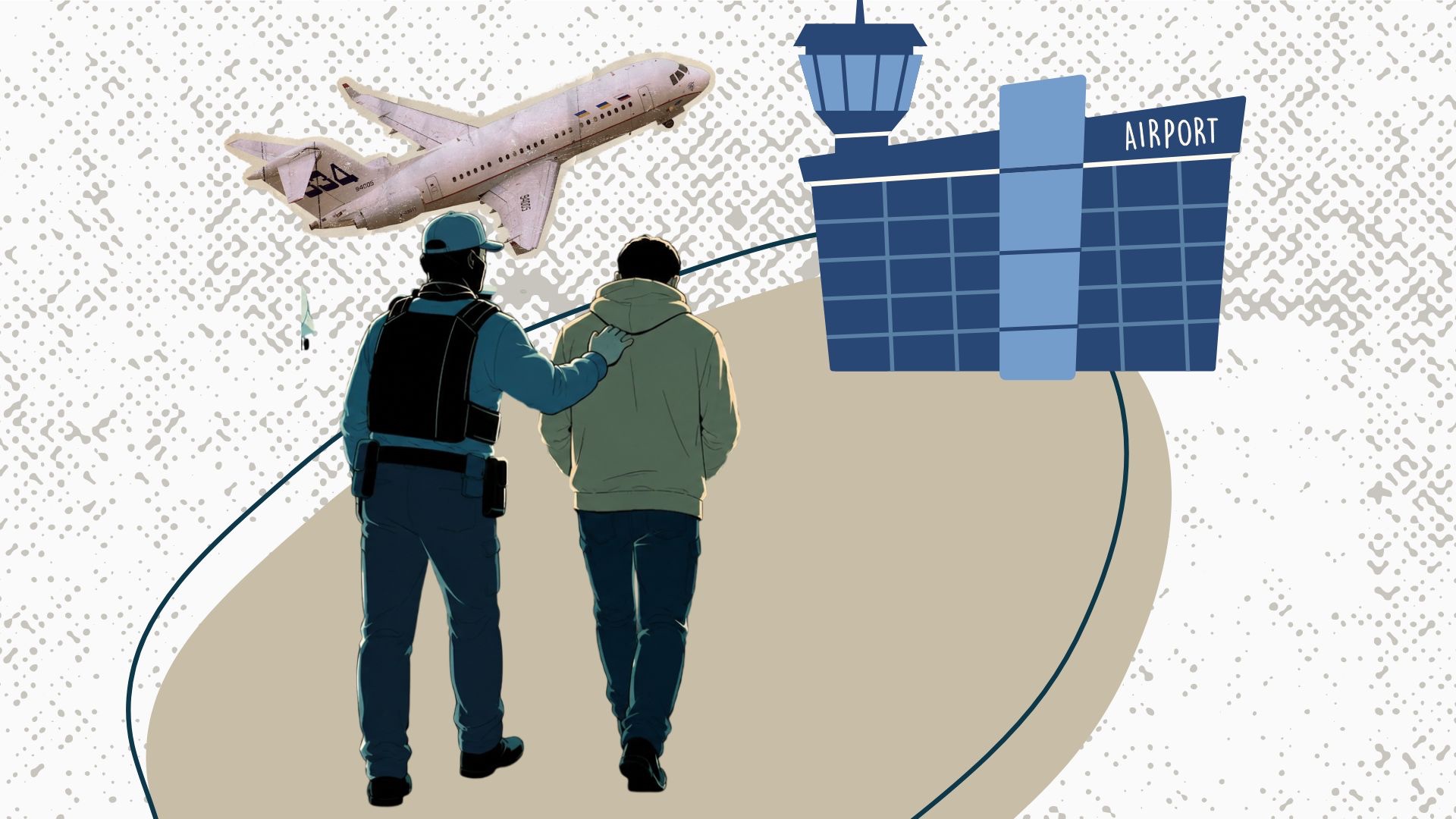
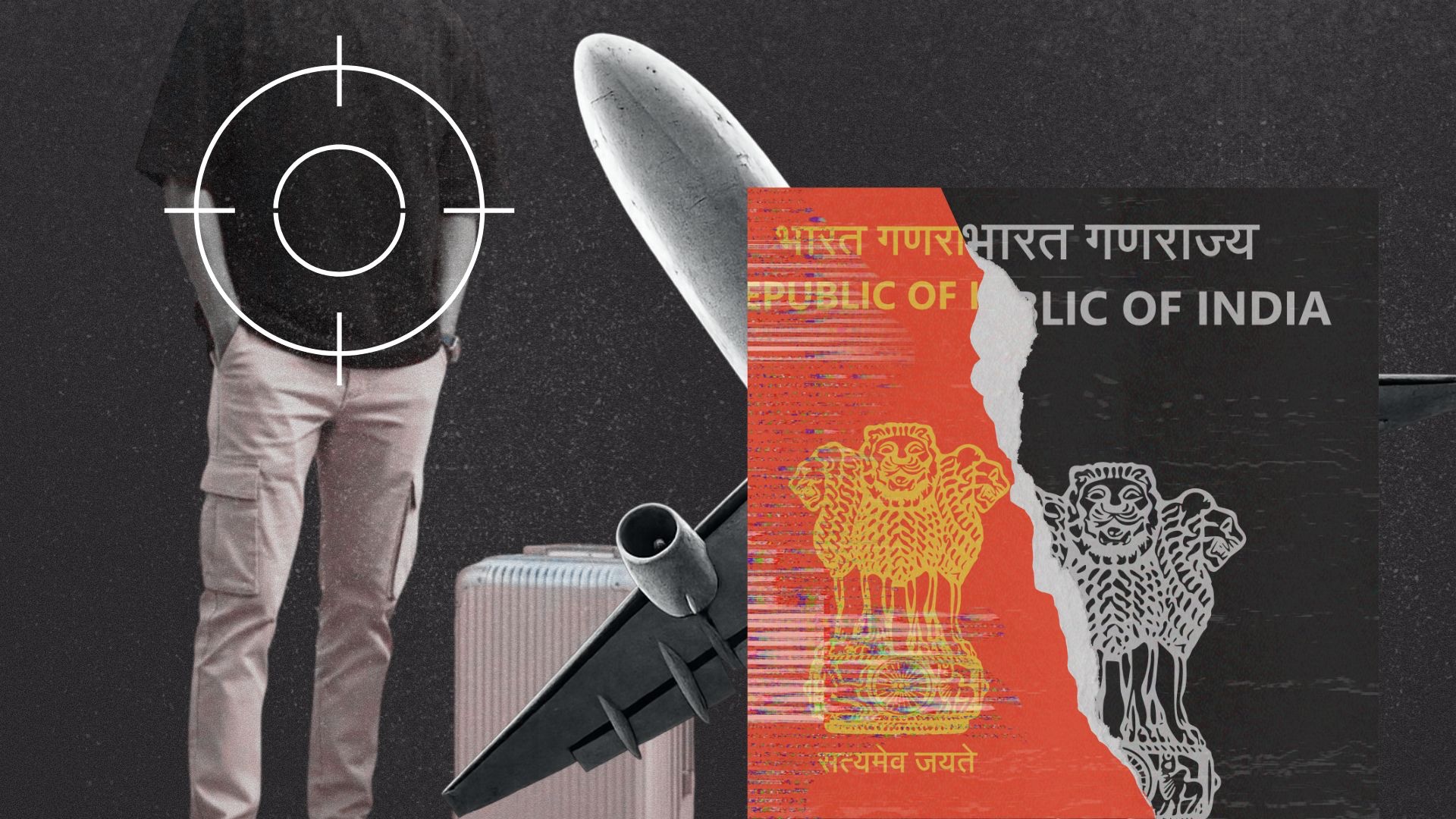
India is doing a good enough job of protecting its civilians at the border, a tribunal has ruled.
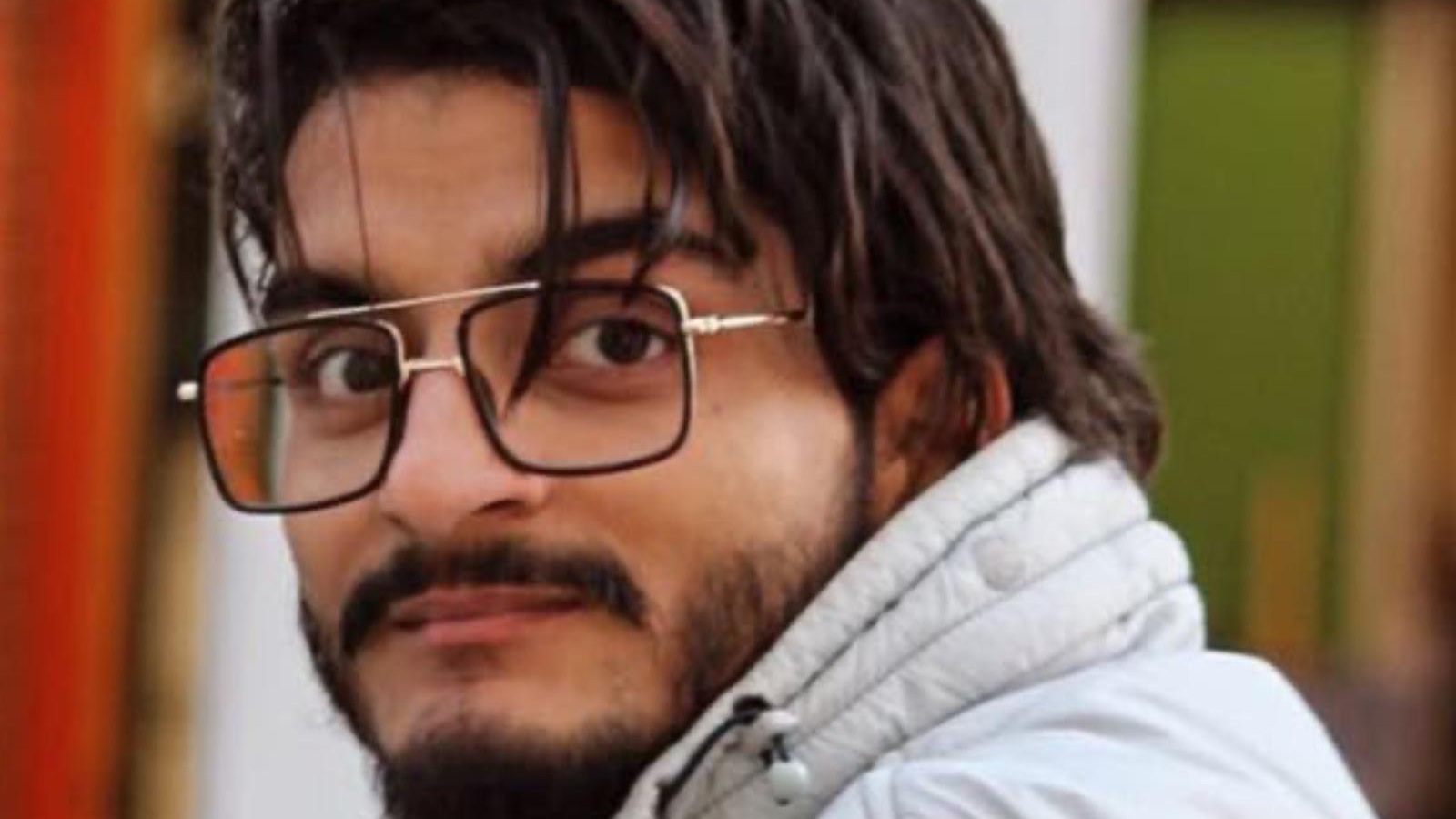
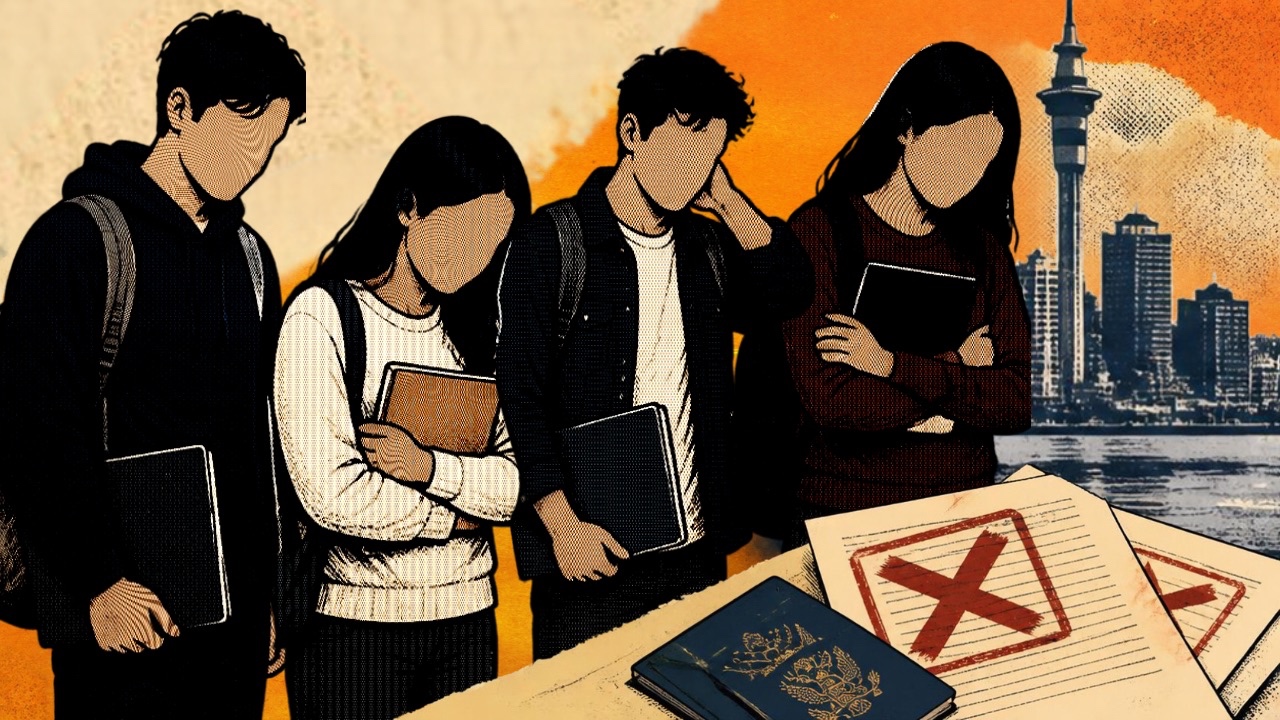
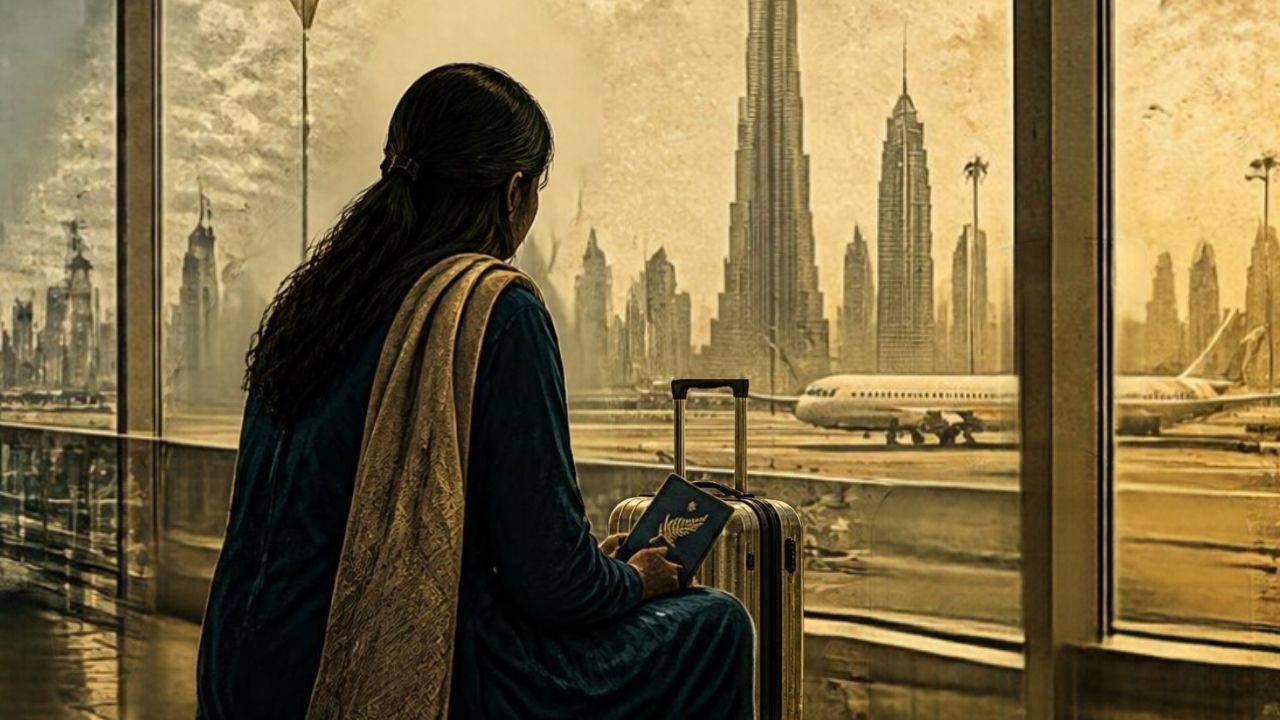
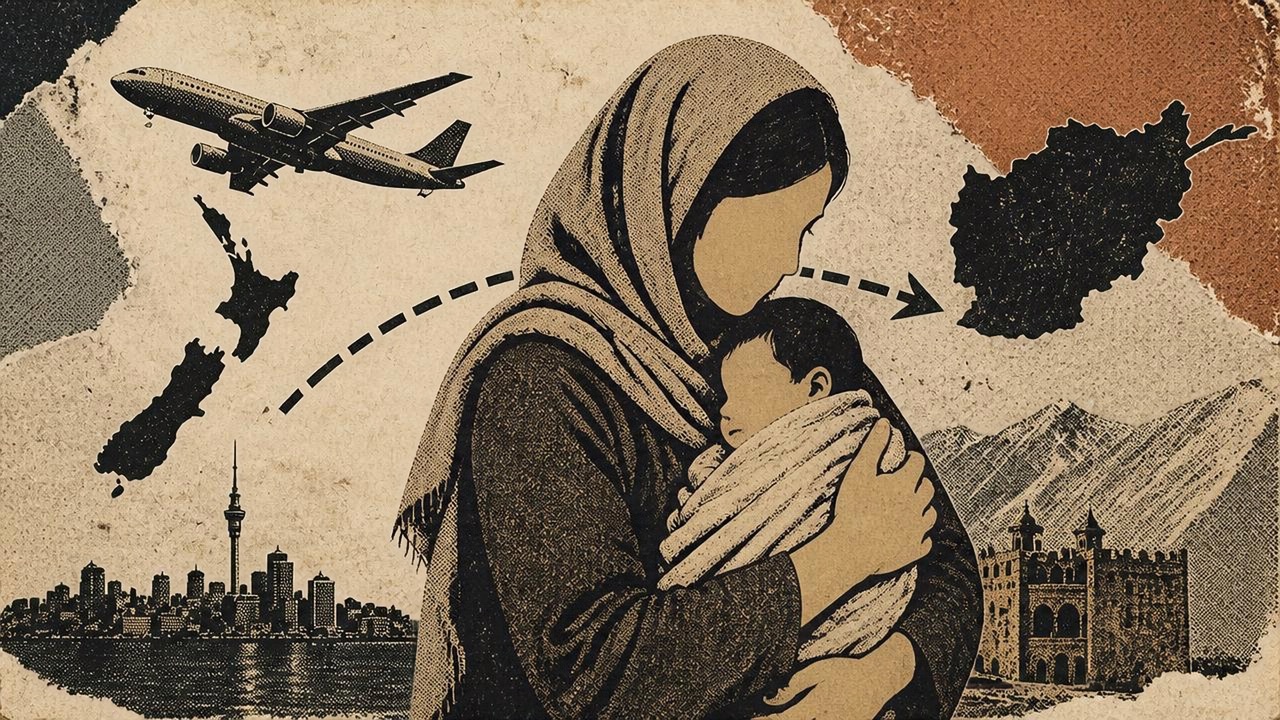
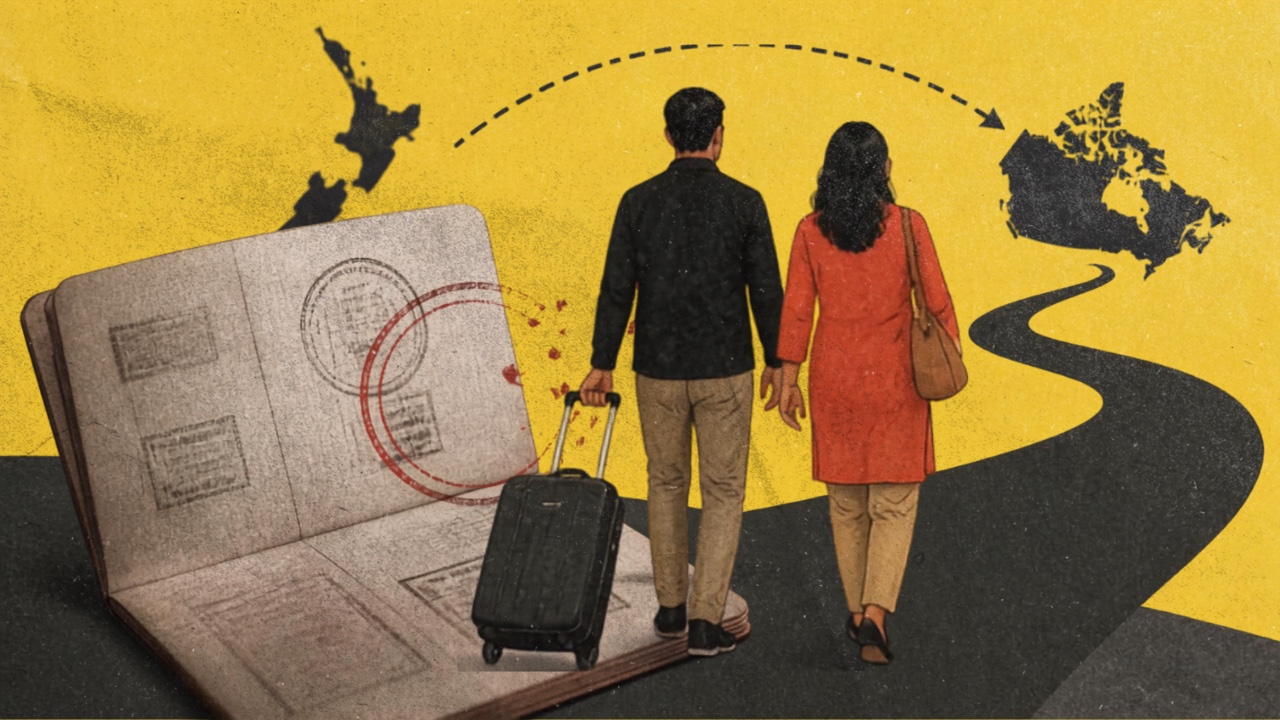
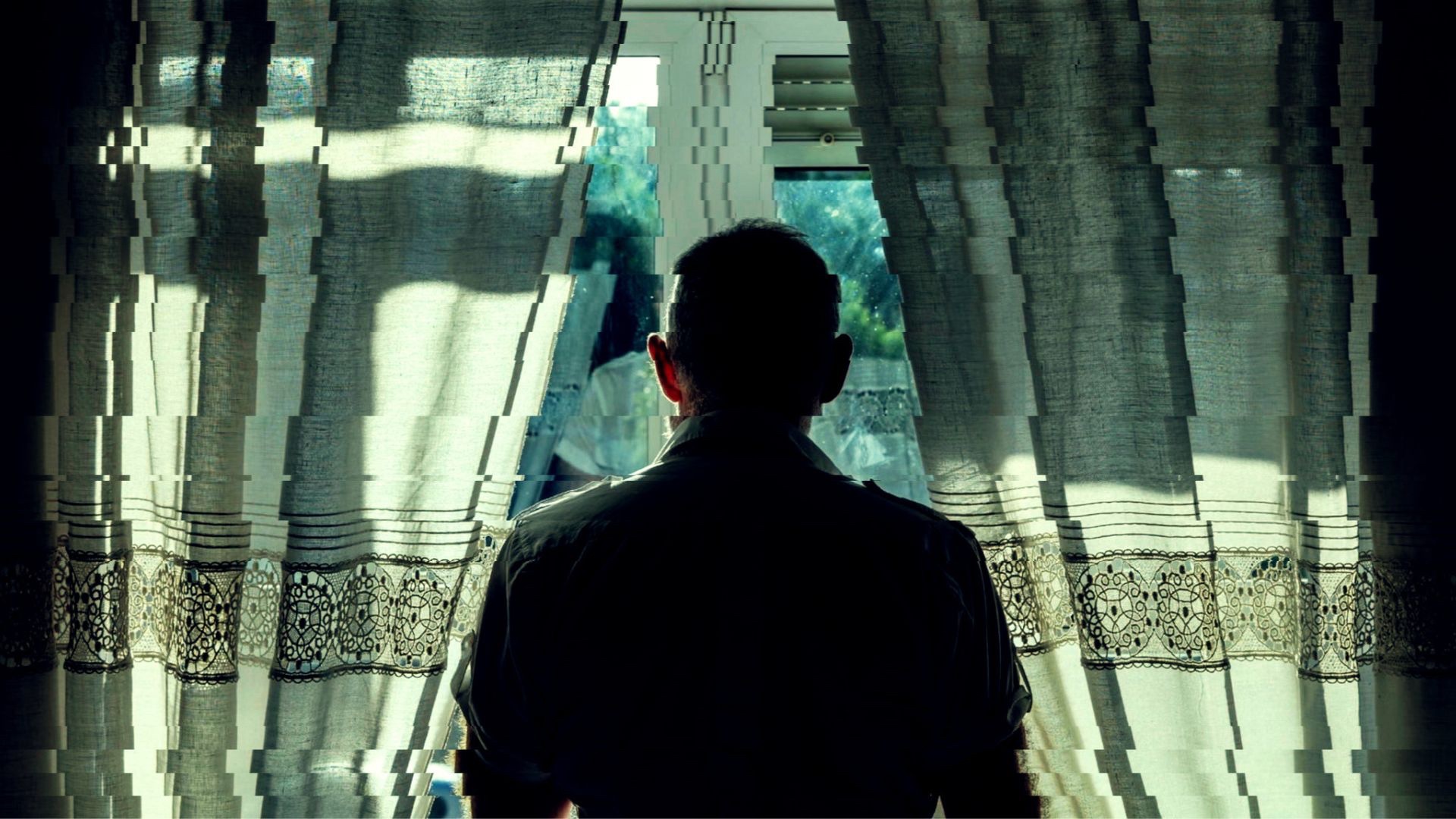
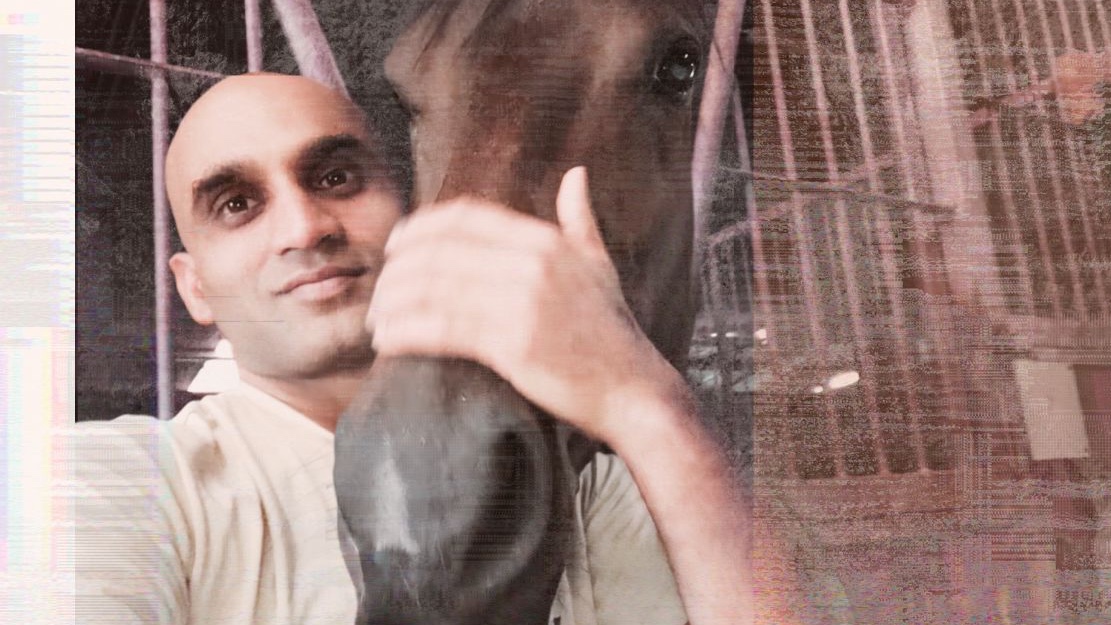
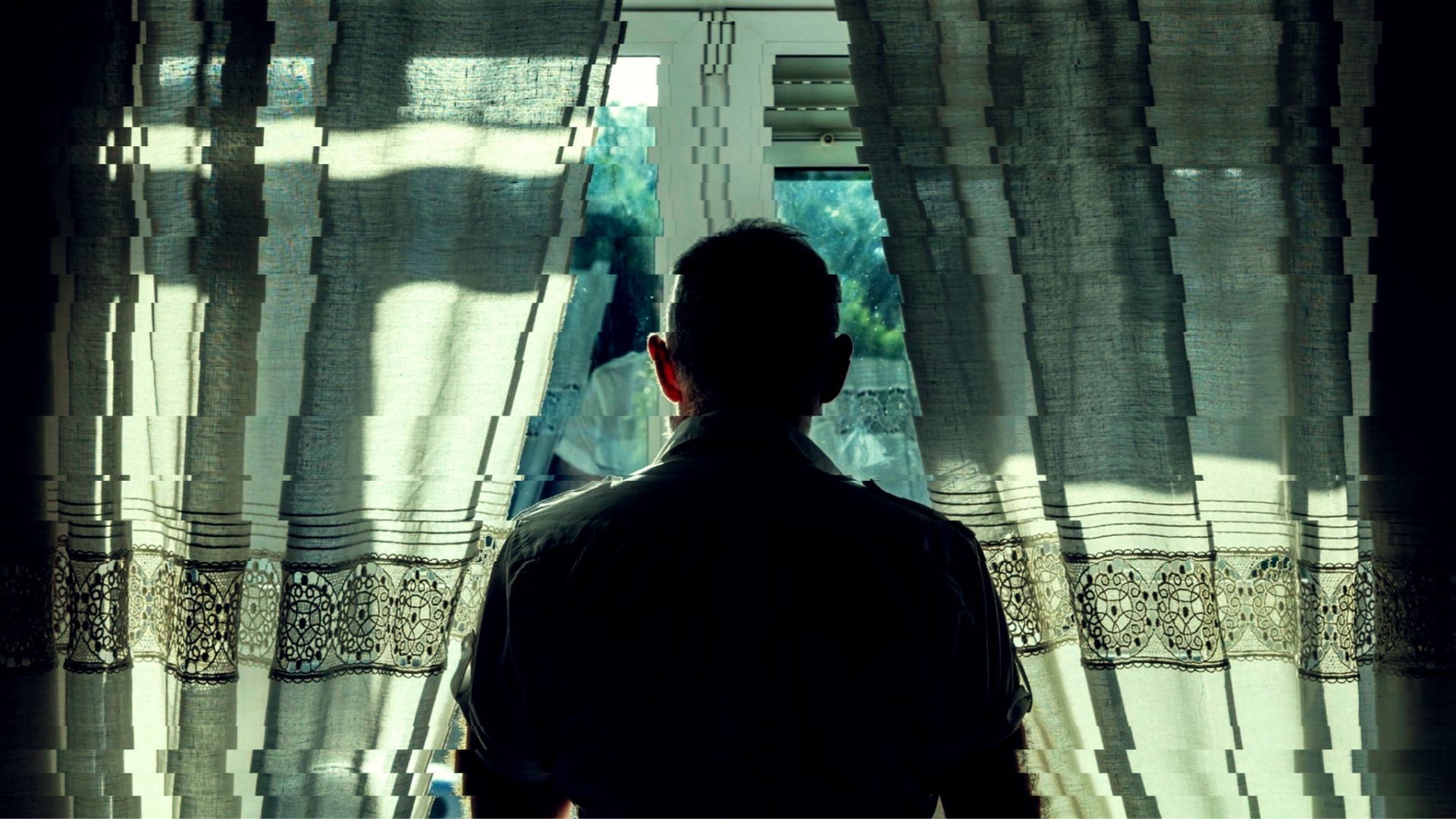
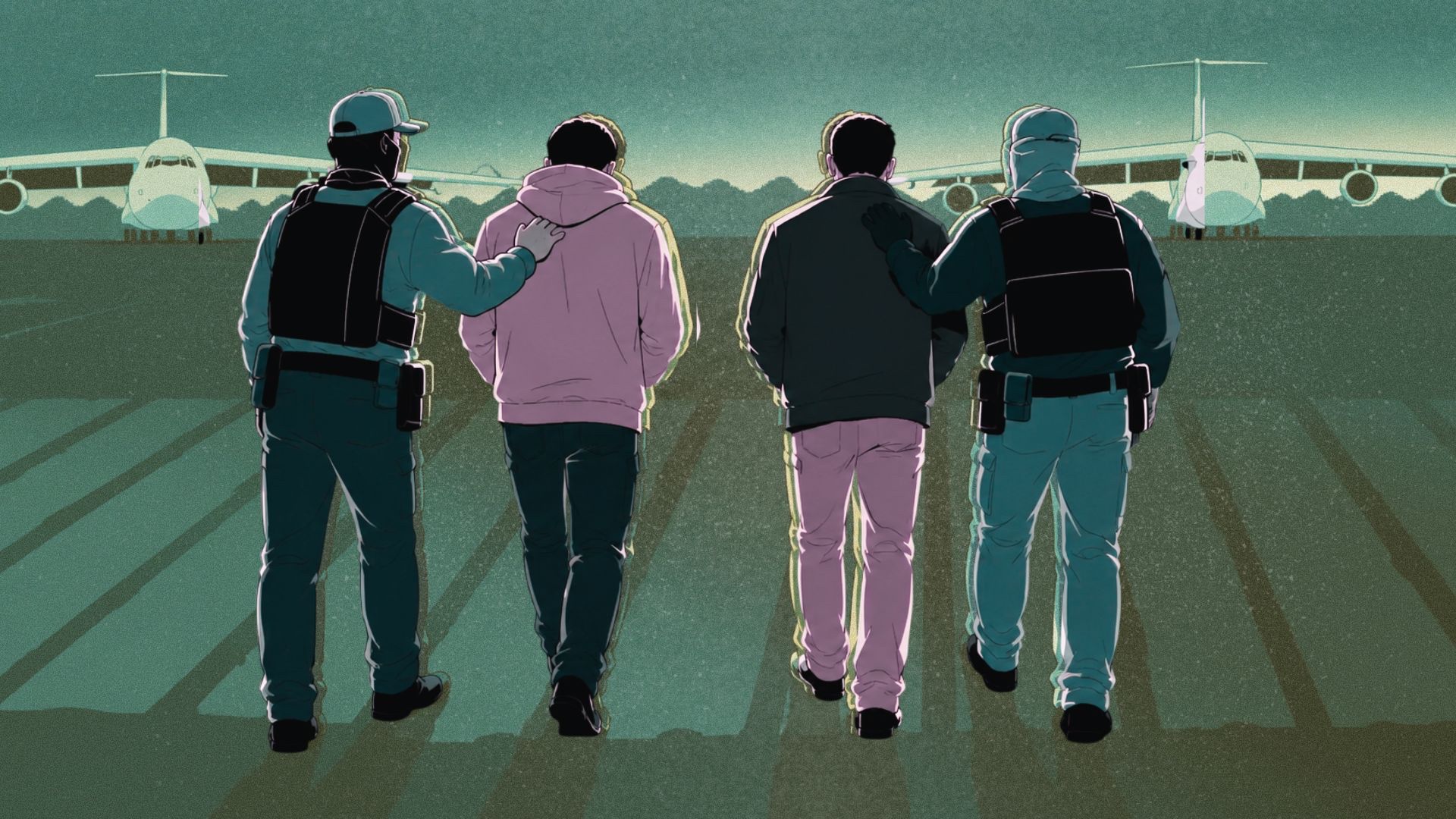
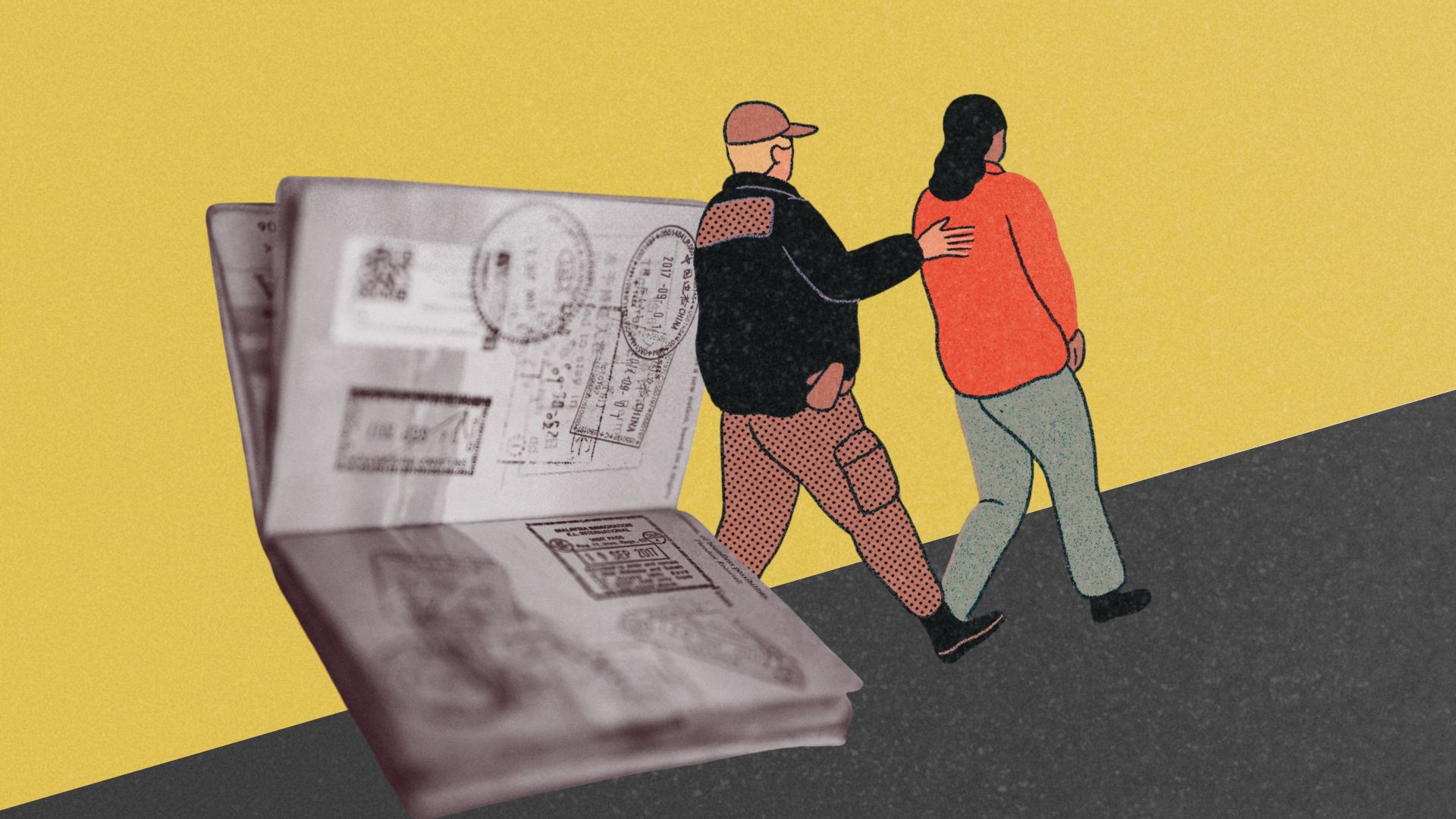
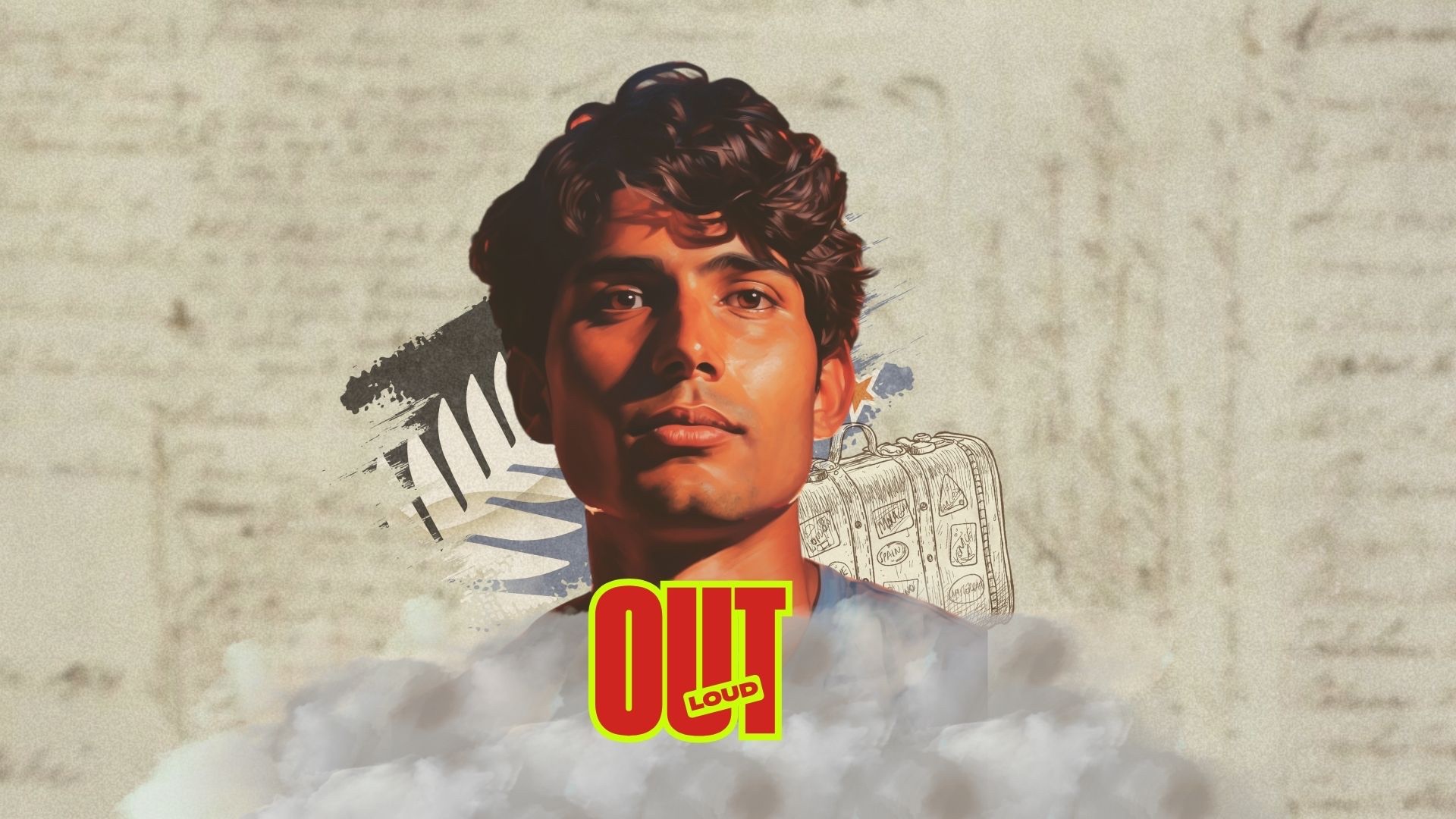
A young Indian man seeking asylum in New Zealand has been told to return to his country which seems reasonably safe for him to live in.
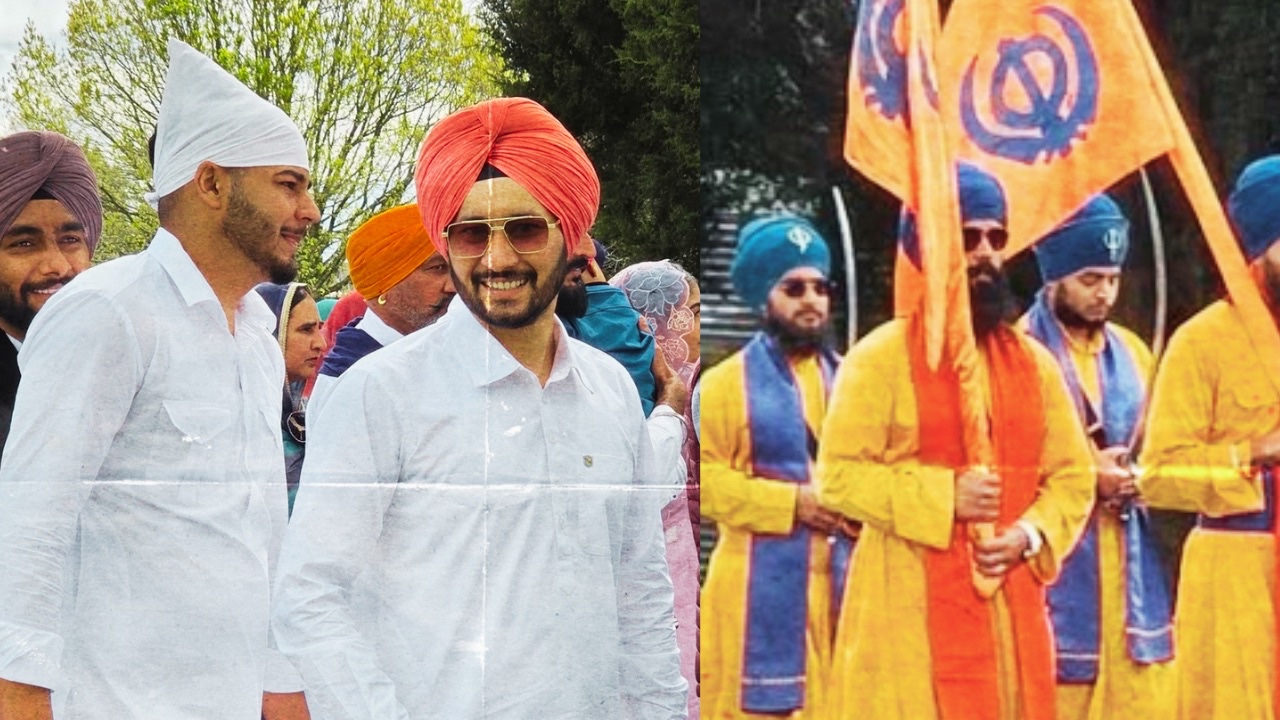
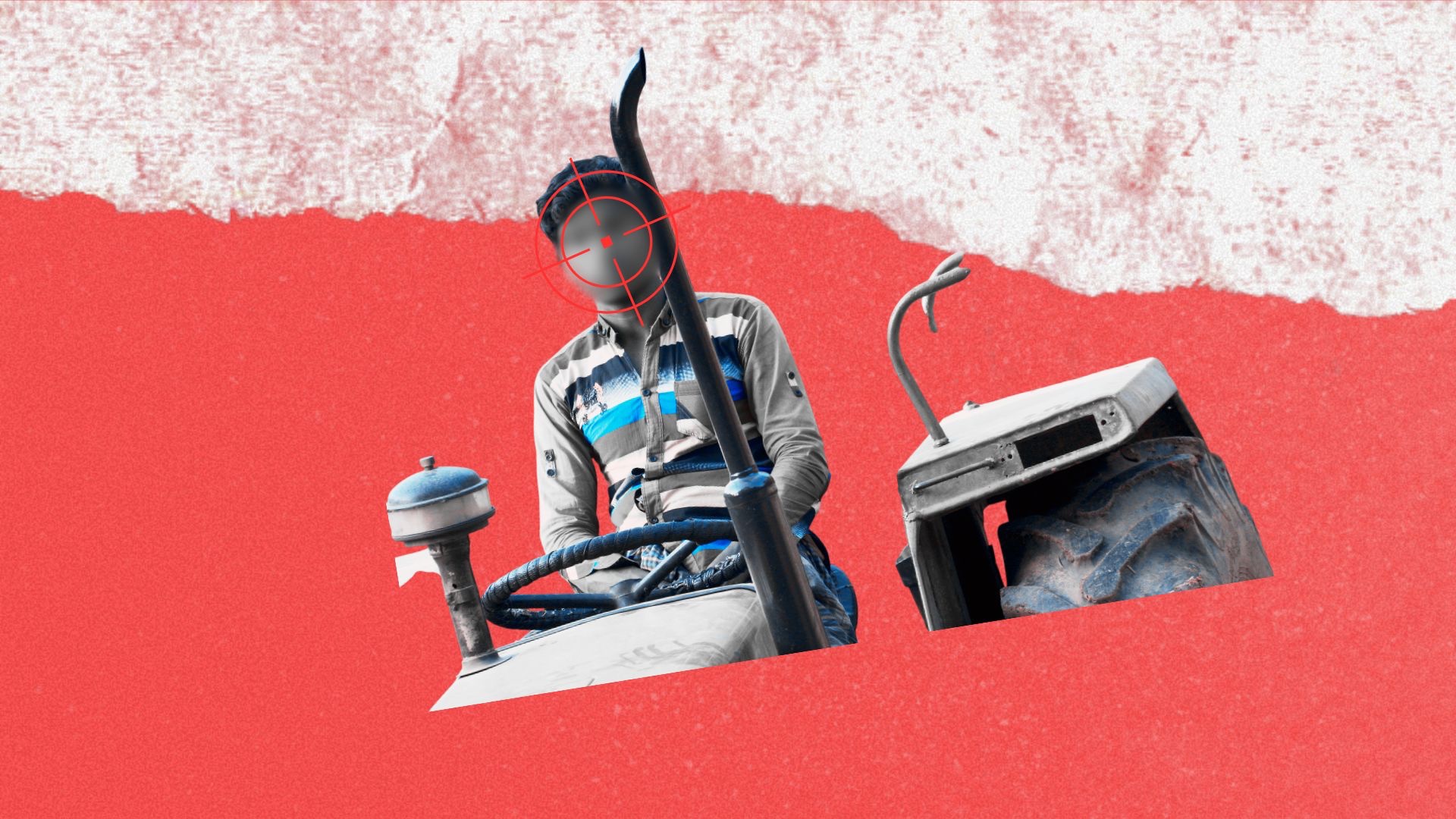
The man from northern India's Jammu region sought protection citing harm and persecution because he lives close to the India-Pakistan border, and thereby faces threat because of the ongoing conflict.
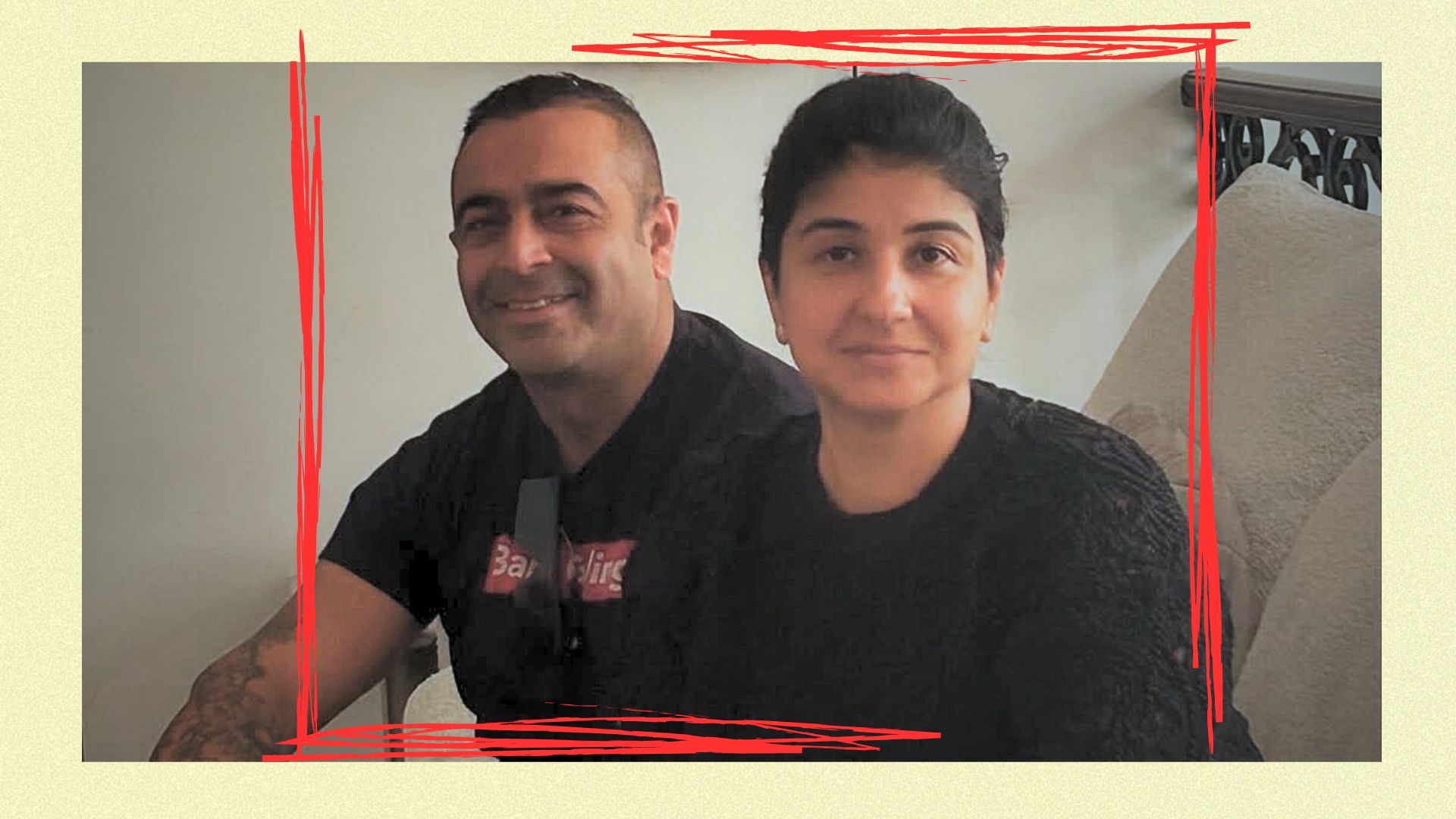
The 27-year-old Sikh man from Ranbir Singh Pura arrived in New Zealand in 2023 on a visit visa. In his plea, the man recounted repeated episodes throughout his young life where his family and neighbours were evacuated because of unrest at the border.
In its order on March 27, 2026, the Immigration and Protection Tribunal acknowledged the ongoing unrest in the region and the hardship it could cause.
But the judgment noted civilians who flee from an armed conflict zone fall in a gray area under international human rights provisions. Everyone, and no one, can be potentially at risk.
India is coming to Auckland: Full schedule revealed for cricket, football, hockey, Diwali From the Black Caps and All Whites taking on India to Diwali, hockey, bowls and city-wide light displays, Auckland has revealed its sporting centenary programme.
Indian man dies six months after arriving in New Zealand, fundraiser launched Emergency services were called to the crash at Kawarau Falls on Sunday.
$70,000 bill for Rotorua man after father visiting from India to help with newborn twins has stroke A fundraiser has been launched after the uninsured visit has left the family carrying the full cost of hospital treatment
In navigating this dilemma, the judgment relied on three separate decisions that granted asylum to Ukrainian residents in New Zealand citing potential harm to life in a conflict zone. Two of them were in 2023, and one in 2024.
It stressed that no conflict zone in the world is territorially homogenous so far as the theatre of operation goes. In the Ukraine cases, the applicants were from some of the hardest hit areas – Zaporizhzhia, Kyiv and Sevastopol.
In making a decision, the tribunal noted, "the decision maker must take full account of the myriad of ways in which the condition of an armed conflict impacts upon the human rights of people in terms of their security, wellbeing and livelihoods".
In assessing the centrality of Ranbir Singh Pura in the India-Pakistan border conflict, the tribunal drew heavily on data from the South Asian Terrorism Portal (SATP), managed by the Institute for Conflict Management in New Delhi.
The tribunal took a less grim view of the danger the conflict poses to civilians living in the Jammu area, especially given the Indian government is doing a reasonable job of managing those risks.
"Factoring in that some parts of Jammu and Kashmir experience more conflict-related incidents than others, the risk of civilian casualties has been declining for many years and is now very low," the judgment noted.
The tribunal pointed out civilian fatalities in the early 2000s, "reflecting a then high point in global Islamic militancy", exceeded 400 per year and reached as high as 837 in 2002.
For the last five years, the tribunal noted, the yearly recorded fatalities across all of Jammu and Kashmir have been in the high twenties to mid-thirties. This out of a population in the millions.
"The appellant’s predicament is far removed from those of the appellants in the Ukrainian cases," the judgment read.
"What can be readily observed is that, due to the various measures being taken by the Indian government in discharge of its general obligation to protect its civilian population, the chance of any civilian being killed, injured or abducted across Jammu and Kashmir is at negligible levels and does not indicate a level of risk of such harms at the level of a real chance generally."
The tribunal concluded the evidence does not establish the kind of failure of protection by the Indian government that would warrant international protection.
The man had claimed persecution on another count. He said he has encountered problems with a few local members of the Bhartiya Janata Party (BJP) because he refused to join the political outfit.
"The Tribunal is in no doubt that this is entirely fabricated," the judgment read.
The man hadn't made the slightest mention of that risk during several immigration hearings in the lead up to the appeal at the appellate tribunal.
The tribunal outrightly rejected his claim he will be persecuted politically if he were to return. He had claimed that over several months in 2022, a group of political workers had assaulted him for not joining ranks with them.