
Explainer: What are Maori electorates and why Winston Peters wants them gone
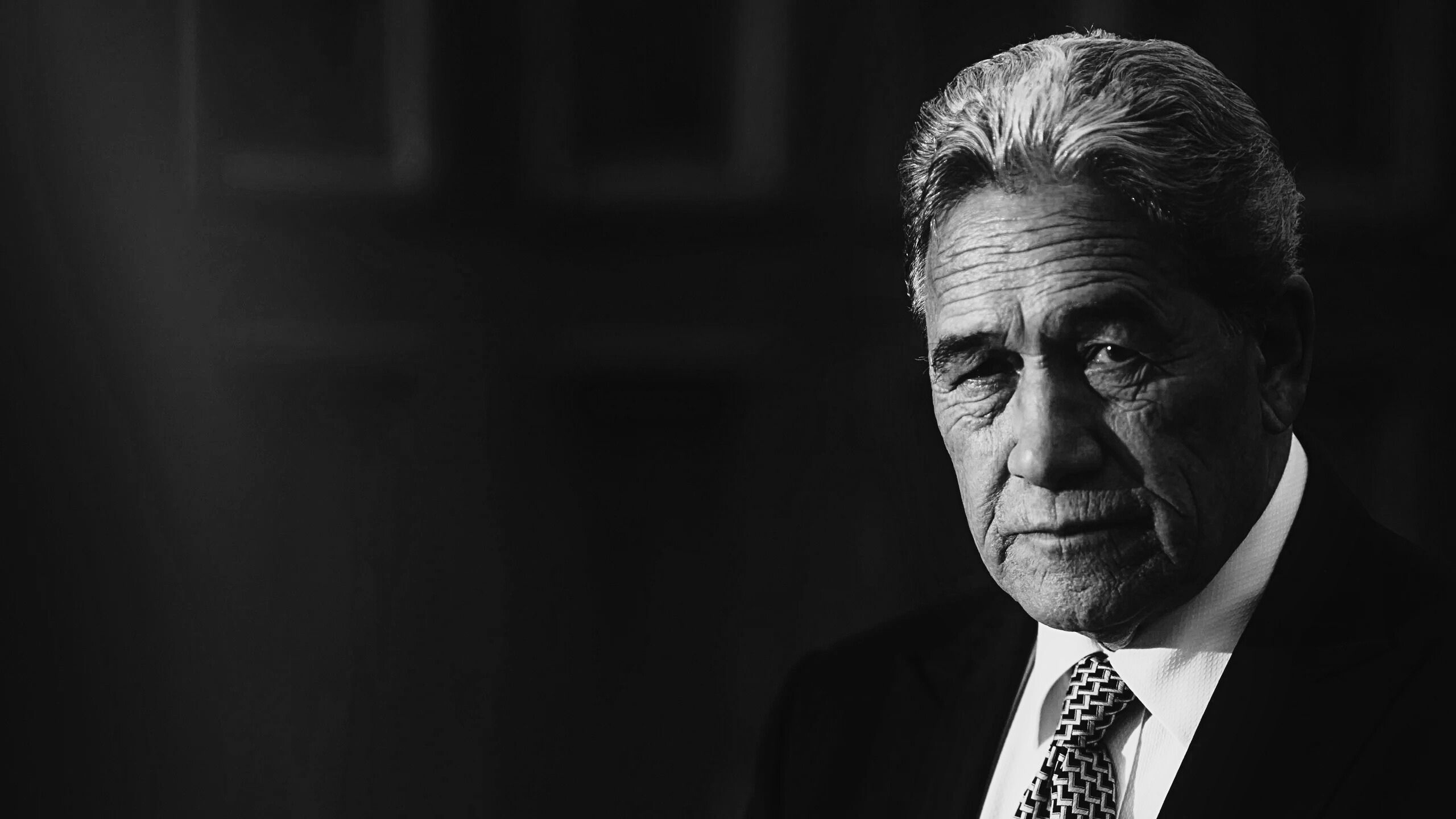
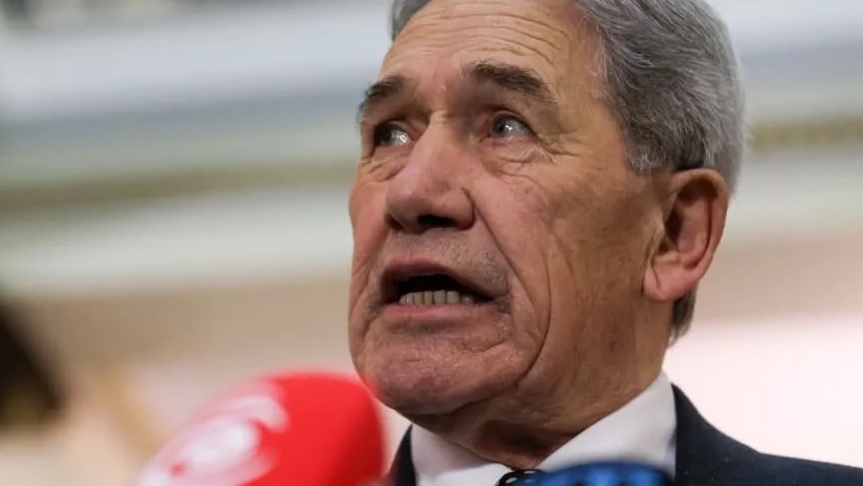
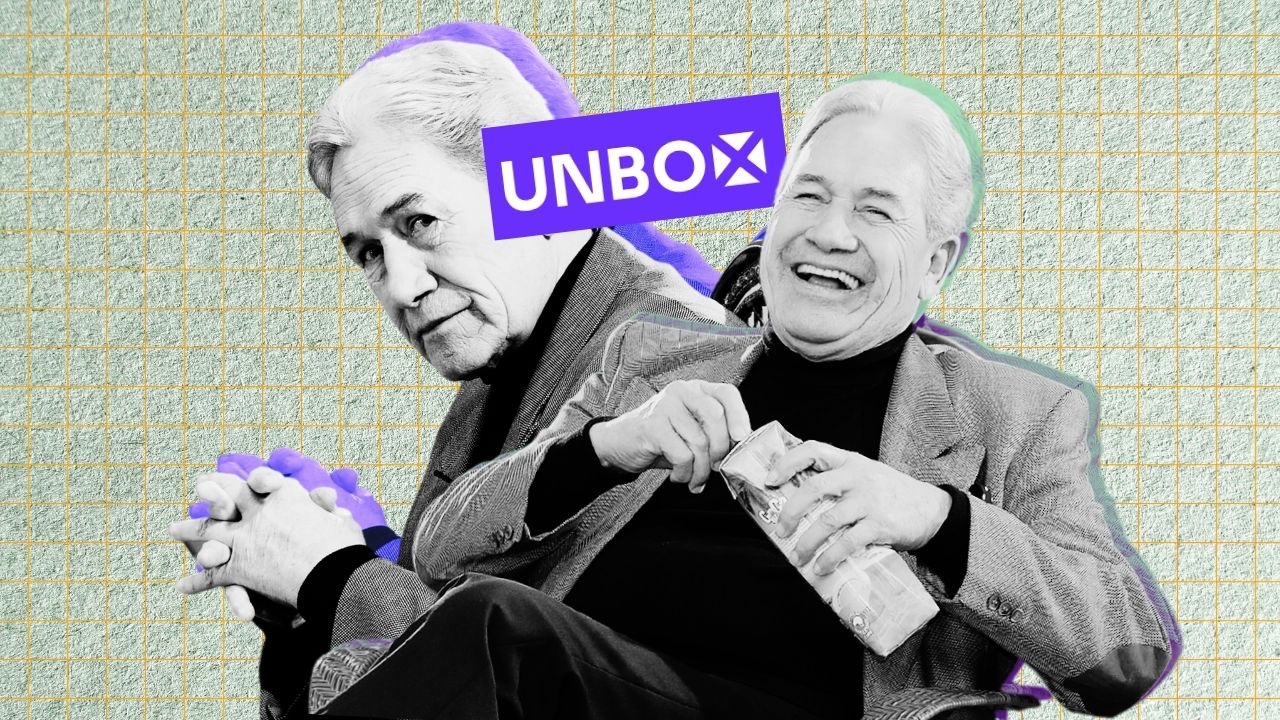
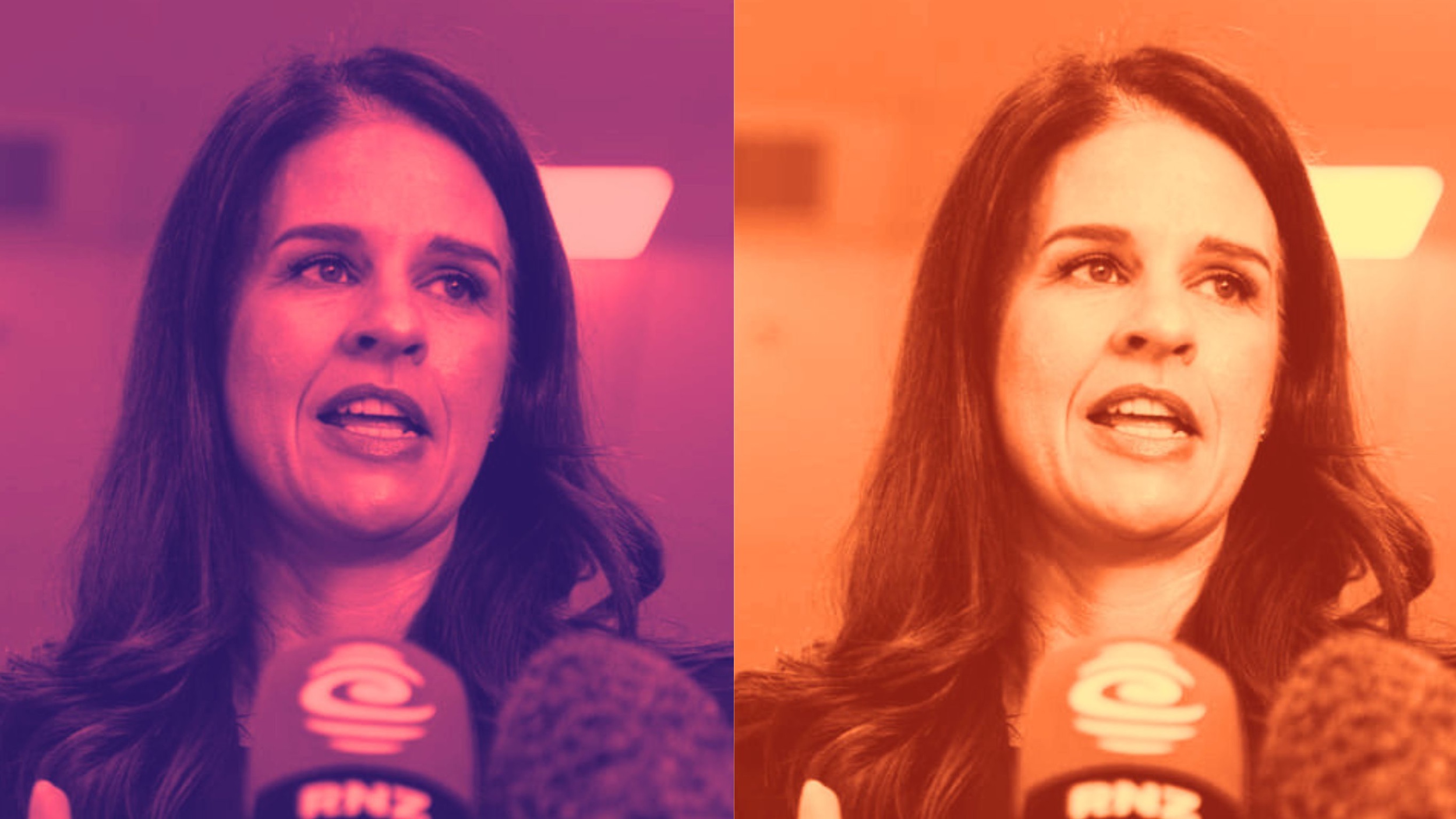
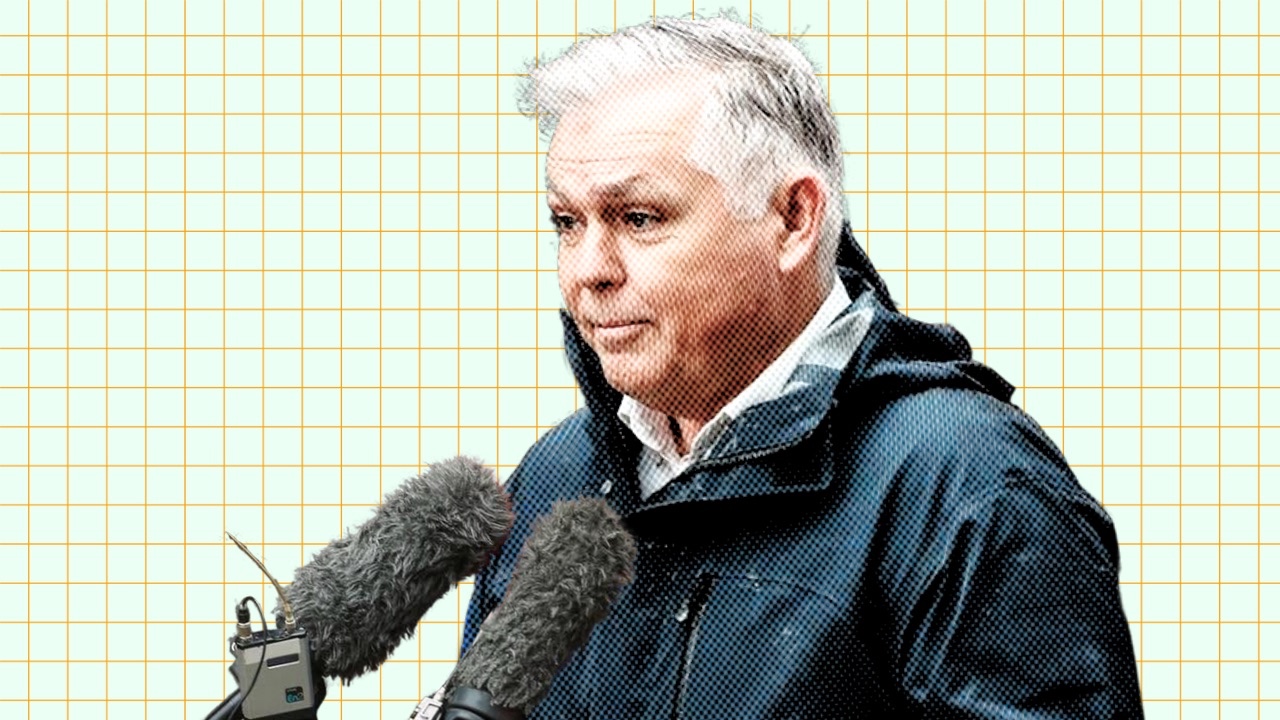
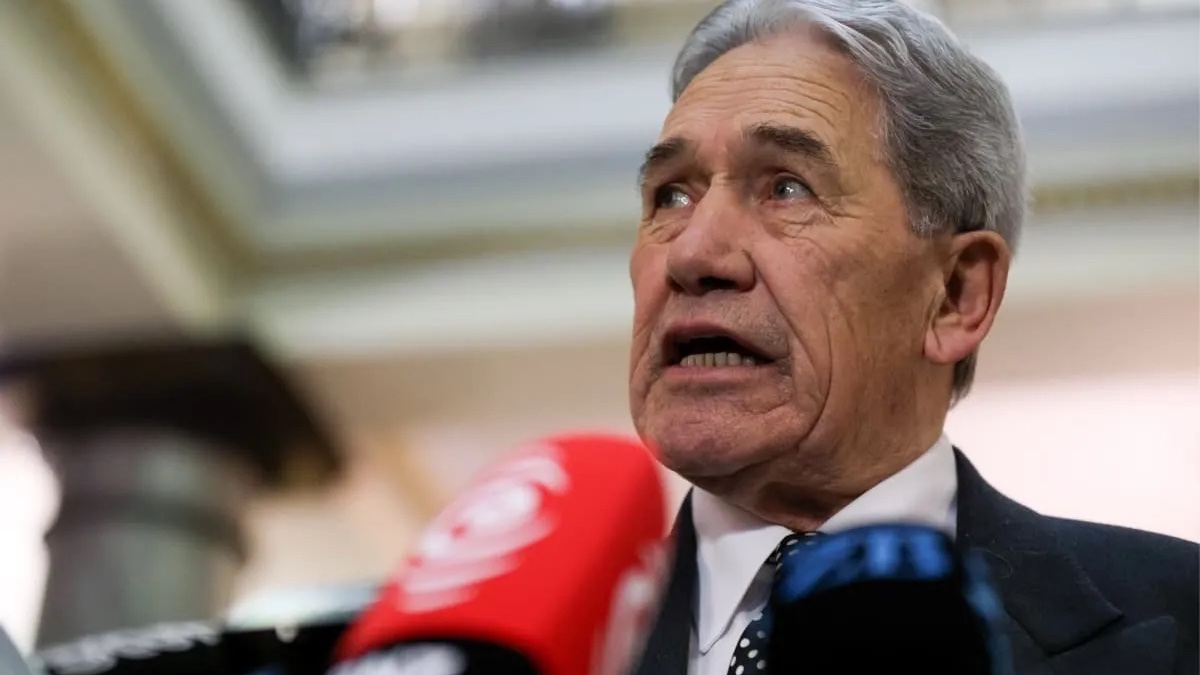
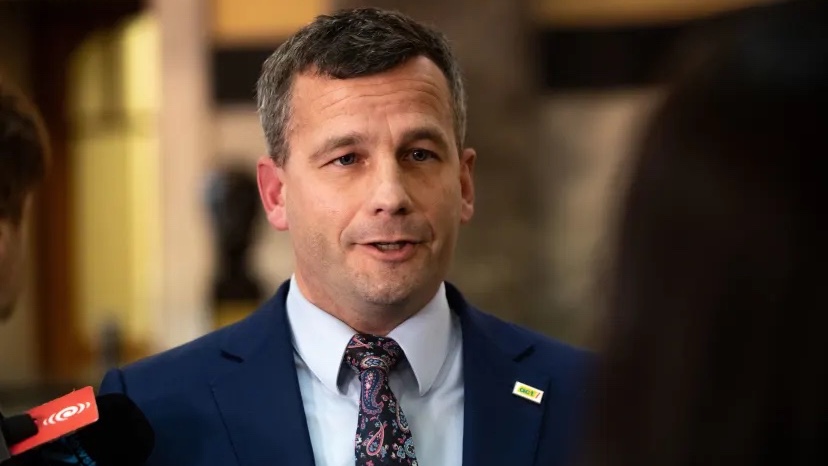
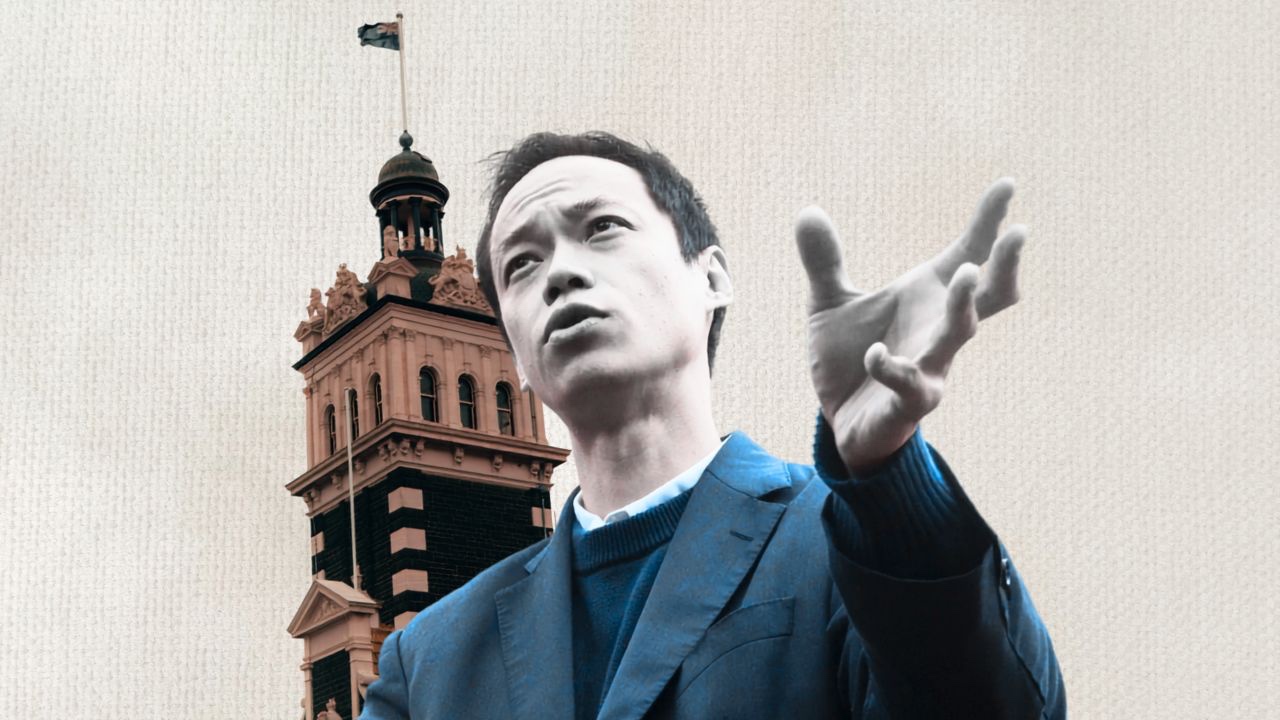
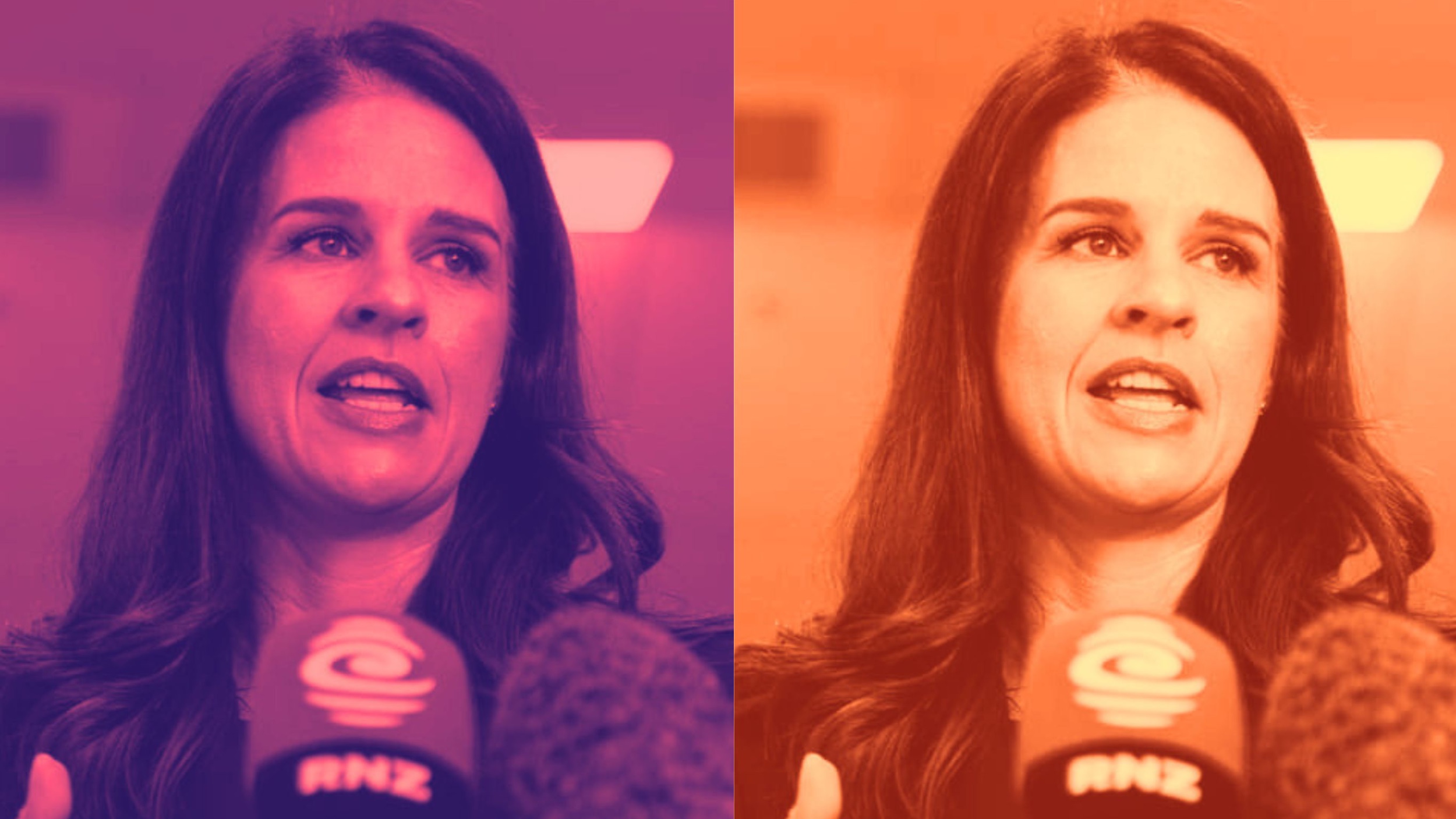
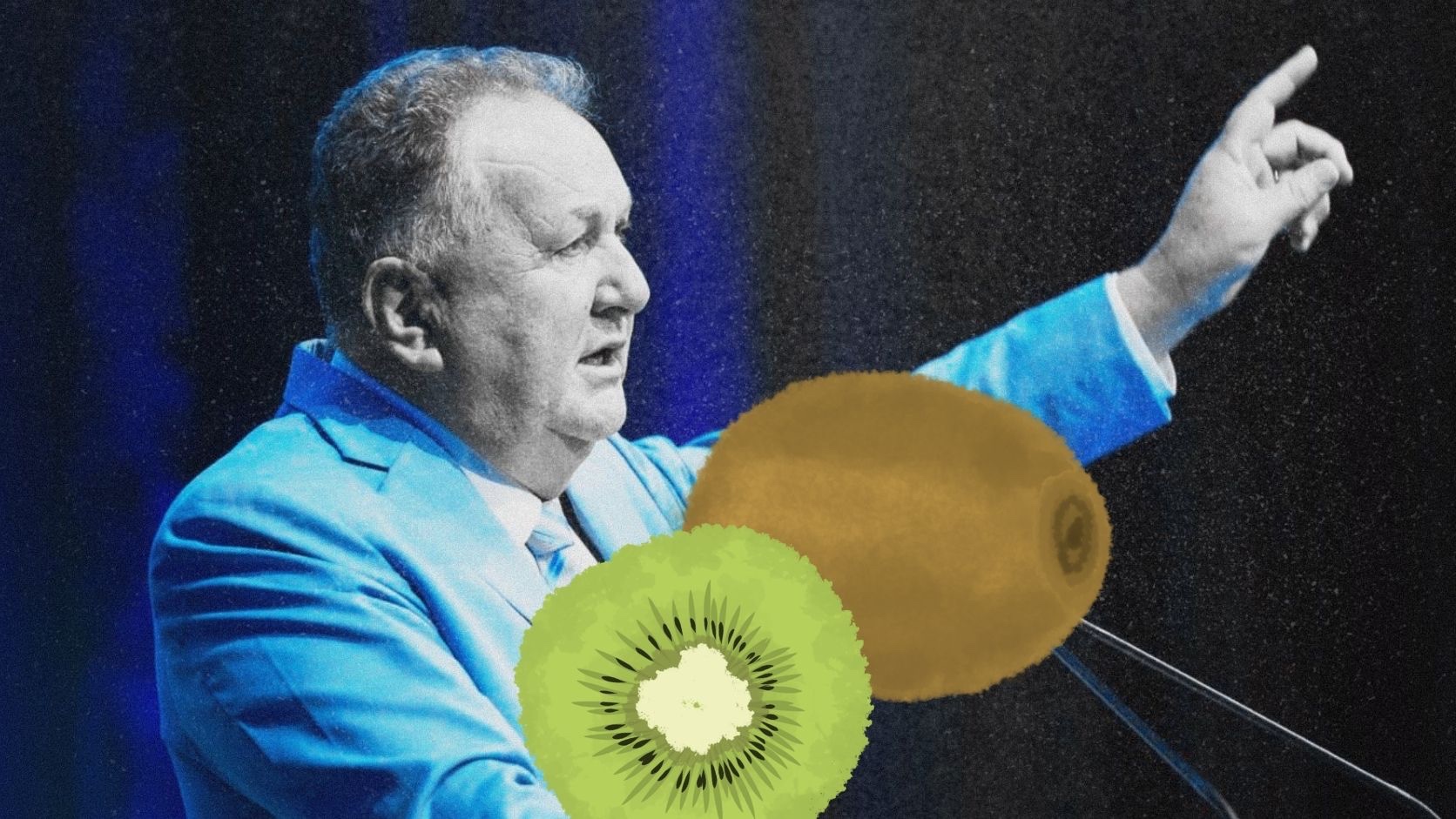
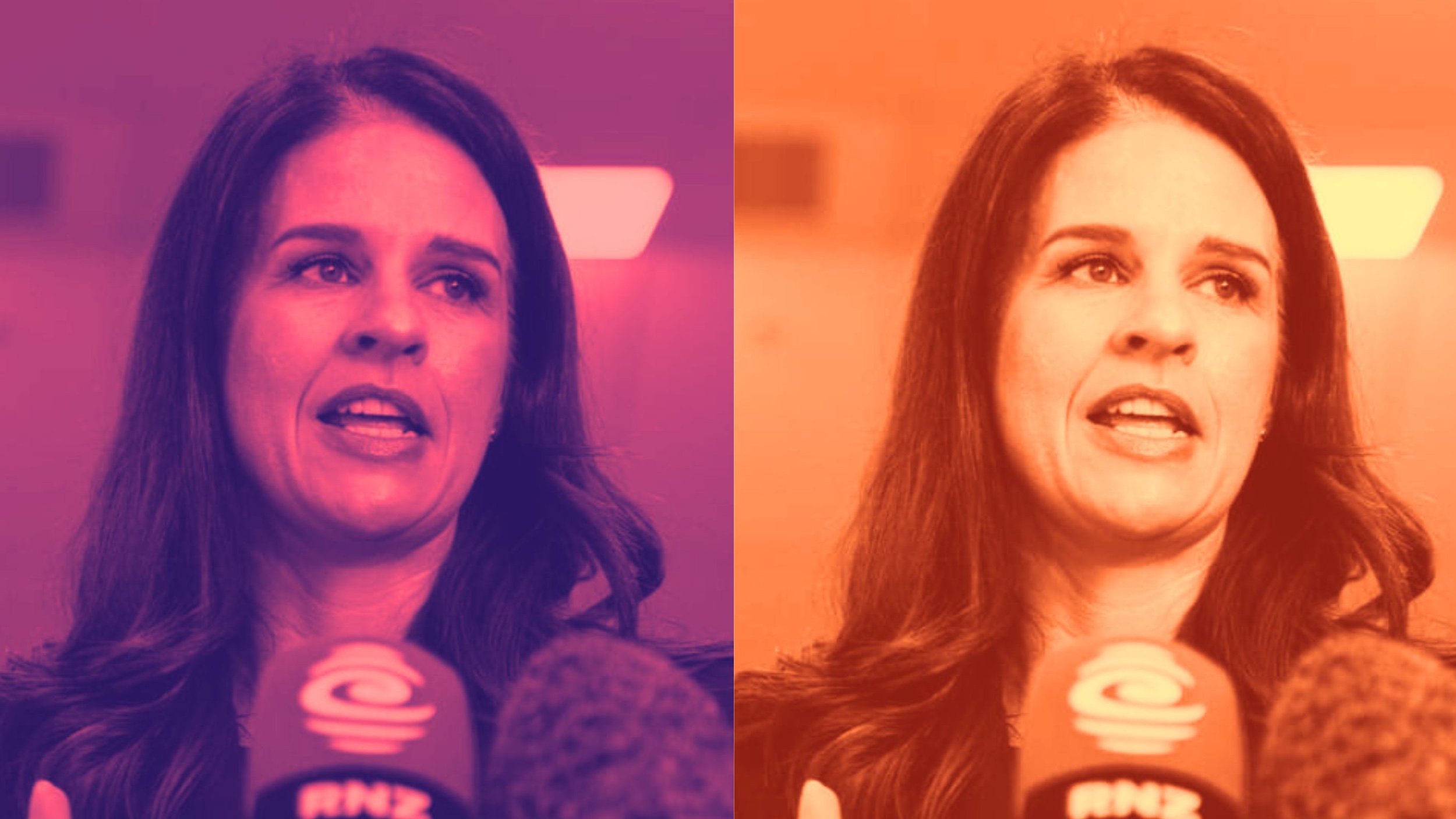
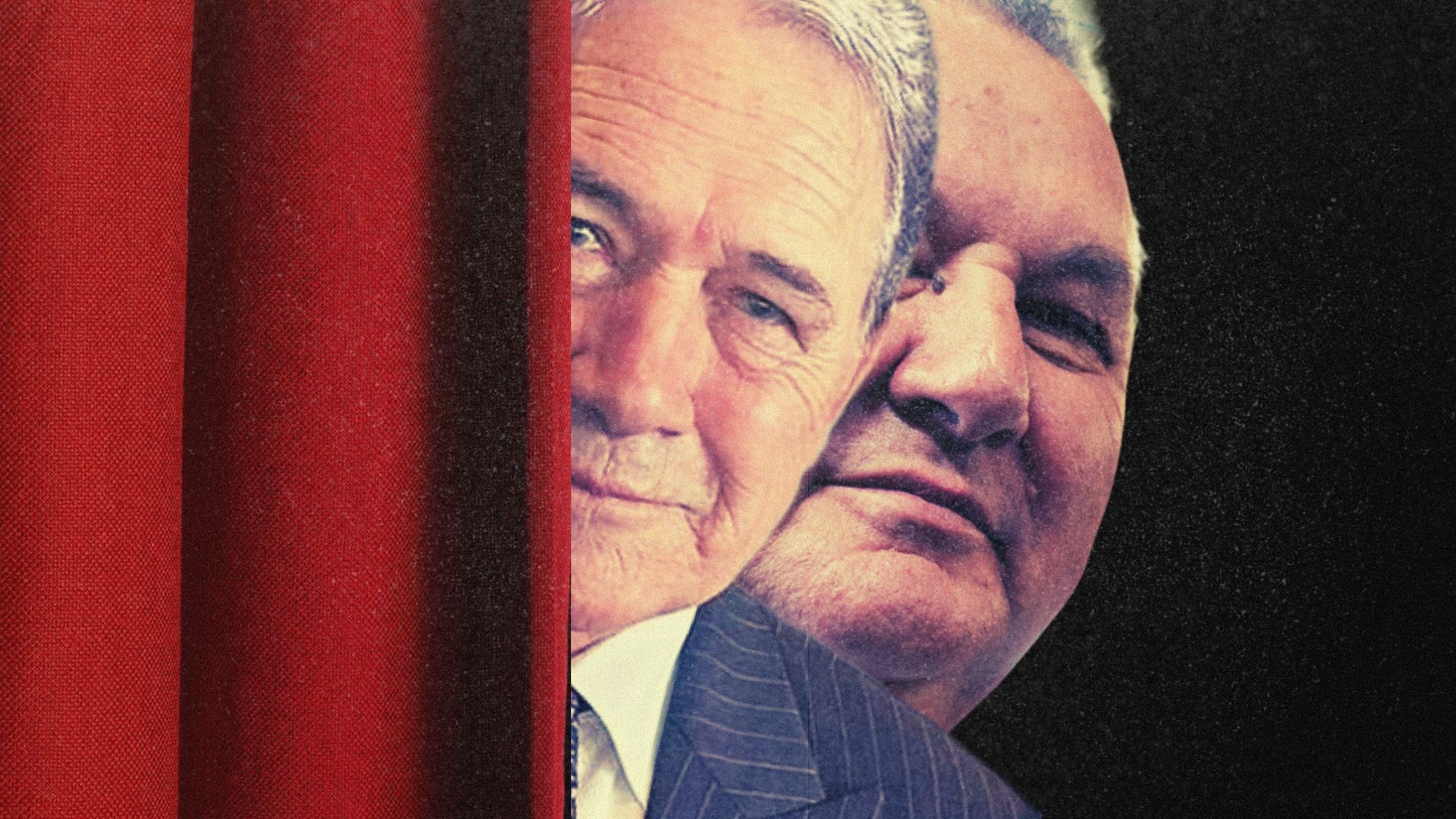
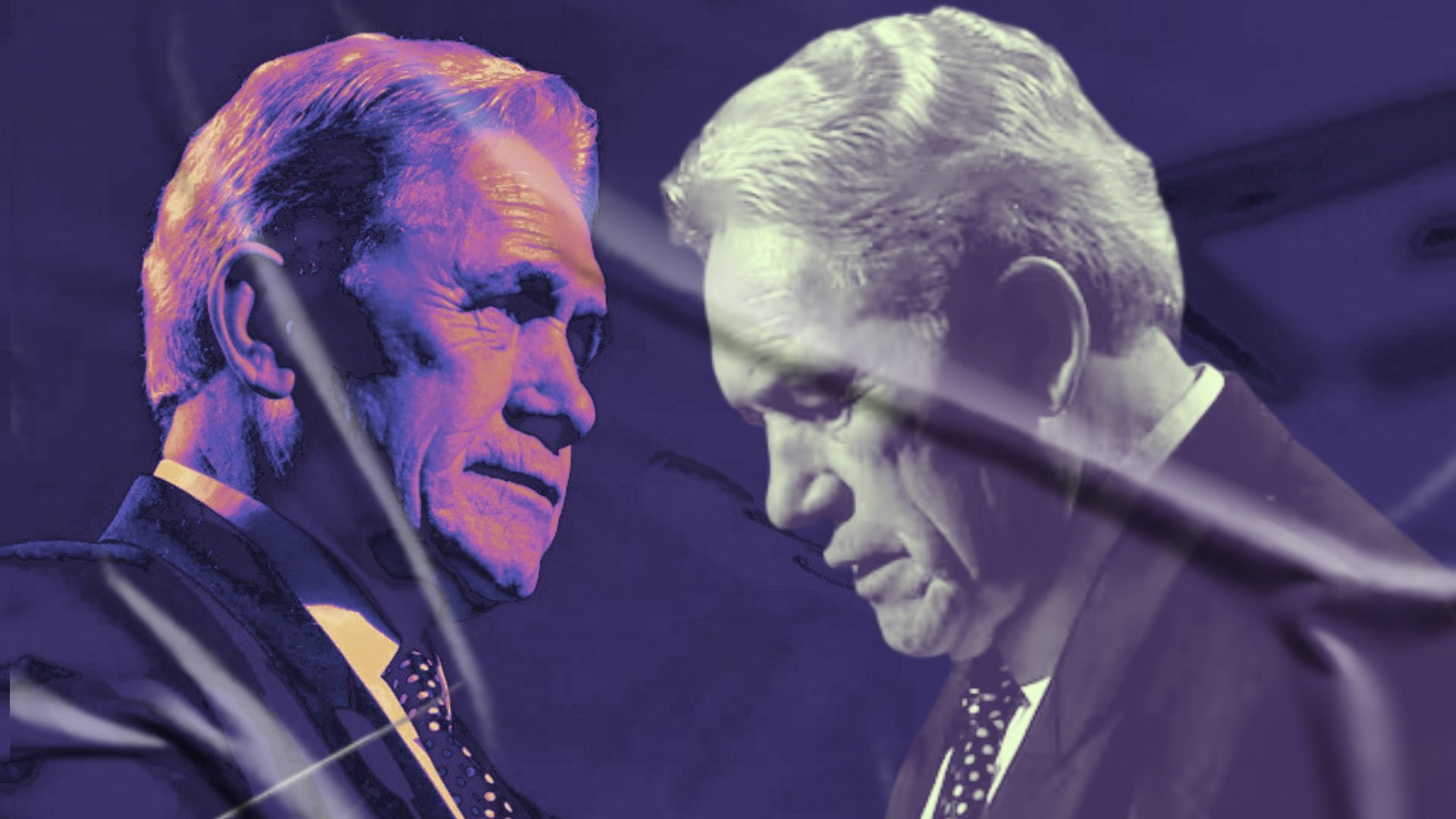
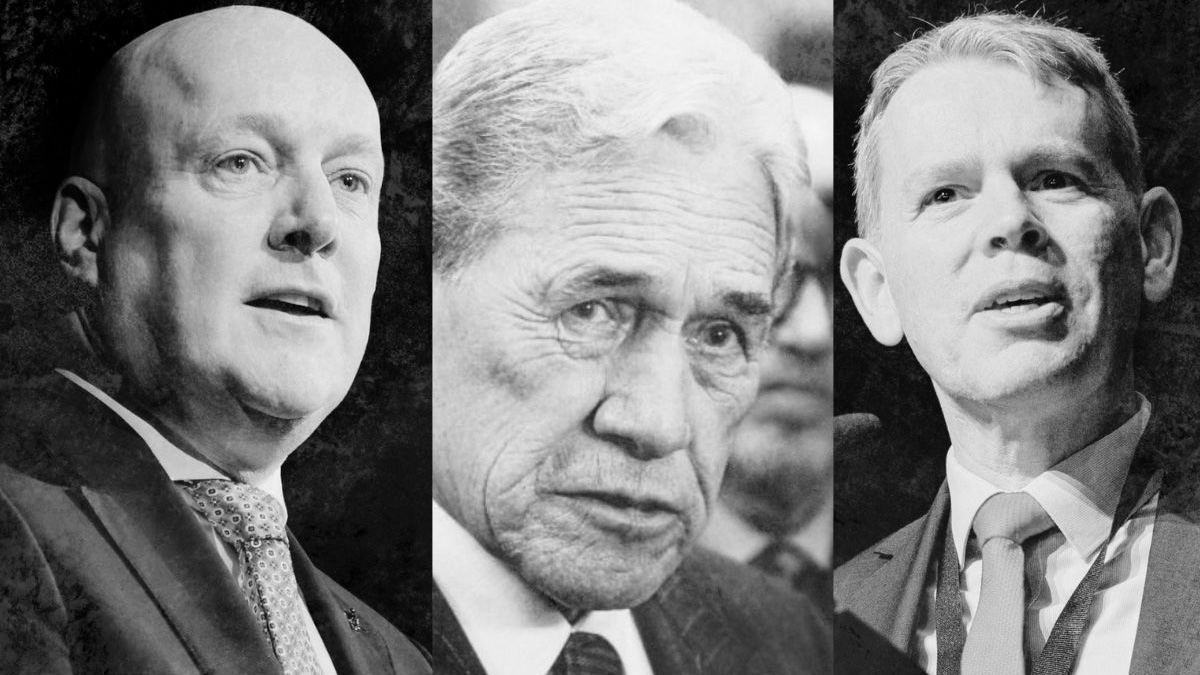
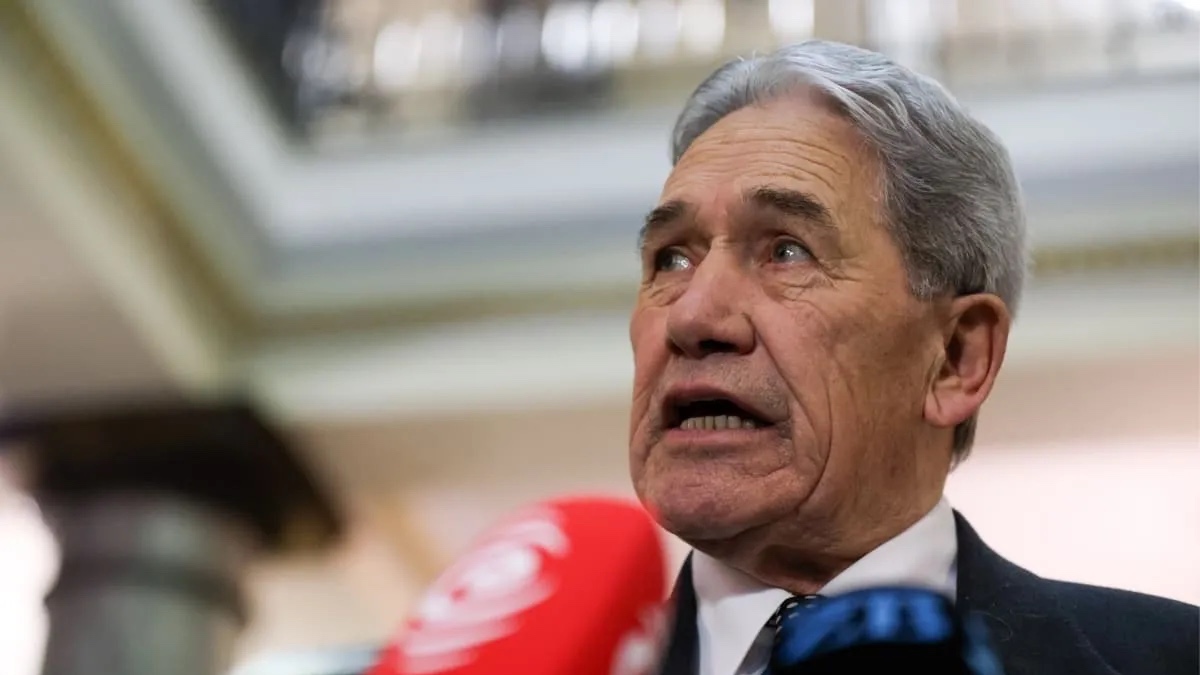
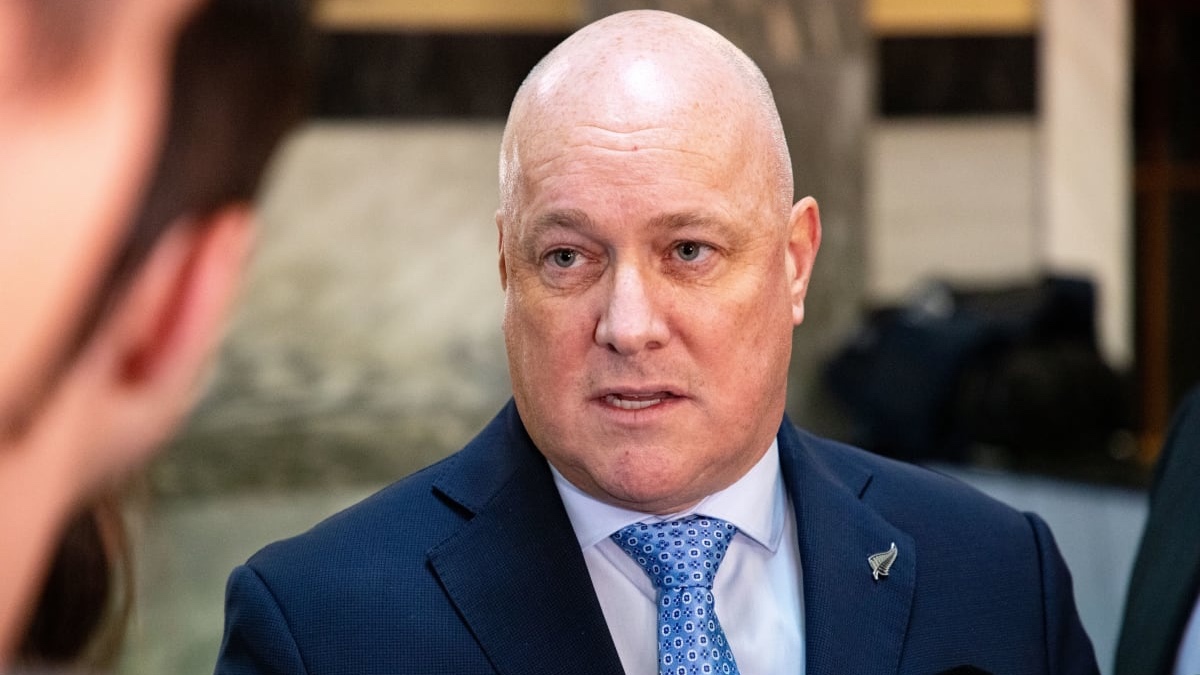
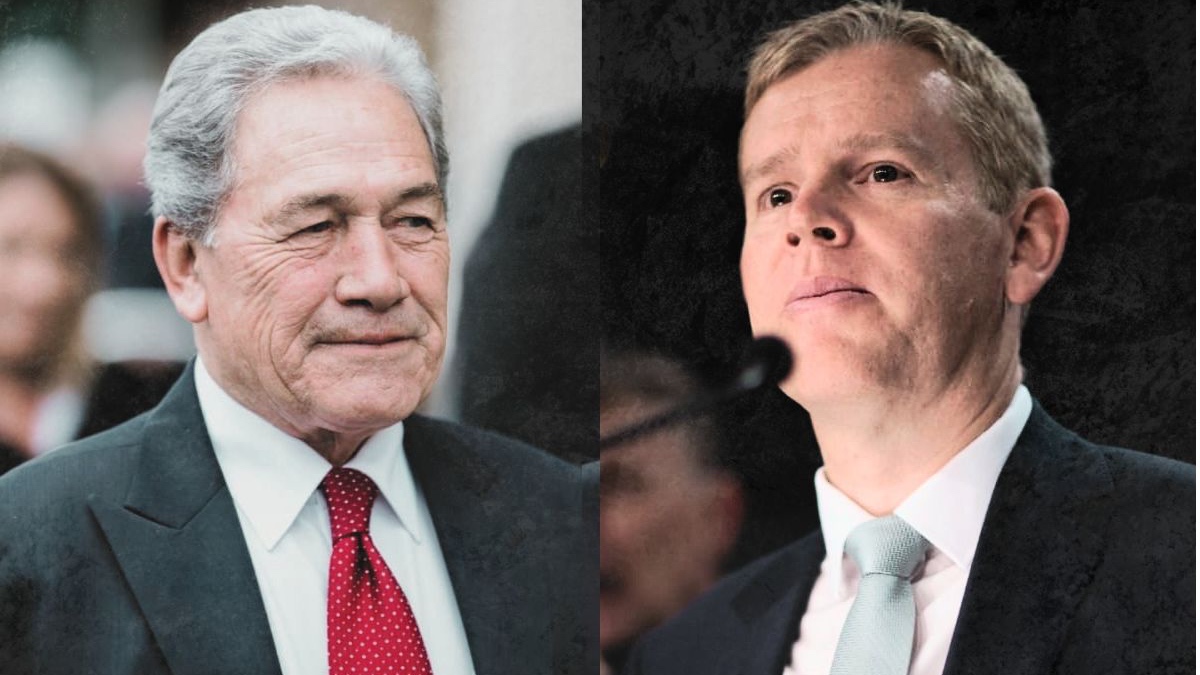
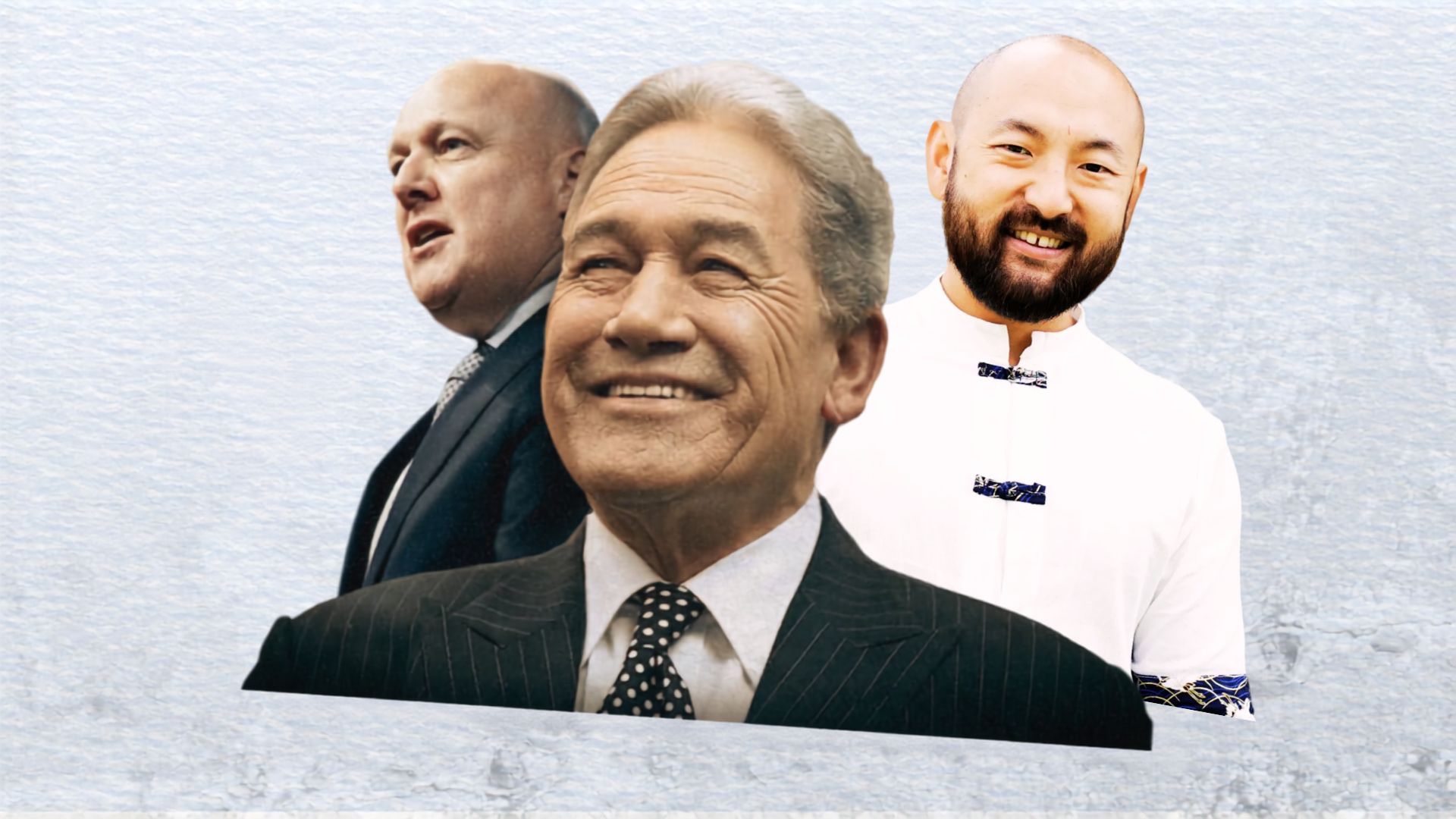
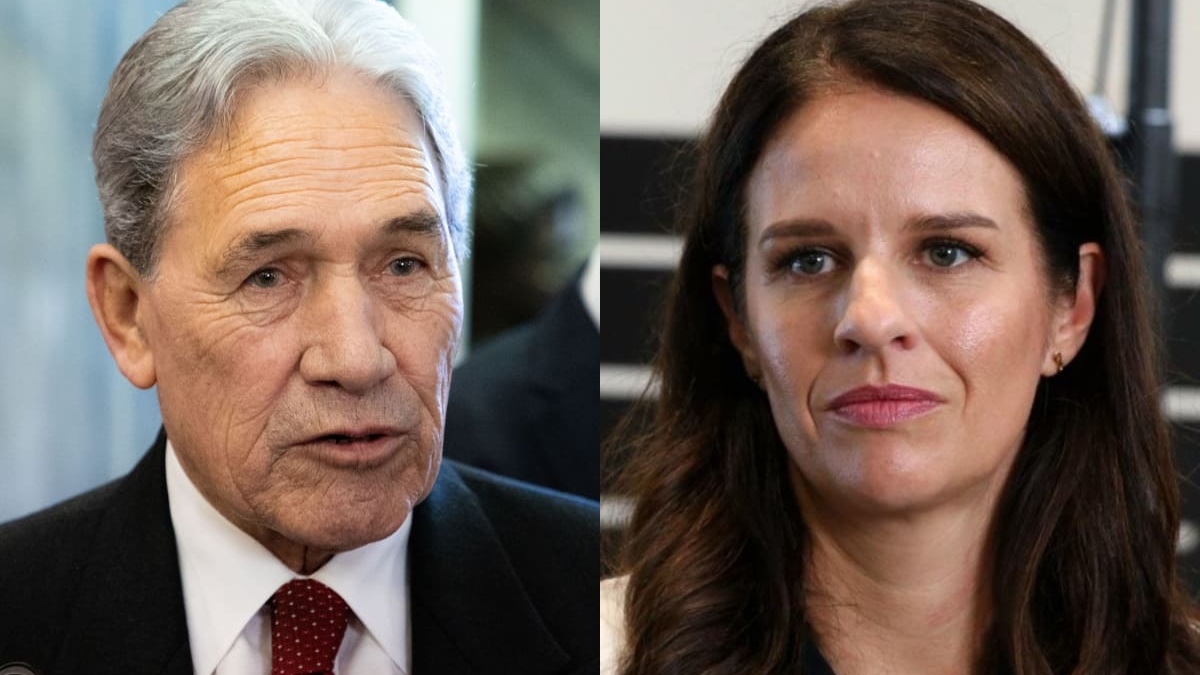
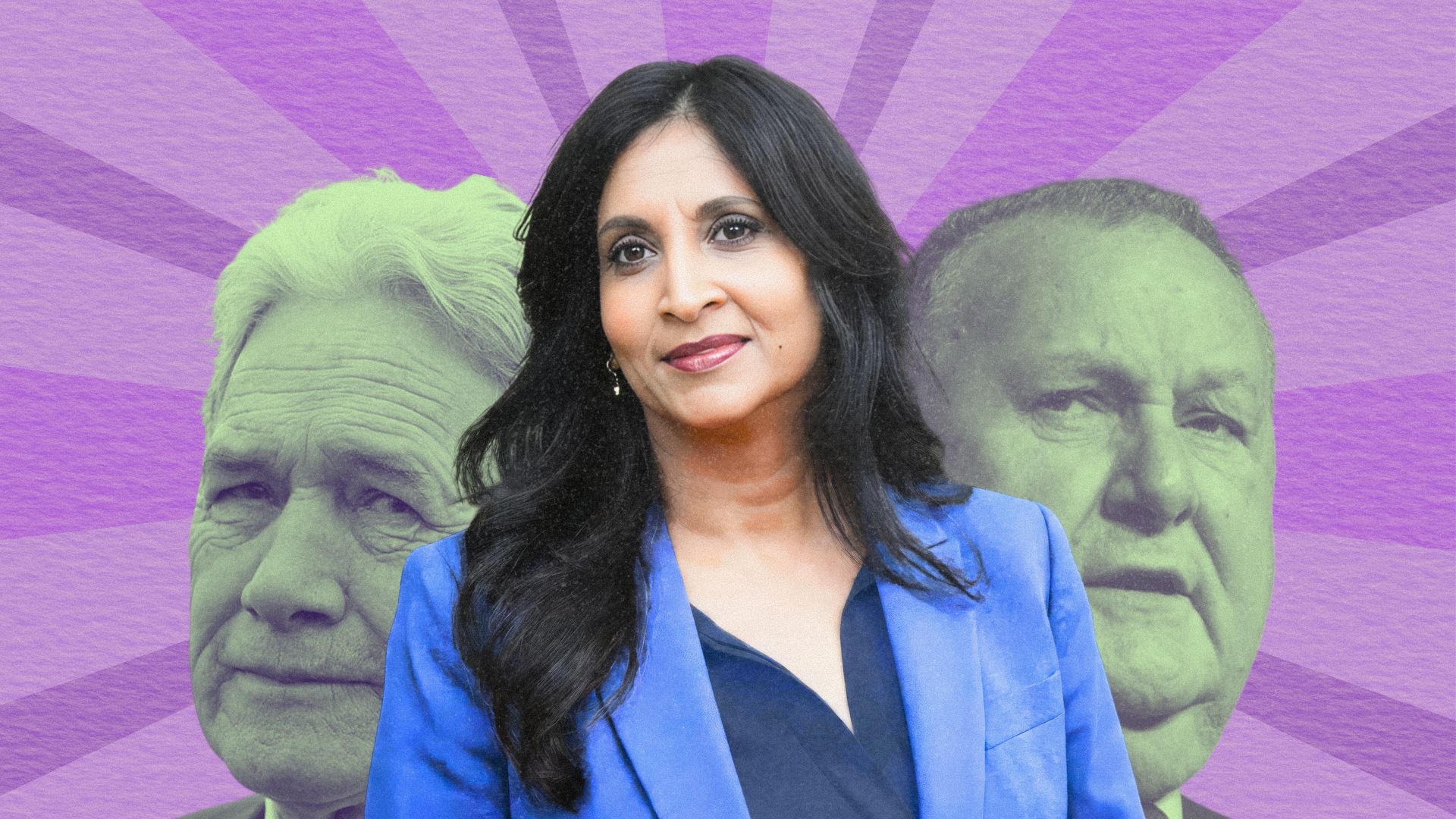
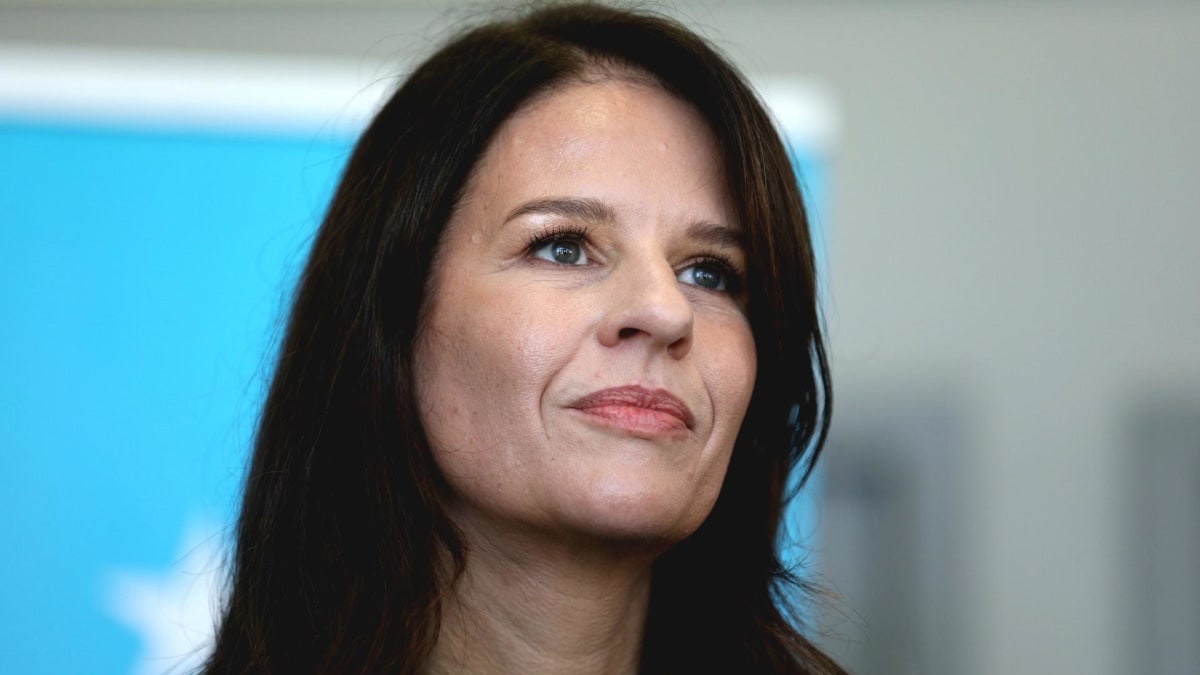
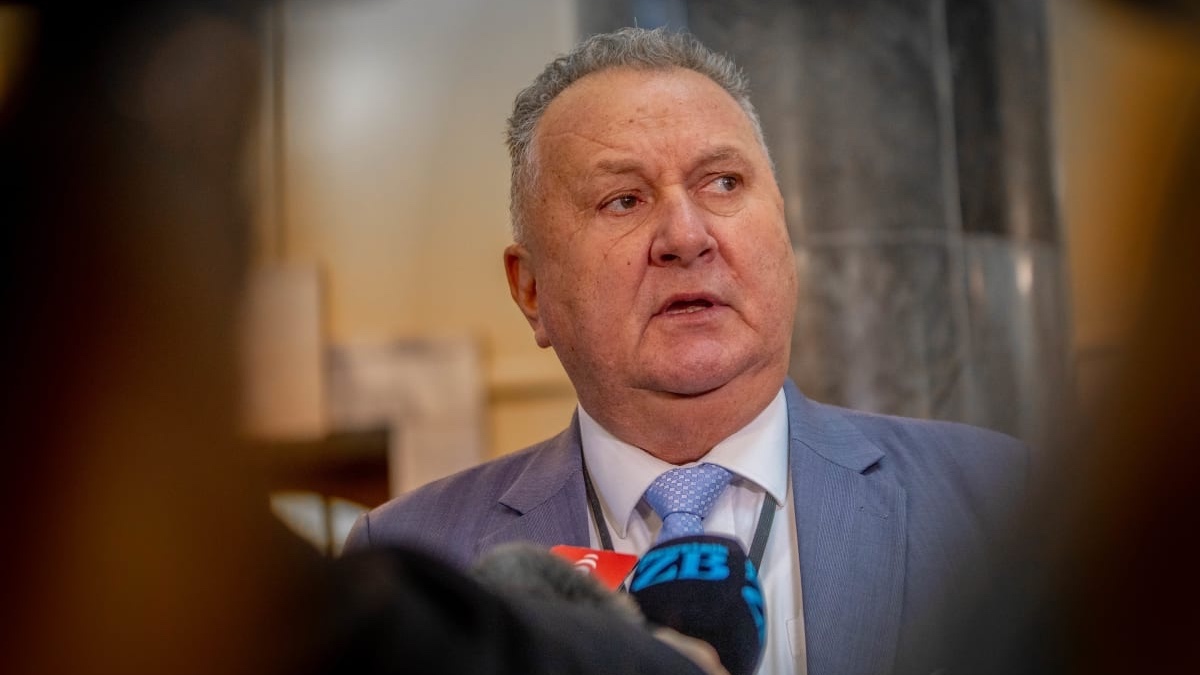
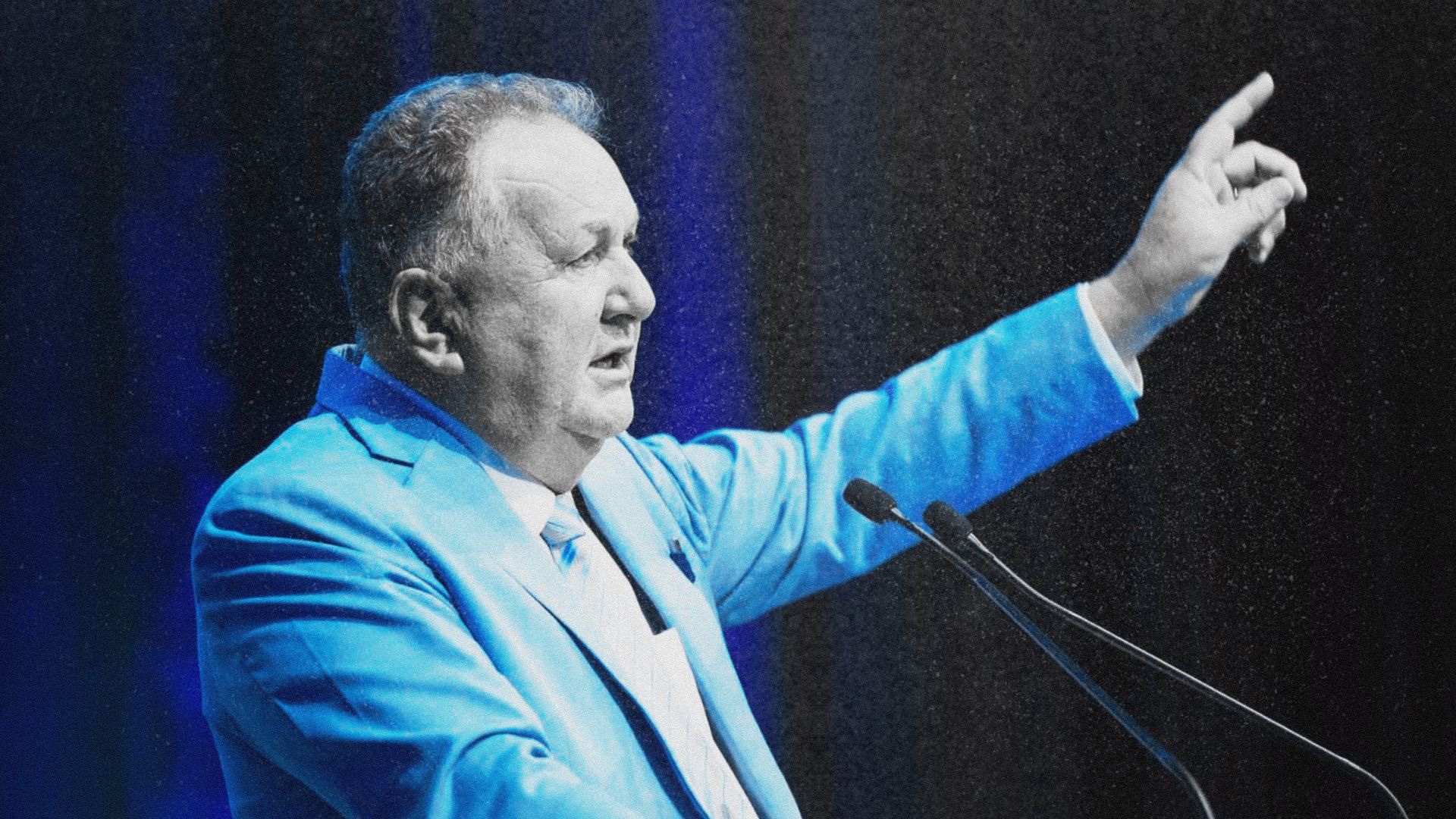
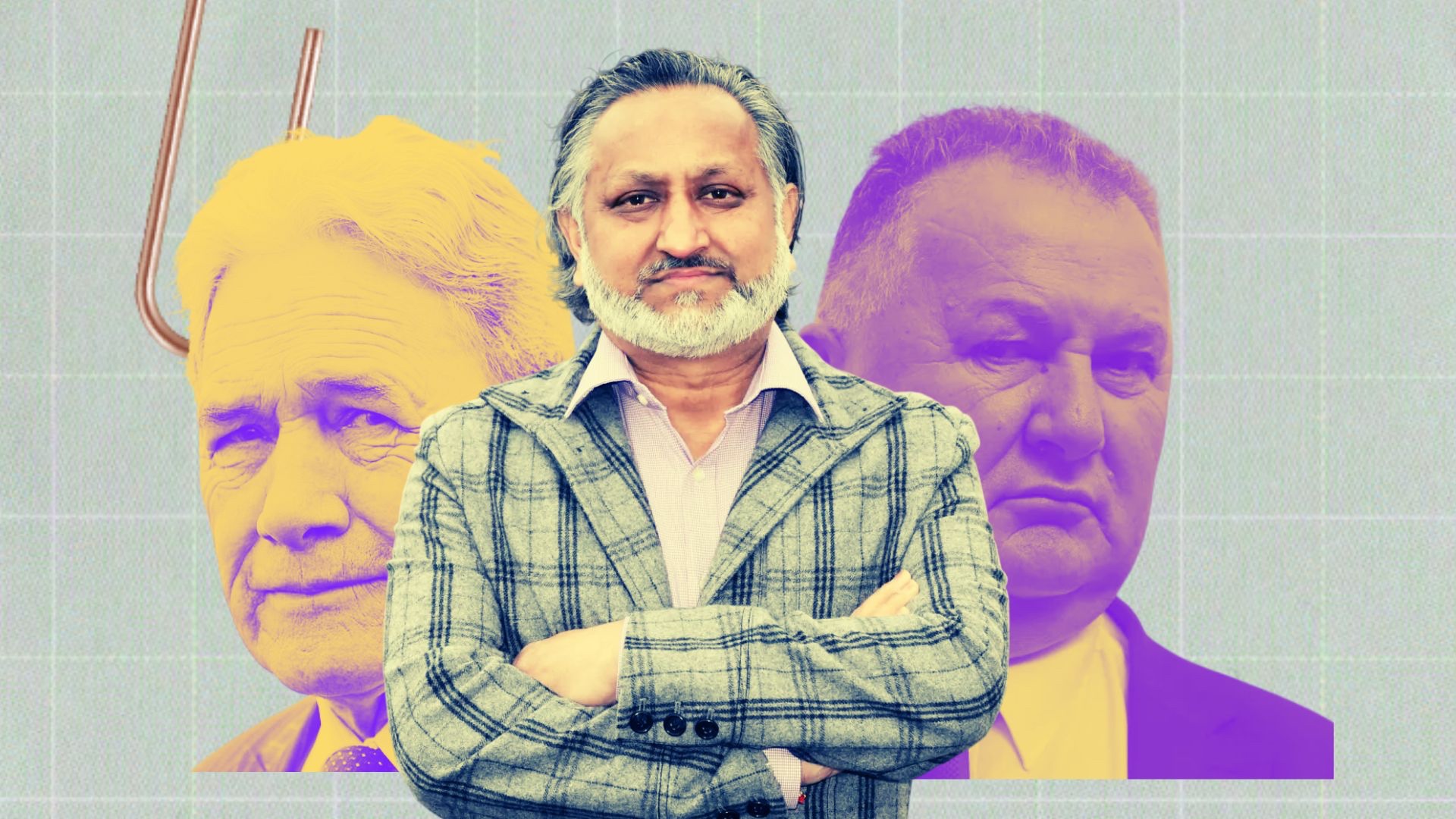
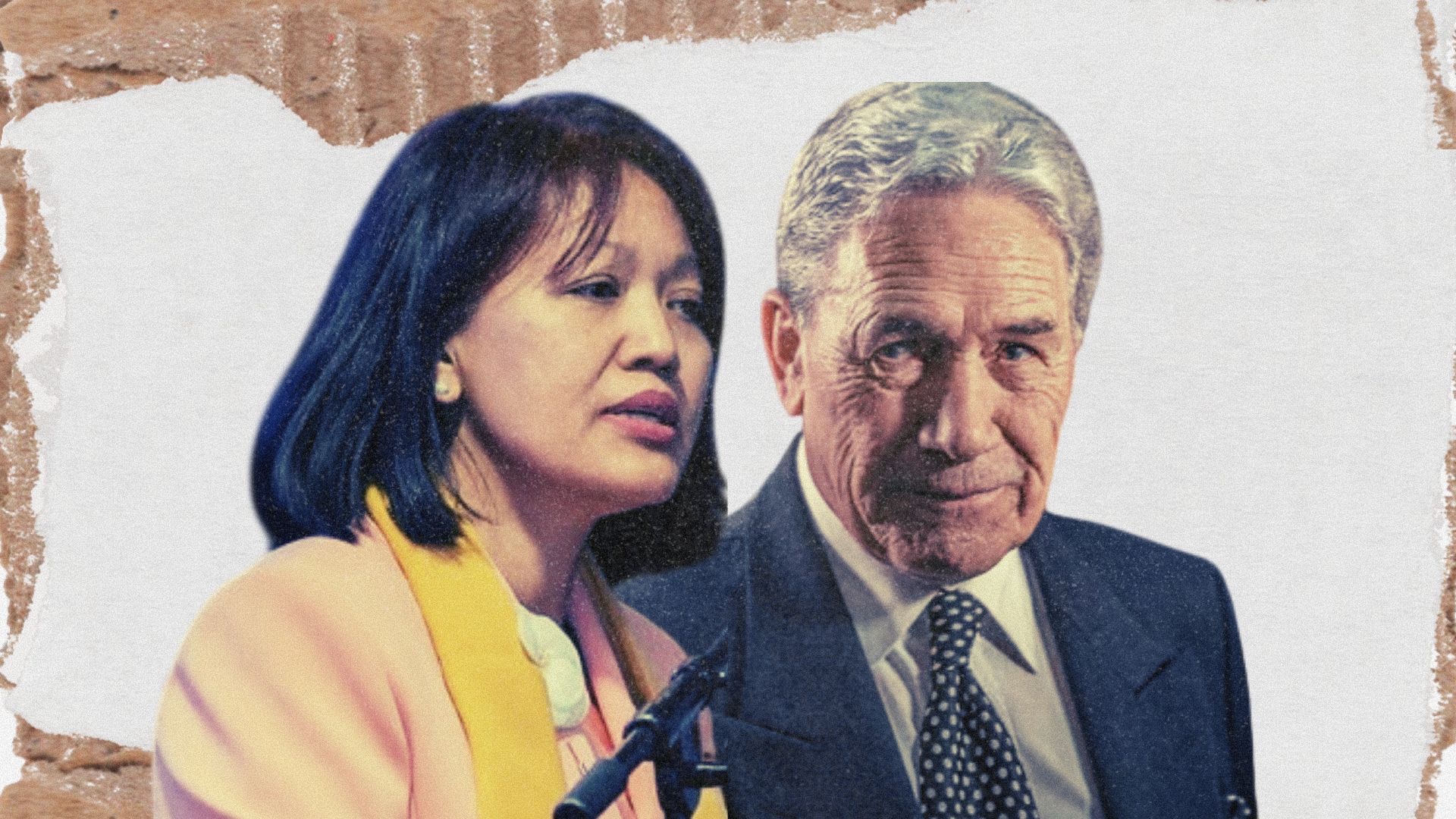
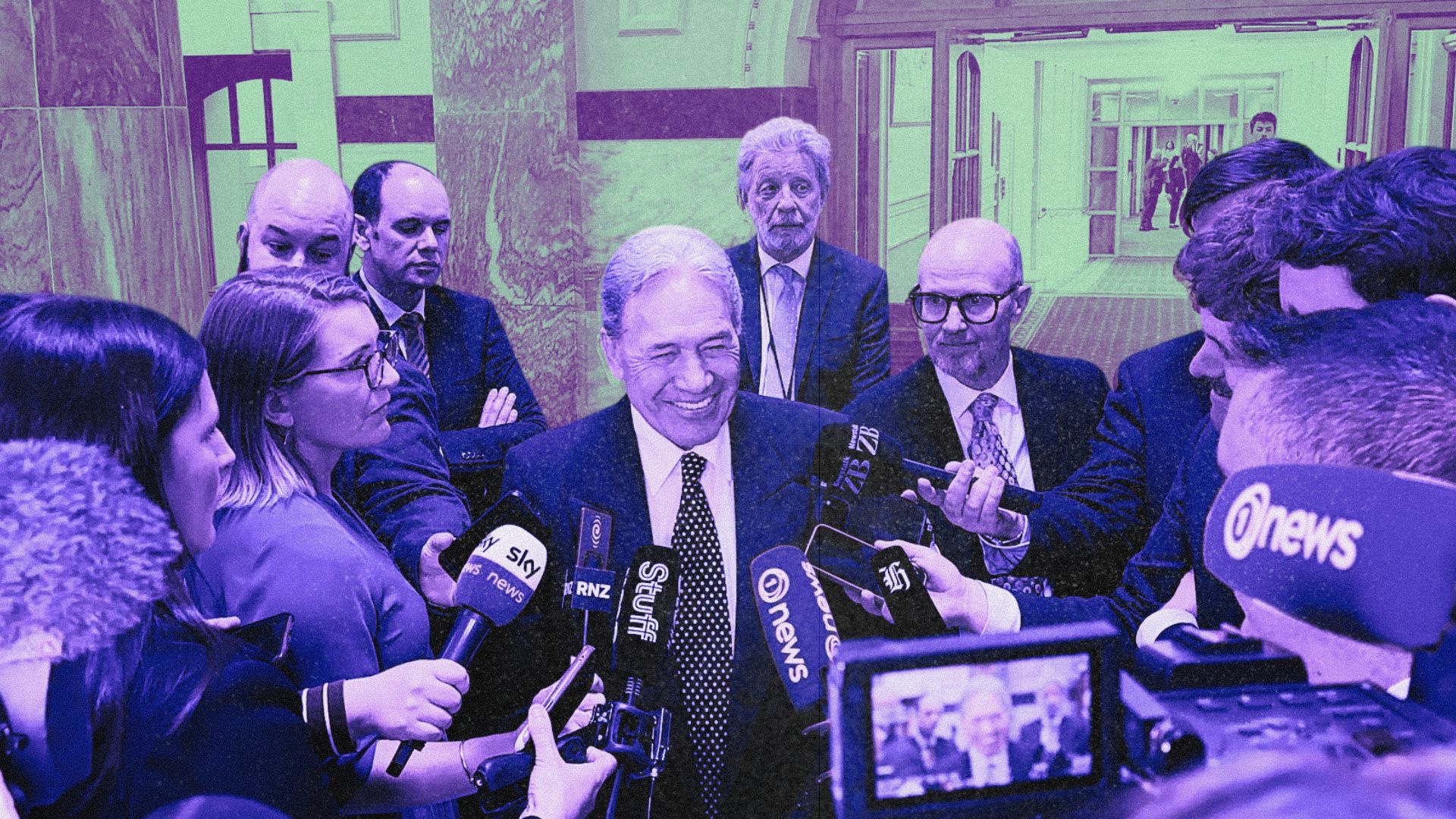
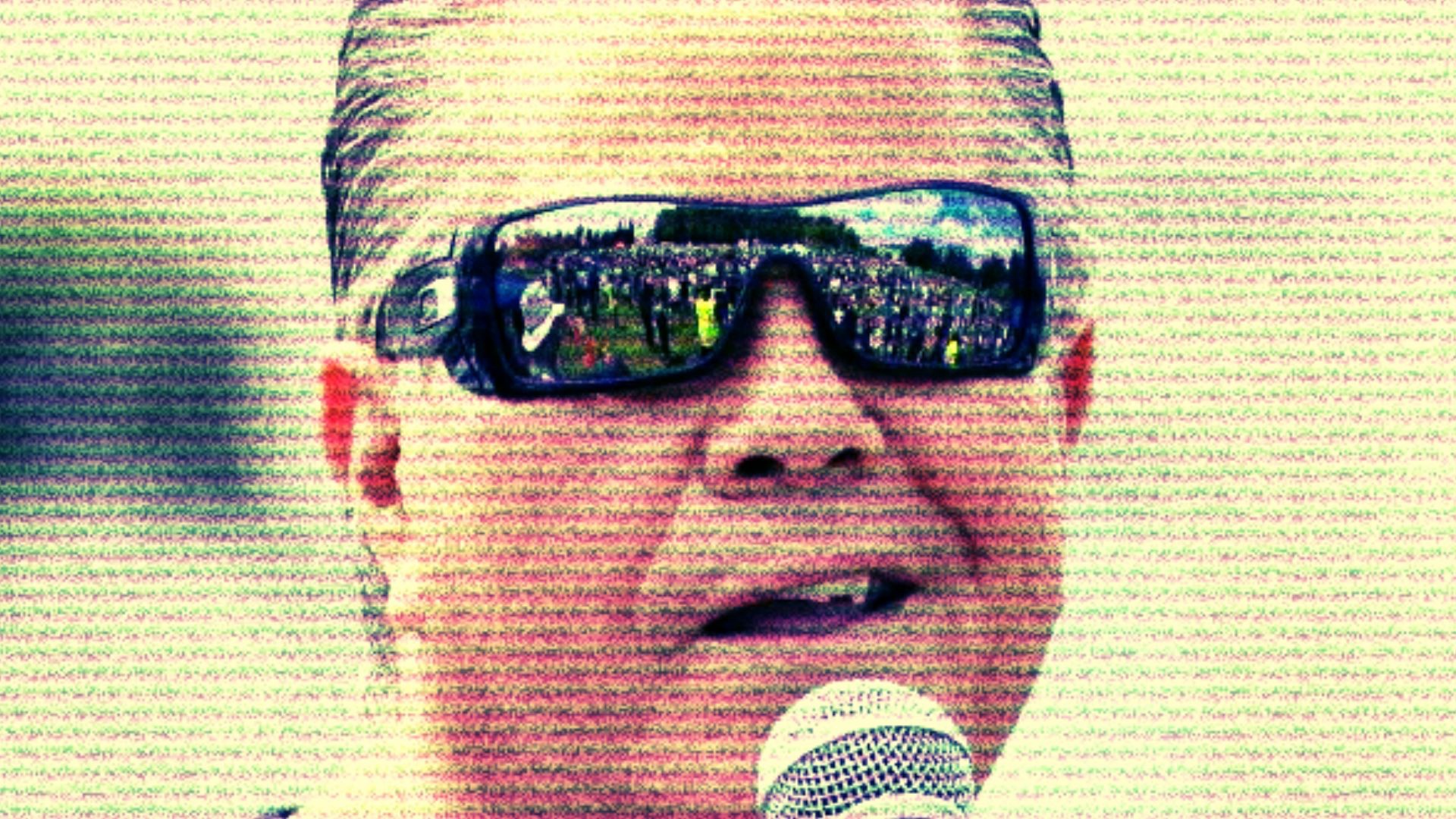
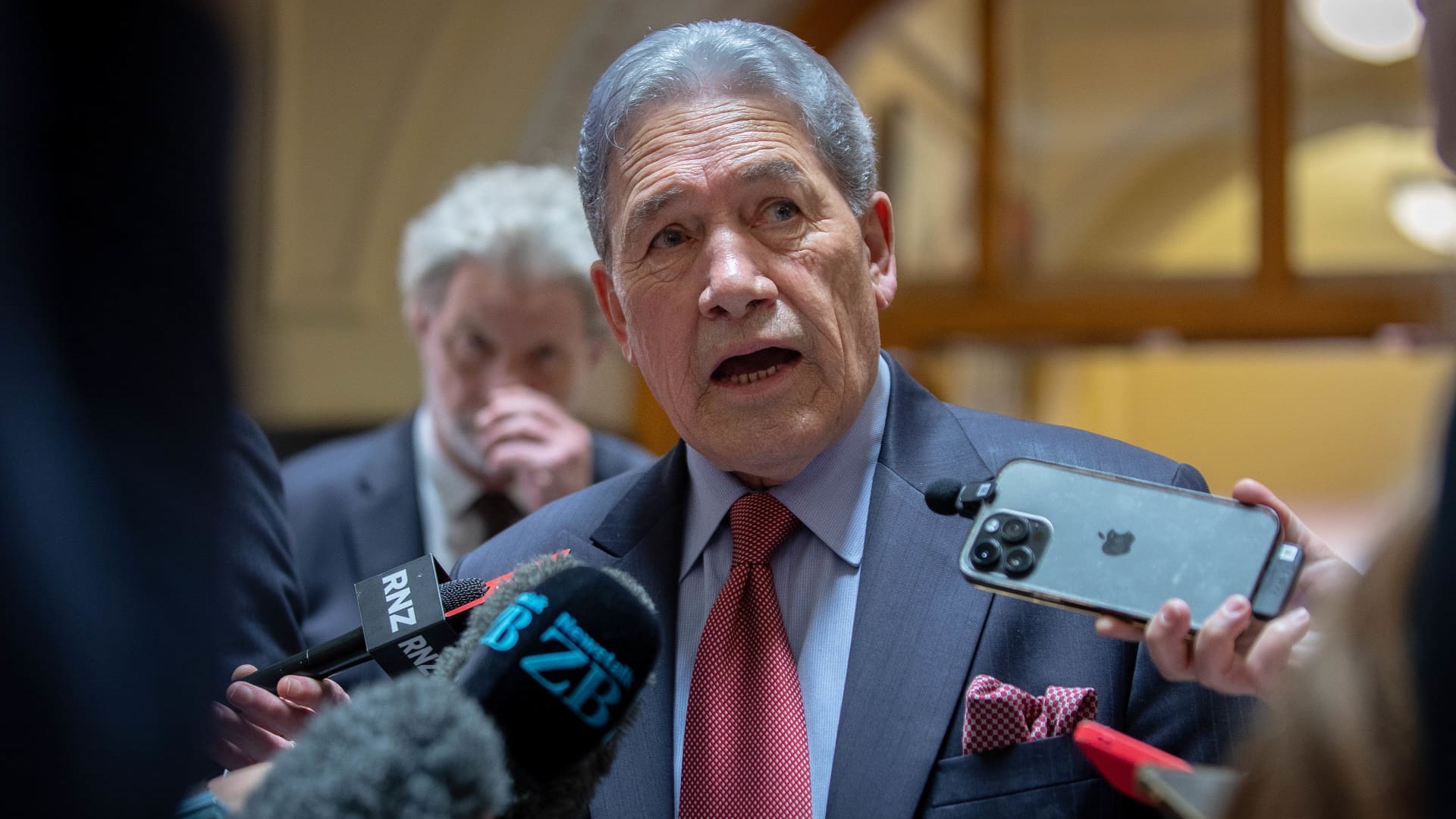
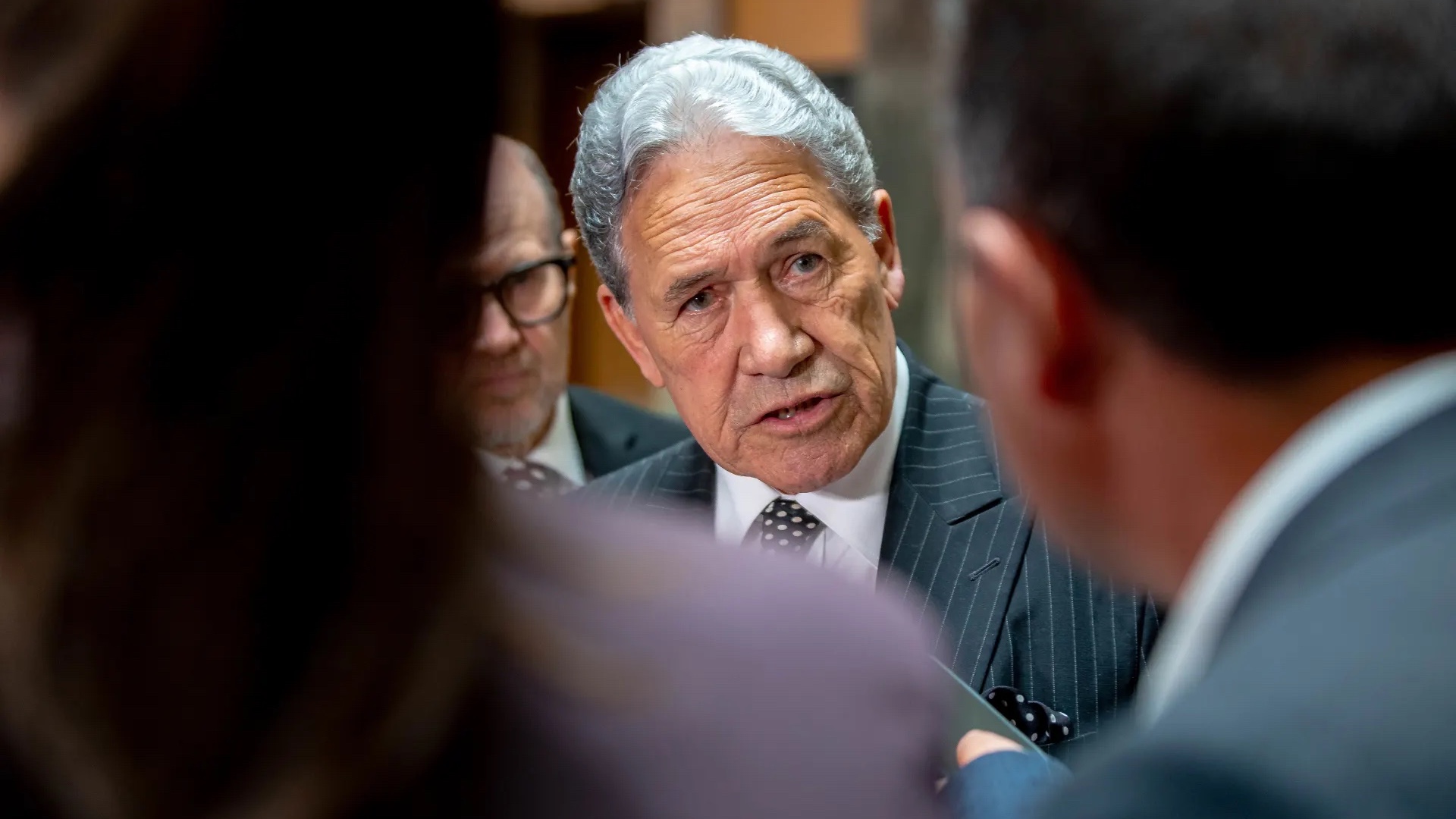
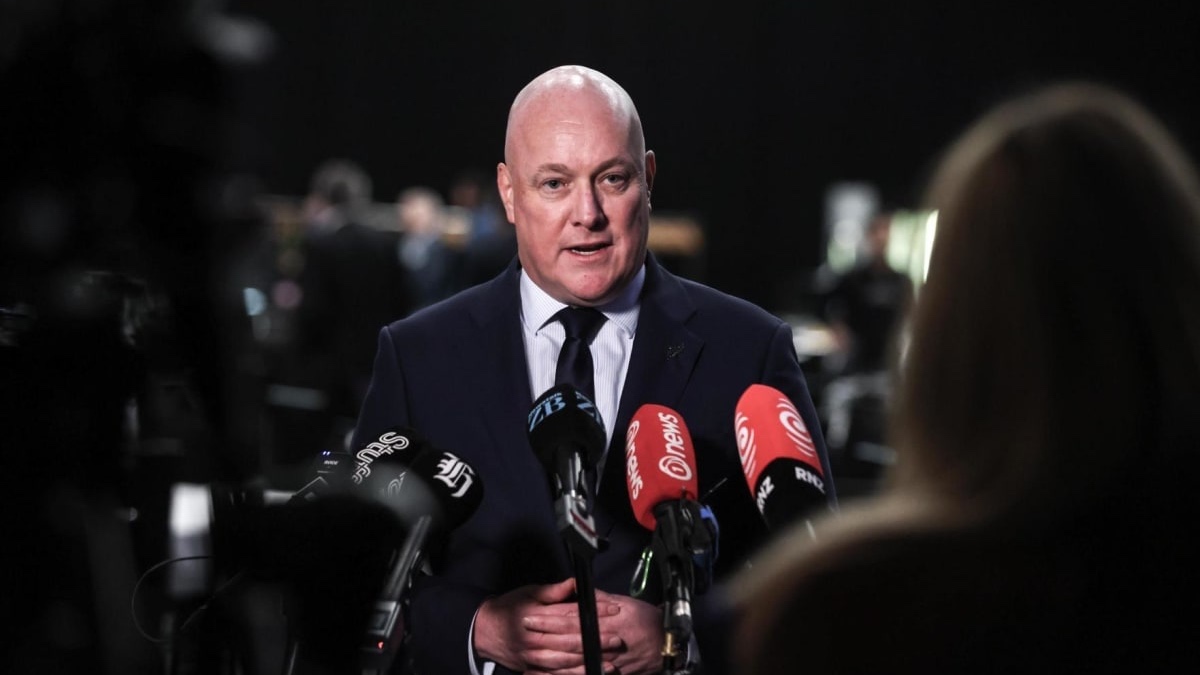
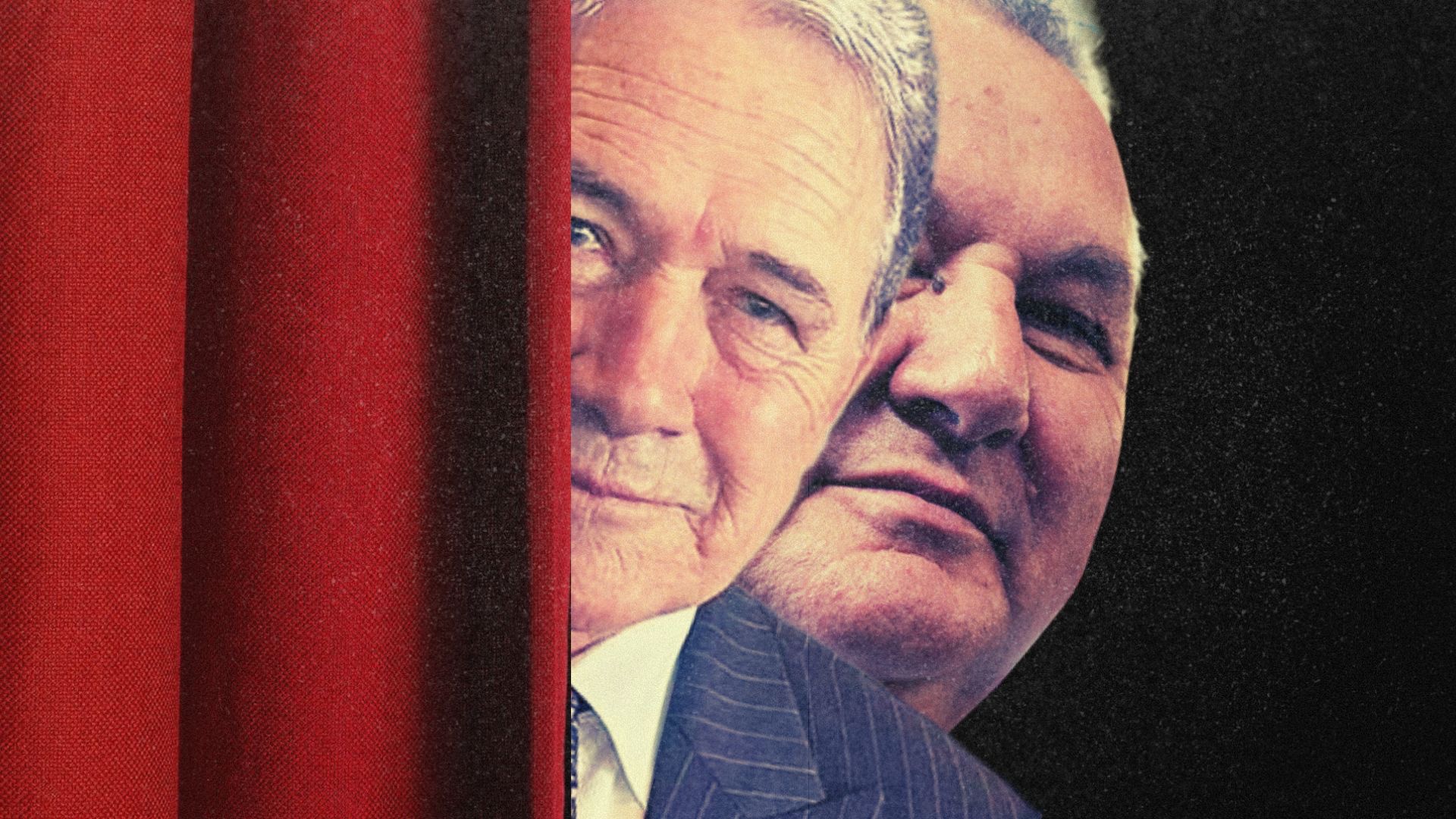
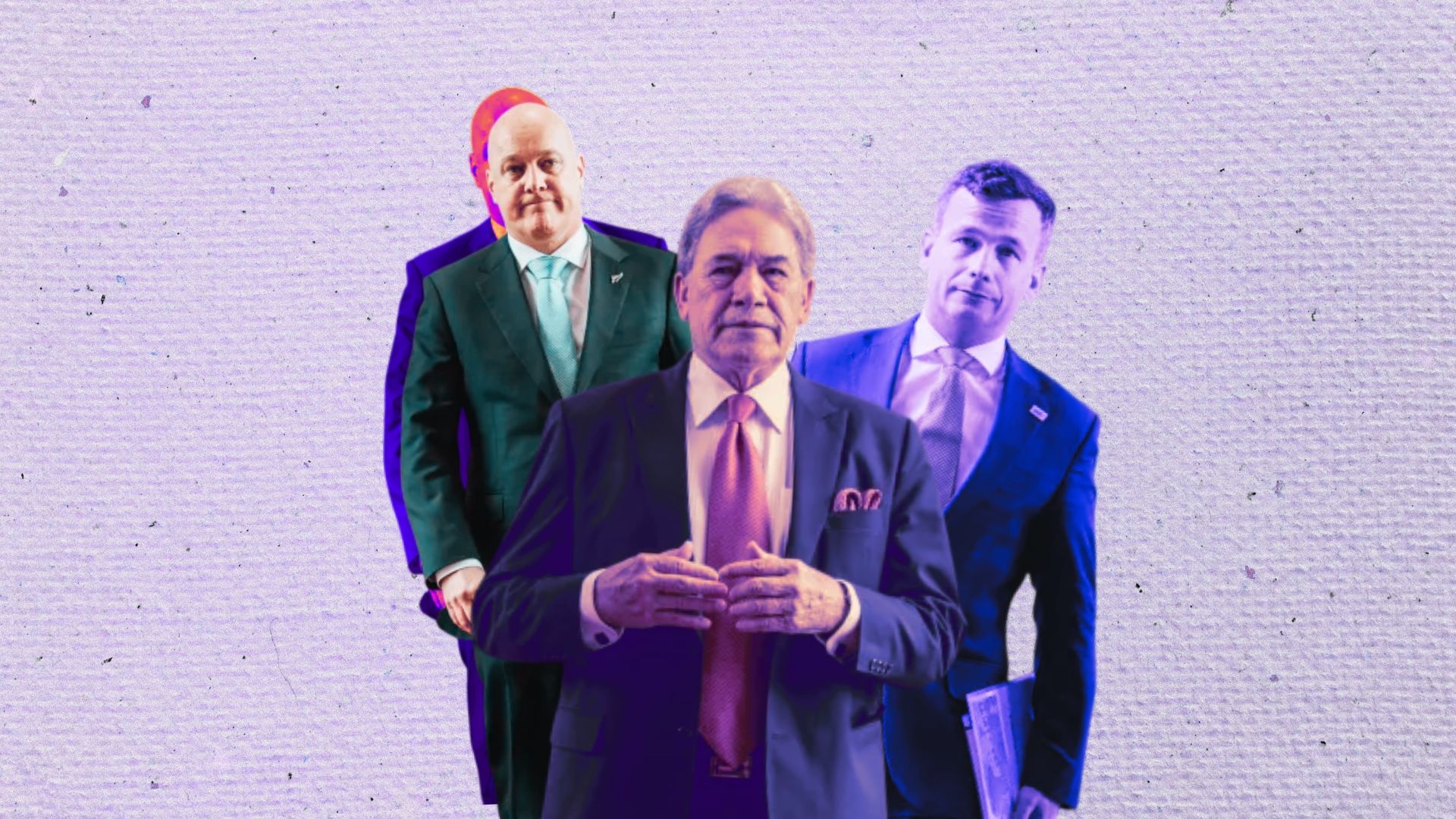
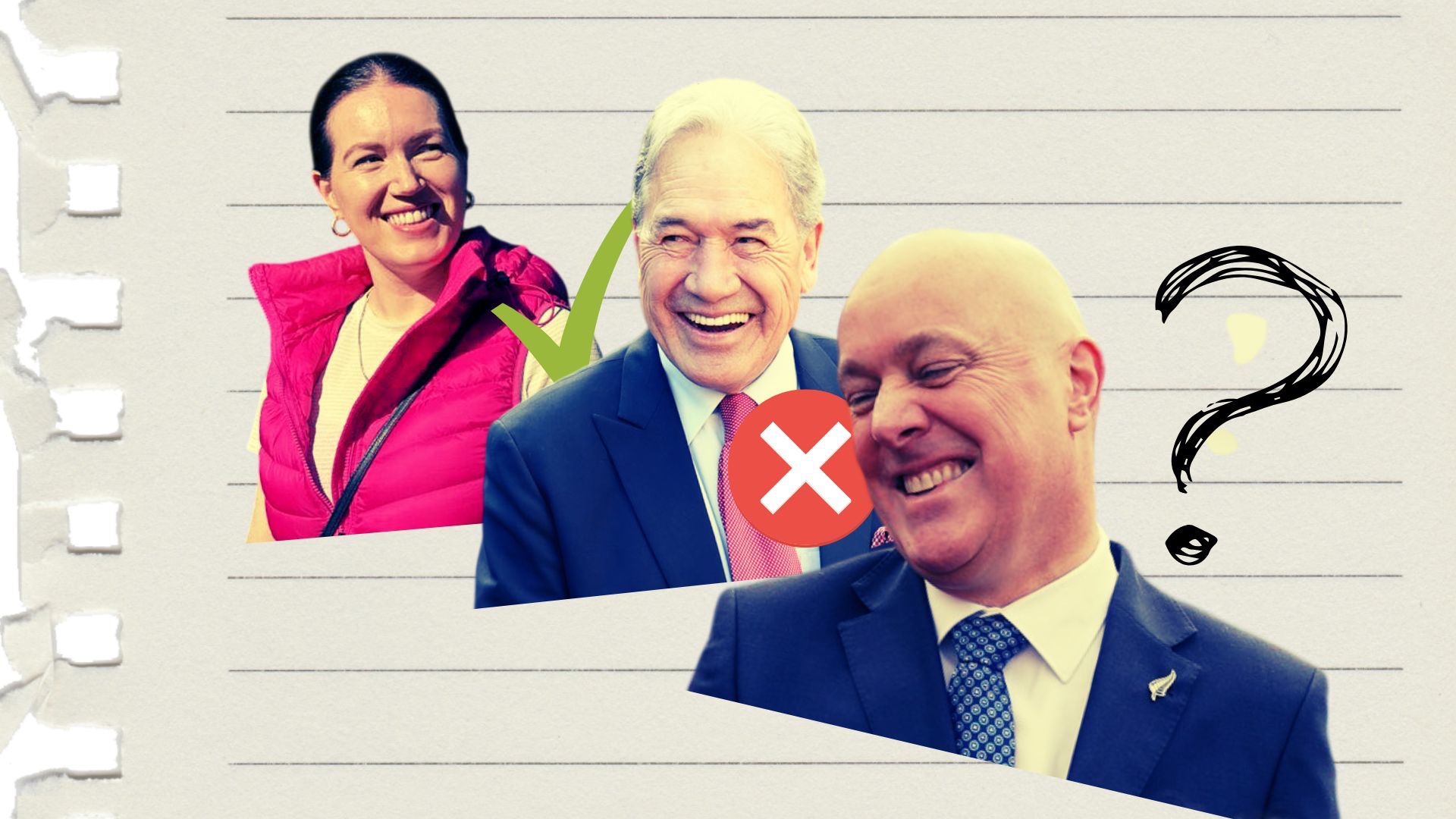
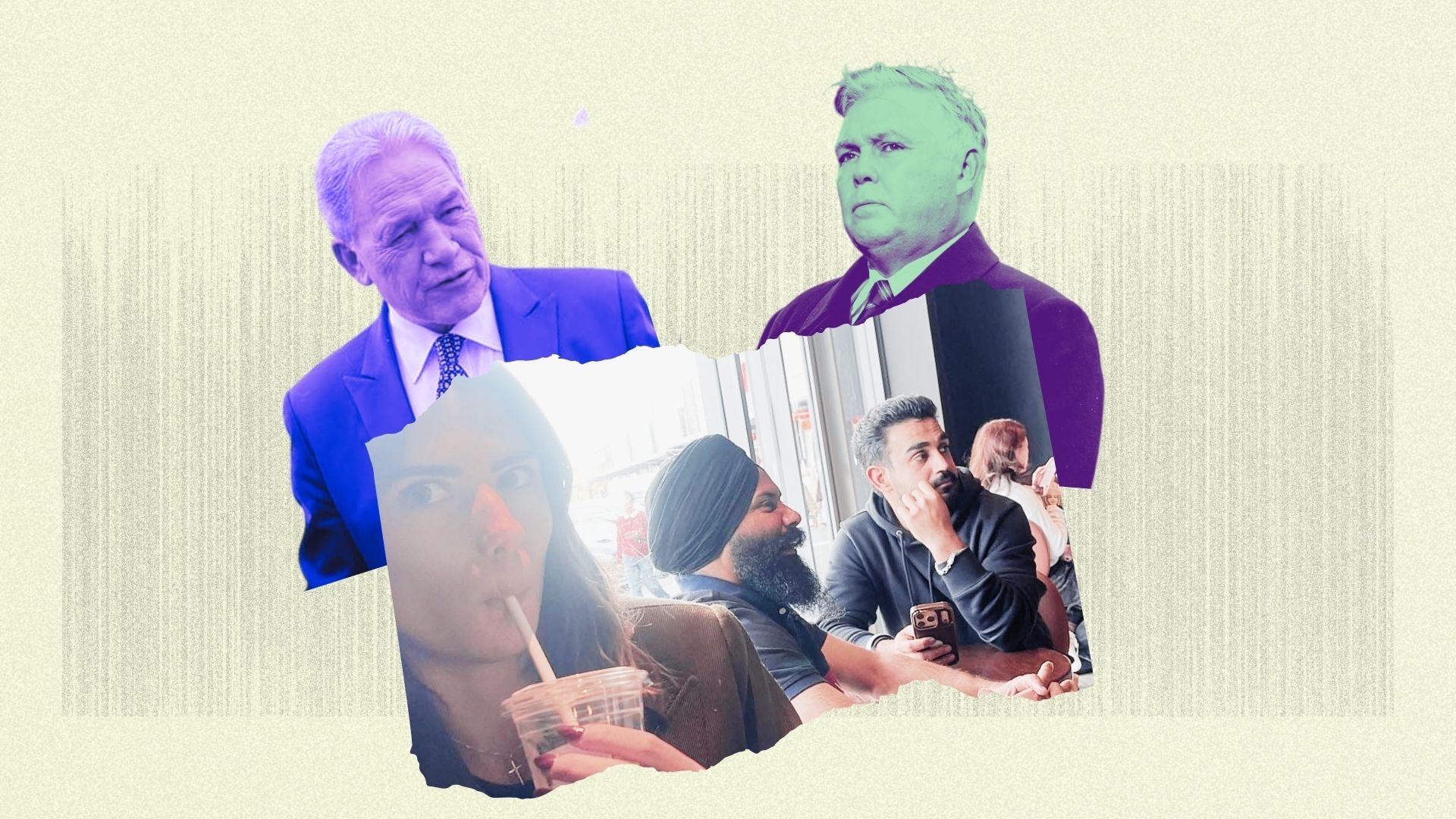
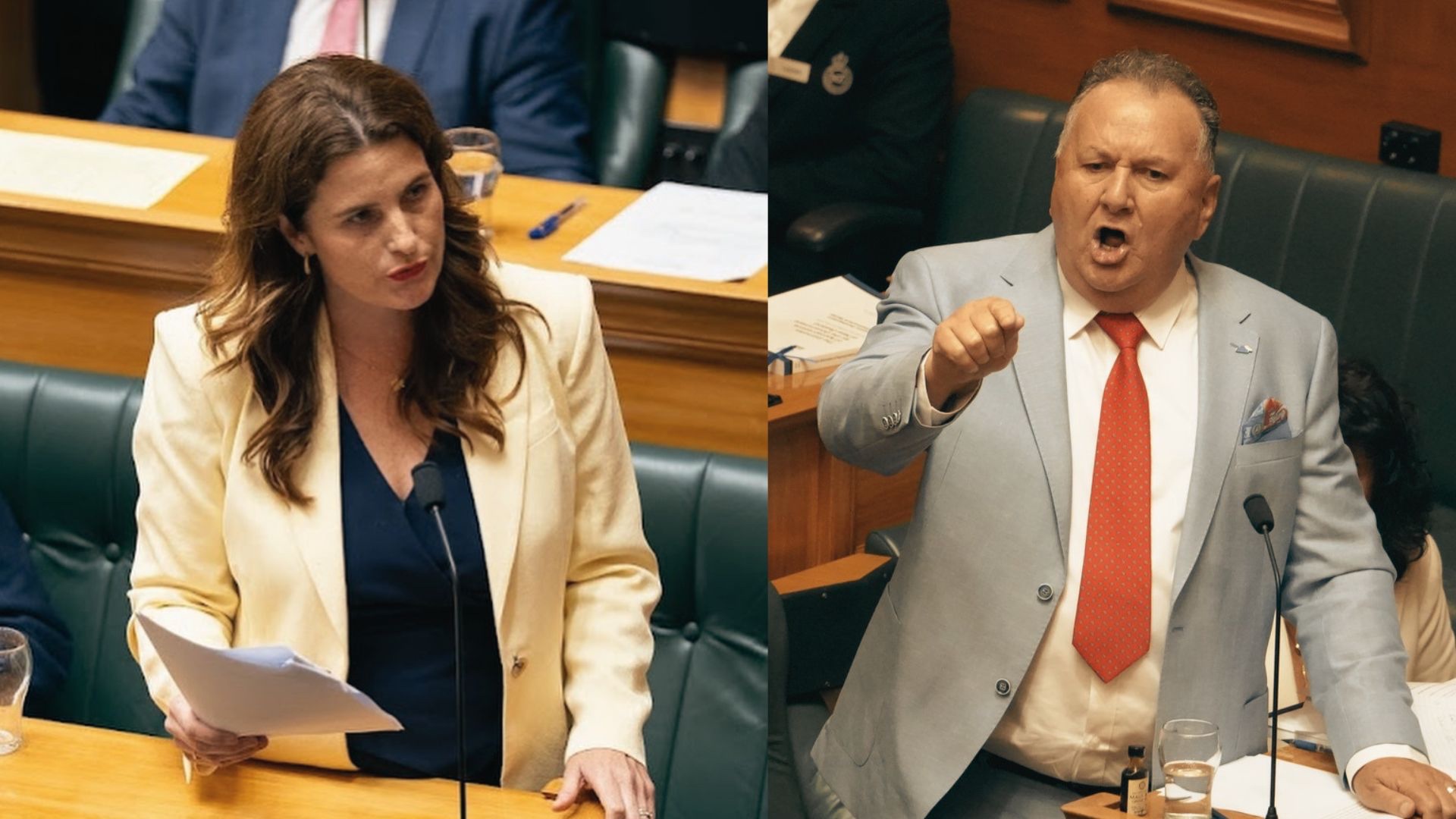
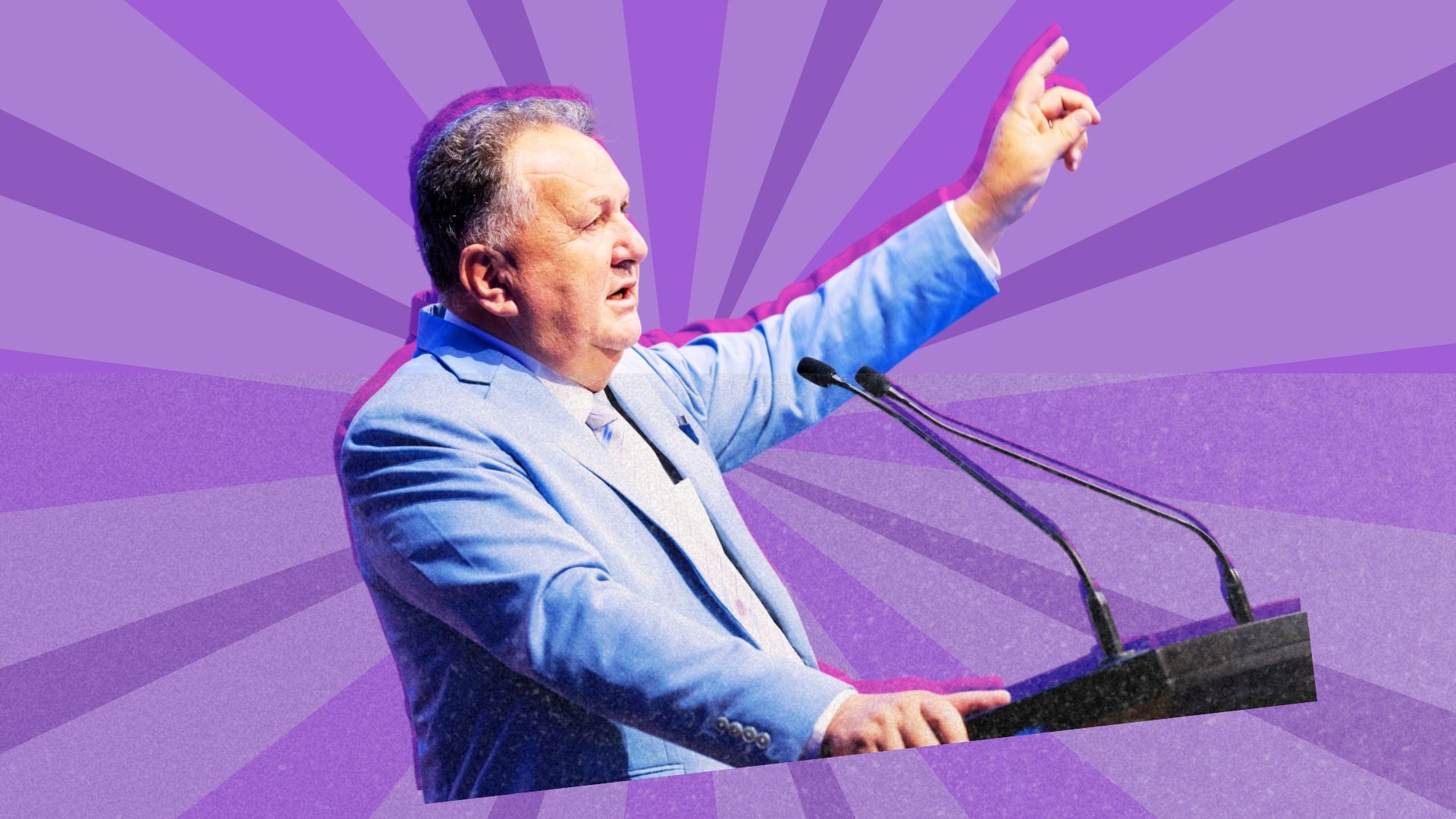
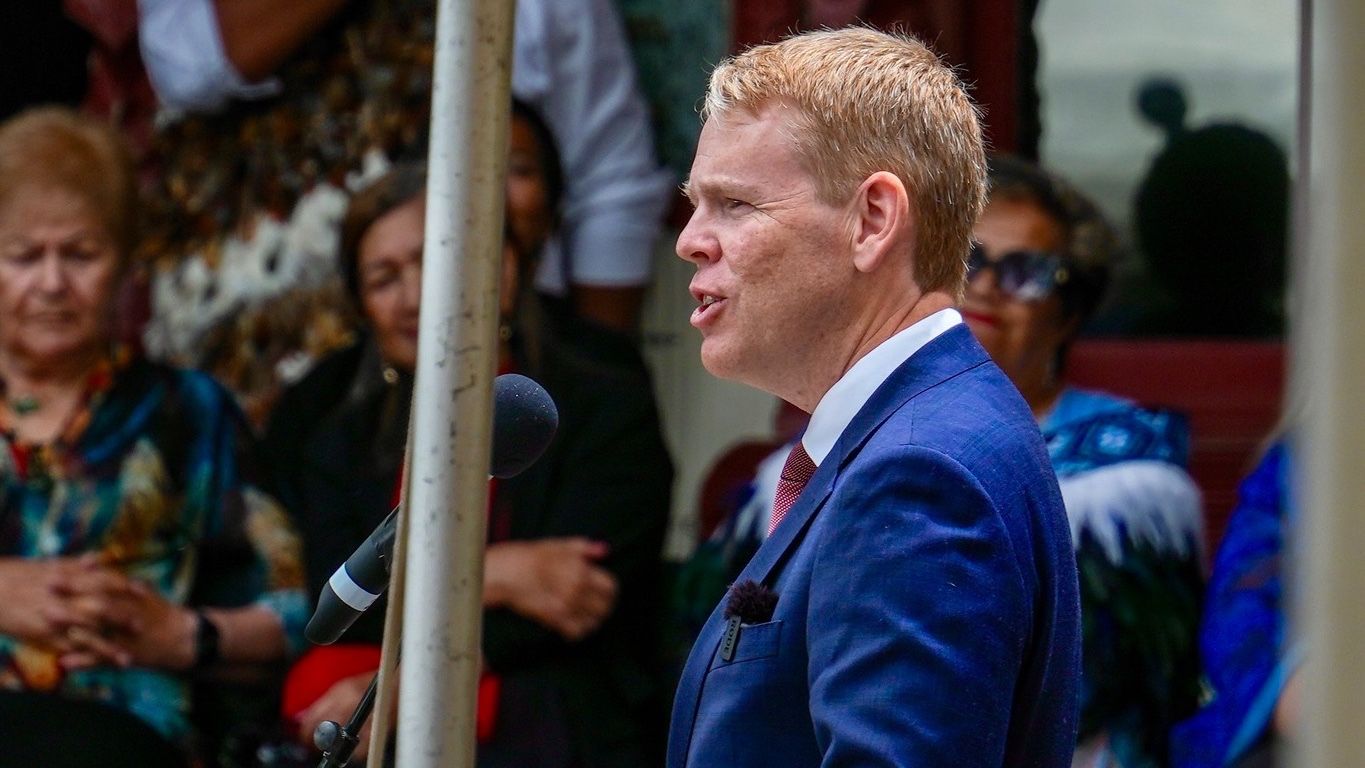
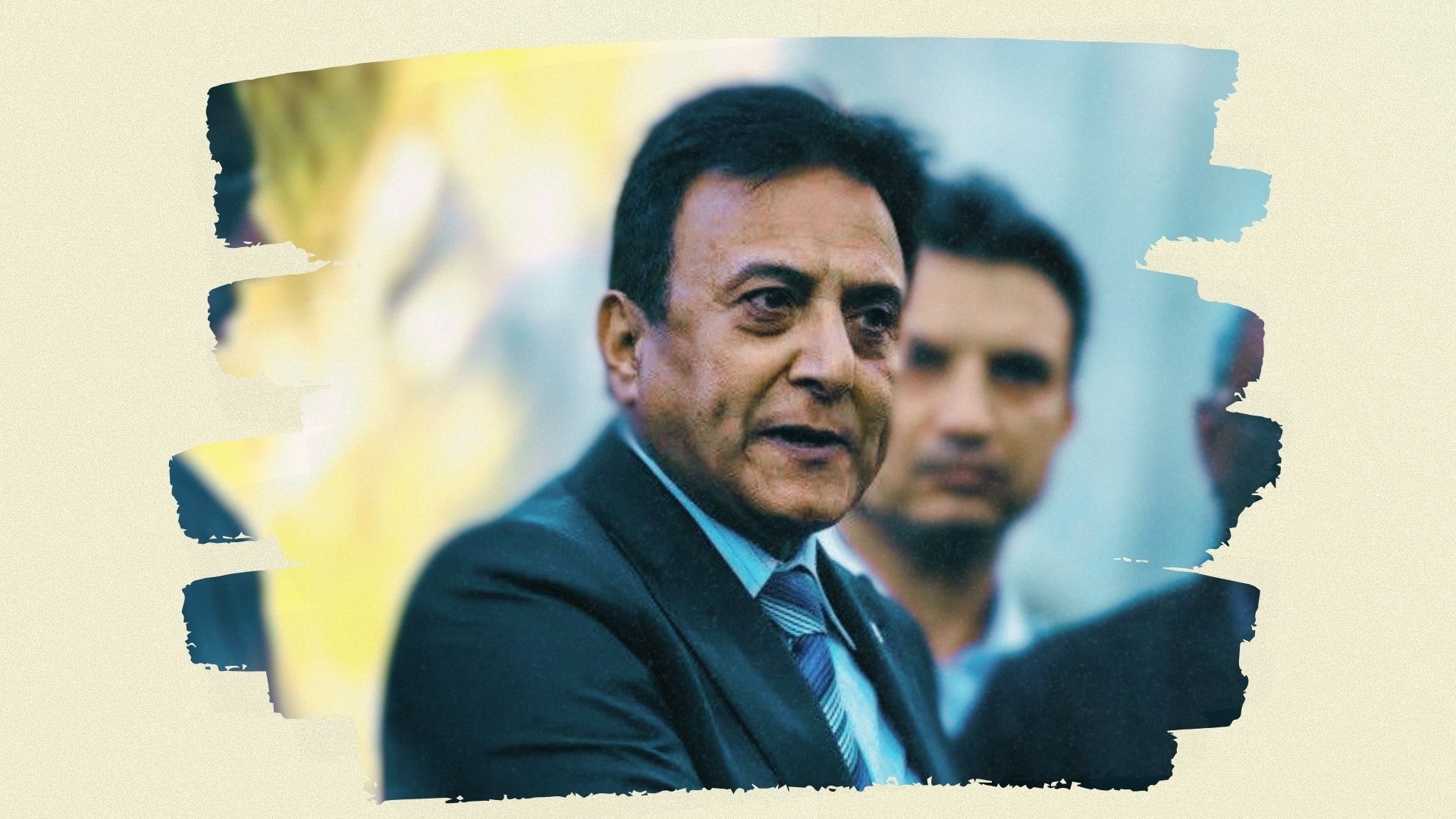
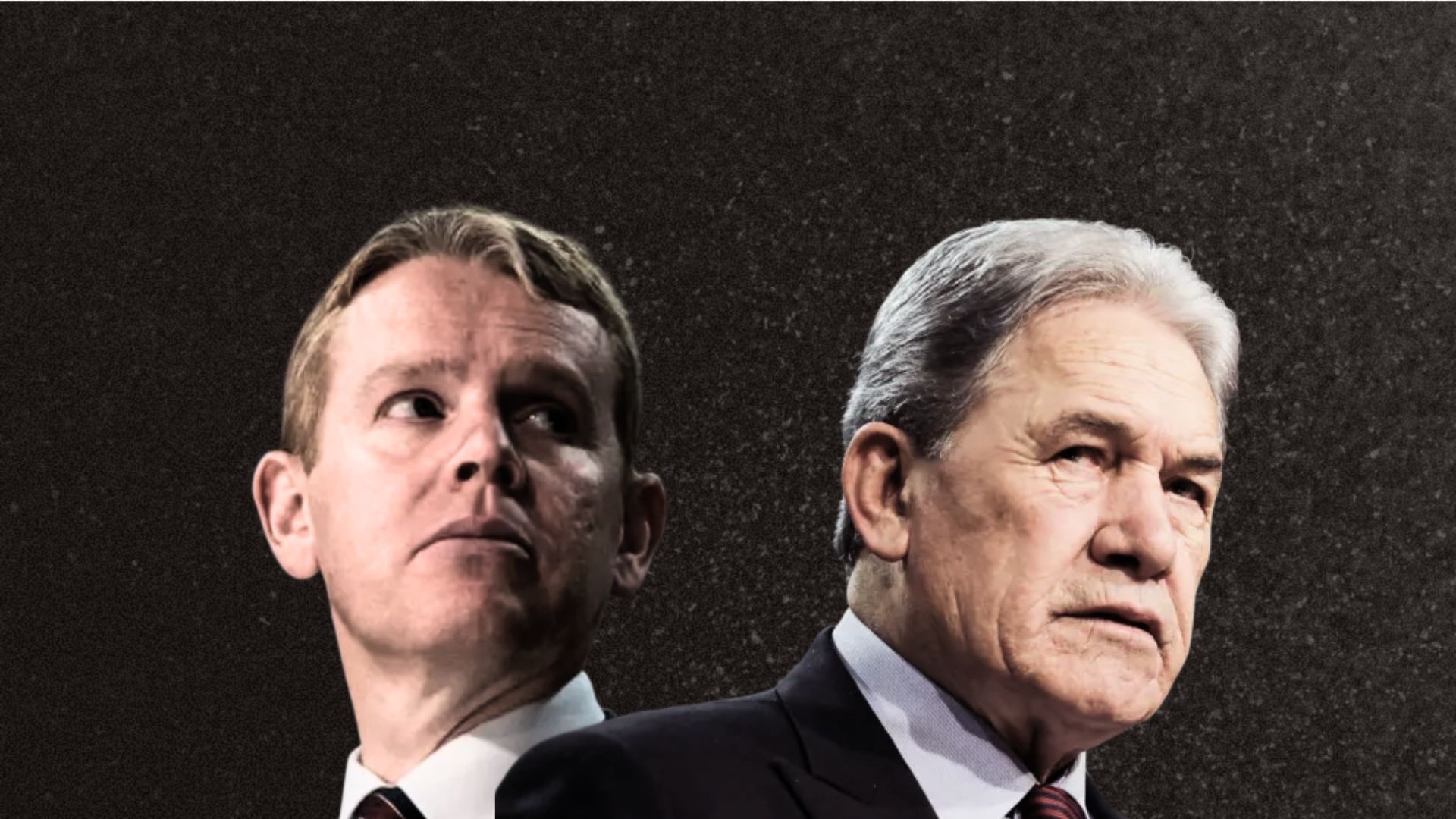
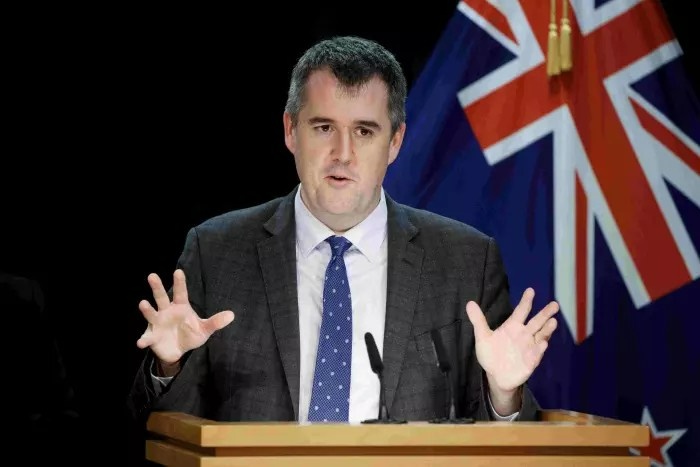
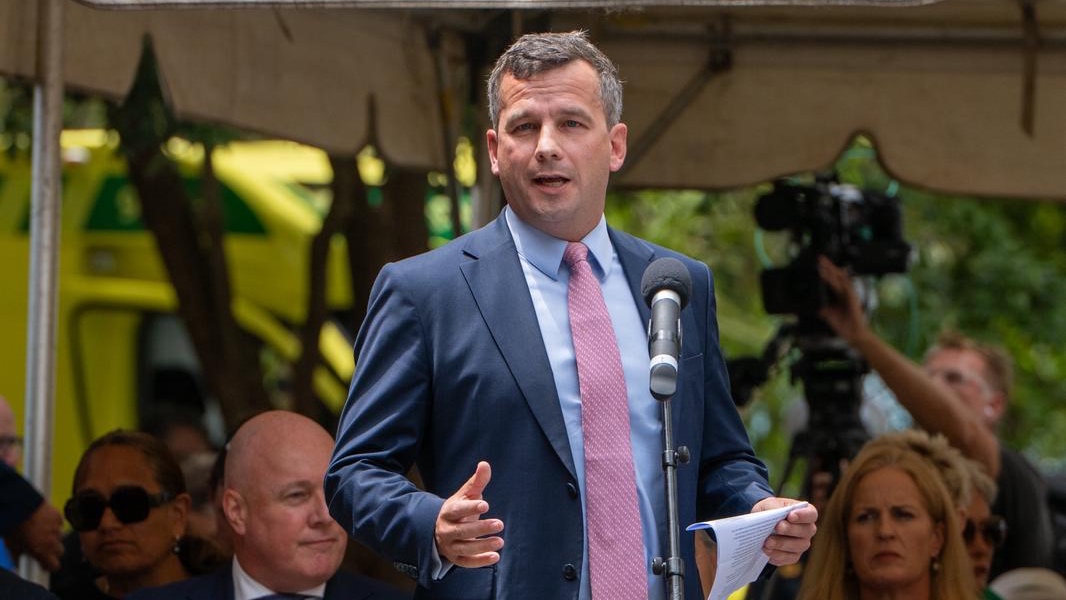
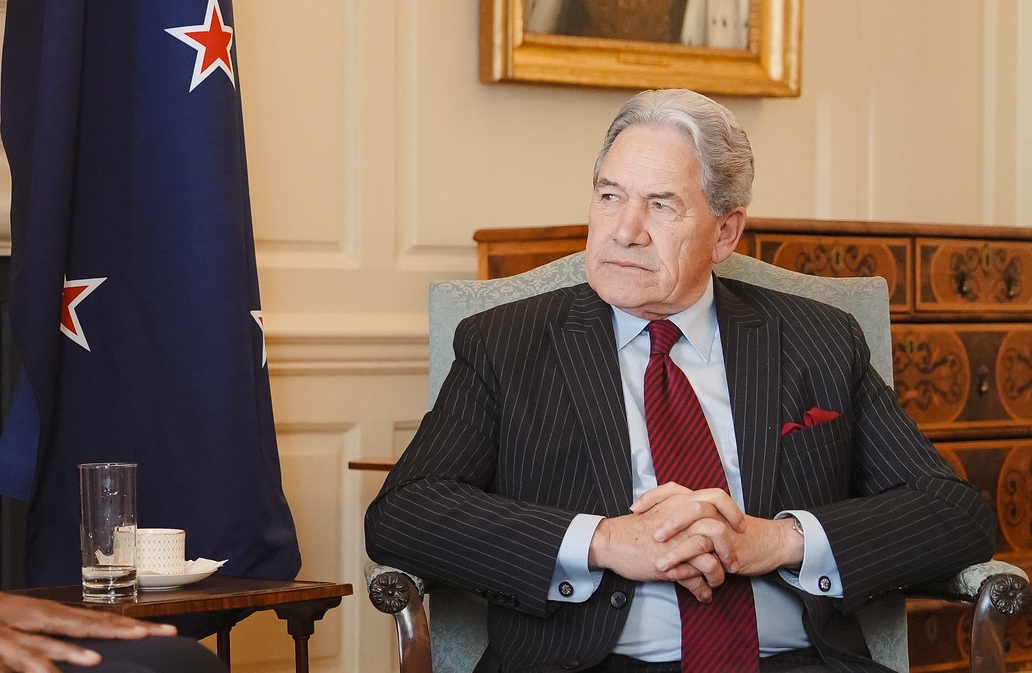
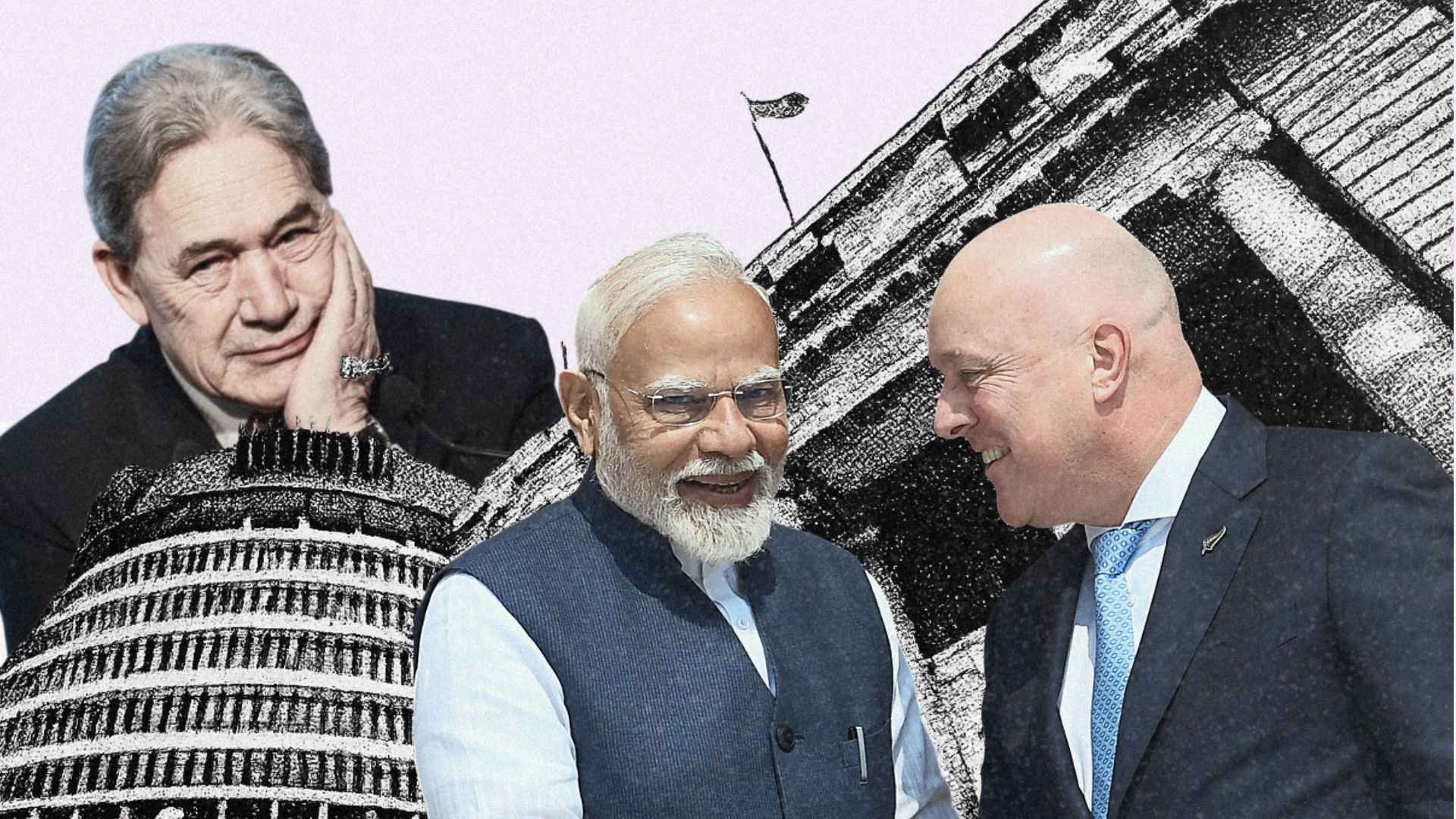
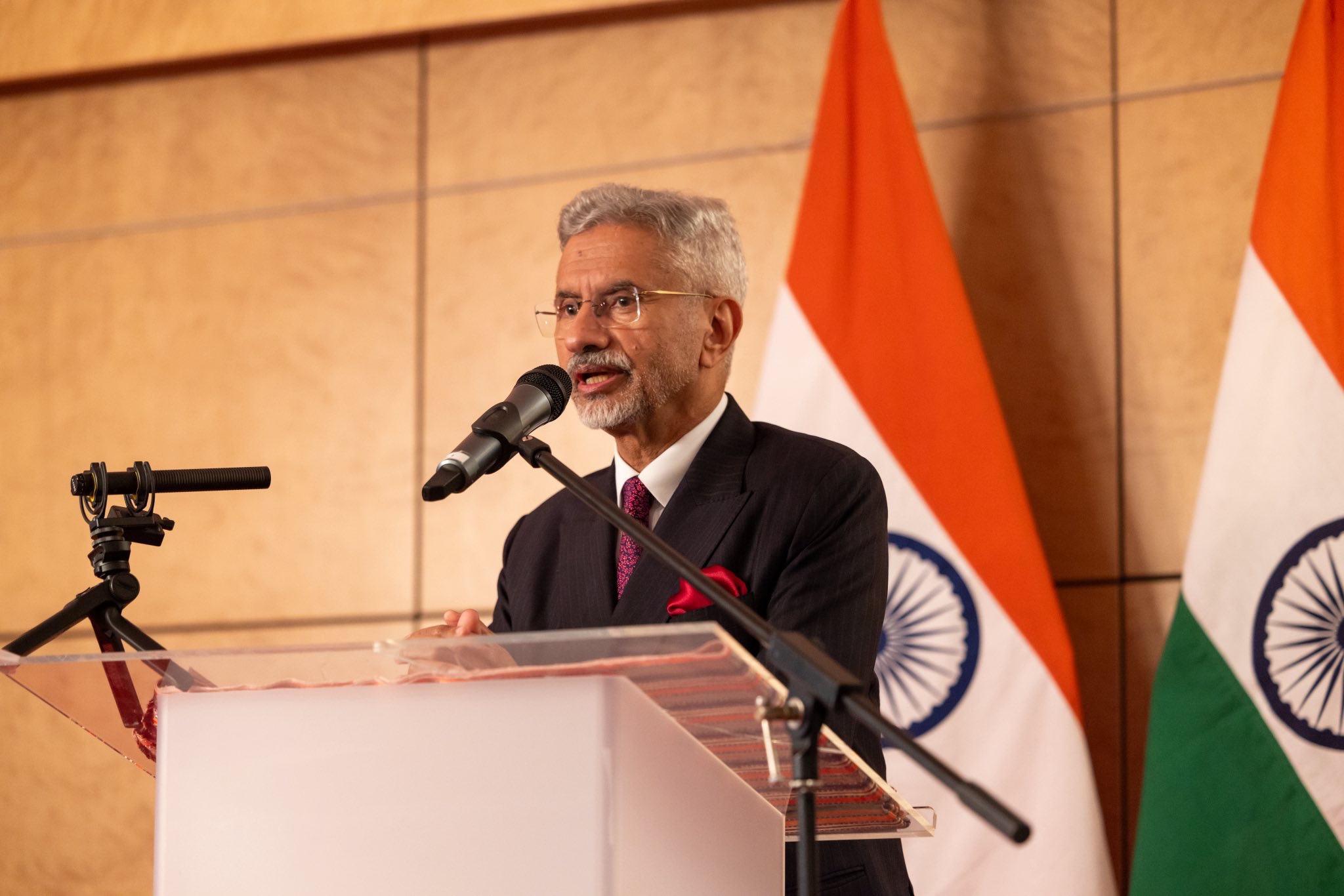
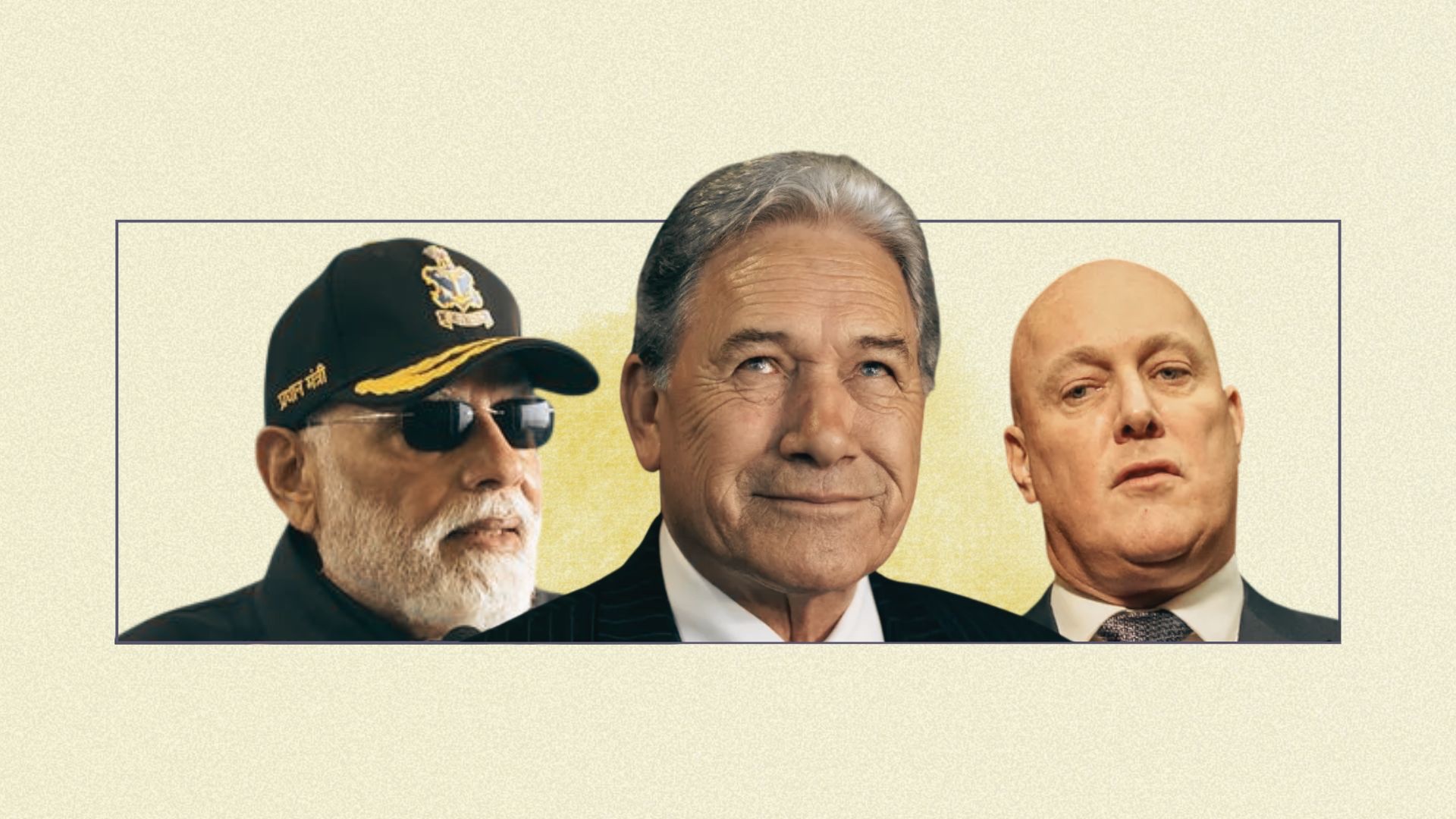
New Zealand First leader Winston Peters. (Dom Thomas/RNZ)
To understand why this is politically significant, it helps to understand what Maori electorates are and why they exist.
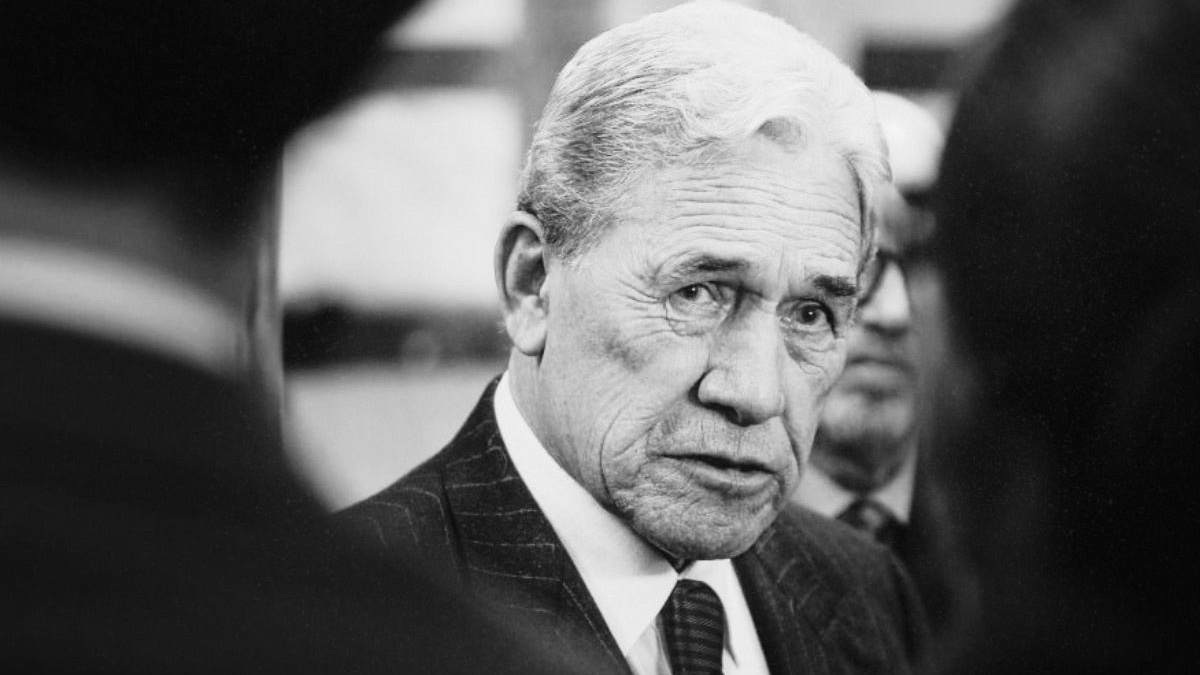
New Zealand First leader Winston Peters announced on Thursday his party will campaign at this year's general election for a referendum on whether to retain Maori seats in Parliament.
"The Royal Commission into the electoral system in 1986 stated that with the implementation of MMP it would create a more representative Parliament and the original justification for separate Māori seats would no longer exist," he posted on X. "This point cannot be ignored."
This is not a sudden election-year flourish. Peters and New Zealand First have long maintained that under MMP the rationale for separate Māori electorates no longer holds. To understand why this is politically significant, it helps to understand what Maori electorates are and why they exist.
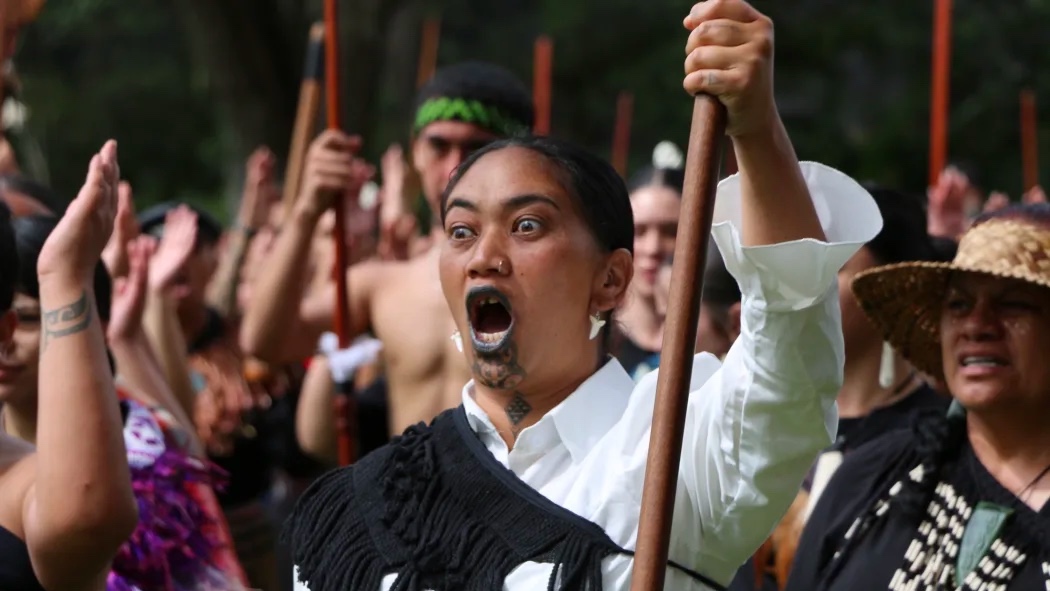
Maori seats date back to 1867, when Parliament created four dedicated Maori electorates to ensure indigenous representation in the political system. They were initially intended to be temporary, but over time became a permanent part of New Zealand’s democracy. For more than a century, the number stayed at four.
That mostly changed in the 1990s when New Zealand adopted the Mixed Member Proportional (MMP) electoral system. Under MMP, every voter has two votes: a party vote, which determines how many seats each party gets in Parliament overall; and an electorate vote, which elects a local MP.
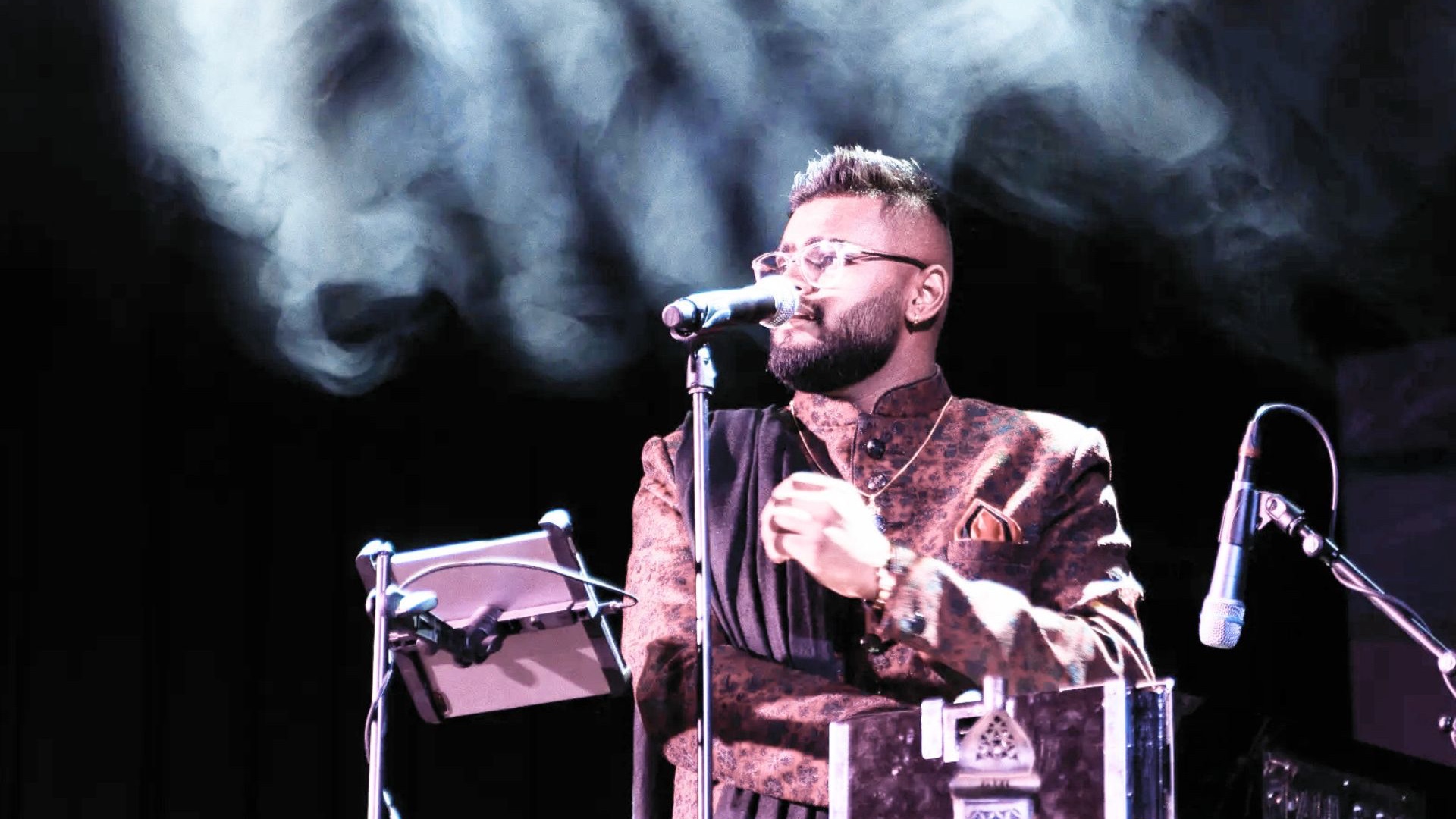
From designing restaurants to running Auckland Diwali: The many lives of Arnav Taode Taode brings his passion for Indian arts and culture to his first year managing BNZ Auckland Diwali 2026.
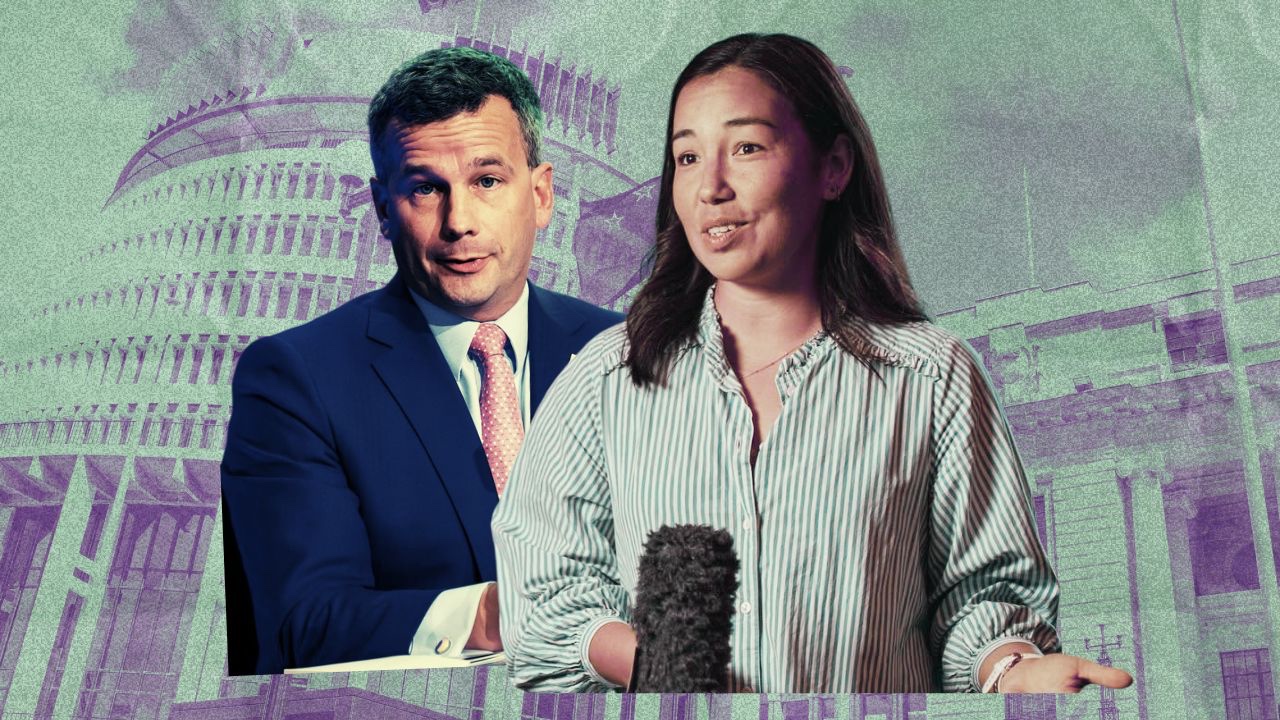
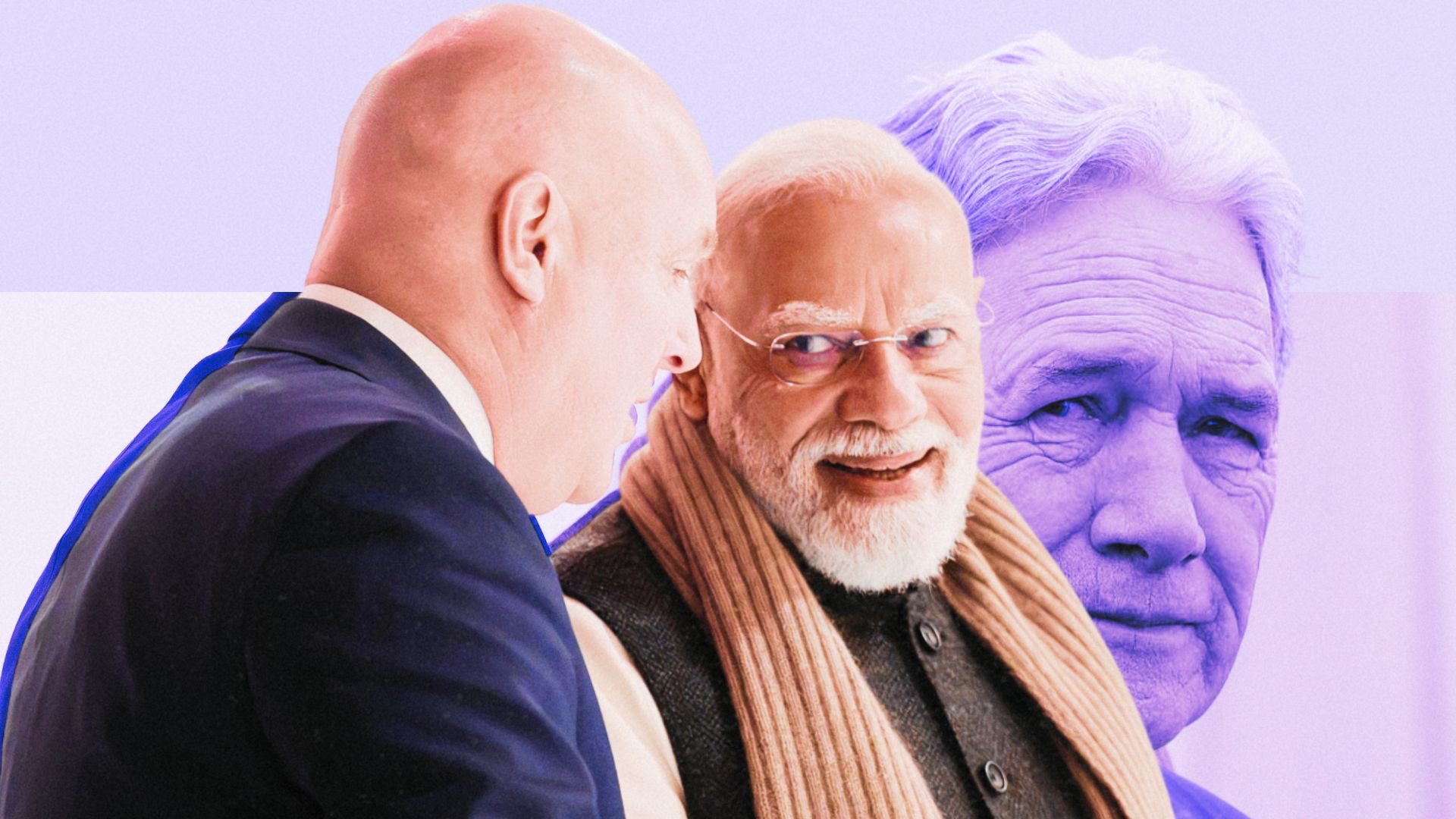
Winston Peters says ‘diversity is disunity’. What does the evidence tell us? Evidence from business, sport and social policy suggests diversity can strengthen economies and cohesion but on one condition.
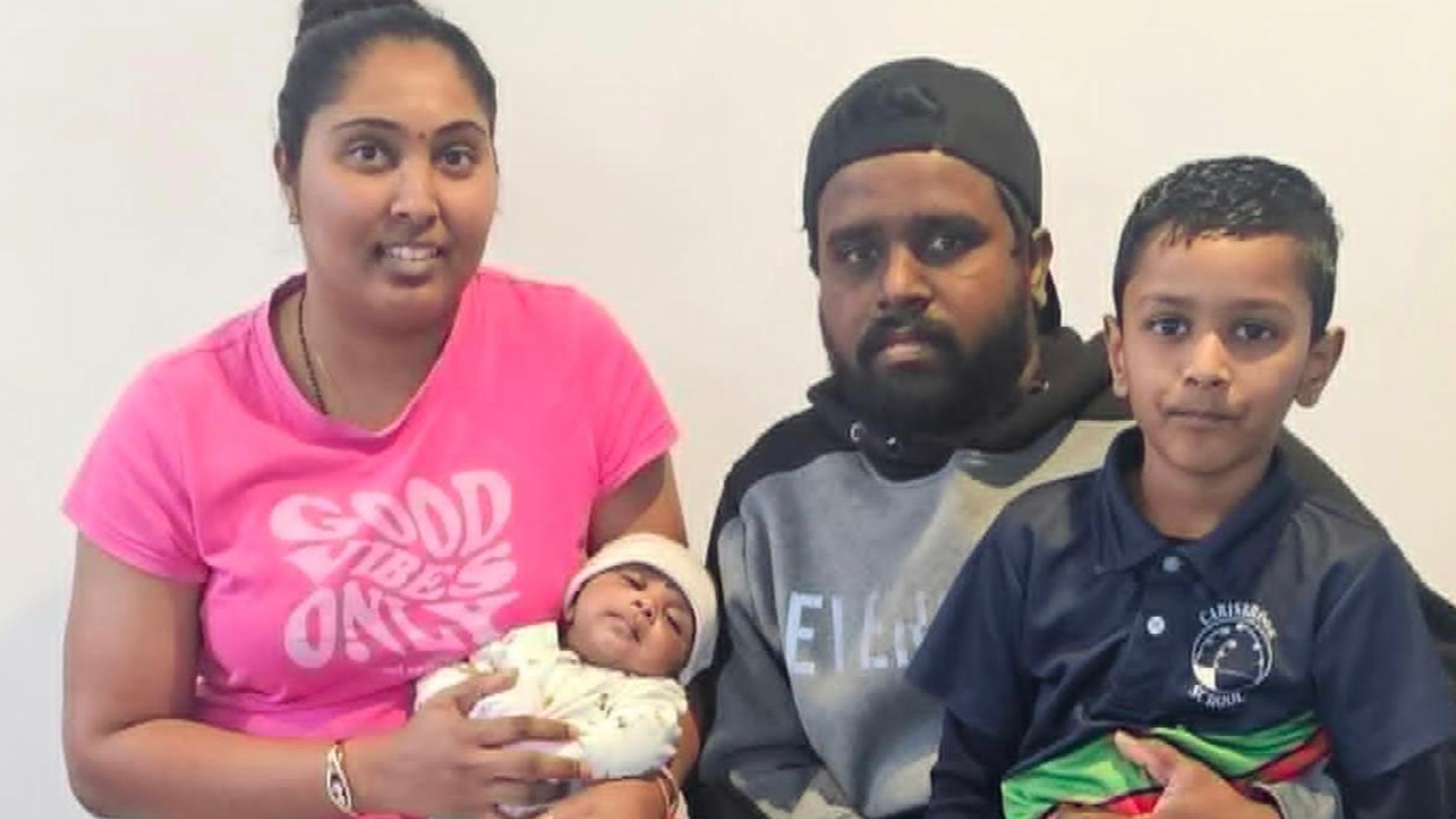
Baby born in Sri Lanka to New Zealand residents caught in limbo after Down syndrome diagnosis Immigration tribunal orders fresh residence assessment after finding a “serious mistake” by immigration officials.
People of Maori descent have a choice. They can enroll on either the general roll and vote in a standard geographic electorate, or the Māori roll that allows them to vote in a Maori electorate. The number of Maori electorates is tied to how many voters choose the Māori roll. Today, about 300,000 New Zealanders are on the Maori roll, which proportionally translates to seven Maori electorates.
These Maori electorates cover the whole country in overlapping layers. If you are on the Maori roll, you vote in one of those seven seats instead of your local general electorate. Your party vote, however, works exactly the same as everyone else’s.
This structure is at the heart of the current debate. NZ First argues the original reason for Maori seats no longer applies in a modern proportional system. "Between 1854 and 1978 there were only four Māori who held a general seat," he said on Thursday. "But since the introduction of MMP that number has massively increased to now be an over-representation."
His case rests on a few main arguments. First, that MMP already ensures proportional representation. Second, that Maori candidates can and do win general electorates and party list positions. Third, that Maori representation in Parliament today is often higher than Maori share of the overall population.
In short, he argues that guaranteed Māori electorates are now redundant and that the public should decide their future through a referendum. Supporters of Maori seats see the issue differently.
They argue that representation is not just about numbers. The Maori roll represents a deliberate choice made by hundreds of thousands of voters. By opting for the Maori roll, these voters are choosing to participate in a system that guarantees Maori-specific electoral representation. The seats, in this view, are not merely a demographic device but a constitutional feature recognising indigenous political voice.
The disagreement is less about whether Maori can get elected (they clearly can under MMP) and more about how representation should be structured. Should it be entirely integrated within one universal electoral system? Or should there be a distinct, guaranteed pathway for indigenous representation?
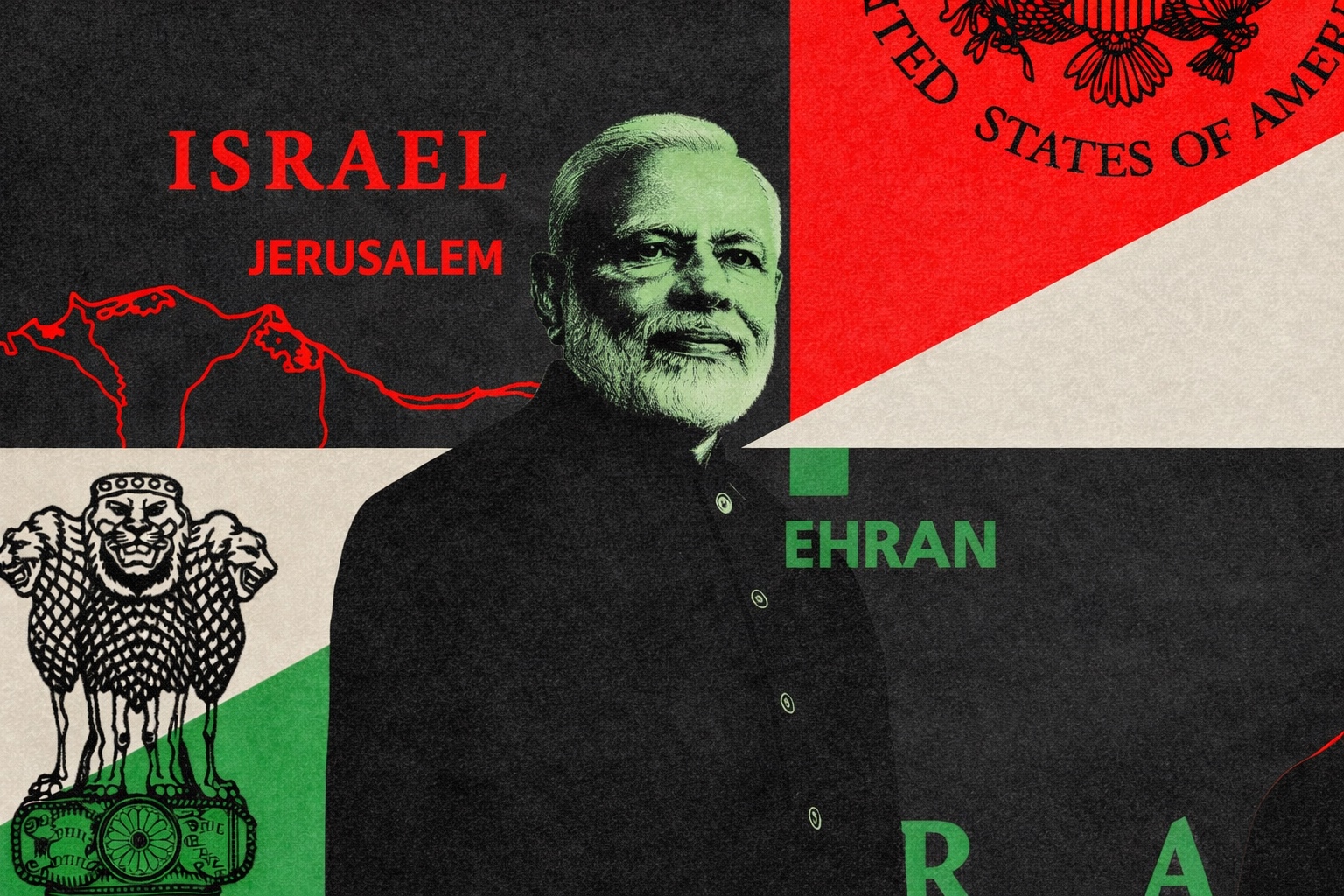
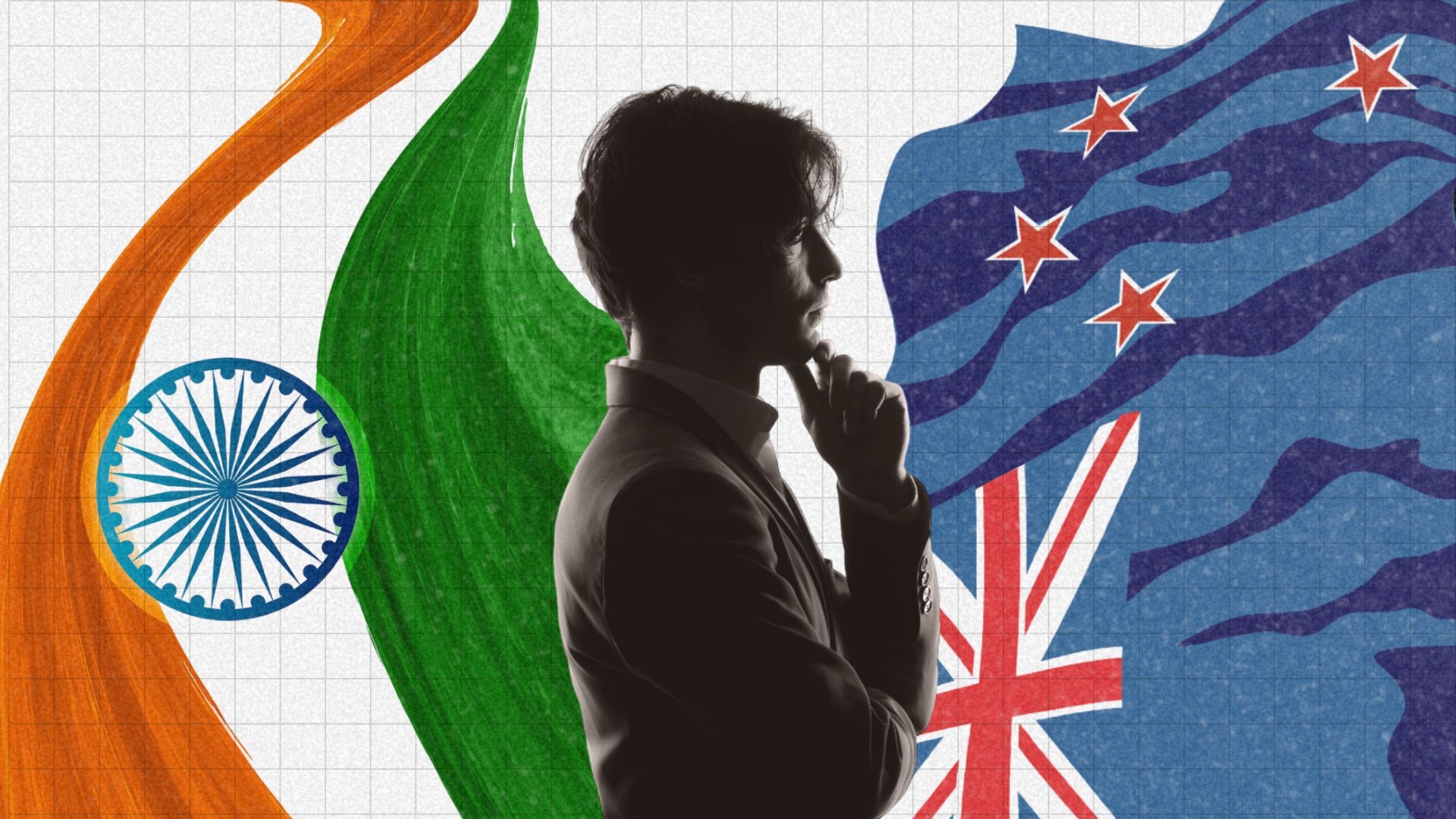
A loose comparison might be India’s reserved constituencies for Scheduled Castes and Scheduled Tribes. The debate is not whether candidates from those communities can win elections in general seats. It is whether structural guarantees remain necessary to ensure representation.
That is the question Peters is reopening. Whether his proposal gains traction will depend on how voters interpret Maori electorates: as a necessary protection in a diverse democracy, or as a legacy arrangement that no longer fits a modern proportional system.
Either way, the issue goes beyond electoral mechanics. It touches on how New Zealand understands equality, identity and the place of its indigenous people in Parliament.