
Immigration, Te Tiriti, climate: The reason we can't seem to agree on anything
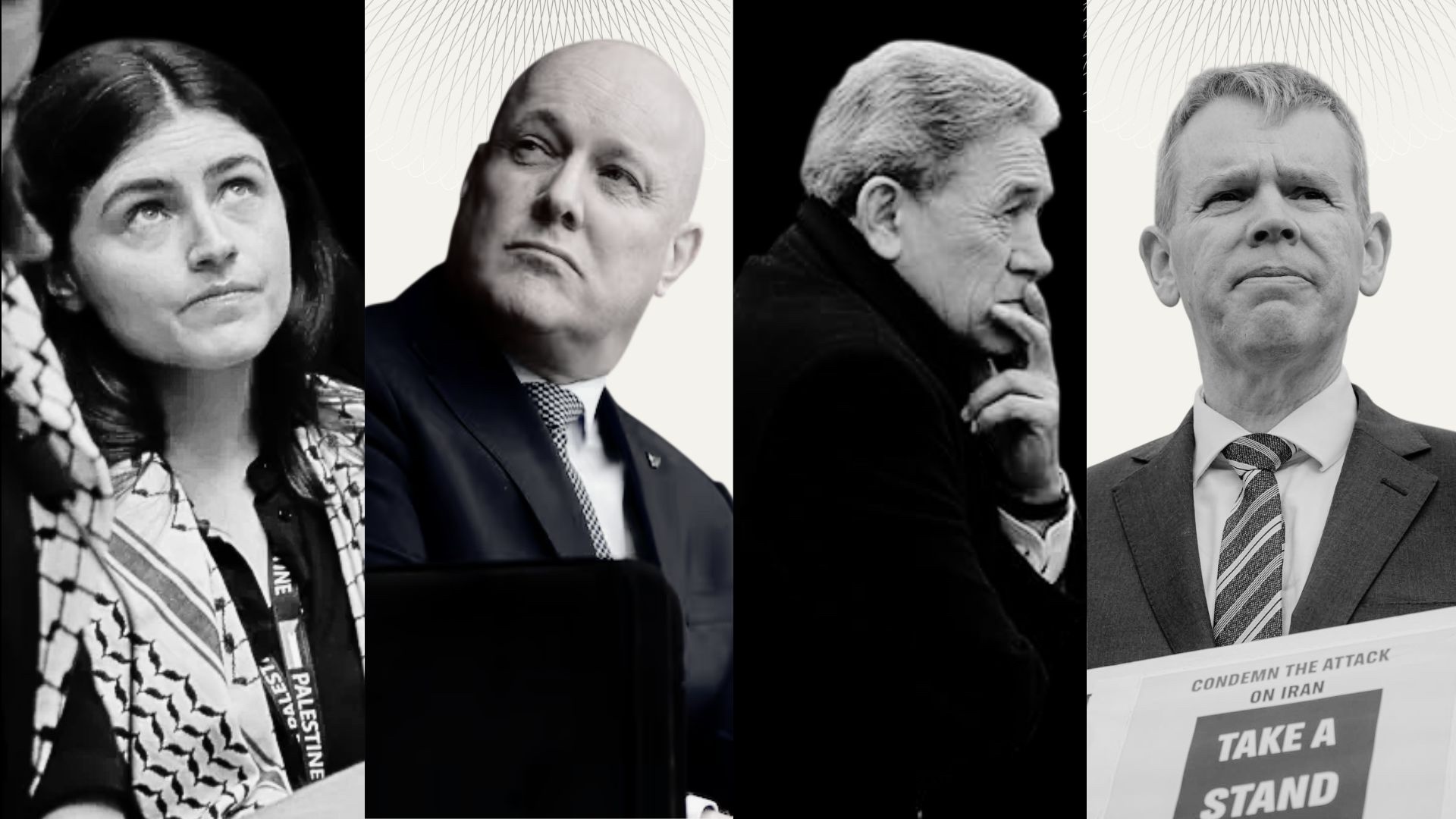
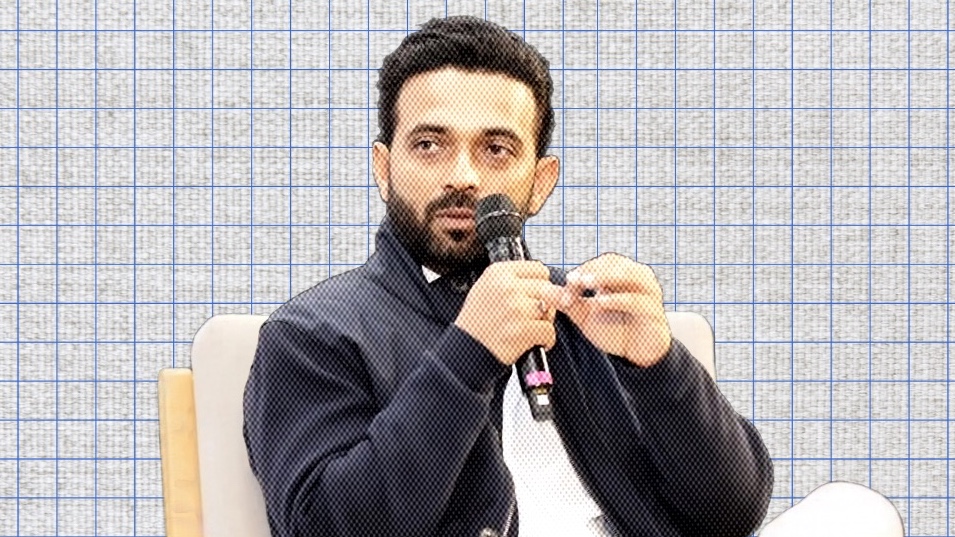
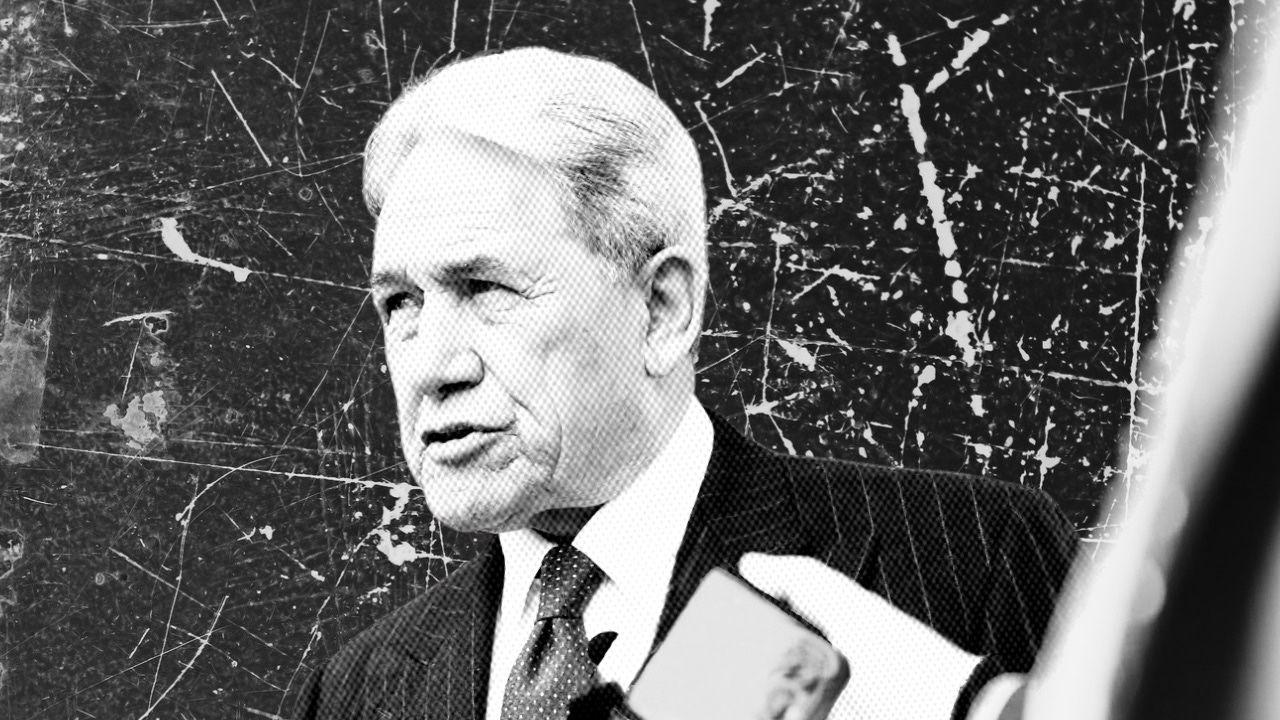
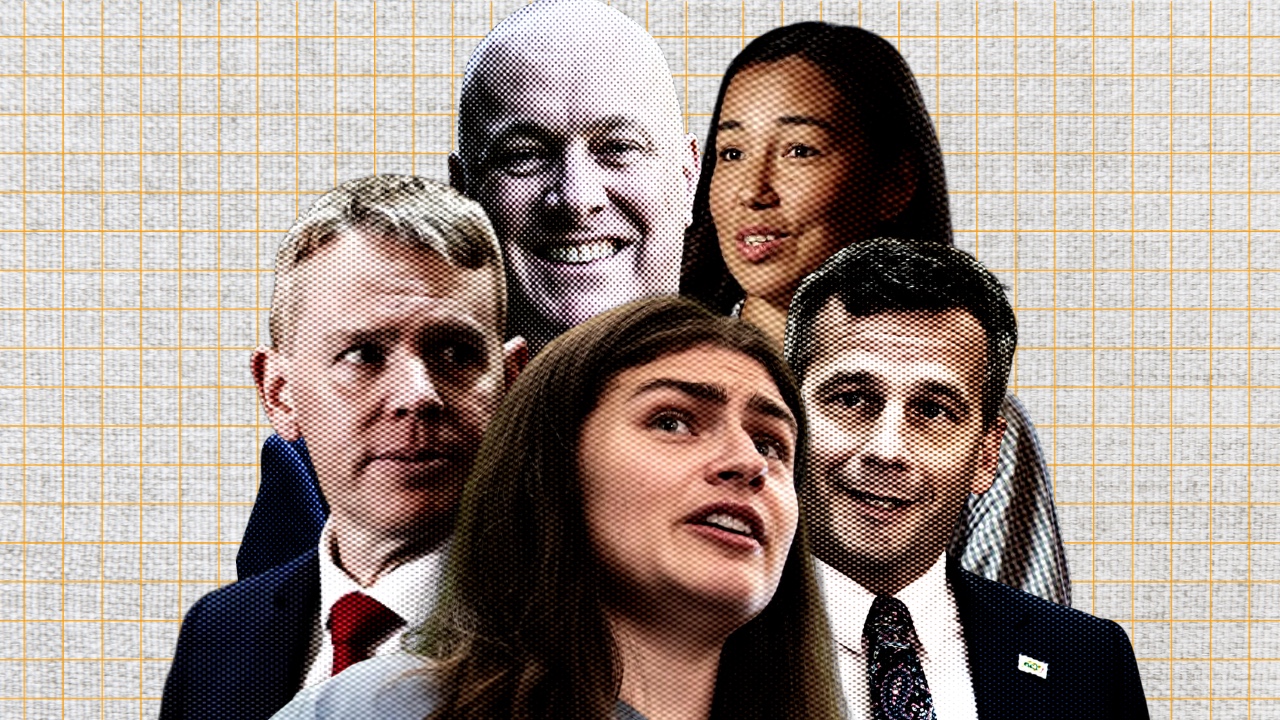
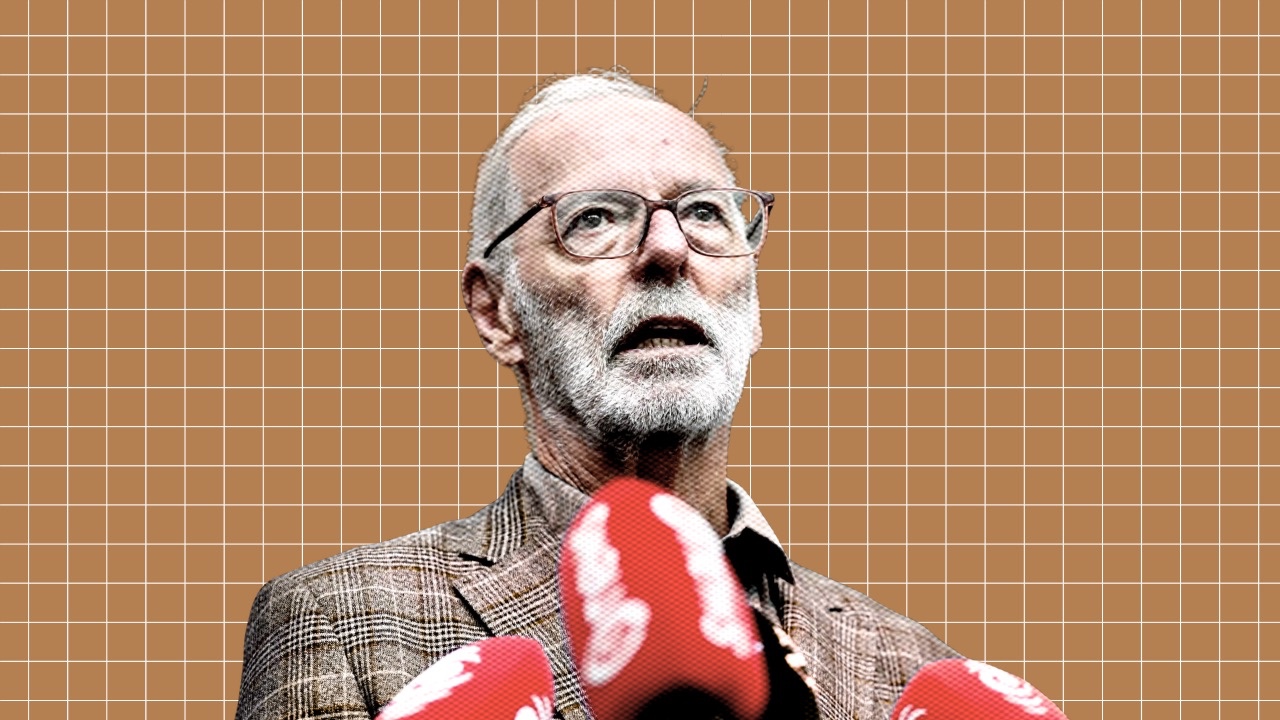
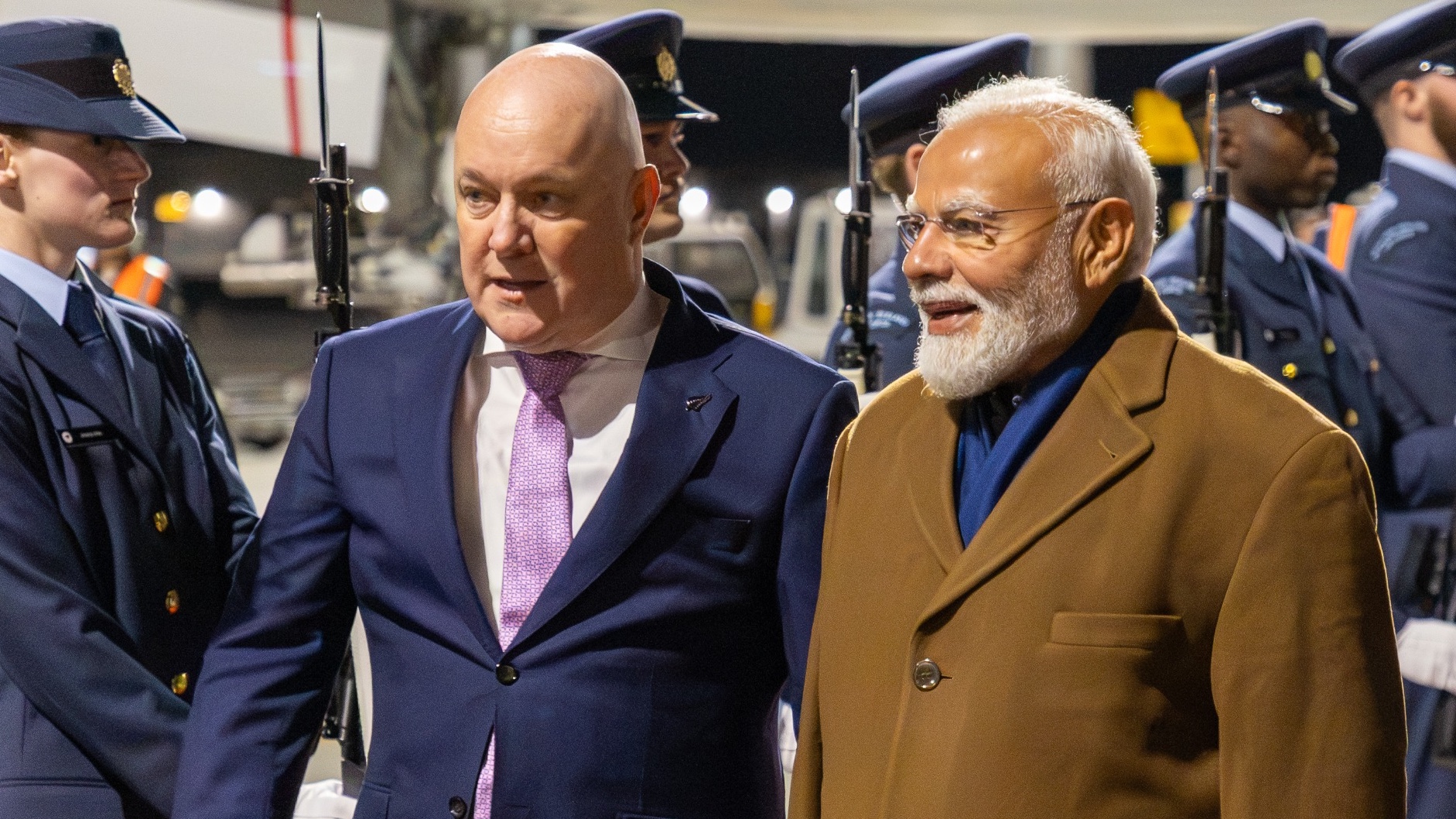
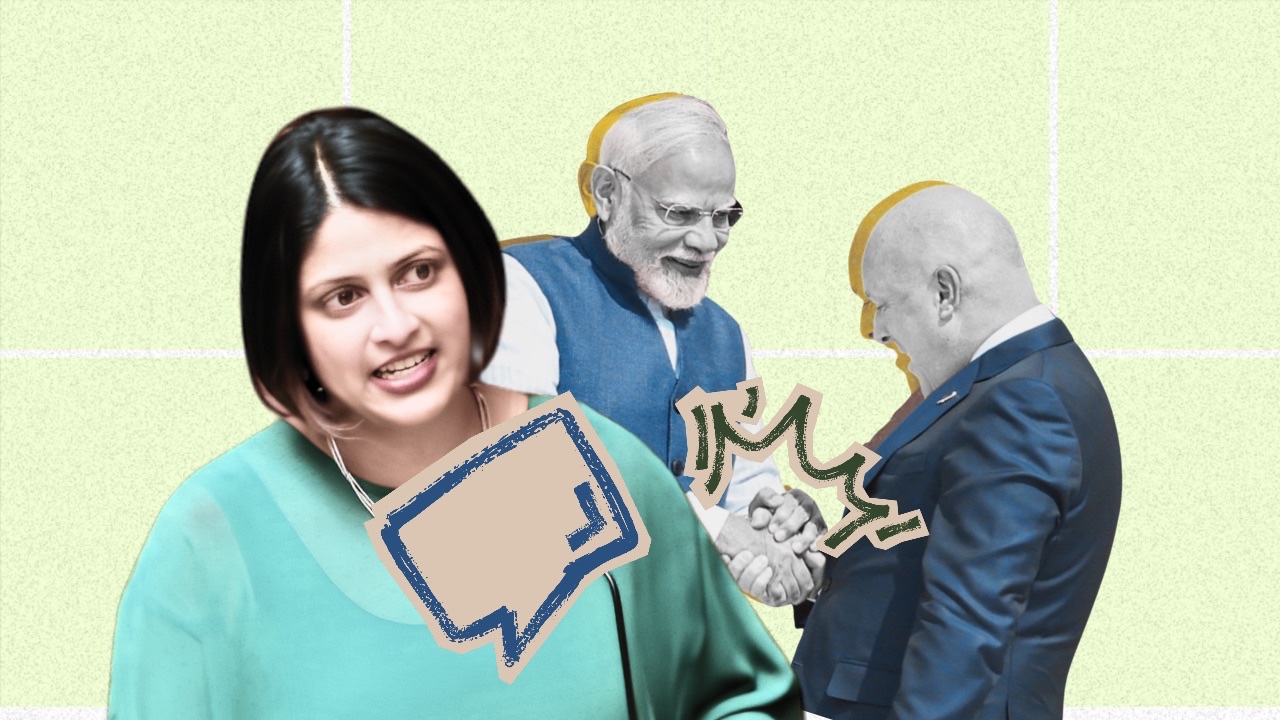
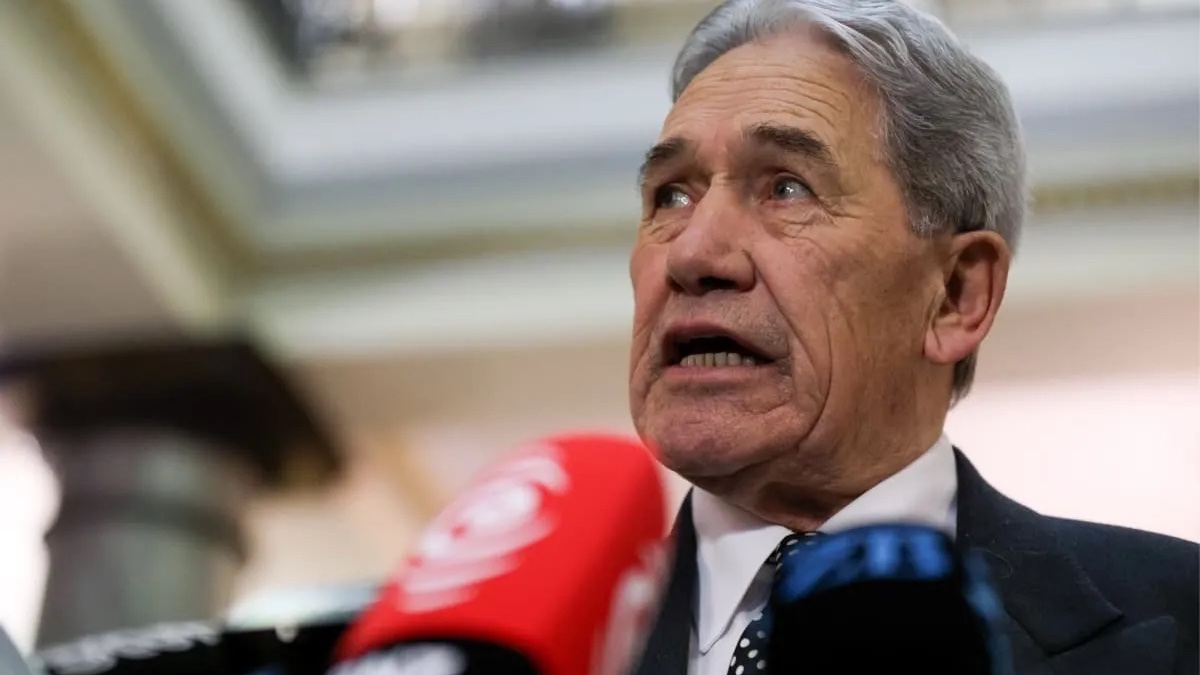
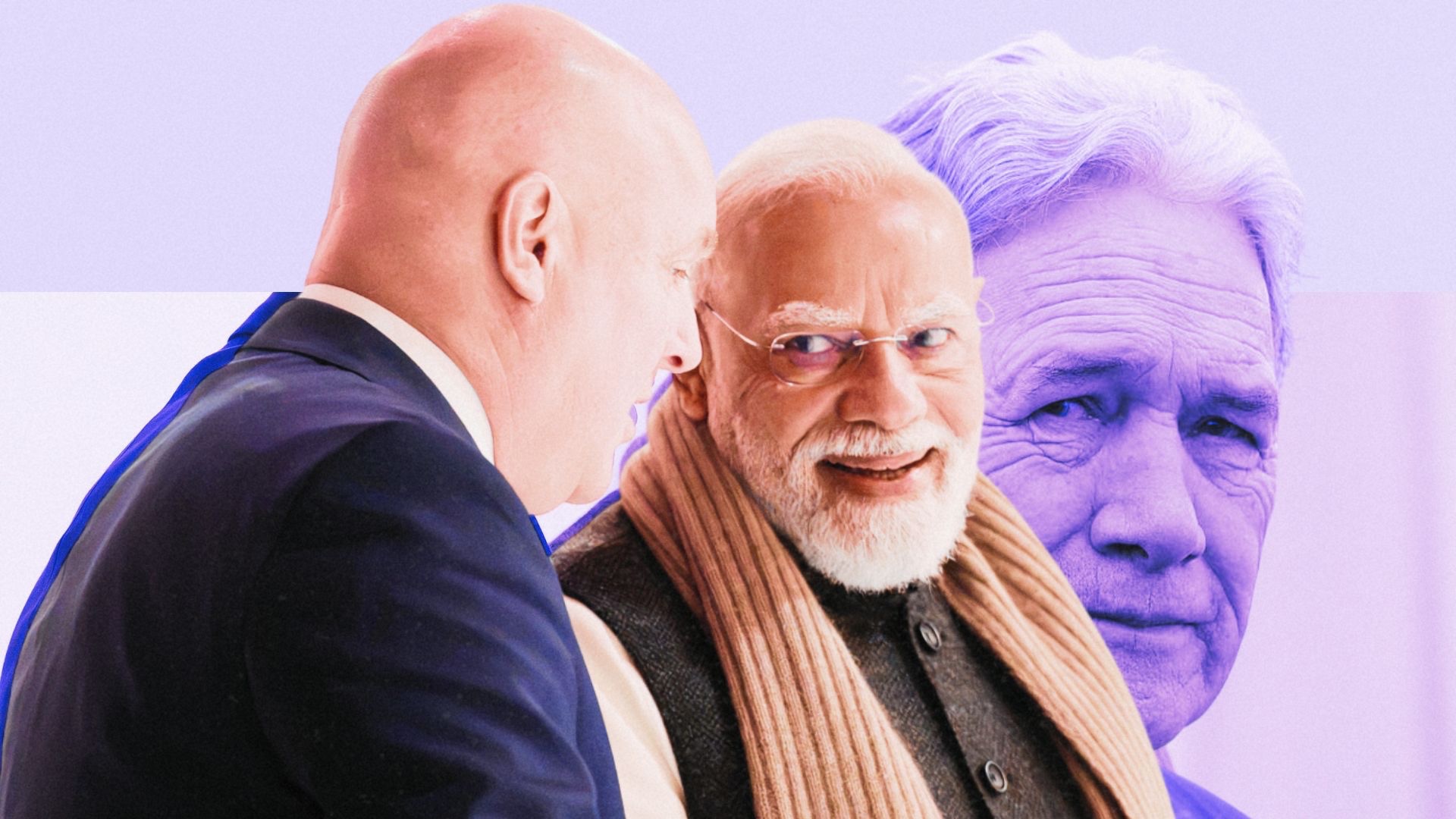
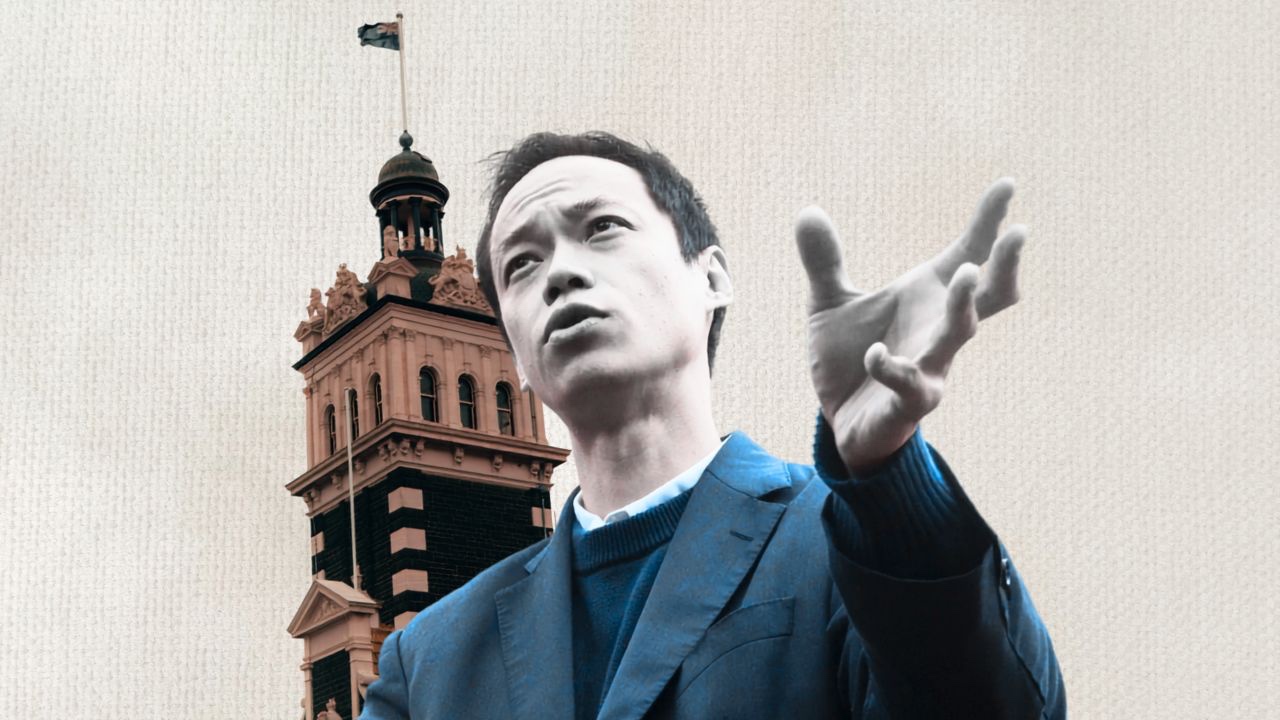
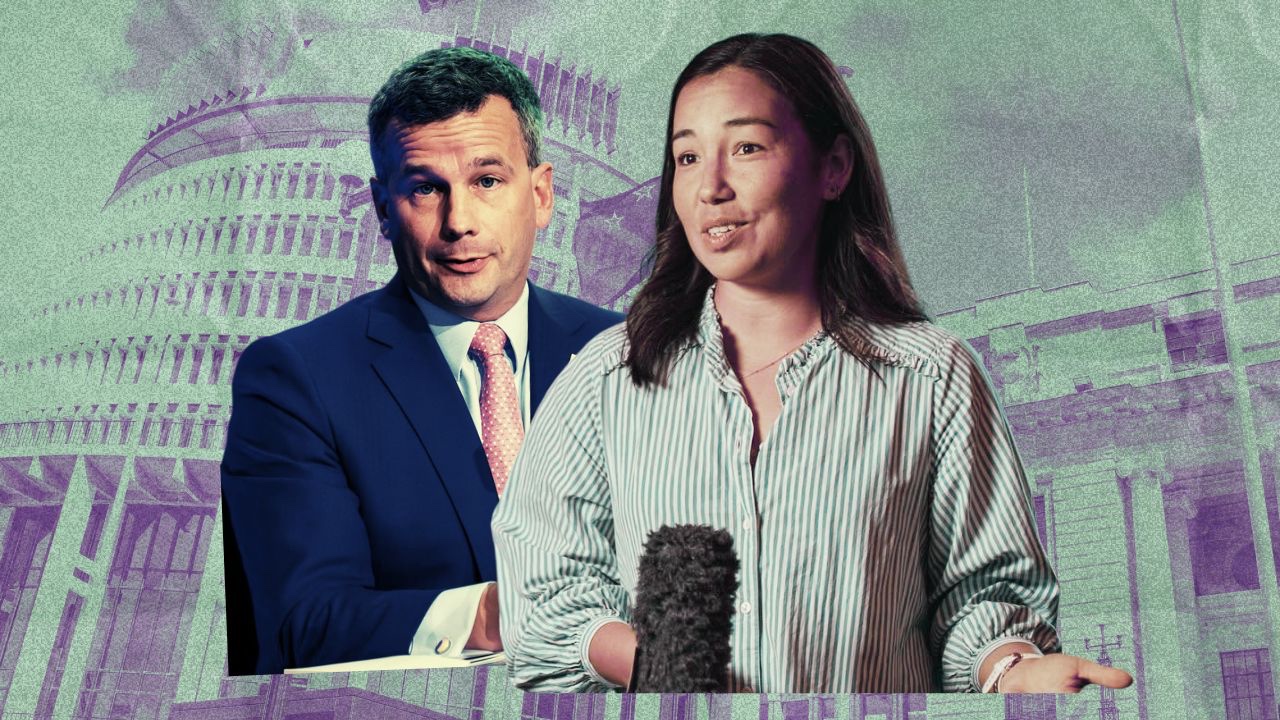
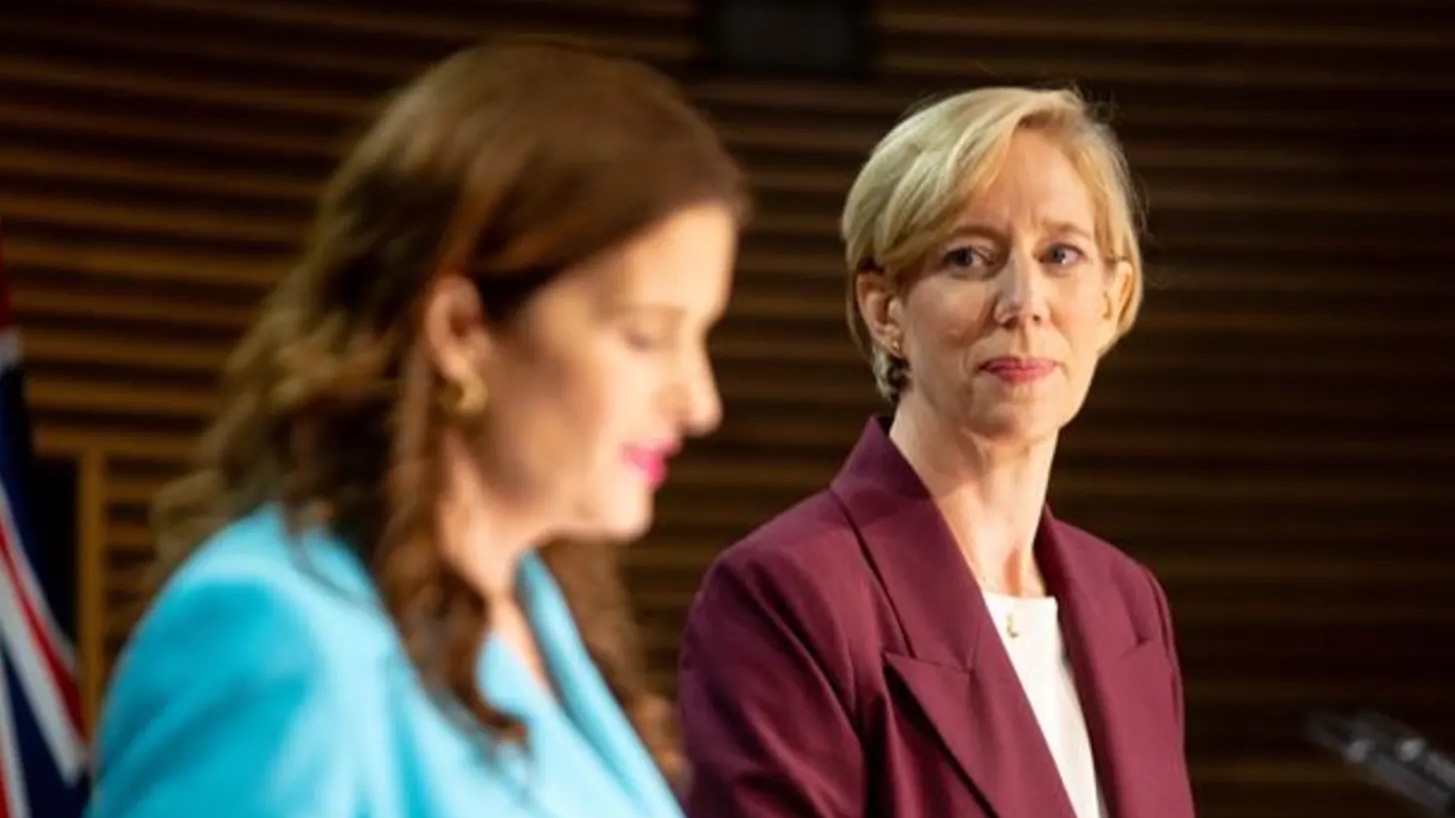
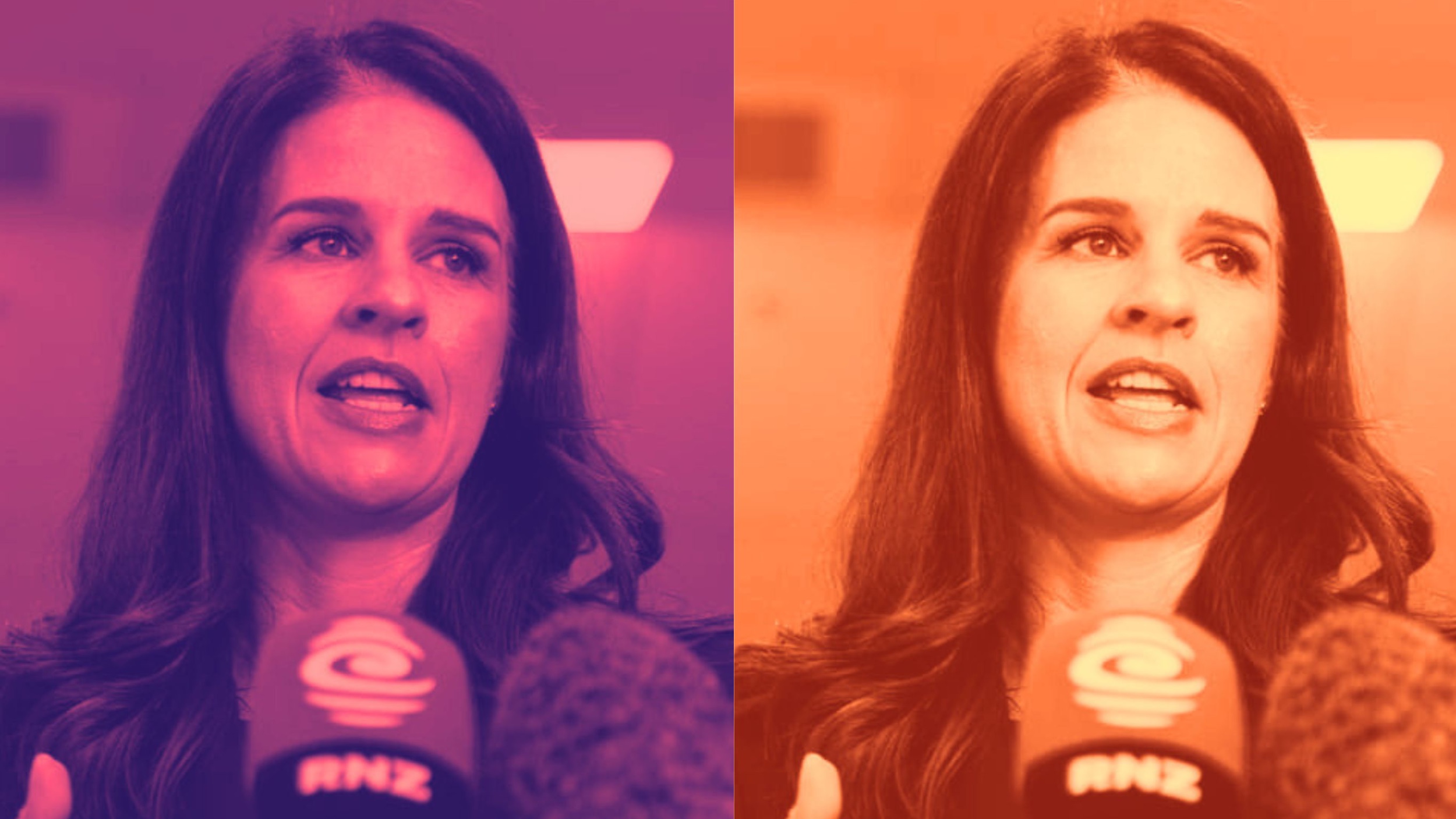
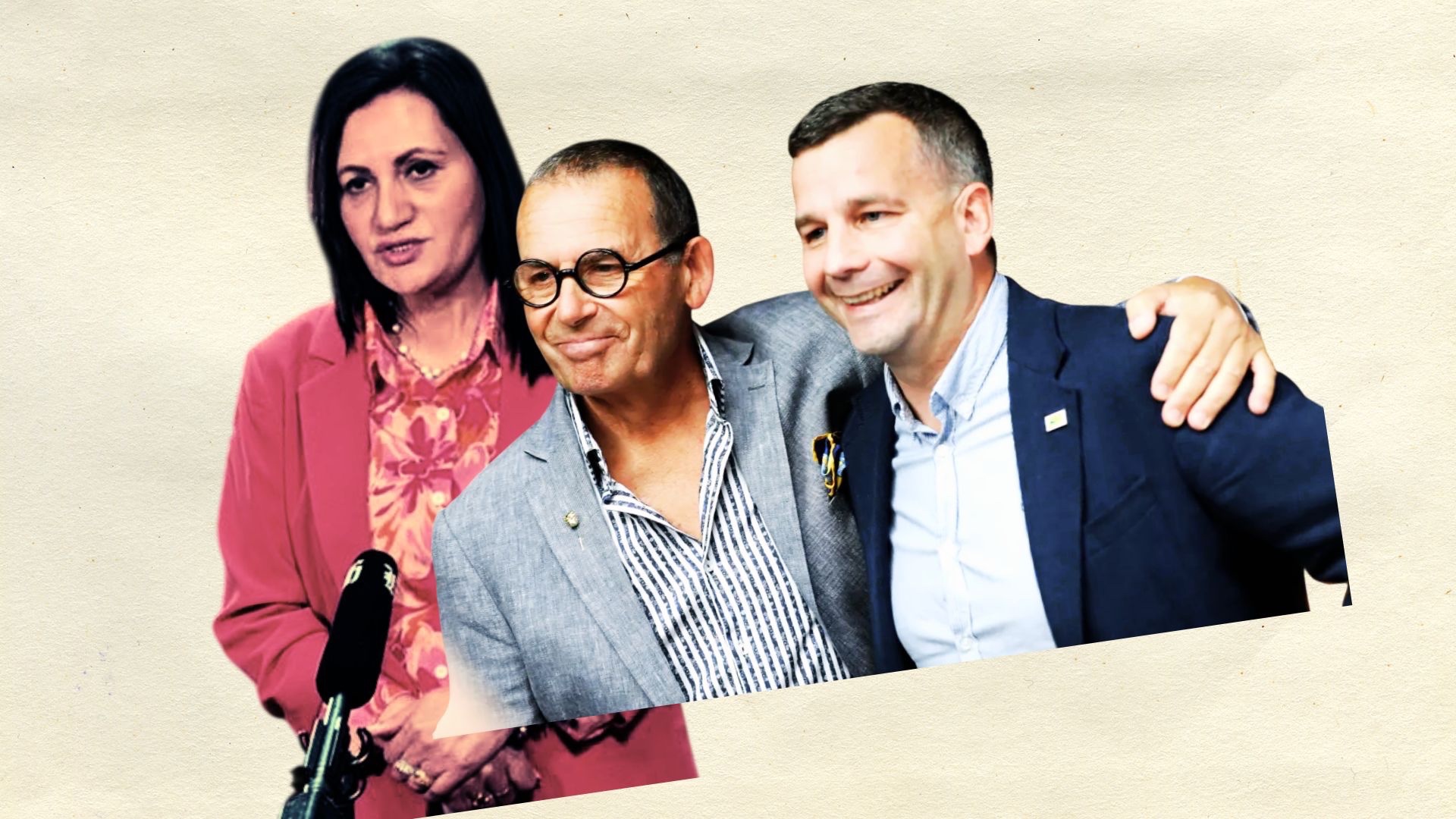
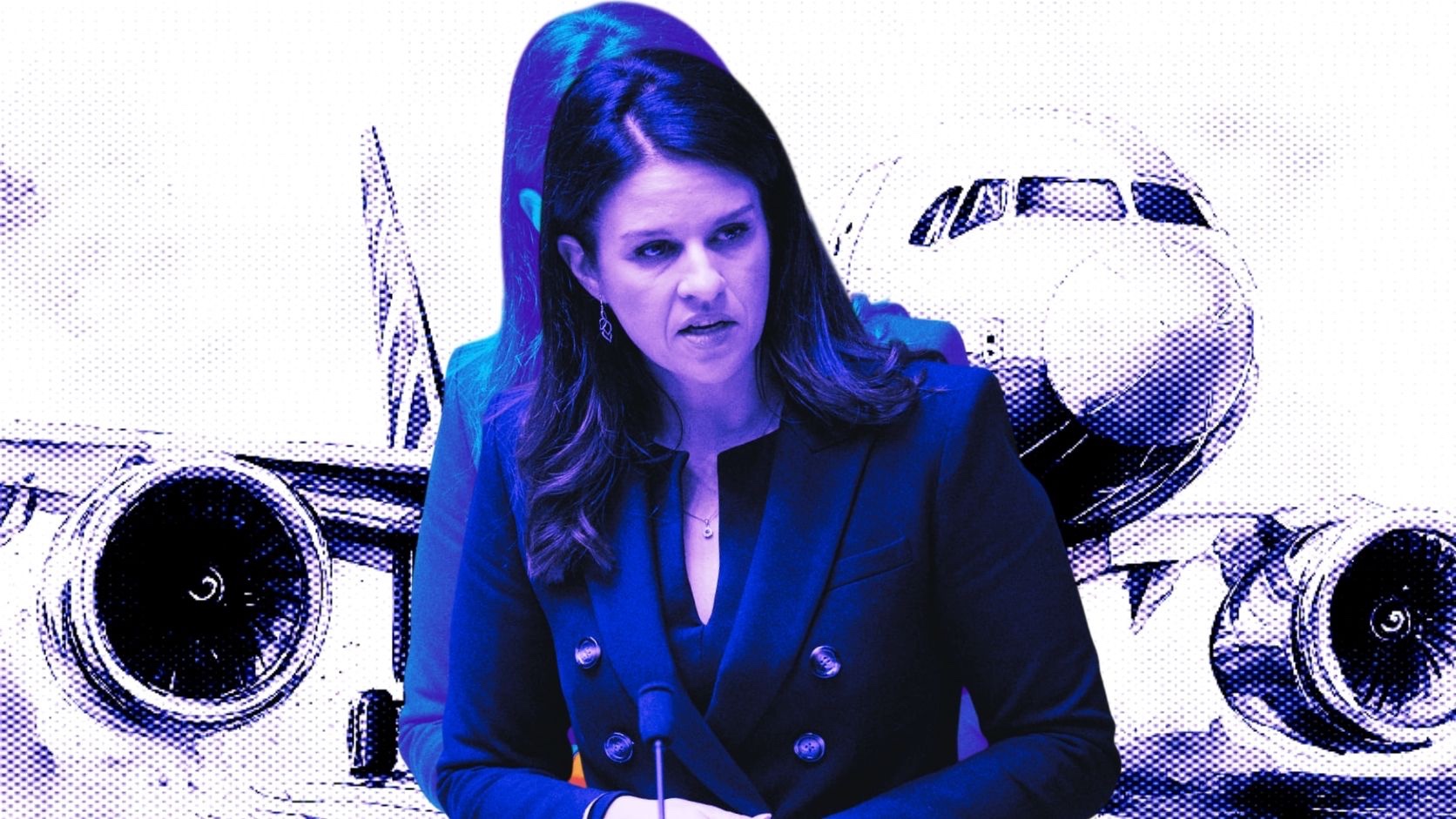
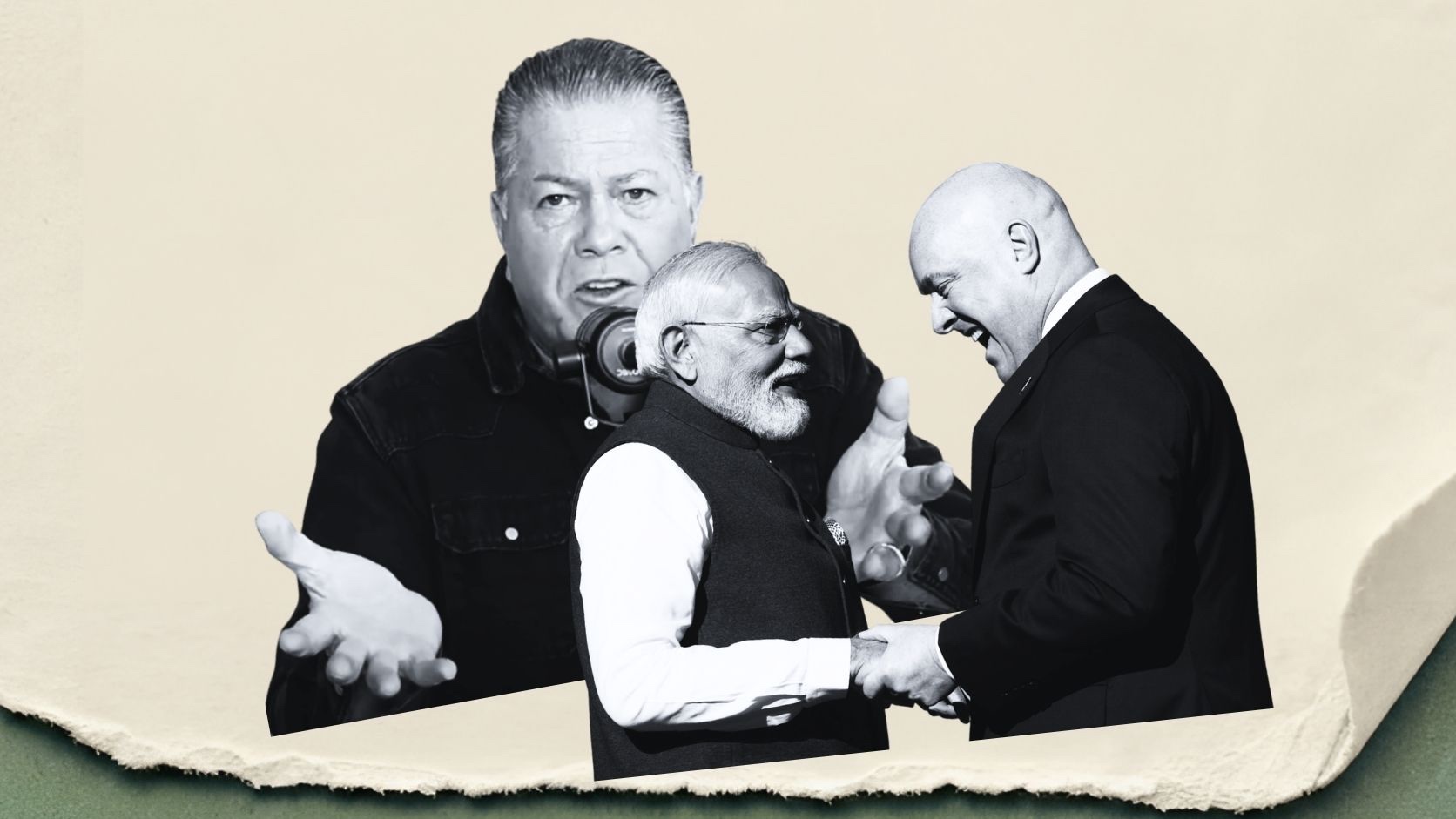
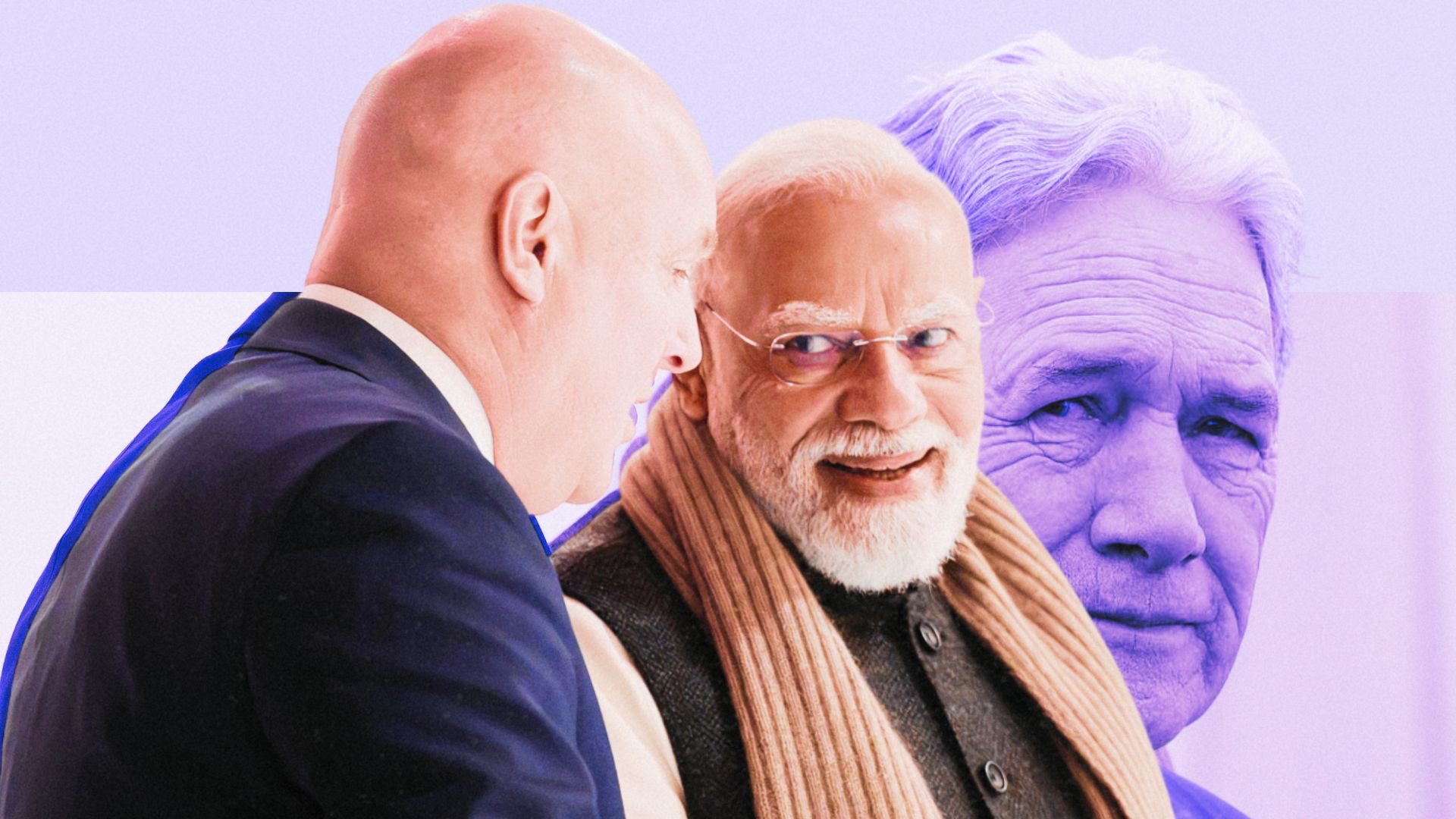
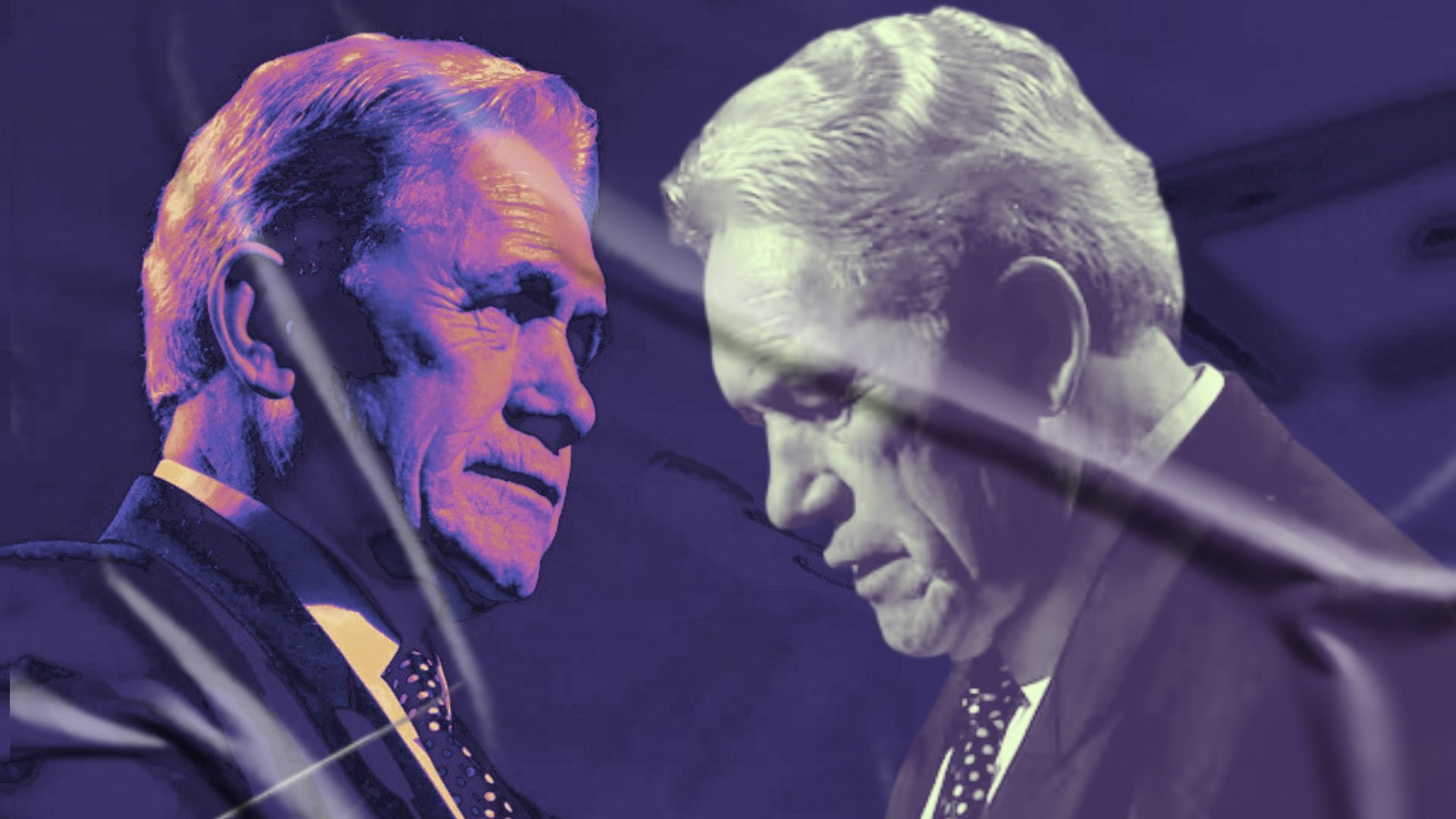
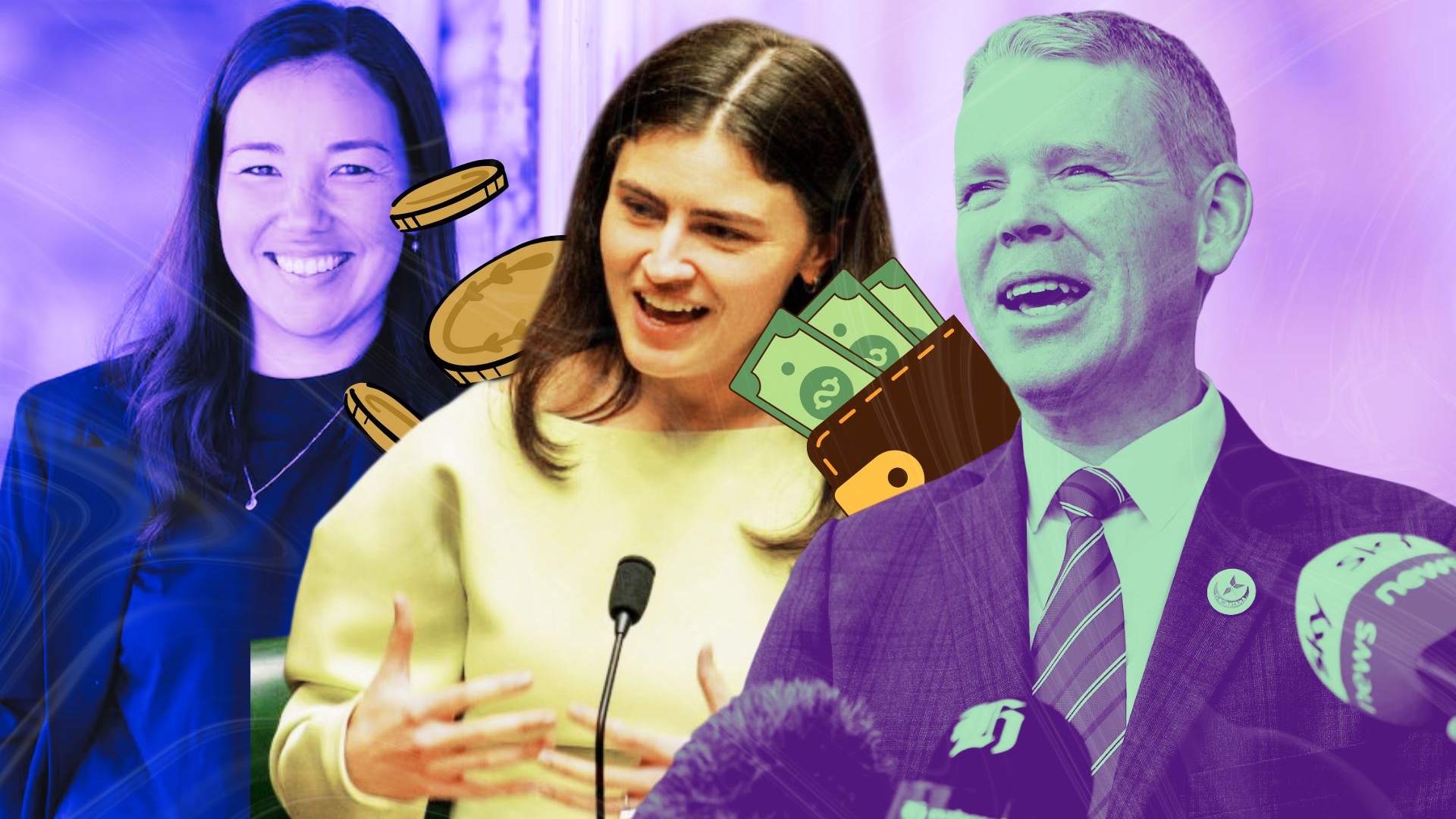
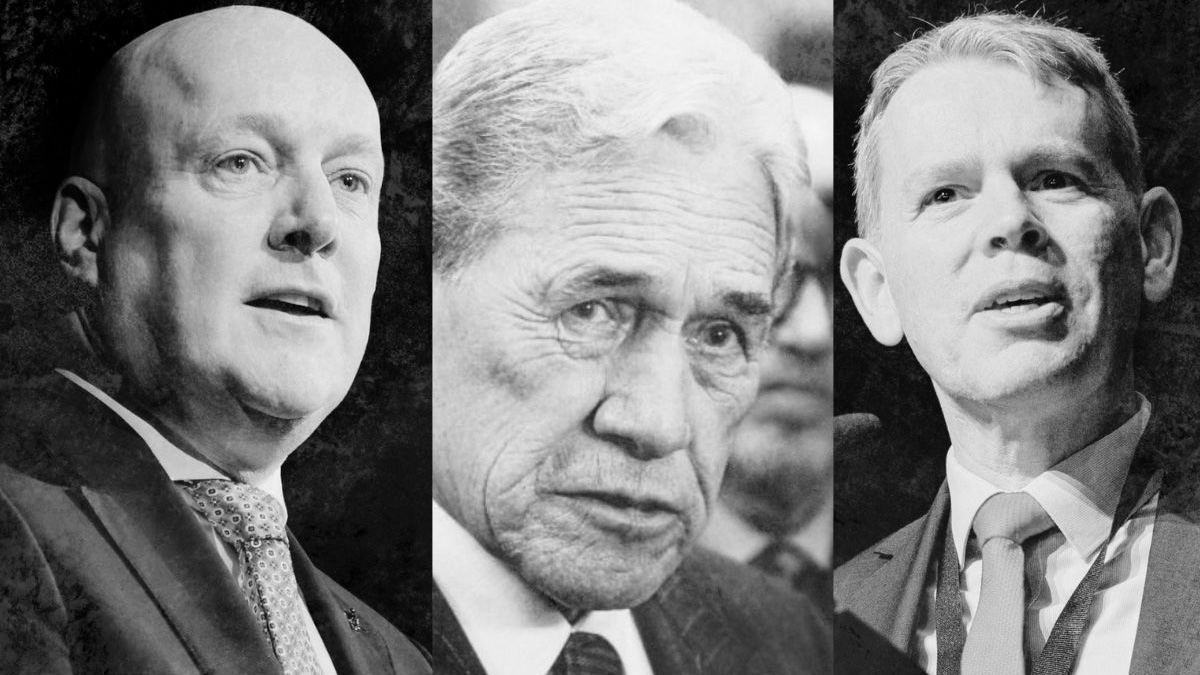
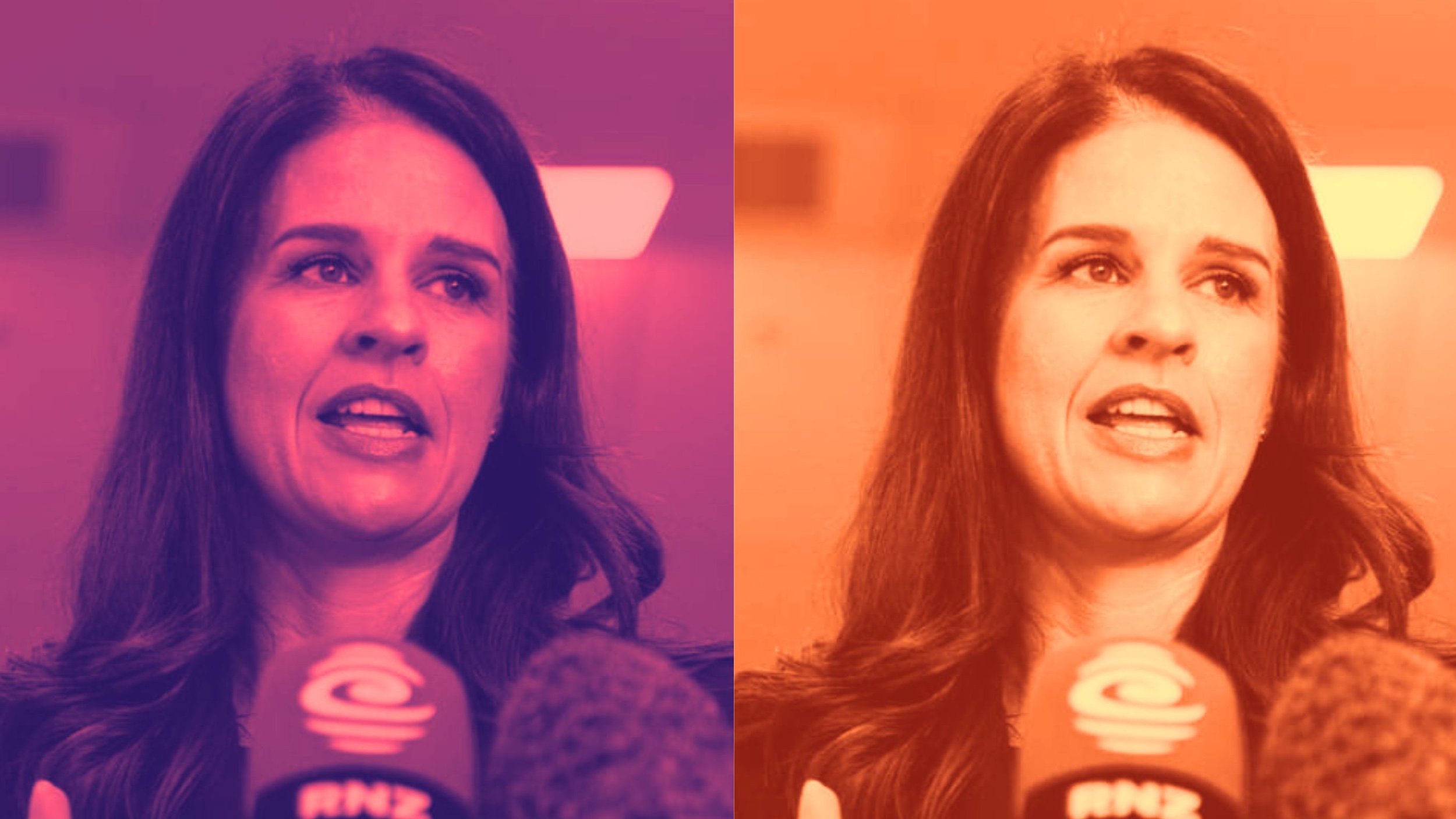
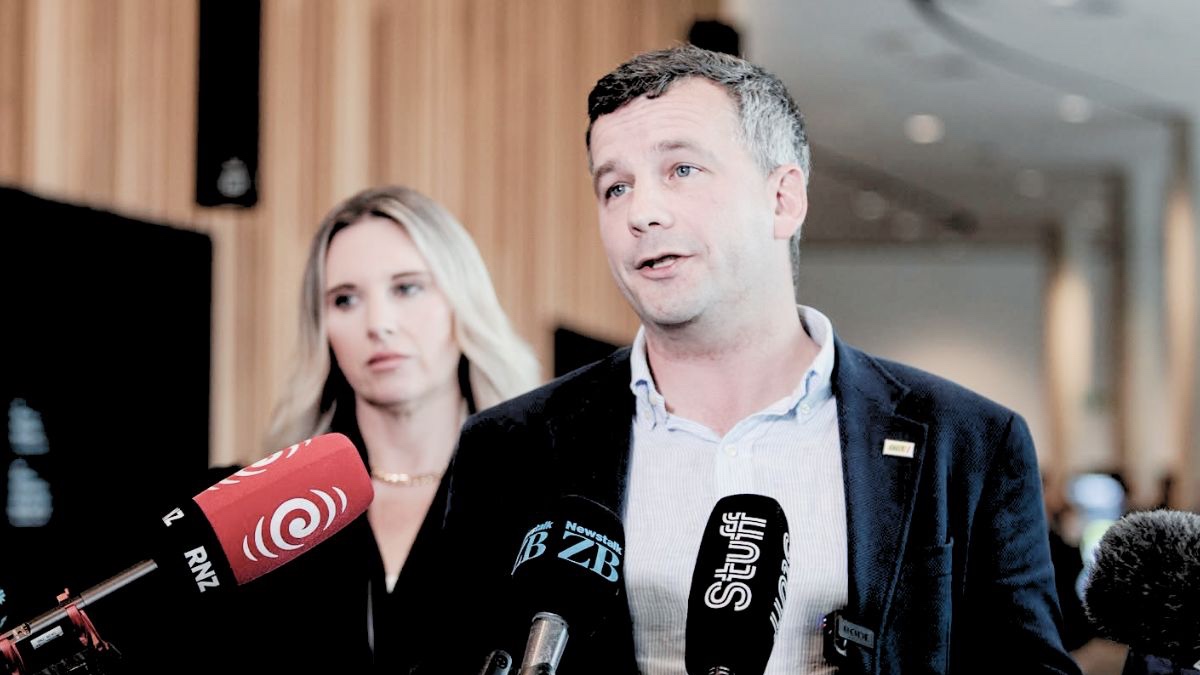
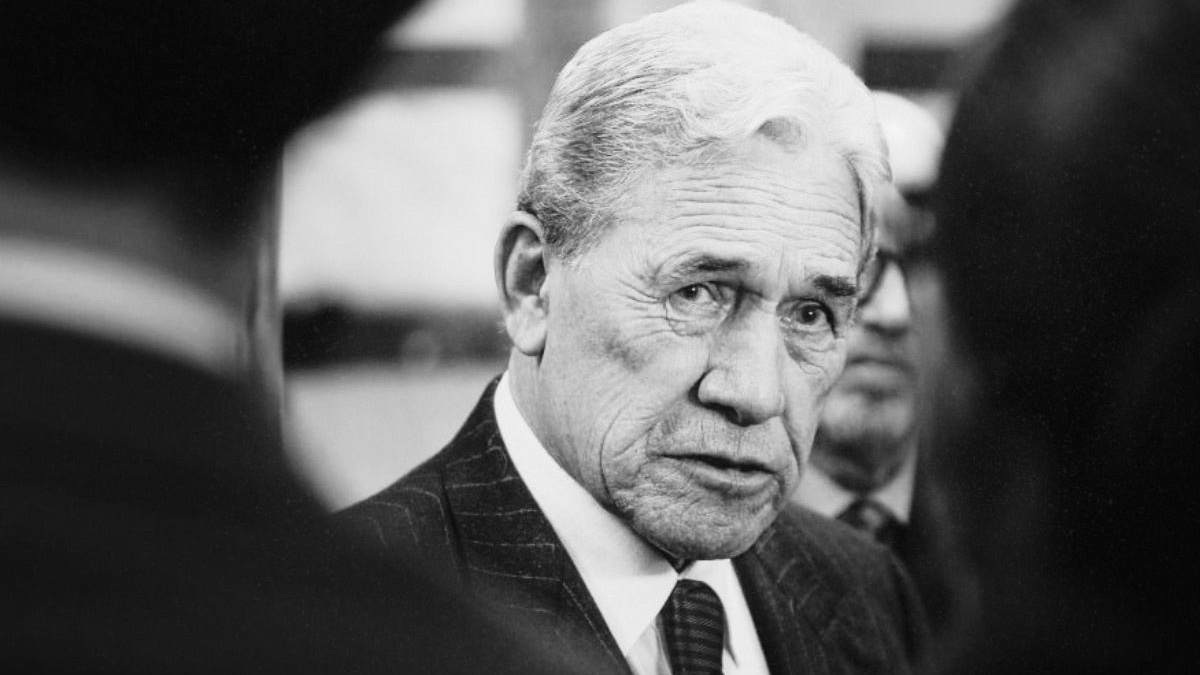
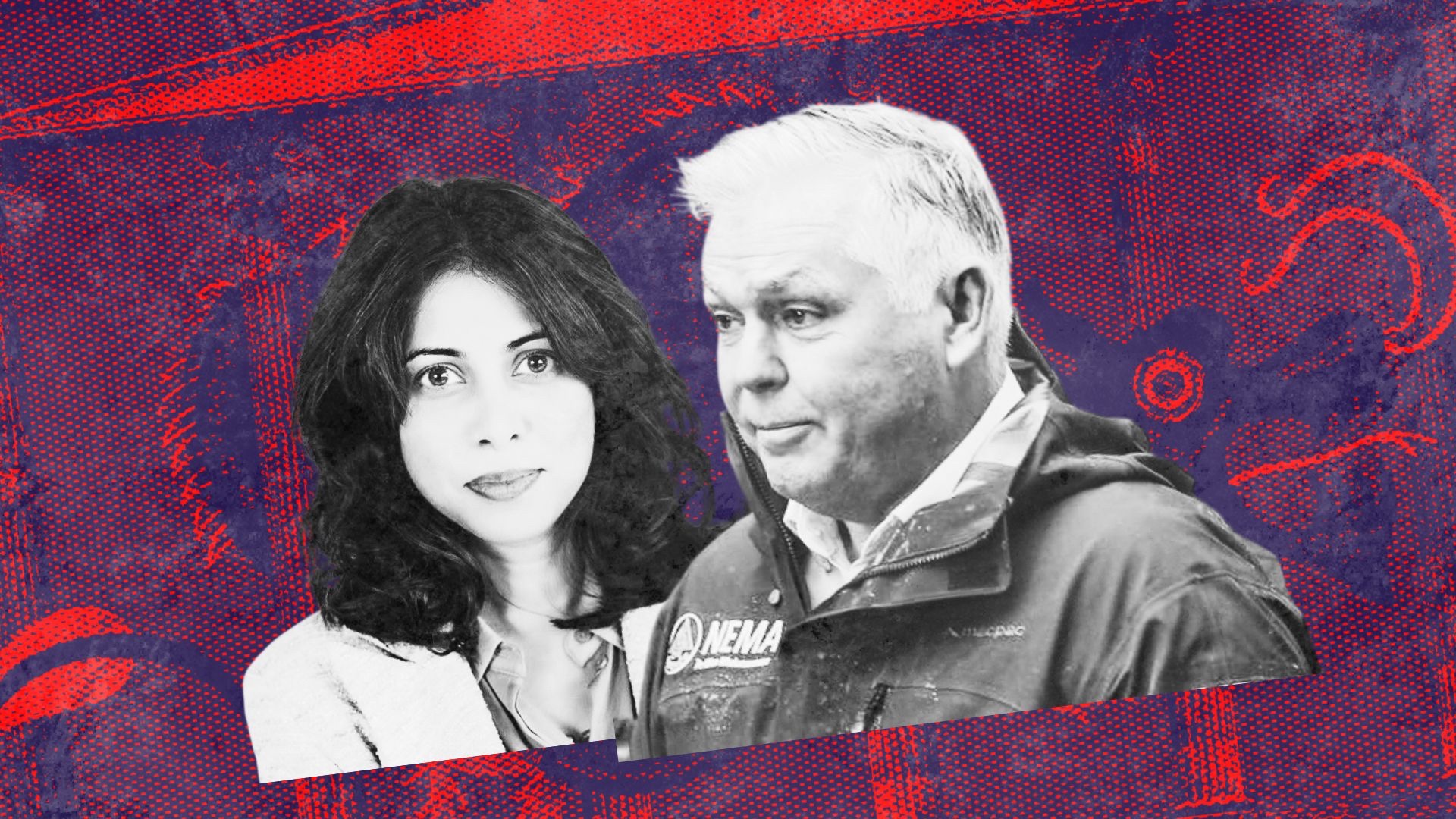
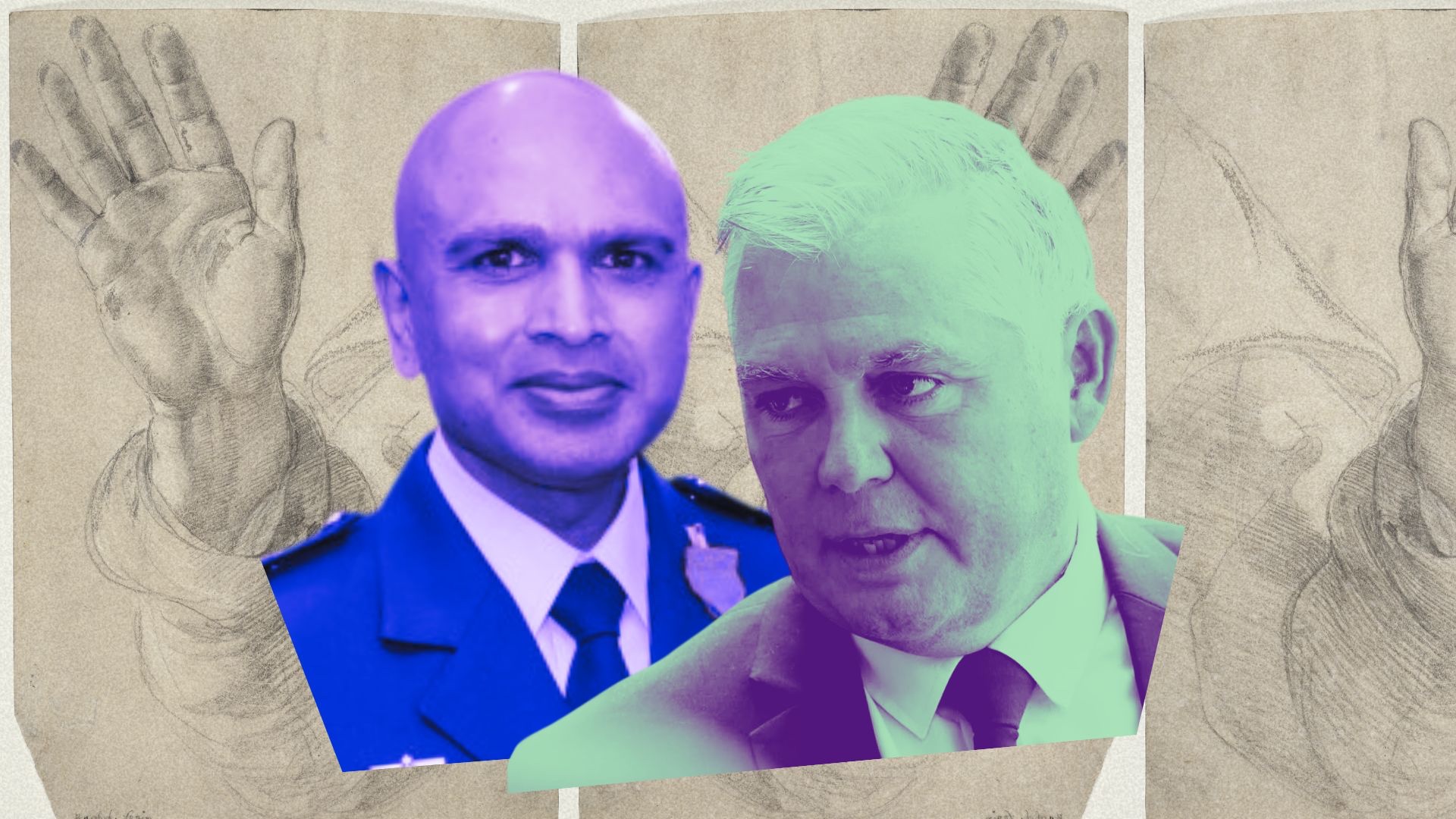
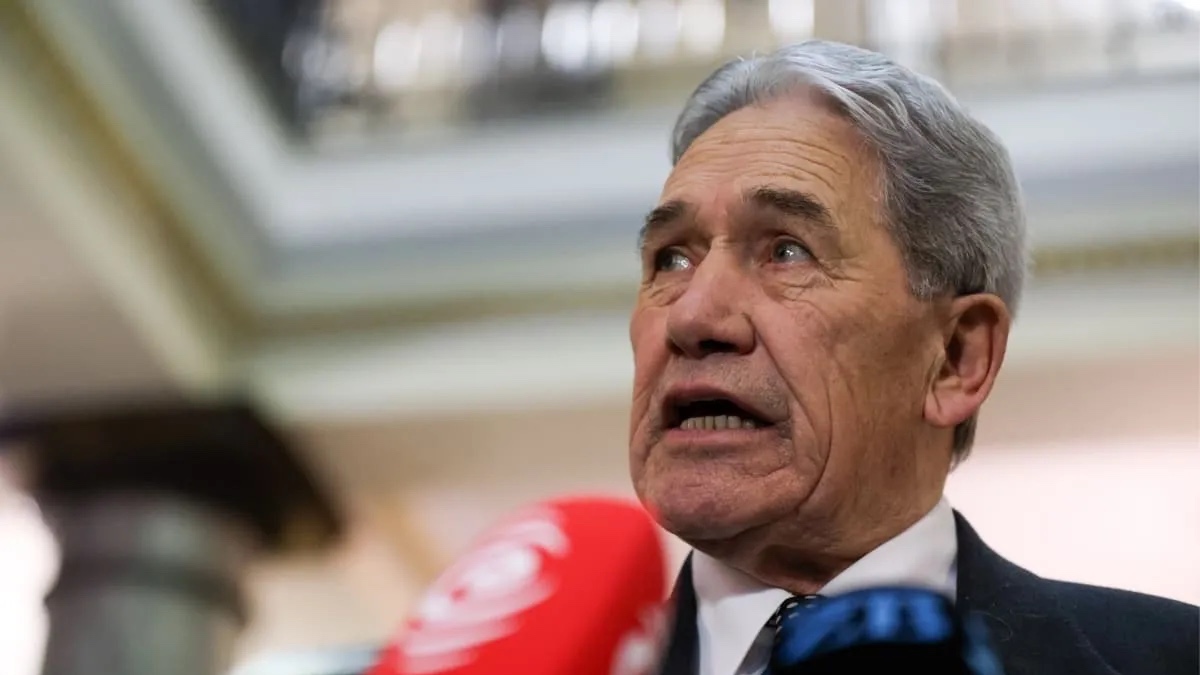
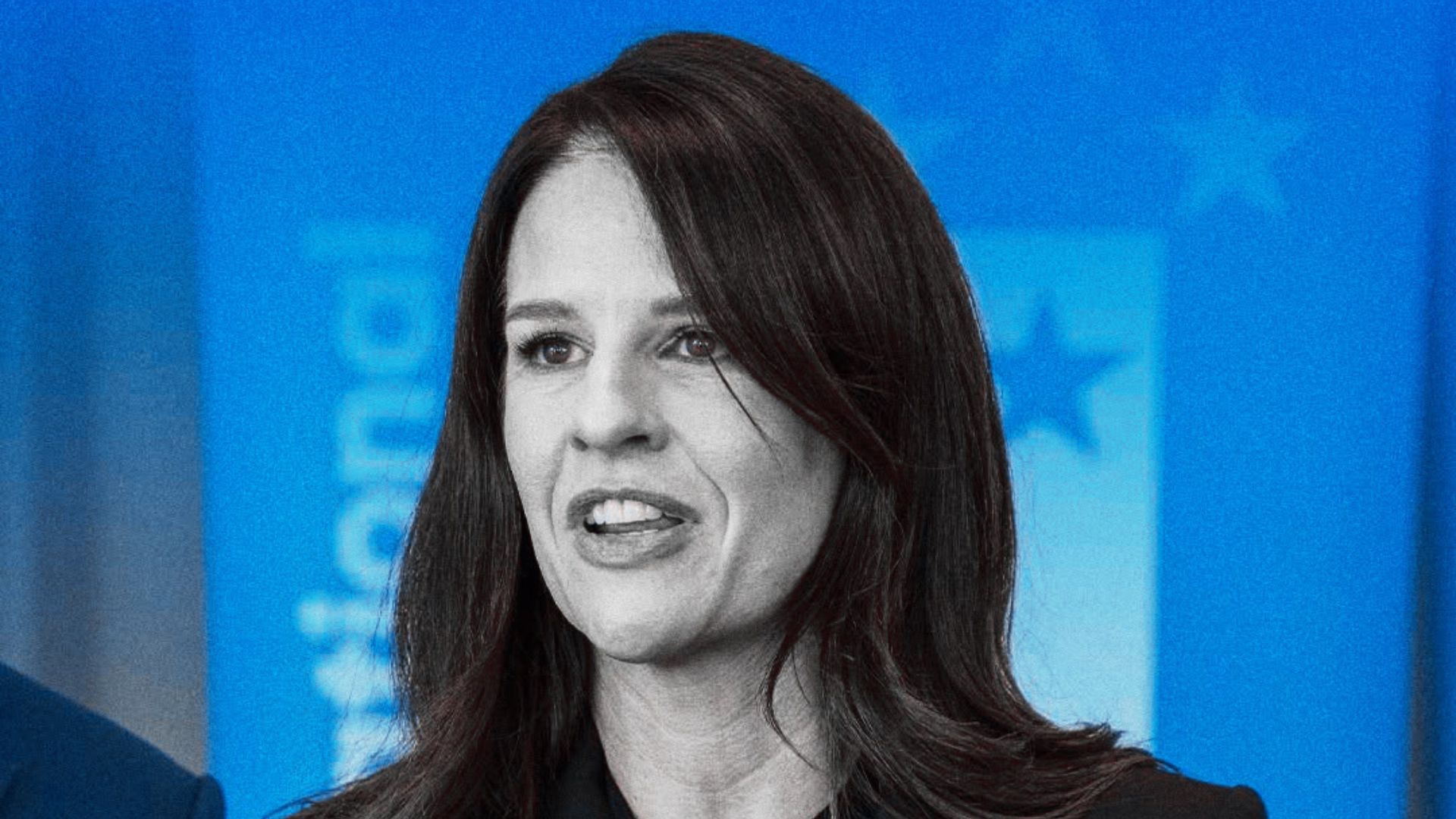
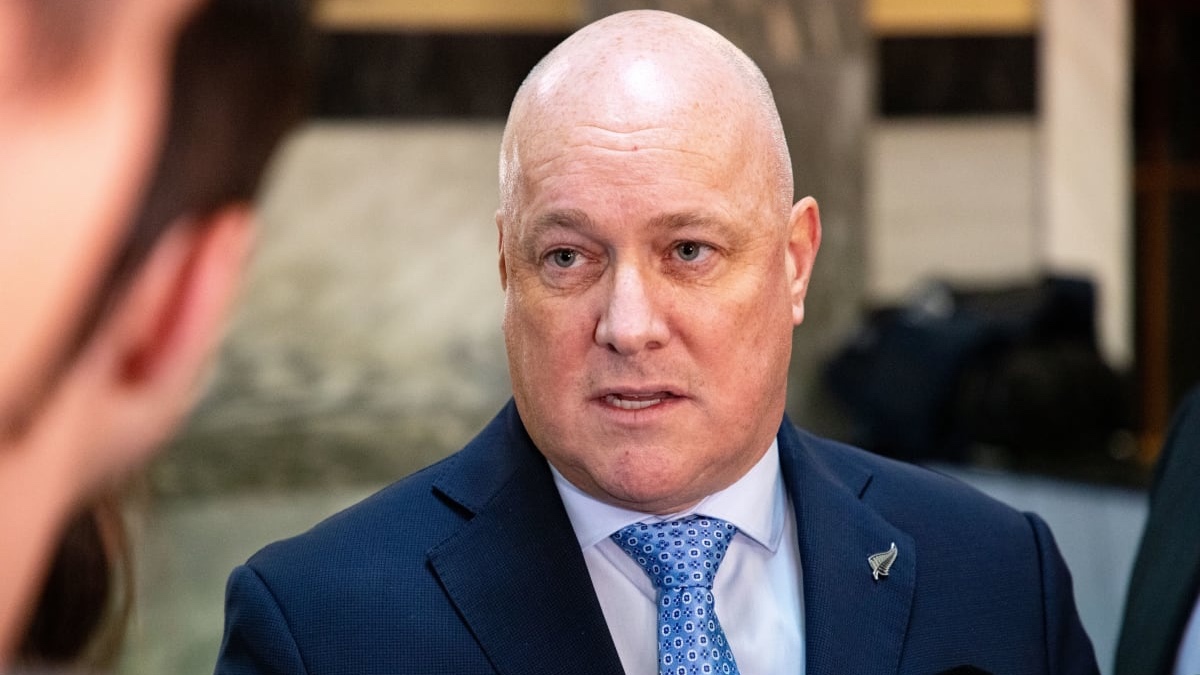
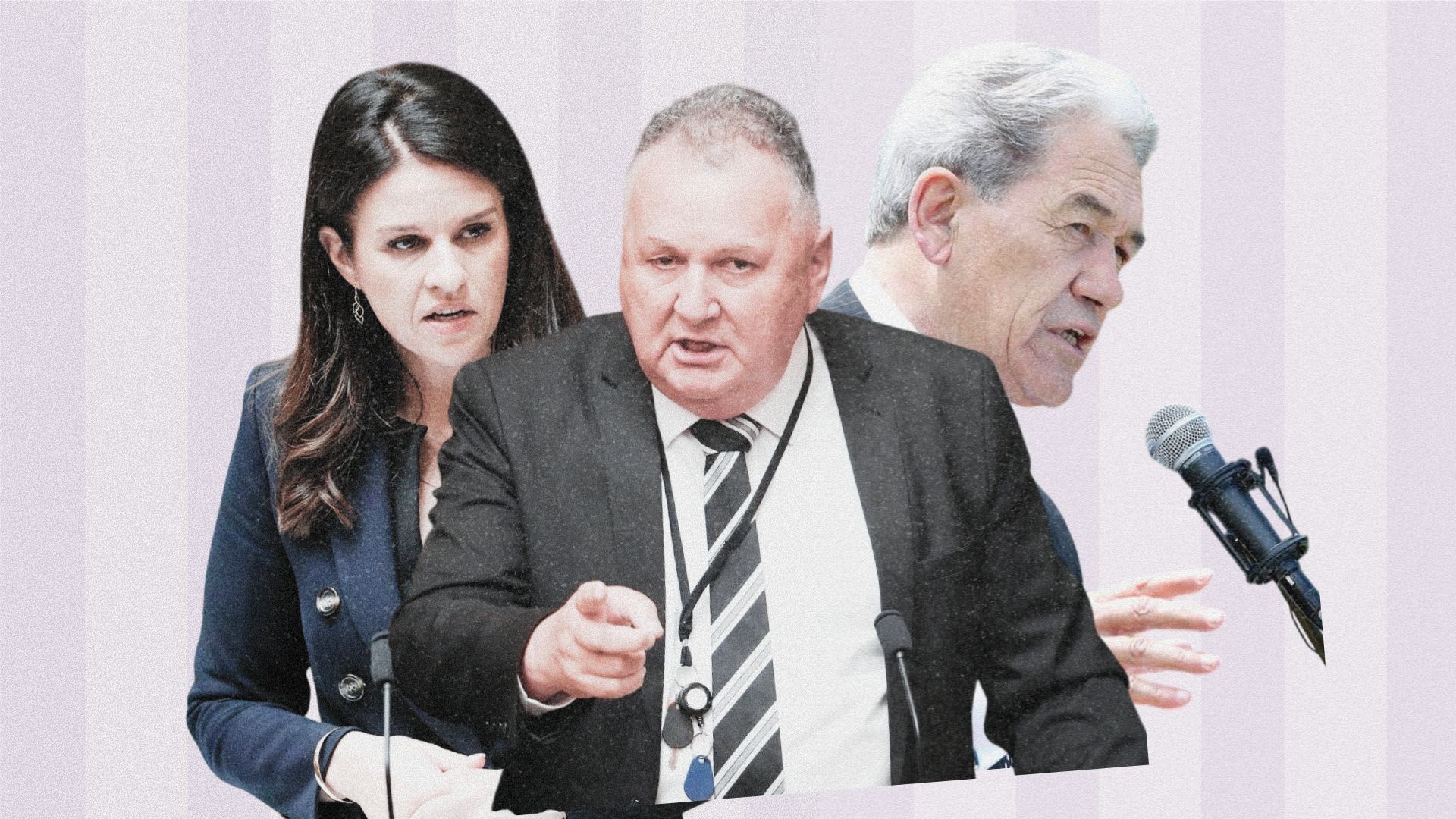
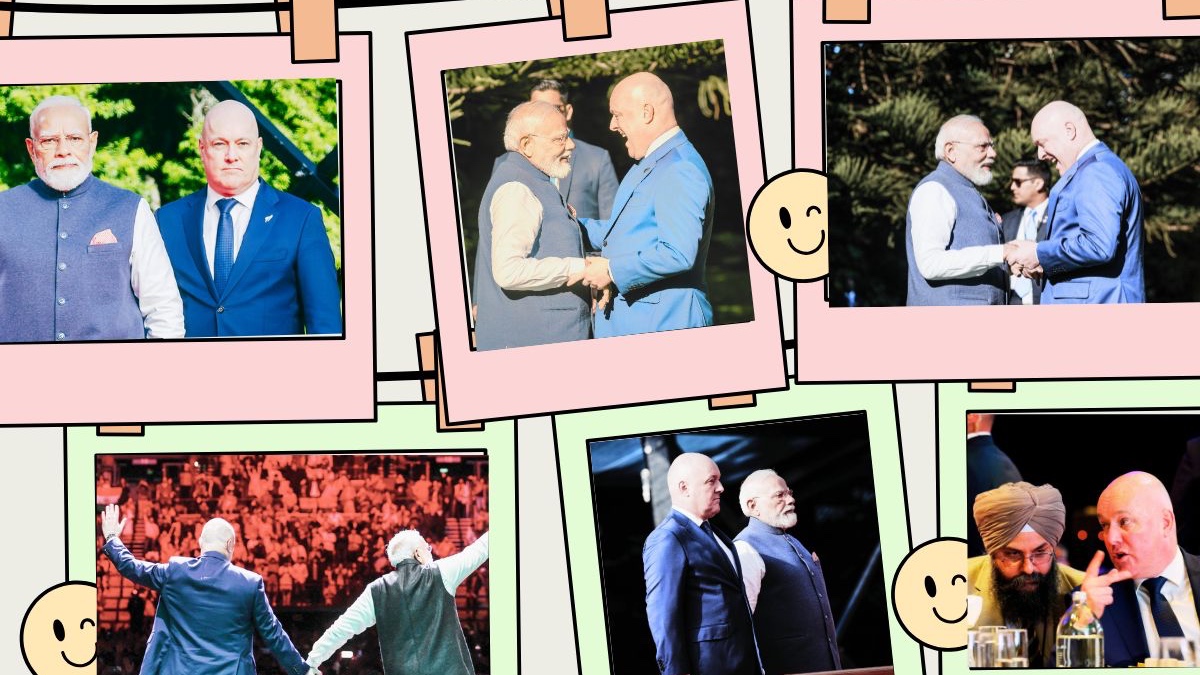
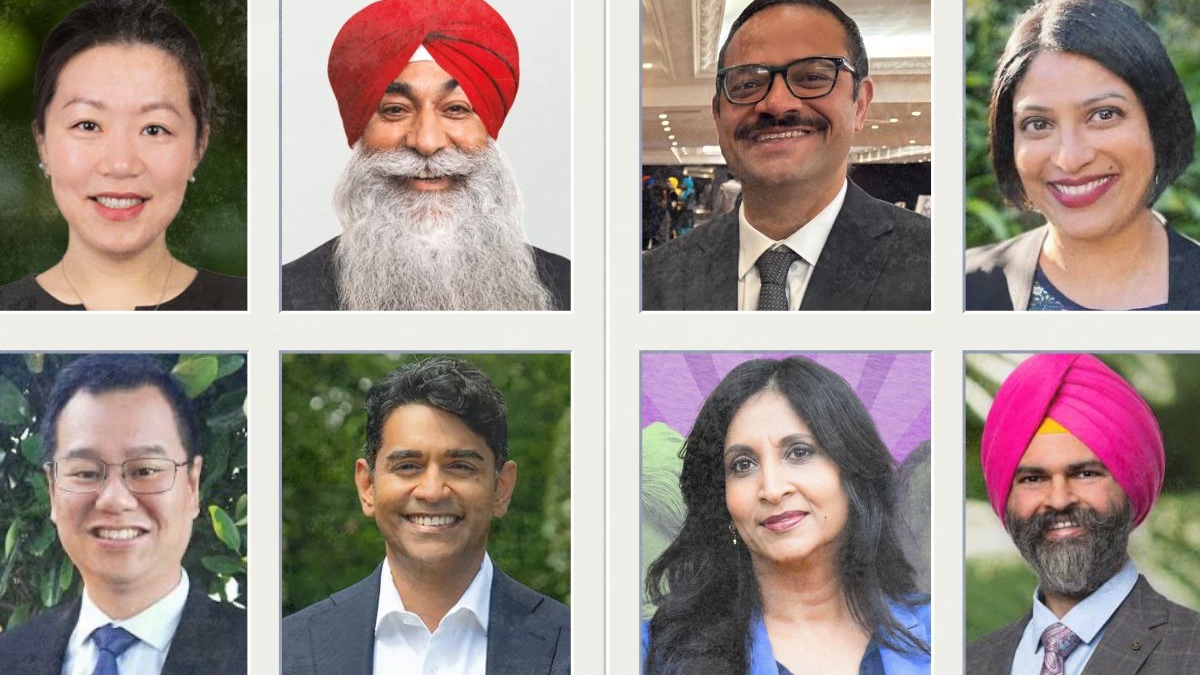
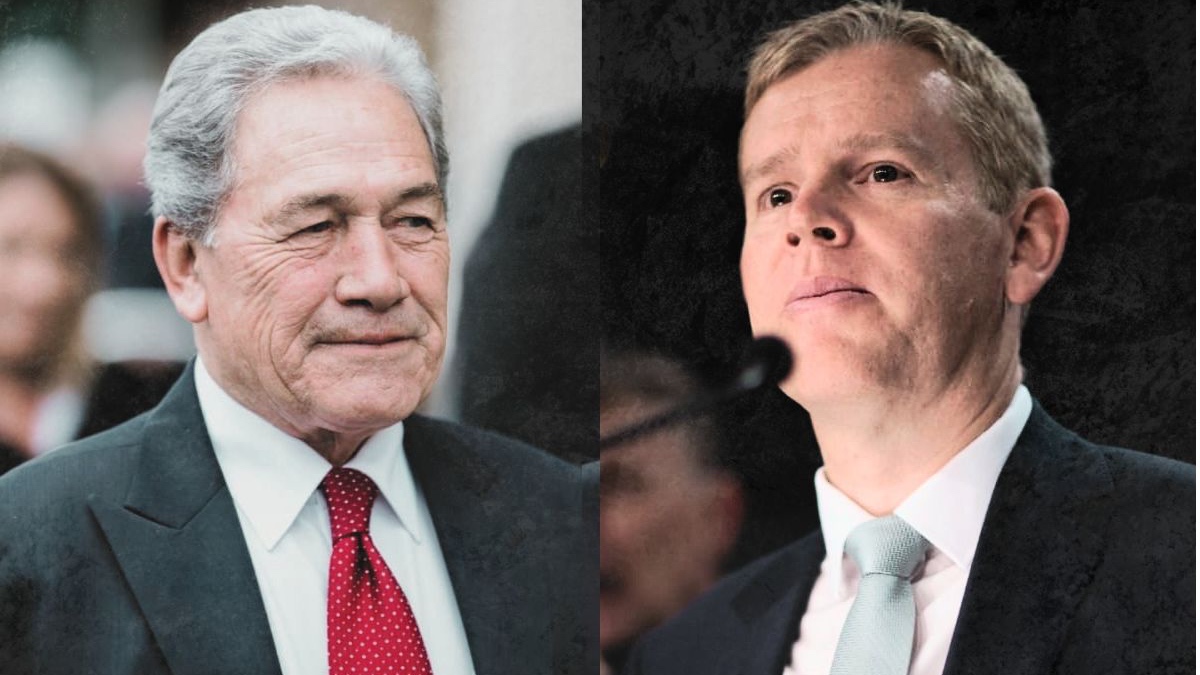
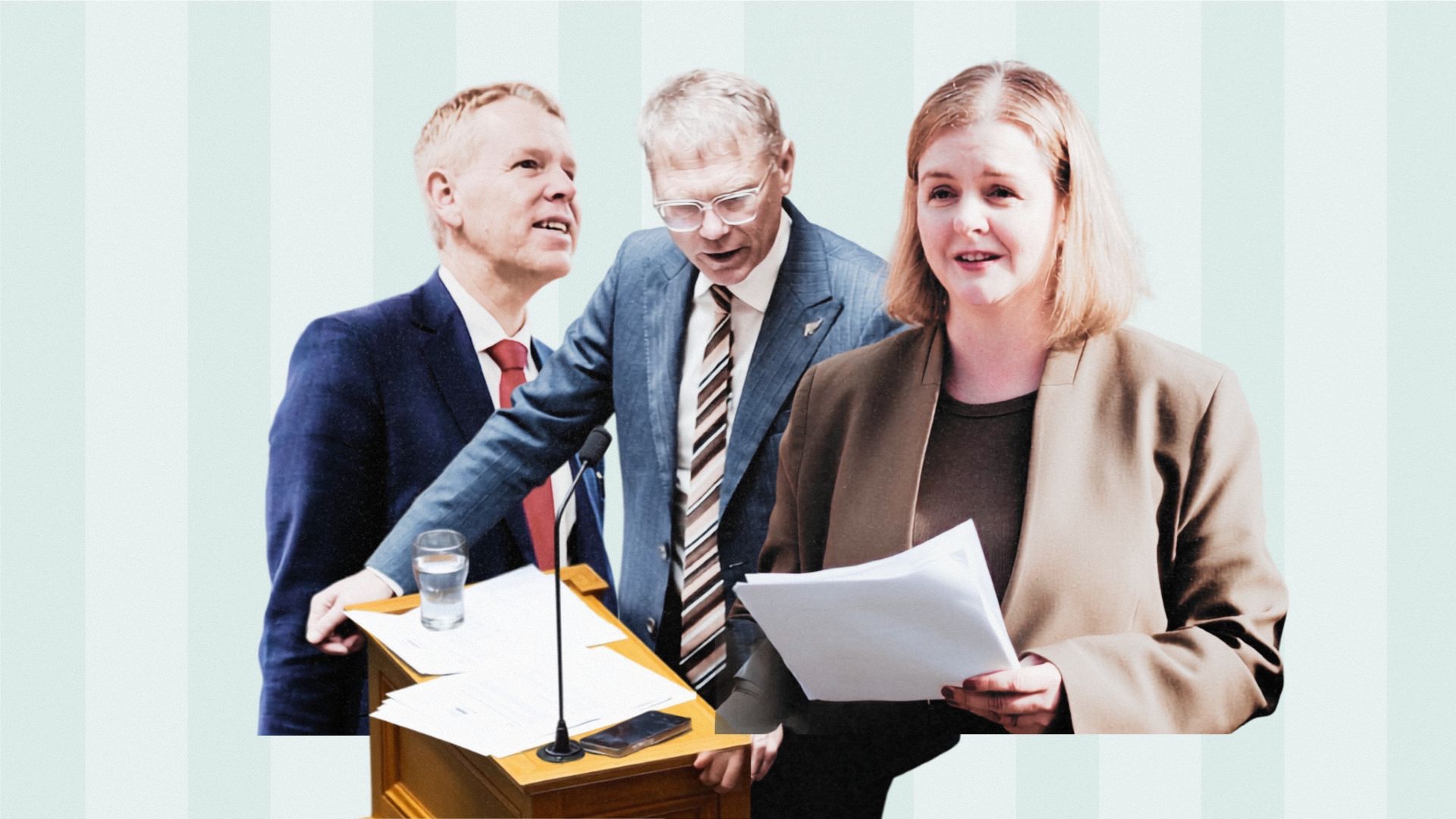
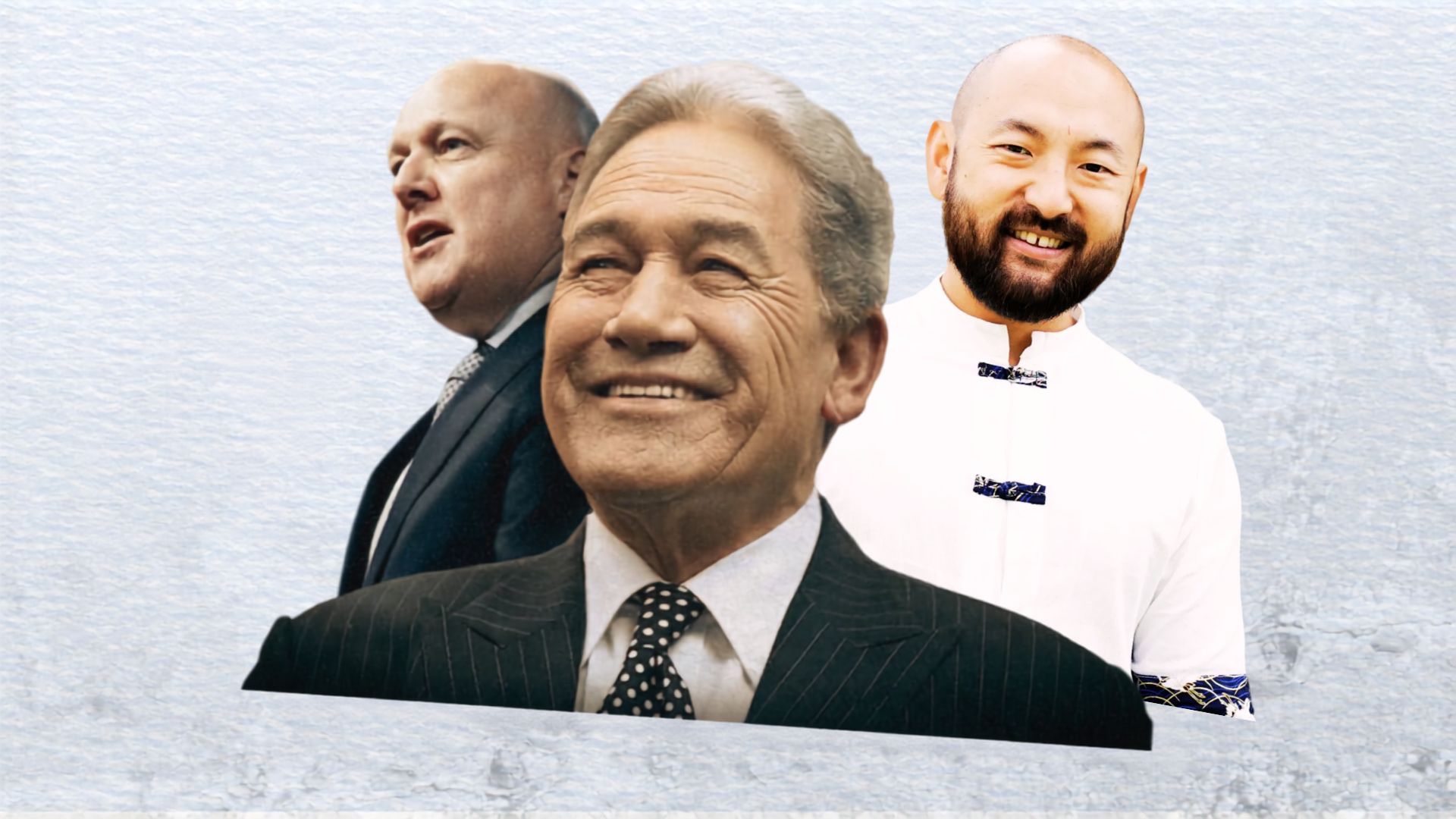
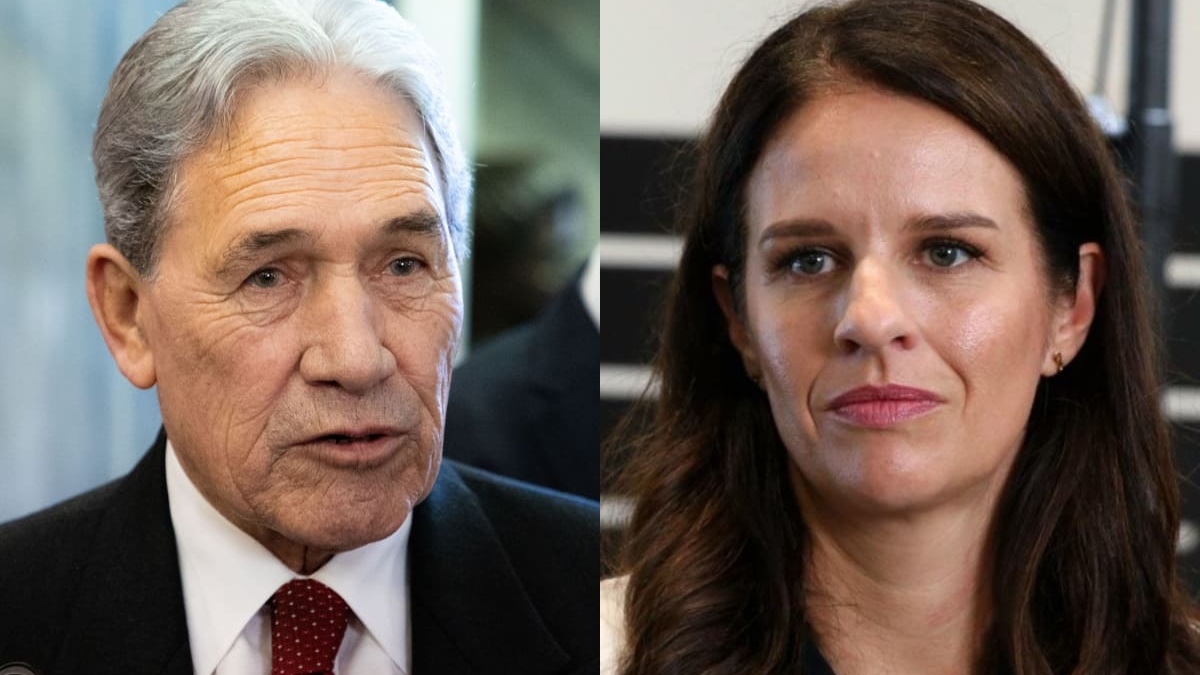
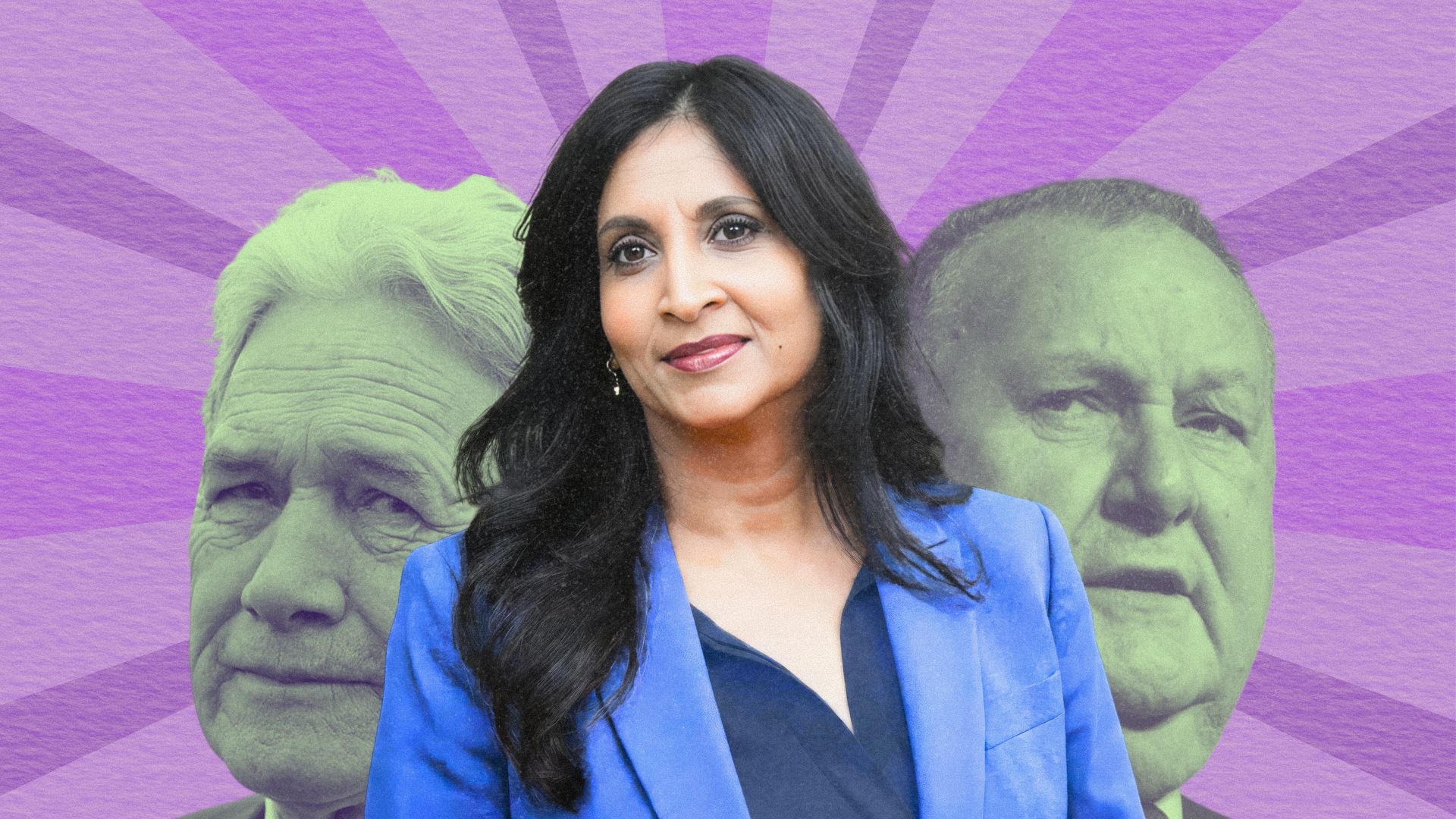
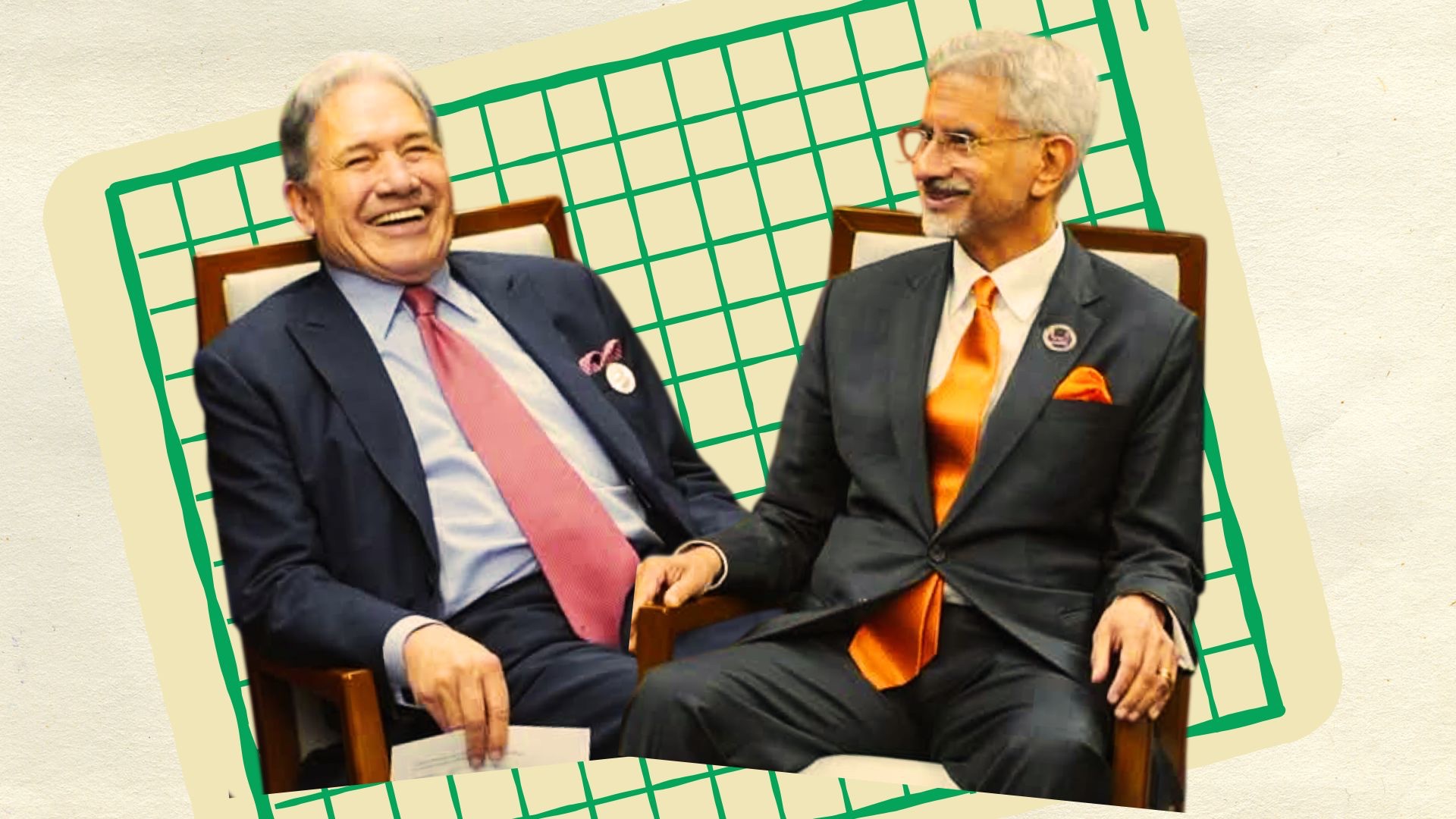
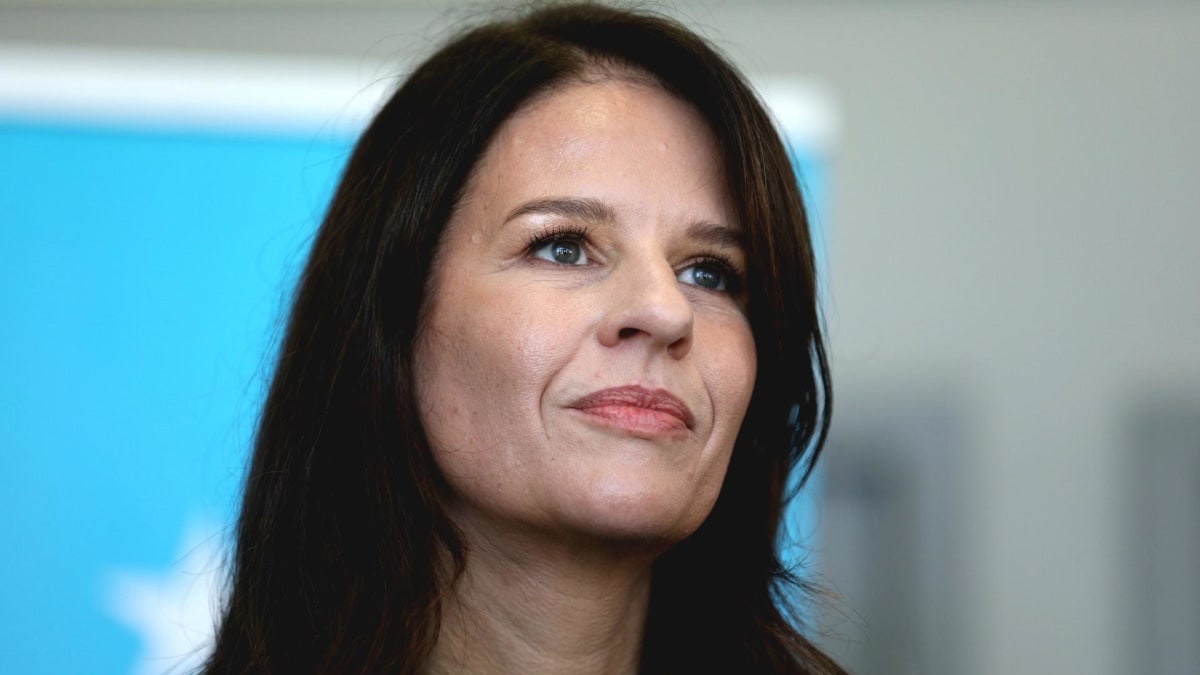
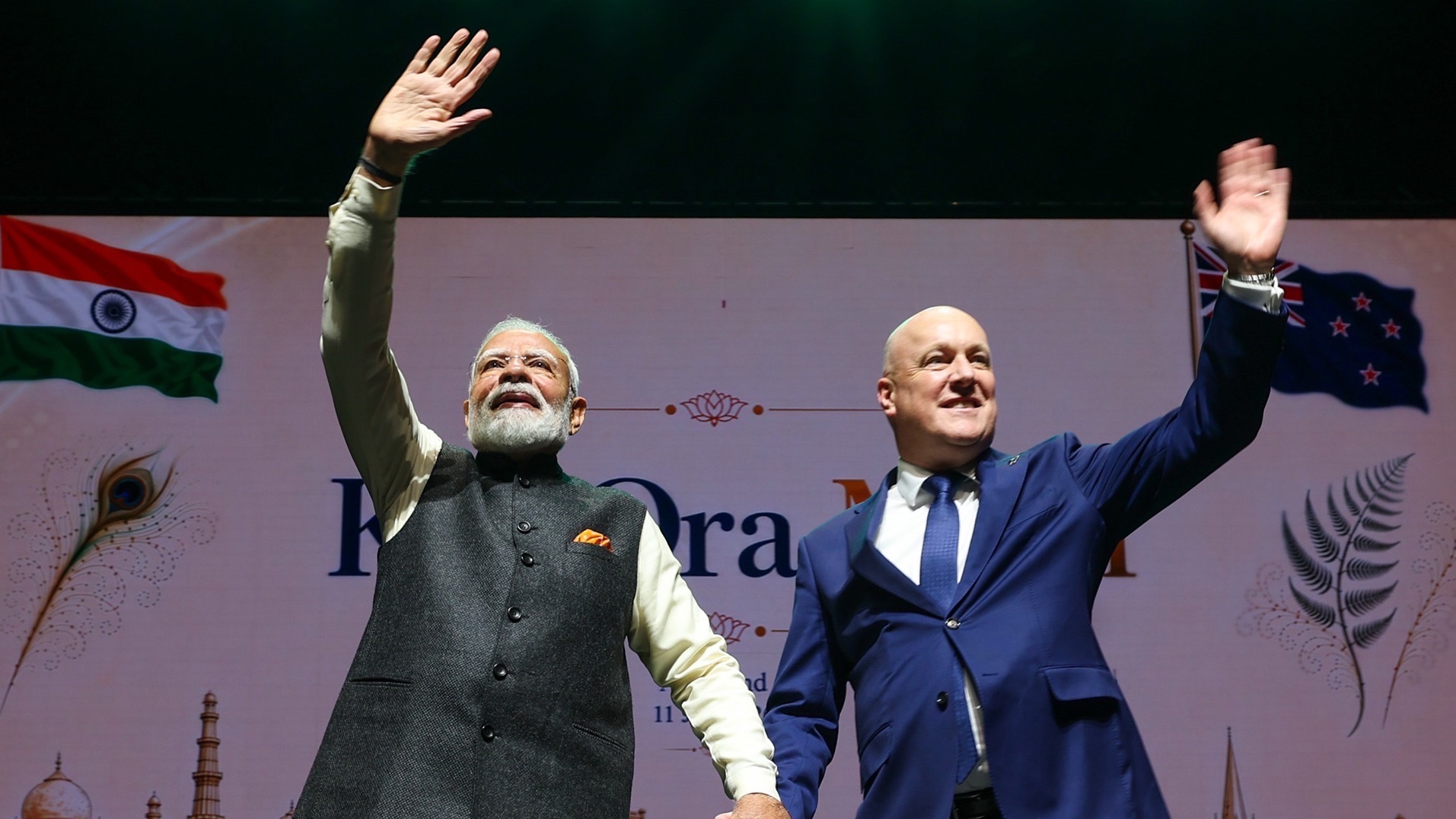
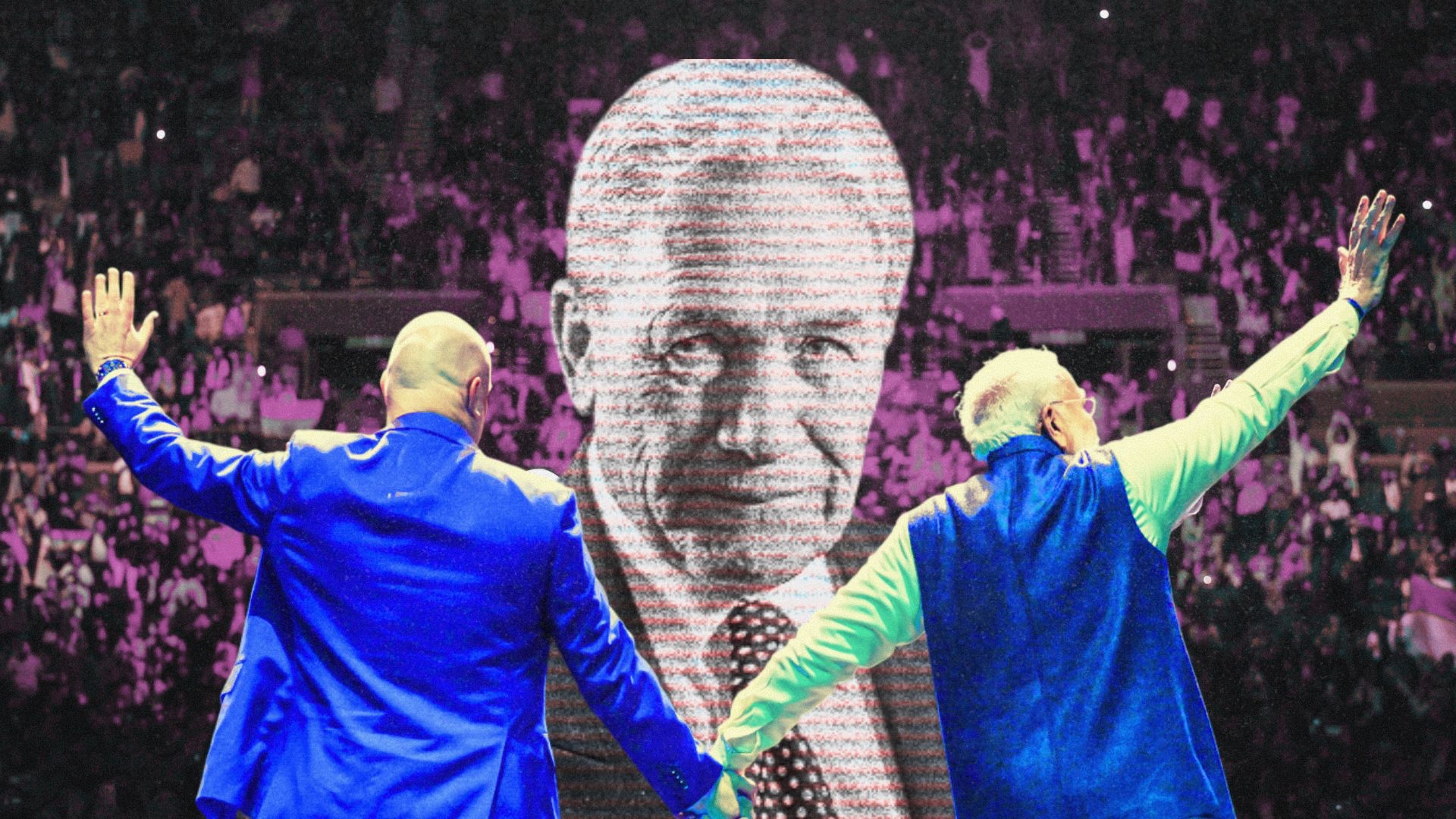
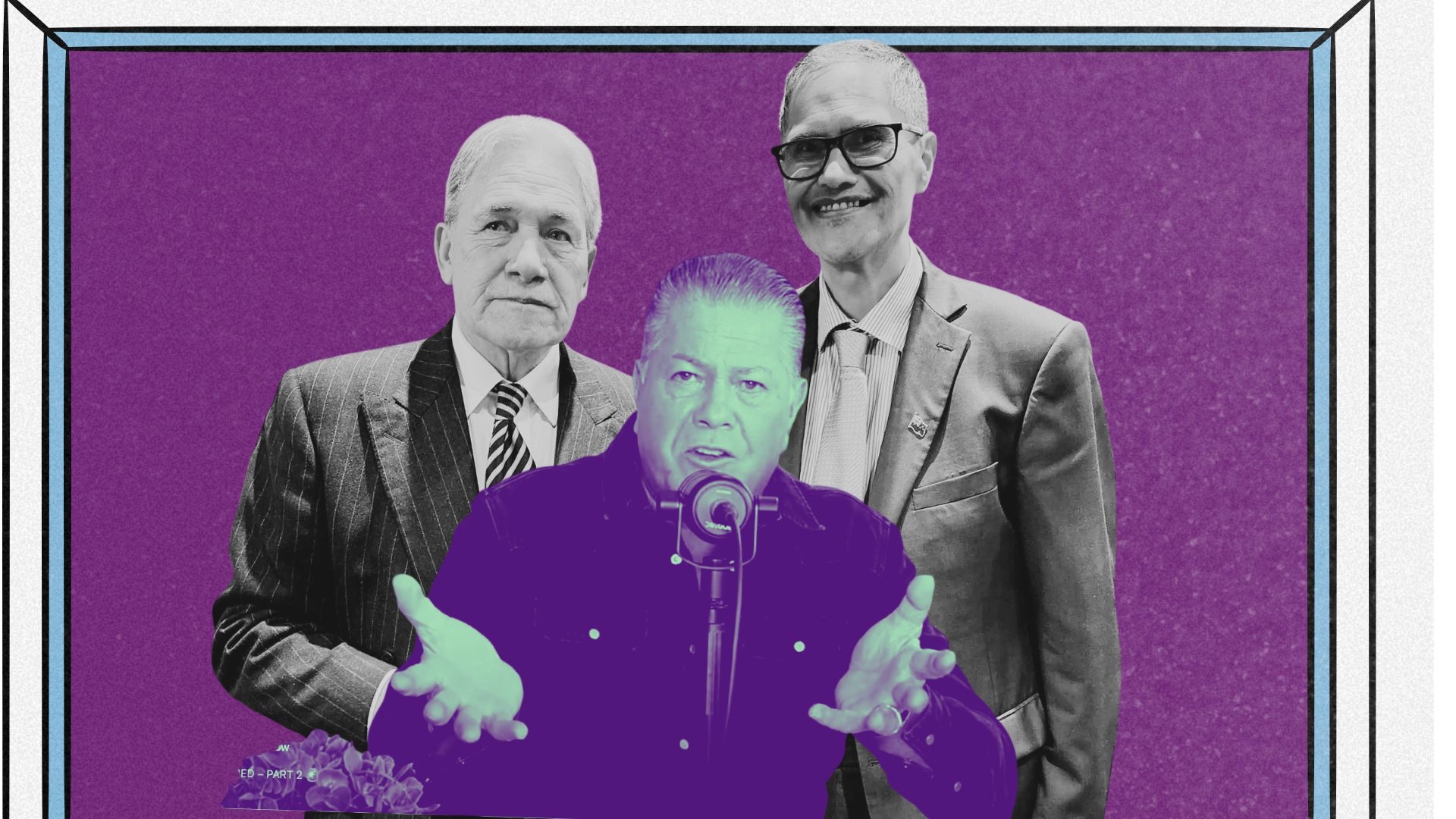
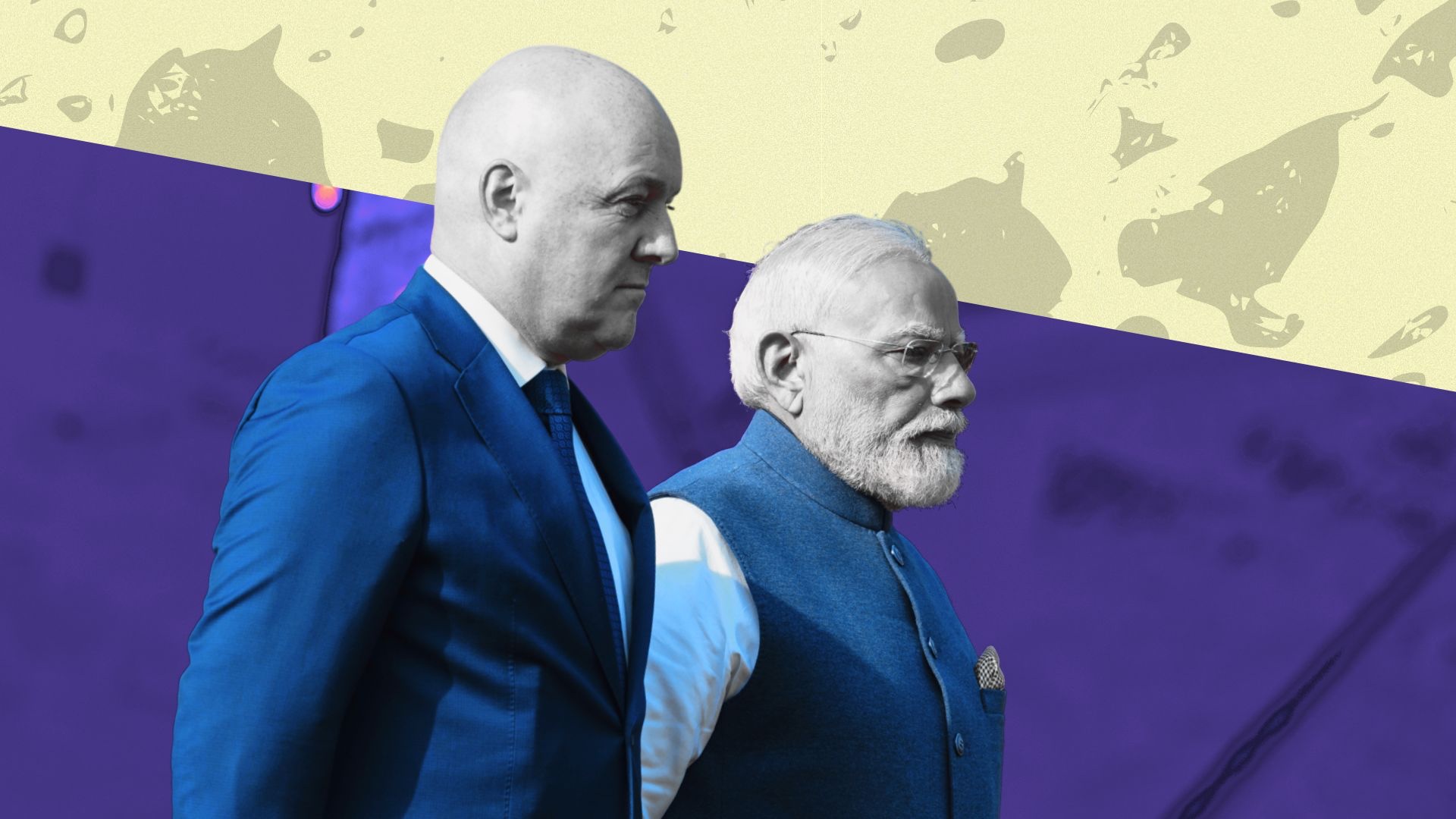
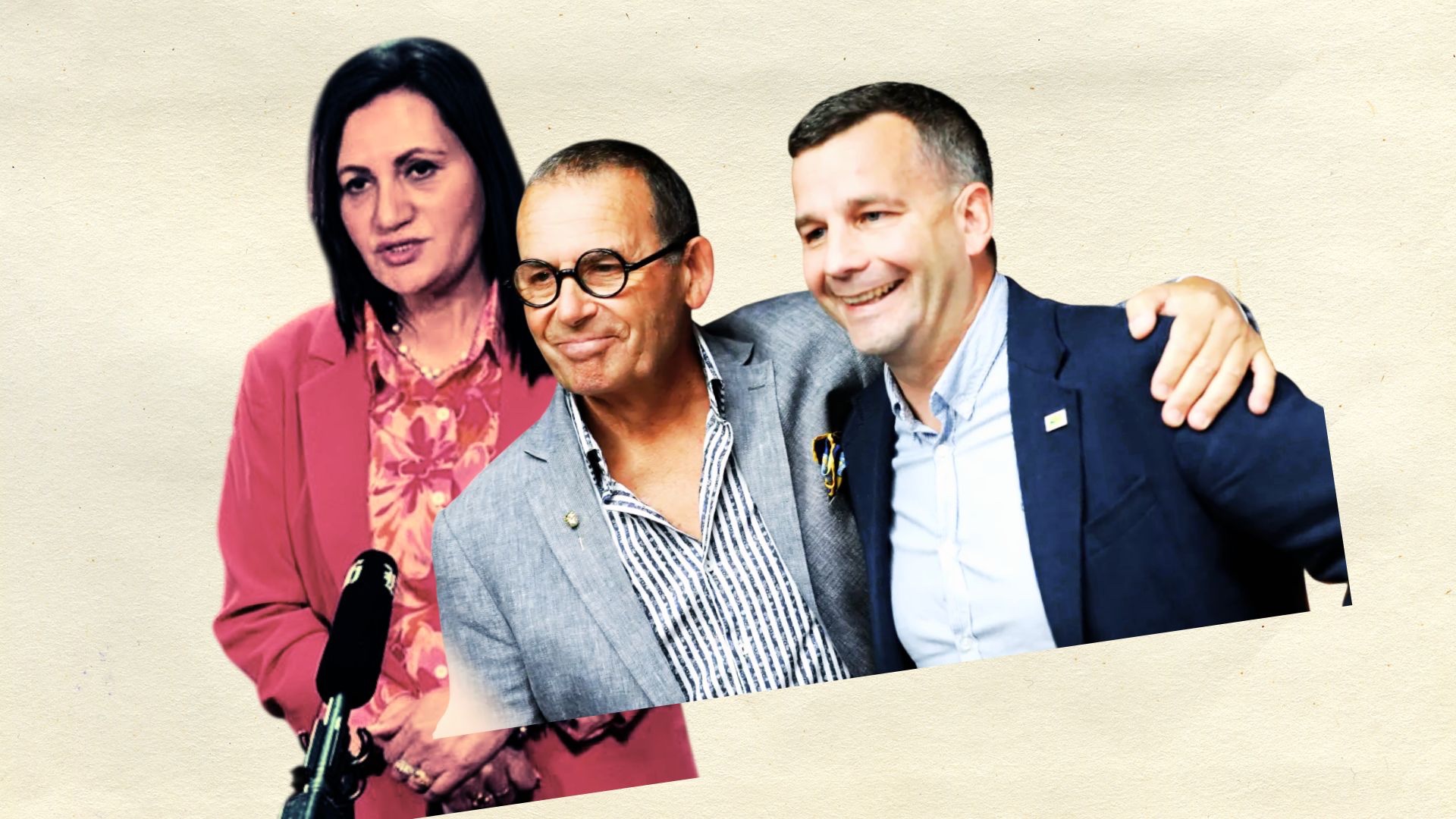
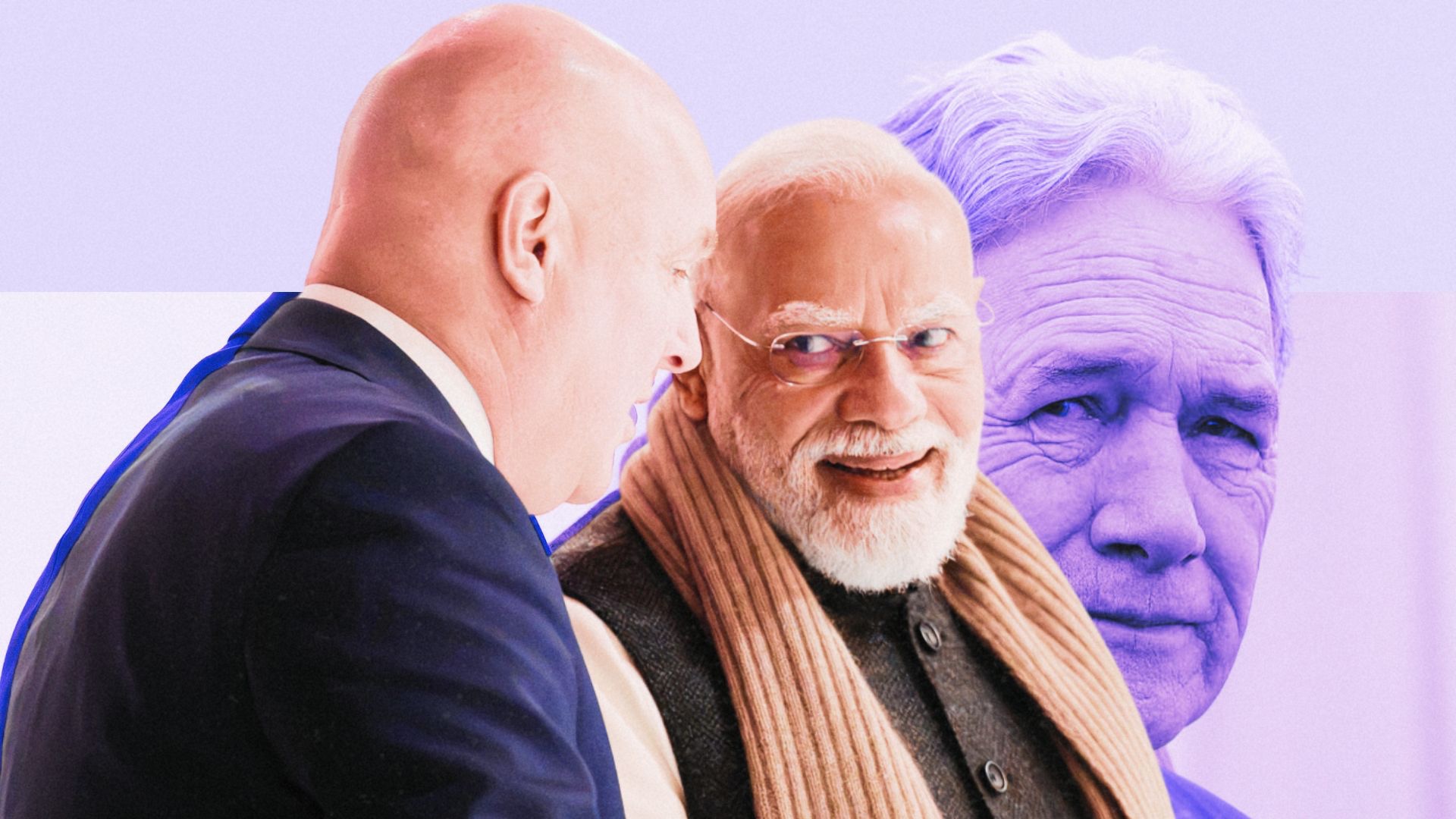
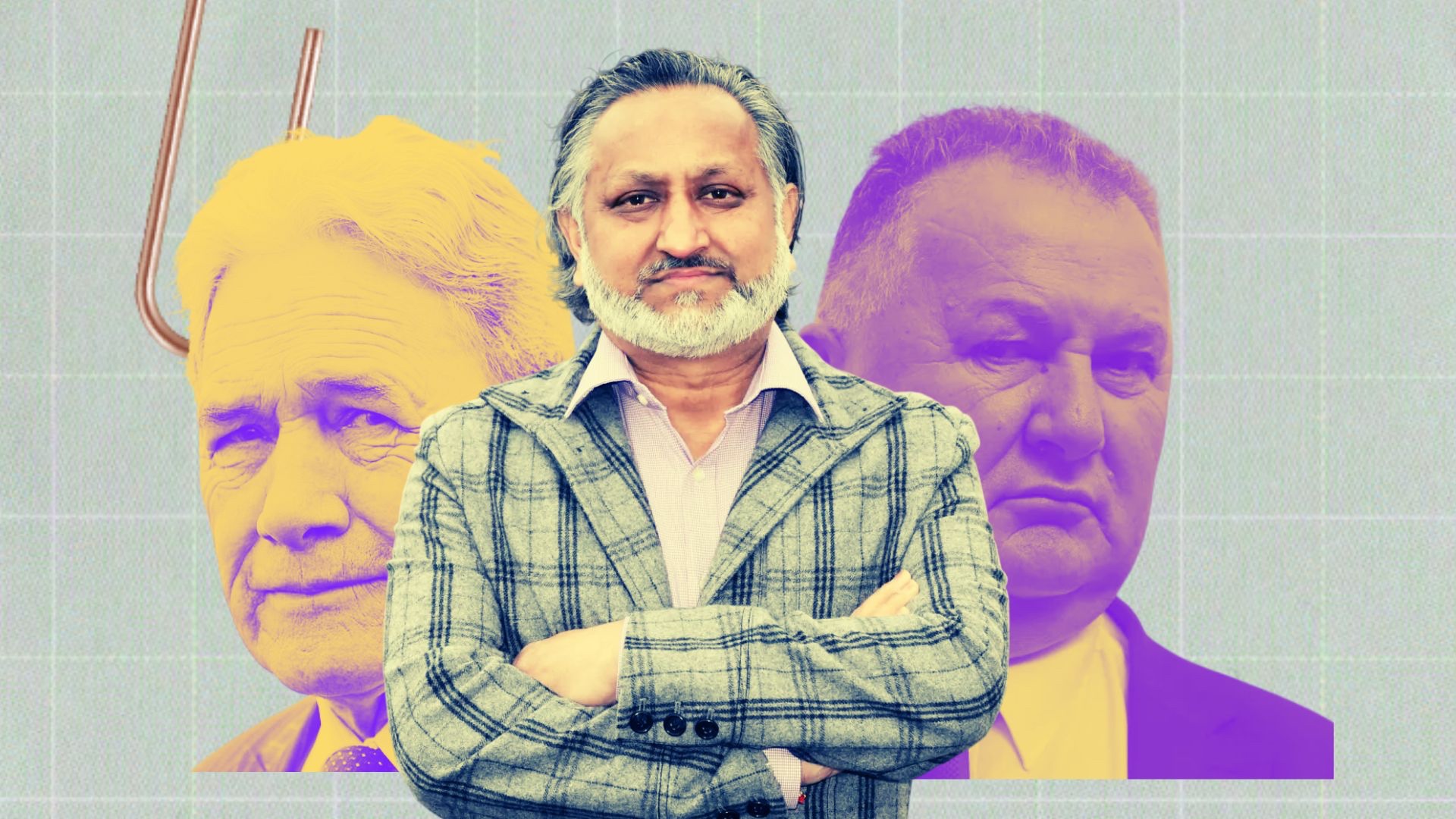
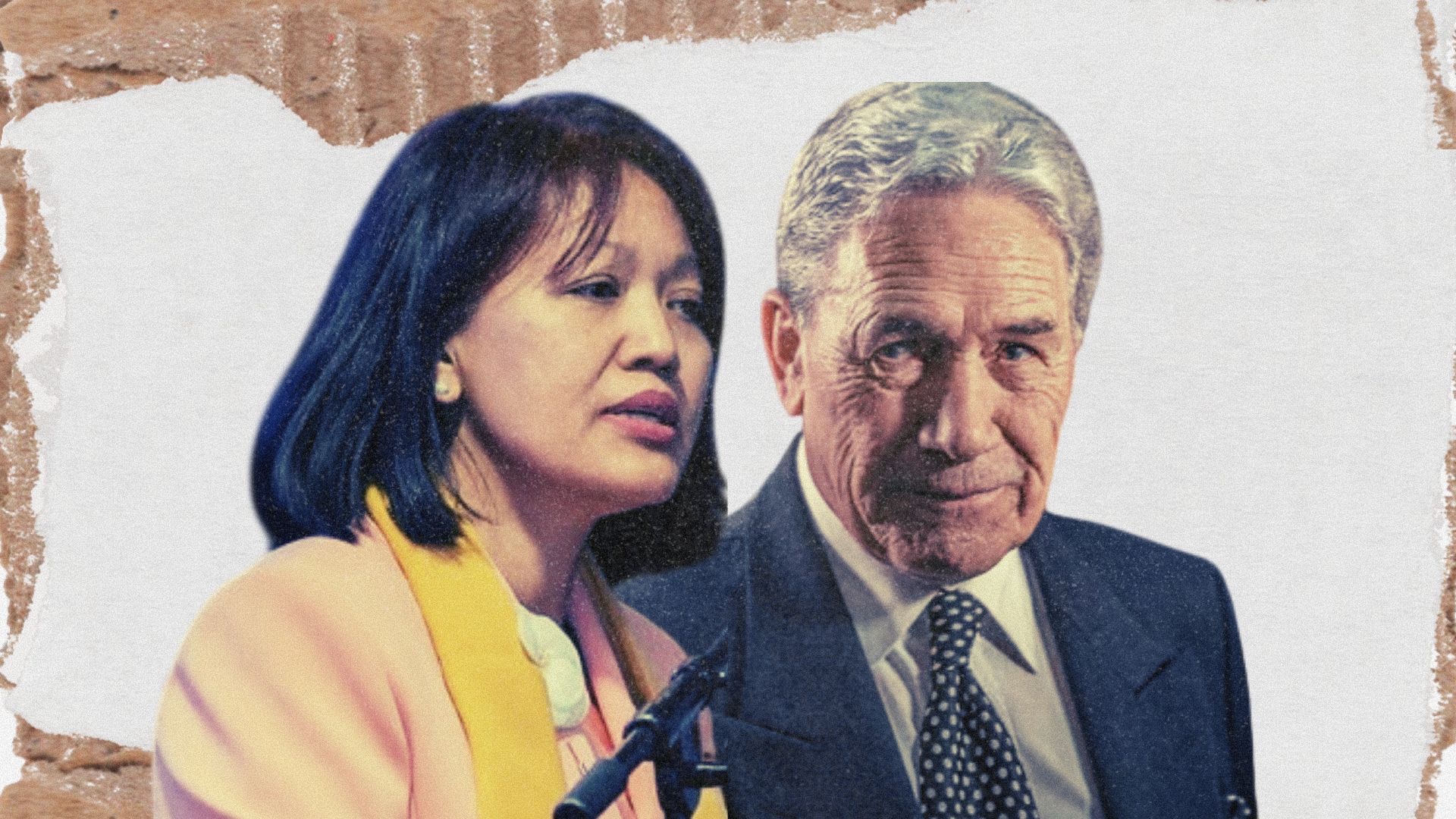
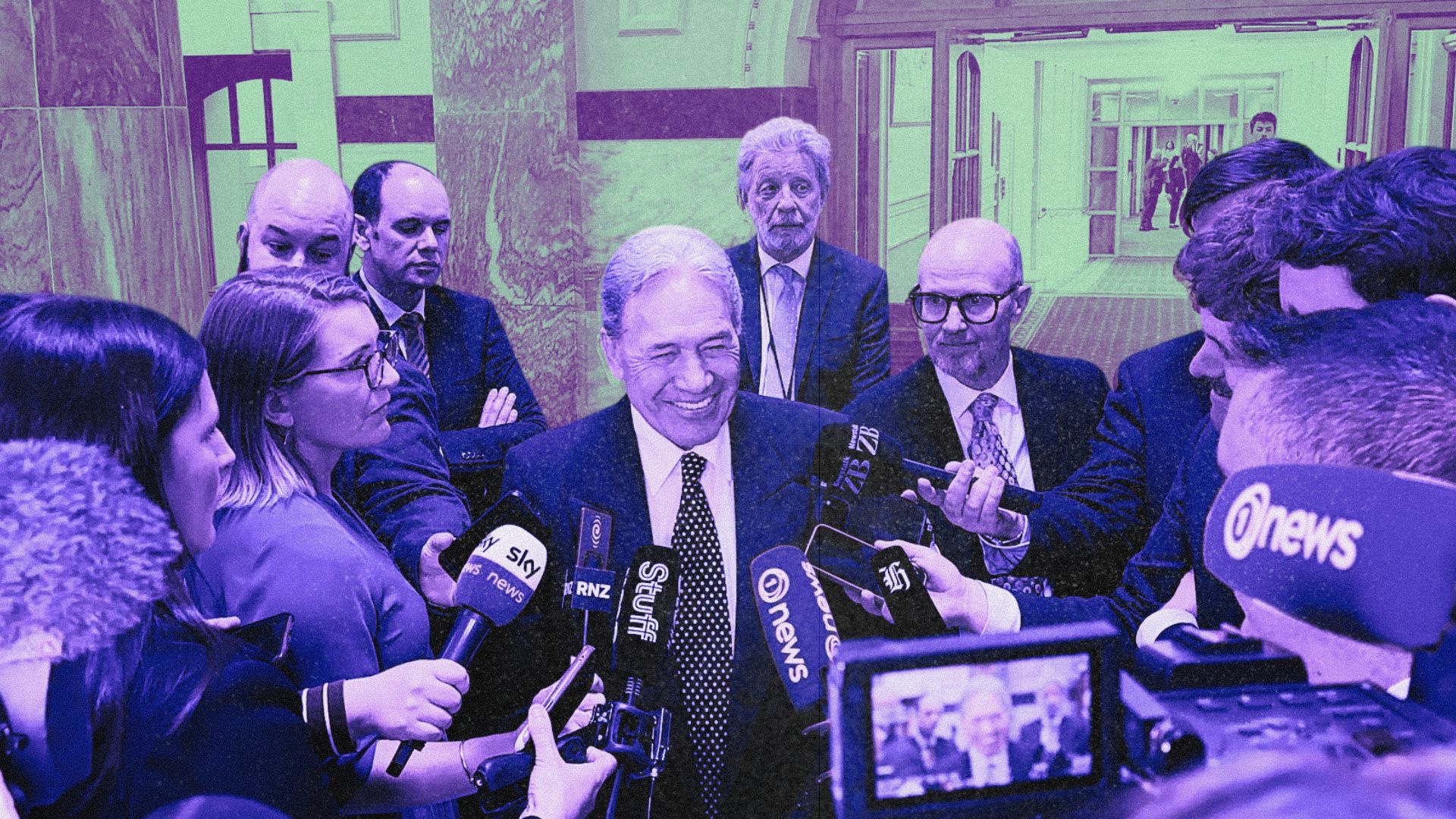
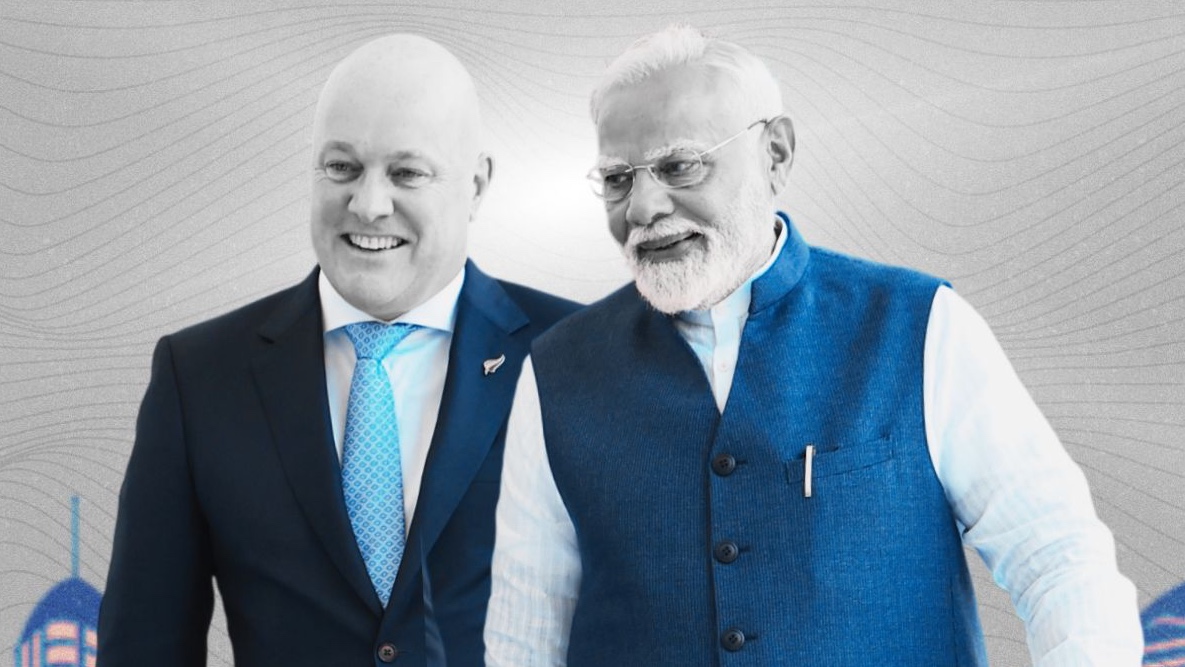
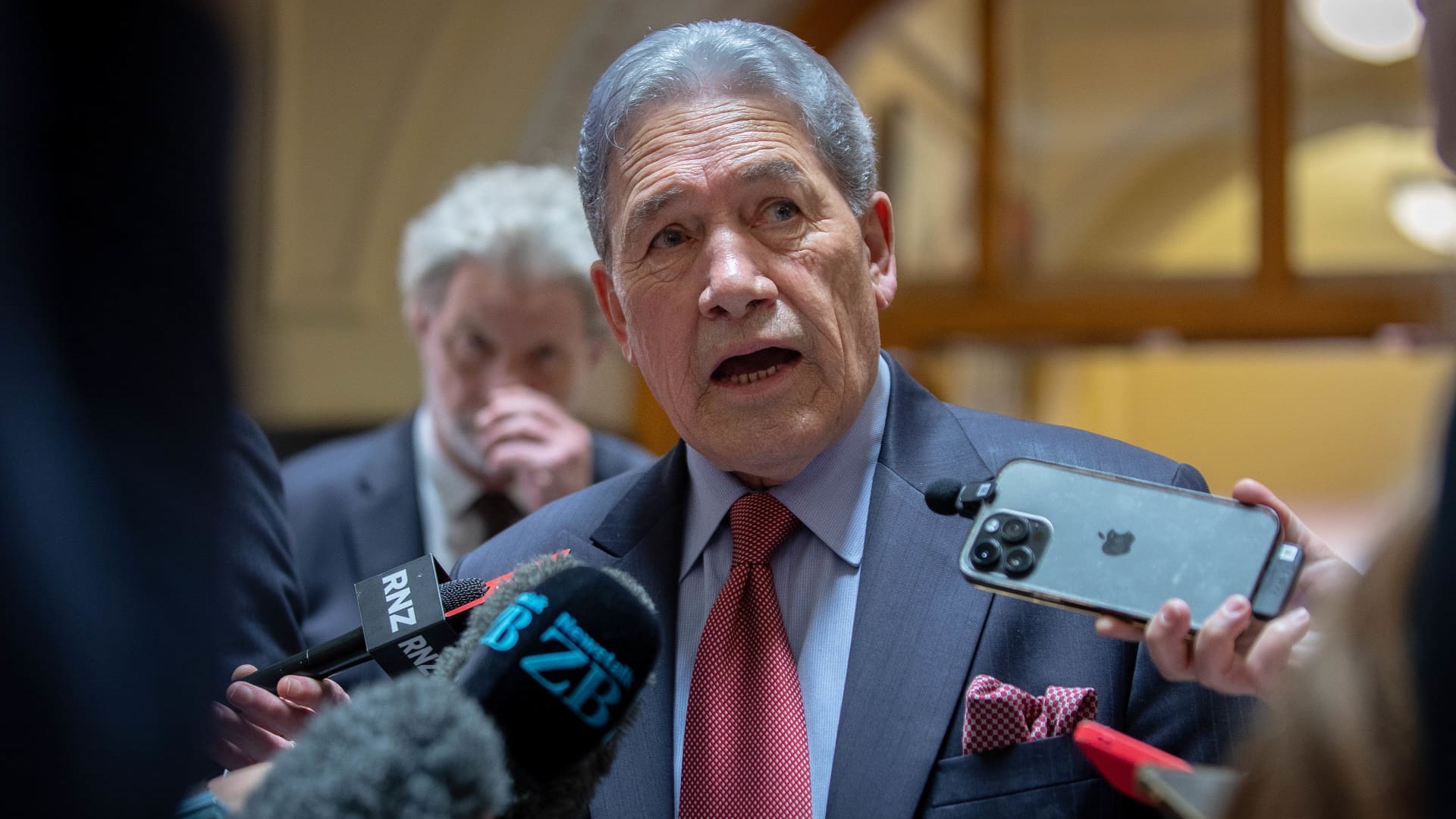
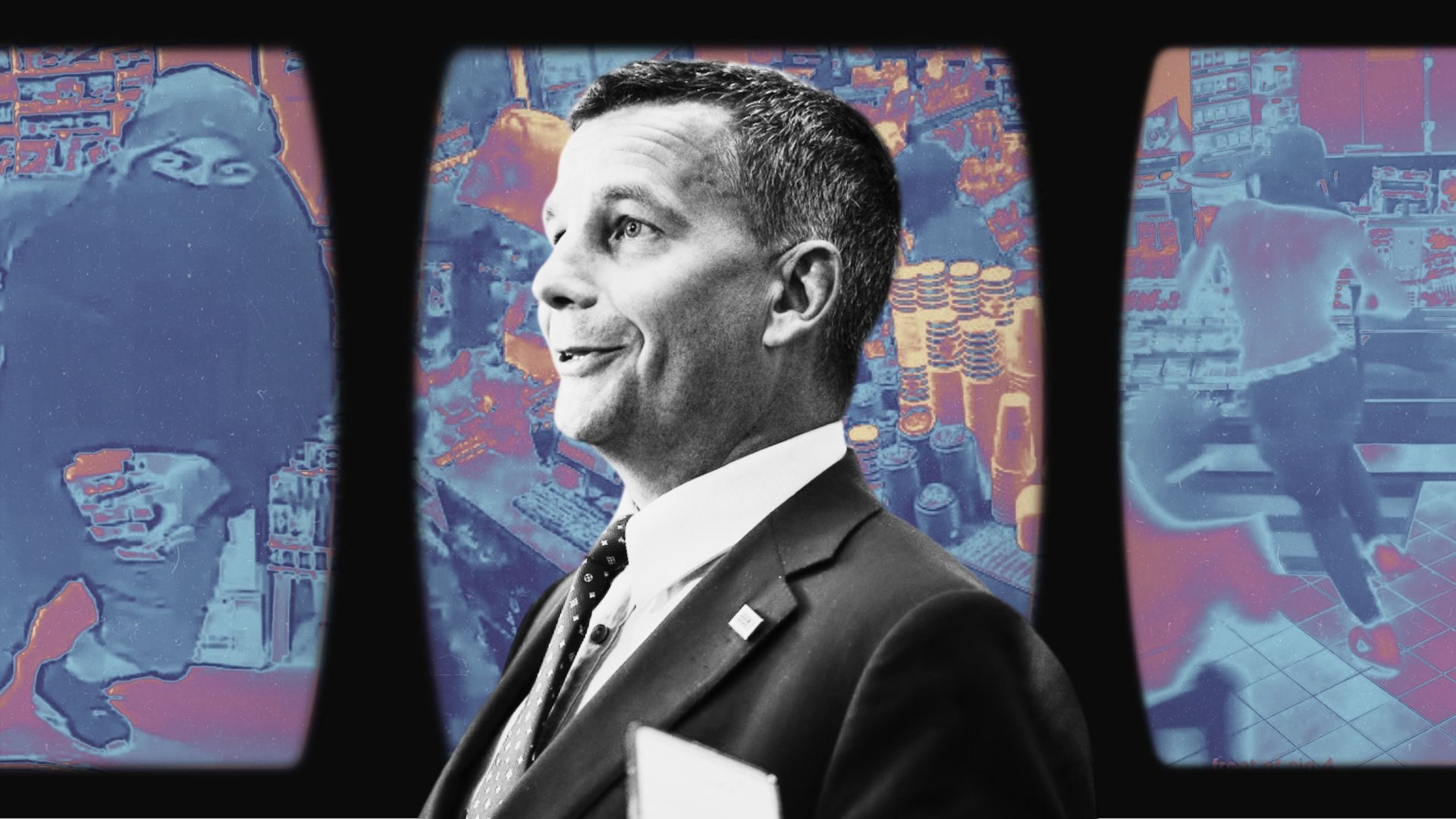
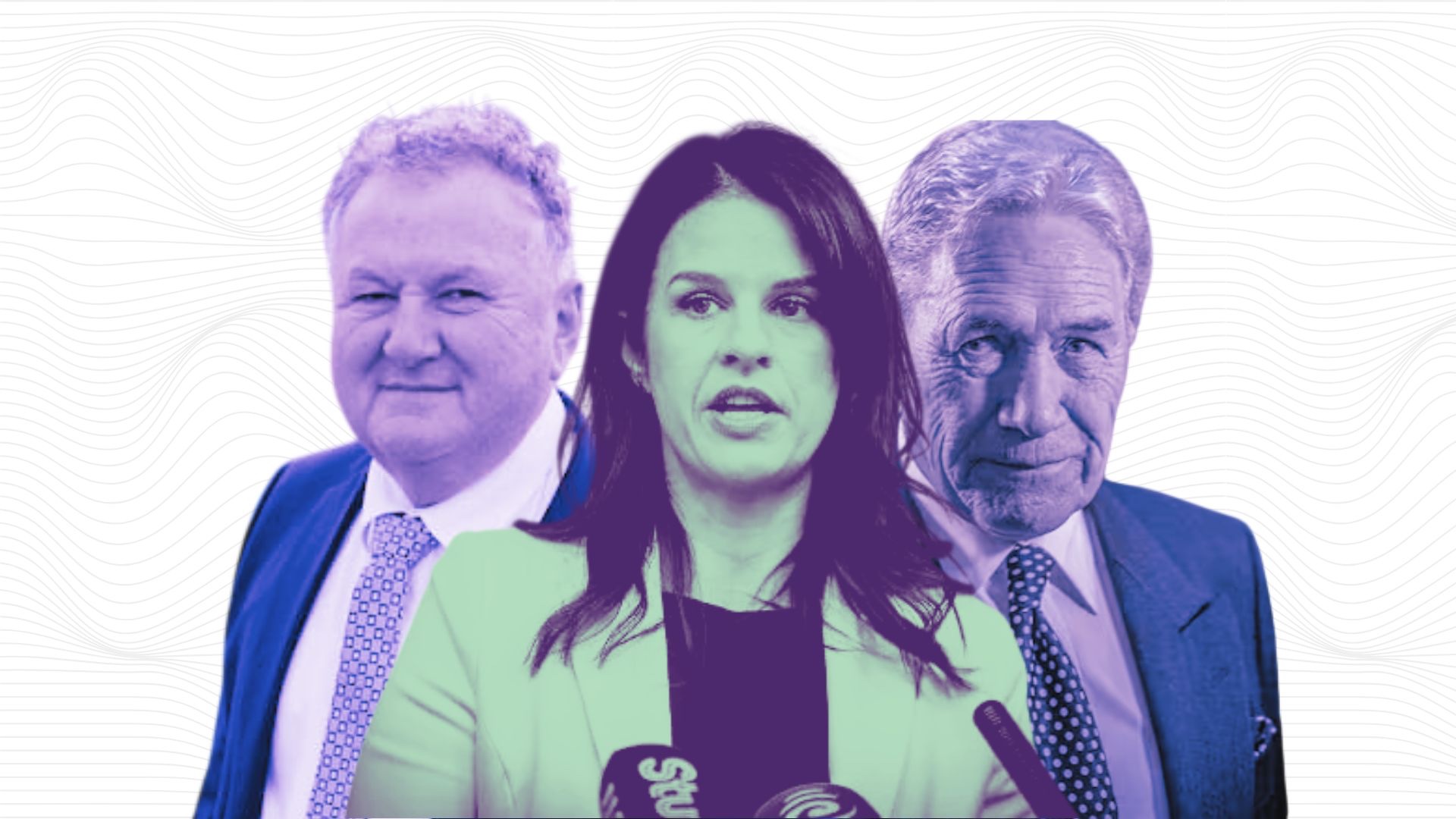
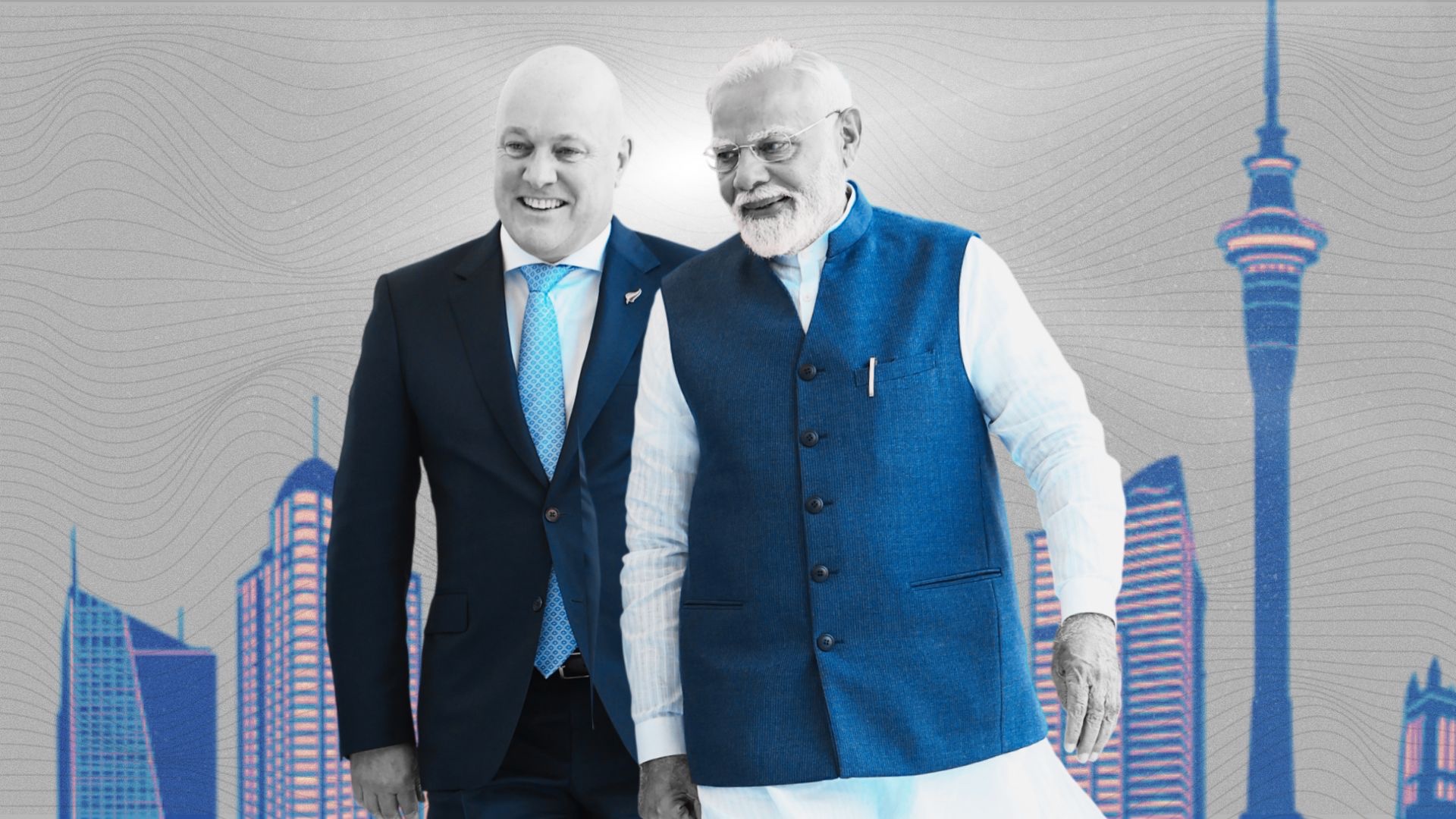
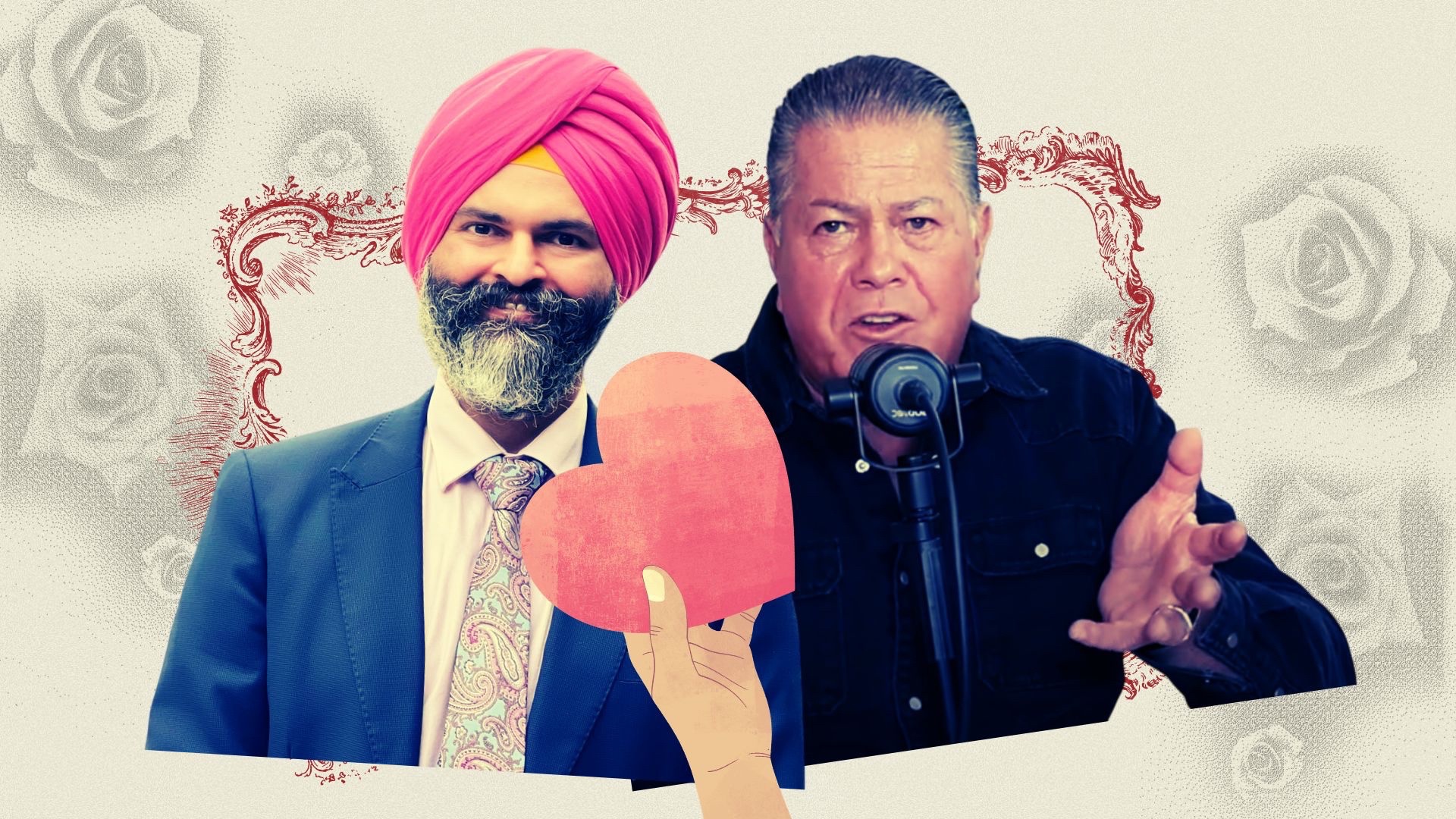
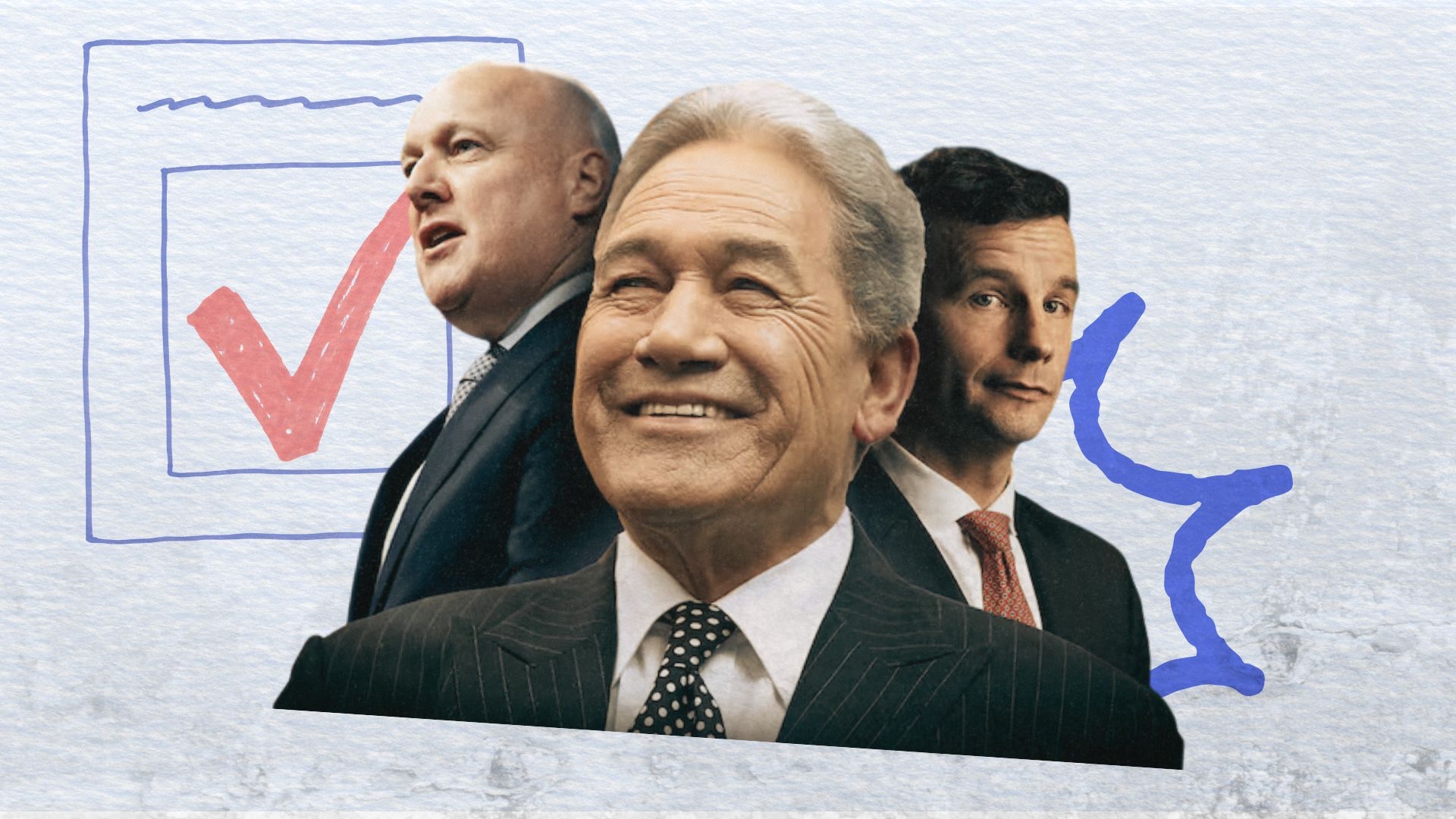
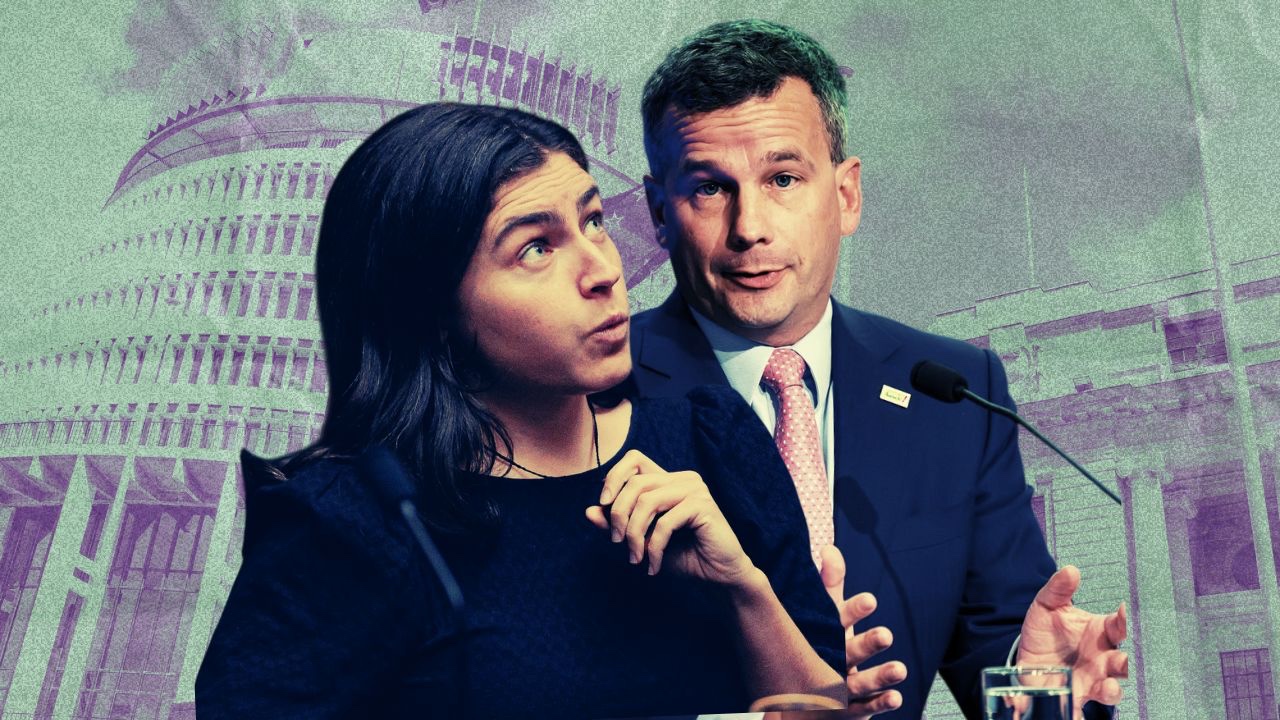
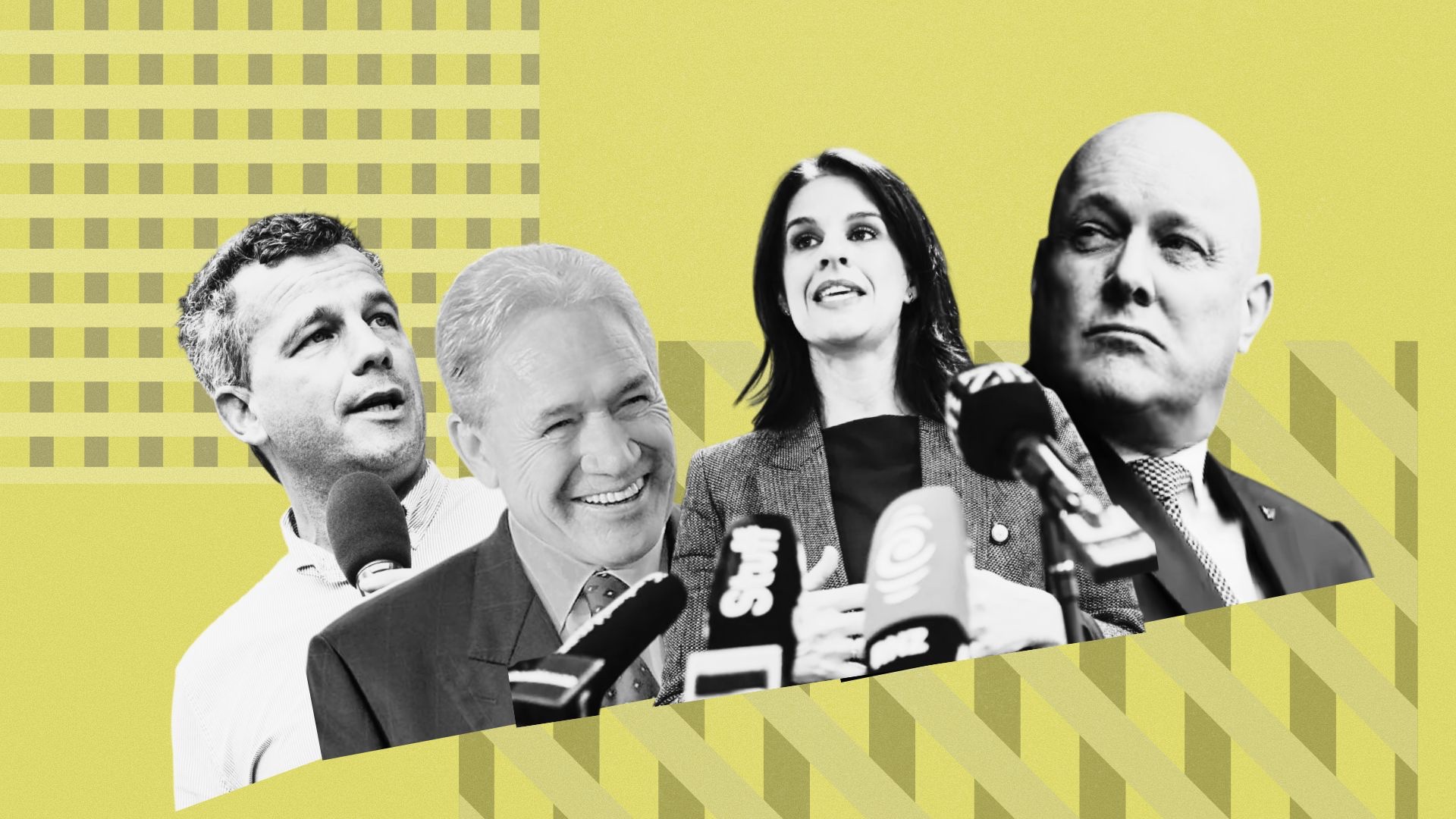
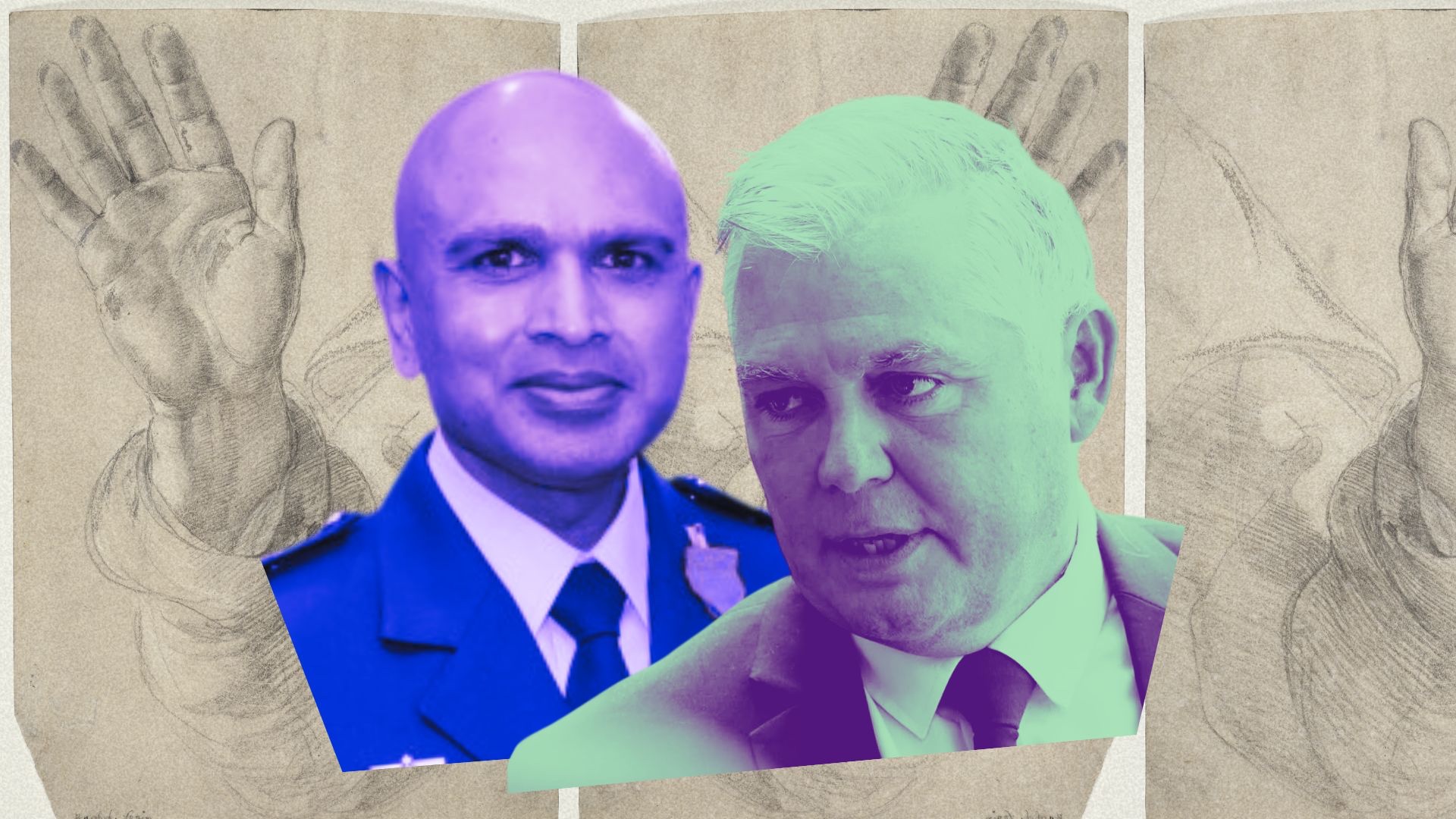
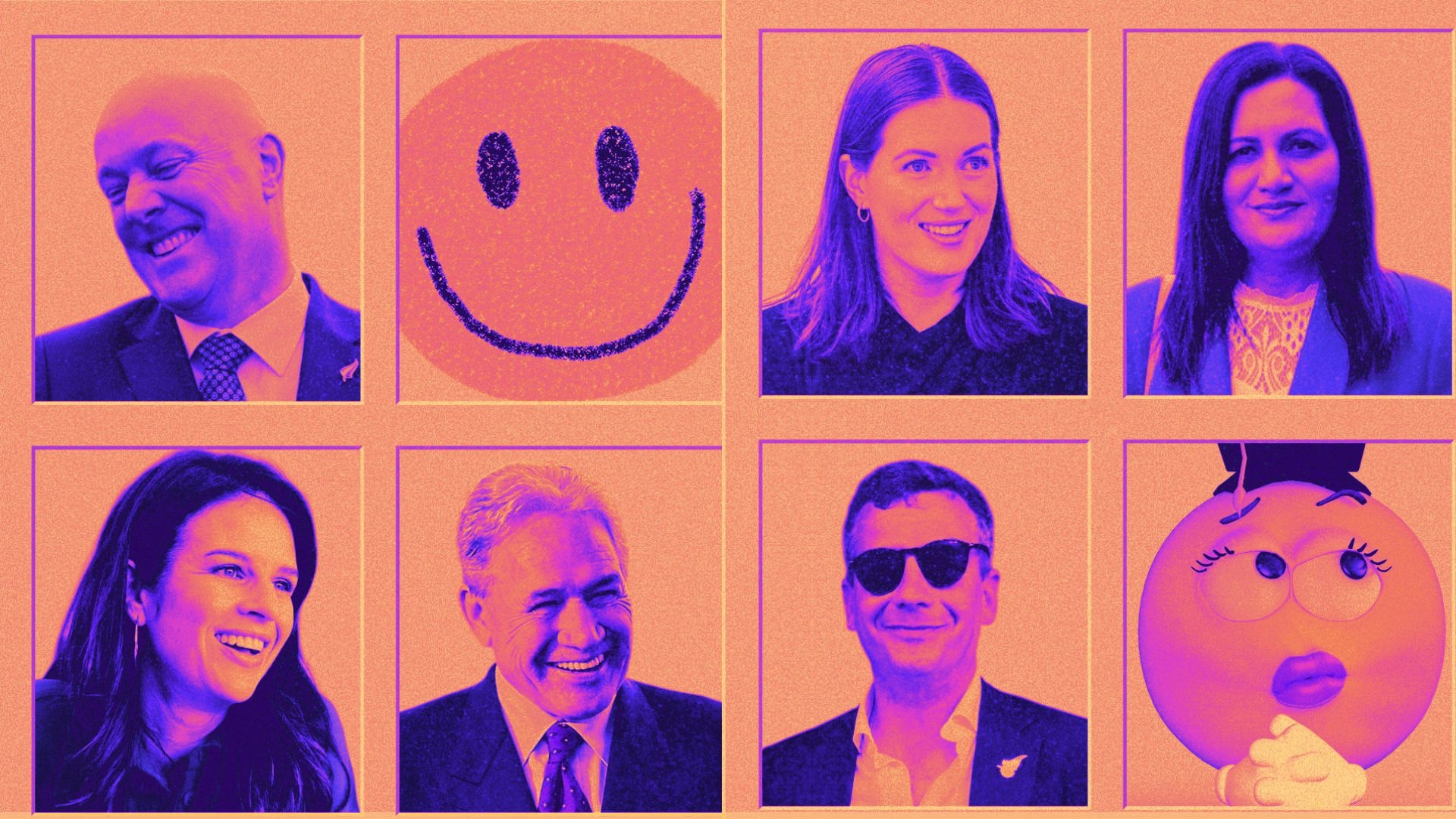
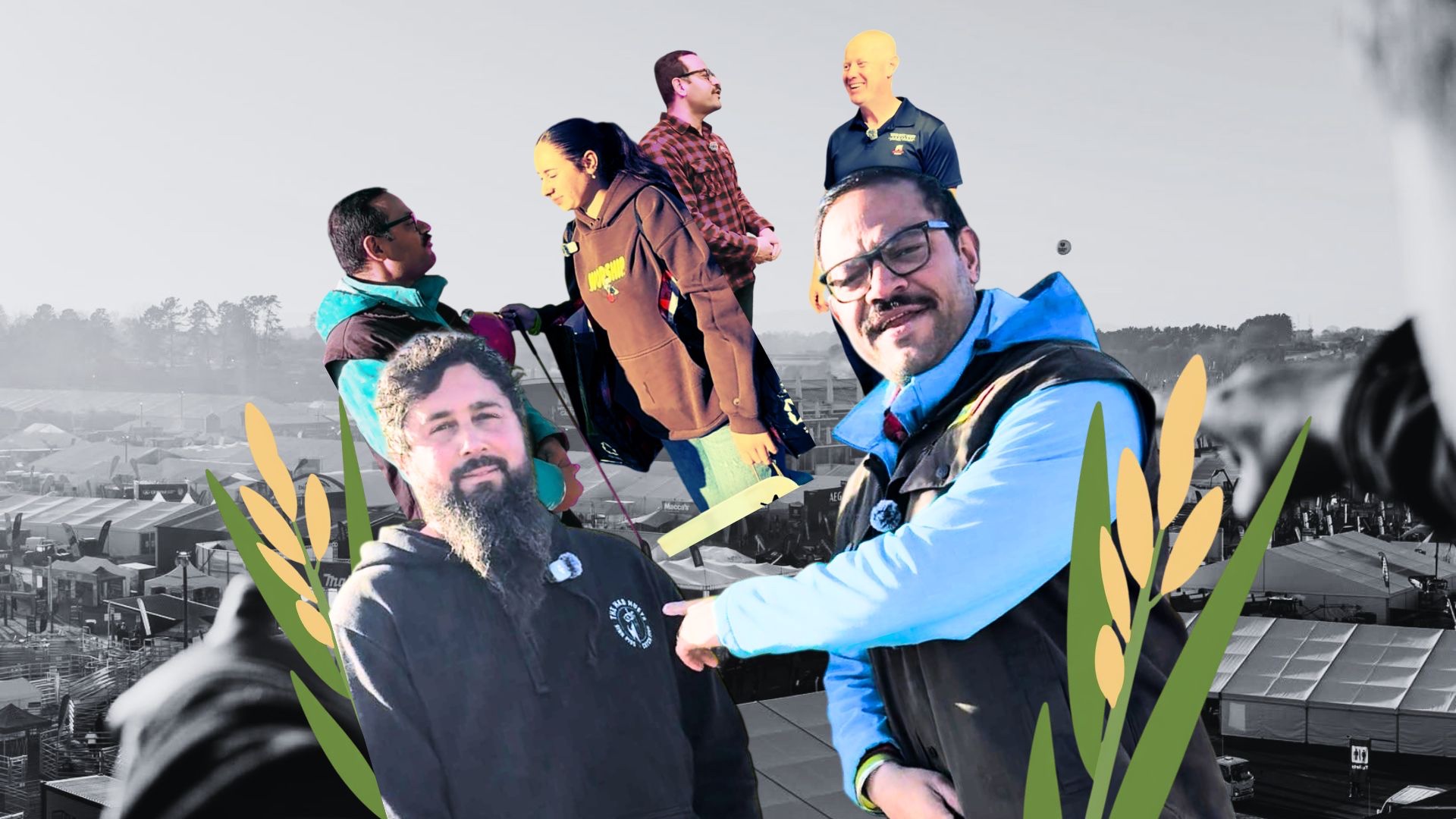
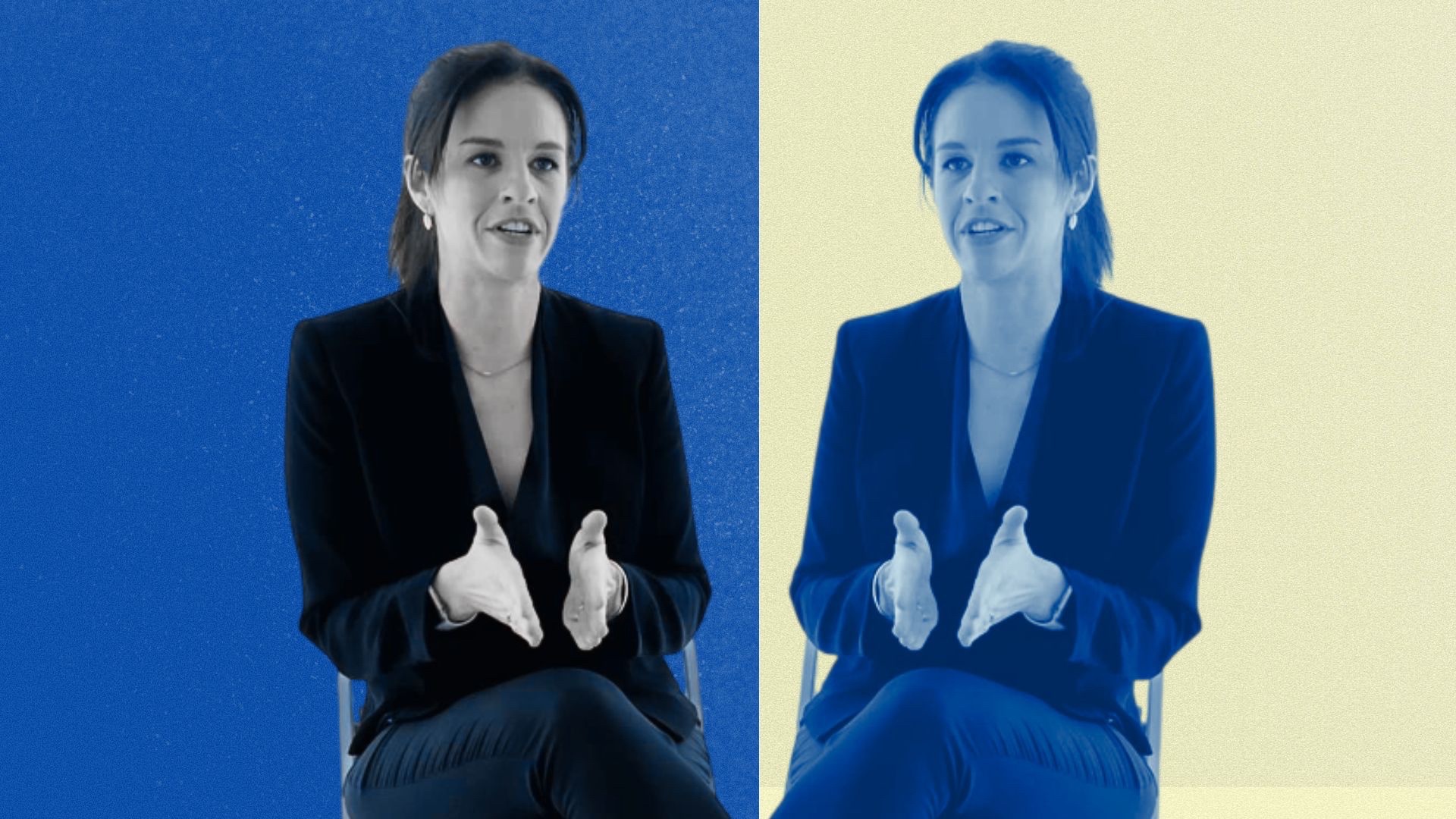
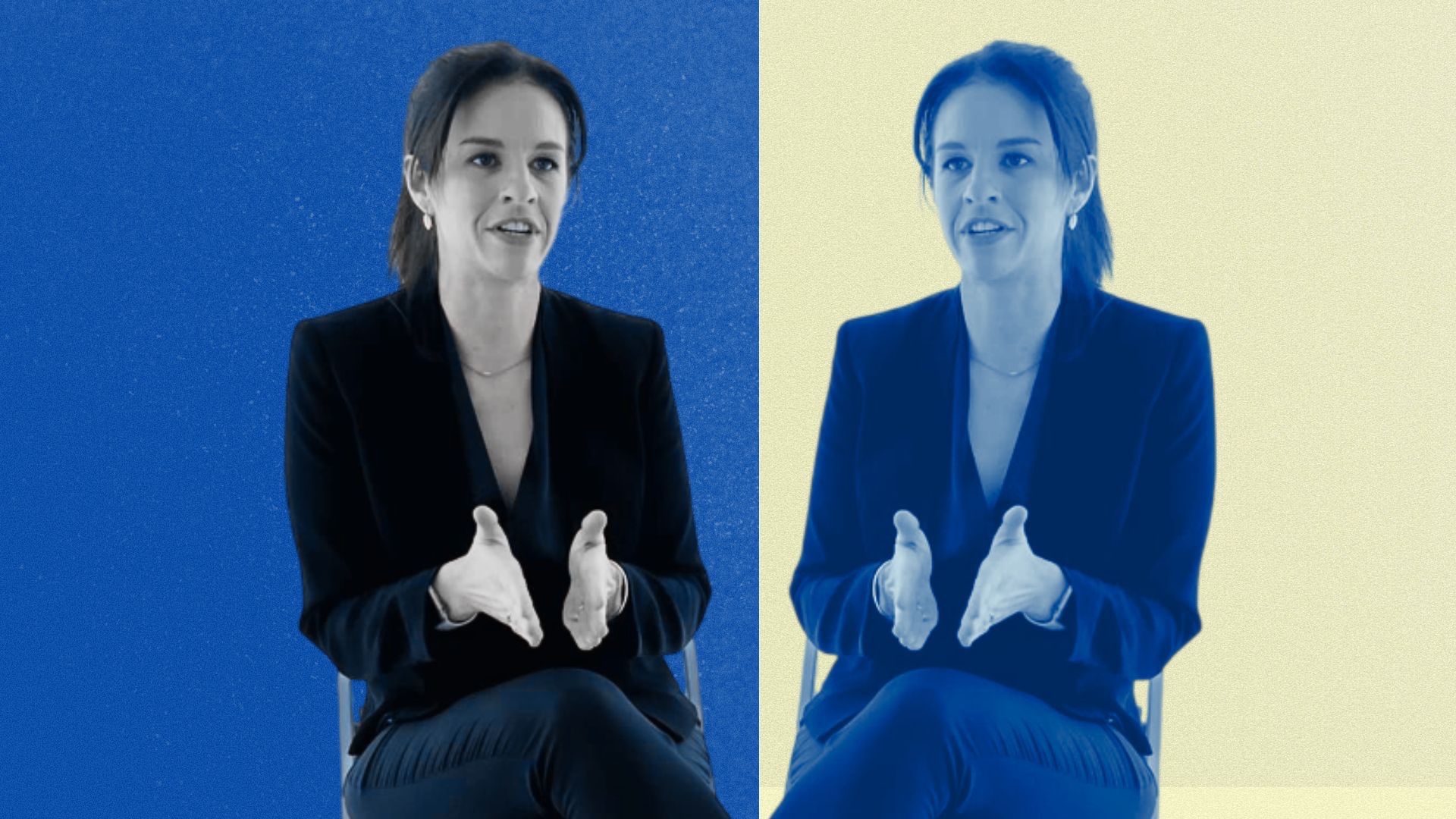
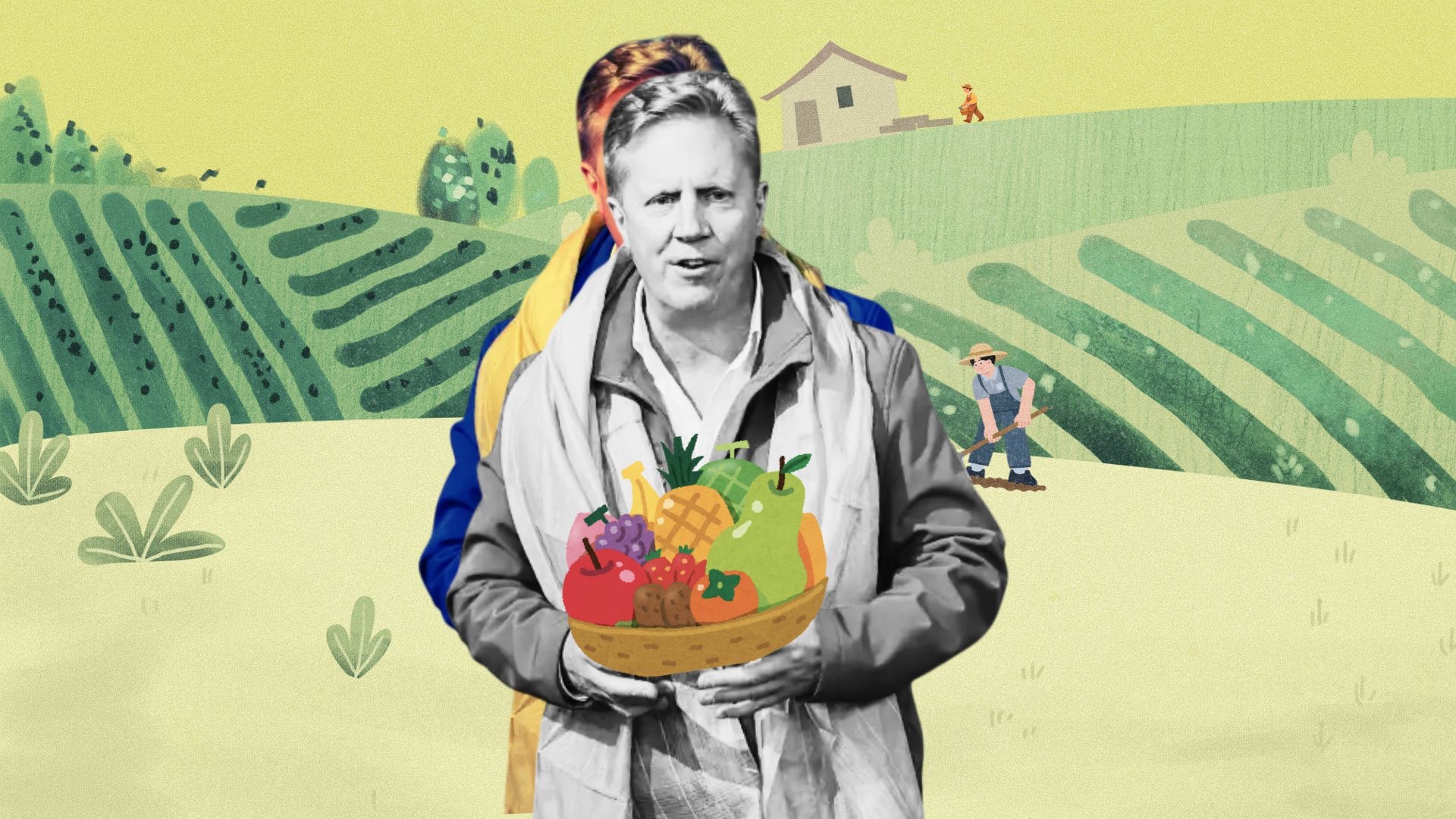
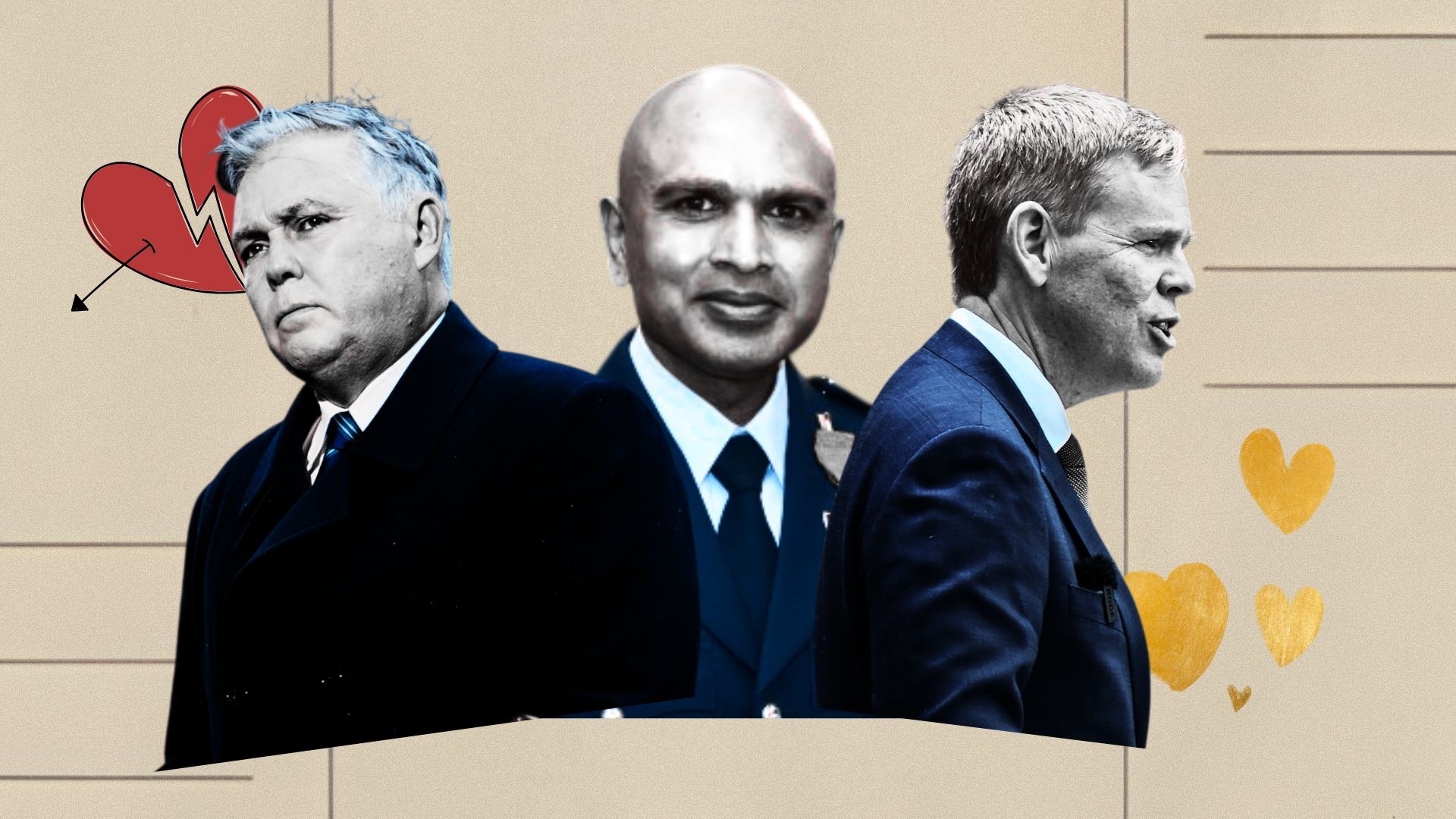
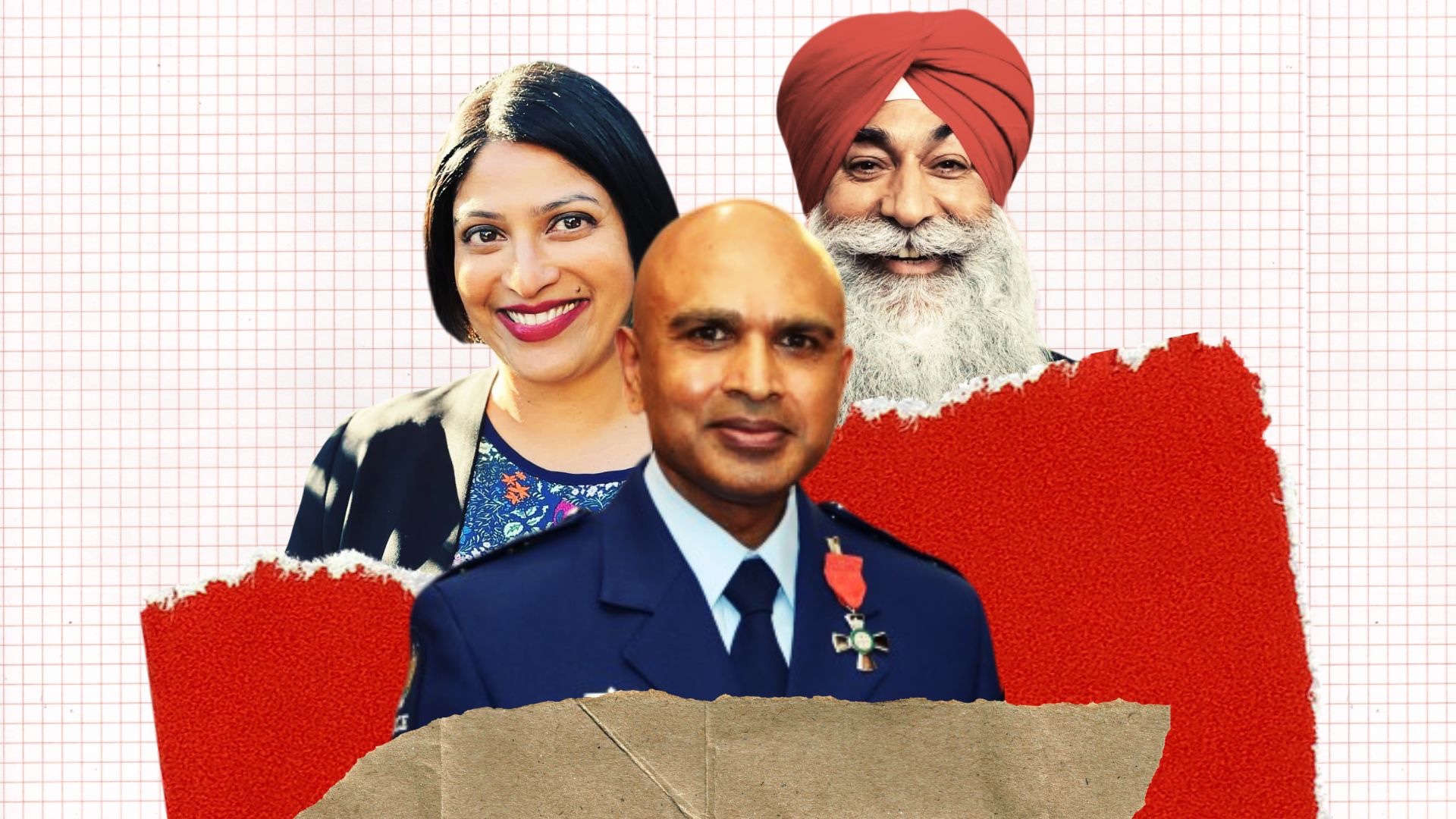
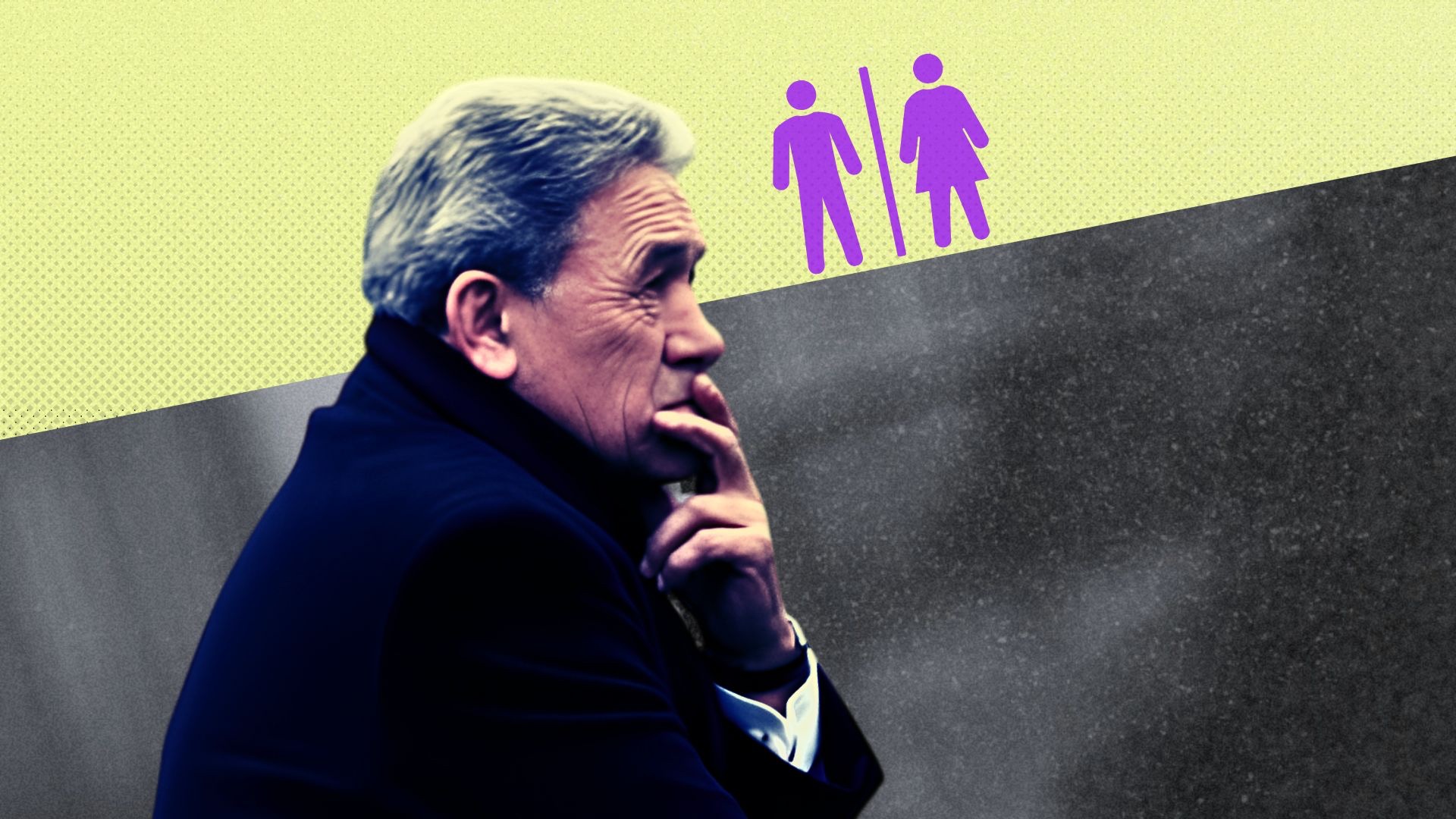
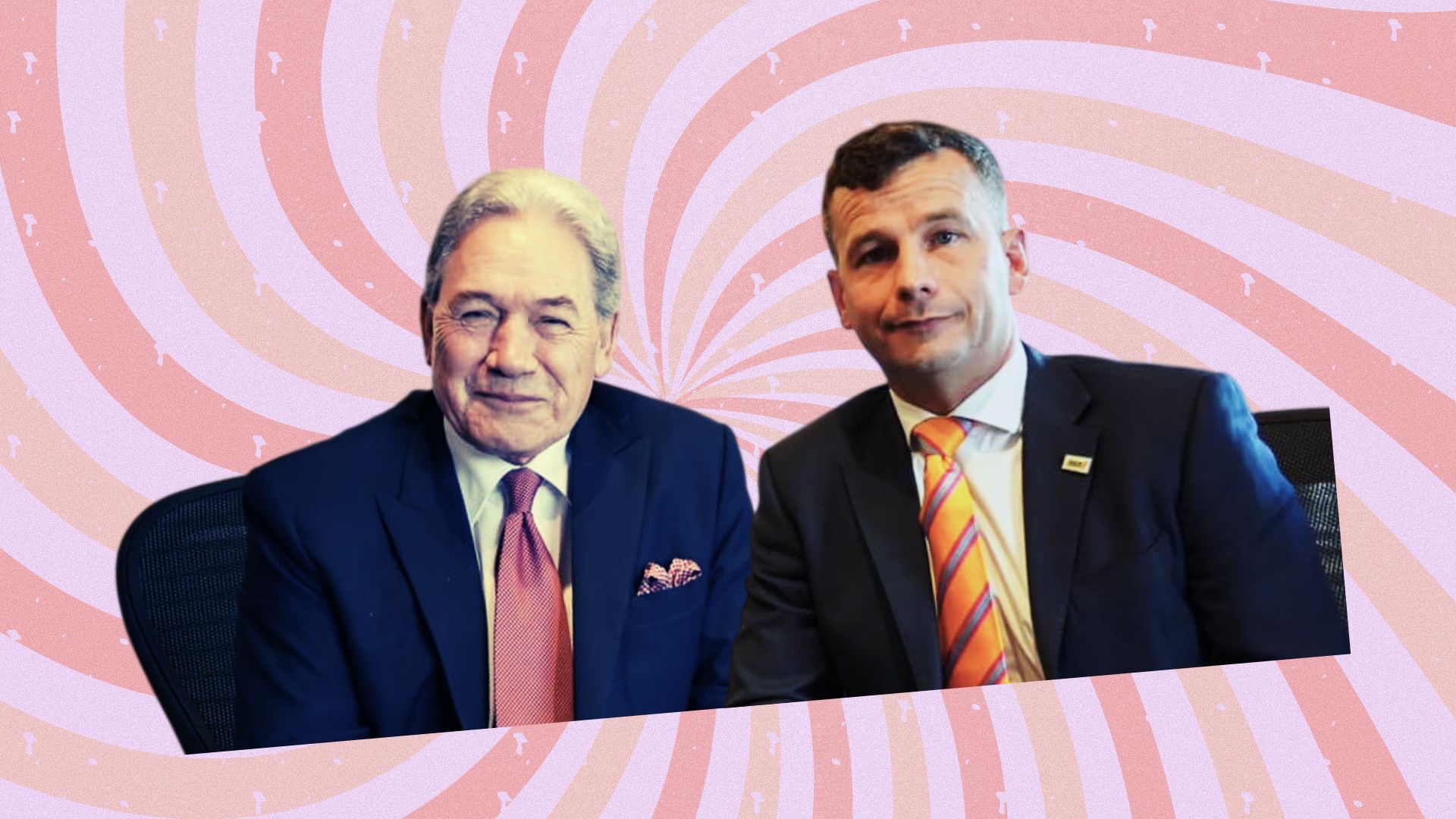
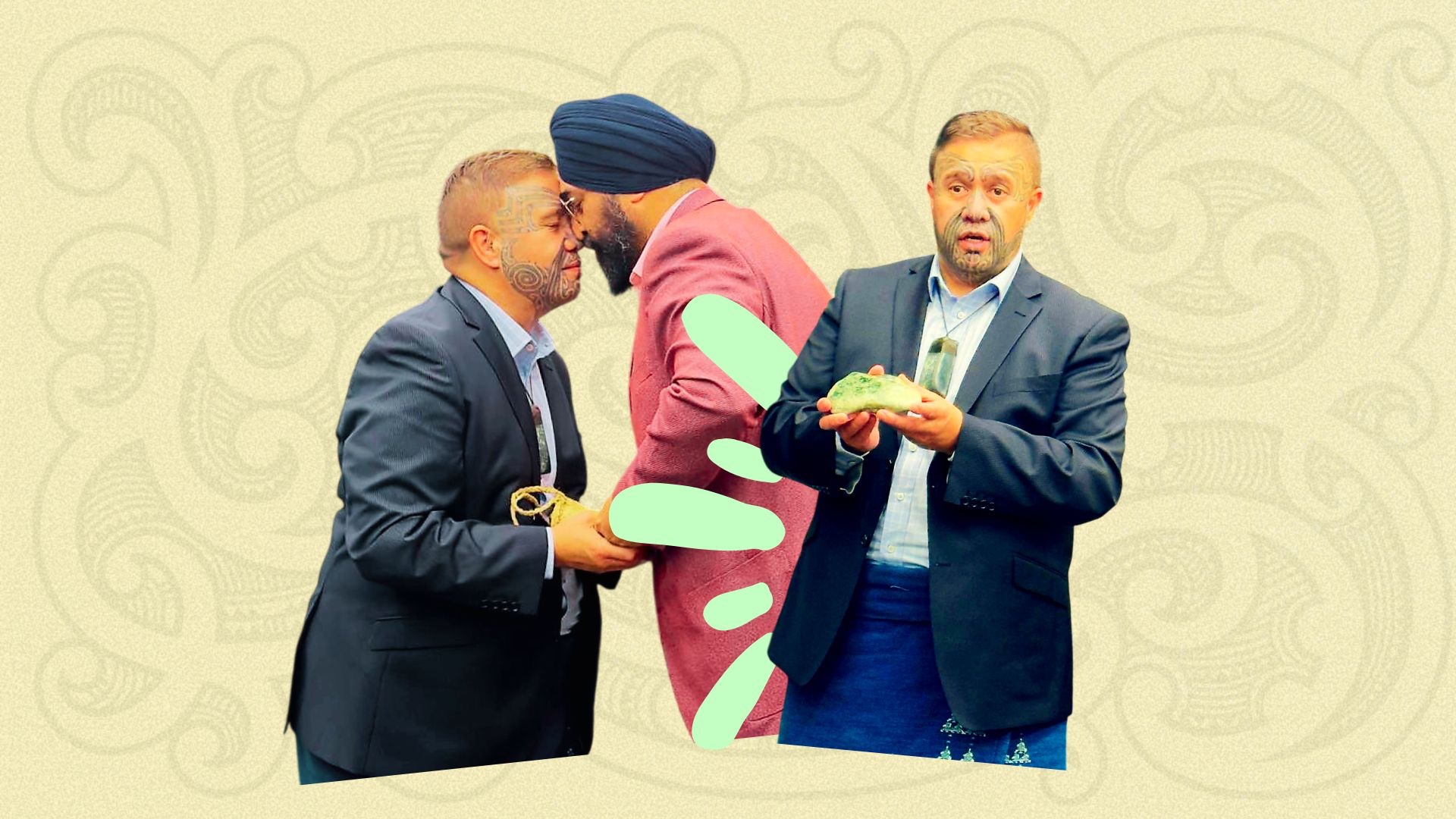
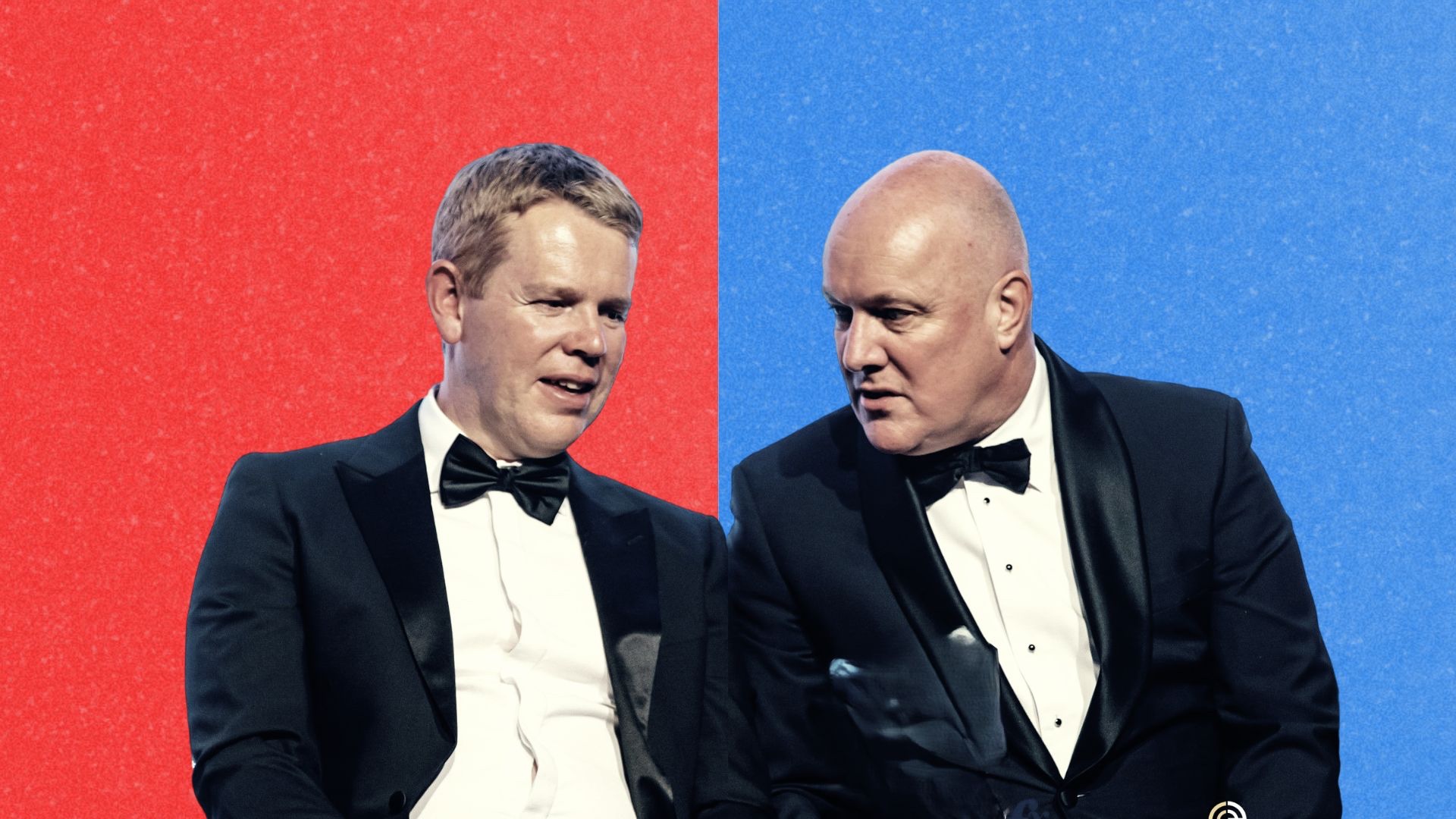
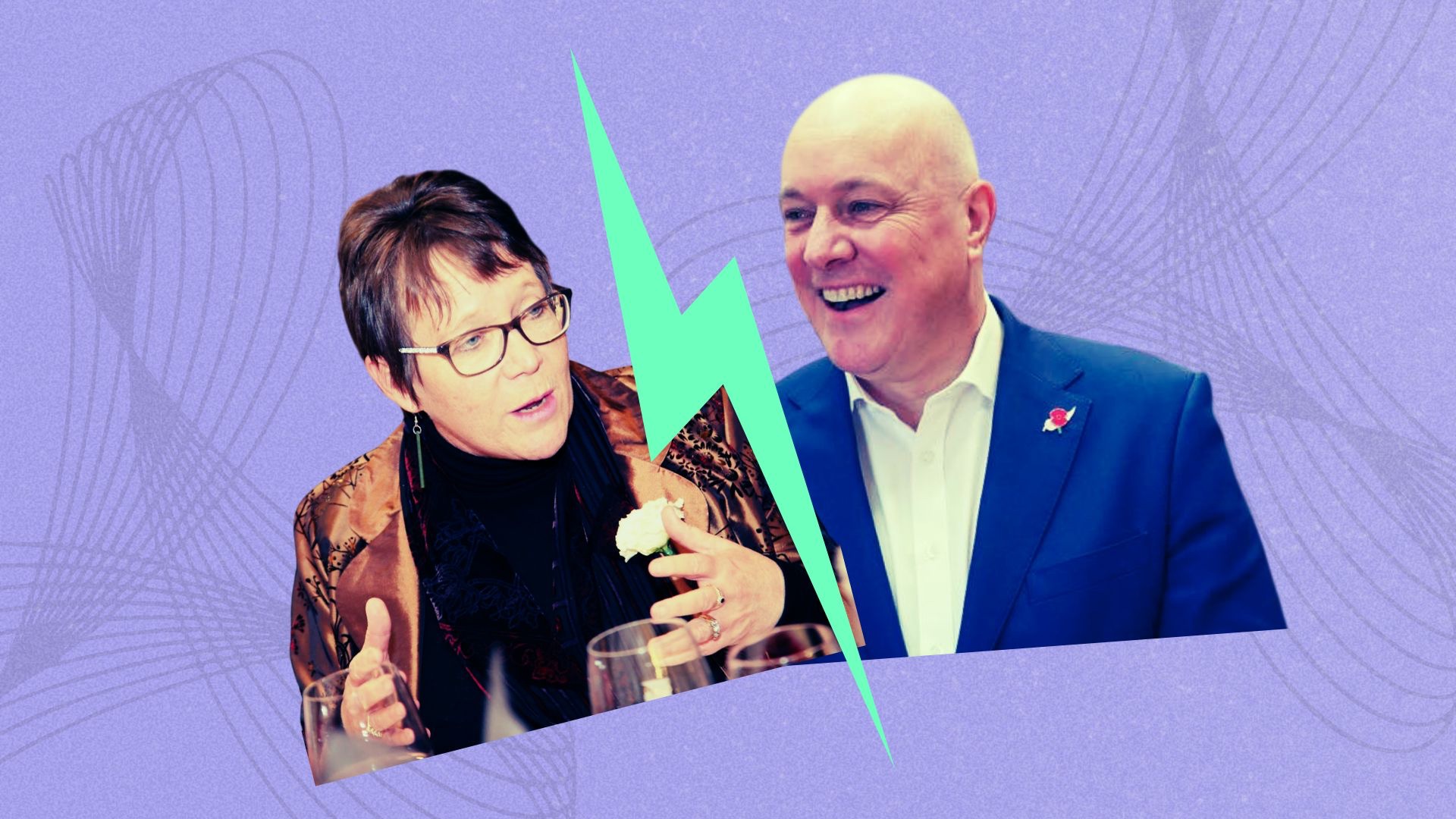
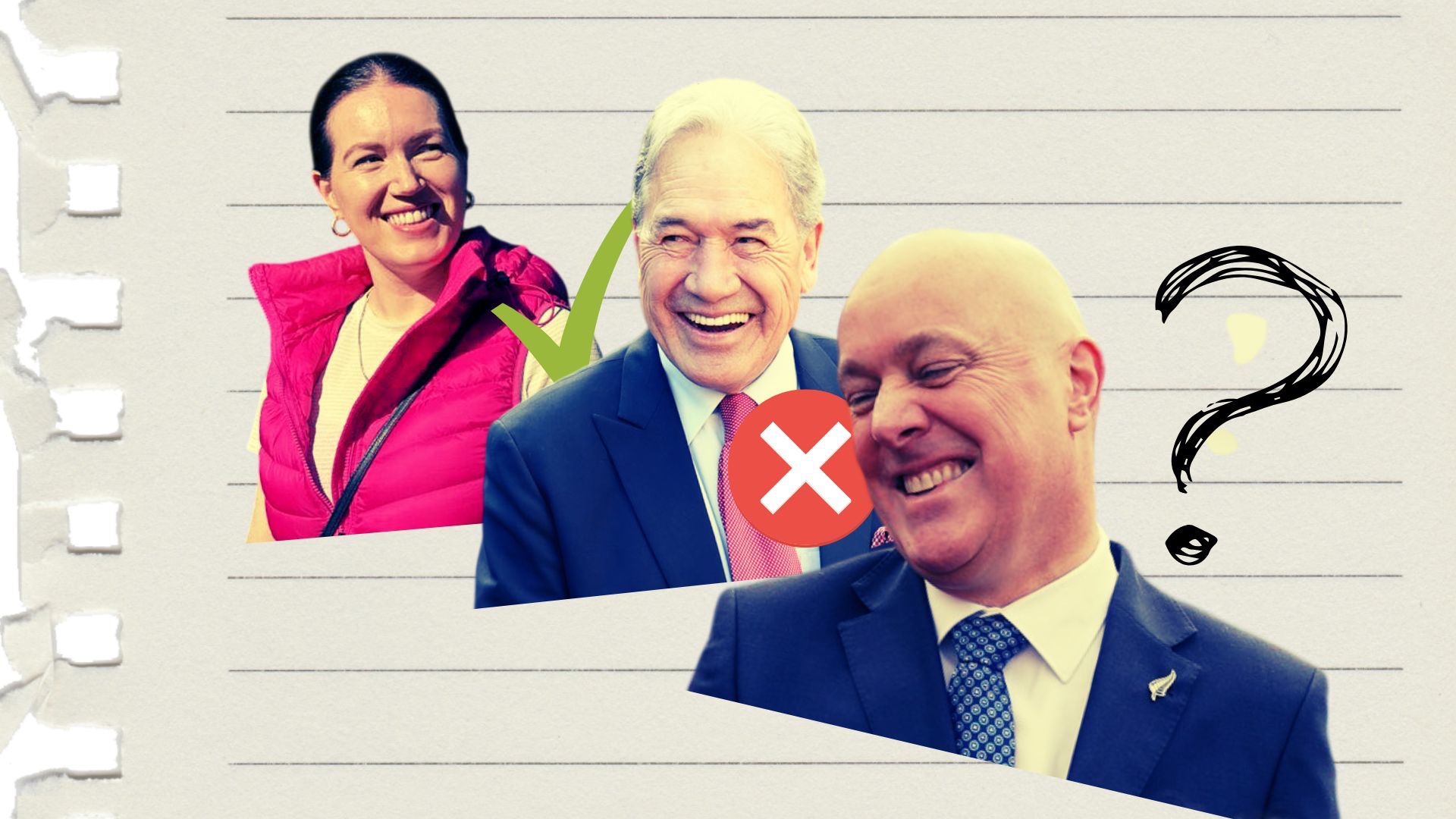
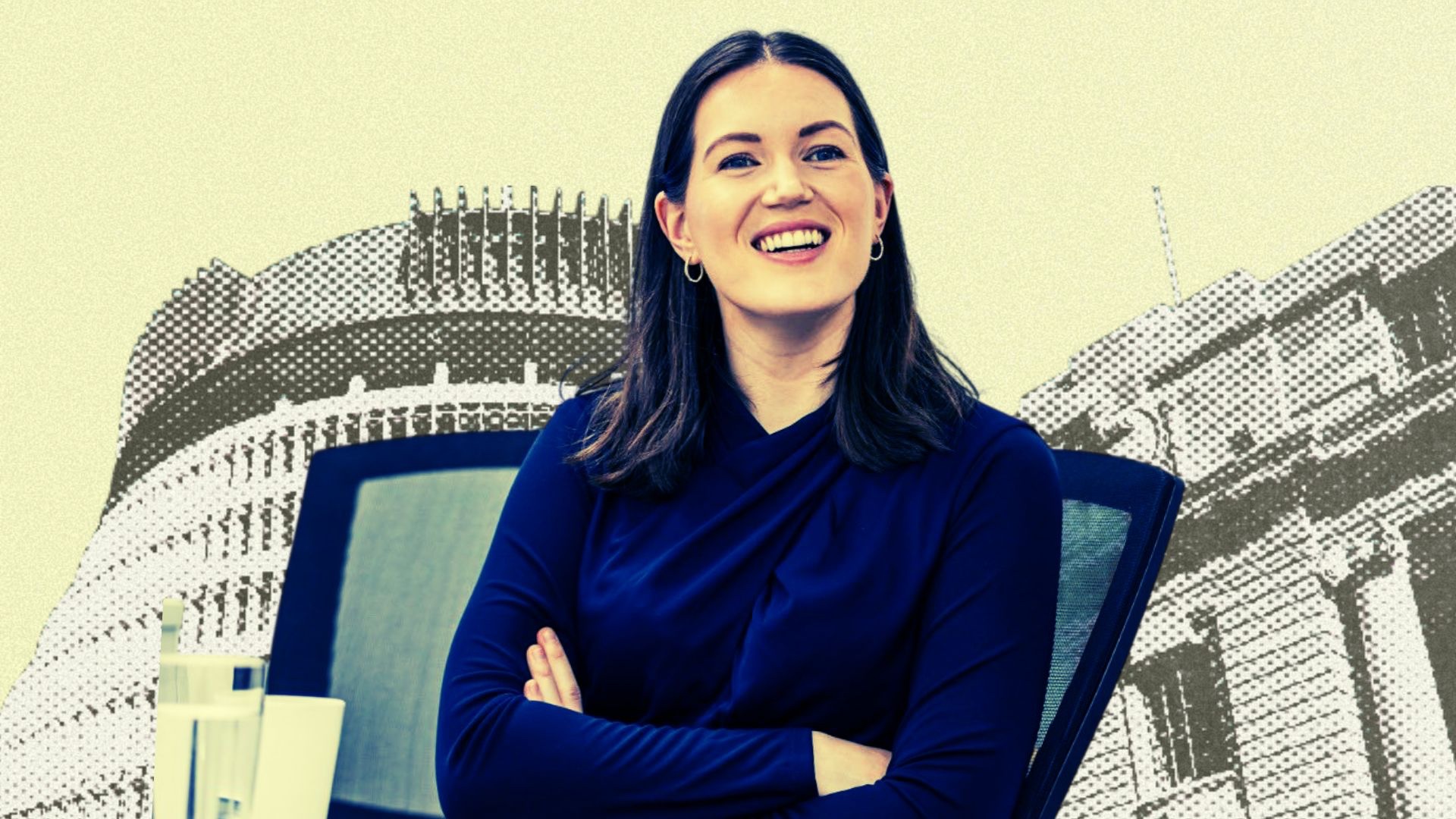
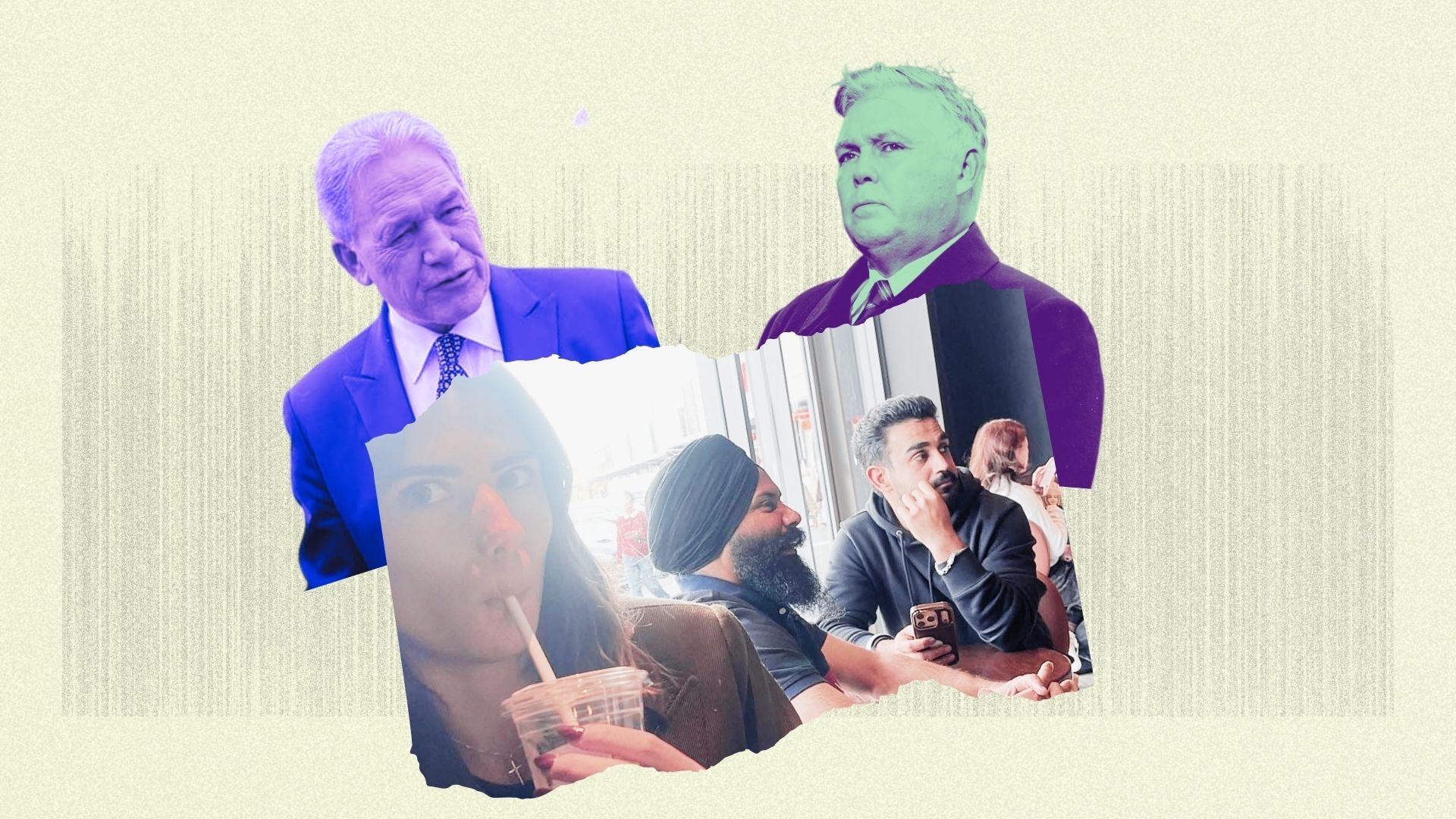
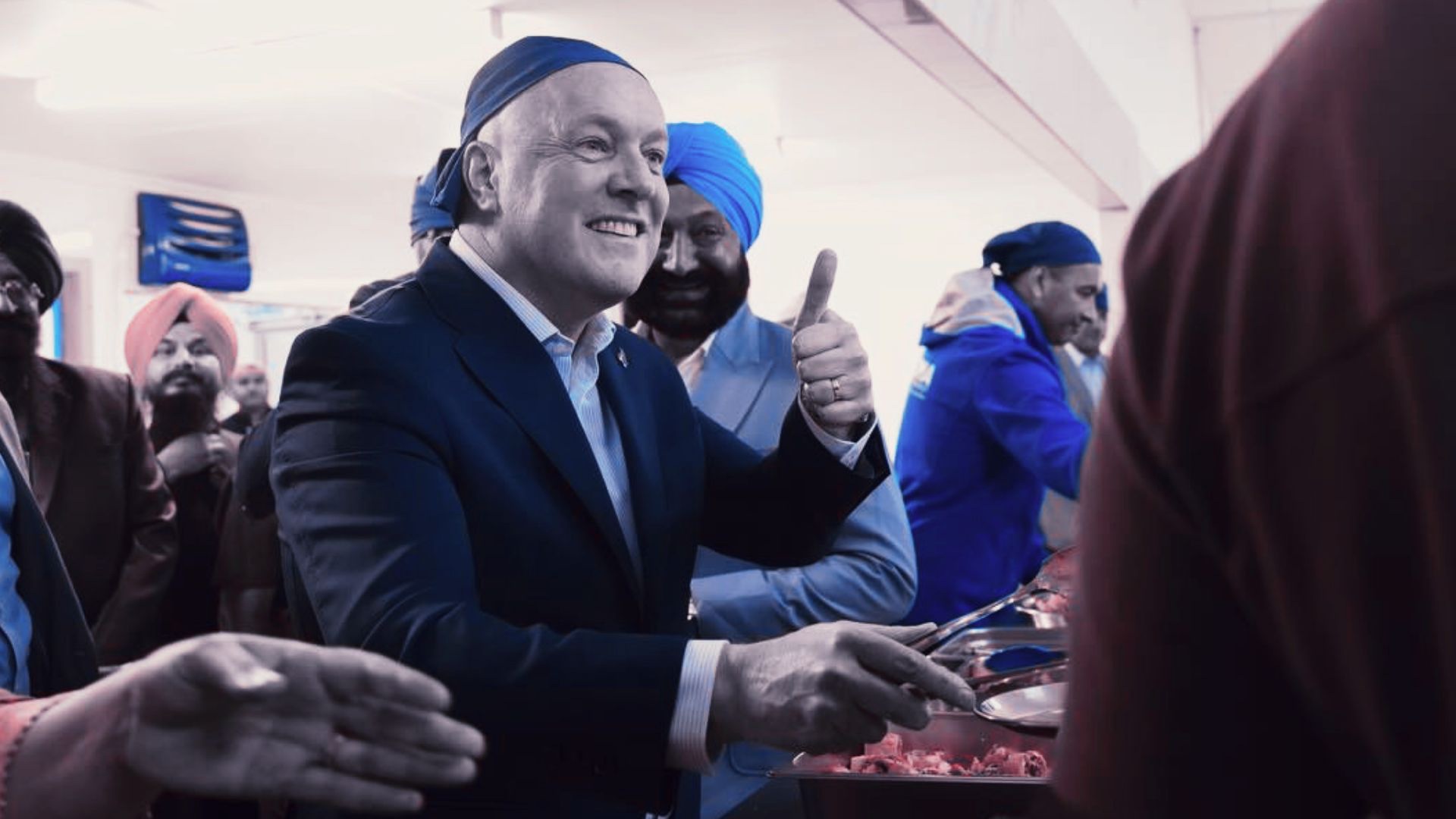
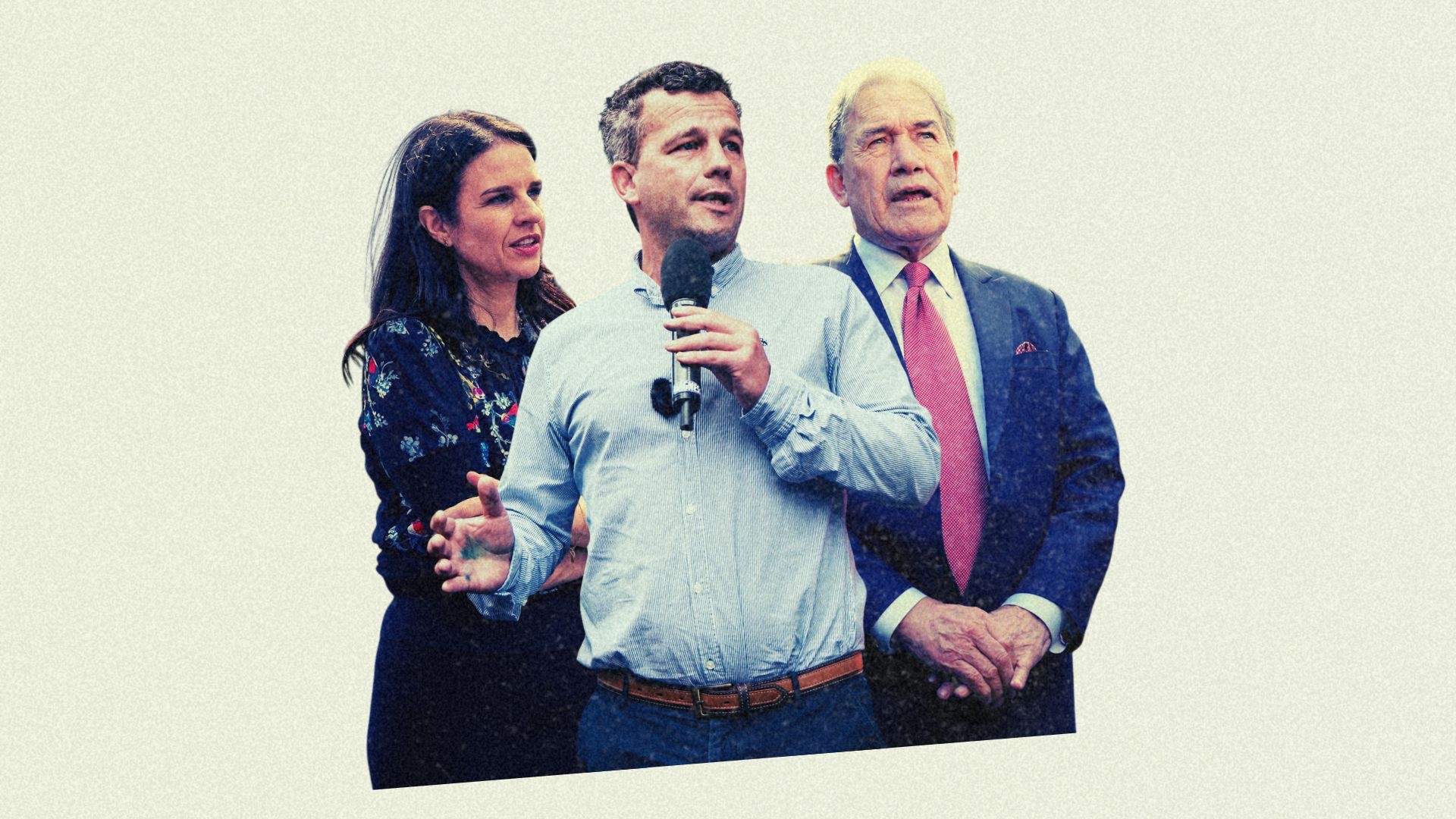
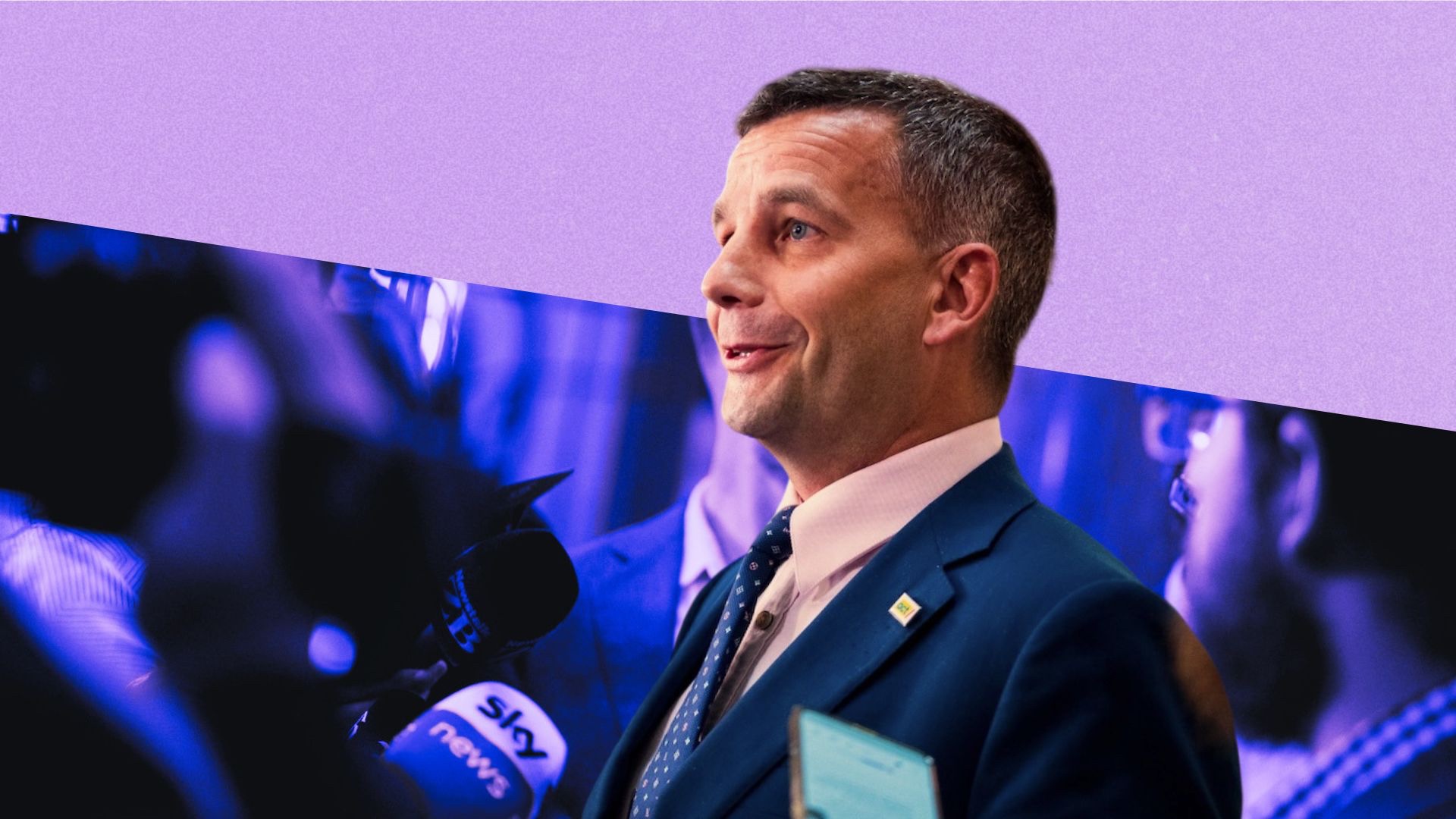
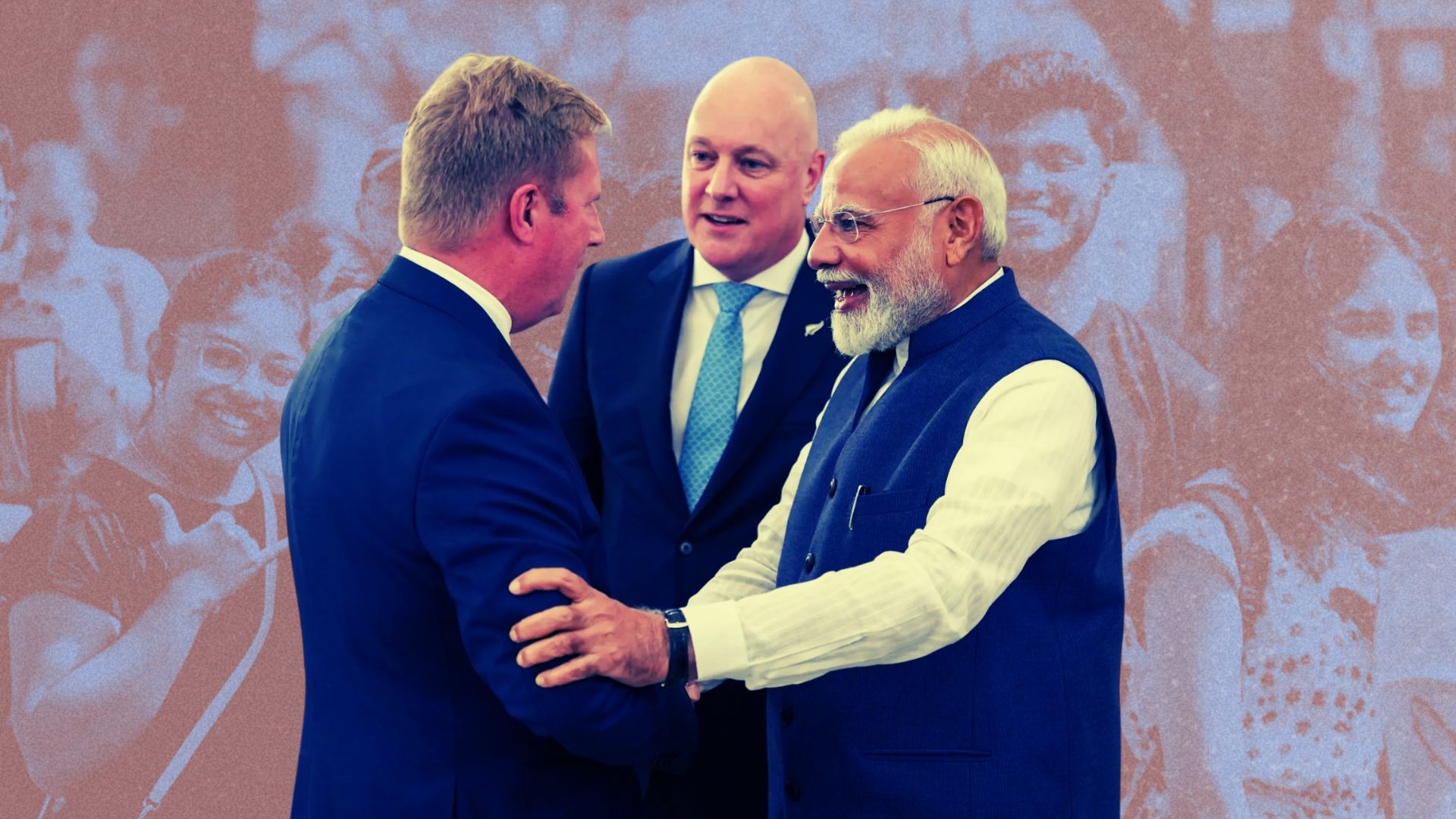
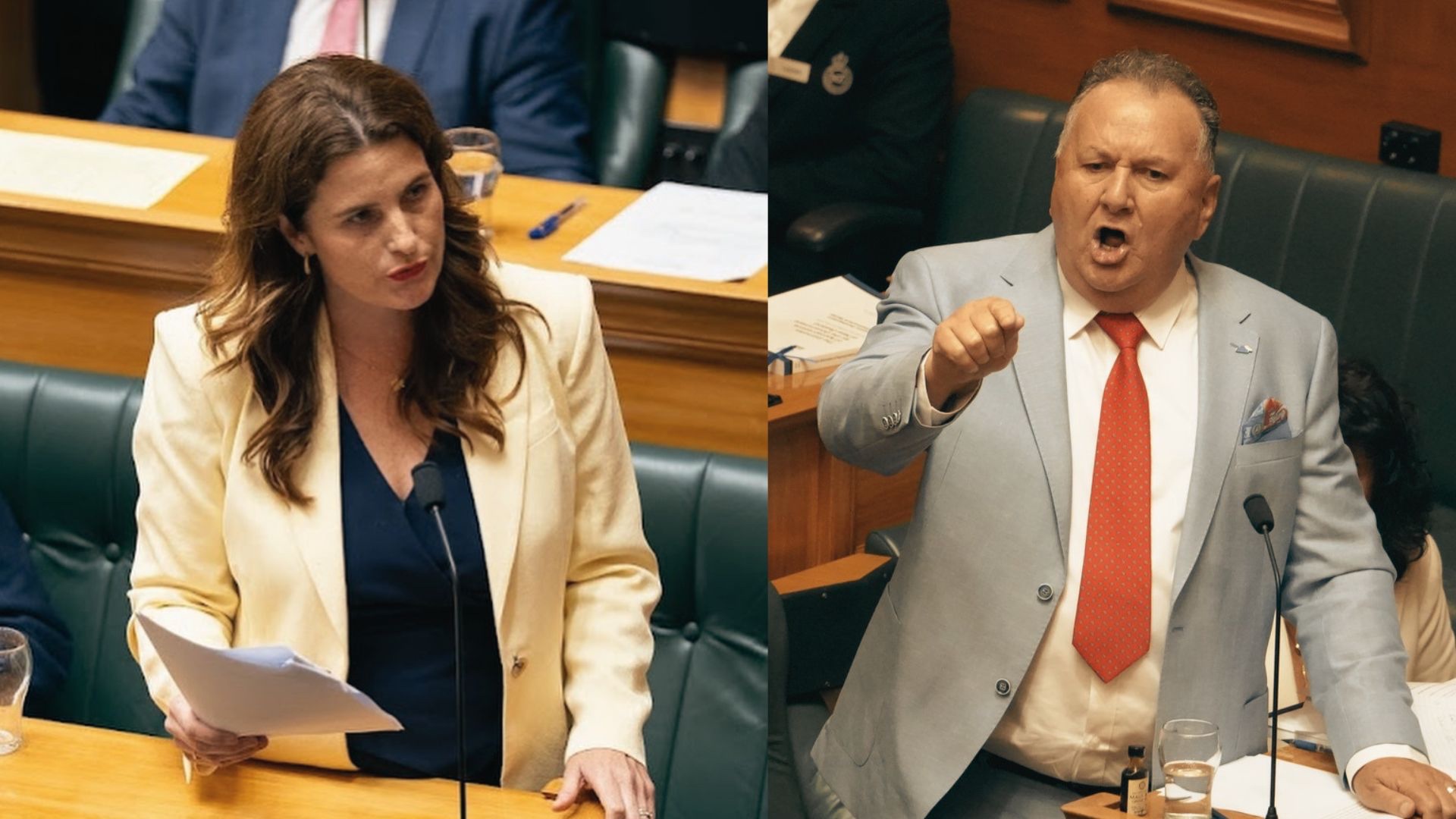
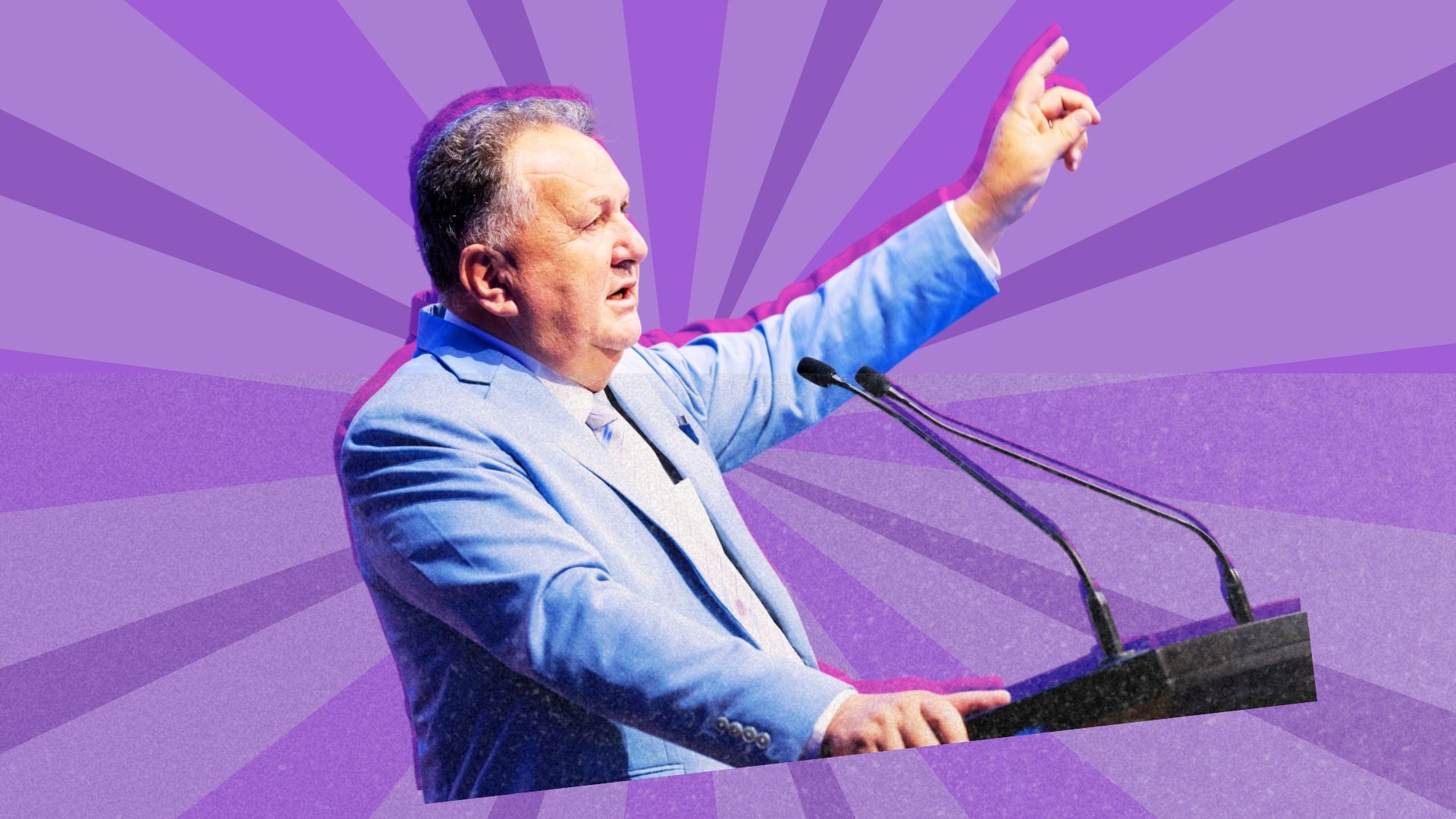
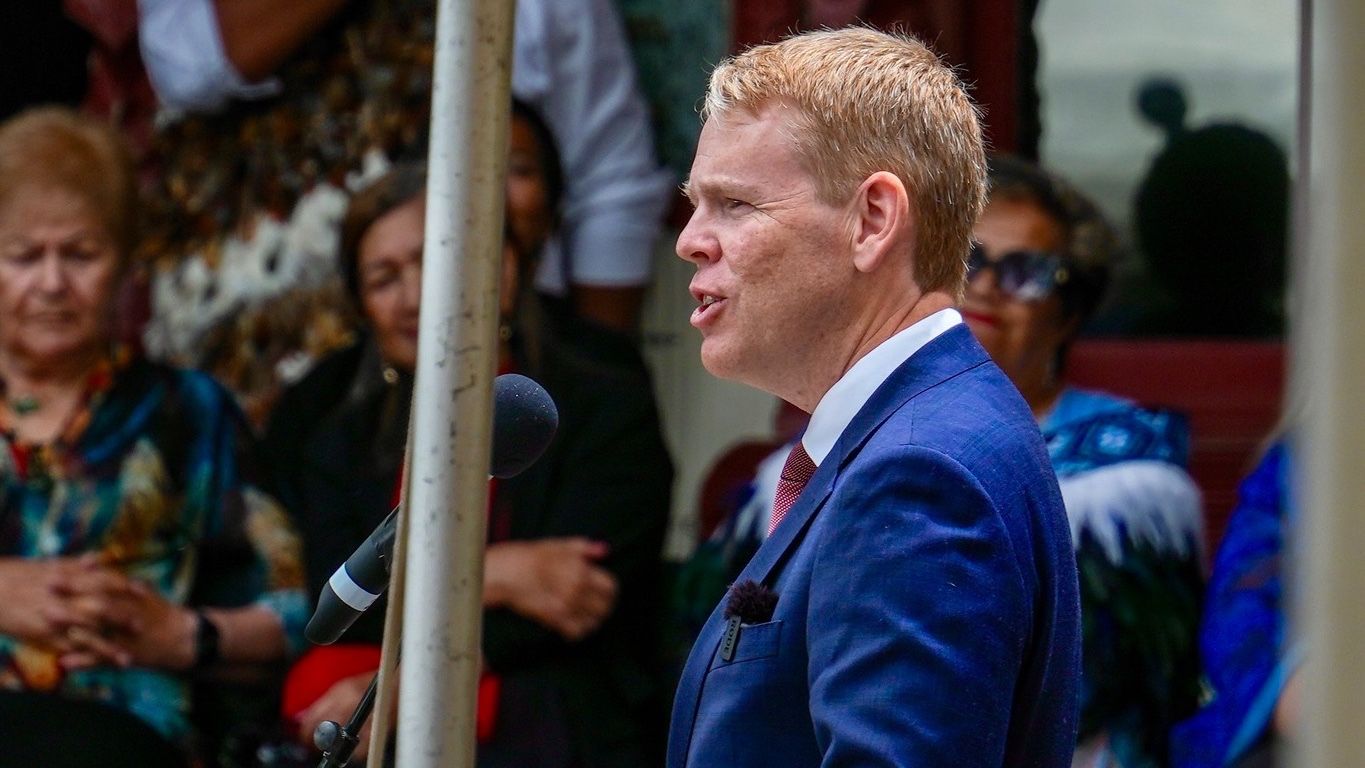
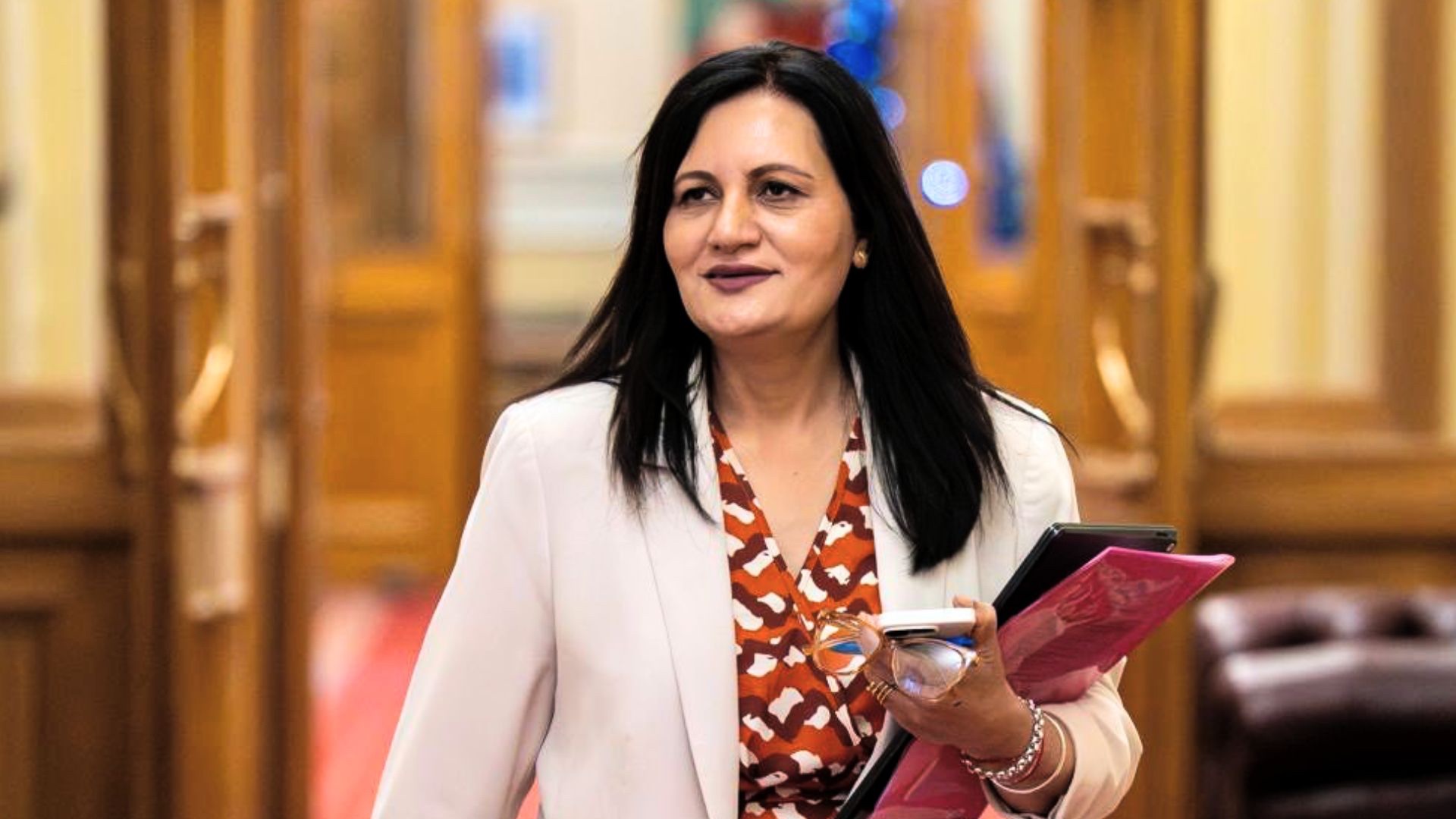
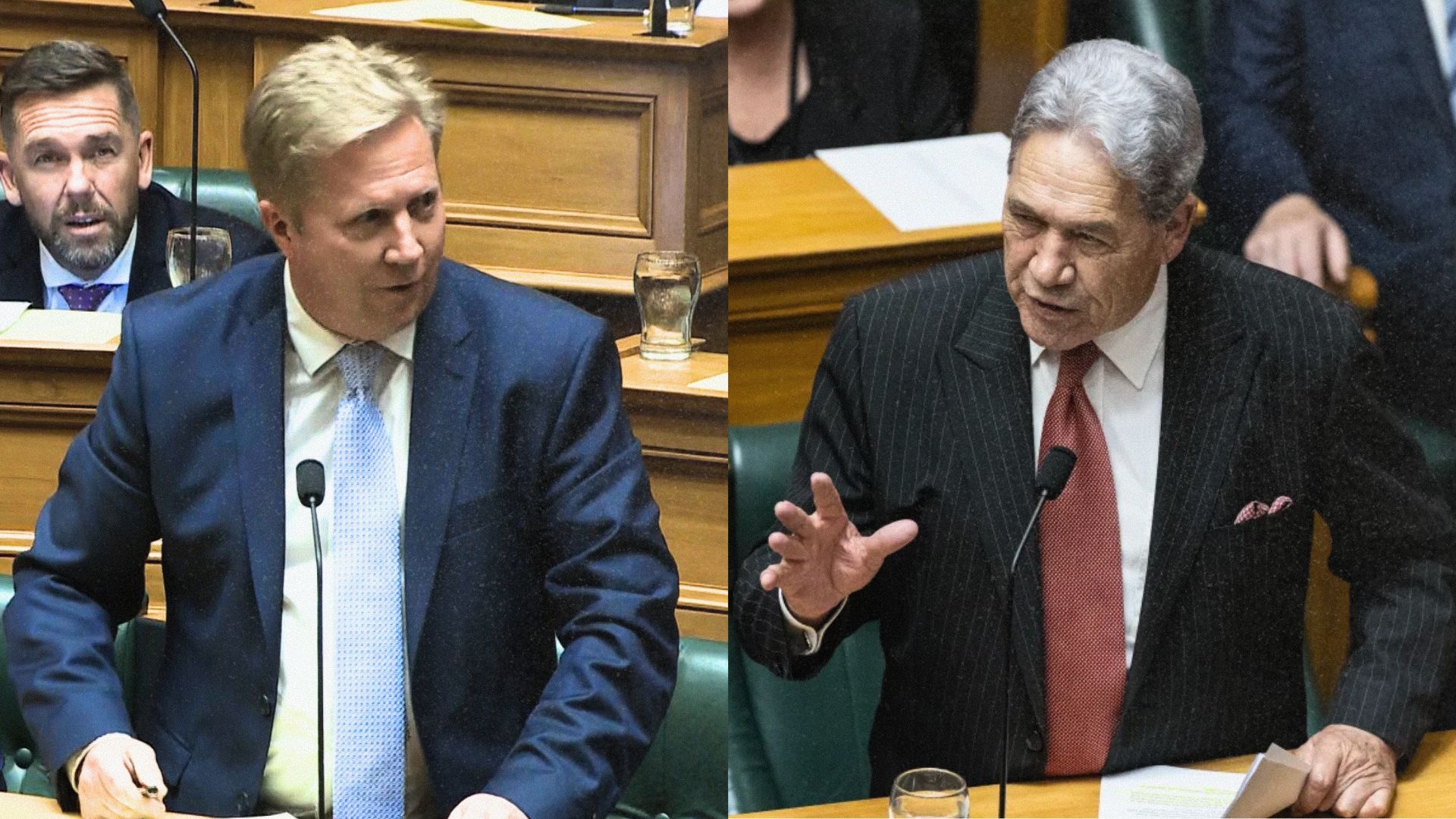
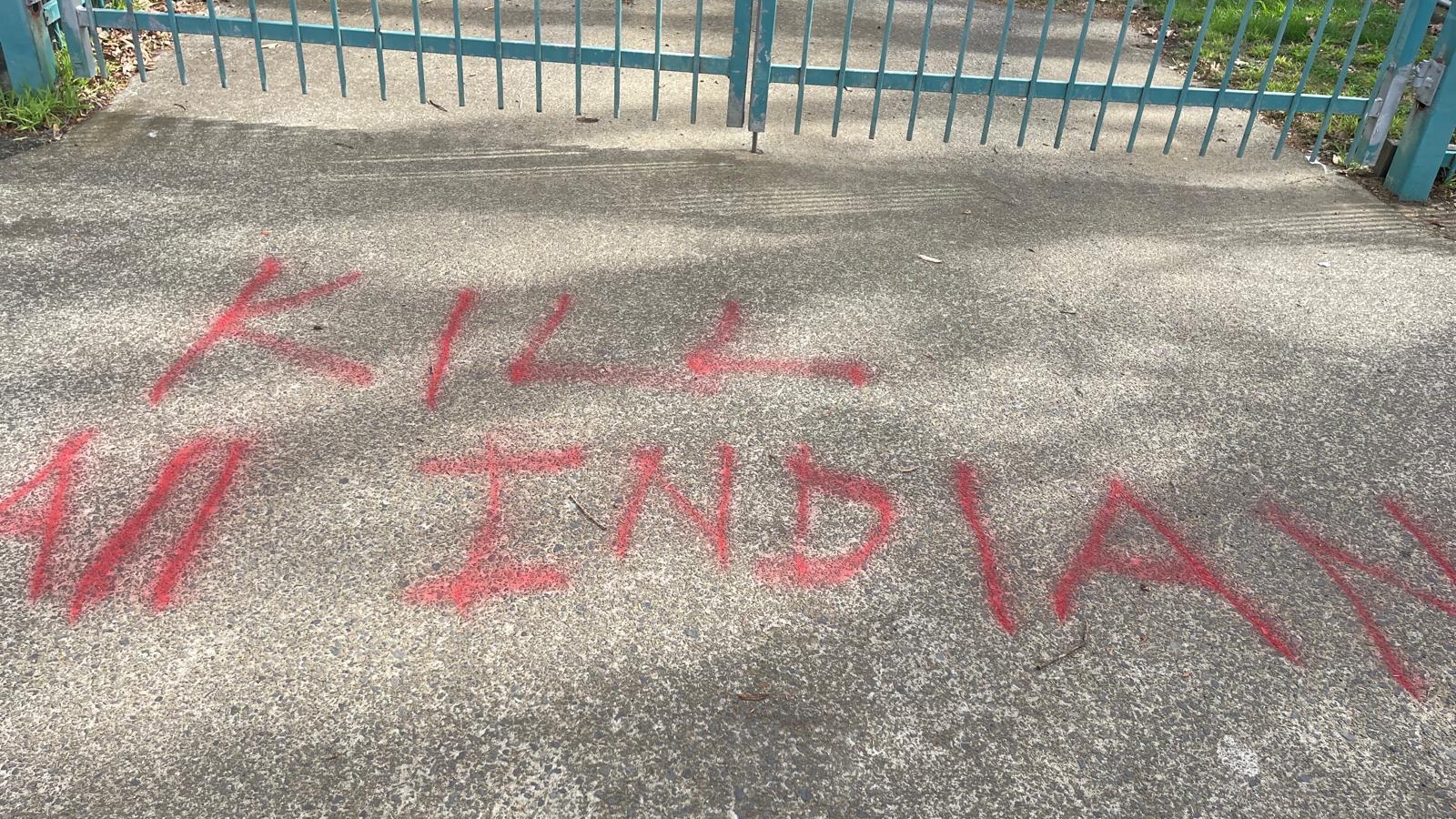
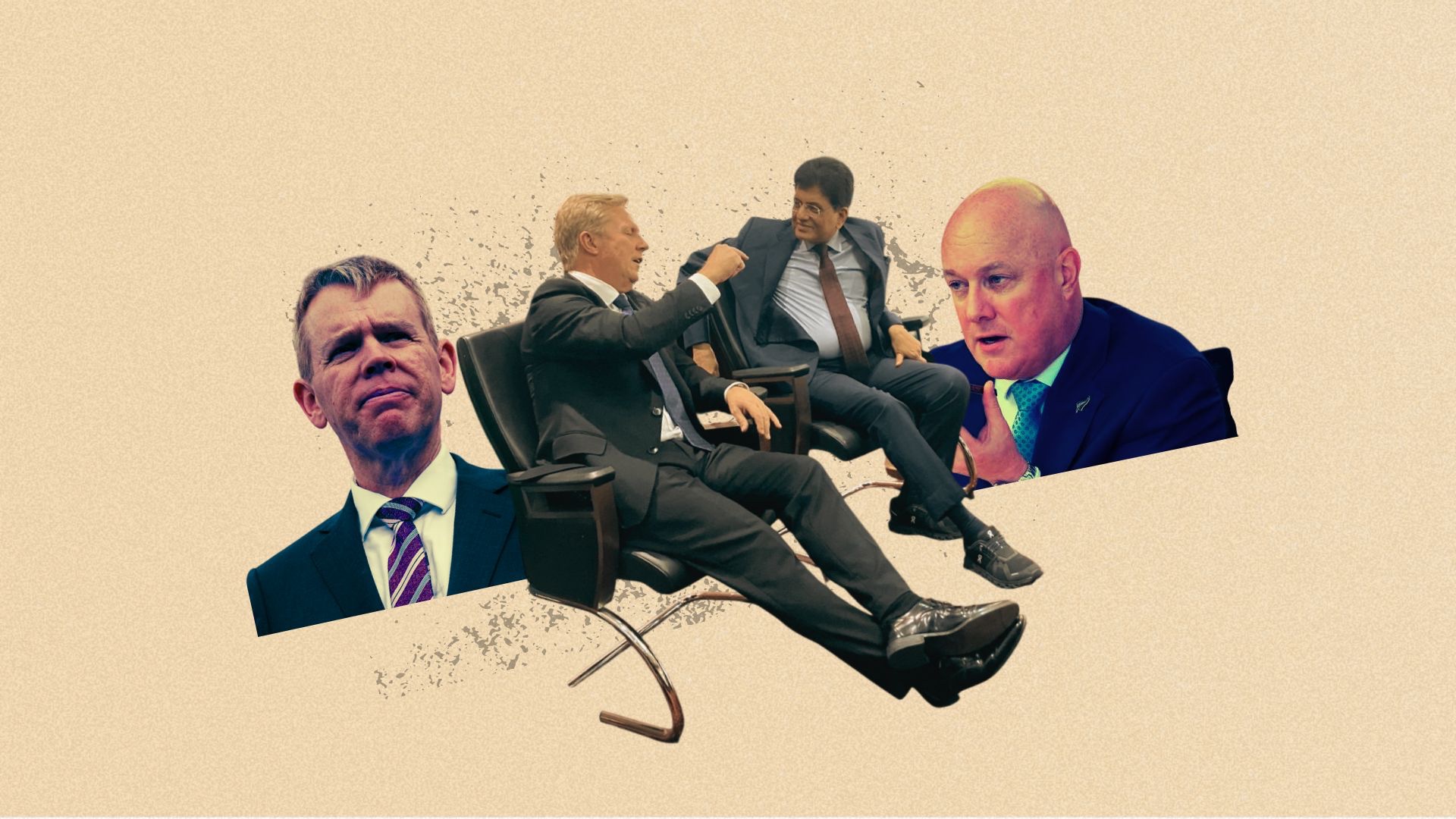
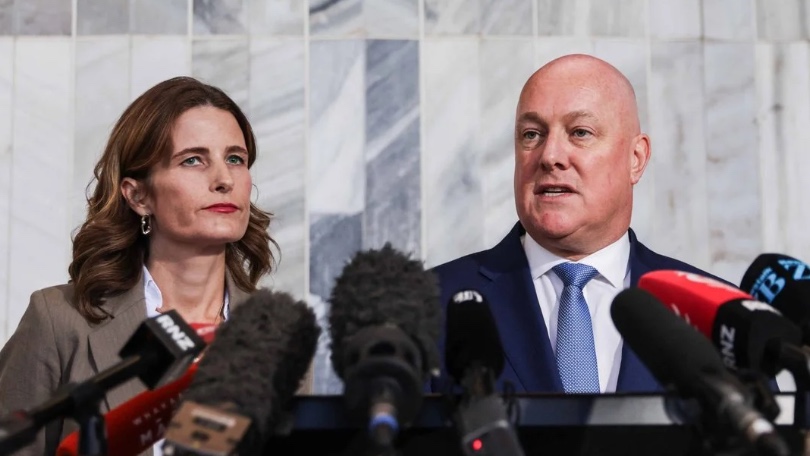
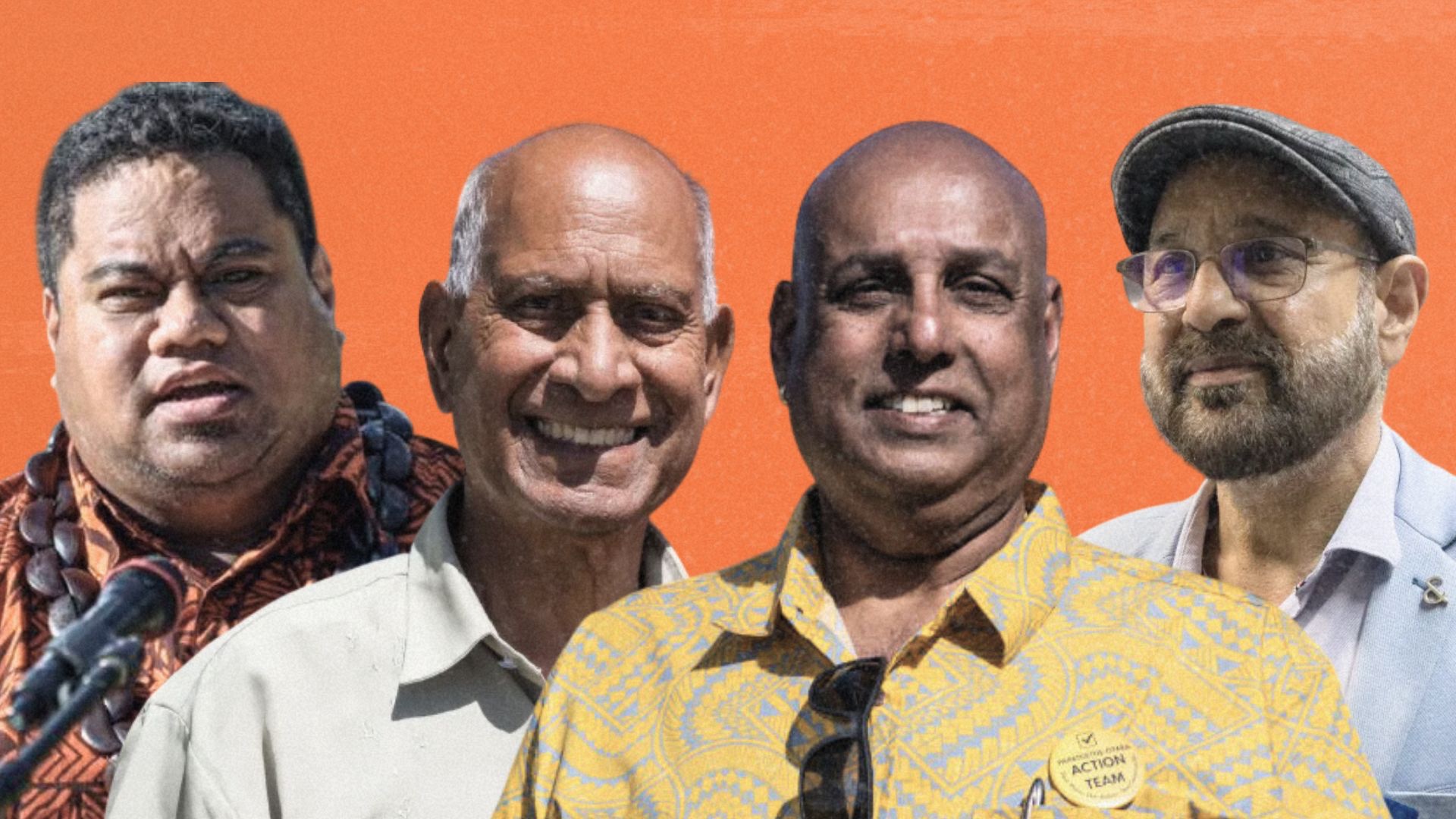
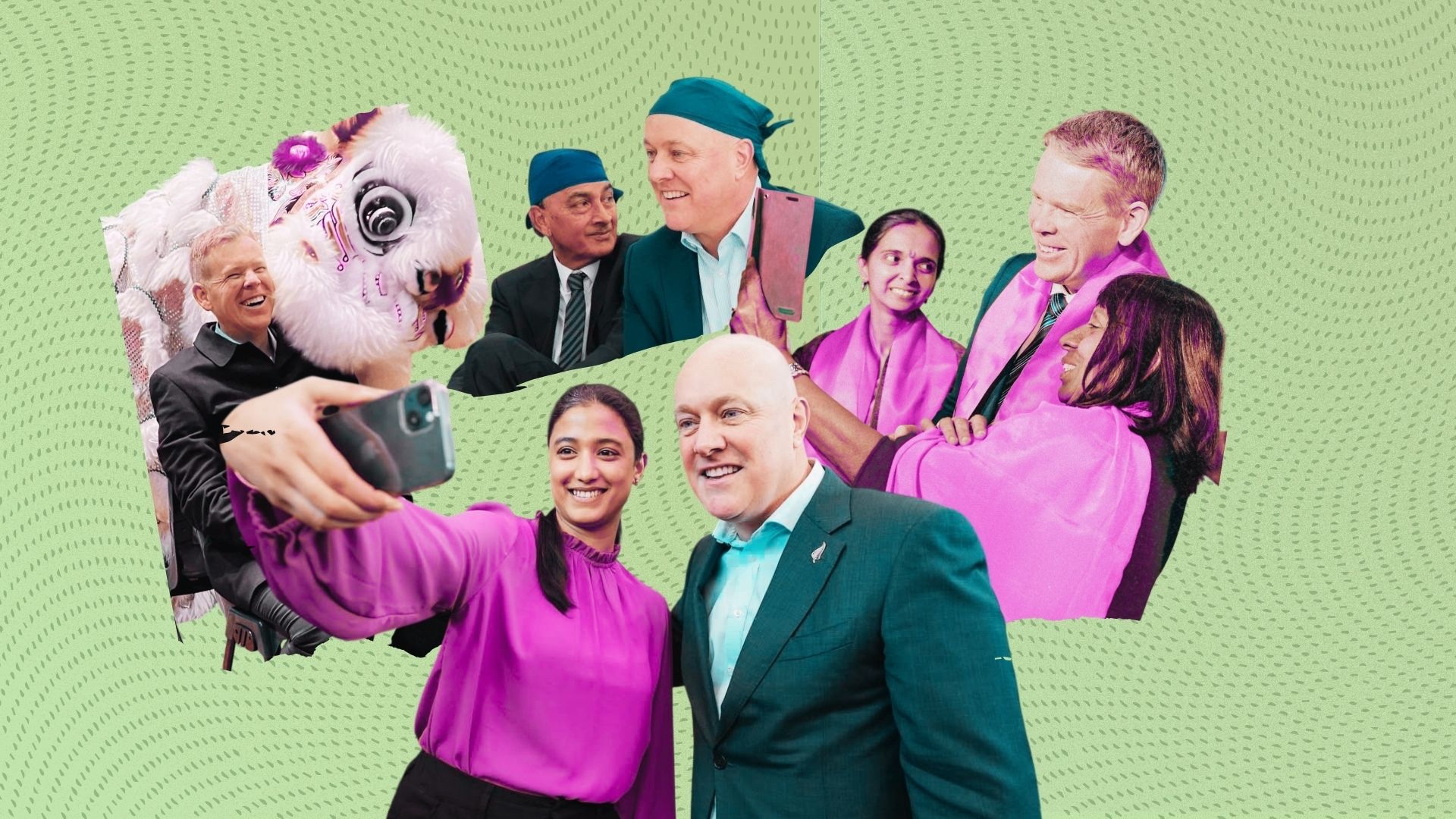
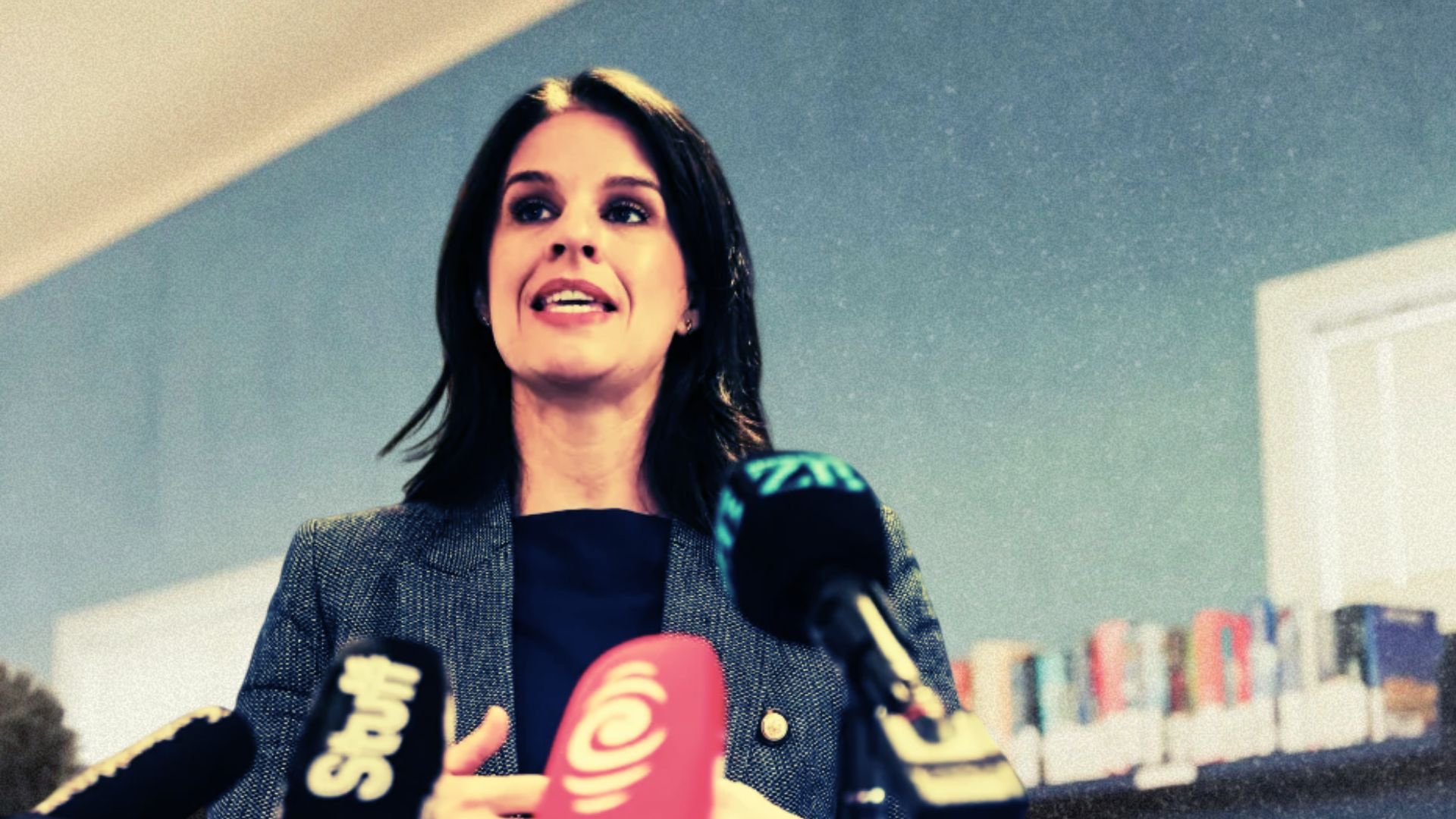
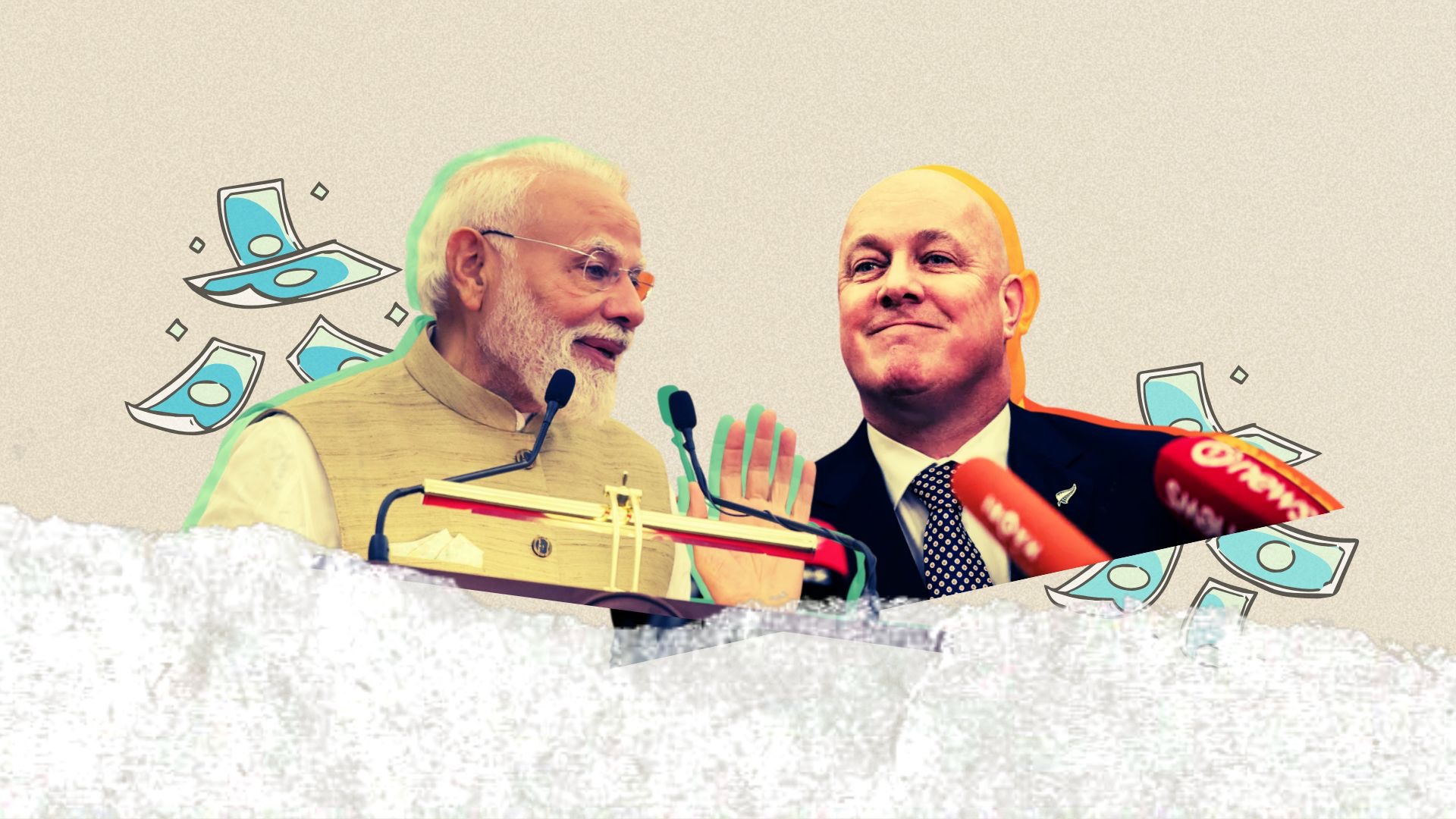
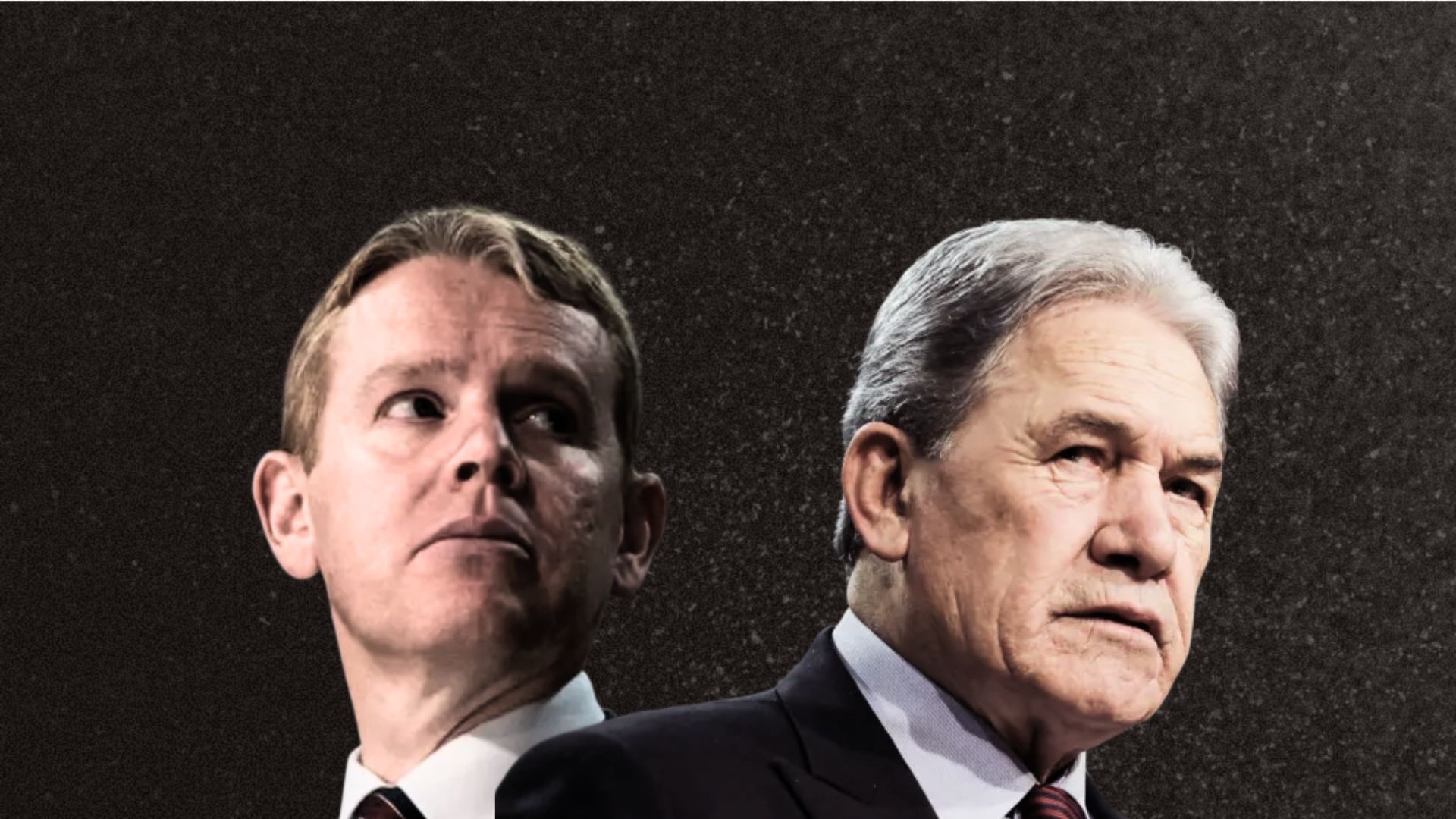
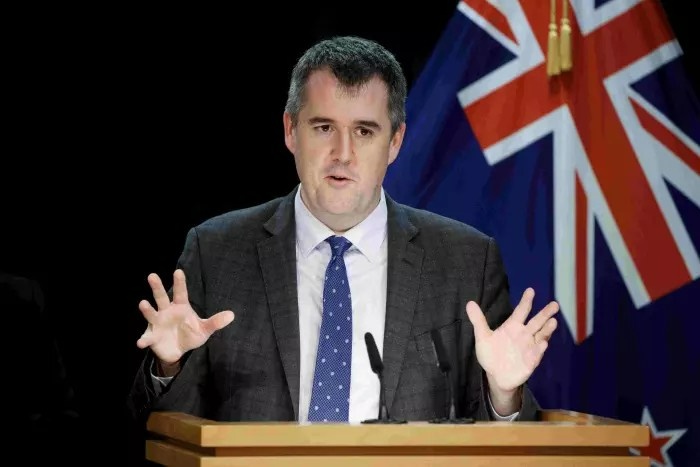
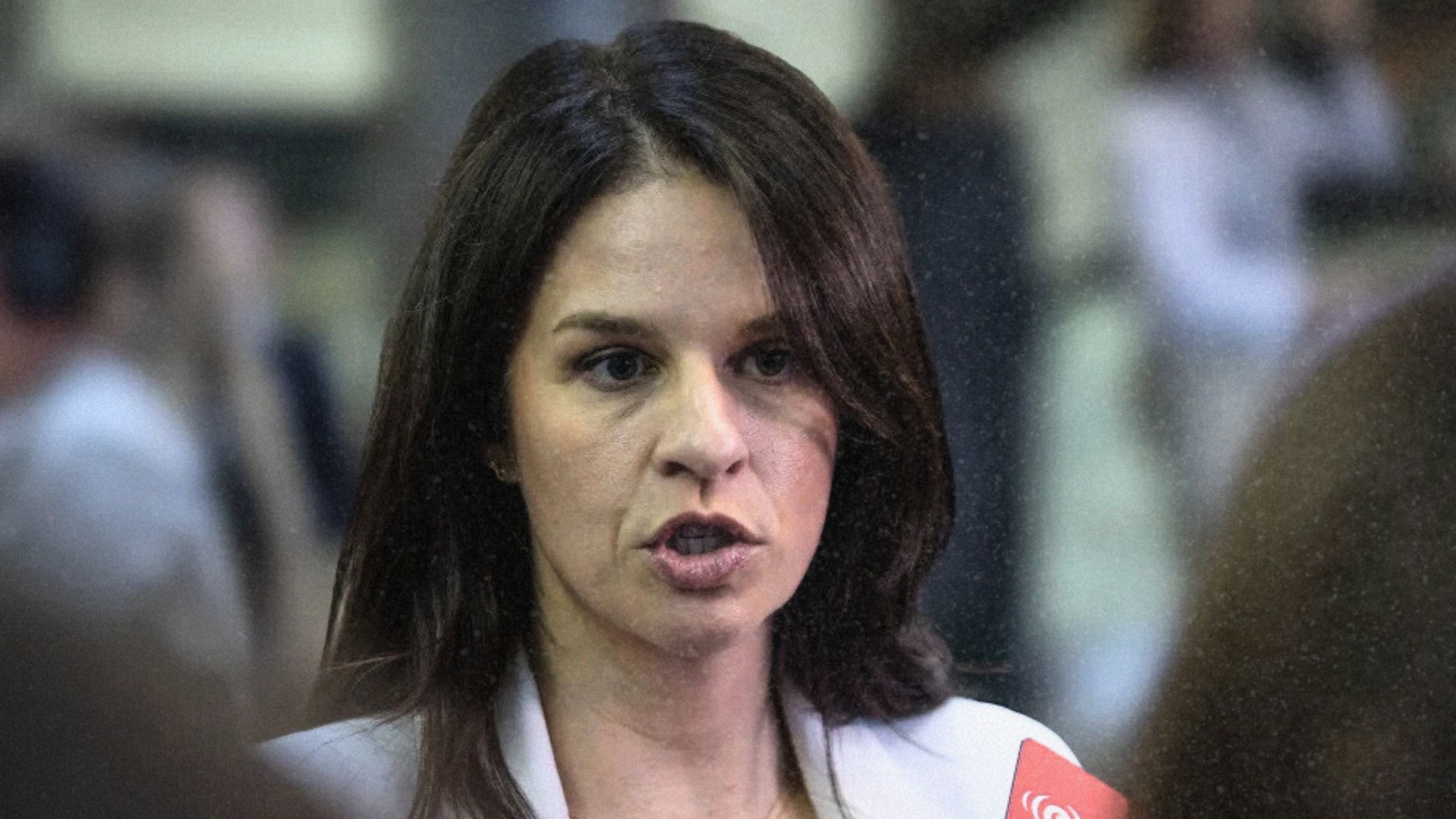
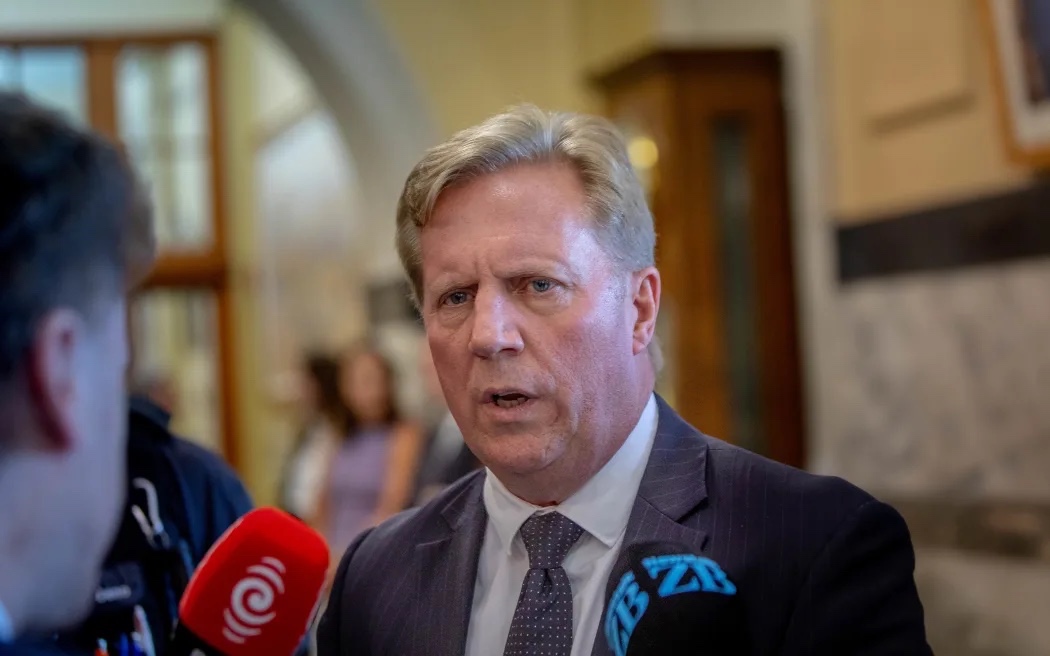
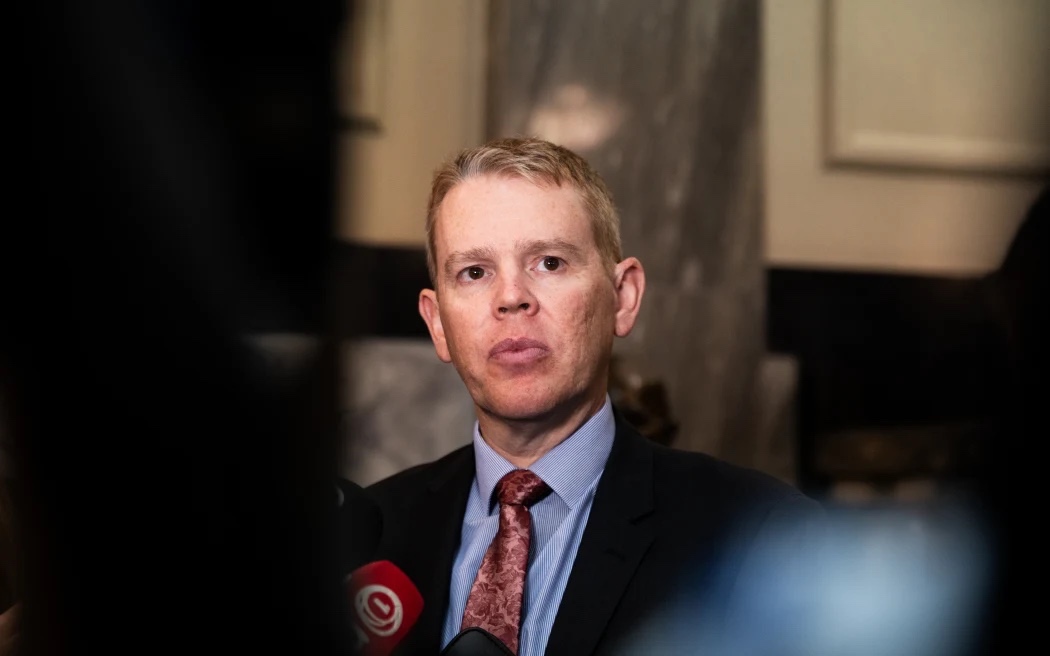
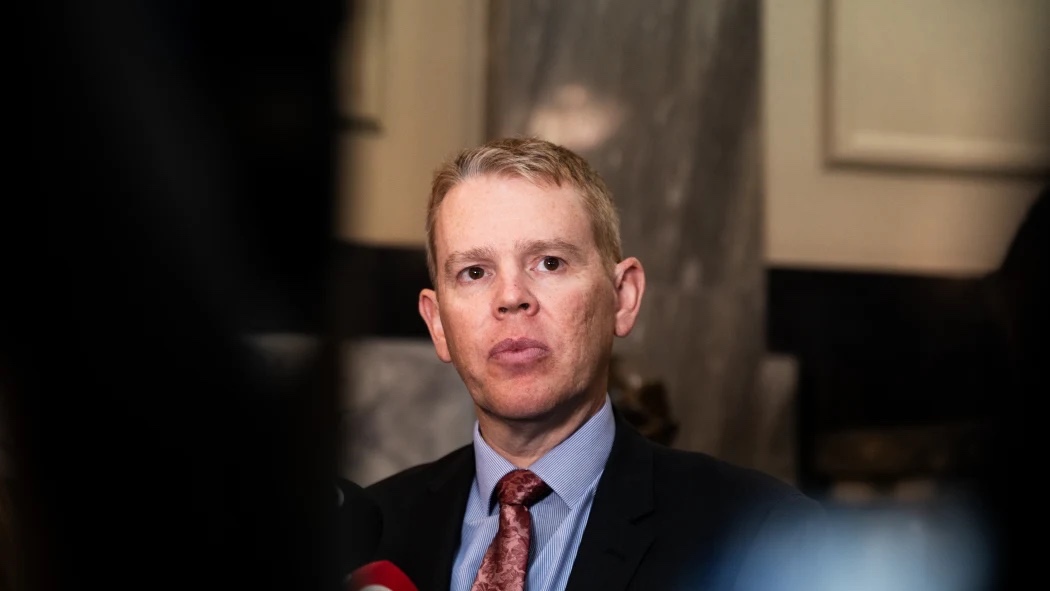
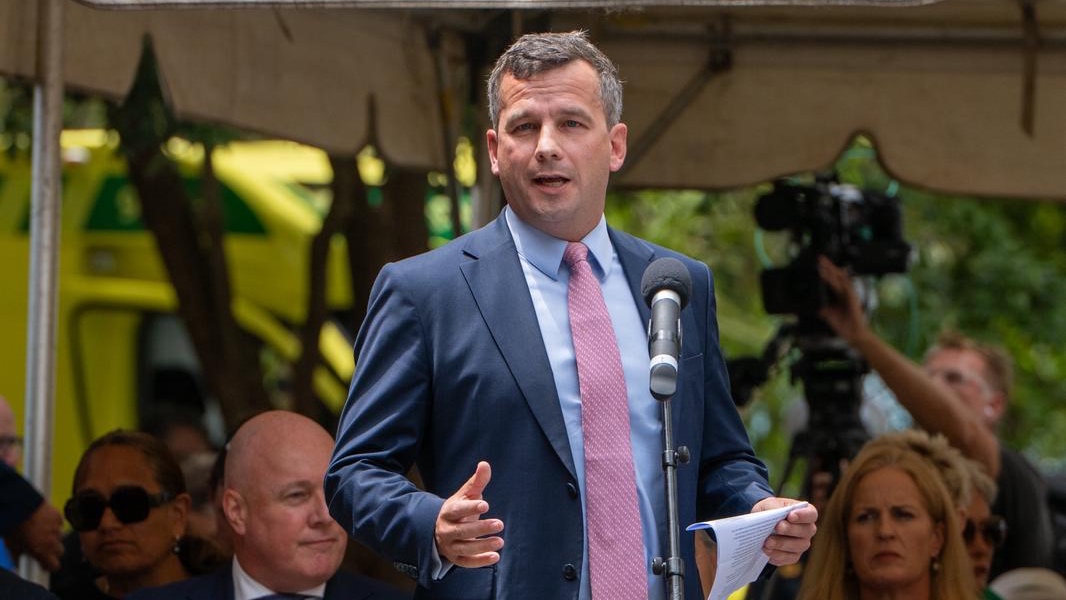
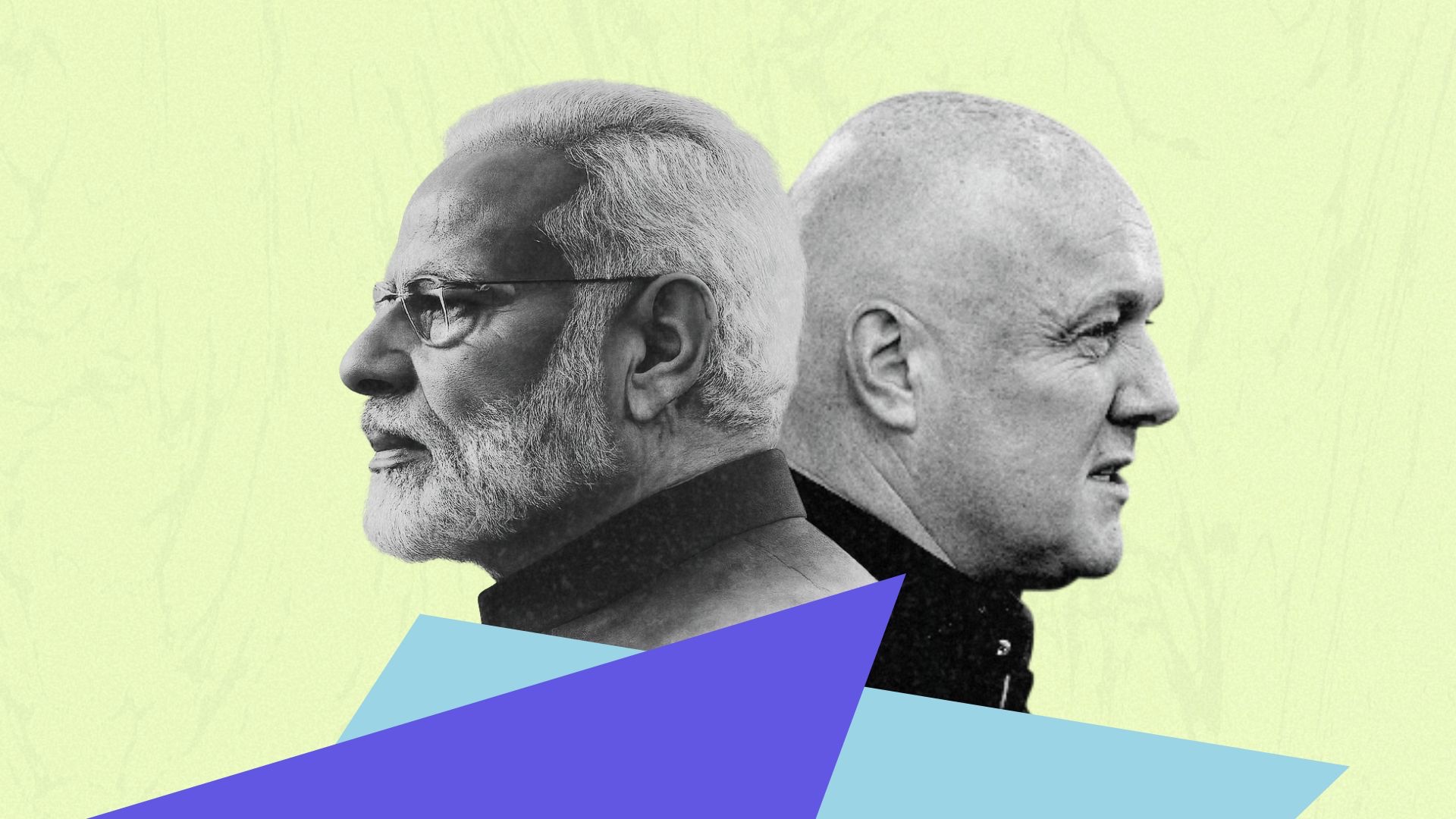
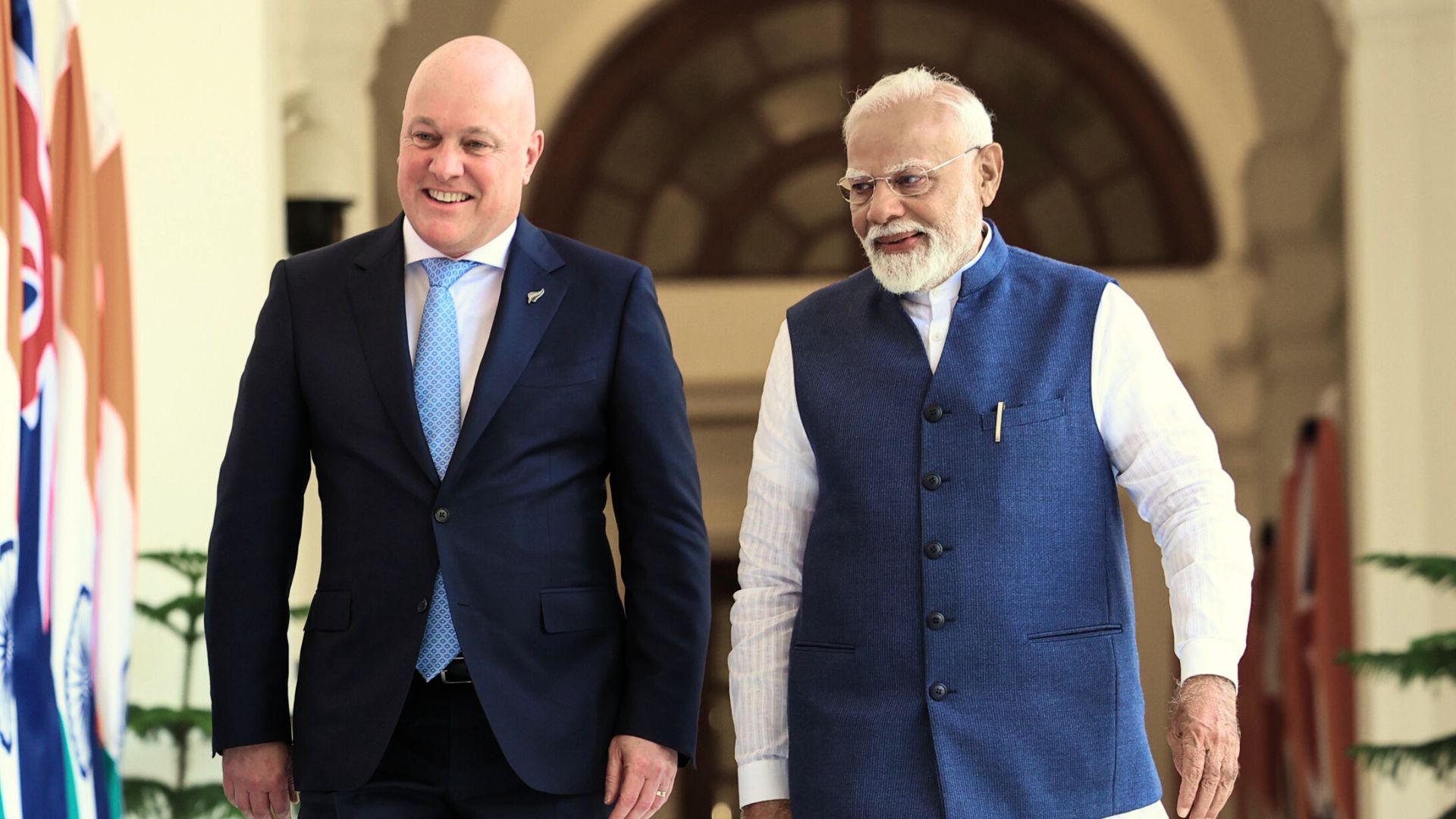
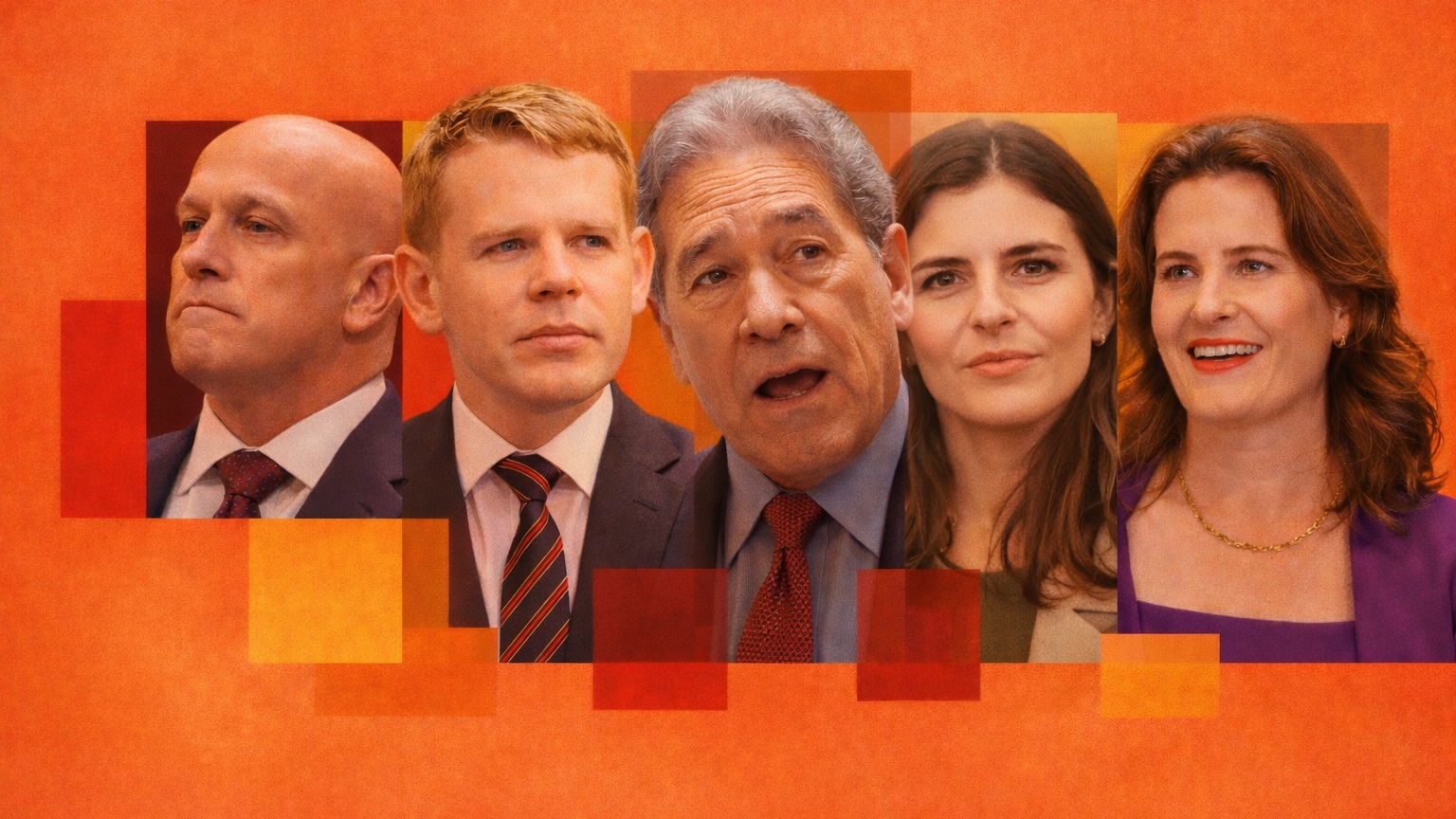
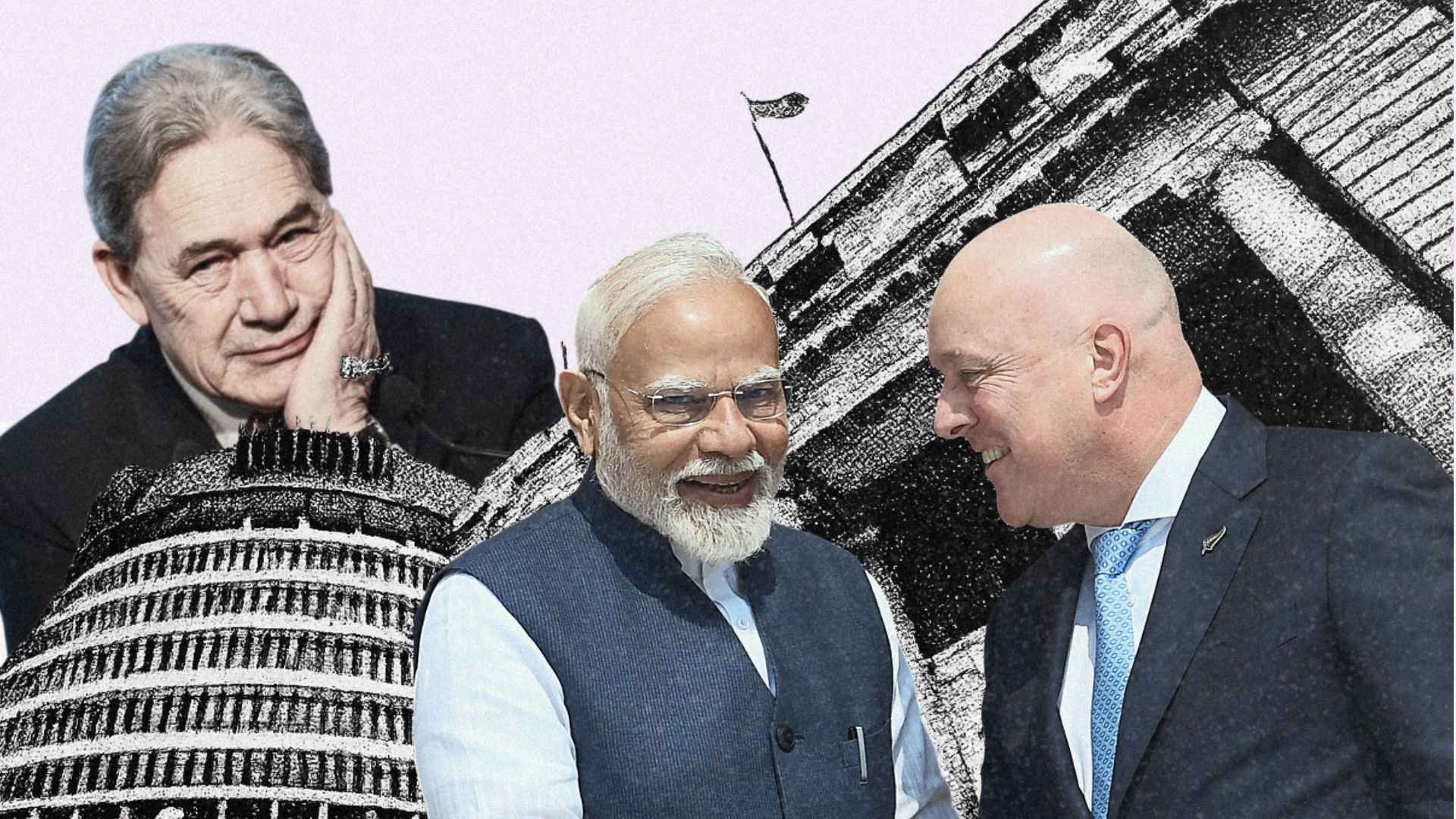
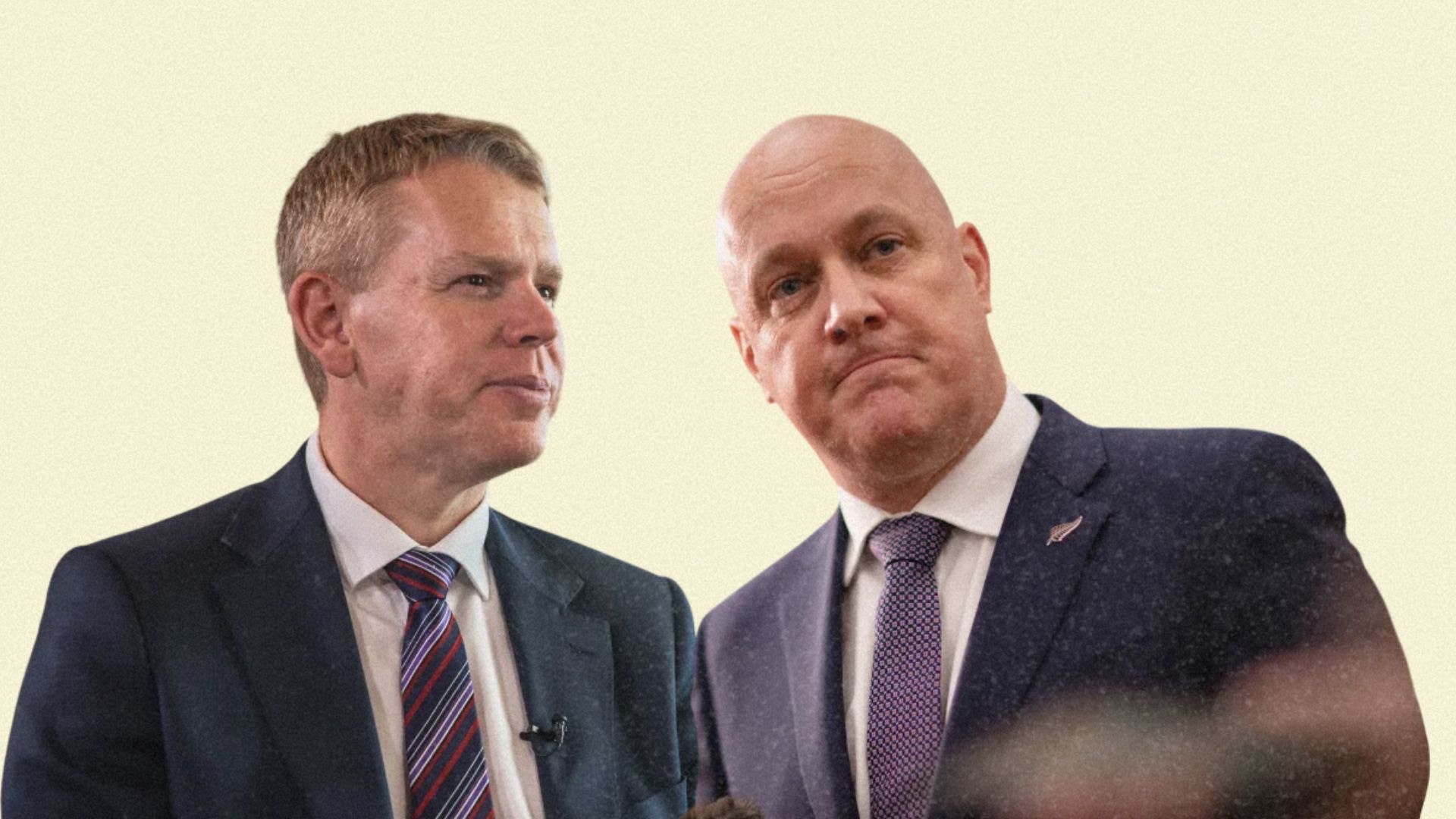
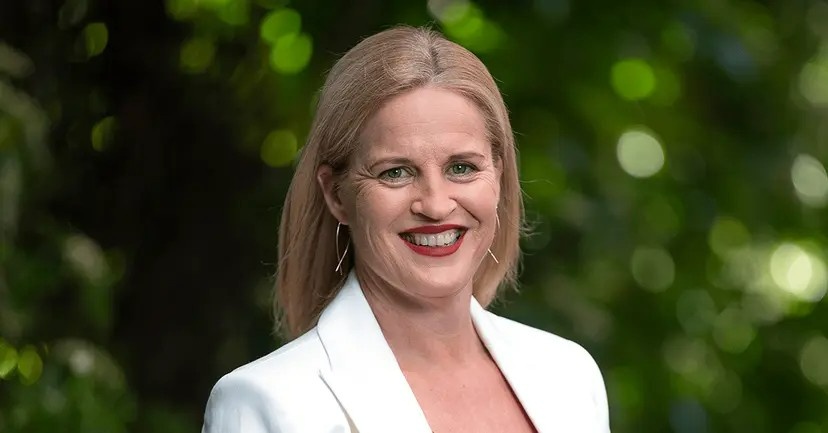
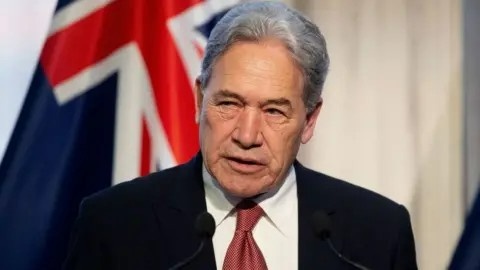
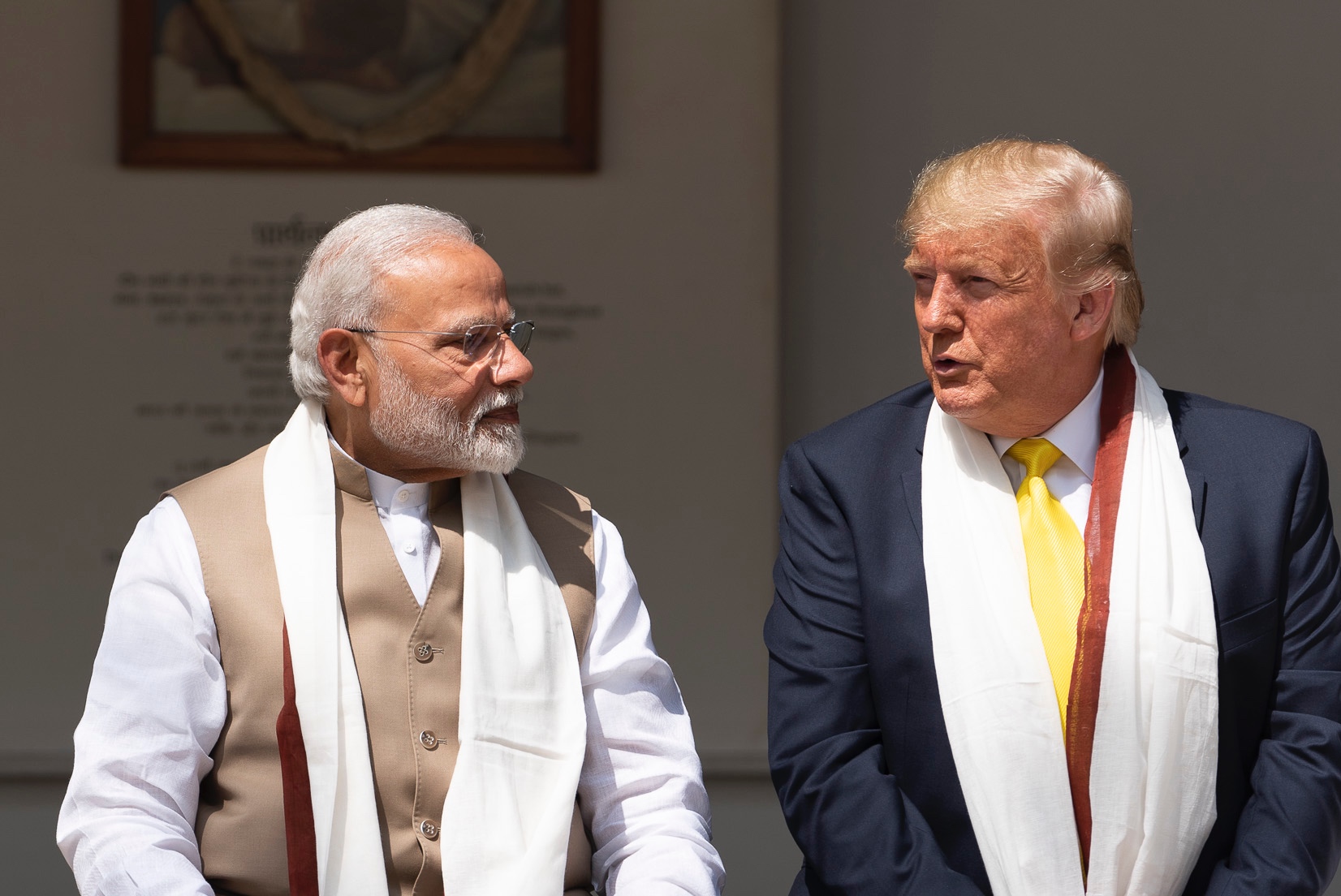
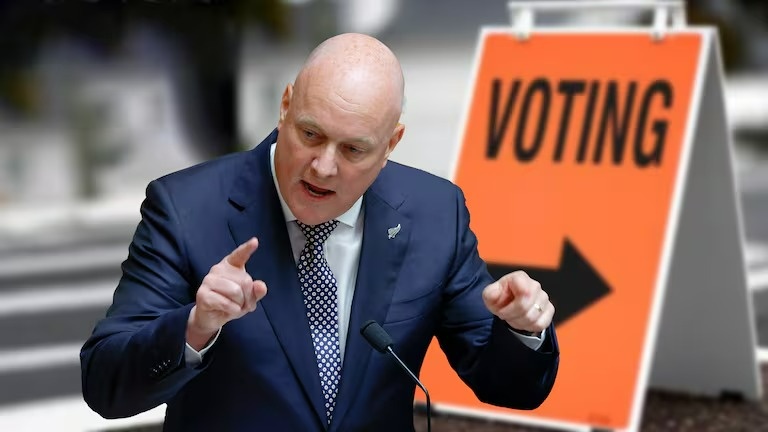
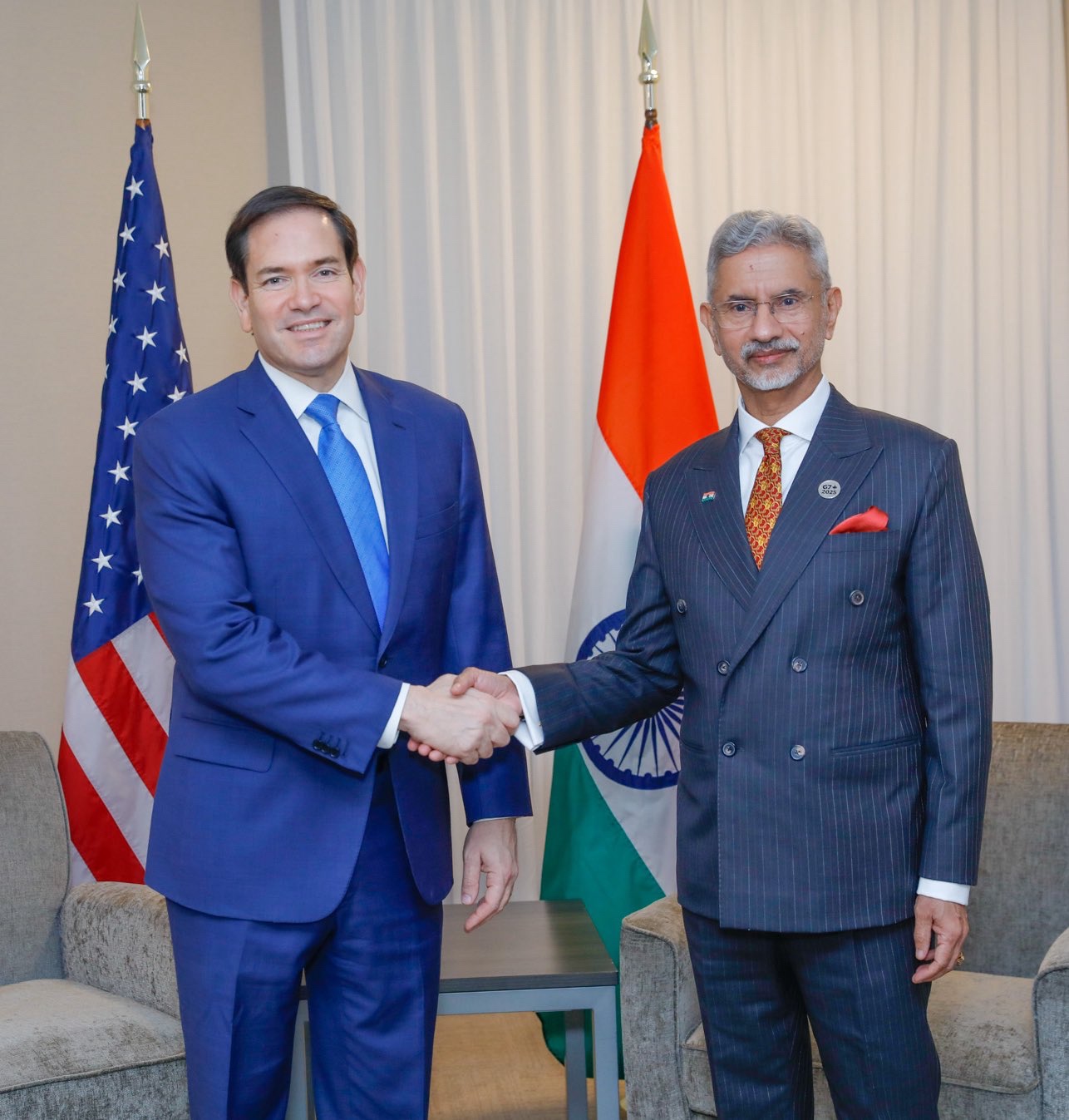
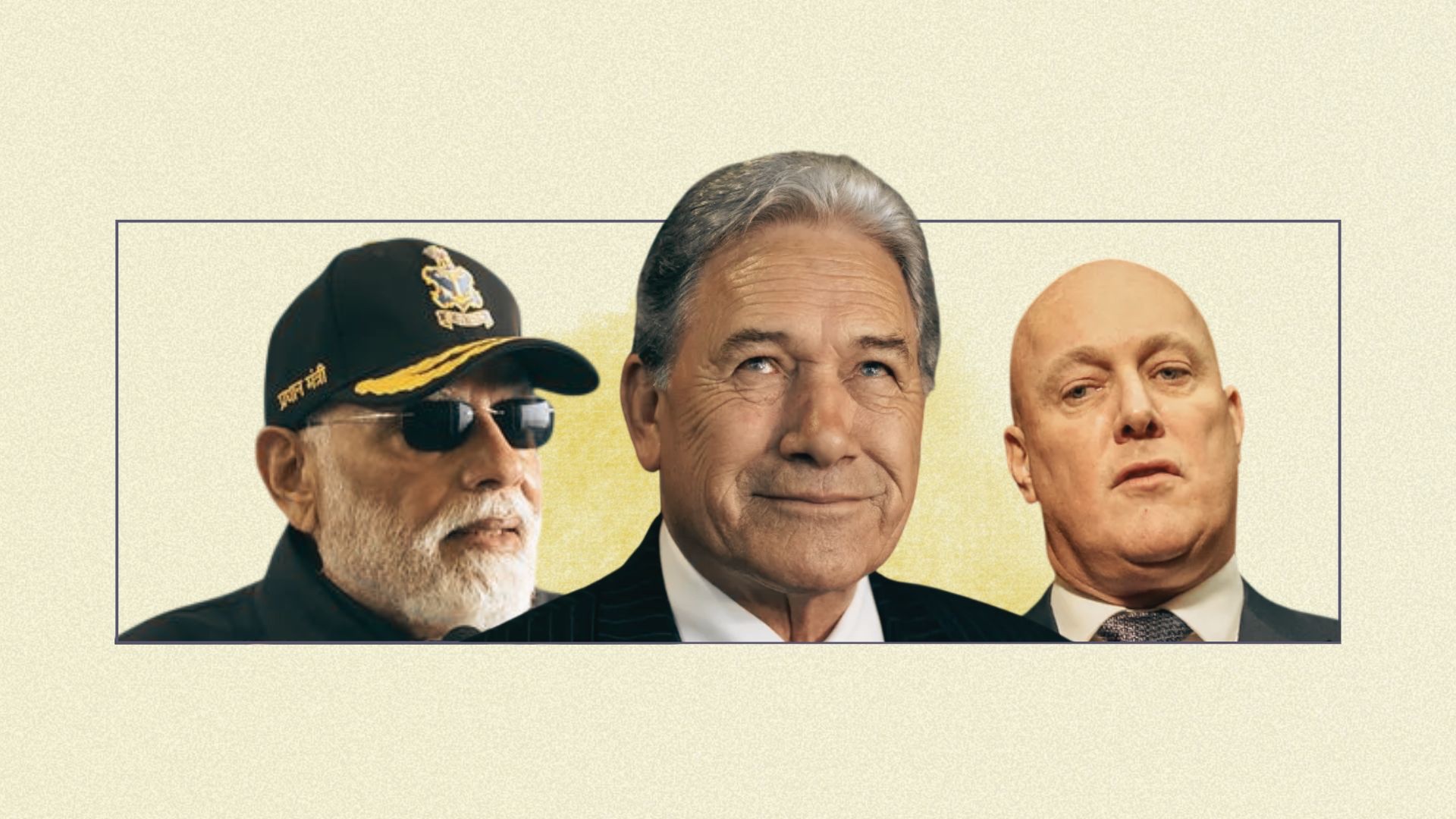
(From left) Chloe Swarbrick, Christopher Luxon, Winston Peters, Chris Hipkins.
You cannot win a debate with someone whose beliefs about what humans are differ from yours.
(The writer is a migrant living in Waikato. He would rather not be named.)
The conflicts filling your timeline are not policy debates gone wrong. They are something much older.
Watch the trans debate, the Treaty debate, the climate fight, and notice what they share: not the specific arguments, but the emotional temperature. People are not simply disagreeing. They are viscerally invested, certain the other side is not merely wrong but dangerous, even wicked.
That intensity is the tell. The debate has not gone wrong. What is running beneath it was running long before any of these fights had names.
Politics is downstream from culture. The unresolved argument that begins in comment sections, staff rooms, and hospital wards eventually crystallises into legislation.
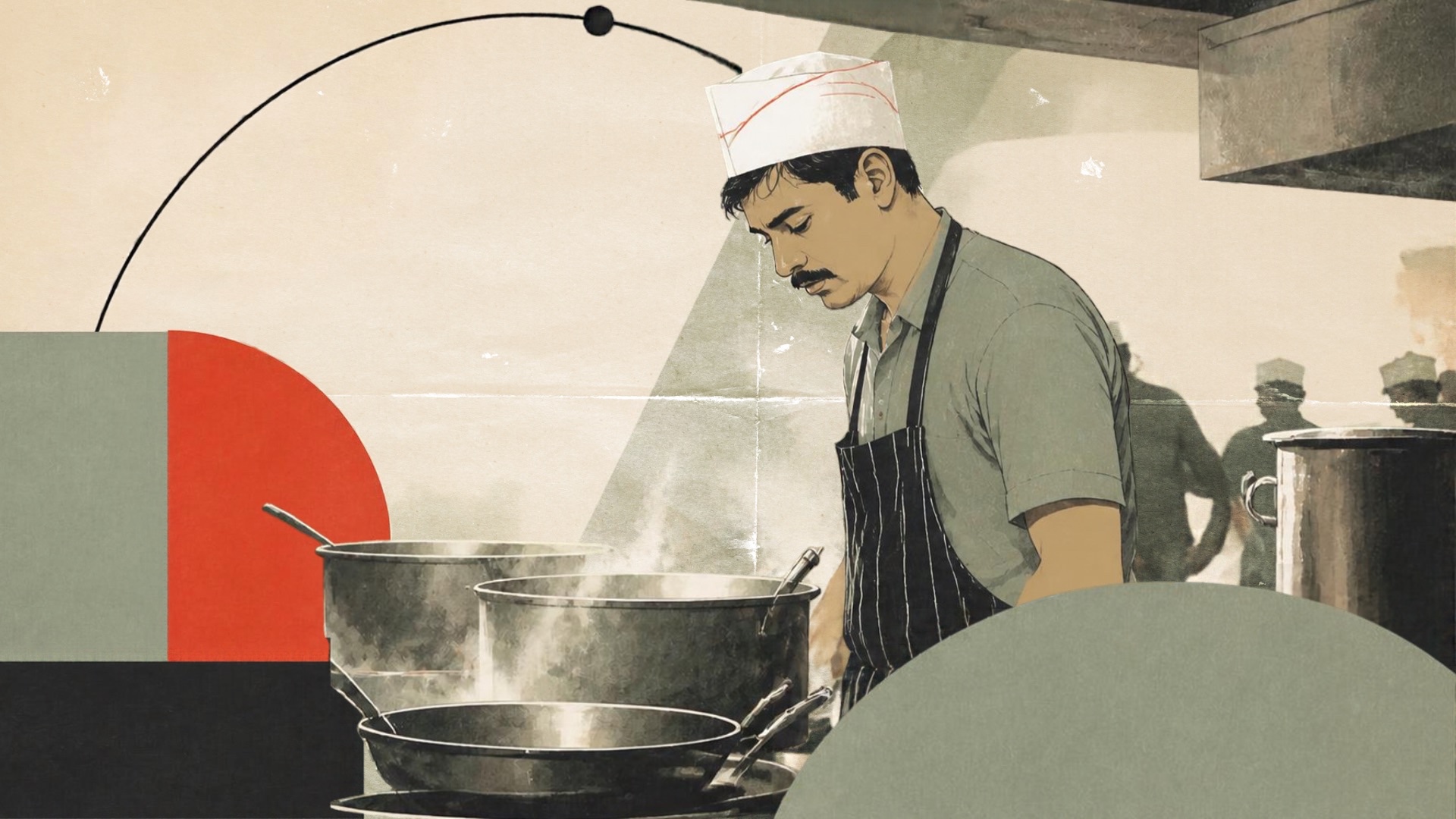
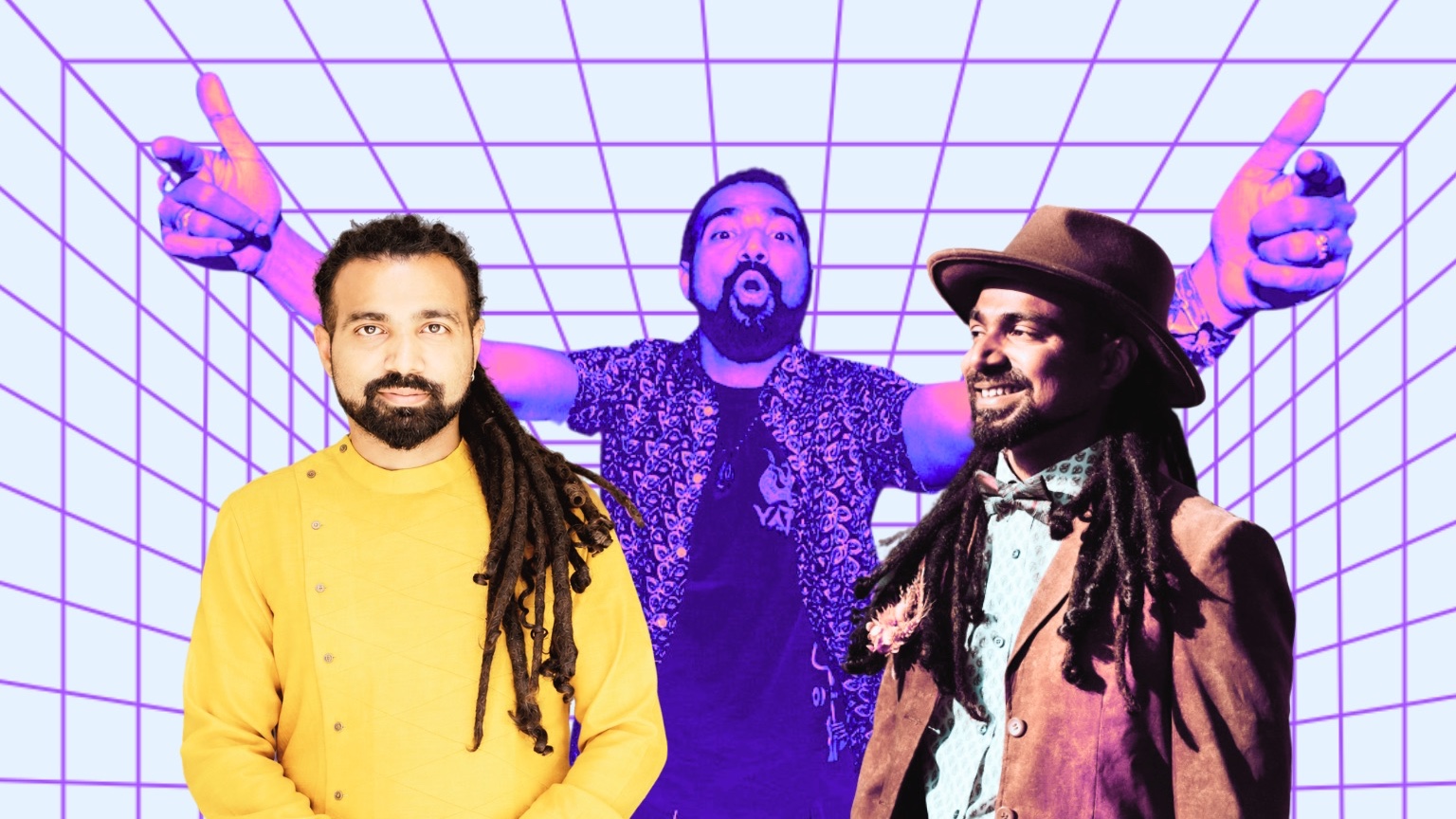
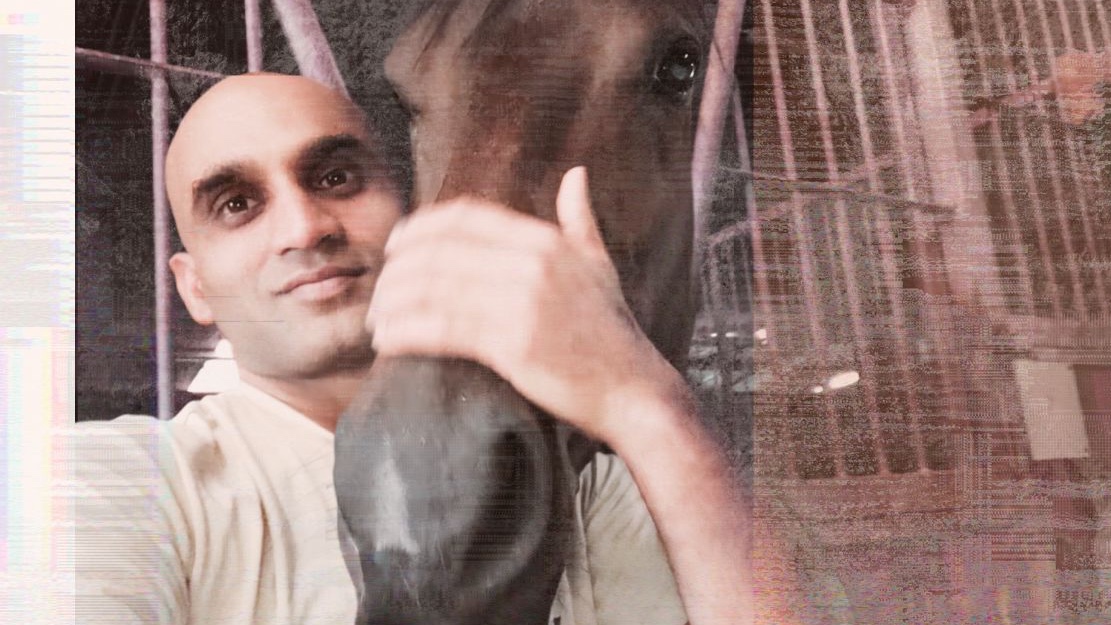
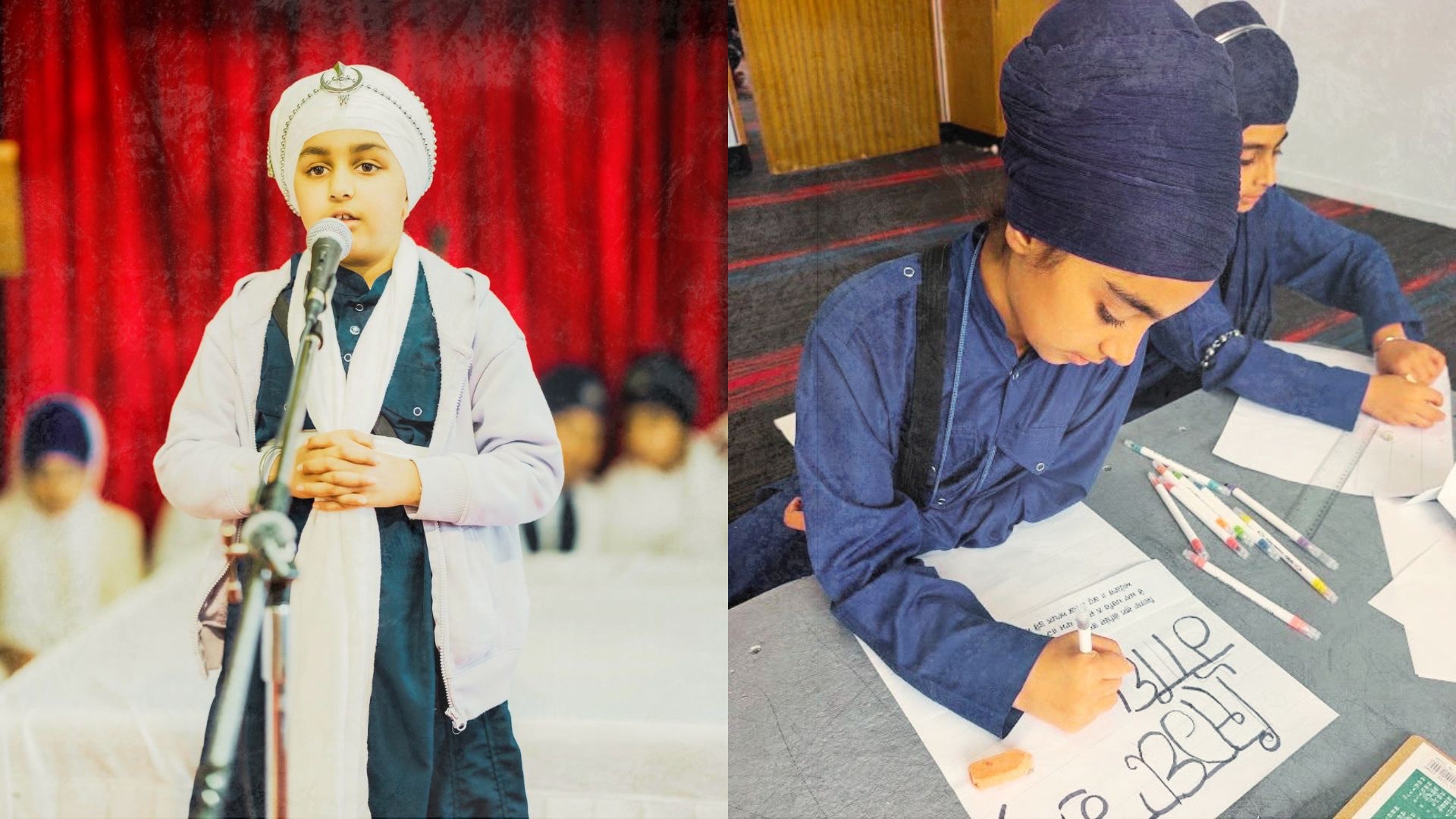
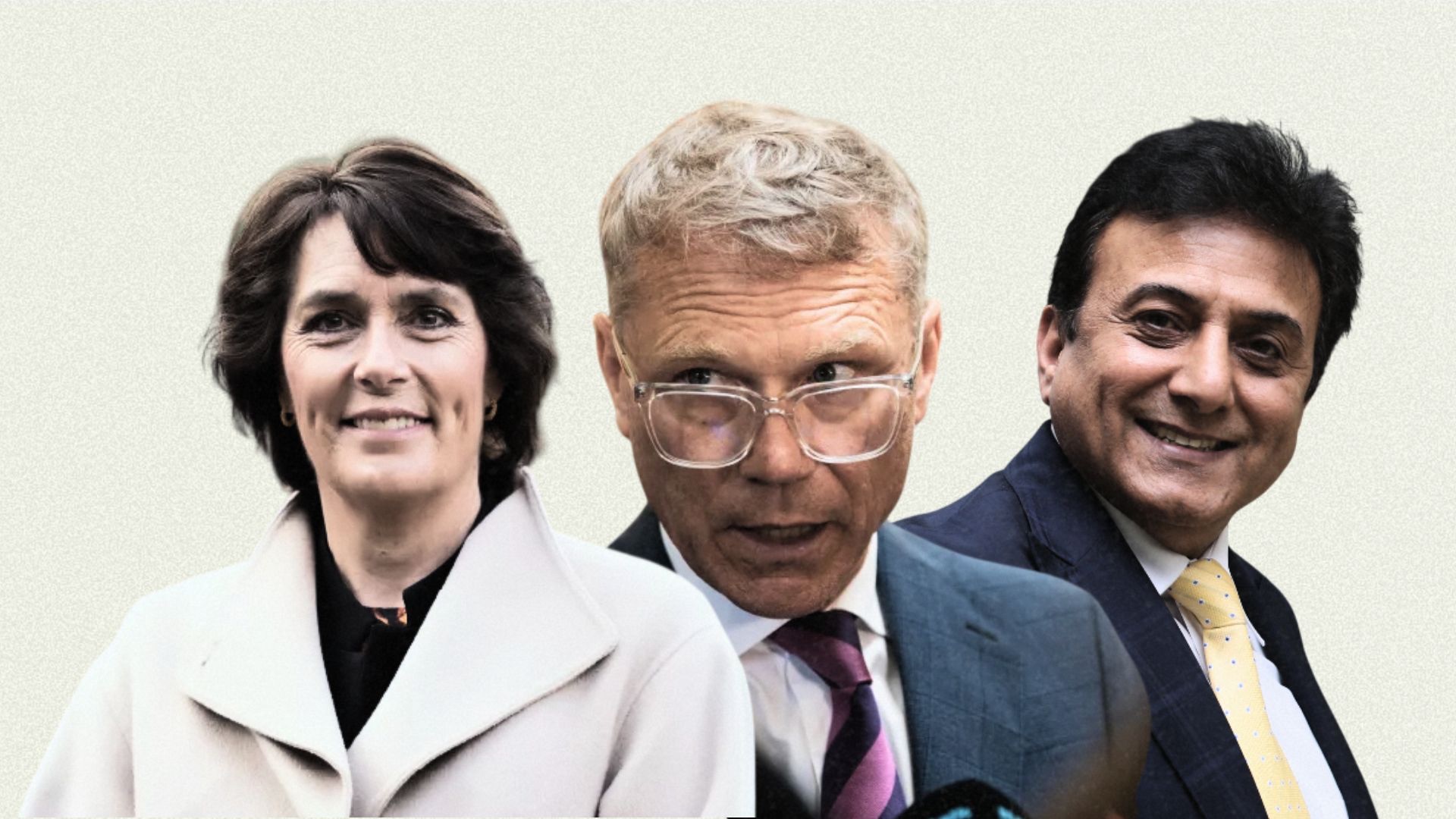
From designing restaurants to running Auckland Diwali: The many lives of Arnav Taode Taode brings his passion for Indian arts and culture to his first year managing BNZ Auckland Diwali 2026.
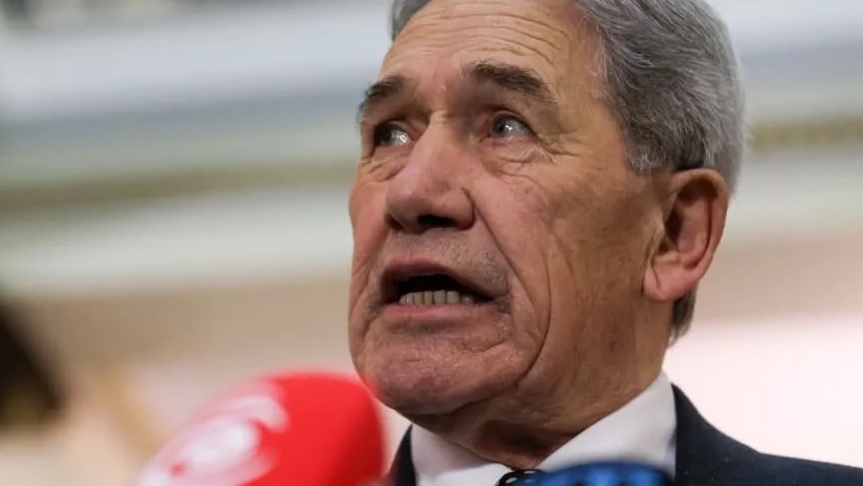
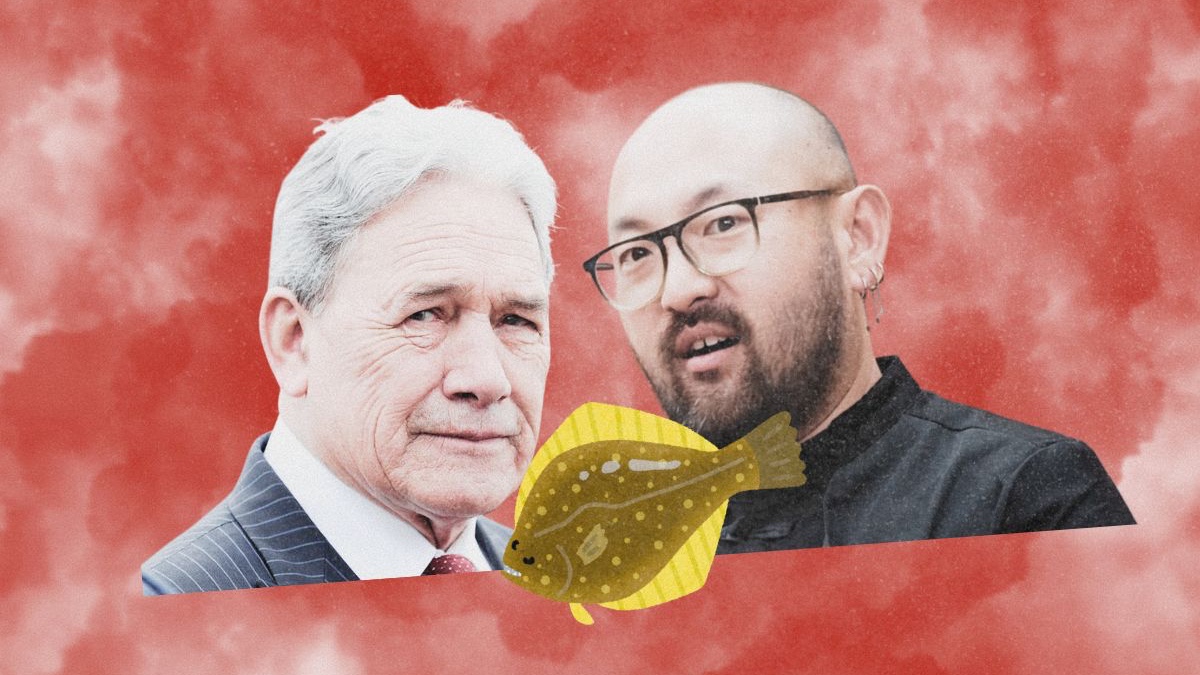
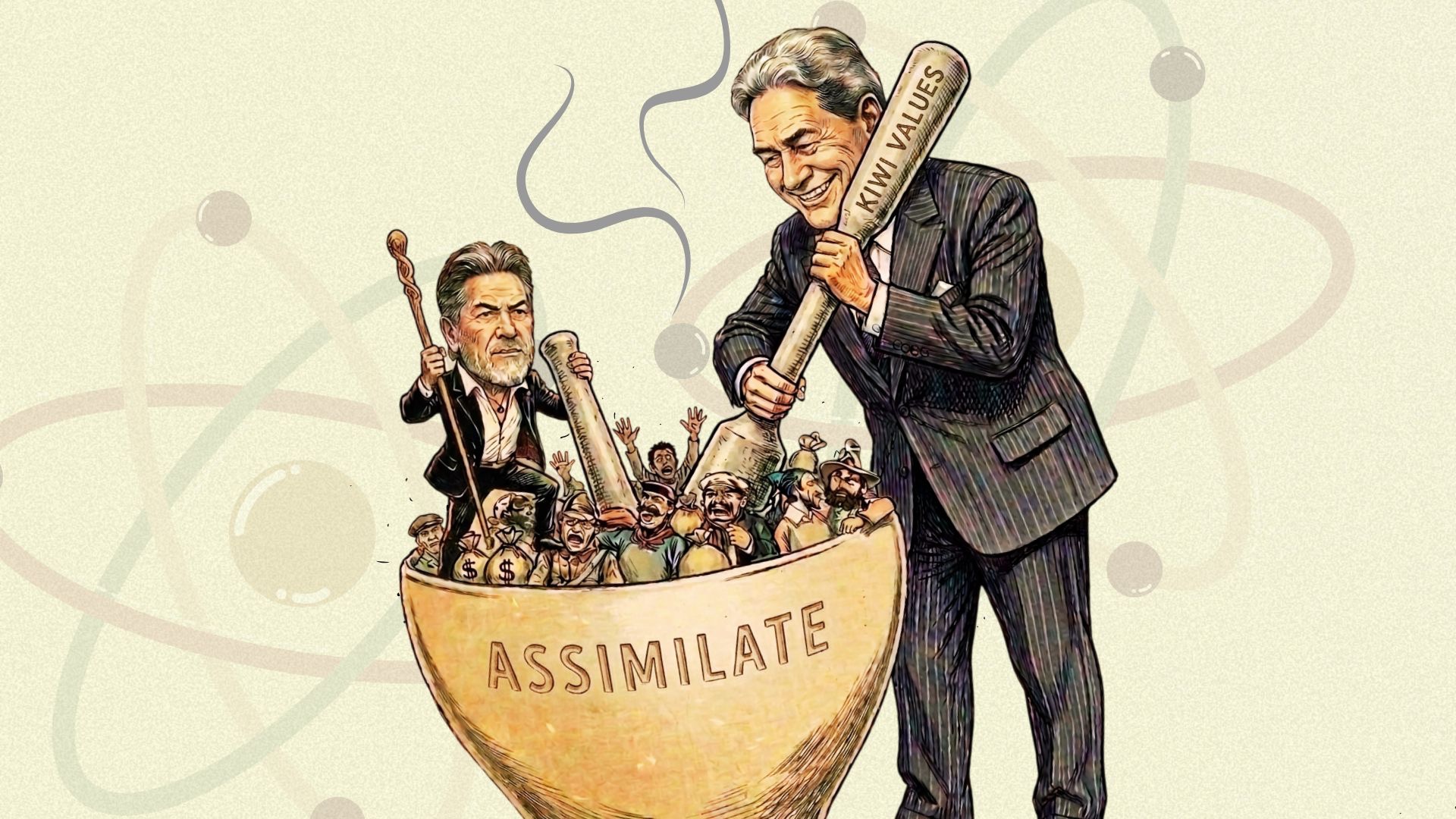
Winston Peters says ‘diversity is disunity’. What does the evidence tell us? Evidence from business, sport and social policy suggests diversity can strengthen economies and cohesion but on one condition.
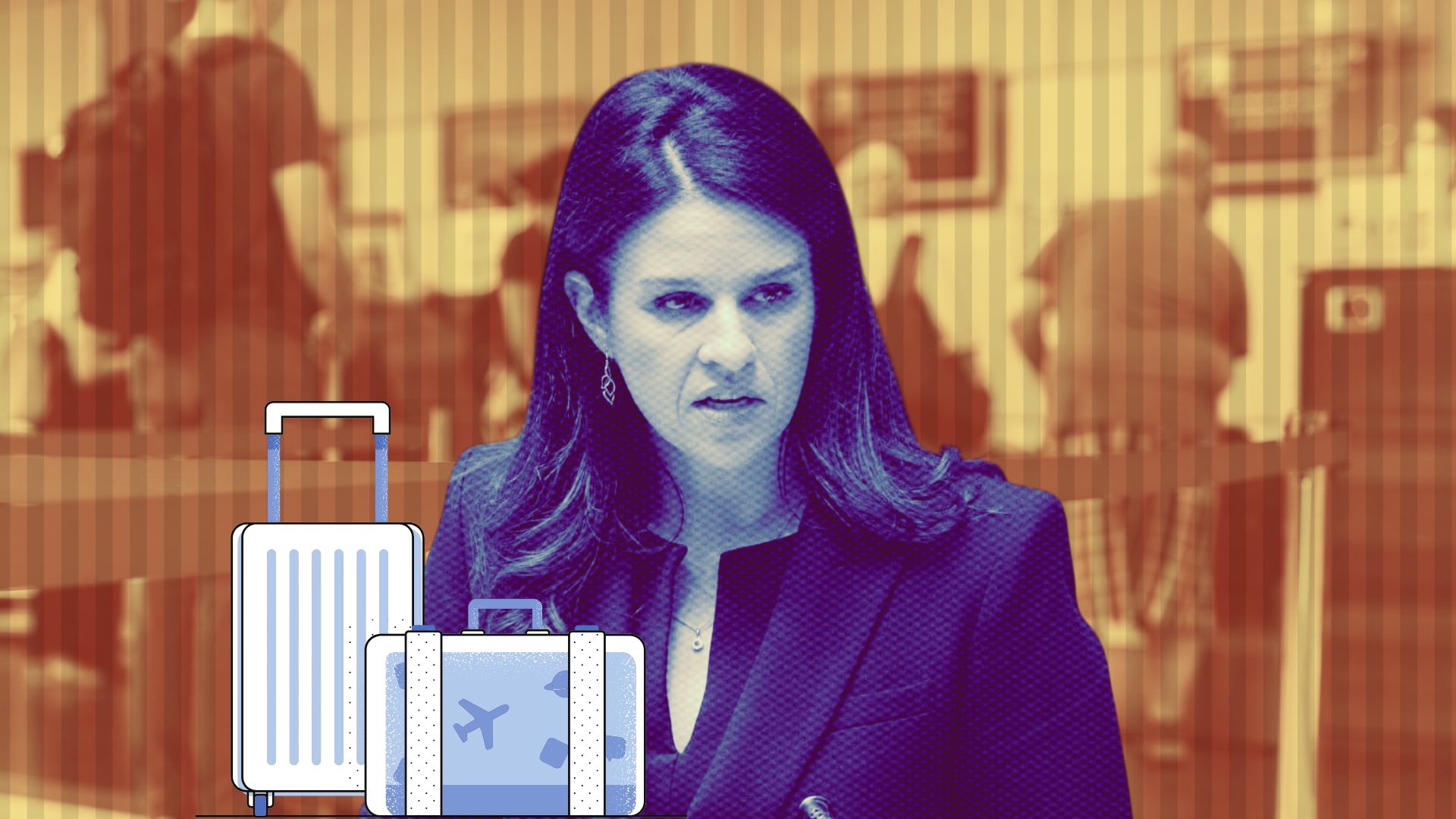
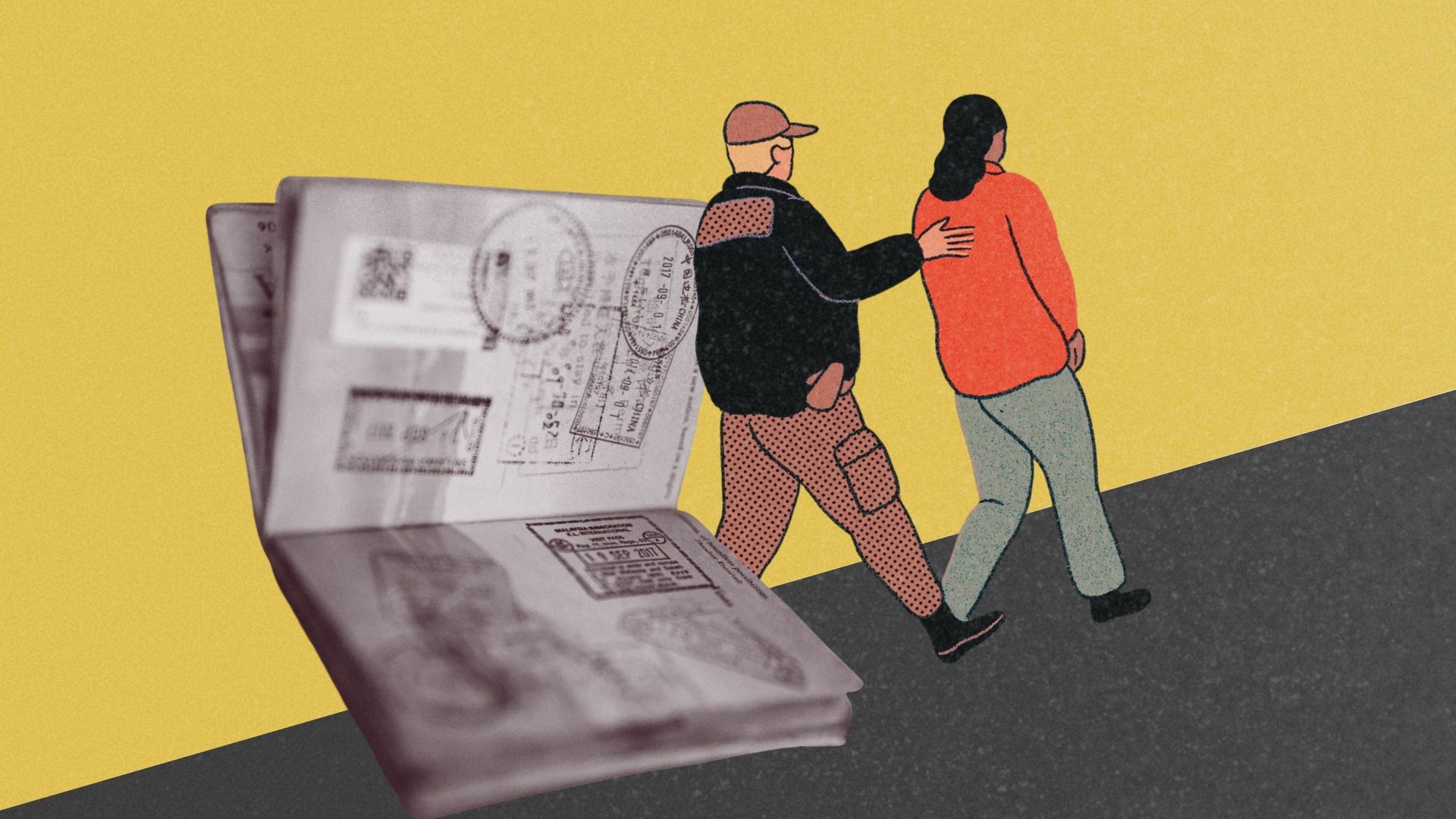
Baby born in Sri Lanka to New Zealand residents caught in limbo after Down syndrome diagnosis Immigration tribunal orders fresh residence assessment after finding a “serious mistake” by immigration officials.
Take the question of what a woman is. Britain has already settled it in law. The Supreme Court ruled biological sex is what the law means. Australia settled it the other way in Tickle v Giggle.
Now the same argument has arrived in New Zealand’s Parliament, where a bill defining “woman” as “an adult human biological female” passed its first reading last week. What cannot be resolved in the culture eventually gets settled in law. Or tries to.
The striking thing is not that three countries have reached three different answers to what most people would have thought was a basic question. Countries often disagree.
What is striking is the people behind each answer, both sides entirely certain of their position. Neither can quite understand how a reasonable person holds the other view. The argument produces heat but no resolution.
It is not only this argument. Watch the Treaty debate, the climate fight, the immigration argument. The same thing keeps happening. Different surfaces, the same inability to resolve.
That pattern is not an accident. Thomas Sowell spent a career explaining what it is.
Two visions
In A Conflict of Visions, written 40 years ago, he identified why these fights keep happening and why they never resolve.
His insight is that both sides are arguing from assumptions about human nature they rarely name. So the argument goes in circles.
You cannot win a debate with someone whose beliefs about what humans are differ from yours, because every piece of evidence gets filtered through those beliefs.
The fight persists not because both sides are stupid or dishonest. It persists because they are not arguing from the same starting point.
Those premises split into two visions.
The constrained vision holds that humans are flawed, limited, and tribal by nature. Institutions, traditions, and inherited social arrangements carry hard-won knowledge about how to manage these tendencies. You do not redesign them from scratch because you cannot fully predict what you will break.
The unconstrained vision holds that humans are capable of moral and social perfection if the right systems are built. Current problems reflect bad institutions, not fixed human nature. Sufficient enlightenment, applied through deliberate reform, can solve them.
Sowell’s argument was that this single axis predicts positions across seemingly unrelated issues better than any other variable. The tribal fury almost always tracks it.
One debate
This is Sowell’s divide playing out in public.
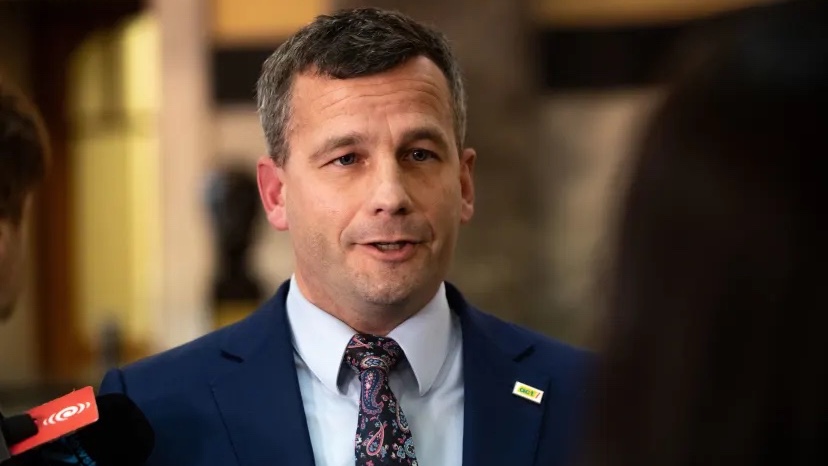
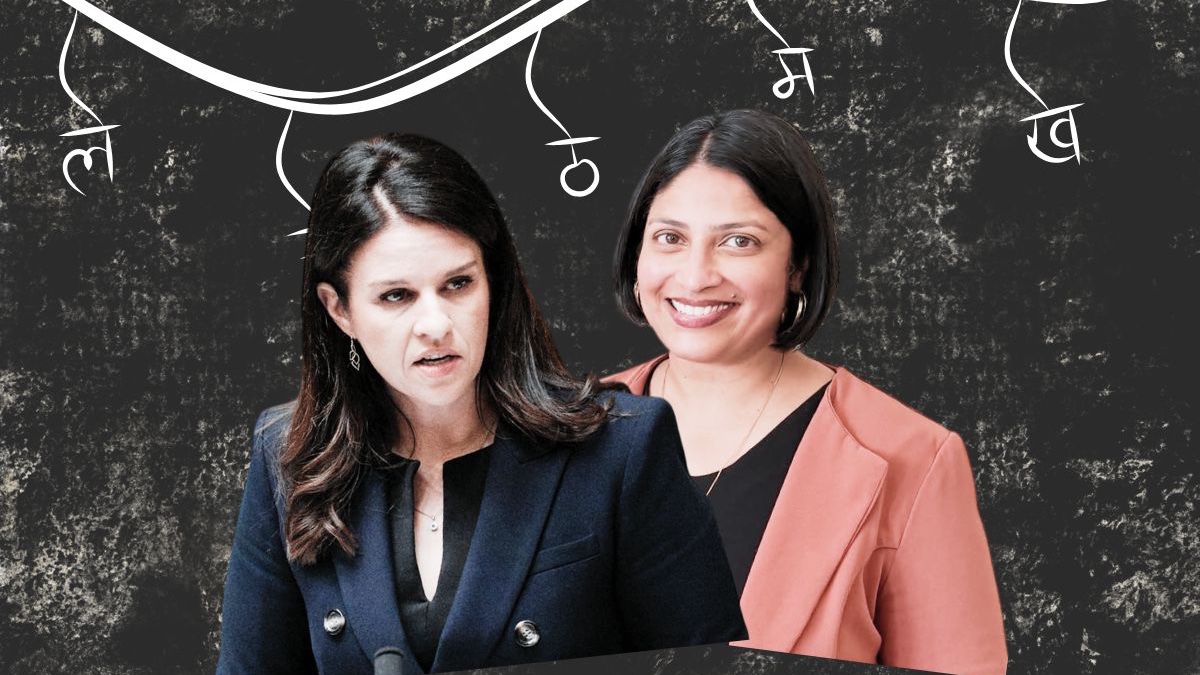
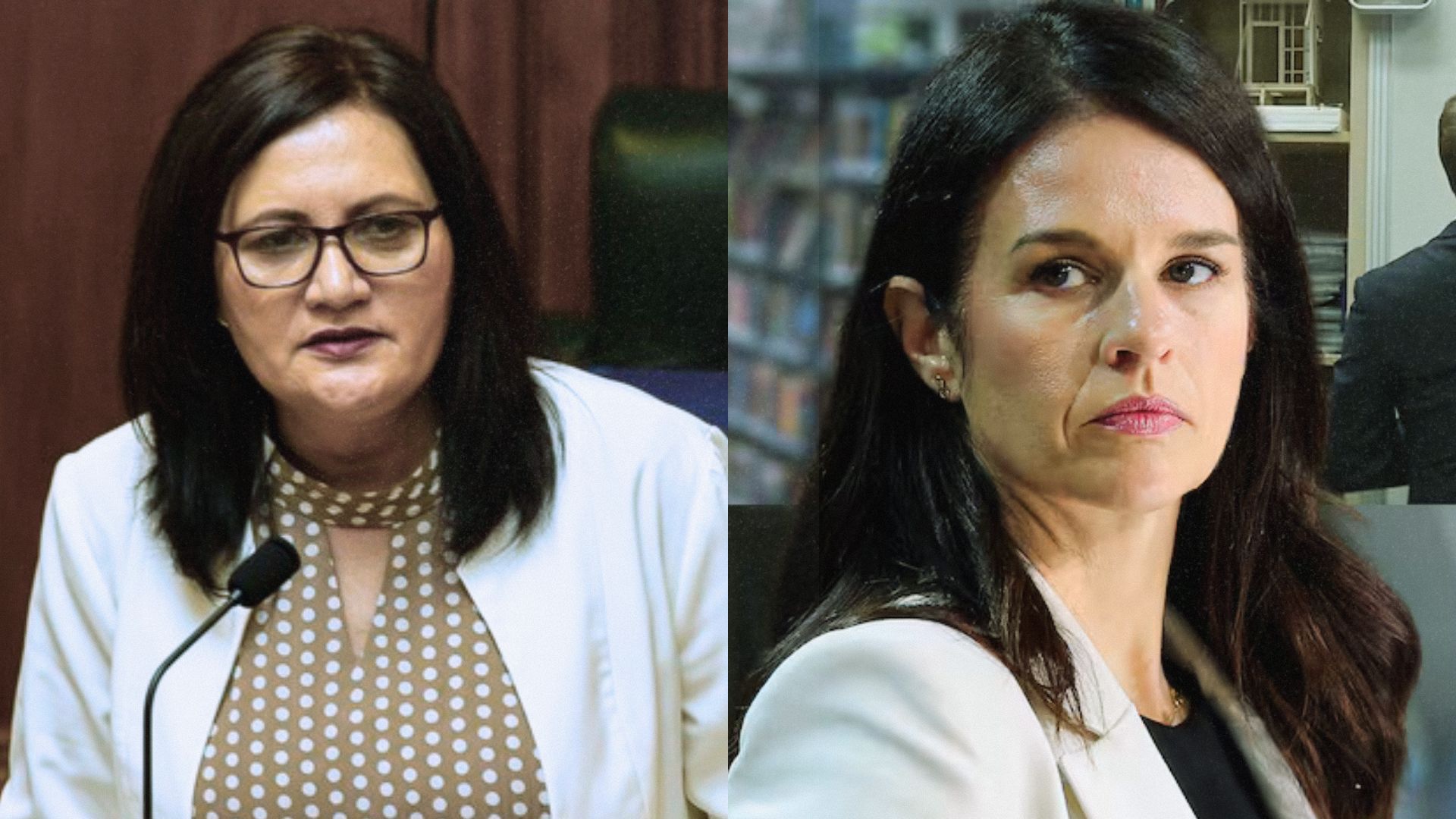
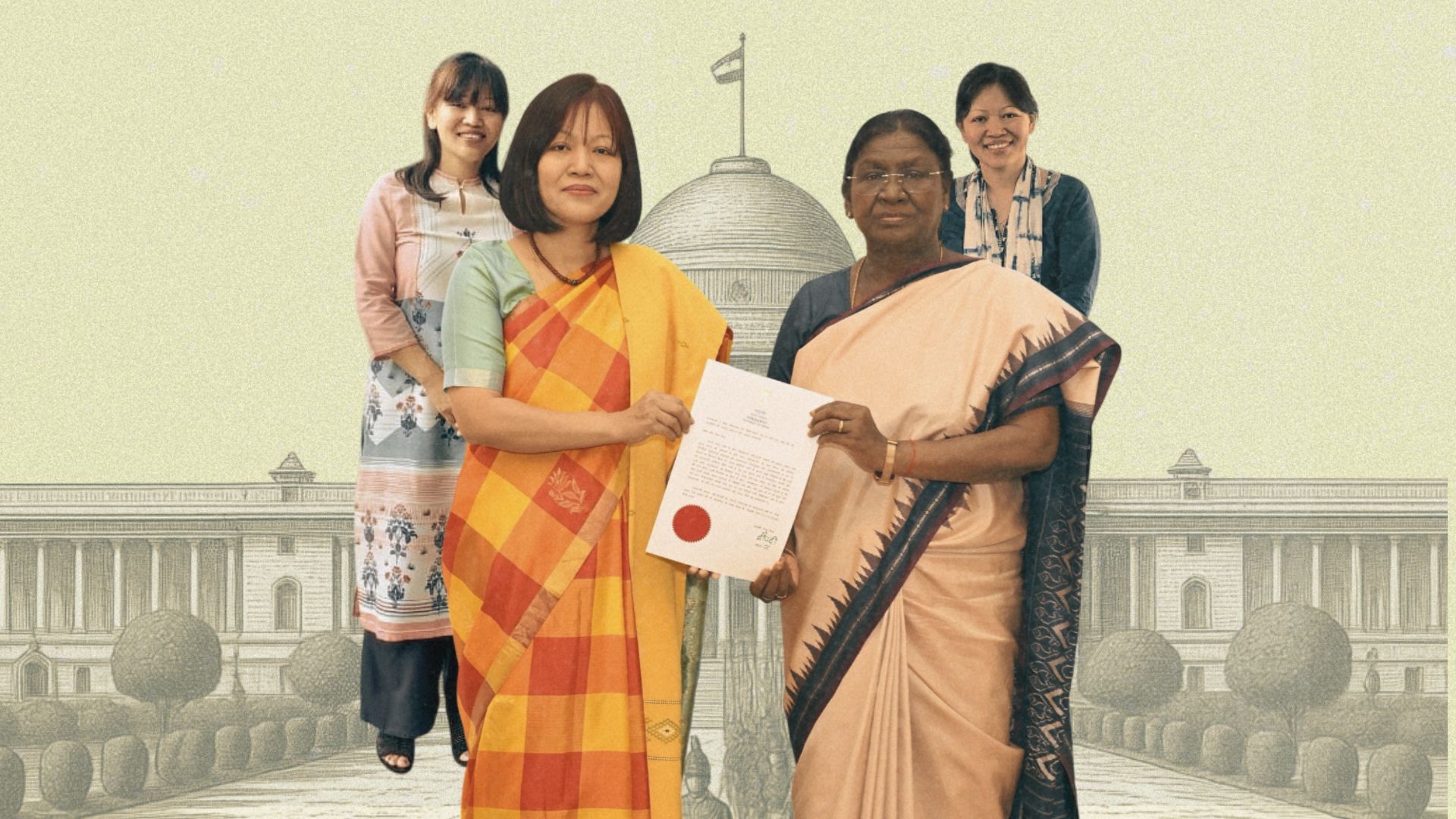
ACT’s Karen Chhour put the constrained case from the floor of Parliament on May 21, 2026. She argued the debate was about whether ordinary people are still allowed to trust their own eyes, speak honestly, and defend sex-based rights without being shamed into silence.
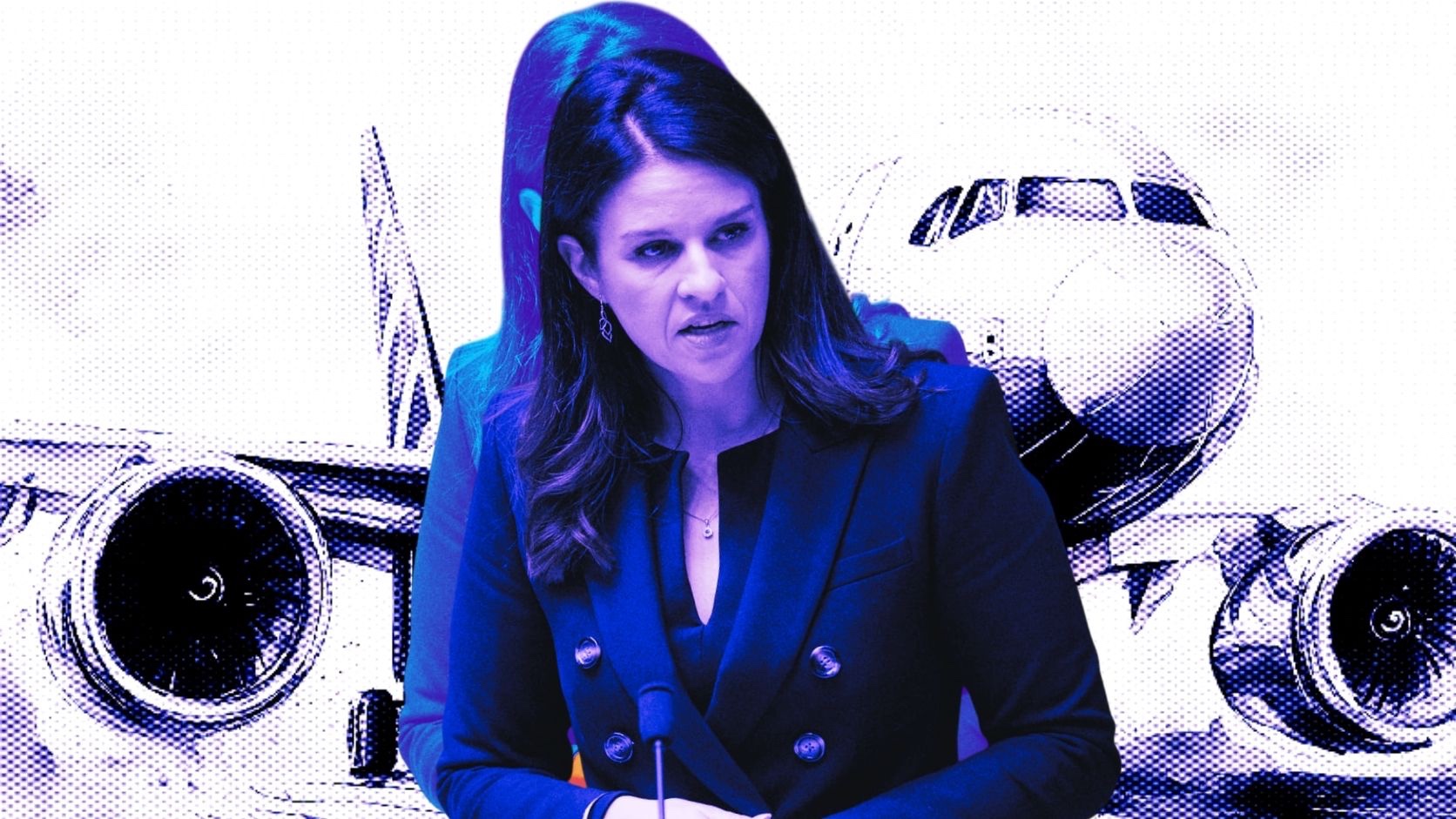
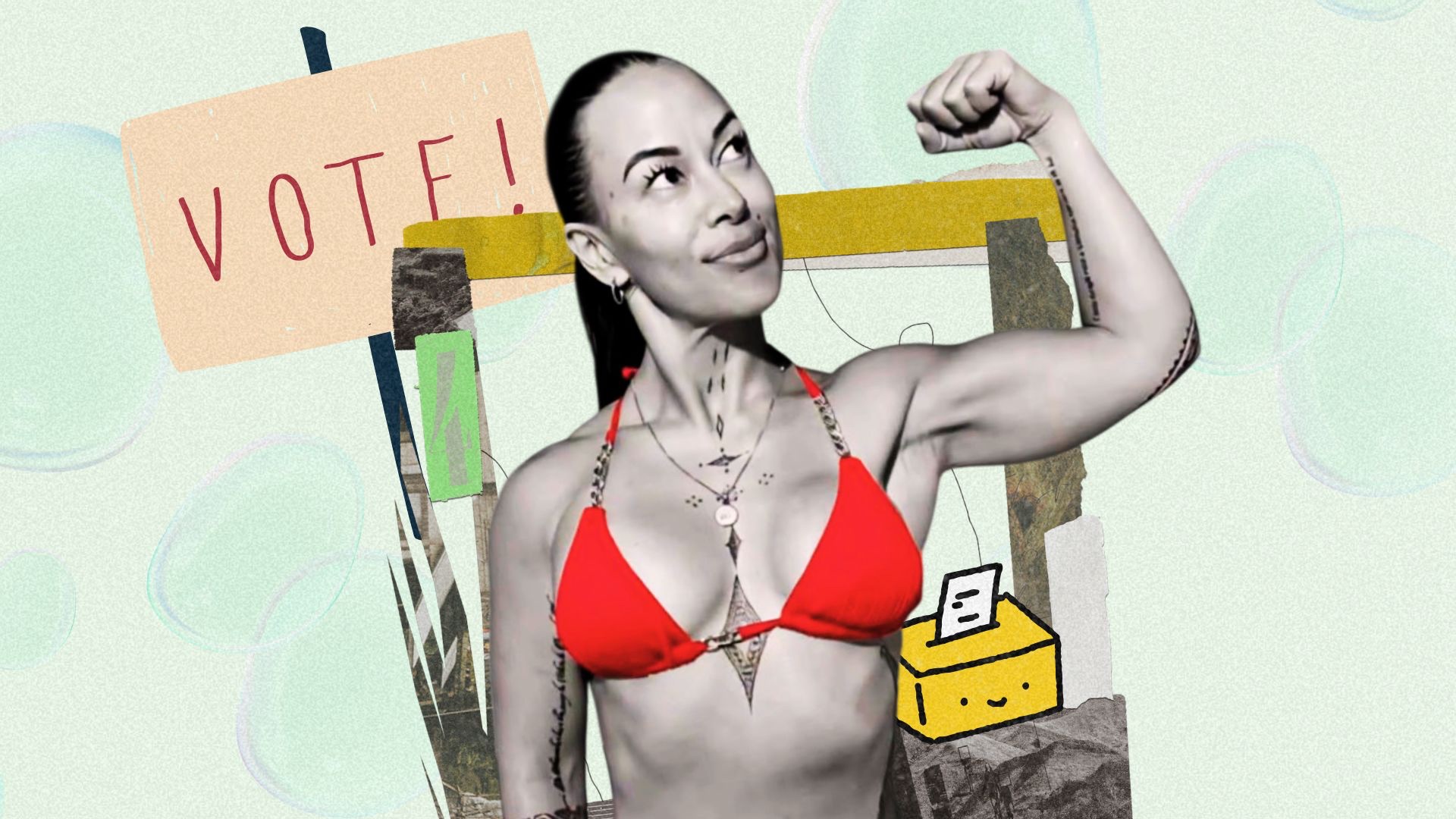
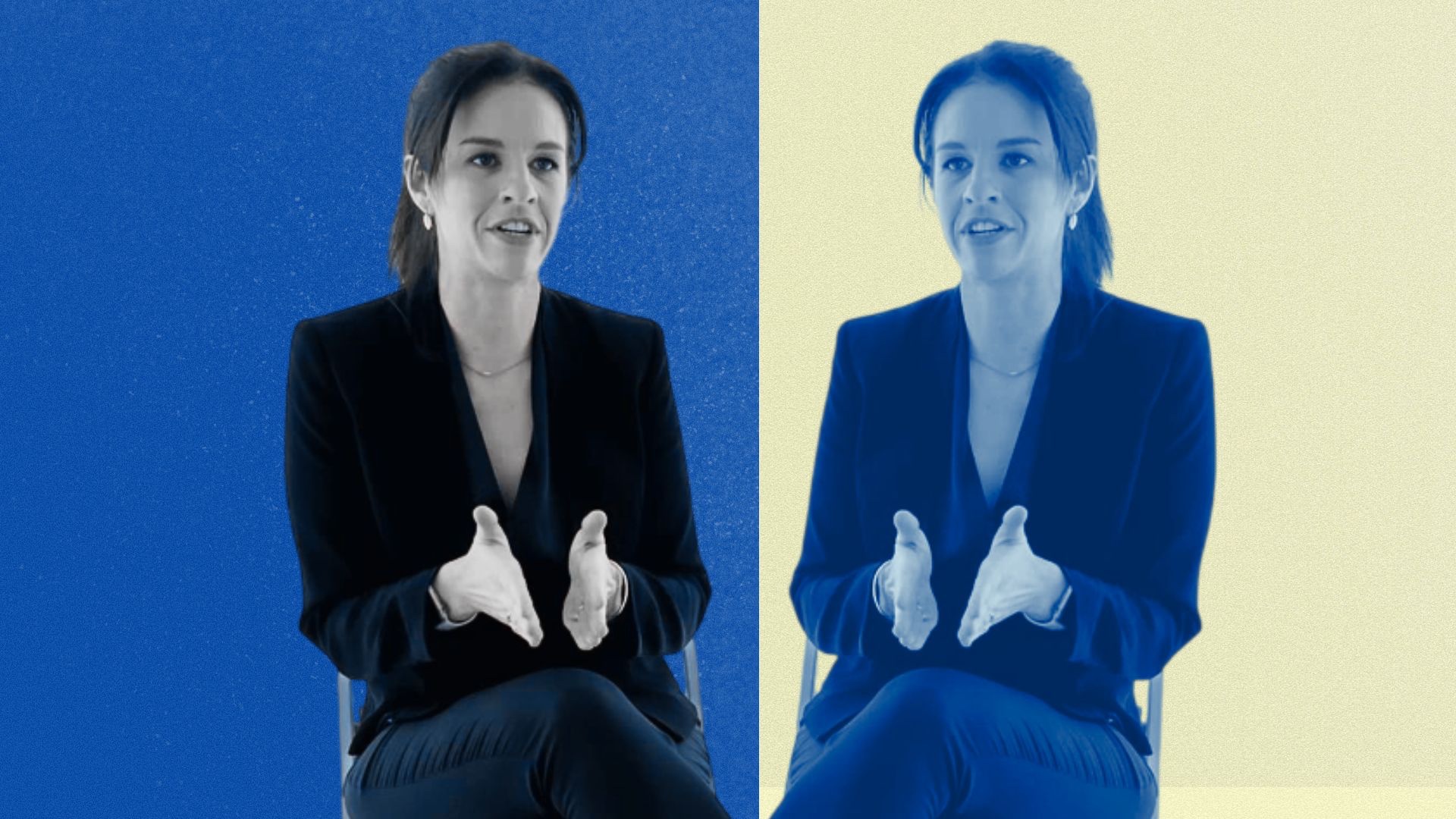
The Greens’ Chlöe Swarbrick put the unconstrained case. She called it a timewarp back more than a hundred years.
Both are sincere but neither is asking the same question. One side asks what biology has established in our society. The other asks what cosmic justice demands.
The constrained position is not that trans people lack dignity. It is that redefining a category embedded across centuries of law, medicine, and social organisation carries consequences no court order can fully predict or contain.
The unconstrained position is that clinging to a biological definition, in the face of human suffering, is cruelty dressed as principle. No vote in Wellington, Sydney, or London resolves the argument between them. They are not arguing from the same starting point.
Another front
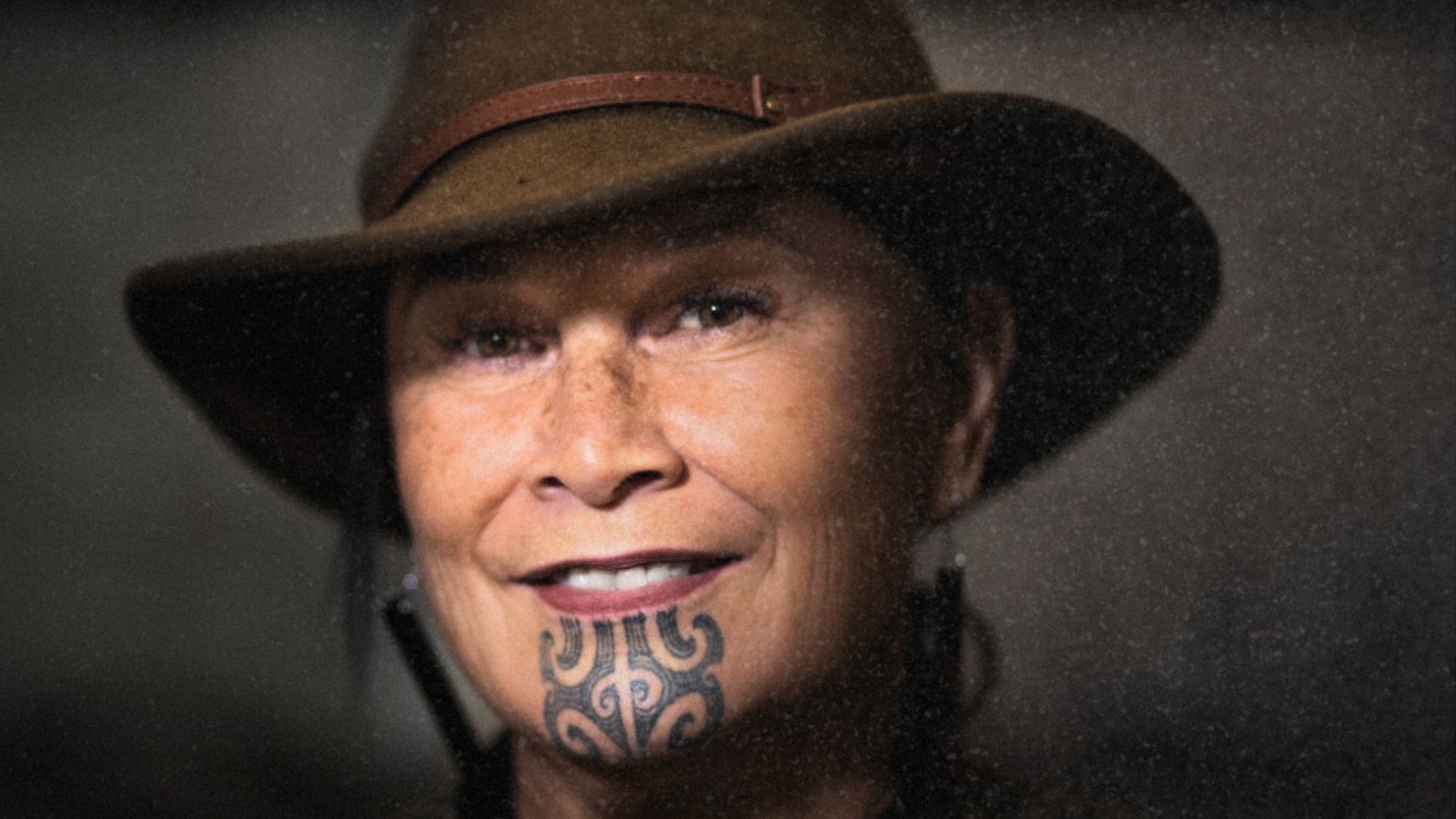
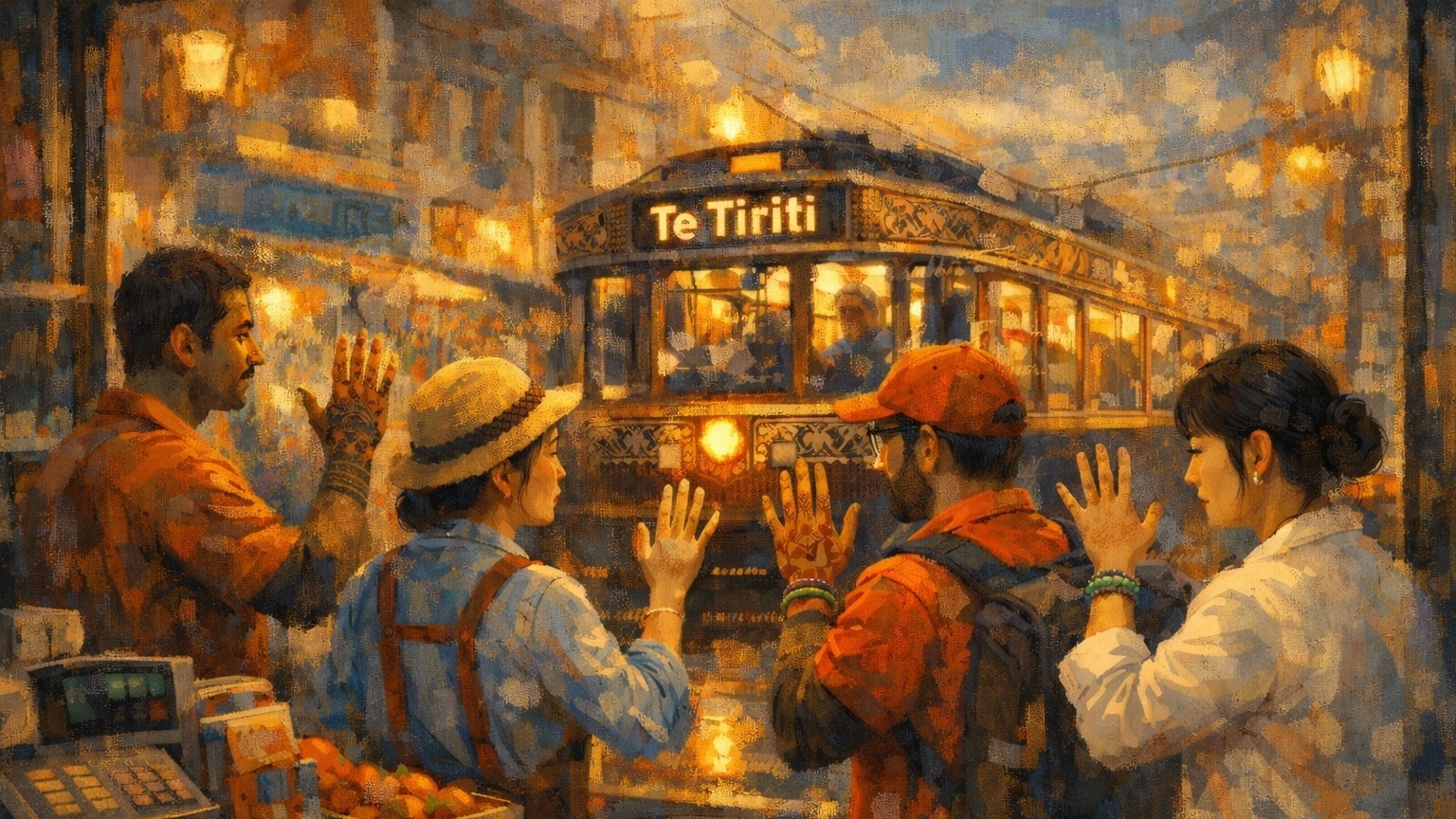
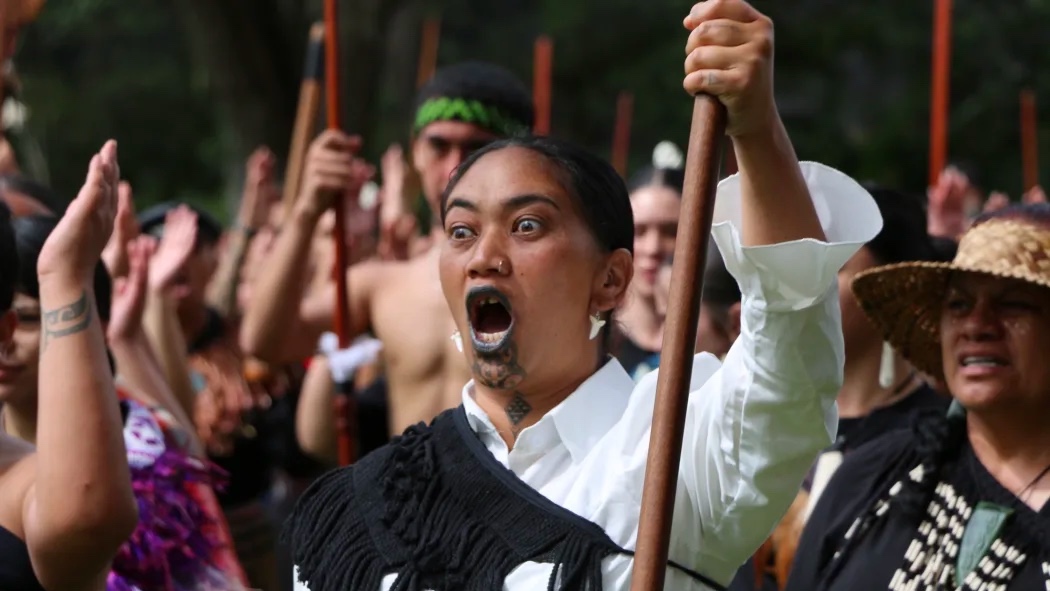
The woman debate is not New Zealand’s only version of this fight. The Treaty debate, the argument over co-governance and Maori equity, has been running far longer. Pull the thread and the same divide is underneath.
The unconstrained position holds that colonisation created structural injustice that incremental reform cannot fix. The Treaty promised a genuine partnership that was never delivered. Achieving equity requires deliberate redesign of institutions, up to and including democratic representation itself.
The constrained position holds that the Treaty is a foundational document whose meaning should evolve through established constitutional processes. Restructuring democratic representation along racial lines carries consequences that good intentions alone cannot predict or contain. The path to genuine partnership runs through existing institutions, not around them.
The heat in this debate matches the heat in the trans debate. The premises are exactly the same. One side asks what cosmic justice demands. The other asks what inherited institutions, imperfect as they are, have established, and what the cost of bypassing them might be.
The pattern
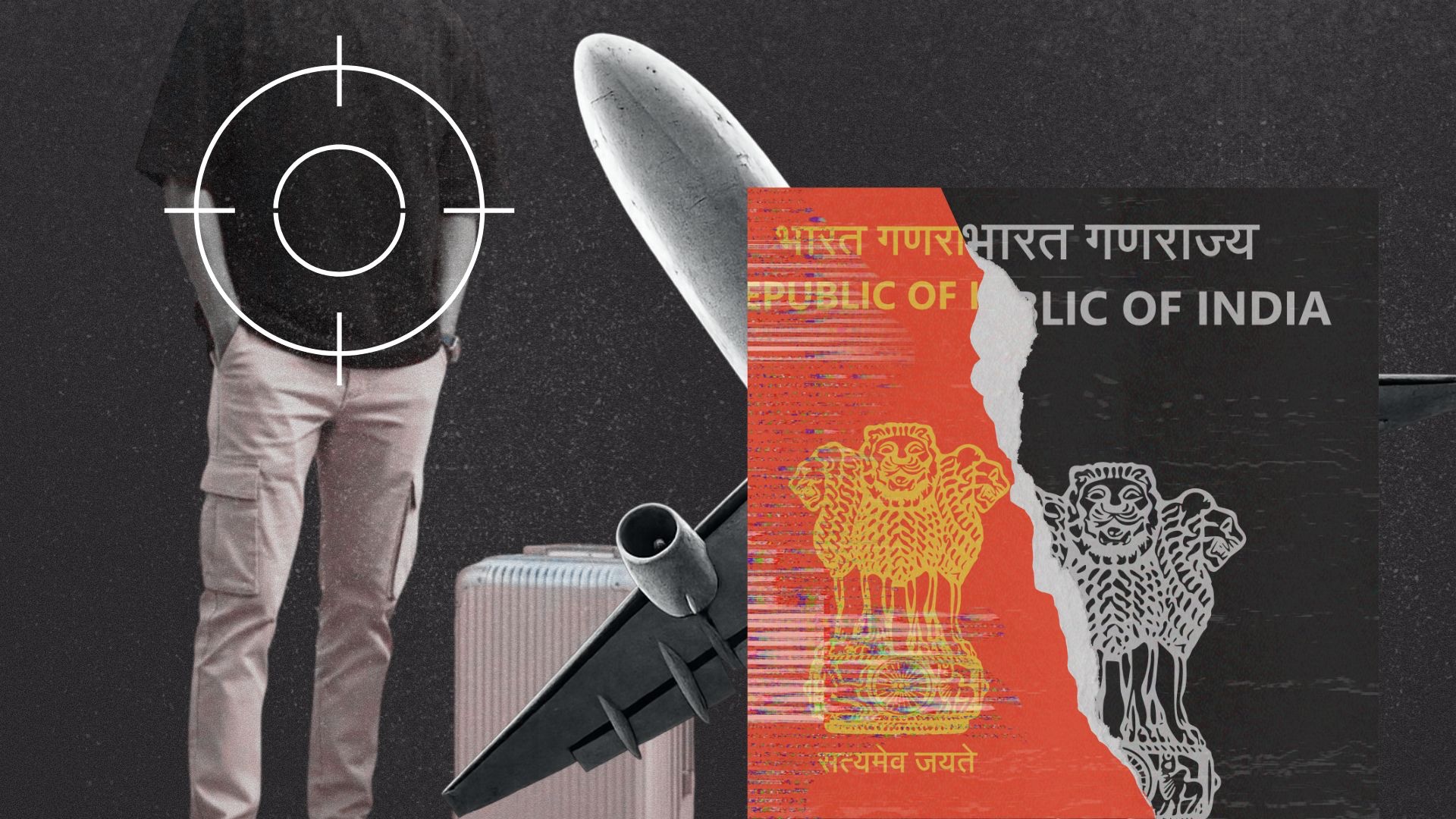
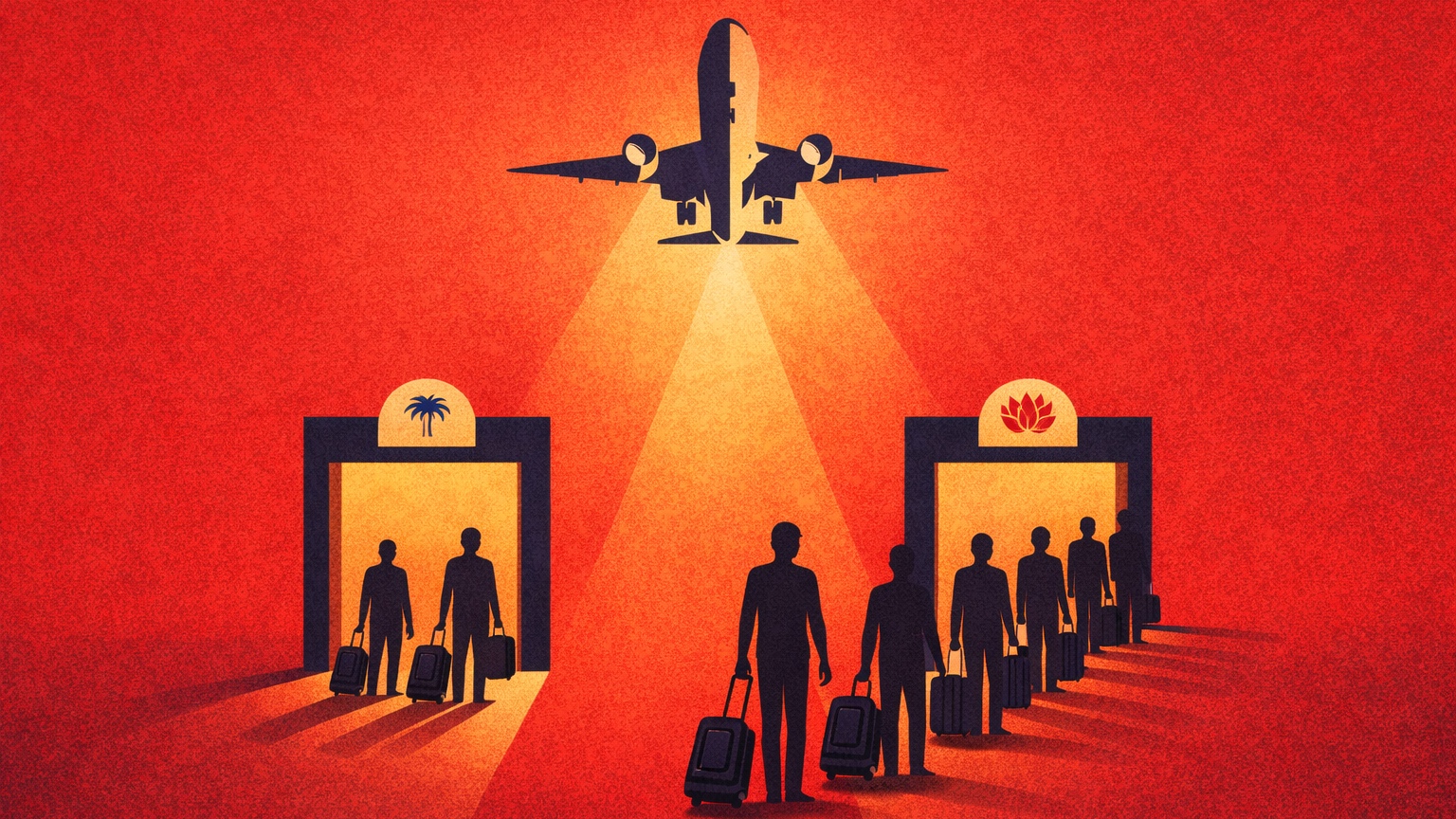
Once you see the pattern, it appears everywhere. Are borders worth defending as hard-won social arrangements, or arbitrary lines causing preventable suffering?
Is modern industrial society worth carefully reforming, or so broken it needs to be rebuilt from scratch?
The left and right divide is not a separate argument. It is this argument in its most familiar clothes.
The left broadly holds the unconstrained vision, the right broadly holds the constrained one, though the mapping is imperfect in both directions. Left and right are downstream. The visions are the source.
If that pattern is real. If there genuinely is one fault line beneath all of it. Then what you are watching is not a collection of separate arguments. It is one war, running on every front simultaneously.
The series is called The Oldest War. That is not a metaphor.