
Sikh man in Papakura takes on Brian Tamaki's wife for smear campaign over kirpan

Hannah Tamaki of Destiny Church has reignited the debate over the holy kirpan.
The ceremonial dagger is well accepted by the New Zealand police as a reasonably safe item of faith.
(This story has been edited to include more details that came through after it was first published on April 14, 2026.)
A Sikh man from Auckland says far-right cleric Brian Tamaki's wife is circulating a photo of his family on social media that maligns not just him but also kirpan, the ceremonial dagger.
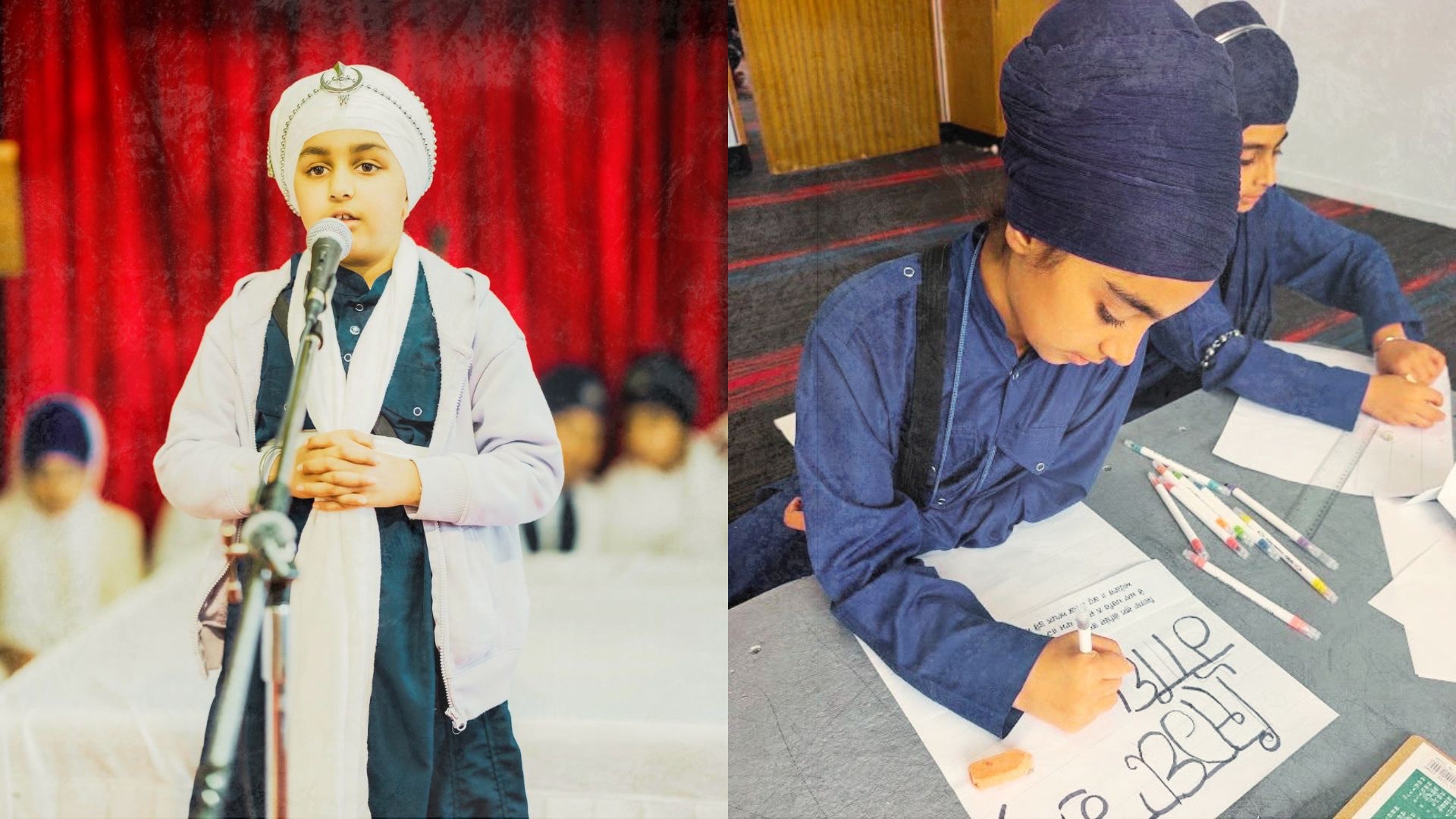
The kirpan is one of five holy items baptized Sikhs carry as part of their faith. New Zealand's criminal laws don't explicitly allow it, but police's internal instructions are clear that practicing Sikhs can carry it in a peaceful manner.
Hannah Tamaki, of Destiny Church, says she was at a Starbucks in Papakura on the morning of April 13 when she noticed a woman at the checkout with the kirpan hanging from her waist.
"I realise now they knew who I was when they came into Starbucks," she posted on Facebook later together with a photo. "Hence why she held her scarf back to flash that kirpan to me…hand on her hip."
Migrant who shouted down Peters over racism 24 years ago now vying for Parliament From arriving with $500 in his pocket to confronting NZ First's leader, National Party's Karuna Muthu reflects on his unlikely journey into politics.
‘Two types of Indians’: Peters questions Kiwi Indians’ loyalty after watching Modi welcome The New Zealand First leader on why changing passports alone may not make someone a New Zealander.
BNZ Diwali rolls out Bollywood red carpet as Meenakshi Sheshadri revisits Damini in Auckland A Screen Auckland-backed cinema showcase is bringing South Asian films into Auckland theatres as part of this year’s Diwali celebrations.
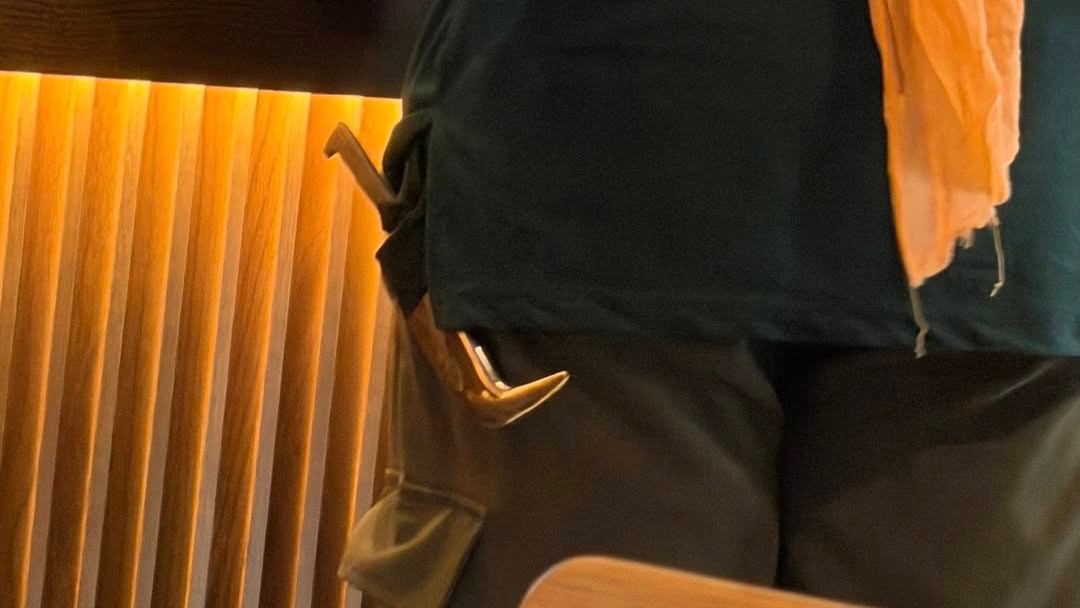
"Am I allowed to carry my hunting knife in public," Hannah Tamaki commented with the social media post. (Supplied photo)
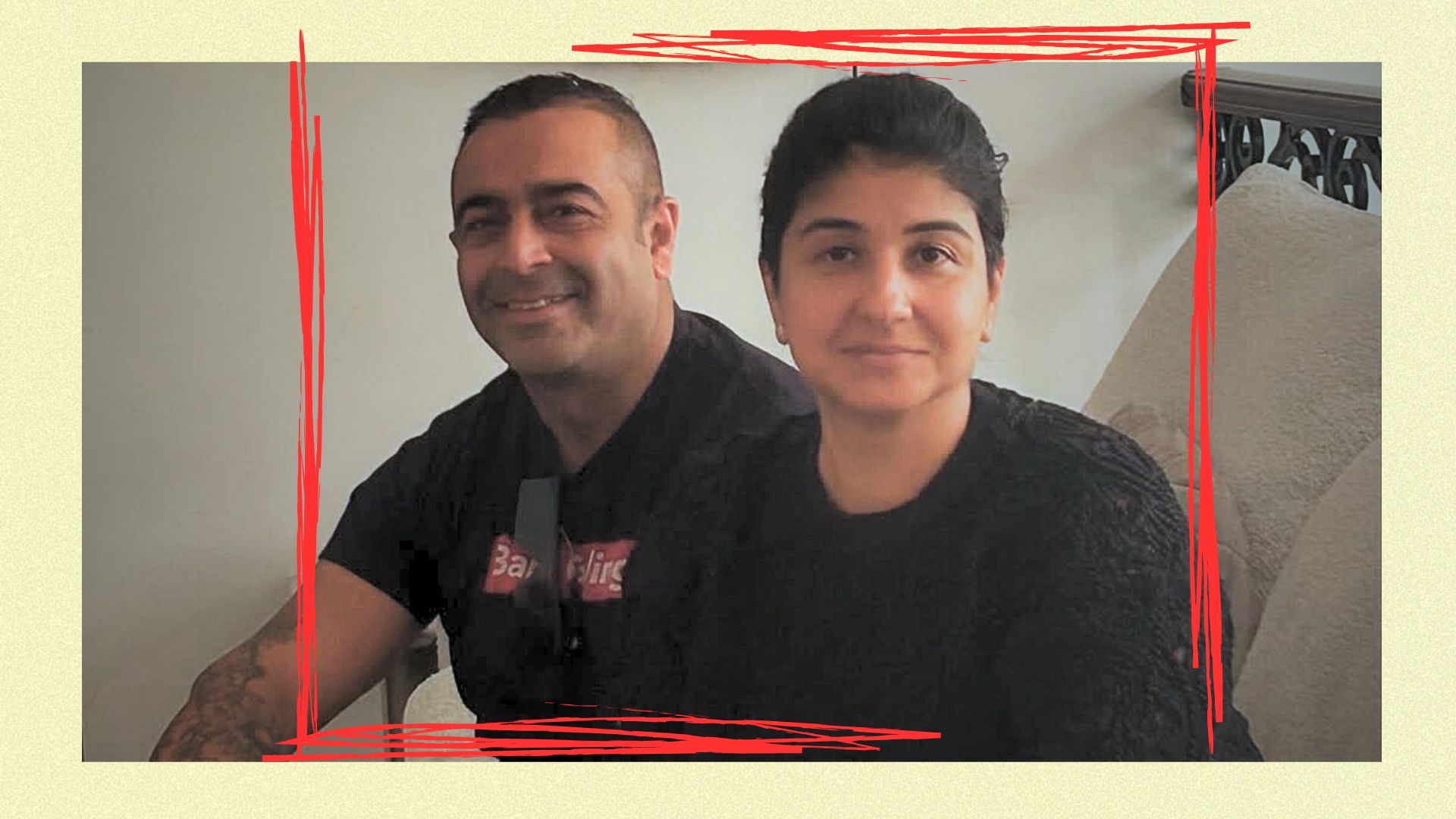
That photo was of an Auckland couple who had stepped into Starbucks for a coffee takeout while waiting for a nearby Farmers outlet to open.
Tamaki pointed out the kirpan was "not concealed, not discreet". "[It was] openly displayed in a public place around families and children. Her husband was alongside her. I captured a photo of the dagger (but not of their faces)," she posted, calling for a ban on kirpan in public places.
The couple later told Awaaz, on anonymity, that they were just two normal people doing nothing that should have caused an alarm, let alone the scandal on social media.
"We know the rules allow us to carry a kirpan as part of our cultural identity. We were at the shop for no more than five minutes. If she had a problem, she could have just told us and we would have resolved it," the woman's husband said.
The couple took coffee and returned to their car, when the husband says he recognised who Tamaki was and suspected she had taken a photo without their consent.
"She hadn't just taken the photo. Within minutes I saw it online, with my face clearly visible. That's when I decided to confront her."
As per Tamaki's account, she left Starbucks to visit a nearby nail salon when she realized she had been followed. "...her husband followed me in, filmed me, and confronted me for taking a photo of the dagger," she said.
"I calmly told him I was concerned. I asked him if I should be allowed to wear my hunting knife too? His response? 'We have a religious exemption'."
Sidhu says he sought out Tamaki to ask her why she posted their photo without their consent. "I filmed that encounter deliberately so she doesn't misrepresent to later," he says.
The video shows what happened inside the nail salon is largely in line with what Tamaki and Sidhu have described. An argument over what happened.
Tamaki later made another social media post to update her followers of the encounter in the nail salon.
Anyone carrying a knife in public "without a reasonable excuse" can be jailed for up to three months or issued a fine of up to $2,000, according to the Summary Offences Act 1981.
The Crimes Act 1961 also prohibits possessing knives without lawful authority or reasonable excuse, with a penalty of up to two years in jail.
But Amritdhari (or baptized) Sikhs have, in practice, fallen in the "reasonable excuse" bucket. The use of discretion is a key tool in a police officer’s toolkit, an internal police instruction says.
"The law and rules do not always fit perfectly to every situation...Amritdhari Sikhs are not known to use the kirpan to harm themselves or others," it reads.
"As a general rule, a kirpan carried or possessed in a public place for religious reasons is considered by police to provide a reasonable excuse."
But that threshold has, in the past, reached its edge. In March 2015, seven Sikhs were denied entry into Eden Park for a cricket match after they refused to remove the ceremonial dagger.
More than a decade later, the kirpan continues to draw speculative commentary around the issue of equal rights for all New Zealanders. If Sikhs can carry a ceremonial dagger, then, as Tamaki wonders, "Am I allowed to carry my hunting knife in public."