
Case files: Declined twice, then INZ got it wrong again. How Ayesha got her visa

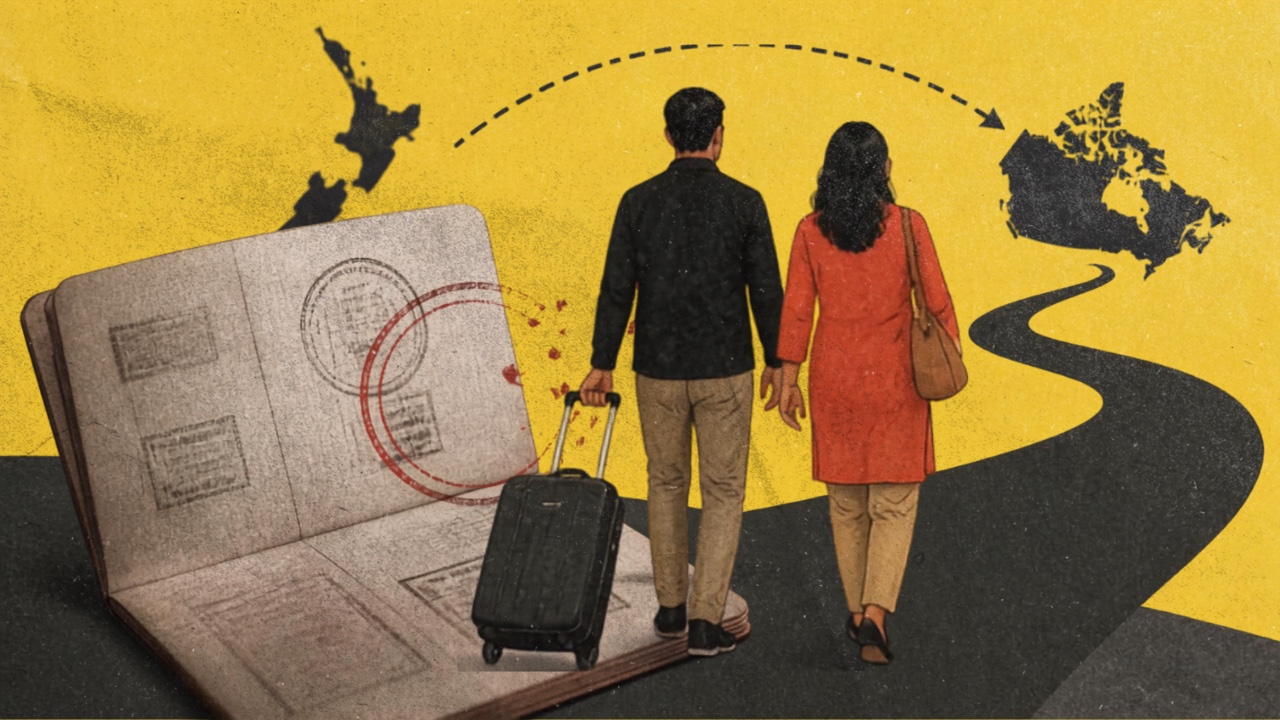
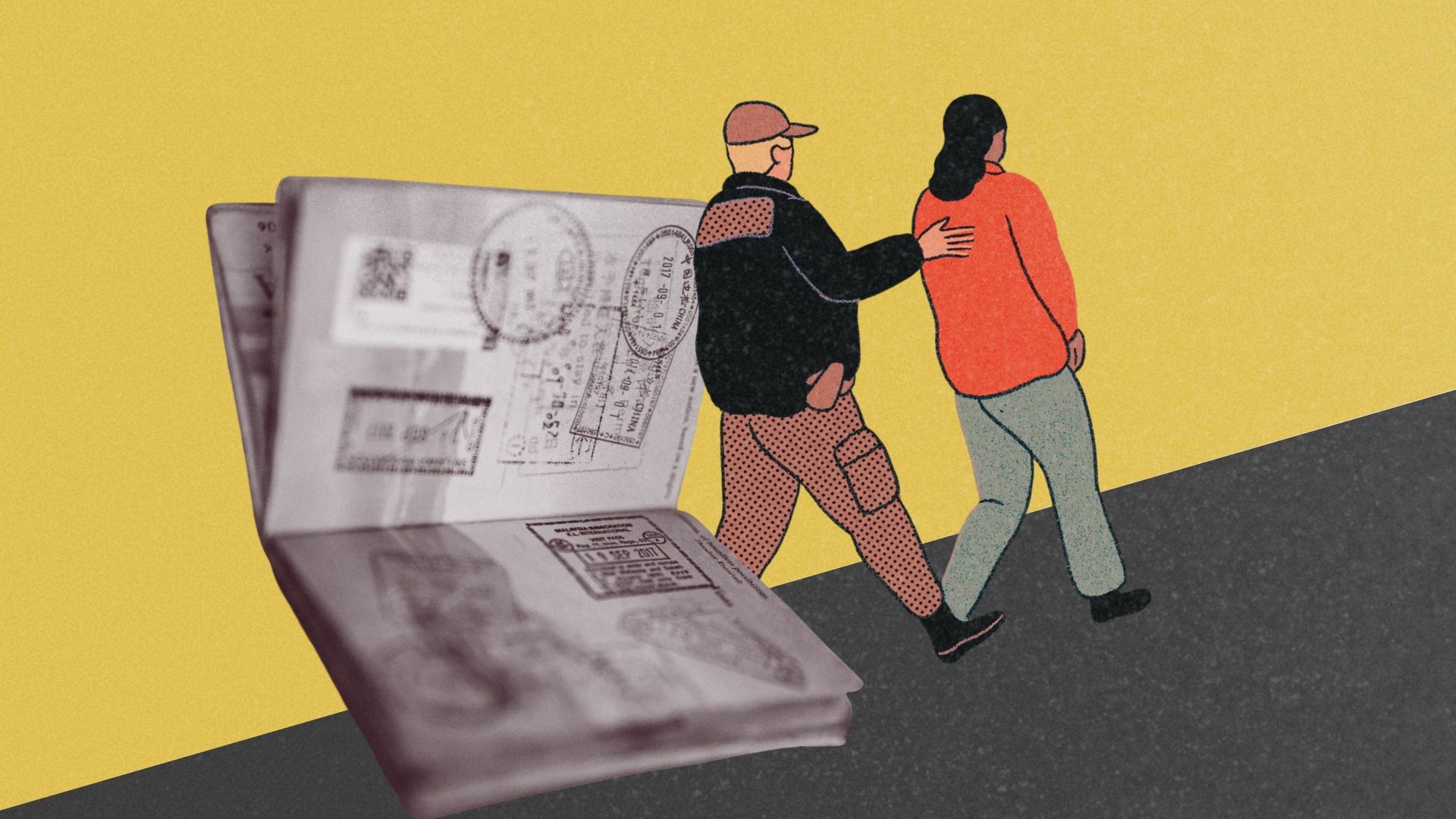
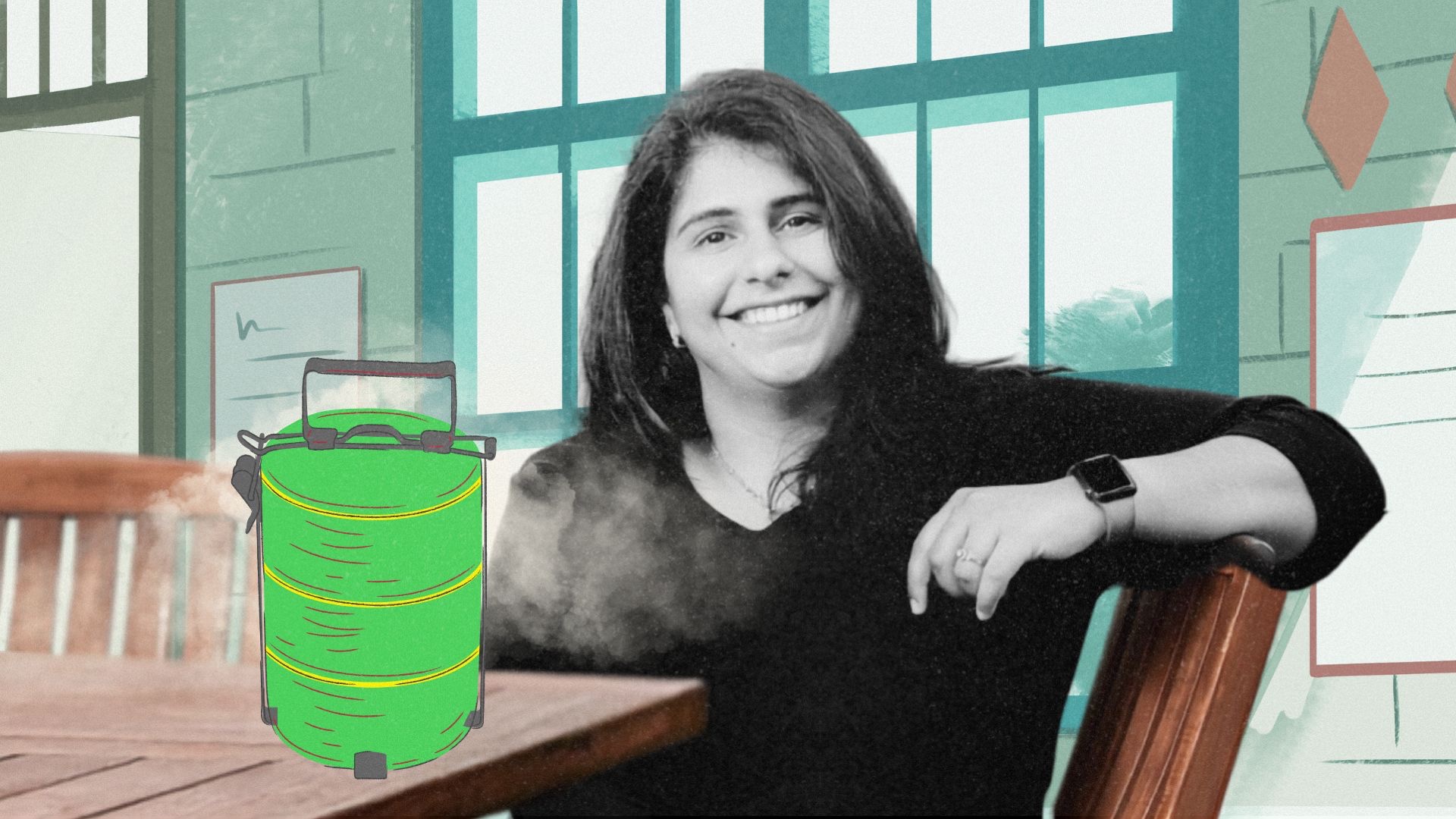
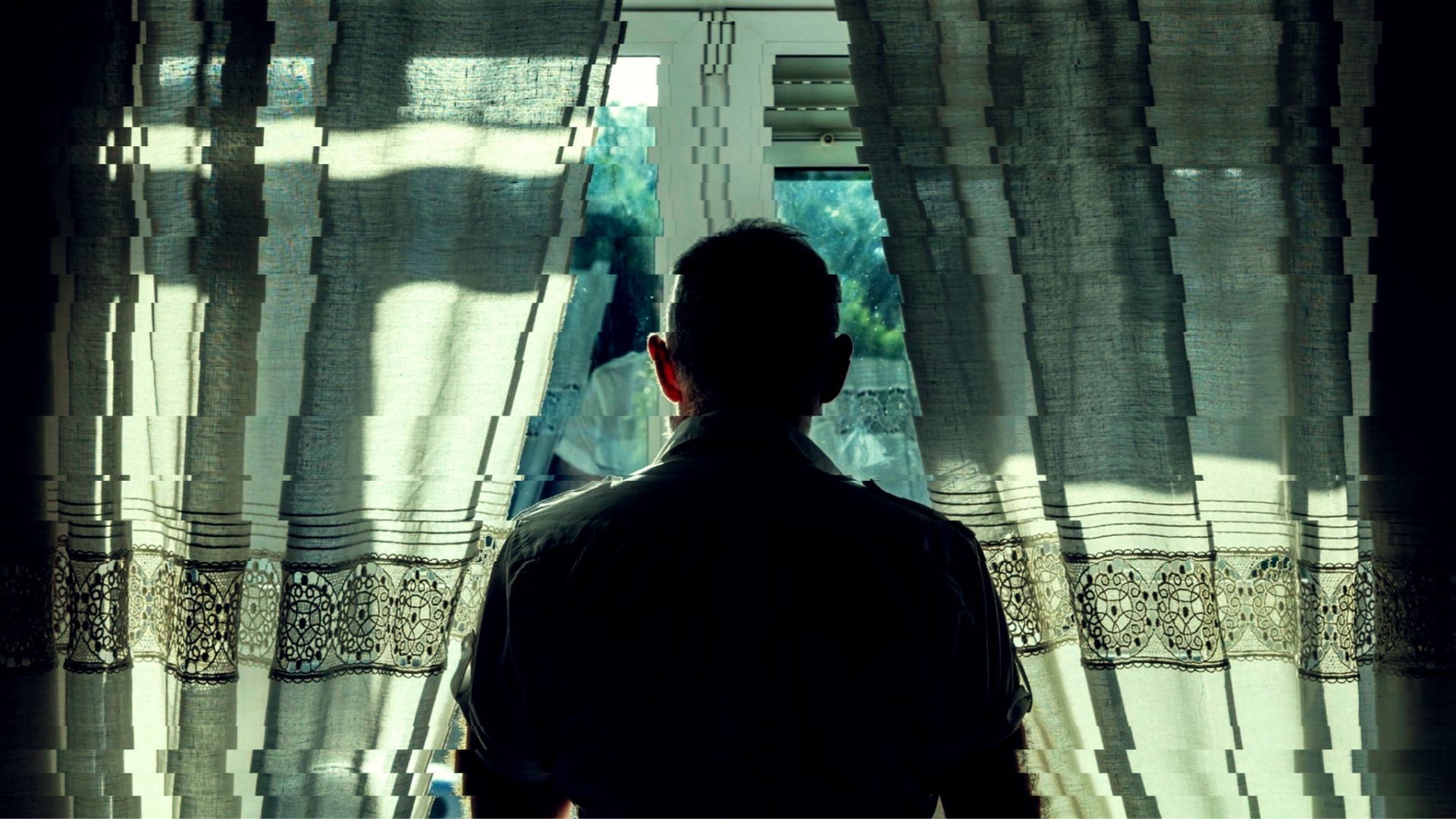
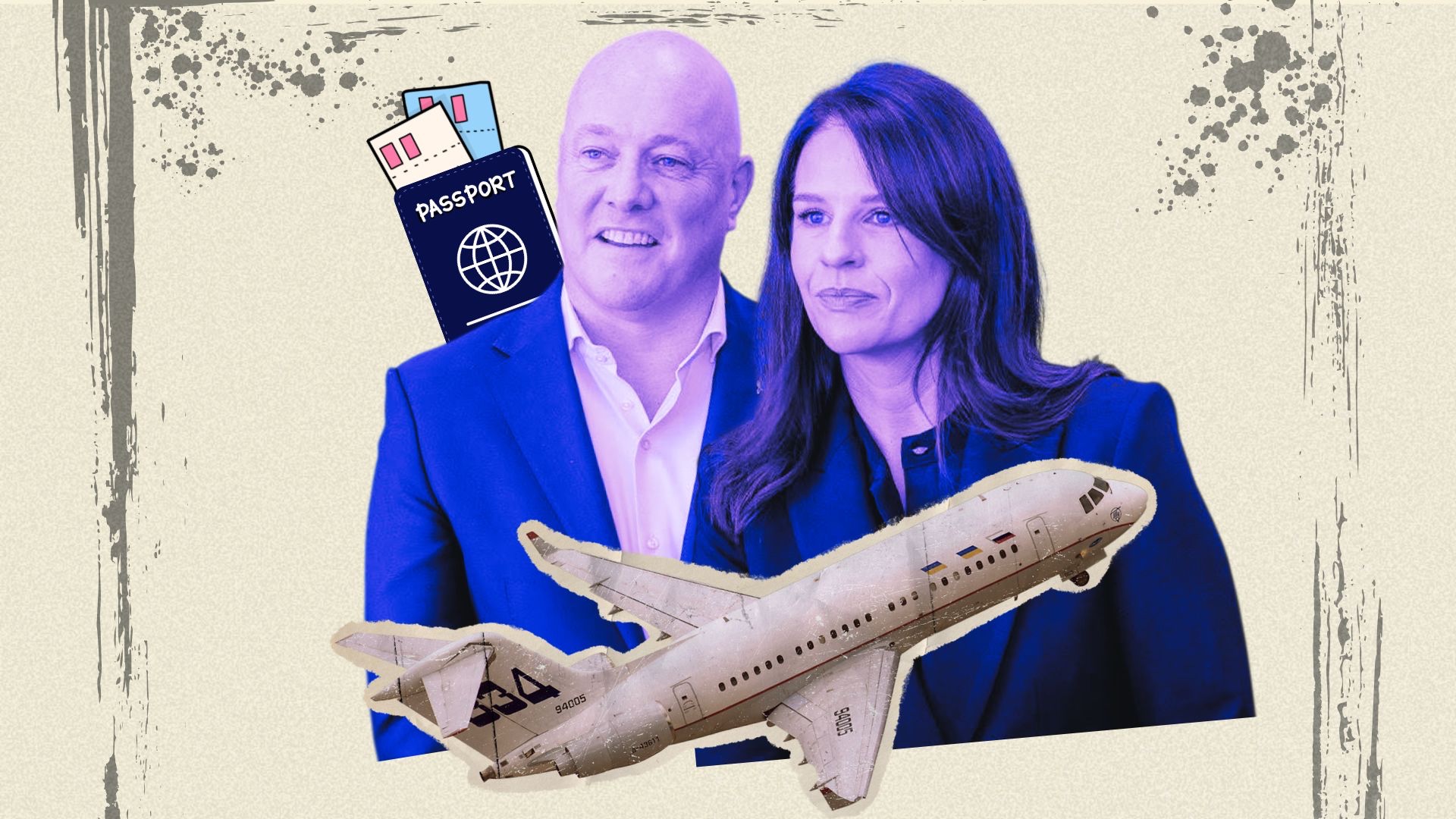
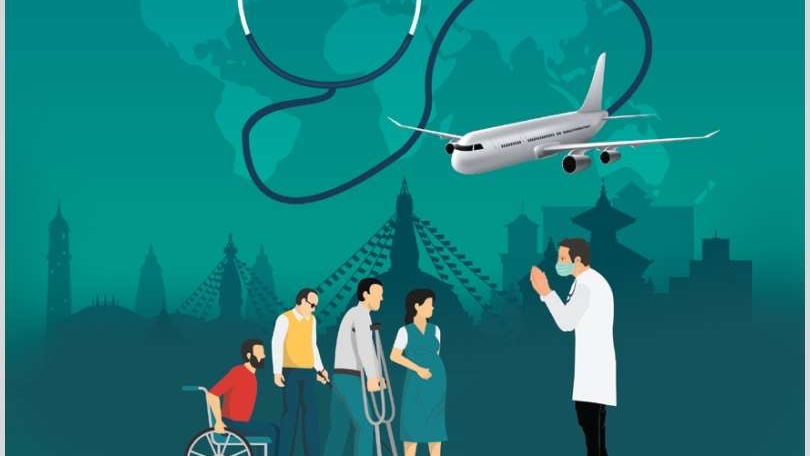
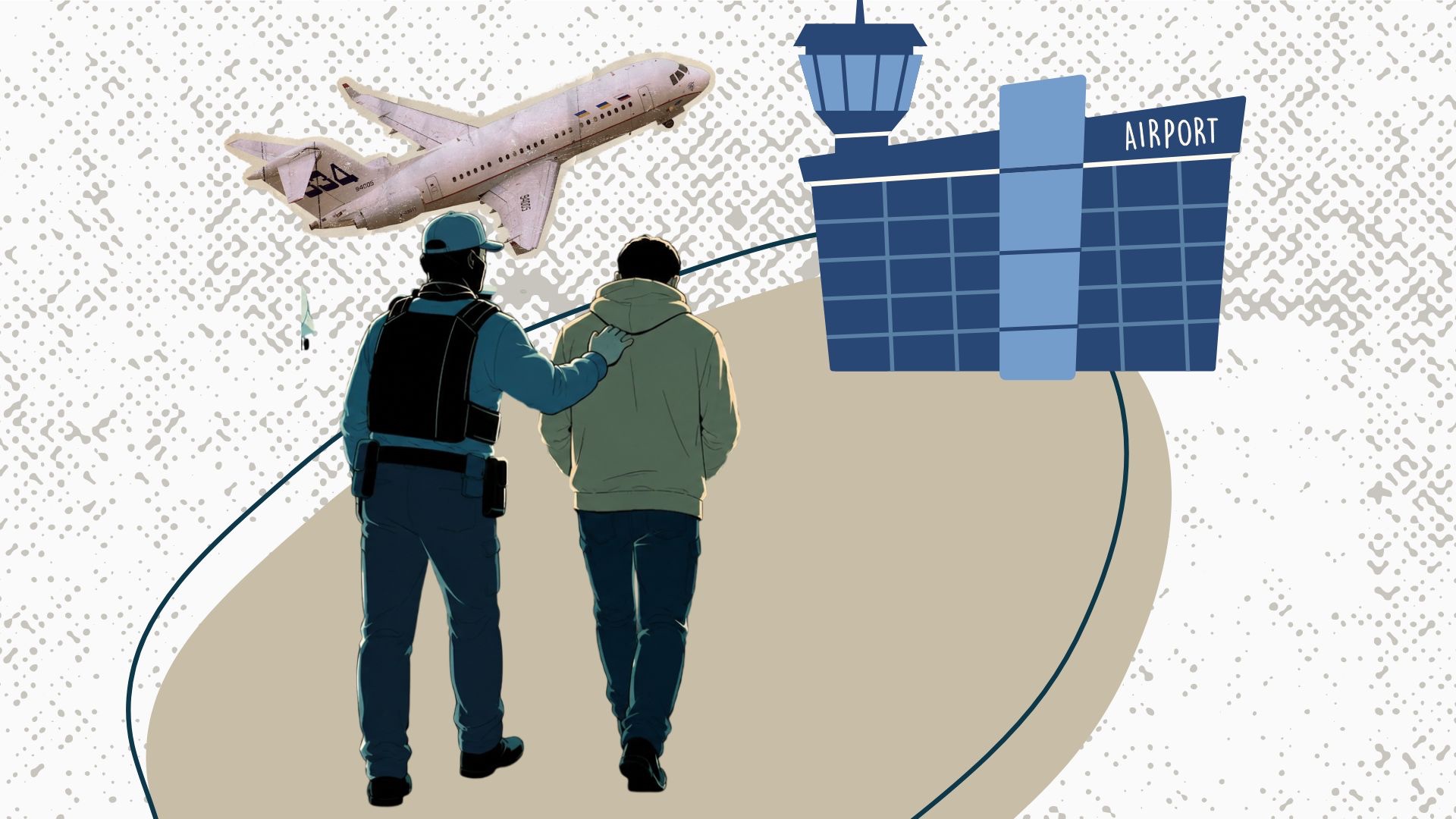
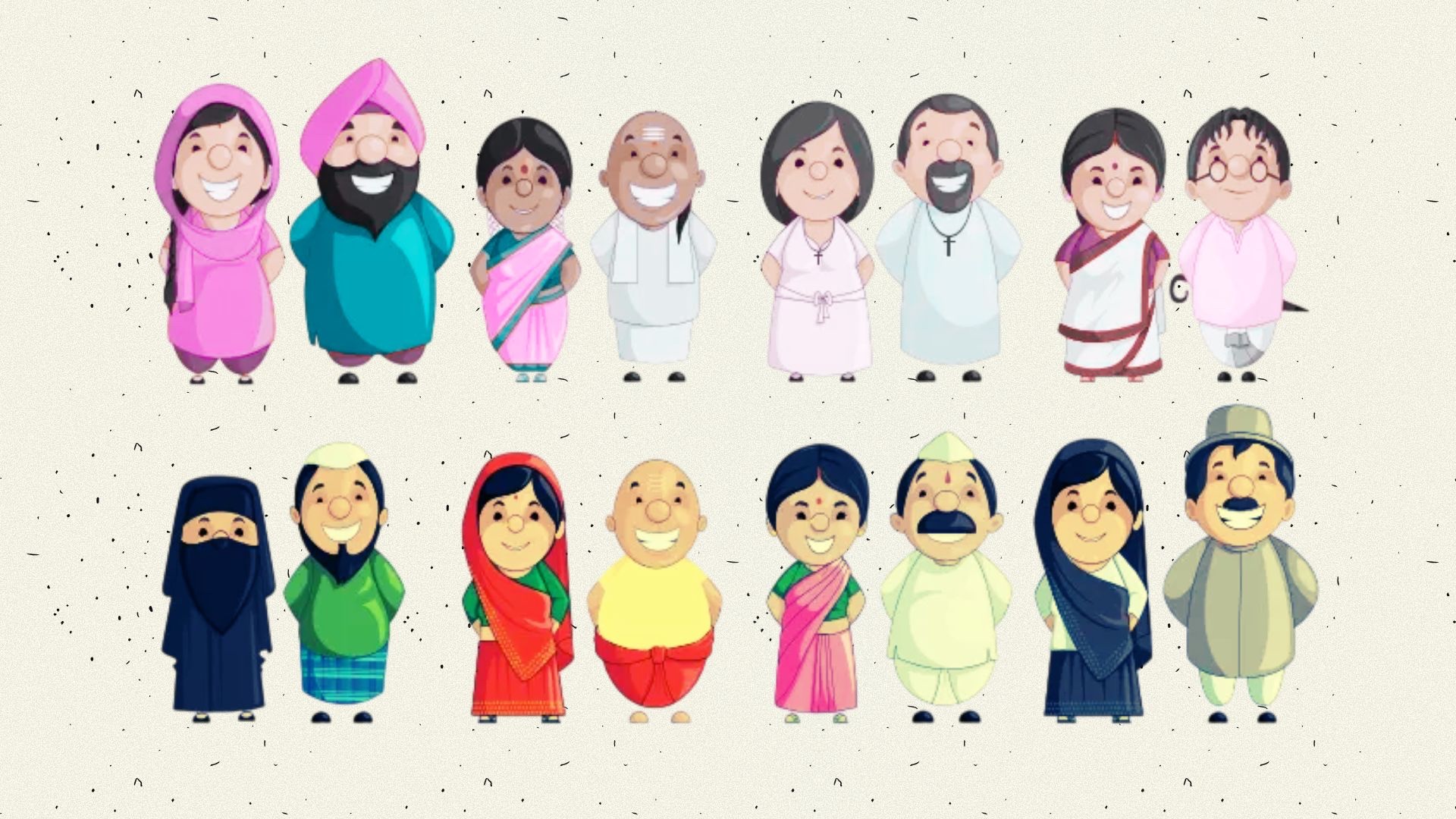
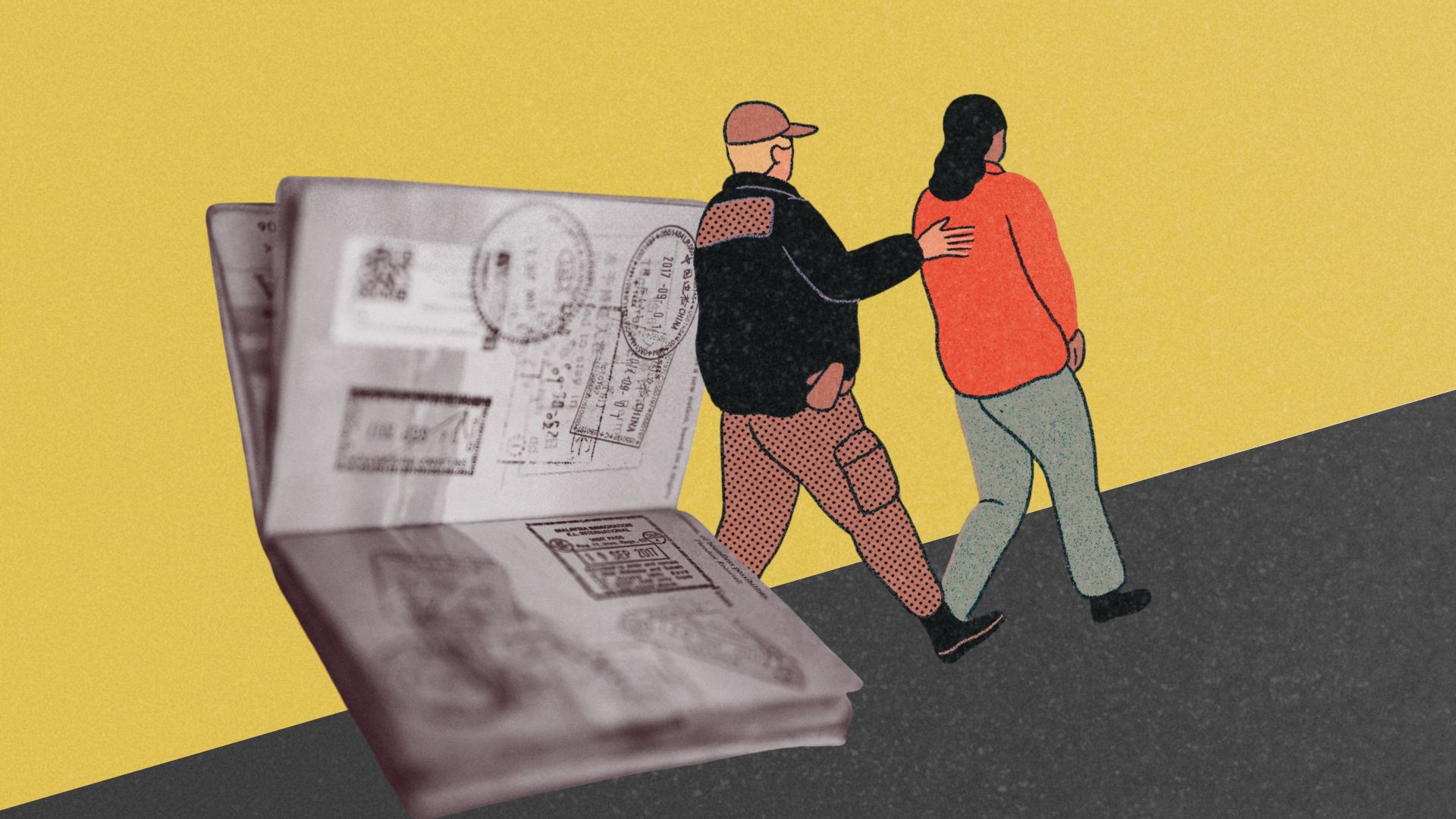
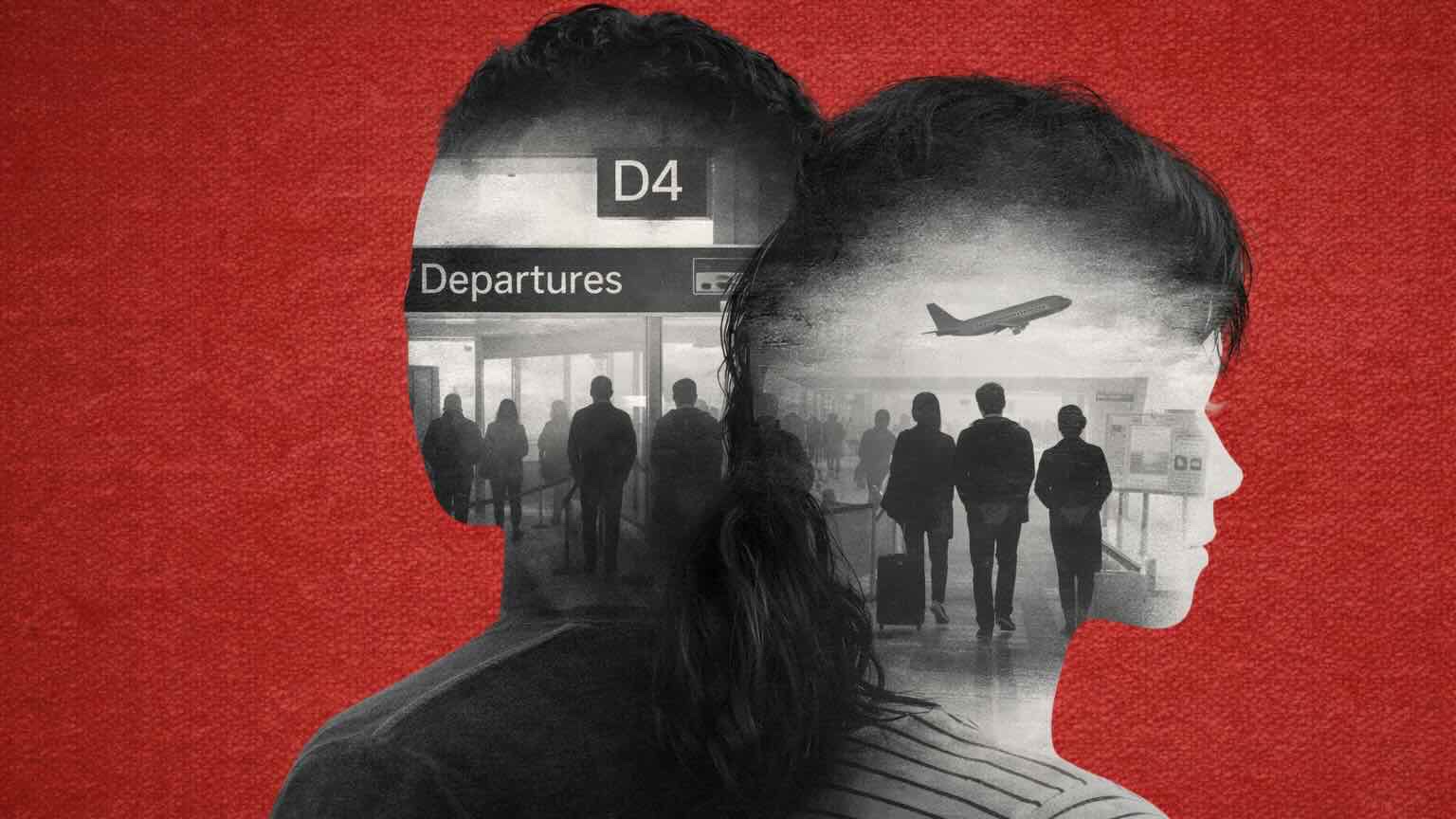
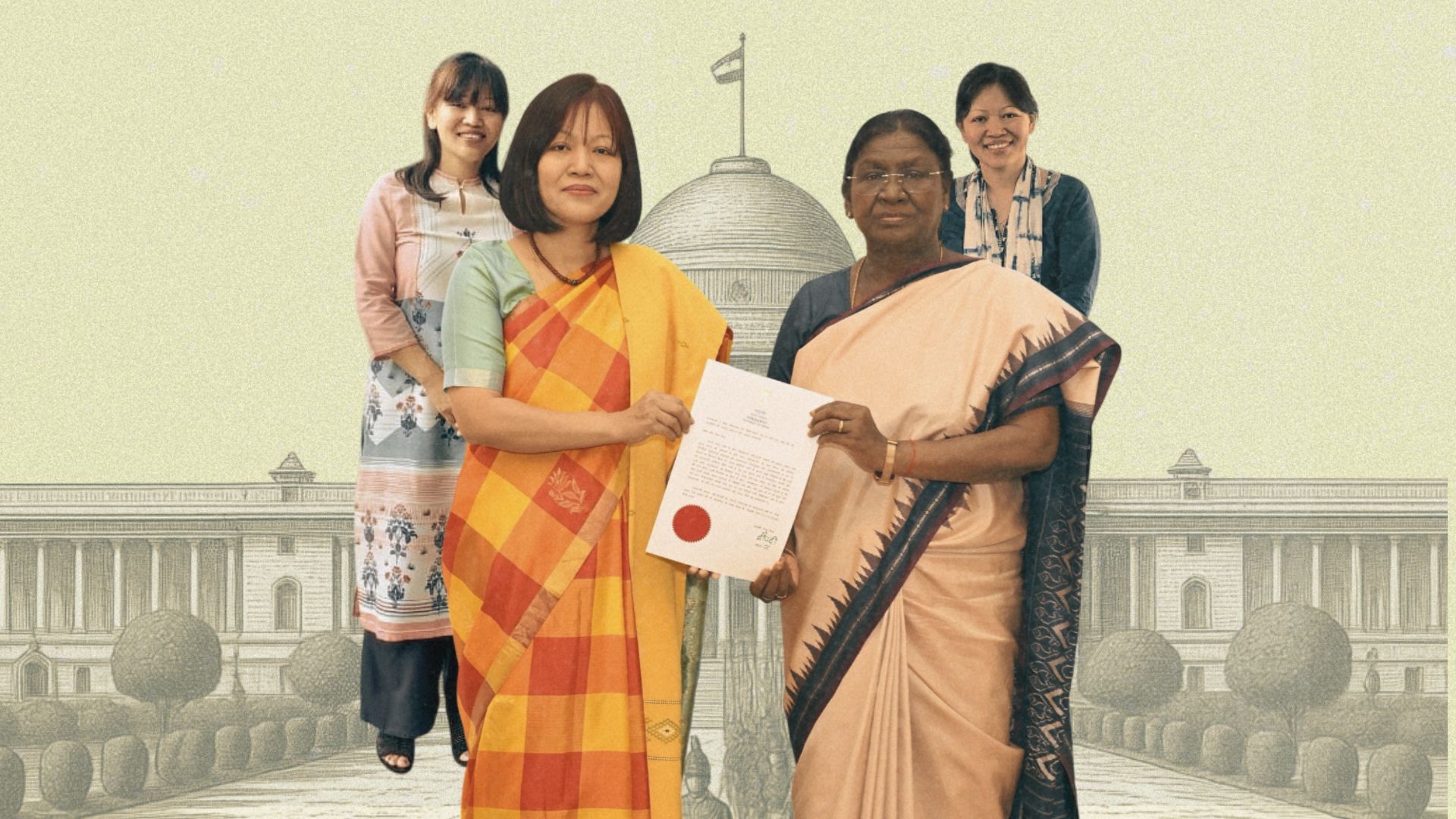
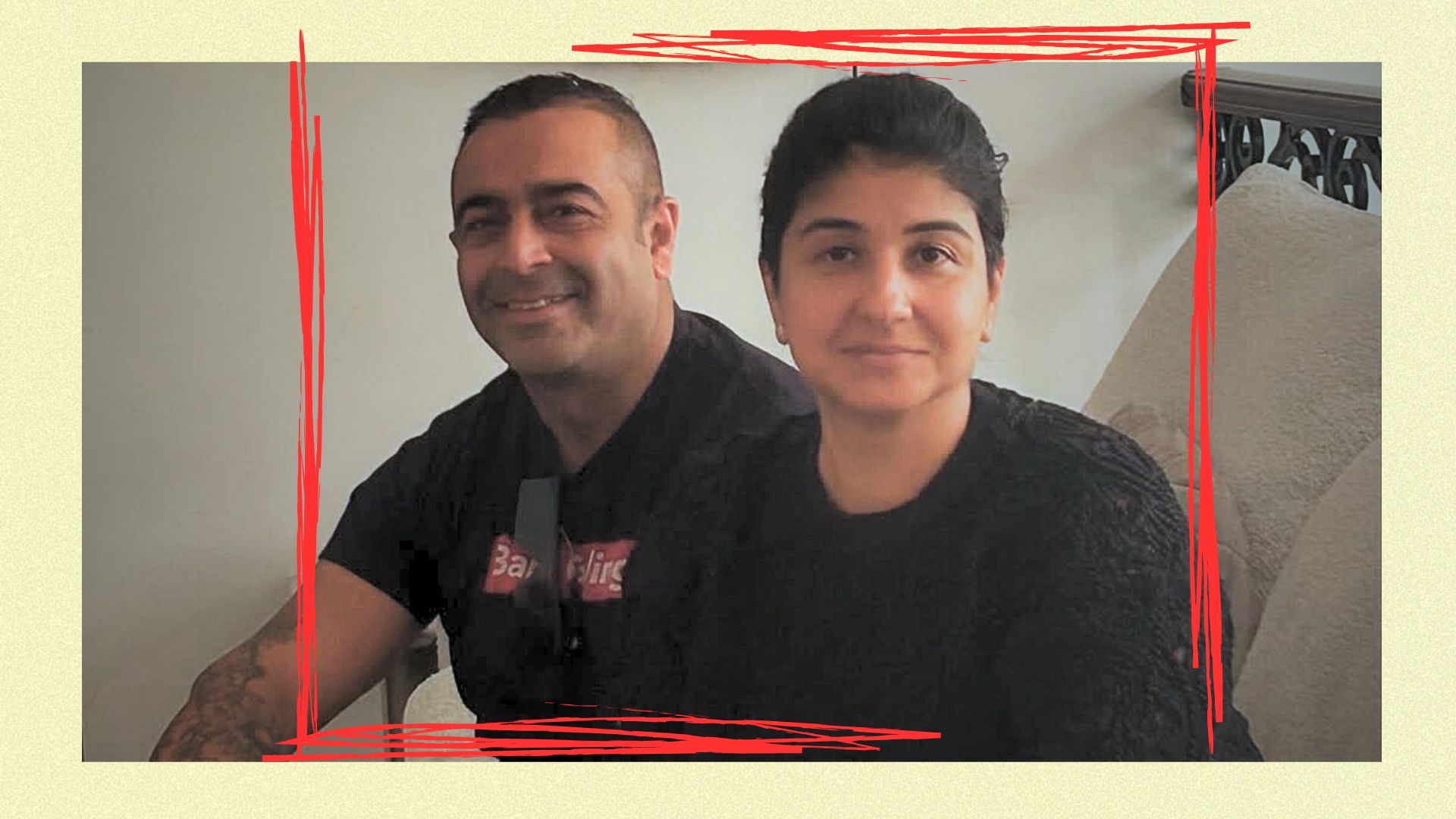
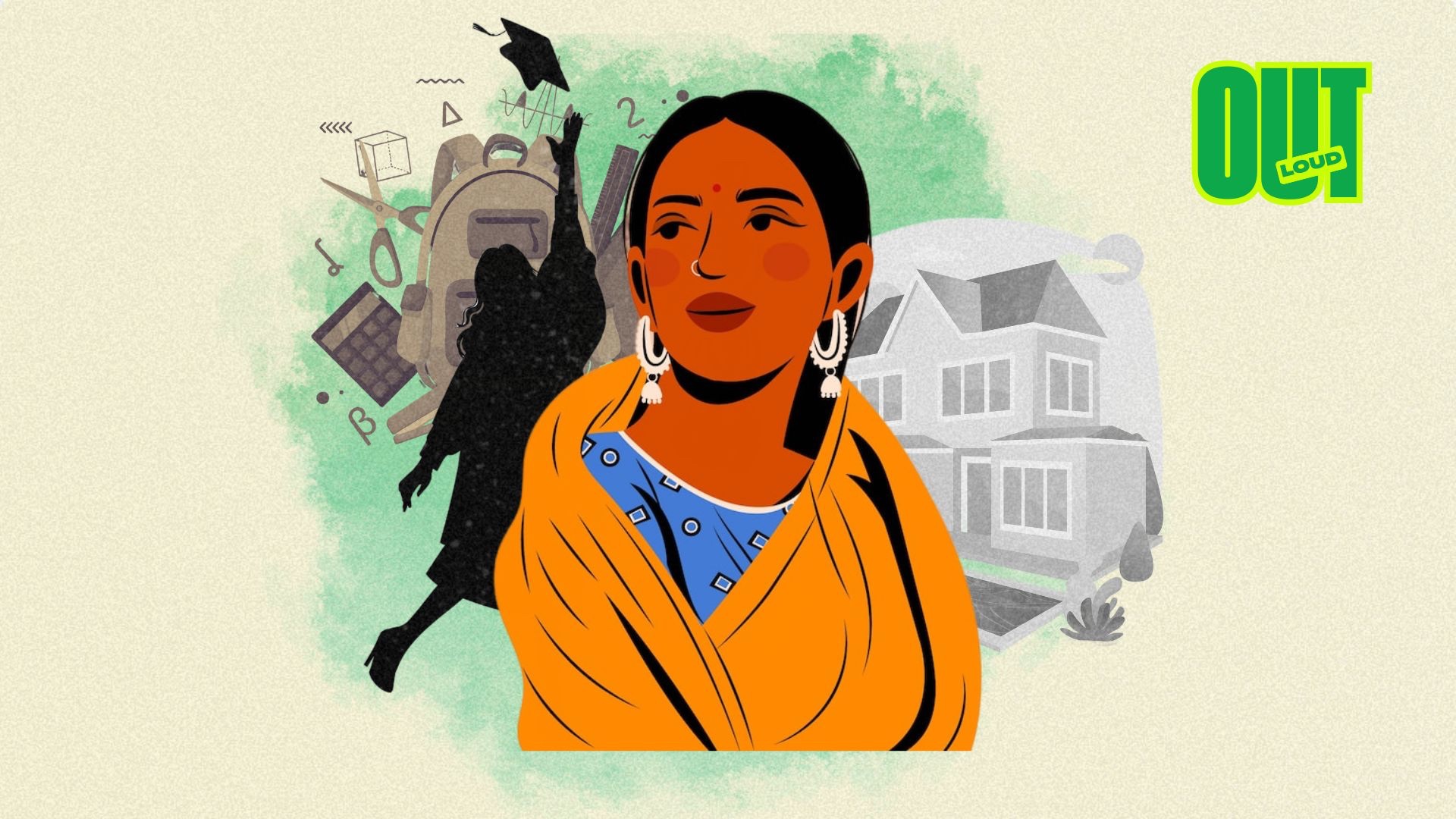
Ayesha got third time lucky, but not without hiccups. (Awaaz artwork)
A blow-by-blow account of what can go wrong if you want to bring your spouse to New Zealand.
The good news is that Immigration New Zealand (INZ) recognises arranged marriages and even has a visa category for newlyweds to come to New Zealand: the Culturally Arranged Marriage (CAM) visitor visa.
The bad news is, INZ’s year to date statistics tell a troubling story. Only 69 people have been approved CAM visas, while 93 have been declined.
That means 57 per cent of all decisions have resulted in a decline. By comparison, INZ’s decline rate for general visitor visas is only 13 per cent.
First things first
INZ’s definition of a culturally arranged marriage is one which follows an identified and recognised cultural tradition where the arrangements for the marriage, including helping select the persons to be married, are made by others.
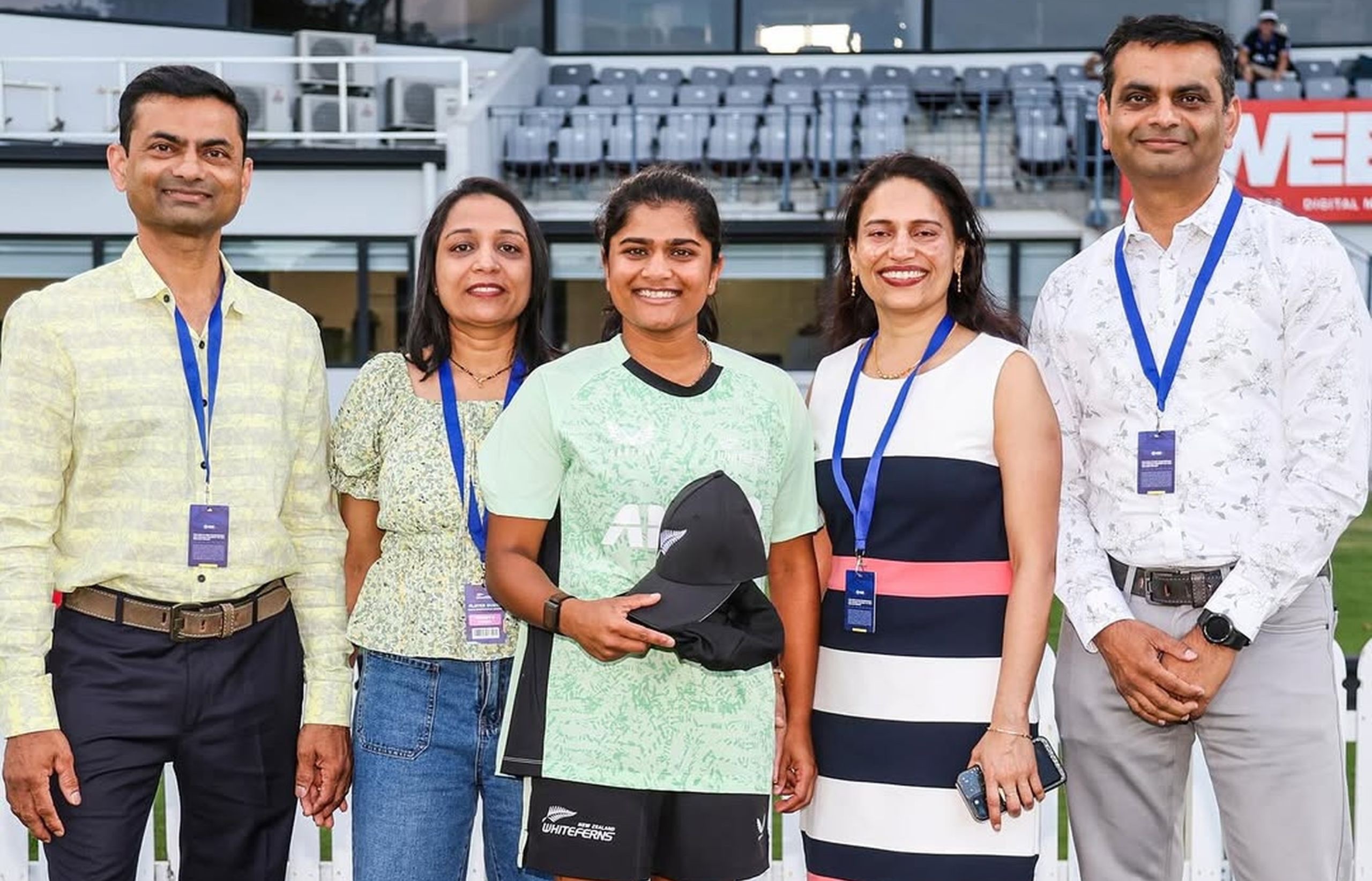
Selfie: ‘Daddy, please don’t take me to an India-NZ cricket match’. A migrant's dilemma Can a migrant embrace a new home without abandoning old loyalties? Sports often offers a reckoning for migrants.
Migrant prison guards in Auckland accused of drug smuggling can't work, can't go home Two fathers facing serious corruption charges have been unable to work elsewhere because of their visas and awaiting criminal trials in 2028.
Can you be Indian and Kiwi? National's Mahesh Muralidhar on patriotism, racism and belonging National's big ticket Indian-origin candidate on what ethnic representation really achieves and why New Zealanders still struggle to get along.
You can read more about CAM visas here.
While CAM visas are an option, Ayesha’s story shows what can go wrong at every step and how the right advice can turn things around.
Ayesha’s first application
Ayesha , a 30-year-old Bangladeshi woman, married Nadeem in March 2025. Nadeem is a New Zealand resident of Bangladeshi origin.
They are both Muslim and share the same cultural background and language. They were introduced to each other by family members.
After the wedding, Nadeem returned to New Zealand for work. Ayesha wanted to join him so she applied for a CAM visitor visa.
The main reason the application was declined was that INZ was not satisfied that the marriage had genuinely followed a cultural tradition where a third party introduced and selected the couple.
It is often hard to prove an arranged marriage took place. Yes, two families met and discussed a match, but no records were kept.
Ayesha’s second application
After the CAM visa decline, Ayesha applied under the Partner of a New Zealander category.
The core requirement for this visa is that the couple must be living together in a genuine and stable relationship.
Ayesha and Nadeem had only met in January 2025, married in March 2025, and Nadeem had returned to New Zealand weeks later. The time they had spent apart already outweighed the time they had spent together.
The evidence also had problems. Some screenshots were undated, some messages were not translated, and some address evidence raised credibility concerns.
This application was declined too.
What worked for Ayesha
When Ayesha and Nadeem came to us after two declines, the problem was clear. The wrong visa categories had been chosen, and the evidence had not been prepared well enough.
We took a different approach. Instead of trying to force their circumstances into a special category with strict requirements they could not meet, we applied for a standard general visitor visa.
Under this category, the key question is simpler. Is this person genuinely intending a temporary visit to New Zealand for a lawful purpose?
We submitted a sponsorship form, a tenancy agreement, and a letter from Ayesha's college confirming she could return to her studies within one to two years.
After living together in New Zealand for around 12 months, Ayesha may be able to apply for residence as Nadeem’s partner, provided all requirements are met. Her longer term plan to apply for residence later did not, by itself, mean she was not a genuine temporary visitor.
INZ gets it wrong, again
Before deciding, INZ sent us a letter outlining concerns. The letter contained serious errors.
INZ had applied the rules for a partnership visa to what was a general visitor visa application. These are two different visa categories with two different sets of requirements.
INZ also asked for proof that the couple’s marriage had followed a recognised cultural tradition. That requirement simply does not exist for a general visitor visa. Letters of support from both sets of parents, already submitted, had been completely overlooked.
We wrote back formally, pointing out each error. The case officer did not respond substantively for nearly three weeks. We then escalated the matter directly to the case officer’s manager.
The manager reviewed everything and accepted our position. He confirmed that the strength of the couple's relationship was a genuine reason for the visit, even if Ayesha had limited ties to her home country.
Once the application was assessed under the correct category, the visa was approved.
Lessons from Ayesha's case
Having a genuine relationship is not enough on its own. You need to apply under the right visa category, prepare the right evidence, and know what INZ is and is not allowed to ask of you.
Two previous declines did not mean the door was closed. It meant better advice was needed.
If your visa has been declined, or you are unsure which category fits your situation, get advice before applying again. The right visa category and the right evidence can make all the difference.

(Ankur Sabharwal is a Licensed Immigration Adviser and founder of Visa Matters, an Auckland-based immigration advisory firm. He provides immigration commentary on TVNZ Breakfast and has been published by Stuff and The Post. This article is general information only and does not constitute immigration advice.)