
Racist haka: Organisers apologize to Indian diaspora, reconciliation hui planned

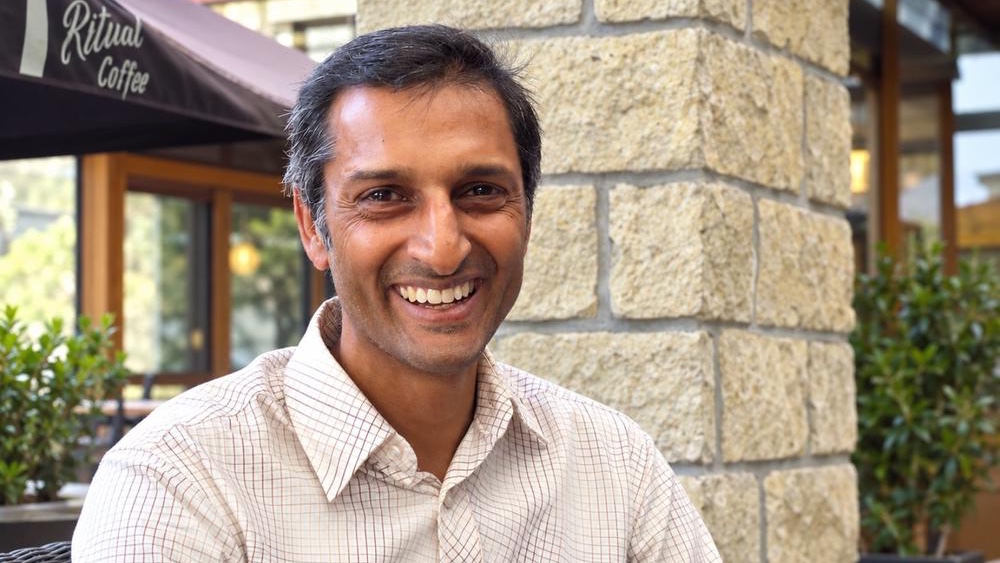
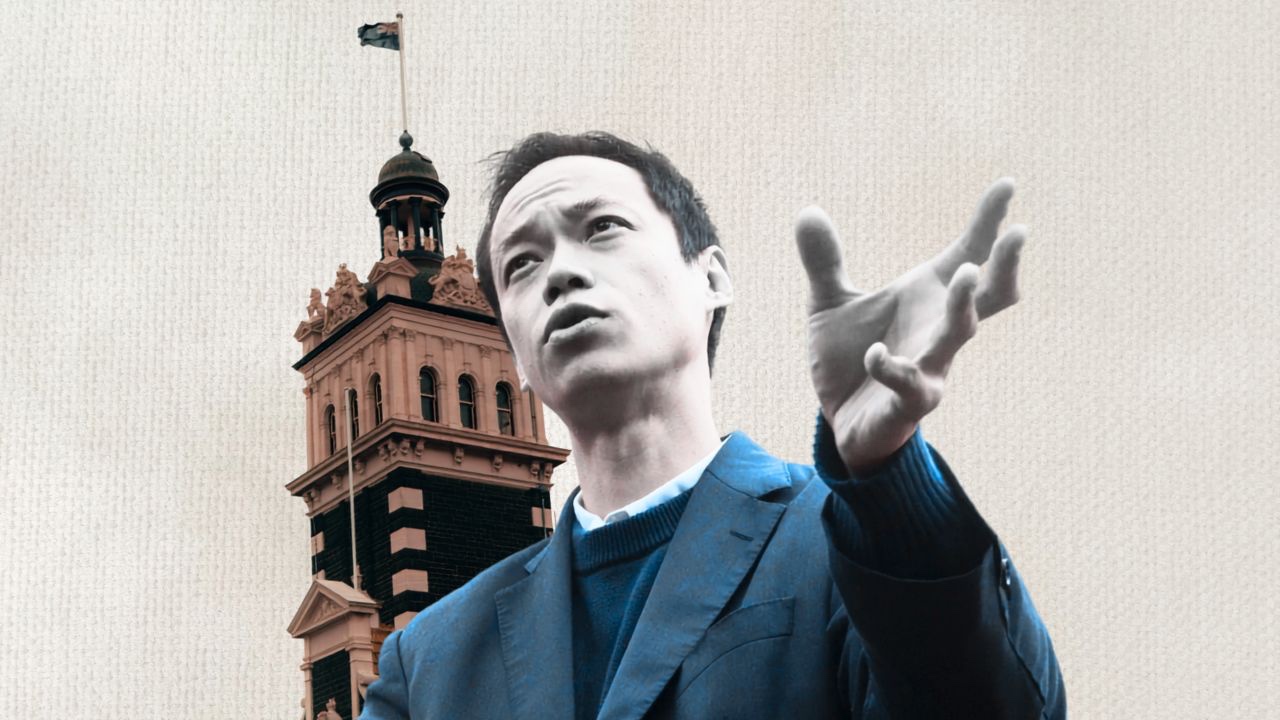
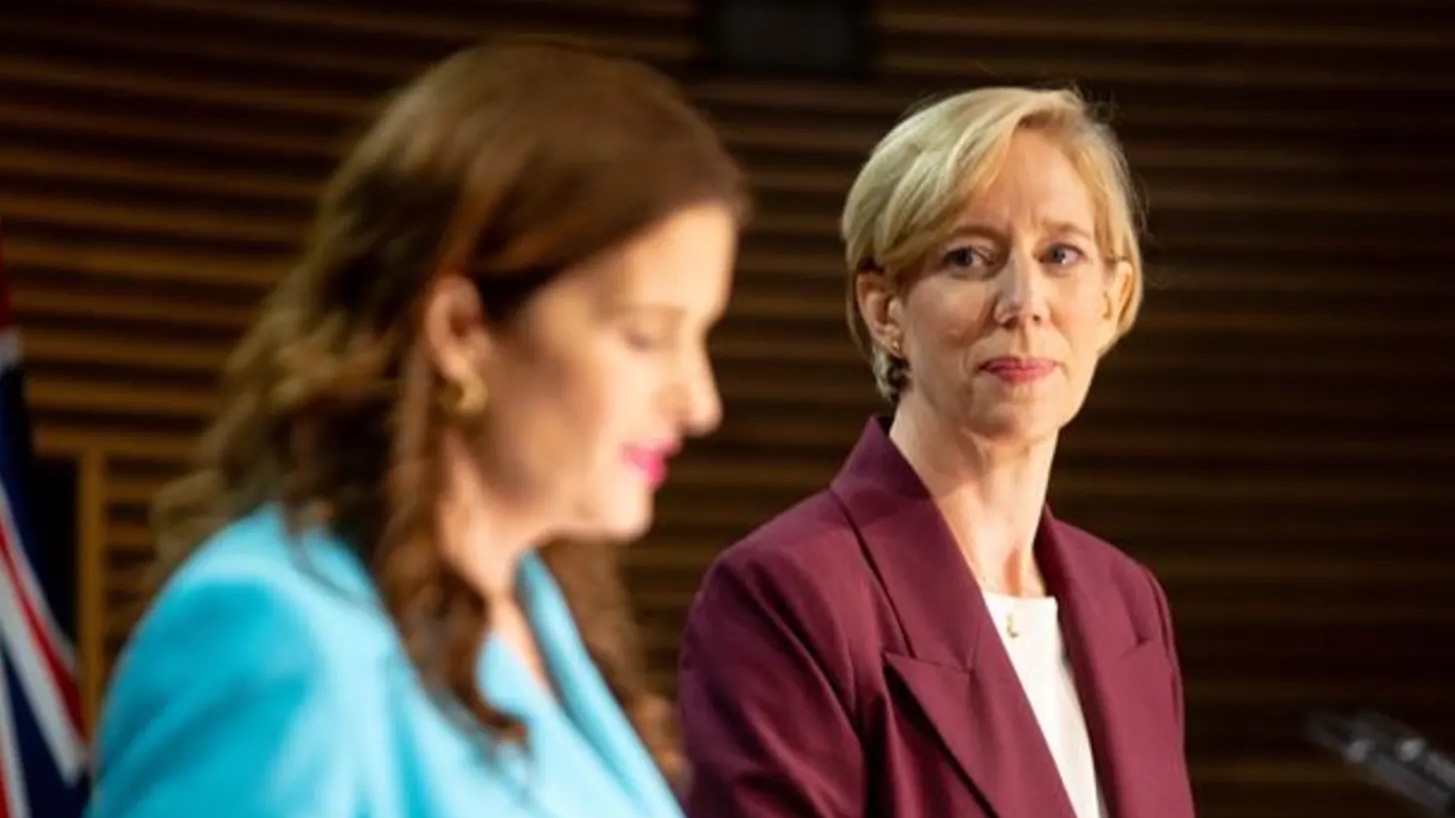
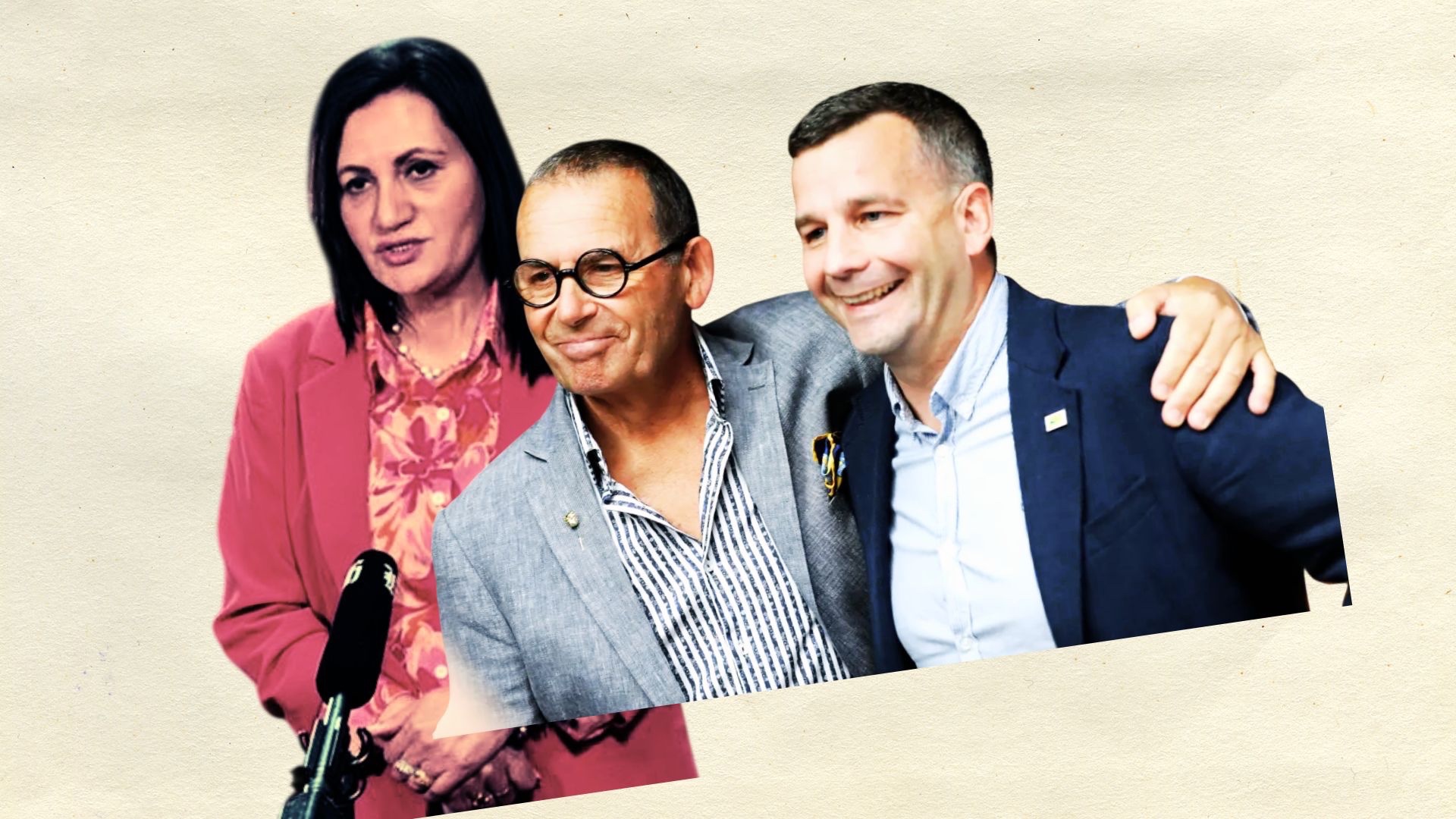
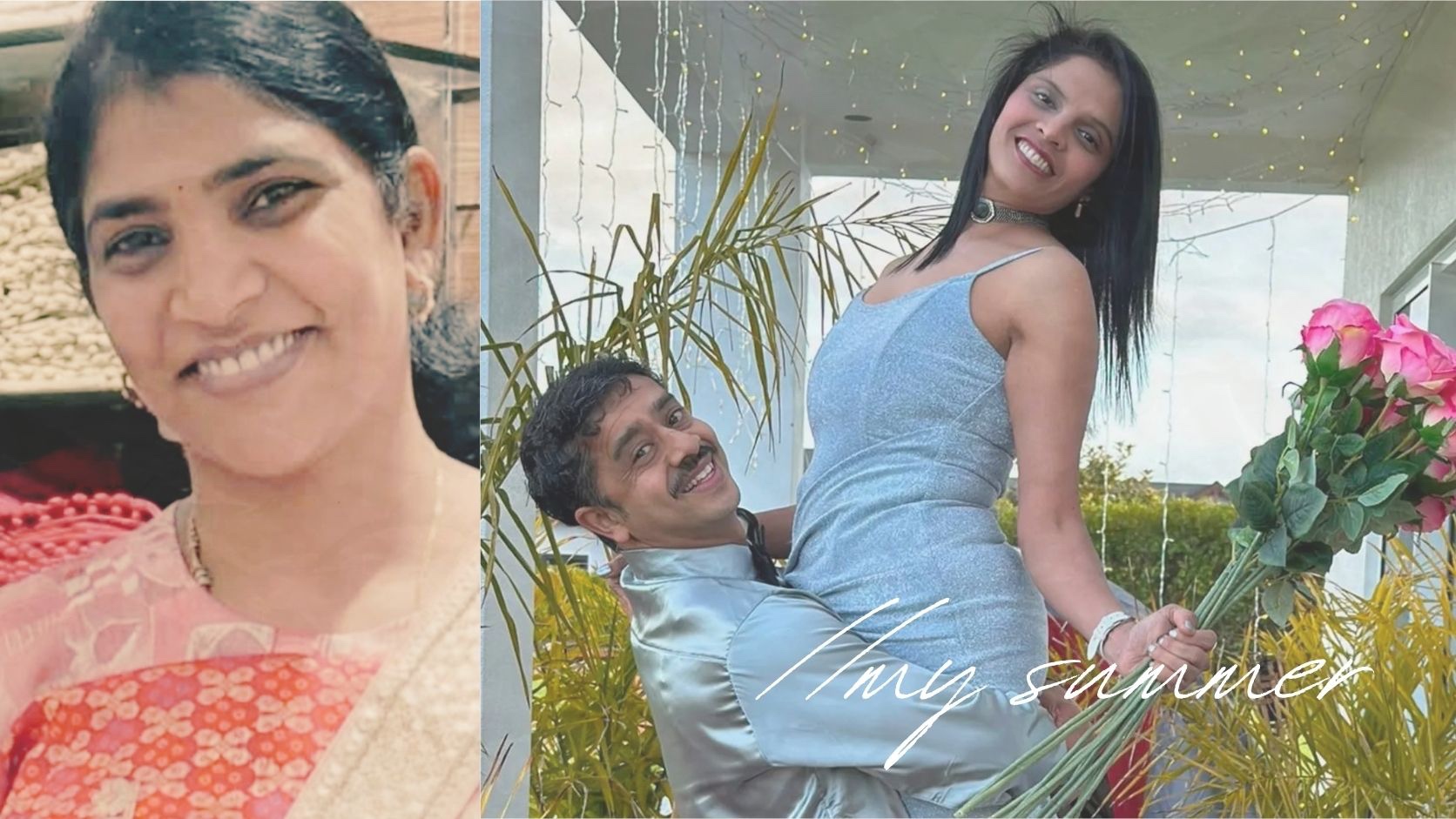
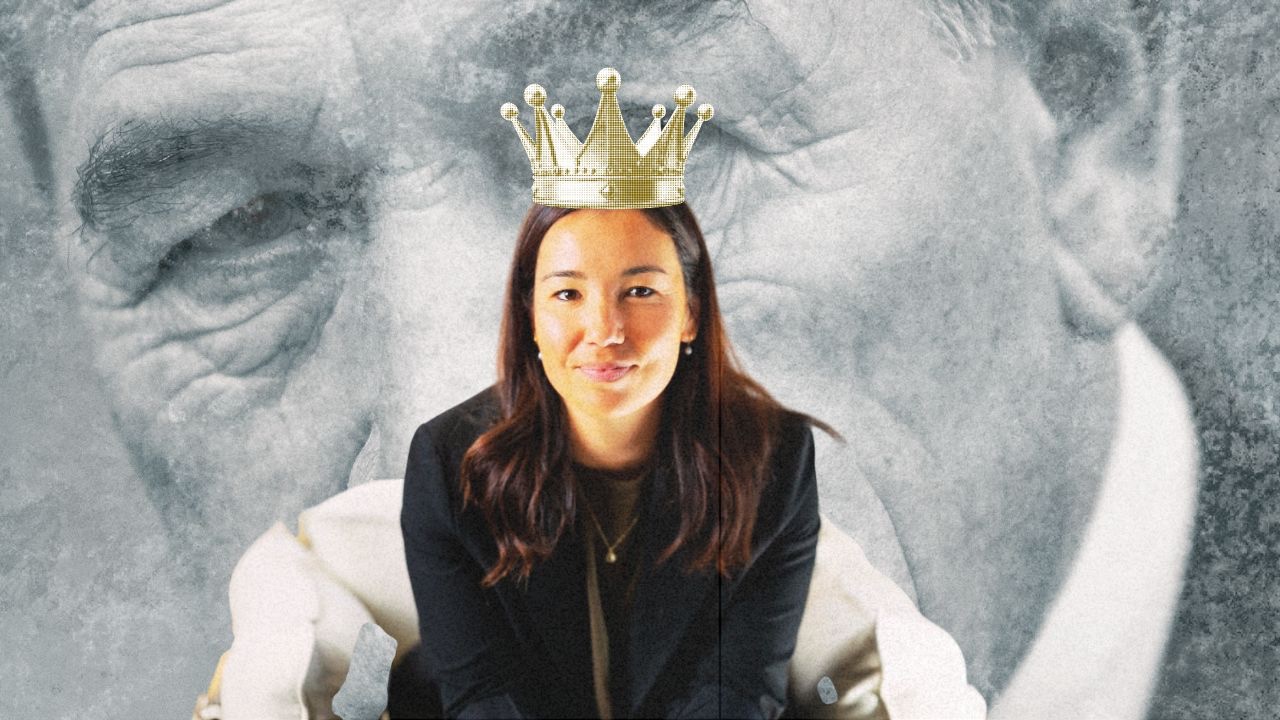
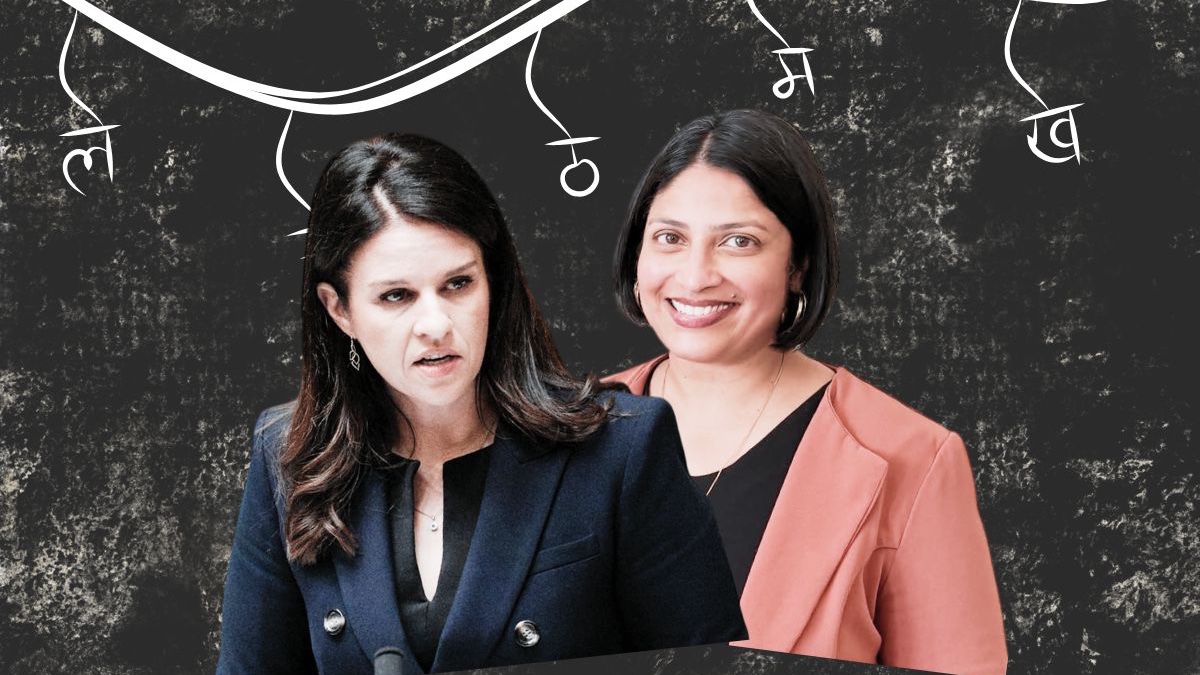
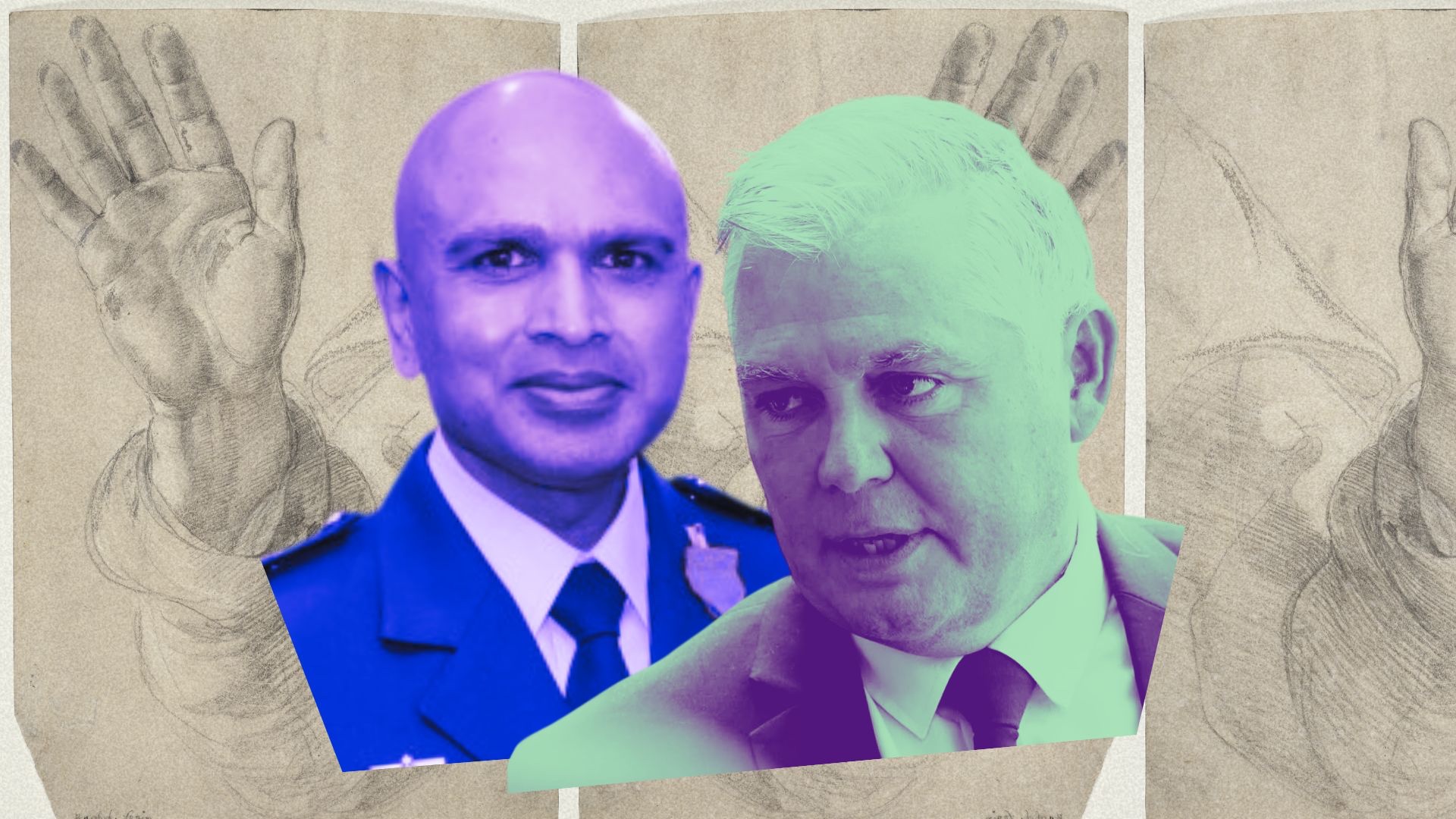
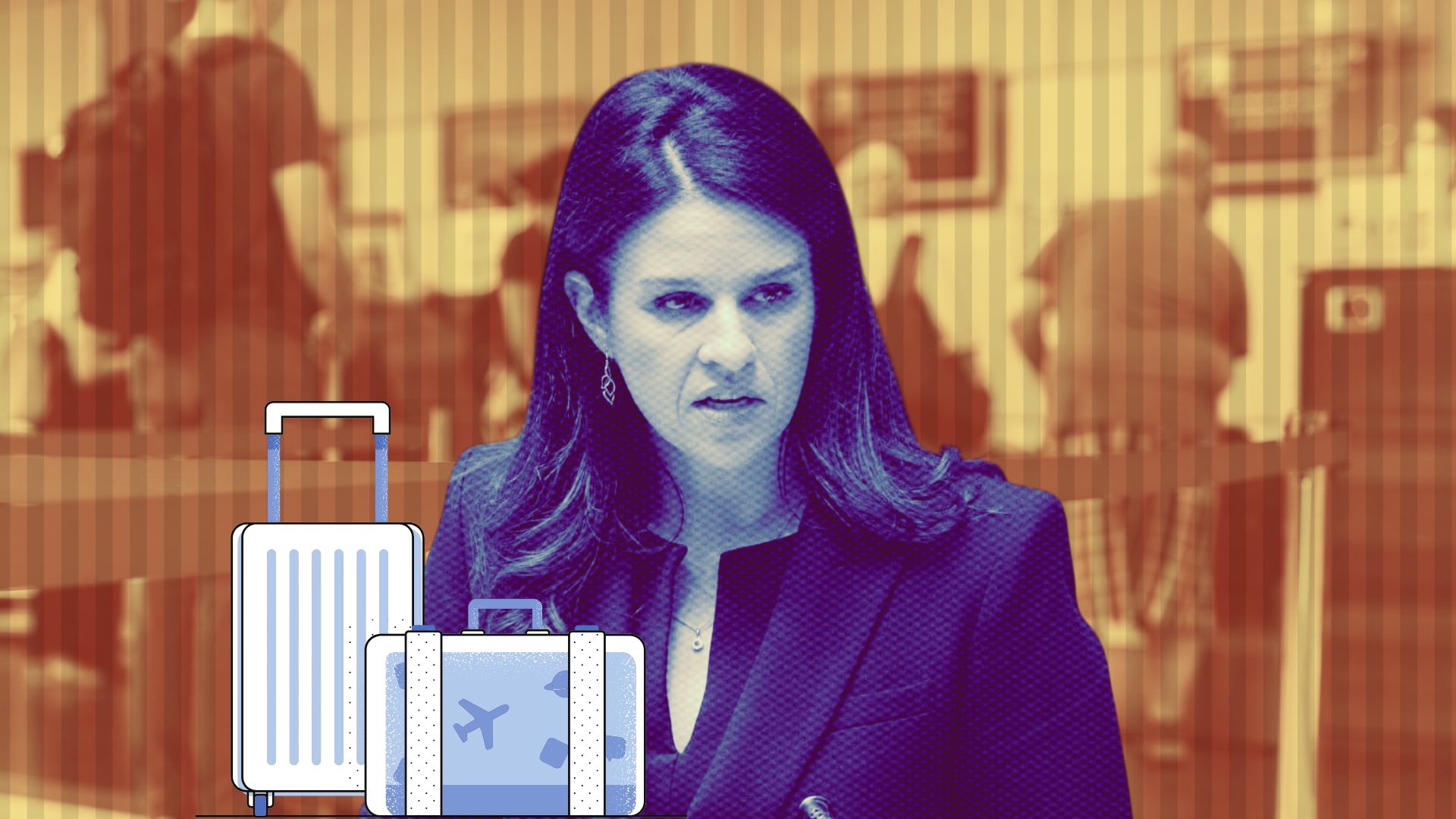
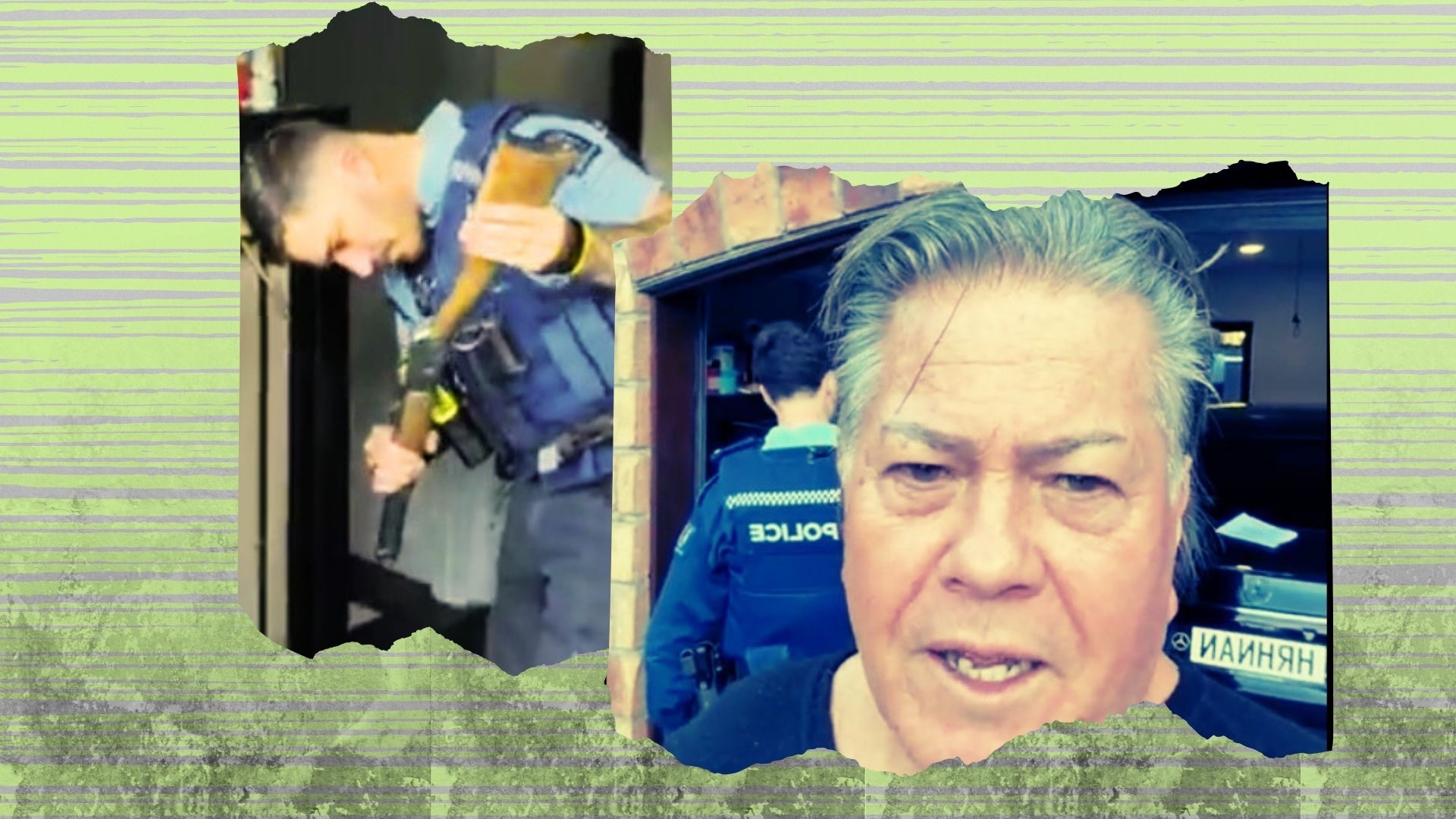
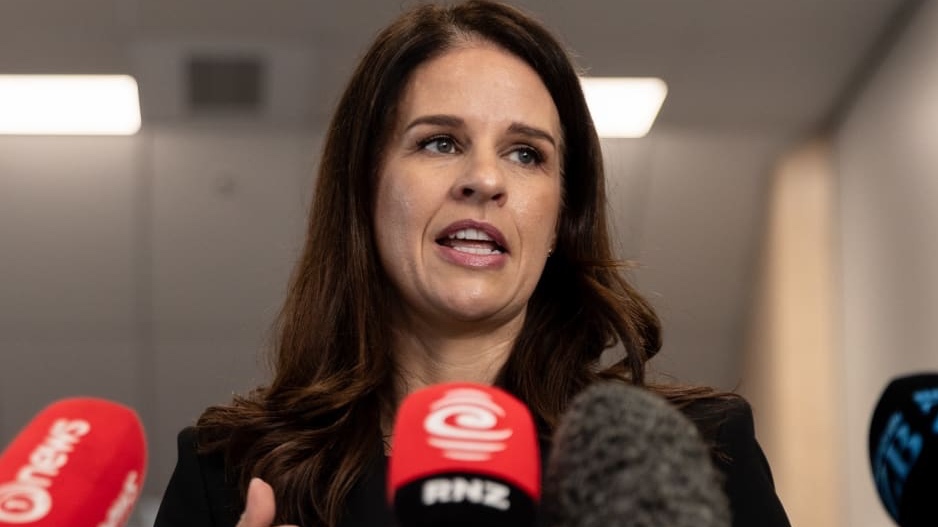
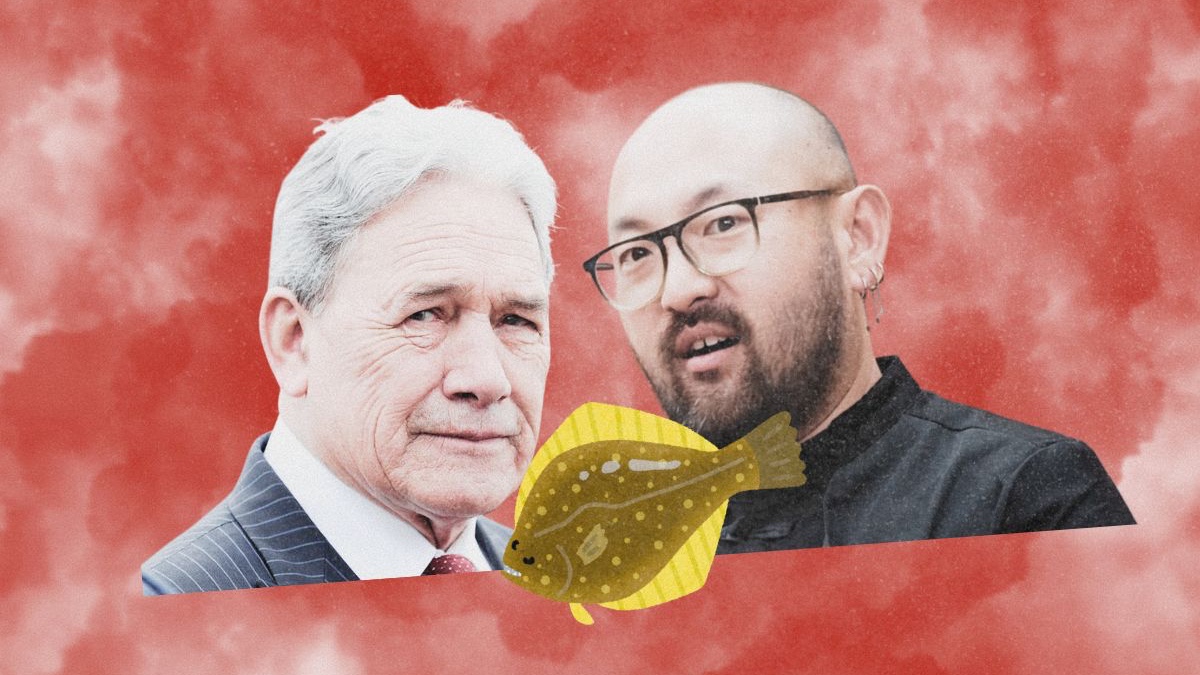
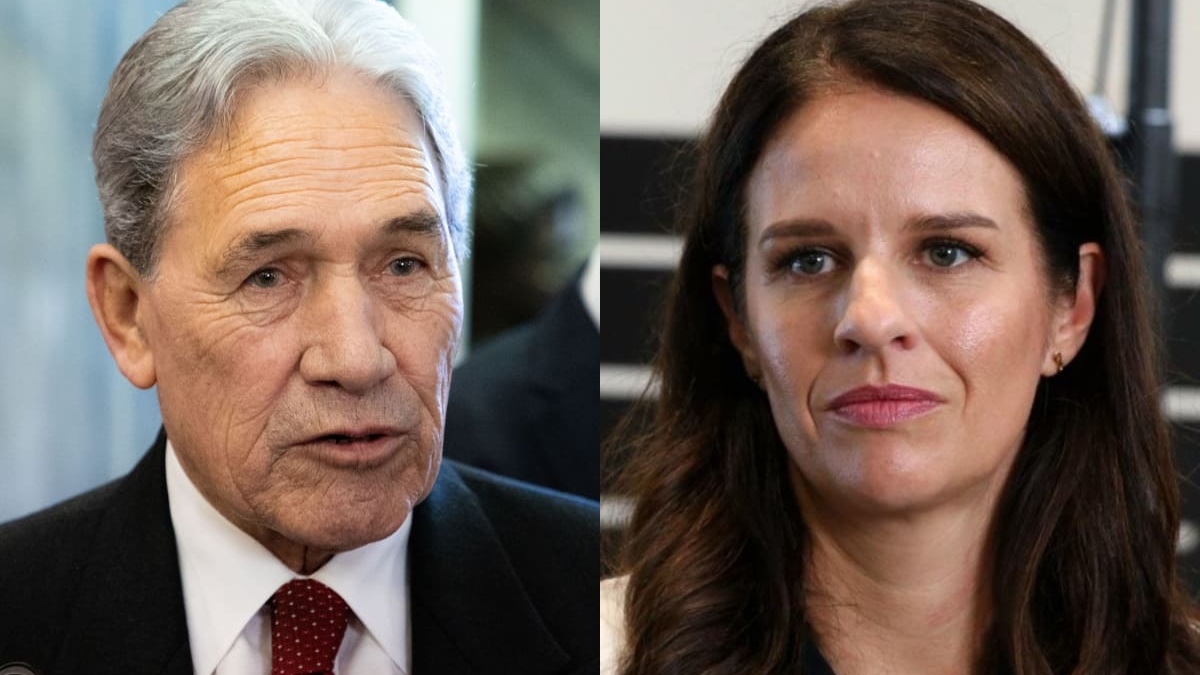
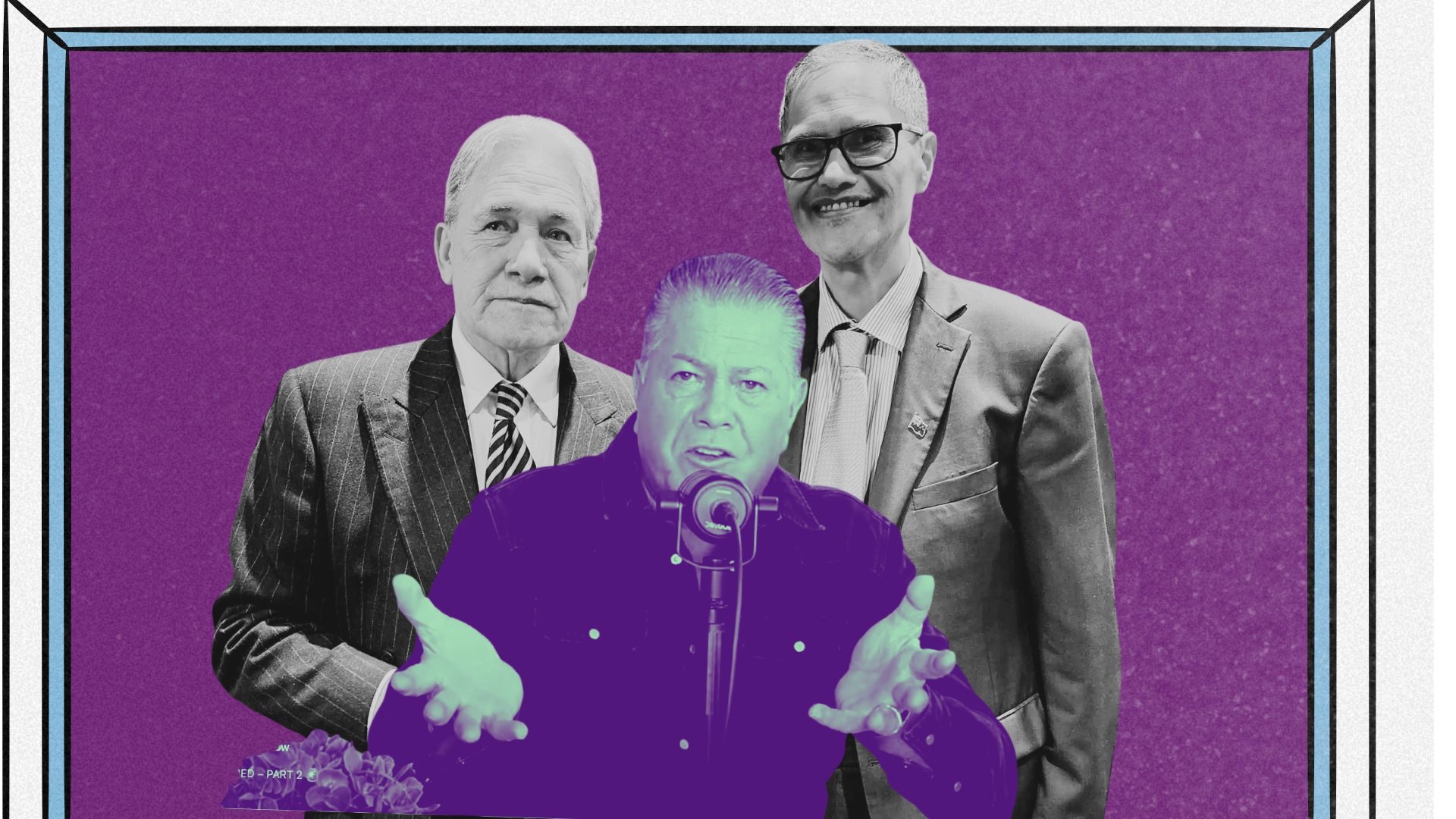
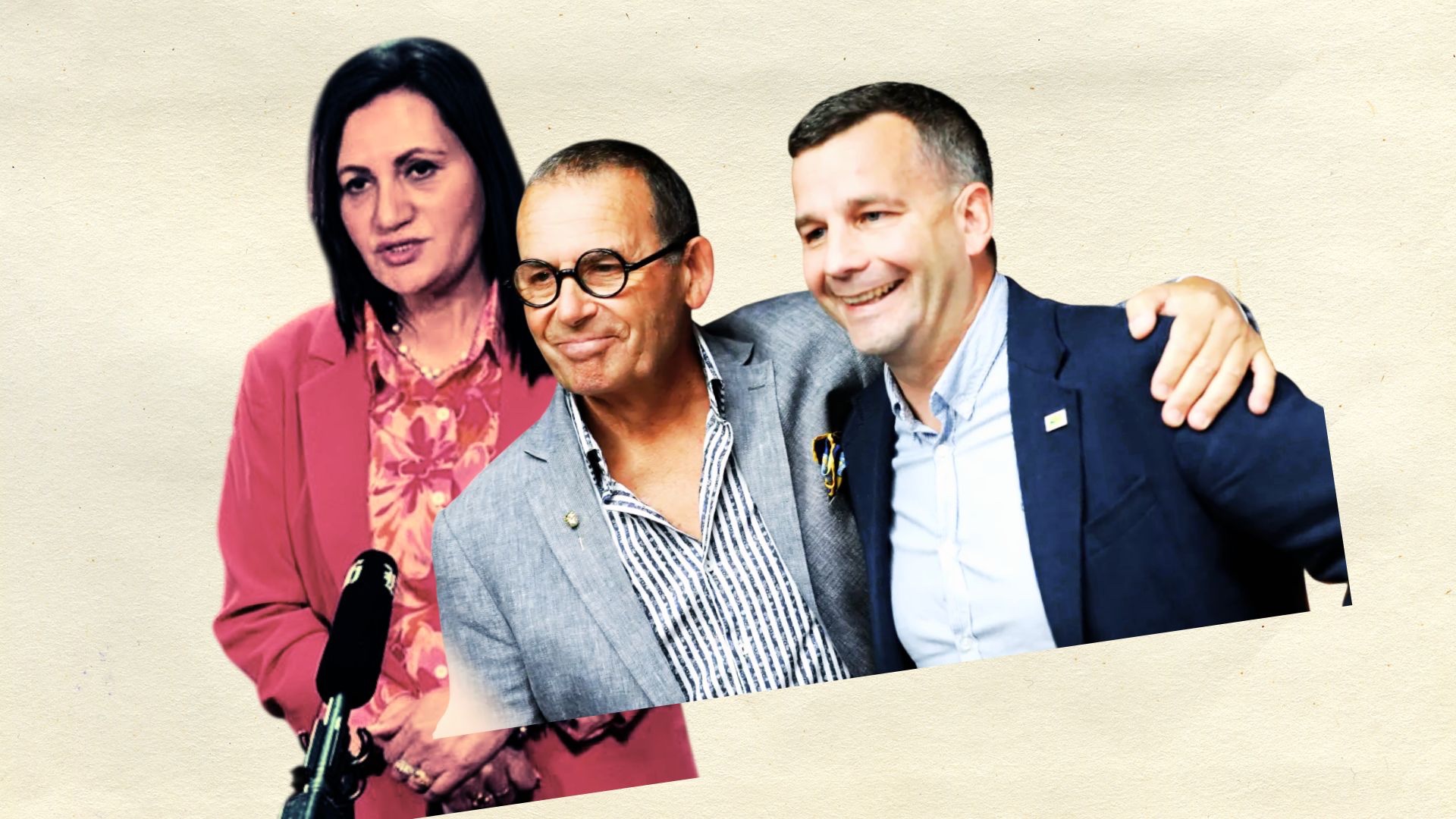
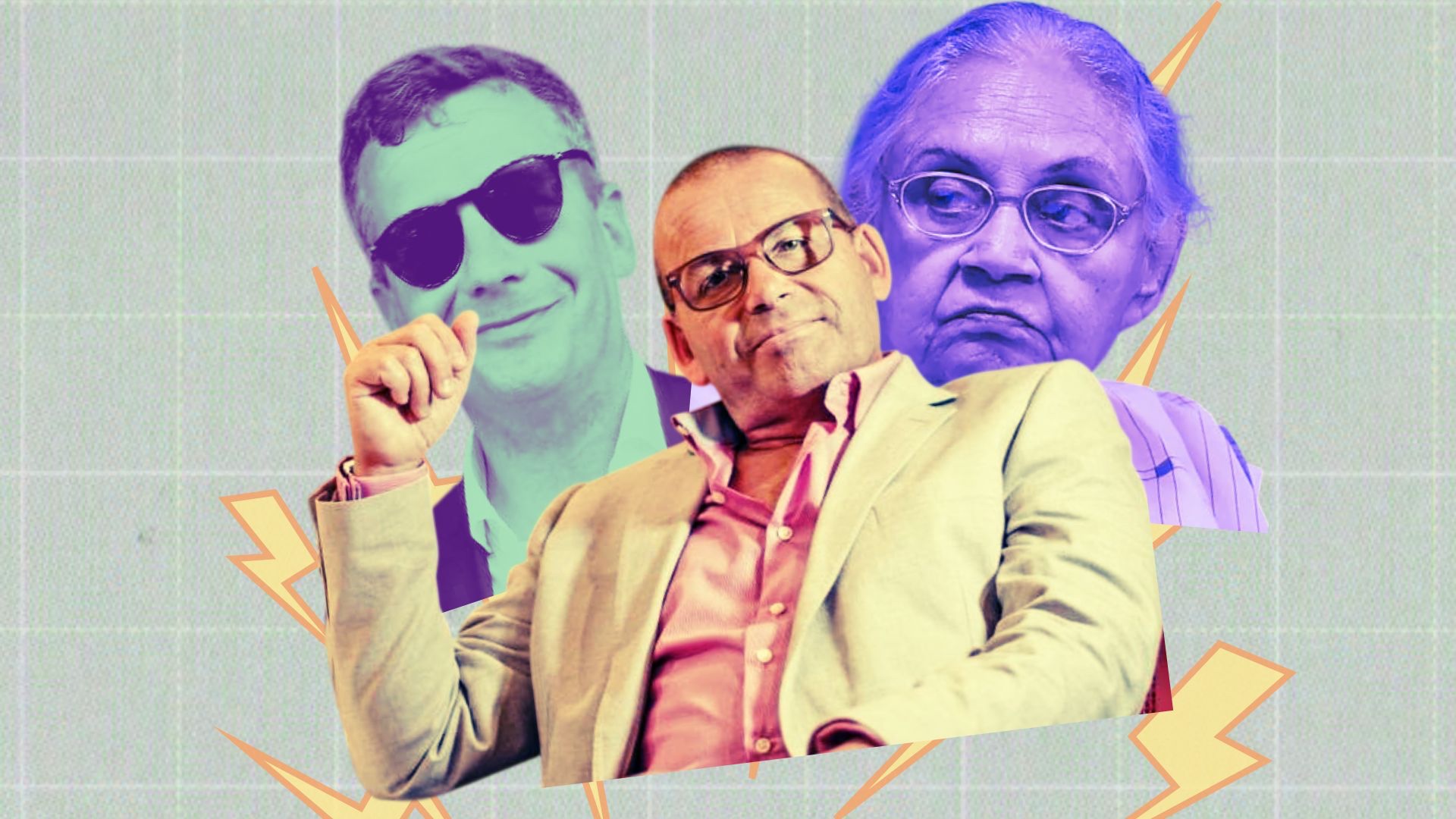
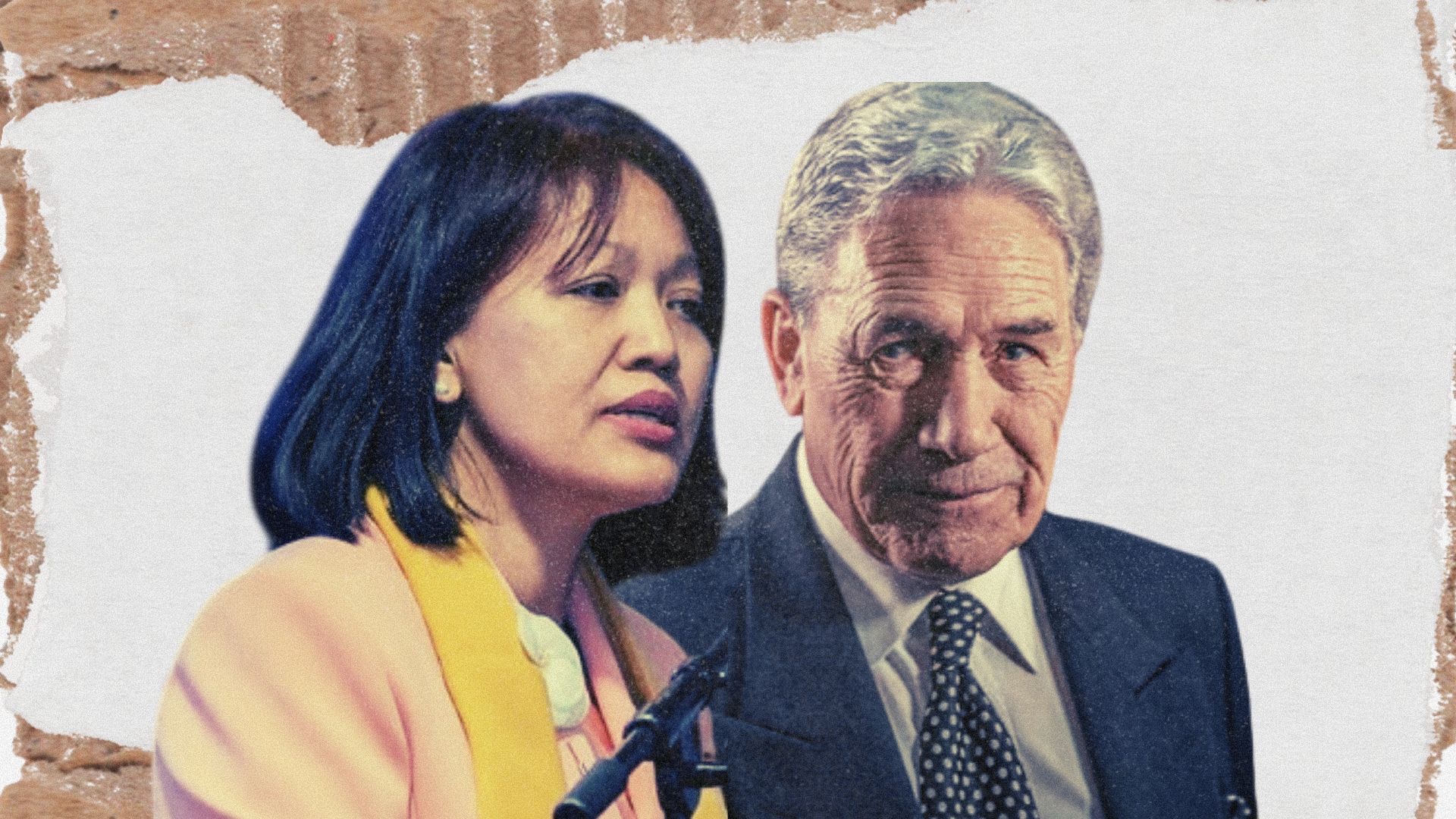
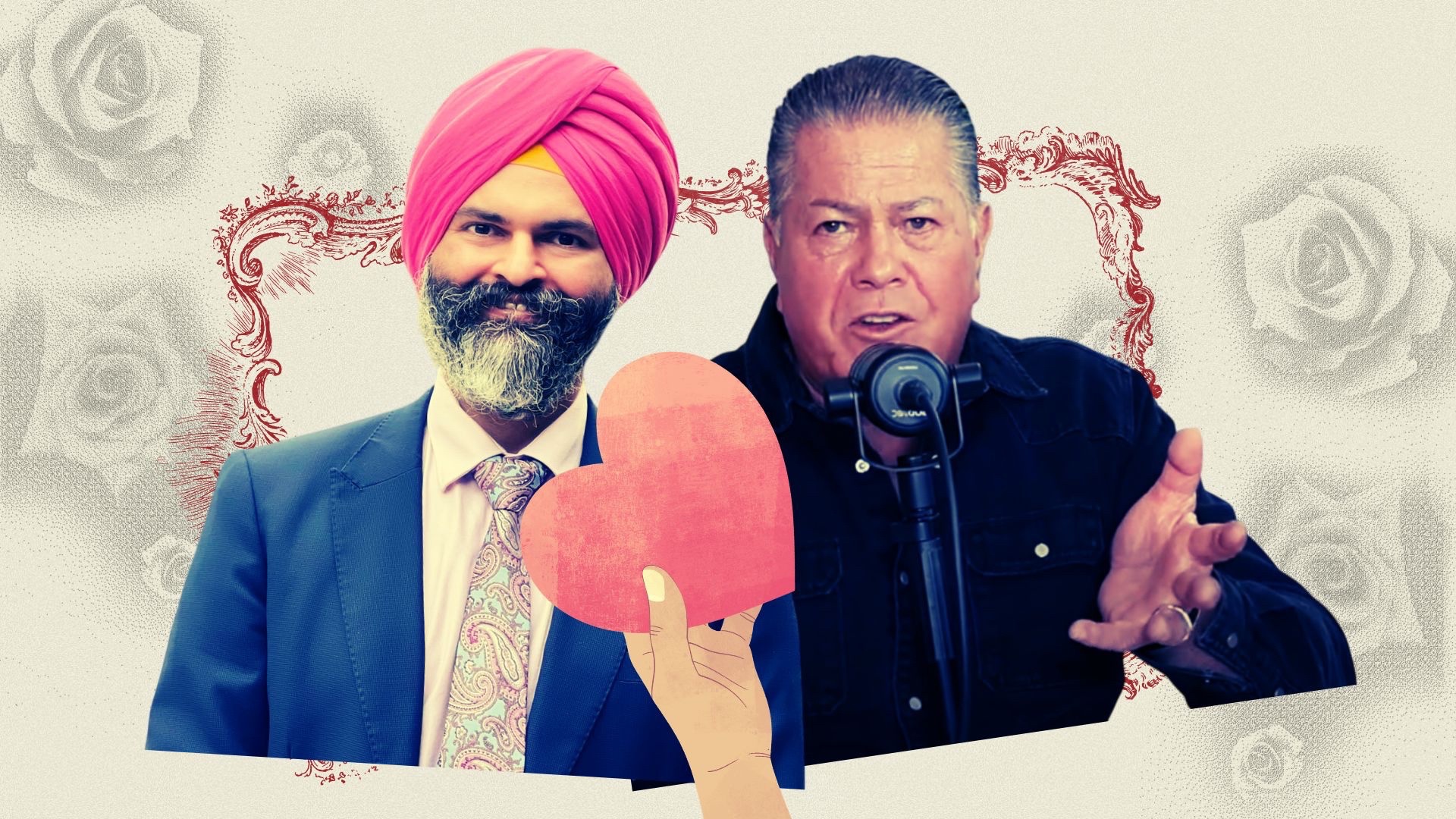
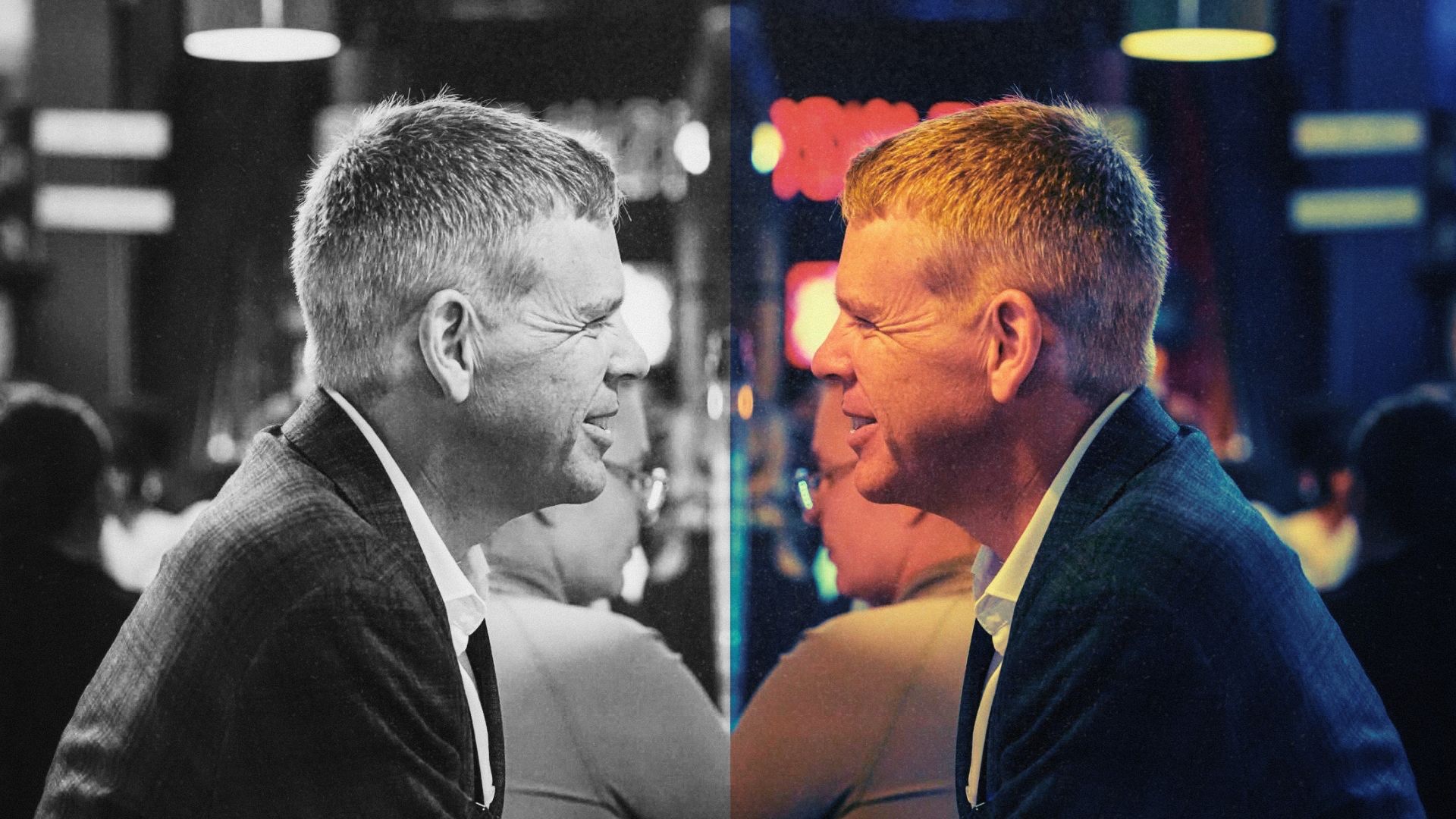
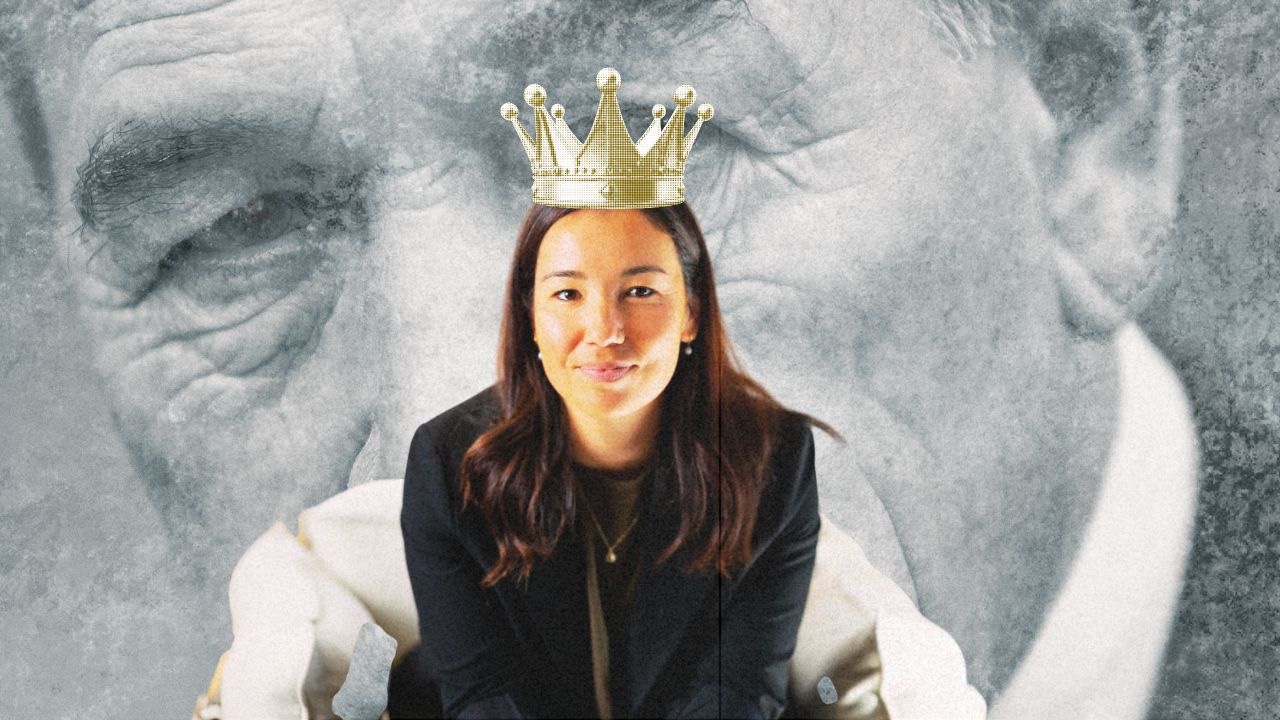
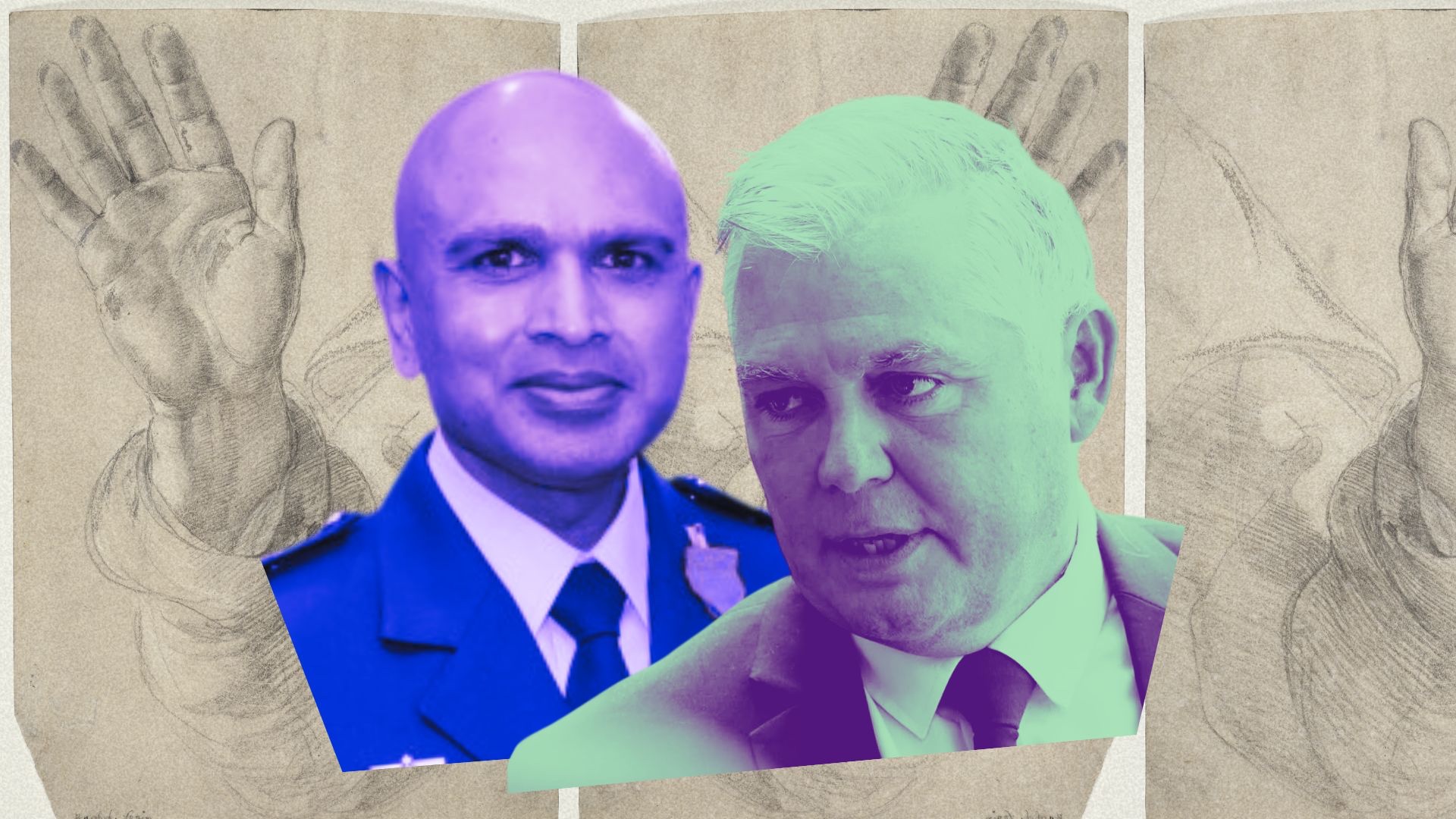
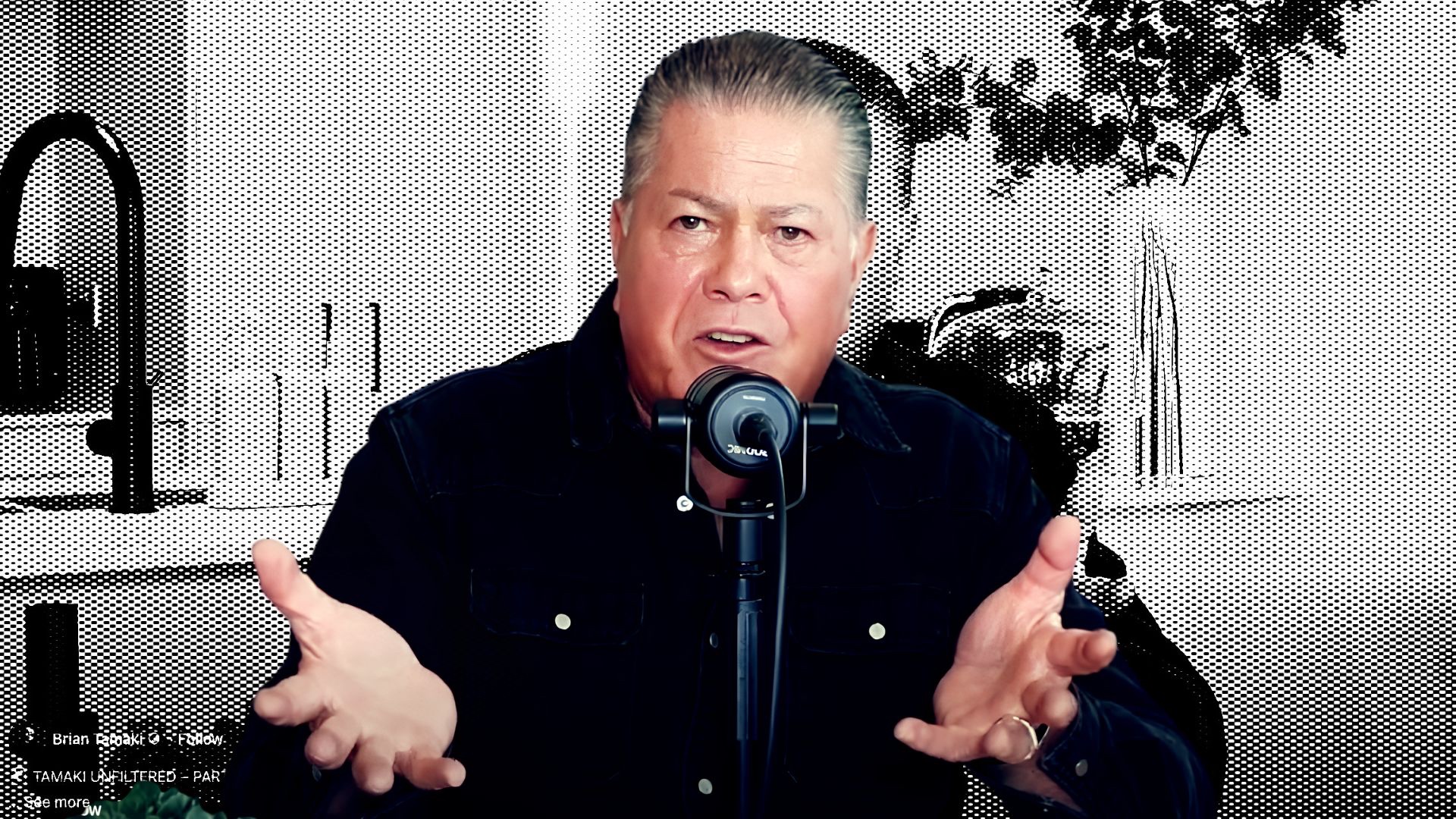
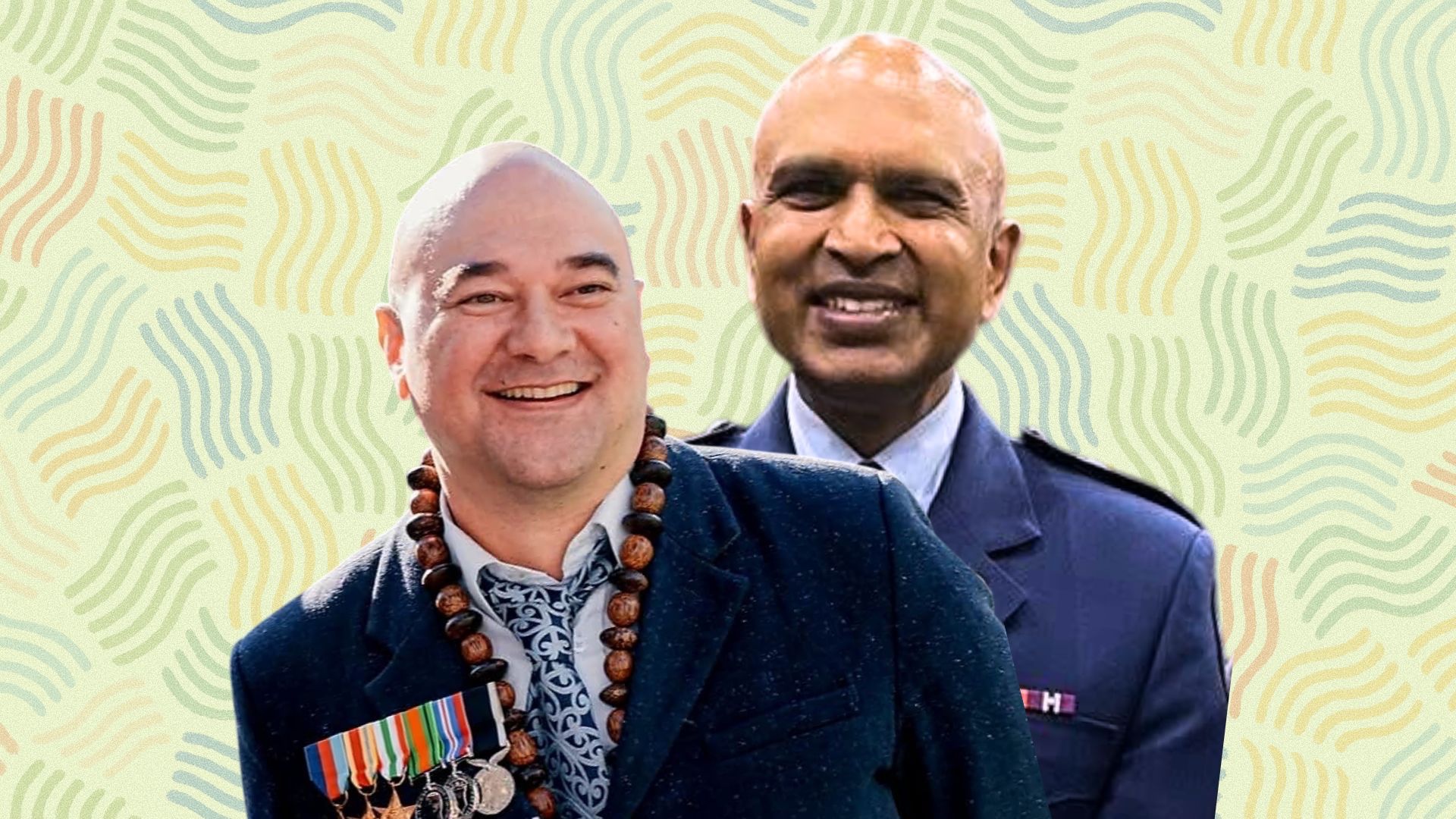
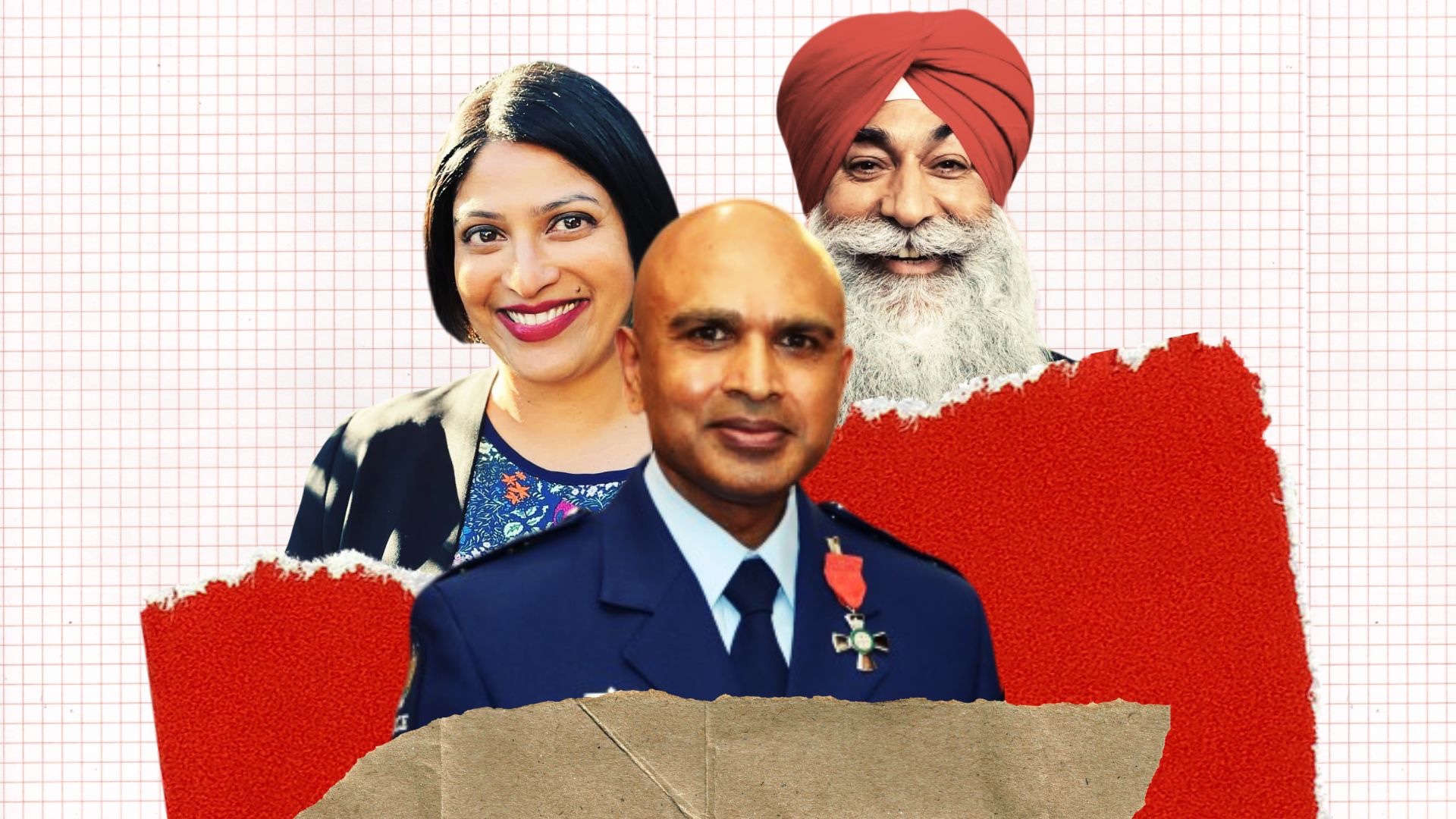
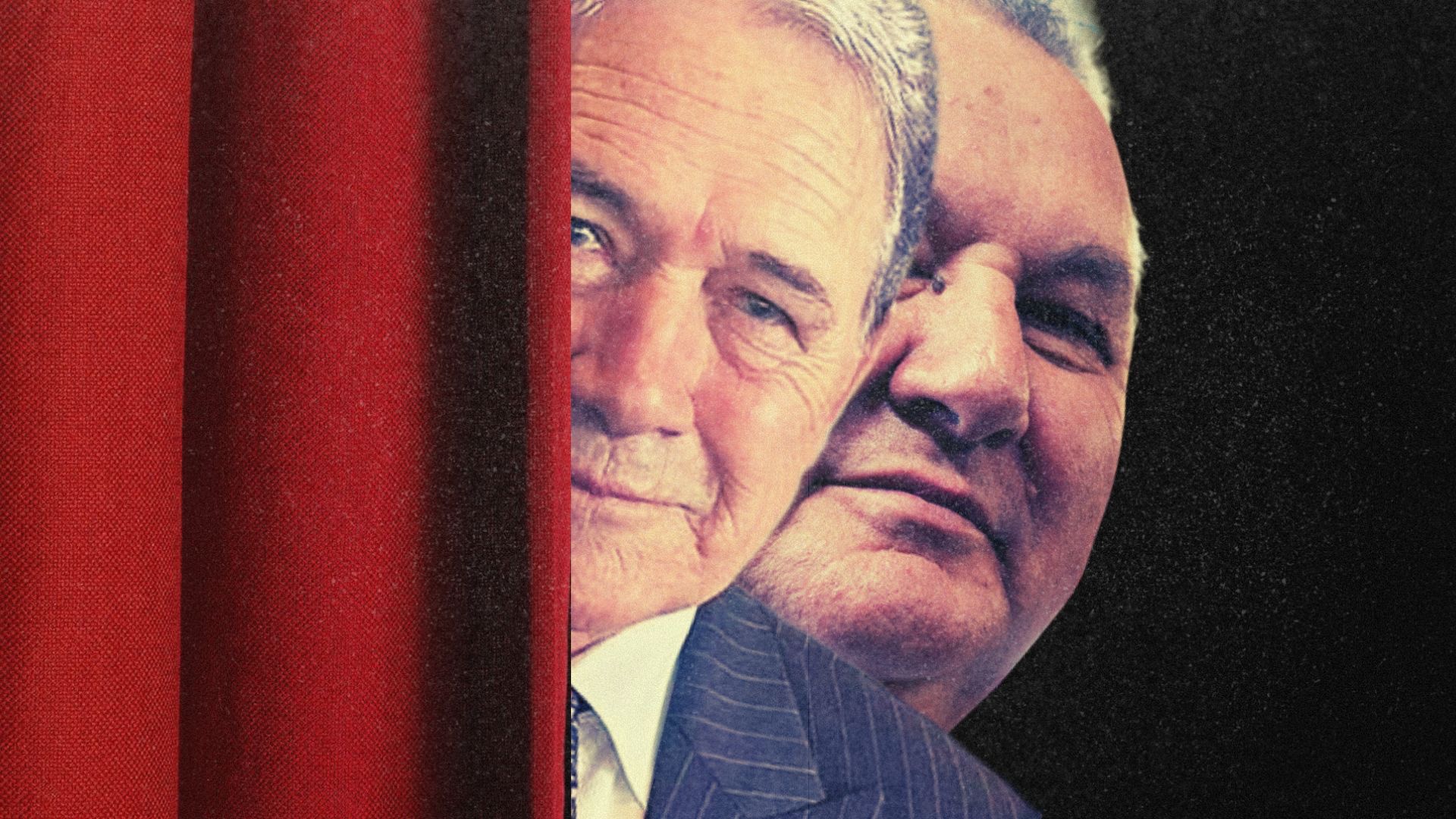
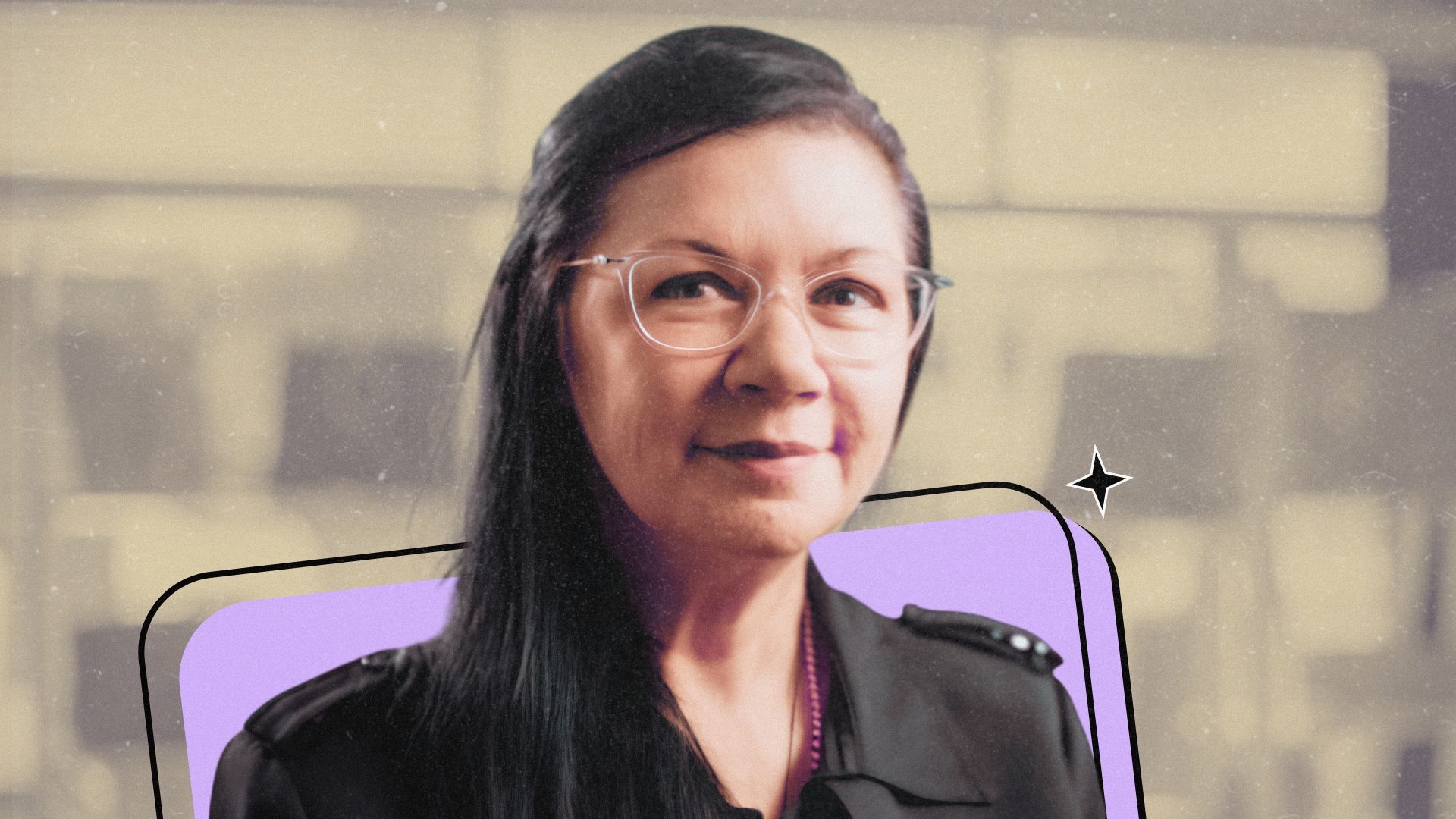
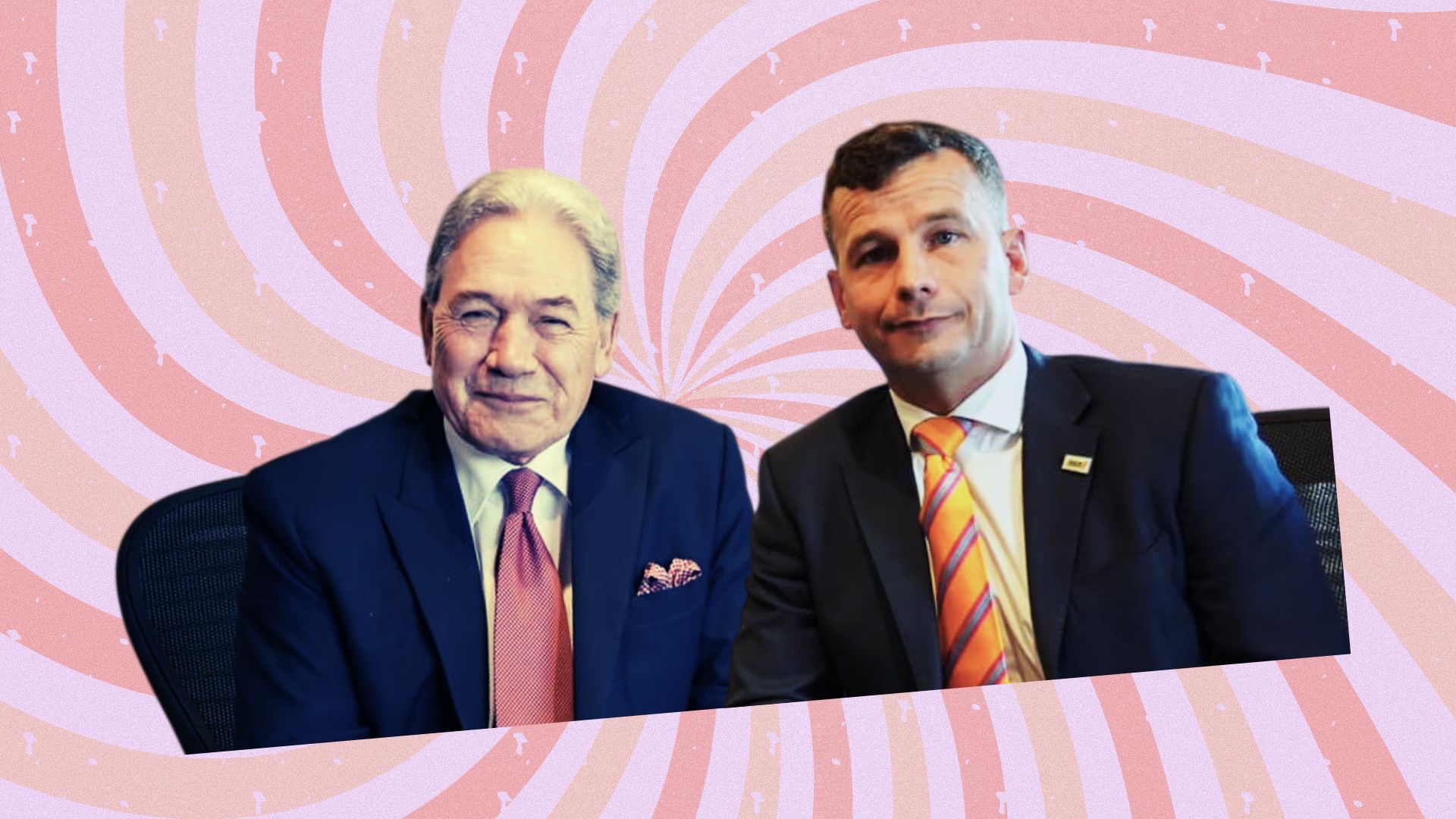
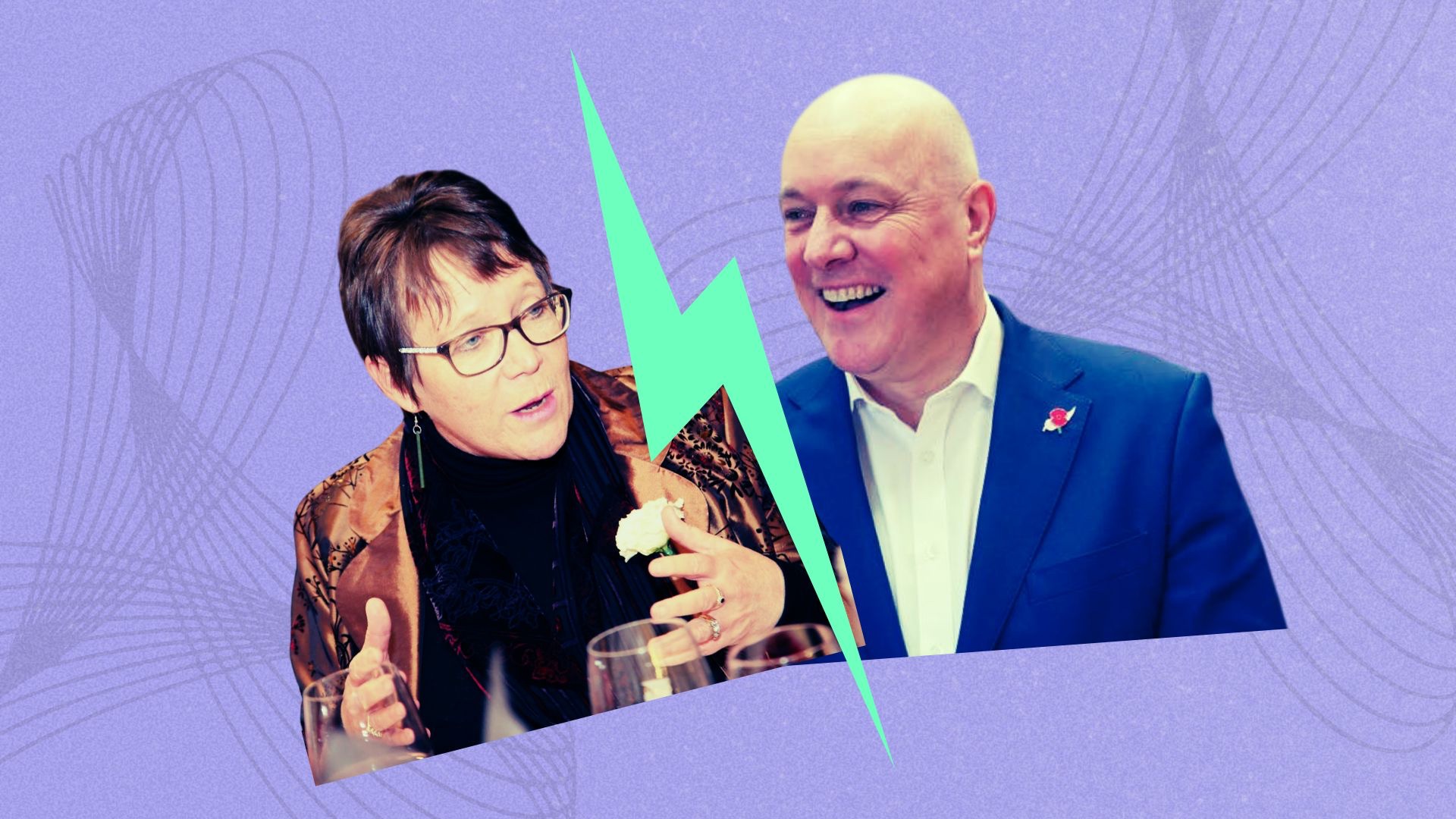
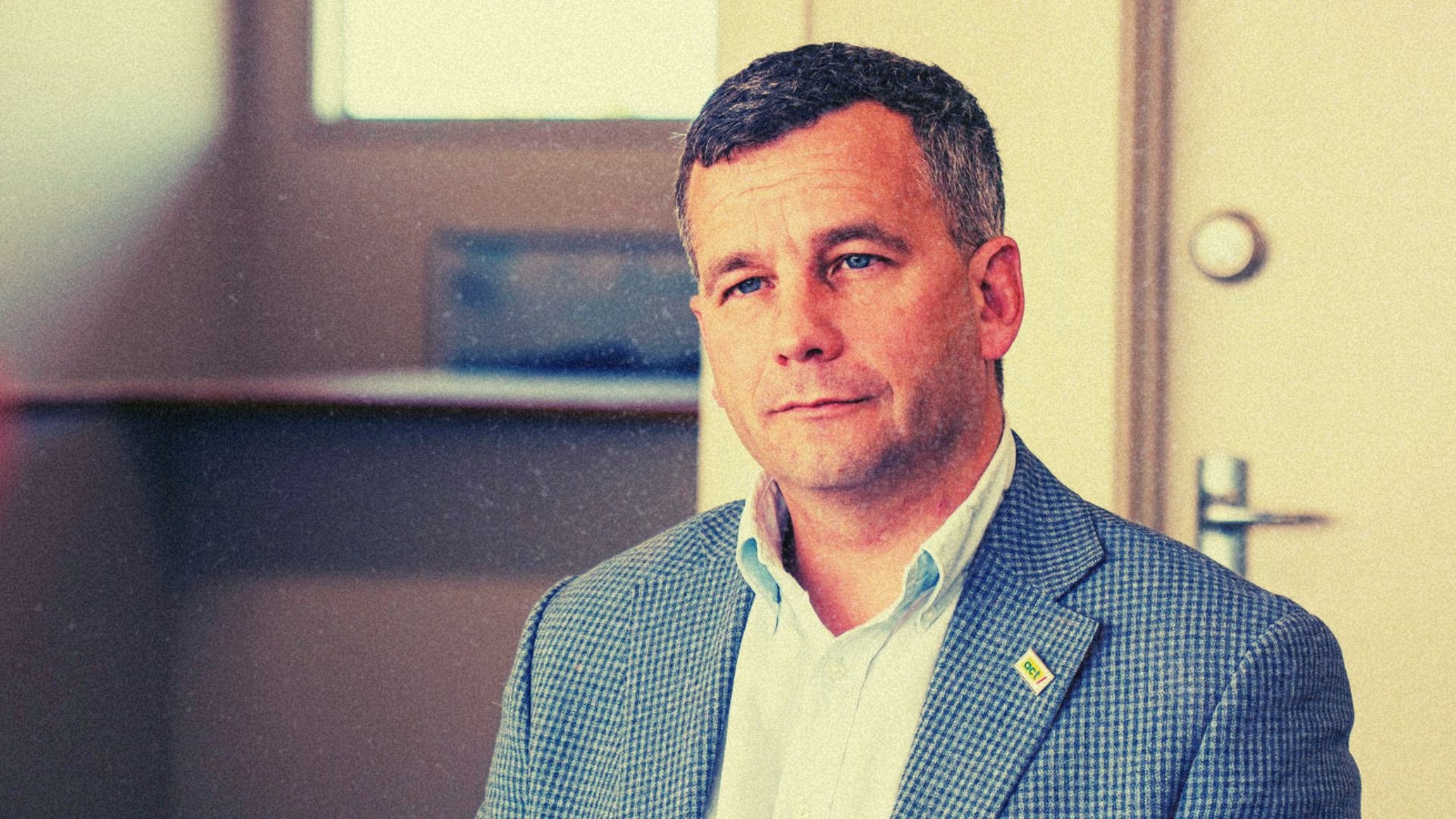
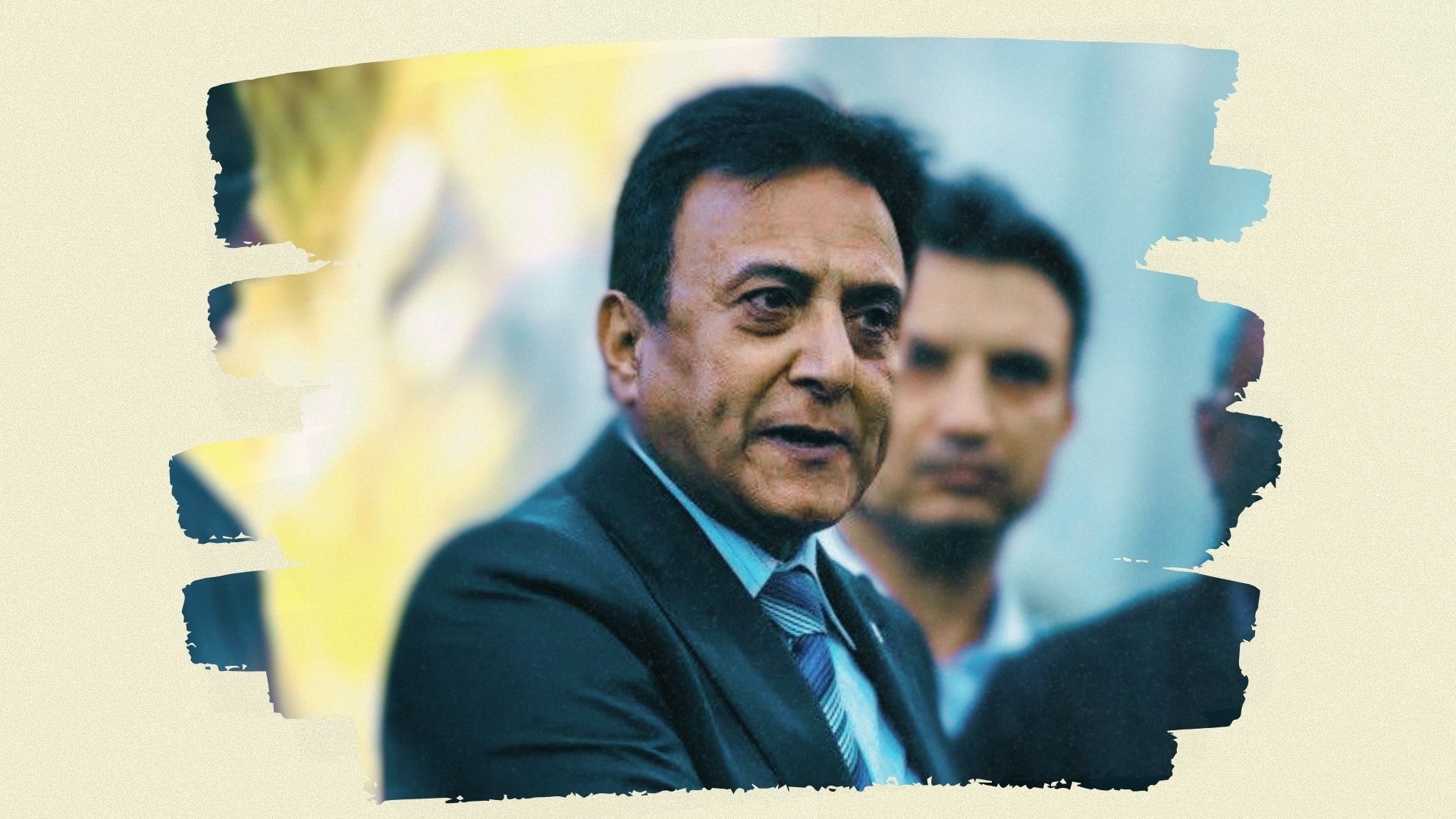
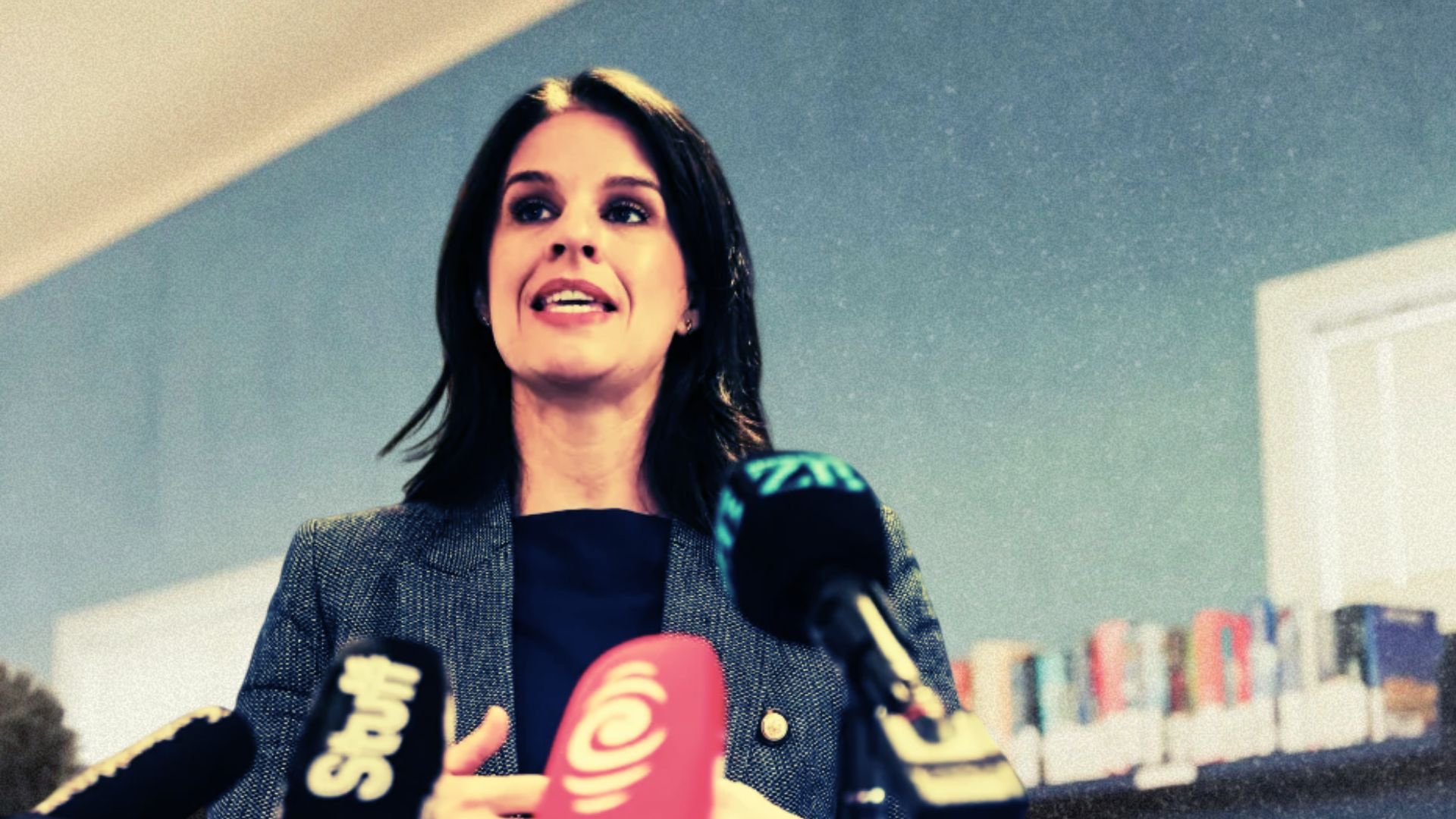
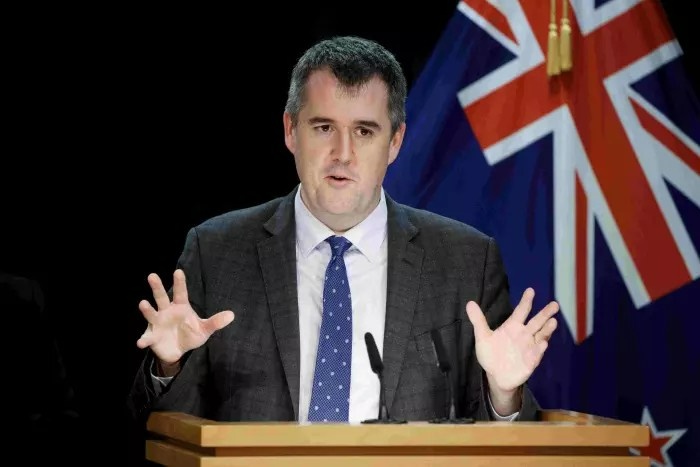
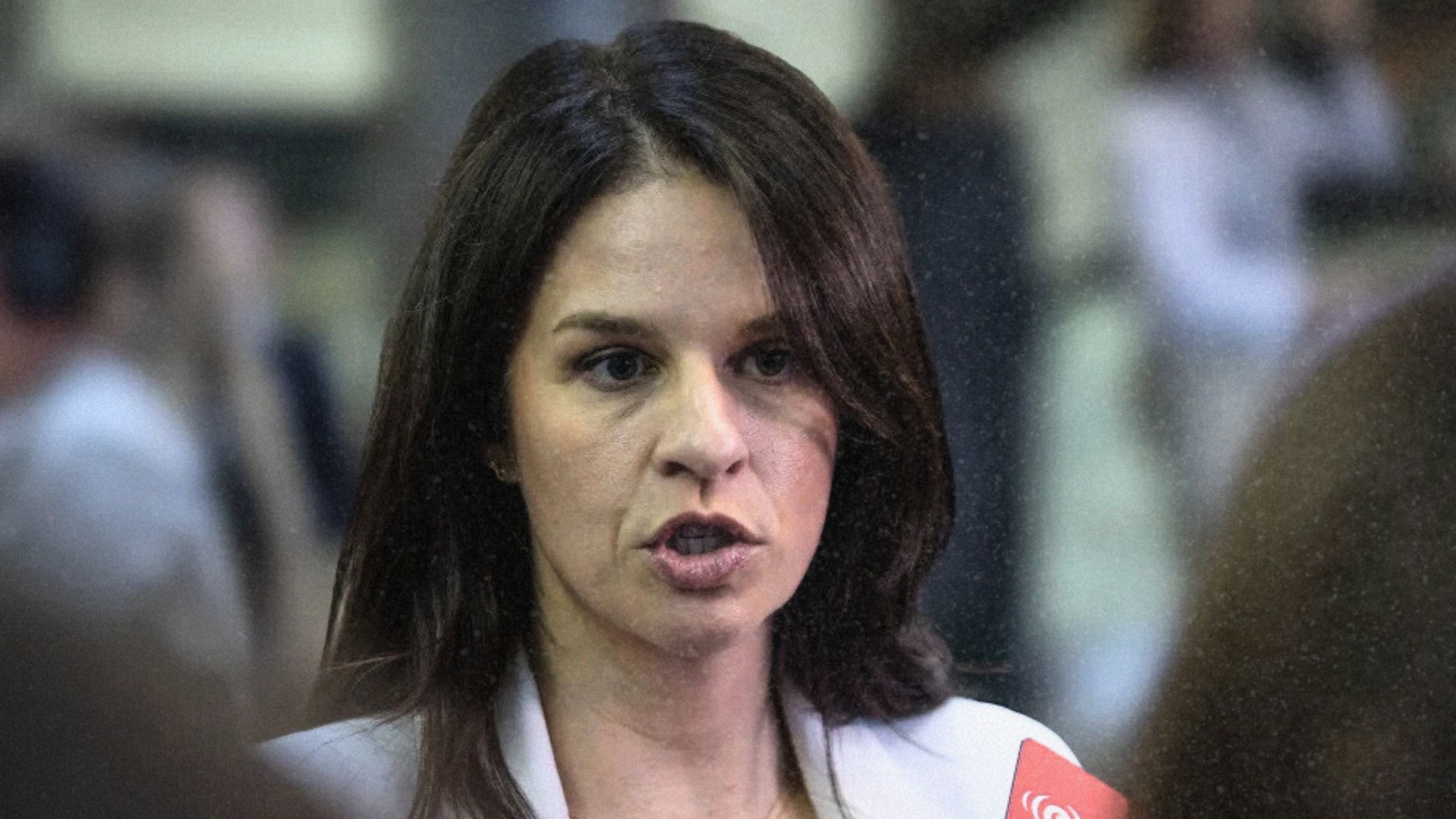
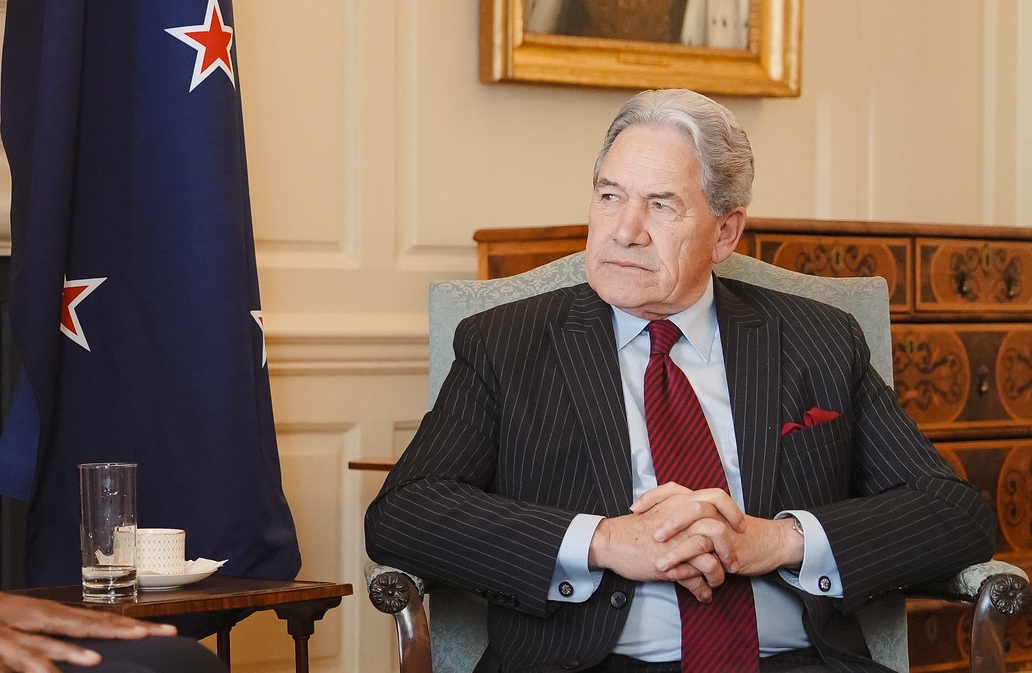
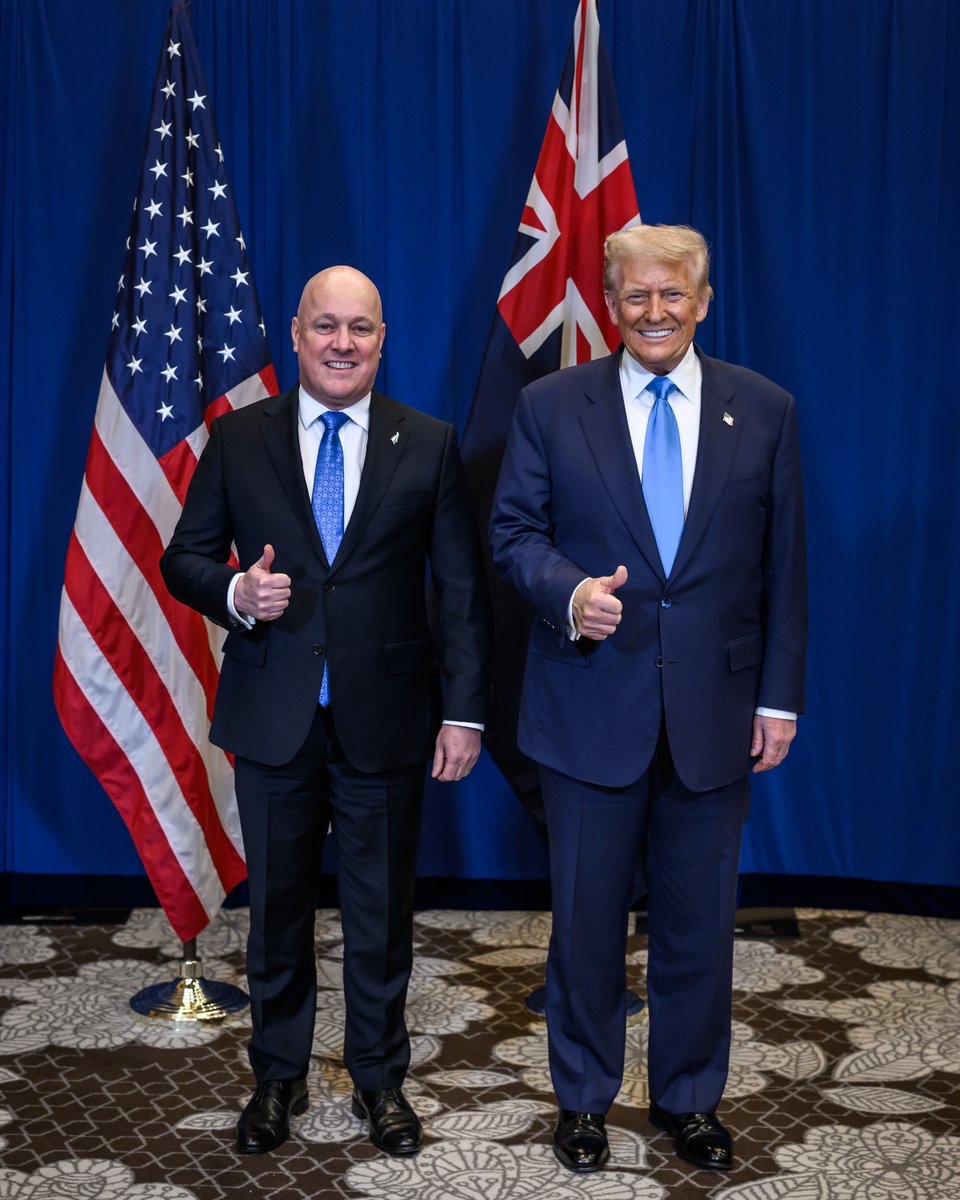
Former Te Pati president Che Wilson and ACT Party MP Parmjeet Parmar.
The haka organisers have proposed a hui with the Indian diaspora in New Zealand for reconciliation.
The organisers of a haka that has been described as racist against Indians have apologized for overstepping in using the cultural art form for political critique.
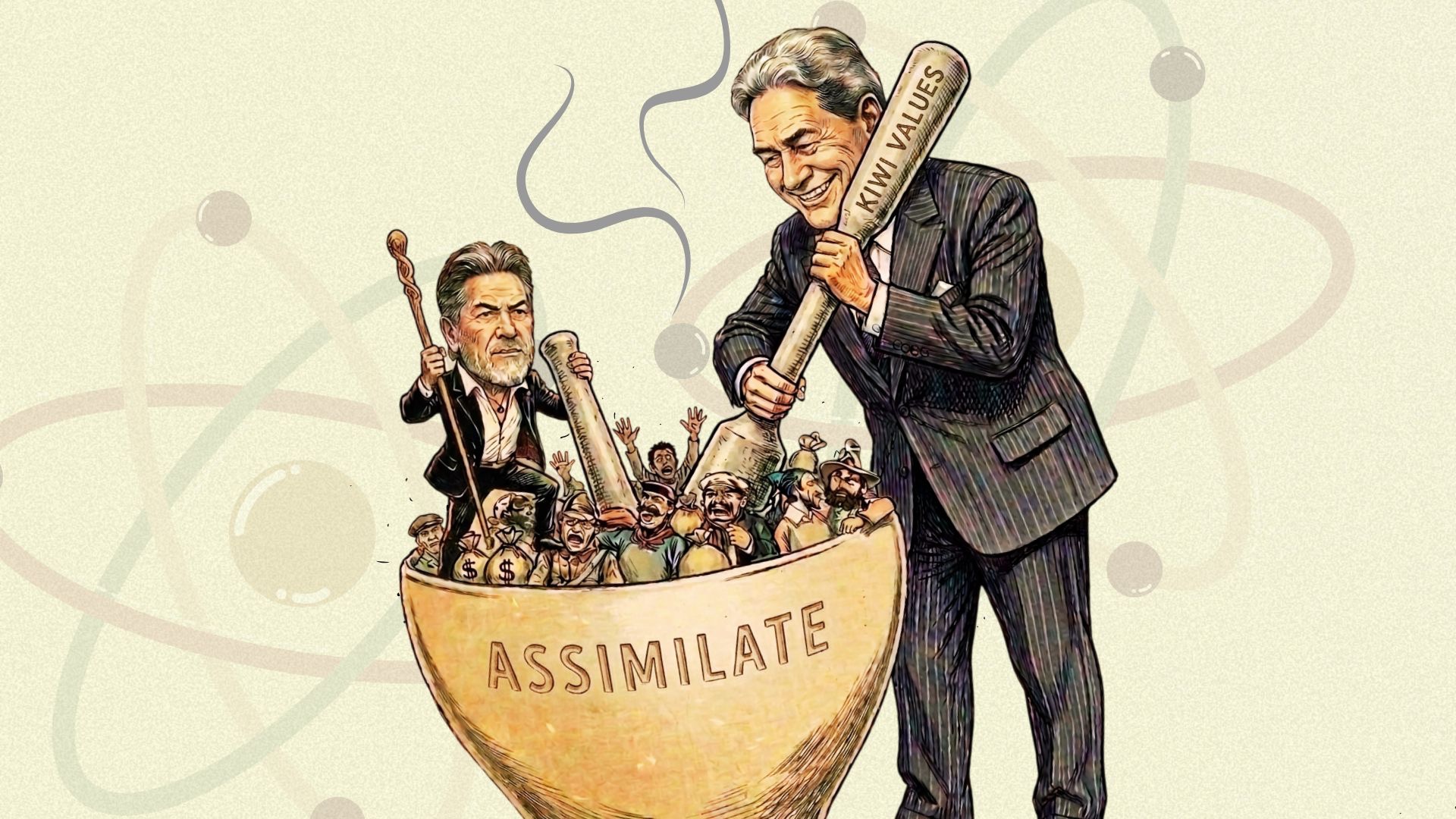
Last month's performance at the Tainui Regional Kapa Haka was ostensibly meant to challenge ACT Party's Kiwi-Indian MP Parmjeet Parmar on indigenous rights. But it has been criticized for mocking Indian identity.
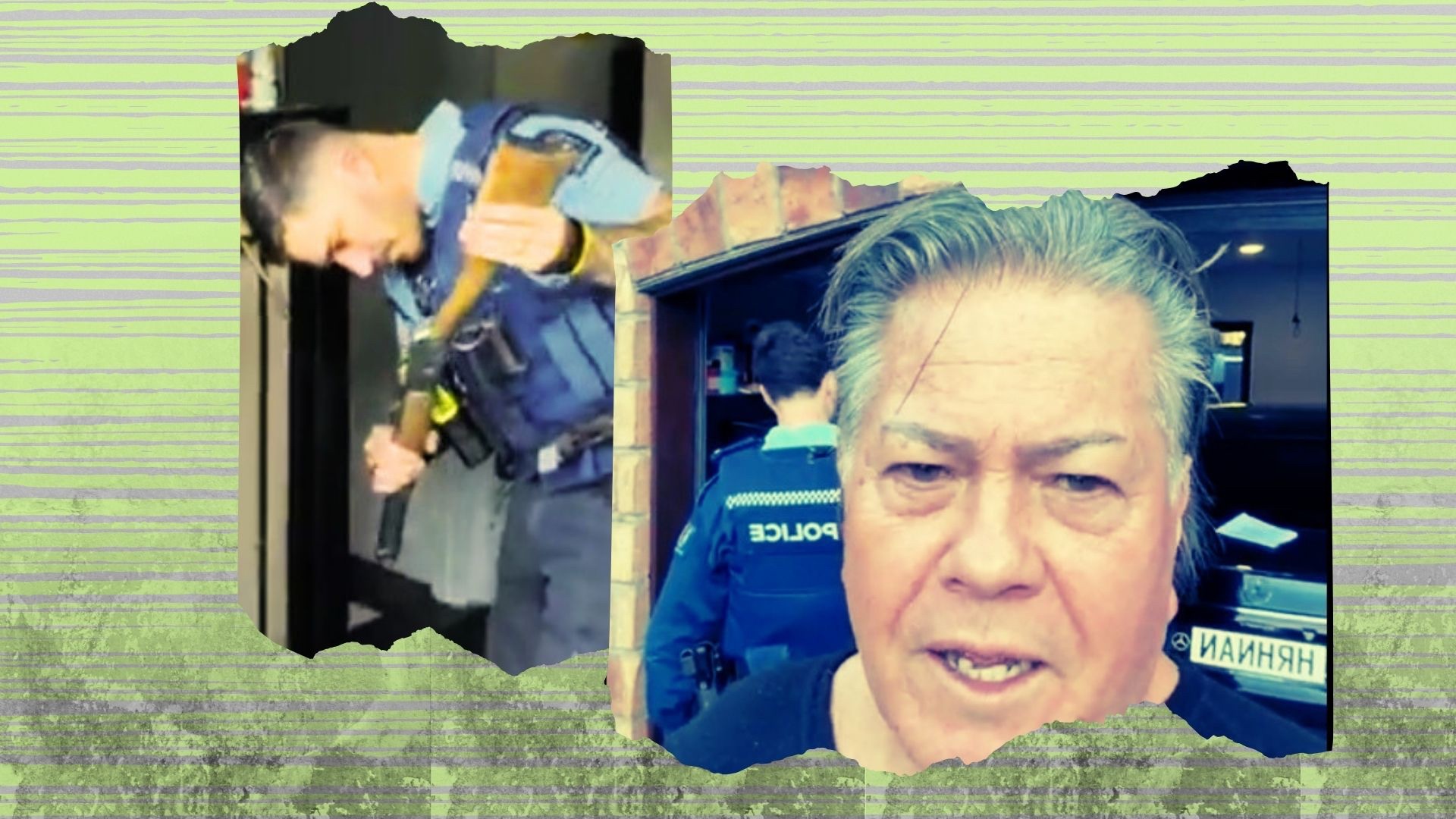
Former Te Party Maori president Che Wilson organised that haka performance. On Thursday, he apologized over email to a Wellington-based Indian diaspora group, NZ Council of Sikh Affairs.


Speaking to Awaaz on May 1, Wilson confirmed he sent the apology in reply to an email in which the Sikh association had expressed concerns over the performance.
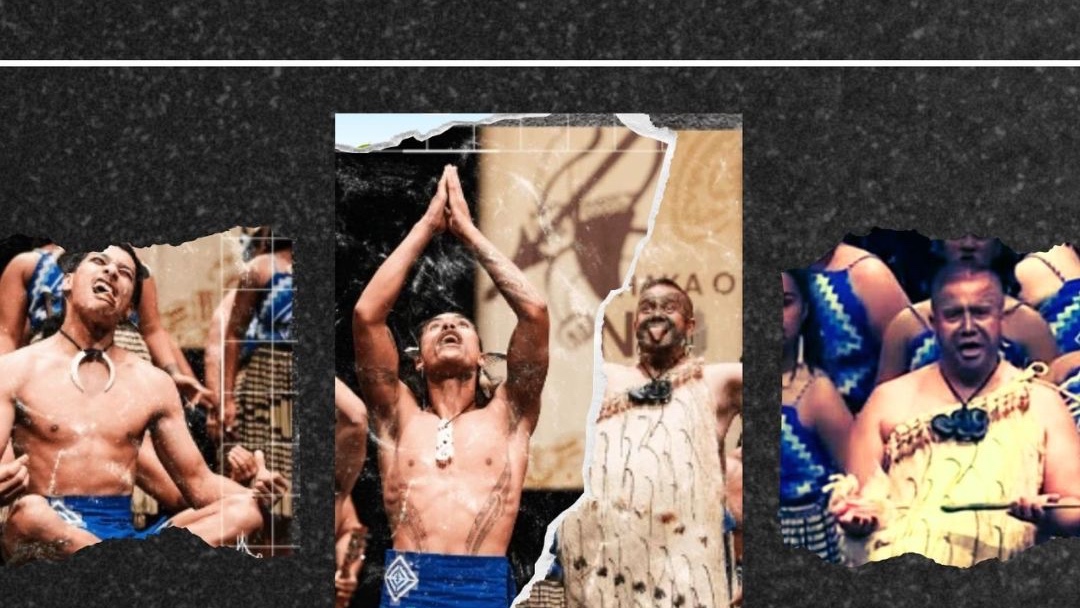
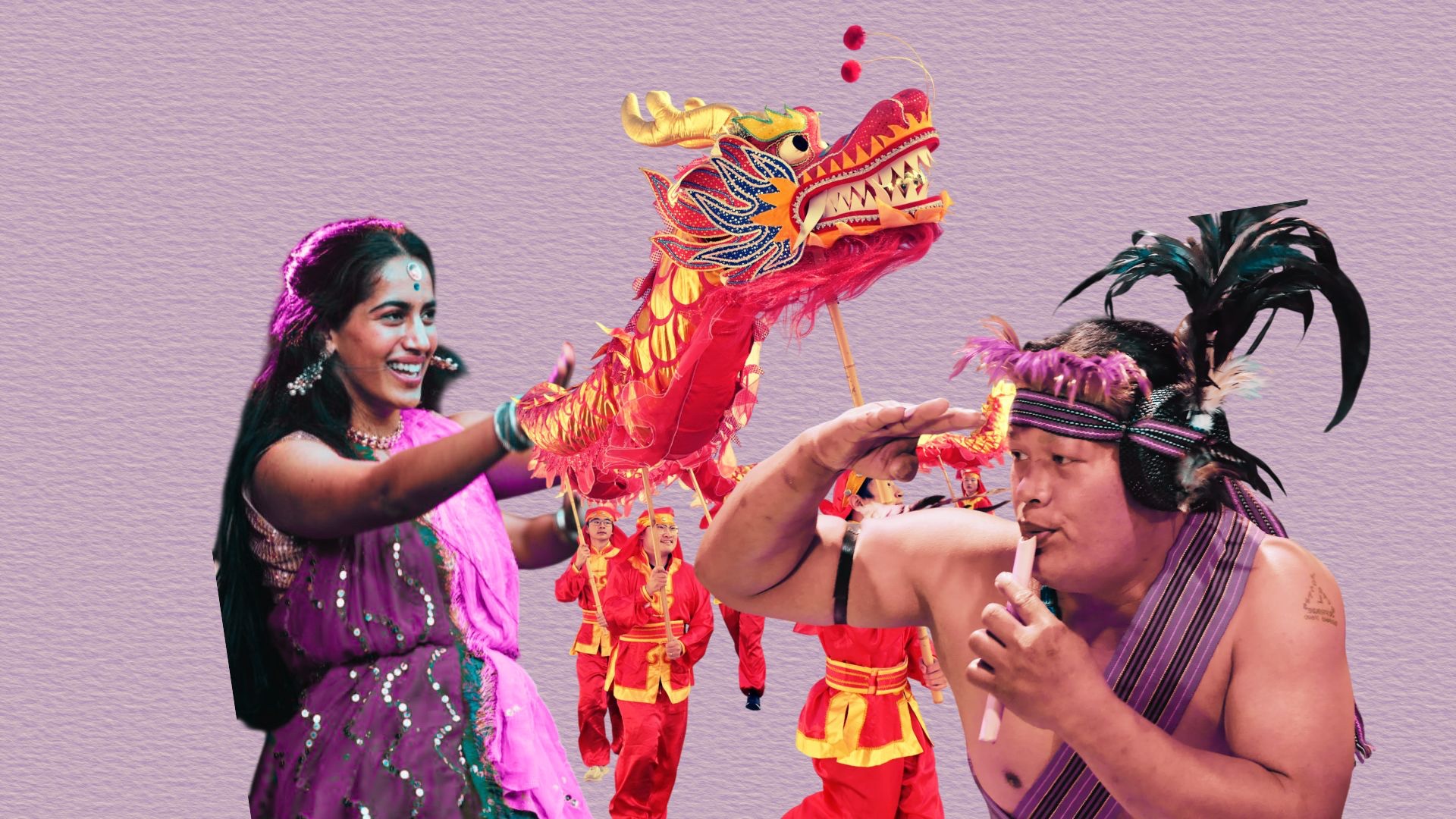
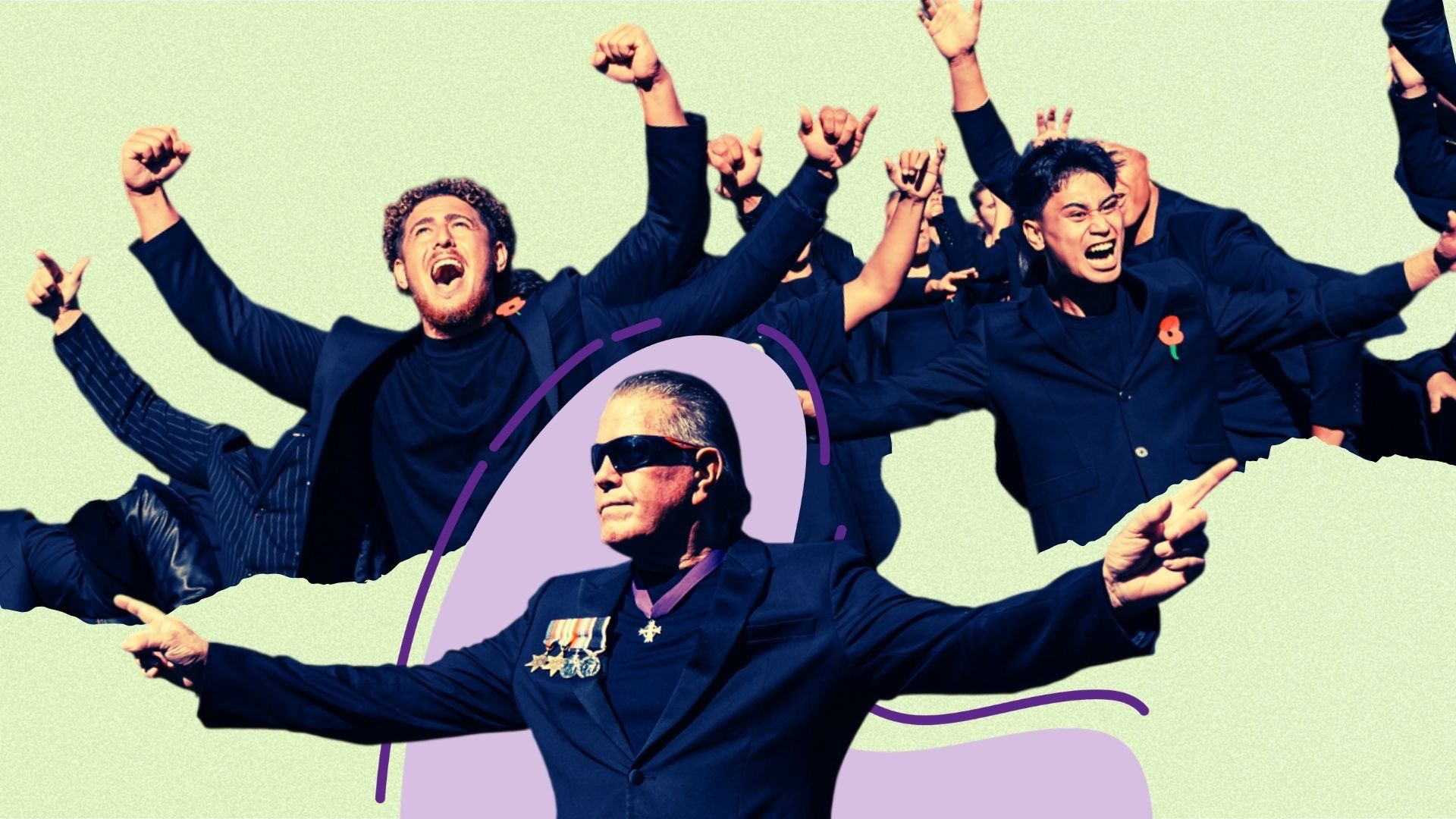
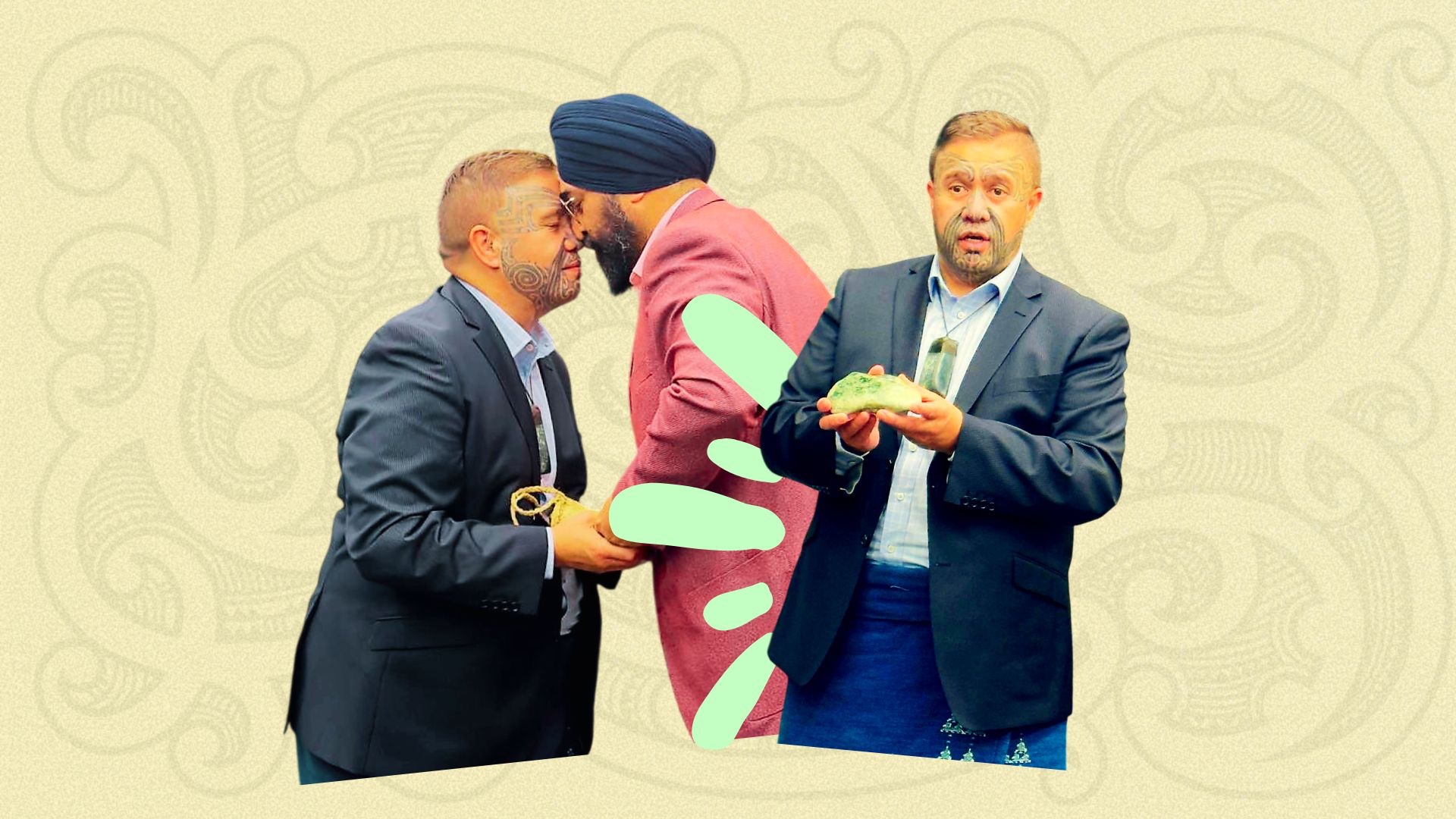
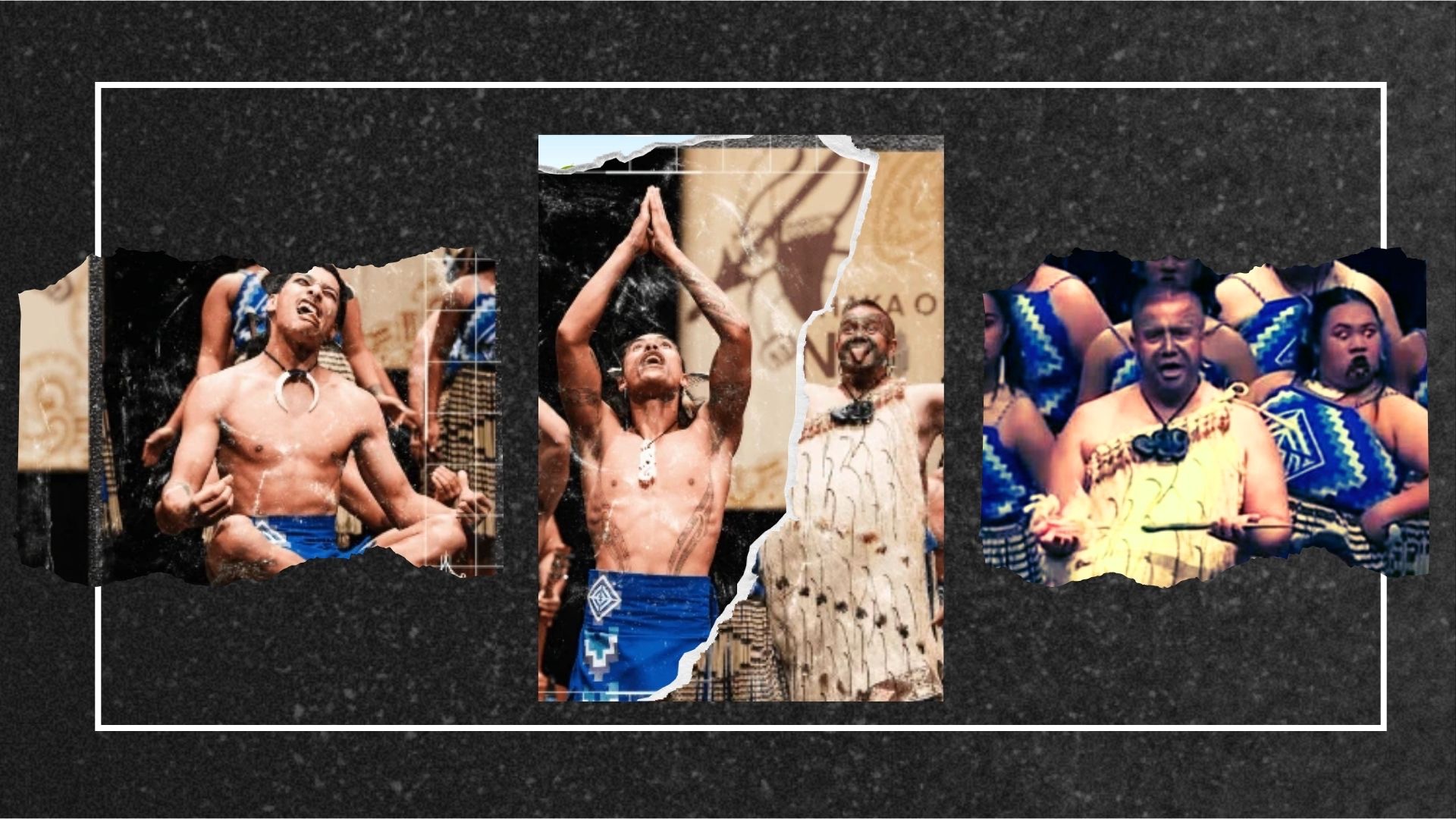
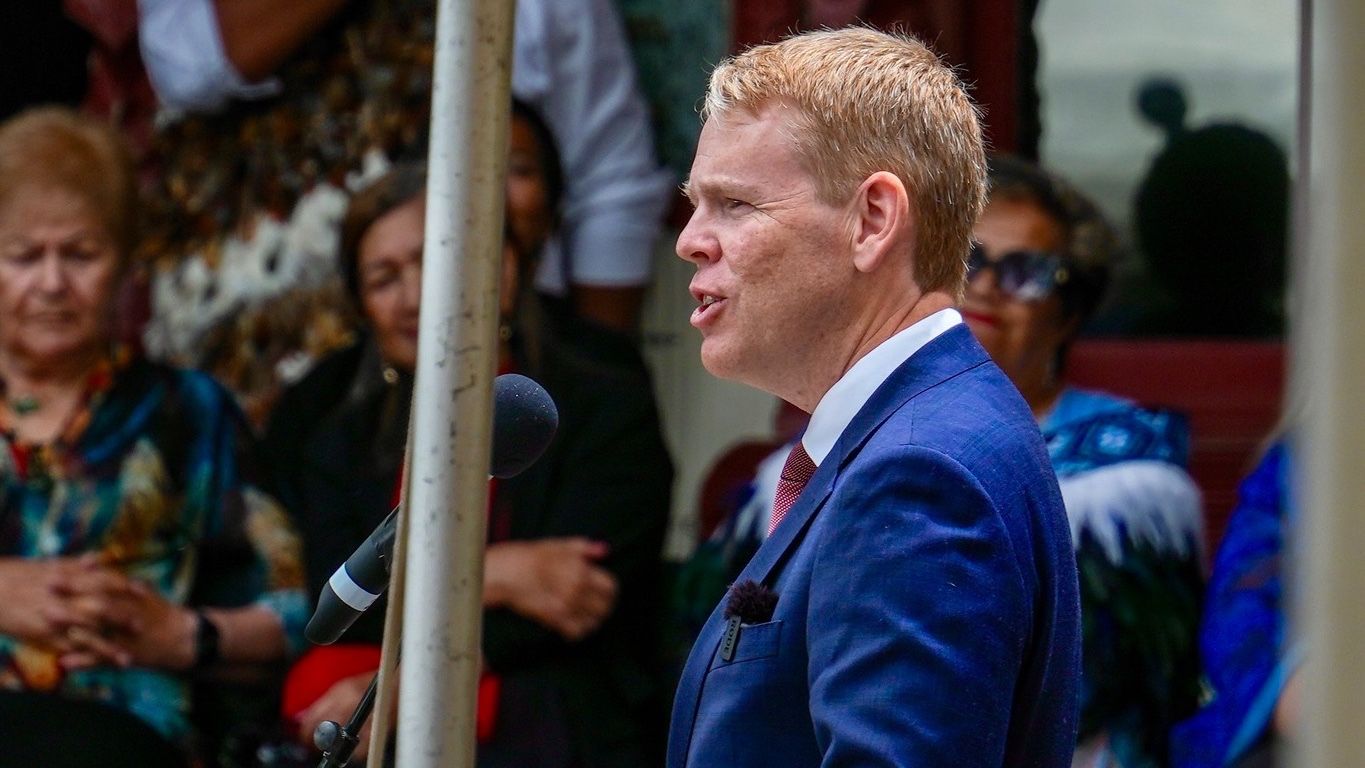
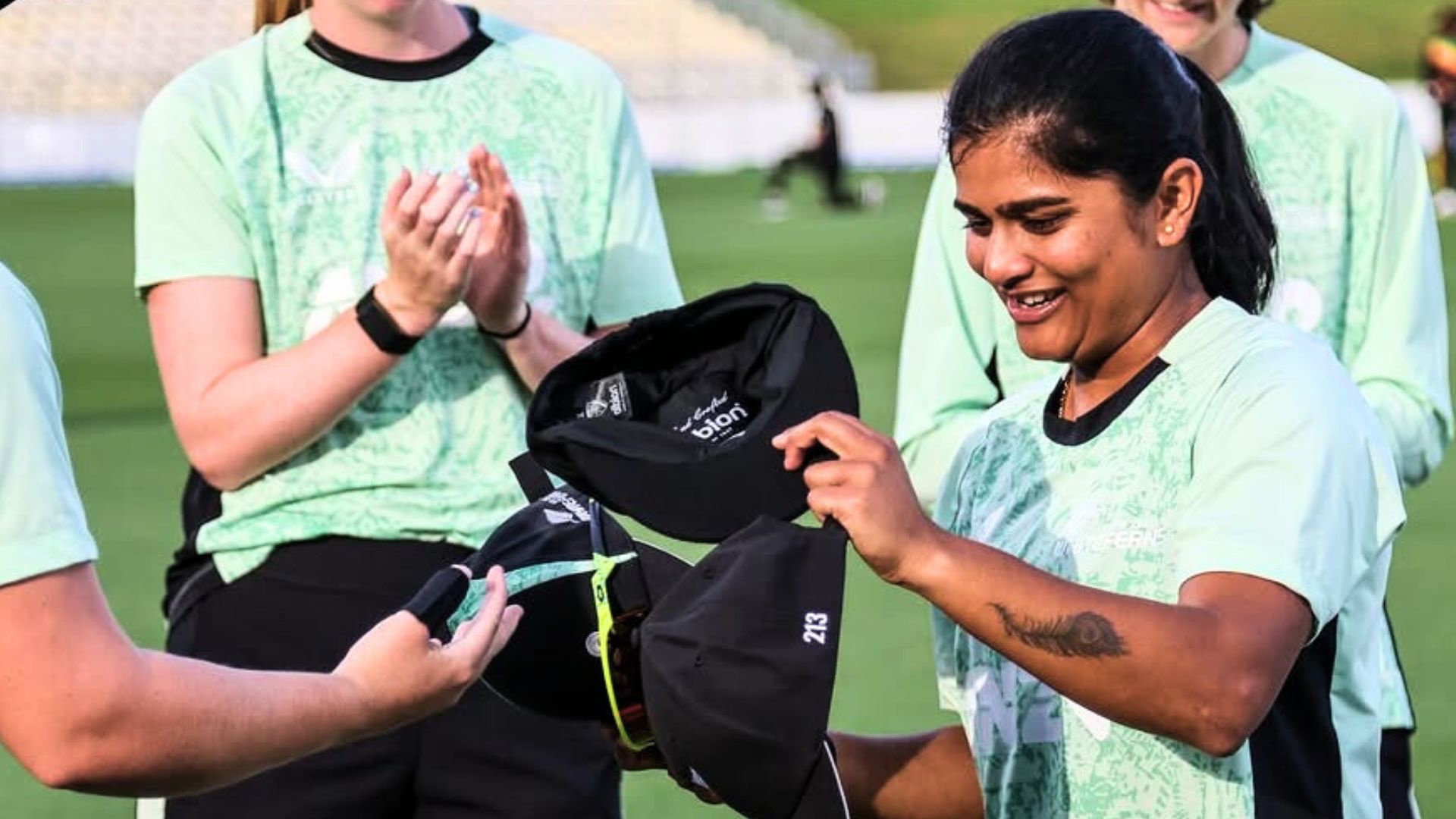
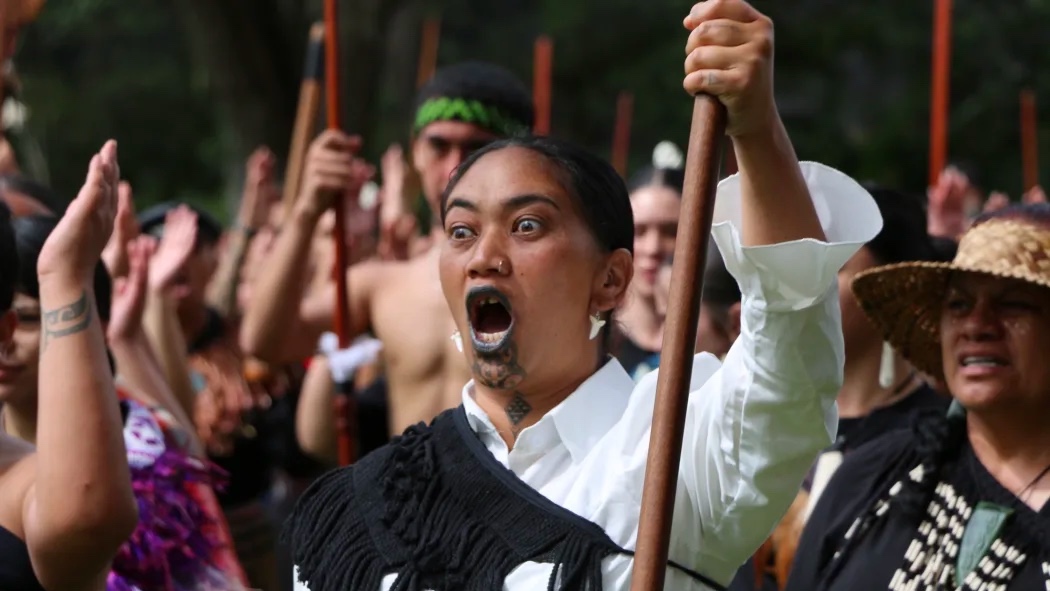
Members of Te Pae Kahurangi perform a haka at the 2026 Tainui kapa haka regionals. (Photos: Te Matatini Enterprises)
Directly addressing a political leader in haka is not unusual. But explicitly referencing the ethnicity of another politician in that framing is not common practice.
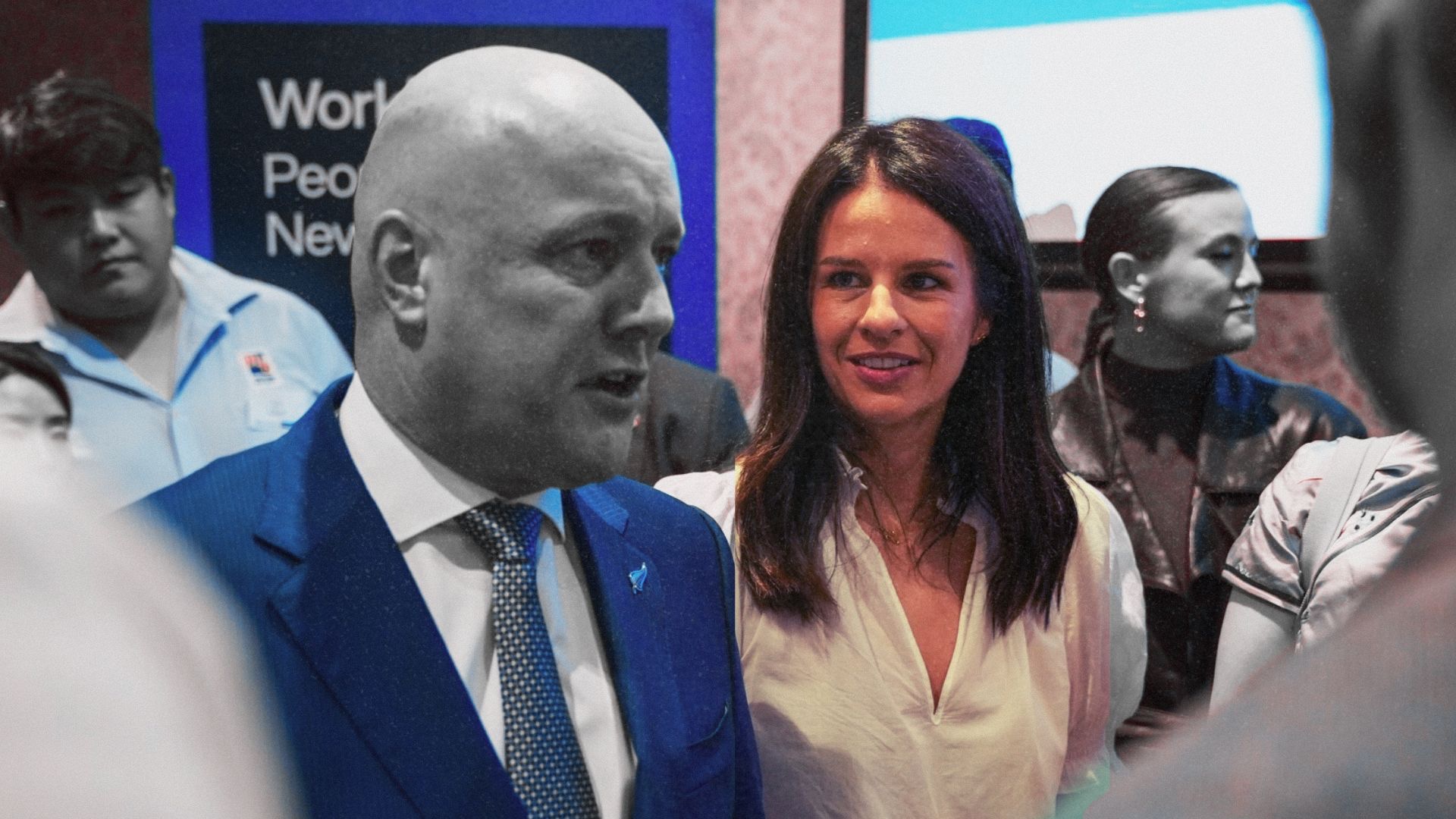
NZ First wants to end birthright citizenship for children of migrants, work rights for students "This set of polices is about taking back control of the future of our country and valuing our unique citizenship the way it should be."
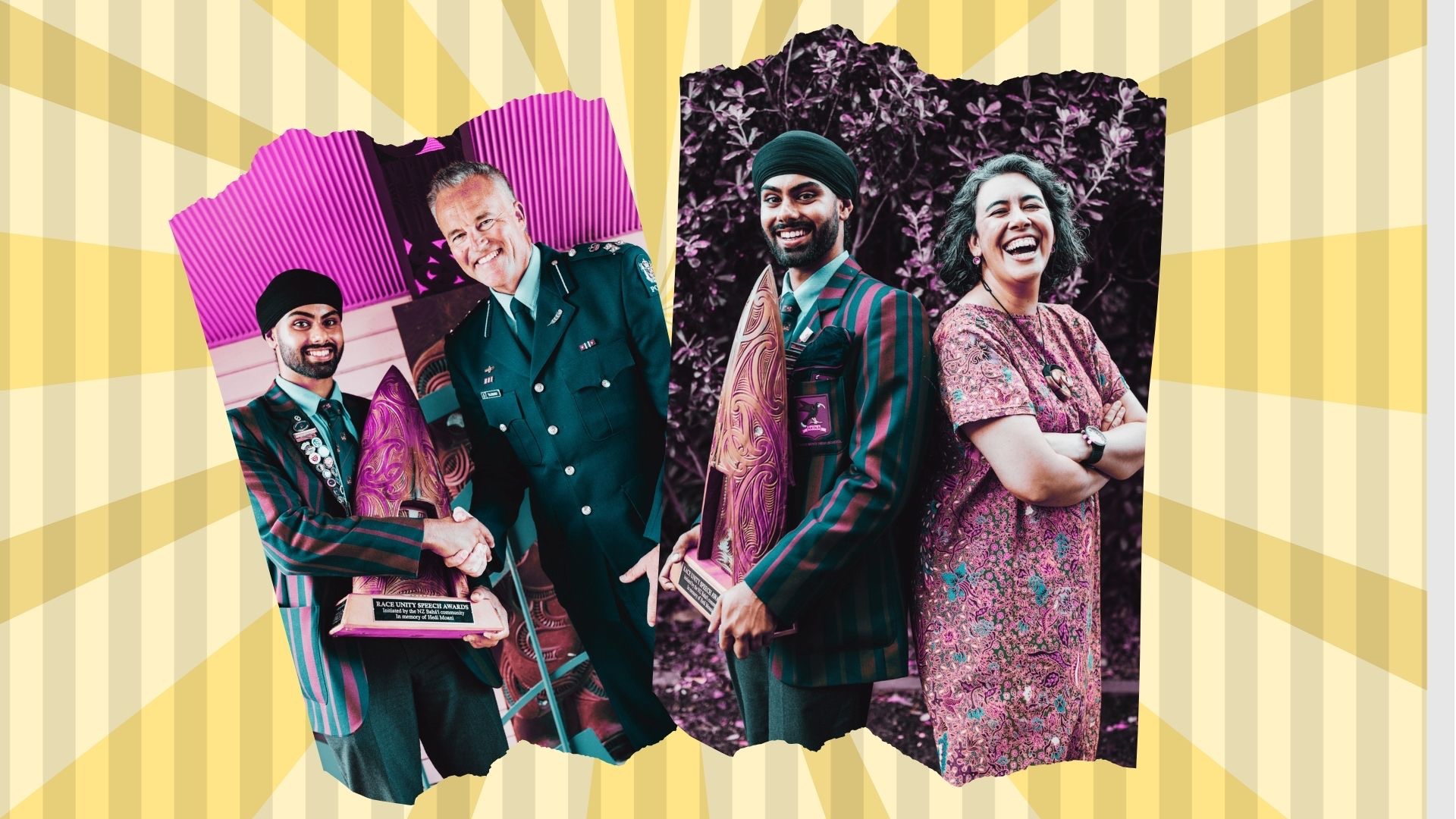
India-NZ FTA gets select committee nod, stage set for anticipated October launch “If that is the case, how exciting is that for New Zealand. Exciting, isn’t it?”
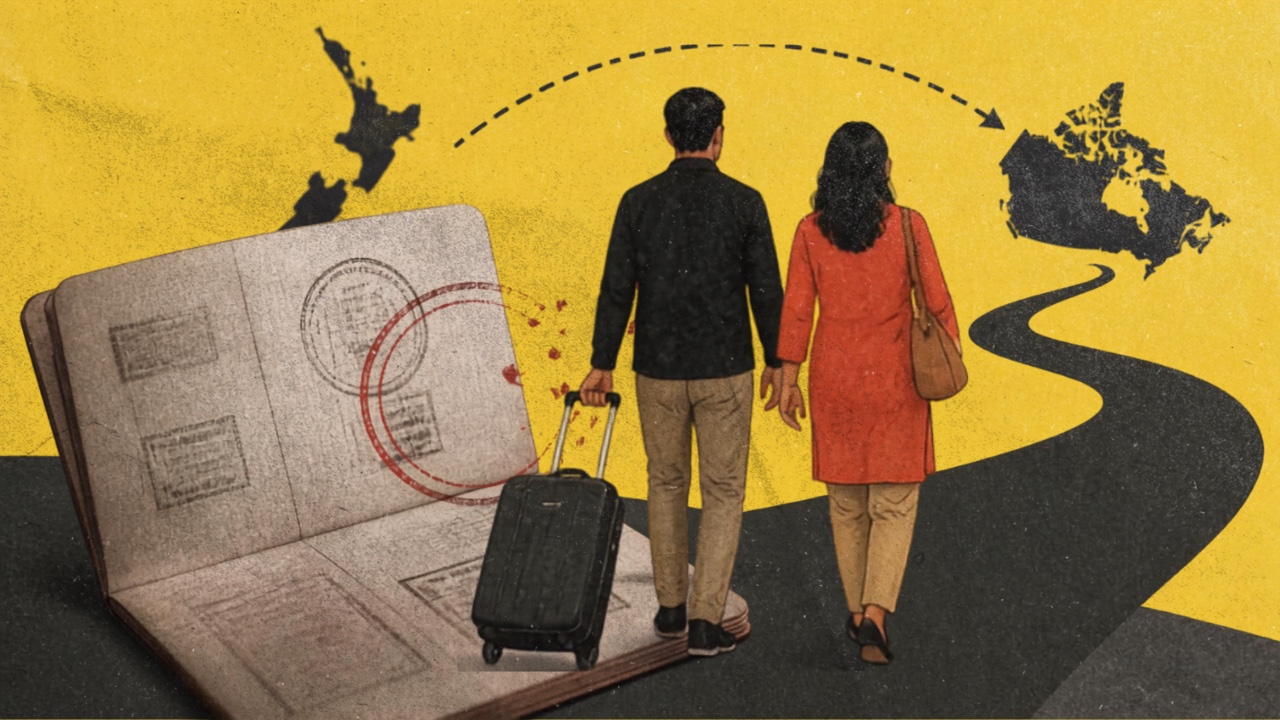
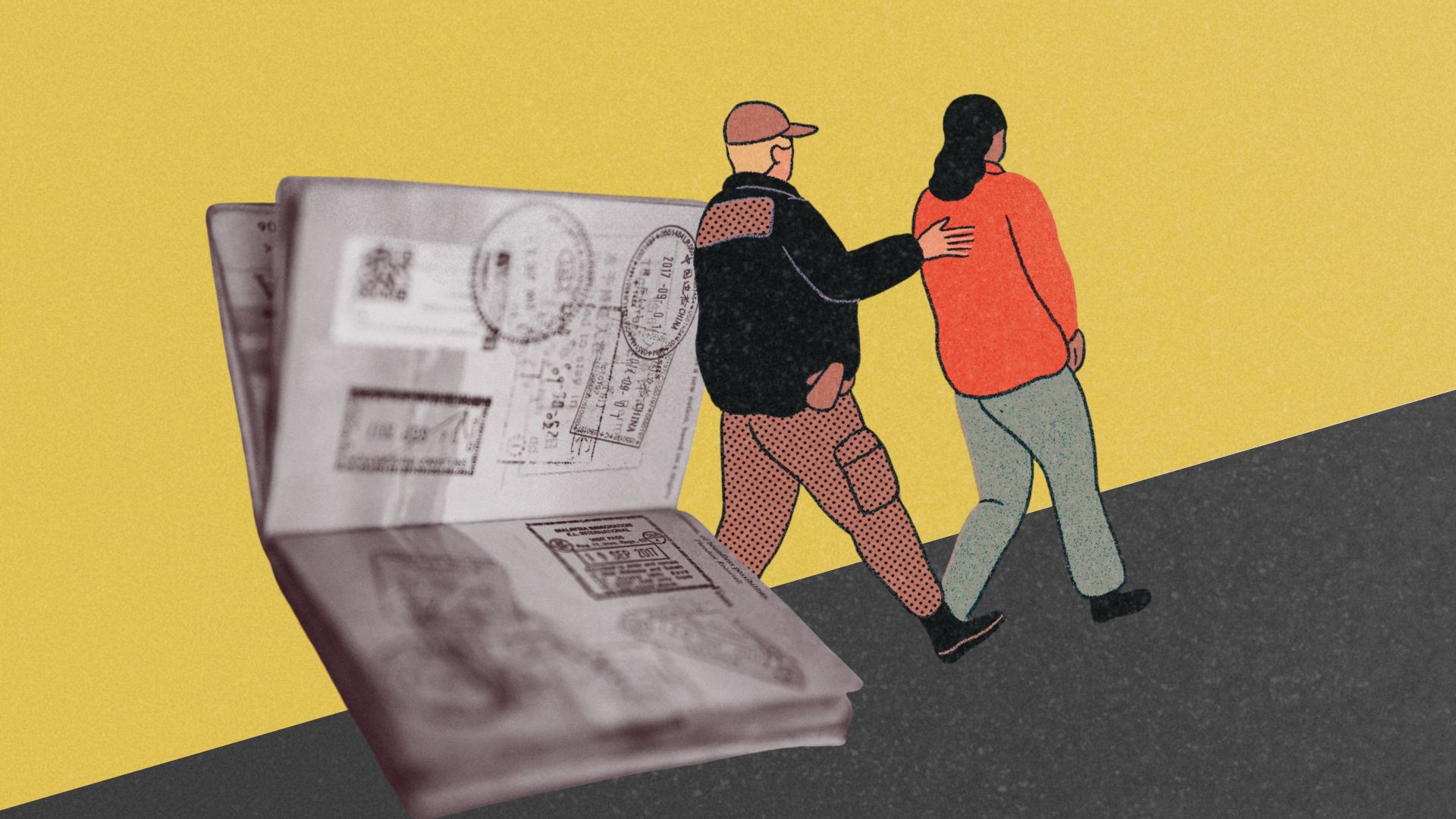
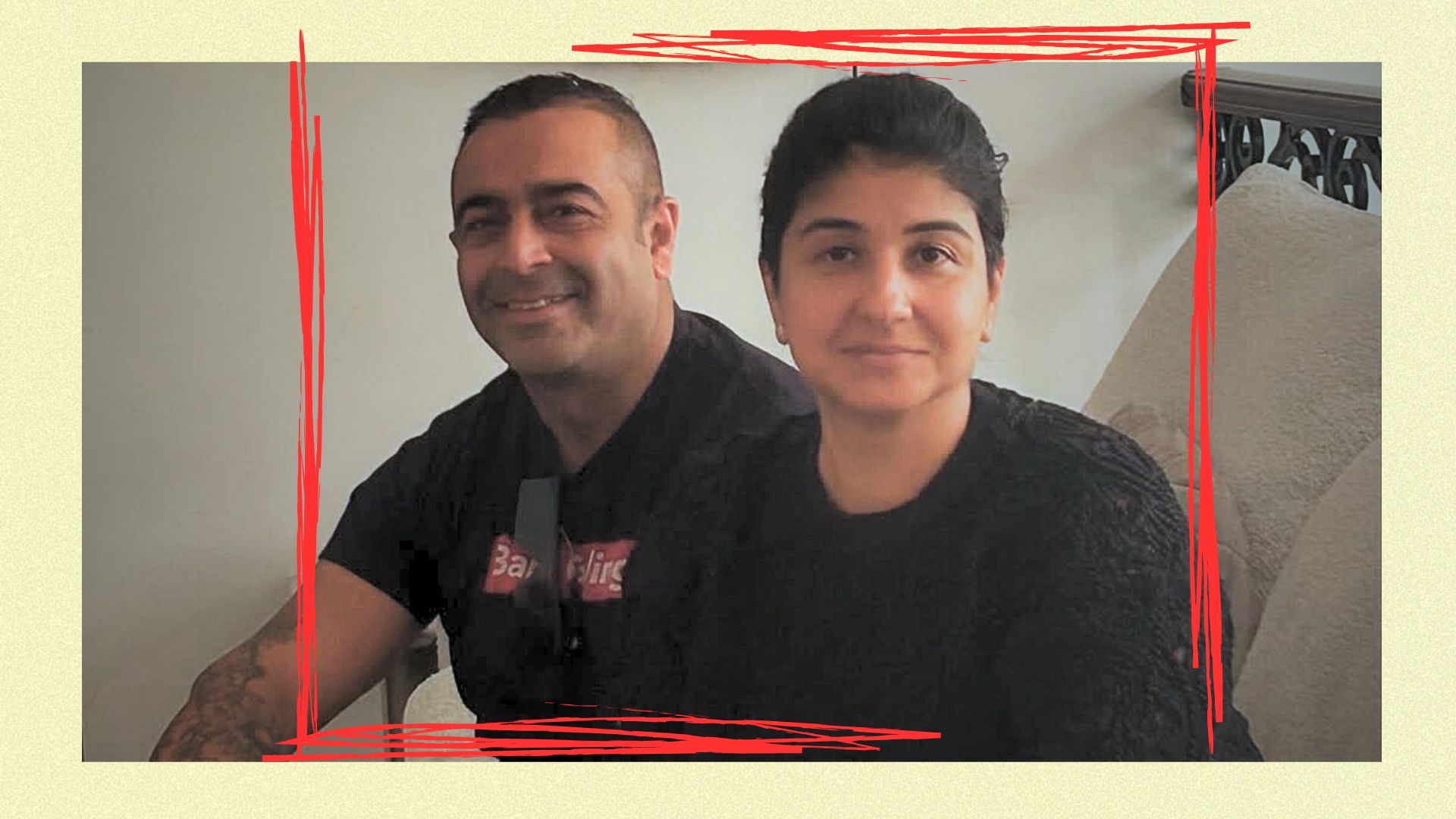
‘Huge mistake’: Indian couple lose New Zealand residence while living in Canada The family had a second shot at applying for permanent residency but they were late by less than a month.
The haka featured specific elements, including the phrase “purari karikari iniana”, translated as “bloody curry-eating Indians”, along with gestures like sitting cross-legged, folded hands, and mannerisms seen as imitating speech and movement.
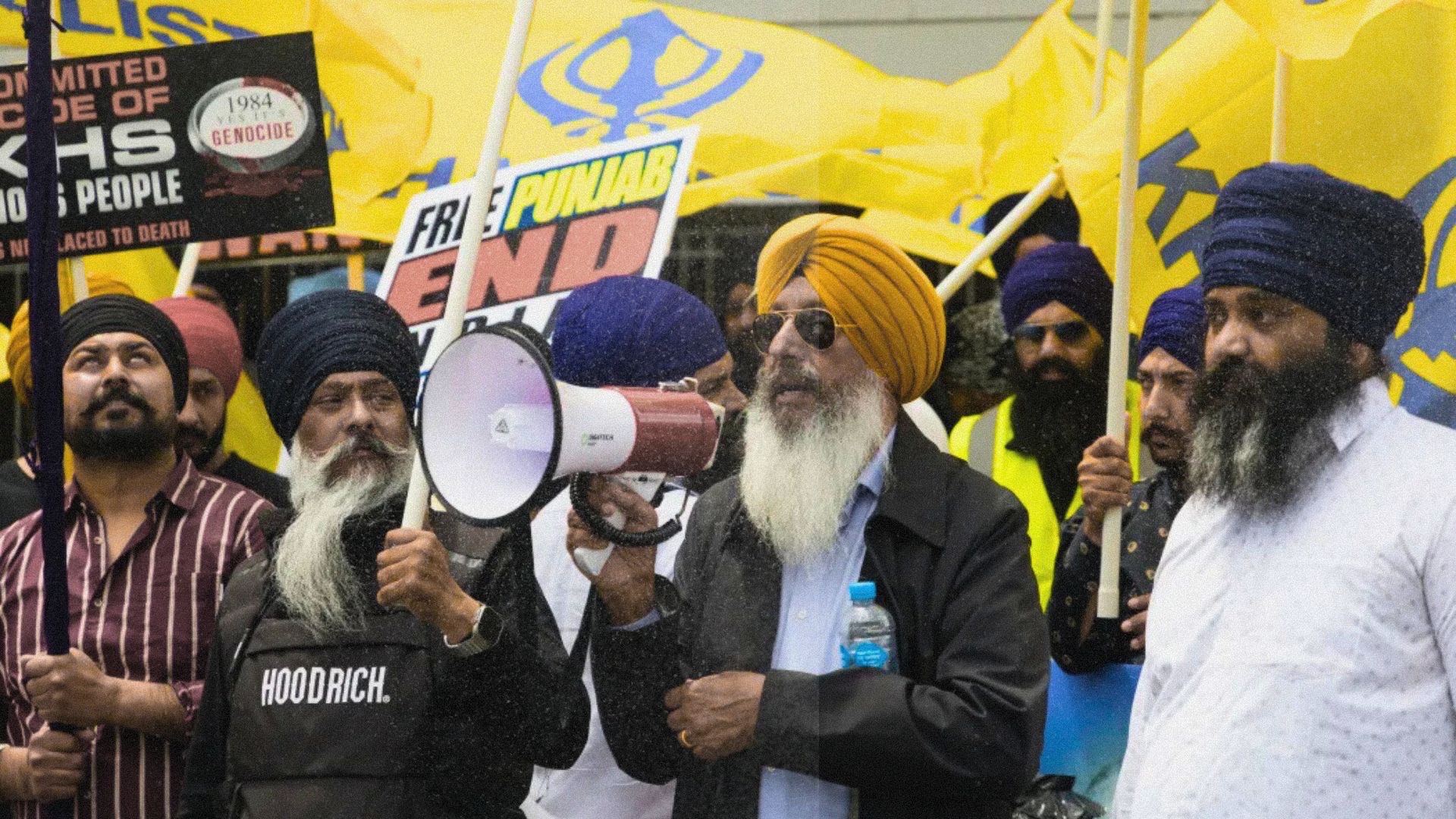
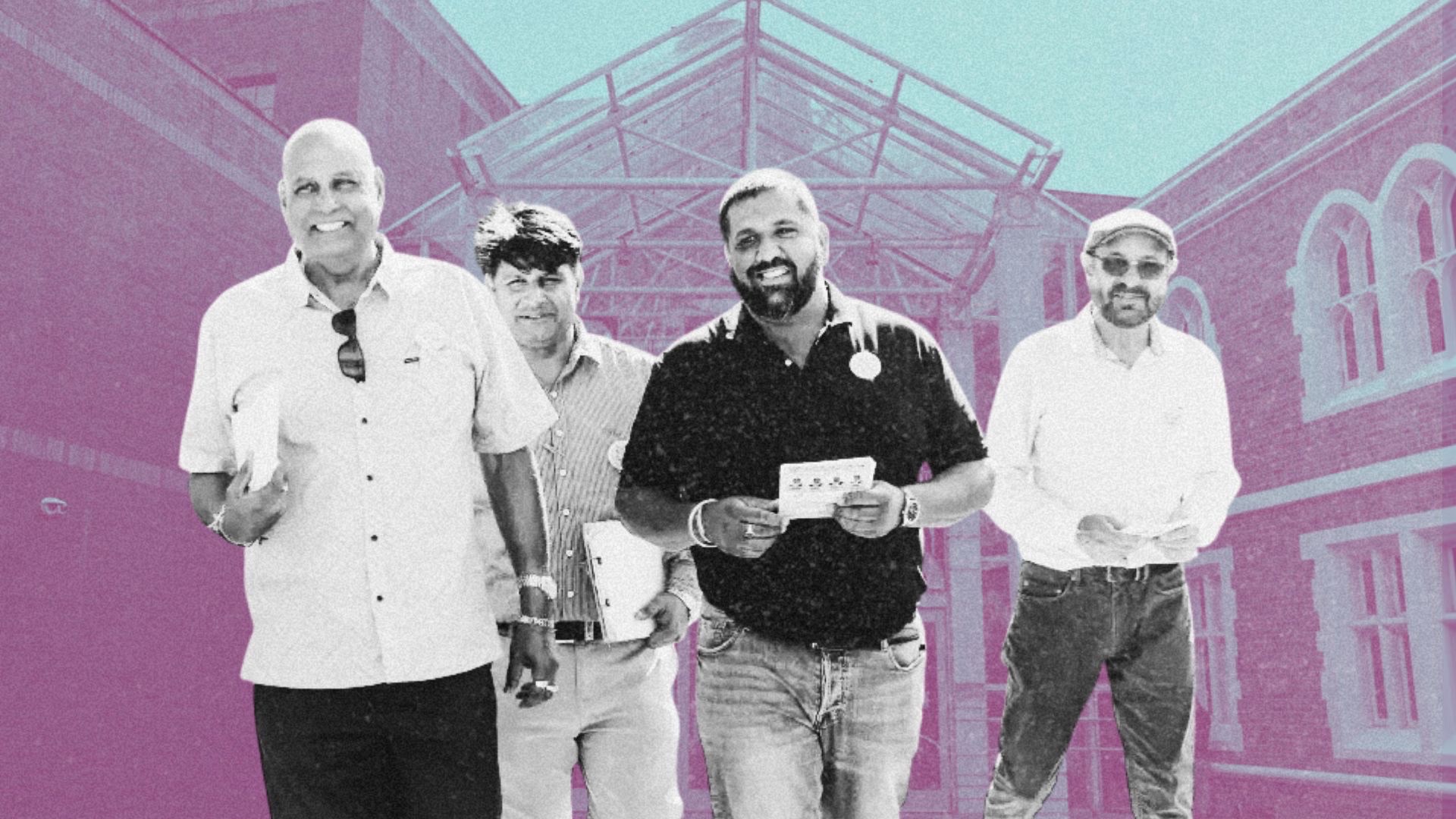
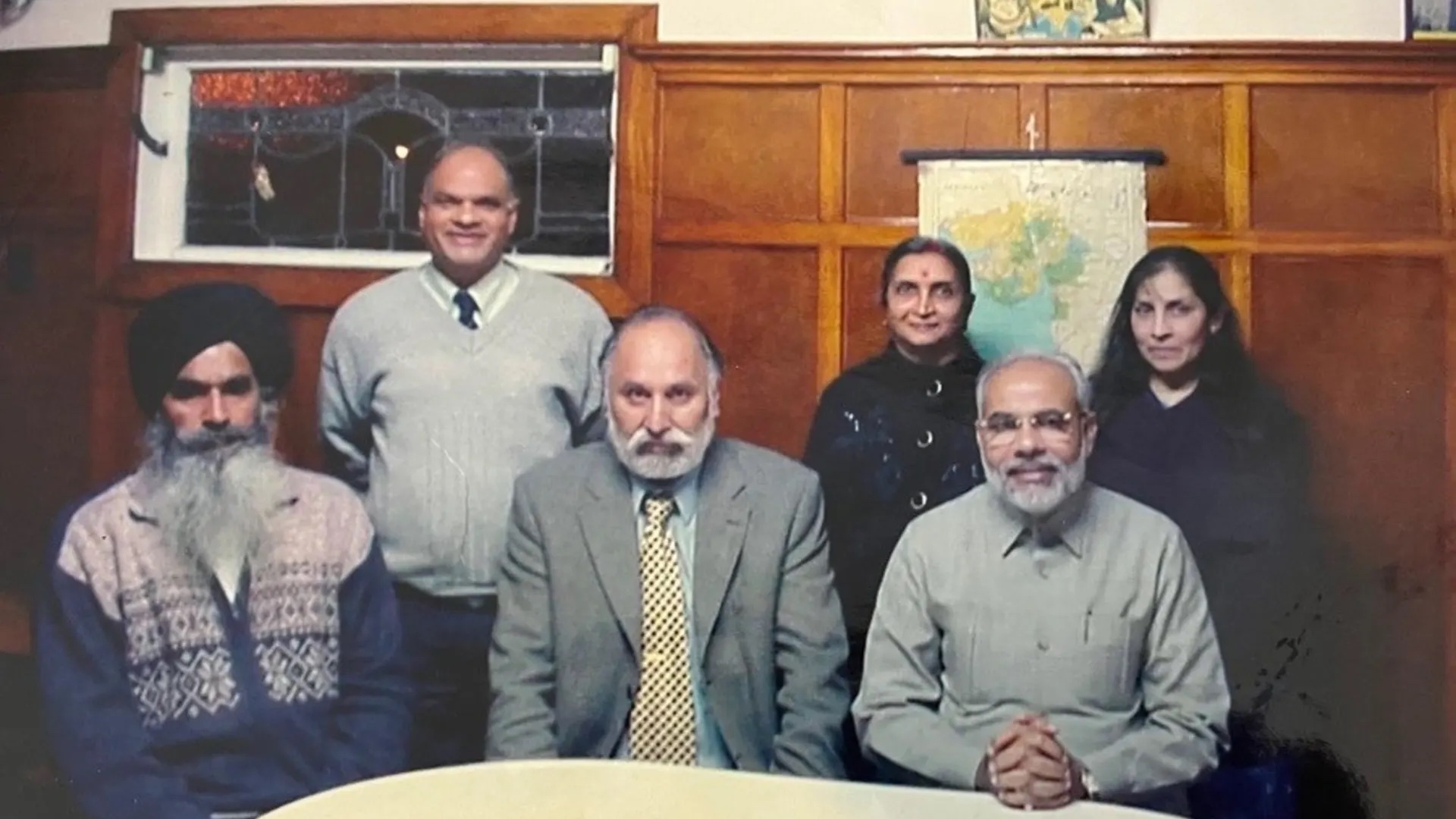
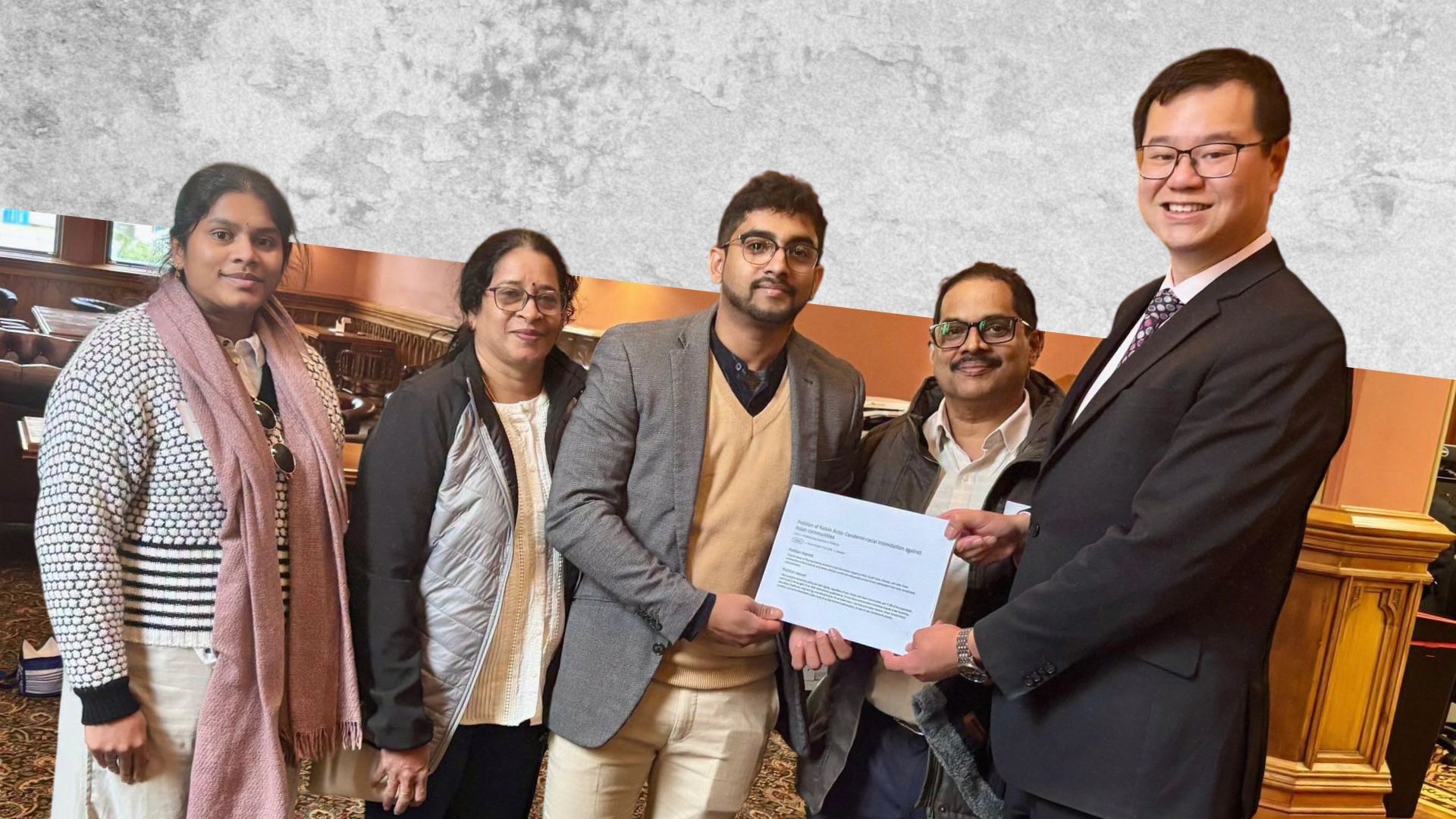
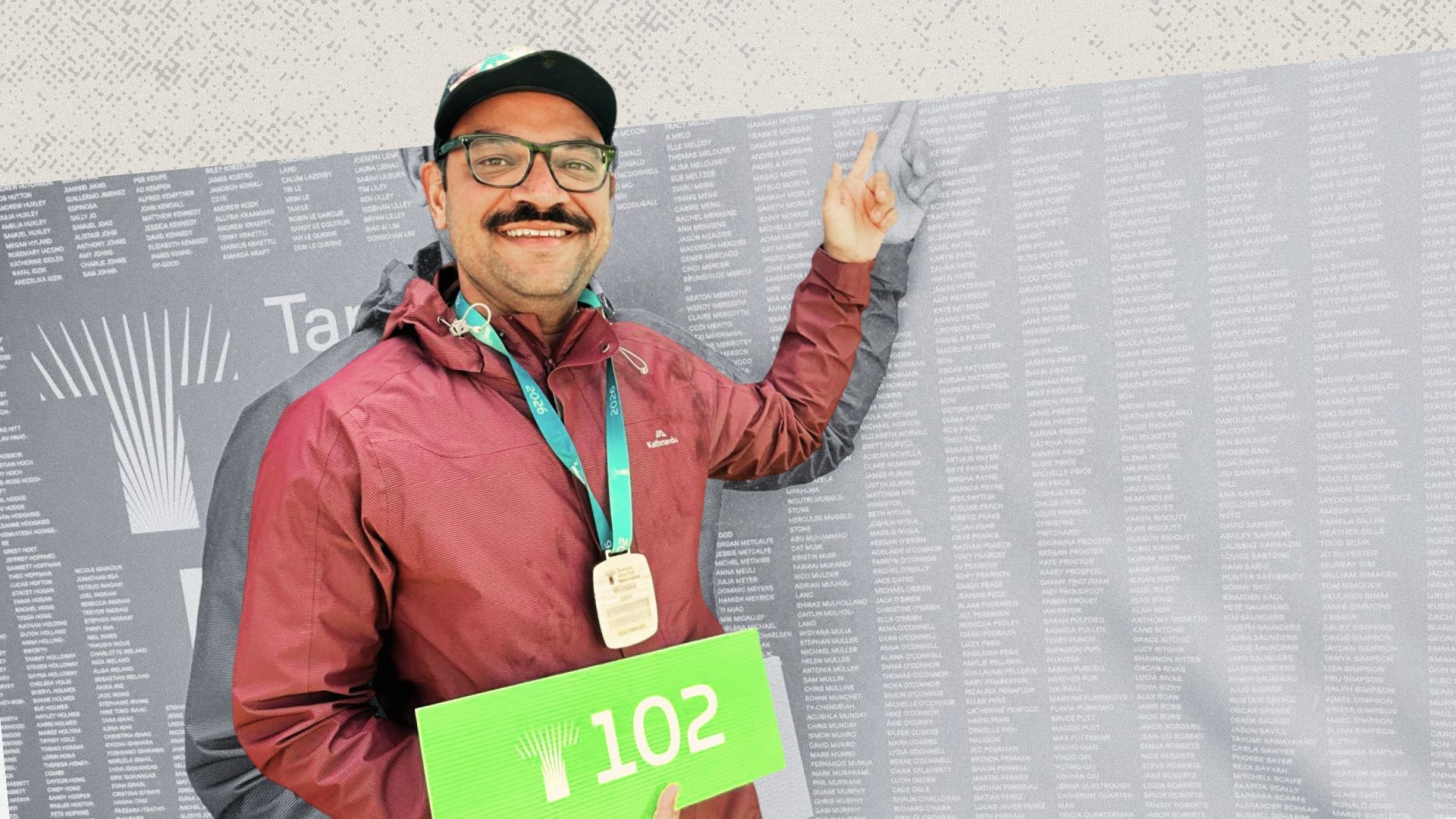
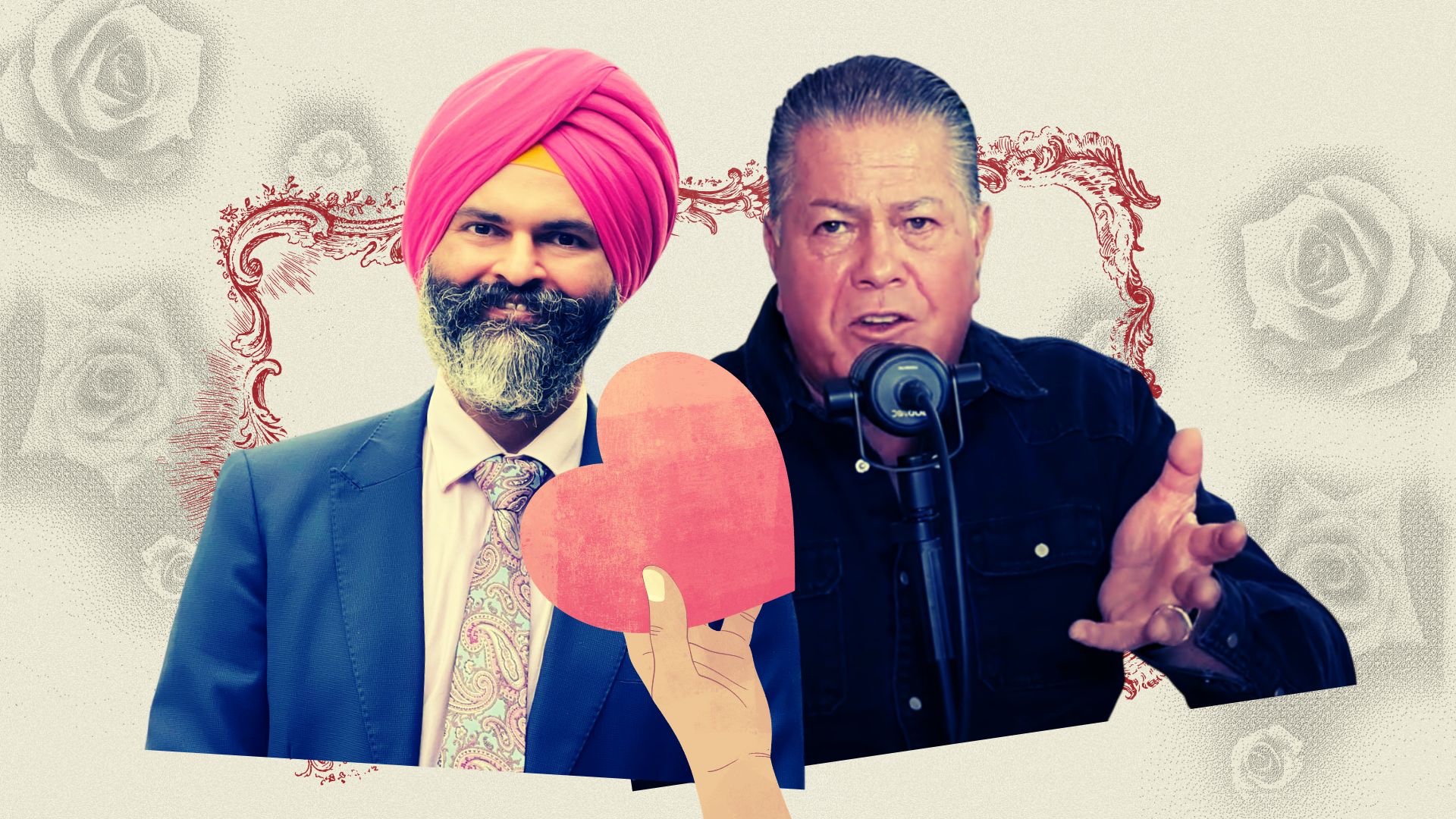
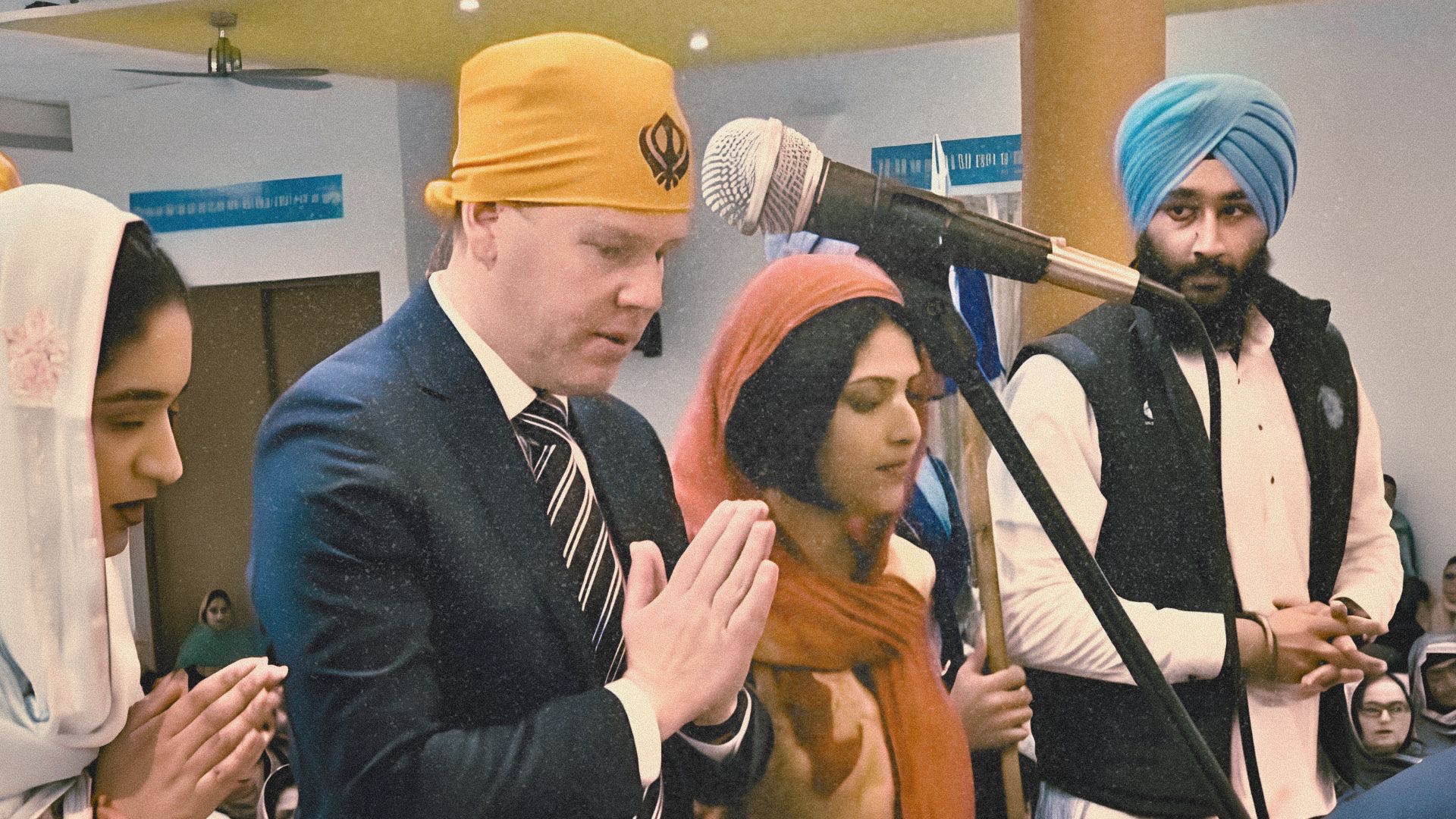
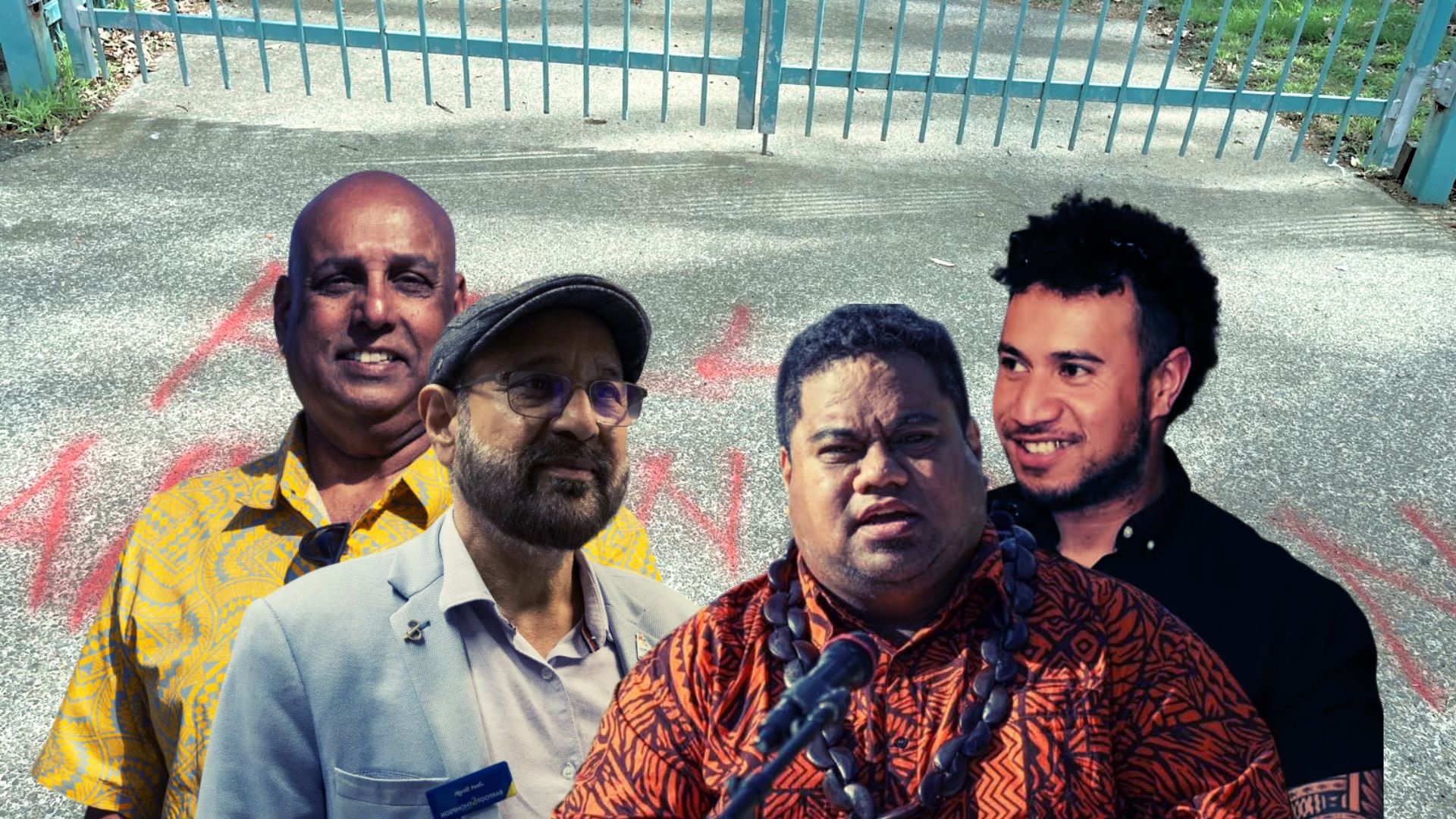
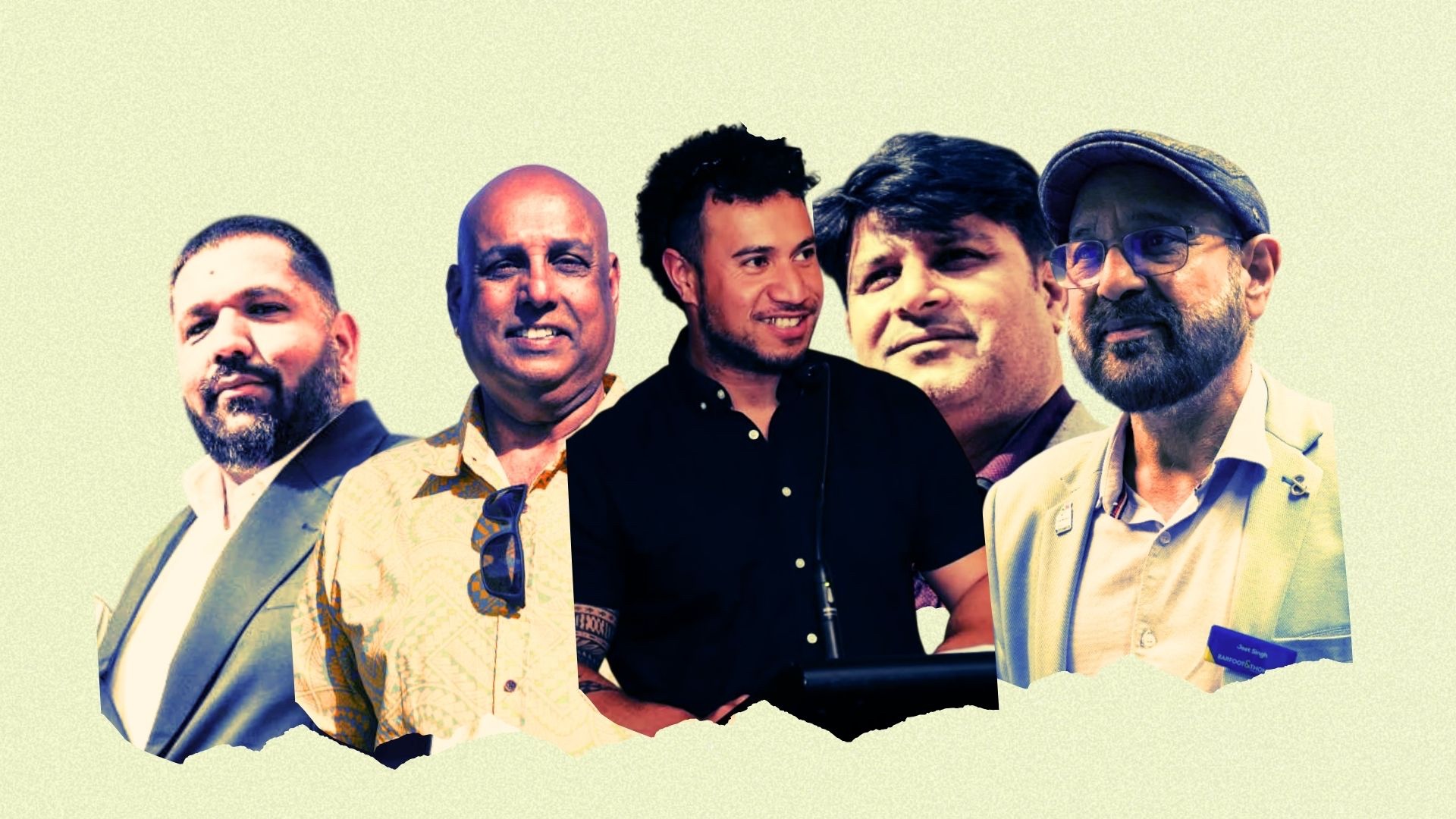
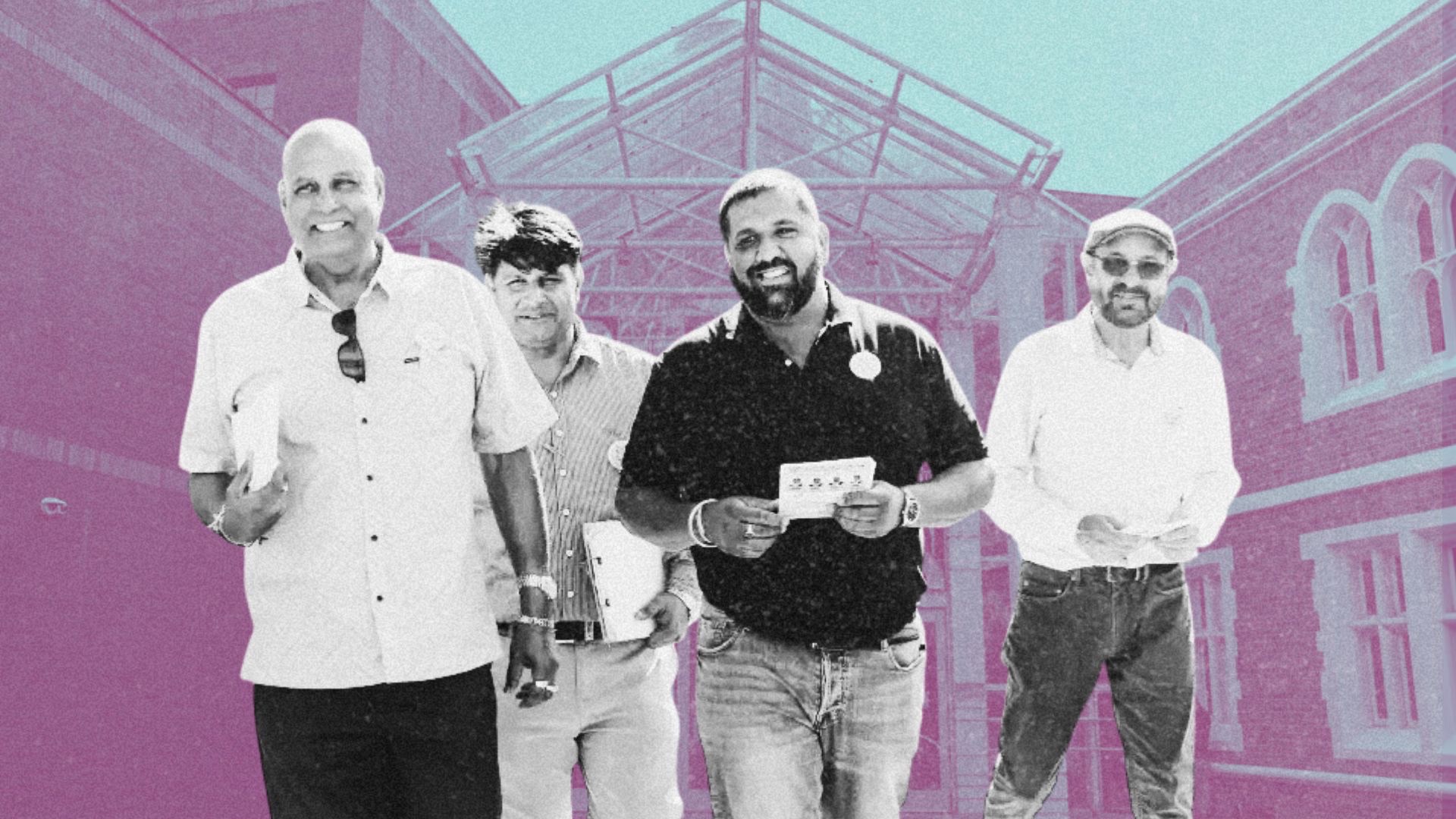
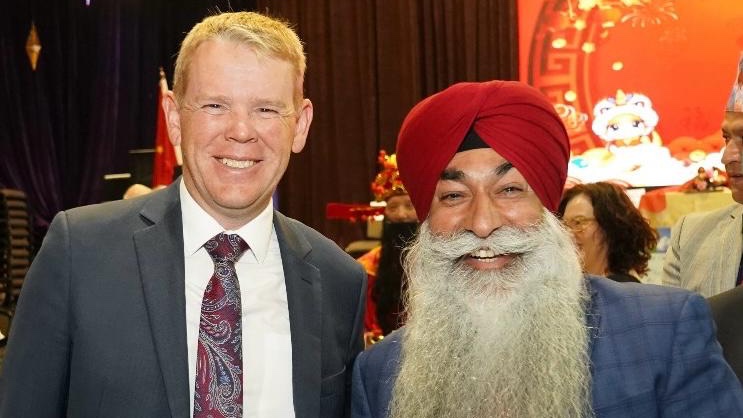
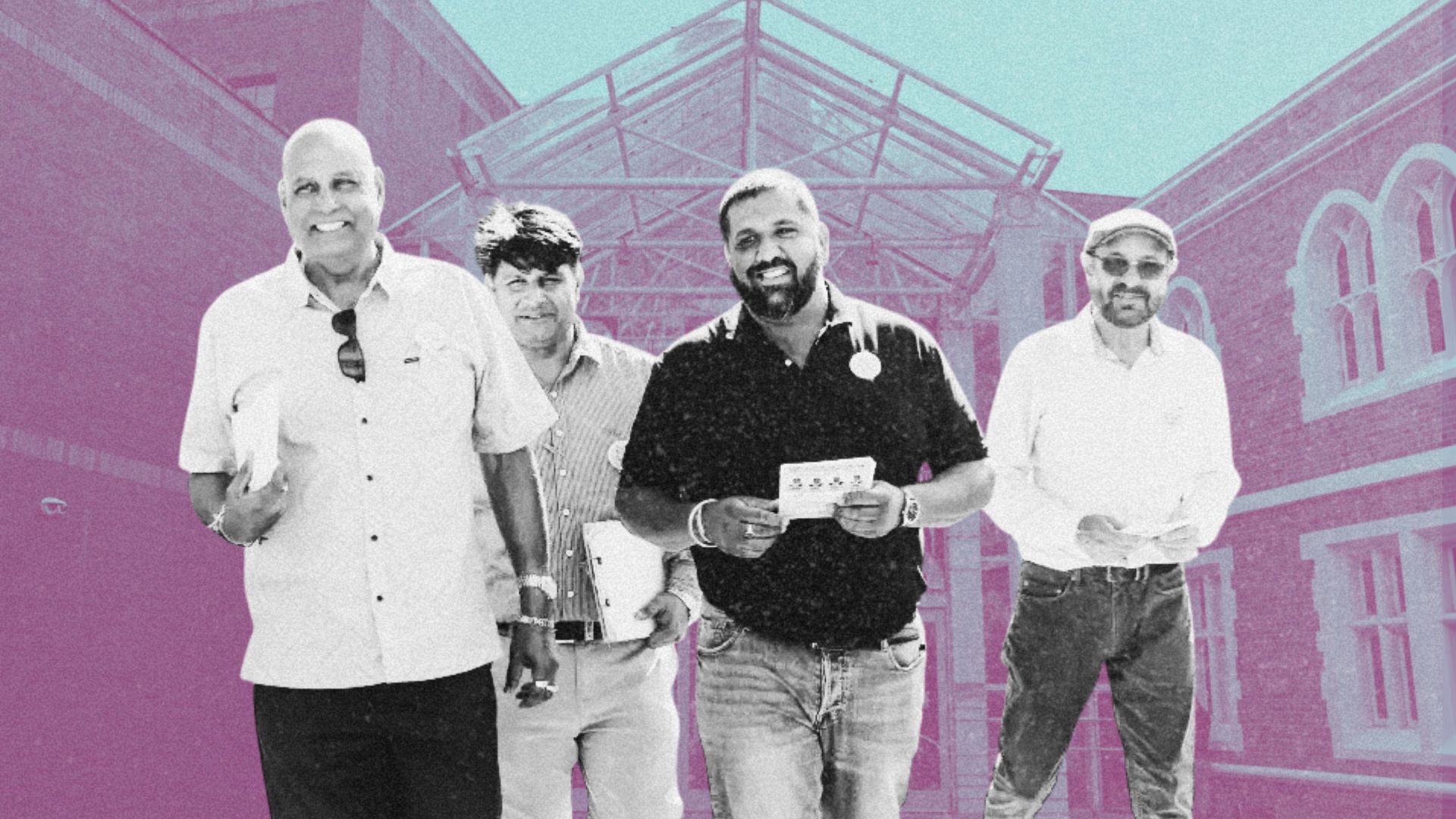
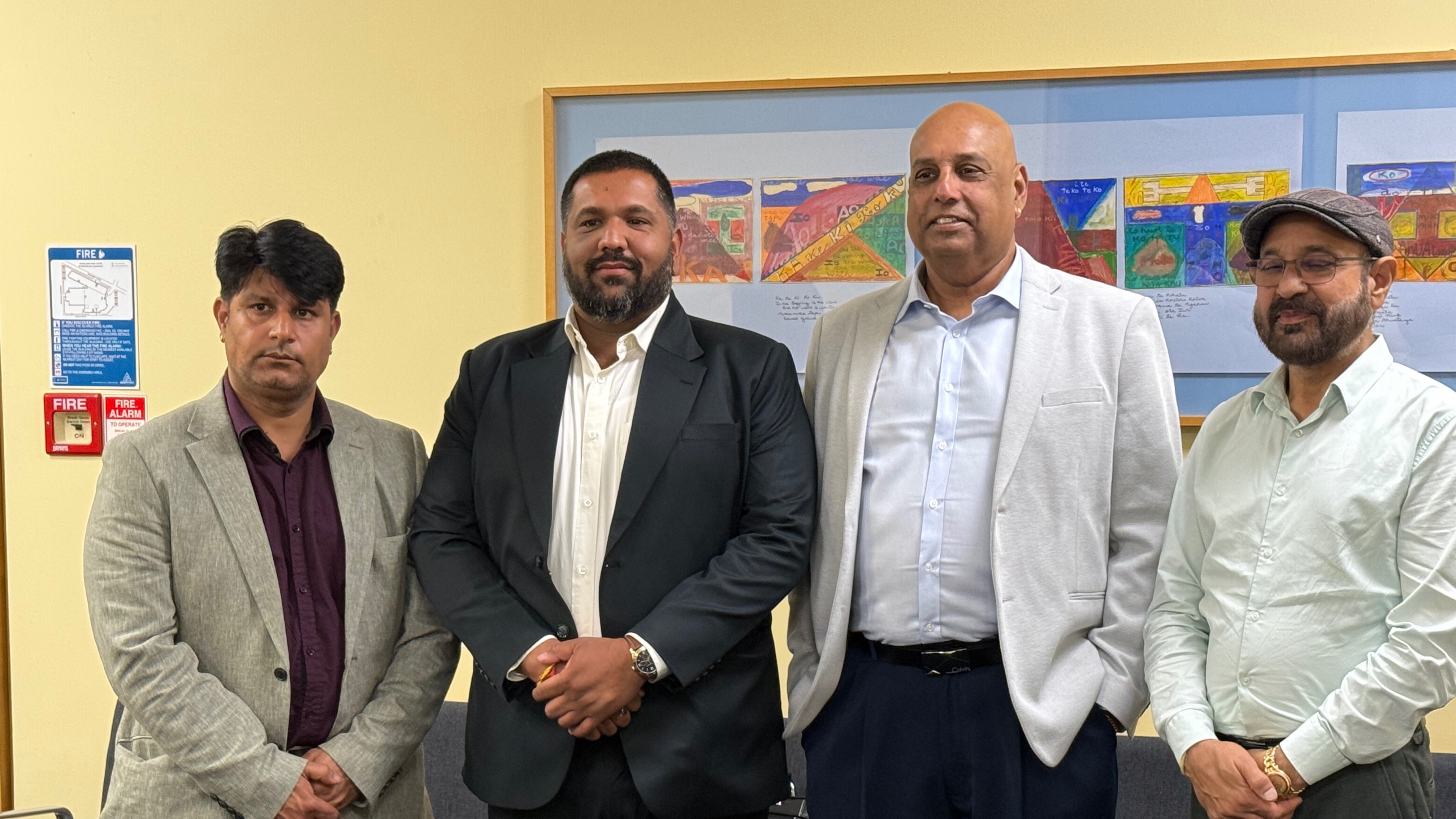
Gurtej Singh of the NZ Council of Sikh Affairs says Wilson has already met him and other diaspora members in Hamilton, with a hui now planned in Waikato within the next two to three weeks aimed at dialogue and reconciliation.
In a statement released Wednesday, the diaspora group said it had since received an apology from Wilson.
“The NZ Council of Sikh Affairs acknowledges the apology received from Che Wilson… raising concern about the hurt caused to members of the Indian community,” the statement said.
The diaspora group said its concern was not with haka as a form of expression, but with what happens “when political critique takes on racial or communal meaning”.
“When that happens, the matter shifts beyond political critique and can cause wider community hurt,” the statement read.