
Inside Erica Stanford's bid to stop people gaming New Zealand's asylum system

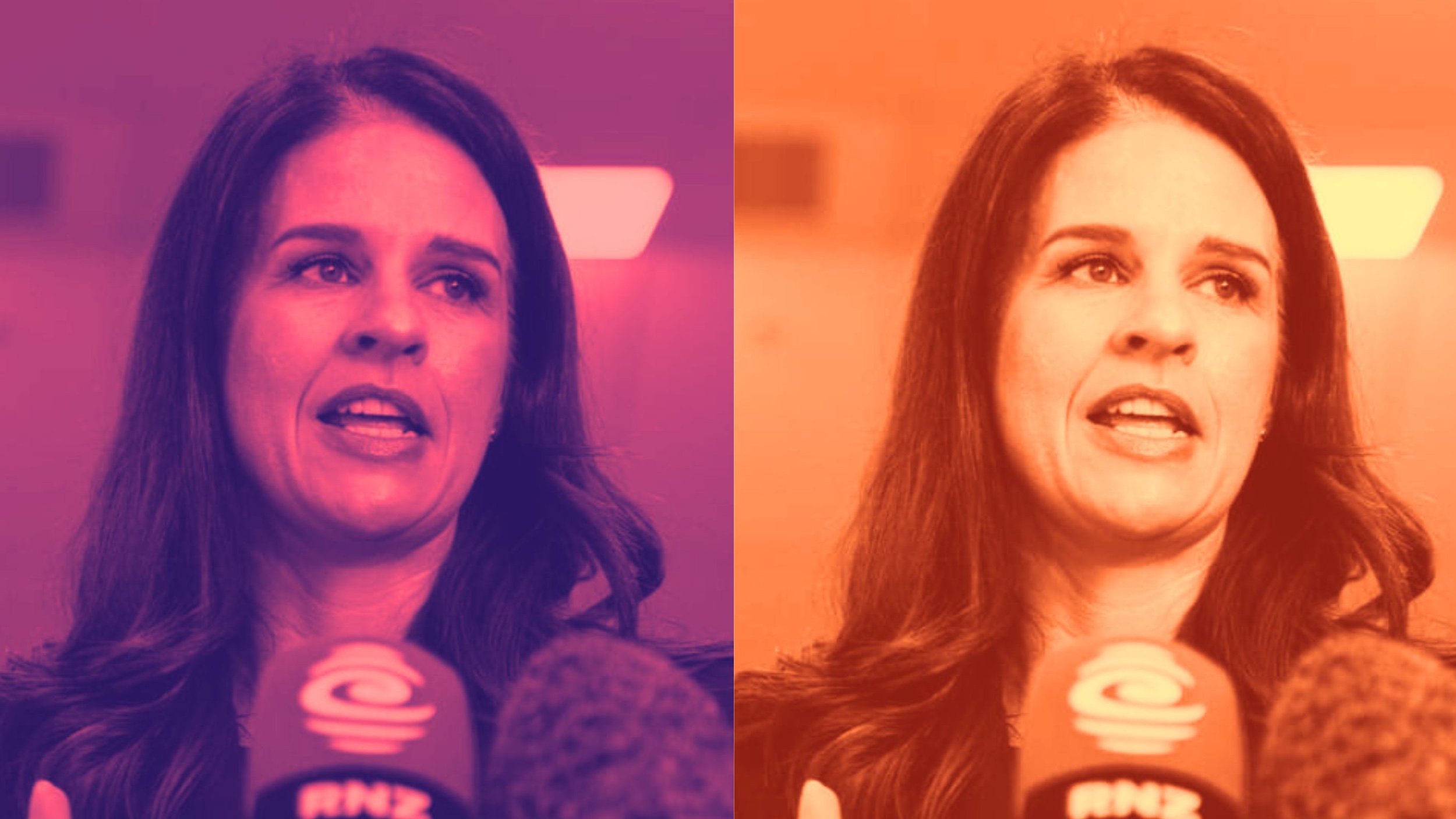
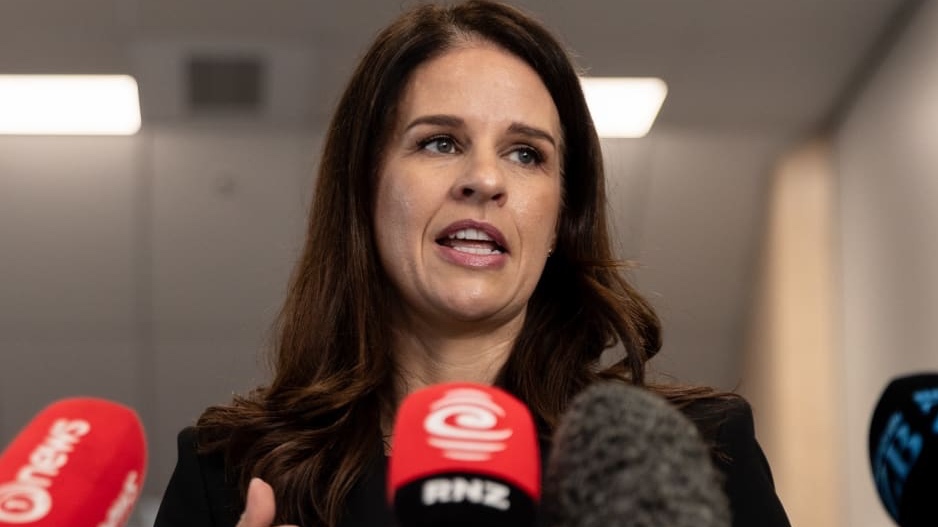
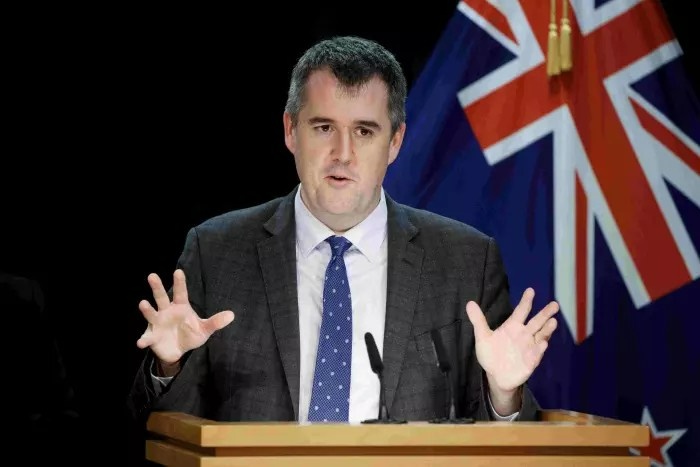
Immigration minister Erica Stanford.
The government suspects not all those seeking asylum are really under threat of persecution.
Analysis: A string of new proposals the government has made this month aim to crack down on people who could be trying to abuse New Zealand's asylum settings.
The proposed changes could risk undermining New Zealand’s stellar record in upholding international law, a leading human rights and immigration lawyer has warned.
The proposals have come in two tranches. The first is a bill introduced in Parliament last week. The second came by way of a government paper signaling policy intent presented days earlier on March 18.
The government is quite candid about the problem the way it sees it. The number of people seeking asylum has ballooned the last two years. Worse still, economic migrants masquerading as refugees facing persecution are trying to exploit the asylum settings.
Claims have surged from a historical average of about 400 a year to 2,345 in 2023-24, levels not seen since 1998-99. At the same time, the system is clogged.
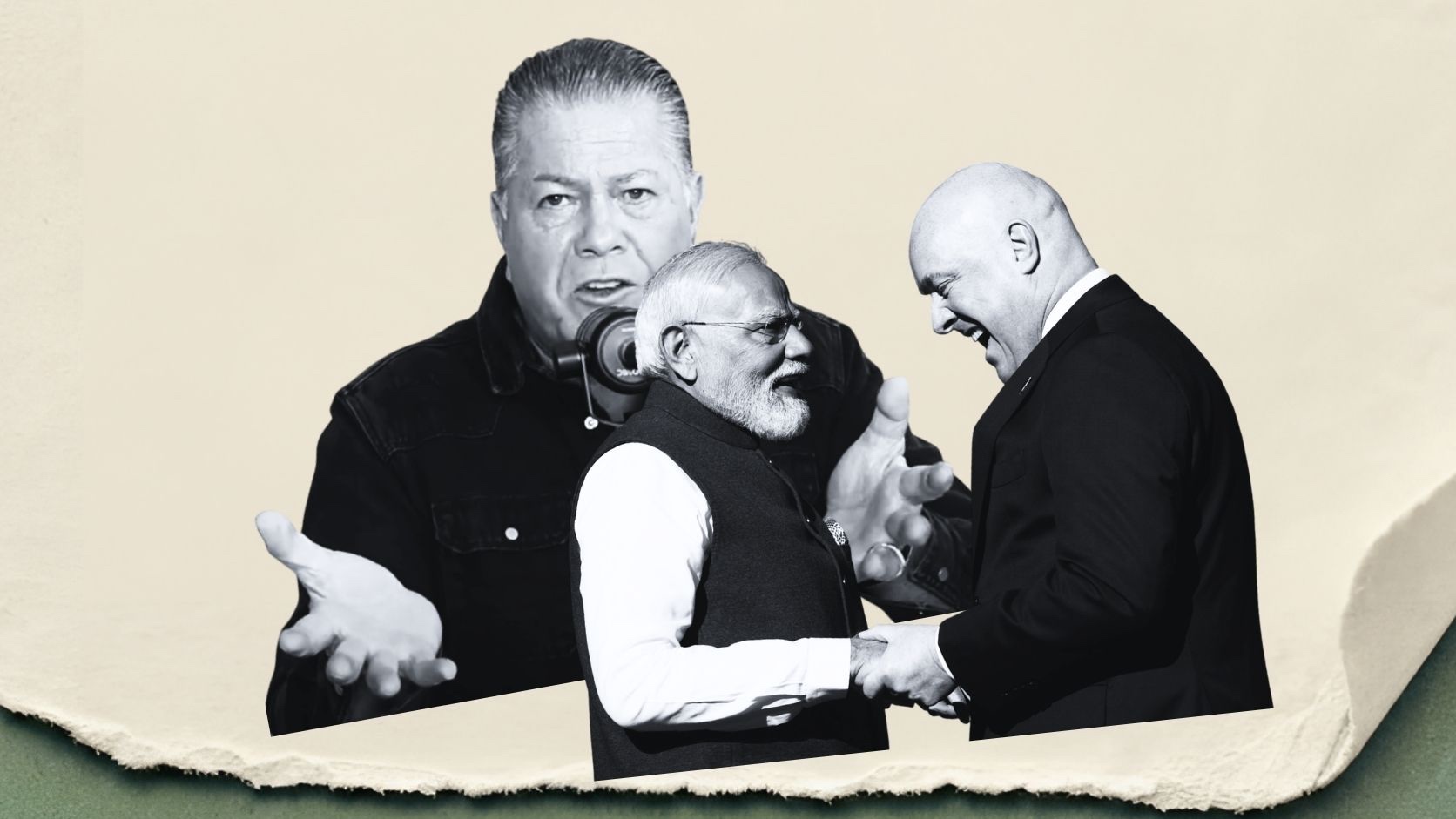
Selfie: ‘Daddy, please don’t take me to an India-NZ cricket match’. A migrant's dilemma Can a migrant embrace a new home without abandoning old loyalties? Sports often offers a reckoning for migrants.
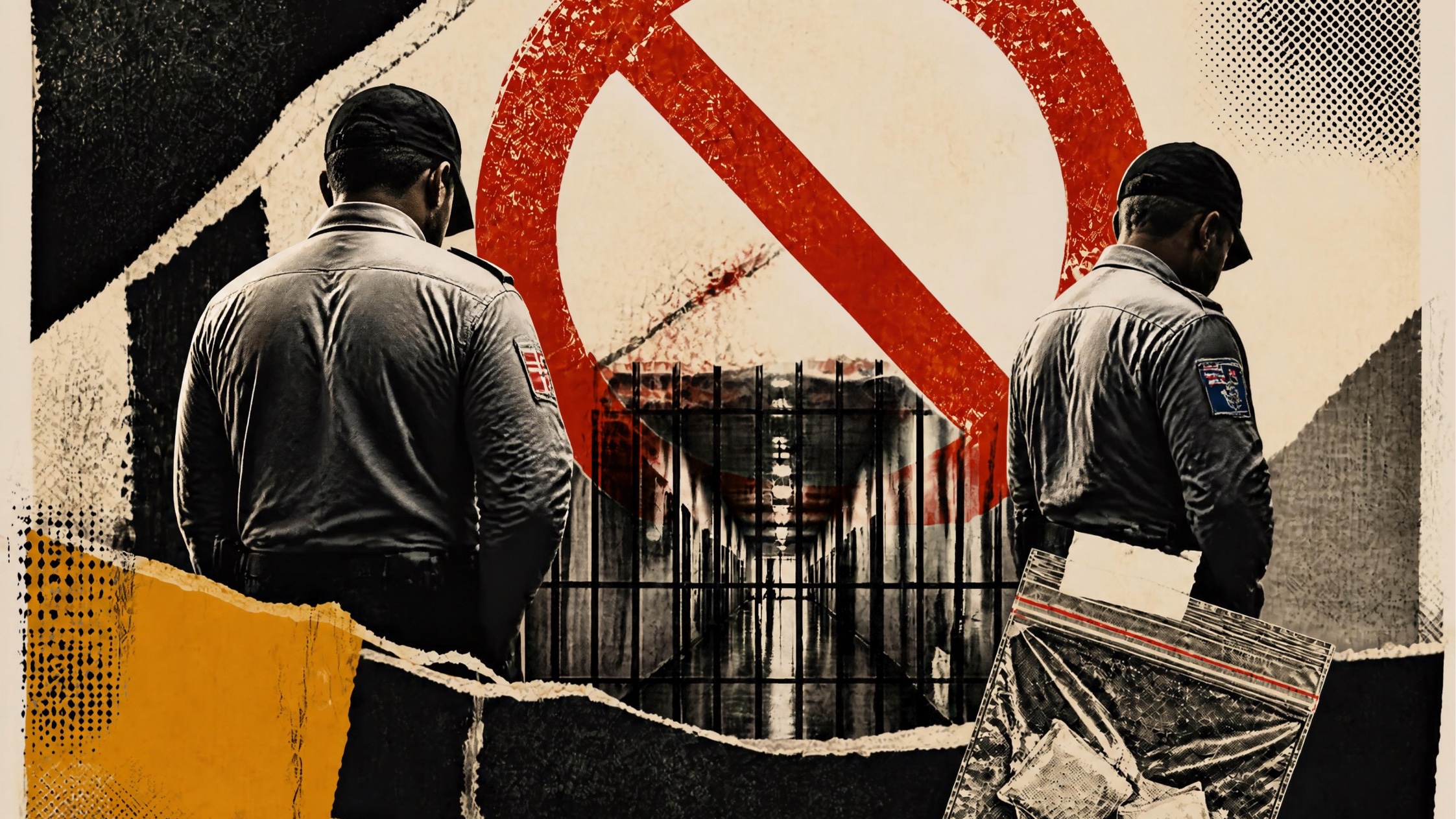
Migrant prison guards in Auckland accused of drug smuggling can't work, can't go home Two fathers facing serious corruption charges have been unable to work elsewhere because of their visas and awaiting criminal trials in 2028.
Can you be Indian and Kiwi? National's Mahesh Muralidhar on patriotism, racism and belonging National's big ticket Indian-origin candidate on what ethnic representation really achieves and why New Zealanders still struggle to get along.
As many as 3,492 cases remain undecided, allocation takes 460 days, and decisions another seven-and-a-half months. Only about one in five applications are successful, stretching services and prolonging uncertainty.
The Immigration (Enhanced Risk Management) Amendment Bill proposes one new lever to discourage such fraudulent claimants. It removes people's ability to withdraw an ongoing asylum claim to apply for another visa. It's a change on which Stanford and her ministry don't agree on.
In the two years to May last year, eight per cent of those who applied for asylum withdrew their applications midway, and then applied for another legit immigration pathway to remain in New Zealand.
The regulatory impact statement notes people might be applying for asylum "without ever having a genuine intention of successfully claiming asylum".
"There is a particular concern that some spurious claimants may be using [this] ability to...buy time and/or take advantage of changing circumstances during the determination process and secure alternative immigration pathways that would not have otherwise been available to them."
The financial benefits of this change can't be ascertained because of lack of data. But the government is clear this is not just about money. It feels this will have a "signaling effect" that New Zealand does not tolerate spurious claims.
MBIE doesn't agree. It also doesn't dispute the concerns around abuse but throws in a caveat. It's quite possible some of those withdrawing applications are genuine asylum seekers too, it argues.
In case they do become eligible for another pathway to remain in the country, say a work visa, this change would discourage them from withdrawing; which would have had reduced the case backlog.
The bill passed its first reading in Parliament on March 26, 2026, and has reached the select committee stage. Labour refused to support the bill in its existing form.
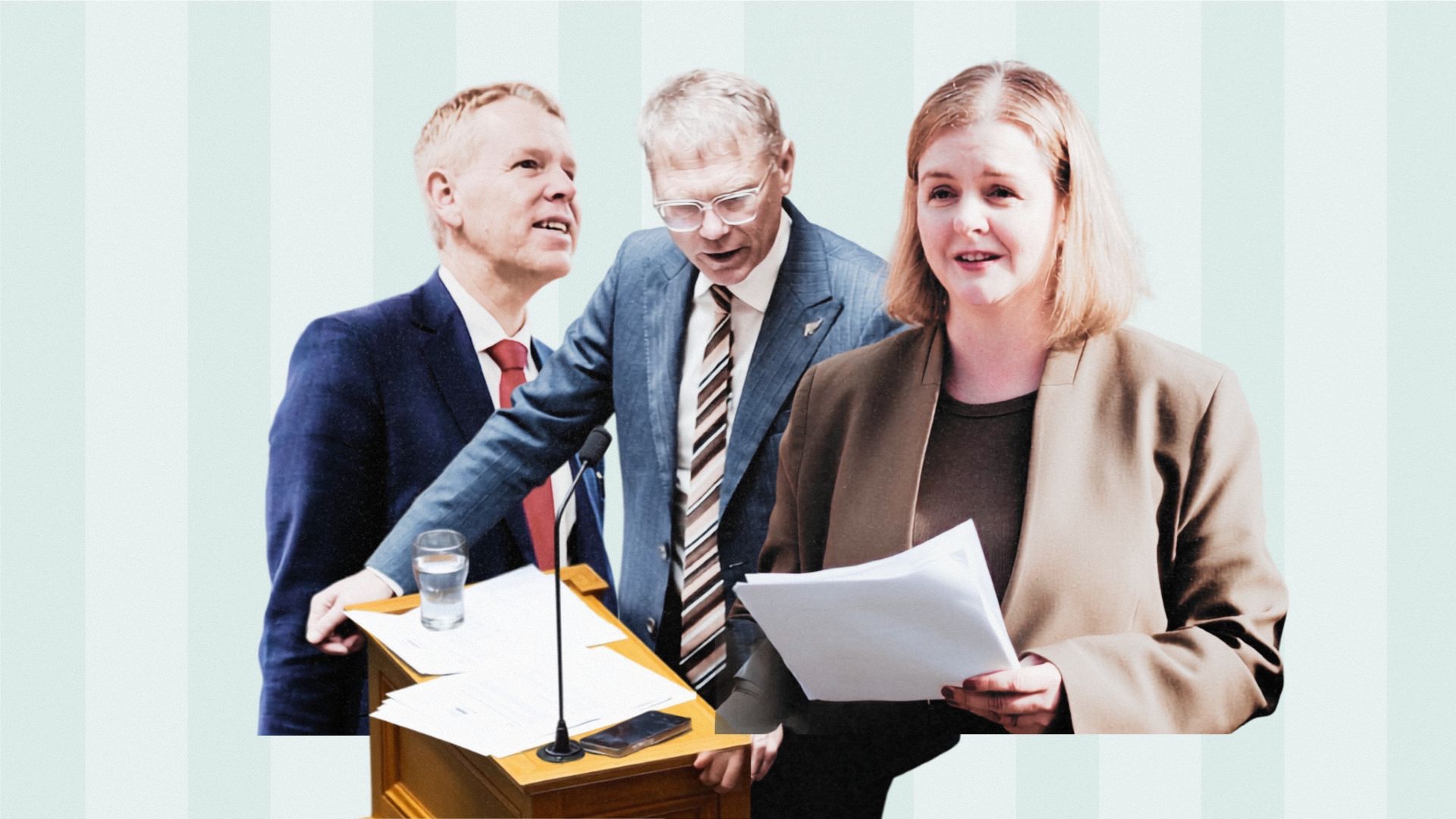
Its immigration spokesperson Phil Twyford described the bill as a "performative" stunt by Erica Stanford to look tough in an election year.
The other tranche of levers to tidy up asylum rules are part of a government paper submitted last week to go through the select committee stage. The government says the changes are significant and merit detailed public consideration before they are put in the legislative pipeline.
In New Zealand’s asylum system, decisions happen in two steps. First, a claim is assessed by Refugee and Protection Officers (RPOs) at Immigration New Zealand (INZ). If declined, it can be appealed at the Immigration and Protection Tribunal, which acts as the independent appellate body.
Within that system, two tests run side by side.
A refugee claim derives from threats of persecution in the home country based on identity, politics or belief. A protection claim, on the other hand, is narrower. It covers more general risks like torture or inhumane treatment on return. You can fail one and still meet the other.
The reforms lean on that split.
RPOs have long had the power to reject refugee claims made in bad faith. Think people deliberately making political speeches against the government of their home country to create grounds for political persecution.
But current laws don't allow RPOs to reject an application for refugee status while still being able to consider it on grounds for protection. They must reject the claim entirely, risking sending back a person to doom.
That's why they mostly let a suspected bad faith claim go through and let the tribunal take a call. That clogs up the backlog at the appellate level, slowing down outcomes for other claims that could be genuine.
The new proposal empowers RPOs to decline a particular claim for asylum, citing bad faith, while still being able to assess the same claim for protection status. That lowers the legal risk, and with it, the hesitation to act.
The rest of the changes tighten the process around that. One change deals with what happens on appeal.
Right now, if someone changes their story after an RPO makes a decision – adds new details, shifts timelines, brings in fresh claims – the Immigration and Protection Tribunal has limited ability to treat that as bad faith. It mostly has to assess what’s in front of it.
The tweak fixes that. The tribunal can now look at a person’s conduct across the whole process, including what they say and do during the appeal, and weigh that when deciding the case.
Another change targets repeat claims. At the moment, people can file again and still get a full hearing, even if their situation hasn’t really changed, depending on how the first decision was written.
The reform makes that simpler. If nothing important is different, the tribunal can stop the case there. No change in circumstances, no second bite.
Veteran immigration lawyer Alastair McClymont, who has handled asylum and protection cases for decades, says on balance the changes will end up doing more harm than good.
"New Zealand’s refugee system is a product of international law, rather than domestic law," he points out. "There are many legitimate reasons why refugee applicants may wish to change visa type, to make second claims, to add new information or to belatedly express political opinions through social media."
He says the new provisions risk placing New Zealand firmly amongst countries "openly expressing a disregard for a rules based order and international human rights protections".